2026 Commercial Product Catalog
Bosch Home Comfort delivers high-quality heating and cooling solutions, including water heaters, boilers, heat pumps, and system controls for residential and commercial applications.


Bosch Home Comfort delivers high-quality heating and cooling solutions, including water heaters, boilers, heat pumps, and system controls for residential and commercial applications.
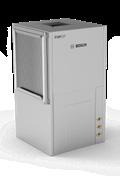
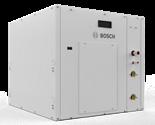
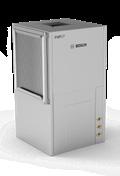
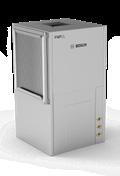
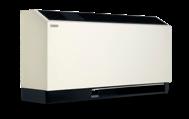
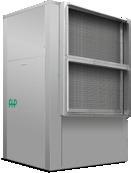
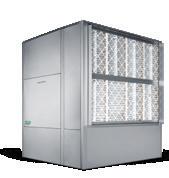
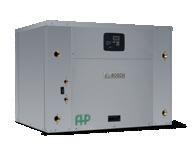
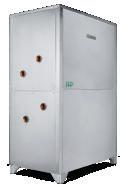
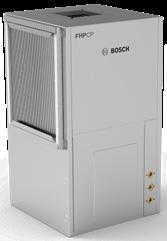
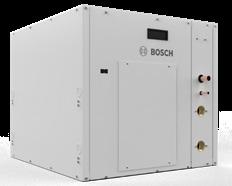
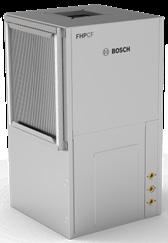
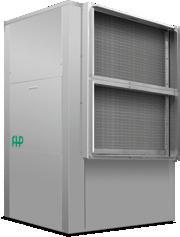
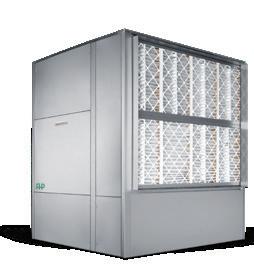
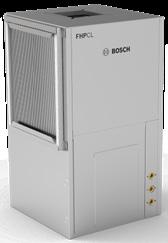
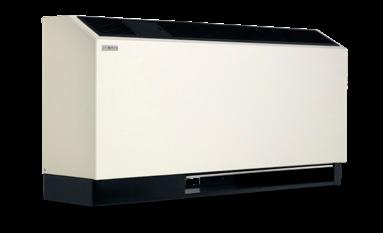
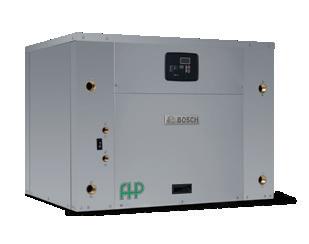
▶ 2 to 6 ton capacities
▶ Two Stage High Efficiency
▶ Passive Dehumidification standard
▶ Standard ECM Constant Air (Variable Speed) blower motors
▶ Optional heat recovery (DHW desuperheater)
▶ 2 to 6 ton capacities
▶ Two Stage Ultra Efficiency
▶ New consolidated product offering
▶ 2 to 6 ton capacities
▶ Two Stage high efficiency
▶ Excellent replacement product for high-rises and condominiums
▶ Constant Torque ECM, the Constant Airflow ECM is an option
▶ 6 to 30 ton capacities
▶ Two Stage Compact Cabinet
▶ Improved scroll compressors on sizes 072 & 096
▶ Single blower high static pressure capabilities
▶ 30 to 60 ton capacities
▶ Modular construction makes this an ideal solution for replacement of floor-by-floor packaged unit (no field brazing of refrigerant lines)
▶ Variable air volume and 100% outside air capability(4)
▶ High efficiency Scroll Compressors with multiple independent refrigeration circuits
▶ ½ to 6 ton capacities
▶ Single Stage high efficiency
▶ Optional Electric heat and Hot Gas Reheat (for dehumidification)
▶ Optional ECM constant torque blower motors
▶ Front water connection available in left or right option.
▶ ¾ to 1½ ton capacities
▶ Quiet and compact design
▶ Optional motorized outdoor air damper
▶ Optional 63” cabinet for third party valves & pumps
▶ 2 to 6 ton capacities
▶ Quiet and compact design
▶ Excellent option for hydronic floor/baseboard heating, hydronic forced air fan coil heating/cooling, ice and snow melting, and swimming pool/spa heating
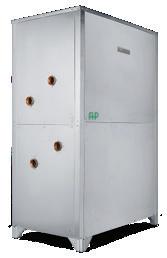
▶ 10 to 35 ton capacities
▶ Modular design provides flexibility at install
▶ Single or Two Stage Scroll Compressors
▶ Geothermal ready
DDC - Multi-Protocol (BacNET, N2, ModBus)
DDC - Multi-Protocol w/ Expander
Drive
DDC - Multi-Protocol w/ Inverter
DDC - Multi-Protocol w/ Inverter & Expander
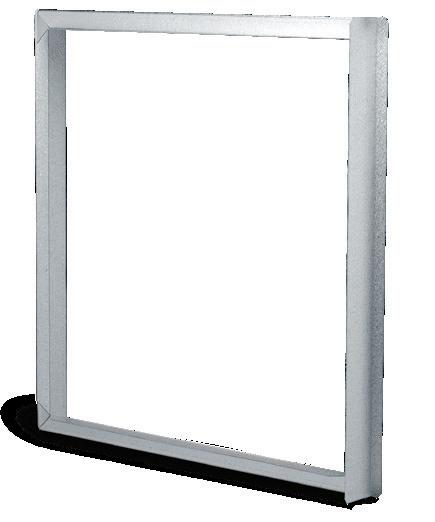
8, 2" Filter with 4 Sided Filter Rack (side or bottom access)
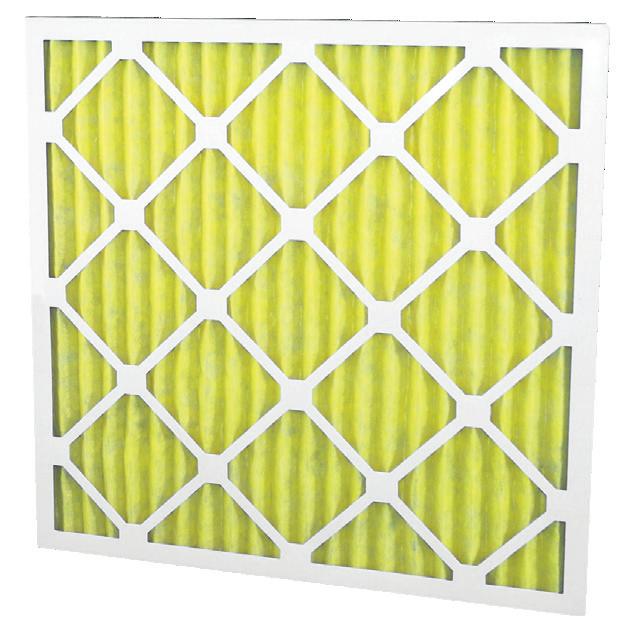
MERV 13, 2" Filter with 4 Sided Filter Rack (side or bottom access)
Cleanable Mesh Filter
4" Pleated Filter
Take Apart / Modular Construction
Mounted
- Control Air 5600
- Control Air 5830
DDC - Control Air 6120
DDC - Zone Sensors
In the past, an A/C unit were identified only by the model and configuration.
Units with the same model number can be very different from each other depending on the options that were included.
We have modified the code string to describe exactly the model, size and all of the options that may have been ordered with that unit.
Each digit in the code string refers to a specific characteristic or option on a unit. In this way the code string is unique to the specific unit, unless identical units are ordered. The code string will be listed on the unit data plate so it is possible to identify what is in the unit without having to remove panels to physically identify what is installed. We have structured the code string so that every position in the code string for different units refers to the same option. This makes it easier to recognize if a specific option is included.
Downflow (ES/CE models only)
Mounted Control, Left Water (Console Series)
Unit Mounted Control, Right Water (Console Series)
Remote Thermostat Control, Left Water (Console Series)
Thermostat Control, Right Water (Console Series)
Section (Splits)
Specializing in efficient technology for commercial heating and cooling products. FHP products are one of the leading Geothermal and Water Source heat pumps in the market, which assures that you are buying a unit that you can trust. Bosch Home Comfort is dedicated to providing highly optimal heating and cooling solutions to the private and public sectors.
Bosch Home Comfort leads in innovative design and product development to optimize FHP performance. Built to the highest quality standards, FHP products deliver superior reliability and comfort; making them the ideal choice for both new construction and retrofit applications.
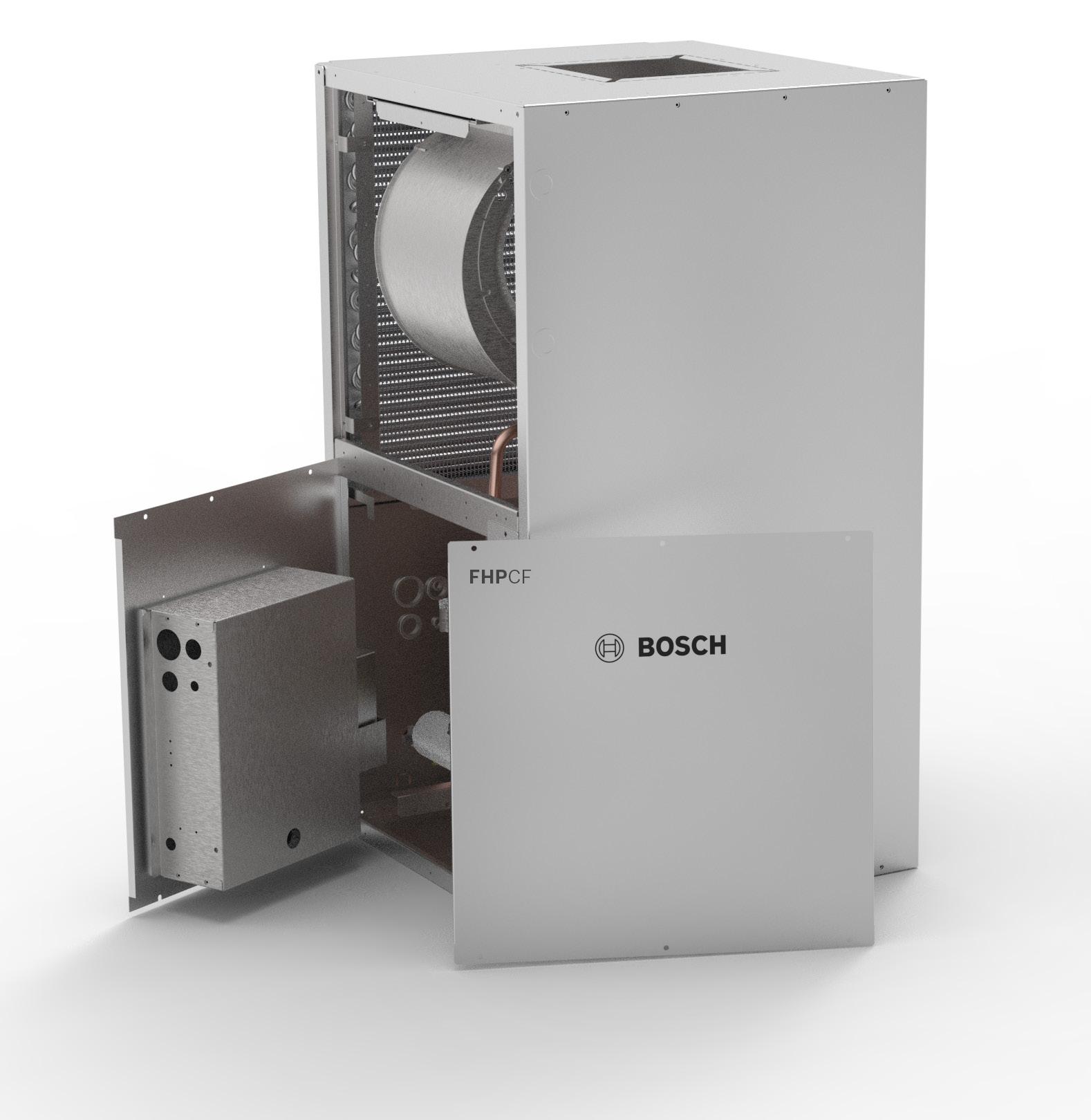
Built from heavy-gauge, galvanized steel, the unit offers superior durability and corrosion protection. Its compact, powder-coated design ensures a clean, professional look with easy service access. Key features include front-serviceable air coils, a slide-out blower, insulated refrigerant lines, and a factory-installed filter drier. The swing-out and divided electrical box enhance safety and accessibility, while the optional Duo-Guard air coil adds extra corrosion resistance. Designed for reliability and quick maintenance, this unit delivers the quality and performance expected from Bosch.
Quiet operation
Energy Efficiency
Space savings
Superior quality
Flexibility and comfort
Simplified installation
Economical operating costs
B Air Coil Serviceability: Improved design allows for easier replacement from the front of the unit
C Slide Out Blower: Easy serviceability of the blower, and improved access to entire refrigerant circuit
D Filter Drier: Standard in all configurations of CL units
E Fully Insulated Refrigerant Lines: Refrigerant lines will be wrapped in insulation, including the water coil
Swing Out Electrical Box: Electrical box will swing out of the way allowing for improved access and easier servicing of the unit
Divided Electrical Box: Will have a separate designated compartment for high and low voltage components, keeping service technicians safer
H Gauge Pass Through: Allows refrigerant gauges and temperature probes to be connected to the unit while allowing for standard unit operation
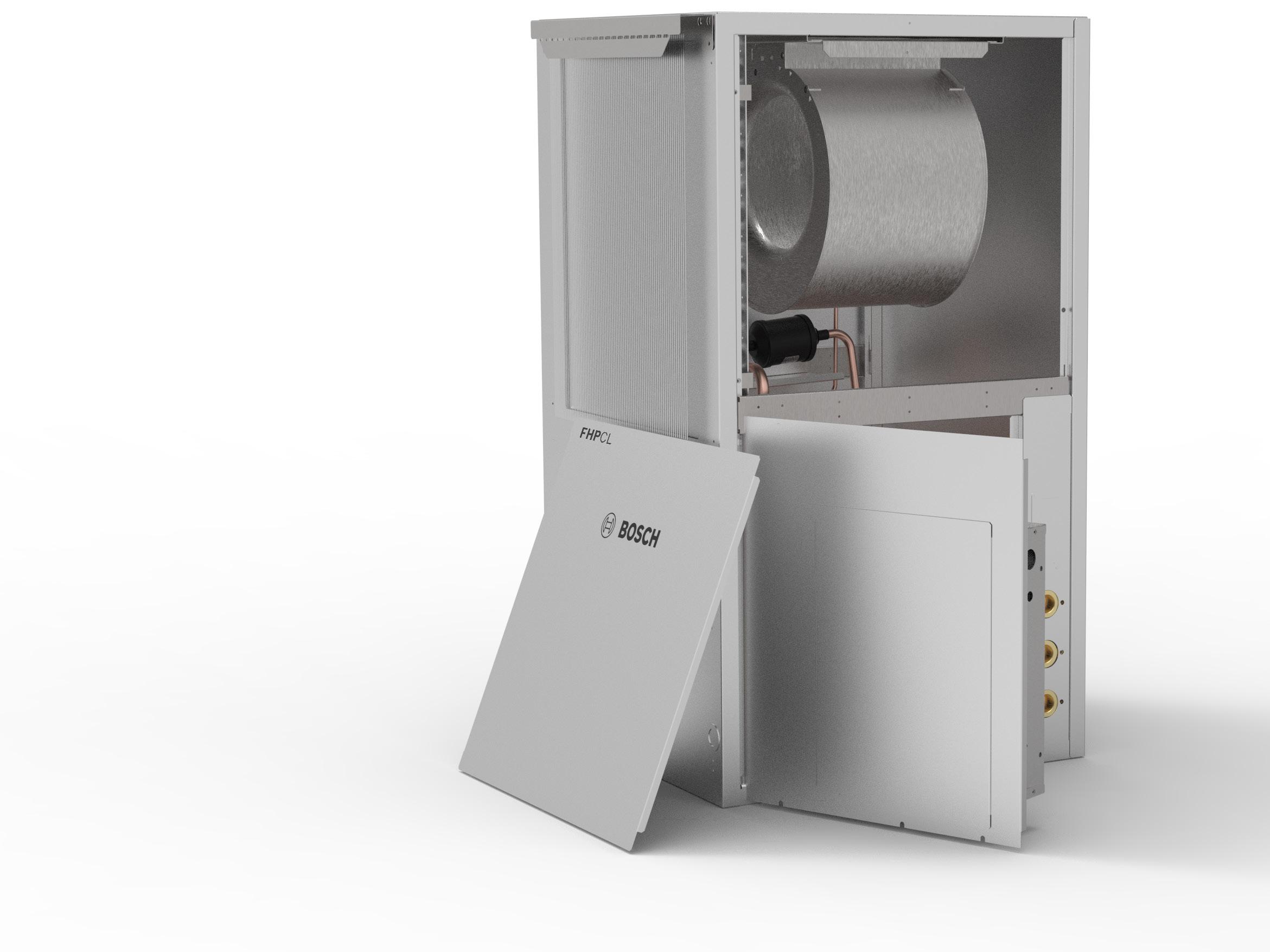
The cabinet is designed to be installed in a narrow space such as a closet, basement, or utility room. The return air duct is either mounted on the left or right hand side of the cabinet and the supply air is discharged from the top.
The cabinet is designed to be installed in a ceiling, attic, or crawlspace. The return air duct is either mounted on the left or right hand side of the cabinet and the supply air is either discharged end or straight through.
The cabinet is designed to be installed in a narrow space such as a closet, basement, or utility room. The return air duct is either mounted on the left or right hand side of the cabinet and the supply air is discharged from the bottom.(*)
The cabinet is designed to be installed in any small space and away from any noise concerned occupants. The CS unit contains major components such as the compressor and water coil.
The cabinet is designed to be installed underneath windows, in classrooms or stairwells. The return air duct is located on the bottom front part of the unit and the discharge air is discharged top. The unit can be configured with either a Unit Mounted Controller (UL or UR) or Remote Thermostat (RL or RR). The water supply/return locations are located on either the right or left hand side of the unit. and typically on the same side as the Unit Mounted Controller, or the Remote Thermostat connection location
(MC SERIES MODEL ONLY)
The VH design concept is to provide a unit that will facilitate on site handling and can be installed in locations difficult to access. All units can be broken down into separate sections that can pass through a 36” wide standard size door or service elevator.
The MC360 ships in two sections and can be easily broken down into three separate sections; the fan section, main heating/cooling section and the economizer/filter bank section. The MC480 through MC720 ships in four sections and can be broken into six separate sections, two each as previously mentioned. Very few competitive equipment manufacturers have this capability.
The VL is designed for those applications where there is a restriction in the height of the unit. In this unit the blower is dropped into the main coil section reducing the unit’s overall height and increasing unit depth. The MC360 ships in one section and can be separated into two sections, the main refrigeration and blower sections and the filter/economizer section. Unit sizes MC480 through MC720 ships in two sections and can be separated into four sections for transportation and access into the plant room.
The cabinet is designed to be installed in any space. The Unit Mounted Controlled Units (US) and Remote Controlled (CS) units give the end user options to either have the unit controlled locally or through a remote control.
The US and CS units contain major components such as the compressor, source side water coil, and load side water coil.
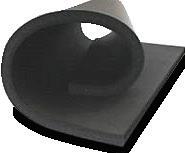
All interior surfaces are lined with 1/2” thick, 1.5 lb./cu.ft. density, Micromat (dual density) or closed cell foam insulation for thermal insulation and acoustical attenuation. This insulation is noncombustible, non-hydroscopic and does not support fungal growth. Insulation meets NFPA 90A and 90B for fire protection and is certified to meet the GREENGUARD®Indoor Air Quality Standard for Low Emitting Products. Protection against corrosion is a feature in the unit.
A stainless steel drain pan will last the lifetime of the unit and resist corrosion and cracking that may occur with plastic materials.
The take apart option makes installation possible into buildings where access is limited to standard size doorways and elevators. This unit is shipped fully assembled with the air handling and condensing sections capable of being field-separated for rigging into the space. The refrigerant circuit is separated into two parts, capped, sealed tight, and charged with nitrogen.
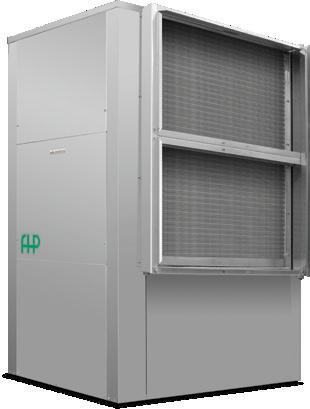
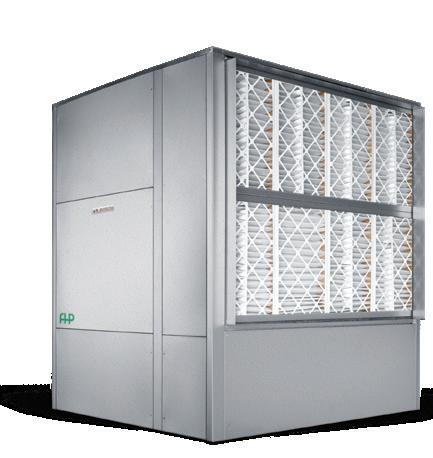
The installer is responsible for reassembling the sections, connecting the refrigerant circuit, charging the unit and wiring the unit motor. Allow for an increase of 3” of height on top of catalog dimensions.
For MC models, the modules come apart without breaking the refrigerant circuit. The filter sections [filter section may include (optional) Economizer] can be detached in the field so that you can fit the disassembled sections through a door width of 47” or greater on the Vertical Low Configuration (VL) or 33” or greater on Vertical High Configuration (VH).
Designed with ease of assembly in mind, the unit comes with bolts to bolt the sections together, unions for the water connections, and the refrigeration circuit remains intact during disassembly / assembly.
Noise is a topic which plays a major role in any HVAC system yet it is a topic which is either misunderstood or not very well understood in the HVAC world. Too much sound or unwanted sound can create unpleasant living conditions and the end users prioritize the value of quieter HVAC system. Bosch addresses the issue by isolating and insulating the loudest components in the Water source heat pump system.
Bosch also offers sound attenuation option for the other WSHP models as well.
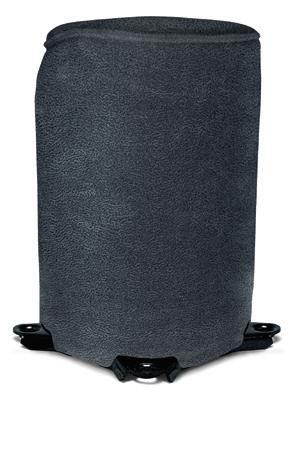
Most of our units have a distinct floating base pan; the compressor is mounted on a heavy steel plate which rests on a high density rubber pad on the base of the unit. In addition, compressors are mounted on rubber grommets and have double isolation. This is standard in all units preventing vibration and noise transmission from the compressor to the unit structure, resulting in exceptionally quiet operation. Units offer optional closed cell foam insulation to help aid indoor air quality (IAQ) and to further attenuate low frequency noise from the compressor compartment. The closed cell foam insulation option is available in all unit sizes. For additional sound attenuation, an optional compressor blanket is available.
SEE THE BOSCH HOME COMFORT SOUND TESTING LABS
All units are designed to be serviced from the front. Schrader valves for high and low pressure gauges and the electrical box components are easily accessible for diagnosing and servicing the unit. Insulated bulkheads in all units, separate the compressor section from the blower section, allowing the unit to be serviced during operation. Large removable panels aid in servicing the unit, when necessary. Separate electrical knockouts in the unit corner post allow for easy and safe routing of high and low voltage lines to the inside of the cabinet.
Units come standard with a 1” filter rack and construction filter. A 2” four-sided filter rack and pleated filter is optional and greatly improves air filtration. Filter doors allow for easy routine maintenance and changing of the air filter. A 1” return duct collar is integral to the filter rack eliminating the need for field mounted duct collars. Every CA model comes with a washable, reusable mesh-filter that provides air filtration from the base of the console.
The optional 2” MERV-8 or -13 filter is most advantageous for premium air filtration on commercial HVAC projects. High efficiency filtration with 2” of filter material is a cost-effective way of upgrading air quality while maintaining low pressure drop and sustaining long service life. These filters effectively remove up to 98% of airborne matter, such as fine particulates, bacteria, smoke, gases and allergens including dust mites, pollen, mold spores, dust and smog. MERV-8 and MERV-13 rated filters are a minimum requirement for EQ credits 3.1 and 5 on LEED projects. With the standard ECM constant airflow motor the Bosch units are prepared to handle higher external pressure drops when utilizing the higher efficiency MERV-13 filters.
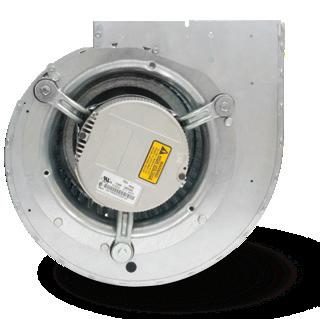
Bosch provides several fan motor options for water to- air units.
PERMANENT SPLIT CAPACITOR
MOTORS (PSC)
The standard motor for all CL sizes and CL units 1 ton and under is a PSC motor. For all models other than 575 V units, the supplied motor is a three speed motor. 575 V motors are single speed.
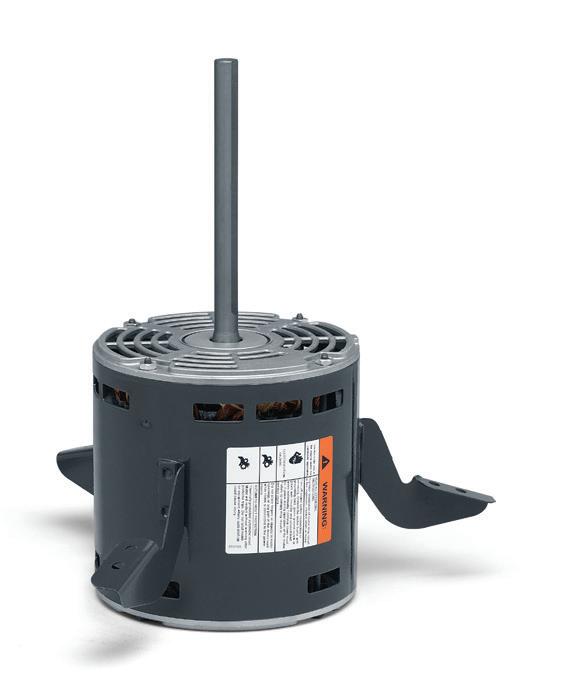
The ECM Constant Torque (ECM CT) blower motor option offers improved efficiency (up to 33%) over the standard PSC motor. This motor is similar in function to a PSC, but can handle up to 1 in.w.g. external static pressure making it a wise choice for high filtration applications. These motors are available in unit sizes 007 to 070. This ECM motor option is an excellent choice for retrofit. The constant-torque motors do not require a neutral wire for 460/3 power.
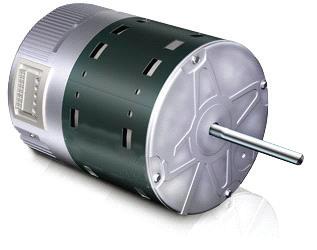
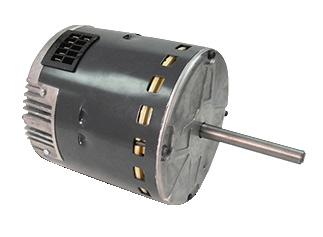
The high efficiency ECM Constant Airflow or CFM (ECM CA) motor option, available in 1/3hp to 1hp, provides constant airflow in a wide static pressure range up to 1 in.w.g. Available in unit sizes 015 to 070, this motor is a great choice in high filtration applications, such as MERV-13, as well as high static conditions. The motor has a soft start/ stop feature, keeping noise to a minimum. CL units outfitted with any ECM motor can see an efficiency boost with up to 1.8 additional points of EER. Passive dehumidification can be achieved with the constant airflow ECM by reducing nominal airflow by 15%. This control feature lowers air coil temperature and prevents over-cooling of the space when in dehumidification mode. IMPORTANT NOTE: The ECM CA requires a neutral wire in a 460V application.
On large water-to-air EC and MC units, the VFD option is available as a means to adjusting the airflow to any CFM value for ideal space conditioning.
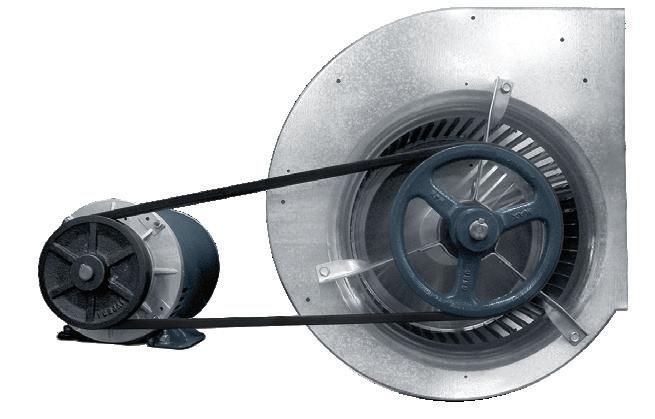

On large water-to-air EC and MC models, several motor horsepower options are available. A 1, 1.5, 2, 3, and 5 HP motor option is available. See table below: * Not available with VFD, Standard Feature, Optional Feature
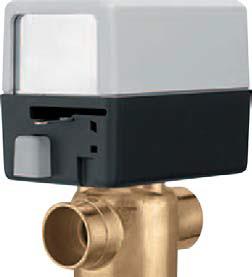
The two-position motorized water valve is optional on all unit sizes and is a great energy savings option. The valve opens to allow 100% fluid flow through the coaxial heat exchanger only when there is a call for cooling or heating. Closing off fluid flow to the unit when there is no call for cooling or heating reduces system operating costs, when using variable speed pumping, by reducing the speed of the primary loop pumps. The valve may also help during field service situations when many units are connected to the common water loop.
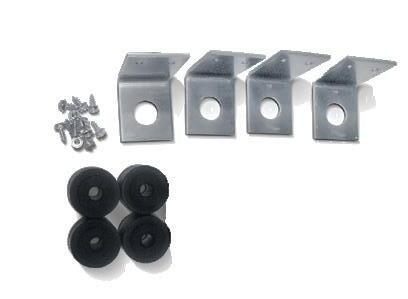
All horizontal units come standard with hanging bracket kits for suspending the unit from field supplied hanger rods (not available on CA, EC, MC, WT, WW models). These kits include heavy-duty steel brackets and rubber grommets for sound and vibration isolation from the building structure.
The water connection is a front configured heavy duty bronze FPT fitting securely fastened to the unit corner post. This allows connecting to a flexible hose kit without the use of a backup wrench making for easier, faster installation.
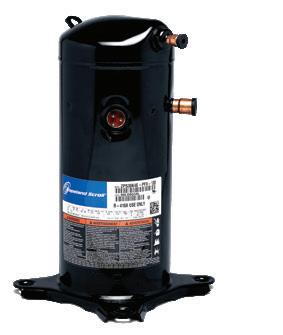
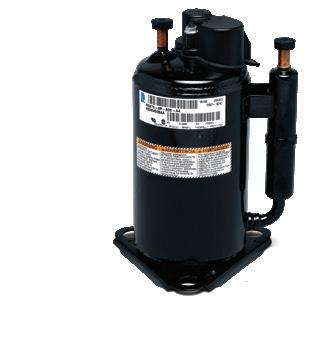
Bosch offers two compressors: Rotary and Scroll. Rotary compressors are supplied on capacities 007-018 and on all CA models. On sizes larger than 024 and up, heavy duty and high efficient scroll compressors are standard.
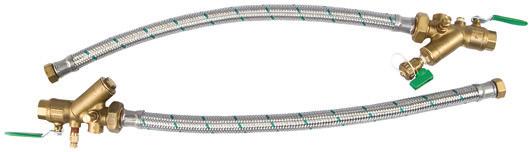
The MeasureFlow option provides a hose kit with an Automatic Flow Valve (AFV) or hose kit, Y-strainer, and Blow Down Valve (BDV). The AFV has a design flow rate preset at the factory per the design conditions and will automatically limit the flow to this value. This will greatly facilitate balancing of the fluid loop and ensuring each unit gets the required flow. The BDV allows for purging of the loop on the supply side. The filter screen is 20 mesh, 304 stainless steel to help prevent dirt and debris from entering the water coil.
A factory mounted Automatic Water Flow Valve that is set to 3 GPM/nominal ton of cooling. Simplifies flow balancing of large systems by setting each unit to an optimal flow rate. Flow cartridges are field changeable. If a hose kit is selected with an AFV, then the internal AFV would be redundant.
Includes the two-position motorized water valve (24V) as an option (with 300 psig working pressure) and MeasureFlow. This could be used to shut off flow to the unit when there is not a call for heating or cooling. A typical application would be with VFD pumping.
The water regulating valve connection includes a Schrader valve port which is used for servicing and charging refrigerant.
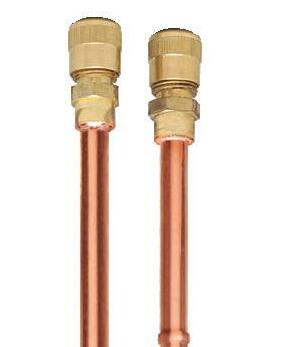
Units are designed using the optimum combination of compressor, water and air coils to provide peak performance. Units are rated to withstand 600 PSIG working refrigerant pressure and 400 PSIG working water pressure.
Heavy-duty heat pump compressors are used in all units. Rotary and scroll compressors offer optimum performance for each unit size.
Refrigerant to water heat exchangers are coaxial tube-intube type providing a robust construction, ensuring years of trouble free operation. Coaxial coils are selected and designed for peak performance, offering the best combination of low water pressure drop and maximum heat transfer in both the cooling and heating modes. Standard coaxial coils have a copper interior water tube and a steel outer shell. Optional Cupro-Nickel coils are available for applications where the water is of lower quality.
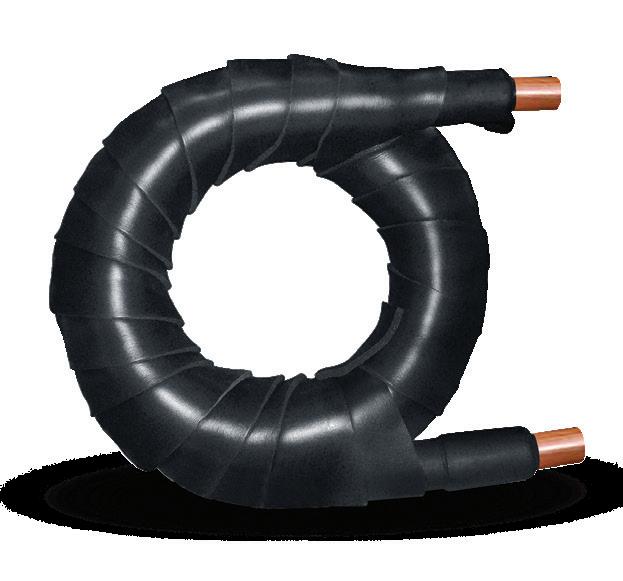
In geothermal applications where fluid temperatures can drop below the dew point of the surrounding air, optional insulation is available to prevent water coils and refrigerant piping from sweating. Air side refrigerant coils have copper tubes, aluminum fins and side plates to prevent corrosion. Air coils are state of the art, employing lanced fin and rifled tubing for maximum heat transfer. Large face areas result in lower face velocity reducing sound while ensuring high latent heat removal for maximum dehumidification in the cooling mode. A pilot operated four-way reversing valve in the refrigeration circuit allows the unit to operate in either the heating or cooling mode. All FHP units have the reversing valve energized in cooling mode. This will ensure you are not left without heat in the middle of winter, should the reversing valve coil fail.
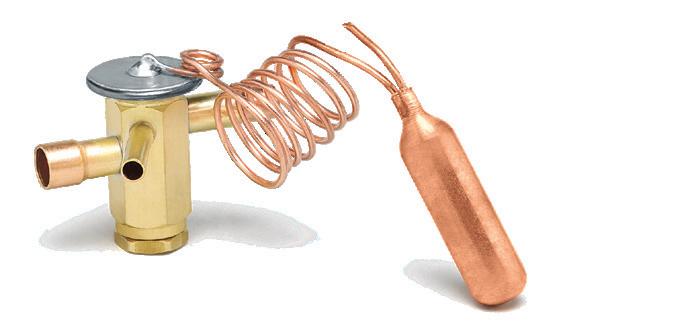
Refrigerant flow to the air coil is metered by Thermal Expansion Valves (TXV) as standard in all units. TXV’s are designed to vary the flow of refrigerant depending on the load. TXV’s provide unit optimization and a more stable control over a wider range of operating conditions while assuring proper refrigerant level in the operating evaporator.
A hot gas reheat valve and a reheat coil are included in the refrigerant circuit. The refrigerant circuit in the cooling and heating mode is identical to a standard heat pump. In the reheat mode, the compressor discharge gas is diverted through the reheat valve to the reheat coil which is located downstream of the cooling coil. The superheated refrigerant gas reheats the air leaving the cooling coil. The hot refrigerant gas then passes though the water to refrigerant coil where it is condensed to a liquid. From this point the rest of the cooling cycle is completed as in a regular heat pump. There are two check valves to prevent refrigerant flow into the reheat coil during standard cooling/heating cycles. A small copper bleeder line is connected to the outlet line of the reheat coil and between the expansion valve outlet and distributor to the air coil. This line is necessary to let any liquid/oil that may have migrated to the reheat coil during reheat to escape during standard cooling/heating modes.
Hot gas reheat (HGR) allows the user to not only control space temperature, but also humidity levels within the conditioned space. Excessive moisture in the space can promote mold growth leading to damage in the structure or interior surfaces, as well as reducing the air quality and creating an unhealthy environment.
Possible causes of excess humidity could be a byproduct of the unit having to operate under a widely varying load, an oversized short cycling unit, a high percentage of unconditioned outside air being introduced into the space, a high latent load in the space or any location where humidity infiltration is a problem. Typical unit control is by a wall mounted thermostat that senses temperature in the occupied space. By utilizing a humidistat in addition to the thermostat, our units with Hot Gas Reheat are able to control the humidity levels in the space as well. The Hot Gas Reheat option allows cooling and dehumidification to satisfy both the thermostat and humidistat while preventing over-cooling of the space while in the dehumidification mode.
Once the thermostat reaches set point temperature, the humidity is above set point, the unit controller will energize the reheat valve operating the unit in hot gas reheat mode, first cooling and dehumidifying, then reheating the air (using hot refrigerant gas) before delivering it to the space, usually 2° to 5°F below room temperature. The unit operates like a dehumidifier by reheating the air along a constant sensible heat line, while the relative humidity of the leaving air is reduced. This option offers significant energy savings over reheating air with electric heating coils.
The moisture removal capacity of a specific heat pump is determined by the unit latent capacity rating. A heat pump’s latent capacity can be determined by reviewing the heat pump specification data sheets. Depending upon the entering water and air conditions, a total and sensible capacity can be interpolated from the data sheets. Subtracting sensible capacity from total capacity yields latent capacity. Dividing the latent capacity by 1069 converts the amount of moisture removal from BTU/Hr. to Pounds Per/Hr.
In the reheat mode, on a call from the humidistat, the reheat relay coil is energized through the “H” circuit.
The cooling relay remains de-energized enabling the reheat solenoid. The blower relay, reversing valve and compressor contactor are energized through contacts on the reheat relay.
(Note: The reheat mode always operates in the cooling mode.) Should the temperature in the space increase above set point, the compressor terminal Y is energized, which will de-energize the reheat valve putting the unit into straight cooling mode. A call for cooling or heating will always take precedence over hot gas reheat.
There are several ways to control heat pumps with hot gas reheat. You should choose the means that best suits your specific application. Please refer to the Hot Gas Reheat wiring diagrams for typical thermostat wiring. Most heat pump compatible thermostats in conjunction with a humidistat are acceptable for use.
(Note: “O” output for reversing valve energized in cooling mode is required.) Combination thermostat/ humidistats are also available.
Modulating Hot Gas Reheat differs from On/Off in that the reheat function is always active. The purpose of Modulating Hot Gas Reheat is to deliver supply air at or close to neutral conditions.
Air is cooled and dehumidified by the cooling coil to around 55°F DB/54°F WB. A sensor located in the supply air stream is set at the required leaving dry bulb temperature and will send a signal to the modulating hot gas reheat valve to direct the flow of hot gas to maintain that temperature. A typical application for this would be in treating 100% outside air. This air would be ducted directly into the space relieving the unit handling the zone of any outside air load. This can result in a smaller zone unit, less airflow and a savings in both initial and operating cost. Control of the hot gas modulation is by the DDC control logic via the sensor in the supply air duct or through a building management system. A separate controller is used to control the unit itself.
Some applications require special attention to maximize the performance of the hot gas reheat function:
Low Temperature Well Water
Indoor Pool Dehumidifying During Winter Months (Re: Heating Mode)
Please consult with Bosch EAP for special application considerations.
The function of the hot gas bypass valve is to prevent icing of the air coil when the unit is operating at low cooling load conditions. This situation could arise if the space experiences widely different loads, for example a conference center or if a unit is sized for heating, it could be oversized for cooling. Without a hot gas bypass circuit the evaporating temperature could fall and ice could form on the coil restricting airflow and aggravating the situation. Eventually
the heat pump could lock out on air coil freeze protection. The hot gas bypass valve located in the compressor discharge line diverts hot gas to the inlet of the air coil.The valve is factory set to open when the evaporating pressure falls to 90 PSI and will modulate to prevent the pressure falling any lower. This setting is field adjustable and this set point may be adjusted as required.
The Hot Gas Bypass option is a freeze prevention device that routes hot refrigerant from the compressor directly to the evaporator (air) coil. This prevents the air coil from freezing in low load operation. The system consists of a bypass regulator, check valve, equalizer line, and T-union.
The Straight Cool option allows for heat pump cooling only operation where the reversing valve is removed from the unit. These units are recommended for warm climate regions.
Hot water needs account for a large percentage of the energy a home or building consumes every year and Bosch customers know that our efficient technology can help support their hot water needs through the optional heat recovery package.
With the Heat Recovery Package, you can have part of the system dedicated to your air conditioning and heating and another portion to supplement your current hot water heating system to meet the needs of the building.
The air coil provides either heat or cooling to the space occupants. It does this by channeling the superheated refrigerant gas (in heating mode) to the coil or liquid/ gas refrigerant mix (in cooling mode) to the coil. As the blower air from the blower moves over the coil, the hot/cold refrigerant heats/cools the space.
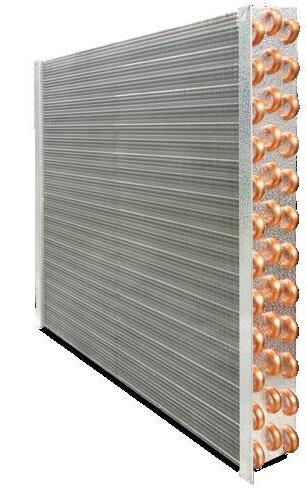
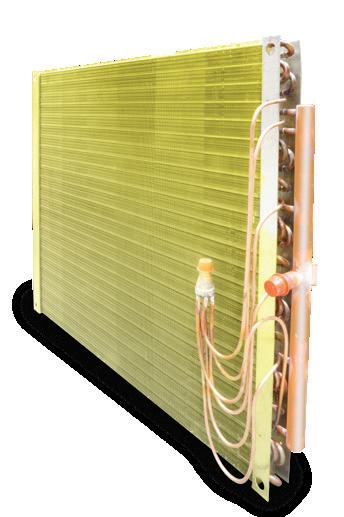
Bosch air handling sections come standard with a copper tube aluminum fin evaporator coil as standard (uncoated). As an option, tin electro-plated copper tubing protection is available. This Tin-Plating option will protect the evaporator coil from most forms of corrosive elements in the airstream and adds life expectancy to the entire system. Another option is the DuoGuardTM coil coating which provides maximum protection against corrosive elements in the airstream including formicary corrosion. This coil coating includes tin electro-plated copper tubing + hightech polymer coated aluminum fins. DuoGuardTM protected coils are able to exceed 1000 hours of salt spray as per ASTM standard B-117.
A removable inlet ring is a standard feature of the blower housing on all unit sizes. The removable inlet ring helps facilitate motor removal without having to remove the fan housing from the cabinet greatly decreasing field service time.
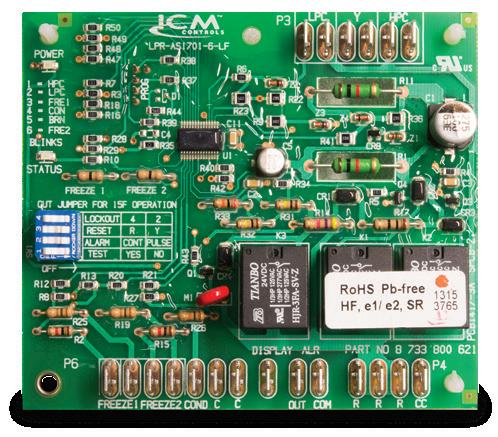
Each model is factory provided with a Unit Protection Module (UPM) that controls the unit operation and monitors the safety controls that protect the unit. The UPM interfaces with the thermostat or direct digital controller. The main purpose of the UPM is to protect the compressors by monitoring the different states of switches and sensors. This module provides time delays and protects the unit against freezing of the water to refrigerant and air to refrigerant heat exchangers as well as condensate overflow.
High pressure switch located in the refrigerant discharge line.
Low pressure switch located in the unit refrigerant suction line.
Standard low fluid temperature (freeze) protection sensor. The freeze protection sensor, located on the refrigerant liquid line entering the coaxial heat exchanger, is designed to disable compressor operation when the unit is in the heating mode, should the refrigerant temperature fall below either 26°F (-6.6°C) or 15°F (-9.4°C).
Condensate overflow protection sensor is standard and factory mounted in the drain pan of the unit.
Low air coil temperature (freeze) protection sensor disables the compressor when the refrigerant entering the air coil drops below 30°F (-1.1°C).
The UPM controller continuously monitors the drain pan for high condensate water level, and if this exceeds normal operating levels, the compressor operation is interrupted to protect against drain pan overflow.
5 minute delay on break timer to prevent compressor short cycling.
Each controller has a unique random start delay ranging from 270 to 300 seconds after power is applied to the board. This will prevent the simultaneous start of multiple units after a power outage.
The low pressure switch is bypassed for 120 seconds after a call for compressor operation to prevent nuisance low pressure lockouts during cold start-up in the heating mode.
Prevents compressor operation should the voltage drop below 10% of unit rated value. The unit will restart once the voltage is within tolerance and the random start has timed out.
The controller has a set of contacts for remote fault indication. This can be either a steady output or can be set to pulse with the fault code. Two connections are available – one to provide a 24 volt output, the other to provide a dry contact.
A dip switch setting is provided to reduce all time delay settings to 10 seconds maximum during troubleshooting for verifcation of unit operation.
Two LED indicators are provided as follows:
GREEN: Power LED indicates 18-30 VAC at the board
RED: Fault indicator with blink codes identifying the particular fault. This information is available via the malfunction (alarm) output contacts
1 BLINK - High Pressure
2 BLINKS - Low Pressure
3 BLINKS - Low Fluid Temperature (Freeze Protection)
4 BLINKS - Condensate Overflow
5 BLINKS - Brownout condition
If a fault condition is initiated, the 5 minute delay on break time period is initiated and the unit will restart after this delay expires. The UPM is configurable for either 2 or 4 fault occurrences before going into a hard lockout. The selection is made through a dip switch setting on the board. If the fault condition still exists or reoccurs twice or four times within one hour, the unit will go into a hard lockout and requires a manual lockout reset. A condensate overflow fault will, however, put the unit into a hard lockout immediately.
A hard lockout can be reset by turning the unit thermostat off and then back on or by shutting off unit power at the circuit breaker. The method of reset is selectable by the dip switch on the board.
This optional switch allows you to connect to an energy management system that can turn the unit on and off.
This optional accessory allows for an output signal to a third party device to shut the fan in an emergency as well as to monitor operation. This relay senses low voltage 24VAC on G call. If the application is critical, a current sensor can be added as an ETO.
This optional accessory allows for visibility of compressor operation. This relay senses low voltage 24VAC on Y call. If the application is critical, please contact our Engineering Applications team for support.
This option monitors the electrical phase and protects the compressor from burning up against phase loss or out of phase.
This option can be used to energize a supply pump or solenoid valve when there is a call for compressor operation. This relay can be used to switch either high or low voltage power.
This option allows for local electrical circuit disconnect at the unit.
This optional accessory allows for smoke evacuation in case of fire. The unit fan is wired directly to a third party generator through an interlocking relay.
This option is for factory wired 208 voltage as the standard transformer is wired to 230 V.
This option is available on CA models only and allows for 100% outside air to enter the unit.
The A2L sensor is required for units with more than 64 oz of refrigerant. Upon detection of refrigerant levels over the limit, the compressors on the unit will lock out and the fans will be energized to 100% to exhaust potential refrigerant that has leaked.
This option monitors vital scroll compressor data quickly pinpointing a problem in the cooling/heating system. Includes common electrical problems, compressor defects, and system faults. A flashing LED indicator communicates the alert code to the service technician.
It is important to remember that when in the reheat/ dehumidification mode the heat pump is cooling and reheating. A secondary means of heating the space during the dehumidification mode should be provided. For indoor pool environments, the indoor space temperature should be kept at least two (2) degrees F above the pool water temperature. If this is not done the warm pool water attempts to heat the space and the humidity levels increase exponentially. The heat pump is normally sized to handle the design latent load moisture removal. A second heat pump or resistance heat should be provided to handle the structure’s shell loss load. DuoGuard™ evaporator coil option is required for this application.
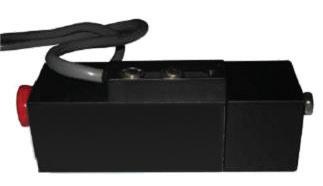
This optional accessory protects the unit against water supply loss and to restart the unit without human intervention. The DPS is best used in apartment buildings and condominiums where access to individual WSHP’s is limited. The function of the differential pressure switch is to prevent or stop compressor operation should the water supply fail. This will prevent the unit from locking out on a safety requiring a manual reset to restart, commonly referred to as a nuisance trip. This optional control is internally mounted and factory installed.
The switch is piped between the water entering and leaving connections. Should the pressure drop across the water to refrigerant heat exchanger and fall below set value, the switch will open de-energizing the compressor. The blower operation will not be affected by this option.
When low temperature well water is utilized as the water source (below 55°F), a means of establishing two flow rates, one for the cooling/reheat mode and one for heating mode is recommended. In the cooling mode at low entering water temperatures and standard flow rates, discharge pressures and corresponding discharge gas temperatures are relatively low. At these conditions, when the reheat mode is initiated, the low temperature discharge gas can reduce reheat capacity. A means to reduce the water flow rate and elevate the discharge pressure/temperature in cooling/reheat mode should be provided. Conversely, at low entering water temperatures in the heating mode, system suction pressure is reduced causing a loss in heating capacity.
(Note: Protective coatings are highly recommended for all pool applications, due to the highly corrosive chemical environment.)
An option that allows the water source heat pump to be operated in heating mode safely when installed in a system that has no means of heating the water loop. This option consists of an adjustable aquastat and relay. During the thermostat call for heating, if the aquastat detects a drop in water temperature below a pre-set limit, the relay will disengage the compressor contactor and provide a dry contact closure to divert unit operation from compressor heating to an alternate heat source (generally field provided electric heat).
The UPM has a minimum compressor run time of five minutes. If Y-call is removed, the compressor will remain energized until the five minutes have expired (includes compressor runtime). For example if the compressor runs 3 minutes for a cooling call, it will run an additional 2 minutes
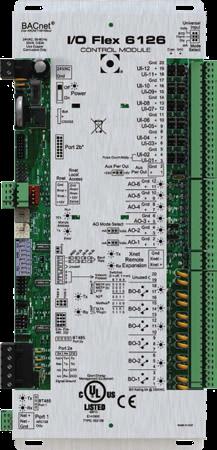
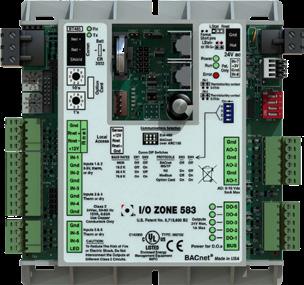
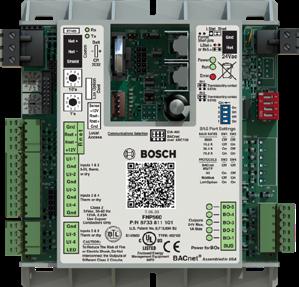
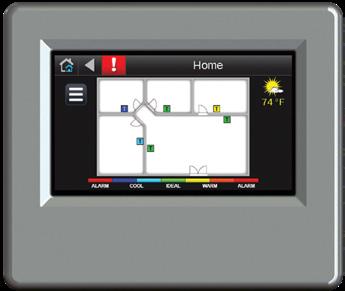
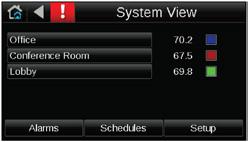
The optional factory mounted DDC Controller is pre-programmed and installed on the unit with the Unit Protection Module (UPM) to be job site ready. The unit will operate in a 100% stand-alone control mode or connect to a Building Automation System (BAS) using open protocols BACnet. Modbus, or N2. Stand-alone DDC modules must use remote intelligent sensors and are to be programmed by the Control Air M/M+ or Virtual Control Air M (Equipment Touch) controller only. Zone temperatures, leaving air temperatures and water temperatures can be monitored from the central control computer and unit fault indication displayed.
AVAILABLE INPUTS/OUTPUTS INCLUDE:
Discharge air temperature
Leaving water temperature
Fan run time
Override time remaining
Night setback status
Percent of units cooling
Percent of units heating
Cooling set point
Heating set point


Status of all the alarms
Space temperature
Occupied heating and cooling set points
Continuous or cycle fan during occupied mode
Command for occupied or unoccupied mode
Command for override of the unoccupied mode (unit resorts to occupied set points)
Set point adjustment
To complement the controller, Bosch offers a line of intelligent space sensors, which provide precision measurement and communication capabilities in an attractive low profile enclosure. A hidden communications jack provides access to the HVAC control system for commissioning and maintenance.
MODELS AVAILABLE INCLUDE
ZS Manager
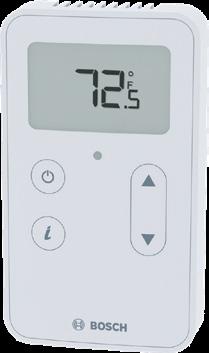
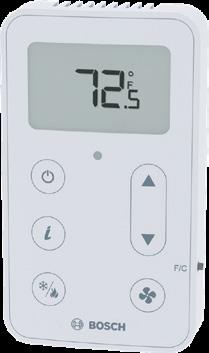
Has a large LCD display and easy-to-use occupant controls for set point adjustment, heat/cool mode, and fan on/off/auto selection.
ZS Push
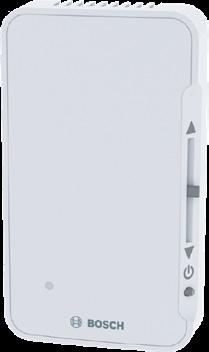
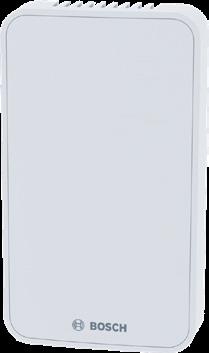

Has a large LCD display and easy-to –use occupant controls for set point adjustment.
ZS Slidebar
Has a local set point adjustment and override to an occupied mode and LED indication of current status.
ZS Base which has no local temperature set point adjustment.
A Control Air M/M+ diagnostic tool is available to allow local access to display and modify user defined properties without any computer software. These space sensors will monitor, sense and provide local control for the room. This device is recommended for use during startup and troubleshooting. The Control Air M connects directly to the BACnet board or at the bottom of the ZS Sensor. The Control Air M+ connects via BACnet to the DDC board.
For more information on ZS Sensors, Control Air M/M+, and Control Air 5600/5830, please visit our website: www.bosch-climate.us
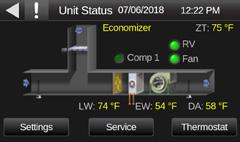
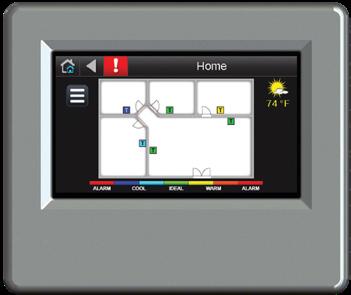


Available only on CL, CF, CP, EC, and MC is a commercial application where perimeter heating takes place while core cooling is required by the controls. Perimeter heat pumps operating in the heating mode extract heat from the building loop, thus dropping the building loop fluid temperature. Internal core cooling requirements are usually high even in the winter months due to people, lighting, and equipment loads. The moderate temperature loop water circulated through a core heat pumps waterside economizer coil can provide free-cooling without the use of (compressor). Also, in many areas code requires some type of economizer cycle. Waterside Economizers in lieu of air side economizers are an inexpensive way to satisfy code requirements in commercial applications.
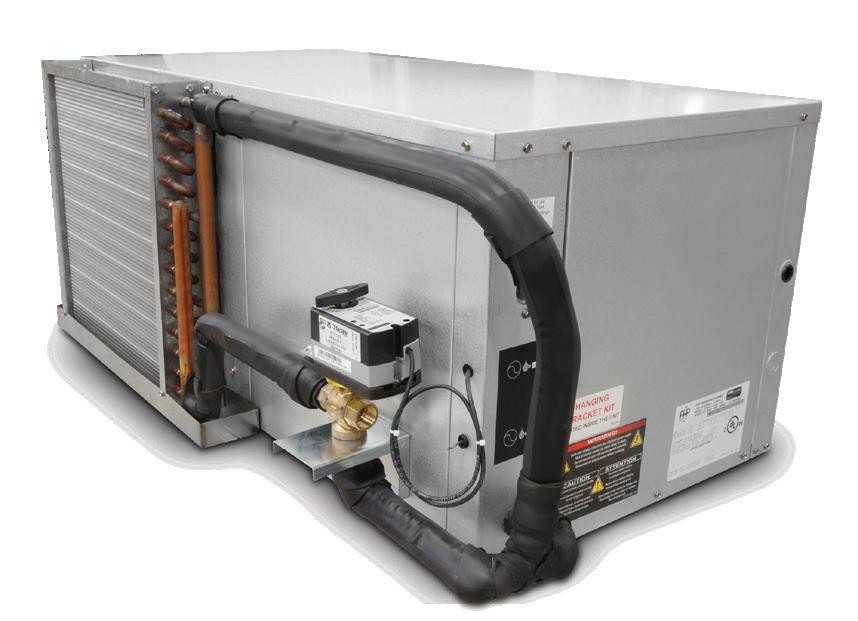
Can be sized for preheating. Contact applications for support.
Tenant build out commercial applications where the central chilled water fluid loop serves as an individual zoned heat pump condenser water. In this application low temperature fluid is always available for freecooling.
Fluid flow through heat pumps equipped with waterside economizer coils is directed by the use of a single three-way motorized ball valve. Flow is either through the waterside economizer coil and then through the condenser or through the condenser only. When applying these units to a variable speed pumping system, a separate field provided means of positive flow shut-off is required. (Re: A positive shutoff solenoid valve located down-stream of the heat pump.) See figure 43.
The aquastat controller used on the Boilerless Control, is mounted to the heat pump electrical control box. All electrical control wiring is factory installed. The controller is supplied with an external range adjustment and screwdriver slot. Actual range is -30° to 100°F and requires field setting. The remote bulb stored inside the heat pump for shipping requires field mounting.
Recommended settings: 45° F Cool, 90° F Heat
The air side pressure drop shown on the waterside economizer performance tables is considered as additional heat pump external static pressure. Refer to Bosch Select Tools selection software for blower performance and to determine if the unit requires an optional fan upgrade.*
*See fhp-mfg.com for BST Software.
figure 43.
The unit control may be as simple as a single stage thermostat or the unit may have a DDC controller integrated into the building management system.
Low voltage control wiring is connected to the low voltage terminal strip located in the unit electrical box.
Thermostats may be manual change over, auto change over, programmable or non-programmable depending on the requirements of the project. A full line of thermostats are available as an accessory.
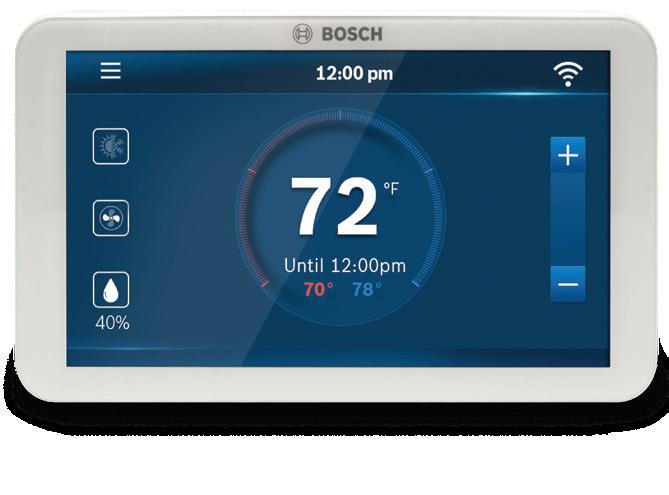
If your BCC thermostat is connected to a Bosch WSHP the following fault codes can be displayed on the BCC: High and Low Pressure Alarm Condenser Coil Freeze Alarm Condensate Alarm Brown Out Alarm and Evaporator Coil Freeze Alarm
Hose kits are recommended between the unit and system loop piping. This will help eliminate the transmission of vibration and noise from the unit to the space.
Hoses are fire rated fiber reinforced CLDM Stainless Steel braid hoses with swivel connections.
Maximum working pressure 400 PSI for sizes 1/2” – 1” diameter and 300 PSI for sizes 1 1/4” – 2”. A variety of hose kits are available depending on the job requirement.
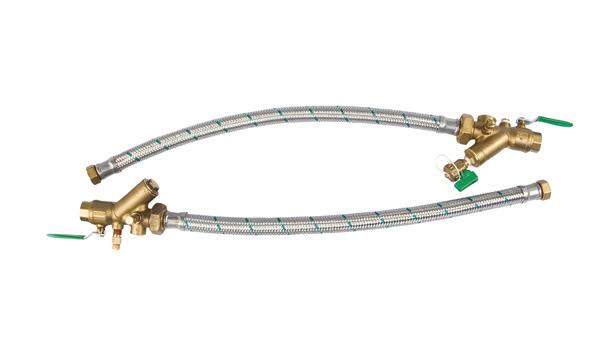
Hoses only. 3/4” through 2” diameter hoses are available with 24” and 36” hose lengths. 1/2” diameter hose kits are available only with 12” long hoses.
With ball valves on the supply and return hoses. Valves have P/T (pressure/temperature) ports to facilitate pressure and temperature readings.
With an automatic flow control valve. The design flow rate is preset at the factory per the design conditions and will automatically limit the flow to this value. This will greatly facilitate balancing of the fluid loop and ensuring each unit gets the required flow.
KIT 4
With a Y-strainer and blow down valve on the supply side. The filter screen is 20 mesh, 304 stainless steel to help prevent dirt and debris from entering the water coil.
KIT 5
With a 24V, 2 position solenoid valve (with 300 psig working pressure). This could be used to shut off flow to the unit when there is not a call for heating or cooling. A typical application would be with VFD pumping.
KIT 6
With a 24V, 2 position solenoid valve (with 300 psig working pressure). Hose kit options are available in the accessories section of the BST selection software.
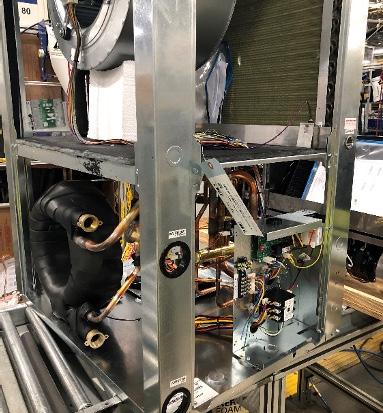
A. 2 in. high drain pain
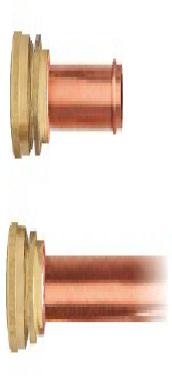
B. Water connections brazed directly to the COAX
Marine option (for sea faring boats) includes water fittings directly attached to the water coil (eliminating all copper pipe from the water side), oversized openings in the cabinet for routing supply water directly to the water coil, and the drain pan is 2 inches deep. In addition, CuNi water coil and extended range options must be selected. All of the above is necessary to help protect against the harsh marine environment and required for a limited warranty. A DuoGuard air coil option is also recommended. Available on CL, and EC units. Call for other series. Bosch is not responsible for damages if standard units are applied in marine applications.
A dedicated water to water unit can be very useful for heating a pool and has the added benefit of reducing the building loop temperature as long as an external heat exchanger is utilized. These units feature a CuNi coil for corrosion resistance, with the copper water pipe removed so the water connects directly to the coil for extended life.
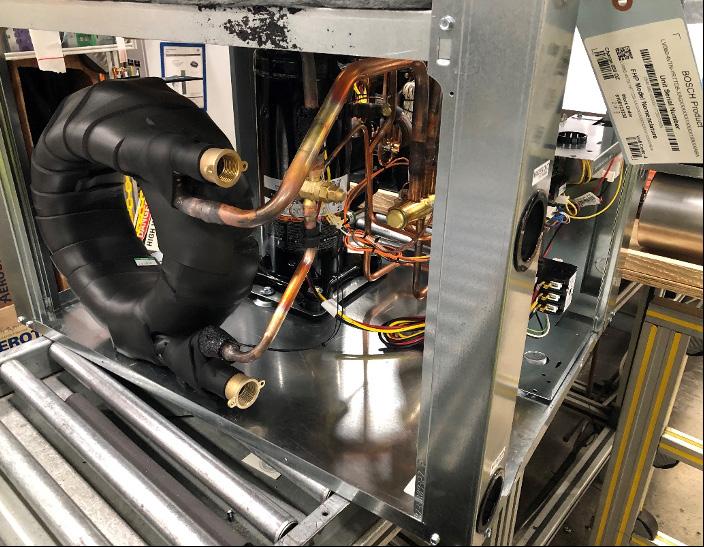
These units are designed to provide ventilation air, better dehumidification performance, high static, and neutral air delivery. Our value engineered option, is designed for conditioned space / indoor installations and is very competitive against the roof mounted competition. With this CUSTOM ENGINEERING OPTION, we typically slow the airflow down to around 170 CFM per ton to maximize the dehumidification performance BUT we can also accommodate designs with higher airflows with lower design humidity.
Bosch applications team can use ASHRAE weather or your custom design conditions to design a unit to match. We use EC vertical units for the majority of our 100%OA units BUT we also can-do 100%OA designs with MC series. Units less than 10 tons can be done also but static pressures won’t be very high.
With EC vertical and high humidity loads the unit changes so that the evaporator coils are in series (evaporator #2 is behind evaporator #1), thereby dropping the air temperature down lower to aid in dehumidifying the air better. Then the air is reheated to neutral with Modulating Hot Gas Reheat (MHGRH). For shoulder season or part load conditions, only 1 stage of cooling may be utilized. One stage of heating is available with this design.
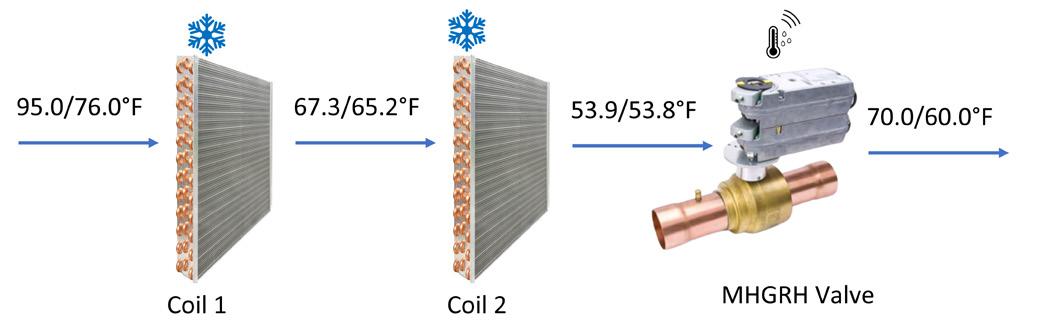
Example – 30 ton unit at 5,400 CFM = 180 CFM/ton
Introducing 5,400 CFM through 2 evaporator coils – use 1 coil in heating. Allows us to keep the head pressure up in the cooling mode with Low CFM
Standard evaporator arrangement is parallel design (evaporator #2 above evaporator #1). While this won’t provide as deep of dehumidification as series evaporator, this can be an appropriate design for applications that don’t require as much dehumidification or have more consistent temperatures year-round. Parallel design is available on EC vertical and horizontal. Also, MC series are offered only with parallel evaporator design.
On parallel evap design with low airflows, we provide cooling only units as heating would cause the unit to trip on safety cutoff. With higher airflows (air tempering without much need for dehumidification), we offer heating as well if the entering air is pre-heated to 40 degrees. All 100%OA designs come standard with factory DDC controls and the appropriate software logic.
Variable Air Volume applications require an inverter duty blower motor, VFD, and DDC / Inverter control to enable the fan speed to vary depending on the supply static pressure. Also note that Hot Gas ByPass (HGBP) is required to protect the compressor in case of low load conditions. Minimum airflow is 50% of nominal CFM for cooling and 80% for heating; these figures will vary based on your application.
The compressors will stage same as a normal unit based on zone / return air temperature. A duct static pressure sensor is used to control the VFD and blower CFM.
For this arrangement, the compressors will stage based on the sensor value for “outdoor” air temperature (OAT). The OAT reading may come from a hardwired OAT sensor or written / rewritten by the Building Automation System (BAS) as needed to trigger compressor staging [per 'DAC Multiple Reset Schedule' in the 'DISCHARGE AIR CONTROL (DAC) + VFD SEQUENCE.pdf' manual. Multiple reset is required to get heating mode.]
A duct temperature probe is used to report the supply air temperature, and MHGRH is added to maintain a constant LAT in cooling. Please note we are not able to control the LAT in the heating mode.
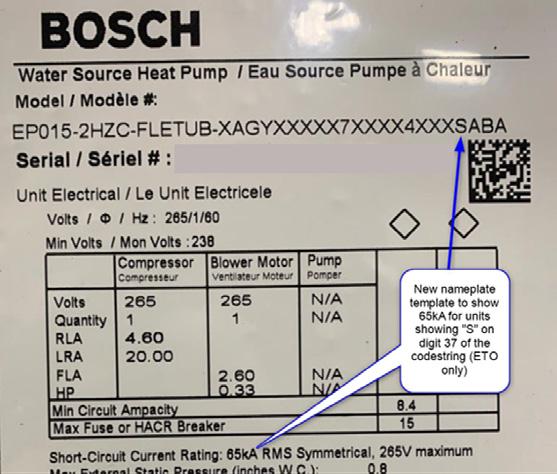
Short-Circuit Current Rating (SCCR) is the maximum short-circuit current a component or assembly can safely withstand when protected by a specific overcurrent protective device(s) or for a specified time. Adequate short-circuit current rating is required per NEC® 110.10. Short-circuit current ratings provide the level of fault current that a component or piece of equipment can safely withstand (based on a shock hazard or a fire hazard external to the enclosure). Without knowing the available fault current and shortcircuit current rating, it is impossible to determine if components or equipment can be safely installed.
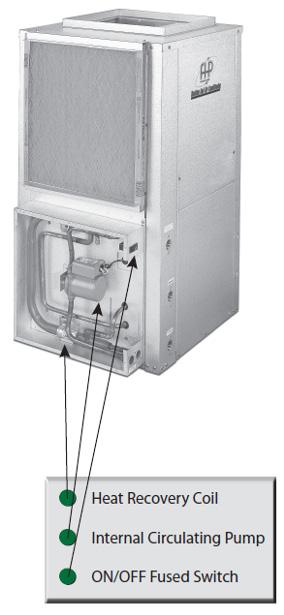
(Heat Recovery Package (HRP) / desuperheater or double wall heat exchanger)
We can provide an HRP for field installation on units that come without that option standard.
Not all of our units come with an option for factory installed desuperheater BUT we can provide an HRP for field installation. If a large quantity of domestic hot water is needed, we recommend using a dedicated water to water unit with a separate flat plate heat exchanger to meet the potable requirements.
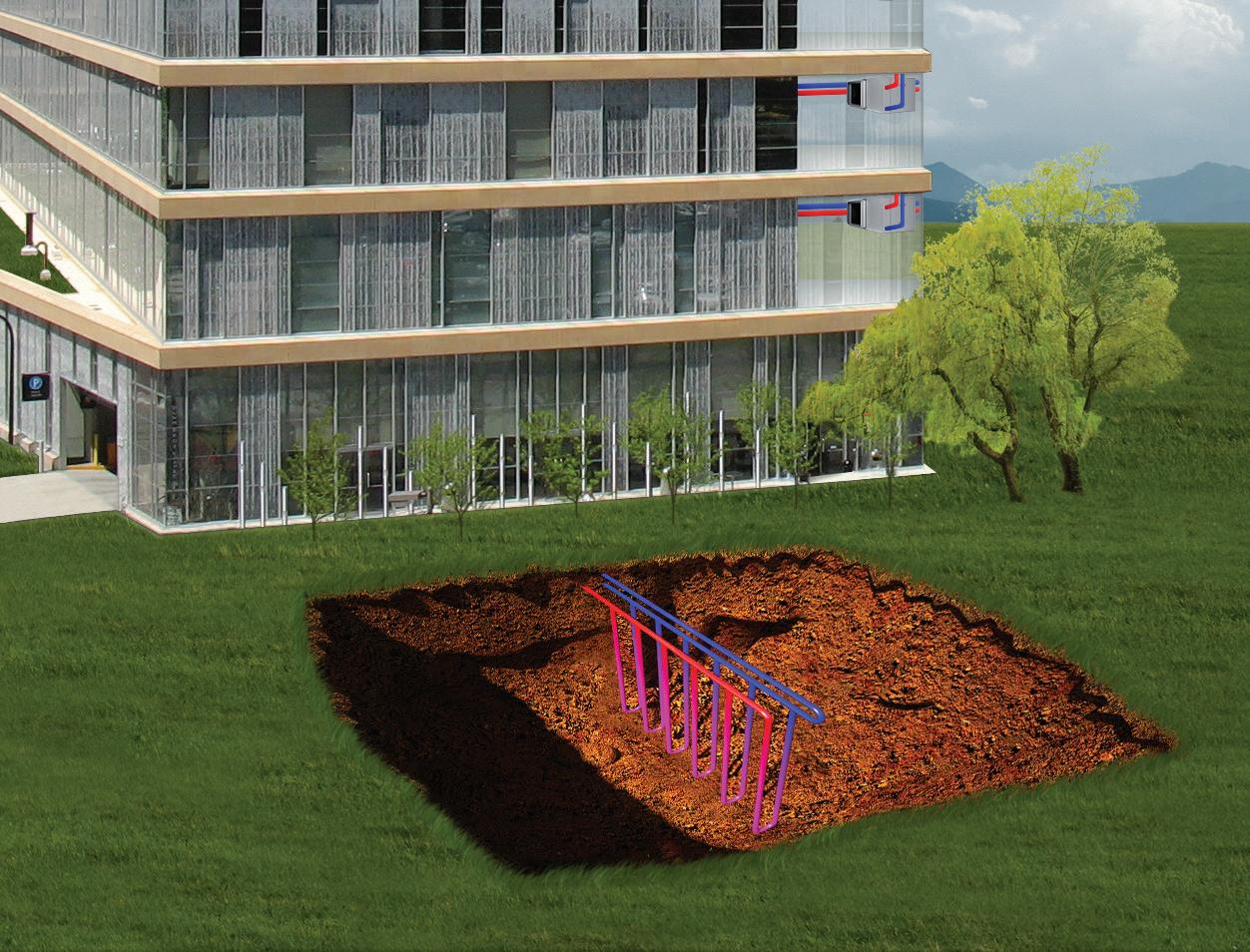
Bosch WSHP Models may be used in a variety of different applications depending on the system design. An overview of tower/boiler and geothermal systems is given below. There could be several variations and combinations of these systems.
The earth has a tremendous capacity of storing thermal energy, which can be utilized to heat or cool a building. A geothermal system offers all the benefits of a cooling tower and boiler system with the additional advantage of having overall greater energy efficiency.
As the cost of energy increases, geothermal installations are becoming the system of choice by developers and design engineers.There are several alternative methods of utilizing the energy contained in a geothermal system, giving the design engineer several options for selecting the one that is right for a particular application.

Bosch FHP geothermal heat pump systems are some of the most energy and cost efficient on the market, as well as the greenest technology for heating and cooling commercial buildings. The technology utilizes the constant temperature of the earth which makes it extremely efficient.
Water source heat pumps with cooling tower/boiler systems have been used for many years and are recognized as having a low installation cost and providing more energy efficient operation than most other systems on the market.
In a typical building, each office or space would receive its own heat pump. This ensures that the unit will independently satisfy the heating or cooling requirements for that space irrespective of the requirements of any other space. Unlike some other systems, this offers individual control and enhanced comfort in all areas.
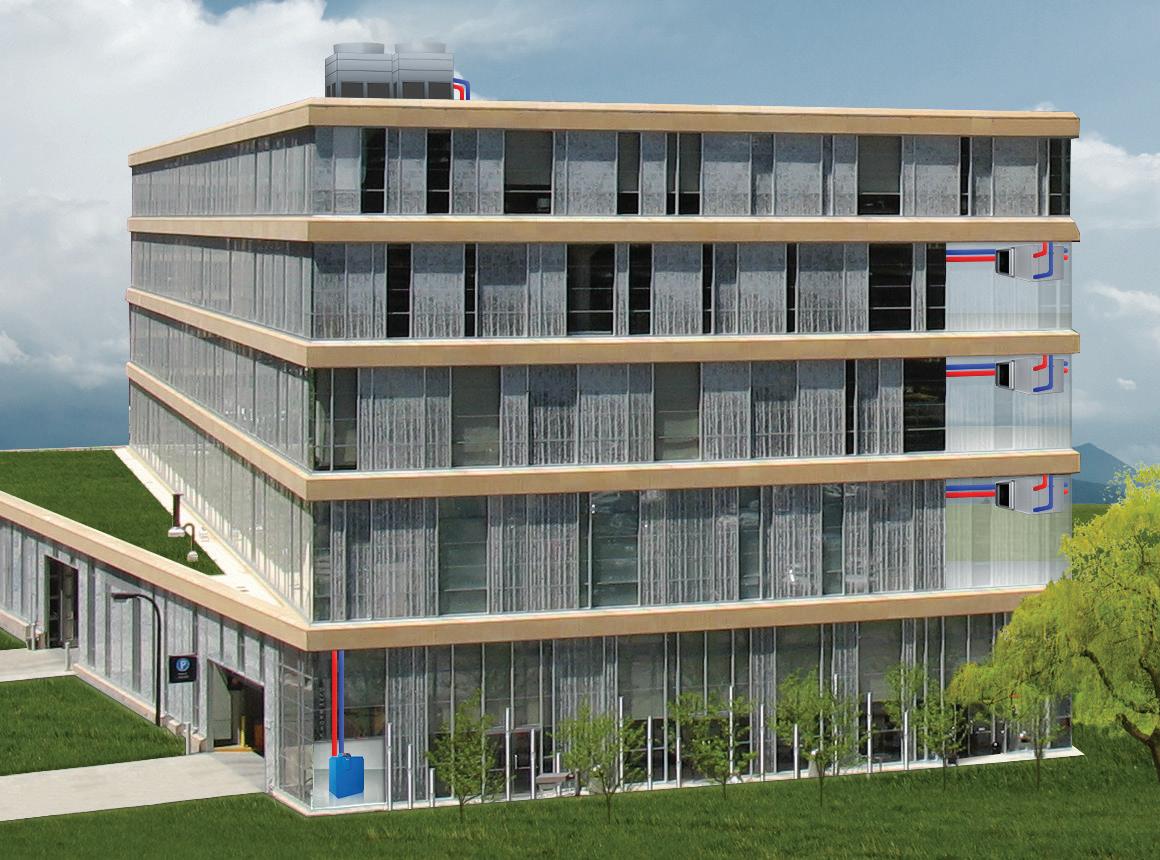
All the units are connected to a common water loop containing, in addition to the heat pumps, a cooling tower, possibly a boiler, a primary and standby pump and a loop water temperature controller. In the summer cooling mode, the units are cooling and rejecting heat to the water loop. This heat is then rejected to the atmosphere through a cooling tower. In winter, heat is taken from the loop and, together with the compressor’s heat of compression, used to heat the space. The heat removed from the loop is then replenished by the boiler, if installed. The loop water temperature controller will keep the fluid within certain temperature limits typically 70°F in winter and 85°F in summer by cycling either the cooling tower or boiler.
In today’s modern buildings the interior core usually has a net cooling requirement year round irrespective of the outside temperature. This is due to the internal heat gains from people, office equipment and lighting. The heat from heat pumps operating in cooling is rejected to the common water loop and is absorbed by heat pumps on the building’s perimeter that are in the heating mode. In effect the system is transferring energy around the building areas from where it is in excess to those areas where it is needed. In many instances we find a balanced system where the heat generated in the interior space is sufficient to heat the perimeter, resulting in neither the cooling tower nor boiler operating. This concept, unique to a water source system, provides the most energy efficient system on the market.
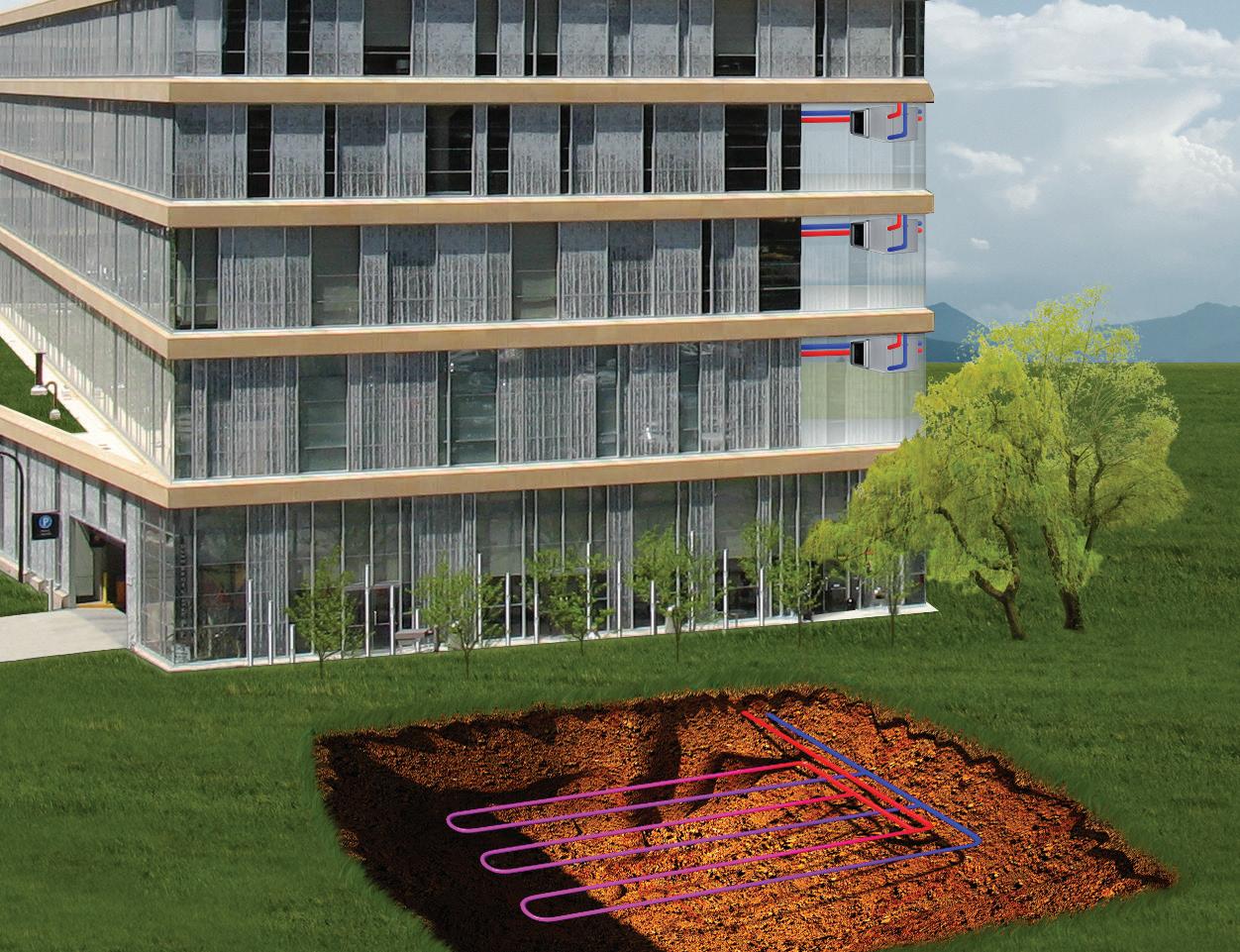
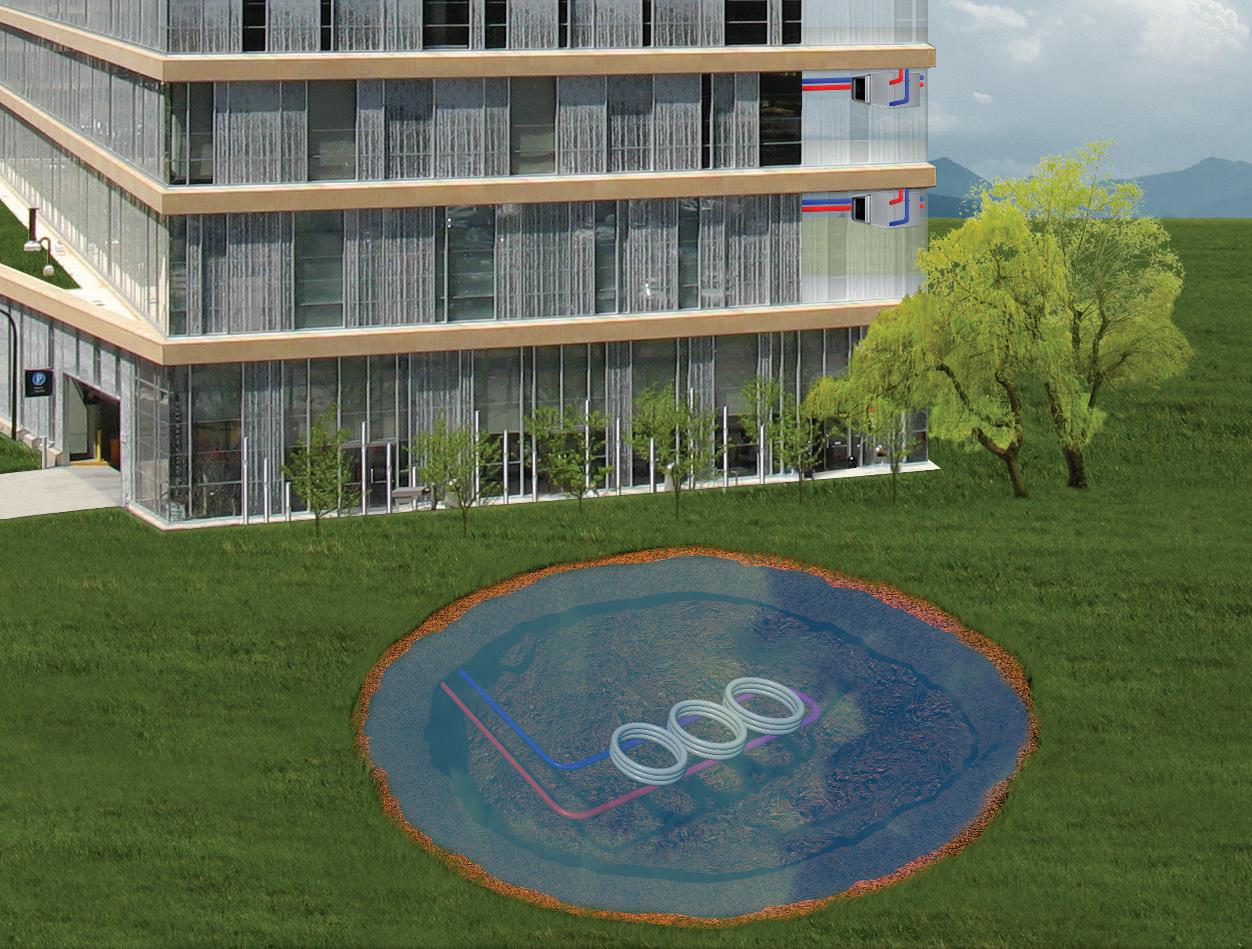
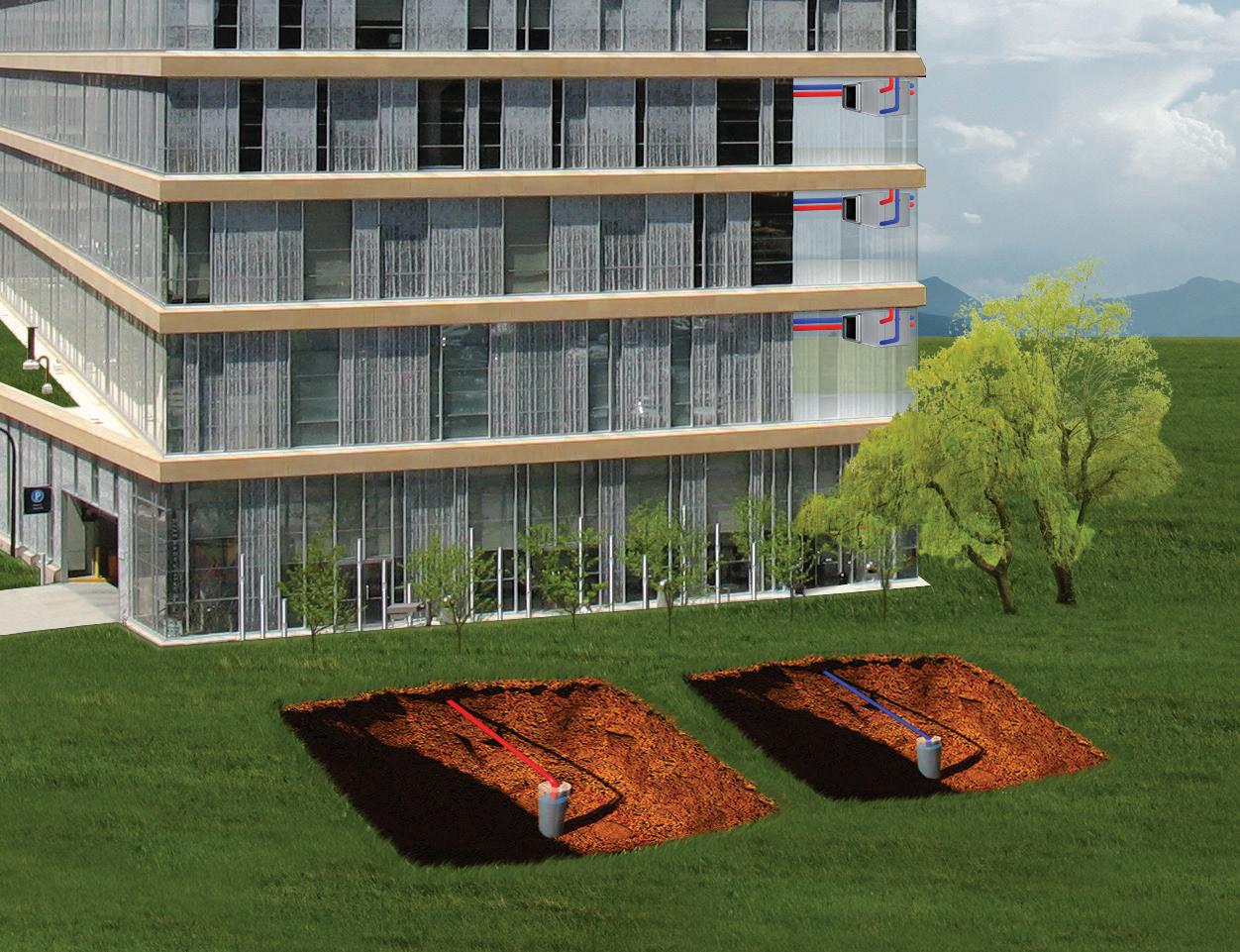
Lengths of high density polyethylene (HDPE) piping are buried in the earth either in vertical bore holes or horizontal trenches depending on the space available.
Fluid from the loop inside the building circulates through these pipes either rejecting heat to the ground when there is a net cooling requirement or absorbing heat from the ground when heating is the dominant requirement.
The temperature of the earth below 6 feet is relatively constant and is not affected by the ambient temperature.
For this reason, the ground temperature is cooler than the summer ambient and warmer than the winter ambient in most regions. Geothermal systems are able to operate effectively in extreme ambient conditions exceeding 100°F in summer and -30°F in winter. This is one of the reasons why geothermal systems have such an advantage over other systems. An additional advantage is that no fossil fuels are used, reducing the carbon emission of the building. Even in areas which are cooling or heating dominant a hybrid system can be used with a downsized cooling tower or boiler. This system will reduce the installed cost significantly with only a modest impact on overall operating efficiency.
Geothermal systems may cost more to install but the savings in energy and low maintenance costs more than offset this with payback times typically ten years or even less.
This method is used mainly in commercial buildings or where space for a loop field is limited. Vertical holes 100 to 400 feet deep are drilled in the ground, and a single loop of high density polyethylene pipe with a U-tube at the bottom is installed. The bore hole is then sealed with grout to ensure good contact for heat transfer with the soil. The size of the project will determine how many bore holes are required. The vertical ground loops are then connected to a horizontal header pipe that carries fluid to the building and circulated to each heat pump. The Earth’s temperature is stable below the surface which is an advantage for this system and provides for the greater efficiency.
Vertical ground loop fields may be located under buildings or parking lots. The life expectancy is in excess of 50 years.
This type is cost effective on smaller projects or where there is sufficient space for the loop field. Trenches, three to six feet deep are dug in which a series of high density polyethylene pipes are laid. These loops are connected to a manifold and connected to the loop inside the building which feeds the heat pumps. The fluid is then circulated, absorbing or rejecting heat to the earth depending on the requirement for heating or cooling.
This type of design is economical when a project is located near a body of water. Fluid circulates through polyethylene piping in a closed system, just as it does through ground loops, but in this case, underwater. The pipes may be coiled in a slinky design to fit more surface into a given amount of space. The lake needs to be a minimum size and depth depending on the building load. Lake loops have no adverse impact on the aquatic system.
Specialized lake plate heat exchangers are also available for this application. New technology is emerging for stainless steel and titanium heat exchangers.
This type of installation is only possible if there is sufficient ground water available in a well. The water must be of good quality. Local codes may limit the use of this system in certain areas. The arrangement is referred to as an open system which means that water is pumped directly from the source into the geothermal unit and then discharged either into a return well or a body of water. The water quality is unaffected other than a change in the temperature. Refer to the installation manuals for water quality guidelines

When properly installed and functioning, a Water Source Heat Pump (WSHP) can help maintain cool, comfortable temperatures while reducing humidity levels inside any commercial structure.
In the cooling mode, the WSHP’s “air coil” air-to-refrigerant heat exchanger acts as an “evaporator” and the “coaxial coil” water-to-refrigerant heat exchanger acts as a “condenser”. The reversing valve is energized for cooling.
During cooling, the conditioned space heat load in the air, within the return ductwork, is absorbed by evaporating the cold, liquid/vapor mixture of refrigerant within the “air coil” air-to-refrigerant heat exchanger. The “air coil” cools the air to condition the space, which is distributed by blowers and ductwork. The cool refrigerant liquid/vapor mixture is then drawn into the compressor where its temperature and pressure are increased. This heat, along with the heat of the compressor, is then directed to the reversing valve, and then to the “coaxial coil” water-to-refrigerant heat exchanger. Hot refrigerant vapor or gas within the “coaxial coil” is then condensed into a liquid when heat is rejected to the water, or an anti-freeze solution, passing through the water-to-refrigerant heat exchanger. The liquid refrigerant then flows through a liquid line filter-drier to absorb system contaminants, and then to a metering device, referred to as a thermostatic expansion device (TXV), that provides a drop in refrigerant pressure and temperature. The liquid refrigerant then returns via the “liquid line” to the “air coil” air-torefrigerant heat exchanger, so the cycle can be repeated.

When properly installed and functioning, a Water Source Heat Pump (WSHP) can help maintain warm, comfortable temperatures inside any commercial structure.
In the heating mode, the WSHP’s “coaxial coil” water-to-refrigerant heat exchanger acts as an “evaporator” and the “air coil” air-to-refrigerant heat exchanger acts as a “condenser”. The reversing valve is deenergized for heating.
During heating, cold liquid refrigerant enters the “coaxial coil” water-to-refrigerant heat exchanger, or “evaporator”, where heat is absorbed from the heat source (water, or an anti-freeze solution). Evaporation of the refrigerant in the “evaporator” causes a change from a liquid to a saturated vapor.
The low-pressure saturated vapor, or gas, flows through the reversing valve and to the suction side of the compressor. Energy is consumed as the refrigerant is compressed, and then refrigerant vapor at high pressure and temperature leaves the compressor outlet.
Heat is then transferred from the compressor to the “air coil” air-to-refrigerant heat exchanger, acting as the “condenser” during heating. Condensation from a vapor to a saturated liquid occurs in the “condenser”, and warm, heated air is then supplied to the conditioned spaces via blowers and ductwork.
The refrigerant leaves the “condenser” as saturated liquid. The liquid refrigerant then flows through a thermostatic expansion valve, or TXV metering, where it is throttled, decreasing refrigerant pressure and temperature and expanding it to a cold liquid, and then to a liquid-line filter-drier to absorb system contaminants.
The refrigerant, now in the “liquid line”, finally travels to the entering side of the “coaxial coil” water-to-refrigerant heat exchanger, or “evaporator”, so the cycle can be repeated.
HEAT PUMP CYCLE — HEATING
Any mechanical device will, at some point in time require servicing and repair. With this in mind sufficient space must be provided around the unit for service personnel to perform maintenance or repair.
Units are not designed for outdoor installation. Avoid locations where the unit may be exposed to freezing conditions or where the humidity levels could cause condensation on the unit panels, for example, when exposed to outdoor ambient conditions.
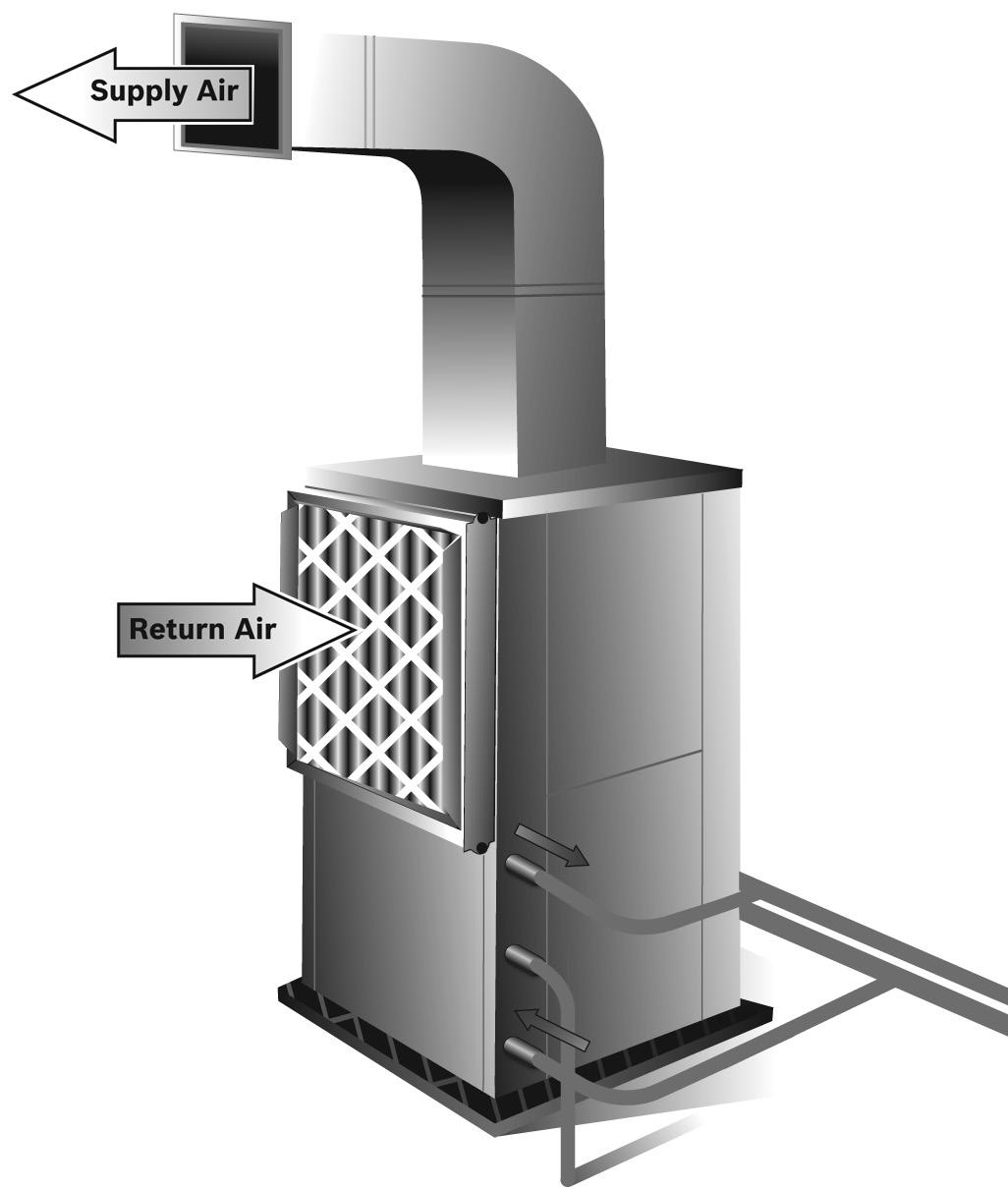
Vertical units are normally installed in a closet or mechanical room. If installed in a closet or other confined space, ensure adequate space for return air to the unit.
Sufficient space must be provided for filter replacement and access to the compressor and blower for service.
Units should be set on a piece of rubber, neoprene or other vibration absorbing material at least 1/3” to 1/2” thick. The pad should extend 3/4” over the entire base of the unit.
Avoid direct line of sight to the unit. Install a sound baffle over any door that has a return air grille.
Horizontal units are typically suspended above the ceiling by four (fi eld supplied) 3/8” threaded rods fastened to the unit by the factory supplied hanger bracket kits. The kits include rubber isolators to help prevent transmission of vibration and noise to the building structure. Units should be located directly below a structural member, so that it is securely anchored. A horizontal unit should be positioned to allow for removal of the filters and access panels. Allow at least
18” clearance on each side of the unit for service and 36” in front of the unit for maintenance access. The filter needs to be slid out and sufficient space must be provided to allow this.
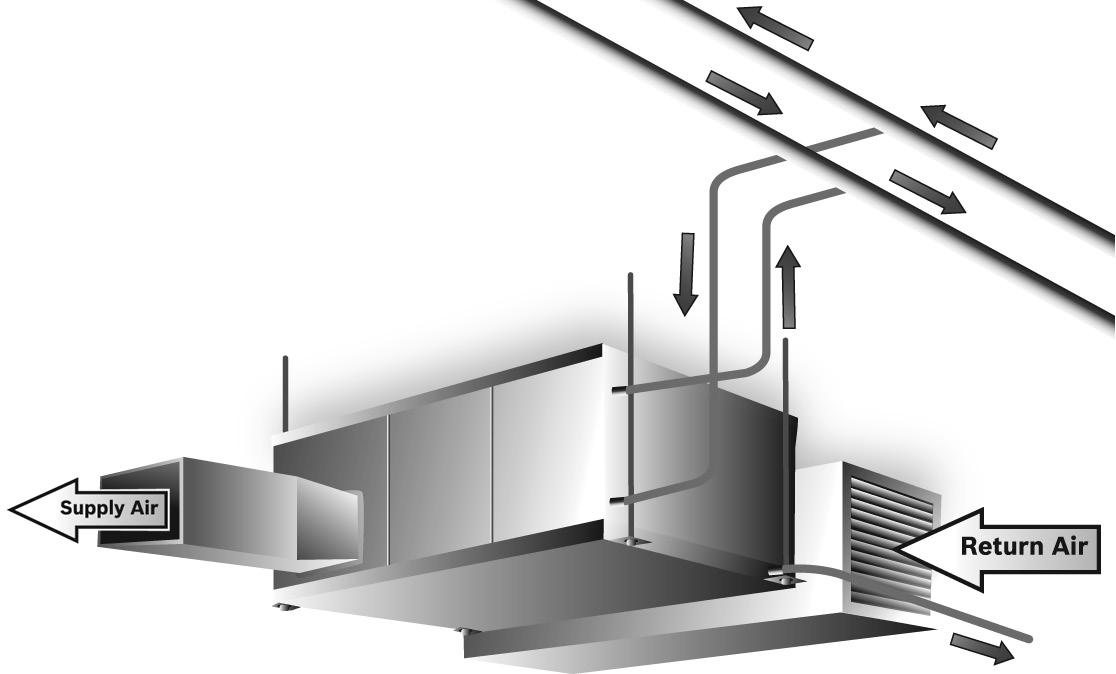
Do not install the unit above any piping or electrical raceways. The unit should be able to be removed to the floor without major rearrangement of other mechanical or ceiling components.
Consideration needs to be made as to the location of the units. Avoid installing units directly above occupied spaces (e.g. above office desks or classrooms).
This will minimize possible disruption to the occupants if maintenance or service is required as well as keeping a potential source of noise out of the area. If possible, units should be installed above the hallway drop ceiling in schools, and the supply and return air is routed directly into classrooms. Local code may require fire dampers to be used in this application.
Sound is becoming an increasingly important factor in all HVAC installations. The CL models has been designed to minimize sound, but sound acoustical design plays an important part of the sound level in the space.



Most of the problems associated with HVAC generated sound can be avoided by paying close attention to duct design and equipment placement. A discharge flange is provided on all horizontal unit models for fastening of ductwork. We recommend using a flexible collar between the discharge flange and the duct transformation to reduce vibration transmission from the cabinet and to simplify disconnection of the unit from the ceiling ductwork.













Return air to the unit could be either free return or ducted. The filter rack is provided with a 1” flange should a ducted return be used. We recommend using a flexible collar between the return flange and the duct transformation to reduce vibration transmission from the cabinet and to simplify disconnection of the unit from the ductwork.


Sound is transmitted down the ductwork and it is important to avoid direct line of sight between the unit and the space, both on the return or supply side. To accomplish this, design the duct runs with two 90° turns.
As a general recommendation, duct interiors should have an acoustic / thermal lining of least 1/2” thick over the entire duct run or a minimum of the first 5 feet of the supply trunk.
Line the last five diameters of duct before each outlet with a 1” thick sound blanket. Line elbows and transition pieces, as well as a short distance upstream and downstream of the fittings. Elbows, tees and dampers can create turbulence or distortion in the airflow. Using aerodynamic fittings will help in reducing this effect. Place a straight length of duct, 5 to 10 times the duct width, before the next fitting to smooth out airflow.
Diffusers that are located in the bottom of a trunk duct can also produce noise. Balancing dampers should be located several duct widths upstream from an air outlet. Ductwork should be mounted and supported using isolation devices that absorb vibration.
Applications such as Hotel, Motel, Dormitory or Nursing Homes that use a single duct discharge are susceptible to noise. These applications typically have low static pressures and short duct lengths. In these applications the discharge duct must be fully lined and have a square elbow without turning vanes. A velocity not exceeding 500 to 600 fpm is recommended. Return air for these applications should enter through a sidewall grille and route up the stud space to a ceiling plenum.
For horizontal heat pumps mounted in the ceiling plenum, an insulated return plenum is sometimes placed at the return air opening to further attenuate line-of-sight sound transmission through return openings.
The water loop system is typically designed using a “reverse return” piping system which includes a flow control device so that flow requirements are met for each zone.
A high pressure stainless steel flexible hose kit is recommended to connect the unit to the building’s hard piping and acts as a sound attenuator for both the unit operating noise and hydraulic pumping noise. One end of the hose has a swivel fitting to facilitate removal of the unit for replacement or service.
Hose kits come in several configurations, but in all cases should include supply and return shutoff ball valves to allow removal of a unit without the need to shut down the entire heat pump system. The hose kit may contain either a manual or automatic flow control that may be preset to ensure correct water flow to the unit.
Pressure / Temperature ports should be included and located adjacent to the supply and return coaxial coil connections on the unit. This will allow the service technician to measure temperature and pressure drop across the coaxial coil (refrigerant-to-water heat exchanger, when checking unit operation and proper capacity.
Condensate piping can be made of steel, copper or PVC pipe. In most cases, PVC pipe eliminates the need to wrap insulation around the pipe to prevent sweating.
A 3/4” FPT condensate drain connection is installed in the unit. The condensate piping must be trapped at the unit and pitched away from the unit not less than 1/4” per foot. A vent is required after the trap so that the condensate will drain away from the unit. The vent can also act as a clean out if the trap becomes clogged. The condensate drain should not be directly piped to a drain/waste/vent stack. See local codes for the correct application of condensate piping to drains.
All WSHP are capable of operating over a wide range of conditions. For operation in a geothermal application or any other installation where the loop fluid temperature may drop below the ambient dew point, the extended range option is recommended. This consists of TXV in lieu of capillary tubes and additional insulation on the piping and heat exchanger to prevent condensation.
Maximum and minimum fluid conditions are at unit rated flow rate.
Maximum and minimum operating limits may not be combined. If one value is at either maximum or minimum, the other two should be at normal operating range.
Entering fluid temperatures below 45°F in the heating mode requires antifreeze.
To ensure that you get the optimal performance from your FHP heat pump it is important that they be selected accurately to match your design conditions.
Prior to making equipment selections the zone conditions need to be determined. Bosch Thermotechnology Corp. recommends using a building load program to determine the heating and cooling loads.
The individual product catalogs provide a summary of the unit performance as well as a wide range of entering air and water conditions that will meet most applications.
Our Bosch Select Tools Selection Software (BST 2.0) is designed to provide you with a fast and accurate selection based on your specific conditions. This software is available through the commercial website. You may click on the BST link and request an account.


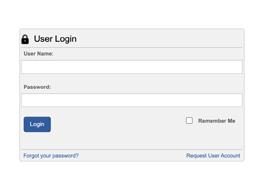

https://bst.bosch-homecomfort.com/eRep/


A quick overview of Bosch Home Comfort Group (“Bosch”) Standard Terms & Conditions of Sale (“Terms of Sale”) can be found below. Please refer to our website: www.bosch-home comfort.us for a complete version of the Standard Terms & Conditions of Sale.
1.1 Your purchase order(s), when accepted by Bosch, will be subject to the Terms of Sale. The Terms of Sale constitute the entire agreement between you ("Customer") and Bosch with respect to the transaction(s) covered by your purchase order(s) as confirmed by Bosch.
1.2 Any additional or different terms or conditions set forth by Customer, whether in a purchase order or another communication, are expressly objected to and rejected and will not be binding on Bosch, unless expressly agreed to in writing by an authorized representative of Bosch. Customer’s issuance of a purchase order or acceptance of the product(s) when delivered and/or services when provided will be deemed conclusive evidence of, and constitutes Customer’s acceptance of and assent to Bosch’s Order Confirmation (as defined below, and the Terms of Sale. Customer’s acceptance of any offer (or counteroffer) by Bosch is limited to the Terms of Sale. Bosch may reject a purchase order in whole or in part for any lawful reason in its sole discretion. A purchase order will be deemed accepted by Bosch upon Bosch issuing a written order confirmation (“Order Confirmation”)
2.1 All prices are based upon Bosch’s pricing in effect on the date of the quotation, unless otherwise indicated on the Order Confirmation. Bosch reserves the right to adjust the prices due to increases in material, labor, manufacturing or shipping costs if the increases occur before the delivery date. If the amount of the cost increases exceeds ten (10) percent, Bosch has the right to cancel the Terms of Sale, the purchase order(s), and/or any Order Confirmation on four (4) weeks notice in writing, and the delivery will not be made unless a new price agreement is reached.
2.2 Bosch’s pricing excludes all sales, use, excise, value-added, and other similar taxes, charges and duties (including import and export duties). Customer will be solely responsible for all taxes imposed on Customer based upon applicable governing law or regulation. Bosch agrees that no tax for which a valid exemption exists, based upon applicable governing laws, will be included in the pricing, nor subsequently charged.
All delivery dates are estimates only. Bosch’s only obligation with respect to delivery dates is to make reasonable efforts meet such delivery dates. Unless otherwise agreed upon between the parties in writing or specified in the Order Confirmation: (a) for Customer pick up from a Bosch named location, all shipping will be CPT (Incoterms 2010) at the Bosch-named location; and (b) for Bosch delivery to a Customer named location, all shipping will be CPT Bosch warehouse dock or Customer’s designated consignee. Partial deliveries are permitted
4.1 With respect to each product sold by Bosch to Customer hereunder (including software), Bosch warrants, that, commencing from acceptance and for one year (the “Product Warranty Period”): (a) the product shall be free from material defects in material and workmanship. This warranty will apply unless Bosch provides a different warranty for the specific product. For any product (including software) breach of warranty claim brought within the Product Warranty Period, Customer shall promptly notify Bosch in writing.
4.2 Customer’s sole and exclusive remedy and the entire liability of Bosch and its third party providers for breach of warranty within the Product Warranty Period under this Section will be, at Bosch’s option and expense: (a) repair or replacement of the product; or (b) a refund equal to the purchase price (less a reasonable depreciation for use, damages and obsolescence) in lieu of any obligation to repair or replace products under this provisio.
4.3 Customer expressly acknowledges that Bosch is not responsible or liable for: (a) products, software, services, components or systems that Bosch has not supplied; (b) products, software, services, components originating from third parties that are supplied by Bosch under or at the direction of Customer; (c) any end product or software in which the Products or Software are installed or incorporated as a component or subpart; or (d) conditions, changes, alterations, additions or applications to or for Products, Software or Services, unless made or specifically authorized in writing by Bosch. Bosch shall have no liability, obligation or responsibility for components and systems over which Bosch has no control.
5.
5.1 EXCEPT AS EXPRESSLY PROVIDED IN THE TERMS OF SALE, BOSCH MAKES NO OTHER WARRANTY OR REPRESENTATION TO CUSTOMER, EITHER EXPRESS OR IMPLIED, AND TO THE FULLEST EXTENT PERMITTED BY LAW, BOSCH SPECIFICALLY AND EXPRESSLY DISCLAIMS ANY IMPLIED WARRANTY OR CONDITION OF MERCHANTABILITY, FITNESS FOR A PARTICULAR PURPOSE, NON-INFRINGEMENT, ANY OTHER WARRANTIES ARISING FROM OR OUT OF ANY COURSE OF DEALING, USAGE OF TRADE, SPECIFICATION, PROPOSAL, PERFORMANCE OR CUSTOM, AND ANY STATUTORY WARRANTY ON HIDDEN OR LATENT DEFECTS.
5.2 EXCEPT AS OTHERWISE REQUIRED BY APPLICABLE LAW, THE PRODUCT WARRANTY SET FORTH IN THE TERMS OF SALE PROVIDE CUSTOMER’S SOLE AND EXCLUSIVE REMEDIES FOR ALL CLAIMS, DAMAGES, LOSS OR INJURIES (WHETHER DIRECT, INDIRECT, EXEMPLARY, SPECIAL, PUNITIVE, CONSEQUENTIAL OR INCIDENTAL) BASED ON OR ARISING FROM ANY DEFECT, FAILURE, MALFUNCTION, BREACH OF WARRANTY OR ANY OTHER PERFORMANCE, NONCONFORMANCE OR NONPERFORMANCE OF ANY PRODUCT, SOFTWARE OR SERVICE, WHETHER THE CLAIM IS IN CONTRACT, EQUITY, INDEMNITY, INFRINGEMENT, WARRANTY, TORT (INCLUDING NEGLIGENCE, STRICT LIABILITY) OR OTHERWISE AND HOWEVER INSTITUTED.
All shipments of Bosch are CPT (Carriage Paid To). Freight charges will be determined for each purchase order to a single ship destination on the chart below. Purchase Orders may not be combined and each Purchase Order must ship to a single shipping destination. Bosch reserves the right to choose the carrier. Bosch reserves the right to change the freight charge without further notice. Freight will be prepaid by Bosch and added to the invoice. All prices below are for regular truck/package deliveries. For special requirements please contact Bosch Home Comfort for pricing and terms of carriage.
▶ For shipments to the job site by truck add $300.00 to freight charges (requires loading dock & fork truck on site).
▶ Shipments to Hawaii and Alaska - Bosch will ship the product to the first U.S. mainland, domestic destination. Ocean freight, forwarding, and any additional packaging (if required) beyond our standard packaging is by others.
▶ For multi-release projects, please determine the net value of each release / phase and manually total up the shipping cost for each release based on the freight tables below.
▶ Orders entered with partial shipments approved but with no specificity as to which units ship when will be charged freight based on the total project PO amount.
▶ For power tail gate shipments add $100.00 to freight charges.
▶ For flatbed trailer shipments, contact Customer Service for pricing and carriage terms per application. Bosch accepts no responsibility for any shipping damage nor for any damage to the product due to product shipping in this method.
▶ All re-consignment requests will be charged an additional $150.
▶ Standard shipping time frame for stock orders of Bosch inventoried items is within 1 week after acknowledgement of order. Shipping time frame for all special order and non-Bosch inventoried items are subject to supplier lead times.
▶ Contact Customer Service for HOT RUSH shipments of any Bosch inventoried items. Refer to table below for expedited freight charges.
A quick overview of Robert Bosch Inc. (“Bosch”) Standard Terms & Conditions of Sale (“Terms of Sale”) can be found below. Please refer to our website: www.boschthermotechnology.com for a complete version of the Standard Terms & Conditions of Sale.
1.1 Your purchase order(s), when accepted by Bosch, will be subject to the Terms of Sale. The Terms of Sale constitute the entire agreement between you ("Customer") and Bosch with respect to the transaction(s) covered by your purchase order(s) as confirmed by Bosch.
1.2 Any additional or different terms or conditions set forth by Customer, whether in a purchase order or another communication, are expressly objected to and rejected and will not be binding on Bosch, unless expressly agreed to in writing by an authorized representative of Bosch. Customer’s issuance of a purchase order or acceptance of the product(s) when delivered and/or services when provided will be deemed conclusive evidence of, and constitutes Customer’s acceptance of and assent to Bosch’s Order Confirmation (as defined below, and the Terms of Sale. Customer’s acceptance of any offer (or counteroffer) by Bosch is limited to the Terms of Sale. Bosch may reject a purchase order in whole or in part for any lawful reason in its sole discretion. A purchase order will be deemed accepted by Bosch upon Bosch issuing a written order confirmation (“Order Confirmation”)
2.1 All prices are based upon Bosch’s pricing in effect on the date of the quotation, unless otherwise indicated on the Order Confirmation. Bosch reserves the right to adjust the prices due to increases in material, labor, manufacturing or shipping costs if the increases occur before the delivery date. If the amount of the cost increases exceeds ten (10) percent, Bosch has the right to cancel the Terms of Sale, the purchase order(s), and/or any Order Confirmation on four (4) weeks notice in writing, and the delivery will not be made unless a new price agreement is reached.
2.2 Bosch’s pricing excludes all sales, use, excise, value-added, and other similar taxes, charges and duties (including import and export duties). Customer will be solely responsible for all taxes imposed on Customer based upon applicable governing law or regulation. Bosch agrees that no tax for which a valid exemption exists, based upon applicable governing laws, will be included in the pricing, nor subsequently charged.
All delivery dates are estimates only. Bosch’s only obligation with respect to delivery dates is to make reasonable efforts meet such delivery dates. Unless otherwise agreed upon between the parties in writing or specified in the Order Confirmation: (a) for Customer pick up from a Bosch named location, all shipping will be CPT (Incoterms 2010) at the Bosch-named location; and (b) for Bosch delivery to a Customer named location, all shipping will be CPT Bosch warehouse dock or Customer’s designated consignee. Partial deliveries are permitted
4.1 With respect to each product sold by Bosch to Customer hereunder (including software), Bosch warrants, that, commencing from acceptance and for one year (the “Product Warranty Period”): (a) the product shall be free from material defects in material and workmanship. This warranty will apply unless Bosch provides a different warranty for the specific product. For any product (including software) breach of warranty claim brought within the Product Warranty Period, Customer shall promptly notify Bosch in writing.
4.2 Customer’s sole and exclusive remedy and the entire liability of Bosch and its third party providers for breach of warranty within the Product Warranty Period under this Section will be, at Bosch’s option and expense: (a) repair or replacement of the product; or (b) a refund equal to the purchase price (less a reasonable depreciation for use, damages and obsolescence) in lieu of any obligation to repair or replace products under this provisio.
4.3 Customer expressly acknowledges that Bosch is not responsible or liable for: (a) products, software, services, components or systems that Bosch has not supplied; (b) products, software, services, components originating from third parties that are supplied by Bosch under or at the direction of Customer; (c) any end product or software in which the Products or Software are installed or incorporated as a component or subpart; or (d) conditions, changes, alterations, additions or applications to or for Products, Software or Services, unless made or specifically authorized in writing by Bosch. Bosch shall have no liability, obligation or responsibility for components and systems over which Bosch has no control.
5. LIMITATIONS ON WARRANTY
5.1 EXCEPT AS EXPRESSLY PROVIDED IN THE TERMS OF SALE, BOSCH MAKES NO OTHER WARRANTY OR REPRESENTATION TO CUSTOMER, EITHER EXPRESS OR IMPLIED, AND TO THE FULLEST EXTENT PERMITTED BY LAW, BOSCH SPECIFICALLY AND EXPRESSLY DISCLAIMS ANY IMPLIED WARRANTY OR CONDITION OF MERCHANTABILITY, FITNESS FOR A PARTICULAR PURPOSE, NON-INFRINGEMENT, ANY OTHER WARRANTIES ARISING FROM OR OUT OF ANY COURSE OF DEALING, USAGE OF TRADE, SPECIFICATION, PROPOSAL, PERFORMANCE OR CUSTOM, AND ANY STATUTORY WARRANTY ON HIDDEN OR LATENT DEFECTS.
5.2 EXCEPT AS OTHERWISE REQUIRED BY APPLICABLE LAW, THE PRODUCT WARRANTY SET FORTH IN THE TERMS OF SALE PROVIDE CUSTOMER’S SOLE AND EXCLUSIVE REMEDIES FOR ALL CLAIMS, DAMAGES, LOSS OR INJURIES (WHETHER DIRECT, INDIRECT, EXEMPLARY, SPECIAL, PUNITIVE, CONSEQUENTIAL OR INCIDENTAL) BASED ON OR ARISING FROM ANY DEFECT, FAILURE, MALFUNCTION, BREACH OF WARRANTY OR ANY OTHER PERFORMANCE, NONCONFORMANCE OR NONPERFORMANCE OF ANY PRODUCT, SOFTWARE OR SERVICE, WHETHER THE CLAIM IS IN CONTRACT, EQUITY, INDEMNITY, INFRINGEMENT, WARRANTY, TORT (INCLUDING NEGLIGENCE, STRICT LIABILITY) OR OTHERWISE AND HOWEVER INSTITUTED.
All shipments of Bosch are CPT (Carriage Paid To). Freight charges will be determined for each purchase order to a single ship destination on the chart below. Purchase Orders may not be combined and each Purchase Order must ship to a single shipping destination. Bosch reserves the right to choose the carrier. Bosch reserves the right to change the freight charge without further notice. Freight will be prepaid by Bosch and added to the invoice. All prices below are for regular truck/package deliveries. For special requirements please contact Bosch Home Comfort for pricing and terms of carriage.
▶ For shipments to the job site by truck add $500.00 to freight charges (requires loading dock & fork truck on site).
▶ For multi-release projects, please determine the net value of each release / phase and manually total up the shipping cost for each release based on the freight tables below.
▶ Orders entered with partial shipments approved but with no specificity as to which units ship when will be charged freight based on the total project PO amount.
▶ For power tail gate shipments add $200.00 to freight charges.
▶ For flatbed trailer shipments, contact Customer Service for pricing and carriage terms per application. Bosch accepts no responsibility for any shipping damage nor for any damage to the product due to product shipping in this method.
▶ All re-consignment requests will be charged an additional $150.
▶ Standard shipping time frame for stock orders of Bosch inventoried items is within 1 week after acknowledgement of order. Shipping time frame for all special order and non-Bosch inventoried items are subject to supplier lead times.
The Bosch Home Comfort Group is a global provider of efficient heating, ventilation, and air conditioning (HVAC) solutions with an innovative product portfolio adapted to regional needs. Following its landmark strategic acquisition in the residential and light commercial HVAC business in August 2025, the company unites a comprehensive portfolio of global and regional brands, including Bosch, Buderus, Hitachi, and YORK®. The Bosch Home Comfort Group employs more than 25,000 people worldwide and has a strong market presence in America, Asia, and Europe / Middle East / Africa, with a global network of 33 production sites and 26 development centers (including minority interests). With the acquisition, the Bosch Home Comfort Group almost doubles in size to more than eight billion euros in sales. For more information, visit www.bosch-homecomfortgroup.com and www. bosch-homecomfort.us.
The Bosch Group is a leading global supplier of technology and services in the areas of Automotive, Industrial Technology, Consumer Goods and Building Technology. The company was founded in Stuttgart, Germany, in 1886 and presently has more than 440 subsidiaries and is represented in over 150 countries.
In the U.S., Canada and Mexico, the Bosch Group manufactures and markets automotive original equipment and aftermarket solutions, industrial drives and control technology, power tools, security and communication systems, packaging technology, home comfort solutions, household appliances and software solutions. The Bosch Group’s products and services are designed to improving quality of life by providing innovative and beneficial solutions. In this way, the company offers technology worldwide that is Invented for life. Additional information is available online at www.bosch.com
Watertown, MA | Londonderry, NH | Ft. Lauderdale, FL | Dallas, TX | Norman, OK Wichita, KS | Ciénega de Flores, MX | São José dos Campos, BR
General Inquiries: 1-866-642-3198
Copyright © 2026 Bosch Home Comfort Group
All rights reserved. Subject to change without notice.
76H992871C 2-26
www.bosch-homecomfort.us