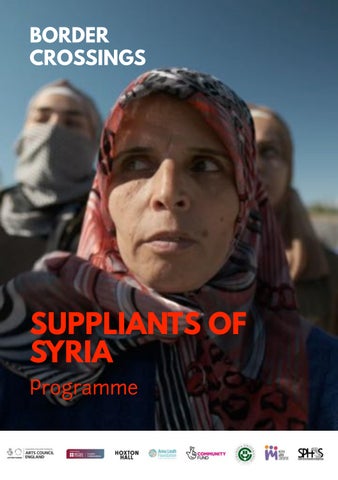
SUPPLIANTS OF SYRIA Programme

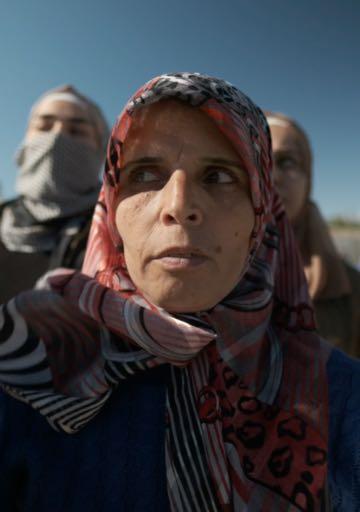

in association with Çukurova University, Meryem Women’s Co-operative and Hoxton Hall presents
SUPPLIANTS OF SYRIA
after Aeschylus
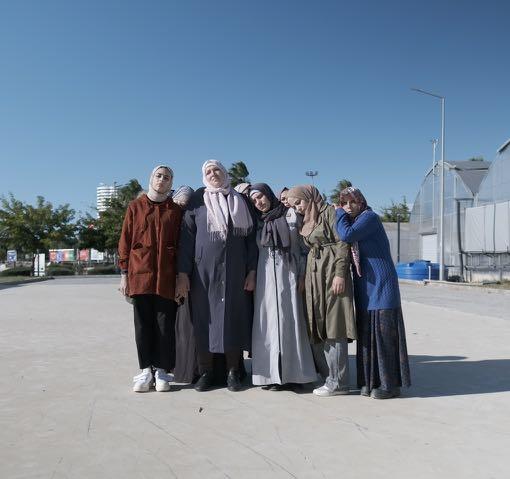
Chorus of Suppliants
Nima Abdo
Beyda Abbud
Huriye Acuri
Fatima Akesh
Amani Albado
Rawa Alhasan
Amal Alkditanio
Bayan Amin
Iman Anes
Umaya Así
Iman Dabagh
Rim Dabbag
Abeer Dada
Maryan Debo
Hemse Fehd
Noor Alhuda Hajali
Emen Ikerzon
Hourey Joury
Malak Osman
Baraa Babi Masri
Beyan Muhammed
Murah Muso
Anonymous
devised and performed by Tobi King Bakare
Vlad Gurdis
Albie Marber
also devised by Richard Adetunji, John Rogers
featuring the voices of Julie-Yara Atz, Hayat Kamille
conceived and directed by Michael Walling
Associate Director Lucy Dunkerley
Director of Photography
Kivanç Turkgeldi
Movement Director Maria da Luz Ghoumrassi
Music and Sound by Dave Carey
Lighting by Nick Moran
Masks by Erin Jacques
Producer (Turkey)
Outreach (Turkey)
Stage Manager
Production Manager
İlke Şanlıer
Asli Ilgit
Phoebe Butcher
Alfie Sissons
Marketing by Emma Townsend
Lighting Associate
First Assistant Camera
Second Assistant Camera
William Gibbs
Rıza Eren Bozkurt
Sila Coşkun
Press Chloe Nelkin Consulting
Production photography
Rehearsal Translator
Subtitle Translator
Dramaturgical Assistant
Production Interns
John Cobb
Amani Albado
Shaza Yaseen
Liam Rees
Charlotte Hamlin
Harish Zuidi
Post-show music by:
Tues 3rd & Thurs 5th
Weds 4th & Fri 6th
Sat 7th
Sun 8th
Rama Alcoutlabi (with Mario Christoif)
Rihab Azar
Sounds Like Home
Amies Freedom Choir
Refugee Art Exhibition:
Ethar Amarin, Noah Bakour, Viktoriia Bezugla, Mariia Dunn, Emiliia Gordiienko, Hejiph, Maeda Khan, Simoun Marouf, Safa Migdad, Kyrychenko Yuliia, Refugee Council women & Siân Thomas, Young people from ECPAT UK, Young people from CARAS. Full details at end of programme.
Art facilitation & curation by Keira Rathbone
For our invited audience of refugees and local figures who impact on their lives: Catering by Fennec & Parsley
Pre-dinner provocations by:
• Tues 3rd: Dr. İlke Şanlıer: Producer & migration researcher at Çukurova University
• Weds 4th: Amal de Chickera: Co-Director of the Institute on Statelessness & Inclusion
• Thurs 5th: Christina Lamb: senior foreign correspondent of The Times & author of “Our Bodies, Their Battlefield: What War Does to Women”
• Fri 6th: Mehmet Ugur: Alawite activist & refugee
• Sat 7th: Munya Radzi: founder of Regularise UK
• Sun 8th: John Martin: Pan Intercultural Theatre
Thanks to: Stuart Cox, Dom Ansell, Rob Callender and all the staff at Hoxton Hall, Donatella Barbieri, Sophia Benedict and EPCAT, Aydin Çam, Adwoa Dixonand all at Pan Intercultural Arts, Claire de Braekeleer and the staff at British Council Turkey, Kaden Dogar, Efe Efeoğlu, David Furlong, Bengisu Görgüm Özgüven, Belgin Gumus, Nouha Hajji, Ali Istanbullu, Mehmet Istanbullu, Samiye Istanbullu, Eden Monroe and the staff at Hackney Council, Sanam Monteiro and the Red Cross, Ellen Muriel at Sounds Like Home, Hasan Sivrii, Muzaffer Sümbül, Hannah Whitley and CARAS, Prof. David Wiles, Jamie Wiseman
Development in London and performances funded by Arts Council England and the Hellenic Foundation. Refugee community project ARRIVING, BECOMING, BELONGING funded by The National Lottery Community Fund. Development in Turkey funded by The British Council’s Creative Collaborations programme and the Anna Lindh Foundation.
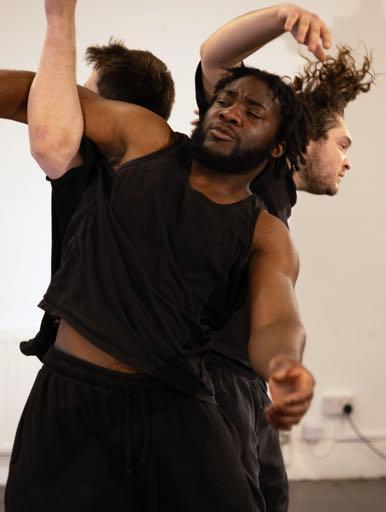
THE BRIDGE OF DEATH
As human beings, we naturally grow attached to our homes and the objects around us. But displacement is a brutal experience. It forces you to leave everything behind and run with an empty heart, carrying nothing but your soul. If you are lucky, you might manage to take one small memory with you.
As a Syrian woman, leaving my home was a pain beyond words. The memory of that day still follows me, and the fear I felt then still lives inside me. Those who have lived through displacement are not like those who have only heard about it. No words can truly describe the shock of suddenly losing your safety.
The suffering did not end when we left. It continued every day after. Women endured displacement and then suffered again as they tried to build new lives in places where they were strangers. Starting from nothing, in an unfamiliar environment that does not know your story, is never easy.
We grieve even when a beloved plate breaks, so what must it feel like to see your entire home destroyed? Syrian women sacrificed everything. Many crossed what was called the “Bridge of Death” simply to survive. We were like bodies struggling to breathe again.
I believe we died the moment we left our homes, and that every day afterwards was an attempt to return to life. Listening to the stories of the other women in SUPPLIANTS OF SYRIA has shown me one truth: they endured the unbearable. They deserve care, healing, and at the very least, to be heard.
Amani Albado
SUPPLIANTS OF SYRIA - A CROSSROADS
“To survive the Borderlands you must live sin fronteras be a crossroads.”
-Gloria Anzaldúa
Many of the themes that animate SUPPLIANTS, written by Aeschylus in the fifth century BCE, resonate with striking urgency today: the plight of refugees and asylum seekers, forced migration and forced marriage, violence against women, political deception, abuse of power, and racial and ethnic confrontations under the white, Western gaze. Read through Anzaldúa’s words, the tragedy reveals the enduring power of theatre as a radical opening, a portal across borders, a crossing point where trauma is transformed into survival, and where collective suffering becomes a turning point in a much longer human story. This is the heart of SUPPLIANTS OF SYRIA: a work that traverses borderlands between East and West, hosts and guests, inclusion and exclusion, “bodies-in-place and bodies-out-of-place”, privilege and dispossession. These apparent polarities are reimagined as sites of encounter, hospitality, and intercultural communion in performance.
SUPPLIANTS recounts the ancient myth of the fifty daughters of Danaos (the Danaids) who flee Egypt and the violent threat of forced marriage by their Egyptian cousins. After perilous crossings by land and sea through Syria and the Mediterranean, they arrive in Argos where King Pelasgos ends up granting them asylum against the threat of an Egyptian invasion and through a radical democratic act: he asks the Argive people to decide by casting their public vote in a referendum. More importantly, the fate of the suppliant women rests on an appeal not only to political authority but to justice and the sacred rules of philoxenia (hospitality toward strangers) which governed ancient Greek culture and ethics toward migrants, refugees, asylum seekers, and outsiders (xenoi and barbarians). The opening chorus of the tragedy
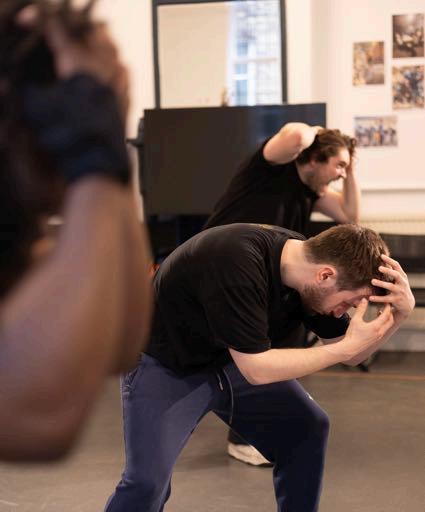
highlights the women’s status as refugees, calling upon the host city’s duty to provide protection, a refuge under divine law.
Here, supplication is not a matter of charity but an ethical right. Still, the plea of the iketides (suppliant women) both anticipates and problematizes contemporary notions of asylum grounded across cultures, including Islamic principles of hijra (migration), amān (protection), and ighātha (relief). The word asylum itself derives from the Greek asylon: a sacred, inviolable place of refuge. To violate the rights of a suppliant constituted an act of sacrilege. The suppliant (iketis) kneeling, touching the altar, pleading before power, was understood as carrying divine force and protection. Harming an iketis (who might even be an enemy) was forbidden. Against this backdrop, the contemporary figure of the refugee has become burdened with suspicion, disbelief, criminalisation, and racialised fear. Refugee camps stand today as material evidence of this semantic and ethical collapse.
In the wake of the so-called “refugee crisis” of the last two decades in the era of globalisation, radical population politics, and the hardening of ‘Fortress Europe’, we return to ancient frameworks of asylum yet again to confront the widening gap between the universality of human rights and their contemporary erosion. We do so also because this crisis exposes profound fissures in our ideas of democracy, citizenship, belonging and what it means to be human.
SUPPLIANTS OF SYRIA
retells Aeschylus’ story through the lived testimonies of Syrian women refugees. Their twentyfirst-century voices intertwine with the 2,500 year-old text, revealing a tragic continuity of power: war, invasion, displacement, violence, patriarchy. They speak from spaces of exception stripped of rights and rendered invisible, feared, segregated, and discarded; the act of speaking on stage itself becomes a refusal of silence. And in reclaiming the forum of the theatre, they rewrite the
Western humanist narrative from the margin. The stage, in this way, becomes a contested space of citizenship and rights: where belonging, inclusion, and diversity are questioned, scrutinized, and rehearsed. This is theatre that demands visibility because the agents of this claim are refugee women performing their inalienable right to exist, to be heard, and to be seen.
Crucially, this is not the story of a single woman, but of a collective. Like the Danaids, the voices of the Syrian women rise unanimously. The work foregrounds the gendered reality of displacement and dispossession in a patriarchal world, a reality that has changed little since antiquity. The suppliants’ palpable plea becomes a metaphor for millions of women fleeing genocide, war, sexual violence, forced marriage and misogyny, forced to repeatedly narrate their trauma in order to be believed. Today, over 120 million people are forcibly displaced worldwide. Women and girls constitute approximately half of this population, and more than 60 million face acute risk of gender-based violence. Conflict-related sexual violence has surged dramatically, with women and girls comprising the overwhelming majority of documented cases, numbers that capture only a fraction of lived reality. From Syria and Palestine to Afghanistan and migration routes across the Mediterranean, the statistics expose that displacement is increasingly feminised, violent, and precarious.
It is within this urgent terrain that SUPPLIANTS OF SYRIA makes its powerful claim not only to empathy, but to ethical and democratic responsibility. In an era marked by ethnic cleansing, lethal border policing and pushbacks, Immigration and Customs Enforcement regimes, and the criminalisation of movement, the performance confronts us with what Shakespeare once called our “mountainish inhumanity.”
By asserting themselves as active political subjectswomen, mothers, daughters, guests, migrants - the performers forge a shared ‘we’ as both an intervention
and an encounter. Henry Giroux calls this a “border pedagogy” in action: a cultural politics of resistance, affect, and transformation.
Like the Danaids before them, the contemporary Syrian iketides refuse absorption into the narratives of their oppressors. Amid autobiographical stories of loss, precarity, and grief, they insist on resilience, agency, and humanity. The theatrical stage thus becomes a real-life temporary sanctuary, a space of communal hospitality where borders are crossed and not staged, voices ampli fi ed, and survival is performed as collective possibility. For a moment, we are invited to “survive the borderlands” together, to meet at the crossroads so that we don’t forget the very grammar of empathy.
Natasha Remoundou-Howley
Originally from Athens, Natasha teaches at University College Dublin, and is a trustee of Border Crossings Ireland.

BIOGRAPHIES
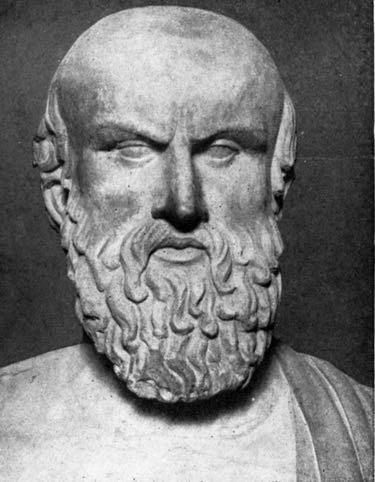
Aeschylus (Original Author) Often described as the father of tragedy, Aeschylus is the earliest playwright whose works survive today. Born at Eleusis in 525/4 BC, he debuted on the stage aged 26, but only achieved his first festival victory 15 years later, in 484. Thereafter, he seems to have been victorious every time he competed at the City Dionysia until his death, which really was due to an eagle dropping a tortoise on his head. As well as PERSIANS and SUPPLIANTS, a further 5 plays survive, including the only full extant Trilogy: THE ORESTEIA.
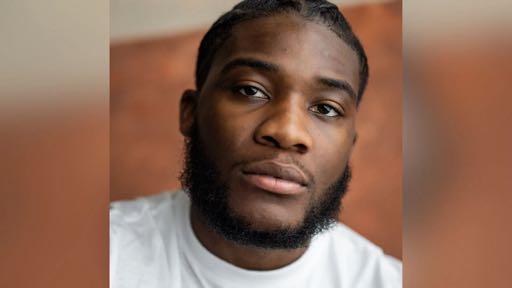

Tobi King Bakare (Deviser-Performer) Tobi’s work spans political theatre, physical performance and screen. Previous collaborations with Border Crossings include THE GREAT EXPERIMENT and THE GAZA MONOLOGUES. Recent work includes I MAY DESTROY YOU and the West End production of FOR BLACK BOYS WHO HAVE CONSIDERED SUICIDE WHEN THE HUE GETS TOO HEAVY.
Phoebe Butcher (Stage Manager) is a London-based Stage Manger. They have worked with Border Crossings once before on THE MOUTH OF THE GODS. Other credits include ASM on POOR CLARE at the Orange Tree, SM on book for CRYING SHAME with Sweet Beef Theatre Company at the Pleasance Dome, ASM for SHERLOCK HOLMES AND THE PISON WOOD and THE SUSPICIONS OF MR WHICHER at the Watermill Theatre.
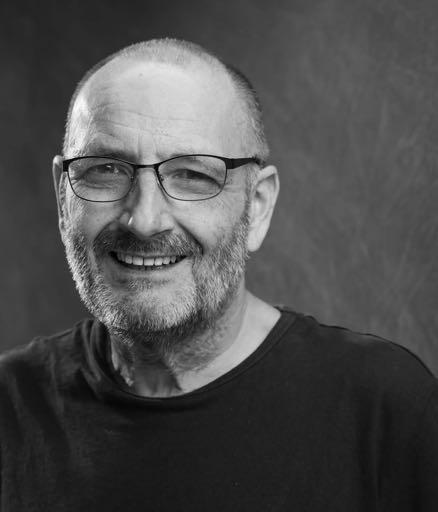
Dave Carey (Music) studied Performing Arts and Music in London and New York. After many years in bands of various quality he joined the inclusive theatre company Chickenshed as a Creative Director. Since then he has written many of their most successful shows from small touring ensembles to large-scale community He has written shows for children and young people all over the world from Malawi to Moscow to Shanghai. For Border Crossings: CONSUMED, THIS FLESH IS MINE, WHEN NOBODY RETURNS, MORE THAN WORDS, THEATRE AND THE PLAGUE, REMEMBRANCES.
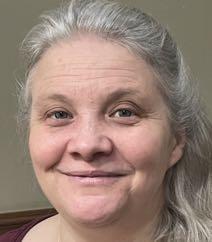
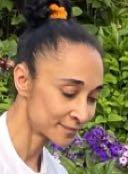
Lucy Dunkerley (Associate Director) Lucy has led the Community, Participation and Education work for Border Crossings since 2012, delivering projects and workshops across London, Europe and beyond. Since 2016 she has worked with young refugees & minority women, exploring approaches that honour cultural diversity and enable equitable participation. Previous roles include leading playwriting projects for Synergy Theatre Company; Outreach Worker for the Royal Court 2000-2008 ; Education Officer at Trinity Arts Centre 1998-2000; leading theatre projects for Associazione Shakespeare and ACLE across Italy.
Maria da Luz Ghoumrassi (Movement) is an awardwinning dancer, choreographer, movement director and educator, working through multidisciplinary arts to develop intercultural performance. She explores post-colonial history and its impact on nature, culture and identity. She uses her practice to reconcile the separate aspects of her identity as a woman of mixed heritage through ongoing performances and workshops. Maria da Luz has performed in the original cast of THE LION KING, Tate Modern with Joan Jonas and renowned British sculptor Hazel Reeves. As Movement director, Maria da Luz has worked for TV, Opera and Theatre with companies such as Icon Theatre and Spare Tyre. For Border Crossings: THE MOUTH OF THE GODS, THE GREAT EXPERIMENT.

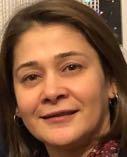
Vlad Gurdis (Deviser-Performer) Theatre artist and writer working across devising, ensemble-led practice and socially engaged performance. Part of the leadership of Dublin-based Freshly Ground Theatre and an educational facilitator at the Abbey Theatre. For Border Crossings: THE GAZA MONOLOGUES.
Aslı Ilgit (Outreach - Turkey) is a Professor of Political Science and International Relations at Çukurova University. She completed her B.A. at Bo ğ aziçi University, her M.A. and Ph.D. at Syracuse University in the USA. Prior to joining Çukurova University, she had worked at Gustavus Adolphus College in the USA. Her work covers the politics of identity, migration, and emotions in international relations.
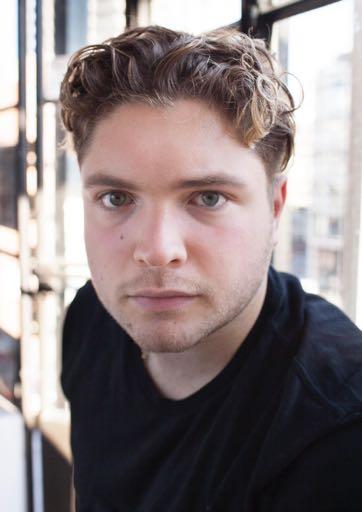
Erin Jacques (Masks) has made props and scenic items for leading performance companies including the Almeida, Royal Court, RSC, PunchDrunk, Mandinga Arts, Glyndebourne and English National Opera. She has also taught at the London College of Fashion.
Albie Marber (Deviser-Performer) is an actor and writer with experience across theatre, fi lm and television. Credits include the Fox feature fi lm TOLKIEN and the television show OUTLANDER and other work for ITV and Netflix. His stage work ranges from classical texts to contemporary new writing. Writing credits include BARBIES AND DRILLAS (Gilded Balloon, Edinburgh Fringe Festival).
Nick Moran (Lighting) is a London based collaborative performance lighting designer and teacher. His long association with Border Crossings began in the early 2000s when he and Michael Walling met while working for English National Opera. This is the third production he has lit for Border Crossings at Hoxton Hall, following on from THE MOUTH OF THE GODS and CHECKPOINT. Other work for Border Crossings includes: BULLIES HOUSE, THE DILEMMA OF A GHOST, RE-ORIENTATIONS, CONSUMED, THIS FLESH IS MINE, WHEN NOBODY RETURNS.
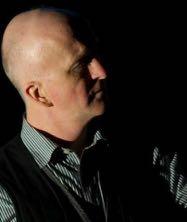
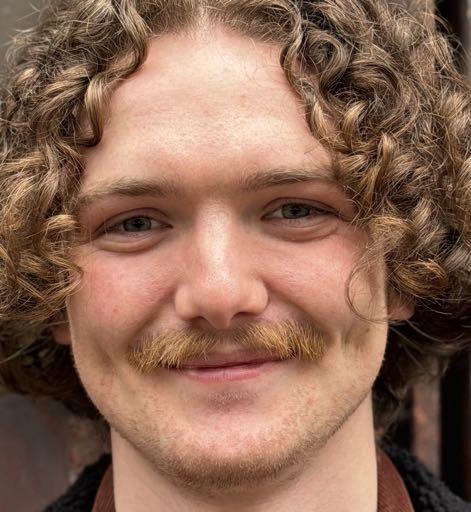
anlıer (Producer, Turkey) is an Associate Professor of Film and Media Studies at Çukurova University. Her research focuses on migration, visual methodologies, and participatory media. She has published widely on cinema, mobility, and the ethics of representation. Her ongoing work bridges academia and artistic practice, creating spaces where research, storytelling, and civic dialogue meet. With Border Crossings:THE PROMISED LAND and X-EUROPEAN.
Alfie Sissons (Production Manager) This is Alfie's first show with Border Crossings, and he is thrilled to be joining the family. After graduating from RADA, Alfie toured with Sadler's Wells, visiting some of the worlds most iconic theatres such as The Sydney Opera House and The Kennedy Centre. More recently, Alfie has worked on numerous off-West End projects in spaces like Southwark Playhouse and The Other Palace.

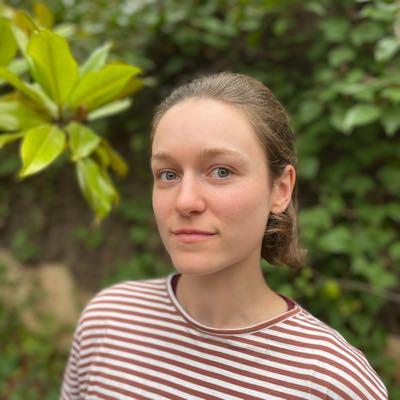

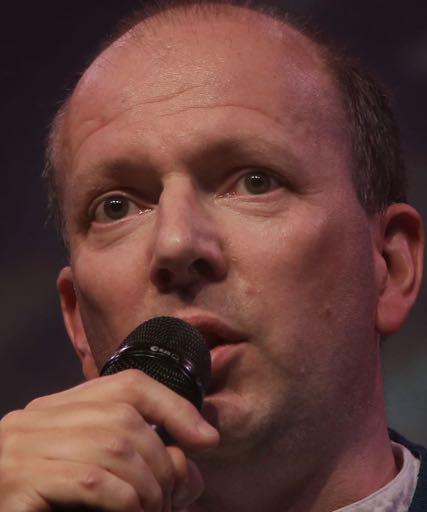
Emma Townsend (Marketing) is a freelance marketing and digital content specialist in the non-profit cultural sector. Since joining Border Crossings in 2019, Emma has played a key role in shaping the organisation’s digital branding and social media presence, a highly successful marketing campaign for ORIGINS 2019 to promoting TOTEM LATAMAT, the monumental Totonac totem pole that toured the UK during COP26.
Kıvanç Türkgeldi (Director of Photography) is a lmmaker and video artist based in Turkey. His work focuses on video essays, essay fi lms and the relationship between image, sound and performance. He also teaches film and media at Çukurova University.
Michael Walling (Concept and Director) founded Border Crossings in 1995, and is the company’s Artistic Director. He has directed theatre, opera and festivals, ranging from Shakespeare in India, America and Mauritius to Handel in America and John Adams in Athens. Michael is Visiting Professor of Intercultural Performance at Rose Bruford College.
Border Crossings has created intercultural theatre since 1995. The company has collaborated with artists from Australia, Brazil, Canada, China, Croatia, France, Germany, Ghana, Hungary, India, Ireland, Lebanon, Mauritius, Mexico, New Zealand, Nigeria, Palestine, Sweden, the USA and Zimbabwe, as well as the diverse communities of the UK. Notable performance projects include THE MOUTH OF THE GODS, REMEMBRANCES, THE GREAT EXPERIMENT, THIS FLESH IS MINE, CONSUMED, THE ORIENTATIONS TRILOGY. Border Crossings has also presented six editions of the ORIGINS Festival, showcasing Indigenous cultures, together with education and community projects all over the world. In 2019, Border Crossings established a second company in the Republic of Ireland, which is currently developing THE LEGEND OF EUROPA. SUPPLIANTS OF SYRIA is the first project to be jointly produced across the two organisations. CHECKPOINT: 30 YEARS OF BORDER CROSSINGS by Jasmin ‘Ofamo’oni will be published in May.

Hoxton Hall were excited to partner with Border Crossings in 2024 on THE MOUTH OF THE GODS project. The delightful aspect of that was not only the wonderful production itself but also the community work which brought local school children, Latin American Community Dancers and (my favourite) a volunteer led embroidery group that eventually found a longer term home in our art room. Hoxton Hall's strategy centres on creative health - the idea that engaging in culture is good for health and wellbeing which THE MOUTH OF THE GODS certainly spoke to. So when Border Crossings approached us about SUPPLIANTS OF SYRIA we were thrilled. As before, the approach of Border Crossings to involve communities, discussions, an exhibition and coming together over food whilst enjoying a high quality piece of theatre that impacts us all speaks to creative health. We very much hope you enjoy the performance.
- Stuart Cox, CEO
Çukurova University is a major Turkish university, based in the city of Adana. This project was coproduced with the School of Communications, which has a longstanding association with Border Crossings.
Meryem Women’s Co-operative was established in Adana in 2020. It aims to empower disadvantaged women; women who have been subjected to genderbased violence; poor, refugee and other women by providing them with employment opportunities. SUPPLIANTS OF SYRIA was integrated into their work generation programmes, with the participating women being remunerated by the co-operative.
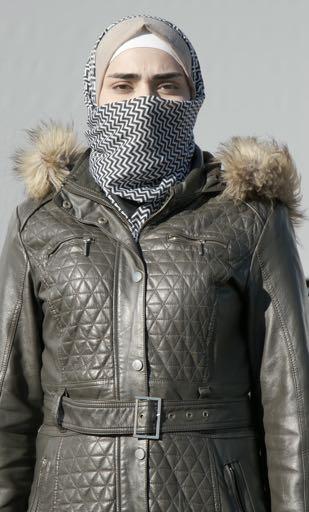
Exhibition of Refugee Art
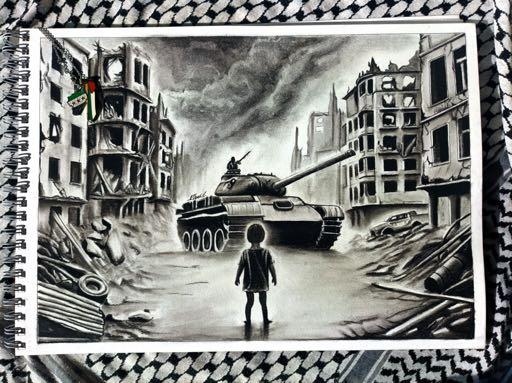
Ethar Amarin
i- Rising from the Rubble
ii- Displacement
iii- Lullaby on the Bed
iv- A child in Gaza or Childhood in War
Ethar is a 23-year-old visual artist from Syria. He has been an asylum seeker in the UK for about a year and a half, dividing his time between Luton and London. He is actively involved in art activities and regularly attend art sessions at a new art centre in Kentish Town. His artwork focuses on humanitarian and social issues, particularly asylum, displacement, and the refugee experience. He also explores themes related to war and its impact on people, especially in Syria and Gaza.
https://www.instagram.com/ethan_amareen? igsh=MWt2bmxieDE3cDAycQ==
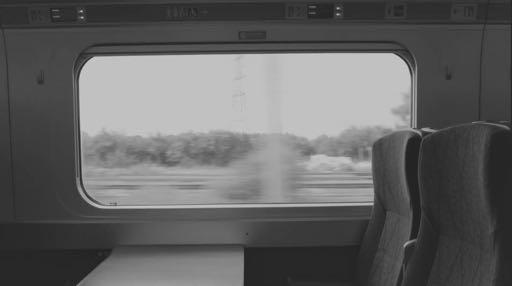
• Noah Bakour Between Frontiers
Medium: Singlechannel film
Duration: 6 minutes
Year: 2025
Between Frontiers is a short, reflective film set during a quiet train journey from Wales to England. The film explores the emotional and
political complexities of crossing borders, drawing on the artist’s own experience of displacement. Through intimate narration and poetic realism, it reflects on privilege, resilience, and shared humanity in the context of global migration. At a time when more than 123 million people are displaced worldwide, the film emphasises that every crossing carries a story. It invites audiences to recognise the human cost of displacement and to cultivate empathy for those forced to flee their homes.
Noah Bakour is a Syrian-born artist and filmmaker based in the UK. His practice centres on themes of displacement, identity, and belonging, informed by his experience as a refugee. Working across documentary and poetic cinema, he seeks to challenge dominant narratives about migration and foreground the dignity and complexity of refugee lives.
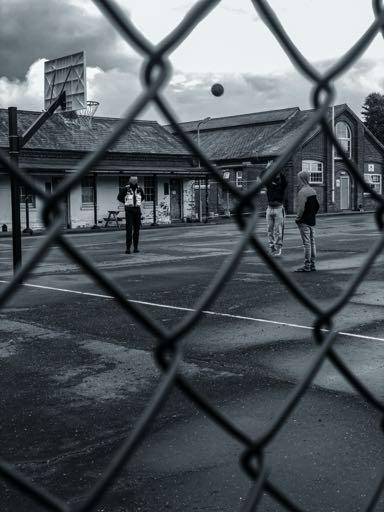
• Hejiph Behind the Fence: A Silent Story
This image was taken inside Napier Barracks, where I once lived while seeking asylum. It captures a moment of everyday life — a basketball game — seen through a chain-link fence. The suspended ball represents movement and hope, while the fence reflects the visible and invisible boundaries that shape life in such spaces. Through my photography, I document the lived reality of displacement, challenging misconceptions and highlighting dignity, resilience, and humanity.
Hejiph is a Kurdish photographer and former resident of Napier Barracks, an asylum accommodation centre in the UK. He started
taking photos inside the camp with his phone, not to make art, but to show the truth of how people were living. As he says, his photographs are “proof, not art” a way to show what life was really like for asylum seekers behind the fences. Through his photos, Heji shows both the struggle and the strength of people who are often unseen or misunderstood. Now living in Newcastle, he continues to use photography to tell honest stories and to remind the world that refugees are not just a topic in the news: they are human beings with feelings, memories, and hope.
Instagram: @HejiPh
• Maeda Khan
Displaced metamorphosis
This piece reflects the emotional weight of leaving behind familiarity and navigating change. The butterfly symbolises overwhelming transformation, while the distorted forms suggest fragmentation of identity. Rather than depicting a literal event, I wanted the drawing to capture an internal landscape, inner monologue; where grief, memory, and resilience coexisted.
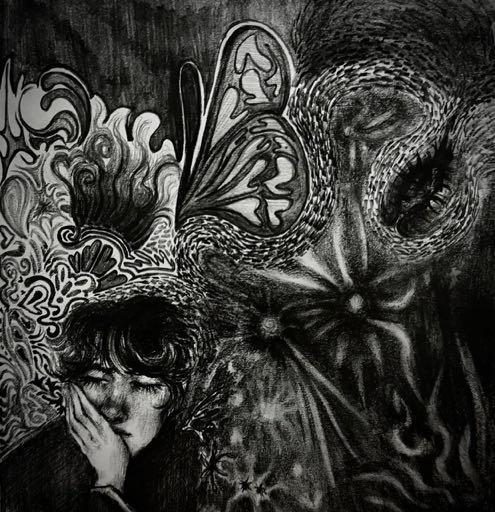
Maeda Khan is an emerging artist who began developing this body of work after arriving in the UK. Her practice explores identity, psychological transformation, and displacement through charcoal and symbolic forms. As an emerging artist, her work focuses on psychological states, identity, and transformation through symbolic and surreal forms.
• Simoun Marouf i- Stamped Identity
This artwork reflects my personal experience of having my visa applications repeatedly denied while trying to present my work in Europe. The reason was always my Syrian nationality. It speaks about how a person is judged and granted opportunities based on where they were born, rather than their talent or humanity.
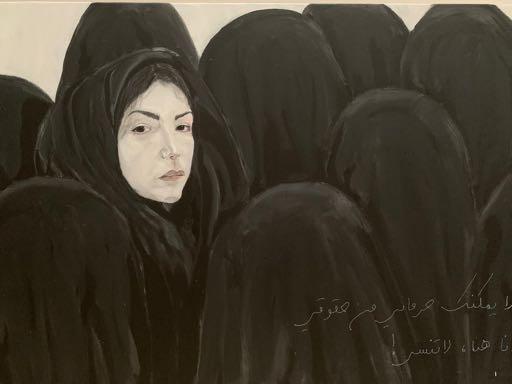
ii- Unveiled Resistance
This painting reflects the current reality of Syria under extremist Islamist rule, where the hijab is forcibly imposed on women, including minorities—particularly Alawite women—under threat of punishment. The central figure, surrounded by dark veiled forms, stands as a symbol of defiance and resistance. The work is a direct challenge to fanaticism and a declaration that Syrian women deserve freedom, dignity, and full rights and responsibilities equal to men—the right to choose and to live without fear.
Simoun Marouf is Syrian visual artist working across painting, collage, fine art print, and mixed media, alongside graphic and UX design. He primarily uses oil paint and sometimes acrylic, selecting materials according to the concept behind each work. His practice focuses on form, colour, and composition, combining techniques in a direct and experimental way. His visual language continues to evolve through personal experience, cultural identity, and ongoing exploration.
• Safa Migdad Alone
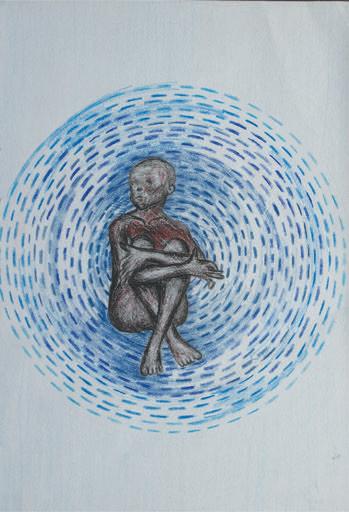
This is how I am, lonely as my homeland, in a vast world, yet Gaza alone is caught in an endless cycle of betrayal, abandonment, sadness, and oppression. It is also the one that has exposed the lies of the entire world, revealing all the truths and the double standards of this treacherous world. You are alone, Gaza... alone.
Safa Migdad is a Palestinian artist from Gaza. She started studying Arts Education / Digital Arts at Al-Aqsa University, After one year, she had to stop because of the genocide in Gaza. Safa uses her art to express her feelings and to show her life experiences. Art has become her way to deal with the emotions and challenges she faces.
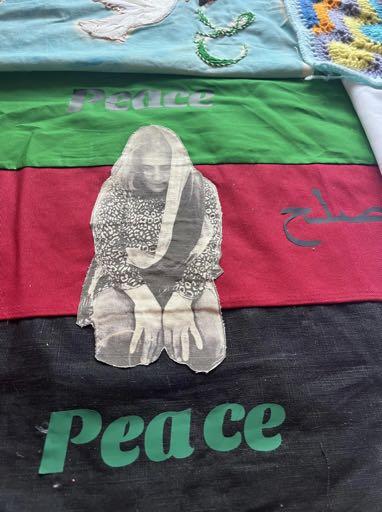
• Wonderful Women Story Quilt Created by Afghan & Sudanese women with the Refugee Council & Siân Thomas
In 2024, community artist Siân Thomas produced collaborative piece of work with refugee women living in Sheffield and Doncaster. The women each designed and made a 12 inch panel with the (loose) theme of “Wonderful Women”. The quilt was first exhibited in Sheffield at Migration Matters Festival. (@craft_camp_)
• From Ukrainian Artists & Art (non-profit cultural platform)
Curator: Iryna Tolokonnikova
1. Kyrychenko Yuliia
Loneliness
Series: Nostalgia
Medium: Mixed media
Size: 30 × 40 cm
Year: 2025
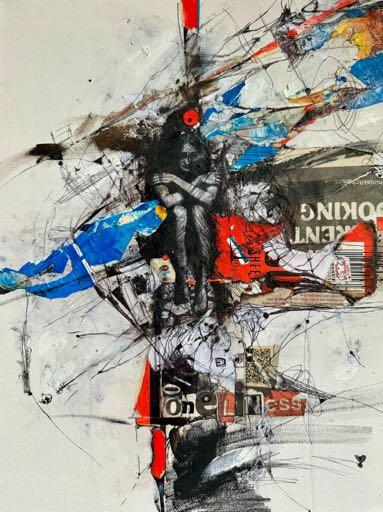
This work explores the fragile balance between chaos and solitude. Fragments of collage and expressive marks evoke the noise of contemporary life and the tension between inner stillness and external pressure. The contrast of red and blue suggests an emotional dialogue between intensity and calm. The central figure, emerging from abstraction, reflects both vulnerability and resilience, inviting personal interpretation.
Kyrychenko Yuliia is a Ukrainian artist currently based in Shipley, UK. Her practice focuses on painting and mixed media.
2. Viktoriia Bezugla
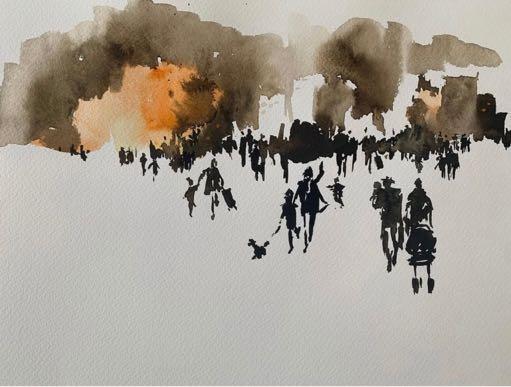
FEBRUARY. 2022. Uncertainty. Fear. War
Medium: Watercolour on paper
This work was created in response to the events surrounding the beginning of Russia’s full-scale invasion of Ukraine in February 2022. Painted while the artist was already in England, the piece reflects a deeply personal emotional state shaped by memory and distance. Through a seemingly chaotic sketch of running figures, the work conveys fragility, tension and psychological atmosphere.
Viktoriia Bezugla is a Ukrainian artist and art teacher from Kharkiv, Ukraine, currently based in Southampton, UK. She works across painting media, including oil, acrylic, gouache, and watercolour, with a particular affinity for watercolour.
3. Mariia Dunn
Waiting For The Refugee Train
Medium: Colour pencils
Size: 33 × 23 cm framed
Year: 2023
This artwork reflects a personal experience from the beginning of the war, when the artist’s family was leaving Ukraine and waiting underground at a train station amongst people in similar
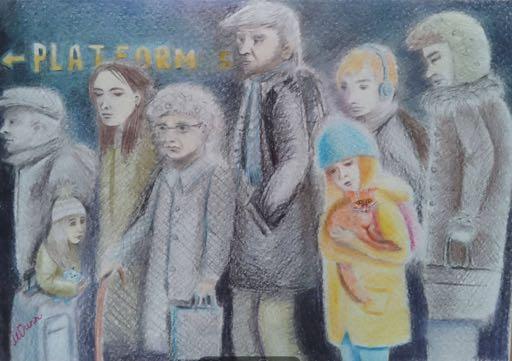
circumstances. The main character is a girl holding her kitten, emphasising that she did not leave it behind but brought it with her.
Mariia Dunn is from Ukraine and currently lives in Poole, Dorset, UK. At the moment she prefers acrylic paints but loves to draw with watercolour pencils.
4. Emiliia Gordiienko i. Hidden
The attempt to hide is juxtaposed by multiple windows spread around the gure's body. I was told by other Ukrainians it reminds them of times they need to hide from windows during an air attack.
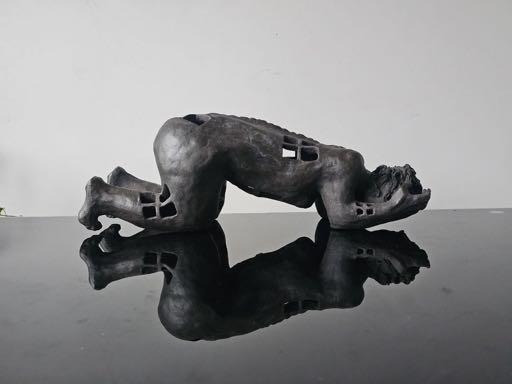
ii. Body Broken
All pieces are broken down to attempt presentation of a body riddled with fatigue and chronic health issues that need to be brought together despite its brokenness. Despite this, the figure is looking up, with a touch of bitterness, but looking up nevertheless. iii. My body is not my own. The anger is. You have to look at the sparkles on the dress. Please don’t look at the gapping wound.
Emiliia Gordiienko makes ceramic pieces about Ukraine and the body. The theme of belonging resonates with her personally, as she migrated at a young age, and after finally deciding to return home, the war in Ukraine forced her out again. At the start of the war, her life got divided into before and after; to her, ceramics will also always be associated with war. But still, she would continue her ceramics and build on my ability to create meaningful pieces by putting a part of myself into each of my works. She wants to make a mark on this world through her work. No matter how small. A mark that, while born from anger, from helplessness, is still driven by a complex desire for hope.
• Young artists from ECPAT UK
Through our Youth Programme, ECPAT UK provides young victims of trafficking and exploitation with rights-based, trauma-informed and child and young person-centred support. We work with children and young people aged 15-25 through gender-specific peer support groups, wellbeing focussed activities and workshops, 1:1 support and specialist therapy. Through all of our work we promote the ethical and meaningful participation of young people in ECPAT UK's including our research, policy and campaigns, training and organisational development.
• Young artists from CARAS
CARAS works with young refugees and people seeking asylum, providing holistic support to help them settle into their new lives in the UK. The organisation offers a range of services, including social activities, English language classes, casework support, and access to sports, ensuring that young people receive practical, emotional, and developmental support. The young people who attend the CARAS youth club are primarily Unaccompanied Asylum-Seeking Children from across the world. At the youth club, they have opportunities to build new friendships, learn from one another’s experiences, and take part in activities such as art, theatre, and cooking, as they begin to feel a sense of belonging and thrive in their new communities.
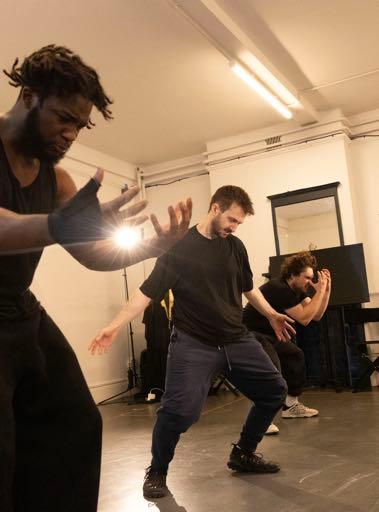
SUPPLIANTS OF SYRIA
Is a multi-artform project by
BORDER CROSSINGS
A multimedia play, a film, a series of concerts, a debate, a provocation, a dinner, an exhibition
Artistic Director: Michael Walling Associate Director: Lucy Dunkerley
Patron: Peter Sellars
Board of Directors: David Ballantyne, Emily di Cesare, Katharina Guderian, Catriona Sinclair, Jatinder Verma MBE (Chair)
Registered Charity No. 1048836. Company Limited by Guarantee Registered in England No. 3015984. VAT No. 690 7714 09. Certified as a Carbon Neutral Business. A Member of Culture Declares Emergency. www.bordercrossings.org.uk