For more information, visit: yamahaoutboards.com/sustainability
Photo courtesy of Silverline Films
For more information, visit: yamahaoutboards.com/sustainability
Dr. Aaron Adams, Monte Burke, Bill Horn, Jim McDuffie, Carl Navarre, T. Edward Nickens, Kellie Ralston
Publication Team
Publishers: Carl Navarre, Jim McDuffie
Editor: Nick Roberts
Editorial Assistant: Isabel Lower
Layout and Design: Scott Morrison, Morrison Creative Company
Contributors
Michael Adno
Monte Burke
Ian Davis
Chris Hunt
Alexandra Marvar
T. Edward Nickens
Ashleigh Rolle
Photography
Cover: David Mangum
Valentina Bautista
Tyler Bowman
Rashad Cartwright
Vinny Catalano
Jess Connell
Dino Cardelli
Benson Chiles
Marty Dashiell
Ian Davis
Jason Davis
Dan Diez
Ed Glorioso
Dr. Stephen Kajiura
Jessyca LaBadie
Justin Lewis
Damon Moore
Diane Pallot
Dave Reilly
Ian Wilson
Carlin Stiehl
Cover
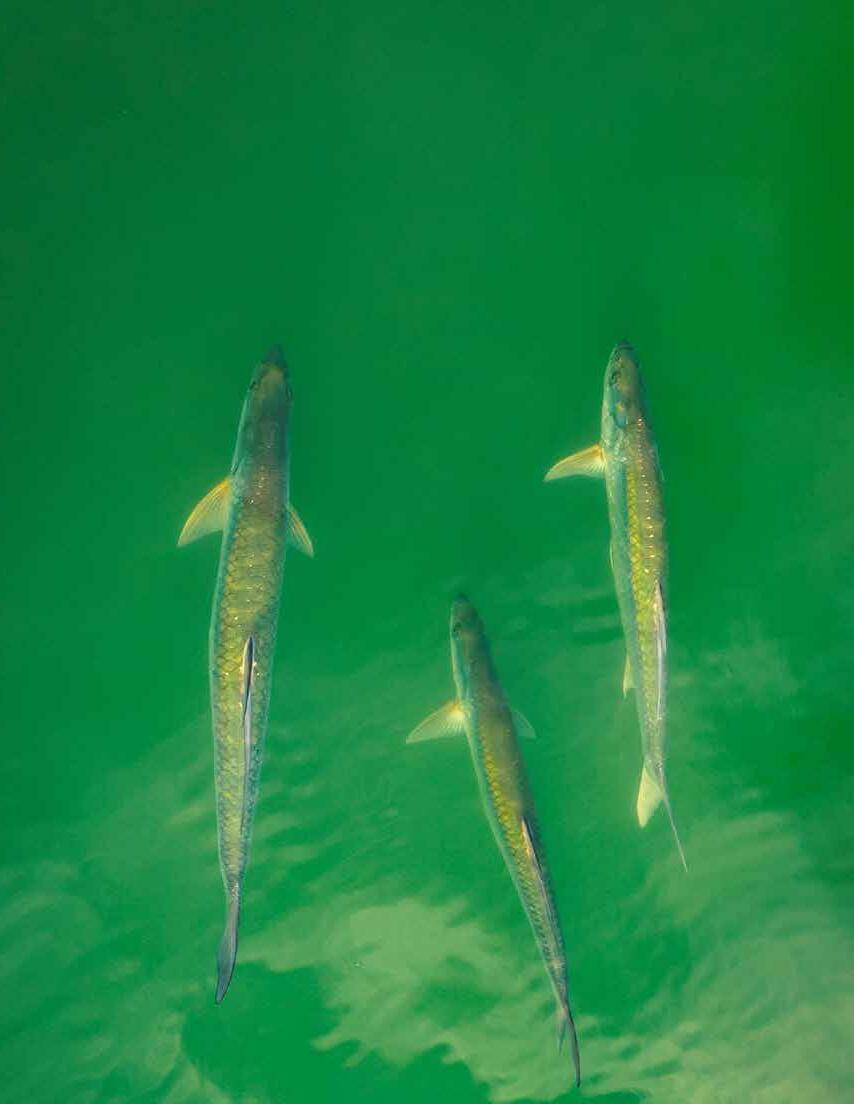
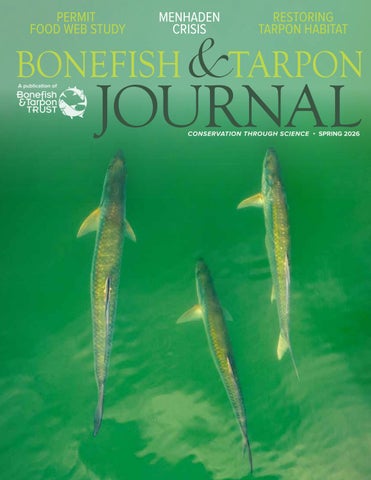
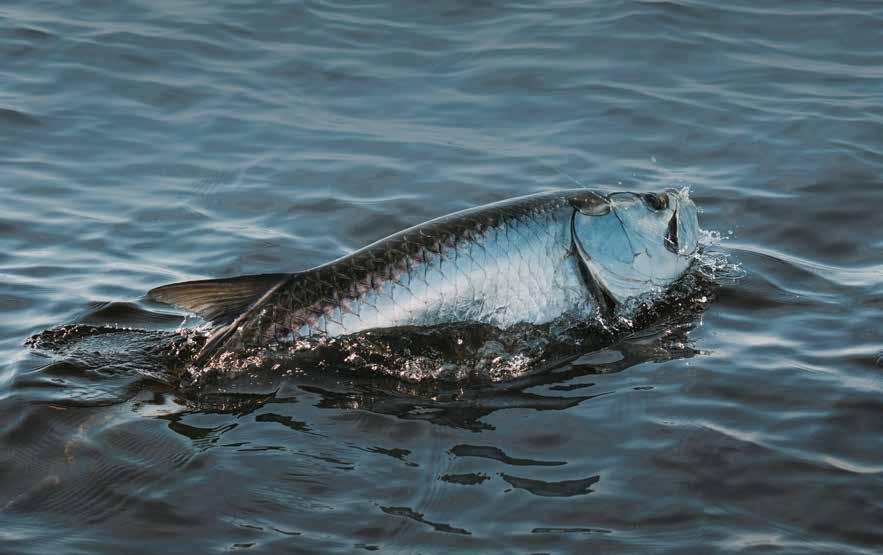
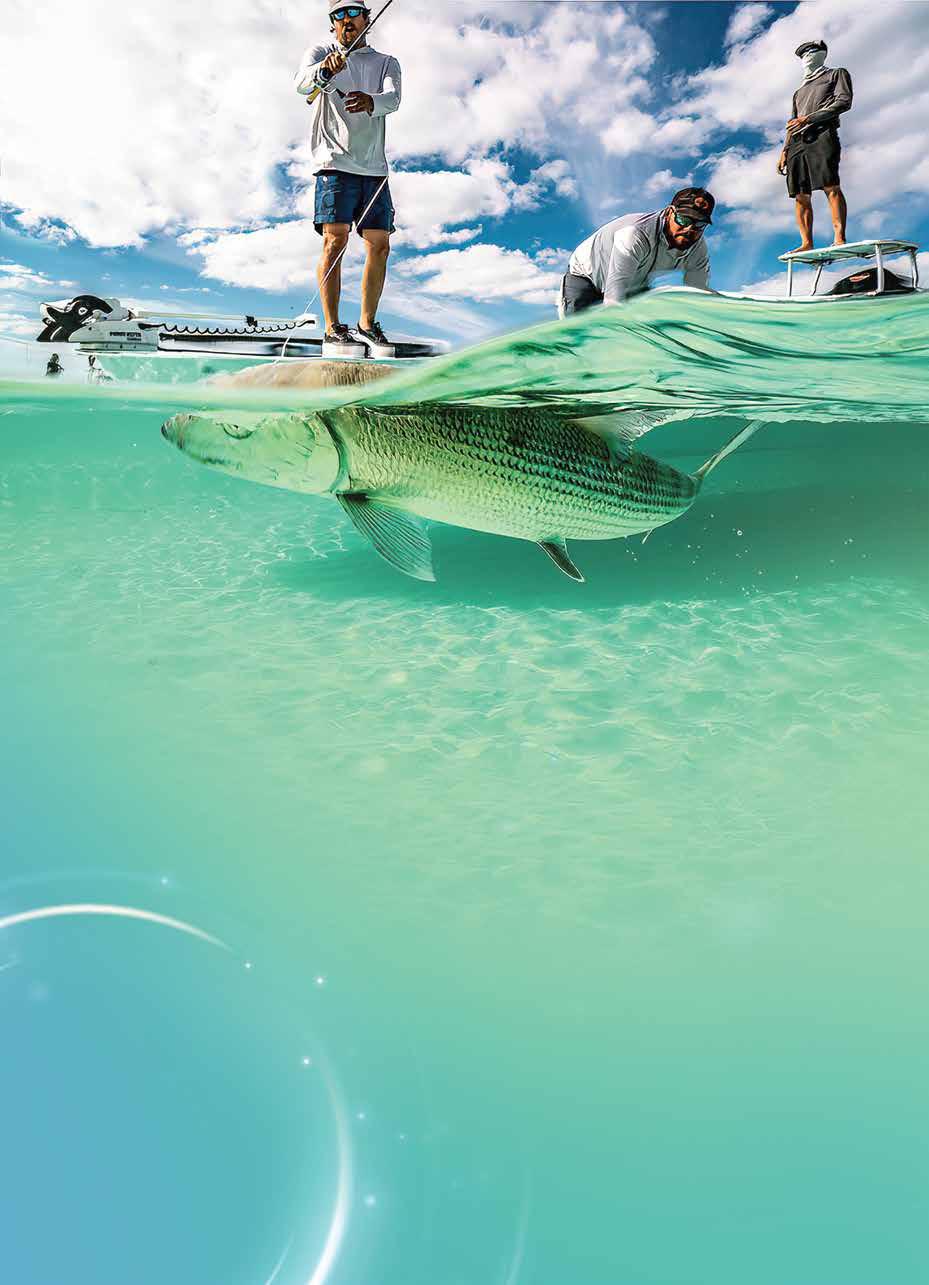
Floating tarpon in Florida. Photo: David Mangum
Bonefish & Tarpon Journal
2937 SW 27th Avenue Suite 203 Miami, FL 33133 (786) 618-9479
Bonefish & Tarpon Journal is printed on a sappi paper that is SFI®
≥20% Certified Forest Content and 10% recycled fiber.
BTT’s Mission
To conserve and restore bonefish, tarpon and permit fisheries and habitats through research, stewardship, education and advocacy.
Carl Navarre, Chairman of the Board, Islamorada, Florida
Evan Carruthers, Vice Chairman of the Board, Maple Plain, Minnesota
Jim McDuffie, President and CEO, Miami, Florida
John Davidson, Treasurer, Atlanta, Georgia
John D. Johns, Secretary, Birmingham, Alabama
Tom Davidson, Founding Chairman Emeritus, Key Largo, Florida
Harold Brewer, Chairman Emeritus, Key Largo, Florida
Russ Fisher, Founding Vice Chairman Emeritus, Key Largo, Florida
Bill Horn, Vice Chairman Emeritus, Marathon, Florida
John Abplanalp
Stamford, Connecticut
Rich Andrews
Denver, Colorado
Stu Apte Tavernier, Florida
Rodney Barreto
Coral Gables, Florida
Adolphus A. Busch IV Ofallon, Missouri
Ali Gentry Flota
Richmond, Virginia
Dr. Tom Frazer Tampa, Florida
Jeff Harkavy Coral Springs, Florida
Doug Kilpatrick Summerland, Florida
Jerry Klauer
New York, New York
Dr. Michael Larkin St. Petersburg, Florida
Thorpe McKenzie Chattanooga, Tennessee
Ambrose Monell New York, New York
Sandy Moret Islamorada, Florida
Tim O’Brien Harlingen, Texas
Clarke Ohrstrom The Plains, Virginia
National Advisory Council
Dan Berger, Key West, Florida
Bob Branham, Plantation, Florida
Paul Dixon, East Hampton, New York
Chris Dorsey, Littleton, Colorado
Chico Fernandez, Miami, Florida
Mike Fitzgerald, Wexford, Pennsylvania
Pat Ford, Miami, Florida
Christopher Jordan, McLean, Virginia
13th Annual Florida Keys Dinner & Circle of Honor Inductions
April 16, 2026
Cheeca Lodge & Spa Islamorada, FL
David Pfeiffer, Dana Point, California
Dr. Jennifer Rehage Miami, Florida
Vaughn Roberts Nassau, Bahamas
Kris Rockwell Pittsburgh, Pennsylvania
Rick Ruoff Willow Creek, Montana
Adelaide Skoglund Key Largo, Florida
Noah Valenstein Tallahassee, Florida
Bill Klyn, Jackson, Wyoming
Clint Packo, Littleton, Colorado
Mitch Menendez, Portland, Oregon
Jon Olch, Park City, Utah
Chris Peterson, Titusville, Florida
Steve Reynolds, Memphis, Tennessee
Bill Stroh, Miami, Florida
Krissy Hewes Wiborg, Miami, Florida
15th Annual NYC Dinner & Awards Ceremony
October 8, 2026 583 Park Avenue New York, NY
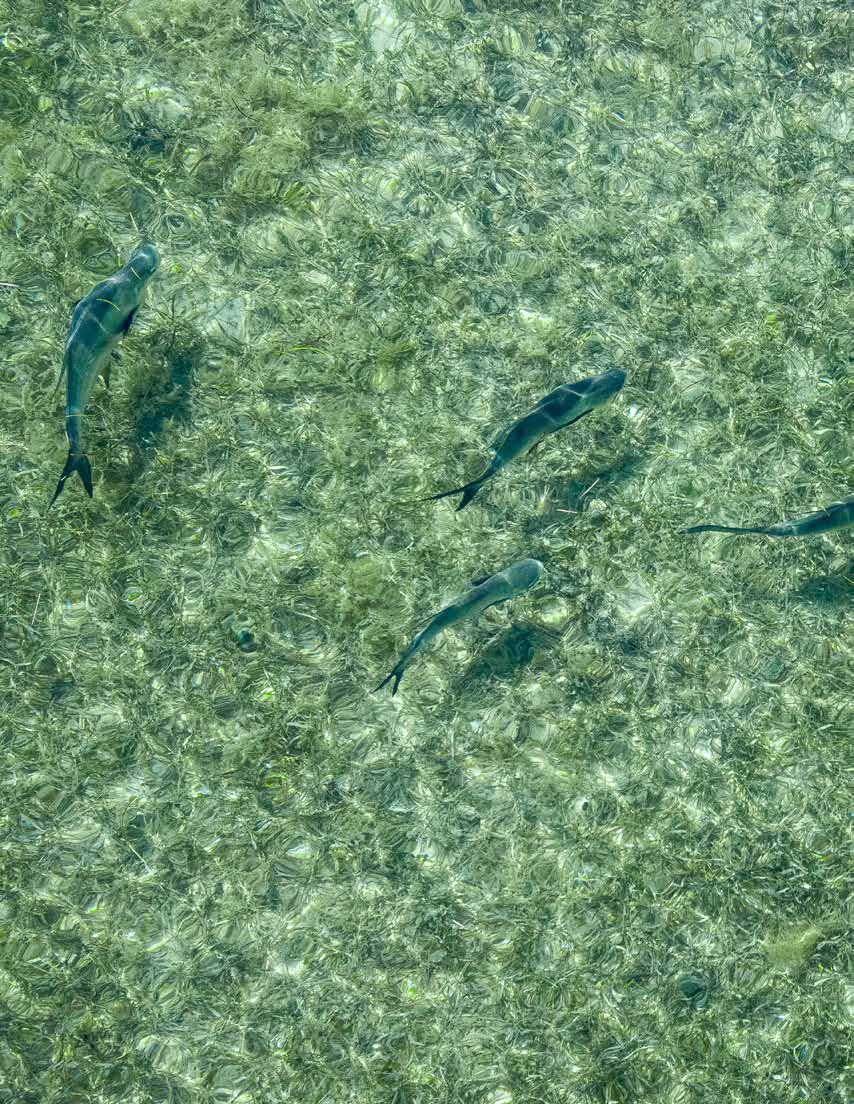
BTT’s innovative Permit Food Web Study is shedding light on what Keys permit are consuming and possible changes to the prey base that may be impacting the fishery. T. Edward Nickens
Captain Carl Ball and the late Captain Jose Wejebe will be inducted into the BTT Circle of Honor on April 16, 2026, at the 13th Annual Florida Keys Dinner in Islamorada, Florida. Monte Burke
Science-based reform of the commercial menhaden industry is urgently needed to ensure the health and sustainability of our coastal ecosystems and fisheries. Michael Adno
BTT has embarked on an ambitious plan to restore juvenile tarpon habitat at scale to conserve Florida’s iconic tarpon fishery. Chris Hunt
MORE FIGHT, MORE TOUCH
Load shifted closer to the hand prioritizes feel and recovery. 25% greater strength for increased pulling power.
We’re often asked what’s needed to conserve and restore the flats fishery. Science has revealed there’s no quick or easy answer. We need clean water, healthy habitats, and effective fishery management—all working holistically and delivering benefits at the right scale.
Alex Taylor made the point recently on The Last Salmon podcast. Alex is author of The Longest Cast: The Fly-Fishing Journey of a Lifetime, but in his day job, he serves as Chairman and CEO of one of America’s largest private companies, Cox Enterprises. He noted that even when we strive to reduce our impacts on the planet, whether it’s to water, waste, or carbon, we still see species declining at alarming rates. What’s needed, he concludes, is an ecosystem-level approach that emphasizes biodiversity. Yes!
Flats anglers can understand ecosystem and biodiversity perspectives from the bow of any skiff. Just think for a moment about seagrass meadows and mangroves that teem with life, including the food webs that sustain flat species.
BTT has long taken a comprehensive view of conservation— species, water, habitat, and management—and now we embark on what might well be the most important step in the pursuit of our mission. At the heart of our new 2030 strategic plan is a conservation vision that addresses fishery needs at the largest and most meaningful scale possible—the landscape—taking into account all of the complex and interconnected relationships we find there.
You will see this focus reflected in all aspects of BTT’s work, from research guiding spatial management planning to the implementation of habitat conservation plans at scale. Some of the most significant outcomes of these efforts will be realized in the protection and restoration of vital flats habitats. Specifically, BTT will work over the next three years to identify, prioritize, and map the most essential flats habitats in Florida and regionally, then to collaboratively protect and restore as many as possible through partnerships, philanthropy, and public funding.
This conservation response at scale is imperative. In the years since sportfishing has taken root in Florida, the state has experienced unprecedented losses of seagrass, mangroves, and corals, as well as the widespread impacts of altered hydrology. Elsewhere across the region, in The Bahamas and Belize, threats from unwise coastal development are growing. In short, we must do more—and do it at scale—to achieve our conservation mission.
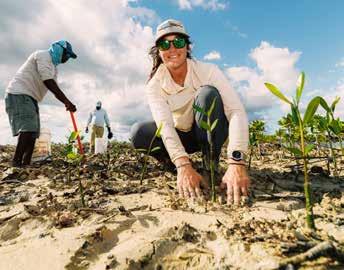
BTT has been building to this moment over recent years through a series of research and conservation projects that are now accelerating in 2026. Among them, we will complete the 1 Million Mangrove Project with partners in The Bahamas and restore two essential creek systems on Grand Bahama this year. In Florida, the construction phase to restore Rookery Bay in Collier County will begin soon, while the restoration planning for four more wetland areas will follow in Charlotte County. These Florida sites provide critical nursery habitat for juvenile tarpon and other sportfish.
Also at the core of our 2030 strategic plan is a commitment to advance effective fishery management, especially when it comes to protecting spawning areas for flats species. This critical work will build on our previous efforts in The Bahamas to identify and
Carl Navarre, Chairman
Jim McDuffie, President
protect bonefish pre-spawning sites, and in the Florida Keys to identify a major permit spawning site and a bonefish pre-spawning aggregation and to successfully advocate for their protection through seasonal no-fishing closures. Safeguarding vulnerable spawning areas through science-based management is critical to ensuring a healthy and sustainable future for the flats fishery—work that will accelerate in Florida, The Bahamas, and Belize.
We look forward to sharing more with you about our 2030 plan and progress in the days to come. In the meantime, you can learn more about how BTT is scaling its efforts in several articles appearing in this issue of the Bonefish & Tarpon Journal
In his piece, “Deciphering a Permit Mystery,” T. Edward Nickens explores the cutting-edge research that is assessing changes in the Florida Keys’ food webs and the effects on the permit fishery. And Michael Adno’s article, “The Menhaden Crisis,” takes a hard look at the urgent need for science-based reform of the commercial menhaden industry to ensure the sustainability of our coastal ecosystems and fisheries. Be sure to also read Ashleigh Sean Rolle’s “Tide of Restoration” about the new projects benefiting bonefish in The Bahamas, and Chris Hunt’s “To Save the Silver King,” which overviews BTT’s plans to restore juvenile tarpon habitat in Florida at ambitious scales.
As always, we thank you for your support of Bonefish & Tarpon Trust and your advocacy on behalf of the interconnected flats fishery that spans some of the most beautiful places on earth.
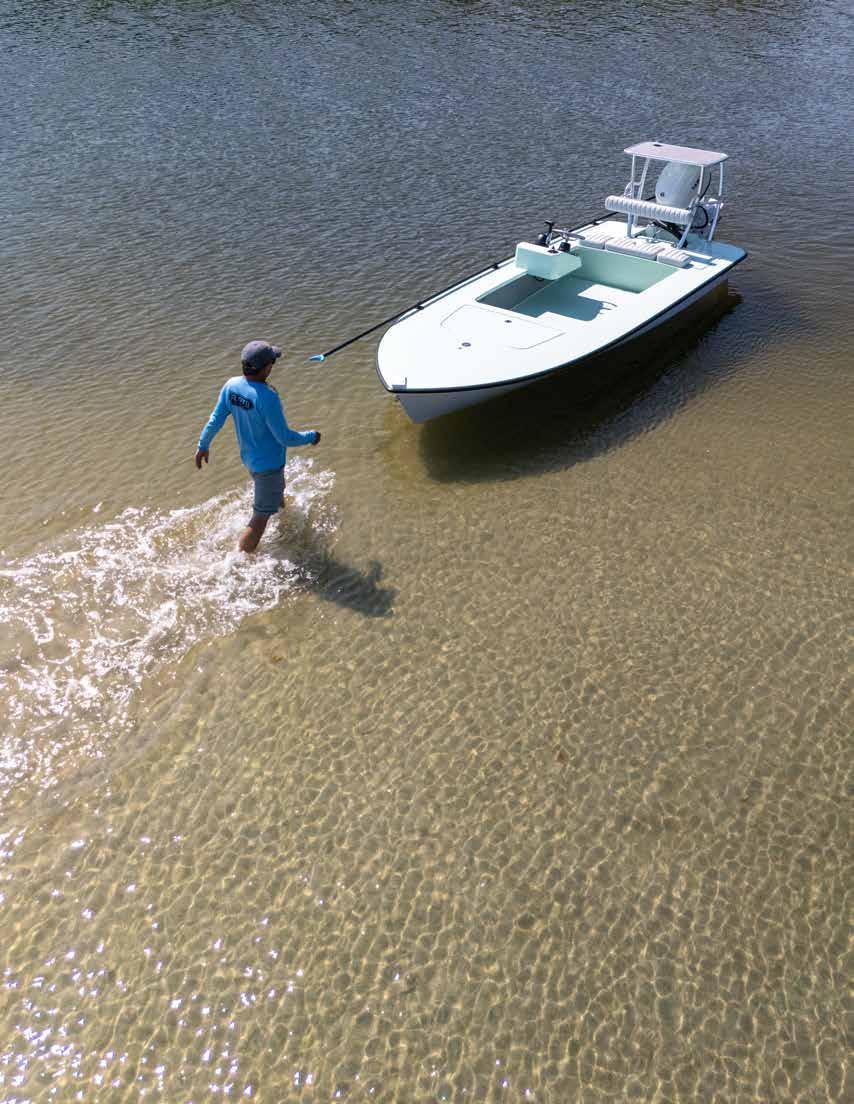
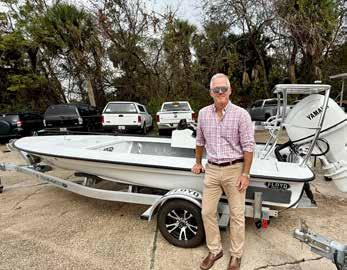
From start to finish and beyond, the passion that Brian and Heidi Floyd have for this industry shows not only in the quality and performance of their boats, but also in their unwavering and timely customer service. Floyd Skiff Co. is a family-owned and operated custom skiff business located in New Smyrna Beach. With over 30 years of experience in boat building and 25 years in the flats boat industry, each skiff is designed and crafted to navigate shallow waters with ease.

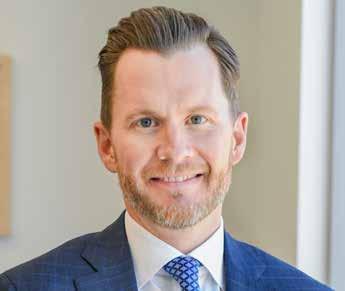
Business leader Evan Carruthers was elected Chairman of Bonefish & Tarpon Trust at the organization’s spring meeting. He succeeds Carl Navarre. A board member since 2021, Carruthers has served previously as Vice Chair and Treasurer.
“I am grateful for the leadership that brought us here and honored to help guide this organization into its next chapter,” said Carruthers. “As a passionate saltwater fly angler and advocate for the fishery, I am looking forward to collaborating with the BTT
David Pfeiffer, President of Shimano North America Fishing, Inc., has joined the Board of Directors of Bonefish & Tarpon Trust. Pfeiffer began his career with Shimano North America Fishing in 1988, embarking on a decades-long journey of leadership and industry impact. During his early years with the company, he held key roles across sales, marketing, and product development, gaining comprehensive experience in both the technical and commercial sides of the business. His contributions during this period helped strengthen Shimano’s reputation for
team and other key stakeholders to enhance the organization’s mission and impact across the Caribbean Basin.”
Carruthers is Managing Partner, Chief Executive Officer, and Chief Investment Officer of global alternative investment firm Castlelake, which he co-founded in 2005. He is responsible for Castlelake’s overall strategy, including all investment and operational activities, as well as guiding the firm’s mission, culture, and investment approach. Carruthers also serves as chair of Castlelake’s Executive Committee and Investment Review Committee.
Before co-founding Castlelake, Carruthers was an investment manager with CVI, responsible for corporate and asset-based investments in North America and the development of Cargill’s global aircraft investing business. Prior to joining CVI, he worked in several capacities at Piper Jaffray. Carruthers received a B.A. from the University of St. Thomas in business administration, with a specialty in finance.
“BTT enthusiastically welcomes Evan Carruthers to this important role,” said BTT President and CEO Jim McDuffie.
“His leadership, passion for the fishery, and commitment to conservation will greatly benefit our organization and the flats fishery it serves at a pivotal moment in BTT’s mission.”
In addition to his leadership role at BTT, Carruthers serves as Chairman of the Guides Trust Foundation and on the National Board of Directors for Pheasants & Quail Forever. An avid fly angler, Carruthers regularly participates in Florida Keys fishing tournaments, winning the 2025 Don Hawley Invitational Tarpon Tournament, the 2023 Del Brown Permit Tournament, and the 2023 Golden Fly Tarpon Tournament.
Also elected as officers were John D. Johns as Vice Chair, John Davidson as Treasurer, and Clarke Ohrstrom as Secretary.
innovation and customer focus in the fishing market.
In 2006, Pfeiffer was promoted to President and CEO of all Shimano North America operations, overseeing the fishing and bicycle divisions, as well as all regional subsidiaries. Under his leadership, the company advanced its market presence and brand influence across North America. His strategic vision and commitment to excellence positioned Shimano as a leader in multiple outdoor recreation categories. Following a corporate restructuring in 2015, Pfeiffer returned to a focused role leading Shimano’s North America fishing business. This transition allowed him to further deepen the company’s engagement with anglers, conservation partners, and the broader sportfishing community. His leadership continued to shape Shimano’s approach to product development, resource stewardship, and advocacy within the fishing industry.
Effective April 1, 2026, Pfeiffer will assume his new position as Shimano North America’s Vice Chair, Executive Advisor and Advocacy lead.
“BTT’s mission is grounded in a science-based approach, and science-based management is one of my core beliefs and a pillar of Shimano’s advocacy policy,” said Pfeiffer. “I am committed to using my experience to further BTT’s mission.”
Throughout his career, Pfeiffer has been an influential advocate for sportfishing at state and national levels. He has served as chairman of the American Sportfishing Association and spent more than 20 years on its board. He helped establish Keep Florida Fishing to protect angler access and has held leadership roles with the Center for Sportfishing Policy, CCA California, and the South Carolina Boating and Fishing Alliance. His longstanding commitment to conservation and public access continues to shape the future of the sportfishing industry.
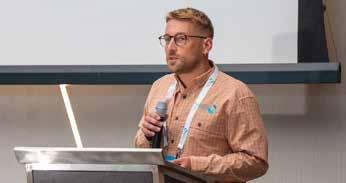
Dr. Benjamin (Ben) Jones is the recipient of the inaugural Davidson Science Award, which recognizes transformative scientific contributions to flats conservation. The award is named in tribute to Tom Davidson, Sr., BTT’s Founding Chairman. As Chief Conservation Officer and Co-Founder of Project Seagrass, Jones is known for his groundbreaking interdisciplinary work to better understand and protect seagrass meadows.
While serving as a postdoctoral researcher at Florida International University, Jones collaborated with BTT on an alternative fishery assessment project that was designed to address long-standing challenges in managing data-poor fisheries, such as bonefish, tarpon, and permit. Recognizing that traditional stock assessments are often impractical for these species, Jones developed an innovative method—Best Catch Assessment (BECAA)—that uses Local Ecological Knowledge to determine historic trends and current fishery status. BECAA has already been successfully applied to assess the Florida Keys’ bonefish fishery, demonstrating its effectiveness and promise for broader conservation efforts. With $50,000 in support from the Davidson Science Award, Jones will lead new BECAA assessments for permit and tarpon in the Keys and take steps to apply the method in other locations across the flats fishery.
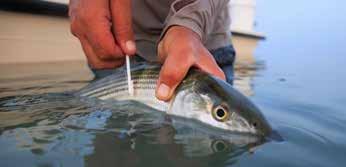
STUDY REVEALS BONEFISH SPECIES COMPOSITION IN FLORIDA KEYS
As the Florida Keys’ bonefish population rebounds, anglers and guides have noticed that while catch rates have increased,
not as many large bonefish are being caught. Could the smaller bones possibly indicate a species compositional shift? Could the smaller subspecies Albula goreensis be replacing Albula vulpes as the most common bonefish species on the flats?
BTT’s science team co-designed a study with fishing guides to find out by collecting samples of bonefish mucus (aka slime) to genetically test for species ID. The study found that the average size of the bonefish caught was, in fact, below historical averages; however, the species composition of bonefish in the Florida Keys was not significantly different from that reported in previous genetic studies. Bonefish on Keys flats are 98.6% Albula vulpes and 1.4% Albula goreensis So why are the fish smaller than before? It’s likely a function of population recovery, or possibly environmental factors. As BTT continues to advocate for science-based conservation measures, including protecting spawning sites, improving water quality, and educating anglers on fishing and handling techniques to decrease post-release mortality, the population should continue its upward trajectory, and we will hopefully start seeing more big bonefish.
BTT announced the winners of the 2025 Florida Boat Sweepstakes on November 8, 2025, at the 8th International Science Symposium. The sweepstakes supported BTT’s efforts to improve water quality and conserve vital habitat across the state. Congratulations to the lucky winners: John Hermansen of Sarasota, Florida, Patrick Vawter of Birmingham, Alabama, and Kathy Agate of Davie, Florida. BTT thanks our generous sweepstakes sponsors, including Florida-based boatbuilders Floyd Skiff Co. and Matecumbe Skiffs, and BTT’s official outboard motor partner, Yamaha Rightwaters. These Florida boats came fully outfitted thanks to Magic Tilt Trailers, Marquesa Marine, and Unmatched Marine. Completing the prize packages were top gear and apparel donated from BTT sponsors: Simms, Fishpond, Bajío, Sage, Rio, Costa, YETI, Turtlebox, Danco, artist Eric Estrada, and Cody Richardson Creative.
Collaboration is the key to effective conservation. BTT signed two separate Memoranda of Understanding in Belize in 2025—one with the Belize Flats Fishery Association (BFFA) and another with the Wildlife Conservation Society (WCS) Belize—formalizing partnerships built over years of shared work. Through its MOU with BFFA, BTT will continue to support Belizean fishing guides as leaders in conservation and advocacy grounded in local knowledge and experience. Through the MOU with WCS Belize, BTT is strengthening coordination on research, outreach, and conservation capacity building across critical coastal habitats.
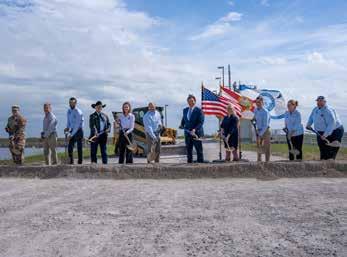
Groundbreaking on the new EAA Inflow Pump Station. Photo: SFWMD
BTT ADVOCATES FOR EVERGLADES
Bonefish & Tarpon Trust entered the 2026 Florida legislative session focused on securing robust, sustained funding for Everglades restoration and statewide water-quality improvements that directly support Florida’s iconic fisheries. A key priority is advancing comprehensive water-quality protections, including addressing emerging contaminants, such as pharmaceuticals, which threaten coastal water quality. BTT is also advocating for targeted investments in critical habitats across the state, with particular emphasis on Southwest Florida, the Indian River Lagoon, Biscayne Bay, and the Florida Panhandle—regions that are vital to the state’s sportfish populations, and the coastal economies that depend on healthy waters.
These priorities build on a series of major Everglades restoration milestones BTT has long championed. Recent ribbon-cuttings and groundbreakings mark tangible progress, including the completion of the Biscayne Bay Coastal Wetlands Project and Picayune Strand Restoration Project, and the launch of the Blue Shanty Flowway, a key component of Central Everglades restoration. Additional advances include groundbreaking for the C-43 Reservoir and Lake Hicpochee projects to improve water quality flowing into the Caloosahatchee, as well as for the EAA Reservoir Pump Station—each a critical step toward restoring natural water flow, improving estuarine health, and ensuring a resilient future for Florida’s fisheries.
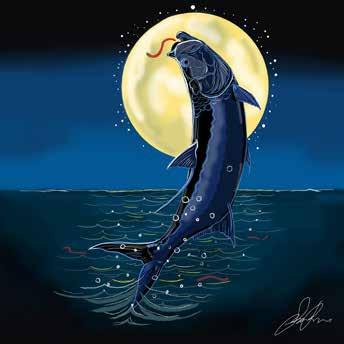
The worm hatch during tarpon season in the Florida Keys is world-renowned. Tarpon gather in a handful of locations to gorge on these nutrient-rich worms. The “hatch” is part of the reproductive cycle of palolo worms, which are a species of marine polychaete. These worms live in coral reefs and other hard bottom. During their reproductive phase, which is tied to the lunar cycle (focused on the full moon in the Keys), the worms detach the back portion of their bodies, which swim toward the surface and release eggs and sperm into the open water, where fertilization occurs. The larvae that hatch then make their way to new adult habitats on reefs. Because the worms are filled with eggs and sperm, they are high-energy prey for tarpon and other predators that key in on this event.
The dependence of palolo worms on coral reefs underscores the need for conservation actions that protect reefs. Climate change, for example, is causing increases in water temperatures, which stress and can kill corals. The ocean is also becoming more acidic, which makes it harder for corals to secrete more of their skeleton, and can even cause erosion. These factors degrade the reef habitats that palolo worms depend on. So, healthier coral reefs mean healthier palolo worm populations—and ultimately better worm hatches and tarpon fishing.
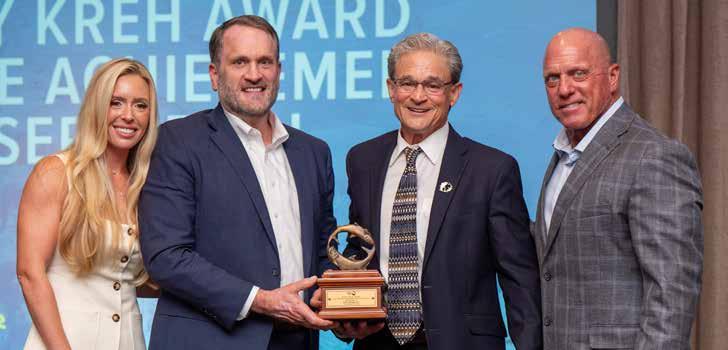
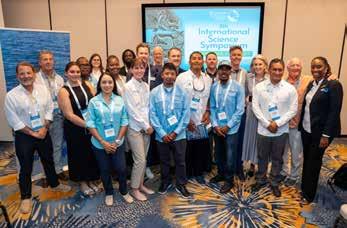
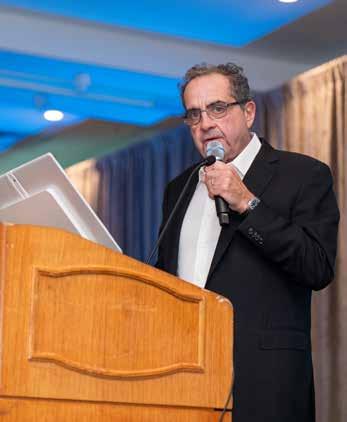
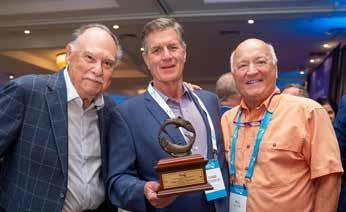
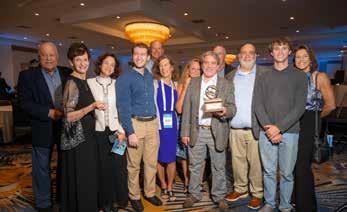
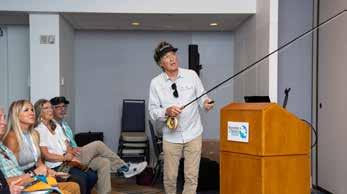
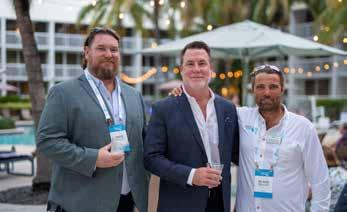
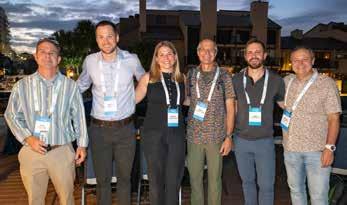
Bonefish & Tarpon Trust’s 8th International Science Symposium was a poignant reminder of the relationships and shared passion for conservation that unite the angling community.
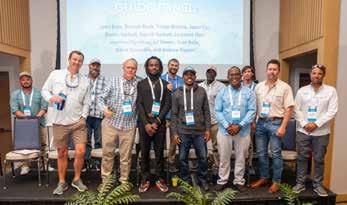
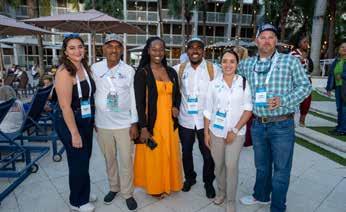
The triennial event, held November 7-8, 2025, in Fort Lauderdale, Florida, featured insightful presentations and engaging discussions led by leading scientists, resource managers, industry leaders, policymakers, legendary anglers, and top fishing guides from Florida and across the Caribbean region. The theme of the Symposium focused on critical fishery issues from the perspective of “landscape conservation.” This holistic approach tackles water quality and habitat loss at the most meaningful scales possible. In all, more than 400 participants from nine countries and 12 states came together at the world’s largest gathering of stakeholders working to advance the science and conservation of flats habitats and fisheries.
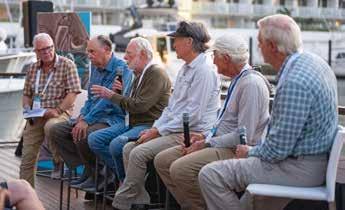
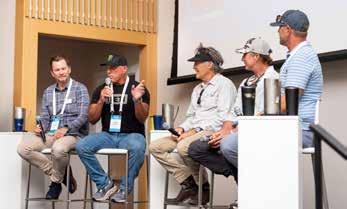
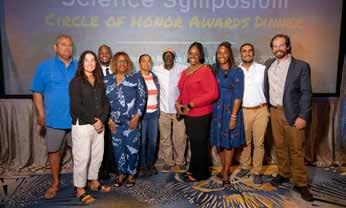
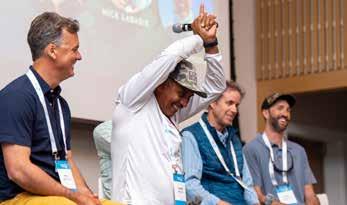
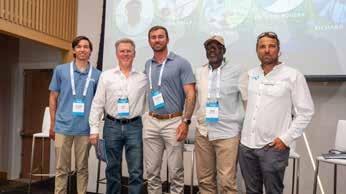
The Symposium was also a celebration of our angling community. Four remarkable individuals who have made outstanding contributions to conservation were inducted into the BTT Circle of Honor: BTT Founding Member Jeff Harkavy, acclaimed artist Tim Borski, and Chris and Wendi Peterson, the owners of Hell’s Bay Boatworks. The special program emceed by Rob and Kaylee Fordyce also featured moving tributes to the late Flip Pallot by Rob Fordyce, Carl Allen of Walker’s Cay, and Flip’s daughter, Brooke. The Symposium concluded with the Legends Panel moderated by author T. Edward Nickens and featuring Chico Fernandez, Steve Huff, Andy Mill, Sandy Moret, and Rick Ruoff.



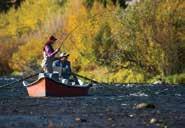
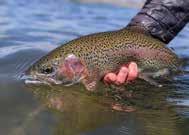

BTT’s innovative Permit Food Web Study is shedding light on what Keys permit are consuming and possible changes to the prey base that may be impacting the fishery.
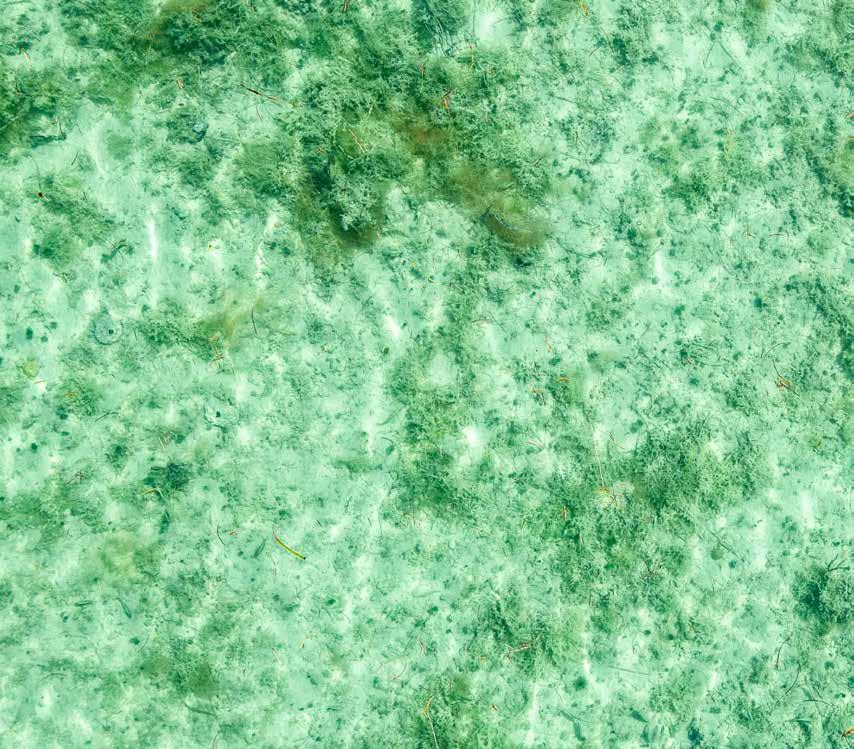
BY T. EDWARD NICKENS
It’s not standard operating procedure on a Florida Keys permit fishing trip, but is there anything normal and typical on a permit fishing trip?
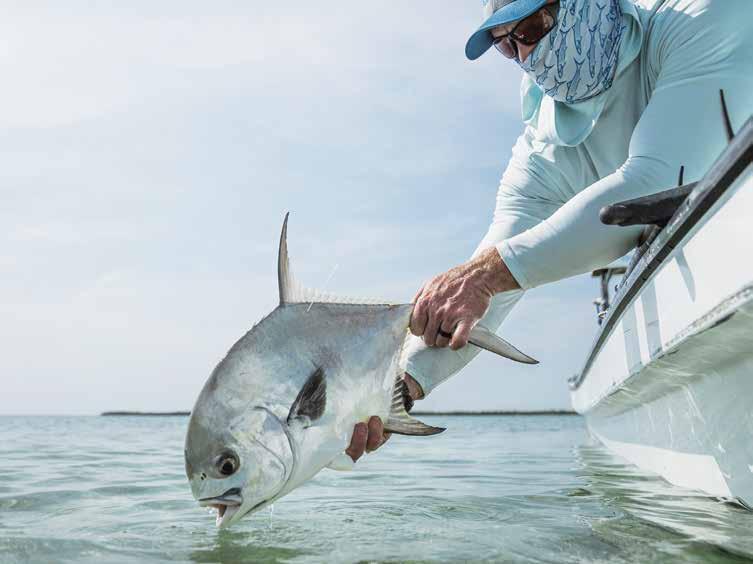
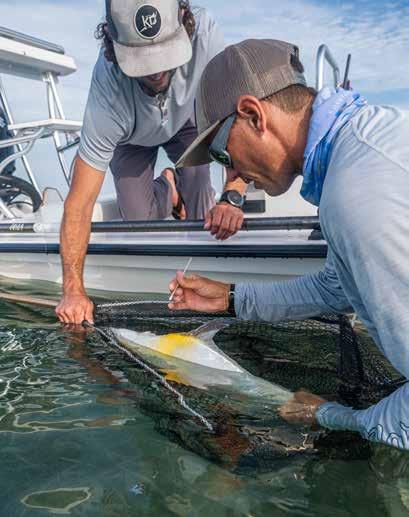
When his client brings the permit boatside, Captain Doug Kilpatrick is off the poling platform and ready with a cotton swab in his hand. He nets the permit, turns it belly up in the net, and takes a quick swipe of the fish’s cloacal vent. Next, his client lifts the fish by the tail, and Kilpatrick snips off a pea-sized clipping of its dorsal fin. The fish goes back into the net and overboard, where Kilpatrick washes oxygen-rich water through its gills and releases the permit. The procedures take less than 60 seconds, and it’s not much longer than that before Kilpatrick is back on the poling platform, scanning for the next fish with a black sickle fin.
But it’s only the beginning of the journey for the two small vials tucked into Kilpatrick’s kit. The fin clip is ultimately bound for Washington State University for stable isotope analysis, which will indicate which habitats the fish has been feeding in. The
fecal samples are sent to a private research facility in Colorado, where genetic metabarcoding will reveal what the fish actually ate recently. Together, the laboratory studies form a foundation for a three-year study designed to tease apart the particulars of how seagrass flats function as a food source for Keys permit and bonefish. A collaboration between Bonefish & Tarpon Trust, researchers at Florida International University, and the Lower Keys Guides Association, the study kicked off in the spring of 2024 with a set of critical questions: How does prey abundance or scarcity affect permit and bonefish across Biscayne Bay and the Florida Keys, and how does habitat structure and health impact the fish, crabs, and shrimp that these fish require?
In essence: What’s going in and what’s coming out of permit and bonefish? How has that changed over time? And how does habitat health and structure relate to food webs? Those are straightforward questions. Answering them is a bit more complicated. ***
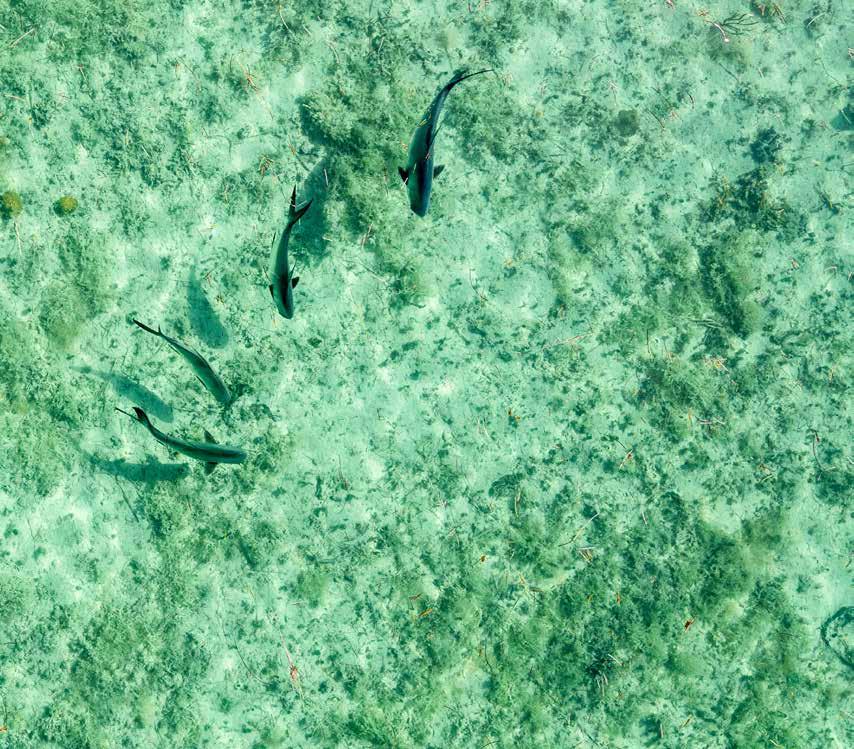
The study has roots in the observations of Florida Keys guides who witnessed significant shifts in certain permit populations, particularly a drop-off in Lower Keys permit numbers in late 2022. “We were seeing changes, without a doubt,” says Captain Simon Becker, a 40-year veteran of Key West waters. “Areas that had consistently good fishing just weren’t producing.” Capt. Doug Kilpatrick, a BTT board member and former president of the Lower Keys Guides Association, noticed a change in permit behavior, as well. “I wasn’t seeing as many floating crabs as usual,” Kilpatrick recalls. “I was seeing less food in general and a lot fewer permit.” What really struck Kilpatrick was a lack of fish grubbing in the grass and tailing. “Instead, we were seeing more cruising fish and not much feeding activity on the bottom,” he says.
There was no reason to suspect a die-off of permit; there were no reports of fish kills. Instead, says Dr. Ross Boucek, BTT Florida Keys Initiative Director, “the most likely reason was that the fish were choosing to be somewhere else. A logical reason for that
was an absence of prey, but we had nothing definitive to point us in that direction.”
To gear up for a larger investigation, BTT assembled a committee comprising guides and scientists to compare notes on observations and then launched a pilot study in 2023 to assess the feeding characteristics of Keys permit and bonefish. The study found that Key West permit had a much higher rate of empty stomachs than did fish from other Keys locations, and relied far less on seagrass-derived prey compared to other places in the Keys where permit fishing has not declined so rapidly. The signal was growing that permit abundance and location were somehow related to where and how much prey was in the water. In April of 2024, with the right questions coming into focus, the fin-snipping and poop-collecting began in earnest.
There are three layers to the multi-year investigation. First is an exhaustive look at how prey communities compare and differ at a dozen sites in Biscayne Bay and the Florida Keys.
BTT is working with resource managers in Belize to conserve essential habitat for bonefish, tarpon, and permit. Photo: Jess McGlothlin
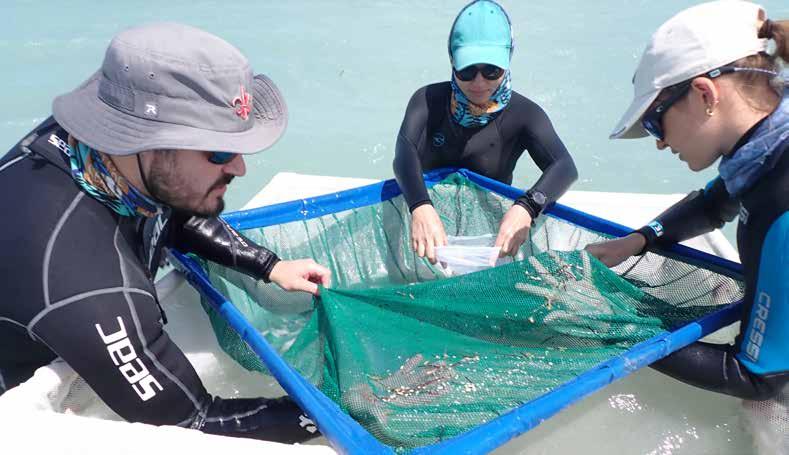
Researchers will assemble data pulled from earlier research in the 1980s and 1990s and replicate a 2012 BTT prey study of five specific sites between Biscayne Bay and Sawyer Key, north of Sugarloaf. Those investigations will be expanded to seven additional sites, extending the research to Key West and the Marquesas. In the first two years of the study, prey will be sampled with throw traps in the middle of the dry, early wet, and late wet seasons, times designed to match those at which the earlier samples were taken. To collect particulate organic matter, fine-meshed plankton nets will be towed through the study sites. Researchers will also collect seagrass samples, mangrove leaves, and macroalgae by hand, and map the sea bottom of the study sites to detail seagrass and macroalgae cover. Researchers hypothesize that Biscayne Bay and the Middle and Upper Keys will show higher prey biomass and diversity than those observed in Key West.
Meanwhile, more than two dozen Keys guides have signed on to collect fin clips and cloacal swabs. The target is to analyze fin clips from 100 permit and bonefish and fecal samples from 50 of each species per year.
The third initiative will involve crunching data. Detailed habitat maps of the survey sites will be prepared to help correlate the presence of submerged aquatic vegetation, reefs, sands, hard bottoms, and mangroves with prey abundance, biomass, and diversity.
Overall, the sleuthing is akin to someone going through your refrigerator and kitchen cabinets to assess your diet and analyzing your home’s wastewater to learn which restaurants you frequent. At FIU, researchers even scraped the backs of seagrass leaves to remove and identify the microalgae found there. That’s
like someone pawing through your trash bin to find out if you were cheating on your diet with Dairy Queen milkshakes.
Together, the multidisciplinary effort should create a detailed snapshot of fish diets that will answer key questions: What percentages of the energy resources of permit and bonefish come from the various Keys habitats, such as seagrass meadows, open waters, reefs, and mangroves? How do various prey types, from swimming crabs and hermit crabs to fish and shrimp, stack up in their diets? How does the availability of those prey items vary across the Florida Keys? And how, and where, have those prey communities changed over time?
“We think that permit in some of these study areas made an active decision to leave. Why they decided to leave is unknown at this point, and could include increasing marine use and fishing pressure, and/or loss in prey,” Boucek told a group of funders and other study supporters in a check-in call after the first season of field work. “Prey communities are the engine that drives populations, and permit in a healthy flats system should be getting most of their energy from seagrass habitats.”
If that isn’t happening, findings could point to hotspots where focused conservation might make a difference.
Early findings in any research project must be considered with reservations. Put too much stock in too little data, and it’s too easy to go in the wrong direction or fail to ask the right questions altogether. But some data from the first year of the food web study are noteworthy. The high value of seagrass as a feeding ground for both permit and bonefish is significant in the Florida Keys. Another finding highlighted by researchers was the comparison of the energy channels of Key West permit with the energy channels of permit from other sites. Energy channels are the pathway that calories take from being generated by plants
and then consumed by prey before being transferred to permit. In a similar fashion, a person who eats a lot of beef relies on an energy channel that flows from corn to cattle to the meateater. Researchers determined the composition of these energy channels by using biogeochemical tracers (stable isotopes) to measure what proportion of the prey permit ate came from seagrass versus other habitats across different regions in the Keys. In the Keys, we want our permit and bonefish mostly reliant on a seagrass energy channel.
Compared to fish sampled in the Middle and Upper Keys and in Biscayne Bay, Key West area permit took in 40% less prey typically found in seagrass and 30% more energy from algae habitats. Key West permit also had a higher rate of empty stomachs. “That could point to localized problems in prey biomass,” Boucek figures. “And the empty stomachs could indicate that Key West permit are having to rely on more energy channels to make a living and/or are eating prey with less caloric content, so have to work harder and eat more to get enough energy.”
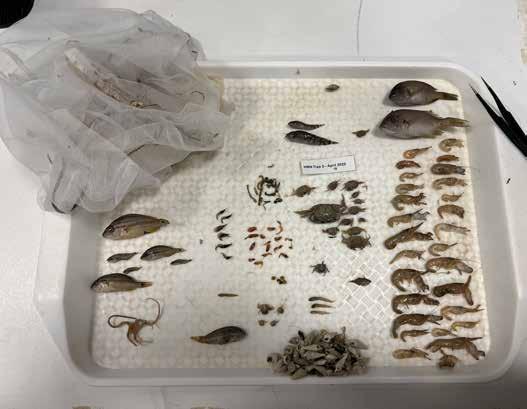
One particularly startling image from the first-year data was a comparison of prey biomass and abundance between 2012 and 2025 at Sawyer Key. (In the first year of the current study, only two of the 2012 sites could be sampled—Sawyer Key and Sands Cut. The other three are located inside Everglades National Park, and federal government shutdowns precluded permitting of sampling efforts there.) In side-by-side photographs of sample trays from the 2012 and 2025 studies, the 2012 sample tray from Sawyer Key shows a double handful of shrimp, crabs, toadfish, and miscellaneous baitfish. The sample tray from 2025, taken at the same spot, holds a scattering of snail shells and a few small fish. “All that juicy, delicious, high-calorie stuff was gone,” says Boucek. “It’s so different, you have to wonder if somebody did something wrong, but unfortunately, it’s a consistent finding.”
The numbers are as stark as the photographs. At Sawyer
Key, biomass, measured in grams of prey per square meter of bottom sampled, fell from nearly 50-80 grams to 10-20 grams. Abundance, as measured by the number of prey items per square meter, dropped from almost 160 items to about 25.
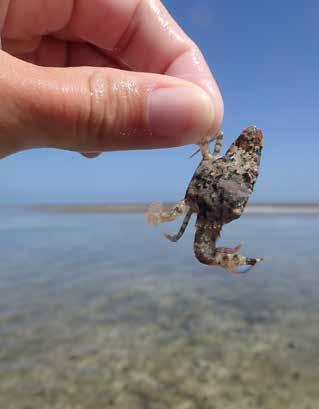
It was “pretty shocking,” one observer noted at the update conference call. Mud crabs, shrimp, and spider crabs—all primary permit prey—plummeted. Gulf toadfish, prized by bonefish, were completely absent in the Sawyer Key samples and nearly so in the Sands Cut tally. First-year data showed other warning signs. Two sites, Buchanan Bank and Cross Bank, experienced about a 60% loss of seagrass meadows, which were replaced by algae.
Even Boucek was struck by the changes. “Something’s happening, we just don’t know what,” he says. “At this point, we’re trying to figure out have things changed and where have things changed. These early efforts are a broad stroke, and we can get more surgical moving forward. With increasing consistency throughout the study, we can start thinking about the drivers for these changes and what we need to do about them.”
Data doesn’t exist in a vacuum. BTT’s efforts to collaborate with fishing guides and institutional scientists alike bring a strong triangulation effect to the food web studies: Observation leads to questioning, which leads to study and quantifiable results, which point the way to solutions.
our fish continues to rise.” Tarpon fishing in the Keys was notable in 2024, he says. And he heard many reports of guides and anglers seeing small permit, an indicator of successful spawning in the recent past. “There are a lot of positive signs,” he says. “All of this underscored for me how resilient this ecosystem is. It also underscored how important it is to do similar studies again and again so we can stay on top of all the changes.”
And the ecosystem’s health is vital to anglers of all stripes. While this is a permit and bonefish study centered on the Florida Keys flats, it doesn’t take a marine scientist to understand that tarpon, mutton snapper, snook, seatrout, and more rely on those same prey items to sustain themselves. The significant declines in seagrass noted at Buchanan Banks between 2012 and 2025 should concern tarpon anglers, as that region is one of the bestknown tarpon-fishing sites in the world. And if the sheer number of crabs and shrimp and baitfish flowing under the Keys bridges is declining, then so will the angling success and enjoyment of bridge anglers and shore anglers, folks pulling Hopkins spoons, and people fishing bait.
The Holy Grail, says Boucek, “is to arrive at a holistic narrative that ties all this work into an actionable whole that we can apply to management. We know something is happening out there, but it’s too early to say exactly what.”
Ciphering that out will take more time, more resources, and more people who care about the health of the Keys’ flats fisheries.
Our proprietary LAPIS technology combats blue light and eye fatigue to give you the clearest vision on the water, and rested eyes back at the dock. See why everyone is making the switch to the all-day secret.
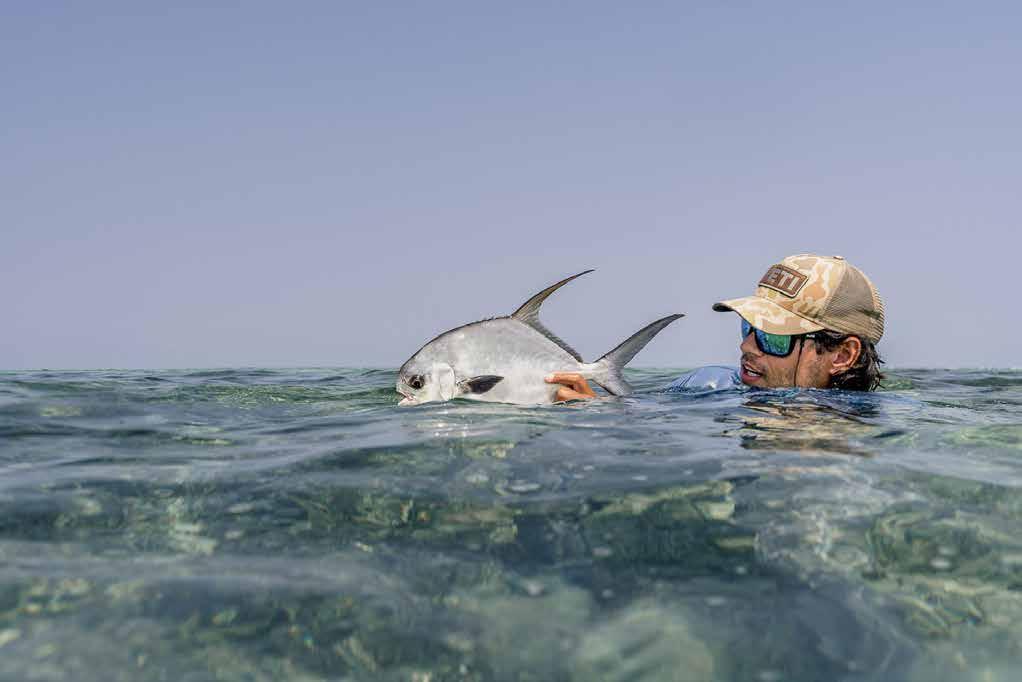
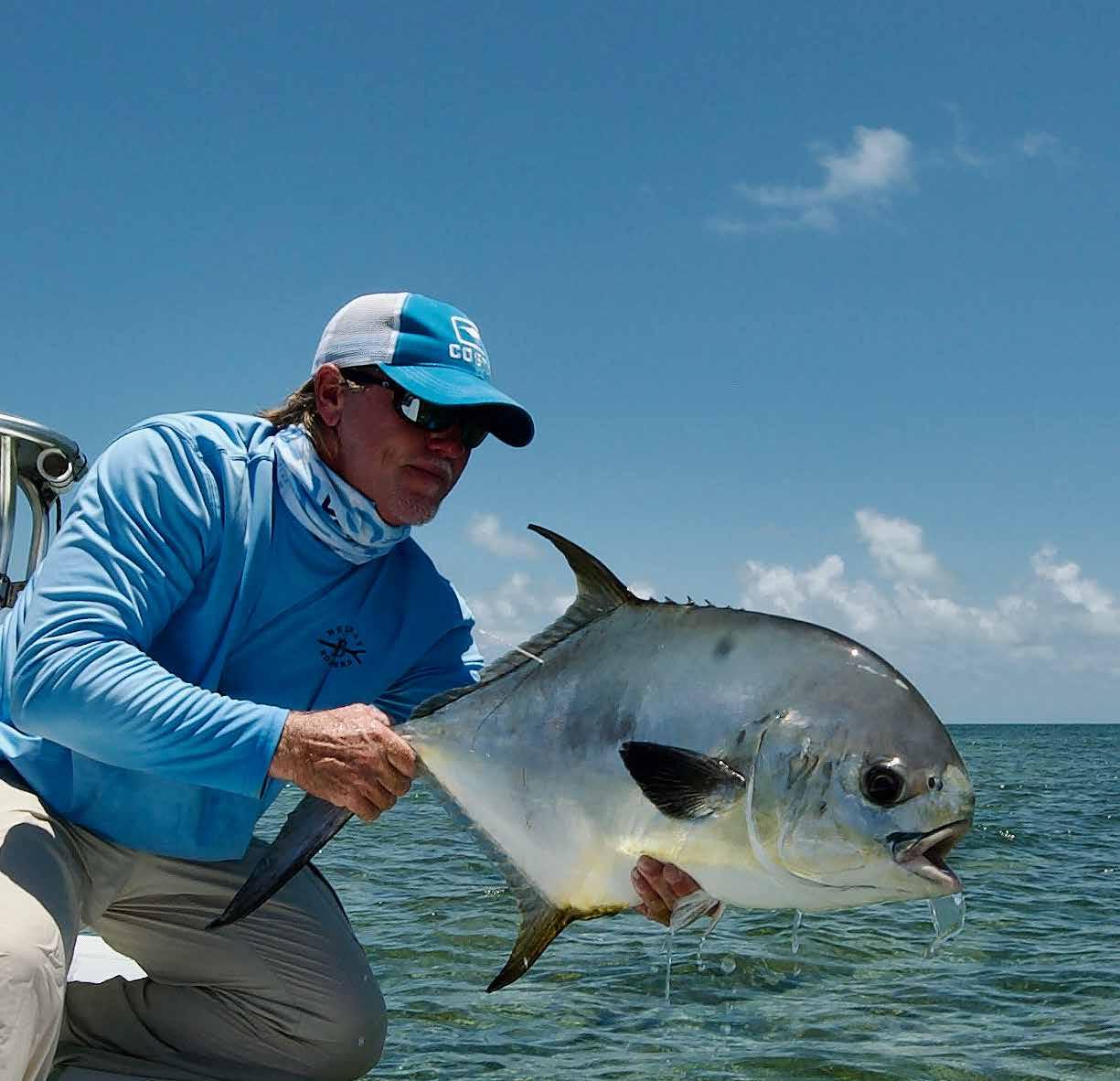
Bonefish & Tarpon Trust will induct Captain Carl Ball and the late Captain Jose Wejebe into the BTT Circle of Honor on April 16, 2026, at the 13th Annual Florida Keys Dinner in Islamorada, Florida.
BY MONTE BURKE
When the Biscayne Bay flats guide, Captain Carl Ball, first heard of Bonefish & Tarpon Trust in the early 2000s he was, he admits, a bit skeptical.
“I thought it was just a bunch of big-name guys promoting themselves to look like conservationists, one of those conservation organizations that never gets anything done,” he says. “There were a lot of those back in the 1980s and 90s.”
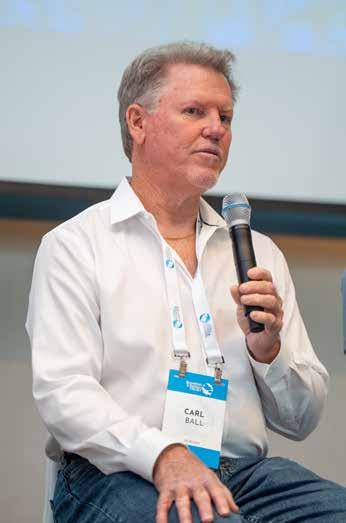
Over time, though, that opinion changed—quite dramatically. Today, the 60-year-old Ball is a key conservation partner of BTT—
“The Michael Jordan of Biscayne Bay tagging,” says BTT’s Florida Keys Initiative Director, Dr. Ross Boucek—and is the recipient of BTT’s 2026 Flats Stewardship Award.
So how did he get from there to here? It all started with a johnboat.
“Why, then, the world’s mine oyster,” says the swaggering Pistol in Shakespeare’s The Merry Wives of Windsor
For Ball, growing up as an inquisitive, outdoorsy, in-constantmotion kid in pre-overdevelopment Fort Lauderdale, the same was true. But unlike Shakespeare’s Pistol—who employed a sword to shuck the world open—Ball used a johnboat with a fourhorsepower motor which he pushed around to different fishing
spots using a reconfigured grocery cart that featured bunks constructed with two-by-fours.
“I was about ten when I got that boat,” says Ball. “I’d launch it and fish the C-13 Canal to the Everglades all the way to the ocean.” He caught largemouth and peacock bass, snook, and baby tarpon.
Boats have been a constant theme in Ball’s life. He enrolled at Auburn University to pursue a degree in electrical engineering but dropped out to work on an 87-foot sportfishing boat owned by Southeast Toyota Finance. “Suddenly, being an engineer didn’t seem so great,” he says. After three years on that boat, he took a job on a motor yacht for a few months and then became a fishing captain on a 60-foot Hatteras. He eventually went back to school—this time to Florida Atlantic University—and got a degree in economics. But the pull of the water proved to be too strong once again. Shortly after graduation, he worked on a 57-foot Viking for a month and a half. Then, craving some security, he accepted an offer from RJ Reynolds—an office job that he says was “horrible.”
He found himself stuck. “Relying on boat owners as a career wasn’t stable, but I didn’t like the desk job, either,” says Ball. He quit RJ Reynolds and worked on two more boats before, finally, finding his solution. “I had bought a Hewes Redfisher when I was at RJ Reynolds and had started fishing on my own a lot,” says Ball. “And then a friend of mine started guiding and I thought, ‘what an idea.’ My other jobs were just jobs. This became a job that wasn’t a job.”
Ball took his first client out into Biscayne Bay in 1996 and worked for a few years for a yacht broker on the side before diving into guiding full time in 1999. “My goal was to fish for the shallow water species only—bonefish, permit, and tarpon,” he says. “But I was pretty naïve. I had to fish for snappers and ladyfish and sharks and mackerel to stay in business as I learned the flats.” By 2001, he’d learned them well enough to take part in a bonefish tagging program led by Dr. Mike Larkin, who was then pursuing a Ph.D. in Marine Science at the University of Miami and now serves on BTT’s Board of Directors.
The tagging, he says, was initially done for “self-interested” reasons. “You could go on the website and see where everybody
stood,” says Ball. “I always tried to stay in the top ten percent because I assumed that all the big-time bonefish guys would go there and see my name. But I realized years later that nobody really looked at it.” By that time, though, Ball had other reasons to keep tagging.
In the early 2010s, Ball decided to attend a BTT Science Symposium in Dania Beach to see what the organization was all about. “I went there and that’s when I knew they were the real deal,” says Ball. “They were actually doing the science.”
By then, Ball had popped up on BTT’s radar because of his bonefish tagging and the 450 tarpon he’d tagged for the Florida Fish and Wildlife Conservation Commission and the Mote Marine Laboratory for a genetic study. “I first came across Carl in an Excel spreadsheet,” says BTT’s Boucek. “I noticed that this guy had tagged like a 1,000 bonefish. He had incredible diligence, wrote everything down, and made sure to get it to the right people.”
Ball started tagging for BTT for Project Permit, sponsored by Costa, and, soon enough, was tagging bonefish and tarpon for the organization, as well. “Carl is really a great guy to have on your side for science, and we’re very lucky to have him for our fisheries,” says Boucek. “And he’s just so humble. In three weeks, he’ll have 20 permit samples and say, ‘I could have done better.’”
The more Ball tagged, the more he improved as a guide, becoming among the better-known ones in Biscayne Bay, along with Captain Bob Branham and the late Captain Joe Gonzalez, two other prolific participants in BTT’s tagging programs and fellow members of the BTT Circle of Honor. Ball gained Branham’s
respect. “Carl was kind of shy but always friendly. And he was always professional and a gentleman,” says Branham. “We shared info, and I never had any spats with him on the water, which is high praise.”
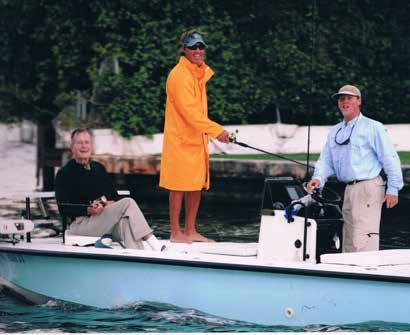
Ball would also spend some time running the camera boat for Andy Mill’s show, Sportsman’s Journal, and he filmed Mill on shoots for Hardy. And, off the set, Ball and Mill fished together. “Andy turned out to be probably my biggest mentor of all,” says Ball. “We practiced and fished and had some memorable trips,” including one with the former president, George H.W. Bush.
Ball says when he first began guiding, he came in with a recency bias. “The guys who had been around forever talked about the decline of the species, but I didn’t see it,” he says. “Not at first.”
But as the years on the water went by, he, too, realized that bonefish, tarpon, and permit, and their habitats needed protection. “It just made me understand how important all of this conservation effort is,” Ball says. “It made sense to me to support an organization that was fighting to do the research and conserve and keep these populations of fish strong. I have a direct connection to help BTT, so it made sense to do it. And all of their goals are exactly how I feel.”
Captain Jose Wejebe was one-and-a-half-years-old when he arrived in the Miami area with his family as a Cuban exile. His love of the water began as a child when his grandmother took him diving. It was enhanced when his stepfather introduced him to fishing in Miami and the Florida Keys. By the age of 16, Wejebe had his own boat. Two years later, he had moved to the Keys, obtained his captain’s license and begun his informal mentorship in the art and science of fishing and guiding under legends like Stu Apte, Harry Spear, Steve Huff, Lefty Kreh, and Flip Pallot.
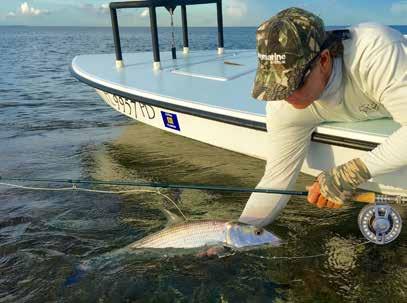
(Pallot approved the loan on Wejebe’s first boat and would later feature him on his show, The Walker’s Cay Chronicles.) And a career on the water was born.
Wejebe, who died in 2012 at the age of 54 when his light airplane crashed in the Everglades, was best known, of course, for his television show, Spanish Fly, which was among the most well-received outdoor shows ever aired, with a 17-year run on ESPN and the Outdoor Channel. Wejebe took his viewers to locales all over the world—like Australia, the Amazon, and the Dominican
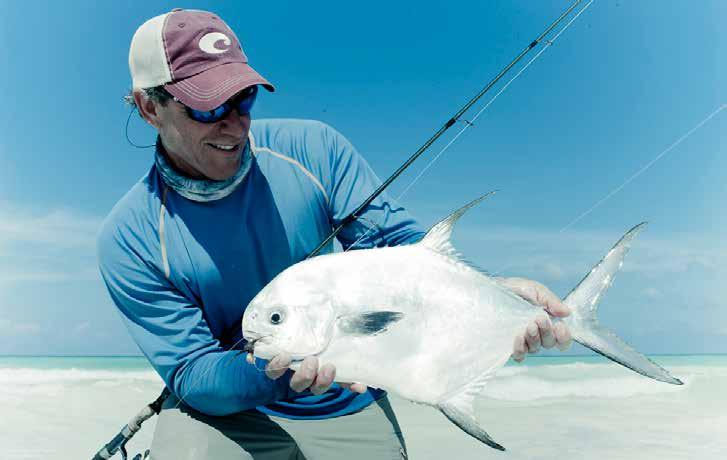
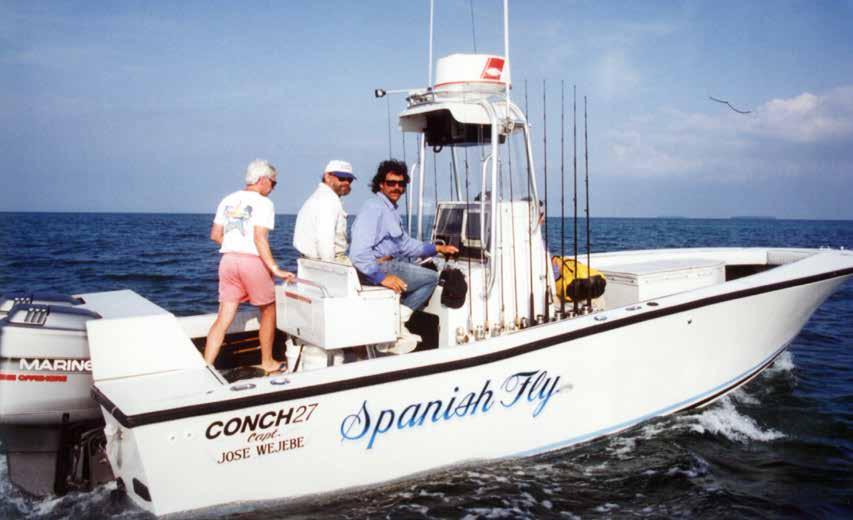
Republic—and to places right in his backyard, in the Florida Keys and the Everglades. The curly-locked and compactly built Wejebe was a natural on camera. His charisma, smarts, sense of fun and natural interest in, and curiosity about, the places he visited and the species he fished for made the show soar.
Conservation, whether explicit or implicit, was always a part of Spanish Fly. In the larger sense, the love and appreciation his show conveyed and created for the species it covered was key.
“He would always tell me that you have to try to understand something the best you can, and that once you do, you love it and once you love it, you’ll want to conserve it,” says Wejebe’s daughter, Krissy, echoing Aldo Leopold’s assertion that “We protect what we love.” But Wejebe’s conservation message was often more granular. “He always had a little conservation moment in his shows,” says Captain Jeff Legutki, a longtime Everglades guide and friend of Wejebe’s. “He did the little things, like replacing treble hooks with single ones to do less harm. And he always handled his fish with care, getting his hands wet before touching them or leaving them in the water.”
Wejebe was also an early practitioner of catch-and-release, back before it was in vogue. (On one episode of Spanish Fly, Wejebe released a cobia and said, “Sorry we had to catch you… now go join your friends.”)
“My dad was, at heart, a waterman. He liked to get wet, to actually get into the water and sink down to the bottom and just observe and study these fish,” says Krissy. “He took the time to really learn about these animals, which is why he cared about
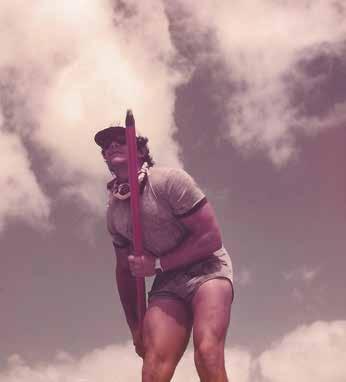
them so much. And then he shared that knowledge with others. Conservation begins with education, and he was really one of the big educators, especially when it came to kids.”
Wejebe also had a strong philanthropic bent in general. He was involved in the Make-A-Wish Foundation (for which he took sick kids fishing), the Redbone Tournament (which benefits the Cystic Fibrosis Foundation), Big Brothers Big Sisters of America, Wounded Warriors, and Hooked on a Cure. Philanthropy was a big part of his life, says Krissy, for two primary reasons. “His family in Cuba was wealthy. But when they came to Miami, they had nothing,” she says. “When he first got here, the adults in his family had to work three jobs and they had 12 people living in a two-bedroom house that was full of cockroaches. He never forgot where he came from, which made him work hard, but also made him want to give back. If he could make a difference in a kid’s life by taking him fishing, he’d always do it. He got a lot out of it.”
Wejebe, Krissy says, was also a recovering addict. “He got sober when he was 36, and one of the foundations of sober culture is giving back. Being able to do that was a way for him to stay on track.”
In his conservation work, Wejebe was never directly involved with BTT—the organization was just getting out of its training wheels by the time he passed away. Nevertheless, his life and work impacted and aligned perfectly with BTT’s mission. And for that life and work, Wejebe will be honored with BTT’s 2026 Curt Gowdy Memorial Media Award. “Jose’s conservation ethic, philanthropy, and show that stoked passions for fishing and conservation make him the perfect Curt Gowdy Award choice,” says BTT President and CEO, Jim McDuffie.
And Wejebe’s work and legacy have continued on through the Jose Wejebe Spanish Fly Memorial Foundation, which was started
by a group that included fishing and film industry leaders, some of Wejebe’s closest friends, and Krissy, who is now the executive director. The nonprofit was founded to honor Wejebe’s legacy and passion he had for both the marine environment and for helping others, like sick kids and foster children and veterans. “It’s really for anyone who can benefit from leaving their reality behind at the dock,” says Krissy.
The foundation runs trips that combine fishing with educational activities, like learning about coral reef restoration and dolphin and turtle rescue and rehabilitation. Thus far, 640 people have gone on the trips. It also stepped up to help out the local community after Hurricane Irma in 2017, helping to remove more than 3,000 pounds of debris. “When you asked my dad what his favorite organization was to support, he always said, ‘the one that needs my help at the time,’” says Krissy.
There’s now even a direct connection to BTT. In April 2026, the foundation will host its third annual Spanish Fly Shark Tournament. Every shark caught in the tournament is logged via video before it’s released, and that information is passed along to BTT for use in its ongoing study of sharks and shark behavior in the Keys. “We do it because my dad certainly would have noticed that there are now definitely more sharks around than there were before,” says Krissy. “And he would want to know what the science says, and what the commonsense solution is. And that’s where BTT comes in.”
Monte Burke is The New York Times bestselling author of Lords of the Fly, Rivers Always Reach the Sea, Saban, 4th And Goal, and Sowbelly. His latest book, Men of Troy, is available now. He is a contributing editor at Forbes and Garden & Gun
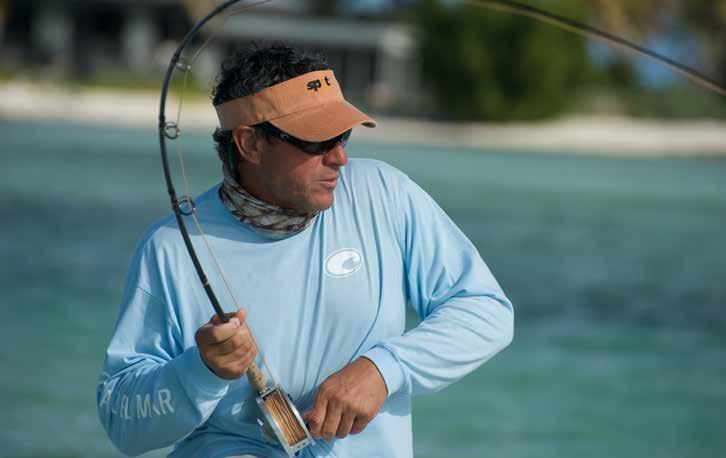

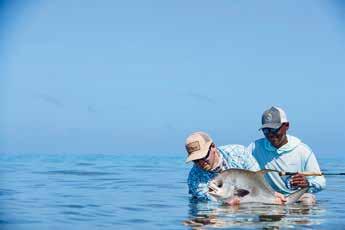
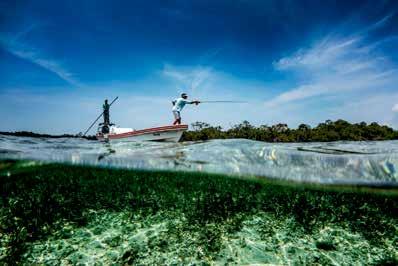
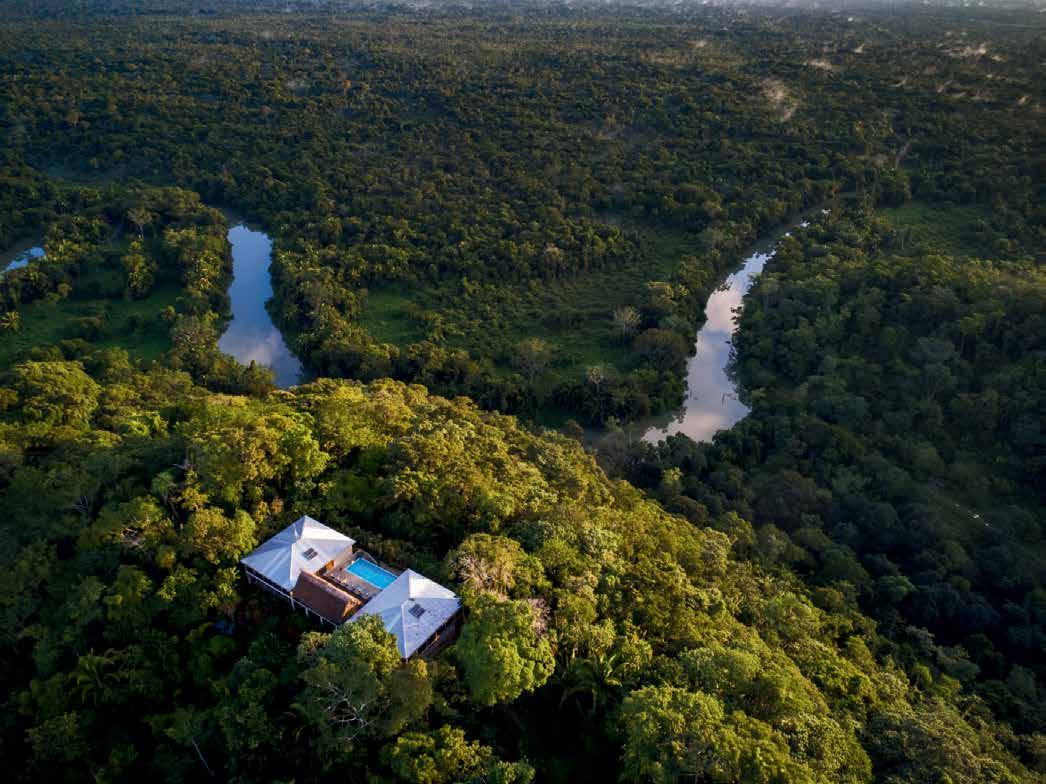

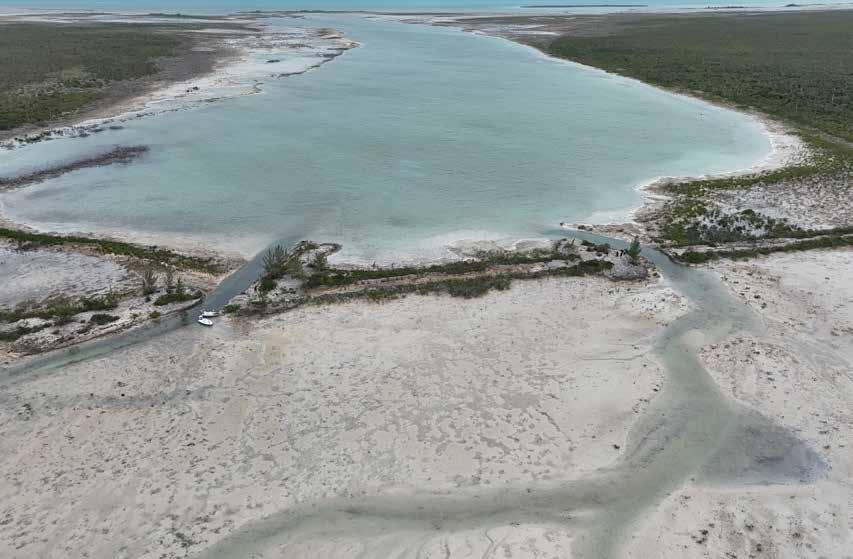
BTT and The Bahamas’ Ministry of Works and Family Island Affairs have partnered to restore to two creek systems critical to the flats fishery, mangrove regeneration, and coastal resilience.
BY ASHLEIGH SEAN ROLLE
“W
e are an ocean people.” Rashema Ingraham, Bonefish & Tarpon Trust’s Caribbean Program Director, says this with the conviction of someone who is at one with the land and sea of the place she calls home. She speaks with reverence and a clarity that goes beyond simply managing a program; she speaks with the clairvoyance of a local who stands at the edge of what environmental decay stands to take away from a community—a nation.
The eastern end of Grand Bahama holds within it a picture that is hard for mankind to recreate through painting. Miles of turquoise flats that stretch far beyond the horizon, pine forests that meet winding mangrove systems, essential parts of an intricate ecosystem that feeds an entire community in every sense. This space speaks to a cultural identity for Northern Bahamians while attracting thousands of anglers each year to marvel at the serenity of the waters as they partake in the celebrated sport of bonefishing.
For over half a century, however, the lifeblood of the island has been restricted, blocked by aging causeways that were built during Grand Bahama’s logging boom in the 1950s. Like most developmental plans, a period of shortsighted economic decisionmaking resulted in long-lasting negative consequences for the environment. In spite of this, that tide is turning.
A landmark partnership between Bonefish & Tarpon Trust and The Bahamas’ Ministry of Works and Family Island Affairs is both literally and symbolically reopening these pathways. Through signing a historic Memorandum of Understanding both parties have committed to restoring the hydrology, habitat, and cultural
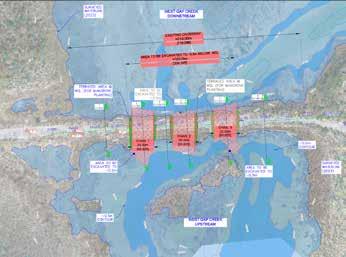
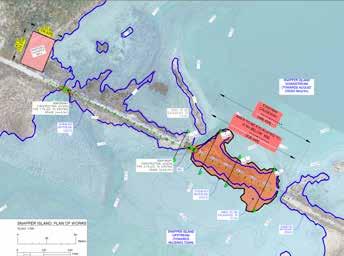
heart of East Grand Bahama, beginning with the removal of the causeways at West Gap Creek and Snapper Island, which is downstream of August Creek. BTT had previously done some restoration work at August Creek by breaching the causeway (previously used as a logging road) in two places, and that approach had been successful. These two new projects will build upon that initial success. But these are more than simply restoration projects—it’s the returning of a landscape.
To appreciate the weight of this moment, we have to first understand what has been lost. Causeways that were built by filling material into creeks to extend road access interrupted more than waterflow; they halted the migration of fish with the tides— suspended movement. Once dynamic and oxygenated systems were replaced with stagnant water, weakening mangrove systems that wholeheartedly depend on the free movement of salt and fresh water.
In the settlements of East Grand Bahama, where most families abide by the lyrics of Kirkland Bodie’s “I’m a Boatman,” their work is truly on the water. Fewer fish mean fewer opportunities, and fewer clients to take to the flats and creeks, a disconnect from generations’ worth of work that gives purpose. This visible lack is personal. With East Grand Bahama being one of the few pristine regions left in the Northern Bahamas, the disruption of creeks is more than an environmental blight, it’s an open wound.
“For these communities, healthy flats and healthy creeks aren’t optional,” Ingraham explains. “They’re essential. This is how people feed their families. This is how guides take anglers out. This is how life happens in East Grand Bahama.” Ingraham
isn’t just a program director; she speaks as a local on the front line of these very visible changes.
The MOU between Bonefish & Tarpon Trust and the Government of The Bahamas creates a formality that has long been awaited by conservationists, guides, and residents. It presents a path forward that is both holistic and strategic. The MOU calls for the creation of an Environmental Management Plan, setting the scientific and engineering framework for restoring flow. It also provides a sound framework for coordinating contractors and project logistics to ensure high-quality and timely work. Additionally, the plans entail the restoration of damaged mangroves and surrounding vegetation, so the ecosystem can eventually regenerate naturally.
Key to the partnership is community consultation, ensuring that the people who live near the creeks shape the decisions being made. And lastly, the restoration plans include long-term monitoring, to measure ecological recovery and document the return of fish populations.
This Environmental Management Plan addresses the two creeks in East Grand Bahama as living, breathing systems. Systems to be nurtured and monitored, looked after in every possible category, ranging from ecological to cultural and economic.
In a press release about the partnership, Hon. Clay Sweeting, Minister of Works and Family Island Affairs, said, “The Ministry is dedicated to enhancing our natural environments and supporting
sustainable development for Bahamians while simultaneously promoting the success of key, high-dollar tourism industries such as fly fishing by protecting and restoring fish nursery habitats. Through partnering with Bonefish & Tarpon Trust, we can combine our efforts and expertise to make a meaningful impact. We look forward to working closely with the community to achieve our shared goals.”
This partnership is about building something resilient. Something that outlasts us and feeds into a newer generation of environmental stewards.
With the involvement of Bahamas National Trust (BNT), through public consultation meetings where residents are able to share their own expertise, concerns and hopes, this initiative remains grounded in the needs of those whom it impacts the most—East Grand Bahamians. A notable shift in conservation work where community-led restoration is the key, rather than restoration imposed on a community without its input.
“This MOU represents a significant step forward,” said Jim McDuffie, BTT President and CEO. “The importance of this effort cannot be overstated, given the role of these habitats in sustaining economically and culturally significant Bahamian fisheries. Through the leadership of our growing Bahamian team, we are committed to engaging with the East End community to ensure local voices guide the way.”
The reawakening of interconnected life is a perfect way to look at the restoration of the West Gap and Snapper Island. It’s more than just a hydrological correction. Healthy creeks support bonefish nurseries, mangrove systems, bird populations, water quality, and coastal communities.
BTT has a longstanding relationship with East Grand Bahama. When asked about BTT’s multi-year Mangrove Restoration Project, which is active in the East End, and how creek restoration ties into it, Ingraham speaks of the multi-level approaches needed to rebuild an ecosystem, one in which there are no short cuts. “Restoration is a cycle,” she says. “Mangrove planting is one part of it, but without natural flow, it’s incomplete. Creek restoration is the foundation that lets everything else thrive.”
In short? Water must move.
So what does success look like? The obvious answer is
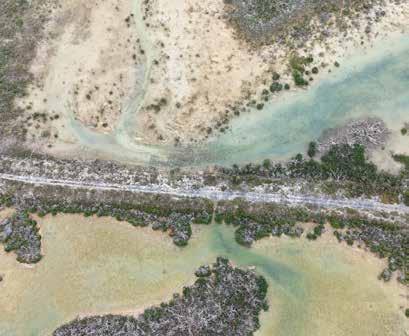
completion. It’s the most immediate and most tangible: removing the causeways and reopening the flow of the creeks. The longterm, however, is where deeper success will show itself. A gradual unfolding, like the regrowth of the tens of thousands of mangrove seedlings planted by BTT, partners, students, and local fishing guides in the East End over the last several years.
“We’ll be monitoring from start to finish,” Ingraham says. “Success will be when guides tell us they can see the impact— and when the fish tell us too.”
She’s right. The fish do “speak” and the nurseries they inhabit “speak” as well. Success for this project looks like fresh, oxygenated water circulating where it hasn’t in decades, bonefish moving freely into mangrove-lined creeks, mangroves regenerating without our help or interference, and guides going home with more exciting stories of the flats to tell.
With the Department of Environmental Planning and Protection’s approval pending and work scheduled to begin soon, all partners look forward to the completion of the projects by the end of 2026. The impact of these projects will ripple far beyond this date and they can be mirrored and replicated within other communities across the archipelago. Restoring these creeks is the restoration of possibility, a commitment to the social contract that mankind has always had with nature and at times has forgotten. Allowing this water to flow along its natural path carries a recognition that there is life far beyond our time and place at this very moment. It’s an investment in a future that we may yet see.
Where water flows, life undoubtedly returns and in East Grand Bahama the tide of restoration has begun.
Ashleigh Sean Rolle is a Bahamian writer who calls Freeport, Grand Bahama, her home. She writes for the site 10th Year Seniors, where she regularly shares her opinion on everyday Bahamian affairs. She is a contributor for Huff Post. Her work has also appeared at CNN.com.
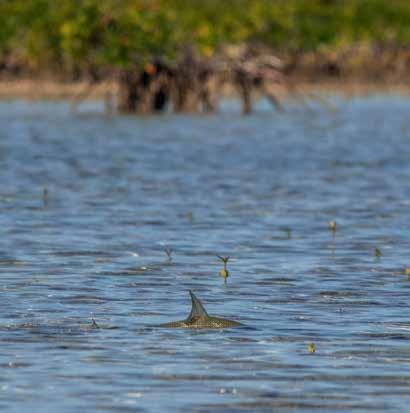
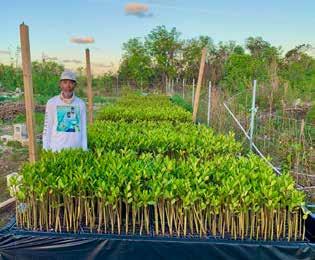
Guide Elton “Shakey” McKinney has taken his role as a steward of Crooked Island’s fishing flats to a new level: he’s raising thousands of mangrove seedlings to restore damaged bonefish habitats in the Southern Bahamas. “Hurricane Joaquin destroyed 75-100 percent of our mangroves,” McKinney says of the 2015 storm. “Mangroves play a very important role for juvenile fish and birds. They help with coastal erosion and other important aspects.”
Funded by a grant of $20,000 from the Yellow Dog Community and Conservation Foundation (YDCCF), Bonefish & Tarpon Trust established a mangrove nursery with McKinney’s assistance in June 2025 that is capable of supporting 10,000 red mangrove seedlings annually. The nursery, managed by McKinney, will serve as the hub for future restoration on both Crooked and Acklins— two islands in the Southern Bahamas with extensive bonefish habitat and equally pressing environmental challenges. Until now, there has been no nursery infrastructure on these islands, no consistent supply of native seedlings available for restoration, and natural recovery from storm damage—further exacerbated by sea level rise—is not occurring.
“Establishing a nursery on Crooked Island is the necessary and foundational step to begin restoration work throughout the Southern Bahamas,” said Justin Lewis, Bahamas Research Manager. “The nursery will enable BTT to propagate thousands of seedlings, steadily increasing inventory to support future planting efforts, and begin building restoration capacity through local training and engagement.”
Currently, McKinney is tending to nearly 7,000 red mangrove seedlings—and counting. “Conservation of the environment is important,” he says, “because if we take care of the environment, it will take care of us.”
Science-based reform of the commercial menhaden industry is urgently needed to ensure the health and sustainability of our coastal ecosystems and fisheries.
BY MICHAEL ADNO
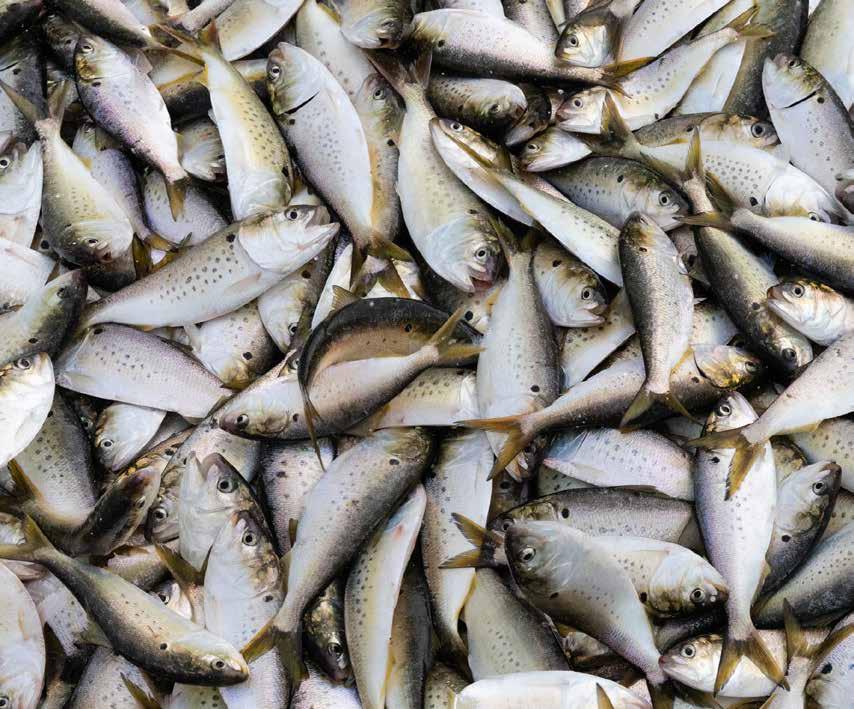
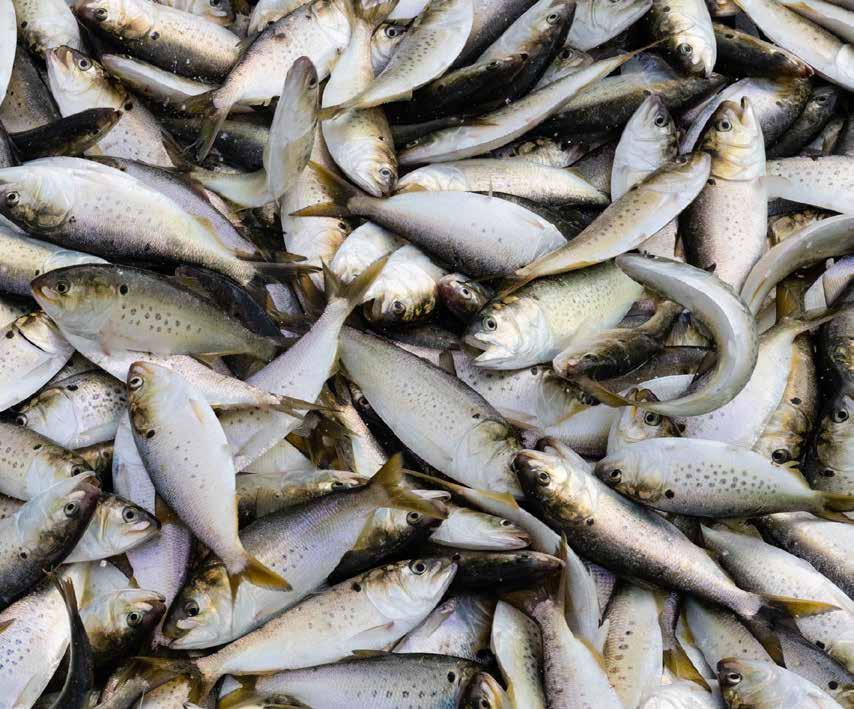
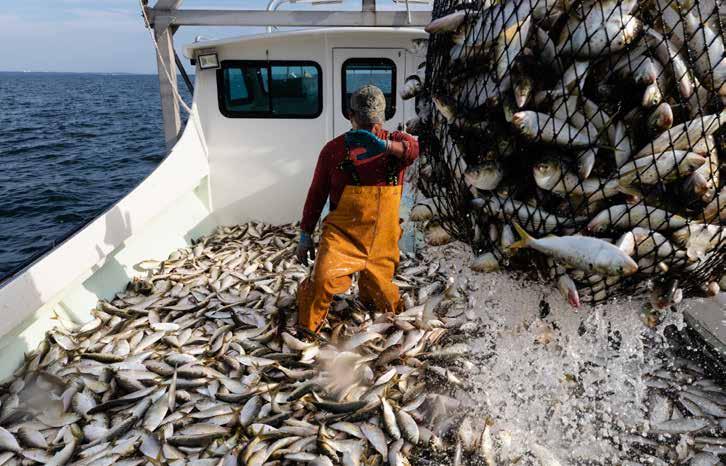
In 1608, John Smith approached the east coast of America and watched the water boil. Curiously, the surface resembled falling rain or flickering cobblestones. Smith soon discovered it was thousands of baitfish piled along the coast. He took a frying pan and tried to skim them off the water. They had iridescent scales, yellow forked tails, and dots just behind their gills. Later when colonists arrived, the Pawtuxet taught them to plant corn in the carcass of the fish as a fertilizer. A fisherman’s wife then drained the tiny creature of its oil, calling it fish juice. Desire for the oil stretched across the country as lamps and streetlights burned with it. Processing plants rose like flames along the Chesapeake Bay and the Gulf of Mexico. The fish Smith encountered became known as menhaden, sometimes fatback, other times bunker, often pogy. One historian believed they were the most important fish in the sea.
The two genetically distinct types of menhaden between the Gulf and the Atlantic have served as forage for pelagic migratory species like tuna, as well as for coastal migratory fish, such as striped bass and tarpon. In the past century, though, menhaden have become the heart of the largest commercial fishery in the
Gulf of Mexico and the second largest in the Atlantic. Their oil is packed into pills that promise brain and cardiac health. Their scales and organs are ground into fertilizer and dog food. For decades, the intricate network of regulators, conservationists, and the menhaden industry have clashed about what was and what wasn’t important about the fish. Some worry that there isn’t a clear sense of the population, too little research on their ecological role in the food web, and if nothing is done, the numbers of menhaden will continue to plummet (at one point, the Atlantic menhaden population was estimated at just 8% of historical abundance, and remains low), causing a cascading list of consequences.
In November 2025, Chris Macaluso, director of the Center for Marine Fisheries at the Theodore Roosevelt Conservation Foundation, watched as hundreds of Louisiana residents filed into the Department of Wildlife and Fisheries’ largest meeting room in Baton Rouge. The Commission was set to consider approving a Notice of Intent to reduce a coastal buffer for menhaden fleets that extended a half mile from the shoreline in most places. The half-mile buffer, which was extended from
a quarter-mile just a year earlier, in 2024, was meant to protect delicate ecosystems, seagrass, and gamefish close to shore, and to help reduce the industry’s bycatch (bycatch are species other than menhaden that are caught in the fishing nets). During that same year, the industry’s estimated bycatch in the Gulf included 30,000 redfish, 240,000 seatrout, and more than 145 million fish besides menhaden. Despite a firestorm of public opposition, the commission voted 4-3 to move forward with the Notice of Intent to reduce the recently enacted half-mile buffer to a quarter-mile in several areas.
“This was not a move based on biology,” Macaluso said. In his mind, it was another win for the industry that managed to persuade four members of the commission to vote against public interest. One commissioner who voted against the reduction told the audience, “I received over 800 comments about this, and all but one was opposed.”
For Kellie Ralston, Bonefish & Tarpon Trust’s Vice President for Conservation and Public Policy, the decision was disappointing. In contrast, she said, “Progress has been made in the Atlantic.”
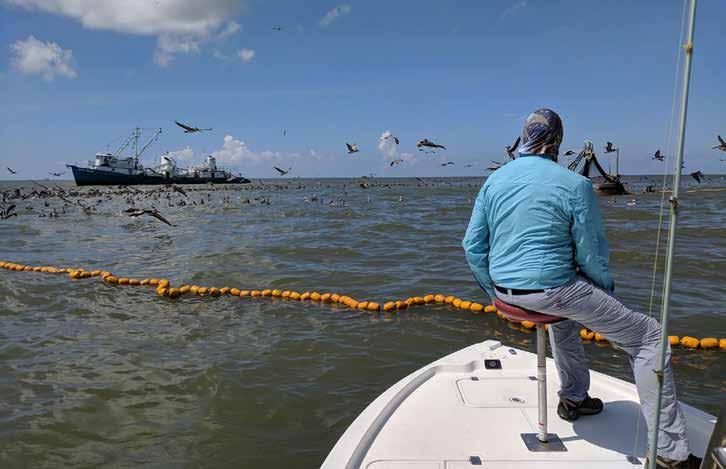
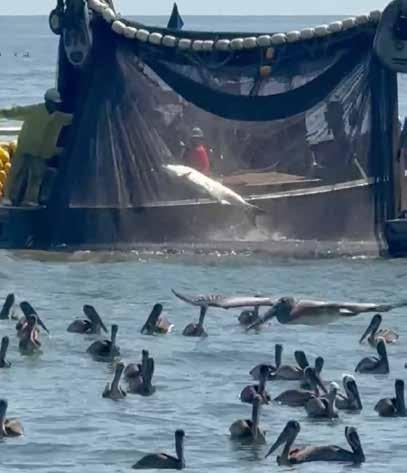
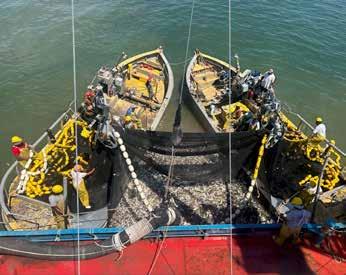
A few months earlier, Captain Jeremy McHugh was fishing for tarpon along the border between Mississippi and Louisiana when he saw a vessel appear on his radar. Not long after, he heard the chirr of a small Cessna flying low toward the Gulf. The industry uses small planes that fly low to the water looking for that trembling ball of menhaden before they relay coordinates to a mothership that transports two smaller boats armed with fine mesh nets to encircle and capture the bait. Once they draw the net together, they carry the quarry back to the mothership where the fish are sucked up a chute and bycatch is sorted, relying on a grate to avoid larger gamefish like redfish or jacks, which are in theory excluded and released back into the water. A study done last year by Ecological Research Associates for the Gulf States Marine Fisheries Commission found that 98% of fish that aren’t promptly excluded and released were killed.
As soon as McHugh heard the plane, “We knew it was them,” he said of the pogy fleets that run out of Pascagoula. He reached for his radio and hailed the Grand Cheniere, warning them about the knot of tarpon in the area. The captain
acknowledged the warning then surrounded them, drew their nets, and soon had a group of adult tarpon jumping between the net boats. The incident was filmed and posted on social media. Soon, it drew hundreds of thousands of views.
There is no quota for the annual harvest of menhaden in the Gulf, but in the Atlantic, there is an annual quota set by historic landings reported by the industry. In 2025, that amount ballooned to 230,000 metric tons or more than 500 million pounds of menhaden. “We know some things,” Macaluso told me about the effect of the industry, “We certainly would like to know more.”
In the Gulf, the Gulf States Marine Fisheries Commission oversees the industry, but has no regulatory authority, so any management must be implemented by the states of Louisiana and Mississippi. In the Atlantic, the Atlantic States Fisheries Marine Commission regulates the industry, dispensing annual quotas. 75% of that annual quota is devoted to the state of Virginia where the largest company, Omega Protein, operates on a strand of the Chesapeake Bay.
In the Bay, a nursery for striped bass and part of tarpon’s summer feeding migration, anglers and conservationists have watched the watershed’s fishery rise and fall over the years. Recently, biologists noted a steep decline in nesting success among ospreys and gannets that depend on menhaden. Decades ago, the striped bass population plummeted and suffered from bacterial infections due to a lack of forage. And yet, efforts to develop local science regarding menhaden in the Chesapeake move at a glacial pace. Some say due to the industry’s influence shaping a lattice of regional, state, and federal regulations.
“They’ve always been a big force in management,” said Chris Moore, the Virginia executive director at the Chesapeake Bay Foundation. The largest company is Omega Protein, the Canadian owned subsidiary based in Reedville. For decades a slow waltz has happened between Omega’s lobbyists, lawmakers, and conservation orgs, with activity increasing over the past decade. Each year, legislative representatives seem eager to address residents’ concerns, funding studies on the biomass in the Bay and menhaden’s ecological role in the broader food chain, but those bills wilt under pressure from Omega. “They’ve worked to delay any study of menhaden in the Chesapeake Bay,” Moore said. That’s true all throughout America, he added. “Menhaden management has always moved at a snail’s pace.”
What has happened, though, are targeted studies conducted by the Science Center for Marine Fisheries (SCEMFIS), a scientific foundation that partners with companies to fund research. In Virginia, they’re currently drafting a roadmap for a study plan of the Chesapeake, funded by Omega Protein. But as Moore said, “This is simply another delay tactic.” For the past two years, attempts to study what would sustain the Chesapeake’s menhaden fishery and just how central their role is in the broader ecosystem failed to garner funding from the State, allegedly due to pressure from Omega lobbyists. And this year, a stock assessment revealed that the population of menhaden in the Atlantic was overestimated by more than 30%. Modeling suggested that a 50% reduction in the harvest of Atlantic menhaden was necessary to maintain the population’s reproductive capacity, but the Atlantic States Marine Fisheries Commission implemented only a 20% reduction for 2026, continuing a pattern of insufficient regulations.
When it comes to menhaden, the biggest concern for BTT is their role as a major food source for migrating tarpon, but the organization is also paying careful attention to what happens in Virginia, as the state is the de facto national leader in policy. What’s frustrating for those seeking more balanced management is how politicized and by proxy how complicated the issue has become. Simply put, Ralston wants sensible management that reflects the available science, “So we can leave enough fish in the water for the birds and fish that depend on them.” What is even stranger to her, though, is that the Gulf doesn’t even have a quota. “That’s been a challenge,” she said.
Last year, SCEMFIS and the University of Southern Mississippi ran an isotopic study to look at the role of menhaden in the diet
of redfish, seatrout, and flounder in the Gulf. Their study claimed that those species do not depend primarily on menhaden as a food source. As with every study conducted by SCEMFIS, it was funded by a corporate partner. In this case the corporate partner was Daybrook Fisheries, the largest menhaden processor along the Gulf. When I asked McHugh, the Mississippi tarpon guide, about what menhaden meant to his fishery, citing the isotopic study, he laughed and said, “I mean it might as well be the sun. It’s everything. It’s the nucleus of it all.” And BTT’s recent study with the University of Massachusetts showed that menhaden is an important diet item for tarpon in the Gulf, as well as the midAtlantic region.
“By combining isotope analysis with our tarpon acoustic telemetry data, we identified the Northern Gulf as a critical foraging area for tarpon,” said Dr. Lucas Griffin, the project lead and an assistant professor at the University of South Florida. “These fish rely heavily on menhaden in nearshore waters, spending months there feeding. What happens here supports the tarpon fishery across the Gulf. You can’t conserve migratory species without protecting their prey base.”
In the Chesapeake, Captain Tyler Nonn, a guide who fishes everything from blue water to flood tides, believes menhaden are central to it all, too. “My fishery revolves around it,” he said, “When the bunker boats are fishing it changes the entire landscape of sportfishing in the lower Bay.” For nineteen years, Nonn has guided in Virginia, and for seven months of the year, he told me how they catch bunker every day as bait for their trips. He’s watched as the fishery ebbed and flowed, peaking in the 1990s after the moratorium on striped bass was lifted, but as he said, “It’s a shadow compared to what it was.”
Another guide in Virginia, Captain Chris Malgee, told me, “We used to have these massive menhaden schools that you don’t see anymore, acres of bunker.” Both found it irritating that the 200 jobs Omega lent the state of Virginia were privileged over the health of the bay, the recreational fishery, and its residents. “They bought and paid for everybody,” Nonn said. “This is a very tall tree to bark up, because they have a lot of power.”
In July 2023, the stench of rotting fish blanketed Silver Beach and Kiptopeke when two of Omega’s fleets suffered net spills. That month, more than 30,000 dead menhaden and 250 dead redfish formed rafts along the Bay’s shorelines. The Chesapeake Bay Foundation pushed the legislature to act on a localized study. Bills were drafted. Votes were cast. Nothing
happened. For critics of the industry, they’ve long claimed that taking an annual stock assessment of the entire Atlantic fishery obscures the localized effect that 75% of the annual quota coming from Virginia ultimately has. The cap on the harvest as well is drawn from historic landings rather than a clear sense of the population. But above all else, what concerns residents, guides, and conservationists is that what science is available is ignored by managers while the science we need to sustain the critical species isn’t being funded or conducted due to the sway of lobbyists.
There is no established baseline for the population. The stock assessments are based solely on data from the companies who harvest menhaden, and the economic impact of the industry remains opaque. What the conservation organizations that I spoke with want is for the States and regulators to balance management with science, to acknowledge the dramatic split between the two in practice, and to protect what many consider a matchless, incomprehensibly critical element of our oceans. “The science is there,” Ralston told me, but as Macaluso noted, “It’s having the political will to enforce the science.”
Michael Adno has written for The New York Times, The New Yorker, and The Bitter Southerner, where his profile of Ernest Mickler, the author of “White Trash Cooking,” won a James Beard Award. In 2025, his story about worm grunting was included in The Best American Science and Nature Writing, edited by Susan Orlean.



How long have you been a guide, and what made you want to start?
My journey to becoming a fishing guide started as a deckhand during tarpon season in Boca Grande. I did three seasons running as first mate, and then I moved to Key West to start guiding fulltime in 2014. This will be my 12th season guiding.
It all started with the love for being on the water. My love for flats fishing was really sparked when I was spending a bunch of time in Mosquito Lagoon and the Indian River chasing redfish. The art of looking for fish in shallow water was insanely addicting, and it became the only thing I wanted to do. I didn’t see a life where I wasn’t chasing fish every day, and the only way I found to justify the hobby was to become a guide.
How did you learn to fish the flats?
After moving to the Keys, learning how to fish the flats felt like an insurmountable challenge. It didn’t just take days and weeks of failure—but years. To be honest, there was a point where I thought fishing in the Keys was a sick joke. I ended up doing a bunch of nighttime tarpon fishing to keep up morale.
After starting to learn my way around, flats fishing professionally in the Keys was a whole new challenge. It took a lot of time and patience to try and “do it right.” Talking to older or more seasoned guides was a big help. I still look up to them for input on how to move through an area or fish a spot without messing anyone up. The Lower Keys Guides Association (LKGA) is a great resource for any new guide (or even angler) who is trying to learn about our fishery.
What changes have you noticed in the Keys fishery?
Along with time, inevitably comes change. Over the last
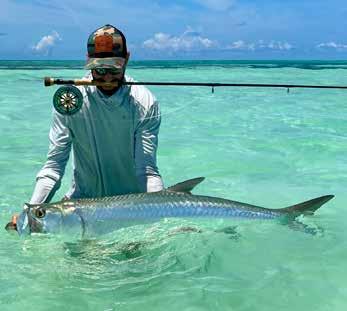
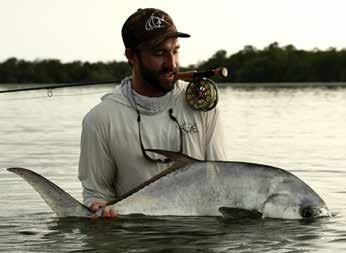
decade, one of the more profound changes I have seen has been increased boating pressure. The number of people boating around the backcountry, whether that’s going to the sandbar, lobstering, eco tours, etc., has just blown me away, considering what it once was. The fish down here really seem to need room to relax, for lack of a better term. As every channel and basin in the backcountry gets driven through on a daily basis, these fish run out of places to rest and eventually get chased out of the areas where they are trying to hide.
What do you see as the biggest threat to the fishery, and what can be done about it?
In my time guiding, I have watched channels grow and disappear, and white sandy flats turn from bonefish paradise to having ten party boats on them daily. I’ve seen migratory tarpon slowly leave old haunts, and the permit fishery teeter over the last couple of years. Yet at the same time, our bonefishery has gone through the roof with insane numbers of fish in all size classes thriving in these same areas. Barracudas are coming back healthy as ever with recent regulations in place, while jack crevalle have mysteriously vanished compared to the numbers that were around just six years ago. Mother Nature will continue to ebb and flow as the years go on, but if I had to put my finger on one issue that will edit the course of history in this place, I bet it will be highly related to water quality.
As for what can be done about it, I am not an expert on the subject, but if we can improve how we clean our wastewater and restore the natural flow and filtration that is the Florida Everglades, I believe we’ll see a big difference in our fishery.
What has been your experience assisting BTT with research? How did you get involved in tagging programs? What have you learned from these experiences?
My first experiences assisting BTT were casual conversations with Dr. Ross Boucek [BTT’s Florida Keys Initiative Director] regarding what I was seeing on the water. I had just started skiff-guiding when the Key West bonefishing started to take off. From talking numbers of fish, to predicted pre-spawn aggregation sightings, I told him everything I could from my interactions with the fishery.
My first involvement with tagging programs began alongside Carissa [Gervasi] and Cody [Eggenberger] with FIU as they put the first-ever acoustic tags into jack crevalle back in 2019. I assisted Costa Del Mar, The Billfish Foundation, and IGFA with their striped marlin tagging project in 2022. And this year, with BTT, I started putting acoustic tags into permit caught in Key West and the Lower Keys. From these tags, we hope to learn more about the current fishery and potentially find an answer as to why it has been in a rapid decline.
From these tagging experiences, I have learned that fish move a heck of a lot more than we think they do. One day here and gone the next. With this comes the thought of connectivity and knowing that “their” fish might actually be “our” fish, and vice versa. Just because something isn’t happening in your neighborhood doesn’t mean that it won’t affect your fishery.
What is it like doing scientific research with clients on board?
Everyone is always excited to participate and give back to the fishery they love. Whether it’s taking fin clips, slime swabs, gathering water samples, or putting in tags, my clients are into it. Involving them in the science provides an opportunity to further educate them about this incredible fishery. The added participation will hopefully inspire conservation and sustainable fishing practices that they can bring with them for the rest of their lives.
Why is conservation of the environment important to you?
Conservation efforts are the only way we can help sustain human impact on the outdoors so that it can be enjoyed for generations to come. I love this place I call home. Helping to protect the resource is one thing that I can do to help ensure others get to experience the beauty that I have been able to see.
Tell us about one of your most memorable days on the water. Well, I’ve been lucky enough to have more than a few magical days on the water. But one that will always stand out is the first time I caught a permit here in the Keys. Back then, all I had was a kayak, and I’d paddle that piece of plastic everywhere. One lucky day, on my paddle back, a permit cruised by me. I lit up, thinking, “No way those things are over here!” The next morning, I launched right off the highway and paddled out. After hours and hours, I actually saw a tailing permit. Against my better judgment—armed only with a live crab and some limited advice I’d been given—I threw it right on top of them. Naturally, the fish spooked. I laughed, shook my head, and thought, “Well, I tried that.” But a minute later, the same fish tailed up again. This time, I placed the crab a few feet off to the side. The fish heard it land, came over, and ate the crab. Game on! To this day, every time I grab a permit’s tail, I can’t help but crack a huge smile—just like I did on that very first one.
What’s your advice for catching Keys permit on fly? I can go on forever talking about fly-fishing for permit in the Keys. But if I had to sum up a couple of tips to help anglers catch one of these fish, I would fall back to control what you can control: equipment, casting ability, mentality, and focus. There are too many factors that are outside of our control. We have to be good at the ones we can. Make sure you are comfortable and consistent with your fly rod and line, casting, and leader length. This will help you capitalize on every opportunity and get you to a very key ingredient: showing the fish the fly! If you can get a reaction from your fly out of each opportunity, your chances of finding one that comes over and eats go way up, ladies and gentlemen. Good luck!
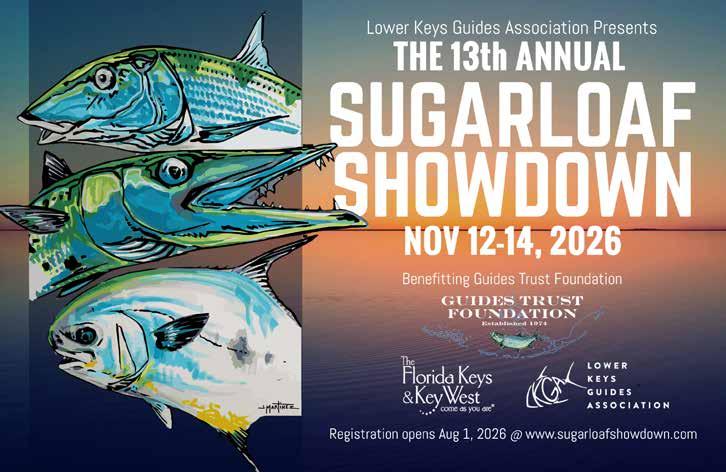
BTT has embarked on an ambitious plan to restore juvenile tarpon habitat at scale to conserve Florida’s iconic tarpon fishery.
BY CHRIS HUNT
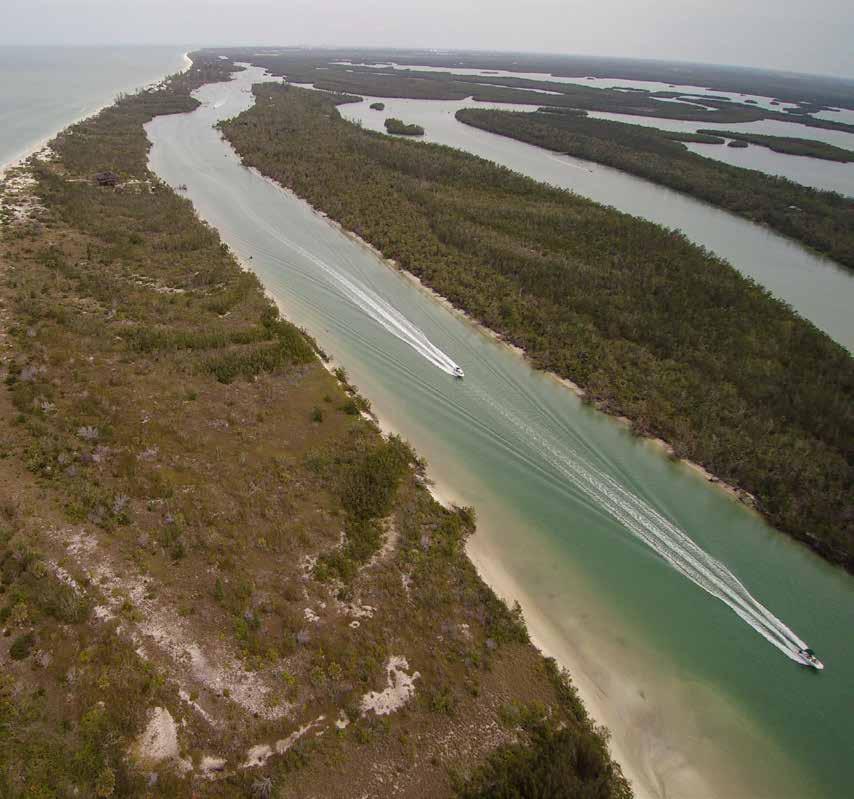
An abandoned residential development-turnedconservation-preserve featuring half a dozen inland canals with access to Gasparilla Sound is offering up some vital information about juvenile tarpon and how they respond to a variety of habitat restoration measures. This restoration site, referred to as Coral Creek, once the future spot for a slate of new homes northwest of Fort Myers, Florida, is now a juvenile tarpon restoration study site, and the information it’s providing to fisheries biologists will direct more and larger restoration projects designed to improve and increase viable juvenile tarpon habitats along Southwest Florida’s Gulf Coast. When it was platted and partially prepared for residential housing, developers dug six side-by-side canals, all connected by a larger “main” canal that flows into the west branch of Coral
Creek and offers access to Gasparilla Sound and Boca Grande by boat. Shortly after the canals were completed, the development was abandoned. It eventually became part of the Charlotte Harbor Preserve State Park and earmarked for restoration.
As restoration work started in the preserve in the 2010s, it became obvious that the defunct development’s canals were brimming with small tarpon. Bonefish & Tarpon Trust was provided an opportunity. The presence of small juvenile tarpon in the canals showed that tarpon larvae reached this area, which meant that this would be a good chance to test different habitat restoration designs to maximize benefits to juvenile tarpon.
JoEllen Wilson, Juvenile Tarpon Habitat Program Manager, led the efforts for BTT and partnered with Florida Fish and Wildlife Conservation Commission and the Coastal and Heartland
National Estuary Partnership to test different restoration designs to see which is the most effective for juvenile tarpon.
Why the need to test a variety of restoration methods? Previous restoration work on quality nursery habitat revealed that migration into and out of nursery habitat matters, Wilson said. A 2012 project on an abandoned golf course showed that the presence of juvenile tarpon and snook doesn’t mean the fish are occupying healthy habitat. Spartan nursery habitat likely resulted in smaller tarpon when it came time for the fish to move out into larger waters. Couple that with a deadly swim through a long, deep boat channel, and the juveniles had a pretty high chance of being eaten by predators.
“The bottom line,” Wilson said, “is just because we’re seeing juvenile tarpon in a habitat doesn’t necessarily mean that it is a high-quality or a healthy habitat.”
That previous project drove home to Wilson that the need to research the best restoration methods is vital. Enter the old Coral Creek housing development that’s now a protected reserve. Its six canals, Wilson said, offered six “mini-habitats” for testing various restoration methods. So, that’s what BTT and its partners did. And, after several years of monitoring how tarpon moved into and out of that system, the results are in.
With the canals in the preserve literally parallel to one another, the opportunity to test multiple restoration “treatments,” Wilson said, was unique. As for the type of treatments, Wilson and her partners did their level best to mimic the types juvenile tarpon found in nature.
As noted above, sometimes, juvenile tarpon are found in “ephemeral” habitats—ponds or the upper reaches of tidal creeks that might not always have a full-time connection to the sea, but can be accessed by fish during higher tides or storm surges (tarpon spawn in deep water offshore in the late spring and summer, and their larval offspring move into these backwater habitats on tides and seasonal storm surges). So, on one of the canals, Wilson and her team crafted that part-time connection, or a “sill,” blocking the test canal off from its main canal to such an extent that it would only receive water from Coral Creek during very high tides or during storm surges.
“We didn’t know if that was advantageous for (the tarpon), or if that was more of a challenge for them,” Wilson said. The first of the three methods was to craft that ephemeral habitat and pair it with shallow creek-like features.
“We also saw that a lot of these backwater habitats would have a mixture of depth,” she said. So the team added the hole just beyond the sill. The idea was that having some depth would offer the juvenile tarpon temperature relief during the summer months, and safety from predators like wading birds and osprey.
As Wilson noted—and any avid tarpon angler would attest— tarpon are really good at giving themselves away. They roll on the surface and use their modified swim bladder to get oxygen from the air to supplement oxygen in the water. This allows juveniles to live in water with very little oxygen, which deters predatory fish.
“But when they do that,” Wilson said, “it creates a bullseye for wading birds, which are some of the most prevalent predators in these nursery habitats.”
Hence the deep hole for this first treatment—it was meant to provide a refuge for the small fish.
The second treatment, Wilson continued, also included a six-foot deep hole just beyond the entrance to the test canal, but the team opened up the mouth of the canal and allowed
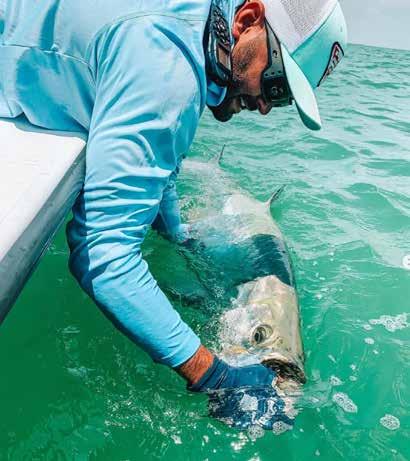
water to flow freely into and out of the habitat, regardless of the tidal conditions.
Finally, for the third treatment, the team recreated the sill for an isolated connection that only opened to the main canal during higher tides or surges, but they did away with the two-meter hole and constructed a shallow, meandering creek behind the sill instead.
Before the construction began, and again after it was completed on all three mini-habitats, the team implanted passive integrated transponders (PIT) in both juvenile tarpon and snook using the fish to measure the habitat. Pre-restoration fish monitoring created a baseline that was needed to measure conditions prior to the construction, and, presumably, the data collected once the test habitats were constructed would reveal which of the three restoration methods would prove to be more successful. And the results were encouraging and surprising.
“We found that juvenile tarpon and snook had double the growth rate and highly improved emigration after restoration,” she said. “So, we already know, yes, we can effectively restore nursery habitat.”
But the next bit of data surprised Wilson and her colleagues.
“We looked at which (test method) was the most productive,” she said. “We had the highest growth in the treatment that had the sill mouth with the shallow, meandering creek.” This method did not include the two-meter deep hole behind the sill.
As for integration between the smaller canal and the larger channel with a connection to the sea, the test treatment that lacked the sill barrier (but included the two-meter hole), and allowed the fish to move freely into and out of the test canal, proved most beneficial.
“The recommendation moving forward is to have a combination of those treatments,” Wilson said. “If you’re building nursery habitat, you want that open and flowing tidal creek system that culminates in an isolated connection with a shallow creek.”
In 2016, after realizing that all nursery habitats aren’t created equally (the abandoned golf course scenario), Wilson got to work identifying more juvenile tarpon habitats in Southwest Florida. She visited fishing clubs, and put the word out on social media— she was determined to pound the pavement and speak to anglers and others about where juvenile tarpon could be found, with the idea that, once these locations were better understood, BTT and its partners could set about restoring habitats to improve overall tarpon numbers in the region.
“We created a map, and identified all these sites,” she said. “Now, on top of finding the locations, we also asked whoever was reporting the site, to characterize the site as ‘altered’ or ‘degraded,’ or if it was natural habitat. About two-thirds of the identified nursery habitats were altered in some way.”
It was time for priorities, and a “scoring system” to classify potential restoration sites. As Wilson noted, the less that needs to be done to improve or restore a nursery habitat, the greater the likelihood of, one, finding the funding needed to make it happen, and, two, eventual success.
As for natural sites with little or no alteration, “we just want to recommend them for protection.” And BTT has done just that.
But the real challenge, she said, is finding suitable restoration sites that have been altered in some way, but offer up a reasonable likelihood of success. Because restoration work costs money—and sometimes, lots of it—Wilson and her colleagues were looking for “bang for the buck.” To find those potential project sites, she needed to “rank” them.
For restorable sites, Wilson’s team created a priority system. First, sites that are on public land as opposed to private lands, rank higher for eventual restoration. As Wilson noted, it’s just easier to get good conservation work done on public lands where access isn’t an issue and private interests aren’t involved.
Next, the ranking system looks at the basic biology of a potential restoration site.
“We want to find restorable locations where we know the larvae can get to, that don’t require these high-water events,” she said. When a site is dependent upon a storm event, “sometimes they’ll get there, but sometimes they won’t.” The preference is finding sites that will get larval tarpon recruitment every year.
The final consideration, when ranking potential restoration sites, is connectivity. “We want to know that there’s viable habitat once they leave the juvenile habitat,” Wilson noted. Once they leave the nursery habitat for larger waters, the team wants to make sure the young fish are entering a habitat where they’ll have a fighting chance at long-term survival.
“We don’t want to restore and create this fantastic nursery habitat with all the funding needed for the restoration project just to have them get pummeled as they emigrate,” Wilson said.
Armed with a map of potential restoration sites, and a blueprint for how to go about restoring them, Wilson and her team are standing on the precipice of real restoration progress. It makes sense that BTT is focusing much of its restoration work in the Boca Grande area—it’s the tarpon fishing capital of the world, after all.
Farther to the south, below Naples, three BTT-led projects in Rookery Bay are in the final stages of planning and are essentially “shovel ready” and awaiting funding. BTT, the Florida Department of Environmental Protection, Ducks Unlimited (BTT is also working with DU on restoration projects along the Yucatán Peninsula in Mexico), and the Miccosukee Tribe have asked the National Oceanic and Atmospheric Administration for $6.3 million over two years to improve tarpon habitat on the doorstep of the Everglades.
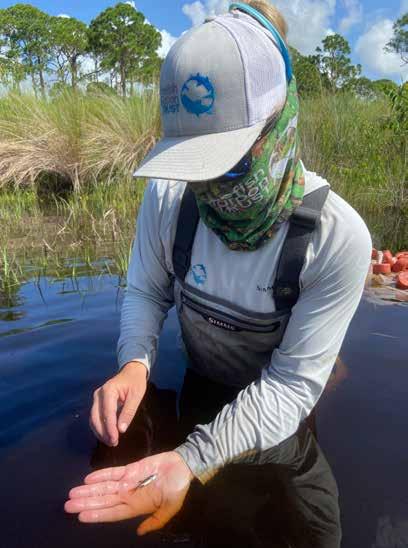
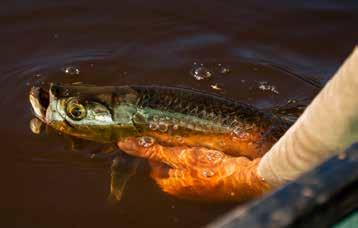
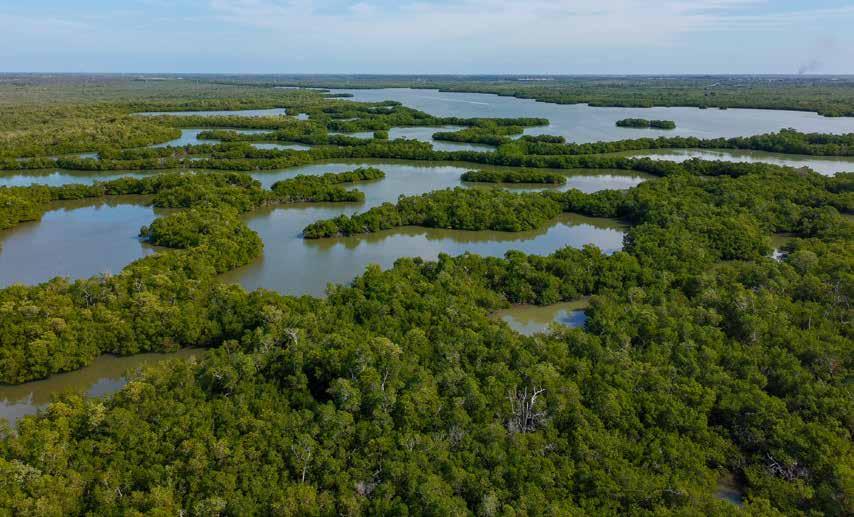
The first project is along Shell Island Road, where a combination of wildlife crossings in the area’s uplands and added culverts allowing more tidal exchange between upland waters and Rookery Bay would increase accessible habitat for juvenile tarpon and snook. A second project, dubbed the “Road to Nowhere,” would add culverts under a roadway that was damaged during 2022’s Hurricane Ian. Not only would the culverts allow for tidal exchange into the bay’s mangrove backcountry, but it would also allow habitat expansion for Florida’s rare American crocodile population.
The final project is the alteration of a water control structure in the Marco Shores Lakes subdivision that’s in place to prevent flooding in the residential area. Presently, juvenile tarpon and snook can access the ponds within the subdivision during high tides and storm surges, but when the time comes for them to move out of this nursery habitat, it’s not always possible.
“We’d like to manipulate the structure to allow for conveyance and fish passage during short bursts in the summer to coincide with instinctual emigration timing, a model we’ve successfully implemented in the mosquito impoundments on Florida’s east coast that are also regulated by water control structures,” Wilson said.
Taken together these three projects will restore natural flows to more than 1,000 acres within Rookery Bay and represent a great example of how BTT is scaling up its habitat restoration efforts across the region.
As the Rookery Bay restoration plan moves into its implementation phase, BTT is already at work on several more projects that will follow next. Sites for the future work were selected as part of a comprehensive analysis of the Charlotte Harbor watershed. BTT partnered with Damon Moore, a
restoration specialist with Oyster River Ecology, to evaluate six potential sites. The resulting report took a number of factors into account as it shined its spotlight on the six sites that could, with funding and BTT’s signature partnership approach it incorporates with everyone from private donors to state and federal agencies, landowners, anglers, and the entire tarpon fishing tapestry of Southwest Florida, become more dependable producers of juvenile tarpon in the region. The report is significant—well over 100 pages long. Moore left no stone unturned.
“BTT has always done a good job of interpreting the science,” Moore said. “They had lots of suggestions from members and anglers who were seeing juvenile tarpon, and they really work well with their partners, like the Florida Fish and Wildlife Conservation Commission and the Southwest Florida Water Management District, so they were able to cast a wide net and identify these potential project sites.”
Where Moore came into play—other than crafting the report— was the value he could help BTT identify when considering each project, and what the final payoff might look like, if and when the projects reached fruition.
Of the six projects analyzed, BTT selected four for planning and permitting leading to future restoration—Arlington Drive, Cattle Dock Point, Coral Creek Golf Club, and East Branch Coral Creek.
Just southwest of the Coral Creek Preserve and across Coral Creek from where Wilson and her team did their restoration method testing, is a small, four-acre parcel of vacant residential land, Arlington Drive. The land features a one-acre pond that is likely ephemerally connected to Coral Creek, but, with modest work, could be permanently connected to the creek.
The 258-acre parcel, Cattle Dock Point, owned by the Southwest Florida Water Management District sits almost at the confluence of the Peace and Myakka Rivers, where they both enter Gasparilla Sound. As Moore put it, “it’s a massive project, and completing it could have an equally massive impact” for the region’s juvenile tarpon. According to Moore’s analysis, “the primary means of site enhancement would be re-grading the restoration site to create estuarine basins and re-vegetating to create juvenile tarpon habitats from degraded upland areas.” The project would easily be the most ambitious of the four selected project sites, but the key word in the description is “create.” While the other sites would restore and enhance existing habitat using the techniques learned from Wilson’s restoration tests in nearby Coral Creek Preserve, this project could add juvenile tarpon habitat to all of Charlotte Harbor and the Boca Grande area.
Some restoration opportunities in Florida will be found within or adjacent to developed land uses. Take for example, Coral Creek Golf Club, which offers a fairly inexpensive opportunity to connect the club’s pond and drainage system to Coral Creek, which could provide excellent juvenile tarpon and snook habitat by simply making the club’s stormwater drainage system actually meet the waters of Coral Creek. Not coincidentally, it’s very close to the Coral Creek Preserve, where Wilson and her team tested the various restoration methods. Restoration would require a series of small construction projects to connect the course’s waters to the creek—all minor alterations that would offer more bang for the buck.
The East Branch of Coral Creek is also very close to Wilson’s test sites and lies within the boundaries of Charlotte Harbor Preserve State Park. Work on this publicly owned project would be pretty straightforward. By re-establishing a surface-water connection between the creek and its overgrown mosquito ditches, BTT could make more of the creek’s potential habitat accessible to juvenile tarpon and snook.
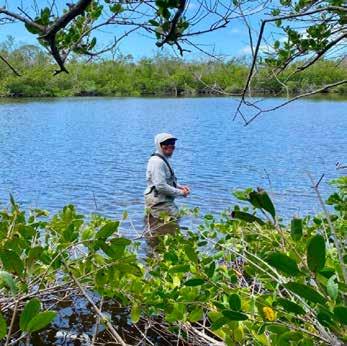
There’s no question that the state of the tarpon fishery is top-of-mind among anglers in Southwest Florida. From the holy water at Boca Grande to the mangrove islands on the edges of the Everglades, the Silver King remains a beloved angling target, both for fly-fishers and for gear anglers. But, as Wilson is quick to note, “human development is having a real impact” along the state’s southern shores. The trick, she said, is to invest in restoration projects that can work hand-in-hand with Southwest Florida’s human population.
As she noted, it’s about priorities, and finding the projects that have the best chances for funding and eventual success. By protecting intact juvenile tarpon habitat, finding sites that meet biological requirements for tarpon migration (both into the habitat as larval fish and back out as they mature), and identifying sites that have good connectivity among habitats, she believes that smart restoration work can boost and protect Southwest Florida’s prized tarpon population.
That’s why BTT continues to invest in—and seek more funding for—juvenile tarpon restoration work. From Charlotte Harbor south to the Everglades and Florida Bay, the organization is carefully and methodically constructing a “string of pearls” when it comes to juvenile tarpon restoration sites. In time, the deliberate work will not only help tarpon, but also snook and other inshore fish, like redfish and spotted sea trout—all of which are important to Florida’s economy, where fishing is a massive driver. For tarpon anglers, and for BTT, the restoration work is vital.
“Anglers love these fish,” Wilson said. “And we’re going to do everything we can to protect them and keep them swimming in the waters of Southwest Florida.”
Chris Hunt is an award-winning journalist and an enthusiastic fly-fisher who splits his time between the mountains of eastern Idaho and the blackwater rivers of North Florida. He writes about conservation, travel and the fly-fishing culture all over the world.

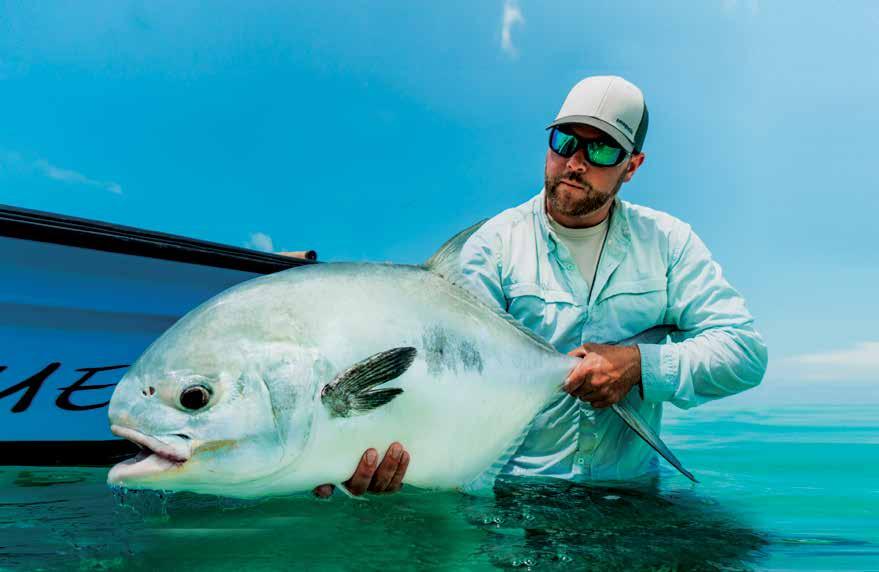

A little green Cessna has been tracking tarpon migrations up and down the Florida coast for three years. What has it found? Here’s an inside look at BTT’s first-of-its kind, year-over-year tarpon population health survey by air.
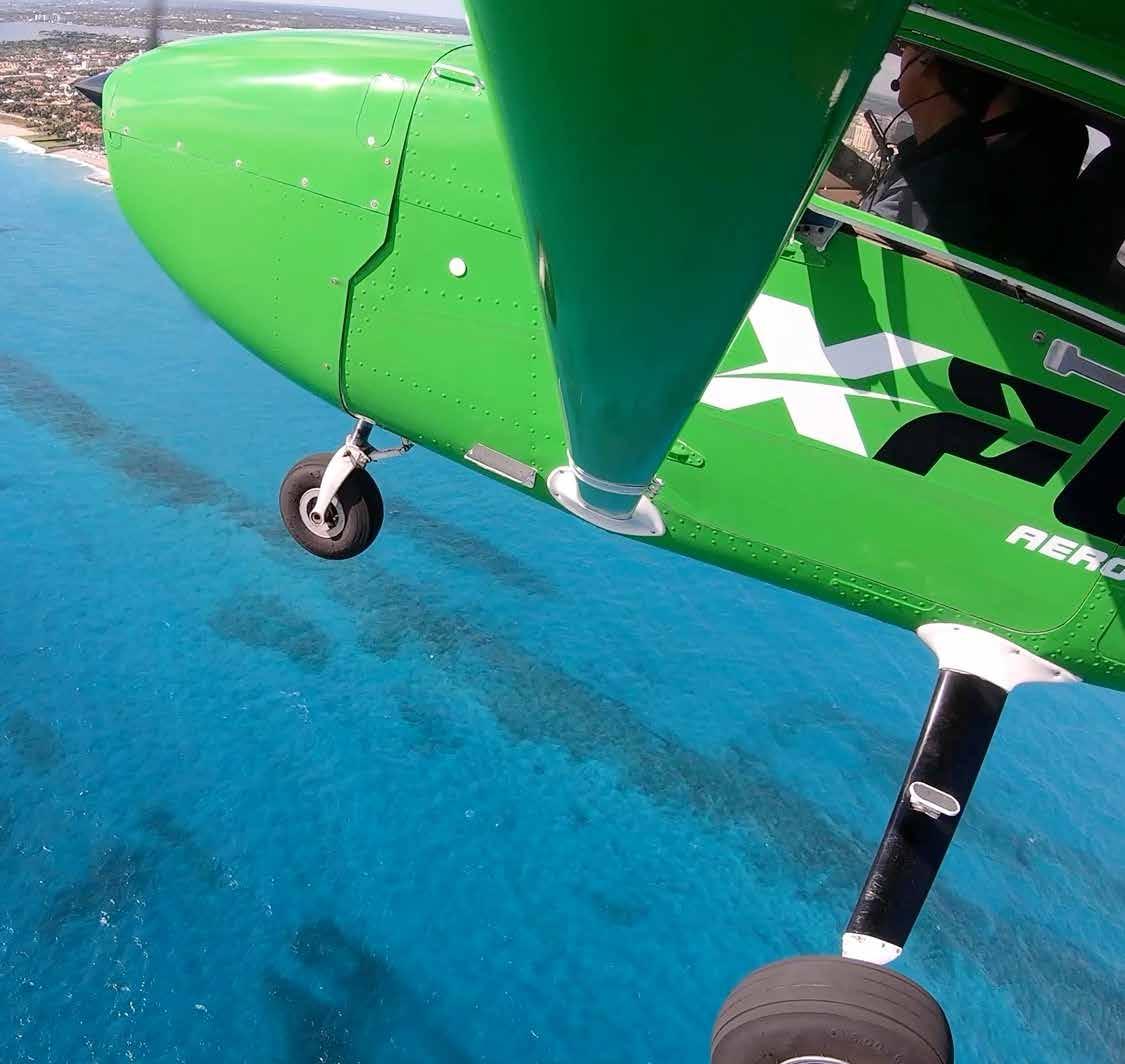
BY ALEXANDRA MARVAR
Captain Rick Ruoff has been tarpon fishing—and guiding— for more than 50 years. He’s built a life on knowing where the tarpon are running on any given day. That means understanding how they got there… and where they might be headed next. “There were 19 guides in Islamorada when I started; now there’s 300,” he recalls.
A massive migration of tarpon comes down the shoreline of the Keys during the spring every year. Guides have known about, tracked, and relied upon this migration since flats angling really started in the Keys, back around World War II. Many guides’ livelihoods depend on this event, he adds. With so much on the line, are there ways to track changes over time?
This is the question BTT Chairman of the Board Carl Navarre asked himself. “When you see a migration like this, it always kind of raises your hair a little bit,” Navarre says—“nature doing something of that scale.”
A longtime BTT supporter suggested that a standardized survey approach like those used to monitor great migrations on land might be of use in tackling this question: using a low-flying, fixed-wing aircraft, manned with scientists and GPS software to document what they see over dozens of repeat missions and layer the findings into a long-term dataset.
“Tarpon are in shallow water,” Navarre said. “Along the whole shoreline from Key Biscayne to Bahia Honda, which is probably
about 150 miles, it’s really easy to see these fish from the air.” While it had never been done before for tarpon, the aerial survey was a viable way to get at this pressing question. So, BTT found a way to bring this approach to this Florida flats fishery for the first time.
In those early days, “there’d be carpets and ribbons of tarpon coming by, thousands at a time.” Ruoff doesn’t see these “carpets” of tarpon often anymore. But he hopes they’re out there somewhere. And he’s invested so much in the search to find them again that, in the past, he’s chartered small aircraft on his own dime to try to catch glimpses of these massive fish, in their long, narrow, glistening schools, from above. He even took hang gliding lessons once, soaring along the edge of the Everglades, in an attempt to get this sought-after bird’s-eye perspective.
Ruoff was only recently, for the first time, actually asked to guide for tarpon from 500 feet in the air. His colleagues at BTT, where Ruoff is a member of the Board of Directors, sent him up a few years ago, with two scientists and a pilot, to cruise along the coastline tracking and tabulating Florida’s annual spring tarpon migration in a little green Cessna and beaming the data back down to a lab at Florida Atlantic University (FAU).
In 2021, BTT launched this pilot tarpon aerial survey, using the first year to test the approach and lay down methodology. Then, for two years so far, they’ve flown dozens of flights per spring to gather first-of-its-kind, year-over-year data on tarpon across the Upper and Middle Keys.
At the helm is Dr. Stephen Kajiura, a professor in the department of biological sciences at FAU, who has a very particular set of skills—and a career that sounds like it was transcribed straight from dreams of boyhood: His job involves flying in airplanes to look at sharks.
Kajiura, a licensed pilot himself, has spent hundreds of hours in flight, and on aerial expeditions to observe marine species—most recently black tip sharks. On BTT’s tarpon survey flights, he sits beside a pilot while cruising low over Florida’s Atlantic Coast, and leads the research operation, documenting massive seasonal tarpon aggregations.
Tarpon are protected in Florida and significant to the state’s economy (the Keys’ tarpon fishery alone is estimated to generate upwards of $465 million annually), yet some of the most basic questions about tarpon biology remain unanswered. There is no commercial tarpon fishery in the U.S., so there’ve been fewer opportunities to study them than for harvested species like tuna, salmon, and striped bass. No human has ever directly observed tarpon spawning, and there has never been a formal stock assessment to estimate the size of Florida’s population.
What we do know: Tarpon have been around for millennia, existing essentially unchanged for some 50 million years. Radiometric aging has shown it’s not unusual for a fish to live 30 to 50 years, sometimes as long as 80, and during that time they have incredible site fidelity, returning en masse to the same spots each year. This long lifespan and late maturity make them especially slow to recover from population downturns, and based on harvest data from countries where tarpon are commercially fished, the International Union for Conservation of Nature now lists the species as threatened. These gaps in knowledge have made BTT’s questions all the more urgent: “Is this migration growing? Is it shrinking? Is it stable?” Navarre says. “And what about the timing: Is it happening about the same dates every year?’”
A few years ago, BTT helped answer part of that puzzle by
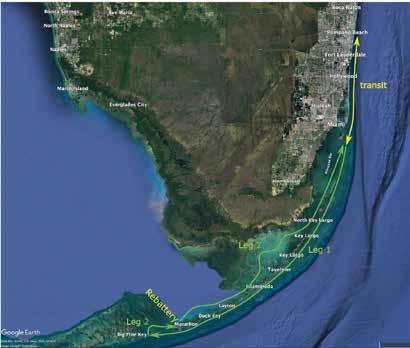
Route of the aerial survey. From Pompano Beach the plane transited along the coast to Bear Cut in Biscayne Bay, at which point the survey started. The flight proceeded along the ocean side of the Keys to the west end of Old Bahia Honda Bridge, completing Leg 1. Leg 2 started on the bay side from Old Bahia Honda Bridge to the east end of 7 Mile Bridge. After refueling in Marathon, it proceeded up the bay side en route to home base in Pompano Beach.
releasing the results of the largest tarpon tracking study in history. Using acoustic receivers, researchers followed 200 tagged tarpon for years, revealing migratory routes—some reaching as far north as North Carolina—and identifying two distinct subgroups with different movement patterns. This study was groundbreaking. But there was a major limitation: It isn’t able to tell us anything about changes over time. It was “fascinating stuff,” Navarre says. “But it did not provide any information about trends: changes in the movements; changes in the migration... It provided information on the path—but not on changes.”
This is a knowledge gap that scientists and fishery managers have wanted to fill, and BTT hopes the aerial survey can continue over the coming decade to help fill it—and BTT believes if Kajiura and team could repeat these flights annually, biannually, or even
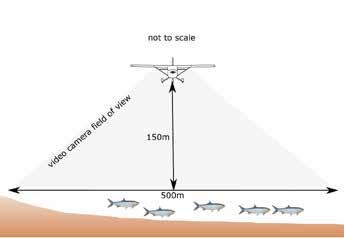
Methodology for completing the aerial survey. Cameras were mounted on the wing struts and aimed downward to capture a field of view of approximately 500 meters across (illustration not to scale).
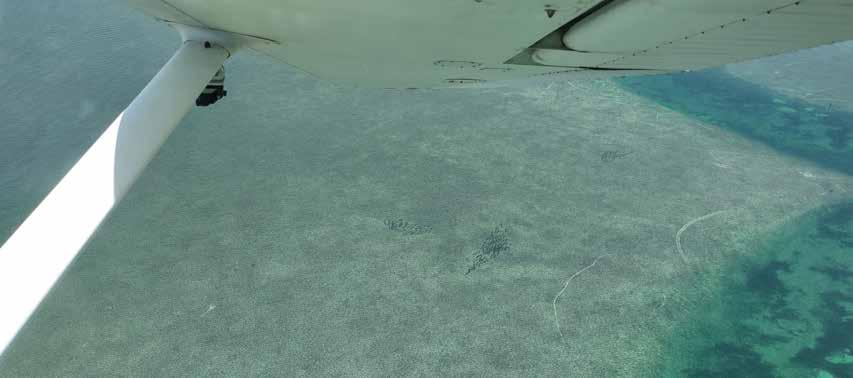
every five years, the data would be invaluable.
After defining the methodology, technique, and toolset in year one, flights along the set route that Ruoff helped design were repeated dozens of times over the following two springs of 2023 and 2024. A rented Cessna would take off from Pompano at approximately the same times of day, during the same tidal phase, starting to survey just south of Miami, along the oceanside down to Bahia Honda, then returning along the bay side, with a fuel stop in Marathon.
“We’re sampling the whole stretch of Upper and Middle Keys in about an hour and a half,” Kajiura says. It’s a snapshot of all the tarpon between Miami and Bahia Honda, all at once, on a single morning. It’s “big picture, the whole Keys, simultaneously.”
Guides working in their specific areas are crucial to collecting data and understanding the lay of the land, but these flights provide the opportunity of a broader new view. Wing-mounted GoPros captured a 500-meter swath of water beneath the plane, and every school of tarpon was logged with custom-built GPSlinked software, later cross-checked against the video. The result: reliable datasets that, when compared side by side over time, can reveal higher-level patterns.
Ruoff helped Kajiura and crew ID the best route over the Keys to consistently see the largest numbers. Though this study is more focused on qualities, not quantity. Kajiura’s team engineered the BTT aerial tarpon survey firstly, he explains, not to tally a stock assessment, which is not possible with this methodology, but to understand this population’s relative abundance. Flying over the key habitat on repeat flights throughout the season, they can document the migration’s “numerical limits,” he says, as well as its geological ones. Flights start as early as March: “You need the baseline data—before the tarpon arrive,” Kajiura says. “You need sufficient sampling to capture that peak.” Documenting these data points at a baseline and then year over year into the future “gives us the ability to monitor for long-term change” in population and migratory behavior.
These flights didn’t just document the tarpon: They shed new light on the context. “What’s in the water with them?” Kajiura says. “This is a dynamic and open system.” The team logs predators—sharks as well as rays, turtles, dolphins, manatees— and also boats. Do these things impact the way tarpon behave on a larger scale, and if so, how?
Dr. Ross Boucek, BTT Florida Keys Initiative Director, was particularly interested to see how shark presence overlapped with the tarpon observations in the survey data. This independent assessment of the fishery provides “validation to use against other methods,” he notes—guide knowledge and otherwise.
“Just getting a handle on these trajectories that have no bias associated with people’s recall and things like that are so invaluable,” Boucek says. “Even if we do this kind of aerial survey once every five or ten years, that would be so helpful to understanding whether we are actually progressively losing tarpon, or whether there’s something else going on.”
Two years of consistent data aren’t enough to draw long-term conclusions, but they form a solid baseline. Across the trial year plus the two proof-point years of surveys, peak abundance hit in May, with the decrescendo happening throughout June. The findings aligned with guides’ knowledge of tarpon hotspots: concentrations were repeatedly clocked around Lower Matecumbe and Bahia Honda. Oceanside fish were far easier to spot and log than bayside fish, where depth and turbidity obscure even enormous aggregations. But where tarpon were sighted, groups of 11 to 50 fish seen together were most common.
Meanwhile, the observers recorded between 125 and 965 boats per flight, with flats fishing boats accounting to between 7.5% to nearly 40% of all vessels on the water, with the rise in fishing boats running parallel to the seasonal increase in tarpon.
“It’s a fantastic picture of this fishery,” Navarre says.
This manned, aerial survey is less financially costly than something like telemetry and can serve as a potential “canary in the coalmine” for high-level changes, he says. “And to get that early warning system, we don’t have to count every fish.”
As with any study, this one too has its limitations. It isn’t meant to generate a population estimate, and it’s focusing only on larger tarpon that can be seen from the air and only in a certain phase of their migration. The area of study is also limited to the clear waters of the ocean side as the bay side is too turbid and murky to count in the fish’s resting habitats. This is where the juveniles spend their years, Ruoff notes. So the data from the flights are showing tarpon that are mature enough to migrate. At some point these fish will age out. What does the
backcountry hold? That’s a mystery for another study.
A 2024 report on the pilot aerial survey’s results outlines several steps that would strengthen future tarpon monitoring. The authors recommend continuing the aerial surveys to build a larger multi-year dataset, which would allow environmental relationships to become clearer. They also suggest extending flights later into June to capture the full extent of the migration, with a small number of exploratory flights during the peak season to locate schools outside the fixed transect, refining how the bayside aggregations are mapped, and considering survey
extensions to include habitat north of the Keys and into other parts of South Florida.
We have two back-to-back years of very good data,” Navarre says. “For it to be meaningful especially as a management tool it needs to be done with some regularity into the future.”
Alexandra Marvar is a freelance journalist based in Savannah, Georgia. Her writing can be found in The New York Times, National Geographic, Smithsonian Magazine and elsewhere.
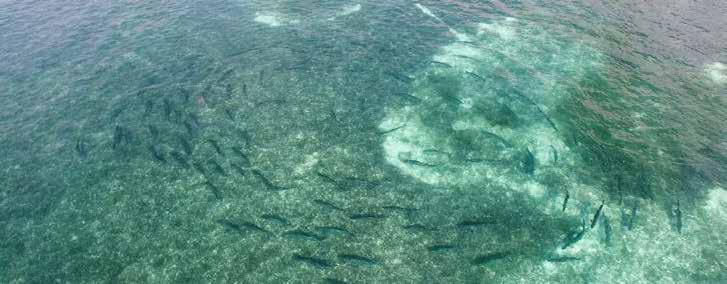

BY IAN DAVIS
APassion for Bonefish by angler and artist Ian Davis is the most comprehensive book on fly-fishing for bonefish of this generation. With stunning photography and hand-drawn illustrations, this gorgeous book from Wild River Press covers it all: where bonefish live, what they eat, selecting the best tackle and flies to catch them, how to read a bonefish flat, casting and presenting the fly, secrets of the tides and moon, and much more! Contributors include veteran guides, angling legends, BTT scientists, and a host of bonefish enthusiasts, collectively presenting more than 1,000 years’ worth of bonefishing wisdom.
An excerpt from the second chapter of A Passion for Bonefish, titled, “Our Passion,” follows. Published by Wild River Press, 250 signed and numbered copies of A Passion for Bonefish are available in an attractive leather binding and slipcase. $500 from each sale will be donated to Bonefish & Tarpon Trust to support the Bahamas Mangrove Restoration Project.
When fishing, I often reflect back to my youth, when I had an innate, burning desire to catch the most fish. If my rod was not doubled over more than my fellow angler’s, my competitive drive would be activated to out-fish everyone. Nowadays, my continued desire has evolved into a passion for the culture of angling. Reconnecting with the people that I have bonded with throughout the fly-fishing world outweighs “slamming fish.”
Revisiting specific destinations where I have had memorable experiences is rewarding. Whether it be a certain flat or a riffle giving way to a subtitle bucket in a river, it is a reunion of the senses—pure nostalgia when approaching these personally historic settings. At what point does our passion transition from being driven to out fish everyone versus the quality of the overall experience? When does the process of fishing alone result in being a satisfied angler? Conversely, and honestly, it is always nice to grab a tail or two when fly fishing. This reassures us that we still “have game.” The act of landing and releasing any fish has aesthetic rewards that are difficult to mimic in our complex world. Compared to an “act of God,” cradling a fish’s life in our hands, then releasing the fish back into the natural world, is giving back life. We could have easily killed the fish, like so many have done in the past and still do today. It is our passion for the
fish and environment that guides us to release our quarry.
The catalyst for my passion for bonefishing started in my midtwenties. I ran with a crew of Colorado trout bums, who had also been hooked by the saltwater flats bug. We were a fraternal team consisting of fly shop owners, outfitters, guides, manufacturers reps, chefs—even a cowboy.
By the late 1990s, I had started hosting trips to The Bahamas, which would settle my father down, since he was starting to question why the hell was I spending so much time on the remote island of Andros. More importantly, we created an in-house travel program to increase sales at my fly shop, Breckenridge Outfitters, during the slower winter months. In the shop, we began holding weekly bonefish fly-tying and tackle clinics for anglers joining me in The Bahamas. Most of the folks joining the trips were freshwater anglers, so we also sold more expensive saltwater gear and equipment.
Now, I got to explore saltwater destinations for work, bond with our valued clientele, increase sales, and support the local economies of the destinations. Everyone came out on top! My father even joined a hosted trip to Big Charlie’s Bonefish Lodge on Andros. He was thrilled with my expanded business venture of hosting anglers on Andros, and could sense my passion for the area and people. His rewarding words resonated strongly with me. Little did we all know that this passion for destination travel would lead to a much broader professional relationship with the world of fly fishing: Yellow Dog Flyfishing.
Nowadays, one of my passions rests with our charitable foundation: The Yellow Dog Community and Conservation Foundation (Y.D.C.C.F.). I have come full circle from my younger days of selfishly trying to out fish everyone to a mature angler who prefers to promote the process of giving back to the destinations where we love to fish. Y.D.C.C.F. funds millions of dollars of projects throughout the world. We have restored tidal creeks on Andros, helped guides and lodges financially during challenging times such as hurricanes, prevented gill netting in Central America, sponsor and manage fishing tournaments to raise important funds for communities such as Punta Allen in Mexico, as well as funding a sports park on Andros Island.
We are making a difference. The passion I gain from Y.D.C.C.F. is more rewarding than any fish imaginable.
BTT Board Member
The first time I had met Flip Pallot in Miami, our kids were the same age, and he was working at a bank. We would take off in the afternoons. And the first time we did this, we got here on the last little fall in tide, when it was just getting ready to start coming in. We got out and waded it. He had a fly rod and I had a spinning rod with a shrimp on it. I wasn’t yet fly fishing that much. Bonefish started coming down the shoreline in waves. There were three fish here, five fish there, 10 fish here, two fish here. And as the tide came in, they pushed up closer and closer, shallower and shallower. And I kept beating them on the head with a shrimp. And Flip made maybe one cast, and I could see the fish come up and eat the fly. And to see that, it kind of blew me away—more than blew me away! Then the first time I caught one was a couple months later with a fly rod. I didn’t catch another one for a long time.
BTT Bahamas Research Manager
Bonefish were always this mysterious species that you can never catch. As a little boy and watching fishing for bonefish on TV and reading about it, they were mesmerizing to me. And so I worked really, really hard to catch one. I grew up near the water and I’d walk the beach and I’d see these glimpses of the Ghost running by and I knew it was a bonefish but I could never catch one. And it wasn’t until I was, I’d say, probably around between eight and 10 years old, when I was fishing from the rocks down the beach from my house, when I hooked into this fish on my spinning rod. I had no idea what it was. I was like: What is this fish? I can’t see it but it’s fighting so hard. Then I realized it was bone fish. And that was it—after that my life was all about bonefish. And I caught my first bonefish on fly a couple years later and then that was definitely old life over, new life, here we go!
A tailing bonefish—that is bonefishing! It’s just a different kind of saltwater fishing. It’s explosive. It’s intuitive. And it’s so exciting to see a giant 12-pound bonefish with its tail out of the water—just like, are you kidding me? And there’s a connection when you’re wading that’s different than fishing off a boat. I love to walk so I can be an explorer. It’s all about the adventure.
I think bonefish are the classiest fish. There’s nothing classier than a bonefish tailing in shallow water. Not even tailing, sometimes. Just slithering—a slithering bonefish! When it’s too shallow even to tail. And the top of his eyes come out of the water and the dorsal fin goes up and down. You can get close enough to where you can put the fly in the right spot and create a predator-prey relationship; you strip and see the fish push ahead a little bit, stop and wiggle. And you hook the fish—the sheer power! If they got to 40 pounds you couldn’t land one. That to me is the classiest fishing on the planet. And I’ve had the good fortune to do a lot of it, a lot of other fishing, too. But bonefishing is why I moved to the Keys, what I left behind to move here. The bonefishing was so spectacular back then—but it’s coming back.
Bonefishing is unmatched by any other passion, unmatched by any other. For me, it’s my life. It’s like a breath of fresh air when you are being choked, and all of a sudden you can breathe again. That’s my passion for bonefish. That’s how I would put it. I’m out of oxygen and all of a sudden you put me on a flat and there’s unlimited oxygen. Most definitely, most definitely—it’s very relaxing, it’s very relaxing. Sometimes I don’t even fish. I just go out and cast. I’m not really looking for anything. Just casting a rod and I’m spending more time just looking at the water and enjoying my time out on the water. Sometimes I put the engine down in a shallow spot. And if a fish passes by I would go for it, but if not, it didn’t bother me, it really don’t. Sometimes I just love being out there by myself.
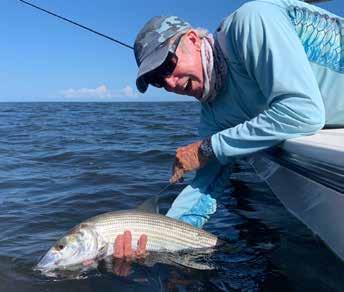
PAUL DIXON
BTT Advisory Council Member
I love the bonefish and everything that goes along with bonefishing, but my real love is wading for them. To me that is the epitome of the game because it’s such a one-on-one thing, so primal. It’s the stealth, the stalking, the hunt and their spookiness. Pitting your inner self against this fish that’s you know, sort of just there to have lunch. I personally like fly fishing because it’s a casting and feeding challenge. I think the presentation oftentimes is more delicate and not as intrusive as, say, spin fishing. I also believe the variety of foods that a bonefish eats can be better mimicked and presented by flies. It’s satisfying for me to present something that I tied myself, sort of matching the hatch in salt water.
STU APTE
BTT Board Member
Any time you’re sight-fishing for fish, it’s a big plus. It is really great and I love bonefish. We used to have an area here in the
Keys that on the full moon and new moon tides, when the water was really low—before it started coming in—there’d be schools of bonefish, big bonefish. Well, they were all different sizes, but a lot of really big, big fish that would parade up and down the bank. We called it “Downtown.” Right up and down those banks. And you could get there, and when the tide started coming in and up, they would up on the banks, and start tailing. That was just fantastic fly fishing.
Oh, gee, I mean, in countless ways, countless ways. Bonefishing, yeah, it can help you physically, mentally. It can help you financially. Fishing can be a cure for an illness. And just going out there, taking someone out there. Or if they have any illness, it can be like a mind-settling thing that helps you go through your illness. Education, oh, education—it’s perfect. Kids, you can take a kid fishing who’s having difficulty learning, academically. And he goes out there and he truly enjoys that fishing. He could go back to that classroom with a different mindset.
I’ve seen it happen, I’ve seen it happen. He goes from 1.0 Grade Point Average in one semester to a 2.5 G.P.A. And people wonder, how did he get like that? Oh, I took him fishing a few times, and that’s no joke. You take them out in the boat and they just enjoy it. You make sure they have a great time, and they see a different side of life than from the shore. Just going to school, coming home, peer pressure from parents, going back to classes. They get to go out and see what nature offers. And you know what I say to them? This is real life. I say that stuff is mine and it can be yours, but you gotta study. You have to do better in your school work.
I like having many of my friends and family work at my lodge. McClean’s Town was devastated from hurricane Dorian. My lodge was destroyed, and my partner Rob Neher and I totally rebuilt it and made it even better than it was before the storm. It took a lot of passion and hard work to rebuild. So many families had to leave McClean’s Town, since their houses were gone. We are slowly helping them rebuild and the community is coming back. Bonefishing is more than just about catching fish, but also taking care of the land and people.
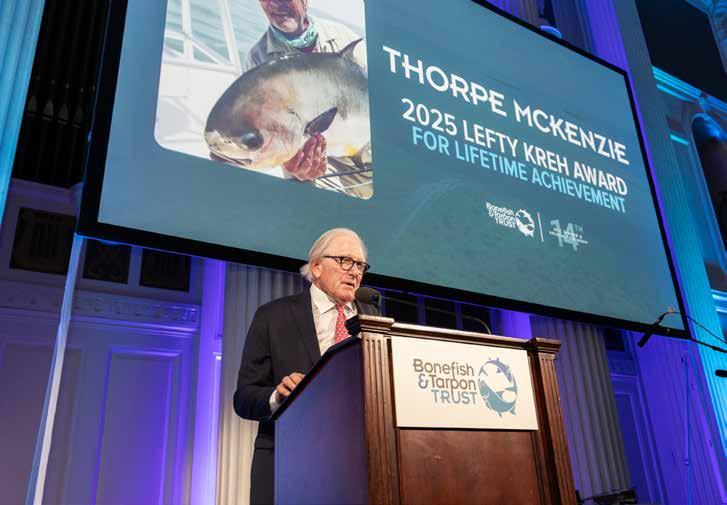
Thorpe McKenzie was honored at Bonefish & Tarpon Trust’s 14th Annual NYC Dinner & Awards Ceremony on October 6, 2025, with the Lefty Kreh Award for Lifetime Achievement in Conservation. The award recognizes McKenzie’s enduring commitment to conservation as demonstrated over the years by his leadership and generosity to BTT and other leading organizations. Paul Tudor Jones II, a 2018 Kreh Award winner, introduced the honoree in a program at 583 Park Avenue that also featured a report on BTT’s recent accomplishments and priorities, a touching tribute by author T. Edward Nickens to the late Flip Pallot, and a standout performance by the Mountain Cove Bluegrass Band from McKenzie’s native Tennessee—all hosted by CNBC’s Steve Liesman.
“Thorpe McKenzie has demonstrated a lifelong and unwavering commitment to the conservation of wild places that support fishing, hunting, and other outdoor recreation,” said BTT President and CEO Jim McDuffie. “We are honored to recognize his lifetime achievement in conservation and his leadership and support of BTT’s mission.”
Hailing from Lookout Mountain, Tennessee, McKenzie began
his distinguished career in New York City as a stockbroker with Kidder, Peabody & Company. In 1980, he and the late Julian H. Robertson, Jr. launched the renowned global hedge fund, TIGER, before McKenzie returned to his home state to co-found Pointer Management, LLC.
McKenzie is a lifelong sportsman who has advanced important land and water conservation efforts, from his early support of the Tall Timbers Conservation Easement Program, which led to the protection of significant bobwhite quail habitat in the Red Hills of North Florida and South Georgia, to his 25-year tenure on the board of the Atlantic Salmon Federation. An avid permit and tarpon angler in the Florida Keys, McKenzie also served for more than a decade on the board of the Don Hawley Foundation. His commitment continues today as a member of the BTT Board of Directors, where his dedication to science-driven conservation is helping to ensure the future of the flats fishery.
As a recipient of BTT’s Lefty Kreh Award for Lifetime Achievement in Conservation, McKenzie is enshrined in the BTT Circle of Honor, housed in Islamorada’s Florida Keys History & Discovery Center.

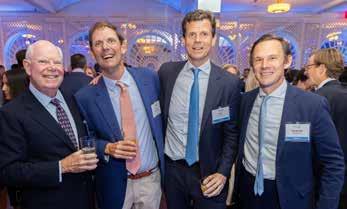
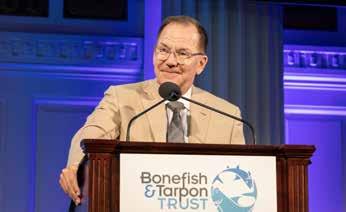

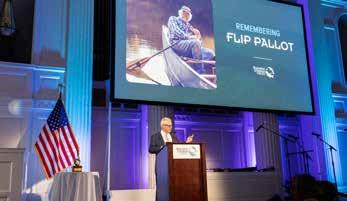
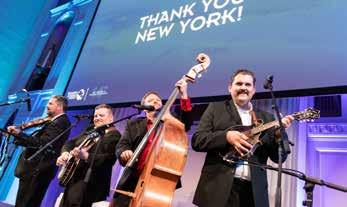
$100,000+
Bass Pro Shops and Cabela’s Outdoor Fund
Ocean Reef Conservation Association
Palmerstone Charitable Fund
Perry Institute for Marine Science
Robert Galvin Foundation
The Carruthers Family Fund
The G. Unger Vetlesen Foundation
The Moore Bahamas Foundation
$50,000 - $99,999
Benard and Virginia Bartley Charitable Foundation
Black’s Island
Builders Vision Philantropy
Casa Blanca Lodge
Costa
Davidson Family Foundation Inc.
Hewit Family Foundation
James Family Charitable Trust
Little Orchard Foundation
Thorpe and Sarah McKenzie
National Fish and Wildlife Foundation
Tim O’Brien
Sustainable Markets Foundation
Andrew Tucker
$25,000 - $49,999
Afrika Barrel and Bow Safaris
Blue Bonefish Lodge
Blue Safari
Beat Cabiallavetta
Case Family Charitable Fund
Chittum Yachts LLC
Joseph H. Davenport
Russ Fisher
Fishpond Inc
Floyd Skiff Company
Four D Charitable Foundation
Frederic C. Hamilton Family Foundation
Guides Trust Foundation
Hacker and Kitty Caldwell Family Foundation
Gerold Klauer
Lower Keys Guides Association
Matecumbe Skiffs, Inc
Jonathan Olch
Paul Tudor Jones II
Robertson Foundation
Teach Green Charitable Foundation
The Dalis Foundation
The Fourten Foundation
The Nancy Dunlap and John D. Johns Charitable Fund
The Overbrook Foundation
David Wahl
Walker’s Cay
World Wildlife Fund, Inc
YETI
$20,000 - $24,999
Anne and Leigh Perkins Foundation
Tim B. Choate
East End Lodge
Gangler’s North Seal River Lodge
Holdfast Collective
James Lyon
Carl Navarre
Phillips Infrastructure Corp
Pipe Dreams
R.K. Mellon Family Foundation
Steve Renehan
Soul Fly Lodge
Rich Family Foundation
Alan Ross Steele
The Christine & Rodman Patton Charitable Fund
The Herndon Giving Fund
Yellow Dog Community and Conservation Foundation
$10,000 - $19,999
Carl Allen
Armour Family Fund
Thomas Assalley
Belize River Lodge
Steven Brooks
Burton Foundation
Adolphus A. Busch
Keith Calhoun
Danny Canale
DAF at Spur Community Foundation
Scott Danek
Ward Davenport
Delphi Club
Joseph DiMenna
Merritt Dyke
Edward George Johnson III Charity Fund
El Pescador Lodge
Exciting Outdoors
Fay Ranches
Evan Fishman
Fleming Family Foundation
Fly Shop Brazil
Founding Fish Network
Garber Family Charitable Fund
Gardner Family Charitable Fund
Glen Raven Inc
Global Rescue
Grassy Creek Foundation
Hearn Family Fund
Marc Helmick
Wallace Henderson
J. C. Kennedy Foundation, Inc.
Jordan Family Charitable Fund
Linville Family Foundation
Little Palm Island
Lovett-Woodsum Foundation, Inc
Madison Valley Ranch
Magic Tilt Trailers, Inc
Marco Family Foundation Inc.
Marshall and Jamee Field Family Fund
MFieldV Chicago Portfolio Fund at the Chicago Community Foundation
Moglia Family Foundation
Mostyn Foundation Inc.
No Name Fly Lodge
Only One, Inc
Opal Fund At Spur Community Foundation
Glendon Paulk
Philippe and Ana Laffonte Family Charitable Fund
Pointer Management Company
Rancho Pedro Paila
Robert and Mary Cobb Family Foundation
Kris Rockwell Foundation
Robert Seale
Sexton Family Foundation Trust
Shimano
Simms Fishing Products
Peter Snow
Stephanie and Lawrence Flinn, Jr. Charitable Trust
John Stout
Stu and Betsy Reese Family Foundation
The City of Frederick
The Gahan Family Charitable Fund
The John F Smiekel Foundation
The McCausland Foundation
The Phil and Mary Beth Canfield Charitable Fund
The Rip & Kelly Kirby Family Fund
The Thomas and Elizabeth Grainger Charitable Fund
The Vandeventer Foundation
The Walter V. & Judith L. Shipley Family Foundation
The Woods Foundation
Tim & Karen Hixon Foundation
Tom & Laura Jones Family Fund
Tracy and Greg Johnson Foundation
Justin Trail
Trippe’s Tarpon Tournament
Trust Under the Will of John G. Searle - Searle
Family Trust
Turtlebox audio
Will Underwood
Village Investments
L. Mark Weeks
Whiddon Wingshooting
$2,500 - $9,999
Harold and Ramona Brewer
Abel Reels
John Abplanalp
Alex and Lindie Woodruff Donor Fund
Alexander McAllister Fund
Elizabeth Allenbaugh
American Endowment Foundation
Stephen Anderson
Andrew Sabin Family Foundation
Lew Armistead
Dave Arnholt
Ted Atwood
Ausherman Family Foundation
Steve Austin
Azeez Foundation
Bajio Inc.
Mason Baker
Barton and Betsy Goodwin Charitable Fund
Lee Bass
Anson Beard
James Belk
Rodney Berens
Terry Betteridge
Bishop & Page PLLC
Black Point Bonefishing Club
Ivar Bolander
Alan Bongiovanni
Ben Bortner
Nelson Bowers
Pat Bowman
Braden and Ashley Hopkins Family Fund
Charles M. Brennan
Lane Britain
Brooks Walker III Family Fund
David Brumbaugh
Buck Family Fund of the Maine Community Foundation
Christopher Buckley
John Buford
Russell Byers Jr
Campeche Tarpon
Capital City Consulting
Robert Cardello
Charles Engelhard Foundation
Cheeca Lodge & Spa
CD Clarke
John Cochran
Congressional Sportsmen’s Foundation
inc. Contender Boats
Peter S Corbin
Cortland Line Company
Bob Cosgriff
Coxe Family Fund
Cross Current Insurance Group
Blair and Beth Crump
Anthony P Davino
Dianne and Daniel Vapnek Family Fund
Preston Douglas
Dudley and Constance Godfrey Foundation
Charles Duncan
David Eckroth
Ed Uihlein Family Foundation
Rob Elam
Eleven Experience
Mark Elhilow
Billy Ellenwood
Mark Ellert
Nick English
William English
Far Bank
First Light Charitable Fund
Fish & Wildlife Foundation of Florida
Fishwater Cup
Ken Ford
Frank and Patti Foster Fund
LLC Free Fly Fishing Company
Dennis Friel
Frontiers Travel
Allen Gant
Garbutt’s Fishing Lodge
Garcia Professional Services LLC
Gene Wilson Family Fund
Josh Gimpelson
Goshwara
John D Gottwald
Green Mountain Fund
Alec Griswold
Gwilliam Family Charitable Fund
Henry Hagan
Charles Hammersmith
Jeff Storm Harkavy
Charles Hemingway
Herndon Foundation
Paul Holden
Holland Family Charitable Fund
John Hooff
Hooper Huebsch Family Fund
Kimberley Hostetler
Tom Hunter
Patrick Hylant
Isla Belle
Inc. IVARS
Jim and Jonnie Swann Corporation
Jim Belk Fund
Michael John
Merrick Johnson
Michael Johnson
Jason Jones
Christopher Jordan
John W. Jordan
Dikran Kashkashian
King Sailfish Mounts
Bill Klyn
Michael Kohlsdorf
David Koo
Chris Lanning
Jed Larkin
Laurenti Family Charitable Trust
Miree Lee
Robert Lindsay
Patriot LLC
Lowe Family Giving Fund
Stephen Madry
Chris Mailman
Mangrove Cay Club
Hank Manley
Robert and Andrea Maricich
Marquesas Marine
John Marren
Lee W. Mather
McAndrew and Alexis Rudisill Donor Advised Fund
Susan McCart
Mark McGarrah
Andrew McNally
Dean & Tracy McNaught
Wayne Meland
Melinda and David Mooney Charitable Fund
Jonathan G. Merison
Michael Midyett
Prescott Miller
Peter Millett
Moorhead Family Fund
William Mudd
Lars Munson
Nervous Waters
David E. Nichols
William Nitchmann
Clarke Ohrstrom
Brian Oliver
P. Grycko Charitable Fund
Clint Packo
Patagonia
Patricia Appold Family Charitable Fund
Patterson Family Foundation
Hank Paulson
Daniel Payne
David Perkins
Perko Family Foundation
Peterson Family Foundation
Jim Phillips
Greg Placone
Poncho Outdoors
Harold Prezzano
Travis Pritchett
Pure Fishing
Tony Quitiquit
Adam Raleigh
Raymond & Maria Floyd Family Foundation
Renzetti
Stephen Reynolds
John Ritterson
LLC Rivers & Glen Trading Co
George Roberts
Vaughn Roberts
Alexander Robertson
Wyndham Robertson
Robert Rohn
Roslyn Trust
Rough-J-Ranch Foundation
Peter Ruggiero
Doc Russell
Eric Ruttenberg
Salisbury Family Charitable Fund
Jeffrey Hamilton Salzman
Bennett Sapp
George Jacob Leigh Savage III
Chris Sawch
Philip Sawyer
Jeannie Schiavone
Abbie Schuster
Scott Fly Rod Company
Cecil Sewell
Robert A. Sewell
Clinton Shearouse
John Shipley
Jim Simcoke
Sims Family Charitable Fund
Skoglund Adelaide and Bill Legg
Skwala Outdoors Inc
Keith Smith
Todd Smith
Craig Souser
South Holston River Lodge
Tom Stacy
Stamps Family Charitable Foundation
Austin Stephens
Thomas Stoddard
Edwin R Stroh
Mike Sudal
Susie and Chris Keller Family Charitable Fund
Jim & Jonnie Swann
T.C. Snyder Fidelity Charitable Gift Fund
Tarpon Club Holbox
Tarpon Town
Bryan Taylor
The Bank of America Charitable Foundation Inc.
The Benford Family Charitable Fund
The Buchanan Family Foundation
The Darrel and Dee Rolph Family Fund
The Gilbert Verney Foundation
The Grant Family Foundation
The Grout Medic
The James M. and Margaret V. Stine Foundation Inc.
The Maguire Family Fund
The Mikita Foundation
The Rosenthal Family Foundation
The Theo B. Bean Foundation Inc.
The Weld Foundation
The Zoukis Family Fund
Theodore Roosevelt Conservation Partnership
Oakleigh B. Thorne
Tibor Capital Management LLC
Joseph Tompkins
Travel Creel Hospitality
Mike Travis
Tree Saver
Alan Truman
William C. Ughetta
Noah Valenstein
Phil Vallone
W. August Hillenbrand Family Foundation
Walecka 1992 Living Trust
Walter And Mary Jane Ruch Donor Advised
Fund
Mike Ward
Matthew Warner
Reed Webster
Robert E. Wells
Gordon Whiting
William McGuire Jr. Family Foundation
Chandler Williams
Keith L. Williams
Winston Rod Co
Leonard Wood
Steven P. Worsham
Matthew Wotiz
Zachary Morris Charitable Fund
$1,500 - $2,499
Francis H. Abbott
Alex and Macye Maher DAF
Mike Alfano
Alice Busch Gronewaldt Foundation
Anonymous
Carl Ball
Carrie Beeler
Bob Hewes Boats
William Bullock
Burton Family Foundation
Rob Bushman
Martin Butler
David Capodiece
Martin Carranza
Mike Criscola
Charles Cummings
Paul Cutting
Danco Sports Inc
David and Avery Keller Family Fund
Del Brown Permit Tournament
Nick DeSantis
Donald C McGraw Foundation
Dr. & Mrs. Philip C Watt Charitable Fund
Gannon Dudlar
Drue Eymann
Florida Keys Outfitters
Foschini Family Foundation
Grassy Flats Resort and Beach Club
Guy Harvey Foundation
Max Hamlin
Richard Hastings
Jeffrey Heinle
Juan Herrera
John Hilton
Doug Hynden
JHW Charitable Fund
Rudolph Kern
Doug Kilpatrick
John Kobald
Thomas M Lade
James Larkin
Michael Laut
Peter Lopez
George Maggini
William Mayfield
Shawn McKay
Mark McKinney
Tom Merker
Phil Merlin
Greg Moffitt
Devin Murphy
Neal Oldford
Orvis
Jot Owens
Brett Panter
Jerry Pascucci
GeorgeAnn Peters
Jennifer Pierce
Edward Probst
Daniel Repasky
Biff Robillard
Gaelin Rosenwaks
Gerald Walter Rullkoetter
Safe Harbor Angler House
Joseph Sambuco
Sandhill Family Fund
Mike Schad
Robert Sellers
Shelley Flats
Marvin Siegel
Silvon Family Charitable Fund
James Sollecito
Bailey Sory
Eliot and Michel Stone
Jamison Sutherland
Scott Tenney
The Forrest Family Charitable Fund
The Tail Inn
Juan Thieriot
Steve Thomas
Steve Trippe
Karson Turner
Ivy Vick
Johnny Williams
Tina Winkler
Jim Worden
Lloyd Wruble
Michael Zimmerman
$1,000 - $1,499
Hank Adams
Addison Baker Charitable Trust
Scott Adelman MD
Dave Aittaniemi
Alex Aldridge
Grier Allen
Randall Allen
Scientific Anglers
Steve Arbaugh
Atlanta Fly Fishing Club
Vincent Azzara
William Bailey
Gentry Barden
Will Benedict
Michael Bigford
Scott Bloom
Michael Bontumasi
David Boudreau
Mark Bradley
Brian and Becky Henley Charitable Fund
Andrew Brooks
Olan Brunson
Patrick Callan
Captain’s Green Anchors Guide Service
Les Carter
James Chadwick
Charlie & Georgia Adams Family Fund
Gary Chazen
Chesapeake Community Advisors
Scott and Kelly N Christian
Christopher and Susan Barrow Family Fund
Chris Cigarran
Cisco
Clark Family Fund
Cliff Outdoors
Gerard Cohen
Payson Coleman
David Collier
Leo M. Connolly
John Cook
Kyle Cook
David Cope
Craig and Page Nitterhouse Family Giving Fund
David Creed
Edgar M. Cullman
Cypress IWLA
Allen Damon
Dan and Marie Boone Foundation Inc
Dave Decker
Deke and Hope Welles Fund
George B Delaplaine
David Denkert
John Dewing
Greg Dini
Raymond Dorado
Robert Dougherty
S. Preston Douglas
Robert Dwyer
Eleanor B Sweet Fund
Elis Olsson Memorial Foundation
Matthew Fahey
Linda Falk
Tina Fallon
Michael Farr
Richard Finlon
First Tracks Fund
Alexander Ford
Fort Trustee Fund
Frank Foster
Friends of Lefty Kreh
Patrick Frischhertz
Richard Galling
Sam Gary Jr
Lloyd Gerry
Patrick Gerschel
Gilroy Family Foundation
David Goodman
Samuel Gottwald
Doc Graninger
Kevin Grant
Alfred Griffin
Ed Hall
Laurence Hall
Thomas Harbin
Rosemary J Harrison
Bryan Hatcher
Ronald Hawkins
Robert Hendry
Tim Hess Conservation Plus
Krissy Hewes-Wiborg
David Higley
Diane Hill
Randy Hill
Grahame Holmes
Tim Holt
Diane Homan
Bill Horn
Mike Horn
Brian Hoskins
Ann Hudgins
Human Fund
Dan Janney
John and Susanne Hoder Charitable Fund
Jon and Pamela Baker Giving Fund
Larry Jones
John Katzenbach
William Kehoe
Anthony Krellwitz
Kyle Kulig
John Colt Landreth
Katherine Larsen
Leonard Tavormina Charitable Account
W Robert Lepczyk
Huey Lewis
Dorothea Lisenby
Hugh Lovejoy
Paul Lubbers
Joseph Lunsford
Mako Reels
Basil Maniotes
Markward Family Fund
Martha & William Murray Foundation
Mason Matejcek
George & Susan Matelich
Louise S. Mauran
Maurania/Rainbow Fund
Michael McCrary
Whitney McDowell
Menedez Family Charitable Fund
John S Mengel
Don Meyer
Nicholas Miller
Robert Moran
John Morrow
Mr. and Mrs. Philip Block IV Charitable Fund
Mr. and Mrs. Soto Fund
Thomas Mulherin
William Mynatt
John Nagy
Nicholas & Monica Robertson DAF
Walker Noland
Hugh Nunnally III
Paul O’Hara
Vern Olson
A. Wright Palmer
Callum Parrott
Rodman Patton
Paul and Rene’ Kane Giving Fund
Peil Charitable Trust
Joseph Penick
Annie Perkins
Philip Powers
Project Next Thirty Years
PYP Learners Exhibition
Justin D Rea
Reinertsen Giving Fund
Cody Richardson
Keith Robbins
Bob Robinson
Bruce Rueben
Judson Russell
Courtland Scaccetti
Peter G Schiff
Schmidt-Fellner Family Fund
Laurence Schmukler
David M. Schneider
Rudy Schupp
John Schuster
Porter Schutt
Seaboots Charters
Scotty Searle
SEBA Fund
Leigh Seippel
Alfred Shotwell
Sam Sifton
Lelan Sillin
Erin Skinner
Frank W Smith
Timothy Smith
Carlos Solis
Alonso Sotillo
South Fork Lodge
Carl Sparks
Paul Spencer
Spivey Family Foundation
Stephen Campbell & Heather McHold Fun
Stewart Family Charitable Fund
Mark Stokes
Matt Strand
Matt Stratton
Tim Strickland
Sean Tabor
Tall Timbers
Tampa Bay Waterkeeper
The Brian Barr Family Foundation Fund
The Dan & Merrie Boone Foundation
The Ferguson Family Charitable Fund
The Good Shepherd Fund
The Gravina Family Foundation Inc.
The Lawrence And Nancy Wojcik Fund
The Meier and Linnartz Family Foundation
The Pavloff Family Foundation
The Sample Foundation
The Sean Hurley Gone Fishing Foundation
The Shana Alexander Charitable Foundation
John Thornton
Kenneth Timmons Jr.
TMH Charities
Joe Traba
Trivergent Trust
US Bank
Mark Velligan
Erick Volp
W Curtis Mills Jr. Charitable Fund
Robert Waring
Allen Watson
Richard Weber
Nate Weinbaum
Scot Wetzel
Al White
Mitchell Widom
Melody Wilder Wilson
William P & Lynne M Rogers Family
Foundation
Edward Wood-Prince
Wyand Family Giving Fund
Andrew Yaffa
Spencer Youngblood

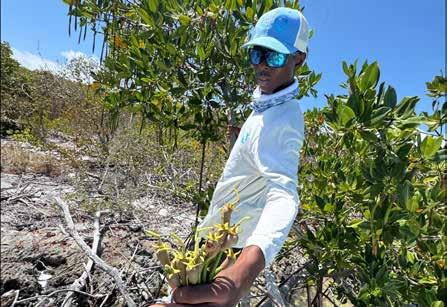
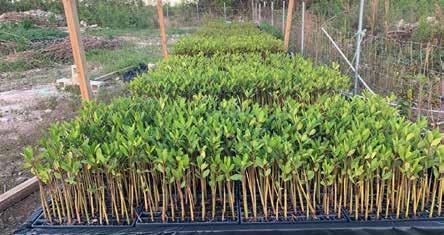
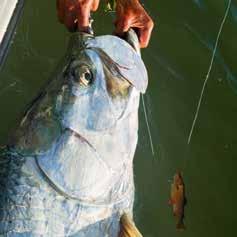

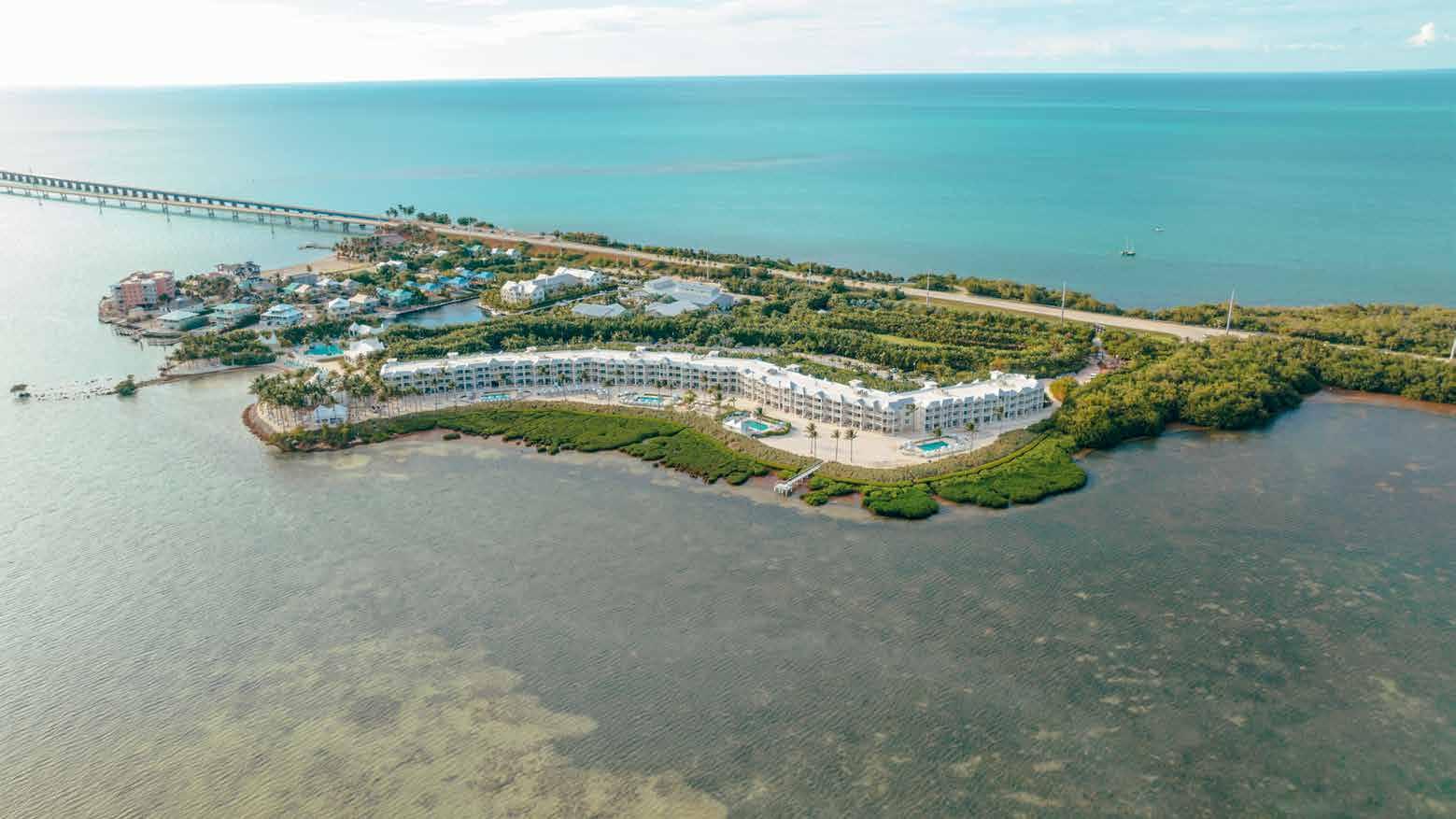
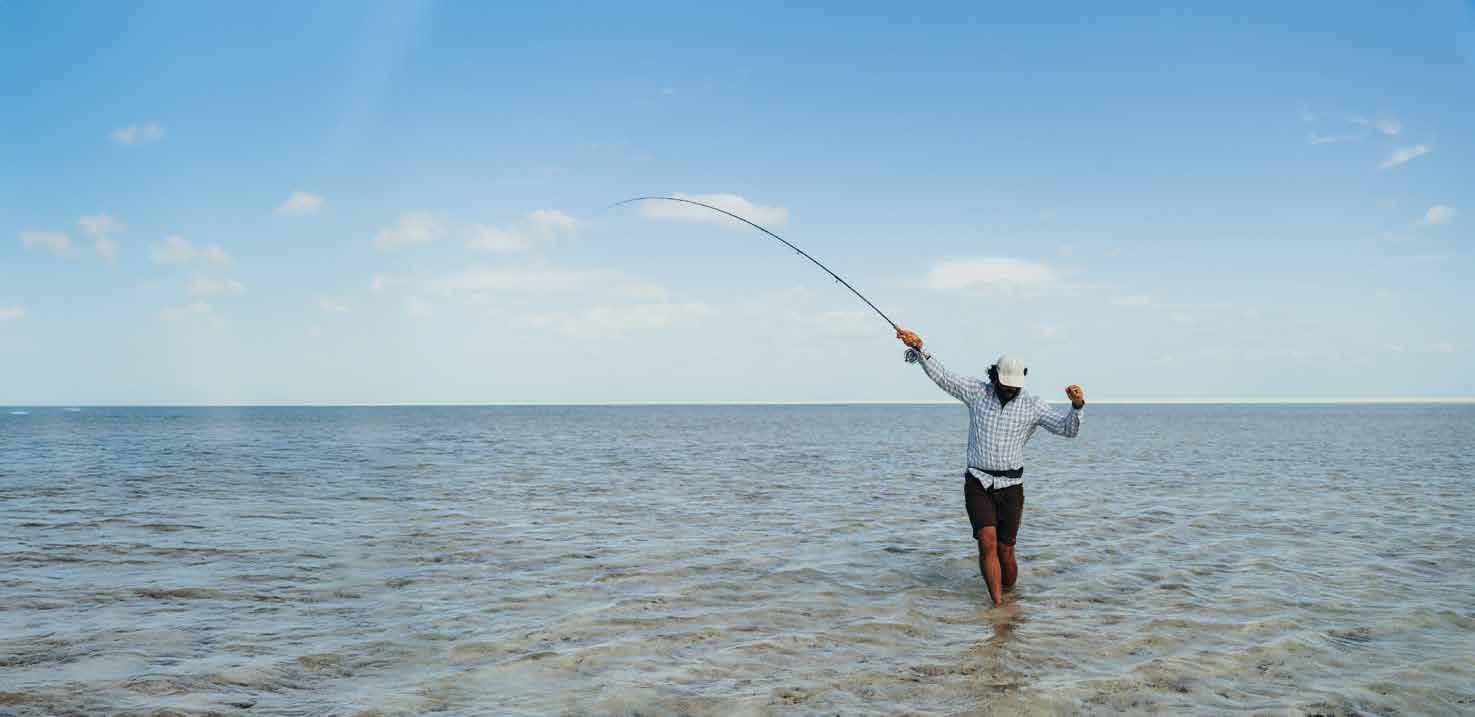
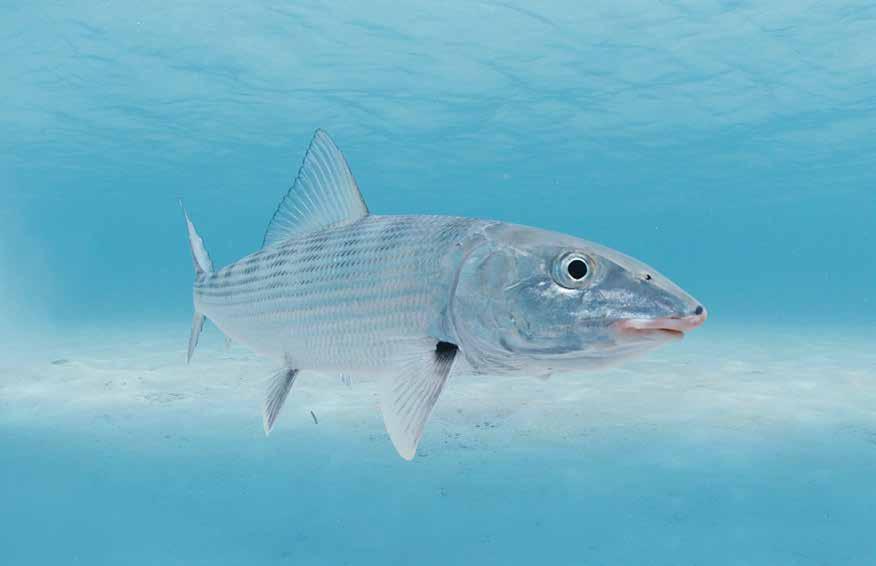
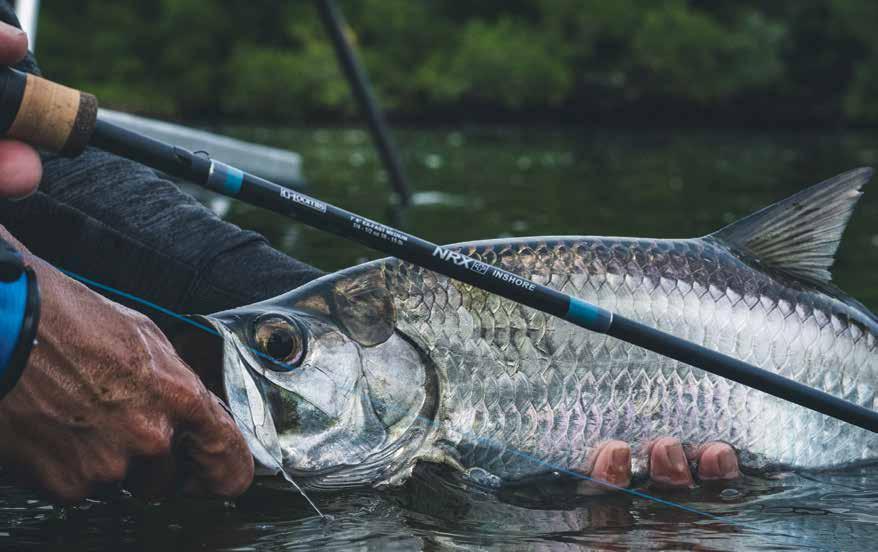


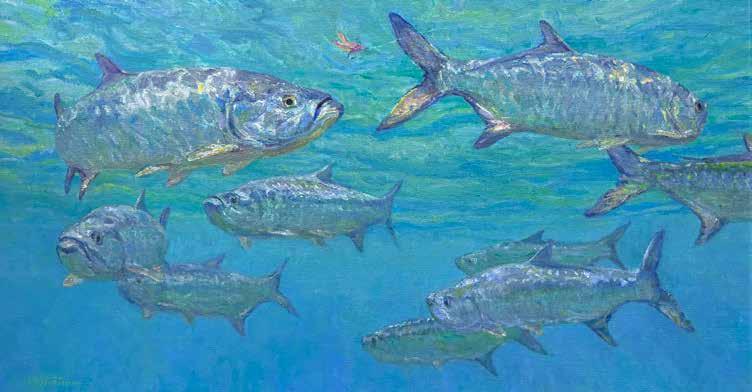

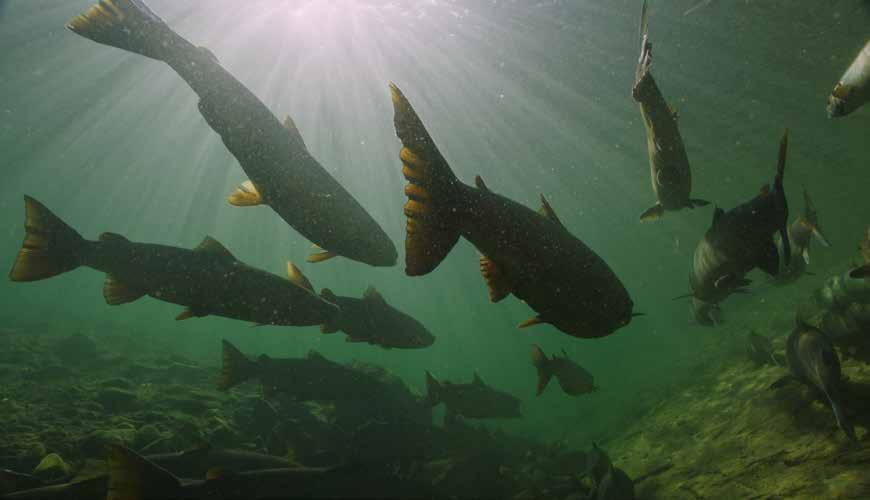

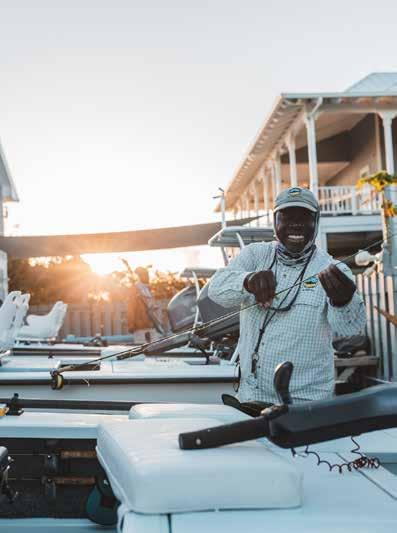
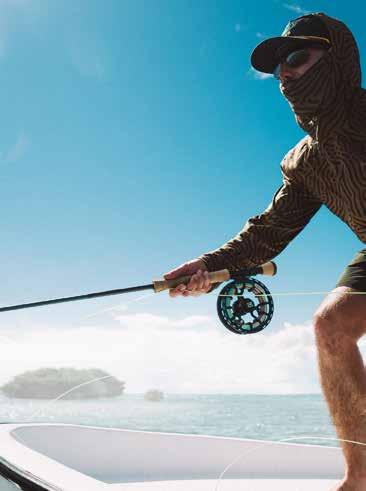

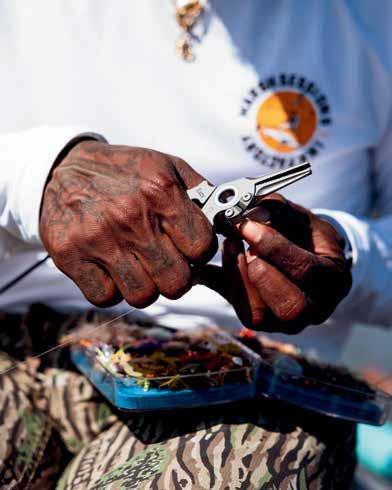

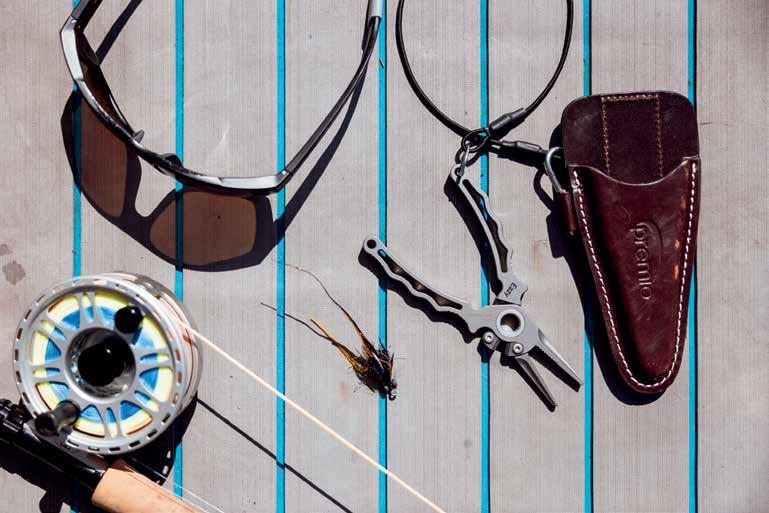


THEY COME FOR THE FISH. THEY RETURN FOR THE FEELING. THEY COME FOR THE FISH. THEY RETURN FOR THE FEELING.


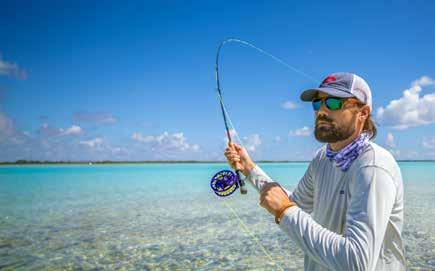

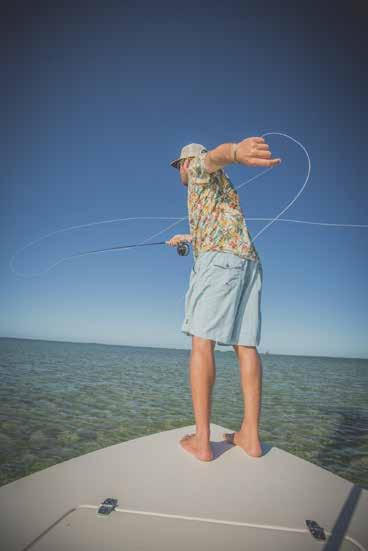

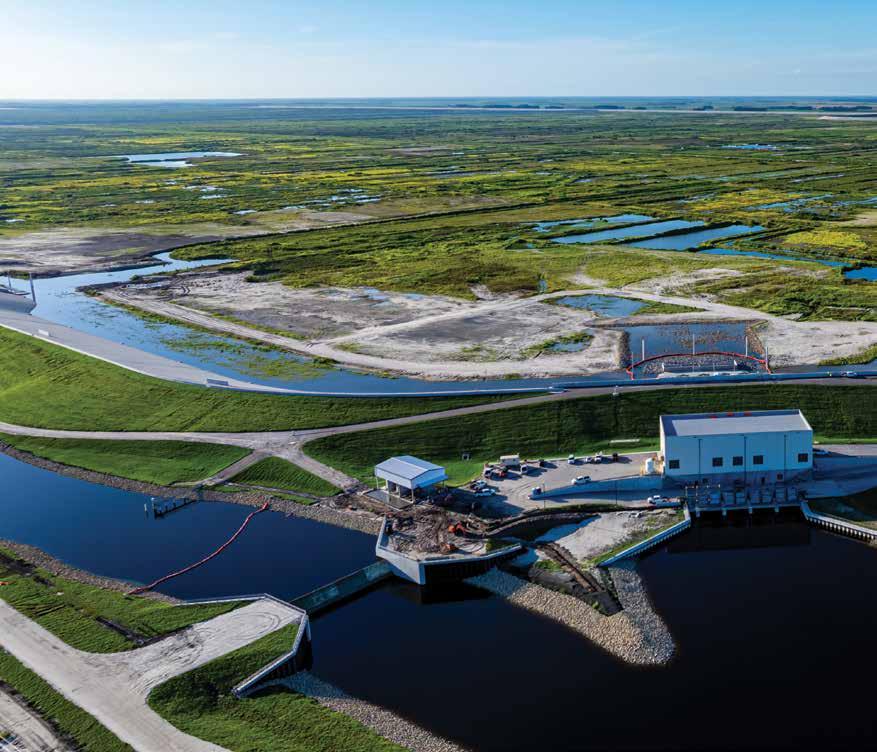
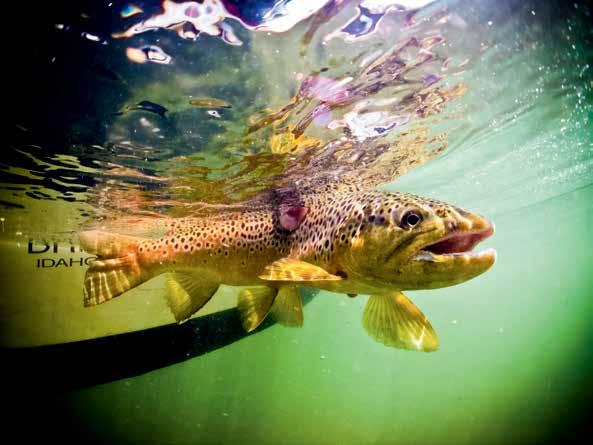
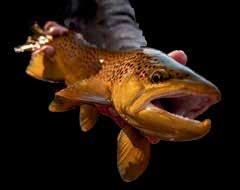
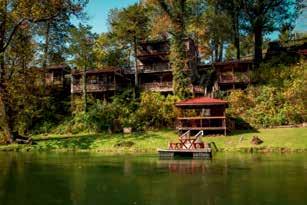
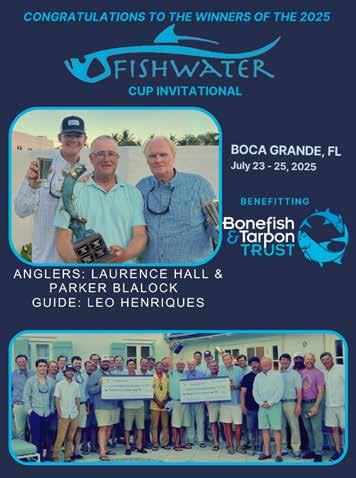
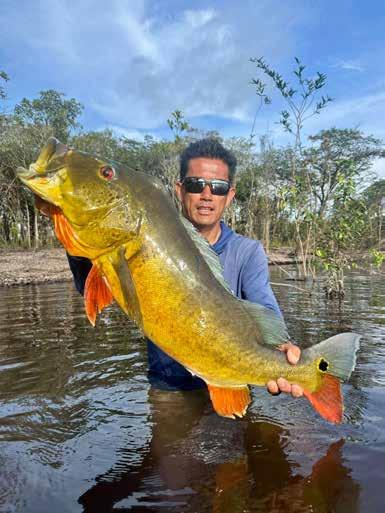

Author T. Edward Nickens shared the following remarks in a special tribute to the late Flip Pallot during BTT’s 14th Annual NYC Dinner & Awards Ceremony on October 6, 2025.
Flip Pallot passed away on August 26 in Thomasville, Georgia, from complications during surgery. Much of what he loved was close at hand—his wife, Diane; fog on early autumn mornings; new ideas for rods and boats. He texted me the night before he left for Georgia that he was ready to get the procedure behind him and get to the deer woods. One thing never changed about Flip: He was ready for the next thing.
What a way to go, and I don’t mean that lightly. But to slip the reins of life in your ninth decade, with a full calendar and deals cooking and enough health that you could still climb a tree and pull a longbow up behind you, and go home to a home where the woman of your dreams was waiting and had been right there waiting for nearly 50 years? I’d say Flip won this round.
Flip had a special place in his heart for Bonefish & Tarpon Trust. And BTT had a special relationship with Flip from its inception. Flip was an Honorary Trustee. He wrote for the BTT Journal from time to time. He narrated videos for BTT, and his voice, like molasses in a Mason jar of gravel, was the soundtrack for saltwater flyfishing for a generation. During the COVID pandemic, when the New York City event was virtual, his narration brought to life a special moment in BTT’s life, when we honored Tom Brokaw, Michael Keaton, Huey Lewis, Tom McGuane, and Bill Klyn. More recently, Flip shot video for BTT’s Win Back Our Water campaign, which is probably our most-viewed advocacy spot ever. Flip spoke in Islamorada at Stu Apte’s induction into the BTT Circle of Honor, which was the first. Then he was inducted in 2023, winning the Curt Gowdy Memorial Media Award. Not quite three years ago.
Hugging Flip Pallot was like hugging the Charter Oak. Diane once told me that when Flip was guiding full-time, he would roll out of bed at 5 a.m., straight to the floor, and do 500 sit-ups. She would lie in their bed with him huffing—uh, uh, uh—and wonder if she’d married a madman.
He was corded with muscle. Hard. But then his whiskers would scrape your cheek and almost tickle you, and he’d loosen the embrace, and hold you at arm’s length and look at you, and you would look back, and it would be like looking into deep time. And you felt the wisdom in there, and you somehow knew he wanted you to share in it. And many of you know what he would say, and would say it so softly. Bye for now. Sometimes, I swear, I think I would call Flip for no other reason than to hear him say that to me. It was a validation that he cared for you. It was a promise that your paths would cross again, and that he would welcome that day.
I want you to know that Flip Pallot did not fear death. We spoke of this often. He did not fear death. He feared not living. He feared
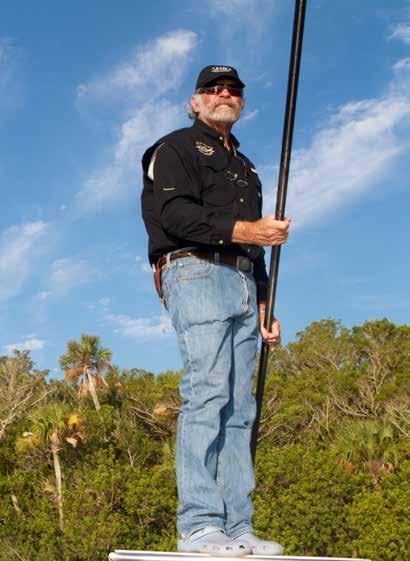
not being vital. He feared not having new stories to tell. He feared not mattering. These fears, of course, were unfounded.
Flip changed the lives of so many people. People in this room. People we will never meet. He spawned generations of guides. Generations of conservationists. Generations of people who changed careers, changed avocations, changed the way they cast a fly rod, changed the way they looked at the world, changed everything. There is great irony in this because change was a force that caused Flip some of his greatest pain. The changes to the Everglades, the Keys, and to Florida Bay were almost crippling to his psyche. And those changes that caused him great pain are the same changes that threaten what we love, and the places we love, and the experiences we love today. The changes that brought Flip such pain are the changes that we are in this room to affect.
It’s typical at times like this to have a moment of silence. I’m pretty sure I know what Flip would say about that. He would say: “What the fargin’ hell is that all about?” He hated artifice. Wherever he is, he is not so far away that he couldn’t come back and kick my ass for doing something trite in his name.
For a moment of silence lasts but a moment. And if Flip taught us anything, it was that life is too short to waste on nonsense. Instead of a moment of silence, then, in memory of Flip Pallot, my friend, I want to bring to you a charge. A challenge. It’s one that Flip lived out himself. I ask you to bring whatever you have—fame, influence, treasure, time, passion, a scientific mind, a network of contacts—and bring it to the one thing that Flip Pallot knew was the only thing that could save South Florida.
Bring it to the fight.
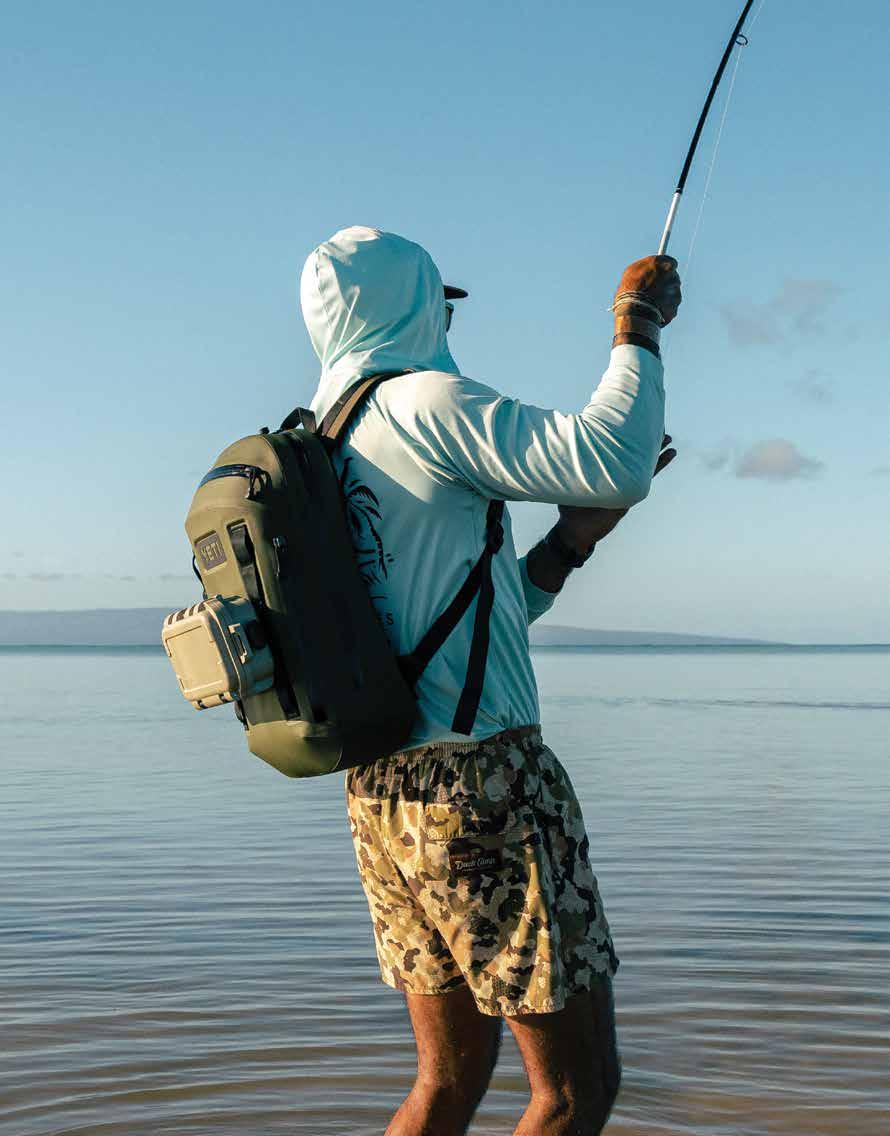

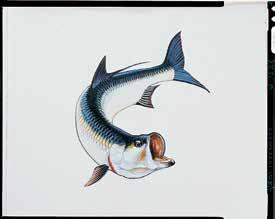



PROUD PARTNERS
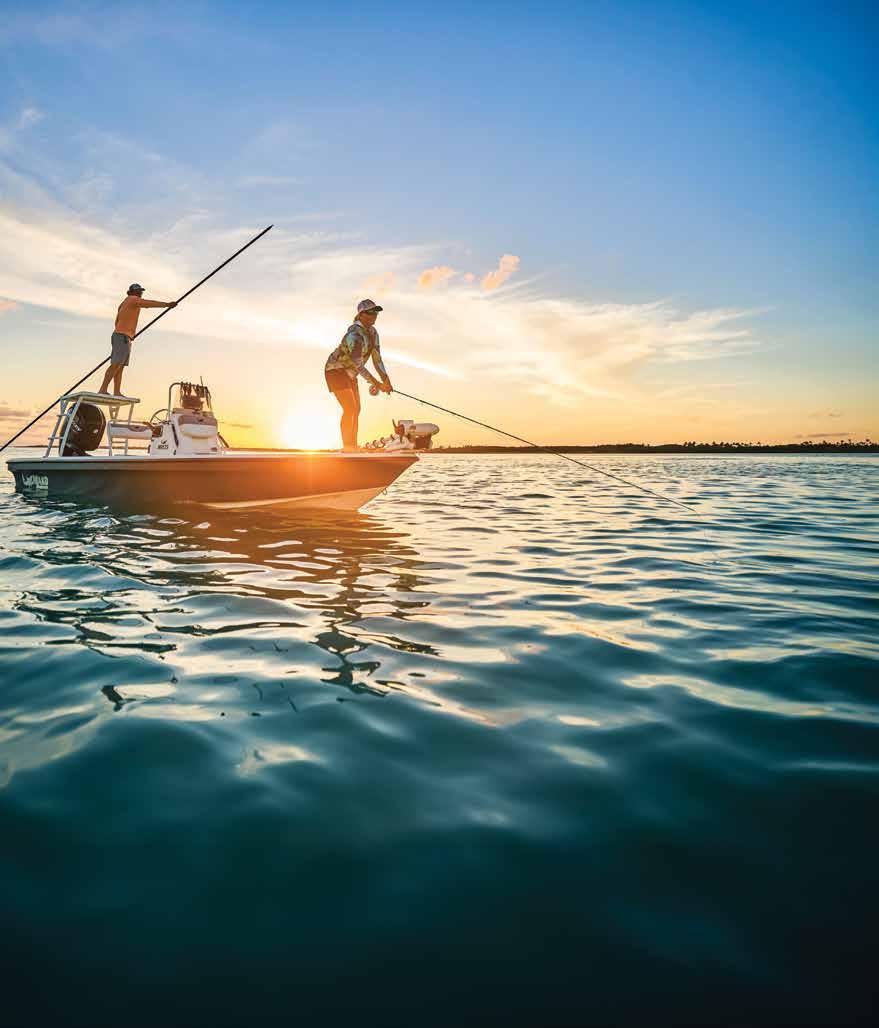
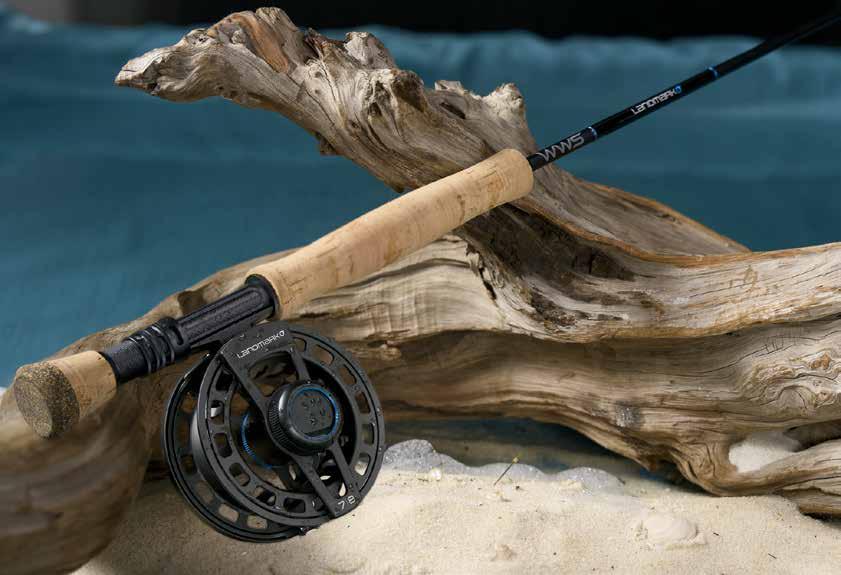
Bass Pro Shops and Cabela’s Outdoor Fund is proud to stand alongside our generous customers in support of Bonefish & Tarpon Trust®. Our funding has supported critical research in the Florida Keys, leading to the discovery of a bonefish spawning site in the Upper Keys. Through advocacy and collaboration with management agencies, we are ensuring the long-term health of these iconic bonefish, tarpon, and permit fisheries.