TRAVELERS GUIDE TO MEXICO
100 AÑOS definiendo el LUJO
Masaryk 438. Tel: 52 (55) 9138 0500, 9138 2770 | Antara Polanco. Tel: 52 (55) 5280 7959
Paseo Interlomas. Tel: 52 (55) 5290 7543 | Vía Santa Fe. Tel: 52 (55) 2167 8035 Mitikah. Tel: 52 (55) 5542 9593

DIRECTORIO / DIRECTORY
Published and distributed by / Publicado y distribuido por BrandsTravel: Digitally fueled marketing agency for travel, hospitality and leisure brands (Boletour SA de CV)
CEO Carlos Ulibarri O – carlosuo@brandstravel.com
Sub-Director Marketing y Nuevos Negocios Lolique Lorente – lolique@brandstravel.com
Dirección Editorial
Jessica Servín – jessica@brandstravel.com
Diseño Editorial
Ximena Del Cerro – ximena@brandstravel.com
Directora Marketing Digital Luz Yalj – luz@brandstravel.com
Directora Relaciones Públicas María Galland – maria@brandstravel.com
Directora Comercial Karla Zavala – karla@brandstravel.com
Ventas Piti Marti – piti@brandstravel.com
Representante Ventas Cancún Margarita Álvarez - margarissima@gmail.com
Directora Eventos y Alianzas con Gobierno Desdemona Miramontes – desdemona@brandstravel.com
Gerente de Administración Vanessa Infante - vanne@brandstravel.com
INTRO
La nueva geografía del sabor
The New Geography of Flavor
MEXICO CITY
24 horas con Laura Tillman
24 Hours with Laura Tillman
BAJÍO
Entre viñas y lagos Between Vineyards and Lakes
CENTRO
Los moles vivos de la mixteca poblana
The Living Moles of Puebla’s Mixteca Region
SUROESTE
Teté: el regreso de Carlos Gaytán
Teté: Carlos Gaytán’s Return
NORTE
Chihuahua entre vinos, desierto y sierra
Chihuahua: Where Wine, Desert, and Mountains Meet
BEYOND MEXICO
El mar de Gabriela Cámara en el desierto de Las Vegas
Gabriela Cámara’s Sea in the Las Vegas Desert

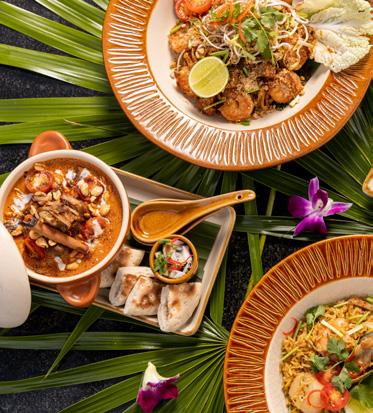
SURESTE WEDDINGS
Weddings in Mexico
Víctor Tufiño y una cocina que nace del respeto
Víctor Tufiño and a Cuisine Rooted in Respect
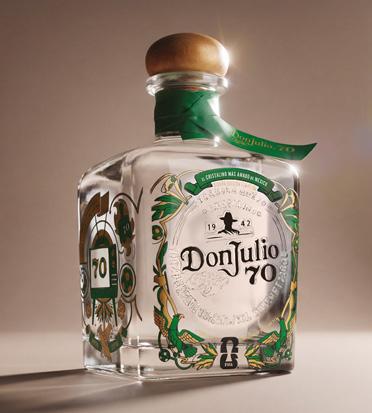
BOUTIQUE
México en cada destilado Mexico in Every Spirit
Créditos de fotos en esta edición:
Créditos de fotos: Mazala y Maíz, Gaba, Momiji, Rubra, Laura Tillman, Meroma, Lalo, Charco, Laura Santander, SECTUR Jalisco, Hilton Vallarta Riviera All-Inclusive Resort, SECTUR Puebla, SECTUR Zacatecas, Princess Mundo Imperial, Kymaia, ¡Ah! Chihuahua, SECRUR Baja California, Ballena, NIZUC Resort & Spa, Visit Las Vegas, Contramar.
La nueva geografía del sabor
The New Geography of Mexican
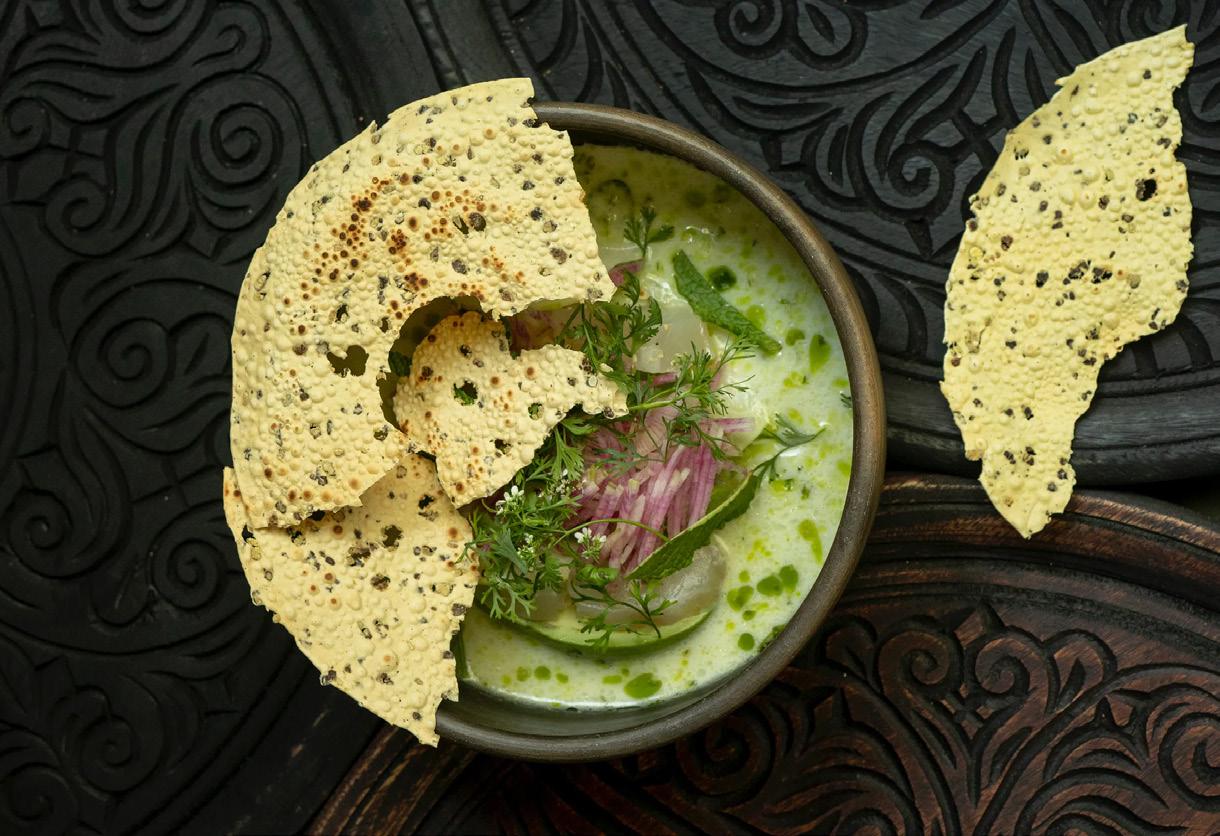
La nueva cocina mexicana nace en la calle, en los mercados, en las cocinas familiares que aprendieron a mezclar ingredientes antes de que existiera la palabra “fusión”. Surgió en una ciudad atravesada por migraciones, en un país donde cocinar siempre ha significado también contar una historia.
Hoy, esa historia vive un momento distinto. Esta nueva generación de chefs parece cocinar desde otro lugar. Ya no buscan traducir México para el visitante extranjero; cocinan desde la complejidad natural de vivir aquí.
Mexico’s new culinary movement was born in the streets, in bustling markets, and in family kitchens that learned to blend ingredients long before the word “fusion” ever existed. It emerged in a city shaped by migration, in a country where cooking has always also meant telling a story.
Today, that story is entering a new chapter. This generation of chefs cooks from a different place. They are no longer trying to translate Mexico for foreign visitors; instead, they cook from the natural complexity of living here.
Mazala y Maíz
Norma Listman y Saqib Keval


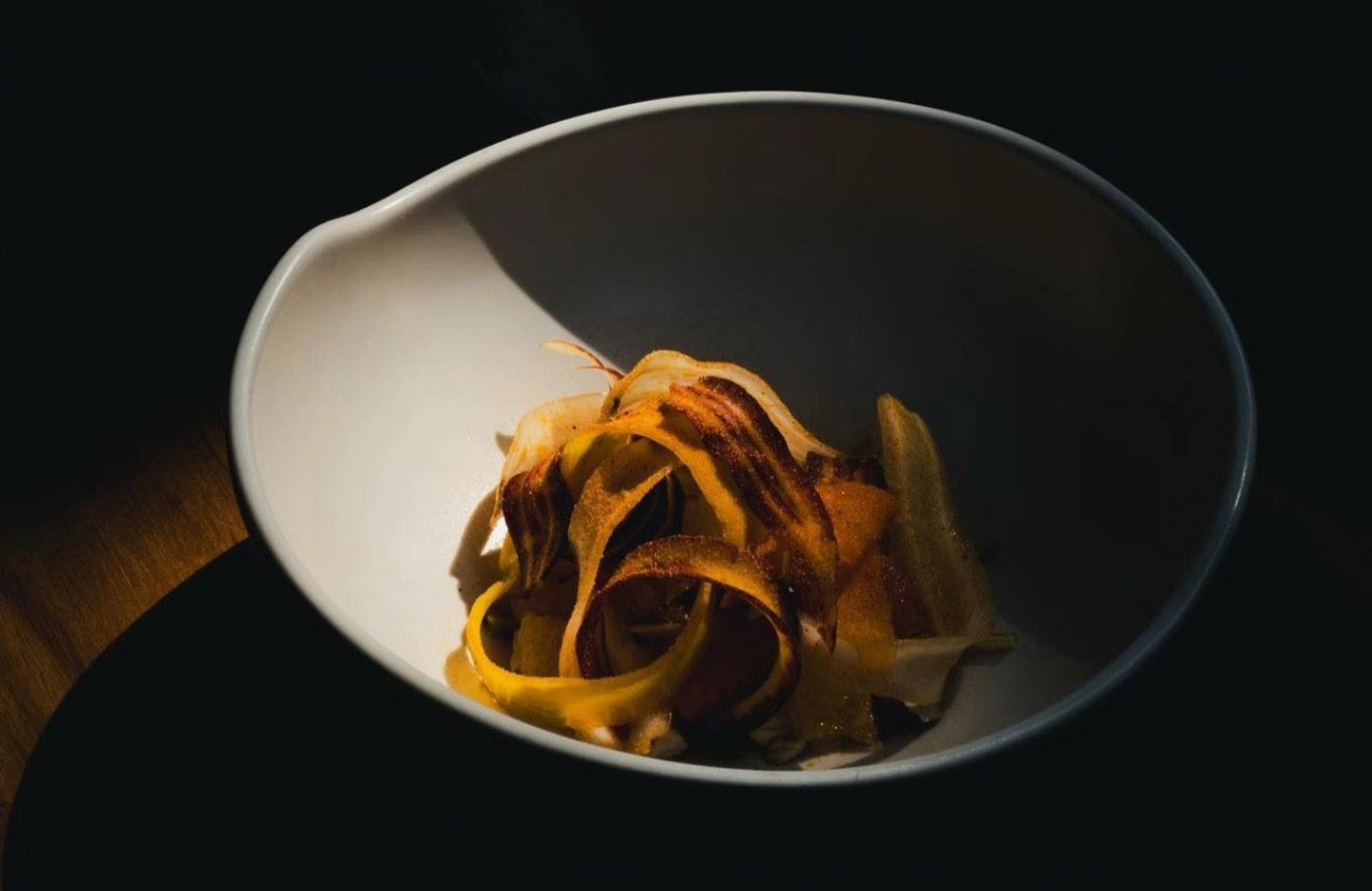
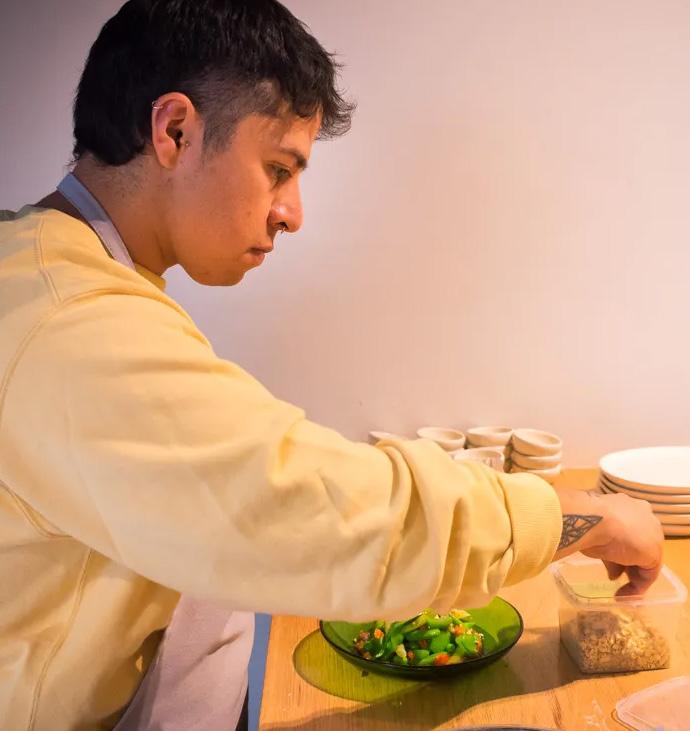
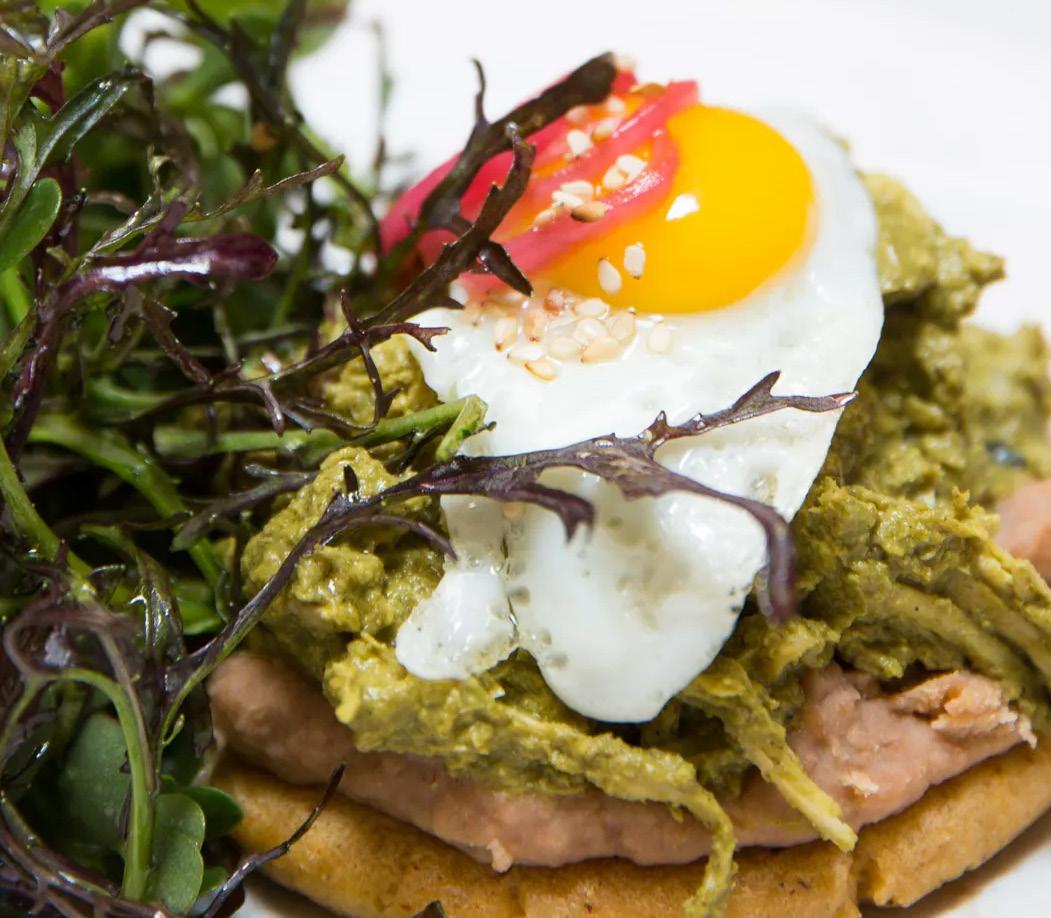
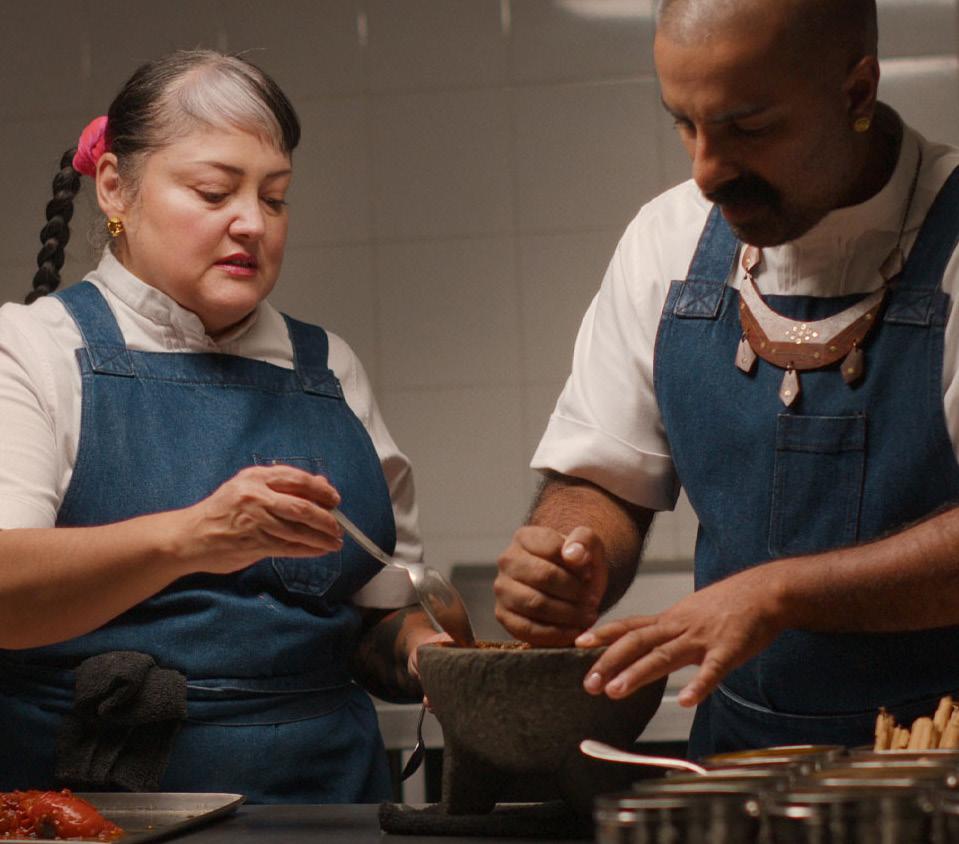
En Masala y Maíz, los chefs Norma Listman y Saqib Keval han construido uno de los discursos gastronómicos más interesantes de la ciudad. Su cocina conecta México con África Oriental, India y el Caribe no desde la tendencia, sino desde la historia compartida de migración, comercio y mestizaje. Aquí, las especias conversan con el maíz de forma natural; los sabores parecen reconocer parentescos antiguos. Comer en Masala y Maíz no se siente como probar una cocina híbrida, sino como descubrir que las fronteras culinarias nunca fueron tan rígidas como imaginamos.
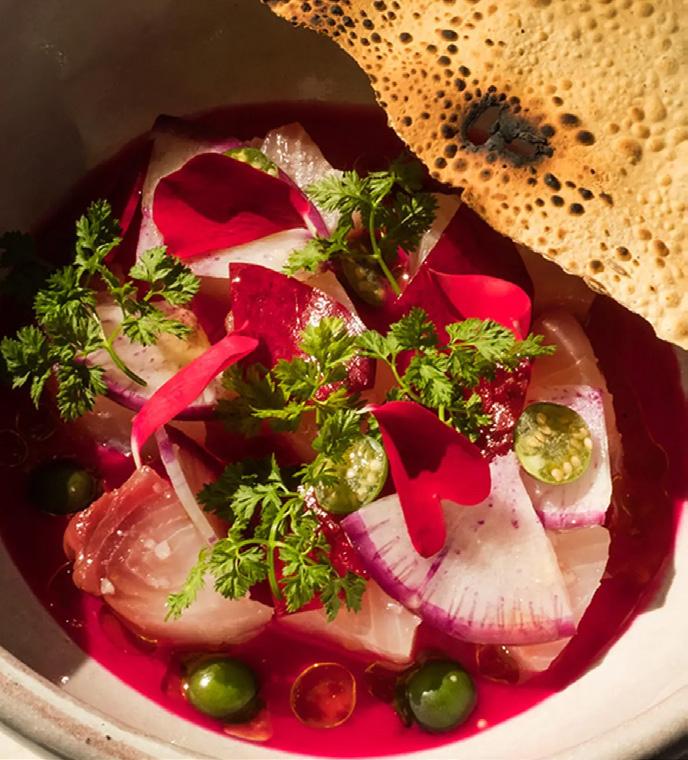
A pocas mesas de distancia, pero desde un registro completamente distinto, Víctor Toriz ha convertido Gaba en uno de los restaurantes más sutiles y sólidos de la nueva escena capitalina. Su cocina tiene la precisión de quien entiende que la sofisticación no necesita exceso. Hay técnica, sí, pero también contención. Los ingredientes mexicanos aparecen tratados con una elegancia tranquila, sin nostalgia ni artificio, donde la textura exacta de una salsa, la temperatura perfecta de un plato, la sensación de cercanía que permanece mucho después de terminar la cena.
At Masala y Maíz, chefs Norma Listman and Saqib Keval have created one of the city’s most compelling culinary narratives. Their cuisine connects Mexico with East Africa, India, and the Caribbean not through trend, but through shared histories of migration, trade, and cultural exchange. Here, spices converse naturally with corn; flavors seem to recognize ancient relationships. Dining at Masala y Maíz does not feel like tasting a hybrid cuisine but rather discovering that culinary borders were never as rigid as we imagined.
Just a few tables away, though in an entirely different register, Víctor Toriz has turned Gaba into one of the most refined and quietly confident restaurants in the capital’s new dining scene. His cooking carries the precision of someone who understands that sophistication does not require excess. There is technique, certainly, but also restraint. Mexican ingredients are treated with calm elegance, free of nostalgia or artifice—from the exact texture of a sauce to the perfect temperature of a dish and the lingering sense of intimacy that remains long after dinner ends.
Víctor Toriz
Gaba
INTRO: INNOVACIÓN CULINARIA
INTRO: CULINARY INNOVATION
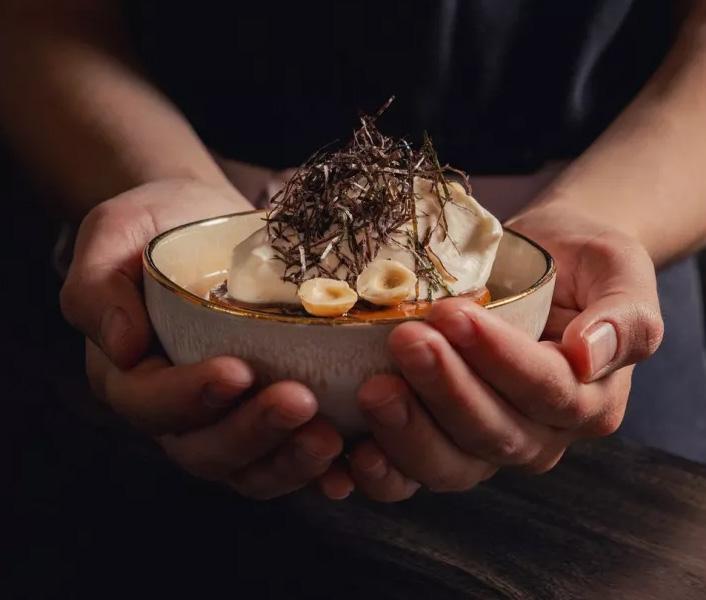
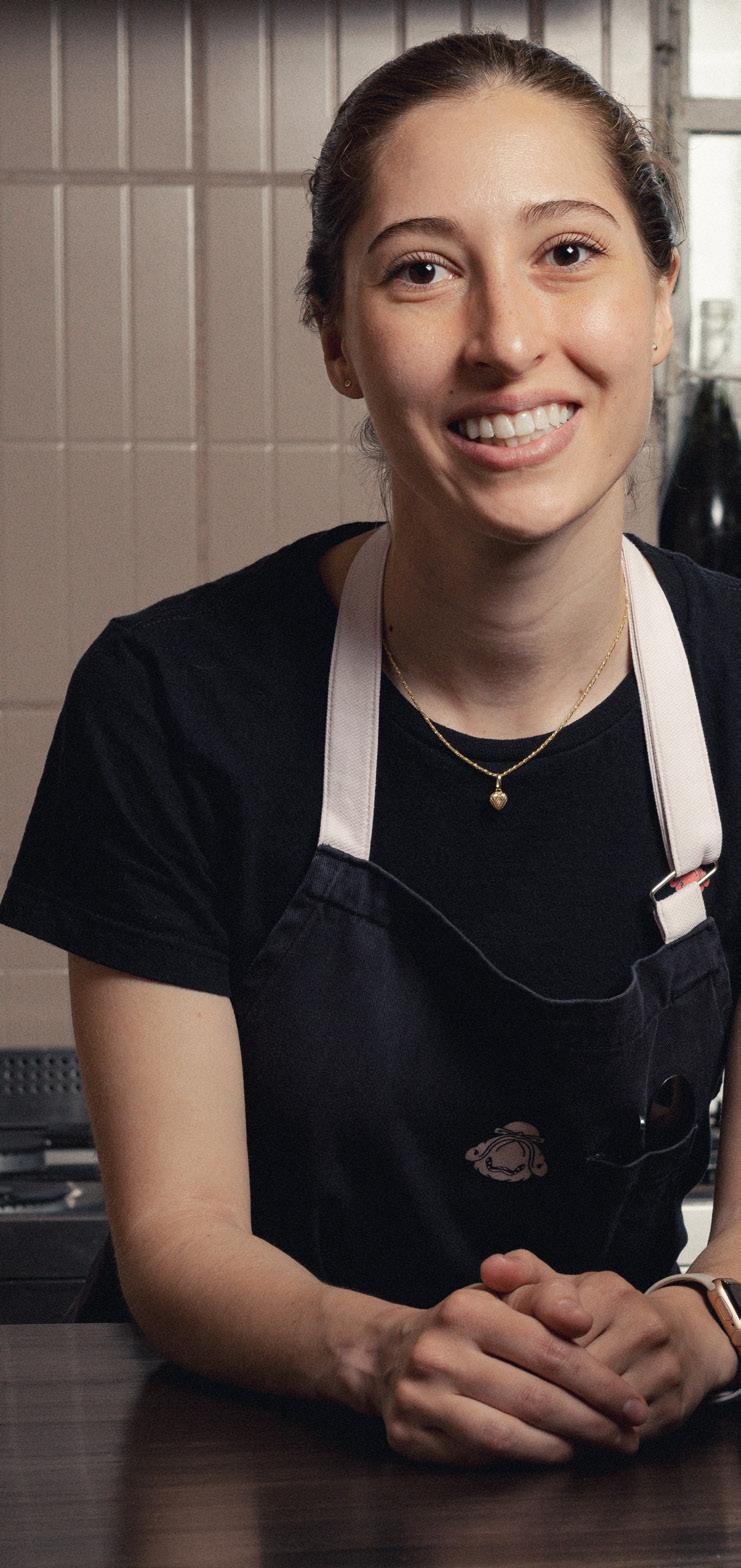
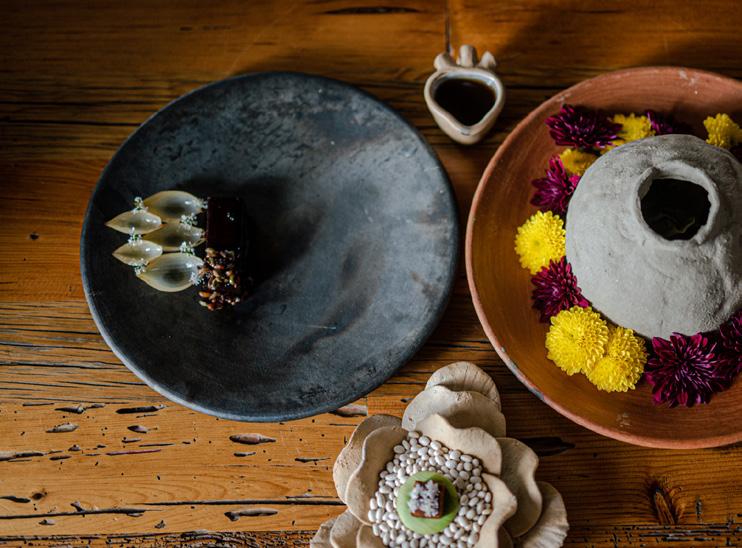
La intimidad también define la experiencia en Momiji, donde Cristina Hanhausen explora el delicado puente entre Japón y México. Su propuesta evita el espectáculo y apuesta por algo más difícil de lograr, la serenidad. En Momiji se encuentra fuerza en cada plato que parece pensado para bajar el ritmo de la ciudad por un instante. Hay una sensibilidad casi silenciosa en la manera en que Hanhausen entiende cada elemento.
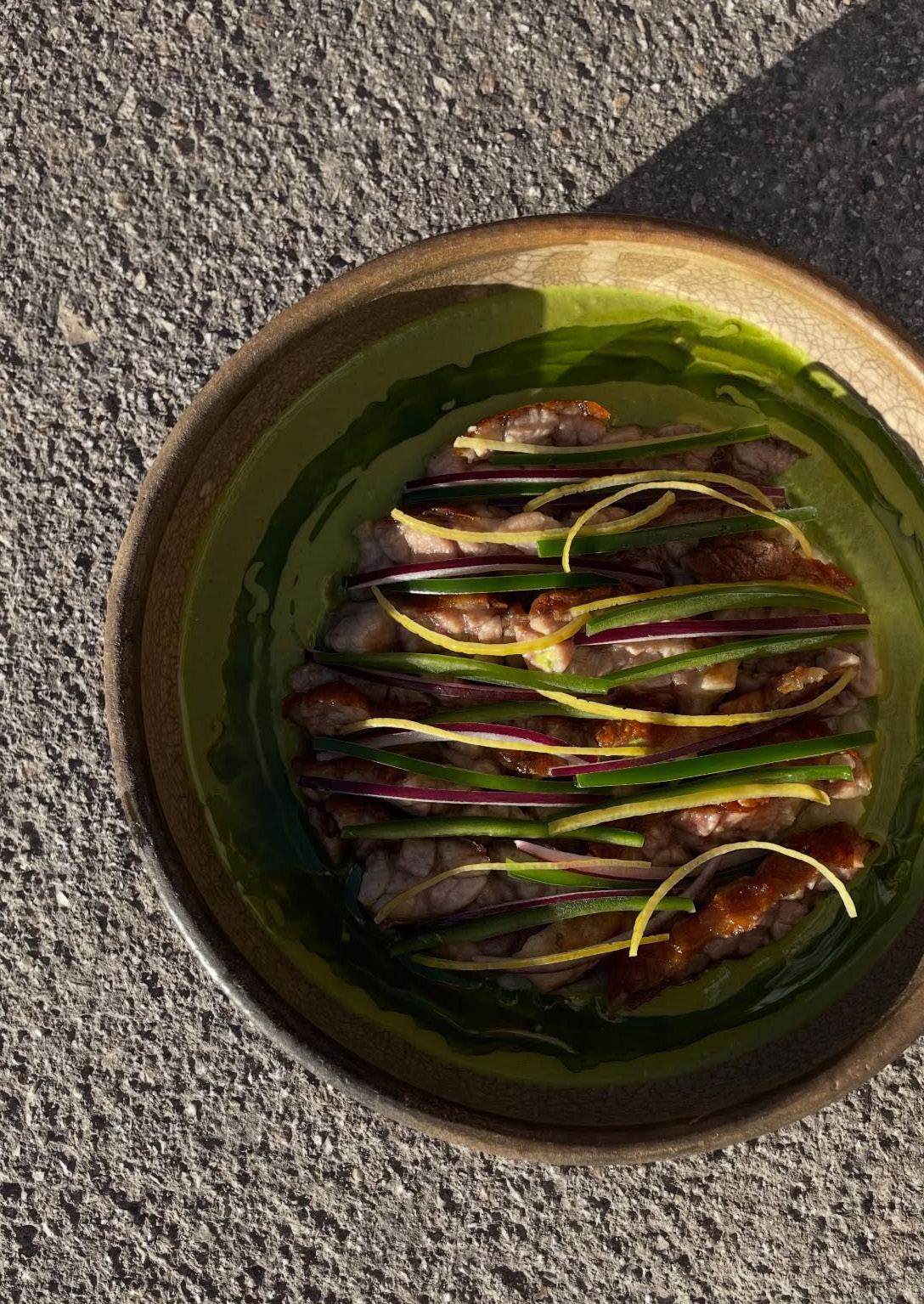
Algo similar ocurre en NOL, donde Erick Bautista Chacón trabaja una cocina contemporánea que evita las fórmulas obvias. Su mirada sobre el producto mexicano no depende del guiño tradicional ni de la reinterpretación constante de recetas conocidas. En cambio, encuentra sofisticación en ingredientes discretos y construye platos que se sienten profundamente actuales. NOL representa una cocina mexicana menos preocupada por definirse y mucho más interesada en evolucionar.
Intimacy also defines the experience at Momiji, where Cristina Hanhausen explores the delicate bridge between Japan and Mexico. Her approach avoids spectacle and instead pursues something far more difficult to achieve: serenity. At Momiji, every dish feels designed to slow the rhythm of the city, if only for a moment. There is an almost quiet sensitivity in the way Hanhausen understands each ingredient and every detail.
A similar spirit can be found at NOL, where Erick Bautista Chacón crafts a contemporary cuisine that resists obvious formulas. His perspective on Mexican ingredients does not rely on traditional references or endless reinterpretations of familiar recipes. Instead, he finds sophistication in understated products, creating dishes that feel unmistakably current. NOL represents a Mexican cuisine less concerned with defining itself and far more interested in evolving.
Momiji
Cristina Hanhausen
NOL


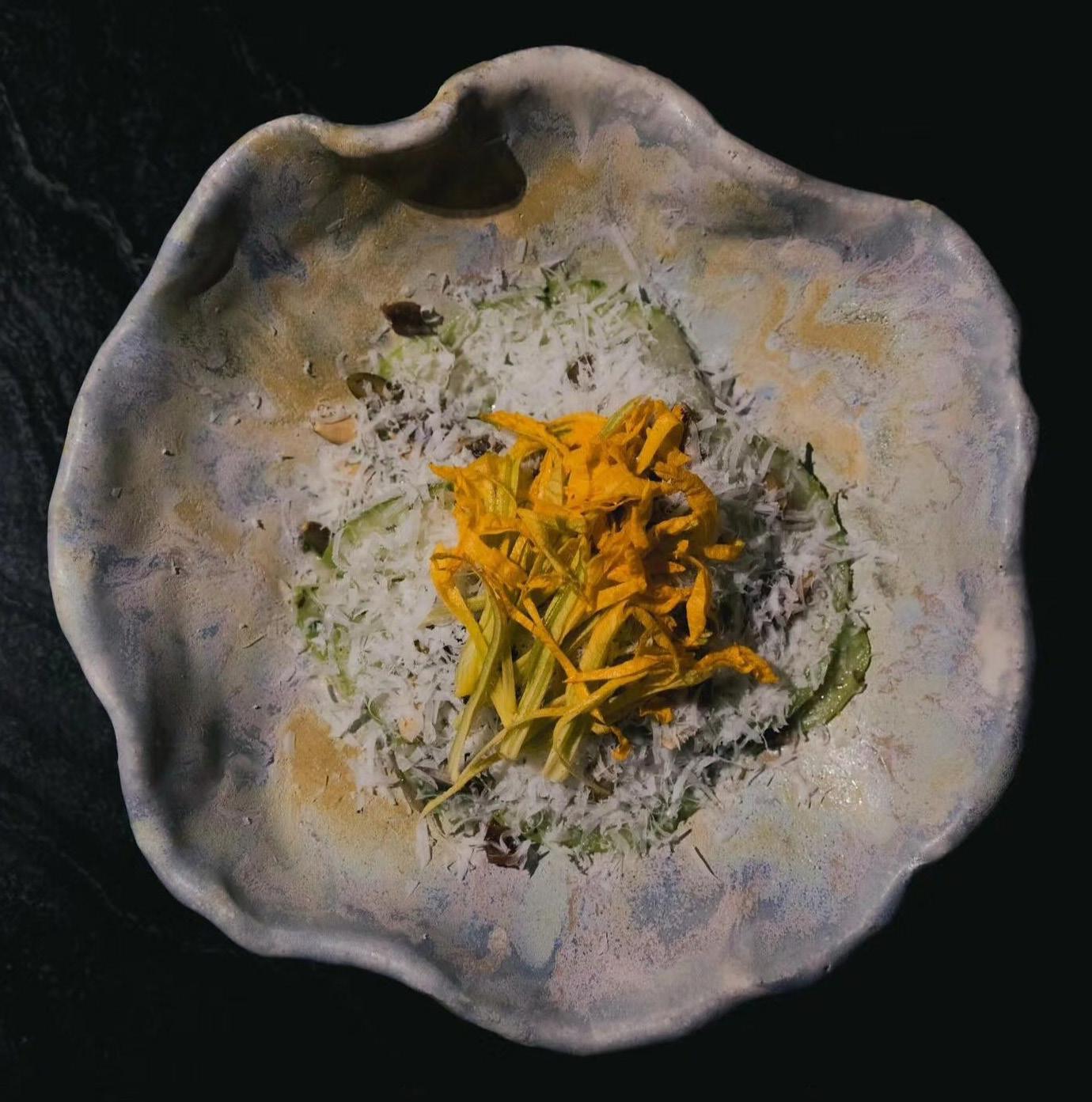
En ese mismo movimiento aparece Daniela Soto, parte de una generación que entiende la cocina como una expresión cultural en permanente transformación. Su trabajo en Rubra refleja una sensibilidad contemporánea que no necesita subrayar su mexicanidad para hacerla evidente. Está en el origen de los ingredientes, en la manera de construir sabor, en la naturalidad con la que conviven referencias locales y globales.
Quizá eso sea lo más emocionante de la nueva cocina mexicana: ya no busca traducción. Es una cocina que mira hacia adelante. Y para los viajeros que hoy llegan a México buscando entender el país a través de la mesa, esa puede ser la experiencia más reveladora de todas.
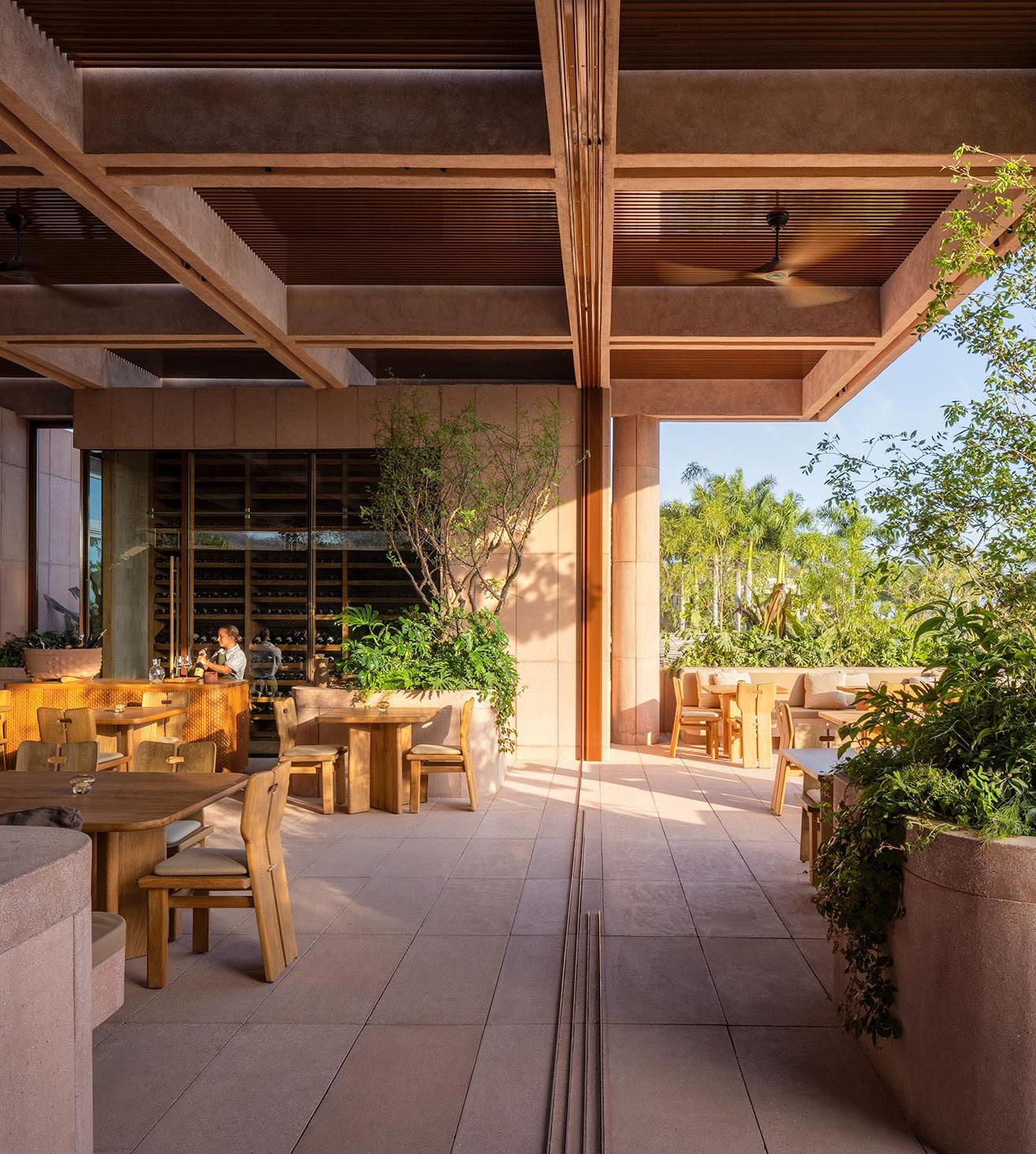
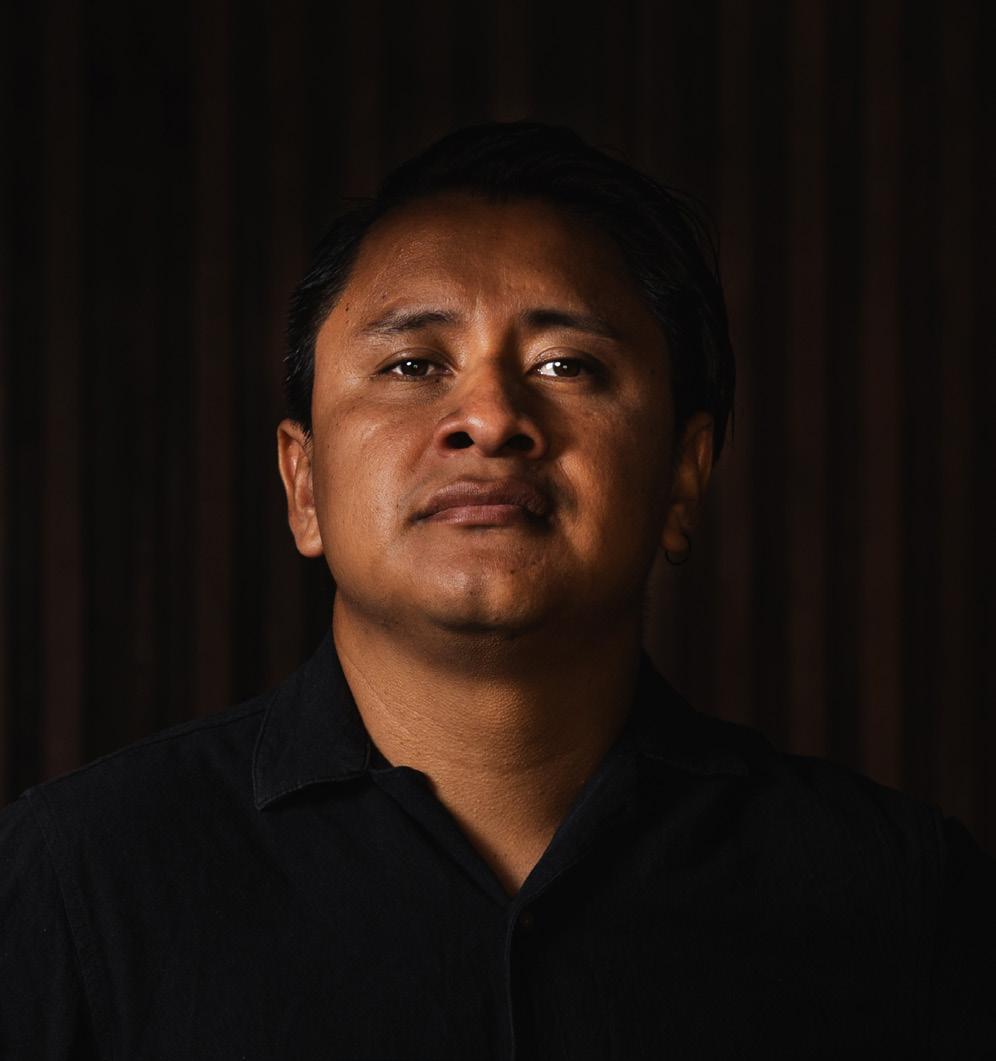
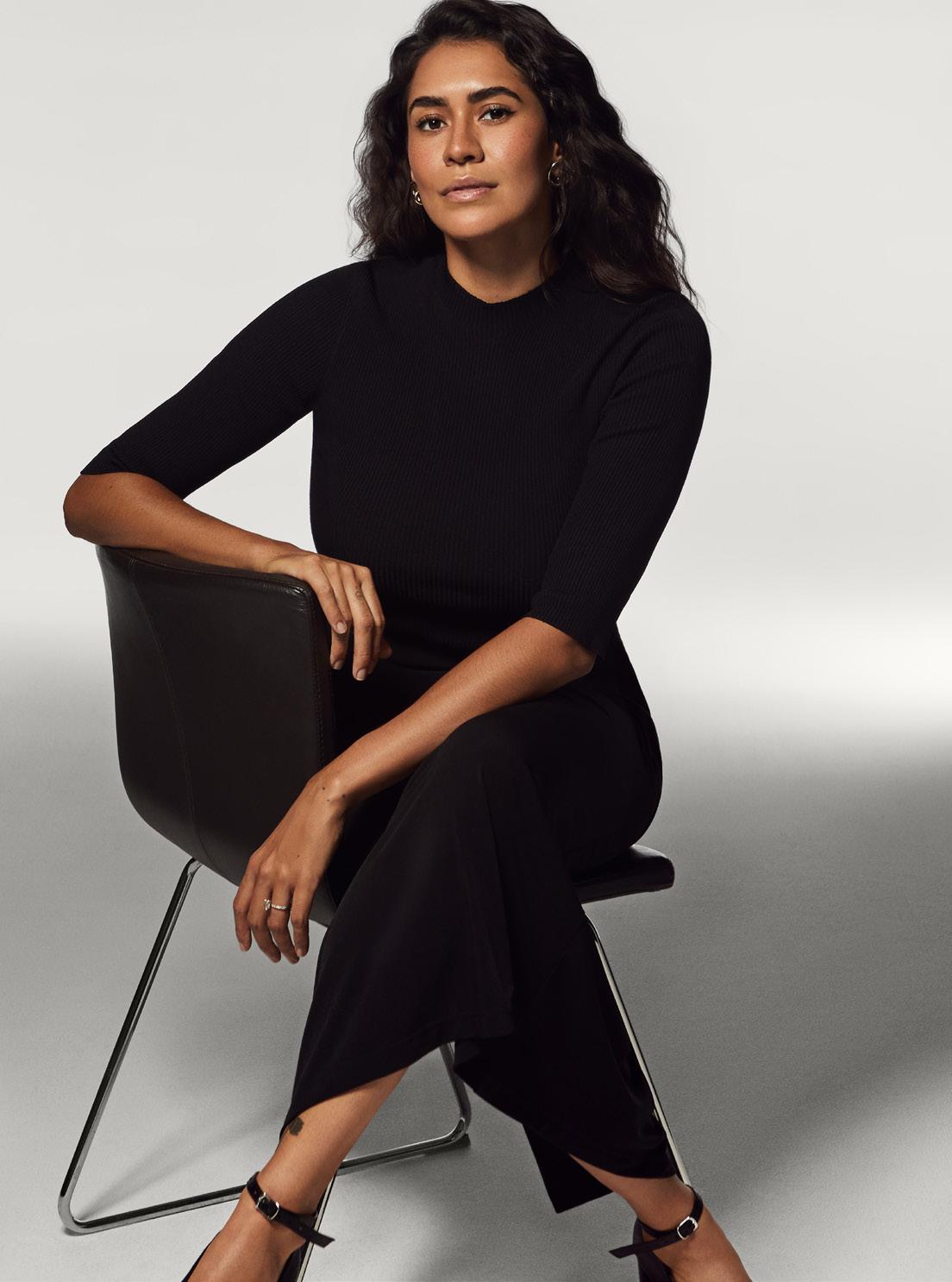
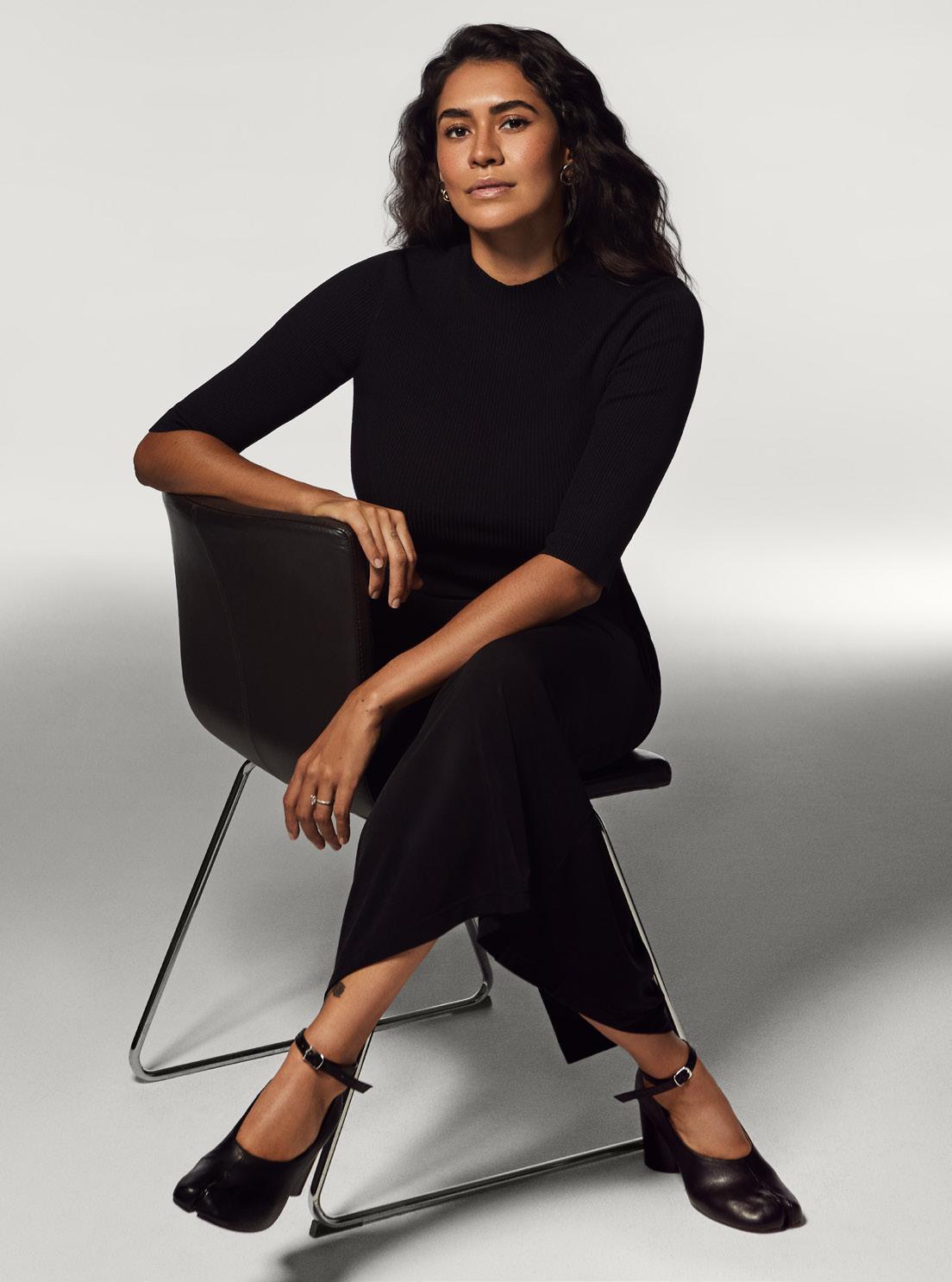
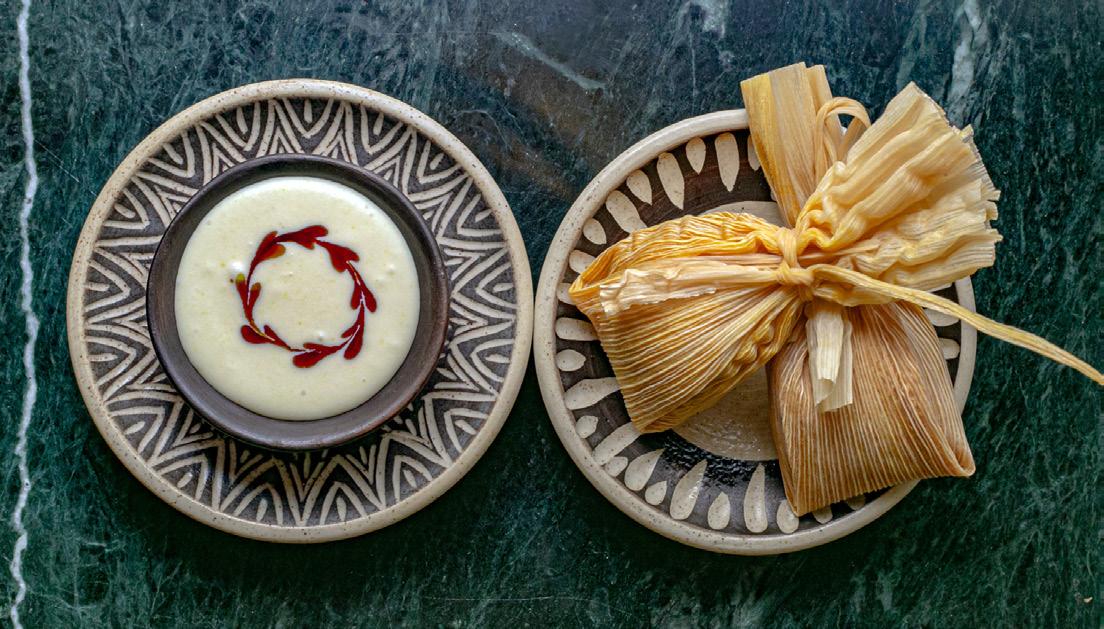
Within this same movement is Daniela Soto, part of a generation that understands cooking as a cultural expression in constant transformation. Her work at Rubra reflects a contemporary sensibility that does not need to overstate its Mexican identity to make it evident. It lives in the origin of the ingredients, in the construction of flavor, and in the effortless coexistence of local and global references.
Perhaps that is what makes Mexico’s new culinary movement so exciting: it no longer seeks translation. It is a cuisine looking forward. And for travelers arriving in Mexico today hoping to understand the country through its table, that may be the most revealing experience of all.
Erick Bautista Chacón
Daniela Soto
Rubra
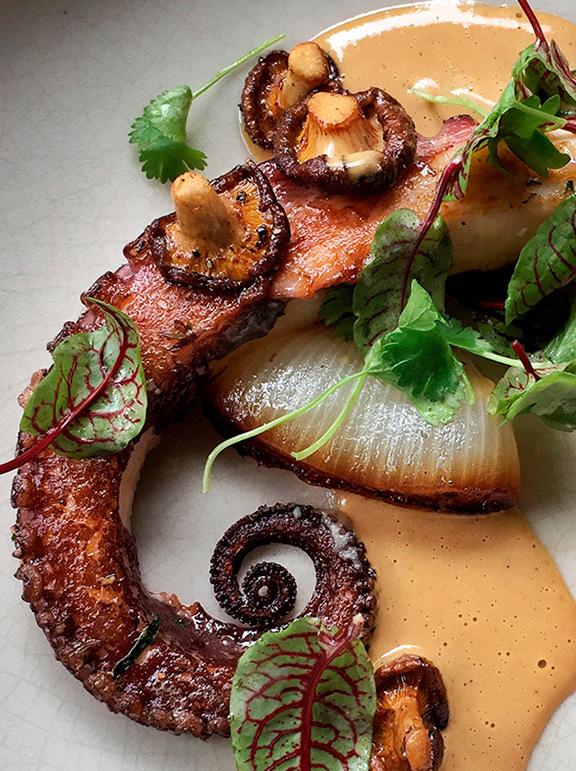
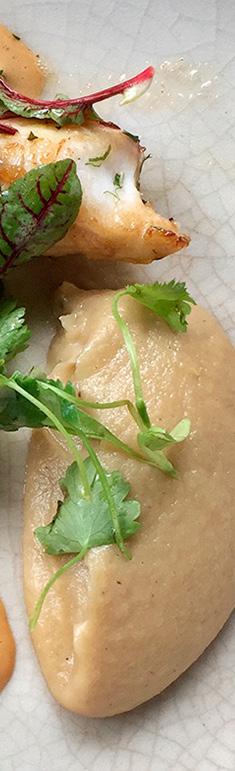
CDMX
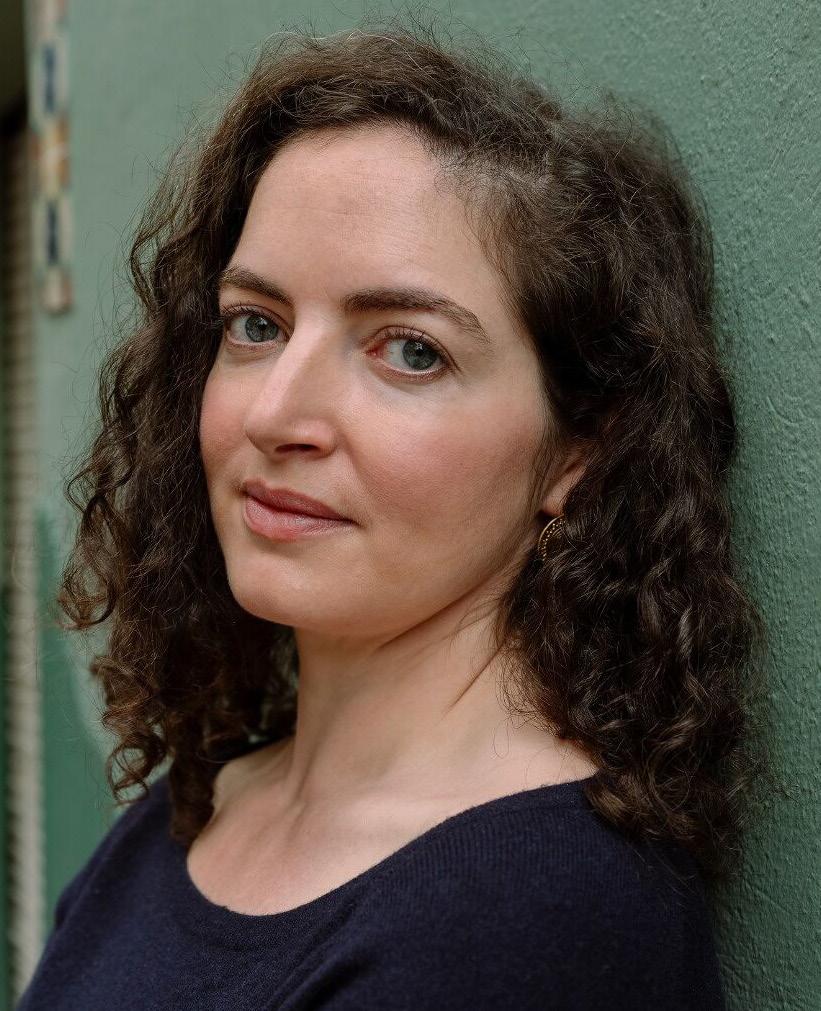
24 horas con Laura Tillman
24 hours with Laura Tillman
Por/ By Jessica Servín Castillo
El Chef Migrante, libro de la periodista y escritora estadounidense Laura Tillman, es una obra que se adentra en la vida de un chef mexicano mientras explora, al mismo tiempo, el significado del trabajo, la migración y la construcción de un sueño en una ciudad que nunca se detiene.
The Migrant Chef, a book by American journalist and writer Laura Tillman, delves into the life of a Mexican chef while also exploring the meaning of work, migration, and the pursuit of a dream in a city that never stops moving.
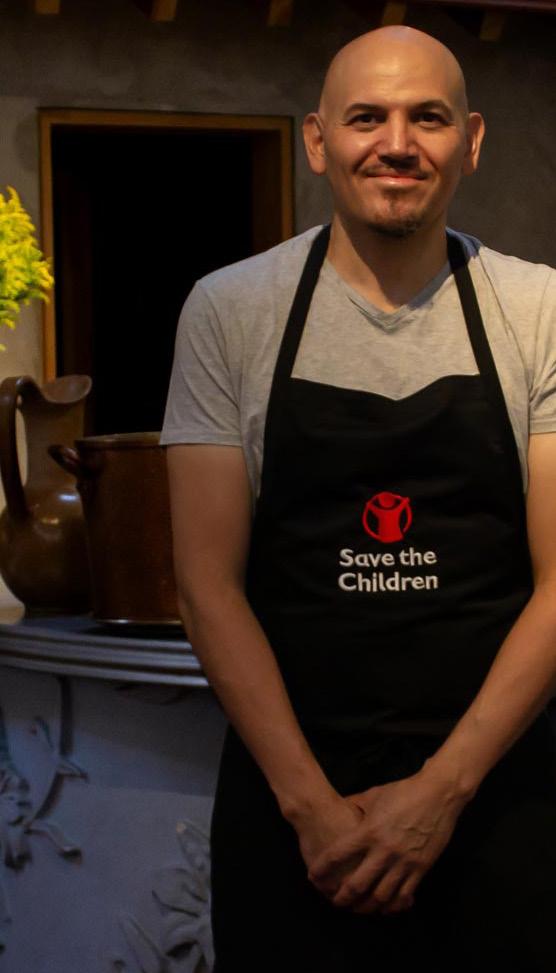
Durante cinco años, Tillman siguió de cerca la vida de Lalo García, chef del restaurante Máximo Bistrot, no solo para documentar su trayectoria profesional, sino para observar desde dentro el funcionamiento de una cocina contemporánea en México. El resultado es un libro que combina el periodismo narrativo con la biografía en desarrollo, alejándose de los retratos tradicionales para enfocarse en una vida que aún está ocurriendo.
For five years, Tillman closely followed the life of Lalo García, chef at the restaurant Máximo Bistrot, not only to document his professional trajectory but also to observe from within the workings of a contemporary kitchen in Mexico. The result is a book that blends narrative journalism with an unfolding biography, moving away from traditional portraits to focus on a life that is still in progress.
Máximo Bistrot
Laura Tillman
Lalo García
Expendio de Maíz
Museo Anahuacalli
Mercado el 100



Con esta base, la conversación con Laura Tillman se traslada de la cocina a la Ciudad de México como escenario cotidiano de trabajo, cultura y vida pública. Y, a partir de su experiencia viviendo en la ciudad, le pedimos que nos llevara durante un día a sus lugares favoritos y esto es lo que nos enseñó:
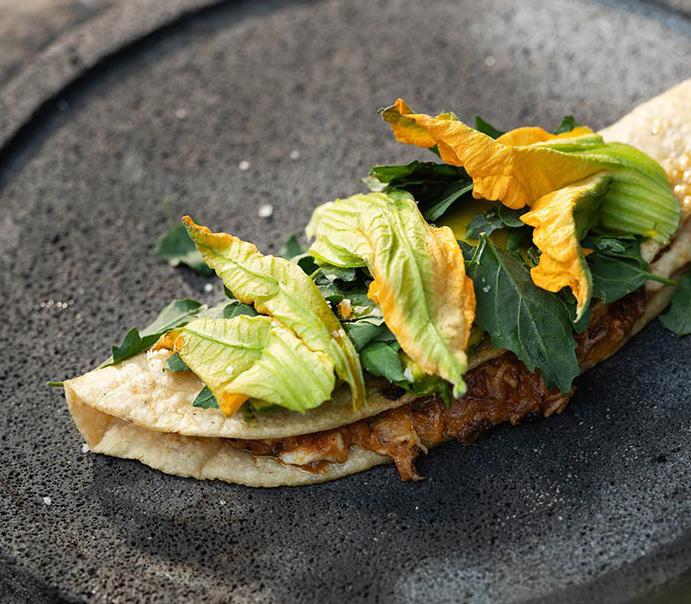
9 HORAS: El día comienza en el Parque México, en la colonia Condesa, un espacio que combina sombra, arquitectura art déco y vida cotidiana constante. “Es un lugar perfecto para ver la ciudad en movimiento”, explica. Ahí el tiempo se diluye entre paseantes, clases improvisadas de baile, corredores y vendedores ambulantes. Es también un lugar para desayunar; la elección es clara: Expendio de Maíz, un espacio dedicado a la cocina del maíz en su forma más esencial y contemporánea.
12 HORAS: Cuando la ciudad empieza a acelerar su ritmo, el Bosque de Tlalpan ofrece un contraste radical. Para Tillman, este es uno de los pocos espacios donde es posible desconectarse sin salir de la ciudad. “Es un lugar donde puedes caminar entre árboles y sentir una calma real”, dice. Senderos, pendientes y aire más seco crean una sensación distinta de la capital: menos ruido, más respiración.
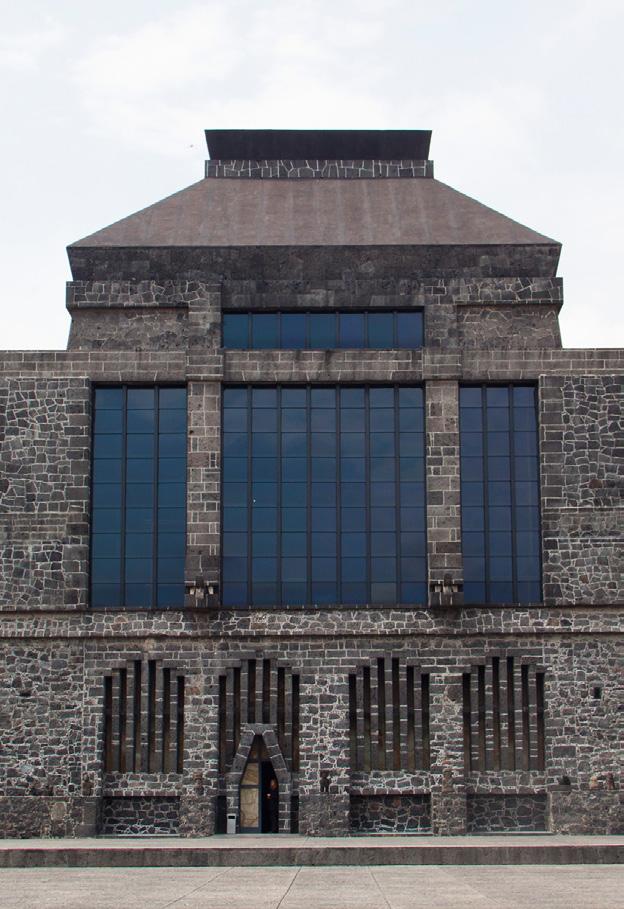
14 HORAS: Después, la recomendación cultural lleva al Museo Anahuacalli, una de las joyas menos obvias de la ciudad. Construido con piedra volcánica y diseñado por Diego Rivera, el espacio combina arquitectura, paisaje y arte prehispánico en un entorno casi monástico.
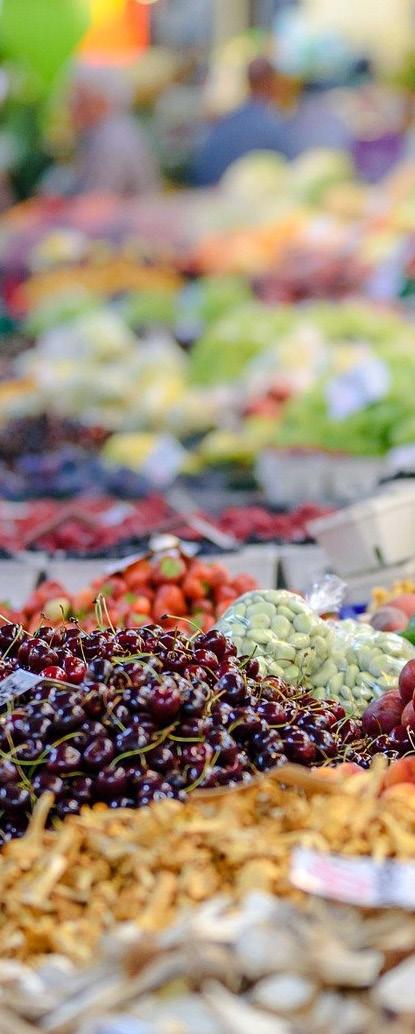
16 HORAS. La tarde regresa a lo cotidiano. En la colonia Roma, el Mercado el 100 es uno de los puntos favoritos de Tillman, especialmente los domingos. Tamales, conversación, movimiento constante: un espacio donde la vida diaria se vuelve ritual. También menciona el Mercado Medellín, en la colonia Roma-Doctores, como un lugar que resume la diversidad de la ciudad. No es solo un mercado, sino una especie de mapa vivo de la gastronomía popular: ingredientes de distintos países, voces, colores y ritmos que conviven en el mismo espacio.
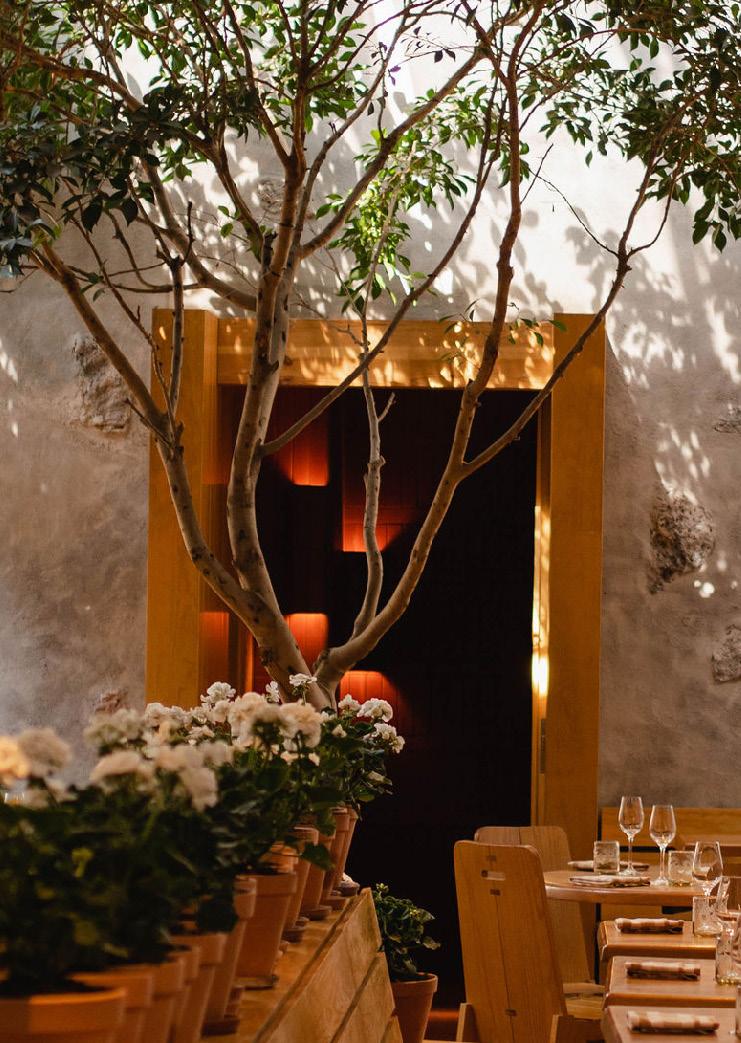
19 HORAS: Al caer la noche, la Ciudad de México cambia de ritmo, pero no de intensidad. En la colonia Roma, las azoteas o terrazas se convierten en puntos de encuentro donde la ciudad se observa desde arriba. Tillman prefiere estos espacios abiertos, donde la conversación se mezcla con la vista de una ciudad que nunca se apaga del todo. Uno de ellos es Meroma.
With this foundation, the conversation with Laura Tillman moves from the kitchen to Mexico City as a daily stage of work, culture, and public life. Based on her experience living in the city, we asked her to guide us through her favorite places over the course of a day, and this is what she showed us:
9 a.m. The day begins at Parque México, in the Condesa neighborhood, a space that combines shade, Art Deco architecture, and constant everyday life. “It’s a perfect place to watch the city in motion,” she explains. Time dissolves there among strollers, improvised dance classes, runners, and street vendors. It is also a place for breakfast; the choice is clear: Expendio de Maíz, a space dedicated to corn in its most essential and contemporary form.
12 p.m. As the city picks up pace, Bosque de Tlalpan offers a radical contrast. For Tillman, it is one of the few places where it is possible to disconnect without leaving the city. “It’s a place where you can walk among trees and feel real calm,” she says. Trails, slopes, and drier air create a different sense of the capital: less noise, more breathing.
2 p.m. Later, the cultural stop leads to Museo Anahuacalli, one of the city’s more understated gems. Built with volcanic stone and designed by Diego Rivera, the space combines architecture, landscape, and pre-Hispanic art in an almost monastic setting. 4 p.m. The afternoon returns to everyday life. In Roma, Mercado el 100 is one of Tillman’s favorite spots, especially on Sundays. Tamales, conversation, constant movement: a space where daily life becomes ritual. She also mentions Mercado Medellín, in the Roma–Doctores area, as a place that captures the city’s diversity. It is not just a market, but a living map of popular gastronomy—ingredients from different countries, voices, colors, and rhythms coexisting in one space.
7 p.m. As night falls, Mexico City shifts its rhythm but not its intensity. In Roma, rooftops and terraces become gathering points where the city is seen from above. Tillman prefers these open spaces, where conversation blends with the view of a city that never fully turns off. One of them is Meroma
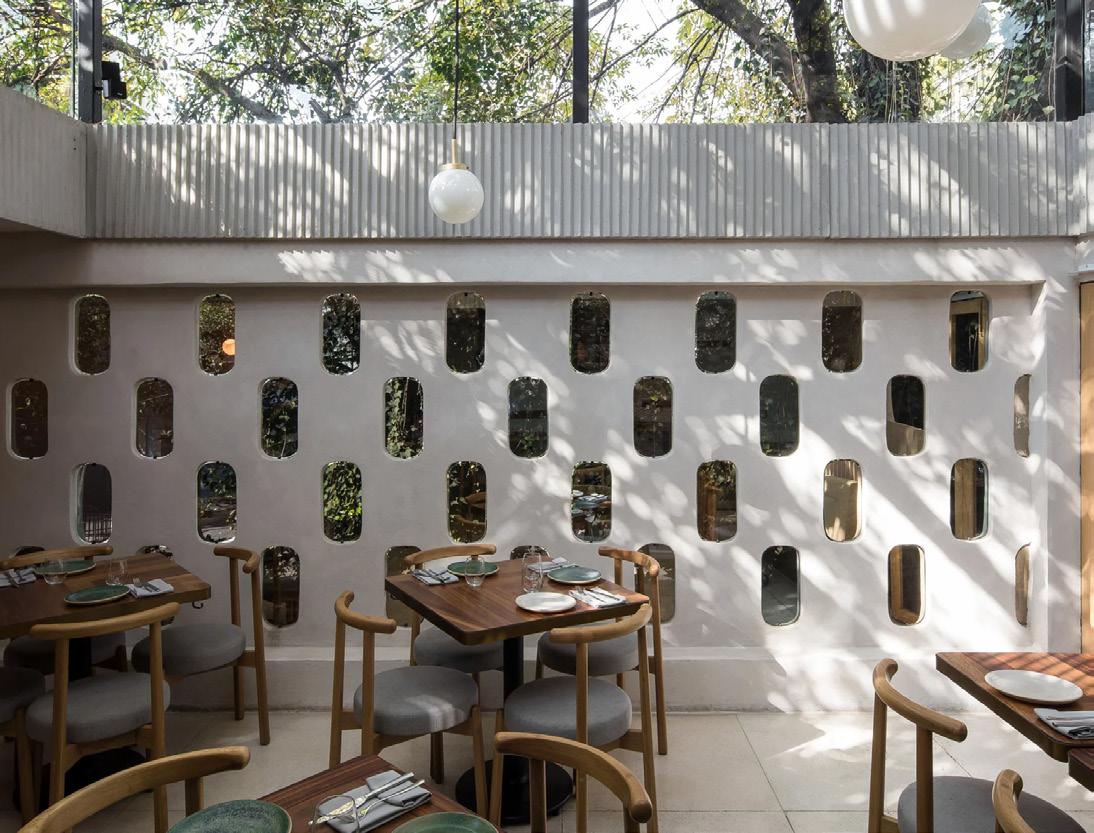
Meroma
Laura Santander y la revolución del vino mexicano Laura Santander and the Revolution of Mexican Wine
Sommelier, educadora, consultora y una de las voces más influyentes de la escena vitivinícola mexicana contemporánea, Laura Santander ha dedicado su carrera a acercar el vino a nuevos públicos y a demostrar que la cultura enológica puede ser tan incluyente como sofisticada.
Su historia comenzó mucho antes de las certificaciones y los reconocimientos. A los 14 años, durante un viaje familiar por regiones vitivinícolas europeas, descubrió que detrás de una copa existía un universo de paisajes, historias y personas. Aquella curiosidad temprana se transformó en una vocación que la llevaría a estudiar hospitalidad, especializarse en vino y convertirse en una de las figuras más respetadas del sector en México.
Sommelier, educator, consultant, and one of the most influential voices in contemporary Mexican wine culture, Laura Santander has dedicated her career to bringing wine to new audiences and demonstrating that wine culture can be as inclusive as it is sophisticated.
Her story began long before certifications and accolades. At the age of 14, during a family trip through Europe’s wine regions, she discovered that behind every glass of wine lay an entire world of landscapes, stories, and people. That early curiosity evolved into a vocation that led her to study hospitality, specialize in wine, and become one of the most respected figures in Mexico’s wine industry..

Staff TGTM
Hoy, Laura ostenta la certificación de Certified Sommelier por la Court of Master Sommeliers, es Maestra Tequilera y forma parte de una generación de profesionales que ha redefinido la manera en que los mexicanos se relacionan con el vino. Su trayectoria incluye la obtención del reconocimiento como Mejor Sommelier del Año 2019, el primer lugar en La Nariz de México 2012, siete premios consecutivos Award of Excellence otorgados por Wine Spectator y su inclusión entre los líderes más influyentes del vino mexicano.
Sin embargo, su principal aporte trasciende los galardones. Santander ha sido una incansable promotora del vino mexicano en una época decisiva para la industria nacional. Como creadora de iniciativas como Vinos del Súper, Vinos a Domicilio, Catar Ayuda y diversos programas de formación, ha trabajado para derribar la percepción de que el vino es un producto reservado para especialistas. Su filosofía es sencilla: el conocimiento debe compartirse y el vino debe ser accesible para todos.
Esa vocación educativa alcanzó una nueva dimensión con el Curso de Vino Mexicano impulsado junto con organismos como CANIRAC, el Consejo Mexicano Vitivinícola y Wikivinos, una iniciativa que busca acercar al público a las regiones productoras y a los protagonistas de la vitivinicultura nacional.
Su influencia también se percibe en la restauración. A lo largo de su carrera ha participado en proyectos gastronómicos como Eloise, Loretta, Margaret, La Casa de la Yeya, Hermitage, Brunno y La Winería, espacios donde el vino deja de ser un complemento para convertirse en parte esencial de la experiencia culinaria. Paralelamente, ha asesorado cartas de vino para numerosos restaurantes y colaborado con productores nacionales e internacionales, además de representar en México a regiones vitivinícolas como Oregon y Washington.
Quizá uno de los aspectos más significativos de su legado sea su papel como referente femenino en una industria históricamente dominada por hombres. Santander ha defendido públicamente la colaboración entre mujeres como motor de transformación dentro del sector y ha participado activamente en iniciativas que impulsan el liderazgo femenino en el mundo del vino.
Pero el trabajo de Laura Santander no solo consiste en recomendar etiquetas o construir maridajes memorables; consiste en contar historias. Y pocas historias resultan tan relevantes para la gastronomía mexicana actual como la de ella quien ha dedicado su vida a demostrar que detrás de cada copa existe una cultura entera esperando ser descubierta.

Today, Laura holds the Certified Sommelier credential from the Court of Master Sommeliers, is a certified Tequila Master, and belongs to a generation of professionals who have redefined the way Mexicans engage with wine. Her achievements include being named Best Sommelier of the Year in 2019, winning first place in La Nariz de México in 2012, earning seven consecutive Wine Spectator Award of Excellence distinctions, and being recognized among the most influential leaders in Mexican wine.
Yet her greatest contribution extends far beyond awards. Santander has been a tireless advocate for Mexican wine during a pivotal period for the national industry. As the creator of initiatives such as Vinos del Súper, Vinos a Domicilio, Catar Ayuda, and numerous educational programs, she has worked to dismantle the perception that wine is a product reserved for specialists. Her philosophy is simple: knowledge should be shared, and wine should be accessible to everyone.
That educational mission reached a new level through the Mexican Wine Course developed in collaboration with organizations including CANIRAC, the Mexican Wine Council, and Wikivinos. The initiative seeks to connect consumers with Mexico’s wine-producing regions and the people shaping the country’s viticultural future.
Her influence is equally evident in the restaurant world. Throughout her career, she has participated in culinary projects such as Eloise, Loretta, Margaret, La Casa de la Yeya, Hermitage, Brunno, and La Winería—venues where wine becomes an essential part of the dining experience rather than a simple accompaniment. In parallel, she has advised wine programs for numerous restaurants, collaborated with domestic and international producers, and represented renowned wine regions such as Oregon and Washington in Mexico.
Perhaps one of the most significant aspects of her legacy is her role as a female leader in an industry historically dominated by men. Santander has consistently championed collaboration among women as a catalyst for transformation within the sector and has actively supported initiatives that promote female leadership in the world of wine.
But Laura Santander’s work is not simply about recommending bottles or creating memorable pairings; it is about telling stories. Few stories are as relevant to contemporary Mexican gastronomy as hers—a woman who has devoted her life to demonstrating that behind every glass of wine lies an entire culture waiting to be discovered.
Charco, fuego, ciudad Charco, Fire, Citys
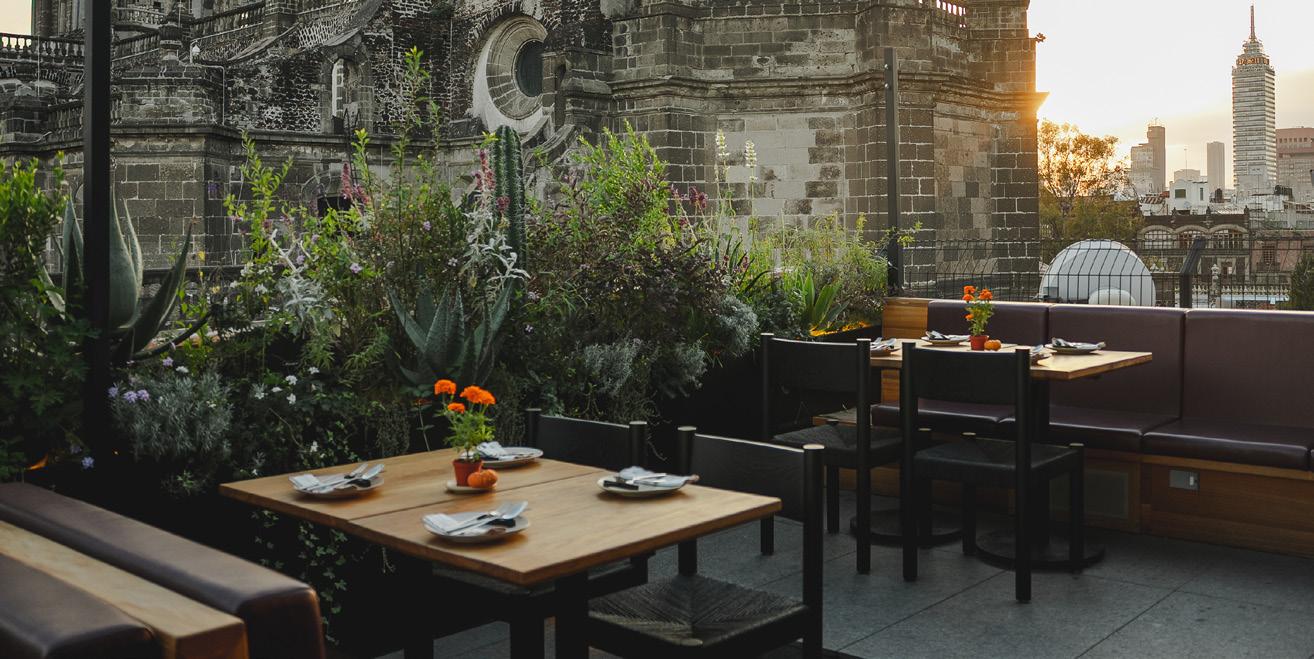
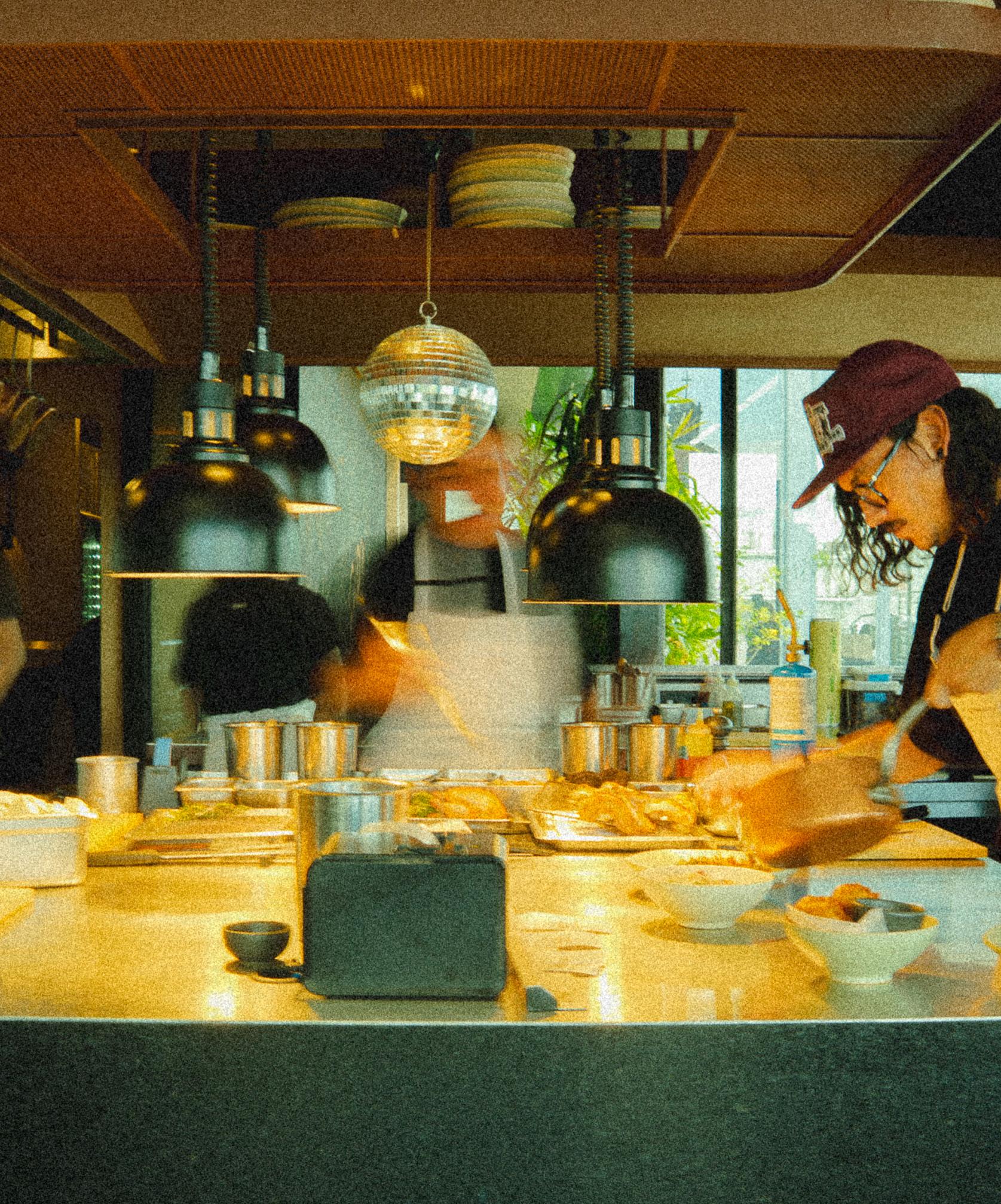
En el corazón del Centro Histórico de la Ciudad de México nace Charco: un proyecto que no solo propone una experiencia gastronómica, sino una lectura contemporánea del territorio. El nombre, explica su creador, surge tanto de la memoria geográfica del antiguo Lago Mayor de Tenochtitlán —hoy convertido en un “charco” simbólico— como del uso recurrente del carbón en su cocina. Un juego de palabras que es también una declaración de identidad: fuego, origen y ciudad.
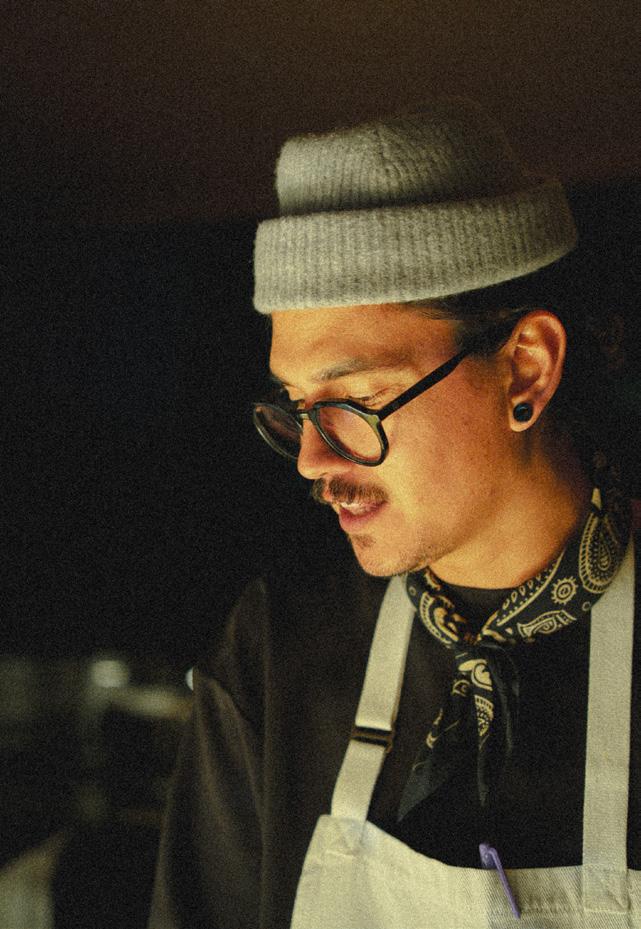
Detrás de Charco está el chef Ricardo Verdejo, cuya trayectoria se ha construido entre Santiago de Chile, Nueva York y París, y que ha transitado por distintos formatos creativos hasta consolidar una visión propia. Antes de este proyecto, su cocina ya había viajado como un pop-up itinerante que cruzó fronteras y encontró eco en Europa, Sudamérica y Estados Unidos. Hoy, Charco representa una etapa más madura: la síntesis de años de aprendizaje, errores, descubrimientos y evolución constante.
In the heart of Mexico City’s Historic Center, Charco emerges as a project that offers not only a dining experience but a contemporary reading of its surroundings. The name, its creator explains, comes both from the geographic memory of the ancient Lake of Tenochtitlán— today transformed into a symbolic “puddle”—and from the recurring use of charcoal in its cuisine. A play on words that is also a statement of identity: fire, origin, and city.
Behind Charco is Chef Ricardo Verdejo, whose career has unfolded between Santiago de Chile, New York, and Paris, and who has moved through different creative formats to ultimately shape his own vision. Before this project, his cooking traveled as an itinerant pop-up that crossed borders and gained recognition in Europe, South America, and the United States. Today, Charco represents a more mature stage: the synthesis of years of learning, mistakes, discoveries, and constant evolution.
Staff TGTM


“Es la versión más consciente de todo lo que he hecho antes”, sugiere su propuesta sin necesidad de afirmarlo directamente. En Charco, la cocina se entiende como un lenguaje en movimiento, donde la temporalidad marca el ritmo y el producto dicta el camino. La estética importa, pero no como artificio: cada plato busca ser una idea que se pueda comer, una combinación que sorprenda sin perder naturalidad.
La esencia del restaurante se puede resumir en tres palabras que, aunque lúdicas, revelan su espíritu: bien hecho, casual y “rapero”. Una declaración que habla de una cocina sin solemnidad, con ritmo urbano, pero profundamente cuidada en técnica y ejecución.
Uno de los pilares del trabajo del chef es la centralidad de los vegetales. No desde una postura vegetariana, sino desde una exploración creativa que los coloca al centro de la experiencia. “No servimos steak con vegetales al lado; servimos vegetales con el steak al lado”, es una de las ideas que mejor resume su filosofía: invertir la jerarquía tradicional del plato para abrir nuevas posibilidades de sabor y percepción.
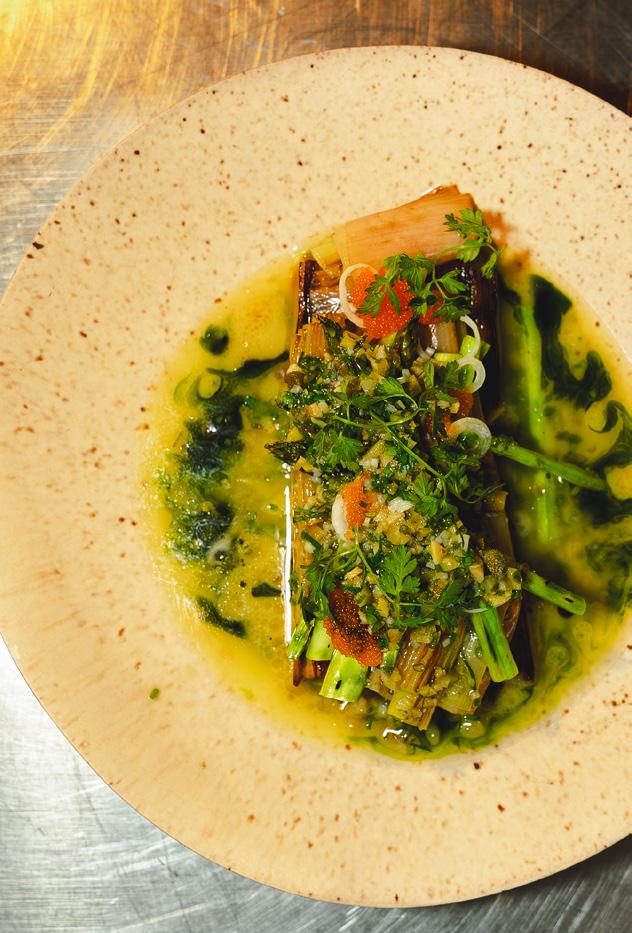
En la mesa, esto se traduce en propuestas que juegan con texturas, técnicas y contrastes. Desde cebollitas tempura con mascarpone de algas hasta una tartaleta de atún con crème fraîche, cada bocado busca equilibrio entre intuición y precisión. En el terreno de lo vegetal, destacan preparaciones como el tartar de coliflor ahumado con emulsión de hierbas o los poros a la meunière con celtuce a la parrilla. Son platos que no buscan imitar, sino reinterpretar.
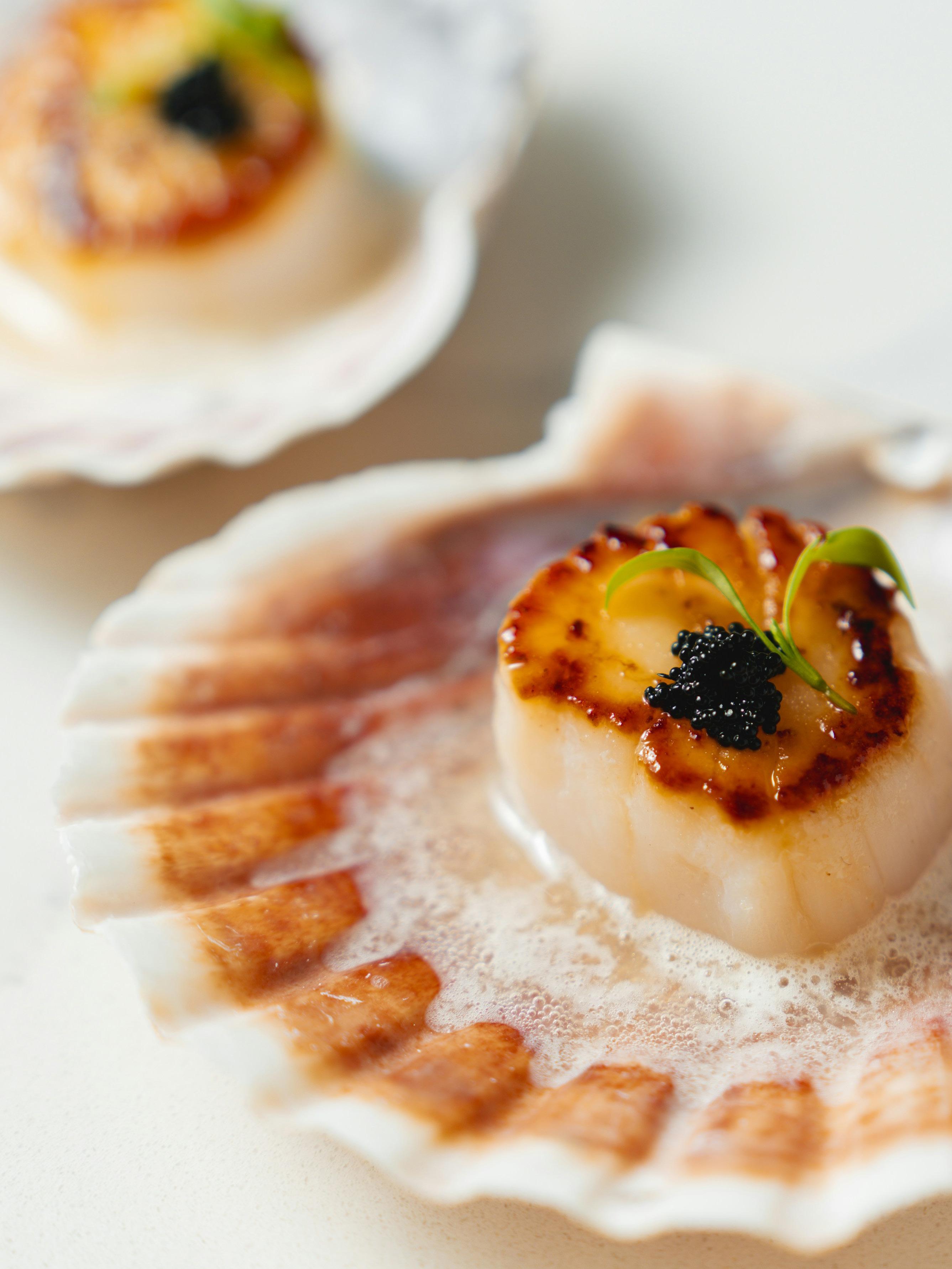
La cocina contemporánea del chef se expresa también en creaciones de mayor complejidad, como el NY steak de Wagyu cross madurado en manteca de cacao con vegetales al miso rojo y jus de ajo negro, o el tataki de callos de almeja catarina con menta y limón quemado. En ellos conviven técnica y libertad, precisión y juego.
Los postres, por su parte, se acercan a una neoclasicidad que reconforta sin perder sorpresa: un buñuelo de arroz con leche quemada y hojas de higo o una pavlova de ruibarbo con frambuesas que reinterpreta lo conocido desde un ángulo distinto.
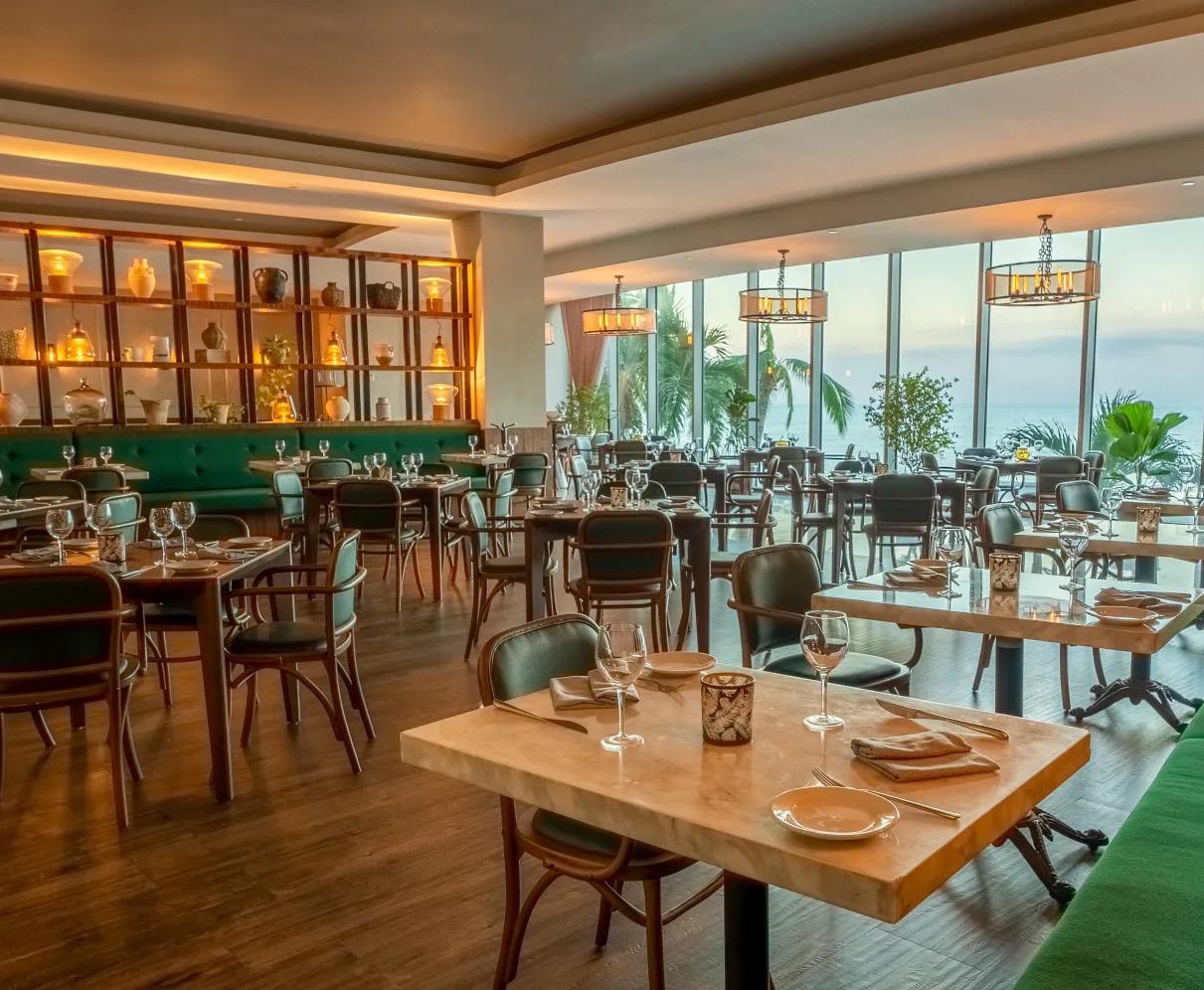
La experiencia se completa con una carta de vinos de mínima intervención cuidadosamente curada, que recorre México, Sudamérica y Europa, junto a una coctelería que pone en el centro a los destilados mexicanos. Todo pensado para acompañar la atmósfera del lugar: una terraza abierta a la ciudad, donde la Catedral Metropolitana se vuelve parte del paisaje nocturno.
Charco es un punto de encuentro entre cocina, ciudad y memoria, donde el trabajo del chef Ricardo Verdejo se manifiesta como una búsqueda constante: la de cocinar el presente con la libertad de quien entiende que todo, al final, está en movimiento.
“It is the most conscious version of everything I’ve done before,” his work suggests without needing to state it directly. At Charco, cuisine is understood as a language in motion, where seasonality sets the rhythm and the product dictates the path. Aesthetics matter, but not as artifice: each dish aims to be an idea you can eat, a combination that surprises without losing its sense of naturalness.
The essence of the restaurant can be summarized in three words that, while playful, reveal its spirit: well executed, casual, and “rappy.” A declaration that speaks of a cuisine without solemnity, with urban rhythm, yet deeply refined in technique and execution.
One of the pillars of the chef’s work is the centrality of vegetables. Not from a vegetarian standpoint, but as a creative exploration that places them at the center of the experience. “We don’t serve steak with vegetables on the side; we serve vegetables with steak on the side” is one of the ideas that best captures his philosophy: reversing the traditional hierarchy of the plate to open new possibilities of flavor and perception.
On the table, this translates into dishes that play with texture, technique, and contrast. From tempura onions with seaweed mascarpone to a tuna tartlet with crème fraîche, each bite seeks balance between intuition and precision. Within the vegetabledriven section, standout preparations include smoked cauliflower tartare with herb emulsion or leeks meunière with grilled celtuce. These are dishes that do not aim to imitate but to reinterpret.
The chef’s contemporary cuisine also appears in more complex creations, such as the Wagyu cross NY steak aged in cocoa butter with red miso vegetables and black garlic jus, or the Catarina scallop tataki with mint and burnt lemon. Here, technique and freedom coexist, precision and playfulness intertwine.
Desserts lean toward a comforting neoclassicism without losing surprise: a rice flour fritter with burnt milk and fig leaves, or a rhubarb pavlova with raspberries that reimagines familiar flavors from a new angle.
The experience is completed with a carefully curated lowintervention wine list spanning Mexico, South America, and Europe, alongside a cocktail program that highlights Mexican spirits. Everything is designed to accompany the atmosphere of the space: a terrace open to the city, where the Metropolitan Cathedral becomes part of the nightscape.
Charco does not aim to impose itself as a rigid concept, but rather as a living space. A meeting point between cuisine, city, and memory, where Chef Ricardo Verdejo’s work manifests as a constant pursuit: to cook the present with the freedom of someone who understands that everything, ultimately, is in motion.

BAJÍO
Entre viñas y lagos Between Vineyards and Lakes
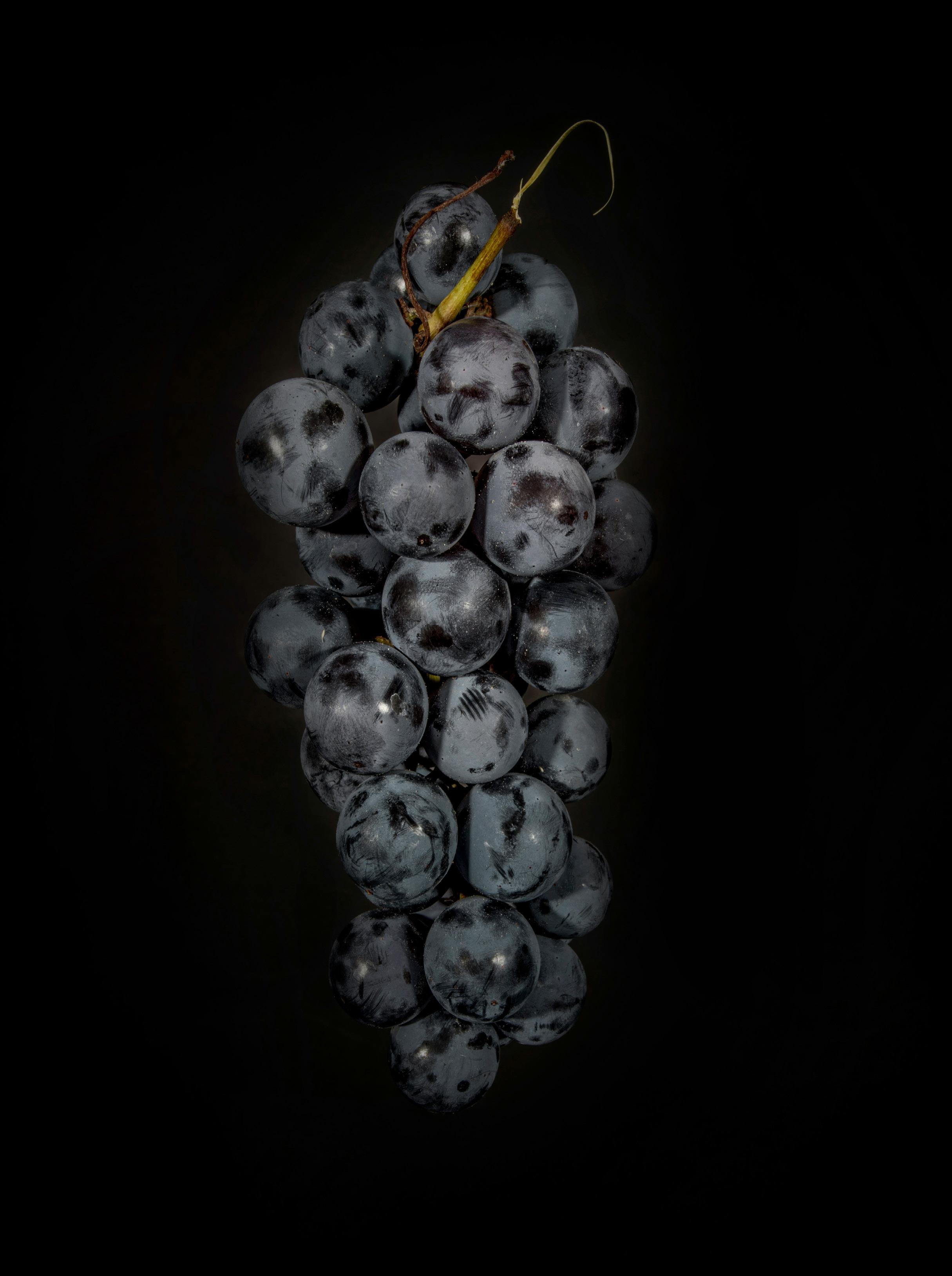
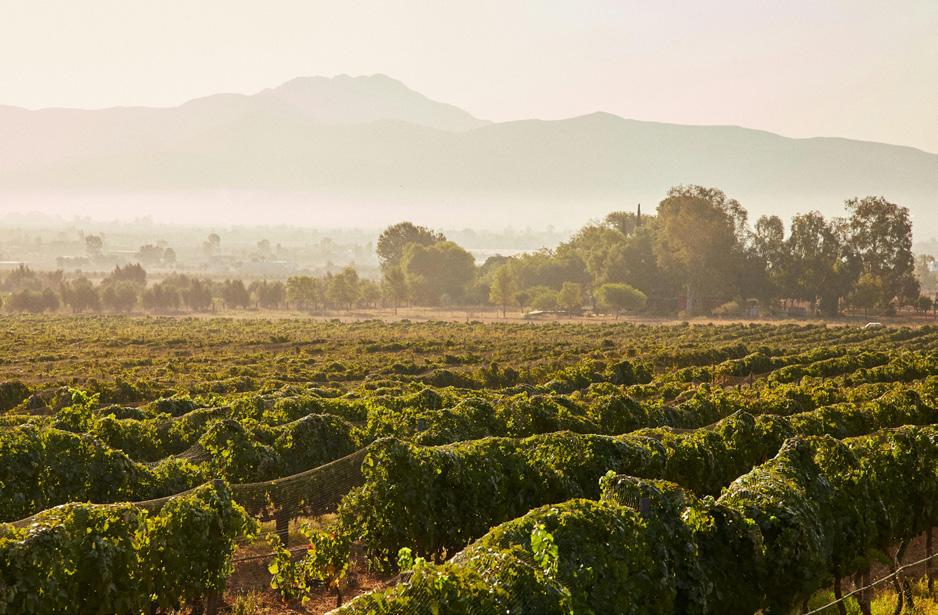
En Jalisco, el vino aparece donde muchos esperan encontrar solo tequila y raicilla. Basta salir de Guadalajara y tomar carretera hacia la Ribera de Chapala o Los Altos para descubrir otro paisaje del estado: hileras de vides, bodegas pequeñas y terrazas abiertas hacia cerros verdes y campos amplios donde el tiempo parece ir más lento.
El recorrido comienza en Chapala, con el lago más grande de México como telón de fondo. Ahí, en las faldas del Cerro de la Mujer Dormida, se encuentra La Finca La Estramancia, un viñedo boutique que ha convertido las vistas al lago en parte de la experiencia. Entre recorridos y catas, los visitantes conocen cómo se cultivan uvas Malbec, Tempranillo y Syrah, mientras prueban vinos rosados, tintos y espumosos producidos en la región.
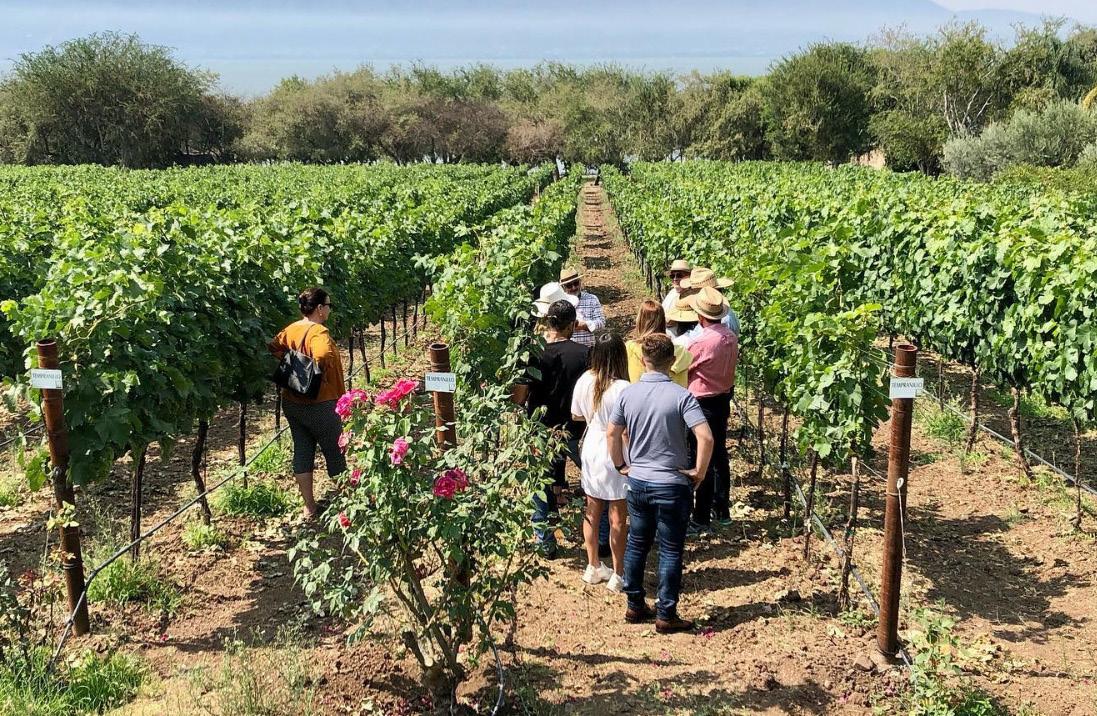
Muy cerca, en San Luis Soyotlán, El Tejón abre las puertas a una experiencia más cercana al trabajo del viñedo. Caminar entre sus más de 20 mil plantas permite entender la diversidad que hoy existe en Jalisco: Sauvignon Blanc, Viura, Malvasía, Shiraz, Garnacha o Cabernet Sauvignon forman parte de una producción que hace unos años parecía impensable en el occidente del país. Aquí, las visitas guiadas y los eventos privados ocurren entre viñas y mesas largas compartidas.
In Jalisco, wine appears where many travelers expect to find only tequila and raicilla. Just outside Guadalajara, the road toward the Ribera de Chapala or Los Altos reveals another side of the state: rows of vineyards, small wineries, and terraces opening onto green hills and wide fields where time seems to move a little slower.
The journey begins in Chapala, with Mexico’s largest lake setting the scene. There, on the slopes of Cerro de la Mujer Dormida, sits La Finca La Estramancia, a boutique vineyard that has made lake views part of the experience itself. Through guided tours and tastings, visitors learn how Malbec, Tempranillo, and Syrah grapes are cultivated while sampling rosé, red, and sparkling wines produced in the region.
Nearby, in San Luis Soyotlán, El Tejón offers a closer look at vineyard life. Walking among its more than 20,000 vines reveals the diversity that now defines Jalisco’s wine scene: Sauvignon Blanc, Viura, Malvasía, Shiraz, Garnacha, and Cabernet Sauvignon are all part of a production that would have seemed unlikely in western Mexico just a few years ago. Here, guided tours and private events unfold among the vines and long communal tables.
Staff TGTM
La ruta continúa hacia Tuxcueca, donde Cava Post Data trabaja un proyecto artesanal de edición limitada. Su particularidad está en el suelo volcánico y en la posibilidad de realizar dos cosechas al año, algo poco común en México. Las degustaciones, disponibles con cita previa, permiten probar vinos blancos, rosados y tintos mientras el paisaje del lago permanece siempre cerca.
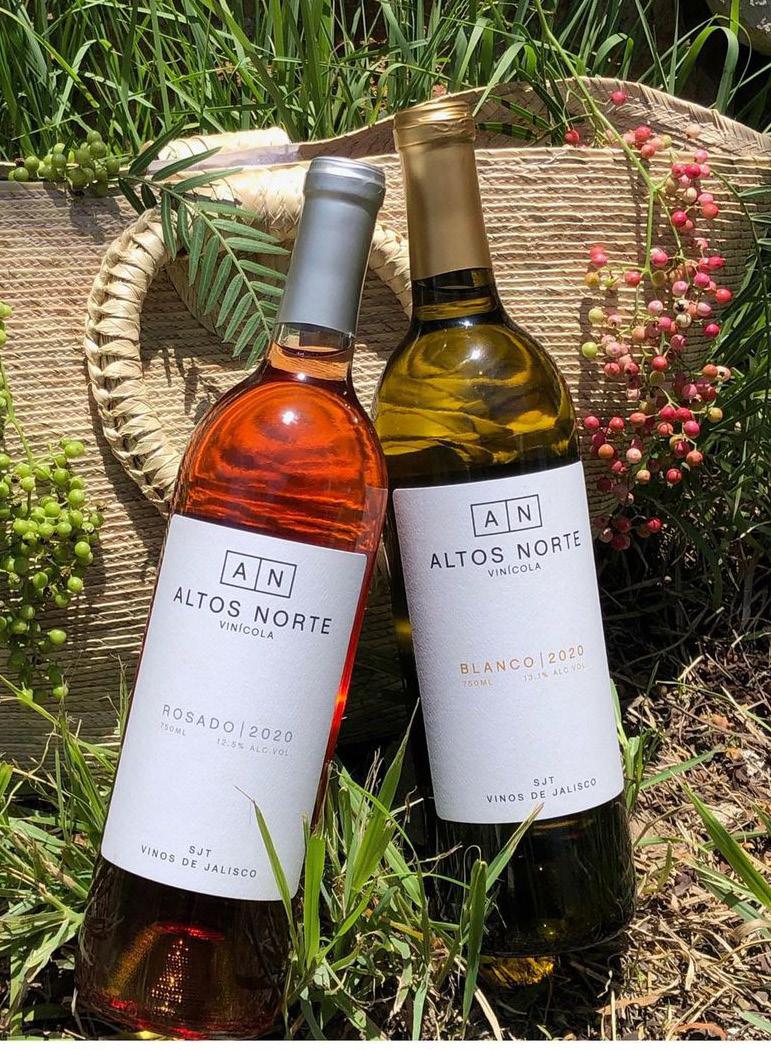
Más al norte, el camino cambia de escenario. En Los Altos de Jalisco — tierra de mariachi y charrería— aparecen haciendas antiguas, llanuras abiertas y nuevas bodegas que han encontrado en la altura un lugar ideal para producir vino. En Encarnación de Díaz, Los Altos Norte Vinícola recibe visitantes dentro de la Hacienda San José de Tepozán con recorridos y catas enfocadas en vinos naturales y espumosos. Su crecimiento ha sido tal que uno de sus vinos obtuvo medalla de oro en el Concurso Mundial de Bruselas en 2022.
En Lagos de Moreno, Tierra de Luz Hacienda Vinícola combina el ambiente de un antiguo rancho con experiencias gastronómicas y degustaciones. El vino aquí acompaña comidas largas, fotografías entre viñas y tardes tranquilas que resumen bien el ritmo de esta región.
La última parada puede ser Jalostotitlán, en Viñedo Cerca Blanca, donde la vendimia anual reúne a viajeros y locales entre julio y agosto. La cosecha, los platillos servidos junto al vino de la casa y la música en vivo convierten la visita en una celebración del campo jalisciense.
The route continues to Tuxcueca, where Cava Post Data develops a small-batch artisanal project. Its uniqueness lies in the volcanic soil and the possibility of producing two harvests a year, something uncommon in Mexico. Tastings, available by appointment, include white, rosé, and red wines, always with the lake landscape close by.
Further north, the scenery changes. In Los Altos de Jalisco—land of mariachi and charrería traditions—old haciendas, open plains, and new wineries appear across the highlands, where altitude has created ideal conditions for wine production. In Encarnación de Díaz, Los Altos Norte Vinícola welcomes visitors inside Hacienda San José de Tepozán with tours and tastings centered on natural and sparkling wines. The winery’s growth has been significant enough that one of its labels earned a gold medal at the 2022 Brussels World Competition.
In Lagos de Moreno, Tierra de Luz Hacienda Vinícola combines the atmosphere of a historic ranch with wine tastings and culinary experiences. Here, wine accompanies long meals, photographs among the vines, and quiet afternoons that capture the rhythm of the region.
The final stop may be Jalostotitlán, home to Viñedo Cerca Blanca, where the annual harvest festival brings together travelers and locals between July and August. The grape harvest, dishes served alongside house wine, and live music turn the visit into a celebration of the Jalisco countryside.
Everardo Ponciano y la revolución gourmet
Everardo Ponciano and the Gourmet Revolution
Por/By Jessica Servín Castillo
Everardo Ponciano es chef ejecutivo de Hilton Vallarta Riviera All-Inclusive Resort, pero su experiencias inicia desde su infancia. Ponciano, es un cocinero que habla de gastronomía mexicana con la misma precisión con la que otros hablan de memoria familiar y tiene una postura clara: la calidad no se negocia. Y lo dice sin grandilocuencia, mientras describe la rutina diaria de supervisar cocinas capaces de servir desde cien hasta mil comensales sin alterar una receta.
“No porque sea all inclusive significa que el estándar sea menor”, me dice. “Si hacemos cochinita, el achiote tiene que venir de Yucatán. No usamos sustitutos”.
Su filosofía parece sencilla, pero en la práctica implica una disciplina casi obsesiva. Cada cocina funciona como un restaurante independiente. Cada chef de línea trabaja —según él— como si su apellido estuviera en la entrada del lugar. La meta no es alimentar huéspedes: es preservar la identidad culinaria aun dentro de una operación gigantesca.
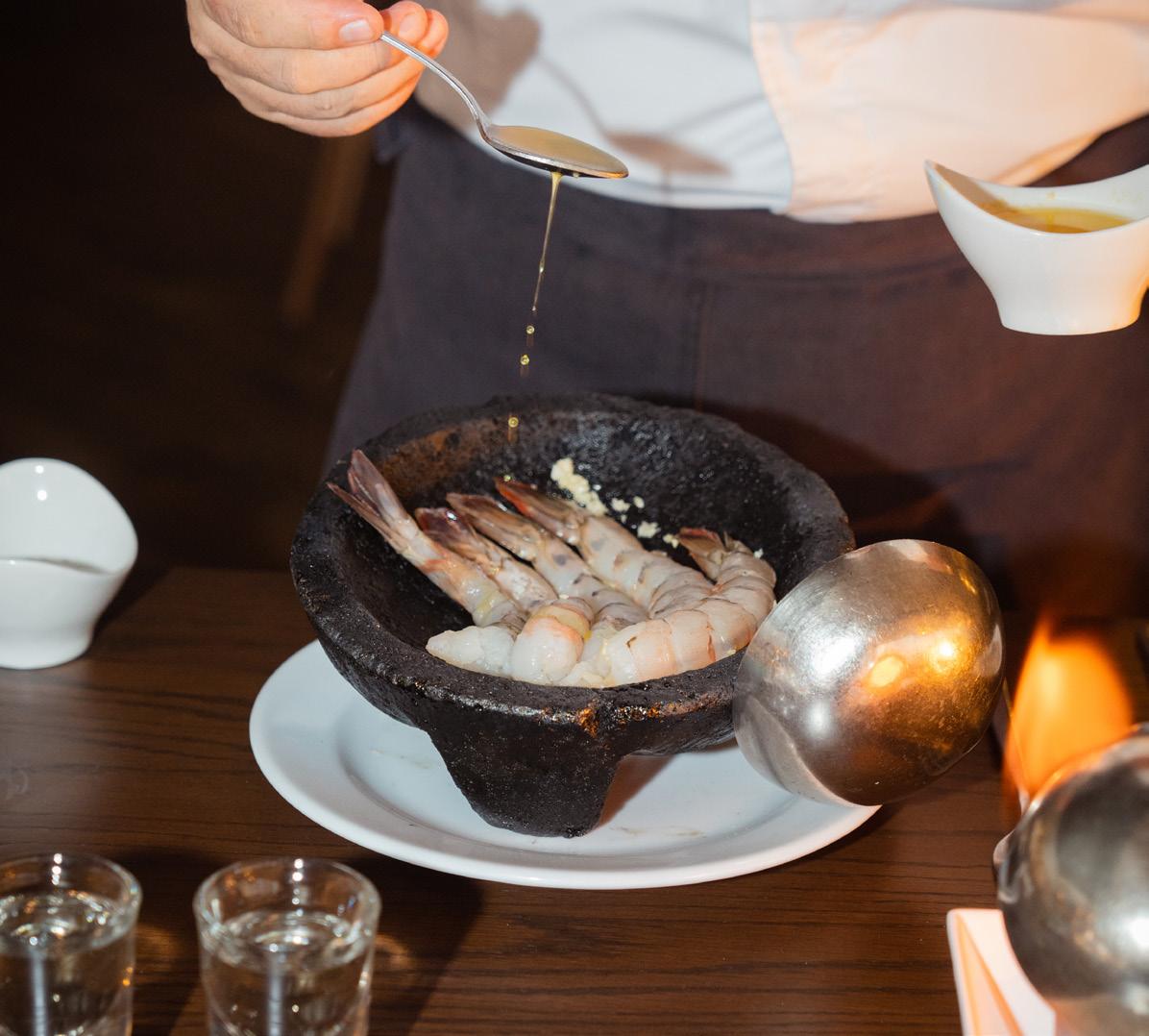
Esa visión explica por qué los menús del hotel se sienten más cercanos a un recorrido gastronómico por México que a un buffet internacional genérico. En una misma comida aparecen ecos de Hidalgo con la barbacoa tradicional; Yucatán con la cochinita pibil; Veracruz en un cóctel de mariscos brillante y cítrico; o Sinaloa con aguachiles precisos, frescos, intensos.
Ponciano no busca reinterpretar México desde la extravagancia. Lo suyo es otra cosa: respetar el origen y actualizar la presentación. Habla de brotes orgánicos, vajillas contemporáneas y montajes modernos, pero siempre cuidando que la esencia permanece intacta. “Los brotes aportan frescura y textura, pero no cambian el alma del platillo”, explica.
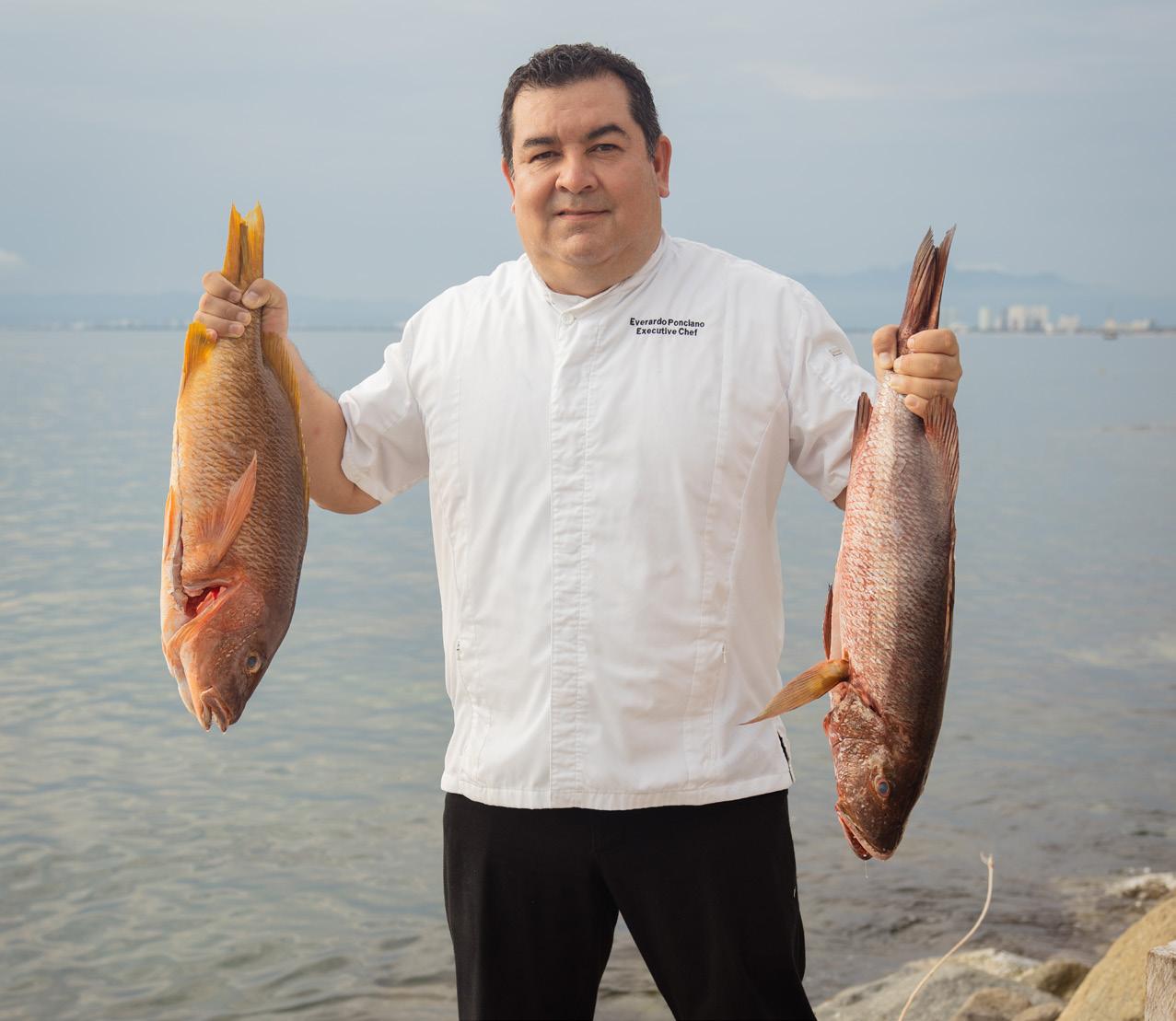
Everardo Ponciano is the executive chef at Hilton Vallarta Riviera All-Inclusive Resort, but his story begins long before his professional career. Ponciano is a chef who speaks about Mexican gastronomy with the same precision others reserve for family memories, and he holds one clear belief: quality is non-negotiable. He says it without grandiosity, while describing the daily routine of overseeing kitchens capable of serving anywhere from one hundred to one thousand guests without altering a single recipe.
“Just because it’s all-inclusive doesn’t mean the standard should be lower,” he tells me. “If we make cochinita pibil, the achiote has to come from Yucatán. We don’t use substitutes.”
His philosophy sounds simple, but in practice it requires an almost obsessive level of discipline. Each kitchen operates like an independent restaurant. Every line chef works — according to him — as if their own last name were displayed at the entrance. The goal is not merely to feed guests, but to preserve culinary identity even within a massive operation.
That vision explains why the hotel’s menus feel more like a gastronomic journey through Mexico than a generic international buffet. In a single meal, you can find echoes of Hidalgo in the traditional barbacoa; Yucatán in the cochinita pibil; Veracruz in a bright, citrusy seafood cocktail; or Sinaloa in aguachiles that are precise, fresh, and intense.
Ponciano is not interested in reinventing Mexico through extravagance. His approach is something else entirely: respecting the origin while updating the presentation. He talks about organic sprouts, contemporary tableware, and modern plating techniques, always making sure the essence remains intact. “Sprouts add freshness and texture, but they don’t change the soul of the dish,” he explains.
Esa mezcla entre tradición y sofisticación es, quizás, lo que mejor define su cocina. Mientras conversamos, queda claro que su relación con la gastronomía es profundamente emocional. Cuando le pregunto qué significa para él la cocina mexicana, no responde con técnicas ni tendencias. Habla de nostalgia.
Recuerda un arroz a la mexicana que probó a los 12 años, preparado por una tía suya. Nunca volvió a encontrar un sabor igual. “La gastronomía mexicana te conecta con tu historia”, dice. “Con tu familia. Con aquello que comías cuando eras niño”.
Esa sensibilidad también aparece cuando habla de Puerto Vallarta. Sus recomendaciones no son las típicas de un concierge entrenado para vender postales perfectas. Son personales, casi íntimas.
Prefiere desayunar en lugares tradicionales antes que en espacios demasiado producidos. Habla con entusiasmo de tortillas hechas al momento, queso de rancho y café de olla con canela en la sierra vallartense. Recomienda perderse en Mascota o San Sebastián del Oeste antes que limitarse a la costa. Y describe la colonia Versalles como “la Condesa de Ciudad de México”: bohemia, relajada y diversa.
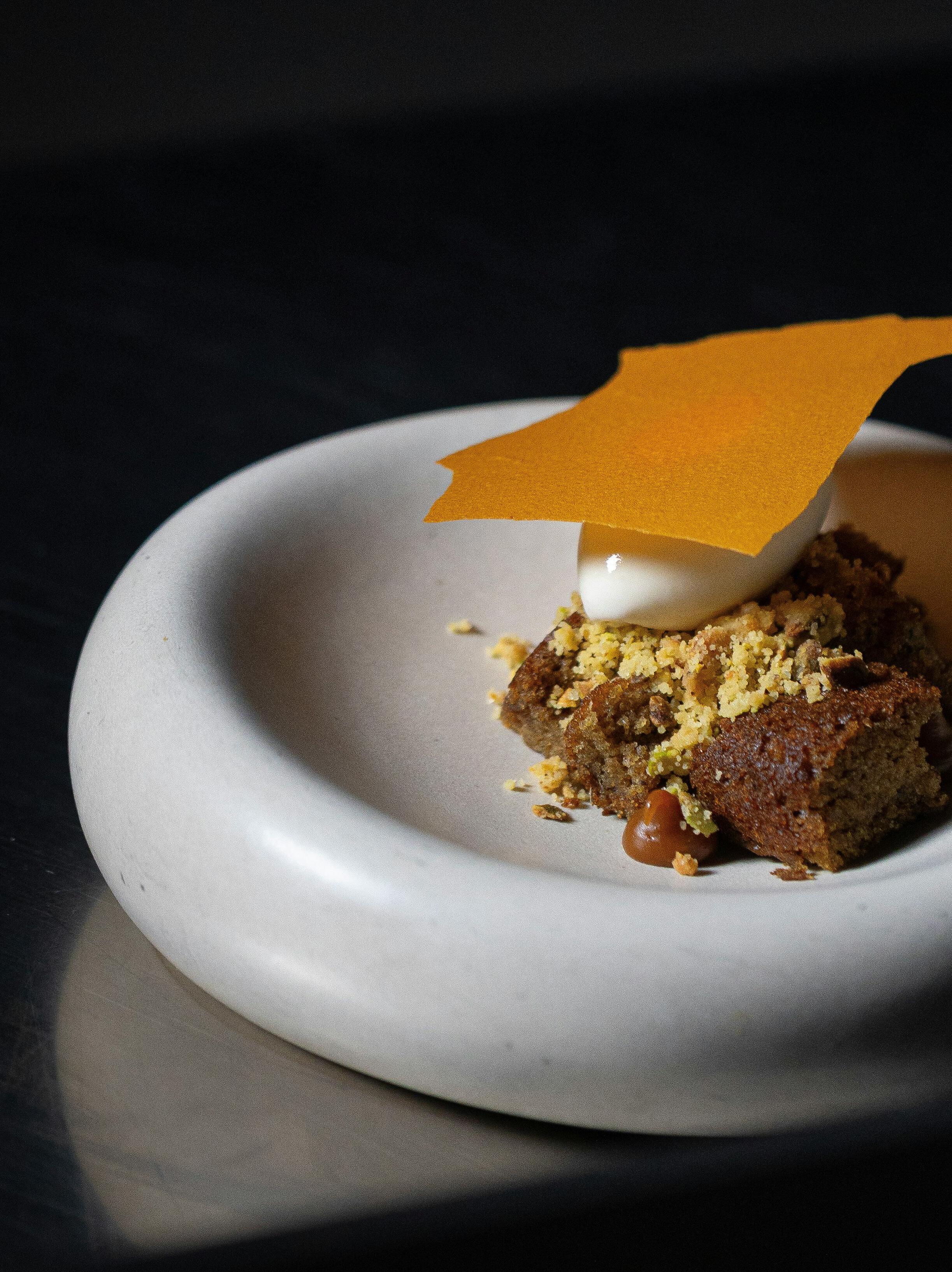
Incluso sus gustos dulces revelan cierta nostalgia elegante. Su postre favorito es la pavlova, especialmente las versiones de temporada: tarta de calabaza en noviembre, capirotada en Semana Santa o panettone en diciembre.
Pero quizás lo más interesante aparece cuando habla del futuro. Y es que, el chef quiere transformar aún más la experiencia gastronómica del Hilton Vallarta Riviera apostando por una cocina más viva y participativa.
La propuesta de Everardo Ponciano parece alinearse perfectamente con una nueva idea de hospitalidad: experiencias auténticas, producto local impecable y una cocina capaz de provocar memoria emocional.
That balance between tradition and sophistication is perhaps what best defines his cuisine. As we speak, it becomes clear that his relationship with gastronomy is deeply emotional. When I ask him what Mexican cuisine means to him, he doesn’t answer with techniques or trends. He speaks about nostalgia.
He recalls a Mexican-style rice dish he tasted at age twelve, prepared by one of his aunts. He never found that same flavor again. “Mexican gastronomy connects you with your history,” he says. “With your family. With the things you ate as a child.”
That sensitivity also emerges when he talks about Puerto Vallarta. His recommendations are not the typical suggestions of a concierge trained to sell postcard-perfect experiences. They are personal, almost intimate.
He prefers having breakfast in traditional spots rather than overly curated spaces. He speaks enthusiastically about freshly made tortillas, ranch cheese, and cinnamon-infused café de olla in the mountains surrounding Vallarta. He recommends getting lost in Mascota or San Sebastián del Oeste instead of limiting yourself to the coastline. And he describes the Versalles neighborhood as “the Condesa of Mexico City”: bohemian, relaxed, and diverse.
Even his dessert preferences reveal a certain elegant nostalgia. His favorite dessert is pavlova, especially seasonal versions: pumpkin tart in November, capirotada during Holy Week, or panettone in December.
But perhaps the most interesting part emerges when he talks about the future. The chef wants to further transform the gastronomic experience at Hilton Vallarta Riviera by embracing a more dynamic and participatory cuisine.
Everardo Ponciano’s proposal seems perfectly aligned with a new idea of hospitality: authentic experiences, impeccable local products, and a cuisine capable of triggering emotional memory.

CENTRO
Los moles vivos de la Mixteca Poblana
Living Moles of the Mixteca Poblana
Staff TGTM
La Mixteca Poblana es una región donde el mole posee una tradición vasta y profundamente cotidiana que se expresa en caldos herbales, salsas frutales, preparaciones ahumadas y mezclas de chiles que cambian de comunidad en comunidad.
La temporada reúne recetas y saberes provenientes de Tecali de Herrera, Zapotitlán Salinas, La Magdalena, San Pablo, Tzocuilac, Tlazoyaltepec y Atoyatempan, ofreciendo un recorrido por cocinas que siguen vivas en los fogones domésticos y rituales de la región.
La palabra mole proviene del náhuatl mulli, que significa salsa o mezcla. Originalmente, el término designaba preparaciones líquidas o semilíquidas hechas con ingredientes molidos, destinadas a acompañar tortillas, carnes y otros alimentos. Con el tiempo, la palabra evolucionó hasta nombrar algunas de las preparaciones más complejas de la cocina mexicana, elaboradas con chiles, especias, semillas, hierbas, frutas secas o chocolate.
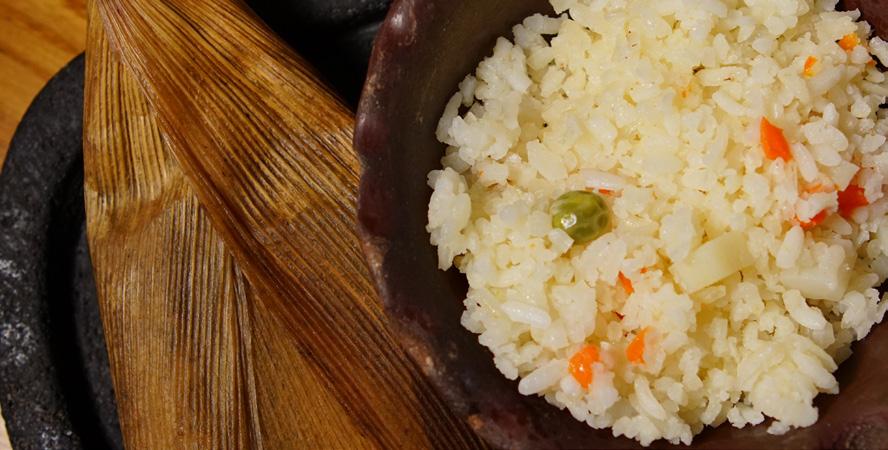
The Mixteca Poblana is a region where mole holds a vast and deeply everyday tradition, expressed through herbal broths, fruit-based sauces, smoky preparations, and chile blends that vary from one community to another.
This season brings together recipes and culinary knowledge from Tecali de Herrera, Zapotitlán Salinas, La Magdalena, San Pablo, Tzocuilac, Tlazoyaltepec, and Atoyatempan, offering a journey through kitchens that remain alive in the domestic and ritual hearths of the region.
The word mole comes from the Nahuatl term mulli, meaning sauce or mixture. Originally, the word referred to liquid or semiliquid preparations made from ground ingredients, intended to accompany tortillas, meats, and other foods. Over time, the term evolved to describe some of the most complex dishes in Mexican cuisine, prepared with chiles, spices, seeds, herbs, dried fruits, or chocolate
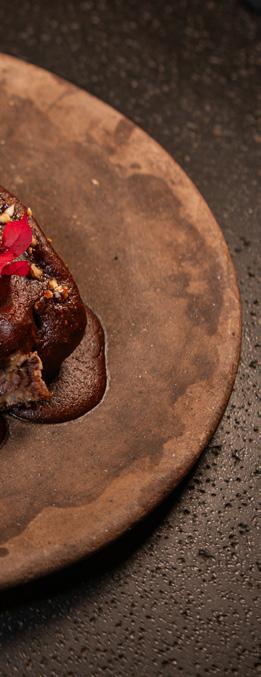
Sin embargo, en la Mixteca Poblana el concepto permanece abierto. Aquí, el mole no se limita al célebre mole poblano ni al negro, también se incluyen las salsas de jitomate y chile fresco, las preparaciones ácidas o dulces, e incluso las sopas de hierbas que forman parte de la alimentación diaria. La propuesta se centra en su diversidad, una cocina que no se encierra en categorías fijas y que continúa transmitiéndose a través de cocineras y maestras moleras de distintas comunidades.
Entre las preparaciones destaca el mole rojo con habas y tenochtle, originario de Tecali de Herrera. De sabor intenso y picante, este mole incorpora chile Copi seco, un ingrediente característico de la región que aporta notas terrosas y un carácter profundamente silvestre.
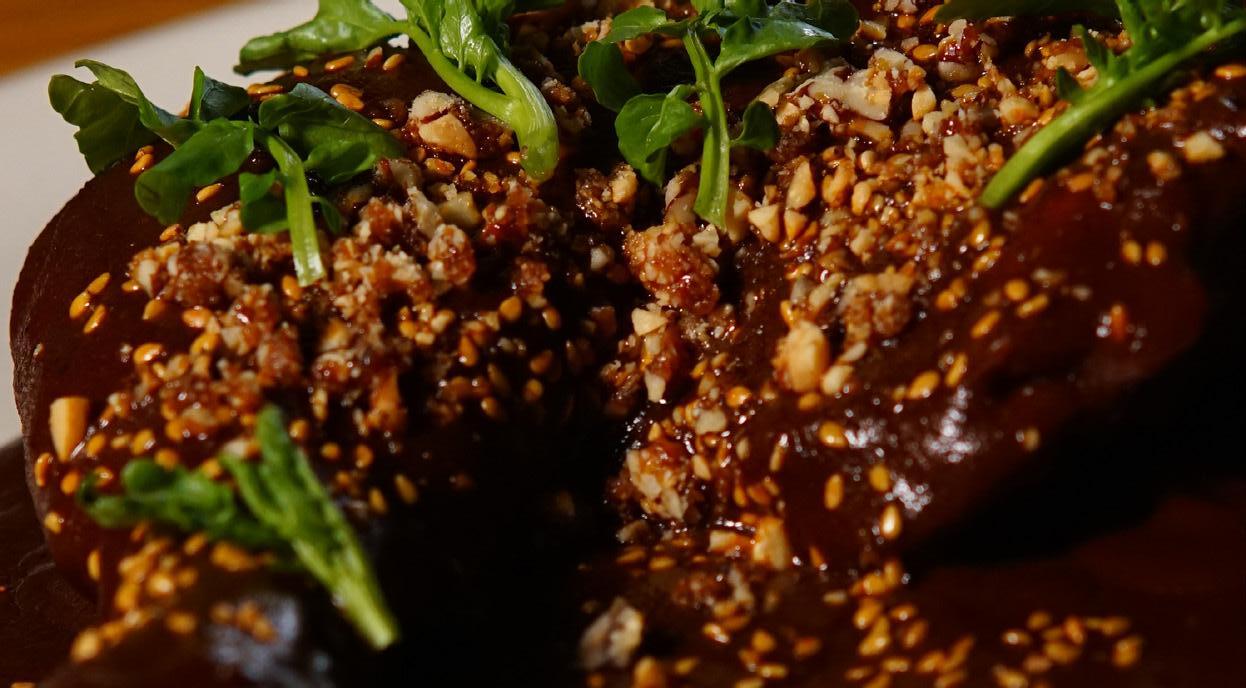
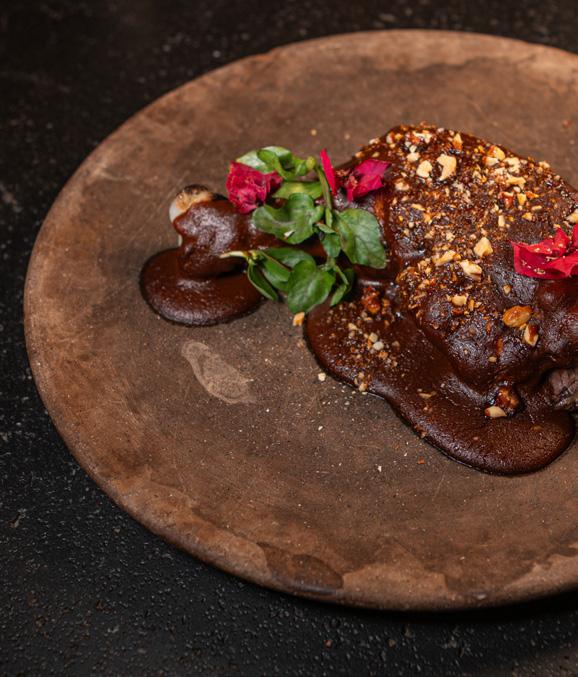
También desde Tecali de Herrera llega el mole negro con pollo En esta versión aparecen capas de chocolate oscuro, frutos secos y chiles secos no picantes, acompañadas de notas especiadas de canela y clavo que construyen un perfil complejo y pausado.
Más al sur, en Atoyatempan se prepara un guaxmole con res que habla directamente del paisaje local. Elaborado con chile serrano y semillas de guaje, este mole verde posee una intensidad herbácea y fresca, marcada por una ligera astringencia que remite al entorno donde nace.
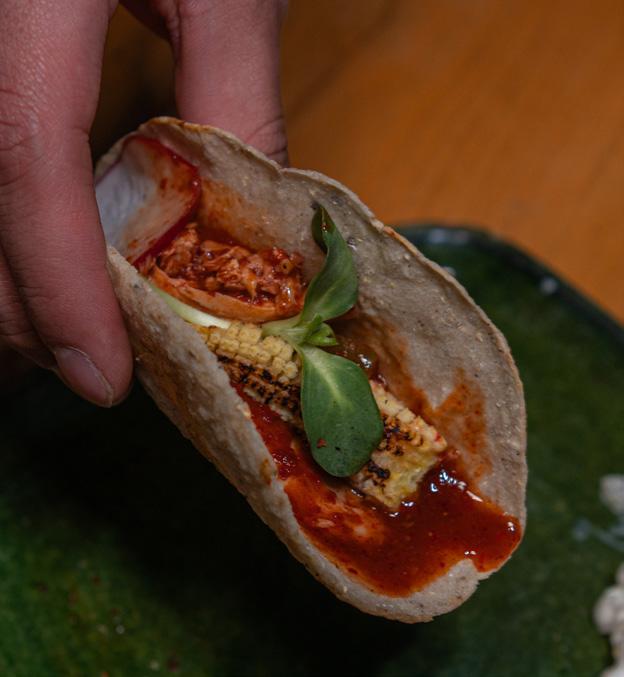
El mole de barbacoa, nuevamente desde Tecali de Herrera, recupera el sabor de los caldillos elaborados con chile cuaresmeño y jitomate. La preparación se acompaña con pasta hawaiana de codito, piña y jamón, una combinación presente en celebraciones familiares y reuniones comunitarias de la región.
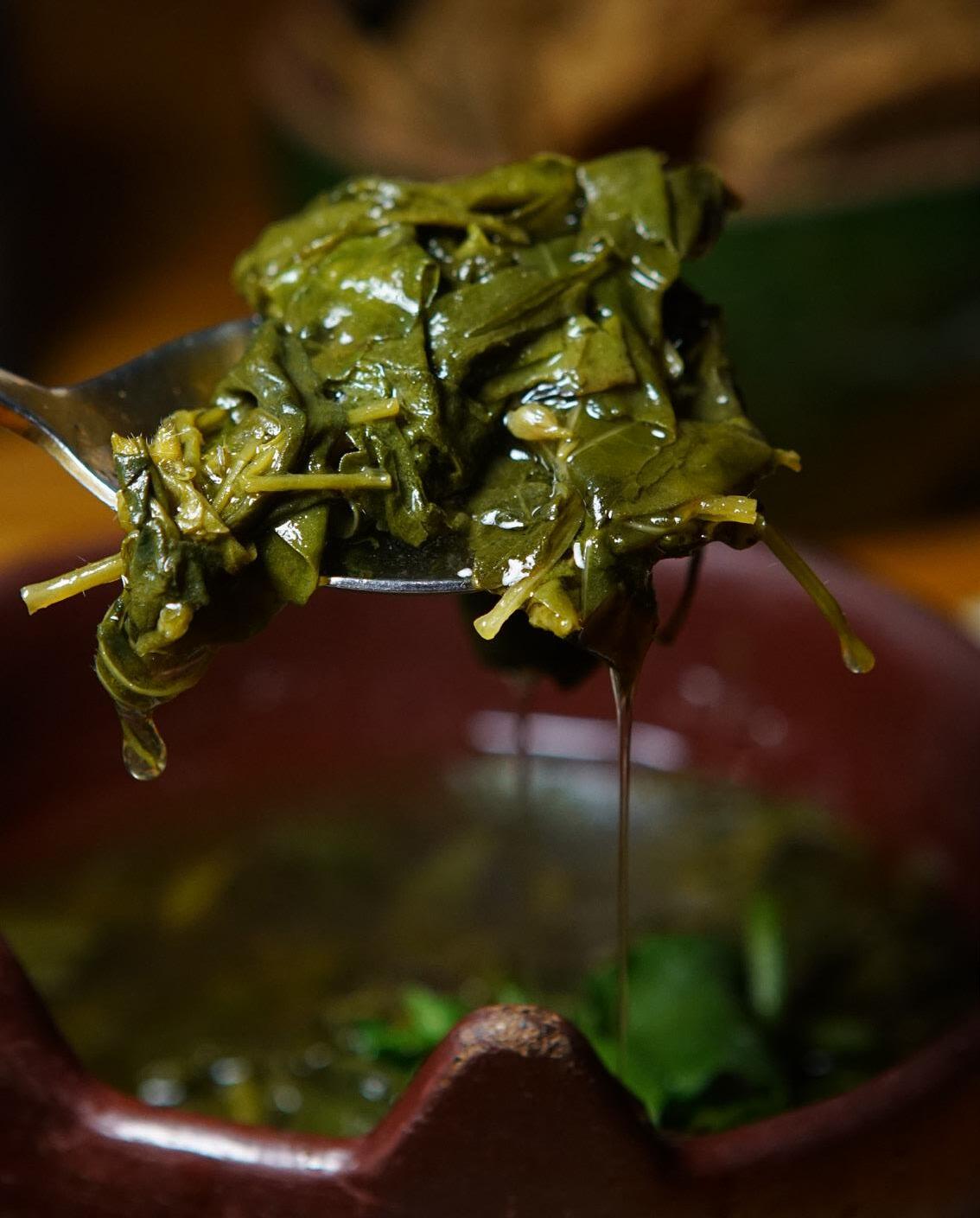
La temporada también incluye el mole de alaches, originario de Santo Tomás Puebla. Más cercano a una sopa de hierbas que a un mole espeso, este caldo translúcido se prepara con alaches —conocidas como malvas mixtecas— y pipicha. Cocinado con cuchara de palo para alcanzar su textura característica, representa una cocina de profundo conocimiento vegetal y valor nutritivo.
Completa el recorrido el mole de Atoyatempan con pollo, legado de la maestra molera Doña Chabela. A diferencia de otras versiones poblanas, este mole no lleva chocolate. Su perfil dulce y frutal proviene del piloncillo, mientras que el ahumado aporta profundidad sin recurrir al picante.
Así, la Mixteca Poblana se disfruta desde sus múltiples formas de saborear el mole. Cada preparación conserva una relación íntima con su comunidad, sus ingredientes y sus celebraciones, revelando una riqueza culinaria que continúa transformándose sin perder arraigo.
However, in the Mixteca Poblana the concept remains open-ended. Here, mole is not limited to the celebrated mole poblano or mole negro; it also includes tomato and fresh chile sauces, sweet or tangy preparations, and even herbal soups that form part of daily nourishment. The proposal centers on diversity: a cuisine that resists fixed categories and continues to be passed down through cooks and master mole makers from different communities.
Among the featured preparations is the red mole with fava beans and tenochtle, originating from Tecali de Herrera. Rich and spicy, this mole incorporates dried Copi chile, a characteristic regional ingredient that contributes earthy notes and a deeply wild character.
Also, from Tecali de Herrera comes the black mole with chicken. In this version, layers of dark chocolate, dried fruits, and mild dried chiles are accompanied by spiced notes of cinnamon and clove, creating a complex and lingering profile.
Farther south, in Atoyatempan, a guaxmole with beef speaks directly to the local landscape. Made with serrano chile and guaje seeds, this green mole possesses a fresh herbal intensity marked by a slight astringency that evokes the environment from which it emerges.
The barbacoa mole, again from Tecali de Herrera, recovers the flavor of brothy sauces prepared with cuaresmeño chile and tomato. The dish is accompanied by Hawaiian-style elbow pasta with pineapple and ham, a combination commonly found at family celebrations and community gatherings throughout the region.
The season also includes mole de alaches, originally from Santo Tomás Puebla. Closer to an herbal soup than to a thick mole, this translucent broth is prepared with alaches —known as Mixtec mallows— and pipicha. Cooked with a wooden spoon to achieve its characteristic texture, it represents a cuisine rooted in profound botanical knowledge and nutritional value.
Completing the journey is the Atoyatempan mole with chicken, inherited from master mole maker Doña Chabela. Unlike other Pueblan versions, this mole contains no chocolate. Its sweet and fruity profile comes from piloncillo, while smoky notes add depth without relying on heat.
In this way, the Mixteca Poblana can be experienced through its many ways of understanding and savoring mole. Each preparation preserves an intimate relationship with its community, its ingredients, and its celebrations, revealing a culinary richness that continues to evolve without losing its roots.
Entre magueyes y hornos de piedra Between Agaves and Stone Ovens
Por/ By Jessica Servín Castillo
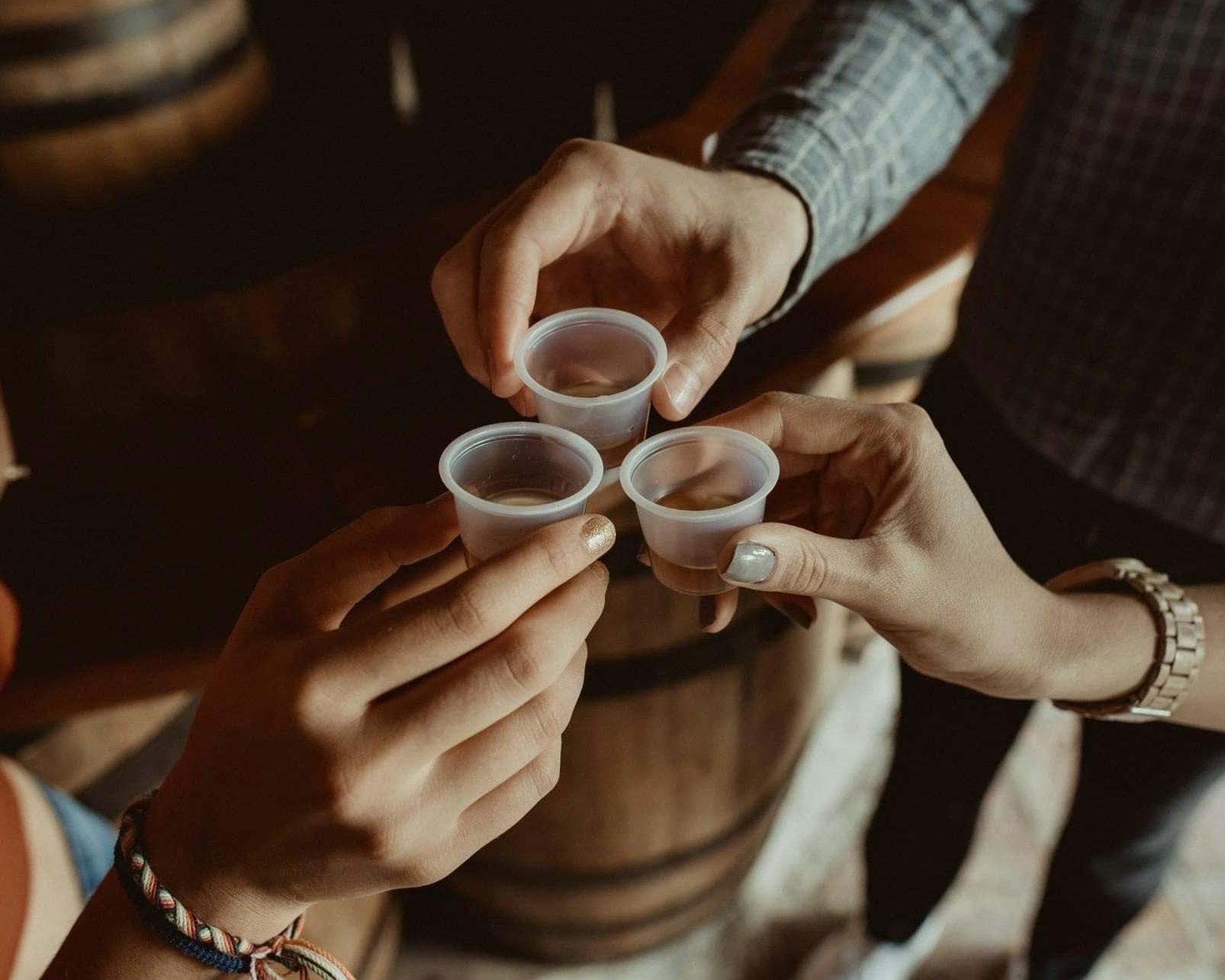
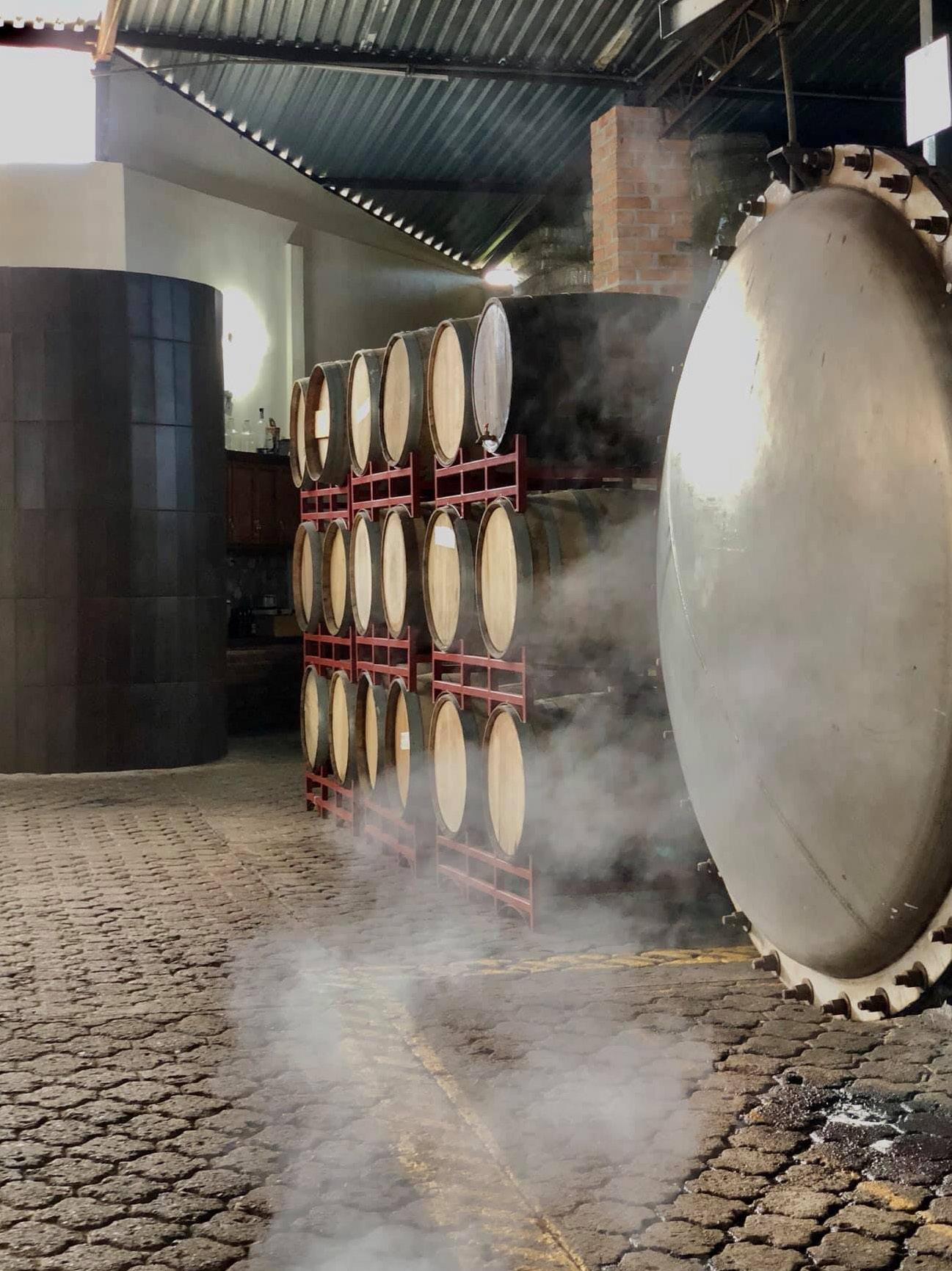
En Zacatecas, el mezcal se entiende cerca de la tierra. El viaje comienza entre campos de maguey que cambian de tono con el sol del altiplano y continúa en fábricas familiares donde el tiempo todavía se mide por la cocción en hornos de piedra, la fermentación al aire libre y el ritmo lento de la destilación artesanal.
Aunque Oaxaca suele concentrar la conversación alrededor del mezcal, Zacatecas forma parte de la Denominación de Origen desde 1994 y ha construido una identidad propia a partir de sus magueyes salmiana, cenizo y azul. Hoy, el estado presume alrededor de 60 variedades de mezcal, resultado de la diversidad de agaves y de métodos heredados por generaciones.
En municipios como Teúl de González Ortega, Pinos y Jalpa, el mezcal no es solo una bebida: es una forma de contar la historia local. En Teúl, Pueblo Mágico rodeado de cerros y huertas, las vinatas abren sus puertas para mostrar un proceso que comienza con la jima del maguey y termina en pequeñas catas donde cada sorbo revela notas minerales, herbales y ahumadas que hablan del territorio.
In Zacatecas, mezcal is best understood far from cocktail bars and closer to the land. The journey begins among agave fields that shift in color under the highland sun and continues in family-run distilleries where time is still measured by stone ovens, open-air fermentation, and the slow rhythm of artisanal distillation.
While Oaxaca often dominates the conversation around mezcal, Zacatecas has been part of the Denomination of Origin since 1994 and has built an identity of its own through salmiana, cenizo, and blue agaves. Today, the state is home to around 60 varieties of mezcal, shaped by both the diversity of agaves and techniques passed down through generations.
In towns such as Teúl de González Ortega, Pinos, and Jalpa, mezcal is more than a spirit; it is a way of telling local history. In Teúl, a Pueblo Mágico surrounded by hills and orchards, distilleries open their doors to visitors eager to witness a process that begins with harvesting the agave and ends in intimate tastings where each sip reveals mineral,

Ahí se encuentra la mezcalera Don Aurelio Lamas, creadora de un destilado que ha obtenido reconocimientos internacionales y que mantiene métodos tradicionales de producción.
Más al sureste, en Pinos, las antiguas haciendas y caminos virreinales conviven con una de las tradiciones mezcaleras más arraigadas del estado. En Hacienda La Pendencia, los visitantes pueden seguir cada etapa del proceso artesanal: las piñas cocidas bajo tierra, la molienda y los alambiques de cobre que transforman el agave en un destilado transparente y potente. En esta región trabaja también el maestro mezcalero Antonio Briones, reconocido en concursos especializados por la calidad de sus etiquetas.
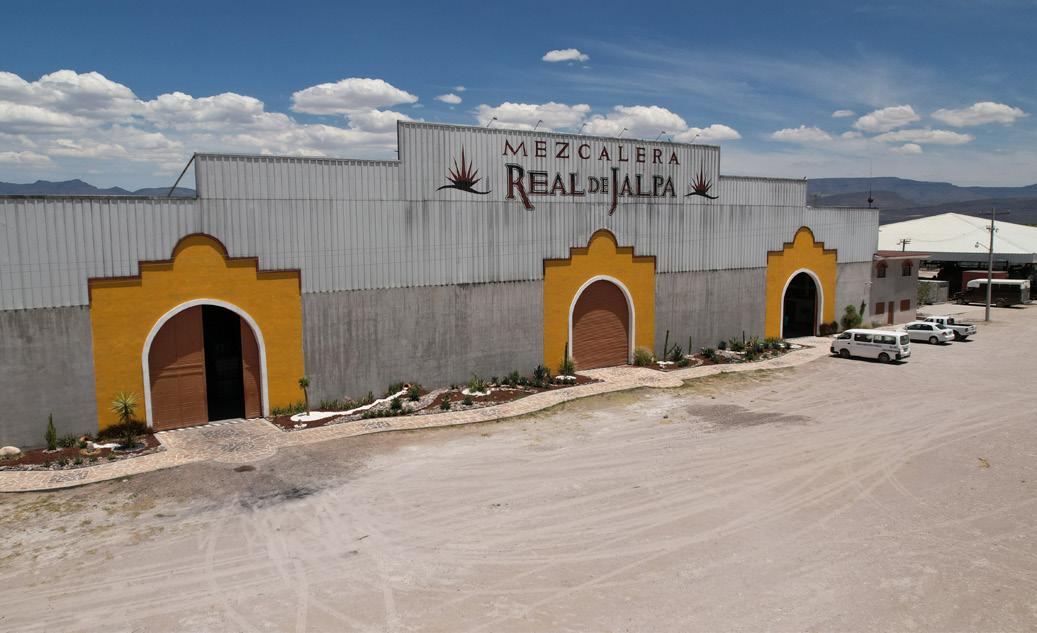
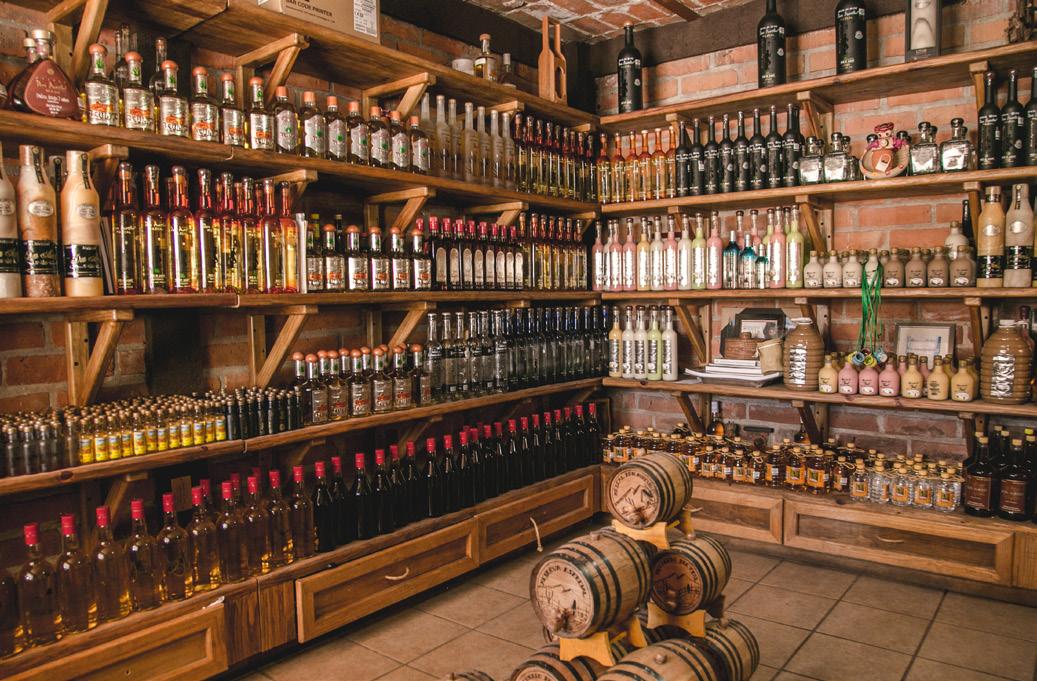
El recorrido continúa hacia Jalpa, en la región de la Caxcana, donde la producción adquiere otra escala sin perder el vínculo con el oficio. Ahí opera Real de Jalpa, una de las casas mezcaleras más grandes del país, dedicada a mezcales jóvenes y añejos que han llevado el nombre de Zacatecas fuera de México.
La relación del estado con el mezcal también se vive como celebración colectiva. Zacatecas obtuvo un Récord Guinness por la degustación de mezcal más grande del mundo, organizada con la participación de casas mezcaleras locales y miles de asistentes reunidos alrededor de una tradición compartida.
Viajar por las rutas del mezcal zacatecano implica entender que cada botella comienza mucho antes de llegar a una mesa. Empieza en el paisaje semidesértico, en los magueyes que tardan años en madurar y en las familias que han convertido el oficio en memoria. En Zacatecas, el mezcal sigue siendo una conversación entre la tierra y quienes la trabajan.
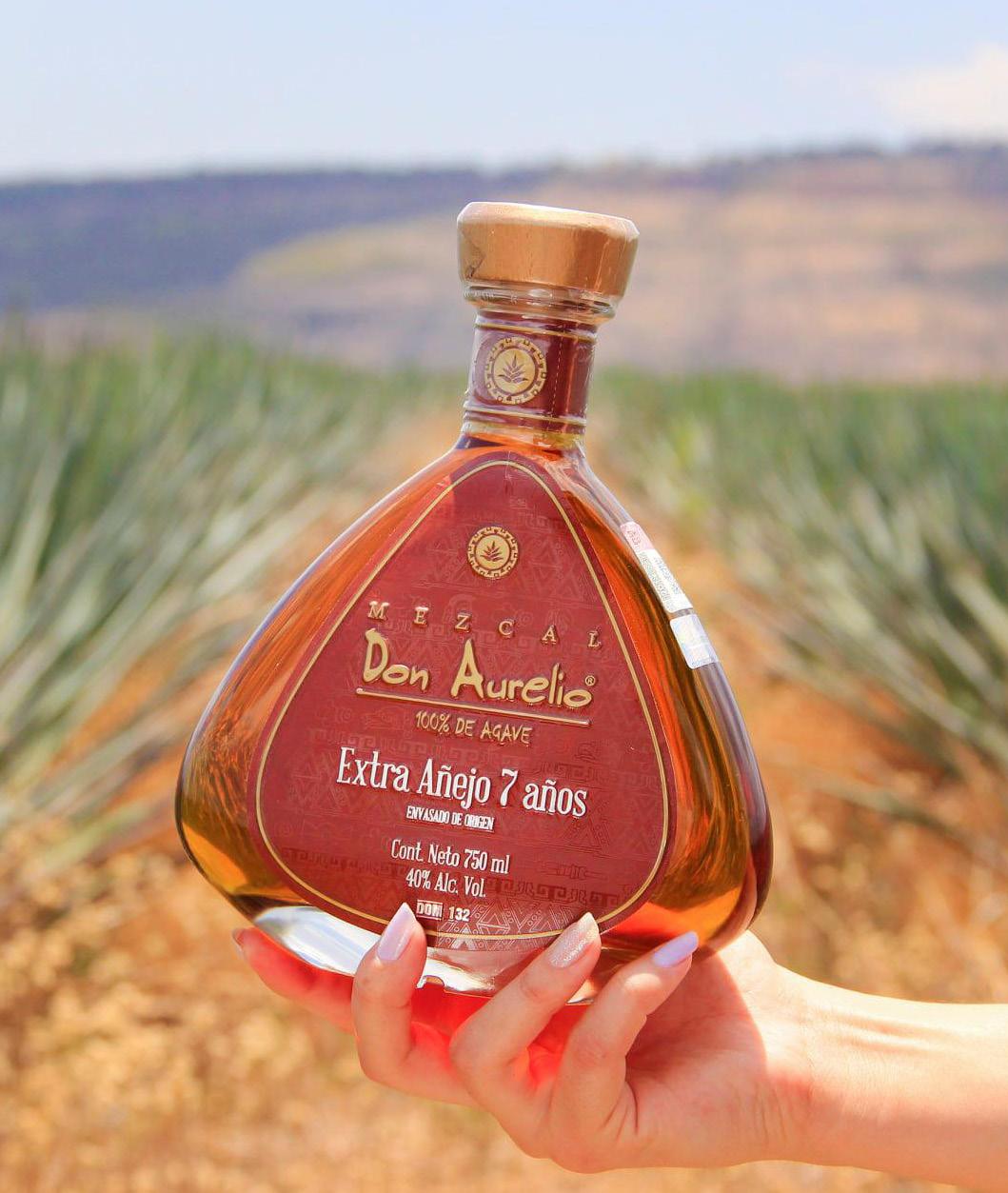
It is here that Don Aurelio Lamas produces a mezcal that has earned international recognition while maintaining traditional production methods.
Further southeast, in Pinos, former haciendas and colonial trade routes coexist with one of the state’s deepest mezcal traditions. At Hacienda La Pendencia, visitors can follow every stage of the artisanal process: agave hearts roasted underground, the grinding process, and copper stills that transform the plant into a clear and complex spirit. The region is also home to master mezcalero Antonio Briones, whose labels have received awards in specialized tasting competitions.
The route continues south to Jalpa, in the Caxcana region, where production reaches a larger scale without losing its connection to craftsmanship. Real de Jalpa, one of Mexico’s largest mezcal houses, produces both joven and añejo expressions that have carried the name of Zacatecas beyond the country’s borders.
The state’s relationship with mezcal is also expressed through collective celebration. Zacatecas holds a Guinness World Record for the world’s largest mezcal tasting, organized with the participation of local mezcal producers and thousands of attendees gathered around a shared tradition.
Traveling through Zacatecas’ mezcal routes reveals that every bottle begins long before it reaches the table. It starts in the semi-desert landscape, in agaves that take years to mature, and in the families who have turned this craft into memory. In Zacatecas, mezcal remains an ongoing conversation between the land and the people who work it.
SUROESTE
Teté: el regreso de Carlos Gaytán a los sabores de Guerrero
Teté: Carlos Gaytán’s Return to the Flavors of Guerrero
Por/By Jessica Servín Castillo
En Acapulco, los regresos también se cocinan. El de Carlos Gaytán ocurre frente al mar de la Riviera Diamante, dentro del renovado Princess Mundo Imperial, donde el chef abrió Teté, un restaurante que lleva el nombre de su madre y que funciona como una vuelta a los sabores que marcaron su infancia en Guerrero.
Lejos de construir un discurso nostálgico, Gaytán apostó por algo más preciso: traducir la memoria en cocina. El resultado es un espacio íntimo donde la técnica de la alta gastronomía convive con ingredientes y preparaciones profundamente ligadas al estado que lo vio nacer.
In Acapulco, comebacks are also cooked to perfection. Carlos Gaytán’s return takes place overlooking the sea in the Riviera Diamante, inside the renovated Princess Mundo Imperial, where the chef has opened Teté, a restaurant named after his mother that serves as a homecoming to the flavors that shaped his childhood in Guerrero.
Rather than building a nostalgic narrative, Gaytán chose something more precise: translating memory into cuisine. The result is an intimate space where fine-dining techniques coexist with ingredients and preparations deeply rooted in the state where he was born.
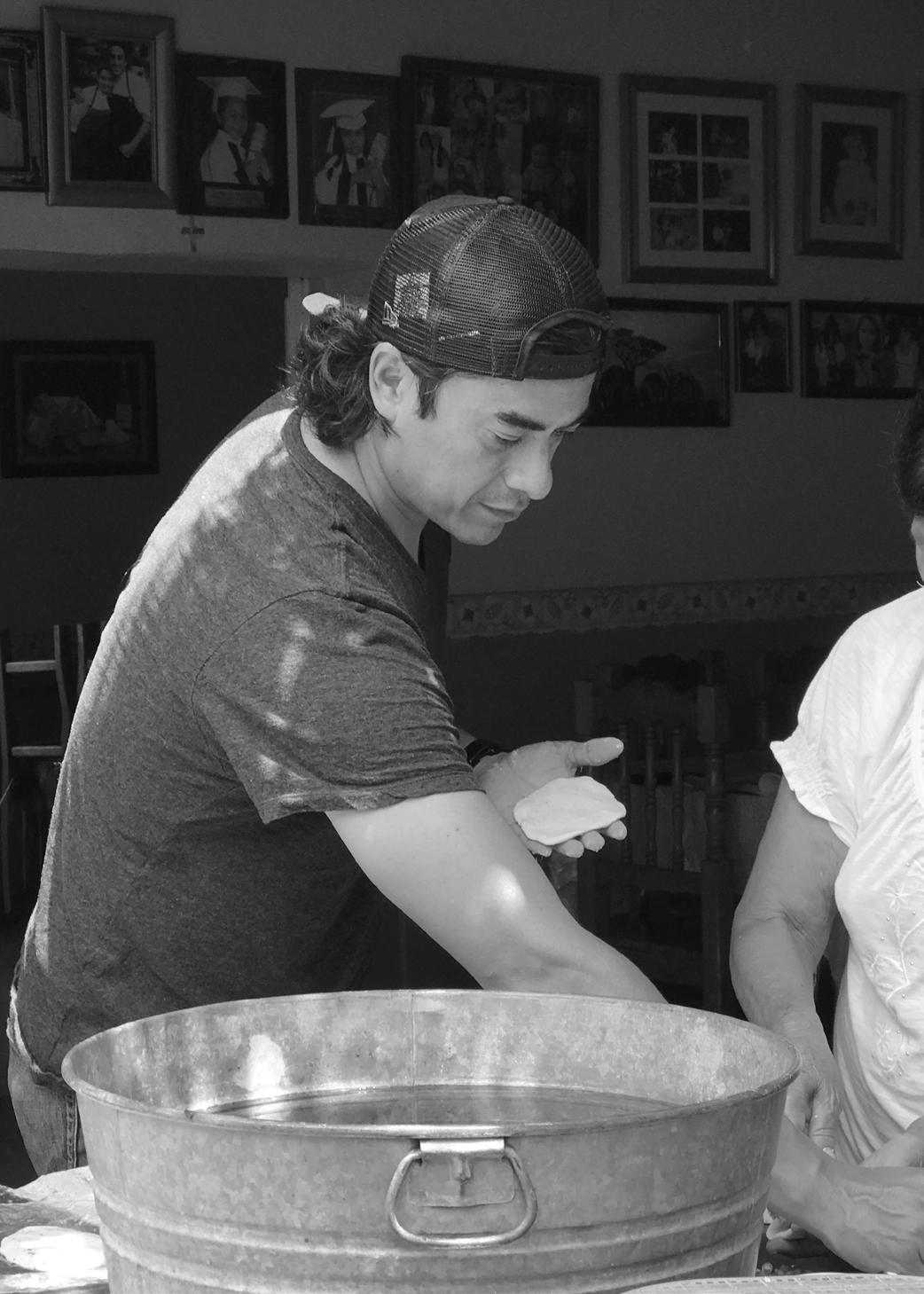
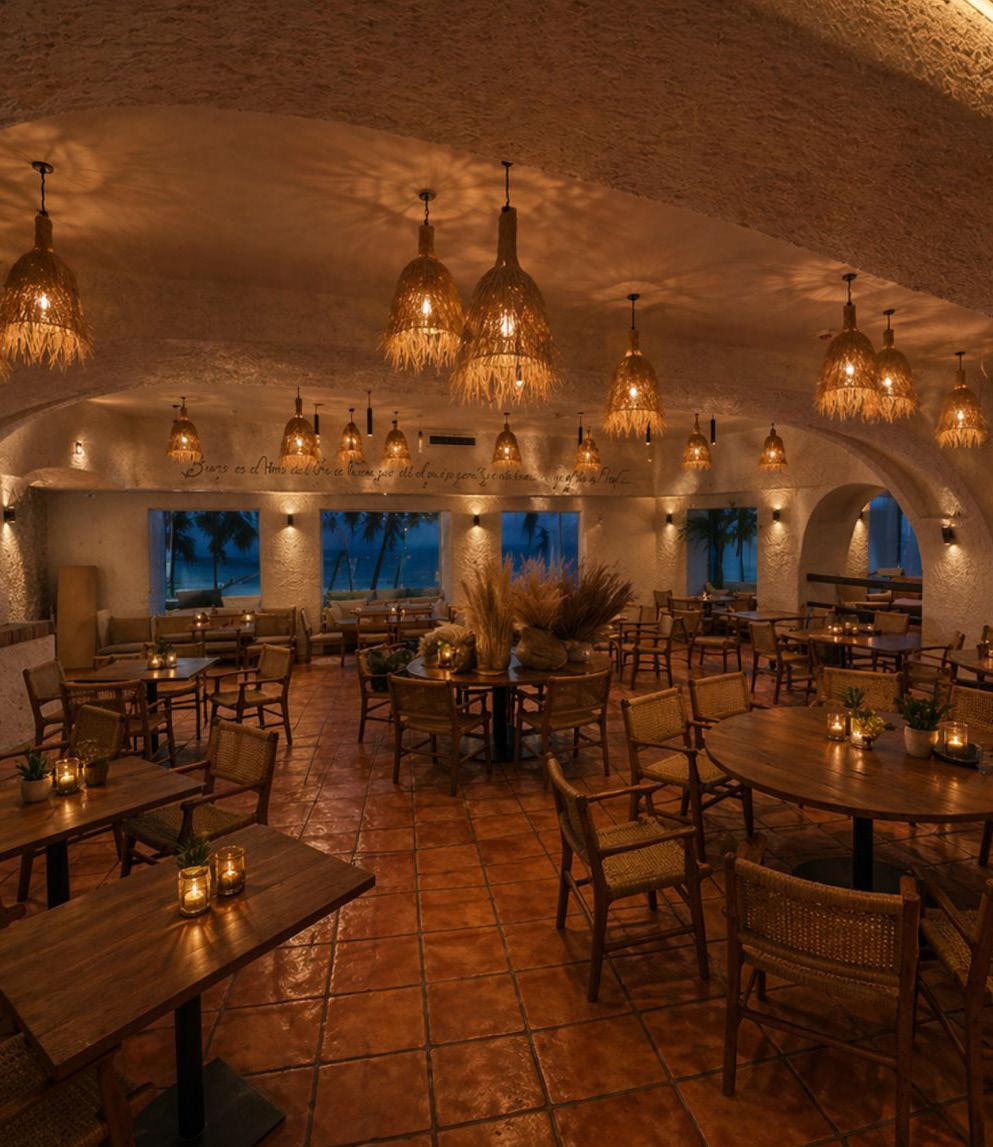


La historia detrás de Teté comienza mucho antes de Acapulco. A los 19 años, Gaytán dejó Huitzuco, Guerrero, para emigrar a Chicago. Empezó lavando platos y años después se convirtió en el primer mexicano en obtener una estrella Michelin con su restaurante Mexique, en 2013. Ese recorrido —de cocinas anónimas a los grandes escenarios gastronómicos— es parte esencial de este proyecto.
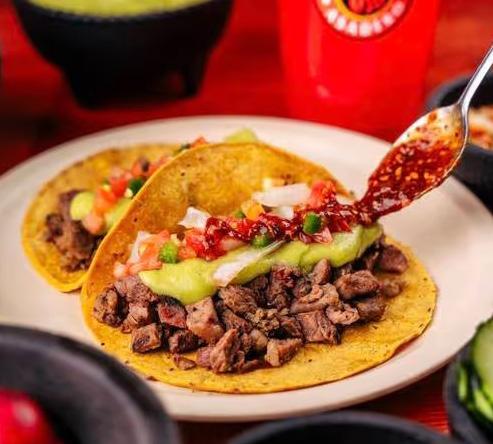
Teté no intenta replicar la cocina tradicional guerrerense de manera literal. La propuesta toma recetas, ingredientes y gestos familiares para interpretarlos desde la experiencia internacional del chef. En el menú aparecen referencias claras al territorio: pozole verde con cabeza de puerco y tacos dorados de chorizo, pescados a la talla, aguachiles de tomatillo tatemado y productos del Pacífico que dialogan con técnicas francesas.
El restaurante abrió oficialmente en abril del 2026, un momento simbólico para Acapulco. La escena no pasó desapercibida: la madre del chef, Doña Teté, estuvo presente durante la inauguración, convertida no solo en inspiración del proyecto, sino en el centro emocional de la narrativa culinaria.
The story behind Teté began long before Acapulco. At the age of 19, Gaytán left Huitzuco, Guerrero, to immigrate to Chicago. He started out washing dishes and, years later, became the first Mexican chef to earn a Michelin star with his restaurant Mexique in 2013. That journey—from anonymous kitchens to the world’s most prestigious culinary stages—is an essential part of this project.
Teté does not attempt to replicate traditional cuisine from Guerrero in a literal way. Instead, the concept draws on family recipes, local ingredients, and familiar culinary traditions, reinterpreting them through the chef’s international experience. The menu features clear references to the region: green pozole with pork head and crispy chorizo tacos, pescado a la talla, charred tomatillo aguachiles, and Pacific seafood paired with French culinary techniques.
The restaurant officially opened in April 2026, a symbolic moment for Acapulco. The occasion did not go unnoticed: the chef’s mother, Doña Teté, attended the opening, becoming not only the inspiration behind the project but also the emotional centerpiece of its culinary narrative.
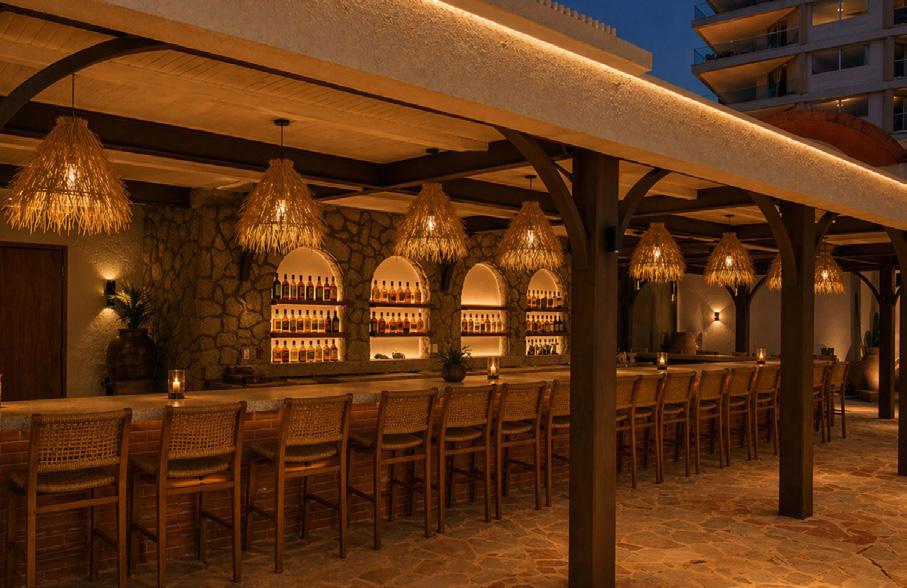
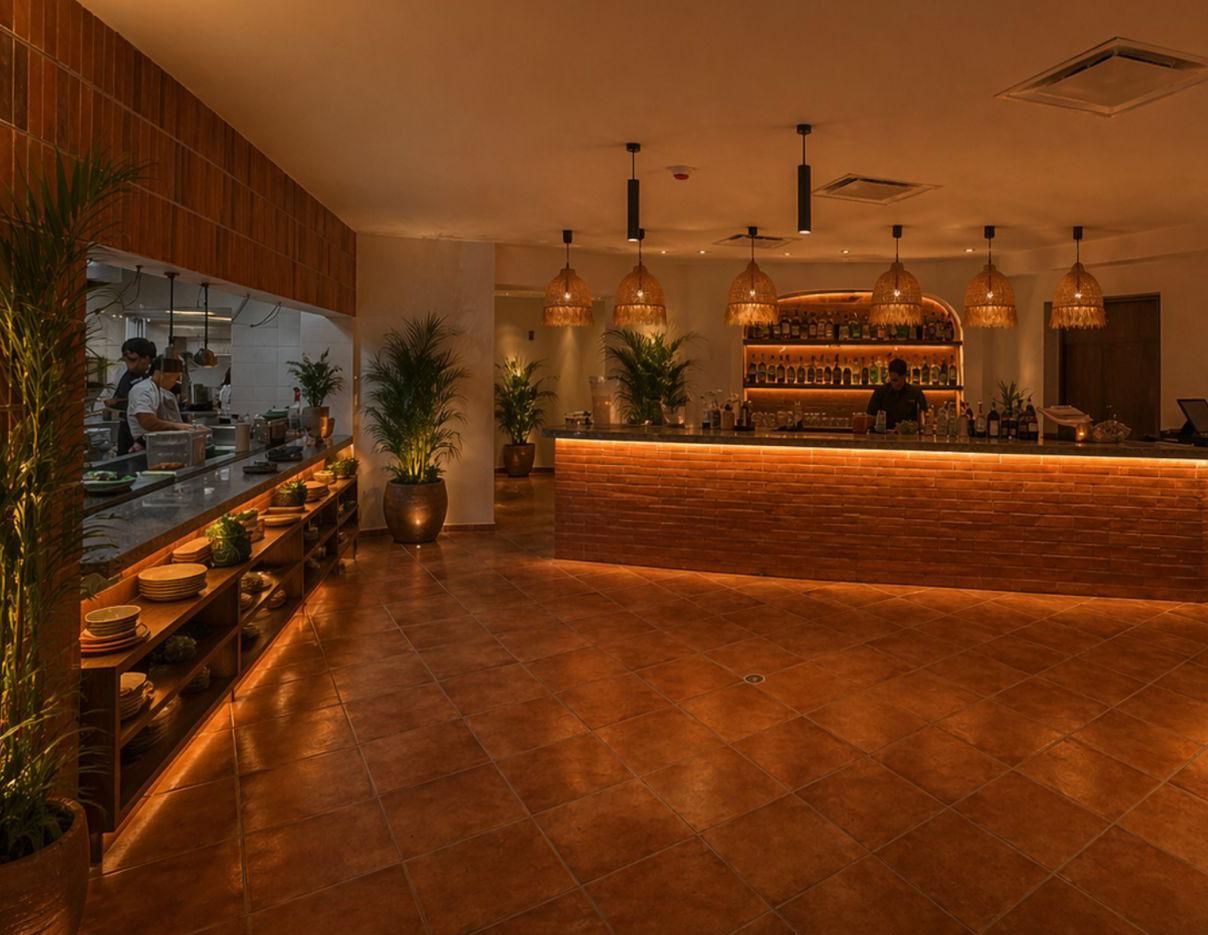
La llegada de Teté también forma parte de la transformación reciente de Mundo Imperial y de una conversación más amplia sobre el papel de la gastronomía en la recuperación turística de Acapulco. En un destino históricamente asociado con el mar y la vida nocturna, la cocina comienza a ocupar un lugar distinto: el de experiencia cultural.
Para el viajero, Teté ofrece algo cada vez más escaso en la alta cocina contemporánea: contexto. Aquí, cada plato remite a una geografía específica y a una historia personal. Guerrero aparece no como concepto, sino como origen. Y Acapulco, más que escenario, funciona como punto de encuentro entre pasado y presente.
“Quiero que cada persona que entre a Teté sienta que está en mi casa”, dijo Gaytán tras la apertura del restaurante. La frase resume el espíritu del proyecto: una cocina que no busca impresionar desde la distancia, sino acercar al comensal a la memoria de un chef que decidió volver a casa.
Teté’s arrival is also part of the recent transformation of Mundo Imperial and a broader conversation about the role of gastronomy in Acapulco’s tourism recovery. In a destination historically associated with beaches and nightlife, cuisine is beginning to occupy a different place—that of a cultural experience.
For travelers, Teté offers something increasingly rare in contemporary fine dining: context. Here, every dish points to a specific geography and a personal story. Guerrero appears not as a concept, but as an origin. And Acapulco, rather than merely serving as a backdrop, becomes a meeting point between past and present.
“I want every person who walks into Teté to feel as though they are in my home,” Gaytán said following the restaurant’s opening. The statement captures the spirit of the project: a cuisine that seeks not to impress from a distance, but to bring diners closer to the memories of a chef who decided to return home.
Franco y Trujillo, reinventando la cocina oaxaqueña
Franco and Trujillo: Reinventing Oaxacan Cuisine
En la costa de Oaxaca, Kymaia decidió convertir la gastronomía en una parte central de la experiencia de viaje. El resultado es Septimus, el restaurante que hoy encabeza una nueva etapa culinaria dentro de este hotel boutique ubicado a media hora de Puerto Escondido.
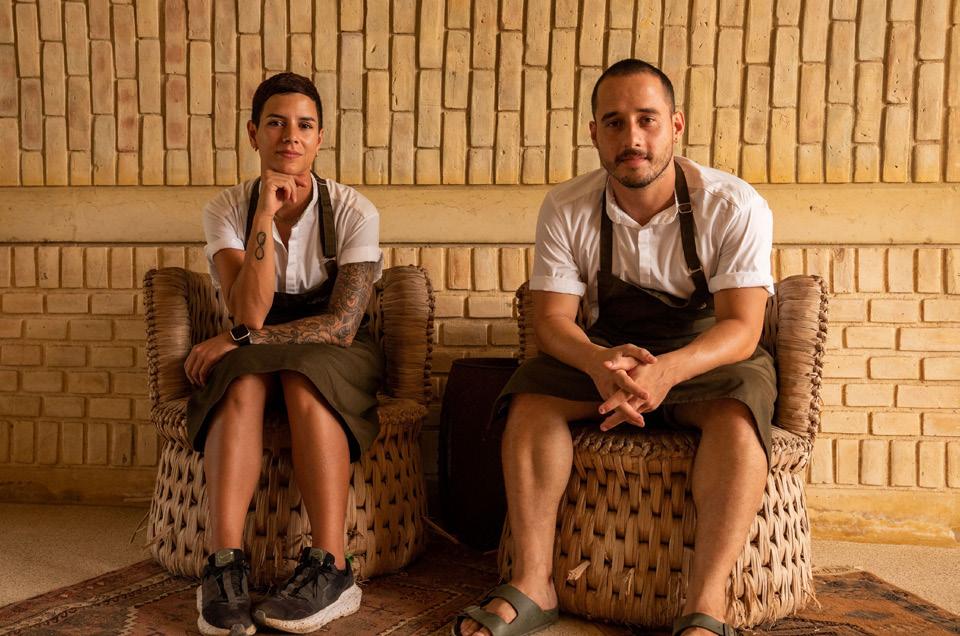
Más que un cambio de menú, Septimus representa una evolución construida desde el trabajo colectivo. Bajo la dirección creativa de Eduardo “Lalo” García y de los chefs Vanessa Franco y Andrés Trujillo, la propuesta encuentra equilibrio entre técnica contemporánea, producto local y la inspiración de todo el territorio oaxaqueño.
La historia detrás de esta cocina comienza lejos del mar. Franco y Trujillo nacieron en Venezuela y se formaron en México dentro de las cocinas de Lalo García, en Máximo Bistrot. Después consolidaron durante tres años la propuesta gastronómica de La Bóveda, en Casona Sforza, hotel reconocido con una Llave Michelin en 2024 y 2025. Ahora, ese trabajo colaborativo se traslada a Kymaia.
On the coast of Oaxaca, Kymaia has made gastronomy a central part of the travel experience. The result is Septimus, the restaurant leading a new culinary chapter within this boutique hotel located just 30 minutes from Puerto Escondido.
More than a menu change, Septimus represents an evolution built on collaboration. Under the creative direction of Eduardo “Lalo” García and chefs Vanessa Franco and Andrés Trujillo, the concept strikes a balance between contemporary technique, local ingredients, and inspiration drawn from across the Oaxacan territory.
The story behind this cuisine begins far from the sea. Franco and Trujillo were born in Venezuela and trained in Mexico under Lalo García at Máximo Bistrot. They later spent three years developing and refining the gastronomic concept of La Bóveda at Casona Sforza, a hotel awarded a Michelin Key in 2024 and 2025. Now, that collaborative spirit has found a new home at Kymaia.

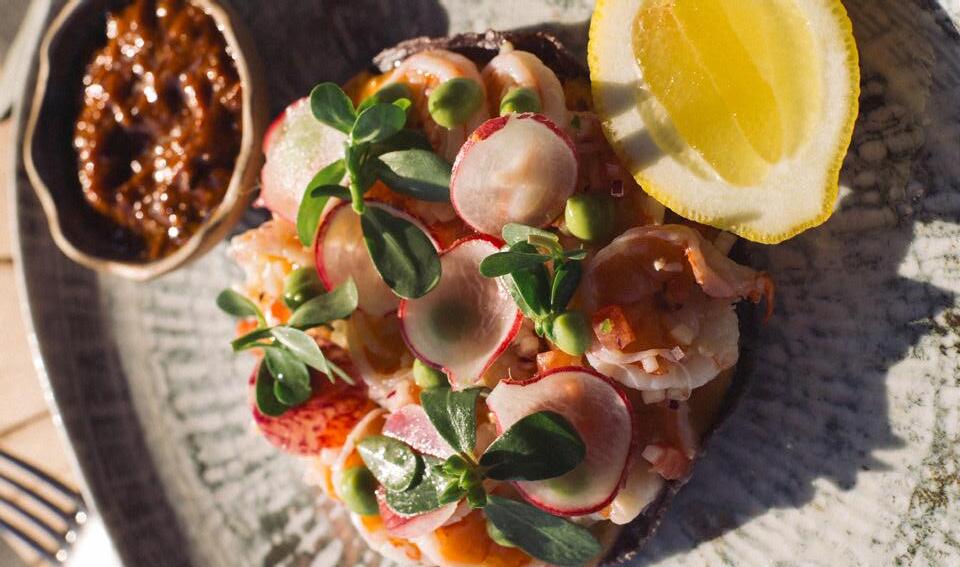
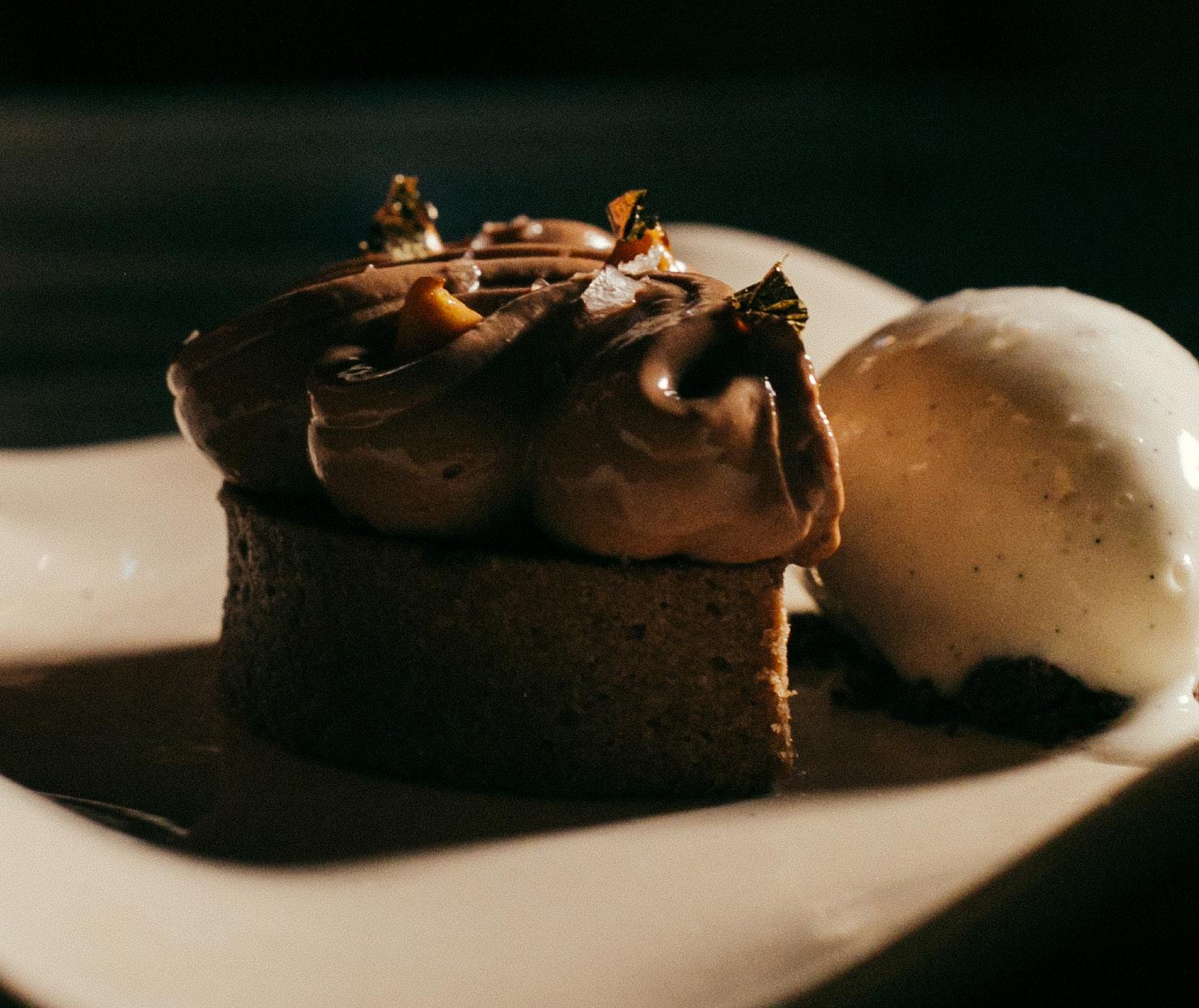

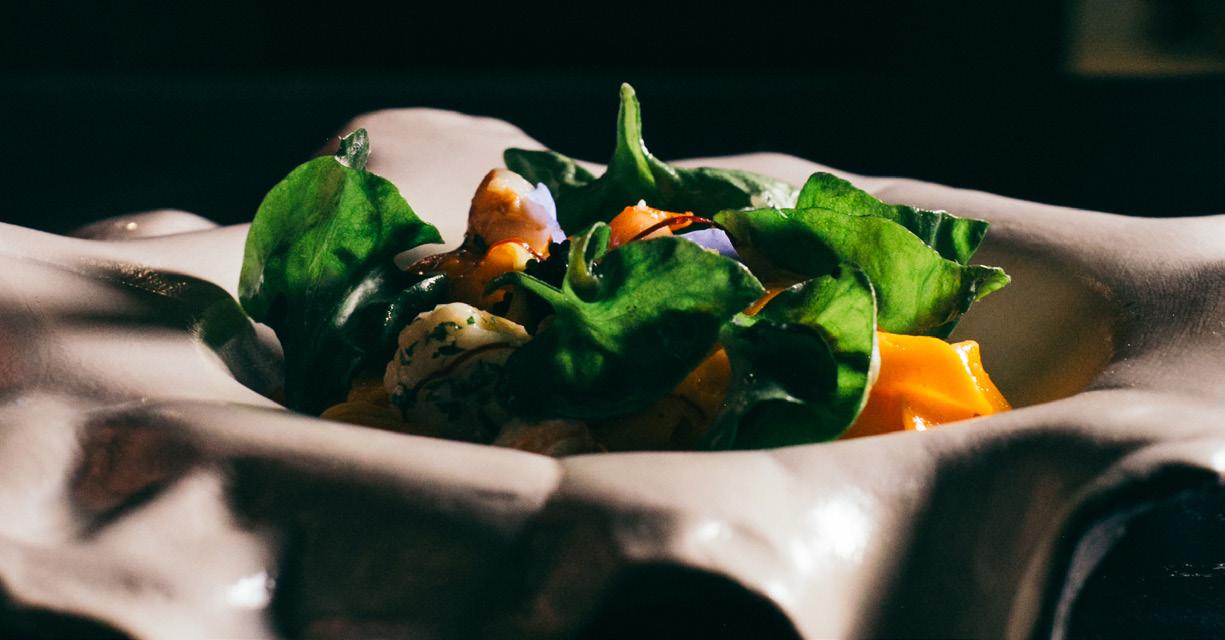
En Septimus, la cocina parte del producto y no de la pretensión. La carta trabaja con ingredientes de cercanía, pescas del día, vegetales de huertos locales y técnicas que dialogan con la tradición sin intentar imitarla. Hay pastas frescas, moles, mariscos y cocciones al fuego que responden más al entorno que a una tendencia específica.
Algunos platos resumen bien esa idea: la coliflor asada con pistaches y mole verde; el rigatoni con ragú de cordero; el tagliatelle con mariscos en salsa arrabiata; o el pescado zarandeado acompañado de tortillas y salsa tatemada. La cocina avanza entre referencias italianas, memoria mexicana y el pulso constante de Oaxaca.
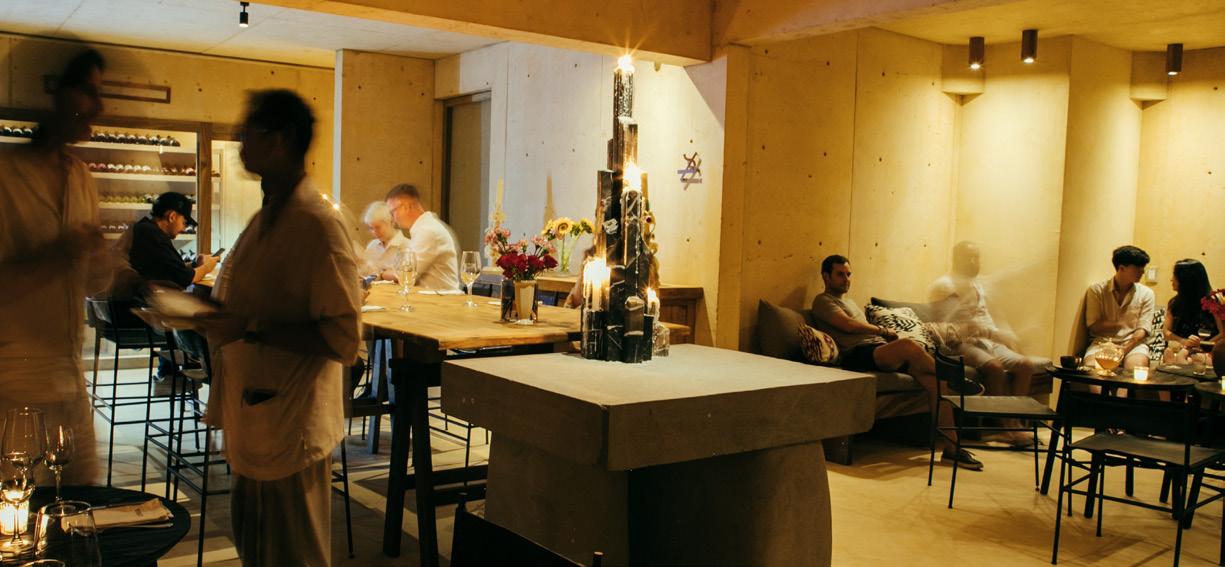

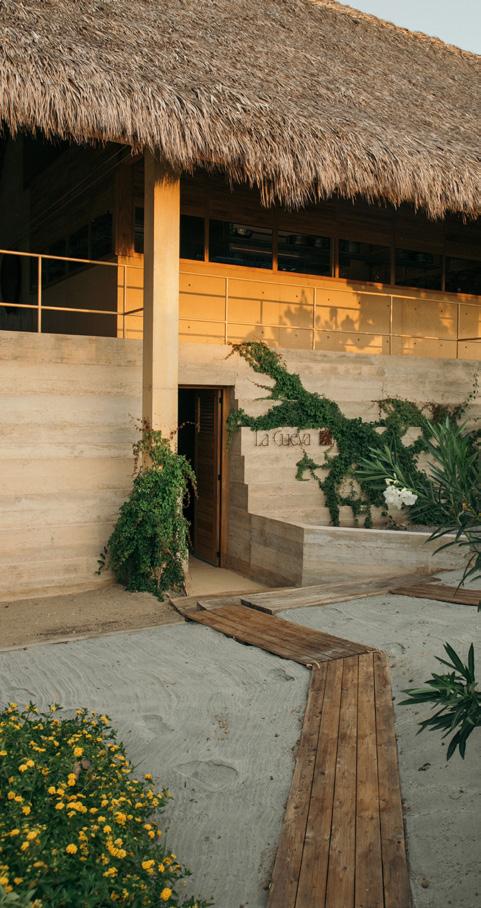
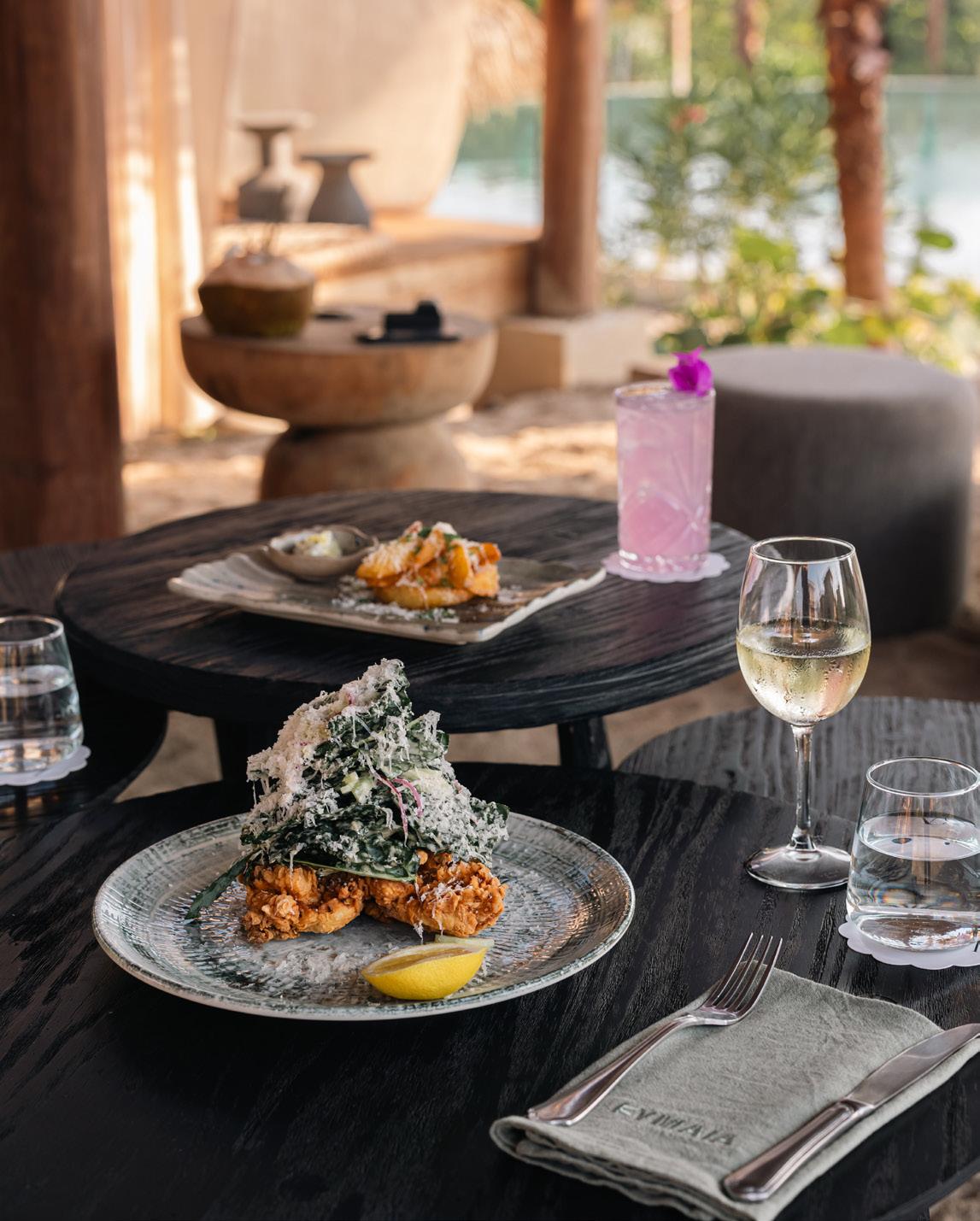
La experiencia se expande en otros dos espacios dentro de Kymaia. Huachinango Bar funciona como un comedor más informal junto a la piscina, donde conviven ceviches, aguachiles y tacos reinterpretados con coctelería enfocada en ingredientes tropicales. Más reservado es La Cueva, un espacio de degustación bajo reservación donde el menú cambia según la temporada y la cosecha. Ahí, la experiencia toma la forma de un omakase: el comensal deja el recorrido en manos del chef.
Si bien Oaxaca siempre ha concentra buena parte de la conversación gastronómica en México, Septimus apuesta por algo menos evidente: construir identidad desde la colaboración y el territorio. La cocina no busca imponer una narrativa sofisticada sobre la costa oaxaqueña; prefiere observarla, cocinarla y servirla según el ritmo natural del lugar.
At Septimus, the cuisine begins with the ingredients rather than ambition. The menu highlights locally sourced produce, the catch of the day, vegetables from nearby gardens, and techniques that engage with tradition without attempting to replicate it. Fresh pastas, moles, seafood, and wood-fire cooking reflect the surrounding environment more than any particular culinary trend.
Several dishes capture this philosophy perfectly: roasted cauliflower with pistachios and green mole; rigatoni with lamb ragù; seafood tagliatelle in arrabbiata sauce; and pescado zarandeado served with tortillas and charred salsa. The cuisine moves effortlessly between Italian influences, Mexican culinary memory, and the constant rhythm of Oaxaca.
The experience extends to two additional spaces within Kymaia. Huachinango Bar offers a more casual poolside setting where ceviches, aguachiles, and reimagined tacos are paired with cocktails centered on tropical ingredients. For a more intimate experience, La Cueva serves as a reservation-only tasting space where the menu changes according to the season and harvest. Here, dining takes the form of an omakase experience, placing the journey entirely in the chef’s hands.
While Oaxaca has long occupied a central place in Mexico’s gastronomic conversation, Septimus is pursuing something less obvious: building identity through collaboration and a deep connection to place. Rather than imposing a sophisticated narrative on the Oaxacan coast, the kitchen chooses to observe it, cook it, and serve it according to the natural rhythm of the region.

NORTE
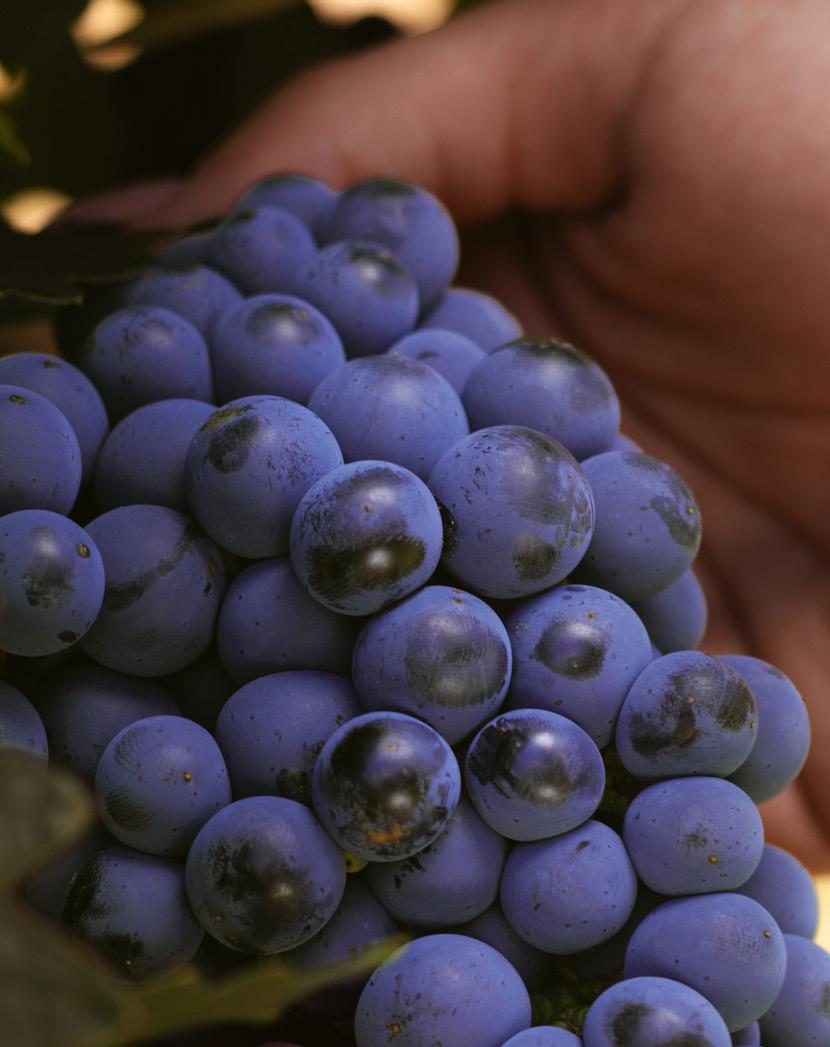
Chihuahua entre vinos, desierto y sierra Chihuahua: Between
Wine, Desert and Sierra
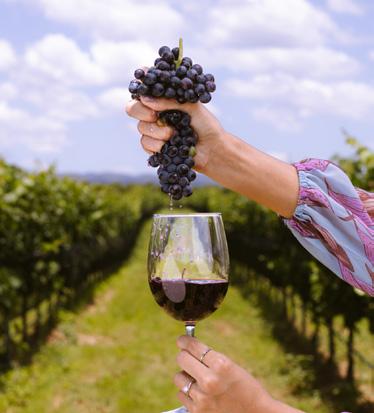
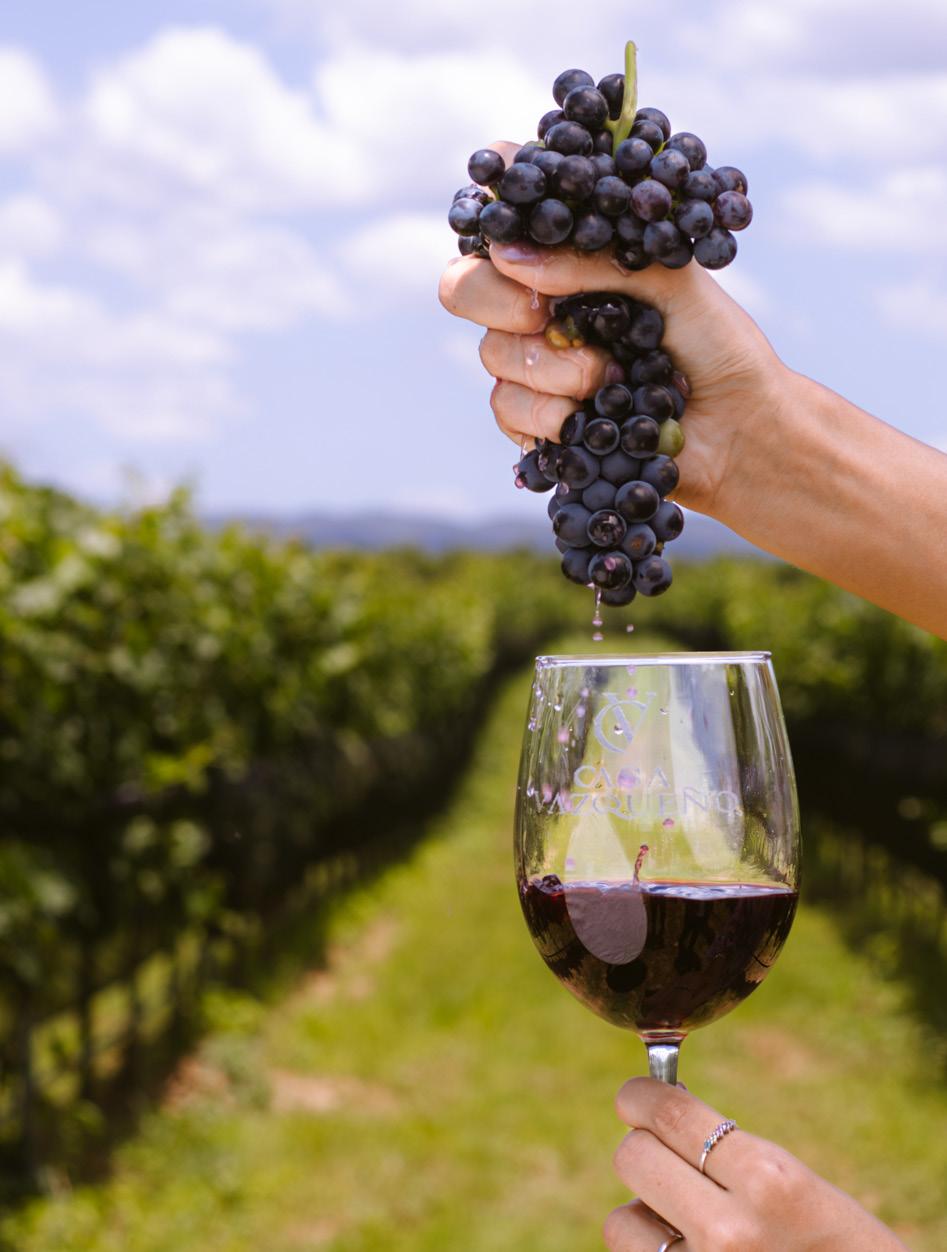
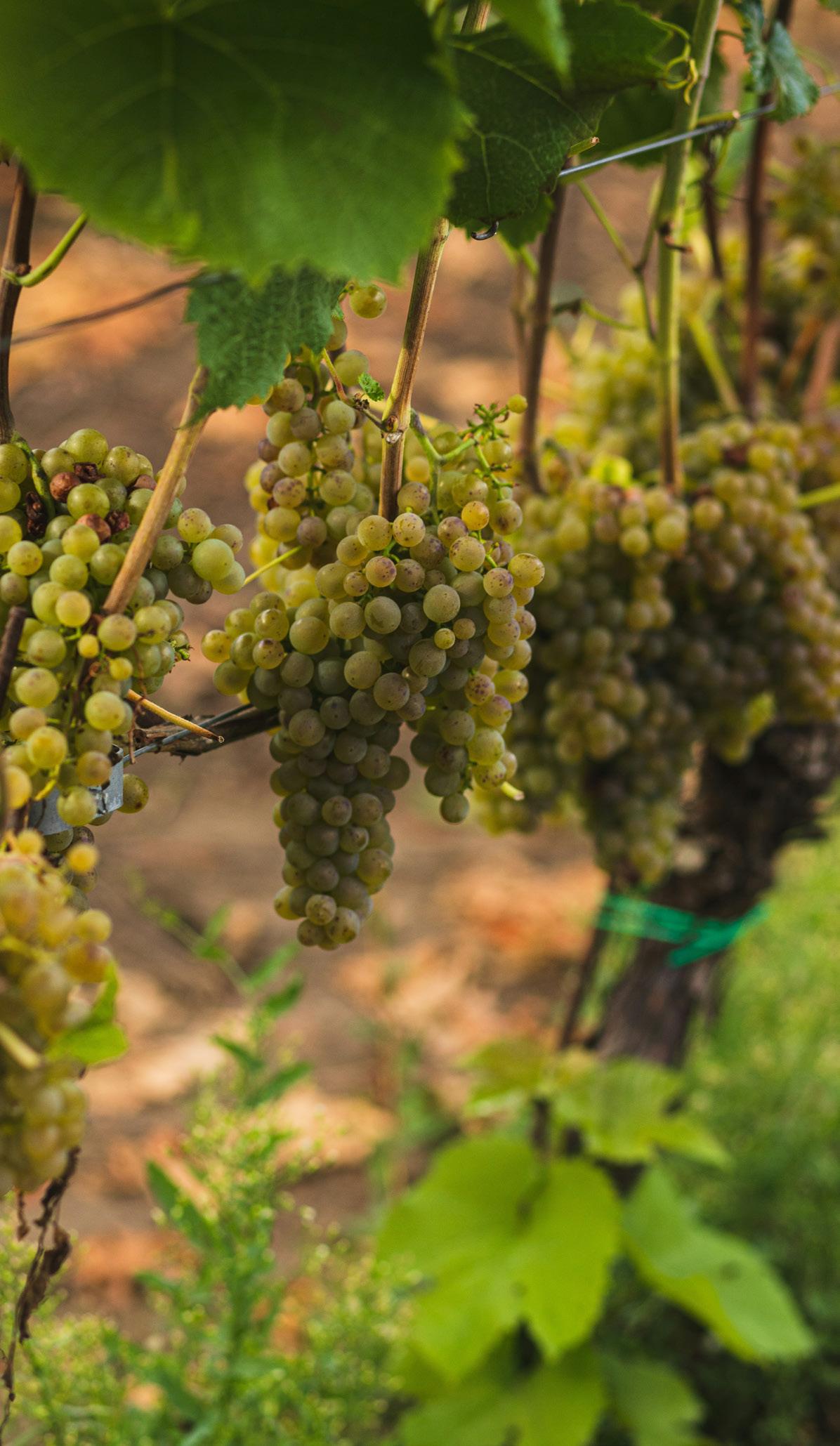
En el mapa del vino mexicano, Chihuahua es una incorporación relativamente reciente, aunque la presencia de la vid en el estado tiene antecedentes que se remontan a mediados del siglo XX. Su consolidación como región vitivinícola ha ocurrido sobre todo en la última década, cuando distintos proyectos comenzaron a demostrar el potencial de un territorio marcado por la diversidad de altitudes y por un clima de fuertes contrastes entre el día y la noche.
Los viñedos se extienden por municipios como Bachíniva, Delicias, Sacramento, Encinillas y los alrededores de la ciudad de Chihuahua. En conjunto, suman más de 370 hectáreas cultivadas y sitúan al estado entre los principales productores del país en superficie de vid. Aquí, el ciclo de la uva transcurre bajo días de intensa radiación solar y noches frías, una combinación que acompaña una maduración pausada y permite conservar la acidez natural de la fruta.
On the map of Mexican wine, Chihuahua is a relatively recent addition, although the cultivation of vines in the state dates back to the mid-twentieth century. Its emergence as a wine-producing region has taken shape primarily over the last decade, as a number of projects began to demonstrate the potential of a territory defined by varied elevations and a climate marked by dramatic shifts between day and night.
Vineyards are spread across municipalities such as Bachíniva, Delicias, Sacramento, Encinillas, and the area surrounding the city of Chihuahua. Together, they account for more than 370 hectares under vine, placing the state among Mexico’s leading regions in vineyard acreage. Here, the growing season unfolds under intense sunlight and cool nights, conditions that encourage gradual ripening while helping the grapes retain their natural acidity.
Staff TGTM
La historia reciente del vino chihuahuense comenzó a tomar forma con proyectos que apostaron por una producción de mayor escala. Uno de los más representativos surgió en 2011 en Hacienda San Agustín, donde nació Tres Ríos. Las primeras plantaciones se realizaron con material vegetativo importado y, apenas tres años después, la bodega presentó su primera vendimia, que obtuvo reconocimiento en certámenes celebrados en Ensenada. Con el tiempo, el proyecto se expandió hacia Santa Isabel, incorporando terrenos de larga tradición agrícola a la producción vitivinícola.
Durante esos mismos años, otras iniciativas contribuyeron a transformar el panorama local. Entre ellas destaca Bodegas Pinesque, vinculada a una etapa en la que la actividad dejó de ser principalmente artesanal para integrarse a una estructura comercial más definida. A medida que surgían nuevas plantaciones en distintas regiones del estado, comenzó a configurarse un corredor vitícola que poco a poco atrajo la atención de visitantes y viajeros.
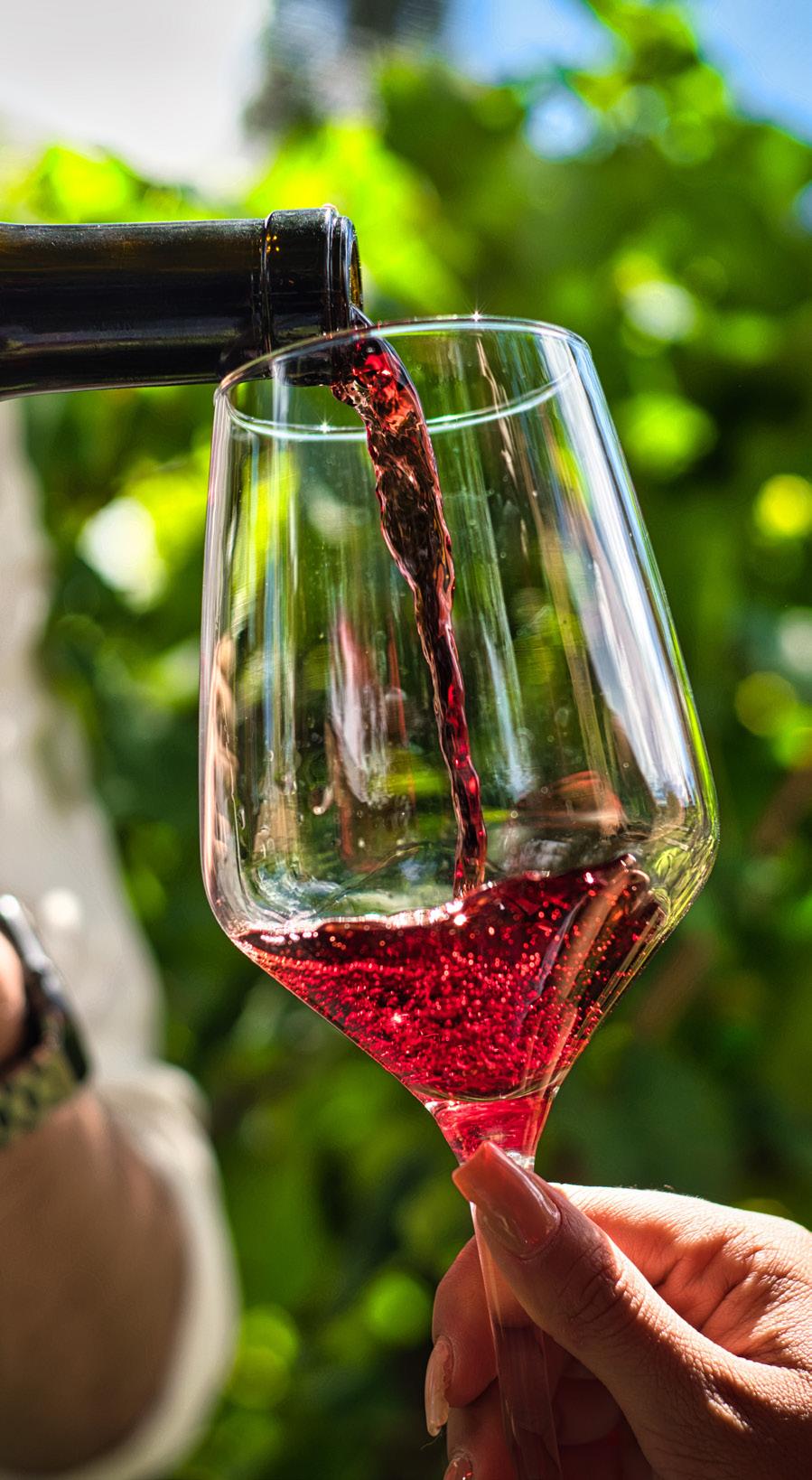
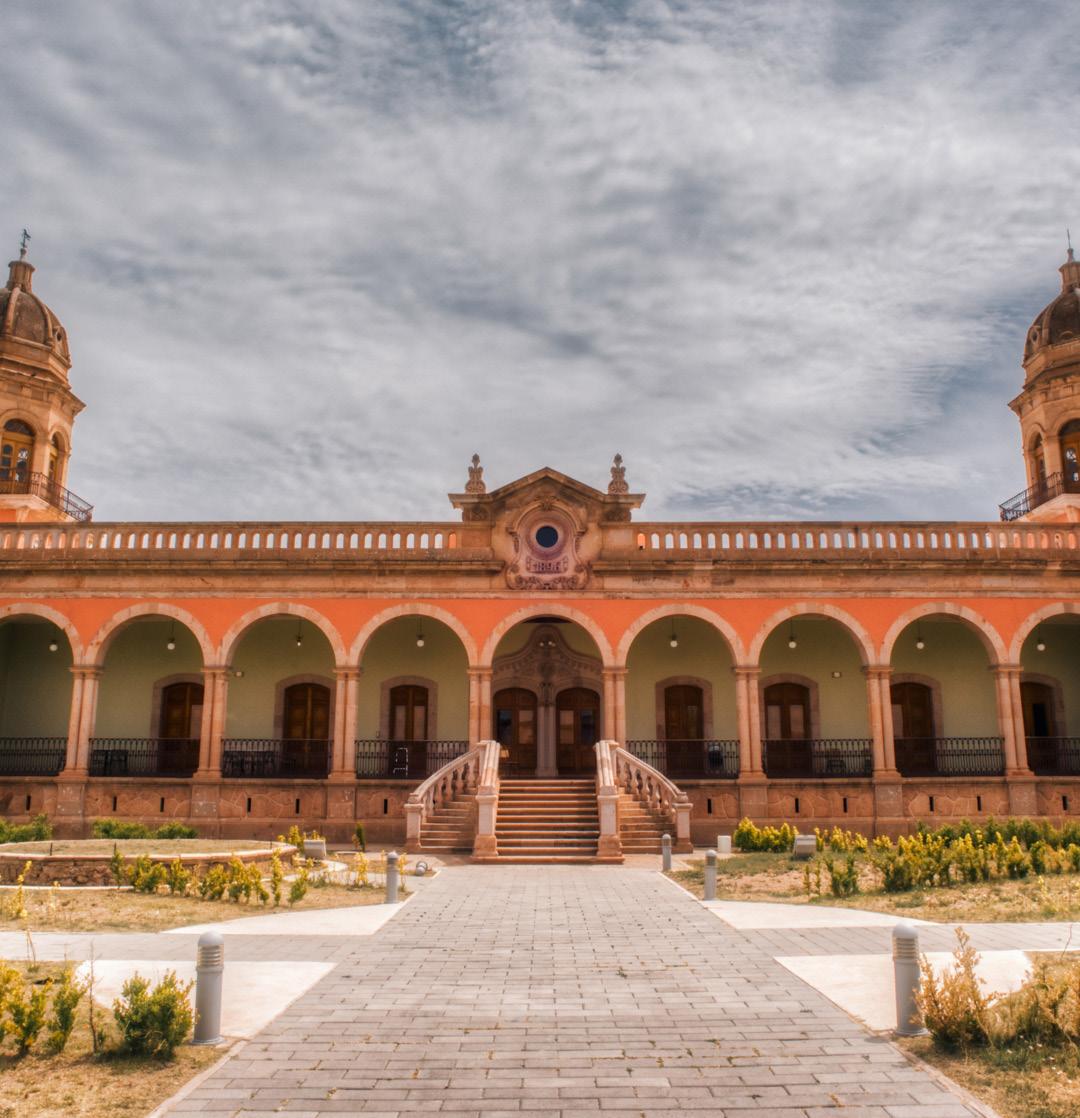
The recent history of wine in Chihuahua began to take shape through projects that embraced production on a larger scale. One of the most representative emerged in 2011 at Hacienda San Agustín, where Tres Ríos was established. The first vineyards were planted using imported plant material, and just three years later the winery released its inaugural vintage, which received recognition at competitions held in Ensenada. Over time, the project expanded into Santa Isabel, bringing historically agricultural lands into wine production.
During the same period, other initiatives contributed to transforming the local landscape. Among them was Bodegas Pinesque, associated with a stage in which winemaking evolved from a largely artisanal activity into a more structured commercial enterprise. As new vineyards appeared in different parts of the state, a wine corridor gradually began to emerge, attracting increasing numbers of visitors and travelers.
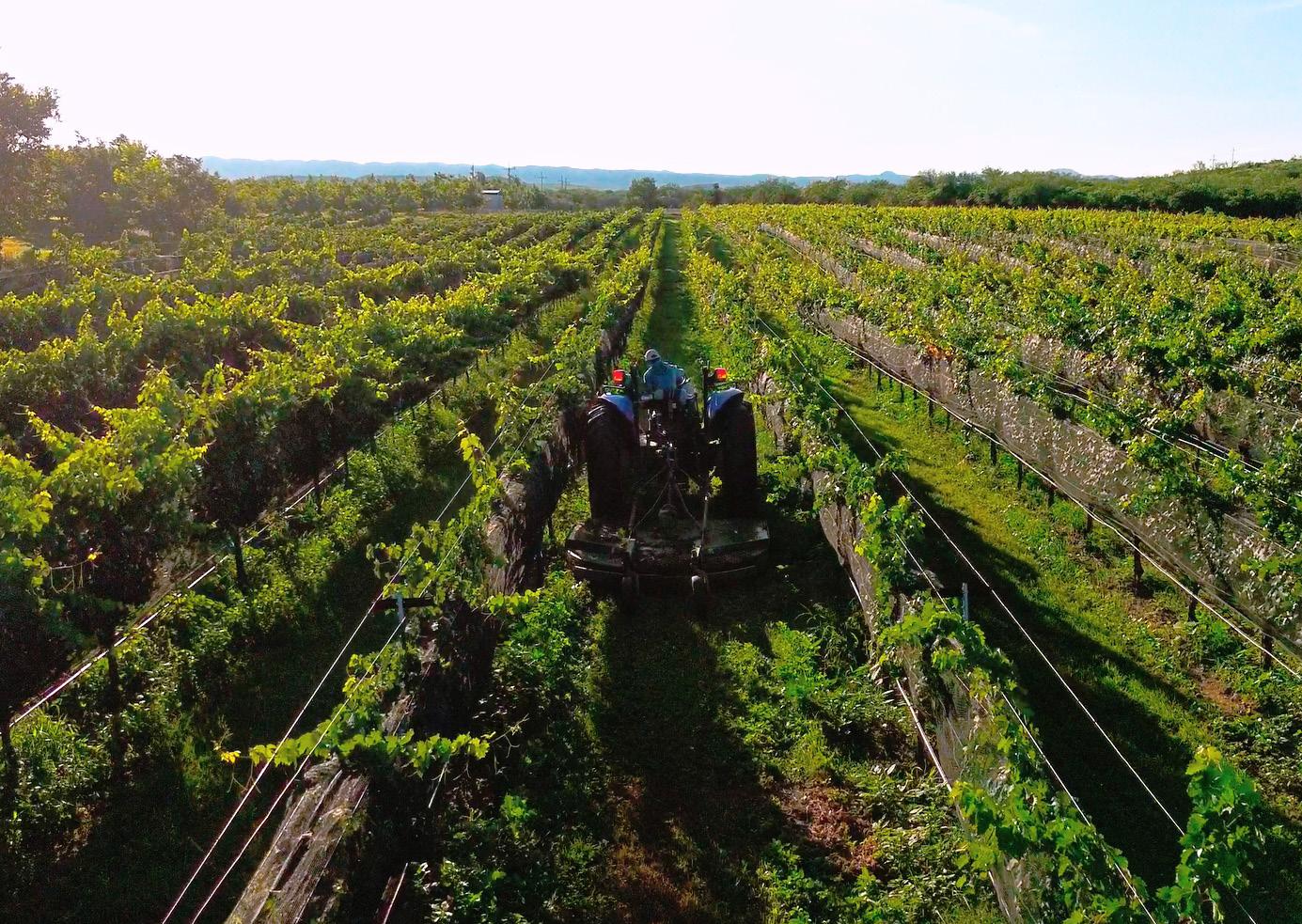
El paisaje que acompaña este desarrollo es diverso. Algunas bodegas ocupan antiguos ranchos rehabilitados, mientras que otras se levantan en terrenos abiertos donde la infraestructura crece al mismo ritmo que los viñedos. A diferencia de otras regiones, el vino en Chihuahua se encuentra todavía en una etapa de construcción. Su desarrollo ha sido el resultado de la convergencia entre la agricultura, la inversión privada y el interés creciente por el turismo enológico.
El viaje entre bodegas transcurre por carreteras largas, pueblos agrícolas y viñedos dispersos que aparecen entre llanuras y sierras. Las visitas suelen combinar recorridos por los campos, degustaciones y espacios de hospitalidad que permiten conocer de cerca el trabajo detrás de cada etiqueta. Más que un relato único, el vino en Chihuahua continúa escribiendo su propia narrativa, una que poco a poco consolida su lugar dentro de la geografía más amplia del vino mexicano.
The landscape surrounding this development is diverse. Some wineries occupy restored ranches, while others stand on open land where infrastructure continues to grow alongside the vineyards themselves. Unlike more established wine regions, Chihuahua’s wine industry is still in the process of defining itself. Its development has been driven by the convergence of agriculture, private investment, and a growing interest in wine tourism.
The journey between wineries takes place along long roads, agricultural towns, and scattered vineyards that appear between plains and mountain ranges. The visits usually combine tours through the fields, tastings, and hospitality spaces that allow visitors to closely experience the work behind each label. Rather than a single narrative, wine in Chihuahua continues to write its own story—one that is gradually consolidating its place within the broader geography of Mexican wine.
Baja California: un viaje que se cuenta desde la mesa Baja California: A Journey Told Through Its Table
Por/ By Jessica Servín Castillo
Entre costas que alimentan algunas de las pesquerías más importantes del país, valles agrícolas y una frontera que ha favorecido el intercambio cultural durante décadas, la cocina bajacaliforniana se ha convertido en una expresión de su territorio y de su historia.
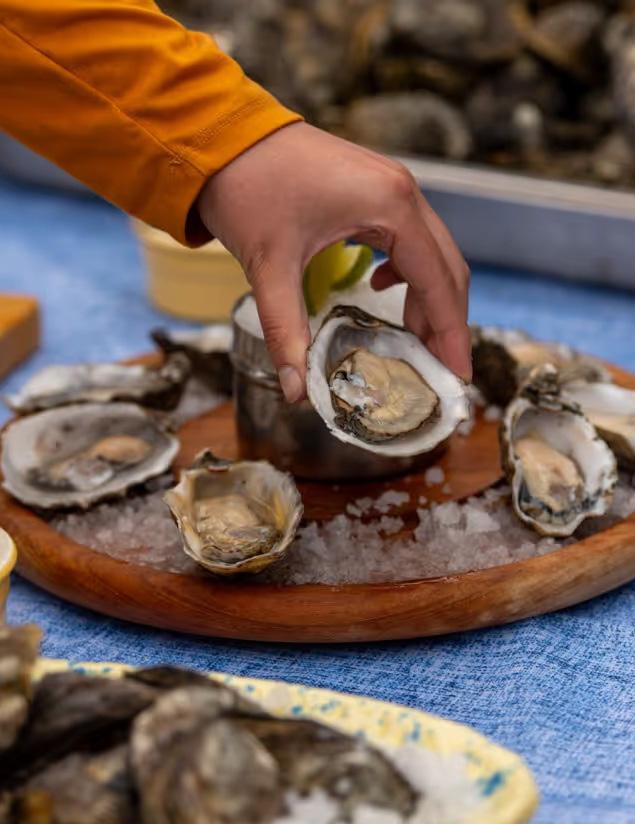
Recorrer el estado es seguir una ruta marcada por el mar. En San Quintín, las aguas frías del Pacífico han dado forma a una tradición pesquera que hoy encuentra en los ostiones, ceviches y tacos de pescado algunos de sus mejores representantes. Aquí, la gastronomía comienza en los cultivos marinos y en las embarcaciones que cada día abastecen cocinas y mercados con productos cuya frescura define el carácter de la región.
Between coastlines that support some of Mexico’s most important fisheries, fertile agricultural valleys, and a border that has fostered cultural exchange for decades, Baja California’s cuisine has become a reflection of its landscape and its history.
Traveling across the state is like following a route shaped by the sea. In San Quintín, the cold waters of the Pacific have given rise to a fishing tradition whose finest expressions can be found in oysters, ceviches, and fish tacos. Here, gastronomy begins in marine farms and fishing vessels that supply kitchens and markets each day with products whose freshness defines the character of the region.
Más al este, en San Felipe, el Mar de Cortés dicta el ritmo de la cocina local. Los mariscos forman parte de la vida cotidiana y de una tradición culinaria que privilegia el producto por encima de cualquier artificio. Cada receta es también el reflejo de una relación histórica entre la comunidad y el océano.
La historia gastronómica de Baja California no puede contarse sin detenerse en Puerto Nuevo. Desde mediados del siglo XX, la preparación de la langosta acompañada de tortillas de harina, frijoles y arroz se convirtió en un ritual que ha trascendido generaciones. Lo que comenzó como una comida para viajeros terminó por consolidarse como uno de los emblemas culinarios más reconocibles del estado.
En Ensenada, considerada por muchos la capital gastronómica de Baja California, la cocina se vive tanto en los mercados como en las mesas de restaurantes. Sus célebres tacos de pescado resumen la vocación marítima de la ciudad, mientras que las recetas transmitidas entre generaciones recuerdan que la gastronomía también funciona como un archivo vivo de la memoria local.
Tierra adentro, el Valle de Guadalupe ofrece otro capítulo fundamental de esta historia. Los viñedos transformaron el paisaje y dieron origen a una cultura enológica que hoy define parte de la identidad del estado. Bodegas familiares, proyectos boutique y restaurantes que trabajan con ingredientes de cercanía han consolidado una escena donde vino y gastronomía dialogan constantemente con el entorno.
Further east, in San Felipe, the Sea of Cortez sets the rhythm of local cuisine. Seafood is part of everyday life and of a culinary tradition that places the quality of the ingredient above all else. Each recipe reflects a longstanding relationship between the community and the ocean.
The culinary history of Baja California cannot be told without a stop in Puerto Nuevo. Since the mid-20th century, the preparation of lobster served with flour tortillas, beans, and rice has become a ritual passed down through generations. What began as a meal for travelers eventually evolved into one of the state’s most recognizable culinary symbols.
In Ensenada, considered by many to be Baja California’s gastronomic capital, food is experienced both in bustling markets and at restaurant tables. Its celebrated fish tacos capture the city’s maritime identity, while recipes passed down through generations serve as a reminder that gastronomy is also a living archive of local memory.
Further inland, the Guadalupe Valley offers another essential chapter of this story. Vineyards transformed the landscape and gave rise to a wine culture that today defines part of the state’s identity. Familyowned wineries, boutique projects, and restaurants committed to local ingredients have created a culinary scene where wine and gastronomy remain in constant dialogue with the surrounding environment.
La creatividad encuentra una de sus expresiones más visibles en Tijuana. Allí nació y evolucionó la cocina Baja Med, una corriente culinaria que combina ingredientes regionales con influencias mediterráneas y asiáticas, reflejando el carácter cosmopolita de una ciudad marcada por el intercambio cultural.
En Tecate, el pan artesanal y las cocinas de producto recuerdan el valor de las tradiciones cotidianas. En Mexicali, la gastronomía de frontera evidencia la convivencia de distintas herencias culturales que han enriquecido el recetario local durante décadas.
Más que una suma de platillos, la gastronomía de Baja California es una forma de narrar el territorio. Desde los ostiones de San Quintín hasta los vinos del Valle de Guadalupe, cada sabor revela la relación entre mar, desierto, campo y frontera.
Creativity finds one of its clearest expressions in Tijuana. It was here that Baja Med cuisine emerged and evolved, combining regional ingredients with Mediterranean and Asian influences, reflecting the cosmopolitan character of a city shaped by cultural exchange.
In Tecate, artisan bread and ingredient-driven kitchens highlight the value of everyday traditions. In Mexicali, borderland cuisine reveals the coexistence of diverse cultural heritages that have enriched the local culinary repertoire for decades.
More than a collection of dishes, Baja California’s gastronomy is a way of telling the story of its territory. From the oysters of San Quintín to the wines of the Guadalupe Valley, every flavor reveals the connection between sea, desert, farmland, and borderlands.
Ballena: cocina contemporánea
Ballena: Contemporary Cuisine
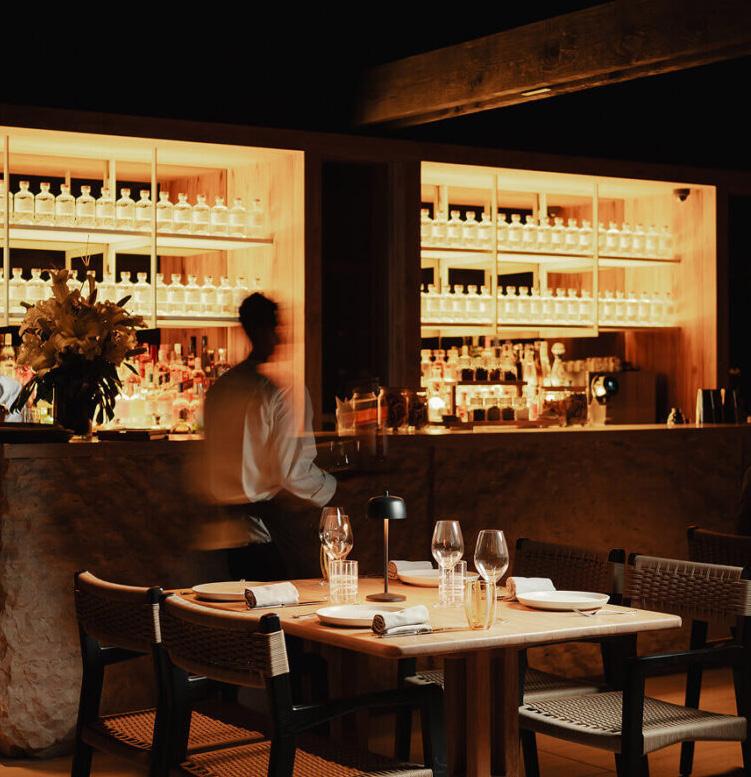
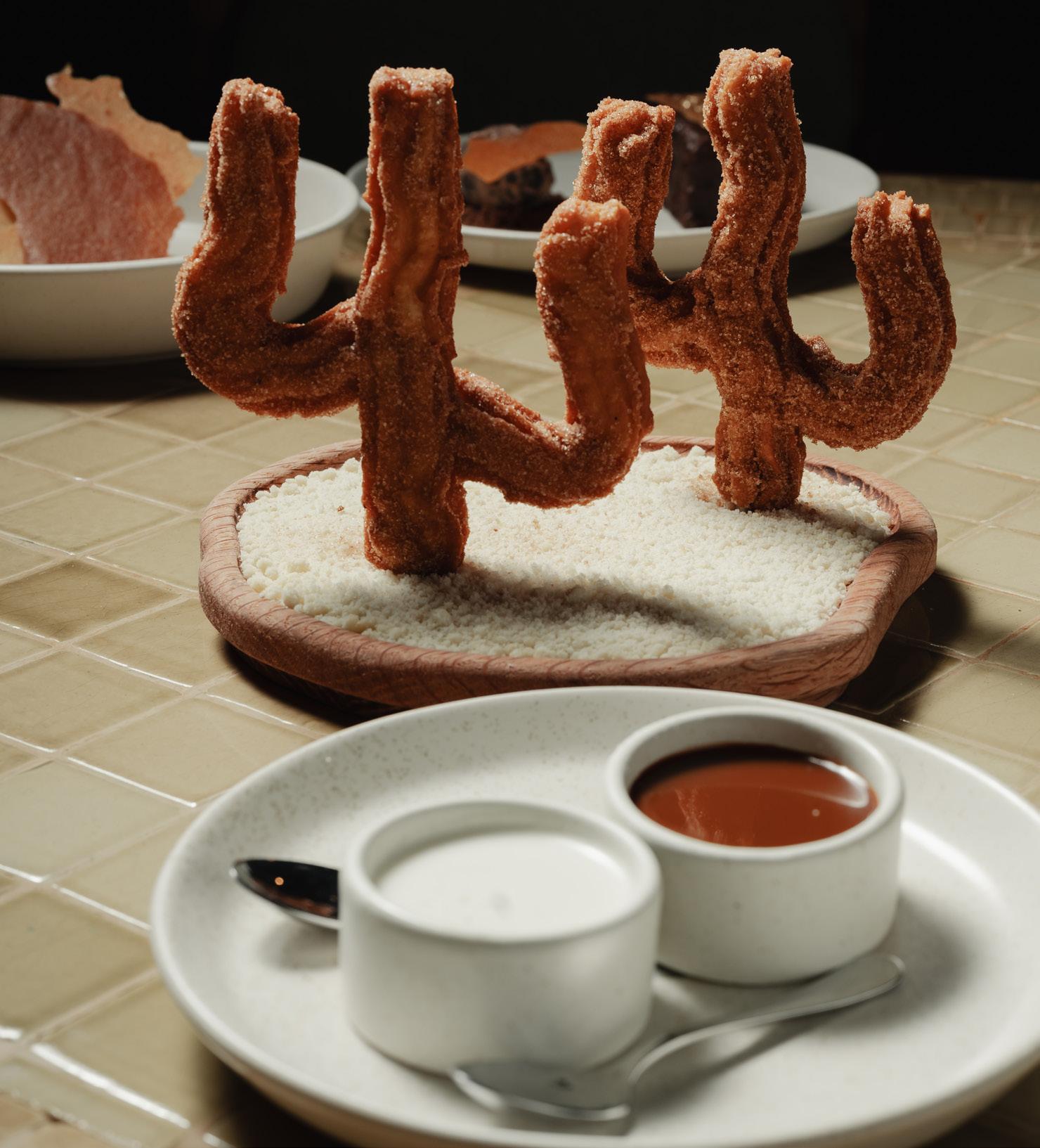
San José del Cabo se ha consolidado dentro de la gastronomía mexicana como un destino donde la cocina convive con el arte, la arquitectura y las expresiones culturales. En ese contexto aparece Ballena, un restaurante y ubicado dentro de un complejo dedicado al arte y la cultura contemporánea.
En Ballena, la experiencia gastronómica se construye a partir de múltiples disciplinas. Aquí, la cocina comparte protagonismo con las galerías, los espacios creativos y una arquitectura diseñada para dialogar con el entorno. El resultado es un lugar donde el recorrido comienza mucho antes de que los platos lleguen a la mesa.
San José del Cabo has established itself as a destination where gastronomy coexists with art, architecture, and cultural expression. Within this context, Ballena emerges as a restaurant located inside a complex dedicated to contemporary art and culture.
At Ballena, the dining experience is shaped by multiple disciplines. Here, cuisine shares the spotlight with galleries, creative spaces, and architecture designed to engage with its surroundings. The result is a place where the experience begins long before the first dish arrives at the table.
Staff TGTM

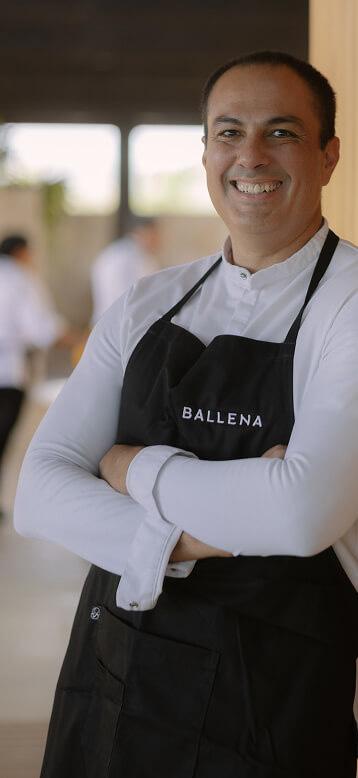
Detrás del proyecto se encuentra Grupo Hunan, cuya trayectoria ha estado marcada por el desarrollo de restaurantes que buscan responder a las características de cada destino. En Ballena, esa filosofía se traduce en una propuesta internacional que encuentra en Baja California Sur su punto de partida. La cocina toma ingredientes del mar y de la tierra para construir una carta amplia, donde conviven referencias mexicanas, mediterráneas y asiáticas sin perder de vista el territorio que las rodea.
El menú refleja esa diversidad. Los primeros tiempos recorren preparaciones que van del tartar de atún y el crudo del día a un carpaccio de ternera o unos espárragos katsu. Más adelante aparecen tacos elaborados con langosta de Rosarito, cochinillo o costra de rib eye, junto a pizzas cocinadas al horno, pastas de inspiración italiana y platos principales que integran pescados, mariscos y carnes. La propuesta se mueve con naturalidad entre distintos registros culinarios, manteniendo un hilo conductor basado en la técnica y el producto.
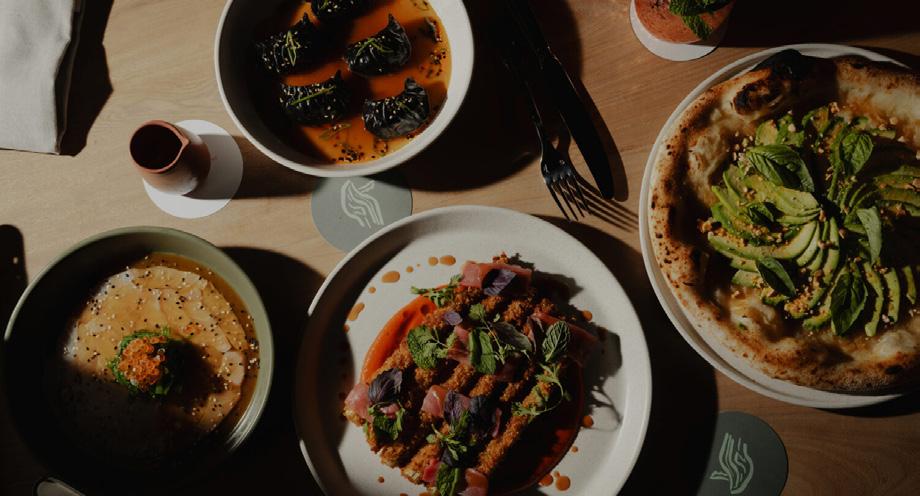
La influencia asiática, una constante dentro de la historia de Grupo Hunan, también encuentra su espacio en preparaciones como el pollo Kung Pao, el salteado de arrachera al wok o un pad thai de gambas. Más que establecer fronteras entre estilos de cocina, la carta apuesta por una convivencia de sabores que refleja el carácter cosmopolita que ha adquirido Los Cabos como destino internacional.
La experiencia se extiende a la selección de vinos y coctelería. Etiquetas provenientes de distintas regiones acompañan una oferta de bebidas donde aparecen referencias tropicales, cítricas y herbales que dialogan con el clima y el ritmo de la península. La intención no es construir un menú paralelo, sino complementar una experiencia pensada para disfrutarse.
El espacio juega un papel fundamental en esa narrativa. El proyecto arquitectónico, desarrollado por Cuaik Arquitectos, aprovecha la luz natural, los materiales y la relación con el exterior para crear una atmósfera abierta y serena. Ballena es, entonces, un espacio para permanecer y dejarse conquistar por sus sabores.
ballenacabo.com
Behind the project is Grupo Hunan, whose trajectory has been defined by the development of restaurants that respond to the character of each destination. At Ballena, that philosophy takes the form of an international culinary concept rooted in Baja California Sur. The kitchen draws on ingredients from both land and sea to create a diverse menu where Mexican, Mediterranean, and Asian influences coexist while remaining connected to the region that inspires them.
The menu reflects that diversity. Starters range from tuna tartare and the catch of the day served crudo to beef carpaccio and katsustyle asparagus. Further along, guests will find tacos prepared with Rosarito lobster, suckling pig, or rib-eye crust, alongside woodfired pizzas, Italian-inspired pastas, and main courses built around seafood, fish, and premium cuts of meat. The menu moves naturally across different culinary traditions while maintaining a clear focus on technique and quality ingredients.
Asian influences, a recurring element throughout Grupo Hunan’s history, also find their place in dishes such as Kung Pao chicken, wok-seared skirt steak, and shrimp Pad Thai. Rather than drawing boundaries between culinary styles, the menu embraces a coexistence of flavors that reflects the cosmopolitan character Los Cabos has developed as an international destination.
The experience extends to the wine and cocktail program. Labels from different regions accompany a beverage selection featuring tropical, citrus, and herbal notes that echo the climate and rhythm of the peninsula. The intention is not to create a separate offering, but rather to complement an experience designed to be enjoyed at a leisurely pace.
The setting plays a fundamental role in this narrative. The architectural project, developed by Cuaik Arquitectos, takes advantage of natural light, carefully selected materials, and a strong connection to the outdoors to create an atmosphere that feels both open and serene. Ballena is ultimately a place designed for lingering—a space where guests can settle in, slow down, and allow themselves to be drawn into the experience through its flavors, surroundings, and sense of place.
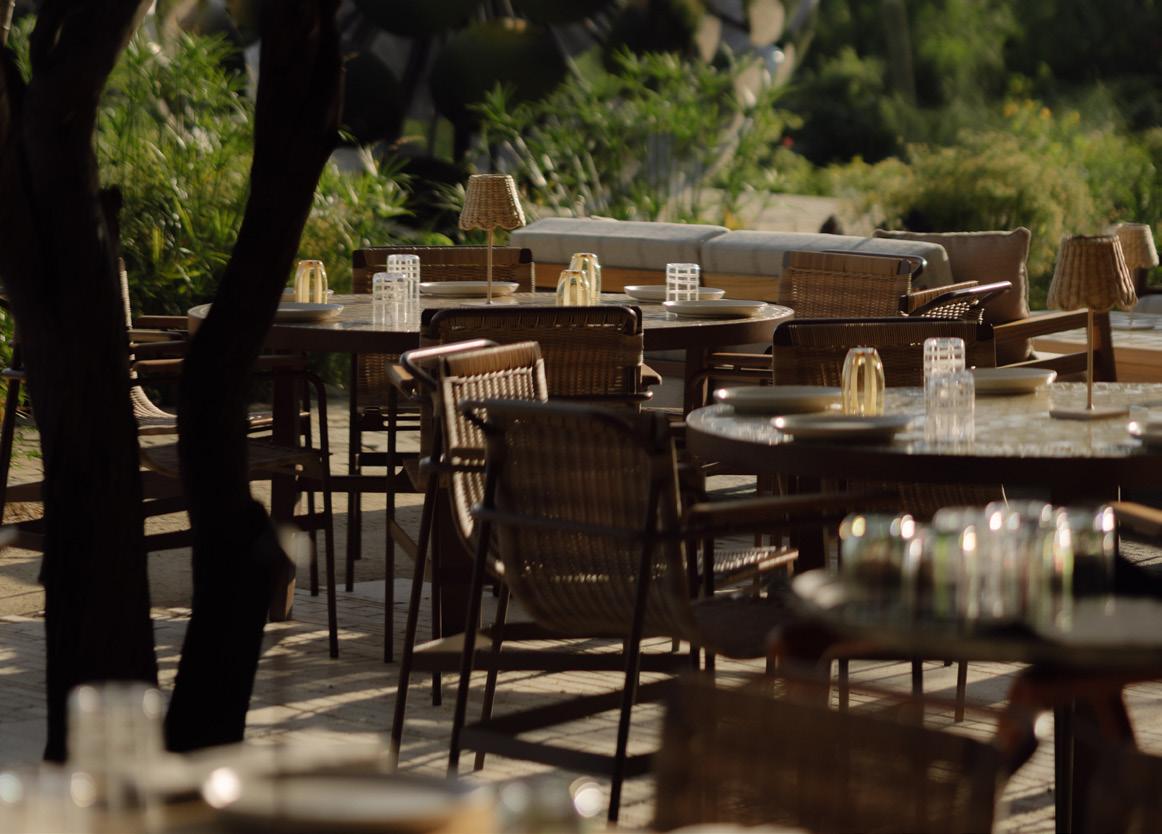
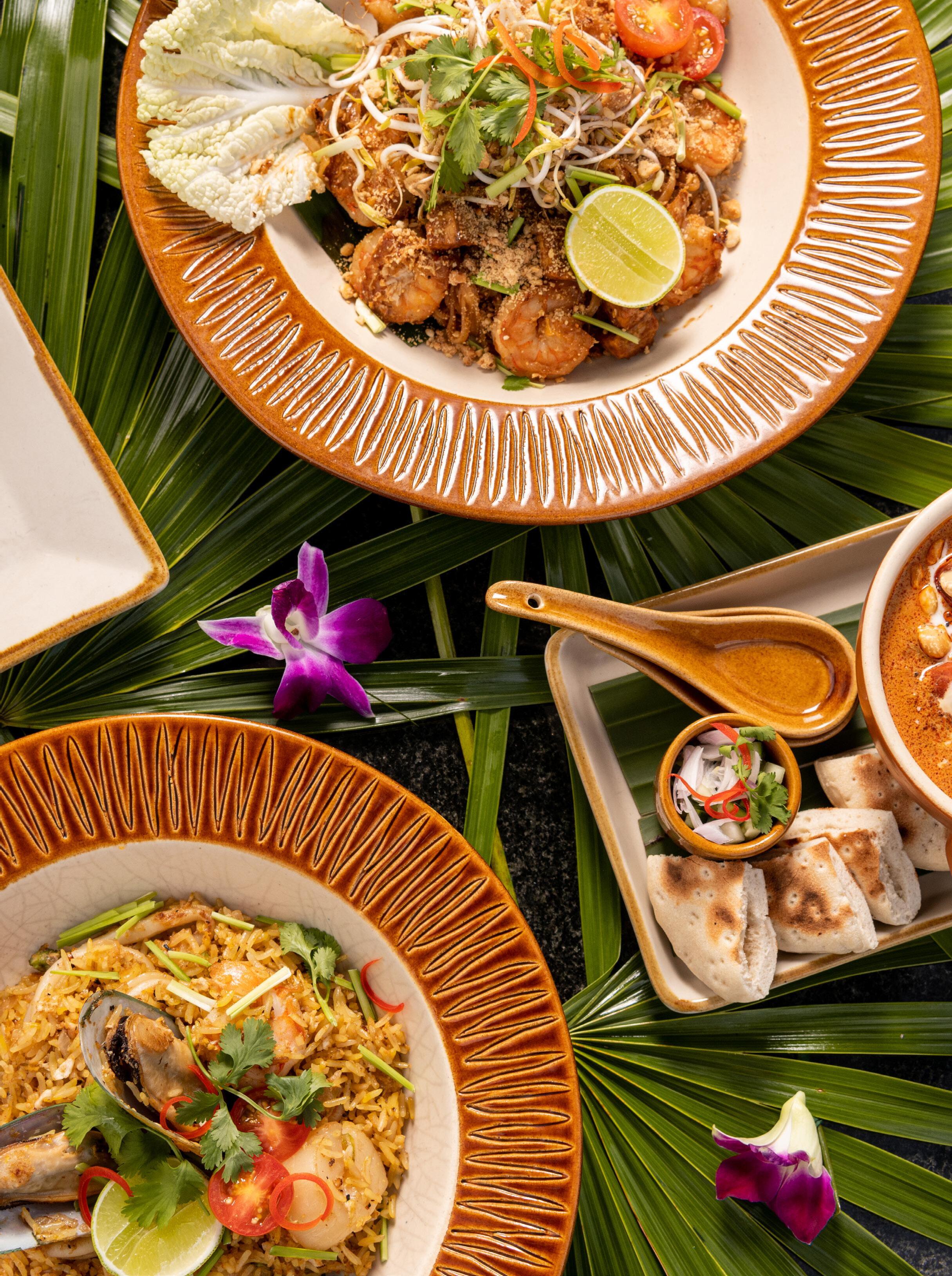
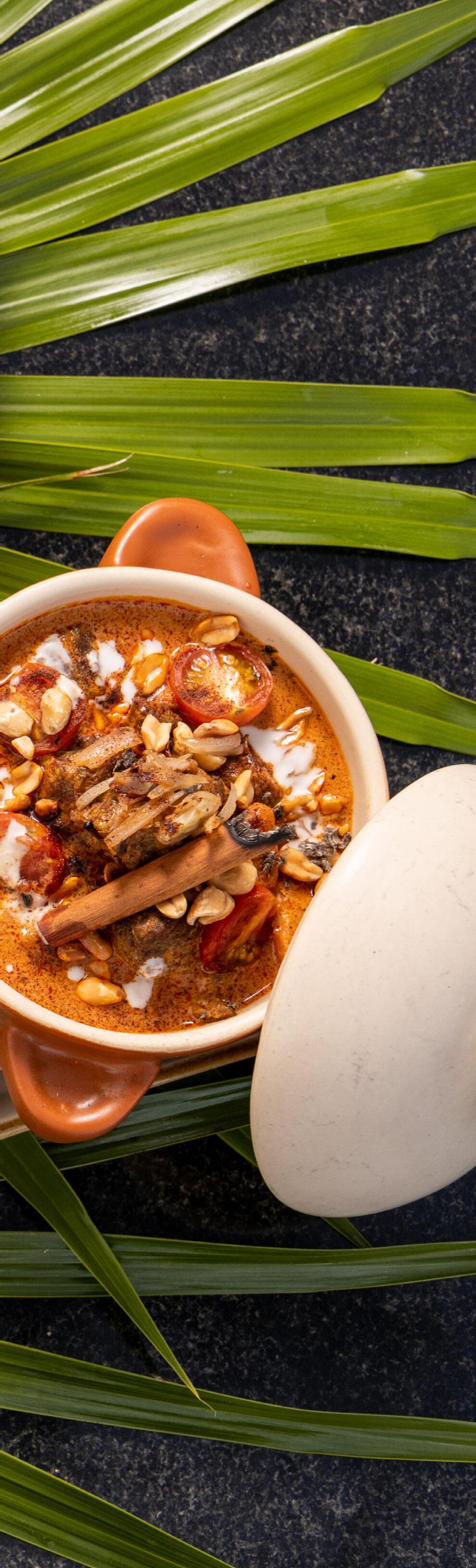
SURESTE
Víctor Tufiño y una cocina que nace del respeto
Víctor Tufiño and
a Cuisine
Rooted in Respect
Por/By Jessica Servín Castillo
Desde hace varios años, la gastronomía se ha convertido en uno de los pilares de la hospitalidad. De hecho, en muchos destinos, la cocina ha dejado de ser un servicio complementario para convertirse en una forma de interpretar el territorio y de construir experiencias para el viajero.
Un ejemplo de ello es Banyan Tree Mayakoba, quienes materializan este concepto a través de una propuesta que integra influencias mexicanas y tailandesas con una atención constante al entorno de la Riviera Maya. Al frente de esta operación se encuentra Víctor Tufiño, director de alimentos, bebidas y culinaria del resort, quien comparte su mirada sobre la evolución de la gastronomía en la hotelería.
“La cocina en los hoteles de lujo ha cambiado por completo. Antes era parte de la experiencia; hoy, muchas veces, es la razón principal del viaje. Pero más allá de eso, lo que realmente ha cambiado son las expectativas del huésped. Hoy quiere entender lo que está comiendo, no solo disfrutarlo. Quiere saber de dónde viene el producto, qué representa y por qué forma parte de esa propuesta gastronómica”, dice Víctor Tufiño.
For several years now, gastronomy has become one of the pillars of hospitality. In fact, in many destinations, cuisine is no longer seen as a complementary service, but as a way of interpreting place and shaping experiences for travelers.
One example is Banyan Tree Mayakoba, which brings this concept to life through a culinary proposal that blends Mexican and Thai influences with a constant sensitivity to the surrounding environment of the Riviera Maya. At the helm of this operation is Víctor Tufiño, Director of Food, Beverage, and Culinary, who shares his perspective on the evolution of gastronomy in hospitality.
“Cuisine in luxury hotels has changed completely. It used to be part of the experience; today, it is often the main reason for travel. But beyond that, what has truly changed are guest expectations. Today, peoplewanttounderstandwhattheyareeating,notjustenjoyit.They want to know where the product comes from, what it represents, and why it is part of that culinary proposal,” says Víctor Tufiño.
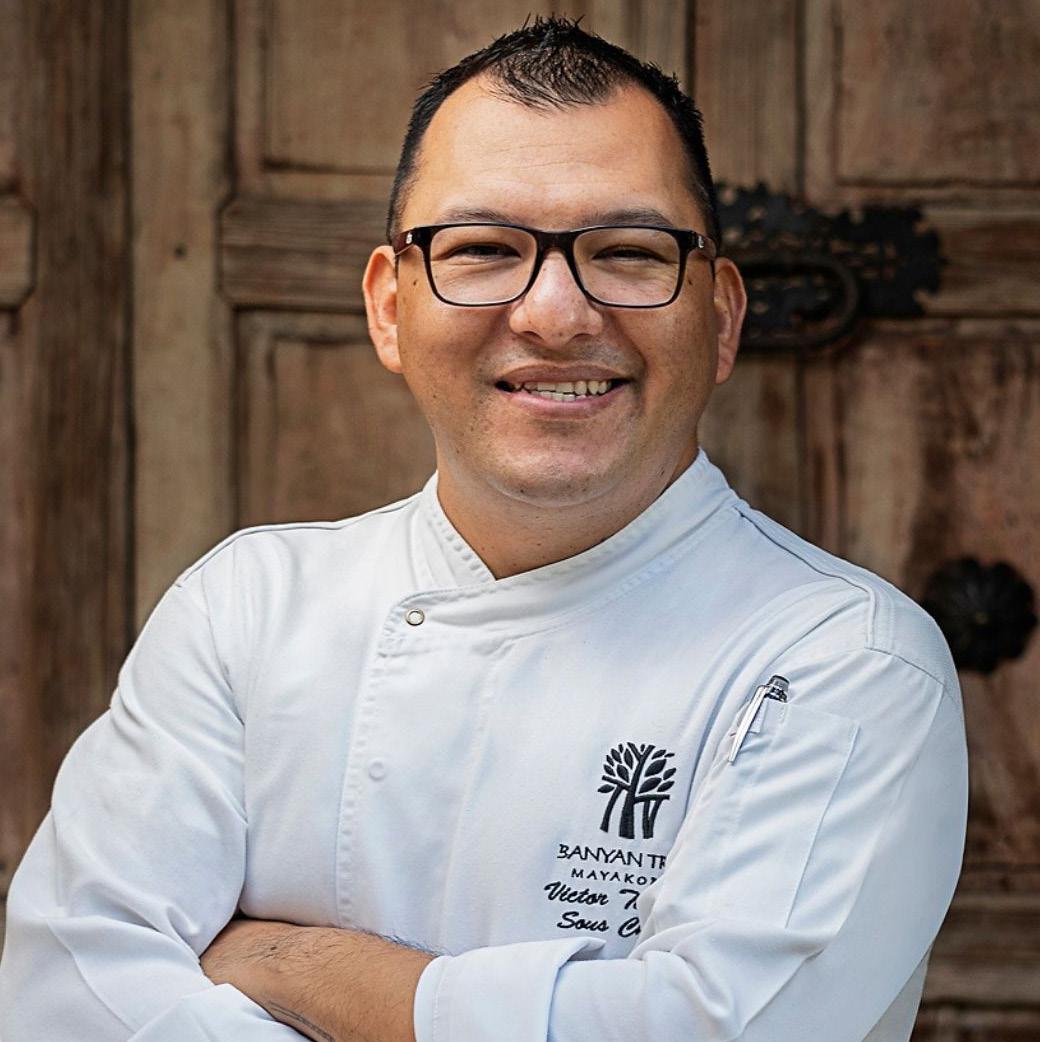
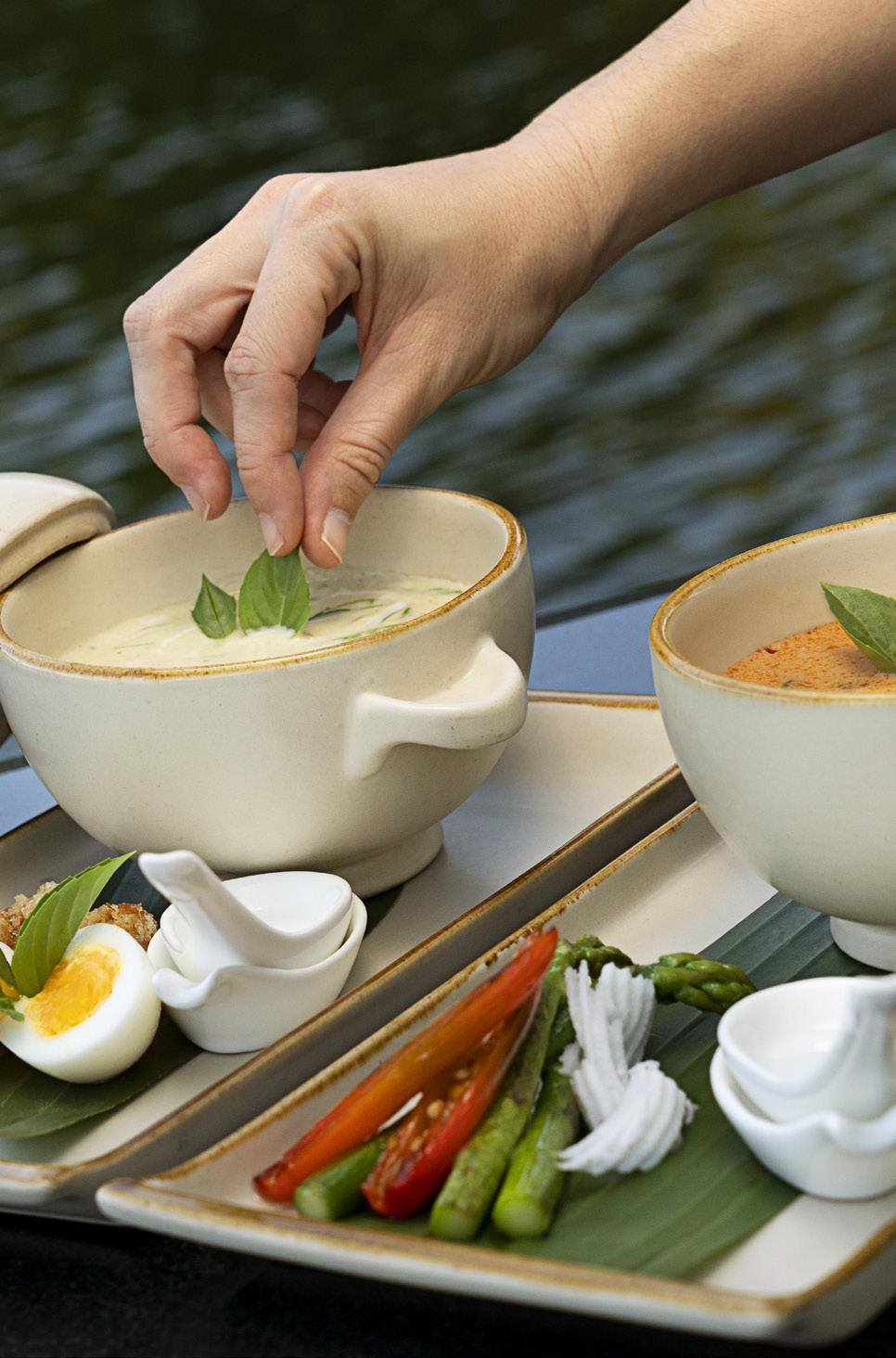
¿Cómo definirías tu estilo gastronómico y qué influencias han marcado su visión de la cocina dentro de un destino como la Riviera Maya?
Mi cocina parte del respeto: respeto por el producto, pero también por la cultura.
México tiene una identidad gastronómica muy profunda y la Riviera Maya cuenta con ingredientes y tradiciones muy específicos. Es algo que no se puede intervenir sin antes comprenderlo. Al mismo tiempo, trabajar dentro de Banyan Tree implica convivir con una cultura como la tailandesa, que también posee una sensibilidad muy clara hacia el equilibrio, el detalle y el ingrediente.
La gastronomía en hoteles de lujo está migrando hacia propuestas más inmersivas, locales y narrativas. ¿Cómo se traduce esta tendencia en el desarrollo de nuevos conceptos, menús o experiencias dentro del resort?
Se traduce en ser más conscientes. Hoy no diseñamos experiencias pensando únicamente en hacer algo llamativo, sino en que tenga sentido dentro del lugar donde se desarrolla. Buscamos que lo que se sirve en la mesa mantenga una relación auténtica con el entorno.
Trabajamos mucho con productos locales y de temporada, pero también incorporamos técnicas y sensibilidades provenientes de la cultura asiática, especialmente en la manera en que tratamos los ingredientes. Además, buscamos que la experiencia sea más cercana: menos estructurada y más natural.
How would you define your culinary style, and what influences have shaped your vision of cooking in a destination like the Riviera Maya?
My cuisine is rooted in respect—respect for the product, but also for the culture.
Mexico has a very deep culinary identity, and the Riviera Maya has very specific ingredients and traditions. It is something you cannot approach without first understanding it. At the same time, working within Banyan Tree means engaging with a culture like Thai cuisine, which also has a very clear sensitivity toward balance, detail, and ingredients.
Gastronomy in luxury hotels is shifting toward more immersive, local, and narrative-driven concepts. How is this trend reflected in the development of new concepts, menus, or experiences within the resort?
It translates into being more conscious. Today we do not design experiences simply to make them visually striking, but to ensure they make sense within their setting. We aim for what is served at the table to maintain a genuine relationship with the surrounding environment.
We work extensively with local and seasonal products, but we also incorporate techniques and sensibilities from Asian culture, especially in the way we treat ingredients. We also strive to make the experience more approachable—less structured and more natural.
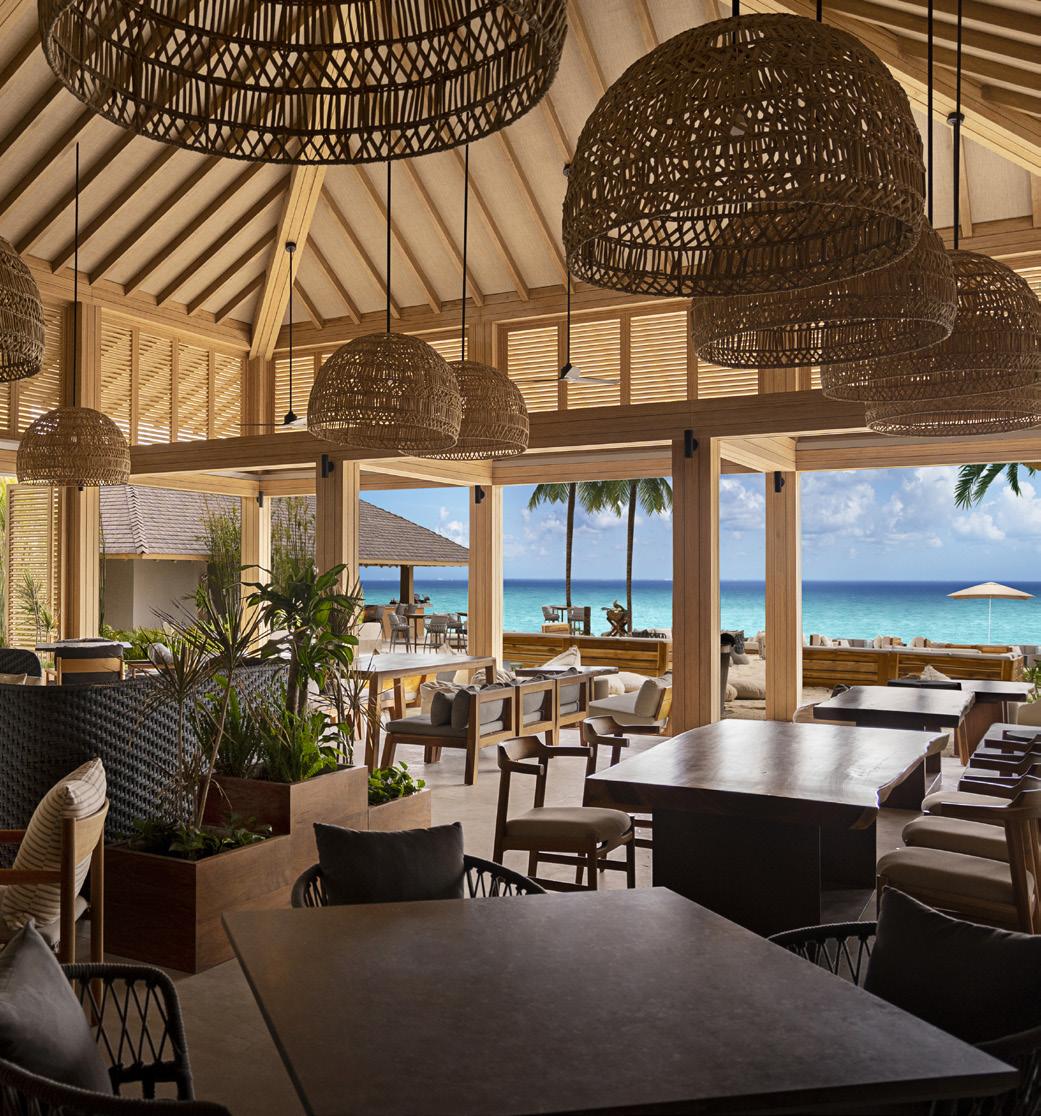
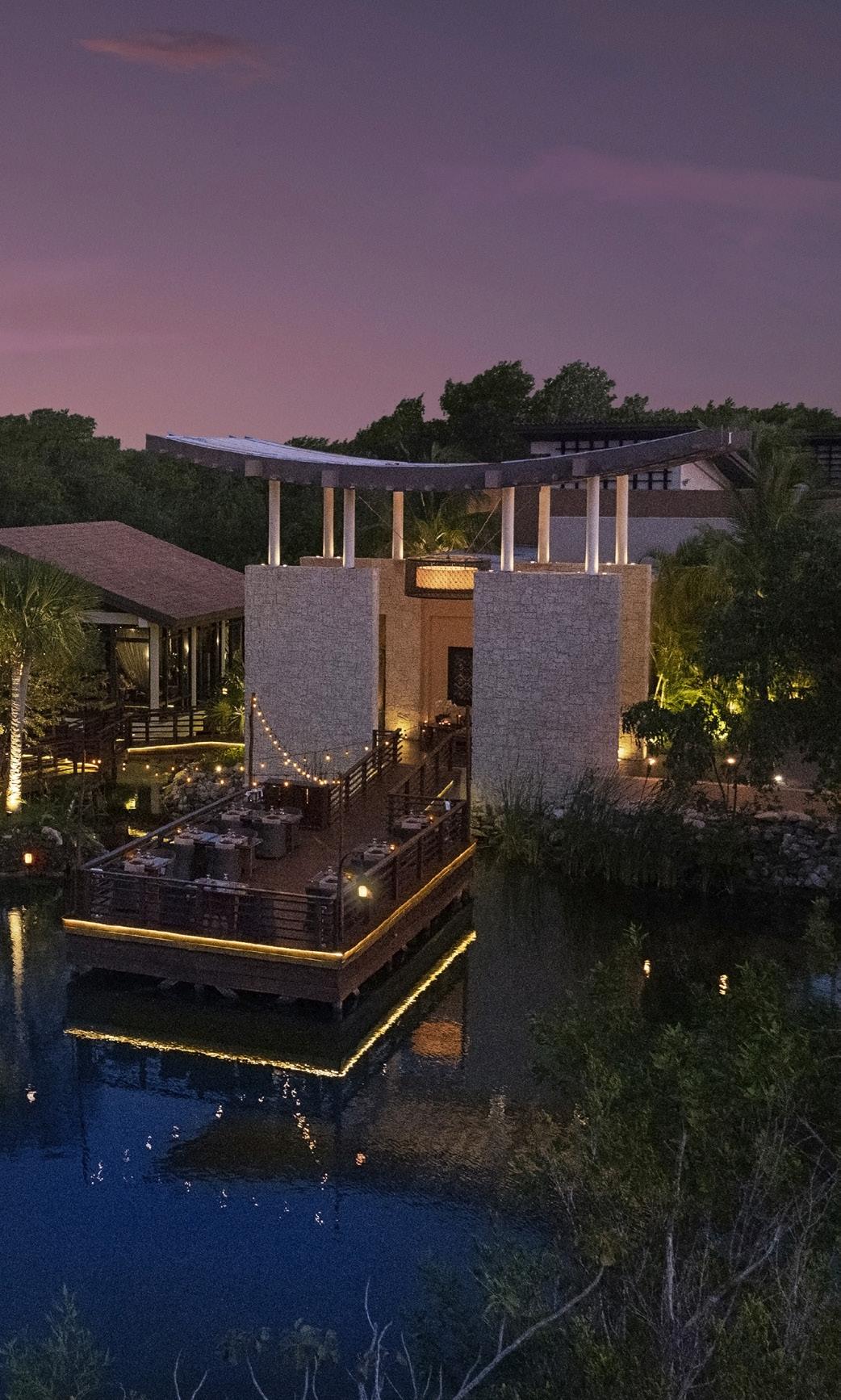
¿Cómo dialoga la cocina mexicana contemporánea con las propuestas gastronómicas internacionales que buscan los viajeros globales?
Hoy México tiene una voz propia muy clara. No necesita adaptarse para ser relevante.
Lo importante es cómo se presenta. El viajero global cuenta con referencias muy amplias, pero sigue buscando autenticidad. En nuestro caso, además, existe un componente adicional: la presencia de la cultura tailandesa. Eso genera una conversación distinta, aunque siempre desde el respeto hacia ambas tradiciones.
¿Qué aprendizajes han sido clave en tu trayectoria y qué tendencias cree que marcarán el futuro de la gastronomía en la hospoitalidad?
A lo largo de mi carrera he tenido el privilegio de conocer personas, lugares, costumbres y cocinas muy distintas. Estoy convencido de que la suma de todas esas experiencias termina por definir tu estilo de liderazgo y tu manera de entender la gastronomía.
Aprender técnicas aplicadas a diferentes estilos de cocina es fundamental, pero también lo es conocer a profundidad las paletas de sabores, la temporalidad de los ingredientes y los principios del maridaje. Y, por supuesto, nunca hay que olvidar la cocina de nuestras abuelas, porque ahí suele encontrarse la esencia de todo.
En cuanto a las tendencias, me atrevería a decir que la cocina saludable es hoy más importante que nunca. La sustentabilidad seguirá siendo un eje central, al igual que las experiencias sensoriales y el regreso a procesos más naturales y menos industrializados. Desde aguas fermentadas para maridajes hasta encurtidos, fiambres y quesos elaborados de manera artesanal, la tendencia apunta a que menos puede ser más cuando se trabaja con calidad, técnica y respeto por el producto.
banyantree.com
How does contemporary Mexican cuisine engage with the international culinary proposals sought by global travelers?
Today, Mexico has an obvious and distinct voice. It does not need to adapt to remain relevant.
What matters is how it is presented. Global travelers have broad references, but they continue to seek authenticity. In our case, there is also an additional layer: the presence of Thai culture. That creates a different kind of dialogue, always rooted in respect for both traditions.
What lessons have been key in your career, and what trends do you believe will shape the future of gastronomy in hospitality?
Throughout my career, I have had the privilege of meeting many people, places, traditions, and cuisines. I firmly believe that the sum of all these experiences ultimately defines your leadership style and your understanding of gastronomy.
Learning techniques across different culinary styles is essential, but so is developing a profound understanding of flavor profiles, seasonality, and the principles of pairing. And of course, one must never forget the cooking of our grandmothers, because that is often where the essence of everything begins.
As for trends, I would say that healthy cuisine is more important than ever. Sustainability will continue to be a central pillar, along with sensory experiences and a return to more natural, less industrialized processes. From fermented waters for pairings to pickles, cured meats, and artisanal cheeses, the direction is clear: less can be more when it is guided by quality, technique, and respect for the product.
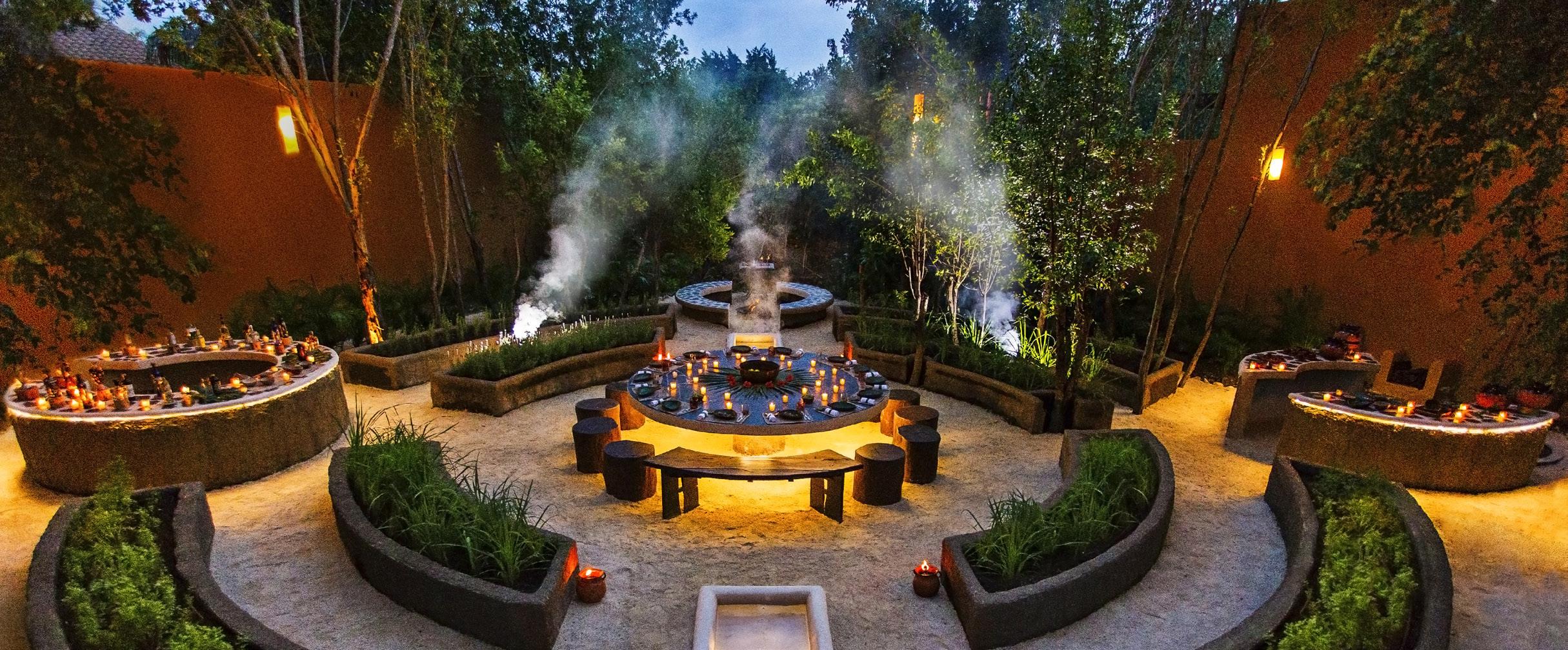
Irving Cupul desde la cocina de Ramona Irving Cupul in the Kitchen of Ramona
Por/ By Jessica Servín Castillo
Ramona no es solamente el restaurante insignia de NIZUC Resort & Spa. También es uno de los espacios culinarios del Caribe mexicano que ha logrado integrarse, con consistencia, a la conversación nacional sobre alta cocina. Su permanencia por segundo año consecutivo en la lista de Los 250 Restaurantes de México y la reciente distinción otorgada a NIZUC Resort & Spa como Mejor Hotel Gastronómico de México 2026 son resultado de una visión culinaria que ha encontrado en el chef Irving Cupul a uno de sus principales impulsores.
Originario de la península de Yucatán, Cupul ha construido una trayectoria marcada por el estudio de los ingredientes mexicanos y por una lectura actual de las tradiciones regionales. En Ramona, su trabajo se aleja de la simple reinterpretación de recetas históricas para explorar nuevas formas de narrar el territorio a través de los sabores. El resultado es una carta que dialoga con distintas regiones del país y que encuentra en el producto su principal punto de partida.
Ramona is more than the signature restaurant of NIZUC Resort & Spa. It has also become one of the culinary destinations in the Mexican Caribbean to secure a consistent place in the national conversation around fine dining. Its inclusion for a second consecutive year in the list of Mexico’s 250 Best Restaurants, together with NIZUC Resort & Spa’s distinction as Mexico’s Best Gastronomic Hotel 2026, reflects a culinary vision shaped in large part by Chef Irving Cupul.
A native of the Yucatán Peninsula, Cupul has built a career defined by a deep understanding of Mexican ingredients and a contemporary interpretation of regional traditions. At Ramona, his work moves beyond the simple reinvention of historical recipes, seeking instead new ways to express a sense of place through flavor. The result is a menu that draws inspiration from different regions of the country while placing exceptional ingredients at the center of the narrative.
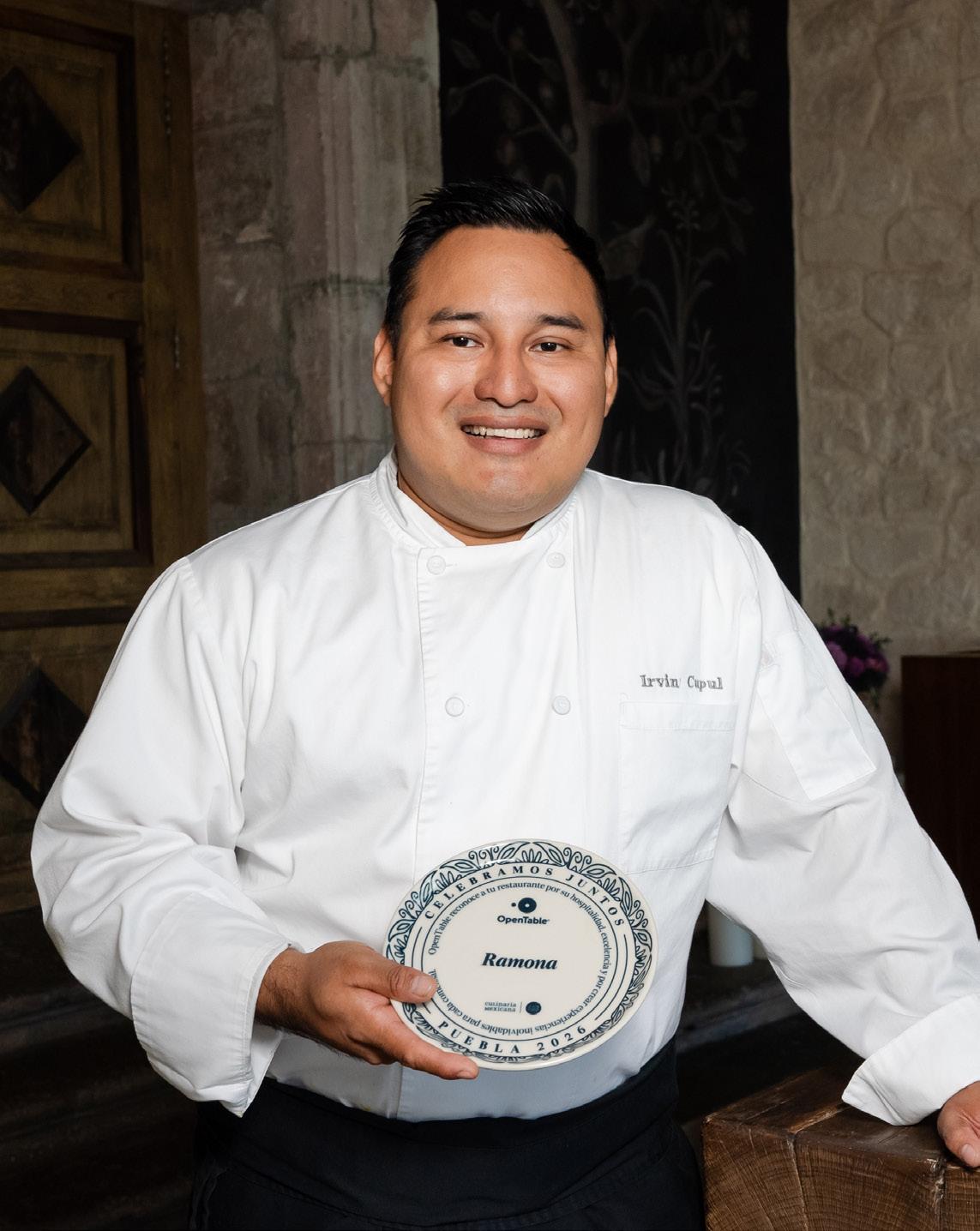
La personalidad del restaurante se sostiene sobre una premisa clara: mirar hacia la riqueza culinaria mexicana desde una perspectiva actual. Ingredientes de temporada, técnicas precisas y una constante búsqueda de equilibrio permiten construir platos que mantienen un vínculo con sus raíces sin dejar de mirar hacia el presente.
The restaurant’s character is guided by a clear principle: exploring the richness of Mexican cuisine through a contemporary lens. Seasonal ingredients, precise technique, and a constant pursuit of balance come together in dishes that remain connected to their roots while engaging with the present.
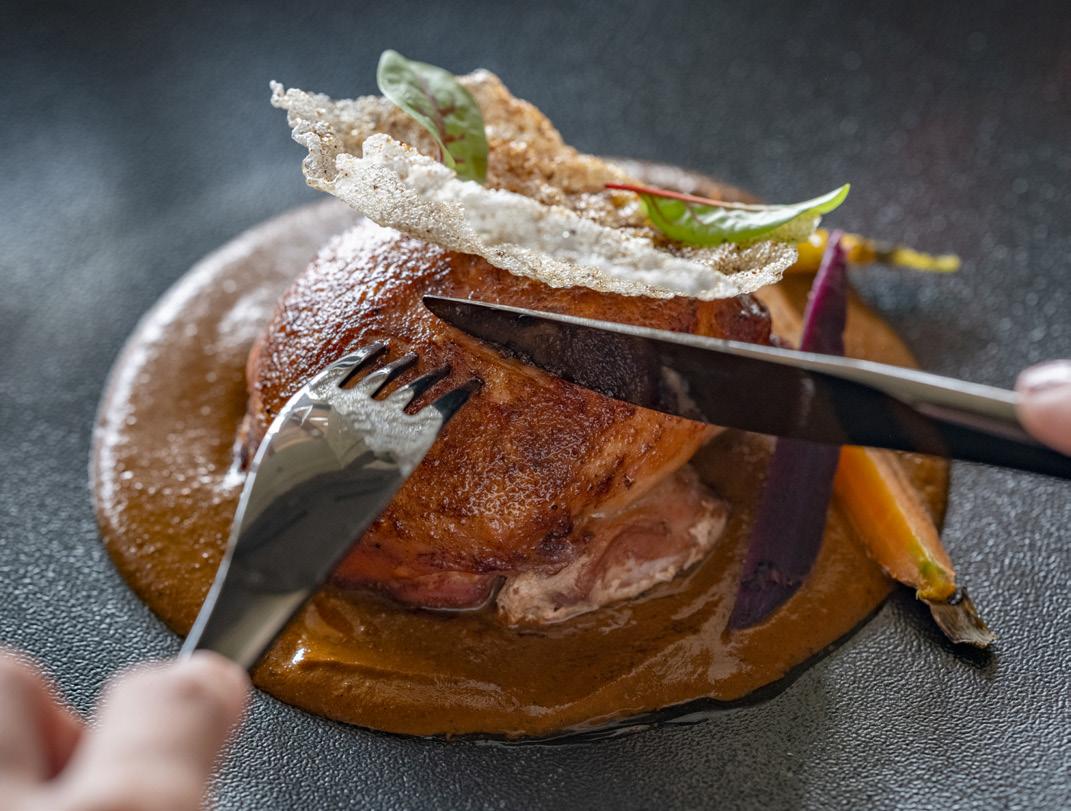
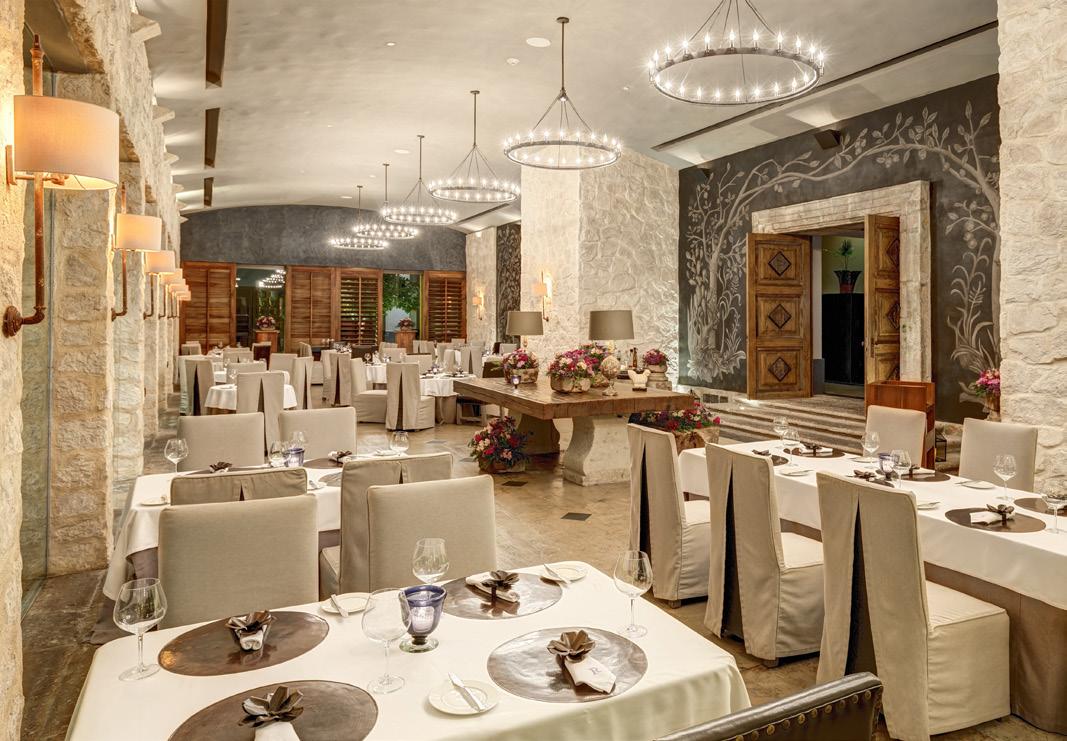
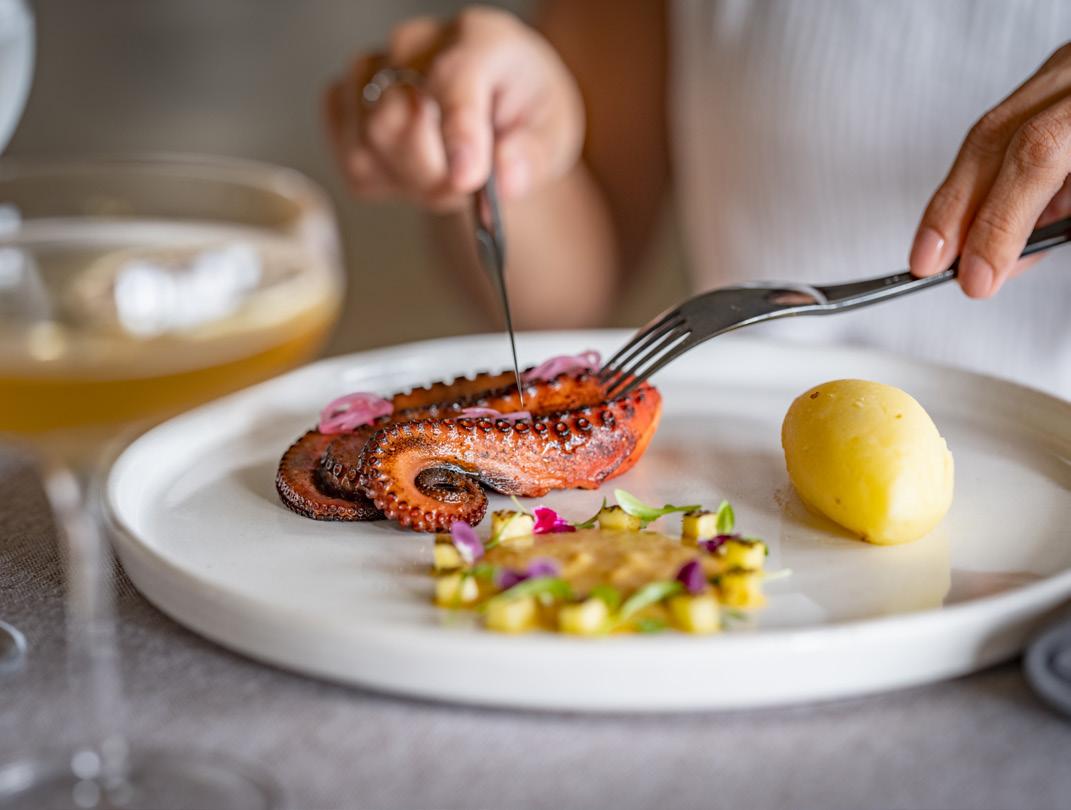
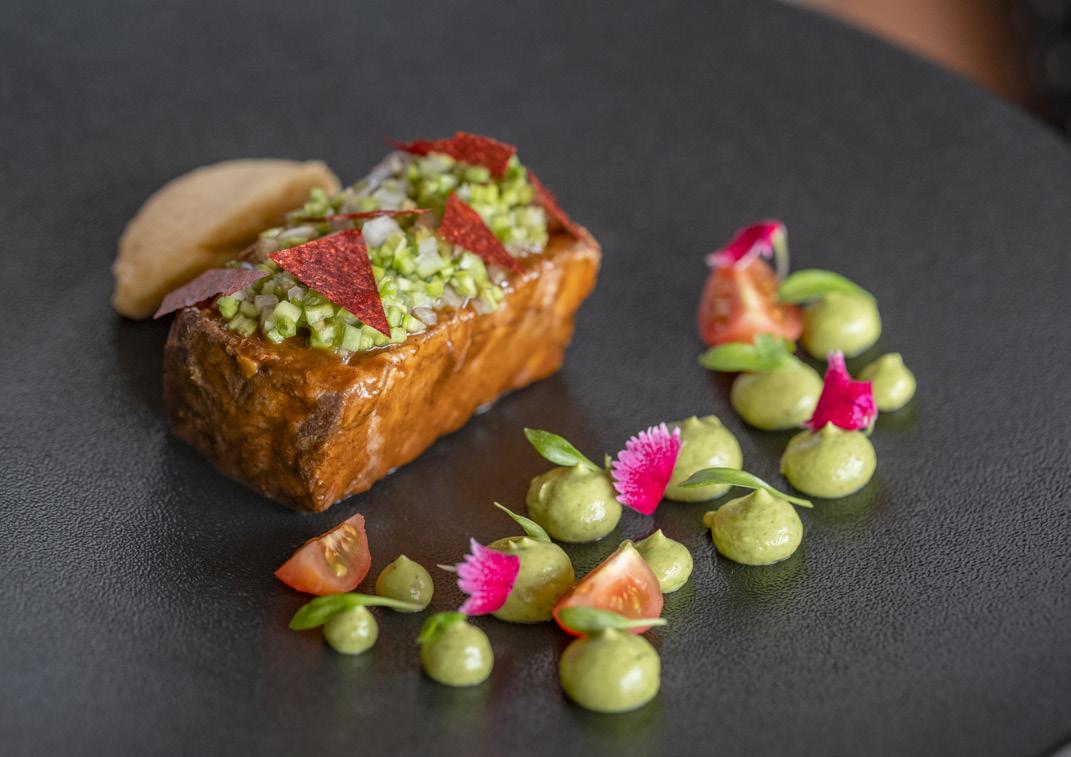
Ese discurso se extiende más allá de la mesa. Ubicado dentro de NIZUC Resort & Spa, Ramona incorpora elementos arquitectónicos e históricos que acompañan el recorrido gastronómico. Un pórtico michoacano del siglo XVII y piezas inspiradas en el patrimonio artístico novohispano forman parte de un entorno que busca establecer conexiones entre cultura, historia y hospitalidad.
La relación con el territorio también se refleja en la selección de insumos. El restaurante trabaja con productores y proveedores locales, privilegiando ingredientes estacionales y prácticas responsables que responden a una visión más consciente del oficio culinario. Esta filosofía se alinea con los esfuerzos de sostenibilidad impulsados por la propiedad, certificada por EarthCheck Gold.
Más allá de las distinciones obtenidas en los últimos años, el caso de Ramona ilustra una transformación que se observa en distintas regiones del país. La restauración dentro de la hotelería de alto nivel ha dejado de funcionar como un complemento para convertirse en un motivo de viaje. En ese contexto, el trabajo de Irving Cupul ha contribuido a posicionar al restaurante como una referencia dentro del panorama gastronómico mexicano.
La inclusión de Ramona entre los mejores restaurantes del país y el nombramiento de NIZUC Resort & Spa como Mejor Hotel Gastronómico de México 2026 son, en última instancia, el reflejo de una labor sostenida. Una construcción que combina técnica, conocimiento del producto y una comprensión profunda de las tradiciones culinarias mexicanas para ofrecer una mirada propia sobre la cocina nacional.
That philosophy extends beyond the plate. Located within NIZUC Resort & Spa, Ramona incorporates architectural and historical elements that complement the dining experience. A seventeenth-century portal from Michoacán and pieces inspired by New Spain’s artistic heritage contribute to an environment that connects culture, history, and hospitality. The relationship with the region is also reflected in the restaurant’s sourcing practices.
Ramona works closely with local producers and suppliers, prioritizing seasonal ingredients and responsible practices that reflect a more conscious approach to cooking. This philosophy aligns with the sustainability initiatives embraced by the resort, which holds EarthCheck Gold certification.
Beyond the accolades received recently, Ramona illustrates a broader transformation taking place across Mexico. Within high-end hospitality, dining has evolved from an added amenity into a compelling reason to travel. In this context, Irving Cupul’s work has helped position the restaurant as a notable presence within Mexico’s contemporary culinary landscape.
Ramona’s place among the country’s leading restaurants, together with NIZUC Resort & Spa’s recognition as Mexico’s Best Gastronomic Hotel 2026, ultimately reflects a sustained commitment to excellence. It is the result of a vision that combines technique, a profound understanding of ingredients, and a deep respect for Mexico’s culinary traditions to offer a distinctive perspective on the country’s cuisine.
México en cada destilado Mexico in Every Spirit
Un recorrido para reinterpretan tradición y territorio en ediciones especiales donde convergen identidad, origen y nuevas formas de expresión líquida.
A journey that reinterprets tradition and territory through special editions where identity, origin, and new forms of liquid expression converge.
DON JULIO 70
Diseñadas como piezas de colección, las ediciones especiales de Don Julio celebran momentos icónicos del fútbol en México. Don Julio 70 rinde homenaje a los Mundiales de 1970 y 1986, así como al nacimiento de “la ola”, mientras que Don Julio 1942 “Glory” se inspira en la emoción y el simbolismo del trofeo de la Copa Mundial de la FIFA. donjulio.com/es-mx
DOBEL DIAMANTE EDICIÓN
ESPECIAL MEX 26’
Este tequila celebra el orgullo de México como anfitrión de uno de los eventos deportivos más importantes del mundo. Inspirada en once generaciones de tradición tequilera, esta edición limitada conserva el primer tequila cristalino de la historia en una botella que rinde homenaje a la identidad y legado del país. maestrodobel.com.mx
CHILCUAGUE, EL ENIGMA DE LA RAÍZ
Es un destilado mexicano elaborado con agave azul Tequilana Weber y raíz de chilcuague, una planta tradicional reconocida por potenciar la percepción del sabor. Producido en Guanajuato con insumos locales, combina tradición, trabajo artesanal y una propuesta sensorial que resalta los aromas y matices del agave. chilcuague.com.mx
LAS MAÑANITAS
Tequila Las Mañanitas es un tequila artesanal 100% agave azul que celebra el espíritu de México y sus tradiciones. Elaborado con métodos tradicionales, agua de manantial del Volcán de Tequila y sin aditivos, ofrece notas minerales, florales y cítricas que evocan la emoción de compartir y celebrar la vida. tequilalasmananitas.com
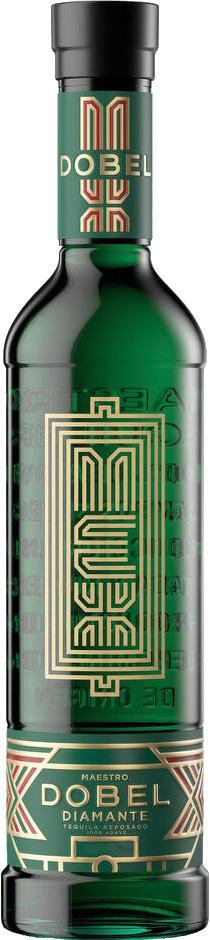
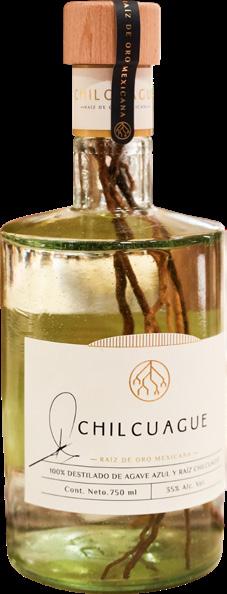
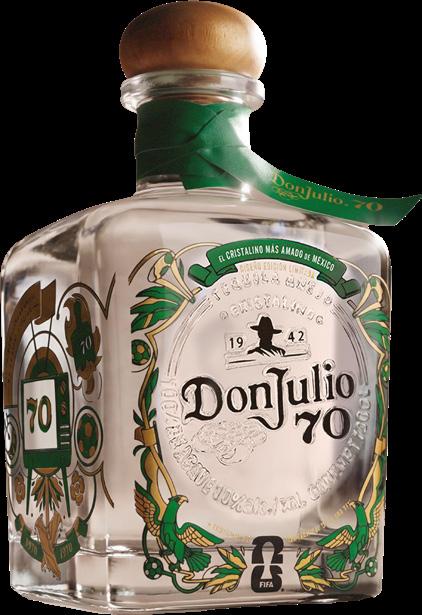
DON JULIO 70
Designed as collectible pieces, Don Julio’s special editions celebrate iconic moments in Mexican football. Don Julio 70 pays tribute to the 1970 and 1986 World Cups, as well as the birth of “la ola,” while Don Julio 1942 “Glory” is inspired by the emotion and symbolism of the FIFA World Cup trophy.
DOBEL DIAMANTE SPECIAL EDITION MEX 26’
This tequila celebrates Mexico’s pride as host of one of the world’s most important sporting events. Inspired by eleven generations of tequilamaking tradition, this limited edition preserves the first crystal-clear tequila in history in a bottle that pays tribute to the country’s identity and legacy.
CHILCUAGUE, THE ENIGMA OF THE ROOT
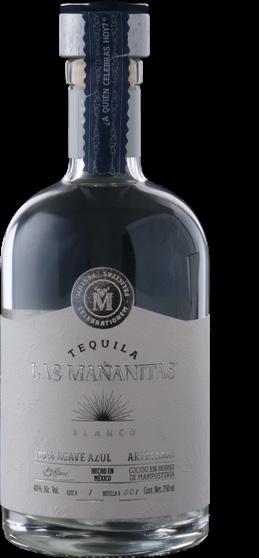
A Mexican distillate made with Tequilana Weber blue agave and chilcuague root, a traditional plant known for enhancing the perception of flavor. Produced in Guanajuato using local ingredients, it combines tradition, artisanal craftsmanship, and a sensorial approach that highlights the aromas and nuances of agave.
LAS MAÑANITAS
Las Mañanitas Tequila is a handcrafted 100% blue agave tequila that celebrates the spirit of Mexico and its traditions. Made using traditional methods, spring water from the Tequila Volcano, and no additives, it offers mineral, floral, and citrus notes that evoke the joy of sharing and celebrating life.
Fotos: Cortesía de las marcas
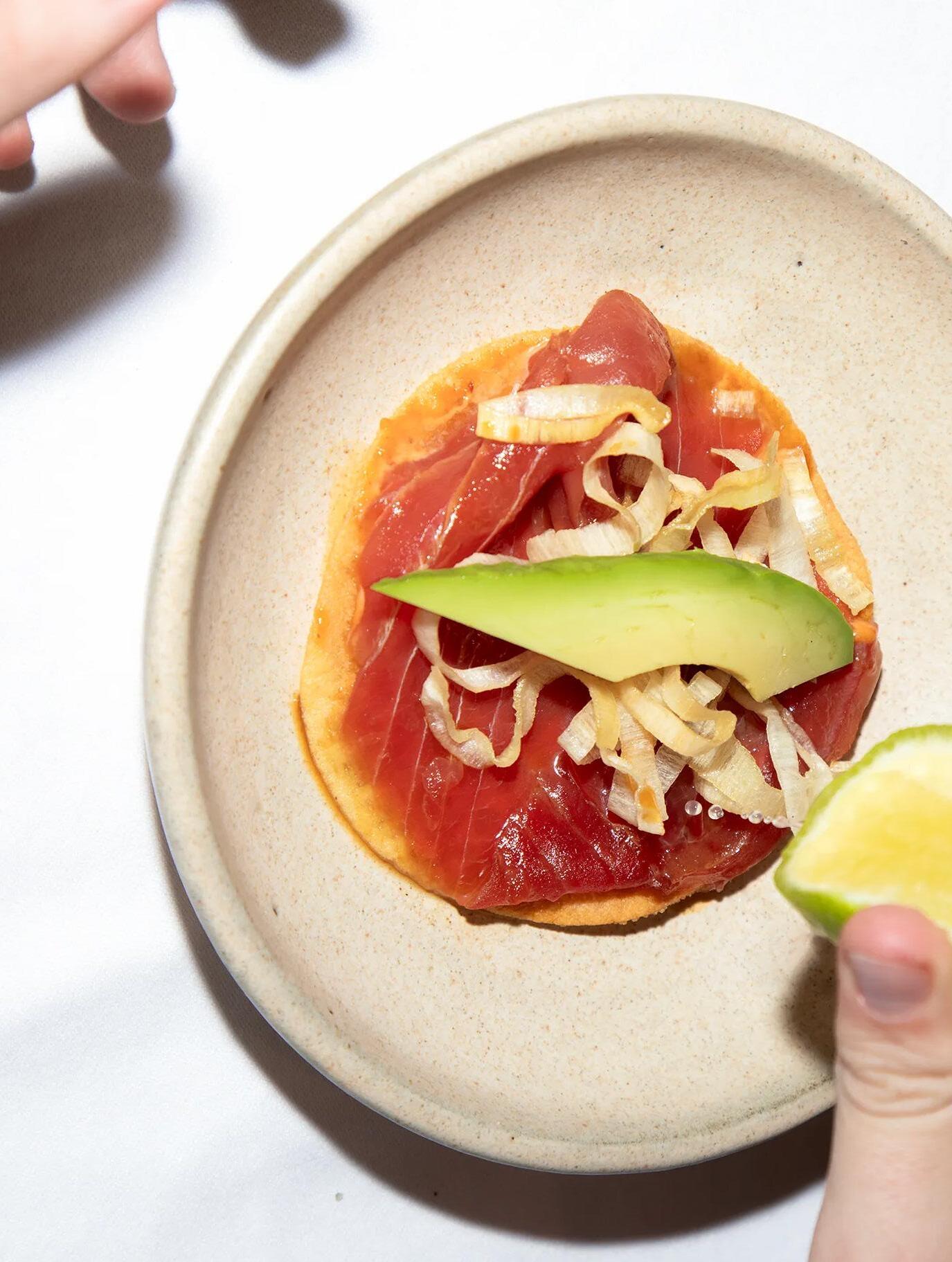
BEYOND MEXICO
El mar de Gabriela Cámara en el desierto de Las Vegas
The Sea of Gabriela Cámara in the Desert of Las Vegas
Por /By Jessica Servín Castillo
En los últimos años, bajo esa superficie festiva, Las Vegas ha ido consolidando una nueva forma de conocer la ciudad. Una donde la cocina ha dejado de ser acompañamiento del espectáculo para convertirse en motivo de viaje. En ese cambio, la llegada de Gabriela Cámara a Fontainebleau Las Vegas con Cantina Contramar añade una capa más a la historia reciente del destino.
La trayectoria de Cámara se ha construido lejos de la estridencia. Su cocina parte de una idea precisa: el ingrediente como origen, la técnica como lenguaje de claridad, la mesa como espacio de encuentro. En Ciudad de México, Contramar se convirtió en un punto de referencia no solo por sus platillos del Pacífico mexicano, sino por una forma de hospitalidad donde compartir no es un gesto, sino el centro de la experiencia.
Recently, beneath its festive surface, Las Vegas has been consolidating a new way of experiencing the city. One in which cuisine is no longer an accompaniment to spectacle, but a reason to travel in itself. Within this shift, the arrival of Gabriela Cámara at Fontainebleau Las Vegas with Cantina Contramar adds another layer to the destination’s recent history.
Cámara’s trajectory has been built far from excess and noise. Her cooking is grounded in a clear idea: ingredients as origin, technique as a language of clarity, and the table as a space for gathering. In Mexico City, Contramar became a reference point not only for its Pacific Mexican dishes but as well, for a form of hospitality in which sharing is not a gesture but the center of the experience.
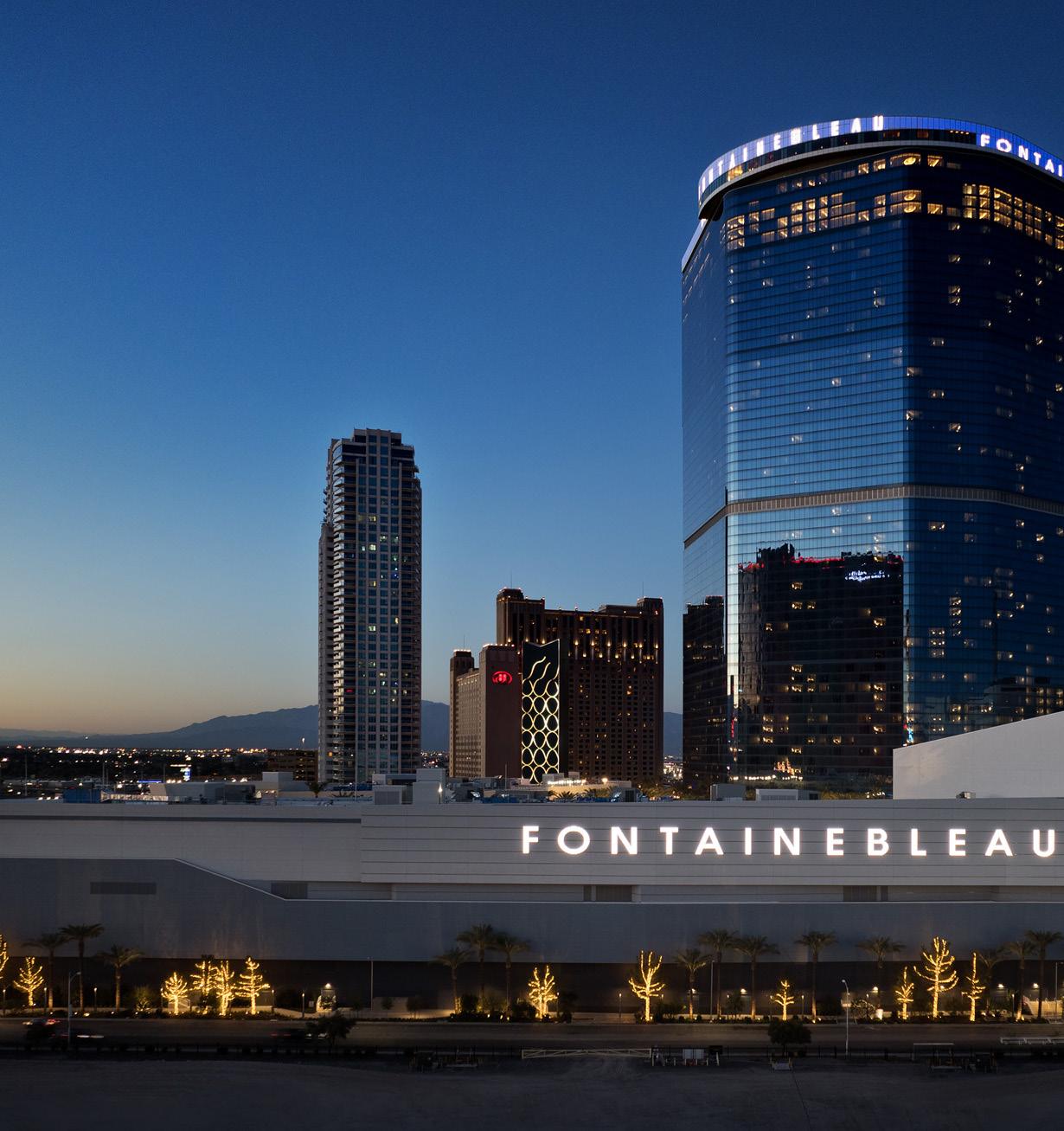

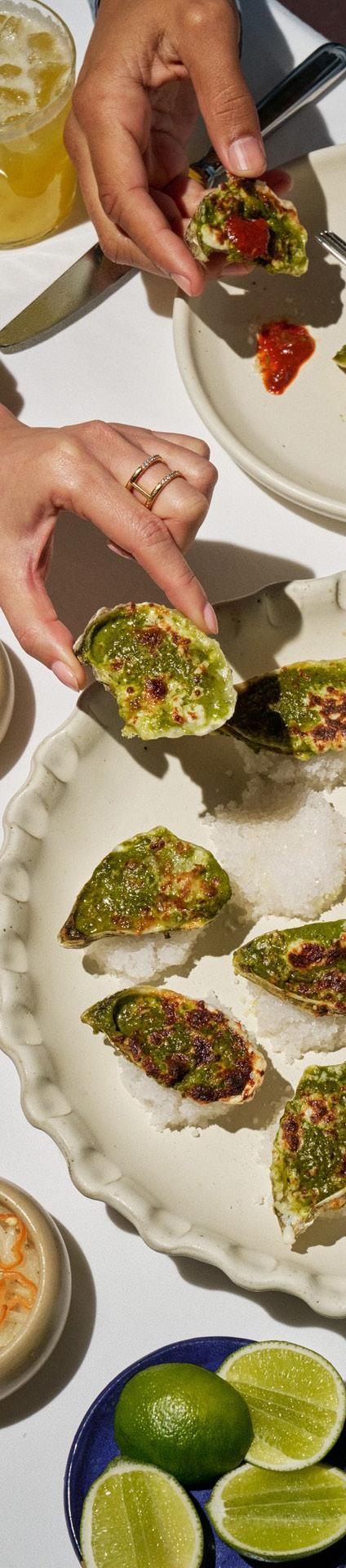
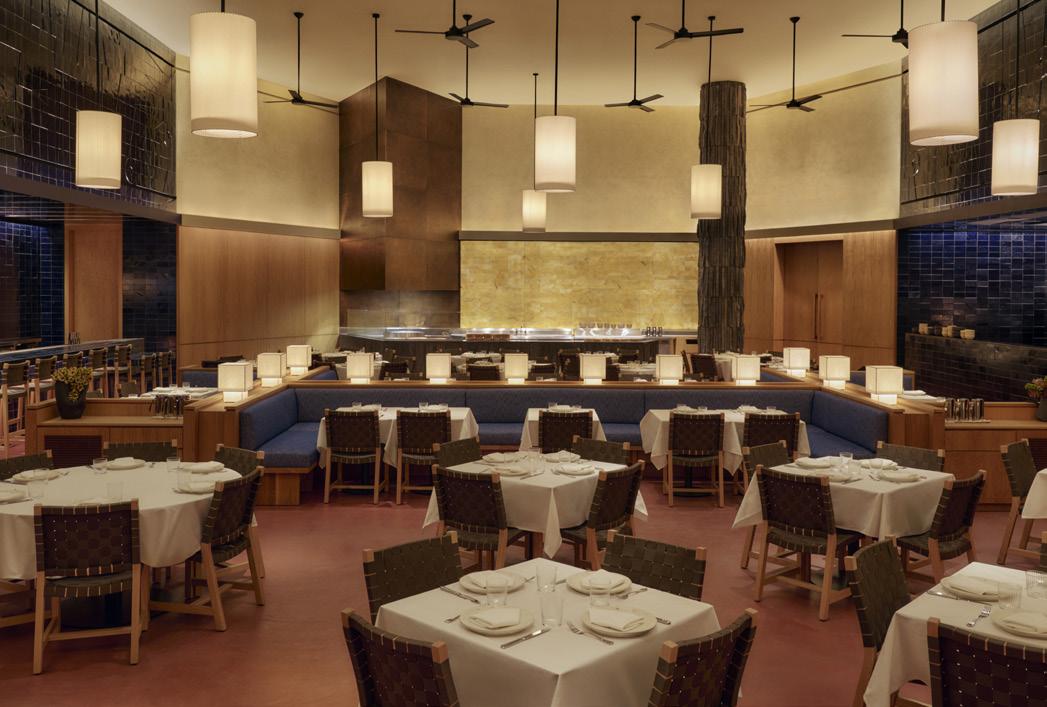

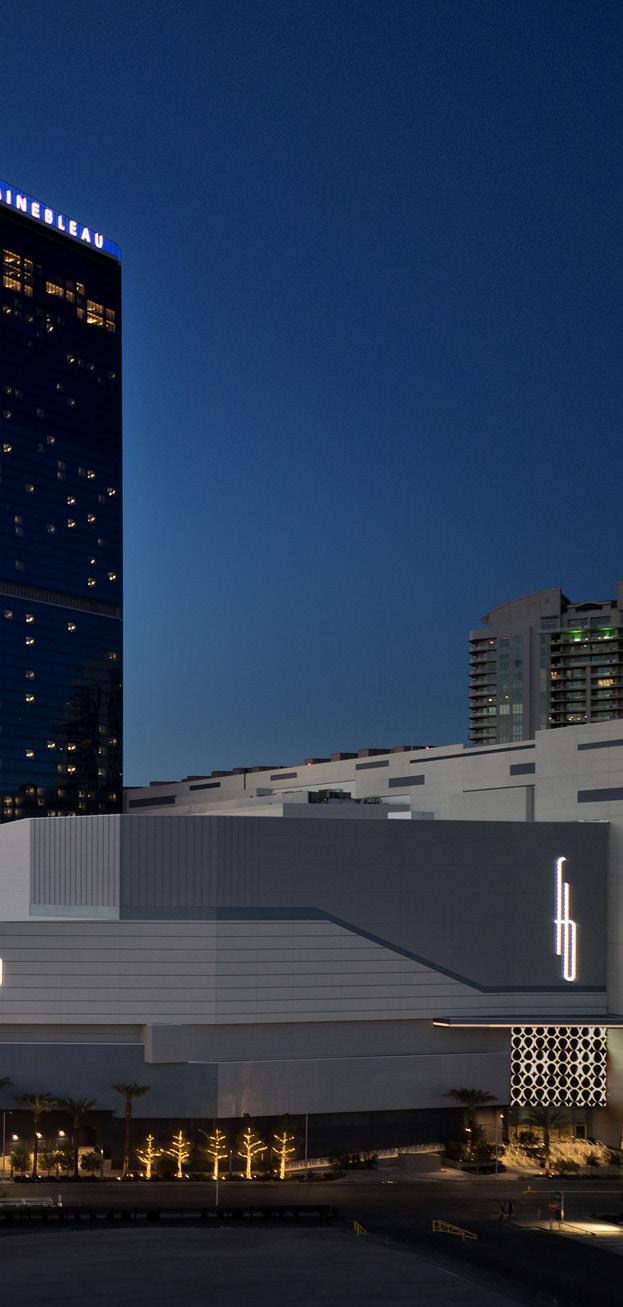
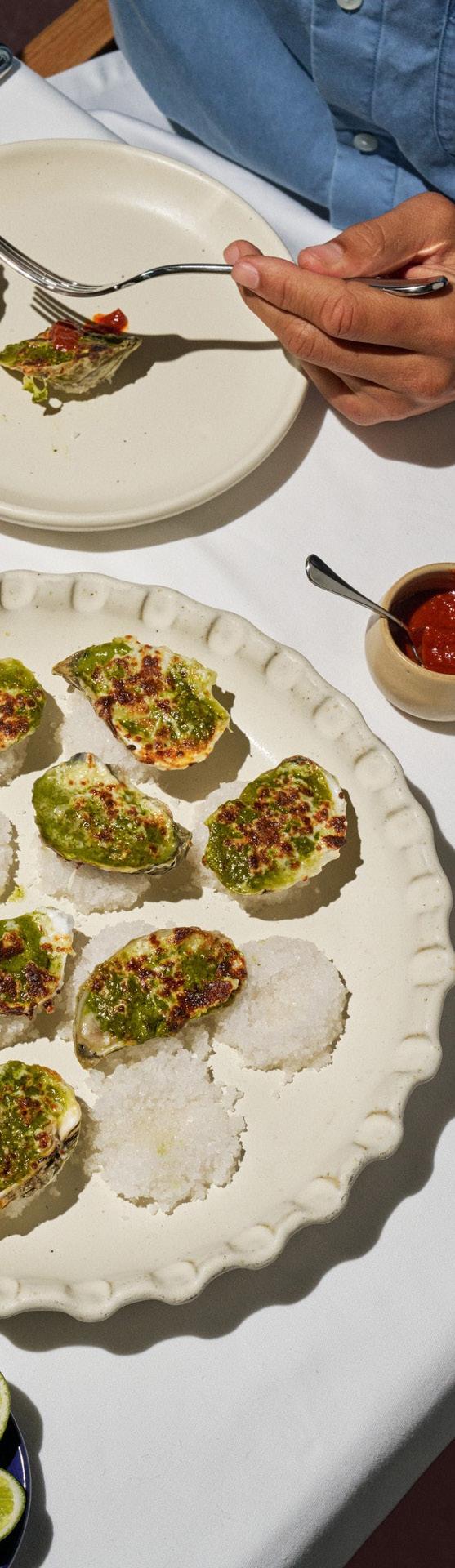

Y es justo eso lo que hizo que abriera Cantina Contramar en Las Vegas, dentro del Fontainebleau, uno de los desarrollos hoteleros que están redefiniendo la escala gastronómica del destino. Allí, entre restaurantes de autor y conceptos internacionales, el proyecto de Cámara no busca mimetizarse, sino establecer su propio ritmo: el del mar trasladado al desierto.
En el menú se reconocen gestos familiares. El pescado a la talla, servido entero, conserva su carácter ritual; los ceviches y aguachiles mantienen la tensión entre acidez y frescura; las tostadas condensan el lenguaje del mar en un solo bocado. A su lado aparecen interpretaciones creadas para este contexto, donde ingredientes como el wagyu o el caviar se integran sin desplazar la base mexicana del proyecto, sino ampliando su alcance.
Pero en Cantina Contramar la historia también se escribe en la copa. El vino no acompaña desde la distancia, sino desde la conversación. La carta recorre México, Estados Unidos, Europa y Sudamérica como si trazara una geografía paralela a la del plato. No busca imponerse, sino sostener el equilibrio entre territorios.
A ese mapa se suma una presencia constante del agave. Tequilas y mezcales construyen otra lectura del restaurante, conectando la tradición mexicana con una cultura contemporánea de la bebida que aquí encuentra una nueva escala. La coctelería —margaritas, palomas, carajillos— aparece incluso en movimiento, servida en carritos que recorren el comedor, como un gesto que pertenece tanto a la cantina tradicional como al teatro de Las Vegas.
En ese cruce se define parte del carácter del proyecto. De México llega la idea de sobremesa; de Las Vegas, la puesta en escena. Porque al final, lo que Gabriela Cámara traslada a Las Vegas no es únicamente un menú, sino una forma de estar en la mesa.
And it is precisely this that led her to open Cantina Contramar in Las Vegas, inside Fontainebleau, one of the hotel developments redefining the city’s gastronomic scale. There, among chef-driven restaurants and international concepts, Cámara’s project does not seek to blend in but to establish its own rhythm: that of the sea transported into the desert.
On the menu, familiar gestures are recognizable. Pescado a la talla, served whole, retains its ritual character; ceviches and aguachiles maintain the tension between acidity and freshness; tostadas condense the language of the sea into a single bite. Alongside them appear interpretations created for this context, where ingredients such as wagyu or caviar are incorporated not to displace the project’s Mexican foundation, but to expand its reach.
But at Cantina Contramar, the story is also written in the glass. Wine does not accompany from a distance, but through conversation. The list moves across Mexico, the United States, Europe, and South America as if tracing a geography parallel to that of the plate. It does not seek to impose itself but to sustain a balance between territories.
To this map is added a constant presence of agave. Tequilas and mezcals build another reading of the restaurant, connecting Mexican tradition with a contemporary drinking culture that finds a new scale here. Cocktails— margaritas, palomas, carajillos—appear even in motion, served from carts that move through the dining room, a gesture that belongs both to the traditional cantina and to the theatricality of Las Vegas.
It is in this intersection that part of the project’s character is defined. From Mexico comes the idea of sobremesa; from Las Vegas, the staging. Because in the end, what Gabriela Cámara brings to Las Vegas is not only a menu but a way of being at the table.
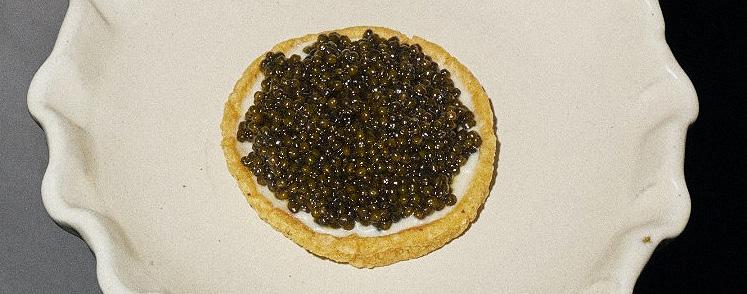
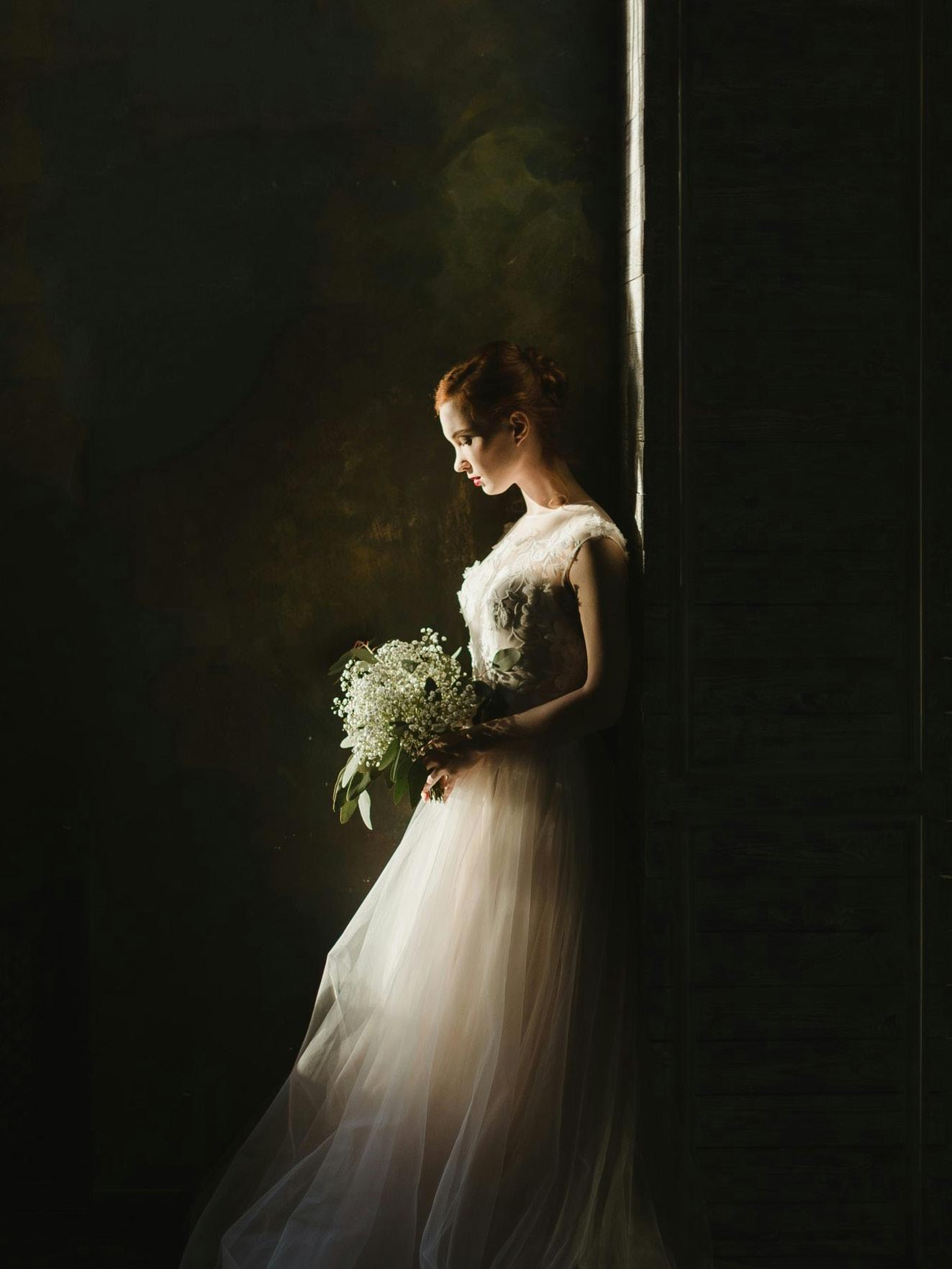
TRAVELERS GUIDE TO WEDDINGS IN MEXICO
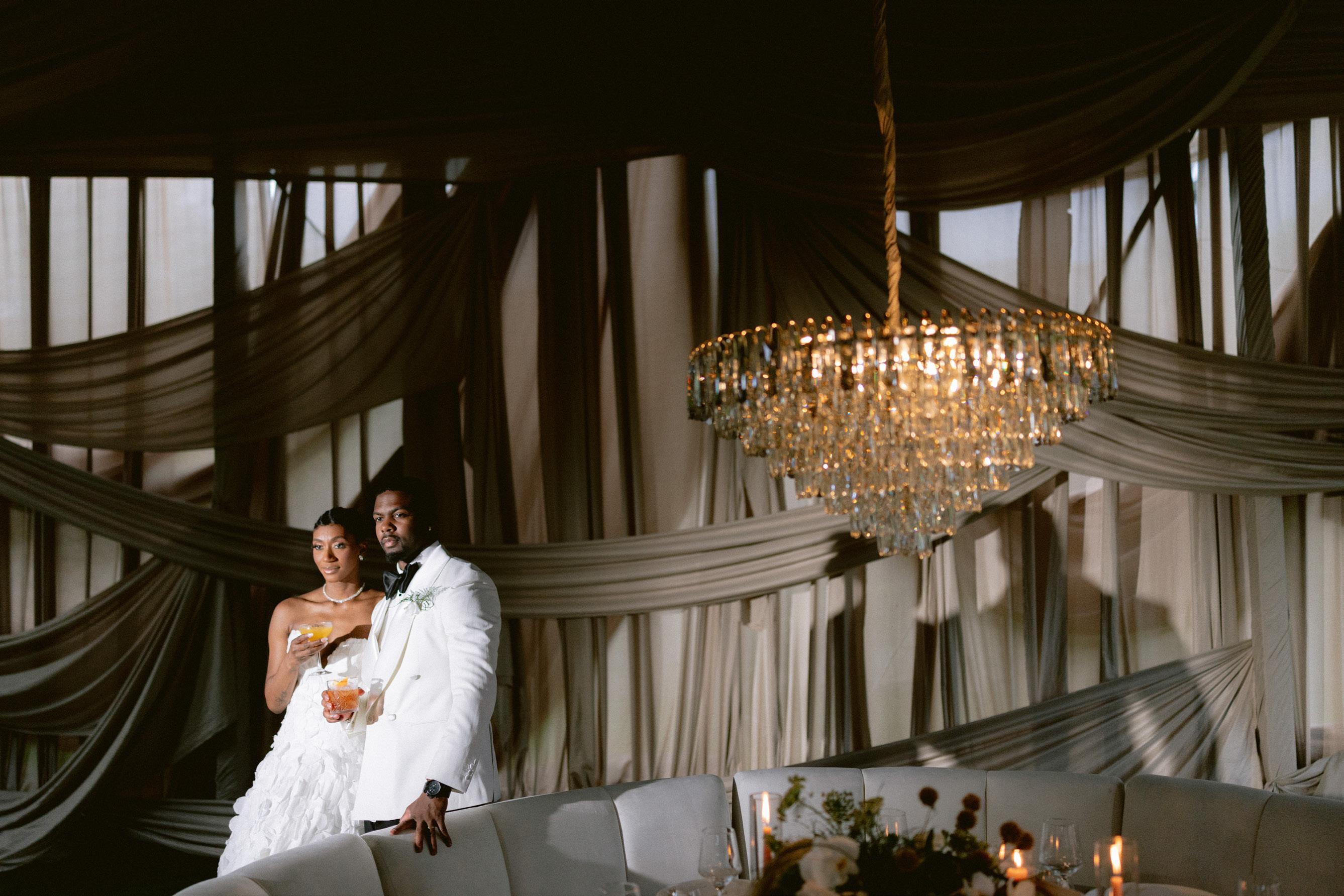
SOMETHING BIGGER.


Travel. Learn. Connect. Grow.
Are you ready to expand beyond your local market and connect with the global destination wedding and romance travel industry?
Join IADWP and become part of an international community of professionals. As an IADWP Member, you gain access to:
Connect with professionals in 40+ countries
International conferences and curated business events
Education, certifications, and industry insights
Greater visibility through a global professional network
Referrals, partnerships, and new opportunities
Destinations, suppliers, and experiences to sell the world with confidence
A community that supports your growth
The world is your marketplace. Let IADWP help you reach it.
Photo by @camanuelaldana
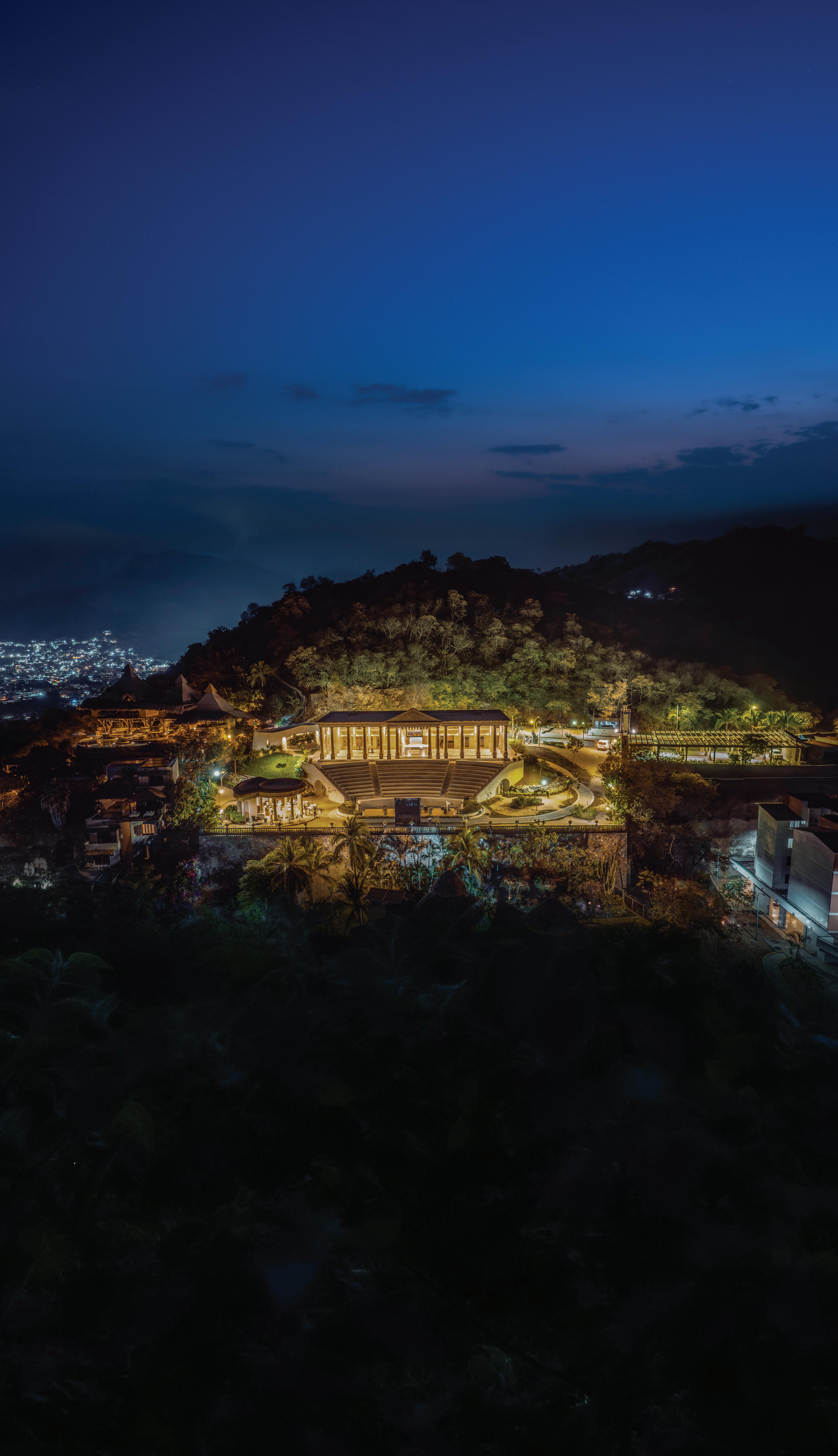
Contenido / Content
CITY DESTINATIONS
64. MEXICO CITY
SUNNY DESTINATIONS
67. ENTREVISTA CYNTHIA FRAGA
68. LOS CABOS
70. PUERTO VALLARTA
71. RIVIERA NAYARIT
72. ACAPULCO
74. IXTAPA-ZIHUATANEJO
76. CANCÚN
78. RIVIERA MAYA
COLONIAL DESTINATIONS
81. ENTREVISTA LOURDES OJEDA
82. BAJA
84. SAN MIGUEL DE ALLENDE
86. MÉRIDA
87. MARRIAGE REQUIREMENTS
88. FASHION
Por su calidad y prestigio, te recomendamos los siguientes grupos hoteleros:
For your wedding we recommend the following hotel groups for their quality and prestige:
Hard Rock Hotel, JW Marriott Los Cabos, Mahekal Beach Resort Playa del Carmen, Banyan Tree Puebla, Conrad Punta Mita, Four Seasons Mexico City, Grand Palladium Hotels & Resorts, Grand Velas Resort, Oasis Hotels & Resorts, The Ritz-Carlton Mexico City, Sofitel Mexico City, Viceroy Los Cabos y Riviera Maya, Waldorf Astoria Cancún, Kempinski Hotel Cancún, The St. Regis Mexico City, The St. Regis Punta Mita, Presidente Intercontinental Mexico City, Rosewood San Miguel de Allende, Las Brisas Mérida, Chablé Yucután, IHG Hotels & Resorts y Namron Hospitality.
CITY DESTINATIONS
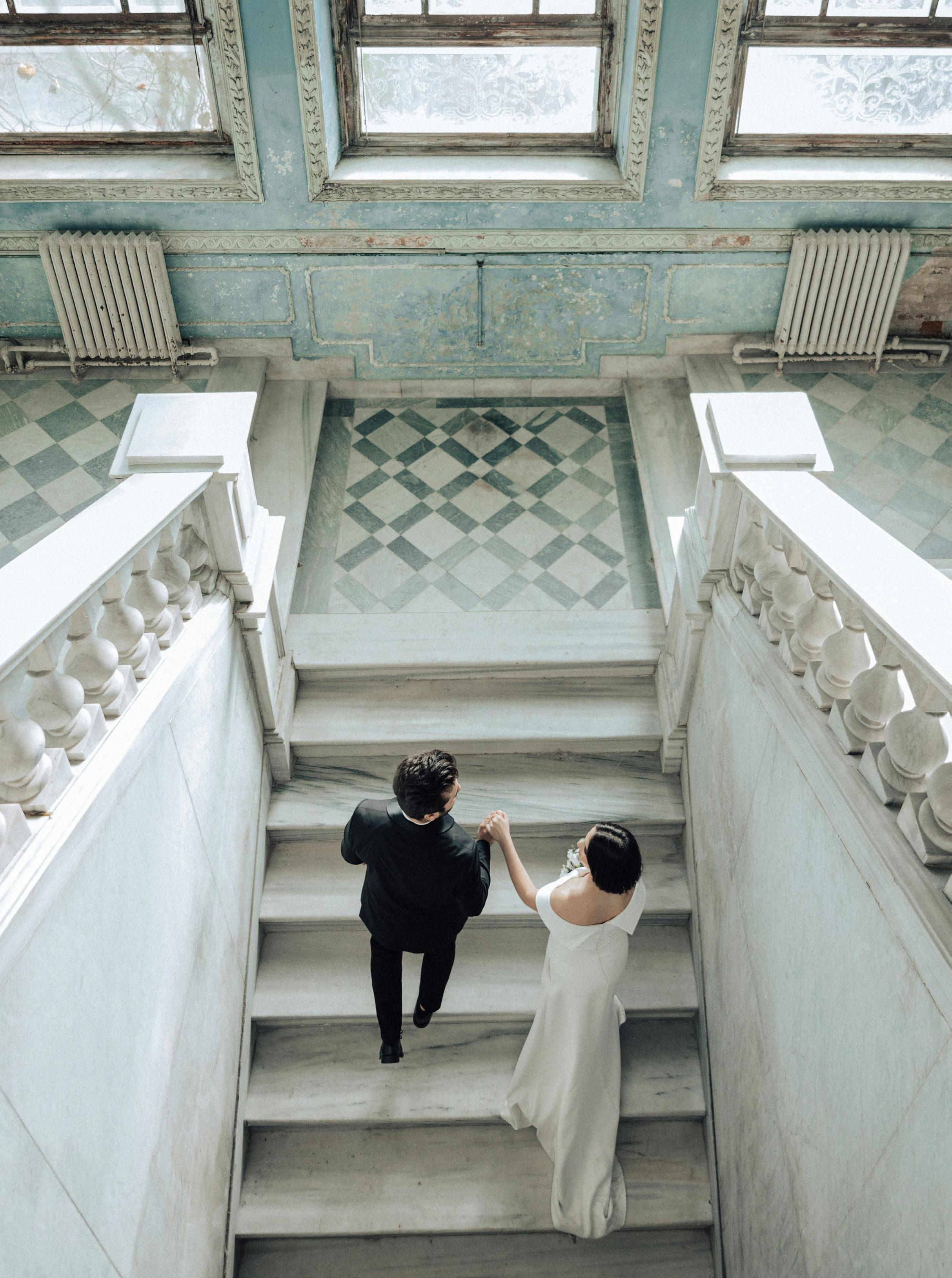

Ciudad de México
Mexico City
Imagina decir “sí, acepto” en el corazón del Centro Histórico, rodeado de joyas arquitectónicas como la Catedral Metropolitana y el Palacio Nacional. La rica historia de la ciudad se convierte en el telón de fondo perfecto para su historia de amor.
Además, la Ciudad de México (CDMX) ofrece una gran oferta gastronómica y más de 150 museos, plazas y monumentos disponibles para consentirlos y darles la bienvenida a sus invitados. Aquí hallarán el servicio que necesitan gracias a su amplia diversidad de opciones con más de 600 hoteles y un fácil acceso al aeropuerto.
La CDMX es un crisol de culturas, reflejado en sus coloridos barrios como Coyoacán, Polanco o la Condesa. En ellos, la música, el arte y la gastronomía se entrelazan, ofreciendo una experiencia auténtica y vibrante.
ENTRE JACARANDAS E HISTORIA
Además, gracias a la diversidad cultural, en la CDMX se pueden celebrar bodas con temáticas específicas, así como ceremonias igualitarias (dirigidas a la comunidad LGBTTTI), que por el marco jurídico y legal se permiten llevar a cabo desde 2010.
En cuanto a lugares, puedes celebrar tu boda en hoteles de lujo como el Four Season Hotel Mexico City con servicios único como serenas privadas, lujosas recepciones y almuerzos familiares al aire libre, además de que se pueden hospedar a tus invitados con ellos y con una tarifa especial. O el The Ritz-Carlton, Mexico City, con vistas imponentes y expertos que te ayudarán a ejecutar con precisión tu celebración.
En esa misma zona, también se ubican The St. Regis Mexico City con nueve salones y servicio personalizado, así como el Sofitel Mexico City que fusiona la modernidad con la elegancia francesa y que cuenta con espacios como su Gran Salón Versailles que ofrece un entorno impresionante de hasta 300 invitados.

Imagine saying “I do” in the heart of the Historic Center, surrounded by architectural gems such as the Metropolitan Cathedral and the National Palace. The city’s rich history becomes the perfect backdrop for your love story.
In addition, Mexico City (CDMX) offers a great gastronomic offer and more than 150 museums, squares and monuments available to pamper you and welcome your guests. Here they will find the service they need thanks to its wide diversity of options with more than 600 hotels and easy access to the airport.
CDMX is a melting pot of cultures, reflected in its colorful neighborhoods such as Coyoacán, Polanco and La Condesa. In them, music, art and gastronomy intertwine, offering an authentic and vibrant experience.
AMONG JACARANDAS AND HISTORY
In addition, thanks to the cultural diversity, in the CDMX you can celebrate weddings with specific themes, as well as egalitarian ceremonies (aimed at the LGBTTTI community), which by the legal and juridical framework are allowed to be carried out since 2010.
As for venues, you can celebrate your wedding in luxury hotels such as the Four Season Hotel Mexico City with unique services such as private serenades, luxurious receptions, and outdoor family lunches, plus you can host your guests with them at a special rate. Or The Ritz-Carlton, Mexico City, with breathtaking views and experts to help you execute your celebration with precision.
In the same area, there is also The St. Regis Mexico City with nine ballrooms and personalized service, as well as the Sofitel Mexico City, which fuses modernity with French elegance and has spaces such as its Grand Salon Versailles that offers an impressive setting for up to 300 guests.
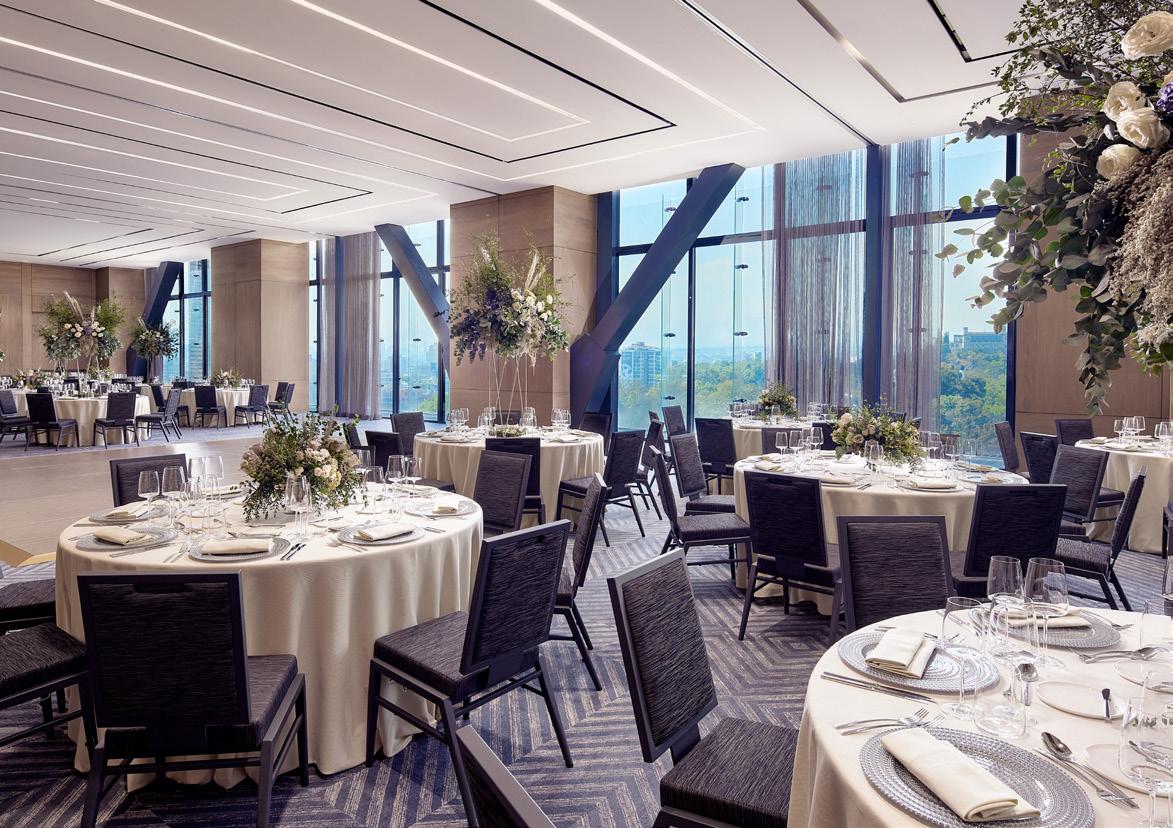
Por otra parte, en la zona de Polanco, se ubica el InterContinental Presidente Ciudad de México, un hotel de lujo con 13 salones y paquetes que incluyen desde el salón, montaje y cocteles de bienvenida hasta habitaciones para los novios y sus papás.
Otras opciones son el renovado JW Marriott Hotel Mexico City Polanco, con una variedad de elegantes espacios interiores y exteriores, o el Gran Fiesta Americana Chapultepec para quienes buscan algo más clásico, y el Camino Real Polanco, con paquetes especiales que combinan elegancia, servicio excepcional y platillos únicos. Así como espacios históricos como La Casa del Corregidor, el Museo Anahuacalli o el Museo Franz Mayer con espacios para banquetes en sus claustros de hasta 400 personas y un ambiente colonial ideal para esta ocasión especial.
On the other hand, in the Polanco area, the InterContinental Presidente Mexico City is located, a luxury hotel with 13 rooms and packages that include everything from the hall, set-up and welcome cocktails to rooms for the bride and groom and their parents.
Other options are the renovated JW Marriott Hotel Mexico City Polanco, with a variety of elegant indoor and outdoor spaces, or the Gran Fiesta Americana Chapultepec for those looking for something more classic, and the Camino Real Polanco, with special packages that combine elegance, exceptional service and unique dishes. As well as historic venues such as La Casa del Corregidor, the Anahuacalli Museum or the Franz Mayer Museum with banquet spaces in their cloisters for up to 400 people and a colonial atmosphere ideal for this special occasion.
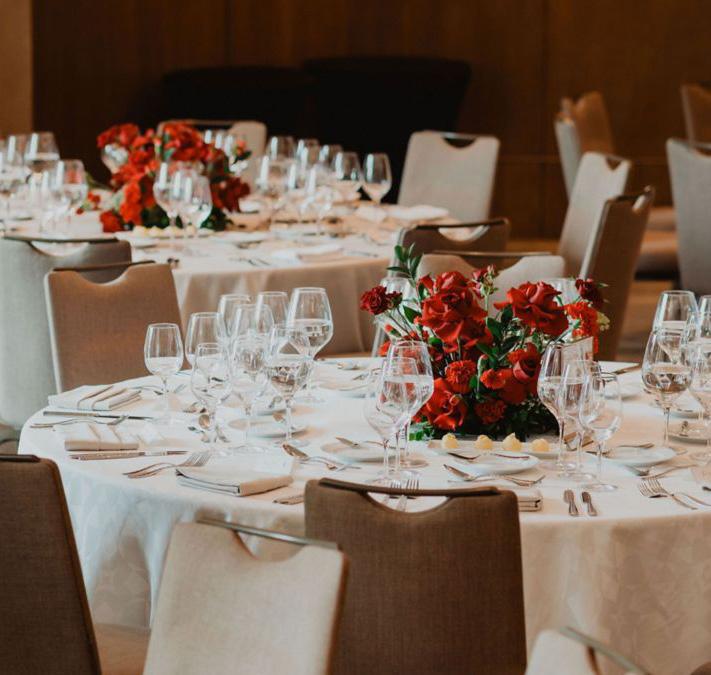
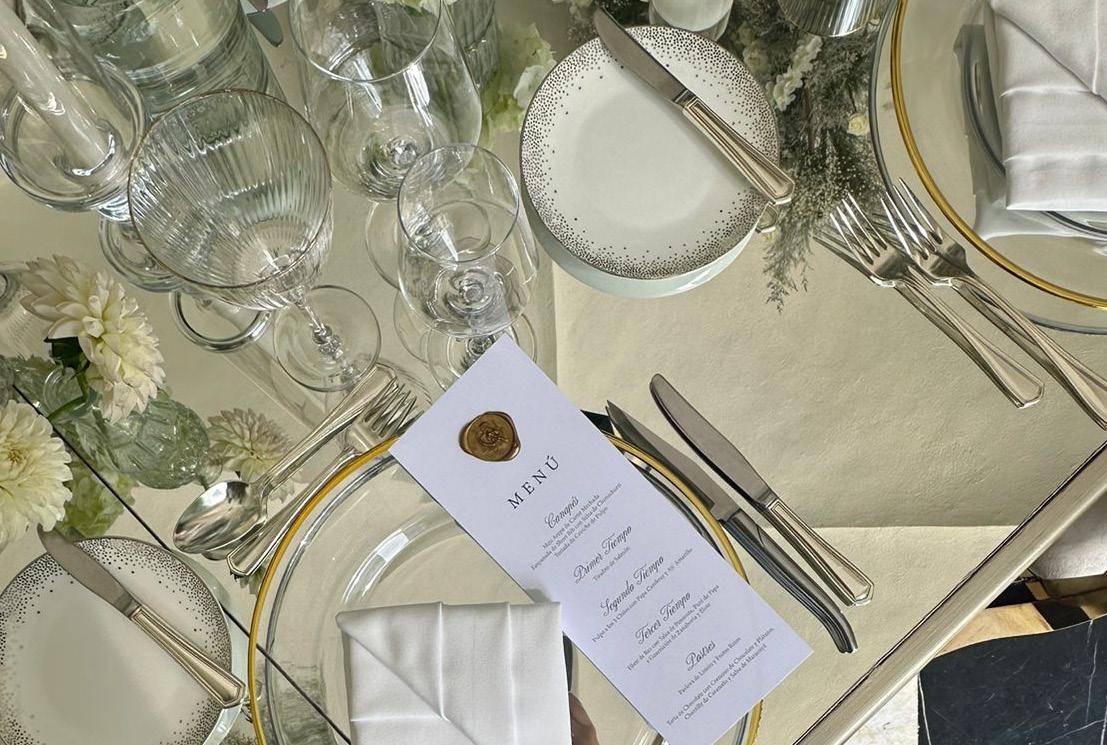

25°C a 10°C
TIP
to 50°C
Planifica tu boda entre noviembre y abril (especialmente nov–feb), donde el clima es más estable. Tus fotos serán perfectas.
Plan your wedding between November and April (especially Nov–Feb), when the weather is more stable. Your photos will be perfect.
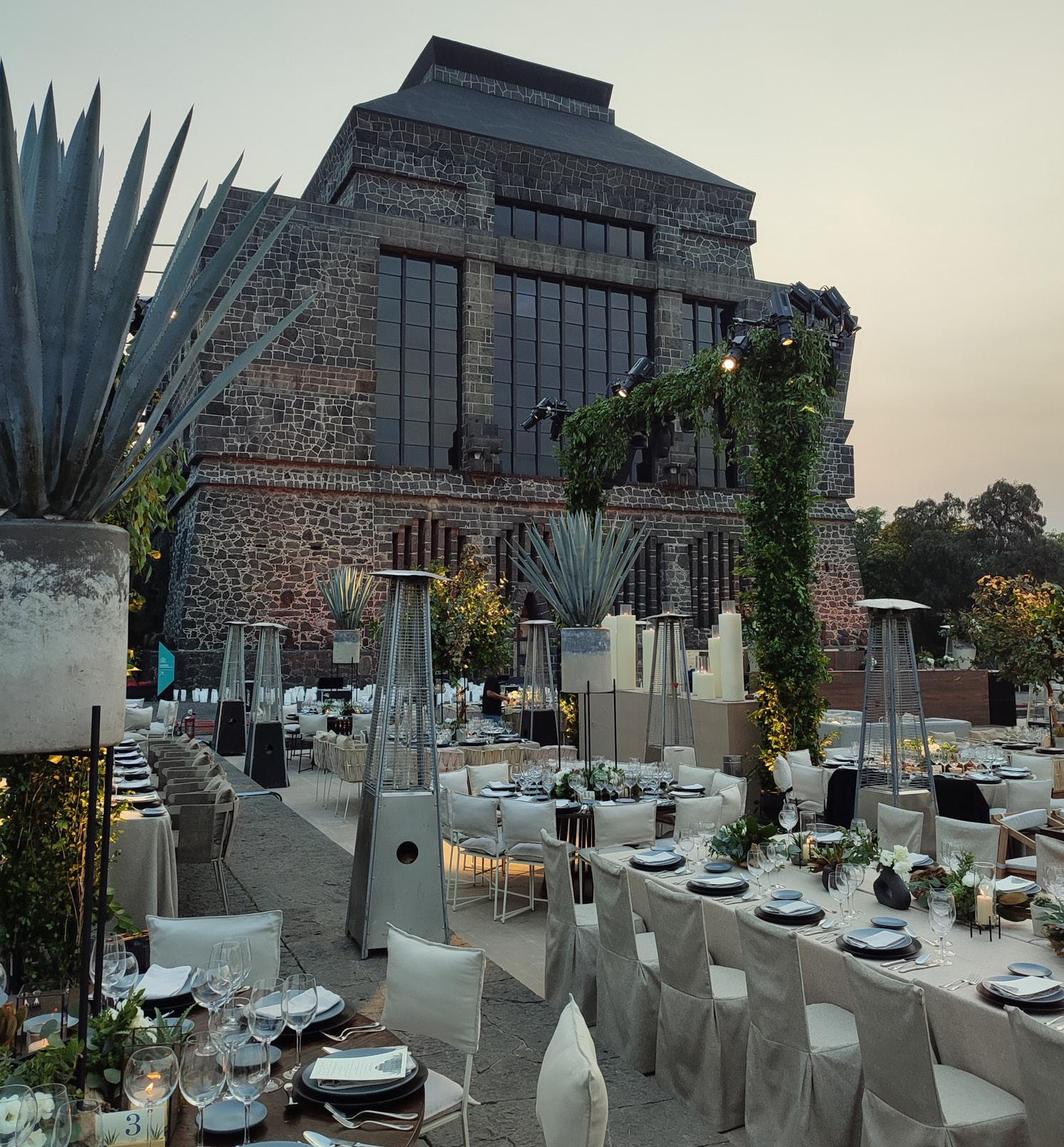
Four
Seasons Hotel Mexico City
JW Marriott Hotel Mexico City Polanco
Museo Anahuacalli
CLIMA
SUNNY DESTINATIONS
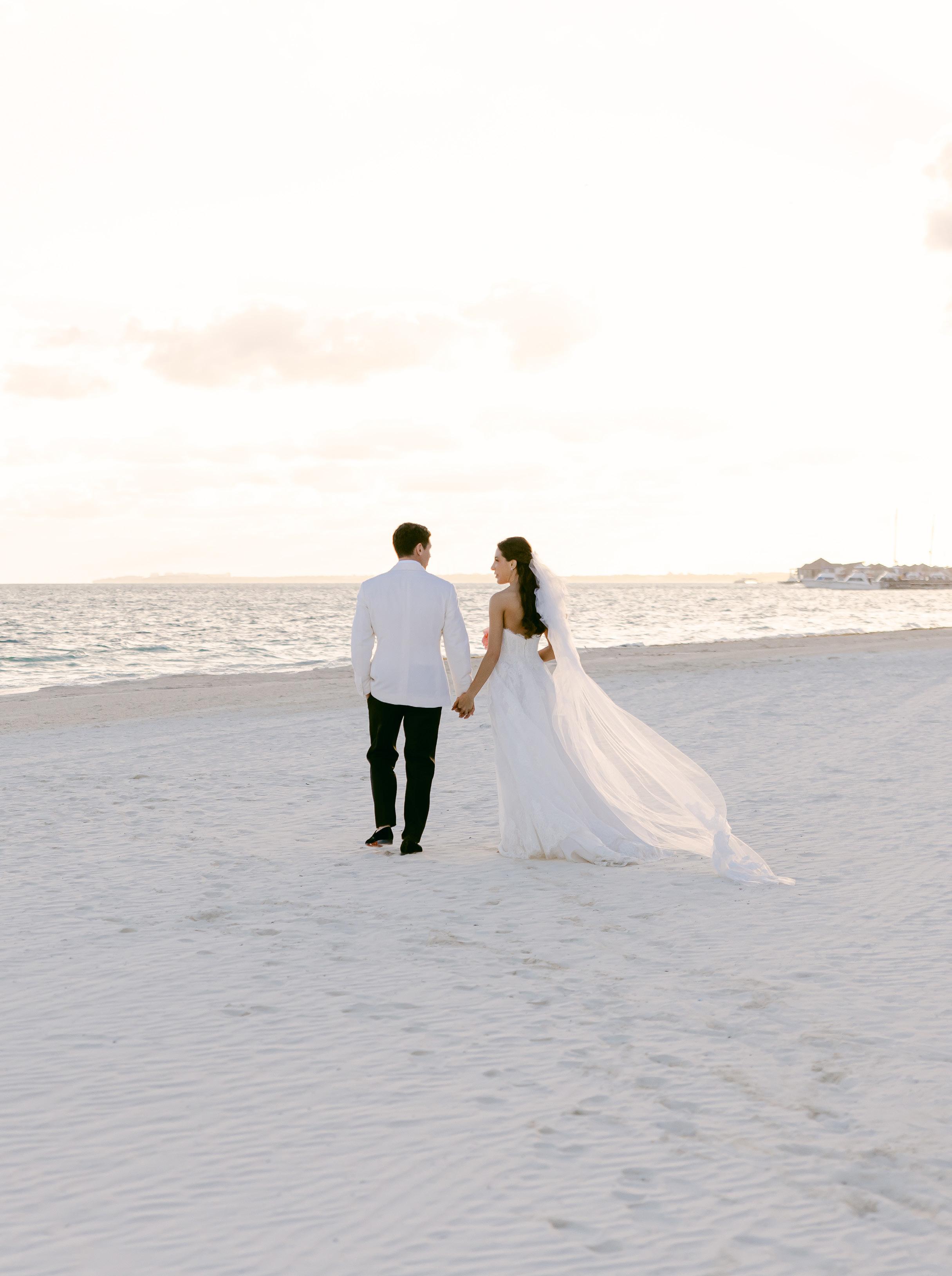
Foto: Chablé Maroma
“Hoy, una boda es una experiencia inmersiva “Today, a wedding is an immersive experience”
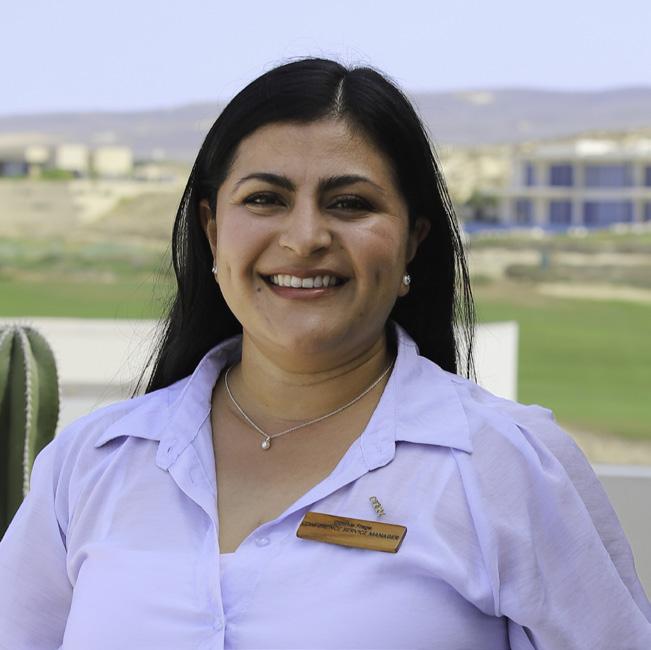

EL CONSEJO
Cynthia Fraga Amaya, Conference Service & Special Events Manager, Nobu Hotel Los Cabos, forma parte de la compañía desde hace aproximadamente dos años, desempeñándose dentro del área de weddings y experiencias especiales. A lo largo de este tiempo ha tenido la oportunidad de acompañar a parejas de distintas partes del mundo en la creación de celebraciones completamente personalizadas, cuidando cada detalle y la hospitalidad que distingue a la marca Nobu.
Cynthia Fraga Amaya, Conference Service & Special Events Manager at Nobu Hotel Los Cabos, has been part of Nobu Hotel Los Cabos for approximately two years, working within the weddings and special experiences department. Throughout this time, she has had the opportunity to support couples from different parts of the world in creating fully personalized celebrations, carefully overseeing every detail and the hospitality that distinguishes the Nobu brand.
Elegir un venue que realmente refleje el lifestyle, la esencia y la historia que la pareja desea transmitir a sus invitados.
¿Cuáles son los mejores meses para realizar una boda en Los Cabos?
Prácticamente durante todo el año, gracias a su clima, la calidad de la luz natural y la posibilidad de crear celebraciones tanto en espacios interiores como al aire libre.
¿Cuáles son las tres cosas más importantes a tomar en cuenta si se quiere hacer una boda en la playa?
Incorporar una gastronomía de autor. Crear una conexión auténtica con el destino.
¿Qué tendencia está de moda para bodas este año?
Hacía experiencias mucho más inmersivas, emocionales y profundamente conectadas con el destino.
¿Qué se debe reservar primero al organizar una boda en la playa?
El primer paso es elegir la sede y asegurar el bloqueo de habitaciones para los invitados.
¿Qué debo evitar si quiero que desde la ceremonia hasta el banquete sean en exterior?
Es importante evitar montajes excesivos o elementos que compitan con la belleza natural del entorno.
@nobuloscabos
THE ADVICE
Choose a venue that truly reflects the lifestyle, essence, and story the couple wishes to share with their guests.
What are the best months to host a wedding in Los Cabos?
Virtually all year round, thanks to its favorable climate, the quality of its natural light, and the ability to create celebrations in both indoor and outdoor settings.
What are the three most important things to consider when planning a beach wedding?
Incorporating signature cuisine, creating an authentic connection with the destination.
What wedding trend is popular this year?
The focus is shifting toward much more immersive, emotional experiences that are deeply connected to the destination.
What should be booked first when organizing a beach wedding?
The first step is selecting the venue and securing a room block for guests.
What should I avoid if I want both the ceremony and reception to take place outdoors?
It is important to avoid overly elaborate setups or elements that compete with the natural beauty of the surroundings.
Por: Jessica Servín Foto: Nobu Los Cabos
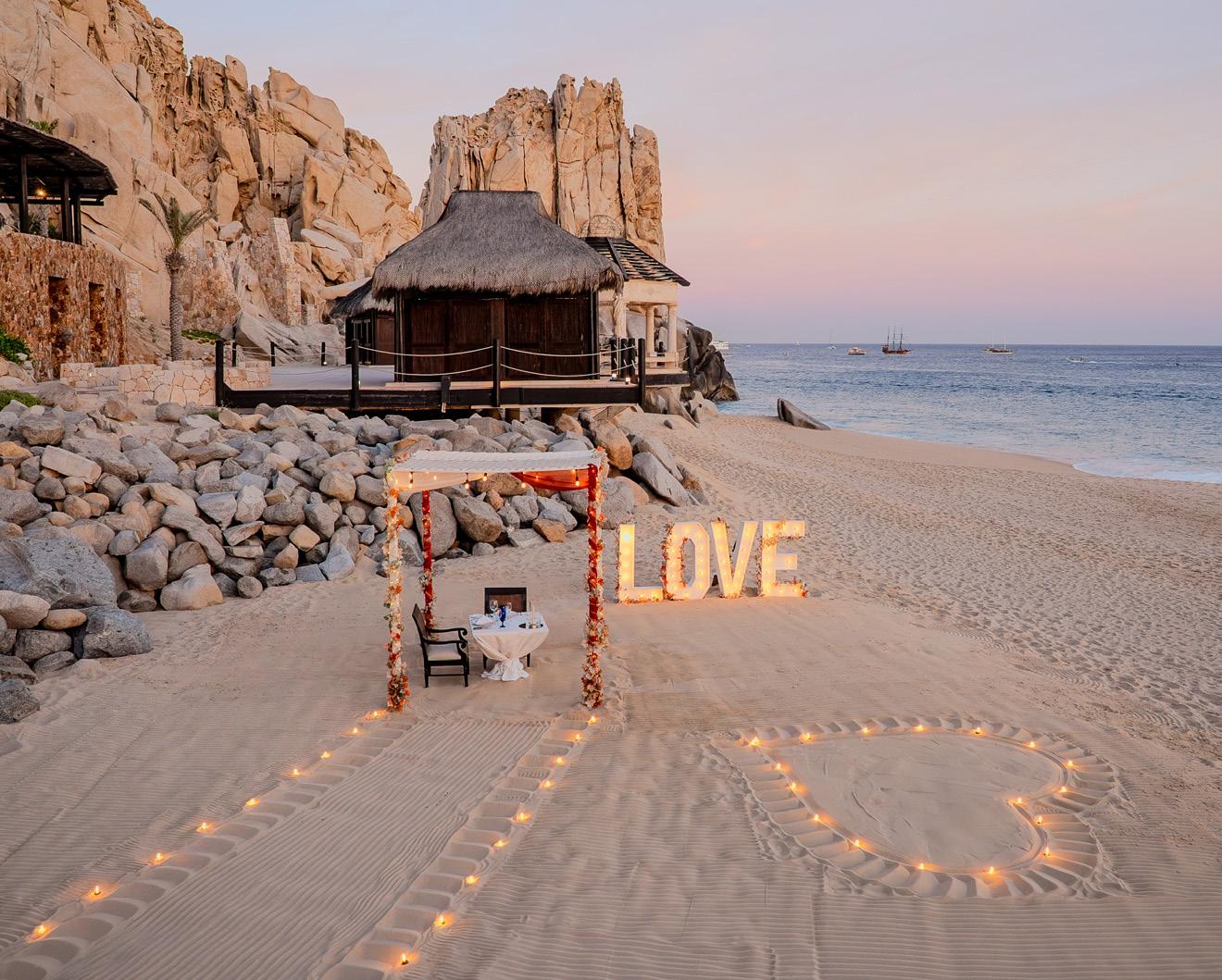
Los Cabos
Los Cabos es el destino perfecto para bodas de fin de semana: un litoral impresionante, clima ideal todo el año, privacidad total y desconexión, además de una infraestructura hotelera lista para cada momento de la celebración.
No importa el espacio que elijas, tendrás sol y atardeceres para adornar tu gran día. Los Cabos ofrece una variedad de lugares idílicos para celebrar ceremonias, desde playas privadas hasta lujosos resorts con vistas panorámicas. Muchos de estos lugares cuentan con expertos en planificación que pueden ayudarte a personalizar cada detalle de tu evento, desde la decoración hasta el menú.
Además de la belleza natural y la exquisita comida, Los Cabos también ofrece una amplia gama de actividades para que los invitados disfruten antes y después de la boda. Desde excursiones en barco para avistar fauna marina local y practicar snorkel, hasta recorridos por pintorescas localidades como La Paz, Loreto y Todos Santos, estos últimos Pueblos Mágicos.
Los Cabos is the perfect destination for weekend weddings: a stunning coastline, ideal year-round weather, total privacy and a sense of escape, plus a hotel infrastructure ready to support every moment of the celebration.
No matter which venue you choose, you’ll have sunshine and sunsets to grace your big day. Los Cabos offers a variety of idyllic ceremony venues, from private beaches to luxurious resorts with panoramic views. Many of these venues have expert planners who can help you customize every detail of your event, from décor to menu.
In addition to natural beauty and exquisite food, Los Cabos also offers a wide range of activities for guests to enjoy before and after the wedding. From boat excursions to spot local marine wildlife and snorkel, to tours of picturesque towns such as La Paz, Loreto and Todos Santos, the latter of which are Magical Towns, Los Cabos offers a wide range of activities for guests to enjoy before and after the wedding.
LA PAREJA IDEAL: MAR Y DESIERTO
La lista de hoteles donde puedes casarte es amplia, desde modernos resorts como One & Only Palmilla, que además de contar con una capilla para la ceremonia religiosa, organiza bodas con carruajes. Otro escenario para tu matrimonio es la vista al acantilado de la montaña Pedregal en Waldorf Astoria Los Cabos y, para algo más personal, Esperanza, Auberge Resort y Hyatt Ziva Los Cabos ambos brindan sitios íntimos, así como Grand Solmar Pacific Dunes donde la celebración transcurre a un ritmo más intencional, respaldado por amplitud y privacidad. Ubicada al norte de Cabo San Lucas, lejos de las zonas más concurridas del destino, la propiedad brinda a las parejas el espacio ideal para crear un wedding weekend más exclusivo. En tanto, JW Marriott Los Cabos Beach Resort & Spa y Zadún, a Ritz-Carlton Reserve ofrecen lugares para reuniones frente al mar o paquetes especiales.
THE IDEAL COUPLE: SEA AND DESERT
The list of hotels where you can get married is extensive, from modern resorts like One & Only Palmilla, which in addition to having a chapel for the religious ceremony, organizes weddings with carriages. Another scenario for your wedding is the view of the Pedregal Mountain cliff at Waldorf Astoria Los Cabos and, for something more personal, Esperanza, Auberge Resort and Hyatt Ziva Los Cabos both offer intimate venues, as well as Grand Solmar Pacific Dunes, where the celebration unfolds at a more intentional pace, supported by spaciousness and privacy. Located north of Cabo San Lucas, away from the destination’s most crowded areas, the property offers couples the ideal space to create a more exclusive wedding weekend. Meanwhile, JW Marriott Los Cabos Beach Resort & Spa and Zadun, a Ritz-Carlton Reserve offer oceanfront meeting venues or special packages.
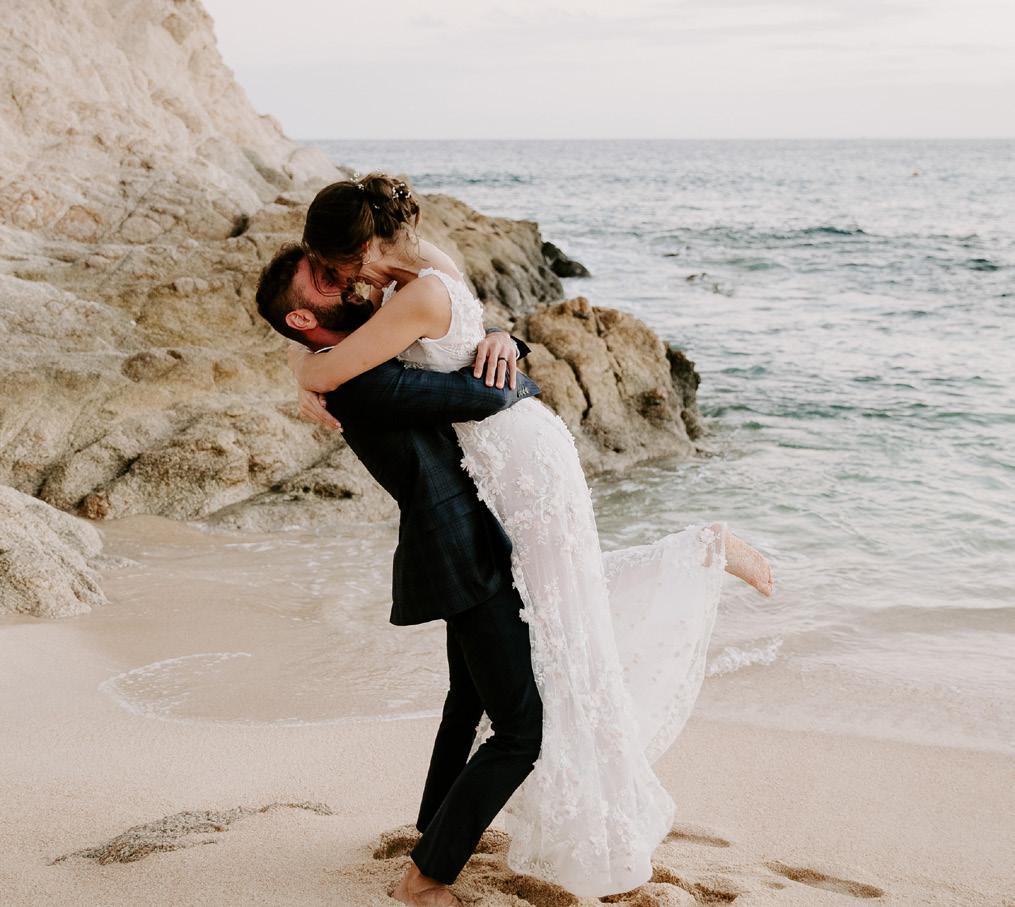
Grand Solmar Pacific Dunes
Los Cabos
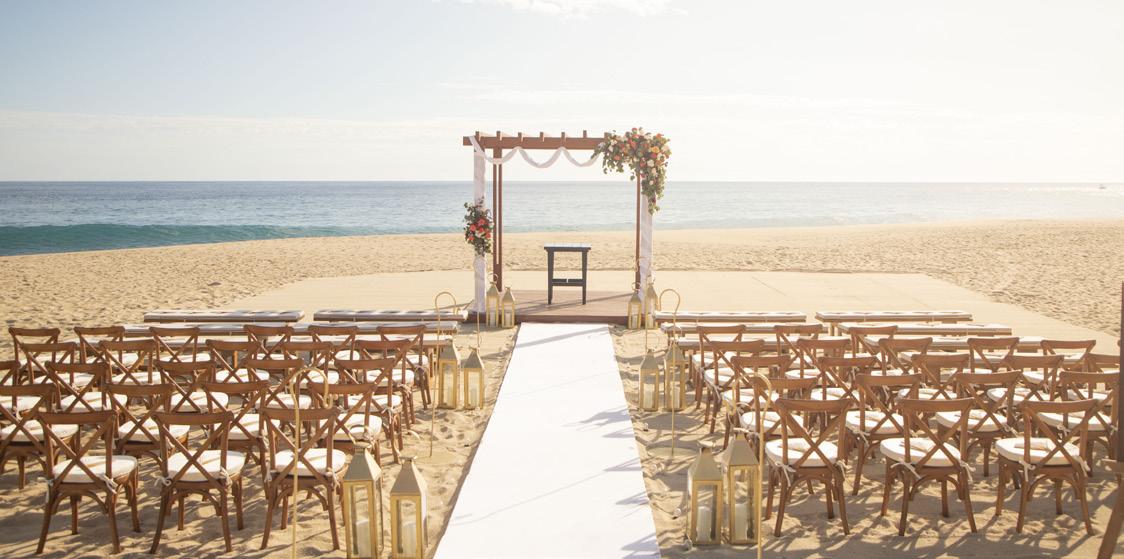
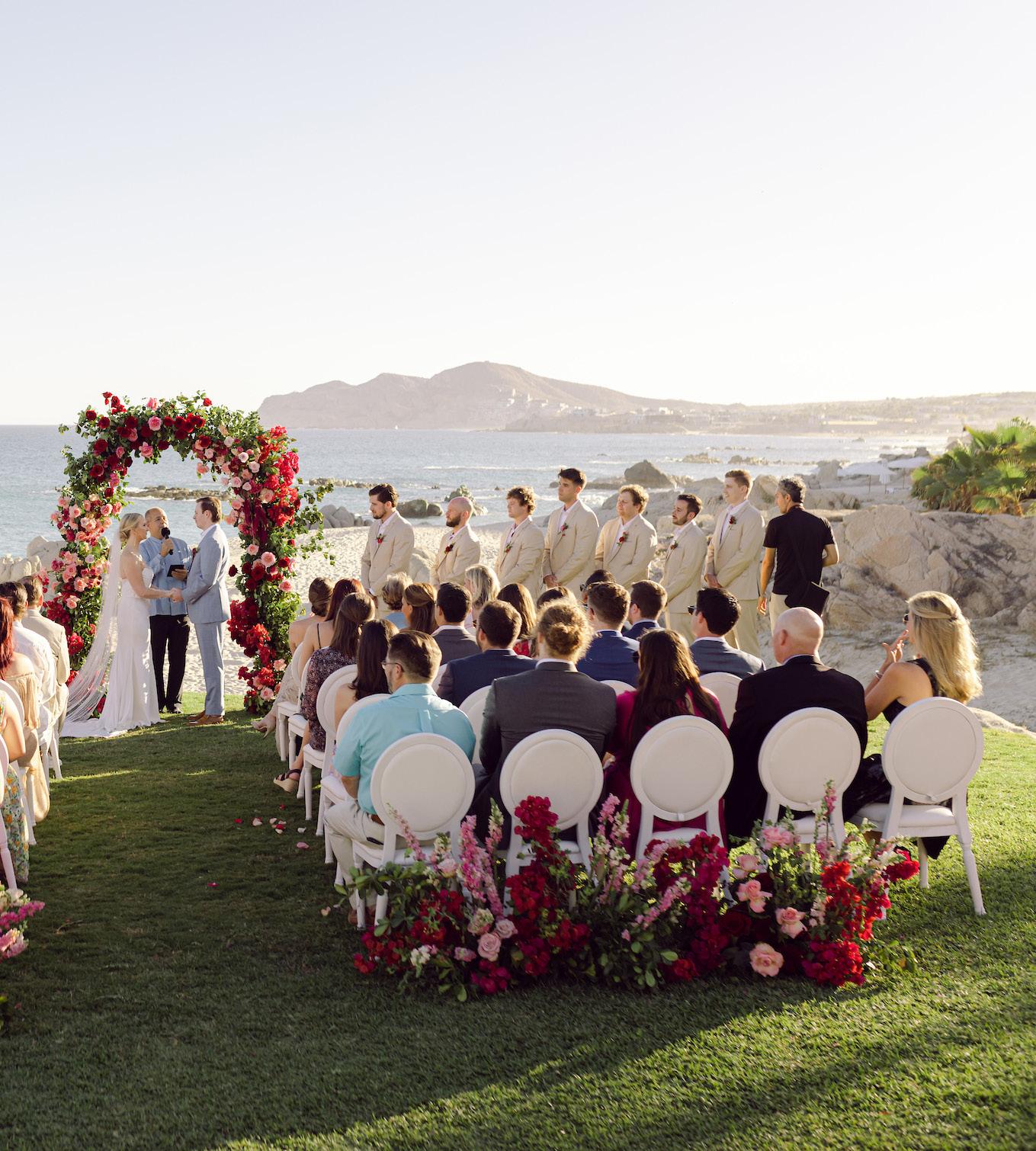
CLIMA
de 20°C a 33°C
WEATHER
68° F a 91.4° F
TIP
Aprovecha la geografía abierta de Los Cabos para crear “momentos en movimiento” como cenas al aire libre y ceremonias con vista al mar.
Take advantage of Los Cabos’ open landscape to create “moving moments”: open-air dinners and ocean-view ceremonies.
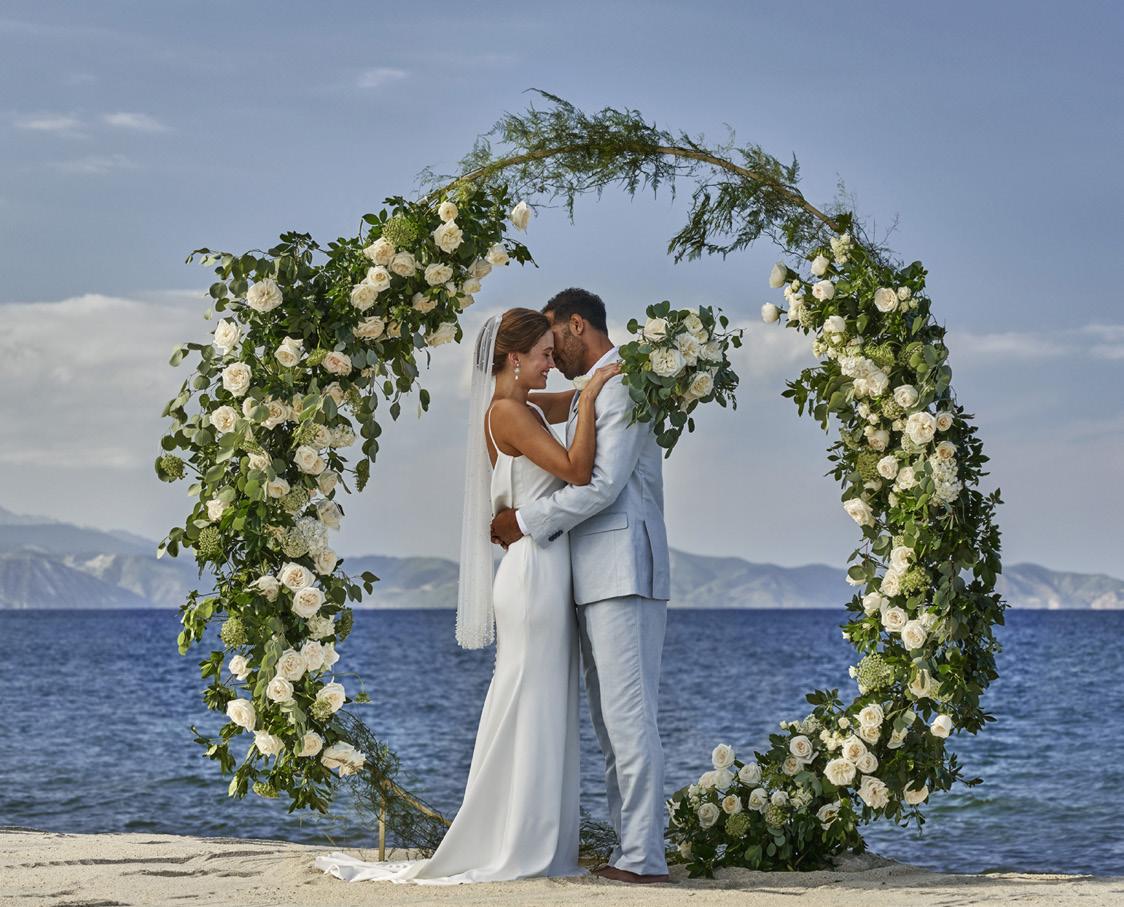
Mientras que, Hilton Los Cabos Beach & Golf Resort, además de sus innovadores escenarios, ofrece un atelier de bodas que les permitirá a sus wedding planer y a ustedes, crear fácilmente su día perfecto. Mientras que, en Four Seasons Resort and Residences Los Cabos en Costa Palmas, le espera un lugar exclusivo donde el lujo elemental y el diseño inspirado en las haciendas crean el escenario perfecto para celebraciones al aire libre, enmarcadas por vistas a la montaña y cielos estrellados.
Meanwhile, Hilton Los Cabos Beach & Golf Resort, in addition to its innovative settings, offers a wedding atelier that will allow you and your wedding planner to easily create your perfect day. Meanwhile, at Four Seasons Resort and Residences Los Cabos at Costa Palmas, you’ll find an exclusive setting where elemental luxury and hacienda-inspired design create the perfect backdrop for outdoor celebrations, framed by mountain views and star-filled skies.
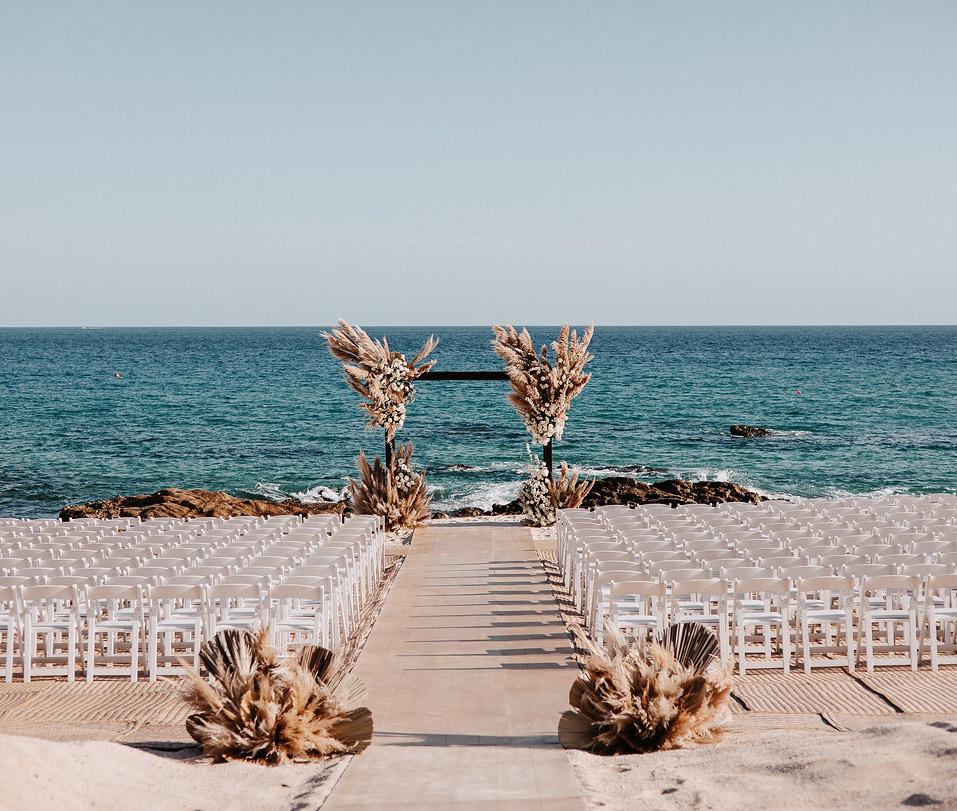
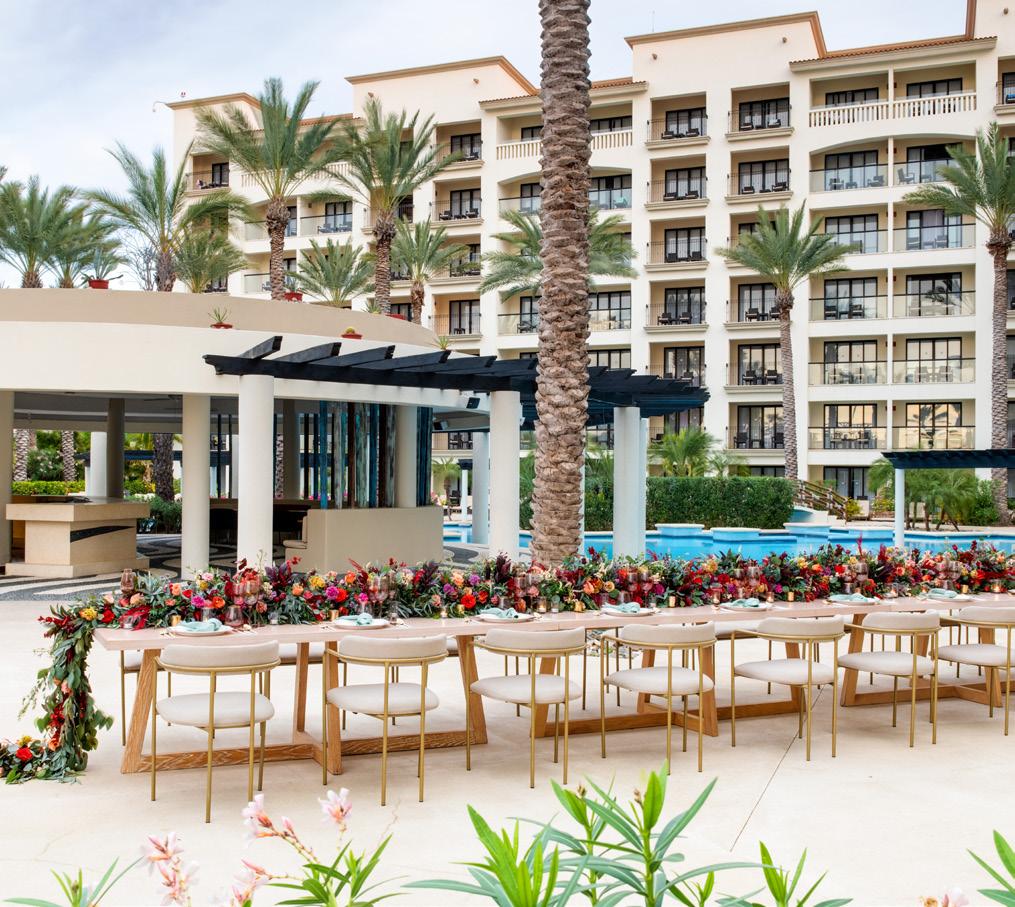
Grand Velas Los Cabos
Hilton Los Cabos
Solmar Hotels & Resorts
LOS CABOS
Four Season Los Cabos
Hyatt-Ziva-Los-Cabos
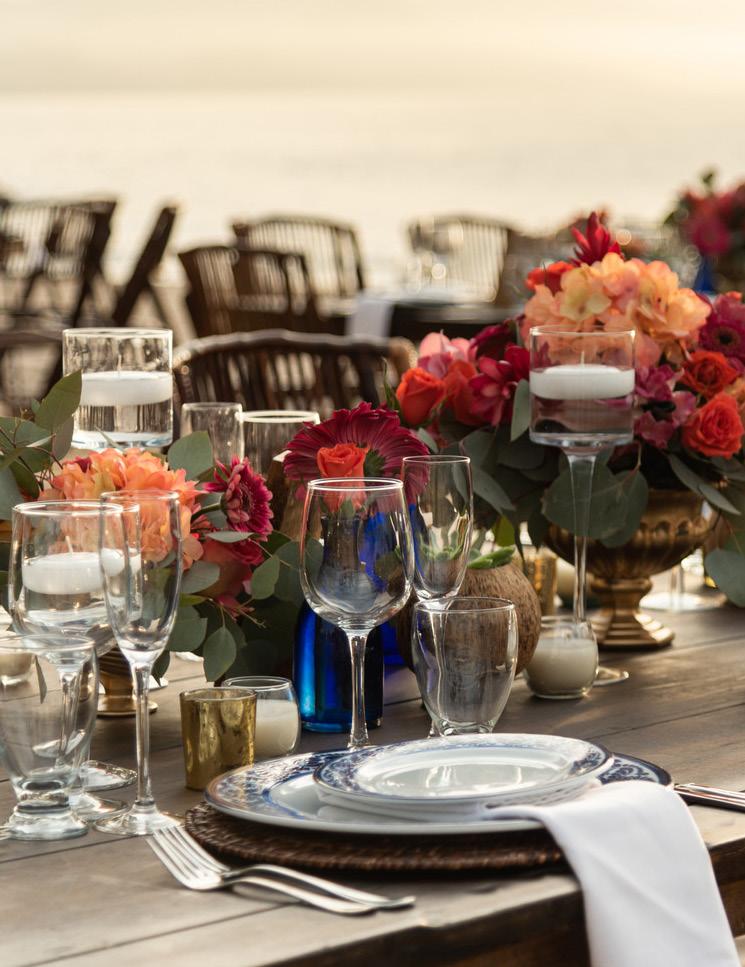
Puerto Vallarta
Situado en la Bahía de Banderas, entre el mar y las montañas de la Sierra Madre Occidental, este hermoso destino tropical del Pacífico, ofrece un agradable clima anual que lo hace el sitio de playa perfecto para realizar tu boda.
Para antes o después de la celebración, Vallarta tiene un abanico de actividades disponibles que, incluso, podrían animarte a pasar aquí tu luna de miel. Entre las opciones destacan venues que se adecuarán a su presupuesto o con tarifas preferenciales para grupos. Uno de ellos es Casa Velas con ceremonias bajo las estrellas o recepciones extravagantes en salones de baile. Así como Marriott Puerto Vallarta Resort & Spa con salones para eventos y capacidad hasta para 700 personas, y espectaculares lugares frente al mar.
Otras opciones, ubicadas hacia el sur, y donde encontrarás calma y palmeras, son el Secrets Vallarta Bay Puerto Vallarta con ceremonias en la playa o el Hyatt Ziva Puerto Vallarta con paquetes de bodas como Intimate Elegance, para familiares y amigos más cercanos donde disfrutarán de una ceremonia elegante con amenidades especiales, incluido un masaje en pareja, o una boda con lujo que incluye un ascenso de habitación de cortesía y es perfecta para la pareja y 38 invitados.
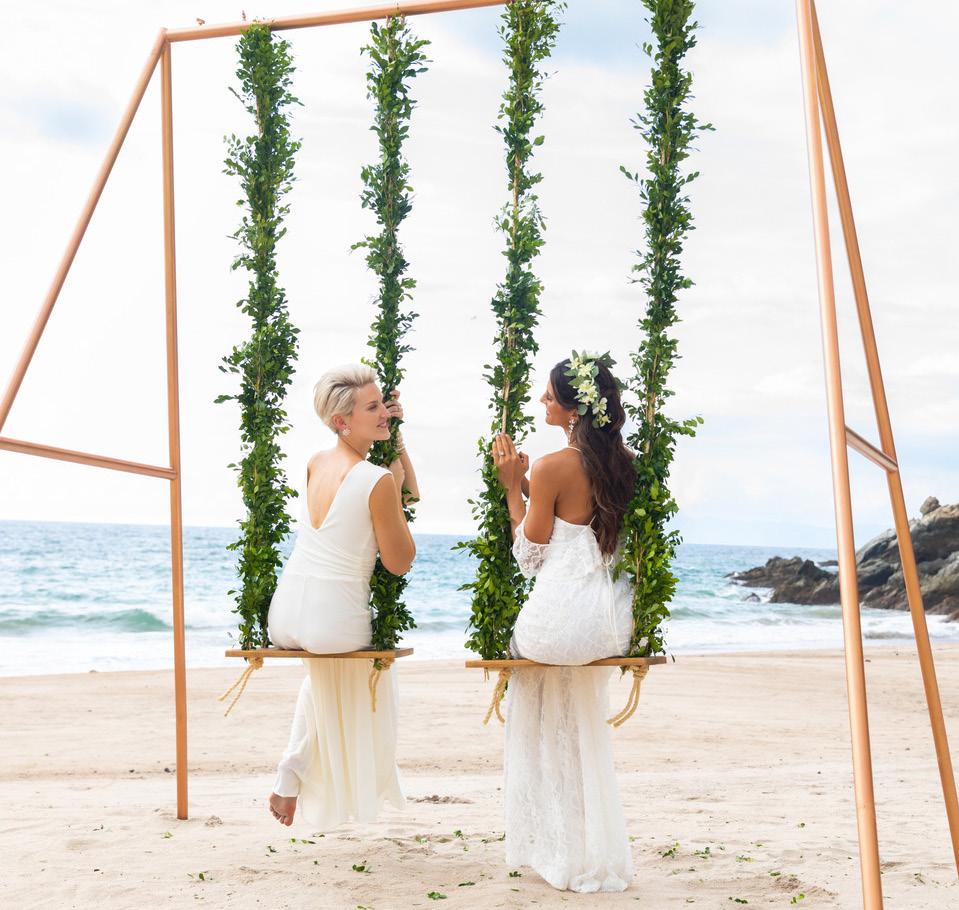
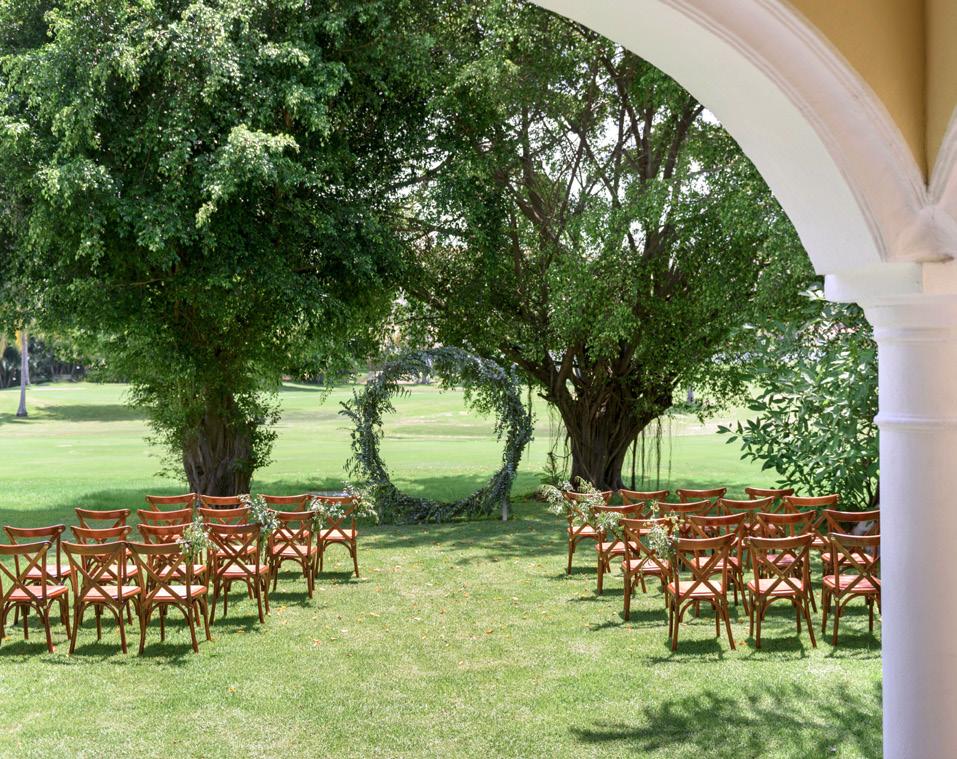
Located on the Bay of Banderas, between the sea and the mountains of the Sierra Madre Occidental, this beautiful tropical Pacific destination offers a pleasant year-round climate that makes it the perfect beach location for your wedding.
For before or after the celebration, Vallarta has a range of activities available that could even encourage you to spend your honeymoon here. Among the options are venues that will suit your budget or with preferential rates for groups. One of them is Casa Velas with ceremonies under the stars or extravagant receptions in ballrooms, or Marriott Puerto Vallarta Resort & Spa with event rooms and capacity for up to 700 people, and spectacular oceanfront venues.
Other options, located towards the south, and where you will find calm and palm trees, are the Secrets Vallarta Bay Puerto Vallarta with ceremonies on the beach or the Hyatt Ziva Puerto Vallarta, with wedding packages such as Intimate Elegance, for your closest family and friends, featuring an elegant ceremony with special amenities, including a couples’ massage, or a luxury wedding that includes a complimentary room upgrade and is perfect for the couple and 38 guests.
Hyatt-Ziva Puerto Vallarta
Casa Velas
Hyatt-Ziva Puerto Vallarta
Rivera Nayarit
A poca distancia de Puerto Vallarta te espera un destino que puede convertirse en el escenario perfecto para el primer capítulo de tu historia de amor. Riviera Nayarit despliega más de 300 kilómetros de costa, desde Nuevo Vallarta, en la Bahía de Banderas, hasta San Blas, al norte.
UN PARAÍSO PARA EL ROMANCE
Aquí encontrarás todo tipo de opciones, estilos y hoteles todo incluido, que ofrecen paquetes especiales para hacer de tu boda frente al mar, el día más increíble de tu vida.
Por ejemplo, en Nuevo Vallarta, hay desde múltiples resorts como Vidanta Nuevo Vallarta con paquetes que incluyen desde la locación hasta el ramo o un masaje en pareja, hasta Grand Velas Riviera Nayarit que cuentan con grandes salones de baile, terrazas iluminadas y un jardín tropical con vista al mar. Un poco más al norte, en Punta de Mita, se encuentran The St. Regis Punta Mita Resort, Conrad Punta Mita y Four Seasons Resort Punta Mita, este último con experimentados planificadores de bodas que se encargarán de todo, así como una variedad de locaciones. O, si buscas algo más íntimo, Naviva, A Four Season Resort Punta Mita posee 15 bungalows con vista al mar, además es posible privatizar todo el hotel para tu boda.
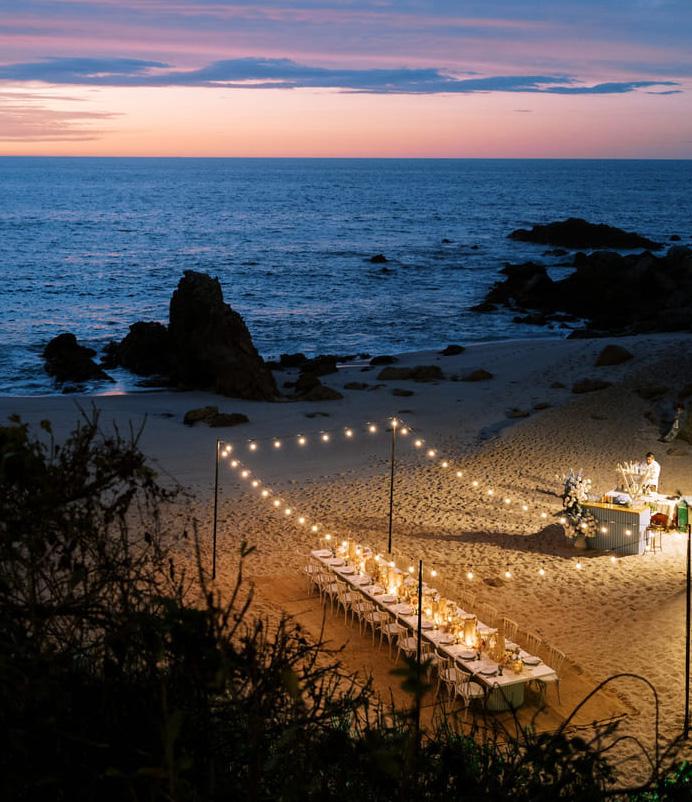
Just a short distance from Puerto Vallarta lies another destination that could become the perfect setting for the first chapter of your love story. Riviera Nayarit stretches across more than 300 kilometers of coastline, from Nuevo Vallarta in Banderas Bay to San Blas in the north.
A PARADISE FOR ROMANCE
Here you will find all kinds of options, styles and all-inclusive hotels offering special packages to make your beachfront wedding the most incredible day of your life.
For example, in Nuevo Vallarta, there are multiple resorts such as Vidanta Nuevo Vallarta with packages that include everything from the location to the bouquet or a couple’s massage, to Grand Velas Riviera Nayarit with large ballrooms, lighted terraces and a tropical garden overlooking the sea. A little further north, in Punta de Mita, are The St. Regis Punta Mita Resort, Conrad Punta Mita and Four Seasons Resort Punta Mita, the latter with experienced wedding planners who will take care of everything, as well as a variety of locations. Or, if you’re looking for something more intimate, Naviva, A Four Season Resort Punta Mita has 15 ocean view bungalows available for intimate ceremonies, plus it’s possible to privatize the entire hotel for your wedding.
de 16°C a 32°C
WEATHER
68° F a 91.4° F
TIP
Facilita opciones de hospedaje, transporte y actividades para quienes viajan desde otras ciudades o países.
Make it easy for guests traveling from other cities or countries by providing accommodation options, transportation, and local activities.
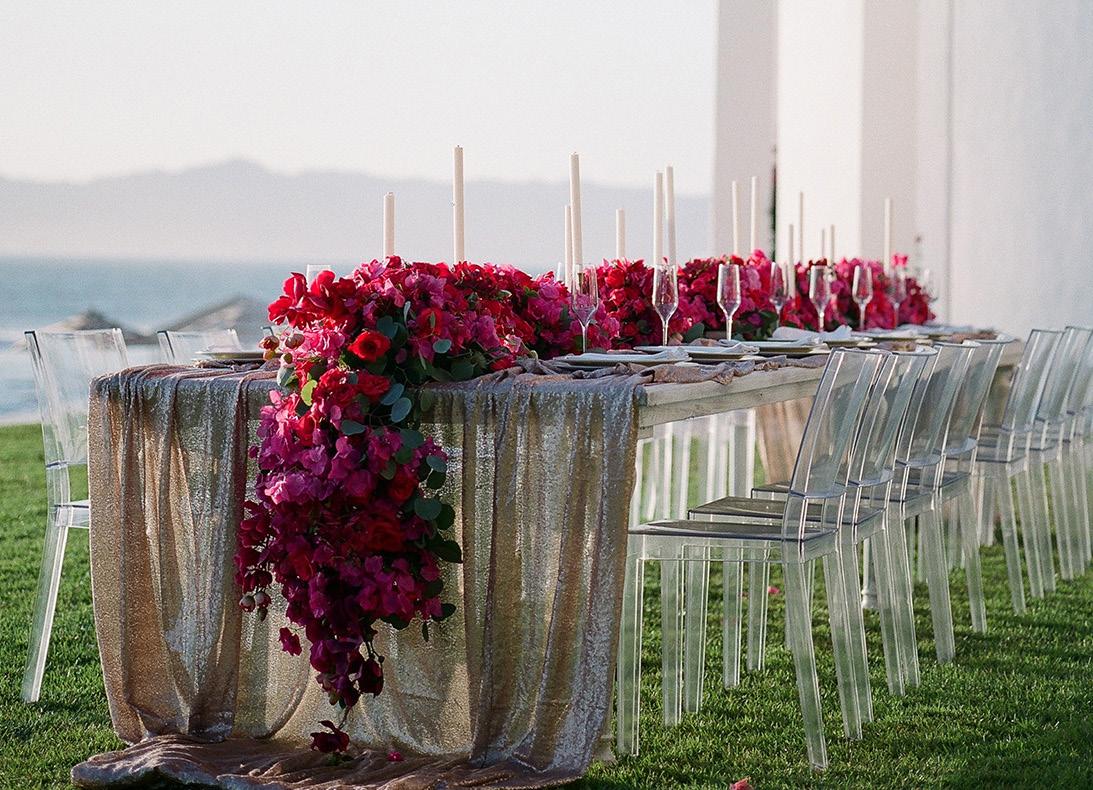
Naviva, A Four Season Resort Punta Mita
CLIMA
Grand Velas Rivera Nayarit
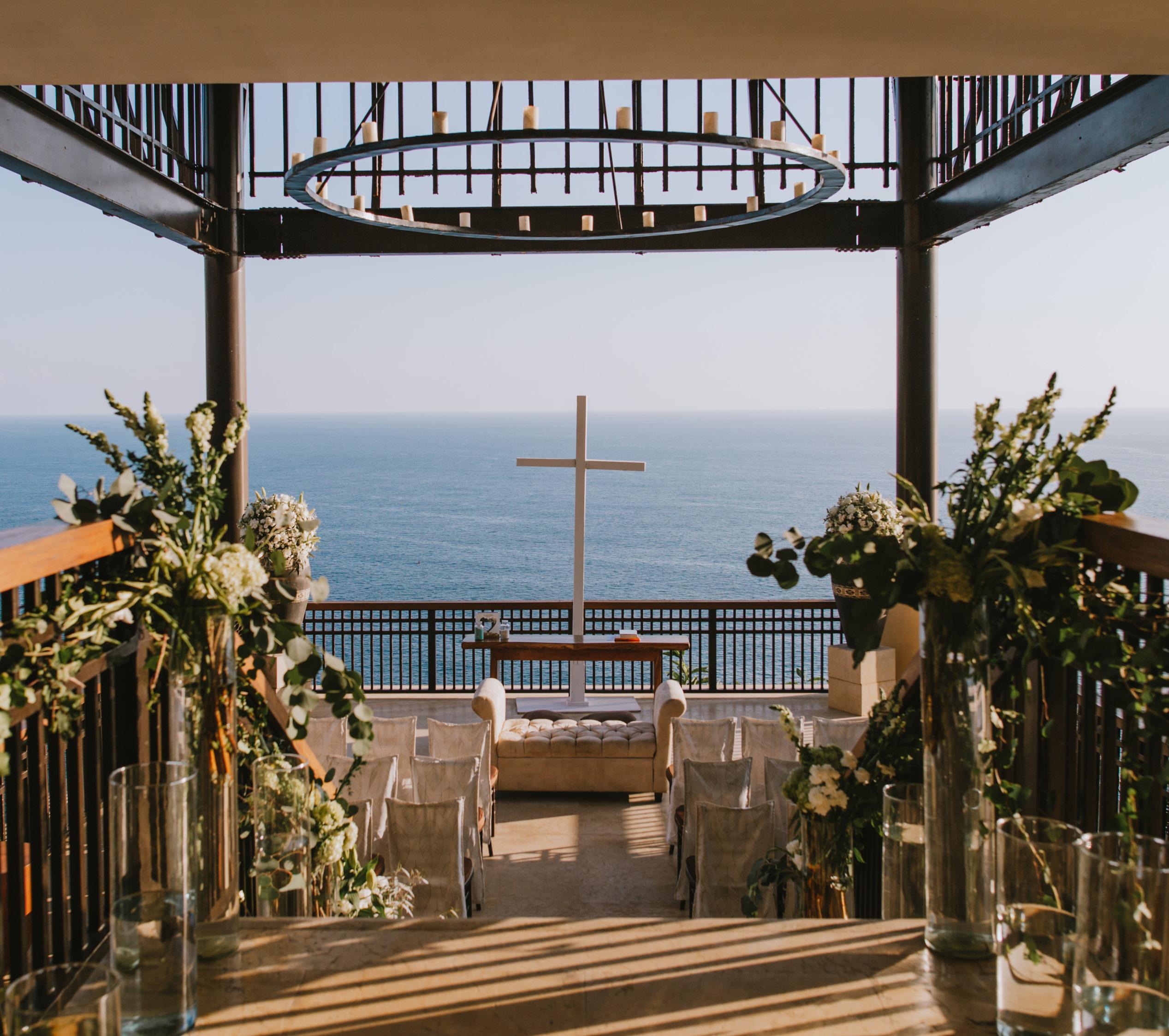
Acapulco
El puerto más icónico de México es perfecto para quienes sueñan con una boda frente al océano Pacífico, rodeados de lujo y glamour. Jardines a la orilla del mar como sacados de cuentos de hadas o románticos hoteles que brindan paquetes personalizados para bodas.
Además, algunas de las actividades previas que podrán hacer son: paseos en yate por la bahía, disfrutar de algún torneo de golf familiar o de días relajantes en un spa. Acapulco tiene la combinación perfecta , sumado a sus renovados y clásicos hoteles, donde tu ceremonia será memorable. Los mejores meses para casarte en este destino son de noviembre a mayo, ideal porque evitas la temporada de lluvia.
Mexico’s most iconic port is perfect for those who dream of a Pacific Ocean wedding, surrounded by luxury and glamour. Gardens by the sea like something out of a fairy tale or romantic hotels that offer customized wedding packages.
In addition, some of the activities you can do beforehand are: yacht rides on the bay, enjoying a family golf tournament or relaxing days at a spa. Acapulco has the perfect combination, added to its renovated and classic hotels, where your ceremony will be memorable. The best months to get married in this destination are from November to May, ideal because you avoid the rainy season.
Banyan Tree Cabo Marqués
CLIMA
de 27°C a 34°C
WEATHER
80.6° F a 93.2° F
TIP
Si quieres un marco perfecto para decir “sí, acepto”, las puestas de sol en la Bahía de Santa Lucía son excepcionales.
If you want a perfect setting to say “yes, I do”, the sunsets in the Bay of St. Lucia are exceptional.
EL MEJOR ESCENARIO
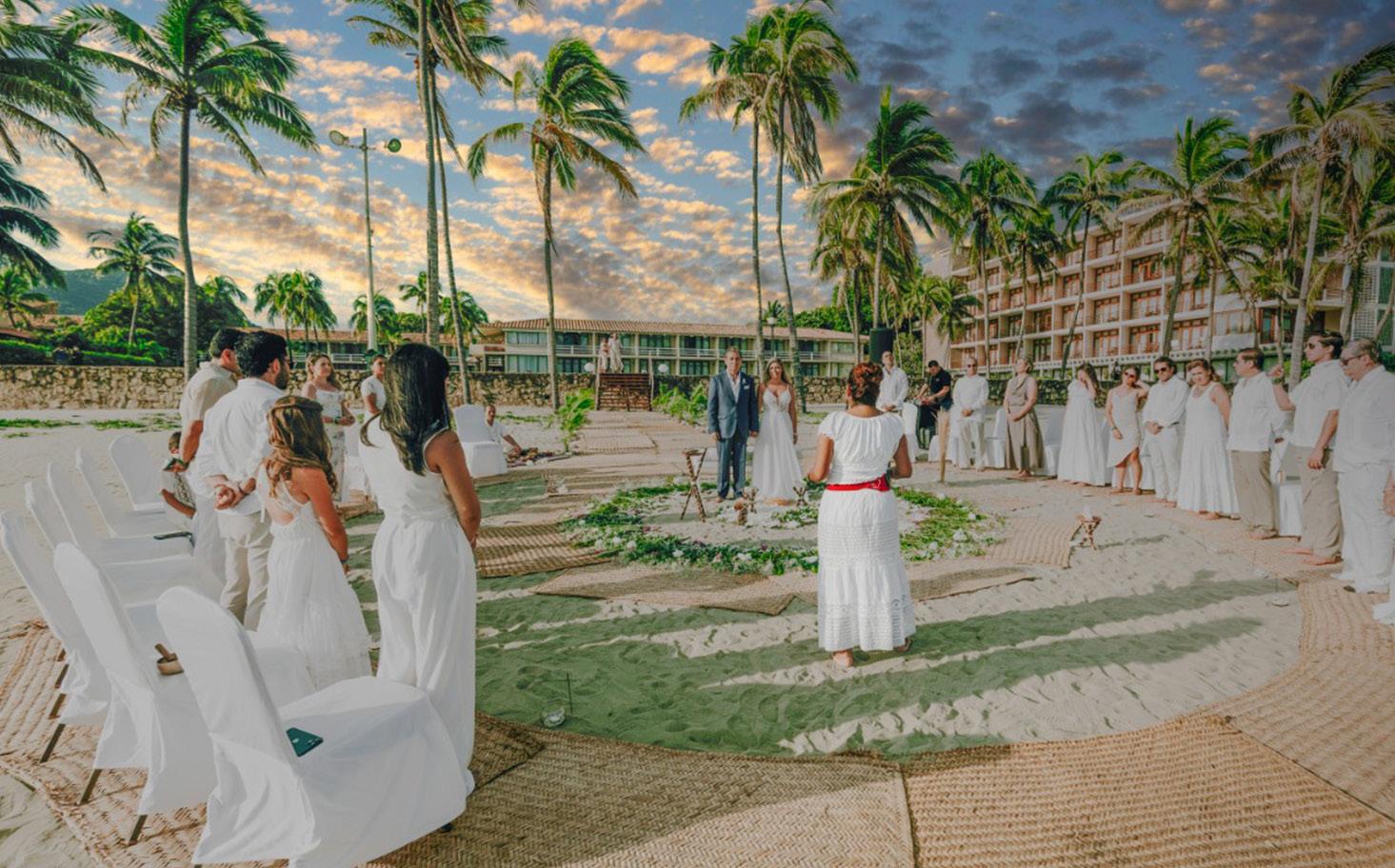
THE PERFECT SETTING
La amplia red de proveedores expertos en planificación de bodas, catering, decoración y entretenimiento son un plus si decides realizar aquí tu boda. Por ejemplo, el Hotel Encanto, ubicado en las Brisas del Marqués, es un hotel boutique ideal para bodas íntimas de alto perfil con espacios al aire libre y vista a la bahía de Acapulco.
Otra opción son Las Brisas Acapulco, un clásico del romance en México. Con sus bungalows privados y su famosa vista a la bahía. Cuenta con un Beach Club frente al mar perfecto y una terraza, El Tulipán, ideal para recepciones. Mientras que el Banyan Tree Cabo Marqués, ubicado en Punta Diamante, ofrece la posibilidad de full buyout para celebraciones de mayor escala, donde toda la atención se centra en la pareja y su historia más icónicos de Punta Diamante mejor.
Uno de los complejos más innovadores se ubica en la Zona Diamante. Se trata de Princess Mundo Imperial posee una virtud que pocas propiedades logran ofrecer; la posibilidad de adaptar cada celebración completamente al estilo y tamaño de cada pareja. Ofrece, múltiples salones, jardines y áreas frente al mar.multiple ballrooms, gardens, and oceanfront venues, every wedding can be designed to feel truly personal and unforgettable.
Una boda en Acapulco no solo es un evento, es una experiencia. Ya sea sobre un acantilado en Punta Diamante, en una playa privada bajo las estrellas o en una terraza con vista a la bahía, sus hoteles tienen todo lo que necesitarás para tu boda.
The extensive network of expert wedding planners, caterers, decorators and entertainment providers are a plus if you decide to have your wedding here. For example, Hotel Encanto, located in Las Brisas del Marques, is a boutique hotel ideal for intimate, highprofile weddings with outdoor spaces and views of Acapulco’s bay.
Another option is Las Brisas Acapulco, a classic of romance in Mexico. With its private bungalows and its famous view of the bay. It has a perfect beachfront Beach Club and a terrace, El Tulipán, ideal for receptions. While the Banyan Tree Cabo Marques, located in Punta Diamante, offers the option of a full buyout for larger-scale celebrations, allowing the entire resort to be exclusively dedicated to the couple and their story.
One of the most innovative resorts is located in the Diamond Zone. It is the Princess Mundo Imperial has a unique advantage that few properties can offer: the ability to tailor each celebration to the couple’s style and guest count. With multiple ballrooms, gardens, and oceanfront venues, every wedding can be designed to feel truly personal and unforgettable.
A wedding in Acapulco is not just an event, it’s an experience. Whether it’s on a cliff in Punta Diamante, on a private beach under the stars or on a terrace overlooking the bay, its hotels have everything you’ll need for your wedding.
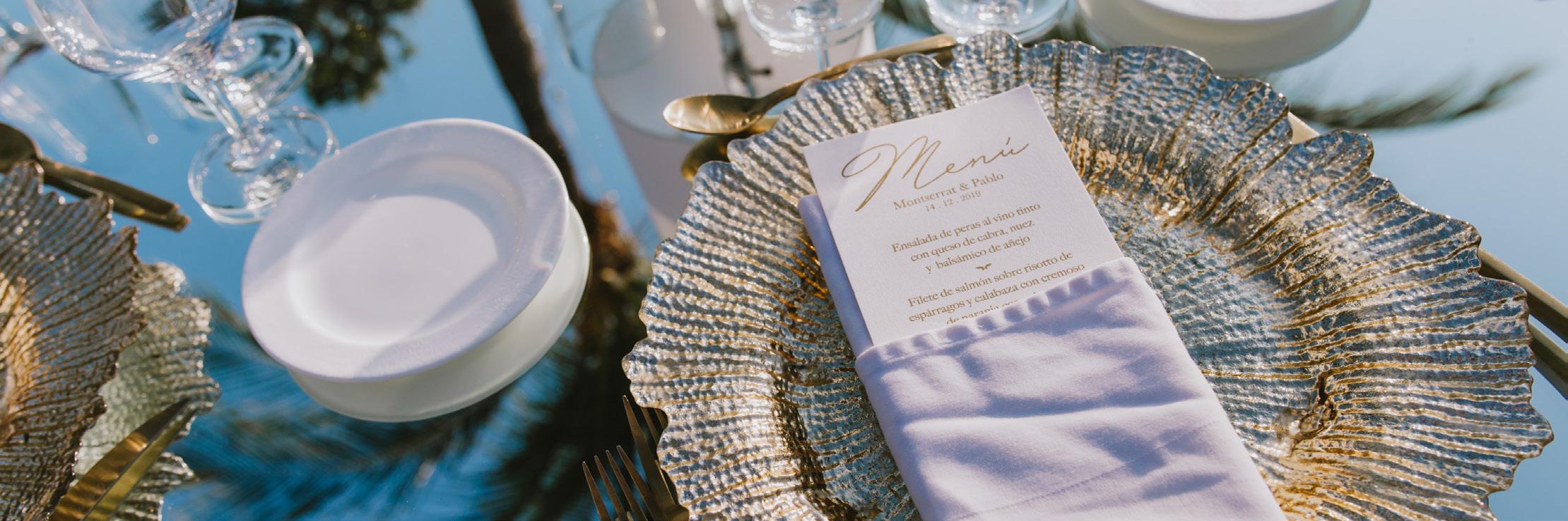
Banyan Tree Cabo Marqués
Princess Mundo Imperial
Ixtapa Zihuatanejo
Además de su clima cálido y soleado la mayor parte del año, Ixtapa Zihuatanejo proporciona condiciones perfectas para celebraciones al aire libre, ideales para recepciones al sol. Este destino, doblemente encantador, posee un ambiente tranquilo y romántico. En Ixtapa, por ejemplo, sus calles empedradas y sus impresionantes atardeceres, serán el telón de fondo perfecto para una boda íntima y personalizada. Mientras que, en el pueblo pesquero de Zihuatanejo, podrás organizar una sesión de fotos con vista al mar, gracias a que aquí se ubica una de las mejores playas de México, Playa La Ropa.
En cuanto a las actividades que puedes hacer antes o después de la boda, hay para todos los gustos, lo que garantiza diversión completa para ti y tus invitados. Desde embarcarse en una excursión hacia la Isla Ixtapa o Isla Grande, hasta realizar snorkel o pasear en kayak.
In addition to its warm and sunny weather most of the year, Ixtapa Zihuatanejo provides perfect conditions for outdoor celebrations, ideal for receptions in the sun. This doubly charming destination has a tranquil and romantic ambiance. In Ixtapa, for example, its cobblestone streets and breathtaking sunsets will be the perfect backdrop for an intimate and personalized wedding. Meanwhile, in the fishing village of Zihuatanejo, you can organize a photo shoot overlooking the sea, thanks to the location of one of the best beaches in Mexico, Playa La Ropa.
As for the activities you can do before or after the wedding, there is something for everyone, which guarantees complete fun for you and your guests. From embarking on an excursion to Ixtapa Island or Isla Grande, to snorkeling or kayaking.
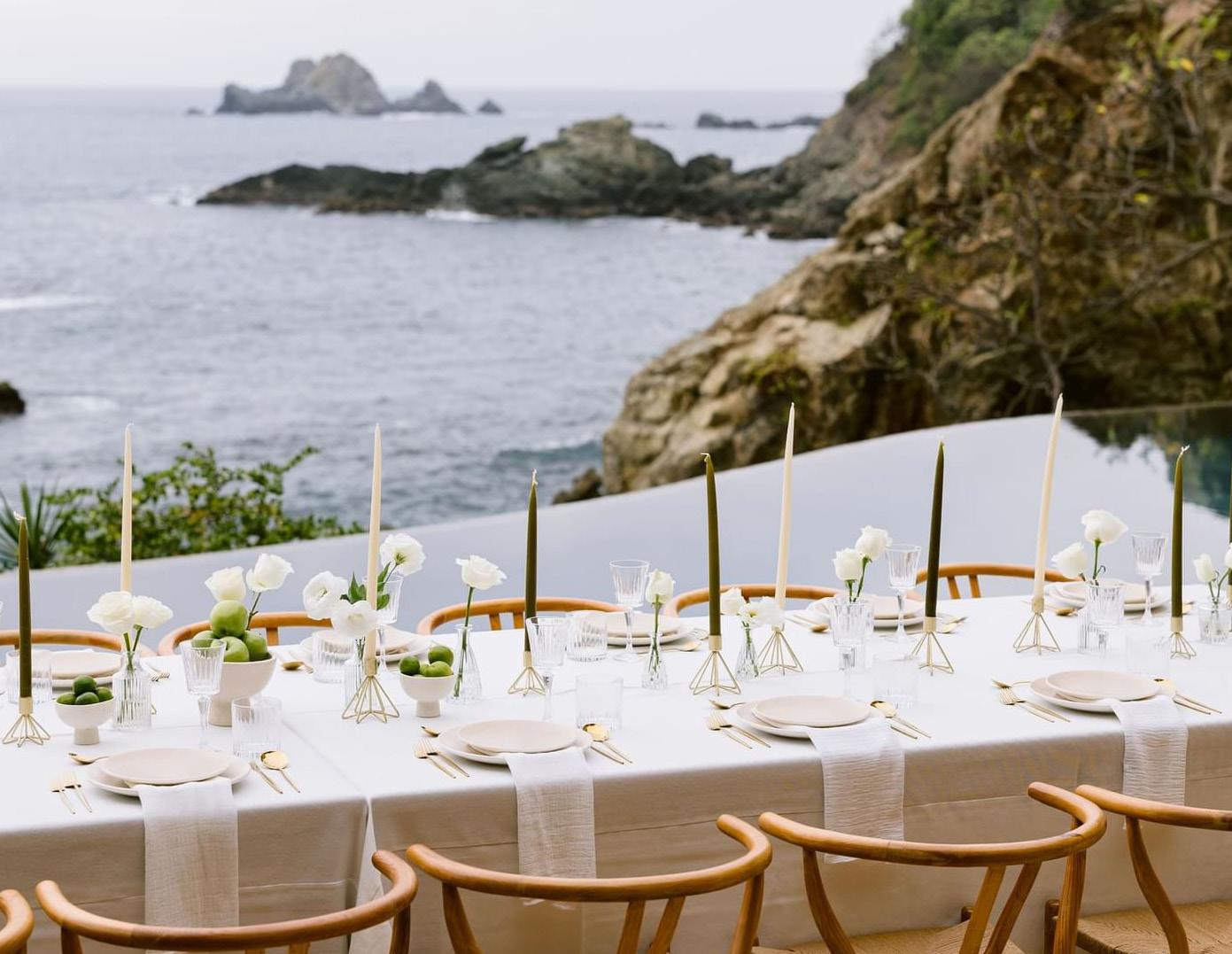
Cala de Mar Resort & Spa Ixtapa
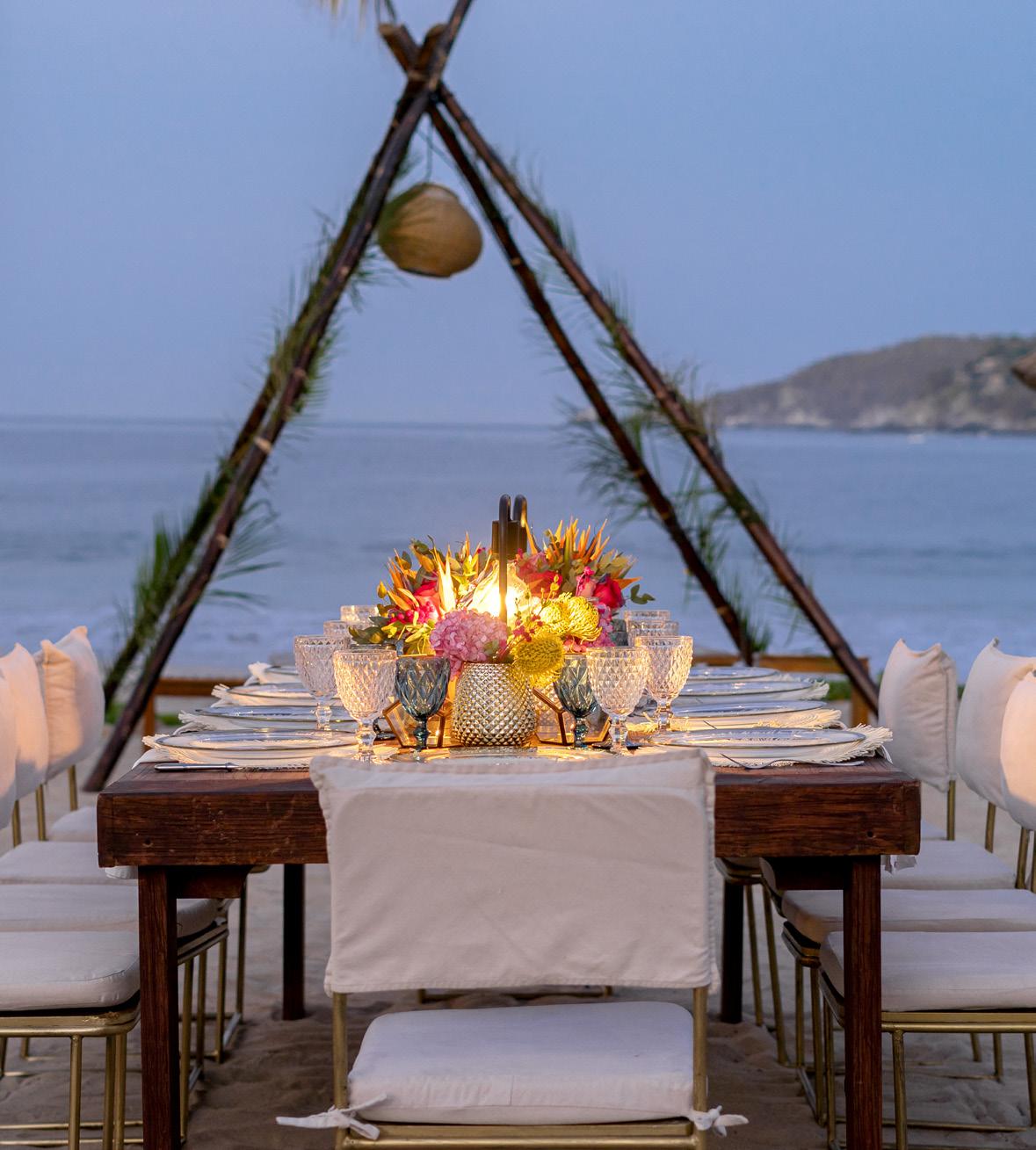
UN “PARA SIEMPRE”
Si buscas venues con opciones de paquetes y servicios de bodas, Ixtapa posee una gran variedad de ellos con instalaciones y asesoría que les brindarán la mejor solución según sus necesidades. Por ejemplo, el Azul Ixtapa Grand Resort & Convention Center cuenta con ceremonias y recepciones con vista al mar y acceso a proveedores profesionales locales. Otra opción es Krysta Ixtapa o Cala de Mar Resort & Spa Ixtapa, con suites enclavadas en la cuesta de un acantilado y espacios para bodas de hasta 120 invitados. Muy cerca de aquí, Las Brisas Ixtapa, un hermoso hotel diseñado por Ricardo Legorreta y rodeado de exuberante vegetación, además de un servicio clásico inmejorable.
Los hoteles de Zihuatanejo son perfectos para celebraciones más exclusivas, por ejemplo. Aquí está Thompson Zihuatanejo, con más de 50 habitaciones para una boda de hasta 200 invitados e impresionantes vistas al mar. También está La Casa Que Canta, con vista al océano, o en el corazón de Playa Palmar, Barceló Ixtapa, un resort todo incluido donde se puede celebrar la boda en sus jardines y el banquete en la playa.
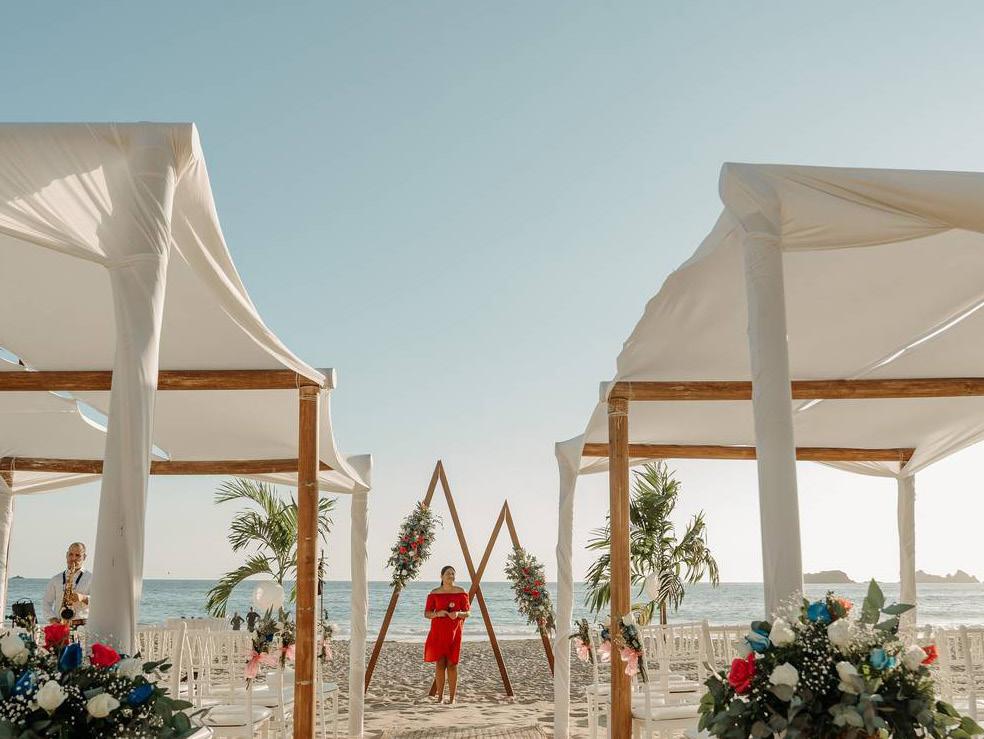
FOREVER
If you are looking for venues with package options and wedding services, Ixtapa has a wide variety of venues with facilities and advice that will provide the best solution for your needs. For example, the Azul Ixtapa Grand Resort & Convention Center offers ceremonies and receptions with ocean views and access to local professional vendors. Another option is Krysta Ixtapa or Cala de Mar Resort & Spa Ixtapa, with suites nestled on a cliff slope and spaces for weddings of up to 120 guests, and nearby, Las Brisas Ixtapa, a beautiful hotel designed by Ricardo Legorreta and surrounded by lush vegetation, as well as unbeatable classic service.
Zihuatanejo’s hotels are perfect for more exclusive celebrations, for example. Here’s Thompson Zihuatanejo, with more than 50 rooms for a wedding of up to 200 guests and stunning ocean views. There is also La Casa Que Canta, overlooking the ocean, or in the heart of Playa Palmar, Barceló Ixtapa, an all-inclusive resort where you can celebrate the wedding in its gardens and the banquet on the beach.
Thompson Zihuatanejo
Visita Ixtapa Zihuatanejo
Visit Ixtapa Zihuatanejo
Cancún
Con sus playas de arena blanca, aguas turquesas y una vibrante mezcla de cultura y sofisticación, sigue siendo el destino favorito para bodas inolvidables. Más de 25,000 parejas extranjeras eligen este paraíso cada año para celebrar su amor.
Lo mejor de Cancún no solo son sus paisajes, sino la calidad de sus servicios y experiencias únicas antes y después del gran día. Escápense a la Isla Holbox famosa por sus playas vírgenes y actividades acuáticas. Sumérjanse en la cultura mexicana con un paseo en trajinera en el parque temático de Xoximilco, o recorran el centro de Cancún, que por las noches llega a ser un lugar mágico.
With its white sand beaches, turquoise waters and vibrant mix of culture and sophistication, Cancun remains a favorite destination for unforgettable weddings. More than 25,000 foreign couples choose this paradise every year to celebrate their love.
The best of Cancun is not only its scenery, but the quality of its services and unique experiences before and after the big day. Escape to Holbox Island, famous for its pristine beaches and water activities. Immerse yourself in Mexican culture with a trajinera ride at the Xoximilco theme park, or tour downtown Cancun, which at night becomes a magical place.
Grand Hyatt Playa del Carmen
UN “PARA SIEMPRE”
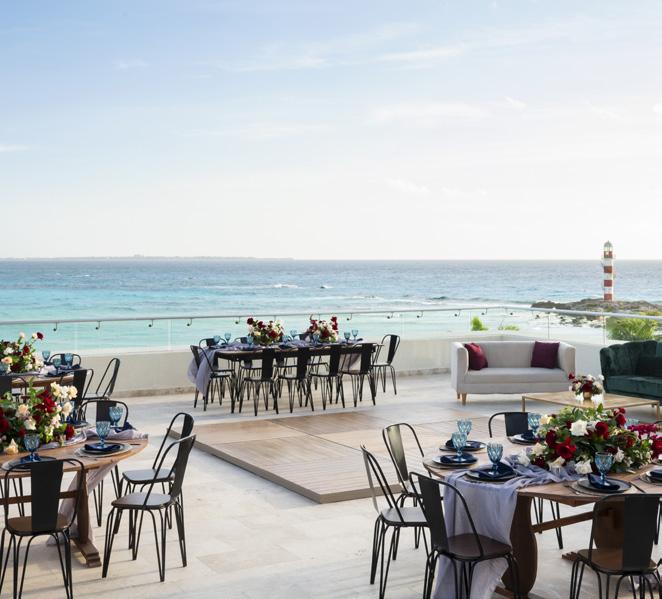
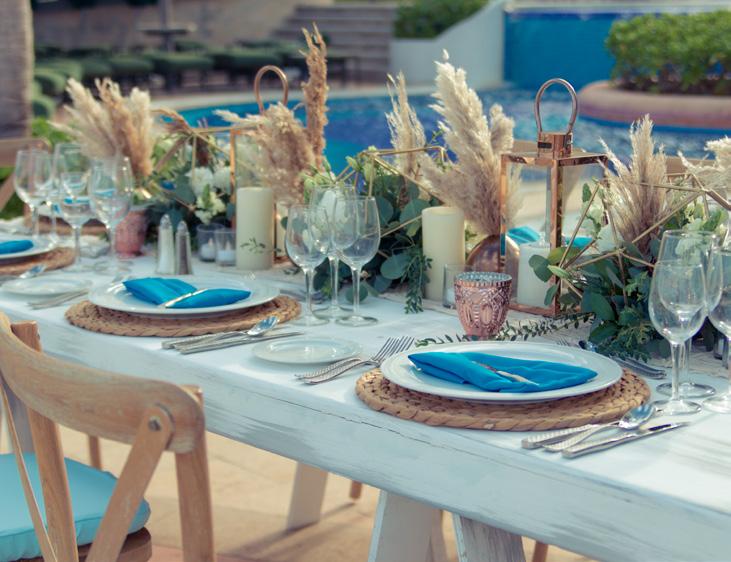
TIP
Consideren llegar al menos tres días antes de la boda. Además de aclimatarse y relajarse, podrán realizar una prueba de su menú.
Consider arriving at least three days before the wedding. In addition to acclimatize and relax, you will be able to test your menu.
Cancún y sus alrededores no solo ofrecen playas de postal, sino también algunos de los resorts más exclusivos del Caribe, diseñados para hacer realidad cualquier tipo de boda: íntima frente al mar, elegante en terrazas o vibrante en rooftops con ambiente cosmopolita. Uno de ellos es Nizuc Resort & Spa, un resort de lujo que ofrece opciones para ceremonias en terraza o en la playa, con un máximo de 250 personas. Mientras que SLS Cancún que tiene espacios con vistas al mar Caribe, como su Beach Club con capacidad para 200 personas, o el Waldorf Astoria Cancún con escenarios en la playa bordeada de palmeras.
Algunos resorts como el Grand Hyatt Playa del Carmen, con un moderno y amplio salón, patio y terrazas frente al mar, también cuenta con una Suite Nupcial, diseñada para facilitar todo el proceso de las novias. Por su parte, Paradisus Cancún y JW Marriott Cancún Resort & Spa cuentan con un servicio personalizado y menús para cualquier requerimiento alimenticio. Hyatt Ziva Cancún, ofrece un salón de baile de 557 m2 y una terraza en la azotea. Para una atmósfera más cosmopolita, el Hard Rock Hotel Cancún o el Presidente Intercontinental cumplirán con sus exigencias.
Otras recomendaciones son Wyndham Alltra Cancun AllInclusive Resort, especializado en bodas. Thompson Playa del Carmen, un resort que ofrece vistas de 360 grados desde su terraza, y el Grand Palladium Costa Mujeres Resort & Spa con servicios de lujo.
A “FOREVER”
Cancun and its surroundings offer not only postcard beaches, but also some of the most exclusive resorts in the Caribbean, designed to make any type of wedding a reality: intimate by the sea, elegant on terraces or vibrant on rooftops with a cosmopolitan atmosphere. One of them is Nizuc Resort & Spa, a luxury resort that offers options for ceremonies on terraces or on the beach, with a maximum of 250 people. While SLS Cancun has spaces overlooking the Caribbean Sea, such as its Beach Club with capacity for 200 people, or the Waldorf Astoria Cancun with stages on the beach lined with palm trees.
Some resorts, like the Grand Hyatt Playa del Carmen, with a modern and spacious lounge, patio and terraces facing the sea, also have a Bridal Suite, designed to facilitate the whole process for brides. Paradisus Cancun and JW Marriott Cancun Resort & Spa offer personalized service and menus for any dietary requirement. Hyatt Ziva Cancun offers a 557-square-meter ballroom and a rooftop terrace. For a more cosmopolitan atmosphere, the Hard Rock Hotel Cancun or the Presidente Intercontinental will meet your requirements.
Other recommendations include the Wyndham Alltra Cancun All-Inclusive Resort, which specializes in weddings. Thompson Playa del Carmen, a resort that offers 360-degree views from its terrace, and the Grand Palladium Costa Mujeres Resort & Spa with luxury services.
Cancun Travel
Hyatt Ziva Cancun Waldorf Astoria Cancun
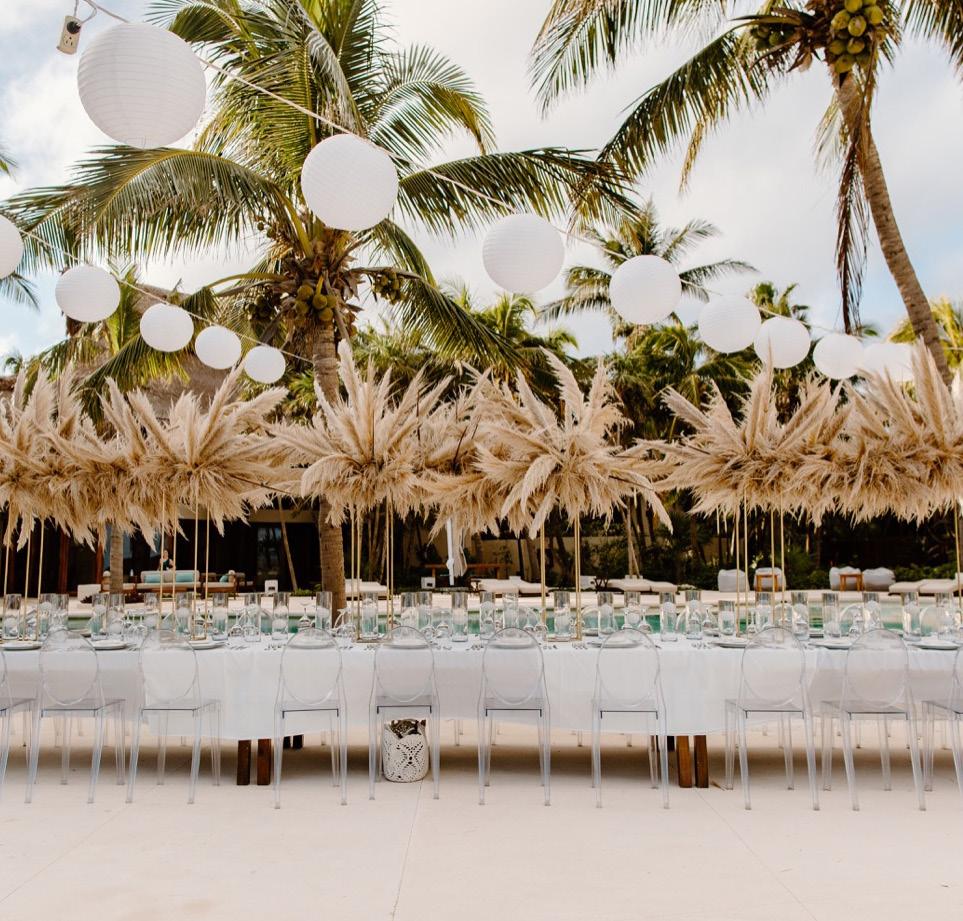
Rivera Maya
Se extiende a lo largo de la costa del Caribe, en el estado de Quintana Roo y cuenta con una amplia gama de hoteles y resorts de lujo que ofrecen servicios especializados en bodas. La región tiene una amplia gama de atractivos para que los invitados disfruten antes y después del evento. Desde explorar antiguas ruinas mayas hasta aventuras submarinas en los arrecifes de coral. Abarcando destinos emblemáticos como Tulum, Puerto Morelos y Akumal.
It stretches along the Caribbean coast in the state of Quintana Roo and has a wide range of luxury hotels and resorts offering specialized wedding services. The region offers a wide range of attractions for guests to enjoy before and after the event. From exploring ancient Mayan ruins to underwater adventures on coral reefs. Encompassing iconic destinations such as Tulum, Puerto Morelos and Akumal.
Viceroy Riviera Maya
CLIMA de 26°C a 33°C
WEATHER
78.8° F a 91.4° F
TIP
Recuerda que la vestimenta de los novios debe estar acorde al lugar, horario y fecha de la Boda Considera el clima.
Remember that the bride and groom’s attire should be appropriate for the wedding venue, time, and date. Be sure to consider the weather.
LA HISTORIA DE AMOR
Casarte en cualquiera de las playas de la Riviera Maya resultará, siempre, un acierto. La diferencia radicará en el ambiente y estilo. Banyan Tree Mayakoba ofrece instalaciones de primer nivel y experiencia en planificación y logística con capacidad de hasta 600 invitados. Por su parte, Grand Velas Riviera Maya cuenta con atención personalizada de su coordinador de bodas y paquetes exclusivos de spa para ustedes y sus invitados.
También están los complejos de Conrad Tulum Riviera Maya y Andaz Mayakoba Resort Riviera Maya con ceremonias en medio de la selva y rodeados de manglares. O bien, Rosewood Mayakoba con espacios que van desde playas de arena blanca hasta elegantes salones y terrazas, así como La Casa de la Playa Además, cuentan con Xtudio Xcaret, expertos en iluminación y audiovisuales.
Otras dos opciones que cumplirá sus deseos son The St. Regis Kanai Resort, Riviera Maya con espacios sofisticadas y diversidad de bodas; Hilton Tulum Riviera Maya AllInclusive Resort, que cuenta con servicios personalizados y espacios románticos para bodas en la playa y recepciones en elegantes salones. Así como Secrets Akumal Riviera Maya con laberintos de senderos y rincones escondidos para una boda más privada y Vidanta Riviera Maya, con diversas locaciones que se adaptan a diferentes estilos y tamaños de eventos, hasta para 400 personas.
THE LOVE STORY
Getting married in any of the Riviera Maya’s beaches will always be a success. The difference will be in the ambiance and style. Banyan Tree Mayakoba offers first-class facilities and experience in planning and logistics with capacity for up to 600
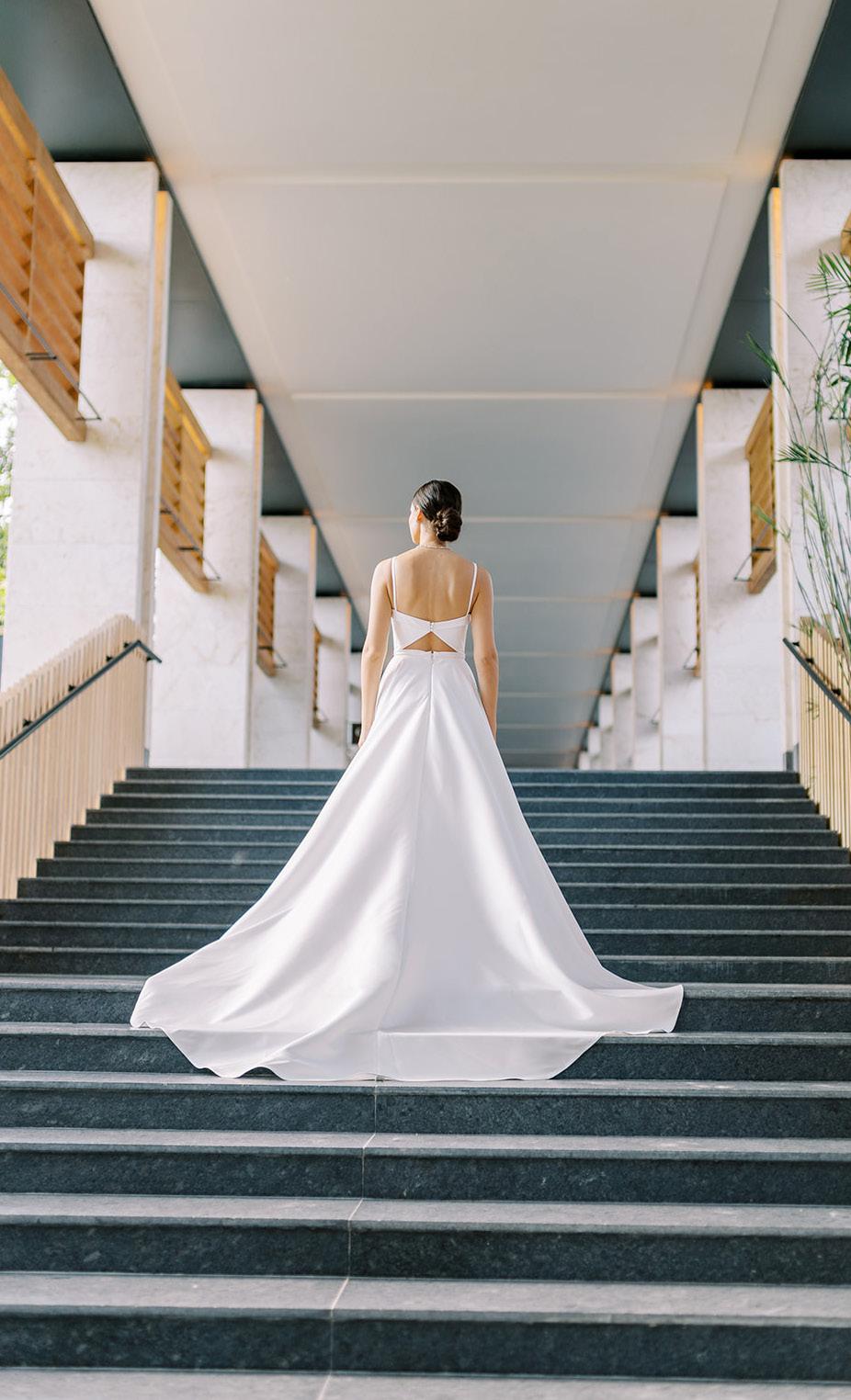
Velas Riviera Maya offers personalized attention from its wedding coordinator and exclusive spa packages, for you and your guests.
There are also the resorts of Conrad Tulum Riviera Maya and Andaz Mayakoba Resort Riviera Maya with ceremonies in the middle of the jungle and surrounded by mangroves. Or, Rosewood Mayakoba with spaces ranging from white sand beaches to elegant lounges and terraces, as well as La Casa de la Playa. They also have Xtudio Xcaret, experts in lighting and audiovisuals.
Two other options that will fulfill your desires are The St. Regis Kanai Resort, Riviera Maya with sophisticated spaces and wedding diversity; Hilton Tulum Riviera Maya All-Inclusive Resort, which features personalized services and romantic spaces for weddings on the beach and receptions in elegant ballrooms. As well as Secrets Akumal Riviera Maya with labyrinthine paths and hidden corners for a more private wedding and Vidanta Riviera Maya with locations that adapt to different styles and sizes of events, up to 400 people.
Grand
Conrad Tulum Riviera Maya
COLONIAL DESTINATIONS
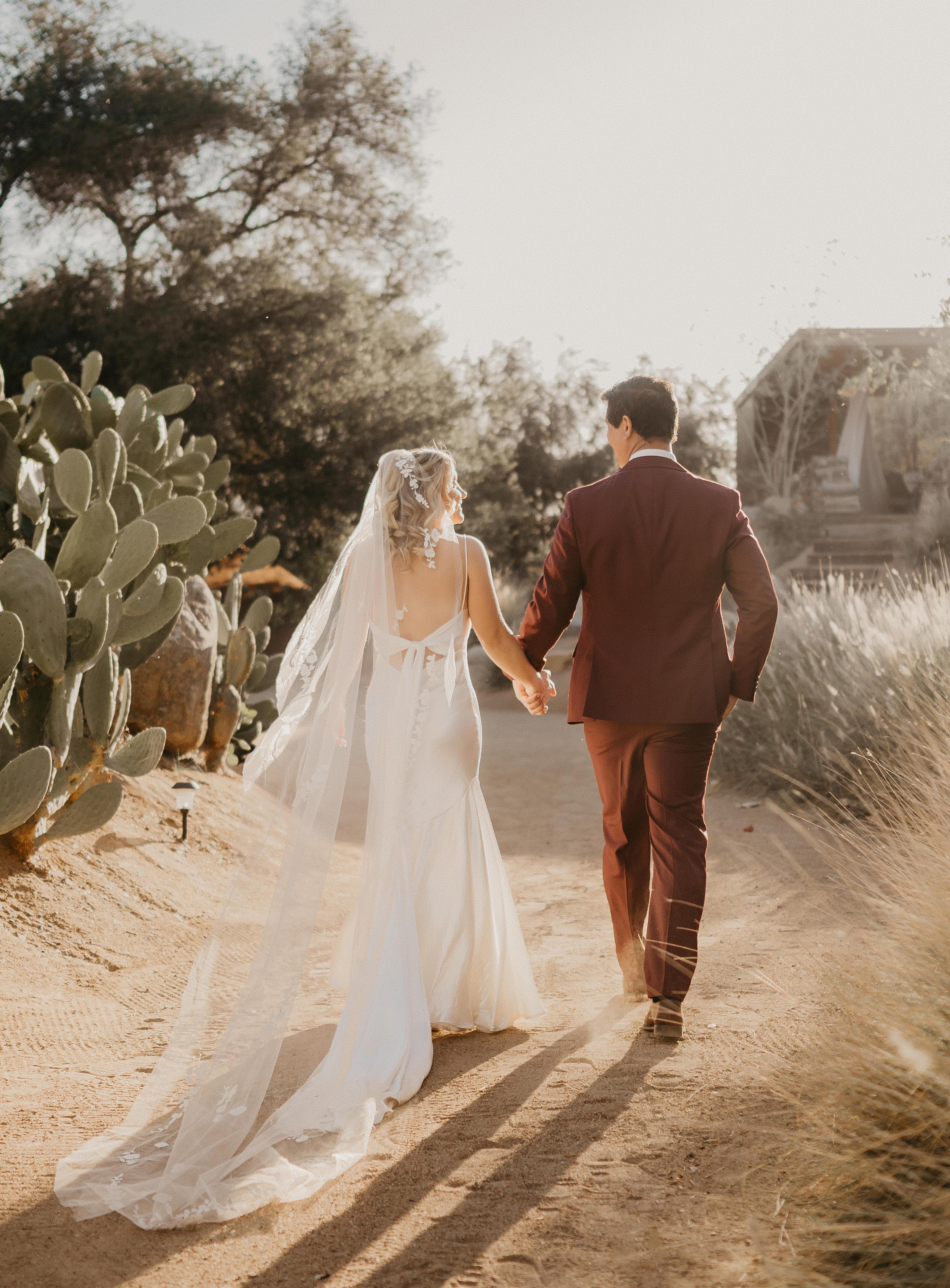

“Una boda de destino debe reflejar la esencia de la pareja”.
“A destination wedding should reflect the couple’s essence.”
Bodas y Grupos ChabléMar


Las bodas de destino han evolucionado hacia experiencias cada vez más exclusivas y personalizadas. Lourdes Ojeda, gerente de ventas bodas y grupos Chablé Maroma, nos comparte cómo este hotel boutique ha convertido la celebración de bodas en una experiencia única, con atención personalizada, una sola boda por mes y una propuesta gastronómica basada en la cocina mexicana contemporánea.
Destination weddings have evolved into increasingly exclusive and personalized experiences. Lourdes Ojeda, Sales Manager for Weddings & Groups at Chablé Maroma, shares how this boutique resort has transformed wedding celebrations into unique occasions through personalized service, a one-wedding-per-month approach, and a
EL CONSEJO
Que confíen en sus wedding planners y en el equipo del hotel. Nosotros somos especialistas en el destino.
¿Cuáles consideras que son los mejores meses para casarse en un destino como Punta Maroma?
Definitivamente, de noviembre a abril. Son los meses en los que el clima nos favorece más y podemos realizar eventos al aire libre con mayor comodidad.
¿Cuáles son las tres cosas más importantes a tomar en cuenta para una boda en Quintana Roo?
Primero, el clima: estarás en contacto directo con la naturaleza.
Chablé Maroma está rodeado de jardines y manglares espectaculares, y justamente esa conexión con el entorno es parte de su encanto.
¿Qué tendencias observas actualmente en las bodas de destino?
Todas las bodas son completamente personalizadas, por lo que, más que seguir una tendencia, buscamos reflejar la personalidad de cada pareja.
¿Qué se debe reservar primero al organizar una boda en un destino?
Definitivamente, el hotel. Eso nos permite ofrecer bodas bajo el esquema de buyout.
¿Qué se debe evitar si se desea realizar toda la celebración al aire libre?
No preocuparse excesivamente por los pronósticos climáticos con demasiada anticipación.
@chablemaroma
THE ADVICE
Trust your wedding planners and the hotel team. We are destination specialists and are here to ensure everything runs smoothly.
What do you think are the best months to have a wedding in Mérida?
October through March, when we have the best weather.
What are the three most important things to take into account for a colonial wedding?
The combination of history, culture and nature is key. These elements create the perfect setting for a romantic, elegant and exclusive wedding.
What is the latest trend for hacienda weddings?
They seek to create a whole experience for the guests. They highlight historical and cultural elements of the hacienda to envelop everyone in an atmosphere full of meaning.
What should you book first when planning a destination wedding in Merida?
Definitely the venue. Having the date and the space defined sets the pace for everything else.
What should I avoid if I want everything from the ceremony to the reception to be outdoors?
The weather, especially the months of rain or intense heat. Although today that is not a limiting factor. Tents offer an aesthetic and functional solution, and the use of coolers allows you to enjoy the event without setbacks.
Por: Jessica Servín, Foto: Chablé Maroma
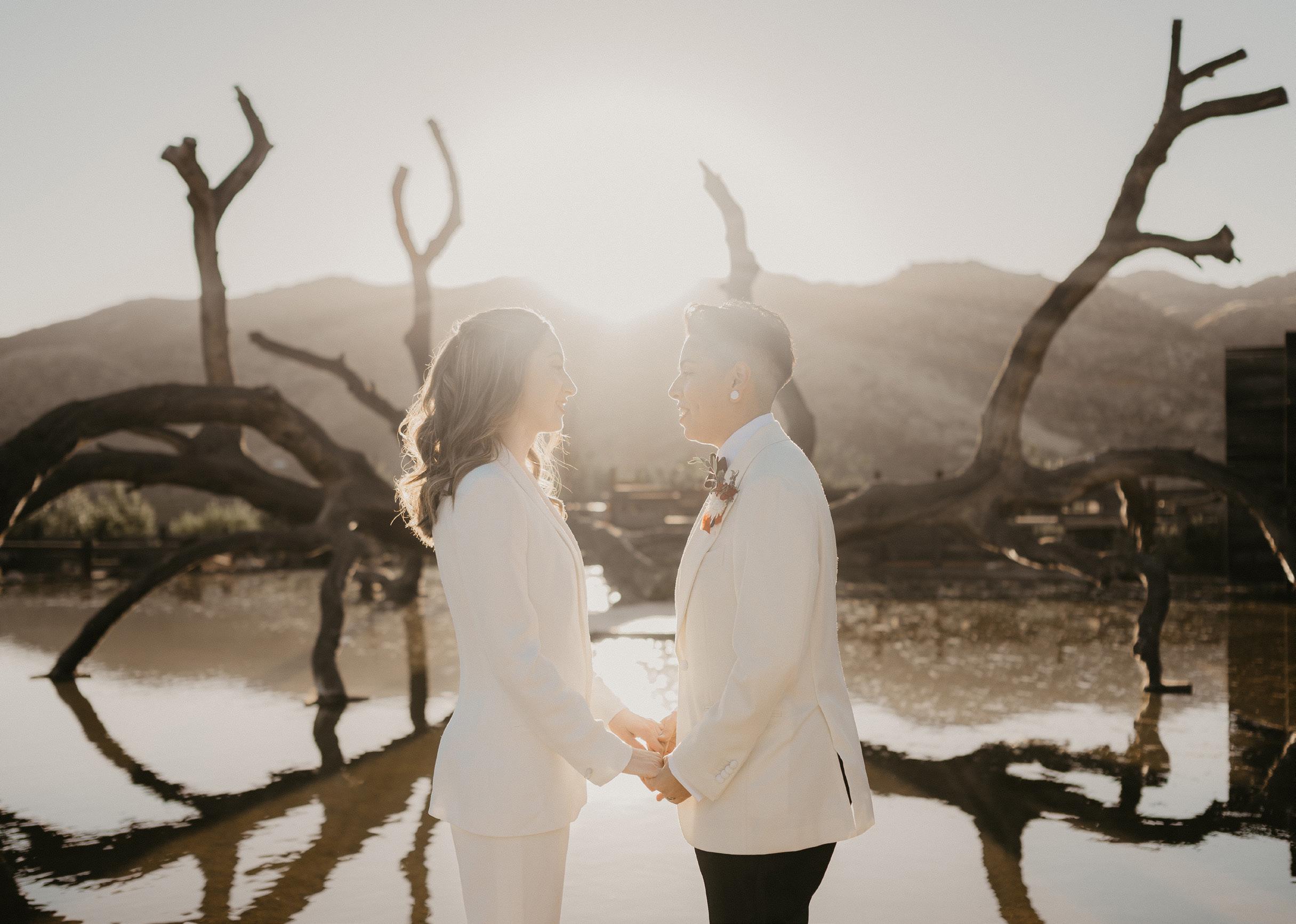
Baja California
Si sueñas con una boda rodeada de paisajes espectaculares, gastronomía de primer nivel y vinos reconocidos internacionalmente, los viñedos de Baja California son el escenario ideal. El Valle de Guadalupe, considerado el corazón de la región vinícola de México, ofrece una combinación única de naturaleza, elegancia y experiencias que convierten cualquier celebración en un momento inolvidable.
Además de sus impresionantes vistas entre montañas y viñedos, la región destaca por su clima mediterráneo, perfecto para bodas al aire libre durante gran parte del año. La cercanía con la frontera de Estados Unidos también facilita la llegada de invitados nacionales e internacionales.
ENTRE VIÑEDOS
Uno de los venues más exclusivos es Bruma Wine Resort, un espacio que combina arquitectura contemporánea, lujo discreto y el encanto del paisaje vinícola. Sus jardines, terrazas y espacios rodeados de viñas crean un ambiente sofisticado y relajado para ceremonias y recepciones.
If you dream of a wedding surrounded by breathtaking landscapes, world-class gastronomy, and internationally recognized wines, the vineyards of Baja California are the perfect setting. The Valle de Guadalupe, considered the heart of Mexico’s wine region, offers a unique blend of nature, elegance, and experiences that turn any celebration into an unforgettable moment.
Beyond its stunning mountain and vineyard views, the region is known for its Mediterranean climate, ideal for outdoor weddings for much of the year. Its proximity to the U.S. border also makes it easily accessible for both national and international guests.
IN THE VINEYARDS
One of the most exclusive venues is Bruma Wine Resort, combining contemporary architecture, understated luxury, and the charm of the vineyard landscape. Its gardens, terraces, and vine-lined spaces create a sophisticated yet relaxed atmosphere for ceremonies and receptions.
Bruma Wine Resort
CLIMA
De 30–35°C
WEATHER
30–35°C
TIP
La mejor época para casarte es en la primavera o el otoño (abril–junio y septiembre–octubre)Las temperaturas son agradables y los atardeceres espectaculares.
The best time to get married is in spring or fall (April–June and September–October). Temperatures are pleasant and sunsets are spectacular.
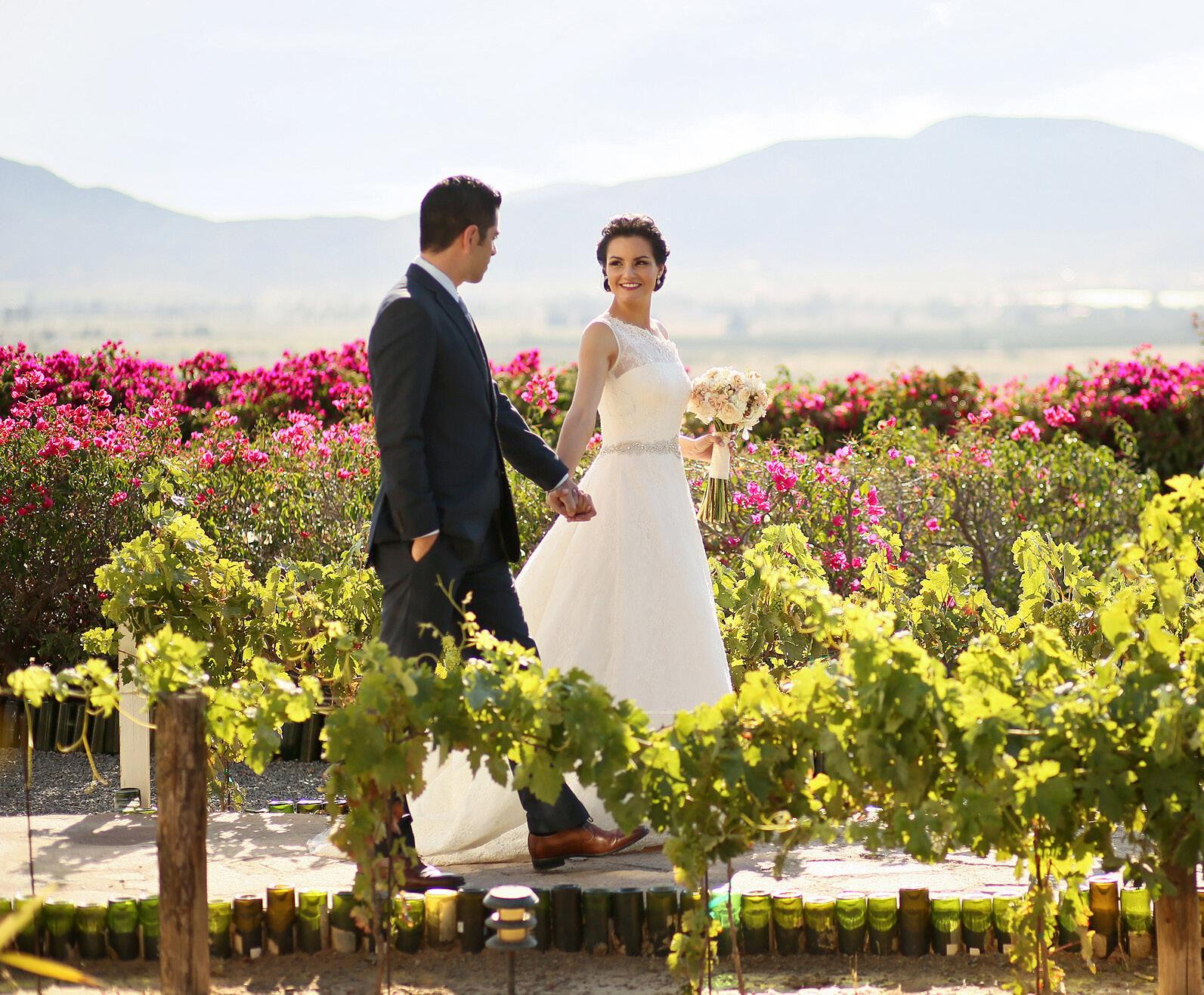
Otro referente es Monte Xanic, una de las bodegas más emblemáticas de México, famosa por sus vinos y por ofrecer escenarios elegantes con vistas al lago y los viñedos. Adobe Guadalupe enamora con su estilo rústico-chic, su hotel boutique y su ambiente íntimo, ideal para bodas de destino. Por su parte, El Cielo Resort destaca por sus amplios jardines, hotel de lujo y espacios versátiles que permiten celebrar desde ceremonias al aire libre hasta recepciones de gran formato.
Casarse en Baja significa ofrecer a tus invitados mucho más que una boda: una experiencia completa donde el vino, la alta cocina, la naturaleza y la hospitalidad se unen para crear recuerdos que perdurarán toda la vida.
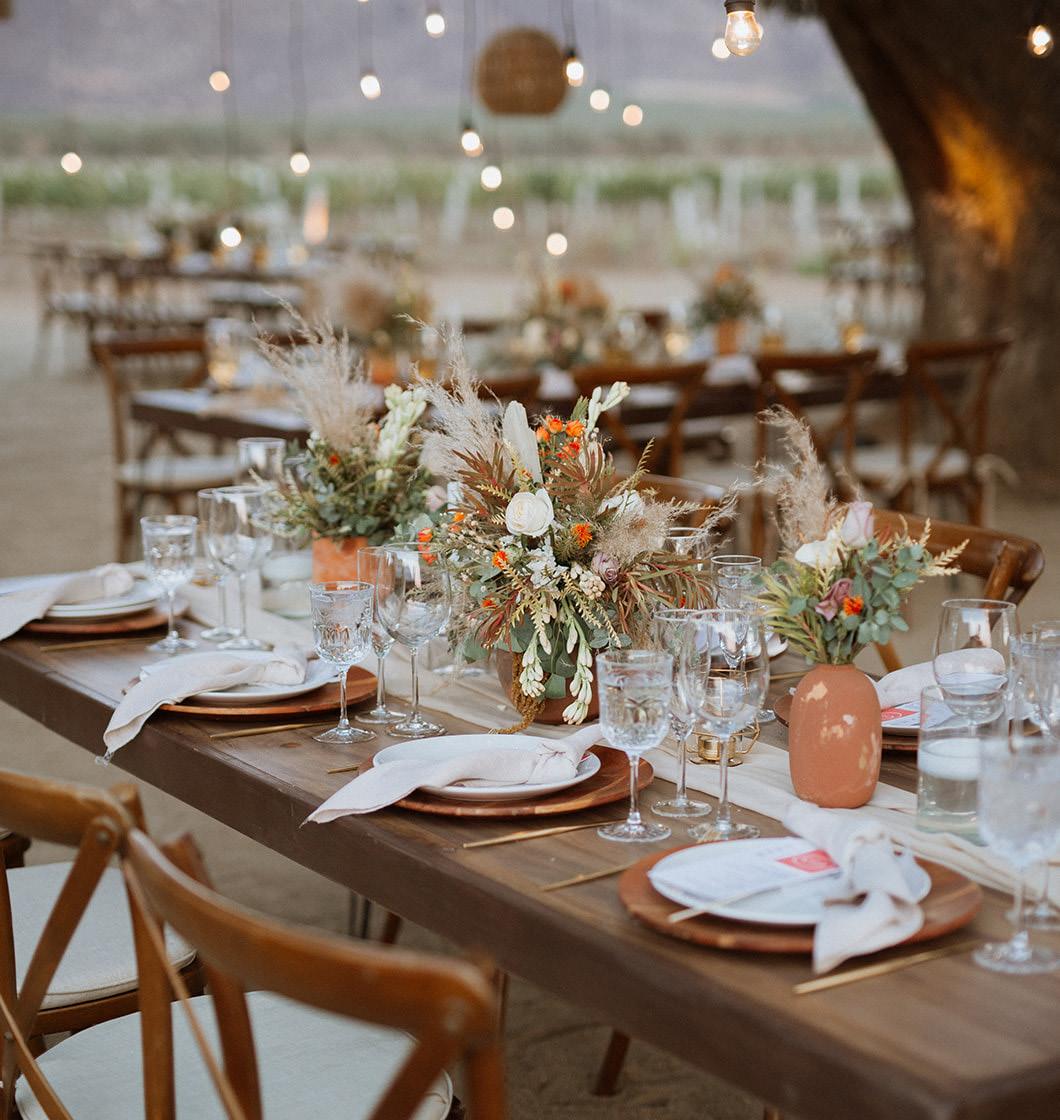
Another key landmark is Monte Xanic, one of Mexico’s most iconic wineries, known for its exceptional wines and elegant settings overlooking the lake and vineyards. Adobe Guadalupe enchants with its rustic-chic style, boutique hotel, and intimate atmosphere, perfect for destination weddings. Meanwhile, El Cielo Resort stands out for its expansive gardens, luxury hotel, and versatile spaces suitable for both outdoor ceremonies and large receptions.
Getting married in the vineyards of Baja California means offering your guests much more than a wedding: a complete experience where wine, fine dining, nature, and hospitality come together to create lifelong memories.
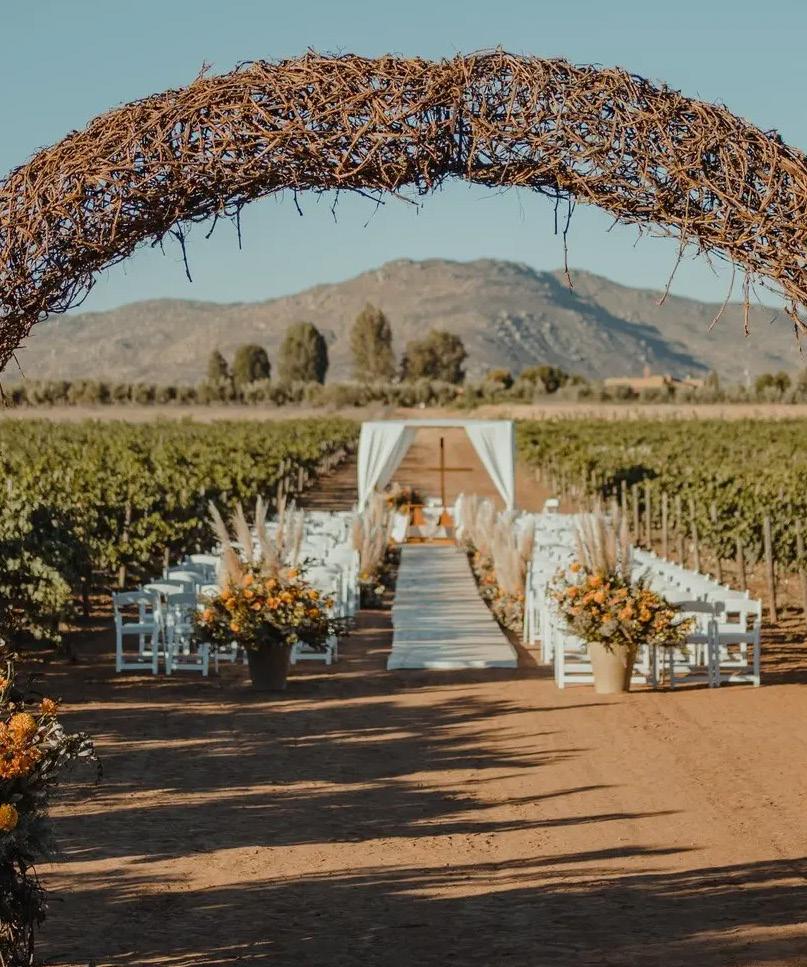
Valle de Guadalupe
Adobe Guadalupe
Bruma Wine Resort
San Miguel de Allende
En el corazón del altiplano mexicano, donde el sol se cuela entre fachadas coloniales y buganvilias, se encuentra uno de los destinos más deseados para bodas de lujo: San Miguel de Allende.
La ciudad ofrece una variedad de espacios para bodas, desde templos barrocos y antiguas casonas, hasta elegantes haciendas, viñedos y jardines que permiten celebraciones llenas de romanticismo. Sumado a sus tradicionales callejoneadas, que se realizan luego de salir de la ceremonia de matrimonio, donde los novios y sus familias, son guiados por unas “mojigangas” hechas de papel maché y personalizadas con el rostro de los novios.
In the heart of the Mexican Altiplano, where the sun shines through colonial facades and bougainvillea, is one of the most desired destinations for luxury weddings: San Miguel de Allende.
The city offers a variety of wedding venues, from baroque temples and old mansions to elegant haciendas, vineyards and gardens that allow for romantic celebrations. In addition to its traditional “callejoneadas”, which take place after leaving the wedding ceremony, where the bride and groom and their families are guided by “mojigangas” made of papier-maché and personalized with the bride and groom’s face.
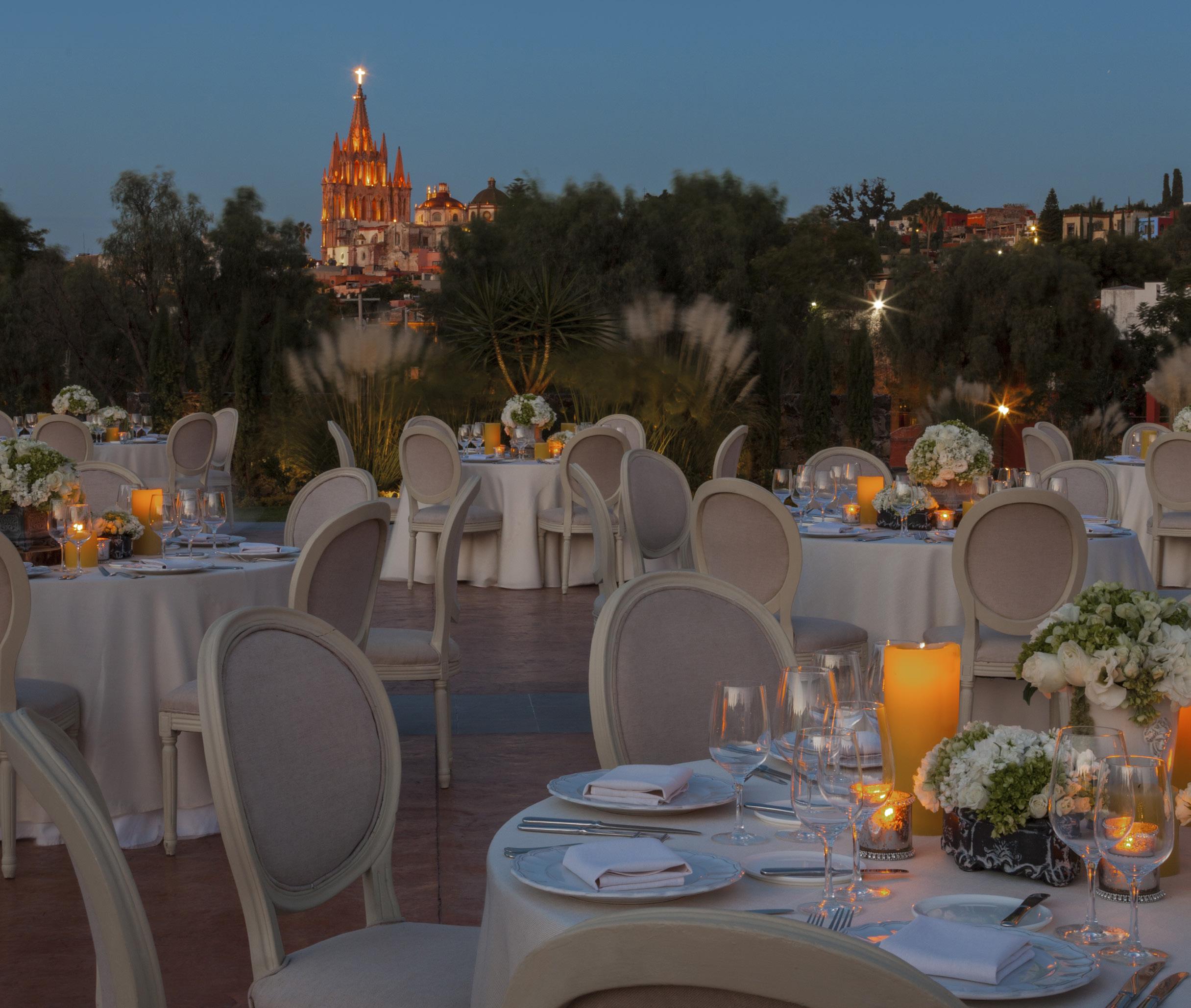
Rosewood San Miguel de Allende
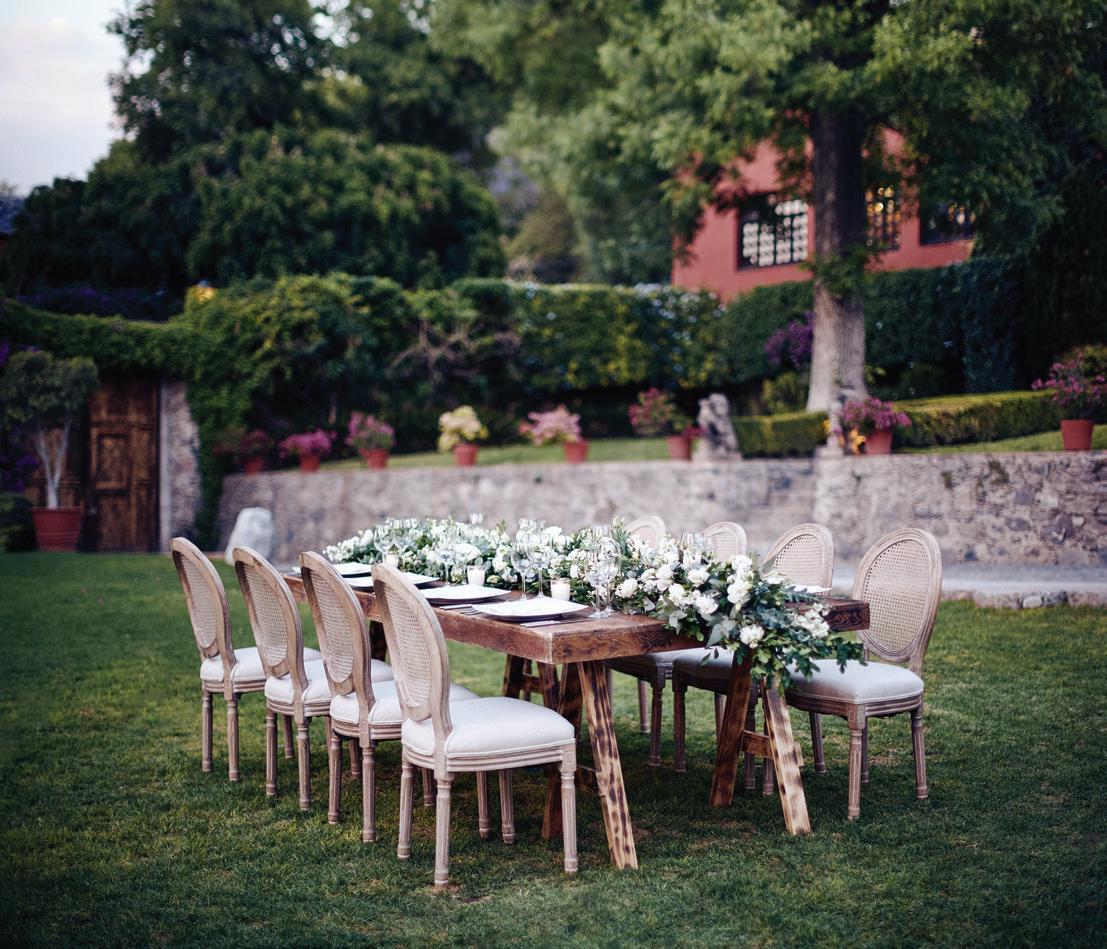
CELEBRAR EL AMOR
Para realizar tu boda existen diversos escenarios con vistas panorámicas hasta elegantes hoteles para ceremonias privadas. Una opción es Rosewood San Miguel de Allende, con vistas únicas de la ciudad, diversos espacios al aire libre y bodas íntimas desde 20 invitados. También están Casa Blanca 7 con un rooftop para ceremonias inolvidables y Casa 1810, ambas opciones llenas de romanticismo para bodas pequeñas y de estilo minimalista.
Otras opciones son Casa de Sierra Nevada A Belmond Hotel con frondosos jardines y bodas estilo colonial que cumplirán todos sus deseos, sumado a que ofrecen diferentes tipos de menús, incluidas opciones para niños. Live Aqua Urban Resort San Miguel de Allende, por su parte, tiene especialistas certificados por la Asociación de Consultores de Novias, quienes te acompañarán en cada paso del proceso, además cuentan con tarifas grupales y organizan divertidas salidas con actividades recreativas para ti y tus invitados.
CELEBRATE LOVE
For your wedding there are several scenarios with panoramic views to elegant hotels for private ceremonies. One option is Rosewood San Miguel de Allende, with unique views of the city, diverse outdoor spaces and intimate weddings from 20 guests. There is also Casa Blanca 7 with a rooftop for unforgettable ceremonies and Casa 1810, both options full of romanticism for small, minimalist-style weddings.
Other options are Casa de Sierra Nevada A Belmond Hotel with lush gardens and colonial style weddings that will fulfill all your wishes, plus they offer different types of menus, including options for children. Live Aqua Urban Resort San Miguel de Allende, meanwhile, offers specialists certified by the Association of Bridal Consultants, who will accompany you through every step of the process, they also have group rates and organize fun outings with recreational activities for you and your guests.
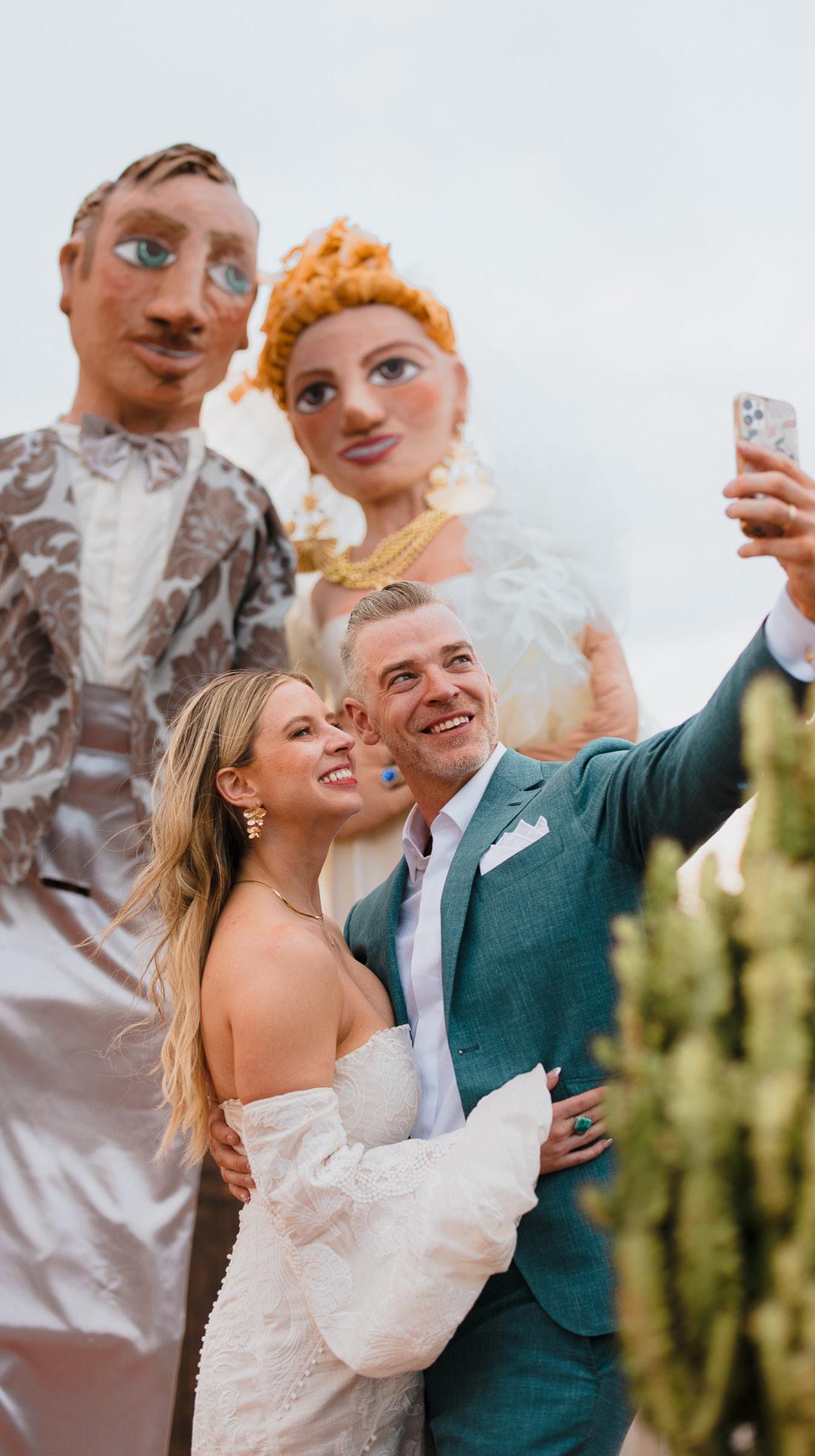
CLIMA
de 15°C a 25°C
WEATHER
59° F a 77° F
TIP
Crea toda una experiencia para tus invitados. Resalta elementos históricos y culturales de la hacienda u hotel.
Create a truly memorable experience for your guests. Highlight the historic and cultural elements of the hacienda or hotel.
Casa Hoyos
Casa de Sierra Nevada, A Belmond Hotel
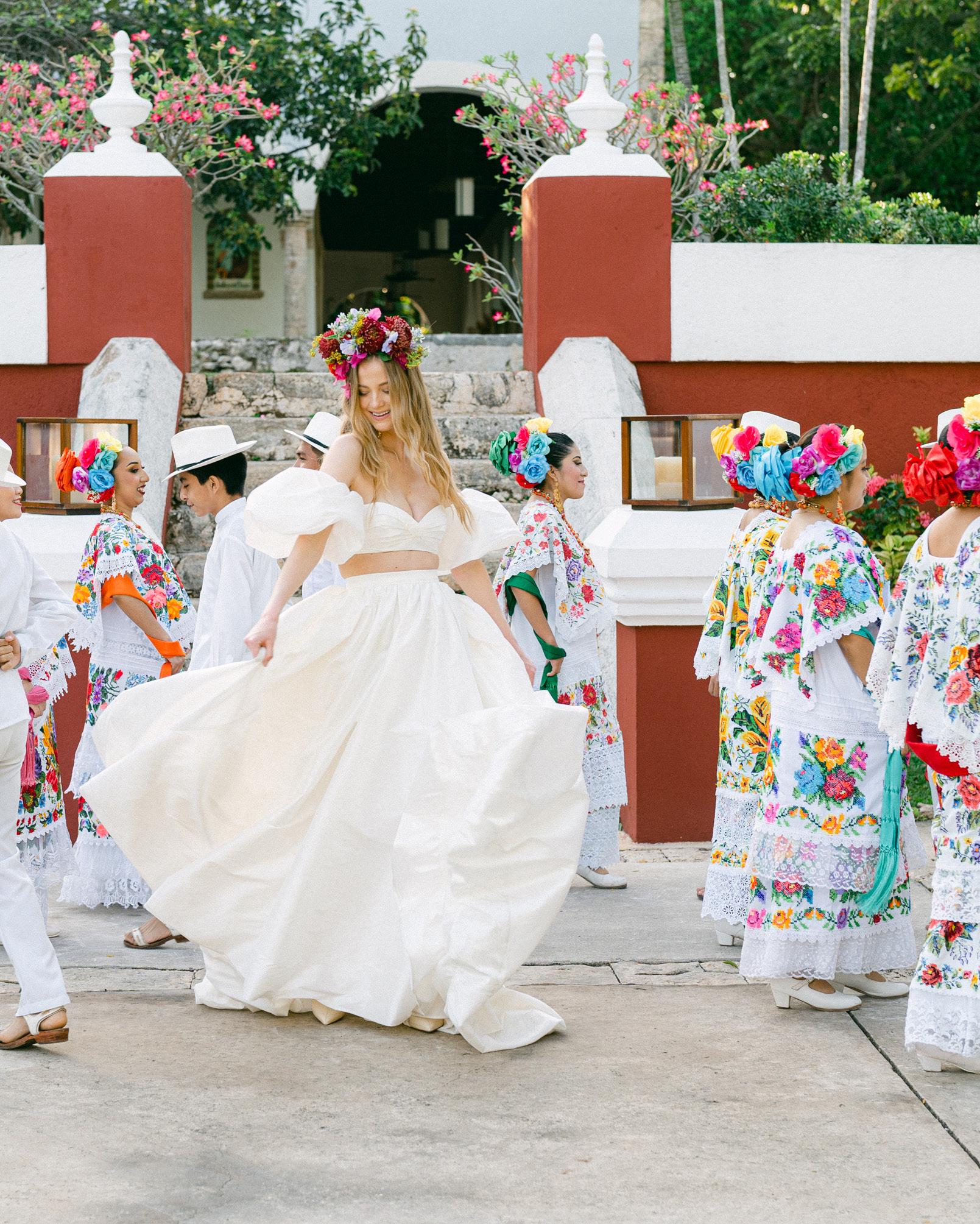
CLIMA
de 15°C a 35°C
WEATHER
59° F a 95° F
TIP
Visita el lugar tanto de día como de noche antes de reservarlo, y asegúrate de que cuente con buena iluminación e instalaciones cómodas para tus invitados.
Visit the venue both day and night before booking, and make sure it has good lighting and comfortable facilities for your guests.
Mérida
Casarse en Mérida es vivir una experiencia que combina historia, cultura y romance. Este destino destaca por sus impresionantes haciendas coloniales, cenotes y una arquitectura que fusiona la herencia maya con la colonial. La hospitalidad de su gente hace que cada celebración sea aún más especial. Además, su ubicación permite a los invitados descubrir playas, zonas arqueológicas como Chichén Itzá y encantadores pueblos como Izamal, convirtiendo la boda en una experiencia inolvidable para todos.
UN SÍ MÁGICO
En el centro de Mérida hay diversos hoteles boutique para bodas pequeñas con terrazas para ceremonias y un menú con platos típicos de la cocina yucateca como: Mansión Mérida Hotel Boutique, Presidente InterContinental Mérida, Hyatt Regency Mérida o el Fiesta Americana Mérida.
Si les interesa festejar en una de las haciendas donde se producía henequén en el siglo XIX, las más cercanas son Hacienda Misné, con escenarios en medio de frondosos jardines para bodas de hasta 120 personas. Así como la Hacienda Xcanatún by Angsana Heritage Collection que posee lugares inspiradores y elegantes. Y para una opción más lujosa, Chablé Yucatán con locaciones naturales y arquitectura sofisticada.
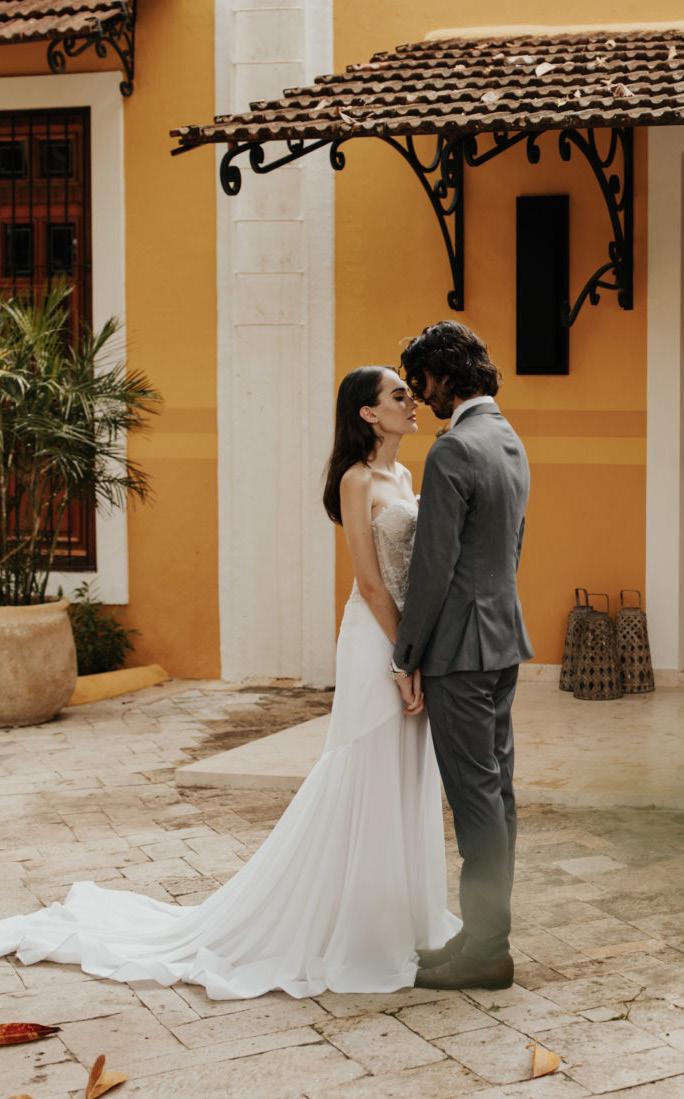
Getting married in Mérida is an experience that blends history, culture, and romance. This charming destination is known for its stunning colonial haciendas, hidden cenotes, and architecture that combines Mayan heritage with colonial elegance. The warmth and hospitality of its people make every celebration even more memorable. Its prime location also allows guests to explore Caribbean beaches, iconic archaeological sites like Chichén Itzá, and colorful towns such as Izamal, turning your wedding into an unforgettable getaway.
A MAGICAL YES
In downtown Merida there are several boutique hotels for small weddings with terraces for ceremonies and a menu with typical dishes of Yucatecan cuisine like: Mansión Mérida Hotel Boutique, Presidente InterContinental Mérida, Hyatt Regency Mérida or the Fiesta Americana Mérida.
If you are interested in celebrating in one of the haciendas where henequen was produced in the 19th century, the closest ones are Hacienda Misné, with settings in the middle of lush gardens for weddings of up to 120 people. As well Hacienda Xcanatun by Angsana Heritage Collection, which has inspiring and elegant venues. And for a more luxurious option, Chablé Yucatán with natural locations and sophisticated architecture.
Chabalé Yucatán
Hacienda Xcanatún by Angsana Heritage Collection
Requerimentos para casarte
Marriage Requirements


LOS DOCUMENTOS QUE NECESITAS PARA CASARTE EN MÉXICO SON:
Un formulario de solicitud completo obtenido en México en la Oficina de Registro. Esto incluye una declaración sobre si la pareja mantendrá bienes y activos separados o si tienen propiedad conjunta. Esta declaración puede no ser válida para propósitos futuros, según la legislación de su país de origen.
Pasaporte válido y formulario migratorio obtenido en el aeropuerto/ tarjeta de residencia para probar el estado legal en México.
Copia certificada de su Certificado de Nacimiento, traducido oficialmente al español y con el sello de Apostilla (ver Servicios Consulares/Legalizaciones).
La legalización adicional por parte de la Embajada de México en su país de origen puede ser opcional.
Si alguna de las partes se ha casado antes, deben presentar una copia certificada del decreto de divorcio, o una copia certificada de un Certificado de Defunción traducido y legalizado como se describe anteriormente.
Un certificado médico emitido por un organismo oficial que acredite el tipo de sangre de los contrayentes y que no tienen enfermedades crónicas o sin tratamiento viable, así como enfermedades contagiosas. Como la vigencia de este documento es de 15 días, deberá ser emitido en esos días previos a la boda.
Dos testigos legalmente calificados (mayores de 18 años), que deben estar presentes en la ceremonia.
Pago de la tasa establecida por la Oficina del Registro Civil.
Estos son solo requisitos generales. Los resorts y hoteles pueden proporcionar información sobre las disposiciones locales, que pueden variar.
THE DOCUMENTS
YOU
NEED TO GET MARRIED IN MEXICO ARE:
A completed application form obtained in Mexico at the Registry Office. This includes a statement as to whether the couple will maintain separate property and assets or have joint property. This statement may not be valid for future purposes, under the legislation of your country of origin.
Valid passport and Migratory Form obtained at the airport/ Residence Card to prove legal status in Mexico.
Certified copy of their Birth Certificate, officially translated into Spanish and carrying the Apostille stamp (see Consular Services/ Legalizations). Further legalization by the Mexican Embassy in your country of origin may be optional.
If either party has been married before, they must present either a certified copy of the Divorce Decree, or certified copy of a Death Certificate duly translated and legalized as described above.
Medical Certificate issued by an official organism that accredits the blood type of the contracting parties and that they do not have chronic diseases or without viable treatment, as well as contagious diseases. As this document is valid for 15 days, it must be issued in the days prior to the wedding.
Two legally qualified witnesses (over 18 years of age), who must be present at the ceremony.
Payment of fee established by the Civil Registry Office.
These are only general requirements. Resorts and hotels may be able to provide information about local requirements, which may vary.
Fashion
LA NUEVA ELEGANCIA NUPCIAL
THE NEW BRIDAL ELEGANCE
LEste traje blanco de Sumissura reinventa el look para la boda civil y presenta un conjunto contemporáneo de chaqueta y falda en color blanco. Una propuesta que defiende la elegancia minimalista y la personalización como los nuevos sellos distintivos de la novia moderna.
This white suit by Sumissura reinvents the civil wedding look, presenting a contemporary white jacket-and-skirt ensemble. A design that champions minimalist elegance and personalization as the defining hallmarks of the modern bride.
sumissura.com
Fotos: cortesía de las marcas mencionadas.
AROMAS DE AMOR FRAGRANCES OF LOVE

COLECCIÓN DE BODAS WEDDING COLLECTION
Velas Resorts y la diseñadora mexicana de joyería Elisa Gil presentan “Written in the Stars”. Cada pieza incorpora la flor de loto, emblema del resort y símbolo de pureza, grabada con la fecha del matrimonio. Las joyas se ofrecerán como un obsequio para los novios.
Velas Resorts and Mexican jewelry designer Elisa Gil present “Written in the Stars.” Each piece features the lotus flower, the resort’s emblem and a symbol of purity, engraved with the couple’s wedding date. The jewelry will be offered as a special gift for newlyweds.
velasresorts.com

Compuesta por diez nuevas expresiones de Eau de Parfum, “Alta” marca el siguiente capítulo en la exploración olfativa de Bottega Veneta. Entre ellas, “Balliamo” evoca una cálida tarde de verano al combinar higo blanco italiano con notas amaderadas. Elegancia y sinceridad para acompañar ese momento especial.
Composed of ten new Eau de Parfum creations, “Alta” marks the next chapter in Bottega Veneta’s olfactory journey. Among them, “Balliamo” evokes a warm summer afternoon by blending Italian white fig with woody notes. A fragrance that embodies elegance and sincerity for life’s most special moments.
bottegaveneta.com


PASTEL SWAROVSKI SWAROVSKI CAKE
La chef repostera Sonia Arias, de Jaso Bakery, presenta una de las últimas tendencias en pasteles de boda: un diseño decorado con cristales Swarovski, disponible en tres sabores: Red Velvet, Sacher y Jaime Kmil. Si buscas una opción elegante y sofisticada, este pastel puede convertirse en el protagonista perfecto de tu banquete.
Pastry chef Sonia Arias of Jaso Bakery showcases one of the latest wedding cake trends: a design adorned with Swarovski crystals, available in three flavors—Red Velvet, Sacher, and Jaime Kmil. For those seeking an elegant and sophisticated option, this cake can become the perfect centerpiece for a wedding celebration.
jasobakery.com.mx