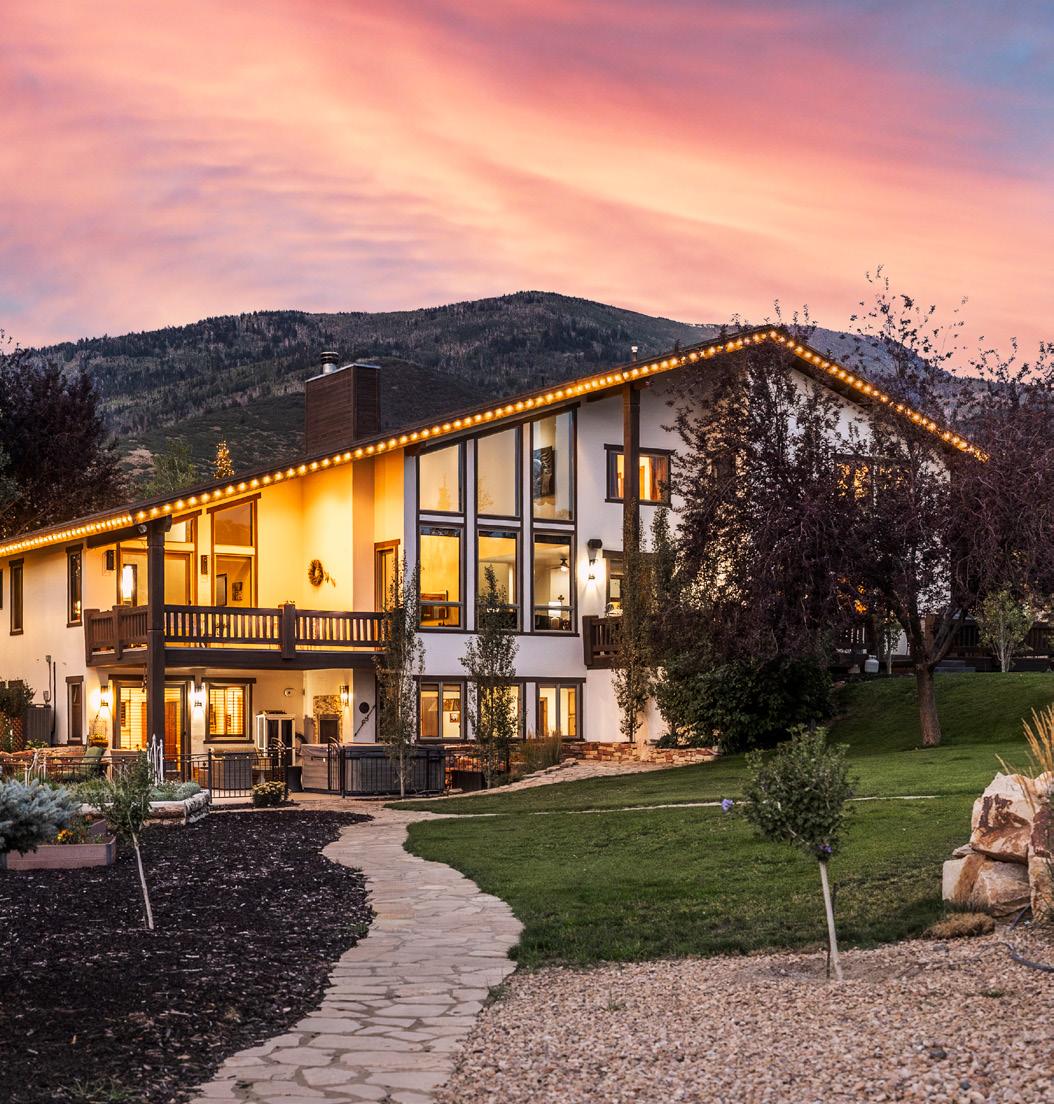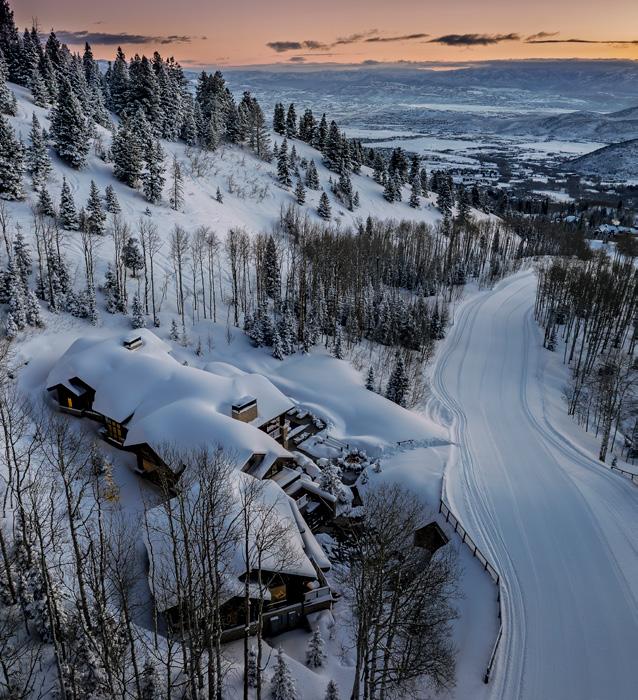
Whether you best remember the final turns of ski season or the long alpine evenings and golden summer sunsets, 2025 proved to be another extraordinary chapter in Park City’s story.
This year brought meaningful evolution across our communityfrom the continued expansion of Deer Valley’s East Village and the energy surrounding new terrain, to the growing momentum around lifestyle-driven communities that are redefining what it means to live in the mountains. We saw renewed enthusiasm for ski-in/ski-out living, increased national attention on our golf communities, and continued investment in thoughtful, designforward development.
But perhaps most notably, 2025 reinforced something we’ve long believed: Park City is not just a destination. It is a lifestyleone that continues to attract discerning buyers seeking beauty, connection, and long-term legacy.
In the pages that follow, you’ll find a curated look at:
• Market performance and pricing trends
• The evolution of the ultra-luxury segment
• Neighborhood spotlights across the valley
• Buyer migration patterns and lifestyle shifts
• Land market insights and long term implications
Whether you own here, are considering a move, or simply love watching the market unfold, I hope this report provides clarity, context, and confidence.
The average sales price in the Greater Park City Area reached $3,018,431 in 2025 - up 29% year over year and the highest average price on record.
This headline number tells an important story. But the deeper insight lies within the composition of the sales. In 2025, 43 properties sold for $10 million or more, representing a 207% increase from 2024, when just 14 properties transacted at that level. For additional context, 2023 saw 23 ultra-luxury sales.
What we are witnessing mirrors what Sotheby’s International Realty’s recent Luxury Outlook Report articulated so clearly: there are effectively two markets operating simultaneously - the general market and the luxury market - and they do not move in lockstep.
Ultra-high-net-worth buyers are entering the market with clarity, patience, and an increasingly refined lens.
Sophisticated buyers at this level are seeking environments where the home is seamlessly layered within a broader ecosystem of experiences, relationships, and curated programming. They are prioritizing homes that offer something deeply experiential: direct ski access in The Colony at Park City or the new Marcella at Deer Valley, a world-class golf experience at Glenwild, and a beautiful home on the river that allows for fly fishing all day.

This evolution helps explain why communities such as Promontory and Marcella continue to command remarkable pricing power, even when amenities are still being completed or expanded. Buyers are not solely underwriting the existing infrastructure; they are investing in the long-term vision, the caliber of ownership assembling around them, and the lifestyle being thoughtfully built. In these settings, the home becomes the anchor, and the community becomes an amplifier.
For highly accomplished individuals whose time is both limited and valuable, lifestyle integration carries real weight. A well-structured home or community compresses complexity by embedding recreation, dining, wellness, social programming, and/or multi-generational activities into daily life. The friction of planning and coordination is reduced, and the emotional return on ownership is deeper and more immediate.
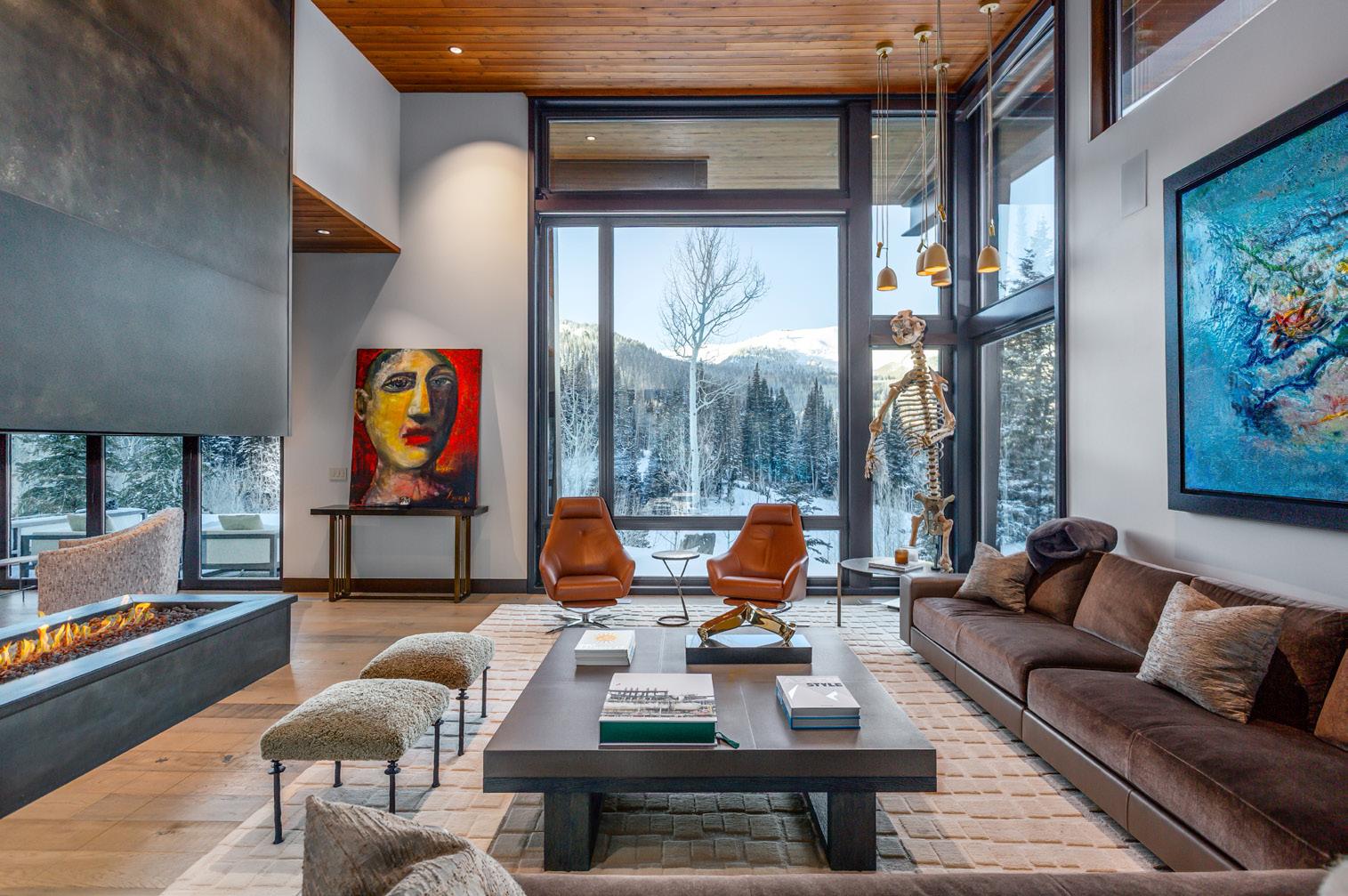
This evolution in buyer behavior is also why our marketing is never centered solely on features or specifications. When we bring a property to market, we focus on articulating the lifestyle narrative that makes it unique, whether that’s effortless ski access, seamless integration into a private club community, or the quiet expansiveness of ranch life. Architecture and finishes matter, but what ultimately resonates with today’s discerning buyer is how a home enhances and expands their life. By thoughtfully positioning each listing around its experiential layer, we create deeper emotional connections, sharper differentiation, and ultimately stronger results.

While the ultra-luxury segment experienced meaningful acceleration in 2025, the portion of the market under $2 million moved at a more measured pace. This segment, which has traditionally represented Park City’s primary entry point, saw a 17% decline in transaction volume year over year. with 682 closings in 2025 compared to 825 in 2024.
This softening reflects a combination of broader economic dynamics and local pricing evolution. Uncertainty in the stock market, fluctuating interest rates, and shifting political conditions tend to disproportionately affect buyers at this level, where a primary or secondary residence often represents a larger share of personal net worth. Unlike ultra-high-net-worth buyers, who frequently view real estate as a diversification strategy or long-term hedge, purchasers in this tier tend to be more sensitive to macroeconomic signals and financing costs.
At the same time, rising overall values in Park City have subtly repositioned what “entry level” means. The average sales price of homes under $2 million increased by 5% in 2025 to $1,152,597, effectively raising the barrier to entry and compressing inventory at the lower end of the range. As pricing across the broader market continues to climb, many buyers who would have previously entered the market below $2 million now find themselves shopping in the $2 million to $3.5 million segment to find their ideal property.
Perhaps even more notable than volume shifts is the evolution in buyer behavior within this price point. In prior years, buyers were often willing to compromise by accepting one fewer bedroom, a slightly less central location, or the need to drive to the slopes rather than ski directly from home in order to secure a foothold in the market. Today, that willingness to compromise has diminished. Buyers across all price tiers, including this one, are increasingly patient and specific about what they want.
As a result, properties that feel dated or require significant updates are facing longer market times, even when welllocated. The distinction between “new and improved” and “functionally obsolete” has become more pronounced, particularly at this level, where renovation costs can materially impact the overall investment. With construction labor and material costs remaining elevated - often influenced by new immigration policies and tariffs - many buyers prefer homes they can enjoy immediately rather than undertaking projects that introduce uncertainty in both timeline and budget.
The result is not a weakened segment, but a more selective one - where pricing precision and property condition matter more than ever.
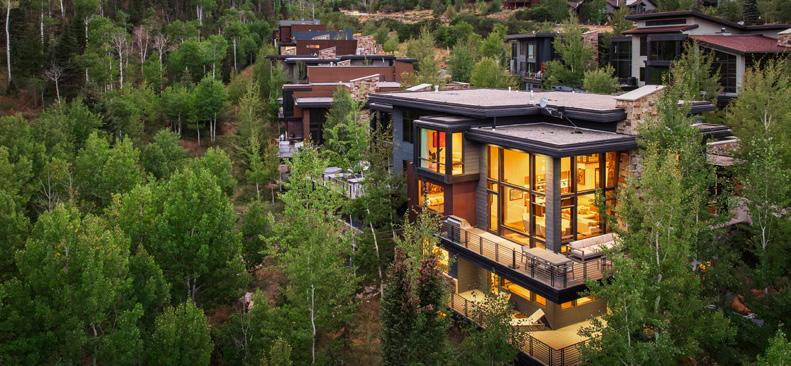
A FIVE-YEAR PERSPECTIVE
The average price per square foot rose to $943 in 2025, an increase of $58 year over year or 6%.
While that year-over-year movement may appear modest compared to the extraordinary appreciation we experienced during the COVID-19 pandemic, the longer arc tells a more compelling story.
In 2020, the average price per square foot in Park City was just $547, which represents a 72% increase over five years - a remarkable repositioning of value in such a short period.
Interestingly, condominiums have traded at approximately 10% higher per square foot than single-family homes over the past five years. The discrepancy results from the common amenities condos offer (pools, gyms, kids’ areas, etc.), as well as the small-house premium. The condo still covers the three most expensive parts of the home: the kitchen, the primary bathroom, and the home’s mechanical systems, along with plenty of additional amenities. Smaller homes - often condominiums - are also more frequently located within resort boundaries or adjacent to high-demand amenities, such as ski access, dining corridors, and walkable village environments, which allows them to command a higher price per square foot.
The compounded average appreciation rate from 2020 through 2025 is 9.5%, so seeing this come closer to the norm of 6% in 2025 is comforting and closer to the 20-year average for Park City.
In a market defined more by discernment than urgency, pricing has become one of the most consequential decisions a seller makes. Buyers in 2025 are informed, patient, and highly attuned to value - they monitor new inventory closely and move decisively when something feels appropriately positioned. Because of this, the initial launch of a property carries disproportionate weight.
The moment a home comes to the market, exposure is at its peak and perception is being formed quickly. The most motivated buyers - those who have been watching and waiting - are paying close attention during those early days. How a property enters the market shapes the trajectory it follows.
The data this year reinforced what we constantly see in practice. Properties that entered the market thoughtfully aligned with current conditions tended to build momentum quickly, while those that began at a greater than market value price often spent valuable time sitting. Early positioning influences more than days on market - it impacts negotiation strength, buyer psychology, and ultimately the seller’s outcome.
In 2025, sellers received an average of 97% of their list price, consistent with the prior two years. Homes priced correctly from the outset sold in an average of 37 days and achieved 97% of their original list price. By contrast, properties that required at least one price revision remained on the market for more than 150 days and ultimately sold for just 88% of their original list price.
The difference is not merely statistical; it’s strategic. A wellpositioned property creates energy, competitive tension, and leverage from the beginning. When pricing is aligned from the start, momentum builds naturally; when it is not, that momentum can be difficult to restore.
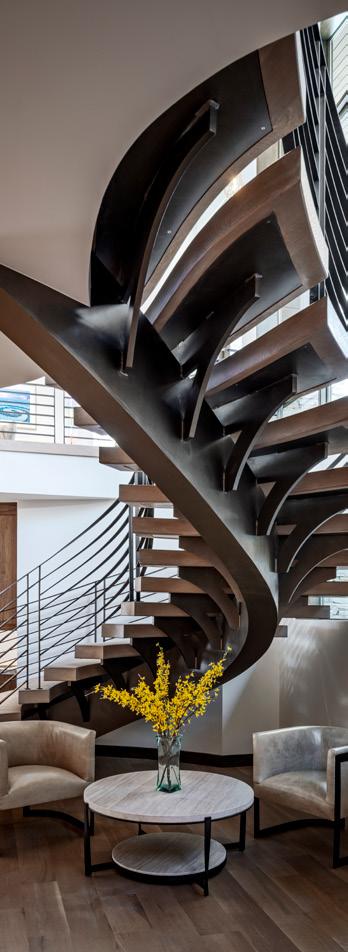
The land market in 2025 reflected a more tempered and deliberate pace compared to the accelerated environment of prior years. The average land price declined 4% year over year to $1,638,451, a shift largely influenced by the absence of several record-setting Deer Valley land transactions that occurred in 2024, including notable multi-million-dollar sales in Upper Deer Valley and Empire Pass.
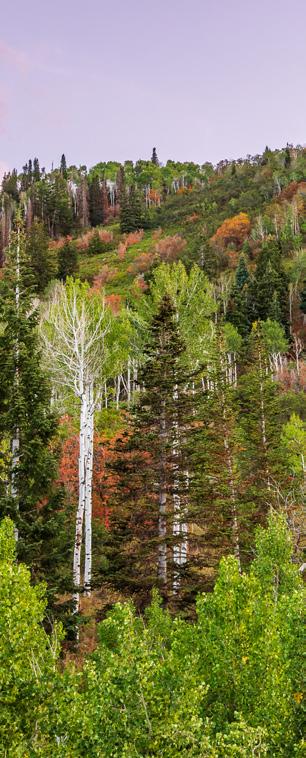
The most significant land transaction in 2025 was a five-acre parcel on Old Ranch Road that sold for $8 million, achieving 91% of its list price, a strong result that reinforces the continued desirability of premium acreage in established neighborhoods. While the headline average softened slightly, top-tier land in irreplaceable locations continues to command meaningful interest.
More telling than price, however, has been the shift in overall transaction volume. Between 2020 and 2022, an average of 598 parcels sold per year, driven largely by limited resale inventory and a surge of buyers willing to build in order to secure their place in the market. Between 2023 and 2025, that annual average declined to 247 parcels - a notable recalibration.
This evolution reflects several dynamics. As resale inventory has improved and buyers have gained access to more move-in-ready product, fewer are electing to undertake the extended timeline and complexity of custom construction. At the same time, developers within master-planned communities continue to release parcels strategically rather than all at once, preserving pricing integrity and managing absorption thoughtfully.
Land in Park City remains a long-term, vision-driven investment, particularly in premier enclaves where supply is inherently limited. However, unlike improved properties that offer immediate lifestyle integration, land requires patience, planning, and a willingness to navigate both time and design. In today’s environment, it appeals most strongly to buyers with a clear architectural vision and a multi-year horizon.
One of the most interesting undercurrents of 2025 has been the continued migration of buyers from key feeder markets , including Texas, Florida, Arizona, California, and Illinois. While this pattern is not new, what feels more defined this year is the intention behind these moves and the increasingly multi-seasonal way buyers are using their homes.
Park City has long been synonymous with winter recreation, and for many buyers, the mountains remain a powerful draw.
However, a quieter but equally compelling narrative has continued to unfold. A meaningful percentage of buyers from warmer climates are structuring their year differently, spending winters in their primary residences, where the weather is mild and social networks are established, and then transitioning to Park City during the summer months, when temperatures in their home markets become extreme. The appeal of cool alpine air, low humidity, and long evenings outdoors has become just as valuable as powder days and ski access.
This seasonal rhythm has subtly reshaped purchasing priorities. Buyers are increasingly seeking properties that perform beautifully year-round rather than functioning solely as winter retreats. Proximity to trail systems, golf courses, wellness amenities, and vibrant community hubs now carries similar weight to lift access.
Outdoor dining patios, seamless indoor-outdoor flow, and gathering spaces designed for multi-generational hosting have taken on added importance as owners envision extended summer stays filled with visiting friends and family.
Alongside this migration pattern, we have seen continued acceleration in golforiented and amenity-rich communities such as Glenwild, Tuhaye, Victory Ranch, Red Ledges, Marcella, and Promontory. What makes these communities especially compelling is not simply the presence of a golf course, but the layered ecosystem surrounding it: clubhouses, wellness facilities, social programming, dining, family activities, and curated experiences that create continuity across seasons.
For many buyers, the club environment has become a social anchor, offering structure, connection, and a sense of belonging that extends beyond the home itself.
Ski access remains iconic in Park City and will always command a premium. Yet increasingly, buyers are prioritizing versatility - communities and homes that allow them to shift effortlessly between winter and summer, solitude and social engagement, recreation and restoration. The most sought-after properties are those that support a dynamic lifestyle, one that evolves with the calendar and reflects how owners truly want to live.
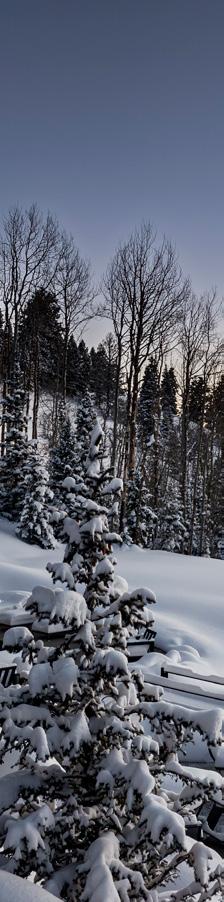
IF 2025 REINFORCED ANYTHING, IT IS THAT PARK CITY’S MARKET IS NOT SOFTENING - IT IS MATURING.
What we’re seeing is not simply growth in pricing, but a refinement in priorities. Buyers are more selective and patient. They are deeply thoughtful about how and where they choose to invest their time, their capital, and their lives. The luxury segment continues to accelerate, yet across every price point the common thread is discernment - and an emphasis on lifestyle that feels integrated, rather than accidental.
What continues to set Park City apart is not just the strength of its real estate, but its location and the depth of experiences it offers.
It is a privilege to guide friends and clients through decisions that are often deeply personal and long-term in nature, and to participate in the continued evolution of a community that feels both refined and adventurous at once.
We look forward to great things in 2026, so please reach out anytime for an up-to-the-minute market update. We look forward to seeing you in Park City soon.