INSPIRATION FOR TRAVELLERS


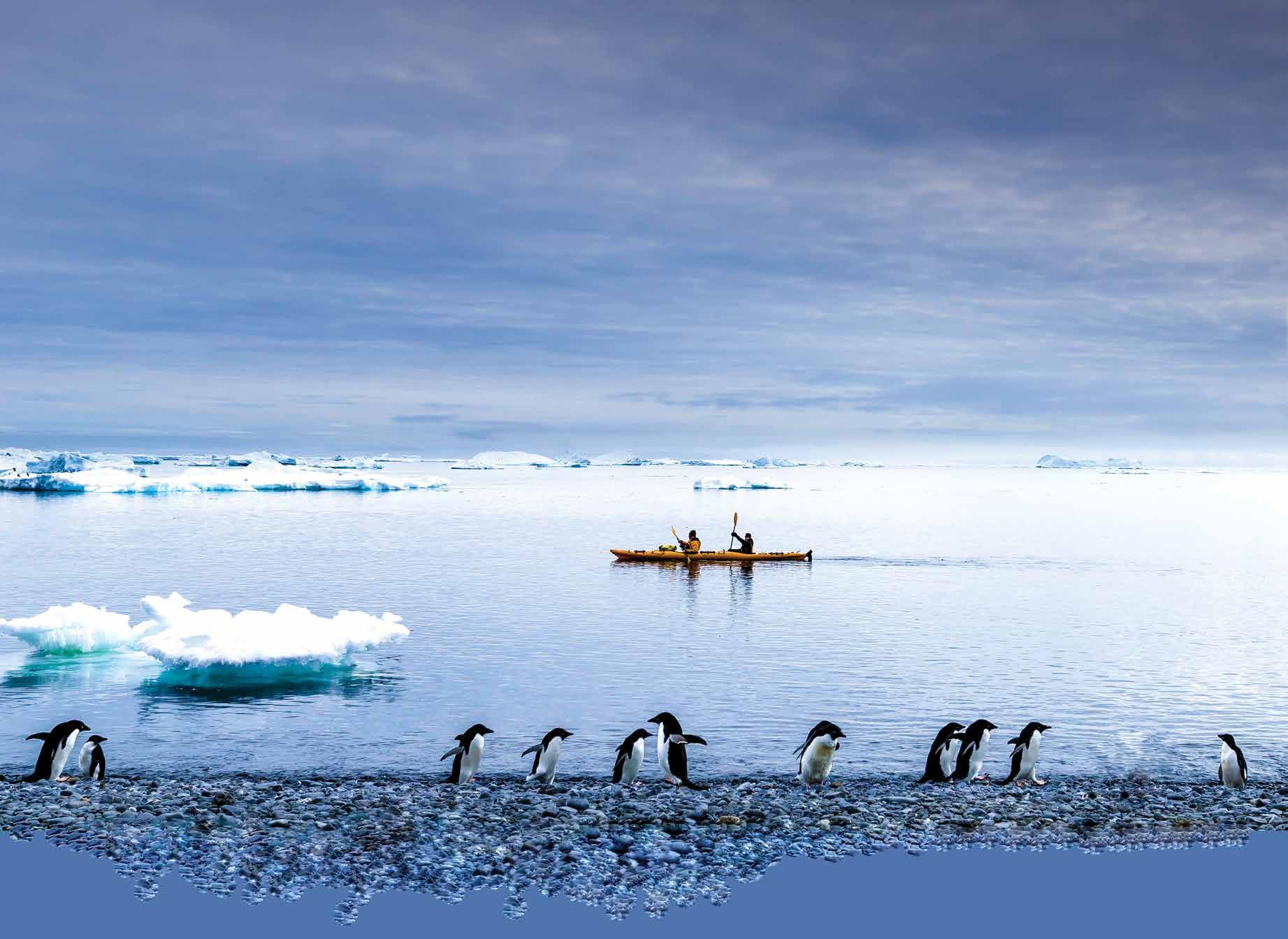
97% of our travellers would recommend Exodus to their friends*
98%
of our travellers think that we design and operate trips to benefit the local community and environment* of our travellers would recommend Exodus to their friends* 4.7 out of 5.0
Make 2017 one of the best years of your life. Stop yearning after the unknown, give into your wanderlust and go discover the places across the globe that fascinate you!
For near half a century, Exodus Travels has been creating life changing tours to 100 + countries for people who want to experience a world beyond sightseeing.
Whether you have a yearning to immerse yourself in the great outdoors, take a trip back in time, unveil a new culture or meet people that inspire wonder, we have the adventure for you.
From new takes on classic destinations to off-the-beaten path secrets, Exodus wants to help you make 2017 the type of year travel legends are made of.
The Food
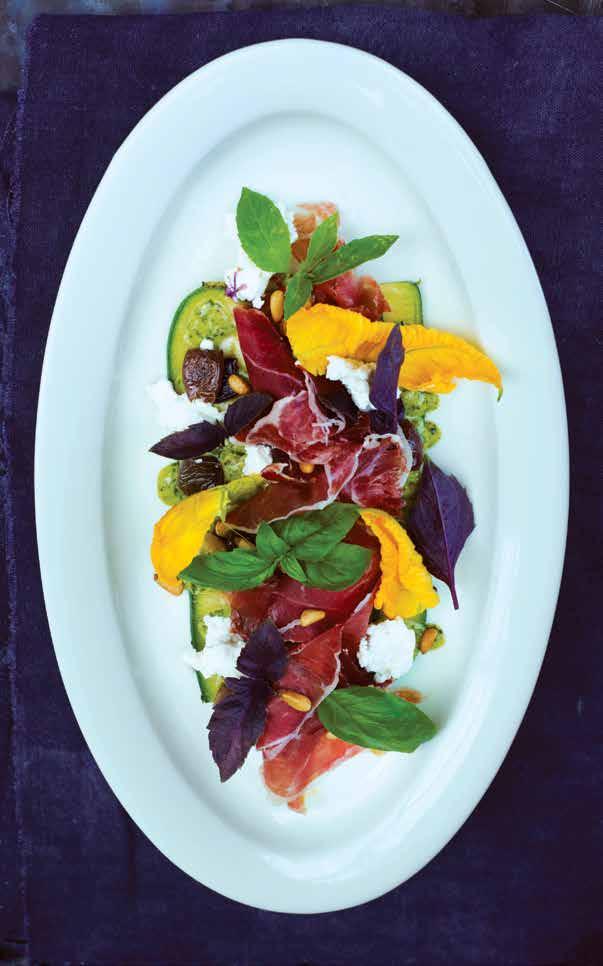
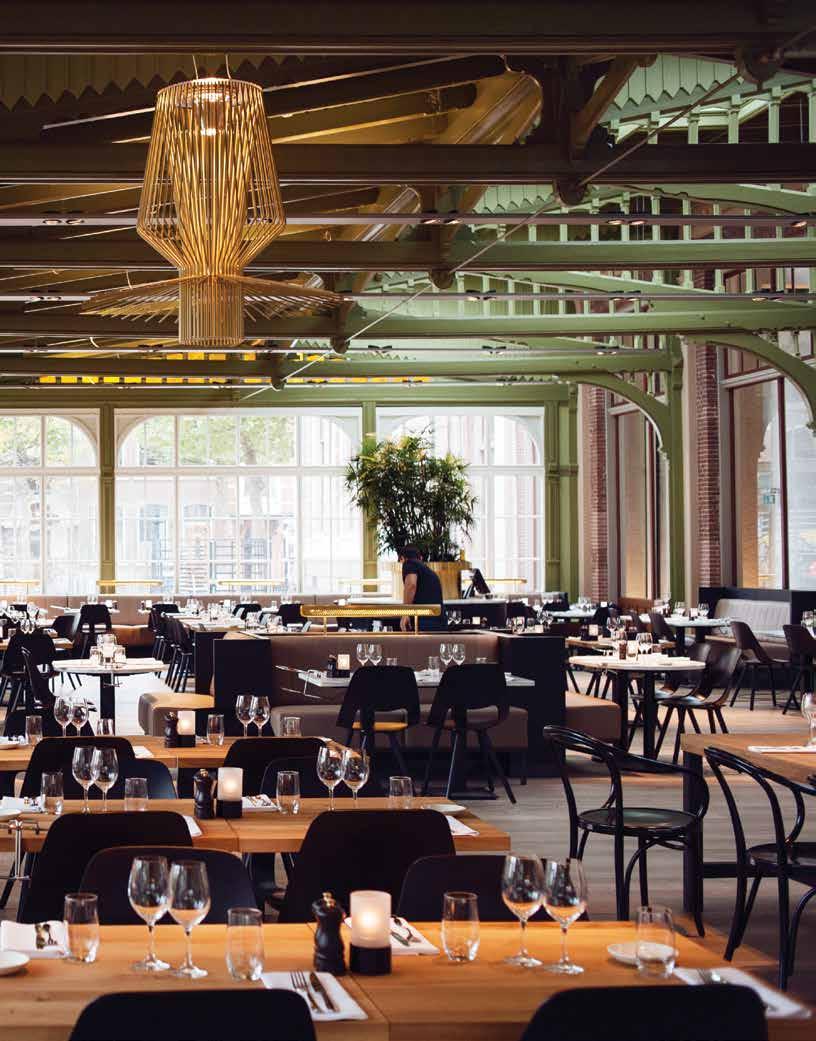
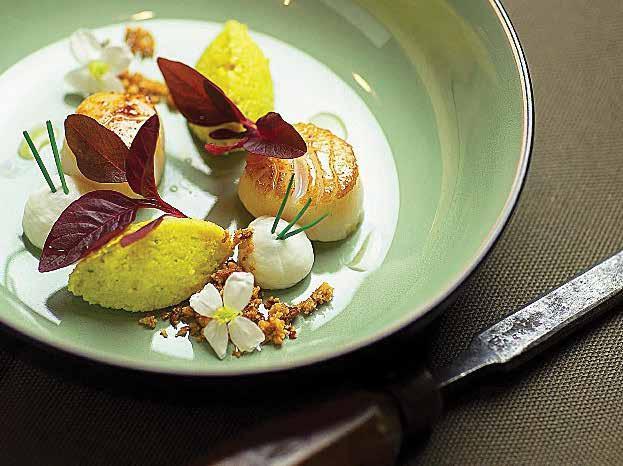
Daily dish at De Kas Restaurant in Amsterdam, inspired by the cuisines of the rural Mediterranean, with fresh local vegetables playing an important role.
When it comes to food, we typically look to wine for the perfect pair. But, in the capital of the Czech Republic, Muriel Paras discovers Pilsner brews make the best companion.
Photos by Tishan Baldeo
Eat well, and with taste. Canadian expat Geoff Vokes , takes us on a restaurant reinvention tour in Amsterdam.
From its quilted slopes of coffee plantations to beautifully-preserved colonial towns, nothing prepares you for Colombia’s rugged Zona Cafetera . Alongside the world’s finest Arabica beans, Simon Willis discovers the traditions of this unique Coffee Landscape through its crispy plantains, abundant tropical fruits and one extraordinary local dish.
Before trekking to the city for a culinary sojourn, Vawn Himmelsbach taps into a fellow foodie who wrote the book on eating your way through Spain. Photos by Margaret Stepien / Lonely Planet
THE SEDUCTION OF THAI CUISINE
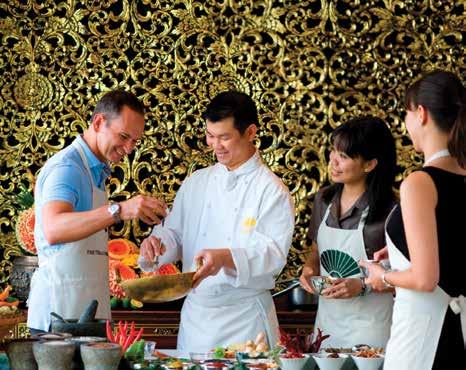
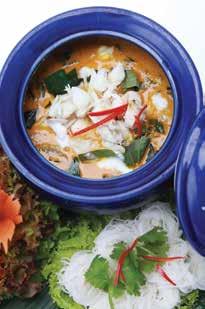
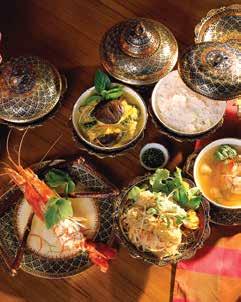
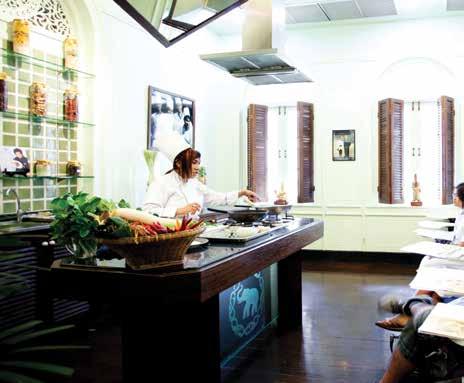
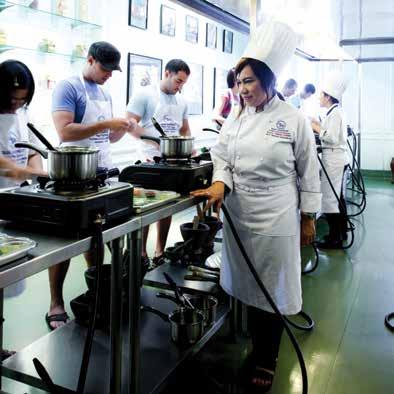
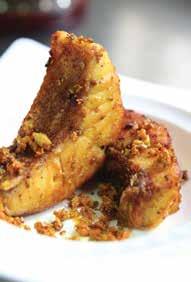
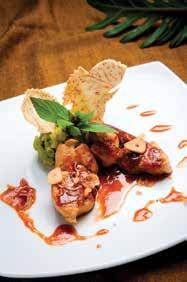
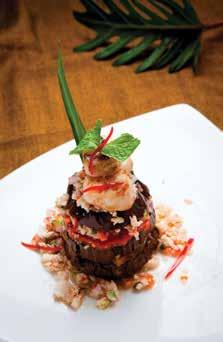
Spicing it up in the Land of Smiles… and chilies! By Anita Draycott
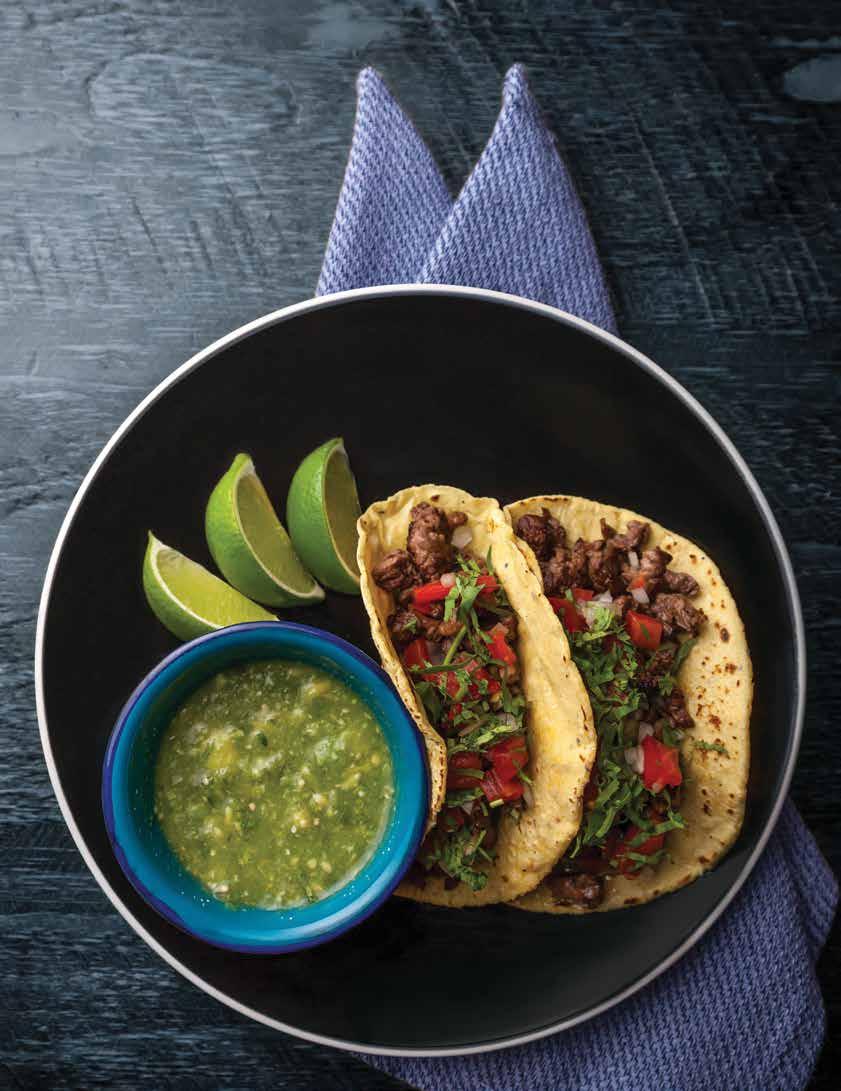
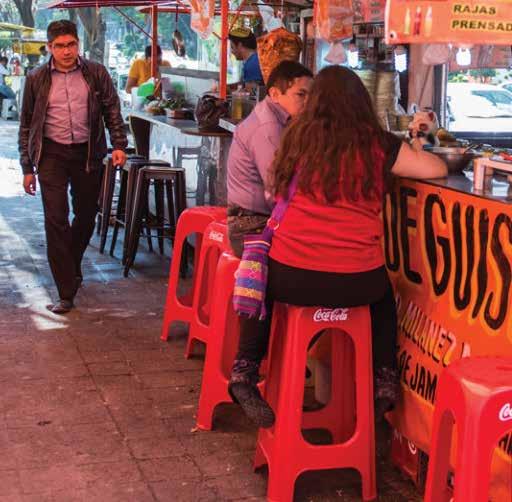
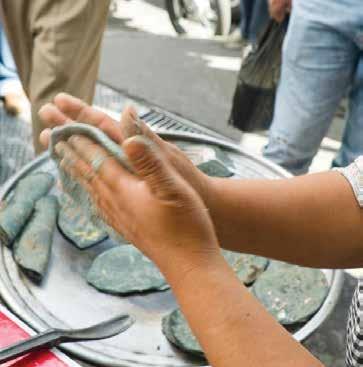
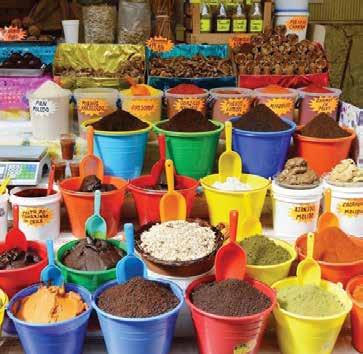
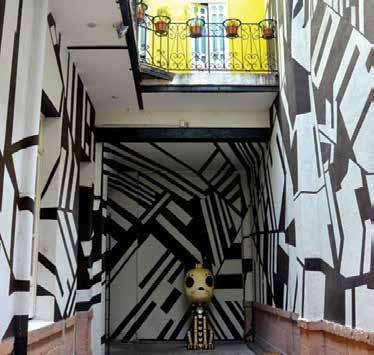
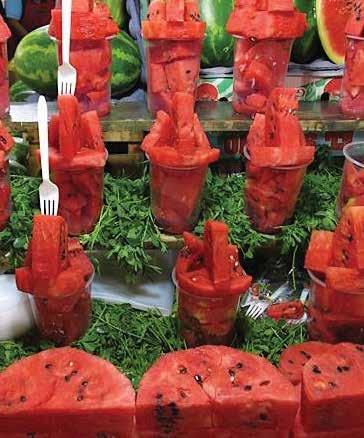
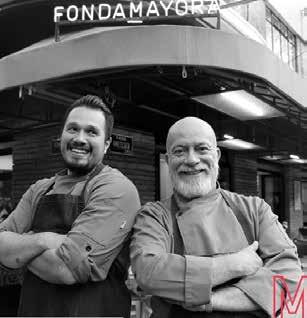
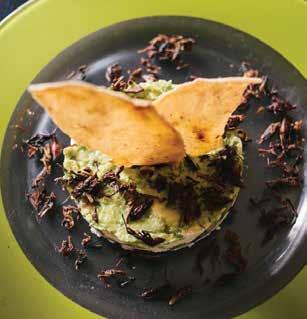
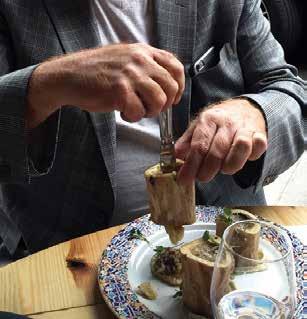
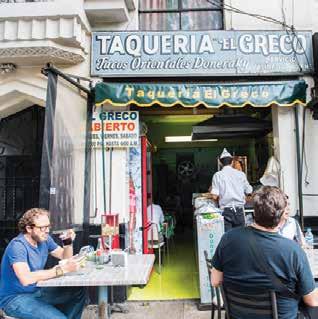
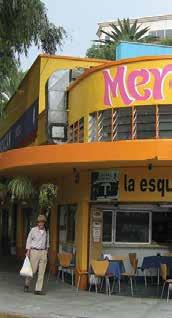
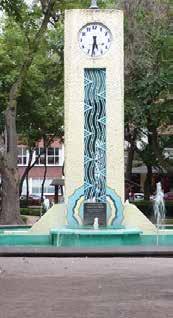
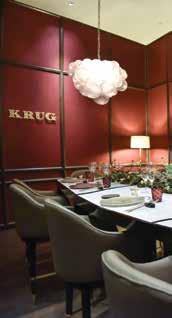
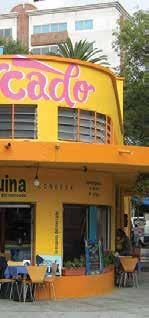
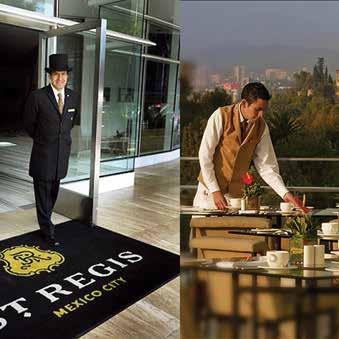
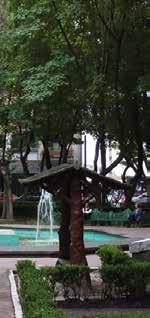
TASTING MEXICO CITY THREE WAYS
Paris, Rome and New York City may be the A-list gourmet destinations, but there is a new contender for passionate foodies to explore: Mexico City. By Waheeda Harris
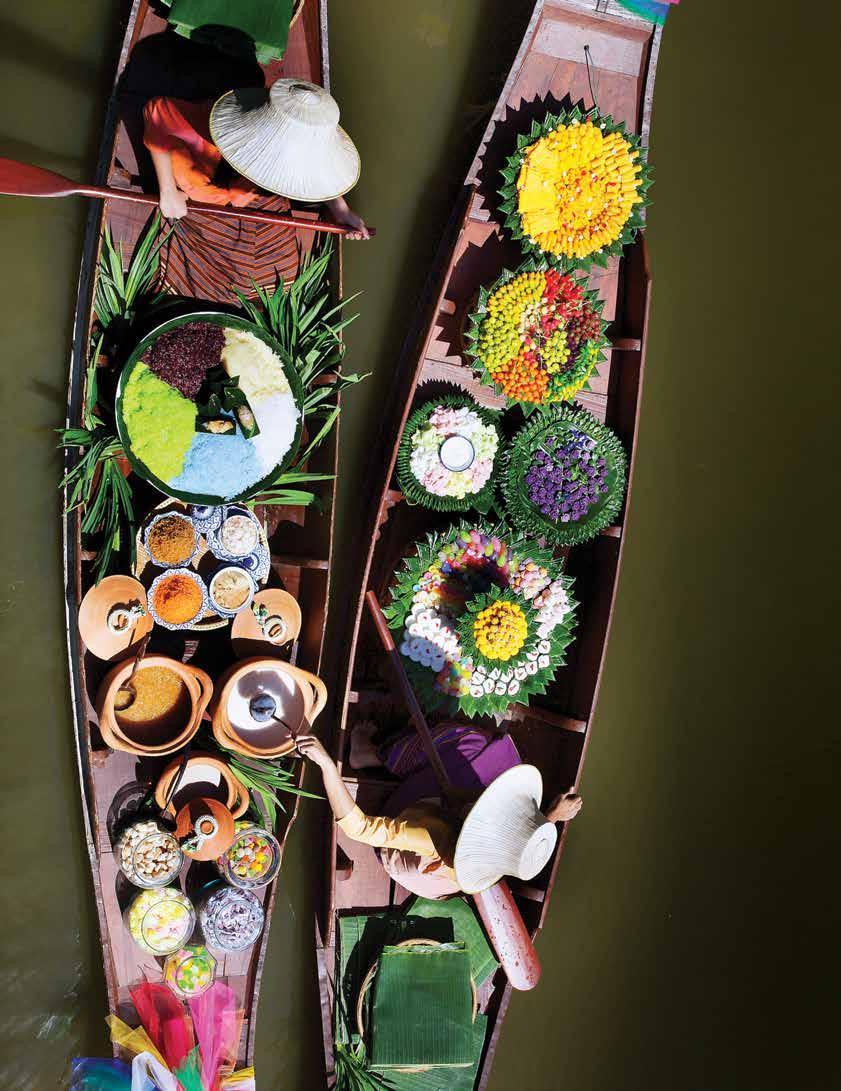

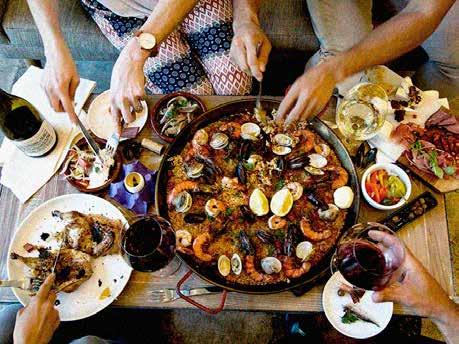
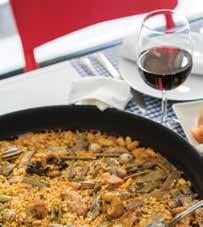
I was about 13 years old when I got my first cooking lesson from my grandmother, a pragmatically self-taught chef who had been working in Ottawa for almost 30 years. She taught me the intricate process of making Paella Valenciana. There are many variations of this beloved dish, but hers was prepared with tomato, pepper, onion & garlic sofrito, and rabbit. Through years of trial and error and knowledge passed down from generation to generation, she knew just the right cooking time and the right pinch of salt and saffron. But the experience was more than just learning how to balance the intricate blend of spices. It also came loaded with her history lessons and the gossipy tales about the people she had cooked for in the past.
Today, when I prepare paella for family and friends, I am often reminded that sharing food with our friends and families is one of the most important things we do in our lives. It sets the table for creating new memories, sharing experiences, being creative, and laughing together.
At BOLD Traveller, we believe that good food can inspire a journey. To us, the best definition of a vacation is an afternoon of sightseeing bookended by an exquisite meal on one end and a bottle of rosé on the other.
Tastes and aromas are primal memory keepers. They have transportive powers, bringing us back in time and around the globe. Experiencing a dish in context forever changes your impression of not just the cuisine but the culture and the location itself.
In the issue, we connect local cuisines to their greater social, geographical and historical contexts: national identity in Mexico, the diverse flavours traversing the Vietnamese landscape, and experimenting with new approaches in Amsterdam.
You’ll find plenty in this issue to whet your appetite not just for eating but for hitting the road.
Now dig in!
Marlon J. Moreno Publisher




Hungry for Madrid
The flavour you most associate with the Spanish Capital is Cocido (chickpea and meat stew) When in Madrid don’t forget to wander the streets of Malasaña to discover bookshops, cafes and bars After Dark do like the locals and make dinner reservations for 10 p.m. (or later)

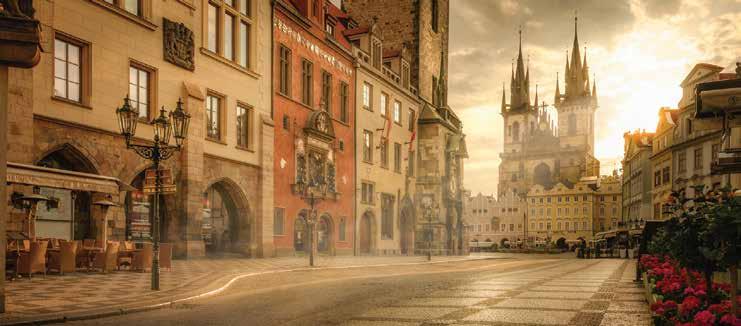
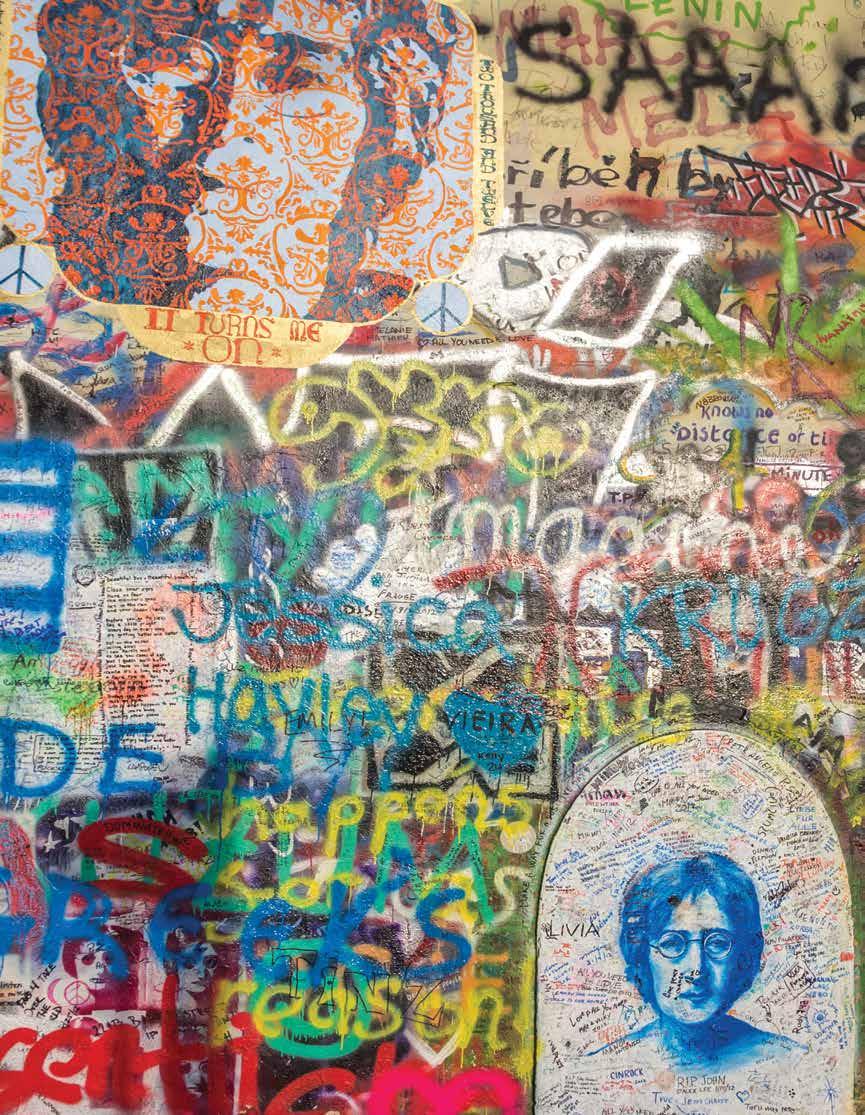
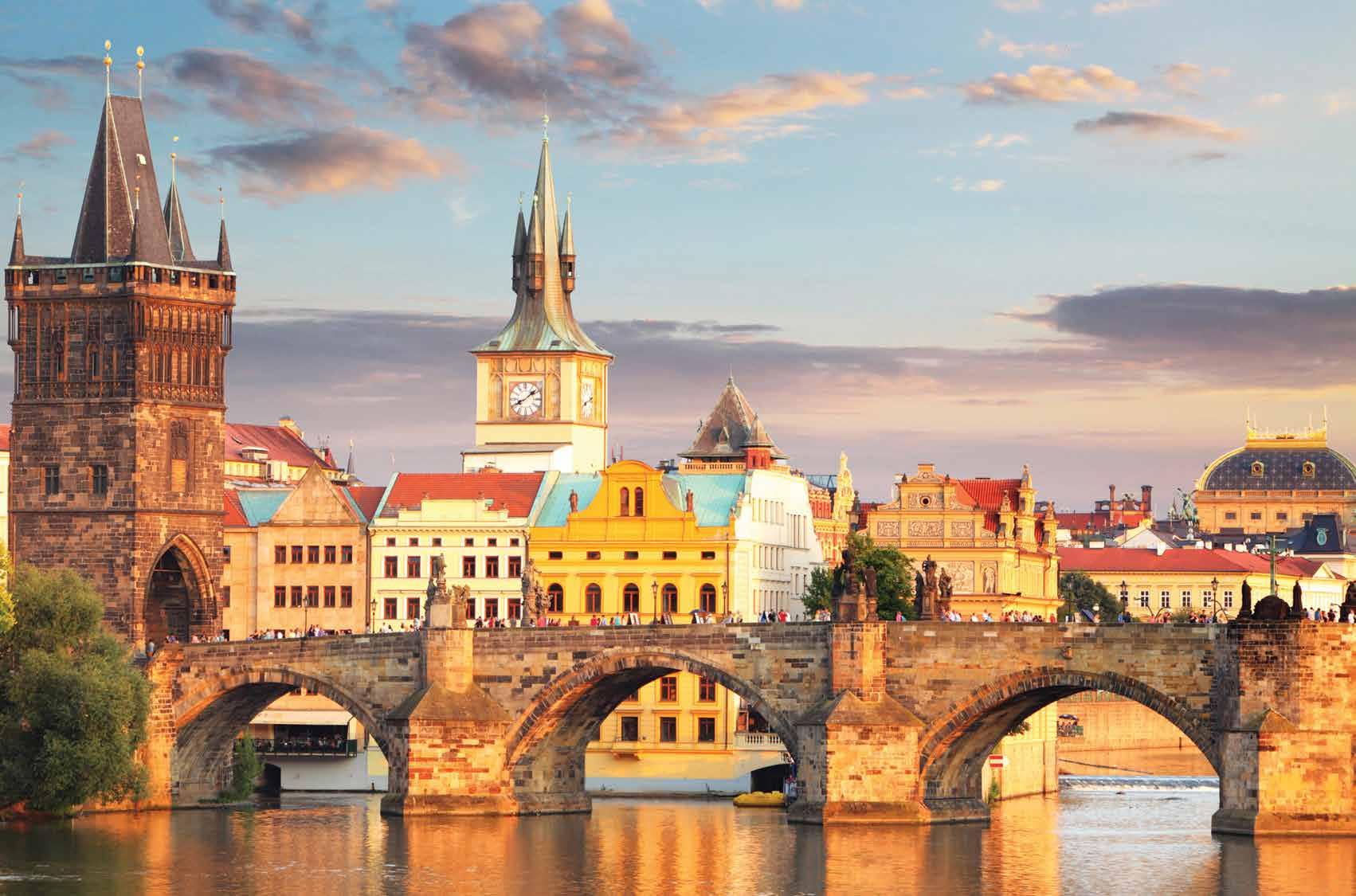
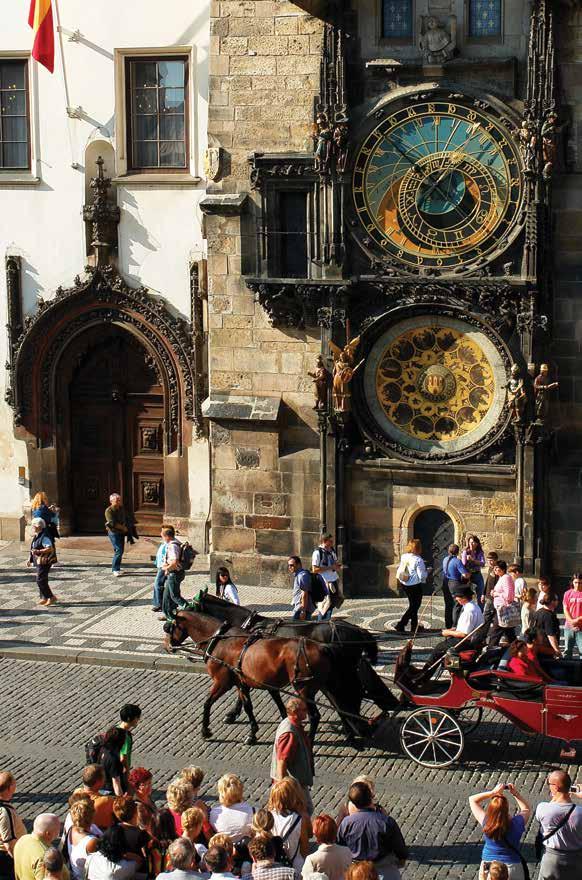
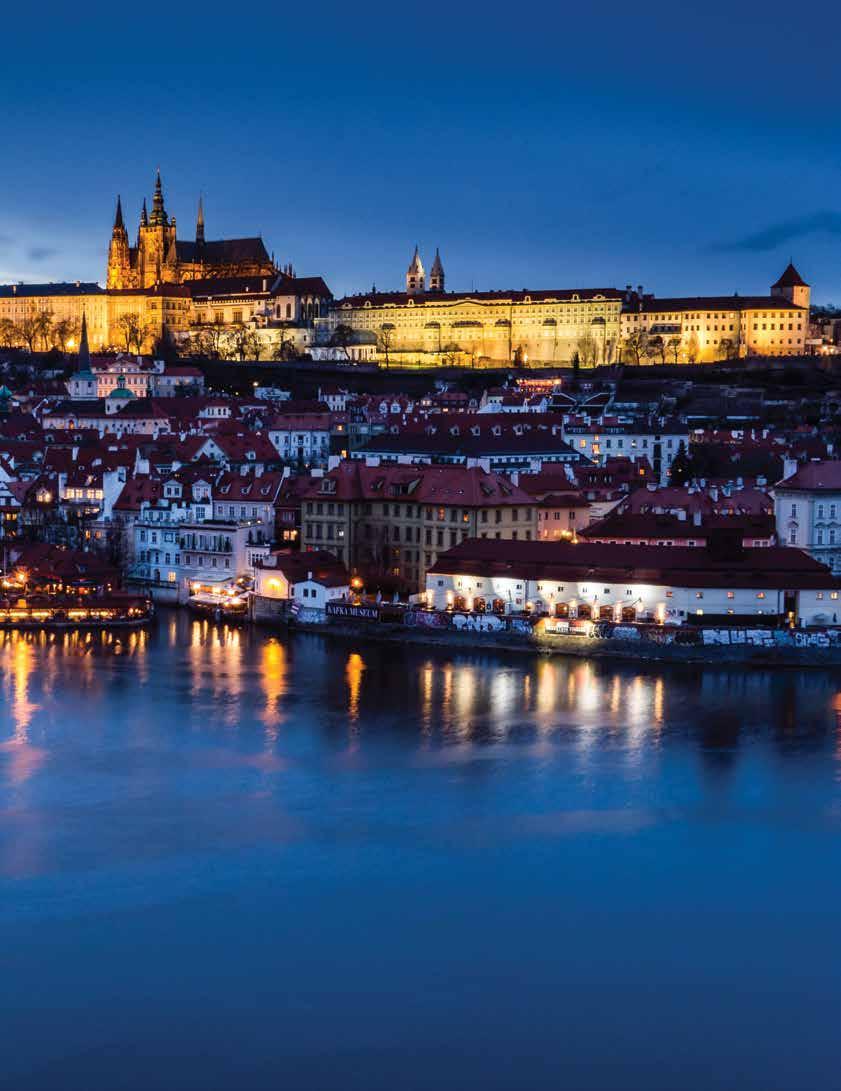
The city of Prague is perfect for travellers. Sure, you can spend a day exploring the endless palaces, courtyards, towers and halls of Prague Castle – it’s actually the largest castle complex in the world. But Prague is also a great city to explore on foot. On a wander through these historic, cobblestoned streets, there’s no limit to what you’ll find. Spend the day in touristy Old Town, but then head over to Žižkov, Prague’s hip neighbourhood, which boasts the most bars per capita in Europe! If you’re feeling adventurous, you might even try the local absinthe. This is the Prague you won’t see in tourist guides.
You see, there are two ways to explore a new destination.
First you have tourists; those who are happy to stick to the travel guide itinerary and to take photos of famous and familiar landmarks.
But then you have travellers. These are the people who like to wander off the beaten path. They might go down an alleyway just to see where they end up. Travellers eat at the local independent café. They find a city’s third-most popular art gallery and buy a unique piece to display in their home. And sometimes they sit peacefully on a park bench just to watch the locals go about their day.
According to Glenn DeSouza, VP of Retail Cards at RBC, “We have another word for these travellers. We call them Avioners®.”
“In the same way that these travellers aren’t limited by the tourist guide, Avioners don’t accept limitations on their travel plans and they would never carry a travel rewards card that would place such limitations,” he says. In fact, with an RBC Avion® credit card you just don’t have to face those kinds of restrictions. You can book any flight, with any airline, at any time.
And with Payback with Points you can redeem your RBC Rewards® points toward anything and everything you purchase with your Avion card. Simply use your points to make a payment directly toward your credit card balance.
But more importantly, you can redeem points on everything you purchase for your trip. So not only can you do things like book flights, hotel rooms, and car rentals; you can also explore 600-year-old bridges and try savoury Czech goulash – all ON POINTS! Avioners can explore and experience any new destination. So, ask yourself: are you a tourist or are you an Avioner?







Explore the world, ON POINTS
Easy to understand travel rewards.
No seat restrictions. If there’s a seat available, you fly – even during peak seasons. Plus you can also use your points to cover airline fees and taxes.
Earning points is simple and easy.
You can feel confident knowing that you’ll earn RBC Rewards® points every time you make a purchase on your credit card.
Use your points toward all your purchases.
With Payback with Points, you can redeem your RBC Rewards points toward anything and everything you purchase using your Avion® credit card. Simply use your points to make a payment directly toward your credit card balance.
ON OUR RADAR + TRENDS
A neighbourhood gem in the largest city in North America?
SARAH TRELEAVEN discovers in Polanco, it’s still possible to get an intimate vibe
While Canadians seeking soft-sand beaches in the height of winter flock en masse to Mexico’s coastlines, very few make the inland pilgrimage to the sprawling capital city – which retains a high degree of mystique. But intrepid visitors might arrive with uncertain expectations only to find a paradise of delicious street food and elegant fine dining, marvelous Bellas Artes buildings, distinct and charming neighbourhoods and refined parks that rival even those in Paris.
Mexico City is rapidly becoming one of the world’s hottest destinations. Earlier this year, the New York Times named it the #1 place to go in 2016. And there is no other neighbourhood that so exemplifies Mexico City’s growing sophistication like ritzy Polanco, a stunning collection of grand boulevards and meandering cobblestone lanes lined with tall trees. Elegant cafés have seating that spill out into the streets and gated mansions are partially obscured by overgrown pink and purple bougainvillea. Fashionable Mexicans linger on patios over post-work glasses of wine and they valet their cars even to stop for coffee.
Polanco is just steps from beautiful and massive Chapultepec Park, where visitors will find the Anthropology Museum and Chapultepec Castle. The much smaller Lincoln Park is full of businessmen on cell phones and parents with children sitting by a large pond within earshot of a cacophony of lovely, slightly off-key singing from the brightly coloured birds of a nearby aviary. The streets are named after writers, scientists and philosophers, from Bernard Shaw to Socrates – a legacy of the neighbourhood’s Jewish, Lebanese and Spanish immigrants and a sign of Polanco’s outward-looking focus.
At one corner of Polanco sits the Four Seasons Mexico City, a 240room hotel reopened last fall after a major renovation, complete with new “gastrobar,” British barbershop and massive “wellness space” complete with traditional Mexican treatments and a rooftop pool. The best part might be the hotel’s courtyard – a large and lush space with an impressive fountain, spectacular flora and intimate sitting areas. In the hotel’s Fifty Mils bar, an intimate lounge space with a long marble bar and red leather stools, bartenders give cocktails a local twist by using grasshopper salt on the rims. Guests can also take those cocktails outside to the small, hidden fire pit to sit under the lavender neon sign that reads “our little secret.”
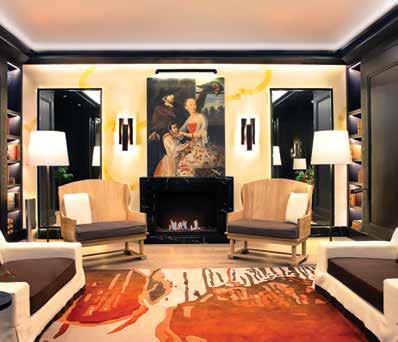
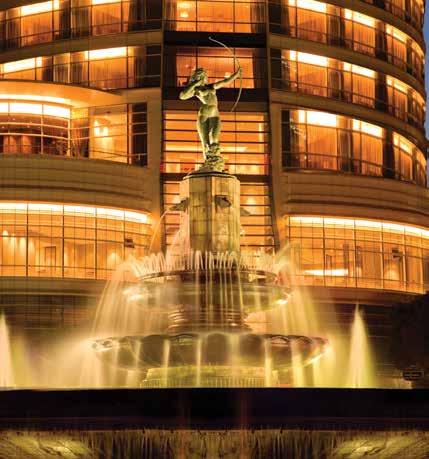
“Polanco is the destination for the latest in fashion, fine dining and the arts, a symbol of exclusivity,”
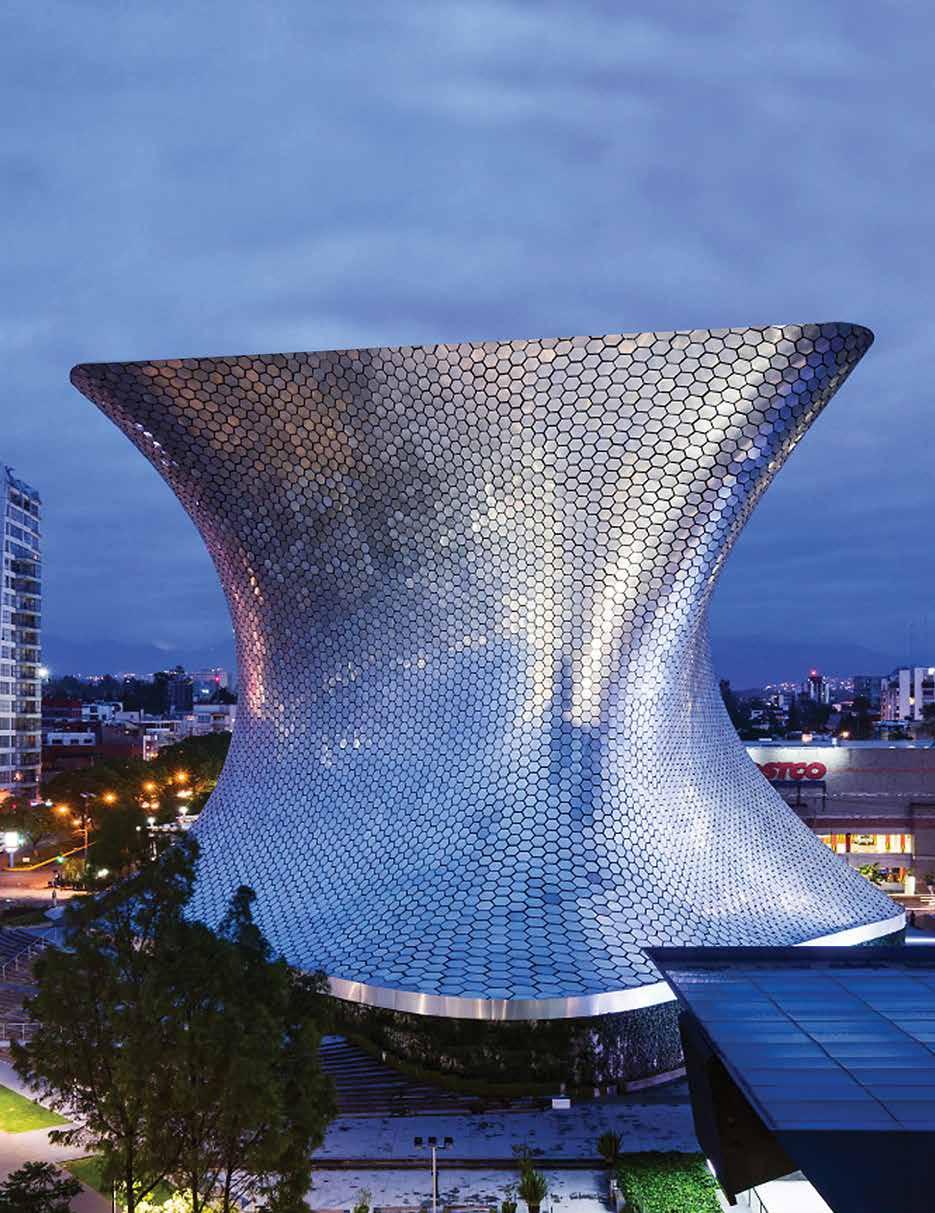
says Agnes Ignacio, assistant chief concierge at the Four Seasons. “Tourists consider it as a must-visit every time they come to Mexico City.” When Ignacio sends guests out into the neighbourhood, she starts with culture. “Polanco is currently home to two of the most important museums in the country,” she says. “Jumex is the top exponent of national and international contemporary art, and Soumaya houses the vast private collection of one of the world’s richest men, Carlos Slim. Both museums are icons of contemporary architecture.” Not far from there are the Teatro Telcel, where top plays and musicals are performed, and a huge aquarium, Acuario Inbursa.
But all of that culture can be exhausting. Fortunately, Polanco is also known to satisfy other appetites – namely, eating and shopping. The iconic Palacio de Hierro Polanco, one of the largest luxury department stores in Latin America, is often compared to London’s famed Harrod’s. Polanco is full of upscale brands such as Chanel and Hermès, while smaller, more local boutiques (often carved out of converted colonial mansions) line the lanes between Presidente Masaryk and Emilio Castelar. Locals love Onora for home decor, Rodrigo Rivero Lake for antiques and Lorena Saravia’s sartorial collections for both men and women.
Foodies flock to Dulce Patria for contemporary and highly polished Mexican food. Dishes have included zucchini blossom and pine nut quesadillas and duck confit in mole negro. At Pujol, celebrity chef-owner Enrique Olvera offers elevated street snacks and innovative fine dining in his small dining room. For more international fare, Butcher and Sons is known to have the best hamburgers in city while Bistro Bec is renowned for French-Spanish fusion.
And for aperitifs and nightcaps alike, turn to Limantour for very fancy cocktails and Jules Basement for a speakeasy-cum-taco-joint kind of vibe – all in all, not a bad way to end a visit.

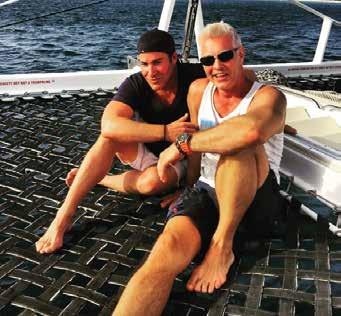
Beloved style guru Steven Sabados , host of the new CBC show, The Goods, dishes on his favourite travel hangouts, where to spot celebs, and just why he has so many mismatched towels.

Canada’s answer to Martha Stewart, Steven Sabados has been a Canadian style icon for over 15 years, renowned for impeccable taste and giant heart. Last year, the whole country felt the collective grief after the tragic, sudden loss of his spouse and creative partner, Christopher Hyndman. Now, Sabados is making a triumphant and much-welcomed return to television with his new show, The Goods, promising to bring the luxury and laughs we’ve so missed.
BOLD recently caught up with Steven to talk about Barbados, The Hangover 2, and travelling after the heartbreak.
Where have you just come back from?
My last trip was to Barbados. I had to go back to our condo to relax and catch a breath before heading into production for the new show, and to make sure the house was in order seeing as I won’t be back until Christmas.
Where in the world have you felt happiest?
Both myself, and Christopher of course, have never felt happier and more at home than in Barbados. We have always considered it our second home and have a great collection of very close friends there who have become family.
Name a place that most lived up to the hype.
Bangkok lived up to the hype. It really is just like in The Hangover 2, fast-paced, crazy and New York City x 2!
Which is your favourite hotel?
It has to be Jade Mountain Resort in St Lucia. It truly is the most beautiful private property I have ever seen, and the rooms only have three walls. The fourth wall is wide open to not only a cantilevered infinity pool but also to a breathtaking view of the magnificent and iconic pitons. It’s a secluded hideaway for some of Hollywood’s elite, but you didn’t hear that from me.
Confess time: name one thing you’ve taken from a hotel.
OK, I confess, I have taken beach towels from a hotel. Why? I have no idea. I guess you can never have enough mismatched beach towels.
What’s your guilty pleasure while travelling?
I have to say I consume as many calories in junk food as possible while travelling. Why is it on a flight you need three grocery bags of snacks and a trashy magazine? It’s not like you won’t see dry land for days.
Which is your road most travelled?
My road most travelled is Barbados. I am blessed to be able to travel there, and be greeted by the same security people and airport security each time I visit.
What people still do not know about Barbados?
I am sure this has been said before but I can honestly say, the people of Barbados are so kind, welcoming and they treat you like family. Also, the island is full of hidden beauty. Go off the beaten track and explore. If you get lost, an islander will always be there to make sure you find your way back.
What is your favourite travel companion?
My favourite travel companion has to be my Bose headphones. Noise cancelling technology is paramount and I get to catch up on all the movies I miss at the theatre. What inspires you to keep exploring this planet?
I think everyone needs to get out of their own bubble and explore this amazing world. There is SO much to learn and embrace from other cultures.
What would be your trip of a lifetime? I have never been to Africa and would love to experience a Safari. I have a lot of respect for animals and I look forward to enjoying them in their natural habitat.
I
LOST MY HEART IN … BALI Christopher and I had an amazing and spiritual journey in Bali. If it’s not on your bucket list, add it. Trust me!
Watch The Goods every Monday to Friday at 2 p.m. (2:30 NT) on CBC.

Puffy coats and Gore-Tex gloves are perfect for the slopes, but when out and about, beat the chill in style

On Our List
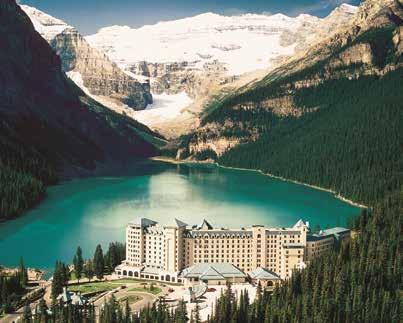
The Fairmont Chateau Lake Louise, Alberta
Nothing prepares you for the stunning, soaring mountain peaks, the majestic Victoria Glacier and a glistening emerald lake at the Fairmont Chateau Lake Louise hotel, located in Alberta’s Banff National Park. This beautiful property stands in the celebrated birthplace of Canadian mountaineering and is a UNESCO World Heritage Site – recognized globally for progressive environmental stewardship and responsible tourism.
Originally built as a base for outdoor enthusiasts and alpinists more than 100 years ago, Fairmont Chateau Lake Louise is a year-round luxury mountain resort offering guided mountain tours, world-class skiing in the winter, scenic hiking and canoe activities in the summer, kid’s camp, a luxury spa and exceptional dining experiences. fairmont.com/lake-louise/
CLOCKWISE FROM THE LEFT
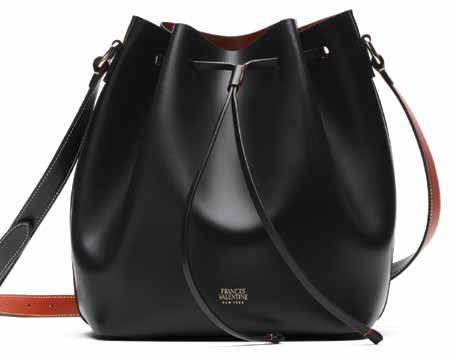
Ann Medium by Frances Valentine $615; davidsfootwear.com
Drake’s® for J.Crew Long
Silk Scarf $ 78.50; jcrew.com/ca/
Aviator Hat $250; canada-goose.com
Margaret coat Brown/Grey reversible $940; jiacollection.com
Paloma Picasso® Olive
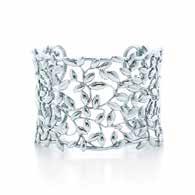
Leaf cuff in sterling silver, medium $1,600 tiffany.ca
SOREL’s Addington Tall Amber Boots $350; sorelfootwear.ca





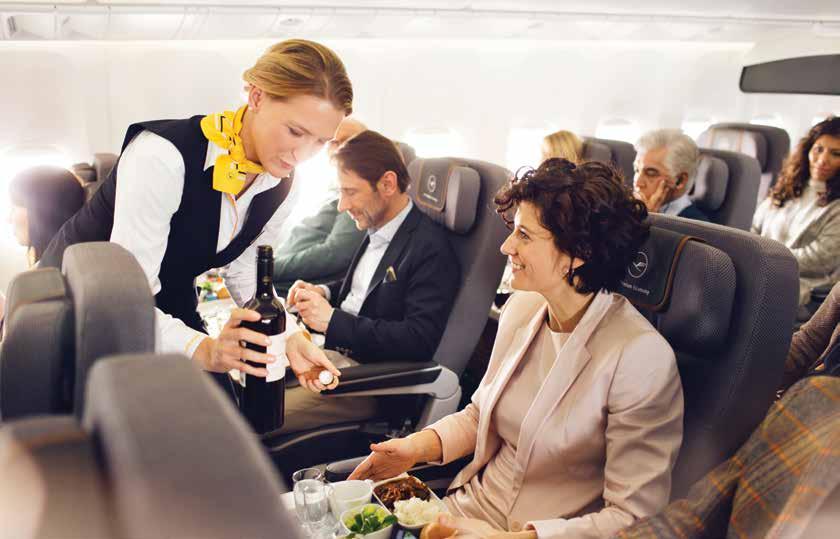
When you carry the most passengers of any other airline in Europe, you can’t help but be in tune to the many facets of customer experience in today’s crowded and competitive first-class market. Lufthansa is constantly upgrading and innovating, its researchers extensively canvassing passengers to pinpoint their changing tastes. “We are listening to our customers, listening for what they want,” says Hans DeHaan, Lufthansa’s Director for Canada.
Overseeing 130 long-haul aircraft that fly more than 15 million passengers a year to 1,300 worldwide destinations while keeping a close ear to passenger feedback has allowed Lufthansa to establish new initiatives that translate passengers into loyal guests.
“The consistency of our product is extremely important.”
The airline’s newest offering, Lufthansa’s Premium Economy Class, is an enticing choice for leisure and business travellers seeking a service upgrade without sacrificing affordability. Located between Economy and Business Classes, Premium Economy passengers enjoy 50 percent more seat room while being permitted a second piece of luggage up to 22 kg. Height-adjustable footrests, extra storage, electrical sockets, travel amenity kits and meals served on porcelain tableware round out this new level of personalized, tailored care now offered on all flights departing Canadian Lufthansa gateways (YYZ, YVR, YUL).
The Lufthansa on-board experience is uncluttered, thoughtful, efficient and comfortable. The humidifiers in Lufthansa A-380 Airbuses are good news not only for the passenger’s comfort, but also for their sense of taste, which diminishes considerably at 30,000 feet. Your perception of savoury and sweet is also affected at this altitude – all due in part to the humidity and low air pressure. This is one of the reasons why some airline chefs choose umamicentred flavours for in-flight menus – with things like tomatoes, mushrooms, spinach and shellfish – as the on-board climate may actually enhance this particular taste category.
Humidity aside, Lufthansa is also on the forefront of everything from seat engineering to the little bonuses that brighten up your flight, forever evolving to stay in step with the not just today’s trends, but the future of travel.
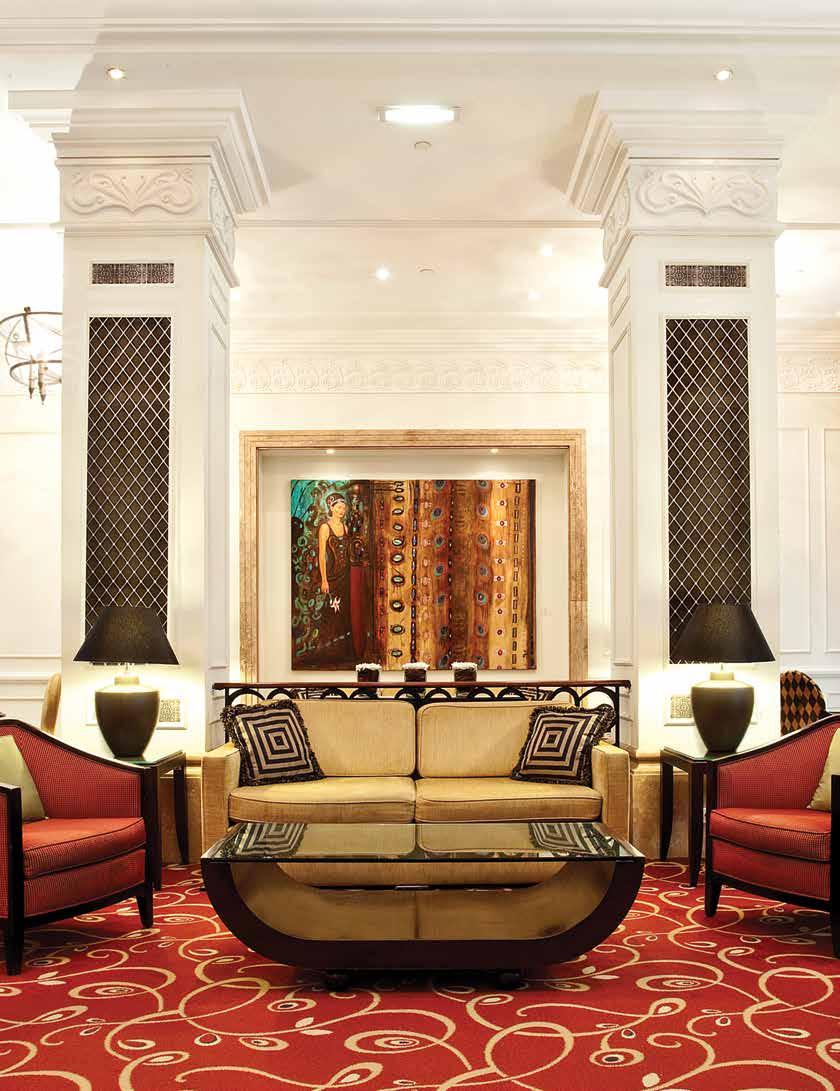
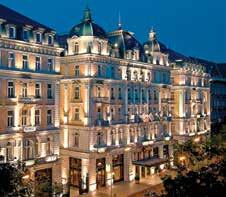
Itis stated so often as to be trite: God is in the details. But this truism holds prodigious sway when discussing the glorious Corinthia Hotel Budapest. You spot the details – design- and comfort-oriented – the minute you hand over your passport at the registration desk.
I noticed that the reception clerk wore not merely a handsomely tailored, gray-toned suit, but that his matching tie was artfully embroidered with the kind of floral embellishments you see so often in Eastern European countries – whether on folk costumes or on household linens. This themed floral motif (inspired by a nearby village, Kalocsa, known for native embroidery) was carried over to just about all the hotel personnel’s distinctive, stylish uniforms, whether on the collar of a waiter’s shirt, on the flap of a chambermaid’s uniform pocket, or the edge of a bellman’s vest. A lovely and loving tribute to the Corinthia’s footprint in Hungary, and parenthetically, unique to this hotel, not employed throughout the company’s nine owned-and-operated properties, from Khartoum to London.
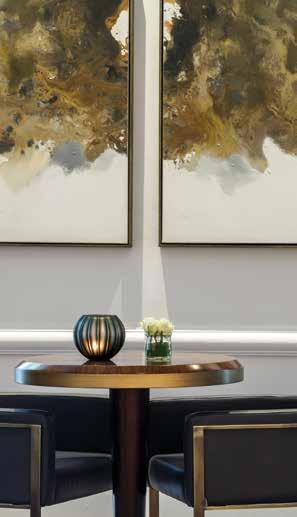
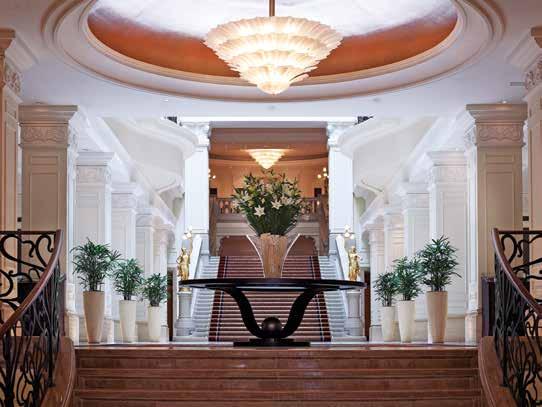

And then there is the regal “R” which slyly appears in surprising places. To understand that noble, curlicued “R,” one needs to know a little of the illustrious history of this property. Corinthia Hotel Budapest was built originally as the Grand Hotel Royal in 1896 and, indeed, she was splendid. Her christening coincided with the opening of the Hungarian Millennium Exhibition, a destination to which le tout Europe flocked. The hotel featured theretofore unknown in-house amenities to seduce the elite clientele, with services such as a post office, a hairdresser, a ticket office, several dining boîtes (including a Gerbeaud confectionary, a name synonymous in Hungary with toothsome and tempting sweets and pastries), a grocery, a bar, and a garden. And an on-property spa with Budapest’s celebrated thermal springs. The lifts were operated by electricity, every room had a telephone line and, an unheard-of luxury, in 100 of the 350 rooms was an en suite bathroom! The massive ballroom supported a form of air conditioning and heating with a network of blocks of ice or hot bricks channeling their warmth or frosty breeze through an elaborate configuration of grille work.
It is also worth mentioning that Auguste and Louis Lumière – renowned as the first moving-picture makers – debuted their cinematic leger-de-main in Paris, but they chose for the first continental screening, naturellement, the Grand Hotel Royal, a mere two weeks after the hotel’s opening. Ultimately, the hotel’s Royal Ballroom was transformed into the 1,000-seat Royal Apollo cinema and, throughout the First World War, newsreels were screened twice daily; in the evenings, patrons donned black tie and top hats to dine and watch films.
That signature “R” for “Royal” donned many of the hotel’s original accoutrements and, bowing to that birthright, the Corinthia maintains those heritage touches. Order a cup of cappuccino and floating on a velvety blanket of snowy froth is a cocoa “R.” The napkin holders at the bar bear a lattice-work, semiscript “R,” embracing the serviettes. Embedded in the elevator floors, are circular stone medallions with metal inlays broadcasting that “R,” as well.
All these design touches speak to the care with which Corinthia Hotels, a family-owned, Malta-based company, restored and renovated this exquisite property. The impressive, landmarked skeleton, with its imposing neo-classical façade and the dual, nearly 100-foot-high, glass atria, is E-shaped, tilted 90 degrees to the right. Not coincidentally, the hotel is located just off the celebrated Andrássy Avenue, designed to rival Paris’ Champs-Elysées and now a UNESCO world heritage site.
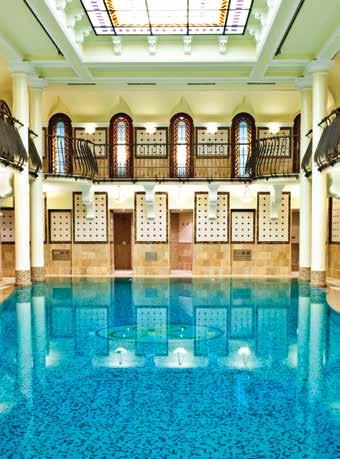
While the patrimony of this imposing hotel stretches back over a century, that original glory could not be sustained through world wars and a revolution. After it was purchased by Corinthia Hotels, the façade and about 20 feet of the entrance remained intact, but the entire hotel was demolished! In 2003, Corinthia Hotels, whose work ethic is “craftsmanship of care,” unveiled a stunning tableau: sparkle in the creamy-beige Roman travertine; gleaming, custom-crafted chandeliers; glittering glass walls. The 441 rooms feature luxurious taffetas, cut velvets, wools and silks. And worth noting, currently the suites are being reimagined by the estimable London-based firm Goddard Littlefair, responsible for the extraordinary London sister property.
The nearly 11,000-square-foot Royal Spa (with Espa treatments) is perfectly suited to its environs; Budapest’s reputation for its restorative waters harkens to Roman times and the later domination by Turkey only solidifies the tradition. This old-world, Art Deco spa has been lovingly redesigned, with a stained glass ceiling above the graceful, curvilinear pool (in the original footprint of the 1888 pool and the largest hotel pool in Budapest). Among the many offerings: an “experience” shower, an ice fountain and several plunge pools.
Dining here is a gustatory adventure, courtesy of executive chef Péter Bolyki. Imagine, a top-flight Asian restaurant in the land of paprika! The Rickshaw, with its flaming-scarlet silk table runners and brocade-covered menus, evokes the Far East immediately. I marveled at the more than 10 menu pages – Thai, Japanese, Chinese and Indonesian flavours meld to perfection. I wish
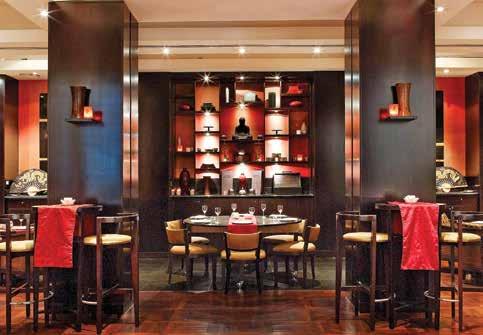
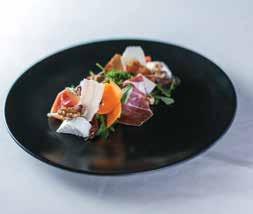
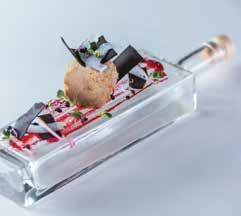
I could have sampled everything. In the glamorous, interior courtyard of the Brasserie & Atrium eatery, more of those cunning design details: Bottled water is discreetly stashed in custom-crafted leather holders that dangle tableside, hidden in the folds of crisp linen. I think I was most delighted by the presentation of lamb chops from the grill, delivered in cast iron, perched on a cleverly crafted, tiered, wooden platter with little iron pots for the sides. It was all simply superb.
On a wall in the entryway of the hotel are plaques commemorating visits by bold-face names. Guests are also asked to sign a massive tome – Josephine Baker, Isabella Rossellini, Kool and the Gang, Jose Carreras, Catherine Deneuve, Eric Idle, Helen Mirren, Yehudi Menuhin, Snoop Dogg and on and on. Arnold Schwarzenegger noted that he had had a “wonderful stay” and lauded the “great service”...and penned, of course, “I’ll be back.”
I would say the very same thing. Only I’d say that the service was not merely great, it was cosseting and impeccable. I, too, will be back.

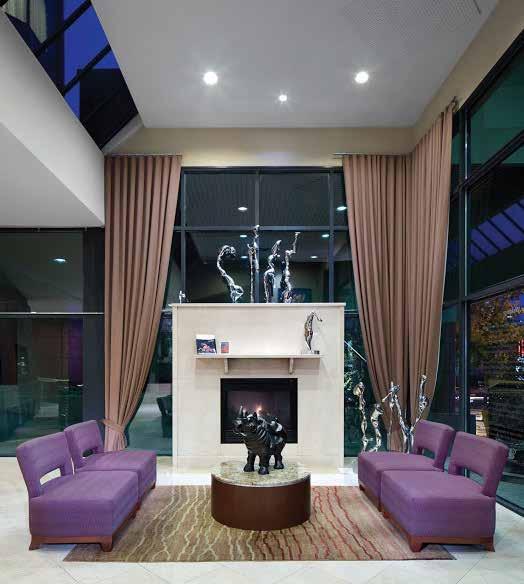
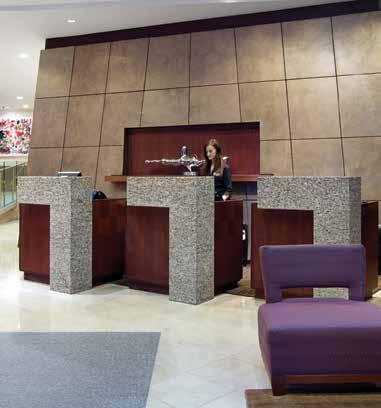
With an unwavering commitment to art and luxury, the Listel Hotel offers guests so much more than a place to stay. It is a place of culture and beauty that starts when you first walk through the doors. In its lobby you will find paintings, prints and sculptures from all over the world courtesy of the Buschlen Mowatt Fine Art Gallery. The hotel also features stunning First Nations art sourced from the University of British Columbia’s prestigious Museum of Anthropology. If that isn’t enough there is also a selection of original pieces by local artist Stewart Stephenson. thelistelhotel.com
Lobbies have long been the heart and soul of a hotel. It is where a guest’s first entry is made and ultimately sets the tone for the entire hotel experience. Its evolving landscape reflects society’s changing needs from hi-tech integrations to dual-purpose luxury spaces.
As Hotels.com™ celebrates its 25th birthday this year, it reveals spectacular hotel lobbies around the world that showcase some of the best lobby features that never existed a quarter of a century ago - BY TRAVEL EXPERT TAYLOR L. COLE, APR WITH HOTELS.COM
Listel Hotel, Vancouver, Canada
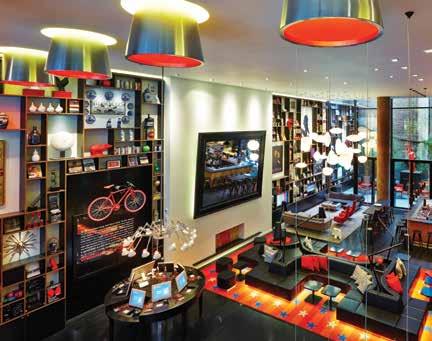
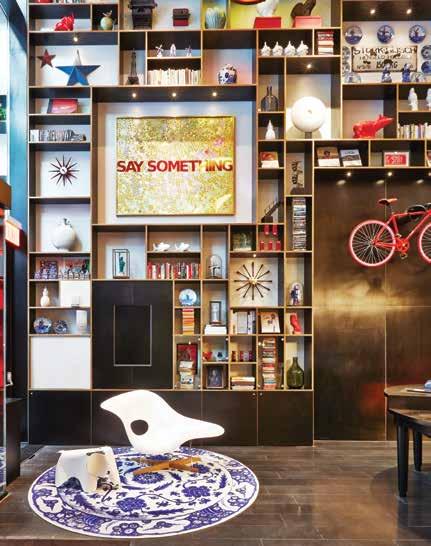
At citizenM, high design is stylishly fused with cutting-edge technology and unequalled comfort. The hotel lobby is like an oversized living room, with soaring 26-foot ceilings, and floor-to-ceiling bookshelves showcasing an eclectic mix of art from the likes of Andy Warhol and David LaChapelle. Guests can check-in via selfservice tablets and can then relax in this stunning social space. Relax in front of the fire playing chess, grab a bite from the 24-hour canteen or pull up a pew in the designated working areas. citizenm.com
The Modern Living Room Lobby citizenM, New York, USA
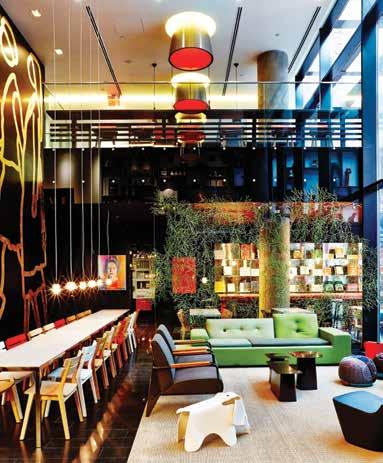
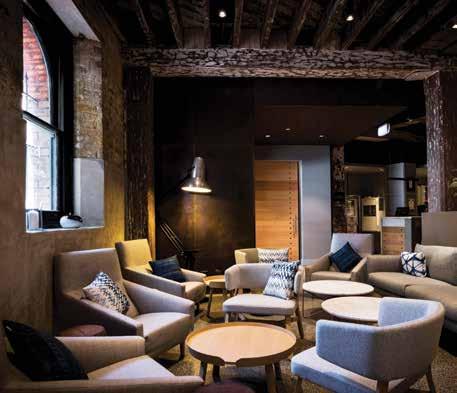
Ovolo 1888 Sydney, Australia
The 1888 Darling Harbour is a boutique hotel combining Sydney’s seaside charm with contemporary and vibrant design. An Instagram theme runs throughout the hotel where guests can check-in through the social media app, and take pictures at the selfie stand next to the lobby bar where a giant picture frame has been installed for guests to take snaps and tag #1888Hotel. Attention all social butterflies – those with more than 10K Instagram followers get to stay for free! ovolohotels.com/en
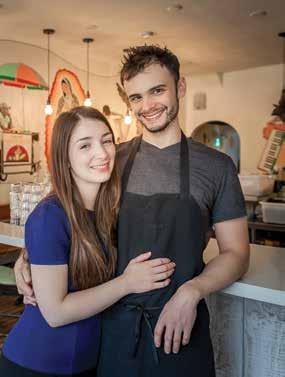

Seemingly hesitant about being interviewed, restaurateur Daniel Roe claims “It’s not about me. It’s about real Mexican food.”
The humble, unassuming 30-year-old is the owner of Campechano Taqueria, along with his girlfriend, Raena Fisher. With taco joints popping up from one end of the city to the other, Roe says the reason his is different is simple – simplicity.
Gone are the overstuffed menus, cluttered interiors and pounding hip hop, with a focus instead on a slight menu, unfussy decor and a local vibe. The singular goal? “To serve the tacos I’ve been eating my whole life,” he says.
Roe made his way to Canada from Mexico City 12 years ago. He settled in Vancouver, where he began his first foray into restaurant work, as a dishwasher. It’s also where he met Fisher. The two worked together, and soon started dating. Together, they moved to Toronto four years ago. Roe worked as a cook at Dundas West mainstay Black Hoof, and then as sous chef at La Carnita.
With the idea of opening their own place always in the back of their minds, it was a visit from Roe’s cousin, Javier Flores, in early 2014, that really got the twoyear process in motion. Flores, himself, owned a handful of taquerias in Cuernavaca. He invested in Roe’s idea and invited him back to Mexico to learn the ins and outs of running a business.
In January 2015, Roe returned to his homeland for four months, studying the intricate process of making tortillas by hand. When he came back to Toronto, he brought with him a traditional mill used to grind corn, something he says is becoming uncommon even in Mexico, making way for more modern processes. (The mill is in view while sitting in Campechano’s back dining room.)
By
Fisher took six months off from her regular gig as a management consultant to help Roe open the restaurant, particularly with the business side of things.
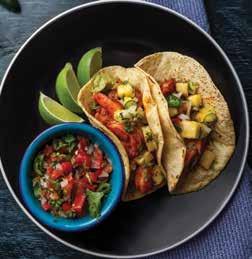
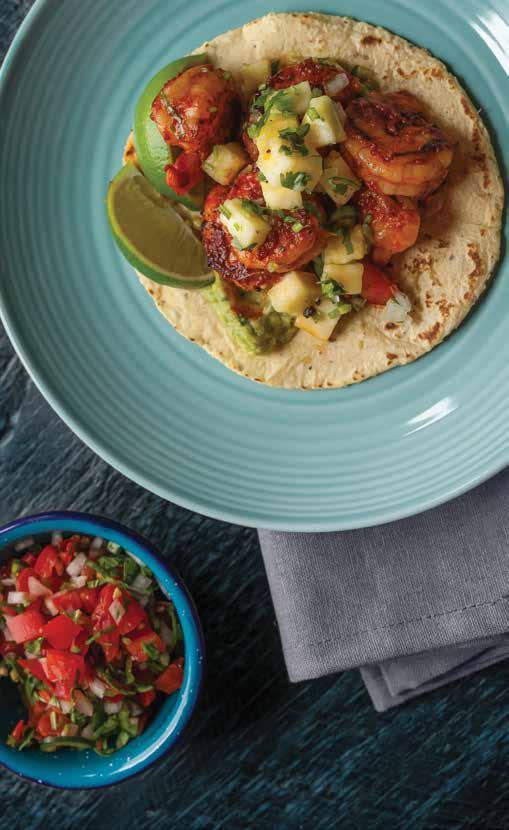
Always hesitant to take too much of the credit, Roe insists his creations are based on nothing more than a basic recipe: tortilla + meat + onion + cilantro. “We’re not trying to invent anything,” he says. “We’re just trying to emulate what we do in Mexico.”
Much like the revered French baguette, tortillas in Mexico are made fresh every day. The tortilla makes or breaks (sometimes literally) the taco. At Campechano, a fresh batch is made for every order, with corn imported from the Macienda farms from the Oaxaca region.
The hastily photocopied menu reflects the often impromptu menu changes, based on, he admits, what they have in the kitchen. It usually features about eight different tacos, loaded with either rib eye, flank steak, braised lamb or chicken; two sopes (a thicker tortilla served open face); one dessert, tres leches cake; as well as some nifty cocktails. Specialty dishes are sometimes added to celebrate Mexican holidays, for instance, pozole, a corn soup with pork broth and chilies, for Mexican Independence Day.
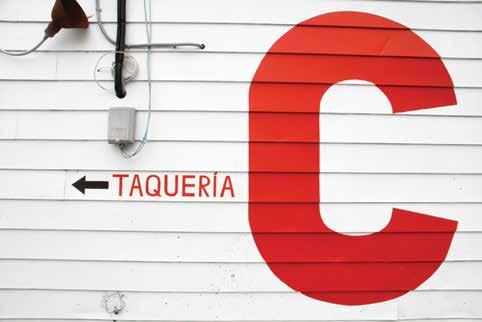
The 43-seat restaurant took over the former Sadie’s Diner space, since opening in November 2015. Although Roe describes it as a “hole-in-the-wall,” once again he’s just being modest. Nestled on Adelaide West, between Queen and King Streets, it certainly has more in common with the ramshackle charm of Queen West to the north than it does with more upscale King West to the south.
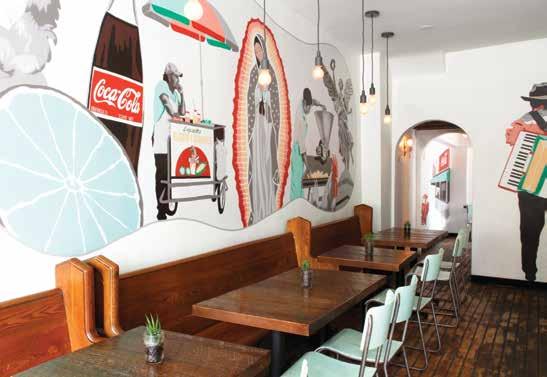
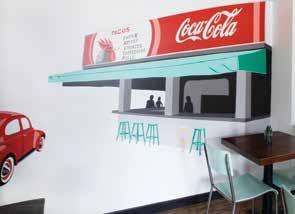
Campechano, which means good-natured or cheerful in Spanish, is a suitable descriptor. Inside, the look is as simple as the menu – clean and bright with white walls and hardwood floors. Adorning the walls are whimsical murals depicting common culinary scenes in Mexico, in the country’s signature red, green and white hues. They’re by local artist Luke Pollard, inspired by Chef Enrique Olvera’s book, Mexico from the Inside Out. The chill vibe, Fisher explains, was all part of the plan. “The food influences the atmosphere. It’s uncomplicated, accessible, and fun.”
Upfront, there’s the bustling open kitchen, bar and bench seating, with another dining room in the back, as well as a patio, with classic Mexican songs bopping over the speakers throughout. The staff is predominantly Mexican. “It hard to teach Mexican flavours to people that have never lived there,” Roe says.
In Mexico, having your local taqueria that you frequent regularly is common. And similarly, the neighbourhood-centric Campechano is filled predominantly with faces the couple recognizes. “I would say 60 per cent of our clientele are regulars,” says Fisher. Roe adds, “It’s people that come…and come back.”
AND IT’S EASY TO SEE WHY.



The best food apps to experience cuisine from around the world
By MICHAEL SMITH
Eating local dishes is one of the best experiences when travelling. But all too often it can feel like you’re in a tourist trap, being served a gimmicky version of what you’re looking for. Thankfully there is technology to help. Here we bring you some of the best apps to help cut through the clutter and find that meal that you will be telling people about for years to come.
When all you need is a good recommendation, Yelp is the go to app. Many competitors include a ranking system, however, none quite compare to the amount of reviews that Yelp has. The layout is also simple to use, with $ icons helping you budget and a helpful distance indicator.

When it comes to filters, the TripAdvisor app is second to none. The app allows users to filter by price point, cuisine type, reservation requirement, dietary restrictions, opening hours, distance, rating and neighbourhood, while also being able to ask if the establishment is child friendly, offers breakfast, has free wifi, take-out or delivery.

When you know what kind of experience you want, but not sure what kind of meal to have, look no further than Zomato. Much like Google Music, Zomato has curated lists like ‘Fine dining experiences’,‘Enjoy the nightlife’, and ‘Satisfy your sweet tooth’. It’s the perfect app for inspiration.
lists restaurants with a focus on reserving a table.You simply put the number of people and date and it gives you the available times. The added advantage of this feature is that the options lean more towards the upscale restaurants, although some chains do sneak in. It’s also perfect if you have a large group.

Although not an app, EatWith deserves a mention for being able to offer a unique experience. The website gives you the option to go to a local’s house and have a meal made by the owner for you and your friends. What better way to meet the locals.
One app that people forget to use when travelling is Groupon. The deals app offers some great dining experiences in cities far and wide. The one downside is that you might get to be as picky as you want, but it’s worth having a look at what deals are available before you head on your next adventure.
When it comes to picking the next spot to eat, social media can also play a part. Facebook
The social network has been adding e-commerce features to company pages and it seems food chains are next on the list. Users in the U.S. will be able to order food directly from pages, as well as other services such as buying movie tickets and booking spa visits.
Found a place online, but not sure it will be any good?
Look it up on Instagram’s search and see the #foodporn people have posted. You will have good idea of presentation and portion sizes in no time.
Score some twitter points by tweeting the local tourism board or even local travel blogger for suggestions. You will be a Twitter star in no time.
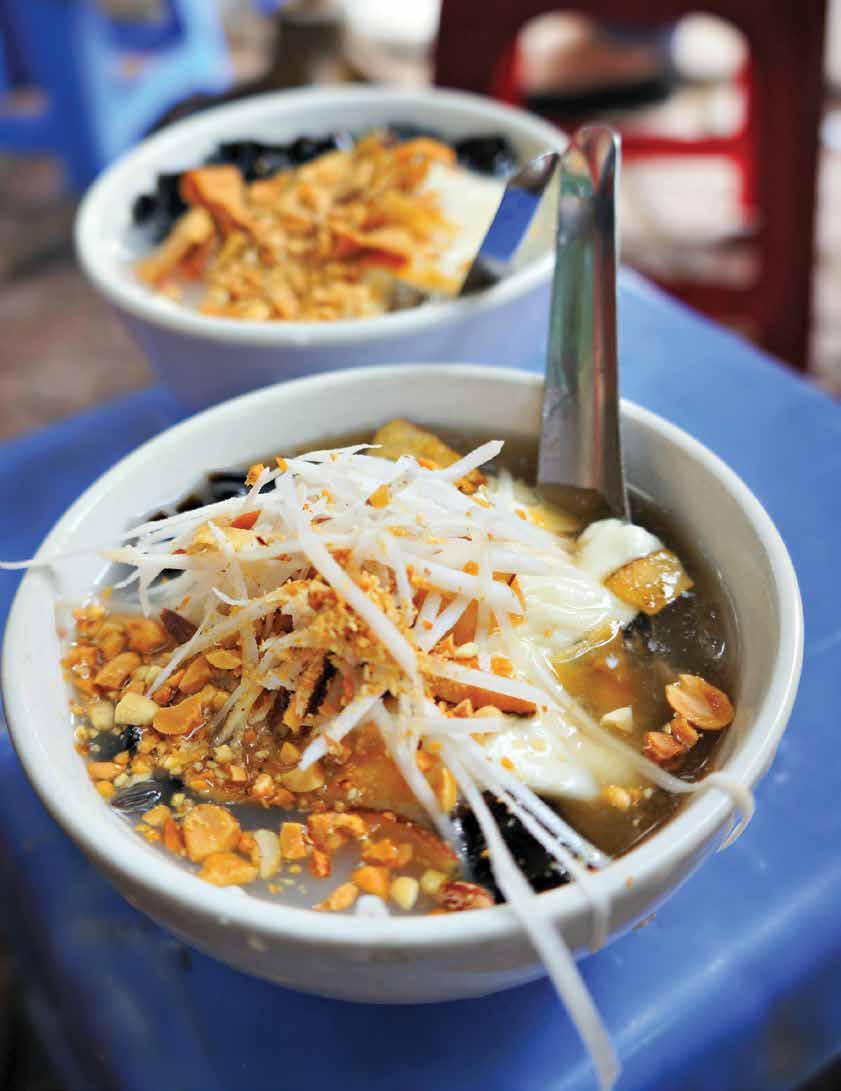
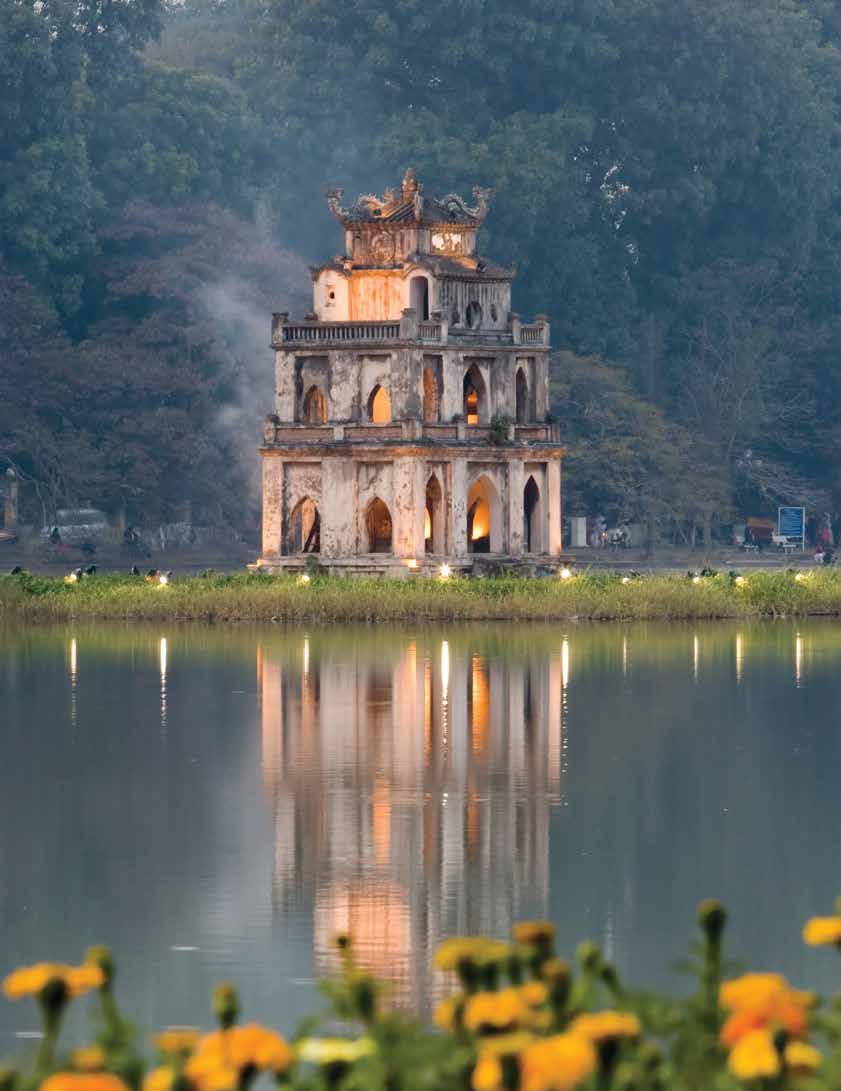
Dinner on a candlelight boat in Halong Bay, biking through a vast herb farm, and sampling the flavourful street food of Hanoi, the rich culinary scene of Vietnam is unlike anything you’ve ever experienced and goes far beyond the ubiquitous noodle soup.
From its fascinating history, diverse landscape, and constantly shifting climate, Vietnam is a study in contrasts. Crossing the narrow country on the eastern side of the peninsula once known as Indochina, there’s a constant shift from modern to ancient, flat to mountainous, rainy to dry, hectic to tranquil. And it’s from these contrasts that the country’s culinary traditions and flavours arise –deceptively simple combinations yielding richly complex results. Five fundamentals taste elements include spicy, sour, bitter, salty, and sweet, brought to life with staples like nước chấm (fish sauce), lemongrass, mint, Saigon cinnamon, lime and basil.
In Hanoi, the country’s chaotic capital and second largest city, thousands of motorcycles whirl through the streets, as beleaguered pedestrians try to safely meander through them.
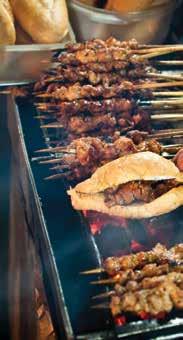
Broad, tree-lined avenues from the French period are surrounded by crumbling colonial charm. In their doorways, baguettes (for Bánh mì sandwiches) and cà phê đá (or coffee) are sold to locals on their way to work.
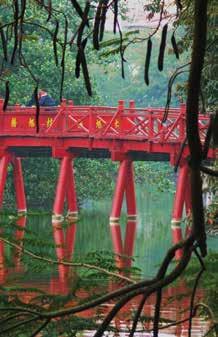
In the centre of the city is Hoàn Kiếm , or The Lake of the Returned Sword, the 18th-century Turtle Tower rests on a solitary islet.
As soon as the sun rises, the area is bustling with throngs of locals busy with their morning rituals, including a hot morning bowl of pho (pronounced fuh ).
Inarguably the country’s most famous culinary export, pho is a daily staple, its rich, flavourful broth and hearty noodles providing a nourishing start to the day.
At nearby Đồng Xuân Market, vendors span three storeys of stalls selling aromatic mangos, rambutans, and dragon fruit. Built in 1889 (and rebuilt after a disastrous 1994 fire), it’s also a great place to pick up some locally made souvenirs for friends and family back home.
In Hanoi, you don’t have to leave all the cooking to the pros. At the KOTO Cooking School (an acronym for Know One Teach One), at-risk youth including orphans, street kids, and impoverished children, train in hospitality, English, and most importantly, cooking.
All are welcomed to come and take part in classes, as well. With memories and skills they will bring home with them, guests learn how to make fresh spring rolls, pho, and even sweet Vietnamese desserts, before sitting down to enjoy all their hard work.
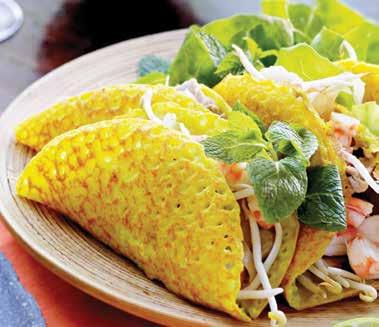
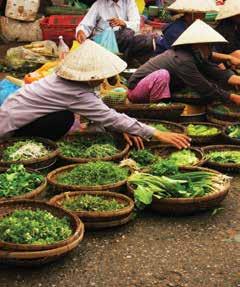
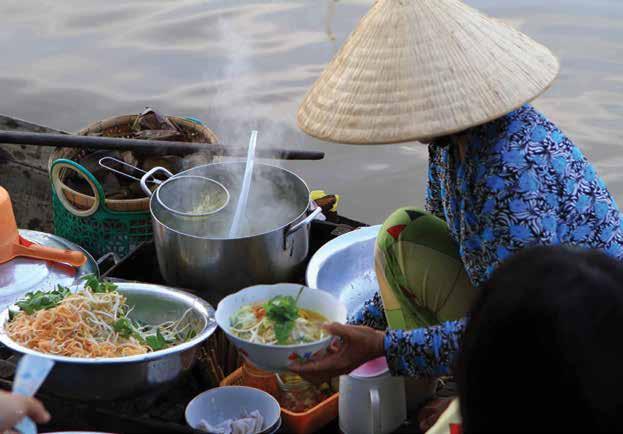
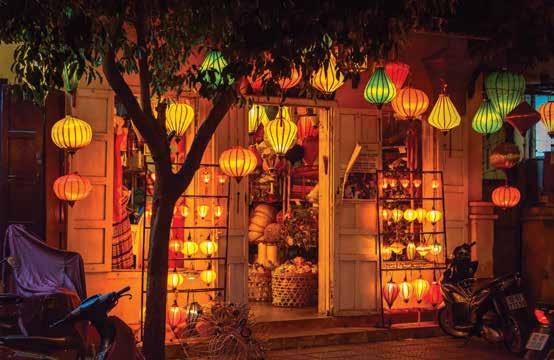
CLOCKWISE FROM LEFT TO RIGHT: A vendor selling crafts in Halong Bay; Banh xeo - a fluffy thick crepe with shrimp, pork and bean sprouts; Vendors in Tra Que Village selling aromatic herbs - basil, spearmint and spice scents; A woman serving hot pho soup; The Red Bridge in Hồ Hoàn Kiếm ; Glowing lanterns in Hoi An; A freshly grilled Bánh mì sandwich.
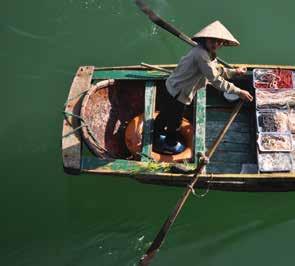
Ask anyone who’s been to Vietnam what their favourite part was, you’re bound to hear echos of Halong Bay —and it’s not hard to understand why!
Four hours east of Hanoi, on the coast of the Gulf of Tonkin, the area is famous for its 3,000 breathtaking limestone karsts jutting out of the emerald waters. Creating a vista that’s simultaneously beautiful and ominous, they’re topped with rainforest jungles above and loaded with fascinating sea life below.
Four fishing villages dot the waters, with villagers living on floating houses. They scour the waters for over 200 species of fish and 450 different kinds of mollusks. So it’s no surprise that it’s an ideal setting to enjoy a seafood dinner.
A surreal, impossibly serene overnight stay aboard a boat is the perfect setting to enjoy the catch of the day.
On the still waters of the bay, afloat on the luxurious vessel, dinner is served: horseshoe crab, grilled squid, and fresh lobster, enjoyed by candlelight on the deck.
The small and charming Hoi An is an atmospheric town of glowing paper lanterns, colonial architecture and riverside markets.
With beautiful wooden merchants’ houses and pagoda-style temples, Hoi An miraculously survived the destruction of the Vietnam War mostly intact. Hoi An offers a few of its own unique culinary delights that you do not want to miss.
The White Rose (or banh bao vac ) is a delicate rice paper dumpling stuffed with intricately flavoured shrimp. The secret recipe has been closely guarded by the family who created them for generations, and they alone supply the tiny delights to local restaurants.
Bicycling to Tra Que Village, about 3 kilometres away, offers views of water buffalo cooling off in the water near rice fields.
Far from the hustle and bustle of Hanoi, Tra Que is famous for its rows upon rows of aromatic herbs —basil, spearmint, and savory —filling the air with sweet and spicy scents.
Here, local farmers and chefs teach about everything from making cao lau noodles (another local favourite) to banh xeo , a fluffy, thick crepe with shrimp, pork and bean sprouts.
This is just the appetizer when it comes to the flavours waiting to be experienced in Vietnam. From the fruit of Mekong Delta’s floating markets to the spicy dishes of Huế , there is plenty waiting to whet your appetite.

RBC® AVION PRESENTS: PRAGUE

When it comes to food, we typically look to wine for the perfect pairing. But, in the capital of the Czech Republic, Muriel Paras discovers Pilsner brews make the best companion.
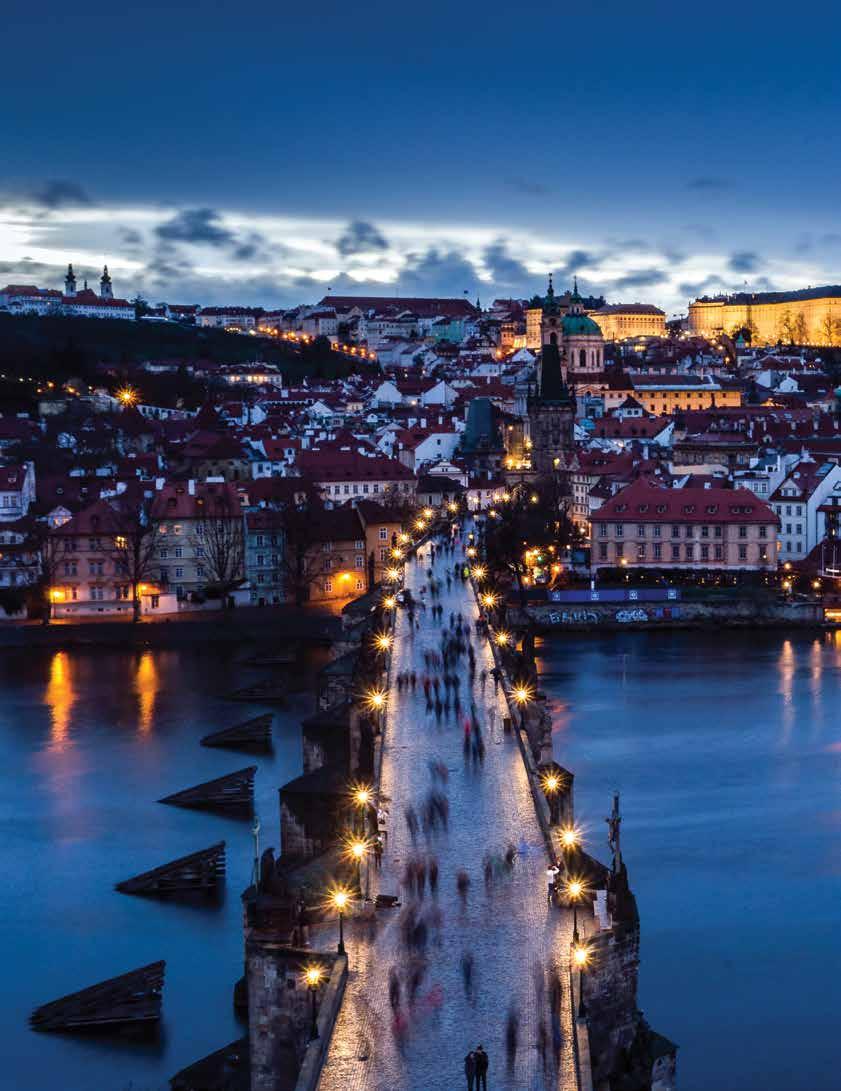
There are some things that, as a traveller, you must accept. Some things, no matter how mainstream you may think, must be done. That’s why I’m standing among the throngs on the Charles Bridge. The expanse straddles the Vltava River, joining the old town to the new, but separating it just enough so the grande dame maintains an air of mystery. And mysterious she is. Before I unravel her, I must cross the river, the bridge. But this is not a bridge you sprint. It is for meandering, for observing, for absorbing. Locals, travellers and, yes, tourists all do the same.
Sculptures line the bridge, each inviting inspection, each of the more than 50 religious figures standing guard over the old town of Prague, all since the 14th century. Carved in stone, chiseled faces are yet animated. Eyes intense, returning my gaze, daring me to move on. Muscles flexed, vestments draped in a way that the wind may have swept them just so. Baroque architects took its building seriously: 16 arches curve below my feet, balancing the river’s flow with the tide of people that cross it above daily. When Charles IV commissioned it, the intention was for knightly pursuits, jousting competitions, games of war, on a clear, stone playing field. But, when Catholicism ruled the day, some 200 years later, artists were employed to forever immortalize the pious in stone.
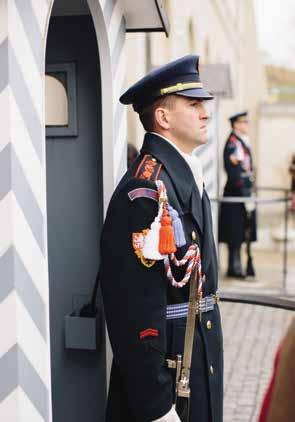
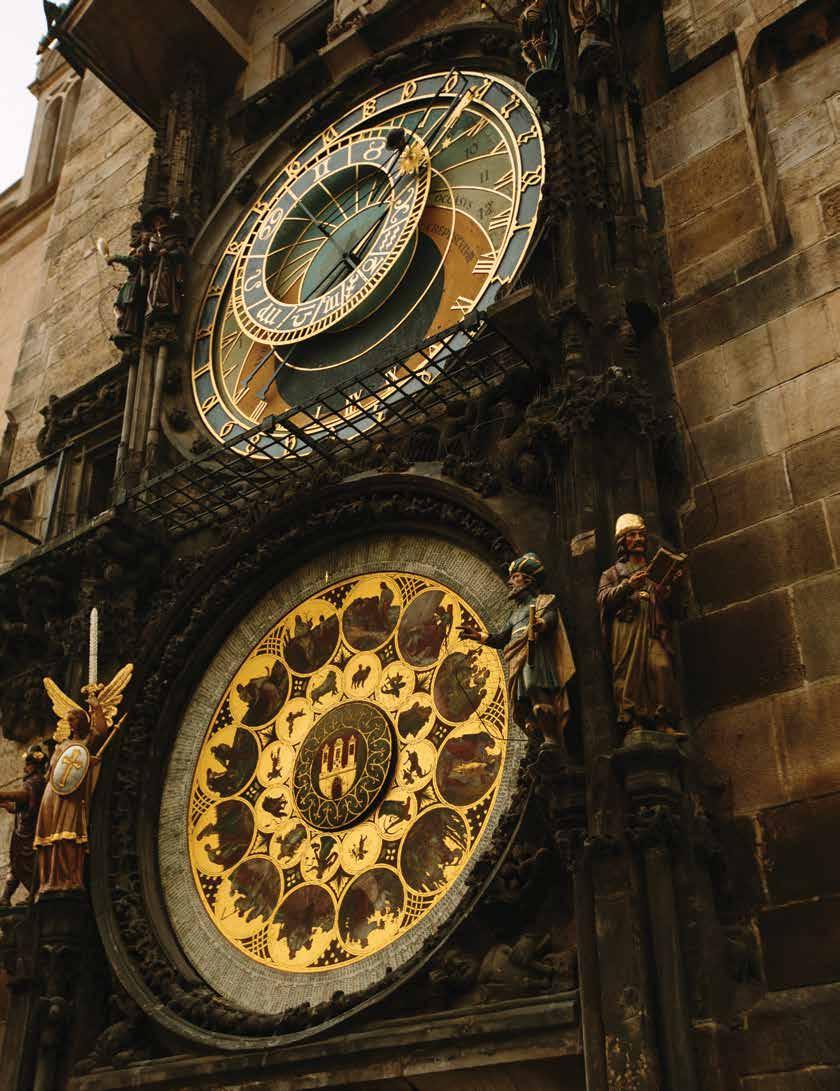
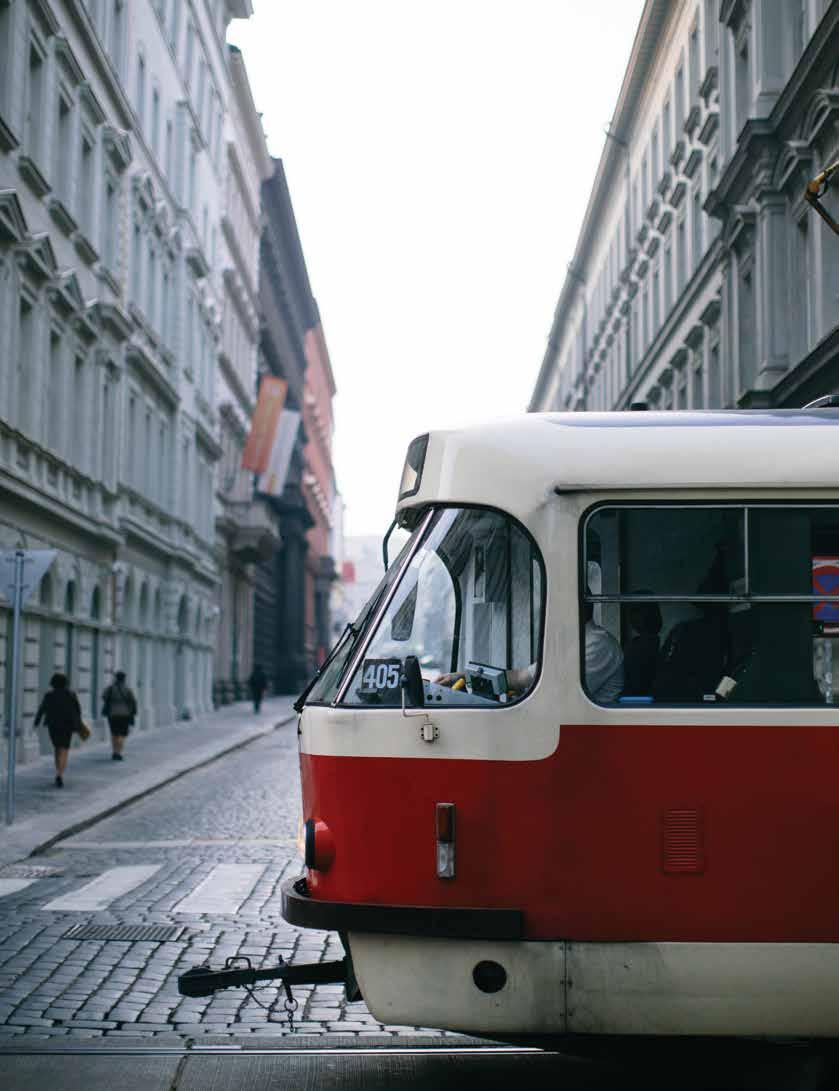
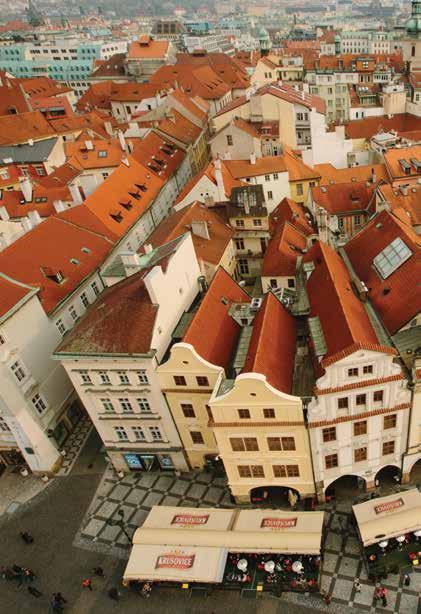
But I must move on. A hunger for history has given way to an appetite piqued. The towers that herald my arrival at the old town are as awesome as the bridge itself, and only hint at the architectural jewel yet to be revealed. The narrow, cobbled streets curve, macaron-pastels soft wash the buildings, so well preserved I feel I could be lost in a time warp. And that’s okay. My appetite is looking for a different taste now, one that’s been synonymous with Central Europe, and particularly the Czech Republic.
In Prague, and most of the rest of this country, the pious embarked on entrepreneurial endeavours. But it was not the grape that enticed them. Their brothers to the south may have done very well for themselves teasing the vine of its fruit and its subsequent juice, but here, the fields were, and still are, hops and wheat and barley. Grains were the currency, and malt and brew the art. Here, beer, which some consider the oldest alcoholic drink, is measured at a level of fine wines.
“Old it may be, but in Prague, mastering the art of brewing Pilsner is a rather youthful pursuit”
First brewed in the Czech town of Pilsen in the 1800s, this lager is the product of citizens and brewers forming their own brewer’s guild. Its characteristics remain the same today: a clear liquid of a light golden colour, with a grassy, hoppy, crisp taste on the palette. Not to be outdone, the monks of Prague had their own ideas, and had been brewing their own, well, brew, since the 1400s at their home, the Strahov Monastery. Fast-forward to the new millennium, and it’s now the Monastic Brewery, run by brewmasters, but housed in the same buildings. There’s a restaurant, too, and here we begin our lesson in beer pairings.
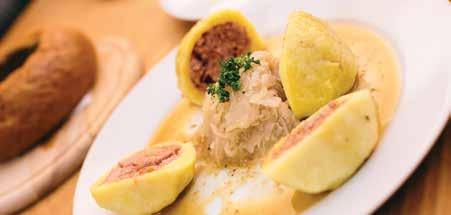
In Prague, everywhere. And if it’s not beef, it’s most likely pork. A real meat-and-potatoes palette, the Czech taste for sauces, creams and mayonnaises helps escape the run-of-themill. Dumplings, or knedliky, are as ubiquitous as potatoes, and are very useful in sopping up the sauce from the meats. Cold cuts and dips are also common beer hall pairings – the Strahov Monastic Brewery will set an assortment out while tasting the amber lager. There’s a dark beer, too, and this is the place to try it.
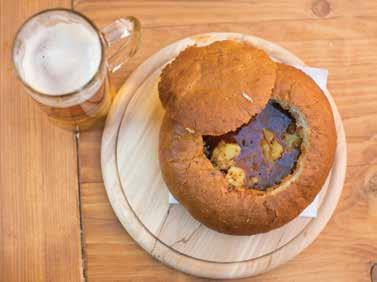
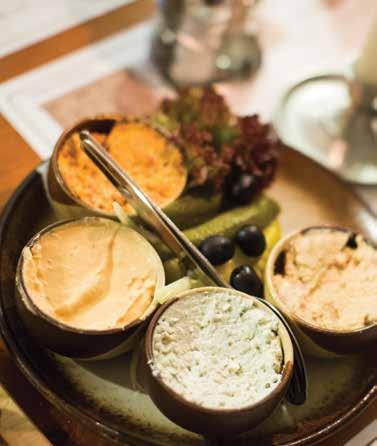
…but the Czechs don’t discriminate if there’s a stew, particularly they’re own brand of Goulash soup, which they sometimes serve in a bread bowl, or just with hunks of rich, brown bread. Again, the vessel with which the sauce is sopped up is as key as the main dish itself. If Goulash is too rich for your tastes, choose a classic Czech soup, or polevka, made with onions or, if you’re stocked up on breath mints, try the garlic soup.
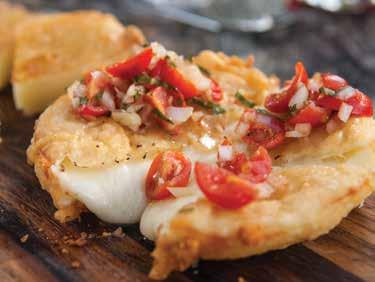
Not to be confused with the Greek saganaki, this fried soft cheese is usually paired with baked potatoes and a tartar-like sauce. No need to shout Opa! when it arrives at table. Just order another Pilsner, which cuts the saltiness of the cheese perfectly.
Can’t decide? Fortunately, the brains behind many traditional restaurants around the city also take out a bit of the pairing legwork. Look on the menu for “Proti velké Zizeni,” loosely translated as “against great thirst and hunger,” for the establishment’s house-made pickled cheeses and pickled sausages.
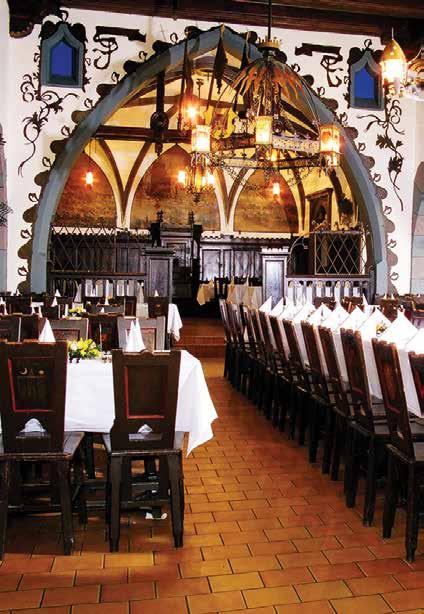
Want even more history? Head to U Fleku, Prague’s oldest beer hall. You may even be regaled by roving entertainers, who sing their way through the castle-sized hall, which is actually made up of a series of cavernous rooms all set with great-room-length wooden tables. Convivial and communal, the atmosphere is beer-soaked local charm.
A final word. Don’t be fooled by the word “salad” on a menu. This is not the leafy, green fare that you and I may favour. In Prague, if you order salad, it will be doused in mayonnaise, or some other creamy sauce.
And why not? It’s just the thing to fuel you up for another stroll across the Charles Bridge.
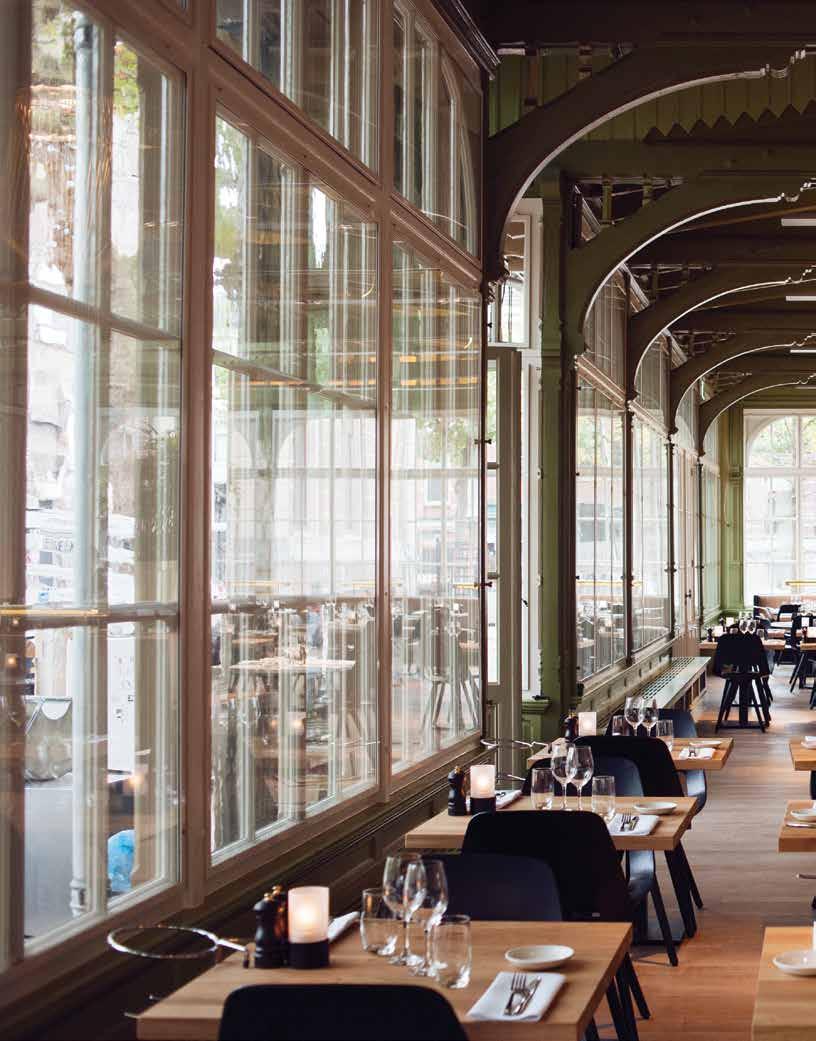
Eat well, and with taste. An expat takes us on a restaurant reinvention tour in Amsterdam By Geoff Vokes
The Dutch, with their penchant for all things renewable and reputation for sustainability have long been a model for the rest of Europe when it comes to living green. When half your country is below sea level and in an area roughly the size of Nova Scotia, it’s always ideal to be frugal with your resources. Fittingly, when the Dutch do look to reuse, their collective eye for design plays well into planning, resulting in an array of spaces that incorporate existing elements within a factory, office space or warehouse, while managing to still embrace a modern aesthetic.
This is particularly true when you look at the development of the restaurant scene in the nation’s capital, Amsterdam. The thing to bear in mind when dining in Amsterdam is that as the country’s largest and most diverse city, there isn’t necessarily a lot of traditional “Dutch” cuisine that grabs the attention of foodies here. French, Belgian and other continental influences permeate many of the city’s finer kitchens, along with accents from its colonial past in the form of Surinamese cuisine, and the omnipresent Indonesian-inspired rijsttafel.
The local gourmet scene also benefits from a sizeable expat community that yearns for more contemporary and varied fare beyond Dutch staples such as bitterballen (a deep-fried meat savoury) and stroopwafels (a thin waffle-like cookie), yours truly included.
Nowhere is this fusion of gourmet and design better experienced than in the number of new or relatively recent restaurants that have emerged beyond the core of the city. While Amsterdam still may suffer from horrendous tourist fare near Centraal Station (the main railway station), the trick is to fan outwards from the spider web of canals, beyond the tourist traps of red-lit windows and brown cafes.
Here are a few that we think are worth exploring on your trip:
hoteldegoudfazant.nl
Aambeeldstraat 10H, 1021KB
in Amsterdam (Noord)
Tel +31 (0)20 63 65 170
Closed Mondays, reservations (by telephone only)
recommended
The godfather really of haute cuisine within an abandoned setting, this French-focused dining room opened in 2006 in what was then the industrial wasteland of Amsterdam Noord, north of the city’s core. Hotel de Goudfazant (Golden Pheasant Hotel in English) is ironically, neither a hotel nor does it serve pheasant, well not on the nights we’ve been. What you do experience in this former garage space, fantastically redone by local restaurateur Niels Wouters, runs the gamut from North Sea fish bisque to delicate poussin, along with an incredible chocolate mousse to finish things off. Worth the short ferry and bike ride!
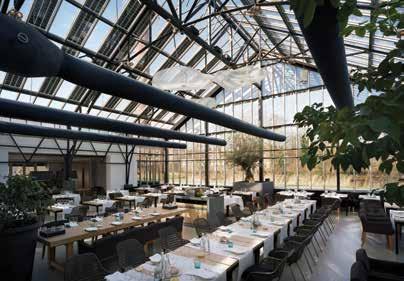
restaurantdekas.nl
Kamerlingh Onneslaan 3, 1097DE
Amsterdam Tel +31 (0)20 46 24 562
Open for lunch and dinner, closed Sundays. Online reservations possible.
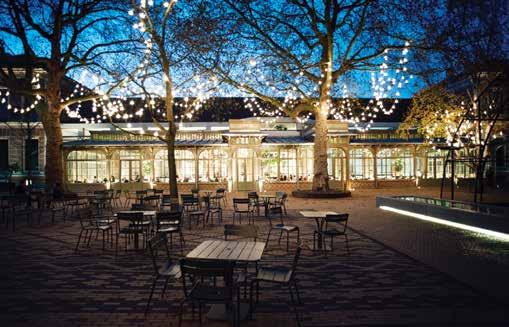
As befitting a restaurant located inside a former greenhouse and nursery, founder Gert-Jan Hageman has invested heavily in the concept of fresh foliage and produce. Built in 1926 as an Amsterdam City Nursery, De Kas opts for a daily menu based on the harvests from their gardens and greenhouses, with an accent leaning heavily on Mediterranean delights. Three course prixfixe start at $49.50 and includes roasted celeriac, guinea fowl and local fish.
Naturally, a city so green and forward-thinking would have two restaurants in former greenhouses. The perfect spot for brunch in the city’s east, Plantage’s massive main dining room sits within 3m-high glass walls, framed in green steel. The conservatory dates from 1838 and belonged originally to the Artis Royal Zoo, which still operates today. As a result, peacocks wandering freely outside in the garden aviary add to the turn of the century feel – fear not however, they’re not on the menu. What is on offer is a selection of tartines, including Dutch goat cheese and grilled pear, or oeuf en brioche.
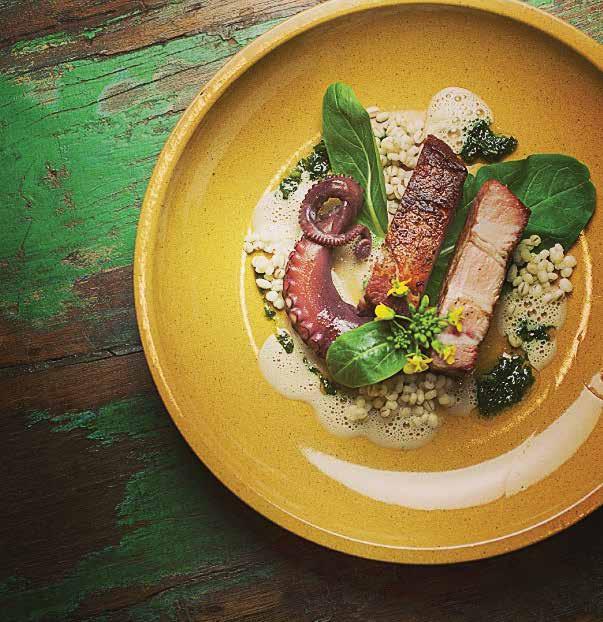
Beyond brunch, lunch and dinner options involve lamb sweetbreads, braised pork cheek and roasted octopus with mussels.
caferestaurantdeplantage.nl
Plantage Kerklaan 36, 1018CZ
Amsterdam
Tel +31 (0)20 76 06 800
Open daily for breakfast, lunch and dinner. Online reservations possible.
wamsterdam.com
Spuistraat 175, 1012VN Amsterdam
Tel +31 (0)20 81 12 500
Both Duchess and Mr. Porter are open seven days a week for dinner. Online reservations possible.
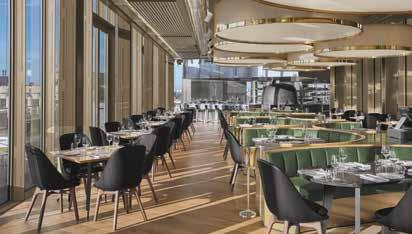
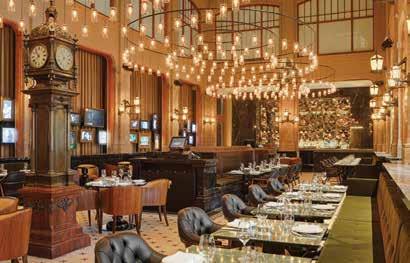
Locals were perplexed when the W chain announced they’d be taking up residence on Spuistraat, known more for its head shops and nightly red-lit windows. Any jitters over the choice of location disappeared on opening night in October 2015, nearly 20 years after the first W hotel made its mark in New York City. Its two main restaurants are spread across two buildings on either side of the street – Duchess is the grande dame of the two, with spiralling chandeliers and a rotating montage of historic artworks on ultra thin monitors. Housed in the former KAS Bank headquarters built in 1915, its shared-plate concept features foie gras donuts with fig jam, yellow pumpkin carpaccio and fruit de mer risotto with caramelized onions. Across the way, Mr. Porter offers a more contemporary vibe, replete with 600g steaks made to order. Housed in the previously unglamorous 1970’s Rijkskantoorgebouw voor Geld en Telefoonbedrijf (National Office for Money and Telephone Exchange), the steakhouse and accompanying bar offer a 360-degree view of the city’s historic skyline, whilst you rub shoulders with Amsterdam’s young elite.
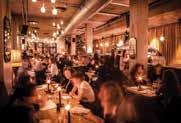
RESTAURANT C
Former location for Baut before they moved “Zuid,” and before that the headquarters for Het Parool, a Dutch newspaper that decamped for bigger surroundings in 2012. “C”, meaning Celsius opts for a culinary focus that ranges from -20C (ceviche to steak tartar) to +200C (barbequed steak and octopus). c.amsterdam
bautamsterdam.nl
Prinses Irenestraat 31, 1077WV
Amsterdam
Tel +31 (0)20 46 59 260
Open for lunch and dinner daily. Online reservations possible.
Perhaps no single restaurant exemplifies the city’s ability for reinvention than the team behind Baut Zuidas. Currently located in a former schoolhouse, Baut Zuidas is the newest pop-up restaurant for chef Michiel van der Eerde, whose previous hit locations included setting up his knives in a former Citroen dealership and a newspaper office before that. With Baut Zuidas, the team has the perfect location in Amsterdam South’s (Zuid) expanding business district – spitting distance from the movers and shakers in the worlds of banking, law and consulting.
Opened in January of 2016 in a space that will at the end of this year become the location for the Postcode Loterij (National Lottery), the Zuidas (South) location for Baut takes their menu from the previous pop-up locations and goes in a more nautical direction, with Dutch shrimp bisque, Asian softshell crab and scallops with chicory.
Located within the Hotel V on Nesplein, itself a former office block and Flemish Cultural Centre on a hidden side street off the Dam Square. Terrific flammkuchen (think Alsatian pizza), huge selections of charcuterie, and not a bad place to rest your weary head every night either. hotelvnesplein.nl
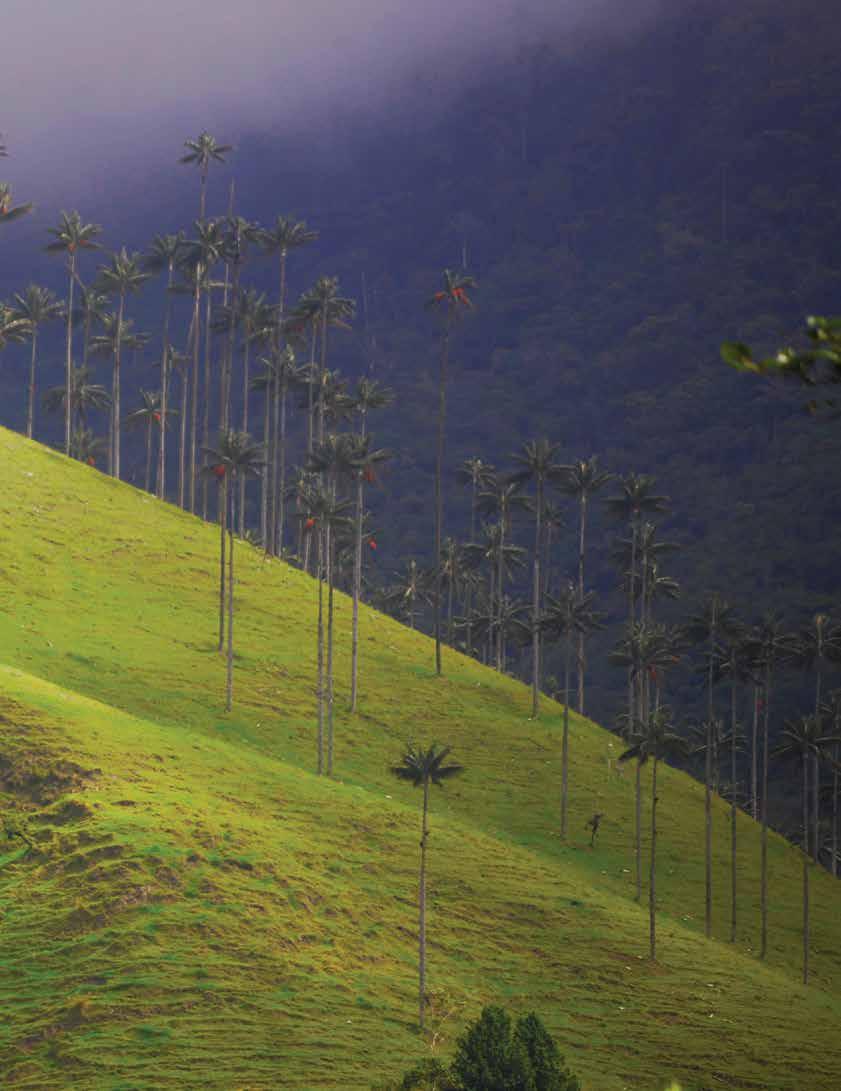
From its quilted slopes of coffee plantations to beautifully-preserved colonial towns, nothing prepares you for Colombia’s rugged Zona Cafetera. Alongside the world’s finest Arabica beans, SIMON WILLIS discovers the traditions of this unique Coffee Landscape through its crispy plantains, abundant tropical fruits and one extraordinary local dish
Ajourney through Colombia’s coffee landscape doesn’t just tantalize the visual senses, a mix of world-class Arabica beans, tropical fruit juices, and surprising dishes make for an extraordinary culinary adventure.
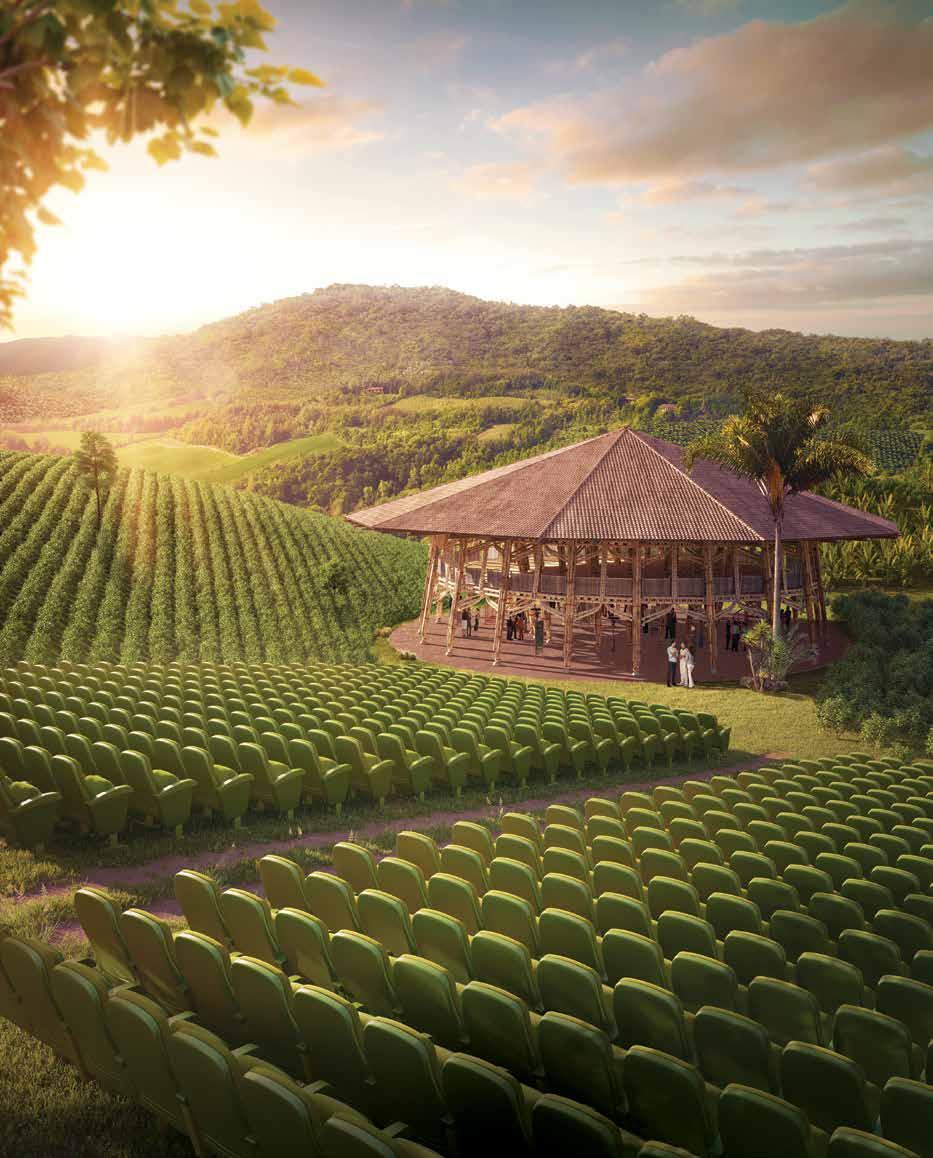
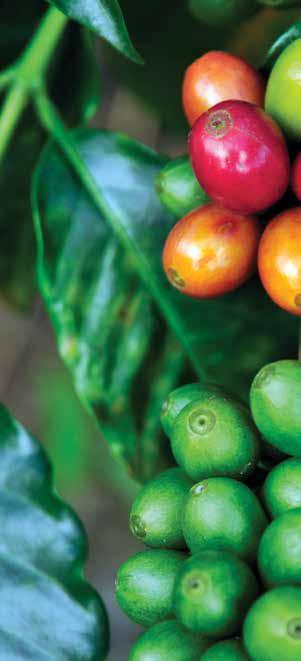
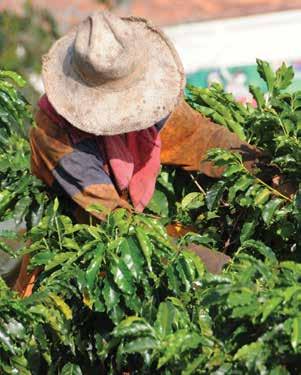
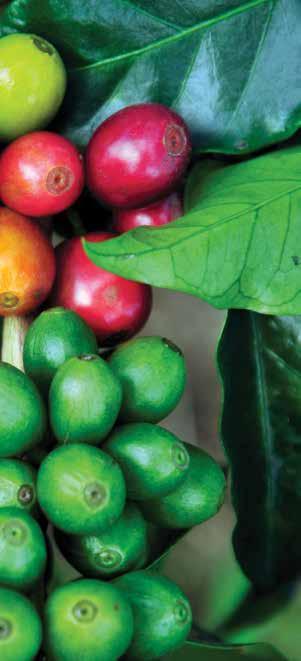
We arrive just as the beans begin to shine a bright crimson. Next week, these mountains embroidered with rows of olive-green coffee plants welcome hordes of sombrero-wearing pickers. Every year, Los Cafeteros scale these treacherous slopes – at between 1,200 and 1,800 metres above sea level (the optimum altitude for growing Arabica beans) – to supply international demand for what many claim to be the finest coffee in the world. With wilting knees for a cracking cup of Colombian Joe, I’ve joined a 10-day, 10-person Exodus cycling tour around the central Cordillera de los Andes; a mountain range bursting through the west of Colombia. A UNESCO heritage site, Zona Cafetera (coffee growing region) enchants those looking for sublime coffee and, as I find out, surprises many with a diverse array of culinary experiences.
Without a doubt, Zona Cafetera’s main draw emanates from the Arabica bean. Colombia produces about 11.5 million bags of coffee each year and this region supplies the majority. To taste the “finest cup of local coffee,” according to our guide, we cycle up to San Alberto, a farm lying in Buenavista, Quindío. Lulled by an enchanting panpipe version of The Sound of Silence, we lounge on the graveled terrace, etched into the luxuriant mountains that shimmer shades of olive green and emerald.
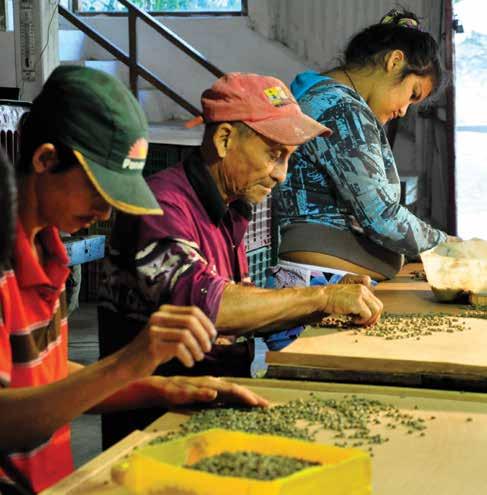
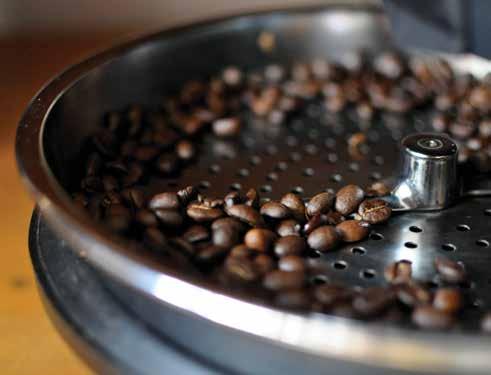
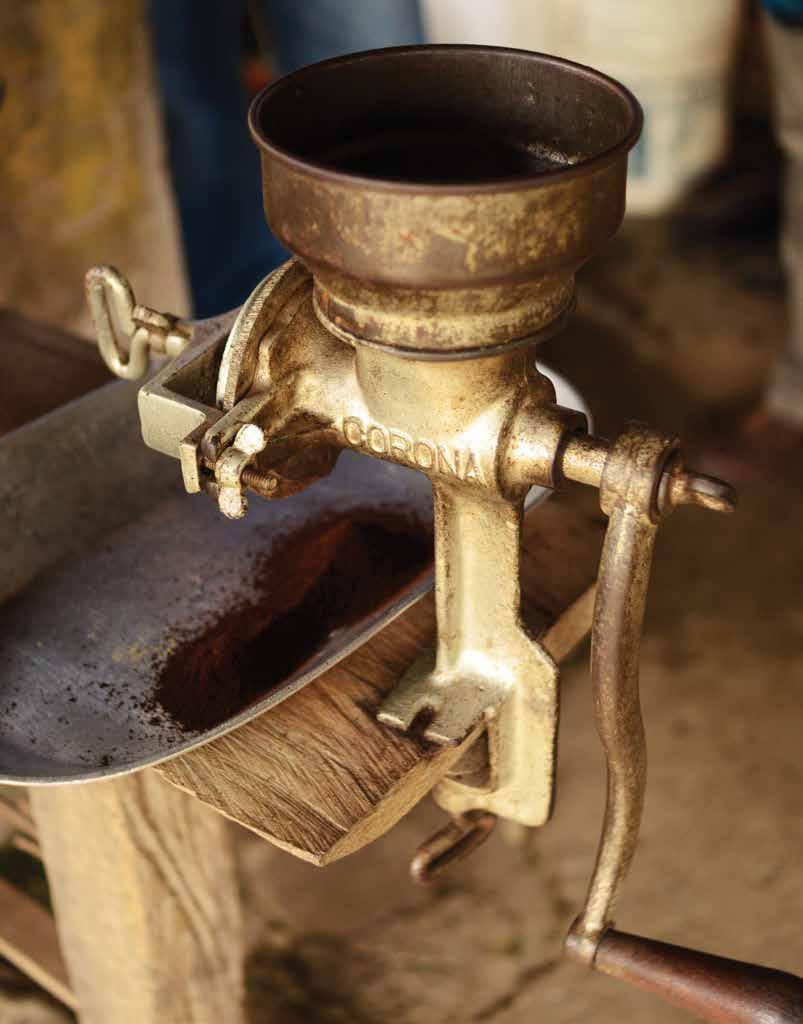
San Alberto specializes in luxury coffee, seeking only the finest beans. Workers sift through batches five times, tossing aside those that don’t meet the high standards. These select few are then dried and roasted in precise-defined conditions. The significance of this escapes me and I ask the barista for a cappuccino. Tied in a maroon apron, the young woman gasps, clutches her chest and stumbles backwards. After taking a deep breath and gathering herself, she politely reminds me that “milk would only spoil the wonderful flavour, sir.” I guess she’s right. It’d be like strolling into a Russian oligarch’s reception and pouring Red Bull into the vodka. Not cool. I, therefore, resist the temptation to order a double short, low foam latte with extra cream and settle for a tinto (black coffee). I sip the chestnut brown liquid silk and allow the gentle caffeine hit to ooze down my cycle-weary limbs. Delighted, I tip my imaginary cap to the barista.
The majority of our trip explores three provinces in the Coffee Triangle: Quindío, Risaralda and Caldas. Thanks to the diversity of our surroundings, cycling days push our senses to the brink. On dizzying descents we brush under snowboard-sized banana leaves, duck under swooping birds and inhale bitter-sweet scents from recently scythed lemon trees. We pedal alongside vast fields of sugarcane plantations, some burst from the earth like crowns of giant sunken pineapples, others lie dry and beige on the floor having been mowed down by the harvester. In Zaragoza, a town in the province of Valle de Cauca, we pull into a row of roadside wooden shacks, their roofs spewing purple and lime-green grapes like dreadlocks. The juice provides the suitably eye-popping sweet sensation before the owner, wearing a white poncho over his shoulder, serves platters of freshly cut guava, star fruit and succulent papaya.
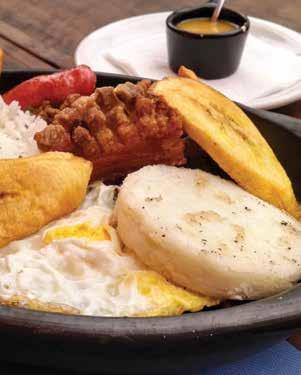
TOfuel our 80km cycling days, which adventure travel experts Exodus labelled “challenging,” we dine at beautiful terracotta-roofed restaurants, their inner structures formed with locally-sourced guadua bamboo. We scarf down traditional menú del día (menu of the day), containing fluffy white rice, grilled meat, potato and vegetable soup and a tropical juice like tomate de árbol – tree tomato. We believe this meal to be sufficient in size until we see its colossal cousin. The Bandeja Paisa has roots sewn into these rolling mountains and has kept workers, such as coffee pickers, brimming with energy for a tireless day labouring under the searing sun. Some claim this meal contains up to 2,250 calories – the same recommended daily intake for an active 31-50 year-old Canadian woman. When our lean mechanic Johnathan Rodriguez first orders one, our group stares open-mouthed. This mound of maroon beans, crispy pork belly, two types of sausage, egg, mincemeat, rice, a slice of avocado, a length of plantain, an arepa (cornbread) and a side of salad almost covers him from our sight. “We Colombian cyclists need the energy,” Jonathan says. Not every lunch contains such an extravagant calorie intake.
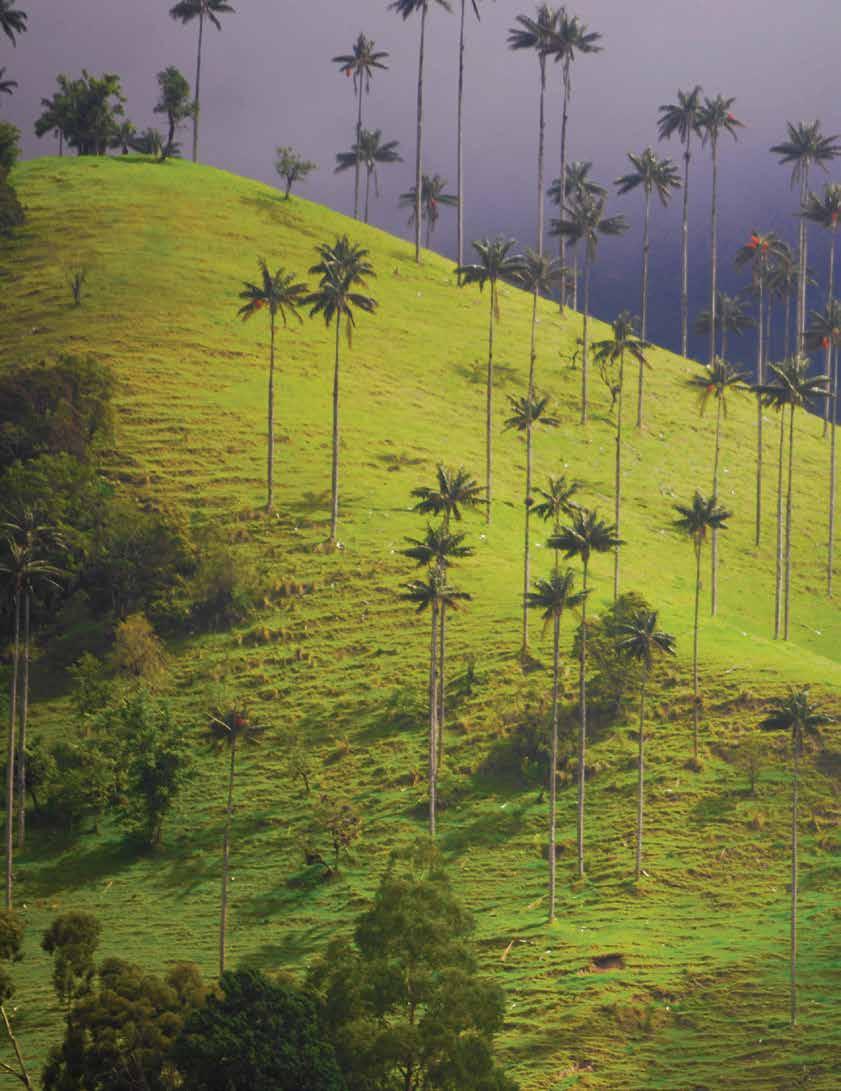
In Quindío, we explore Salento. Rows of bubble-gum-hued colonial houses line its slim streets, while dreadlocked dancers and guitarists decked in suits and trilbies entertain the swelling crowd. In the charming main square, blue and red Willys jeeps await travellers, ready to trundle them along to el Valle del Cocora. This nearby mountainous region features an array of hiking trails, some reaching cloud forests; others, snowy peaks. In the valley, spindly wax palm trees (the tallest in the world) shoot up from the earth and puncture the low-lying clouds. Knocking woodpeckers echo through the luxuriant forest and glistening lime-green hummingbirds flutter across our brows.
Back in Salento, a mix of international restaurants quell visitors’ appetites. Over the past decade or so, the town’s overseas population has steadily increased, bringing along Italian, Canadian and British cuisine. But for me, the most memorable dish here in Quindío’s oldest settlement lies with a Colombian favourite: the patacón. Often this green plantain, beaten flat then fried, is served as palm-sized discs with side sauces. In the open-fronted restaurants on Salento’s main square, however, huge patacones arrive bigger than a Paisa’s sombrero and with the perfect complement – hogao (a local sauce with tomato and onion).
After our brief culinary rest-bite, we head back into the glowing green coffee landscape. During the next four months (March through June) thousands of coffee pickers will strip the verdant valleys of coffee beans. And while this remarkable process has satisfied my coffee craving, it’s the local fare that has heightened my understanding of this unique landscape and, in particular, of
Before trekking to the city for a culinary sojourn, VAWN HIMMELSBACH taps into a fellow foodie who wrote the book on eating your way through Spain
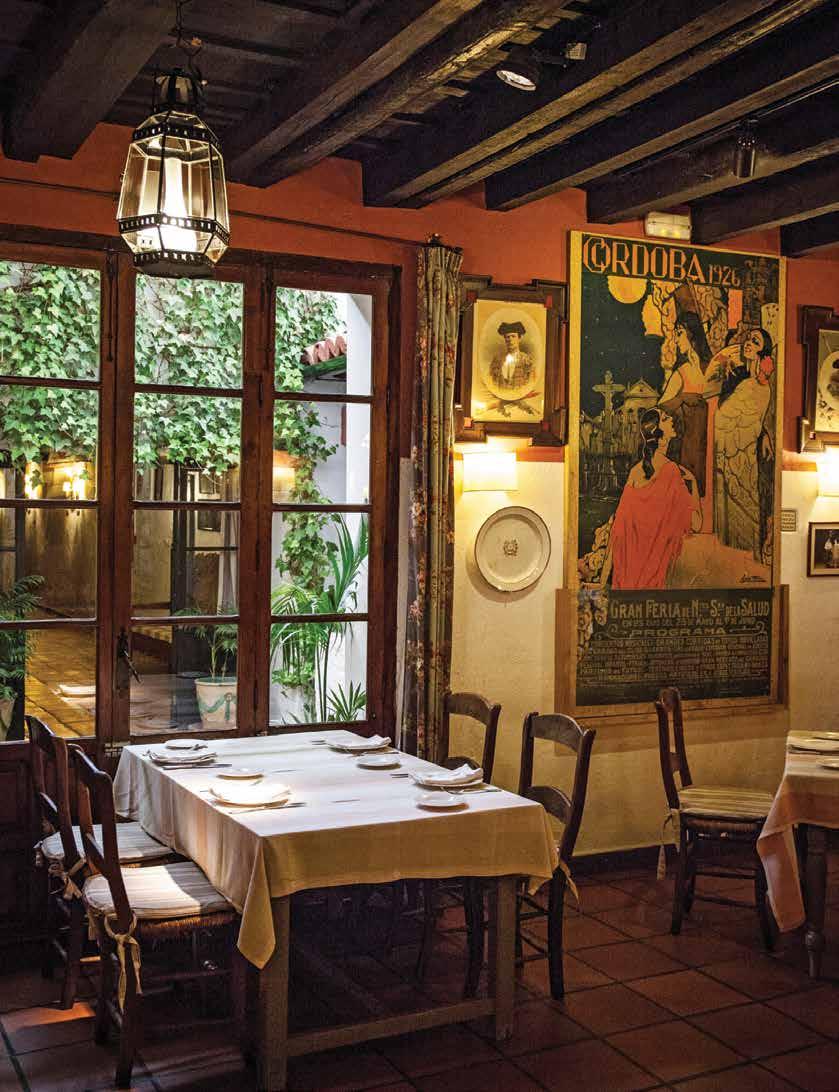
You don’t need to wine-and-dine at a fancy restaurant or fashionable bar to get a taste of the sophisticated Spanish capital – just step into one of its many food markets. Madrid has a thing for renewing old food markets – some of which had fallen into disrepair – and turning them into trendy ‘it’ spots for tapas and drinks and socializing.
Funny enough, Madrid was never at the epicentre of Spanish gastronomy. Andalusia is known for its traditional tapas, while pintxos (bar snacks speared with toothpicks onto bread) hail from Basque Country. Valencia is home to paella, while Barcelona offers up Catalan specialties.
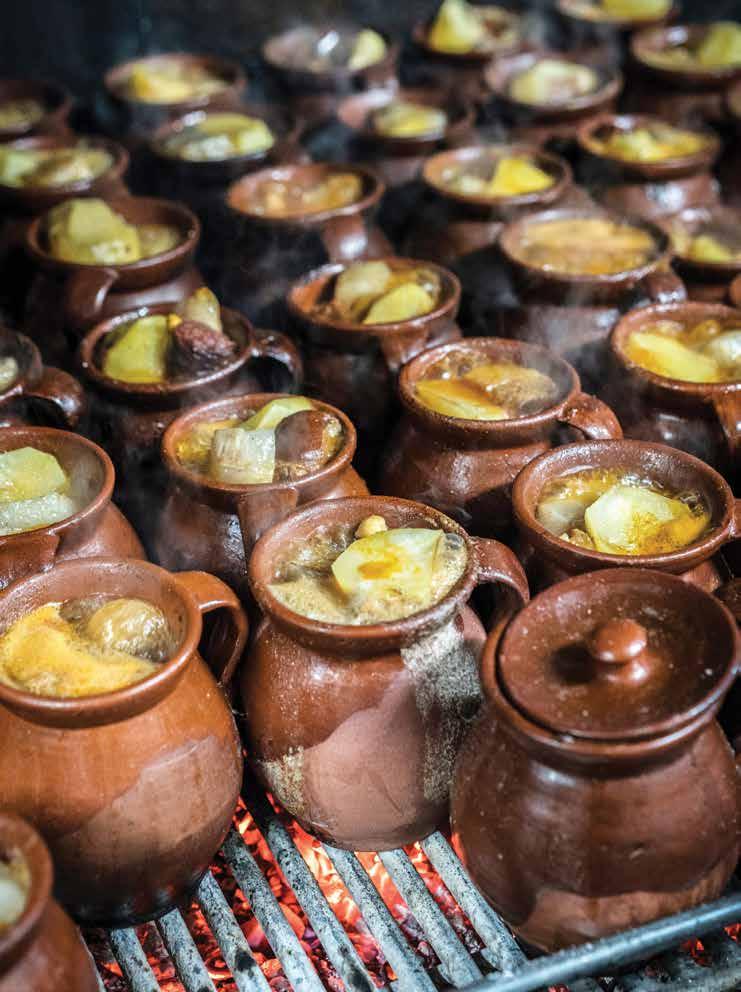
Madrid has stew. But the Spanish capital has also brought all of these culinary specialties together, and nowhere is this more apparent than in its food markets, with farm-fresh produce and high-quality seafood.
Stepping into the Mercado de San Antón in the district of Chueca – a building that dates back to the 19th century, which reopened in 2011 after a major refurbishment – you’ll find vendors selling fresh produce, fish and meat. Up a flight of stairs, gastro-bars offer up tasty bites of everything from Basque pintxos to Andalusian fried squid.
On the top floor is La Cocina de San Antón, a terrace restaurant serving up traditional Spanish cuisine. It’s worth a visit simply for the views from the old iron balconies (even better with a glass of sangria in hand). Vegetarians beware: it’s hard to resist the bellota ham, aged five years – from pigs fed a diet of acorns and aromatic herbs.
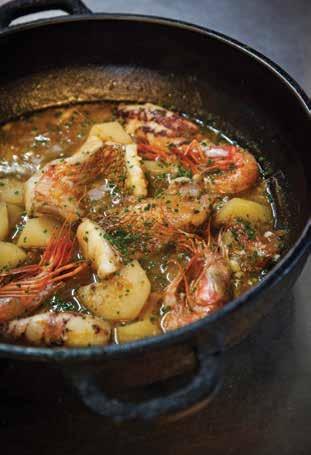
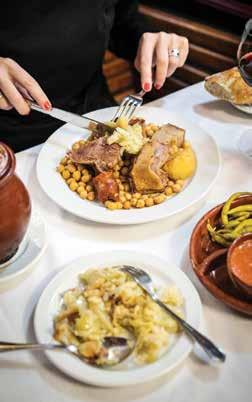
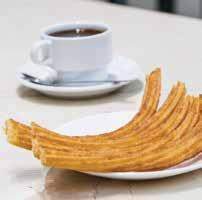
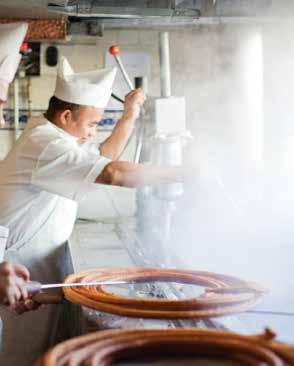
Perhaps Madrid’s best-known dish, however, is cocido – a chickpea and meat stew eaten in three parts, said Sally Davies, author of Lonely Planet’s food guide to Spain, From the Source: Spain . Less well known is that both the tortilla and patatas bravas originated in Madrid. The other great Madrid speciality is the churro: sticks of fried dough dusted with sugar that you dip into hot chocolate.
But there’s more to the culinary scene in Madrid than tapas, stews and paellas. “The thing about Madrid is that people seem to have a lot of time,” said Davies. “They work hard, and long, but they also linger over meals and incorporate eating out into their daily lives, even if it’s just stepping out for a coffee. Bars and restaurants are where business is done and friendships are made.”
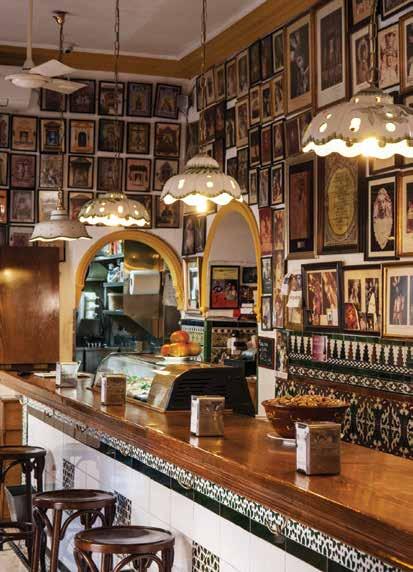
The joy of Madrid, she said, is that many of its ancient taverns, or tabernas, are still going strong, and the city is perhaps more resistant to the tides of fashion when it comes to food.
“Unlike, say, Barcelona, where there is much more of an obsession with all things avant-garde, Madrid is much more traditional generally, and food is no exception,” said Davies. “Many of the Madrid chefs we spoke to for the book were well past retirement age and still have a massive following. The philosophy in Madrid tends to be ‘if it ain’t broke …’”
That’s not to say there isn’t anything new and exciting happening with Madrid’s culinary scene. “The current hipster scene par excellence is in Malasaña, which is awash with single-origin coffee bars, cupcake shops and restaurants focused on slow food [and] locavore principles,” said Davies. “It’s easy to sneer, but the hipsters have brought some great improvements – craft beer! vegetarian food that tastes of something! – to the scene.”
There are so many great chefs in Madrid, there are simply too many to mention – but what stands out is the contrast, said Davies. One woman she spoke with had been making the same dish for more than 50 years. Another chef presented her with a deconstructed tortilla; he’s had his chef’s whites remade in denim and can claim Anthony Bourdain as a fan.
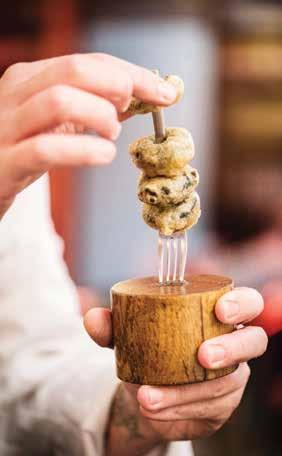
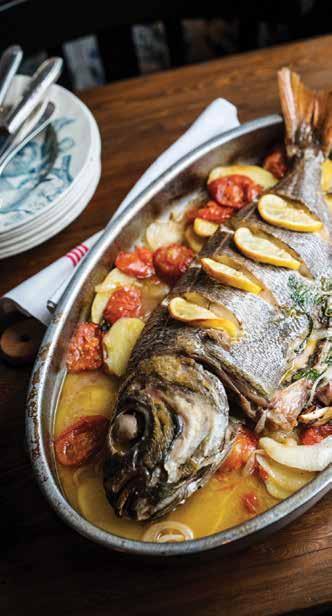
When it comes to food, it’s hard to go wrong in Madrid. But as in every Spanish city, “a good rule of thumb is to avoid restaurants with laminated pictures of the food, or where waiters come out to the street to tout for business,” said Davies. However, there aren’t clearly defined ‘tourist zones’ in Madrid as there are elsewhere.
Aside from Madrid’s food markets, you’ll want to do as the locals do and go for tapas – such as calamari, cod and tripe – whether in a traditional taberna or trendy gastrobar. The Spanish even have their own verb for it: tapear, which means ‘to go for tapas.’ If you want to avoid eating with other tourists, stick to Spanish times – not before 2 p.m. for lunch and not before 9 or 10 p.m. for dinner, recommends Davies.
Los Austrias and the area south of the Plaza Mayor are best for old-school tabernas serving roast meat and stews, said Davies, along with the first of the gastro food markets, the Mercado de San Miguel. “Tapas bars are everywhere,” she said. “That’s one of Madrid’s greatest charms.”
Some of the best traditional tabernas can be found in the oldest parts of the capital, including Cava Baja, Cava Alta and Cava de San Miguel. For a don’t-miss foodie experience, head to the old tabernas around La Latina, recommends Davies. After all, she says, “they won’t be around forever.”
“Tapas bars are everywhere”
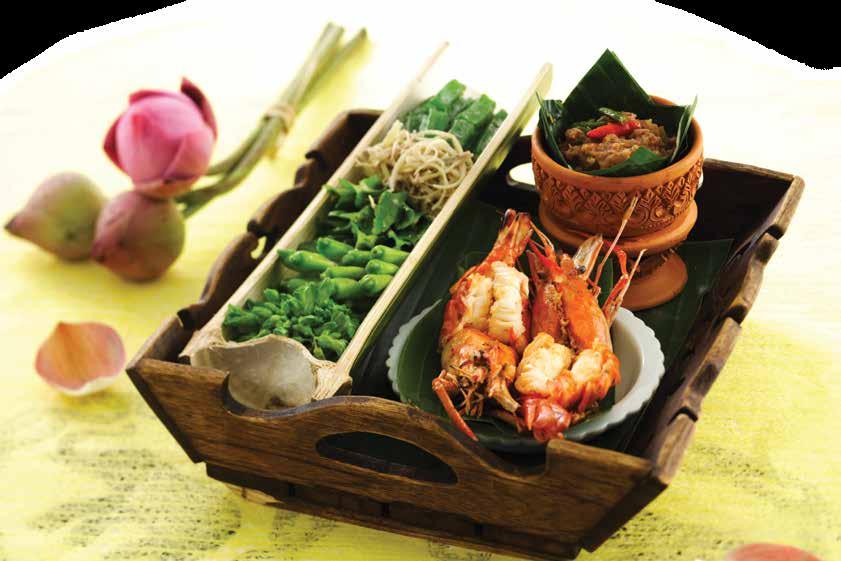
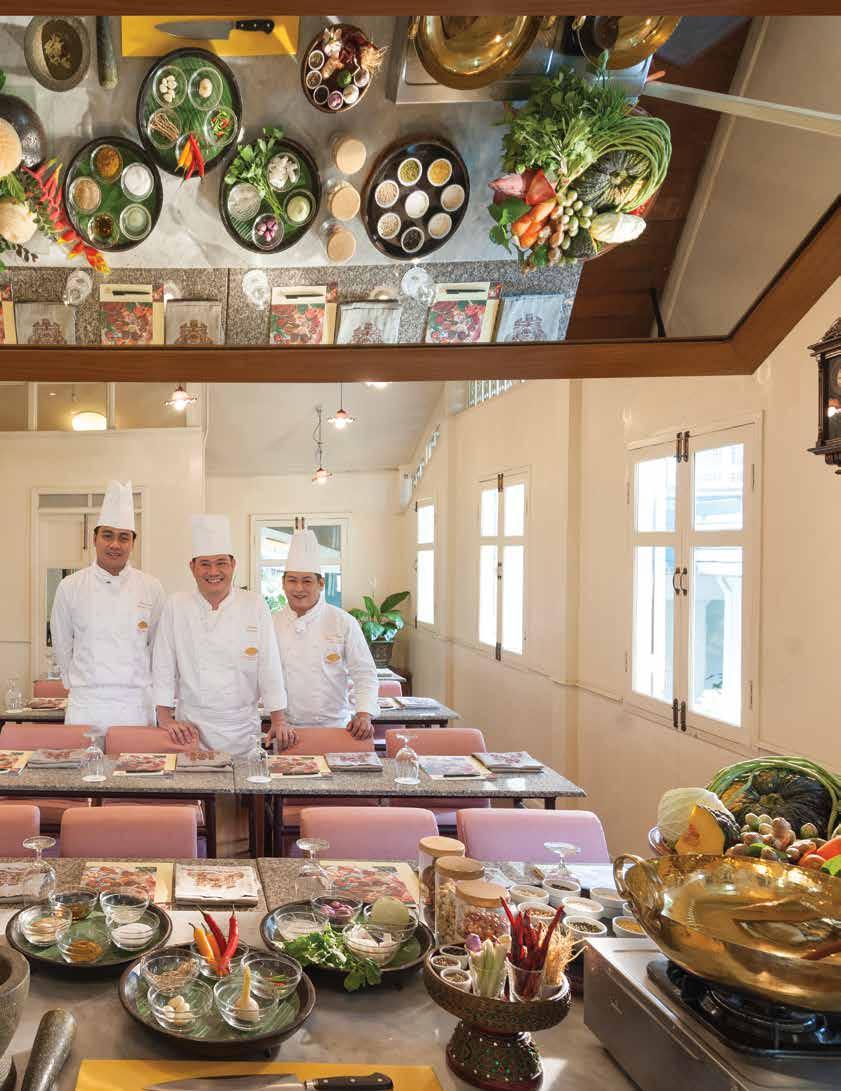
Spicing it up in the Land of Smiles… and chilies!
By ANITA DRAYCOTT
“No one

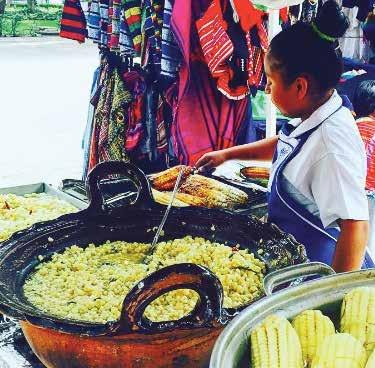
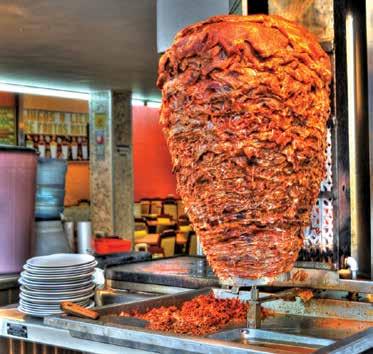


Paris, Rome and New York City may be the A-list gourmet destinations, but there is a new contender for passionate foodies to explore: Mexico City. By
WAHEEDA HARRIS
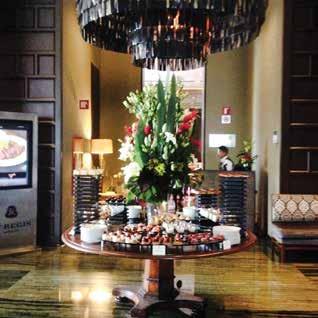
As the largest Spanish-speaking city on the planet, the Distrito Federal, or DF as many affectionately call the capital city of Mexico, is a destination that attracts visitors for its modern design, inventive architecture and, now, for its food culture. With a wide array of locally-sourced fresh ingredients, chefs are inspired by the city’s cuisine history to honour the past as well as pursue a tasty future.
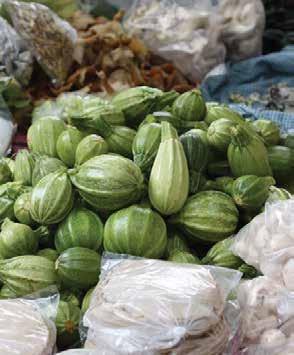
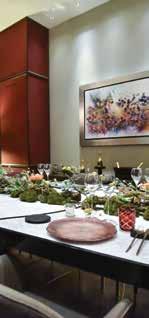
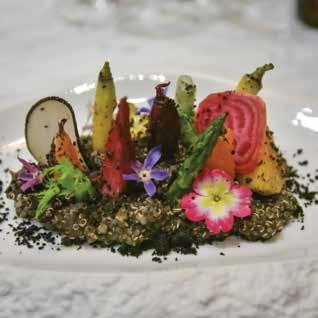
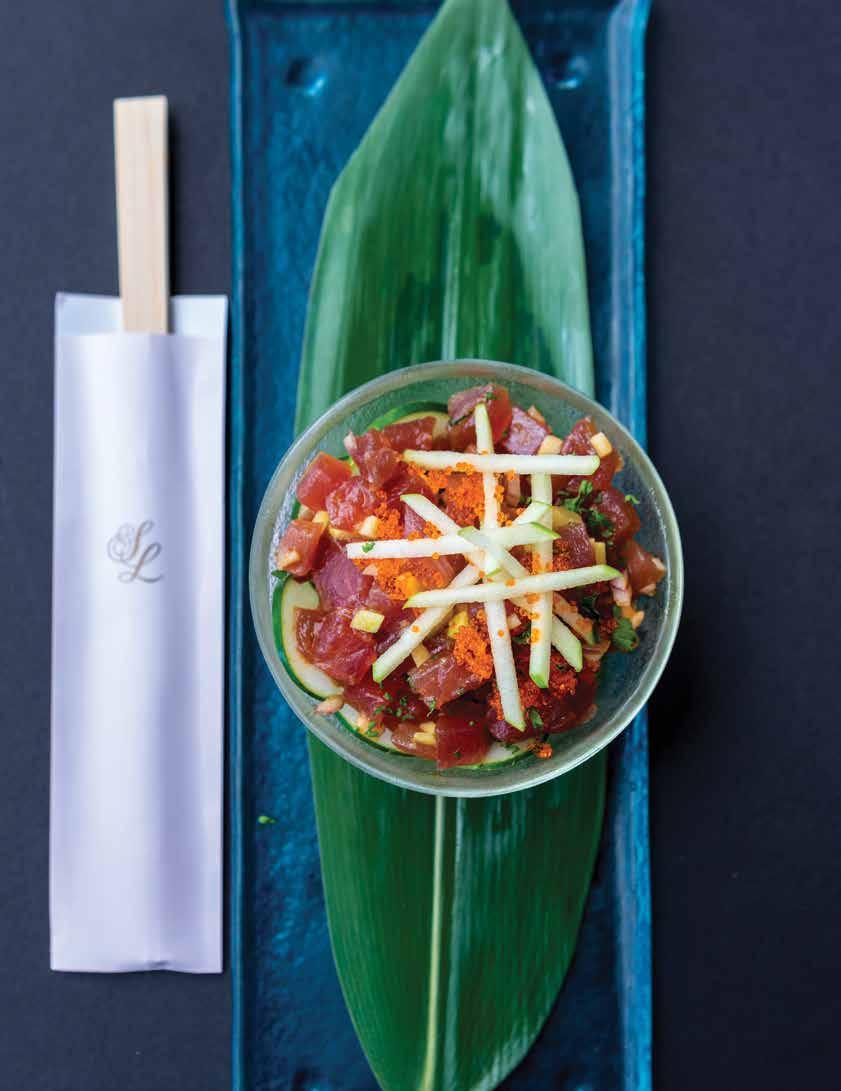
From fresh and salty to smoky and spicy, diners can easily discover palate-pleasing tastes of Mexico City, whether it’s from street vendors or within the elegant confines of fine-dining restaurants. As a newbie to this foodie heaven, three tasting experiences helped me understand the variety of tastes that are part of the daily diet of Mexico City.
Tropical beauty meets British style and good food
By MURIEL PARAS
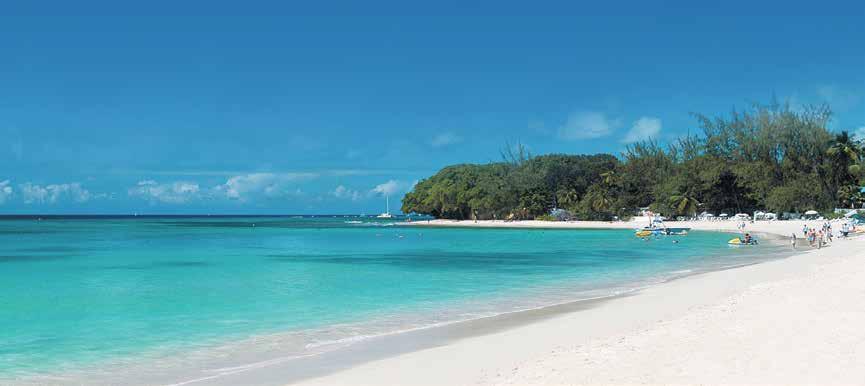
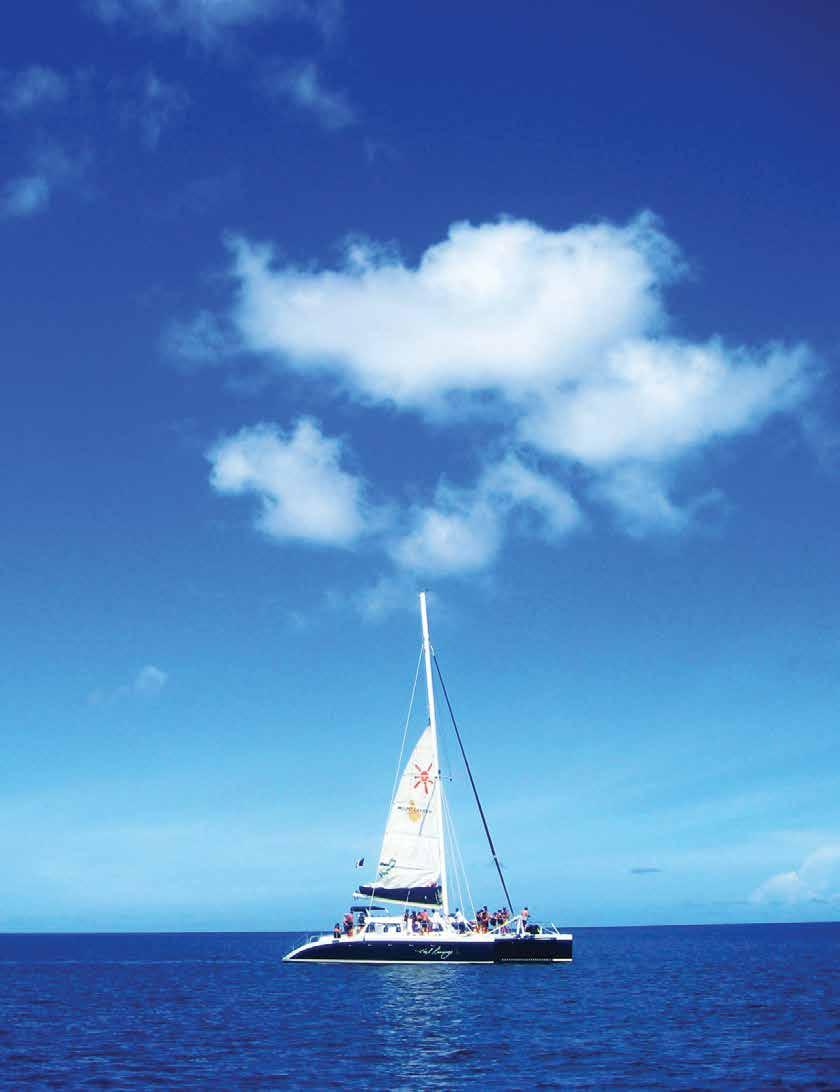
Steely blue-grey meets fresh blue-green. Dark and light, cool and warm. The Atlantic waves, while the Caribbean beckons with its calm. A haven for surfers, and for snorkelers, its coastline, strips of sunbleached sand.
From an Atlantic-side perch, sit and gaze across the water. On a clear day, you can see forever. And forever. Barbados is the last island in the Caribbean, the easterly most, the farthest out to sea, before going straight on to Africa.
A British throwback, the island is still rather regal, but with it’s own unique blend. Its oceans crossroads allow it an absence of volcanoes. It is a coral island, with caves within its core, as deep as the island itself.
Start at the Crane hotel, and its world famous pink beach. Boogie boarders, baby boomers and babies share the sand, a swath of ocean-front on the Atlantic side that somehow allows the bathers into the water without the undertow of most of this part of coast. There’s a natural breaker just out there, in the sea far enough to go unnoticed, close enough to protect the Crane beach from the slap and sting of the salt-soaked tides.
But the Atlantic side is not all violent, mind you. Take a drive, meander, wend your way up the coast. Nature needs her meditative moments, even in the eye of the storm. There are pockets of serenity, at Bathsheba, where the bath-warm waters call for swimming and floating. A local Banks beer or two to help beat the heat, and some would say after a day, they’re a Bajan too.
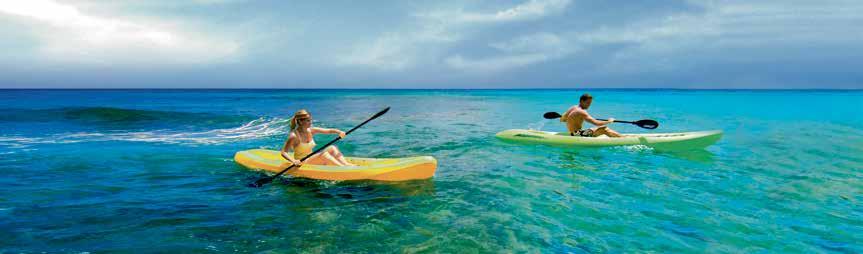
While the sporty and adventurous take on the challenges of the Atlantic side, the royal and refined retreat to the Caribbean coast of the island. Water so turquoise, so drenched in blue-green, it makes you want to rub your eyes at first, are you in focus? Yes, this is the real thing. There are shipwrecks below the waves, calling to snorkelers and scuba divers. Like a reef, the ships are a magnet for colourful marine life. A rainbow of sea creatures, and sea turtles.
They swim through the water like birds on the wing, flapping their fins, flying, careening with a speed that we’d never see on land. Their natural habitat, and we share it, swim along side, brush our fingers along their patterned shells.
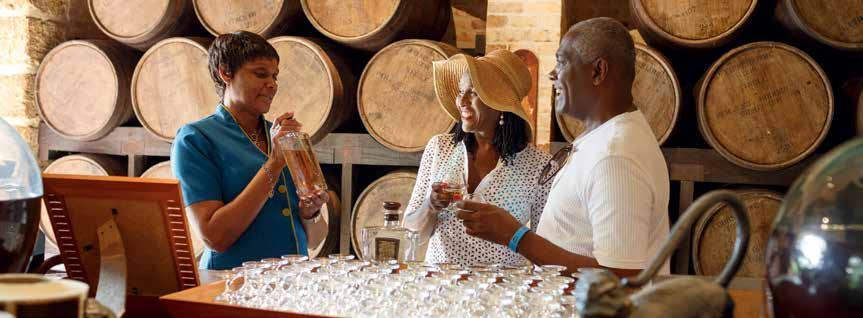
We can’t get enough of the surf, but dry land is calling. After the Crane, its rum punches at Cutters, a local hangout where the drink’s been made with the same family recipe for decades. An elevated rum shack, it’s a cool spot to get the local vibe. And, speaking of rum shacks, there are many, like roadside attractions, but so much more hip. Bright little spots along the road, they invite you to pull over, order a rum and ginger, and hang with fellow Bajans. Think of it as a pub or a café of the Caribbean, where the neighbourhood heads out after work or after dinner to have a drink, hear a bit of gossip, share a bit of news, have a laugh or two and then head on home to dreamland. All are welcome, and we feel it, as we stand around an old rum barrel now used as ad-hoc table, sipping and grinning.
Spa at The Fairmont, golf at The Royal Westmoreland, and then sip rum punches at Mullins Bay Beach, dip your toes in the golden sand and take in the sunset.
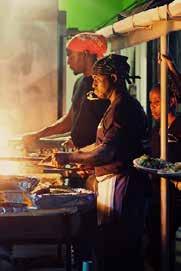
At the tail end of the island is Oistins, and it is here, every Friday night, where you can really take in the vibe. It’s the fish fry, where the grills are out in full force, the Bajan music is blasting (you may even hear a little of Barbados’ homegirl Rihanna coming from the speakers), and aura is pure chill. People are hungry, they come to eat fresh-caught fish that go straight from the nets to the grill. Flying fish, king fish, grouper, all so fresh, the flesh clean with just a hint of brine; smoked and charred on the grill, no accoutrements required.
Sort of like Barbados itself. She is what she is. A dual personality, a calm turquoise surf under an orange sun; a roiling, rolling tide slamming the cliffs reminding us of Mother Nature’s power. And powerful she is. To draw us here, and keep us here, on the sand and in the sea.

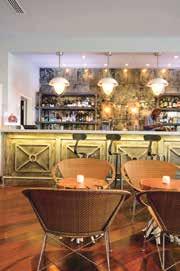
THE CRANE
St Philip, Barbados
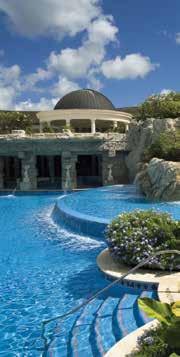
Recently named the “Best Caribbean Beach” by USA Today’s Top Ten Readers’ Choice Awards, the Crane resort hotel enjoys a spectacular location on the south-east coast, near the airport, but quite a distance from anything else. A Barbadian legend since 1887, and the oldest operating hotel in the Caribbean, the 50,000 square-foot Crane Village features award-winning restaurants, an open-air market, a 3,000 square foot Duty-Free emporium and a true taste of the best of Caribbean culture. thecrane.com
SANDY LANE
St James, Barbados
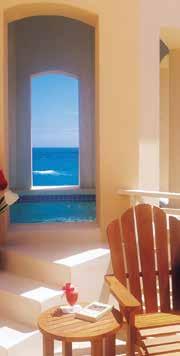
Sandy Lane represents the ultimate in comfort, elegance and five-diamond service. The 112 opulent rooms and suites have marble floors, hi-tech amenities and large terraces. The magnificent spa provides a range of treatments using Anne Sémonin and Aromatherapy Associates. The five-room Villa is the epitome of luxury. Set in its own gardens, and with its own dedicated team of staff, it is essentially a private home in the midst of one of the world’s great luxury resorts. Also new are luxury helicopter transfers that cut the time it takes guests to arrive at the resort from Grantley Adams International Airport down to a mere seven minutes. sandylane.com
Cin Cin by the Sea
A refreshingly contemporary, elegant new restaurant offering ‘alfresco dining’ with sweeping views of the west coast of Barbados while serving quintessentially Mediterranean-style cuisine with a Caribbean twist. cincinbythesea.com
PRIMO Bar & Bistro
The new PRIMO Bar & Bistro (formerly Pisces Restaurant) in St Lawrence Gap is now open and brings a refined dining experience to the south coast. Primo features an uber trendy modern environment with panoramic ocean front dining. Enjoy delicious food and creative cocktails in a unique, rustic charm setting overlooking the tranquil bay. primobarandbistro.com
Unique experience: Animal Flower Cave
One of the most beautiful natural settings to be found in Barbados, on the north point of the island (St. Lucy’s parish). The natural sea cave opens directly into the Atlantic Ocean, with breathtaking views and cool rock pools to take a quick dip.
Must see: Mount Gay and St. Nicholas Abbey Rum Tour
Both spots offer an exceptional glimpse into the history of rum in Barbados. The Mount Gay distillery is the oldest distillery in the world, making Barbados the birthplace of rum itself, while St. Nicholas Abbey gives visitors a history of plantations, along with a unique blend of its own rum. mountgayrum.com; stnicholasabbey.com
DEFINITE MUST SEE: Oistin’s Fish Fry
Fish market by day, street festival by night. You don’t want to miss a Friday Fish Fry at Oistins, where locals and visitors alike come out to dance, eat, drink and hang out. Performers take the stage while local chefs fry up local fish (caught fresh that day), and artisans show their hand-crafted jewellery, art and more.
From Toronto: Daily non-stop flights via Air Canada. As of December 19, a second flight will be running Mondays, Fridays and Saturdays, providing double daily seasonal flights until April 29, 2017 (excluding January 9 - February 11). Also 4 weekly flights via WestJet (Monday, Wednesday, Friday & Saturday)
From Montreal: No non-stop flights at the moment, though there’s an easy 1-hour connector flight to the daily airlift departing from YYZ. However, from December 24, 2016 - April 30, 2017 Air Canada will be running a seasonal direct service three days per week (Wednesday, Saturday and Sunday)
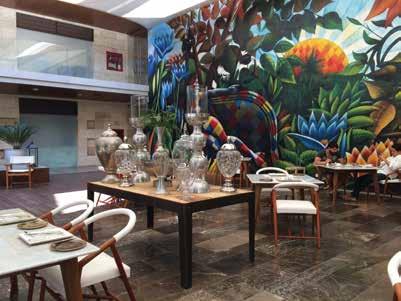
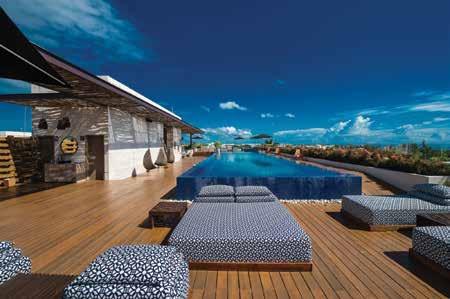
Located on Playa del Carmen’s famous 5th Avenue, the Live Aqua Boutique Resort Playa del Carmen – formerly known as Hotel Cacao – is in the heart of the destination’s chic scene. Globetrotters are being immersed in a kicked-back, relaxed Hippie Chic lifestyle of sophisticated accommodations and cutting-edge dining and mixology experiences. The property is imbued with dramatic architectural elements such as a light-bathed central court with a hyacinth lily pond, bamboo, palms, birds of paradise and banana trees; and a huge canvas accents in geometric shapes that provide shade and protection from the elements.
Book your ticket with Aeromexico , your world-class airline to Mexico, Central and South America from Toronto, Montreal and Vancouver. Consult applicable routes on aeromexico.com or call 1-800-237-6639
The open-to-the-heavens roof-top bar features spectacular views of the Caribbean and Cozumel Island. The interior design is clean and contemporary with bold colour accents, Mexican travertine marble walls, tropical wood and stone floors, a flowing water-wall and many intriguing special art and design touches, such as three antique native canoes, a front desk cut from the trunk of a massive ceiba tree and colourfully painted, shell-encrusted VWs by Tommy Hilfiger. Feeling a bit adventurous? The hotel’s concierges will guide you on your quest to explore cenotes, archeological Mayan sites, water and adventure parks, Tulum and Cozumel Island, all just minutes away. liveaqua.com Marlon Moreno