Meet the new digital defense strategy protecting projects from ground to cloud.
Commercial Kitchens
71 The Fauchon Formula
Building a luxury culinary destination in the heart of Midtown Manhattan.
Multi-Housing
83 A New Chapter Rises
Inside the design and construction of Maple Terrace Residences.
Commercial Facilities
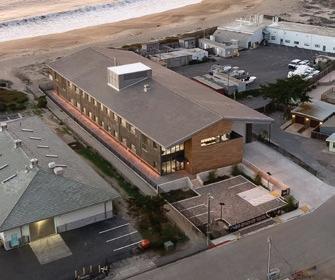
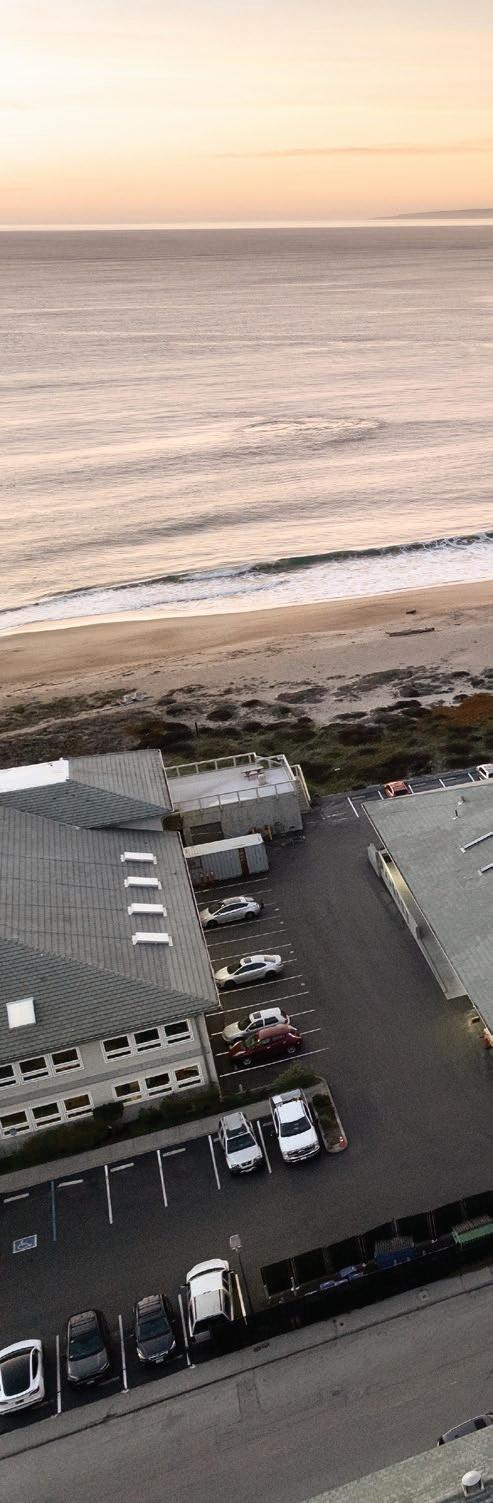
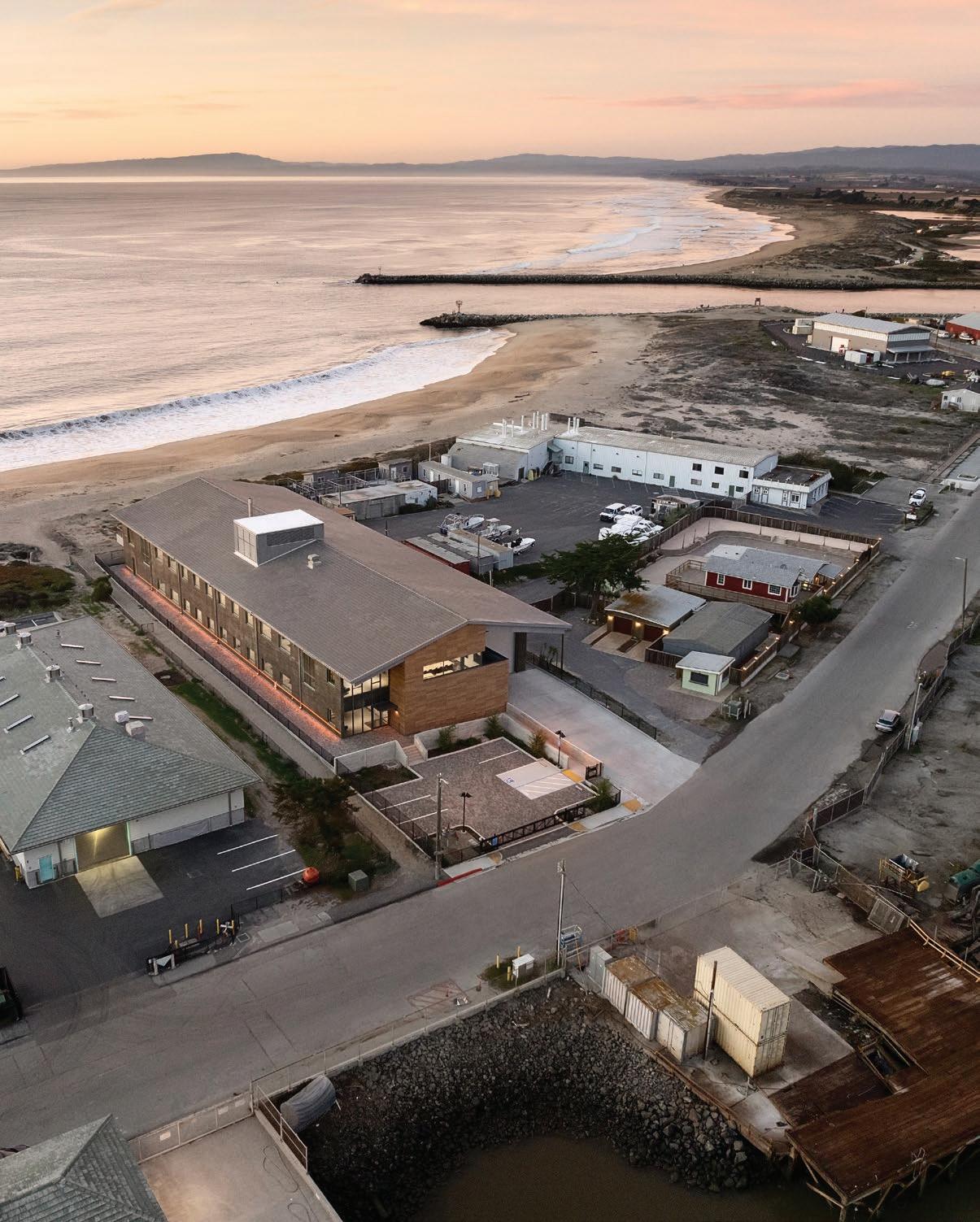
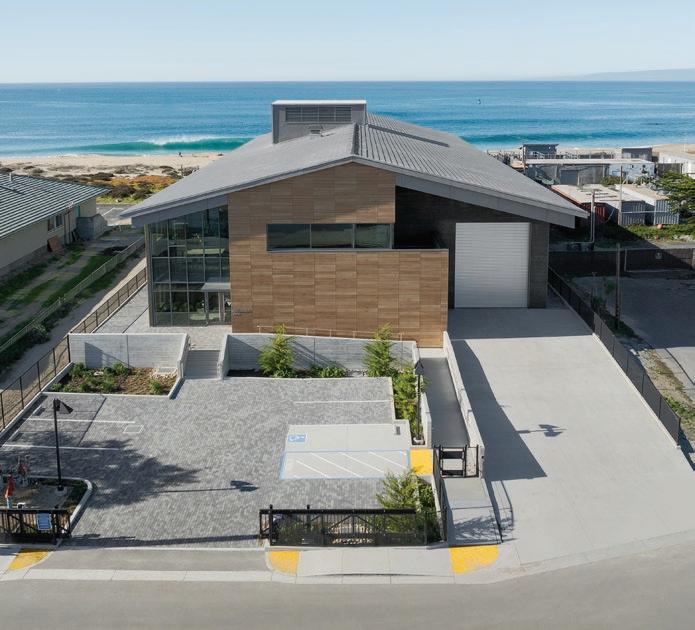
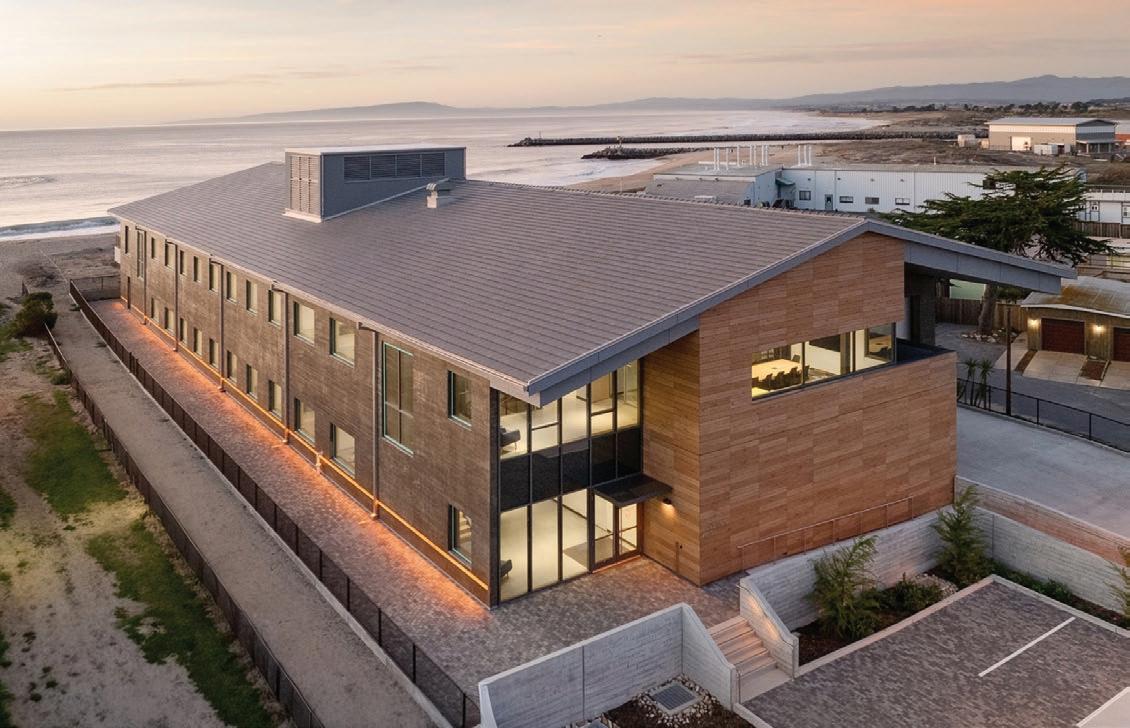
91 Built for the Edge
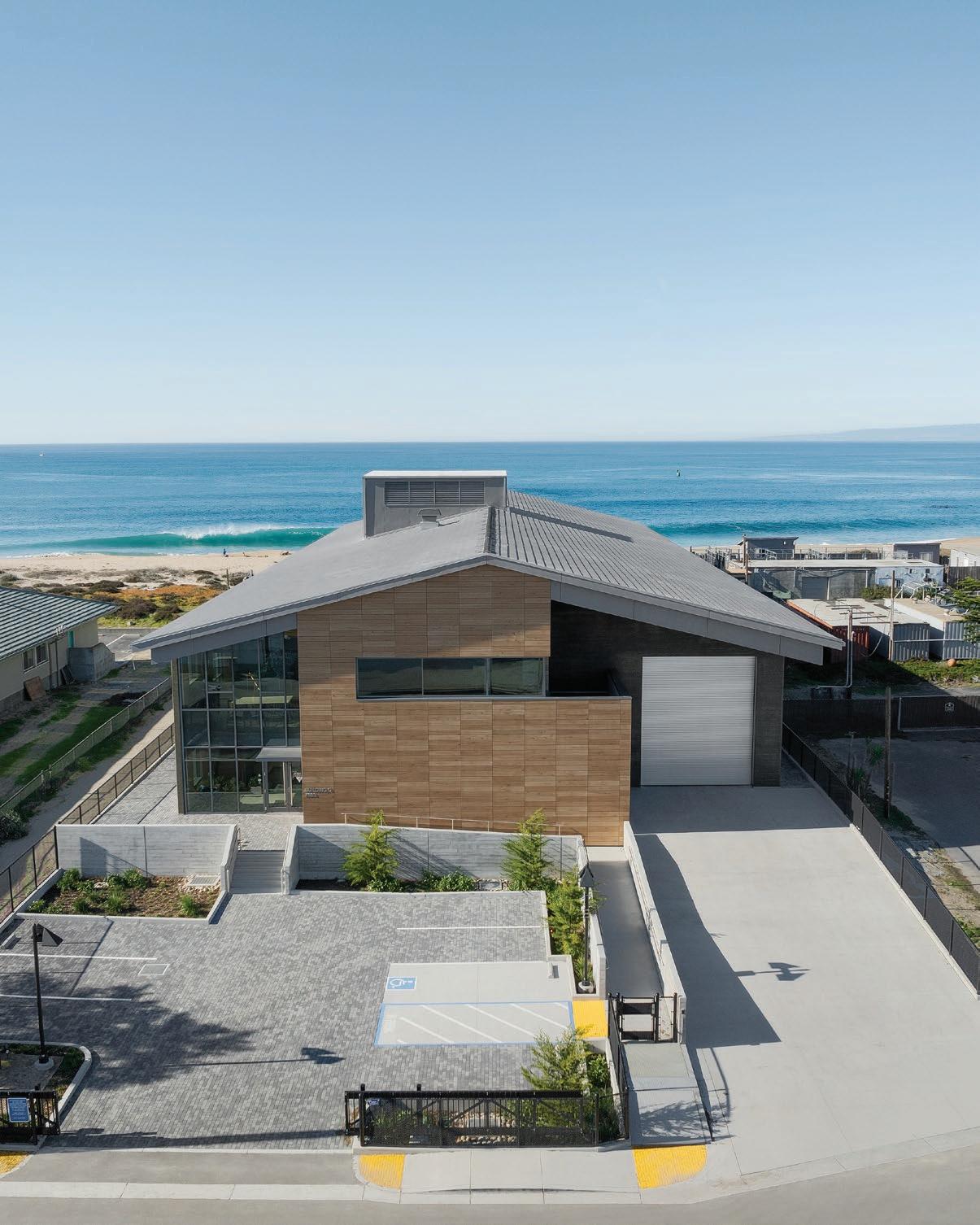
Designing the Monterey Bay Aquarium Research Institute’s coastal technology lab.
Campus Facilities
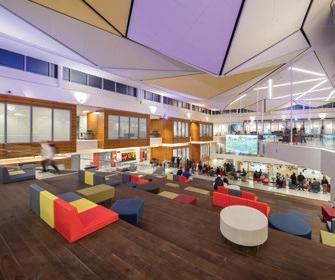
101 Clearing the Air
Why indoor air quality in schools deserves urgent attention.
Healthcare in Commercial Construction
113 Safety by Design
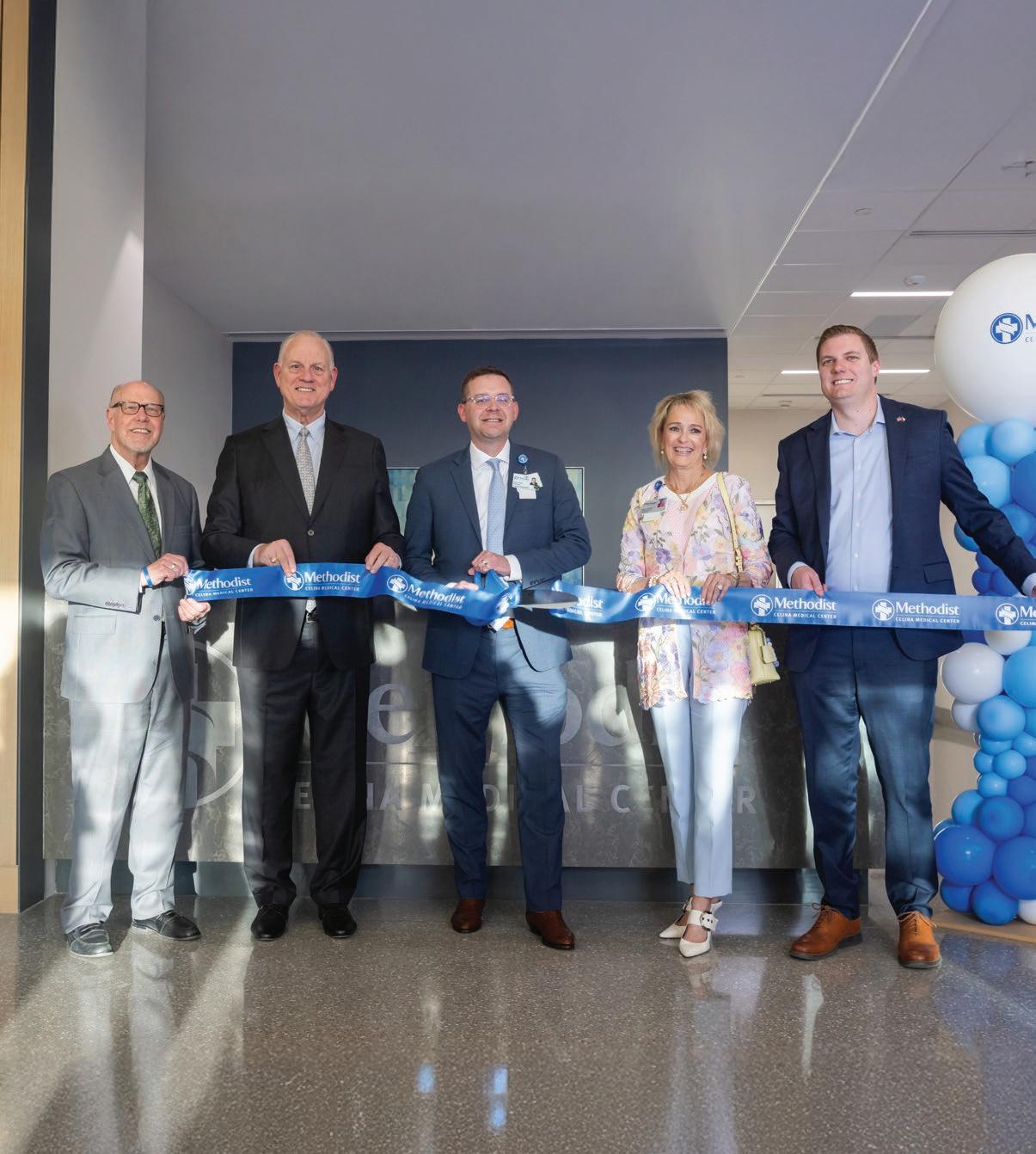
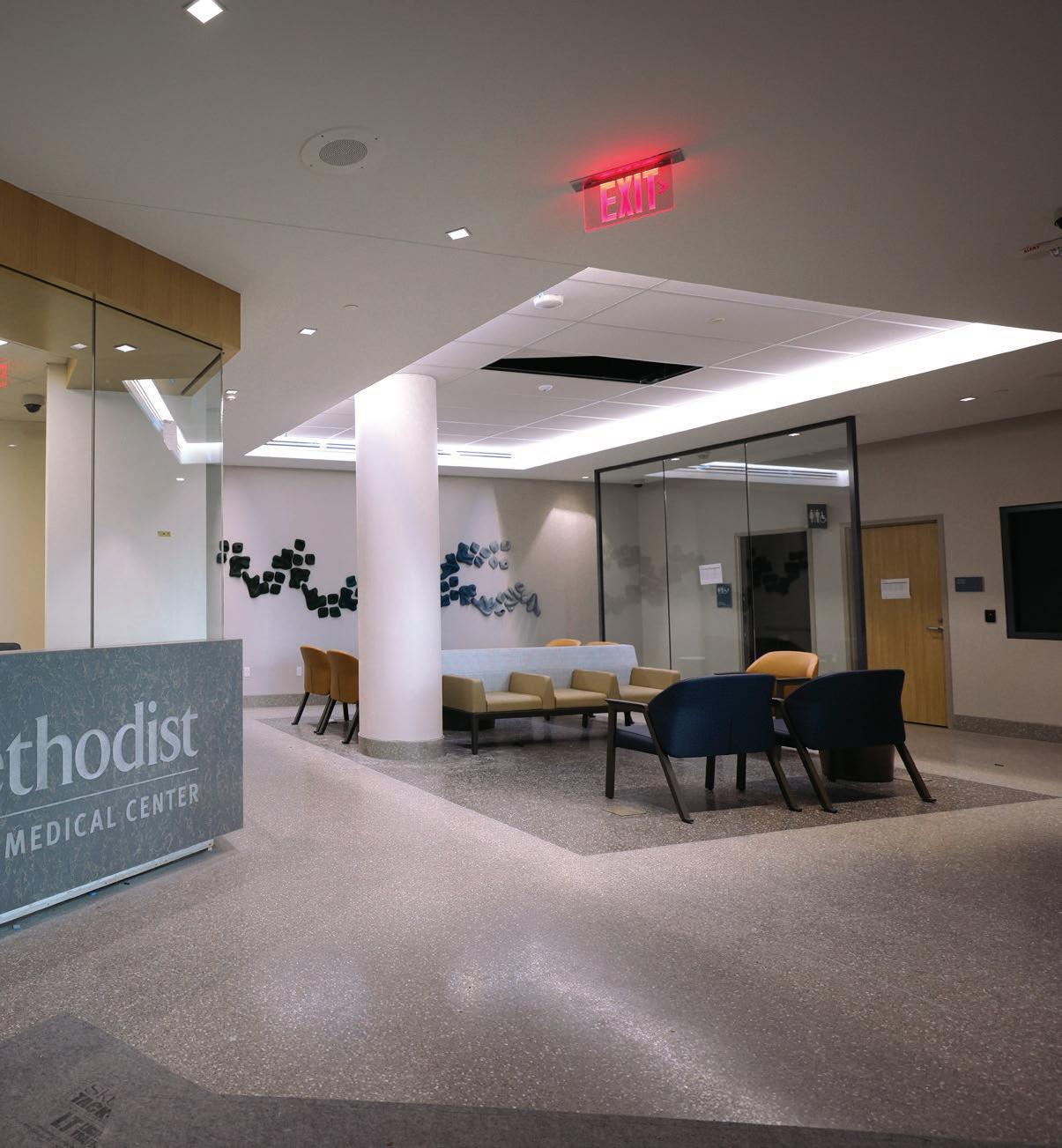
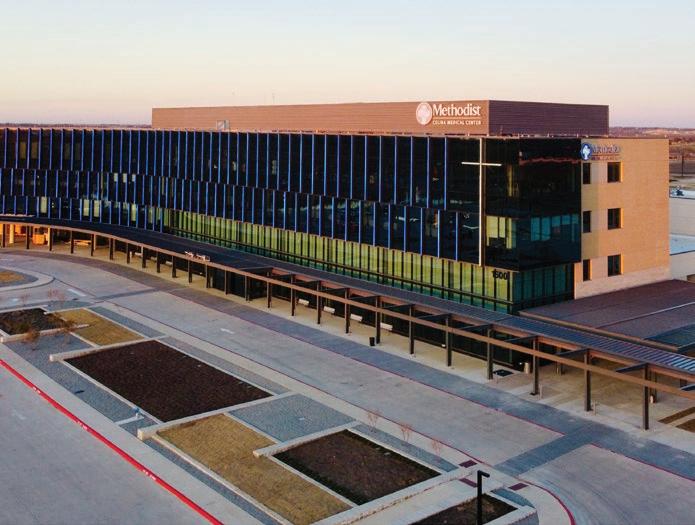
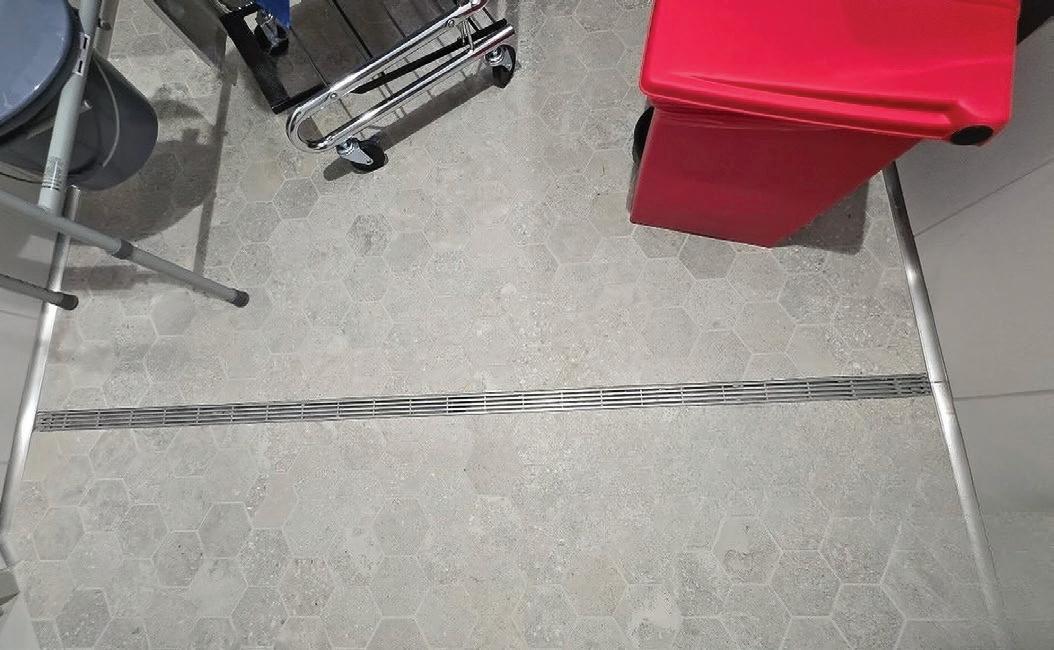
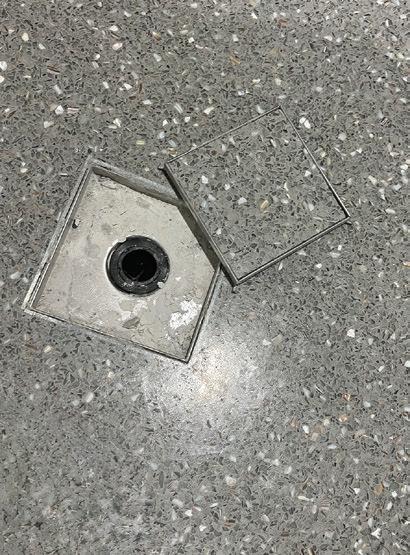
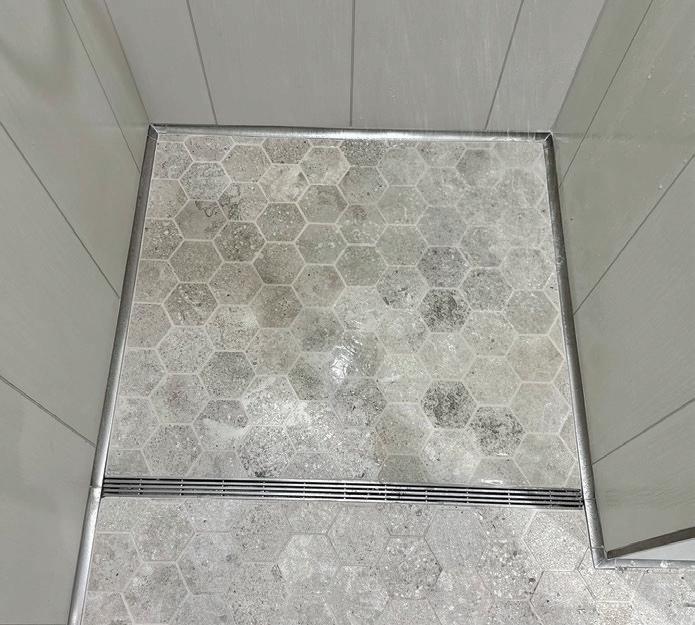
How drainage innovation supported the first hospital built in Celina, Texas.
Hospitality in Commercial Construction
129 Luxury at Scale
How Armina transformed high-traffic space into a refined waterfront experience.
General Contractor Profiles
141 Built on Consistency
Inside Adolfson & Peterson
Construction’s people-first approach to national growth.
Residental Construction & Remodeling
153 Built Different
From fighter jets to family homes, how Chip Wade engineers creativity at every scale.
168 The Cactus House Kitchen
A bold mid-century revival blooms in Oakland, California.
We have always said, if we do a good job the phones will ring.
Established in 1993, Lakeview Construction, LLC is a national commercial project solution provider specializing in all phases of construction.
From concept to completion, our professional teams deliver quality construction and outstanding service, ensuring on-time schedules and cost-effective project management.
Headquartered in Pleasant Prairie, Wisconsin, we operate across all 50 states
CCR EDITORIAL BOARD
ACADEMIA
DR. MARK LEE LEVINE
Professor Burns School/ Daniels College University of Denver
ADA
BRAD GASKINS Principal The McIntosh Group
ARCHITECTS/ENGINEERS
MICHAEL MAGEE
Studio Leader Retail, Store Design Senior Associate Little
FRED MARGULIES Director of Retail Architecture Onyx Creative
STEVEN MCKAY
Managing Principal, Global Design Leader DLR Group
STEVEN R. OLSON, AIA President CESO, Inc.
CONSULTANT
GINA MARIE ROMEO Chief Heart Officer & Principal Consultant, Allied RDI
MICHELLE M COLLINS President & CXO A\N/A A Non-Agency
GENERAL CONTRACTOR
KAY BARRETT
NCIDQ, CDP
Senior Vice President Cushman & Wakefield
PAM GOODWIN Goodwin Advisors, LLC Goodwin Commercial The Pam Goodwin Show
DAVID THOMPSON Vice President TCB Construction Group LLC.
MATT SCHIMENTI President Schimenti Construction
JOHN STALLMAN Marketing Manager Lakeview Construction
JEFFREY D. MAHLER RCA Advisory Board Member
JENNIFER SUSSMAN Director National Accounts & Business Development Powerhouse
HEALTHCARE
CLINTON “BROOKS” HERMAN
Principal Facilities Project Manager, MD Anderson Cancer Center
HOSPITALITY
SAMUEL D. BUCKINGHAM, RS AMS CMCA President of Construction Devco Development
GARY RALL Vice President of Design and Development Holiday Inn Club Vacations
ROBERT RAUCH Chairman Brick Hospitality
JOE THOMAS
Joseph K Thomas Sr. Consulting Senior Consultant Hospitality Engineering
LU SACHARSKI Vice President of Operations and Project Management Interserv Hospitality
ANDY BRIGGS, CHA Managing Principal A14 Capital Management
INFORMATION TECHNOLOGY
CRAIG WEBER Director of Business
Prime Retail Services, US
Prime 3 Retail Canada, Inc.
REAL ESTATE
ROB ADKINS, LEED AP CDP
Senior Project Manager Cushman & Wakefield
MEGAN HAGGERTY Founder Legacy Capital Investment
MARIE ANTONETTE G. WAITE
Founder and CEO Finest Women in Real Estate
RESTAURANTS
DAVID SHOTWELL
Director of Construction & Facilities, BOJ of WNC, LLC
DAVID D. DILLON
Principal Design Lead, Templates & Standards Chick-fil-A Corporate Support Center
RETAILERS
AARON ANCELLO Facilities Asset Management Public Storage
DEDRICK KIRKEM Facilities Manager Alice + Olivia
LAURA GROSS Retail Facilities Manager American Signature Furniture
KELLY RADFORD Vice President Facility Services CubeSmart
PERMITTING
VAUN PODLOGAR
CEO, Owner, Founder State Permits, Inc.
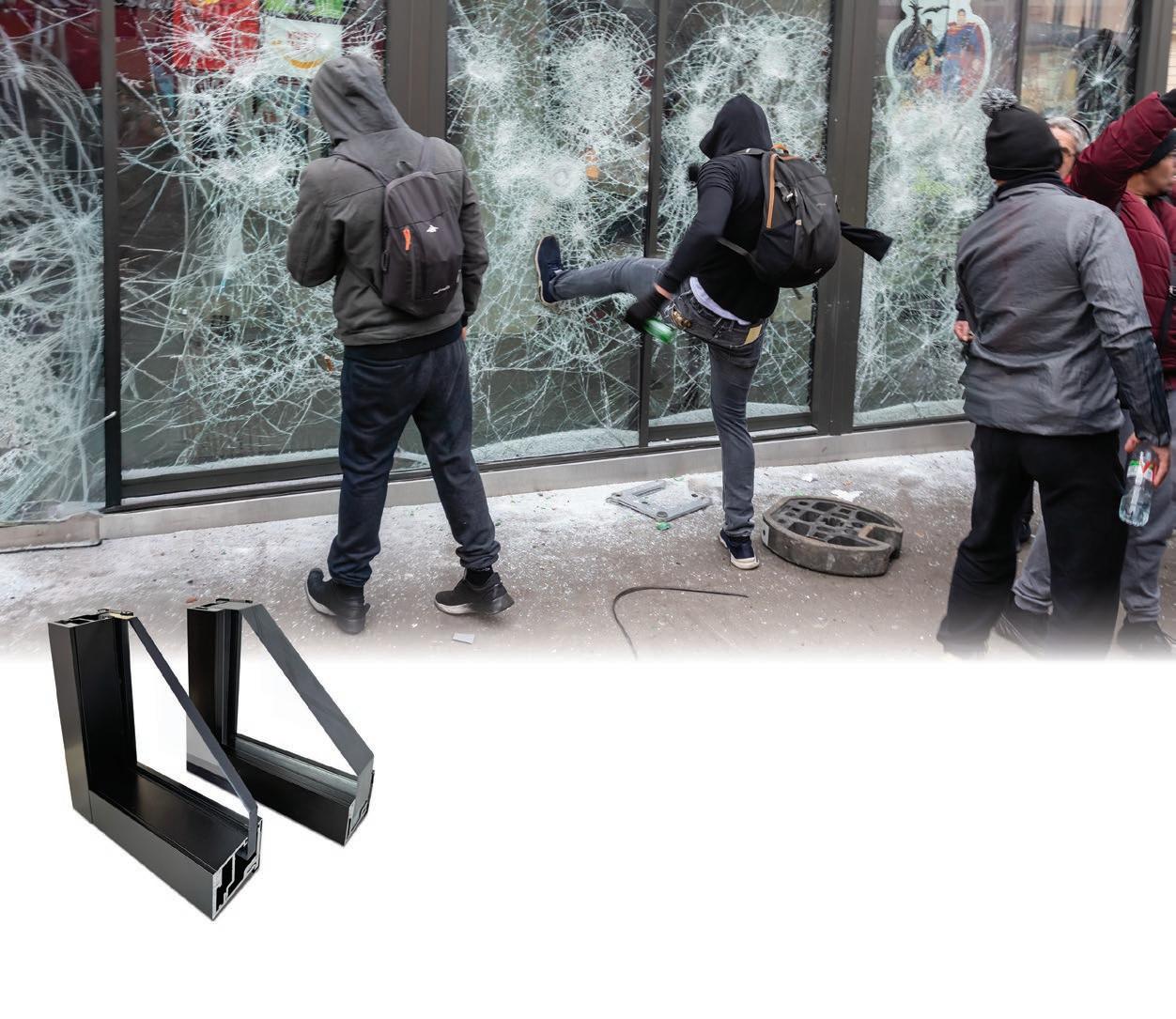
DESIGN EXISTING GLASS TO RESIST FORCED ENTRY
DefenseLite®Pro retrofit security glazing
Harden the building envelope without compromising budget or timelines.
DefenseLite® Pro delivers a high-performance retrofit solution for glass security in commercial environments.
This polycarbonate security glazing system mounts directly over existing glass to help delay forced entry and resist smash-and-grab, riot, and impact events. Designed for real-world threats, DefenseLite® Pro strengthens the building envelope without demolition, downtime, or disruption to occupants.
With heavy-duty anchoring, passive protection, and clear sightlines, it allows architects to specify security that performs while preserving transparency and daylight.
• DefenseLite® Pro mounts over existing glass
• Delays forced entry and impact events
• Heavy-duty anchoring for real-world conditions
• Maintains transparency and natural daylight
• Installs without demolition or operational downtime
• Passive protection with no power required
• ASTM 3561 Level 8 performance
• Ideal for retail, offices, schools, and government
Visit www.defenselite.com or call 888-689-5502.
AroundtheIndustry
HOSPITALITY
IHG Hotels & Resorts
IHG Hotels & Resorts is entering the United States all-inclusive market with plans to open the Voco Sandpiper All-Inclusive Resort in Port St. Lucie, Florida, marking the first all-inclusive property under its Voco brand in the country. The opening expands the upscale Voco portfolio, which launched in 2018 and now includes more than 100 hotels globally, with reservations available for stays.
One&Only Moonlight Basin
One&Only is entering the U.S. market with the opening of One&Only Moonlight Basin in Big Sky, Montana. Set on 240 acres within the larger Moonlight Basin community, the luxury resort will feature refined suites and cabins along with year-round experiences including skiing, golf and fly-fishing, marking a major milestone for the brand’s North American expansion.
Hilton
Hilton has launched the Apartment Collection by Hilton with Placemakr, introducing fully furnished apartments designed for extended stays in major U.S. cities, including New York City, Washington. D.C., and Atlanta. The new category blends hotel services with residential living across studio to four-bedroom layouts. Hilton also reached a renewable energy milestone with all managed hotels now using renewable power, a key move toward its 2030 emissions reduction goals.
Jamestown
Jamestown has unveiled Scout Living at Ponce City Market in Atlanta, introducing a flexible living concept that blends residential comfort with hotel-style convenience. The mixed-use property features 405 units available for short- and long-term stays, with one-bedroom apartments starting at $1,600 per month, along with amenities such as a fitness center, coworking spaces and sound-attenuating walls. Designed to appeal to frequent travelers, young professionals and creatives, Scout Living positions itself as an adaptable option for modern urban lifestyles.
JP Hospitality/Pan Am Hotel
JP Hospitality has introduced the Pan Am Hotel brand, with plans to debut its first airport hotels in Europe in 2028. Announced at the Expo Real trade fair, the concept aims to revive the spirit of Pan American Airways through distinctive, travel-forward hospitality, with initial properties planned at major European airports and expansion beyond Europe currently under negotiation.
Marriott International
Marriott International has introduced the Outdoor Collection by Marriott Bonvoy, a new brand focused on nature-based lodging, alongside Marriott Bonvoy Outdoors, a platform connecting travelers to outdoor experiences. The Outdoor Collection launches with Postcard Cabins
and Trailborn Hotels, while Marriott Bonvoy Outdoors has partnered with Outside Interactive to offer curated experiences in Hawaii, expanding the company’s reach into outdoor travel and adventure-led stays.
Studio 6
Studio 6 expanded its U.S. footprint with the opening of 38 extended-stay properties across major markets, including Phoenix, Dallas and Las Vegas, along with several smaller cities. The growth includes a mix of newbuilds and conversions, reinforcing Studio 6’s position in the extended-stay segment as demand continues to rise for affordable, long-term lodging options.
Hyatt Hotels Corp.
Hyatt Hotels Corp. has introduced Unscripted by Hyatt, a new brand in its Essentials portfolio designed for independent hotels and small portfolios. The concept offers properties access to Hyatt’s global platform and loyalty program with minimal brand standards, appealing to operators seeking flexibility alongside big-brand benefits.
Wyndham Hotels & Resorts
Wyndham Hotels & Resorts has launched Dazzler Select by Wyndham, a new franchise option designed for independent hotels in the economy lifestyle segment. The brand allows owners to retain their property’s unique identity while gaining access to Wyndham’s scale, including the Wyndham Rewards loyalty program and global distribution platform. The first Dazzler Select hotel has opened at Magic Moment Resort & Kids Club in Kissimmee, Florida, with plans to add 50 locations over the next five years.
Four Seasons Hotels and Resorts
Four Seasons, in partnership with Strategic Property Partners, is bringing a new luxury hotel and residences to Charleston, South Carolina. The eight-story Four Seasons Hotel and Residences Charleston will include 139 guestrooms and 36 residences, along with four restaurants, a spa and a fitness center.
University Hotels
A.F. Canta has introduced University Hotels, a new concept designed for university and hospital communities. Blending the luxury of a boutique hotel with the exclusivity of a private club, the brand emphasizes health and wellness while featuring floor-to-ceiling bookshelves and cozy lounges for a residence-like feel. The first property is slated to open in late 2025.
Ritz-Carlton Reserve
The Athens Group, together with Mohari Hospitality and Gencom, has opened Nekajui, a Ritz-Carlton Reserve, on Peninsula Papagayo in Costa Rica. The property is the first Ritz-Carlton Reserve in Central and South America, offering 107 ocean-view guestrooms, a beach club and seven dining venues.
RESTAURANTS
Famous Dave’s Bar-B-Que
Famous Dave’s is rolling out a co-branding strategy with fellow MTY Food Group concepts, launching dual units with Papa Murphy’s and Cold Stone Creamery. The first locations in Minnesota and Tennessee feature shared back-of-house operations to lower costs and boost returns, with expansion to other MTY brands under consideration.
Starbucks
Starbucks is rebranding assistant store managers as “coffeehouse coaches” as part of its Back to Starbucks initiative, a move aimed at sharpening the in-store experience. A pilot launched last fall delivered strong results in Chicago and Texas, with at least one coach expected at every U.S. location by year’s end.
Olive Garden
Olive Garden is returning to growth mode in Canada with a reentry into Ontario, opening new locations at Vaughan Mills this summer and in Ottawa’s Westboro neighborhood. Following an acquisition by Recipe Restaurant Group International and a deal with Darden Restaurants, the brand is setting its sights on broader national expansion.
Martucci Miami
Award-winning pizzaiolo Francesco Martucci is bringing his celebrated I Masanielli to the U.S. with a Miami debut in partnership with Liberty Entertainment Group. The new concept blends imported Italian ingredients with locally sourced produce, pairing signature favorites with new creations tailored for the American market.
El Pollo Loco
El Pollo Loco is resetting its growth trajectory with a renewed national expansion strategy. The brand is ready to move beyond its Southwestern roots, doubling its pace of new openings and targeting markets outside California, including Texas and Colorado, supported by fresh marketing and menu innovation.
Chipotle Mexican Grill
Chipotle has entered a marketing partnership with the PGA Tour, becoming the official Mexican restaurant of the PGA Tour and PGA Tour Champions. The collaboration builds on Chipotle’s “Real Food for Real Athletes” platform and aims to elevate fan engagement throughout the tour season.
TGI Fridays
TGI Fridays is charting a bold comeback with its new “1-2-3 Strategic Vision,” targeting $2 billion in revenue and more than 1,000 restaurants by 2030. The plan centers on brand activation, franchise growth, menu innovation and digital upgrades to reignite performance.
Bojangles
Bojangles has opened its first New York City restaurant in Brooklyn’s
East Flatbush neighborhood, marking the brand’s entry into one of the country’s most competitive fried chicken markets. The debut is the first of 20 planned locations citywide by 2035, introducing its signature chicken biscuits and 24/7 drive-thru to New Yorkers.
Dutch Bros
Dutch Bros is accelerating its expansion with the acquisition of Clutch Coffee Bar, a 20-unit concept based in the Carolinas. All locations will reopen as Dutch Bros stores following renovations, helping the brand rapidly scale in a region where it previously had limited presence as it targets more than 2,000 stores by 2029.
Jersey Mike’s Subs
Jersey Mike’s is making its first international move with plans to open 400 locations across the United Kingdom and Ireland. The expansion marks the brand’s entry into Europe and reflects growing global demand for delistyle subs built on quality, authenticity and a scalable franchise model.
F1 Arcade
F1 Arcade is accelerating global expansion plans across the United States and Europe, fueled by $130 million in recent funding and a growing franchise model. The eatertainment concept blends immersive racing simulators with elevated food and beverage and event-driven hospitality to drive repeat visitation.
The Breakfast Company
The Breakfast Company is gearing up for expansion with plans to add drive-thru service and enhanced grab-and-go offerings. The five-unit daytime concept, built around breakfast and lunch, leverages a central commissary to maintain consistency as it scales beyond its Sarasota, Florida roots.
Paris Baguette
Paris Baguette is setting its sights on Mexico as part of a broader international growth push. The bakery café plans to open 150 locations next year while expanding beyond the U.S. and Canada into Mexico, with longer-term ambitions across Central and South America.
El Club de la Milanesa
El Club de la Milanesa is planning a U.S. expansion, with a focus on Miami ahead of the 2026 FIFA World Cup. Backed by Lionel Messi, the Argentinian chain aims to introduce milanesa to a broader audience through franchising and premium sourcing as it builds brand awareness stateside.
Sweet Tomatoes
Sweet Tomatoes is gaining momentum with a comeback under new ownership, reopening its first post-pandemic location in Tucson, Arizona, and planning a second unit in Fort Myers, Florida, next year. Strong customer nostalgia and enthusiastic feedback are fueling renewed growth for the revived buffet brand. (Continued on next page)
AroundtheIndustry
RETAIL
Pink Chicken
Pink Chicken expanded its retail footprint with the opening of its 11th store in the Houston market, marking another step in the brand’s two-year growth strategy. Located in the Market Street district at The Woodlands, Texas, the store reflects Pink Chicken’s data-driven approach to site selection and focus on community-oriented, high-income markets, where its colorful, premium children’s apparel continues to resonate with families.
Wayfair
Wayfair is testing a reduced-size brick-and-mortar concept with plans to open a 70,000-square-foot store in Columbus, Ohio. The location will feature a broad assortment of furniture and appliances along with instore design services, while larger items will be fulfilled through Wayfair’s logistics network. The test comes as the company continues to expand its larger-format stores, including a planned location in Denver.
Tractor Supply Company
Tractor Supply is accelerating store growth following a record quarter, with plans to open 90 new locations this year and an additional 100 stores in 2026. Much of the expansion will target the Western U.S., where the retailer says refined site selection and updated store models are driving stronger-than-expected performance. The growth push aligns with Tractor Supply’s long-term national strategy as it continues investing in high-opportunity markets.
Primark
Primark is accelerating its U.S. expansion with new store openings and an increased marketing push, positioning itself to capture value-focused shoppers as ecommerce competitors face new tariff pressures. The retailer currently operates 33 stores across 13 states and plans to grow to 60 locations by 2026, including a flagship store in Manhattan, New York, reinforcing its long-term commitment to the U.S. market despite broader pricing pressures.
Canada Goose
Canada Goose has opened a new flagship on the Avenue des ChampsÉlysées in Paris, debuting its “Canada Goose 2.0” retail concept. Designed in collaboration with Oslo-based Snøhetta, the store features sustainable materials and immersive design elements, marking the luxury outerwear brand’s renewed focus on expanding its European presence.
GROCERS
Trader Joe’s
Trader Joe’s is ramping up store growth with 20 new locations announced and more expected. The specialty grocer opened two stores last April—in Seattle and Murfreesboro, Tennessee—and plans to add seven more in states where it already operates, including five in California.
Coborn’s
Coborn’s is opening a new Market & Table store in Plymouth, Minnesota, bringing a strong in-store dining focus to the supermarket format. The location will feature The Buttered Tin bakery and café, along with The Global Table food court, which includes three fast-casual concepts created by local chef David Fhima, positioning the store as both a grocery destination and a community dining hub.
99 Ranch Market
99 Ranch Market expanded to the East Coast with a flagship store opening in Flushing, New York. The location includes a 22,000-square-foot market and 15,000-square-foot food court.
H Mart
H Mart is expanding its California footprint with a new 100,000-square-foot, two-level store in Fremont that will be the largest in the state. Designed as more than a grocery destination, the store will blend elevated dining, a food hall and everyday shopping into a vibrant community gathering place.
Sprouts Farmers Market
Sprouts Farmers Market has rolled out its loyalty program, starting with 75 stores in Arizona. The grocer plans to open 35 new stores, add 350 private-label products and strengthen its supply chain by in-sourcing meat and seafood distribution.
Aldi
Aldi accelerated its U.S. expansion with nine new store openings at the end of 2025. The move is part of a broader pipeline of roughly 30 near-term locations. The push supports an aggressive growth plan to open 800 new stores over five years, with a heavy concentration of new openings in Florida, alongside continued growth across Alabama, Michigan, Ohio, Pennsylvania and South Carolina.
Ahold Delhaize USA
Ahold Delhaize USA is investing $860 million in a new distribution center in Burlington to support the continued expansion of the Food Lion banner. Construction is set to begin in 2026 with an expected opening in 2029, adding more than 1 million square feet of logistics infrastructure and creating more than 500 jobs as part of the company’s self distribution growth strategy.
Whole Foods Market
Whole Foods Market is enhancing in store education with a new online wine certification program developed in partnership with Wine Folly. The self-paced digital course currently is piloted in 50 stores and is designed to help associates better guide customers and elevate the wine shopping experience.
Building the Bench
Walmart invests in skilled trades to close the labor gap
Walmart is taking a hands-on approach to one of construction and facilities management’s most pressing challenges: the skilled trades shortage. In 2024, the retailer overhauled its internal training program to grow its own pipeline of maintenance technicians—workers capable of repairing equipment and handling electrical systems across distribution centers and stores. What started as a regional effort in the Dallas–Fort Worth area has since expanded into Indiana and Florida, signaling a long-term commitment rather than a short-term fix.
The tuition-free program blends classroom learning with real-world, hands-on instruction in HVAC, electrical systems and general maintenance. Nearly 400 employees have already completed the training, and every graduate has moved into a technician role. Those positions come with meaningful upside, including average hourly pay around $32 and clear pathways for advancement. Moving forward, Walmart aims to train 4,000 employees by 2030, a goal that could materially ease staffing pressures across its vast footprint.
Walmart is not alone in rethinking workforce development. Lowe’s also has stepped in with a 90-day online trades training program, underscoring a broader shift among large operators. For commercial construction and facilities leaders, the message is clear: investing in people is becoming just as critical as investing in projects.
“There’s a lot of things in Five Guys that we’re fanatical about, and we wouldn’t change. So we just kept doing it that way, and here we are.”
— Five Guys CEO Jerry Murrell on how the brand continues to thrive globally by staying true to its roots
“We have just over 600 hotels open. The goal is to get to about 800-plus hotels by 2027, and the five-year plan is to get to about 1,000 hotels through franchising and management contracts... Today, we have a huge presence in Europe and the Americas, including South America and Asia-Pacific. We also have a lot of focus in Southern Europe, but we feel there are a lot of opportunities for us in Northern Europe. The U.S. has a lot of opportunities for our brands, as well. We look at India, China and Japan. These are markets which are growing for us.”
ARCHITECT/DESIGN FIRM Special Report Survey
Interplan LLC
Rachel Reife, Director of Sales and Marketing 220 E. Central Pkwy, Suite 4000 Altamonte Springs, FL 32701 (407) 645-5008 (321) 246-4043
www.interplanllc.com
rreife@interplanllc.com
Year established: 1972, Number of employees: 190, Retail: N/A, Restaurants: N/A, Multi-Housing: N/A, Hospitality: N/A, Healthcare: N/A, Federal: N/A, Other: N/A, Total: $30,000,000.00, Completed Projects In 2025: N/A
— Minor Hotels CEO Dillip Rajakarier on the hoteliers new brands, growth and projections
“These openings and closings, they trend. You have peak years and then they have a dip, up or down. And this year looks like it’s going to be a down in terms of closings, maybe an up in terms of openings.”
— John Mercer, Head of Global Research and Managing Director at Coresight, on how brickand-mortar continues to make a comeback in a changing retail landscape
Learning on the Menu
Taco Bell opens education access to its entire workforce
Taco Bell is broadening its investment in people by expanding its Tacos and Tuition education benefit to all franchise employees for the first time. Previously limited to corporate and company-run restaurant workers, the move brings education access to thousands more team members across the brand’s system. It is a clear signal that talent development and retention are
becoming just as important as speed and scale in today’s labor-tight environment. The program offers tuition-free access to more than 3,000 online courses and education pathways, removing upfront cost barriers that often keep hourly workers from continuing their education. From high school completion and college degrees to professional certificates and career-fo-
Leading with Purpose
Fordham launches hospitality program built for the next generation
Fordham School of Professional and Continuing Studies is stepping into the hospitality conversation with a new program designed to meet the industry where it is—and where it is headed. Launched within the school’s Real Estate Institute, the initiative targets students aiming for leadership and entrepreneurial roles in hospitality at a time when the sector is evolving rapidly across development operations and investment.
The program blends hard skills with the soft skills increasingly demanded by owners, developers and operators. Students can pursue a Master of Science in Hospitality or advanced certificates in hospitality investment and development or hotel management and development. The curriculum is built to reflect real-world conditions—capital markets shifting guest expectations and the growing need for leaders who can connect people, place and performance. Just as important, the program aligns with Fordham’s mission to expand access and prepare future industry leaders regardless of background.
For the hospitality and commercial construction communities the move signals a deeper recognition that leadership pipelines matter. As projects grow more complex and competition for talent intensifies programs like this help ensure the next generation enters the workforce prepared to strategically lead teams and navigate change. Fordham’s approach underscores a broader truth for the industry: Strong buildings start with strong leadership and that foundation is built long before the first shovel hits the ground.
cused programs, the initiative is designed to meet employees where they are and support where they want to go. For franchise operators, it also creates a stronger bench of engaged workers who see a future with the brand rather than just a job.
In an industry long challenged by turnover, Taco Bell’s expansion reflects a broader shift in how operators think about workforce strategy. Education benefits are no longer viewed as perks reserved for corporate offices. Instead, they are becoming practical tools to attract talent, build loyalty and create stability at the unit level. For restaurant construction, renovation and operations leaders alike, programs like this highlight how investing in people can strengthen the entire ecosystem.
The Numbers Game
23.5
The average length of hotel construction projects today is in months, up from 17 months in the early 2000s, according to research from CoStar Group. Labor shortages, higher interest rates and increasingly complex hotel designs are extending timelines raising costs and increasing risk for developers.
10.9
The year-over-year increase in fourth-quarter foot traffic at fresh-format grocery stores in 2025, the strongest performance among all grocery categories, according to Placer. ai. Discount grocers and wholesale clubs also outpaced traditional stores as shopping peaks aligned closely with major holidays.
4,852
The number of hotel rooms expected to open in New York City in 2026, the most of any U.S. market, followed by Phoenix with 3,650 rooms, according to CoStar. Despite slower development overall optimism remains driven by a record pipeline of future projects.
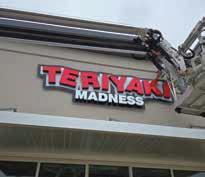
Imagine Your Brand in Lights
We will design something that is uniquely yours using our mastery of light, color and materials.
CORNER
Beyond the Blueprint
Meet the new digital defense strategy protecting projects from ground to cloud
Beyond the Blueprint
Meet the new digital defense strategy protecting projects from ground to cloud
By Spence Hutchinson
For years, the construction and renovation industry operated under a simple security premise: Secure the job site, protect the equipment and ensure the physical safety of the crew.
But as our industry has digitized, embracing everything from Building Information Modeling (BIM) to cloud-based project management to robotics, the “job site” has expanded into the digital realm.
In 2025, a stark reality emerged: We are no longer just building structures; we are defending employees’ identities. According to the 2026 eSentire Threat Response Unit (TRU) Report, the traditional “break-in” has been replaced by the “log-in.” For commercial construction firms, this shift is not just a technical hurdle; it is a fundamental threat to project timelines, vendor relationships and bottom lines.
The New Industrialized Underworld
Cybercrime has moved away from the image of the lone hacker. It has matured into a sophisticated, industrialized market. According to TRU, eSentire’s cybersecurity research and elite threat hunting team, today, for a mere $200–$300 a month, aspiring criminals can subscribe to Phishing-as-a-Service (PhaaS) platforms.
These turnkey services handle the technical heavy lifting, allowing even unskilled hackers to bypass multi-factor authentication (MFA) protections and harvest session tokens in real-time.
This industrialization is why identity-related threats surged by a staggering 389% over the past year (across all industries). In construction, the goal is rarely simply to disrupt operations; it is to intercept the massive financial flows inherent in the AEC industry.
Construction in the Crosshairs of Identity Threats
While every sector is under fire, the construction industry faces unique cybersecurity vulnerabilities. In 2025, although overall case volume in construction dipped by 27%, the sector exhibited notably
higher percentages of identity-related threats when targeted.
When attackers target construction, they aren’t just looking to deploy malware; they are prioritizing Credential Theft and Business Email Compromise (BEC), which accounts for 64% of all threats targeting construction.
Why? Because the industry relies on large, scheduled financial transactions. A single compromised identity can allow an attacker to sit silently in an email inbox, learn the rhythm of a project’s billing cycle, and eventually redirect a six-figure payment to a fraudulent account. The AEC industry’s sensitivity to downtime also makes it an attractive target for ransomware extortion.
Construction’s 3 Critical Threat Vectors for 2026
Based on TRU’s analysis of thousands of security incidents, three specific attack methods should be at the top of every IT manager’s radar this year:
1 The 14-Minute Activation Window
The speed of modern attacks has outpaced traditional human-paced defense. TRU documented that threat actors now begin exploiting compromised accounts within an average of 14 minutes of credential theft.
If your security team relies on next-day log reviews or business-hours-only monitoring, you are structurally disadvantaged against an adversary that moves from initial access within a victim’s IT environment to impact in minutes.
2 Email Bombing and IT Impersonation
This tactic saw a 14x increase year-overyear, the largest jump of any threat category. It’s a two-stage psychological attack:
Stage One: The attacker floods a user’s inbox with thousands of spam emails (an “email bomb”), making the account unusable.
Stage Two: Posing as “IT Support” via Microsoft Teams or phone (vishing), the
attacker offers to “resolve” the crisis they veager to fix their email, grants remote access.
From there, the path to ransomware deployment or a Business Email Compromise attack is measured in hours. Vishing attacks currently have a 72% success rate.
3 The Trusted Relationship Trap
The construction industry is a web of subcontractors, architects, and managed service providers (MSPs). Attackers are increasingly exploiting these trusted links.
Supply chain and trusted relationship attacks demonstrated an 85% intrusion ratio, the highest of any category. Security controls designed to stop outsiders offer little resistance when an attacker arrives using legitimate partner credentials.
construction firms must move beyond legacy security models. Here is the new blueprint for 2026:
Shift to Phishing-Resistant MFA –Traditional “push” notifications or SMS codes are no longer enough to stop industrialized PhaaS platforms. Invest in FIDO2/WebAuthn or passkeys, especially for privileged accounts. Phishing-resistant authentication eliminates the token interception vector entirely.
Implement 24/7 Response, Not Just
Detection – In a world where the exploit activation window is 14 minutes, detection without immediate response is effectively no detection at all. You need the capability to isolate compromised endpoints and suspend sessions at 2 AM, not 9 AM the next morning.
Cybercrime has moved away from the image of the lone hacker. It has matured into a sophisticated, industrialized market.
The 2026 Outlook: AI and the Insider Threat
Looking toward 2026, the integration of Artificial Intelligence (AI) will only accelerate these trends. We expect AI-driven voice synthesis to enable vishing operations at an unprecedented scale, allowing attackers to clone the voices of project executives or IT directors in real-time calls.
Furthermore, the “Extortion-as-a-Service” model will drive a shift toward insider recruitment. When technical perimeters are strong, attackers will simply offer financial incentives to employees in hightrust roles—such as SaaS administrators or finance personnel—to facilitate data exfiltration or fraudulent transactions from the inside.
Building a Resilient Defense
To stay ahead of the curve, commercial
Adopt Zero-Trust for Third Parties –Treat vendor and subcontractor access with extreme scrutiny. Use just-in-time (JIT) provisioning and time-bound credentials rather than persistent access for partners.
Monitor for Behavioral Anomalies –
Since attackers are “logging in” with valid credentials, your defense must focus on behaviors: unusual login locations, impossible travel, or mass file access patterns that deviate from a user’s normal baseline.
The cyberthreat landscape has evolved from a game of cat-and-mouse into a high-speed industrial battle. For the commercial construction community, the question is no longer if our identities will be targeted, but whether we have the systems in place to respond before the clock runs out.
Spence
Hutchinson is Senior Manager of eSentire’s cybersecurity research and elite threat hunting team, the Threat Response Unit (TRU).
Beyond the Hard Hat
Workforce study highlights growing business skills gap
By Patrick Hayes
For decades, the construction industry has operated on a simple assumption: master the trade, deliver quality work and the business will take care of itself. Technical competence was the gatekeeper. If you could build well, you were considered qualified to lead.
Our latest research suggests that assumption no longer holds.
Findings from the “Construction Industry Workforce Study” at Contractor Training Center point to a clear shift in where contractors are struggling most. The industry’s largest skill gaps are not centered on execution or on-site technical skills. They are rooted in business fundamentals—estimating accuracy, pricing strategy, scheduling discipline and financial management.
This does not diminish the importance of technical expertise. Craftsmanship, safety, and field execution remain essential. But our findings make a clear case that knowing how to run the business has become just as critical as knowing how to build.
The Real Vulnerabilities are Upstream
One of the study’s most telling findings is where contractors report feeling least prepared. Estimating accuracy ranked highest, cited by 41% of respondents. Pricing strategy followed at 33%, with project scheduling close behind at 29%.
Far from being secondary or administrative concerns, these are the decisions that determine whether a project is profitable before the first shovel hits the ground.
Many contractors still rely on informal estimating methods—copying past bids, applying rules of thumb or leaning on experience developed under very different market conditions. That approach worked when costs were stable and competition predictable.
Today, compressed timelines, volatile pricing and tighter margins leave far less
room for error. Minor miscalculations now carry outsized consequences.
Scheduling presents a similar risk. Poorly sequenced trades, missed inspections, or delayed approvals can cascade across a project, driving up labor costs and straining subcontractor relationships.
Scheduling, no longer just an operational task, is now a financial control mechanism. The data leaves little doubt that the industry is feeling the strain. The gaps are not about how to pour concrete or wire a panel. They are about planning, forecasting, and decision-making long before work begins.
Where Your Vision Meets Our Expertise
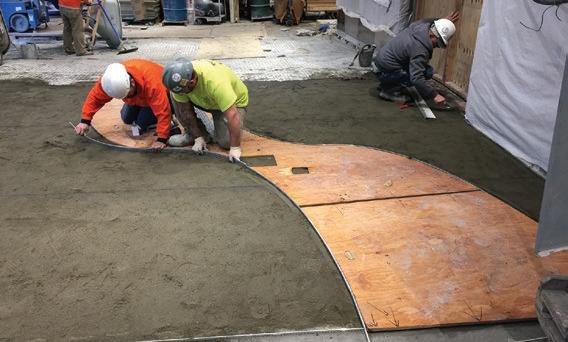
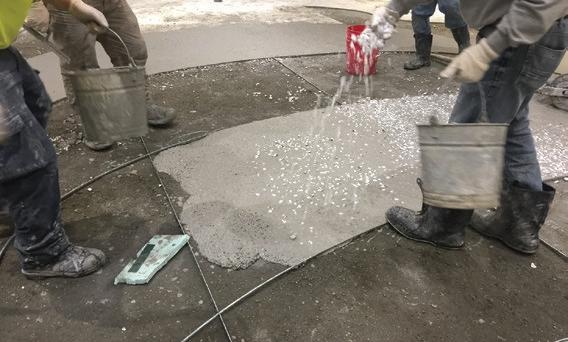
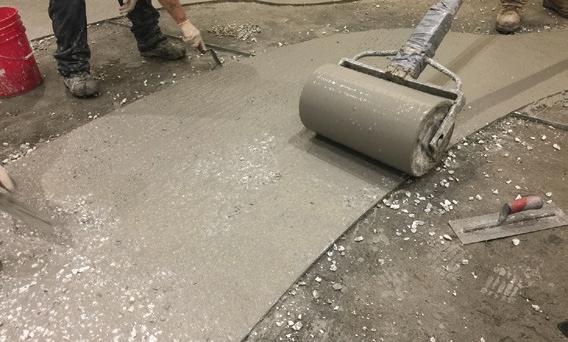
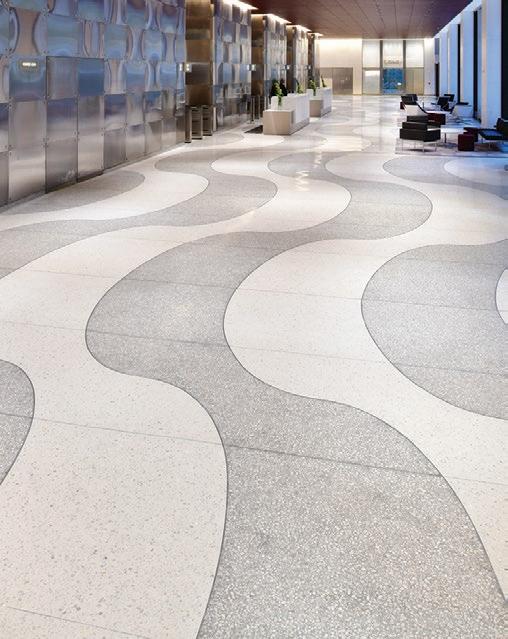
Terrazzo is a handcra ed building material; its primary components are assembled on the construction site. For 100-years, the contractor members of the National Terrazzo and Mosaic Association have brought integrity and skill to countless installations. The NTMA has the expertise your project needs. Find specifications, information, color samples, contractor and supplier members at www.ntma.com or call 800-323-9736.
Laudadio
Financial Blind Spots Compound Operational Stress
Financial management emerged as another major pressure point. Bookkeeping ranked as a skills gap for 28% of respondents, while cash flow management surfaced as one of the most significant operational concerns overall.
Construction businesses often encounter cash flow problems well before they appear unprofitable on paper. Retainage, delayed payments, and front-loaded material costs can force contractors to cover expenses for weeks or months at a time. Without accurate job costing and timely financial visibility, it becomes difficult to understand which projects are supporting the business and which are draining it.
As companies grow, those gaps widen. Practices that worked for a one-person operation rarely scale to teams of 10, 20 or 50 without stronger systems and financial discipline.
Training Priorities are Beginning to Change
There is, fortunately, a more encouraging signal in the data. Contractors are investing in professional development, and they are becoming more intentional about where that investment goes.
Survey respondents reported spending an average of $1,005 annually on exam preparation and licensing-related education. More importantly, nearly half identified estimating and bidding as their top training priority, followed closely by project management.
The future of construction will belong to professionals who can build well and make sound decisions long before work begins. The tools of the trade will always matter.
Consider a contractor managing three concurrent projects. Two are performing as expected. One is underperforming due to underestimated labor and unapproved change orders. Without clear bookkeeping and job-level financial tracking, all three projects blur together.
Revenue continues to flow, but profitability remains opaque. The business owner feels constantly busy, yet struggles to explain why margins are tightening or why cash always feels constrained.
What the data reveals is not a lack of effort or commitment. It points to a structural gap in how contractors are prepared for leadership. Most enter the industry through the trades. Few receive formal education in financial management, yet they are expected to make high-stakes business decisions daily.
This alignment matters because it suggests contractors are no longer treating business skills as secondary or optional. They are recognizing that improvements in estimating accuracy, schedule control, and financial management often have a greater influence on long-term viability than incremental gains in technical proficiency alone.
That, in turn, reflects a broader professionalization of the industry. Construction businesses today operate in an environment that demands greater transparency, predictability and accountability. Clients expect clearer pricing and delivery timelines. Lenders scrutinize financial controls. Employees look for stability and career progression, not just steady work.
In this context, the modern contractor is expected to function as both a technical
leader and a business operator. Fluency in numbers, schedules, contracts and risk management is now central to leadership.
The study suggests many contractors understand this shift. The challenge is whether training systems and industry norms are evolving quickly enough to support it.
Redefining What ‘Qualified’ Really Means
Technical expertise will always be foundational in construction. Buildings still stand or fail based on workmanship. Safety still depends on skilled execution. That reality has not changed.
But the industry is reexamining how training dollars are spent and prioritized. Much of the industry’s investment continues to flow through technical certification and compliance. Business skills are often left to trial and error, learned only after costly mistakes. Our findings suggest business skills development should also be an area of investment.
It also calls for better coordination across the industry. Trade schools, licensing bodies, employers and training providers can play a stronger role in forward skill planning. Business fundamentals need to be introduced earlier and reinforced as contractors move into larger, more complex projects.
For contractors, building these skills doesn’t call for becoming financial experts overnight. It is about gaining enough clarity to make informed decisions before problems compound. Knowing whether a bid is truly profitable, whether a schedule is realistic, or whether cash flow can support the next hire fundamentally changes how a business operates.
The future of construction will belong to professionals who can build well and make sound decisions long before work begins. The tools of the trade will always matter. Increasingly, so will the systems, numbers and decisions that support them. CCR
Patrick Hayes is GM at Contractor Training Center by Colibri Group, an online platform that has helped thousands of professionals in construction, electrical, plumbing, HVAC, roofing, and more achieve their licensing goals.
Student Insider
Presented by
Student Insider
Dear Skills Trade Student
While construction and technical skills are your primary focus, ConstructEDU Student Insider (CEDU) is designed to supplement your education by providing content that dives into the business of the commercial construction and renovation industry. The bi-monthly newsletter covers areas such as emerging technologies, regulatory issues and other factors shaping the diverse industry’s future. CEDU also features insights and profiles from industry thought leaders on the trends and challenges affecting the marketplace.
Delivered at no charge, we not only encourage you to make CEDU a part of your educational consumption, but also to share it with your peers.
Kingspan Partners with Buildner on 11th MICROHOME Competition
The future of compact living is back on the drawing board. Kingspan has announced a partnership with Buildner for the eleventh edition of the MICROHOME competition, unveiling a $115,000 prize fund to support bold new thinking in sustainable, small-scale housing. The global competition challenges architects, designers and creative thinkers to rethink what a microhome can be—in a world shaped by urban density, affordability pressures and environmental urgency.
Restaurant Foundation Opens $1M Scholarship Window
Students pursuing careers in the restaurant and hospitality industry have a new opportunity to fund their future. The National Restaurant Association Educational Foundation has opened applications for its 2026–2027 scholarship program, with nearly $1 million in financial support available for the upcoming academic year. Applications are open through March 15 at ChooseRestaurants.org/Scholarships.
To Subscribe CLICK HERE!
More HERE
Read More HERE
IIDA NY Honors Fifth Annual Hazel Siegel Scholarship Recipients
Three standout design students headed to Dallas this February—carrying forward a powerful legacy in the process. The students were guests of The International Interior Design Association New York Chapter (IIDA NY), which named them winners of its fifth annual Hazel Siegel Scholarship. The award recognizes exceptional academic achievement, community engagement and forward-thinking design.
Read More HERE
Workforce Readiness: Charter Schools Leading the Way
Across the country, public charter schools are redefining what high school preparation looks like—moving beyond textbooks and into hangars, barns, design studios and boardrooms. At a time when industries are calling for skilled talent and clearer career pipelines, there are a number of schools responding with hands-on programs that connect students directly to workforce needs.
Read More HERE
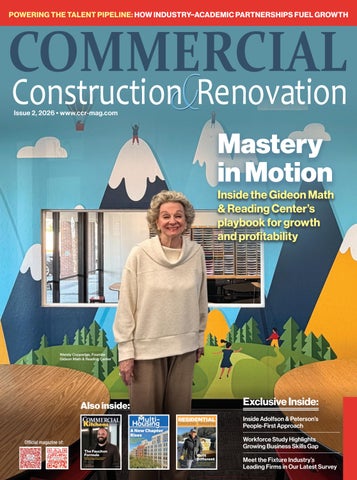
Mastery in Motion
Inside the Gideon Math & Reading Center’s playbook for growth and profitability
When Stephanie Coppedge talks about growth, she does not start with square footage or site selection. She starts with students. Long before Gideon Math & Reading Centers expanded past 30 locations, Coppedge was in a classroom in Austin, Texas, teaching high school math and seeing firsthand where traditional instruction left gaps. In 2002, she joined her family to help launch Gideon, bringing with her a teacher’s perspective and a belief that confidence grows through both memorization and deep understanding.
Over the next two decades, Coppedge worked in every layer of the business. She helped shape Gideon’s proprietary curriculum. She gained operational experience at the corporate center in Coppell, Texas. And when the company began franchising in 2012, she shifted her focus toward something bigger: equipping franchise owners with the tools, systems and support to build profitable centers that truly change academic outcomes.
Today, as CEO, Coppedge leads a growing national footprint with clarity and discipline. Gideon’s model—evaluate, master, succeed—mirrors her leadership style. Every student begins with a free evaluation to identify learning gaps. Daily, structured practice builds skills step by step. Confidence follows.
As the brand scales, that clarity extends beyond curriculum into the physical environment. Recent multi-location builds,
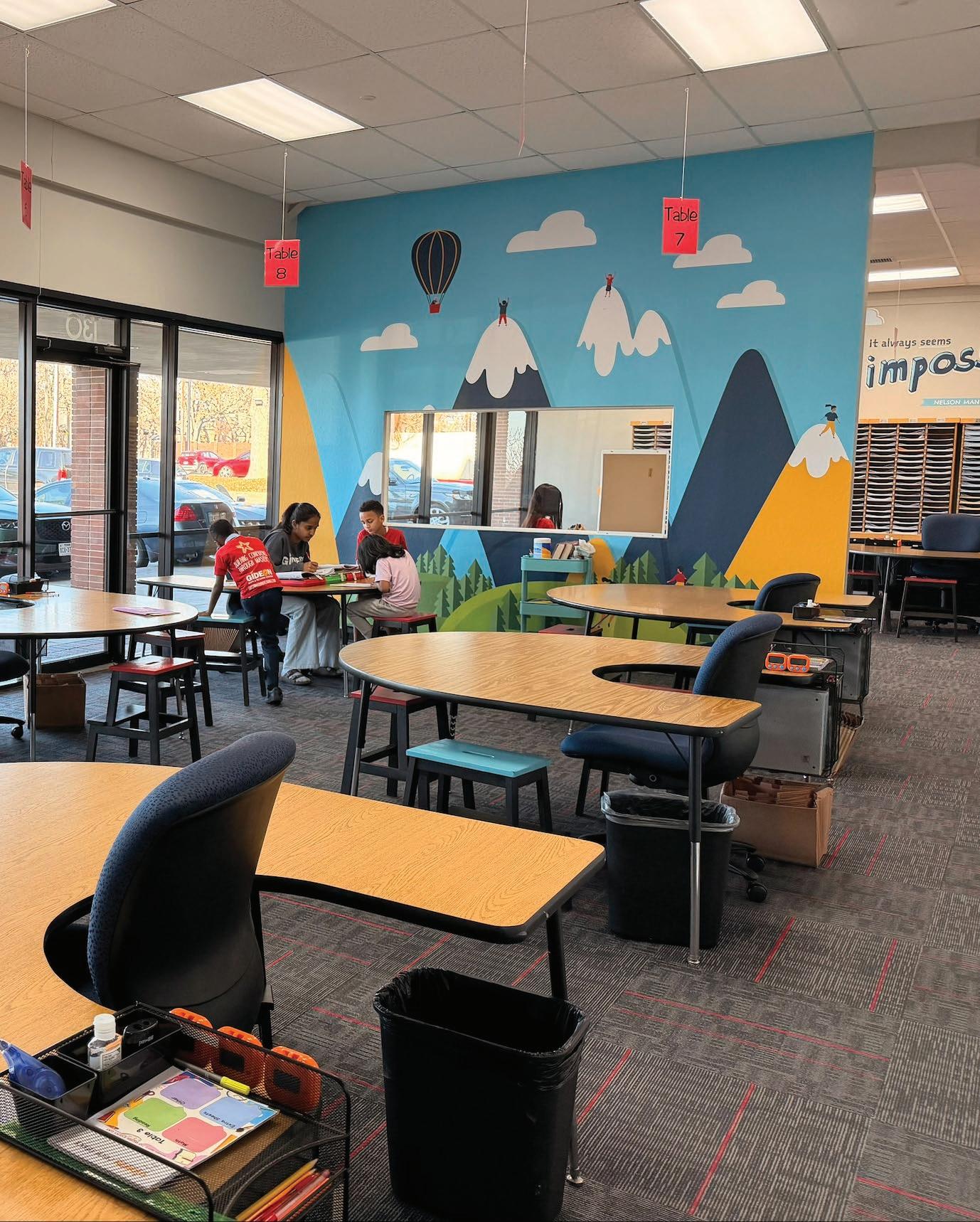
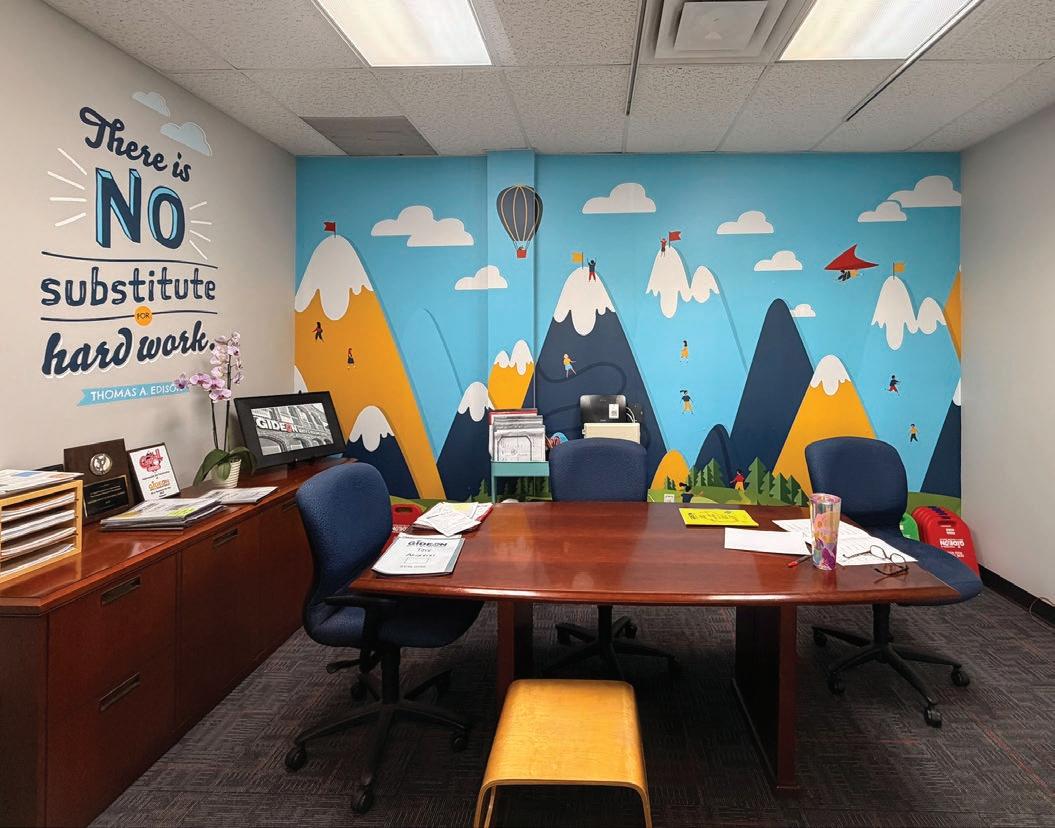
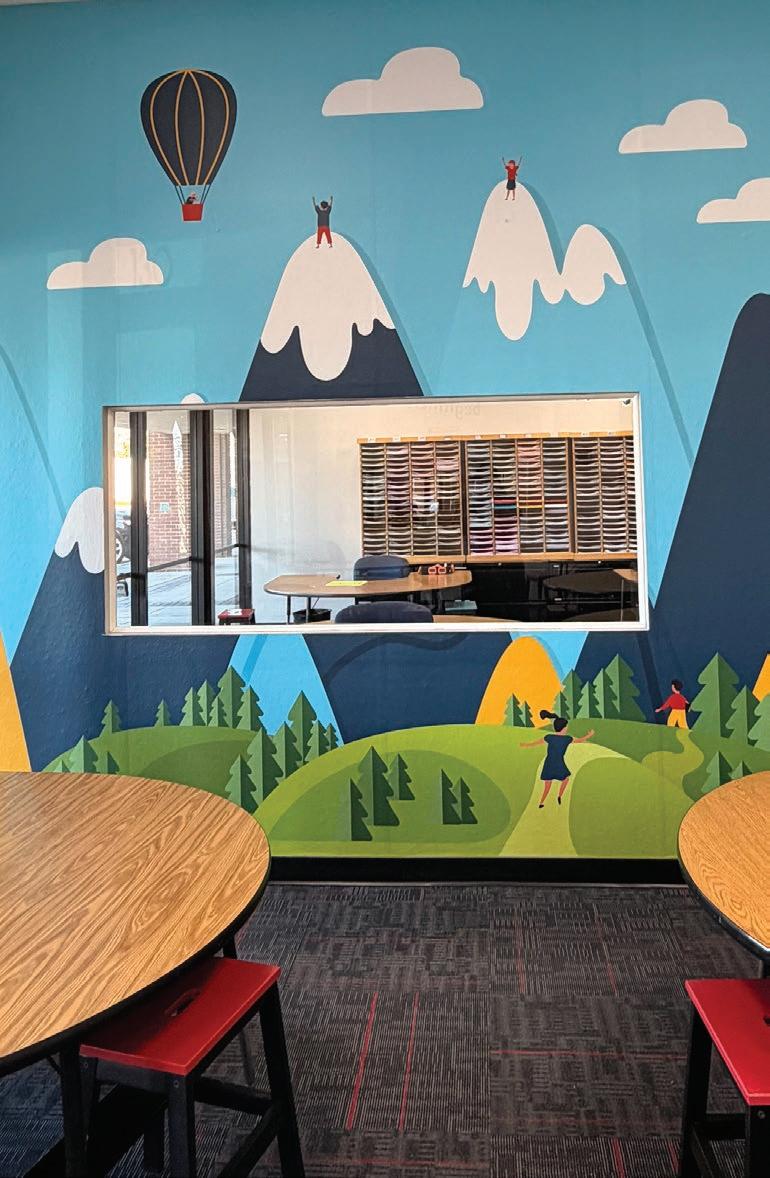
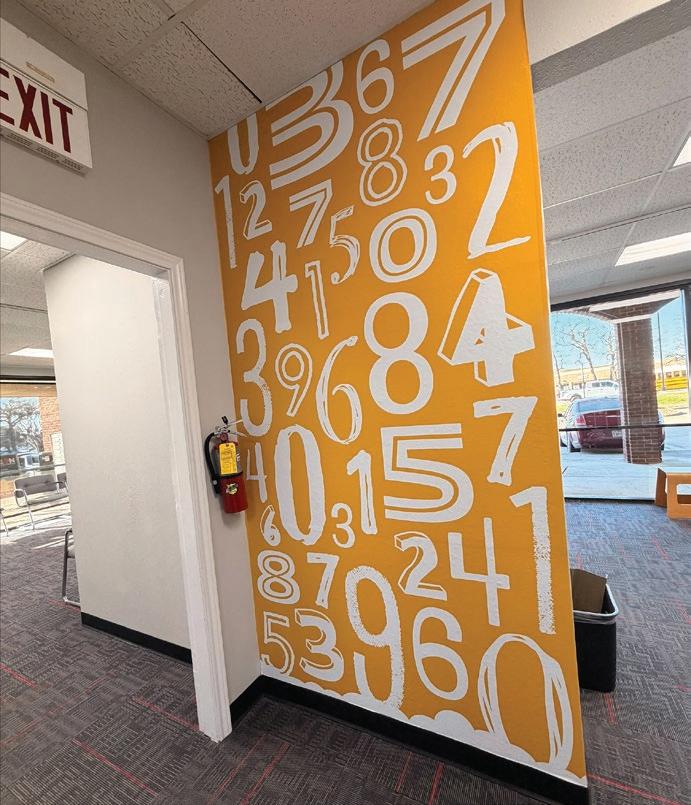
We want a warm, welcoming feel that has a whimsical look to appeal to the child. We use the murals to set the tone and be visually appealing to the students.
supported by partners like Matt Polster of SpeedPro Addison, bring Gideon’s upbeat, welcoming identity to life through thoughtful interior and exterior graphics. But for Coppedge, design is not decoration. It is reinforcement—a visual reflection of a system built on structure, accountability and belief in every child’s potential.
Here, Coppedge shares how disciplined growth, strong franchise support and a relentless focus on mastery continue to power Gideon’s expansion nationwide.
How did your company get into building franchise education centers? What drives your mission today?
We are a faith-based company. My late father was a strong believer and felt led to
We are thinking about how to appeal to the child and get buy-in from them as well as the parent.
start our own brand after being a franchisee of another. This is a calling for my family, and we are driven by the desire to help children learn and make school easy.
Education centers are part retail, part classroom, part community hub. How do you approach design to reflect what today’s families expect when they walk through the door?
We want a warm, welcoming feel that has a whimsical look to appeal to the child. We use the murals to set the tone and be visually appealing to the students.
BUILDING YOUR BRAND
Our master builders travel wherever our customers want to grow. Decades of cross-country construction allow us to build a Wesco in the northern Michigan snow and ensure that a Real Seafood in Florida adheres to hurricane building codes.
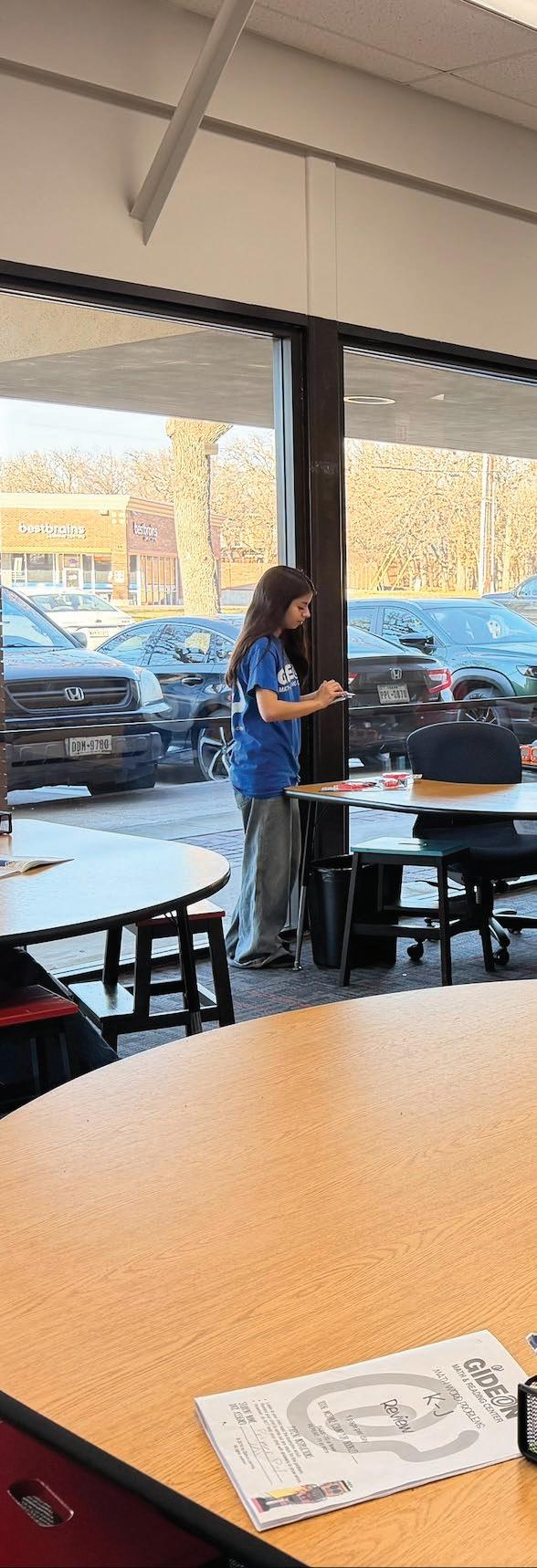
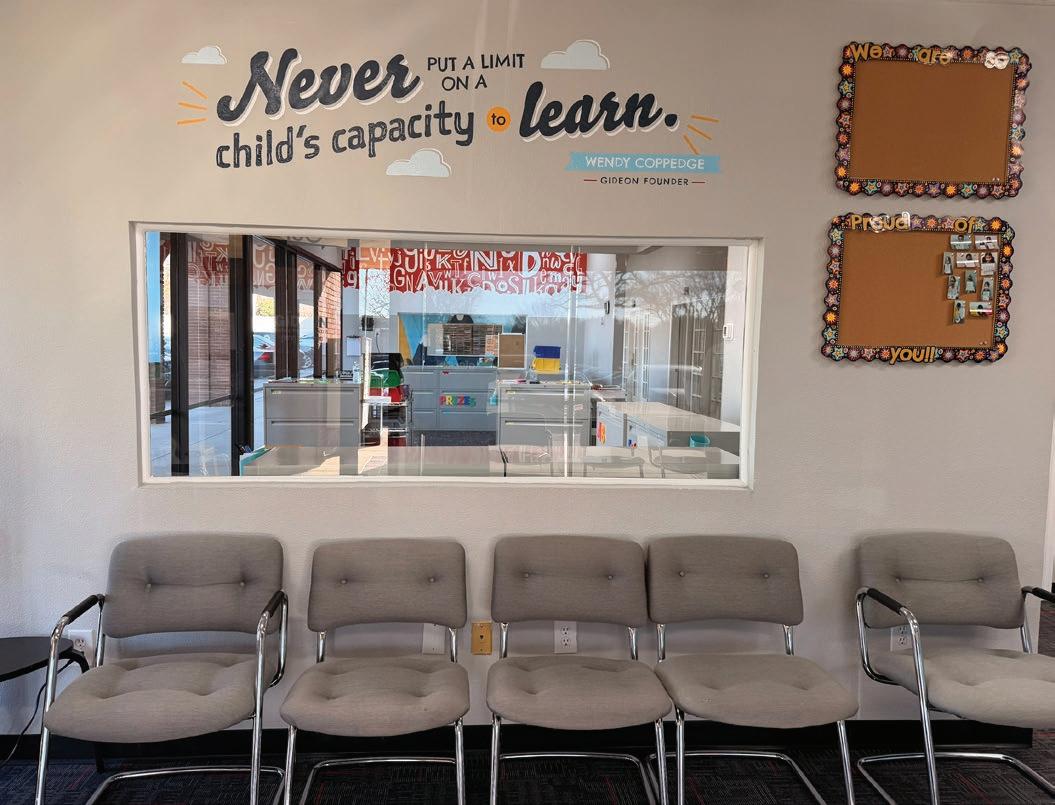
We really wanted transparency for the parents, so we have large glass windows from the waiting room that allow viewing all the way to the back of the center.
Walk us through the strategy behind a typical Gideon layout. How do flow, visibility, acoustics and flexibility factor into your build decisions?
We have a simple layout with a waiting room and office in the front and one to two large classrooms behind that. We really wanted transparency for the parents, so we have large glass windows from the waiting room that allow viewing all the way to the back of the center. We have a Gideon brand wall mural that welcomes parents and students in the front waiting room.
Franchise work demands consistency—but every market is different. How do you maintain brand standards while adapting to local conditions and spaces?
The most important items are getting the right street frontage and location. We can adapt the inside of most spaces over about 1,200 square feet to work for our brand since we are fairly simple.
We help create a basic layout they can pass along to the architect. Almost all new locations are able to have the Gideon brand wall mural in the front, but if not, we’ll find another good spot.
What cultural or design trends are influencing how educationfocused retail spaces are being built right now?
Honestly, we don’t follow trends and are just doing what’s right for our brand.
What kind of experience should a parent and student have in one of these centers? How does construction help shape that journey?
The experience should be warm, open, inviting and fun. The murals help set that tone with fun designs. The windows allow
Paper Towel Dispensers
Waste Receptacles
Soap Dispensers
Mirrors Grab Bars
Shelves and Hooks
Seat Cover Dispensers
Toilet Paper Dispensers
Napkin Disposals
Beautiful Alone. Brilliant Together.
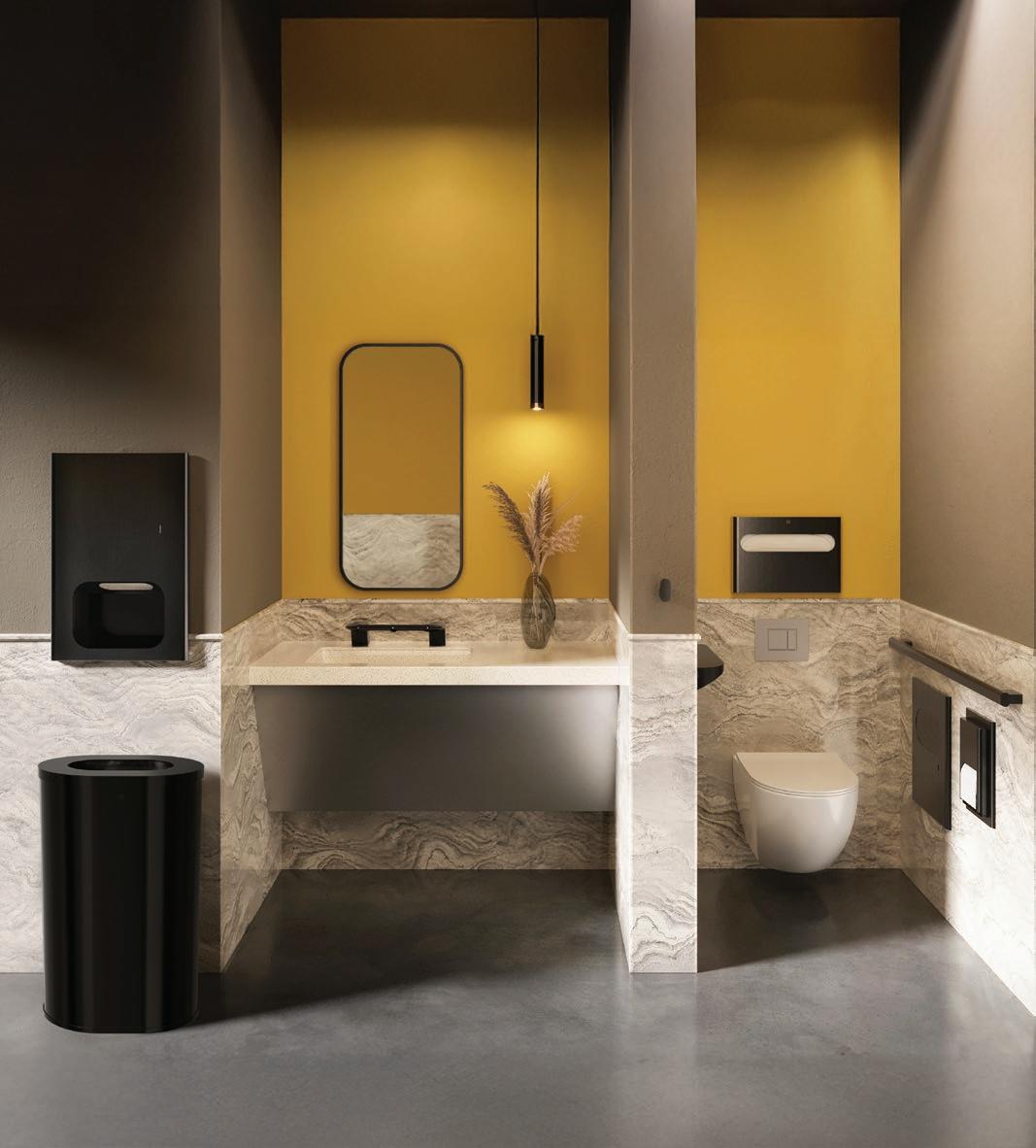
The new Elvari™ collection delivers on design — pairing refined aesthetics and finishes with the most comprehensive suite of commercial washroom accessories. The result is a washroom experience that feels elevated, cohesive, and unmistakably modern. Discover the beauty of unity, only from Bradley. Available in 5 popular colors and Satin Stainless.
One on One with Gideon’s Stephanie Coppedge
Describe a typical day on a franchise school build. What keeps you moving?
I can tell you the best day is mural install day. A new center feels polished with the murals and window clings installed by SpeedPro Addison.
What’s the best advice you’ve ever received about leadership or construction?
To stay hyper-focused and be excellent with your main thing. “The difference between successful people and really successful people is that really successful people say no to almost everything.” — Warren Buffett, investor and philanthropist
parents to relax as they can view their child at any time.
How are you innovating in scheduling, materials or processes to help owners open faster and smarter?
We use SpeedPro Addison to handle the full mural process: measuring, printing and installation. Once I send the email to get the process started, the SpeedPro Addison team handles the rest.
What sustainable building practices are you incorporating into the centers?
This is usually pre-decided by the landlord.
From your vantage point, how is the education-retail hybrid space evolving?
We are thinking about how to appeal to the child and get buy-in from them as well as the parent.
When you look at the bigger picture, what excites you most about building spaces that directly impact how children learn and grow?
It’s knowing that with every new location we impact new students and potentially change their lives. CCR
What’s the biggest challenge you’re solving right now?
Figuring out how to move permits faster.
What’s something a franchise owner or parent has said that stuck with you?
At our recent Gideon Owners Conference, an owner told me the No. 1 thing she needed from this business was the love from the children. That is why we do it. We know we are making a wonderful impact on the students, and the students make a wonderful impact on us as owners.
IT’S THAT SIMPLE
We’re a company with a fresh approach. We are highly skilled and passionate design and construction experts brought together and bonded by mutual trust and respect.
Every member of the PMC team stands ready to deliver, regardless of location, complexity or challenge. We will bring your projects to market with a focus on quality, performance and speed.
Professional Design and Project Management Services for the Retail, Restaurant, Hospitality, Entertainment and the Commercial Markets.
Better. Faster. Smarter
Fixture Firm Survey Spotlights Leaders
Shaping
Commercial Spaces
Ffrom c ustom millwork and architectural casework to large-scale retail rollouts and hospitality installations, fixture firms play a vital role in bringing commercial environments to life. Our latest Fixture Firm Survey highlights the companies delivering precision craftsmanship, innovative materials and turnkey solutions for projects across the retail, restaurant, healthcare and hospitality sectors., Contact Publisher David Corson at davidc@ccr-mag.com .
At Flexecution, we believe the best retail environments are built on personal partnerships. It was great discussing your nationwide rollouts and custom build-outs.
R Ready to dive deeper? Let ’s keep the momentum moving and let us Flexecute your next project.
BEYOND BORDERS Connecting the Global Retail Dots:
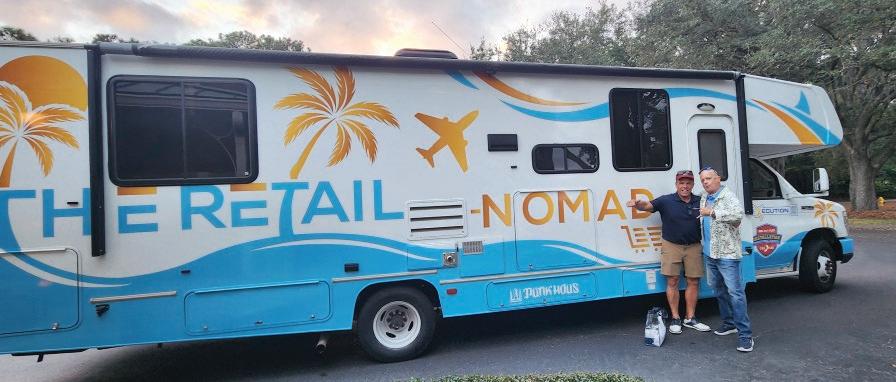
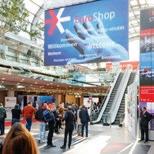
Nick Harbaugh is on an “International Exploration.” From the bustling aisles of in NYC and the innovative in Hollywood, FL, N NRF MOB Forum to the global stage of in Düsseldorf, Germany. These past E EuroShop few months were about more than just travel; they were about connecting the dots for our partners. Now that we’re back, let ’ s keep the momentum moving forward. We are ready to turn these global insights into your next successful project!
D DON’T MISS THE NOMAD
Whether you have a story to tell or a store to show off, Nick wants to hear from you. Scan the QR code to the left to put your store in the spotlight and connect today!
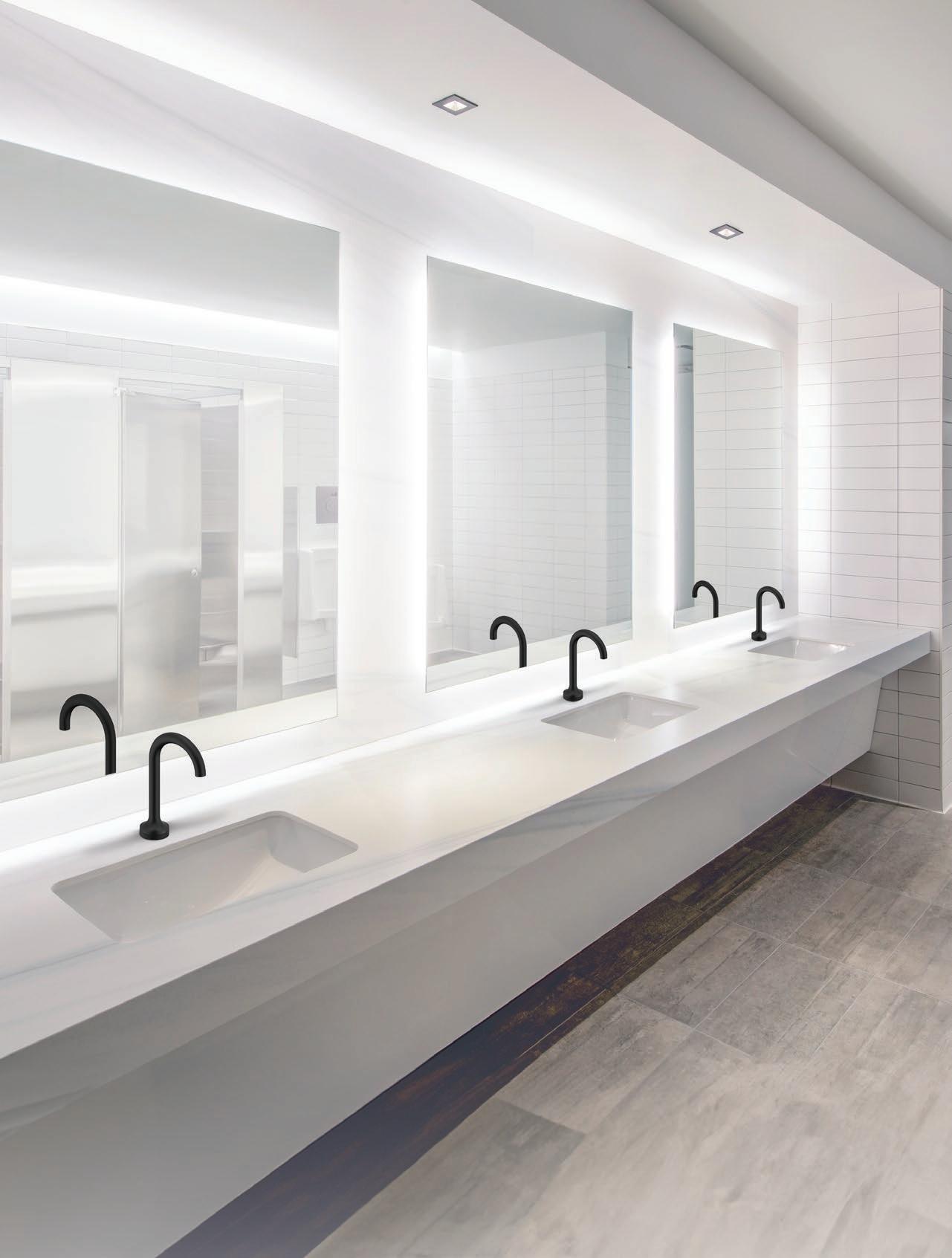
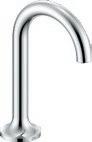
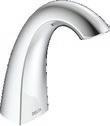
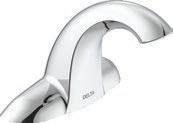
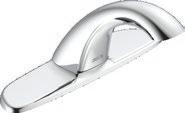
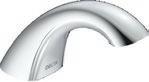
Proximity® Sensing Technology offers a new standard in faucet innovation by delivering a seamless touchless experience that enhances hygiene, durability, and design without any visible sensors.
The Talent Pipeline, Reimagined
How industry–academic partnerships can support growth
By Christopher Johnson & Chris Elliott
The construction industry is entering a defining decade. Demand for new facilities, infrastructure upgrades and redevelopment projects continues to rise. At the same time, contractors, owners and developers are navigating an increasingly complex environment: tight labor markets, evolving safety and regulatory requirements, supply chain challenges and the growing integration of technology into every phase of a build.
While cranes and capital are visible signs of growth, the industry’s most pressing challenge today is less obvious: developing enough management-ready professionals to lead future projects, teams and organizations.
According to the U.S. Bureau of Labor Statistics, the construction industry is projected to grow by 4.7% by 2033. Yet, employers continue to report difficulty finding graduates who are prepared to step into these roles.
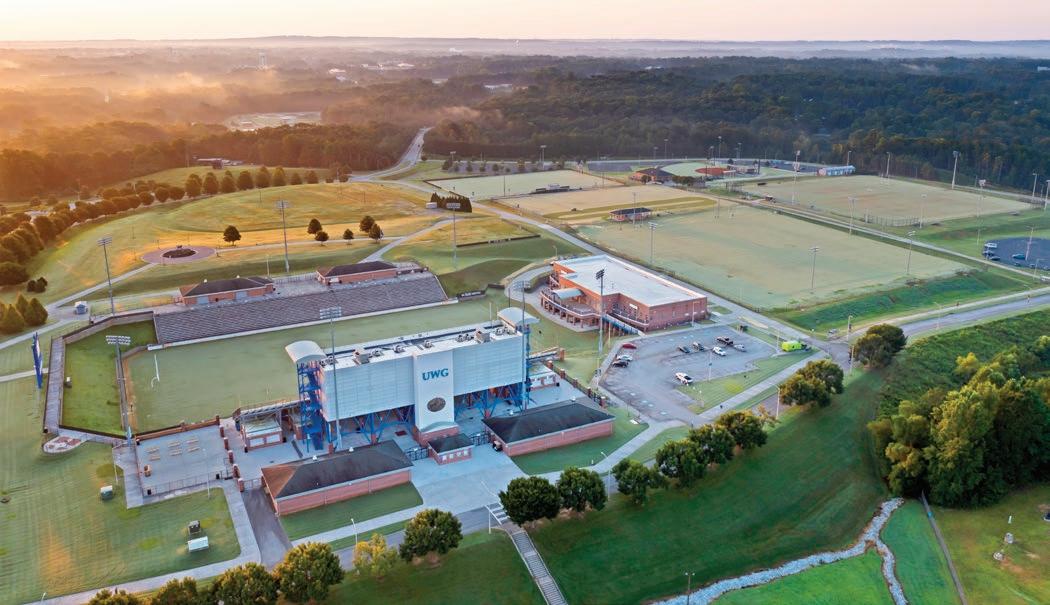
That challenge prompted a new kind of collaboration in Georgia.
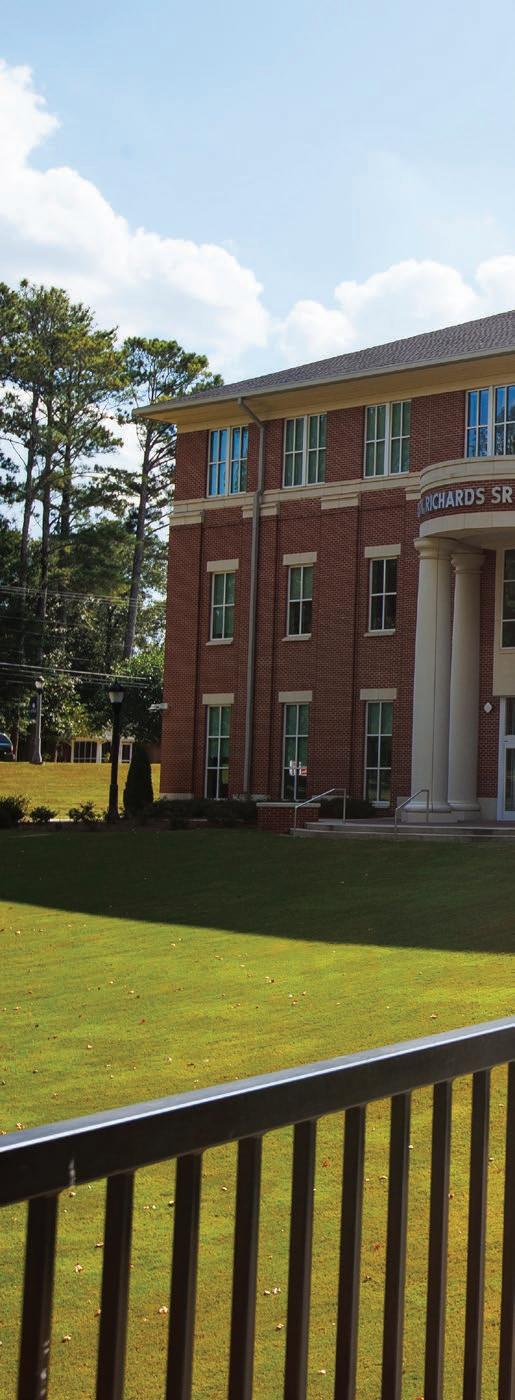
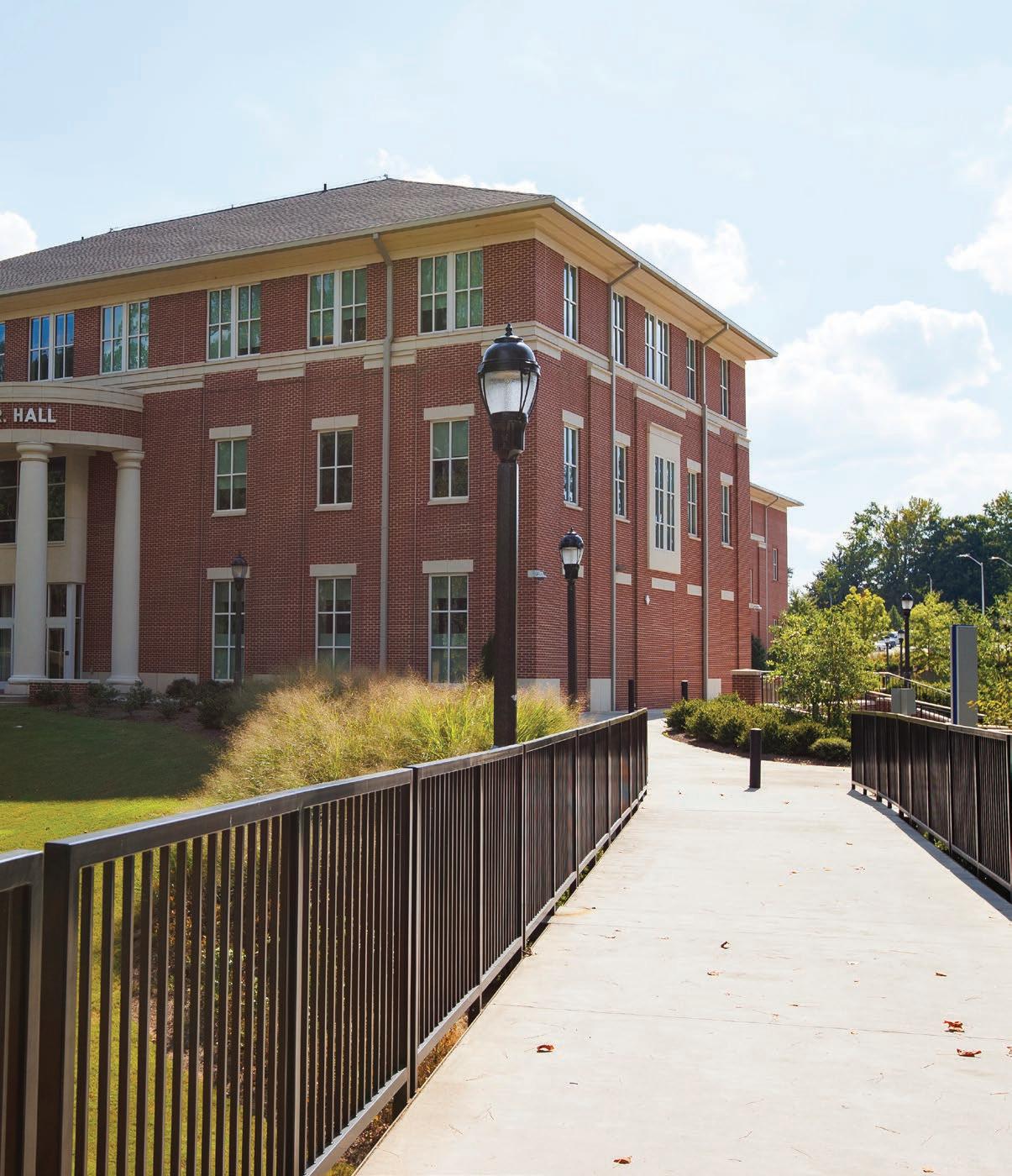
In 2025, Caliber 1 Construction made a $1.5 million investment to help establish a new Construction Management Concentration within the Richards College of Business at the University of West Georgia. The partnership was designed to address a shared concern: how to better align academic preparation with the real-world
Construction has always been essential to economic progress. As the industry continues to grow and change, the need for capable, adaptable leaders will only intensify.
demands of today’s construction industry—while strengthening the local talent pipeline for the long term.
A Growing Industry with a Talent Gap
According to a report by the Associated General Contractors of America, construction is one of Georgia’s most vital industries, contributing approximately $45 billion, or 5.2% of the state’s GDP, and continuing to grow. Plus, Georgia Department of Labor
data shows the construction sector added 7,100 jobs in 2024 alone, marking growth in 11 of the past 12 years.
Demand is particularly strong for project managers, preconstruction estimators, schedulers and first-line supervisors— roles that require both technical understanding and leadership capability.
Despite this growth, the industry faces a persistent gap. Many graduates enter the workforce with either a technical construction background or a general
business education, but not both. As a result, employers often spend significant time and resources bridging the divide.
Closing that gap requires rethinking how construction leaders are educated from the start.
Why Construction Management Belongs in a Business School
When the University of West Georgia evaluated workforce needs in the region, one insight stood out: relatively few construction management programs are housed within AACSB-accredited business schools. Yet construction managers operate, first and foremost, as business leaders.
Placing the Construction Management Concentration within the Richards College of Business was a deliberate decision. Students build a strong foundation in finance, accounting, management, analytics and organizational leadership— then apply those principles directly to construction-focused coursework.
This approach reflects how the industry actually functions. Successful construction leaders must understand job costing, cash flow, contracts and risk management just as well as scheduling software and logistics. Embedding construction education within a business framework prepares graduates to manage complexity, communicate across disciplines and make informed decisions under pressure.
Program Structure: From Classroom to Jobsite
The Construction Management Concentration—admitting students now to start in August 2026—is designed to be both rigorous and practical.
Students complete a core business curriculum alongside construction-specific courses that emphasize project management, estimating, scheduling, safety and operations. Coursework aligns with national benchmarks and
incorporates industry-standard tools and technologies, helping students become familiar with real-world systems before entering the workforce.
Central to the new program is a required construction-related internship. Every student gains hands-on experience in active construction environments, applying classroom concepts to real projects while learning from experienced professionals. These internships are complemented by job shadowing opportunities, site visits, guest lectures and mentorship from industry leaders.
Experiential learning is not treated as an add-on—it is integrated throughout the program to ensure students graduate with both confidence and competence.
The Role of Industry Partnership
The partnership between the University of West Georgia and Caliber 1 Construction reflects a broader shift within the industry toward proactive workforce development.
Industry partners were engaged early in shaping the curriculum to ensure it reflects the skills employers actually need. Ongoing involvement—including internships, mentorship and on-site learning— will help keep the program relevant as construction practices continue to evolve.
The university will also establish an industry advisory council to provide long-term guidance, ensuring the concentration adapts to changes in technology, safety standards, sustainability practices and delivery models. Future plans include exploring non-degree certificates and potential construction-focused offerings within graduate programs, expanding access for both emerging and mid-career professionals.
Supporting Regional Economic Growth
Beyond individual career outcomes, the program is designed to support regional growth. By offering a four-year construction management pathway close to home, the university helps retain talent within west Georgia— reducing hiring costs for employers and strengthening the local construction ecosystem.
Graduates who stay in the region contribute not only to projects, but to the long-term vitality of the communities where they live and work.
This local focus is especially important in fast-growing regions, where infrastructure, housing, healthcare and commercial development must keep pace with population growth.
Preparing for What Comes Next
Construction has always been essential to economic progress. As the industry continues to grow and change, the need for capable, adaptable leaders will only intensify.
The Construction Management
Concentration at the University of West Georgia represents one response to that challenge—rooted in collaboration and the future of education. It reflects a shared belief that preparing construction leaders requires more than technical training or business theory alone.
By intentionally integrating business fundamentals, construction expertise, and real-world experience, programs like this help ensure the industry is not only building for today, but preparing for what comes next. CCR
Christopher Johnson, Ph.D., is Dean of the Richards College of Business at the University of West Georgia, where he focuses on career-connected learning and preparing students for the future of work.
Chris Elliott is CEO of Caliber 1 Construction, a commercial general contractor headquartered in Georgia, and a University of West Georgia alumnus actively involved in industry workforce development initiatives.
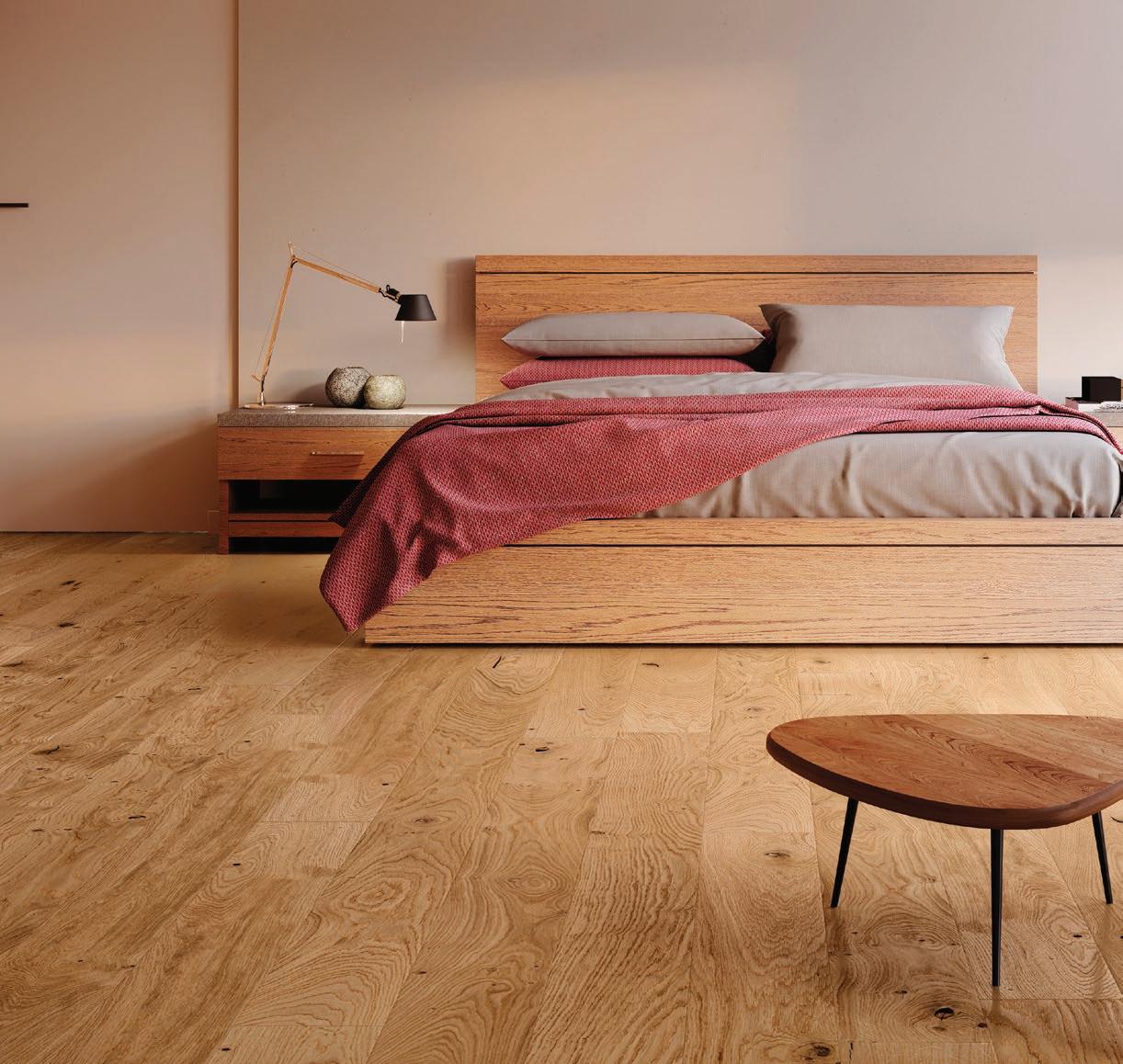
Size
Material
Type of Material
Layer 1 0.5 Wear layer Use layer with PU protection
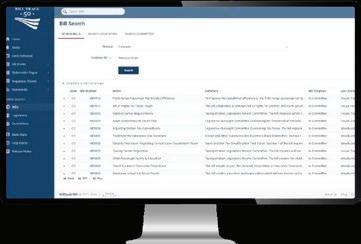
To track government construction regulations, you have to continually monitor key agencies and deep dive all the states you work in for those regs. Or, you can now just Hire the Hound —
The BillTrack50 Regulation Hound.
This brand new regulation tracking tool is the first truly great tracker out there.
BillTrack50's Federal and State Regulatory Tracking Hound actually tracks. It runs down the key changes that affect your business, from start to finish. See for yourself.
You can Hire our Hound for a 30-day FREE TRIAL or schedule a demo with one of our experts to see how you can start saving time and money today!
BillTrack50 software dives into the swamp of regulator bulletins, administrative websites, and hard to find documents, breaking them all into individual regulation entries for understanding, and figuring out how they are all related. It handles the mess others ignore.
Daniel Monteiro, COO Reidy Contracting Group
The Fauchon Formula
Building a luxury culinary destination in the heart of Midtown Manhattan
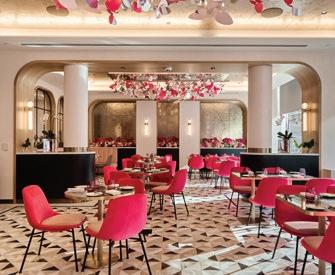
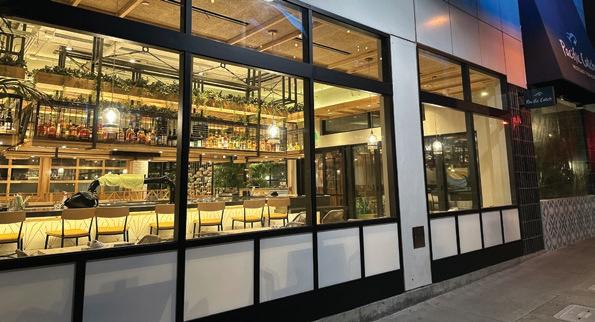
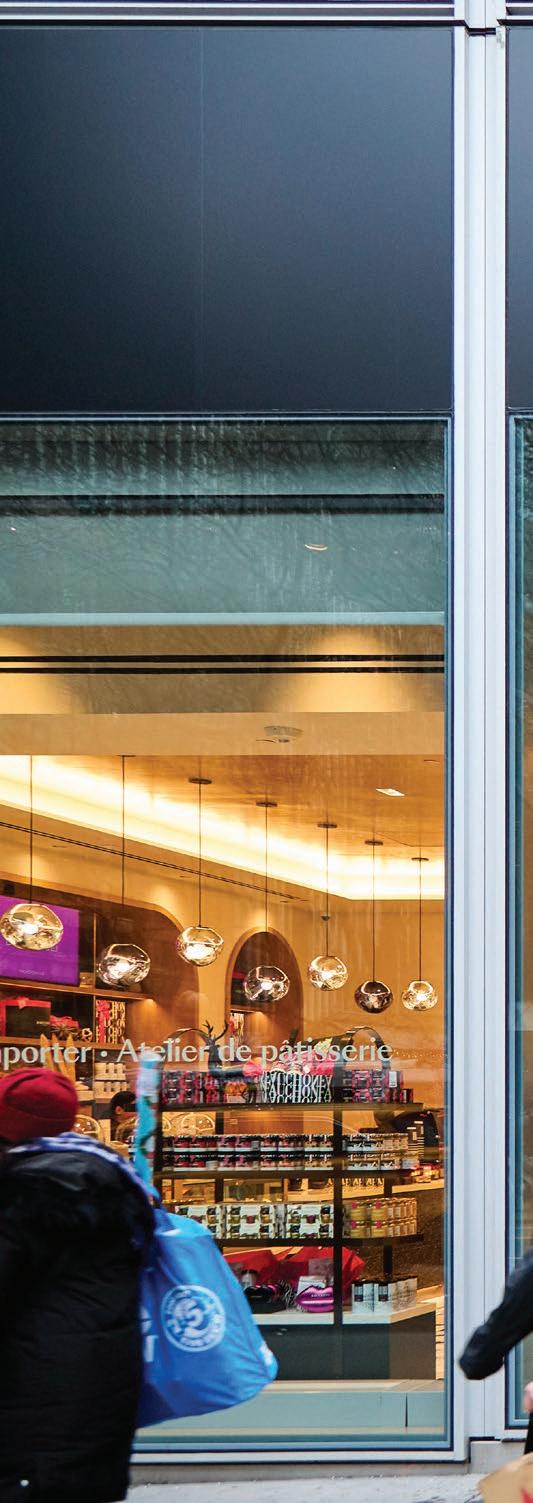
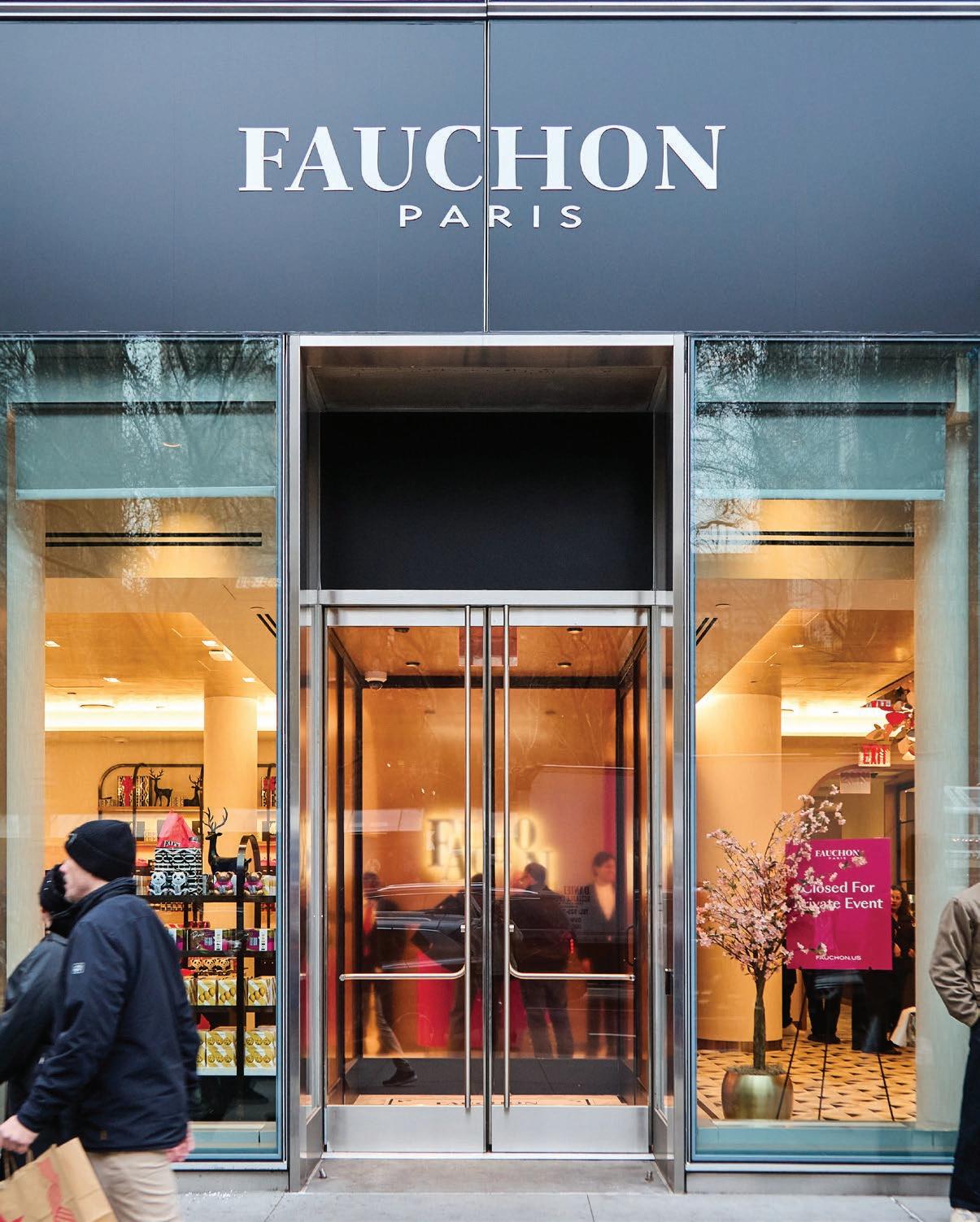
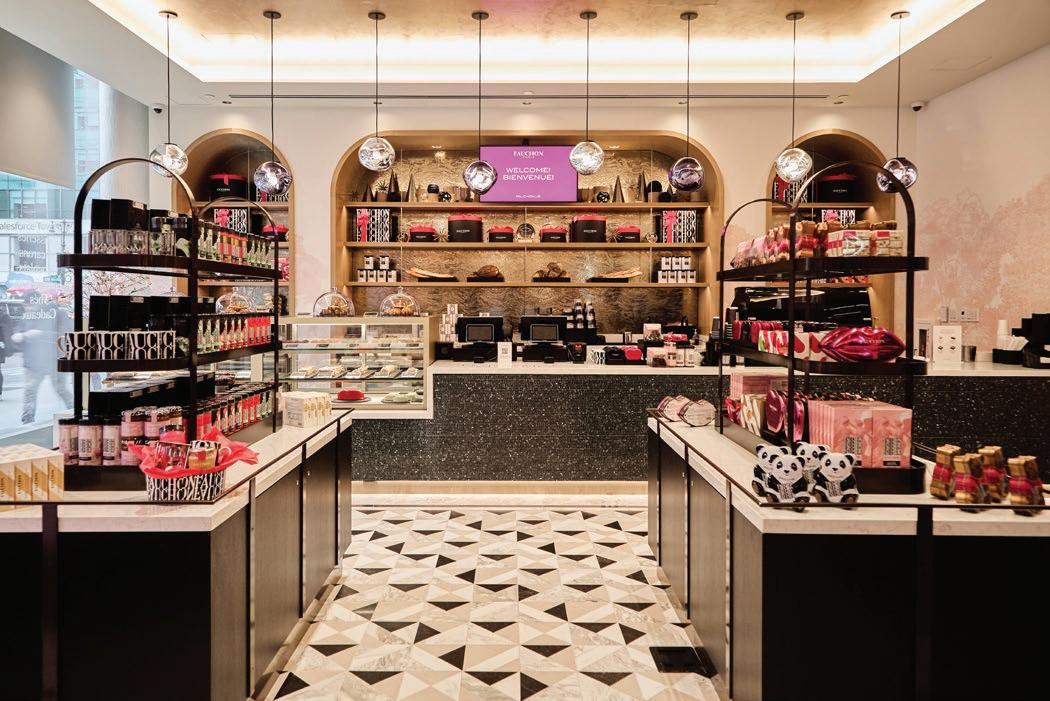
When a brand carries nearly 140 years of culinary heritage, opening a new flagship requires more than just construction—it demands precision, restraint and a deep respect for identity. That challenge was front and center when French luxury brand Fauchon returned to New York City with a vibrant new location near Bryant Park, reintroducing the storied Parisian gourmet house to the U.S. market.
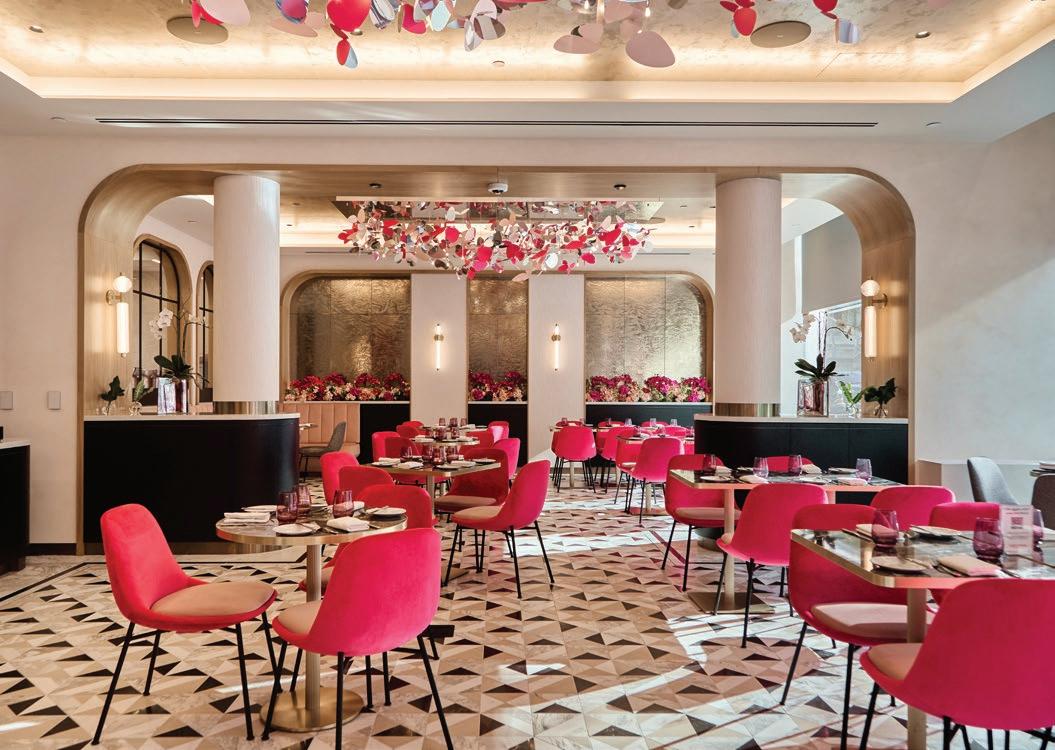
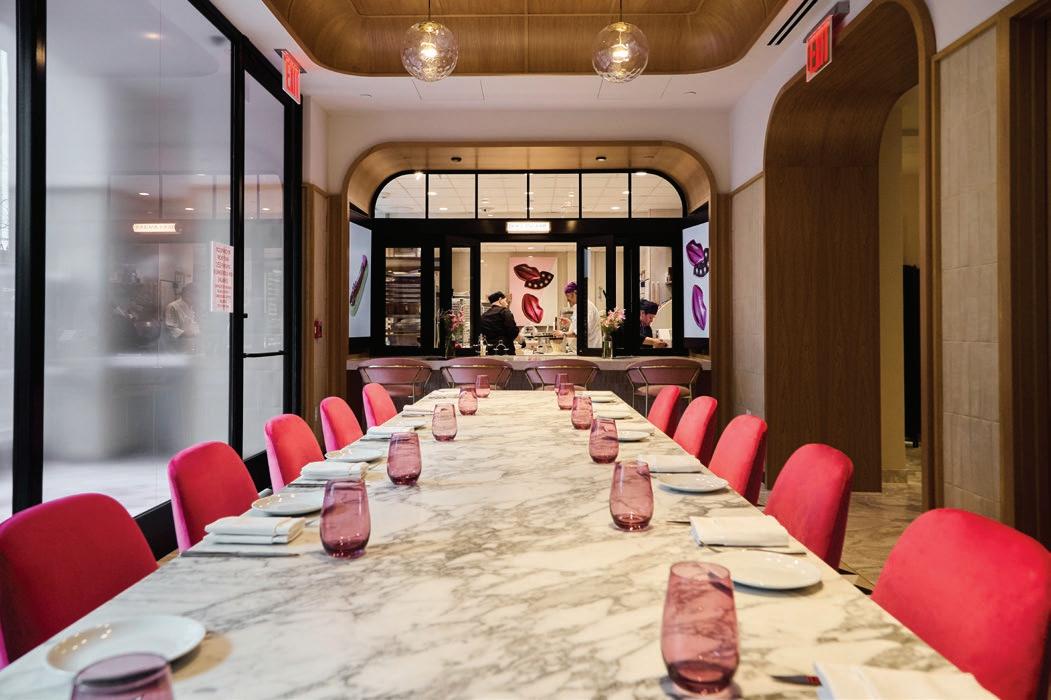
Designed as an all-day dining and retail destination, the Midtown Manhattan flagship blends multiple experiences under one roof, including a bakery, gourmet boutique, barista bar, café, full-service restaurant and a private dining room. The 75-seat space also carries Fauchon’s unmistakable signature aesthetic—most notably its iconic pink palette—creating an environment that feels both distinctly Parisian and unmistakably New York.
Bringing that vision to life required careful coordination between designers, operators and construction partners, particularly within the tight constraints of a dense urban site. For Reidy Contracting Group, the project presented an opportunity to translate an internationally recognized luxury brand into a highly detailed hospitality environment built for the energy of Midtown.
We sat down with Danny Monteiro, COO of Reidy Contracting Group, and Trevor
Munson, VP of Operations, to discuss the complexities of building the Fauchon flagship, the craftsmanship required for hospitalitydriven retail environments and how thoughtful execution helps global brands establish a meaningful presence in New York City.
How has building for restaurant and hospitality brands changed over the past few years?
Restaurant and hospitality construction has become far more intentional and layered. Today’s brands focus not just on opening a space, but on creating a fully immersive experience that reflects their identity.
On the Fauchon New York flagship, that meant balancing Parisian heritage with the energy of Midtown Manhattan, all within a high-traffic urban environment. Construction partners are now expected to help translate brand storytelling into spaces that perform operationally, emotionally and commercially.
What are today’s restaurant clients asking for that they were not prioritizing five years ago?
Clients are asking for flexibility, longevity, and operational precision. With Fauchon, there was a strong emphasis on back-ofhouse efficiency to support a multifaceted program—bakery, retail, café and private dining—without compromising the guest experience. Five years ago, those conversations often came later; today, they’re central from day one.
How do contractors translate a brand’s vision into a buildable, functional hospitality space without losing intent?
It starts with deep collaboration early in the process. For Fauchon, understanding the brand’s Parisian roots and elevated hospitality standards was essential. We worked closely with the design and culinary teams to identify where craftsmanship mattered most—custom millwork, lighting, finishes—
Photography courtsey of Justin Bernard
We
Our specialized project management teams are highly effective in maintaining affordable budgets, meeting tight deadlines, and delivering quality construction turnovers on time, every time. From coast to coast, Alaska to Puerto Rico, Hunter Building Corporation has you completely covered on your next construction project!
We offer a multitude of services nationwide ranging from tenant improvements, build-outs, remodels, ground-up construction, and project management. Hunter Building Corporation takes pride in the fact that many of our clients have been repeat customers for many years.
and ensured those elements were executed precisely, while engineering the space to function seamlessly in a demanding New York setting.
What design elements most often create construction challenges in restaurant projects? How do you help owners navigate them?
Custom fixtures, specialty lighting, imported materials, and complex kitchen infrastructure often present challenges. At Fauchon,
coordinating bespoke millwork, layered finishes, and specialty equipment within a tight urban footprint required early planning and constant communication. We help owners navigate these challenges by flagging risks early and aligning design intent with constructible solutions.
How has the pace of restaurant construction shifted today?
Timelines are tighter, especially for flagship openings in competitive markets. With Fauchon’s Bryant Park location,
“Consistency is about delivering the same brand experience, not replicating the same space. Fauchon’s New York flagship needed to feel unmistakably Fauchon while responding to its Bryant Park context.”
— Danny Monteiro, COO, Reidy Contracting Group
sequencing and coordination were critical to meet opening goals without sacrificing quality. Today’s pace demands disciplined scheduling, proactive problem-solving and strong trade coordination.
What factors matter most when building restaurants across urban, suburban and mixed-use markets?
Context drives everything. Urban projects like Fauchon require careful logistics, offhour deliveries, noise management, and coordination with building management and neighboring tenants. Understanding these constraints early allows construction teams to maintain momentum without disrupting surrounding environments.
What’s the biggest challenge contractors face right now when delivering hospitality projects on time and on budget? Material lead times and cost volatility remain
Photography courtsey of Justin Bernard
“There’s a growing opportunity for contractors to act as strategic partners. Projects like this show how brands are blending retail, dining and experiential elements—requiring contractors to think holistically about flow, infrastructure and guest engagement.”
— Trevor Munson, VP of Operations, Reidy Contracting Group
significant challenges. On hospitality projects with high-end finishes like Fauchon, transparency and flexibility are key—whether that means proactive procurement or identifying alternatives that preserve design intent while protecting schedule and budget.
How is sustainability showing up on the construction side of restaurant projects in real, practical ways?
Sustainability is increasingly embedded in material selection and systems planning. At Fauchon, durable finishes, efficient lighting
and thoughtfully specified systems were prioritized to support long-term performance and reduce ongoing maintenance—an approach that benefits both the brand and the environment.
How do you help brands maintain consistency across multiple locations while adapting to site-specific realities?
Consistency is about delivering the same brand experience, not replicating the same space. Fauchon’s New York flagship needed to feel unmistakably Fauchon while
responding to its Bryant Park context. We help brands protect their core identity while adapting layouts, infrastructure, and execution to site conditions.
What construction decisions most directly impact the guest experience once a restaurant opens?
Lighting, acoustics, circulation and finish quality have an immediate impact on how guests feel in a space. At Fauchon, the precision of lighting, ceiling details and custom fixtures played a major role in creating a
Photography courtsey of Justin Bernard
Does your project have what it takes?
That's why Commercial Construction & Renovation is looking for your team. Our ninth annual “CCR Project Profile Awards ” will recognize the best-of-the-best construction projects from the top down with awards for New Construction Project and Renovation Project. Being the best takes a team e ort.
To help select these special projects, we’re building a special committee from our Editorial Advisory Board to pour through the nominations. After they select the projects, we'll identify winners in the following sectors:
In today's commercial construction industry, the successful new builds and renovated projects are the ones with every part of the team working in unison to deliver on time, under or on budget and in sync. From design, to engineering, to building and management, the best projects feature the best teams.
So, how do you get your project nominated?
Go to: https://ccrmag.formstack.com/forms/2026_project_profile_form and fill out the online form, then submit all images for award entries to: https://spaces.hightail.com/uplink/BOC
Deadline to submit form: March 23, 2026
Send your nominations forms to David Corson, publisher, at davidc@ccr-mag.com.
refined, welcoming atmosphere that supports both retail and dining experiences.
From your perspective, what separates a smooth restaurant build from one that struggles?
Early alignment. Projects like Fauchon succeed when ownership, designers and contractors are aligned on goals, priorities and timelines from the start. Clear communication and decisive leadership make all the difference.
What advice would you give restaurant brands to better prepare for construction before breaking ground?
Resolve as much as possible upfront. A well-defined design and operational plan allows construction teams to anticipate challenges and maintain momentum. Early contractor involvement can also help identify potential risks before they impact schedule or cost.
What opportunities do you see for contractors as hospitality brands rethink layouts, formats and footprints?
There’s a growing opportunity for contractors to act as strategic partners. Projects like this show how brands are blending retail, dining and experiential elements—requiring contractors to think holistically about flow, infrastructure and guest engagement.
How are customer experience expectations influencing construction methods and material choices?
Guests expect elevated, thoughtfully crafted environments. That expectation drives demand for higher-quality materials, refined detailing, and construction methods that ensure longevity and performance—especially in flagship locations like Fauchon’s Bryant Park outpost.
What trends do you believe will most shape restaurant construction and delivery?
We expect continued emphasis on experiential design, operational flexibility and craftsmanship. Flagship projects like Fauchon demonstrate how brands are investing in spaces that tell a story while performing at the highest level. CK
One-on-One with... Reidy Contracting Group’s Danny Monteiro and Trevor Munson
Describe a typical day.
A typical day includes site walks, coordination meetings, and problem-solving alongside project teams—often balancing multiple hospitality projects with different logistical and design challenges, like those encountered at Fauchon.
What was the best advice you ever received?
Listen first. Understanding a client’s vision and priorities leads to better decisions throughout construction.
What’s the biggest item on your to-do list right now?
Managing schedules and coordination to ensure projects stay on track while delivering the level of craftsmanship clients expect in high-profile hospitality environments.
What’s the best thing a customer ever said to you?
“That space feels exactly like our brand.”
Photography courtsey of Justin Bernard
A New Chapter Rises
Brooklyn’s Carroll Gardens set to meet evolving lifestyle needs of its residents
A New Chapter Rises
Brooklyn’s Carroll Gardens set to meet evolving lifestyle needs of its residents
By Peter Wilk
In Brooklyn’s Carroll Gardens neighborhood, change tends to arrive slowly. Tree-lined streets, historic brownstones and a tightly knit community have long defined the area’s character. So when a new residential building rises here, it carries an expectation: Respect the past while thoughtfully introducing the future.
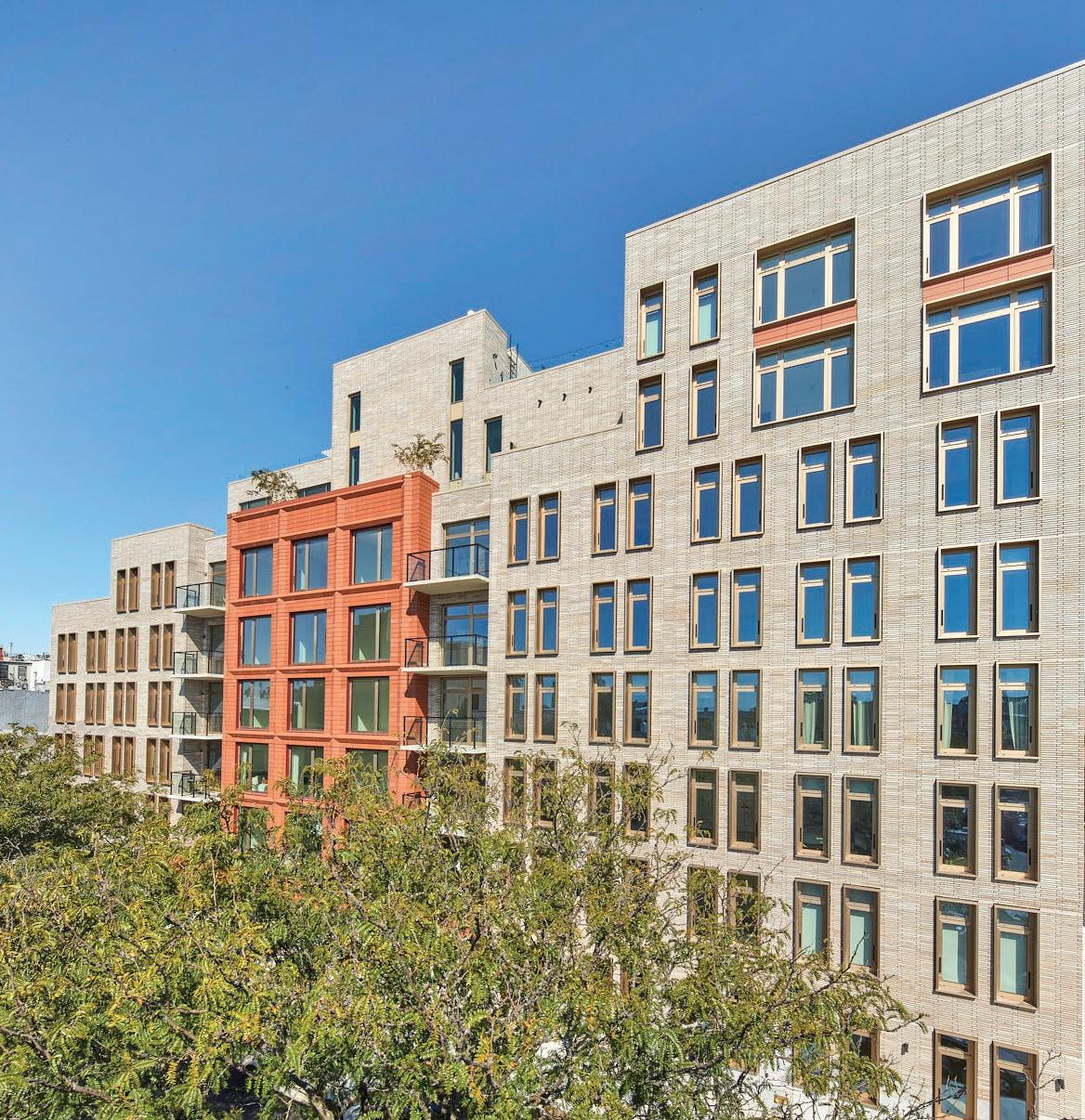
That balance sits at the heart of The Carroll, a newly completed luxury rental development at 33 Fourth Street. The eight-story, 82unit building marks the neighborhood’s first new upscale multifamily property completed since 2011—an arrival that reflects both the continued demand for housing in Carroll Gardens and the evolving lifestyle needs of its residents.
Developed by GH Management, designed by IMC Architecture, and constructed by MNC+Sons Contractors, the $23 million project brings together a team of collaborators focused on creating a modern residential experience while maintaining the charm and scale of the surrounding streetscape.
Photography courtesy of EXR
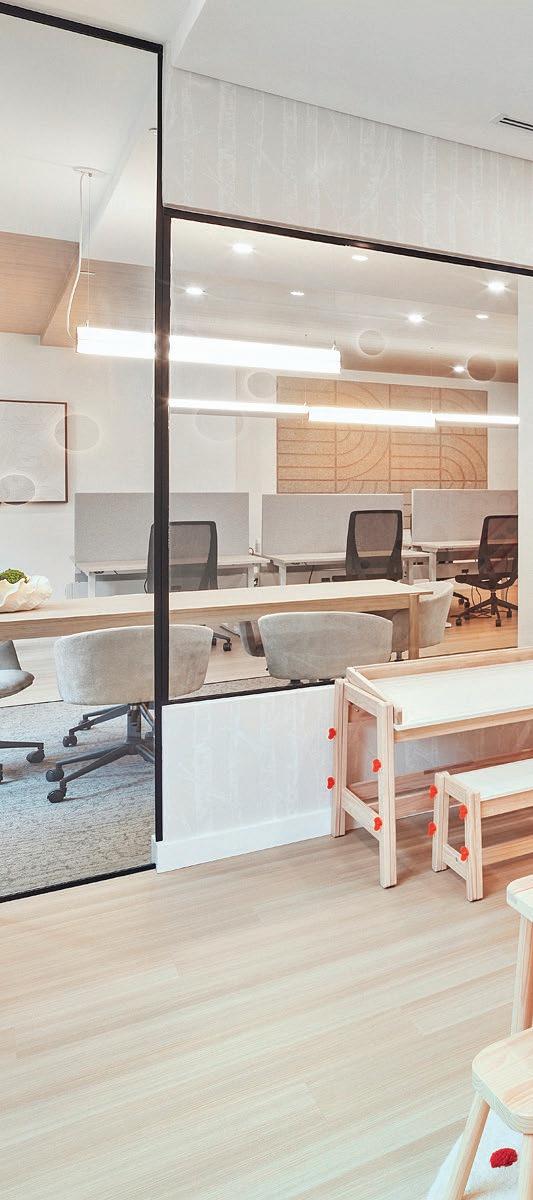
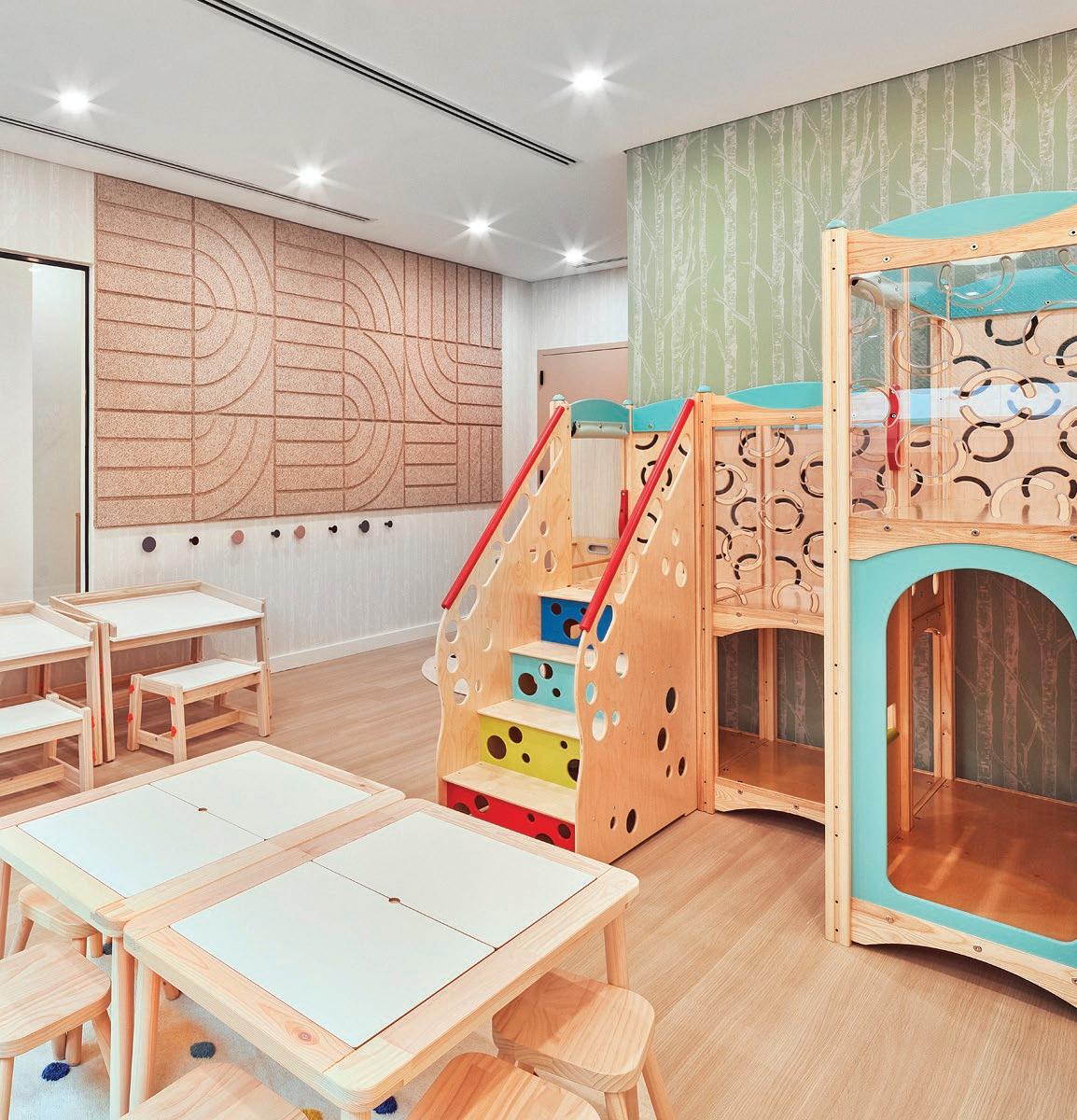
The first floor houses a WFH lounge/co-working space and a kids’ playroom. In an innovative design solution, the two spaces share a glazed wall, allowing parents to oversee their children while working from home.
“The design of The Carroll respects the neighborhood’s architecture and quaint character,” says Eugene Mekhtiyev, AIA, LEED GA, Principal at IMC Architecture. “This area offers picturesque streetscapes, a strong neighborhood feel, a vibrant restaurant scene and convenient access to public transportation. The project responds directly to the demand for housing in such an attractive location.”
A Site Reimagined
For developers Shimon and George Hoffman of GH Management, the project represents a transformation years in the making. The brothers had owned the site for decades, previously operating a medical supply business from a single-story building on the property. As the neighborhood evolved, so did the opportunity.
one-bedroom and two-bedroom apartments with a variety of amenities,” says Zev Steinmetz, founder and owner of Complete Development. “Outdoor spaces, pet facilities and shared work areas for residents working remotely were particularly important.”
The final program reflects that vision. Of the 82 residences, 23 are designated as affordable units, providing a mix of housing opportunities within the neighborhood.
Architecture Inspired by Context
Carroll Gardens is known for its architectural rhythm—brick facades, detailed masonry and human-scaled buildings that contribute to the area’s distinctive feel. IMC Architecture sought to echo those characteristics while introducing a contemporary identity.
Working alongside Complete Development, which served as development manager and owner’s representative, the team analyzed market conditions and resident preferences before deciding to pursue a residential building designed around modern lifestyle amenities and high-quality architecture.
“The project team determined there was a demand for a mix of studio,
The building’s exterior features a light-colored brick veneer façade composed of two primary brick volumes, anchored by a terracotta centerpiece that functions as the visual focal point of the structure.
The terracotta “jewel” element introduces texture and depth while breaking up the building’s massing so it aligns with the scale of neighboring structures. Custom-fabricated rainscreen cladding and
terracotta panels were manufactured by Germany-based Agrob Buchtal and assembled by Cladding Concepts International.
Another striking architectural feature is the building’s 40-foot-wide vegetated entrance canopy. The cantilevered concrete structure is clad in terracotta and integrated with irrigation and drainage systems, creating a green element that greets residents and visitors as they enter.
Inside the building, oversized eightfoot picture windows allow natural light to flood the residences. Fabricated in Europe using aluminum extrusions produced in Belgium and assembled in Italy, the windows also provide sweeping views of Carroll Gardens’ historic streets and the Manhattan skyline beyond.
The 15,577-square-foot site presented its own design challenges. Unlike most New York City parcels, which are typically 100 feet deep, the site measures only 90 feet. The property also slopes approximately six feet downward from west to east toward Hoyt Street.
Rather than treat those conditions as obstacles, the design team turned them into advantages. By positioning the building entrance at the higher end of the site and elevating the first-floor windows above the sidewalk, the architects were able to increase privacy for residents while maintaining strong street presence.
The site’s dimensions also allowed the team to reduce the building’s internal “loss factor”—areas such as hallways and circulation spaces that do not generate revenue. Instead, the layout incorporates an efficient double-loaded corridor design with residences on both sides, maximizing usable living space and natural light.
Amenity-Rich Living
Beyond its architectural design, The Carroll places strong emphasis on lifestyle amenities. The building includes approximately 12,000 square feet of curated shared spaces designed to support modern living patterns—from remote work to pet ownership to outdoor recreation.
Photography courtesy of EXR
The Carroll’s lobby features a contemporary, upscale design, millwork elements and electric fireplace.
On the lower level, residents have access to a state-of-the-art fitness center equipped with gym equipment and yoga space, as well as modern laundry facilities with comfortable seating and folding stations. A dedicated pet spa offers grooming stations and bathing areas, while storage areas provide additional convenience.
The first floor features a lounge-style lobby and a co-working area designed for residents working remotely. Equipped with high-speed internet, ergonomic furniture and meeting rooms, the space includes a unique design element: a glass wall overlooking a children’s playroom.
“The co-working space has a glass wall that looks into the child play area,” Mekhtiyev says. “It allows parents to work from home without interruption while still supervising their children’s play.”
Outdoor amenities play a significant role throughout the building. A landscaped terrace sits just beyond the lobby entrance, offering residents an immediate connection to nature. Higher up, the seventh floor features an open-air dog run and rooftop seating areas, while the building’s roof includes lounge space, grilling stations and pergolas for outdoor gatherings.
Additional shared spaces include a library with quiet seating areas and an entertainment room equipped with surround sound and a large projection screen.
Residences Designed for Modern Life
Inside the apartments, the design blends contemporary comfort with refined finishes. Each residence includes energy-efficient washers and dryers, chef-inspired kitchens
The first floor houses a lounge - a working-from-home co-working space that features high-speed internet, ergonomic furniture, meeting rooms, and quiet zones for focused work. It overlooks a kid’s room with space a glazed wall to allow parents to supervise children while working.
with custom cabinetry, Caesarstone countertops and premium stainless-steel appliances. Bathrooms feature imported marble, soaking tubs, oversized rain showers and heated floors.
Private balconies and terraces provide additional outdoor living space, while floor-to-ceiling windows bring in abundant daylight. The apartment mix is designed to serve a range of lifestyles. Studio apartments offer efficient layouts suited to professionals, one-bedroom units balance privacy with open living areas and the larger two-bedroom residences provide expansive spaces for residents seeking more room.
Constructing the building also required careful coordination. Located within a residential block surrounded by existing properties on three sides, the project demanded extensive site planning during the early stages.
“Since the construction site was surrounded by 11 separately owned properties, excavation and foundation work required careful engineering and extensive shoring,” says Cory Ekstrom, Senior Project Manager at MNC+Sons Contractors. “The early phases also included soil compaction to increase the site’s load-bearing capacity.”
The building ultimately sits on a 22-foot-deep mat slab foundation supporting a concrete superstructure.
For Carroll Gardens, a neighborhood defined by its history and tight community fabric, new development must walk a careful line between preservation and progress. The Carroll reflects that balance. By combining contextual architecture, modern amenities and thoughtfully designed residences, the project introduces a new housing option while reinforcing the qualities that have long made the neighborhood one of Brooklyn’s most sought-after places to live.
Peter Wilk is founder and President of Wilk Marketing Communications, a boutique PR and marketing communications agency serving the AEC industry and operating nationally and internationally. Wilk has been frequently published and quoted in national and foreign media, including The New York Times, WBBR Bloomberg Radio, New York Real Estate Journal and Warsaw Business Journal.
Built for the Edge
Designing the Monterey Bay Aquarium Research Institute’s coastal technology lab
Built for the Edge
Designing the Monterey Bay Aquarium Research Institute’s coastal technology lab
By Kris Barr
Coastal construction projects require special environmental and ecological considerations to minimize impacts on the surrounding wildlife while protecting the new building from the unique elements. Materials, strategies and collaboration are integral to project success.
A great example is the Monterey Bay Aquarium Research Institute’s (MBARI) technology lab in California. Located adjacent to MBARI’s existing research buildings in Moss Landing, the 30,000ft² two-story Instrumentation Integration and Testing Facility is designed to bolster MBARI’s marine science and engineering programs.
Purpose-built to support marine research innovation, MBARI is expected to expand MBARI’s capacity for developing advanced technology to study the ocean. It’s comprised of a research and engineering high bay and a sub-assembly area, along with a range of specialized laboratories for instrumentation, engineering and science, all aimed at supporting research.
Additionally, it houses a multimedia room, a freezer farm for sample storage and a computer room, as well as other support spaces.
Collaborate Early to Create a Shared Vision
Like any project, collaboration between the construction team, designers, trade partners and clients is key to creating an environment of open discussions to drive strategic thinking, brainstorming and problem-solving.
For the MBARI lab, the team discussed challenges early on and aligned on a shared vision. One such challenge was the building’s very narrow access point and tight site, which meant that deliveries of materials, products and equipment had to be brought in at the right time to avoid impacting other work.
Forward-looking planning, scheduling and communication helped keep a clear path and kept the project moving forward. Throughout the project, various groups met to bounce ideas and troubleshoot potential issues in real time.
As each ecosystem is unique, it’s critical to have a strong understanding of regional considerations and best practices.
Building With the Elements Top of Mind
The new building is designed to stand up to the challenges of its coastal location. Key features of the MBARI robotic lab include the use of resilient, sustainable materials to combat salt corrosion, a stormwater management system to reduce runoff, a bird deterrent system to protect the roof from seagulls, and coastal construction innovations for building on a site with high water tables and sandy soils.
The site sits on 10 feet to 15 feet of dune sand, which required excavation, shoring and trenching to install a temporary stabilization system. Before pouring the foundation, the team created a reverse forming system.
They also enhanced the slab-on-grade reinforcement to support the large crane required to move the over 20,000-pound wall-forming panels for the board from concrete walls.
To manage stormwater and protect nearby dune and marine habitats, the team developed a system tailored to site-specific conditions and the challenges of king tides. Permeable pavers allowed the water to percolate naturally, helping to reduce runoff and impacts on the environment.
In order to avoid flooding from rising water levels, concrete pours had to be strategically timed, often wrapping up early on the jobsite to avoid the issue.
The project team also implemented a dual-well dewatering strategy to manage the high water table. Wells closest to the water source acted as a cutoff barrier, while secondary wells effectively lowered the water table without disturbing the surrounding ecosystem. This approach helped maintain site stability and protect the surrounding ecosystem.
Keeping Onsite Teams Safe in Coastal Environments
To ensure onsite safety, the teams evaluated many equipment options to determine the best fit for the project. For example, coastal wind contributed to the working environment so it was important to find the right crane that would meet the project’s needs and operate safely.
Planning for a Sensitive Coastal Ecosystem
Throughout the construction process, it was critical to adapt to accommodate the sensitive marine habitat. The team worked with environmental-focused partners—an important source of knowledge in coastal projects.
The team fenced off a dedicated environmentally friendly area to eliminate any foot traffic and educated onsite teams on the sensitivities during a site-specific
orientation. To further protect the habitat’s unique plant and animal species, flags were placed on protected plants to easily identify them. In some cases, protected insect species were present and work was paused until they vacated naturally.
Collaboration with local biologists was instrumental in developing fencing plans, establishing exclusion zones, and implementing strict protocols to protect sensitive habitats. Further, the building uses special amber
Purpose-built to support marine research innovation, MBARI is expected to expand MBARI’s capacity for developing advanced technology to study the ocean.
lighting, to minimize the building’s impact on the surrounding natural environment.
Additional Considerations
Coastal projects include a myriad of challenges and require a problem-solving mindset from all teams. As each ecosystem is unique, it’s critical to have a strong understanding of regional considerations and best practices. Equipped with the right professionals, strategies and tools, teams can deliver projects on the coast with safety, efficiency and longevity in mind.
Despite significant coastal construction challenges, the project team successfully delivered a durable, sustainable and adaptable space to advance scientific research and inspire the next generation of ocean explorers.
Kris Barr is Senior VP – Business Unit Leader at McCarthy Building Companies.
SUR FACES
Scan to View Brochure
MAX™ Glassboards expand the vision and purpose of your interior spaces. Named to celebrate GGI founder, Max Balik, these made-to-order glass marker boards expand vertical and horizontal surfaces into dynamic surfaces for inspiration, collaboration, and organization. You can count on GGI for contemporary ideas, an inspired approach, and the integrity, reliability, and personal service that come from a family business. When we say we know glass from the ground up, we mean it. We see what glass can do.
info@generalglass.com | www.generalglass.com
For architects, developers, and contactors
Mechanical Engineering
Plumbing Engineering
Electrical Engineering
Structural Engineering
bluestreak-consulting.com
Clearing the Air
Why indoor air quality in schools deserves urgent attention
Clearing the Air
Why indoor air quality in schools deserves urgent attention
Across the country, many of America’s schools are showing their age.
According to the National Center for Education Statistics, the main instructional buildings in U.S. public schools are, on average, 49 years old. Many of these classrooms were never designed to meet today’s educational or health standards, particularly regarding indoor air quality (IAQ).
As a result, millions of students and teachers spend their days in environments that may quietly impact their health, comfort and learning.
The Hidden Costs of Poor Air Quality
Poor IAQ is more than an inconvenience; it can be a significant barrier to education. Pollutants, allergens and insufficient ventilation can trigger asthma, allergies and other respiratory issues, particularly in children whose lungs still are developing.
Studies by the American Lung Association show that inadequate air quality can impair cognitive performance, increase absenteeism and contribute to long-term health concerns. Educators are equally affected, often experiencing fatigue, reduced productivity and more frequent sick days.
School buildings also pose unique challenges for IAQ management. They are typically high-occupancy environments, housing up to four times as many people per square foot as office buildings. The variety of spaces, including classrooms, cafeterias, gyms, art rooms and laboratories, introduces multiple potential sources of indoor air pollutants.
Limited budgets can further strain routine maintenance and cleaning efforts, allowing minor air quality issues to grow into larger, systemic problems over time.
What’s in the Air?
The causes of poor IAQ are often interconnected. Aging HVAC systems, compromised or insufficient insulation, outdated building materials, and years of deferred maintenance can lead to a range of indoor pollutants.
Mold spores may develop from moisture buildup or leaks, volatile organic compounds (VOCs) can off-gas from paints, adhesives and furnishings, and dust and allergens can accumulate in carpets and ceiling plenum.
Inadequate ventilation can result in excess carbon dioxide, while particulate matter from outdoor sources can infiltrate classrooms. These contaminants often circulate undetected, particularly in older buildings that lack proper air filtration or fresh-air exchange.
The Link Between Air and Learning
Research continues to show that healthy learning environments improve outcomes. Classrooms with adequate ventilation and fewer airborne contaminants are linked to higher test scores, improved focus and lower absenteeism.
Simply put, cleaner air supports better cognitive performance and helps students reach their full potential.
Practical Steps for Healthier Schools
While comprehensive renovations can be costly, there are practical strategies that can meaningfully improve IAQ and overall comfort. Regular HVAC maintenance ensures systems operate efficiently, while timely repairs to building envelope or plumbing leaks help prevent mold growth.
Upgrading insulation and other building materials to low-emitting, durable options can reduce chemical off-gassing. Acoustic ceiling and wall systems balance sound absorption with ventilation and hygiene, and portable air purifiers can be placed in high-occupancy or poorly ventilated areas to help maintain cleaner air.
As districts plan renovations or new construction, IAQ should be a foundational design priority. Key strategies include
maximizing natural ventilation through operable windows and passive airflow where appropriate, specifying low-VOC and non-toxic materials, managing moisture and temperature to prevent mold growth and integrating acoustic, thermal and air-quality considerations into a cohesive design plan.
The Role of Building Materials
Building materials play a critical role in shaping healthier, more productive learning environments. High-performance insulation, for example, not only regulates temperature and improves energy efficiency, but also helps control moisture and reduce the risk of mold growth.
Selecting insulation products with low chemical emissions helps improve indoor air quality, minimizing exposure to VOCs
Campus FACILITIES
and other pollutants that can compromise student and staff health.
Acoustic ceiling panels are another key component. By reducing ambient noise and absorbing sound, they create a calmer, more focused learning environment. Many modern ceiling systems are designed with antimicrobial properties rendering them inhospitable to biological growth, which further helps maintain healthy indoor conditions.
Additionally, low-emitting, durable wall coverings, floorings and other building materials contribute to a cleaner, safer atmosphere while reducing the need for frequent replacements.
Materials that support proper ventilation and airflow are equally important. Products such as air barriers and insulated ductwork, working with controlled mechanical ventilation can help improve
According to the National Center for Education Statistics, the main instructional buildings in U.S. public schools are, on average, 49 years old.
air exchange rates, maintain consistent oxygen levels, and remove contaminants from classrooms.
Thoughtful material selection doesn’t just improve indoor air quality—it also enhances overall comfort, supports cognitive performance, and helps schools meet both wellness and sustainability goals.
How WELL and LEED Are Shaping IAQ
Green building certifications like the WELL Building Standard (WELL) and Leadership in Energy and Environmental Design (LEED) are increasingly guiding school
Campus FACILITIES
design, helping districts prioritize indoor air quality as a core aspect of sustainability and occupant health.
WELL focuses on creating environments that improve human health and performance, with rigorous standards around air quality, ventilation, moisture management and low-emission materials.
Schools that follow WELL guidance are encouraged to monitor air quality continuously, track pollutant levels and ensure building materials are regularly maintained.
LEED certification also emphasizes IAQ as part of broader sustainability objectives. Through standards for energy-efficient ventilation systems, the use of low-VOC and environmentally responsible materials,
Prioritizing IAQ is not just a facilities issue; it’s a public health imperative and an educational investment.
Challenging the Status Quo
Maximize uptime, maintain compliance, and sustain safety with a team that treats your business like its own.
WHAT SETS US APART
Maximize uptime, maintain compliance, and sustain safety with a team that treats your business like its own.
We do business differently. We prioritize building a culture of confidence — with clients, vendors, and our team alike. We believe in the transformative power of great people combined with trusted relationships. With our attention to detail and commitment to operating in the gaps, we boldly redefine industry standards. Our way has proven to be the formula for becoming a leader in infrastructure management.
Services:
» 24hr Emergency Services
SERVICES
Fire Suppression
YOUR WHY IS OUR MISSION
» Reactive Maintenance
» Preventative Maintenance WHAT SETS US APART...
Fire Life Safety
» Code Compliance Review & Reporting
» Proactive Planning Upgrades & EOL Asset Review
We operate differently. Envisioning what should be, not what is, we lead the way by creating newer, higher standards of quality for the underserved, highly technical trades of fire suppression, vertical transportation, and material handling. Our approach harnesses the power of people, data, and technology. Listening to learn, we discover each client’s why and deliver true value through partnership and expertise because your why is our mission.
» Fire Extinguishers
» Fire Suppression Systems
Vertical Transportation
» Elevator Systems
NATIONAL COVERAGE
» Fire Sprinklers
» Fire Alarms & Detection
» Passive Fire Protection
» System Monitoring
» Gas Station Suppression
» Kitchen Exhaust Cleaning
» Kitchen Suppression
» Escalator & Walkway Systems
» Upgrades & Modernization
Material Handling Systems (MHS)
» Rolling Doors
» Dock Equipment
» Forklifts
» Scissor Lifts
» Pallet Jacks
» Pallet Racking Systems
» Conveyors
» Warehouse Supplies
» Baler Compactor
» Floor Cleaning Equipment
We discover each client’s why and deliver true value through partnership and expertise because your why is our mission.
MEMBERS OF
Members Of
Nothing is more important than protecting your people (first and foremost), your property, and your business continuity. We customize our fire and life safety services around each of your unique sites and our services include: Fire Suppression Systems, Fire Sprinklers, Fire Alarms & Detection, Passive Fire Protection, System Monitoring, Gas Station Suppression, Kitchen Exhaust Cleaning, and Kitchen Suppression.
Vertical Transportation
Safe, accessible transportation throughout your facility is a must. Since no location moves like yours, our custom solutions include Preventative Maintenance, 24hr Emergency Services, Reactive Maintenance, Code Compliance Review & Reporting, Proactive Planning Upgrades & EOL Asset Review, Elevator Systems, Escalator & Walkway Systems, and Upgrades & Modernization.
Material Handling
Your supply chain is missioncritical – whether it’s delivering medical supplies, distributing food, or moving the raw materials that power your business. Our services include: Rolling Doors, Dock Equipment, Forklifts, Scissor Lifts, Pallet Jacks, Pallet Racking Systems, Conveyors, Warehouse Supplies, Baler Compactor, and Floor Cleaning Equipment.
Campus FACILITIES
and careful planning of airflow and thermal comfort, LEED-certified schools are better positioned to protect occupants from pollutants while conserving resources.
Adopting these frameworks helps schools create a holistic approach to health and wellness. They not only improve air quality, but also promote energy efficiency, durability and long-term cost savings.
For architects, facility managers and school districts, WELL and LEED serve as actionable roadmaps to make informed material choices, improve building performance, and ensure that classrooms support both learning and well-being.
Manufacturer’s Role in Supporting Healthier Schools
As a building products manufacturer, companies like CertainTeed help schools advance their IAQ strategies. From insulation and ceilings to air barrier systems, solutions like sustainable, high-performance materials help create smarter, healthier learning spaces.
Innovations such as ceiling systems with strong acoustical performance, air purifiers, and next-generation insulation and adaptive vapor retarder to prevent mold and enhance thermal comfort, are helping schools improve IAQ without compromising budget or design.
Improving indoor air quality doesn’t require a complete overhaul. Even small, informed interventions, such as upgrading insulation, replacing ceiling tiles or installing ventilation-friendly materials, can have a measurable impact on student health, comfort and performance.
Prioritizing IAQ is not just a facilities issue; it’s a public health imperative and an educational investment. With the right materials, design strategies, and partners, schools can create environments where clean air and bright minds thrive together.
Lucas Hamilton is Manager, Applied Building Science, at CertainTeed
SEPTEMBER 1-3, 2026
CAESARS FORUM / LAS VEGAS
REGISTER AT EXPOUAV.COM
Use code CCR100 to get $100 off a Conference Pass or Exhibit Hall Pass.
Proven Technologies
Cutting-edge UAS solutions, live flying demonstrations, and exclusive product previews.
DRONES FOR CONSTRUCTION
• Prove UAS ROI to stakeholders
• Improve jobsite safety with drones
• Reduce regulatory compliance risk
• Cut survey time with proven UAS
Practical Insights
Solution-driven presentations and real-world case studies from leading UAS thought leaders.
Facilitated networking with drone professionals from around the globe.
Safety by Design
How drainage innovation supported the first hospital built in Celina, Texas
Safety by Design
How drainage innovation supported the first hospital built in Celina, Texas
In one of North Texas’s fastest-growing communities, the City of Celina recently reached a pivotal milestone with the development of Methodist Celina Medical Center—the city’s first hospital. The 200,000-plus square-foot facility was designed to provide comprehensive care, including medical/surgical services, intensive care, labor and delivery suites and diagnostic imaging.
Neil Stimach, a consulting engineer at WSP, a global engineering and professional services firm with deep experience in healthcare infrastructure, assisted with the building’s plumbing system design and led plumbing fixture coordination efforts. Perkins & Will, an interdisciplinary firm known for its focus on health, wellness and patient-centered spaces, led the architectural design.
From the outset, the design team recognized that drainage would play a critical role in ensuring long-term safety and functionality for the hospital showers.
“Hospital bathroom layouts have evolved significantly over time,” Stimach says. “What used to be a small, enclosed shower area is now often part of a larger, more open space designed for accessibility and caregiver assistance. With that shift, we sometimes need more than one drain to manage water effectively. No matter how the room is laid out, removing water quickly remains critical—it’s one of the most important steps in preventing bacteria growth and maintaining a hygienic environment.”
On complex healthcare projects, where schedules are tight and teams are balancing multiple design and compliance requirements, drainage will often receive less early attention. But in patient
A key advantage of the ProLine system was its on-site flexibility, with adjustable drain cover heights and easily trimmed trough extensions for wall-to-wall coverage.
environments, it’s a critical component that directly affects safety, accessibility and maintenance.
“Given how quickly healthcare facilities are being built today, it’s essential that drain design keeps pace,” Stimach says. “Proper drainage is fundamental to preventing water-related issues and supporting long-term performance.”
The team initially explored traditional center-point drain systems, but quickly found them lacking flexibility, aesthetics and installation efficiency. These systems required four-directional sloping, which limited layout adaptability and created labor-intensive installs.
With varied room sizes and accessibility standards in play, it became clear that a more versatile solution was needed.
The Solution
Working closely with Oatey representatives, architects and contractors, WSP specified a variety of custom Oatey QuickDrain ProLine Linear Drains and QuickDrain 6-inch
QuickDrain ProLine Linear Shower Drain in patient bathroom.
To manage overflow and serve as the primary drain in public, staff, and patient restrooms, 6-inch QuickDrain SquareDrains were installed.
QuickDrain 6-inch SquareDrain.
SquareDrains for the project. These systems were selected for their clean appearance, ADA compatibility and proven reliability for drainage in healthcare environments.
The drain proved an ideal fit for the project’s curbless shower design. “With today’s accessible bathrooms, we’re no longer working with a boxed-in shower space,” Stimach says. “We needed a solution that could adapt to multiple layouts while keeping water off the floor. [This] gave us that flexibility without sacrificing performance.”
One of the biggest advantages of the drain system was its on-site flexibility. Installers could adjust the drain cover height using stackable spacers, while the trough extensions and covers were easily trimmed for wall-to-wall coverage. The system connects directly to the drain line without a clamping collar, allowing curbless showers to be constructed with minimal disruption to the subfloor. Drain lengths and outlet sizes could also be customized to fit the unique layout of each room.
“That kind of flexibility makes a big difference when you’re dealing with dozens of different bathroom layouts,” Stimach says. “Contractors didn’t have to compromise on slope or waterproofing just to make things fit.”
To manage overflow in larger bathrooms and serve as the primary drain in public, staff, and patient restrooms, the 6-inch SquareDrains were installed. These drains, made from 18-gauge 304 stainless steel, offer the same durability and cleanability as the linear system. Their tile-in covers allow them to blend in with surrounding finishes, preserving a clean, cohesive look across various spaces.
Maintenance is straightforward thanks to a built-in debris basket and a removable cover key. A threaded outlet adapter also helps installers fine-tune the height of the drain to sit flush with the finished floor.
Shower spaces ranged from 10 square feet to 15 square feet within bathrooms that averaged between 50 square feet and 75 square feet. The drainage
Made from 316L marine-grade stainless steel, the ProLine drain is highly resistant to corrosion and bacterial growth.
Prototype
Permitting
National
layout varied depending on the size and function of the room. Larger bathrooms typically included a linear drain at the shower threshold and a centrally placed square drain for overflow. In smaller bathrooms, the linear drain alone provided sufficient drainage.
The lightweight stainless steel construction proved to be another practical benefit. “When you’re ordering over a hundred drains, every pound matters in terms of labor and cost,” Stimach says.
QuickDrain ProLine Linear Drain installed in patient bathroom.
“The lighter weight made them easier to move and install for the contractor, which helped keep things on track.”
To help ensure a smooth install, Oatey’s technical team provided early-stage onsite support. Installers who were unfamiliar with the system received walkthroughs and hands-on guidance.
“It was our first time specifying QuickDrain, so we wanted to ensure everyone was aligned,” Stimach says. “After the first walkthrough, the contractors were on board. The install process made sense and didn’t slow anyone down.”
The Results
The Methodist Celina Medical Center officially opened in early 2025, providing essential healthcare services to the growing community. The project met performance, accessibility, and aesthetic goals, with the drainage system contributing to both the construction process and long-term functionality.
The drains supported code-compliant, hygienic design throughout the hospital. The linear drain simplified construction by requiring only a single slope, reducing labor and improving layout flexibility. Its integration with large-format tile enabled the team to eliminate traditional thresholds and achieve a barrier-free aesthetic aligned with the architect’s vision.
The use of durable stainless steel throughout provided confidence in long-term performance, while the ease of cleaning helped support infection control protocols. Feedback from the design and construction teams has been overwhelmingly positive, and the same drainage systems have already been specified by WSP for a second healthcare facility—an upcoming nine-story hospital in Plano, Texas.
“Once you’ve used it and seen how easily it installs, you want to use it again,” Stimach says.
By aligning performance, cleanliness, and design flexibility, Oatey proved to be a valuable part of delivering Celina’s first hospital, setting a new standard for healthcare facilities in the region.
QuickDrain SquareDrains are made from durable 18-gauge 304 stainless steel and their tile-in covers create a seamless, cohesive look.
2026 MMOC E RCIALCONSTRUCTION&RENO
NOITA HISTORY IN THE MAKING
The Hall of Fame recognizes individuals whose careers have meaningfully shaped the commercial construction and renovation industry through sustained excellence, leadership and lasting impact. This honor is not awarded for a single project or moment, but for decades of building trust, developing talent, delivering consistent results and advancing the industry as a whole.
Beyond recognition, the Hall of Fame serves a broader purpose: preserving the industry’s legacy while inspiring its future.
To that end, CCR has announced plans to develop a permanent, brick-and-mortar Hall of Fame and industry experience center in Cartersville, Georgia’s Museum City. This facility will function as a living archive, bringing the story of commercial construction and renovation to life through curated photography, artifacts and storytelling that connect the past, present and future.
In addition, CCR plans to launch an annual Hall of Fame Reception honoring each new class of inductees, creating a dedicated opportunity for industry leaders, partners and peers to gather, celebrate achievements and recognize the individuals who continue to shape the built environment. Additional details regarding the inaugural reception will be announced in the coming months.
Inductees represent the highest standard of professional achievement in the commercial construction and renovation industry. With a minimum of 20 years of experience, they have demonstrated sustained performance and influence across multiple brands, project types and commercial sectors.
Selection is grounded in proven leadership, accountability, and consistent execution, supported by a verifiable record of successfully delivered commercial projects. Beyond results, honorees are distinguished by their innovation, adaptability and unwavering commitment to doing the work the right way—setting a standard that strengthens the industry and inspires the next generation of leaders.
The Commercial Construction & Renovation Hall of Fame represents more than recognition—it represents legacy.
CCR Hall of Fame Founder’s Board in Planning Stages. For more information: ccr-mag.com/ccr-2026-hall-of-fame
Luxury at Scale
The Printing House Hotel delivers construction innovation in the heart of Nashville
Emre Basman, founder and CEO
Armina Stone
Hospitality in Commercial Construction Luxury at Scale
Luxury at Scale
How Armina transformed high-traffic space into a refined waterfront experience
When the HEAT Group set out to elevate Miami’s Kaseya Center, the vision extended far beyond basketball. The goal was to enhance an already iconic waterfront venue into a more refined, design-forward destination for the 80-plus concerts, national conferences and major events it hosts each year. To help bring that vision to life, the team turned to Emre Basman, founder and CEO of Armina Stone.
Hospitality in Commercial Construction Luxury at Scale
Since founding Armina in Pittsburgh in 2015, Basman has built a vertically integrated, high-end stone and quartz operation known for sourcing distinctive materials from around the globe and pairing them with advanced fabrication technology. With the launch of Armina Luxe in Miami, his footprint expanded into one of the country’s most design-driven markets.
We sat down with Basman to get his views on how craftsmanship, global sourcing and precision execution came together at
scale—helping shape a sophisticated new chapter for one of South Florida’s premier sports and entertainment venues.
Give us a snapshot of the project.
The Kaseya Center private suites and loges project was an opportunity for Armina to bring hospitality-level craftsmanship into one of the most dynamic sports venues in the country.
We were awarded the full scope of stone fabrication and custom millwork
Timing is still the biggest challenge in construction today. Projects are expected to move faster than ever, while the bar for quality and customization keeps getting higher.
for 20 private suites and 52 luxury loges, working closely with the Miami HEAT organization day and night to complete within a tight timeline.
What were the client’s priorities from the outset?
From day one, the HEAT organization knew exactly what they wanted: suites that felt luxurious, worked effortlessly, and truly captured the prestige of their brand. And durability was just as important as the look. These suites see thousands of guests every season so every material we chose had to hold up to constant use without losing any of the aesthetics.
What goals drove the design and operations strategy?
The goal was to design spaces that look
beautiful on day one and continue to perform years down the line. We approached the project with a long-term mindset selecting materials and detailing that support high traffic and easy maintenance. Operational efficiency was critical, so our team focused heavily on precision planning and coordination to ensure a smooth installation.
How does the layout support the daily needs of facility managers?
The layout was really designed with facility managers in mind. It makes it easy to move around, stay organized, and turn the suites over quickly between events. The built-in millwork keeps everything in its place and the stone surfaces are positioned where they can handle heavy use and make cleaning a lot easier.
Today’s users expect more than functionality; they want an experience. They’re looking for spaces that feel comfortable and thoughtfully designed.
What are today’s tenants and users looking for in a commercial space?
Today’s users expect more than functionality; they want an experience. They’re looking for spaces that feel comfortable and thoughtfully designed. In venues like the Kaseya Center, guests want a premium environment that feels just as impressive as the event itself.
What’s the brand’s short-term strategy? Long-term?
In the short term, we’re focused on strengthening our partnerships in hospitality, sports, and large-scale commercial projects while continuing to deliver exceptional quality and service.
Long term, our vision is to grow Armina as a national leader in stone and millwork,
One-on-One with ... Armina’s
Emre Basman
Describe a typical day.
My day usually starts early at the gym, that’s my reset before everything else kicks in. It gives me clarity and discipline before the phones start ringing. From there, no two days look the same. I’m checking in on projects from both Miami and Pittsburgh markets, talking with our production and leadership teams, reviewing designs and jumping into problem-solving mode when needed.
Some days I’m on the fabrication floor, other days I’m in meetings about longterm goals or new opportunities. It’s a constant balance between staying hands-on and keeping an eye on where the business is going next, and honestly, that mix is what keeps it exciting.
What’s the biggest item on your to-do list?
As Armina grows, my priority is ensuring our processes, people and technology can support larger, more complex projects while still delivering the same level of precision, service and care that built our reputation.
What’s the most rewarding part of your job?
Seeing a vision come to life. There’s something incredibly fulfilling about walking into a completed space and knowing it will be experienced by thousands of people. Just as meaningful is building a strong team and long-term partnerships. When clients trust us not just as a vendor, but as a true partner, that’s when I know we’re doing things right.
investing in technology, sustainability and craftsmanship to support increasingly complex projects across the country.
What trends are you seeing across the commercial facilities landscape?
We’re seeing commercial spaces shift from being purely functional to feeling much more intentional and welcoming. Clients want spaces that feel warm and elevated, which is why natural materials like stone and custom millwork are playing a bigger role.
At the same time, durability and flexibility are key, these spaces need to evolve over time and still look just as refined after years of use.
What’s the biggest issue you see on the construction and development side today?
Timing is still the biggest challenge in construction today. Projects are expected to move faster than ever, while the bar for quality and customization keeps getting higher. Material availability and trade coordination can add pressure, which is why planning and communication are so important.
Armina has built a strong team and solid internal systems that allow us to navigate those challenges, stay on schedule and still deliver the level of quality we’re known for.
Talk about the growing importance of sustainability. What steps are you taking?
Sustainability is something we take seriously in how we operate day to day. In our fabrication shop, we use advanced water jet cutting machines that rely on water to achieve extremely precise cuts. Instead of discarding that water, our system captures it, filters out the particles, cleans it and then recirculates it back into the machines. It allows us to significantly reduce water waste while maintaining the level of precision and quality our projects require.
Euro Partitions
Designed to Amaze. Built to Perform.
Bradley’s exclusive collection of Euro Partitions bring a modern sensibility to commercial washrooms, combining precision engineering with sophisticated design. Clean lines, beautiful materials, and seamless construction create cohesive welcoming spaces. For an elevated experience, Euro Partitions offer a solution that’s as beautiful as it is intentional. Commercial Washrooms. Brought to Life.
Highrise Series in Phenolic LT
Optional LED Occupancy Indicators
Available for Highrise and Float Series
Phenolic LT Highrise, Float and Loft Series
Tempered Glass Skyline and Lucent Series
What opportunities do you see emerging in the months ahead?
There is significant growth in developments and luxury hospitality, particularly in markets like Miami. Entertainment venues are also reinvesting in premium guest spaces like suites, social clubs and lounges, which aligns directly with our strengths in custom stone and millwork.
What challenges stand out most in today’s market?
Right now, everyone wants projects completed faster and more customized than ever, which naturally puts pressure on every phase of construction. On top of that, we still see supply chain delays—not constantly, but often enough to disrupt the workflow. Much of this stems from global strikes, shut-
downs and slowdowns that ripple through the industry.
And then there’s the added layer of tariffs on millwork coming from places like Turkey, Brazil and parts of Asia, which makes sourcing more complex and sometimes more expensive. All of these factors mean we have to plan smarter, stay flexible, and maintain very strong communication across every team involved.
What
changes do you expect to shape the sector this year?
This year feels like a real turning point. Mortgage rates are finally coming down, which is giving people the confidence to start planning projects again. And with some new tax breaks, consumers will have a little more room in their budgets.
A lot of homeowners and investors have been waiting on the sidelines, unsure of when to move. Now we’re seeing that shift, people are ready to spend, update their spaces and invest again. That renewed confidence is going to drive more activity across the entire industry.
What are the brand’s plans as you move forward?
Armina’s focus is on thoughtful growth. We’re expanding our commercial capabilities, strengthening relationships with architects and developers, and continuing to invest in technology and talent. At the core, our mission remains the same: to bring together craftsmanship, smart solutions, and thoughtful design to create spaces people truly enjoy and rely on every day.
National General Contractors specializing in Commercial Construction
GENERAL CONTRACTOR PROFILES
Built on Consistency
Inside Adolfson & Peterson Construction’s people-first approach to national growth
Built on Consistency
Inside Adolfson & Peterson Construction’s people-first approach to national growth
What began in 1946 as a small residential operation in the basement of George Adolfson’s Richfield home has grown, steadily and deliberately, into Adolfson & Peterson Construction (AP), one of the country’s leading commercial construction firms.
In the early years, Adolfson partnered with Gordon Peterson to build homes in Richfield before making a pivotal shift into commercial construction, a move that set the course for decades of measured growth. When Adolfson took full ownership in 1979, the company’s trajectory was already clear: build carefully, invest in people and let reputation do the talking.
That approach has defined AP through changing markets and expanding geographies. By 2012, annual volume surpassed $1 billion, reflecting not rapid expansion for its own sake but consistent demand from clients who value reliability and long-term partnership.
Today, AP is based in Bloomington and employs more than 700 team members, supported by thousands of subcontractors and trade partners across Arizona, Colorado, Minnesota, North Dakota, Texas and Wyoming.
Despite its scale, AP remains family owned and rooted in the same principles that shaped its early years. A focus on safety, quality and collaboration continues to guide work across commercial, education, healthcare, hospitality and other complex sectors. That balance between growth and consistency is what continues to set the company apart.
We sat down with AP Regional President Granger Hassman to get his thoughts on today’s construction landscape and where his company is heading in 2026 and beyond.
Give us a snapshot of the Adolfson & Peterson Construction brand.
We are a national, family-owned construction management firm and longtime “ENR Top 100 Contractor.” With 75-plus years of experience, including 25 years in the Texas market, AP is known for quality, reliability, strong partnerships and a solid safety record.
What types of clients and markets do you focus on?
AP provides full preconstruction and construction services to owners, developers, city/county representatives and owner representatives across a wide range of market sectors, including aquatics and recreation, commercial/office, correctional, healthcare, higher education, hospitality, industrial, K-12 education, mission critical, multi-family, municipal, parking structures, senior living, tribal and water stewardship. Our teams are spread across 12 different offices located in Arizona, Colorado, Minnesota, North Dakota, Texas and Wyoming.
How does your approach to building serve the needs of today’s end-users?
Our commitment to teamwork and integrity drives us to build not just spaces, but a lasting impression in the communities we serve. We use a combination of technology, field expertise and disciplined processes to
ensure quality is included in every project from the start.
We understand the care we put into our work drives long-term value for its end users, in addition to our clients, partners and communities where we live and work.
What drives your construction strategy—efficiency, innovation, client collaboration or a mix of all?
A mix of it all, with quality woven through every phase of construction and safety at the forefront. Safety is everyone’s responsibility and that belief drives how we lead, plan and build.
What are some of the biggest challenges you face in delivering or renovating projects today?
Our challenges are no different than any other contractor in our market (labor shortages, budget pressures, material lead
times, to name a few), which is why our services go beyond construction. We create value at every stage of the project lifecycle by bringing decades of experience, technical expertise and strong trade partner relationships to every project.
In addition, available power and proper infrastructure in the Texas market for data center projects.
How are you incorporating sustainability and resilience into your work?
Our sustainability commitment includes minimizing waste and maximizing reuse, improving efficiencies through process, optimizing energy outcomes through energy efficient strategies and advancing smart technologies.
What trends are shaping the future of construction right now?
Interest rates and project viability are hot topics. While recent Federal Reserve rate
Everything we do starts with a team that puts people first. Building on the power of people, we believe there’s no stronger foundation than teamwork and no substitute for integrity.
cuts are a step in the right direction, a single cut is unlikely to cause an immediate, largescale shift in privately funded projects. The cuts help projects “on the edge” of financial viability, but a sustained downward trend is needed to spur more significant activity. When it comes to industrial and data center growth, the industrial sector, particularly in logistics hubs like the Dallas-Fort Worth (DFW) area, has been strong. A major focus area is the high demand for data centers, driven by artificial intelligence and the need for advanced infrastructure. We have been involved in significant data center projects in the DFW area.
Where’s your business headed in the next few years?
On a national scale, we are focused on continuous geographic growth and market expansion. Our teams are focused on the following emerging markets: mission critical and water stewardship. Our geographic growth is reliant upon where work is needed in those emerging markets, and where our clients take us across the U.S.
What makes your brand stand out in a crowded market?
Everything we do starts with a team that puts people first. Building on the power of people,
HIGH QUALITY DELIVERABLES WITHIN 2MM
QUICK SPEED TO DELIVERY 10 DAYS OR LESS
FSU works with retailers, architects, restaurants, financial services, gas convenience, and commercial property owners nationwide. We work with everyone from development to construction managers, store planners to designers, and facilities to asset managers. WE HAVE YOU COVERED!
• 3D Surveys and BIM
• 2D Architectural As-Builts
• Due Diligence and Permit Research
• Facility Assessments, Audits, and Asset Surveys
• ADA Compliance
• Drone Surveys
The experience your project deserves
FSU works with retailers, architects, restaurant concepts, financial services, companies and facilities, and asset managers of every size across North America.
Our challenges are no different than any other contractor in our market, which is why our services go beyond construction.
My typical day in one statement involves managing people, clients and calendars. Client engagement is a constant focus, involving regular communication and face time, ensuring satisfaction, proactive problem-solving and strategic discussions to align our services with their evolving needs.
What was the best advice you ever received?
The best advice I ever received was simple, “Work hard, never complain, be on time and know your role.” I’ve kept this advice with me for several years.
What’s the best thing a client ever said to you?
A client once told me that I was a positive difference-maker on their project. It was the RTX Corporate Campus at Cityline in Richardson, Texas. It made me feel like I was doing more than just my job. I was making a clear and definitive impact and adding value to a very complex and important project.
we believe there’s no stronger foundation than teamwork and no substitute for integrity. Our culture empowers team members to grow beyond their comfort zones, follow their passions and achieve their goals.
How are you using technology and innovation to improve efficiency, safety and client outcomes?
AP utilizes digital tools to visualize, coordinate and plan by embedding VDC into all of our projects. This efficient and predictable approach allows our teams to reduce surprises and rework.
Can you share a client story or project that best illustrates your company’s capabilities and culture?
One of AP’s recent projects is the adaptive reuse project at downtown Dallas’ Santander Tower, converting 14 floors of former office space into 291 luxury multifamily units. Phase 2 of the project, adding 105 units across five more floors, recently started construction.
A conversion project of this scale in a traditional office building within a constrained downtown space, we encountered challenges that required teamwork, agility and a willingness to pivot as needed. AP learned a lot in the first phase of this project that will continue the strong success into the second phase.
Santander was an active mixed-use property with office, hotel and retail. Working in an occupied mixed-use building meant AP had to install plumbing overnight and that wasn’t the only night and off-hours work. AP collaborated closely with the owner, architect (WDG) and other partners to seek solutions that were in the best interest of the project.
From phone lines that ran into closets five floors up to aged and out-of-level slabs, the construction team learned many lessons, especially related to addressing the unexpected. There were some great discoveries along the way, such as when a core space demolition uncovered a wide-open floor span in the building’s core that became a pickleball court.
Phase 1 and Phase 2 continue to be an example of AP’s work with partners through transparency and collaboration.
Would you like to be a guest or sponsor?
Latest Episodes to stream now
Cian Brennan on The Subcontractor’s Edge | Construction Success
Join David Corson, Publisher/Editor of Commercial
Construction & Renovation Magazine, for this episode of the CCCT Podcast featuring returning guest Cian Brennan, founder of Quantum Contract Solutions
Brennan discusses the launch of his new book, The Subcontractor’s Edge, and shares insights on managing contract risk, protecting profit margins and building stronger relationships with general contractors. The conversation highlights why subcontractors are the backbone of the construction industry and how the right knowledge and systems can give them a competitive edge.
Construction Logistics & Supply Chain Insights | Travelstead Group Interview
Join David Corson, Publisher/Editor of Commercial
Construction & Renovation Magazine, for this episode of the CCCT Podcast featuring Nick Travelstead of The Travelstead Group. Travelstead discusses the role of logistics, supply chain strategy and transportation in supporting commercial construction projects. The conversation highlights how warehousing, freight brokerage and end-to-end logistics solutions help businesses move materials efficiently, keep projects on schedule and ensure seamless delivery from global transport to final-mile installation.
An interview podcast that talks to guests that will have business titles in design, construction, facilities, real estate, procurement, development, etc. in retail, restaurants, hospitality, healthcare, federal, multi-family, shopping center owners, developers, cannabis, mixed-use along with the A/E/C sectors plus vendor service suppliers & mfcs who’s products and services are specified, recommend and purchased by enduser brands to build and maintain their facilities in the Commercial Construction Building industry.
To be a guest or sponsor, reach out to David Corson your host at davidc@ccr-mag.com.
Subscribe here to listen to all episodes:
How TRUEBUILT & Capabuild Improve Construction Estimating
Join David Corson, Publisher/Editor of Commercial Construction & Renovation Magazine, for this episode of the CCCT Podcast featuring Jon Sibley, President and Founder of TRUEBUILT Software. Sibley discusses how TRUEBUILT helps contractors streamline project management and estimating, along with the company’s recent acquisition of Capabuild to expand digital construction and workflow solutions that improve efficiency and collaboration across projects.
HydroBlok ONE Technology: Faster, Lighter, Smarter Building Systems
Join David Corson, Publisher/Editor of Commercial Construction & Renovation Magazine, for this episode of the Commercial Construction Coffee Talk (CCCT) Podcast featuring Colin House, Founder and CEO of HydroBlok. House discusses how HydroBlok’s innovative “ONE Technology” is simplifying construction systems and improving jobsite efficiency with a lighter, faster building material solution designed to streamline installation and enhance performance for contractors and builders.
Built Different
From fighter jets to family homes, how Chip Wade engineers creativity at every scale
Chip Wade Wade Works Creative
Built Different
From fighter jets to family homes, how Chip Wade engineers creativity at every scale
Chip Wade does not just build projects — he builds possibilities.
An Atlanta native with sawdust and circuitry in his DNA, Wade grew up learning the craft alongside his father, part of a long lineage of engineers, carpenters and makers.
After earning a mechanical engineering degree from Georgia Tech, he took that foundation to the skies, working on electrical system integrations for advanced aircraft like the F22 fighter jet and Apache helicopter. But for Wade, precision and creativity have always gone hand in hand.
Today, the Emmy Award–winning host, designer and executive producer is known for pushing the limits of what design can do— on television and in real life. From HGTV to FOX and beyond and through his own firm, Wade Works Creative, Wade blends engineering discipline with hands-on artistry to create spaces, stories and experiences that connect.
The Jake
A distinctive elevated treehouse blending playful design with modern mountain charm.
At heart, he is still a builder who loves making something amazing—and having fun along the way. Here is his take on what’s happening today in today’s residential landscape.
What is your industry story? What inspired you to establish your company?
I’m a designer, builder and TV host with a background that blends engineering, hands-on craftsmanship and storytelling. I grew up in Atlanta in a family of engineers and makers, where building things wasn’t a hobby. It was just part of life.
That early exposure led me to earn a degree in mechanical engineering from Georgia Tech, followed by residential construction certification. Over time, I realized my sweet spot was where smart design, practical problem-solving and creativity intersect.
I established my company because I saw a gap between good ideas and real-world execution. Too often, design looked great on paper but failed in function, budget, or buildability. I wanted to create a studio that could think like engineers, design like creatives and build like craftsmen, all under one roof. The goal was simple: make spaces, products and stories that actually work in the real world.
Our founding mission was rooted in function first, beauty always. As the company has grown, that mission has evolved to include brand storytelling, media production, and strategic partnerships alongside design and construction.
Today, we’re not just building homes or sets—we’re helping people and brands bring ideas to life in a way that’s authentic, durable and thoughtfully designed. At the core, the mission hasn’t changed: solve
problems well, build things right and make them better than expected.
Describe the signature style or characteristics that define your residential projects.
My residential work is defined by intentional design, functional intelligence and timeless materials. I’m not driven by trends. I focus on how a space lives day to day, how it flows, how it’s built, and how it will hold up years down the road. Every design decision has a reason behind it, whether that’s structural, practical or experiential.
I like to create spaces that are aesthetically appealing—sometimes that means a unique take on architecture — but it’s always balanced with sound design and a contemporary layout. Pair that with the best construction techniques and you get a final result that stops traffic, but also holds up to professional scrutiny.
You’ll see a strong emphasis on craftsmanship and honesty in materials. Wood looks like wood. Steel is allowed to feel structural. Details are clean and purposeful rather than decorative for decoration’s sake. I like blending modern lines with warm, approachable elements so the spaces feel elevated but never precious.
Another defining characteristic is integration. Storage, lighting, technology, architecture and the “bones” of the home are designed together rather than layered on later. Because I approach projects as both a designer and a builder, constructability and performance are always part of the conversation from the very beginning.
Ultimately, my signature style is livable design that works hard and looks effortless. Homes should feel intuitive, durable and personal—not like a showroom frozen in time.
What types of residential projects do you specialize in? What market segment do you primarily serve?
I specialize in high-end residential projects that sit at the intersection of custom design, smart construction and long-term livability. That includes ground-up custom homes, major renovations, and unique residential
Construction underway on The Jenny at Pinhoti Peak.
The Perch at Pinhoti Peak
An elevated mountain stay with unforgettable views and thoughtful outdoor living.
builds like mountain properties and destination-style retreats.
Many of these projects involve complex problem-solving, whether it’s challenging sites, unconventional layouts or integrating modern systems into architecturally intentional homes.
I primarily serve homeowners in the upper-middle to luxury market who value quality, durability and thoughtful design over trends. These clients are typically looking for something highly personalized. They want a home that reflects how they actually live, not a copy-and-paste solution. They also tend to appreciate a design-build approach where aesthetics, structure and execution are aligned from the start.
What has been your most challenging project to date?
How did overcoming those challenges shape your approach to construction?
One of the most challenging projects I’ve taken on was a highly customized
Collaboration is foundational to how I approach every project. I don’t see architects, designers, engineers or specialty trades as separate lanes.
residential build that combined difficult site conditions, tight timelines, and a level of design detail that left very little margin for error. It consisted of three elevated structures built on steep grade on a mountainside—you can see more at www.perchGA.com.
The project required balancing engineering realities with ambitious architectural goals, all while coordinating multiple trades and solving problems in real time. It was the kind of build where every decision affected five others downstream.
What made it especially challenging was that there was no off-the-shelf solution for many of the elements. Structural details, custom fabrications and system integrations
had to be designed, tested and adjusted as we went. That forced me to slow down, think more holistically and communicate more clearly across the entire team.
A big takeaway was how much the right structural system can protect the schedule and the design. I designed those spaces with long, open, unsupported spans, cantilevers and a mix of concrete, steel and wood-framed support walls.
TrimJoist interfaced with that complexity in a way that kept the framing precise. The open-web format also made utilities far easier to coordinate and having trimmable engineered floor joists on site gave us flexibility when real-world conditions demanded adjustments.
Capture the world in quartz
Vadara captures the magic of nature’s most captivating corners, and sets it in one of the world’s most hard-wearing minerals to create a surface from which visions can be realized, and memories made.
SCAN & DISCOVER
Desert Blush V817
Overcoming those challenges reshaped how I approach construction. It reinforced the importance of designing with buildability in mind from day one and making sure every stakeholder understands not just what we’re building, but why we’re building it that way. It also taught me that the best projects aren’t the ones without problems—they’re the ones where the problems are anticipated early and solved intelligently.
That mindset now informs every project I take on: plan deeper, collaborate earlier and never separate design ambition from construction reality.
Can you share details about your favorite completed project and what made it particularly meaningful or successful?
One of my favorite completed projects is a custom mountain retreat designed to function as both a family home and a destination property. It’s called Pinhoti Peak and you can see it at www.pinhotipeak. com. What made it particularly meaningful was the level of intentionality throughout the entire process.
The site demanded respect, the design had to respond to the landscape rather than
compete with it, and every material choice needed to balance durability with warmth.
The project was successful because it fully embodied how I believe homes should work. Architecture, structure, interiors, and systems were all developed together—not in silos. We solved real problems like storage, energy efficiency, and long-term maintenance while still delivering a space that felt special and immersive. Nothing was done just for show, but nothing felt purely utilitarian either.
Structurally, it was a premium build that demanded premium performance. We had long spans and a clear goal: stiff, quiet floors and clean interior lines. I used TrimJoist for the floor systems because the long-span capability helped reduce the need for extra engineered beams that can get in the way of mechanicals and infrastructure and the open-web design made utilities straightforward. That combination gave us more freedom in the architecture without sacrificing performance.
What made it most rewarding was seeing how the space is actually used. It’s lived in, gathered in, and enjoyed exactly as intended. That’s always the ultimate measure of success for me. When a project looks great, performs well and genuinely enhances the way people live, that’s when I know we got it right.
How do you integrate sustainable building practices into your construction process?
Sustainability, for me, starts with building smarter rather than just adding “green” products at the end of a project. The most sustainable homes are the ones that are well designed, well built, and built to last. I focus first on efficiency, durability, and reducing waste through good planning and thoughtful construction methods.
From a practical standpoint, that means designing tighter building envelopes (I really like the Huber Zip System), prioritizing insulation and air sealing (I work mostly with Owens Corning Insulation Systems), and orienting homes to take advantage of natural light and passive heating and cooling whenever the site allows (heat
One of The Perch treehouses takes shape at Pinhoti Peak.
The Lodge under construction, with TrimJoist being installed as the structure comes together.
Today, we’re not just building homes or sets—we’re helping people and brands bring ideas to life in a way that’s authentic, durable and thoughtfully designed.
pump technology in air and water, usually from Rheem).
We regularly integrate high-efficiency HVAC systems, energy-efficient windows, LED lighting, and smart home controls that help homeowners monitor and reduce energy use over time.
On the build side, I also look at how structural and framing decisions reduce rework and jobsite waste. Systems that simplify coordination—like open-web floor systems that make utilities easier—can
cut down on field modifications, delays and material waste while still improving long-term performance.
What sets your company apart from other residential product suppliers/ contractors in your market?
What truly sets our company apart is that we don’t operate in a single lane. We design, build and produce under one integrated vision. That means the same team that helps shape the concept is also deeply involved
in how it’s engineered, constructed and ultimately lived in. There’s no disconnect between idea and execution.
My background in mechanical engineering and hands-on construction allows us to approach projects with a level of problem-solving that many contractors or product suppliers simply can’t offer. We think through how systems work together, how details will be built in the field and how decisions made early will impact performance, cost and longevity later on. That leads to fewer surprises and better outcomes.
And when we do partner with outside manufacturers or engineering teams, we’re looking for the same mindset: responsiveness, predictability, and solutions that make the jobsite cleaner. When a system supports the design intent and installs efficiently— that’s when projects stay aligned.
The Lodge at Pinhoti Peak
A modern mountain retreat designed to bring people together.
How do you balance client design preferences with structural integrity and building code requirements?
Because I come from an engineering and construction background, I evaluate feasibility from the very beginning. When a client brings a strong design preference, we walk through how it can be achieved safely and responsibly—or how it might need to be adapted.
Instead of saying “no,” the goal is almost always to say “here’s how,” while staying within structural and code limits.
A lot of that comes down to choosing the right structural approach early. If a design calls for long spans, open plans or cantilevers, the structure has to support that vision without creating a ripple effect of compromises later. That’s where engineered systems that deliver stiffness, quiet floors and clean coordination (especially
around mechanicals) can make the difference between “possible” and “practical.”
What emerging trends in residential construction are you most excited about, and how are you incorporating them?
I’m energized by a few key trends that are reshaping residential construction in ways that genuinely improve how homes function and feel. The ones I’m most excited about aren’t just about aesthetics—they’re about enhancing performance, longevity and everyday experience.
Performance-Driven Building Systems
High-efficiency HVAC, advanced insulation strategies and smarter building envelopes are no longer “optional.” We’re integrating these systems early in the design process so homes use less energy, stay more
comfortable and perform better year after year. I see this shift as not just sustainable, but financially smart for long-term ownership.
Digital Design + Prefab Collaboration
Using digital modeling and prefabrication allows us to refine details before anything hits the site. That means fewer errors, less waste and tighter coordination between design intent and construction reality. We’re leveraging these tools not to make things look futuristic, but to make them work better for real-world builds.
Material Innovation with Purpose
Innovations in durable, low-impact materials—from high-performance composites to responsibly sourced woods and low-emission finishes—are helping us design spaces that look great and stand the test of time. When material choices contribute to both aesthetics and sustainability, that’s a win.
The Lodge at Pinhoti Peak
The outdoor courtyard and kitchen create a modern gathering space framed by mountain views.
Smarter Structural Systems That Reduce Friction
I’m also excited by structural and framing innovations that simplify coordination and protect the architectural intent, especially on complex builds. When the structure supports long spans, allows easier mechanical routing and gives crews flexibility in the field, it frees up time and attention for execution and craftsmanship.
What ties all these trends together is intention. I don’t chase every “new thing,” but I do embrace advancements that raise the baseline for how a home performs, lasts and serves the people who live in it. That’s the future of good building in my book.
What truly sets our company apart is that we don’t operate in a single lane. We design, build and produce under one integrated vision.
How do you approach collaboration with architects, designers, and other professionals during your projects?
Collaboration is foundational to how I approach every project. I don’t see architects, designers, engineers or specialty trades as separate lanes. I see them as part of one integrated team working toward the same goal. The earlier everyone is involved, the stronger the outcome.
That includes manufacturer engineering teams when the structure is complex. On projects like Pinhoti Peak, having a partner who can turn around an engineered layout quickly—and deliver something the team
Chip Wade atop one of Pinhoti Peak’s signature treehouses during construction.
can review and order with confidence— keeps momentum strong and prevents downstream surprises. That kind of responsiveness makes the entire job run cleaner.
What values drive your day-to-day operations, and how do these translate into the final homes you deliver?
The values that drive my day-to-day work are integrity, intention and accountability. Those aren’t abstract ideas for me. They show up in how we plan, how we communicate and how we execute every phase of a project.
Integrity means we don’t hide the hard stuff—we solve it. Intention means every decision has a purpose, not just a look. And
accountability means we take responsibility for how the home performs long after the project is “done,” from the structure to the envelope to the systems behind the walls.
What trends are you seeing in the residential construction market today? How are they shaping the industry?
Right now, the residential construction market is being shaped by a few clear trends—and they’re less about surface style and more about how homes are built, used and lived in long term.
Performance and Efficiency First Homeowners care more than ever about
One-on-One with...
Chip Wade
Describe a typical day
Early rise at 5:30 a.m, gym till 7:30 a.m. At my desk and working by 8:30 a.m.
Knock out my correspondence and communication before noon. Outreach and creating new relationships is always part of my day and looking for new projects. I work from home so I get to see my family throughout the day.
What’s the biggest item on your to-do list?
Finding the next big media project. It usually starts with sourcing a new piece of property.
What’s the most rewarding part of your job?
The design phase—I love the problem solving.
What was the best advice you ever received?
The best advice I ever received was to slow down enough to do things right the first time. Early on, it’s tempting to move fast, say yes to everything and push through problems just to keep momentum. I learned that speed without clarity almost always costs more in the end, whether that’s time, money or trust.
What’s the best thing a client ever said to you?
The best thing a client has ever said to me was, “This house just works. We don’t think about it anymore, we just live in it.”
That stuck with me because it captures exactly what I aim for. When a home fades into the background in the best possible way—when nothing feels awkward, forced or fragile—that means the design and construction did their job. The success isn’t in being noticed every day, it’s in supporting life without friction.
how a home functions, not just how it looks. That means better insulation, tighter building envelopes, smarter mechanical systems, and more intentional energy strategies. Efficiency isn’t fringe anymore—it’s expected. Builders and designers who ignore performance will quickly be left behind.
On premium builds like Pinhoti Peak, that “performance-first” mindset applies to the floor system too. I needed long spans with a stiff, quiet floor and TrimJoist was my first choice—the open-web design kept utilities simple, and the longspan capability helped minimize additional engineered beams that can inhibit mechanicals and infrastructure.
Human-Centered Smart Technology
Tech in homes is moving beyond gadgets and into genuinely useful systems—integrated lighting, climate optimization, security and energy monitoring that serve real needs rather than buzzwords. Clients want tech that simplifies life, not complicates it.
Multifunctional and Flexible Spaces
Remote work, blended lifestyles and hybrid living mean spaces must be adaptable. Rooms that can shift from office to guest room to creative studio are becoming standard. This trend isn’t temporary—it’s reshaping how plans are laid out from the beginning.
What are your goals for your company’s growth and impact on the residential construction industry?
I’m focused on growing our influence through education and storytelling. Whether that’s through media, partnerships or mentorship, I want to help bridge the gap between design, construction and real-world execution. The more clearly people understand how good building actually works, the better the industry becomes as a whole.
And I want to keep sharing projects that demonstrate what’s possible when architectural ambition is matched with engineered performance—where the structure, the systems and the lived experience all line up.
The Cactus House Kitchen
A bold mid-century revival blooms in Oakland, California
In a quiet pocket of Oakland, California, a 1922 bungalow announces itself with a surprise: a towering two-story cactus rising at the entry like living sculpture. It is more than landscaping. It is a thesis statement.
The home, aptly nicknamed the Cactus House, belongs to designer William Adams, Principal, William Adams Design—and from the moment you cross the threshold, you understand this is not a renovation chasing trends. It is a personal manifesto in tile, brass and bold restraint.
Inside, Adams channels mid-century modern architecture with a nod to Palm Springs 1970s chic. The palette is confident. The geometry is playful. And at the center of it all sits a 175-square-foot kitchen that refuses to feel small.
“It was five years in the making,” Adams says. “It wasn’t about doing it all at once—it was about doing it right.”
That patience shows. Working alongside AK Construction as the general contractor, Adams approached the renovation as both designer and homeowner—a dual role that demanded equal parts vision and discipline. Every wall opened, every line adjusted and every finish installed had to honor the bones of the 1922 structure while pushing it forward.
The kitchen became the emotional and aesthetic anchor. Blush-toned geometric
tile climbs an entire wall, creating movement and depth. Semi-custom cabinetry by Nickels Cabinets plays with contrast: matte black oak along the perimeter and a blush island at center stage. Adams describes the hardware as “jewelry for the cabinetry,” selecting solid brass Cast linear pulls from Buster + Punch for their hand-cast texture and weight.
“It adds depth and craftsmanship, perfectly balancing the kitchen’s softer tones and geometric patterns,” Adams says.
Above the island, Forked pendants in brass with smoked opal glass echo the linear drama below, casting a warm glow that softens the bold palette. A brass range hood becomes sculptural. A terracotta-veined Dekton countertop grounds the island with durability and statement-making presence. A Ruvati gunmetal undermount sink paired with a Buster + Punch faucet underscores Adams’ belief that beauty should never come at the expense of performance.
The kitchen became the emotional and aesthetic anchor. Blush-toned geometric tile climbs an entire wall, creating movement and depth.
Even the unexpected details carry meaning. A custom neon sign reading He was sunshine most always hums gently against the layered finishes—a deeply personal touch that shifts the kitchen from styled to lived-in.
For Adams, the Cactus House proves that scale is secondary to intention. With AK Construction translating vision into reality and craftsmanship guiding every decision, the compact kitchen lives far larger than its footprint. “This kind of transformation takes time, patience and love.”
In the end, the Cactus House is not about square footage or statement pieces. It is about building something personal— something layered with story, texture and memory. In 175 square feet, Adams created more than a kitchen. He created a space that feels entirely, unapologetically his.
Contractor The Retail
Forging Stronger Futures
How Strategic Joint Ventures Are Reshaping Retail & Hospitality Construction
As members of the RCA, you know the landscape of the industry has transformed. The projects we pursue for national chains are larger, schedules are more aggressive, and the risks are greater than ever before. In this environment, the old model of going it alone is being replaced by a more powerful strategy: the strategic joint venture (JV)
It’s time to reframe how we think about partnerships. Once seen as a rare solution for unusually massive projects, joint ventures have evolved into a core construction strategy for savvy contractors. They are no longer a last resort but a proactive tool for growth, stability, and winning more work in the competitive retail and hospitality rollout sector.
Why Joint Ventures Are Now Essential
The shift toward JVs is a direct response to the market pressures you face every day. Let’s break down the key drivers:
> Scale and Specialization: National chains are consolidating scope into larger, multi-region rollout packages. A joint venture allows two firms to combine their financial strength and bonding capacity to pursue these substantial opportunities without overextending a single balance sheet.
> The Geographic Imperative: You may have award-winning expertise in retail construction, but what about when your client wants to expand into a new region where you lack local presence? Partnering with a contractor who has established local relationships—with labor pools, subcontractors, and permitting jurisdictions—is a decisive advantage. Owners increasingly demand both technical excellence and local market knowledge.
> Managing the Labor Puzzle: The skilled labor shortage directly impacts bid strategies. A JV lets you combine your specialized traveling crews with a partner’s local labor availability, creating a realistic and compelling staffing plan that gives owners and insurers confidence.
> Sharing the Burden of Risk: Contracts today transfer unprecedented risk downstream. A joint venture strategically distributes this exposure, aligning responsibility with each partner’s expertise. This shared model helps prevent any single project from becoming a company-defining event that threatens long-term stability.
Your Partnership Action Plan
As a member of RCA, you already have an advantage—your fellow members are your perfect JV partners. Interacting with other
By Lorraine Cline DeShiro, Co-Founder & Chief Strategist, Construction Marketing Network (CMN)
members at upcoming events is the perfect catalyst to move from theory to action. Here’s how to prepare to turn handshakes into powerful partnerships.
1. Conduct an Internal Needs Audit
Before you arrive, look at your upcoming project pipeline and company goals. Be specific:
> Geography: Which new markets or states are your clients entering where you need a local partner?
> Capacity: Do you have upcoming projects that will stretch your leadership team, working capital, or bonding capacity?
> Expertise: Are you bidding on a new project type (e.g., a largescale hotel versus a fast-casual restaurant) where a partner’s specialized experience would strengthen your proposal?
2. Research and Identify Potential Partners
Use the RCA member directory and your network to create a target list. Look for contractors who complement—not just mirror—your strengths. The ideal partner often has:
> A strong operational presence in your target geographic region.
> A similar company culture and commitment to safety and quality.
> A portfolio that fills a gap in your expertise or capacity.
3. Initiate Strategic Conversations
Move beyond general networking. Use meetings to explore mutual fit with your target list. Frame discussions around shared challenges and opportunities:
> “We’re seeing a lot of demand in the Southeast. How is your labor availability in that region?”
> “We’re bidding on a complex, multi-phase flagship store project. How have you structured partnerships to manage risk on similar large-scale rollouts?”
Building a Foundation for Success: Risk and Insurance Alignment
The success of a joint venture is often determined before the contract is signed. One of the most critical steps is aligning on risk management—particularly insurance.
For the long-duration, complex projects common in national rollouts, a wrap-up program can provide consistent, unifying coverage across all partners and subcontractors, reduce costly
(Continued on page 2 )
RCA’s mission is to promote professionalism and integrity in retail construction through industry leadership in education, information exchange, and jobsite safety.
The Retail Contractor
coverage gaps, and create much-needed cost predictability over the life of the project. Discussing this early with your risk advisor ensures the venture is built on a solid foundation. The future of retail and hospitality construction belongs to contractors who are collaborative, strategic, and resilient. Joint ventures are a proven pathway to that future. Let’s actively seek the connections that will build stronger, more competitive businesses.
Construction Marketing Network is a platinum sponsor of the RCA; you can meet them at the Annual Conference, and discuss their exclusive Contacts to Contracts Framework™, along with our step-by-step courses, peer mentoring, workshops, and resource library available in the CMN Circle Community. You can also take their free Marketing Readiness Quiz, and get your results immediately, along with a package of free resources that can help you improve the areas of your marketing that need some help.
Lorraine Cline DeShiro is Co-Founder & Chief Strategist of the Construction Marketing Network (CMN) and CMN’s Circle Community–a community of commercial construction professionals who refuse to compete on price and are committed to winning on value. More information and free marketing resources can be found at www.cmncircle.com.
Milestone Memberships
Congratulations to our members celebrating milestone membership anniversaries! We appreciate your ongoing support of the RCA!
35 Years (original members!)
Commercial Contractors, Inc.
De Jager Construction, Inc.
Elder-Jones, Inc.
Weekes Construction, Inc.
Westwood Contractors, Inc.
Winkel Construction, Inc.
30 Years
Desco Professional Builders, Inc.
International Contractors, Inc.
Russco, Inc.
20 Years
Gray West Construction
15 Years
Tom Rectenwald Construction, Inc.
10 Years
Construction One, Inc.
Diamond Contractors
Solex Contracting
Tri-North Builders, Inc.
5 Years Hardesty & Associates
President’s Message
Justin Elder, President, Elder-Jones, Inc.
Greetings RCA members and friends:
I can still remember the first RCA annual meeting I attended in 2003. It’s astonishing how fast these years have gone by! I was a young project manager still trying to get a handle on this unique niche of the construction world. I had a vague idea of what the RCA was prior to attending that first meeting, but I really didn’t understand the association’s purpose or how it could benefit me. At the time it seemed like just one more industry function that I was told to attend. I certainly didn’t know what an important and positive impact this association would eventually have on my career and my business.
It became evident almost immediately that this group was not what I had imagined. This was a group of people, many just like me, facing the same challenges and obstacles I was. It was a group of people who wanted to improve themselves and their businesses, but bigger than that, they want-ed to be a positive influence on the entire retail construction industry. There are people I met at that meeting 23 years ago that I still connect with today. Some are still in business, and many have long since retired. And countless others I’ve met and not just learned from, but also helped along the way. We are peers, we are each other’s competition, but through this organization we are also partners that are not just willing, but eager, to make everyone in our business become better.
The RCA is made up of thousands of people working at our member companies. Smart, intelligent people with countless years of knowledge and ideas.
Over time I became as involved in the RCA as I could. Just like anything, you get out what you put in. And that certainly holds true with the RCA. My company is better because we’ve made it a point to be involved. We are a more prosperous, successful company because of what me and oth-ers here have learned and taken away from our connections and participation within the association. The RCA is made up of thousands of people working at our member companies. Smart, intelligent people with countless years of knowledge and ideas. Every member of the RCA benefits from as many of our people being as involved as possible, and that involvement and dedication has contin-ually improved our industry since the RCA was founded in 1990.
The takeaway is this: Get involved with the RCA. Get as involved as you can be. Start by at-tending the annual meeting and make it a priority to attend the regional events when they come to your area. There’s much to gain through participation, and every one of our members has so much to offer.
See you all at the annual meeting!
ADVISORY BOARD
Randy DanielsonOpus Development Company, LLC
Taylor Harris - Bath & Body Works
Jon Hostasa - CASEY’S
Jason Kraus - Kohl’s
Jeffrey D. Mahler, AIAOnyx Creative
COMMITTEE CHAIRS
CONSTRUCTION TRAINING
David Brown
LEGISLATIVE/REGULATORY
Jay Dorsey
MEMBERSHIP RECRUITMENT & RETENTION
Denise Doczy-Delong
OFFICERS
President Justin Elder Elder-Jones, Inc.
Vice President
Timothy Aubel Rectenwald Brothers Construction, Inc.
BOARD OF DIRECTORS
2028 Timothy Aubel Rectenwald Brothers Construction, Inc.
2026 Steve Bachman Retail Construction Services, Inc.
RCA members must meet and maintain a series of qualifications and are approved by the Board of Directors for membership. They have been in the retail construction business as general contractors for at least five years; agree to comply with the Association’s Code of Ethics and Bylaws; are properly insured and bonded; are licensed in the states in which they do business; and have submitted letters of recommendation.
COMPANY CONTACT PHONE STATE EMAIL MEMBER SINCE
Acme Enterprises, Inc.
Asa Carlton, Inc.
Atlas Building Group
Bayley Construction, LP
Bogart Construction, Inc.
Buildrite Construction Corp.
CE Gleeson Constructors
Comanche Construction, LLC
Commercial Contractors, Inc.
Jeff Lomber 810-499-7127 MI jlomber@acme-enterprises.com 2009
Bradley Martin 770-945-2195 GA bmartin@asacarlton.com 2025
Brian Boettler 636-368-5234 MO bboettler@abgbuilds.com 2017
Steve Grasso 206-621-8884 WA steveg@bayley.net 2024
Brad Bogart 949-453-1400 CA brad@bogartconstruction.com 2008
Bryan Alexander 770-971-0787 GA bryan@buildriteconstruction.com 2013
Charles Gleeson III 248-647-5500 MI cegleeson3@gleesonconstructors 2024
Andrew McClung 405-740-6950 OK andrew.mcclung@comanchellc.com 2024
Kenneth Sharkey 616-842-4540 MI ken.t.sharkey@teamcci.net 1990 Commonwealth Building, Inc. Chris Fontaine 617-770-0050 MA cfontaine@combuild.com 1992
Connor Construction, LLC
Benjamin Connor 856-599-1765 NJ bconnor@connorconstructionllc.com 2021 Construction One, Inc.
Bill Moberger 614-235-0057 OH wmoberger@constructionone.com 2015 Construx Co. LLC
Brandon Nice 757-566-3032 VA bnice@davidnicebuilders.com 2011 De Jager Construction, Inc.
Dan De Jager 616-530-0060 MI dandj@dejagerconstruction.com 1990 Desco Professional Builders, Inc. Bob Anderson 860-870-7070 CT banderson@descopro.com 1995 Diamond Contractors Lori Perry 816-650-9200 MO loriperry@diamondcontractors.org 2015 Division 9 Commercial Inc. Cheryl Montour 770-919-9941 GA cmontour@division9inc.com 2021 DLP Construction Company, Inc.
Dennis Pigg, Jr. 770-887-3573 GA dpigg@dlpconstruction.com 2008 E.C. Provini, Co., Inc.
Joseph Lembo 732-739-8884 NJ jlembo@ecprovini.com 1992 Eckinger Construction Company Philip Eckinger 330-453-2566 OH phil@eckinger.com 1994 EDC Christopher Johnson 804-897-0900 VA cjohnson@edcweb.com 1998 Elder-Jones, Inc.
Justin Elder 952-345-6069 MN justin@elderjones.com 1990 Encore Construction, Inc.
Joe McCafferty 410-573-5050 MD joe@encoreconstruction.net 2018 Engineered Structures, Inc.
Mike Magill 208-362-3040 ID mikemagill@esiconstruction.com 2016 Englewood Construction Inc.
Christopher Di Santo 847-233-9220 IL Cdisanto@eci.build 2024 FCP Services
Brian Hogan 517-528-8990 MN bhogan@fcpservices.com 2024 FMGI Inc.
Darin Ross 678-903-2200 GA darin.ross@fmgi-inc.com 2022 Fortney & Weygandt, Inc.
Mitch Lapin 440-716-4000 OH mlapin@fortneyweygandt.com 2013 Fred Olivieri Construction Company
Dean Olivieri 330-494-1007 OH dean@fredolivieri.com 1992 Frontier Building Corp.
Andrew Goggin 305-692-9992 FL agoggin@fdllc.com 2018 Fulcrum Construction, LLC
Willy Rosner 770-612-8005 GA wrosner@fulcrumconstruction.com 2014 Go Green Construction, Inc.
John Castellano 412-389-2577 PA john@ggc-pgh.com 2017 Graves Construction
Gray West Construction
Anthony Graves 949-467-1799 CA anthony@gravesconstruction.com 2022
Eric Berg 714-491-1317 CA EBerg@GrayWC.com 2005 Groom Construction Co., Inc.
H.J. Martin & Son, Inc.
Dwight Groom 781-592-3135 MA dwgroom@groomco.com 2023
David Martin 920-494-3461 WI david@hjmartin.com 2016 Hardesty & Associates
Harmon Construction, Inc.
Healy Construction Services, Inc.
Hirsch Construction Corp.
HL Contractors
Scott Hardesty 949-723-2230 CA scott@hardestyassociates.com 2020
William Harmon 812-346-2048 IN bill.harmon@harmonconstruction.com 2017
James Healy 708-396-0440 IL jhealy@healyconstructionservices.com 1996
Adam Hirsch 978-762-8455 MA ahirsch@hirschcorp.com 2025
Sidney Huguet 770-727-2599 GA shuguet@hlcontractors.com 2025 International Contractors, Inc.
JAG Building Group
James Agresta Carpentry Inc.
Bruce Bronge 630-834-8043 IL bbronge@icibuilds.com 1995
Matt Allen 239-540-2700 FL matta@jagbuilding.com 2019
James Agresta 201-498-1477 NJ jim.agresta@jacarpentryinc.com 2013 JG Companies, Inc.
Kerricook Construction, Inc.
KPS Commercial Construction
Lakeview Construction, Inc.
M. Cary, Inc.
Management Resource Systems
Adam Shihadeh 909-993-9393 CA adam@jg-companies.com 2024
Ann Smith 440-647-4200 OH ann@kerricook.com 2012
Kevin Sullivan 317-984-7764 IN kevin@kpsconstruction.com 2025
Marc Delsman 262-857-3336 WI marc@lvconstruction.com 1998
Bill Tucker 631-501-0024 NY btucker@mcaryinc.com 2014
Travis Jarrett 336-861-1960 NC tjarrett@mrs1977.com 1992 Marco Contractors, Inc.
Martin Smith 724-741-0300 PA marty@marcocontractors.com 1994 Market Contractors
National Contractors, Inc.
Kerry Lobbestael 503-255-0977 OR kerryl@marketcontractors.com 2019
Michael Dudley 952-881-6123 MN mdudley@ncigc.com 2018 Pinnacle Commercial Development, Inc.
PMA Construction LLC
Prime Retail Services, Inc.
Dennis Rome 732-528-0080 NJ dennis@pinnaclecommercial.us 2012
Kamesha Washington 678-878-4141 GA kwash@pmacllc.com 2025
Donald Bloom 866-504-3511 GA dbloom@primeretailservices.com 2014 R.E. Crawford Construction LLC
Jeffrey T. Smith 941-907-0010 FL jeffs@recrawford.com 2011 RAYWEST DESIGNBUILD
Greg West 910-824-0503 NC greg.west@raywestdesignbuild.com 2021 Rectenwald Brothers Construction, Inc.
Retail Construction Services, Inc.
Retail Contractors of Puerto Rico
Right Choice Development & Construction
Art Rectenwald 724-772-8282 PA art@rectenwald.com 1996
Stephen Bachman 651-704-9000 MN sbachman@retailconstruction.com 1998
Sean Pfent 586-725-4400 MI spfent@rcofusa.com 1996
Robert Benda 817-877-3800 TX bbenda@westwoodcontractors.com
Tony Riccardi 847-856-0123 IL tony.riccardi@warandolph.com
Rick Winkel 352-860-0500 FL rickw@winkel-construction.com
Michael Houseman 616-949-3360 MI mhouseman@wolvgroup.com 2012
John Bodary 586-939-9991 MI jbodary@woodsconstruction.com 1996
Visit retailcontractors.org to view the profile of each RCA member company. Click on “Find a Contractor” on the home page to search the member list.
Please notify the RCA Office (800-847-5085 or info@retailcontractors.org) of any changes to your contact information.
The Retail Contractor
Aubel Recognized as Leader Under 40
RCA vice president Tim Aubel was recognized with an ICSC+CENTERBUILD Leaders Under 40 Award in December. Aubel is the Vice President of Construction at Rectenwald Brothers Construction, Inc.
The Leaders Under 40 Award recognizes the next generation of influential thought leaders in the design, construction, and development of retail real estate
Following his nomination, Aubel submitted a video describing his accomplishments and what sets him apart from others in the industry. He noted, “Fifteen years ago, I got into the commercial construction industry, and from day one, I knew I had found my passion. It was fast paced, exciting and challenging! There’s something truly rewarding about seeing a project evolve from concept to completion, knowing the success is built on the collaboration, integrity, and pride of all the people involved.
Aubel shared: “Through the years, I’ve had the opportunity to learn from some of the best industry. Whether it’s in the field, office or an industry conference I have always tried to be a sponge and soak up as much as I can. That experience, combined with a drive to grow, helped shape the leader I am today. Now, as leader in my company, I take great pride in this industry, driving project excellence, and helping both people and projects reach their full potential where I can. The industry at-large has many challenges facing it but I truly believe hard work, collaboration and passion can work through the challenges for future success.”
In talking about the impact of the RCA on his career and the industry, Aubel said, “While bolstering our own members to be the best in the industry, we are also actively looking at ways to disrupt and affect change to the challenges within the industry. This industry can be challenging; the RCA seeks to do its part for the betterment of it and to help change the narrative.”
Aubel wrapped up his presentation saying, “Construction isn’t just about building structures—it’s about building people, teams, and trust. I’m honored to be part of a company and an industry that demands excellence, rewards passion, and constantly pushes us to grow.”
At the ICSC+CENTERBUILD conference, recipients were recognized at an awards breakfast and again during a luncheon for all conference attendees. They were also afforded the opportunity to attend an invitation-only mixer where they networked with fellow winners, alumni, other young professionals, and members of the conference planning committee.
This award showcases how Aubel’s commitment, vision, and success reinforces the strength and creativity of our industry. We are proud to call him one of our own—congratulations, Tim!
New Advisory Board Member
RCA’s Advisory Board is comprised of representatives that work in retail markets including specialty, big box, restaurants and department stores; attorneys; developers; and architects/engineers. Advisory Board members are appointed by the President and serve three-year terms. During that time, they actively assist the RCA Board of Directors in identifying key industry issues and formulating policies and programs designed to positively impact those issues. A list of our current Advisory Board and the companies represented by the Advisory Board over the years can be found at retailcontractors.org/advisory-board
Meet RCA’s newest Advisory Board member.
Taylor Harris is a Brand Development Project Manager at Bath & Body Works, where he oversees all aspects of store delivery from initial design through turnover. In his role, Taylor manages a diverse portfolio of projects, including new builds, relocations, remodels, and refreshes, ensuring alignment with brand standards, and execution of brand design innovation projects. He collaborates closely with general contractors, design teams, and logistics partners to deliver high-quality results while driving innovation in store design and construction processes. Taylor’s leadership extends to implementing new software solutions and training team members, reinforcing his reputation as a strategic thinker with strong technical expertise.
Taylor’s path to his current position reflects a steady progression through the construction and retail sectors. Beginning his career with Turner Construction Company, he gained hands-on experience in project engineering and site coordination for large-scale projects, later transitioning into retail construction management with Luxottica Retail. These roles honed his ability to manage complex projects and foster cross-functional collaboration. Taylor holds a Bachelor of Science in Civil Engineering from the University of Dayton, where he was a four-year letterman and team captain of the football team—an experience that shaped his leadership and teamwork skills.
Our comprehensive digital agency offers a full suite of services to elevate your online presence, from strategy and design to marketing and analytics. Let us be your go-to partner for all your digital needs, ensuring seamless and effective results.
Taylor Harris
GOLD SILVER
Leading with Intention
Enovate Engineering’s Áine O’Dwyer on opportunity, growth and building value in construction
Áine O’Dwyer’s path through the construction and engineering industry is defined by range, rigor and a willingness to lead from the front. Originally from Ireland, O’Dwyer brings a global perspective to everything she builds—an outlook shaped by international experience and grounded in hands-on execution.
As Principal and CEO of Enovate Engineering, she has grown a company known for tackling complex public and private sector work, from major bridge and airport projects to large-scale solar developments across New York and California.
Founded in 2017, Enovate reflects O’Dwyer’s belief that technical excellence and inclusive leadership are not competing priorities but complementary strengths. Before launching her own firm, she spent years at a global infrastructure and construction company, advancing from field engineer to VP overseeing engineering operations worldwide.
Along the way, she worked on national and multibillion-dollar international projects that continue to inform her leadership approach. A licensed PE in fifteen states and a recognized industry leader, O’Dwyer has built a culture centered on opportunity, diversity and long-term growth.
Here’s a closer look at the experiences and values guiding her journey.
Tell us your story. What inspired you to pursue a career in construction?
Throughout primary and high school, I was always drawn to technical subjects and mathematics, which naturally led me to study engineering in college. I pursued a degree in Civil Engineering and quickly fell in love with the idea of the built environment—shaping spaces and infrastructure that people rely on every day.
Áine O’Dwyer
During college, I completed several internships both in New Jersey and in my native Ireland, where I discovered how much I enjoyed construction specifically. There was something incredibly rewarding about seeing large-scale projects come to life.
Being based in the tri-state area has given me the opportunity to work on truly monumental infrastructure projects, including the George Washington Bridge, the Hudson Tunnel Project and all three major New York–area airports, to name just a few.
What’s been the most defining moment of your career so far?
About seven years into my career, I said yes to an opportunity without fully knowing where it would lead. At the time, it felt like I was simply taking on a new assignment, but it ultimately changed the entire trajectory of my career.
most significant change during my career. From the adoption of new software over the years to the rise of AI and emerging technologies today, the way we work has transformed dramatically.
While we may still be working the same number of hours, we’re working very differently than we did 15 years ago—far more efficiently and with a much more proactive approach.
What emerging trends do you believe will have the biggest impact on the construction space moving forward?
AI and technology—without a doubt. While their impact on construction will look different than in industries like manufacturing, these tools are already reshaping how we plan, manage and deliver projects. The most important thing moving forward
About seven years into my career, I said yes to an opportunity without fully knowing where it would lead. At the time, it felt like I was simply taking on a new assignment, but it ultimately changed the entire trajectory of my career.
That decision opened doors I never anticipated and eventually led me to become a business owner, running my own engineering and construction management company.
How has your leadership style evolved as you’ve advanced in the industry?
As I’ve grown in my career, I’ve become a much stronger delegator—and everything is better because of it. I no longer feel the need to lead every initiative myself. Instead, I surround myself with talented people who often do an even better job when I give them the space and trust to lead.
What are some of the most significant changes you’ve seen in the industry?
Advancements in technology have been the
will be our ability to adapt and evolve alongside these changes.
What advice would you give to young women considering a career in construction?
Be open to opportunity—you never know where it might lead. Speak up and don’t shy away just because you’re unsure of your answer. More often than not, the people who speak up are the ones who are heard, and their ideas are the ones that move forward. Stay curious and keep asking questions.
What’s the best piece of career advice you’ve ever received?
Always take a step back and make sure you’re adding value. If you can’t clearly
see the value you’re bringing, chances are others can’t either.
What’s the single most important thing every woman can do to secure—and keep— a seat at the table?
Share your voice and your ideas. At the same time, be open to listening to others and adapting when a different perspective proves to be the better approach.
How can companies better support the advancement of women in leadership roles?
Companies need to give women a voice from the very beginning and actively include them in leadership discussions and functions so they can see what’s possible and understand the path forward.
Organizations should consistently look inward and ask whether they’re truly creating equal opportunities for advancement. If they’re not, changes need to happen—and quickly. Companies miss out on tremendous potential when women aren’t given the opportunity to advance.
What’s the biggest item on your to-do list right now?
Finalizing our strategy for 2026 and beyond—thinking intentionally about how we want to grow and what we need to do to make that growth successful and sustainable.
What motivates you to keep pushing boundaries in your career?
The more opportunities I’m exposed to, the more clearly I can see what I want to pursue next. That forward momentum is incredibly motivating.
If you could change one thing about the industry, what would it be?
Higher salaries. To get there, clients need to better understand the value we provide. There’s no reason the professionals designing, managing and delivering critical infrastructure should be billing at a fraction of what similarly skilled professionals earn in other industries. CCR
Ready to take your customer loyalty game to the next level?
Look no further than MarketNet – the industry leader in running effective spiff programs!
What exactly is a spiff program?
It’s an incentive program designed to reward and motivate your sales team and/or customers.
Whether you’re looking to boost sales, increase customer engagement, or drive brand loyalty, MarketNet’s spiff programs have got you covered. Here’s why ours stand out from the rest:
1. Tailored Solutions. You’re unique. So our spiff programs are fully customizable to meet your specific goals and objectives, whether you’re a small startup or a large enterprise.
2. Cash. It’s the Irresistible Incentive: With MarketNet, we’ve found cash talks, and everything else walks.
3. Cutting-Edge Technology. MarketNet leverages the latest technology and automation tools to streamline the entire process. Our “plug and play” website interface works WITH your brand, not against it.
4. Proven Results. Our clients have seen proven year-over-year improvements in sales, customer satisfaction, and brand loyalty thanks to MarketNet’s spiff programs. Let
Commercial Construction Data
SUBSCRIPTION SERVICES
New Subscription Application
I wish to receive a FREE subscription to Commercial Construction & Renovation*
YES NO
First Name*
Last Name*
Job Title
Company Name*
Address*
Suite/Number/Dept/Floor City*
State/Province*
Zip/Postal Code*
Country
Country (Outside US and Canada)
Phone (enter #’s only ex. 0123456789 - No Characters)
Email Address*
Company Web Address
2, 2026 • ccr-mag.com
Please indicate your organization’s primary business:*
Please indicate your primary job function:*
In the performance of my job, I buy, specify and/or influence renovation or construction projects:*
YES NO
Please indicate the number of new site construction related projects that your company will be involved in over the next 24 months:*
Please indicate the number of remodeled/renovated site construction related projects that your company will be involved in over the next 24 months:*
Signature:
Check here if you do not want to receive industry related information from carefully screened third party vendors.
Would you like information on Commercial Construction & Renovation People? Yes No
Please check here if you would like to receive the Commercial Construction & Renovation email newsletter. Yes No
(I) Developer
To receive FREE product information from the individual companies featured in this issue, circle the number below that corresponds to the product number. Valid through April 30, 2026.
Please indicate your organization’s primary business: (choose one only) (A) Retailer (U) Craft Brewery/Distributor
(N) Hospitality (Hotel, Motel, Resort, Cruise Line etc., and Hospitality Management Company)
(C) Restaurant
(O) Architecture Firm
(G) Design Firm
(P) Engineering Firm
(H) Contractor/Builder/ Construction
(Q) Management Company
(K) Financial/Purchasing Firm
(R) Shopping Center Owner
(S) Healthcare Facility (T) Government
(L) Manufacturer/Supplier
(Z) Other (please specify)
2. Please indicate your primary job function: (choose
Prioritize with Purpose: Turning Focus into Forward Progress
In construction, the pressure to move fast is constant. Deadlines approach quickly, project schedules tighten and the “to-do list” seems to grow longer by the hour. But speed alone does not guarantee success. What truly moves projects—and organizations—forward is prioritization with purpose.
Every decision we make should pass a simple test: Does this move us forward in a meaningful way?
If the answer is yes, move ahead with confidence. If the answer is unclear, take a moment to evaluate. If the answer is no, it may be time to redirect that time and energy toward something that truly adds value.
Construction professionals understand this principle well. Every successful project begins with clear priorities—safety, schedule discipline, quality craftsmanship and collaboration among teams. When those priorities are clearly defined, decisions become easier and progress accelerates.
The same mindset applies beyond the jobsite. Whether you are leading a company, managing a project team or planning strategic growth, time is your most valuable resource. Protect it by focusing on work that produces measurable results.
Many effective leaders rely on a simple framework when evaluating tasks and opportunities. Before committing your time, ask yourself three five questions:
Is it beneficial?
Does the effort create value for the project, the company or the people involved?
Is it timely?
Does it support the schedule or move an important objective forward?
Is it aligned?
Does it support the long-term vision for the business or organization?
If the answer to those questions is uncertain, it may be worth reconsidering. Not every opportunity deserves attention, and not every task carries the same level of importance.
Prioritization also requires discipline. One of the biggest challenges leaders face is the temptation to do everything at once. In reality, productivity improves when focus is narrowed to the work that matters most. When priorities are clear, teams become more efficient, communication improves and projects stay on track.
Another important factor in prioritization is delegation. Strong leaders recognize that progress is a team effort. Empowering capable team members to take ownership of responsibilities not only builds trust but also ensures that the most critical tasks receive the attention they deserve.
Successful builders understand that every structure relies on a strong foundation.
The same is true in leadership and time management. When priorities are clearly defined and aligned with long-term goals, momentum builds naturally.
As the year continues to move forward, take time to evaluate where your energy is going. Focus on work that benefits your team, strengthens your projects and advances your vision. When priorities are clear and purposeful, progress becomes inevitable.
And in construction, progress is what keeps our industry—and our communities—building toward a stronger future. Here is to the spring season. Safe travels. And good health and prosperity in the remainder of 2026.
Keep the faith, as always.
PRIVACY AT THE FLIP OF A SWITCH
Switchable Smart Film for Dynamic Workspaces
In today’s dynamic workspaces, flexibility is everything. With Window Film Depot’s switchable Smart Window Films, you can instantly transform glass office partitions from clear to translucent privacy—all at the flip of a switch.
On-Demand Privacy – Switch between transparent and translucent in seconds
Sleek & Modern – No bulky blinds or curtains, just seamless design
Energy Efficient – Enhances privacy without restricting daylighting, blocks UV rays and reduces glare
Upgrade your office with versatile privacy solutions that adapt to the way you work—seamlessly, efficiently, and beautifully.