Over Two Decades of Designing Enduring Experiences
About The Nelson-Atkins Museum of Art, Kansas CIty, Missouri
The Nelson-Atkins Museum of Art invites all people to explore the art in its care, and through its broad collection, the depths and complexities of human experiences.
We welcome and provide free access to everyone to enjoy and contemplate artistic creations from 5,000 years ago to present day. We believe that art has the ability to uplift, surprise, challenge, and transform. It gives expression not only to distant cultures and times, but also to immediate voices and issues, and provides avenues for exploring the world, past and present, and for informing our future.
We nurture the people who are dedicated to the museum’s success and who care for the collection and campus, and we support and learn from our audiences and our communities. Through this, we create ambassadors for a better society. With art as our focus, the Nelson-Atkins strives to create a sense of belonging for all people.
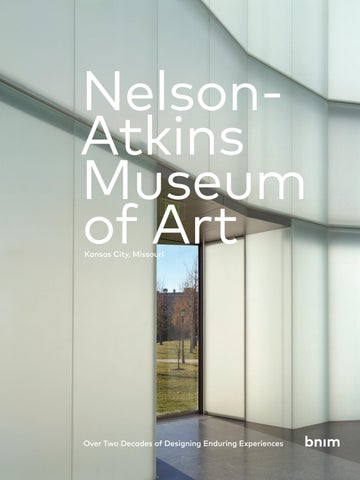
NelsonAtkins Museum of Art
Kansas City, Missouri
Over Two Decades of Designing Enduring Experiences
About BNIM
Established in Kansas City in 1970, BNIM is recognized as an innovative leader in designing high-performance, human-purposed environments. In our 50+ years as a practice, BNIM has been in immersed within Kansas City’s vibrant arts community. We have collaborated with art institutions locally and nationally, including the Nelson-Atkins Museum of Art, to create welcoming, vibrant, and community-connected museum experiences. As an employee-owned design company, BNIM’s core purpose is to design and deliver beautiful, integrated environments to inspire change and enhance the human condition. Through our instrumental role in shaping the direction of the sustainable movement, combined with innovative projects, methods, and research, BNIM’s work has continued to redefine design excellence to elevate the human experience for all people in beautiful, equitable, inclusive, and healthy environments. This multifaceted approach to design excellence has yielded national and international acclaim, including the AIA National Architecture Firm Award.
CONTENTS
History of the Museum
Designing an Enduring Experience
Timeline of Work
Restoring the 1933 Building
Building Envelope Updates
Museum as a Community Resource
Ford Learning Center
The Heart of the Museum
Adelaide Cobb Ward Sculpture Hall
The Spine of the Museum
Kirkwood Hall Renovation
Feather and Stone
The Bloch Building*
Filtering Light
Entry Plaza & Parking Structure*
Dedicated to the Art of Native Peoples
Native American Galleries
Showcasing American Visual Culture and Craftsman
Sarah and Landon Rowland American Art Galleries
Emphasis on the Art
Egyptian Galleries
Simulating Environments for Original Experiences
Bloch Galleries of European Art
Administrative Offices, Conservation Lab, and Other Projects
Kansas City is an Art Town: The Practice of BNIM
*with Steven Holl Architects
History of the Nelson-Akins Museum of Art
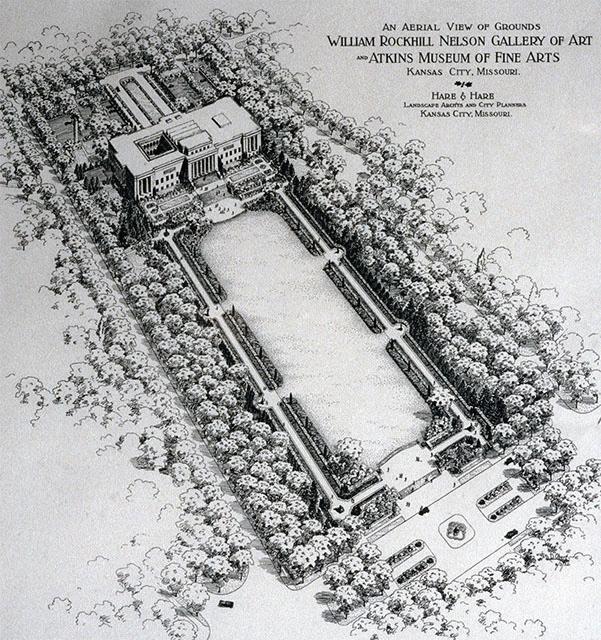
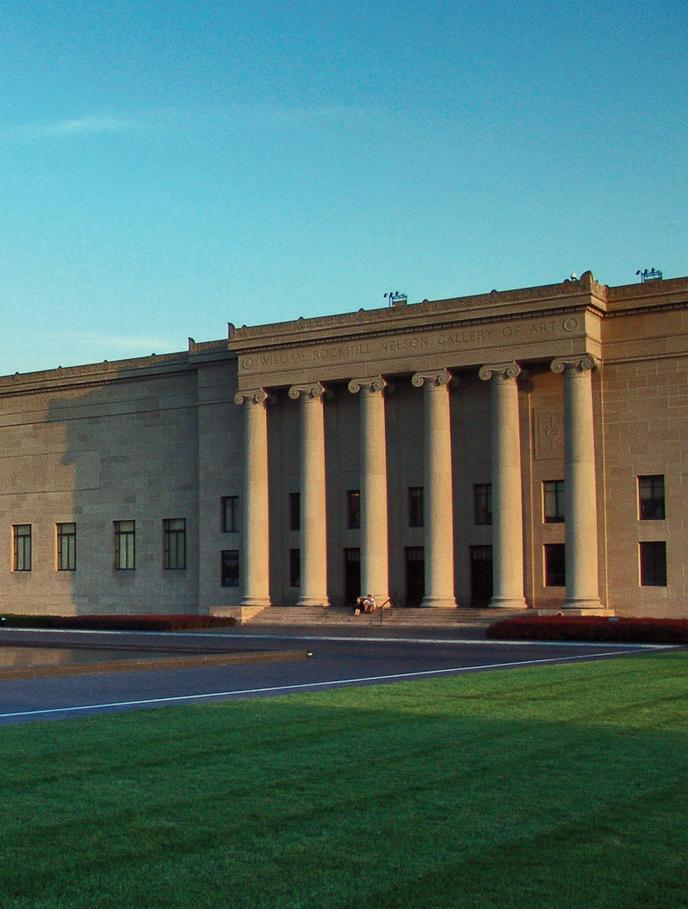
The Nelson-Atkins Museum of Art is a testament to the enduring vision of two individuals from different eras: William Rockhill Nelson, a real estate developer and founder of The Kansas City Star, and Mary McAfee Atkins, a retired schoolteacher with a passion for European art. Their shared dream of a public art museum in Kansas City was brought to life through their generous bequests in the early 20th century.
In the 1930s, the museum’s early curators and trustees overcame the challenges of the Great Depression to procure art for its new galleries, as seen in the exhibition Origins: Collecting to Create the Nelson-Atkins. The museum officially opened its doors to the public on December 11, 1933.
Over the years, the museum’s name evolved, eventually becoming The Nelson-Atkins Museum of Art in 1982. Recent efforts by the Board of Trustees reaffirmed the commitment to inclusivity while retaining the name.
The museum has maintained a dedication to diversity, inclusion, and equity, offering free admission for nearly 25 years. Its mission includes acquiring art with a broader perspective, forging strong community partnerships, and actively engaging with the public.
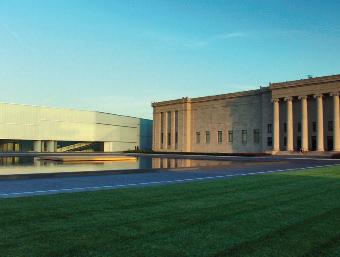
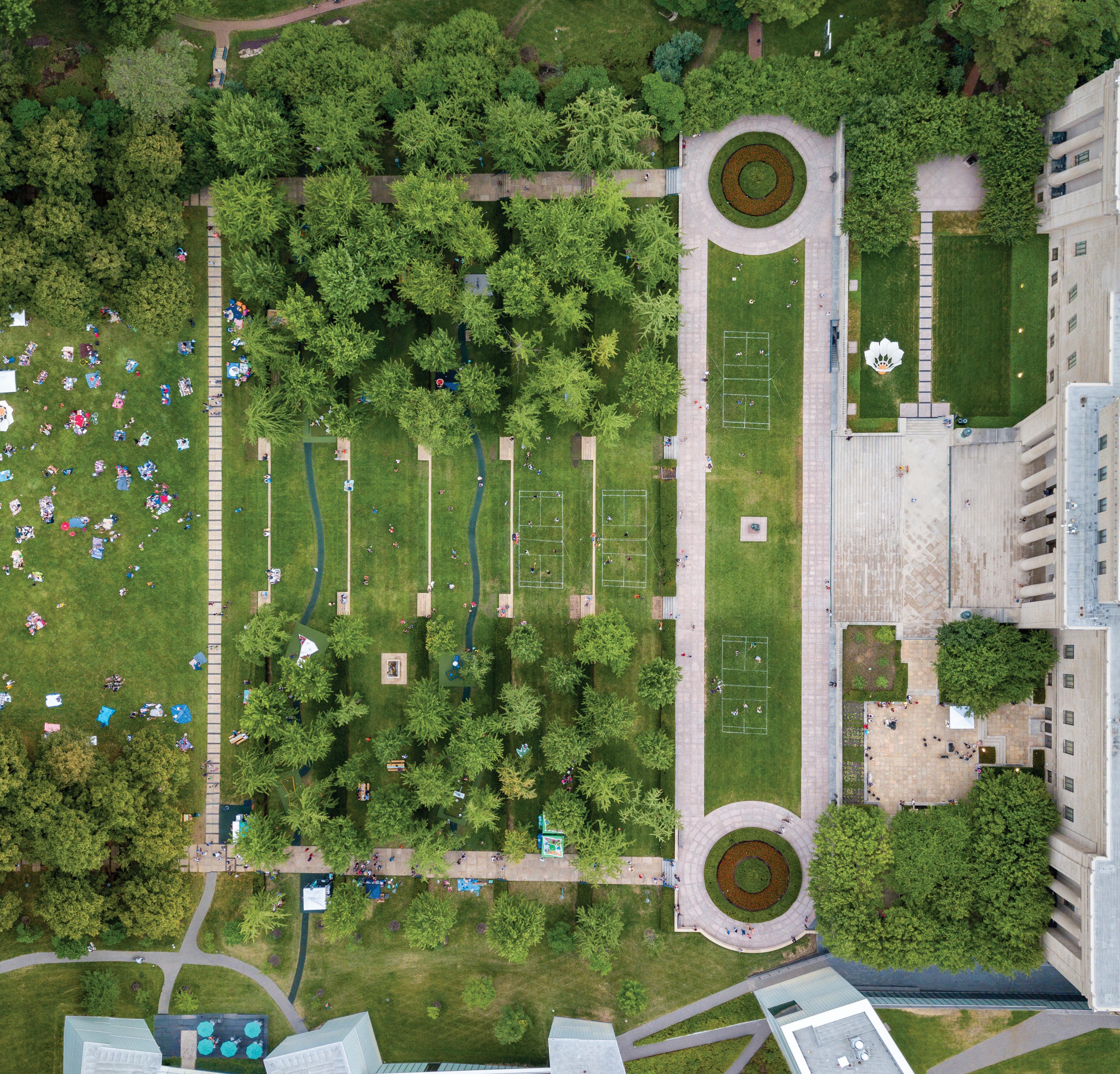
Today, the Nelson-Atkins Museum boasts a rich collection of over 42,000 works of art and a campus that includes the original building, the Bloch Building expansion (2007), and the Donald J. Hall Sculpture Park. It stands as a cultural beacon, embodying a harmonious blend of art, inclusivity, and community engagement in Kansas City and beyond.
Designing an enduring experience for the community
In the Nelson-Atkins Museum of Art’s institution-wide transformation, the Museum has taken on a number of renovation and restoration projects, allowing it to better serve the community and present its renowned collection of more than 42,000 art objects.
The Nelson-Atkins Museum of Art is one of the leading cultural arts institutions in the region. Its continued success, which is dependent on the careful development and preservation of the structure, results in the myriad benefits that a strong arts community can bring to a city, including sustained tourism to Kansas City, job creation, and educational opportunities for all ages.
In an ongoing relationship that was developed in 2001, BNIM has worked with the Nelson-Atkins Museum of Art on 65 separate projects over the years. Projects include gallery renovations, museum signage and wayfinding, restoration and cleaning, intricate casework and collection preservation, a new learning center with classrooms and a reference library, sculpture hall renovations, and a new parking structure and entry plaza, among others.
150,000SF OF NEW GALLERIES AND PUBLIC FACILITIES 55%
MORE SPACE FOR MUSEUM’S PERMANENT COLLECTION
71%
INCREASE IN TOTAL MUSEUM SPACE
42,000 WORKS OF ART
556K
PATRONS VISIT THE NELSON-ATKINS MUSEUM OF ART ANNUALLY
Timeline of Projects
The Bloch Building Addition
Sarah and Landon Rowland American Art Galleries
TOTAL PROJECT AREA
170
BNIMERS HAVE CONTRIBUTED TO THE NELSON-ATKINS MUSEUM PROJECTS OVER 25 YEARS
Bloch Galleries of European Art
Plaza Paving Exploring Inclusive Design Strategies
Crespin Sculpture
Restoring the 1933 Building
Building Envelope Repair
2002
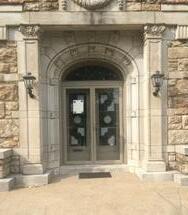
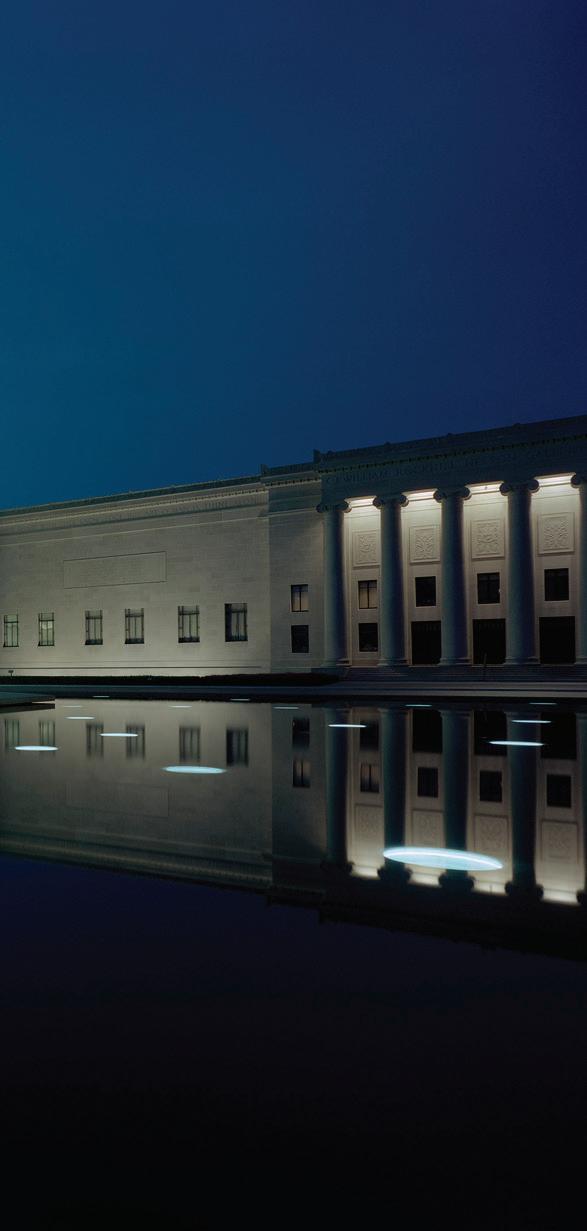
Restoration efforts for the Nelson-Atkins Museum of Art help ensure this beloved cultural destination continues to thrive in the Kansas City community for decades to come. BNIM worked on the building envelope repair and restoration of the existing historic building, involving detailed cleaning and tuckpointing of the stone façade, membrane and green roofing replacement, and the entry improvements. The exterior stone cladding was cleaned with a low-pressure warm water wash mixture, along with selective tuckpointing and epoxy-injected crack repairs. The formula for the tuckpointing mortar was referenced from original construction drawings and laboratory testing to carefully replicate the original material both for appearance and structural/material compatibility. Certain locations also required removal, repair, and re-setting of stone panels.
Other envelope improvements include restoration of existing bronze windows and integration of insulated steel windows replicating original design. The original insulation on the interior of the composite masonry-stone wall construction was comprised of 1” cork panels, adhered to the interior wythe of masonry with a bituminous coating. This was replaced with a rigid polyisocyanurate board product and integral vapor barrier as interior spaces were renovated. The new insulation system interfaced with the retro-fitted glazing systems, providing a continuous insulated envelope and vapor barrier.
PROJECT STATUS Completion in 2002
PROJECT SIZE
145,000 SF
Museum as an Community Resource
Ford Learning Center
2005
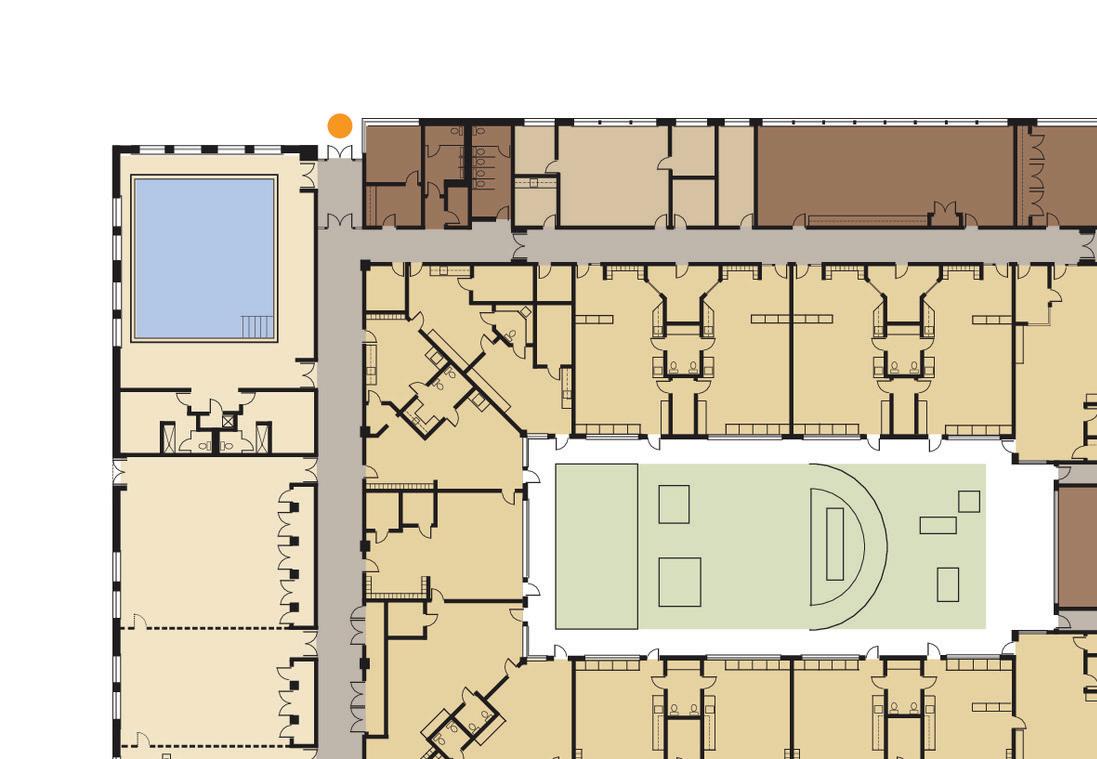
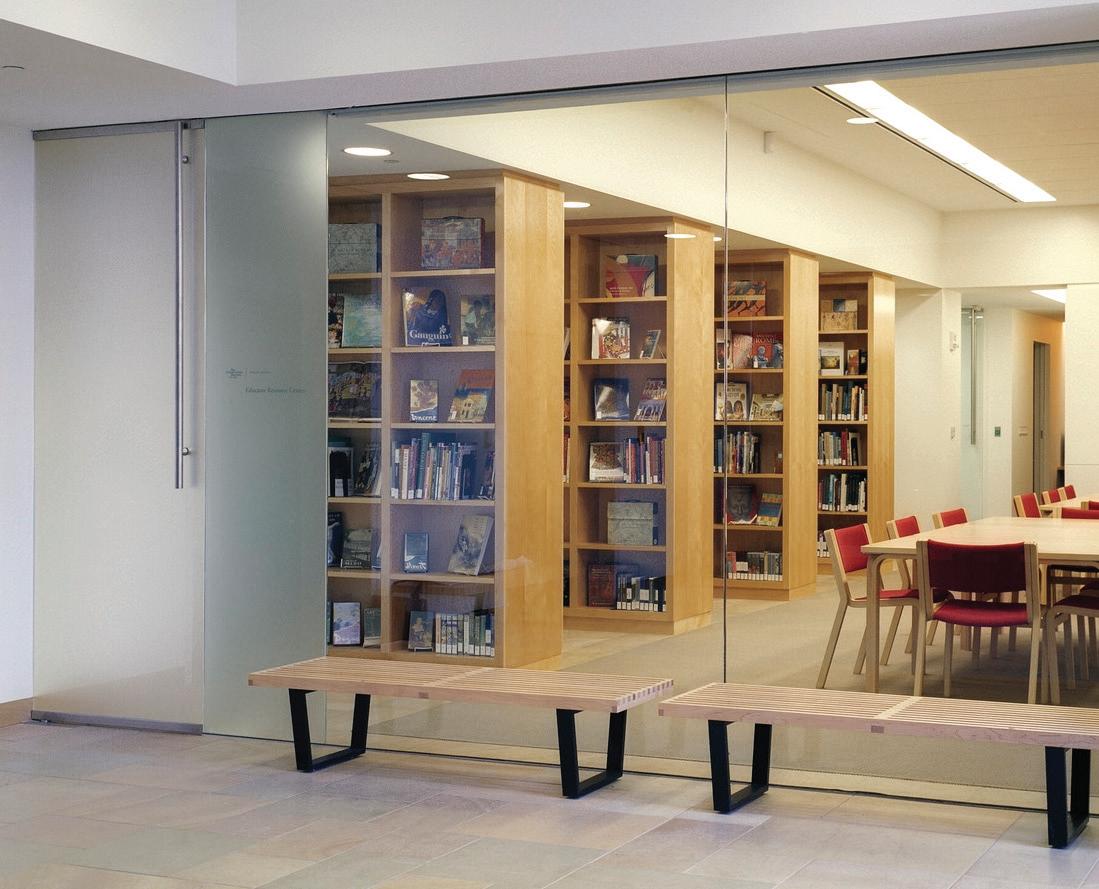
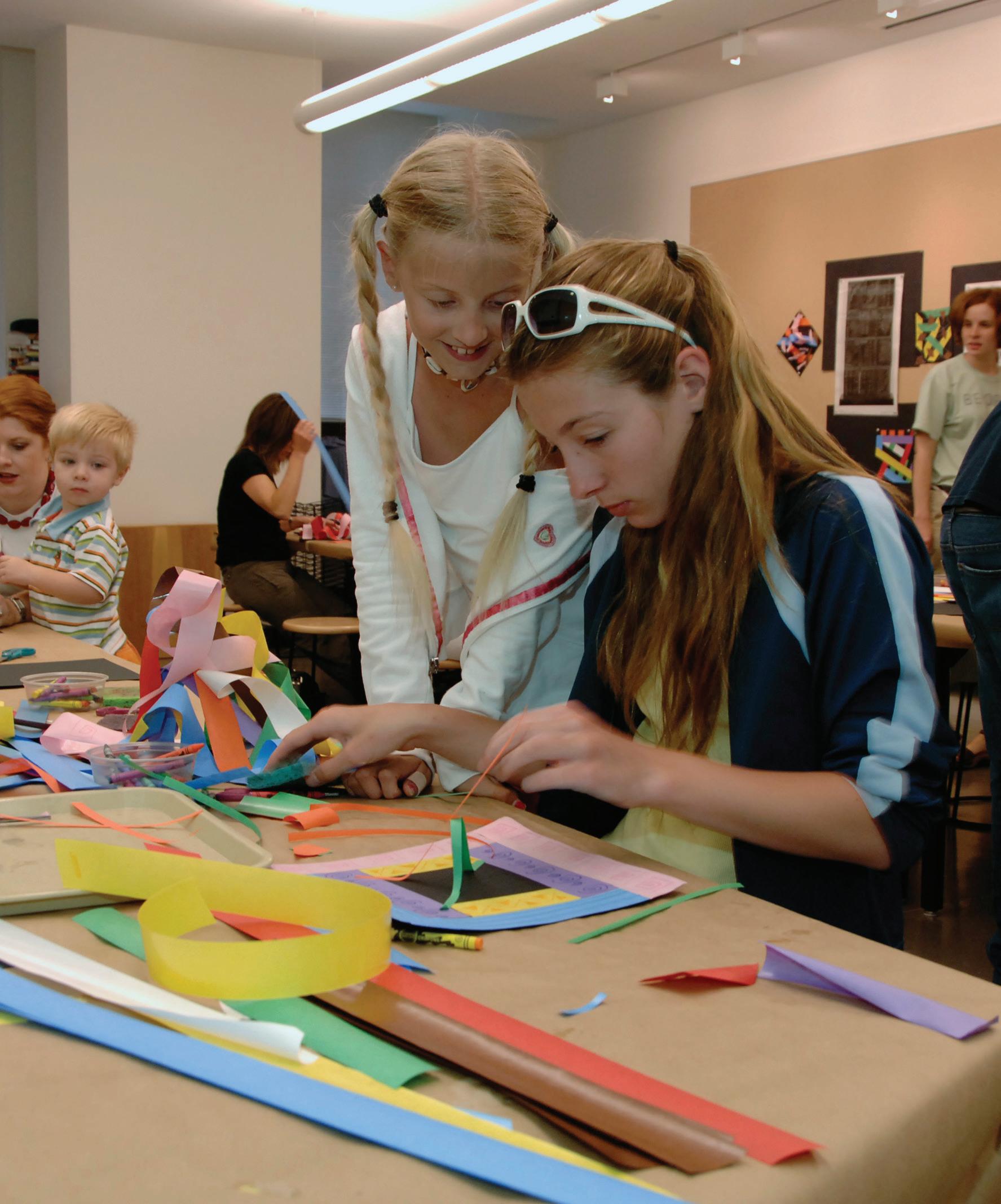
Located near the main entrance to the Bloch Building Addition, the Ford Learning Center is a highly visible and as an integral part of the museum campus, serving as a gateway to arts education and exploration. As one of multiple phases of renovation to the original Nelson-Atkins building, the Ford Learning Center reflects and advances the museum’s long-standing commitment to arts education. The Center is a welcoming space for children, families, and adult learners alike and is the heart of the Nelson’s education and outreach programs. The renovation tripled the museum’s dedicated space for educational programming, creating several classrooms focused on the teaching and creating of arts and crafts. Other support spaces include an educator resource center, orientation and training spaces, office suite and workspace.
PROJECT STATUS
PROJECT SIZE
The Spine of the Museum
Adelaide Cobb Ward Sculpture Hall
2005
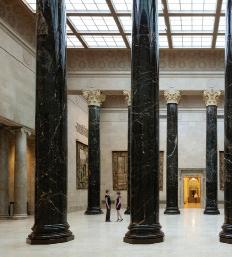
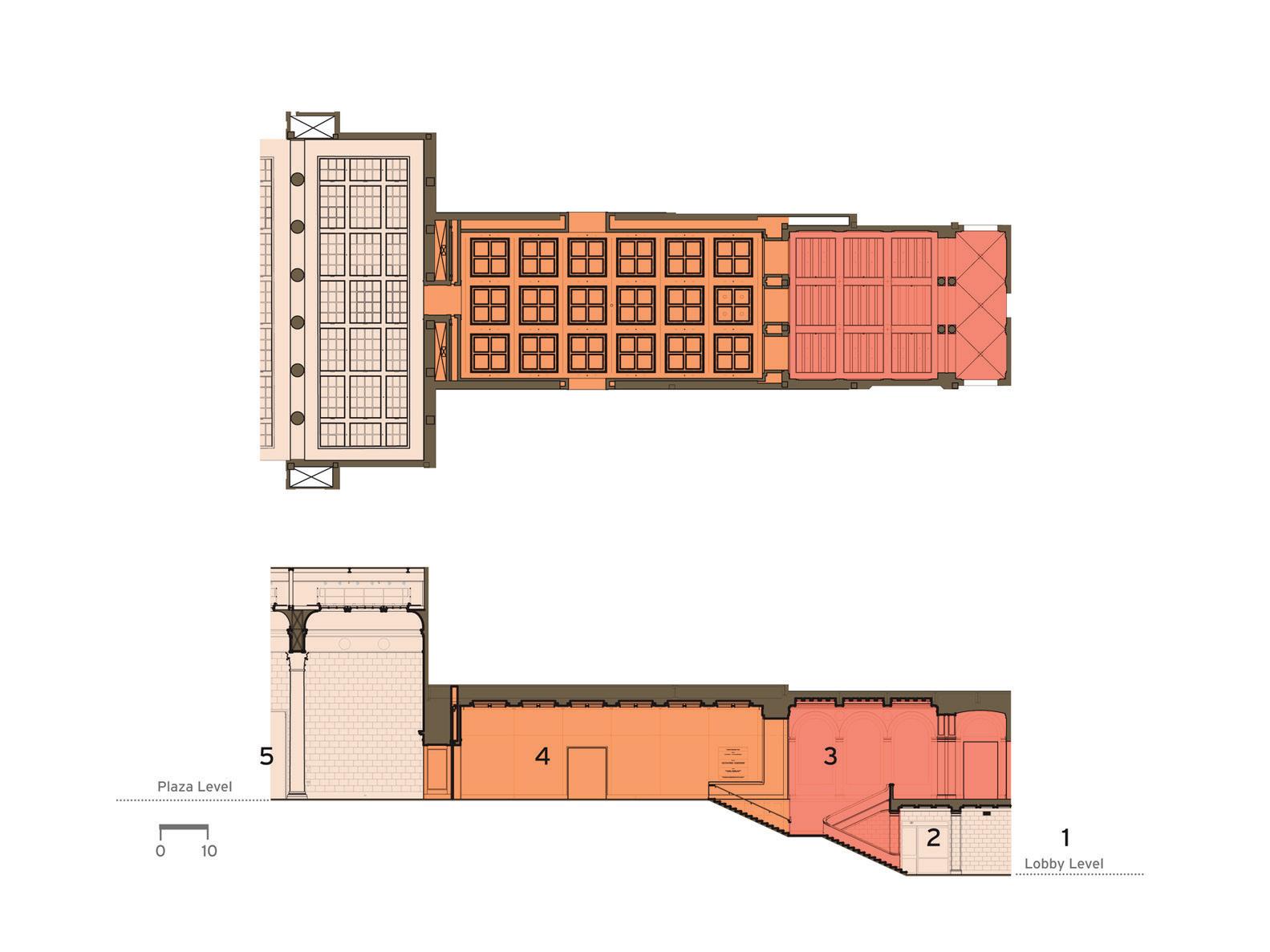
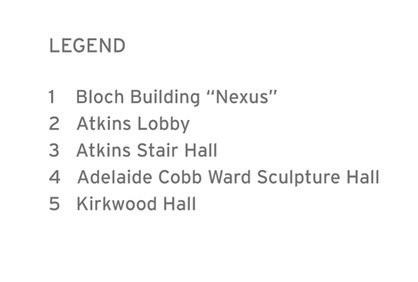
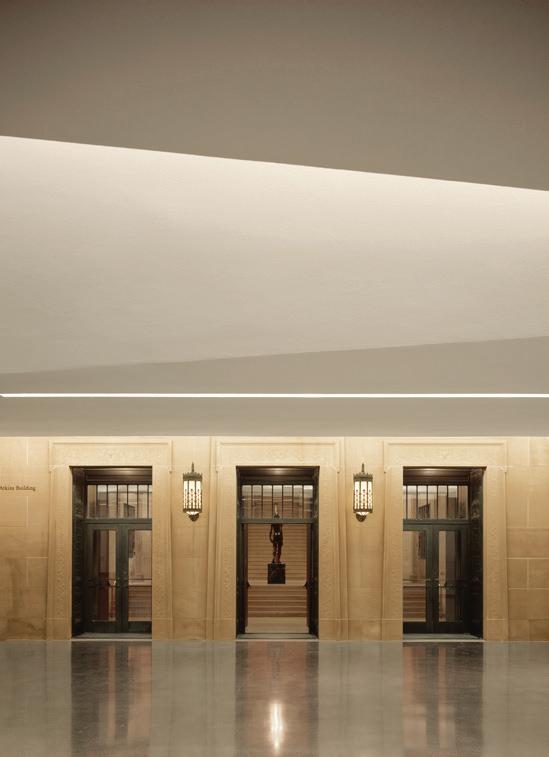
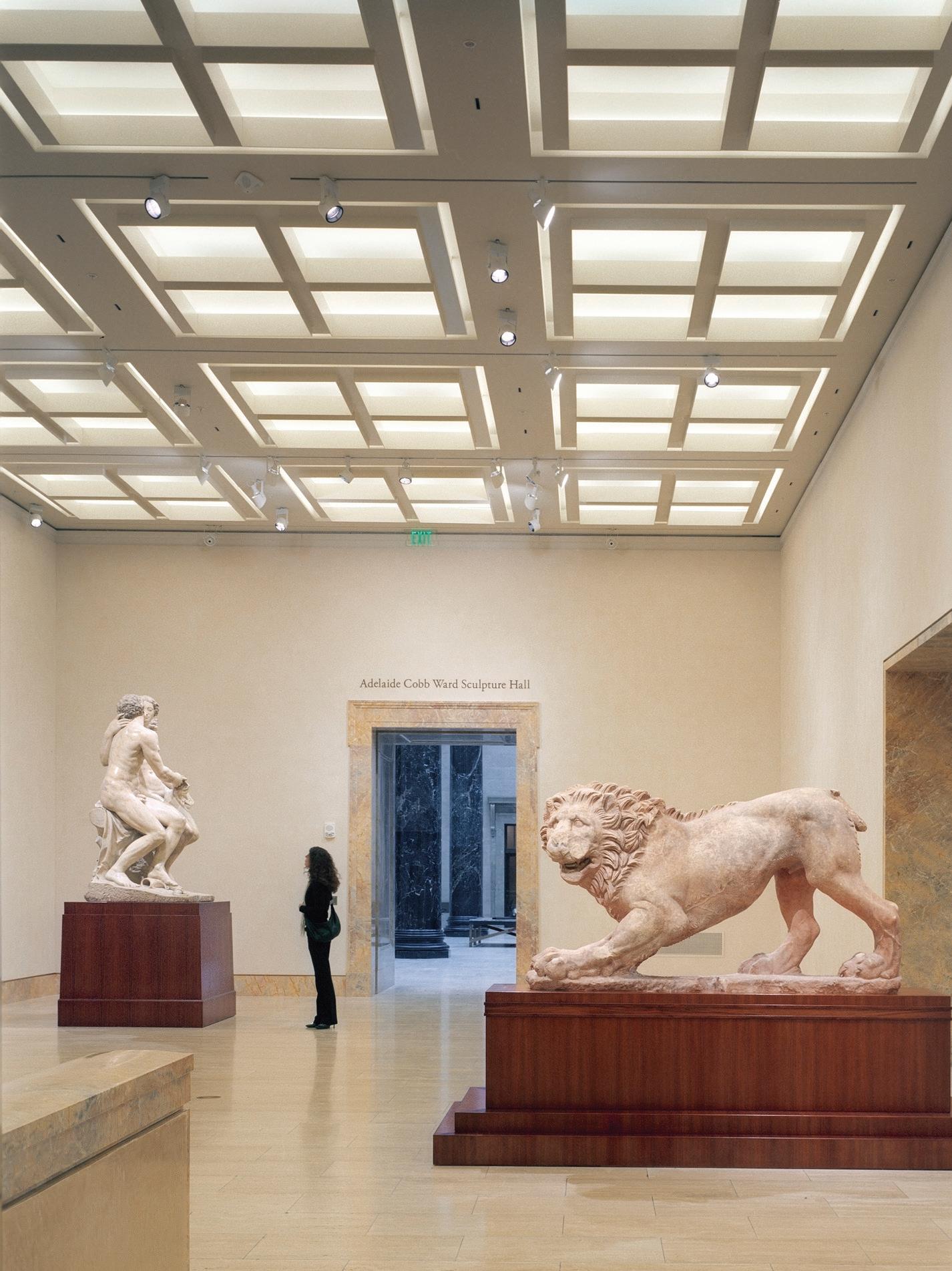
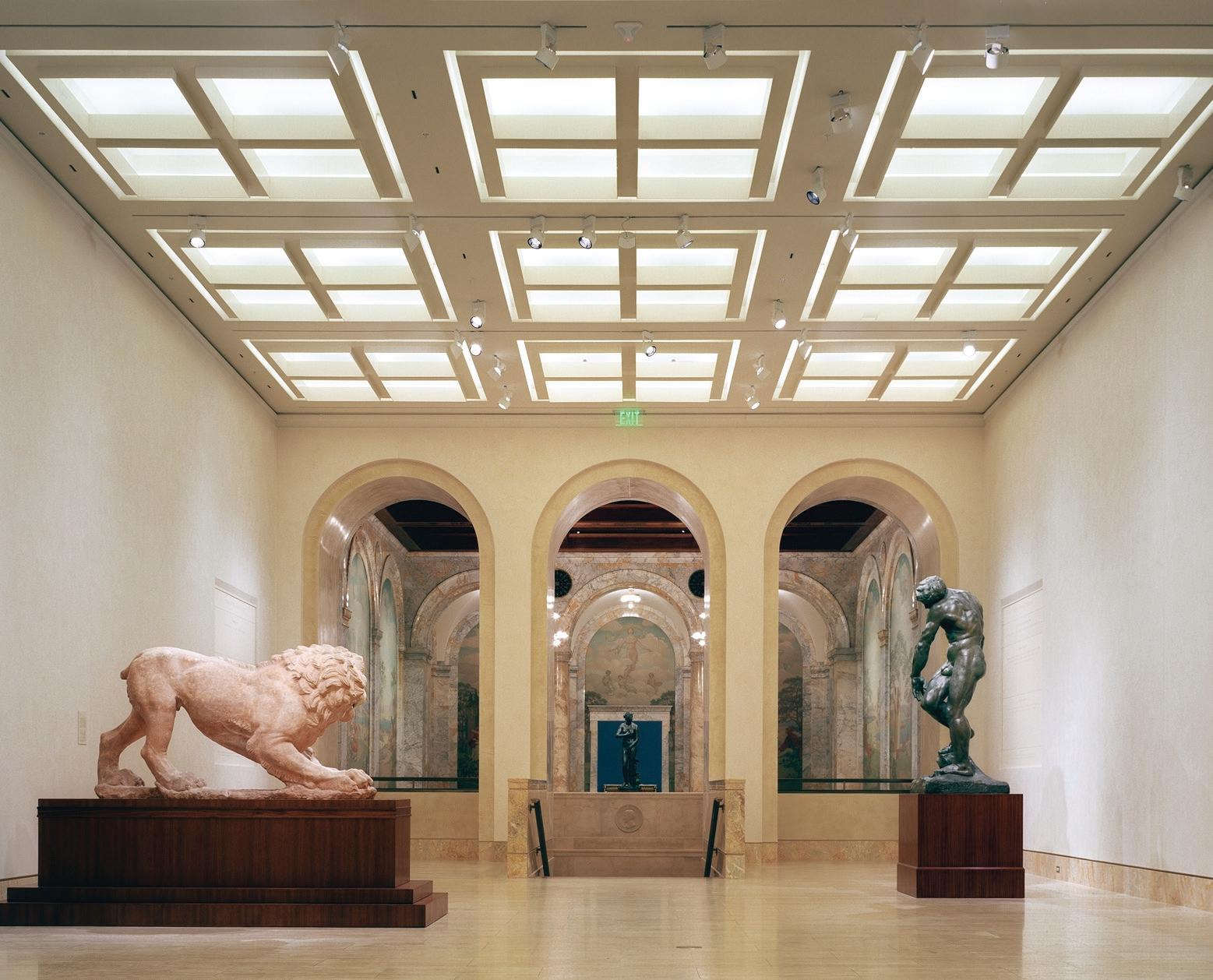
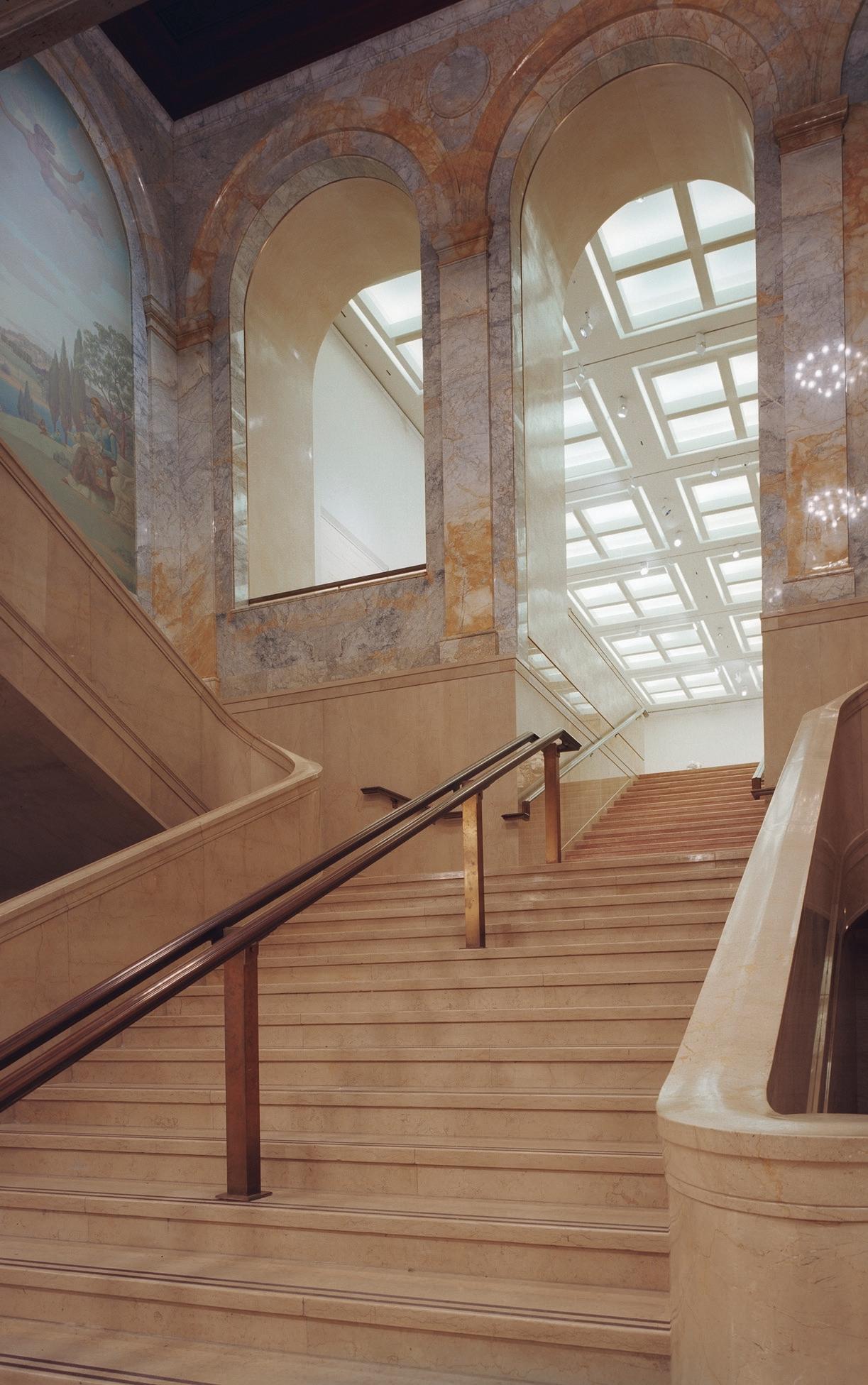
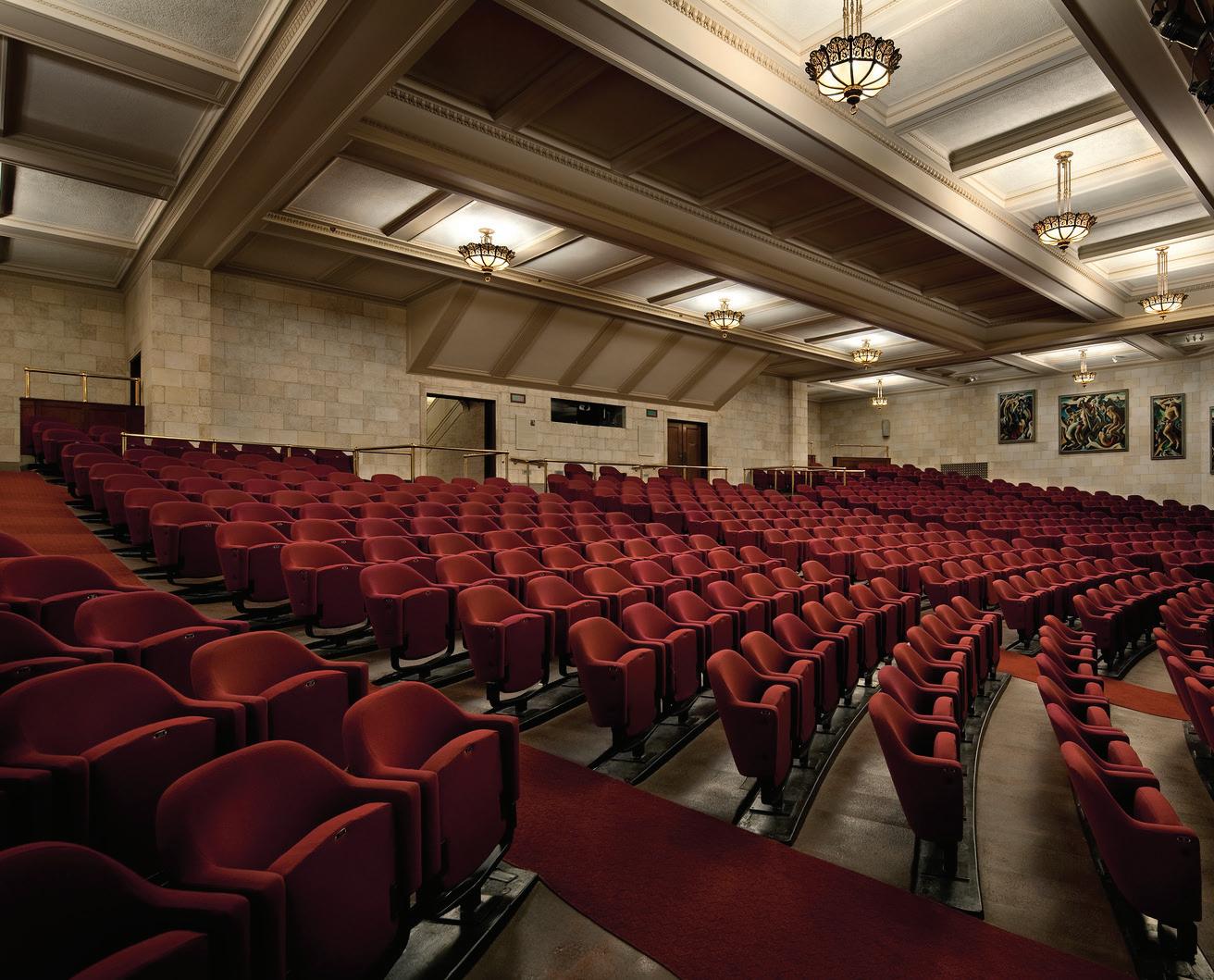
The Adelaide Cobb Ward Sculpture Hall serves as a connector of old and new, thoughtfully bridging the 1930s Beaux-Arts detailing of the original museum’s Kirkwood Hall with the modern expressions of light and space in the Bloch Building addition. Expanding upon the ‘spine’ concept originally conceived by designer and BNIM’s collaborator, Steven Holl Architects, BNIM’s design of Adelaide Cobb Ward Sculpture Hall celebrates Nelson-Atkin Museum of Art’s past and present. The centrally located sculpture hall serves as a convening hub of surrounding European galleries and the spine connecting the original historic building and its contemporary counterpart to the east. Sensitive historic renovations of the Atkins Auditorium, the Atkins Lobby, and Atkins Stair Hall were also included in this project integrating life-safety and accessibility, contributing to the circulation and cohesive experience from the grand central volume of Kirkwood Hall through to the Bloch Building lobby.
PROJECT
“Today we are proudly an arts city. We are home to an arts experience that continues to evolve, becoming increasingly more powerful across the global arts world. As all living organisms evolve and change to support their ecosystems, the same is true of the Nelson-Atkins Museum of Art and of our vibrant arts collective as a whole.”
STEVE MCDOWELL, PRESIDENT, CEO, BNIM
The Heart of the Museum
Kirkwood Hall Renovation 2005
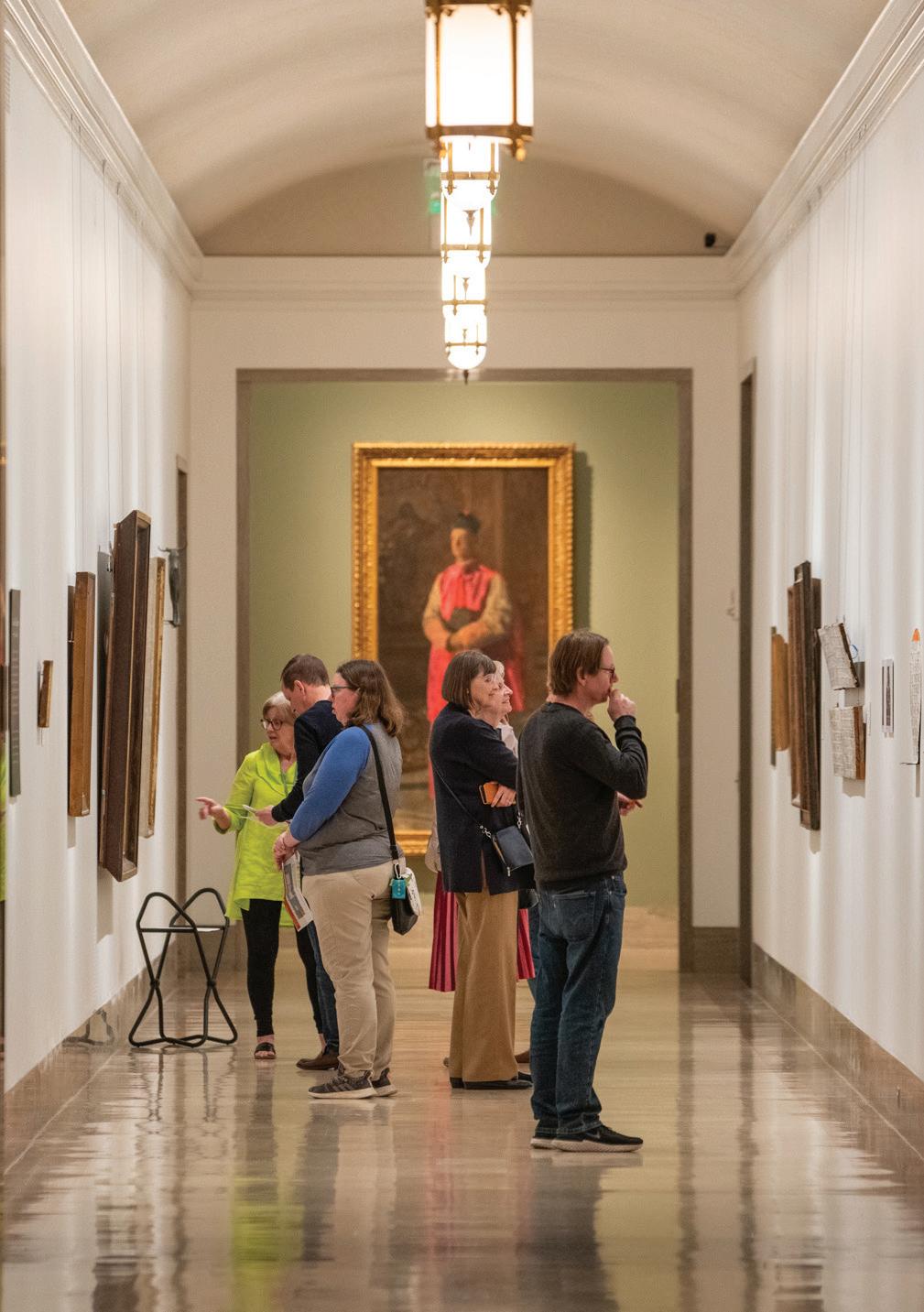
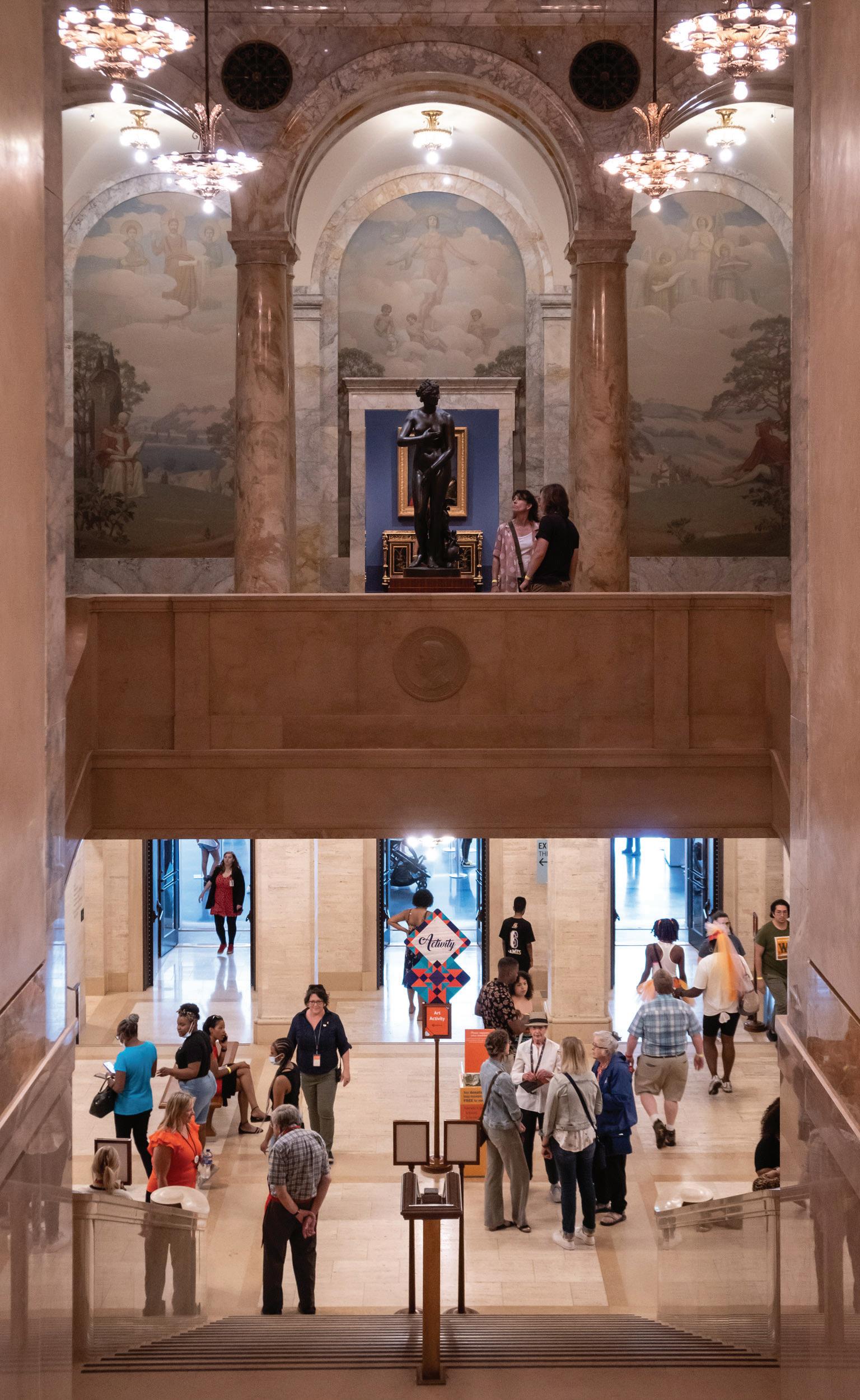
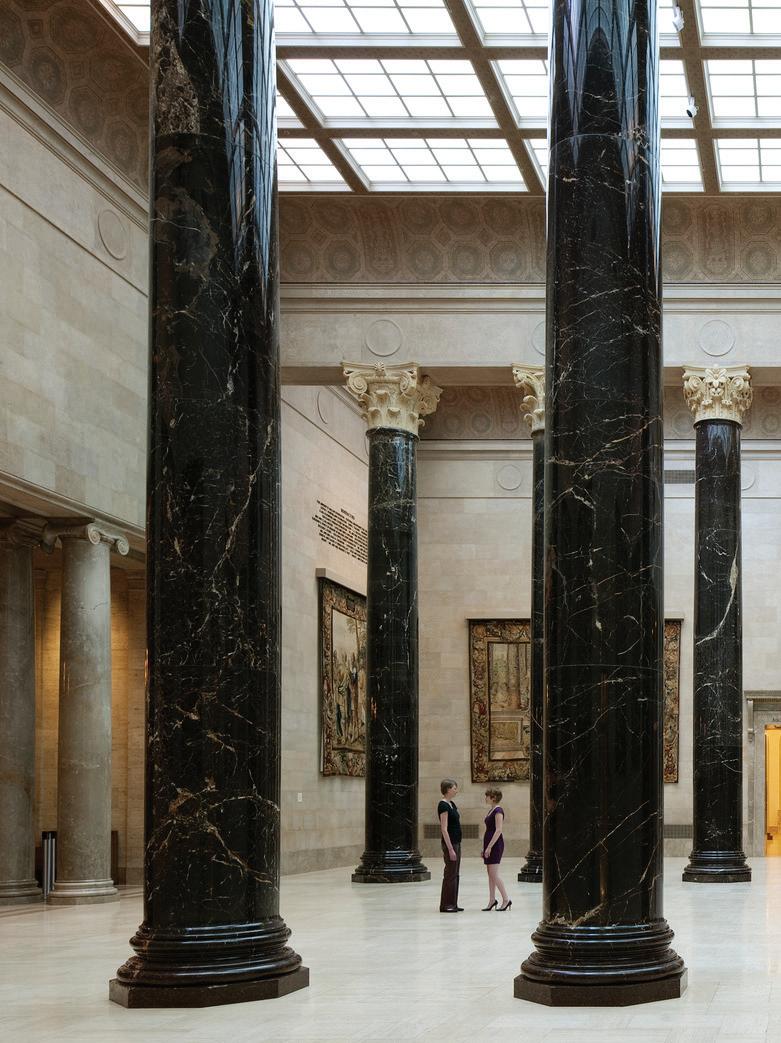
Kirkwood Hall, the ceremonial ‘heart’ of the Nelson-Atkins Museum of Art’s original building, showcases the museum’s 1930s Beaux-Arts style design. Today, the hall serves as a central point of connection and function. In conjunction with the Adelaide Cobb Ward Sculpture Hall and Stair Hall renovations, the Nelson-Atkins Museum of Art worked with BNIM to carefully renovate and restore Kirkwood Hall, the museum’s north and south entrance halls, and the entry vestibules. The original ‘switchback’ stair in Stair Hall was modified to provide a direct connection from the Bloch Addition lobby space, through the Sculpture Hall to the iconic grand central space of Kirkwood Hall.
The scope of renovations included historic paint and material restoration of original plaster coves and beams, integration of life safety systems and event lighting in reconstructed plaster beams, the restoration of historical light fixtures, and the specification of new, code compliant overheadglazing for Kirkwood Hall’s laylite ceiling and ‘saw-tooth’ skylights.
PROJECT
PROJECT SIZE 9,500 SF of event space
Feather and Stone
The Bloch Building Addition
2007
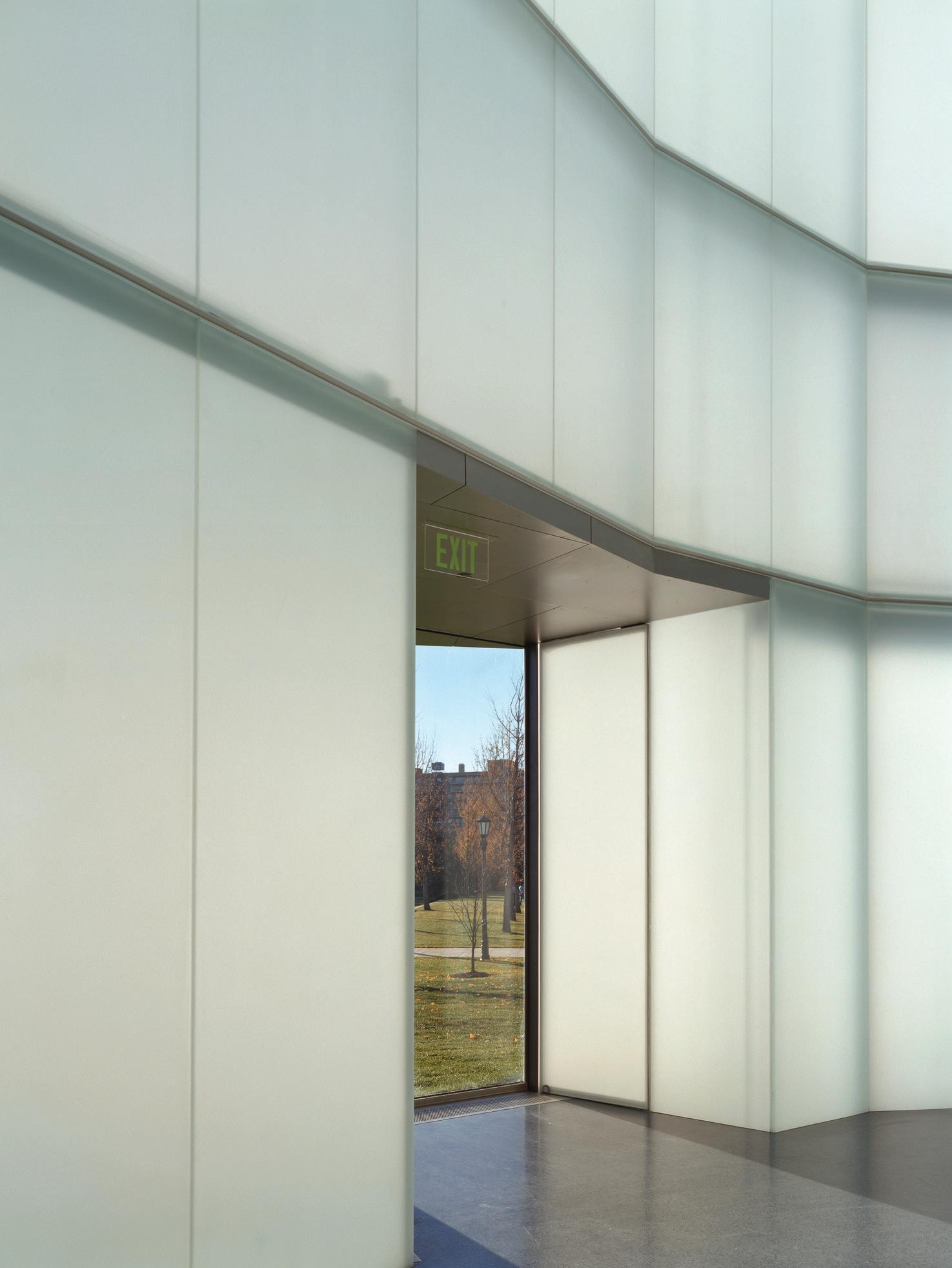
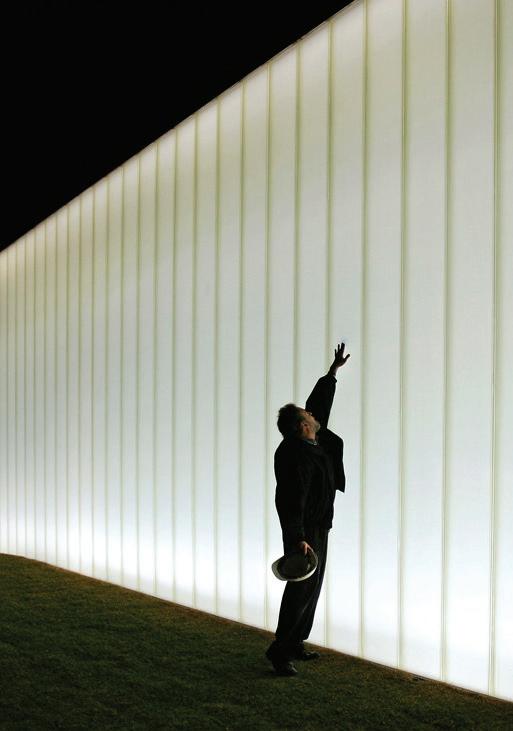
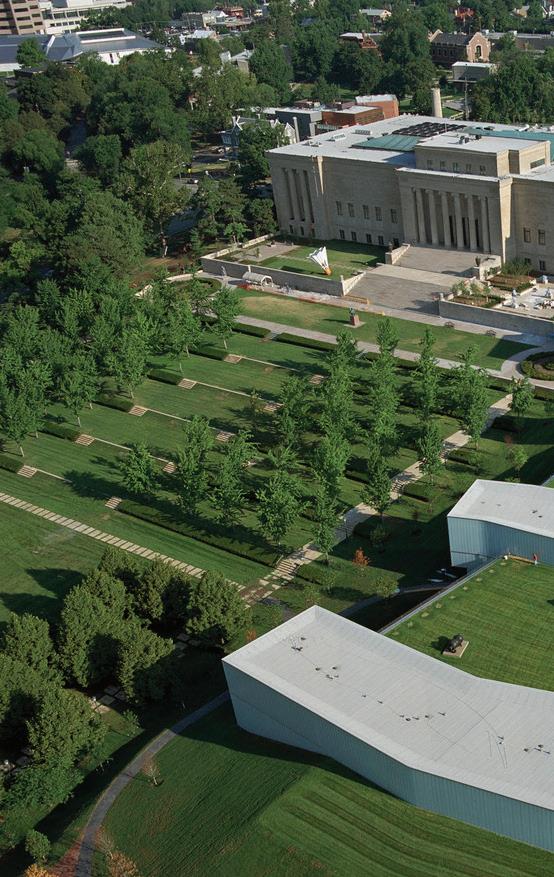
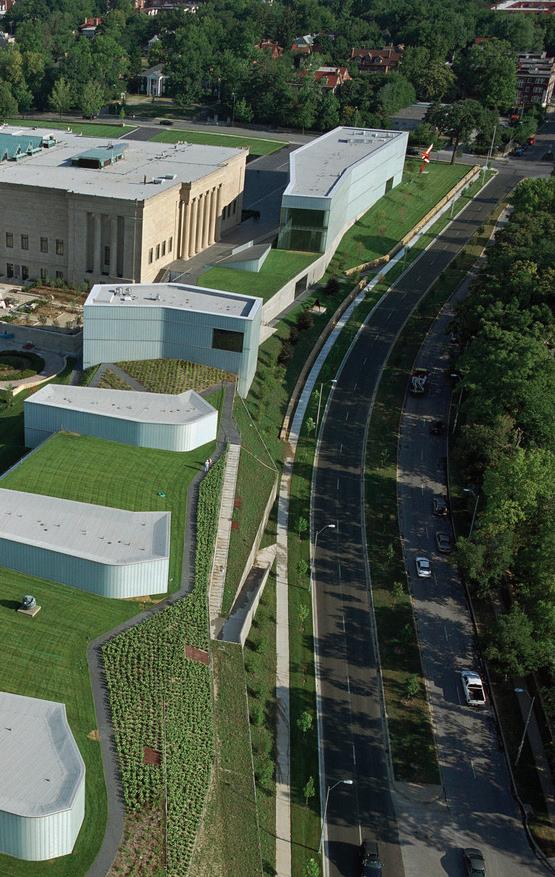
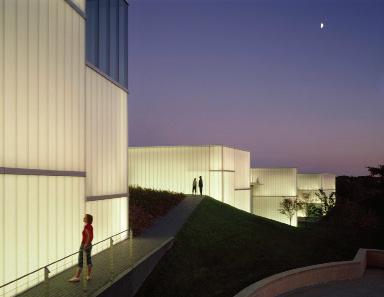
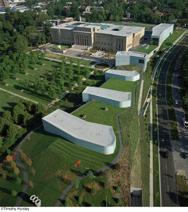
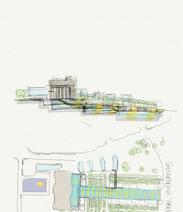
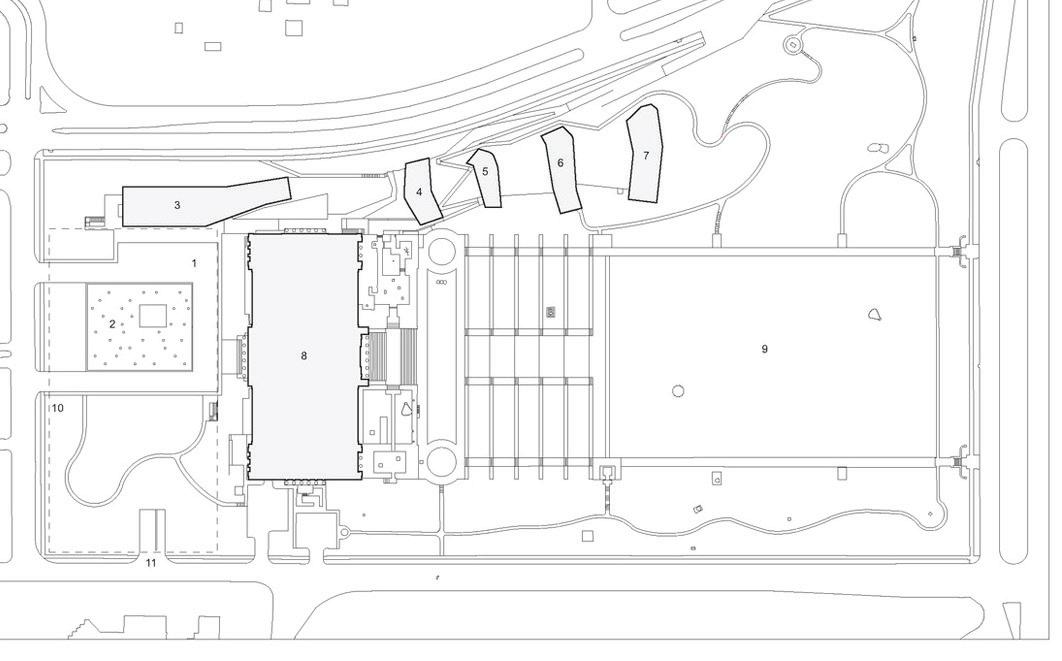
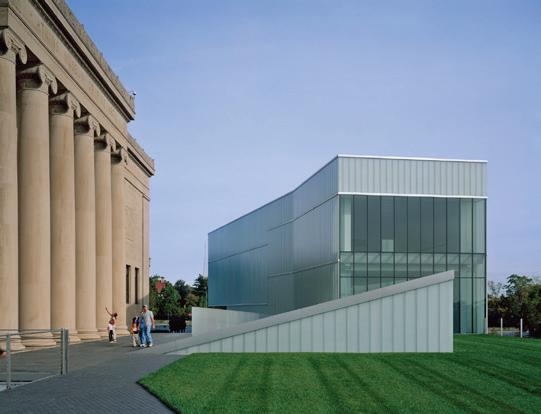
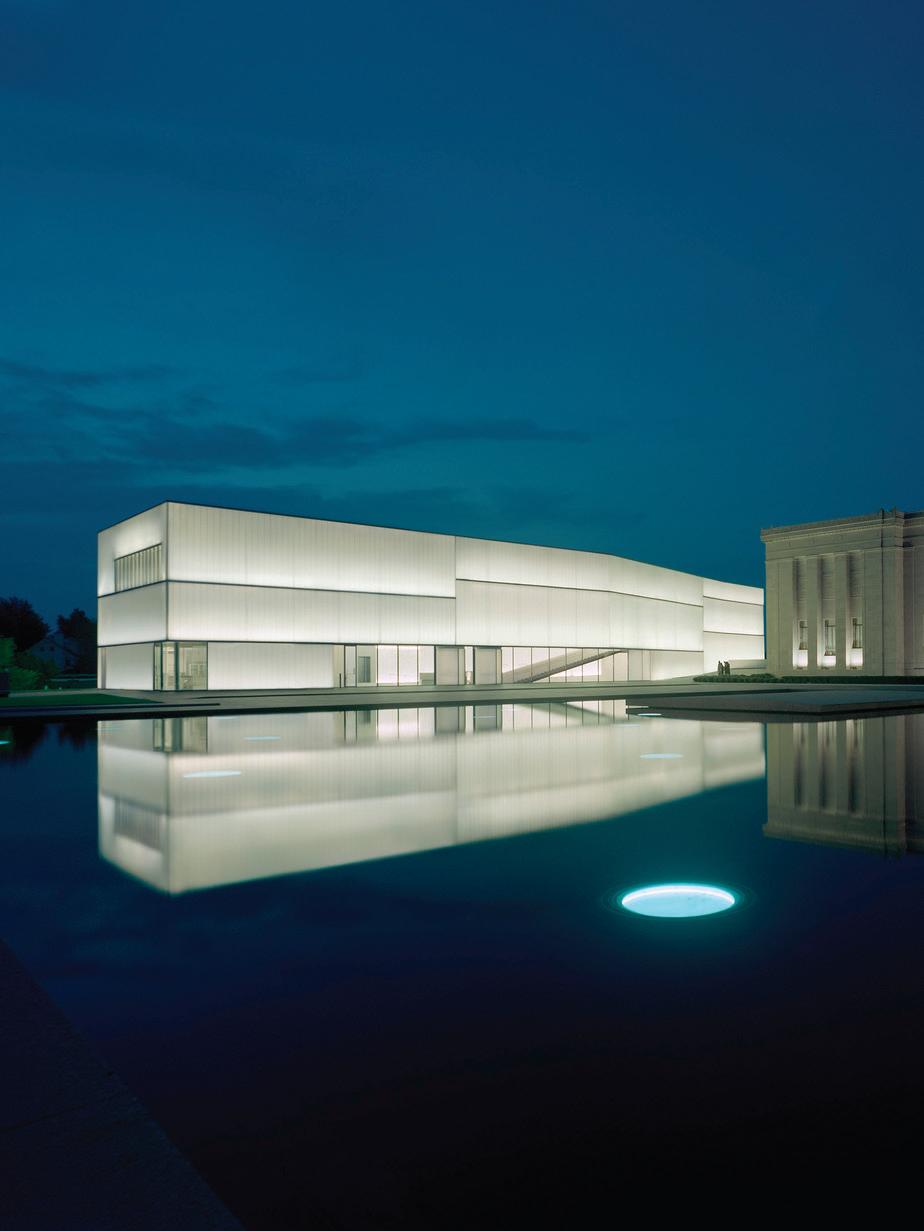
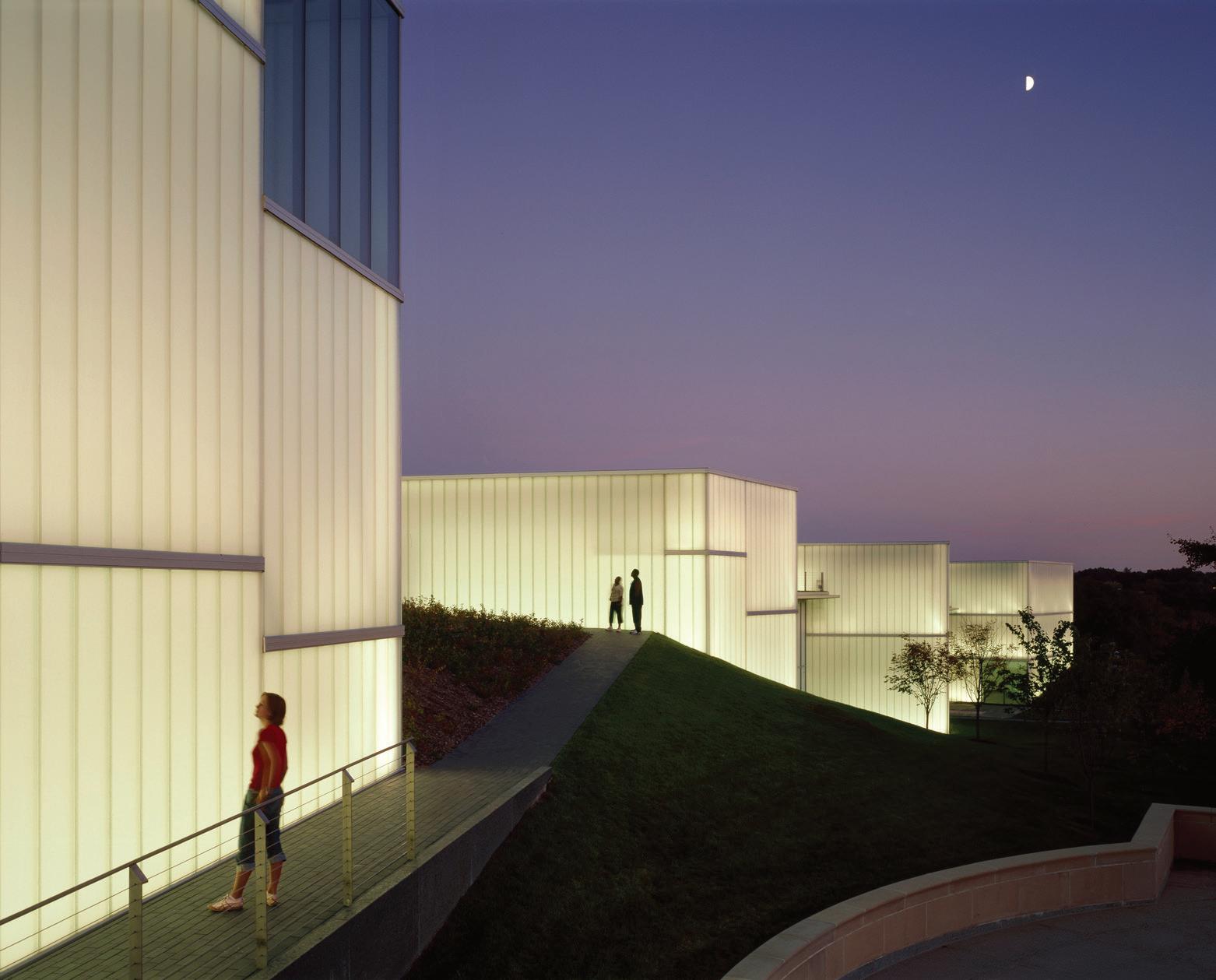
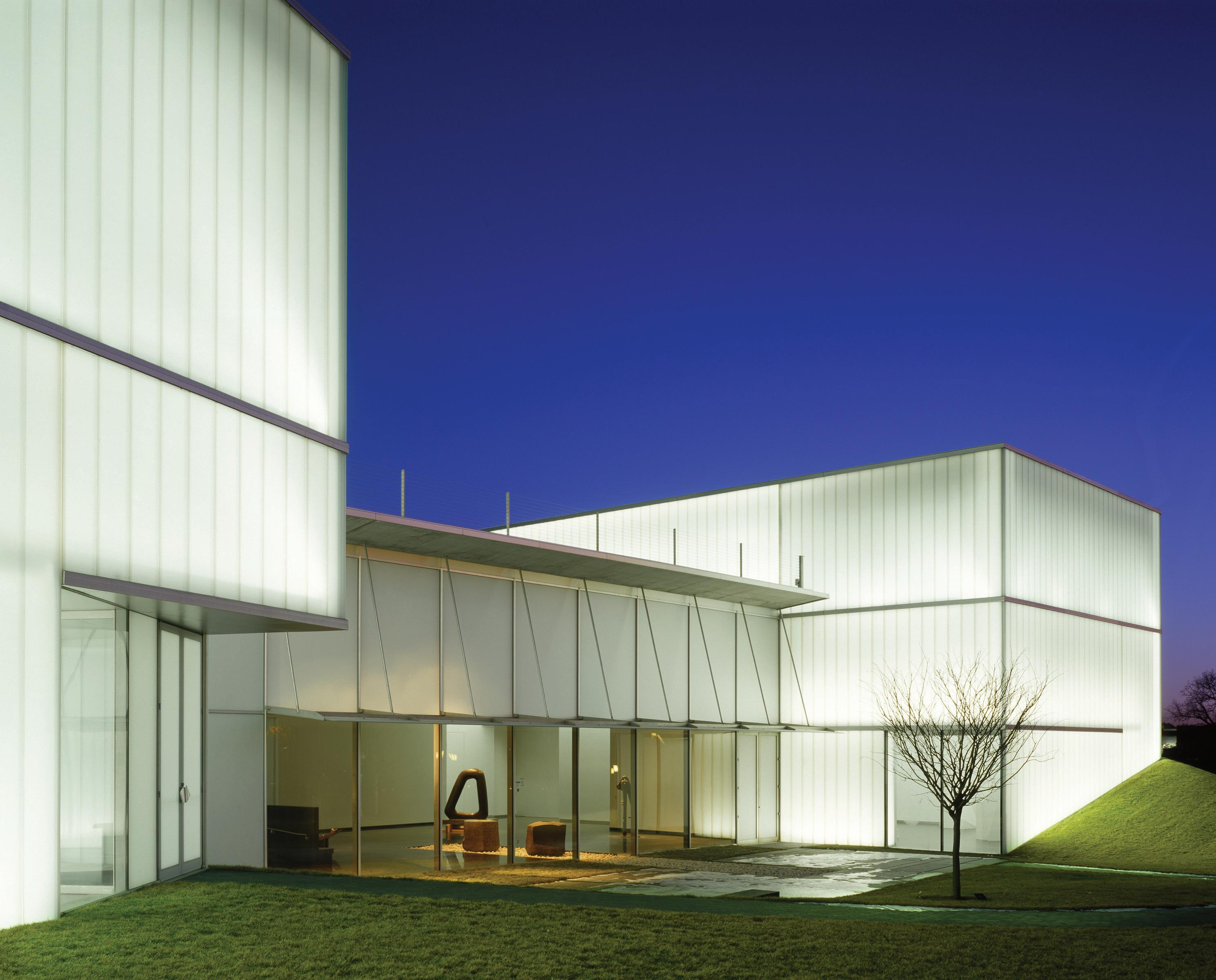
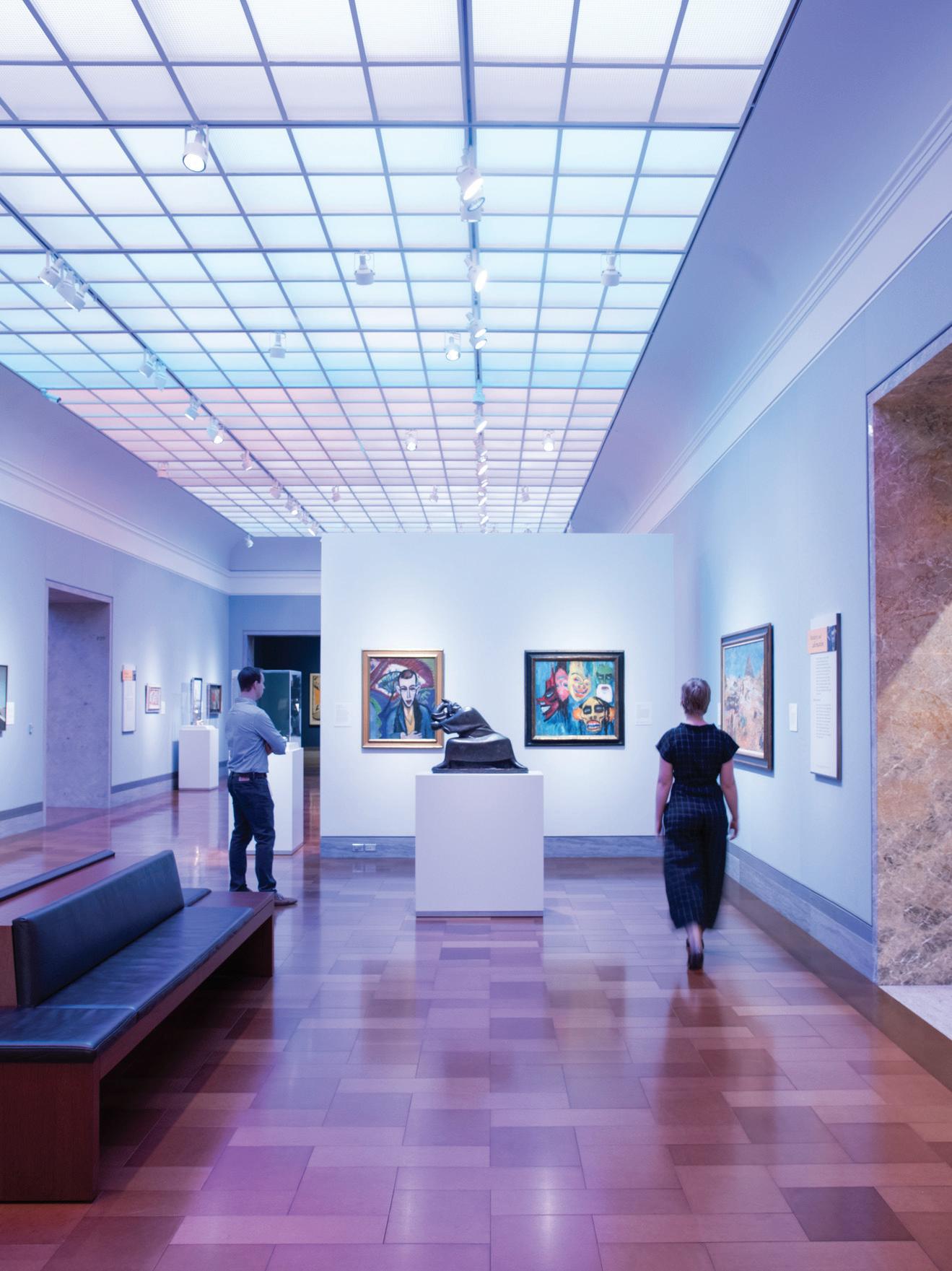
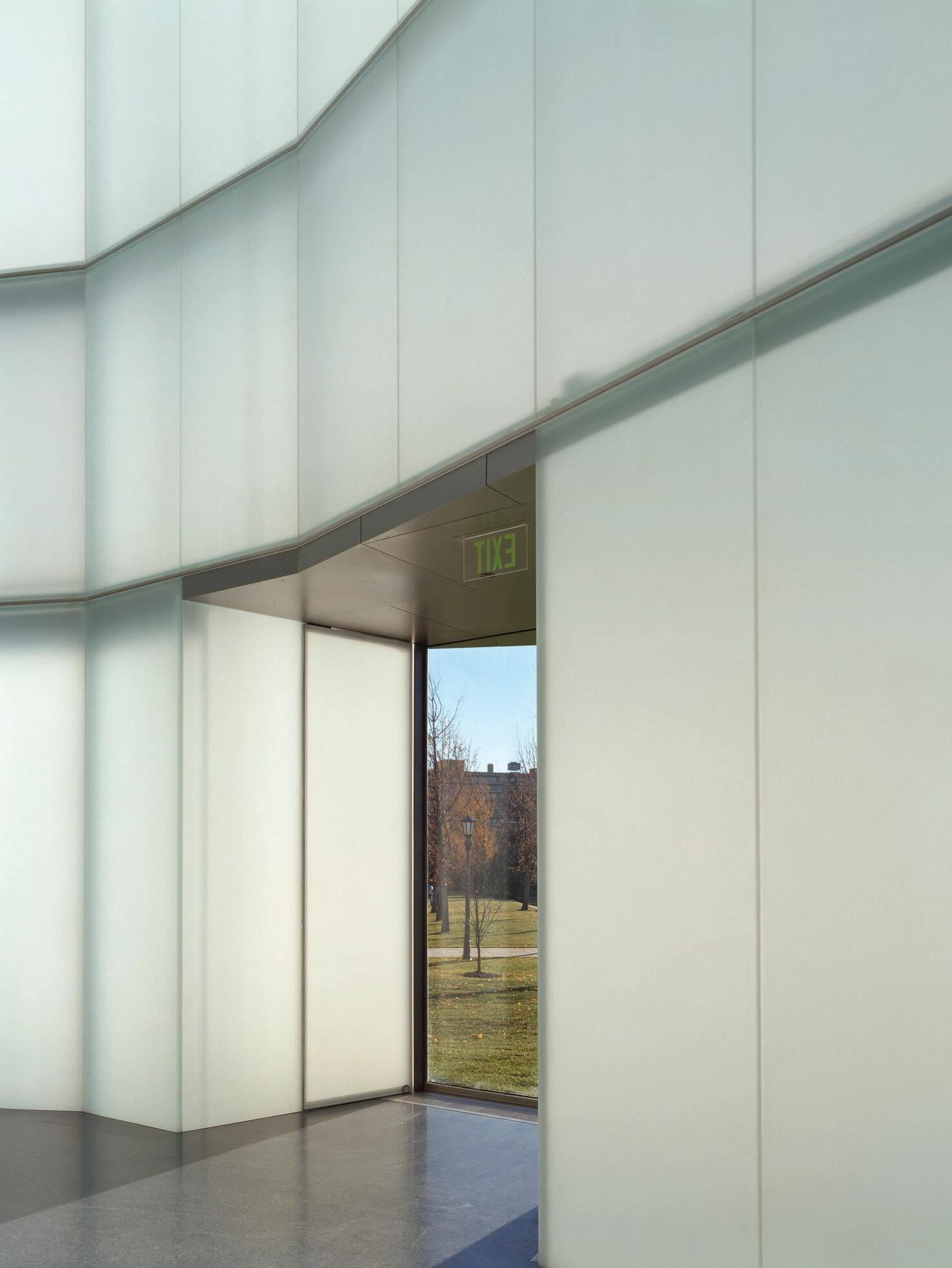
The Bloch Building addition at the Nelson-Atkins Museum of Art is the first major addition to this beloved cultural institution and Beaux-Arts style structure since it opened in 1933. Considered a “feather” to the original museum’s “stone,” the Bloch Building’s five lenses dot the landscape, housing new gallery space under specially contoured ceilings that respond to the undulating landscape above. The lenses diffuse natural light into the art galleries below. At night, the galleries softly glow from within, illuminating the surrounding landscape and ‘outdoor galleries’.
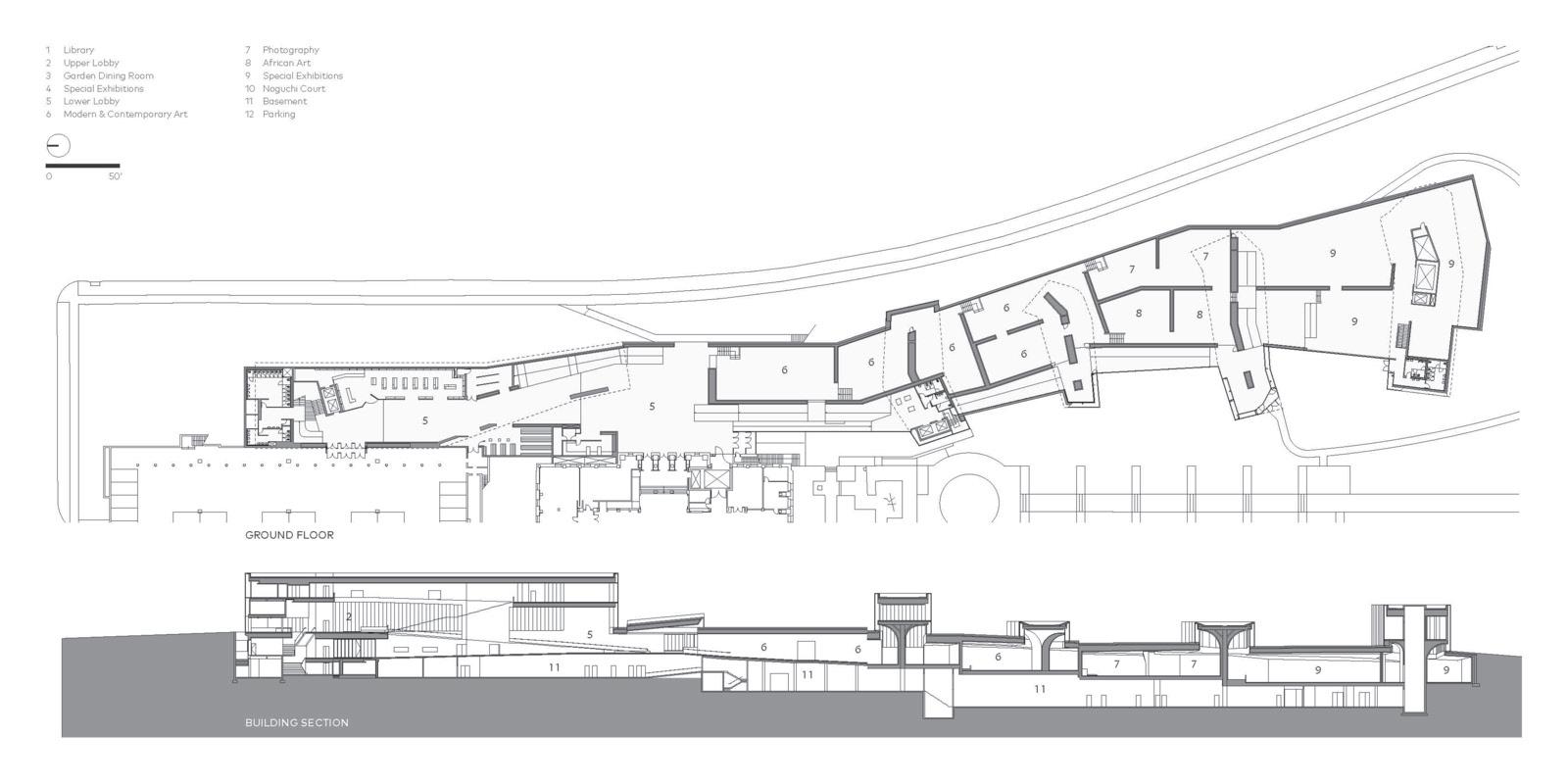
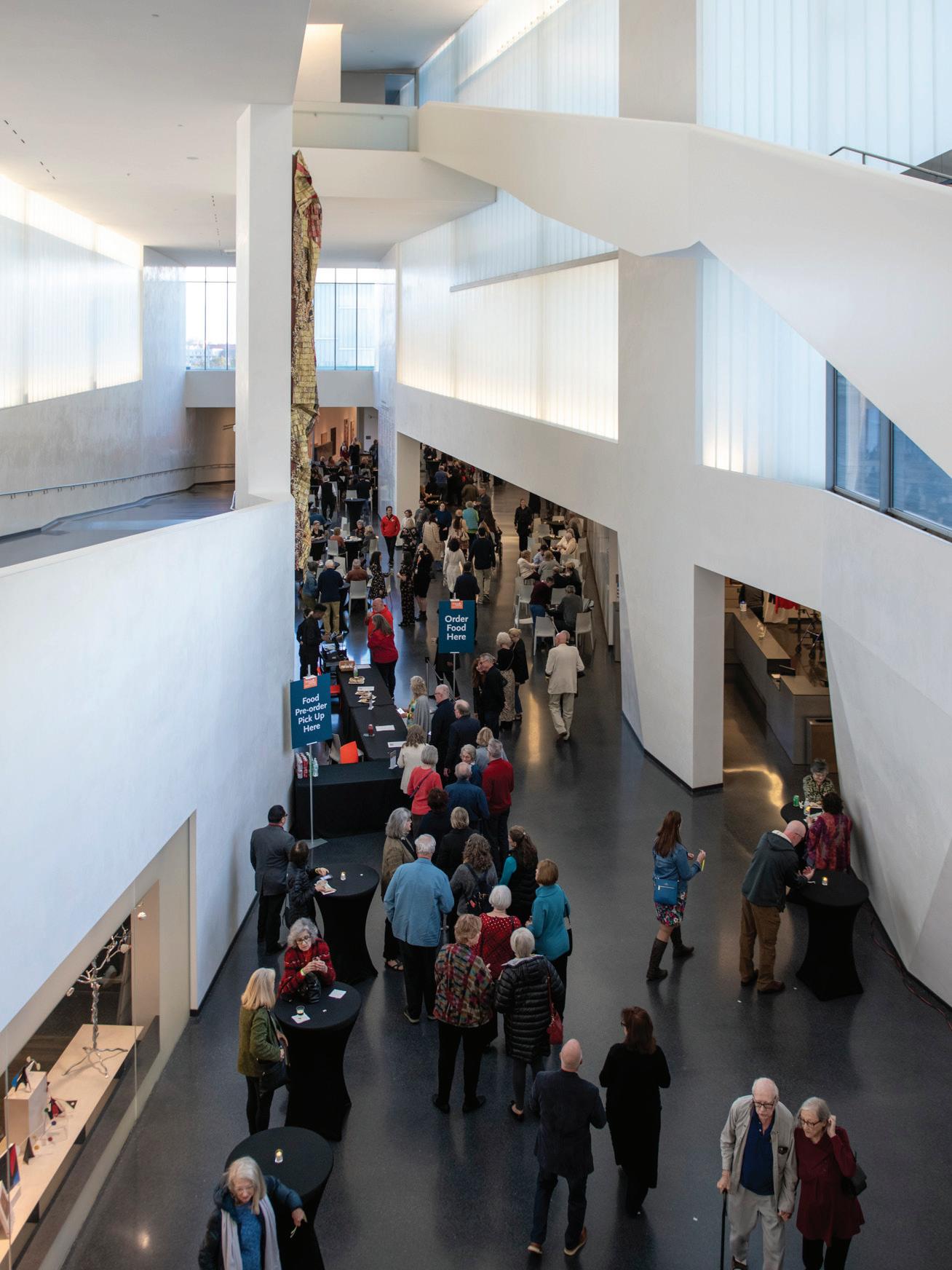
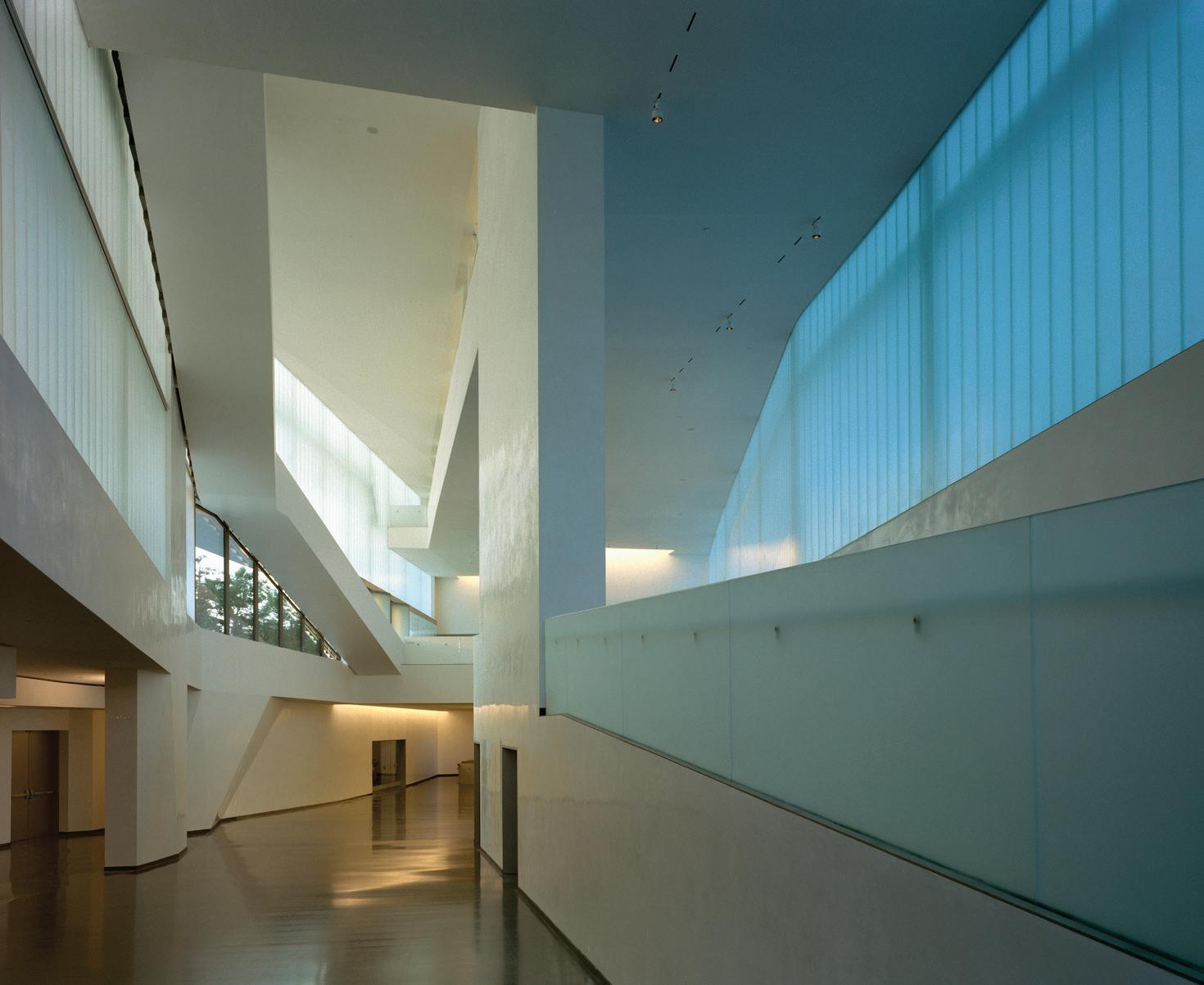
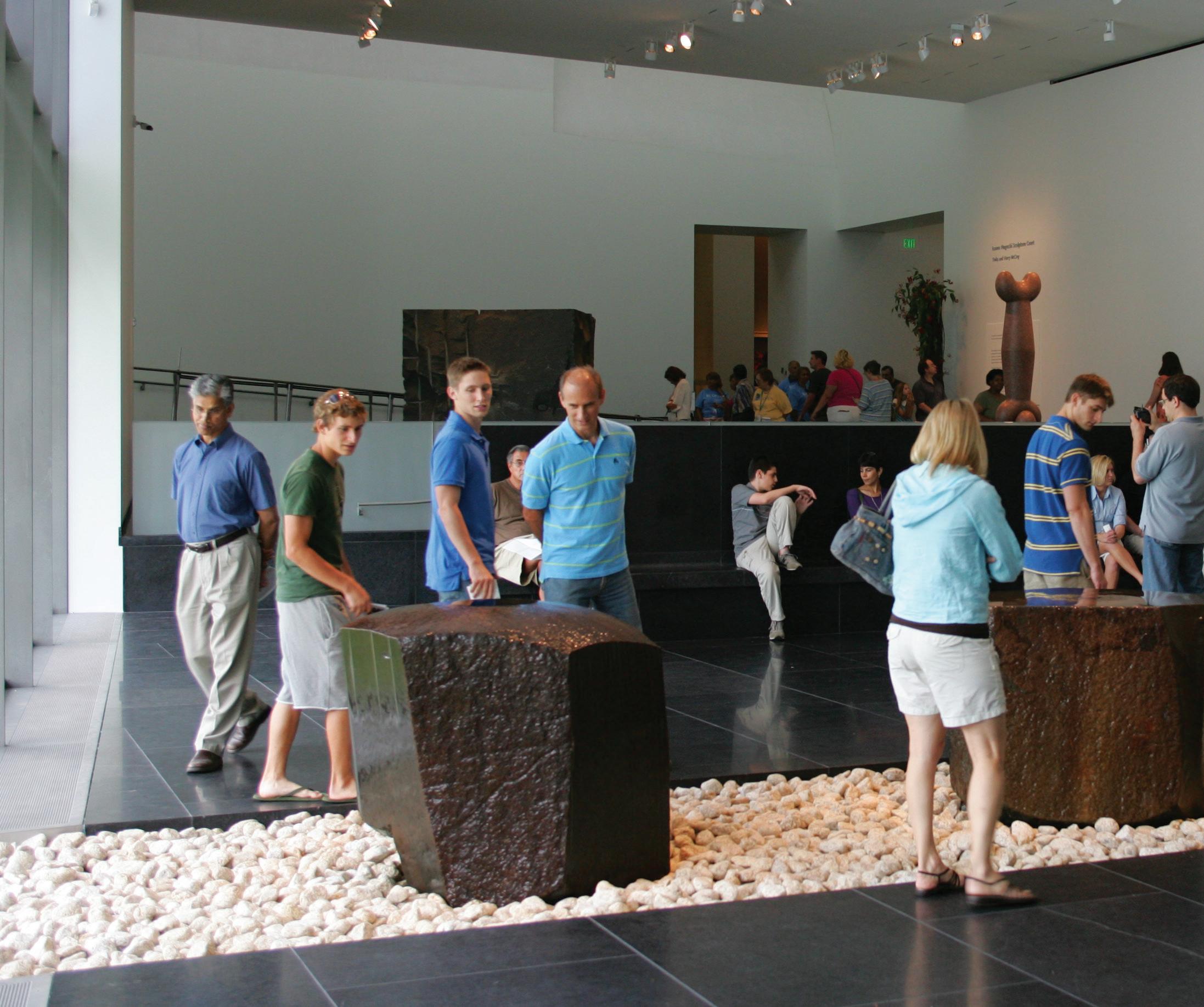
Moving through the addition, visitors experience a flow between light, art, architecture and landscape. In collaboration with designer Steven Holl Architects, BNIM served as Architect of Record for the addition, which provides a 71% increase in total museum space. The Bloch Building introduces a transformational 66,500 square feet of new galleries and public spaces, including an entry lobby, art library, cafe and sculpture court devoted to the works of Isamu Noguchi.
WITH STEVEN HOLL ARCHITECTS
PROJECT STATUS
Completion in 2007
PROJECT SIZE
165,000 SF
48,400 SF of new gallery space
2,400 LF exhibit wall
AWARDS
Banco Bilbao Viscaya Argentiaria Frontiers of Knowledge Award for the Arts
2009
ULI Kansas City
Development of Distinction
2008
IES New York City Section
Lumen Award, Exterior Lighting 2008
Architectural Lighting Magazine
AL Light and Architecture
Design Awards – Outstanding Achievement Award 2008
American Institute of Architects (AIA) Honor Award, Architecture
2008
American Architecture Awards
Best New Building Design 2008
Community Christian Church
Community Treasure Award
2007
Allied Arts and Craftsmanship, Board Formed Concrete, Glass, Handrails, Plaster, Visitors Desk, Coat
Honor Award
2007
AIA Kansas City
Honor Award
2007
AIA Kansas
Honor Award, Renovation
2007
AIA Kansas
Honor Award, Architecture
2007
AIA Central States Region Award of Excellence
2007
AIA Kansas City
Allied Arts and Craftsmanship Awards
– Honor Award, One Sun/34 Moons 2005
International Parking Institute Award of Excellence, Honorable Mention
2004
Design goals in our work with the Nelson-Atkins have always emphasized maintaining and celebrating the ingenuity, craftsmanship, and integration of trades that were so often simply a matter of course for public buildings of this era. Nearly a century later, advancements (and in some cases, inventions) of mechanical, technology, life safety, and lighting systems introduce a host of both opportunities and challenges.
“Totally experiential in nature, it invites visitors on a journey of joyful discovery as it meanders gently down the hillside. Each turn reveals something new and delightful; often, these revelations involve a play of light and shadow. Most importantly, however, the building’s architecture never competes with the art that is displayed within [...] allowing the art to entice, entertain and inspire.”
Experiential Art Galleries
Considered a “feather” to the original museum’s “stone,” five lenses dot the landscape and allow diffused light to enter the galleries below and respond to the surrounding topography. Moving through the addition, visitors experience a flow between light, art, architecture and landscape.
BARBARA JUSTUS, ASSOCIATE, PLANNING, THE NELSON-ATKINS MUSEUM OF ART
Connection to landscape
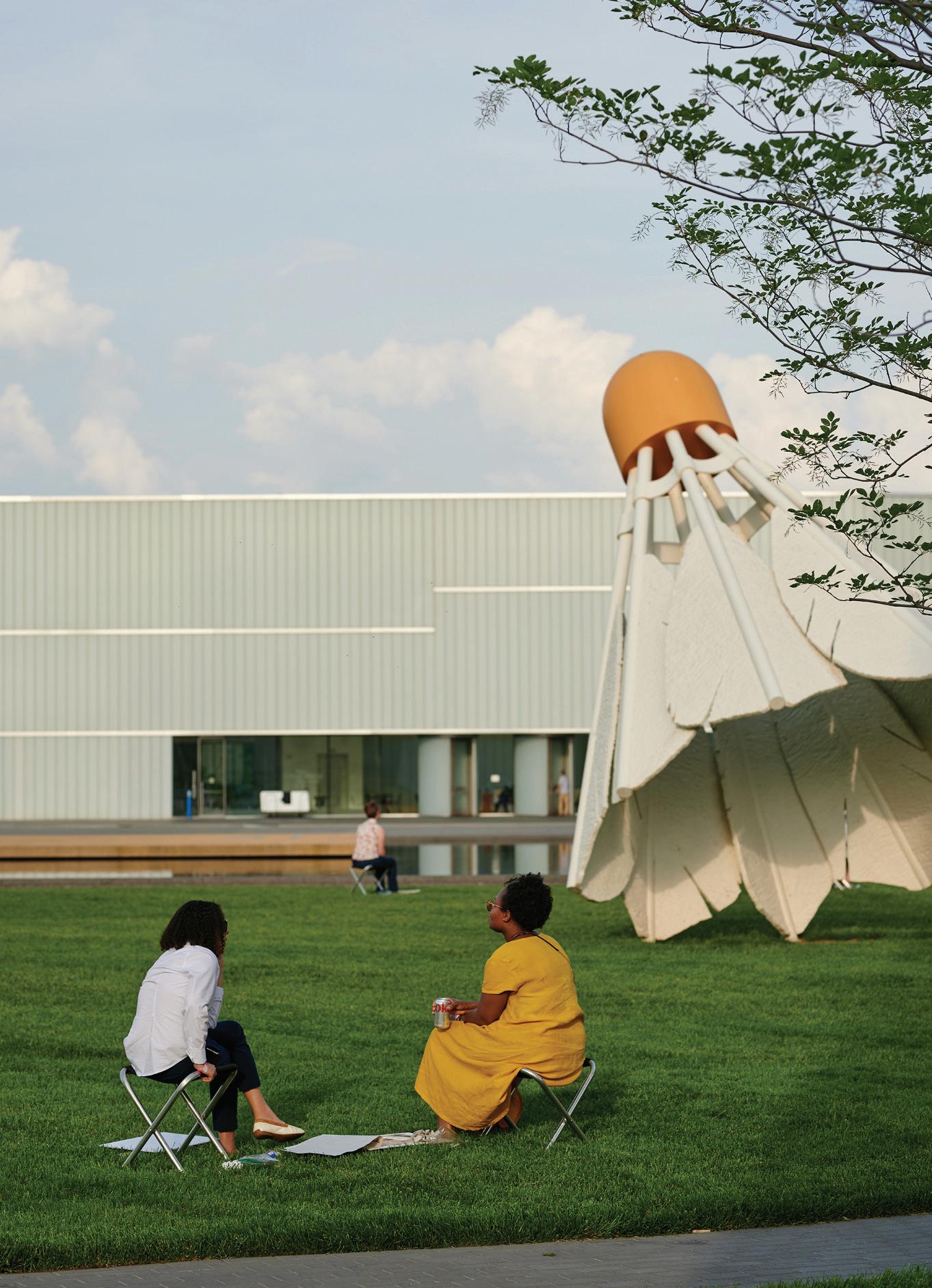
The lenses are woven into the landscape of the Sculpture Park, and space between the lenses features ground covering including grass and low shrubs. An exterior sculpture garden continues up and over the gallery roofs, creating sculpture courts between the lenses, while also providing green roofs to achieve high insulation and control storm water.
The interior of the building, linked with stairways and ramps, encourages a natural flow throughout the long structure, allowing visitors to look from one level to another and form inside to outside. The partially submerged space includes the Isamu Noguchi Sculpture Court, featured exhibition galleries, and galleries for contemporary art, photography and African art.
Filtering Light
Entry Plaza & Parking Structure
2005
PROJECT
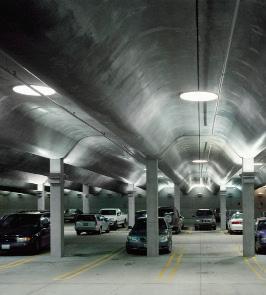
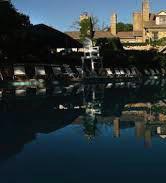
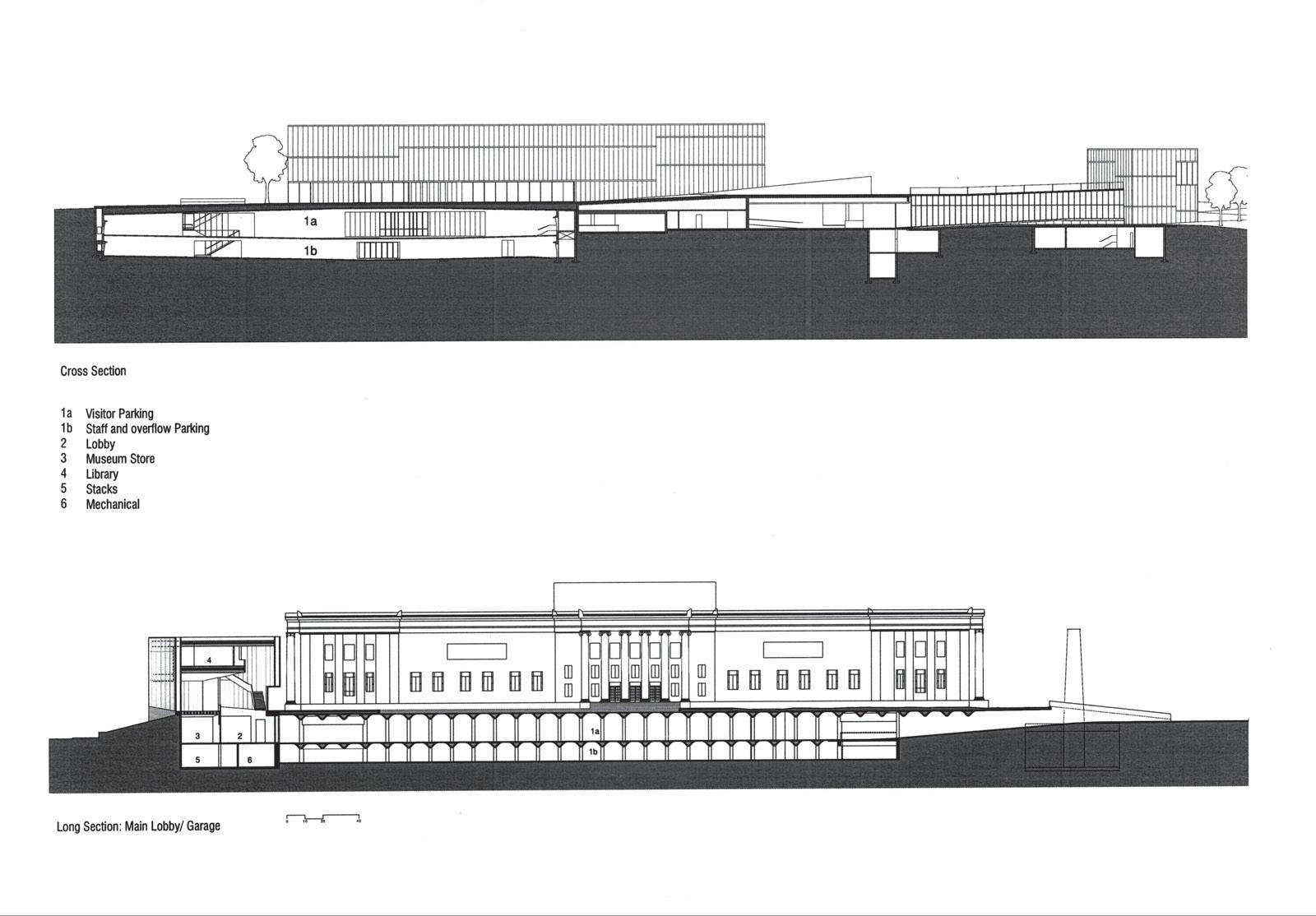
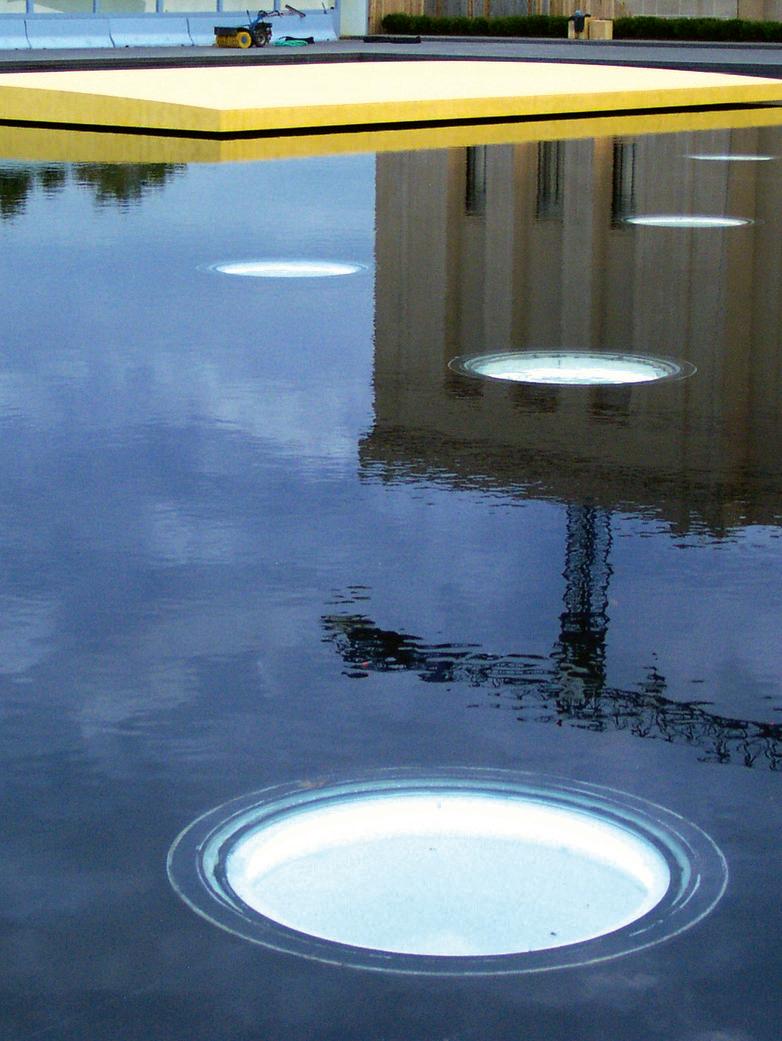
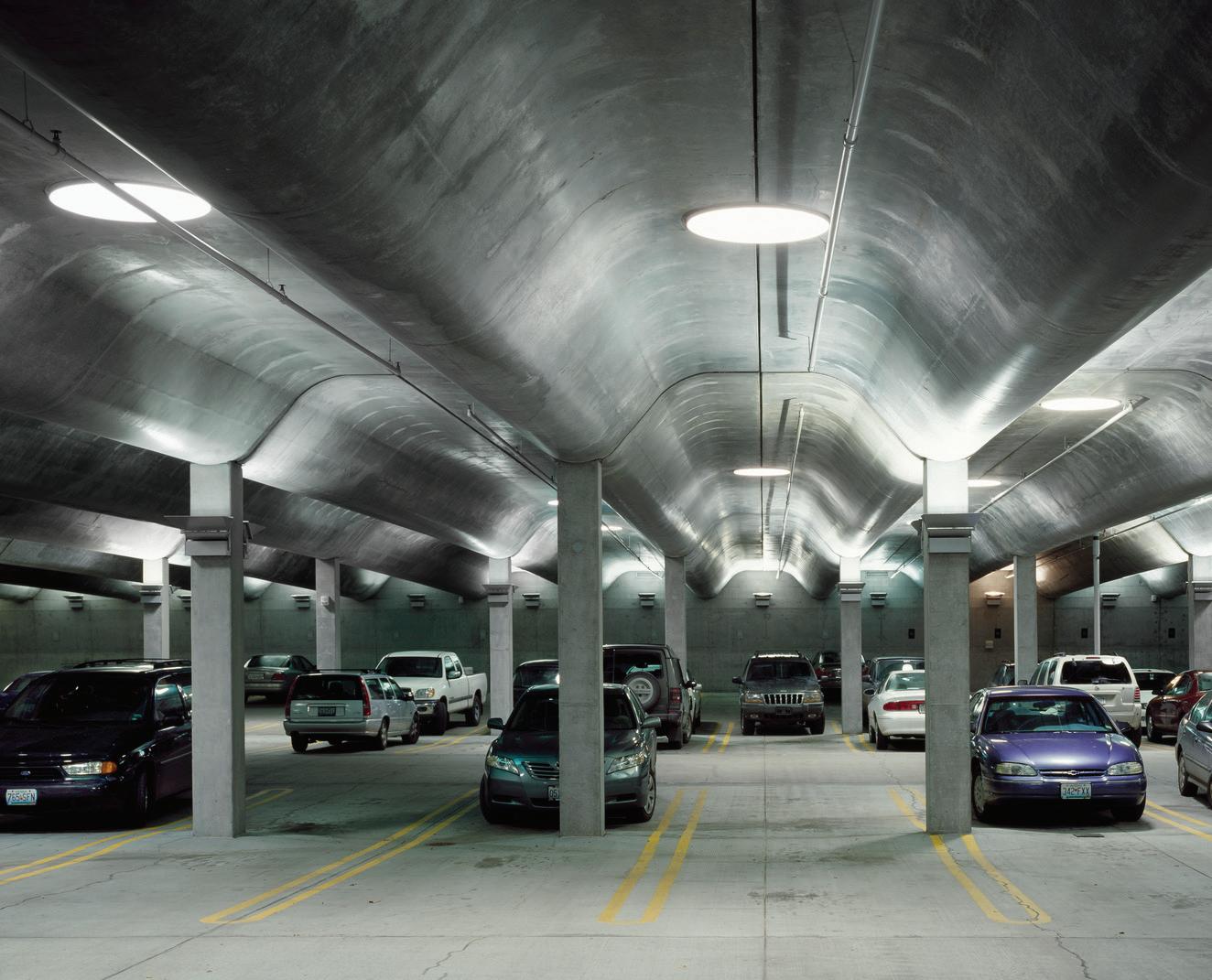
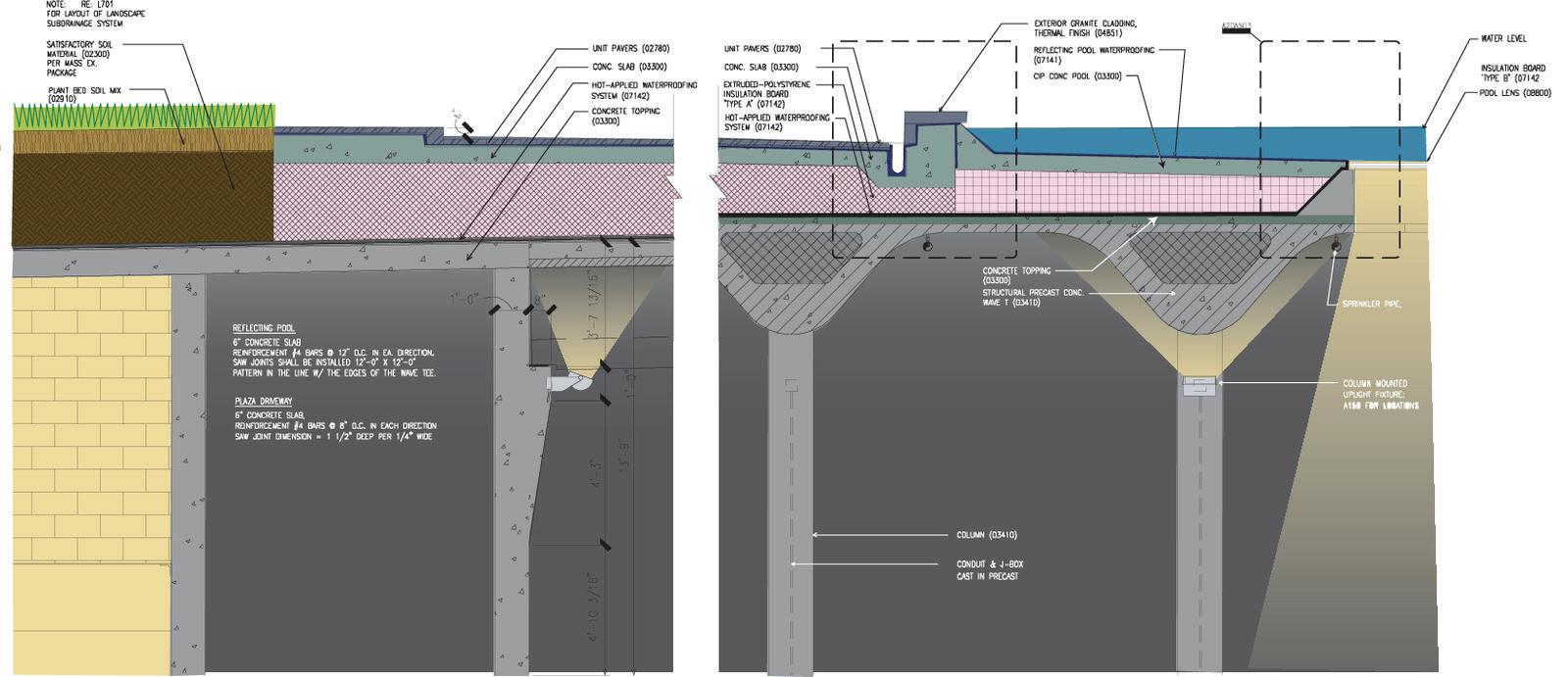
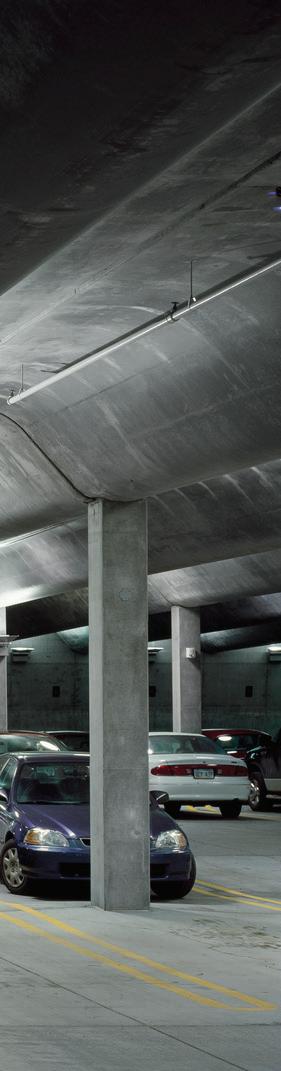
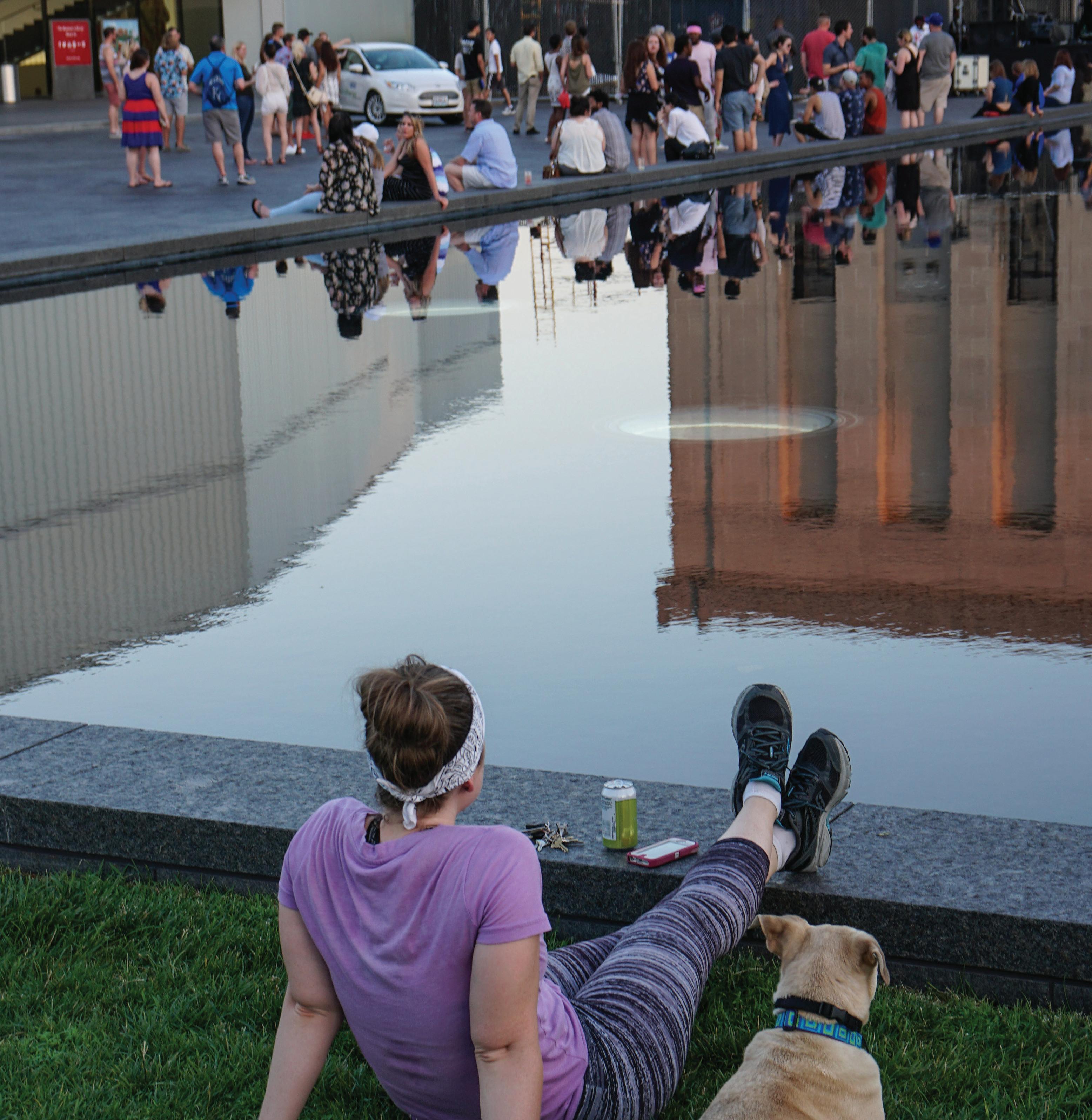
The main entry plaza for the Nelson-Atkins Museum of Art creates a beautiful and functional arrival experience for visitors, shaped by art and architecture. The entry plaza features a reflecting pool and installation entitled “One Sun/34 Moons” by Walter De Maria, which is situated above a 450-car belowgrade parking structure. Focused on drawing connections to the museum’s entry plaza above and creating a cohesive arrival experience, a specially formed ‘wave tee’ ceiling made of precast and cast-in-place concrete lets filtered light down into the parking garage via 34 lenses from the reflecting pool above. The parking structure further enhances visitors’ experiences through seamless connections between arrival and the museum entry with access the north plaza and the Bloch Building addition. The vehicular paving areas integrate a hydronic snow-melt system, eliminating concerns with damage from the freeze-thaw cycle or ice melting chemicals harmful to cementitious materials.
WITH STEVEN HOLL ARCHITECTS
Dedicated to the Art of Native Peoples
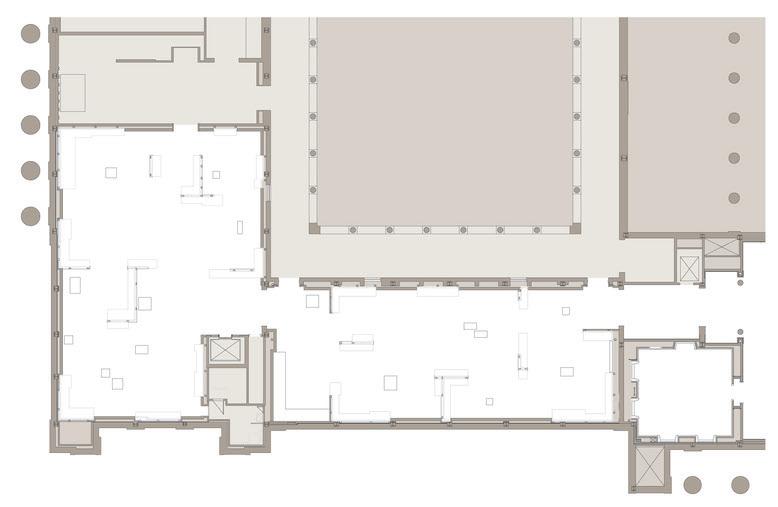
Native American Galleries 2009
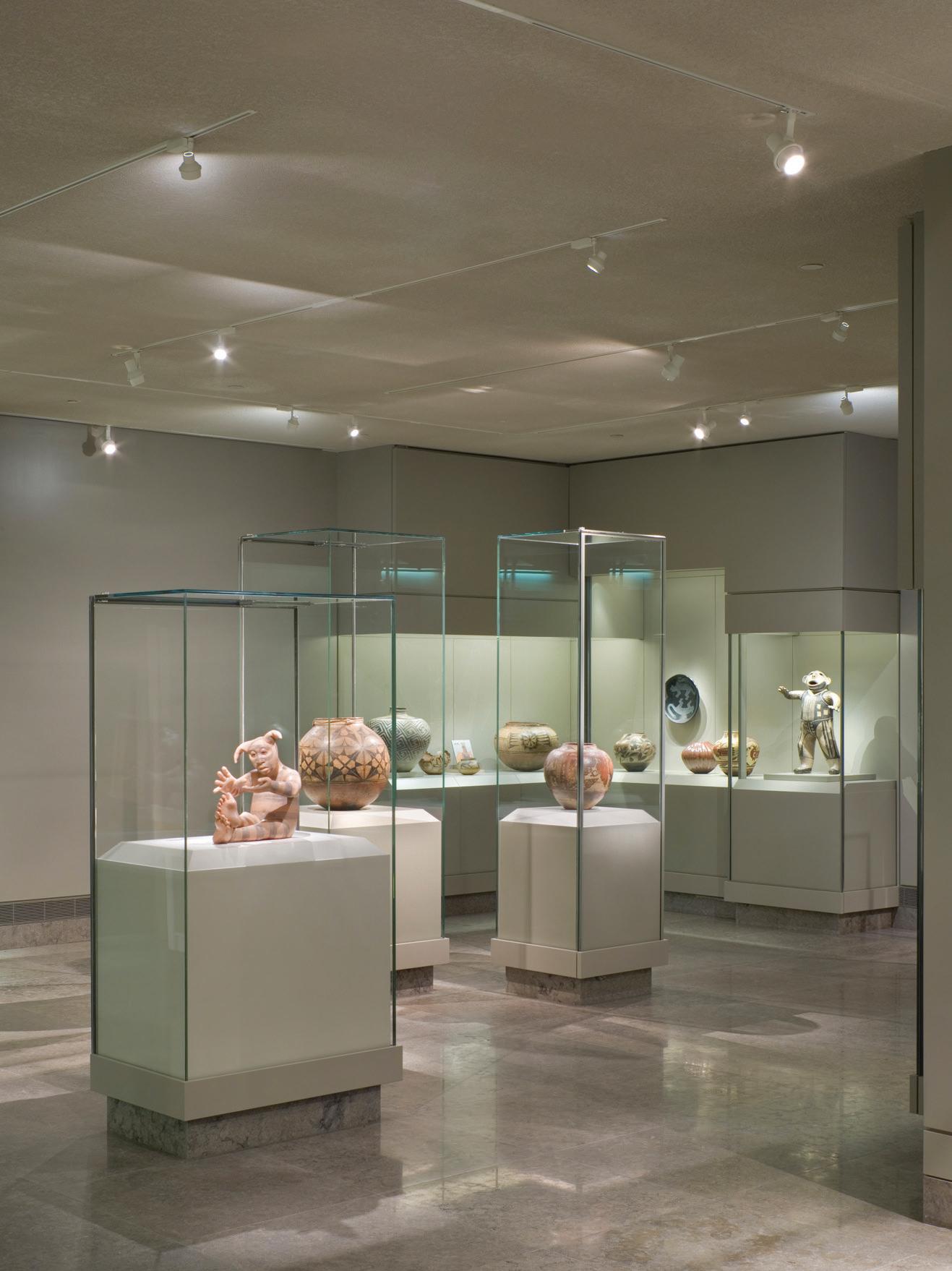
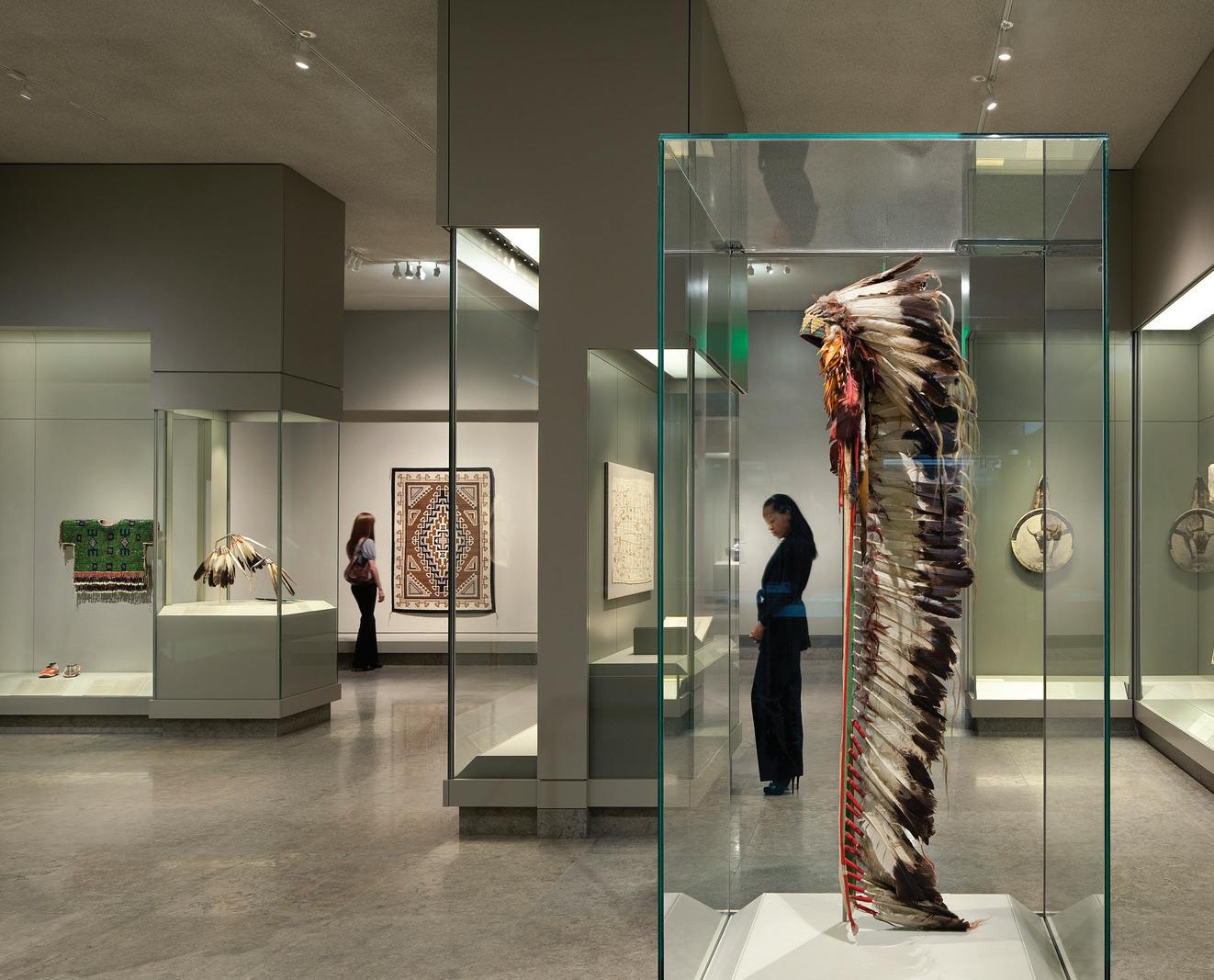
The design of the Native American Art Galleries brings to fruition the Museum’s long-standing efforts to illuminate the importance of Native artistic traditions, and the significant role these traditions have played in the development of our nation’s cultural identity.
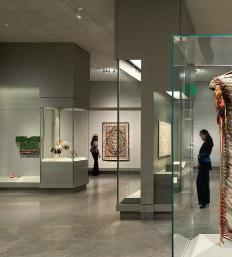
The collection is arranged according to seven geographic areas: Woodlands, Plains, Southwest, Plateau, California and the adjacent Great Basin, Northwest and Arctic. The design of galleries demonstrates departure from the neo-classical details of the original building, instead focusing on clean, modern details with a material palette that exudes richness and depth to place emphasis on the collection itself.
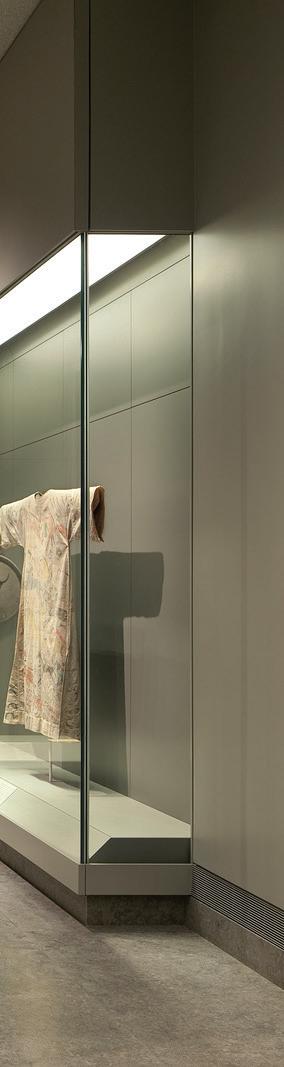
The Israeli Greige Limestone flooring and base create a monolithic field on which glass cases provide a setting for vibrant works of Native art. Designed, constructed, and installed by the renowned casework fabricator Goppion in Milan, the large expanses of glass provide an uninhibited view of the collection and allows the bright and colorful work of one Native culture to be viewed through the lens of another.
PROJECT STATUS
Completion in 2009
PROJECT SIZE
6,260 SF
AWARDS
AIA Kansas Citation Award, Interiors 2011
Showcasing American Visual Culture and Craftsmanship
Sarah and Landon Rowland American Art Galleries
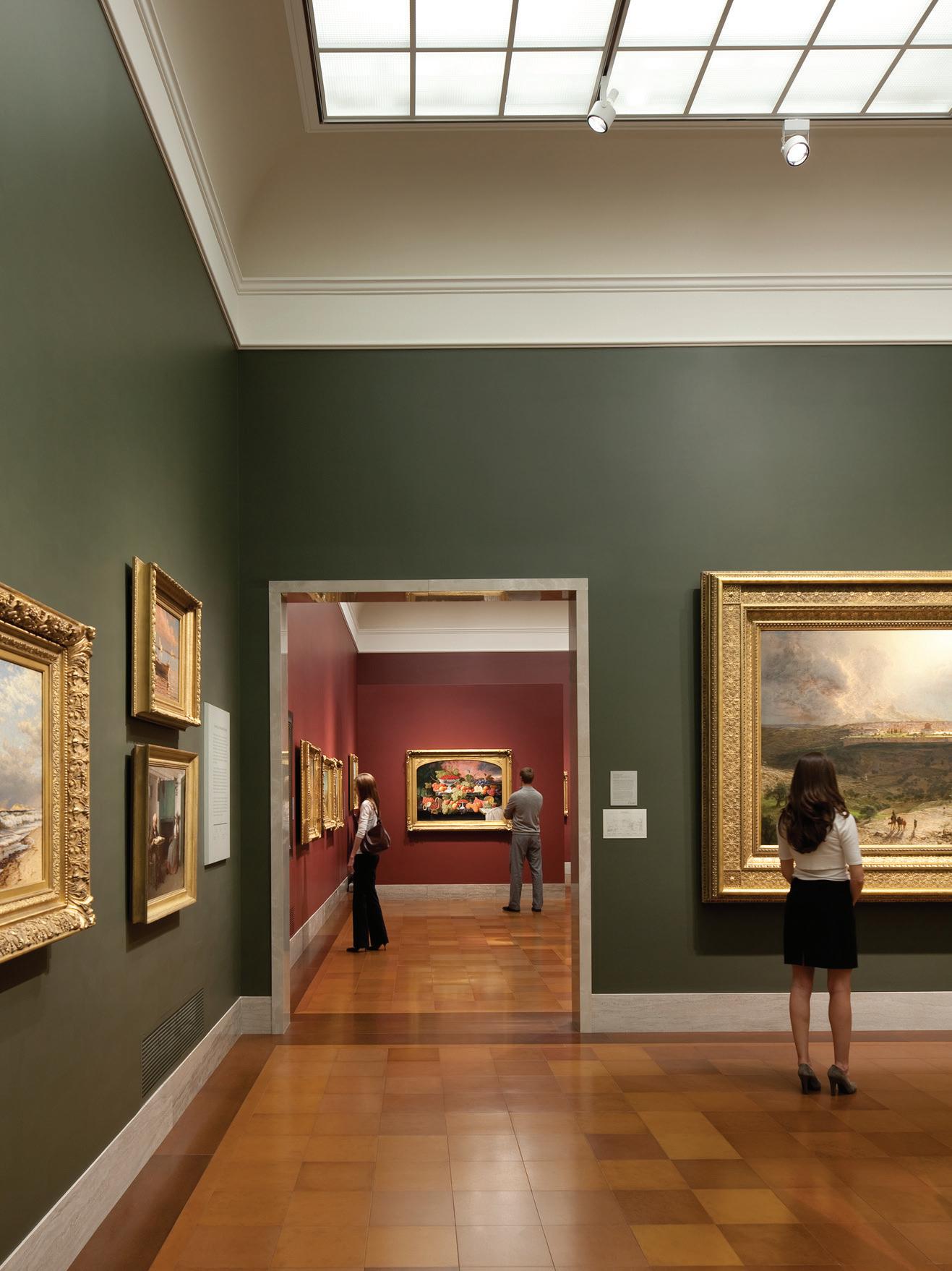
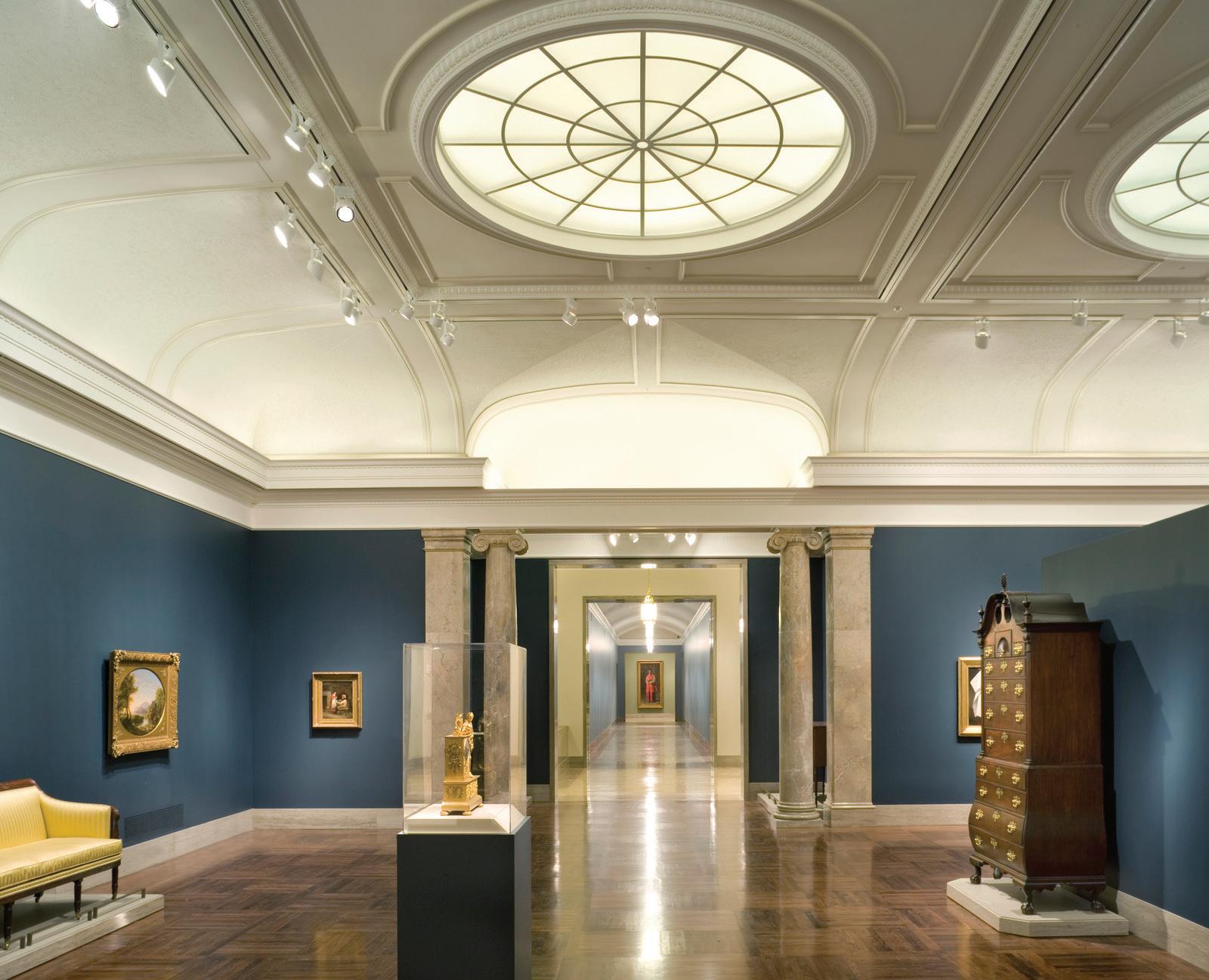
2009 The Sarah and Landon Rowland American Art Galleries feature work from unique periods in American Art history, including painting, sculpture, furniture and works on paper dating from the American Revolution through World War II. The galleries, which arranged in chronological order, culminate in the collection’s grand exhibit space, Rowland Hall. Designed in the Adam Style, Rowland Hall features ornate molding and an elaborate vaulted plaster ceiling illuminated by two-glass oculi. Adjacent to Rowland Hall is a period room from the Robert Hooper House, circa 1754.
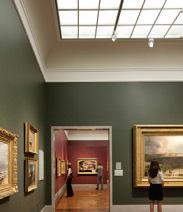
On the opposite end of the linear sequence of galleries is the Rotunda, an existing “nodal” gallery of its own significance, containing exhibits from the early 20th century, including the famed “Persephone” from Kansas City native Thomas Hart Benton and furniture designed by Frank Lloyd Wright. The Drawing and Print Corridor and Antechamber, which connect Rowland Hall to the original Rotunda, were also completely renovated. The galleries feature custom laylite glass ceilings, responding to the original glass ceiling installation found in typical galleries throughout the museum, and incorporating life safety and integrated lighting systems throughout.
PROJECT STATUS
Completion in 2009
PROJECT
Emphasis on the Art
Egyptian and Near Eastern Galleries
2010
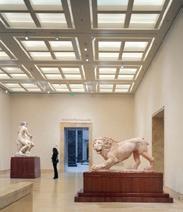
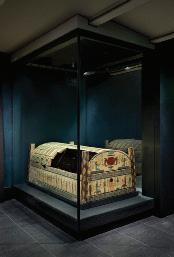
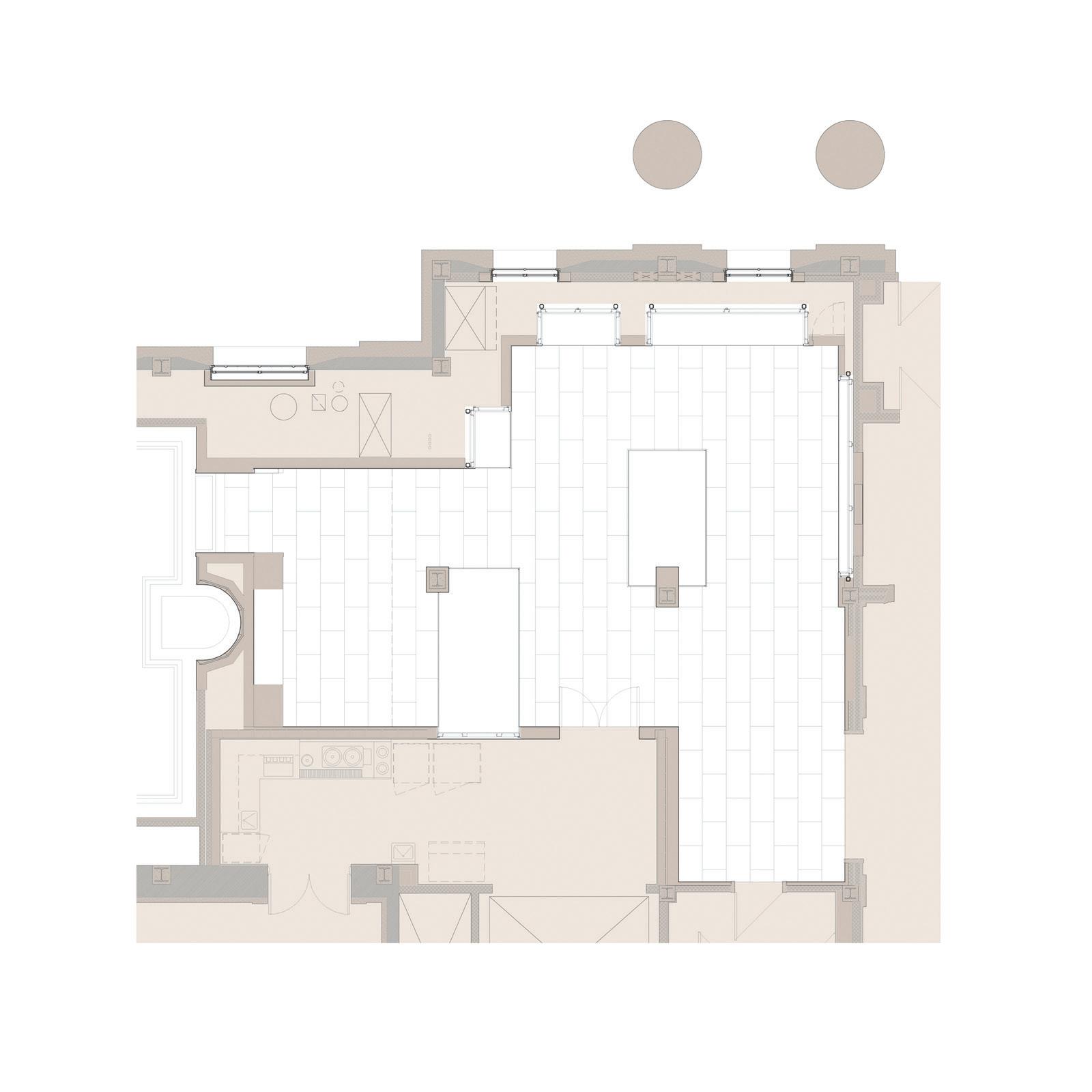
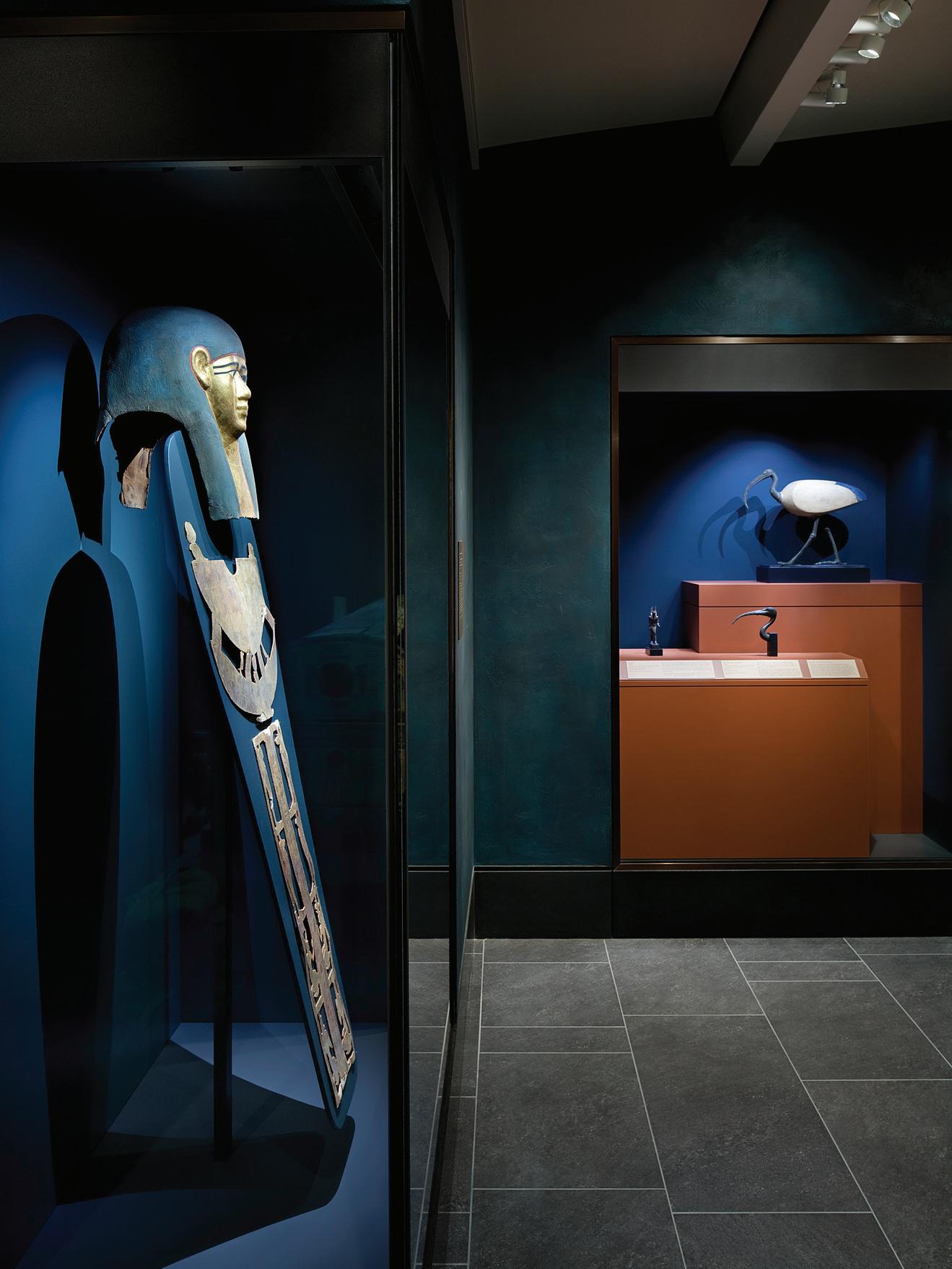
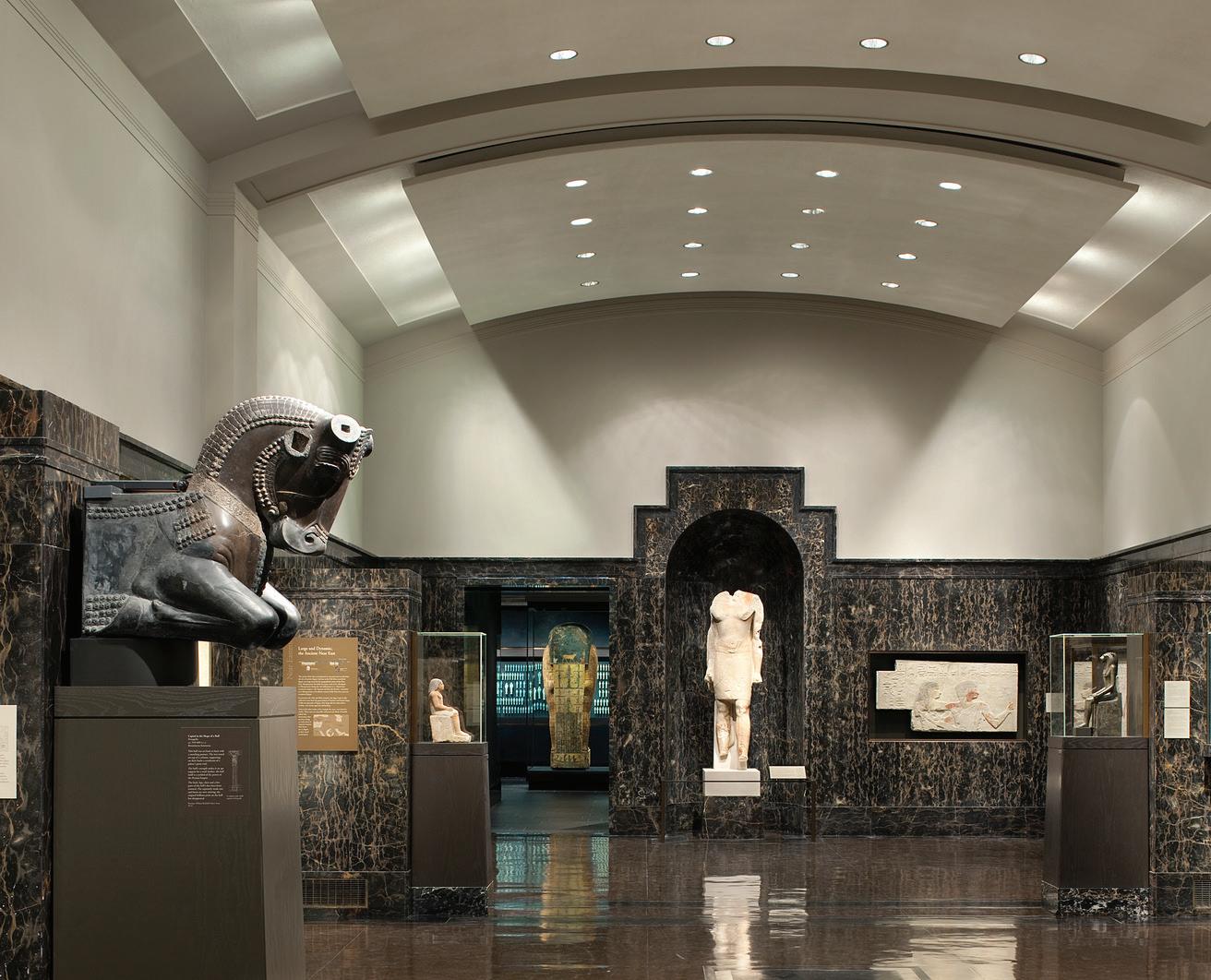
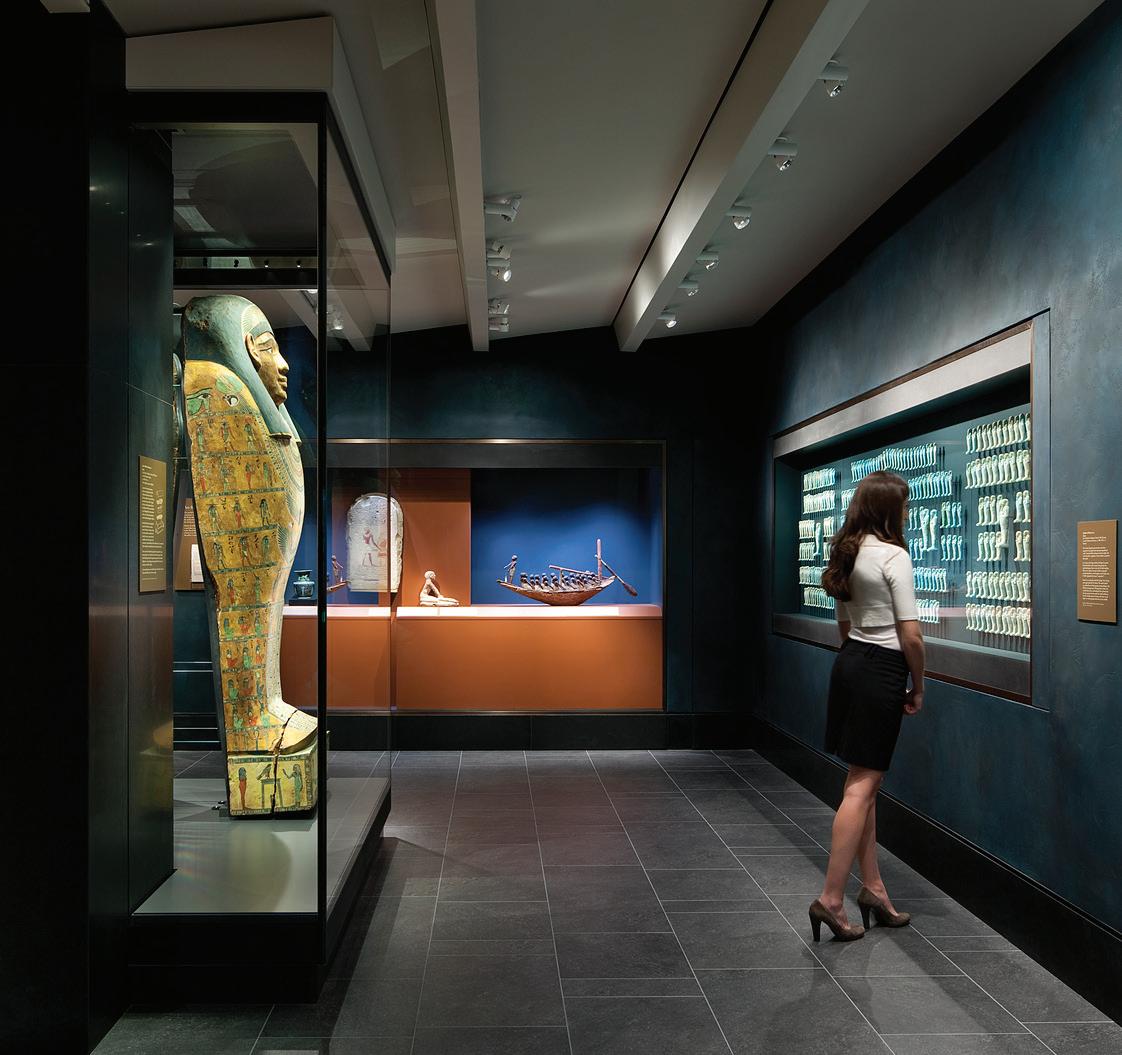
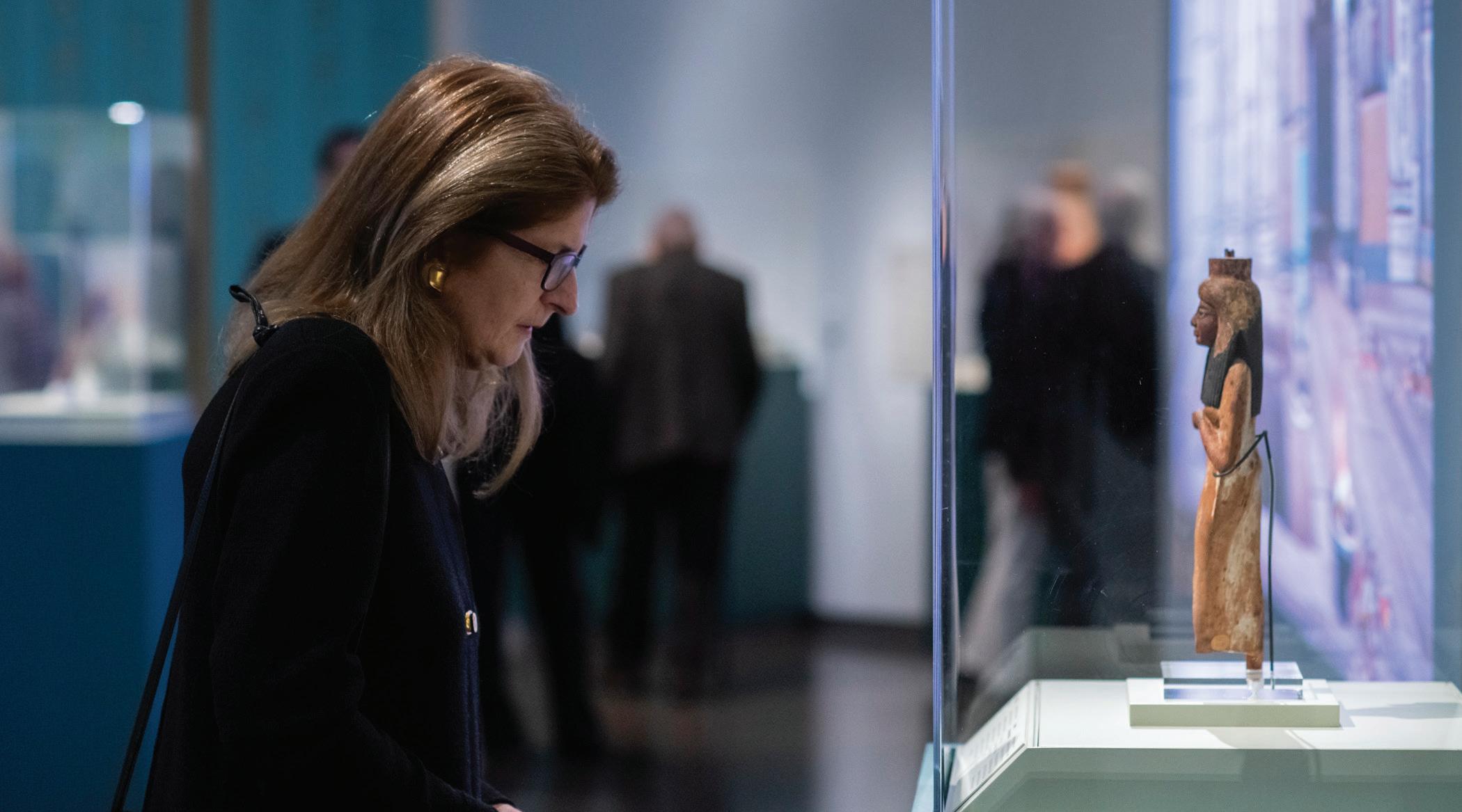
The new Egyptian Gallery, part of the Susan B. and Mark A. Susz Galleries provides a permanent home for the exquisite funerary objects of the Ancient Egyptian noblewoman Meretites. The gallery space is designed to be calm, reflective, and reverent to the nature of the collection. BNIM worked closely with the Museum’s exhibition design staff and Italian fabricators Goppion, to develop casework that could accommodate the extreme conservation requirements of the collection and maintain a high degree of transparency. In addition to a complete renovation of architectural finishes, lighting and new casework, the scope of work also included comprehensive life safety and mechanical system upgrades. The exterior walls of the Nelson-Atkins Building, which define the galleries were bolstered with new insulation and a moisture barrier helping to preserve the collection and improve the performance of the Museum’s operations.
PROJECT
PROJECT
Simulating Environments for Original Immersive Experiences
Bloch Galleries of European Art
2017
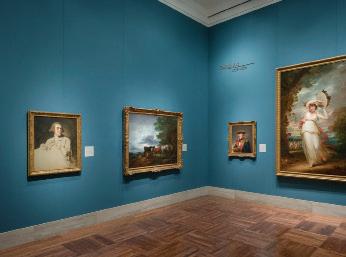
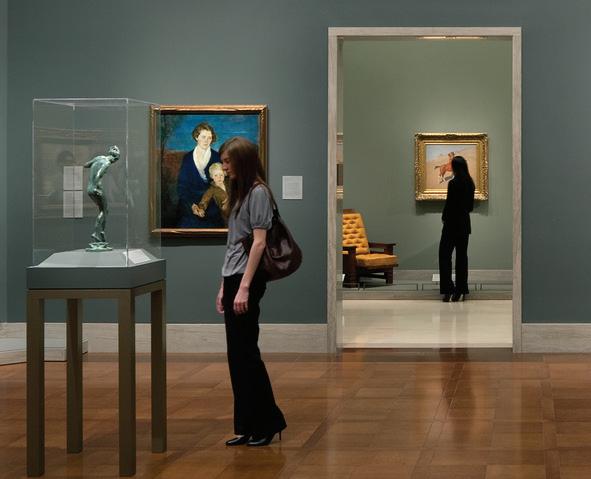
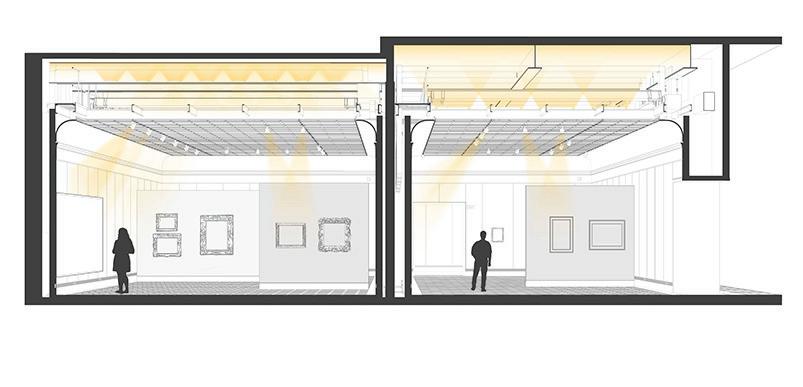
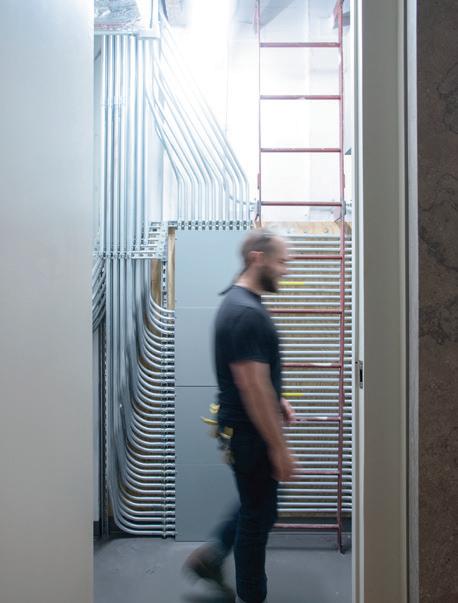
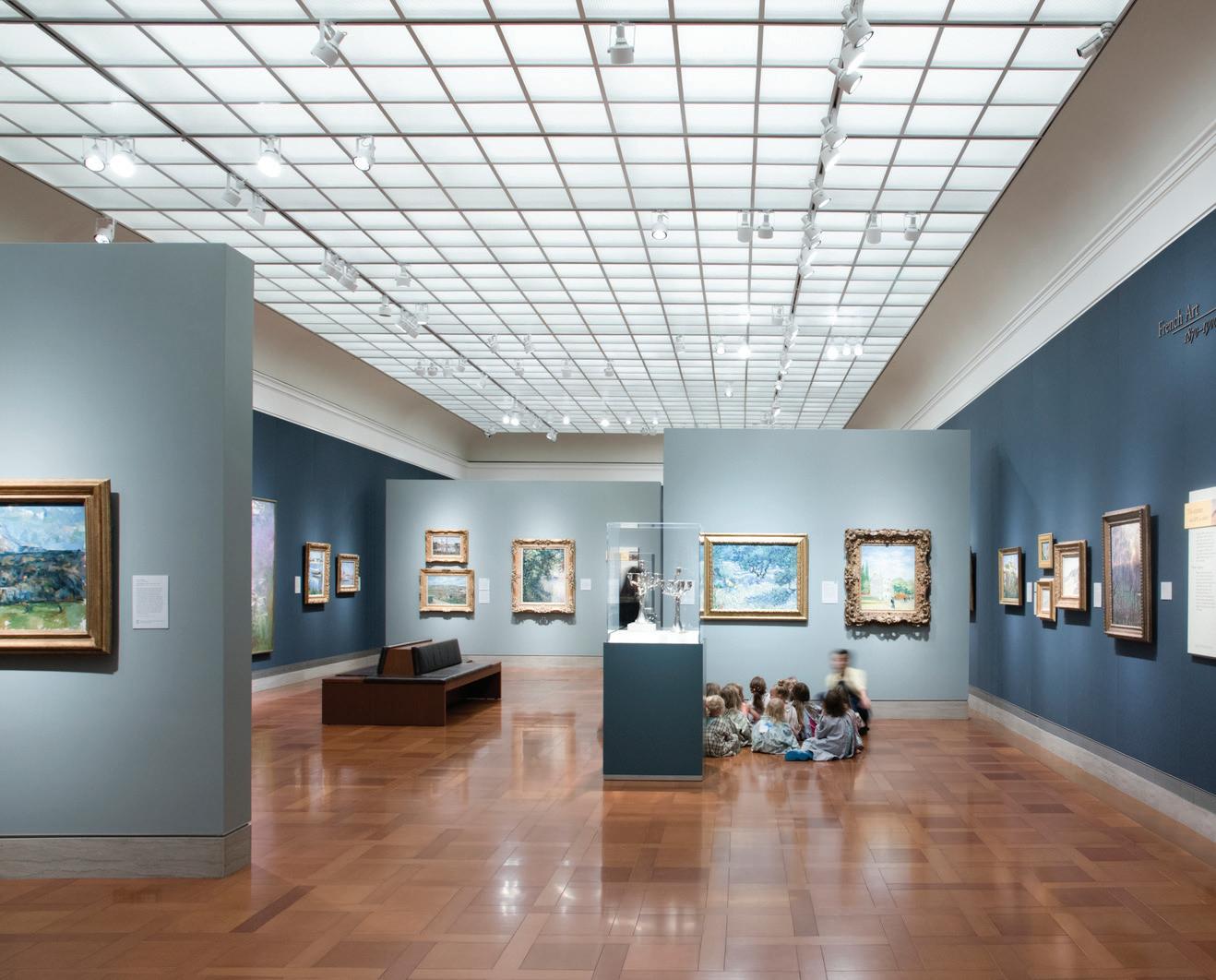
The new Bloch Galleries feature the Marion and Henry Bloch Collection of Impressionist and Post- Impressionist art, comprised of 29 masterpieces acquired by the Bloch family and gifted to the museum in 2010. The Bloch Galleries create a permanent home for the Bloch Collection and welcomed nearly 3,500 visitors during the galleries’ opening weekend. The expanded galleries add more than 900 linear feet of wall space and create an open viewing experience with sight lines encouraging viewers to make connections among works. The design team’s cohesive approach to the Bloch Galleries creates a harmonious connection with the existing historic building while incorporating contemporary construction methods and cutting-edge technology. The galleries feature state-of-the-art technology, including tunable dynamic white lighting that can simulate the environments for which the works were originally created and allow precise control of lighting color and intensity on each specific artwork in the galleries. The original glass ceilings were replaced with the custom laylite ceiling panels developed by BNIM to replicate the historic design, integrate life safety systems, and enhance the ambient gallery lighting.
1 New LED laylight lamps
2 Tunable LED lamps with individual control
3 Curatorial environmental controls
4 Continuous air supply diffuser
5 Concealed wifi, bluetooth data points
6 Continuous air return diffuser
7 Power/data distribution below floor
PROJECT STATUS
PROJECT SIZE 8,350
AWARDS
History and Innovations of the ‘Laylight’
At the Nelson-Atkins, the laylight ceilings consist of single ‘slumped’ glass panes, which we conveniently referred to as ‘bubble glass.’ It was slumped, in that the glass was heated to extremely high temperatures while laying on a perforated mold, through which the molten would ‘slump’ through the perforations, resulting in bubbled projections.
“This renovation has completely transformed the Nelson-Atkins. Each room in the new galleries is unique and very beautiful.”
The design team re-interpreted the original glass laylight ceiling system in the galleries to develop a prototype for future renovations. This prototype retained the essence of the backlit, luminescent laylight system and seamlessly integrated contemporary lighting, hvac, and life safety systems necessary for a museum of today (and the future).
HENRY BLOCH, FOUNDER, H&R BLOCK
Conservation, Administration, Inclusive Design, Signage, and other Projects
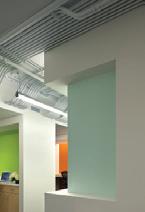
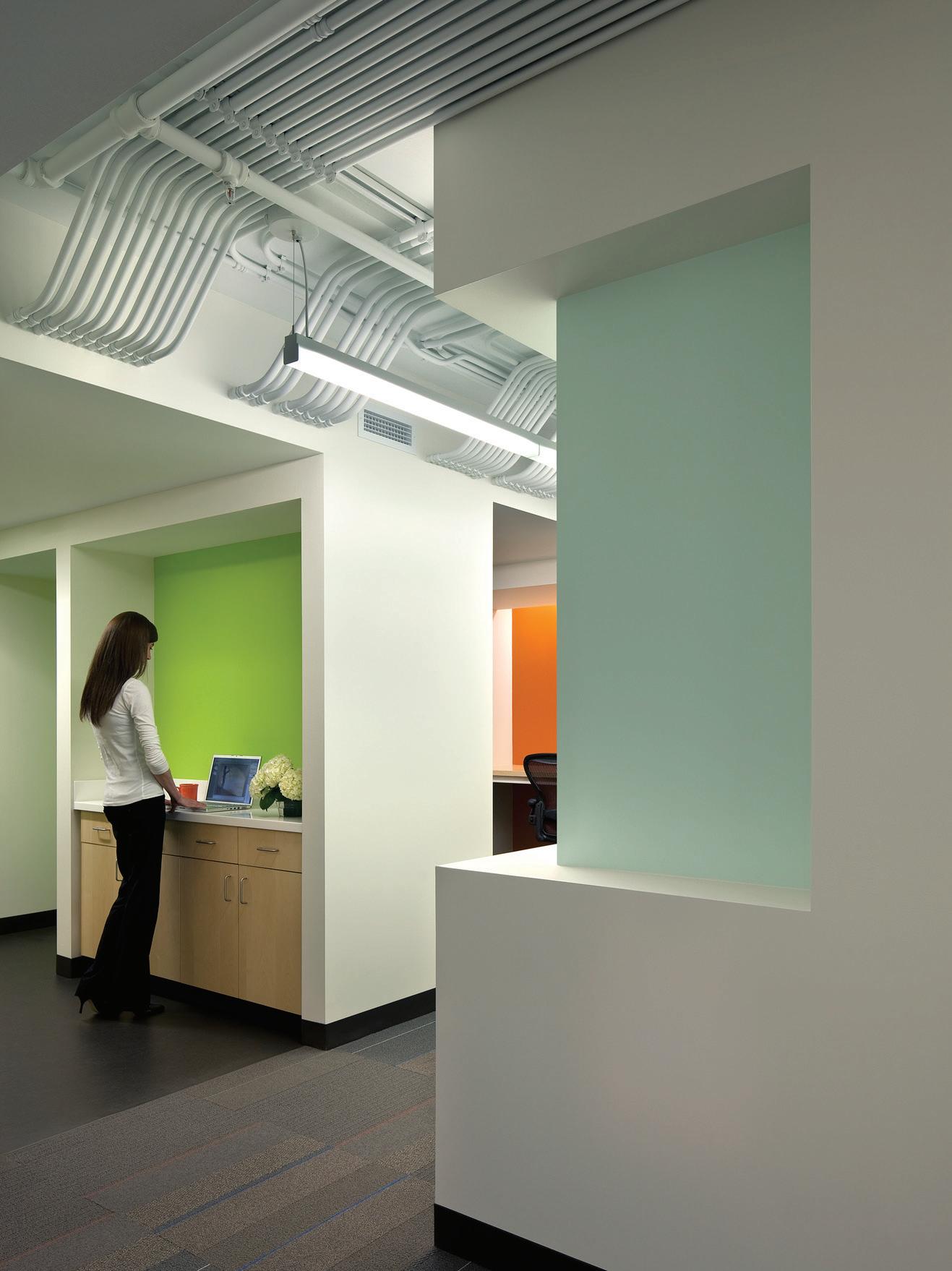
As part of the Nelson-Atkins Museum of Art’s overall renovation and long-term plan of locating all employee offices within the museum’s campus, the lower level of the original building was renovated to provide administrative office space for the museum’s curatorial, human resources, and finance departments. The program included private and open offices, conference space, workrooms, and break areas. The renovation involved significant alterations to architectural finishes, as well as the removal of existing combustible materials (wood plank catwalks and cork insulation) and large-scale upgrades to the mechanical, electrical and life safety systems. Due to the subterranean nature of the space, the design team’s focus on integrating quality lighting was paramount in creating a welcoming space for museum staff.
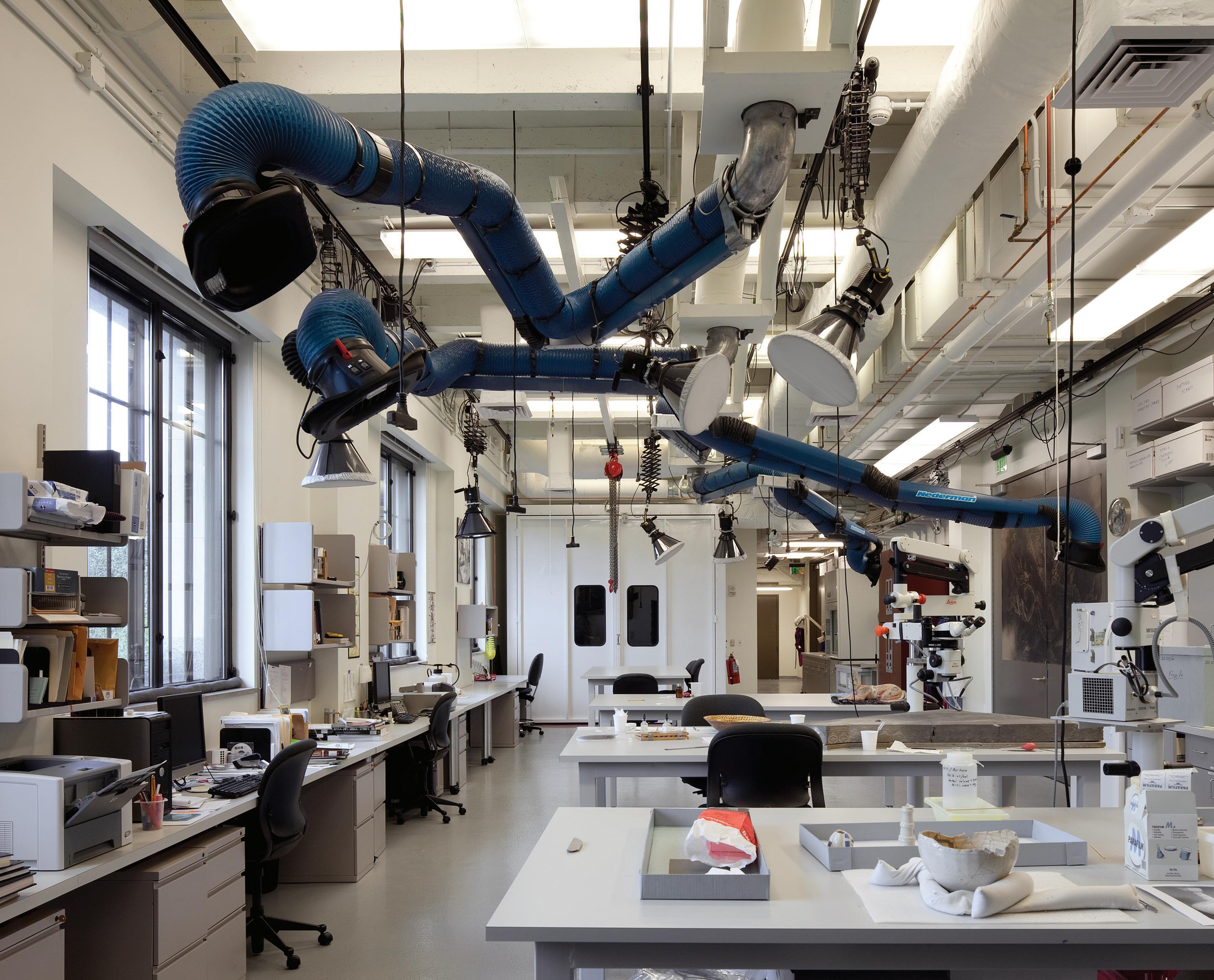
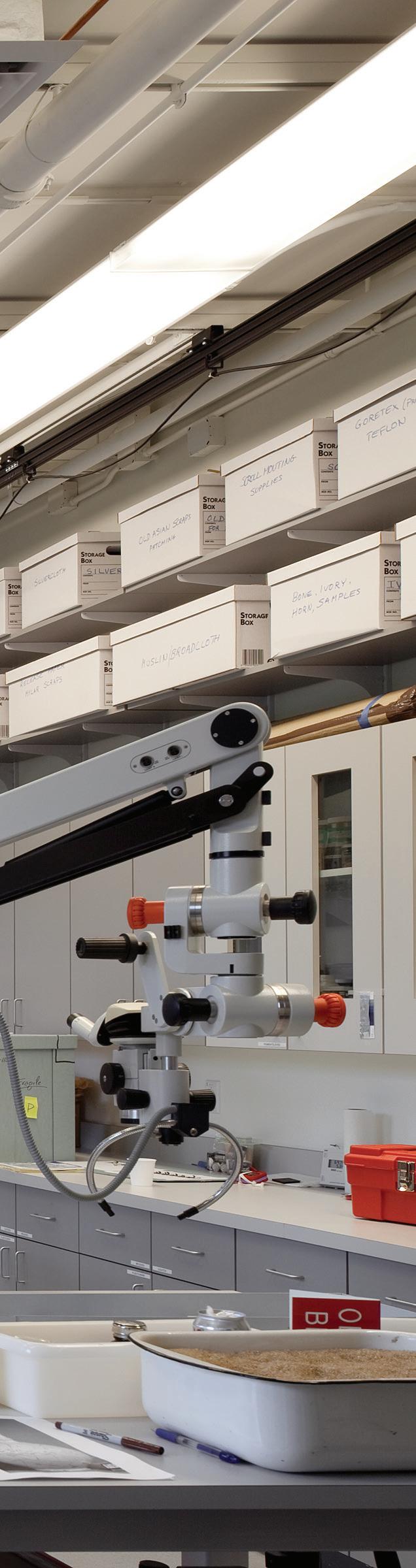
Conservation Lab
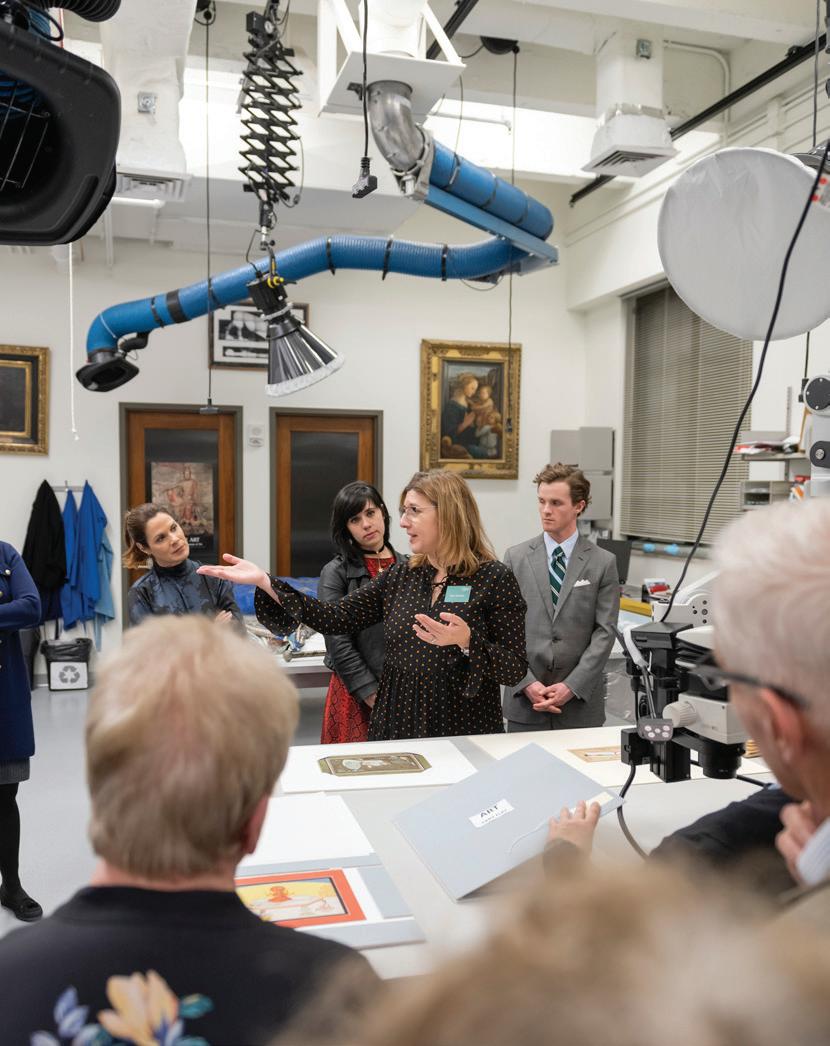
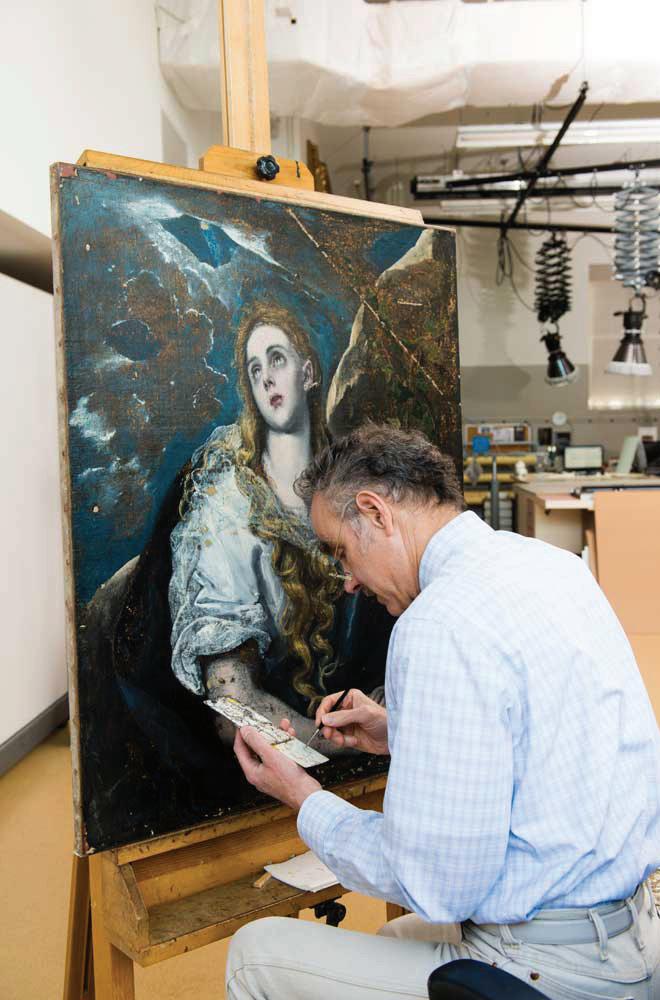
BNIM’s projects with the Nelson-Atkins Museum of Art provides additional space for research, education, and collection preservation and conservation. An endowment from the Mellon Foundation was established at the Nelson-Atkins Museum of Art in 2009 to support scientific research. The Nelson-Atkins Research Program fosters collaboration among scientists, conservators, and curators to provide deeper understanding of the collection and address questions of authenticity, provenance, condition, or exhibition.
Spencer Art Reference Library
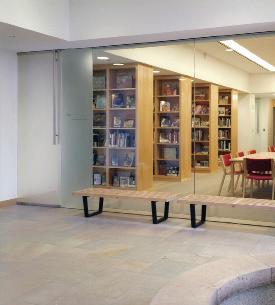
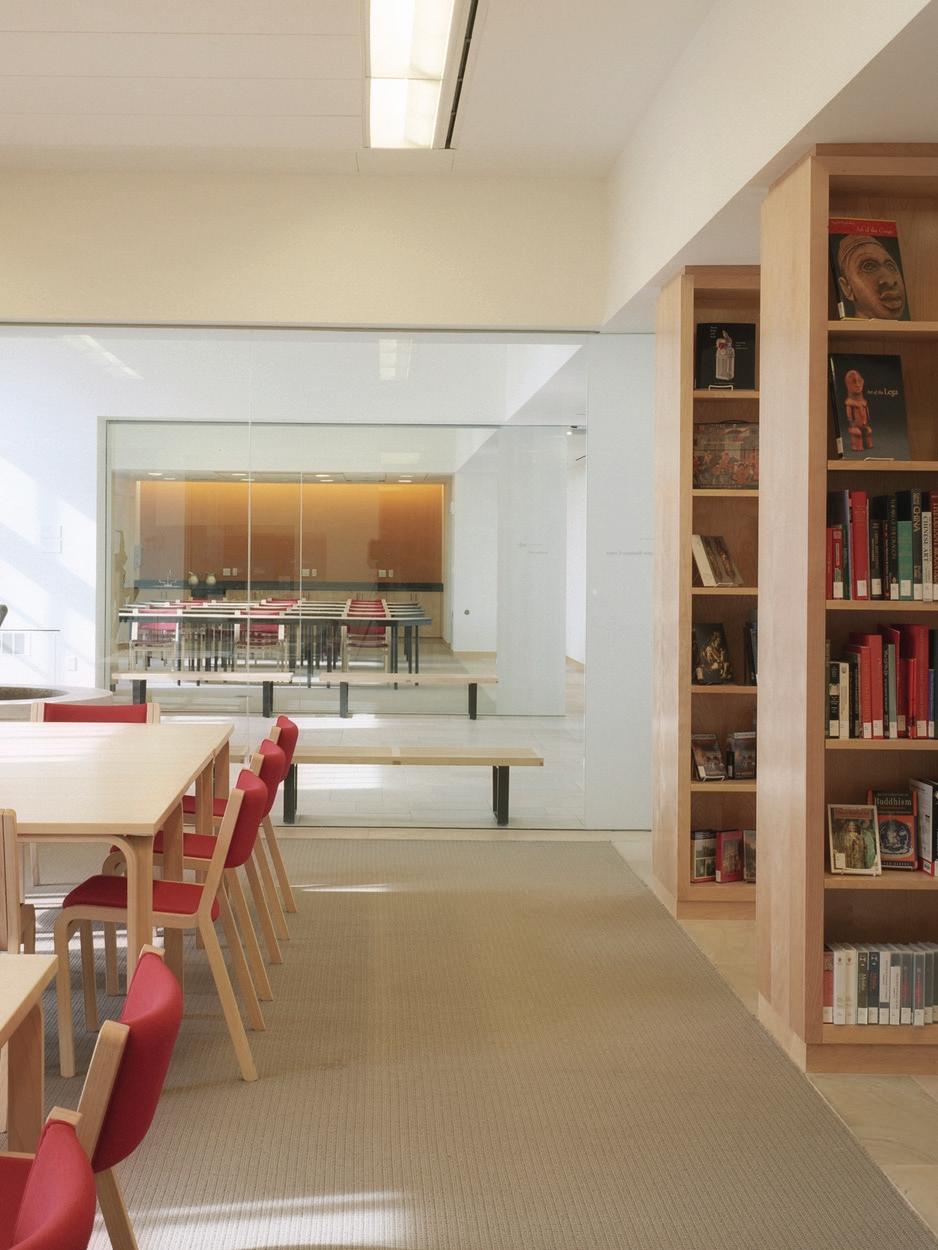
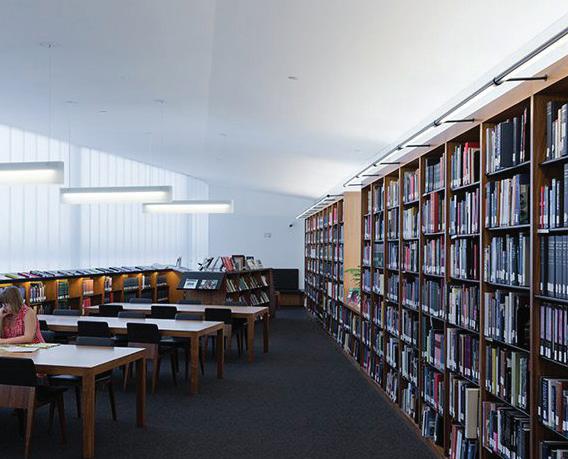
The Spencer Art Reference Library, located on the top floor of the Bloch Building, holds an important role in supporting the Nelson-Atkins Museum of Art’s community outreach and arts education efforts. The reference library includes over 270,000 publications supporting research in the visual arts and is open to the community. The Spencer Art Reference Library encourage visitors to learn more about the museum’s diverse collection, including American, Asian, African, Modern and Contemporary, Decorative, European, Kansas City artists, Native American, photography and South and Southeast Asian arts.
Atkins Auditorium
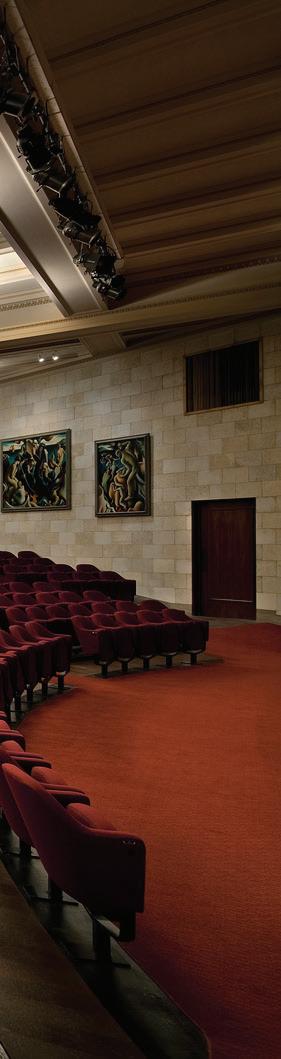
In addition to a renovation of the Adelaide Cobb Ward Sculpture Hall, the Akins Lobby, and Atkins Stair Hall, BNIM led the 7,100 SF sensitive historic renovation of the Atkins Auditorium. Home to Tivoli Cinema, the Atkins Auditorium features numerous films throughout the year, including new releases, documentaries, restored classics, and art and foreign film.
Information Desk, Rozzelle Court Restaurant, and Museum Store
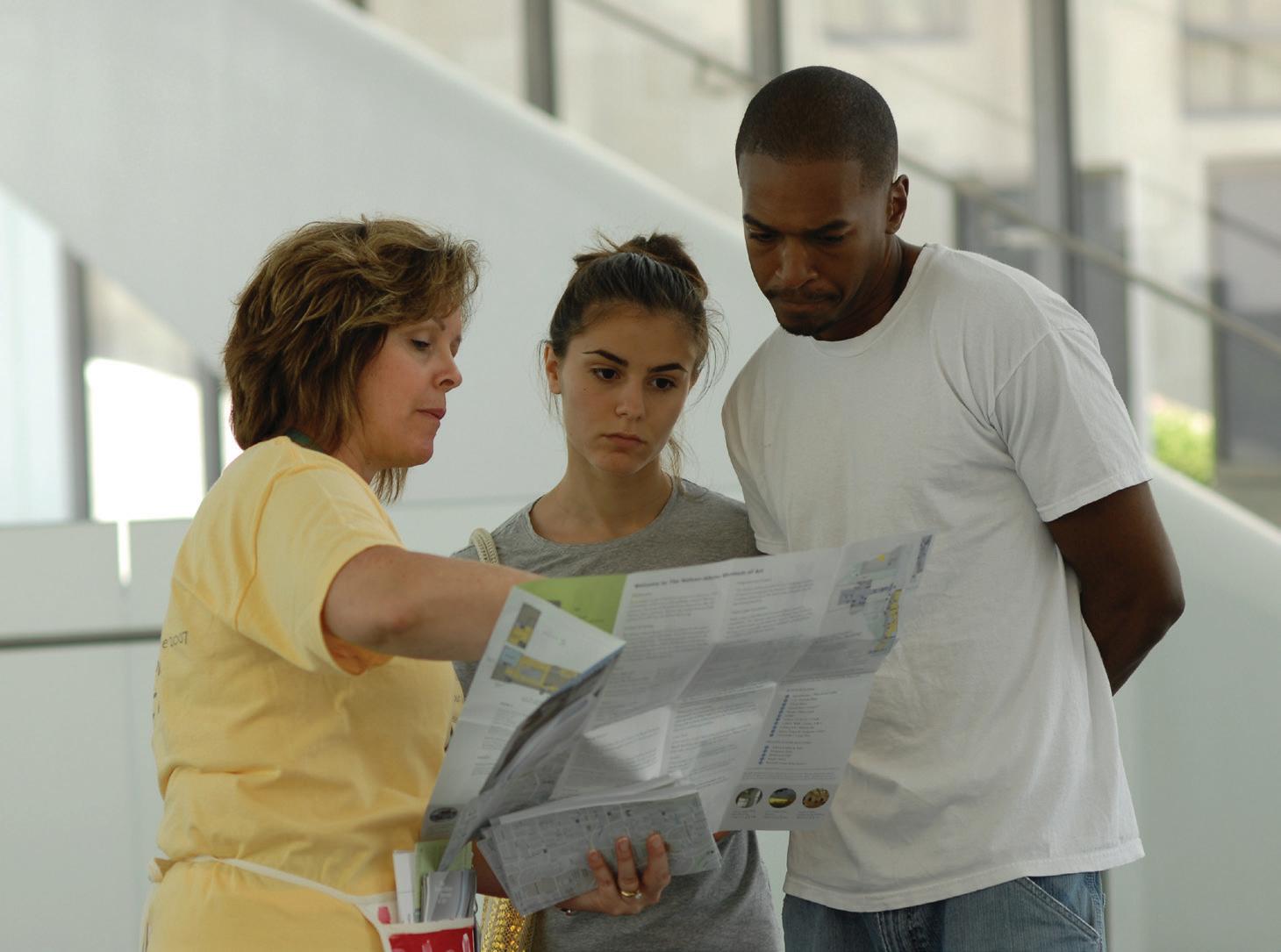
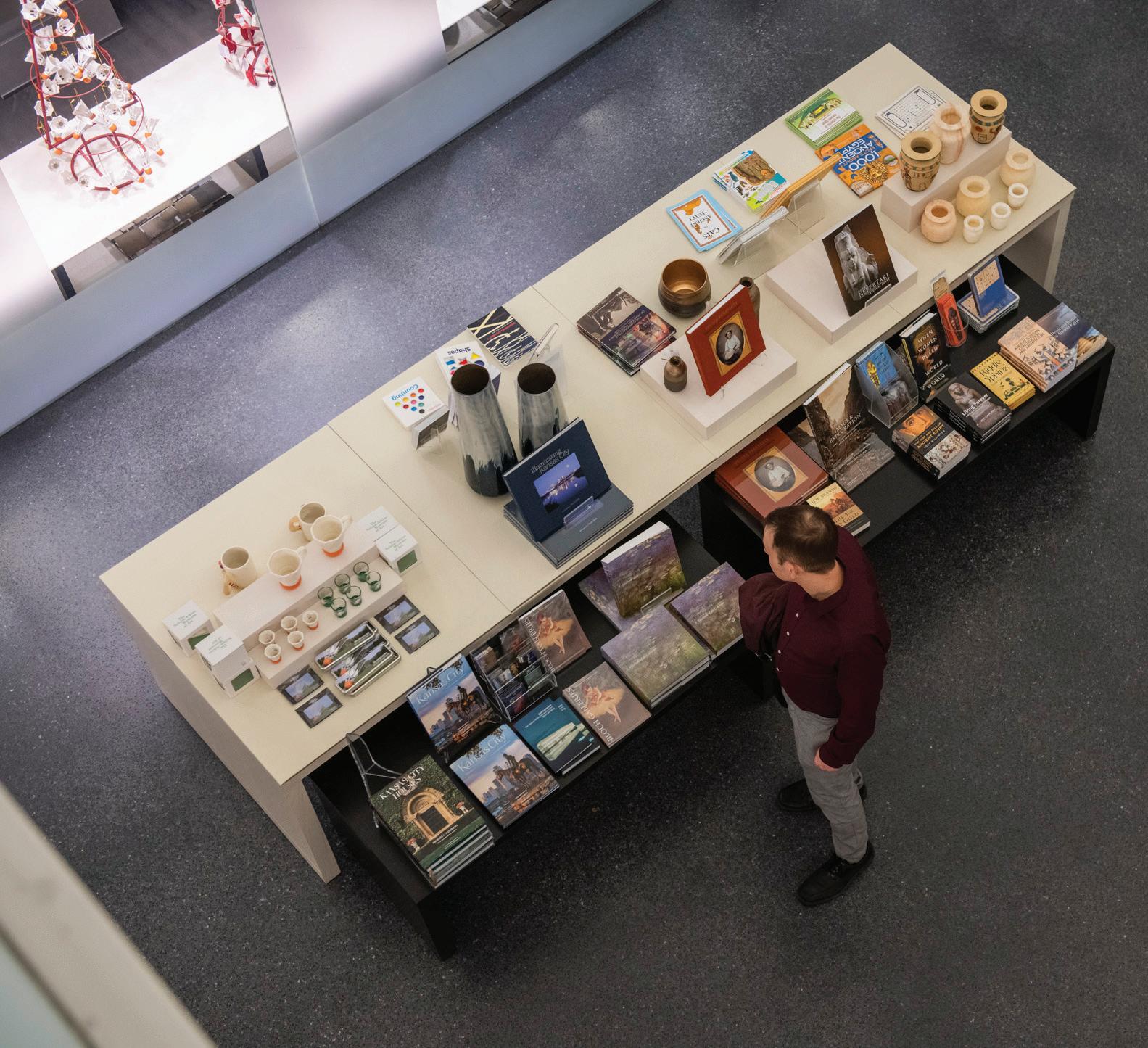
A series of support and amenity spaces at the Nelson-Atkins Museum of Art focus on guiding and enhancing visitors’ experiences. These spaces include the information desk which serves as a resource for the museum’s collection and galleries, Rozzelle Court Restaurant, and the Museum Store which features collection prints, locally made items, and museum merch.
Inclusive Design
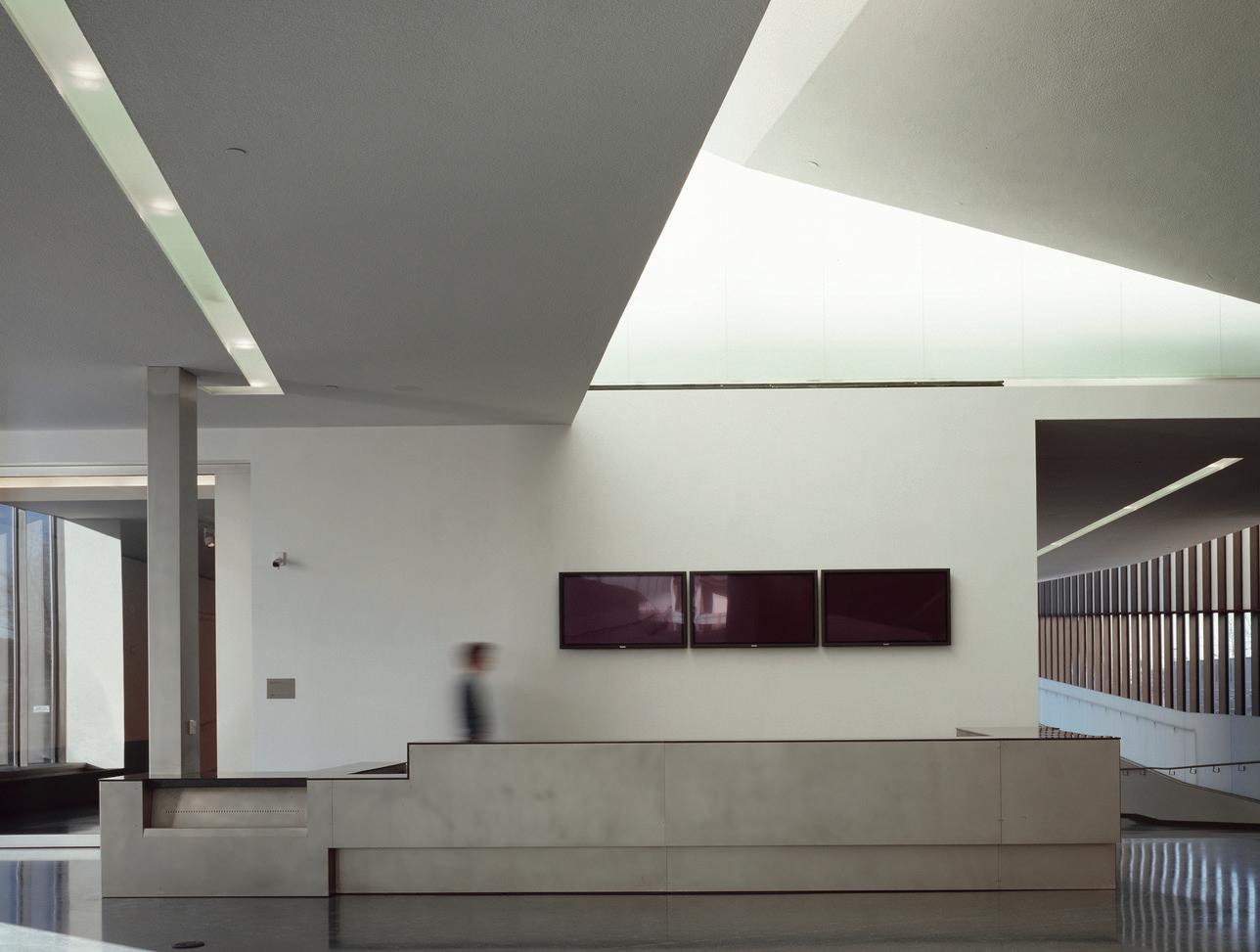
Critical to a successful museum environment is the spirit that all are welcome. The Bloch Building Lobby is designed to be fully ADA accessible, with direct access to the parking garage for museum visitors. Wheelchair-accessible restrooms also are available to museum visitors. The Bloch Building has expanded the total museum space for the Nelson-Atkins Museum of Art by 71%, including 150,000 square feet of new galleries and public facilities, enhancing art experiences for all.
Signage and Graphics
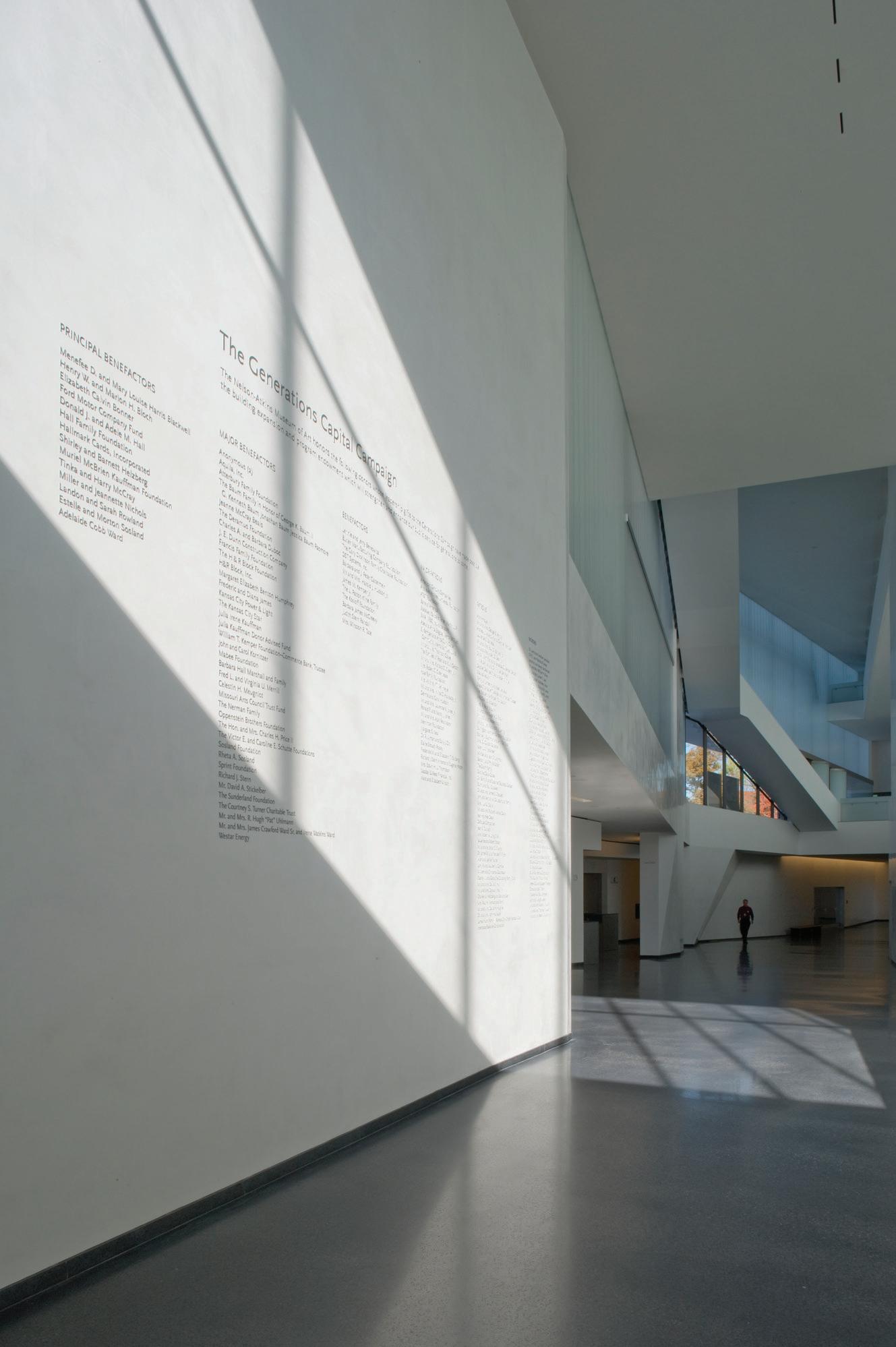
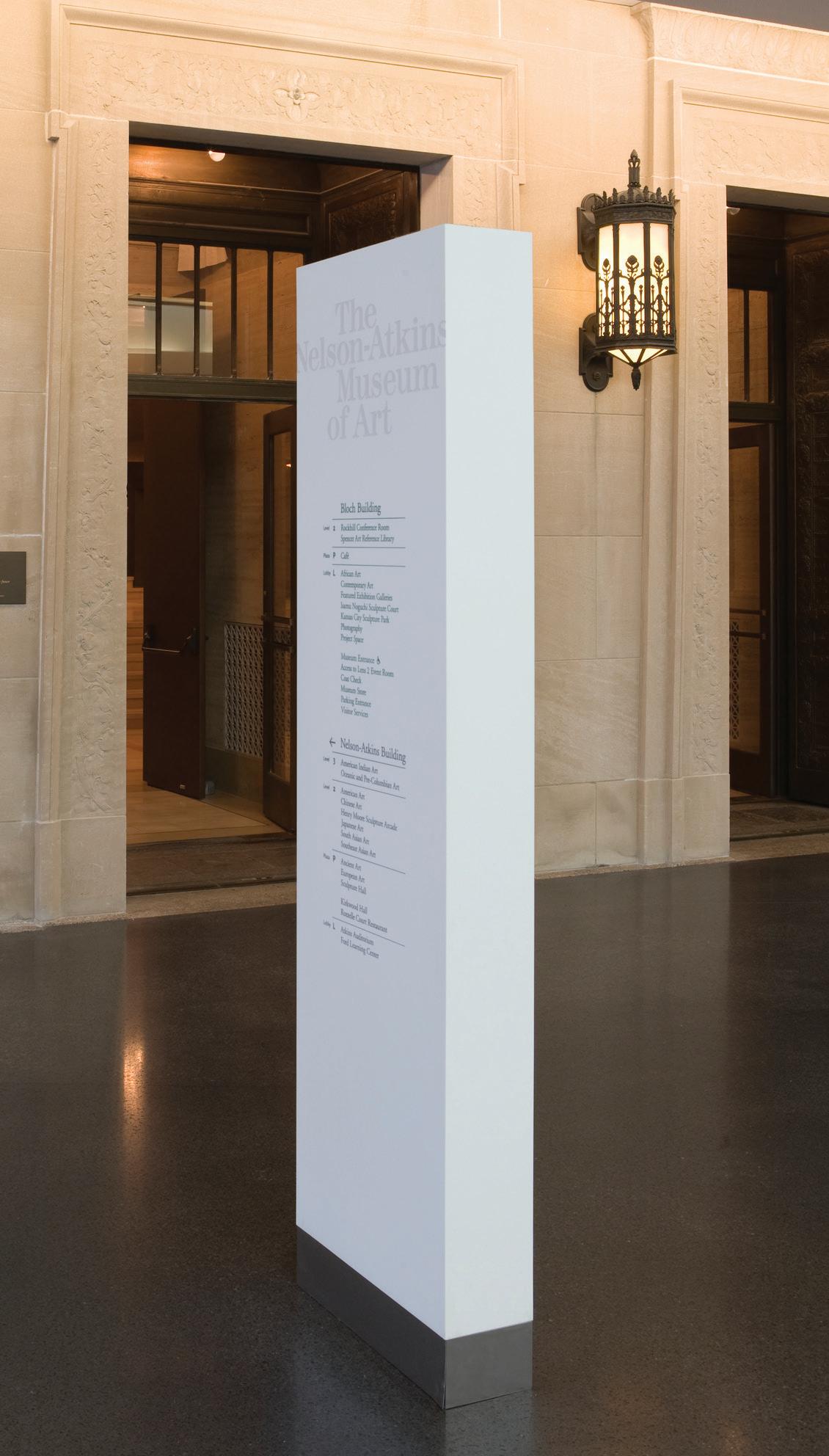
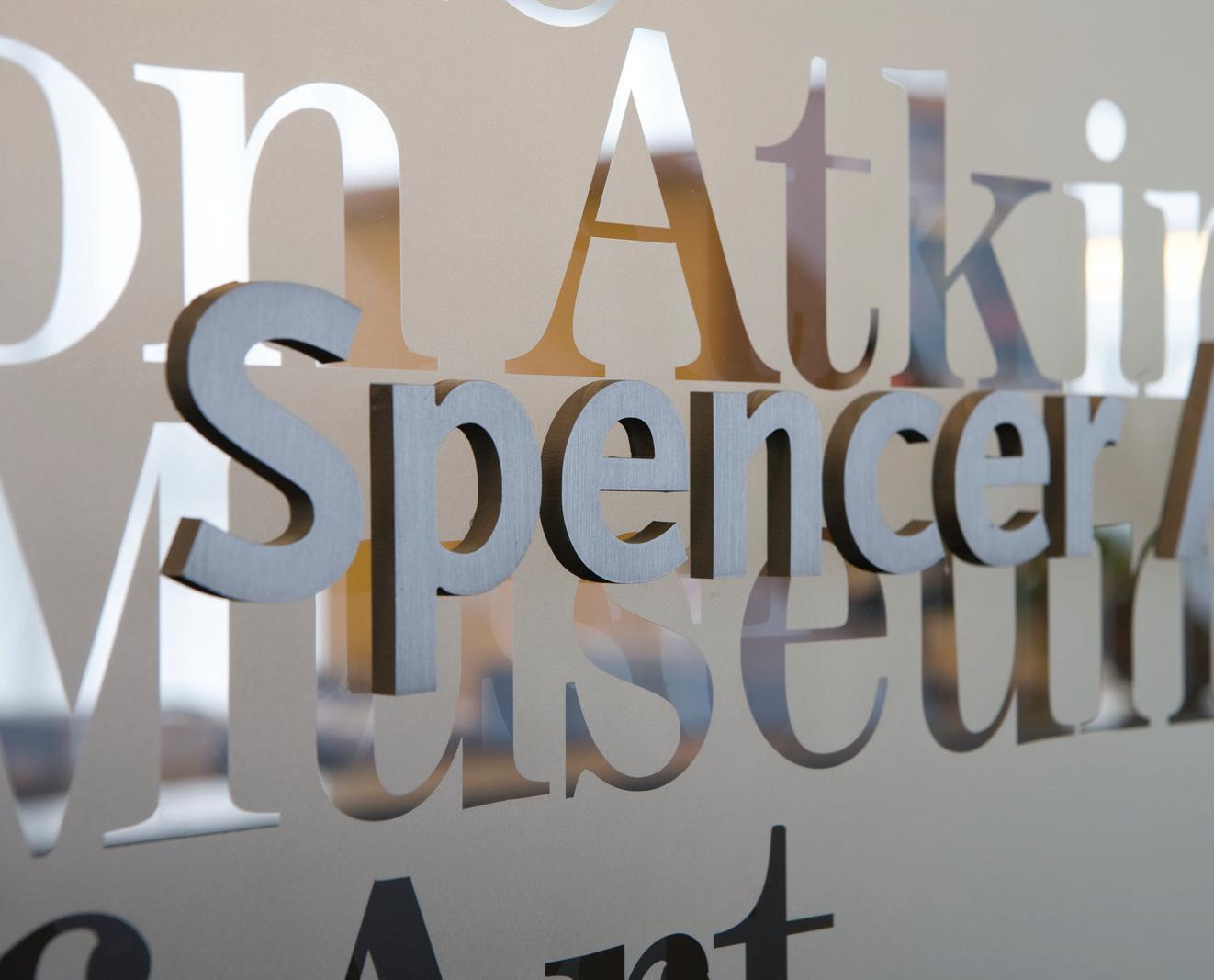
BNIM was selected to design all environmental graphics for the Nelson-Atkins Museum of Art. The overall campus signage program included guidelines for wayfinding, donor recognition, and regulatory signage for the museum’s existing historic building, the Bloch Building addition, the Sculpture Garden, and the Ford Learning Center.
Kansas City is an Art Town: The Practice of BNIM
Kansas City is an art town. Artists make Kansas City what it is, and that is a place where we want to be.
Artists figure out ways to make things happen. Artists see new possibilities. Artists know how to occupy “the space between.”
The space between is often, at first, difficult to perceive. In the balance between figure and ground, we are used to seeing the figure as dominant. Art reveals what the artist sees but the rest of us don’t, or at least don’t yet.
It was a group of artists who saw a neighborhood of empty warehouses south of downtown Kansas City, Missouri, as fertile ground for their studios, galleries, and sympathetic small businesses. By the time the city hired BNIM to draft a master plan for the Crossroads Arts District, neighborhood leaders like Jim Leedy and John O’Brien rightfully questioned the intentions of a top-down urban planning approach. We established what are today long-term relationships with these artist-leaders by listening to what they knew, and emphasizing their priorities. This manifested as shared recommendations about ideas both abstract, like rezoning, and specific, like maintaining the historic granite curbs that characterize the streets and alleys.
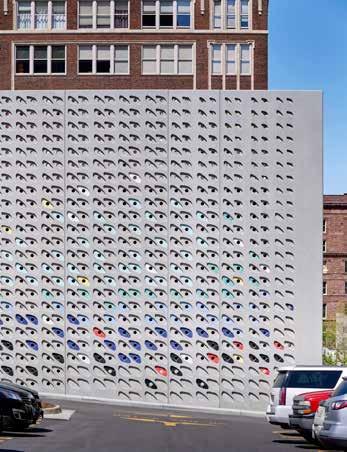
We worked alongside Jim Leedy on a proposal for a district garage. Consolidating car storage to a single building would free up nearby parking lots for public space, especially for the monthly First Friday art festivities. Jim imagined the concrete structure as a mortar field embedded with shards of ceramic artworks, to honor his fellow Crossroads denizens. Nothing happened with this project, but years later in 2015, we had an opportunity to collaborate on another garage with ceramicist Andy Brayman. He helped us envision an array of multicolored ceramic tiles that, in their placement on the garage walls, reveal the invisible structural grid that keeps the whole thing standing. Andy came on the project very early, at his own risk, with no guarantee that the client would approve or sponsor his work, and made it so much better.
Artists are leaders in spaces that aren’t strictly about the arts. Reconciliation Services started in a vacant office building
on the east side of Troost Avenue, Kansas City’s historic racial and economic boundary virtually since its inception. In 2018, Fr. Justin Mathews invited BNIM to help him reimagine the century-old building, along with its problems, for many more generations of use. Renovation (instead of relocating) was a practical decision, but it was also a poetic one. It showed reinvestment in the community, and it was a choice not everyone could have made. Fr. Justin is an artist – he is a musician and songwriter – and this project is his artistic vision and collaboration with us, along with poet Glenn North, and muralist Seraphim O’Keefe.
We affirm and support the people who make Kansas City a place for arts and for artists. We do this by commissioning artwork, by advising and advocating for arts organizations, and by partnering with them to improve their environments. Kansas City is an art town, and we want to keep it that way.
Learning from Our Communities
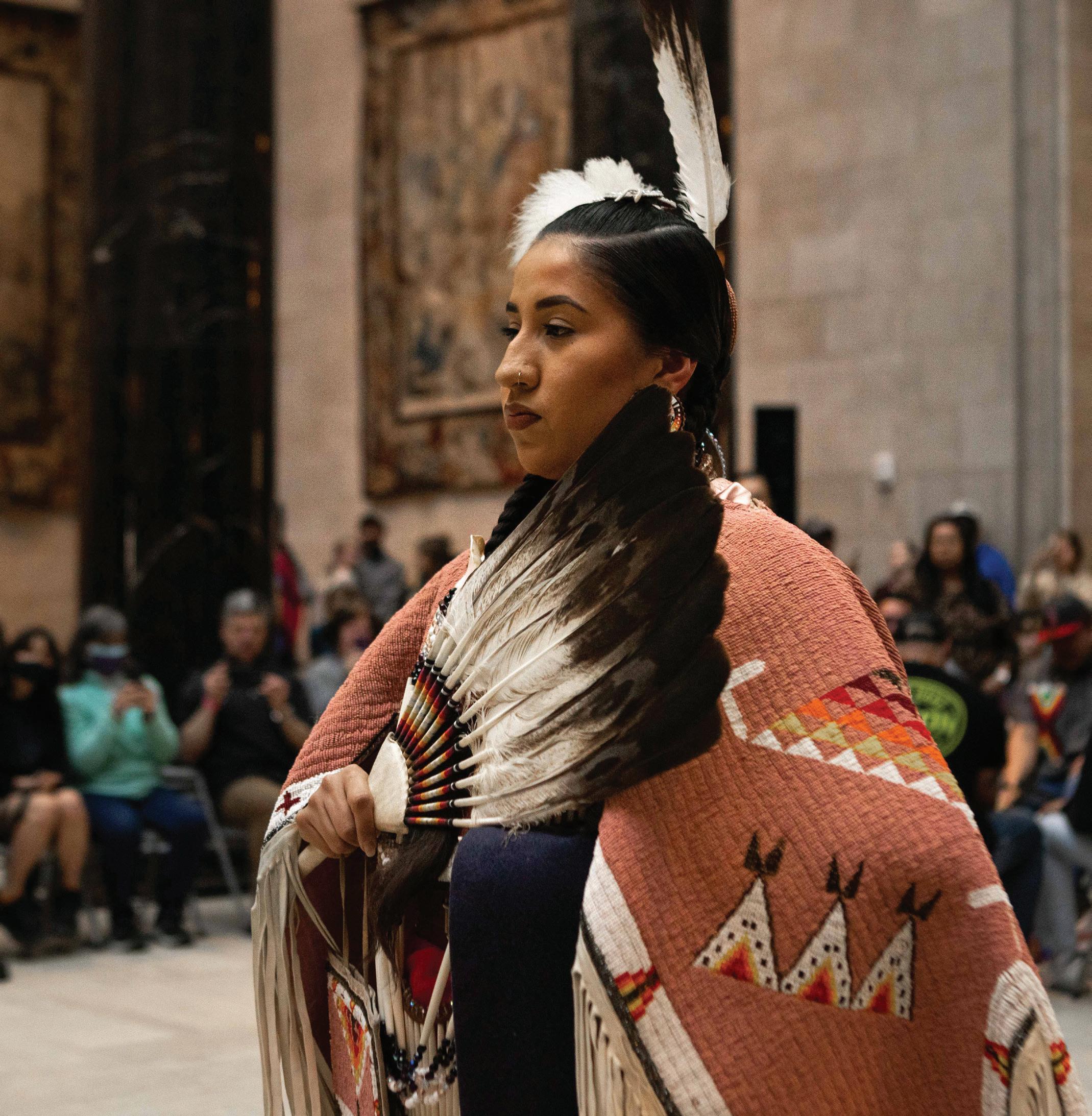
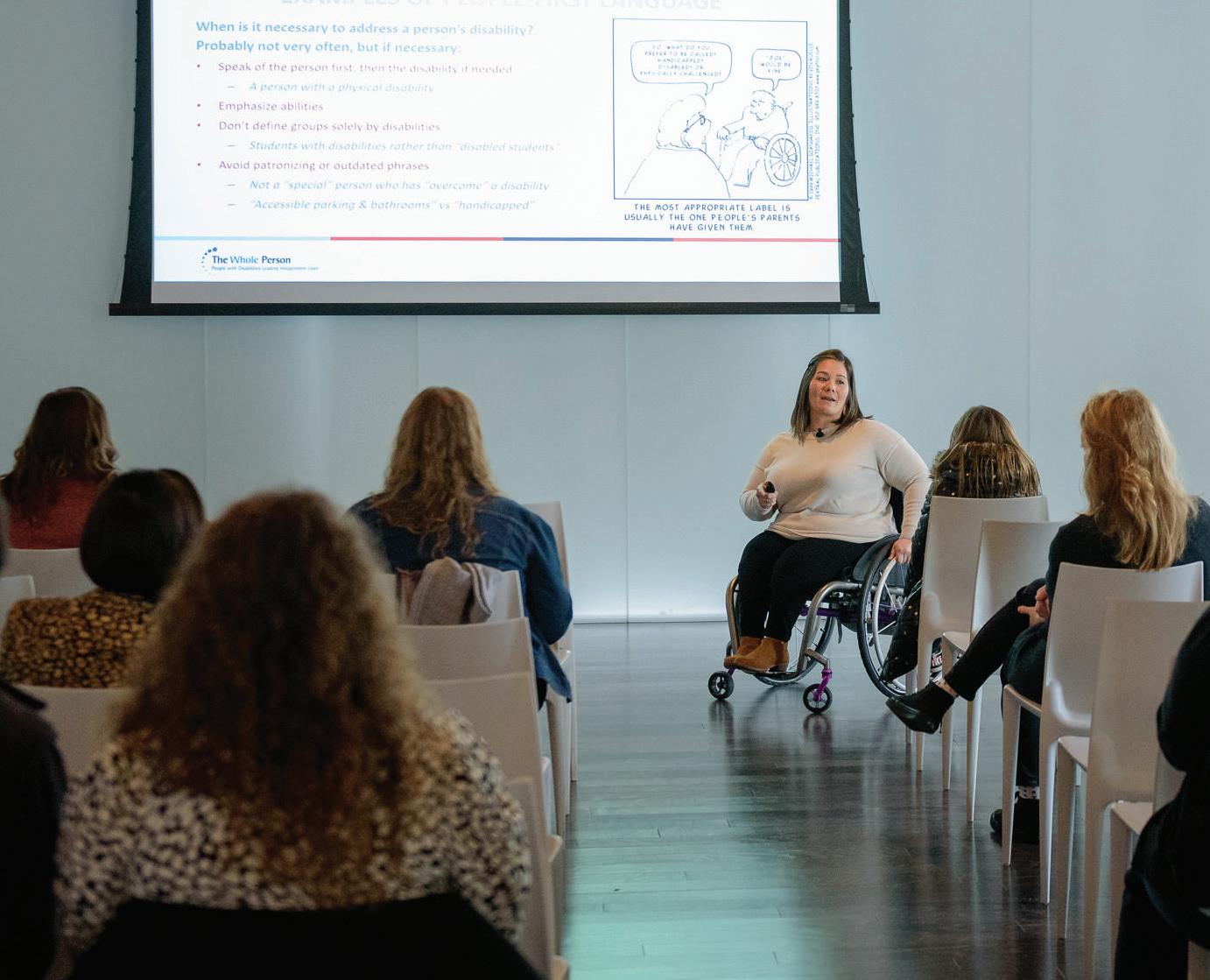
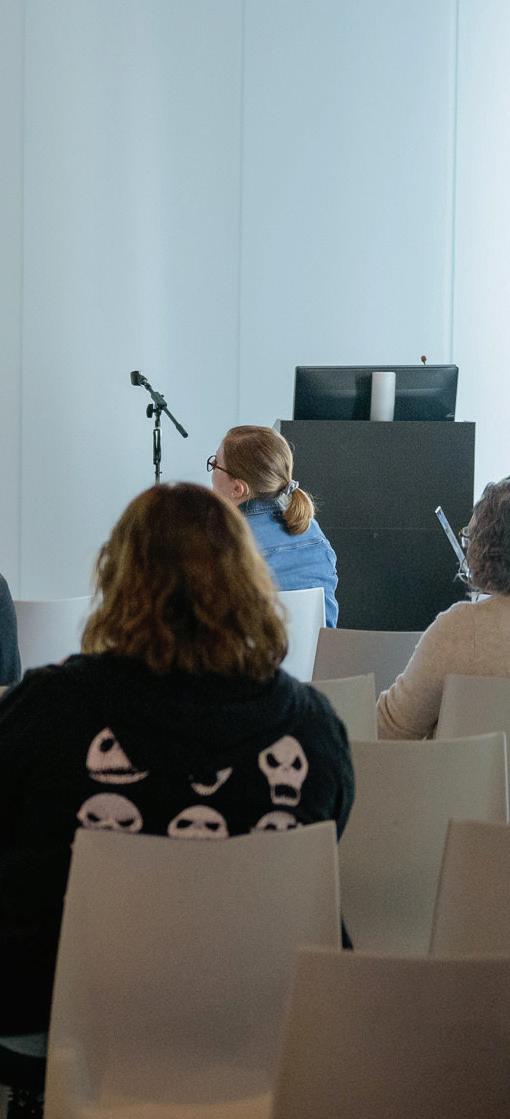
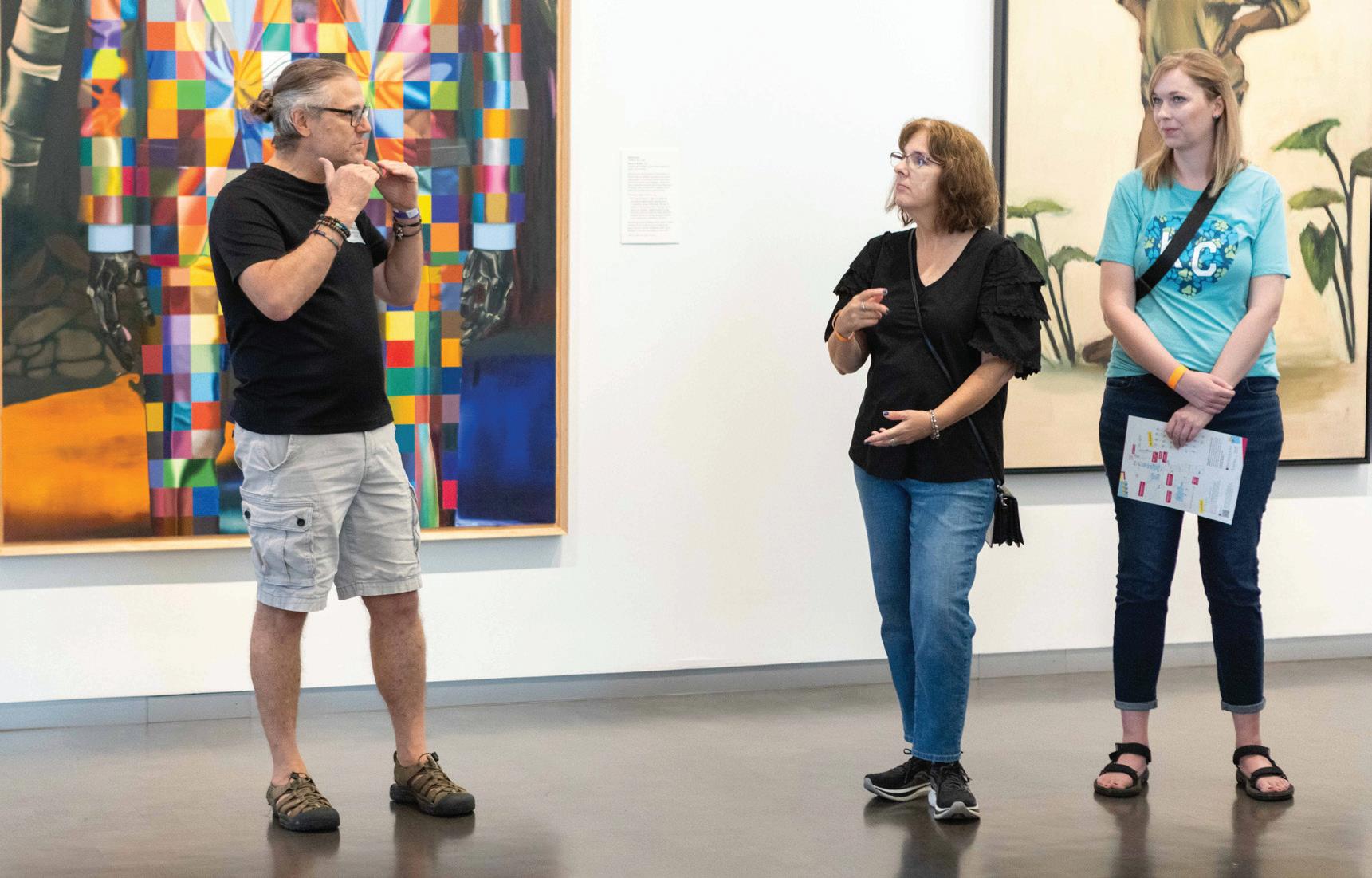
“With art as our focus, the Nelson-Atkins strives to create a sense of belonging for all people.” Reflecting this mission, the Museum brings the community together to cultivate their creativity and explore their passion for the arts.
Human-centered Art Experiences
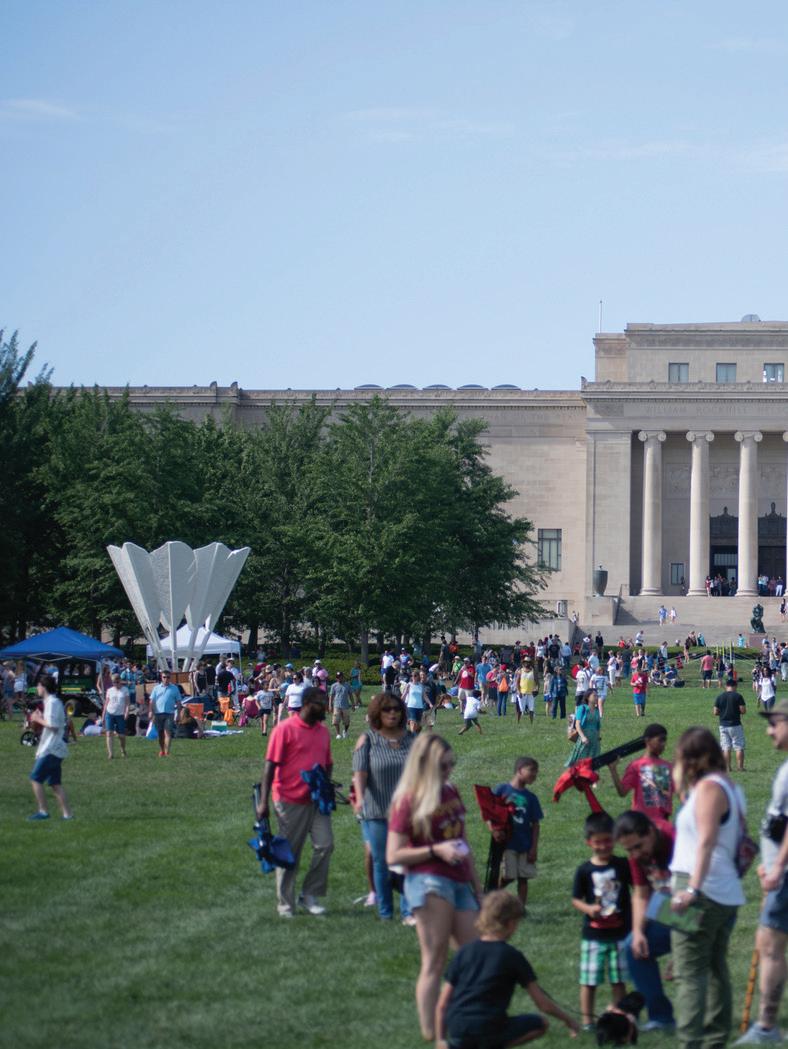
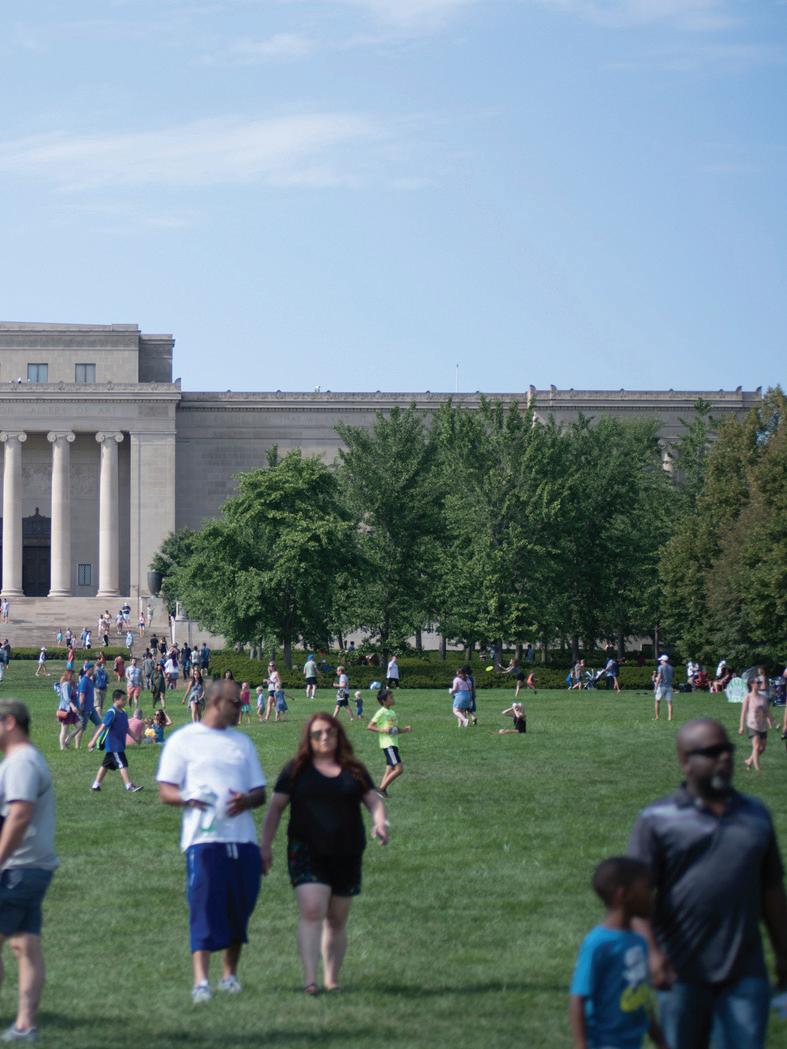
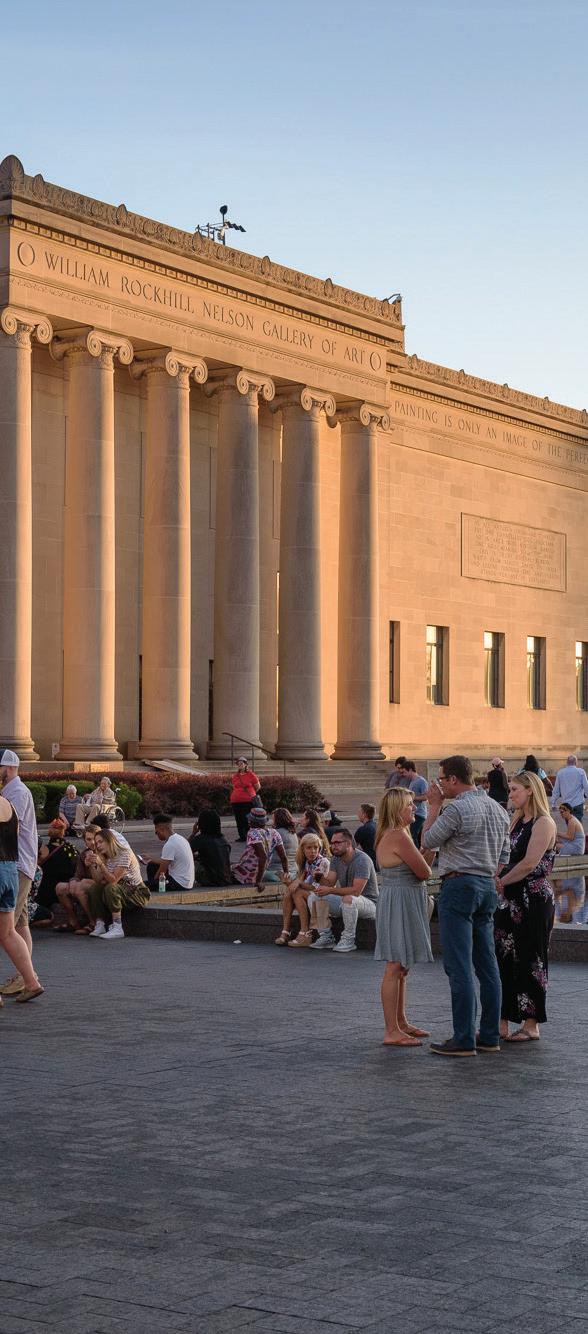
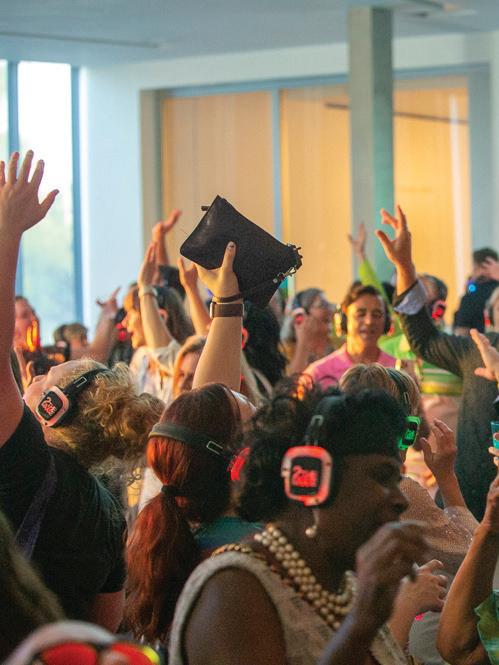
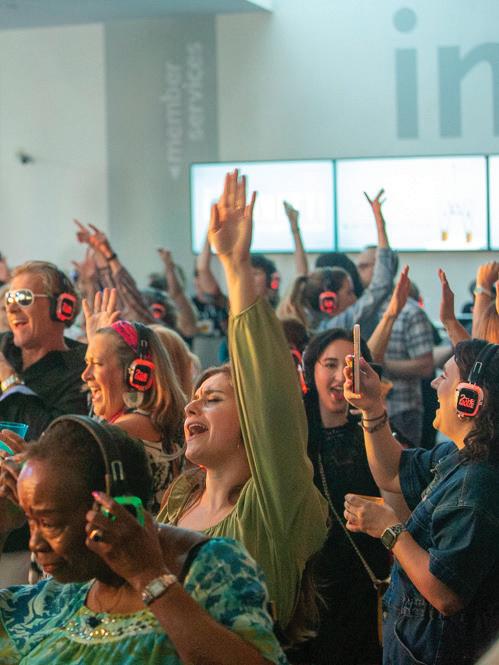
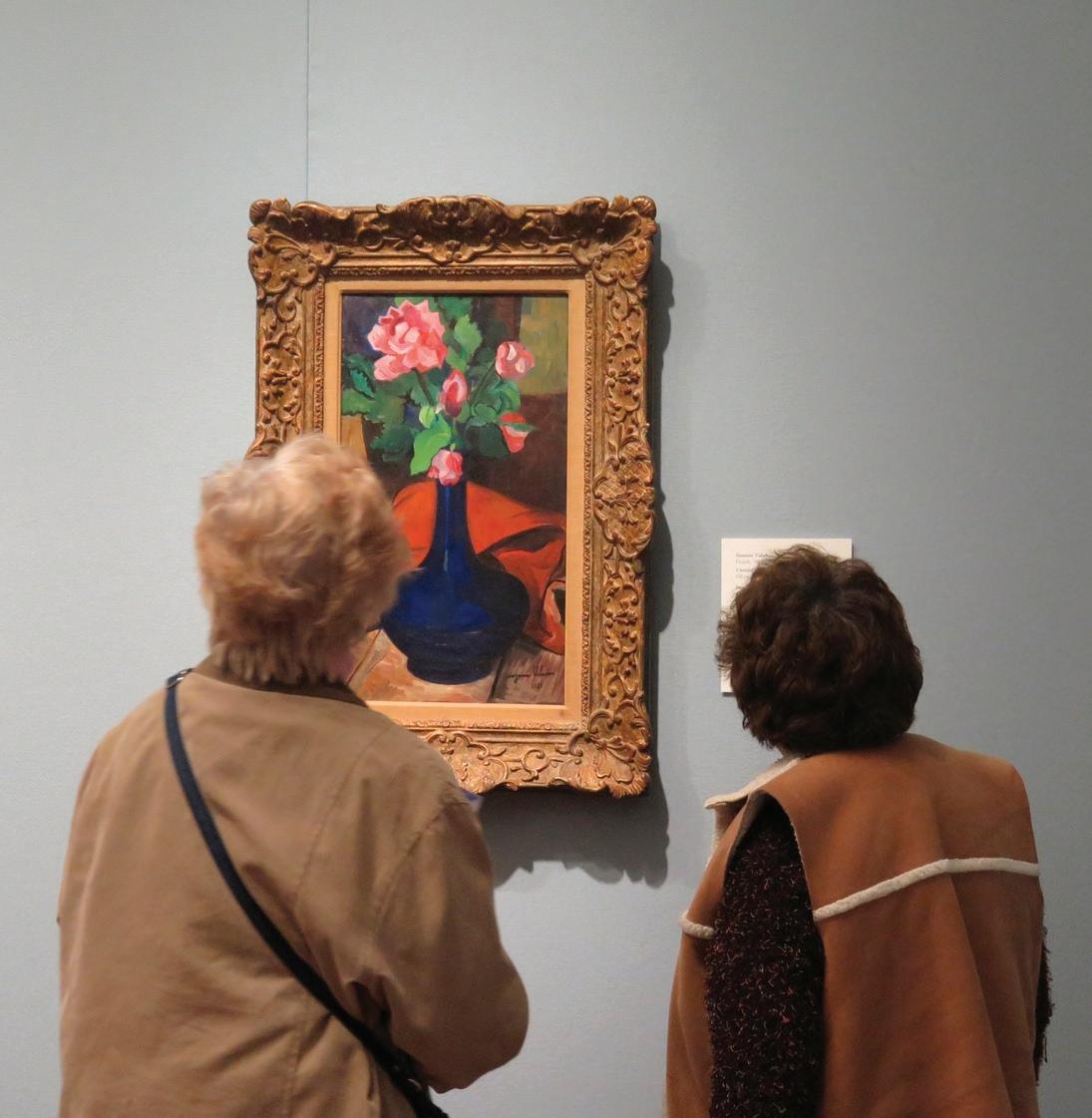
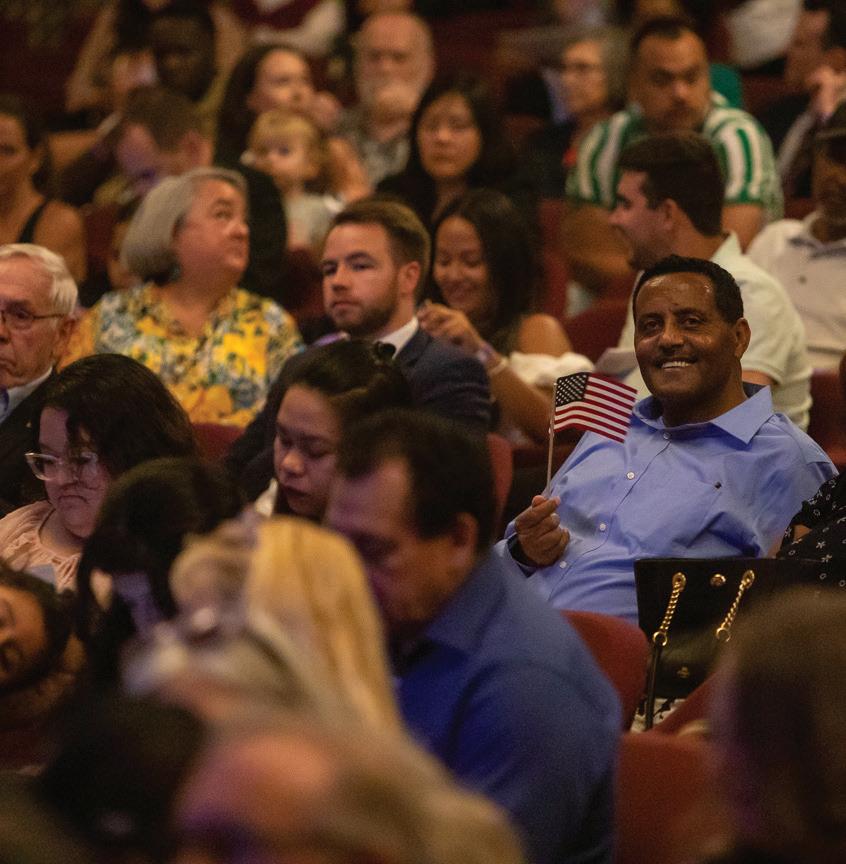
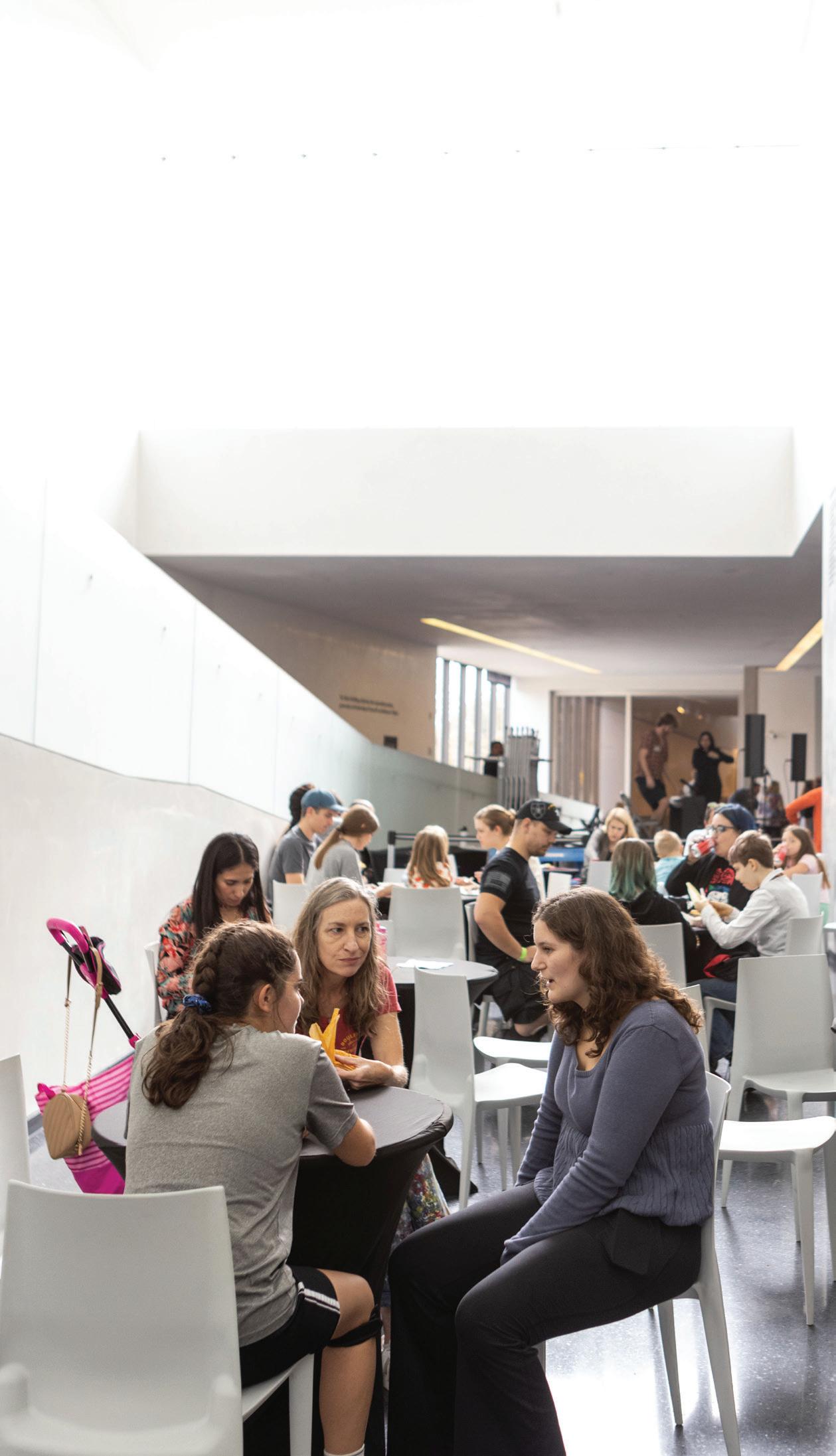
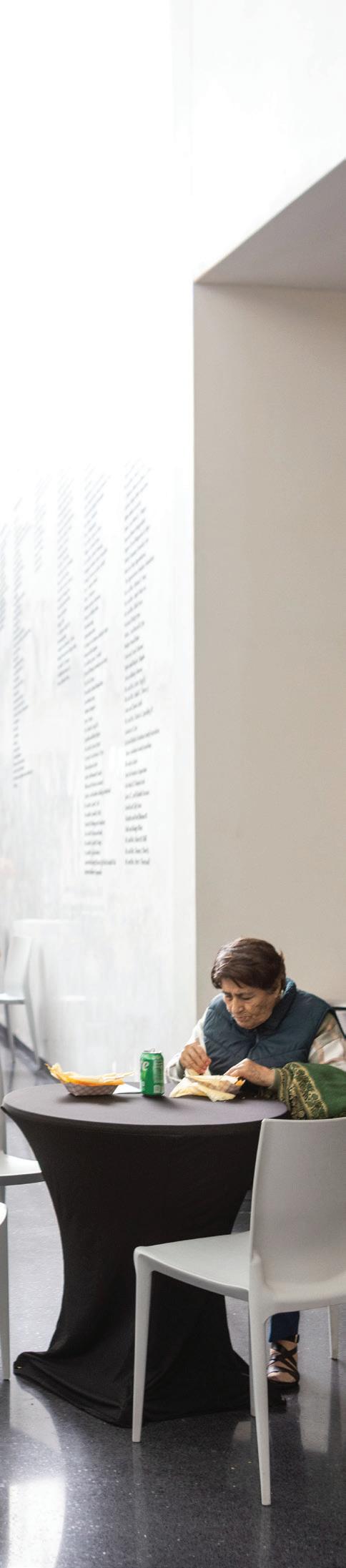
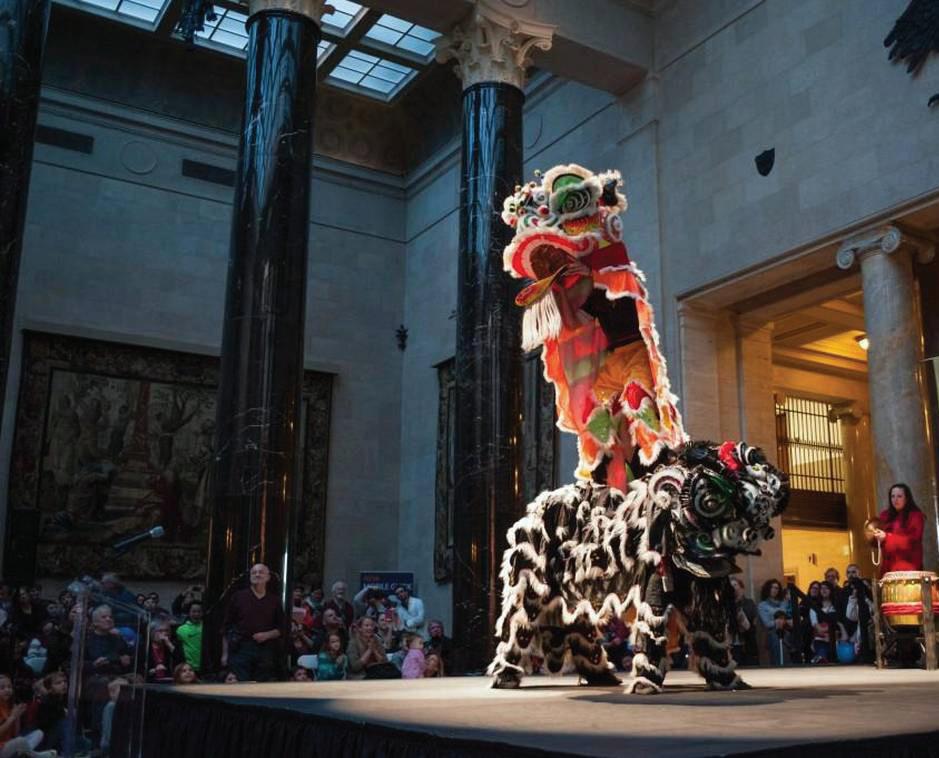
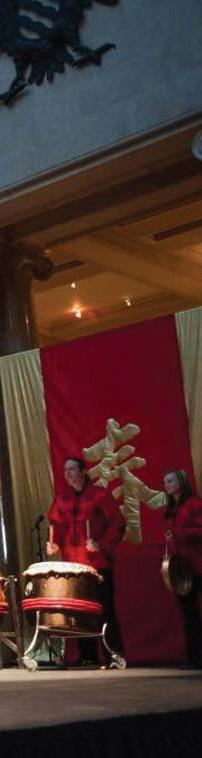
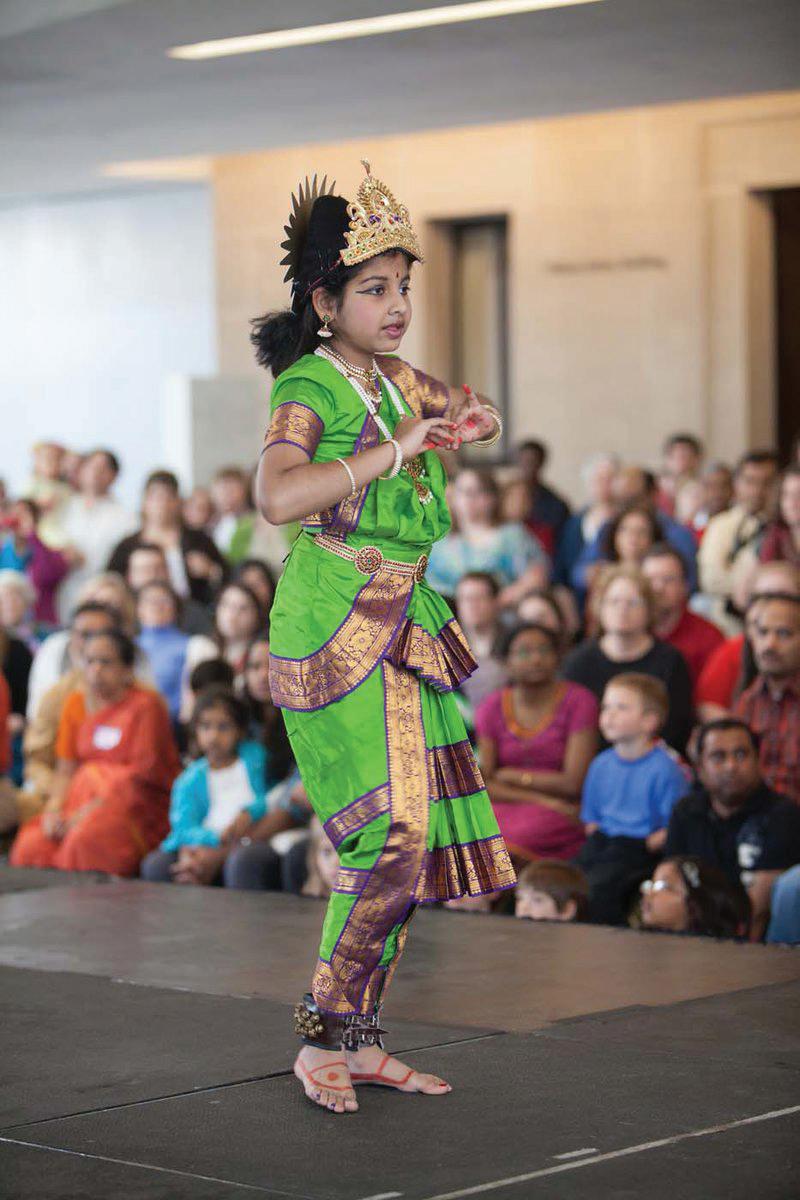
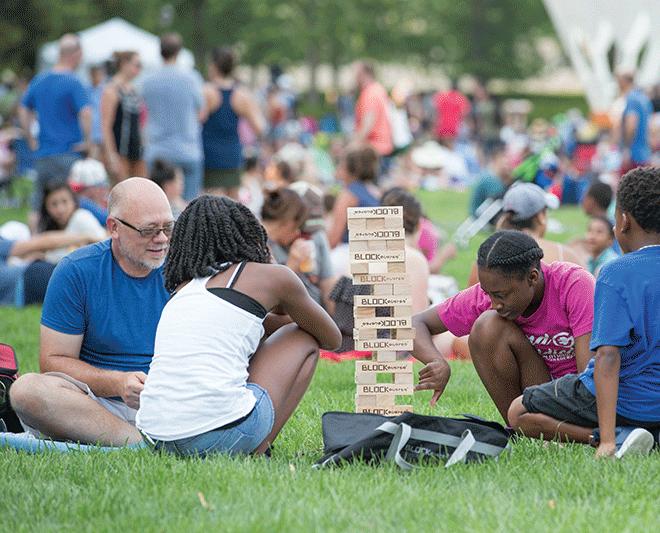
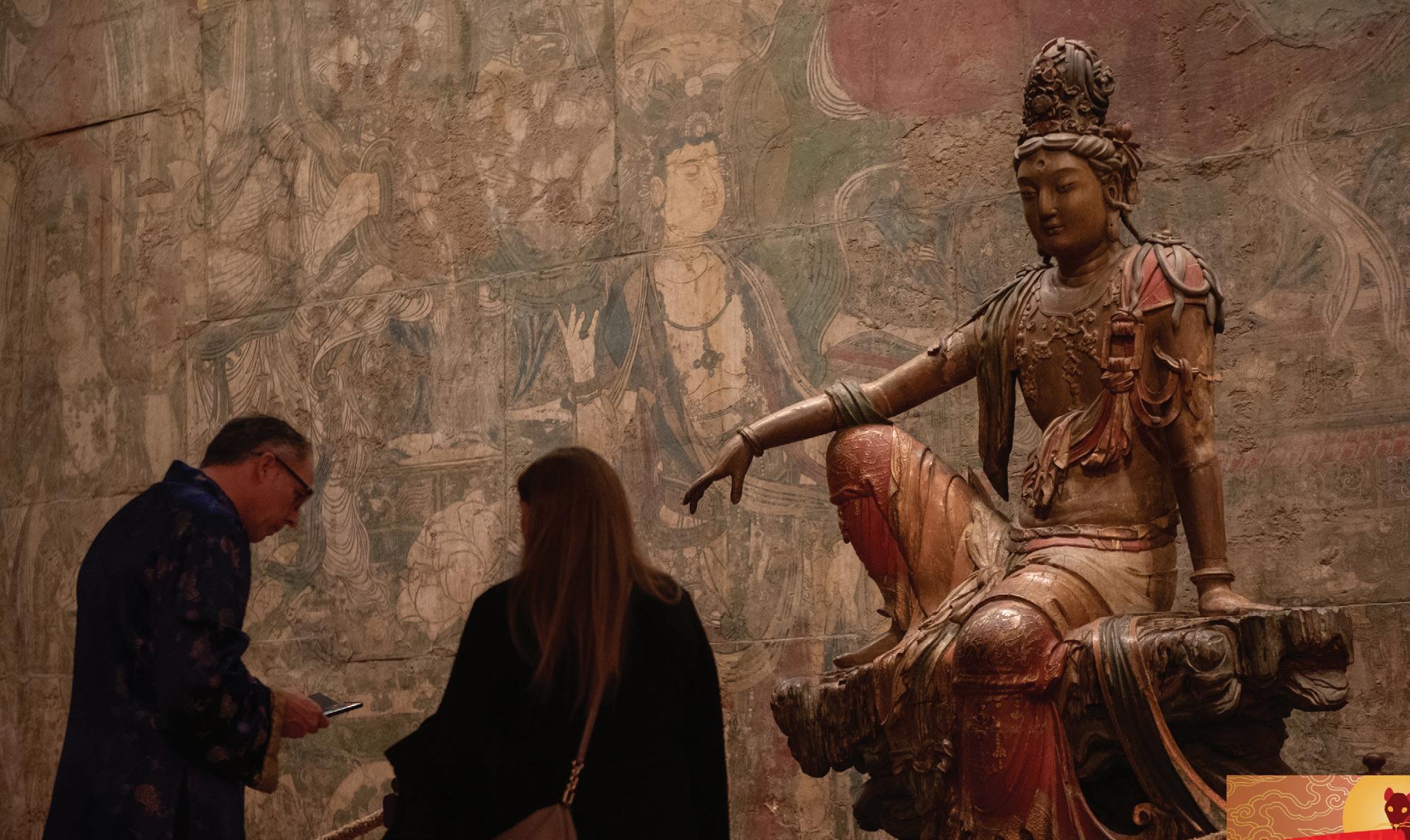
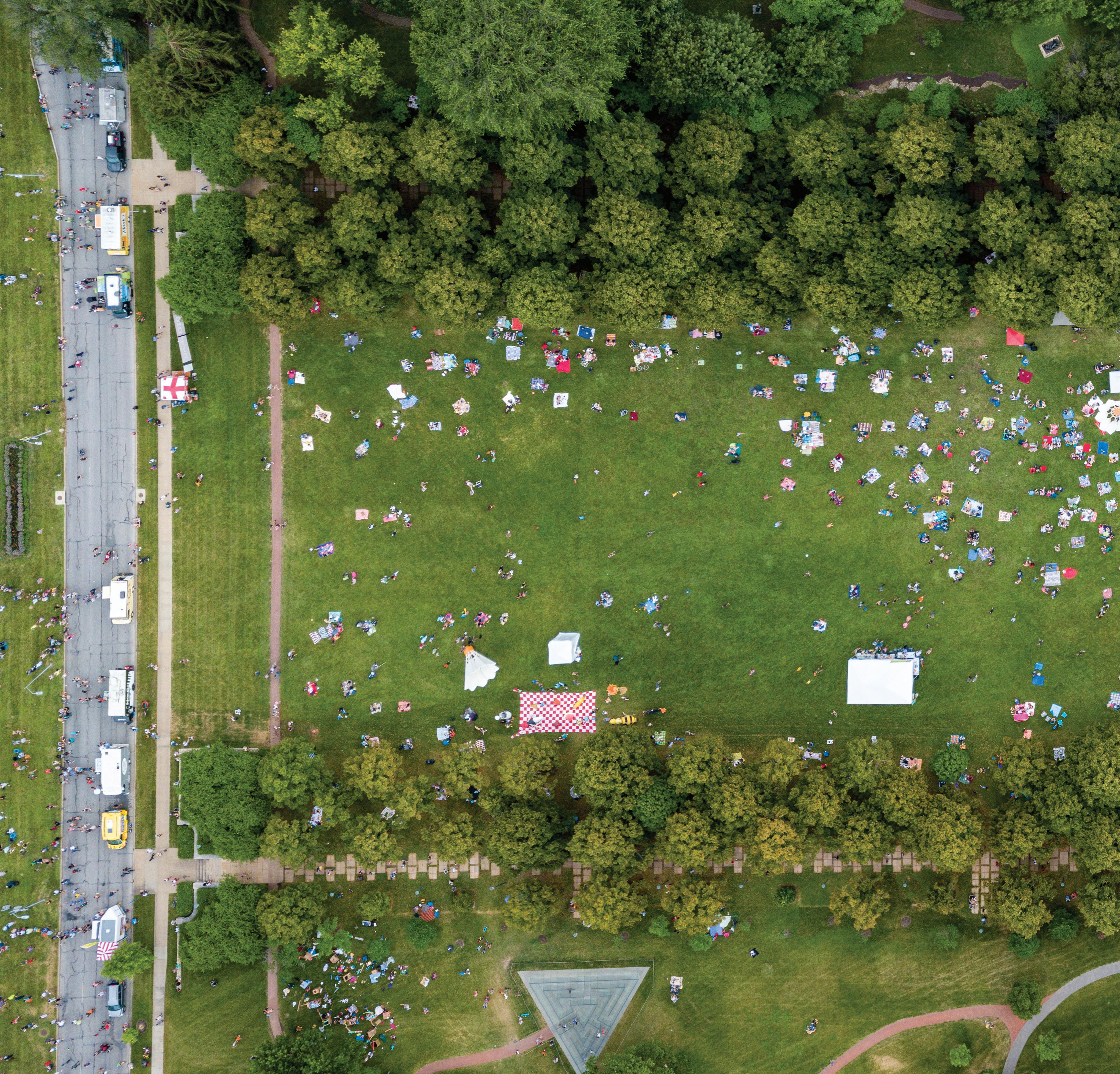
The Nelson-Atkins Museum of Art welcomes visitors of all ages, offering free admission to visit, experience, enjoy, and learn about its renowned collection of more than 42,000 works of art. The Nelson-Atkins Museum of Art brings the Kansas City community together for inspiring celebrations of art, special exhibitions, school field trips, art classes, festivals, cultural events, and more throughout the year.
Photographs courtesy of The Nelson-Atkins Museum of Art.