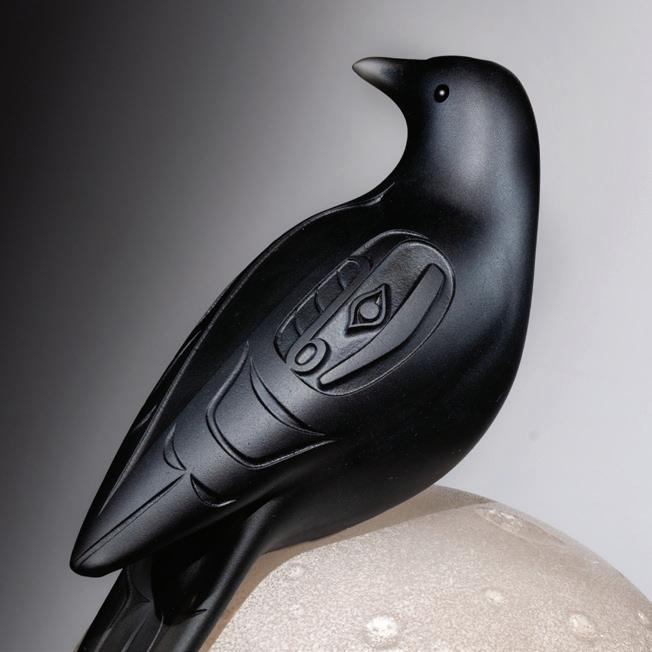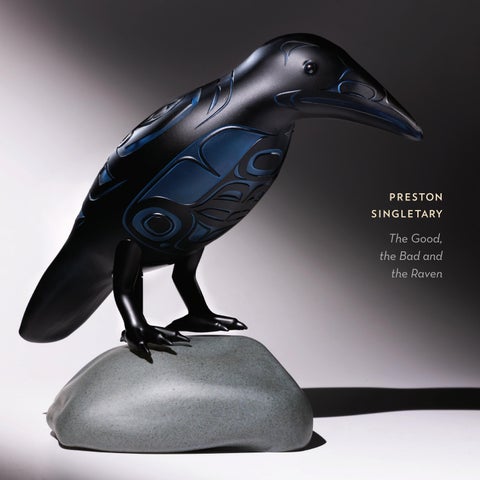
“Come back here!” the military man demanded. “Show me your papers or I will deport you!”
“I invented paper!” Raven called down to the man. “After I gave you light and water and fire and everything else you have, I gave you paper!”
“Go back to where you come from!” the military man called after Raven.
“I came from here, you dolt!” Raven cried. “You go back to where you came from!”
With that, Raven pooped a green glob that fell out of the sky and landed on the military man’s head.
“Now you have something to remember me by!” he said.
And Raven flew away.
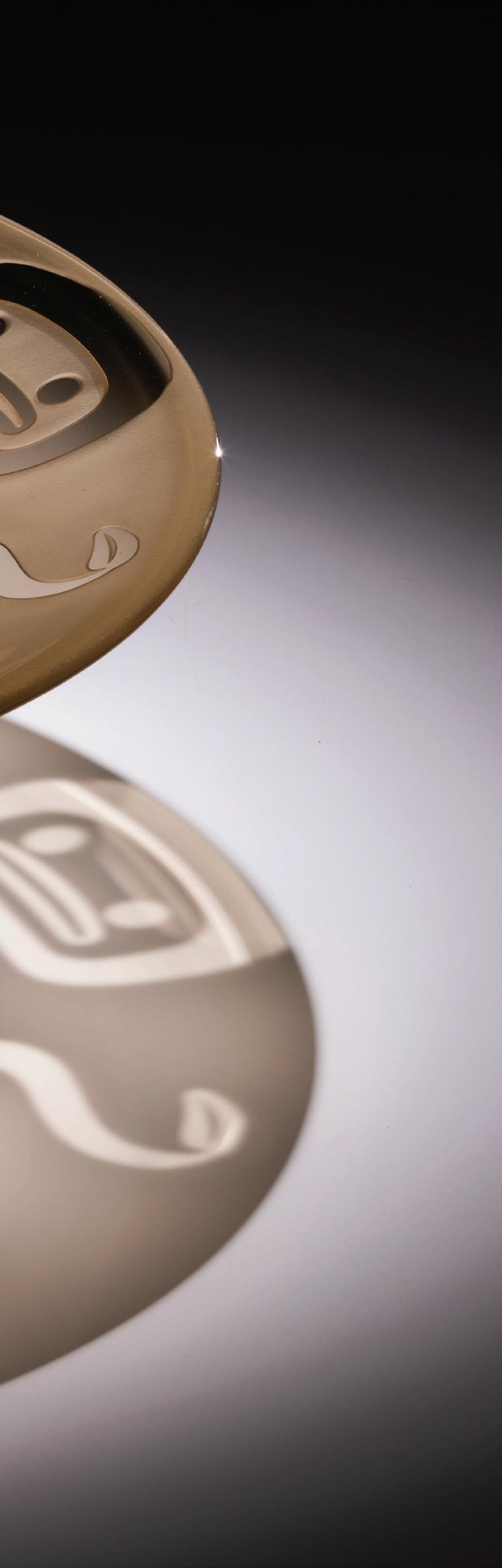
Ghost Vision
Raven alighted on a rock and stood completely still.
The foggy forms, which had by then formed into full ghosts, seemed confused. Ghost Vision
Perhaps the stone man had the answer, he thought. A living statue. Perfect stillness.
He did not move. He did not sway. The rains came, then the snow, then the beating heat of summer. Still. Very still. Until he became something of a rock, and time changed for him. He was not asleep, yet he was not awake.
“He is WOKE,” said a voice from behind him. Raven turned and saw many forms appearing from the fog. They were people from his village. Elders wearing blankets and carrying drums, singing songs, dancing, barely wisps of themselves, made of water vapor and dreams.
“Is that different from being awake?” Raven asked, relieved to no longer be a living statue.
“You are woke to the injustices in the world,” the vapor forms told him.
“That is true,” said Raven perfunctorily, “but words change in meaning from day to day, so that word has a different meaning now than it had when you were alive … a thousand years ago. You are ghosts, aren’t you? Have you come to tell me that my uncle murdered my father with the help of my mother? Are you here to tempt me with Christmas parties and then show me my grave?”
“Raven,” they said, “you cannot run. You cannot hide. You cannot turn yourself into a statue. You must remember the past, or else you will be doomed to repeat it!”
“That sounds nearly fatalistic!” cried Raven. “Please, let’s not go there! I didn’t like the Past the first time I lived through it. Please don’t make me do it again!”
“You must drink from the same pool of knowledge as your Elders,” the ghosts told him. “You must learn the traditions, sing the songs, dance by the fire. By so doing, you will be able to see this world, and by so seeing, you will be able to heal this world. If you continue to run and hide, the Past will haunt you!”
Raven groaned. “Really?”
“Raven,” they said, “It is your mission. You must unite the world. Eagle will help you on your mission.”
“Wait, what?” Raven exclaimed. “Who said anything about Eagle?”
“Um,” said the ghosts. “We just did.”
“Gak!” Raven cried. “Of the infinite computer simulations of our universe containing every permutation of every possible situation, all running side-by-side through eternity, I’m stuck in the simulation where I must save the universe … with Eagle? That seems somehow unfair. I’d like to choose a new universe please.”
“Remember the past, Raven,” the smoky ghosts said as they faded into the air, “or you will be condemned to repeat it!”
Journey of Hearts
Raven flew high in the sky then, in search a reason, in search of a rhyme. In search of a clue to help him understand time.
Instead, he found Eagle.
Now Raven didn’t have any particular animosity toward Eagle. True, he found Eagle to be far too large and clunky; his war cry sounded more like a chicken than a hawk; and he would never be mistaken for the sharpest tool in any shed in any of an infinite number of universes.
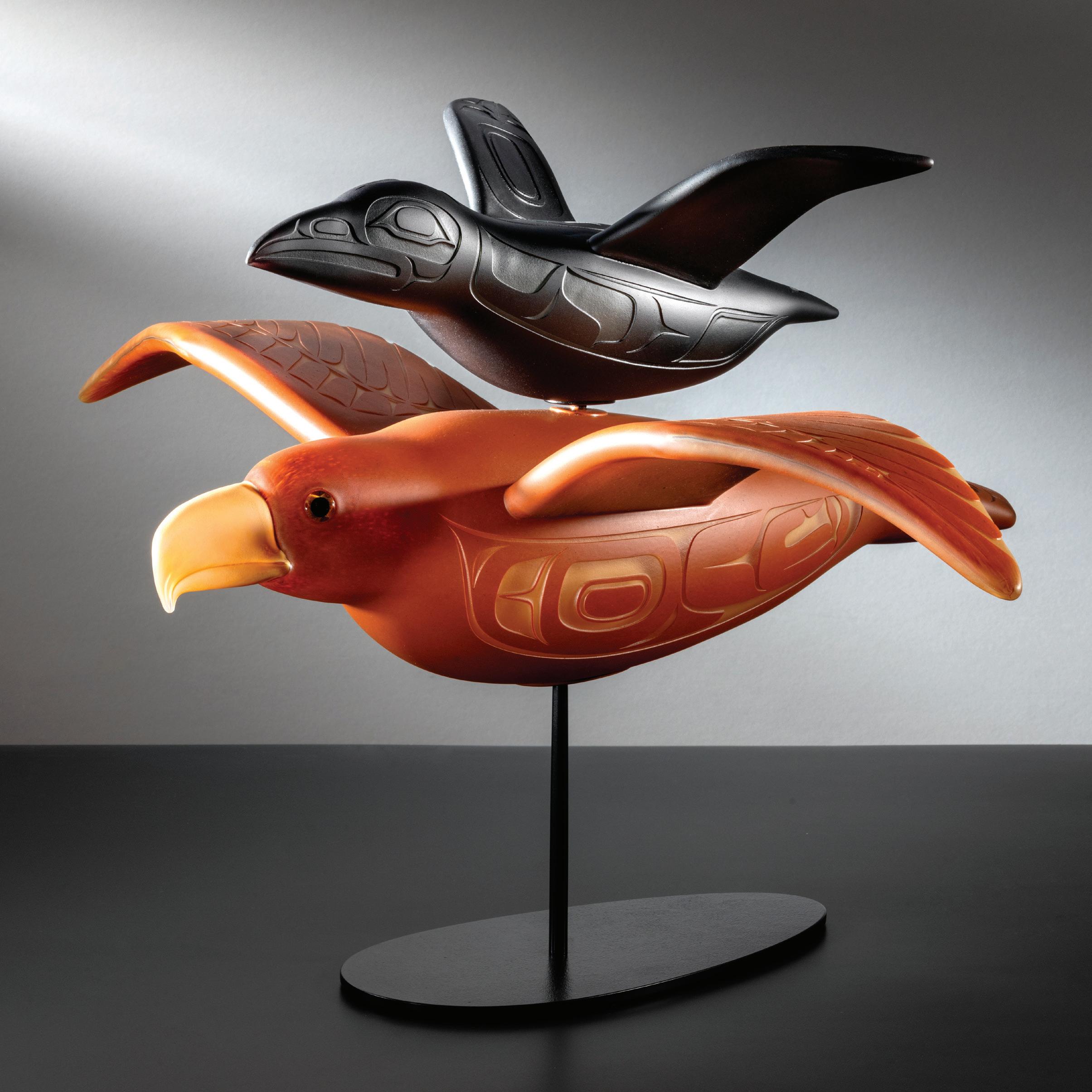
Still, Raven knew that Eagle was pure of heart and true of friendship, and so he called out, “Hail, fellow! Well met!”
“How now, Brother Raven!” replied Eagle as he soared effortlessly with his massive wings spread wide. “Are you eating enough? You look smaller than the last time I saw you.”
“You’re experiencing the effect of foreshortening,” Raven said. “You are flying very near to the top of the sky. Come down to the treetops and talk with me, friend.”
It is true that Eagle enjoyed the upper altitudes, a place not fancied by Raven, who preferred the trees. But Eagle was an accommodating sort, and with a quick trim of his wingtips, he gently corkscrewed toward the earth in large, graceful circles, until he alit next to Raven.
“Brother Raven!” Eagle crowed.
Raven tried not to cringe, for he and Eagle were not brothers, nor had they ever been. They had always been clearly, but not unkindly, distinct. They each had their own people, and those people co-mingled thoughtfully and respectfully. Yet, whereas Raven felt a connection with all of his spirit friends, he had to admit that he felt a deeper bond with Eagle. Nearly a Brotherhood. Yet Raven contains multitudes, and he felt Obstinance growing inside him.
“We are not brothers,” said Raven. “Look at you and look at me! From what mother could we have both emerged?”
“Hmm,” Eagle mused. “Metaphorically, I mean. More like, I am the even to your odd.”
Raven had to admit, that wasn’t exactly what he was thinking.
“It might be closer to say,” said Raven, “though I make no promises: you are the syrup to my pancakes …”
Eagle considered Raven’s gambit.
“I am the top to your bottom?” Eagle wondered.
“More like, you are the butter to my toast,” Raven clarified. Again, Eagle considered.
“The in to your out?” he asked. “The night to your day?”
“You are the smoke to my salmon,” said Raven.
Eagle’s eyes grew bright.
“Ah-ha! Yes!” he cried. “I am the smoke to your salmon! Of course I am! I seep into you!”
Eagle threw his wing over Raven’s shoulder.
“How can I help you?” he beamed. “Brother!”
Raven face-palmed. “The World is in a dire place,” he thought, “if its salvation depends upon the likes of us working together.”
Aloud, to Eagle, he said: “Brother, we must talk.”
Eagle grinned at Raven.
“Hop on, Brother,” he beamed. “Let us soar to the highest heights where we can parlay in private!”
Raven climbed on Eagle’s back and off they soared.
Knowing the World
Raven wasn’t exactly clear why he agreed to go flying with Eagle, or if he had even agreed to it in the first place, but there he was at the top of the sky, looking down on the world.
“Lovely, isn’t it?” Eagle asked.
“It’s a little … [gulp] … distant for my taste,” said Raven. “Maybe we could go down a closer to the ground?”
“Don’t be silly,” Eagle said as they soared miles above the earth. “Now tell me: how can I help you?”
“I don’t know exactly,” replied Raven. “Except the world is in a dire strait. Everyone is fighting with everyone. People stare at their phones all the time. The night has lost its day. The in has lost its out. The smoke has lost its salmon!”
Eagle smiled serenely and soared, which is really what he was built for, so …
“Have you ever tried a loop-de-loop?” Eagle asked. And before Raven could answer, they were looping and then de-looping. Raven lost his cookies, thankfully, on the downslope so it didn’t splash on Eagle’s back.
Knowing the World
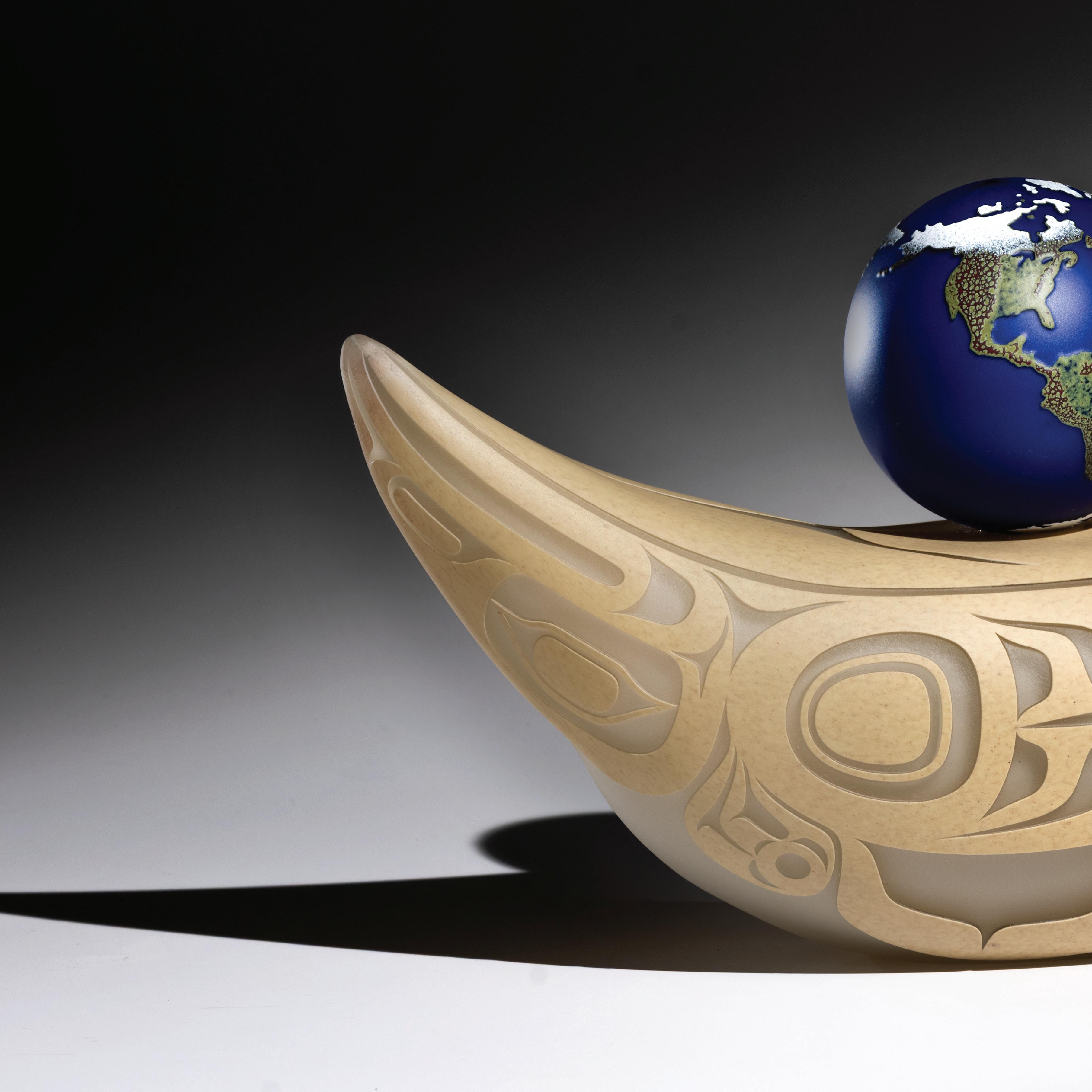
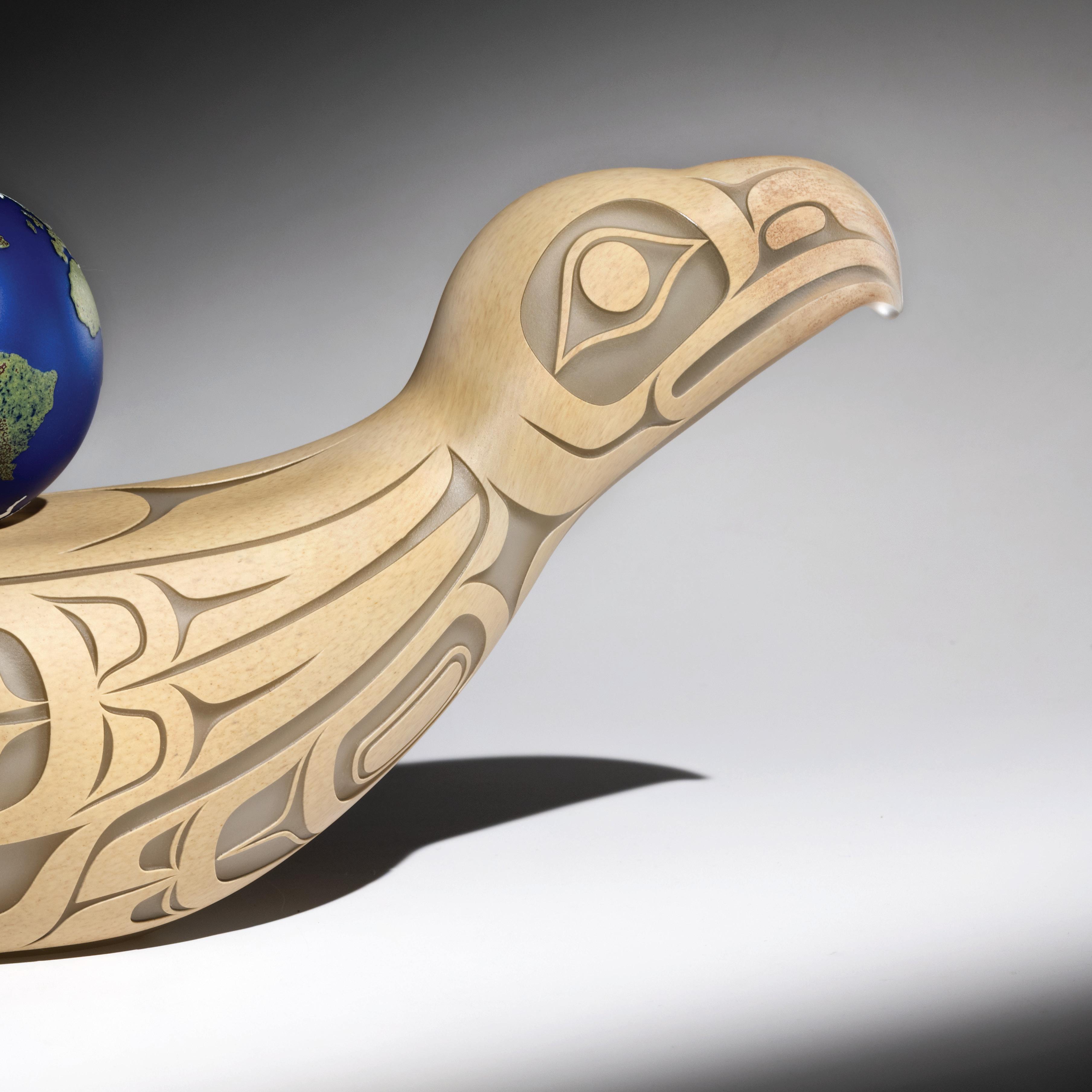
“You good, bro?” Eagle asked.
Raven wiped his mouth.
“They keep stealing women,” Raven said. “The unmourned children continue to go unmourned. The Killer Whales have started killing again because of the Coke bottles stuck in their blowholes. The tides have run amok. The things I have seen! I don’t even know how to begin to fix a problem this big! I give up, Eagle. I give up entirely! Take me to my room!”
Eagle opened his wings and soared through a cloud, hitting Raven in the face with a mouthful of cottony mist.
“I can help you, Raven,” said Eagle. “But only if you want to be helped.”
“Oh, I do want to be helped, I do!” cried Raven.
“Do you agree that I am the syrup to your pancakes?” Eagle asked.
“One hundred percent cruelty-free maple!” howled Raven.
“And who am I to your toast?”
“You must be butter cuz you’re on a roll!”
“And do you agree most of all, Raven, that I am the smoke to your salmon?” Eagle asked, catching a thermal and suddenly leaping higher in the air, so they were ever closer to the top of the sky.
“I agree!” Raven cried after he had caught his breath. “I agree!”
“Then I will help you,” said Eagle. He tucked his wings and they dove.
They dove and they dove. The ground flew at them with shocking intensity. Raven’s cheeks flapped from the G-forces.
And just before they died, Eagle pulled out of the dive by spreading his great wings wide. The two birds alit on the ground with a delicate ease.
Raven climbed off Eagle’s back and promptly puked. He shook the vapor from his crevices and banged his beak against the ground to resettle his brains.
“Do you feel better now?” Eagle asked.
Raven shrugged.
“Now I’m hungry,” he said.
Mucous Boy
“Now I will tell you a story,” said Eagle. So he began:
Perhaps you have heard of the great warrior, Entuk, who was known far and wide for his strength and power. And you must know that his name has meaning in English; it means “mucus.”
“Gross,” said Raven.
“Not gross at all,” replied Eagle. “Mucus is the stuff of life, the substance, the lubricant, the air filter of our essence.”
“That’s even more gross,” said Raven.
“Listen,” said Eagle.
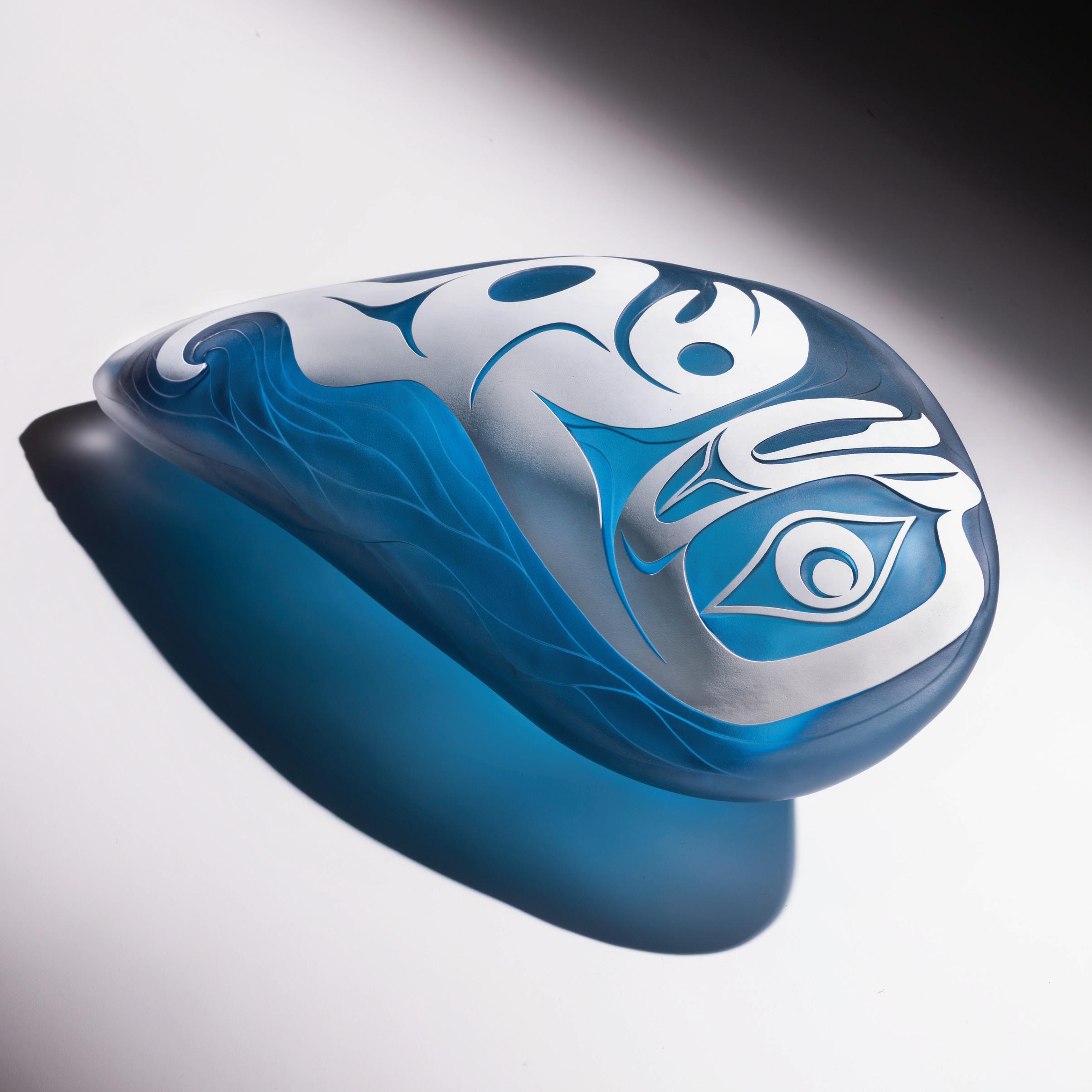
Long ago, a woman felt such despair she no longer wanted to live. When the child she had carried in her womb for nine months was born, it was born without life. The woman was distraught. She had felt such love for her unborn child, a bond that was deeper than anything she had felt before. She could not live without this bond. Wailing in grief, she took herself down to the water where she intended to drown herself. As she stood at the water’s edge in her tears, a great river of snot flowed from her nose and down her face so that she could barely breathe, and she wiped that great glob of snot away with her hand and flicked it onto the beach, where it landed in a mussel shell that had washed up by the tide.
“This is actually the most disgusting story I have ever heard!” Raven exclaimed. “You’re making me lose my appetite!”
“Listen,” said Eagle.
Was it the snot? Was it the mussel shell? Was it the woman’s profound grief? That is not for us to know. But we know that great glob of snot began to move around in that shell. It began to grow. Soon it had become a small creature. A mucous baby
“A mucous baby!” Raven exclaimed.
And that mucous baby grew into a man. But not just any man. He grew up larger and stronger than the other warriors. It was said he had supernatural strength. This was Entuk, the mucous boy, born from the grief of his mother.
“And that, Brother Raven,” Eagle said, “is the end of the story. Thank you.”
It didn’t take Raven long to conclude that Eagle was off his rocker.
“Tell me,” said Raven. “Do you have some purpose in telling me this story? Or should I chalk it up to the random musings of a bird brain?”
Eagle smiled at Raven.
“When the warriors went into battle,” Eagle explained, “Entuk said to them, ‘Think of me and you will grow stronger.’ You see, Raven? That is the power of the Lubricant!”
“Huh,” said Raven. “Without lubricant, we would be inflexible. If we are inflexible, we cannot adapt to changing situations. If we do not adapt, we die. Okay, yes. I see. Vaguely.”
“Good,” said Eagle. “Now let’s go save the world. Be sure to think of Entuk as we go!
Land Otters Web
It wasn’t clear to Raven exactly where one might go to save the world, so he had to take Eagle’s lead. They trudged through the forest at great length. Raven wondered why they didn’t simply fly. But, again, he didn’t know where one would fly to to save the world, so it wasn’t for him to suggest otherwise. They walked all day and into the evening until it was dark. And then Raven heard clicking.
Clicking? He tugged at Eagle, who quickly shushed him.
“We’ve found them,” Eagle whispered.
“Found who?” Raven wondered.
Through the trees, Raven and Eagle could see a campfire burning and crackling, and they could hear the quick clicking of
“Laptops?” Raven asked.
“Shh!” said Eagle. “Look!”
Creatures. Many of them sitting in a circle around the fire. Half animal, half man, they were hunched over, looking at their knees. Or, rather, looking at the laptop computers balanced on their knees.
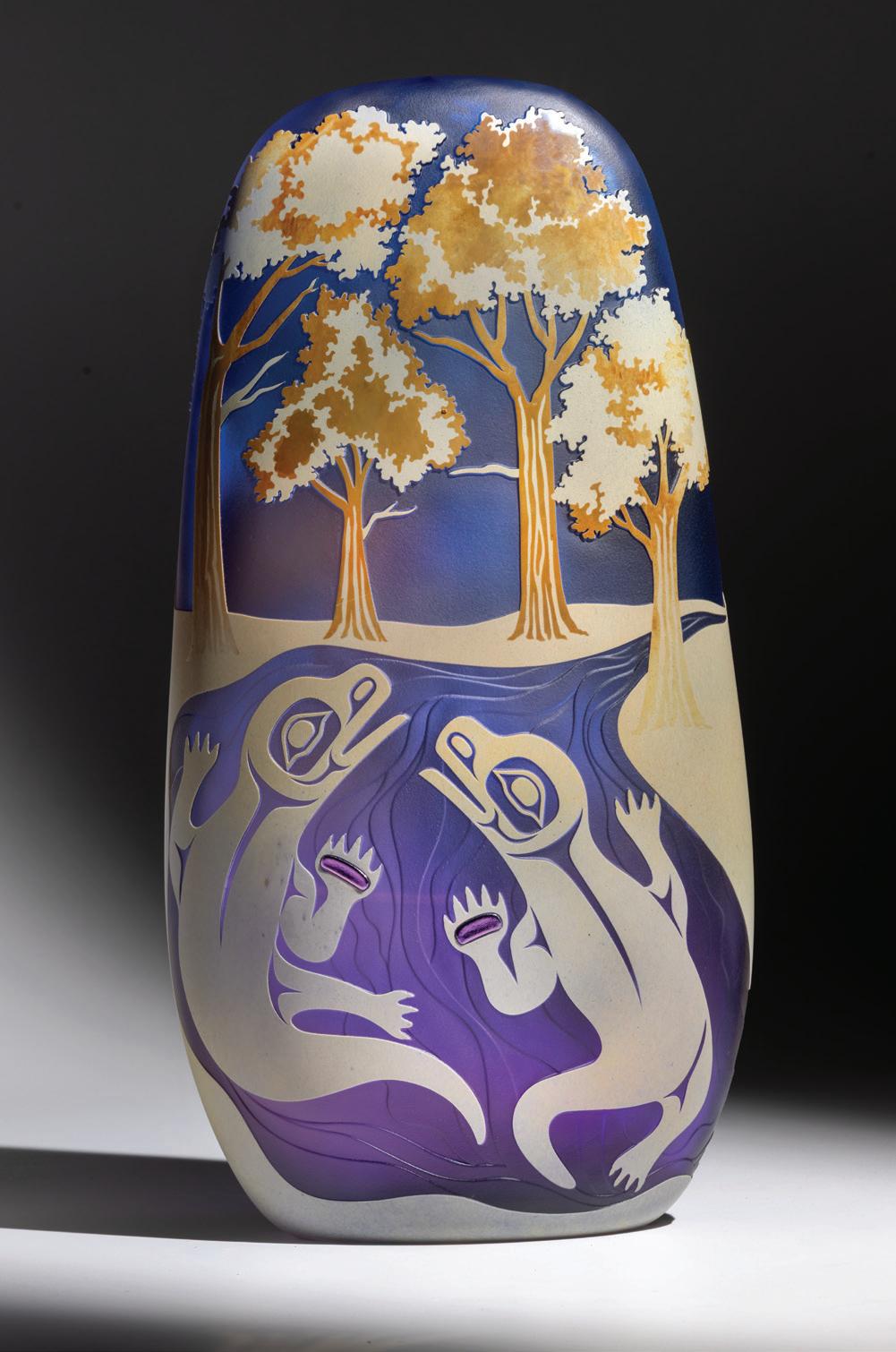
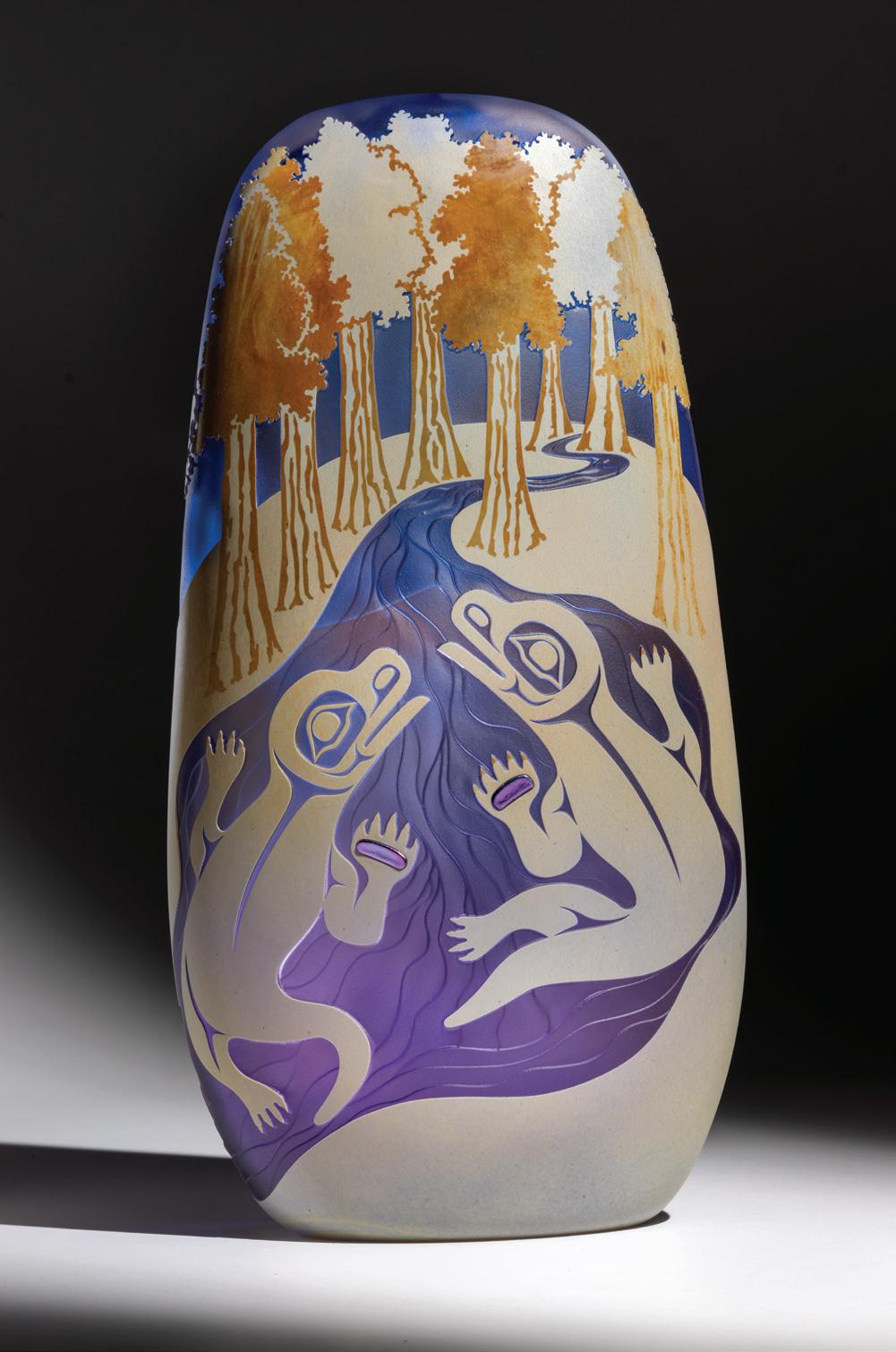
“Are those … kushtaka?”
“Indeed,” said Eagle.
“Shouldn’t they be out stealing human souls?” Raven asked.
“They are,” replied Eagle.
Raven looked closer. A dozen of them, all staring intently at their glowing screens, all tapping away at their snappish keyboards.
“As you know,” Eagle said, “kushtaka are studied in the art of deception. They know how to manipulate the minds of humans. They distort truth and play off of emotions. And once they have broken a person’s will, they take their soul forever!”
“Of course I know all that,” said Raven. “But why are they on their computers?”
“Because it’s much easier to steal human souls on the internet than it is in the woods,” explained Eagle. “In the woods, you have to wait for someone to get lost. Do you know how long that takes? How many people get lost in the woods on a given day? Five? Six at most, in the warm season. But with the internet, they join a chat and — boom! — a virtual cattle call of souls desperate to be stolen.”
Raven watched the kushtaka clicking at their keyboards with great intensity.
“Whoa,” he said. “That’s bad.”
Click, click, click.
“Yes,” said Eagle. “And that’s not all. Follow me.”
Deprived of Sight
Raven followed Eagle down a muddy, dark path and past the kushtaka hackers, until they were very deep in the woods. They walked for ages, years, trudging through the damp underbrush, saplings lashing at their faces, until Raven could hear voices.
“People?” he asked. “Finally?”
“Do you miss them?” Eagle asked.
“I miss their food,” Raven replied.
They came to a clearing and found dozens of people maybe hundreds — wandering aimlessly, heads bowed, deep in concentration. Staring at their phones.
These people danced an intricate dance, talking to themselves, fiddling with their devices, listening, watching, constantly moving to find a better signal.
“How do they walk around blindly like that and not run into each other?” Raven asked.
“Proprioceptors!” replied Eagle.
Raven wandered among them, the phone zombies, shuffling without purpose.
“Excuse me,” Raven said, stopping one of the zombies who pulled his eyes from his phone and stared blankly at Raven. “Can you order some food with that thing?”
The Creature Formerly Known as a Person began to tremble. Raven looked into the poor thing’s eyes, they were hollow holes, no eyes at all. The creature began to shake violently as if it might explode.
“That’s okay,” Eagle said quickly. “Go back to your phone. We don’t need food.”
Relieved, the creature wandered back into the throng, led by his phone.
“How can they see without eyes?” Raven asked.
“The phone sees for them,” explained Eagle.
“So everything they experience, all of their senses, are filtered through the phone?” Raven asked.
“That’s right,” said Eagle. “And everything on their phones
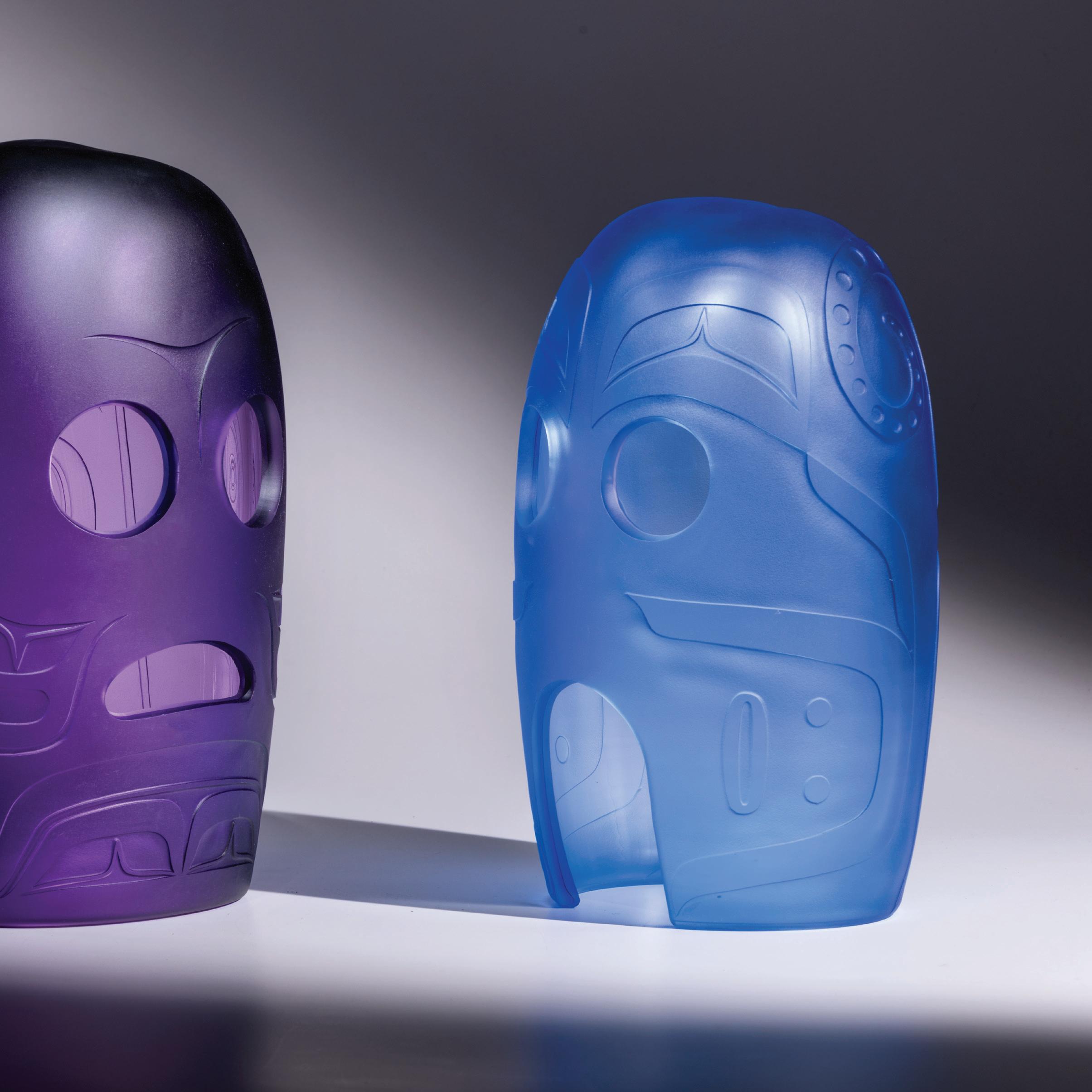
comes from the Kushtaka.”
Raven marveled at the sight.
“So they wander around all day being misled,” mused Raven.
“They just want to be led,” Eagle said. “They don’t care about prefixes. As long as they are being led, they are free.”
Raven nodded as if he understood, which he didn’t. And then, realizing he didn’t, he perked up.
“Wait. What?”
“That, Brother Raven, is the paradox of the Internet!” Eagle cried. “War is Peace! Freedom is Slavery! Ignorance is Strength! And one more thing, before we go.”
Eagle reached out and grabbed one of the phone zombie people and roughly pulled him close. Eagle tipped back the man’s head and pried open his mouth.
“Look,” he said.
Raven looked into the phone zombie’s mouth, a dark hole its face the creature had no tongue!
“Gak!” Raven cried. “They can’t speak because they have no tongues?”
Eagle nodded.
“Come,” he said. “We have more to see.”
Speaking in Tongues
This time they flew, which was a huge relief to Raven, whose feet were aching from all that walking around through the underbrush. Eagle flew low enough and slow enough that they could fly together.
“Tell me,” Raven said to Eagle as they flew. “Are you the Ghost of Christmas Past, Present, or Future?”
“Ha, ha,” laughed Eagle, which really did sound like a chicken’s crow. “I am no more ghost than you, Brother!”
“But you are leading me through a dioramic narrative that suggests some forethought,”
Raven said. “If you are not behind it, could it be the Kushtaka pulling the strings of your marionette story?”
Eagle chicken-chuckled.
“It could be,” he said. “It could equally be so that I am but a projection of your subconscious, and that everything I’m showing you, you have already seen. Everything I’m telling you, you already know.”
Raven shook his head in disappointment.
“What?” Eagle asked with a grin.
“Words cannot express the depths of my hunger,” Raven said. “Can our next stop be a coffee shop?”
Eagle smiled and led the way to another clearing in the woods. They landed on a treetop and looked down. In the center of the clearing were two figures. One, a man in shaman garb. The other, a bear. They watched as the two figures sat opposite each other, completely still.
Completely silent.
Hours passed and the figures didn’t move. Days. Weeks.
“How long shall we watch this show of nothing happening?” asked Raven.
“Until it is finished,” Eagle said.
So they watched, and they watched.
“What are they doing, if anything at all?” asked Raven.
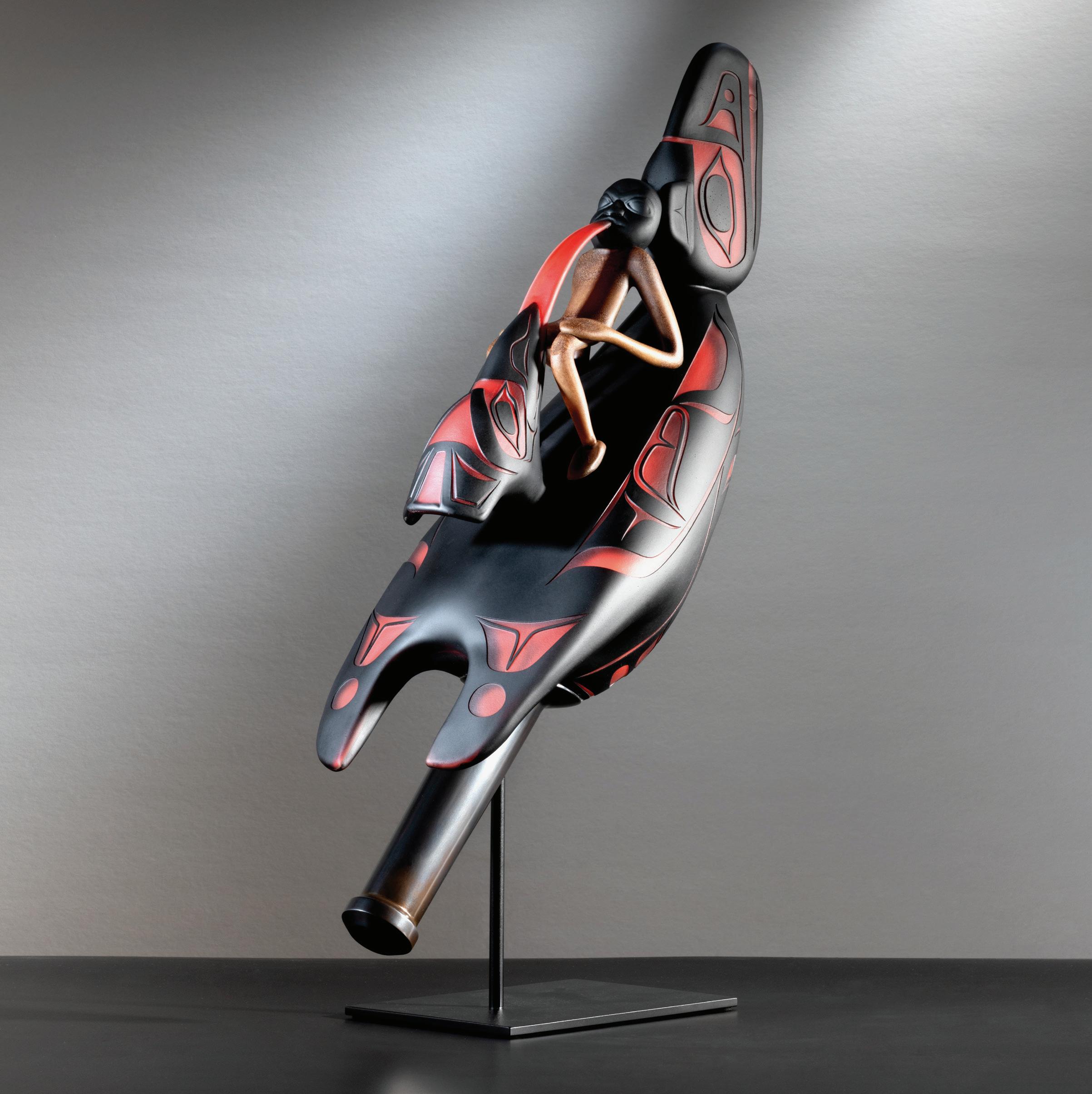
“The one on the right,” replied Eagle, “is a shaman. You can tell by his skirt of cedar bark and his crown of claws and his long, matted hair.”
“That much I see,” said Raven. “And the other is a bear. But what are they doing?”
They watched as, miraculously, something happened. The bear fell over on its side, dead.
“Dead?” Raven exclaimed.
“Dead,” Eagle confirmed.
The shaman rose then, and with his sharp shaman knife, he removed the bear’s tongue, which he wrapped carefully and stuffed into his smock.
“Some insightful Peter Coyote voiceover might be helpful at this point,” said Raven.
“Indeed,” agreed Eagle. “There is spirit in the tongue because it is how we communicate. A shaman knows that there is power in understanding nature, so he isolates himself, watches, observes. He learns from the animals as he communicates with them. He watches them and sees what they eat; he learns about medicines.”
They watched as the shaman stood solemnly over the tongueless bear.
“But he killed it,” Raven said.
“No, Raven, he did not kill that bear,” Eagle corrected. “That bear gave up his life so that shaman could have his tongue and therefore his spirit and all that it knows. That bear gave that shaman his life; there was no killing involved. Do you see?”
Raven pondered.
“Those zombie humans,” he said. “They had no tongues.”
“That’s right,” said Eagle. “But they didn’t give their tongues willingly, like that bear. Their tongues had been stolen from them.”
“By the kushtaka,” completed Raven.
“When your tongue is stolen,” said Eagle, “your spirit is stolen, too.”
Raven scratched his ear.
“Oh, dear,” he said.
“Yes,” Eagle agreed. “We’ve moved on to the “oh, dear” part of the story. Come. We have miles to go before we sleep.”
World of Darkness
Again they flew away, Raven invisible against the night sky.
“We seem to be in perpetual night,” Raven observed.
“It just feels that way,” said Eagle. “It’s day right now.”
“But it’s dark.”
“Because the people cannot see the light,” explained Eagle. “Their minds are in a place of
World of Darkness
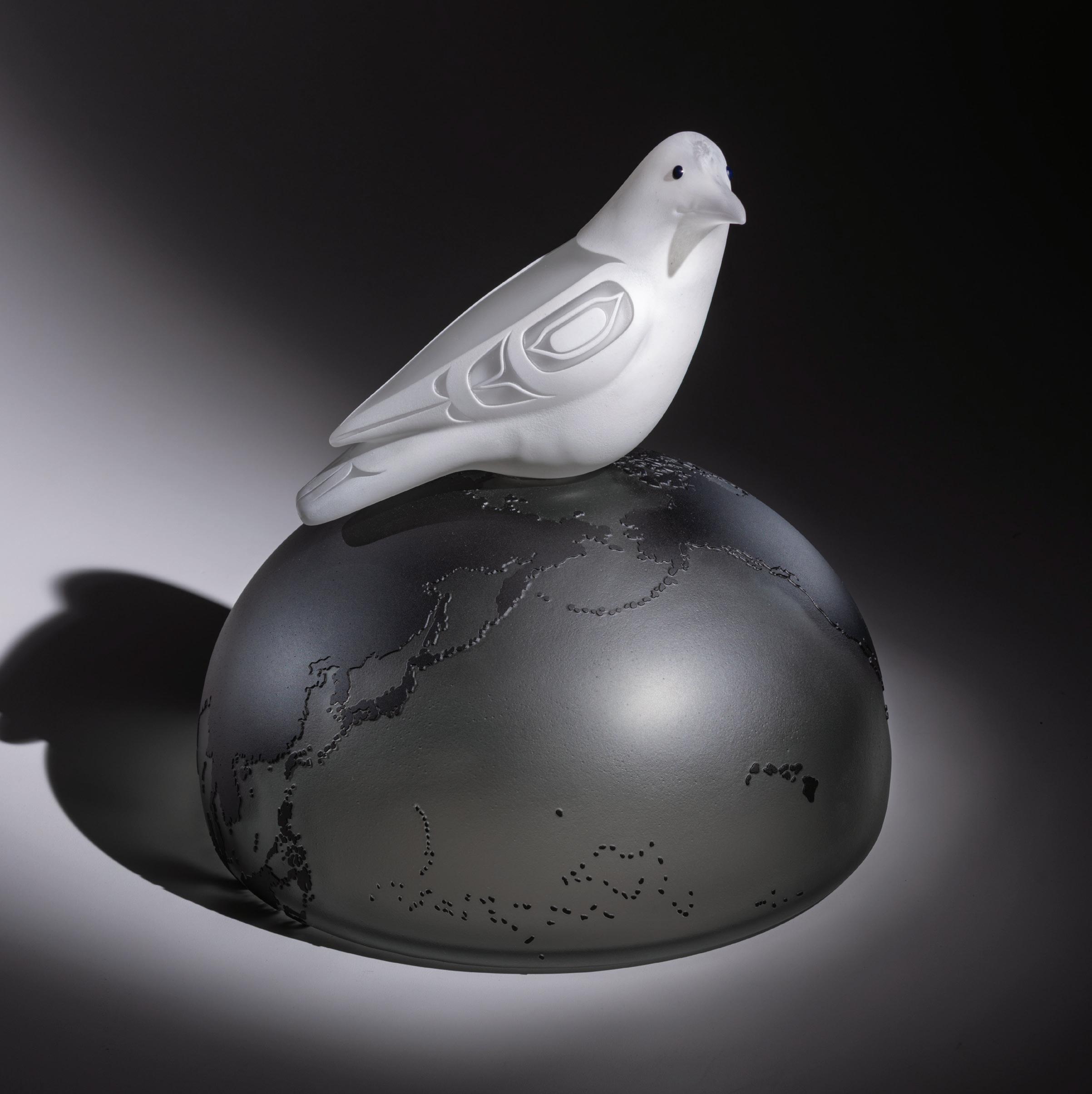
confusion and chaos. You see, Raven, people have become fractured, both as themselves and as a society. They have no North Star; they have lost their bearings; they stagger about randomly, without purpose. In the dark.”
“I don’t understand why this is so,” said Raven.
“Raven,” Eagle said. “There are too many Truths. When there are a thousand Truths, there is no Truth at all.”
Raven nodded solemnly.
“When there are a thousand Truths,” Eagle continued, “people say whatever they want with no consequence. This is where gossip comes from, and you know what our people think about gossip!”
“The worst!” Raven cried. “Bad, horrible, nasty gossip!”
“Gossip is a more severe crime even than homicide!” said Eagle. “Murder is an offense against one; gossip is an offense that creates instability within the community. Gossip brings shame upon the entire clan.”
“I am my brother’s keeper!” cried Raven.
“Gossip removes the keel from the boat. We can no longer hold our line against the current. We slip at the mercy of the wind. We lose control. We are passengers, without agency.”
“Yes, yes,” said Raven impatiently. “I know all that! I remember my history — after all, I invented history!”
“Well, the people,” Eagle said, “who you also invented, have forgotten their history, for they no longer believe in a True Truth.” Raven laughed.
“Was there ever a True Truth?” he asked. “I don’t remember inventing a True Truth.”
“In a moral universe,” replied Eagle, “there must be.”
Raven thought about that idea as they flew silently, darkly against the dark, silent sky.
“Do we live in a moral universe?” Raven wondered.
“Raven,” Eagle said. “That is the question!”
Spirit Reflected in the Moon
Raven gathered all the people together so he could address them. The people stood around him, listening carefully to Raven’s words.
“We honor our friend, the Sun, for he brings us warmth and comfort and light to see by. He brings us life and wakefulness. And yet, if he were here all the time, how would we navigate by the stars? So for part of the day, we say farewell to the Sun so that we can sleep and navigate by the stars, and so the Moon can come and pull up the Tides. Is this making sense to you?”
Raven looked around at his people. They still had hollow eyes. But maybe he could see a flicker …
“Do we castigate our friend, the Sun, for going away and hiding from us? No! We understand he is part of the cycle of life. And he lights the face of the Moon while he is away, as a reminder that he will return. So we can continue the cycle …”
The people were unmoved.
“Raven,” one of them called. “Can we go back to our phones now?”
“Gak!” cried Raven. “No! Your phones are the problem! You have replaced the Sun with your phones! The Sun has left the building! Haven’t you noticed that it’s always dark?”
Dozens of phone flashlights clicked on in the darkness.
“There must be some order for chaos to have meaning,” Raven said. “Complete chaos is anarchy. It is the Quantum Universe, which has neither a before nor an after, no time, no cause and no effect. By losing the Sun we have lost Time, and when you lose Time, you have lost all Purpose, because all things will happen simultaneously at all times in all places. True chaos.”
The sad, dark eyes gazed up at Raven. One of them raised his hand.
“Are you talking about the Blood Quantum Universe?” A person asked.
“No,” Raven replied with a sigh. “Blood Quantum is something entirely different.”
“Because we voted against the Blood Quantum Universe,” the person said.
“Oh, dear,” said Raven, and he flew straight up in the air.
The people watched him fly away, then they returned to their phones.
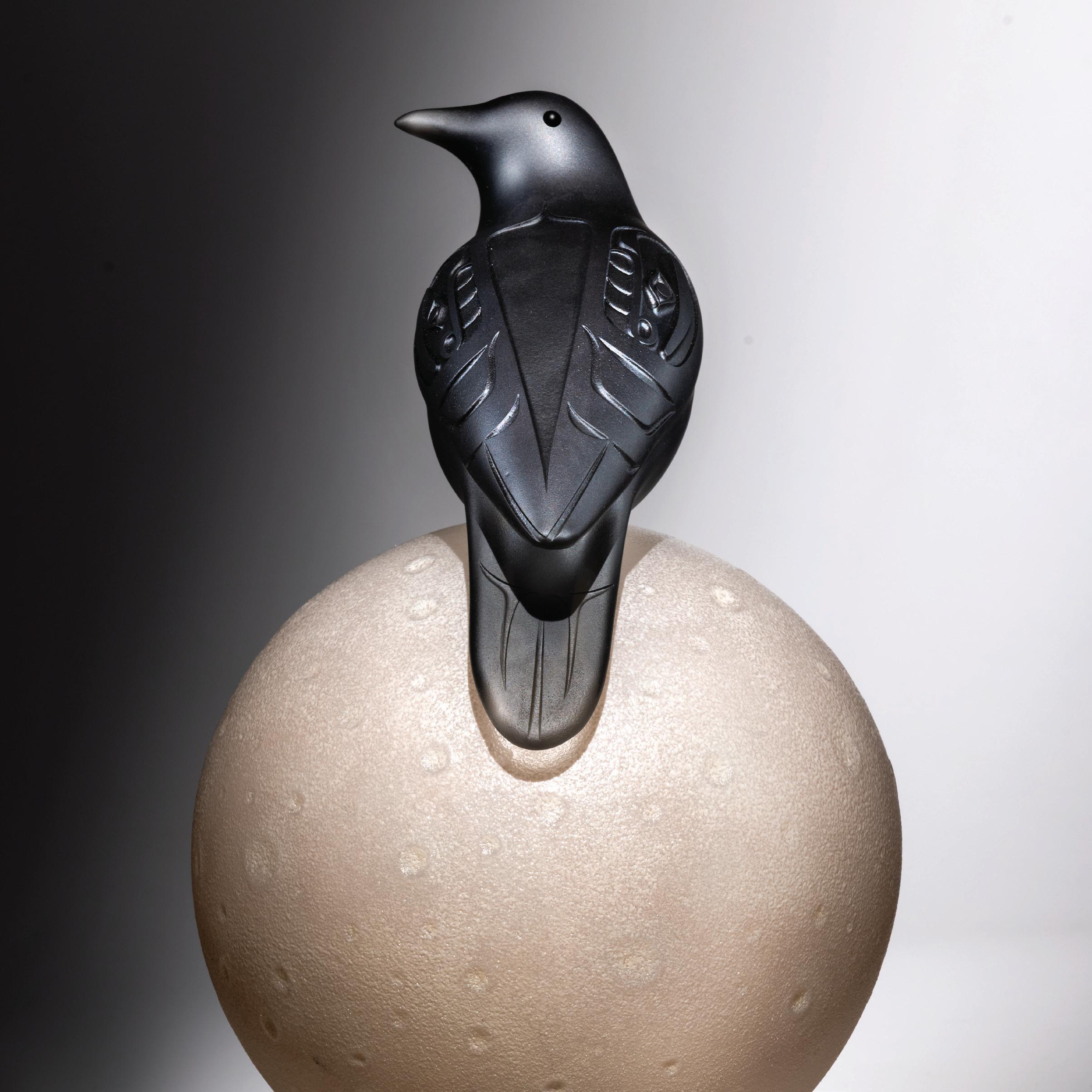
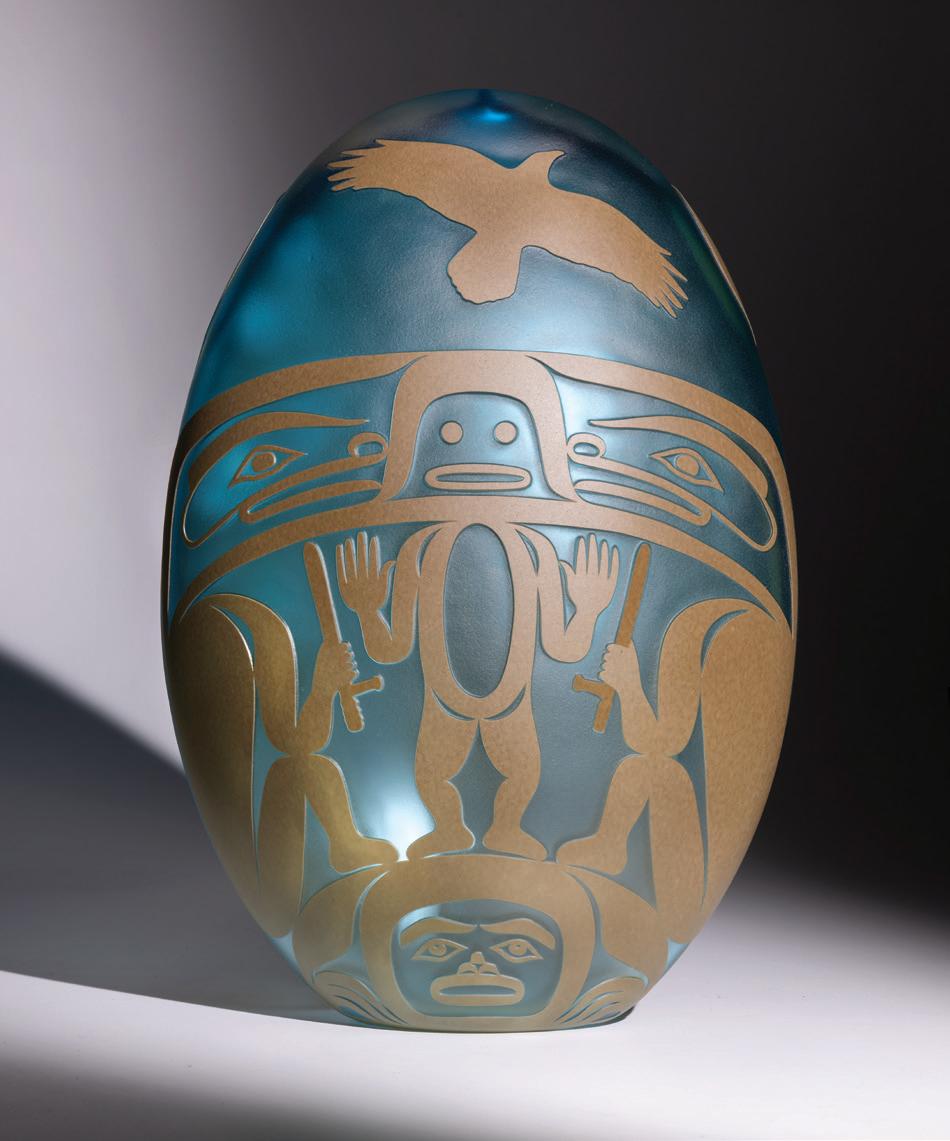
Spirit Reflected in the Moon Blown and sand-carved glass 13" h x 8.75" w x 8" d
Box of Wisdom
Blown and sand-carved glass with screen printing, collaboration with Tomas Colbengtson
h x 10" w x 8" d
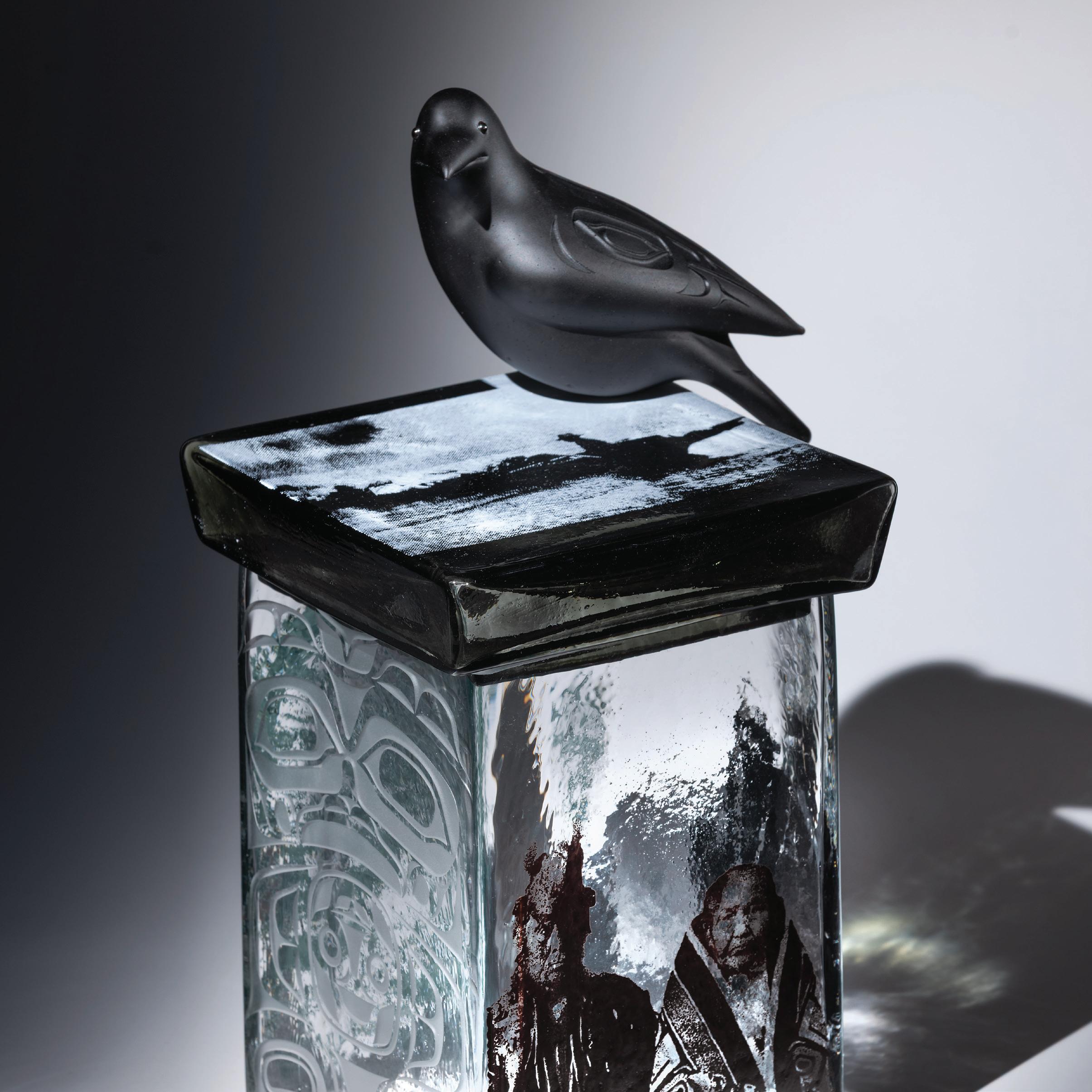
Box of Wisdom
“I think it’s too late,” Raven said to Eagle from atop the mountain.
“Try again, Raven,” Eagle said gently.
So Raven tried again. He gathered the people together again, and he addressed them again. But before he spoke, he placed on the floor in front of him a large bentwood box with an intricate design.
“You know how I am about boxes,” he said.
“Oh, yes!” they all cried.
“The Sun was in a box,” Raven said. “I let it out.”
“Thank you, Raven!” they cried.
“The Moon, the Stars … all in boxes. I let them all out.”
“You are wonderful, Raven,” they cheered.
“Good,” he said. “Now I am going to give you a very special box. It is the Box of Knowledge. It contains all the knowledge in the world.”
The people were astonished. “How can something as large as All the Knowledge in the World fit into such a small box?” they wondered aloud.
“Because it is a magic box,” Raven said.
He opened the box and showed the contents to the people.
“But it’s empty!” they cried.
“Yes,” agreed Raven. “Because magic, like gravity and electricity, is often invisible.”
“Ah!” the people cheered.
“You see,” said Raven, “this box is full of traditions and language and songs and dances and knowledge passed from generation to generation. Listen!”
They listened, and they could hear the beating of drums, the stomping of feet, the singing of songs, the telling of stories.
“Because these things cannot be written down,” Raven explained, “they are kept in this box so you can pass them down to your progeny. Without the box of knowledge to pass down to your
families, you will be like a boat without a keel, blown with the wind, and susceptible to mindcontrol. Just saying.”
The entirety of people stared up at Raven agog.
“My goodness!” Raven exclaimed. “I think it’s working! You have eyeballs!”
Rain Spirit
Raven primped at his feathers while Eagle blew smoke.
“Very nicely done, Raven,” said Eagle.
“Yes, thank you,” replied Raven. “And thank you for your Ghost of Christmas Past routine. Very thought provoking.”
“One problem, though,” Eagle said. “Look.”
Raven looked and what did he see? People fighting each other over the Box of Knowledge. Angry, shouting, pummeling, vicious fighting. Over Knowledge.
“I’ve had it with these people!” Raven said. “Thunderbird! Thunderbird!”
“Why are you calling Thunderbird?” asked Eagle.
“It’s time for another Flood,” Raven replied. “It’s time to start over.”
“Perhaps that is not such a good idea,” said Eagle.
Raven reflected on the last Flood, brought on not by Thunderbird, but by his uncle, who had power over the tides.
“My uncle was the moon, you know,” Raven told Eagle. “Or so I was told. He kept his wife in a box.”
“That seems somehow … wrong,” said Eagle.
“It was a very trying time back then,” continued Raven. “My uncle commanded that my mother’s children be put to death, for he feared they would betray him to his wife, the one in the box he was probably right and so his men murdered my mother’s children. It was then that Killer Whale came to my mother —”
“I’ve heard it another way,” said Eagle. “I heard it was Heron who came to your mother.”
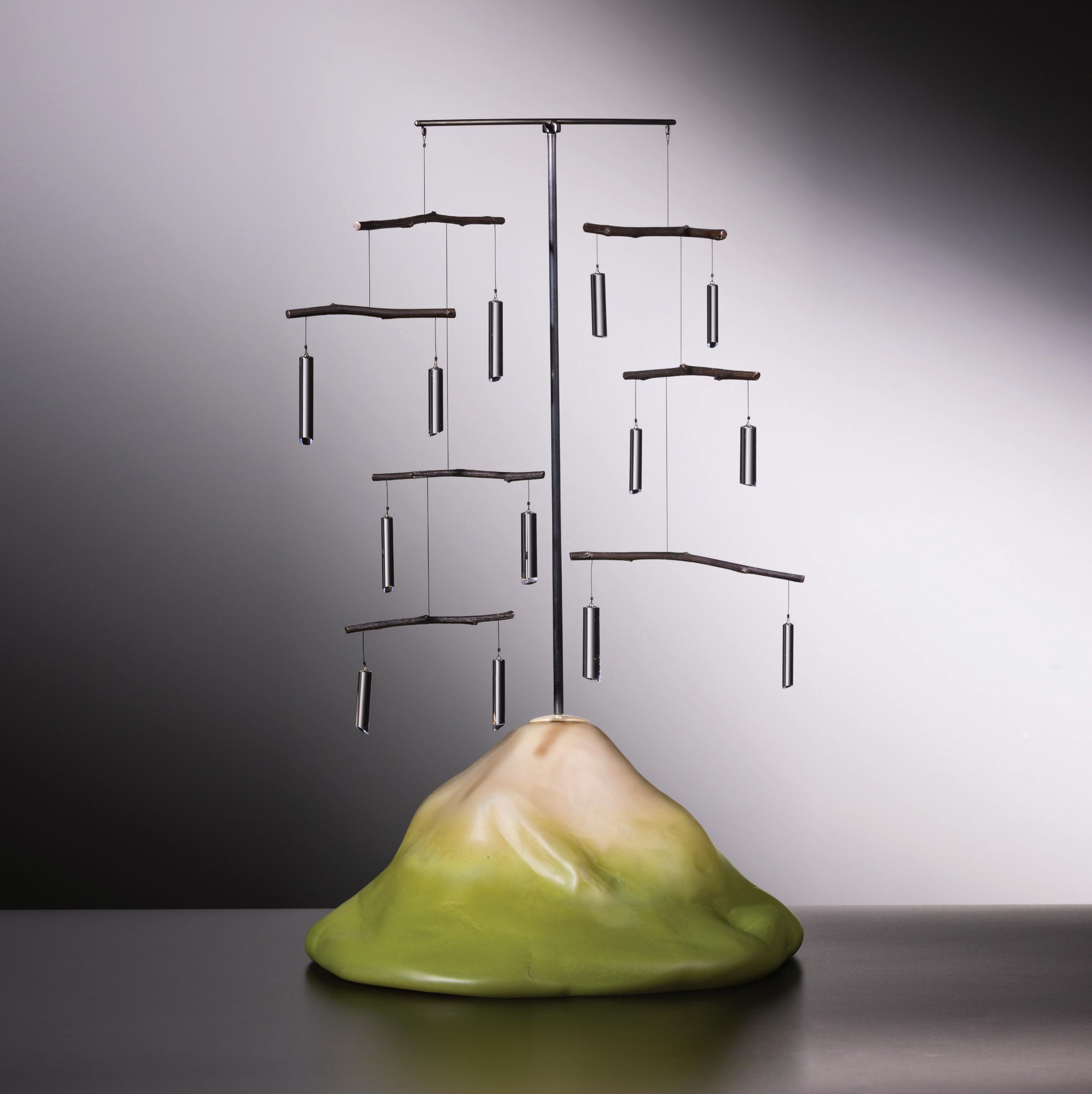
“It was Killer Whale with a hole in his dorsal fin,” corrected Raven.
“Stories can change over time,” Eagle said with a shrug.
“Killer Whale came to my mother and told her to heat and swallow a stone she found at low tide. She did, and I was born.”
“I’m not sure it works that way,” mused Eagle.
“Is Killer Whale my father?” Raven asked Eagle. “Or is my father Heron? Either way, I was born of stone. That’s the important part. My mother hid me away until I was big, and then my uncle sent for me. I went to him and he asked me to carve his canoe, which I did. But it was a murder canoe. It fell around me and tried to eat me! So I broke it in two and threw the pieces at my uncle’s feet. He was mad! He then commanded me to chop down a tree. The tree he sent me to was a flint tree, and shards of stone flew off when I chopped it. It would have killed me had I not been half-stone on my mother’s side!”
Impervious Raven
“I believe it was an Obsidian tree,” said Eagle. “And the shards were glass …”
“Nevertheless, my uncle next sent me to kill a great octopus, very large and devilish,” said Raven. “He hoped the octopus would eat me! But I shrank that octopus and brought it to my uncle’s house and made it big again, so it filled the entire house with slimy octopus!”
“Ha, ha!” Cheered Eagle. “Your uncle was foiled again!”
“I shrunk that octopus small again and sent him out to sea. My uncle left, and he was mad. That’s when he commanded the tide to rise higher than it has ever risen. That’s when he made a flood to wash away the world.”
“I remember that part,” said Eagle.
“I flew up to the top of the sky until my beak stuck in the blue and I waited there many days until the tide retreated, and then everything was fine and my uncle was gone.”
“That’s not how I recall it,” said Eagle.
Raven was indignant. “Who are you to recall my stories?”
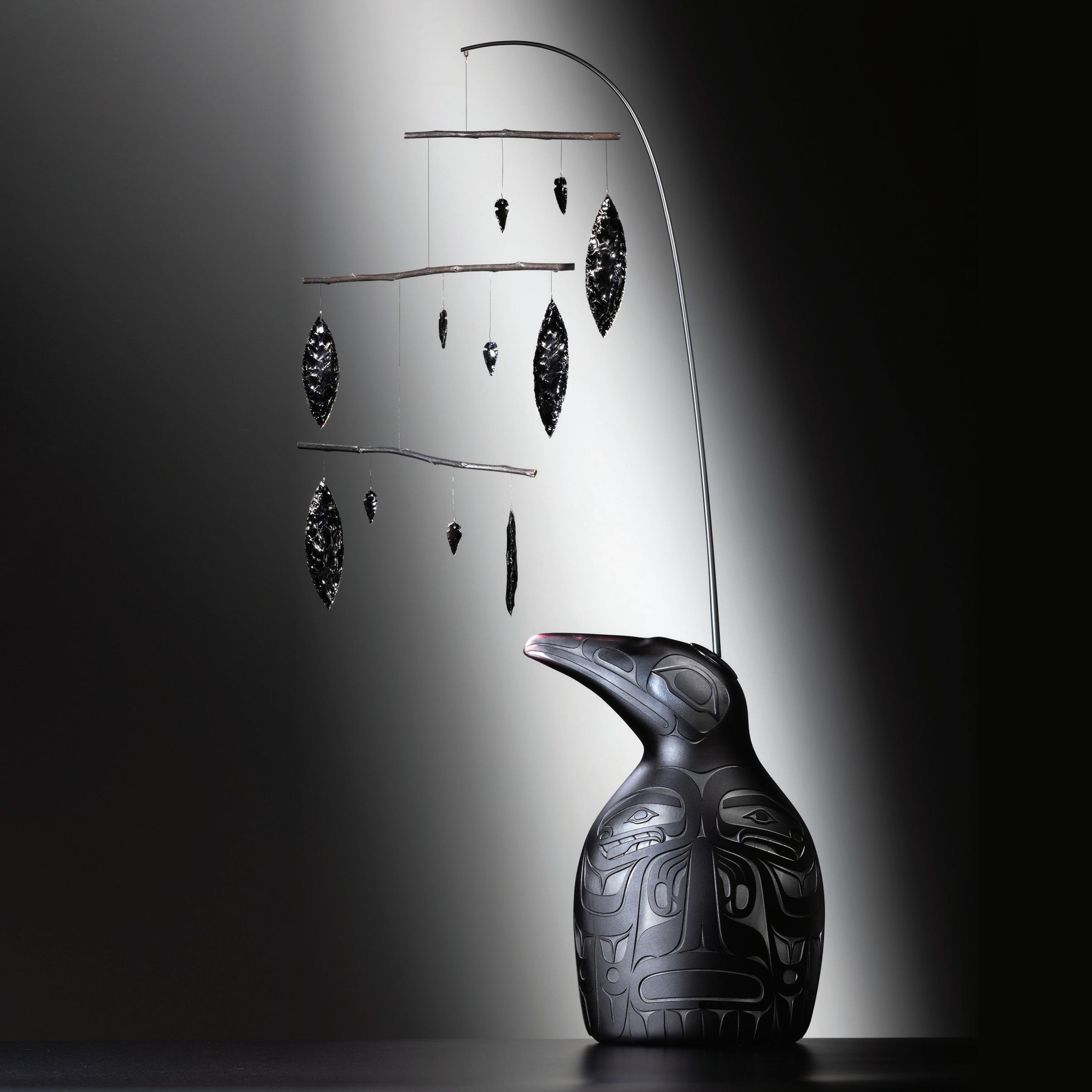
“People recall things and they tell the stories and those stories change with the recollection,” explained Eagle. “Our stories are fungible by definition.”
“I don’t like the idea,” said Raven. “What is this other ‘recollection’ you have heard?”
“Ah,” grinned Eagle, “simply that during the Great Flood, which we both agree was a cataclysmic event, you, ever resourceful, turned into a stone!”
“A stone!” Raven squawked. “Gak! Like the Stone Man from the plaza?”
“A stone!” Eagle confirmed. “A little round, flat stone. Because you are half stone! You’ve told me that yourself. You turned into a stone and settled to the bottom of the sea to wait out the Flood, and when the waters had finally retreated and the land had reappeared, you became yourself again and found your mother, floating in the duck skin you had given her!”
Floating On Water
Raven considered the viability of this new recollection. It was not a bad idea, turning into a stone to wait out a Flood. And anyway, where is the top of the sky? He had flown quite high at times and never reached the top. How high would he have had to go to reach the top? And anyway, weren’t both possibilities possible in the Multi-verse?
“I made my first brother out of stone,” Raven mused. “He wasn’t a very good brother; he literally sat around all the time. It wasn’t until I made a brother out of leaves —”
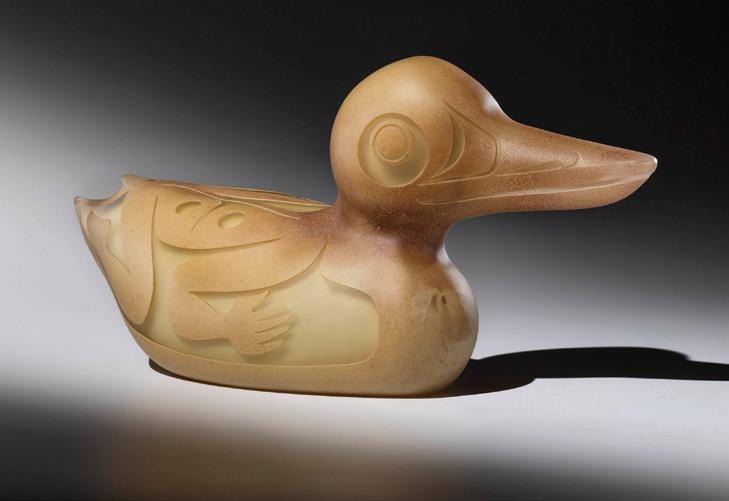
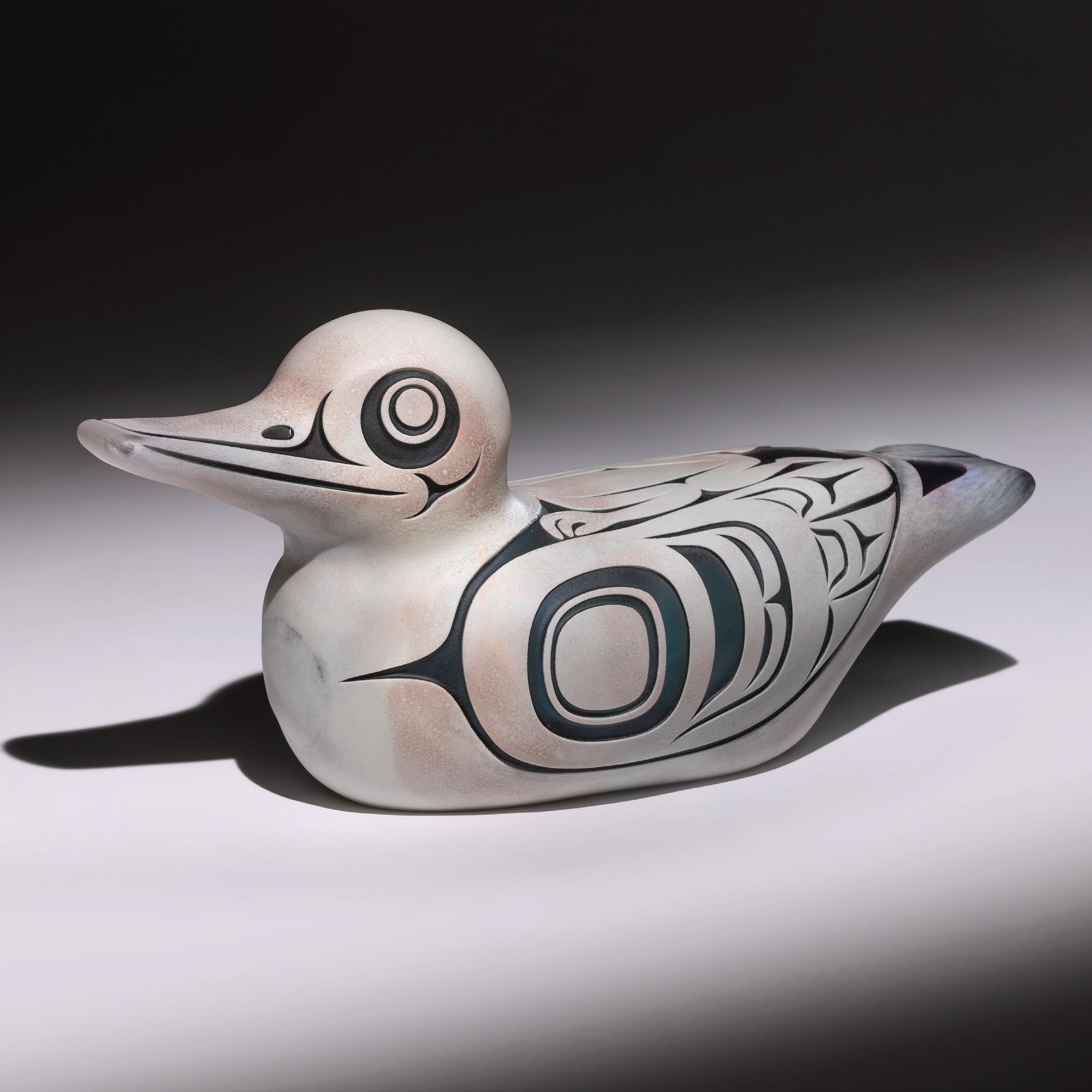
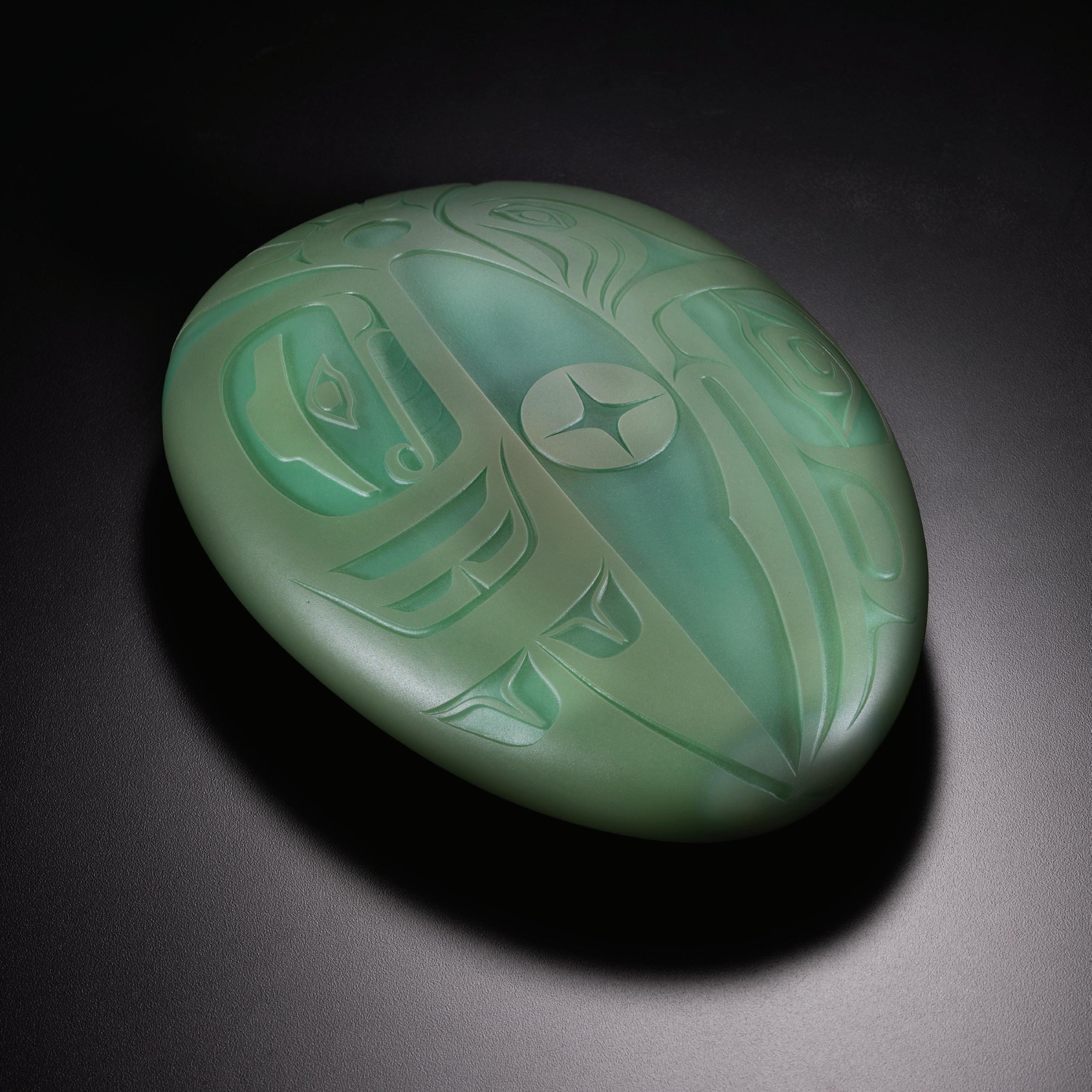
Raven Survives the Flood “Raven,” interrupted Eagle. “Don’t become enamored with your own storytelling.”
“The water had washed nearly everyone away,” Raven remembered. “I saved my mother by wrapping her in a duck skin. Many people wrapped themselves in duck skins so they could float. Others found their canoes. All of them asked if this would be their last moment in life. The torrents carried nearly all of them away, except those who fled to the mountains and those with the duck skins and those in their canoes.”
“Excellent, Raven,” said Eagle. “Now put it to song.”
Raven sang.
Reach out so that we may be together. We step into the canoe to begin our journey. We dip our paddles into the water so that we may move forward in unity and build the world again.
Kuh.éex/Potlatch
Broken Copper
Raven gathers all of his belongings, including a large copper plate, which is intricately carved and very valuable. He invites all of his friends to a party. All of the animals, all of the people. He invites every bird and fish and land creature, and they all come to Raven’s party.
At this party, which has much singing and dancing and food, takes place on the beach with a fire, and everyone is there. At this party Raven takes his copper plate. They call it a Tinàa. A Tinàa is what they call the copper plate. At this party, Raven breaks his Tinàa into pieces, many pieces, and he gives the pieces to his guests. Each guest receives a piece of Raven’s valuable copper plate.
It is how it is done. The wealthy must give away their wealth, for wealth is worthless if it is held by only one; wealth is most valuable when it is held by all.
Heh.
From A Clockwork Raven
The Great Grease Feast
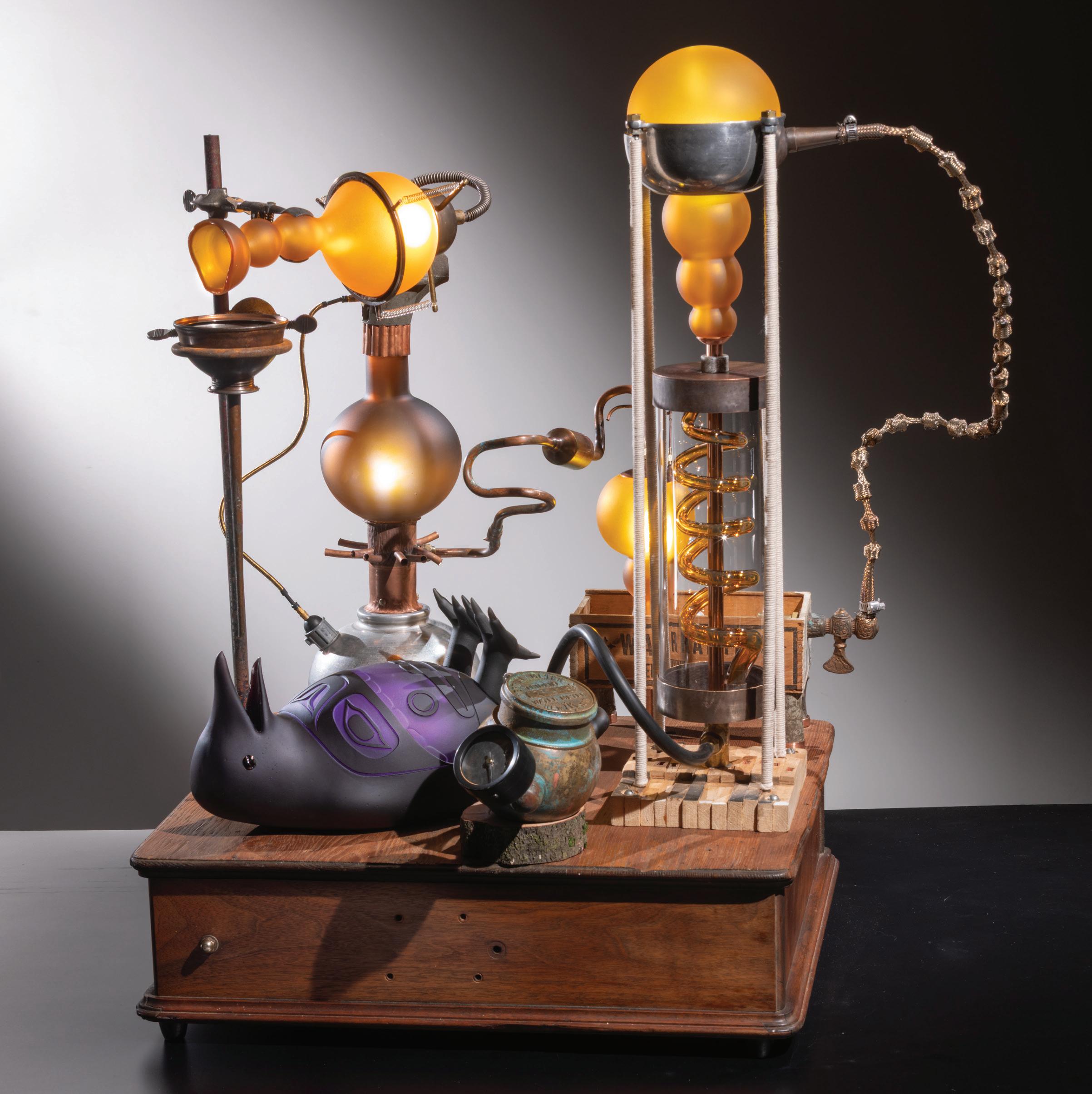
It began as a way to save the world from itself. Or rather, to save the People of the World from their own self-destructive nature. For the People had grown sick verily they were pale, bloated, hairless things covered with rashes, bags under their eyes, hardly an immune system left to speak of! They had forgotten the healing power of the sun. Worse, they had forgotten the healing power of Liquid Sunshine, as Raven called the oil distilled from fermented fish heads, which the Tlingit had depended upon to stay healthy throughout the long winters since the Beginning of Time. Or at least, since their beginning in the Course of Time.
He set to work building a rendering facility to provide this essential oil for his people. Perhaps if he fed the people the oil, they would become healthy again long enough to feed him! Raven worked hard for many nights until he finished his contraption: an old canoe perched high on a scaffolding of tree branches, filled to the brim with salmon heads rotting beneath the moon; a funnel draining the ooze into a tub of boiling water, separating the slimy bits from the fat; more chutes and channels, more fire, ever more pipes and gutters and basins; ladles for skimming; and then the oil rising golden in cedar boxes, glistening.
Raven could wait no longer. He dunked his head into a box of the purest oil, still warm, and he stayed like that for many minutes. When he lifted his glistening head, the people gasped for he looked so young! Raven preened as the oil dripped down his feathers.
“May we have some?” the people asked. “We want to look young like you!”
Raven swayed slightly in the wind. He was drunk on the healing power of the oil.
“I’m not sure the quality is good enough yet,” Raven said. “I’d better check again.” And he dunked his head into the box of oil once more.
When he next emerged for a breath, he looked like a younger Raven still, and the people cried out. “Let us have the healing oil!” they cried.
“This is not about me,” Raven said, pulling over a pipe and aiming the stream of oil directly into his mouth. “It’s about your safety.” He settled himself back against a cedar tree and opened his beak. The famously fatty fermented salmon oil flowed down his gullet. His eyes rolled back in his head. And he mumbled, over and over, “Quality control, quality control. We must maintain the quality control …”
and found
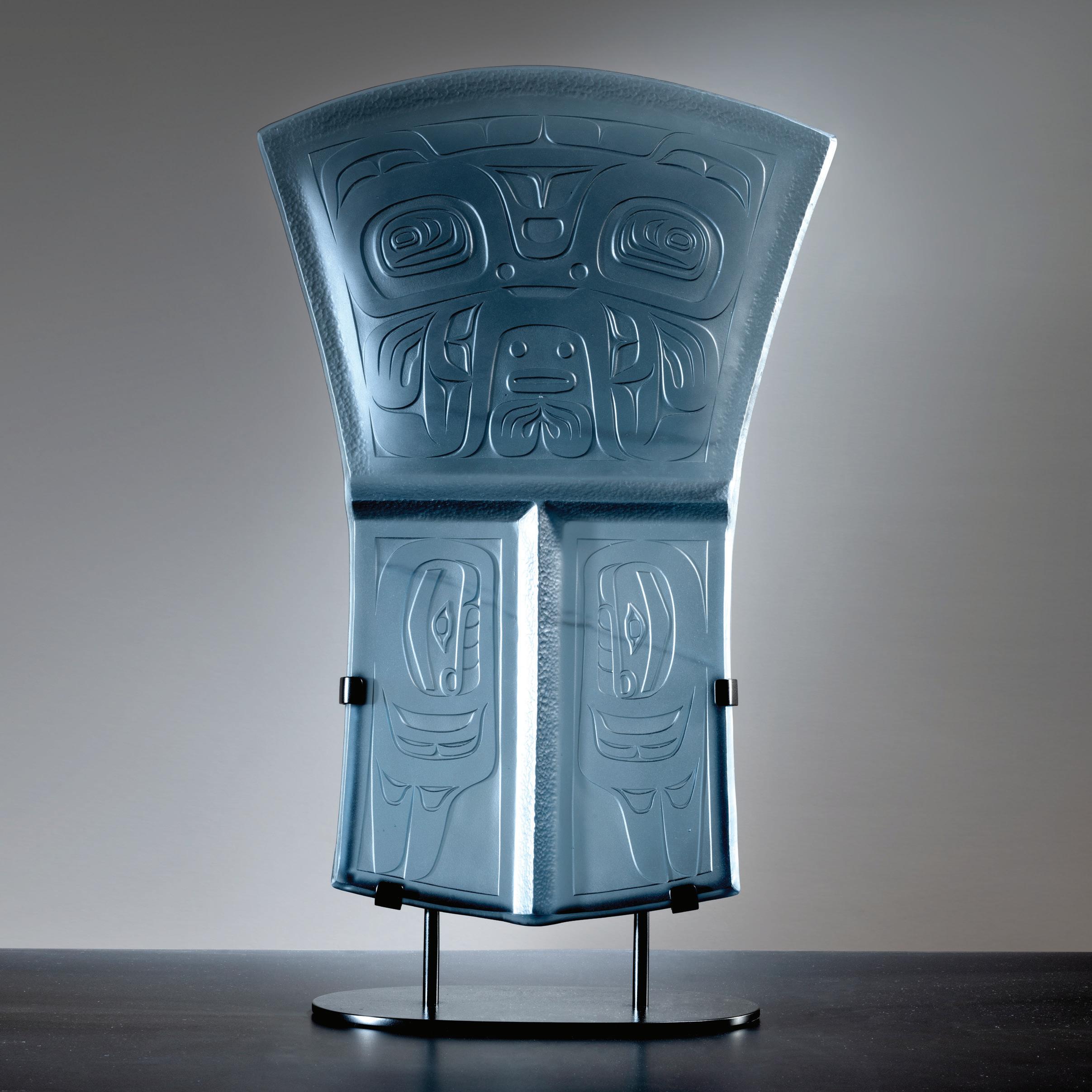
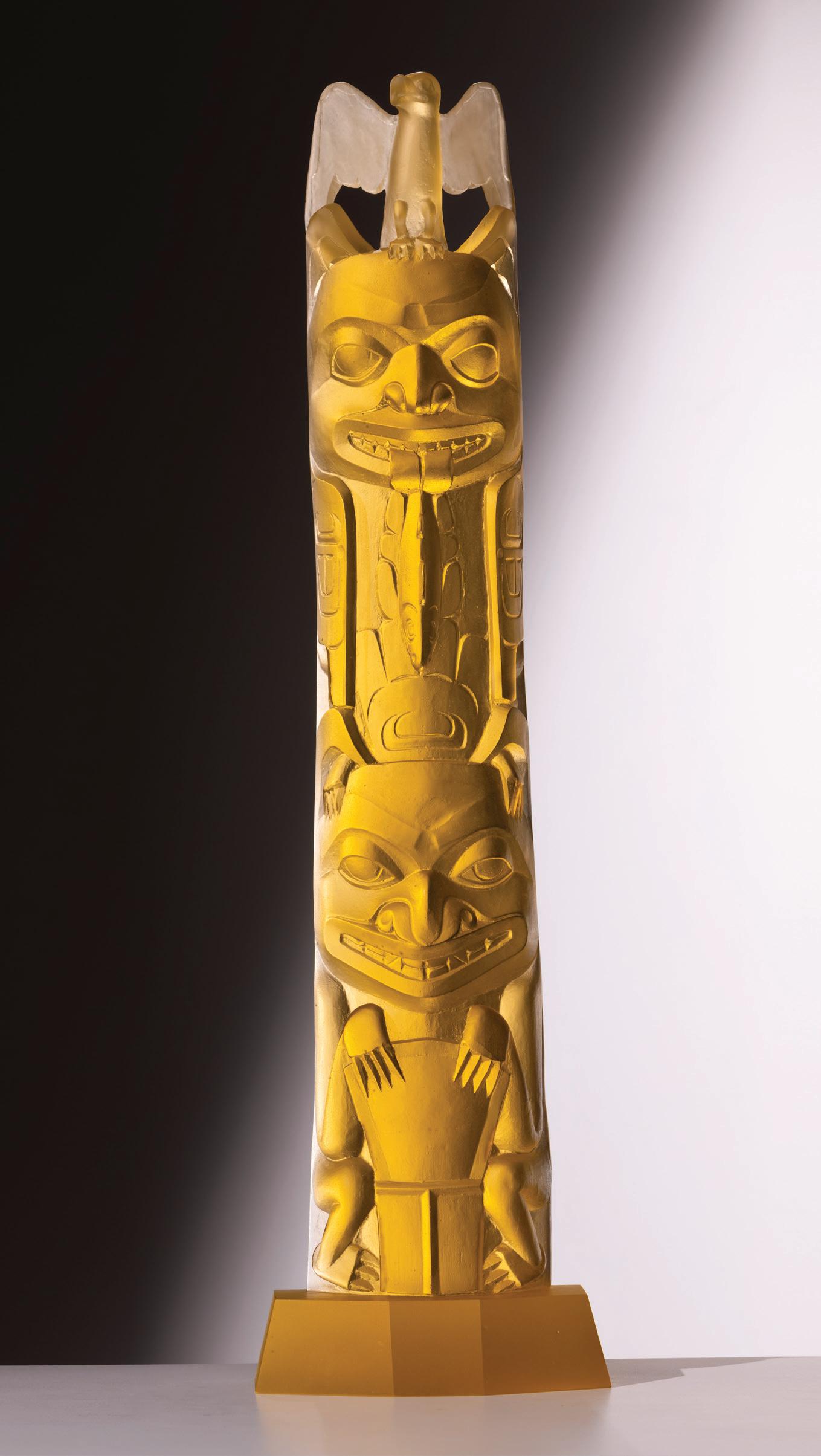
The Eagle Bear Totem (also the Killer Whale in the center) represents all the major clan symbols of my family. We are from the Eagle moiety, while the Killer Whale and Brown bear are my family’s clan symbols.
Preston Singletary
Eagle/Bear Totem
Cast lead crystal
24.5" h x 7" w x 3" d
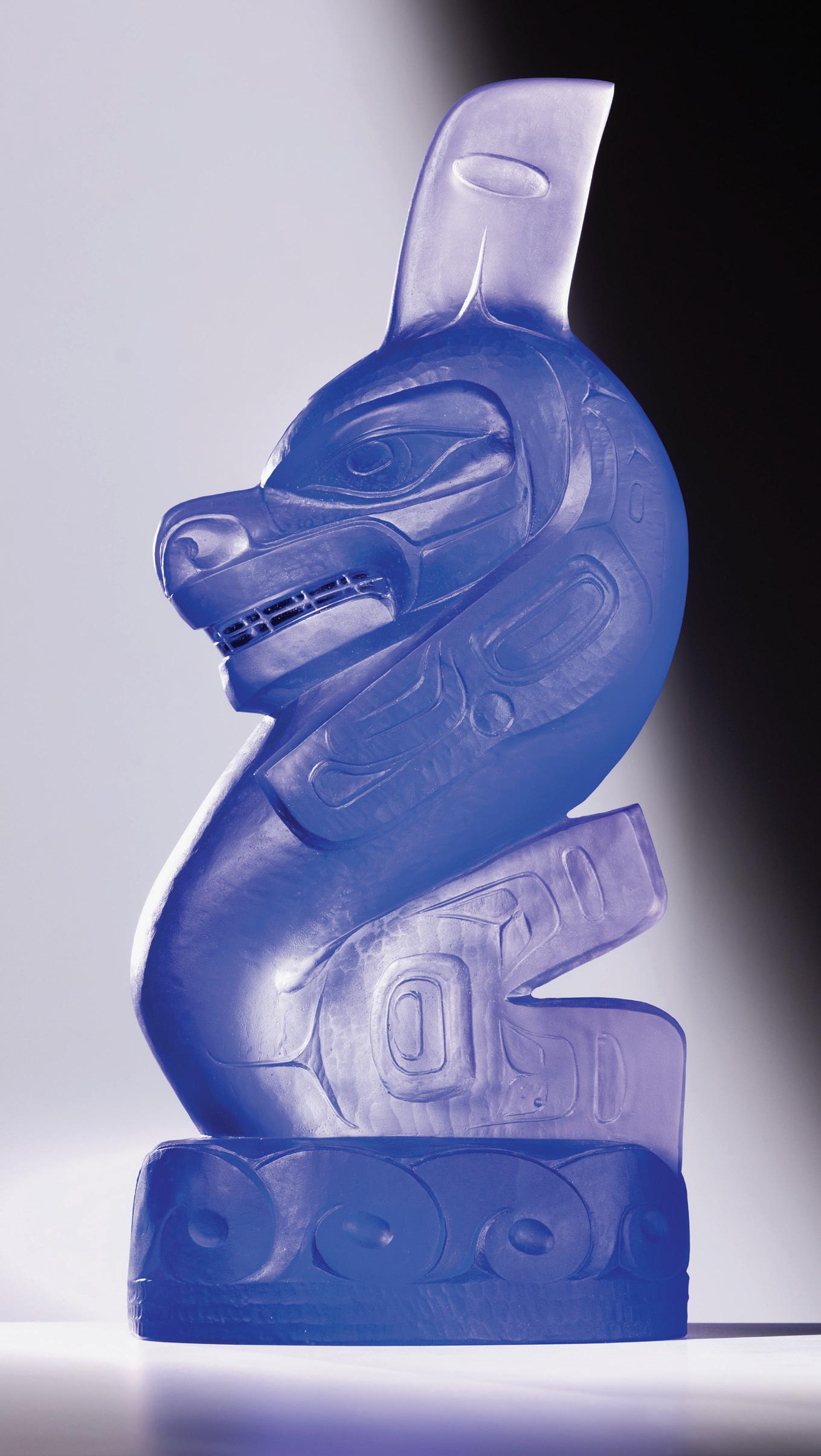
Killer Whale is sometimes referred to as “Wolf of The Sea”. In ancient history the Wolf and Killer Whale are closely related in their intelligence and mannerisms, as they are highly organized and hunt in packs.
An old story from the Nuu-ChahNulth tribe is that a supernatural white wolf transformed into a Killer Whale and is also my namesake that I share with Joe David, an elder and NW coast master artist from Vancouver Island. He shared this name with me in the Summer of 2000. My Tlingit roots come from the Kaagwaantaan, Box House and Killer Whale clan from Sitka, Alaska.
The piece was designed by me and the wood model, that was used to create a mold, was carved by longtime collaborator David Franklin.
Preston Singletary
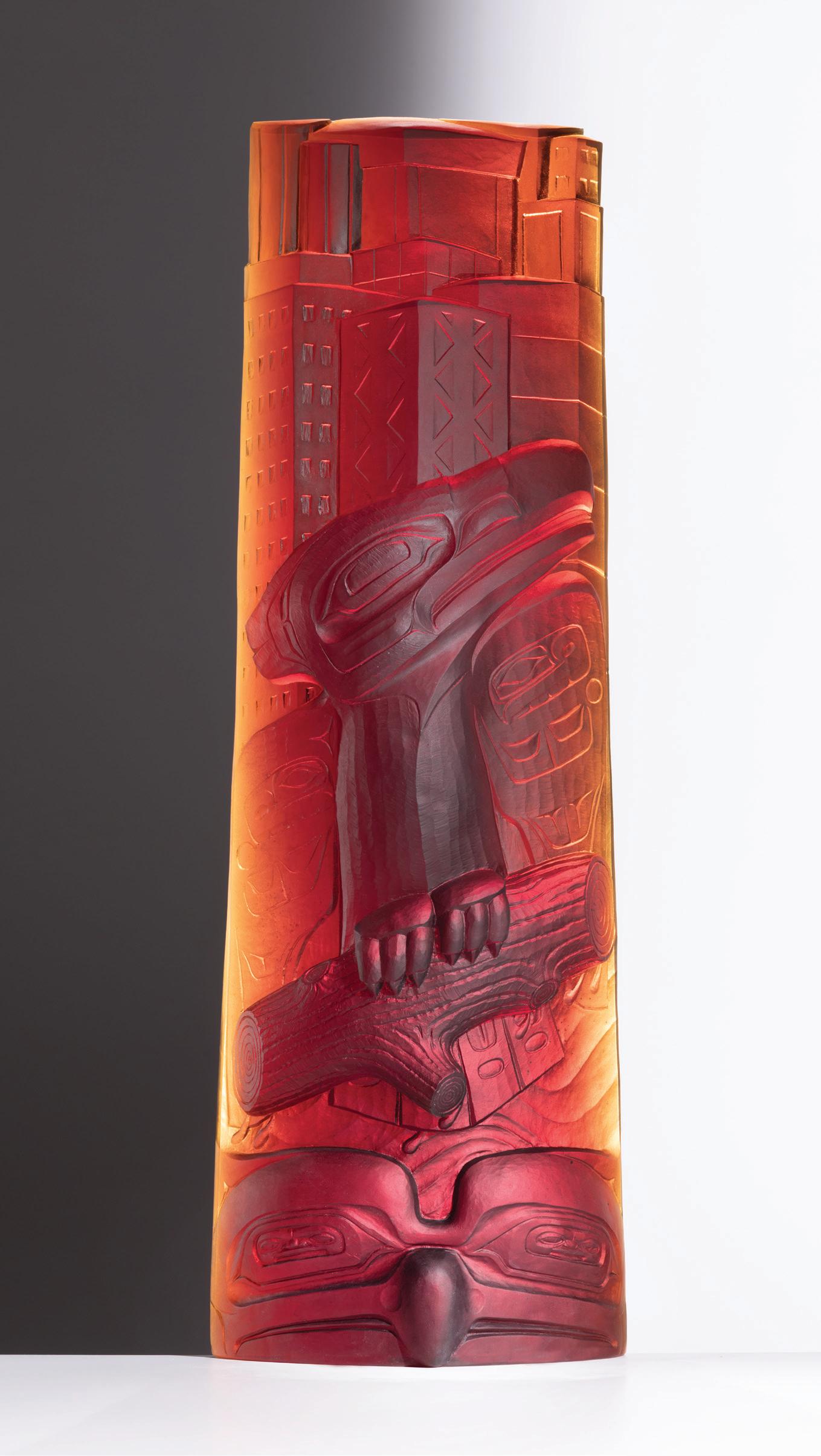
Raven returns to his home after a long journey. Instead of trees he finds tall buildings. Raven continues to travel to a beach where he finds a log that has washed out to sea and is cast back onto the beach.
The log is heavy with saltwater. It sits on the beach in the sunlight while the water, which is metaphorically grief, starts to leave the log. Raven is communing with the log as he gazes up at the tall buildings and tries to understand how the world has changed.
Preston Singletary
35.75"
Raven went to visit Petrel, it had been a long time since they’d seen each other. Raven once stole all of Petrel’s water from his natural spring where Petrel lived. Petrel retaliated by using his Fog hat to lock Raven in a dense fog. It was so disorienting that Raven was lost and could not find his way out for many days.
So, Raven went back to Petrel. He fooled Petrel by smearing Dog feces on Petrel’s behind as they slept through the night. Upon waking Raven told Petrel that he’s soiled himself in the middle of the night. Petrel flew away to clean himself up. While Petrel was away Raven spied the Fog hat, took it and left Petrel’s home. Raven came upon a building and asked out loud, what is this place? A Flicker told Raven that this was an institution. What’s that, Raven asked. The Flicker told Raven of a time when they would send the Indian children there to try and convert them and make them white. Those who didn’t succeed perished or were killed and then buried in this meadow. Raven was confused because he saw no grave sites. Flicker said that was on purpose so that no one would know.
Raven suddenly felt the souls of all the children crying out and telling him of their story. Raven felt so sad that he vowed to avenge them. He placed the Fog Hat in the meadow where all the children were buried and imbued it with spirit and power. Now all who pass by the meadow are imbued with a haze of sorrow. Eventually someone investigated the site and found the remains of all the children. And now the people know what happened there.
This was cast at The Studio, Corning Museum of Glass.
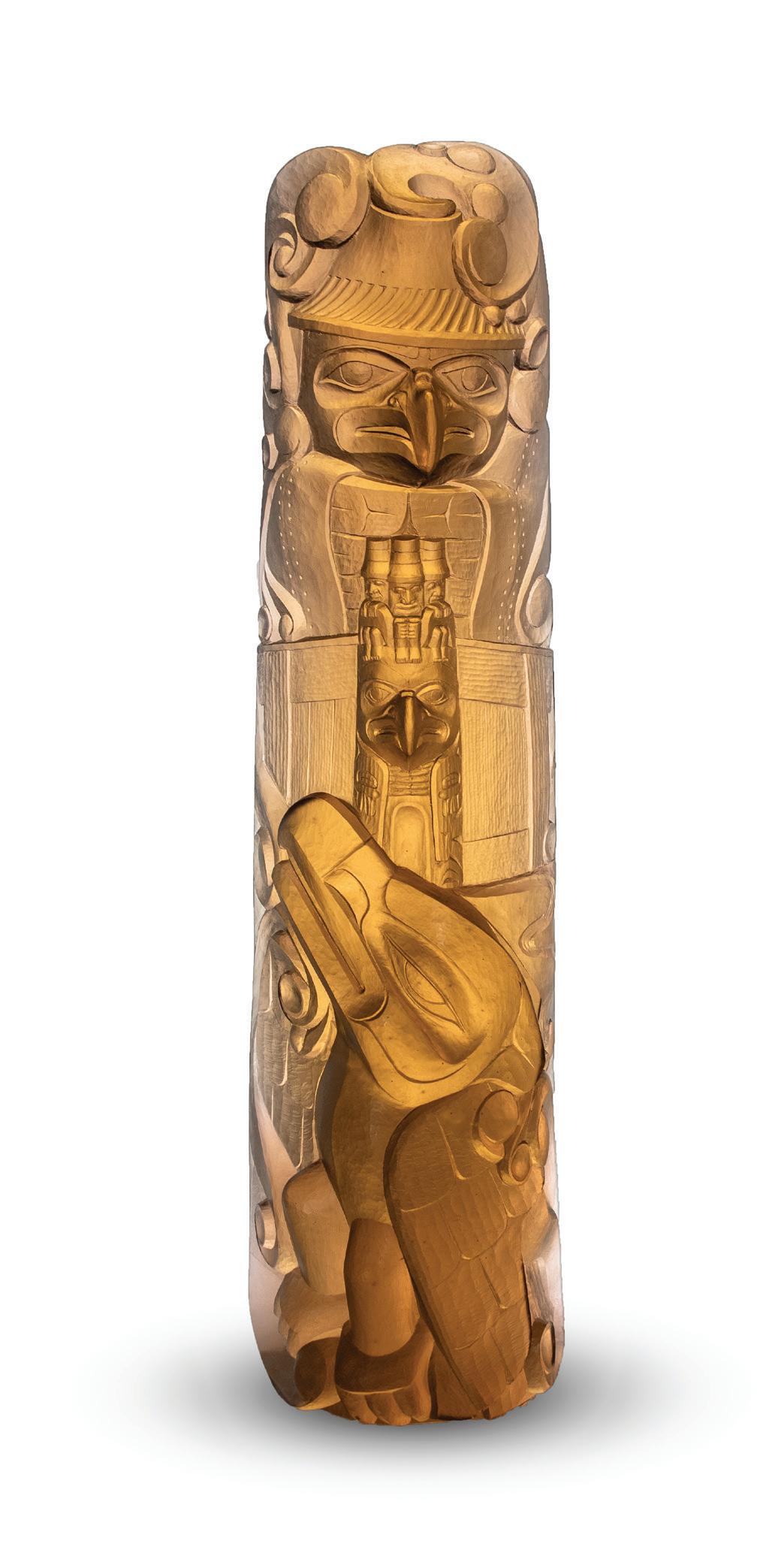
Preston Singletary