Screens,
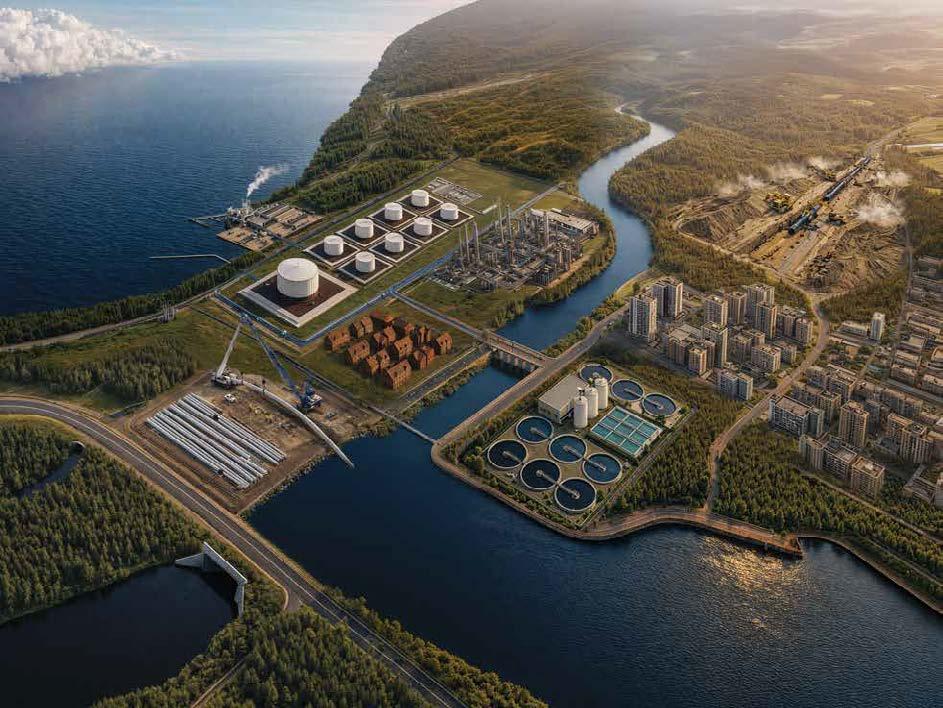



Water has always been one of our planet’s most valuable resources, but today it is becoming one of our most strategic. Population growth, climate pressures, ageing infrastructure and increasing industrial demand are reshaping how governments, utilities and businesses think about every drop.
What has stood out while producing this edition is a clear shift in mindset. Across the world, the conversation is moving beyond simply treating water. The focus is now on maximising its value, improving resilience and recovering resources that were once considered waste.
That theme is reflected throughout this issue.
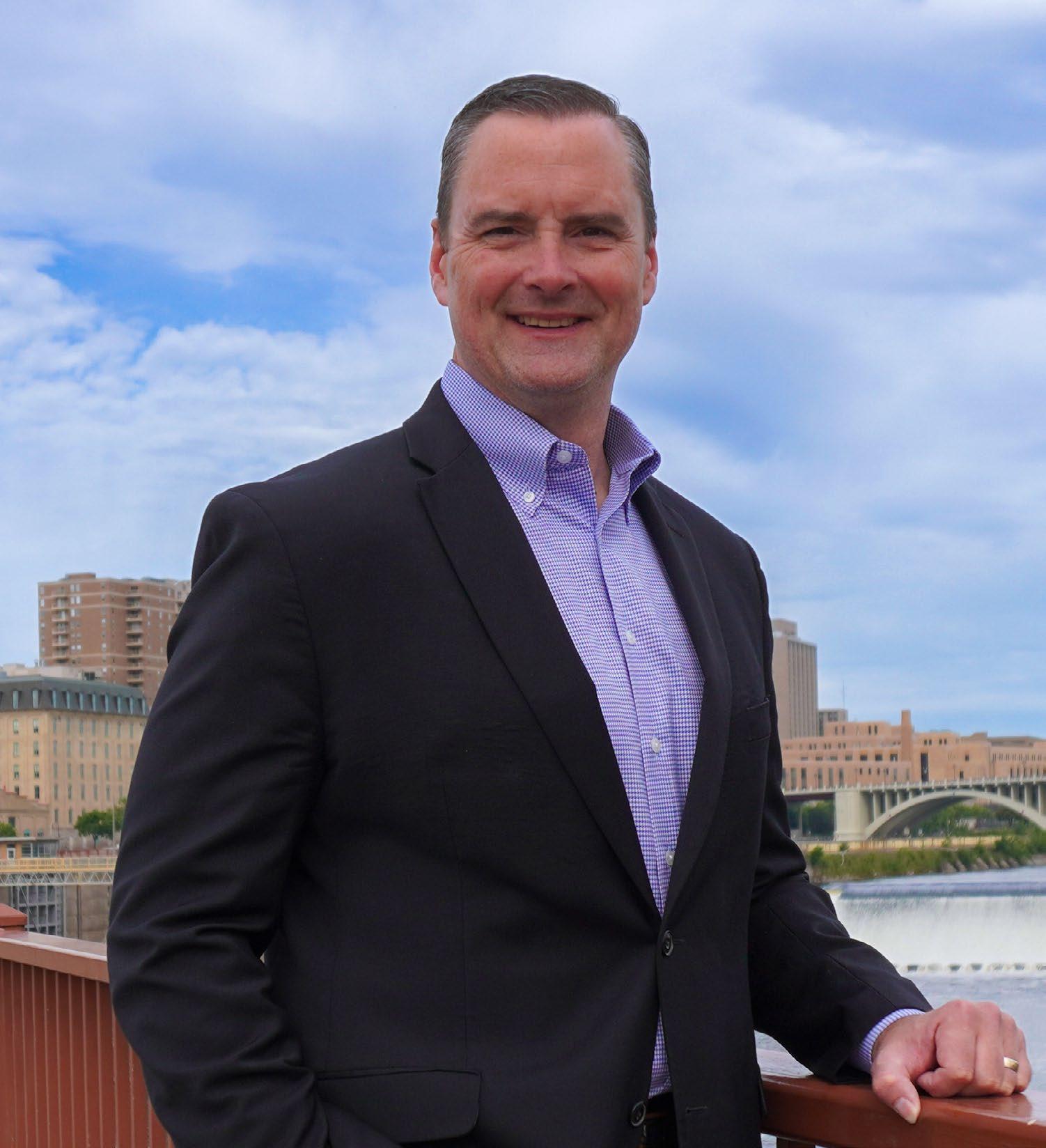
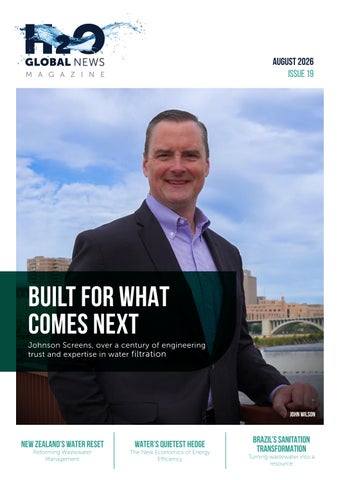
Our cover feature sees us sit down with John Wilson, CEO of Johnson Screens, to discuss how more than a century of engineering expertise continues to shape the future of water infrastructure. From groundwater development and intake systems to resource recovery and sustainable water management, John shares how innovation, collaboration and practical engineering are helping customers meet the sector’s evolving challenges.
Elsewhere, our editorial team examines how countries are tackling some of the industry’s biggest challenges. From constructed wetlands in Türkiye and wastewater reuse across North Africa to innovative approaches to network resilience and treatment plant upgrades, these stories demonstrate that there is no single solution to the world’s water challenges. Instead, success comes from sharing ideas, learning from one another and adapting proven technologies to local needs.
I’m particularly proud of the growing number of international voices featured in this edition. Experts and organisations from across Africa, South America, Europe and beyond have shared their experiences, reminding us that collaboration is one of the sector’s greatest strengths. While every region faces different pressures, the ambition is remarkably similar: deliver cleaner water, build more resilient infrastructure and create a more sustainable future.
As always, I’d like to thank our contributors, interviewees, advertisers and readers for continuing to support H2O Global News. Your willingness to share knowledge and innovation is what makes this publication possible.
I hope this edition provides fresh perspectives, practical insights and perhaps even a few new ideas to take back to your own organisation.
Thank you for reading, and I hope you enjoy the issue.
Abby Davey Publisher and Co-Founder, H2O Global News
Publisher and Co-Founder
Abby Davey
abby@h2oglobalnews.com
Creative Director and Co-Founder
Louise Davey
louise@h2oglobalnews.com
Editorial Team
darby bonner
Martyn Shuttleworth
natasha Posnett
COMMERCIAL TEAM
Brad Francis
Vince Marino
Marketing@h2oglobalnews.com


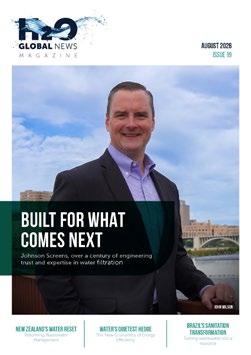
On our cover
We are delighted to welcome Johnson Screens as the cover partner for this edition. Turn to page 10 to read our exclusive interview and discover what’s driving the company’s vision for the future.
H2O Global News delivers news from around the world covering the Drinking/Potable Water, Hydropower and Wastewater industries incorporating technology, companies, legislation, the environment and case studies. The H2O Global News Magazine is published four times a year (Spring, Summer, Autumn and Winter) by Blue Manta Media Limited, Buckinghamshire, England, UK.
H2O Global News t/a Blue Manta Media Limited has used utmost care to ensure and maintain the accuracy, completeness and currency of information published on this site. We, however, take no responsibility for any errors or omission, though if notified of any we will endeavour to rectify such.
CGN is an innovative platform that bridges the gap between industry, research and policy in a modern climate conversation. We enable our users to engage in meaningful conversations about the future of our planet and strive to create an open space where collaborators from all sectors can work together for sustainable progress.
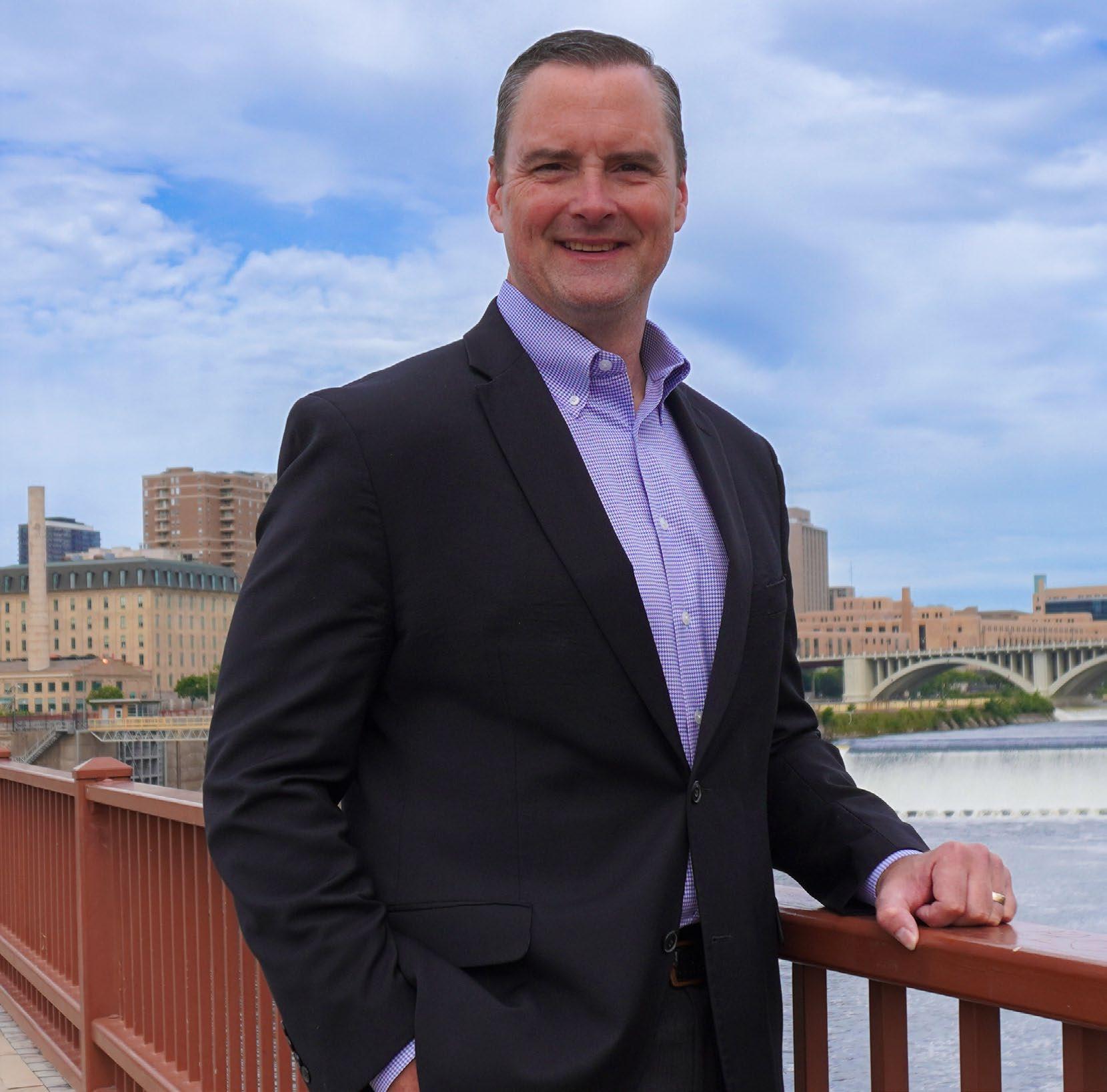
The water industry is modernizing faster than almost any other infrastructure sector. Customers need trusted partners who bring deep application expertise and remain responsive when circumstances shift.”
— John Wilson , CEO of Johnson Screens
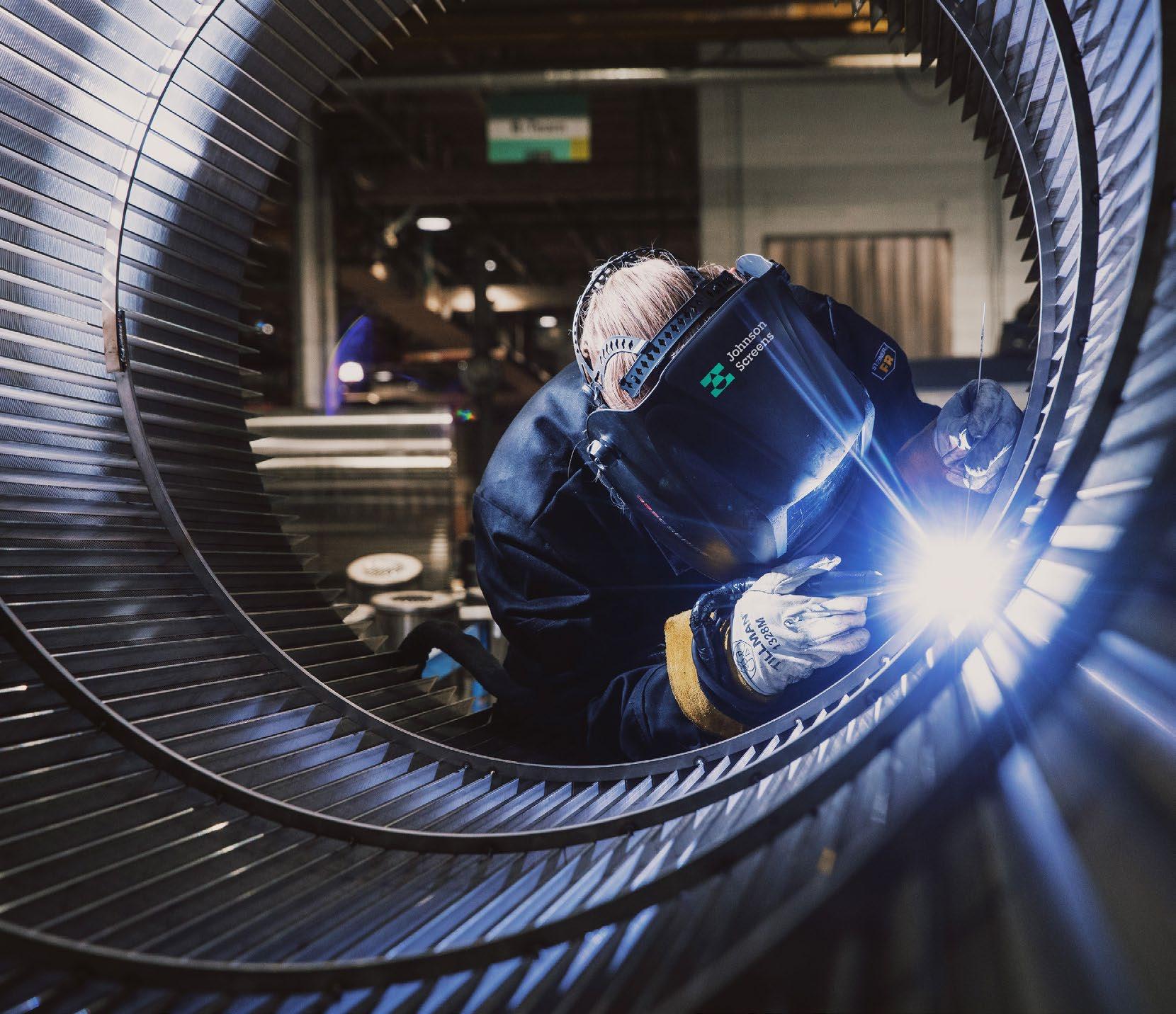
Downtime isn’t an option when you’re accountable for treatment operations. Our filtration and intake systems are built to run for decades with minimal intervention, so your budget goes toward operations, not emergency repairs.
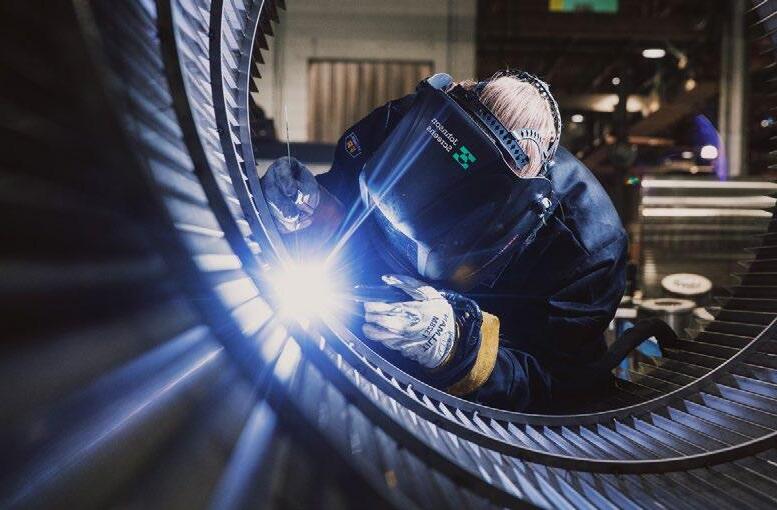
From design review through startup and beyond, our engineers stay accountable to your outcomes. That means fewer surprises, more predictable maintenance costs, and trusted partners who answer when conditions change. Explore engineered solutions at: johnsonscreens.com
EDITOR’S FEATURES
4–5 Constructed Wetlands in Türkiye
6–7 PFAS on the Ocean Floor
8–9 Wastewater on the Edge of the Sahara
COVER FEATURE
10–14 Engineering Smarter Water - Johnson Screens
GLOBAL PERSPECTIVES
MIDDLE EAST
16–18 Closing Water Data Gaps in Iran
EUROPE
20–21 Rethinking Industrial Brine
22–23 Rewriting Wastewater Treatment
24–25 Smoother Pumping at Anglian Water
NORTH AMERICA
26–28 Five Years of Flush Smart
29 Turning Hydrogen Sulphide into Value
30–31 Water’s Quietest Hedge
32–34 Henkel: Global Expertise, Local Solutions
OCEANIA
36–37 New Zealand’s Water Reset
AFRICA
38–39 Circular Water Systems in Nigeria
40–41 Turning Waste into Value in Kenya
ASIA
42–44 Cleaner Industrial Water in Pakistan
46–47 Malaysia’s Circular Water Vision
48–49 From Treatment to Water Strategy in Singapore
SOUTH AMERICA
50–51 Turning Wastewater into Opportunity in Chile
52–53 Brazil’s Sanitation Transformation
REGULARS
55–59 Expert Opinions
60–61 M&A Round-Up: Q3 2026
62–63 Product Spotlight
64–65 Appointments
66 Global Events



WRITTEN BY | MARTYN SHUTTLEWORTH
Tü rkiye is facing an ecological crisis as nutrient enrichment brings eutrophication to its rivers and coastlines, accompanied by oxygen depletion and toxic algal blooms. Aware of the issue, the Turkish government is expanding wastewater treatment networks and emphasising nutrient removal. However, conventional sewage plants are not practical in some areas, especially the rural hinterlands, and alternatives are needed.
Constructed wetlands (CWs), which emulate natural wetlands and their ability to filter water, are relatively easy to construct and maintain. They require very little infrastructure and can be remarkably effective at removing nutrients from wastewater. Türkiye has seen some significant successes with CWs but will need to make improvements if they are to fulfil their potential.
In Türkiye’s rural areas, domestic sewage escapes from poorly maintained septic tanks or is even released directly into rivers and marine areas. Carried by surface runoff or permeating through soil, this waste combines with fertiliser runoff, animal waste, and industrial effluent, contributing to nutrient enrichment, affecting water quality, and carrying direct health risks.
Compounding the problem, conventional wastewater treatment systems are expensive and impractical in rural areas with low population densities and limited

infrastructure. As a result, Türkiye sees constructed wetlands as a low-cost and efficient alternative for removing pollutants.

Wetlands such as reed beds and salt marshes are natural water filters, extracting and sequestering nutrients and pollutants before they reach watercourses. A constructed wetland mimics these natural processes to filter and clean water in three main ways:
• Filter: Gravel and sand trap solid particles travelling through the wetland.
• Vegetation: Plants such as reeds capture nutrients and send oxygen to the roots.
• Microorganisms: Microorganisms on rocks, roots, and soil particles break down nutrients and organic waste.
Surface flow wetlands send water through shallow channels and basins, exposed to the air, where plants filter the water. Subsurface wetlands use channels filled with gravel or sand to filter water and are particularly useful where odours and mosquitoes are problems. Some hybrid CWs use both techniques for maximum effect.
The main benefit of CWs is that they need little energy, expensive engineering, or heavy machinery to construct, reducing capital expenditure. They need no connection to wastewater infrastructure, making them perfect for rural

communities and isolated hotels. Finally, CWs are much easier to operate and maintain than traditional sewage plants, providing habitats that improve biodiversity and enhance aesthetics. These benefits mean that the Turkish government actively promotes the technology.
Since the start of the 21st century, Türkiye has developed policies to promote CWs and they are growing in number As part of its 2017 to 2023 Rural Development Strategy Report, Türkiye’s State Planning Organisation emphasised natural treatment facilities. A number of notable projects have tested the technology, highlighting the advantages and potential, but also revealing some areas that will need improvement.
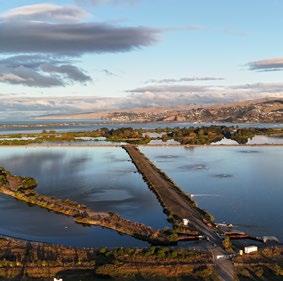
• Salt Lake (Tuz Gölü): This crucial lake boasts a unique biodiversity and has significant economic importance as the source of over two thirds of the country’s salt. Aware of the dangers of nutrient enrichment, two large subsurface CWs at the towns of Sultanhani and Altinekin reduce nutrient enrichment from domestic wastewater.
• Kızılcaören Village (Samsun): A large horizontal subsurface-flow constructed wetland uses local plant species to treat rural domestic wastewater. It proved economical to construct and maintain while supporting local ecosystems.
• Eğirdir Lake Basin: A series of CWs and hybrid systems on the second largest freshwater lake in Türkiye filter domestic waste and agricultural runoff threatening important freshwater resources.
• Konya Closed Basin: A number of wetlands will treat wastewater for a projected population of approximately 5,000 people.
Undoubtedly, CWs are a viable option for rural areas in Türkiye, and the installations can combine low-cost treatment with low energy requirements and efficient nutrient removal, even helping the country with its UN Sustainable Development Goals. However, it has not been smooth progress and many earlier CWs did not perform as expected. For example, of the 51 CWs in Kayseri Province, over three quarters were not operating properly, often due to a structural failure.
Many of the CWs studied suffered from poor initial site selection, use of unsuitable materials, and inaccurate projections during design, such as failing to account for the effect of livestock. Another recurring problem saw insufficient monitoring and maintenance, and a shortage of skilled staff for operation, especially sowing and harvesting plants in the right season. Substrate clogging reducing efficiency significantly, so that CWs did not meet their effluent discharge criteria
Going forward, CWs will form the backbone of wastewater treatment in parts of rural Türkiye, and may help with seasonal pollution from tourist resorts. However, future CWs will need better design specifications that follow national/international standards. They will need to take site-specific conditions into account, such as the local climate and geography, and better predict the type and amount of pollution. Other suggestions include proper training for communities in how to operate, monitor, and maintain the system.
With these improvements, CWs will help to protect Türkiye’s rich environment and rural communities.
WRITTEN BY | DARBY BONNER
Every day, billions of people flush away nutrients and minerals that travel to wastewater treatment plants. For most of the last century, the goal was simple: remove them before the water returned to rivers and seas. But some of what we’ve treated as waste is surprisingly valuable. Phosphorus and nitrogen are abundant in municipal wastewater, while lithium and rare earth elements can also be found in wastewater streams, particularly those influenced by industrial activity. Instead of recovering them, we’ve spent decades removing them. That’s beginning to change.
Phosphorus is essential for food production, and there is no substitute. Although global reserves remain substantial, high-quality, economically accessible phosphate deposits are geographically concentrated and becoming increasingly important as demand grows. Unlike oil, there is no alternative source waiting in the wings.
But, here’s the twist. Wastewater is dripping with the stuff. Every flush carries traces of phosphorus from human waste, food residues and, in some regions, detergents. Globally, around three million tonnes of phosphorus enter sewage systems every year. Recovery of even a fraction of that would represent a significant buffer against long-term scarcity.
The technology to do it already exists. One of the most established approaches involves a compound called struvite (magnesium ammonium phosphate), which forms naturally in wastewater treatment systems, usually as an unwanted mineral scale that clogs pipes and costs utilities millions in maintenance. Vancouver-based company Ostara had the insight to flip this nuisance into a product. Their technology process captures phosphorus-rich streams inside treatment plants and crystallises them into slow-release fertiliser granules sold back to agriculture.
The Chicago metropolitan area’s Stickney Water Reclamation Plant, the largest secondary treatment plant in the world, has adopted the technology, with the investment expected to pay back within three to five years while generating an ongoing revenue stream from fertiliser production. The plant saves on chemicals, farmers get a cleaner input, reducing phosphorus discharged to the river. It is one of those rare situations which benefits utilities, farmers and waterways alike.
Phosphorus tends to dominate the conversation, but nitrogen is equally worth mentioning. The Haber-Bosch process, the industrial method for synthesising ammonia from atmospheric nitrogen, consumes roughly two percent of the world’s total energy supply. It is one of the most energy-intensive industrial processes on Earth. Yet wastewater contains ammonium in abundance, a directly usable form of nitrogen.

The U.S. Department of Energy’s ARPA-E has taken notice. ARPA-E’s RECOVER programme has funded technologies intended to dramatically increase recovery of ammonia and critical materials from wastewater, with long-term goals that include replacing a substantial share of domestic ammonia production. That would turn treatment plants from cost centres into domestic production assets, and reduce reliance on energyintensive industrial ammonia synthesis and geopolitically fraught mineral supply chains in one move. Ambitious, certainly, but if it pays off, it’s worth watching closely.
Perhaps the most surprising chapter in this story involves elements most people have never heard of: neodymium, dysprosium and europium. These rare earth elements are essential for wind turbines, electric vehicle motors, defence systems and consumer electronics. Yet more than 90% of global processing is controlled by China, creating a supply chain dependency that has governments scrambling for alternatives.
Now you may be thinking, what’s this got to do with sewage? Quite a lot, as it turns out. Industrial wastewater and mining runoff contain measurable quantities of rare earth elements. Researchers are investigating engineered microbes and bio-based extraction methods to recover these critical minerals from wastewater. Rather than opening new mines, the goal is to turn waste into a strategic source of the materials needed for the energy transition.
What ties all of this together is a conceptual shift that the water sector is only beginning to absorb. The wastewater
treatment plant of the future doesn’t just process waste, it mines it. The industry has coined a phrase for this: Water Resource Recovery Facility, or WRRF. It sounds like rebranding, but the underlying engineering is there.
Italian startup Circular Materials is developing technology to recover critical raw materials from industrial wastewater, while researchers at IOCB Prague have developed water-based separation methods that could reduce reliance on harsher chemical extraction processes.
What’s changing is the economics. As economically accessible phosphate deposits become more constrained, recovering materials from wastewater becomes increasingly attractive. What was once simply the cost of treating sewage is beginning to look like a source of value.
The biggest challenge is scale. Many recovery technologies work well in pilot projects but still struggle to compete with mined materials, and regulations often lag behind the technology. Even so, the direction of travel is clear. Wastewater treatment plants are gradually becoming resource recovery facilities, extracting nutrients and minerals instead of simply removing them. Every day, valuable materials pass beneath our feet. The opportunity is no longer discovering these materials, but making their recovery economically worthwhile.
WRITTEN BY | NATASHA POSNETT
Wastewater is no longer viewed simply as a problem to be managed. Across some of the world’s driest regions, it is increasingly being recognised as a valuable resource, transforming how communities think about water.
Nowhere is this shift more significant than in North Africa and the countries bordering the Sahara. Here, every drop of water matters. Rainfall is scarce, groundwater reserves are under pressure, and climate change is making droughts longer and more severe. Faced with growing populations and rising demand for food, governments, utilities and communities are beginning to see treated wastewater not as waste, but as an opportunity.
This transformation could redefine how arid regions secure their future.
Unlike rivers and reservoirs, wastewater is remarkably reliable. As cities grow, wastewater flows continue regardless of drought conditions. This makes it one of the few water sources that can be predicted with confidence.

Treated wastewater can irrigate crops, replenish depleted aquifers, support industry and even help restore degraded landscapes. Beyond water itself, treatment processes can recover valuable nutrients such as nitrogen and phosphorus, reducing dependence on imported fertilisers while supporting local agriculture.

In regions where freshwater scarcity threatens both economic development and food security, wastewater is increasingly being viewed as a cornerstone of resilience.
Morocco offers one of the clearest examples of this transition.
The country has experienced recurring droughts over the past two decades, placing immense pressure on water resources. In response, authorities have expanded investments in water reuse projects, particularly around urban centres where treated wastewater can be redirected to irrigate parks, golf courses and agricultural land.
More importantly, Morocco is shifting from a linear approach to water management towards a circular model in which water is treated, reused and valued rather than discarded.
This approach is becoming increasingly important as demand rises and traditional water supplies become less reliable.
Technical innovation often dominates discussions about water reuse, but the real story is ultimately about people.
Across the Sahara’s margins, farmers, utilities and policymakers are all adapting to the realities of a changing climate.
Organisations such as the International Water Management Institute (IWMI) have consistently highlighted the importance of ensuring that water reuse strategies benefit local communities rather than simply serving industrial or commercial interests. Their work demonstrates that successful resource recovery is not just about engineering. It also depends on effective governance, public engagement and education.
Communities must be confident that treated wastewater

is safe. Farmers need access to training and support. Regulators must establish clear standards and monitoring systems.
Without public confidence, even the most advanced technologies can struggle to achieve their potential.
As climate pressures intensify, the question facing arid regions is no longer whether wastewater should be reused, but how effectively it can be integrated into broader water management strategies.
The Sahara has long been associated with scarcity. Yet the future emerging along its edges tells a more hopeful story. Cities are becoming sources of water rather than consumers alone, while wastewater treatment plants are evolving into resource recovery hubs.
The challenge is no longer simply finding more water, It is learning to value the water we already have.
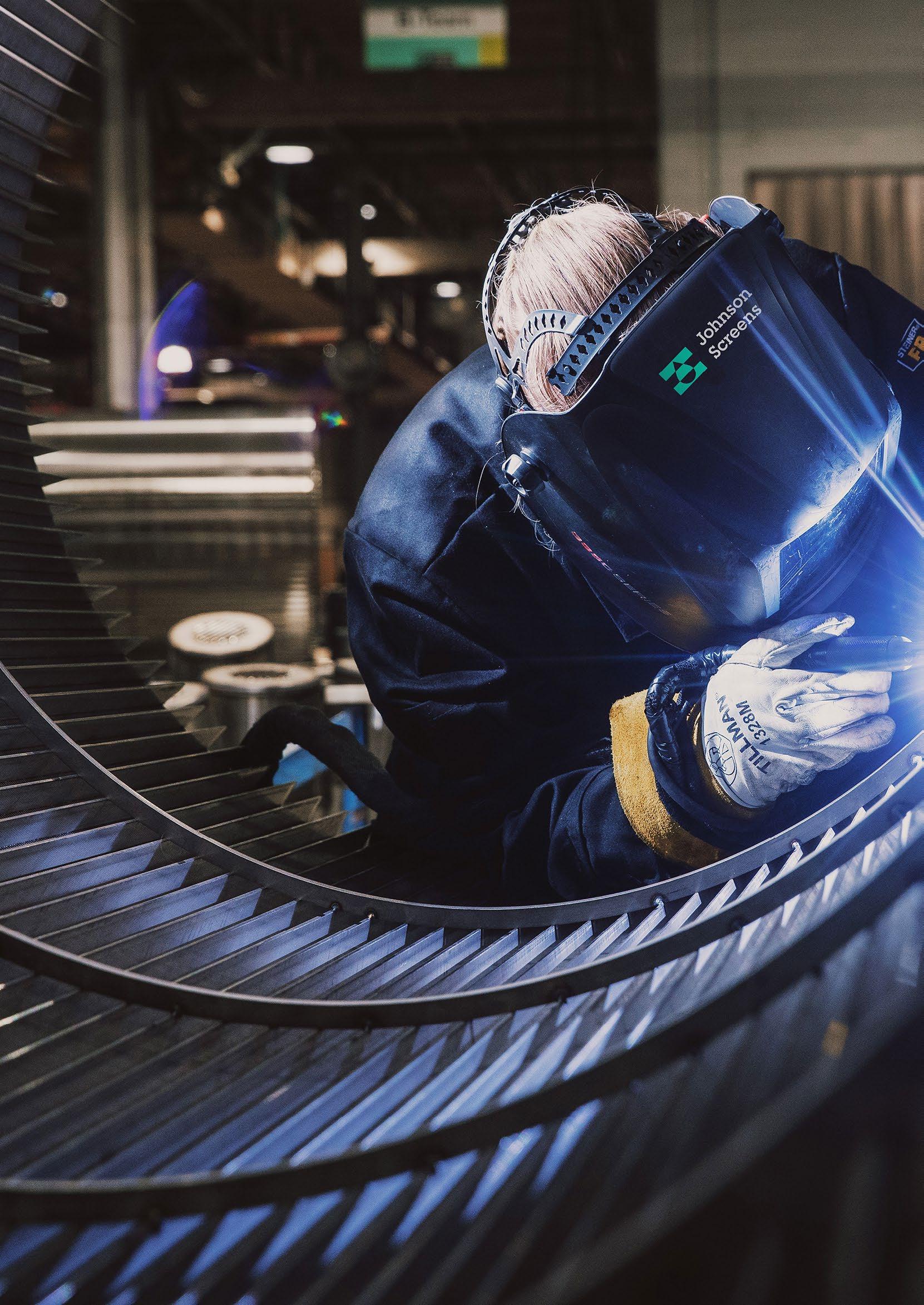

WRITTEN BY DARBY BONNER, STAFF WRITER AT H2O GLOBAL NEWS WITH INSIGHTS FROM JOHN WILSON, CEO AT JOHNSON SCREENS
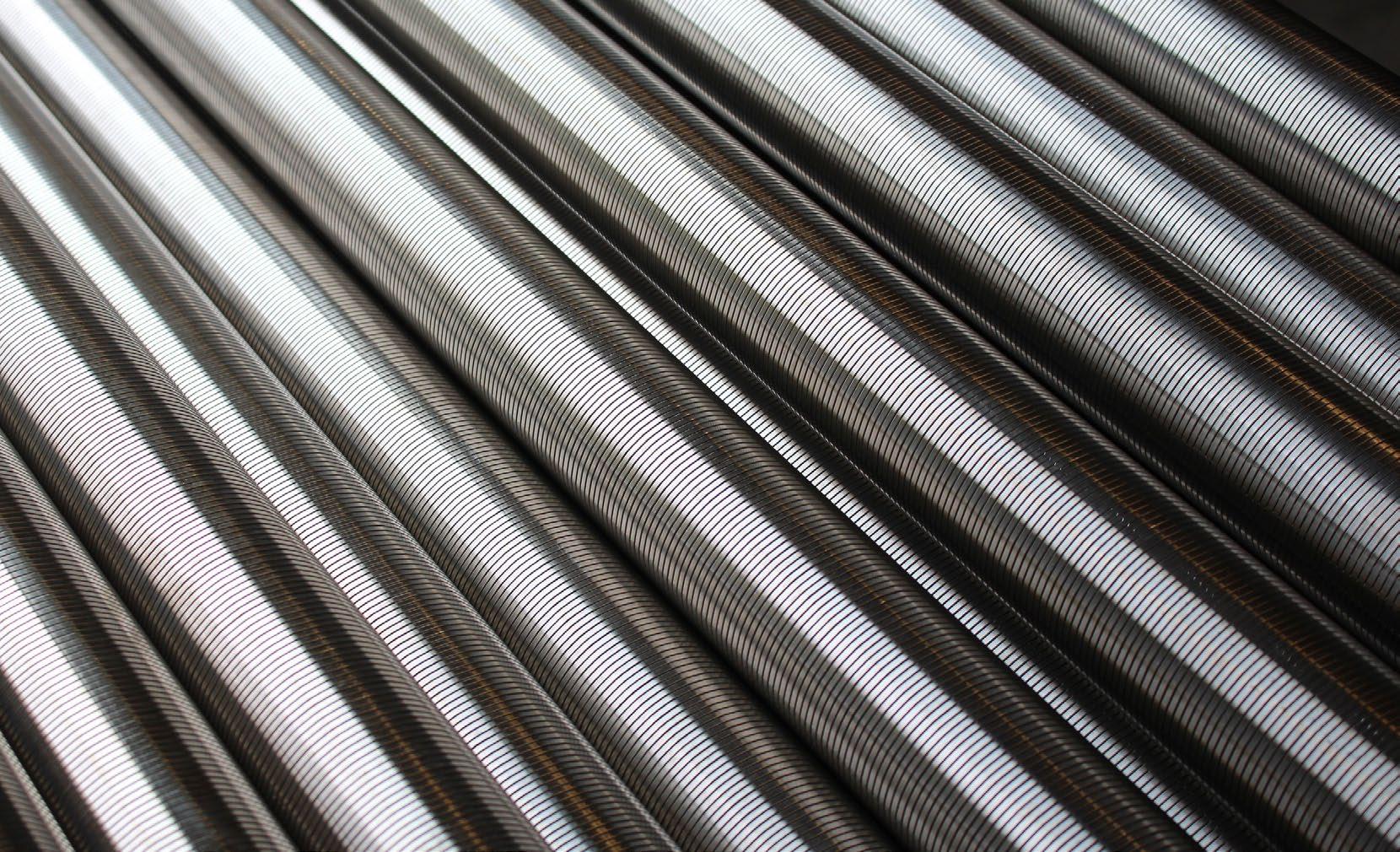
For more than a century, Johnson Screens has helped shape the way industries and communities filter and manage water, enabling sustenance of valuable resources for everyday life. Best known as the inventor of Vee-Wire® technology, the company now supports customers across the entire water lifecycle, from groundwater extraction and treatment to wastewater reuse, resource recovery and energy production.
Continued on page 12
“Our purpose goes far beyond our products,” says John Wilson, CEO of Johnson Screens. “We are here to solve critical challenges for our customers and our planet, delivering real impact through our application expertise, high performance filtration and separation solutions, and being a trusted partner with our customers”.
Water scarcity is no longer a future concern – it’s a present-day reality. Across almost every region and industry, demand is rising while reliable supply becomes harder to secure. Some of the pressures evident throughout the sectors Johnson Screens serves include:
Industrial operators seeking opportunities to recycle processed water, reduce energy consumption and improve operational efficiency
Utilities drilling deeper wells, rehabilitating ageing assets and investing in alternative water sources
Rising contaminant levels such as PFAS and microplastics challenging existing treatment approaches, and
Rapid growth in AI-driven data centres, power generation and processing of critical minerals exacerbating demands for process and cooling water.
Johnson Screens addresses these challenges and is well poised to take on the market demands of the swiftly changing world through an integrated portfolio spanning efficient well design, managed aquifer recharge, passive intake technologies, desalination support, well rehabilitation and advanced screening systems. This systems-based approach considers the geological, environmental and operational factors that influence long-term performance, rather than focusing on piece-meal solutions or addressing business pain points in isolation.
"The water industry is being asked to modernize faster than almost any other infrastructure sector. That's exactly why customers need trusted partners who bring deep application expertise, engineered solutions, and stay responsive when circumstances shift."
With authoritative expertise spanning the water lifecycle, Johnson Screens provides substantive benefits to its customers that cut across multiple segments. These benefits comprise:
Reliability that lasts – solutions that work consistently over years and decades
Cost Reductions that offer compounding savings with each passing year, a factor that significantly optimizes customer’s maintenance and operational outlay
Sustainability that is Practical meaning, enabling metrics and offering a definable correlation with ESG mandates, and finally
Being a Trusted Partner of long standing, one that engineers tailored solutions and provides holistic consulting through the customer’s journey.
The relationship between water and energy has never been more interconnected. Every major energy system depends on reliable water, while water utilities face increasing pressure to reduce energy consumption. As resource security reshapes global markets, enhancing efficiencies across both sectors has become a shared priority, and a growing area of expertise for Johnson Screens.
“You cannot talk about energy security without talking about water, and that convergence raises the stakes on efficiency for everyone. Our high performance filtration and separation solutions are engineered specifically to help customers cut energy consumption while improving throughput, so operational savings and performance gains move together, not in opposition."
Johnson Screens applies its groundwater engineering expertise to geothermal energy, where efficient well design supports renewable power generation. Its specialised screening technologies also help recover critical minerals, including lithium, essential to battery production and the energy transition.
In gas processing and LNG, the company's Shaped Support Grid™ (SSG™) technology improves throughput and flow distribution within existing process vessels, enabling operators to increase efficiency without costly plant expansions. Across geothermal, LNG, critical minerals and process industries, the goal is consistent: maximise efficiency, extend asset life and recover more value while reducing environmental impact.
Innovation at Johnson Screens is rarely about developing technology for technology's sake. Instead,
each solution is designed to solve a practical challenge facing customers while supporting broader sustainability goals. GreenFil™ Activated Filtration Media is one example. Manufactured from recycled glass, it provides highly effective filtration while supporting circular economy principles, offering utilities an environmentally responsible alternative to conventional filtration media without compromising performance.
Nu-Well® addresses another increasingly common challenge. Rather than replacing wells affected by mineral scaling, biofouling or clogging, the rehabilitation solution restores lost capacity, often delivering a significantly more sustainable and costeffective outcome than drilling an entirely new source.
Meanwhile, SSG™ continues to demonstrate how incremental engineering improvements can generate substantial operational gains within energy and process facilities by increasing vessel capacity, improving flow distribution and enhancing process efficiency. Taken together, these technologies reflect a consistent philosophy. Engineering excellence is not measured by how much new infrastructure is built, but by how effectively existing assets can be optimised.
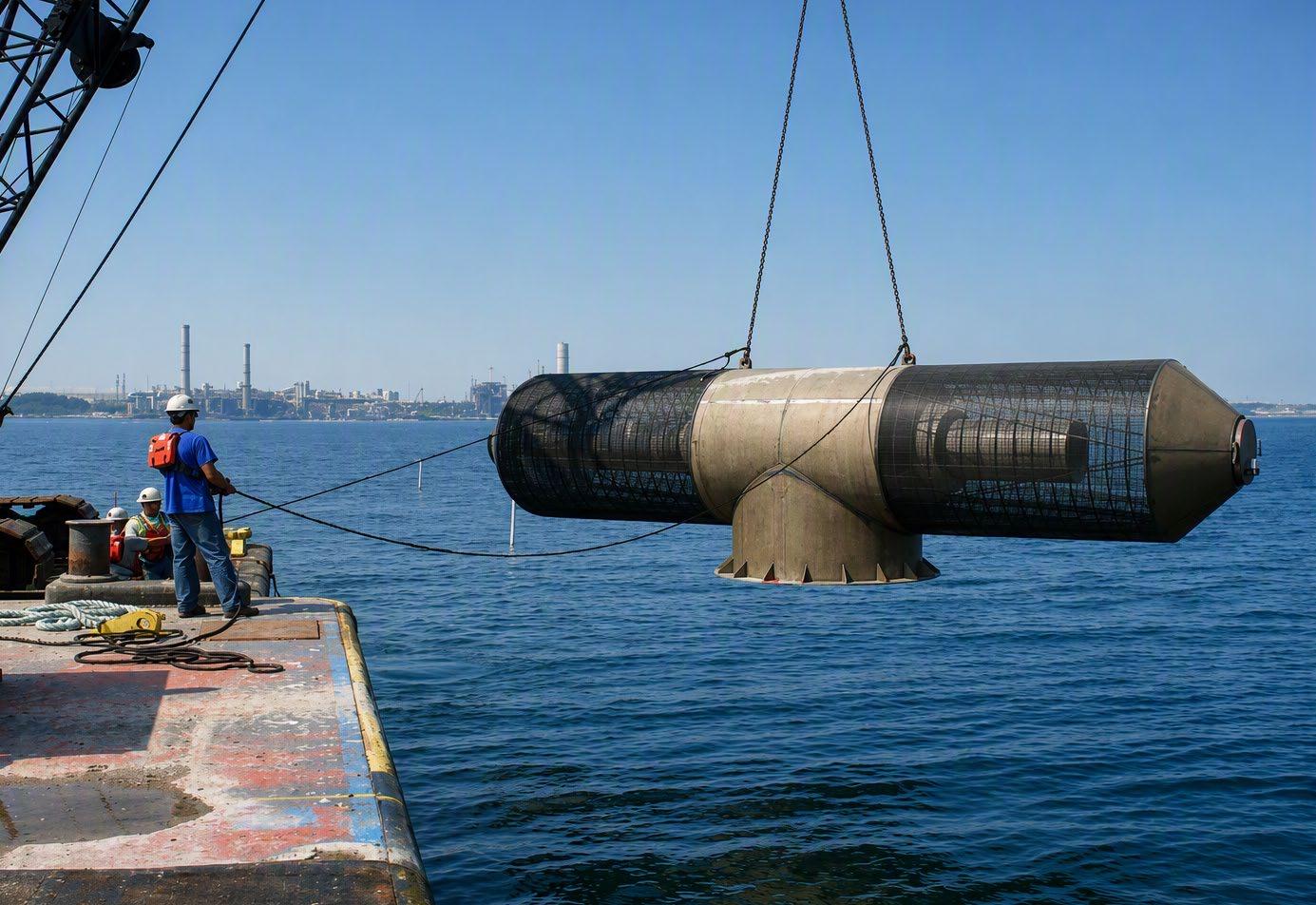
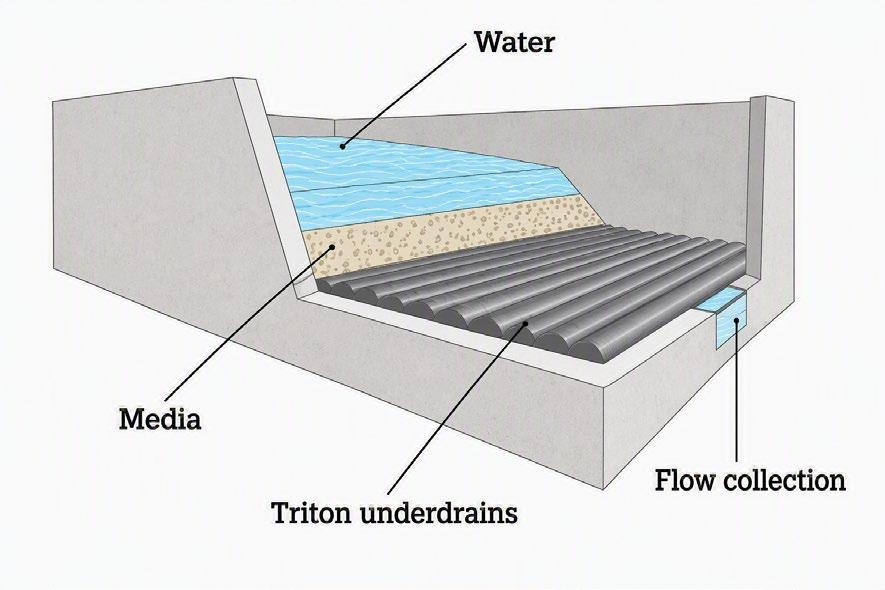
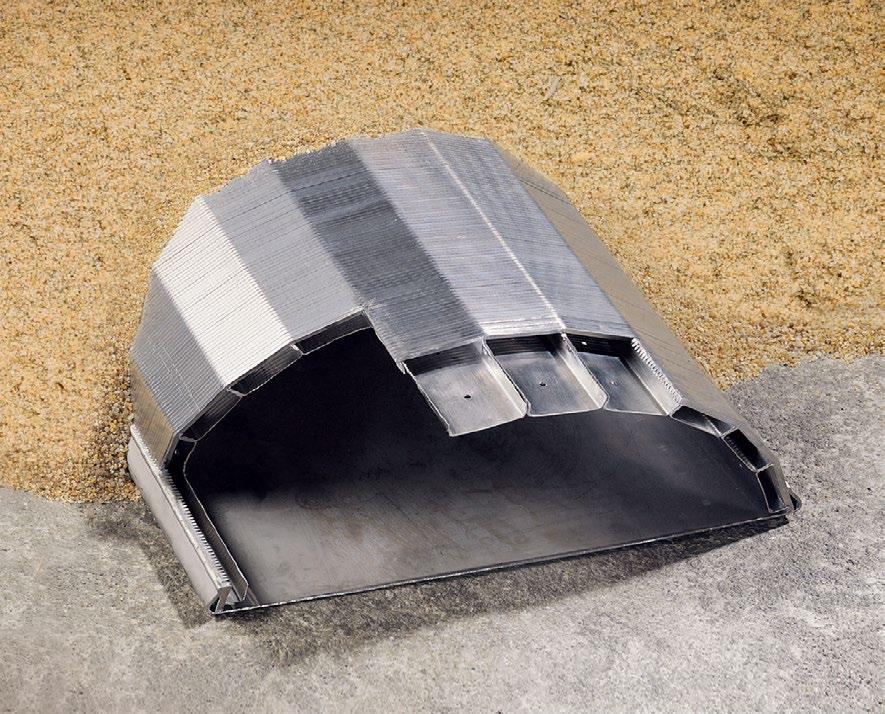
Innovation is ultimately measured by outcomes. At the Clyde Pickle Water Treatment Plant in North Carolina, Johnson Screens' Triton® Underdrain System restored filtration performance and extended the life of ageing infrastructure, allowing the utility to avoid a costly plant replacement.
At Wisconsin's Oak Creek Power Plant, Johnson Screens supplied Passive Intake Screens capable of delivering 2.2 billion gallons of cooling water per day while protecting aquatic life. This solution helped improve efficiency, reduce operating costs and meet stringent environmental requirements. Despite serving different industries, both projects demonstrate the same outcome: enabling customers optimise existing infrastructure, improve performance and deliver stronger environmental results.
At Johnson Screens, sustainability is integral to engineering decisions rather than being treated as a separate initiative. The focus is on designing infrastructure that delivers higher performance with lower resource consumption throughout its operating life.
Continued on page 14
“Every customer we talk to today is being asked to do more with less. That's not a constraint to work around, it's the reason our engineered solutions must deliver real, measurable results: lower energy use, reduced maintenance, and higher yield. Customers need operational savings they can count on year after year."
Well rehabilitation provides one of the clearest examples of that philosophy. Rather than abandoning ageing wells that have lost capacity through mineral scaling, biofouling or clogging, Johnson Screens helps customers restore existing assets to productive use. The approach requires significantly fewer materials, lower capital investment and far less environmental impact than constructing entirely new water sources.
The same thinking underpins managed aquifer recharge, where water is stored naturally underground with a considerably smaller footprint than conventional reservoirs while reducing evaporative losses.
If the past century was defined by collecting and treating water, the next decade will be dictated by how effectively the industry recovers value from it. Water treatment plants are evolving into resource recovery hubs that are producing reusable water, nutrients, critical minerals and renewable energy alongside traditional treatment. At the same time, extraordinary advances in operational technologies are boosting performance. Underpinning all of these is the centrality of climate resilience to infrastructure design.
For organisations across sectors, these shifts represent more than incremental improvements. Johnson Screens believes the future depends on greater collaboration across the water lifecycle, by combining practical engineering with a holistic approach.
"The companies that lead the next chapter of this industry will be the ones who act as trusted partners who bring deep application expertise, tailor engineered solutions to each customer's evolving requirements and stay responsive as the industry changes around them. That's the partner we intend to be, for water, energy, minerals, and everything of value that passes through the system."
In an increasingly resource-constrained world, success will be measured not by how much water we consume, but by how intelligently we manage every drop.
Johnson Screens, a company with a legacy of over a hundred years is at a vantage position to lead the way into this future.
Learn more about Johnson Screens and its solutions: johnsonscreens.com
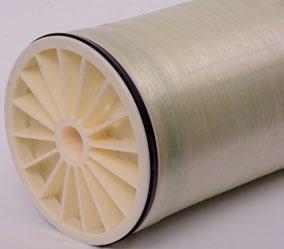
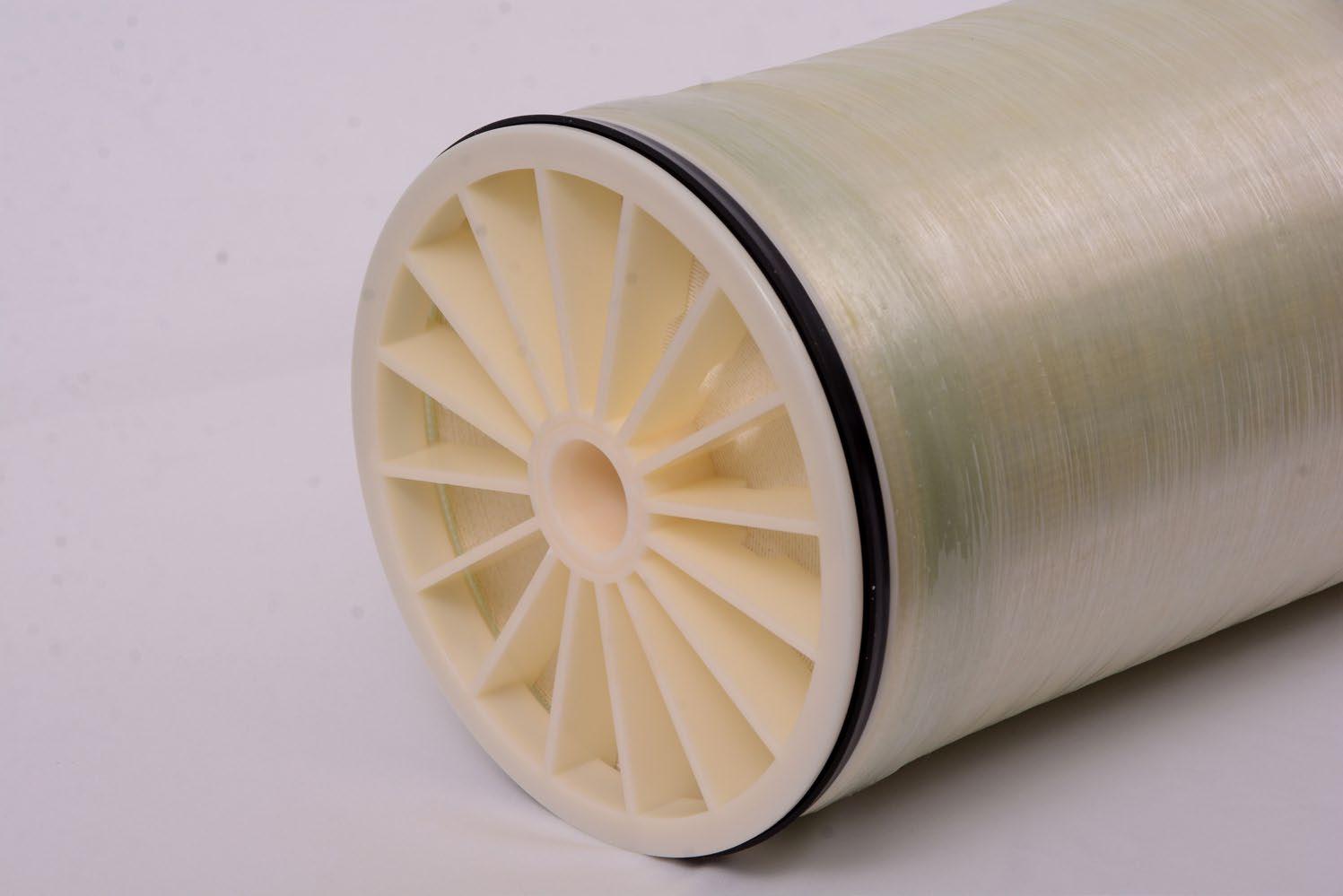
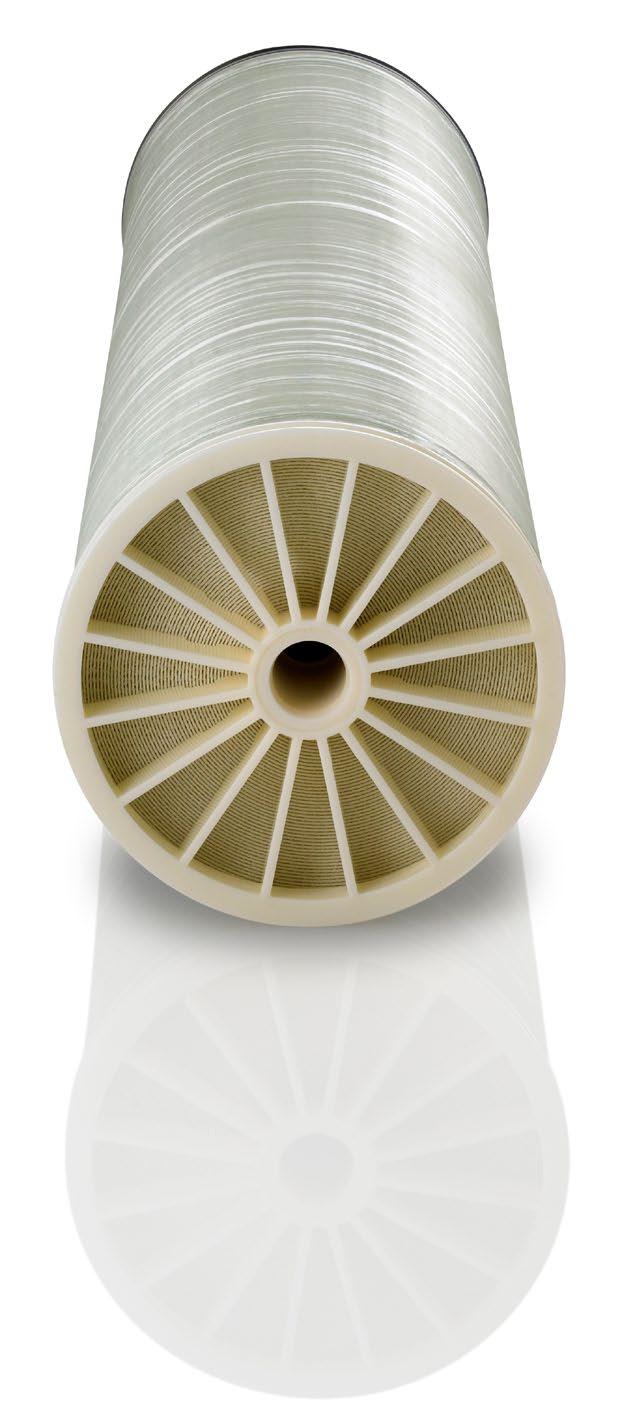
FilmTec™ Fortilife™ XC220 Element for ultra-high brine concentration in industrial water systems
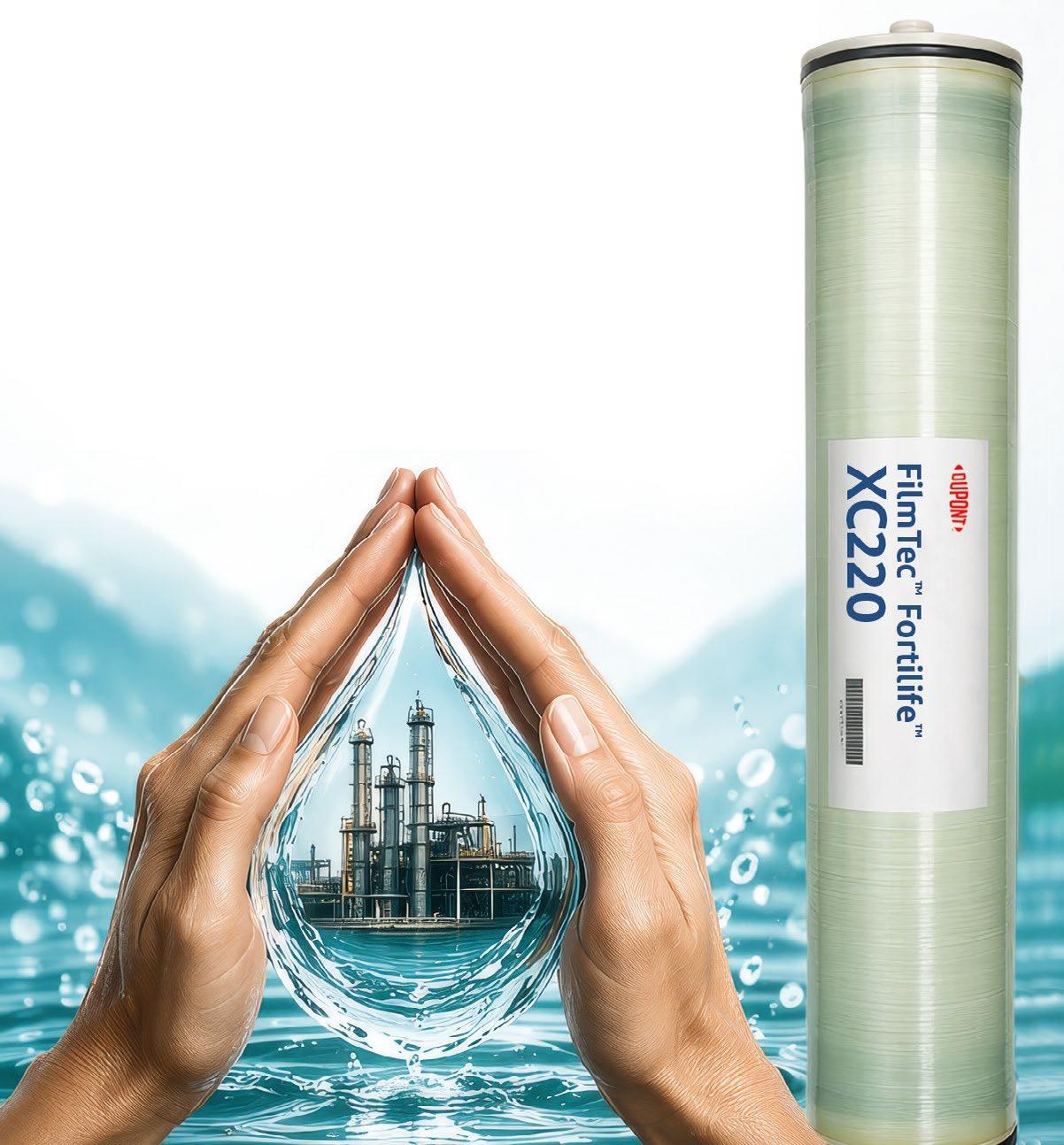
The FilmTec™ Fortilife™ XC220 element features an advanced polyamide membrane engineered for ultra-high brine concentration. It supports increased resource recovery while helping reduce reliance on energy-intensive thermal treatment.
Achieves reject TDS levels up to 220 g/L
Up to 220 g/L NaCl TDS
Enables higher brine concentration and significantly reduces water volume.
Compatible with standard RO infrastructure
Integrates into existing systems without major redesign.
Reduced CAPEX and OPEX impact
Limits dependence on energy-intensive thermal processes.
to perform. Built to last.
INTERVIEWED BY | MARTYN SHUTTLEWORTH
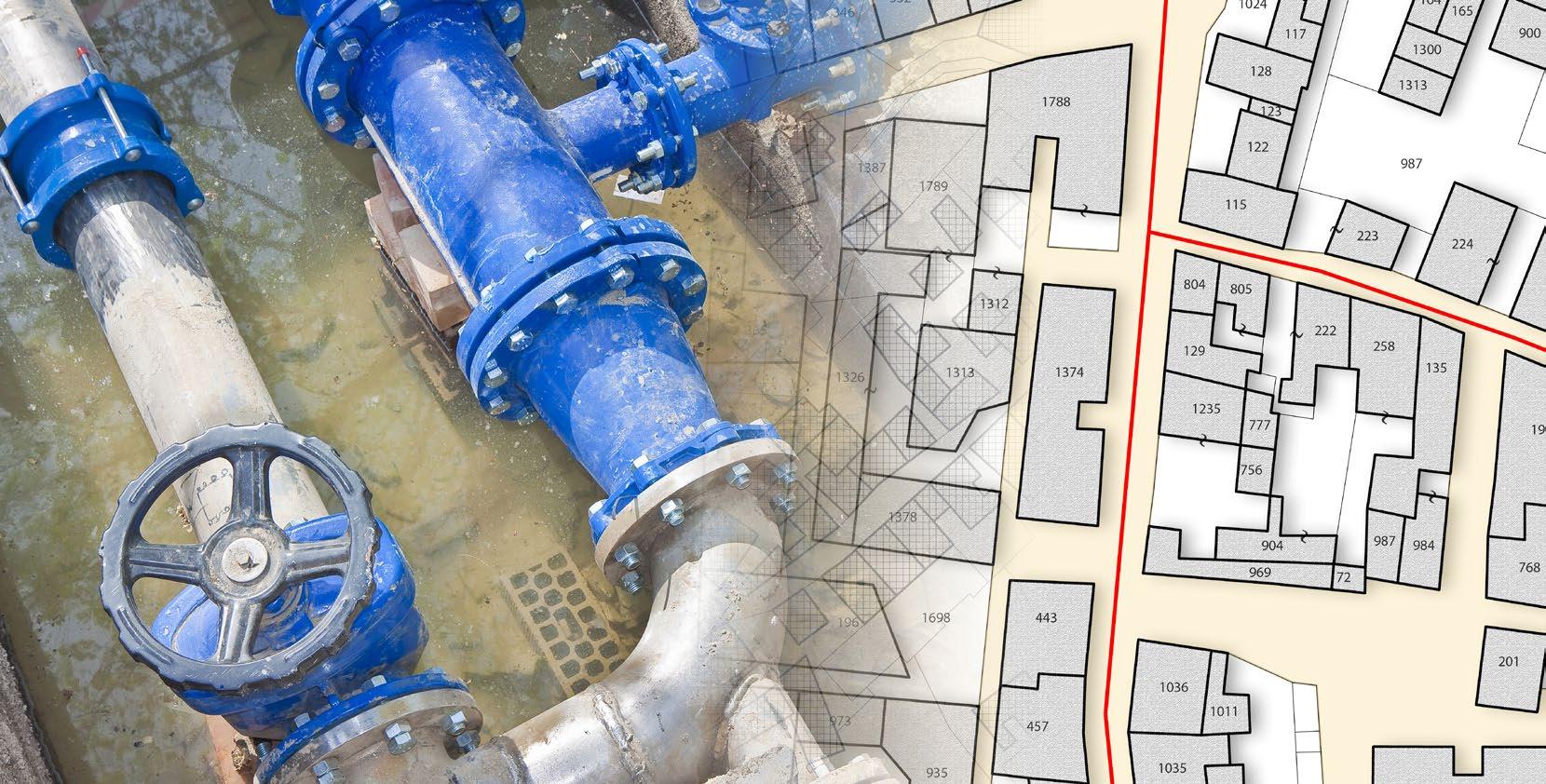
For many water and wastewater utilities, a lack of operational data makes understanding the true condition of infrastructure very difficult. Underground systems are notoriously difficult to inspect and monitor and, without reliable quantitative data, analyses struggle to pinpoint where network repairs and upgrades will be most effective. To bridge these data gaps, methods such as strategic asset management (SAM) and multi criteria analyses are crucial. By integrating qualitative data and expert judgement, they support asset management, preventative maintenance, and targetted network renewal.
To learn more about these qualitative assessments, we talked to Sattar Salehi, board member of IWA Iran and
IWWA, and assistant professor at the Civil Engineering Department IA University, Garmsar Campus. Drawing upon his expertise in water and wastewater engineering, Sattar focuses on asset management, operation and maintenance (O&M), and renewal planning. He specialises in decision-making models and risk assessment, showing that, even in an age of data, expert opinions and operational experience are invaluable.
For water and wastewater companies, why is strategizing network renewal important?
As water distribution networks are vital in the sustainable development of human societies, maintaining performance is a key responsibility of water and
wastewater utilities. Accordingly, it is essential to adopt a strategic approach to rehabilitation and renewal activities, ensuring that the desired level of service is consistently maintained.
Urban water and wastewater infrastructure represents one of the most capital-intensive components of modern society. Protecting this substantial investment requires infrastructure and associated assets to be maintained in a condition that ensures satisfactory operational performance over time.
Furthermore, supplying consumers with water at adequate flow rates and appropriate pressure is a fundamental obligation of water and wastewater utilities. The strategic rehabilitation of distribution networks plays a crucial role in sustaining this level of service and ensuring long-term reliability and efficiency.
As water distribution networks are inherently dynamic systems, continuous fluctuations in water demand make operation increasingly complex. Consequently, strategic planning and management of these networks presents significant technical challenges. One important question that continues to attract the attention of researchers is: What constitutes the optimal rehabilitation strategy for a water distribution network?
This is an important question. One persistent challenge associated with water distribution networks is the limited availability of reliable quantitative data describing their hydraulic, water quality, and structural conditions. Since these assets are predominantly buried underground, direct inspection and monitoring are inherently difficult. Moreover, hydraulic and water quality conditions within the network ideally require continuous, real-time assessment.
These complexities often result in operational data that are incomplete, uncertain, or of limited reliability. Consequently, decision-making based solely on quantitative information may not adequately capture the actual network condition. Qualitative data can complement quantitative measurements, reducing the impact of uncertainty and supporting informed decisionmaking. Integrating qualitative and quantitative information could significantly improve the effectiveness of strategic rehabilitation planning.
How can Strategic Asset Management (SAM) help analyse historical failure data? What are its limitations?
As discussed earlier, operational data from water distribution networks are inherently subject to considerable uncertainty. Within the framework of Strategic Asset Management (SAM), the primary objective is to evaluate and systematically classify network assets, including pipelines, valves, fittings, and other infrastructure components. This enables the quantitative assessment of failure events and deterioration trends affecting these assets. Integrating quantitative evidence with qualitative judgement helps develop a strategic basis for rehabilitation and renewal planning.
The principal limitation of SAM lies in its dependence on the availability and quality of quantitative data. When comprehensive records of network failures and operational events are available, qualitative information can be incorporated in a well-balanced manner to complement quantitative analysis. However, incomplete quantitative data means greater reliance on qualitative assessment. Although qualitative analysis provides valuable insights, increasing its relative importance requires a different methodological framework, ensuring that rehabilitation decisions remain robust despite the underlying uncertainty.
To overcome data gaps, some companies use group-based Multi-Criteria Decision Analysis (MCDA) for Maintenance-Rehabilitation Works (MRWs). How do these methods work and what are the strengths and weaknesses?
This is a highly relevant question. Group decisionmaking is valuable in situations where quantitative data alone cannot support reliable conclusions. In such cases, the knowledge, expertise, and practical experience of engineers and operational staff can be systematically incorporated into the decision-making process, allowing strategic judgements from a collective rather than individual perspective.
By adopting a group approach, the risk of bias from individual opinions can be substantially reduced. The integration of diverse expert viewpoints leads to more balanced, objective assessments, particularly in the context of rehabilitation planning for water distribution networks. Consequently, group decision-making enhances the robustness, credibility, and accuracy of strategic rehabilitation programmes, especially when decisions must be made under conditions of uncertainty and limited quantitative information.
How can Smart Water Management deliver immediate financial benefits for water and wastewater systems?
The implementation of intelligent water management
Continued on page 18
systems enables more accurate and comprehensive monitoring of water distribution network performance. Such systems facilitate real-time analysis of variations in water supply conditions, allowing continuous pressure management to minimise water losses and reduce the likelihood of pipe failures and other operational incidents.
Intelligent water management can indirectly promote efficient water consumption among customers. Reducing leakage, minimising network failures, and encouraging efficient demand management can extend the operational lifespan of network assets and conserve significant volumes of treated water. Reduced asset deterioration and improved water conservation translate into lower O&M costs for water and wastewater utilities.
This is an interesting question. Water distribution networks and wastewater collection systems share many common characteristics, particularly in terms of asset management and infrastructure maintenance. However, the principal differences lie in the hydraulic principles governing their operation, and the structural and mechanical characteristics of their components.
Nevertheless, for both types of infrastructure, the availability of accurate and comprehensive records of network failures and operational events is fundamental to effective strategic rehabilitation planning. The more complete and reliable the data, the more robust and informed the resulting rehabilitation decisions.
The Strategic Asset Management (SAM) model, which employs data mining to analyse historical failure records, can be applied to wastewater collection systems. Evaluating failure patterns and asset performance using SAM can generate valuable insights into the condition of wastewater infrastructure. As with water distribution networks, the outputs of the SAM model can then be integrated into a multi-criteria decision-making (MCDM) framework. Combined with other operational and condition-related data, this approach enables the development of strategic rehabilitation plans that support more effective, evidence-based management of wastewater collection networks.
The models developed for the rehabilitation planning of water distribution and wastewater collection networks are primarily mathematical. They rely predominantly on operational data to evaluate asset performance and support strategic rehabilitation programmes. Nevertheless, it is important to recognise that, for both water and wastewater networks, the knowledge and experience of operational personnel and specialists who have worked with these systems over many years remain invaluable.
Accordingly, group decision-making and expert judgement should be regarded as essential complements to data-driven analytical models. Combining quantitative analysis with the practical insights of experienced professionals significantly enhances the quality, reliability, and robustness of strategic rehabilitation planning for both water distribution and wastewater collection systems.

“The knowledge and experience of operational personnel and specialists who have worked with these systems over many years remain invaluable.”
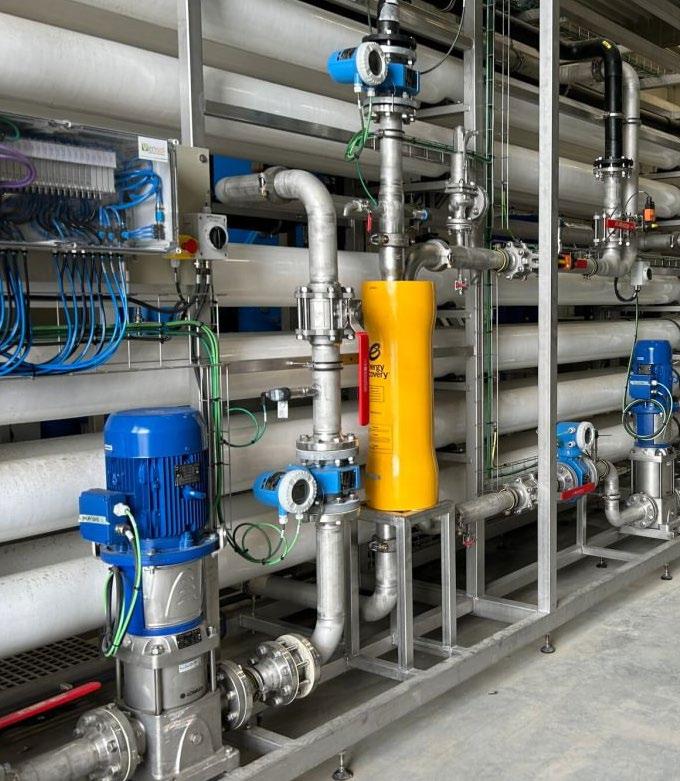
The PX® Pressure Exchanger®, the gold standard in seawater desalination, now recovers energy across the full pressure spectrum, from low-pressure water reuse and brackish RO to ultra-high-pressure zero liquid discharge (ZLD). One proven technology, one moving part, wherever your process demands it.
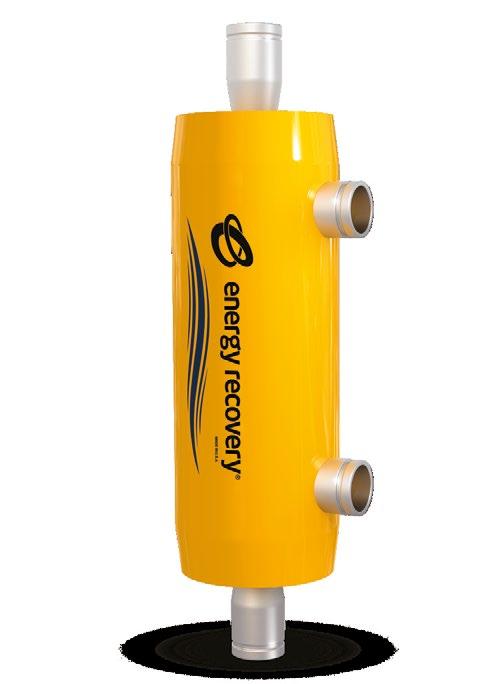
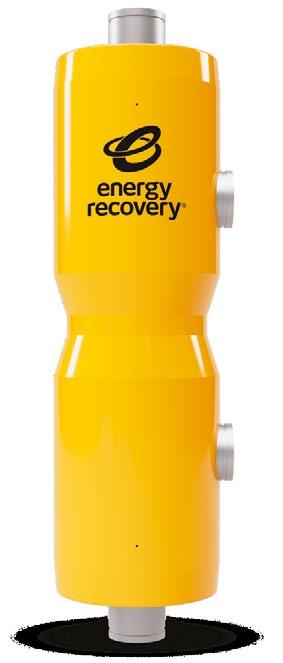
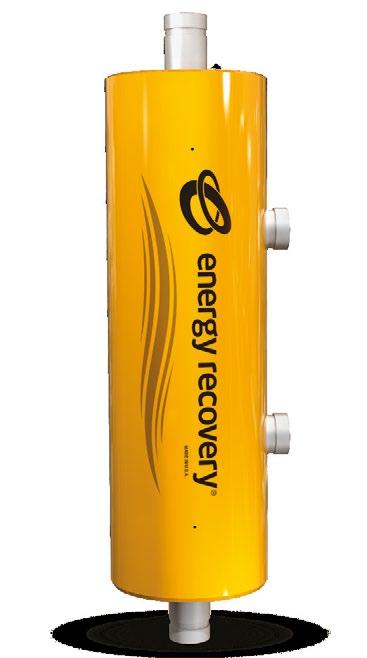
Low-Pressure PX Up to 31 bar High-Pressure PX Up to 83 bar Ultra-High-Pressure PX Up to 120 bar

Access Power Model Pro, Energy Recovery's configuration tool, to model the PX in your RO system designs, compare scenarios, and quantify potential savings for your next project.
For years, brine was treated as the unavoidable by-product of desalination and industrial water reuse. Plants focused on maximizing freshwater production, while the concentrate stream was managed, or sent to costly downstream treatment. That mindset is changing. As water scarcity intensifies, discharge routes become more regulated, and energy costs remain under pressure, brine is increasingly being viewed as a stream that can be further concentrated, better managed, and, in some cases, converted into recoverable value.
This shift is driving interest in membrane-based minimal liquid discharge (MLD) and zero liquid discharge (ZLD) strategies. Instead of relying on thermal systems earlier in the process, operators are looking for membrane technologies that can push salinity higher first. The benefits are clear: less volume sent to thermal treatment, simpler system design, and a stronger route to water reuse and resource recovery. Reaching ultra-high brine concentrations in the 220 to 250 g/L NaCl range can materially change the economics of the full treatment train.

Traditional desalination and industrial reuse systems create two streams: produced water and brine. In the conventional model, the value sits in the water, while the brine remains a cost and needs to be discharged properly. Brine valorization changes that equation. By further concentrating the stream and separating useful components, plants can move beyond disposal toward recovery, circularity, and better asset efficiency.
Several forces are accelerating this shift. Water scarcity continues to grow, while desalination and industrial reuse capacity keeps expanding. That means more brine volume is being generated just as disposal routes become more scrutinized and expensive. At the same time, environmental, energy, and carbon pressures are pushing operators to use thermal treatment only where it adds clear value and to let membranes do more of the concentration work upstream.
Process design is therefore becoming more important. In seawater-based and industrial systems, pretreatment and reverse osmosis can recover water and produce a concentrate stream. Selective separation and staged membrane concentration can then help prepare brine for further concentration, reuse, or recovery. The goal is not
“Brine is increasingly being viewed as a stream that can be further concentrated, better managed and, in some cases, converted into recoverable value.”
only to reduce discharge, but to build a more efficient and flexible water management strategy.
A central design question in deep brine concentration is how to keep systems practical as salinity rises. Low salt rejection reverse osmosis (LSRRO) is gaining attention because it builds on familiar membrane principles while extending the concentration range available to system designers. For industrial users, that familiarity matters: technologies that can integrate with established reverse osmosis approaches are easier to evaluate, scale, operate, and service.
This is where high-pressure and ultra-high-pressure membrane design becomes important. FilmTec™ Fortilife™ XC220 element is designed to concentrate total dissolved solids levels up to 220 g/L NaCl within high-pressure RO limits below 83 bar. FilmTec™ Fortilife™ XC-Max UHP element extends that pathway further, reaching up to 250 g/L NaCl within ultra-high-pressure RO limits below 120 bar.
That capability matters because higher upstream salinity changes the downstream system. By concentrating brine further with membranes, operators can reduce the volume that must be handled by final treatment steps and improve the overall efficiency of ZLD configurations. Ultra-highpressure operation can also help streamline process design by reducing permeate recycle and the number of stages required to reach the target concentration.
The value of ultra-high brine concentration is not limited to water recovery. Highly concentrated brines can support resource recovery strategies in applications such as sodium chloride production, desalination brine valorization, and direct lithium extraction. As raw material costs rise and global supply chains remain under pressure, these streams are increasingly being evaluated as alternative sources of useful materials rather than simply as waste.
The potential applications are broad. DuPont positions the FilmTec™ Fortilife™ XC portfolio for industrial MLD and ZLD applications across sectors including chemical and
petrochemical processing, chlor-alkaline industry, lithiumion battery manufacturing, steel and iron, power generation, pulp and paper, textiles, desalination, direct lithium extraction, and industrial reuse. This breadth reflects a wider market reality: inserted complex brines is no longer a niche problem, but a recurring design challenge across many water-intensive industries.
The economics are where membrane concentration becomes strategic. Every step that can be shifted efficiently from thermal treatment to membranes has the potential to reduce system complexity and improve life-cycle cost. For developers and end-users, the opportunity is to design treatment trains that recover more water, reduce liquid waste, and create optionality for downstream resource recovery while supporting compliance with evolving environmental requirements.
Ultra-high brine concentration is compelling because it brings together cost efficiency, sustainability, and process practicality. It supports higher water recovery, reduces dependence on energy-intensive downstream treatment, and reframes brine management as part of a broader resource recovery strategy. As industrial sites look for more efficient ways to manage high-salinity streams, technologies such as FilmTec™ Fortilife™ XC220 element and FilmTec™ Fortilife™ XC-Max UHP element are likely to play a growing role in the next generation of membranefirst MLD and ZLD system design.
WRITTEN BY DARBY BONNER , STAFF WRITER, H2O GLOBAL NEWS & DR PAVLINA THEODOSIOU , CEO & CO-FOUNDER, METZERO
For decades, wastewater treatment has focused on one objective: removing pollutants before water is discharged. While effective, today's challenges are different. Utilities and industry must treat more wastewater, reduce energy use and carbon emissions, and recover valuable resources, all within existing infrastructure and tighter budgets.
METzero’s vision is simple: wastewater shouldn't be treated as waste, but as a resource. Rather than simply removing pollution, treatment should recover the energy, nutrients and reusable resources it contains, without adding complexity or significantly increasing costs.
METzero identified a gap in the market. While many technologies solve individual challenges, operators need solutions that address multiple priorities simultaneously. Its modular technology increases treatment capacity, reduces operational costs and carbon emissions, and enables resource recovery within existing infrastructure. METzero’s ambition is to transform wastewater treatment plants into resource recovery hubs, supporting a more resilient and circular water sector.
The biology behind METzero’s technology already exists in every wastewater treatment plant. In conventional treatment, microorganisms break down pollutants using oxygen, making
aeration the largest source of energy consumption, typically accounting for 50-60% of a plant’s electricity use.
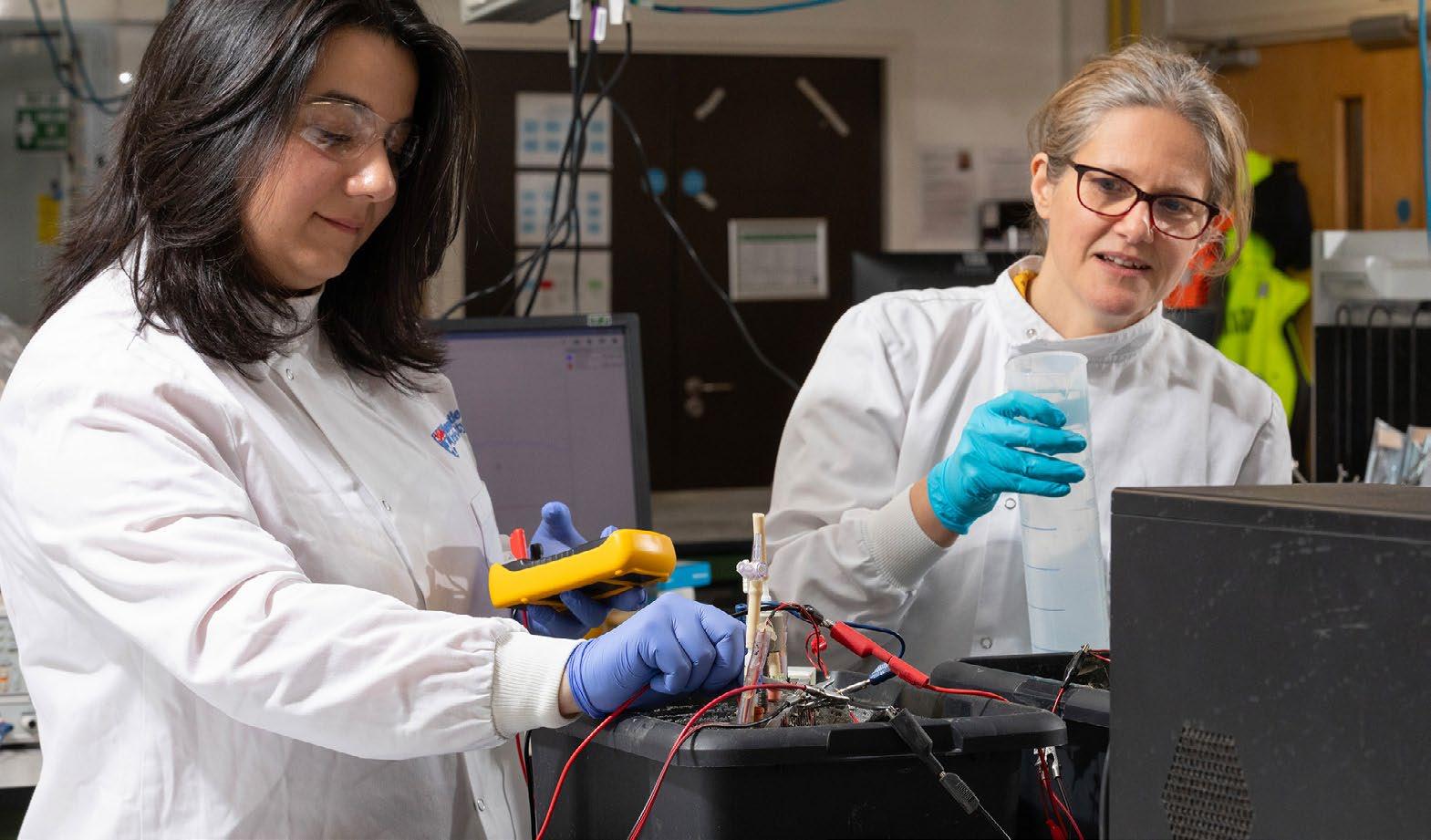
METzero replaces oxygen with a small electrical input inside its Microbial Electrolysis Cells (MECs), providing microorganisms with a more efficient pathway to break down organic matter. This treats wastewater while enabling the recovery of valuable resources such as hydrogen and ammonia. By combining wastewater treatment, lower energy demand and resource recovery in a single biological process, METzero offers operators a more efficient alternative to conventional treatment.
Aeration is one of the most energy-intensive stages of conventional wastewater treatment, making energy reduction a key benefit of METzero’s technology. But operators also need to cut costs, reduce carbon emissions, meet tighter environmental regulations and increase treatment capacity without expanding infrastructure.
METzero addresses these challenges through a single process, combining lower energy demand with ammonia recovery to reduce operating costs and support compliance with tighter nitrogen limits. Whole-life costs are 33% lower than conventional solutions, with operating costs nearly 50% lower, while improving treatment efficiency and creating additional capacity within existing assets. METzero believes the future of wastewater treatment lies in technologies that deliver affordability, compliance and sustainability together.
While hydrogen attracts attention, METzero sees ammonia recovery as the greater commercial opportunity. Conventional ammonia production is highly energy intensive, while the UK imports around 60% of its fertilisers. At the same time, wastewater treatment plants remove and discard valuable nitrogen, often at significant energy cost. METzero sees this as a major missed opportunity.
By recovering ammonia instead of simply removing it, operators can meet tighter discharge standards while creating a valuable product for established agricultural supply chains. This supports resource resilience, reduces reliance on imported fertilisers and lowers the carbon footprint of ammonia production. For METzero, nutrient recovery is key to building a more circular, resilient wastewater sector.
For METzero, the value of the METREAU project funded by Ofwat Innovation Fund extends well beyond technical validation. Innovation in the water sector must be developed alongside the utilities and operators who will ultimately use it, ensuring new technologies integrate with existing infrastructure and address real operational challenges.
Working with Northumbrian Water, Thames Water and Yorkshire Water has enabled METzero to test its technology under real operating conditions while refining its design through operator feedback. This has influenced everything from installation and maintenance to day-to-day operation. The project has also demonstrated stable performance on live wastewater streams, with treatment, ammonia recovery and energy consumption closely matching laboratory results. By validating the technology with leading UK water companies, METzero is building confidence that it is ready for commercial deployment.
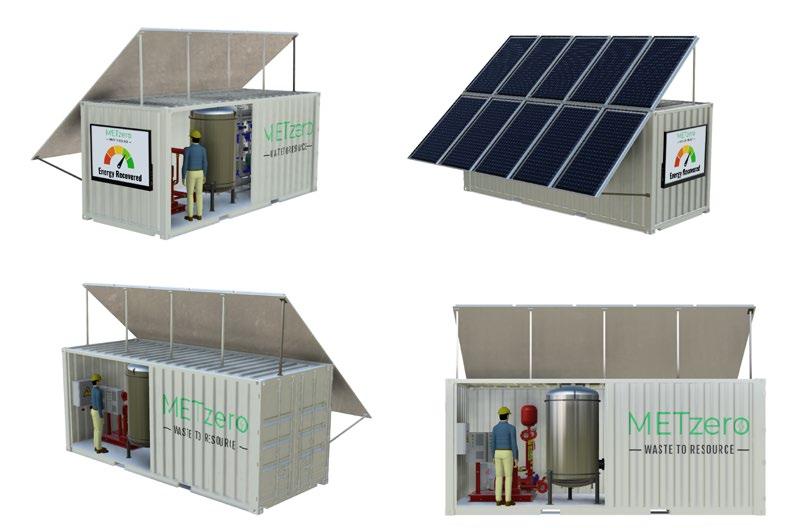
One of the biggest barriers to innovation in the water sector isn't technology but existing infrastructure. Utilities and manufacturers have invested billions in treatment assets designed to last decades, making wholesale replacement impractical.
That's why METzero developed a modular technology that integrates with existing treatment processes rather than replacing them. Housed in standard 20-foot shipping containers, the systems minimise on-site disruption, reduce project complexity and can be scaled as operational needs evolve.
Every project begins by testing the customer's wastewater to validate performance before pilot or commercial deployment, reducing risk and building confidence. Timelines vary by sector, with utilities typically taking 6-12 months and food and beverage manufacturers able to deploy commercial systems within 3-6 months following a successful feasibility assessment or pilot. By combining wastewater-specific validation with a modular, pre-engineered platform, METzero gives operators confidence before committing to full-scale adoption.
Water companies are under growing pressure to reduce carbon emissions, meet tighter discharge standards, increase treatment capacity and control costs, all while making the most of existing assets. As a result, technologies that address only one challenge are becoming harder to justify.
METzero’s technology tackles multiple priorities at once by reducing energy demand, recovering resources such as ammonia and improving treatment performance within existing infrastructure. Rather than forcing utilities to choose between sustainability, compliance and affordability, it aims to deliver all three. METzero sees regulation as a driver of change, but believes long-term adoption depends on delivering measurable operational and commercial value. Its ambition is to help operators treat wastewater more efficiently, recover more resources and maximise existing infrastructure on the journey to net zero.
For METzero, the past two years have been about proving the technology works. The next chapter is focused on commercial deployment and demonstrating where it creates the greatest value. The immediate focus is the UK, where the team is working with leading water utilities through the Ofwat-funded METREAU project while expanding into the food and beverage sector. They're also seeing growing demand from utilities and industrial customers beyond the UK, particularly across South East Asia.
Robust wastewater treatment performance and ammonia recovery remain METzero’s immediate commercial priorities as the team continues to optimise the platform for different wastewater streams. They believe microbial electrochemical technologies will play an important role in the next generation of wastewater treatment by helping operators reduce energy demand, unlock greater value from existing assets and recover resources where it makes environmental and commercial sense.
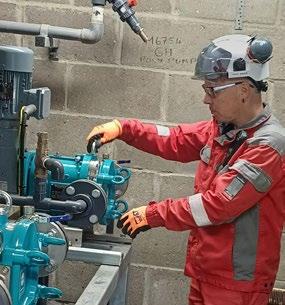
SAS (Surplus Activated Sludge) is a bit weird and can do odd things,” says Stuart Chatten, Lead Bioresources Technician at Whitlingham Water Recycling Centre (WRC), one of Anglian Water’s principal centres for processing sewage, serving a population of 400,000.
Those weird and odd things, including a thickness that can often prevent it from moving down pipelines like water or normal sludge, means that it can stubbornly stick, causing pumps to run dry, backing up tanks. Understandably, the handling of SAS at Whitlingham wasn’t top of the favourites list for maintenance teams.
Well, that’s just how things were until recently at Whitlingham WRC, where SAS was constantly winning the battle versus pumps. Instead of the pumps evenly drawing down SAS from two (20m3) storage tanks, the challenging consistency of the sludge would lead to one tank emptying quicker, making the pump suck air, while the other tank remained almost full, getting thicker and thicker, causing high levels of mixed liquors.
For Stuart and his team, the daily morning huddle meeting always drew a groan because it included the now all-too predictable, irritating chore of having to sort out ‘those SAS pumps’.
“Yes,” he continued. To thin the tanks out, in order to get everything moving, one of our team would have to put some water through the pumps to prime them.
“The problems caused with the pumps not handling the SAS properly meant that instead of a baseline figure of around 4500mg per litre, all the stop/start we were enduring saw levels up at more like 4500-5000 mg per litre, which was way too high. We could never get ahead.”
Understandably frustrated by the sorry sustained SAS situation, Stuart turned to a supplier whose pumps had actually been on the Whitlingham site since 2012, including one (close to the SAS operation) for a poly-dosing application.
“The first Borger pumps here fed the sludge belt press,” said Stuart.
“A further order was placed in 2015 for digester mixing pumps. These two sets of pumps from Borger had never let us down, plus we’d always had good back up from the company” said Stuart, “so we took a look at what else they had to offer.”
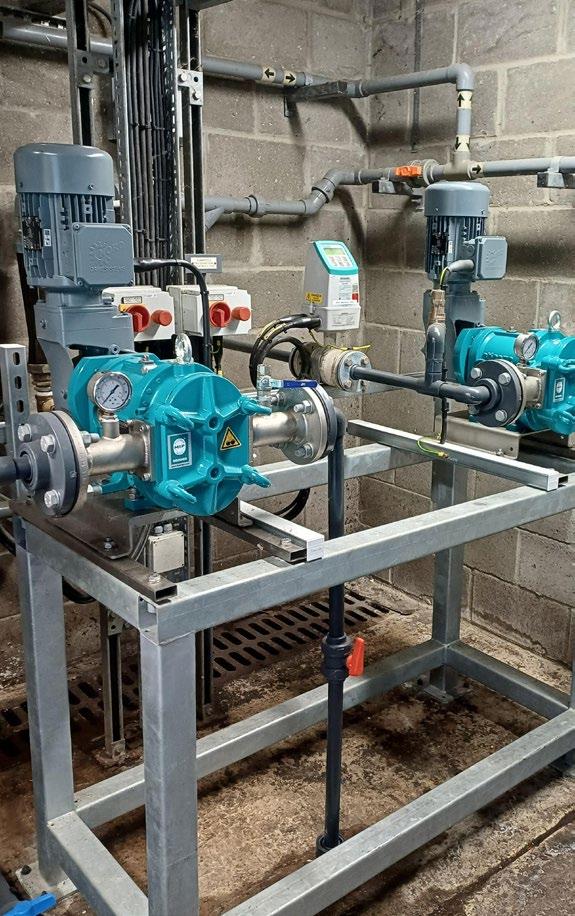
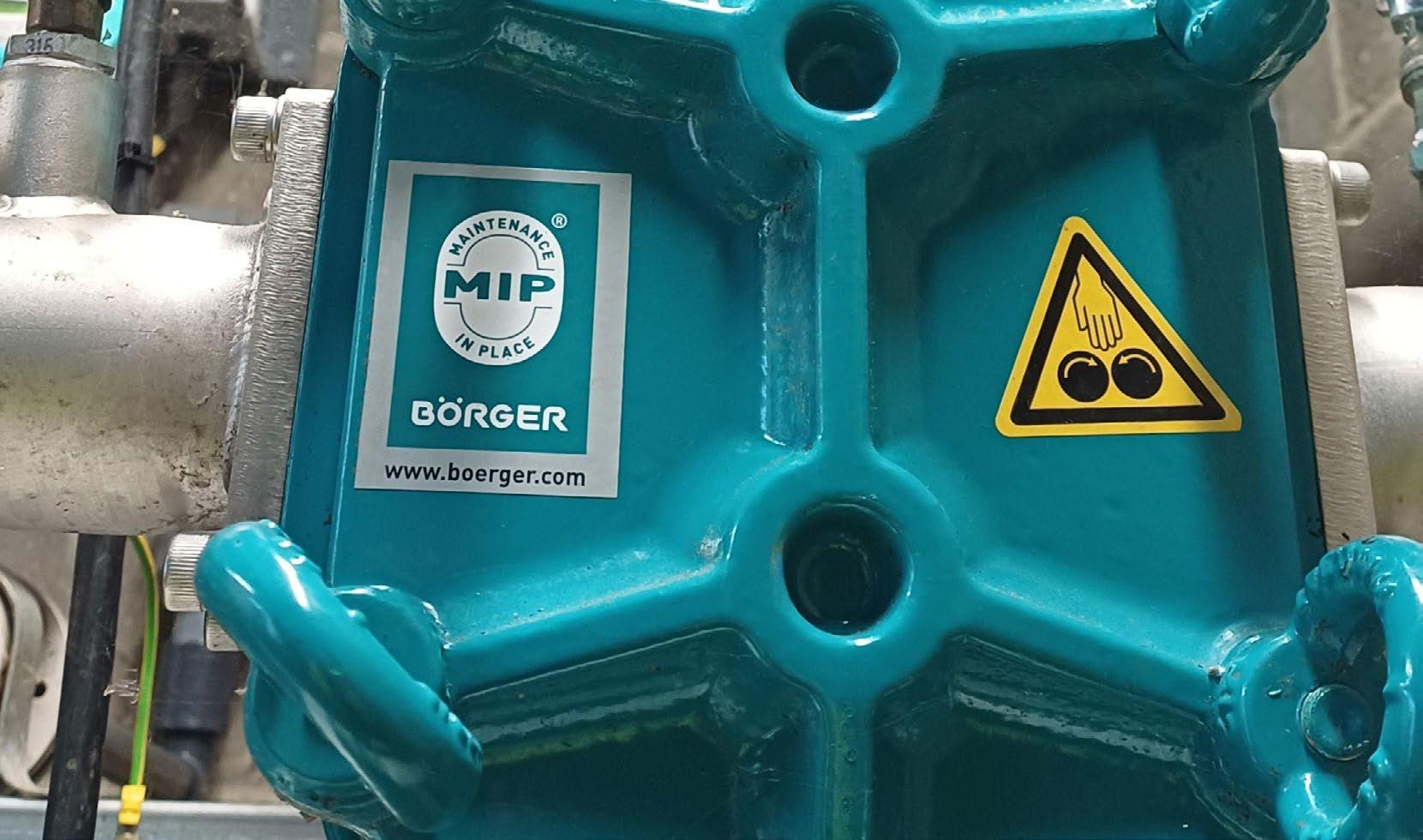
Finally, two Borger PL200 pumps were brought in to replace the existing SAS units.
“It is virtually an automatic system that maintains our compliance and pretty much looks after itself,” said Stuart. “We no longer have to keep talking about them.”
Another unpopular task at Whitlingham was the servicing of the polymer-dosing pumps. The only exception was a Borger AN040 that had been installed on trial.
“For the existing pumps, we were having trouble getting spare parts from the manufacturer, so we couldn’t carry on like that,” continued Stuart.
“Also, the pumps’ position at floor level made them very time-consuming and awkward to maintain. The pumps were also positioned all too tight together. There was pipework coming and going everywhere at all angles. It wasn’t easy, and it could be messy too. The exception was the Borger unit, which had never skipped a beat. It was a no-brainer to switch to Borger,
We now have a total of six.”
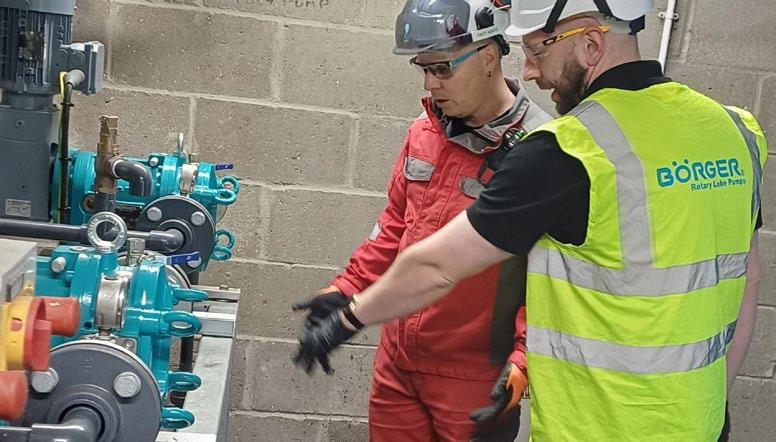
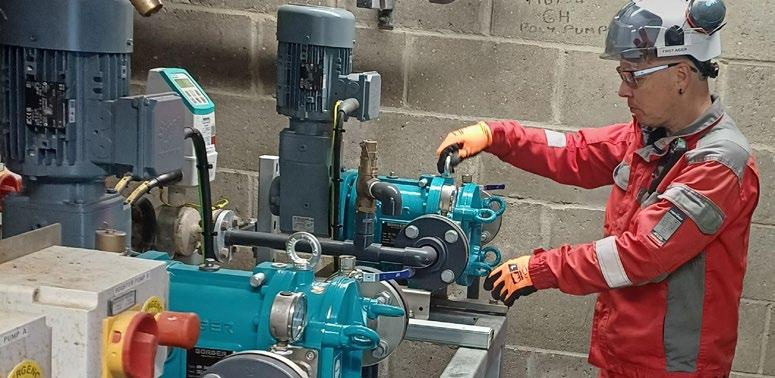
‘Delivering
The very compact Borger BLUEline pump models for the polymer dosing are AN040s, designed with space for almost any sealing system.
Stuart added: “Everything now is nice and even, though they’ve never been rough anyway. These new Borger models bring a whole new level of smoothness, delivering a far more consistent mix, and with the added benefit of us slightly reducing the amount of polymers that we use.”
Pumps from Borger are also set to play a key role in the expansion at Whitlingham as a sludge treatment centre, with replacement of digesters that were built in the late 1950’s. CL390 and PL200 Borger pumps will be part of new processes for Anglian Water’s planned doubling of the WRC’s sludge capacity to serve one million people.
“For our existing digesters,” said Stuart, “the Borger pumps have always coped very well with all the grit that is involved. Both here, for what used to be a very time-consuming SAS application and for the polymer dosing, they’ve proved a great investment.”
Discover more, visit: www.boerger.com or contact us: uk@boerger.com
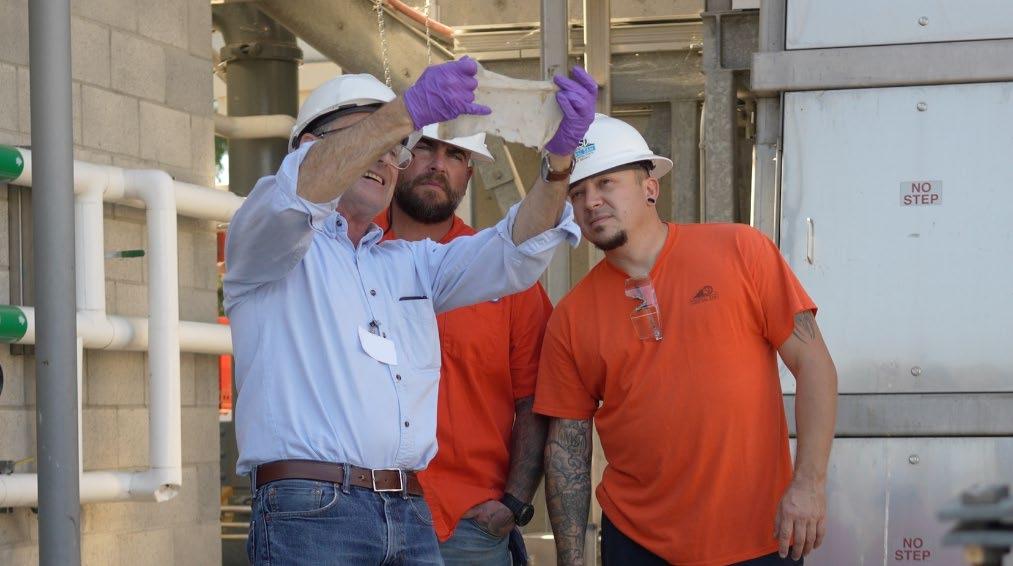
The Responsible Flushing Alliance has spent five years teaching Americans what does, and doesn’t, belong in the toilet. As its latest campaign, Bathroom Bootycamp, gets under way, the data shows real progress, and exactly where the education still needs to go
INTERVIEWED BY DARBY BONNER
Bad bathroom habits cause more household friction than most people admit. In a survey of 1,344 U.S. adults commissioned by the Responsible Flushing Alliance (RFA), 38.9% named an unreplaced toilet roll as their top bathroom bugbear, 36.6% pointed to someone simply not flushing, and 35.3% cited hair left in the sink or shower. Further down the list sits the specific habit RFA exists to fix: 13% of respondents said flushing something that shouldn’t have been flushed — like baby wipes, cotton pads, and similar items — has caused friction in their household.
That statistic sits at the centre of RFA’s five-year #FlushSmart campaign, which aims to increase responsible flushing practices through education. This July, as Flush Smart Month returns, RFA’s newest push, Bathroom Bootycamp, makes the same case through a different lens, treating bad flushing habits as something households genuinely argue about, not just a plumbing issue.
“Our goal is to revolutionise public education by keeping it highly engaging, memorable, and fun,” says Lara Wyss, President of the Responsible Flushing Alliance. “We are challenging the public to rethink their everyday habits. Always check wet wipes for the Do Not Flush symbol and disposal instructions, which helps us protect not only the health of our homes and environment, but our relationships, too.”

There’s a real cost behind the campaign’s light tone. Clearing a household clog caused by non-flushable items can cost anywhere from $300 to $15,000 for a full repipe. Nationally, wipes that are not designed to be flushed cost clean water utilities an estimated $441 million a year in additional operating expenses, according to the National Association of Clean Water Agencies (NACWA) — a cost that, in the end, is passed back to ratepayers.
RFA is a nonprofit focused on changing flushing behaviour across America, largely by explaining the Do Not Flush symbol now required on wipes packaging in seven states. The scale of the problem became clear in the largest sewage collection study of its kind, carried out at two California wastewater treatment facilities. Of the 1,745 items pulled from the system and catalogued, 34.1% were wipes carrying the Do Not Flush label, 53% were paper towels, and 7% were period products. In total, 99% of everything recovered was never designed to be flushed at all. Nearly every Do Not Flush wipe recovered was still fully intact. The handful of genuinely flushable wipes fragments found made up less than 1% of the total, and those were attached to other items and already breaking apart, exactly as they’re engineered to do.
That distinction matters more than it might seem. Around 90% of wet wipes sold in the US — such as cleaning wipes, baby wipes, and make-up remover wipes — are made with long, durable fibres that are not meant to go down the toilet. Non-flushable wipes, whether they are made of plastic or natural fibres, are not designed to break down in water.
Wipes that are designed to break down in water carry the “flushable” label on packaging and make up the other 10% of wet wipes sold in the US. Flushable wipes are made from short, plant-based fibres that are specifically engineered to break apart and disperse like toilet paper. They are typically sold alongside dry toilet paper rather than household cleaning products. They are designed to be a supplement to, or occasional replacement for, toilet paper itself — not a separate category of product.
Much of the remaining confusion isn’t really about wipes at all, it’s about paper. For years, bathroom messaging leaned on
a simple “pee, poo and paper” rule of thumb, and RFA’s research suggests some of that shorthand has lingered in the wrong places, feeding an assumption that any soft paper product — like kitchen roll, facial tissue, paper napkins — is fine to flush. It isn’t. The simpler rule RFA wants people to remember instead: Toilet paper, wipes specifically labelled as flushable, and human waste can go down the toilet. Everything else belongs in the trash.
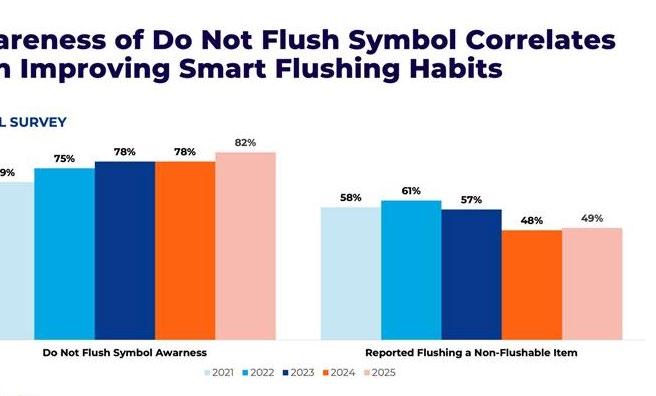
Whether the message is landing can be tracked reasonably well. When RFA began surveying California residents in 2021, 69% recognised the Do Not Flush symbol and 58% admitted to having flushed something they knew they shouldn’t. By 2025, national recognition of the symbol had reached 81%, and the share of people nationally still flushing nonflushables had eased from 53% to 50% in a single year alone. In California specifically, where RFA’s education efforts have run longest, self-reported improper flushing has fallen nine points since its earliest tracking, from 58% down to 49%.
“Our Flush Smart Month campaigns demonstrate that creative, culturally relevant content can genuinely move the needle on behaviour, not just awareness,” Wyss reflects. “When we see comments like ‘checking labels is so important’ and ‘I had no idea,’ and when we watch those
“Our goal is to revolutionise public education by keeping it highly engaging, memorable, and fun.”
sentiments translate into sustained, measurable declines in improper flushing, we know the work is making a real difference. We’re proud of what this campaign accomplished and energised about what comes next.”
If the data has moved steadily, the creative has moved a lot faster. RFA marked its first official Flush Smart Day on 1 July 2022, timed to a new California law (AB 818) requiring non-flushable wipes to carry the Do Not Flush symbol. A year later came the campaign’s breakout moment: a spoof Hollywood movie trailer introducing the Clog Monster, a fictional character built from every wrongly flushed wipe, designed to make checking the label memorable rather than worthy. By 2024, Flush Smart Day had grown into Flush Smart Month, and RFA took the campaign to VidCon Anaheim with a focus on engaging younger audiences, where Detective Vincent Drains and his singing, talking sidekick, a toilet named Mel, led attendees through a film-noir-style “Crimes of Flushing” activation.
Continued on page 28
Also in 2024, RFA furthered efforts to engage younger audiences by teaming up with the Latino Film Institute’s Youth Cinema Project, which includes students from 14 school districts throughout California, to design and judge a youth PSA filmmaking competition. Participants received a creative brief with specific guidelines for the PSA to educate consumers on smart flushing habits and promote the Do Not Flush symbol. Overall, the expanded reach into new spaces and audiences increased RFA’s cultural relevance, helping make smart flushing part of the broader cultural conversation.
In 2025, the campaign turned to another specific audience: households with children. RFA’s national survey found that 60% of people with children at home had flushed something non-flushable, which led to Potty Training for Grown-ups, a campaign built around family-friendly influencers and the simple, slightly cheeky premise that children were teaching their parents proper flushing habits, not the other way around. That same year, RFA’s advocacy also helped support Michigan’s new wipes labelling law, which took effect in February 2025 after the state’s clean water utilities were found to be paying an estimated $18 million a year in unplanned repair costs caused by nonflushable wipes.
“Clear and well-placed disposal instructions on nonflushable wipes are key to consumer understanding of which categories of wipes should not be flushed,” Wyss says of the Michigan law. “We know from consumer surveys that product packaging is the most trusted place from which people get disposal instructions, making the labelling law an important step in educating people about proper flushing habits.”
Which brings the story to 2026, and Bathroom Bootycamp, arguably RFA’s most ambitious activation yet, combining an interactive online quiz and a seven-day
habit-reset challenge with a roster of TikTok and Instagram influencers focused on making better bathroom behaviour easy to talk about.
For all the progress, RFA is careful not to declare victory, and the data supports that caution. Roughly half of Americans are still flushing things they know they shouldn’t, at least occasionally. While 48% of U.S. respondents said they felt very knowledgeable of non-flushable products in 2025, 50% still admitted to flushing non-flushable items. It seems that while awareness increases, a gap still persists in responsible flushing behaviours to match. RFA believes that the key to positive behaviour change will be continued creative work to bring the consequences of irresponsible flushing into the cultural conversation. The consequences can be dire, but the fix is simple: Check the packaging for the Do Not Flush symbol and only flush toilet paper, wipes clearly labelled as flushable, and human waste. The rest always goes in the trash, never the toilet.
None of this has stayed confined to California, where the movement began. Seven states — California, Washington, Oregon, Illinois, Colorado, Michigan and New Jersey — now require non-flushable wipes commonly found in the bathroom to carry the Do Not Flush symbol. Federal legislation that is modelled on those laws, called the WIPPES Act, has passed the House and cleared the Senate Commerce Committee, backed by groups including the California Association of Sanitation Agencies (CASA), the National Stewardship Action Council, and NACWA. RFA’s coalition has grown alongside the legislation and now spans more than 25 member companies alongside wastewater agency partners across the country.
“Creative, culturally relevant content can genuinely move the needle on behaviour, not just awareness.”
The near-term ask, though, stays simple: check the label, and when in doubt, bin it. As Flush Smart Month unfolds through July, that message will be carried by a new round of influencer content and, if the legislative momentum holds, a genuinely national labelling standard within the next year or two. Five years in, the data suggests it is a message that is starting to get through, even if, for many households, there is still work to do.
Hydrogen sulfide (H2S), which is common contaminant in many water sources, is particularly problematic for drinking water companies, whose consumers complain about the taste it imparts. Conventional treatment methods often remove H2S by venting it into the air, permanently exposing communities to the familiar and intense ‘rotten-egg’ smell.
Traditional H2S removal technologies such as aeration and ozonation are effective. However, they are energy intensive and directly conflict with the water industry’s goal of reducing its greenhouse gas (GHG) emissions. Unlike treatment methods that simply remove H2S, SafeGuard™ H2O is an innovative solution that provides utilities with a proven way to reduce H2S while minimizing GHG emissions. As a low-carbon approach to H2S removal, SafeGuard H2O can be powered by renewable energy.
The process effectively removes H2S to non-detect levels while lowering treatment costs through reduced energy consumption and operational requirements. The fully automated SafeGuard H2O system uses a food-grade tin metal precursor and an in situ electrolytic generator to produce a non-toxic stannous reagent on-site and on demand. The treatment precursor (tin) is highly stable and can be stored safely with no special handling requirements.
The SafeGuard H2O system automatically doses the electrogenerated stannous reagent according to the incoming H2S level. The hydrogen sulfide reaction with stannous ion is:
H2S + Sn2+ = SnS + 2H+
Tin sulfide, a valuable resource with applications across multiple industries, can be recovered from the H2S removal process (Figure 1). With SafeGuard H2O, stoichiometric amounts of non-toxic tin sulfide are produced and can be easily filtered out using a 0.1-0.05 ceramic micron filter to, enabling efficient resource recovery of sub-micron particles.

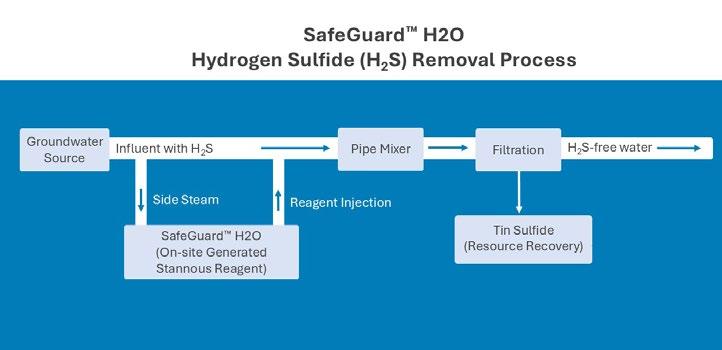
1. SafeGuard™ H2O H2S Removal System Supports Resource Recovery
Two industries that will directly benefit from the valuable recovery of tin sulfide include battery manufacturing and semiconductors.
Major global leaders in battery manufacturing have demonstrated a continued interest in advancing tin-containing anode materials. Early-stage research is underway, and the International Tin Association has been reporting on these developments.
In semiconductors, tin sulfide is attractive for solar energy conversion in thin film devices due to its favorable optical band gap and high stability. Compared to conventional heavy-metal semiconductors such as cadmium and lead, tin sulfide is a non-toxic, environmentally friendly, and affordable alternative.
SafeGuard H2O is an innovative, sustainable, and effective solution for H2S removal. Rather than simply eliminating a contaminant, it enables utilities to recover a valuable industrial resource while reducing GHG emissions and lowering treatment costs. The recovered tin sulfide offers key benefits for industries such as battery manufacturing and semiconductors, where it serves as a non-toxic, efficient material. By transforming H2S from a waste stream into a reusable resource, SafeGuard H2O demonstrates how innovative water treatment can support both environmental sustainability and the circular economy.
In Phoenix, Arizona, a water resources director at a large food and beverage plant is looking at two numbers nobody would have read together a decade ago: her Central Arizona Project (CAP) allocation, under a Tier 1 shortage that has cut CAP’s supply by roughly 30 percent, and her utility bill, up more than 30 percent since 2020. In central Texas, a plant manager at a semiconductor fab is signing a multi-year power contract in ERCOT, amid a data center buildout adding gigawatts of competing demand. In Flanders, Belgium, a process engineer is designing a direct potable reuse system whose economics now turn as much on kilowatt-hours per cubic meter as on treatment performance.
These three people have never met. But they are looking at the same problem. For most of the last century, water
scarcity, energy price volatility, and the infrastructure demands of computing were three separate concerns in three separate industries. Those boundaries are gone.
I have spent twenty years in water treatment, most of it on doing more with less energy. My first decade was spent making reverse osmosis membranes more selective and less energy-hungry. The industry has always cared about energy efficiency, especially in seawater desalination, where the pressures involved made the math unavoidable. What has changed is the pace and scale of what operators are up against, and how far down the pressure spectrum the math now reaches. This is no longer just a sustainability story. It is a risk management story, and it applies to every facility that treats water through a membrane.
That reverse osmosis is energy-intensive is not news. What has shifted is the scope. The same math that made
energy recovery essential in seawater desalination is now reaching into brackish water reuse, industrial wastewater treatment, and municipal drinking water reuse. Pressures once considered too low to bother with (100 to 200 psi rather than 1,000) are now large enough to matter. Pulling treatment into these new applications is water stress: the World Resources Institute estimates roughly four billion people already live under high water stress at least one month a year, with some 70 trillion dollars of global economic activity exposed to high water stress by mid-century. Stress forces reuse. Reuse means treatment. Treatment, at any pressure, means electricity.
For most of the 2010s, industrial electricity prices behaved like a slowly shifting floor, remarkably stable through 2020. That baseline is gone. According to U.S. Energy Information Administration data, US retail electricity prices have climbed sharply since, up another 7.6 percent through mid-2025, and first-half 2025 wholesale prices jumped roughly 40 percent year over year. Meanwhile, the International Energy Agency projects global data center electricity consumption doubling to roughly 945 terawatt hours by 2030, so every watertreating facility is now competing for electrons with a buyer whose willingness to pay is higher than theirs.
Public conversation about this risk is dominated by the supply side: more renewables, more gas, more nuclear, long-term PPAs. All of it matters. None is quick. The grid is constrained by permitting timelines, interconnection queues measured in years, and a competition for electrons that water infrastructure is not winning.
The demand side is the lever almost no one talks about, the only one any facility fully controls. Every kilowatt-hour a plant does not consume is a kilowatthour it does not have to buy, forecast, hedge, or explain. The industry once treated energy recovery as a seawater desalination concern. That framing is outdated. The same physics that justifies energy recovery at 70 bar in a desalination plant justifies it at 10 bar in a municipal reuse system and at 120 bar in an industrial zero-liquid-discharge line. The pressures differ. The logic does not.
Consider two sites at opposite ends of the spectrum. In Hofstade, Belgium, one of Europe’s first direct potable reuse systems delivers 400 million liters of drinking water a year to 12,000 people; at its low operating pressure, a low-pressure energy recovery device cut electricity consumption by about 23 percent, with a three-year payback. In central China’s Hubei province, a lithium iron phosphate cathode facility runs ultra-high-pressure reverse osmosis up to 120 bar to drive wastewater toward zero liquid discharge; there, energy recovery cut consumption in
the high-pressure stages by roughly 51 percent. One Belgian town at low pressure. One Chinese factory at ultra-high pressure. The physics is the same, and the economics now work across the full range.
The next decade will not be kinder to water-treating facilities than the last one. The ones that navigate it best will be those that built or retrofitted toward using less energy per unit of water, at every pressure they operate. Their reward will be quiet. It is the reward of having prepared for weather that has already begun.
“Every kilowatt-hour a plant does not consume is a kilowatt-hour it does not have to buy, forecast, hedge, or explain.”
WRITTEN BY MARTYN SHUTTLEWORTH
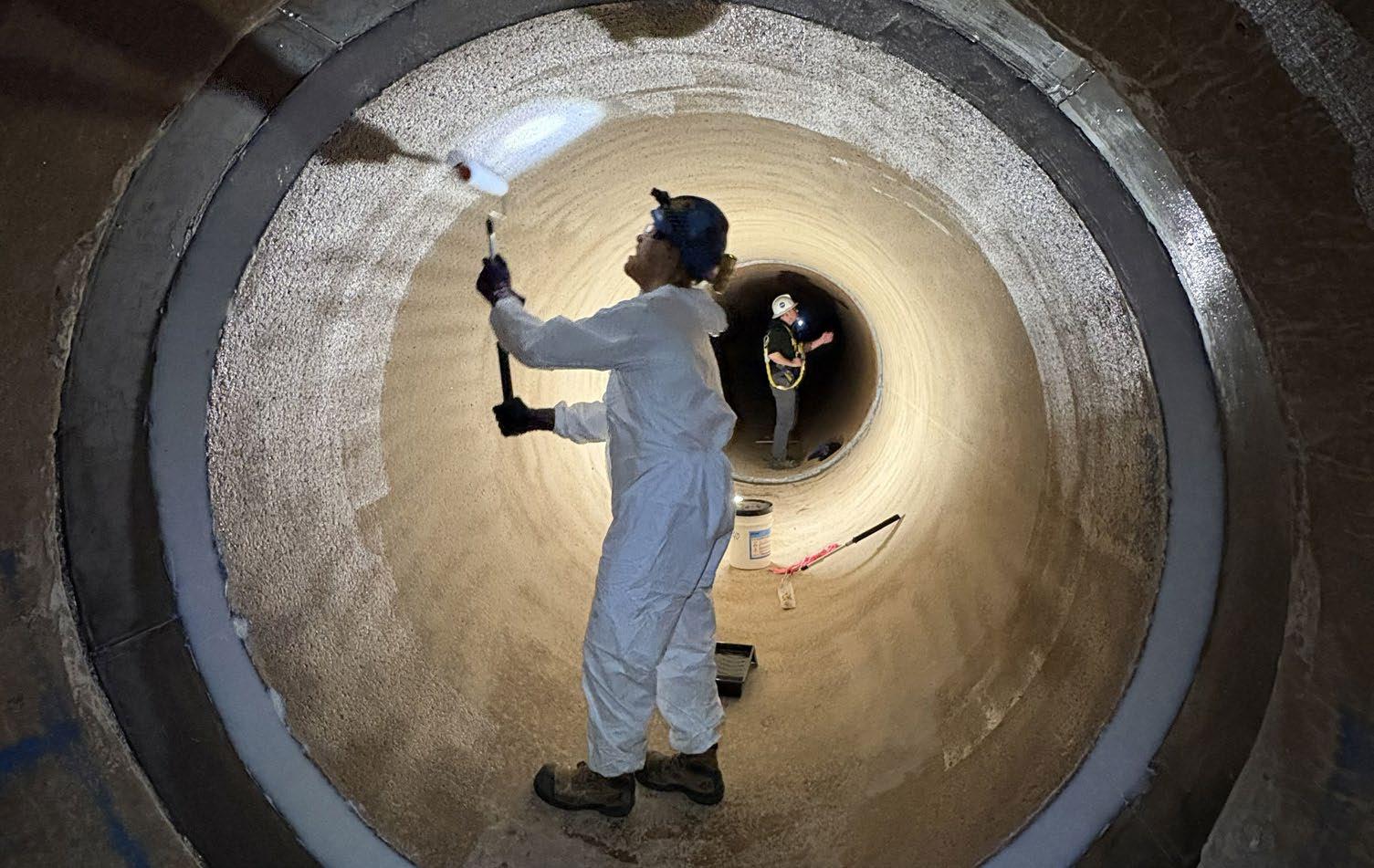
With a long history of working with the water sector, Henkel understands the importance of reducing water losses and preventing wastewater leaking into the environment. Many systems include old, corroded components that cannot cope with modern demands and are difficult to maintain. The resulting water losses and pollution impact revenue and reduce the available funds for maintenance and modernisation.
While the sector wants to modernise aging infrastructure, upgrades are expensive and ask the question ‘who pays?' Many existing solutions are fragmented and rely on different products which, if incompatible, make it difficult to create long-term plans. To provide integrated solutions, Henkel set up its Water & Civil unit (W&C) within the Infrastructure Protection and Repair group (IPR), with a focus on structure rehabilitation.
Globally, the water sector is upgrading the infrastructure needed to store and carry water and wastewater. However, maintaining such complex systems requires integrated
solutions and owners may not know where to start. Solutions are often vendor-specific or restricted to certain regions, and applied as reactive fixes rather than part of long term planning.
Another issue is that knowledge silos can separate organisations, who operate within that environment aware only of their own problems. This encourages inwardlooking perspectives rather than using external expertise, local experience, and multiple technologies. Similarly, useful knowledge from different regions remains trapped there, so others waste resources replicating research and pilot studies.
Duplication also means that asset owners and engineers deal with multiple representatives and companies, each trying to work out which products are compatible. Companies often have to build solutions even if they lack experience of integrating different technologies. Ultimately, too much choice can prompt piecemeal, reactive changes rather than long-term solutions and pre-emptive planning.
Understanding that numerous vendors and incompatible technologies created problems, Henkel set up its Water and Civil Infrastructure unit to unify its product portfolio.
Integrating technology supports individual, customerbased solutions that repair leaks, maximise resources, and upgrade systems. Bringing together Henkel’s comprehensive portfolio and experience encourages collaboration and streamlines processes, where group companies can share knowledge and ensure customers need only a single contact.
John Hepfinger, head of Henkel’s Water and Civil Infrastructure unit, noted:
“We’re building upon the platform that Henkel created, developing a suite of solutions in a focused manner that creates a good structure for customers. We can look across a broad spectrum of issues or explore opportunities our customers want to make.”
Since its formation, the W&C unit helped Henkel concentrate expertise across all companies and departments. Technicians and representatives gain knowledge of how products work together in support of customised plans. Importantly, Henkel shares product development and research across the group, maximising resources and freeing best practices from silos.
Henkel can test how different products work together and ensure that lessons learned from any challenges permeate the organisation. The company’s global reach supports sharing ideas between regions and creating a repository of knowledge, while minimising duplication uses resources efficiently, so customers receive better solutions and benefit from savings.
One important characteristic of the W&C unit is assessing what customers need rather than fixating on technology. While research, innovation, and new products are important, using existing knowledge to craft pragmatic solutions is a good start. As John notes:
“The group brings the technologies together and becomes more market facing. We were in silos thinking this is the right technology for this solution, but as we’ve acquired and brought together different technologies, different groups, and different ways of approaching asset owners, we create a cohesive approach.”
Another benefit is the Henkel name, giving customers a single reference without sacrificing the familiarity of the portfolio brands. Customers already know the products but can shift perception, seeing each as one component of the whole solution. John describes the streamlined customer experience:
“We think about the issue from the customer perspective, whether they are a consulting engineer, a contractor, a municipality, or an industrial facility. They
have different requirements, and ways of working. Again, this is all global. It benefits the company and also customers because we don’t have competing people confusing them.”
When working with customers to develop optimal solutions for improving water and wastewater infrastructure, Henkel prefers extending asset life through rehabilitation. This is cost effective and minimises disruption for surrounding communities and the environment.
While water and wastewater infrastructure is often discussed as a monolith, every system evolved to meet unique needs and operating conditions. Trying to
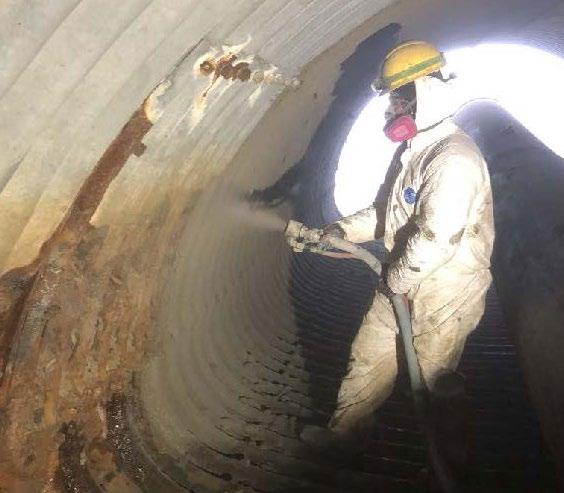
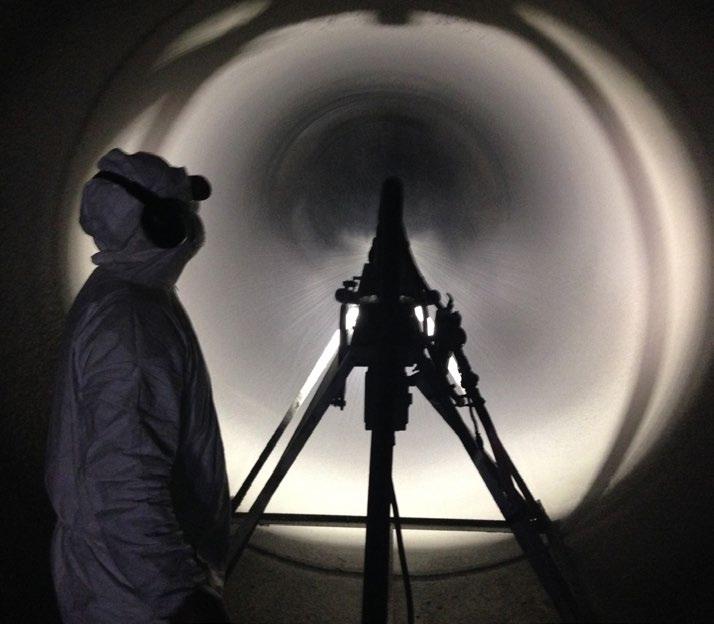
Continued on page 34
implement the same technologies without understanding the customer’s system and perspective falls short. By ensuring that representatives and technicians possess local knowledge, the W&C unit bridges that gap.
The organisation blends its knowledge with local understanding of the operating environment, legislation, and links with surrounding communities and contractors. They can work together and contribute ideas rather than facing several companies and departments, ensuring that local stakeholders have ownership of the tailored solutions. John points out:
“You start thinking about multiple stakeholders, about the asset owner and what’s the impact to the community? What’s the impact to the installation, the installers, the contractor partners? How can you help them be more efficient? We’re working with other suppliers so are we compatible with their materials? We have three customers. We think about the asset owners, the engineer, and then the contractors, typically the one we have the transaction with. And then, the public is our other customer.”
In an ideal world, all aging water and wastewater infrastructure would be quickly replaced to plug leaks and install new technologies. However, budgets are finite and operators cannot pass additional costs to customers already facing a cost of living crisis and soaring energy costs, with governments reluctant to raise taxes. John stresses doing more with less:
“The whole idea is to extend the life of assets. Everyone’s challenged with budgets. How can we be more efficient with funding? How can we help owners get more out of what they’ve got? There’s always a need for some new construction, but how can we use budgets wisely?”
To create opportunities, the W&C unit focuses on extending asset life without significant drops in
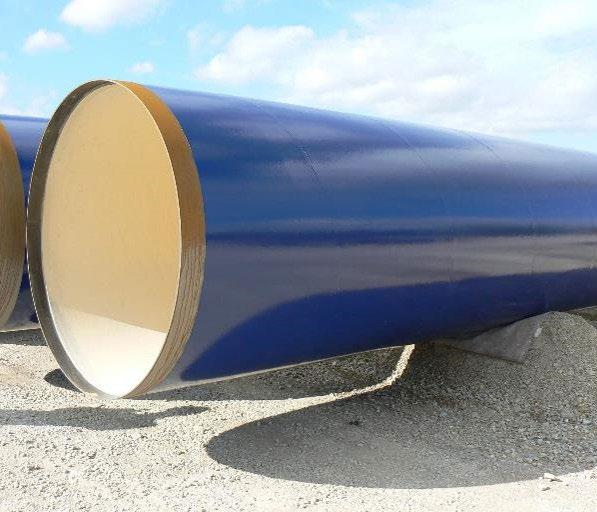
performance compared to new systems. By rolling together products and technologies under one group, it is easier to find a cost-effective rehabilitation option. John believes in exceeding customer expectations:
“So, as we encourage customers to think about rehabilitation, we’re allowing them to work within the confines of their budgets and do more work than they had planned.”
Other than reducing costs upfront, rehabilitation can save resources through reduced maintenance, lower revenue losses, reduced energy costs for pumping and treatment, fewer catastrophic failures, and shifting between capex and opex budgets.
Of course, while the W&C unit helped Henkel unite its product portfolio, there are challenges. For example, expanding into other regions brought new issues such as adapting to multiple standards and regulations. As John points out:
“You have country, regional, and other local standards. You have embedded technologies or companies that have been there prior to us. But the good thing is, with Henkel, we have that credibility. We need that symbiotic relationship and support to ensure success because nobody wants a failure. Nobody wants to come back. People are trusting that we're going to give 50, 75, 100year design life and that’s what we’re staking our reputation on.”
Overall, as part of the ongoing process, local knowledge must underpin flexible solutions, treating every client and project on their own merits. By connecting asset owners, engineers, contractors, and communities, the W&C unit continues to promote collaboration.
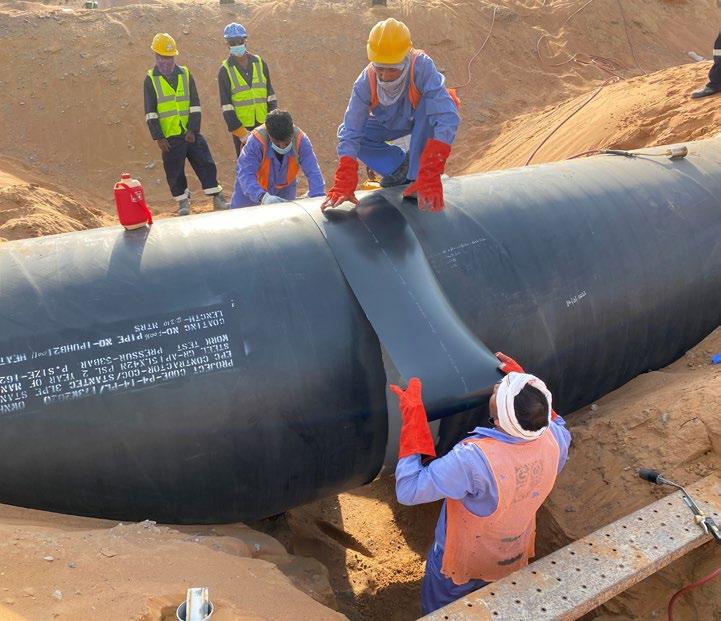

C 21
The fully encapsulated radar level transmitter, ideal for level measurement in the wastewater industry.
Everything is possible. With VEGA.

• Maintenance-free 80 GHz non-contact radar technology
• Reliable measurement even with flooding, submergence and buildup
• Precise measurement data unaffected by surface or weather conditions
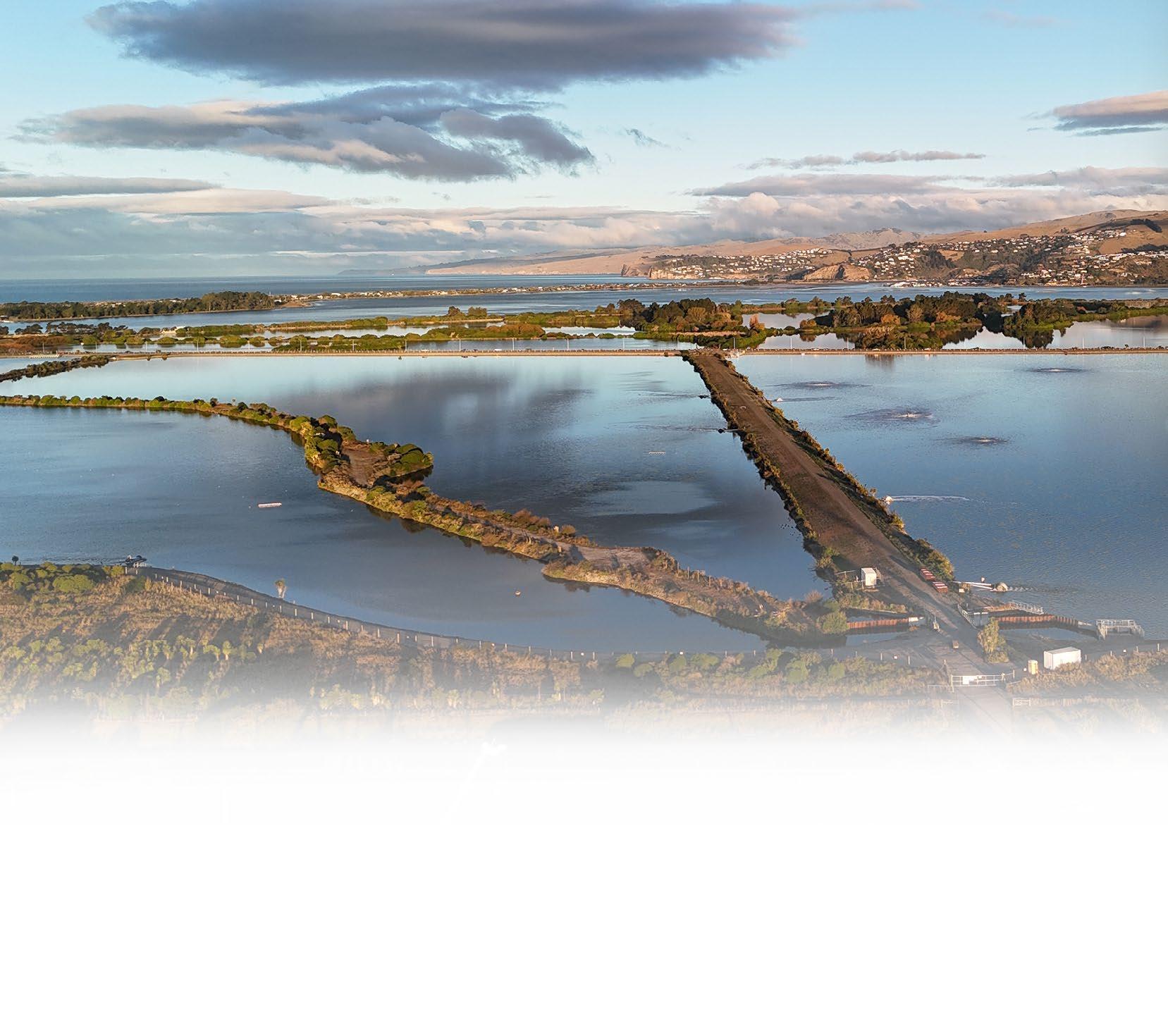
INTERVIEWED BY ABBY DAVEY
Could you introduce Water New Zealand and its role in the sector?
Water New Zealand is the country’s largest water industry body. It brings the sector together and provides leadership in the water sector through professional development, networking and collaboration.
We represent water management professionals and organisations across the supply chain and promote the sustainable management and development of the water environment. This includes the promotion and support of best practice and management of the Three Waters –drinking, waste and stormwater – and we advocate for the sustainability and health of our freshwater environment.
What opportunities does Local Water Done Well create for the water sector?
The reforms aim to provide more cost-efficient solutions through encouraging collaboration, identifying and sharing services between water service providers (WSPs) across the country.
Stronger regulation, including new requirements to treat wastewater to a national discharge standard, will allow alignment between treatment plants and is prompting the sector to explore opportunities to improve efficiency and sustainable investment to improve wastewater quality in many parts of the country.
Water service providers are exploring opportunities for both operational and physical infrastructure standardisation. This includes treatment processes tailored
to sites but based on a standardised plant model; aligning SCADA system setups; shared purchasing agreements for software; and asset management systems (supported by the new national 3 Waters Asset Data Standard).
How is Te Mana o te Wai shaping wastewater management in New Zealand?
The principles of Te Mana o te Wai align closely with the goals of wastewater professionals – to prioritise and protect the health of natural waters for generations to come through careful stewardship and respect.
Adoption of these principles focuses attention on aligning goals and outcomes within our communities and developing solutions grounded in knowledge from both traditional indigenous knowledge (mātauranga Māori) and western science. There is no blanket approach which will fit every site and community, so understanding the historical and cultural context of the local water is a key component of any optimal solution.
Where does New Zealand stand on wastewater resource recovery?
New Zealand is just beginning this journey. There is a long way to go and a lot of work needed to raise public
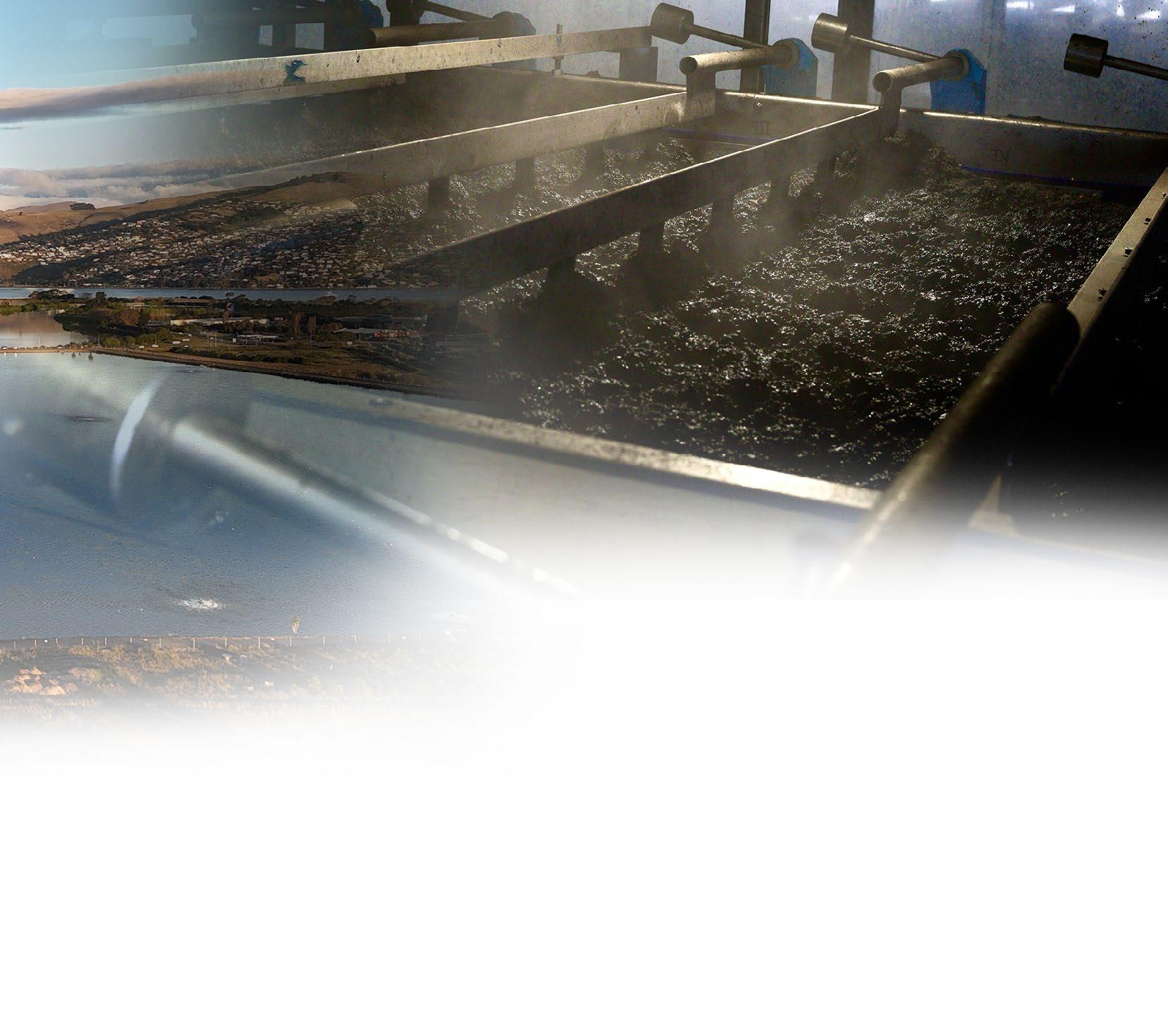
awareness of the need, and benefits, of viewing wastewater as a resource.
The reforms have placed a lot of emphasis on fixing the infrastructure deficit, including the unacceptable amount of wastewater overflows into the environment due to aging and undersized infrastructure.
While sector professionals are aware of the opportunities from new technologies, these are often inappropriate for the small scale of most treatment plants around the country. Until fully scalable, affordable, automated, and efficient technologies are available, our small systems will be limited.
Larger systems serving metropolitan areas are making progress, however. Regulatory guardrails for the beneficial reuse of biosolids were established in 2025, providing a new level of certainty around the market potential for these resources. Other systems are looking at waste minimisation opportunities and, at minimum, operational reuse of biogas on-site.
Due to our small, disperse population and limited resources, many of the country’s new and innovative projects are based on technologies and processes developed elsewhere. We are optimistic about biosolids recovery, with several plants working toward creating Class A biosolids for commercial use.
A facility in one of our regional centres, New Plymouth, is distributing such a product to local gardening centres for sale to home gardeners. Another large-scale biosolids recovery project is underway in the city of Dunedin.
While there is a lot of interest in new technologies, few places in New Zealand can achieve the scale needed to
enable ongoing support in operations, maintenance, and renewal of unique systems.
However, collaborative purchasing and shared services may support wider adoption. Many in the sector are engaging with MBR, MABR, and biosolids reclamation.
The lessons learned are echoed by professionals around the world: running assets to failure is not an acceptable strategy.
Our systems are a case study for why putting off maintenance and upgrades for the short term leads to higher costs (financial, social, environmental) overall.
A recent report from one of our regulators, the Water Services Authority - Taumata Arowai, found that wastewater performance is particularly concerning. It found that capacity constraints, periods of torrential rain, poor asset condition and blockages are severely impacting the effectiveness of wastewater networks in many parts of the country.
The small size and rural environments in which our systems operate have forced development of some great technologies, so we would highlight installations of Novolabs UV (UV treatment for turbid water, developed at Massey University) and aerdisc® aerators (effective aeration for particularly shallow lagoons), among others.
Similarly, the principles of Te Mana o te Wai have informed development of some innovative, low-tech pond treatment systems that are cleverly incorporated into the landscape.
INTERVIEWED BY NATASHA POSNETT
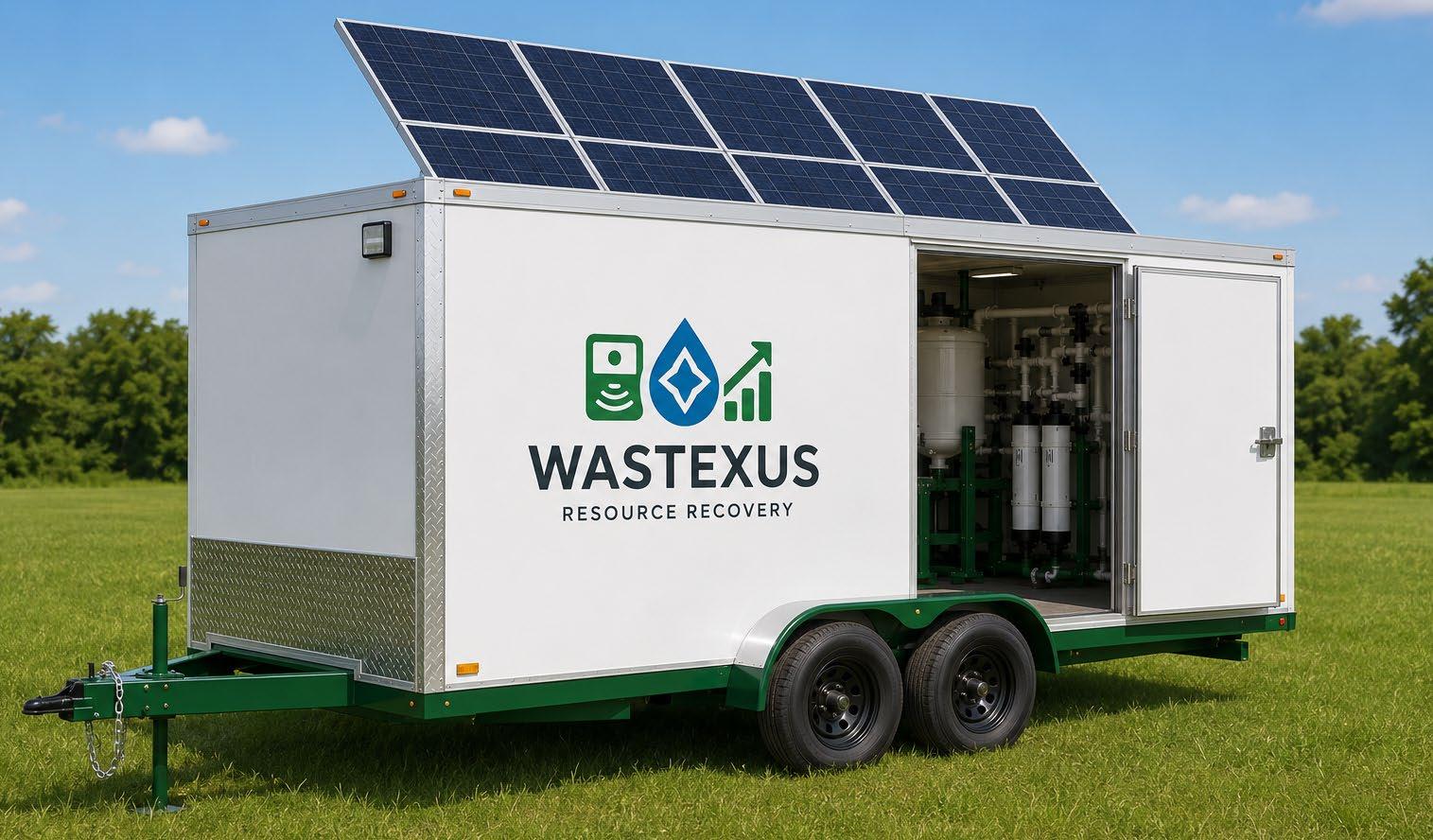
If wastewater is viewed only as something to dispose of, its greatest value is lost before treatment even begins. Keloks Technologies is built on a different idea: that nutrients from wastewater should be recovered, not discarded. The Nigerian founded company has developed a decentralised wastewater treatment platform that recovers both clean water and fertiliser, reflecting a growing movement that sees wastewater not as an environmental burden, but as crucial to the growth of a circular economy.
Keloks Technologies develops decentralised wastewater treatment and resource recovery solutions designed to address water, sanitation and agricultural challenges across Africa.
For founder and CEO Kehinde Ojasanya, the company’s mission began with a simple observation:
“Keloks Technologies was founded on one fundamental realisation: across much of Africa, wastewater is still treated as a disposal problem rather than a valuable resource. Keloks was established to change this paradigm
by advancing a circular approach to wastewater management. We transform wastewater into clean irrigation water and recovered fertiliser, turning sanitation infrastructure into a source of environmental and economic value.”
That philosophy underpins Wastexus™, Keloks’ flagship decentralised and mobile wastewater treatment platform. Designed for environments where conventional wastewater infrastructure can be costly or impractical, the system combines nutrient recovery, advanced treatment and intelligent process control in a compact format. Rather than focusing solely on treating wastewater before discharge, “our approach is based on recovering value from every stage of the treatment process.”
Wastewater first undergoes pre-treatment before entering a nutrient recovery reactor, where phosphorus is recovered as struvite, a slow-release fertiliser already recognised for agricultural use. Recovering phosphorus before conventional treatment not only reduces nutrient pollution but also creates a product with tangible value.
Phosphorus is an essential nutrient for agriculture, but it
is also a finite resource and a major contributor to water pollution when released into waterways. By recovering phosphorus from wastewater, Keloks is addressing two challenges simultaneously: reducing environmental impacts while creating a valuable agricultural input.
The remaining wastewater is then treated through advanced membrane filtration to produce reclaimed water suitable for non-potable applications such as irrigation and landscape watering. In regions where freshwater supplies are under increasing pressure, every litre of reused water represents an opportunity to reduce demand on scarce resources.
What distinguishes the platform further is the integration of automation and intelligent process control. Continuous monitoring of water quality and operational performance allows operators to optimise treatment while reducing chemical consumption, energy use and maintenance requirements. It is a combination that reflects a broader trend within the water sector, where digital technologies are making advanced treatment systems more efficient and easier to operate.
The technology itself is now moving beyond the laboratory. After extensive research into nutrient recovery and advanced wastewater treatment, Keloks is preparing its first pilot deployments in Nigeria. The objective is not simply to demonstrate technical performance, but to test whether decentralised systems can offer a viable alternative to conventional wastewater infrastructure.
“Our first pilot deployments are being designed for institutional and community-scale wastewater treatment in Nigeria, where the objective is to demonstrate that decentralized systems can simultaneously recover nutrients, produce irrigation-quality reclaimed water, and reduce environmental pollution without requiring the extensive infrastructure associated with conventional wastewater treatment plants.”
For Keloks, success will not only be measured by treatment efficiency, but by whether wastewater can become an economic asset rather than an ongoing operational expense.
The transition from research to real-world deployment, however, brings its own challenges. Like many innovators developing circular economy solutions, Keloks faces hurdles that extend well beyond the technology itself.
“One of the biggest barriers is that wastewater management is still viewed primarily as a public health obligation rather than an economic opportunity.”
That perception has implications for investment, regulation and adoption. Investors often seek proven operational data before supporting new technologies, while many regulatory frameworks for water reuse and
nutrient recovery are still developing across Africa. Infrastructure constraints, including unreliable electricity and limited technical capacity, further reinforce the need for systems that are modular, energy-efficient and simple to operate.
To address these barriers, Keloks has focused on designing a decentralized platform that reduces infrastructure requirements while incorporating automation to simplify day-to-day operation. The company is also working alongside academic institutions, utilities and policymakers to generate the evidence needed to support wider adoption of circular wastewater solutions.
“Success will be measured not by how much wastewater we treat, but by how much value communities recover from it.”
“I believe Africa has a unique opportunity to redefine wastewater management rather than replicate legacy infrastructure developed elsewhere. Over the next two decades, wastewater systems will become increasingly decentralised, digitally connected, and resource-focused.”
For Keloks the future is about recovering clean water close to where it is generated, reducing dependence on imported fertilisers, supporting more resilient agriculture and strengthening water security through smarter, locally appropriate infrastructure.
“Our vision extends beyond wastewater treatment to enabling a circular economy where wastewater becomes a renewable source of clean water, valuable nutrients, and economic opportunity. Ultimately, success will be measured not by how much wastewater we treat, but by how much value communities recover from it.”
Digital technologies—including real-time sensing, automation and predictive analytics—are expected to play an increasingly important role in that transition. Combined with decentralised treatment, they have the potential to make resource recovery more accessible to communities that have traditionally been underserved by conventional infrastructure.
For Keloks Technologies, the challenge is not simply to improve wastewater treatment. It is to demonstrate that, with the right technology and the right mindset, wastewater can become one of Africa’s most valuable untapped resources.
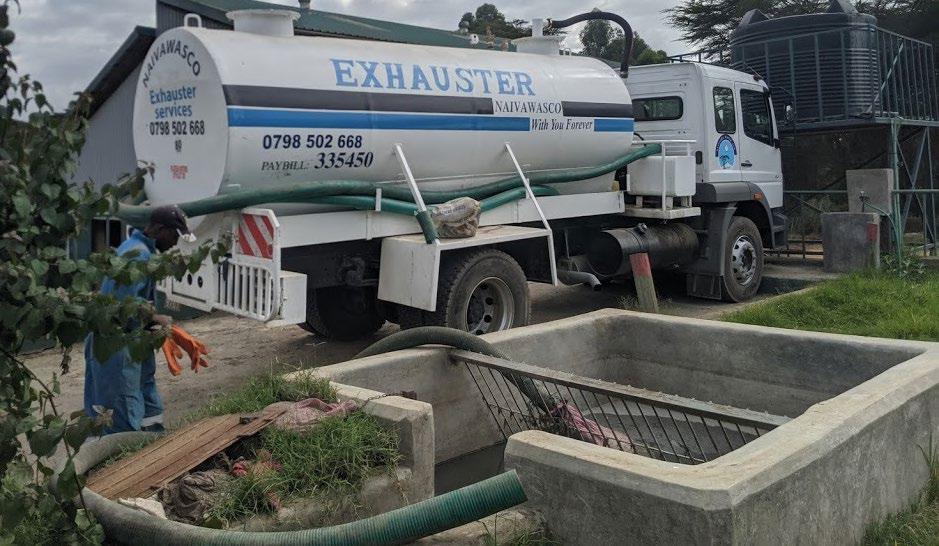
Sanivation was created to challenge a sanitation model that too often leaves waste untreated and communities underserved. By working with governments, local operators and residents, the organisation is developing non-sewered systems that recover value from human waste while improving health, safety and dignity.
INTERVIEWED BY | ABBY DAVEY
Could you introduce Sanivation and explain why the organisation was created?
Sanivation is a social enterprise built to bring innovation into a sector that has been overlooked for far too long - sanitation (hence the name). We partner with governments that are struggling to provide effective services for rapidly growing cities, helping them shift from crisis management to longterm, sustainable infrastructure.
The genesis of our work is simple and sobering: 3.4 billion people worldwide lack access to safely managed sanitation. In Africa, an estimated 90% of human waste is dumped untreated into the environment, creating enormous health and environmental consequences. What we’ve been doing globally is not working. We need new solutions, new investment, new partnerships, and far more awareness of the scale of this challenge. Sanivation was created to help fill that gap.
What inspired Sanivation to transform human waste into valuable resources?
Our approach was inspired by seeing two problems sitting side by side: cities overwhelmed by waste, and
industries struggling to access affordable, clean fuels. It made no sense that one sector had an oversupply of material while the other had a shortage.
In our early days, we focused on proving that human waste could be transformed into a viable solid fuel. Since then, our excitement has grown around the full spectrum of reuse options, both established and still being innovated. We believe that when waste becomes a resource, it creates the incentive needed to ensure it is properly collected, treated, and valued.
Sanitation will always be a public health issue, but if that’s the only lens, we miss the economic opportunity. Waste is one of the few raw materials every city produces daily, and it remains dramatically underutilized.
The rise of circulareconomy thinking is encouraging because it reframes sanitation as both environmentally sustainable and economically productive. Changing this mindset is essential — it unlocks investment. When sanitation is seen as infrastructure that can generate value, not just cost, cities, funders, and private partners are far more willing to support longterm solutions.
Working across East Africa teaches you humility very quickly. Every community has its own history, politics, and expectations around waste services. The biggest lesson is that technical solutions alone don’t succeed. It requires governance, trust, and local ownership to create something that has lasting impact.
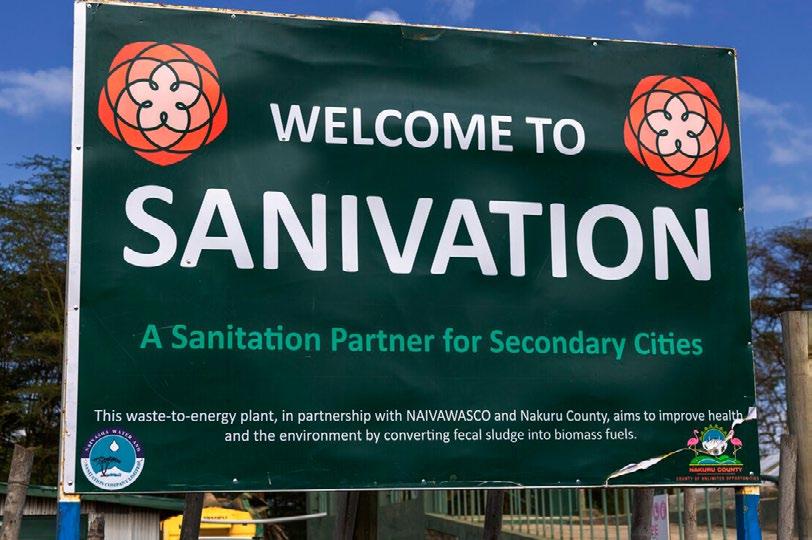
your revenue projections collapse. If you build the best wastecollection technology but no one can afford the service, it will sit unused.
We’ve learned to design systems that fit the realities of the situation they are in, not just the assumptions of what has worked elsewhere. In that same breath, I am constantly blown away with the innovations that can and should be applied in totally new geographies and context. I absolutely believe that the non-sewered sanitation approach that is now being prioritized nationally in Kenya will influence the designs and solutions of sanitation in places like the United States in the near future.
project,
Manual pit latrine emptying is one of the most degrading, disgusting and dangerous jobs you can imagine. It often involves people with no PPE, jumping into a pit and emptying with buckets and shovels. And yet, emptying pit latrines is an essential service that in many places do not have other options. We were given the opportunity to work with local pit latrine emptiers to help them form a formal community-based-organization to advocate for their rights, helped them develop new viable business models with access to mechanized emptying machinery and PPE that brought dignity and safety to their job while still generating a needed income and a key local service. Seeing the improved emptying for the first time, happening by daylight, with people watching was one of the best moments of seeing direct improvement to people’s lives.
Community involvement is essential for creating solutions that actually work. If you design a dry container toilet for a community of anal washers, it will fail. If you produce a solid fuel for households that cook with biogas,
Usercentered design isn’t a buzzword for us — it’s operational reality. We treat community feedback as a core input, not a courtesy.
Circulareconomy thinking will be central to how African cities manage waste going forward. Urban populations are growing faster than infrastructure budgets, so cities need systems that generate value and incentive to ensure they are managing waste well.
Turning waste into fuels, fertilizers, or other reuse products is one of the most practical ways to close that gap. It aligns environmental goals with economic ones, which is ultimately what drives adoption.
One misconception I’d change is the belief that the private sector can fully cover the cost of human waste management through the sale of reuse products. Sadly, we’re not there yet. People often hope sanitation can become entirely selffinancing, but sanitation is still a public good, everyone deserves access, whether they can pay or not.
Today, we still need households and governments and grants to support gap financing while we use revenue from wastetovalue products to offset as much of the cost as possible. The reuse economy is powerful, but it’s not a silver bullet.
MARTYN SHUTTLEWORTH

In Pakistan, industrial wastewater discharge is a major problem, infiltrating water resources and affecting the environment and human health. One promising technology that could help is photosynthetic microbial desalination cells (PMDCs), which treat wastewater, desalinate, and also produce energy. To give an insight into this new technology and how it could work in Pakistan, we talked to Syeda Safini Ali, Research Assistant at the Sustainable Development Policy Institute (SDPI).
Can you give some background about yourself and your research?
I am a researcher in Environmental Sciences with an MSc from NUST, focusing on biological wastewater treatment, resource recovery, and bioelectrochemical systems. Along with that, I work in the domain of climate change as a research assistant at SDPI
During my journey as an MSc student and research assistant, I worked extensively on sustainable treatment technologies that integrate wastewater treatment with energy and resource recovery. My research focused on photosynthetic microbial desalination cells (PMDCs), and how wastewater treatment, desalination, and electricity generation can be achieved simultaneously using microbial and microalgal systems. I mainly explored system performance under different operational conditions and the role of photosynthetic organisms in improving efficiency and stability.
I am particularly interested in developing low-cost, sustainable solutions for water-stressed and pollutionaffected regions like Pakistan. I also strongly believe in
using waste as a resource instead of relying on chemicals, and in this context microalgae proved to be one of the most promising biological candidates.
Why is industrial waste and effluent such
Industrial wastewater is a major environmental issue in Pakistan because a large portion of industrial effluents is discharged without proper treatment. This leads to serious contamination of surface water, groundwater, and agricultural land, which ultimately affects human health, food safety, and ecosystems.
The major polluting sectors include textile industries, leather and tanneries, food processing units, fertilizer and chemical industries, and also small scale industrial clusters. Sugar industries are a significant contributor, especially due to high organic load and untreated discharge in many regions. Textile and leather sectors are particularly problematic because of dyes, heavy metals, salts, and toxic chemicals. On top of that, weak enforcement of environmental regulations, limited treatment infrastructure, and high operational costs make the situation even more challenging.
Photosynthetic/microbial desalination cells are integrated bioelectrochemical systems that combine wastewater treatment, desalination, and energy recovery in a single setup. The system has three chambers: an anode chamber, a desalination chamber, and a cathode chamber. At the anode, microbes break down organic pollutants and release electrons. These electrons move

through an external circuit toward the cathode, generating electricity, while in the middle chamber salts are removed through ion movement driven by this electrical potential.
In photosynthetic versions, microalgae are used at the cathode. They produce oxygen through photosynthesis, which supports cathodic reactions and improves overall system efficiency while capturing nutrients like nitrogen and phosphorus. When cultivated in nutrient rich wastewater streams such as domestic wastewater, which I worked on, microalgae not only generate oxygen but also help in polishing wastewater through nutrient uptake. At the same time, they produce valuable biomass that can be used commercially.
PMDCs bring multiple processes together in one system, including wastewater treatment, desalination, and energy generation. This integration reduces both operational cost and energy demand compared to conventional technologies.
They are environmentally friendly systems that require little to external energy input and can recover useful resources like clean water, biomass, and electricity. They also help reduce nutrient pollution and overall carbon
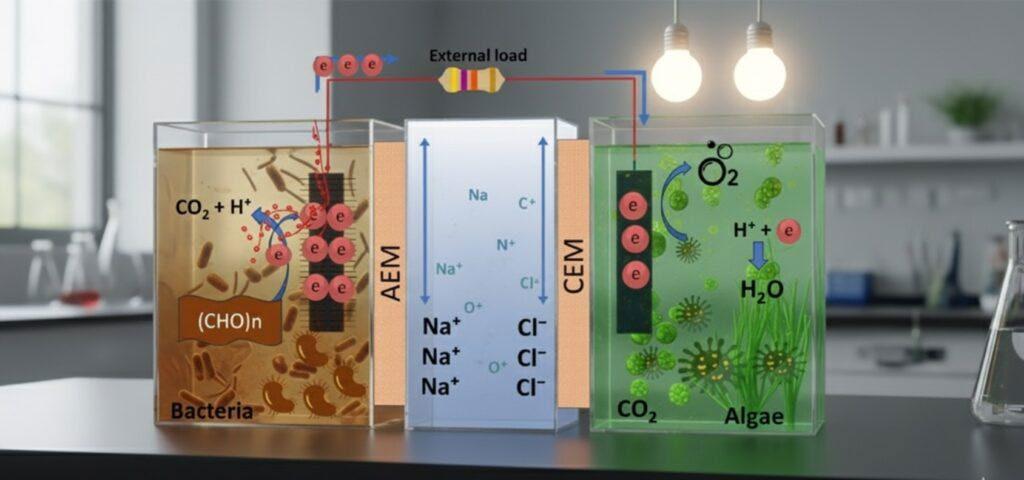
footprint, making them highly relevant for sustainable wastewater management in developing countries like Pakistan.
Microalgae act as natural oxygen producers through photosynthesis. This oxygen supports the cathodic reactions in PMDCs, which improves electron transfer and overall system performance. They also remove excess nutrients such as nitrogen and phosphorus from wastewater, which helps prevent eutrophication in natural water bodies. Another important aspect is that microalgal biomass can be harvested and converted into valuable products like biofuels, biofertilizers, and bioproducts, making the whole system more circular and sustainable. On top of that, microalgae are relatively easy to source and considered a low value biomass, so using them helps reduce biological waste.
What are the main challenges PMDCs face and how can they be overcome? What should future research and new technologies focus upon?
The main challenges include low power output, system instability, membrane fouling, and limitations in scaling up. Another important challenge is maintaining a stable balance between microbial and algal communities over long operational periods.
These challenges can be addressed through improved electrode materials, better reactor design, and optimization of microbial and algal consortia. Future research should focus on scaling up studies, testing real industrial wastewater, improving energy efficiency, and integrating PMDCs with existing treatment systems for practical use. Another key area is local membrane fabrication because membranes are one of the most expensive and limiting components. Similarly, electrode durability, corrosion resistance, and cost are major engineering challenges.
How will PMDCs help solve the wider problem of industrial effluent in Pakistan? How will the technology scale up?
PMDCs can help address industrial effluent issues in Pakistan by providing a decentralized and low energy treatment option, especially in areas where centralized treatment systems are not available or feasible. They can reduce pollution loads, support water reuse, and help industries meet environmental discharge standards.
However, they cannot be used as a standalone solution. Instead, they should be integrated as part of pre-treatment or post-treatment systems within existing wastewater treatment frameworks. For real impact, pilot scale demonstrations using actual industrial effluents in Pakistan are essential. In addition, collaboration between academia, industry, and government will be critical for scaling this technology from lab level to real world applications.
Yes, I think one important point is that PMDCs are still in a very early stage of development. Most of the work so far is still at lab scale, with only limited pilot scale studies carried out. For example, in the MIDES project in Spain, a microbial desalination system was tested at pilot scale, but photosynthetic microbial desalination cells are still largely in experimental and laboratory phase.
One reason for this slow transition to larger scale is the technical challenges, especially related to membranes and reactor design. Membranes are one of the most expensive and critical components, and at larger scale they face issues like fouling, reduced lifespan, and mechanical instability. Similarly, scaling up requires large surface area electrodes, which adds further cost and engineering complexity.
Another important challenge is the efficiency balance in real systems. For example, desalination performance can be limited by the requirement of large volumes of wastewater. In some cases, removing salt from just a small volume of saline water, for instance around 3 milliliters, may require up to 200 milliliters of wastewater. This creates a practical limitation, especially when wastewater availability is low or when salinity is also present in industrial effluents.
Because of this, application can be more suitable in specific regions such as coastal areas, inland brackish water zones, or industrial sites where both wastewater and saline streams are available together. Otherwise, system integration and hybrid treatment approaches become necessary.
So overall, while PMDCs have strong potential, they are still evolving. The next step is focused pilot testing, improving membrane technology, and designing more scalable and cost effective reactor systems before they can be widely implemented at industrial scale.
You Might Be Surprised by What’s Going Down the Toilet
The Responsible Flushing Alliance (RFA) went deep to find out what exactly is being flushed down pipes – and shouldn’t be.
A collaboration between wastewater agencies and industry experts on the largest domestic sewage collection study to uncover what’s clogging sewer lines and equipment:
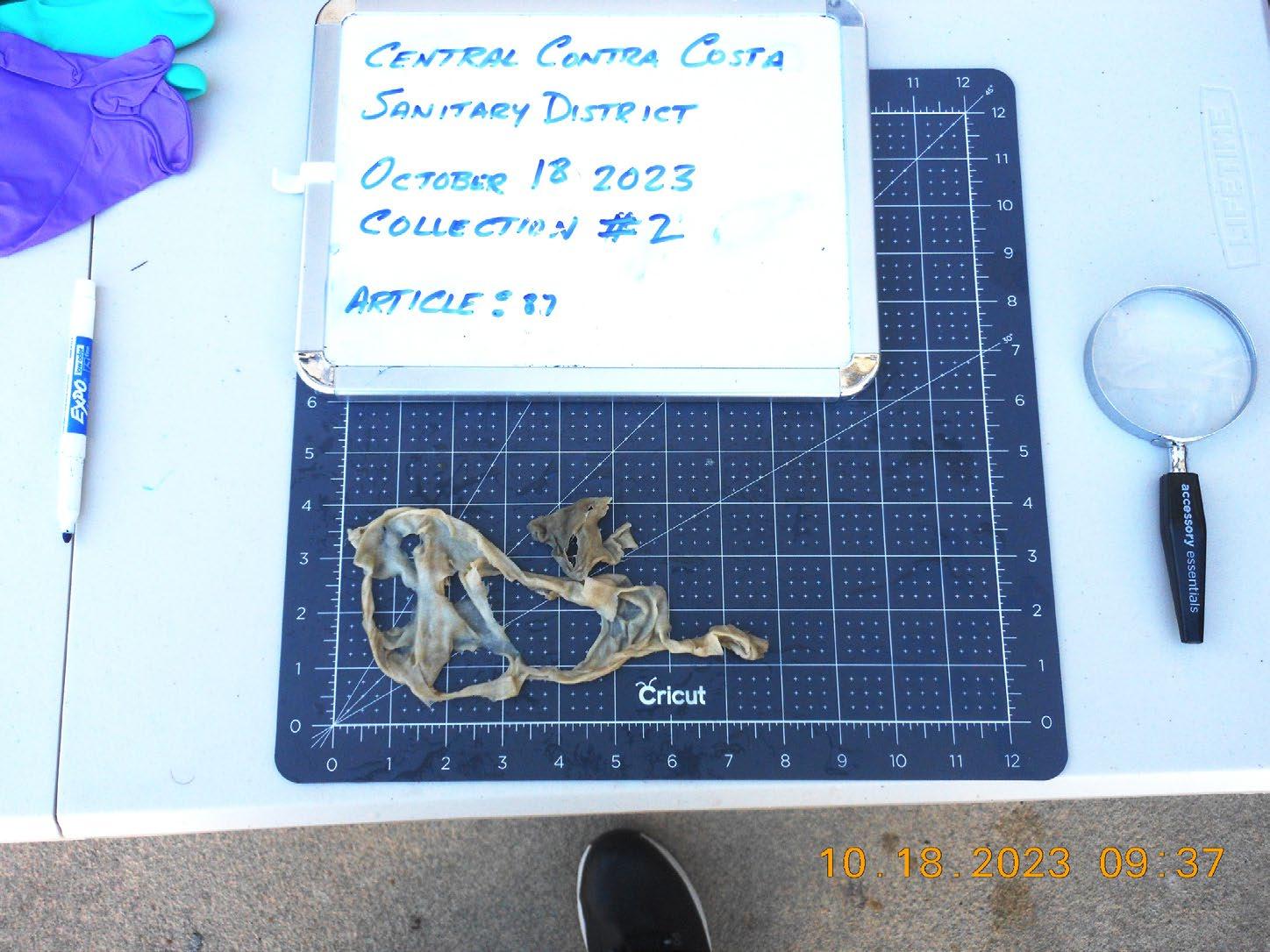


Collection took place at two locations during peak flow times.
Central Contra Costa Sanitary District (Central San) in the greater San Francisco Bay Area in Northern California
Inland Empire Utilities Agency (IEUA) in Southern California
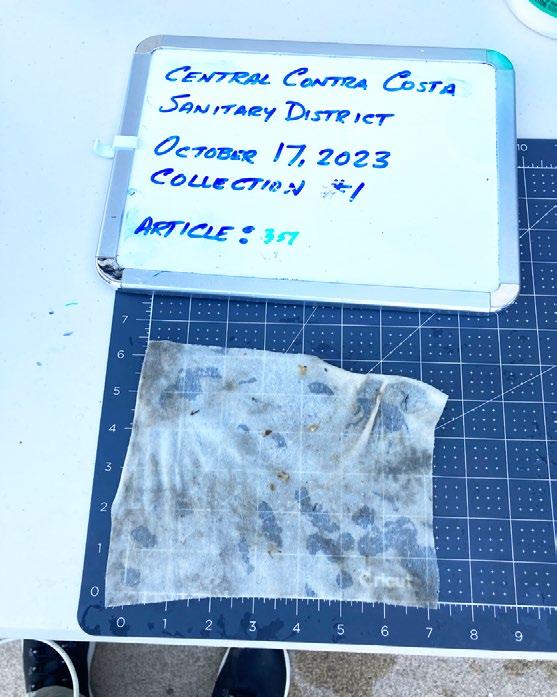
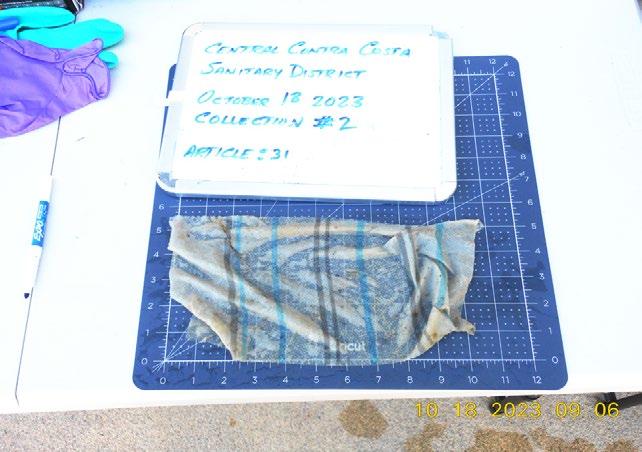
of short, plant-based fibers that breakdown easily in water similar to toilet
Indah Water Konsortium is transforming treated effluent, biosolids and biogas into resources for a more resilient future
INTERVIEWED BY
| ABBY DAVEY
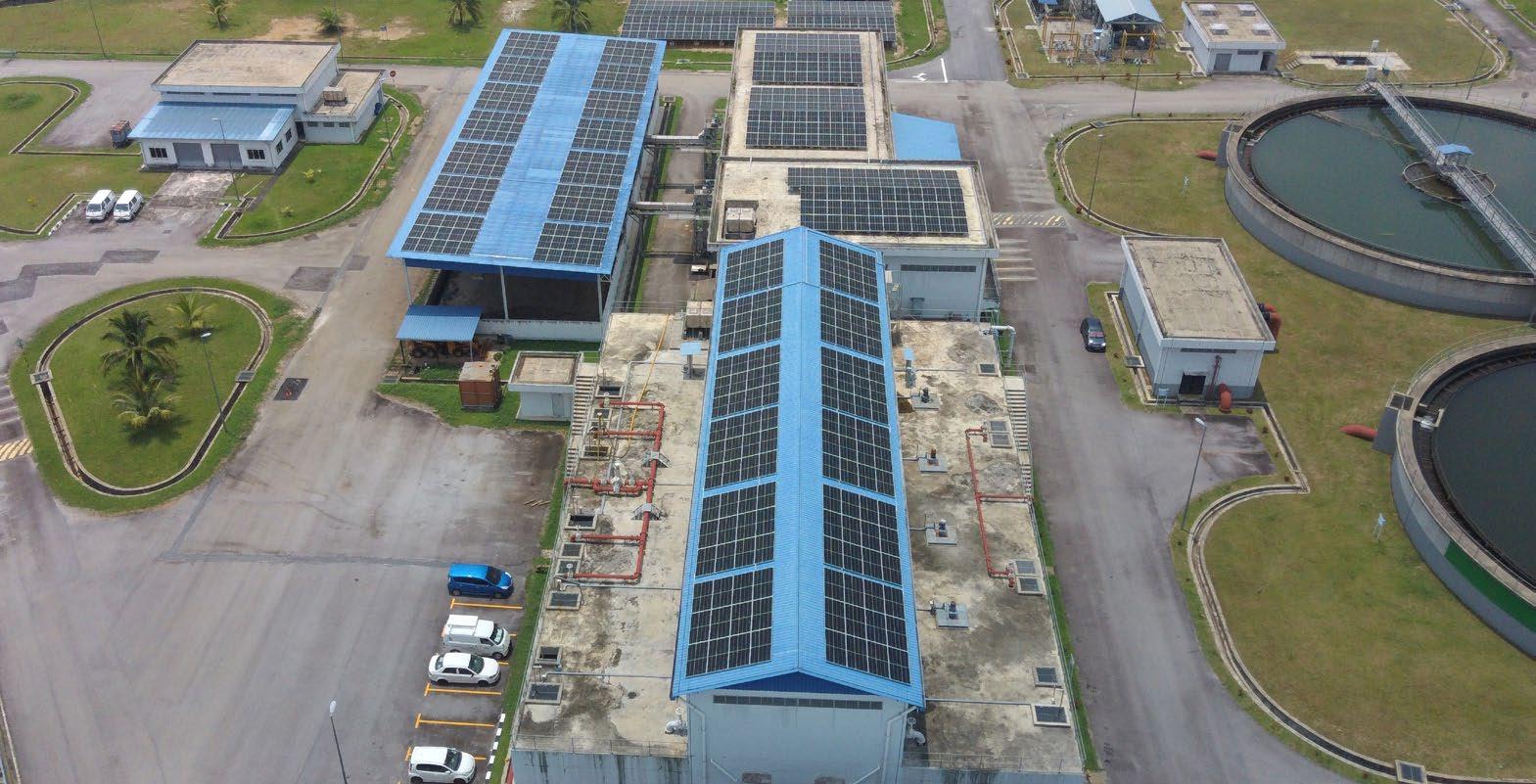
How has IWK embraced the circular economy, and what role does resource recovery play?
For years now, IWK has been venturing into resource recovery efforts to optimise resource use, alleviate water stress and reduce environment impact.
Our circular economy approach focuses on extracting value from every stage of the wastewater treatment process. This includes producing treated effluent for industrial and non-potable applications, generating renewable energy from biogas produced during sewage treatment, and converting biosolids into biofertiliser for landscaping and non-food crops. These initiatives reduce waste and carbon emissions, create economic opportunities, and help conserve freshwater resources.
IWK has also identified hundreds of treatment plant sites for solar photovoltaic installations to further reduce our carbon footprint.
For IWK, resource recovery is about redefining wastewater; transforming it from waste into a valuable resource that supports water security, renewable energy generation, sustainable agriculture and climate resilience.
As Malaysia continues to grow, what are the biggest opportunities and challenges in delivering sustainable wastewater services?
As Malaysia urbanises, demand for sustainable wastewater infrastructure will grow. Key opportunities lie in accelerating resource recovery through reclaimed
water, renewable energy and circular economy solutions, which digitalisation, automation and smart asset management will further enhance operational efficiency, energy optimisation and service resilience. Take, for example, IWK’s Indah Geoportal, a GISbased platform that supports smarter planning, monitoring and management of Malaysia’s public sewerage infrastructure.
Today, IWK supplies approximately 19.5 million litres per day (MLD) of treated effluent for non-potable industrial use, including rubber glove manufacturing and data centres.
Demand is expected to grow rapidly over the next decade as industries pursue greater water security and sustainability.
However, challenges such as rapid urbanisation, ageing infrastructure, climate change, rising costs, and stricter environmental standards will require continuous innovation and investment. Public awareness is equally important, as sustainable wastewater management relies on responsible public behaviour; from proper waste disposal and preventing sewer blockages to recognising the vital role wastewater services play in protecting public health and the environment.
At IWK, we are investing in modern technologies,
renewable energy, digital solutions and circular economy initiatives to build a more resilient wastewater system. Through collaboration with the Government, regulators, industry partners and local communities, we aim to ensure Malaysia’s wastewater infrastructure remains sustainable, climate-resilient and ready for future generations.
Which resource recovery initiatives are you most excited about, and how will they contribute to a more sustainable wastewater sector?
The transformation of biosolids into valuable products such as organic fertiliser is particularly significant in the Malaysian context. Amid global supply chain disruptions and rising fertiliser costs, developing resilient, sustainable and locally sourced alternatives is increasingly important to support long-term food security.
IWK’s organic fertiliser initiative provides an alternative solution to support smallholders and the agriculture sector by improving soil health while reducing dependency on conventional fertilisers. Containing about 7% NPK (Nitrogen, Phosphorus and Potassium) elements, the fertiliser helps restore degraded soil and provides essential nutrients for plant growth. It has also received nationallevel religious recognition, further strengthening confidence among users and stakeholders.
While not intended to replace large-scale fertiliser demand from major plantation players at this stage, the initiative complements national efforts to diversify fertiliser sources, promote sustainable agricultural practices and enhance agricultural resilience.
Beyond biosolids recovery, IWK is also advancing renewable energy initiatives to reduce environmental impact and strengthen operational resilience. We have identified 742 sewage treatment plants (STPs) and network pumping stations (NPS) for solar photovoltaic installations, which are expected to reduce carbon emissions by 26,800 metric tonnes annually and generate approximately 35,000 megawatt-hours of clean energy each year.
Together, these initiatives demonstrate IWK’s commitment to transforming wastewater management into a resource recovery model that delivers environmental, economic and social value.
What lessons from IWK’s experience could benefit wastewater utilities around the world?
IWK’s experience offers valuable insights for countries seeking to strengthen their wastewater sector, particularly those transitioning towards more integrated and sustainable sewerage management. Our journey demonstrates that wastewater transformation requires not only modern infrastructure, but also effective planning,
operational improvements and public awareness across different stages of development.
While Malaysia has advanced sewerage systems in many urban areas, we continue to serve communities where traditional systems such as individual septic tanks and pour flush systems remain in use. This requires a balanced approach combining infrastructure upgrades, improved operations and long-term planning.
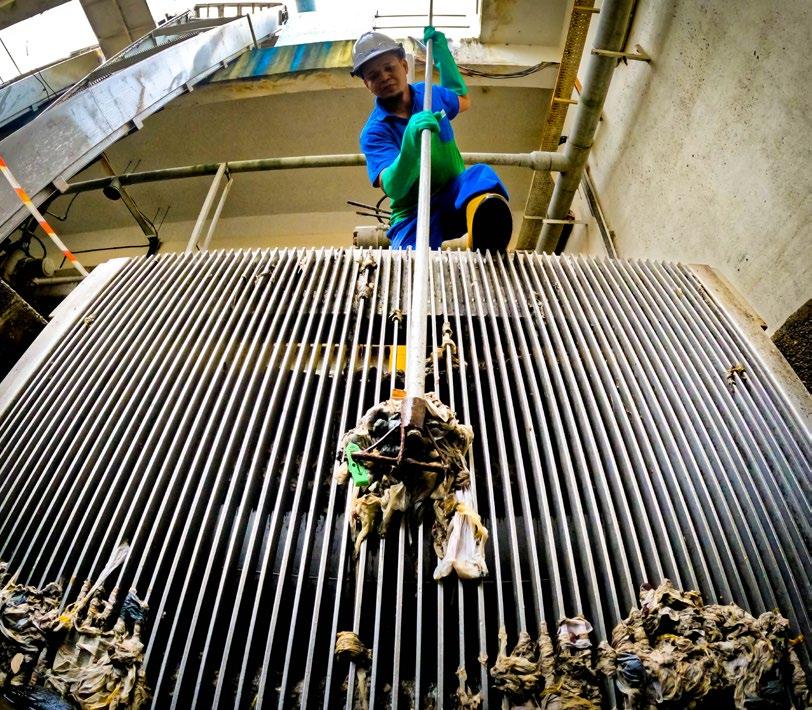
Working closely with the Government, IWK is supporting national development priorities under the Malaysian Plan, including the development of a nationwide sewerage master plan to guide future infrastructure planning and sustainable growth. With over three decades of experience managing Malaysia’s national sewerage system, IWK is keen to support countries in areas such as sewerage catchment planning, policy development and operational improvements.
IWK has also been appointed as a mentor by the Asian Development Bank (ADB) and the World Bank, sharing expertise and providing training support to wastewater operators in the region. Through partnerships in Banjarmasin, Indonesia and Baguio, the Philippines, as well as the Water Operator Partnership for Asia Region (WOPAR) initiative with wastewater utilities in Kota Makassar, Kota Jambi and Kota Pekanbaru, IWK continues to contribute to regional wastewater development.
Moving forward, IWK sees strong opportunities for international collaboration in technology exchange, resource recovery, climate resilience, digitalisation and capacity building to accelerate the transformation of the wastewater sector.
INTERVIEWED BY | ABBY DAVEY
Could you introduce Hydroleap and the challenge it set out to solve?
Growing up in Iran, water scarcity wasn't an abstract concept. It was something I experienced firsthand. It shaped how I thought about water from an early age and made me realize that access to clean water is fundamental to economic growth, public health, and quality of life. That experience ultimately inspired me to pursue water engineering and later build Hydroleap.
Our mission has always been simple: make water available, accessible, and affordable. We recognized early on that conventional treatment methods were becoming increasingly difficult to sustain in a world facing water scarcity, rising operating costs, and tighter environmental expectations. We wanted to develop technologies that not only treated water effectively but also enabled industries to use it more intelligently, creating a future where water is viewed as a strategic resource rather than something to be consumed and discarded.
My PhD research focused on electrochemical water treatment, giving me the opportunity to explore both its scientific foundations and its real-world potential. Through this work, I became convinced that electrochemical technologies could overcome many of the limitations of conventional chemical treatment, particularly the reliance
on chemicals, high sludge generation, and inefficient treatment processes.
However, the challenge was not only scientific; it was also about changing industry mindsets. From a technical perspective, electrochemical systems still required breakthroughs in electrode performance, particularly in managing corrosion, passivation, and overall energy consumption. From a commercial perspective, the absence of proven, widely adopted electrochemical systems meant that most industrial facilities remained comfortable with conventional chemical treatment. Encouraging them to adopt a fundamentally different approach required both strong evidence and a shift in thinking.
One of the biggest misconceptions is that water will always be abundant and inexpensive. That assumption is becoming increasingly difficult to justify as industries face water stress, stricter regulations, and growing competition for freshwater resources. Hydroleap’s
The encouraging part is that once customers pilot the technology and see the performance data for themselves, scepticism often turns into confidence.
Another misconception is that sustainability and innovation are simply additional costs. In reality, they are long-term investments that improve resilience, reduce operating costs, and create future value. Whether it's reducing freshwater consumption in data centres, enabling water reuse in manufacturing, or improving resource recovery in industrial processes, the objective is always the same: creating better business outcomes through smarter water management.
It's been one of the most encouraging developments we've seen. The conversation has evolved from "How do we meet compliance?" to "How do we optimize our entire water system?" Or “How to increase our resilience towards resource management?” Those are exactly the discussions we enjoy having.
More importantly, sustainability objectives provide a common language between us and our customers. Once we understand whether they're prioritizing water reuse, energy efficiency, operational resilience, or carbon reduction, we can design solutions that achieve both technical and commercial outcomes. Ultimately, every sustainability initiative still needs to deliver measurable business value.
I'd actually say technologies, because no single treatment method solves every water challenge. We work across electrocoagulation, electrooxidation, electrodialysis reversal, membranes, and conventional treatment processes, selecting the right combination for each application.
Looking back, what stands out most isn't a single project but how our capabilities have evolved. We began by solving relatively focused wastewater challenges, and today we're helping customers redesign entire water systems to maximize reuse and circularity. That shift, from treating wastewater to engineering water strategies, is what best represents Hydroleap today.
They're already working together today. Digital monitoring and AI’s enabled decisions has enabled continuous visibility into system performance and allows operational data to be integrated into SCADA and building management systems, supporting reporting and better decision-making.
Automation has become essential for maintaining stable treatment performance with minimal operator
intervention. I see AI as the natural next step. Rather than simply automating predefined processes, AI will help optimise treatment in real time by analysing operational data, predicting system behaviour, and continuously improving efficiency, reliability, and resource utilisation.
Start-ups are naturally agile. We learn quickly, adapt quickly, and aren't afraid to challenge conventional thinking. That agility allows innovation to move much faster.
At the same time, working with established organisations has taught me that structure should never be mistaken for bureaucracy. Large organisations operate the way they do because they manage risk at scale. I've learned that patience is often the price we pay for certainty, and combining the agility of a start-up with the discipline of an established operator usually leads to the best outcomes.
The greatest opportunity is water reuse. Around the world, industries are discharging water that, with the right treatment strategy, could be recovered and reused safely within their own operations.
Every litre of water reused is one less litre drawn from municipal supplies, allowing those resources to remain available for communities, agriculture, and other essential needs. Water reuse isn't simply about reducing costs; it's about increasing resilience, strengthening water security, and enabling sustainable industrial growth without proportionally increasing freshwater demand.
I'd challenge the assumption that companies working in water are primarily competitors. In reality, our industry is built on complementary expertise. No single technology or organisation can solve every water challenge on its own.
Over the next decade, we'll need far greater collaboration across technology providers, engineering companies, utilities, researchers, and industrial operators. By combining our respective strengths, we can accelerate innovation, bring better solutions to market faster, and collectively address one of the world's most pressing challenges: making water more sustainable, resilient, and accessible for future generations.

Chile is rethinking how water is managed in the face of growing climate pressures, combining innovation, collaboration and basin-scale planning to build long-term resilience. Ulrike Broschek, Director of Water Scenarios 2030 at Fundación Chile , discusses how the country is embracing water reuse, naturebased solutions and cross-sector partnerships to help secure a more sustainable water future.
INTERVIEWED BY | ABBY DAVEY
Could you introduce Fundación Chile and Water Scenarios 2030?
For more than 50 years, Fundación Chile has addressed some of the country’s most pressing challenges through innovation. As a backbone organisation, we bring together the public sector, private sector, academia and civil society to drive systemic change. Through our Water Scenarios 2030 initiative, we are helping accelerate Chile’s water transition by fostering collaboration, strengthening basin governance, informing public policy and turning science into practical action. Our goal is to deliver the structural changes needed to achieve long-term water security and climate resilience.
How has water scarcity reshaped Chile’s approach to water reuse and resilience?
Chile has long debated the best mix of solutions needed to achieve water security, balancing traditional
infrastructure with water demand management and Nature-based Solutions (NbS). While public policy has historically focused on reservoirs and desalination, the conversation has expanded to include treated wastewater reuse, water-use efficiency and NbS. Chile’s 101 river basins each face different climatic, geographic and economic conditions, meaning no single approach can meet every challenge. As climate change intensifies droughts and floods, combining infrastructure with water reuse, efficiency measures and Nature-based Solutions is becoming essential to building long-term water resilience.
How do you see wastewater evolving into a strategic resource across Latin America?
At Water Scenarios 2030, we believe treated wastewater should be recognised as a strategic resource rather than a waste stream. Its greatest value lies in providing a reliable and predictable water source, even as climate change makes water availability increasingly uncertain. Water reuse can increase supplies for productive activities, reduce pollution by treating wastewater before it is returned to rivers and other water bodies, and support the transition to a circular water economy. Together, these benefits strengthen water security, protect ecosystems and contribute to sustainable economic development.
is collaboration so
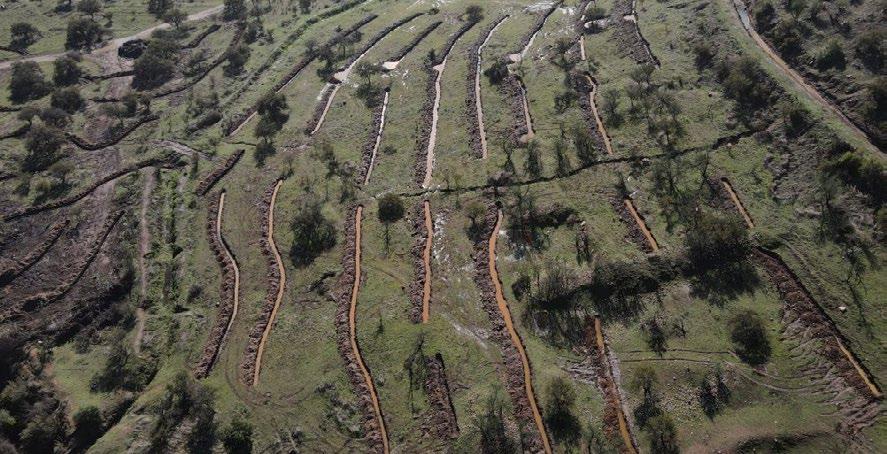
Collaboration is essential to achieving water security because it builds the trust needed to develop shared solutions and drive lasting change. By bringing together government, industry, academia and communities, we can design systemic approaches that deliver greater impact than isolated initiatives. Multi-stakeholder collaboration also strengthens public policy by giving proposals greater legitimacy and creating the confidence needed to attract investment in innovative water solutions. Ultimately, meaningful progress depends not only on technology, but on people working together towards a common goal.
initiatives
One initiative that deserves greater international recognition is Fundación Chile’s approach to implementing water solutions. We have shown that long-term success depends not only on technology, but also on engaging local communities, water utilities, farmers and public institutions from the outset. For example, we transformed a rural wastewater treatment plant into a circular water reuse model that safely irrigates crops while helping generate sustainable funding for the treatment system. We have also implemented Naturebased Solutions that improve groundwater recharge and strengthen water resilience. These projects demonstrate that innovation depends as much on effective governance and sustainable financing as it does on technology.
One of Chile’s biggest lessons is that there is no single solution to water scarcity. Long-term water security depends on combining approaches such as reservoirs,
desalination, water reuse, Nature-based Solutions and improved water efficiency, tailored to the needs of each river basin. Our experience has also shown that managing water at the basin scale delivers greater resilience and better outcomes than isolated projects, although this requires effective governance and financing. Above all, collaboration between governments, businesses, academia and communities has proved essential to developing lasting solutions that no single organisation could achieve alone.
Latin America holds one of the world’s greatest freshwater resources, yet this natural capital is increasingly threatened by pollution, ecosystem degradation and overexploitation. The region has a unique opportunity to demonstrate that economic development and water security can go hand in hand by investing in circular water solutions, improving water-use efficiency and strengthening river basin governance. By combining innovation with ancestral knowledge and Nature-based Solutions, Latin America can build greater climate resilience while providing a model for sustainable water stewardship that other regions can follow.
Sin agua no hay vida… pero si movilizamos al mundo hacia la seguridad y resiliencia climática tendríamos agua para sostener vida que podría incluso revertir el cambio climático, uno de los desafíos planetarios más grandes que hoy enfrentamos.
Without water, there is no life. However, working for Water security enables life, and life, through healthy forests, wetlands, and ecosystems, captures carbon, making it one of our most powerful allies in addressing the greatest planetary challenge we face today: climate change.
As Brazil accelerates towards universal sanitation, wastewater is increasingly being recognised not as a liability, but as a strategic resource. Juliana Almeida Dutra, National President of the Brazilian Association of Sanitary and Environmental Engineering (ABES) , discusses the country's ambitious sanitation agenda, the growing role of resource recovery, and why collaboration and long-term investment will be essential to delivering a more resilient future.
INTERVIEWED BY | ABBY DAVEY
ABES, the Brazilian Association of Sanitary and Environmental Engineering, is Brazil’s leading organisation for the sanitation and environmental sector. Founded in 1966, we celebrate our 60th anniversary in 2026, bringing together professionals, utilities, private companies, academia and government to advance water, wastewater, environmental management and waste services across the country. We are the Brazilian chapter of AIDIS and part of the International Water Association (IWA) community, helping connect Brazil with the wider international water sector. Our work focuses on three areas: sharing technical knowledge through events and publications, promoting informed public debate through research such as the ABES Universalization Ranking, and working with policymakers to help strengthen Brazil’s sanitation agenda.
Brazil now has a modern regulatory framework, Law 14.026/2020, which sets ambitious targets of providing 99% of the population with treated water and 90% with sewage collection and treatment by 2033. The challenge now is turning those targets into reality. That means accelerating public and private investment, reducing regional inequalities, improving efficiency by tackling water losses and ensuring the sector has the skilled workforce needed to deliver long-term progress. Through initiatives such as
the ABES Universalization Ranking, we continue to track performance and highlight where further action is needed.
How is Brazil embracing wastewater as a resource?
This shift is already underway in Brazil, and ABES has been working to help accelerate it. We have undertaken international benchmarking studies on water reuse business models, examining experiences from different countries and the role of regulation. The greatest opportunities lie in industrial and urban water reuse, biogas generation during wastewater treatment, the agricultural use of treated sludge and nutrient recovery. As water stress increases, wastewater is becoming a valuable source of water, energy and revenue. The challenge now is creating the right regulatory and economic conditions, while building public confidence so these solutions can be adopted at scale.
This is one of ABES’ most important roles: providing a neutral platform where all parts of Brazil’s sanitation and environmental sector can work together. Through our nationwide network of state sections and thematic chambers, we bring together public and private operators, industry, academia, regulators and government to share knowledge and develop solutions. Our events, including the Brazilian Congress of Sanitary and Environmental Engineering (CBESA) and FITABES, provide opportunities to exchange ideas and strengthen collaboration across Latin America. We also support the sector through technical publications, awards, seminars and contributions to legislative and regulatory discussions. We believe lasting progress in sanitation comes from collaboration, and fostering that collaboration has been at the heart of ABES for six decades.
Yes, several. Brazil’s post-regulatory framework transformation deserves international attention. In just a few years, the country has developed large-scale concessions and public-private partnerships that are attracting unprecedented levels of investment in sanitation. Brazil is also home to some of the largest industrial water reuse projects in the Southern Hemisphere. I would also highlight the country’s growing focus on transparency and data through initiatives such as SINISA and the ABES Universalization Ranking, which are helping to strengthen accountability across the sector. In 2026, Brazil also hosted the IWA WaterLoss Conference in Rio de Janeiro, organised by ABES, highlighting the importance of international collaboration in tackling water losses.
Wastewater management is one of the most effective tools for building resilient communities. Expanding collection and treatment improves public health by reducing waterborne diseases, particularly among vulnerable populations. It also strengthens water security by providing a reliable source of reclaimed water during periods of drought, while protecting rivers and ecosystems from pollution and helping communities better withstand the impacts of climate change. In addition, recovering biogas from wastewater treatment can improve the energy efficiency of treatment plants. Communities that invest in wastewater management are healthier, more resilient and better prepared for future environmental and economic challenges.
Brazil has shown how ambitious regulation can transform a sector. By setting clear universalisation targets and creating a stable framework for public and private investment, the country has unlocked significant progress in sanitation. Brazil’s experience of delivering services across a vast and diverse landscape, from the Amazon to major metropolitan areas, also offers valuable lessons for other nations. Across Latin America, many countries face similar challenges, including expanding sewage coverage, adapting to climate change and securing investment. As the Brazilian chapter of AIDIS, ABES is committed to strengthening regional collaboration and knowledge sharing to help accelerate progress across the continent.
My message is a question we have been asking in Brazil, but one that applies everywhere: can any country truly develop without sanitation? The answer is no. Sanitation underpins health, education, dignity, economic development, environmental protection and gender equality. There is no sustainable development or climate agenda without safe drinking water, effective wastewater collection and treatment, and responsible waste management. To sanitation professionals around the world, I would say this: our work is a defence of life. It rarely shows, because it runs beneath the ground, but it sustains everything that happens above it. Universal access is not a utopia. It is a project of engineering, public policy and collective will—and it is entirely possible.











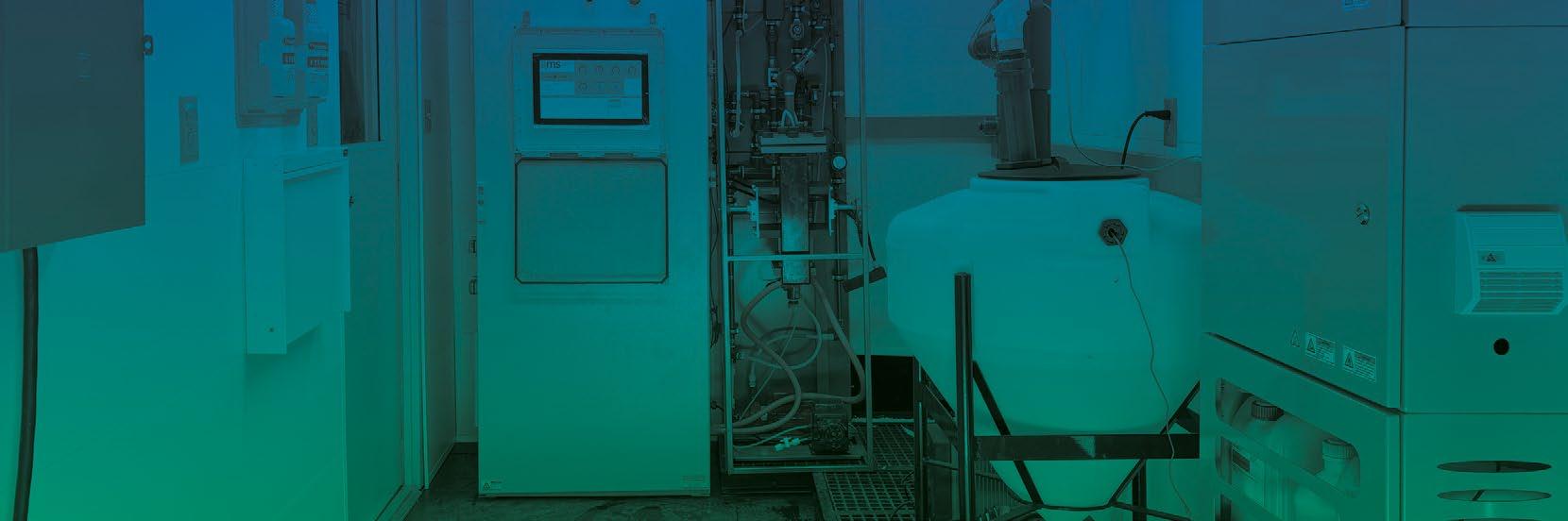

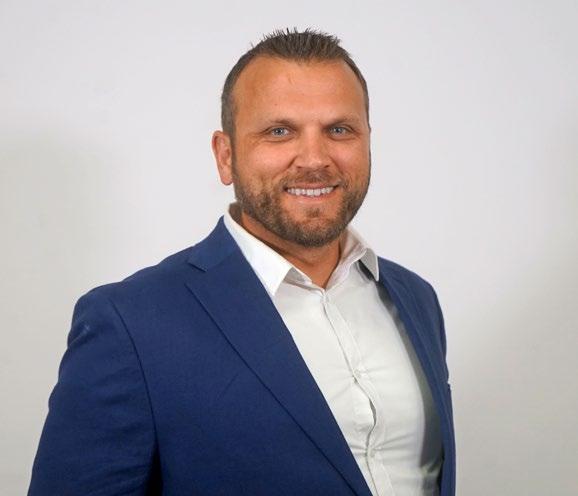
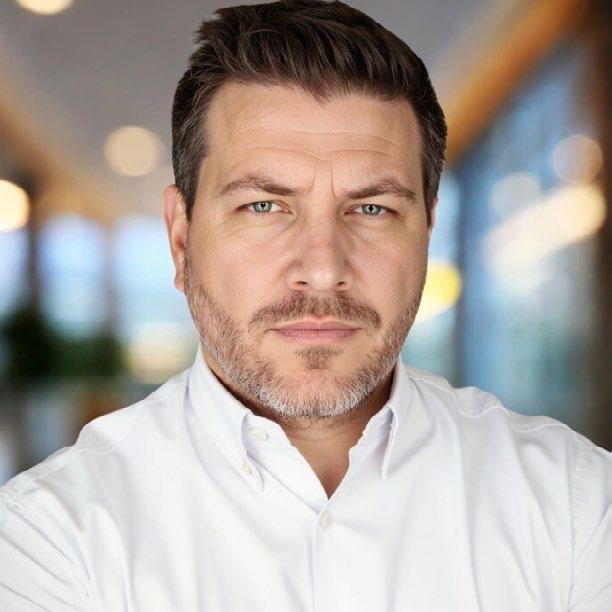
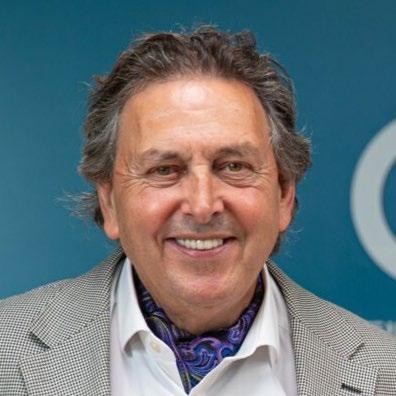




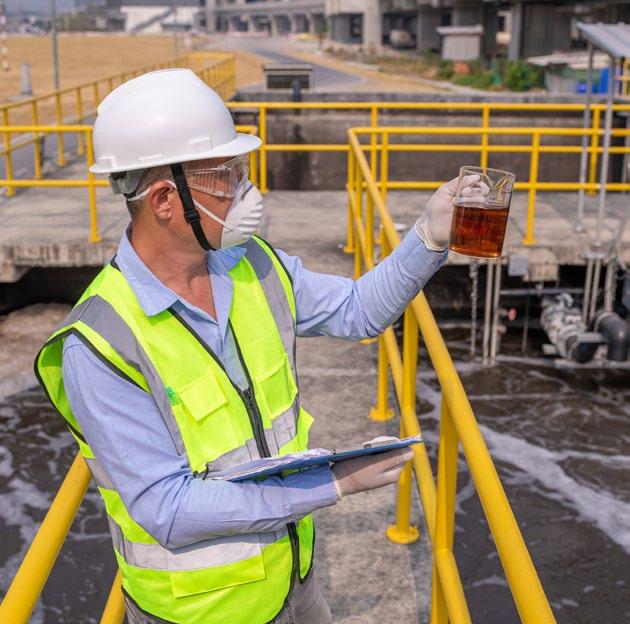
As the water sector shifts from treatment to transformation, wastewater is increasingly being seen not as a problem to manage, but as a resource to harness. In this issue, experts share their insights on the technologies, policies, and strategies driving the next generation of resource recovery, from nutrients and energy to water itself.
Contributors explore how the sector is capturing value from biosolids, recovering phosphorus and nitrogen, generating biogas, and advancing water reuse, all while meeting tightening regulatory demands. Together, these perspectives reveal how innovation and integrated thinking are turning wastewater systems into circular economy assets, and reshaping what it means to run a truly sustainable utility.


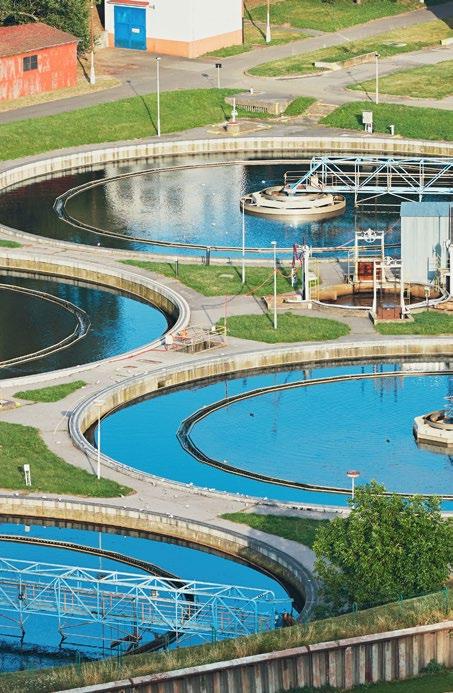
Wanner International Ltd.
Managing Director
How is the industry’s perception of wastewater changing, and what is driving the shift towards viewing it as a resource?
We’re seeing a positive trend towards a perception of wastewater as a resource in its own right. Where commercial users and public bodies once focused on safe wastewater disposal, wastewater is now a critical product and resource, even in industries such as car wash. The focus is now on resource recovery – whether that is reusable water, clean energy, and / or raw material recovery. Essentially, this is a shift in mindset towards regrading of wastewater streams. This more resilient approach is facilitated when we can achieve the necessary levels of filtration and treatment, more generally. At Wanner, we help clients manage this perception shift, to facilitate a sustainable approach to wastewater and manage the shift from wastewater as a cost centre to a revenue stream.
Which resource recovery technology or approach do you believe holds the greatest promise at scale, and why?
Processing at the point of generation is critical if we’re to fully-adapt to wastewater as a resource. For this approach to be implemented at scale, we need compact units and a decentralised solution. On-site wastewater treatment and water reuse, avoiding the need to pump water over distance, saves energy and reduces cost, facilitating the concept of wastewater as a resource and potential revenue stream. Wanner’s sealless pump technology enables customers to safely manage wastewater at source, eliminating the possibility of leakage and facilitating effective reuse of wastewater for small- and largescale plants.
How should utilities prioritise between energy recovery, nutrient recovery, and water reuse when resources are limited?
There’s always a tension when resources are limited, but public health is paramount. Specifying seal-less pumps avoids the potential for leakage but – critically – also reduces downtime and maintenance, which are labour- and resourceintensive. Globally, pumps represent up to 50 percent of energy usage, and service and maintenance are significant issues. Positive displacement seal-less pump technology reduces these costs and processes, optimising operations for energyefficiency, reducing the tensions between energy and nutrient recovery and water reuse, facilitating a more circular approach to wastewater treatment.
LAI & Associates
Outside Sales Consultant
How is the industry’s perception of wastewater changing, and what is driving the shift towards viewing it as a resource?
Wastewater facilities used to be treated strictly as expense centers—you spent money just to meet discharge permits and avoid fines. That mindset has shifted because the economics forced it to. Electricity costs are climbing, sludge disposal fees are through the roof, and strict nutrient limits are making traditional treatment far too expensive. Utilities realized that the waste coming into the plant actually contains the energy and materials needed to offset those costs. Methane capture, biosolids, and water reuse went from nice-to-have sustainability projects to practical business decisions. From an engineering standpoint, this changes how you build a plant. When you treat wastewater as a resource, your pumps, mixers, and digesters aren’t just moving waste anymore they’re operating as production machinery handling much heavier, more volatile material.
What role does digitalisation and data play in unlocking the potential of modern wastewater systems?
Data moves a plant from constant firefighting to actually predicting problems before they happen. Advanced recovery processes—like anaerobic digestion or nutrient harvesting—run on very tight tolerances. If your flow rates or solids content shift suddenly, it can throw off the biological balance or wreck critical equipment downstream. Real-time sensor data gives operators direct visibility into how their machinery is running. Instead of waiting for a pump to clog or fail, vibration and thermal tracking show wear patterns early so maintenance can be scheduled. On top of that, smart automation lets you run pumps and mixers based on actual live demand rather than fixed timers, which cuts electrical draw significantly and keeps equipment running at its sweet spot.
How can utilities make the business case for resource recovery to funders, regulators, and the public?
You make the business case by dropping the abstract jargon and focusing on total cost of ownership. Funders don’t just want to see the upfront price tag they need to see how spending money on reliable equipment today cuts operational and energy bills over a 20-year lifecycle. For regulators, it’s all about risk management—showing that recovering resources acts as a buffer against tightening discharge limits, volatile power prices, and rising disposal costs down the road. And when you’re talking to the public, skip the high-level sustainability talk. Keep it practical: explain how turning waste into energy and usable materials helps stabilize local utility rates and keeps their bills from skyrocketing.
VVater CEO and Chairman

How is the industry’s perception of wastewater changing, and what is driving the shift towards viewing it as a resource?
We’ve spent a century treating wastewater like garbage instead of what it actually is, a goldmine. As water scarcity grows and demand keeps climbing, people are finally realizing that the smartest source of new water is the water we’ve already used.
Which resource recovery technology or approach do you believe holds the greatest promise at scale, and why?
Electrochemical treatment, hands down. No chemicals, less sludge, and it plugs into existing plants without a five-year construction project. You can recover nutrients and generate energy, but if you can turn wastewater back into high-quality water, you’ve created a resource every community and every industry needs. That’s a game changer.
How are regulations and policy frameworks shaping investment in wastewater resource recovery?
Regulation is the force that gets capital moving. PFAS regulations, nutrient limits, and water reuse permitting are driving investment. Markets with clear standards are attracting investment faster than those still debating what’s allowed.
What is the biggest technical or financial barrier utilities face when implementing resource recovery programmes?
The biggest obstacle isn’t the technology. It’s the investment and permitting cycles. Too many systems are still built around infrastructure designed a century ago. Modernizing requires investment, but waiting usually costs far more.
How should utilities prioritise between energy recovery, nutrient recovery, and water reuse when resources are limited?
There’s no universal formula, it depends on what your region actually needs. A water stressed utility should lead with reuse. One facing high energy costs gets more value starting with energy recovery. Agricultural regions see faster returns from nutrient recovery. The smart move is identifying your biggest local constraint and building from there, then expanding into the other two once that foundation is solid.
What role does digitalisation and data play in unlocking the potential of modern wastewater systems?
Data is what turns recovery from a guessing game into an actual science. Real time monitoring means operators know what’s happening now and can improve treatment performance and recover more value from every gallon.
Renix Inc Director Engineering & Project Delivery
How is the industry’s perception of wastewater changing, and what is driving the shift towards viewing it as a resource?
Wastewater is increasingly being recognized as a resource rather than a treatment and disposal necessity. Growing demand for water, nutrients, and critical materials, combined with resource constraints and global supply pressures, drives interest in recovering value from municipal and industrial waste streams.
Organizations are also finding that sustainability initiatives can support operational and financial performance. For example, nutrients such as phosphorus and nitrate can be recovered in purified forms and repurposed as fertilizers, creating value while reducing reliance on petroleum-based fertilizers. This shift is helping advance circular economy and resource security objectives.
Which resource recovery technology or approach do you believe holds the greatest promise at scale, and why?
Approximately 70% of industrial treatment processes rely on non-selective bulk removal methods, which consume significant energy, water, and chemicals while generating large volumes of residual waste. The greatest promise lies in selective separation technologies that target specific contaminants. This approach improves efficiency, reduces treatment requirements, and enables higher-value recovery opportunities.
Advanced selective technologies, such as RenixUIX™, are helping accelerate this shift by selectively recovering valuable constituents including nutrients and critical materials from complex water streams. As resource quality declines and disposal costs rise, selective separation offers a more sustainable and economically attractive path forward.
How should utilities prioritise between energy recovery, nutrient recovery, and water reuse when resources are limited?
In January 2026, the UN declared the world in “Global Water Bankruptcy”. This isn’t a temporary crisis it is an irreversible state where demand has permanently outpaced renewable supply.
As water scarcity intensifies, utilities facing water stress will typically prioritize water reuse, as it often provides the greatest long-term benefit for water security and supply resilience. Reuse initiatives can range from municipal potable and agricultural applications to industrial recycling programs that reduce overall demand.
Where resources are limited, utilities should prioritize based on the most pressing local need. In many cases, the greatest overall benefit comes from combining water reuse with resource recovery, improving water security while capturing additional value from wastewater streams.
Curio Water
Founder and CEO
Which resource recovery technology or approach do you believe holds the greatest promise at scale, and why?
The integrated treatment of wastewater for micropollutants and PFAS. The technology already exists — ozone, GAC, BAC and ultrafiltration. It just needs to be brought together and orchestrated properly.
The industry is realising we miss out on opportunities to provide targeted and specified treatment for wastewater contaminated with PFAS, industrial and agricultural run-off and other micropollutants before it enters the water supply and causes trouble for everything from drinking water to designated bathing sites.
We’ve just helped Severn Trent launch the UK’s first micropollutant removal plant using ozone-based technology, drawing on our experience on similar installations in Switzerland. The main lesson is that installations can be very flexible and integrated into existing treatment works rather than built from scratch.
What is the biggest technical or financial barrier utilities face when implementing resource recovery programmes?
Across the industry, pre-testing processes need to be improved, particularly with wastewater. Utilities are starting to realise that approaching the supply chain with the right data on your water matrix saves money down the line. Essentially, you’re not paying to correct decisions made on incomplete information.
The next step is using this information to design the right infrastructure. There are a lot of innovative companies working in this space at the moment, but the incentives can be wrong when the focus is purely on selling new kit. There is no “one-size-fitsall solution”, particularly when it comes to resource recovery and treating wastewater.
The Severn Trent installations were built after extensive pilot testing - and this was a collaborative process between engineers, water scientists and technology providers. We studied the water matrix and treatment responses over a long period and built a treatment solution around what we found. This upfront work ultimately saves money down the line and ensures what you’ve built actually works.
What innovation or development in wastewater resource recovery do you believe is most underappreciated today?
It’s the ability to unlock greater value from existing infrastructure. There’s a perception in the water industry, with new regulation on the horizon, that this work is immensely costly and creates a huge operational burden. It needn’t be. When we consider what’s already on site, and design and retrofit around it rather than replacing it, the cost and disruption come down significantly.
Bioforcetech Corporation
CEO

How is the industry’s perception of wastewater changing, and what is driving the shift towards viewing it as a resource?
The wastewater sector has been driven by resource recovery since the Clean Water Act, but our evolving knowledge on emerging contaminants such as PFAS is now tilting the scales against the land application of biosolids. Here, the value add no longer justifies the negative impact. What is also new today is the way facilities are opening their processing chains up to new value creation. Views are shifting to the plant as a production site rather than only a treatment/recovery site.
Which resource recovery technology or approach do you believe holds the greatest promise at scale, and why?
Technologies that reduce harm to health and environment, cost, mass, etc. are desperately needed. Thermal technologies not only do that, but also open up new avenues for material pathways. These are technologies that actually transform the inputs into new products. They do more than minimize the burden, they convert it into an opportunity. These are the technologies we need to embrace and scale until they are considered ‘standard practice.’
How can utilities make the business case for resource recovery to funders, regulators, and the public?
Resilient communities, freedom from high hauling fees, positive impacts on public health, waste reduction, cost reduction, and carbon sequestration are all in the interest of these stakeholders. But the cost of achieving these goals can only be convincing when funders, regulators, and the public are educated to the actual cost of doing business as usual. Today the leading science, lawsuits, land application bans, landfill closures, code/permit updates, and aging equipment are coalescing into a perfect storm for the wastewater sector. We need to show to these stakeholders that solutions that remove burden and distribute value are becoming a clear necessity. We should think about these upgrades the same was as planting a tree the best time was years ago, the second best time is today.
Half of Americans feel very knowledgeable about flushing responsibly. But half of Americans also admit to flushing things they know they shouldn’t.1
Analysis of clog-causing items at wastewater treatment plants backs up the disconnect. Blockage makeup was as follows:2
52.8% Paper towels
18.6% Baby wipes
7.2% Absorbent hygiene products, like tampons and pads
6.8% Surface cleaning wipes, like disinfecting wipes
2.4% Personal care wipes, like makeup wipes and body cleansing wipes
Join the Responsible Flushing Alliance in closing the gap and making flushing responsibly a daily habit across America. Learn how to get involved: https://flushsmart.org/for-wastewater-professionals/
1RFA has been tracking consumer attitudes and knowledge related to smart flushing practices since 2021 via Drive Research. The 2025 national survey received 2,020 results. Fieldwork for the survey took place from October 1-20, 2025.
2The collection study took place at the Inland Empire Utilities Agency and Central San in California in October 2023. 1,745 samples were collected during peak flow times, sorted, and identified over 4 days. Kennedy/Jenks, a leading water and industrial engineering firm, oversaw the study.
Anglian Water Services
Innovation Projects Manager
How is the industry’s perception of wastewater changing, and what is driving the shift towards viewing it as a resource?
An attribute of wastewater that is seldom considered is the heat that resides within wastewater. UK Government’ Department of Security and Net Zero (DESNZ) have highlighted the opportunity to recover heat energy from wastewater as a sustainable means of reducing the use of fossil fuels, reducing carbon emissions, and the opportunity to contribute to heat networks, and reduce the cost of heating.
Which resource recovery technology or approach do you believe holds the greatest promise at scale, and why?
The challenge is to identify where heat is available in sewer networks and wastewater processes, optimise the heat source available in relation to demand, and facilitate the heat recovery process for provision of heat to a District heat network.
TORCH (Tool for Optimising the Recovery of sewer Catchment Heat) is an AI assisted decision planning tool that is being developed to help Water Companies, District Heat Planning Authorities, Energy Consultants, Developers and Heat off-takers to help understand the costs, benefits and risks relating to sewer heat energy recovery options, and compare these to alternative heat sources.
The TORCH project team comprises Anglian Water, Thames Water, Severn Trent Water, Business Modelling Applications (BMA), Noventa, Peterborough City Council, and the Universities of Sheffield and Exeter. The project is funded by OWFAT as part of the Water Industry Innovation Fund Challenge.
Heat energy from wastewater within the UK could provide 20TWh of heat energy, enough to warm 1.6 million homes, reducing carbon by up to 3.6 million tonnes.
Government policies are leading us towards goals where environmental sustainability is increasingly important. DESNZ have set clear expectations and are developing a robust approach, engaging with Water Companies and other stakeholders to help identify sustainable heat sources for heat networks. It is expected that there will be revisions to legislation to both encourage and facilitate recovery of heat energy from wastewater.
WRITTEN BY | ABBY DAVEY,
M&A activity across the global water sector remained resilient through Q3 2026, with strategic acquisitions and infrastructure investment continuing to shape the industry. Companies focused on expanding geographic reach, strengthening digital water capabilities and adding specialist engineering expertise to support long-term growth.
Investment remained strongest in technology, utility infrastructure and water services, while private equity and infrastructure funds continued to target regulated water assets offering stable, long-term returns.
Across the market, buyers prioritised operational resilience, digital innovation and regional expansion. Crossborder transactions remained a defining feature of the quarter, reflecting continued confidence in the long-term fundamentals of the global water sector despite wider economic uncertainty.
Since the Q3 deals are different, I’d update the map to reflect the countries involved rather than trying to force them into the old regional groups.
Status: Completed (July 2026)
Location: Sweden / United Kingdom
Nordic water infrastructure group Uniwater completed the acquisition of UK engineering company WCI, marking its first expansion into the British market. The deal strengthens Uniwater’s capabilities in municipal water infrastructure and provides a platform for continued growth across the UK water sector.
Status: Completed (July 2026)
Location: United Kingdom / France
The Workdry Group expanded its European operations through the acquisition of French temporary water infrastructure specialist DMTP. The transaction enhances Workdry’s capabilities in bypass pumping, dewatering and temporary water management while strengthening its presence across mainland Europe.
Status: Completed (July 2026)
Location: Italy / Singapore
Industrie De Nora completed its acquisition of BW Water, creating an expanded global water treatment platform. The acquisition strengthens De Nora’s portfolio across desalination, industrial water treatment and ultrapure water systems while significantly increasing its presence throughout Southeast Asia.
Status: Completed (July 2026)
Location: United Kingdom
Infrastructure investment firm Asterion Industrial Partners completed its investment in Southern Water, joining Macquarie Asset Management as a long-term shareholder following regulatory approval. The investment supports Southern Water’s largest-ever capital programme, focused on improving resilience, environmental performance and customer service.

Status: Strategic Investment (July 2026)
Location: United Kingdom
Global investment organisation EQT completed the acquisition of a 42% stake in Kelda Holdings, the parent company of Yorkshire Water. The investment highlights continued confidence in regulated UK water infrastructure, with EQT supporting long-term investment in network resilience and environmental performance.
Status: Completed (July 2026)
Location: United States
Global investment firm Blackstone acquired Dresser Utility Solutions, a provider of infrastructure technologies serving the water and gas sectors. The transaction strengthens
UK:
Workdry Group / DMTP
Asterion / Southern Water
EQT / Kelda Holdings

SWITZERLAND / UK
GWF / i2O Water
SWEDEN / UK:
Uniwater / WCI ITALY / SINGAPORE: De Nora / BW Water
Blackstone’s portfolio of critical infrastructure businesses while supporting further investment in utility network technologies and digital solutions.
Status: Strategic Acquisition (July 2026)
Location: Europe
Following its acquisition of i2O Water, GWF announced plans to integrate pressure management with its existing smart metering technologies, creating a broader digital water offering for utilities. The move reflects growing industry demand for integrated solutions that reduce leakage, improve operational efficiency and support data-driven network management.
Status: Completed (July 2026)
Location: Switzerland / United Kingdom
Swiss smart water technology company GWF AG acquired the assets of UK-based pressure management specialist i2O Water Ltd. The acquisition combines advanced metering with intelligent pressure management technology, strengthening GWF’s digital water portfolio and expanding its capabilities in leakage reduction and network optimisation for utilities across Europe.
The third quarter of 2026 continued to demonstrate strong investor confidence in the global water sector despite broader economic uncertainty. Strategic buyers remained focused on digital water technologies, infrastructure services and specialist engineering capabilities, while infrastructure funds continued to target regulated utilities offering stable, long-term returns.
Cross-border acquisitions remained a defining trend throughout the quarter, with companies expanding geographically and strengthening technology portfolios. Digital water, leakage management, industrial treatment and infrastructure resilience continue to attract significant investment as utilities prepare for increasing regulatory and environmental pressures.
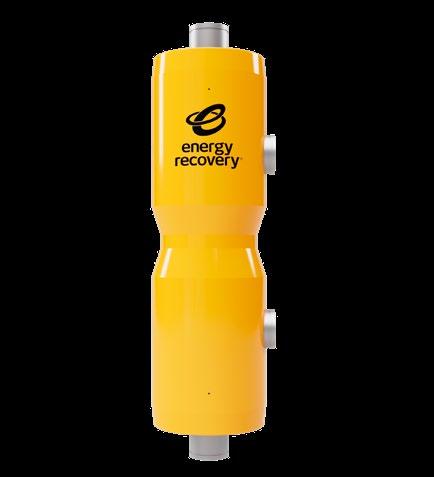
Energy Recovery announced the launch of the PX Q650 pressure exchanger, a next-generation energy recovery device designed to meet the scale, efficiency, and reliability requirements of the desalination industry. The PX Q650 expands the PX® Pressure Exchanger® portfolio, delivering higher flow capacity and efficiency with lower mixing, all while maintaining the durability and reliability customers know and trust.
Engineered with a patented corrosionresistant ceramic core and a single moving part, the PX Q650 minimizes total cost of ownership across diverse operating conditions, and can reduce a plant’s reverse osmosis energy use by up to 60%. With no scheduled maintenance required and a 30-year design life, it delivers high uptime and long-term reliability. Its flexible design and straightforward installation make it well-suited for both new facilities and retrofit applications.
PX Q650 Benefits
• Flow capacity 56.8 - 147.6 m3/hr (250-650 gpm)
• Operates at pressures up to 83 bar (1,200 psi)
• Up to 99% peak efficiency
• Volumetric mixing as low as 2%
• Lowest SEC on the market
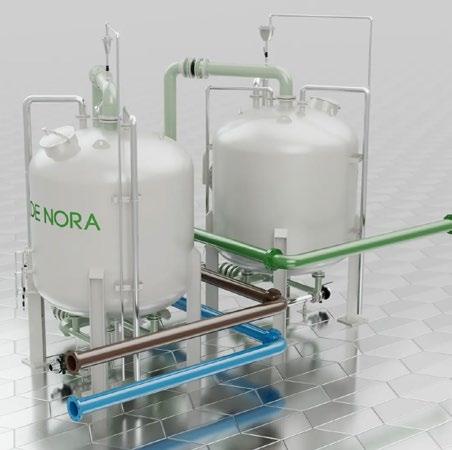
Industrie De Nora has developed the SORB® FX PFAS treatment system to remove per- and polyfluoroalkyl substances (PFAS) from municipal and industrial water and wastewater streams. Using advanced ion exchange technology, the system delivers high treatment performance while supporting water reuse, groundwater restoration and compliance with tightening environmental regulations.
The system is designed for flexible deployment across a range of treatment applications and can be integrated into both new and existing facilities. Its modular approach enables utilities and industrial operators to improve contaminant removal while reducing operational complexity and supporting long-term water resilience.
Key Features
• Advanced ion exchange technology for PFAS removal
• Designed for municipal and industrial applications
• Supports water reuse and groundwater restoration
• High treatment efficiency with a compact footprint
• Scalable for small and large treatment facilities
Veolia Water Technologies has expanded its advanced treatment portfolio with Hydrex™ and Actiflo® Carb, two technologies designed to tackle increasingly complex wastewater treatment challenges. Hydrex™ enhances membrane filtration performance, while Actiflo® Carb combines ballasted clarification with powdered activated carbon to remove PFAS, micropollutants and other emerging contaminants from municipal and industrial wastewater. Together, the technologies help utilities improve treatment efficiency, support water reuse schemes and meet tightening environmental regulations while reducing operational costs and optimising existing treatment infrastructure.
Key Features
• Removes PFAS and micropollutants
• Improves membrane treatment performance
• Combines clarification with activated carbon
• Suitable for municipal and industrial wastewater
• Supports advanced water reuse applications
BlueBarrier™ is a modular treatment platform developed by Curio Water to remove PFAS and other emerging contaminants from wastewater and water reuse schemes. The containerised system combines ozone, ultrafiltration, activated carbon and UV technologies into a compact treatment train that can be rapidly deployed where additional contaminant removal is required. Designed for flexibility, BlueBarrier™ can be integrated into both temporary and permanent installations, helping utilities and industrial operators improve water quality while supporting future water reuse and regulatory compliance.
Key Features
• Containerised modular treatment system
• Removes PFAS and emerging contaminants
• Combines ozone, UF, activated carbon and UV
• Rapid deployment with a compact footprint
• Designed for water reuse and wastewater treatment
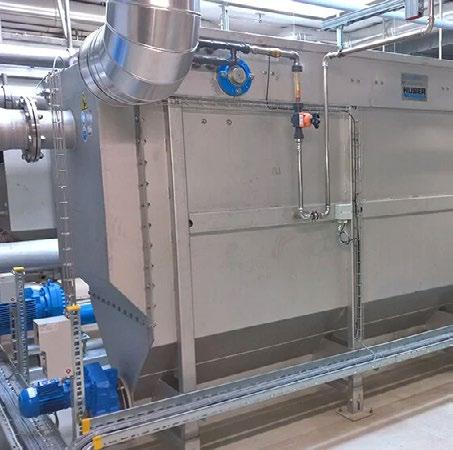
HUBER’s ThermWin® system captures thermal energy from wastewater and transfers it into low-carbon district heating and cooling networks. Installed within sewer systems and wastewater treatment works, the technology recovers energy that would otherwise be lost, reducing reliance on conventional heating systems and lowering carbon emissions. Suitable for both new developments and retrofit projects, ThermWin® enables utilities and municipalities to unlock the hidden energy potential of wastewater while improving overall operational efficiency and supporting Net Zero ambitions.
Key Features
• Recovers thermal energy from wastewater
• Supports district heating and cooling
• Reduces operational carbon emissions
• Integrates into existing sewer infrastructure
• Improves overall energy efficiency
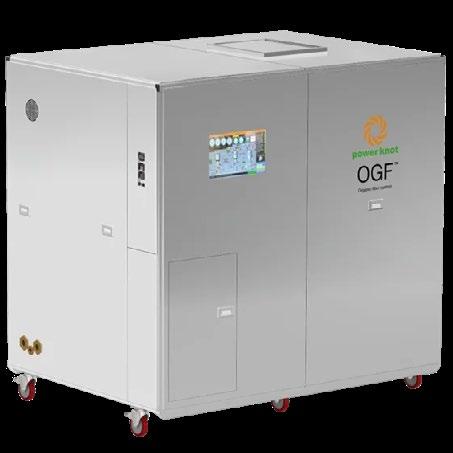
The OGF™ Organic Wastewater Filter from Power Knot is designed to treat wastewater streams containing high organic loads across a range of industrial applications. Combining aerobic digestion, filtration and advanced oxygen processes, the system converts difficult wastewater into reusable water while reducing sludge generation and disposal costs. Its modular design allows installation on-site, helping manufacturers lower operating costs, reduce environmental impact and improve compliance with increasingly stringent wastewater discharge regulations.
Key Features
• Treats high-strength organic wastewater
• Produces reusable process water
• Reduces sludge generation and disposal
• Combines aerobic digestion and filtration
• Suitable for industrial wastewater applications

Sir Ian Cheshire has been appointed Chair of Anglian Water, succeeding Dr Ros Rivaz following a planned leadership transition. Cheshire brings extensive board-level experience across infrastructure, sustainability and listed businesses. Anglian Water said his appointment will help guide the company through regulatory reform while maintaining momentum on its long-term investment and environmental commitments.
“The Boards are confident Sir Ian will provide strong leadership as Anglian Water continues to deliver its strategic priorities.”
John Halsall has officially started as Chief Executive Officer of South East Water following regulatory approval. Bringing more than 25 years of experience across the water and infrastructure sectors, Halsall joins at a pivotal time for the company as it seeks to improve operational performance and rebuild customer trust. On his first day, he outlined three immediate priorities: improving day-to-day performance, driving operational excellence, and strengthening engagement with customers, stakeholders and regulators.
“The work of turning around South East Water starts now.”
Xylem has announced two executive leadership appointments effective 1 July. Meredith Emmerich has been named Executive Vice President and President of Measurement and Control Solutions, succeeding Mike McGann, who will leave the company later this year after 17 years of service. Joe Johnston has been appointed Executive Vice President and President of Applied Water, bringing more than 25 years of international leadership experience. Xylem said the appointments will help drive the company’s strategy and support customers as it continues to deliver water and resource management solutions worldwide.
“Meredith and Joe are accomplished leaders with deep knowledge of our business.”
SWIG (Sensors for Water Interest Group) has appointed Angus Fosten as Director. Fosten, Sales Lead for the OTT, Partech and In-Situ brands in the UK, brings more than 35 years of experience in water measurement instrumentation. He is recognised across the water sector for his expertise in sensor technologies and their role in improving operational performance and environmental protection. SWIG said his appointment will support the organisation’s work in promoting knowledge sharing and best practice in water monitoring as the industry invests in modernising infrastructure and improving process efficiency.
“Everybody knows that you can’t manage what you don’t measure.”
FIDO Tech has appointed Dr Piers Clark as a Non-Executive Director, strengthening its leadership team as the AI-powered water technology company continues its international growth. One of the water sector’s most recognised figures, Dr Clark brings decades of experience spanning utility operations, investment and technology commercialisation. He is the founder and former Chairman of Isle Group and has held senior leadership roles at Thames Water, Mouchel Utilities and Global Water Development Partners. FIDO Tech said his expertise will support the continued expansion of its AI leak detection platform, which helps utilities reduce water losses and improve network performance.
“FIDO has developed a genuinely transformational technology that is helping utilities tackle one of the water sector’s biggest challenges: water loss.”
Dr Marcos Pelenur has been appointed Chief Executive of Waikato Waters ahead of the organisation’s transition to delivering water and wastewater services across New Zealand’s Waikato region. Currently Chief Executive of the Energy Efficiency and Conservation Authority, Pelenur brings extensive leadership experience and will oversee the organisation as it begins operations and develops sustainable water services for local communities.
“I’m passionate about building a strong customer-centric culture focused on delivering reliable, sustainable and affordable water services.”
Engineering and professional services company AtkinsRéalis has appointed Ian Dyck to lead its global water market strategy. The appointment reflects the company’s continued focus on expanding its international water business, supporting clients with infrastructure resilience, digital transformation and sustainable water management solutions.
“The appointment strengthens AtkinsRéalis’ global water leadership as demand for resilient infrastructure continues to grow.”
Matthew White has been appointed Chief Executive Officer of BW Elara, the floating desalination joint venture between BW Group and BW Offshore. Formerly CEO and Executive Chairman of BW Water, White will lead the company’s mission to deliver floating desalination solutions to regions facing water scarcity. BW Group said his experience in scaling global water and wastewater businesses will support the next phase of growth as demand for flexible, resilient water infrastructure continues to increase.
“Access to clean water is one of the defining challenges of our time.”

1–3 September 2026 — Shanghai, China
Aquatech China brings together water professionals from across Asia to showcase the latest technologies in drinking water, industrial water, wastewater treatment, digital water and water reuse. The event features an extensive exhibition alongside technical conferences focused on sustainable water management.
26–30 September 2026 — New Orleans, Louisiana, USA
The Water Environment Federation’s Technical Exhibition and Conference (WEFTEC) is North America’s largest water quality event. Covering wastewater treatment, resource recovery, stormwater, digital water and utility resilience, it attracts more than 20,000 professionals from around the world.
26–30 October 2026 — Chapel Hill, North Carolina, USA
Organised by the Water Environment Federation and the University of North Carolina, this international conference focuses on drinking water, sanitation, hygiene (WASH), public health, water quality and global water security, bringing together researchers, utilities and policymakers.
28–30 October 2026 — Mexico City, Mexico
Aquatech Mexico showcases innovations in water treatment, industrial water, municipal infrastructure and sustainable water management. The exhibition attracts utilities, manufacturers and technology providers from across Latin America.
25–27 November 2026 — Amsterdam, Netherlands
Aquatech’s specialist autumn event focuses on industrial water treatment, process water, digitalisation, smart utilities and resource efficiency. It brings together international experts and solution providers working across the industrial water sector.
30 November–4 December 2026 — Bangkok, Thailand
The International Water Association’s Water and Development Congress explores resilient water services, wastewater management, climate adaptation, circular economy solutions and sustainable development. The event attracts delegates from utilities, governments, NGOs and academia worldwide.