
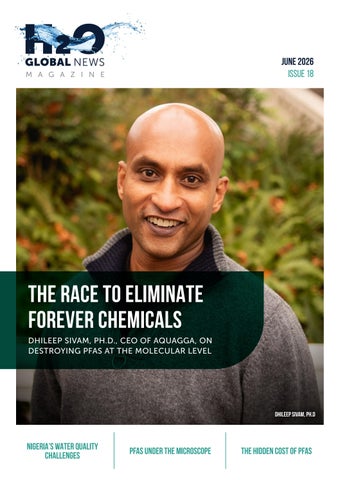
DHILEEP SIVAM, PH.D., CEO OF AQUAGGA, ON DESTROYING PFAS AT THE MOLECULAR LEVEL





For years, PFAS sat largely outside public consciousness.
Today, that is no longer the case.
Often referred to as “forever chemicals”, PFAS have become one of the defining environmental and water-quality challenges of our time. Their extraordinary durability made them valuable across countless industrial and consumer applications. Yet those same properties have allowed them to accumulate in our rivers, groundwater, ecosystems and, ultimately, ourselves.
What makes PFAS particularly challenging is that there is no single source, no single industry, and no single solution.
As you will discover throughout this issue, PFAS is not simply a drinking water problem. It is a wastewater challenge, a biosolids challenge, an agricultural challenge, a regulatory challenge and, increasingly, a financial challenge. The chemicals move through entire water cycles, crossing boundaries between industries, utilities, governments and communities.
The encouraging news is that the conversation is changing.
For many years, discussion centred largely on detection and containment. Today, the focus is increasingly shifting towards destruction, accountability and long-term management. Around the world, researchers, technology developers, utilities and regulators are asking a different question: how do we eliminate PFAS rather than simply move it somewhere else?
Our cover story explores this challenge through a conversation with Dhileep Sivam, Ph.D., CEO of Aquagga, whose company is developing technologies designed to destroy PFAS at the molecular level. It is one example of a growing movement towards solutions that seek to permanently address contamination rather than transfer it between waste streams.
Elsewhere in this issue, we hear from experts representing regulators, NGOs, technology innovators, treatment specialists and industry associations. Their perspectives vary, but a common theme emerges. Progress will require collaboration across sectors, clearer regulation, stronger source control and a willingness to rethink how contamination is managed throughout its entire lifecycle.
PFAS is often described as a problem that will take decades to solve. That may well be true. But the pace of innovation, growing regulatory focus and increasing public awareness suggest that the water sector is entering a new phase.
The challenge remains significant. Yet for perhaps the first time, the industry is beginning to move beyond understanding the problem and towards implementing solutions.
I hope you enjoy this edition.
Abby Davey Publisher and Co-Founder, H2O Global News



Publisher and Co-Founder
Abby Davey
abby@h2oglobalnews.com
Creative Director and Co-Founder
Louise Davey
louise@h2oglobalnews.com
Editorial Team
darby bonner
Martyn Shuttleworth
natasha Posnett
COMMERCIAL TEAM
Julian Barrett
Brad Francis
Marketing@h2oglobalnews.com
H2O Global News delivers news from around the world covering the Drinking/Potable Water, Hydropower and Wastewater industries incorporating technology, companies, legislation, the environment and case studies. The H2O Global News Magazine is published four times a year (Spring, Summer, Autumn and Winter) by Blue Manta Media Limited, Buckinghamshire, England, UK.
H2O Global News t/a Blue Manta Media Limited has used utmost care to ensure and maintain the accuracy, completeness and currency of information published on this site. We, however, take no responsibility for any errors or omission, though if notified of any we will endeavour to rectify such.
CGN is an innovative platform that bridges the gap between industry, research and policy in a modern climate conversation. We enable our users to engage in meaningful conversations about the future of our planet and strive to create an open space where collaborators from all sectors can work together for sustainable progress.
The highest capacity and best performance of any energy recovery device on the market.
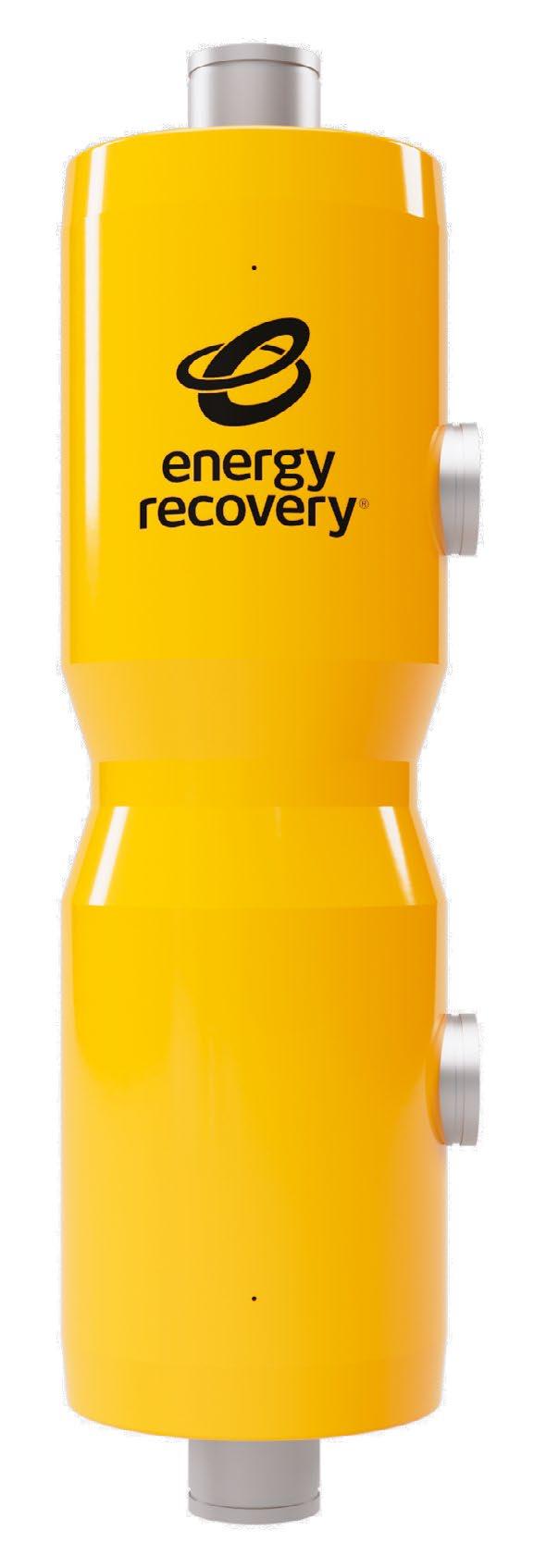

The PX Q650 is now available in Power Model Pro, Energy Recovery's configuration tool for your membrane system. Log in today to model the PX Q650 in your RO system designs, compare scenarios, and quantify potential savings for your next project.

10-13 Cover Feature - The Race to Eliminate ‘Forever Chemicals’: Inside Aquagga’s Fight Against PFAS
14-20 Can Empowering Local Communities Overcome Nigeria’s Water Quality Challenges?
21-23 Solving the Soluble: How Innovation Is Addressing the PFAS Challenge
24-27 Combating Persistent Pollutants: Insights from the Water Quality Association
28-29 The PFAS Pesticides Polluting Our Natural Resources
Forever Chemicals, Forever Consequences 35-36 The Afterlife of PFAS: Solving a Problem That Doesn’t End
37-41 Leading Voices - Rethinking Contaminant Risk: Leading Voices on the Future of PFAS Management

WRITTEN BY | NATASHA POSNETT
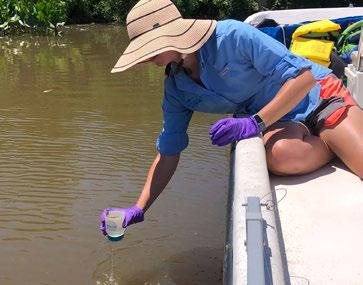
Scientists once came to the secluded rivers of northern Sweden for reassurance. The slow Arctic waterways and snow-covered catchments were considered among the closest things Europe had to an environmental baseline. Remote from major industry and sparsely populated, they offered researchers a place to measure what “clean” looked like.
Today, those same waters are measuring something else entirely. Not local pollution. Not a single industrial spill. But the global reach of synthetic chemistry.
Across northern Sweden, environmental monitoring programmes have detected PFAS in snowpack, surface waters, and remote ecosystems far removed from obvious contamination sources. There are now estimated to be over 10,000 PFAS compounds in circulation globally, many capable of travelling far beyond the places where they are manufactured or used.
Recent Arctic snow studies have identified at least 361 different PFAS compounds in remote surface snow samples, including locations with no nearby industrial activity. Their presence has forced scientists to confront an uncomfortable reality: even the Arctic is no longer environmentally isolated.
The discovery matters not because Sweden is uniquely polluted, but because it reveals how modern contamination now moves. PFAS do not remain where

they are produced or used. They circulate through atmospheric systems and travel across borders to places once assumed to sit beyond the reach of industrial activity.

Sweden operates one of Europe’s most extensive environmental monitoring systems, coordinated through the Swedish Environmental Protection Agency. They track changes in water chemistry, atmospheric deposition, biodiversity, and pollutant movement over time. In the north, many of these monitoring sites were initially selected precisely because they were considered relatively undisturbed.
Remote regions function as controls — reference points against which change elsewhere can be measured. For decades, Arctic and sub-Arctic environments helped researchers understand how pollutants behaved once separated from direct human pressure. But PFAS have complicated the idea that such separation still exists.
Researchers monitoring northern Swedish waters increasingly began detecting fluorinated compounds in locations with no nearby industrial activity. It was geographically widespread and remarkably consistent with long-range atmospheric transport. The farther scientists looked from obvious sources, the more significant the findings became.
Traditional industrial pollution follows visible pathways. A pipe discharges into a river. A factory contaminates nearby soil. A spill spreads outward from a defined point.
Many compounds can travel through the atmosphere attached to airborne particles or in volatile forms before returning to the Earth through rain and snowfall, sometimes thousands of kilometres from where they originated. In cold climates, this process intensifies. Snow becomes a temporary storage system for airborne contamination, capturing pollutants during winter and releasing them into rivers and groundwater during seasonal thaw.
In effect, the Arctic functions less like an isolated wilderness and more like a receiver within a global circulation system. And the implications are profound. Pollution is no longer strictly localised. Industrial chemistry now moves through planetary systems in ways that resemble climate processes more than conventional contamination events. By the time they are detected in remote watersheds, they may have already travelled across continents.
For decades, the Arctic occupied a symbolic place in environmental science — not untouched exactly, but distant enough to represent ecological reference conditions. Researchers travelled north to understand

what ecosystems looked like with minimal direct human interference.
Now PFAS are forcing a reassessment of that assumption. Northern Sweden’s monitoring data increasingly suggests that the Arctic is no longer functioning as a baseline in the traditional sense. Instead, it has become a chemical archive: a region that accumulates traces of industrial activity occurring far beyond its borders.
This is not unique to Sweden. Similar findings have emerged across Arctic research programmes in Norway, Canada, Greenland, and Alaska. The Arctic Monitoring and Assessment Programme — established under the Arctic Council to track pollution and environmental change across the circumpolar north — has repeatedly identified PFAS and other persistent pollutants in Arctic ecosystems far removed from major industrial centres.
The Arctic still functions as a warning system, but no longer because it is untouched. It matters because it reveals how connected the modern environment has become. The rivers once used to measure environmental stability are now measuring something else entirely.
1. Hartz WF, Björnsdotter MK, Yeung LWY, Humby JD, Eckhardt S, Evangeliou N, Ericson Jogsten I, Kärrman A, Kallenborn R. Sources and Seasonal Variations of Per- and Polyfluoroalkyl Substances (PFAS) in Surface Snow in the Arctic. Environ Sci Technol. 2024
WRITTEN BY | MARTYN SHUTTLEWORTH
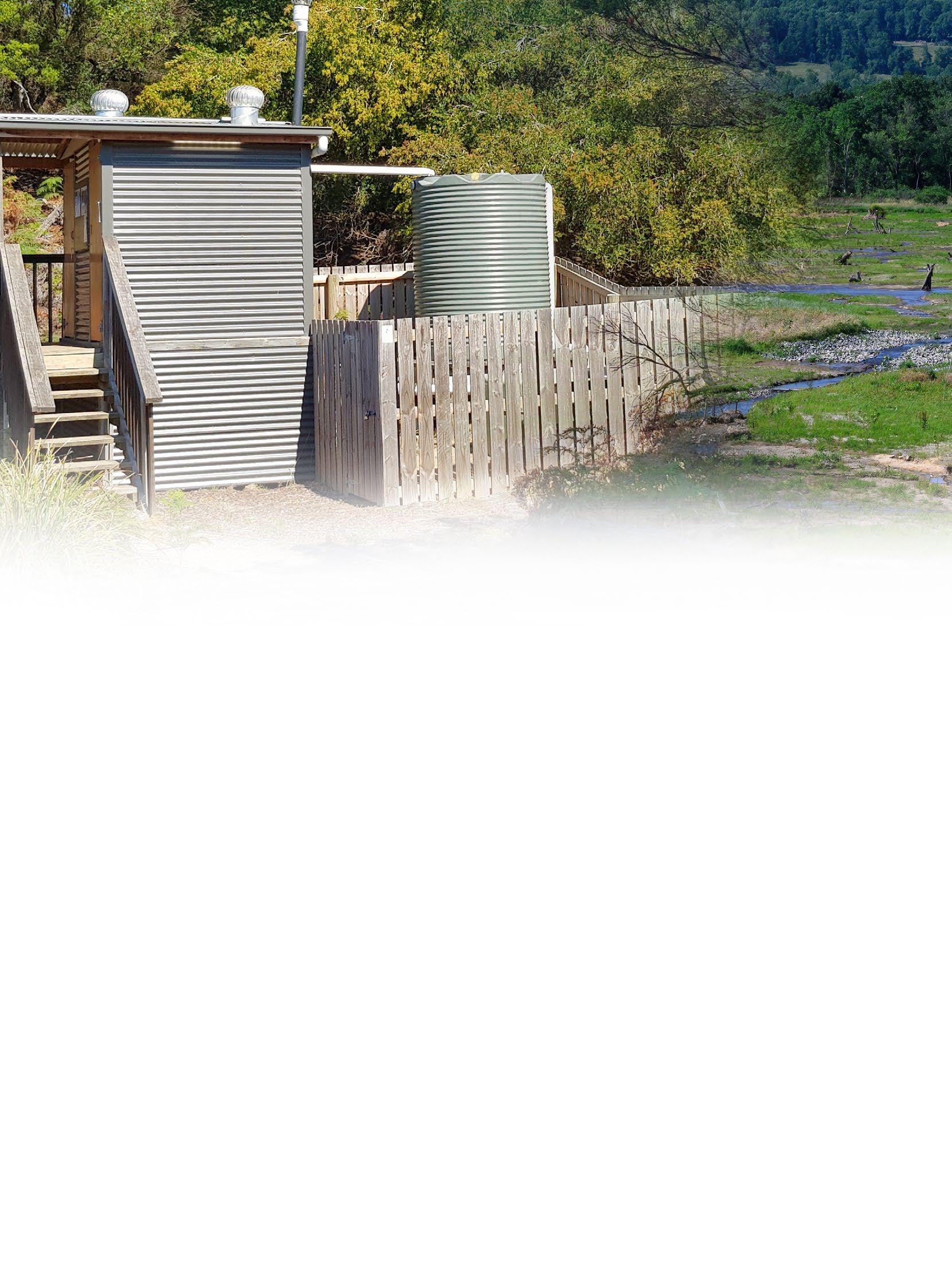
Nature based solutions (NbS) are an intriguing option for improving water quality without the need for extensive infrastructure. By using ecological and biological processes, they can be a very cost-effective way to filter out contaminants before they reach water sources. Increasingly used in modern urban planning, NbS are also a useful option in rural areas, especially isolated communities. With the correct support, communities can develop and maintain these solutions themselves, drawing upon their existing skills and knowledge to reduce the risks from waterborne contaminants.
Nature-based solutions use or emulate natural processes to enhance water availability, prevent erosion, and mitigate floods. They can be small scale, such as a composting toilet, or larger scale projects that conserve/restore natural ecosystems, such as reed beds or forests. For improving water quality, the right NbS can prevent contaminants from homes, industry, and agriculture leaching into rivers and groundwater. Well-planned projects carry additional benefits such as protecting communities from flooding or retaining water for use in dry seasons.
One way ecological solutions can improve water quality
is by restoring habitats such as forests and grasslands through planting or natural regeneration. The plants filter out pollutants flowing towards water sources and slow the physical transportation of chemicals and pathogens bound in the soil. Regenerating land brings additional benefits such as infiltrating water runoff into the ground, and creating a net carbon sink.

Another option is creating riparian buffers by planting trees, shrubs, or grasses along the banks of rivers. These provide natural filtration, removing nitrogen, phosphorous, and other chemicals from agricultural runoff. In the same way, planting/encouraging trees, hedgerows, and similar vegetation on field boundaries can be effective.
New farming practices such as biological pest control, organic fertilisers, contour ploughing, drip irrigation, mulching, and free range livestock farming can maximise the impact of NbS. They reduce the amount of water and nutrients flowing to water sources, so training local communities in these methods is often part of successful implementation.
Many governments are restoring wetlands and floodplains because they soak up excess water during heavy rains, preventing floods just as effectively as expensive concrete
barriers. As an added benefit, this restoration also prevents chemicals and contaminants from washing into rivers Planting shallow depressions with grass and other wetland vegetation creates a biological filter where plants, microbes, and sediments capture and break down contaminates such as nitrogen, phosphorus, and pesticides. They can also divert seepage from latrines and septic tanks before it enters water resources. In a similar way, restoring natural floodplains helps the land can soak up pollutants and recharge groundwater.
To help manage surface water, vegetated swales/ waterways can replace the traditional concrete ditches used to remove excess water. These take the form of shallow sloping channels filled with vegetation, which slow runoff and allow the water to gently pervade into the soil. The vegetation and underlying soil also remove many pollutants through filtration.
Nature Based Solutions bring a number of advantages that make them a very good option for improving water quality:
• Cost Effectiveness: NbS are often cheaper to install and easier to maintain than traditional construction. There is no need to order expensive spare parts or wait for technicians to make repairs.
• Voluntary Sector: Programmes can engage local communities and attract wider support with treeplanting programs, for example, often attracting plenty of volunteers.
• Local Knowledge: Creating NbS can often use the skills and knowledge that already exist in local communities. The lower tech approach also means it is easier to train technicians to monitor and maintain the system.
• Ecology: Nature based solutions often improve

biodiversity in an area by providing habitats for wildlife. Indirectly, they enhance biodiversity in rivers by reducing the rate of eutrophication.
• Climate Change: NbS can absorb carbon dioxide and also avoid the high emissions involved with traditional construction. Many NbS provide resilience against the effects of climate change through mitigating floods.
• Decentralisation: Especially in isolated rural areas, NbS provide decentralised solutions where governments can work in partnership with local communities.
• Sustainability and Aesthetics: NbS can help communities and countries achieve a number of their sustainable development goals, so the benefits extend beyond water quality.
• Social Justice: NbS can help communities develop skills and the capacity to plan and design solution, especially for marginalised or isolated communities.
Of course, using NbS is not simply a matter of implementation because they need ongoing support from authorities and NGOs. Local communities need training and guidance, as well as education about sympathetic farming practices, the importance of hygiene, and the benefits of the program.
Many water quality solutions proposed by governments, water companies, and even NGOs rely on traditional 'grey' infrastructure built from concrete and steel. This can incur construction costs, needs resources to maintain, and is practically impossible in inaccessible rural areas. Now, NbS are becoming a viable alternative, especially in remote areas, because of their ability to improve water quality while supporting climate resilience and other sustainability goals.
WRITTEN BY | DARBY BONNER
Asteel cylinder slips below the surface of the Arctic Ocean and starts its plunge into darkness. Hundreds, sometimes thousands, of metres down, where sunlight never reaches, it sinks to the seabed and returns with a column of mud deposited over decades to centuries, sometimes longer. Layer by layer, the ocean floor preserves traces of volcanic eruptions, changing ocean temperatures, microscopic sea creatures and long-ago climate cycles. But increasingly researchers are finding evidence of something much more modern.
PFAS, short for per- and polyfluoroalkyl substances, are now turning up in the ocean floor itself. Often called “forever chemicals,” PFAS were designed to resist heat, grease, oil, and water. They became embedded in everyday life through non-stick cookware, waterproof clothing, firefighting foam, food packaging, cosmetics, and industrial manufacturing. What few people understood at the time was where these chemicals would eventually end up.
Today, PFAS have been detected in Arctic sea ice, deep ocean water, whales, dolphins, fish, polar bears, and in sediment layers slowly accumulating across the seabed. Scientists increasingly view the ocean not as a place where PFAS disappear, but as a long-term reservoir that stores and redistributes them. That matters because PFAS are unusually persistent. Their carbon-fluorine (C-F) bond is one of the strongest in chemistry, making them extremely
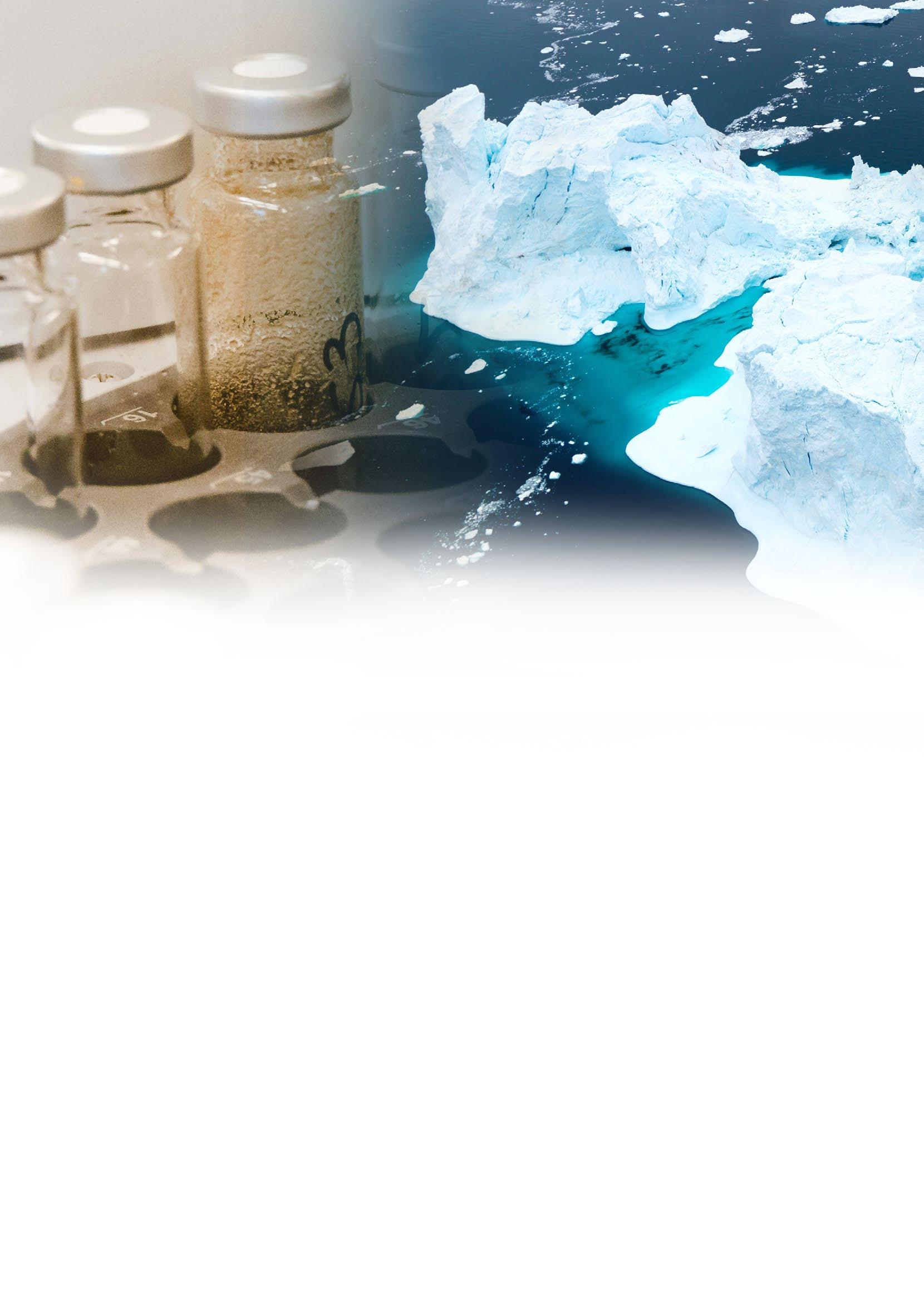
difficult to break down.
Sunlight degrades many PFAS poorly, and natural biological processes often struggle to break them down. Once released into the environment, PFAS can remain in circulation for decades or longer.

For years, researchers assumed the ocean acted as a vast sink for pollution, diluting contaminants across enormous volumes of water. New evidence suggests something more troubling. Rather than simply absorbing PFAS, the ocean appears to move them continuously through currents, weather systems, marine ecosystems, and sediment cycles.
Scientists now have a clearer picture of how this happens. PFAS enter rivers through industrial discharge, landfill runoff, wastewater systems, and consumer waste. Rivers carry them into coastal waters, where larger currents spread them across the globe. But the process does not stop there.
When waves break, microscopic droplets of seawater become airborne as sea spray aerosols Research suggests PFAS can travel on these droplets and return to the atmosphere, potentially travelling long distances before redeposition onto land, rivers, snow, or into drinking water supplies. This helps explain why PFAS are now found in some of the world’s most remote environments.
The Arctic offers one of the clearest examples. Studies suggest PFAS moving through the Fram Strait circulate

between the Arctic and North Atlantic at roughly comparable rates. Rather than remaining trapped in polar waters, the chemicals continue moving between major ocean systems.
At the same time, PFAS are sinking deeper. Marine snow, the constant drift of dead plankton, organic matter, and microscopic debris, slowly carries contaminants toward the seabed. Some PFAS compounds attach to particles and settle into sediments. Others move through marine food webs, building up inside animals over time. Researchers have documented PFAS contamination in whales, dolphins, seals, seabirds, fish, and polar bears. Animals at the top of the food chain are particularly vulnerable because some PFAS compounds can biomagnify, meaning concentrations increase higher up the food chain.
Even decades after restrictions on some major PFAS compounds began, scientists continue detecting them in Arctic wildlife. Chemicals already embedded in the environment continue cycling long after production slows. Meanwhile, the seabed keeps its own record. Ocean sediments function as an environmental archive. Each layer preserves evidence of changing temperatures, ecosystems, pollution, and chemical activity. Studies from the North Sea to Arctic waters near Svalbard found persistent PFAS contamination across multiple marine regions, suggesting even remote ocean systems now carry a shared industrial chemical signature.
What makes this especially concerning is that sediments do not necessarily lock pollution away forever. Storms, dredging activity, bottom currents, and seabed disturbance can release buried contaminants back into surrounding waters. Bottom-feeding organisms consume contaminated particles directly, reintroducing PFAS into marine ecosystems. The seafloor is not simply a graveyard for pollution. In some cases, it may act as a long-term reservoir.
Studying PFAS presents challenges of its own. These chemicals often exist at concentrations measured in parts per trillion. At such tiny levels, contamination inside laboratories becomes a serious issue. PFAS can be found
in tubing, protective coatings, waterproof materials, and even airborne dust, meaning researchers must work carefully to avoid contaminating their own samples.
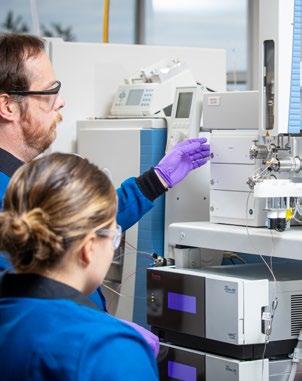
To detect them, scientists rely on liquid chromatography tandem mass spectrometry (LC-MS/MS), a technique capable of detecting extremely low concentrations of many PFAS compounds. New screening methods are also uncovering previously unknown PFAS chemicals, suggesting the scale of contamination may still be underestimated.
Governments, environmental organisations, and technology companies are now trying to respond. In the United States, new federal drinking water standards for several PFAS compounds were finalised in 2024 Meanwhile, companies are developing technologies designed to destroy PFAS rather than simply filter them out. One Swiss startup, Oxyle, claims to break down PFAS molecules rather than simply concentrating them into another waste stream. Such technologies may help reduce future contamination, but they do little to address the immense quantities already circulating through the environment. Yet the larger reality is difficult to escape. Even if global PFAS production stopped tomorrow, enormous quantities are already circulating through rivers, oceans, sediments, wildlife, and human communities.
For decades, many assumed the ocean was too vast to damage permanently and that pollutants would simply disappear through dilution. PFAS challenge that belief. The ocean does not simply dilute these chemicals into irrelevance. It transports them, stores them, and can reintroduce them into ecosystems. Sediment cores are beginning to reveal something larger than pollution alone.
Every industrial discharge into a river. Every batch of firefighting foam sprayed at an airbase. Every waterproof coating applied to a consumer product. Over time, traces of all of it settle into the ocean floor. Centuries from now, scientists may study these layers much as researchers today examine evidence of volcanic eruptions or ice ages. The difference is that this record will not describe a natural event. It will describe us.

BY DARBY BONNER, H2O GLOBAL NEWS | BASED
PH.D., CEO OF AQUAGGA
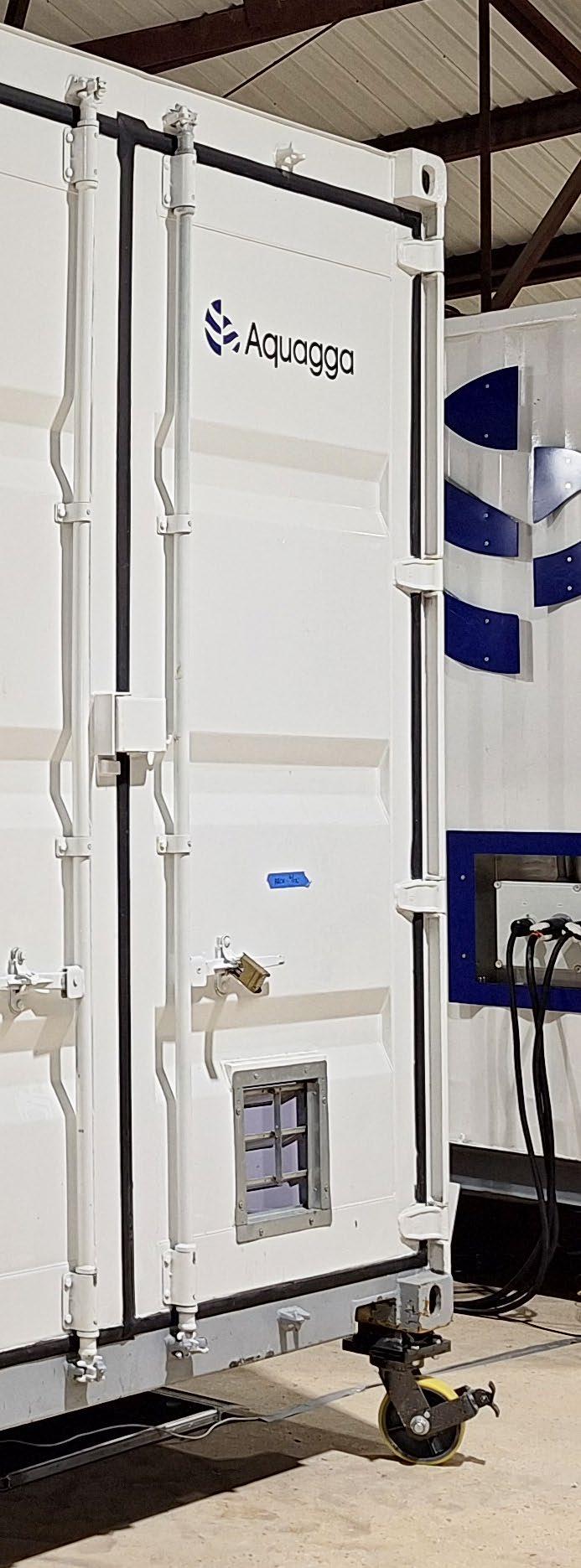
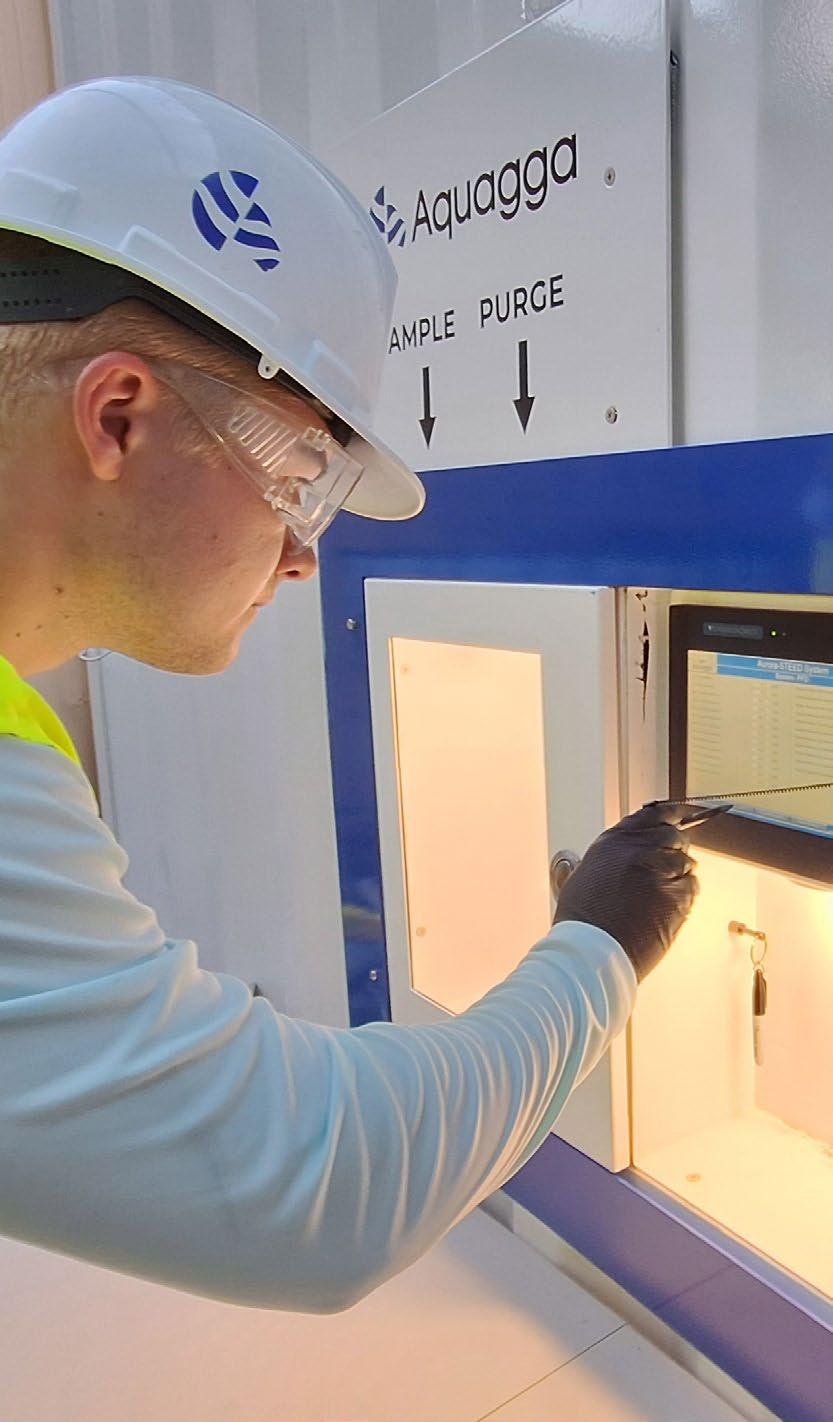
As regulatory pressure mounts and public concern intensifies, a new generation of technologies is moving beyond containment toward destruction. Among them is Aquagga, a company demonstrating that PFAS pollution can be tackled at the molecular level.
Few environmental issues have accelerated into public consciousness as rapidly as per- and polyfluoroalkyl substances (PFAS), often referred to as “forever chemicals.” Found in everything from firefighting foam and industrial manufacturing to waterproof textiles and food packaging, PFAS have become one of the defining contamination challenges of modern industry.
Their nickname stems from chemistry: PFAS are built around carbon-fluorine bonds, among the strongest molecular bonds known, making them extraordinarily resistant to degradation. While this durability once made them commercially valuable, it has also turned them into a growing environmental and public health concern. Once
Continued on page 12

released, PFAS can persist in soil and water for decades, eventually entering drinking water systems and ecosystems.
For many organisations grappling with contamination, the challenge has long been less about removing PFAS than deciding what to do with them once captured.
Historically, remediation efforts have relied on filtration and concentration technologies, which extract PFAS from water but often leave behind concentrated waste streams requiring disposal. In many cases, that has meant incineration, a process criticised for its cost, logistical complexity, and questions around secondary environmental impacts.
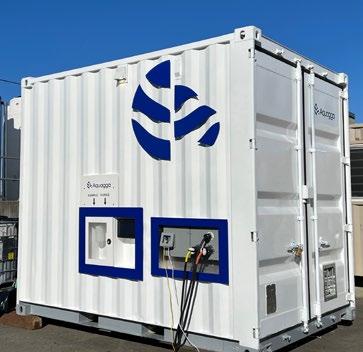
It is precisely this problem that Aquagga, based in Tacoma, Washington, aims to address.
Founded from research conducted at the Colorado School of Mines, Aquagga emerged after its co-founders explored technologies capable of eliminating difficult industrial contaminants. In the process, they encountered Hydrothermal Alkaline Treatment (HALT), a technology originally developed in the university’s Strathmann Lab that would become the foundation of the company.
Rather than concentrating PFAS for disposal, Aquagga’s approach focuses on destruction.
“We’re attacking a specific carbon-fluorine bond present in all PFAS compounds using heat, pressure, and a high pH environment,” explains Dhileep Sivam, Ph.D., CEO of Aquagga. “This basically unzips the molecule into inorganic fluorine salts, which are safe to emit.”
In practical terms, the company says its HALT process breaks PFAS down at a molecular level, converting organic fluorine into inorganic fluoride salts through mineralisation. The distinction is significant: rather than transferring contamination elsewhere, the aim is to permanently eliminate it.
The ability to destroy even ultrashort-chain PFAS,
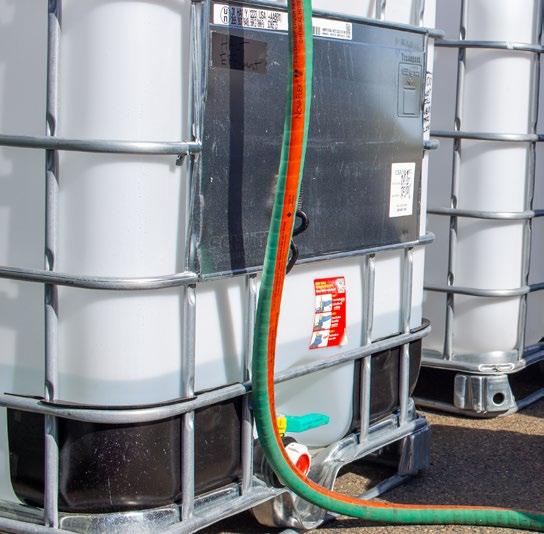
compounds that have historically proven especially difficult to treat, is increasingly important as regulators tighten standards globally.
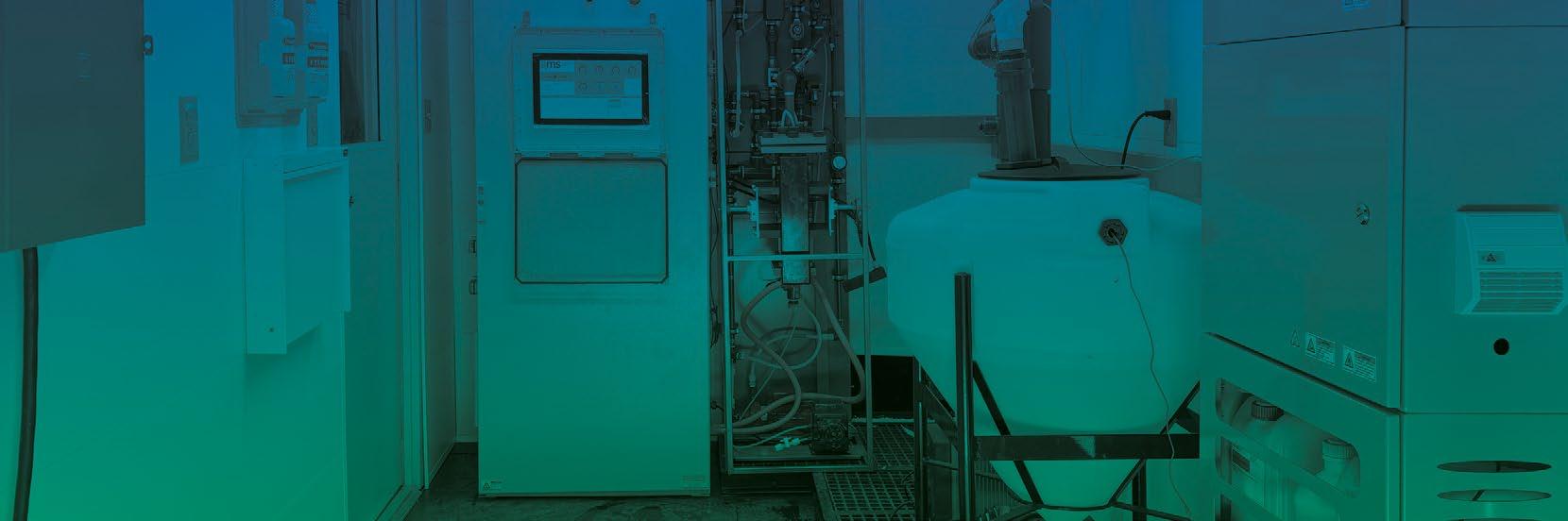
Yet PFAS contamination is far from uniform, and remediation demands vary dramatically depending on industry and geography. Aquagga has developed commercial-scale HALT systems for a range of deployment needs, from lower-volume industrial facilities and research environments to landfill leachate treatment and high-volume manufacturing sites.
Among the sectors facing particular urgency is industrial wastewater, which includes the pharmaceutical and fluorochemical industries, where tightening regulations and growing legal liabilities are forcing companies to reassess risk.
“Industrial wastewater customers are probably the most motivated,” says Sivam. “There’s civil and regulatory risk.”
The semiconductor industry has become another key focus area. Despite increasing scrutiny of PFAS, manufacturers remain deeply reliant on the chemicals within fabrication processes, with few viable alternatives currently available.
“PFAS is essential to semiconductor fabrication and there are really no alternatives in sight,” Sivam says, noting that even if PFAS-free substitutes emerged, implementation across tightly controlled supply chains could take years.
At the same time, governments are beginning to confront legacy contamination from decades of industrial and military use. One particularly high-profile challenge involves aqueous film-forming foam (AFFF), a firefighting foam widely used at military bases and airports that has been linked to significant groundwater contamination.
Aquagga has worked alongside the U.S. Department of Defense on AFFF disposal and remediation initiatives, collaborations Sivam says have helped move the technology beyond laboratory testing and into operational environments.
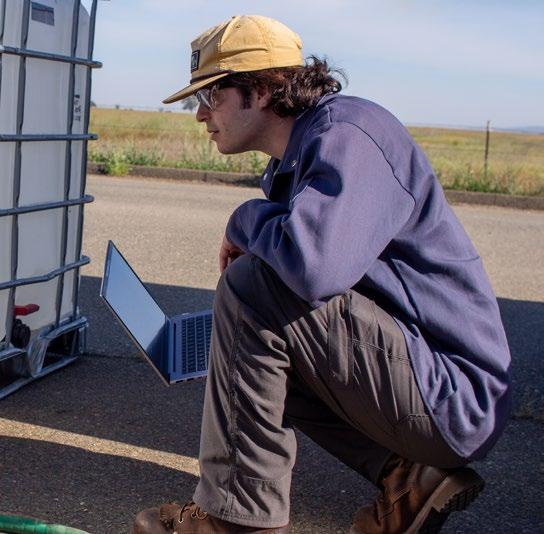
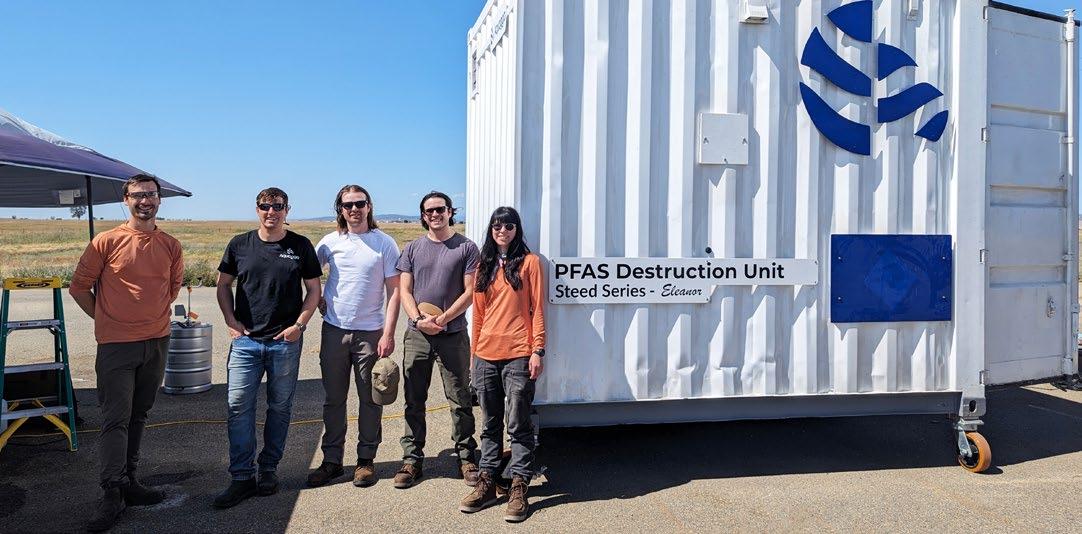
“Our Department of Defense collaborations have been wonderful in proving the effectiveness of our technology,” he says. “Operating in the real world is very different from getting something to work in a lab.”
Validation remains critical in an industry where environmental claims face intense scrutiny. According to Aquagga, treatment outcomes are extensively tested through independent third-party analytical chemistry laboratories to confirm mineralisation and the absence of harmful by-products after processing.
Recognition from organisations including the EPA, the World Economic Forum, and industry accelerators has further elevated the company’s profile. Yet Sivam is realistic about the scale of the challenge ahead.
Despite increasing momentum around regulation, particularly as governments impose stricter contaminant limits, he cautions against expecting a quick fix.
“This is a multi-decade issue,” he says. “It would be futile to clean up contaminated sites while PFAS emissions are still going strong.”
That dual challenge, preventing new contamination while remediating decades of existing pollution, is likely to define the next chapter of PFAS management. For utilities, industrial operators, and public bodies only beginning to assess their liabilities, Sivam’s message is direct: waiting may prove expensive.
“The time to start is now,” he says. “We’re only going to see more regulations, more financial risk, and more potential operational consequences in the future.”
As governments, manufacturers, and communities confront the long-term reality of forever chemicals, technologies capable not merely of containing contamination but destroying it may become an increasingly important part of the equation.
Learn More: www.aquagga.com

INTERVIEWED BY | MARTYN
Nigeria faces a number of water quality challenges that it is starting to tackle with the aid of local and international NGOs. To find out more about the issues the country faces, why they occur, and how to overcome them, we talked to Temple Chukwuemeka Oraeki. He is an International Development Consultant designing and leading WASH, climate change, water security, and environmental sustainability programs in Nigeria and globally. He has supported various WASH
interventions with leadership roles in rural water supply networks, youth and gender inclusion, climate change, and ending water poverty.
On the ground, Temple currently leads the operations of an International NGO in Nigeria – Collaborative Media Advocacy Platform (CMAP), which includes waterfront communities in the Niger Delta. As a WASH advocate, Temple co-founded the Network of Water Rights Initiative (NEWARI) with over 20 grassroots organizations helping constituents understand and demand their rights to water and sanitation.

On paper, water supply in Nigeria is the responsibility of state governments. Every state has a water corporation (commonly known as 'water board') tasked with supplying urban populations, while a separate agency, RUWASSA, is supposed to take care of rural communities. Some states created a third body to serve the small towns that don't quite fit either category.
But, the honest picture looks quite different. Most Nigerians, whether they live in Lagos or a village in Kebbi,
stopped waiting for government taps to run. In cities, those who can afford it drill their own boreholes. In rural areas, rivers and streams remain the reality for millions. Water boards and rural agencies exist, but never functioned at the scale the country needs, and people adapted from necessity rather than preference.

The water quality challenges Nigeria faces don't exist in isolation and feed into one another. They sit on top of a system that has almost no meaningful protection for water sources and no national Water Safety Plan Framework for keeping water safe from source to tap.
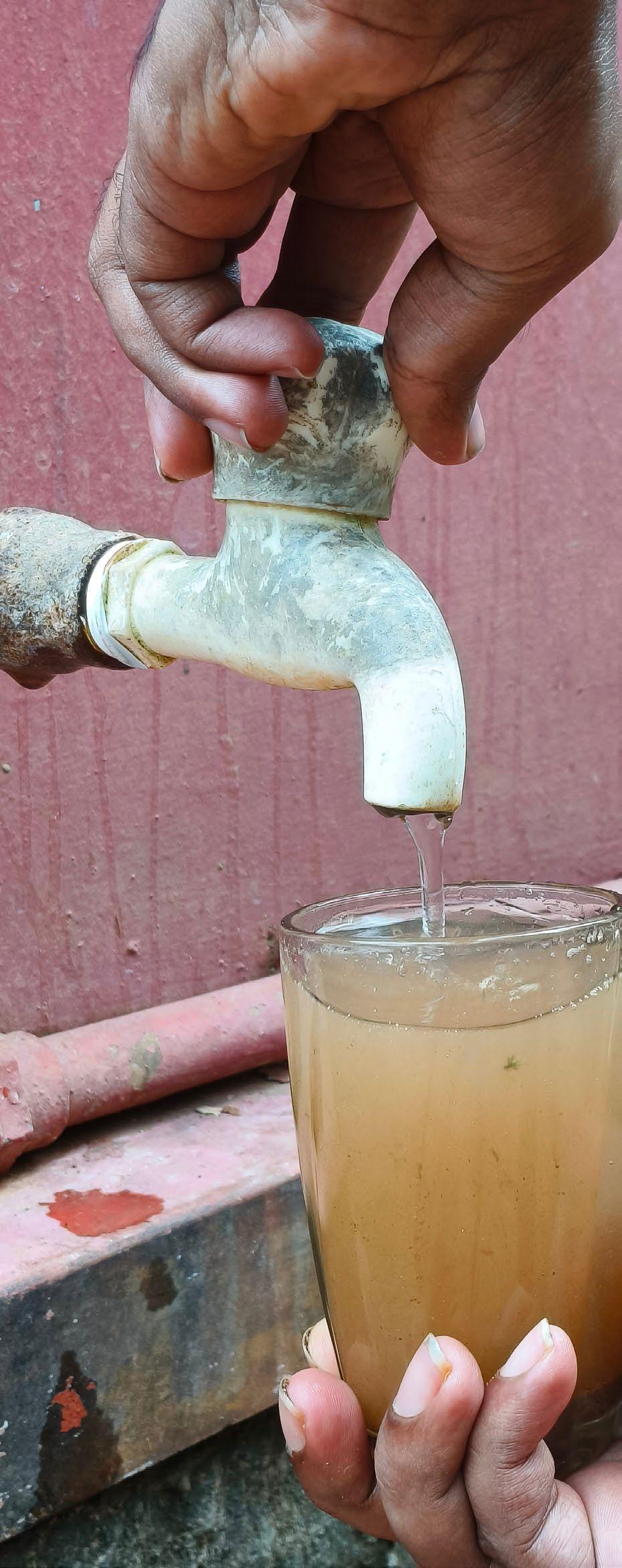
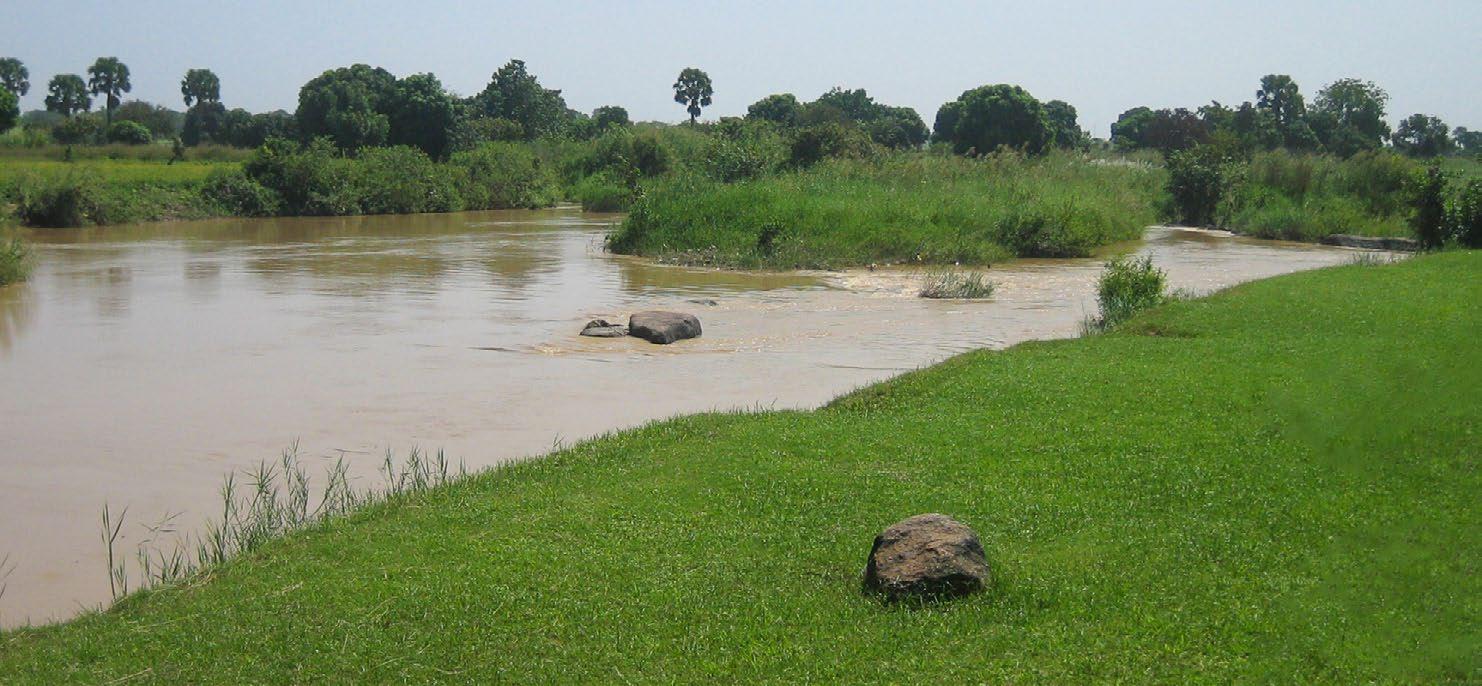
The most immediate problem is human waste. In countless communities, pit latrines sit too close to wells and boreholes, and waste eventually seeps through to the groundwater people drink. In cities, the absence of functioning sewage treatment means that waste from homes often ends up in the same rivers and streams those homes rely on for water. The result is a predictable cycle of cholera, typhoid, and diarrhoeal disease — illnesses that should be largely preventable.
Then there is industry because factories, abattoirs, and mining operations discharge untreated effluents into waterways with little consequence. In the Niger Delta, oil spills have caused damage that is severe and generational, contaminating surface water and groundwater in ways that will outlast the companies responsible.
Agriculture adds another layer. Without buffer zones protecting rivers and aquifers, pesticides and herbicides wash freely into water bodies when the rains come. As flooding becomes more frequent and more intense (a direct consequence of climate change), the scale of contamination events grows. A single flood can wash sewage, debris, and chemical runoff into water sources across an entire region.
Beneath all this sits a regulatory system that is largely non-existent and, where it exists, rarely does its job. No Nigerian state has truly made water quality regulation work. For instance, Lagos has a water regulatory commission, but without genuine independence, its ability to hold anyone accountable is limited.
The federal government has not been inactive. In 2018, following concerns about poor WASH situation and recognition of the cogent need to close that gap, the federal government declared a State of Emergency in the WASH sector. This declaration generated programmes such as the 10 years’ National Action Plan for the Revitalization of Nigeria's WASH Sector (2018 – 2030), and the Clean Nigeria: Use the Toilet Campaign (2019). Also, other ongoing programmes, designed to strengthen coordination with the subnationals, such as the Partnership for Expanded WASH (PEWASH) and the World Bank-supported SURWASH
programme, signal at least an official recognition that the sector needs transformation. State governments, too, key into these national programmes to close the WASH access gap, even if the pace and quality of work is uneven across states.
Where the government has fallen short, NGOs and international organisations stepped in, often working in communities that formal systems never reached. NGOs bridge the key gaps of awareness and capacity dearth by driving hygiene campaigns and training local communities on WASH services delivery. Many bring women and young people into water governance, while others, such as NEWARI (Network of Water Rights Initiative), use the human rights and accountability approach to enhance WASH access. These are valuable and necessary, but also reflect the scale of what the state has not delivered.
WASH programmes have made a real difference, even if that difference has been uneven and fragile in places. Community-led sanitation work helped a growing number of communities reach Open Defecation Free status. This is a meaningful achievement, because every community that stops defecating in the open is a community where surface water and groundwater have a better chance of staying clean. Campaigns on handwashing, safe water storage, and household treatment shifted behaviours in ways that improve water quality and reduce disease transmission even where infrastructure remains poor.
On the ground, WASH investment has meant boreholes, protected wells, small piped schemes, solar-powered water systems, and clean water in schools and clinics that previously had none. Perhaps just as importantly, it has given communities a structure, through WASH Committees (WASHCOMs), to take ownership of their water facilities. When a community manages and maintains its own system, reporting when something goes wrong, facilities tend to be better maintained and last longer. That shift from dependency to ownership is one of the quieter but more durable successes of WASH programming in Nigeria.
The starting point has to be honesty about what isn't working. Water regulatory bodies that lack independence cannot regulate effectively and will be
Continued on page 18












vulnerable to pressures that compromise judgment. Giving these commissions genuine autonomy is not a technical fix; it is a political choice that needs to be made deliberately.
Nigeria's drinking water standards are poorly publicised and need an update. The Nigerian Industrial Standard NIS 554, set by the Standards Organisation of Nigeria (SON), has not been revised since 2015 and is little known by the Nigerian populace, while enforcement is very weak. A decade is a long time in water science and in the evolution of contamination risks. There is no gainsaying that standards that haven't kept pace are already failing people. Policies to protect water sources must be prioritised. There are no buffer zones around most water sources in Nigeria, leaving them exposed to direct contamination and use as dumpsites.
Beyond these immediate gaps, the country needs water safety plans embedded across urban and rural systems, giving water providers a structured way to identify and manage risk before it becomes a crisis. Industrial discharge needs to be regulated with teeth, i.e. real monitoring, real laboratories, real penalties. Water infrastructure needs sustained investment, not just in construction but in maintenance and climate-proofing. Flood risk, watershed protection, and drought planning need incorporating into water sector planning as standard, not afterthoughts.
Local governments need to be genuine participants with clear responsibilities, adequate resources, and technical support. Across every level of government, decision-making needs to be grounded in data: water quality reporting systems, asset management tools, GIS mapping, and public transparency about what the numbers actually show.
How can local communities become part of the process, and what support will they need?
Communities are not just beneficiaries of better water systems. They are, in many parts of Nigeria, the only reason those systems continue to function at all. The question is how to support that role properly rather than simply assuming it will happen.
WASH Committees (WASHCOMs) are one of the most practical mechanisms. When a community has a functioning committee to collect maintenance contributions, monitor hygiene, coordinate repairs, and flag problems, a borehole or water point has a far greater chance of remaining operational five years after installation. Community members can be trained in basic water quality monitoring (prioritising citizen science), giving them the tools to spot contamination risks before
they cause harm. And, on sanitation and hygiene, local leaders, women's groups, youth organisations, schools, and religious communities can drive behavioural change in ways that no government campaign from the Federal Capital Territory, Abuja ever will.
Communities can act as custodians of their own water sources by preventing waste from being dumped in rivers, maintaining drainage, and protecting boreholes. But none of this happens without support. People need training that is practical and delivered in a language and format they can use. They need access to funding, either in the form of grants, microfinance, or community maintenance funds, so that when something breaks, it can be fixed. They need sustained education, not a single workshop, because changing how people handle water and sanitation is a long-term project. And, they need to know that government agencies and NGOs will continue to show up, provide oversight, and treat community water management as a partnership rather than a handover.
The connection between how Nigeria farms and what ends up in its water is closer than most water sector conversations acknowledge. Every time rain falls on land treated with synthetic pesticides or fertilisers, with nothing between that land and a nearby river, some portion of those chemicals makes the journey. Ecological farming practices can interrupt that journey at multiple points.
Integrated Pest Management reduces the volume of chemical pesticides applied in the first place, by combining biological controls, crop rotation, and resistant varieties with targeted application only when the situation genuinely demands. Organic and bio-based fertilisers such as compost, manure, and biofertilisers, address nutrient pollution by reducing the nitrate and phosphate loads that strip oxygen from rivers and lakes and make them hostile to life. Conservation agriculture, through minimum tillage, mulching, and cover cropping, keeps soil in place. Since soil is often the carrier through which pesticides and nutrients travel to water, keeping it in place matters enormously.
Vegetated buffer strips along rivers and streams act as a physical filter, catching sediments and chemicals before they breach the bank. Agroforestry, which integrates trees into farming systems, improves how water moves through the landscape, increasing infiltration and
reducing the runoff that carries pollution downstream. Also, precision agriculture, where accessible, applies inputs in the right amounts and at the right time, so that less ends up where it shouldn't. Finally, drip irrigation reduces the sheer volume of water moving through the soil, limiting chemical leaching into groundwater.
None of these approaches is a silver bullet, and most require knowledge and sometimes investment to implement. But taken together, they represent a fundamentally different relationship between farming and water; one that treats clean water as something worth protecting, not simply a resource.
The criticism is not entirely unfair. Water Safety Plans can look like something designed for a well-resourced utility with a technical team, a functioning laboratory, and time to spare. In that form, they are genuinely difficult to implement in a community managing a single borehole with a volunteer committee. But, the answer is not to abandon the idea; it is to stop presenting it in a way that makes it seem out of reach.
A simplified WSP for a small rural system might amount to a clear identification of where the risks are, what can go wrong, and what to do about it. This should be written in plain language, on a few pages, and in a format a local technician can actually use. That is still a Water Safety Plan. It still protects people. The framework does not require complexity to function; it requires honesty about risk and a commitment to managing it.
Context-specific tools such as local language guides, visual risk assessment aids, and mobilebased monitoring systems that don't depend on elaborate infrastructure, can make the difference. A phased approach also helps: starting with basic risk assessments, building confidence and capacity, and growing the system over time rather than demanding full implementation from day one.
Part of changing the perception is making the case differently. WSPs are not additional paperwork imposed on an already stretched
Continued on page 20
“Communities are not just beneficiaries of better water systems. They are, in many parts of Nigeria, the only reason those systems continue to function at all.”
system. Present it as a way of preventing crises that cost far more, in money and in lives, than the planning. Case studies from countries with similar resource constraints, where simplified WSPs worked, are more persuasive than theoretical arguments. When communities are involved in developing their own plans (and they should be, because local people often understand their water risks better than outside experts), the plans become practical, grounded, and sustainable rather than documents that sit on a shelf.
“The framework does not require complexity to function; it requires honesty about risk and a commitment to managing it.”
Yes, and perhaps the most fundamental point of all. For a long time, progress in Nigeria's water sector has been measured by what gets built: how many boreholes drilled, how many facilities constructed, how many connections made. Those numbers matter, but they don't tell the whole story and sometimes actively obscure it. A borehole that draws contaminated water, or breaks down shortly after installation and is never repaired, is not a solution. Counting it as one is how the sector has been able to report progress while millions of people remain without safe water.
What is needed is a broader understanding of what water security actually means; one that puts governance, quality, maintenance, source protection, community ownership, and financing alongside infrastructure as measures of success. Protecting rivers, aquifers, and watersheds before they become polluted is nearly always cheaper than treating water after the damage is done, yet investment in source protection remains a fraction of what goes into construction.
Climate change is sharpening all of these challenges. Flooding and drought are no longer distant risks, they are disrupting water systems now, and they will do so with increasing force. Planning for climate resilience is no longer optional; it is the baseline from which all water sector work needs to start.
Data matters too, in a country where reliable water quality information remains scarce. Without it, governments make decisions in the dark and communities have no way of knowing whether their drinking water is safe. Investment in laboratories, digital monitoring, and transparent public reporting is an investment in accountability.
And, ultimately, none of this can be achieved by the water sector working alone. What goes on in agriculture, industry, urban planning, health, and environmental management shapes water quality. Lasting progress needs genuine coordination across these areas, and not each ministry doing its own thing, but a shared understanding that clean water is everyone's responsibility and everyone's interest.
WRITTEN BY | DARBY BONNER, STAFF
WRITER AT H2O GLOBAL NEWS WITH INSIGHTS FROM DR
SIMEON ONOJA, SENIOR
ASSOCIATE FOR ENVIRONMENT AT OFWAT
Forever chemicals are in our rivers, our soils, and our bodies, and our water system was never built to deal with them. Dr Simeon Onoja, Senior Associate for Environment at Ofwat, explains why the answer lies in bold collaboration, smarter regulation, and a once-in-a-generation willingness to think differently.
They are in the lining of your takeaway cup. In your waterproof jacket. In the non-stick pan on your hob and the flea treatment you use on your dog. Per- and polyfluoroalkyl substances, PFAS, or ‘forever chemicals’, have been woven into the fabric of modern life for decades. The same durability that makes them so useful in everyday products makes them virtually indestructible in nature. Once in the environment, entering through industrial sites, landfills, wastewater, the clothes we wash and the make-up we rinse off, PFAS take decades to break down. They accumulate in animals, and the environment, pass through treatment processes, and end up in our bodies. And crucially, the water system that underpins modern life was never designed to stop them.
“PFAS is a whole-system challenge: widespread, persistent, and embedded across the entire water cycle,” says Dr Onoja. “Such a whole-system challenge requires a correspondingly whole-system solution: one that
encompasses people, industrial assets, waterways, coasts, soils, flora and fauna, sectors and climate.” That scale of ambition might sound daunting and challenging. But across the UK, a new generation of innovators, researchers and water companies are building exactly that by combining expertise, data and cutting-edge technology to do something that has never been attempted at scale: not just managing PFAS, but actually destroying it.

The scale of the worldwide PFAS problem has only really started to be taken seriously in the last few years, and the water sector is playing catch-up.
“Water treatment systems were not designed to destroy PFAS,” Dr Onoja explains. “Lack of action to address the vast amount of PFAS that enters our environment is what has got us to this point. Existing measures are insufficient to address the problem, and so it is time for change.”
Part of the problem is structural. In England, most sludge
Continued on page 22
produced by water companies is recycled to agricultural land as a source of nutrients and organic matter, but under Defra’s Sludge (Use in Agriculture) Regulations 1989, there is no consideration of PFAS contamination whatsoever. The result is a slow-motion transfer. PFAS moves from wastewater, to sludge, to soil, and then into the wider ecosystem. Discussions to update these regulations are now underway, though Dr Onoja is clear that the existing regime is already overdue for reform. Compounding this is the sheer ubiquity of PFAS.
“Water companies have very little control over a lot of the PFAS that makes its way into our waterways,” he says. “When we clean our clothes, wash off our make-up, use pet flea treatments or cook food, traces of PFAS go down the drain.” Every rinse cycle, every shower, every kitchen sink contributes to a contamination problem that no single actor can solve alone. “We have a once-in-a-lifetime opportunity to shape the water system, or risk walking headlong into a very uncertain future for our water availability and water safety.”
- Dr Onoja
The timing of the response could not be more significant, as England and Wales are on the cusp of the biggest shakeup of the water sector since 1989. A new ‘super water regulator’ in England will bring together responsibility for the environment, drinking water quality and industry economics, while Wales will gain its own dedicated economic regulator to protect nature, support communities and drive a lowcarbon future. For Dr Onoja, this represents a rare and precious window. “If we are serious about change, we must develop a new relationship with water,” he says, “one that values and protects it for future generations, and one underpinned by a regulatory approach grounded in stewardship rather than short-term, tactical solutions.”
Innovation is a word that is often used loosely, but Dr Onoja is precise about what it means within the water sector – and specifically within the context of PFAS.
“There are lots of definitions for innovation, but they tend to all agree that innovation is about implementing ideas in the real world for positive impact,” he says. And critically: “Innovative solutions should not work in silos, they should demand expertise from many sectors, and strong collaboration between those within and outside of the water sector.”
That philosophy sits at the heart of Ofwat’s Water Innovation Fund. Established in 2020, it has supported cutting-edge technologies developed by cross-sector teams tackling the water sector’s most pressing challenges. Its Water Discovery Challenge, a competition which actively seeks innovators from outside the water industry, is designed to break down the walls between disciplines and bring in fresh thinking. The second iteration launched in 2026, building on a first round that named 20 finalists in June 2023 and 10 winners in February 2024. One of those winners,
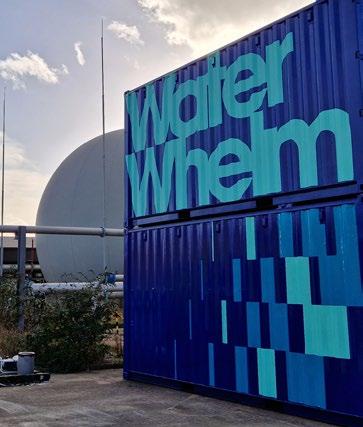
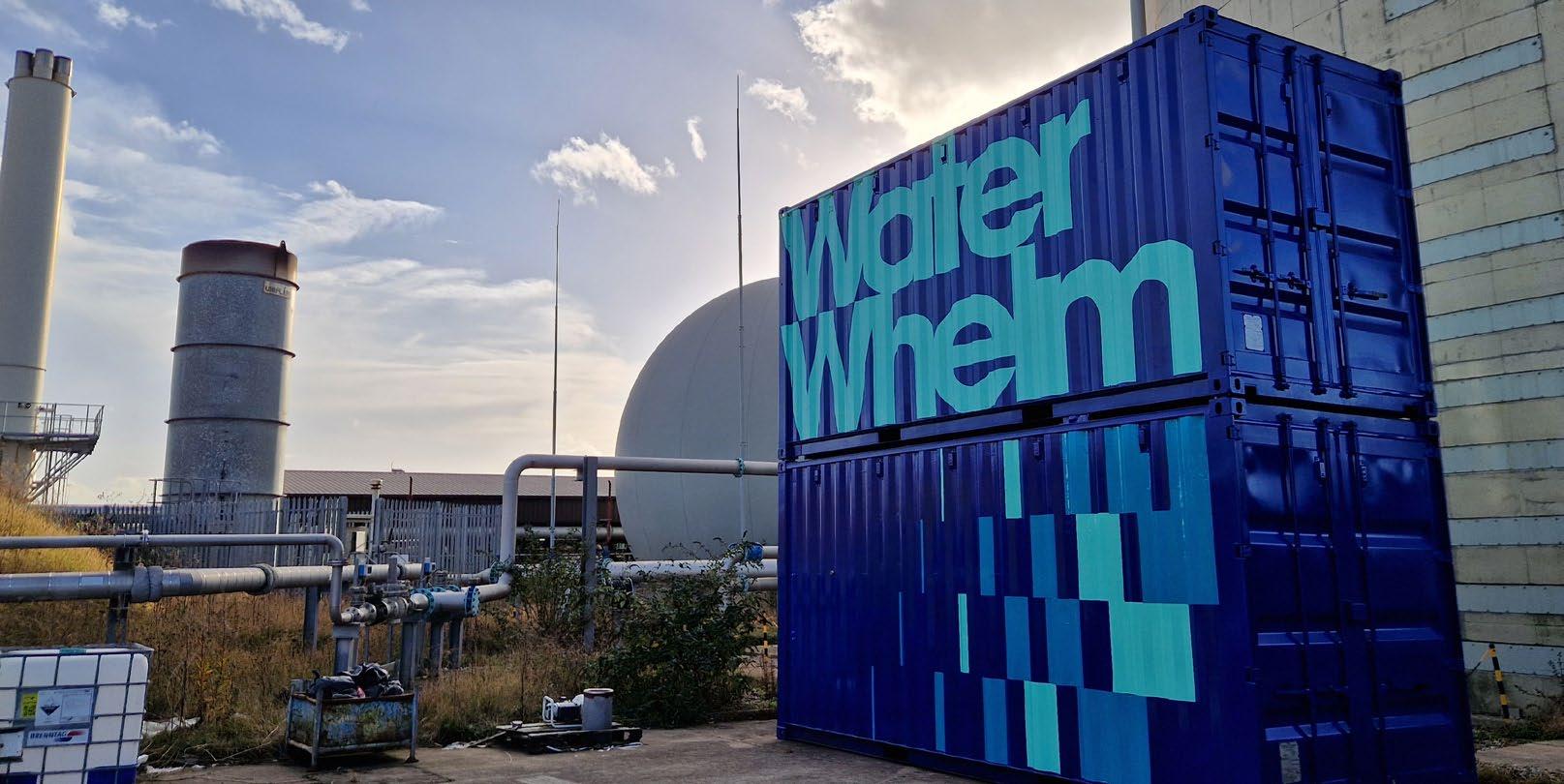
Waterwhelm, developed a breakthrough water re-use and desalination technology that operates using waste heat at wastewater treatment works and industrial sites, producing freshwater while achieving a world-beating reduction in electricity consumption and CO₂ emissions. Through a partnership with AtkinsRéalis Water Division, Waterwhelm identified deployment sites across England and Wales. It is now a central component of the Net Water PositHyve project, led by Northumbrian Water, awarded £2 million by the Water Breakthrough Challenge in May 2025 to scale the technology for industrial water re-use.
“Collaboration fosters new thinking, new approaches to problems, and results in innovative solutions that may otherwise not have come about,” Dr Onoja says. “There is no silver bullet for solving the problems faced by the water sector, and this includes PFAS. But cross-sector collaboration will be key to developing solutions.”
There is a clear need for innovation in the treatment of sewage sludge. PFAS accumulates in sludge, the treated byproduct of the wastewater system, which is then routinely spread on agricultural land as fertiliser, transferring these chemicals into soil and groundwater at scale. Once there, their durability means they persist in the ground, ultimately entering the food chain through crops and livestock. Some studies even suggest that conventional wastewater treatment may actually increase certain PFAS concentrations, rather than reduce them.
The Water Innovation Fund is backing two novel approaches to breaking this cycle. The first, led by Thames Water in partnership with Cranfield University, Helsinki Region Environmental Services, Southern Water, Stantec, Uisce Éireann and Yorkshire Water, aims to build the UK’s first continuously operating sludge-fed pyrolysis plant by 2029. Pyrolysis uses high temperatures to transform sludge into useful products like biochar and syngas, and crucially, the process destroys PFAS in the act of conversion. The second, led by Yorkshire Water and its partners, advances sewage sludge gasification: converting sludge into clean gas, PFASfree biochar and ash that can be repurposed in energy, filtration and even construction.
Alongside these, the Fund is backing PFAS: A WholeSystem Approach to an Impossible Problem, led by Severn Trent Water with Cranfield University, Hafren Dyfrdwy Cyfyngedig, Scottish Water, Southern Water, Spring Innovation, Thames Water and Yorkshire Water. The project is preparing to trial a range of destruction technologies and pinpoint which PFAS compounds should be targeted first.
“It fills a major gap in today’s treatment and environmental protection landscape,” Dr Onoja says, “focused on identifying solutions for how we remove and destroy PFAS, rather than just shift it around the system.”
“Where companies have direct influence, like solving PFAS in sewage sludge, they should work to fix the problem.
“We have a once-in-a-lifetime opportunity to shape the water system, or risk walking headlong into a very uncertain future for our water availability and water safety.”
Where they do not, it needs wider policy support and wider awareness about the nature and scale of the problem.” -Dr Onoja
But Dr Onoja is equally honest about the limits of what water companies can do alone. “There must be a joined-up, global approach to solving the PFAS challenge,” he says, “including both governments as well as the companies and sectors responsible for introducing PFAS to our environment in the first place.” Bans and restrictions, where feasible, enforceable regulatory standards, and, he adds pointedly, a degree of lifestyle adjustment. The problem entered the system through everyday choices; addressing it will require everyday awareness too.
Ofwat does not work in isolation. As the economic regulator of the water sector, it works closely with the Environment Agency, Natural Resources Wales, Natural England, the Drinking Water Inspectorate and other key stakeholders through a range of regulatory levers, including funding mechanisms, incentives and price controls. The PR24 Price Review alone allowed £2 billion of investment to improve water quality, including work on addressing PFAS. That collaborative approach is already bearing measurable fruit. Guidance limits for PFAS in drinking water have been established. Since 2021, over 11,000 samples from more than 3,000 sites have been analysed for PFAS, and English water companies have undertaken over 770,000 individual PFAS analyses to inform drinking water risk assessments. Working groups, including the Welsh Government Emerging Threats to Water Working Group and the Cross-Government PFAS Working Group, are ensuring a joined-up regulatory response that keeps pace with the evolving challenge.
On polluter accountability, Dr Onoja points to compelling evidence from the UK Water Industry Research Chemical Investigations Programme (CIP): when harmful substances are restricted or banned at the manufacturing stage, it works. “Reducing PFAS at source is far more efficient and effective than requiring water companies to remove it once it has already entered the environment,” he says. Stronger sourcecontrol measures and greater polluter accountability would not only reduce the inflow of these substances but also drive innovation, pushing manufacturers to develop safer alternatives or scalable destruction technologies.
Ultimately, though, Dr Onoja believes the most profound shift must be in how we value the system itself. “The real breakthrough will come from changing how we value the
system, not just the tools we apply to it,” he says. “Innovation and engineering will provide us the means, but the motivation for change will come from reframing our natural assets, soils, wetlands, aquifers, rivers, as infrastructure, as vital as a mains pipe or wastewater works, with value not just to the whole water system but to our national security.”
To that end, he has a bold proposal: alongside the government’s vision for a Chief Engineer for water infrastructure assets, there should be a Chief Engineer for Natural Assets, someone whose mandate is to ensure soils, surface waters and aquifers are protected and valued in the same way we treat pipes, treatment works and reservoirs. “If we genuinely saw nature as infrastructure,” he says, “we would design policy very differently.”
The UK Government’s recent consultation on sewage sludge regulation signals an important acknowledgement: that existing approaches to dealing with PFAS are no longer fit for purpose. Dr Onoja argues the UK has an opportunity to go further, to lead by example on the world stage, setting clear standards, regulating harmful chemicals before they reach people and the environment, and signalling long-term expectations to manufacturers and supply chains.
Breakthroughs in source control, detection, including speed, sensitivity and scalability, and actual destruction technologies all have a role to play. But so too does a fundamental shift in regulatory philosophy. “Regulation alone will not be enough,” he warns. “We must reshape the water sector’s mindset. We must embrace stewardship, which demands asking questions at every stage of decision making about our water system and shifting from short-term thinking to long-term plans that deliver meaningful change.”
As Water Breakthrough 7 prepares to launch this September, Dr Onoja’s message to the wider industry is unambiguous. The water sector needs the most ambitious, bold ideas it can find, and it needs them now.
“Embracing stewardship means the industry must challenge decisions at every point in the water system, moving away from short-term thinking and instead building long-term resilience,” he says. For organisations that believe they have solutions, whether in detection, destruction, source control or system design, and that need support connecting with water companies, Spring Innovation, the UK and Ireland’s water innovation centre of excellence, is on hand to help. Find out more at spring-innovation.co.uk
Forever chemicals have persisted in our environment for generations. Solving them will require an equally enduring commitment, one built not on quick fixes, but on the kind of bold, joined-up, long-term thinking that the Water Innovation Fund is now championing. The tools are being built. The collaborations are forming. And the window to act, as Dr Onoja sees it, is wide open.

WRITTEN BY | MARTYN SHUTTLEWORTH
One important way to improve water quality is treatment by the end user, utilising techniques such as filtration and reverse osmosis to remove contaminants that pose a risk to health. However, with new pollutants entering the environment and water sources, carrying unknown risks, understanding their effects is essential. One organisation researching pollutants and ways to remove them is the Water Quality Association, which works with companies around the world. We spoke to Eric Yeggy to find out how the organisation is working on the problem of persistent pollutants.
Could you give us some background about your expertise and experience?
I am the Technical Affairs Director for the Water Quality Association (WQA). I have a Bachelor’s degree in Chemistry from the University of Northern Iowa, but I will always be a small town boy from Iowa at heart. Prior to joining the WQA in 2009, I worked in the contract laboratory industry testing mostly drinking water, groundwater, wastewater and soil. I support and contribute to the development of industry standards
through committees and working groups administered by the American Society of Plumbing Engineers (ASPE), the International Association of Plumbing & Mechanical Officials (IAPMO), and NSF International.

The Water Quality Association is a not-for-profit association advocating for the betterment of water quality in the residential, commercial, and light industrial water treatment industries through solution-focused simplicity, transparency, and uncompromising credibility.
WQA represents more than 2,500 member companies around the globe, but its impact extends beyond the role of trade association. WQA is a public information resource, an educator of water treatment professionals, a laboratory for water treatment product testing, a certifier of water treatment products, and the leading voice of the water treatment and purification industry. Through the industry’s research arm, the Water Quality Research Foundation, significant resources are dedicated to independently
conduct studies that show the benefits of treated water.
All these efforts support WQA's mission to be the leader for improving awareness and knowledge of water quality to enhance quality of life through sustainable technologies and services, resulting in "credibility in every drop."
WQA's strategic goals are to be the recognized resource and advocate for the betterment of water quality by:
• Advancing industry knowledge and professionalism
• Increasing advocacy for water quality, and
• Driving public awareness of water quality
What are the main water treatment technologies you cover for homes and commercial premises? What are the main pollutants they remove?
There are residential and commercial water treatment technologies capable of removing most contaminants you might encounter in drinking water. Some common ones include microbial contaminants such as bacteria, regulated metals such as arsenic and lead, organic chemicals such as hydrocarbons and pesticides, inorganics such as nitrate and sulfide, and even emerging contaminants such as per- and polyfluoroalkyl substances (PFAS). Our free
downloadable booklet, Water Treatment for Dummies, outlines the major treatment technologies used in the residential industry. Commercial treatment systems can be much more complex, but we offer many training courses and educational materials for professionals interested in commercial water treatment.
PFAs in water supplies are becoming a major issue for homes and businesses. Why are they such a problem and how are regulators and the industry tackling these persistent pollutants?
PFAS are man-made chemicals that have been widely used in many industries around the world since the 1950s. Once they enter the environment, they are extremely persistent because nothing in nature can destroy them. PFAS have been found in surface waters, groundwater and soil. They bioaccumulate in ecosystems and in our bodies. Unfortunately, they are being found in our food and drinking water as well.
The first two PFAS invented, PFOA and PFOS, have been a major focus of research and regulatory efforts in the US, but these two chemicals were both voluntarily phased out
Continued on page 26
of production in the US by 2015. They were replaced by other types of PFAS, some of which are considered proprietary inventions and therefore we don’t yet know their chemical formulas. Regulators face a real challenge in trying to solve this problem because no one can tell you exactly how many different PFAS have been invented and are currently in use. The EPA is aware of around 15,000 different PFAS which have been identified in their CompTox database. But according to the definition of PFAS published by the Organization for Economic Co-operation and Development (OECD), there are over 7 million different PFAS in the PubChem database
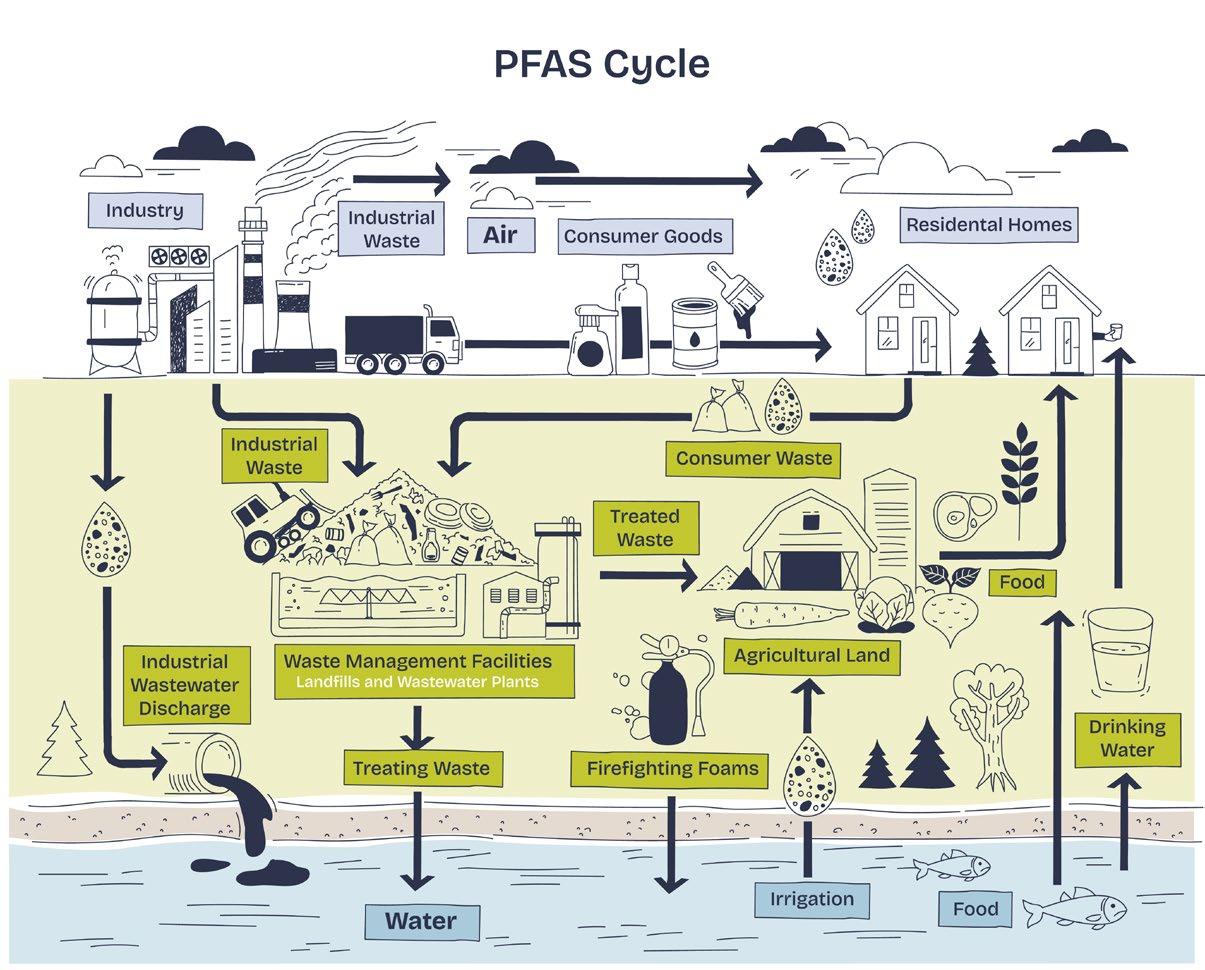
PFAS are not destroyed in our wastewater treatment plants. They either end up in the sludge, which might then be land-applied as fertilizer, or they are discharged from the outfall of the treatment plant. Biodegradable products like packaging and textiles which contain PFAS typically end up in a landfill, where they break down and release the PFAS, which then leaches into the soil and groundwater. To a large extent we are continuously cycling the existing PFAS back into the environment, while constantly creating more.
Since no one knows how many PFAS there are, and some formulations remain proprietary, the research community cannot study all of them. Which brings us full circle back to the focus on PFOA and PFOS. The only way to get ahead of this problem is to find a way to keep all forms of PFAS out of our water, food and environment.
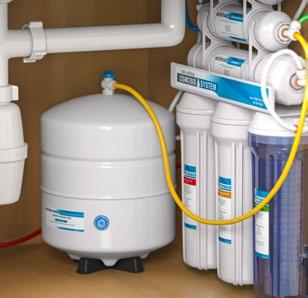
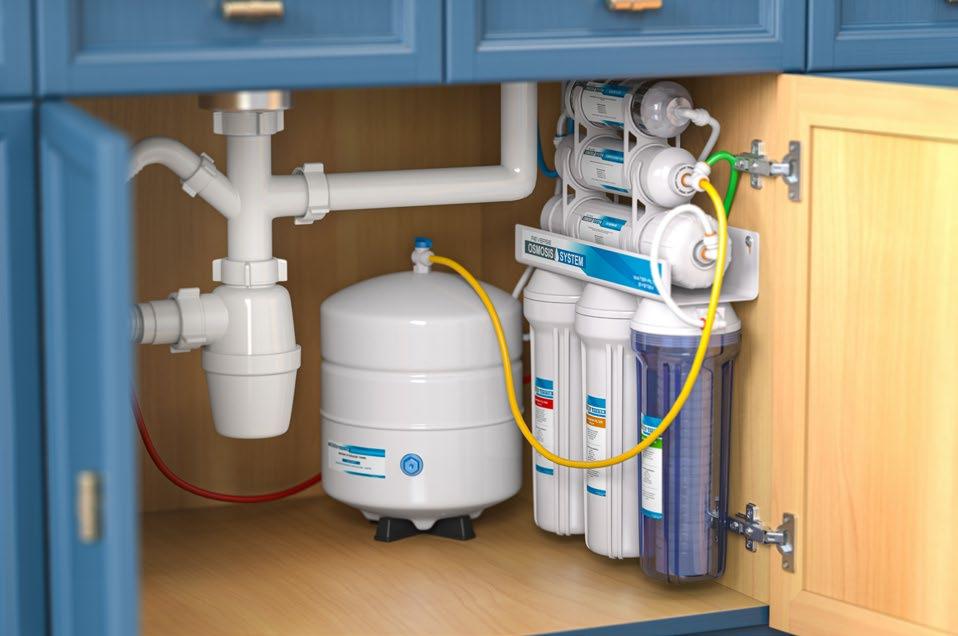
The good news is that there are simple ways to remove PFAS from your drinking water. The three technologies most widely in use for the residential market are carbon filtration, anion exchange systems, and point-of-use reverse osmosis systems.
Although the US EPA recently tightened standards for lead in water supplies, especially service lines, utilities need time to implement replacements. In the interim, how can filters support compliance with the stricter standards?
Filters can be very effective at protecting consumers from contaminants in their drinking water. The Lead & Copper Rule Improvements (LCRI) leverage filters to protect consumers at high risk of having lead in their drinking water.
For example, anytime a lead service line is disturbed, such as during replacement or maintenance, the lead levels at the faucet can temporarily increase. This is because the scale and sediment which has built up inside the service line contains high concentrations of lead. When the line is disturbed, that sediment can be mobilized and then travel into the plumbing system of the home, elevating lead concentrations at the faucet. Under the LCRI additional steps are taken to protect customers from this phenomenon using filters. When a lead service line is disturbed, the utility will now provide the customer with a water filter certified to remove lead and enough replacement cartridges to last six months.
The LCRI also provide filters to consumers when a public water supply has multiple lead action level exceedances. More details about how filters are leveraged in the LCRI can be found in the EPA’s Final Lead and Copper Rule Improvements Technical Fact Sheet
Consumers who want to purchase their own filter to protect their family should look for certified lead filters because not all water filters are designed to capture lead. The EPA has published a consumer tool for identifying certified lead filters. Consumers can also search the WQA website for certified products, and contact WQA if they have questions.
Like the many types of PFAS which we don’t know much about yet, there are many unknowns when it comes to microplastics. Plastic is used in a wide variety of industries. We know even less about the potential health impacts of microplastics than we do about the health impacts of PFAS. More research is needed to understand the different
types of microplastics, different shapes, textures, sizes, and many other variables. Microplastics are easy to remove from your drinking water using a filter or reverse osmosis system that is rated to remove fine particulates, but unfortunately we don’t know enough about them yet to tell people which size range represents a health risk, or if size is even the biggest factor when it comes to any health risk posed by microplastics.
Many personal care products and pharmaceuticals are also showing up in drinking water. Again, we don’t know a lot about whether these contaminants represent a health risk at the low concentrations being found in drinking water. Consumers who are concerned about personal care products, pharmaceuticals, and microplastics in their water can purchase treatment devices that are certified to NSF/ANSI standard 401 which targets the removal of these emerging contaminants.
We are working hard to expand and improve the WQA industry reports. These reports focus on providing data, insights, and trends in the US and Canada to help water treatment companies understand the market and make informed business decisions.
The Business Operations Report is an interactive benchmarking tool that allows water treatment dealers to compare their business to competitors in areas such as finances, operations, and benefits. The Consumer Insights Report, conducted every other year, gives detailed insights regarding consumer awareness, behaviors, and motivations when it comes to water quality and treatment. The Manufacturer Confidence Report is conducted twice a year and captures the perspectives of leaders in the manufacturing segment of the water treatment industry, illuminating strategic behavior, operational planning, and market sentiment.
The Tank and Valve Report has tracked shipments of tanks and valves used in water softeners and whole-house filtration systems from 1989 through the present. Similarly, the RO Market Trends Report has tracked shipments of residential reverse osmosis systems from 2020 through the present.
WQA is currently investigating what other marketrelated insights can be captured and shared in a frequent and ongoing basis to help understand and better prepare the industry for future challenges. Stakeholders interested in gaining access to the WQA industry reports should contact WQA. Membership in the association is a minimum requirement for access to all WQA industry reports, and access to some data is further restricted to specific industry sectors or participating companies.

WRITTEN BY | FIDRA
Per- and polyfluoroalkyl substances, ‘PFAS’, are a group of over 10,000 chemicals used in many everyday products, that are now internationally recognised for their harmful health and environmental impacts. Found everywhere from the slopes of Mount Everest to the depths of the Mariana Trench, these socalled ‘forever chemicals’ can persist for centuries and build up to harmful concentration levels in people and wildlife. Increasing global concern has resulted in many countries taking regulatory action to protect citizens and natural resources from PFAS pollution.
Fidra, a Scottish-based environmental NGO, has been working on PFAS for almost a decade. Throughout this time, Fidra have worked to highlight safer and more sustainable solutions to PFAS in products such as school
uniforms and food packaging, and have called on the Government for systemic change to protect public and environmental health from harmful chemical pollution. Fidra’s recent work has focused on a significant and often under-represented source of PFAS pollution, pesticides. In 2022 alone, PFAS pesticides were sprayed on the equivalent of over 10.6 million hectares of arable crops in the UK, an area roughly the size of Iceland. PFAS pesticides are therefore an integral part of this issue and must form part of the UK Government’s plans to address the forever chemical pollution crisis.
The characteristic persistence of PFAS has made them desirable for many commercial applications, such as heat resistance and ‘non-stick’ functions in cookware, grease repellence in food packaging, and waterproofing in textiles. However, this same property means PFAS are also persisting in our soils, rivers, food and our blood. PFAS emissions can be lost at every stage of a products lifecycle, from manufacture, use and disposal, and can even become locked within the circular economy,
contaminating materials aimed to improve our sustainability.
Whilst many PFAS remain poorly studied, those that have been studied in-depth have been linked with a myriad of health concerns, including increased risk of certain cancers, immunotoxicity and fertility issues. As a result, jurisdictions such as the EU are taking steps to phase out these harmful forever chemicals and invest in safer alternatives, many of which are already widely available.
PFAS are commonly found in pesticides, either from intentional use as active or inert ingredients, as well as sometimes being found as a result of background contamination, such as from pesticide containers. Fidra’s analysis of pesticide usage data determined that PFAS pesticides are used across all agricultural crop sectors in the UK. In 2022, PFAS pesticides represented 16% of the most used pesticides within the arable sector and were sprayed on the equivalent of more than 10.6 million hectares of arable crops. As pesticide inert substances are not disclosed, these figures only account for PFAS active ingredients and are therefore likely to be an underestimate of total PFAS emissions.
As well as contributing to the wider PFAS pollution burden, PFAS pesticides offer a direct route for contamination of crops, soil and waterways. In fact, PFAS pesticides have been found across many common UK food items, including strawberries, grapes and tomatoes. Research has also demonstrated how PFAS can harm soil health through altering microbial communities and reducing biodiversity and connectivity of soil bacteria, all of which can negatively influence soil fertility and crop productivity. Furthermore, a cocktail of PFAS and other contaminants found in wastewaters become concentrated in treated sewage sludge (or biosolid) products that are often used as fertilisers on UK farmland, creating another direct pathway for chemical pollution to enter soils and waterways.
TFA is recognised as the most abundant PFAS in the global environment. This small PFAS is highly mobile, persistent, and a suspected reprotoxic compound. It is a common breakdown product of larger PFAS, such as those used in pharmaceuticals, refrigerants and pesticides. In fact, TFA groundwater contamination in the EU has become so prolific, that some Member States have begun withdrawing associated PFAS pesticides from use. In 2024, Fidra and the University of York published the first study into TFA contamination in UK rivers, which found 98% of the 54 sites tested to be contaminated with TFA. This included globally significant hotspots, where TFA concentrations were amongst some of the highest recorded in the world.
With the widespread use of PFAS, and in the absence of effective, affordable, and scalable remediation solutions, TFA concentrations have increased rapidly over the past decade, raising concerns about the long-term impacts of exposure on both human and environmental health. TFA therefore exemplifies the broader PFAS challenge, with numerous PFAS precursors contributing to TFA pollution, including some found in PFAS pesticides.
The EU is currently advancing a proposed ban on all non-essential uses of the more than 10,000 PFAS, one of the most ambitious and far-reaching regulatory efforts to address PFAS to date. While the proposal covers the use of PFAS in pesticide inert ingredients, it does not extend to pesticide active substances. This omission was recently identified by the EU’s Committee for Socio-Economic Analysis (SEAC), who recommended that pesticide active substances also be included within the scope of the broader PFAS restriction proposal.
While the proposed EU-wide PFAS restriction continues to progress, several Member States have already begun taking national action to reduce PFAS emissions. For example, in 2025, Denmark moved to restrict six PFAS pesticide active substances linked to the formation of TFA, all of which currently remain approved for use in Great Britain.
Earlier this year, the UK Government published its PFAS plan; a strategy document setting out how it intends to address the growing PFAS pollution crisis. While the plan includes some positive steps, such as enhanced monitoring and research, it notably lacks any new commitments to restrict PFAS use at source, and as such, fails to address the route cause of the issue. In contrast, developments across the EU and in individual Member States demonstrate that phasing out non-essential uses of PFAS, including in pesticides, is both achievable and necessary to truly protect public and environmental health.
To ensure meaningful regulatory intervention that protects citizens and essential resources, including wastewater quality and sewage sludge, the UK must commit to phasing out all non-essential uses of PFAS. This could be achieved through closer alignment with EU chemicals regulation, including the proposed EU-wide PFAS restriction. To future-proof against wider sources of PFAS pollution, this should also include commitments to phase out PFAS use as both inert and active ingredients in pesticides.
WRITTEN BY | DARBY BONNER, H2O GLOBAL NEWS, IN CONVERSATION WITH SCOTT BRYAN, PRESIDENT, IMAGINE H2O
FAS has shifted from a contaminant class to a systems problem, cutting across drinking water, wastewater, industrial discharge, biosolids, soil, and groundwater simultaneously. Success can no longer be defined as compliance at a single treatment point. The priority is now lifecycle accountability: where PFAS enters the system, how it moves, and whether it is ultimately destroyed or simply transferred elsewhere.
Water operators do not need another reminder that PFAS is complex. They need better mechanisms for deciding what is worth testing and what path to adoption looks like if performance is proven, which is exactly why innovation must become deployment-led. Imagine H2O has evaluated more than 350 water technology companies annually, supported more than 250 water solutions, and built a network of more than 50 adopters alongside 30+ MOUs with utilities, system integrators, and industrial customers globally.
Urgency around destruction is growing as utilities and industrial operators realize they face a second-generation liability problem around residuals management, incineration, landfill disposal, and concentrate handling. Regulators are increasingly focused on lifecycle accountability rather than removal efficiency alone.
Practitioners are no longer just asking what removes PFAS
from water. They are asking what happens next: where the concentrate goes, how destruction is verified, what byproducts may form, and whether the solution reduces liability or simply moves it. This is shifting the market toward destruction technologies including electrochemical oxidation, plasma systems, advanced reduction and oxidation approaches, and hybrid architectures combining concentration with downstream destruction. One example from Imagine H2O's pipeline is Aclarity, a supported company developing electrochemical PFAS destruction technology designed for lower-energy treatment.
Imagine H2O's core thesis is that water has a commercialization problem, not an innovation problem. The challenge is moving technologies from demonstration into procurement and scaled deployment. For adopters, it is not access to innovation in the abstract, it is the cost and risk of engaging it. Every pilot demands internal time, political capital, technical oversight, and procurement effort.
For PFAS, the barriers are especially acute. Utilities and industrial operators face operational and political risk if a pilot underperforms. Procurement systems are slow, regulatory standards continue evolving, and pilot funding is scarce. The cost of waiting is real, but so is the cost of testing the wrong solution, which is exactly why deployment-focused intermediaries add value. This is why Imagine H2O launched the Water Innovation Pilot Fund (WIPF): a platform purpose-built to move water technologies from pilot to procurement to scale, committing more than $5.3 million across 31 pilots in nine countries to date.
The market increasingly rewards companies that focus on a specific deployment challenge, prove performance with a high-need customer, and generate operational trust early. Utilities and industrial operators want evidence that a technology can survive real infrastructure conditions, not just achieve impressive destruction rates in ideal environments. The key question is not whether a technology works somewhere, it is whether it works under the feedwater conditions, operating constraints, compliance obligations, and residual realities a specific buyer actually faces. The companies moving fastest are using pilots to build reference customers, validate integration into existing systems, and create clear pathways from demonstration to procurement.
Tightening standards in the United States and internationally are forcing utilities and industrial operators to move from monitoring toward implementation, often on accelerated timelines. Policy is also reshaping what the market values: lifecycle accountability, concentrate management, destruction verification, byproducts, energy intensity, and long-term operational risk.
But compliance pressure alone does not help buyers choose well. In a market where standards are tightening but treatment pathways are still evolving, partnership functions as a risk-management tool. Utilities need trusted intermediaries to de-risk implementation, generate procurement-grade evidence, and move technologies from pilot to scale faster. The organizations best positioned may not be the ones that simply move first, but the ones that evaluate faster, test more intelligently, and convert learning into procurement decisions with less wasted effort.
Imagine H2O acts as a neutral leader across utilities, industrial water users, entrepreneurs, investors, and development finance institutions, neutrality that matters because PFAS adoption requires trusted coordination between stakeholders with very different incentives and risk profiles. Through WIPF, Imagine H2O provides catalytic pilot funding of up to $150,000 alongside hands-on technical assistance covering pilot scoping, troubleshooting, integration planning, and learning capture. Since 2021, 80% of completed Asia-Pacific pilots have commercialized or scaled.
Trust is the currency of water adoption. Utilities and industrial operators need evidence that a PFAS technology works under their conditions, within their infrastructure, and against their compliance obligations. A strong pilot does
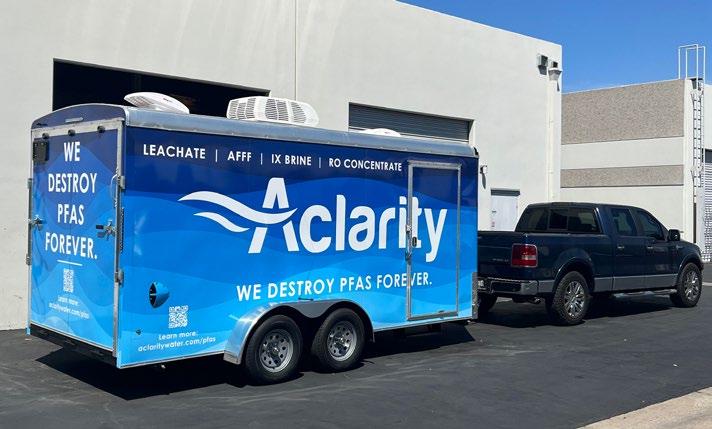
not simply demonstrate technical performance, it produces baseline data, KPIs, operational records, and implementation pathways that procurement teams can actually use.
Imagine H2O's WIPF pilots are milestone-based, cofinanced, and structured to generate operational confidence. The fund's recoverable grant structure allows capital from successful pilots to be recycled into future deployments, creating a more sustainable scaling mechanism over time.
PFAS is accelerating demand for faster, more adaptive treatment architectures that can be deployed in the field, validated quickly, and scaled incrementally. Mobile pilots increasingly function as procurement bridges, allowing utilities and industrial users to evaluate technologies under live operating conditions before committing to larger capital projects, making pilot design more consequential than many innovation programs acknowledge.
PFAS is collapsing the traditional divide between municipal and industrial water management. Both sectors increasingly need technologies that are deployable, financeable, and operationally resilient, and those technologies must function across sectors rather than within isolated use cases. Imagine H2O's cross-sector deployment network is valuable precisely here: technologies validated in industrial applications may later support municipal deployments, and vice versa.
Three major shifts are needed to scale PFAS destruction technologies globally. First, the sector needs more deployment capital, promising technologies require customer-connected pilots capable of generating procurement-grade evidence. Second, regulation must evolve toward lifecycle accountability, with clearer frameworks around destruction verification, residuals management, and byproduct monitoring. Third, utilities and industrial operators need procurement systems that support structured experimentation, milestone-based pilots, and faster pathways from validation to adoption.
Expert services to help you invest in the right pipes, at the right time
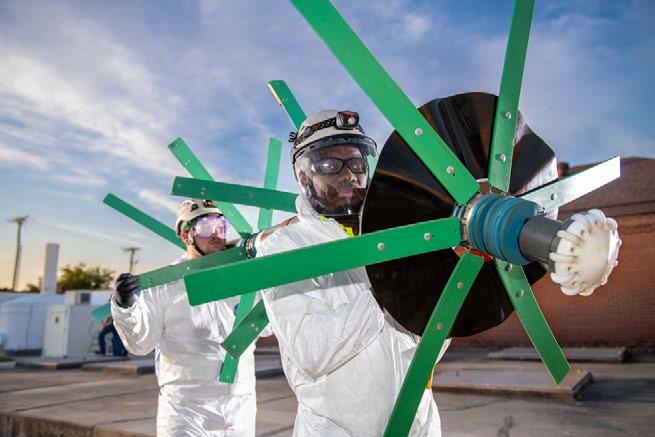
Planned repairs cost 3-5x less than a failure
Target the real risks
Pinpoint your most vulnerable pipes with advanced inspection and real-time monitoring.
Act before a break
Cut emergency spending by stopping leaks and predicting failures before they happen.
Plan for the future
Anticipate maintenance needs to extend pipe life and budget proactively.
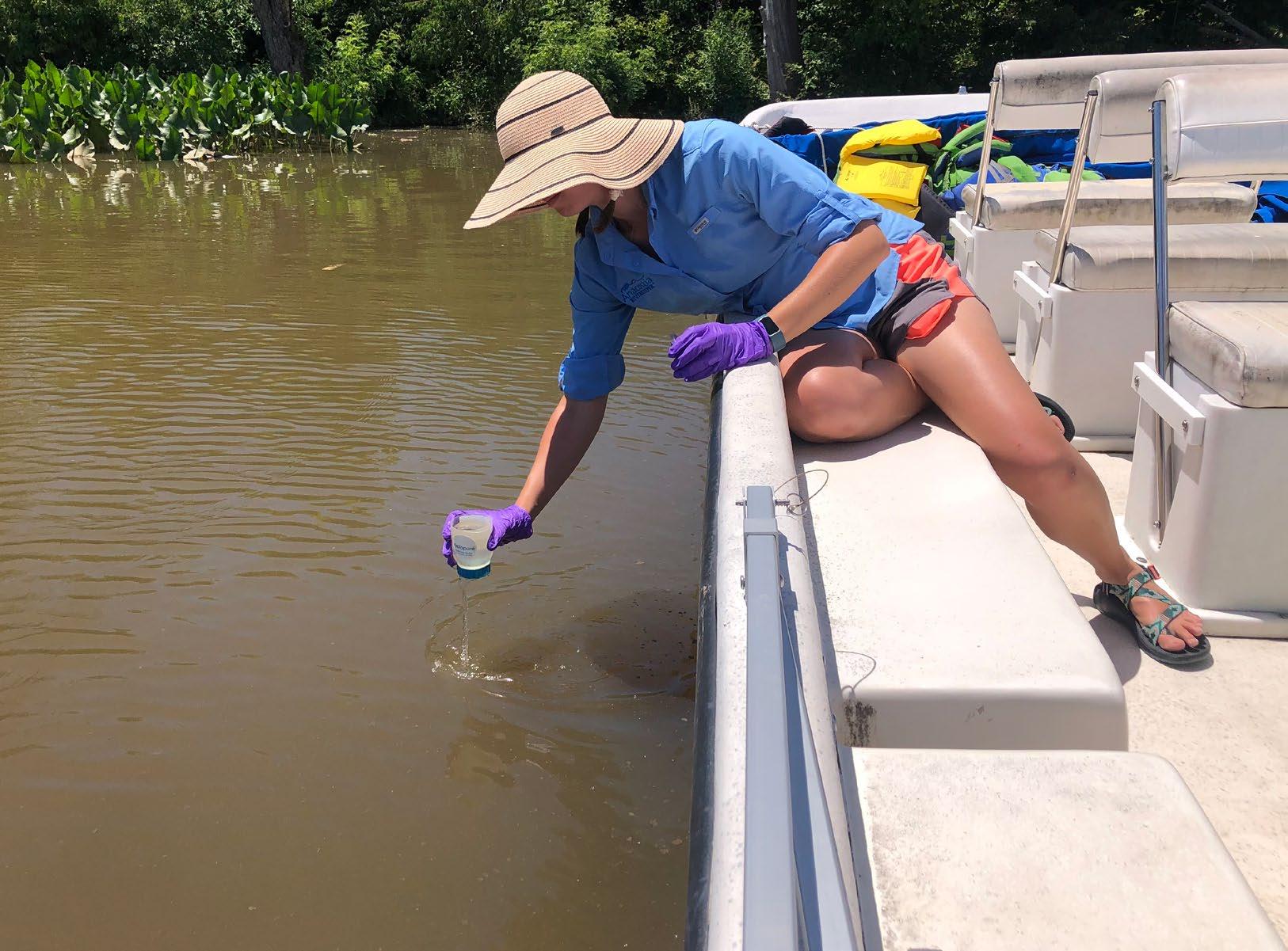
PFAS were designed to resist water, heat and time. Now, those same qualities are turning them into one of the more persistent and far-reaching contamination threats on Earth. They are silently moving through rivers, food systems and human bodies with no clear end point.
Waterkeeper Alliance, a global non-profit organisation focused on protecting waterways, has been at the forefront of efforts to expose PFAS contamination. Working with a network of local groups, it conducts water testing, supports legal action and advocates for stronger regulation to address the spread of these persistent chemicals. Its CEO, Marc Yaggi, has been vocal about the scale of the crisis and I spoke with him to better understand the risks and what needs to happen next:
“PFAS combine multiple traits we should never see together: they are invisible, they are toxic, they are nearly indestructible, and they are ubiquitous.”
Unlike conventional pollutants that degrade over time, PFAS persist indefinitely, bound by one of the strongest chemical bonds known. This persistence transforms what might otherwise be a contained pollution issue into something far more profound.
“When a contaminant is this persistent, widespread, and harmful, while showing up in waters from urban centres to the most remote regions of the planet, you’re not looking at an isolated pollution problem. You’re looking at a fundamental compromise of the global water cycle.”
At the heart of this crisis is bioaccumulation.
“These toxins don’t just sit in the water; they climb the food chain, concentrating in the fish our communities eat and the blood of our children. PFAS are linked to serious health impacts, including cancer, immune suppression and developmental harm”
Yet the scale of contamination is only now coming into focus. Through extensive sampling efforts, Waterkeeper Alliance and its local partners have been mapping PFAS presence across the United States. The findings are stark.
on page 34
“What we are seeing on the ground is both shocking and systemic. In our first phase of sampling in 34 states and the District of Columbia (D.C), some of our local Waterkeeper groups found PFAS in levels that were hundreds of thousands of times higher than the current U.S. drinking water limit. While these tests focused on surface waters rather than drinking taps, it is a chilling reality considering 60% of people in America get their drinking water from surface waters.”
Follow-up testing revealed an even more sobering reality:
“Waterkeeper groups detected PFAS in 98% of the waterways we sampled across 19 states.”
Critically, the burden of this pollution is not shared equally. Yaggi highlights a pattern seen across many environmental crises: those most affected are often those with the fewest resources to respond.
“PFAS levels are significantly higher in communities of colour and low-income areas.”
In many cases, residents face what he describes as a “triple burden”—working in industrial settings, living near contamination sources and relying on local waterways for food. The problem is further compounded by secondary pathways of exposure such as the use of biosolids as agricultural fertiliser, where PFAS-laden materials migrate into groundwater and the food supplies.
Despite mounting evidence, regulatory frameworks remain fragmented. In some cases they are even moving in the wrong direction. The scale of the issue makes incremental or selective regulation fundamentally inadequate.
A key failure, Yaggi explains, is the current approach of regulating one chemical at a time. This has allowed manufacturers to phase out specific compounds only to replace them with structurally similar—and often equally harmful—alternatives.
“Given that there are nearly 15,000 different types of PFAS chemicals, we need to strengthen existing regulations for all PFAS. PFAS must be regulated as a class, not one chemical at a time.”
Accountability is another critical gap.
“The federal government must also ensure the responsibility to pay for PFAS contamination falls on source polluters, not the public.”
Beyond drinking water standards, Yaggi outlines a series
of urgent policy priorities. These include banning the land application of PFAS-contaminated biosolids, halting the approval of pesticides that contain or degrade into PFAS, and addressing widespread contamination linked to military installations.
Taken together, these gaps point to a broader issue: regulation has not kept pace with either the scale of contamination or the speed at which it is spreading.
While policy lags, technological solutions are beginning to emerge. Advances in detection and destruction methods offer some hope, particularly those capable of breaking PFAS’s notoriously strong chemical bonds. However, these innovations are not yet widely deployed.
“We are at a crossroads where technology is advancing, but the investment to deploy it at scale and at an affordable cost is lagging. The most sustainable solution is stopping them at the source.”
Even the most effective treatment systems face a fundamental limitation: they address contamination after it has already occurred. For this reason, Yaggi emphasises that the most sustainable solution lies upstream to the widespread use of PFAS in everyday consumer products.
Monitoring, too, remains essential. Without accessible and consistent data, communities are left in the dark about their exposure.
“Communities cannot address what they cannot see”
In the absence of strong government action, much of the momentum is coming from grassroots efforts. Organisations like Waterkeeper Alliance play a vital role in advocacy and public awareness, often filling gaps left by regulators.
“Governments have not done enough, but what gives me hope is that the science is settled, and the public is awake”.
In many ways, PFAS represents a new chapter in the global water story. This is a story defined by invisible, persistent contamination woven into the fabric of modern life. Addressing it will require more than technical fixes. It will demand systemic change and a rethinking of how we value and protect water itself.
As Yaggi puts it, the tools for change already exist:
“We have the data, we have the law, and we have the community power to win.”
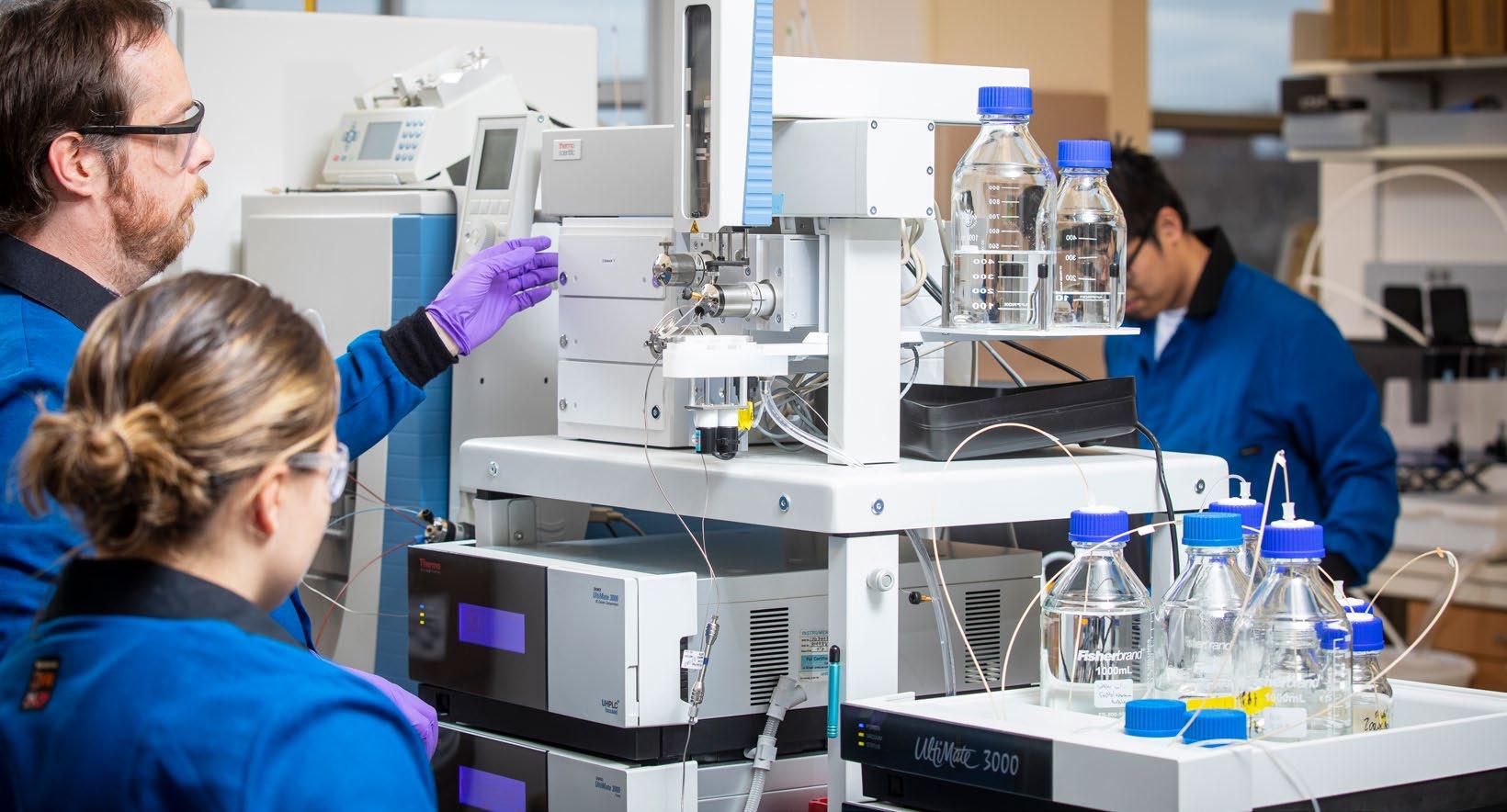
PFAS don’t just contaminate water, they outlast the systems designed to contain them. For decades, water treatment has followed a familiar logic: remove the pollutant, dispose of the waste, move on. But PFAS break that model entirely. They resist destruction, accumulate invisibly, and once captured, remain a problem waiting to resurface.
As governments around the world tighten PFAS regulations and drinking water standards, utilities are facing growing pressure to detect and remove contamination at scale. Increasingly, the debate around PFAS is shifting from removal alone to what many in the industry describe as “closed-loop remediation” — ensuring contaminants are not simply transferred elsewhere after capture.
Amongst those working on the issue is Frank Cassou, CEO of Cyclopure. Cassou has focused the company’s strategy not only on removing PFAS from water, but on solving the larger challenge that has frustrated regulators and utilities alike: what to do with these chemicals once they’ve been captured.
On paper, the PFAS problem and associated health risks are well understood. Regulatory bodies have made it clear that for certain compounds, there is no safe level of exposure. And yet, major gaps still persist in execution.
“Detection technologies are highly advanced with detection sensitivity to 0.5 ng/L (<1.0 ppt). However, most
PFAS testing costs from $300 to $600 per sample. This places testing beyond the reach of most households, limiting their ability to know the quality of home drinking water.”
This disconnect—between technical capability and real-world accessibility—defines much of the PFAS landscape. We can detect contamination at extraordinary precision, but not at a scale or cost that empowers communities. The same tension exists at the municipal level. Treatment systems are available, but funding is not.
“Capital for PFAS treatment systems is generally not readily available in municipal operating budgets. It is challenging to pass costs through in rate increases; leaving municipalities looking to litigation settlements and government infrastructure spending awards.”
Even where treatment is implemented, another issue emerges: responsibility. Without stronger controls on wastewater discharge, PFAS continue to re-enter the water cycle.
“To limit placing the burden of treatment on drinking water plants, wastewater discharges should be regulated to prevent PFAS from entering drinking water supplies.”
The wider industry challenge remains that many treatment systems remove PFAS effectively but still generate secondary waste streams requiring disposal. In many cases, contamination is transferred rather than eliminated. The result is a system that reacts to contamination rather than
Continued on page 36
preventing it. Time is being wasted treating symptoms while the source persists
Traditional PFAS treatment technologies, such as granular activated carbon (GAC) and ion exchange resins, have formed the backbone of remediation efforts and remain widely used across municipal facilities. But they come with limitations, particularly when it comes to what happens after PFAS are removed.
This is where Cyclopure says its approach differs.
“We designed our DEXSORB adsorbent for PFAS to excel in every phase of treatment. The adsorbent is made with beta-cyclodextrins, which have 0.78 nm uniform cups that target and capture PFAS. This provides for selective removal of PFAS and resistance to effects of natural organic matter, inorganic ions, and other materials in water that foul and interfere with adsorption of PFAS by traditional adsorbents GAC and IXR.”
According to Cyclopure, this selectivity can improve operational efficiency. Faster uptake and shorter contact times translate into smaller infrastructure, less material, and lower costs. The distinction, however, lies in what happens after treatment.
“Uniquely, DEXSORB adsorption of PFAS can be reversed after use to desorb PFAS during regeneration of spent media, enabling (A) media reuse and (B) separation and concentration of PFAS waste for full destruction.”
This addresses one of the most persistent challenges in PFAS treatment: secondary waste. Instead of transferring contamination from water to another medium that must then be disposed of, the system enables concentration and eventual destruction.
While large-scale treatment systems often dominate industry discussions, Cyclopure’s strategy extends across multiple scales, from national infrastructure to individual households. One of the most immediate barriers to action is simply knowing whether contamination exists. To address this, the company has focused on lowering the cost of testing.
“With DEXSORB’s superior removal and lower media usage requirements, Cyclopure offers an accurate and affordable PFAS water test kit… at one-fourth the cost of commercial lab testing ($85 per sample versus $300-$600).”
The Water Test Kit Pro, developed with funding from the National Institute of Environmental Health Sciences, has processed more than 35,000 samples to date and tests for 55 PFAS compounds at detection limits of 1.0 ppt.
At the household level, filtration products provide a form of immediate, decentralised protection in areas where municipal treatment systems have not yet come online. At the utility scale, the same underlying technology is being
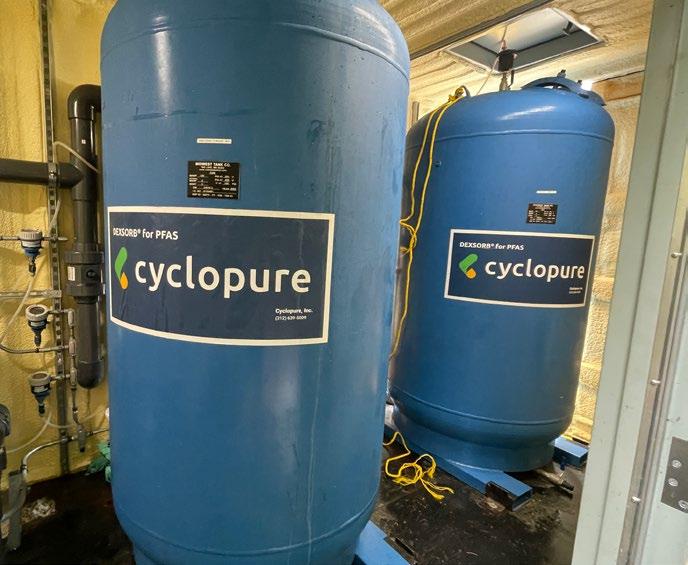
deployed in engineered systems, showing how the same adsorbent technology is being applied across both systems.
Despite technological progress, one reality remains: PFAS contamination is global, and so too must be the response. Cyclopure’s technology is already being deployed across the US, Europe, China, Japan and South Korea. Increasingly, the company is also focusing upstream—targeting industrial discharge, landfill leachate and wastewater before contamination reaches drinking water systems.
“Working in applications that prevent PFAS from entering water supplies through wastewater discharges helps break the cycle of contamination of drinking water supplies.”
This upstream focus also extends to more complex treatment environments. Reverse osmosis, for example, is highly effective at removing contaminants but creates a concentrated waste stream.
“This reject stream has to be treated to remove the concentrated PFAS before the RO reject stream is discharged to water sources.”
Here, DEXSORB is being applied as a complementary solution designed specifically to handle these concentrated flows.
“DEXSORB has demonstrated that it is an effective technology, and the only adsorbent media, to treat PFAS in RO reject waste streams.”
For Cassou, scaling solutions globally will depend on collaboration and integration.
“To meet global demand, Cyclopure must work with established water treatment and engineering firms.”
Cyclopure’s approach reflects a broader shift in PFAS remediation toward integrating testing, treatment, regeneration and destruction into a more connected process. Because with PFAS, the challenge is not just getting them out of the water. It is making sure they are gone for good.


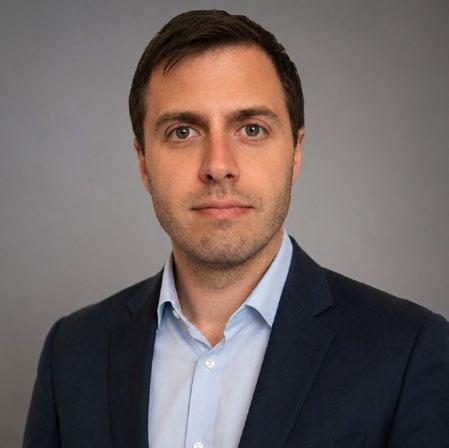




Across the globe, water leaders are reshaping how PFAS is detected, treated, and controlled. In this edition, experts share insights on the technologies, policies, and strategies driving more effective PFAS management. From advanced treatment and emerging destruction methods to source control, monitoring, and regulation, contributors explore how the sector is responding to one of the most persistent water contaminants. Together, these perspectives highlight how innovation and policy are turning PFAS management into a driver of safer, more resilient water systems.


Senior principal and global PFAS leader

Bentley Systems
Stantec Vice President of Infrastructure Policy Advancement
What do you see as the most effective strategy for addressing PFAS contamination in water systems today?
The most effective strategy for addressing PFAS is one that is versatile enough to be compatible with the broad range of destructive methods of tomorrow. The strategy that removes PFAS from human pathways such as drinking water while also effectively concentrating PFAS will emerge as the most viable opportunity for destruction in the future.
Which PFAS treatment technology shows the most promise at scale, and why?
High pressure membrane treatment provides the most promising approach to PFAS removal at scale due to the efficacy with long- and short-chain PFAS compounds, and the concentrating effect it has on the waste stream. The concentrating effect sets the stage for further treatment, such as foam fractionation, and will hasten the pace of cost-effective deployment of destruction technologies.
What role do emerging destruction technologies (e.g. plasma, electrochemical, advanced oxidation) play in the future of PFAS treatment?
Identifying PFAS destruction technologies that are cost effective at scale and compatible with separation technologies will play a central role in determining the most effective overall PFAS treatment strategy of the future.
How can utilities balance short-term compliance needs with long-term PFAS management strategies?
Utilities must evaluate the characterization of PFAS present in their water supply to choose an adsorption or separation technology that effectively removes the specific PFAS compounds in the short term, while also providing consideration to how the specific PFAS compounds may be released or destroyed. This reduces the liability of PFAS contamination in the long-term.
How important is source control in reducing PFAS burden compared to end-of-pipe treatment?
A prudent first step in mitigating PFAS present in water supplies includes identification of point source contributors. The prevalence and ubiquitous nature of PFAS in the environment, however, makes source control a difficult and sometimes unrealistic proposition. End-of-pipe treatment options provide the greater opportunity for achieving health-based compliance.

What do you see as the most effective strategy for addressing PFAS contamination in water systems today?
The most effective strategy is a comprehensive, source-to-tap management approach rather than a single treatment technology. Utilities must combine source control, targeted treatment, and clear data governance to build a decision framework that is both operational and evidential. By integrating catchment intelligence, wastewater data, and treatment performance, utilities can understand contaminant pathways and reduce the upstream burden. Digital twins play a vital role here. While they do not remove PFAS themselves, they help operators test interventions, prioritize capital investments, and provide a defensible audit trail for regulators and communities.
How are regulations shaping innovation and investment in PFAS removal?
Strict regulations are transforming PFAS from an emerging contaminant into a primary driver of capital planning. With the U.S. EPA’s 2024 rule establishing enforceable limits of 4.0 parts per trillion for PFOA and PFOS, and Europe’s recast Drinking Water Directive mandating strict monitoring limits as of January 2026, compliance is now a global imperative. This regulatory momentum is accelerating investment across the board, from laboratory capacity and treatment pilots to asset upgrades and residuals management. Crucially, it is driving innovation not just in extraction technologies, but in the data systems that tell utilities where to act first.
What PFAS-related breakthrough or innovation do you believe is most underappreciated today?
The most underappreciated breakthrough is not one single treatment unit. It is the shift toward contaminant intelligence: better monitoring, source attribution, data integration, and decision support.
PFAS management will be won or lost on evidence. Utilities need to know where compounds come from, how they are moving, and which interventions deliver the strongest risk reduction. That requires high-quality analytical data, geospatial context, hydraulic understanding, and a clear audit trail.
Treatment innovation matters, especially in selective media and destruction technologies. But the immediate breakthrough is giving utilities the ability to see the system clearly. Once they can see it, they can prioritize. Once they can prioritize, they can invest with confidence.

What do you see as the most effective strategy for addressing PFAS contamination in water systems today?
An effective strategy is dependent on the type of water system under discussion, quantity of PFAS contamination, and whether the need to treat is regulatory, litigatory or preventive. Water systems have high volume with low levels contamination vs ground water remediation could be less time sensitive, manageable water volumes but higher levels of contamination.
How are regulations shaping innovation and investment in PFAS removal?
Regulations are only influencing the drinking water requirement and for these systems the innovation is in finding the most optimal capex and opex.
What is the biggest technical or financial barrier utilities face when managing PFAS?
Uncertainty around changing regulatory requirements. Financial cost of treatment is always a big challenge for utilities since they are passive receivers of PFAS contamination but need to address it due to regulatory pressure. Technically, the solutions to achieve regulatory compliance are available.
How should utilities prioritise monitoring and detection of PFAS in water supplies?
The utilities, as passive receivers, should focus on monitoring the point sources of discharge upstream of their intake. But doing that they can find ways to reduce the level of incoming contamination and also find possible cheaper solutions to address the treatment need.
What role do emerging destruction technologies (e.g. plasma, electrochemical, advanced oxidation) play in the future of PFAS treatment?
The destruction technologies are more applicable for high PFAS concentration streams e.g. ppm levels. To make these technologies applicable and cost effective, the waste stream needs to be concentrated which requires preconcentration of PFAS from streams that have lean (ppt or even ppb) levels of contamination.

What do you see as the most effective strategy for addressing PFAS contamination in water systems today?
Effective PFAS treatment requires matching the right technology to specific water conditions through comprehensive characterisation: PFAS profiling, TOC testing, competing ion analysis, and pilot-scale testing.
At SOCOTEC, we conduct extensive PFAS profiling, remediation monitoring, and bench trials, and are currently in discussions regarding a GAC pilot trial.
The most reliable systems integrate multiple technologies, combining GAC, ion exchange, and reverse osmosis to achieve up to 99% removal efficiency, tailored to site-specific conditions.
How should utilities prioritise monitoring and detection of PFAS in water supplies?
Utilities should adopt a risk-based, tiered monitoring framework aligned with DWI guidance, centred on proactive PFAS risk management across the entire supply chain.
Tier 1 (<0.01 µg/L): Quarterly monitoring establishes baselines, reducing to annual validation once confirmed. Utilities must conduct Regulation 27 risk assessments and submit PFAS hazard lines in Regulation 28 reports.
Tier 2 (<0.1 µg/L): Enhanced monitoring (monthly to quarterly) is required as concentrations approach 0.1 µg/L. Utilities should review existing controls and design proactive risk reduction strategies.
Tier 3 (≥0.1 µg/L): Urgent intensive monitoring and immediate remediation are required. Utilities must notify UKHSA and local health authorities, conduct comprehensive sampling investigations, establish minimum one-year enhanced monitoring, and implement emergency contingency measures immediately.
Every sampling event must include field blanks, trip blanks, and duplicate samples. Utilities should prioritise UKAS-accredited laboratories for the 48 PFAS compounds specified in DWI guidance.
What PFAS-related breakthrough or innovation do you believe is most underappreciated today?
Two underappreciated breakthroughs are transforming PFAS management.
Total PFAS analysis and rapid field monitoring: Current testing focuses on the 48 compounds in DWI guidance, missing the complete contamination picture. Total PFAS analysis captures the full scope, while rapid field sensors enable real-time detection rather than waiting days for laboratory results.
Biological PFAS remediation is becoming critically important, offering low carbon footprint, lower energy consumption than thermal or electrochemical methods, and high potential for in-situ applications. Systems using organisms like Daphnia have already been deployed at National Trust sites, demonstrating practical viability.
Positioning SOCOTEC to pilot and validate hybrid bio-enabled treatment systems offers significant competitive advantage as this technology advances from laboratory to pilot scale. Viewing biology as an enhancement to conventional remediation, combined with total PFAS analysis, represents the most achievable breakthrough in current PFAS management.
CTO

How are regulations shaping innovation and investment in PFAS removal?
Regulation and litigation are the main drivers for creation, investment and adoption of PFAS removal technologies. The cost of managing biosolids is directly affected by regulations that are narrowing the options for haulers, creating economic pressure and an environment where these solutions can scale. Where regulation is missing, lawsuits are arising, adding concern and volatility, which also motivate adoption of PFAS removal technologies.
Without these pressures, most utilities would find it difficult to justify the cost. Regulators have a unique opportunity to carve a clear path for phased solutions: reducing regulatory uncertainty would go a long way in helping create solid ground for these technologies to develop and scale.
What role do emerging destruction technologies (e.g. plasma, electrochemical, advanced oxidation) play in the future of PFAS treatment?
Emerging technologies are a defining piece of the PFAS management puzzle. While separation methods are essential for pulling PFAS out of dilute streams, new technologies are showing that PFAS can be addressed effectively across a range of waste streams.
Thermal approaches like pyrolysis and gasification are well suited for solid and semi-solid matrices such as biosolids. In particular, pyrolysis has demonstrated 99.98% PFAS removal from biosolids. Among thermal technologies, pyrolysis consistently produces the highest-quality biochar. Thermal energy is transferred directly through a heated wall instead of direct contact with combustion gases, with better control over temperature and oxygen exposure, preserving carbon content and char structure. Direct-fired systems tend to burn off part of the feedstock carbon, creating a lowercarbon product. The difference affects carbon footprint and how credibly the biochar can be used afterward. The strongest PFAS strategies will be ones that pair the right technology with the right matrix; for biosolids, indirectly heated pyrolysis offers a controlled path that addresses the contaminant while generating a quality product.
Any chemical with the potential of causing human harm needs to be held by source control and constraints on use/manufacture. That said, the regulatory environment changes very slowly, and unfortunately, companies that create and use PFAS are actively litigating against regulation and creating new alternatives to curb regulatory control.
Even if PFAS was no longer used in manufacturing within the next decade, it would persist for many decades in current products in our environment. This is why it’s not an “either-or” situation: both source control and end-of-pipe treatment are critically needed.
Puragen Head of Strategic Partnerships

Which PFAS treatment technology shows the most promise at scale, and why?
There are a number of technologies available on a commercial scale to address PFAS contamination. Many of them are only ‘capture’ technologies, capable of removing PFAS compounds from water/air with various degrees of effectiveness, but then leaving a concentrated PFAS waste stream that still needs to be dealt with, often involving high temperature incineration. Granular activated carbon (GAC) is a uniquely circular solution, in that it effectively removes PFAS from water and air, but it can be recycled for re-use in other treatment applications. More advanced thermal reactivation processes, such as Puragen’s facility in the UK, have been shown to completely destroy the PFAS during this recycling process, via a multi-step process involving rotary kilns, thermal oxidisers and chemical scrubbers that completely mineralise the PFAS, forming calcium fluoride. GAC is already widely used in many water and air treatment systems, so a PFAS-specific solution is often just a drop-in replacement.
How can utilities balance short-term compliance needs with long-term PFAS management strategies?
An increased testing and analytic regime will help identify hot-spots of PFAS contamination, with granular data on the PFAS species present. This will help define the requirements for short-term compliance, while utilities, regulators and other stakeholders investigate a longer-term approach for PFAS management and abatement.
What PFAS-related breakthrough or innovation do you believe is most underappreciated today?
Whilst there are a number of technologies available today for PFAS treatment, perhaps the unsung hero is granular activated carbon (GAC). The US EPA has identified GAC as a best available technique for the removal of PFAS from water, and since many utilities already use GAC for the removal of other organic contaminants, it should represent a CAPEX-free solution in many cases. GAC is unique in that it can be recycled for re-use and therefore does not require incineration. It is important that the recycling process can be shown to completely remove PFAS from the spent carbon, and that the process completely destroys and mineralises the PFAS compounds. Puragen’s process at Immingham is one such facility, and the company has received global recognition for its approach, being awarded Global Gold in the 2025 Green World Awards. Puragen also offers unique surface-modified GACs that offer enhanced removal efficiency of PFAS from water, even for tricky shorter-chain molecules.
Isle Utilities Consultant

What do you see as the most effective strategy for addressing PFAS contamination in water systems today?
The most effective PFAS strategy is to prevent contamination at source while targeting remediation for existing hotspots. Downstream treatment alone is not economically sustainable nor technically sufficient, especially as mobile and persistent compounds such as TFA and short-chain PFAS continues to spread through water systems.
A long-term approach should follow a “prevent–prioritize–remove” framework: phase out non-essential PFAS uses, accelerate PFAS-free alternatives, regulate emissions from manufacturing and industrial processes, and require polluters to monitor and treat contamination before it enters wider water systems. Advanced treatment and destruction technologies should then be strategically deployed strategically to reduce immediate risk and support long-term environmental protection.
What is the biggest technical or financial barrier utilities face when managing PFAS?
The biggest barrier for utilities face is the high cost and complexity of treating large volumes of water containing relatively low PFAS concentrations. Short-chain PFAS are particularly difficult to remove using conventional technologies, making treatment more energyintensive and expensive.
This is why utilities are increasingly looking at the “concentrate, then degrade” strategy: granular activated carbon (GAC), ion exchange (IX), or reverse osmosis/nanofiltration (RO/NF) to isolate PFAS into a smaller concentrated stream before applying destruction technologies such as electrochemical oxidation or supercritical water oxidation.
However, treatment alone cannot solve the PFAS challenge. Even a significant investment in drinking water treatment will only address a small proportion of total PFAS emissions. Long-term progress depends on pairing treatment with stronger source control, regulatory action, and pollution prevention.
How important is source control in reducing PFAS burden compared to end-of-pipe treatment?
Source control is arguably the most important long-term strategy for reducing PFAS burden because it stops contamination before it spreads into large, diffuse and expensive-to-treat water systems
Emission monitoring and treatment should focus primarily on industrial sources and contamination hotspots, rather than relying solely on downstream wastewater or drinking water treatment. End-of-pipe treatment remains necessary for protecting public health and managing existing contamination, but it is reactive.
The most sustainable PFAS strategy combines targeted treatment for current contamination with so prevention measures that stop new releases entering the environment.

H2O GLOBAL NEWS CONNECTS YOUR BRAND WITH DECISION-MAKERS ACROSS DRINKING WATER, WASTEWATER, INFRASTRUCTURE, AND TECHNOLOGY. FROM DIGITAL CAMPAIGNS TO PREMIUM MAGAZINE PLACEMENTS, WE HELP YOU GET SEEN BY THE PEOPLE WHO MATTER
ADVERTISE WITH US TODAY.

WRITTEN BY | ABBY DAVEY, PUBLISHER, H2O GLOBAL NEWS
M&A activity across the global water sector remained steady throughout Q2 2026, with strategic buyers continuing to pursue specialist technologies, service capabilities and regulated infrastructure assets.
Utilities and infrastructure investors remained active, particularly in North America and Europe, while technology-focused transactions reflected growing demand for digital monitoring, industrial water treatment and water reuse solutions.
Across the market, buyers continued to prioritise resilient revenue streams, regulatory expertise and technologies capable of supporting long-term water security and environmental compliance.
Status: Completed (April 2026)
Location: US / Canada
Ecolab completed its acquisition of liquid-cooling specialist CoolIT Systems in a transaction valued at approximately $4.75 billion. The deal expands Ecolab’s position in data-centre cooling and industrial water management while strengthening its digital infrastructure offering.
NEXUS WATER
Status: Announced (April 2026)
Location: US
California Water Service Group agreed to acquire Nexus Water Systems from Orange Water and Sewer Authority. The transaction expands Cal Water’s residential customer base and strengthens its regulated utility footprint across several US states.
ENVIRONMENTAL CONTROLS COMPANY
Status: Completed (April 2026)
Location: US
Global Environmental Solutions completed the acquisition of Environmental Controls Company (ECC), expanding its environmental monitoring and industrial process control portfolio. The acquisition strengthens GES’s service capabilities across regulated industrial markets.
Status: Completed (May 2026)
Location: UK
Ipsum Group acquired CountyClean Group, expanding its environmental services portfolio and strengthening its position in liquid waste management, treatment and recycling services throughout the UK.
Status: Completed (May 2026)
Location: Italy / Singapore

De Nora finalised its acquisition of BW Water, enhancing its capabilities in industrial water treatment, desalination and water reuse. The transaction expands De Nora’s footprint across Asia-Pacific and key industrial sectors.
Status: Strategic Investment (June 2026)
Location: UK
Infrastructure investor EQT completed the acquisition of a 42% stake in Kelda Holdings, parent company of Yorkshire Water. The transaction highlights continuing investor confidence in regulated water infrastructure despite broader market uncertainty.
UK: Ipsum / CountyClean EQT / Kelda Holdings
EUROPE: STRABAG / WTE De Nora / BW Water Systems Service / Nexus Environmental Solutions / ECC

South Korea (Asia): SK Ecoplant / KKR
Status: Completed (June 2026)
Location: Germany / Austria
STRABAG expanded its water infrastructure division through the acquisition of wastewater treatment specialist WTE Wassertechnik. The transaction significantly increases STRABAG’s water-sector capabilities across Europe.
Status: Announced (June 2026)
Location: South Korea
SK Ecoplant agreed to sell its waste and water treatment subsidiaries Renewus and Renowon to KKR. The deal, valued at approximately US$1.2 billion, reflects continued privateequity interest in environmental infrastructure assets.
The second quarter of 2026 demonstrated continued confidence in water infrastructure, environmental services and treatment technologies despite wider economic pressures.
Strategic buyers remained focused on expanding technical capability and geographic reach, while infrastructure investors continued to target regulated utility assets with predictable long-term revenue streams.
Digital water solutions, industrial treatment technologies and environmental compliance services remain among the most active segments for acquisition activity heading into the second half of 2026.
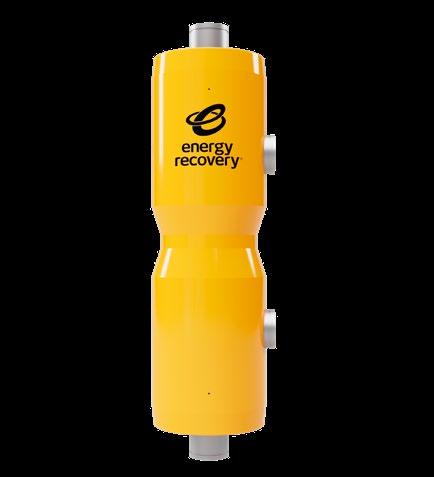
Energy Recovery announced the launch of the PX Q650 pressure exchanger, a nextgeneration energy recovery device designed to meet the scale, efficiency, and reliability requirements of the desalination industry. The PX Q650 expands the PX® Pressure Exchanger® portfolio, delivering higher flow capacity and efficiency with lower mixing, all while maintaining the durability and reliability customers know and trust.
Engineered with a patented corrosionresistant ceramic core and a single moving part, the PX Q650 minimizes total cost of ownership across diverse operating conditions, and can reduce a plant’s reverse osmosis energy use by up to 60%. With no scheduled maintenance required and a 30-year design life, it delivers high uptime and long-term reliability. Its flexible design and straightforward installation make it well-suited for both new facilities and retrofit applications.
PX Q650 Benefits
• Flow capacity 56.8 - 147.6 m3/hr (250-650 gpm)
• Operates at pressures up to 83 bar (1,200 psi)
• Up to 99% peak efficiency
• Volumetric mixing as low as 2%
• Lowest SEC on the market
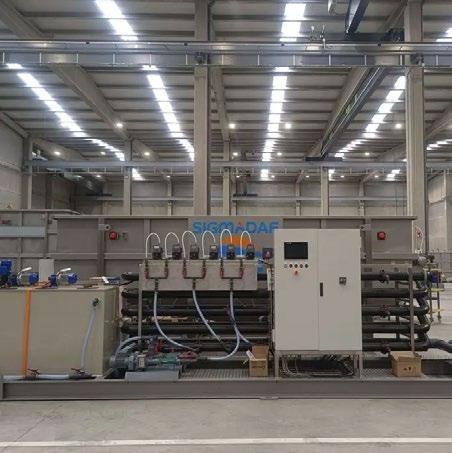
SIGMADAF has highlighted the potential of combining coagulation-flocculation with dissolved air flotation (DAF) to tackle PFAS contamination in industrial wastewater. Developed in response to tightening European regulations on emerging contaminants, the company’s research focused on improving the performance of conventional physicochemical treatment processes.
Trials conducted by SIGMADAF’s R&D team achieved reported PFAS removal rates of up to 84% across a range of compounds, including PFOS and PFOA. The study found that combining specialist coagulants with DAF technology provided an effective and economically viable treatment option. Additional polishing stages using activated carbon or PFAS-specific adsorbents could increase overall removal performance to more than 95%.
Key Features
• Reported PFAS removal rates up to 84%
• Combines coagulation-flocculation and DAF
• Developed for industrial wastewater applications
• Additional polishing can exceed 95% removal
• Supports compliance with emerging PFAS regulations
ZH
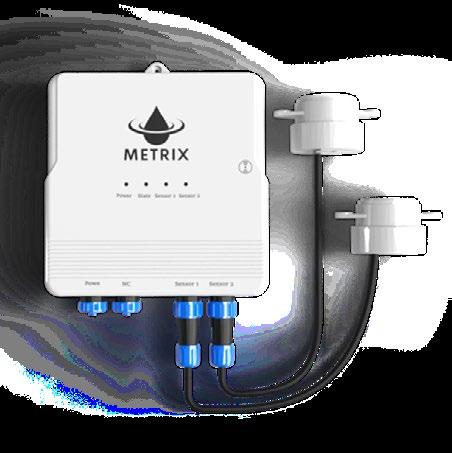
ZH Technologies International has introduced the Metrix M-Level, a non-invasive ultrasonic sensor designed to provide real-time monitoring of water storage tanks without requiring tank entry, downtime or structural modifications. Installed externally beneath the tank, the system delivers millimetre-precision level measurements and transmits data to cloud platforms, SCADA systems and building management systems.
Available in both LTE 4G and Modbus versions, the technology supports predictive maintenance, leak detection, overflow prevention and pump optimisation. Early deployments in Singapore have demonstrated its ability to improve visibility into water storage assets while supporting more efficient and sustainable infrastructure management.
Key Features
• Non-invasive external installation
• Real-time tank level monitoring
• Cloud, SCADA and BMS connectivity
• Supports leak detection and predictive maintenance
• Suitable for retrofit and new-build applications
• Available in wireless LTE and Modbus versions
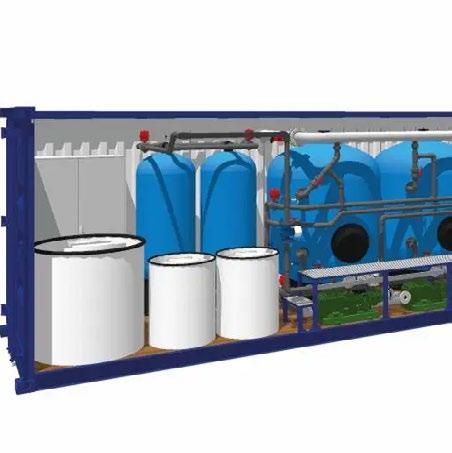
BIOBOX Water has highlighted its BIOBOX® Nitrate biological denitrification system as an alternative to conventional nitrate treatment technologies such as reverse osmosis and ion exchange. Designed for drinking water applications, the technology uses naturally occurring biological processes to convert nitrate into harmless nitrogen gas, eliminating the need for concentrated brine waste disposal.
Available in containerised and full-scale configurations, the system has demonstrated nitrate removal rates exceeding 95%. During a U.S. demonstration project in Arizona, BIOBOX® Nitrate reduced nitrate concentrations from 26 ppm to non-detect levels while maintaining turbidity below 0.3 NTU. The technology also incorporates automated operation and remote monitoring capabilities.
Key Features
• Over 95% nitrate removal performance
• Converts nitrate into nitrogen gas naturally
• No concentrated brine waste stream
• Lower energy consumption than RO and ion exchange
• Fully automated operation and remote monitoring
• Available in containerised and full-scale systems
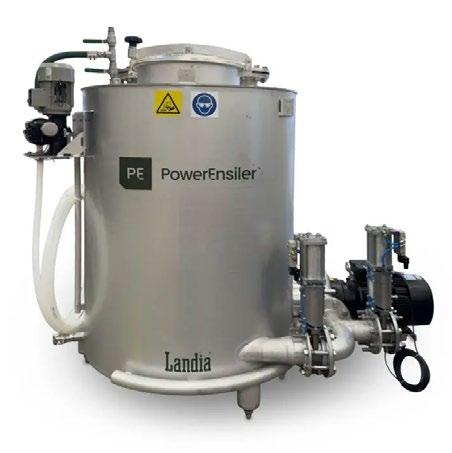
Landia has launched the new PowerEnsiler® fish silage system, an integrated solution designed to convert fish processing byproducts into homogenous silage for reuse in animal feed and fertiliser applications. Developed for aquaculture and fish processing facilities, the system combines pumping, cutting and process control technologies within a single platform.
At the heart of the system is Landia’s stainless steel Chopper Pump, which macerates fish heads, bones, skin and internal waste without the need for external grinding equipment. Available in tank sizes from 1m³ to 25m³, the PowerEnsiler® is designed to improve hygiene, biosecurity and operational efficiency while supporting long-term silage quality.
Key Features
• Integrated pumping and cutting technology
• No external grinders required
• Produces homogenous fish silage for reuse
• Available in tank sizes from 1m³ to 25m³
• Polyethylene and AISI-316 stainless steel options
• ATEX-approved configurations available
• Designed for aquaculture and fish processing applications

Kohtari has launched BloomIQ, a new AI-powered platform designed to help water companies predict algal blooms before they occur. Developed to address the growing operational and environmental challenges associated with harmful algal events, the platform combines weather data, environmental conditions, water quality measurements and historical records to provide early warning of bloom risks.
BloomIQ uses machine learning to identify emerging patterns and transform complex datasets into actionable insights, enabling utilities to move from reactive monitoring to proactive management. The platform can also incorporate drone observations to enhance visibility and support operational decisionmaking across reservoirs and treatment systems.
Key Features
• AI-powered algal bloom prediction
• Combines weather, environmental and water quality data
• Provides early warning of bloom risks
• Supports proactive reservoir management
• Optional drone data integration
• Designed to improve water quality resilience
• Helps reduce operational and compliance risks

The Office for Environmental Protection (OEP) has confirmed Dame Helen Ghosh as its new Chair, with her appointment taking effect on 1 June 2026. Dame Helen brings extensive experience from across government and environmental policy, having previously served as Permanent Secretary at the Department for Environment, Food and Rural Affairs (Defra) and Director-General of the National Trust. She succeeds Interim Chair Julie Hill and takes up the role as the OEP continues its work holding public bodies to account on environmental commitments across England and Northern Ireland.
“The Office has shown expertise, independence and integrity in pursuing issues that matter most in the natural world and to the public.”

Leep Utilities has appointed Stephen Bradley as Chief Executive Officer as part of a planned leadership transition designed to support the company’s next phase of growth. Bradley founded Icosa Water in 2016, developing the business into a nationwide regulated water and wastewater provider before its acquisition by Last Mile Group in 2020. He brings extensive experience in regulated utility networks, having also held senior leadership positions with Albion Water and Independent Water Networks. Bradley will assume the CEO role on 1 July 2026, succeeding Louise Manfredi following her decision to step down after leading the business since its formation in 2017.
“I’m looking forward to building on this success, growing, enhancing and developing new solutions for developers and customers.”
Veolia has appointed Richard Kirkman as Chief Executive Officer for Northern Europe and CEO of its UK business. Kirkman previously spent more than two decades with Veolia and returns to lead operations across one of the company’s largest regions. He will also take on the role of Group Head of Growth and Innovation, supporting Veolia’s strategic development programmes.
“Innovation and sustainable resource management remain central to the future of environmental services.”
Southern Water has appointed Andrew Davies as Chair Designate. Davies joins the Board immediately and will succeed Keith Lough as Chair in July 2026. He brings extensive leadership experience from the infrastructure and construction sectors, having previously served as Chief Executive of Kier Group. Southern Water said the appointment supports the company’s longterm focus on investment, resilience and customer service improvements.
“Southern Water is entering a significant period of investment and transformation across its operations.”
Remove unwanted contaminants from groundwater sources, addressing environmental management needs.
Envirogen’s groundbreaking SimPACK solution delivers:
• Up to 80% less wastewater
• Nitrate specialist - AMP8 compliant levels
• Advanced remote monitoring
• Low operational costs and improved salt usage
• Regenerable design - 35% increased resin capacity
• Warrantied performance for long-term reliability
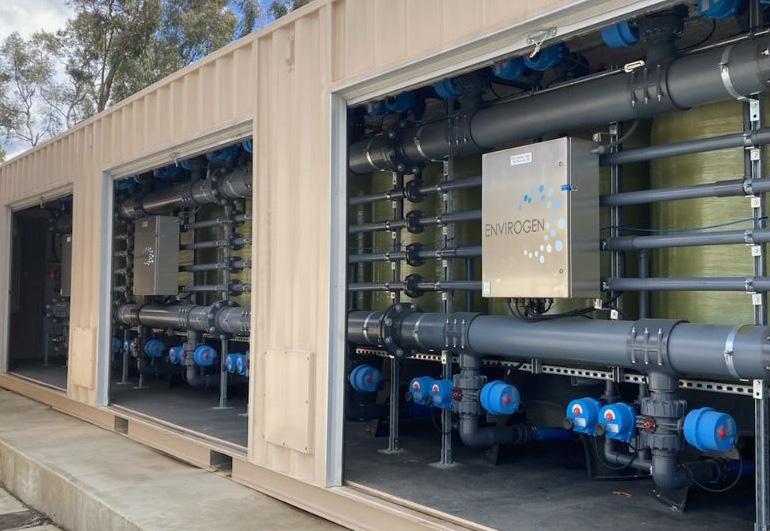

30 JUNE–2 JULY 2026 — ACCRA, GHANA
This regional exhibition focuses on water supply, wastewater treatment, borehole technologies and infrastructure solutions supporting urban development and climate resilience across West Africa.
8–12 JULY 2026 — SINGAPORE
Singapore International Water Week brings together utilities, policymakers and technology providers to explore urban water security, digital water innovation, climate resilience, desalination and water reuse strategies.
15–17 JULY 2026 — AUCKLAND, NEW ZEALAND
This conference examines stormwater management, wastewater infrastructure, flood resilience and sustainable urban drainage solutions, bringing together engineers, utilities and environmental professionals.
26–30 JULY 2026 — NEW ORLEANS, LOUISIANA, USA
WEFTEC is one of the world’s largest water quality events, covering wastewater treatment, water reuse, resource recovery, digital technologies, infrastructure resilience and utility management.
23–28 AUGUST 2026 — STOCKHOLM, SWEDEN
Hosted by the Stockholm International Water Institute, World Water Week convenes global experts, governments, NGOs and industry leaders to address water security, climate adaptation, sustainability and international water policy.
25–28 AUGUST 2026 — TRONDHEIM, NORWAY
Aqua Nor showcases innovations in aquaculture and water management technologies, including water quality monitoring, treatment systems, sustainability initiatives and environmental protection solutions.

VEGABAR 28
Pressure Transmitter for Wastewater

Everything is possible. With VEGA
• Smart pressure monitoring
• Prevent leaks & blockages
• Boost pipe network safety