Climate Champ: Bruce Elliott · A Thrifting Tour · Riffable Recipes
You’ll find simple, planet-friendly recipes, inspiring stories, and smart tips to reduce food waste and shop sustainably. With our digital magazine, you’ll get: An interactive experience on any device with one-click access (no login!)
Links to ingredients and green products to make shopping easier
Enhanced audio feature to listen to articles and step-by-step instructions A bonus 32-page Recipe Collection plus access to previous issues!
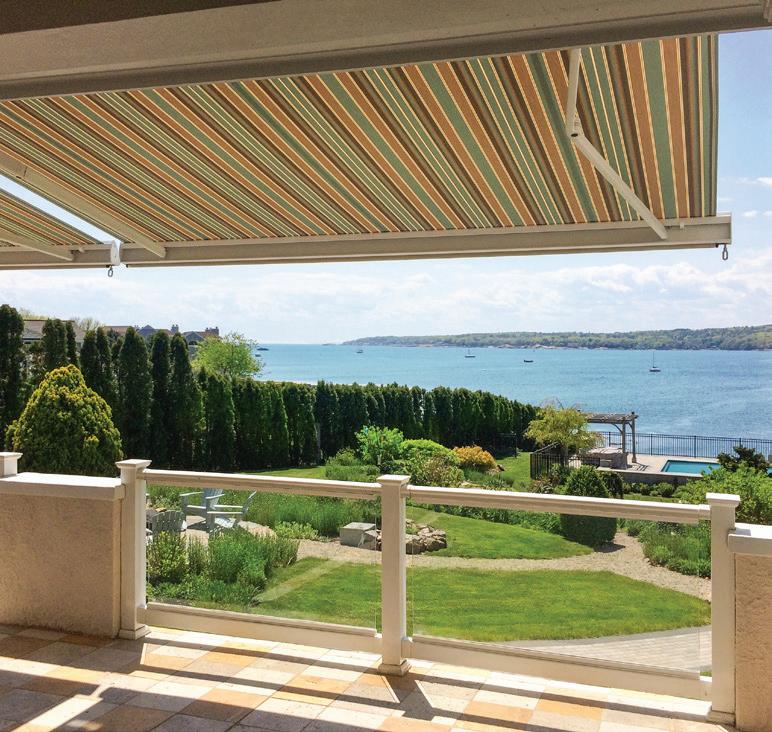
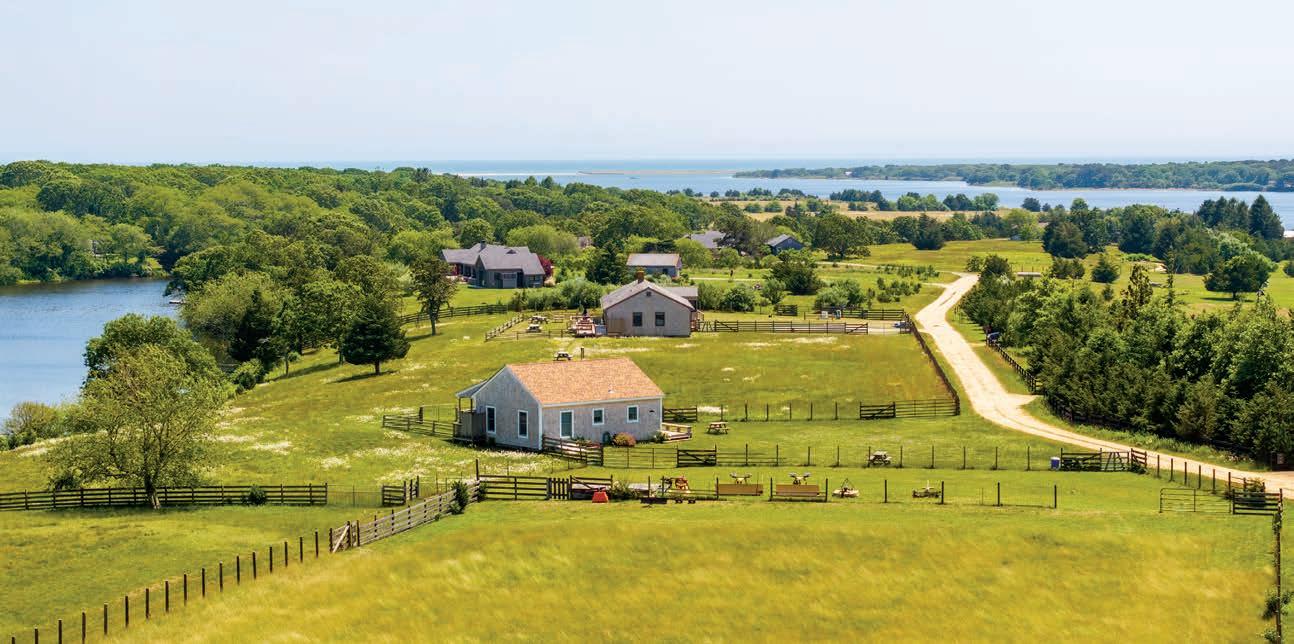
Harbor View Hotel embodies the charm and elegance of the Great American Summer. Guests enjoy breathtaking ocean views, a heated outdoor pool, and top-tier dining—all within a short stroll to the heart of historic Edgartown on the beautiful island of Martha’s Vineyard.
3 Top-Tier Restaurants
This image features the Skyhouse Suite.
The Crown Jewel of Martha’s Vineyard
“ Look again at that dot. That’s here. That’s home. On it everyone you love .” –Carl Sagan
Bluedot Living: At Home on Earth is printed on recycled material, using soy-based ink, in the U.S.
Bluedot Living magazine is published quarterly and is available at newsstands, select retail locations, inns, hotels, and bookstores, free of charge. Please write us if you’d like to stock Bluedot Living at your business. Editor@bluedotliving.com
Sign up for the Martha’s Vineyard Bluedot Living newsletter, along with any of our others: the BuyBetter Marketplace, Your Daily Dot, Bluedot Living Kitchen, and The Weekly: bluedotliving.com/sign-up-for-our-newsletters/
Subscribe! Get Bluedot Living Martha’s Vineyard and our annual Bluedot GreenGuide mailed to your address.
It’s $29.95 a year for all four issues plus the Green Guide, and as a bonus, we’ll email you a collection of Bluedot Kitchen recipes. bluedotliving.com/magazine-subscriptions/
Read stories from this magazine and more at bluedotliving.com/marthas-vineyard/
Find Bluedot Living on Threads, Instagram, Facebook, and YouTube @bluedotliving
Hello Readers!
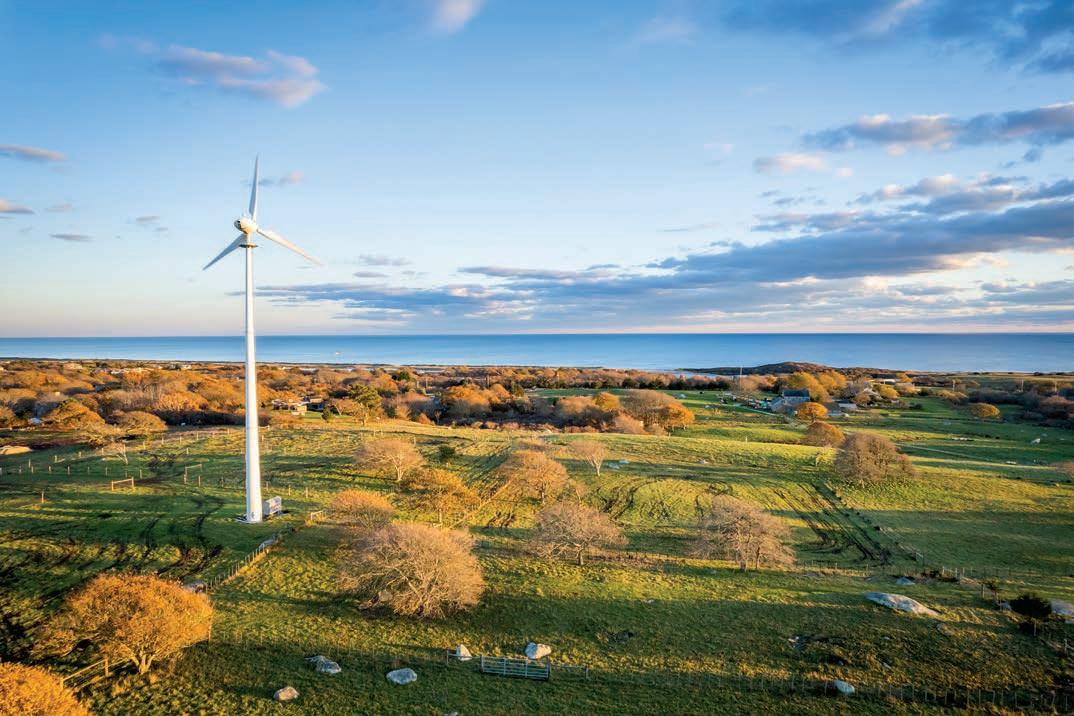
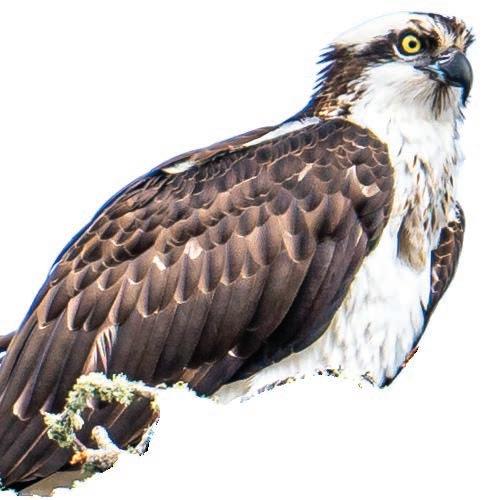
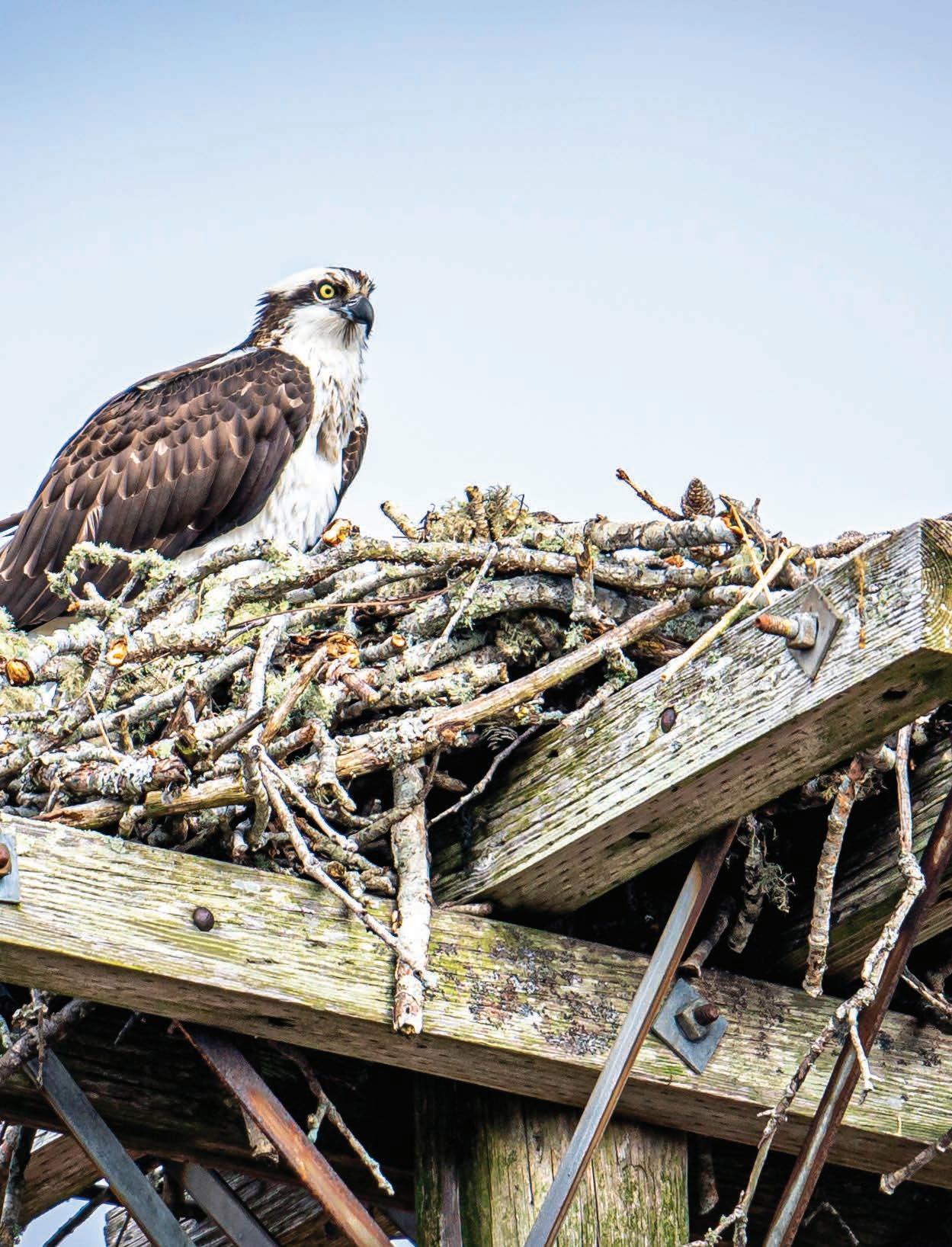
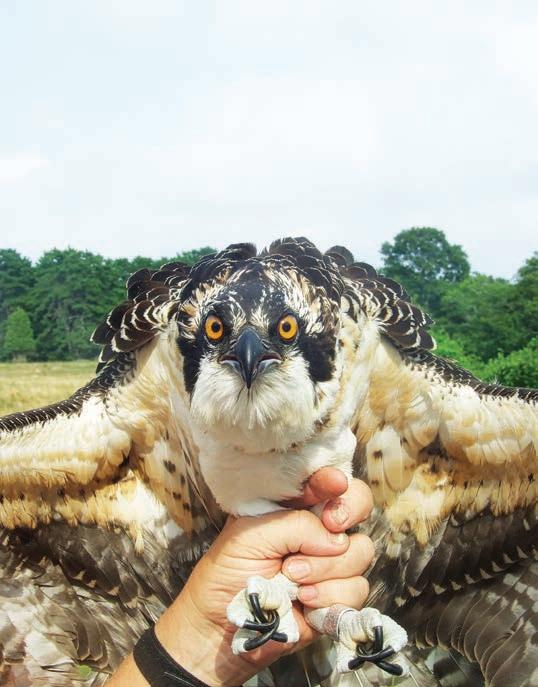
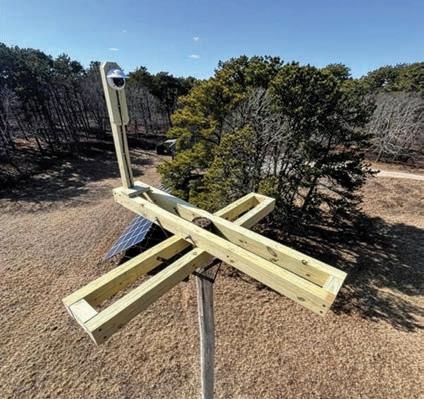
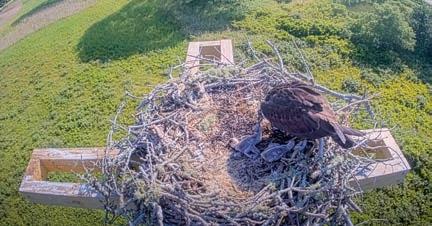
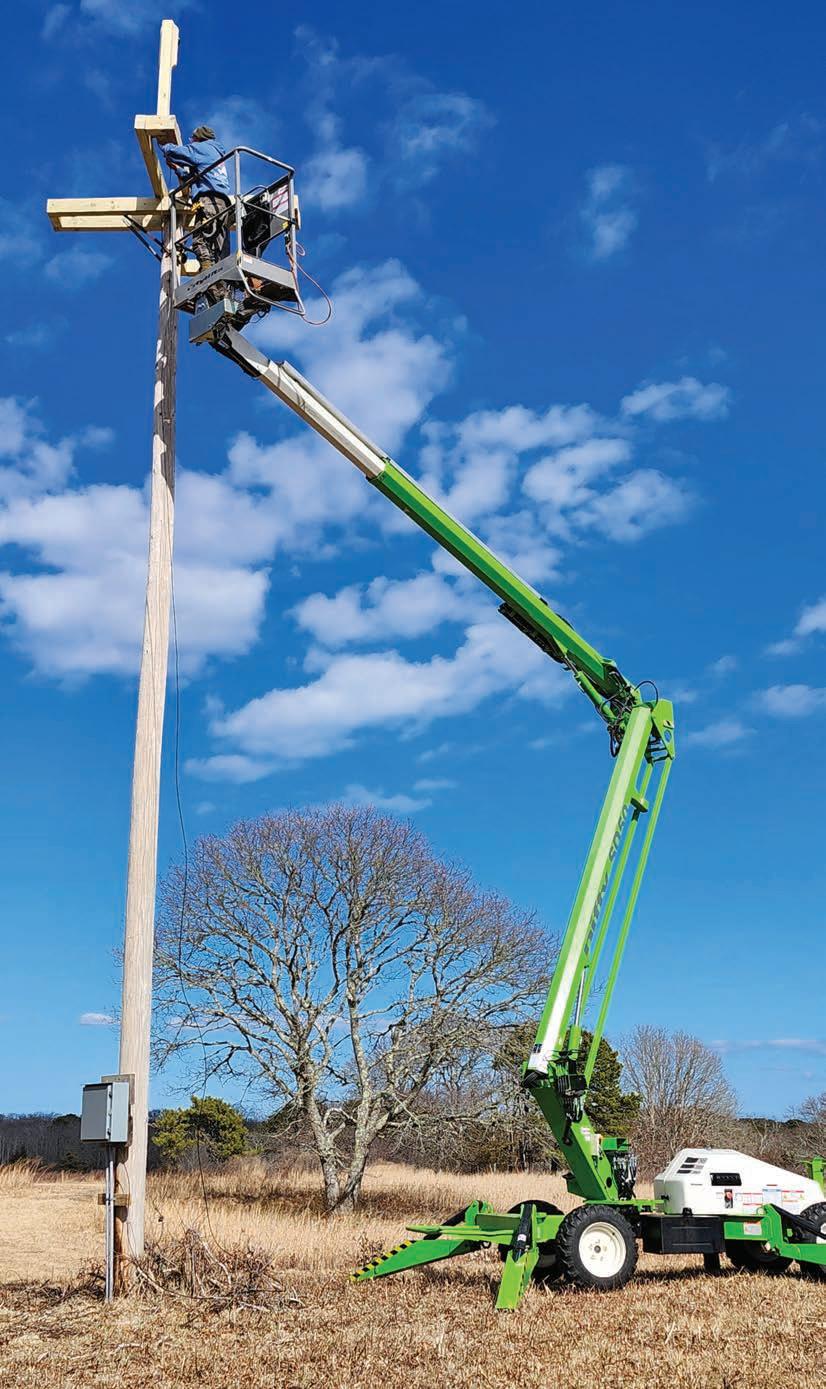
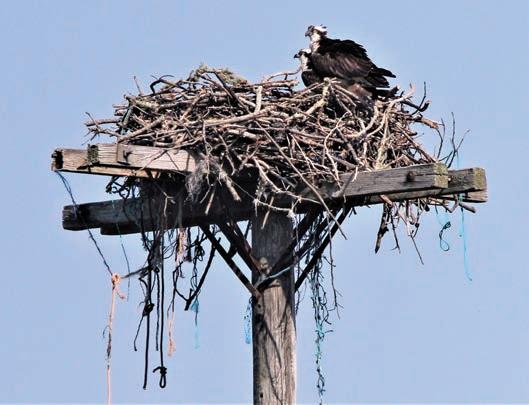
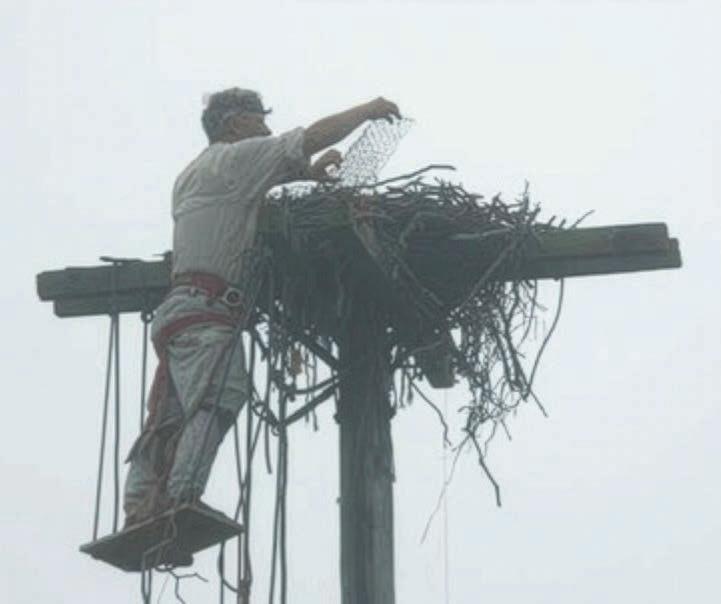
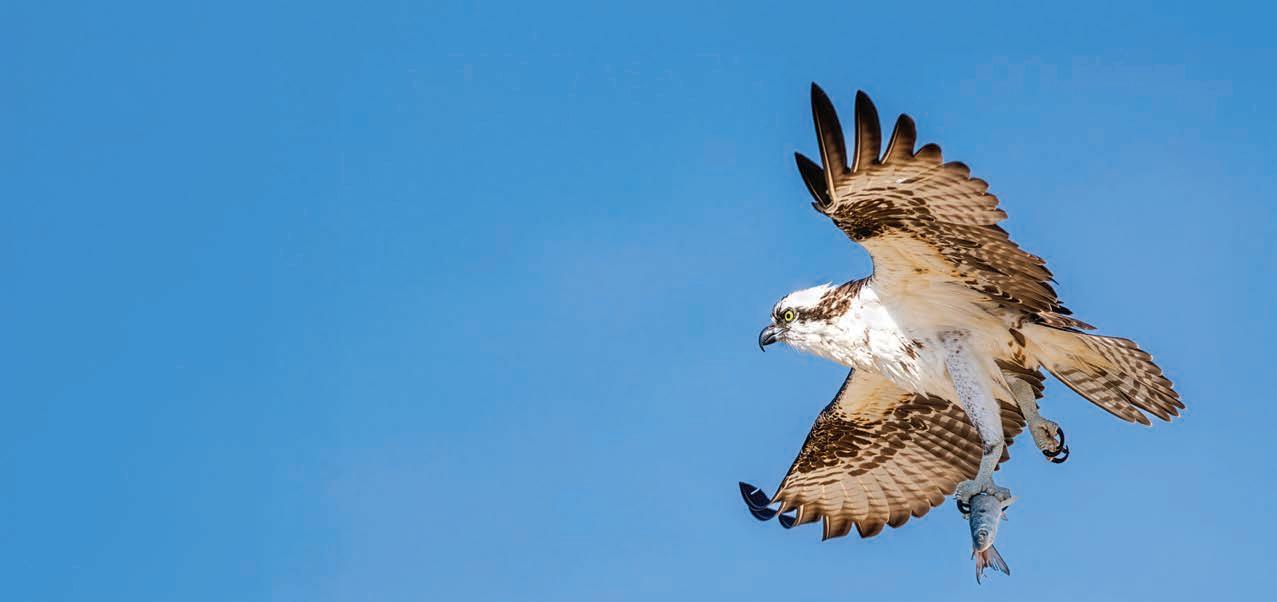
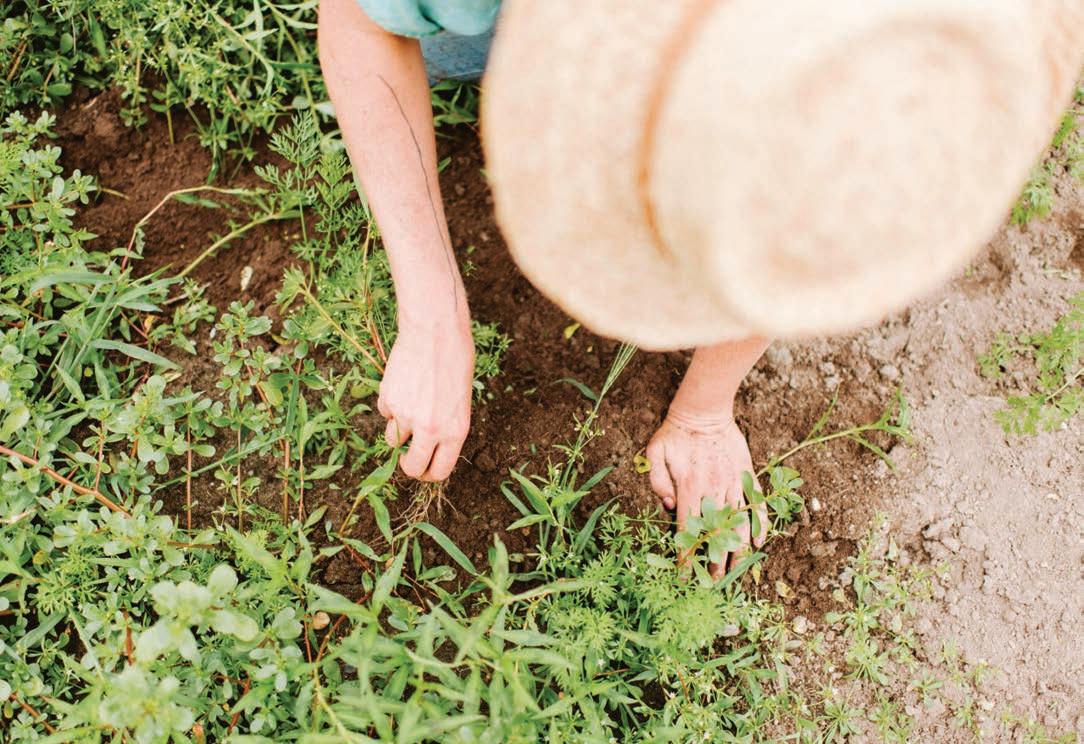
Spring on the Island arrives in increments. Ospreys return to their platforms. Farm stands reopen. Gardens wake up, slowly at first. Transfer stations and thrift stores fill with the early-season rhythm of spring cleanouts, brimming with items ready to be reused and rehomed. It’s a time of noticing what’s come back and taking care of what’s here.
This issue is, in many ways, about stewardship, and the different ways it takes shape across the Vineyard. It shows up in how we grow food, how we pass things along, and how we care for the land, wildlife, and each other.
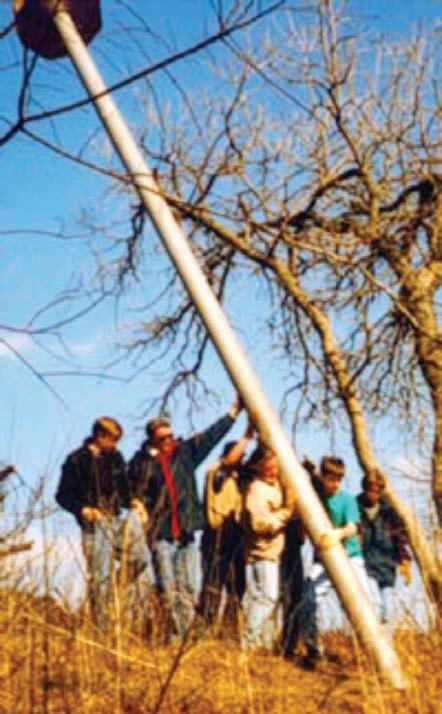
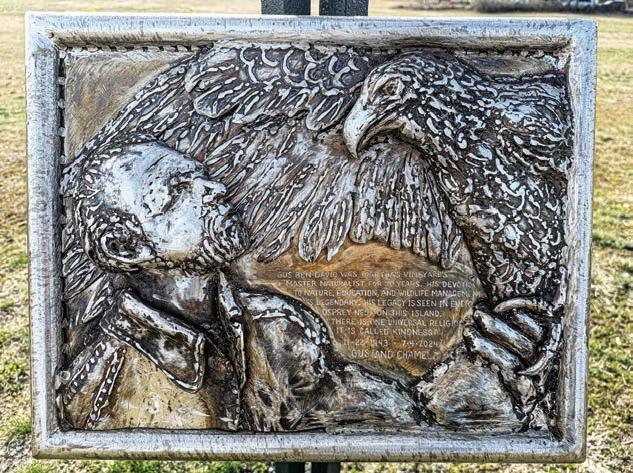
It’s a small Island, and connections run deep. Talking to Tom Chase about his essay (page 14), we mentioned Suzan Bellincampi’s osprey story (page 41), and he shared that Gus Ben David — closely connected to the osprey story she tells — was his lifelong mentor and close friend. Tom also shared that he wrote Gus Ben David’s obituary and, at
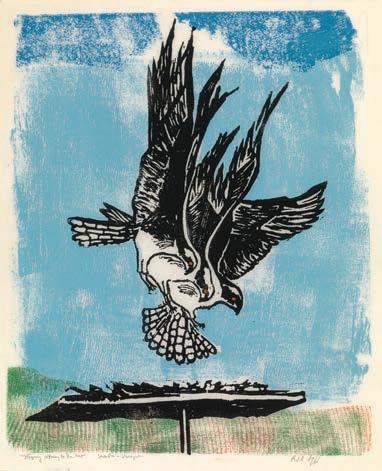
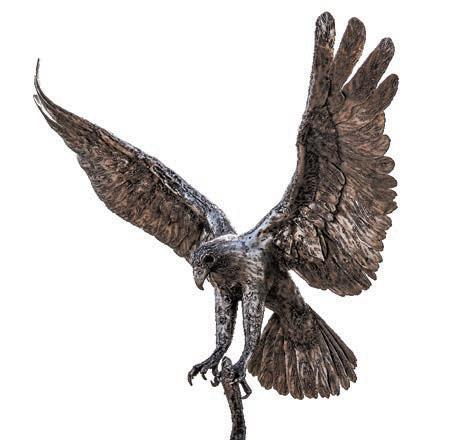
“Osprey” on woodcut print by Robert Siffert.
the request of his family, helped place his ashes, mixed with Gus's eagle’s, in the osprey nest by his home. It’s a story that feels almost impossible
anywhere else, and a reminder of how closely stewardship and community are intertwined here.
At IGI, that means rethinking farming practices to build healthier soil and support biodiversity over time. In our Island’s thrift culture, it’s a shared understanding that objects still have value and many lives beyond their first. And in the return of the osprey, it’s a reminder that sustained conservation efforts can reshape a landscape in lasting ways.
These stories reflect a kind of collective care that’s rooted in place and carried forward by the people who call it home.
If you’d like to read Martha’s Vineyard Bluedot Living year-round, you can subscribe here: bluedotliving. com/magazine-subscriptions.
Thank you for reading, and happy spring!
– Britt Bowker
COURTESY OF THE EDWARD MILLER AND MONINA VON OPEL ART COLLECTION AT MARTHA'S VINEYARD HOSPITAL
We’ll
We’ll
RESTORING BALANCE: TICK FREE MV GETS TO WORK
A conversation with Virginia Barbatti about ticks and deer.
On the Vineyard, we live close to the land. We walk the trails, and our children and dogs run through the tall summer grasses. We measure the seasons by weather, by what is growing and blooming, and now, increasingly, by what is biting.
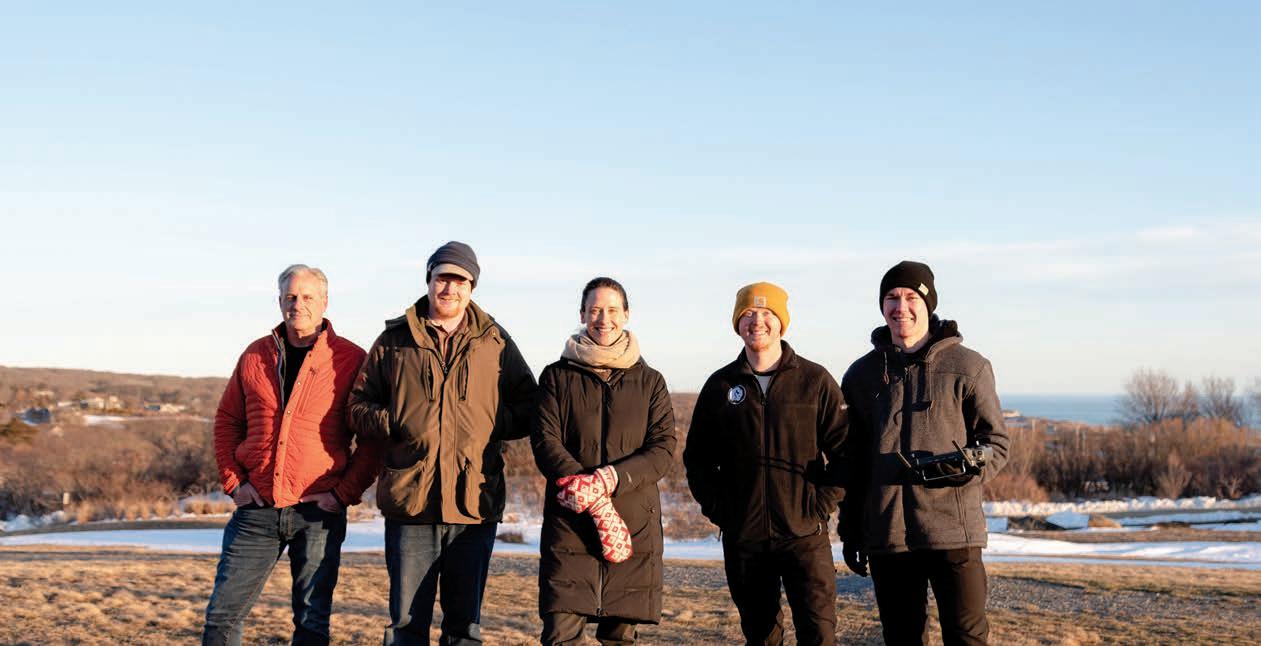
Bret Stearns, Patrick Rodin-Reynolds, Virginia Barbatti, and two FAA-certified drone pilots.
Along with Nantucket, we have the highest rate of tick-
Island Grown Leaders in
Story by Victoria Riskin
Photos Courtesy of Astrid Tilton, Tick Free Martha’s Vineyard
approach our own backyards. What once felt like a manageable nuisance now feels like a public health crisis.
When I sat down with Virginia Barbatti, the Executive Director of Tick Free MV, I was impressed by her clarity, her reliance on data, and her deep commitment to community process. This is a story not about panic, but about stewardship of land and wildlife, and local leadership.
A broad coalition of year-round and seasonal Islanders founded Tick Free MV last year with the goal of using scientific research and local expertise to address our tick problem. The question before us is not whether we care about white-tailed deer and open space — we do. The question is how we restore balance in a way that protects both the ecosystem and all the residents and visitors who love this Island.
What follows is my conversation with Virginia about her background, her new job, public health, deer density, and what it means to take responsibility for the place we love. As with so many issues on a small island, addressing this one will require broad public involvement. Thankfully, the leadership has emerged.
Victoria: Let’s start at the beginning. What were you doing before you took this job? And why did you take this job?
Virginia: I was most recently the Development Director at Island Grown Initiative, which I did for a couple of years. I really,
really loved working for IGI. It’s an incredible organization, as you know.
I had a corporate career for 15 years before moving to the Island full time in 2020. I’ve been a lifelong seasonal resident in Chilmark. I have a young family [she has three young children], and we came here temporarily during the pandemic and decided to stay after spending our first winter here. I had to figure out how to build a career for myself on Martha’s Vineyard.
Victoria: Where were you working before?
Virginia: I was at Wayfair before coming to the Island, and I’ve worked for multiple Fortune 500 companies including Stanley Black & Decker and Boston Beer Company. I’ve done a lot of strategy work, and I thought my career would remain in the corporate space. But when we moved here, it was a real reckoning. I wanted to do something locally and not just work remotely. I wanted to dig in here.
I joined the board of Chilmark Preschool, where my children were going. We were undertaking a large capital campaign to build a new preschool building. I became deeply engaged and realized I could apply my corporate skill set in ways that directly affected my family, my friends, and my community. That was
response to something every Islander was feeling — that we had reached a prominent businessman and former U.S. Comptroller of the Currency].
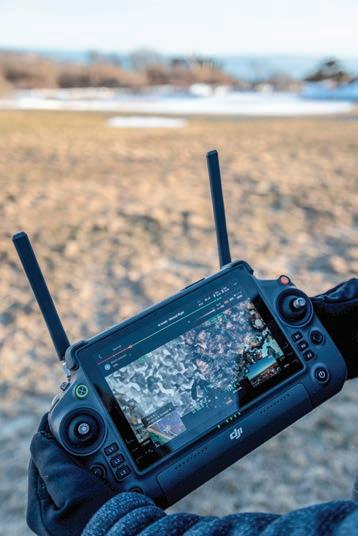
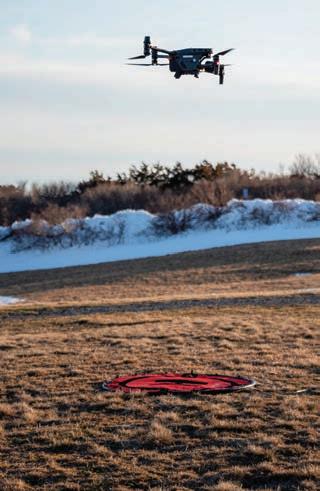
Thermal drone technology helps survey deer populations across the Island.
about steps they can take to protect themselves, we need one consolidated view.
Tick Free MV’s mission is focused specifically on tick reduction in the natural environment. We’re addressing both the black-legged tick and the lone star tick. We must look at host populations — primarily the white-tailed deer — and we must also use secondary interventions that directly kill ticks. There is no one solution. We have to prioritize our initial focus areas.
According to Mass Wildlife, our state agency, the Vineyard and Nantucket have the highest deer densities in the state. The deer serve as the primary reproductive hosts for ticks. Mass Wildlife maintains that the right number of deer per square mile to be in ecological balance is eight to twelve. We have, according to Mass Wildlife, at least 55 per square mile. That's a staggering difference, and their estimate is a baseline. They think it could actually be significantly higher in parts of the Island that are not hunted. We could be looking at something like 100 per square mile in certain pockets. That's an untenable situation. There are multiple negative impacts of a deer density that high, including the ecological impacts from overbrowsing.
How many deer per square mile are we really working with?
We’ve launched an aerial deer survey using thermal drone technology to provide accurate, transparent data to the community. We've hired an organization out of Connecticut called White Buffalo. They're in the middle of a multiweek aerial deer survey right now. [We want to know:] How many deer per square mile are we really working with, and where are they across the Island? What are the hot spots? We want to deliver that information to our community so that as people are thinking about possible interventions and where we want to take this, we have as much information as possible to inform those types of decisions.
We see this as movement-building work. This is a community-wide issue. We are committed to being transparent, deliberate, and collaborative. We want to hear from people and move forward together. We're very committed to seeing it through, but with the input of our community. I'm trying to figure out ways to make sure that comes through as we communicate that we want to hear from people.
Victoria: Is sterilization an option? How else do you address the overpopulation?
Virginia: Sterilization is not viable given the Island’s high deer density and open landscape. Our first focus is restoring ecological balance.
(508 )62 7- 292 8 | M V@ oh-DEE R .co m oh-DEE R. co m
•SAFE FOR YOU, YOUR FAMILY & PETS!
•KILLS TICKS & MOSQUITOES ON CONTACT.
•AN EFFECTIVE ‘GREEN’ ALTERNATIVE TO PESTICIDES & CHEMICALS
ohDEER offers two all-natural pest control solutions for seasonal or year-round protection. Our deer control solution is an egg-based spray with garlic, white peppers, mint oil, and water that directly targets the plants deer love to feed on. Our tick and mosquito spray is a blend of powerful essential oils, including cedarwood oil, lemongrass oil, castor oil, and water. Our team provides customized, thorough coverage for your property, ensuring long-lasting protection.
We are also engaging in legislative and regulatory discussions about hunting access, season extensions, and related measures like Sunday hunting and the use of crossbows. We've been sharing information in testimony at the state level that affects hunting access. We've been speaking largely about deer, but changes could also extend to turkey hunting, for example.
The state legislature has long considered changing the Commonwealth’s hunting access laws [such as the centuriesold “blue law” that bans hunting on Sundays] but they seem to actually be getting traction right now from a whole series of sessions with the general public to gather input on these potential changes.
Victoria: Are there upsides to increased hunting?
Virginia: Another important focus is venison processing capacity. We want to ensure that increased harvest translates into protein for our community.
As we envision what a processing facility could look like, we're considering other wild game that could be processed in a space that we create. The venison processing facility opened on Nantucket is tied in with a really awesome state program called Hunters Share the Harvest, where deer are donated and processed, and that venison is then distributed through the Food Equity Network on Nantucket.
We have a similar program here. IGI has long been
INDIGO FARM
participating in [equitable food distribution], and now the MV Hunt Club is a part of that as well. We're looking to create a facility that allows us to expand on the Hunters Share the Harvest program, so that as we increase the take of deer on our Island over time, there's an opportunity for that to turn into a protein source for the community. Some of that meat will also go to the Tribe in Aquinnah. So we're working on making sure that there are multiple benefits to our community as we drive forward.
Victoria: What can homeowners do now?
Virginia: Individual vigilance remains essential. Tick reduction at scale will take time. In the meantime, people should use resources from the Martha’s Vineyard Tick Program (see next page) and local Boards of Health. Yard surveys are available. We are also exploring pollinator-safe management strategies and ways to expand public education. But for now, individual vigilance is critical.
Victoria: Has another community solved this problem?
Virginia: Not fully. There are examples of communities addressing aspects of the problem successfully, but our Island conditions are unique. We are out front on some of this work.
What Can You Do?
Advice from Patrick Roden-Reynolds, head of Martha’s Vineyard Tick Program, and Lea Hamner, epidemiologist with Tick Free MV.
How to protect yourself
Permethrin-treated clothing is the best defense against ticks. Lea Hamner notes its 30-year safety record and widespread expert recommendations. The chemical bonds to fabric; ticks that land on it are disabled or killed before they can bite. If you can’t find it locally, check insectshield.com
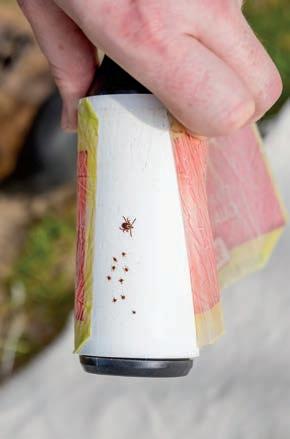
A lint roller can be used to collect ticks of all life stages.
Treated pants, socks, and hiking gear create a strong first layer of protection and can last through dozens of washes; DIY sprays remain effective for six washes. When you go out with exposed skin, Patrick Roden-Reynolds suggests DEET, picaridin, oil of lemon eucalyptus, IR3535, or 2-Undecanone.
What to look for — and what to do if you get a tick bite Remove ticks promptly. Quick removal reduces the risk of disease. Engorged (swollen) ticks may have been attached longer and more likely to transmit Lyme or other tick-borne diseases. Preventive doxycycline can reduce the risk of Lyme disease if taken within 72 hours. Watch
Find a volunteer opportunity on Martha’s Vineyard that matches your
and schedule. Support our community !
for fever, chills, fatigue, body aches, sweats, or the bullseye rash. Seek medical advice if symptoms appear.
Alpha-gal syndrome vs. tick-borne illness
Alpha-gal syndrome is an allergy, triggered by bites from lone star ticks and their larvae, the latter of which are tiny and difficult to see. Alpha-gal can cause reactions to mammal products — beef, pork, venison, lamb, and sometimes dairy. Symptoms include hives, digestive distress, and anaphylactic shock after eating red meat. Repeated bites increase risk; avoiding further tick bites improves chances of recovery.
Resources
• Patrick Roden-Reynolds of the Martha’s Vineyard Tick Program will evaluate your property for ticks. Contact biologist@dukescounty.org
Got questions, or ideas? Write grace@tickfreemv.org
RANDI BAIRD
DEAR
dot
Dear Dot: Why Isn’t My Milkweed Growing?
Dear Dot,
In the last couple of years I've planted about 300 milkweed seeds; not one of them grew. I've let some freeze in the ground and I've frozen some in the freezer. I've been told that some take two years to germinate — none of mine did.
– Tom, Toronto, Ontario
The short answer:
Let’s summarize the steps to maximize the likelihood of thriving milkweed, Tom, noting that most experts believe that Common Milkweed is the easiest species to start with, though Swamp Milkweed may be the most reliable of the Ontario-native varieties:
• Collect pods just as they begin to crack open. At this stage, seeds separate easily from the silk.
• P lace seeds in a brown paper bag for eight weeks in a dry, shaded spot to finish ripening.
• Transfer seeds to a small envelope (label with the species name) and store in a refrigerator — not a freezer — for three months.
• Sow seeds in flats using a garden seed starter mix, water them, and place on a sunny windowsill. Germination should occur within about two weeks.
Dear Tom, Dot’s milkweed-loving heart hurts simply reading your letter. Consequently, I reached out to a number of experts to see if they might know why your milkweed is so stubborn … and how you might turn things around.
But first, let us share with readers why you and I are so enamored of milkweed:
• Milkweed is the essential host plant for the caterpillars of Monarch butterflies. Monarchs can feed on other plants, but without milkweed, they won’t lay eggs.
• Species that feed on milkweed absorb its toxins, which are harmless to them but make them less appetizing to predators.
• Milkweed is rich in nectar and pollen and supports a wide variety of species, including bumblebees, moths, butterflies, and even hummingbirds.
• It even provides nesting material — birds will use both fiber from the stems and, when the pods burst open, the white fluff (silks).
But … milkweed is under threat. According to the National Wildlife Federation, Monarch butterfly populations are down 90% since the 1980s, thanks largely to habitat loss from housing development and agriculture.
Sandy from the Ottawa Field Naturalists’ Club (OFNC) did reply, offering you vindication by noting that “we find Common Milkweed hard to grow. Even in pots under controlled conditions, the seedlings are tiny and very slow to grow. Swamp Milkweed and Butterfly Milkweed are much easier, although Butterfly Milkweed often dies after growing beautifully for several years. So Swamp is the easiest and most reliable.”
But good news — and milkweed! — is on the horizon, though it might be a slightly distant one. When Dot reached out to Tim Boland, executive director at Polly Hill Arboretum on Martha’s Vineyard, we found in each other a kindred milkweed-loving spirit. Tim suspects your problem arises from either storing or harvesting, as that’s where problems typically arise.
“We propagate our milkweed species by first harvesting when the pods initially start to crack,” Tim tells me (to tell you), although, of course, this assumes that one has existing milkweed plants and existing milkweed pods on the stalks. But stay with us, Tom, because let us imagine the day when that is true for you. “At that stage, while the seeds are in a soft row,
they easily come clean from the silk.” Tim explains that “the silk’s primary function is to catch the wind and disperse the seed, like a parachute.” Neither the pod nor the silk helps with germination.
Once you dislodge the seeds from the pod and the silk, keep them in a brown lunch bag for eight weeks somewhere dry but out of the sun, where, Tim explains, they will continue “ripening.” From there, he advises us to place the seeds in a small envelope (recording the plant name in case you have more than one type) and store them in a refrigerator — not a freezer — for three months.
In mid-March, the folks at Polly Hill sow their seeds in flats of Fort Vee Vermont compost (but you can use any garden seed starter, Tim says), water them, and place them on a sunny windowsill. Germination occurs within two weeks.
Tim also thinks you might be sowing
seeds directly into the ground, which, he says, can have complications. “The seeds are often eaten, and they’re prone to fungal infections,” he explains, noting that Polly Hill cultivates seeds under sterile conditions. Even once established, he says, “deer will eat them, despite people saying they won’t.”
While, unfortunately, the helpful Tim Boland’s timeline doesn’t favor milkweed in your garden this spring, Tom, perhaps you splurge on some commercial seedings and then harvest those plants’ pods for future seed harvesting and sowing.
Dot very much hopes that these instructions help not just you, Tom, but any milkweed-friendly folks, in propagating these plants that are so critical to the lovely orange and black Monarch butterflies, who will be arriving mid-May to June in your area and looking for a place to lay their eggs. (See my summarized instructions in the Short
Answer for an easy, step-by-step guide.) Let us hope the Monarchs find a milkweed home in your garden, Tom. On behalf of them and Dot, thank-you for your persistence.
– Zealously, Dot
Please send your questions to deardot@bluedotliving.com
Want to see more Dear Dots? Find lots here:
bit.ly/Dear-Dot-Hub
Less Traffic Means Getting to Explore More of the Island Less Traffic Means Getting to Explore More of the Island
Get schedules and route maps at www.vineyardtransit.com
Get schedules and route maps at www.vineyardtransit.com
Enjoy less hassle and a greener
Enjoy less hassle and a greener
Martha’s Vineyard when YOU hop on the Vineyard Transit Authority bus.
Martha’s Vineyard when YOU hop on the Vineyard Transit Authority bus.
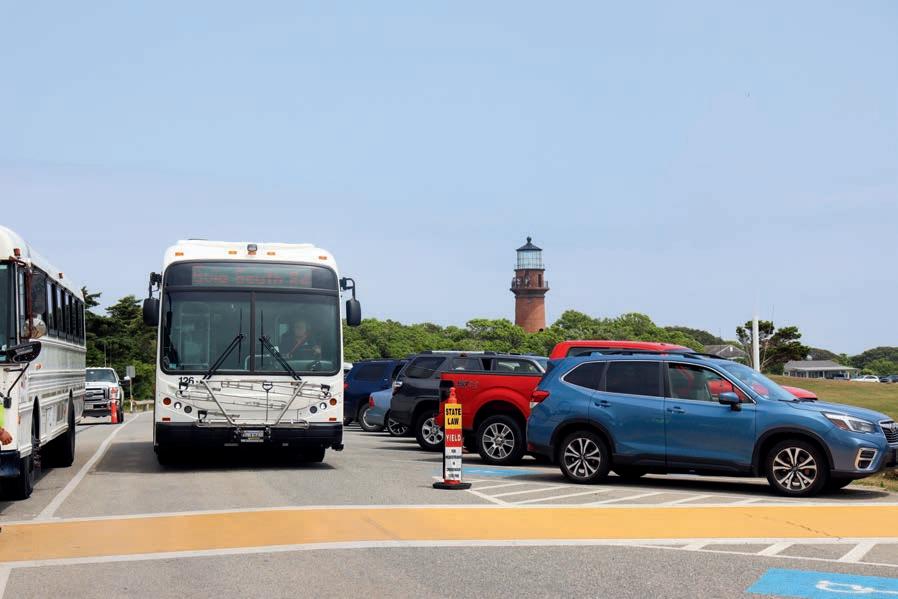
Calling all residents, visitors, commuters, and kids, too! No need to get stuck in traffic, search for parking, or ask for rides from parents or friends. We’ve got you covered.
Calling all residents, visitors, commuters, and kids, too! No need to get stuck in traffic, search for parking, or ask for rides from parents or friends. We’ve got you covered. when YOU ride with the VTA when YOU ride with the VTA
A CULTURE OF Stewardship
Come for the conservation, stay for the community.
By Tom Chase
JEREMY DRIESEN
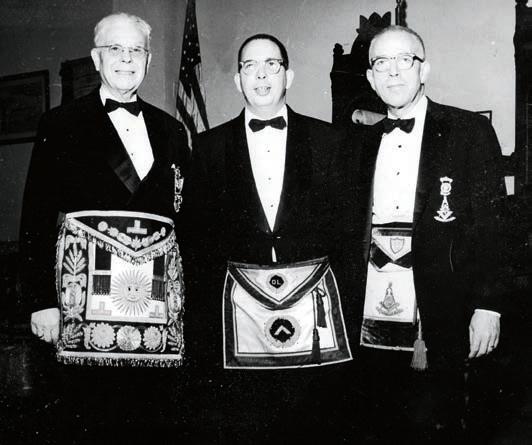
While he never said it outright, I could tell my father was disappointed that I never joined the Lodge. Like his father, and generations of male Chases before him, we had always been Masons. I liked them. Brothers frequently stopped by the house to conduct lodge business. Courteous and jovial, they remembered our names and asked how we were doing in school. What stood out most to me was that the bond they shared with my dad was as evident as the differences between them: mechanics and bankers, rich and poor, conservative and liberal. I sensed the camaraderie and was moved by their dedication to community service, health care for children and seniors, and the stories of fraternal support when life became difficult for one of the brothers. But my father made it clear that these benefits were not the reason to join the Lodge. They were the result of belonging to something larger than oneself.
I got the point, but I simply preferred to spend my free time outdoors fishing or birding, where the company of fellow humans was not necessarily a bonus. Besides, I grew up in a small island community and felt I had all the intimate human contact I could handle. As it turned out, my brother fulfilled the family legacy, while I later discovered that I was part of a much larger exodus away from civic engagement.
As made famous in Robert Putnam’s Bowling Alone, there has been a documented and dramatic drop in community participation since the mid-twentieth century, including diminishing civic engagement, voting, local meeting attendance, and involvement in community organizations. At first, the trend meant little to me. I assumed I knew all about community participation and belonging — until I spent a single day volunteering with a group just outside Chicago.
At that time conservationists were just learning how to restore a globally rare ecosystem, the Coastal Sandplains. Martha’s Vineyard, where I have worked as a conservationist, still retained many fire-adapted sandplain habitats, such as grasslands, heathlands, and oak barrens. But one was missing: oak savannas. Imagine widely scattered, open-crowned oak trees with grassy and shrubby understory, home to a suite of rare species found in neither oak woodlands nor grasslands. That was one landscape type that early explorers and colonists described, but we had no reference community to emulate, much less an idea of how to restore it. So, at the invitation of a friend, I traveled to Barrington, Illinois, the epicenter of oak savanna research and restoration.
On a Saturday morning, we joined about 20 Citizens for Conservation volunteers at the nursery of organization leader Tom Vanderpoel. The group included retirees, high school students, city yuppies, an elderly farmer, homemakers, a sorority sister, and even a conservationist or two. We were handed tools, received instructions for the day’s goals, and carpooled to a nearby park where oak savanna restoration was underway. We paired off and set to work.
I simply preferred to spend my free time outdoors fishing or birding, where the company of fellow humans was not necessarily a bonus.
It was one hundred degrees and a hundred percent humidity. Maybe two hundred. And we were hauling brush, pulling weeds, and collecting seeds. Within minutes, everyone was soaked. I worried about some of the older volunteers, but everyone stayed hydrated and kept going. By morning’s end, the amount of land we had cleared and prepared for fire and planting was astonishing. But that was not what impressed me most.
Throughout the morning, everyone was engaging in the kind of easy banter that’s born of familiarity and trust. A private conversation passed between two veteran volunteers. Someone cracked a joke loud enough for all to hear. Another called everyone over to see a rare plant. We gathered in a circle to learn about savanna ecology. Restoration, it seemed, was not the goal, but rather the outcome of a community coming together.
Years later I would learn that Citizens for Conservation had amassed a pool of more than one thousand volunteers from across the Chicago metropolitan area, ranging from those who came once a year to those who came nearly every weekend. Friendships formed. Expertise and task specialists emerged. Students chose ecological majors. A widow and widower met, fell in love, were married at a restoration site, and invited fellow volunteers to the wedding. Based on the diversity I saw on that one day, I’m sure that, across this vast number of volunteers,
Tom Chase's dad, center, was a Mason who loved the community aspect of the group. COURTESY OF TOM CHASE
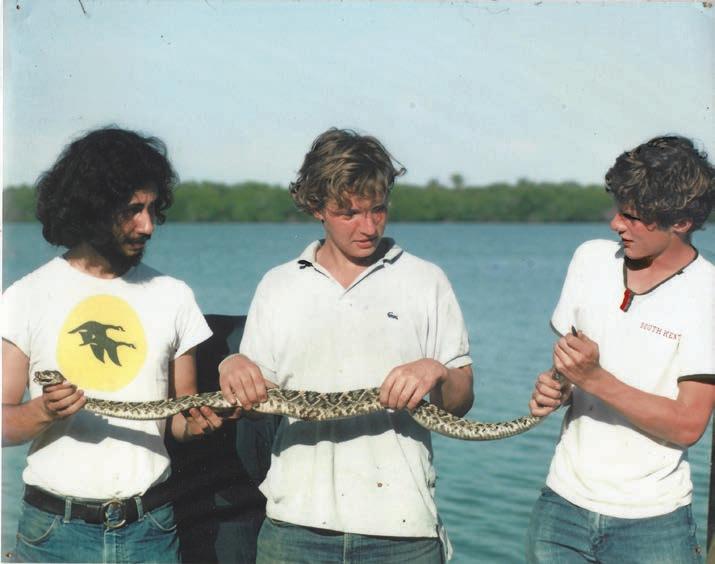
Tom Chase, left, with his "brotherhood of naturalists," Henry Dykma, and Brad Winn, holding a rattlesnake on an expedition to the Everglades. All three would go on to work in environmental fields.
there was every stripe of American — politically, ideologically, religiously, economically, and ethnically. I told my host I had come to learn how to restore oak savannas, but I left learning how to restore community.
Eventually, it dawned on me that this was what my father meant about the Lodge and belonging. I called it community, but for him the more apt term may have been fellowship, where people of different stripes gather under shared values for a common purpose.
One of the great privileges of my current work as the executive director of Village and Wilderness (villageandwilderness.org) is that I get to witness the emergence of other nature-centric communities, often under the most unlikely circumstances. Take, for example, the work of MiniNature Reserve in the low-income and ethnically diverse neighborhoods comprising Oxnard, California, part of metropolitan Los Angeles. There, when formal permission was not initially granted, citizen guerrilla gardeners banded together to revegetate neglected roadsides and city lots with native plants. Soon, formerly barren parts of neighborhoods began to flourish, and the organization was given permission to rewild additional lands. In the process, community pride developed. Neighbors learned how to identify, collect, and nurture native plants. Next, they learned from Indigenous residents how to sustainably harvest and prepare these plants for food and medicine, and how to save and replant the seeds for the next generation of pollinators and people. A diverse community welded itself together through nature restoration.
Or consider the example of Love Your Alley in Bexley, Ohio,
I told my host I had come to learn how to restore oak savannas, but I left learning how to restore community.
which took backyard rewilding to a new level. Neighborhood volunteers went door to door and convinced thirty of fifty contiguous property owners to remove invasive plants and replace them with natives, restoring a patch of land far more attractive to passing pollinators and birdlife. In the process, something else happened. Neighbors considered how their landscaping might appear when viewed from next door. A fence came down. Someone brought cookies to a volunteer crew. Neighbors were invited to Thanksgiving dinner. Others attended a funeral. Through the act of caring for the land, neighbors who had barely known one another came to care for each other, too. Whether this caring transcended differences or simply bypassed them by focusing on a common cause, I can’t say. What appears consistent in all these stories, however, is that stewarding the land expanded into stewarding the stewards themselves. In other words, stewardship was not a task; it became an ethic.
We have all seen times when a community comes together heroically after a catastrophe, and we have seen the intense bonding among teammates who work together to help those in need. No one focuses on individual differences; the collaboration itself becomes the story. But as humbling and uplifting as they are, these collaborations seldom span decades or continue across generations.
There are, of course, many examples of transgenerational stewardship. Hunters, fishers, falconers, gardeners, and birders have long taught the next generation technical skills, the ethics of protecting a resource, and the discipline of restraint. I imagine similar transgenerational knowledge and ethics exist across many vocations, avocations, and civic organizations. Not often, however, do they embrace large numbers of otherwise dissimilar citizens simply because they all happen to live in the same community. When people of different backgrounds in the same place share an ethic of stewardship over decades or generations, the ethic becomes culture. I call it a culture of stewardship.
In one of his most prophetic essays, The Land Ethic, Aldo Leopold wrote, “The land ethic simply enlarges the boundaries
PHOTO BY GUS BEN DAVID, COURTESY OF TOM CHASE
of the [human] community to include soils, waters, plants, and animals, or collectively: the land.” How does it emerge? “We can be ethical only in relation to something we can see, feel, understand, love, or otherwise have faith in.” I have a hunch about why volunteer-driven, nature-centric programs are particularly good at developing a land ethic that grows into a culture of stewardship. I will leave it to some enterprising sociologist to confirm or refute it, but here is my theory: Nature-centric programs build a culture of stewardship because:
• The goal is perceived as greater than the interests of the individuals pursuing it.
• The intended outcomes take time to accomplish but are composed of achievable, repeatable tasks with tangible results.
• Programs are open to all participants and stakeholders, regardless of differences, and require collaborative effort.
• They occur in places of beauty, or places in the process of becoming beautiful.
• The work is enjoyable, even when it is hard, and sometimes because it is hard.
• And finally, one’s pleasure and pride in the work are socially reinforced by others who share the dream and the labor.
Late in life, I think I have finally come to understand the value my father and the generations before him found in the Lodge. It was not the rituals or the titles that mattered, but belonging in service to something larger than oneself. Civic and faith-based organizations have long provided this, and they continue to matter deeply. At a time when our differences are magnified, when social media isolates more than it connects, and when people yearn for the steadiness of real community, we need that sense of belonging more than ever. Today, we have added strains on society: climate change, biodiversity loss, and children cut off from nature. So I advocate for an additional path, one my father might not have recognized at first but would have instinctively understood: the shared work of tending the land together. For all its challenges, restoring nature restores us too, and in that shared labor, the fellowship I once overlooked has begun to grow again, rooted this time not in a lodge hall but in the living world that surrounds us.
Tom Chase is the founder and executive director of Village and Wilderness.
What You Can Do
Find information about (or donate to!) Village and Wilderness: villageandwilderness.org/
Check out where to volunteer on MV: bit.ly/MVvolunteering
Our NOFA-certified company believes a beautiful yard is about balancing formal and native plants, with every plant serving a purpose.
Our designs feature native plants that:
• Support local ecosystems
• Attract pollinators
• Create beautiful natural landscapes
We emphasize sustainable practices to minimize the impact of nitrogen and other harmful chemicals on ponds and groundwater.
CONTACT US TODAY! (508) 939-1985 mmeyer@deeprootsmv.org deeprootsmv.org
Farming for the Soil
On a tour of Island Grown Initiative’s farm, regenerative agriculture comes into focus — from living roots to low-till fields.
Story by Laney Henson Photos courtesy of Baggage Girls
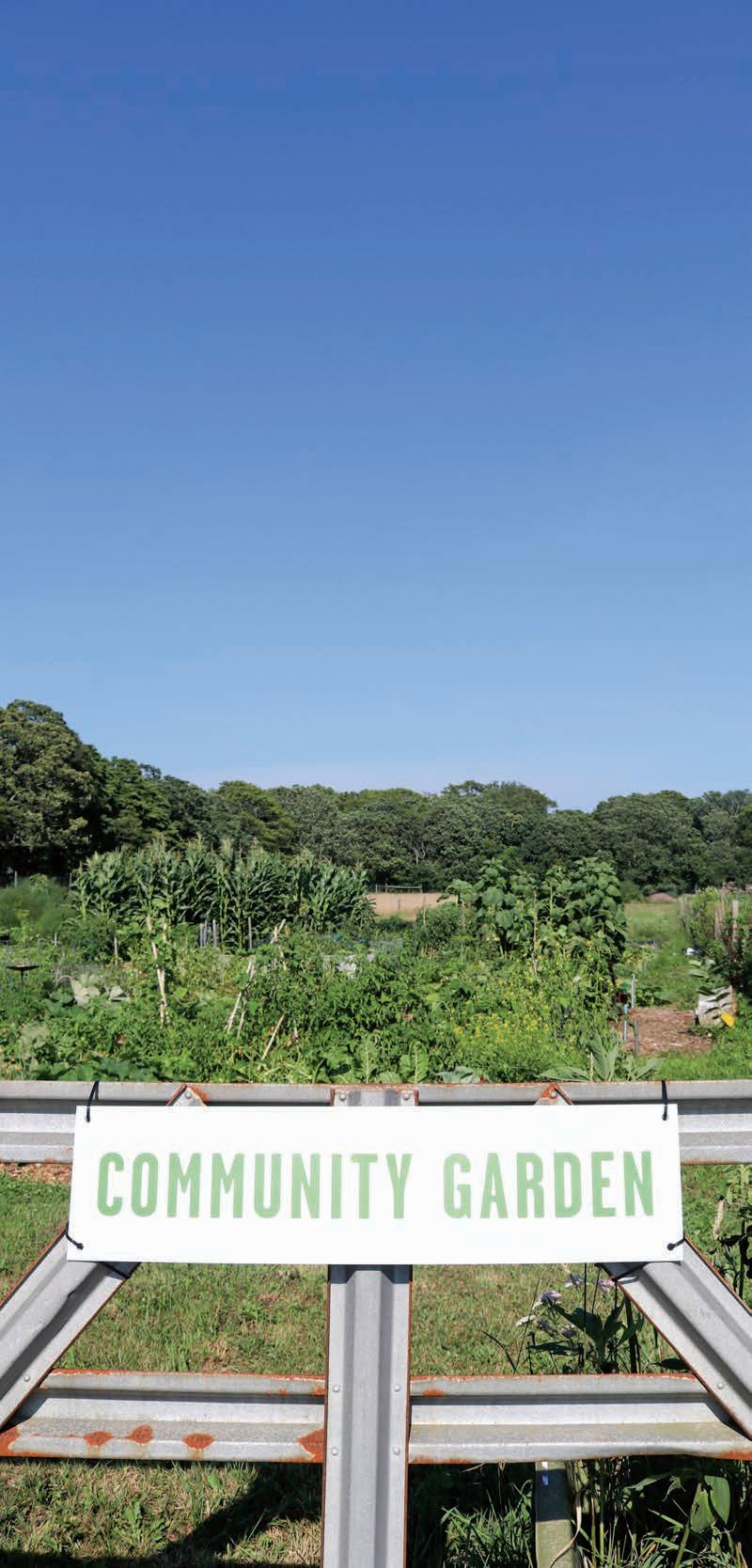
On an afternoon last July, I joined 30-plus Island community members in Island Grown Initiative’s Community Garden to begin a regenerative farm tour of the organization’s 42-acre property in Vineyard Haven. Some tour-goers showed up in scuffed Blundstones and faded blue jeans; others in Ralph Lauren’s newest Oak Bluffs-inspired clothing line. IGI staff introduced themselves and explained their roles. Noli Taylor, co-executive director, opened with a land acknowledgement: these grounds are the ancestral and contemporary home of the Wampanoag, present here for over 10,000 years. “Indigenous food ways have guided the regenerative farming movement” she said. “This traditional way of thinking about food production leads to flourishing.”
The first thing I notice when I step out into the fields is how quiet it is. I hear the chickens clucking in the nearby coop, and the low whistle of a breeze blowing the warm air through my hair. The fields are full of green, as far as the eye can see, but there’s less equipment buzzing across them, and that’s no accident. Over the last five years, IGI has shifted to a regenerative approach to farming — one that has brought the soil back to life, so that it naturally retains moisture, cycles nutrients, and suppresses weeds — reducing the need for heavy machinery. Regenerative farming seeks to work in harmony with nature — not against it. Instead of depleting resources in the ways that many modern farms still do, it strengthens soil health, supports biodiversity, and restores ecosystems. Andrew Woodruff, regenerative agriculture consultant, shows us photographs of the soil from five years ago. It appeared hard, brown, and dry. Today, holding fresh samples, we could see — and feel — a vibrant, living soil. The difference is dramatic. Andrew explains the five principles of regenerative agriculture — livestock integration, year-round root maintenance, soil covering, minimization of soil disturbance, and maximization of biodiversity. The tour, he says, would show us how IGI puts each principle into practice, offering a look at regenerative agriculture in action.
Integrate Livestock
We follow Andrew to the chicken coop. We can hear the flock clucking inside, though most stay tucked away out of sight — only one curious chicken appears at the entrance to inspect our group. Andrew explains the first principle of regenerative farming: the importance of rotating animals through different pastures. The manure the animals leave behind as they graze acts as natural fertilizer, and as livestock are moved to different areas of the farm, grazed areas get time to rest and regenerate. The result is healthier soil and more nutrient cycling.
Regenerative farming means working in harmony with nature — not against it.
Maintain Living Roots Year-Round
From the chicken coop, we make our way over to the clover crop. A low mat of white clover spreads across a plot, forming a living groundcover. I’d always thought of farming as being seasonal; I had no idea that the soil should have plants growing in it year round, even in winter. But it turns out that maintaining living roots year round, like those produced by this clover crop, keeps the soil alive and productive instead of letting it sit, which can degrade its health.
Keep Soil Covered (But Not With Plastic!)
O ur next stop is the “You Pick” fields, where IGI’s Community Supported Agriculture (CSA) participants come weekly to pick their own locally grown produce. I’ve been an avid CSA member for the past three years, and it’s a highlight of my week to come out to the fields and reconnect with where my food comes from. Here, Noli shares a vision for a plastic-free farming future. “Single-use plastics are often used on organic farms that avoid herbicides, but still generate waste through plastic,” she says, explaining that on many organic farms, single-use plastics are used as mulch to suppress weeds, conserve moisture, regulate soil temperature, and support drip irrigation — helping
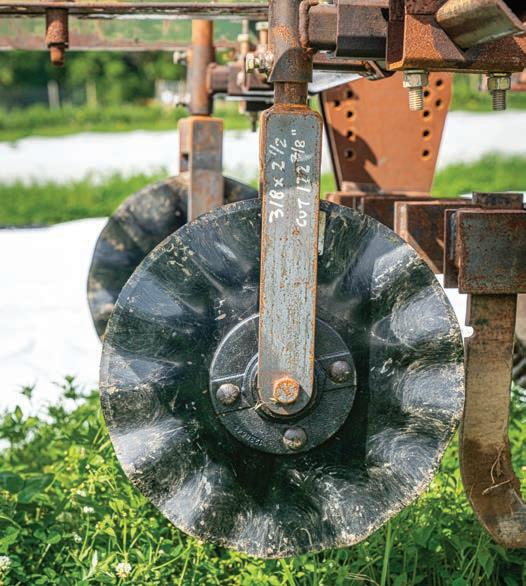
Narrow blades on a strip tiller slice planting lanes while the surrounding soil remains undisturbed.
farmers grow crops without chemical herbicides. But these single-use plastics break down into microplastics, contaminating soil and water — resources that plants and livestock share. These microplastics enter our food, and then our bodies. For this reason, Noli says, “our farmers are finding ways to reduce plastics in organic and low-till systems,” using living mulches or cover crops such as clover and rye, for example. These plants grow alongside or between crops and provide similar benefits to those offered by plastic mulch. IGI has even transplanted seedlings of several crops — including brassicas and tomatoes — directly into beds of established perennial white clover.
Minimizing Soil Disturbance
As we move on to the greenhouse, a large open-air structure I’d long wondered about during my weekly visits to the farm, Tim Connelly, the farm’s director, tells us that the farm is currently moving away from hydroponic growing (where plants are grown without soil, in nutrient-rich water) toward soil bed farming. “Hydroponics requires more plastic, energy, and labor. Soil beds don’t. They’re low on utilities, lower on labor, while also enabling year-round growing,” he says. I snap a quick photo of the last of the hydroponic lettuce. It’s an impressive, technologically advanced system, and I find myself admiring the neat rows of wooden soil beds, where I spot ripe tomatoes growing on the vine.
O ur final stop is the fields behind the greenhouse. Here, Andrew talks about reducing tillage across the farm. Farmers have long used tilling — the practice of turning or loosening soil — to prepare fields for planting. But, Andrew explains, “Tilling collapses the soil and reduces nutrients; plants suffer, systems shut down.”
In collaboration with organizations such as the American Farmland Trust, in a reduced-tillage cohort of eight farms across New England, IGI has developed ways to grow food with less soil disruption. Andrew himself invented a strip-
Soil beds and hydroponic systems in the greenhouse.
JEREMY DRIESEN
tillage machine now used by farms throughout Massachusetts. His invention uses a custom-made narrow strip tiller to enable planting into killed cover crop stands — cover crops that have been intentionally terminated to leave a protective layer of plant material on the surface, eliminating the need for additional mulch around the narrow planting strips produced by the tiller.
Unlike the wide, soil-flipping plows most of us envision when we think of farming, IGI’s strip tiller is surprisingly minimal. Mounted to the back of a small tractor, it resembles a metal bar outfitted with a few narrow blades that slice clean planting lanes through clover and cover crops. Each pass opens only four to eight inches of soil — just enough for planting — while the rest of the soil stays covered and undisturbed.
Island Grown Initiative has spent the last decade experimenting with reduced- and no- tillage systems, seeing major improvements in soil health as a result. Indeed, standing in the field on this farm tour, we could see regenerative farming in action, the efforts that go into caring for this soil rather than breaking it apart. From a distance, the strip tiller doesn’t appear to disturb the land so much as trace lines through it.
D uring our tour, Noli notes that, “peer-to-peer, farmerto-farmer learning is powering the regenerative agriculture movement.” IGI’s experiments in soil health, strip-tillage, and living mulches are already influencing farms across New England and beyond. One current example is the American
Farmland Trust’s biochar trial, a three-year, side-by-side study comparing conventional tillage methods to IGI’s clover living mulch planting system, enhanced with biochar. Researchers, students, and farmers are paying attention — the work done here has the potential to reshape farming practices nationwide.
O ur tour ends back in the Community Garden, where we gather around a picnic table full of farmgrown snacks and refreshments. I look around at smiling community members as they chat and enjoy fresh produce in the green garden under the midsummer sun.
IGI's chicken coop.
KEEPERS OF GOODNESS, Creators of Sanctuary
At Home with Jennie Slossberg, at the Garden Angels HQ.
By Britt Bowker Photos by Jeremy Driesen
“
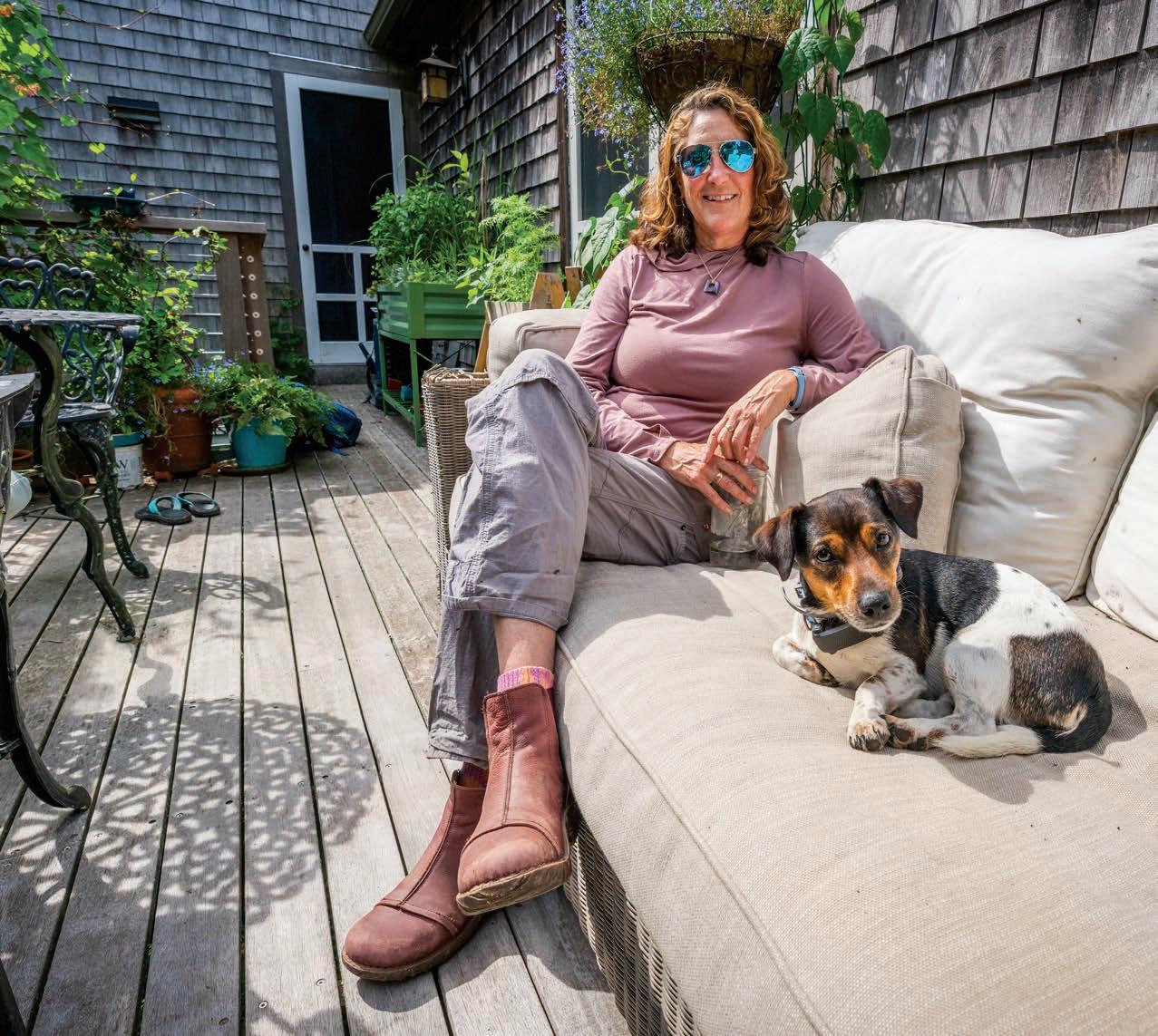
“Isn’t this the dream?” Jennie Slossberg asks me as we sit on her second-story back porch — “the perch,” as she calls it. It’s a relatively new addition to her property. Her Irish Jack Russell Terrier, Chorizo, curls up next to us on the sunsoaked couch. Birds chirp; hummingbirds buzz by; butterflies and honeybees come and go. Below us, water trickles through the koi pond.
And of course, plants are everywhere: jewelweed, salvia, jasmine, clethra,
hydrangea. Jennie points out a nightblooming jasmine that’s getting ready to flower. The little green buds will soon erupt into yellow blossoms that only open at night, for just a few evenings each year. “And it will stink like candy,” Jennie tells me. “It smells incredible.”
It’s a fitting backdrop for someone whose life revolves around cultivating outdoor beauty. Jennie is the owner of Garden Angels, the garden design and maintenance business she founded
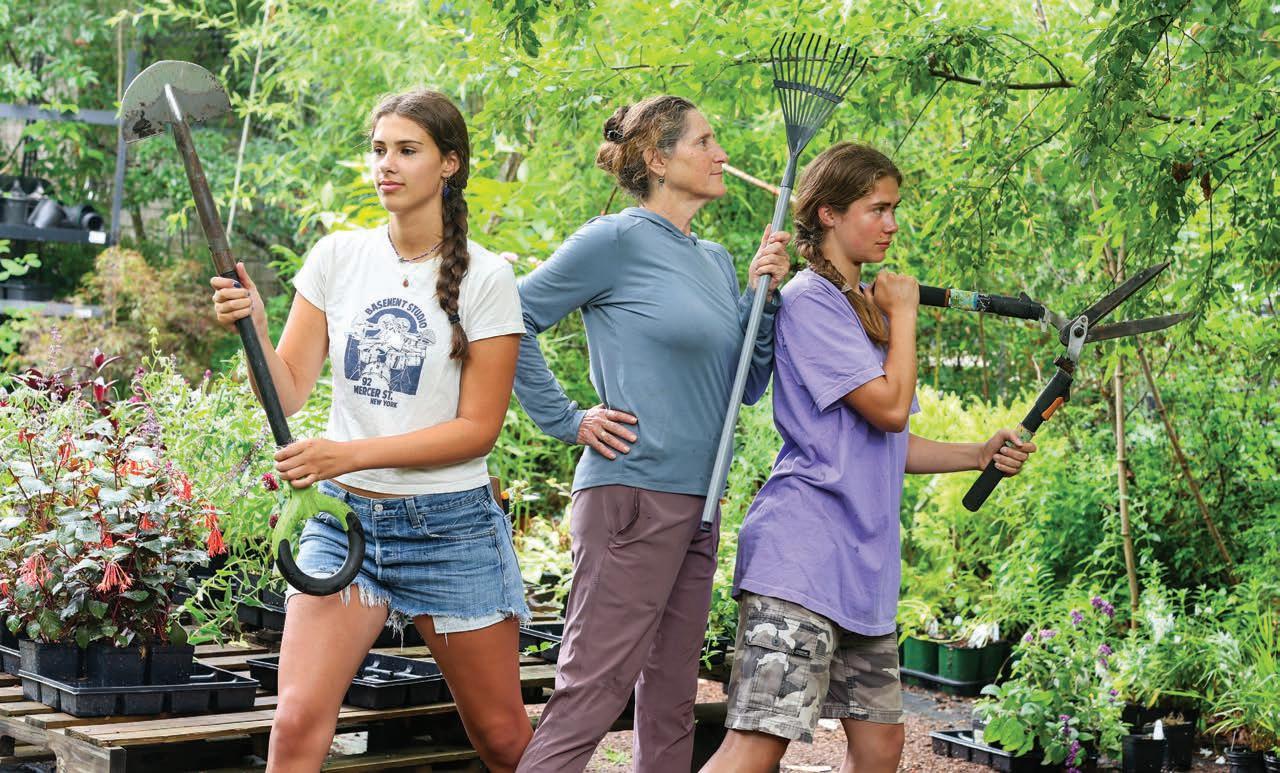
in 2000. If you’ve lived on the Island long enough, you’ve probably seen the Charlie’s Angels-inspired logo: a silhouette of three women brandishing garden tools instead of weapons.
“We’re a bunch of angels doing our thing,” Jennie says, reflecting on the origin of the moniker. “And also, one of the girls actually had a Charlie’s Angels shirt. We took it, modified it, traced it, and put tools in their hands.”
The name is also something of
DAVID MEANIX, COURTESY OF JENNIE SLOSSBERG
The Garden Angels logo, with real angels, including Jennie Slossberg (center), Freya Stearns (left) and Emmanuelle Woodford (right).
“I used to say, ‘Our angels bring beauty to your property.’ But now I’m really more interested in having people ask us to plant with purpose — intentionally to nurture the nature.”
a metaphor for what the business represents. Not only do Jennie and her team create beautiful, bountiful gardens that benefit the land and community, but also, they cultivate a healthy way of living, one rooted in physical work, creativity, and time spent outside.
“I’ve met a lot of people who have come to work for me, and it’s been good for them — mentally and physically,” Jennie says.
That’s part of what drove her to start Garden Angels 26 years ago.
“Gardening came after having all the jobs you can have on Martha’s Vineyard,” Jennie says. “I actually noticed the garden girls would come in when I was waiting
tables, and they were tan and fit and healthy. If it was raining, they would take lunch and get out of the rain. I was like, ‘Look at that lifestyle. This is an opportunity.’”
So she sought out gardening jobs, worked for some high-end companies, and eventually started her own business after a few summers. Her “true mentor,” she says, was Elizabeth Luce, who used to run Middletown Nursery. Jennie now manages a team of four to twelve people, depending on the month. “We slowly gain momentum as the gardens wake up,” Jennie says. The season starts in April; things slow down by August. She’s currently working with about 50 clients
with varying needs of service.
Everyone clocks in and out at Jennie’s house, which the team calls “headquarters.” A small sign on a fence at the entrance that reads “Fort Angel” was a surprise gift from a friend. The property itself is a template for the work Jennie does for her clients, weaving together colors, fragrances, and textures while focusing on native plants that create habitat for animals and insects.
“I’m always making habitat, as a habit, for birds, butterflies, frogs — everything,” Jennie says.
While Garden Angels didn’t begin as a native planting business, it has evolved into one as people have become aware of the ecological benefits of planting native species. “I’ve had a lot more people ask for that, and I love that people are open to those suggestions,” Jennie says. “I used to say, ‘Our angels bring beauty to your property.’ But now I’m really more interested in having people ask us to plant with purpose — intentionally to nurture the nature.” Some clients come
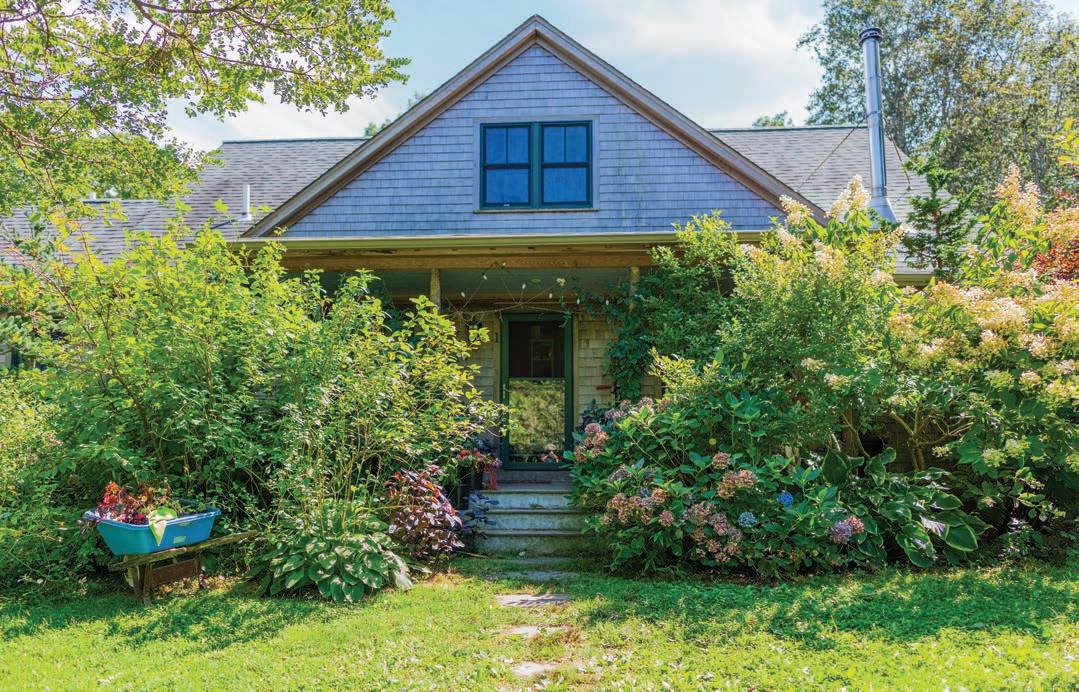
Red and yellow twig dogwood shrubs to the left of the porch; hydrangeas on the right.
Much of her design inspiration comes from simply being outside and paying attention. “Just sitting still and smelling things, seeing things, hearing things. Noticing when there’s a certain bird or interesting insect and wanting to recreate that for people.”
to Garden Angels through referrals from BiodiversityWorks’ Natural Neighbors program, which assesses properties, identifies what’s native and what’s not, and offers recommendations to support biodiverse ecosystems.
Recent Garden Angels projects include a large wildflower meadow on the Wequobsque Cliffs in Chilmark and gardens in Mink Meadows, at North Abel’s Hill, on Pan Handle Road, and on Prospect Hill.
“These sites were all new installations in 2025, incorporating native plantings for low maintenance and beneficial habitats,” Jennie says. “Each had their own challenge as far as wind direction,
soil, shade or sun, clay or sandy — all those play into the choices of the plants and what will succeed. And there’s always reorganizing. The garden is a living thing, so you can never expect in one season that every single area will be successful.”
Much of her design inspiration comes from simply being outside and paying attention.
“When you’re deep in the woods and you find ferns, and you’re like, Oh, I love the smell of this. Just sitting still and smelling things, seeing things, hearing things. Noticing when there’s a certain bird or interesting insect and wanting to recreate that for people.”
And it helps that Jennie studied art
and ceramics in college.
“I’m so grateful for my art background,” she says. “It really does play into my style and my approach. I consider what I do sculpture — I call it ‘floral sculptural.’ I love to do things as big as an entire property and as small as a container.”
She builds spaces with a throughline.
“You learn in art school to lead an eye through an image — to lead with color, to add texture, to add contrast and movement. There’s a kinetic piece, there’s a textural piece, there’s a fragrance.”
Walking the grounds at “headquarters” feels like moving through that philosophy in real time. Jennie points out clethra,
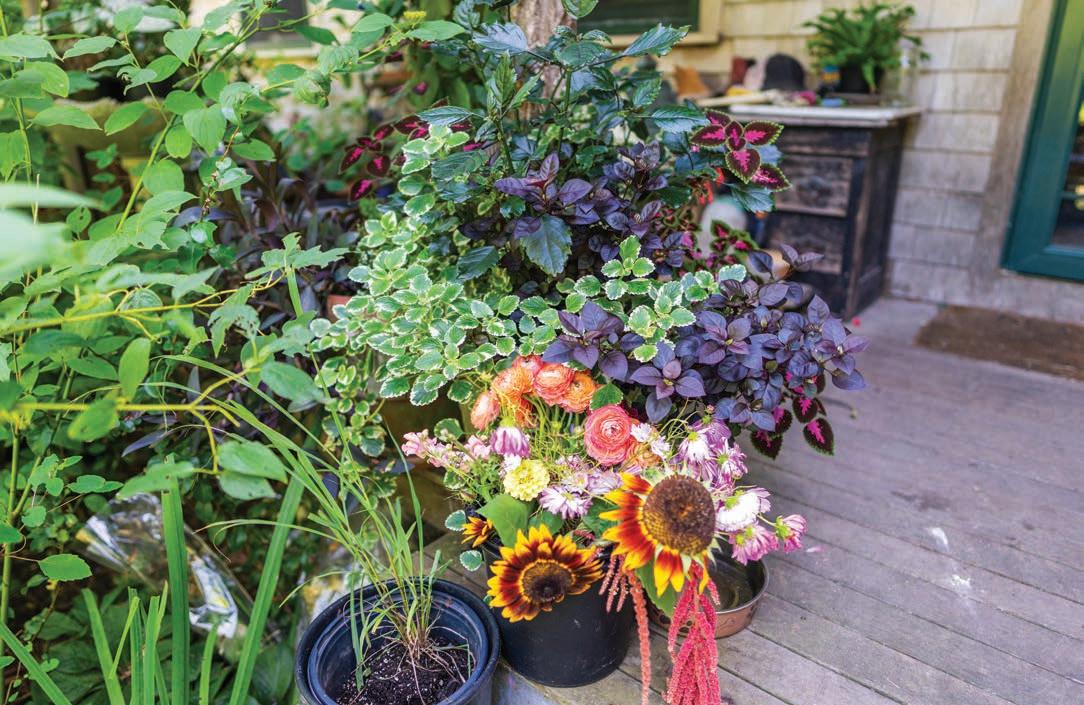
Potted plants on the front porch alongside a bucket of freshly cut flowers.
a native shrub she frequently and consistently incorporates into her designs. “Our woods are full of the straight species, which get really tall and run laterally and smell magnificent in August, then turn gold in autumn. Now [plant nurseries] are creating short dwarf ones and medium-sized pink ones.”
Buttonbush is another favorite. “I’ve been listening to the Garden Lady on CAI, and she’s suggested a few things. It has a little fluffy white ball as the flower. I planted a few of those this summer.”
She’s also planting persimmons. “I’m trying to plant trees and shrubs that are always edible for the birds,” she says.
Other favorites include swamp azalea, a fragrant July-blooming shrub; beautyberry, with its vibrant purple fall berries; witch hazel; and dogwoods — both red- and yellow-twig varieties for winter interest. Near her front porch, she planted several dogwood varieties, along with evergreen junipers (with their abundant winter berries) and summer hanging baskets filled with fuschia flowers. Between the berries and the colors (hummingbirds love red), her porch draws birds to it in every season.
At the corner of one back garden bed stands a Coral Bark Japanese Maple. “In autumn, the foliage illuminates with golden glow, contrasting the bright red stems. As the leaves fall, the bark turns
a bright red. In the spring, the leaves emerge a vibrant seaglass green. So it looks interesting all autumn, all winter, all spring, and in the summer, while everything else is flowering, it’s just quietly waiting to be appreciated.”
“I love really funky evergreens and twisty bark,” Jennie adds. “I have contorted hazel over there that was burgundy for most of the year. When the leaves fall, the branches are actually curvy. It’s nice to have things that are structural and sculptural within the garden.”
For Jennie, the balance between beauty and function, ornament and ecology, is essential, especially on an Island she loves.
“I think it’s important, for people who fall in love with the Island and end up owning a home, that they preserve why they fell in love with it,” she says. “The beauty and the natural untouchedness of it is unfortunately sometimes forgotten when people are landscaping. There are opportunities to have decorative things. I love to put annuals in and put in funky, interesting trees and evergreens and shrubs, but ornamental things can be a portion of it without sacrificing habitat.”
When Jennie meets a client, she starts with a few questions: Where do you sit in the morning? Where’s your kitchen sink? Where do you tend to have dinner? “If you’re on the phone, where
do you end up staring?”
She wants to solve problems, like planting for privacy or shade, but she also wants people to really live on their properties, and to notice which spaces are asking for attention.
Some of her commercial clients have included Atria, the Harbor View Hotel, and the Kelley House. Jennie loves those projects because they’re experienced year-round.
“It’s nice to get the opportunity to do things for the public. I know those gardens are part of lots of milestones in people’s lives and wonderful Vineyard nights and events all summer,” Jennie says. “It just means a lot to know that people are taking pictures in front of the lilies.”
As we continue wandering her property, past tucked-away paths and practical workspaces, Jennie gestures toward the outdoor shower. “There may or may not be a chicken in there.”
There is.
“Jolene, do you mind if we come in?”
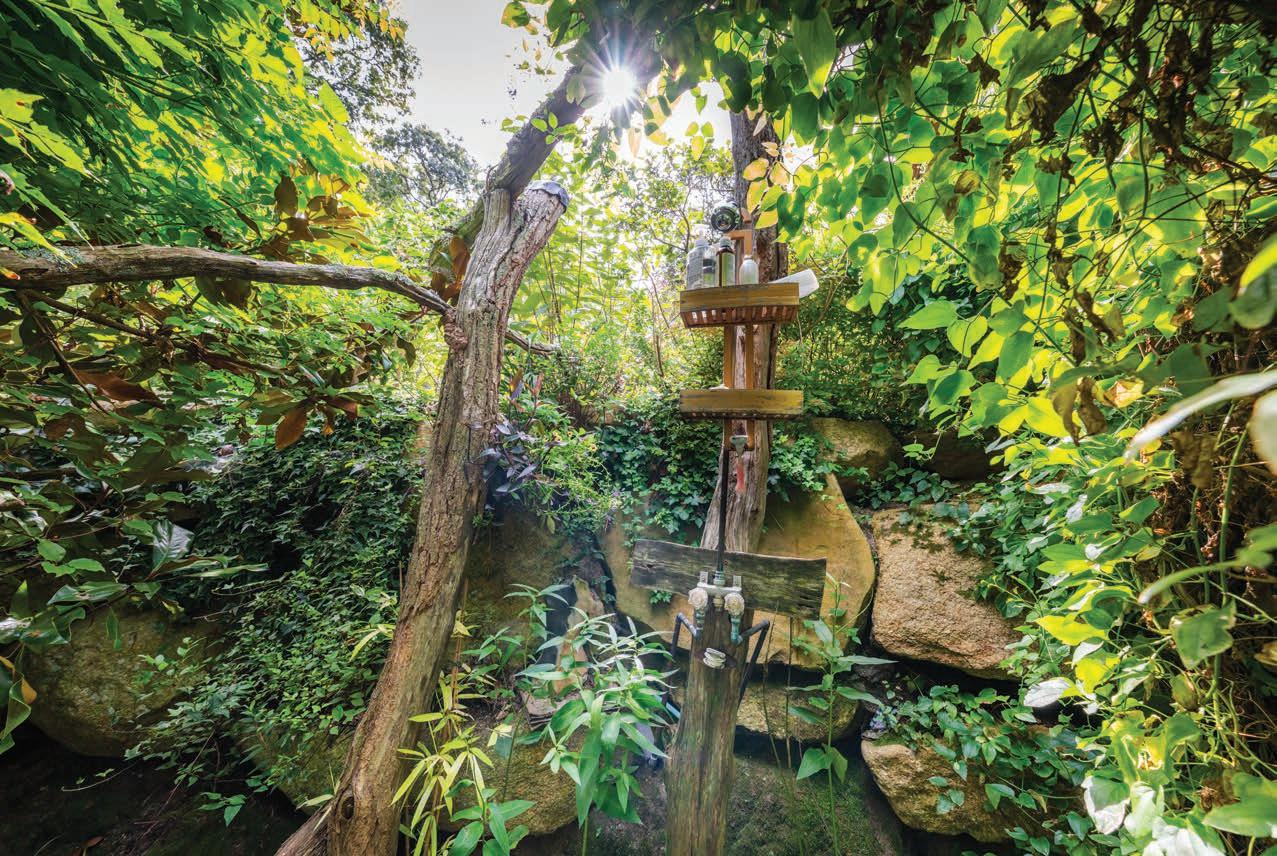
Jolene scurries away, but I don’t blame her for occupying this corner of the property. The shower is a botanical experience, with green canopies overhead, jasmine and yellow trumpet vine climbing nearby, and plumbing that emerges straight from a stone wall. “During the day there are hummingbirds overhead,” Jennie says.
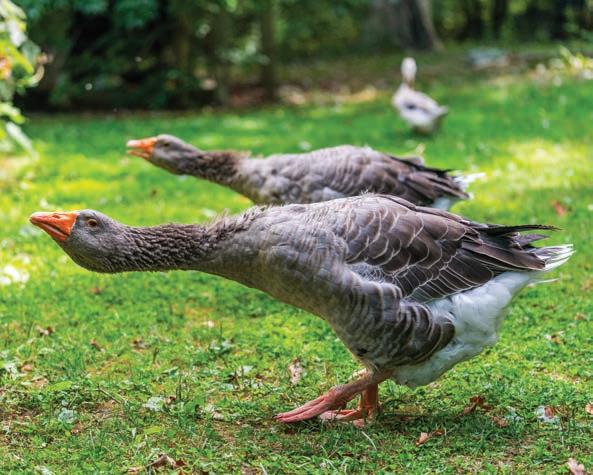
Dali and Dante.
“And I keep it cut back a little because I like to look at the stars at night.”
We make our way back toward the property’s nursery, where trucks come and go and staff members pick up materials. Keeping her team safe throughout the season is one of Jennie’s highest priorities. Summers are hot and dry, and, like plants, people need to be protected from the elements.
“Whether it’s windy, there’s a hurricane, there’s drought, we have to take care of ourselves when it comes to weather,” Jennie says. “I made a bunch of SPF shirts with our logo. I want to help people be safe. Take a break, go swimming, come back at four. I joke: I say, I know we have jobs and responsibilities — but it’s just flowers.”
Jennie’s careful about who she takes
on as clients, who she hires, and how she and her staff spend their energy. “It’s very important,” she says. “We’re trying to be keepers of goodness, providers of sanctuary. I want to work with people who get it.”
In a job where the line between work and private life is often blurred, Jennie is grateful for her team. “I have such good, like-minded, energetic people that work with me, and I become friends with them for life,” she says. “I’ve had such great experiences with people that love what they do. It’s just part of our brand. The people that work here are really personable, and that’s great.”
Even with such a supportive crew, Jennie admits that she rarely takes time off. Recently, a friend asked her what
her perfect summer day off would look like. At first, she thought maybe a day on Cuttyhunk. Then she reconsidered.
“Actually, what I always want is to just sit still at home,” she says. “I wake up and always leave. On the weekends I’m here, but I’m billing and preparing and watering and hanging out with my son.” It would be great, she says, “to really sit still — to be an observer.”
She walks me past monarchs hatching, introduces me to her French Toulouse geese (Dali and Dante), and points out cherry tomatoes, figs, and a birch tree she planted specifically for luna moths. Everything has a place. Everything is intentional.
And for Jennie — and anyone there to witness it with her — it’s all kind of a wonder.
The outdoor shower is a botanical experience.
Hydrangeas on a Hotter Vineyard
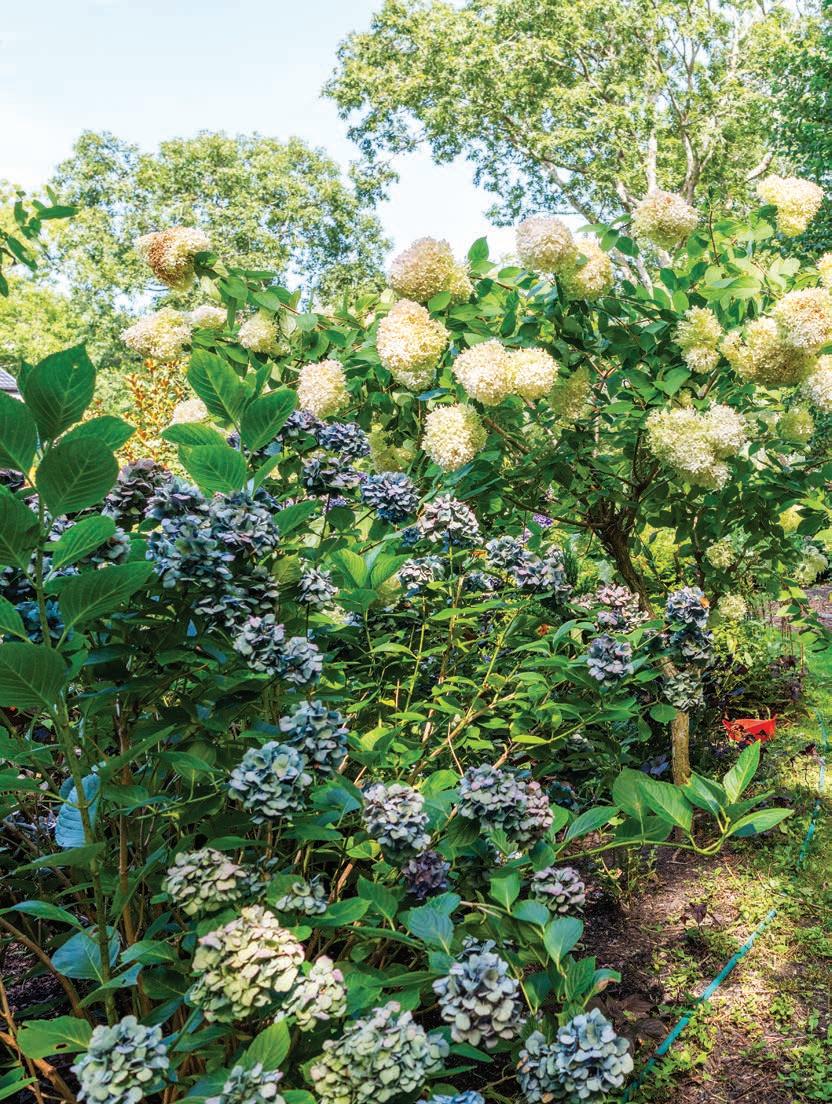
Who doesn’t love dark blue, antiquey, mophead hydrangeas, or the white varieties that fade to pink and green? Though not native to the Vineyard (they originate in China, Japan, and Korea), they’re also not invasive. But as summers grow hotter and drier, these classic shrubs are having a harder time.
Jennie has one client who loves filling her house with vases of hydrangeas all summer, but the flowers have to be ordered in. “Which seems insane, because I have a huge cutting garden on the property,” she says. The problem is sun. Mophead hydrangeas prefer part shade — ideally, morning sun and afternoon shade. In full sun, they can become stressed and lackluster.
“We’re actually going to build a structure for shade so that we can have hydrangeas, and we don’t have to order them when we’re capable of growing them. They’re just getting too much sun and aren’t particularly pretty or healthy looking,” she says.
Around her own front porch, Jennie relies on a different variety: Hydrangea paniculata. More drought-tolerant and pollinator-friendly, these towering pink blooms are low-maintenance and longlasting. Jennie calls them “bee central,” and adds that they’re “very cute, and pretty, and smell good.”
Gardeners looking for climateresilient options might also consider hydrangeas native to the eastern United States, including smooth hydrangea (Hydrangea arborescens) and oakleaf hydrangea (Hydrangea quercifolia), both better adapted to local conditions.
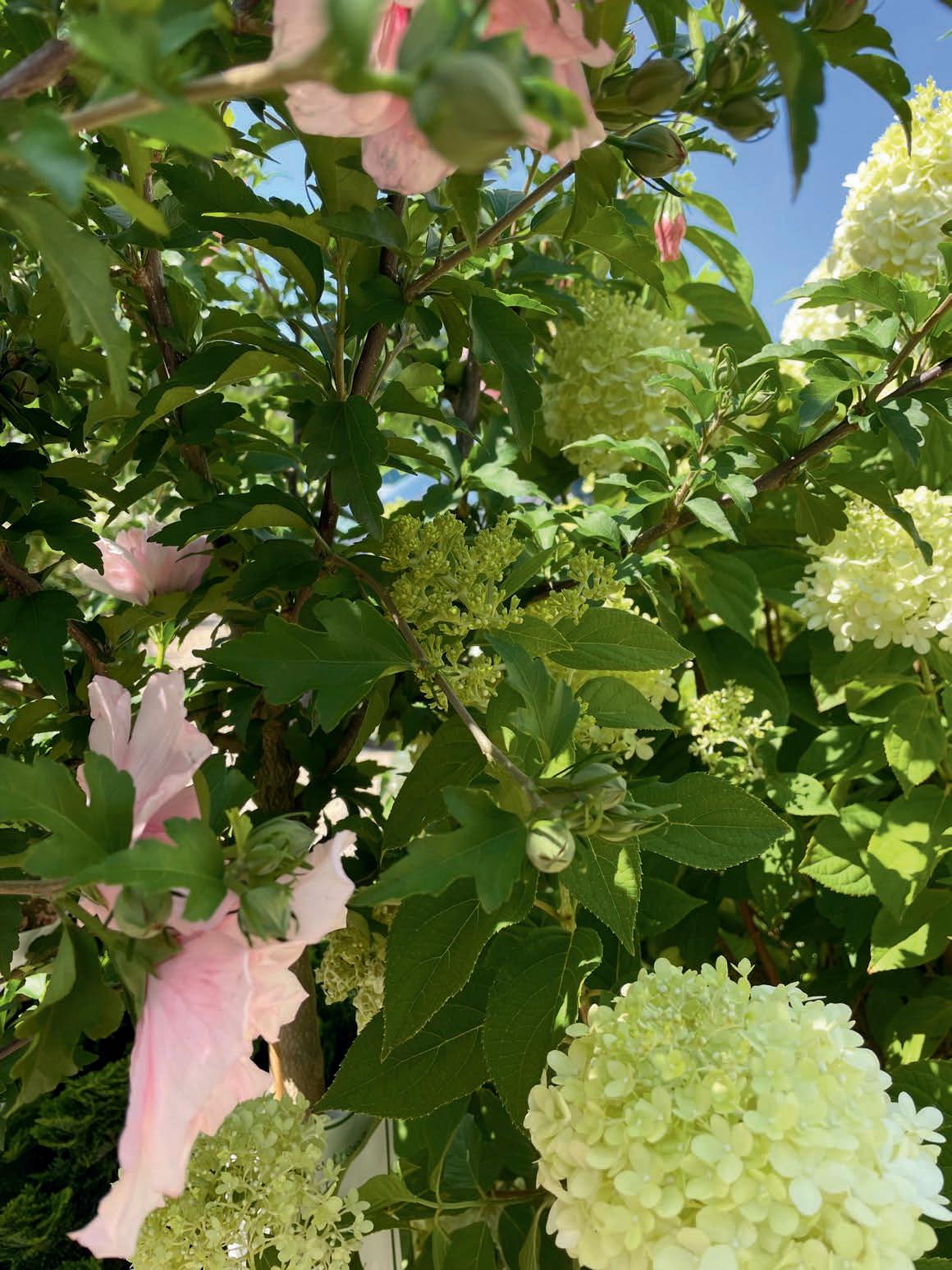
The taller white hydrangea is a standard (tree form) Hydrangea paniculata limelight, paired with Hydrangea enziandom.
Jennie’s Garden Toolkit
• The Garden Revolution by Larry Weaner: A foundational book that helped Jennie learn how to design and maintain wildflower meadows, with a strong emphasis on site evaluation and matching plants to soil, moisture, and light conditions.
• The Garden Lady (WCAI Radio): A source of practical, regionally specific advice on what to plant, hosted by plant expert C.L. Fornari.
• Polly Hill Arboretum Plant Finder: A go-to search tool for native and climate-appropriate plantings.
• Vineyard Gardens: Jennie’s primary on-Island source for native plants.
• The Plant Group (Connecticut): A trusted off-Island nursery for specialty plants not available locally.
• eBird Mobile: Used to track bird species and better understand how plantings support habitat.hab
THE SEASONS COOKING WITH
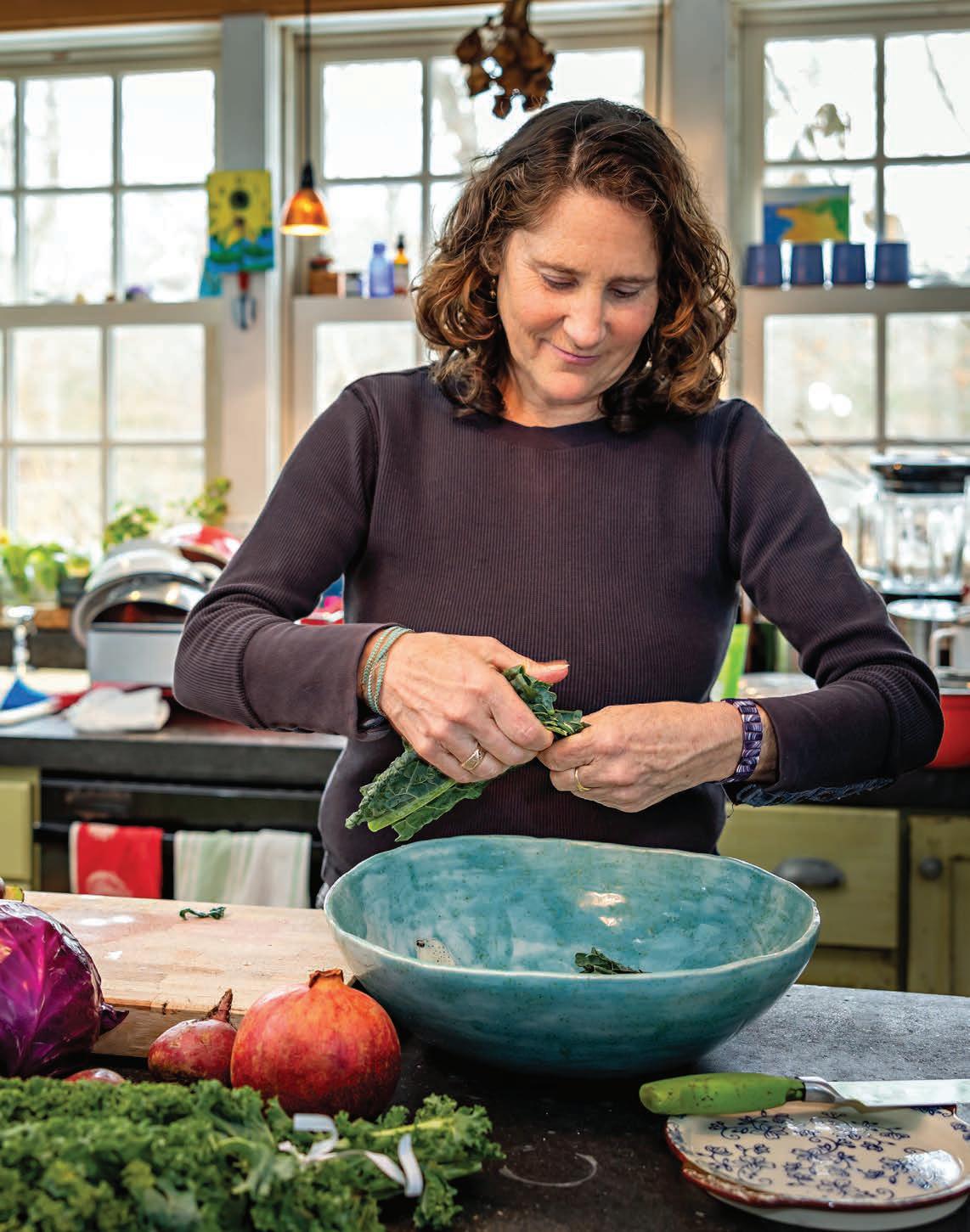
Jennie in the kitchen.
Recipes by Jennie Slossberg
Photos by Randi Baird
When it comes to cooking, Jennie builds meals around seasonal ingredients and the Island’s farm stands. “I try my best to rely mainly on our local farm stands for much of my ingredients,” she says. “I consider myself very lucky to live up-Island in proximity to several incredible farms I can
stop at while driving to or from my house daily.”
Because her workdays can run late, she often picks up ingredients while she’s out grabbing lunch. “Since I often work until Cronig’s is closed, I strategize grabbing what I need when I can.”
Some of her go-to stops include Mermaid Farm for dairy
and produce; North Tabor Farm for vegetables, prepared foods, and treats; Ghost Island Farm for CSA vegetables, bread, and pastries; and Morning Glory Farm for produce, baked goods, pies, soups, and its salad bar.
Below are a few of Jennie’s favorite “riffable” dishes — simple meals that change with whatever is fresh and available.
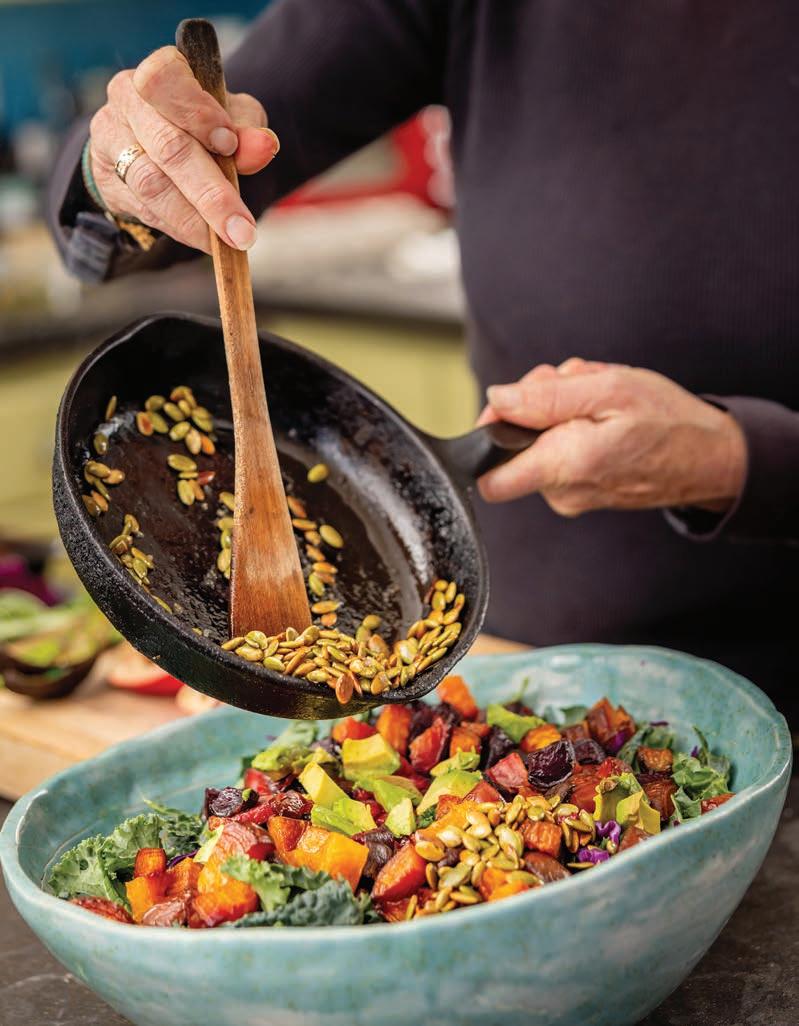
KALE SALAD WITH ROASTED VEGGIES
A hearty salad that holds up well for leftovers.
START WITH Kale
ADD
Thinly sliced purple cabbage
Carrots
Roasted beets
Toasted pepitas or pumpkin seeds
Hemp hearts
Candied nuts
Pomegranate seeds
CHEESE
Mermaid Farm feta or goat cheese
DRESSING
Lime juice
Maple syrup
Amino acids — Jennie uses Bragg Liquid Aminos, an all-purpose seasoning from soy protein.
SEASONAL SKILLET FRITTATA
Jennie loves making a frittata for brunch, especially for book club. She starts with fresh eggs from her ducks and chickens. “My version is always vegetarian and gluten free,” she says.
BASE FRESH EGGS
ADD
Whatever vegetables are in season
Red pepper
Baby spinach
Whole milk (or dairy alternative)
Salt
Pepper
Fresh Thyme
Topped with goat cheese
Cook everything in a cast iron skillet. Jennie recently switched to an induction stove and was happy to discover her cast iron pans still work perfectly. “Win win!”
Me and Secondhand: Treasure After Treasure After Treasure
I love it all: hand-me-downs to high fashion.
By Nancy Slonim Aronie Illustration by Kate Feiffer
Bargain Blitz, Thriftastic, Eco Thrift, The Upcycle Shop, Treasure Hunt, Hidden Gems, Retro Revival, Vintage Vault, Flashback Finds, The Cozy Closet, Preowned Paradise — these are all names of my favorite places to shop.
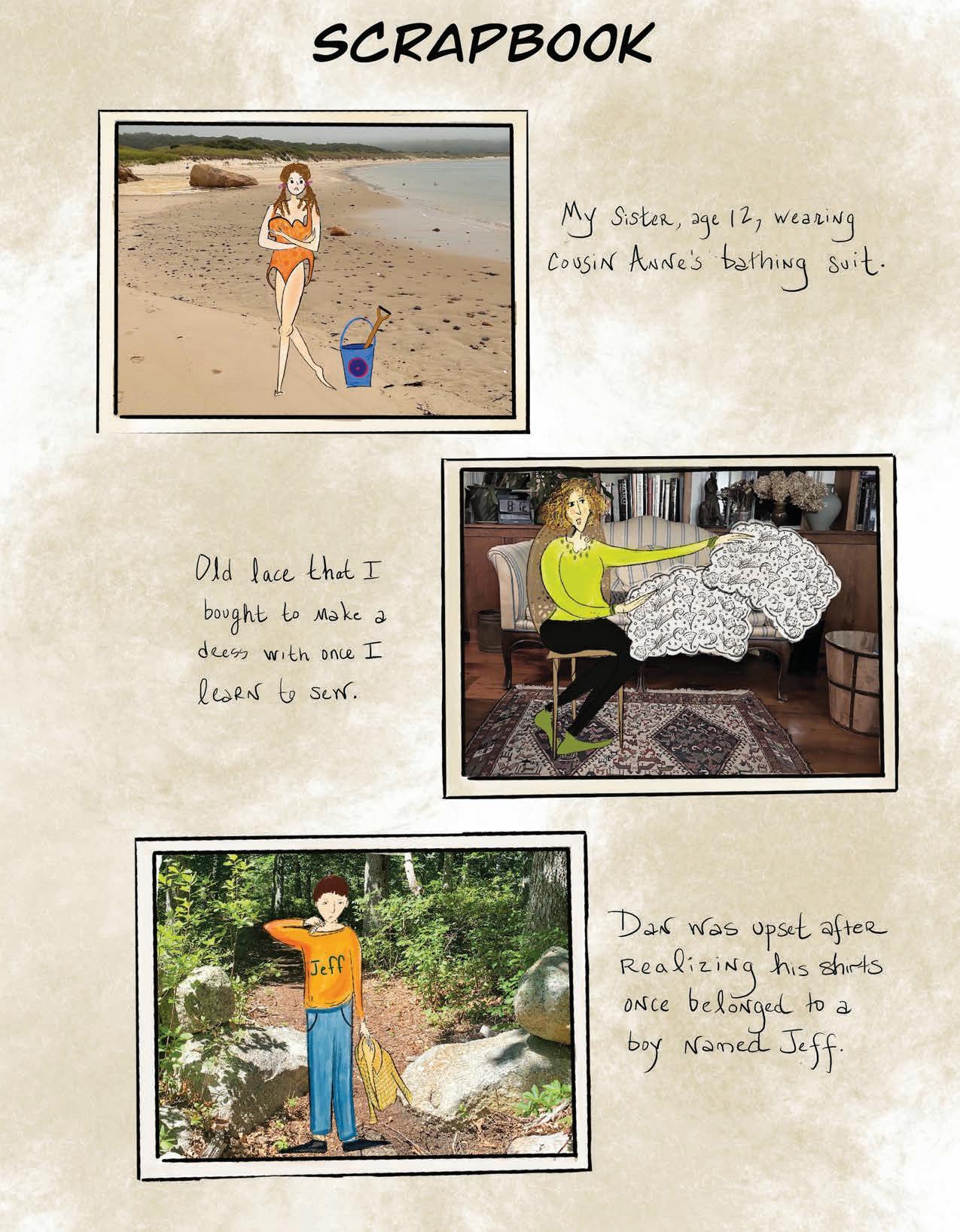
If there were neighborhood secondhand shops when I was growing up, my mother didn't know about them. But she knew all about hand-me-downs. I remember my sister bitterly complaining that she had to wear our cousin Anne's stretchedout Catalina bathing suits. My sister was 12. Anne was 23. My poor sister had nothing to put into the two puffed-out boob containers, and for two summers it seemed all she did was wait for a growth spurt and some cleavage. If you saw her at the beach, she always had her arms firmly placed across her anticipating chest, which made her sweaty and, I might add, made swimming difficult.
I used to collect old lace. I went from tag sale to tag sale, thrift shop to thrift shop, and filled an entire trunk with beautiful antique lace. I had a fantasy that I was going to open a hat shop. Women would fly in from all over the world to visit my elegant boutique, which would have peach velvet curtains in the dressing rooms. I was going to serve ginger tea and Lorna Doones, and the husbands would sit in burgundy Vladimir Kagan barrel lounge chairs, happy to pay exorbitant amounts of money for the privilege of buying their women designer chapeaux adorned with my lace.
I have no idea why I thought I might do this. I can't sew a stitch, I don't know any French, and I don't even wear hats. It must have been the cookies and tea that appealed to me, or maybe it was the notion that this was as close to a brothel as I could come and still keep my reputation (which my mother always said was my only currency).
I never did anything with the lace, but I continued perusing thrift shops and finding bargains that I couldn't resist. I bought items like single wine glasses. (I don’t care if things don't match. In fact, I prefer things not matching). If you don't have a grandmother who left you her Spode in her will, thrift shops are the next best thing. I have a (yes, just one) Lenox dinner plate and a single Wedgewood soup bowl with a chip (who cares — it's Wedgewood!), and once I found a Royal Copenhagen porcelain blue, fluted, full lace pickle dish that I snapped up in a New York minute. A dish like that could get you to start eating pickles.
When my kids were little and grew out of their clothes before I even got the stuff home from the store, I started buying most of their outfits from a place in West Hartford called Second Hand Rose. Most of these clothes were designer
finds with labels from Saks Fifth Avenue, Bloomingdale’s, and Neiman Marcus. Everything went smoothly until 7-year-old Dan came home from school one day bellowing, “My name isn't Jeff!!” Apparently — well not apparently, actually — I had bought a beautiful, like-new T-shirt and failed to notice that there was a very large, block printed name on the back. So my kids gave me my marching orders: new, or nude.
I have to admit, I never thought of the recycling, environment-saving aspect of buying used until the energy czar (my husband) told me that globally, 92 million tons of clothing and textiles end up in landfills annually. ANNUALLY!
So actually, I was doing my part without realizing what a good citizen I was. Now that I know, I have an incentive to shop even more. We are blessed here on the Vineyard, because we have the world’s best thrift shops. I can almost swear (on a used bible) to that.
Years ago, we bought 17 magnificent, non-matching but totally comfortable chairs at Chicken Alley in Vineyard Haven, for Thanksgiving when we had 27 people coming. I’ve always gotten (and still get) candles and glasses and plates there, and they're all gorgeous and perfect.
Remember Sundog, the fancy clothing store in Edgartown? A year or so ago, Act Two, the secondhand shop on Main Street in Vineyard Haven, had new linen suits, sports jackets, cashmere sweaters, and button-down Oxford shirts from there! They carry everything from really cool furniture to really nice dresses at really affordable prices.
And then there’s Second Treasures on Uncas Avenue in Oak Bluffs — a first-rate treasure unto itself. It has everything you could want: tchotchkes, trinkets, bric-a-brac, vases, frames, and furniture. It's probably where the phrase “one man’s trash is another man’s treasure” comes from. Only there’s no trash there — just treasure after treasure after treasure.
Sometimes you don’t even have to pay for previously owned treats. Free and excellent everything can be found at the West Tisbury Dump’s Dumptique. I continue to be amazed at what people discard. Joel came home from the Dumptique one day with four incredibly comfy, light-weight beach chairs that we use all the time.
Of course, this habit of buying just because it’s a deal, or taking because it’s free (so how can you not?) has become a bit of a liability. I have a small house. Next thing you know, you might see a sign at the end of my driveway: “Nancy’s Cozy, Cleaned-out Closet for the Discriminating Chilmark Shopper.”
Details to follow.
A Day of Island Thrifting
One of Bluedot’s “Secondhand Sisters” takes a tour of some Martha’s Vineyard shops.
By
Char Kelly Photos by Jeremy Driesen
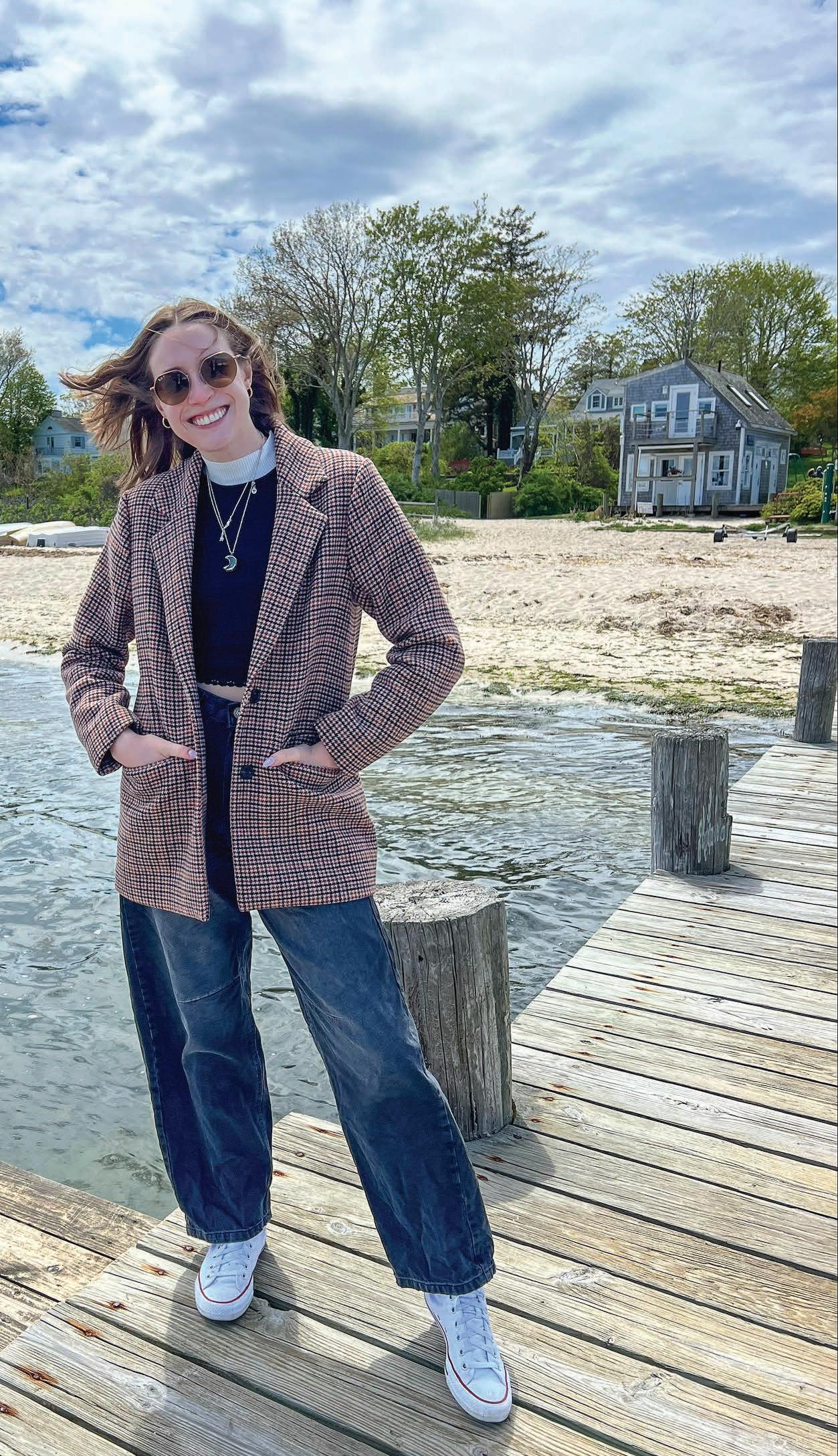
Ihave long been a connoisseur of secondhand clothes. Be it a statement piece or a basic, thrifting has become a big part of my shopping habits, especially after majoring in Fashion Design at Toronto Metropolitan University, where I learned more about the harmful impacts of fast fashion. I spend a lot of time watching and reading fashion content, styling outfits, making clothes, and window shopping, so when I set out thrifting, I am on a mission. Join me on a day of thrifting on Martha’s Vineyard!
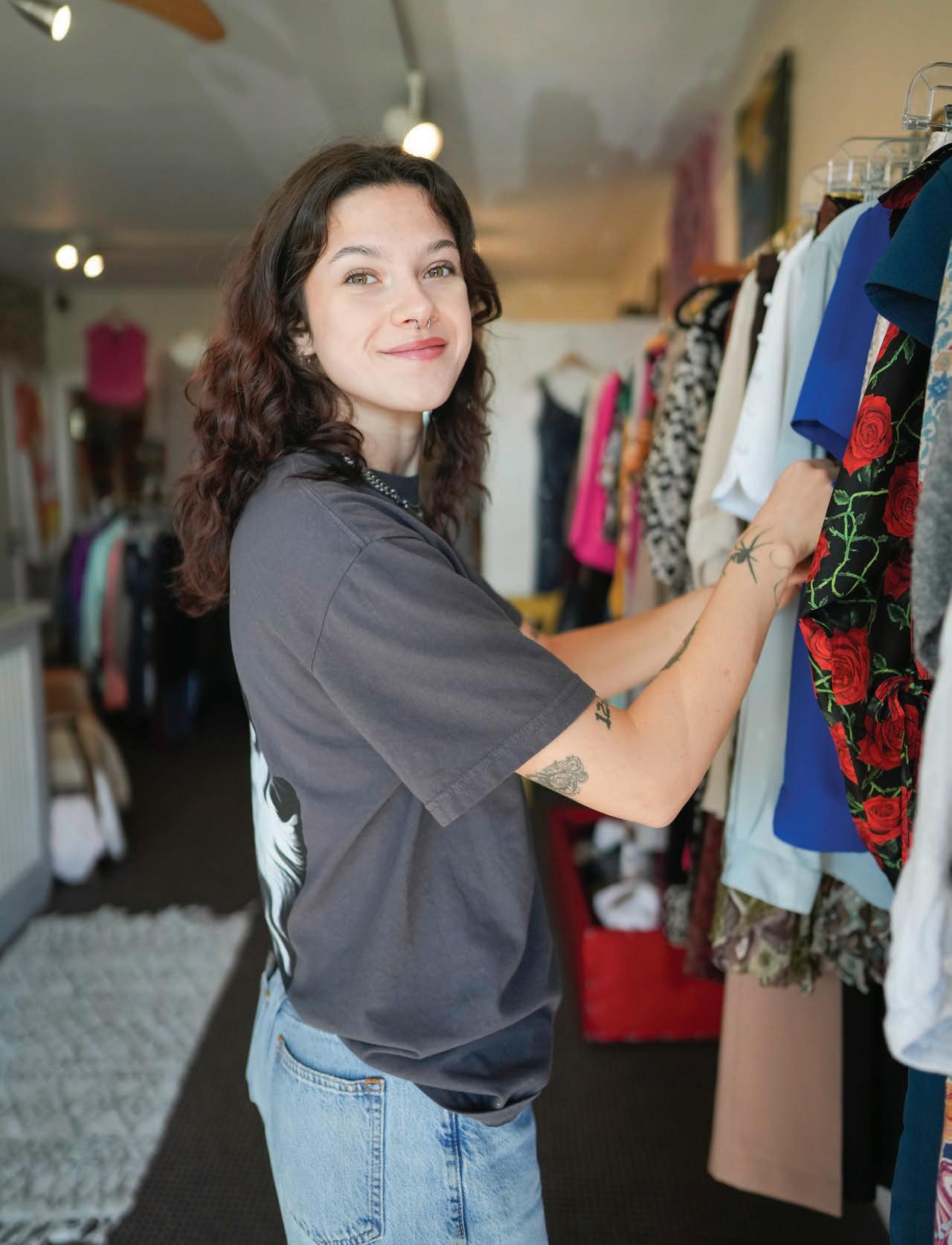
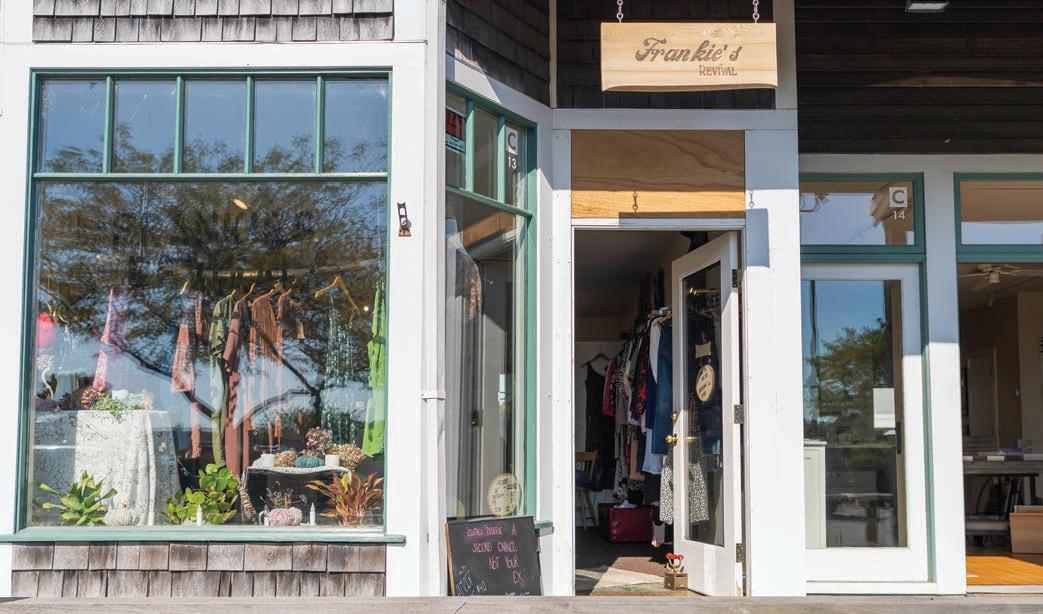
I began my day of thrifting at Frankie’s Revival , which took over the storefront that was formerly Martha’s Closet, another secondhand clothing store. I had good luck thrifting at Martha’s Closet, and was devastated when I found out that it had closed a couple years prior — so Frankie’s Revival had to prove to me they were a worthy replacement to my beloved store. Frankie’s Revival has since moved to 27 Circuit Ave., Oak Bluffs.
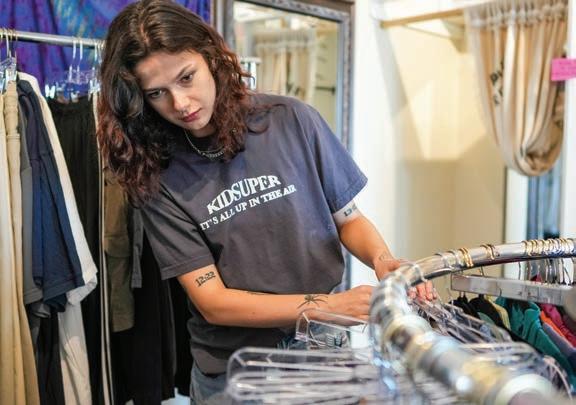
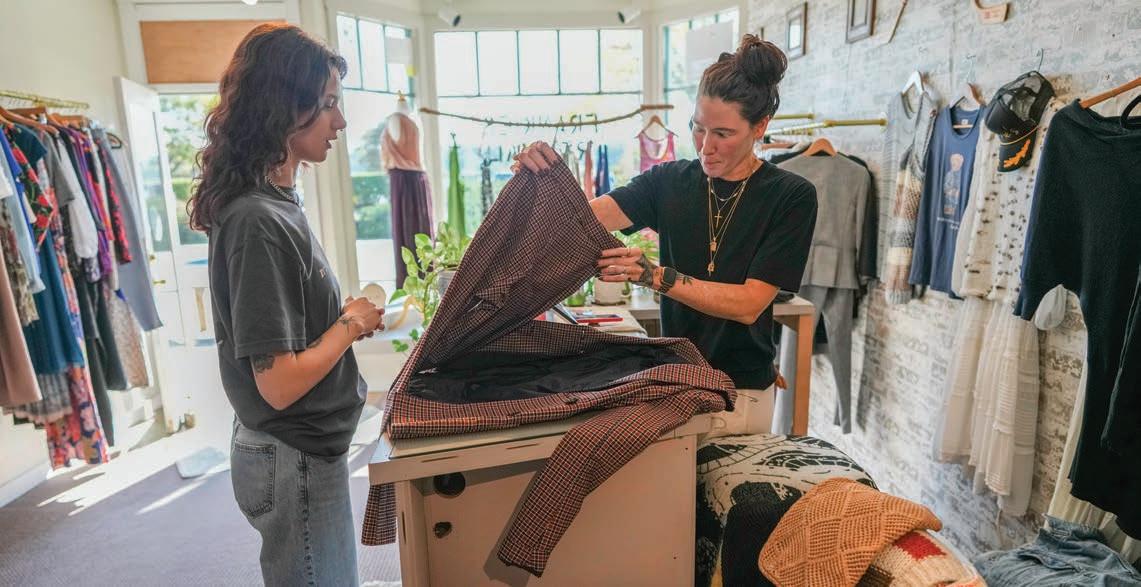
Frankie’s Revival housed an expansive — yet curated — collection of clothes, from jeans, to sweaters, to dresses, and even some upcycled pieces. It wasn’t a large space — but it doesn’t feel chaotic or cramped like I find some secondhand stores can be. The shop was well organized, so I didn’t feel overwhelmed, and it was apparent that the owner, Jenn Coito, put care into deciding each piece she carried.
I found a two-piece blazer and pants set. The only issue? They were size XS, which is fine for my top half, but not so suitable for the bottom half of me. Thankfully, I know how to upcycle and alter. I planned to keep the blazer as-is, but change the pants into a skirt. Talking to Jenn was a pleasure. We bonded over our stories about cutting up secondhand clothes and trying to make them into something new when we were kids, stealing our sisters’ clothes, and our love of fashion and style.
Frankie’s Revival has my stamp of approval. It has a lovely, relaxed atmosphere, cute clothes, and I got to snatch up a cute set for my next upcycling project! I will most definitely be returning, and am excited to see what new finds Frankie’s Revival has. You can follow the store on Instagram @frankies.revival.
Part of shopping with the planet in mind means buying less — even if it’s secondhand.
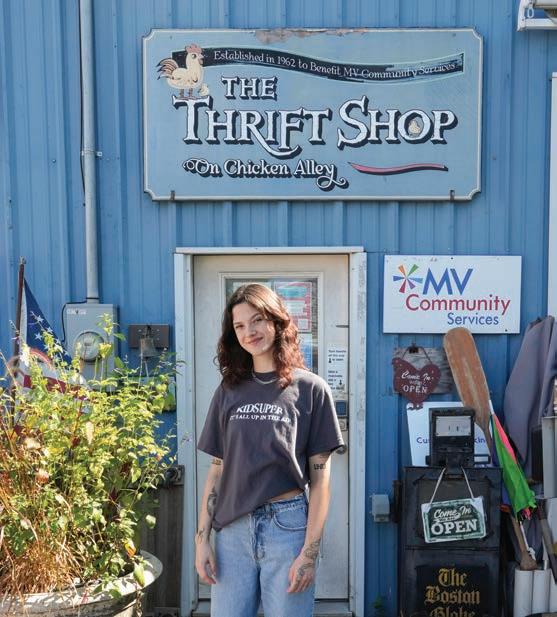
Next stop: Chicken Alley! The Thrift Shop On Chicken Alley is a longtime favorite of mine and my family (it even furnished a lot of my family’s house — see the story on page 37). To shop here, be ready for a treasure hunt. There is anything and everything you could think of here — like a Goodwill, but better. I try my best to look through as many racks as I can at Chicken Alley, but I tend to gravitate toward women’s dresses and pants, men’s jackets and pants, and the home decor.
I have found some gems in my years visiting Chicken Alley, my favorite being camouflage cargo pants that quickly became part of my outfit rotations, and a “protect the rights of surfers” painting that hangs in my partner’s room. This time, I found a dress that I thought could make a cool upcycle, but decided I already had too many projects on the go. Part of shopping with the planet in mind means buying less — even if it’s secondhand.
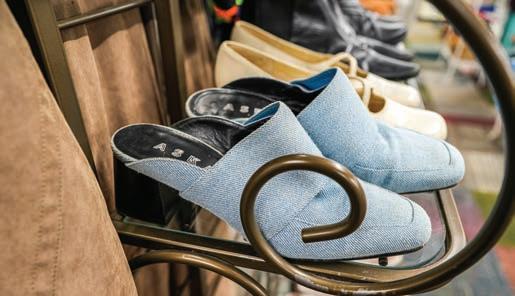
I found myself looking a lot at shoes during my visit, as I had been finding myself styling outfits that didn’t quite have the right shoes to finish the looks. I am very picky with my shoes, and tend to wear my sneakers until they are quite literally coming apart, and didn’t find any shoes that felt quite right to
I finished my day off at Island Vintage right on Main St. in Vineyard Haven. This store is curated by owners Alex Nadiger and Heather Wolfenden, who spend their winters driving around the U.S. to stock their store for summer. They put a lot of time and effort into curating their store — and it pays off.
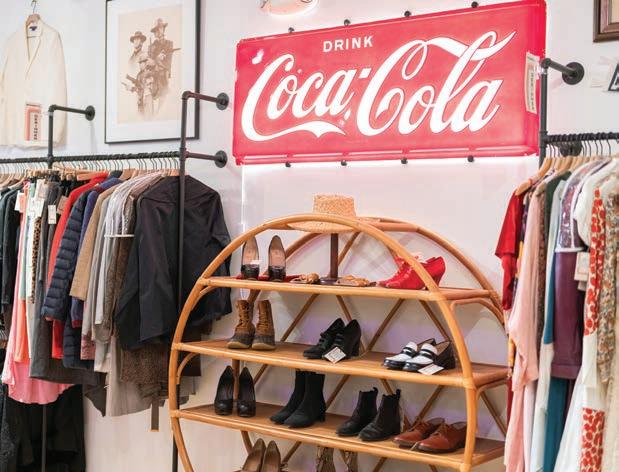
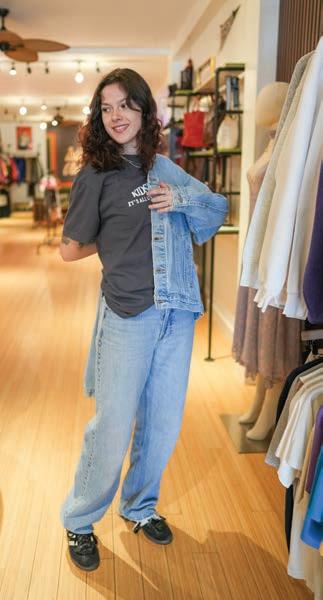
Island Vintage is decorated with a kind of funkyvintage feel reminiscent of the seventies/eighties. Not only is their vintage good, but shopping here feels fun! They carry clothes from any era, and have equally impressive men’s and women’s sections. I looked through both and found some really fun pieces. My favorite part of the store was their designer clothes section (yes, I have expensive taste). I found a sparkly, beaded dress that I loved, but I didn’t have anywhere to wear it to, and the price tag was a bit out of my budget.
I also found this really cool denim jacket with “Martha’s Vineyard” and the iconic Vineyard carousel
me and my style. I’m not one to buy for the sake of buying, so I decided that today I wouldn’t be taking anything home from Chicken Alley. You can follow Chicken Alley on Instagram @chickenalleythrift.
embossed on the back. Being from Toronto, I was very happy to be donning a “Canadian Tuxedo” in the store. The owner working the store that day, Alex, told us a bit about the jacket and other similar jackets he had sold. One of my favorite parts about vintage shopping is that each piece has a story, even if I don’t know all of it, so Alex being so knowledgeable was an excellent touch. I decided not to take the jacket home, but if it’s still there the next time I visit… maybe it’s a sign?
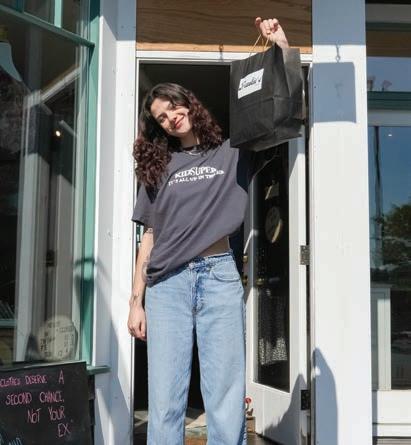
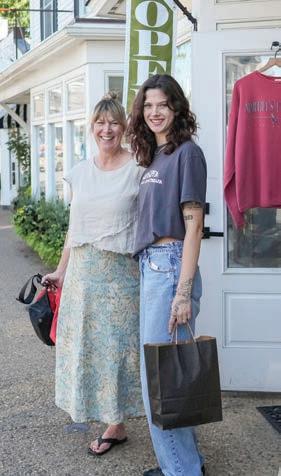
This day of thrifting was a success. Sure, I only made one purchase, but I got to explore some thrift spots that I will definitely be passing through this summer. Besides, as I already mentioned, buying less is doing more for the planet. Frankie’s Revival, Chicken Alley, and Island Vintage are officially vetted and approved by experts (me). By the way, that’s my mom, Leslie Garrett, who’s an editor at Bluedot, in an outfit she got at Chicken Alley. I learned a lot about thrifting from her.
Shoes at Chicken Alley.
Thrifting Tips
• Timing is everything. Most shops operate seasonally, typically opening from spring through fall and reducing their hours or closing altogether during the winter months. Arriving earlier in the day is key to snagging the best finds.
• Many stores offer their biggest discounts during postholiday and end-of-season periods, so keep an eye out for markdowns once the seasonal crowd has left and cooler weather sets in.
• Inspect items carefully. Unlike online secondhand platforms, the secondhand shops Martha’s Vineyard don’t offer any consumer guarantees nor do they accept returns. Being on an Island, salt water and humidity can affect the color and quality of certain fabrics, as well as electronics and books over time. Double check for mildew, fading, or damage.
• Be on the lookout for popup shops, yard sales, and flea markets. When visiting last year, I lucked out and came across a temporary vendor selling old library books for a dollar each.
• Check out our full list of secondhand stores in our Resource Guide: bit.ly/MVThrift
– Sophie Kelly (Char’s sister) Read more from the Secondhand Sisters at bit.ly/secondhand-sisters.
Char Kelly in a "Canadian tuxedo."
Sophie Kelly in a thrifted fit.
Picture this: You have an empty house, the result of an impulse purchase in your favorite place in the world. But now you also have an almost-empty bank account. You would like to sit down in your new house, invite your new neighbors for dinner, perhaps, and have everyone eat at a table, off of plates. You know, from an Island friend, about Chicken Alley. You spent some time there when you were just a tourist. You bought an item or two of clothing.
But now, you’re a homeowner. Both empty house and almost-empty bank account send you to Chicken Alley as a new local (is there such a thing? You hope so.)
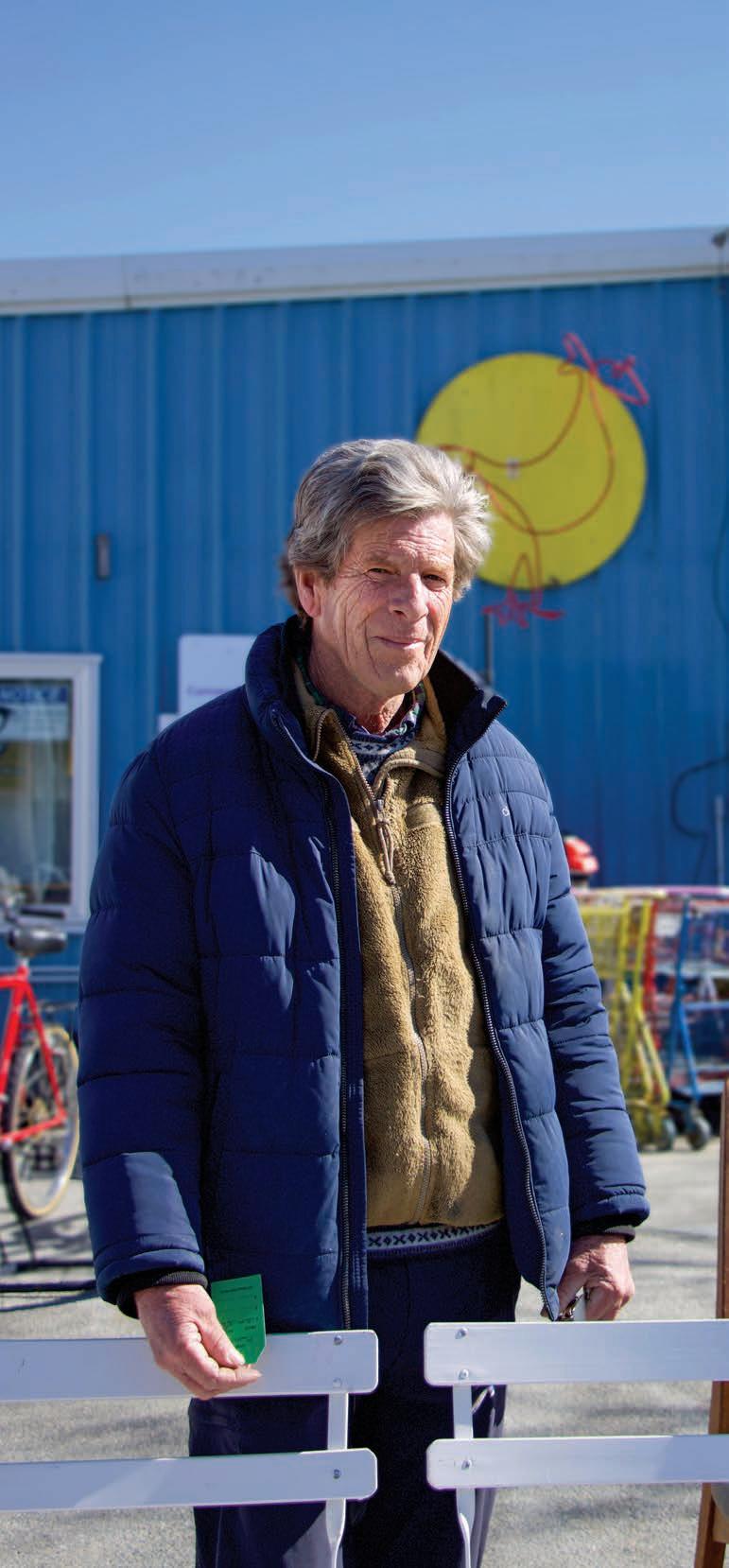
And that’s where you first meet Bruce Elliott.
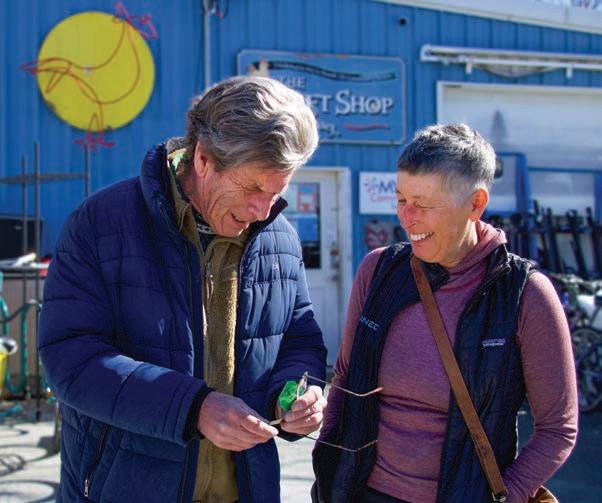
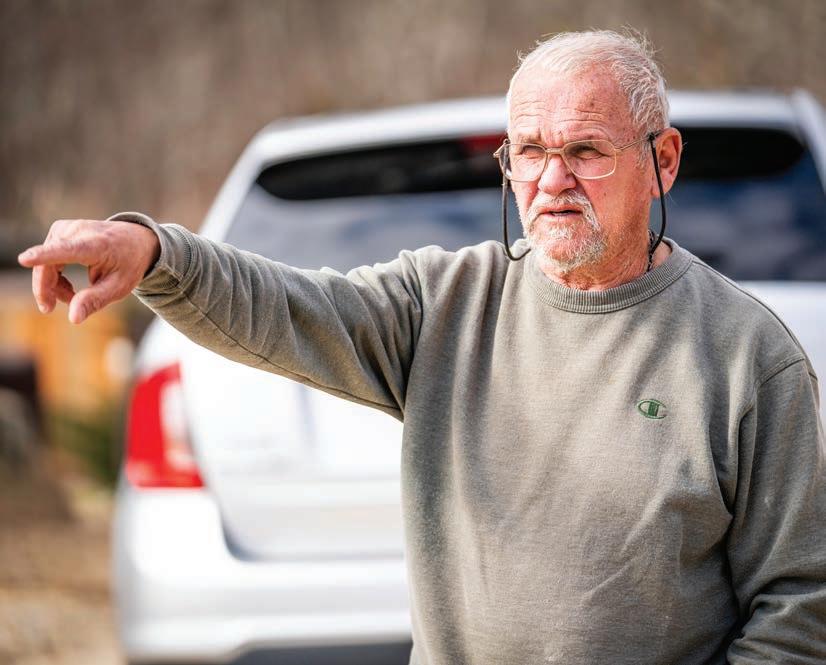
Bruce is a combination of small-town mayor and the best used car salesman you’ve ever met. He greets you by name. He remembers the name of your dog. He remembers what you’re looking for (bureaus, frustratingly hard to find without wonky drawers or cracks in the wood). He guides you toward the best deals and the most interesting items, including an entire wicker patio set in almost mint condition. But it’s missing cushions. You query Bruce; might he know where you could get some? Wait a minute, he says. He makes a phone call, and not only do the cushions materialize, but they materialize on your front porch. He, or someone he directed – you weren’t there to see – dropped them off.
Over the weeks, months, and years, your house fills. You have kitchen chairs, living room chairs, throw cushions, a rug, two rugs, three rugs. You have dishes and glassware. You have your lovely wicker patio set. You have puzzles and books. Your bank account remains almost empty but isn’t emptied entirely. This is thanks to Chicken Alley. This is thanks to Bruce.
Bruce continues to greet you by name, even though months pass through the winter where he doesn’t see you at all because you’re off-Island. When you arrive back in spring and pop by, he’s got more stories. About the young woman who came by a few days ago, looking for a stroller and, hopefully, a crib. He takes these requests seriously, especially from a young mom with a small child. “That’s
CLIMATE CHAMP: BRUCE ELLIOTT
The man behind Chicken Alley, connecting people and thrifted things.
Story by Leslie Garrett Photos by Sadie Dix
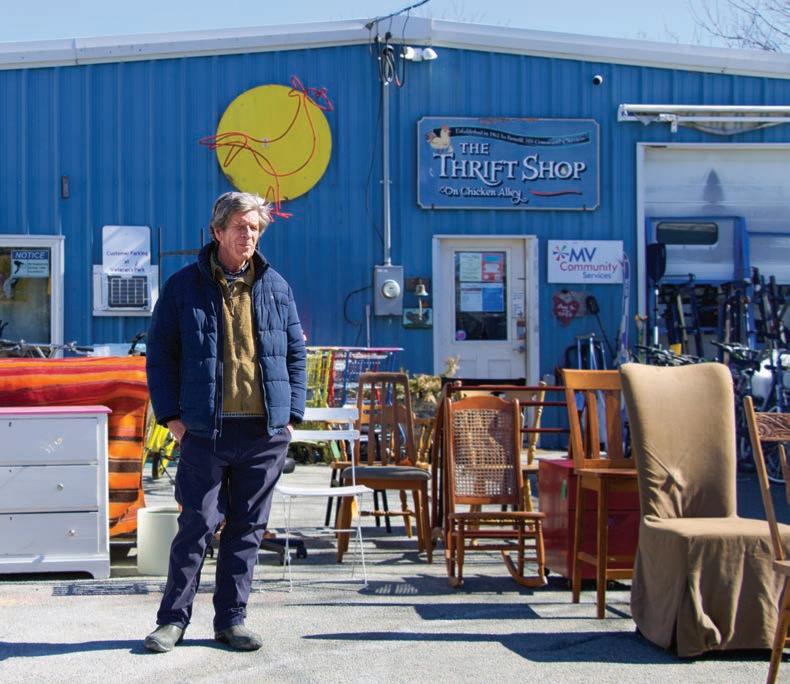
Bruce helps shoppers find just what they need at a price they can manage.
its newly expanded location on Lagoon Pond Road, it hasn’t always been called Chicken Alley, and it hasn’t always had Bruce. What was known as the Thrift Shop opened on Main Street in Vineyard Haven in 1962 to support, as it still does, Martha’s Vineyard Community Services (MVCS).
what I believe we’re here for, to help each other out,” he tells you. And you know he believes that because you see it every time you’re there. You hear about it from others when you’re not.
Everyone knows Bruce and Bruce knows everyone. An uninterrupted conversation with him is impossible because of the parade of people who stop and say hello to him, or wave and holler out a car window as they cruise by. And Bruce is helpless to ignore anyone who wants to greet him. A phone conversation with him for this story becomes confusing until you realize he is no longer talking to you, he is talking to a couple who have arrived at Chicken Alley and absolutely must chat with him. “Maybe Leslie wants a green leather couch,” he tells whomever it is he’s talking to. “They want to drop off two green leather couches,” he clarifies to you. “I know you bring me lots of gold and silver,” he says, this time to someone who is not you.
Chicken Alley hasn’t always been in
If you want to know more about the work of MVCS, Scott Turton, the organization’s chief executive officer, is your guy. You discover while you chat with him that Scott used to live around the corner from your first apartment in Canada, something that feels both random and perfect. Scott lists the many, many ways in which MVCS supports the Island community. He describes its early childhood education center (from which grew a Head Start program to provide educational and supportive family services in people’s homes) and its counseling center with multi disciplinary teams of counselors, psychiatrists, psychologists, and social workers who address mental health issues, substance use, and much, much more. Like Chicken Alley itself, which seems to have something for everyone, MVCS provides programming for families, youth, veterans, seniors, and people with disabilities. MVCS itself has a staff of 145, while Chicken Alley has a volunteer staff of 50 and six full-time employees. One of them is Bruce.
When Bruce arrived on the Island in 1979 — on an invitation from his buddy, Fred Mascolo, who eventually opened Trader Fred’s in Edgartown — the Thrift Store was still on VH’s Main Street, with a much smaller footprint, too tiny to carry furniture. It earned the moniker Chicken Alley when it relocated in 2007 to its current location, formerly the site of Dick’s Auto Parts, on a road that, Vineyard lore has it, used to be home to chickens and pigs belonging to the Portuguese descendents of whalers, who lived in the small homes that lined the road. In 2022, the store expanded
into an adjacent building to allow for substantially increased space in which to receive and organize donations — a “game-changer” for staff, Scott says.
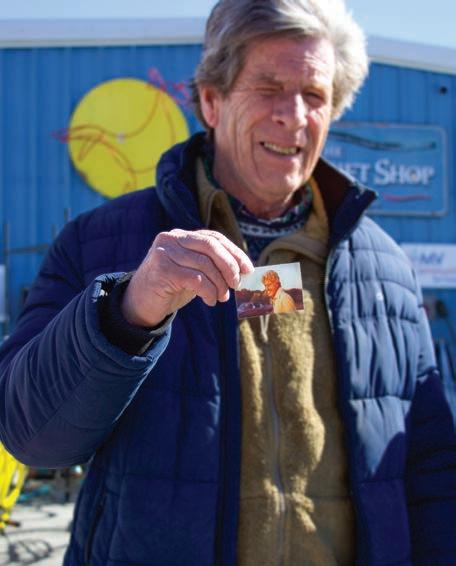
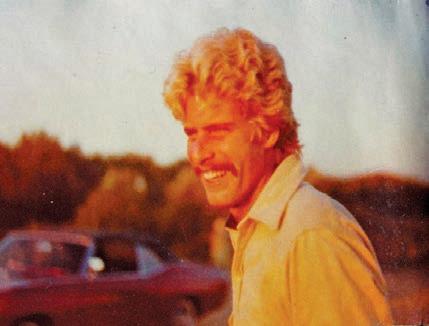
Bruce didn’t find his way to the Thrift Store right away. His first job, secured within hours of arriving on Island, was at the Texaco (now Mobil) station on Beach Road. By his second summer, he was working at The Kafe (now The Wharf), a bar in Edgartown where the owners were selling photos of Bruce for $1 “because I had long blond hair,” he tells you, and you believe him because … of course! He has great hair now — thick and wavy, threaded with grey — so it must have been epic back then. “I wasn’t always old and ugly,” Bruce tells you with his throaty laugh. “I was young and handsome.”
He’s done “just about anything you can do on the Vineyard,” mostly renting cars and selling used cars. He loves cars — owns eight of them, as well as a bike that an internet search suggests might date to 1898. (He also spent some time managing a bike rental business at Five Corners.) Having been a Chicken Alley customer for some time, he began working there full-time in 2018. Another of his previous jobs was operating an antiques shop, which helps him value items that people bring by to donate.
Bruce appreciates the role that Chicken Alley plays on the Island. It feeds a circular economy, keeps perfectly good items out of landfill, and, of course, supports an organization that helps Islanders in multiple ways. Bruce is a vociferous champion of Chicken Alley’s staff and volunteers, who ensure that items people need are available. “Someone will come in and say, you know, I need a microwave, and they come out with a microwave. Someone will come in and want bedding. You think of all the things that we carry, and how people show up here thinking they're going to find it, and most times they do. I mean, 150 people come through here a day, if not more. And it’s impressive. How many of them leave happy.”
The consummate host, Bruce tells you that “presentation is everything,”
Bruce's photo once sold for $1 at The Kafe (now The Wharf) in Edgartown because of his long blond hair.
Bruce and Rebecca Miller outside the thrift shop.
which extends to Chicken Alley’s soundtrack (the Beatles, Neil Young, David Bowie, James Taylor), curated to ensure an upbeat mood. People come out, Bruce tells you, saying “they had my music on today.”
It isn’t just the music, of course, but you wish you could put your finger on what, exactly, makes Chicken Alley so special. Scott may hit upon it when he calls Chicken Alley “a gathering place.”
Bruce understands that, too. He enjoys regaling you with stories about the regulars — the woman he calls “Mrs. Saturday,” who comes each week; another buddy who always buys a book; Bruce’s adored grandson who says the funniest things and holds court in the toy section.
You’ve been talking to Bruce on the phone for 90 minutes and you need to hang up because your editor is breathing down your neck for this story. It feels rude to interrupt because Bruce is now telling you how, two years ago (thanks to the Right to Care Act), Chicken Alley paid for him to go home to Watertown, Connecticut, and take care of his mother and dying father, both in their mid-90s. “It really was awesome that they let me do that,” he tells you.
Which reminds you of something else Scott said, about not just Chicken Alley, but the Vineyard itself; and about something embodied in Bruce and the care with which he does his job, the value he places on helping people find just what they need at a price they can manage. “I get to view what that looks
like when I interact with Bruce, who says, ‘Okay, this is something that needs to be fixed,’ or ‘this is something that needs to be taken care of,’” Scott explained to you. “He takes that so seriously, and it’s so much based on community and caring and taking care of each other, which is special in this world, right?”
You’re finally saying good-bye to Bruce and, all of a sudden, he’s talking to someone else who’s just arrived at Chicken Alley. “Do you know Leslie?” he asks them. “She’s interviewing me for Bluedot Magazine. Do you know anything about Bluedot Magazine?” There’s a pause and Bruce is talking to you again. “‘It’s a
wonderful publication.’ That’s one of my best friends complimenting you.”
It’s the perfect note to end on: Bruce holding multiple conversations but somehow making each person feel seen. Bruce “draws people to him,” Scott told you. “The other day, I was standing outside talking with him, and then, probably within the space of 20 minutes, 10 people that were either driving by and yelling out his name and waving or walking by are saying, ‘I'll see you later on.’ Every single person that traversed that street seemed to know him.”
And that’s the thing. We do know him, because he shares himself so freely. “I'm lucky people like me. I like people,” Bruce tells you. What could be truer … or more obvious? “I work for the people. I carry a title … and it’s being a good ambassador to this Island. However you want to cut it, having this job makes it even easier to be that way.”
“That’s what I believe we’re here for, to help each other out.” – Bruce Elliott
Chicken
Alley
is
known for its legendary finds — including a painting that sold for $10,000 at Sotheby’s.
Osprey Comeback
How conservation efforts helped these birds reclaim the Vineyard skies.
Story by Suzan Bellincampi
An osprey perched on one of the many nesting poles built by Gus Ben David.
Photos courtesy of Mass Audubon
JEREMY DRIESEN
We all love a story with a happy ending. Amidst the gloom and doom of recent environmental news comes a soaring story of success and an icon for the ages: the osprey, returned from near extinction. The uplifting tale (or in this case, tail) of the osprey’s recovery is one of a hero’s success, and what could be better? Especially when the star is a bird, and nature wins. Yes, nature does sometimes win.
Flying like their life depends upon it (which it does), a small army of these raptors is coming our way as you read this. Winging their way north, ospreys are returning to Martha’s Vineyard and the rest of the East Coast from their winter homes in Central and South America. How they get here — and even the fact that they get here at all — is as impressive as their ancestors’ fight for survival.
Heroic tales often start with “Once upon a time,” and this one is no different.
Once upon a time, ospreys were a rare sight in the skies over Martha’s Vineyard. The 1959 book, Birds of Martha’s Vineyard (now out of print), by Ludlow Griscom and Guy Emerson, documented only a few nests on-Island. They described the bird as a “regular transient in small numbers” in the years between 1913 and 1941.
By the 1950s, a few osprey nesting efforts were observed and recorded, with each pair fledging two to three young each year. However, despite these successes, the Island population was not increasing overall.
This mystery would soon be solved. Griscom and Emerson also documented a pair of ospreys that had “built a nest on telephone pole cross-pieces at the dyke on Chappaquiddick in 1954,” which was “demolished by telephone workers — Cape Pogue lines were affected.”
This important clue highlighted the challenge for ospreys of finding suitable nesting areas on an island where trees were diminutive and slight. These indomitable birds faced a new problem, after their population had earlier in the century came back from the brink of extinction.
DDT Disaster
Ospreys, which have four subspecies across the globe, were once common and abundant worldwide. Found everywhere except Antarctica, these prolific birds had fallen on hard times and suffered a dramatic decline in the mid-twentieth century. As in most fairy tales, there was a villain to blame.
This evil was not human (even if created by humans), but chemical. It was called Dichlorodiphenyltrichloroethane, known more commonly as DDT. DDT was first synthesized in 1874, though its potency as an insecticide wasn’t known until 1939. Once that property was discovered, this chemical was quickly put to use during World War II to kill insects that caused diseases such as malaria and typhus. It was so effective and
Vineyard efforts have contributed to the recovery of the osprey in southern New England.
important, and saved so many people’s lives, that the man who developed DDT as an insecticide, Swiss scientist Paul Hermann Müller, was awarded a Nobel Prize.
After the war, DDT became popular as an effective agricultural and household pesticide and was used widely nationwide. The Vineyard had less exposure than most parts of the country to DDT, not because we knew better, but due to a more practical concern — cost.
According to Dr. Rob Bierregaard, ornithologist and osprey expert, who has spent a lifetime studying this iconic bird, Martha’s Vineyard stopped using DDT in 1958 because of financial considerations. He explained, “it was too expensive for the helicopters to bring and spray the chemicals.” Frugality worked in our favor.
Although there were early concerns about the effects of DDT and other organochlorines (such as dieldrin) on nontargeted species, it took environmentalist and author Rachel Carson’s book Silent Spring to widely expose the depth of the chemical’s wildlife and human toxicity. Carson’s groundbreaking work led to the banning of these chemicals in 1972.
But locals on Martha’s Vineyard noted that even here, DDT had had an impact. Ornithologist, bird bander, guide, and Vineyard author Mabel Gillespie, in her 1976 Island book, Where the Birds Are (see our reading list at the end), matter-of-factly conceded that “in recent years oceanic fish have ingested sufficient quantities of DDT and mercury to affect fish-eating birds like eagle and osprey. It is well known that both of these species are in danger of extinction.”
As Gillespie noted, an after-effect of DDT’s insect apocalypse was its contamination of the food web, as the
chemical bioaccumulated in the habitats and bodies of wildlife. Starting with insects and relentlessly ascending the food web, the consumption of chemical-laden prey increased toxicity with every contaminated meal consumed. As these compounds were fat-soluble and not readily excreted, they were stored in animals’ fatty tissues, and, over time, became concentrated in the bodies of all creatures. (Currently, we’re seeing the same phenomenon played out with microplastics and mercury in fish species.)
For ospreys, the arithmetic was brutal: the more fish eaten, the more DDT ingested. And it wasn’t something anyone would want to ingest. DDT interfered with the bird’s uptake of calcium, which led to thinner and more brittle eggs. These decidedly delicate eggs were often crushed under the weight of the incubating bird, resulting in the incubating mother killing her potential offspring.
With limitations on the spraying of DDT, the few osprey pairs present on the Island had an advantage over the off-island birds whose populations struggled along in places where more chemicals were used. By the early 1970s, there were two nesting osprey pairs documented on-Island when Dr. Bierregaard began his studies here, and year after year those birds were successfully fledging three to four young. Island birds were destined to succeed, but they didn’t do it alone.
The Godfather of the Island Ospreys
Even with Martha’s Vineyard birds’ high reproductive rate, the number of pairs was not increasing locally in the early 1970s, while paradoxically, in other areas in New England, osprey numbers were rising. This conundrum was solved by Gus Ben David, a naturalist and the first director of Mass Audubon’s Felix Neck Wildlife Sanctuary, who would become known as the Godfather of the Island Osprey for his efforts.
Ben David, through his work with Mass Audubon, would become the species’ Island hero and lead the charge to bring ospreys back to our skies and beyond. As Felix Neck’s second director, I now continue the work Ben David began. Having learned that young ospreys were setting up their nests on electrical transformers, and those nests were being removed by Commonwealth Electric (the regional power company at the time), Ben David developed a prototype and began to install a nesting alternative:
tall poles with supportive platforms. The birds took to them right away.
To understand the choice of nesting locations, one must get into the head of this beautiful bird. We can now come home to the place where this story roosts.
What Makes a Good Osprey Home
Ospreys are fishing birds, and want to nest near water. They select a high perch that has good visibility and is protected from predators like raccoons. A sturdy structure is also a must, since osprey nests can weigh up to 400 pounds.
Trees are where ospreys would normally nest, though they will readily adopt other sturdy, high places, such as chimneys, sailboat masts, and light poles. Island trees are not very tall and not always strong enough to hold the birds’ massive nests. Last summer, a tree nest at Felix Neck was found on the ground, the eggs in it destroyed, after its supporting branches broke in a nor’easter.
An osprey will try to rebuild its nest if it is knocked down by wind, other territorial birds, or even humans. In the past, the nest on a light pole at Veterans’ Memorial Park in Vineyard Haven was removed, only to reappear, having been rebuilt by a persistent osprey. This back-and-forth — ospreys constructing their nests, the power company knocking them down, ospreys rebuilding — can continue ad infinitum through the season. However, there eventually comes a time when it can get too
Gus Ben David, a naturalist and the first director of Mass Audubon’s Felix Neck Wildlife Sanctuary.
JEREMY DRIESEN
late in the season for egg laying. Ospreys must breed and fledge young before their fall migration.
Osprey nests are a wonder unto themselves. Their considerable size is only one of the factors that makes them a sight to behold. They are built from a bevy of materials, incorporating twigs and sticks of all sizes, bark, grass, seaweed, and — often — an intriguing collection of non-natural items. Birdwatchers across the Island have reported seeing nests that contained items including rope and line, fishing nets, boots, gloves, and plastic objects.
With their penchant for collection, ospreys are guilty of “autolycism” — a term inspired by the character Autolycus from Shakespeare’s The Winter’s Tale, who was described as a “snapper-up of unconsidered trifles.” The term, in the case of ospreys, describes the birds’ inclination to use other animals’ (and people’s) unwanted stuff in nest construction. Author John Steinbeck claimed to have found an osprey nest that included three shirts, a bath towel, and a garden rake. Nest construction is a science, but also most definitely an art.
Getting back to history and Gus Ben David’s 1970s nesting poles: Initially helped by the power company, which didn’t want the birds nesting on transformers, Ben David began to put up safe, secure poles with platforms, figuring that an alternative to utility poles was the easiest option for adaptation.
Ben David installed the first pole at Mink Meadows in 1971, followed by eight more through the 1970s at sites including Tashmoo, the State Forest, Seven Gates Farm, Chappaquiddick, Squibnocket, and Felix Neck (which got two). Today, there are many more; as efforts, awareness, and funds were raised, so were more poles.
Saving a species shouldn’t be a lonely endeavor — it never is — and Ben David was joined by a bevy of besties, birders, and builders who helped install a plethora of poles. Throughout the 1970s and 1980s, just prior to my years working as an education coordinator for The
Osprey pole repair at Felix Neck.
Osprey nests can weigh up to 400 pounds
Trustees of Reservations, I was heartened to see that the osprey population was doubling every five years, plateauing for a time in the 1990s and 2000s before continuing to climb.
By the Numbers: Vineyard Ospreys Today
Over the years, more than 300 nesting platforms have been built, though many have come and gone with weather, rot, and collapse. The Vineyard efforts have contributed to the recovery of the osprey in southern New England and — thanks to Ben David, his crew, volunteers, monitors, and other osprey-lovers — we see hundreds of ospreys in Island skies. Ben David passed away last year, though many of us were lucky enough to have assisted him in the construction of a pole or two. The work will go on. A beautiful osprey sculpture can now be found at Sunset Lake in Oak Bluffs, a tribute to this beloved bird and this man’s effort to save it.
Saving a species shouldn’t be a lonely endeavor — it never is — and Ben David was joined by a bevy of besties, birders, and builders who helped install a plethora of poles.
To follow the species’ progress, the many people who have, and had, a stake in this story — Gus Ben David, Dr. Bierregaard, and Mass Audubon staff and volunteers, among others — have taken annual censuses to monitor the osprey’s Island progress. The 2025 census revealed impressive stats. People observed approximately 145 (potentially breeding) pairs and visited over 185 sites to determine if birds were successfully nesting. And succeed they did, with 141 fledglings (young birds) that survived from at least 84 nests — a very good reproductive effort, indeed. Sadly, ospreys from the Chesapeake to Massachusetts did not do as well as Vineyard birds this past year. Their poor reproductive success might be attributed to the population collapse of a favorite fish, menhaden. Our local birds aren’t exclusively dependent on menhaden and can fish the Great Ponds and Cape Poge and Katama Bays to find other species that are plentiful.
Plaque accompanying the osprey statue near Sunset Lake in Oak Bluffs, dedicated to Gus Ben David and created by artist Barney Zeitz.
The first osprey pole on Martha’s Vineyard was installed in 1971.
Author John Steinbeck claimed to have found an osprey nest that included three shirts, a bath towel, and a garden rake. Nest construction is a science, but also most definitely an art.
Built to Fish
Ospreys’ fishing prowess would make any angler envious. Sometimes called “fish hawks,” ospreys eat fish almost exclusively. They do so with a spectacular dive from up to 90 feet high. Head- and talon-first, they plunge into the water, traveling as far as three feet below the surface to grab their prey. Then they re-emerge, lift their wings above water, and take off. With a very large fish, ospreys can struggle at this stage, and there have even been reports of birds drowning from a massive catch, too heavy to allow for liftoff.
Ospreys have evolved to be hunting machines. Start with their talons: ospreys have four toes on each foot. When at rest, they hold three toes in the front and one in the back. However, they can swivel their third top toe so that there are two on the top and two on the bottom. This “zygodactyl” arrangement (think of an X orientation) helps them grasp and hold fish. Their talons are covered with short, stiff spikes. They don’t let go (hence the occasional drownings when gripping overly large fish). When flying, ospreys hold their fish in line with their bodies in order to reduce wind resistance. Even eagles have not thought of this strategy.
Another helpful physical characteristic is the ospreys’ nostrils, which close when they dive. Nature thinks of everything. Add to that their oily feathers, which repel water, and you have “a miracle of evolution,” as Hooper in Jaws said when speaking about another wild hunter. Not to mention the birds’ arched wings, which propel them from the water and have an aerodynamic form that provides for efficient flight and speedy diving.
Ospreys know, like many of us, that food is love, and a male brings a female fish gifts to woo her. This is called courtship feeding, and those nuptial gifts can assure his success or failure. If he doesn’t provide enough food, the female will be less receptive to mating, and may even beg him or other males for food. During courtship, the bestowing of fish can be preceded by an aerial display, or a sky dance, with the male loudly calling while engaging in undulating flight. “She hers, he his, pursuing,” as Walt Whitman wrote in The Dalliance of Eagles, even if here we speak of osprey.
Over the years, more than 300 nesting platforms have been built,
If he gets the girl, so to speak, the male osprey’s fishing will need to increase once his mate lays eggs. Incubation is constant — and required: the eggs cannot be allowed to grow cold. Although eggs can be tended by either bird, the female spends the majority of time on the nest, relying on her mate to bring her meals. A clutch of three or four young, plus mom and dad, will need three to seven fish per day.
Location, Location, Location
Ospreys couple only during the breeding season. Those who have lost their partners will find new ones when it’s time to breed again. The couples, perhaps (or perhaps not) surprisingly to us, migrate and winter separately, and rendezvous by some miracle of instinct at their nest site annually.
While people like to say that ospreys mate for life, it is not each other that drives their desire, but rather location, location, location. Loyalty is to the nest site first and foremost, and if both birds return to their breeding nest, they will be together. However, another bird can usurp either partner if one doesn’t return or if he or she is a stronger bird and takes over a nest site.
When osprey couples reunite and food is plentiful, their mating activities can be frequent. In one 45-day study, scientists (or voyeurs) documented 288 pair copulations.
Vineyard ospreys generally arrive on the Island from late March into April. An early documented date of March 14 for their arrival is unusual, though with climate change this might become more normal. Early reports come in every year, but often are not confirmed or could be a case of misidentification (such as a red-tailed hawk resting on an osprey nest).
Distinguish the two by their body orientation: red-tailed hawks hold their body vertically, while ospreys more often than not have a horizontal stance.
After the pairs reengage, settle in, and mate, the female lays up to four eggs, which are incubated for five to six weeks. The young that emerge (not all eggs are viable) are semi-precocial,
meaning that the chicks can move around, are down-covered, and have eyes that are open. Newly hatched osprey cannot fly and must rely on their parents for their first few months, after which they will be ready to fledge (develop wing feathers that are adequate for flight) and care for themselves.
Those fledged ospreys take some time to learn to fish successfully. Early on, these youngsters might only have a 5% success rate in catching fish, whereas adults catch fish on more than 90% of their attempts. Perhaps that is why you sometimes hear young birds crying for their parents to feed them when they should be able to fish for themselves.
You can watch all of these antics at your local osprey nest. Even easier is observing the Felix Neck pair on the Sanctuary’s Osprey Cam (bit.ly/OspreyCamMV), or other birds on one of the many osprey cams that can be found online. Heed this warning: watching these birds can become an obsession; it gets very hard to tear yourself away from these fascinating flyers.
While the Felix Neck birds may be engrossing, there have been other famous ospreys. There was Snowy, a bird that in 2015 flew 400 miles in a 24-hour-a-day migration marathon and covered the distance from Cuba to Cape Cod in six days. We know about Snowy because of Dr. Bierregaard’s 20 years of radiotelemetry work to track osprey migration.
Or, learn about Belle, immortalized by Dr. Bierregaard in his children’s book Belle’s Journey. Bierregaard shared that Belle was his favorite osprey, having flown across the Atlantic from Martha’s Vineyard to the Bahamas in a non-stop trip of almost 1,200 miles. The bird’s fictional adventures included challenges that real birds can face. Belle the bird has a small role in
What You Can Do
• Visit Mass. Audubon’s Felix Neck Sanctuary: bit.ly/FelixNeck
another book, author Belle Burden’s (the bird’s namesake) new book, Strangers: A Memoir of Marriage.
There is very little to suggest that ospreys will now do anything other than thrive. While the occasional Bald Eagle will try to usurp their nests, ospreys have, up to now, consistently chased them away. Ospreys have beaten the odds more than once and have a dedicated following of fans that love and cheer, if not work, for their survival.
These birds, along with those of us who love them, will have their happily ever after.
Reading List:
Try local bookstores, libraries if out of print.
Birds of Martha’s Vineyard by Ludlow Griscom and Guy Emerson (out of print, but check Island libraries)
Silent Spring by Rachel Carson
Where the Birds Are by Mabel Gillespie; out of print but available in local libraries
Belle’s Journey by Dr. Rob Bierregaard
Strangers: A Memoir of Marriage by Belle Burden
• Support conservation with a gift: bit.ly/FelixNeckSupport
• Not on the Vineyard? You can monitor ospreys from anywhere: osprey-watch.org/
• Track the birds you see: When you report seeing birds using the Merlin app, it helps ornithologists at Cornell’s lab to track migration patterns: merlin.allaboutbirds.org/
Vineyard ospreys generally arrive from late March into early April.
YASMIN NAMINI
in a word
Geosmin
Geosmin: a volatile, organic compound (C12H22O) that is formed especially by soildwelling bacteria (such as streptomyces) and aquatic cyanobacteria and that may contribute to the earthy, pleasant odor of petrichor or impart a disagreeable, musty taste and odor to drinking water and certain fish.
It’s not often that we humans outcompete our fellow animals when it comes to scent detection. A bear can smell a greasy grill from more than 20 miles away, a shark can sniff out blood a quarter of a mile off, and even your housecat can detect the scent of you when you’re about a mile away, though that doesn’t mean it’s the least bit interested in seeking you out.
But there’s one scent in particular that humans excel at detecting. It’s called “geosmin,” and it’s the smell of rain and soil, something we can detect at as low as 100 parts per trillion.
It’s fair to assume that being able to detect geosmin in such minute amounts might be key to our survival. When we all lived off the land, such a skill helped us locate drinking water and fertile soil for crops. As Cass Marketos wrote in The Rot, her newsletter about compost, “In that sense,
geosmin doesn’t just signal ‘earth’ to us, then, but specifically good earth. It means healthy, rich soil — teeming with life, invisible but deeply felt, threaded all the way into the oldest parts of our molecular formation.”
In our urbanized lives, where crops are purchased at the grocery store, where water comes in plastic, it’s easy to forget that it wasn’t always thus, that our survival was — is! — woven into and dependent upon the health of the world around us. Smell works thanks to olfactory sensory neurons — actual “brain” cells situated in the top of your nose. Those neurons tell us what we’re smelling, which, in the case of geosmin, is … earth. Or, more to the point, life. No wonder we have superpowers when it comes to sniffing it out.
Though fall Cass Marketos writes, “proffers all the necessary ingredients for this odor to become abundant — the leaves come down and begin their long, slow process of decomposition,” we think spring is when we are first greeted with geosmin after a dearth of such aromas during a winter spent inside, the ground outside under snow. That first real, warmish spring day when you can “smell the earth.” Everywhere, everywhere — the smell of earth.
– Leslie Garrett
In the dirt at Slip Away Farm on Chappy.
Pond Front Main & Guest, West Tisbury
3.2-acres waterfront on Tisbury Great Pond offers unobstructed water views, two homes, and a permitted private dock, providing access to pristine South Shore Atlantic beach. The main house features 4 bedrooms, 2.5 bath, central air, and a screened porch. The guest house has 2 bedrooms, 2 baths, separate well, and a 3 bedroom septic system. Exceptional potential to use as it is or, with permitting, expand to include a pool, a barn and or garage. Exclusively offered at $4,450,000.