AAAGuidance for your choice of funeral
funeral is a very important ceremony which remembers and honours a person’s life and celebrates that life in death. An appropriate service is important to recognise their passing, and the start of a new chapter in the lives of those who loved them, and who are left to continue their paths.
AGuidance for your choice of funeral
Afuneral is a very important ceremony which remembers and person’s life,and celebrates that life in death.An appropriate important to recognise their passing,and the start of a new chapter of those who loved them, and who are left to continue their paths. Thefirstchoiceyouwill needtomake iswhetheryouwouldlikeyourlovedoneto be buried or cremated.We will be pleased to discuss the options with this choice is made,we will be able to put the necessary documentation on your behalf to enable the funeral to take place.
funeral is a very important ceremony which remembers and honours a person’s life, and celebrates that life in death. An appropriate service is important to recognise their passing, and the start of a new chapter in the lives of those who loved them, and who are left to continue their paths. The first choice you will need to make is whether you would like your loved one to be buried or cremated. We will be pleased to discuss the options with you. Once this choice is made, we will be able to put the necessary documentation in place on your behalf to enable the funeral to take place.
Guidance for your choice of funeral
The death of a loved one can be a very distressing and upsetting time, and it can be hard to know what to do next. We aim to guide you through the necessary steps that have to be taken after someone close passes away and explain the procedures involved.
If the death is expected
funeral is a very important ceremony which remembers and honours a person’s life, and celebrates that life in death. An appropriate service is important to recognise their passing, and the start of a new chapter in the lives of those who loved them, and who are left to continue their paths. The first choice you will need to make is whether you would like your loved one to be buried or cremated. We will be pleased to discuss the options with you. Once this choice is made, we will be able to put the necessary documentation in place on your behalf to enable the funeral to take place.
funeral is a very important ceremony which remembers and person’s life,and celebrates that life in death.An appropriate important to recognise their passing,and the start of a new chapter of those who loved them, and who are left to continue their paths. Thefirstchoiceyouwill needtomake iswhetheryouwouldlikeyourlovedoneto be buried or cremated.We will be pleased to discuss the options with this choice is made,we will be able to put the necessary documentation on your behalf to enable the funeral to take place.
If the death occurs at home, you will need to contact the deceased’s usual doctors surgery or the out of hours duty doctor if the death occurs outside normal surgery hours. (If the death occurs in hospital, a hospice or in a nursing/residential home, the staff will normally call the doctor and contact the person named by the deceased as next of kin). Once a doctor has attended, we can arrange to bring your loved one to our private Chapel of Rest. We offer a 24-hour service, 365 days a year.
If the death is expected and the doctor is able to issue a death certificate, you will need to collect the death certificate from either the hospital or from the doctor’s surgery and make an appointment to register the death at the registration office in the area in which the death took place. In Hampshire and Wiltshire, the death can be registered in any registry office in the respective county with the exception of deaths that occur in Portsmouth or Southampton. These must be registered in that specific area. You will need to know the place and date of your loved one’s birth and, in the case of a lady, her maiden name and her father’s occupation. It would help to take the birth certificate and medical card if possible. You will be given a white certificate for the DWP (formerly known as the DSS), a green certificate for the funeral director and as many copies of the Death Certificate as you need: a minimum of three copies are advised as if you need more later, they will cost more and be delayed as they will come from the Public Records Office.
If the death is expected and the doctor is able to issue a death certificate,you need to collect the death certificate from either the hospital or from surgery and make an appointment to register the death at the registration in the area in which the death took place.In Hampshire and Wiltshire,the can be registered in any registry office in the respective county with the of deaths that occur in Portsmouth or Southampton.These must be that specific area.You will need to know the place and date of your birth and,in the case of a lady,her maiden name and her father’s occupation.It would help to take the birth certificate and medical card if possible.You given a white certificate for the DWP (formerly known as the DSS),a certificate for the funeral director and as many copies of the Death Certificate you need:a minimum of three copies are advised as if you need more will cost more and be delayed as they will come from the Public Records
The following procedure will then apply: You will need to contact the deceased’s normal doctor and advise them of your loved one’s passing. (If the death occurs in hospital, a hospice or in a nursing/residential home the staff will do this step on your behalf). The doctor will then arrange for the Medical Certificate of Cause of Death (MCCD) and all relevant information to be sent to the Medical Examiner’s Office. (If the death occurs in hospital, a hospice or in a nursing/residential home the staff will do this step on your behalf).
The Medical Examiner (ME) will contact the next of kin to discuss and agree the cause of death, and countersign the MCCD. There will be the opportunity for you to ask questions or to raise any concerns at this stage and you may be asked for feedback on the care provided to the deceased.
If the death is expected and the doctor is able to issue a death certificate, you will need to collect the death certificate from either the hospital or from the doctor’s surgery and make an appointment to register the death at the registration office in the area in which the death took place. In Hampshire and Wiltshire, the death can be registered in any registry office in the respective county with the exception of deaths that occur in Portsmouth or Southampton. These must be registered in that specific area. You will need to know the place and date of your loved one’s birth and, in the case of a lady, her maiden name and her father’s occupation. It would help to take the birth certificate and medical card if possible. You will be given a white certificate for the DWP (formerly known as the DSS), a green certificate for the funeral director and as many copies of the Death Certificate as you need: a minimum of three copies are advised as if you need more later, they will cost more and be delayed as they will come from the Public Records Office.
It is a legal requirement in England and Wales that all deaths not referred to the Coroner in the first instance must be subject to Medical Examiner scrutiny. This is the first major change in the certification system for decades.
If the death is expected and the doctor is able to issue a death certificate,you need to collect the death certificate from either the hospital or from surgery and make an appointment to register the death at the registration in the area in which the death took place.In Hampshire and Wiltshire,the can be registered in any registry office in the respective county with the of deaths that occur in Portsmouth or Southampton.These must be that specific area.You will need to know the place and date of your birth and,in the case of a lady,her maiden name and her father’s occupation.It would help to take the birth certificate and medical card if possible.You given a white certificate for the DWP (formerly known as the DSS),a certificate for the funeral director and as many copies of the Death Certificate you need:a minimum of three copies are advised as if you need more will cost more and be delayed as they will come from the Public Records
If the death is not expected and a doctor is not able to issue a death certificate, then the coroner will be consulted. On occasion, the coroner will refer the death back to the doctor with the request he or she issues a certificate. More often, a post mortem examination will take place at the hospital. When a cause of death has been established, then the necessary documents will be sent directly to the registrar’s office in the area where the death took place. You will then need to make an appointment with that office to register the death. Again, it would help to take the birth certificate and medical card if possible. You will be issued with a white certificate for the DWP, in the case of burial a green certificate for the funeral director (if cremation is chosen, the document will be sent directly to the crematorium), and as many copies of the Death Certificates as you need.
Medical examiners can also refer deaths to the coroner where appropriate.
The medical examiner is a senior medical doctor who reviews all deaths to ensure the cause of death is accurately recorded and to protect the public. Medical examiners are trained in the legal and clinical aspects of death certification – they will work with the doctor issuing the MCCD to confirm the cause of death and agree on the wording of the death certificate.
If the death is not expected and a doctor is not able to issue a death then the coroner will be consulted.On occasion,the coroner will refer back to the doctor with the request he or she issues a certificate.More post mortem examination will take place at the hospital.When a cause has been established,then the necessary documents will be sent directly registrar’s office in the area where the death took place.You will make an appointment with that office to register the death.Again,it to take the birth certificate and medical card if possible.You will be a white certificate for the DWP,in the case of burial a green certificate funeral director (if cremation is chosen,the document will be sent directly crematorium), and as many copies of the Death Certificates as you
If the death is not expected and a doctor is not able to issue a death certificate, then the coroner will be consulted. On occasion, the coroner will refer the death back to the doctor with the request he or she issues a certificate. More often, a post mortem examination will take place at the hospital. When a cause of death has been established, then the necessary documents will be sent directly to the registrar’s office in the area where the death took place. You will then need to make an appointment with that office to register the death. Again, it would help to take the birth certificate and medical card if possible. You will be issued with a white certificate for the DWP, in the case of burial a green certificate for the funeral director (if cremation is chosen, the document will be sent directly to the crematorium), and as many copies of the Death Certificates as you need.
Once the cause of death has been agreed, the ME will forward the MCCD to the Registrar’s office. Once you have had confirmation that this has taken place, you can contact the registrar’s office to arrange an appointment to register the death.
Once you have registered the death, the registrar will issue the green form (Certificate for Burial or Cremation) allowing the funeral to take place. The green form is normally emailed directly to the Funeral Director. At the registration appointment you will also be able to purchase death certificates for estate administration.
If the death is not expected and a doctor is not able to issue a death then the coroner will be consulted.On occasion,the coroner will refer back to the doctor with the request he or she issues a certificate.More post mortem examination will take place at the hospital.When a cause has been established,then the necessary documents will be sent directly registrar’s office in the area where the death took place.You will then make an appointment with that office to register the death.Again,it to take the birth certificate and medical card if possible.You will be a white certificate for the DWP,in the case of burial a green certificate funeral director (if cremation is chosen,the document will be sent directly crematorium), and as many copies of the Death Certificates as you
If the death is unexpected
If there are any unusual circumstances, for instance if the death is unexpected or accidental, contact the Ambulance Service or Police in the first instance. The death may then be referred to the Coroner.
Your loved one could be taken direct to the local hospital, by the coroner’s contracted funeral director, or they could give permission for S & J Maddocks to take your loved one to our private Chapel of Rest.
What happens if the Coroner is involved in the Death?
There are a number of reasons why a death may be referred to the Coroner, and under such circumstances different procedural requirements and registration procedures will be necessary. This can be a distressing time but we are here to give you guidance every step of the way.
The Coroner must investigate the circumstances of the death to try and establish the cause. On occasion, the Coroner will be able to determine, by simple enquiries, whether the death was due to natural causes and will refer back to the doctor requesting that they issue the Medical Certificate of Cause of Death. If so, the death is registered in the usual manner.
If this is not the case the Coroner may require a postmortem examination to take place at a local hospital. A post-mortem examination is a medical examination of the body to establish more about the cause of death. This examination will often indicate that death was due to natural causes and in such cases there is no inquest. The Coroner will send a certificate to the Registrar so that the death can be registered.
If the death is due to unnatural causes (e.g. an accident or industrial disease) the Coroner is obliged to hold an inquest. This is a formal enquiry to establish the identity of the deceased; when, where and how the death occurred; and the cause of death.
Usually an inquest will be opened and immediately adjourned to allow the funeral to take place. The Coroner will issue special certificates to allow preliminary death certificates to be issued. Once all the relevant facts have been established, the inquest will be reopened (this may be some weeks or months later). Once concluded, the results will be made public and the Coroner will ultimately inform the Registrar officially.
The Funeral
Arranging a funeral is an intensely personal experience and we will help and guide you through the many choices and options available. You will be asked to make a number of decisions regarding the funeral. Firstly whether you would like a burial or cremation.
The ceremony venue may depend upon several factors: The type of funeral ceremony requested. Preference for a religious or non-religious ceremony. The number of mourners expected to attend and geographical location of family and your loved one’s address.
The funeral ceremony can be held in one place (e.g. Church and Churchyard, Crematorium, Cemetery) or in a couple of locations (e.g. Funeral service in Church followed by committal at a Crematorium, Cemetery, or Natural Burial Ground etc). Alternatively, the committal can happen first, with maybe just the family and close friends in attendance followed by a Service of Thanksgiving, either the same day or at any point afterwards.
It may be that you wish for the whole funeral or the committal to take place away from the local area. We are used to this and distance is no object. We will be able to facilitate your wishes and advise on the costs involved.
The finer funeral details will be discussed with you during the funeral arrangement. Please call us when you are ready to book this appointment. You can come into our office or we can come to your local home address, wherever you would feel more comfortable. We would suggest allowing 1-2 hours to discuss all the arrangements and go through any necessary paperwork.
Detailed below is a list of questions that we will go through with you at the funeral arrangement which will include:
• Your preferred funeral date or any funeral dates to avoid (birthdays, anniversaries, appointments etc).
• What time of day would suit you best for the service to take place? (morning or afternoon service. Are people going to be travelling from afar etc)
• Would you like your loved one to travel in our traditional black hearse or would a horse drawn hearse, motorcycle hearse or something else be required. We can provide further details at the arrangement if required.
• Would you like the hearse to leave from an address (if so, where) or would you rather meet us at the service?
• Will you need any limousines to convey you to the service and any reception being held afterwards? Our limousines can seat up to 7 people (6 in the back with a 7th person sitting in the front alongside our driver).
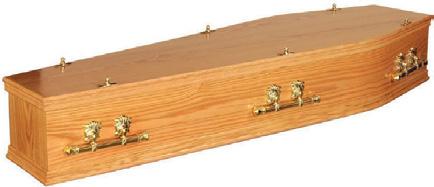
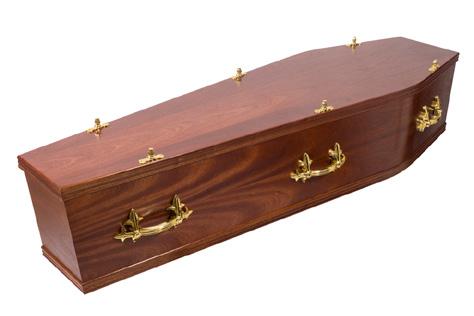
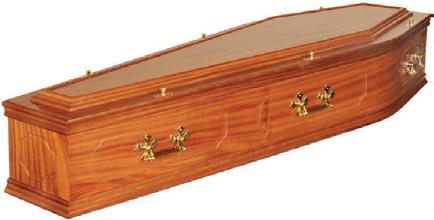
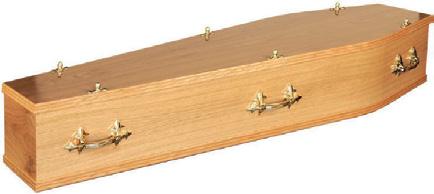
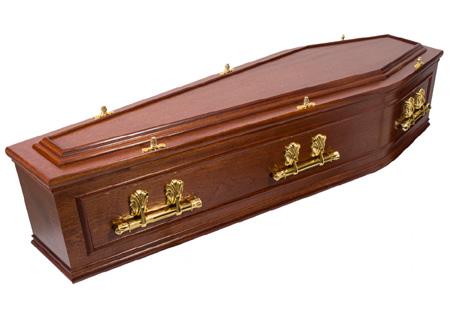
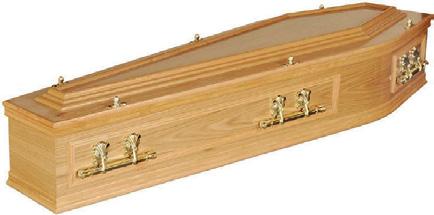
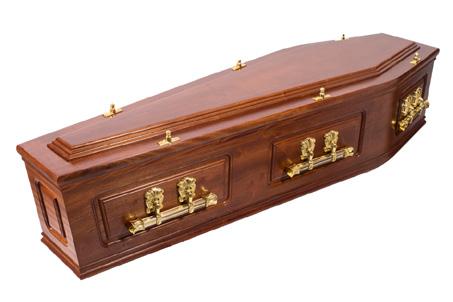
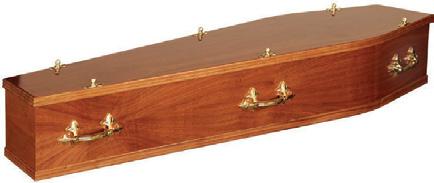
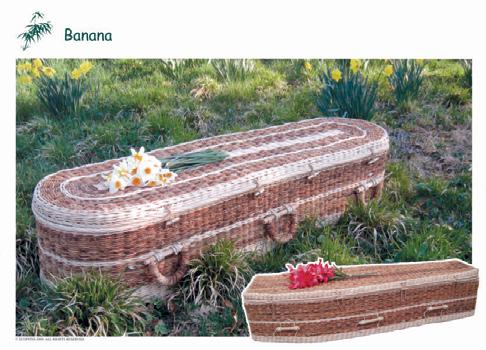
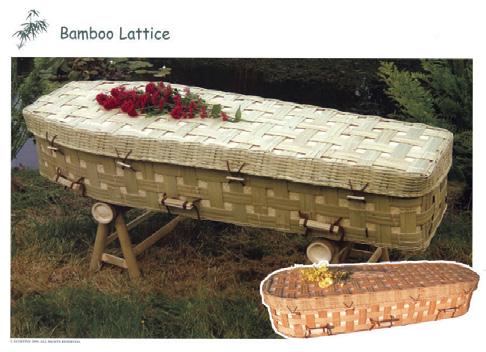
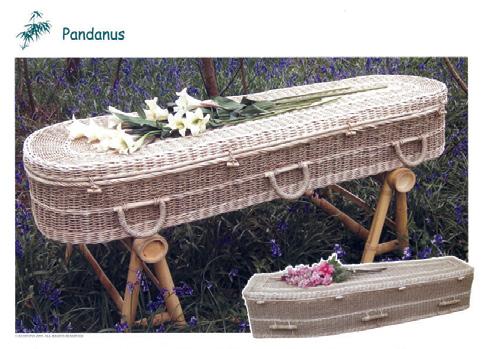
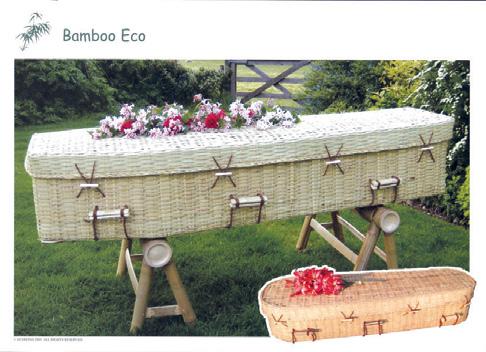
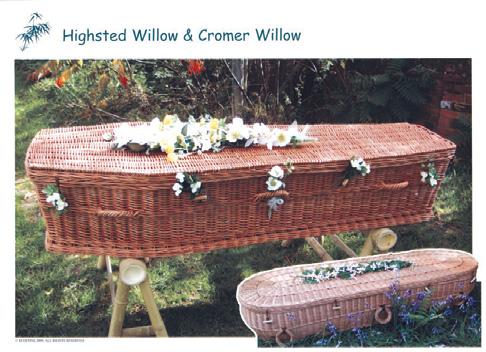
• Which coffin would you like your loved one to rest in? We offer traditional coffins and eco-friendly choices such as willow, bamboo, pandanus (seagrass), cardboard and bespoke coffins. Our main range is shown in the back of our brochure and online at www.sjmaddocks.co.uk.
• Would you like your loved one to be dressed in their own clothes or would you prefer one of our white satin gowns? Would you like the clothing that your loved one is currently wearing returned to you or would you like us to dispose of it for you?
• Would anybody like to spend some time with your loved one in our chapel of rest when they are ready? Our chapel is available to anyone who wishes to spend time with their loved one, and chapel visits can be conducted during office hours and may also be available in the evenings and at weekends. Appointments must be booked by telephone to the office to ensure the chapel is available. Chapel visits are possible after the medical examiner or coroner has issued the necessary paperwork. This then allows us to wash and dress your loved one, before resting them in their coffin. We will endeavour to ensure that chapel visits with an open coffin are possible but occasionally we do have to insist that the coffin be closed.
• Would you like floral tributes for the funeral? Will this be family flowers only or are all welcome?
• Would you be asking for donations to a charity in lieu of flowers? If so which charity?
• Would you like a newspaper announcement in the local or national papers?
• Would you like us to provide order of service booklets for you?
• What music would you like at the service? You can have several pieces of music which would normally include music at the start of the service, music at the end of the service, with hymns or reflection music during the service as required.
• Would you like a live funeral webcast which would allow the service to be broadcast via the internet to family and friends that cannot attend?
• At some venues, we can also provide a visual tribute which consists of a montage of 25 photographs professionally edited and set to a piece of music.
• Will there be any family bearers to help carry the coffin of your loved one?
On conclusion of the appointment you will be given details of the confirmed funeral arrangements along with an estimate of our costs. You will be asked to sign this to confirm your agreement of these arrangements and of your acceptance of your responsibility for the costs involved.
Our aim is for you to look back on the funeral and say ‘That was exactly what we wanted’. There are few limits as to what can be done. Ultimately, a funeral is a celebration of each person’s life and should be reflected as such. We will take you through each stage of the arrangements with detailed consultation and respect for your wish to make each farewell a unique celebration of the love and life of your loved one, as it should be.
If you, a bank or building society are paying the invoice then we would respectfully ask that a deposit payment of 50% of the estimated costs are made within 7 days of the funeral arrangement date. We will send the final invoice to you, the bank or building society approximately 7-10 days after the funeral service has taken place and ask for this to be settled within 14 days.
If the invoice is going to a Solicitor we would contact them to ensure that they are happy to receive our final invoice 7-10 days after the funeral service, and to confirm that there are sufficient funds available to settle our expected account within 14 days of the invoice date.
If your loved one is having an unattended service we would respectfully ask that full payment of the costs are made at least 3 days before the service date.
Registering a death
There are many things to do after someone dies and one of the most important is to register the death. It is a legal requirement that deaths should be registered within 5 calendar days of the Medical Certificate of Cause of Death (MCCD) being received by the Registration Service.
If it is an expected death the MCCD will be electronically scanned directly to the Registrar from the Medical Examiner’s office.
If the Coroner is involved, you will not be able to register the death until their permission has been given. They will electronically scan a Coroner’s notification to the Registars and this will be used instead of an MCCD. If an inquest is to be held, the Coroner’s officer will advise you what to do in these circumstances.
Where can I register the death
All deaths must be registered by the Registrar of Births, Deaths & Marriages within the district where the death occurred.
You can register a death at any of the Hampshire Registry Offices if the death occurred in Hampshire, or any of the Wiltshire Registry Offices if the death occurred in Wiltshire.
Southampton, Portsmouth and Surrey are unitary authorities – therefore you must register in the particular city in which the death occurred.
Once the paperwork has been received by the appropriate registrar’s office, their system will allow you to book an appointment.
Hampshire appointment booking
Book appointment online via www.hants.gov.uk/registration
When entering details please ensure that you use the deceased’s first name only, surname and date of death.
The closest registry offices to us can be found at the following location:-
Andover Winchester Basingstoke
Registry Office Registry Office Registry Office
Andover Library Castle Hill Goldings
Chantry Centre Winchester London Road
Andover Hampshire Basingstoke
Hampshire SO23 8UH RG21 4AN
SP10 1LT (for SAT NAV use RG21 4AH)
Wiltshire appointment booking
Book appointment by phone via 0300 003 4569
Opening hours are: 9.00 am - 4:00 pm on Monday, Tuesday, Thursday and Friday 10.00 am - 4:00 pm on Wednesday
The closest registry offices to us can be found at the following location:-
Salisbury Devizes
Registry Office
Wiltshire Council Offices
Registry Office
Sheep Street
Bourne Hill Devizes
Salisbury Wiltshire
Wiltshire SN10 1DL
SP1 3UZ
If you are unable to book an appointment, this could be due to the Registrars not having received the paperwork from the Medical Examiner or the Coroner.
If you are unable to attend a registry office in the relevant county of death occurred, you may register the death by deed of declaration at any registry office in England and Wales. Once completed, the deed of declaration will be sent to the registry office in the area where the death occurred and the death will then be registered. The death certificates will be sent to you through the post and the green form will be emailed to us. This may cause a delay in arranging the funeral.
Who can register the death
A death should preferably be registered by a close relative of the deceased. However, if there are no relatives, it is possible for someone else to register, for example:
• Someone who was present at the death
• The owner or manager of the residential home or hospital where the death occurred
• The person making the arrangements with the funeral directors
Whilst not legally necessary, it would assist the registration process if you could take with you the following documents:
• The deceased’s birth certificate
• The deceased’s marriage or civil partnership certificate (where appropriate)
• The deceased’s NHS medical card.
• Driving Licence
• Passport
• Council tax bill
The registration officer will ask you to provide the following details.
• Date and place of death
• The deceased’s full names, including maiden name where appropriate, and other names used
• The deceased’s date and place of birth
• The deceased’s last occupation
• The full names and occupation of the spouse or civil partner and whether they are still living
• The deceased’s usual address
• If the deceased was married, the date of birth of the spouse
You will also be asked if the deceased was receiving any pensions or allowances from public funds (e.g. Teachers, Civil Service or Armed Forces) and, if so, to supply the relevant pension reference number. This might include pensions from previous employment, or sickness and retirement pensions.
It is important that the information recorded in the death register is correct. If any mistake is made, for example in the spelling of a name or in the description of the deceased’s occupation, it can be difficult to put it right after you have signed the register. You should, therefore, check the particulars in the entry very carefully before you sign.
Financial Help
You may qualify for financial support towards funeral costs.
HM Government www.gov.uk
Funeral Expenses Payment (England, Wales and Northern Ireland)
This is a government grant towards the cost of a funeral from the Department of Work and Pensions. To be eligible you must first of all be responsible for the funeral costs and in receipt of qualifying benefits.
The payment does not usually cover the full costs of a funeral. How much you will receive depends on your circumstances and includes any other money that is available to cover the costs, for example an insurance policy or the estate of the person that has passed away.
Bereavement Payment
Help is available if your husband, wife or civil partner died on or after 6 April 2017. You can claim this payment if at the time of death:
• You are under state pension age
• Were married to or in a civil partnership with the person who has died
• The person who has died paid income tax for 6 months between 1975 and the date of death
• The person died as a result of an accident at work or a disease caused by work
Children’s Funeral Fund (CFF England)
The CFF can help to pay for some of the costs of a funeral for a child under 18 or a baby stillborn after the 24th week of pregnancy. It is not means-tested: what you earn or how much you have in savings will not affect what you get.
The CFF contributes up to £300 towards a coffin, but it does not cover any of the funeral director services to carry out the funeral, or any additional products, such as flowers.
Funeral directors and burial or cremation authorities will apply to the Children’s Funeral Fund to claim these fees back on the family’s behalf.
SSAFA - The Armed Forces Charity www.ssafa.org.uk
If you lose someone who has previously served in our Armed Forces, or you are ex-Forces and you lose someone, then SSAFA is committed to supporting you during your bereavement.
SSAFA’s services are only available to people who have received at least one day’s pay from the Armed Forces (British Army, Royal Navy, Royal Air Force, Royal Marines, including Reserves) or are in the immediate family of someone who served.
your home or meet at the church or limousine or to use your own cars, notices and music (CDs and tapes can be tributes or donations to a specified online via a personal tribute and donation Alternatively they may be sent directly to the appropriate, a memorial of some sort. There or a motorcycle hearse. We can arrange
your home or meet at the church or or to use your own cars, notices in the (CDs and tapes can be accommodated donations to a specified charity (we accept to us or the charity, but please note we card), service sheets and, if appropriate, option of a horse drawn hearse or a on your behalf.