BLOSSOM OHAERI D.
M.ARCH STUDENT
++447867034861
blossomohaeri@gmail.com https://linkedin.com/in/blossomod https://blossomod.framer.website

Highly driven to push creative limits with design concepts in the development of resilient residential buildings and community oriented architecture in African cities. Transitioning between designing physical spaces and designing digital experiences. Enthusiastic and eager to create functional and impactful spaces/products that users will find easy to interact with. Curious to learn new skills and undergo unique experiences, being a part of the creation phenomenal architecture and products.
Autodesk Revit
AutoCAD
D5 Render
Adobe Creative Suite Rhino
Twinmotion
Figma & Framer
Master of Architecture
COVENTRY UNIVERSITY First Class - 81%
B.Sc Architecture
UNIVERSITY OF NIGERIA, NSUKKA. First Class Honours Degree - Top 5% (CGPA 4.62/5.0)
Brand Design & Strategy
GENEZA SCHOOL OF DESIGN. Best Graduating Student Oct.
Chairman, Editorial Team for the Architectural Students Association, UNN
Campus Ambassador — Cowrywise Tech Volunteer —
Creative Director Neurod Studio (Part-Time)
Part I Architect — MacLazio Nigeria Ltd. (Full-Time)
Part I Architect — Opemzy BIM Consultancy (Contract)
Architecture Intern — Opemzy BIM Consultancy (Internship)
Award of Excellence & Merit Nigerian Institute of Architects, Students’ Affairs
EthGlobal Hackathon Design Winner — EthGlobal
NNPC/Total National University Scholarship Award — Total Upstream Nigeria Ltd.
2024 (2020-2022)
Winner, Trackeet Character Design Competition — Naija Graphic Designers
2023
Google UX Design Professional — Google Coursera
D5 Render Certified User — D5 Inc.
BIM Design Workshop — Nigerian Institute of Architects
Product Design — Startup School
01 02 03 04 05
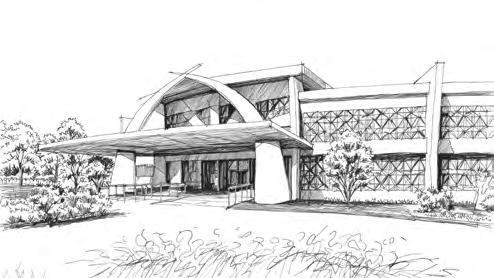
IGBO CULTURAL CENTER
Hub for cultural preservation 1-5
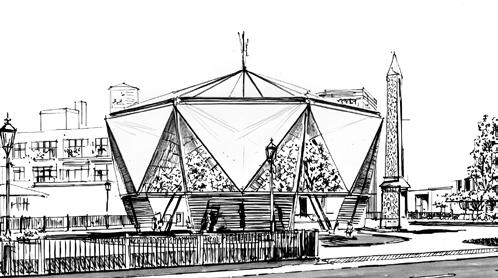
PRIDE IN BLOOM PAVILION
Barbadian Cultural Heritage 6-10
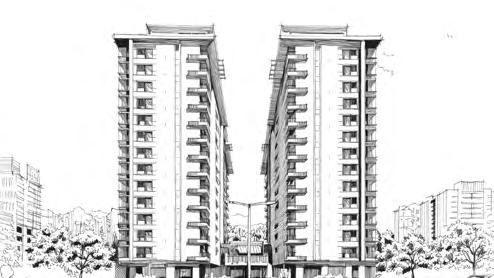
MODERN HIGH-RISE
Redefined communal urban living 11-15
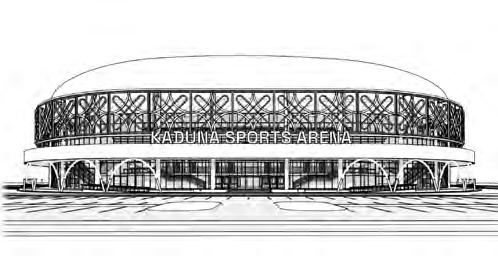
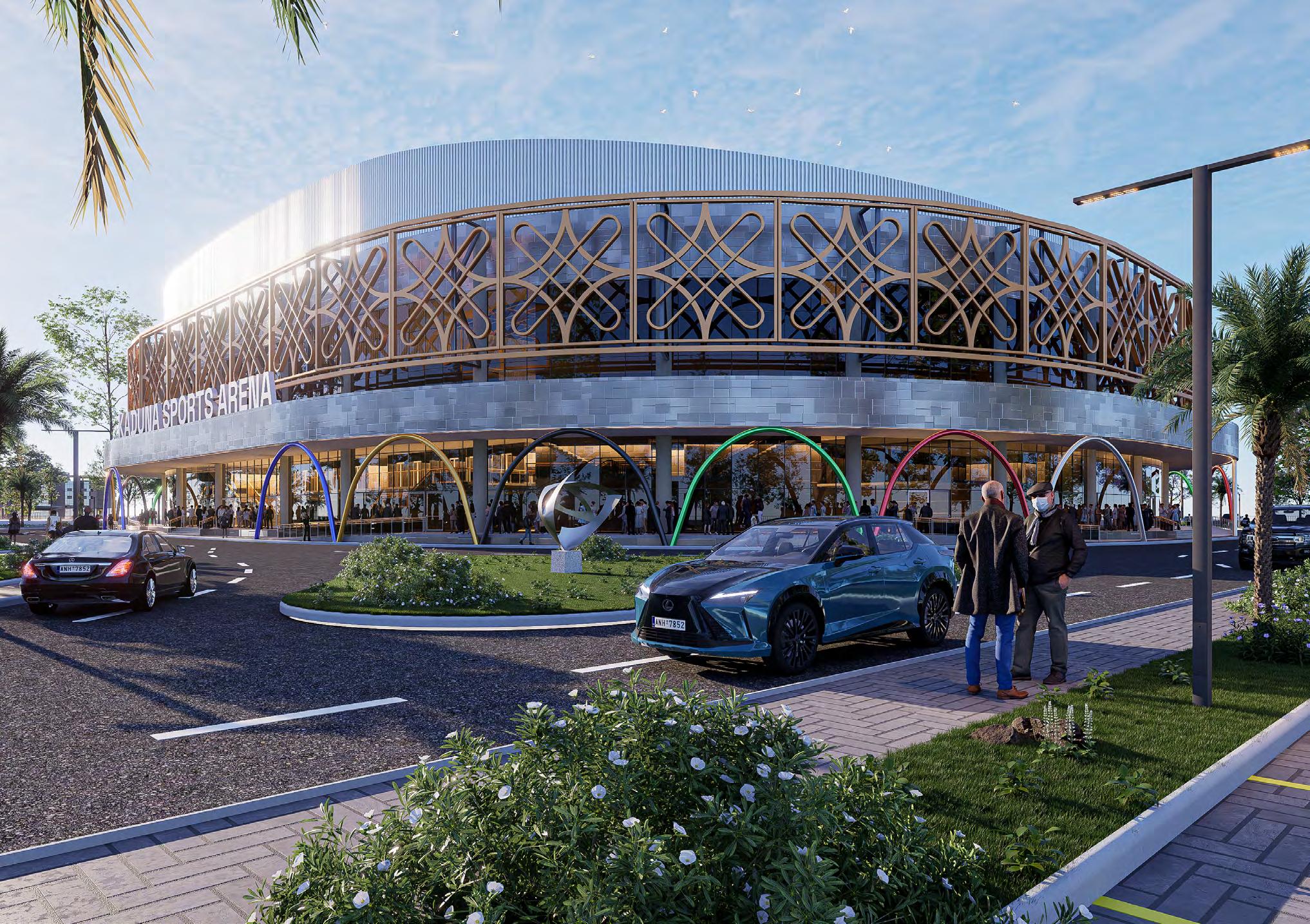
KADUNA SPORTS ARENA
Collaboration & collective symbolism 16-19
SDG CONDOMINIUM
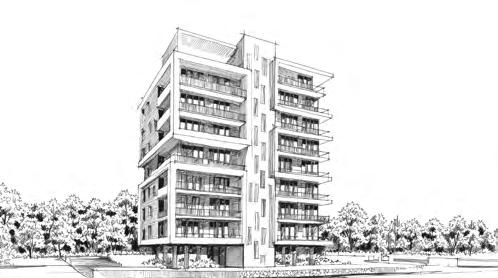
Goal 11 - Sustainable communities 20-24
Academic - Undergraduate Final Thesis
Project Type:
Year:
Location:
Supervisor:
Role: Social Infrastructure 2022 Enugu, Nigeria
Arc. Odoh Peter Individual Project
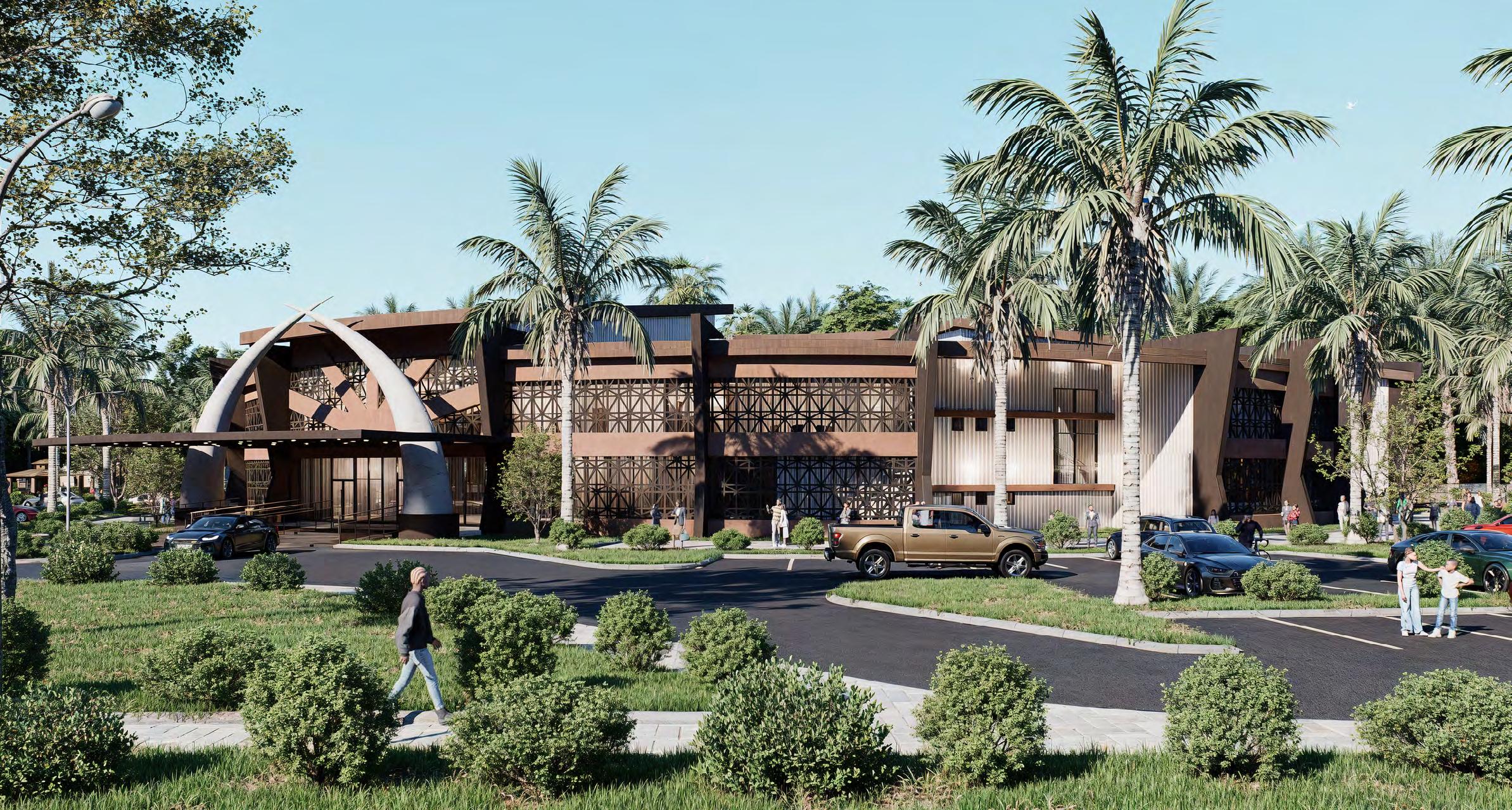
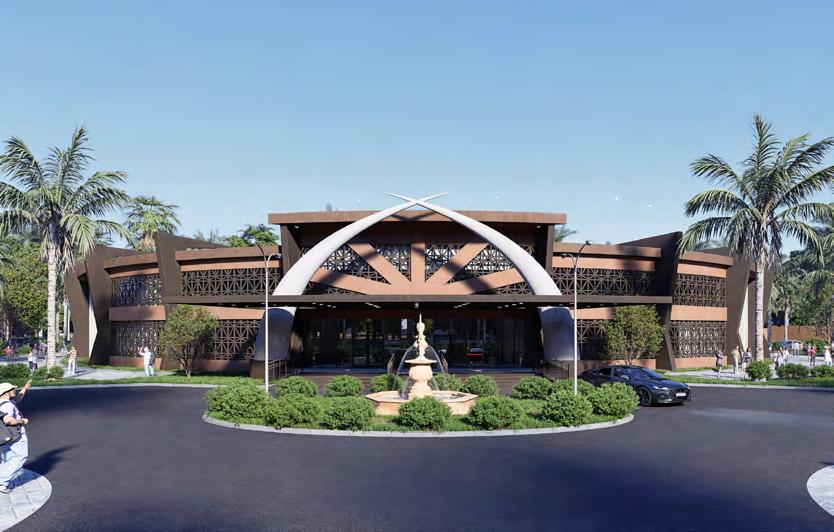
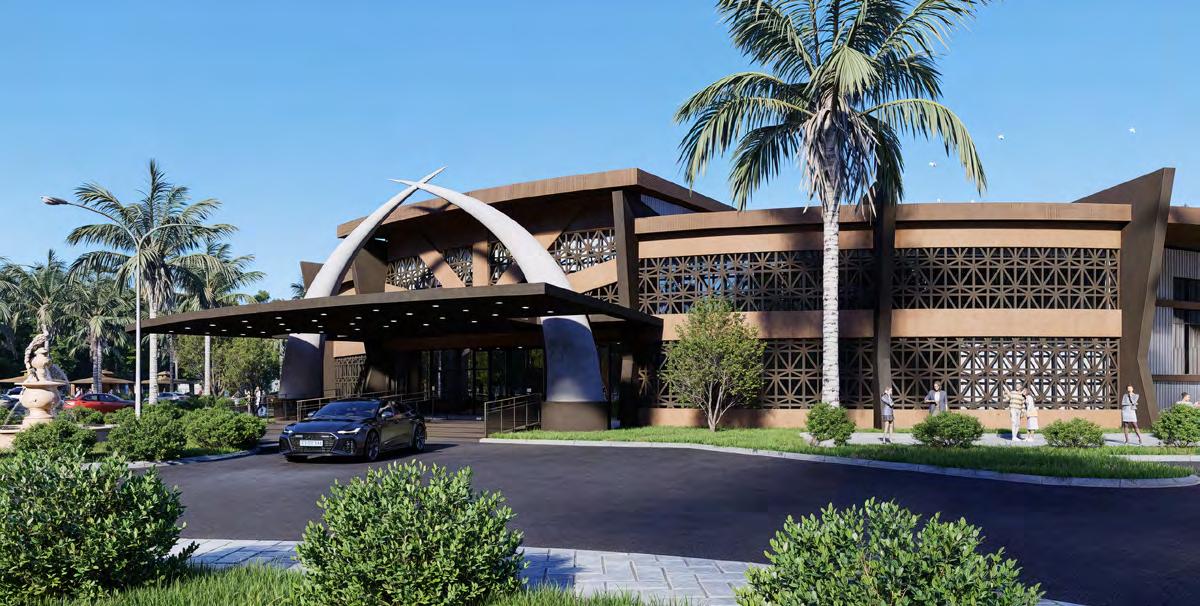
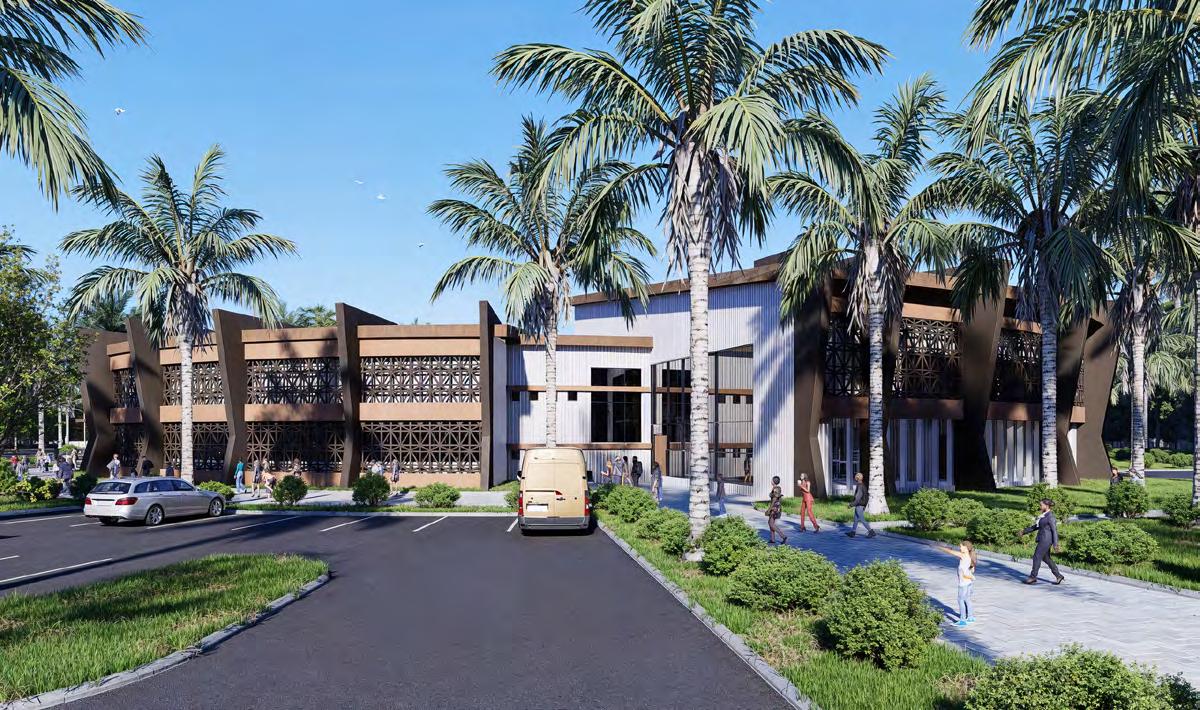
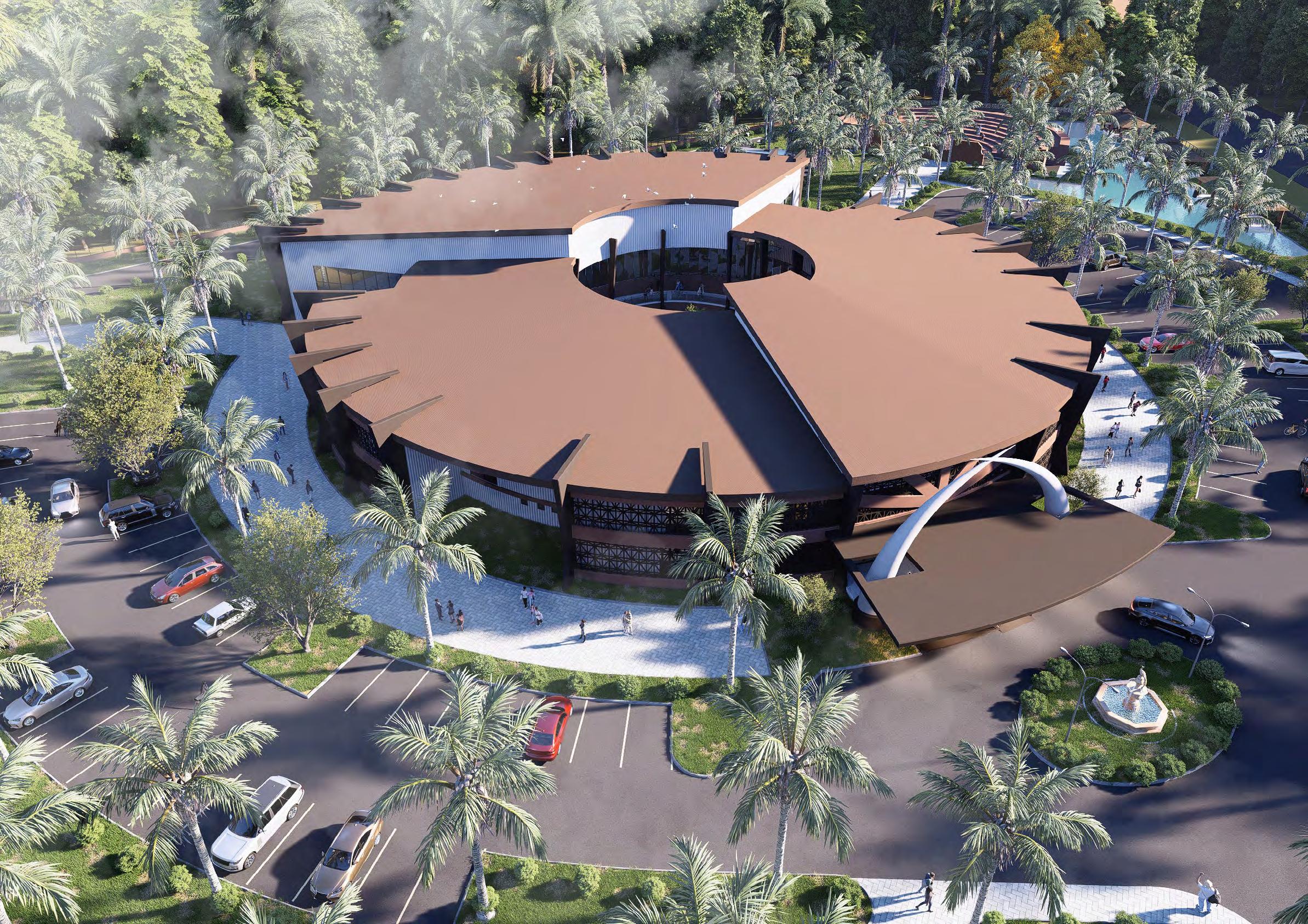
Situated at the heart of Enugu, the proposed Igbo Cultural Centre aims to celebrate the rich heritage and dynamic future of the Igbo people. This architectural marvel is designed to be a beacon of cultural preservation, education, and inspiration.
The centre will draw from the powerful symbolism of the sun, fostering a deeper understanding and appreciation of Igbo traditions, arts, and history. Strategically located in Enugu, the centre will serve as a hub for cultural exchange, showcasing traditional Igbo architecture, art, and crafts.
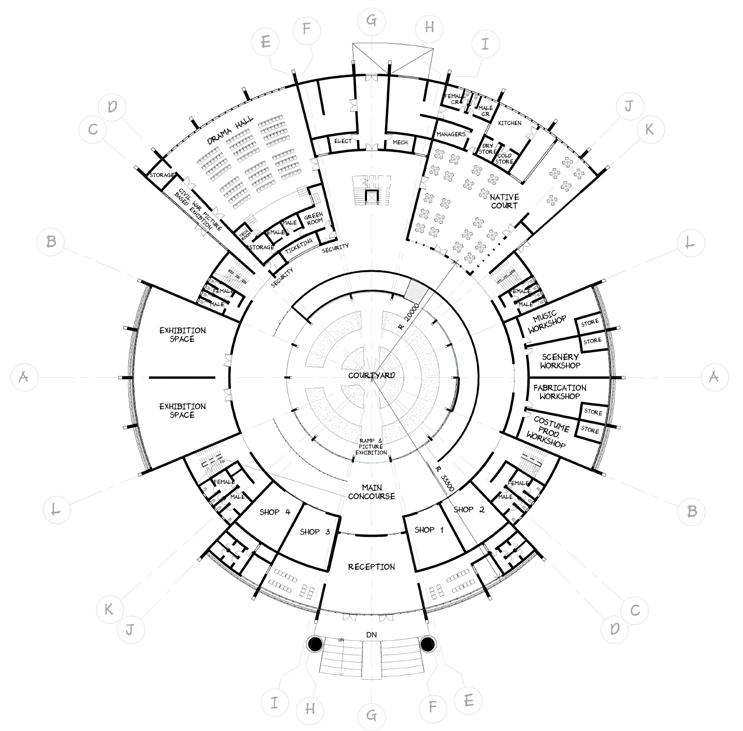
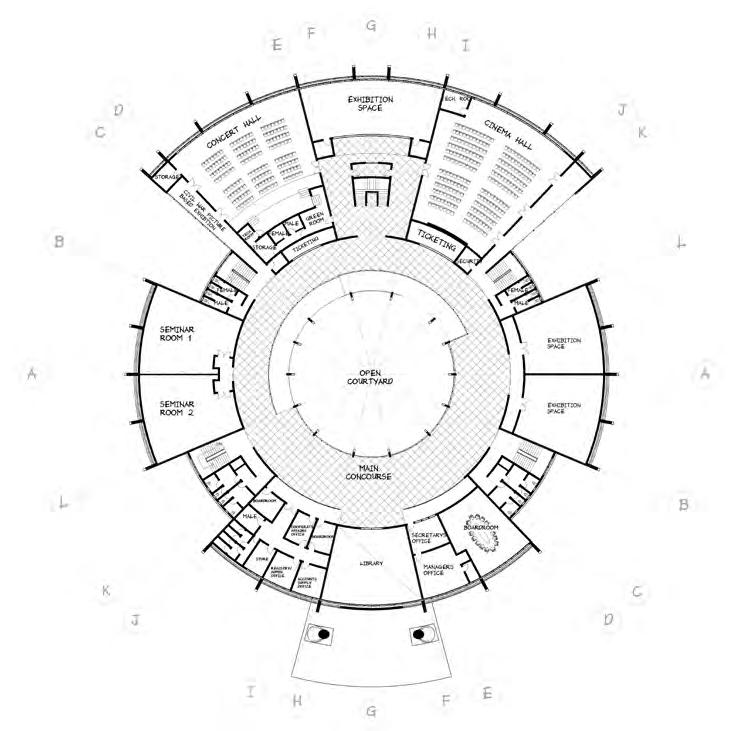
Thoughtfully designed spaces will host exhibitions, performances, workshops, and community gatherings, providing a vibrant platform for cultural expression and learning. Anyanwu is more than a building; it is a cultural landmark, poised to inspire generations and illuminate the path towards a bright, inclusive future.
This design concept note proposes an architectural design for an Igbo Cultural Center inspired by the celestial body, Anyanwū, or the “Eye of the Sun.” The centre will serve as a hub for Igbo culture, history, and arts, providing a space for education, celebration, and preservation. The Igbo-land (Alaigbo), Enugu inclusive is referred to as the land of the Rising Sun. Anyanwū is a sun goddess popular in the igbo culture as omen for good fortune.
Nsibidi symbol of the sun.
Nsibidi is an ancient Igbo writing script.
Key Features
The design philosophy is rooted in the profound reverence for the sun in Igbo cosmology. Anyanwū, as the source of life and energy, symbolizes knowledge, power, and divine wisdom. The building will embody this symbolism, creating a space that is both aweinspiring and functional.
(Ancient Igbo People) scarifi due to their beliefs in Anyanwū.
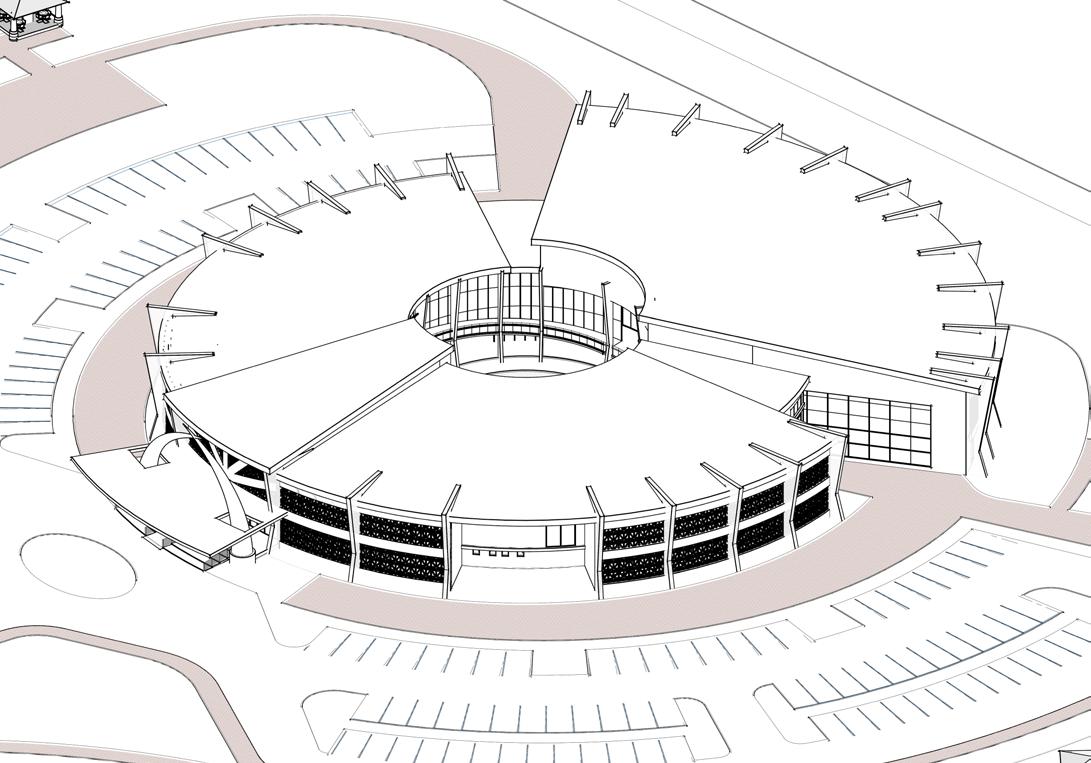
• Iconic Structure characterized by its circular form, representing the cyclical nature of life and the sun’s eternal journey.
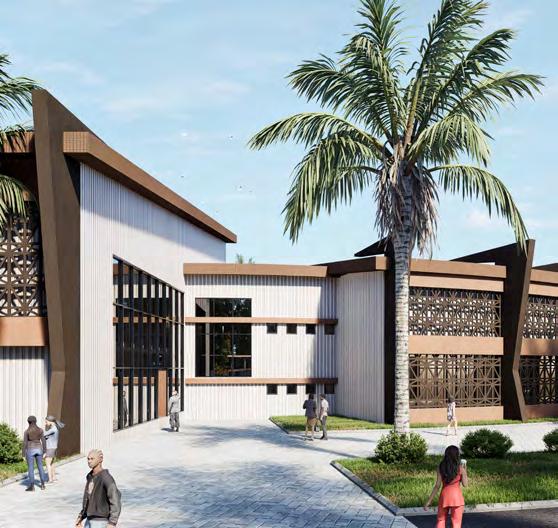
• The Facade will be a dynamic interplay of light and shadow, with intricate patterns inspired by Igbo art and Anyanwu symbol.
• Local materials such as mud, thatch, and wood adopted to connect with the rich architectural heritage of the Igbo people.
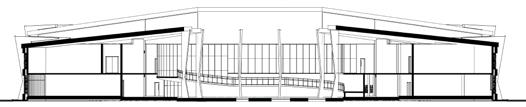
• Passive Design: Utilizing natural light and ventilation to reduce energy consumption. A large, circular opening at the top will symbolize Anyanwu, allowing natural light to illuminate the interior.
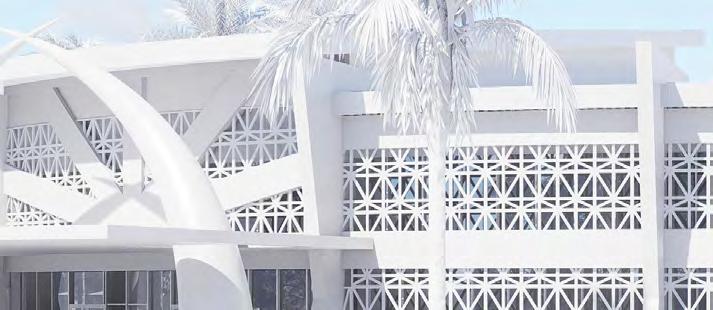
Intricate Filigree Pattern adopted from the Nsibidi symbol of the sun and the Ancient Igbo beliefs.
• For a Traditional Facade Design
• For shielding from solar radiation.
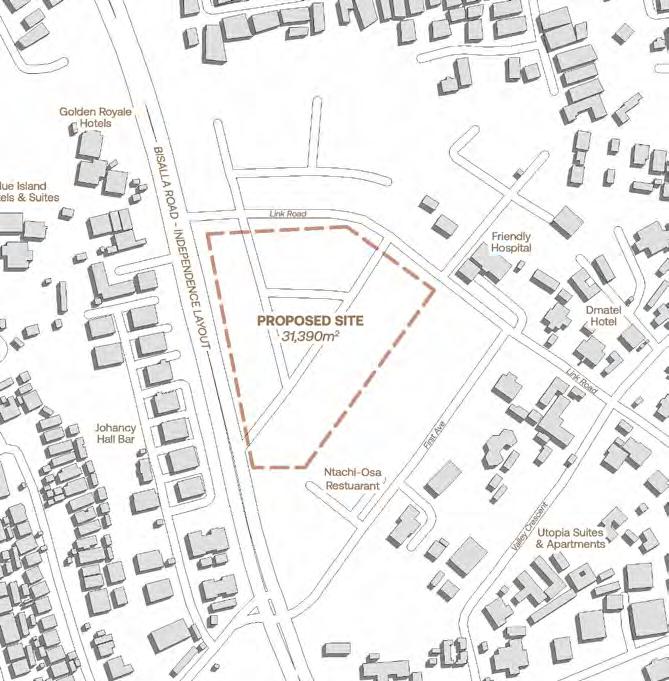
Strategically proposed for Enugu, a city rich in cultural significance and history, the centre will act as a hub for cultural exchange, showcasing traditional Igbo architecture, art, and crafts. Situated at the heart of Enugu in Independence Layout, the proposed location for the An Igbo Cultural Centre is strategically positioned in a prime area known for its cultural and administrative significance. Independence Layout is a well-planned urban area featuring low-density residential zones and structured urban planning. The area is undergoing continuous development while maintaining sustainability, making it ideal for a cultural centre. The climate supports lush vegetation and makes the area suitable for various outdoor activities and cultural events.


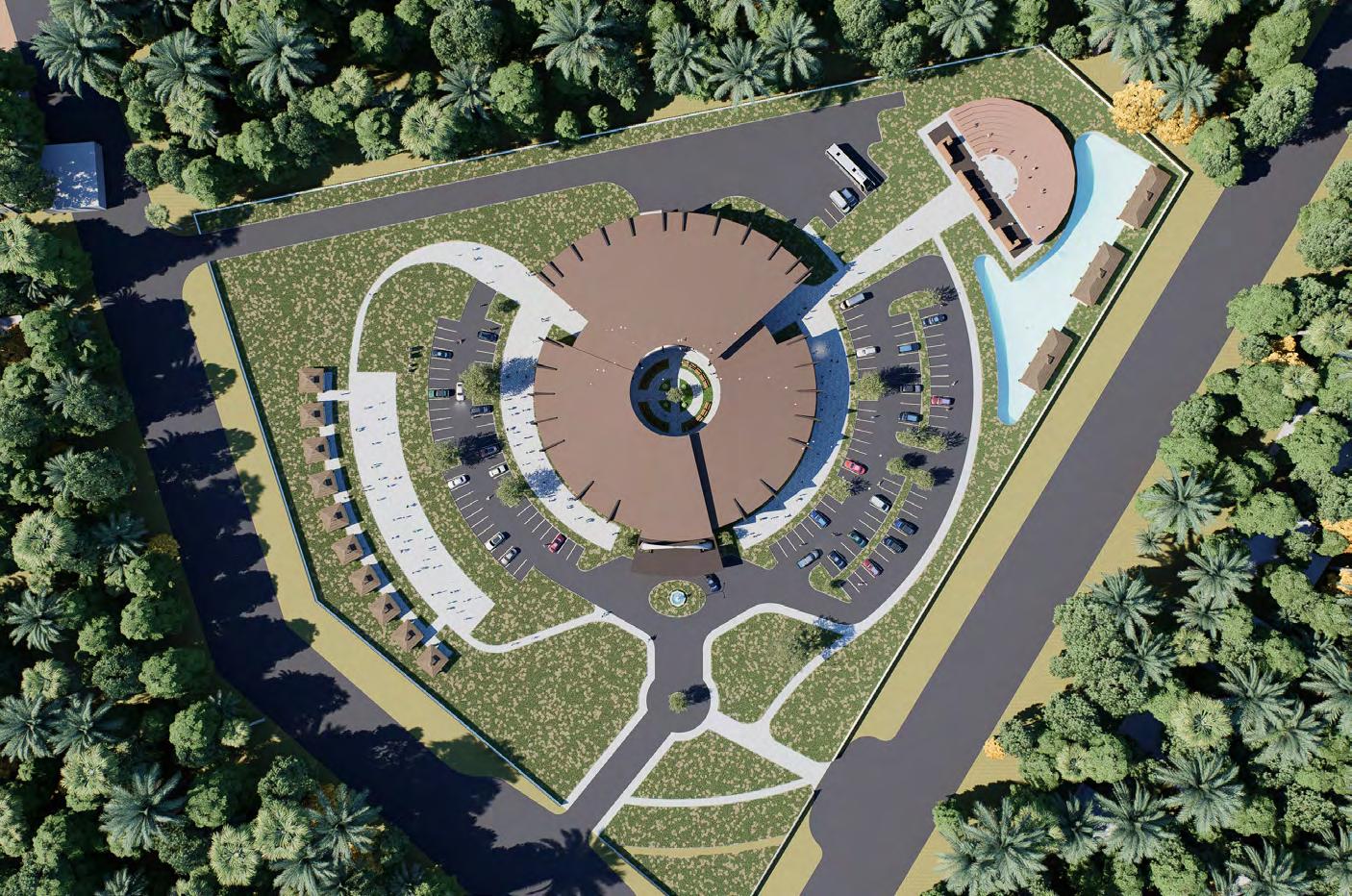

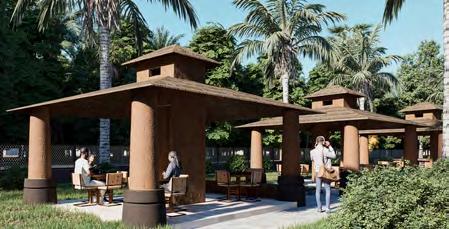
Sit-out area: Inspired by the iconic Mbari houses, traditional Igbo shrines known for their intricate sculptures and vibrant colours.
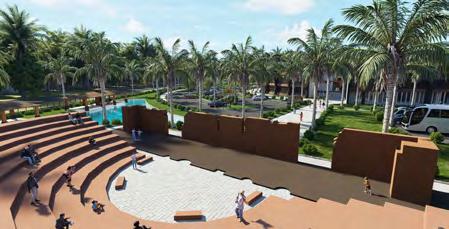
Amphitheatre: Designed to host a variety of cultural performances and festivals. This open-air venue will be the stage for vibrant masquerades, traditional dances, music concerts, and theatrical productions.
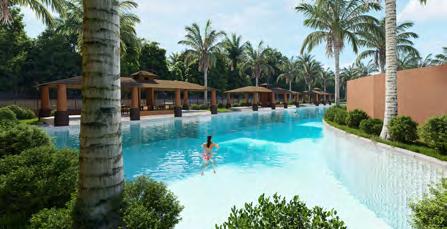
Pool: Adjacent to the some Mbari sit-outs, a serene pool will be designed, reminiscent of the sacred rivers that hold deep spiritual significance in Igbo cosmology.
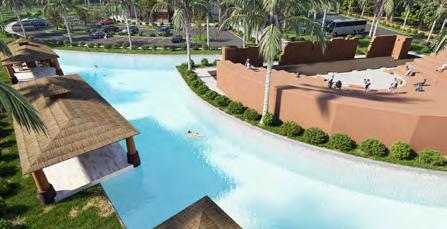
The amphitheatre, pool, and Mbari sit-out will create a harmonious cultural experience, allowing visitors to transition seamlessly between vibrant performances, serene reflection, and spiritual connection.
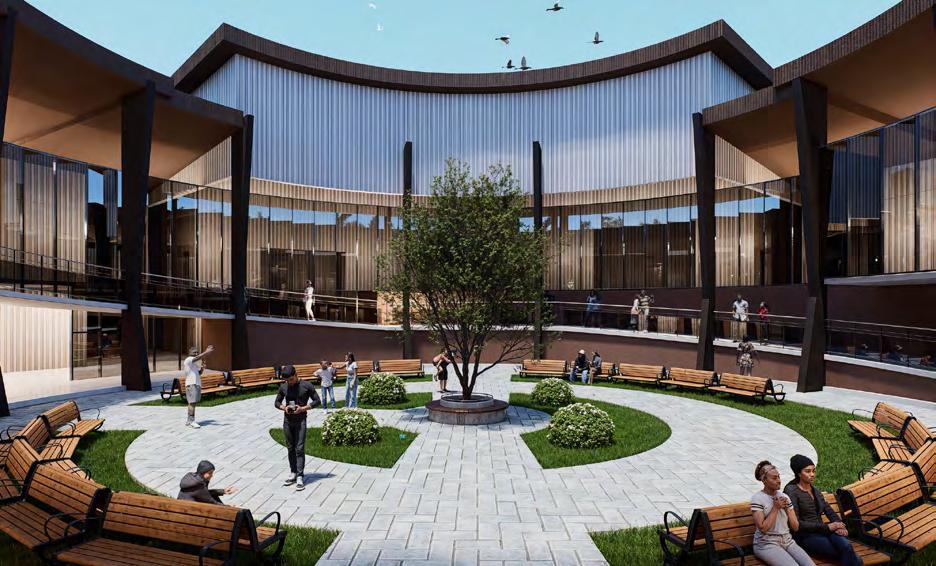
Central Courtyard (The Iba): A serene outdoor space for relaxation and cultural activities. The central courtyard is notable is Igbo Traditional Architecture and has been adopted in this Cultural Centre design. A heart of the building that reflects the Igbo reverence for nature and community. This open-air space adorned with lush indigenous plants will serve as a gathering place for cultural events, exhibitions, and simply a moment of tranquillity.
Project Type:
Year:
Location:
Role:
Contibutor: Cultural Pavilion Design 2025 Bridgetown, Barbados Collaboration Project Godsent Columbus
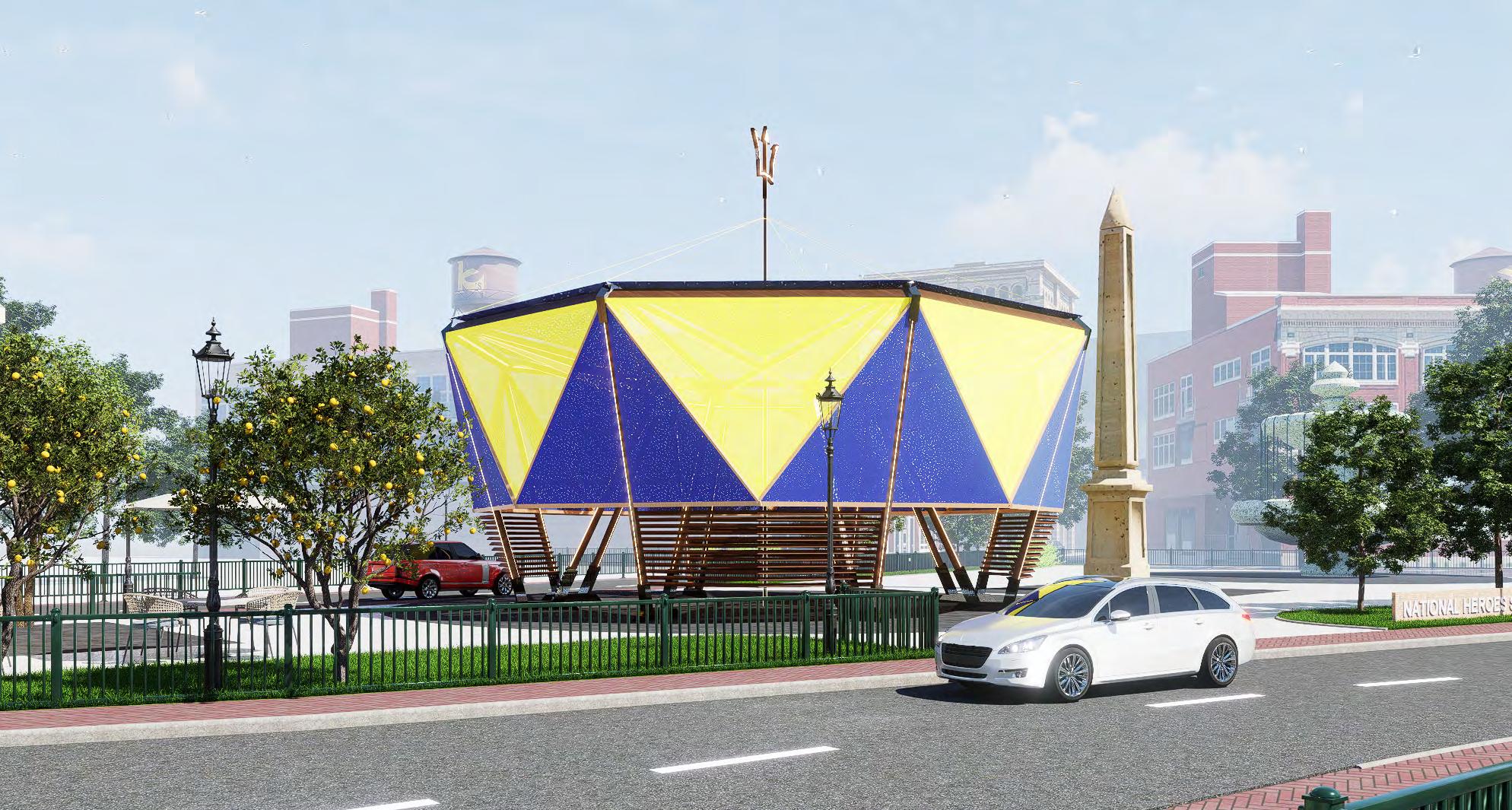
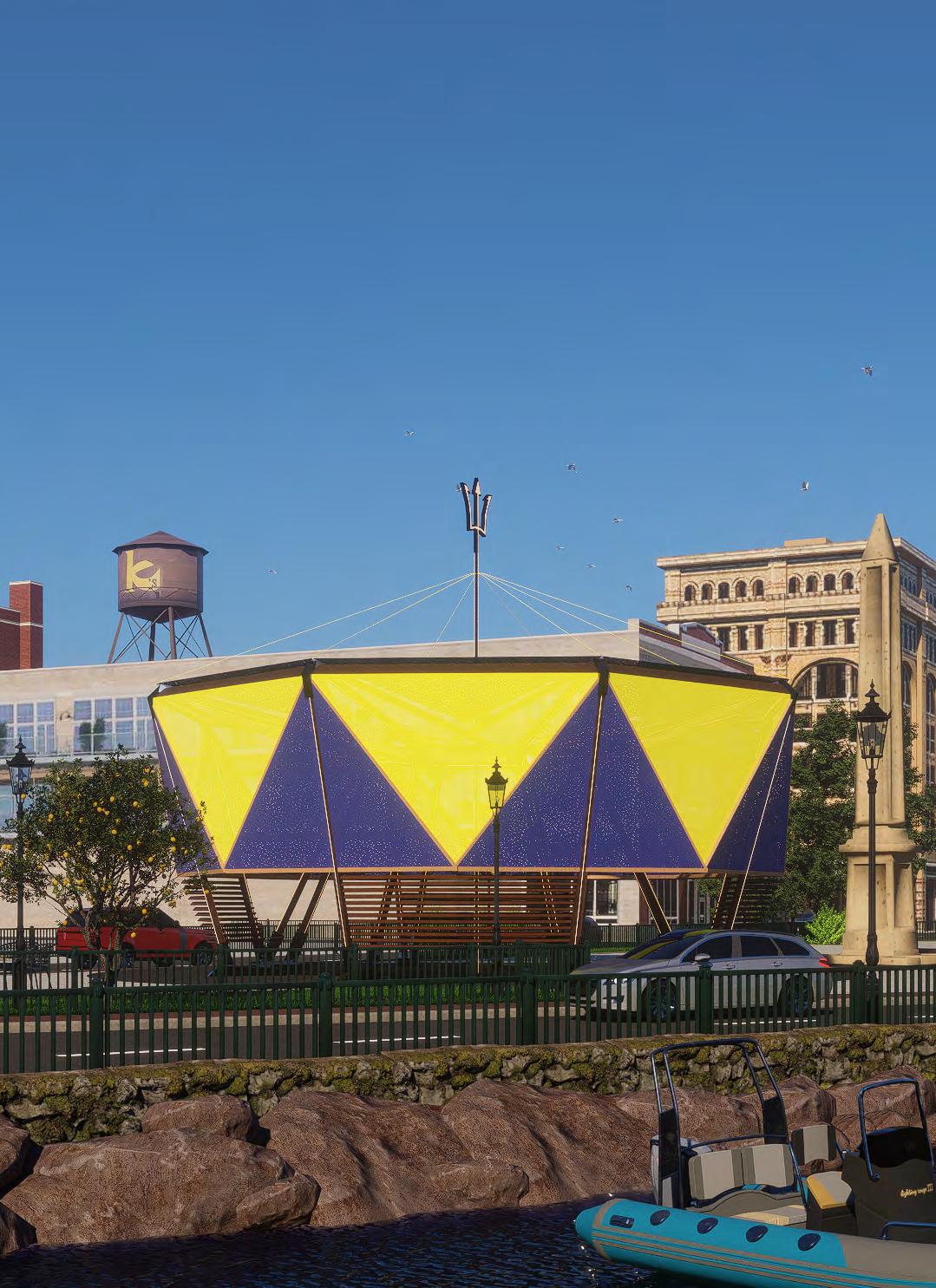
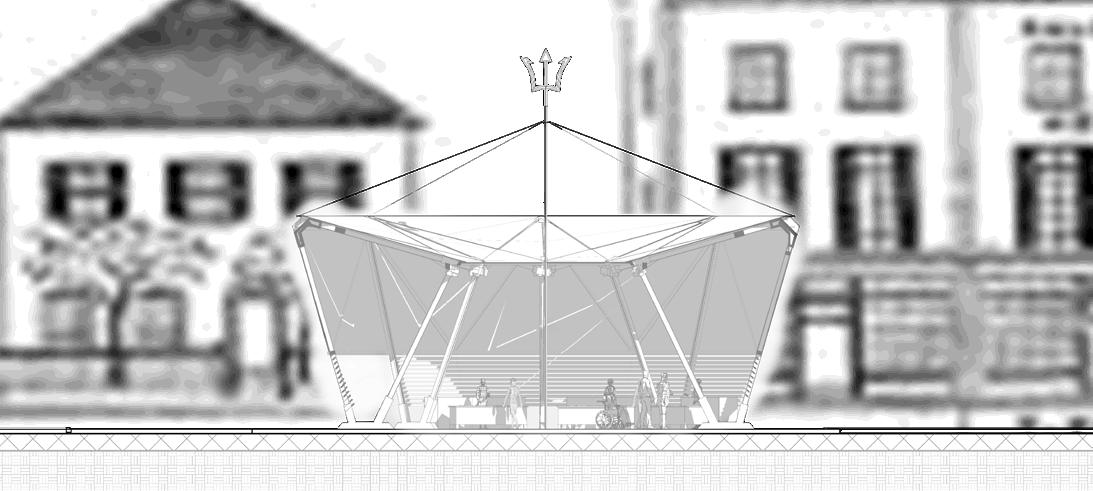
Rooted in the vibrant identity of Barbados and inspired by its national flower, the Pride of Barbados (Caesalpinia pulcherrima), Pride in Bloom is a temporary pavilion designed to evoke a sense of cultural pride, environmental consciousness, and communal expression. The pavilion is a living metaphor for growth, resilience, and openness — qualities embodied by the flower and by Barbadian heritage itself.
It is more than a festival structure—it is a symbolic gathering place. Through its radial openness, it encourages visitors to step inside, engage with local artists, taste a meal, or simply rest in the shade. It stands as a testament to Barbados’s heritage, inviting everyone—locals and tourists—to experience a fragment of the island’s soul.
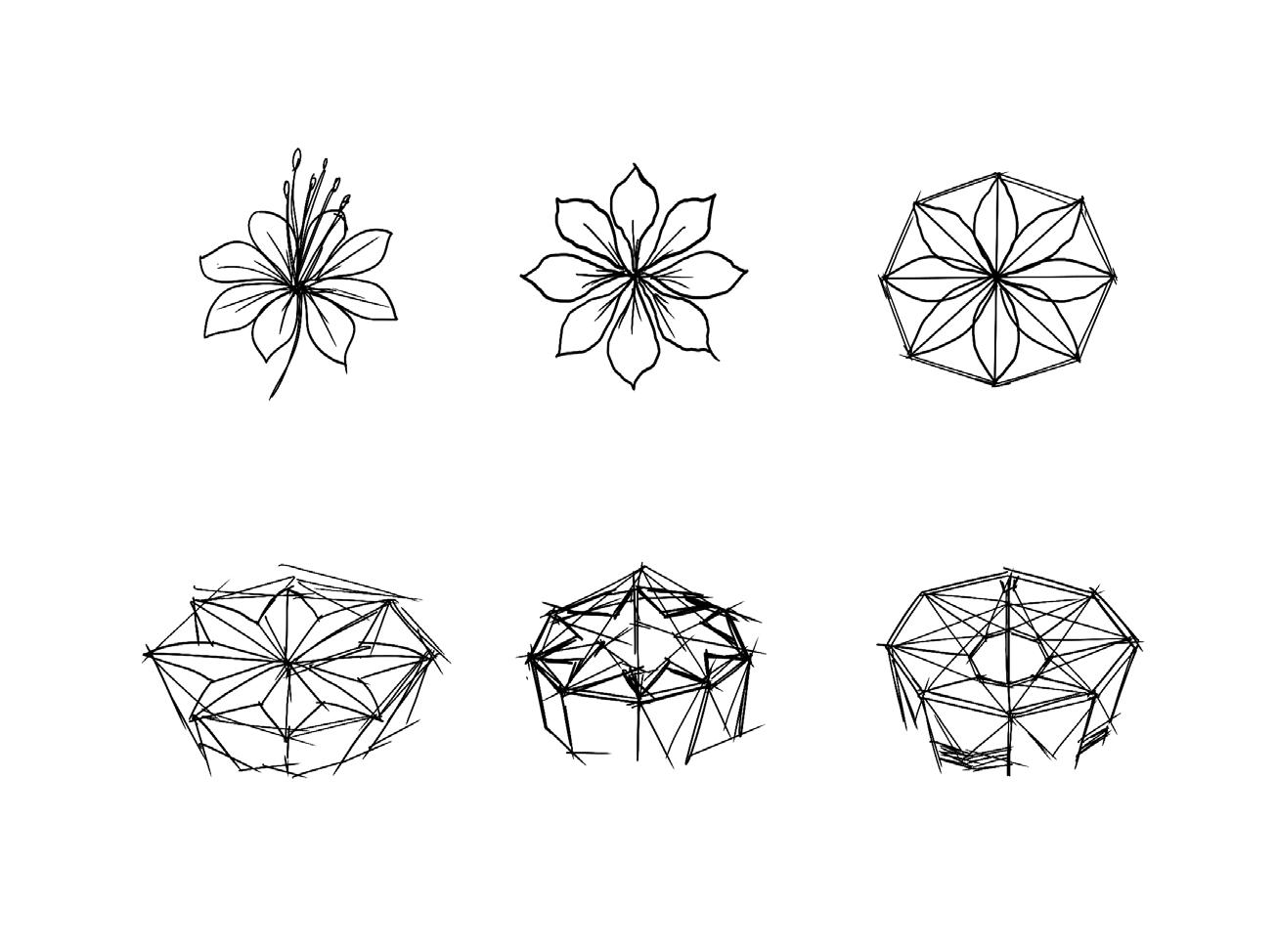
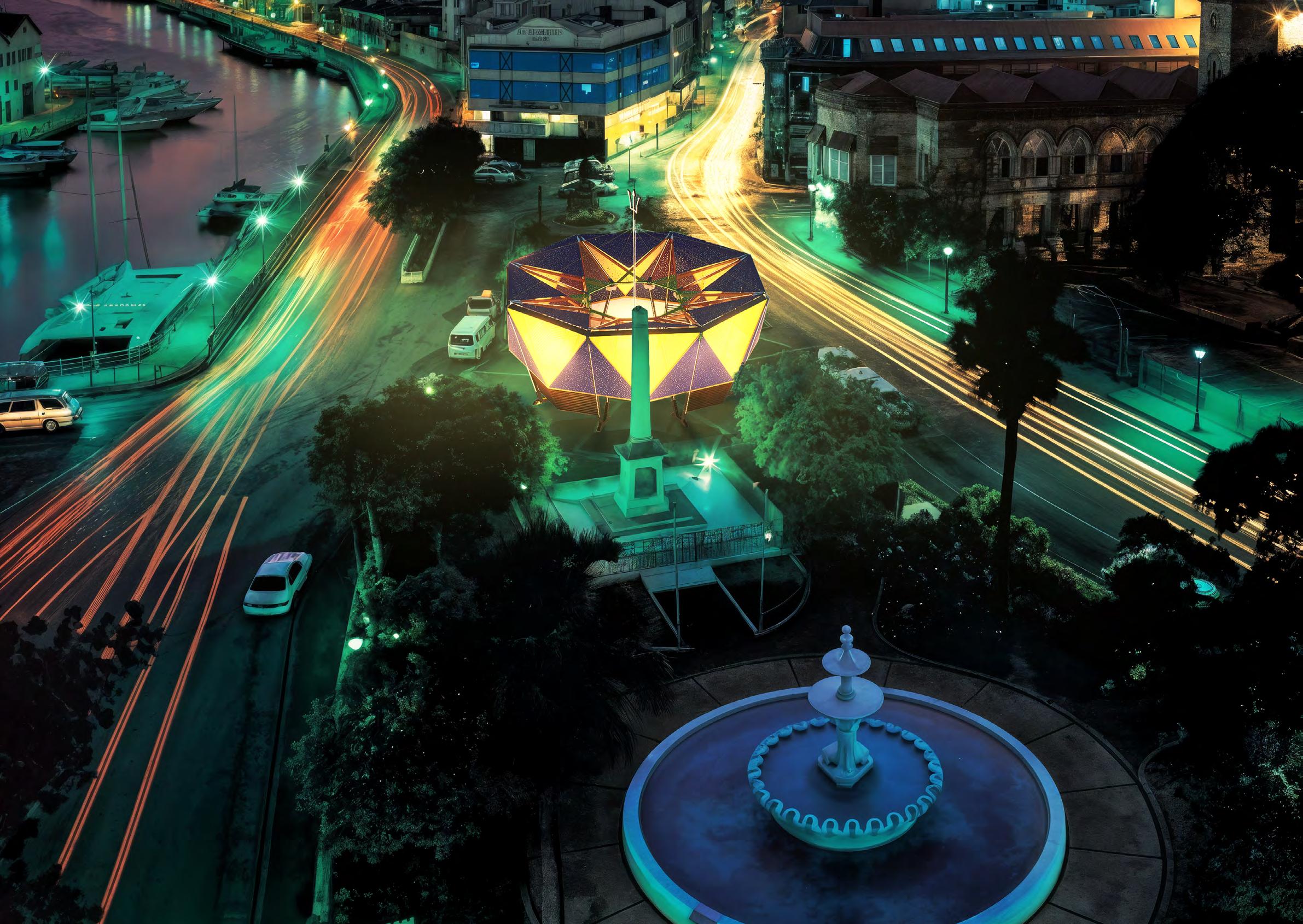
Eight Petals → Octagonal Footprint: The pavilion plan is defined by eight equal segments—an octagon directly derived from the flower’s eight vivid petals. From above, the outline reads as a stylized blossom gently opening toward the sky.
Radial Symmetry: A central hub anchors the design: from this core, eight timber “spokes” extend outward, gently curving into canopies. This radial arrangement mirrors the flower’s natural geometry and ensures visual harmony from any viewpoint.
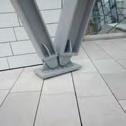
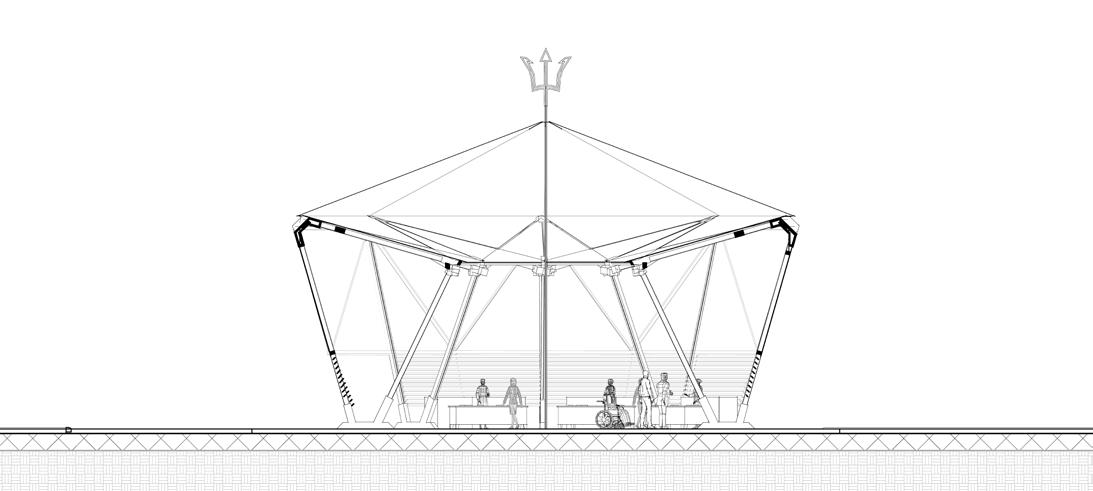
Timber Skeleton: A network of locally sourced mahogany timber beams forms the pavilion’s primary
framework. Valued for its warm texture and sustainable sourcing, the timber skeleton taps into Barbados’s rich history of wood craftsmanship. Exposed joinery celebrates traditional carpentry while also providing a sturdy base for the canopies above.
Fabric Envelope in National Colors: Over each timber frame, a lightweight fabric canopy is tensioned into sweeping, petallike shapes. The fabric is tinted in ultramarine blue and golden yellow— the two core colors of Barbados’s flag—creating a dynamic interplay of sunlight and shadow. By day, the canopy’s colors glow brilliantly; by evening, LED uplighting can bathe the fabric in a soft ambient glow, ensuring the pavilion stands out as a landmark after sunset.
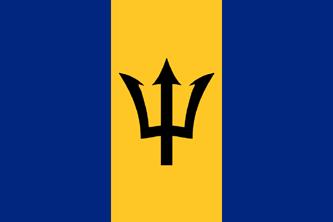
Ultramarine Blue - the ocean and the sky
Golden Yellow - sand.
Black trident head (the broken trident) - freedom from colonial rule and democracy, government of, for & by the people
Pride of Barbados as Metaphor: By embodying the flower’s eight petals and radial symmetry, the pavilion becomes a living emblem of national pride. Its very geometry reminds visitors of Barbados’s natural beauty and the unity found in community gatherings.
Color as Identity: The bold blue and yellow canopy not only echoes the flag but also symbolizes sea and sun, two elemental forces that shape Barbadian life. When
light filters through the fabric, it casts soft blue-yellow hues onto the timber floor, infusing the interior with a warm, uplifting atmosphere.
Timber & Craftsmanship: Exposed wooden joints and visible grain patterns celebrate the island’s tradition of skilled woodwork. Each beam “petal” feels alive— evidence of sustainable forestry and local craftsmanship, reminding visitors of the human hands behind the structure
2.2 EXPLODED AXONOMETRIC DETAILING
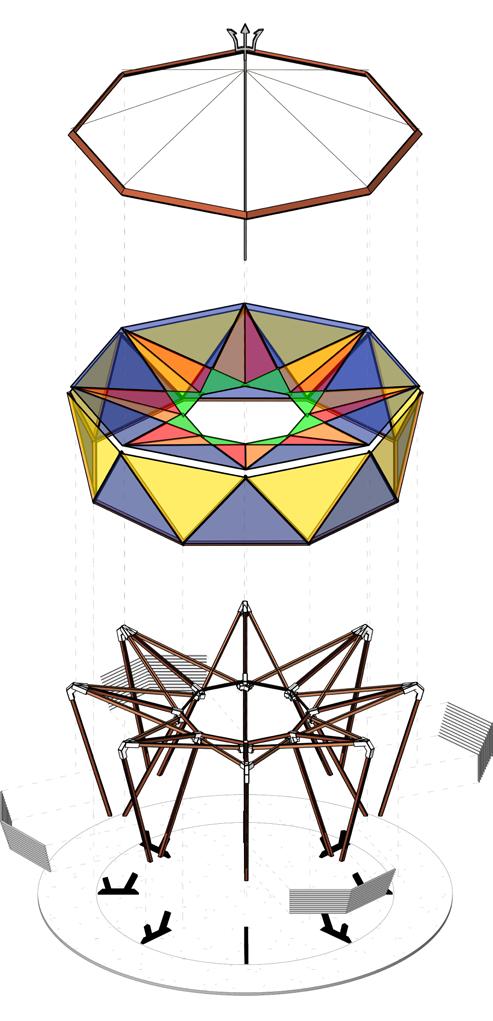
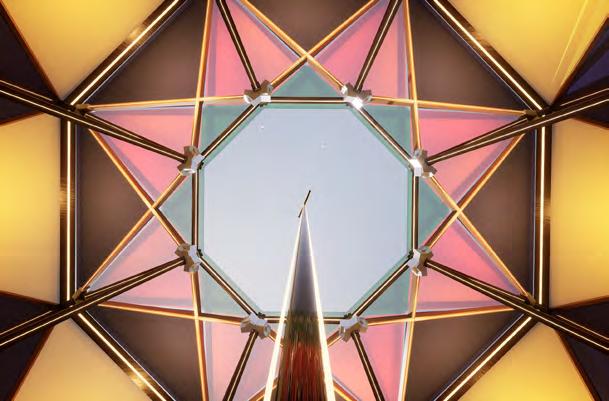
Central Pole, representing the flower stamen, with Barbodos trident at the top end.

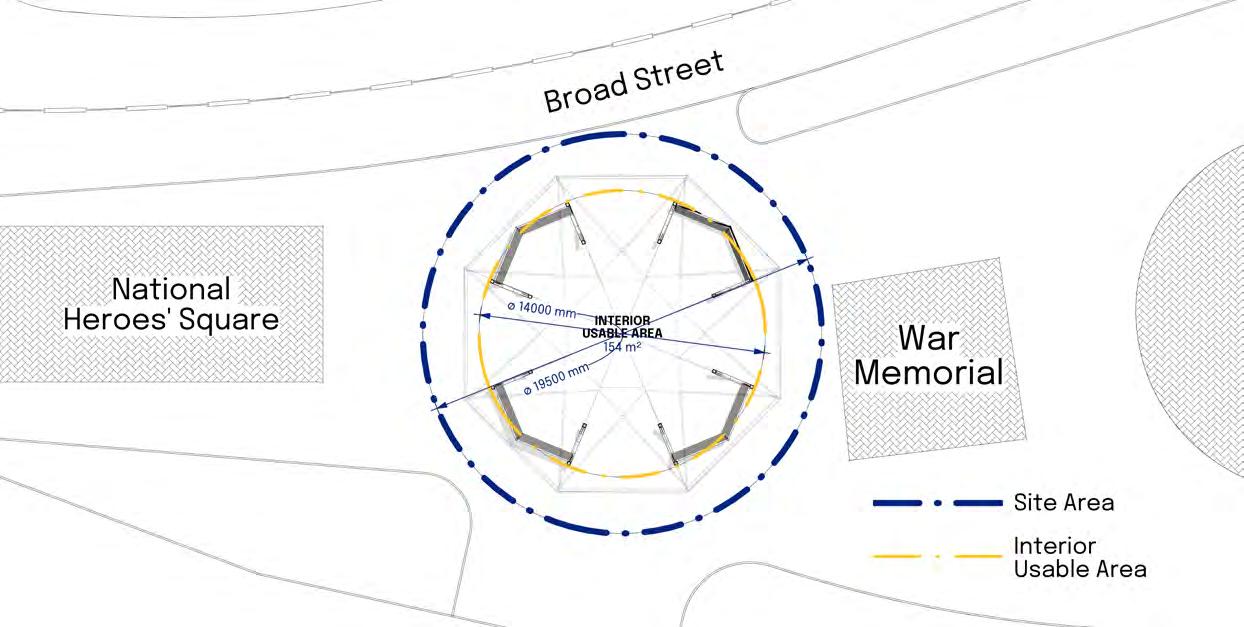

From the top view, the structure radiates outward like a blooming flower,
Central opening at the top with fabric colours from the Pride of Barbados flower forming an interplay of colours interior
Outer envelope is composed of lightweight fabric canopies, dyed in Barbados’ national colors — ultramarine blue and golden yellow.
(locally





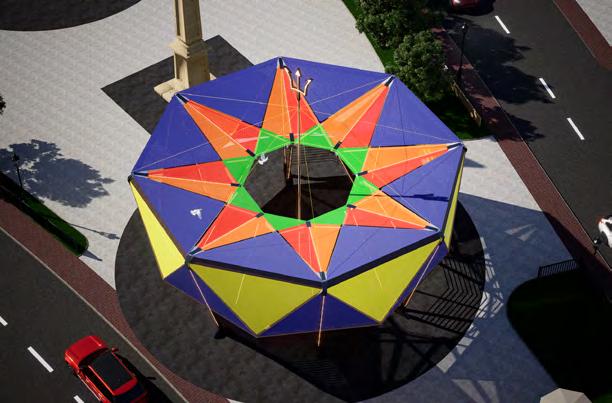
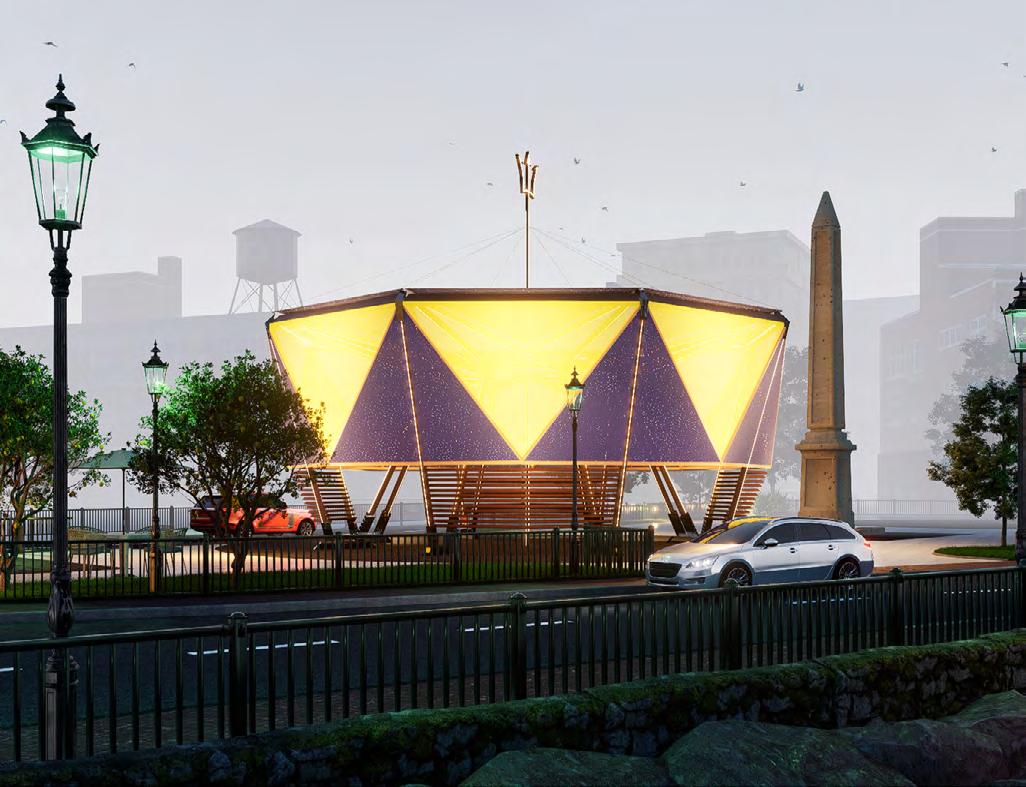
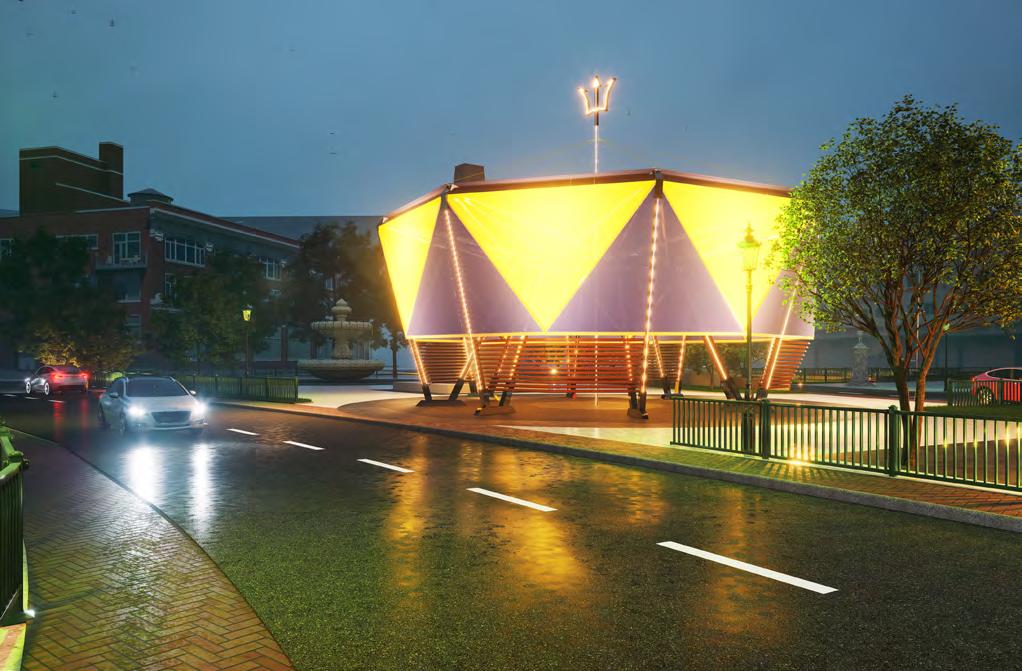
Open-Air Ambience: With no solid walls, the pavilion remains fully open to breezes and daylight, encouraging an unmediated connection between people, culture, and environment. Visitors can enter through any of the eight “gaps” between petals,
fostering a sense of welcome and fluid circulation.
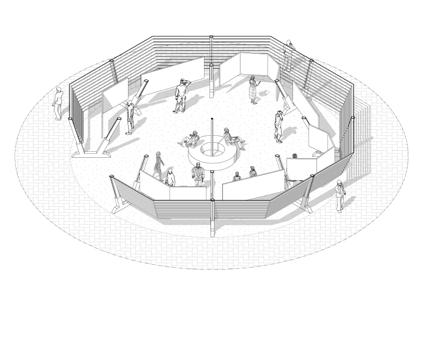
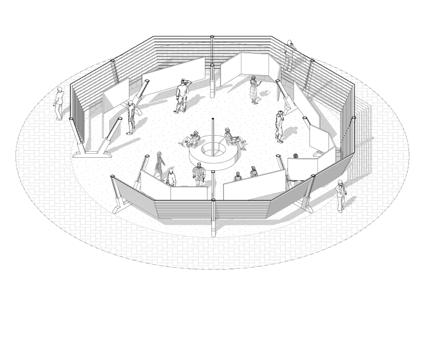
Multi-Program Potential: The central hub and each petal bay are intentionally undivided, allowing the pavilion to adapt to various community and festival needs. Potential configurations include:
2.9 - USE CASE A: EXHIBITION GALLERY for showcasing local art and storytelling
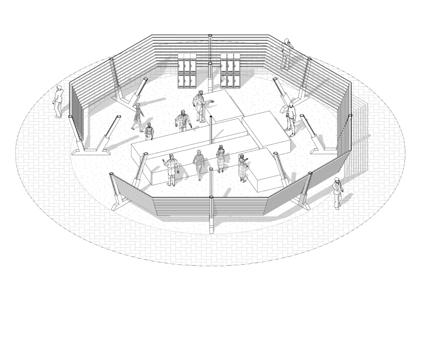
2.11 - USE CASE C: WORKSHOP SPACE for craft demonstrations, design charrettes, or community brainstorming sessions.
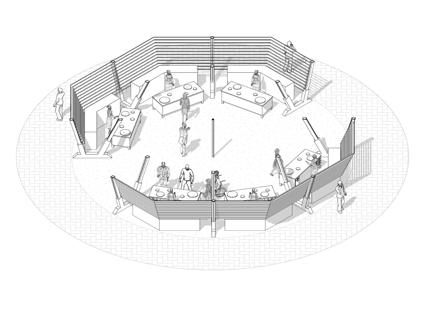
2.10 - USE CASE B: CULINARY/ FOOD SAMPLING for serving bite-sized tastings of Barbadian cuisine
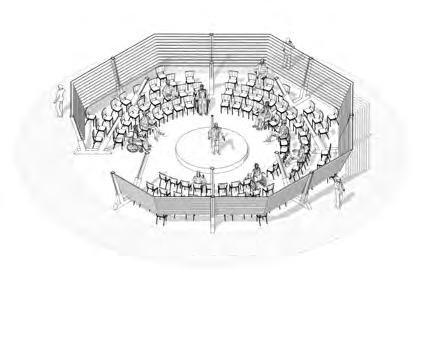
2.12 - USE CASE D: TALK-SHOW/STORYTELLING for talk shows, intimate concerts, and spoken word events and other audience engagement
Project
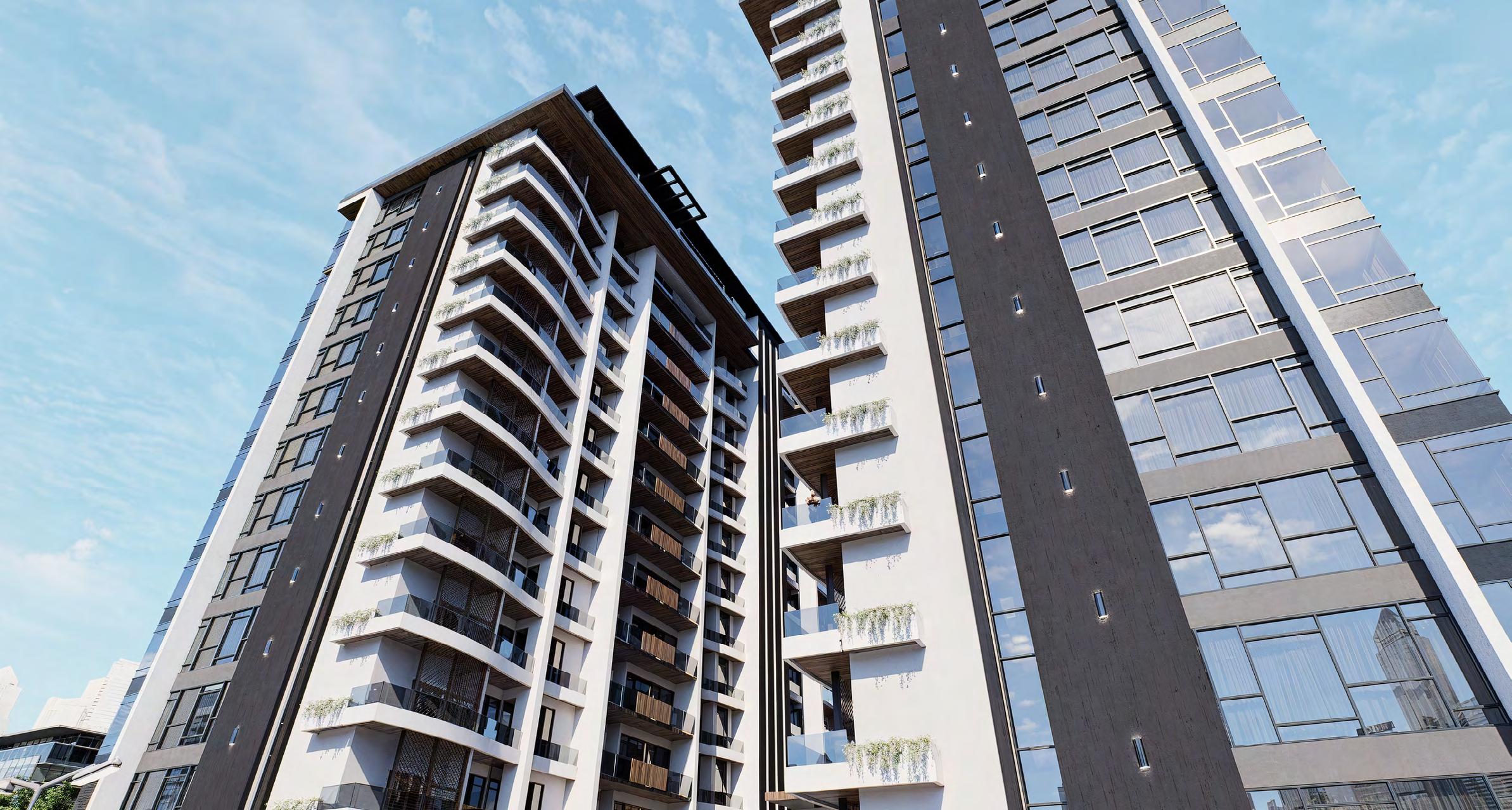
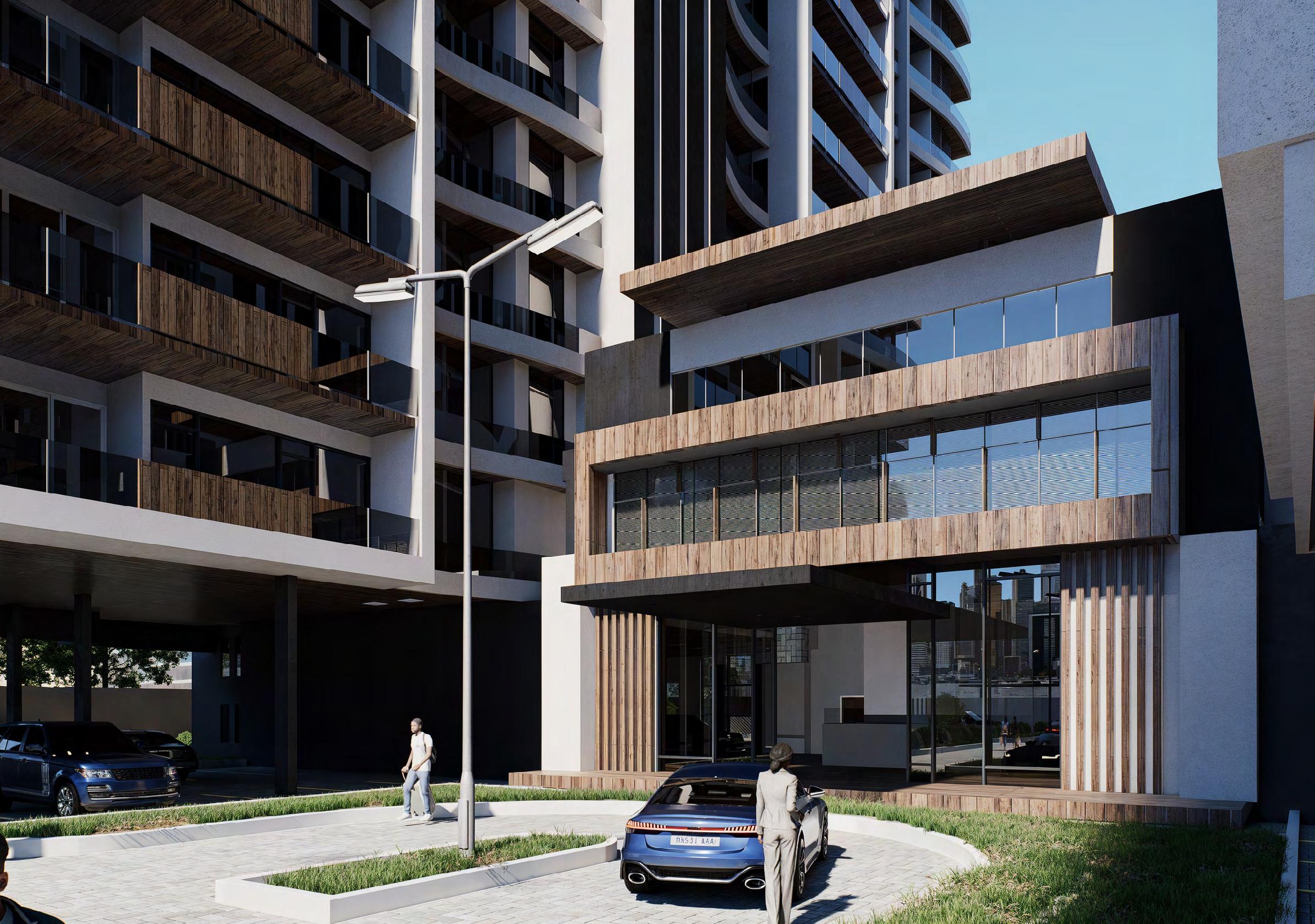
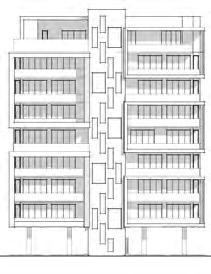
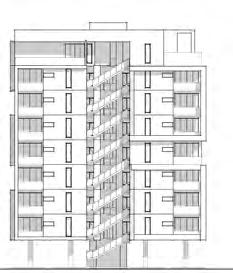
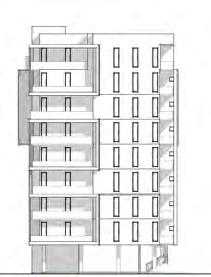
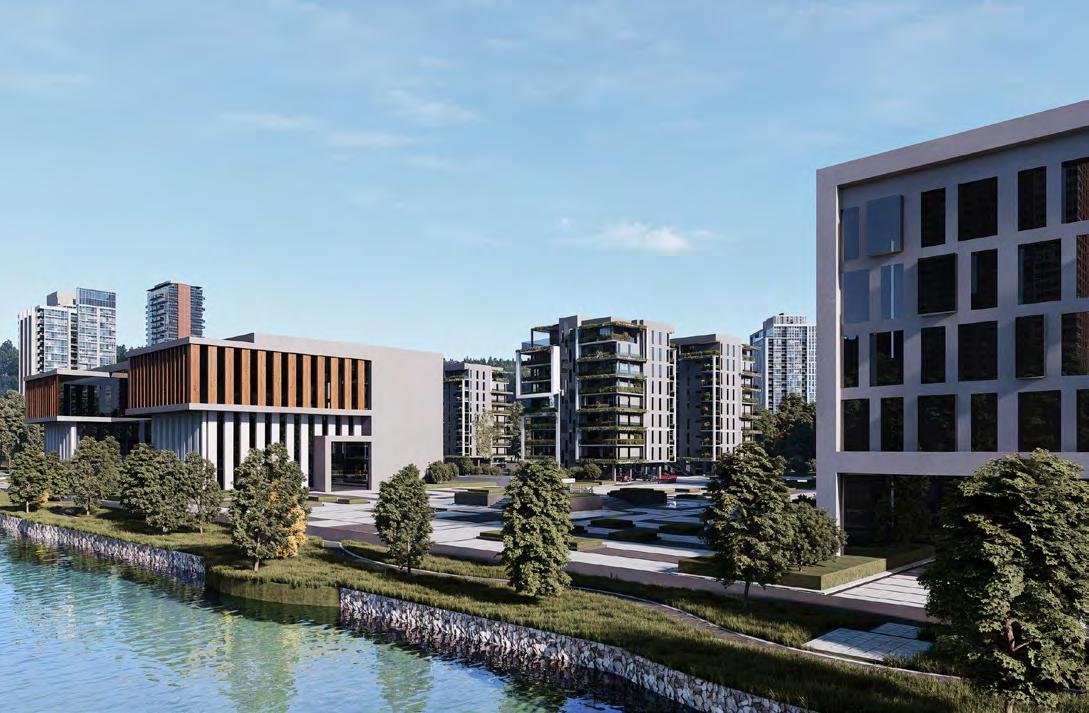
Situated in the bustling heart of Lagos, Nigeria, this modern high-rise architectural design aims to redefine urban living through a focus on safety and communal well-being. Lagos, known for its dynamic culture and rapid urbanization, presents a unique opportunity to introduce a building that not only meets the demands of modern city life but also fosters a sense of community.
The proposed high-rise will feature state-of-the-art safety measures, ensuring that residents can enjoy peace of mind in their living spaces. Advanced building technologies, including structural integrity enhancements, fire safety systems, and secure access controls, will be integral components of the design. These measures will create a safe and secure environment for all occupants.
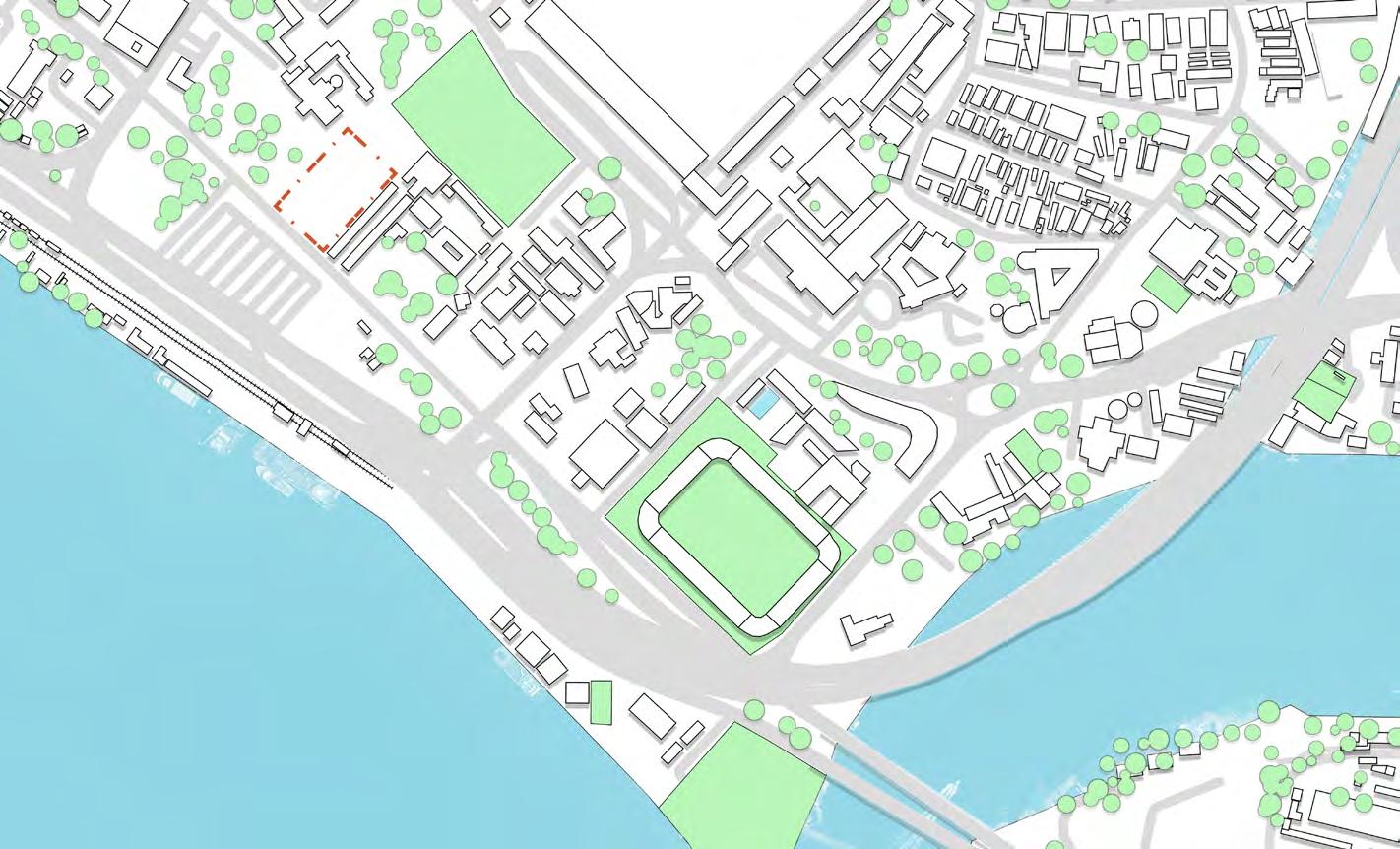
The site is a 1 hectare parcel of land that presently accommodates a park surrounded by First Bank Nigeria Head office and CBN Building. The site is well located on Marina road, Lagos and presents a commercially valuable piece of real estate in Lagos as it is complemented by the impressive views of the coastline to the north of the property.
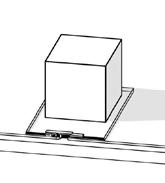
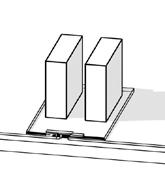
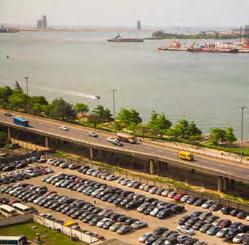
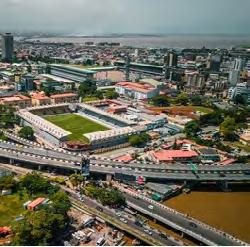
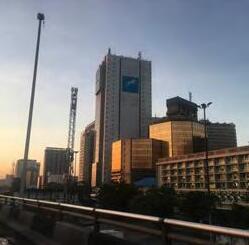
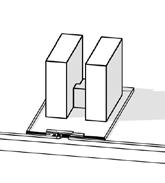
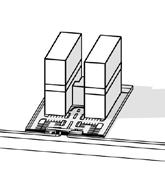
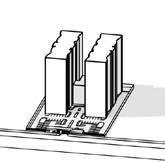
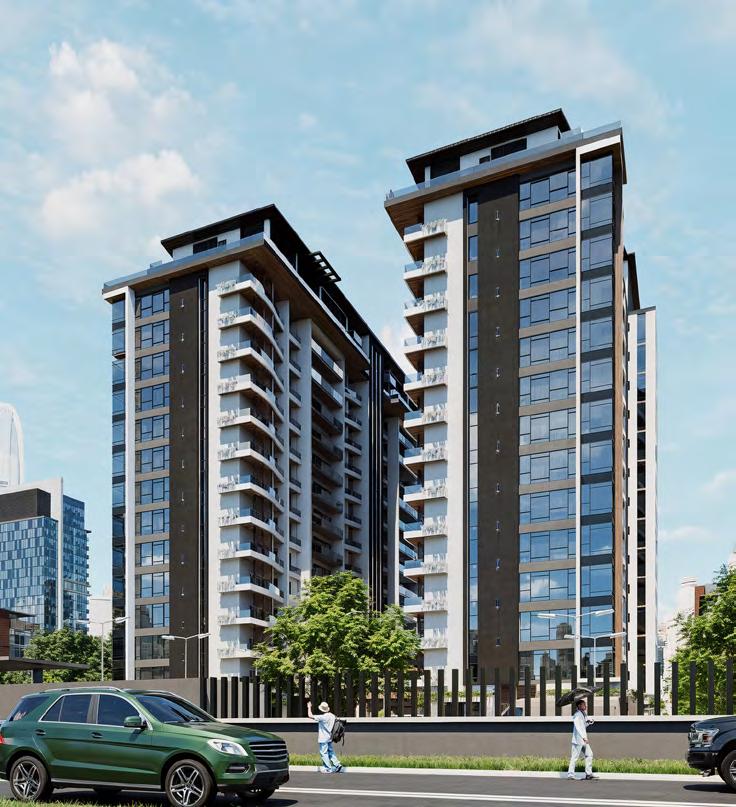
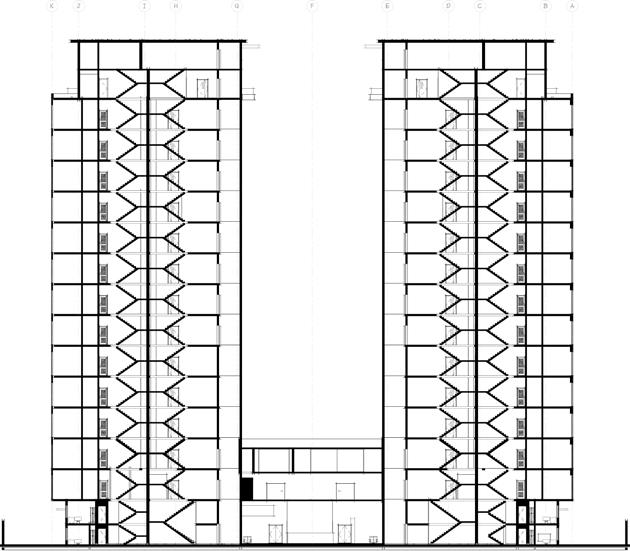
The high-rise will include thoughtfully designed communal spaces such as rooftop gardens, recreational areas, and shared workspaces. These areas will encourage social interaction and foster a sense of belonging among residents. The design will also incorporate sustainable practices, such as energy-efficient systems and green building materials, contributing to the overall well-being of the community and the environment.
By blending modern aesthetics with practical functionality, this high-rise will set a new standard for urban living in Lagos. It will serve as a model for future developments, demonstrating how safety and community can be seamlessly integrated into urban design. The project aims to create a vibrant, connected, and resilient community within the bustling metropolis of Lagos.
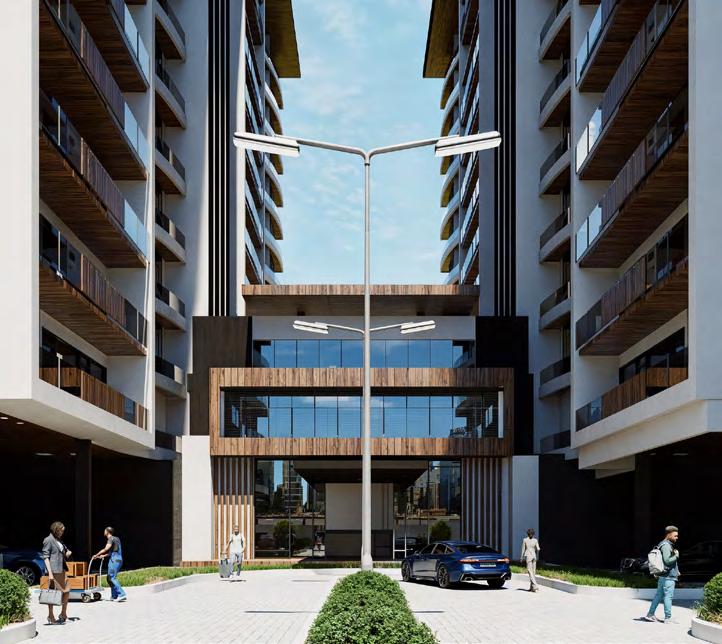
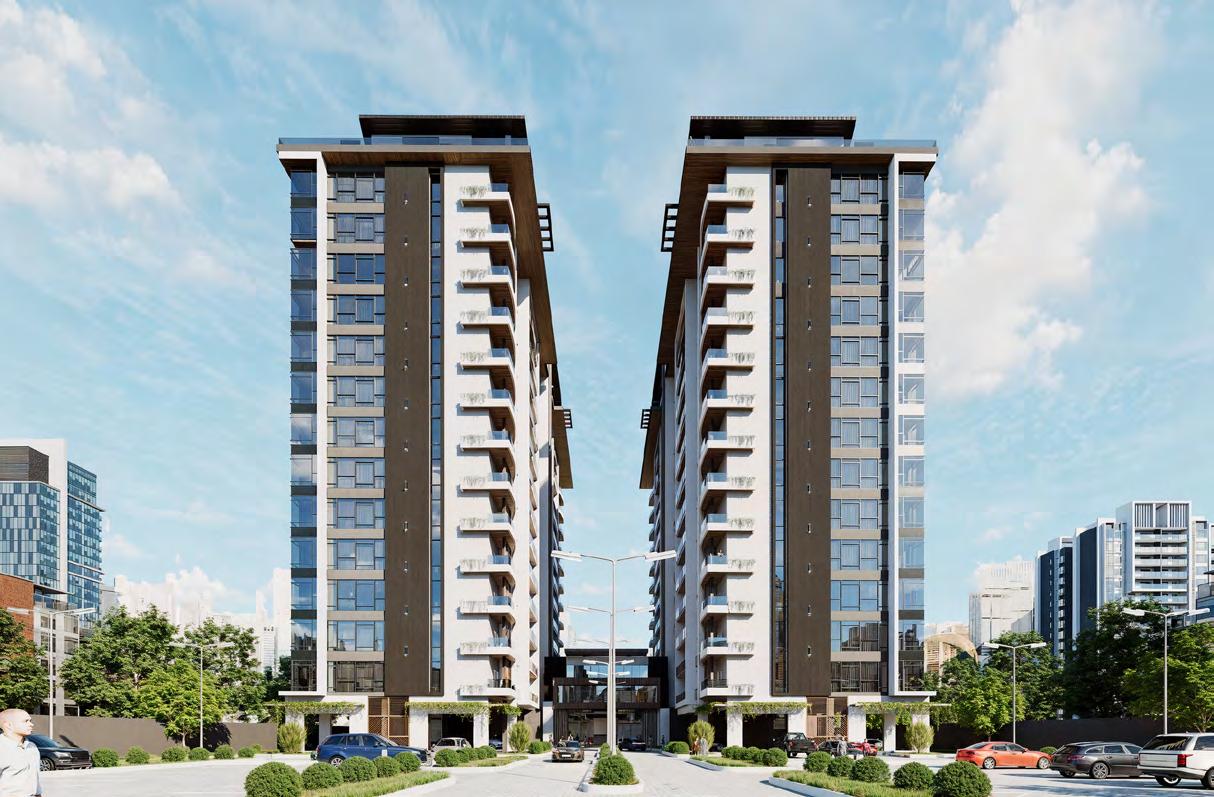
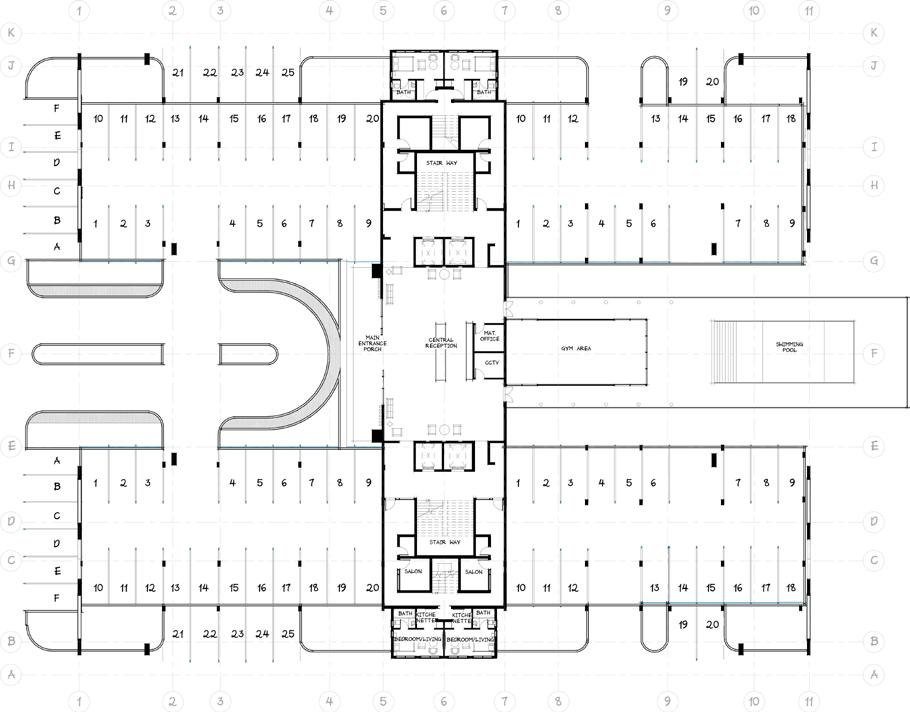
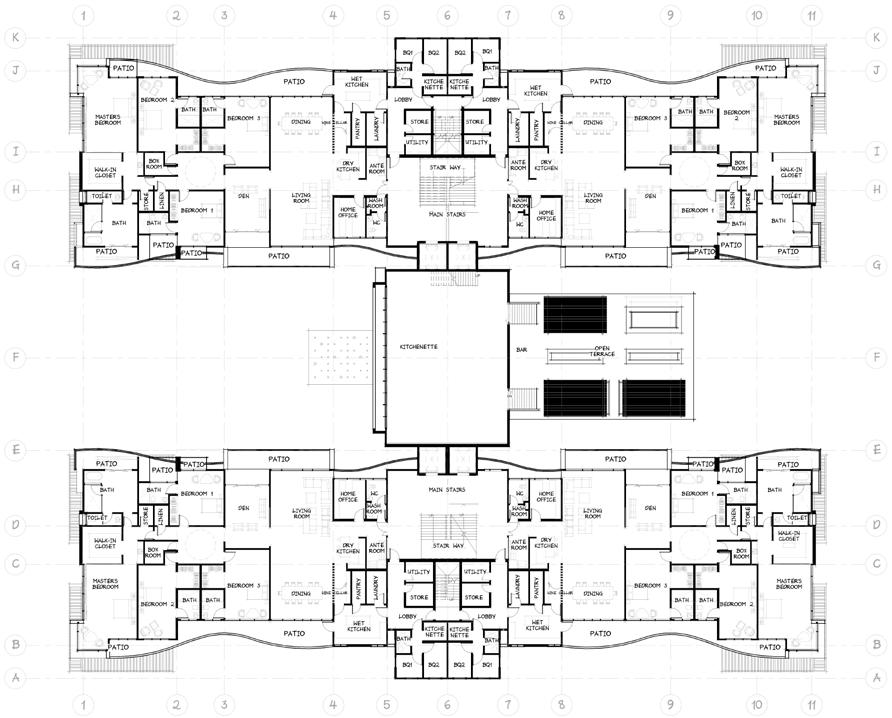
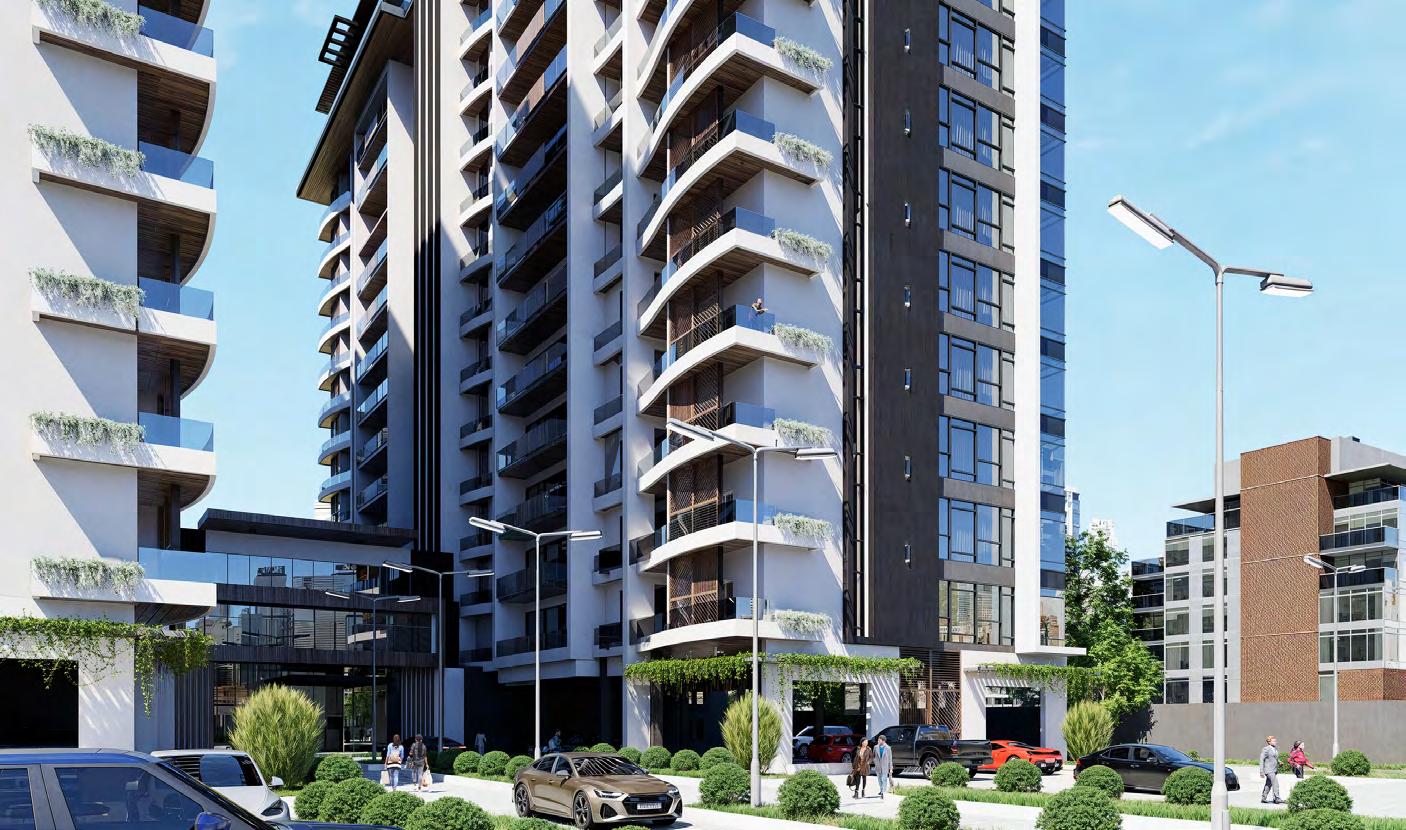
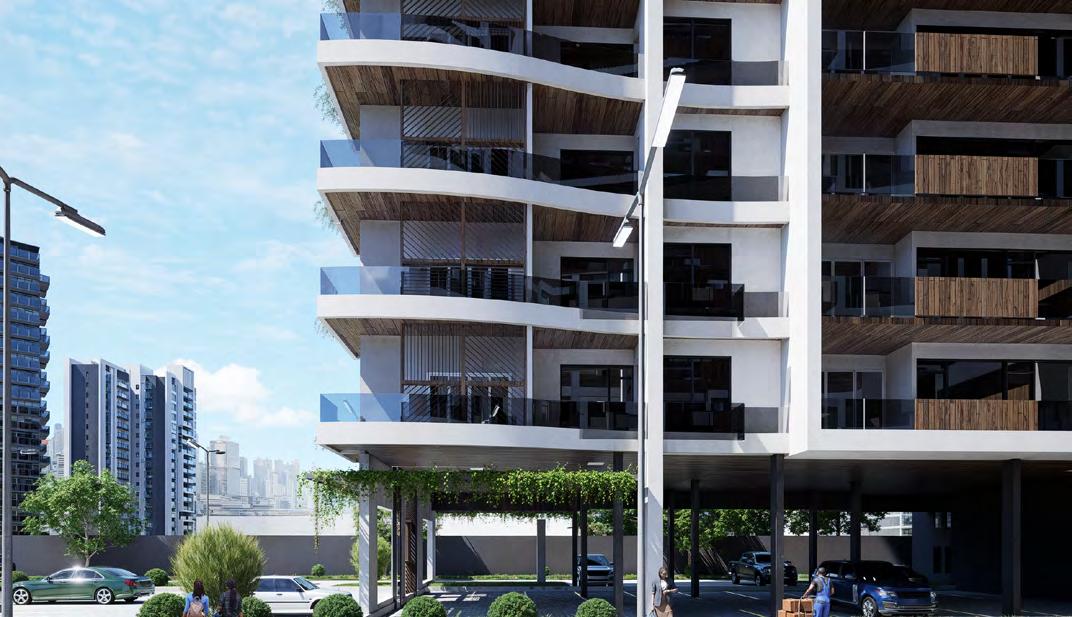
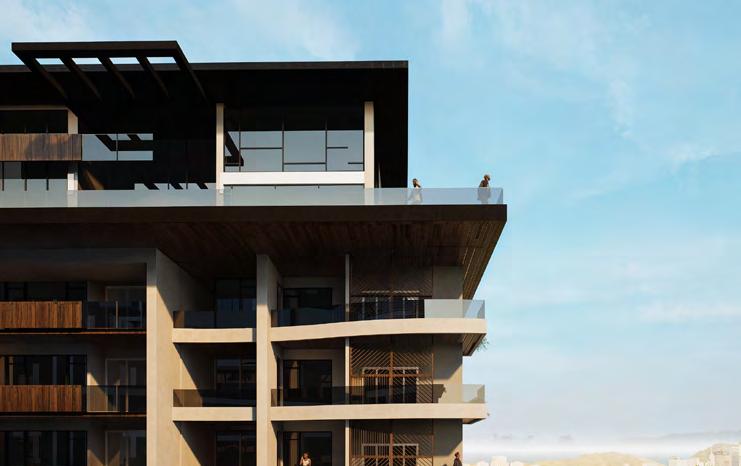
This modern highrise in Lagos is more than just a building; it represents a forward-thinking approach to urban living that prioritizes safety, community, and sustainability. By integrating advanced safety measures, creating vibrant communal spaces, and adopting eco-friendly practices, this highrise sets a new benchmark for residential developments in Lagos. It will not only provide luxurious accommodations but also foster a sense of community and well-being among its residents.
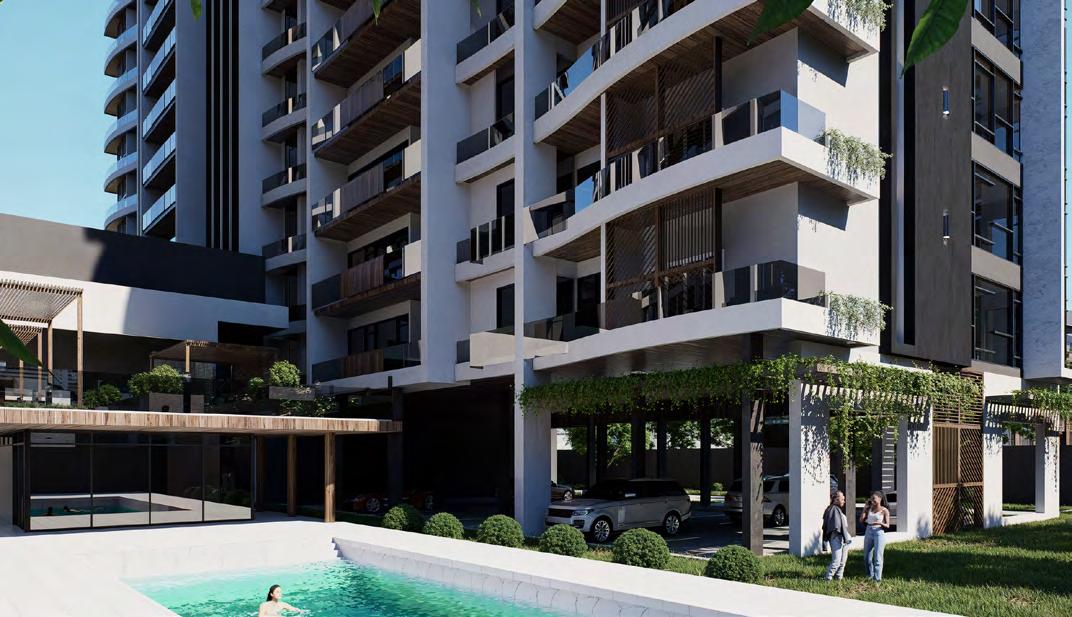
Professional - Opemzy BIM Project
Project Type: Year:
Location:
Lead Architect:
Role:
2024 Kaduna, Nigeria
Arc. Odoh Peter Collaboration Project
Contributors: Social Infrastructure
Godsent Columbus, Henry Aloh
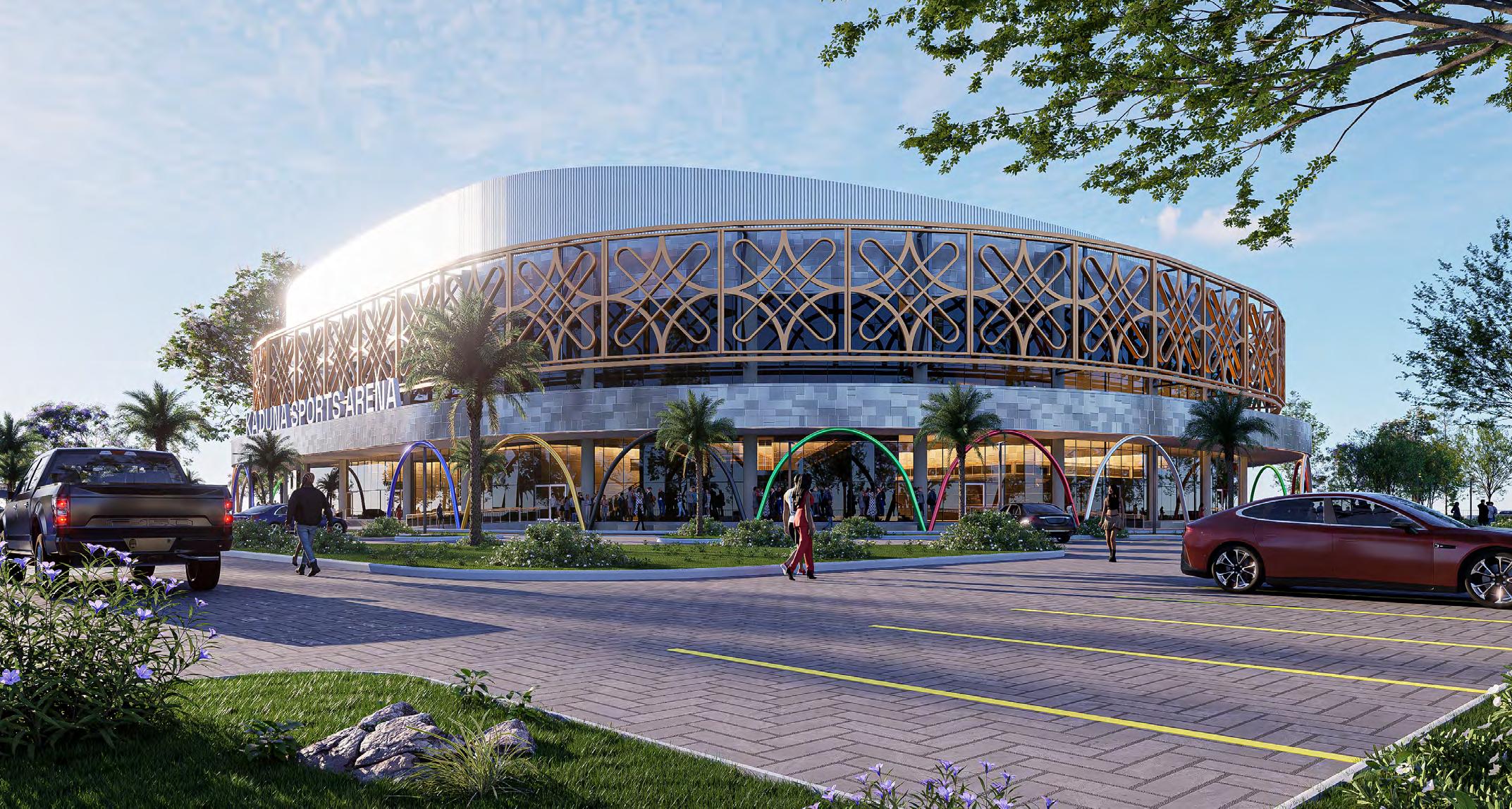
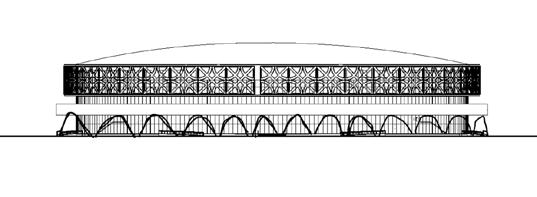
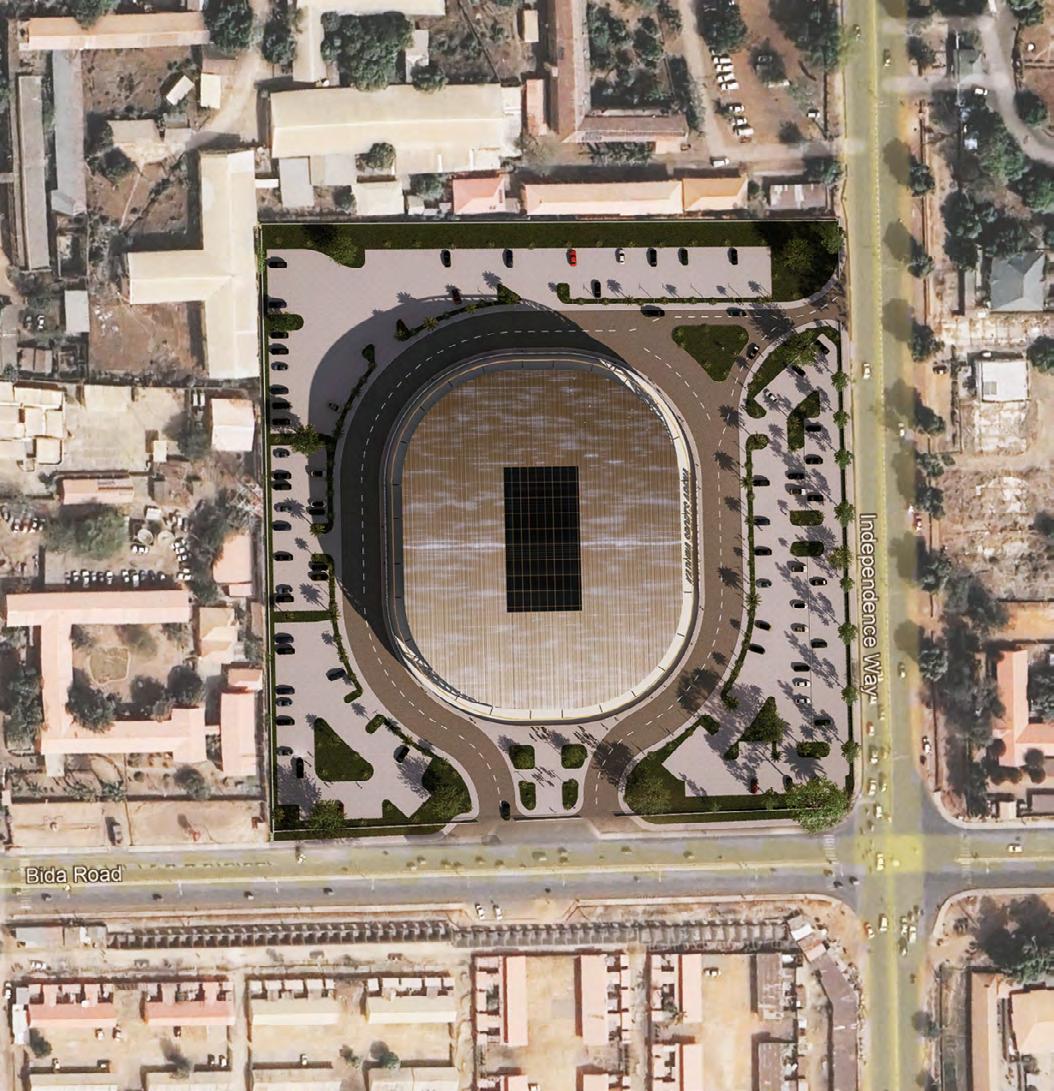
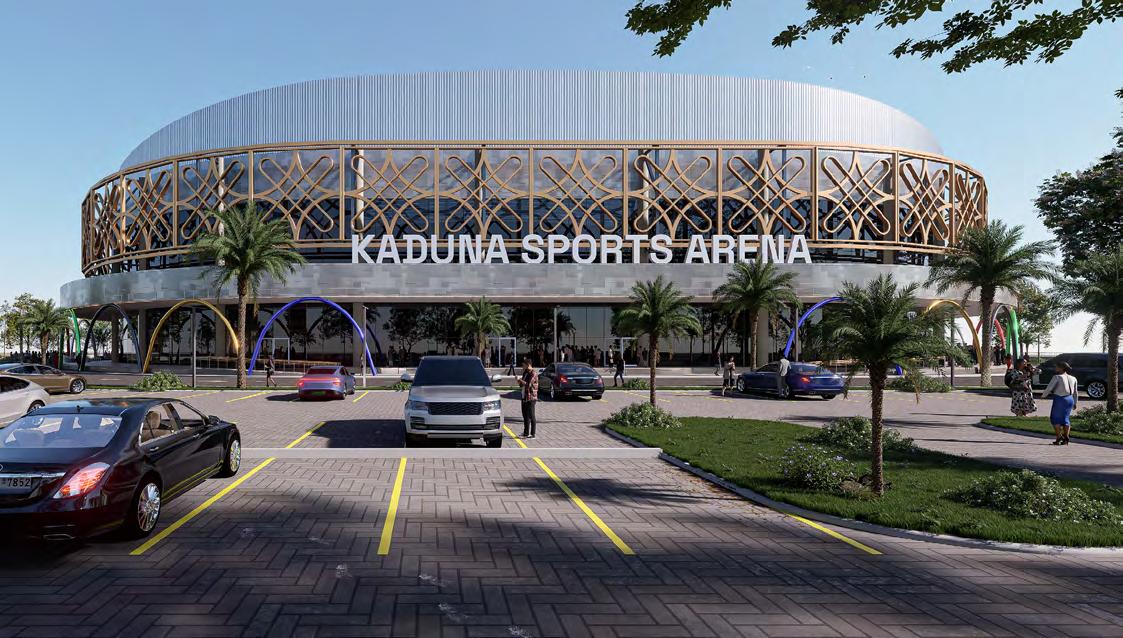
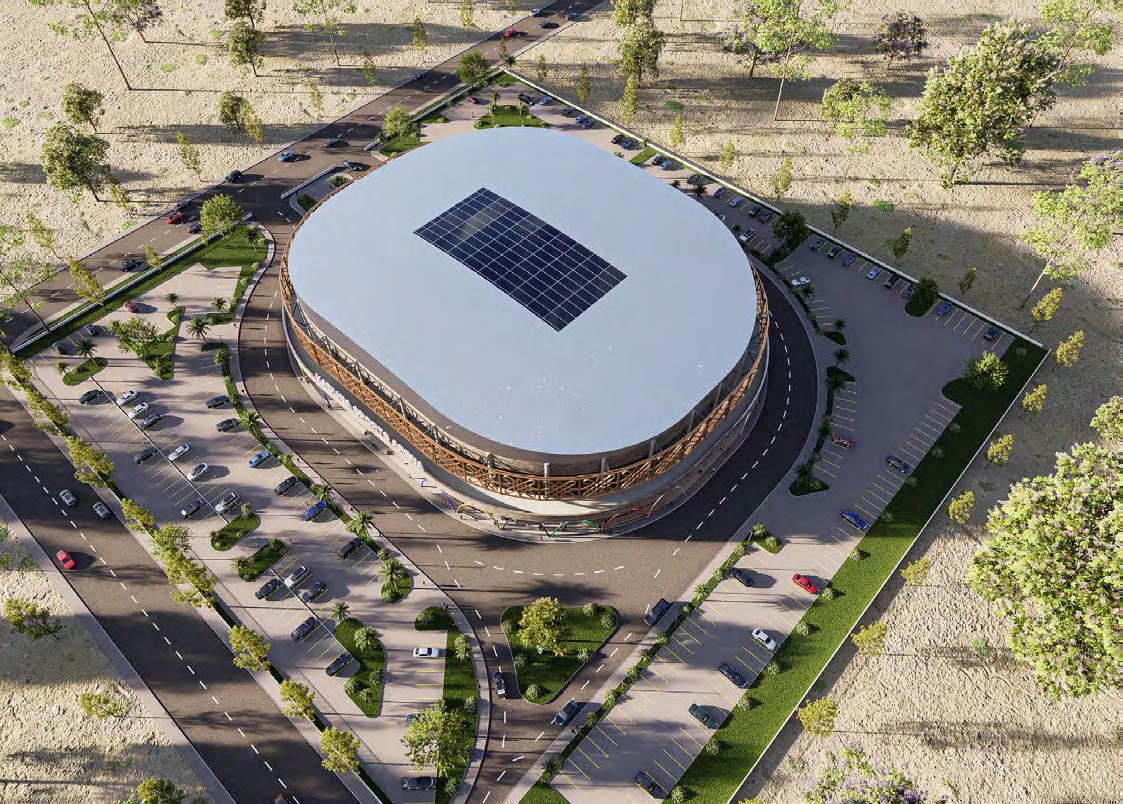
The brief of the Kaduna Sports Arena involved designing a facility to accommodate the provision of a 5,000 capacity arena for indoor sports games and activities in Kaduna state of Northern Nigeria. The design process first involved going through what the standards for sports facilities are, taking guidelines for the initial design considerations from the FIFA Sport Facility Guidelines.
My Roles: As a team member in the relatively young firm, I had the opportunity to have a hands-on experience in the project and contribute the following skills:
• Concept generation,
• Production of Presentation documents for clients Meeting,
• 3D Visualization.


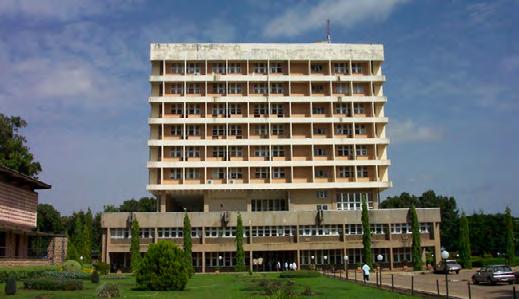
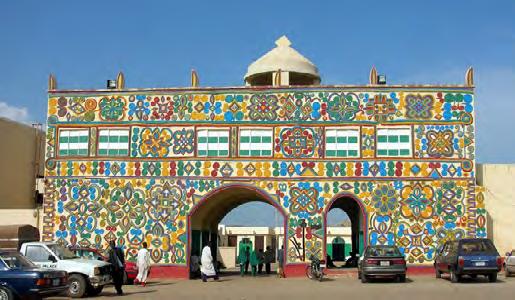
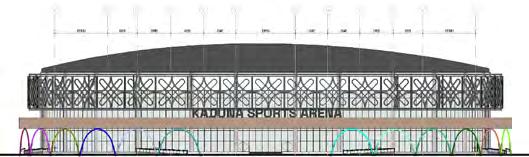
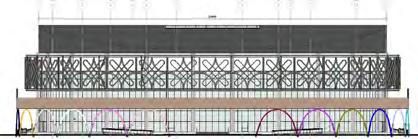
Inspired by the idea of an architecture that pays homage to the culture and surrounding context of a design. After a very short lived research, uncovering that concerning collective symbolism in northern Nigeria, the AREWA symbol is held in high regard and easily identifiable, even by people from other geographical locations across Nigeria and the world.
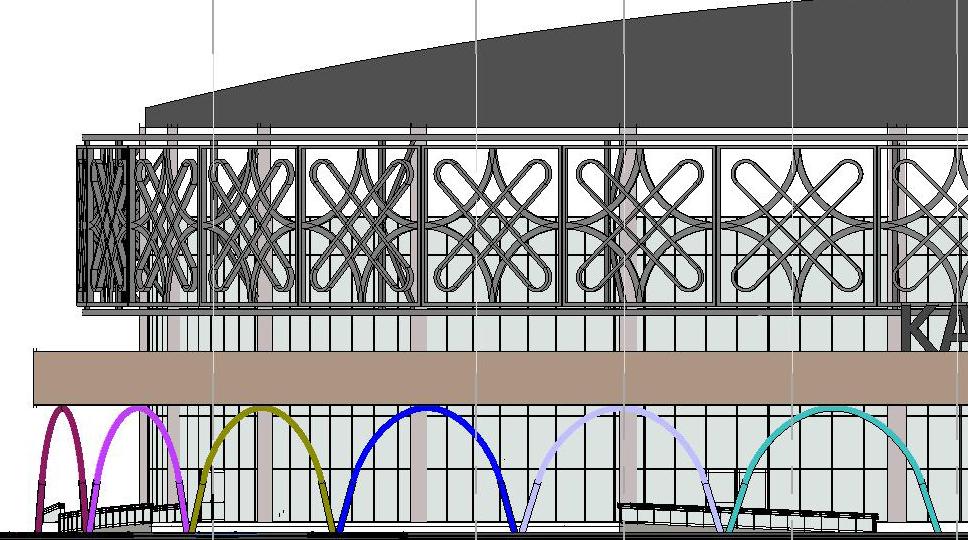
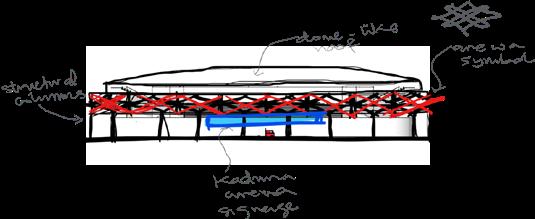
Array of curved supports, now acting as secondary/ assisting structural members, with the reinforced concrete columns on the glass facade acting as the primary supports. Made of steel, it would be painted with the same colours from the Olympics logo, positioning the building in favours of an international appeal, signalling the readiness of this facility to be recognised as world class, and one of the locations in Northern Nigeria for international sport activity.


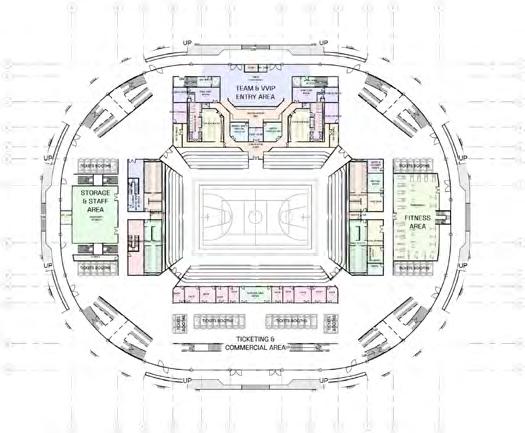
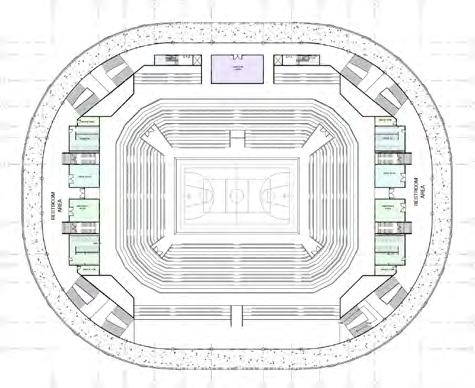
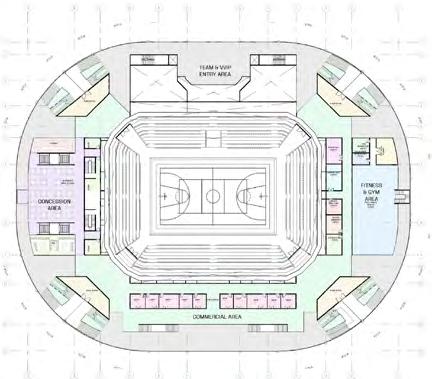
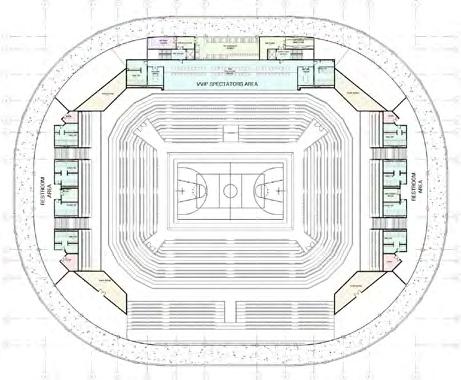
Some of the zones considered in the design of this architecture include;
• TEAM AREA ZONE
• VIP & VVIP SPECTATORS ZONE
• A GENERAL FITNESS ZONE
• TICKETING & COMMERCIAL ZONE
• A STAFF AND STORAGE ZONE
• ZONING FOR MAINTENANCE ACTIVITIES
• ZONING FOR MEDIA ACTIVITIES
• ZONING FOR GENERAL SPECTATORSHIP
• ZONING FOR RESTROOMS, etc
Academic - Undergraduate Design Studio IV
Project
Location:
Arc. Rosemary Nnaemeka Okeke Individual Project
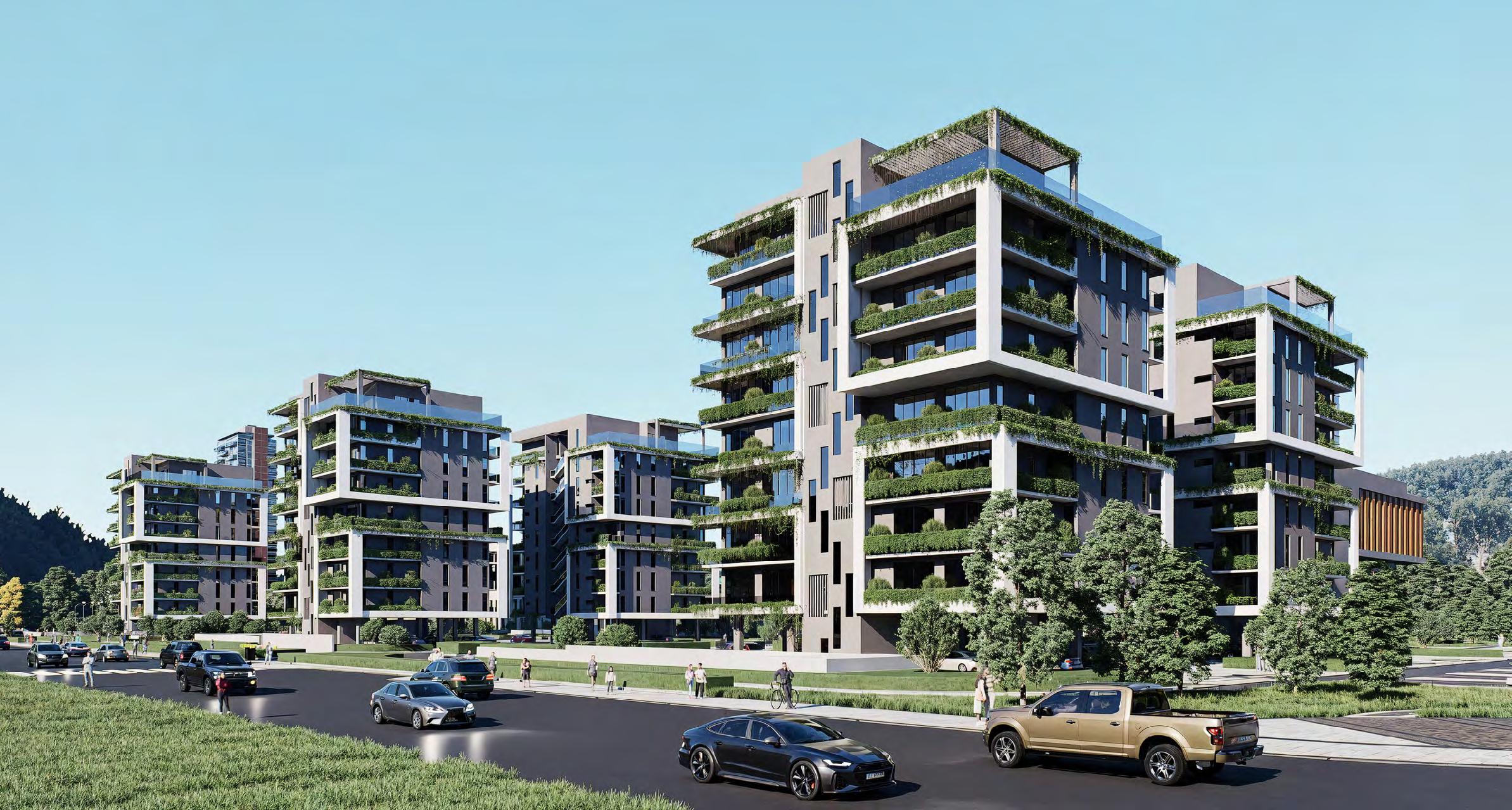
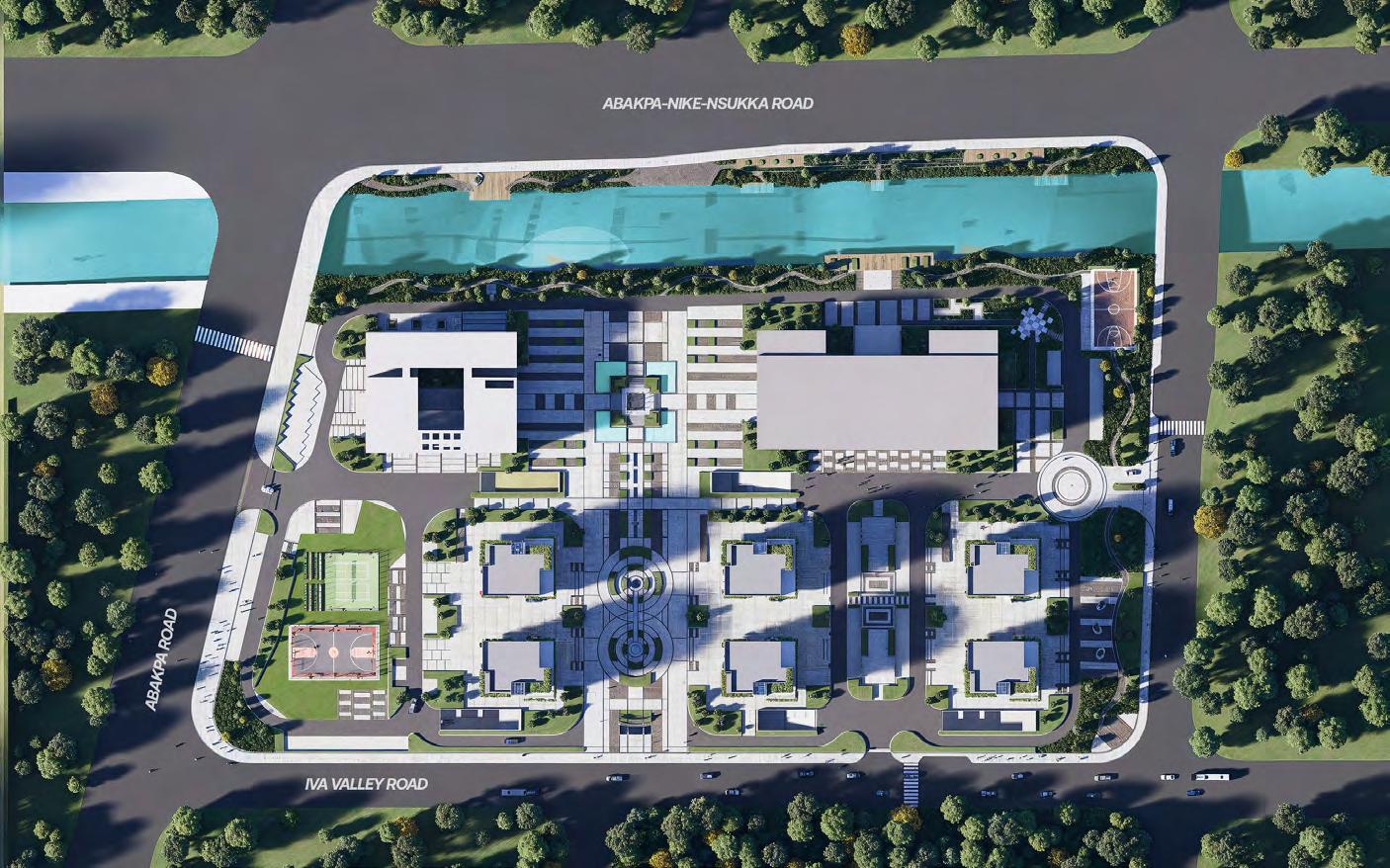
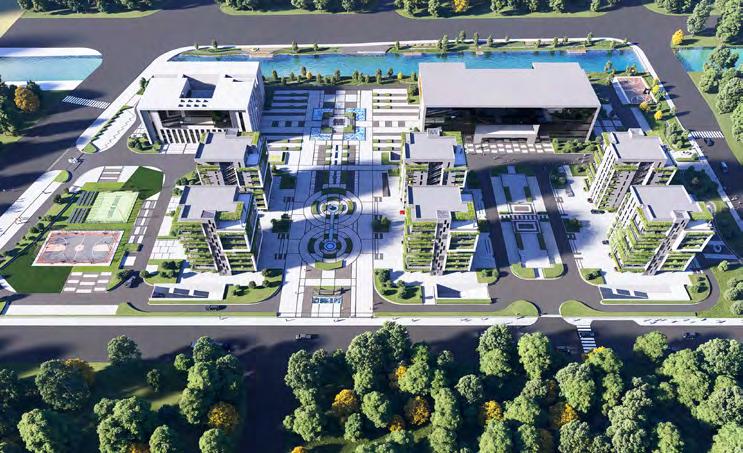
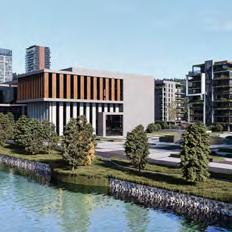
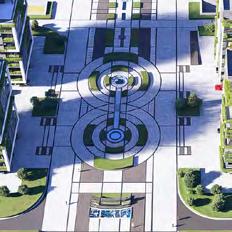
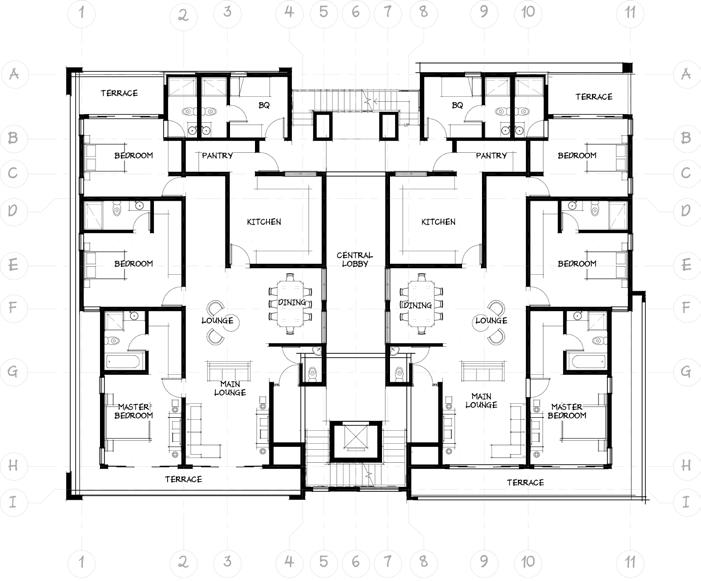
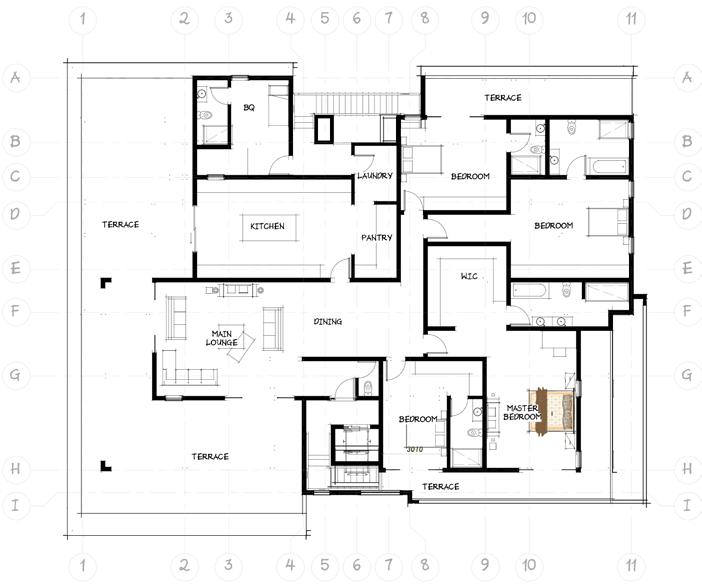
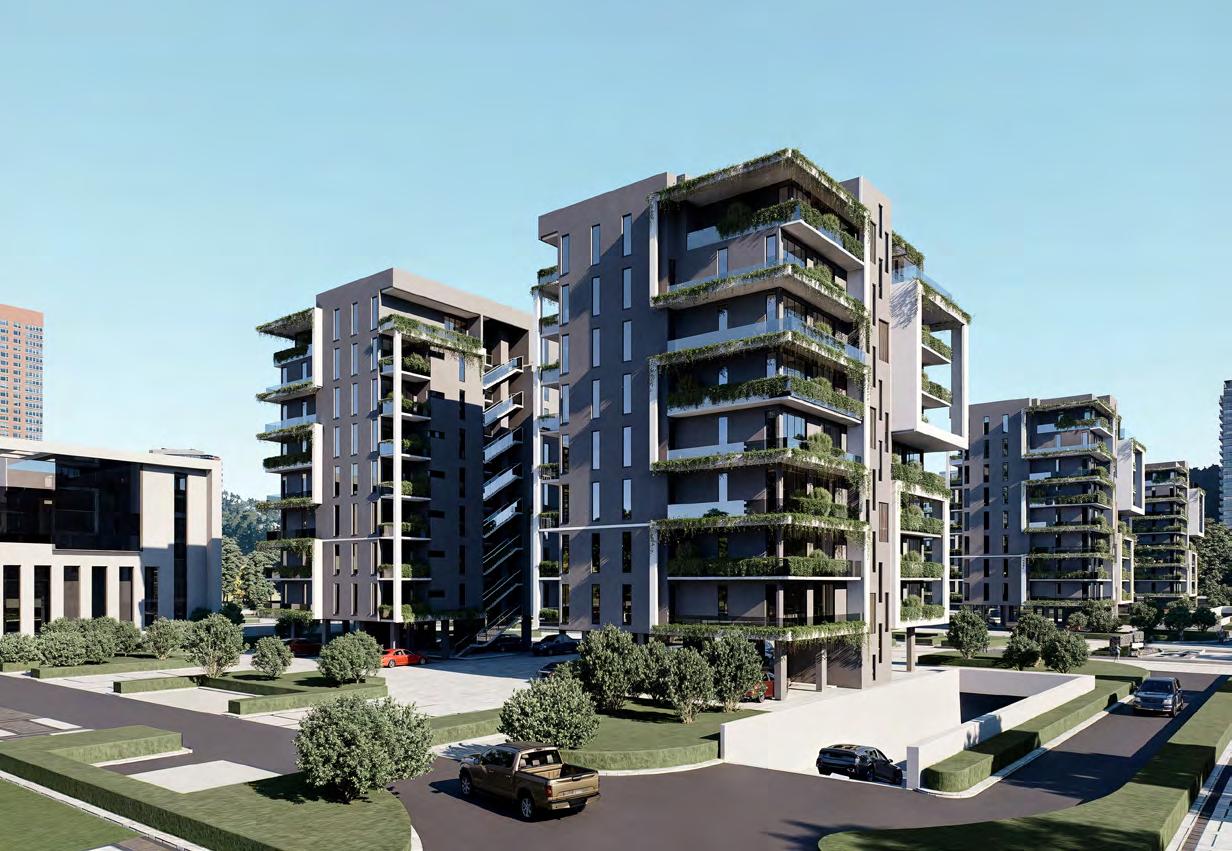
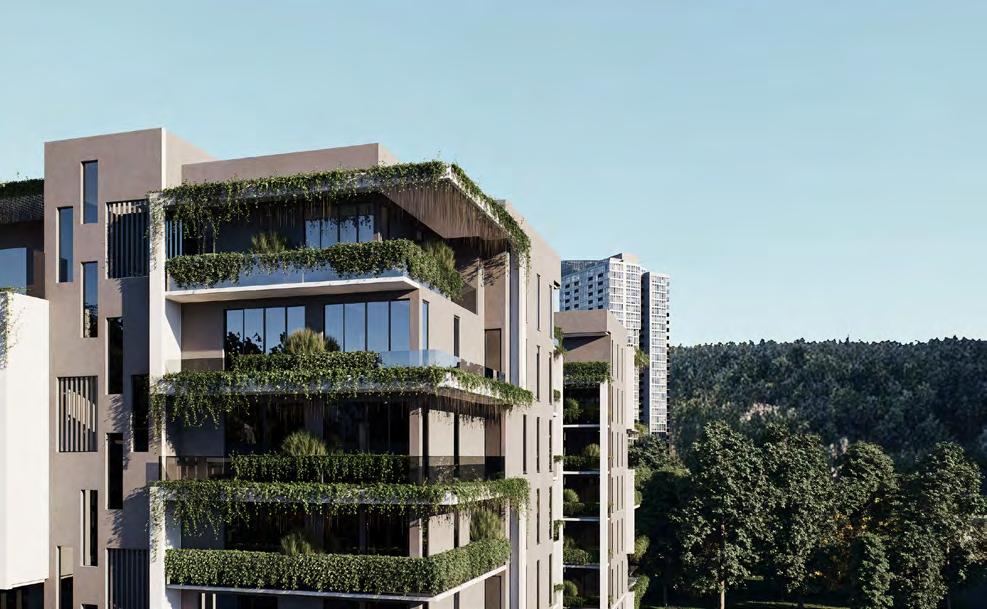
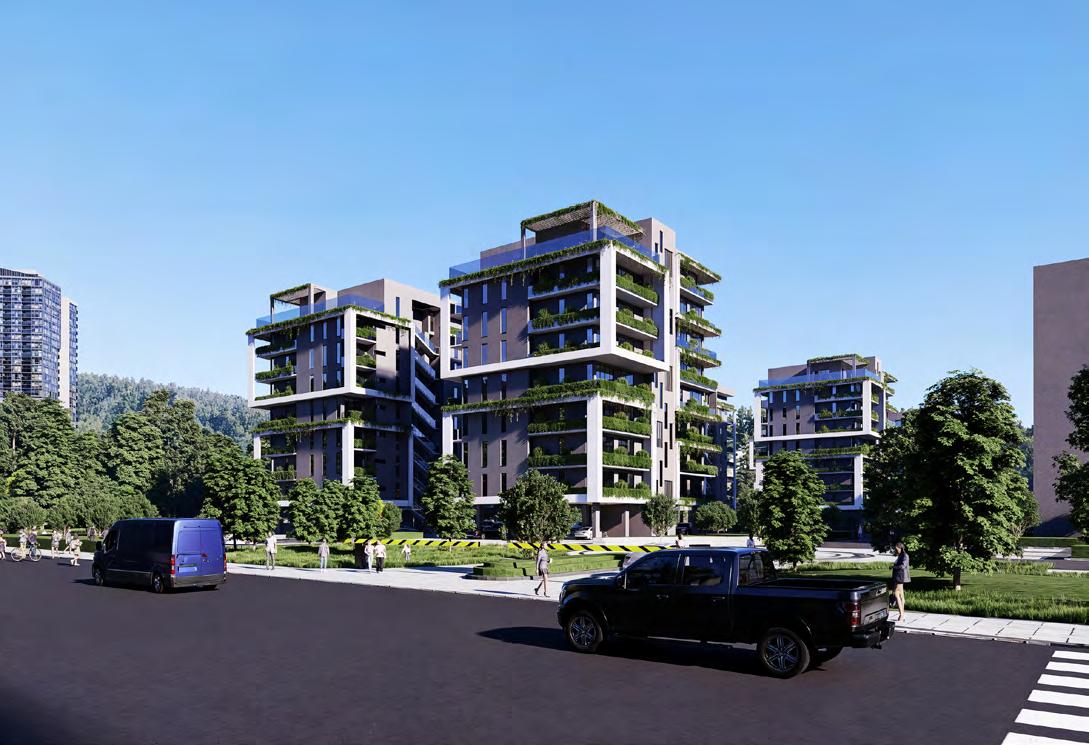
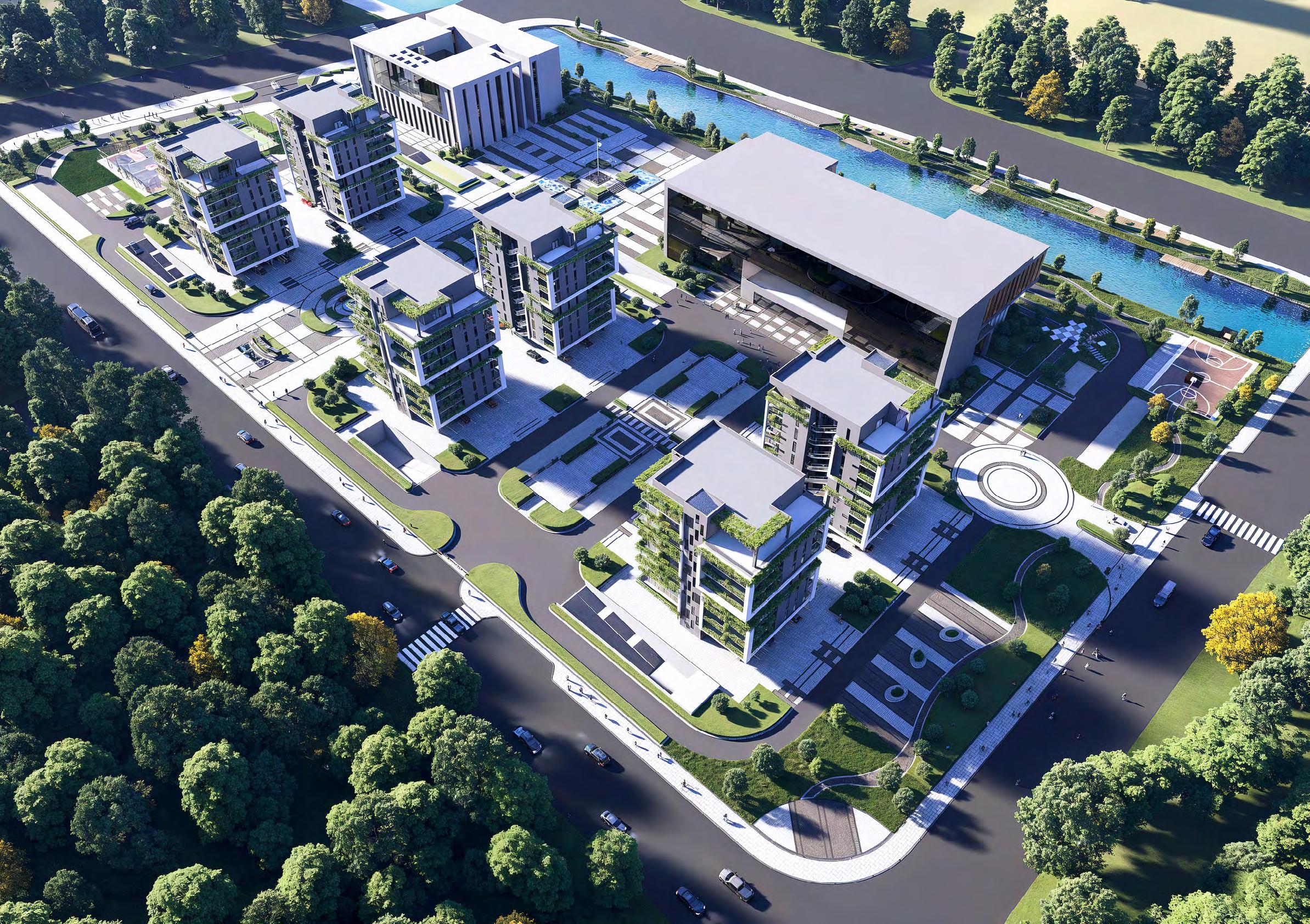
Envisioned as a beacon of sustainable urban living, the SDG Condominium is a mini estate offering luxurious yet environmentally conscious suites. This project is developed in alignment with Sustainable Development Goal 11, which aims to make cities inclusive, safe, resilient, and sustainable. The SDG Condominium is designed to enhance community integration, promote diversified development, and minimize the environmental impact of urbanization.
The SDG Condominium prioritizes safe and sustainable housing by incorporating advanced building technologies and eco-friendly materials. The design includes green spaces and public areas, fostering a sense of community and providing residents with areas for relaxation and social interaction.
SDG 11 aims to make cities and human settlements inclusive, safe, resilient, and sustainable. This goal recognizes the critical role urban areas play in achieving sustainable development, given that more than half of the world's population now lives in cities. SDG 11 encompasses various targets that address urban challenges and strive for the betterment of urban living conditions.

Community Integration: The SDG Condominium's design includes communal spaces such as gardens, recreational areas, and community halls that encourage social interaction and foster a sense of belonging.

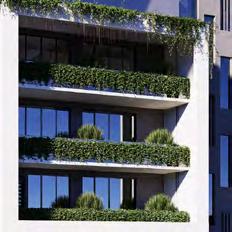
Sustainable Urbanization: The SDG Condominium incorporates sustainable building practices, such as the use of eco-friendly materials and renewable energy systems (e.g., solar panels). Green spaces within the development enhance biodiversity and contribute to a healthier urban environment.

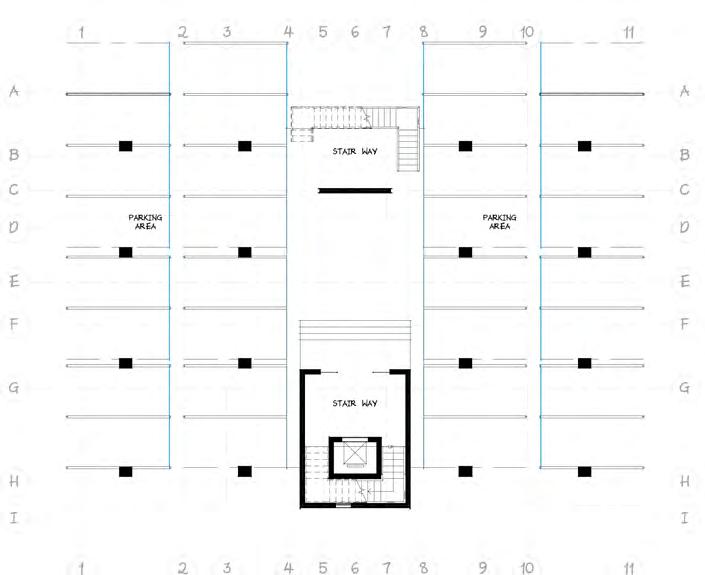
Safety: Advanced safety measures are integral to the condominium's design, including secure access controls, surveillance systems, and fire safety protocols. The development prioritizes creating safe public spaces and pathways, ensuring that all residents can move around the estate comfortably and securely.
Inclusiveness: The development also provides safe, accessible pedestrian and cycling paths that cater to women, children, and disabled persons, promoting inclusiveness and equitable access.



ARCHITECTURE
+447867034861 blossomohaeri@gmail.com https://linkedin.com/in/blossomod https://blossomod.framer.website