hea th

SPECIAL EDITION 2022
magazine MOOD FOOD: HOW FOOD AFFECTS FEELINGS FOOD MATTERS: WAYS TO REDUCE, REUSE, REPURPOSE FOOD UNDERSTANDING GUT HEALTH Food for Thought

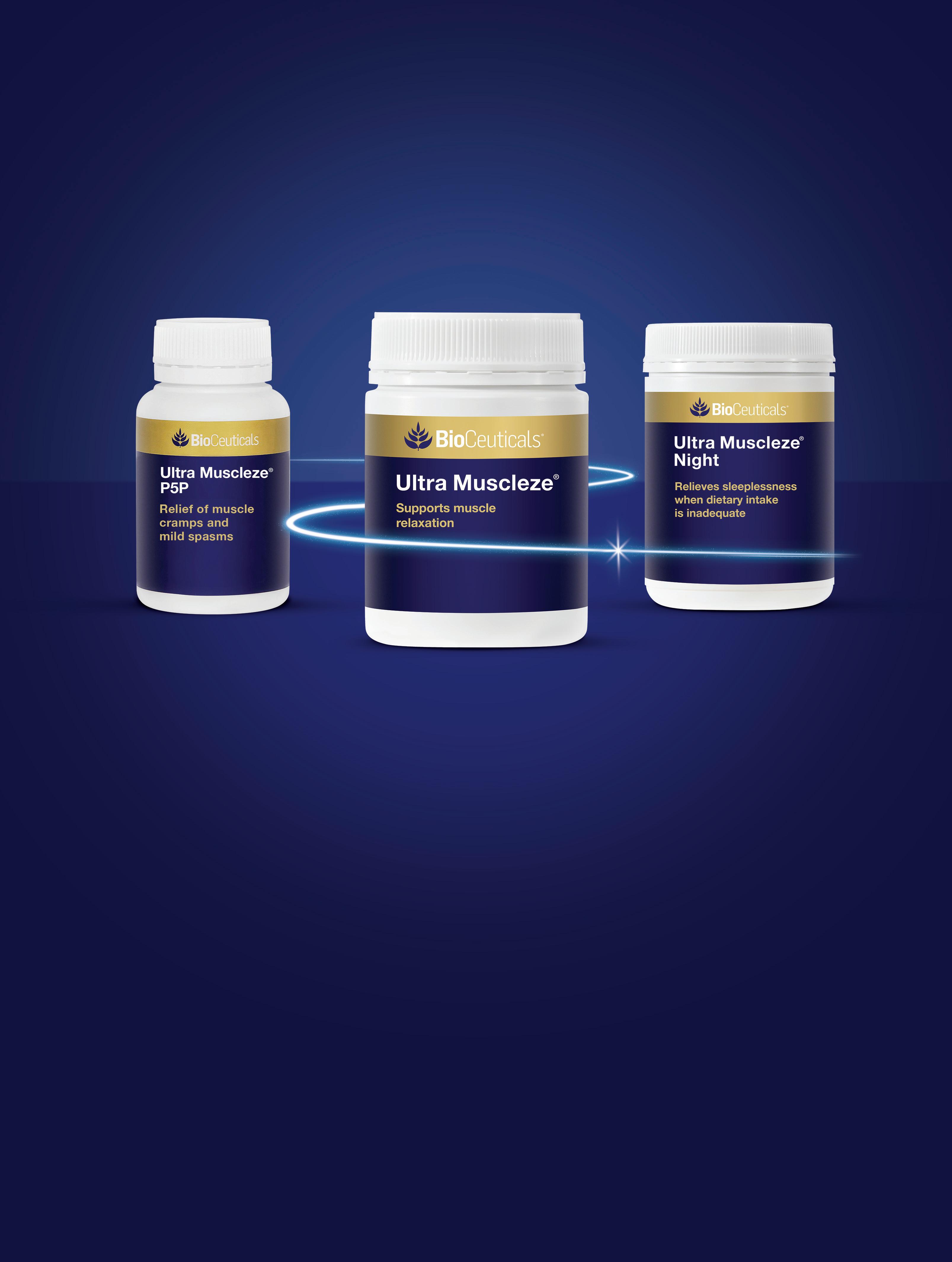
Ultra Muscleze ® P5P
Highly bioavailable magnesium chelate, UltraMag ®, relieves muscle cramps and mild muscle spasms when dietary intake is inadequate. Magnesium and vitamin B6 maintain energy production and nervous system function, while B6 supports a healthy stress response in the body.
60 tablets

Ultra Muscleze ®
This comprehensive formula contains highly bioavailable magnesium chelate, UltraMag®, to relieve muscular cramps associated with inadequate dietary magnesium intake, and B vitamins to relieve fatigue.
180g and 360g powder
Ultra Muscleze ® Night
Specially formulated with readily bioavailable magnesium chelate, UltraMag® to support healthy sleeping patterns when dietary intake is inadequate and to support healthy nervous system function.
240g powder

The French writer François de La Rochefoucauld believed that "To eat is a necessity, but to eat intelligently is an art." The wisdom of this statement continues to ring true. Being purposeful and intentional about what we eat can affect how we feel, giving us the energy to show up as the best version of ourselves and helping us lead longer, more fulfilling lives. This special edition of Health Check Magazine delves a bit deeper into the art of eating intelligently. On page 16,
diet has been awarded ‘Intangible Cultural Heritage’ status for its beneficial links to better cardiovascular health, lower cholesterol and incidence of obesity. Page 10 explores how food can affect our feelings, and on page 18 we introduce the concept of intuitive eating. We always recommend chatting with your GP, Pharmacist and individual healthcare team before embarking on a new diet or making significant changes to how and what you eat.


• Untoasted muesli
• Rolled oats or steel cut oats (Porridge)
Bread
•
Carbohydrates have the biggest impact on blood sugar, while proteins and fats have little effect. However, not all carbohydrates are the same: studies have shown that foods containing the same amount of carbohydrates don’t necessarily raise the blood sugar level at the same rate – it depends on the amount of fibre in each food.1 So it’s important to know the glycaemic index (GI). This is a rating system, from 1-100, which tells you how quickly a food affects your blood sugar level.2
A ‘high-GI food’ has a GI ratio of 70, and this type is more rapidly digested and causes a marked spike in blood sugar. Those causing smaller fluctuations are considered ‘low-GI foods’, and have a ratio of 55 or less.3 Low-GI foods include soy products, beans, fruit, milk, pasta, grainy bread, oats and lentils. High GI foods are things like potatoes, white bread, and short-grain rice.
Low GI foods are important for improving long-term health and reducing the risk of heart disease and/or type 2 diabetes.4
However, we shouldn’t rely on the GI content of foods alone. For example, GI doesn’t take into account calories or saturated fats. It also doesn’t tell you how by how much your blood sugar will rise. This is why researchers have come up with the term ‘glycaemic load’ (GL), which provides a fuller view of the effect on blood sugar. It considers the rate at which food is converted to glucose and enters the blood stream, as well as how much glucose it will deliver per serving.4
Studies have shown that people with lower-glycaemic diets are at less risk of developing type-2 diabetes and cardiovascular disease. The table on the right gives examples of lower GI foods, to help you choose more of the foods that will have a low-to-moderate effect on your blood sugar, helping you to reduce your risk of cardiovascular disease and diabetes. .
Knowing the GI ratio of foods can be useful in helping you to plan healthy, well-balanced meals. Just remember that you’ll also need to think about calories, fats, nutritional content, and portion sizes – and foods that contain low or no carbohydrates.
Tip: The University of Sydney’s GI search is a useful tool that shows you the GI, GL, and carbohydrate content per serving of a broad range of foods.
Find it at glycemicindex.com/gi-search
• Traditional sourdough
• Wholegrain or Multigrain high fibre cereals
• Multigrain Weetbix
• Pumpernickel
• High Fibre Low GI White bread
• Vermicelli
• Mung bean noodles
• Soba noodles
• Fresh rice noodles
Pasta & noodles / Wheat pasta Rice
• Udon
• Hokkien
• Buckwheat noodles
White or Brown long grains such as Basmati, Mahatma, Doongara
• Wild
• Black, Red
Fruit
• Apple
• Pear
• Banana • Nectarine
• Peach
• Apricot • Plum
• Chia and quinoa rice blends
• Orange
• Mandarin
• Grapefruit
• Berries
• Kiwi fruit
• Grapes
1Dietary carbohydrate (amount and type) in the prevention and management of diabetes: Diabetes Care, 2004.
2Carbohydrates and blood sugar: https://www.hsph.harvard.edu/nutritionsource/ carbohydrates/carbohydrates-and-blood-sugar
3How the glycemic index has changed the meaning of healthy food: https://www. sydney.edu.au/research/research-impact/how-the-glycemic-index-has-changed-themeaning-of-healthy-food.html
4Carbohydrates and the glycaemic index: https://www.betterhealth.vic.gov.au/health/ healthyliving/carbohydrates-and-the-glycaemic-index
5Carbohydrates and Glycaemic Index (GI): https://baker.edu.au/-/media/documents/ fact-sheets/baker-institute-factsheet-carbohydrates-and-glycaemic-index.pdf
SOME
OUR BLOOD SUGAR LEVELS TO RISE HIGHER THAN OTHER FOODS. WHILE WE DO NEED BLOOD SUGAR FOR ENERGY, TOO MUCH OF IT IS BAD FOR OUR HEALTH. IT’S GOOD TO KNOW WHICH ARE THE SAFER FOODS AND WHICH ONES TO EAT IN CAREFUL MODERATION.
STAYING PHYSICALLY AND MENTALLY ACTIVE DOES HELP TO KEEP THE BRAIN YOUNG. BUT DID YOU KNOW THAT WHAT YOU EAT CAN HELP YOUR BRAIN THRIVE WELL INTO THE TWILIGHT YEARS?

We know that diet matters when it comes to supporting immunity and lowering the risk of disease.1 But did you know that what you eat has a significant impact on how your brain works?
Nootropics are supplements or compounds that enhance brain performance. The term was coined in 1972 when memory-enhancing piracetam2 hit the market, claiming to help brain cells to function better. Sold in supplement form, nootropics were promoted as brainboosters capable of enhancing memory, improving behaviour and preventing the deterioration of cognitive function. 3
However, controversy arose as these ‘smart drugs’ began to gain popularity, with some scientists arguing that there was no strong evidence to show that the complexities of the human mind could be enhanced by pharmacological compounds.4 Three decades on, nootropics are trending once again – but this time, researchers are looking at natural nootropics derived from herbs or plants. Their focus is also on food, and the question of whether nootropics found naturally in food can do what psychoactive drugs tried to do thirty years ago – that is, increase cognition and improve memory and focus.
As we age, we experience a gradual loss in cognitive function and intellectual ability. The likelihood of stroke and dementia increases while memory loss impairs learning and the ability to recall how to perform everyday tasks.5
Staying physically active and engaging in mentally stimulating activities is extremely important for keeping the brain in optimal condition. However, nutrition also plays a significant part in helping the brain to repair itself and thrive well into our twilight years, with food-based nootropics seen as increasingly valuable in mitigating memory decline.6
Ginkgo biloba is a herbal remedy which has been used for thousands of years, believed to support better memory function and offset fatigue. The tree from which Ginkgo biloba is derived has been called a ‘living fossil’, as it’s thought the species dates back 270 million years. With such a long history of use as a homeopathic remedy, what role might this herb play in boosting brain health and improving function? A 2007 trial found that Ginkgo biloba improves memory performance and significantly increases the speed of memory task performance.7 Gingko is often taken in tablet or capsule form.
Recently the plant ashwagandha has received a lot of attention, with many health professionals and nutritionists promoting its health benefits. An adaptogenic herb, ashwagandha contains active ingredients believed to alleviate symptoms of stress, anxiety and fatigue. Adaptogens work by bringing your body back to a state of balance (homeostasis), reducing stress levels if they’re elevated and increasing them if they’re lower than usual.
Ashwagandha has also shown promise in improving sleep quality and mood. A review of human trial results found that taking ashwagandha resulted in greater improvements in anxiety or stress levels.8 Although considered safe to consume, make sure to talk to your GP if you experience any side effects.
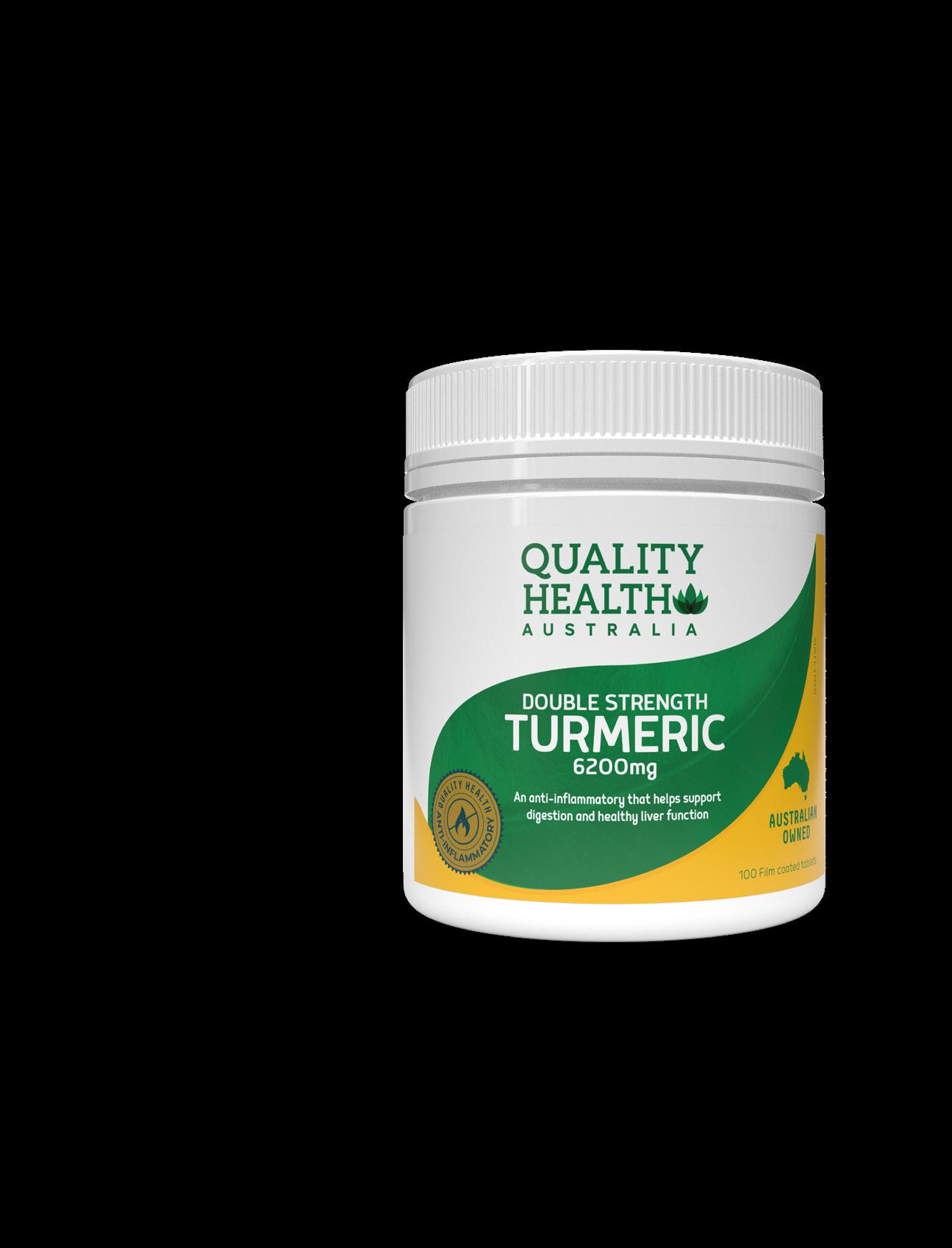
Turmeric has been used for centuries in Ayurvedic and Chinese medicine. Curcumin, the main compound in turmeric, has garnered plenty of positive praise over the years for its anti-inflammatory properties, and in the treatment of osteoarthritis. But what about its use as a nootropic?
Curcumin’s effectiveness in boosting brain power and treating neurological problems is still under investigation. However, some studies have shown that it's a strong candidate for use in the prevention of stroke, or treatment of diseases like Alzheimer's and Parkinson's.9 One study found that people who took curcumin over the duration of the trial showed significant cognitive improvement.10
A review of over 1,500 research papers found there was compelling evidence to recommend curcumin to help with cognitive function.11 Rich in antioxidants, curcumin shows great potential for helping adults living with dementia, anxiety and/or depression. It also boasts an excellent safety profile, with scientists determining it can be used both in cooking and as a supplement. Turmeric can be taken in tablets, capsules, tea or powdered form, making a great addition to your morning juice or smoothie.
1Benefits of healthy eating: https://www.cdc.gov/nutrition/resources-publications/benefits-of-healthy-eating.html
2Piracetam – Uses, side effects, and more: https://www.webmd.com/vitamins/ai/ingredientmono-1597/piracetam
3Cognitive enhancers (nootropics). Part 1: drugs interacting with receptors: https://pubmed.ncbi.nlm.nih.gov/22886028
4Piracetam and other structurally related nootropics: https://www.sciencedirect.com/science/article/pii/0165017394900116
5How the aging brain affects thinking: https://www.nia.nih.gov/health/how-aging-brain-affects-thinking
6Brain Aging, cognition and diet: A review of the emerging roles of food-based nootropics in mitigating age-related memory decline https://pubmed.ncbi.nlm.nih.gov/30864515
7Acute cognitive effects of standardised Ginkgo biloba extract complexed with phosphatidylserine: https://pubmed.ncbi.nlm.nih.gov/17457961
8An alternative treatment for anxiety: A systematic review of human trial results reported for the ayurvedic herb ashwagandha: https://www.liebertpub.com/doi/10.1089/ acm.2014.0177
9Neuroprotective effects of curcumin: https://www.ncbi.nlm.nih.gov/pmc/articles/PMC2527619
10Effects of curcumin on cognitive function – A systematic review of randomised control rrials: https://www.researchgate.net/publication/331898199_Effects_of_Curcumin_ on_Cognitive_Function-A_Systematic_Review_of_Randomized_Controlled_Trials
11Natural plant products and extracts that reduce immunoexcitotoxicity-associated neurodegeneration and promote repair within the central nervous system: surgicalneurologyint.com/surgicalint-articles/natural-plant-products-and-extracts-that-reduce-immunoexcitotoxicity-associated-neurodegeneration-and-promote-repair-withinthe-central-nervous-system
PURPLE FRUITS AND VEGGIES AREN’T JUST PRETTY – THEY’RE ALSO GREAT FOR YOUR HEALTH. PURPLE FOODS CONTAIN POLYPHENOLS AND PLANT PIGMENTS WHICH SUPPORT AND NOURISH THE HEART, BRAIN AND NERVOUS SYSTEM. BERRIES, CURRANTS, GRAPES AND TROPICAL FRUITS CONTAIN HIGH LEVELS OF THESE HEALTH-BOOSTING ANTIOXIDANTS. SCIENTISTS HAVE ALSO REVEALED THEY CONTAIN ANTIMICROBIAL PROPERTIES AS WELL AS ANTI-CANCER, ANTI-DIABETIC AND ANTI-OBESITY PROPERTIES. LET’S TAKE A CLOSER LOOK AT THE HEALTH BENEFITS OF THESE PURPLE-POWER FOODS.
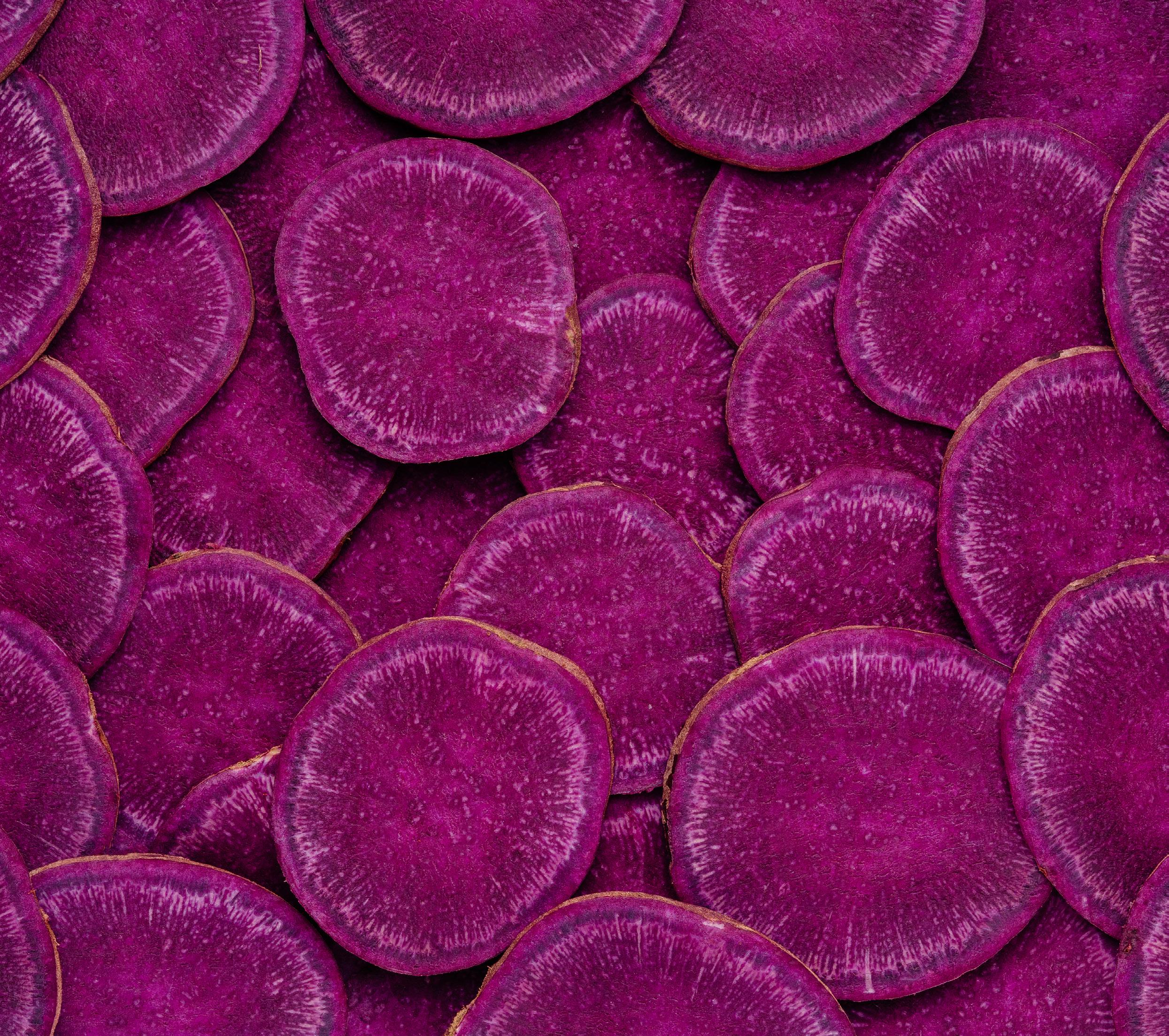
The medicinal value of grapes has been recognised for over 6,000 years and they’ve been used in a multitude of homeopathic medicines to protect and treat coronary heart disease. Although there’s no substitute for a wholefoods diet, experimental studies have found that drinking grape juice may have positive effects on the circulatory system and may prevent or reduce the risk of heart attack and stroke. The cardioprotective benefits from a diet that includes grapes are still being examined, but the antioxidant properties of grapes and other purple foods have been shown to reduce the risk of heart failure and provide anti-inflammatory protection from heart disease.1
Red wine has also gained a reputation in recent years for increasing blood circulation and promoting cardiovascular health. However, you shouldn’t take that as a cue to consume too much; dieticians and researchers say moderation is the key.2
A study currently being conducted by Nutritional Epidemiologist Professor Karen Charlton at the University of Wollongong is examining the potential for improving cognitive function by incorporating purple/red foods into the diet of people at risk of dementia.3 According to Professor Charlton, foods with a purple or deep-red colour contain anthocyanins, ‘a bioactive compound with strong anti-inflammatory and antioxidant properties.’4 With the amount of people living with dementia expected to triple over the next 30 years, the link between diet and brain function has never been more crucial.
The magic of bioactive compounds, also known as phytonutrients, contributes to the antioxidant activity of plant-based foods. Early results from Professor Charlton’s research have already shown promising improvement to short- and long-term memory and verbal fluency in older adults living with mild to moderate Alzheimer’s disease.
Flavonoids, a diverse group of plant chemicals found in fruits and vegetables, have shown a lot of potential when it comes to neurocognition (which is the way we think and behave).3 Although this is still a relatively new area of research, Professor Charlton has been working on a clinical trial exploring the link between purple foods and memory and executive function (mental processes that help us plan, focus, remember, and juggle multiple tasks). Professor Charlton says, ‘The high antioxidant content of these fruits may scavenge free-radicals [protecting cells from damage] and also reduce inflammation in the brain. They also have the potential to inhibit cell death of nerve cells and improve connections between the neurons, especially in the areas of the brain associated with learning and memory, the hippocampus’.
More studies are needed to learn about the complex connections between purple foods and the brain, but there’s nothing to be lost from incorporating these foods into your diet right now.
Studies have shown that anthocyanins can protect against a host of conditions and diseases such as type-2 diabetes and high blood pressure. Anthocyanins increase levels of nitric oxide, which is responsible for keeping blood vessels dilated, allowing better circulation around the body to different organs. Resveratrol, one of the main compounds in purple foods, helps relax the arterial walls which sends oxygenated blood wherever its needed.5
Raspberries, blueberries and blackberries are all rich in antioxidants which combat free-radical damage and aid in reversing the signs of ageing. An extra berry-bonus: they’re loaded with other nutrients like vitamin C, folate, magnesium and potassium – super-vitamins and minerals which can make your skin glow and keep you feeling young. Add berries to your breakfast to take advantage of their benefits..
A study which examined the role of purple sweet potatoes in preventing colorectal cancer found that their high levels of anthocyanin may protect against cancer by stopping the multiplication of cells. The addition of carotenoids, such as betacarotene (a pigment which gives fruits and vegetable their orange or yellow colour) was also proven to reduce the risk of prostate cancer. Even the leaves of the sweet potato have come under scrutiny as scientists question how much anthocyanin they contain and whether we can use them to prevent cancer in the future.6
Before you start cooking up your purple vegetables, here are a few tips to keep in mind.
• Don’t peel – anthocyanins are often found in the skin, so avoid peeling your purple vegetables and fruits if you can.
• Steam instead of boil – when you boil your purple vegetables, you might see the purple seeping out into the water, and that’s the rich juicy anthocyanin you want. If you do have to boil, use as little water as possible and save it for making gravy later.
• Bake purple carrots in the oven for maximum sweetness – these cousins to the humble orange carrot have special genes that make them more resistant to diseases and pests. They’re perfect for salads and veggie plates.
• Go for purple kale over green – young, tender kale is great for salads and the mature leaves taste best when they’re lightly steamed and drizzled in oil. You can also add them to smoothies for a powerful antioxidant boost.
• Eating frozen purple foods is perfectly fine – just make sure you go for the richest, darkest fruits and vegetables you can find. Colour is your guide to goodness.
1Grapes and cardiovascular disease: https://www.ncbi.nlm.nih.gov/pmc/articles/ PMC2728695
2Drinking red wine for heart health? Read this before you toast: https://www.heart. org/en/news/2019/05/24/drinking-red-wine-for-heart-health-read-this-before-youtoast
3Why purple food is better for your brain: https://www.uow.edu.au/the-stand/2019/ why-purple-food-is-better-for-your-brain.php
4Australian researchers trialling a ‘purple diet’ to prevent dementia: https://www. canberratimes.com.au/story/7834118/can-a-purple-diet-help-prevent-dementia
5Health benefits of purple fruit and veg: https://www.naturalhealthmag.com.au/ nourish/6-health-benefits-purple-fruit-veg
6Identification and quantification of anthocyanins in purple-fleshed sweet potato leaves: https://pubmed.ncbi.nlm.nih.gov/31338456
LOW LEVELS OF DOPAMINE HAVE BEEN LINKED TO REDUCED MOTIVATION AND DECREASED ENTHUSIASM FOR ACTIVITIES, SO EATING FOODS WHICH BOOST YOUR DOPAMINE LEVELS CAN HELP TO STABILISE YOUR EMOTIONS AND MOOD.

Research over the past 20 years has consistently shown that what we eat impacts the way we think, feel and act – and has uncovered links between poor diet and depression.1
Nutrition can play a key role in the onset, severity, and duration of depression symptoms.2 Nutritional neuroscientists are constantly teaching us new things about how diet affects brain function, behaviour and emotions. The so-called ‘dopamine diet’ has made a splash recently for mood-boosting foods designed to increase happiness, regulate hunger levels, and speed up the production of serotonin – a chemical in the brain which plays an important role in healthy sleep function.3
So what’s involved in a diet focussed on mood foods – and how can you take advantage of the health benefits?
Dopamine is an important chemical transmitter in your brain. When released in large amounts, it generates feelings of pleasure and reward, which motivate you to perform in certain ways or to complete certain tasks.
Low levels of dopamine have been linked to reduced motivation and decreased enthusiasm for activities, so eating foods which boost your dopamine levels can help to stabilise your emotions and mood. These include dairy products such as cheese, milk and yoghurt; protein-heavy foods like turkey, chicken and beef; omega-3-rich foods like salmon and mackerel; and fruits like raspberries, bananas and watermelon (which contain both quercetin and tyrosine, which stimulate dopamine production).
When we’re struggling with low mood, it can sometimes feel challenging to eat at regular times. Some of us respond to stress by skipping meals, or snacking instead of planning more nutritionallybalanced dishes. Eating regularly throughout the day is an opportunity to nourish our bodies and brains. Research suggests that dopamine release is triggered twice at mealtimes: once when food is ingested, and again when it reaches the stomach.4 Regular meals equate to regular dopamine rewards, and a better mood overall.
Scientists are keen to stress that it isn’t just the regularity of the meals – the quality of the food has an impact on the length and strength of dopamine release. Overeating, or eating the wrong kinds of foods, may also be linked to the suppression of eatinginduced dopamine release.5 In other words, you might crave a doughnut over a salad – but the salad will probably deliver a more consistent stream of dopamine.
Like other stimulants, caffeine enhances dopamine signalling in the brain.6 Caffeine, in the form of coffee or energy drinks, increases dopamine levels and leading to a feel-good haze. Since caffeine is the most commonly used psychoactive drug in the world, the study of coffee consumption and its effect on the brain is particularly relevant.7 Concerns arise when caffeine is over-consumed; as dopamine levels drop, the craving for more becomes hard to resist. This can lead to a cycle of dopamine addiction and then fatigue and depression as the effects wear off.
Too much caffeine can also affect your sleep in harmful ways. Adenosine, a neuromodulator found in the brain, promotes our sleep drive, and is especially important for deep sleep. Caffeine blocks adenosine receptors, making it harder for us to feel sleepy and achieve good quality shut-eye.
If you aren’t getting enough dopamine-boosting chemicals from your diet, you could consider dopamine-boosting supplements such as:
• Tyrosine – the body uses this natural amino acid to keep the brain alert and regulate mood. It’s important for memory recall and for performing in stressful situations.
• L-theanine – this amino acid occurs naturally in mushrooms and green and black tea and can ease anxiety and reduce insomnia. It can also support the immune system and reduce stress. Participants in a research study reported feeling more alert and less tired in general after taking L-theanine.
• Probiotics – these are yeasts and bacteria that are good for you, especially your digestive system. They can help to regulate your nervous system and reduce stress, increasing dopamine production and improving your mood.8
• Mucuna pruriens – this tropical bean is often ground to a powder and sold as a supplement. Research has shown that this ‘magic’ bean can help boost dopamine levels, and may be particularly helpful to those living with Parkinson’s disease, a nervous system disorder caused by dopamine deficiency. Amazingly, some studies have shown that Mucuna pruriens supplements may be just as effective at treating Parkinson’s disease as certain medications; however more research is needed.8
1Evidence of the importance of dietary habits regarding depressive symptoms and depression: https://www.ncbi.nlm.nih.gov/pmc/articles/PMC7084175
2Understanding nutrition, depression and mental illnesses: https://www.ncbi.nlm.nih. gov/pmc/articles/PMC2738337
3Good mood foods: https://health.ucsd.edu/news/features/pages/2016-02-26good-mood-foods-natural-serotonin.aspx
4Your brain rewards you twice per meal: when you eat and when food reaches your stomach: https://www.sciencedaily.com/releases/2018/12/181227111420.htm
5Your brain rewards you twice per meal: when you eat and when food reaches your stomach: https://www.sciencedaily.com/releases/2018/12/181227111420.htm
6Caffeine increases striatal dopamine D2/D3 receptor availability in the human brain: https://www.ncbi.nlm.nih.gov/pmc/articles/PMC4462609
7Caffeine induces dopamine and glutamate release in the shell of the nucleus accumbens: https://www.jneurosci.org/content/22/15/6321
8Dopamine supplements: https://www.healthline.com/nutrition/dopaminesupplements#TOC_TITLE_HDR_2
Start your day with Herbs of Gold Activated B Complex, a comprehensive formula that contains activated vitamins B2, B6, B12 & folate to support energy production & a healthy stress response in the body.
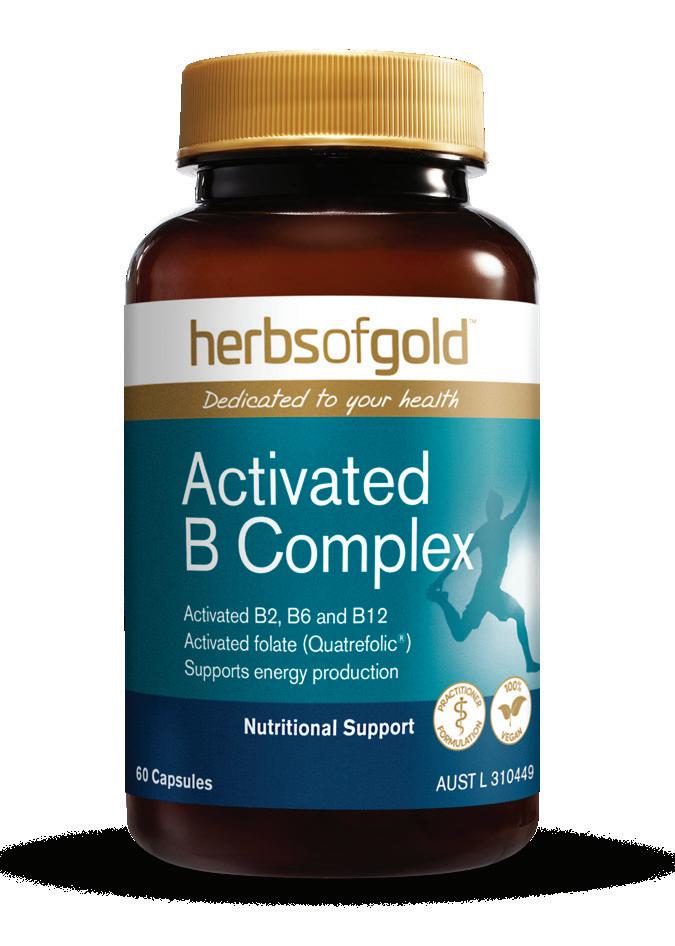

Always read the label and follow the directions for use.
herbsofgold.com.au
Life’s golden formula
OVER-CLEANSING OR USING HARSH CLEANSING PRODUCTS CAN DISRUPT YOUR SKIN’S NATURAL OILS. KNOWN AS ‘SEBUM’, THESE OILS HELP TO KEEP THE SKIN HYDRATED AND PROTECTED FROM BACTERIA AND FUNGI. WHEN THE BALANCE IS DISRUPTED, YOUR SKIN MAY START TO OVER-PRODUCE OIL (LEADING TO BREAKOUTS OR SKIN CONGESTION), DRYNESS, FLAKY PATCHES, OR AN UNCOMFORTABLE TOOTIGHT, SQUEAKY-CLEAN FEELING.
Opting for a gentler cleanser can help to preserve your skin’s natural sebum balance, preventing hyperpigmentation, uneven skin tone and dullness.
MooGoo Milk Wash has been developed to soothe and cleanse the skin without the use of harsh synthetic detergents. With a combination of coconut and glucose-based cleansers, this low-irritant, natural cleanser formula can be used on both face and body and is suitable for all ages.
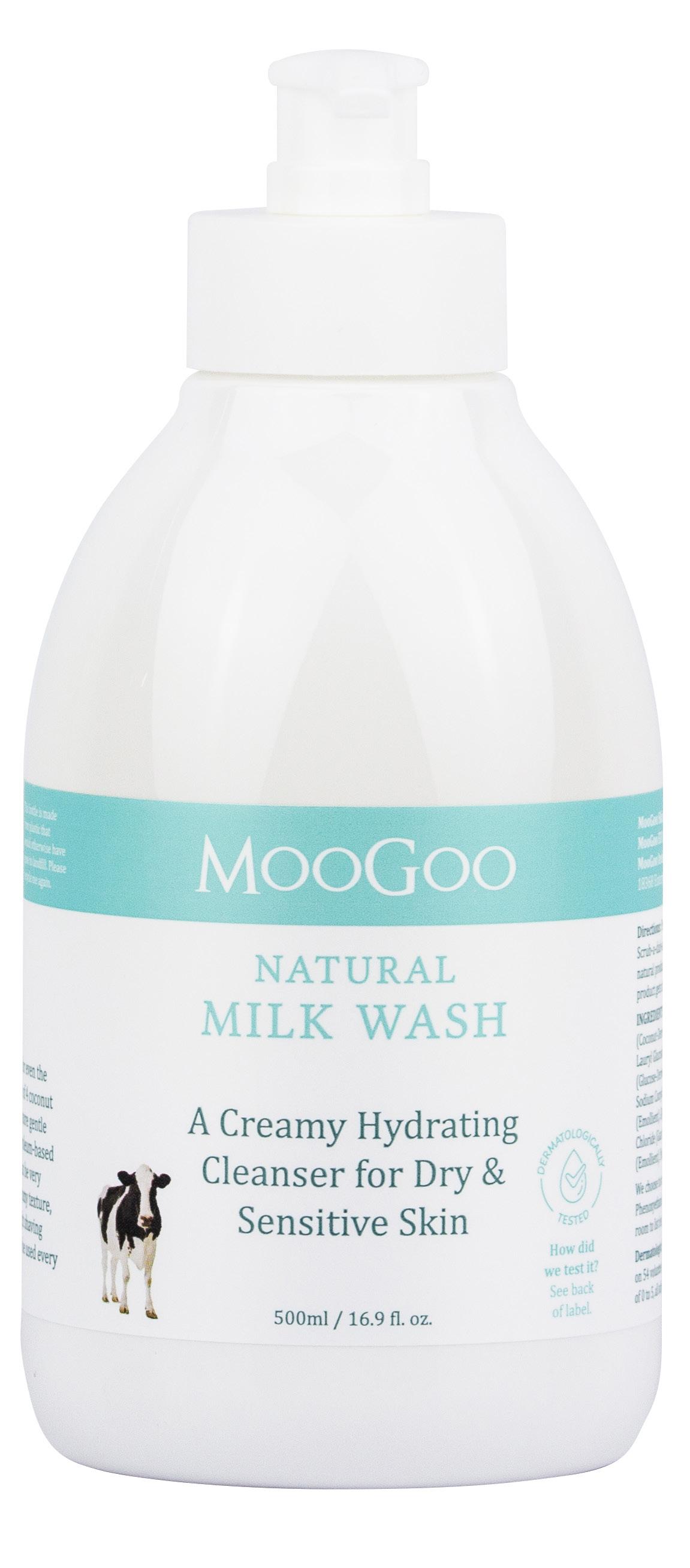
Sensitive skin types can rest easy: MooGoo Milk Wash has been independently dermatologically tested on people who reported having sensitive skin in a laboratory setting.
Made with ethically sourced milk protein, this silky cleanser is also better for the environment. When skincare products containing synthetic ingredients are washed down the drain, they end up in the ocean and don’t break down as easily as natural ingredients.
Make the switch to a gentler cleanser and feel the difference for yourself.
AS WITH ALL NATURAL PRODUCTS, A PATCH TEST IS RECOMMENDED.
WHILE A LOT OF PEOPLE MAY HAVE AN INTOLERANCE TO GLUTEN OR CHOOSE TO CUT IT OUT OF THEIR DIETS, THERE IS A MARKED DIFFERENCE BETWEEN COELIAC DISEASE AND GLUTEN INTOLERANCE.
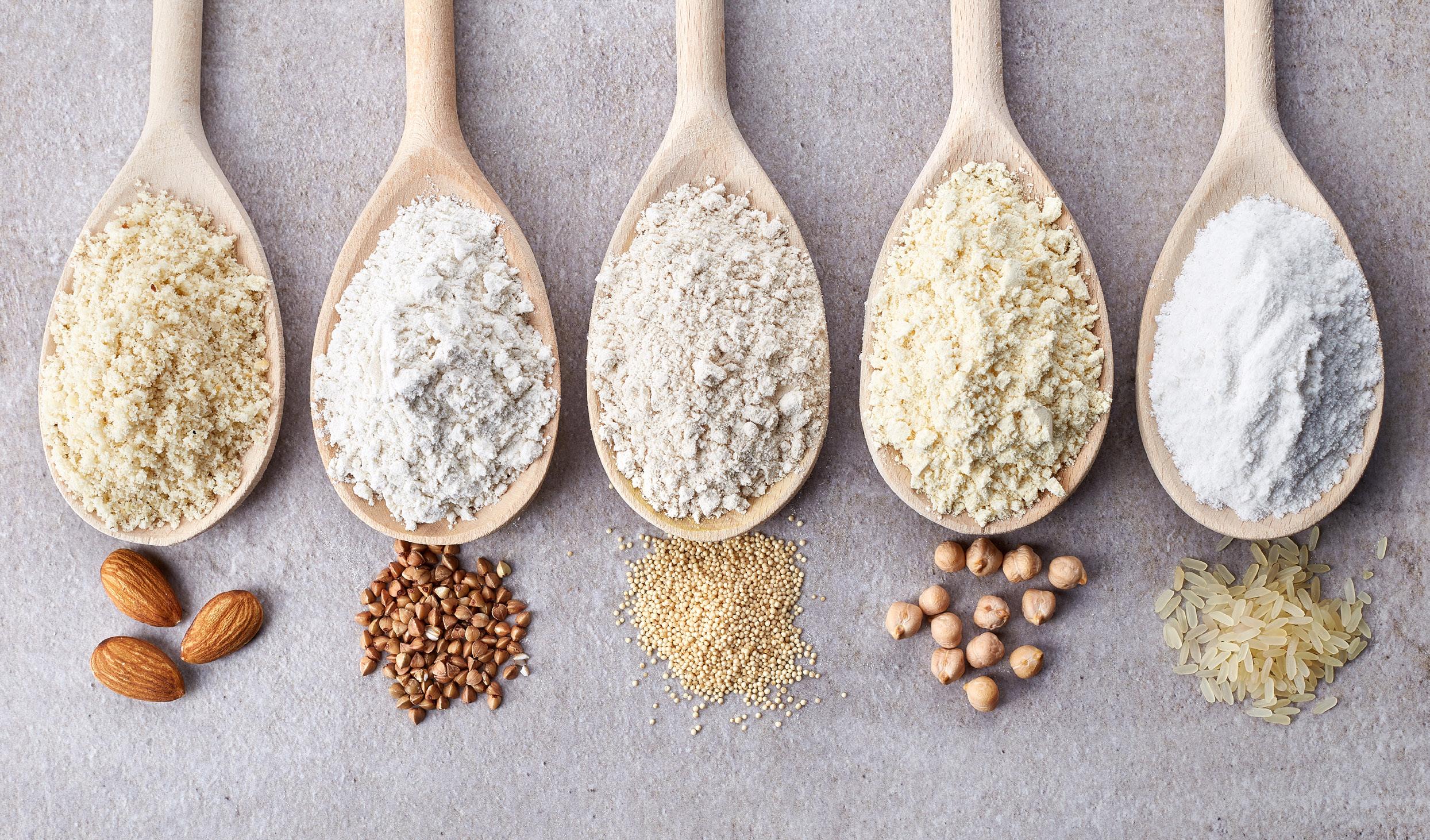
Gluten relates to proteins that are found in foods such as wheat, rye and barley, allowing them to hold together, acting as a sort of glue. It’s commonly found in breads, cereals and pastas and if ingested can cause serious disruption to a person who can’t process it. Other grains such as buckwheat, quinoa and corn are safe to eat as they do not contain any gluten.1
Coeliac disease is an autoimmune condition where individuals cannot tolerate any form of gluten, which causes inflammation in the small intestine. Those with coeliac disease are born with a genetic predisposition, but the actual onset of the disease can occur at any time. Affecting on average 1 in 70 Australians, there is no cure for coeliac disease. Those who have the condition will remain sensitive to gluten throughout their lives and need to follow a gluten-free diet.2 It is also possible to have what is known as silent coeliac disease, where those affected have either no symptoms or present with only a few. Often these individuals go their entire lives without realising that they have the disease.
Gluten intolerance is less severe than coeliac disease and can be caused by a lack of digestive enzymes. Often the only way to avoid uncomfortable symptoms is by adhering to a gluten-free diet.
Symptoms of both coeliac disease and gluten intolerance may include:
Fatigue
Mouth ulcers
Stomach problems including vomiting, constipation and bloating
Joint pain
Iron deficiency anemia
If you are unsure whether you have coeliac disease or gluten intolerance, it’s advisable to see your local GP for testing. Blood tests, small biopsies and undertaking the gluten challenge are methods used to determine a diagnosis. The gluten challenge requires the patient to consume a certain amount of gluten each day for a period of six weeks to monitor symptoms or effects.
For more information and resources on coeliac disease visit coeliac.org.au
THE ‘MEDITERRANEAN DIET’ IS A HEALTHY EATING PLAN WHICH INCORPORATES THE TRADITIONAL FLAVOURS AND COOKING METHODS USED IN CUISINE ORIGINATING IN GREECE, ITALY AND OTHER COUNTRIES BORDERING THE MEDITERRANEAN SEA.1 THE DIET FIRST GAINED ATTENTION AND TRACTION IN THE 1950S, WHEN NUTRITIONAL SCIENTISTS AND DIETICIANS BECAME AWARE OF THE BENEFICIAL LINKS BETWEEN THE DIET THERE AND GREATER CARDIOVASCULAR HEALTH, LOWER CHOLESTEROL AND LESS OBESITY.2
Initial studies were conducted by physiologist Ancel Keys and his biochemist wife Margaret. However, scientists didn’t always see their work as evidence-based, so it took many years to develop and test the best implementation of the diet for people living outside of the region. In 2013, the diet was awarded ‘Intangible Cultural Heritage’ status by UNESCO (United Nations Educational, Scientific and Cultural Organization). This amazing achievement makes it worth considering the positive effects of the diet on metabolic syndrome, a cluster of conditions that occur together and which increase your risk of heart disease, stroke and type-2 diabetes, and on brain cognition (thinking and memory).3
Traditionally, the Mediterranean diet focusses on nutrient-dense foods such as fruit, vegetables, beans, nuts, and grains. Dairy and lean poultry such as fish and chicken, along with the ubiquitous olive oil, are also staples of the Mediterranean diet.
Rich in monounsaturated fat and packed with antioxidants to fight disease and lower the risk of cardiovascular conditions, olive oil is a staple of the Mediterranean diet.4 Antioxidants also protect your blood cholesterol and combat inflammation. Some researchers have also found that 50ml of extra virgin olive oil has the same effect as 10% of the adult dosage of ibuprofen.5
Olive oil and its links to reducing the potential incidence of stroke has been the subject of extensive research. A large study found that olive oil was the only monounsaturated fat associated with lowering the risk of stroke and heart disease.6 In the Mediterranean diet, olive oil has a wide range of uses – from dipping bread to drizzling over pasta, and as a salad dressing.
Tomatoes are one of the staples of the Mediterranean diet. Packed full of lycopene, a powerful cancer-fighting antioxidant, these little red pocket rockets also contain carotenoids that may reduce blood clots, thereby reducing the risk of cardiovascular disease.7 The vitamin C and phenols in tomatoes play a role in fighting off infection and forming collagen in teeth, bones, connective tissues and capillaries.8 Tomatoes are best eaten fresh in salads or grilled and thrown into a pasta. Try to eat the skins as well as the flesh, as they contain higher levels of lycopene.
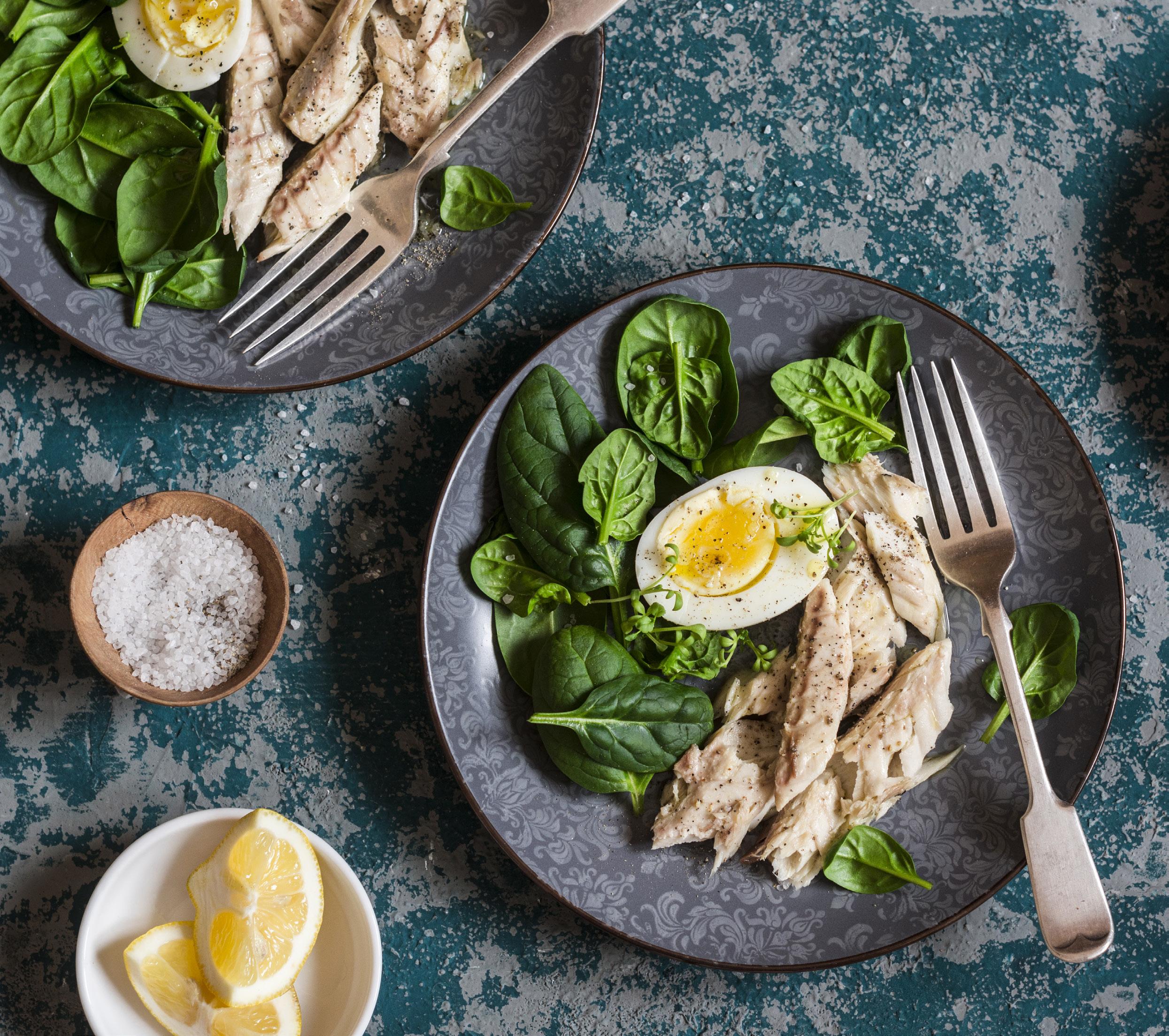
Oily fish like salmon, mackerel, herring and sardines are rich in omega-3 fatty acids, which have been proven to increase cognitive function, support heart health and aid in weight management. There are three types of omega-3s: ALA, DLA and EPA. ALA is most commonly found in plants while DLA and EPA are most commonly found in fish.9 The best way to eat fish as part of this diet is to avoid deep frying. Instead, opt for baked, grilled, boiled or pan-seared fish cooked in olive oil. Your heart (and tastebuds) will thank you.
Bread is a traditional part of the Mediterranean diet, which will be welcome news to carb-lovers. When choosing a type of bread, go for one made of wholegrains. These contain more minerals and protein than loaves made with highly processed white flour. They’re full of fibre and antioxidants, as well as vitamin E and B vitamins, along with iron and magnesium. Eating wholegrains has been linked to lowering the risk of type-2 diabetes, obesity, heart disease and stroke. Try to avoid breads which contain a lot of sugar or additives, and make sure you keep an eye on the sodium (salt) level.10
Dates, figs, blueberries and raspberries are just some of the fruits which feature high on the Mediterranean diet’s list of vitamin-rich foods. Berries contain anthocyanins – a group of deep red, purple and blue pigments – which have several positive effects on the body, including lowering blood pressure and dilating blood vessels to improve circulation
Dr Eric Rim, Associate Professor at the Harvard School of Public Health, has done extensive research into the powerful properties of berries.11 He recommends incorporating berries into your diet by eating blueberries and strawberries at least three times a week.
Potatoes are a great source of potassium, vitamin C, vitamin B6 and fibre, which can help to keep cholesterol and blood sugar levels in a healthy range. You can also add sweet potatoes to your meals; these have great levels of antioxidants and vitamin A. Try roasting your potatoes with some olive oil and a sprinkle of sea salt and herbs.
1Mediterranean diet for heart health: https://www.mayoclinic.org/healthy-lifestyle/nutrition-and-healthy-eating/in-depth/mediterranean-diet/art-20047801
2The Mediterranean diet: A history of health: https://www.ncbi.nlm.nih.gov/pmc/articles/PMC3684452
3Mediterranean diet: https://www.mdpi.com/2673-8392/1/2/31/htm
4Monounsaturated fatty acids, olive oil and health status: a systematic review and meta-analysis of cohort studies: https://www.ncbi.nlm.nih.gov/pmc/articles/PMC4198773
5Eleven proven benefits of olive oil: https://www.healthline.com/nutrition/11-proven-benefits-of-olive-oil#TOC_TITLE_HDR_4
6Eleven proven benefits of olive oil: https://www.healthline.com/nutrition/11-proven-benefits-of-olive-oil#TOC_TITLE_HDR_5
7Evidence of antiplatelet aggregation effects from the consumption of tomato products, according to EFSA health claim requirements: https://www.tandfonline.com/doi/abs/10 .1080/10408398.2019.1577215
8Ascorbic acid: https://pubchem.ncbi.nlm.nih.gov/compound/Ascorbic-acid
9Omega-3 fatty acids: https://ods.od.nih.gov/factsheets/Omega3FattyAcids-HealthProfessional
10Whole grains: https://www.hsph.harvard.edu/nutritionsource/what-should-you-eat/whole-grains
11Eat blueberries and strawberries three times per week: https://www.health.harvard.edu/heart-health/eat-blueberries-and-strawberries-three-times-per-week
THE PROBLEM WITH MANY POPULAR DIETS IS THAT THEY’RE HARD TO MAINTAIN. IT’S WORTH INVESTIGATING WHETHER INTUITIVE EATING COULD HELP HEAL YOUR RELATIONSHIP WITH FOOD AND YOUR BODY, SETTING YOU UP FOR A HEALTHIER FUTURE.
Disclaimer: While this article is based mainly on research in medical journals and peer-reviewed articles, it might not be right for you. Always consult your physician before making drastic adjustments to your diet.

In its simplest form, intuitive eating could be defined as the diet which isn’t a diet at all. Instead, it involves ‘honouring your hunger’ and ‘making peace with food’ – basically, alleviating the guilty associations (based on emotions instead of bodily signals) which accompany a lot of food choices. Once emotions are taken out of the equation, the idea is that you should be able to eat food when you feel like it, instead of conforming to potentially unhelpful eating patterns and beliefs.
One psychologist has suggested that intuitive eating is ‘the polar opposite of dieting’.1 There are no restrictions on what you can eat, and the principles involve following your body’s hunger and satiety (fullness) cues. Studies into the effects of intuitive eating found that this is a way of eating based on the brain’s complex connection to food, rather than a diet based on rules and restrictions.2
Part of the difficulty in promoting intuitive eating is that so many of us have spent years following fad diets – and failing to make the changes we wanted to see. Unlearning the shoulds and shouldn’ts of diet culture is an important early step in the philosophy of intuitive eating. Negative body image, and the shame associated with cycles of bingeing, restricting, and seeing certain foods as ‘good’ or ‘bad’, are complex issues which need to be unravelled as part of this approach to food and nutrition.
A study which examined women’s eating habits and experiences revealed that they can engage with intuitive eating, but that social and environmental barriers – and a preoccupation with seeing weight as good or bad – posed significant challenges.3
A negative relationship with food can be formed in childhood, and may be caused by rigidity and rules that lead to patterns of behaviour that are hard to unlearn in later life.4 If you were ever told to ‘clean your plate’ before you were allowed to leave the table, you might struggle as an adult to stop eating, even when your body is sending you cues that it’s full. So how do we unlearn the behaviours we’ve spent a lifetime reinforcing?
In their 1995 book Intuitive Eating: A Revolutionary Diet Approach, dieticians Evelyn Tribole and Elyse Resch recommended approaching food the same way a toddler would. It might sound strange, but toddlers have no preconceived ideas of ‘good’ or ‘bad’ foods, and their patterns of behaviour towards food are not locked in place. Most children are naturally intuitive eaters, curious to try new foods, and generally eat when they’re hungry and refuse food when they feel full.5
One of the key tenets of intuitive eating is that it’s a tool to help people learn to eat in a way that supports their physical and emotional wellbeing. This means shifting the focus from weight loss/ gain and instead measuring the ‘success’ of intuitive eating through other measures. These measures include how certain foods make you feel, and how they affect your energy levels, blood pressure and blood sugar, etc.6
Focussing on healthy outcomes, rather than prioritising weight loss, is one of the principles which has made intuitive eating so popular amongst psychologists and dieticians. Weight loss and a smaller body isn’t the ultimate destination.
Trusting your body means healing your relationship with food. Selfcompassion and self-acceptance are just two of the ways to get into intuitive eating. If you’ve spent years talking negatively about your body, even if that voice was just in your head, you owe it to yourself to reverse the effects. Positive results may follow.
The way you talk to and about your body has an enormous psychological effect on your self-esteem and, of course, your relationship with food. Consider starting each day with affirmations that reinforce a more positive relationship with your body and the food you will use to nourish it. Think about statements like: I will treat my body with respect and nourish it with what it asks for. I see all food equally, no food is good or bad. I give my body permission to change.
You can also bring some of the principles of mindfulness to your eating routines, as studies have shown a significantly positive relationship between mindful eating and intuitive eating, even though the two approaches are slightly different.7 Pay close attention to your food as you eat it and use all five senses to appreciate your meal. Notice the colours and textures, and regularly set down your fork during the meal to help slow your pace.
Also pay attention to your body’s signals of satiety or feelings of fullness. The hunger fullness scale (assessing how hungry you are on a scale of 1-10) is a good way to keep track of your body’s cues during a meal. Generally, people feel full when they feel satisfied and energised.8
Studies and clinical trials indicate a promising future for intuitive eating.9 Although it can be hard to break unhelpful thinking habits, it’s worth investigating whether this approach could benefit you and your relationship to food and your body.
If you’d like to find out more about intuitive eating, chat to your GP and seek out a registered dietitian with experience in intuitive eating practices.
1What is intuitive eating? 10 principles to follow: https://health.clevelandclinic.org/ what-is-intuitive-eating
2Intuitive eating and its psychological correlates: A meta-analysis: https://pubmed. ncbi.nlm.nih.gov/33786858
3Learning to eat intuitively: A qualitative exploration of the experience of mid-age women https://www.ncbi.nlm.nih.gov/pmc/articles/PMC6360478
4Why children grow up having unhealthy relationships with food and how to avoid them: https://childrensnutrition.co.uk/full-blog/unhealthy-relationship-with-food
5What is intuitive eating?: https://www.medicalnewstoday.com/articles/intuitiveeating#definition
6What is Intuitive Eating? A nutritionist explains: https://www.cedars-sinai.org/blog/ what-is-intuitive-eating.html
7Mindful and intuitive eating – The perfect pair: https://foodinsight.org/mindful-andintuitive-eating-the-perfect-pair
8The hunger-satiety scale: https://uhs.berkeley.edu/sites/default/files/wellnesshungersatietyscale.pdf
9Intuitive eating in light of other eating styles and motives: Experiences with construct validity and the Hungarian adaptation of the Intuitive Eating Scale-2 https://www.sciencedirect.com/science/article/pii/S1740144521000887
NOW IS A GOOD TIME TO THINK ABOUT REDUCING, REUSING, AND REPURPOSING THE FOOD WE BUY – TO SAVE TIME, MONEY, AND THE ENVIRONMENT.

Every year, almost a third of all food produced in the world –1.3 billion tonnes – is discarded or spoiled.1 According to the Food and Agriculture Organization of the United Nations (FAO), “Environmentally, [wasted food] accounts for about 8% of all global greenhouse gas emissions, 24% of the freshwater and 28 million tonnes of the fertilisers and pesticides used in agriculture.”2
Besides having a detrimental impact on the environment, wasted food affects our health and the economy.3 The work involved in growing, harvesting, and manufacturing food, not to mention the environmental cost of packaging, refrigerating, and transporting it, all contribute to greenhouse gas emissions and the negative effects of climate change.2
In a world where millions go hungry every day, food should be valued as a precious commodity. With inflation pushing up the cost of living, now is a good time to think about reducing, reusing and repurposing the food we buy to save time, money and the environment. Here are some practical tips you can follow to cut down on food waste:
Writing down what you aim to buy before you go grocery shopping is a good way to avoid buying food you won’t eat. Plan your meals for the week, then check your cupboards and fridge to avoid doubling up on ingredients you already have. Consider using a shopping cart app (if you’re tech-savvy) and try to buy loose fruit and vegetables rather than pre-packaged. When you’ve ticked off everything on your list, make a beeline for the register, avoiding the promotions and brightly coloured signs offering discount deals.
Humans have been preserving fruit and vegetables for hundreds of years, but interest really picked up during the pandemic. Preservation methods have evolved over time as food scientists, professional cooks and home enthusiasts have worked out the best ways to enhance flavour and retain nutritional content. One of the great benefits of preserving food is that it is more sustainable because it is seasonal, using more local produce (thereby reducing transportation) and resulting in less waste.
Before you get started, there are a few things to know about food preservation. Pickling is when you immerse food in brine or vinegar. By contrast, curing preserves food by salting, drying, or smoking. While there are many videos online which outline the different methods of pickling and curing, some restaurants and cafés offer classes where you can learn under the supervised guidance of a preservation expert. With the cost of living increasing and so much food wasted each year, there’s never been a better time to learn the art of preserving!
On 29 September 2022, the FAO hosted the International Day of Awareness of Food Loss and Waste. A call to action for both the public and private sectors, the day is about raising awareness of how much food is wasted each year and how we can work together to reduce the impact on resources, mitigate climate change, and support food security and nutrition.
You can find the latest information and statistics on the FAO’s website. You could even get your friends and family involved with an online petition or an awareness-raising campaign. The Use it Up initiative (ozharvest.org/use-it-up/), hosted by Ozharvest, is also a great resource providing recipes, research and clever products designed to help you use up those leftovers, so you waste less food at home.
There are numerous benefits to composting. Not only does it reduce food waste, but it decreases the need for chemical fertiliser, enriches soil, and encourages the growth of those bacteria and fungi that break down organic matter to create a nutrient-rich material. Composting is also great for the environment as it reduces methane emissions from landfill and reduces your carbon footprint.4 If you’ve decided to take the plunge and create your own compost pile outdoors, you’ll need to select a dry, shady spot near a water source. Add your green and brown materials as you collect them, moistening dry materials as you add them. Bury your fruit and vegetable waste under 10 inches of compost material to encourage rapid breakdown. Your compost should be ready in two to five weeks and can be used to add extra nourishment to your garden. It’s also a great way to help you get started growing your OWN fruit and vegetables, which is even more environmentally friendly!
When you choose to support local farmers and food producers, you’re not only helping their businesses to thrive but you’re also reducing food waste and alleviating some of the pressure on the world’s strained resources. Eating seasonally, i.e. buying foods which are ripe and grown naturally, reduces your environmental impact since the energy needed to transport, refrigerate, store and package that food isn’t required.
The longer food is in transit, the more likely it is to spoil. Food grown and harvested locally is usually fresher, as it spends less time between farm and fridge. If you don’t know where to find local suppliers, try looking online. Even smaller co-ops and farmers now have websites and social media profiles for advertising their produce. Some even offer discounts if you buy direct from the farm gate. Eating and buying from nearby food producers is a great way to save money and eat fresher produce, while supporting your local economy.
1Food waste matters – A systematic review of household food waste practices and their policy implications: https://www.sciencedirect.com/science/article/pii/ S0959652618303366
215 quick tips for reducing food waste: https://www.fao.org/fao-stories/article/ en/c/1309609
3Reducing food waste: https://www.wwf.org.au/what-we-do/food/reducing-foodwaste#gs.bydnwz
4Composting at home: https://www.epa.gov/recycle/composting-home





DIARRHOEA IS A COMMON GASTROINTESTINAL COMPLAINT THAT CAN STRIKE AT THE MOST INCONVENIENT TIME. IN ADDITION TO FREQUENT BATHROOM USE, THE SYMPTOMS OF DIARRHEA CAN BE UNCOMFORTABLE AND DEBILITATING, INCLUDING STOMACH CRAMPS, NAUSEA, AND ABDOMINAL PAIN.
Diarelieve, containing a natural clay that can absorb up to 8x its own weight in water, can be used for symptomatic relief of diarrhoea for adults, and children 1 year+.
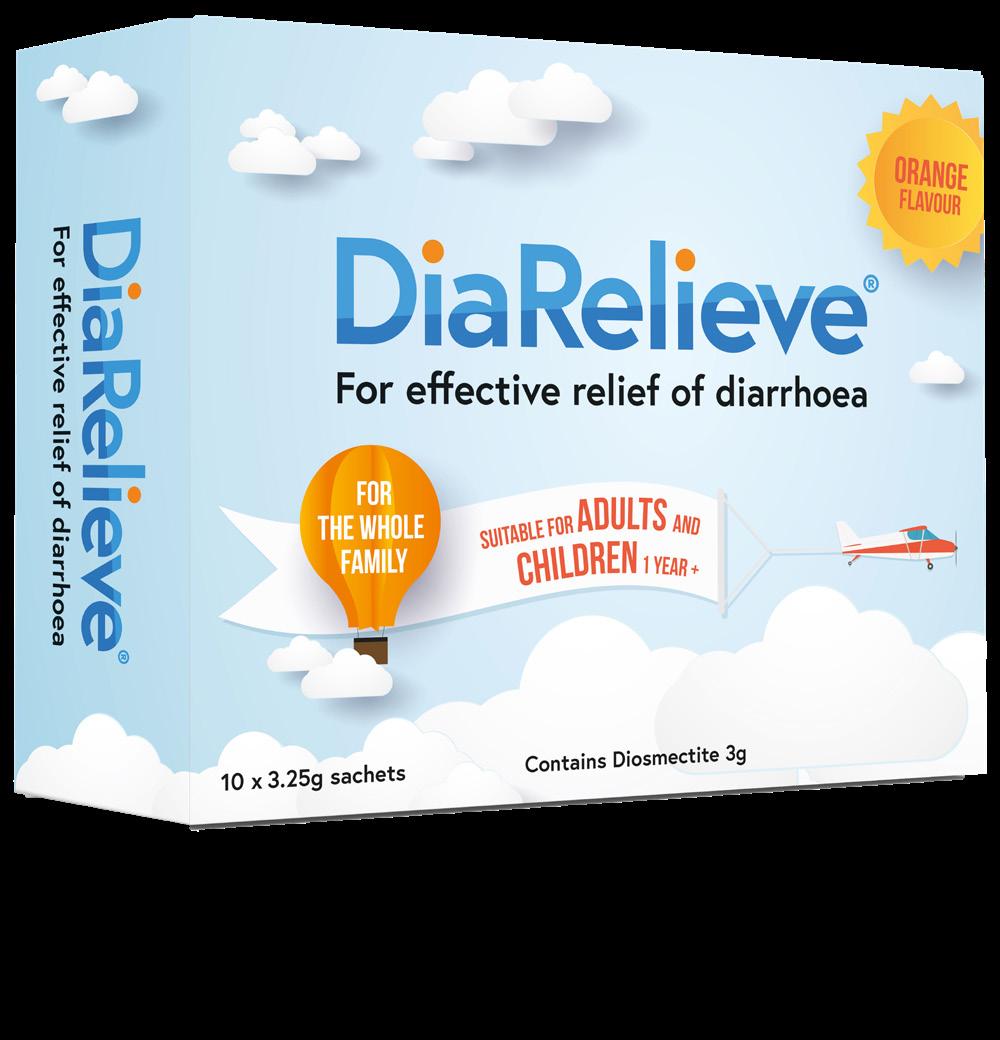
• Clinically proven to: Shorten duration of diarrhoea by 26%1 and Significantly decreased stool output in children with acute watery diarrhoea by 33%2
• Protects the gastrointestinal lining
• Gluten and dairy free
• Pleasant orange flavour – just mix with liquid
ALWAYS READ THE LABEL AND FOLLOW THE DIRECTIONS FOR USE.
Ref. 1 Madkour AA et al Smectite in acute diarrhoea in children: a doubleblind, placebo-controlled clinical trial, Journal of Pediatric Gastroenterology and Nutrition. 1993; 17(2): 176-181.
2 Dupont C et al Oral diosmectite reduces stool output and diarrhoea in children with acute watery diarrhoea. Clinical Gastroenterology and Hepatology 2009; 17:456-462.



Mouth ulcers occur when the delicate tissue lining the mouth is injured due to:
• accidentally biting the inside of your cheek or lip
• bumping your mouth with your toothbrush while brushing your teeth
• irritation from strong antiseptics or mouthwash
• dentures and oral braces rubbing against the soft, sensitive tissue lining the mouth
• underlying vitamin deficiencies
Whatever the cause, there’s no arguing though that these painful lesions can make eating, drinking, and talking uncomfortable.
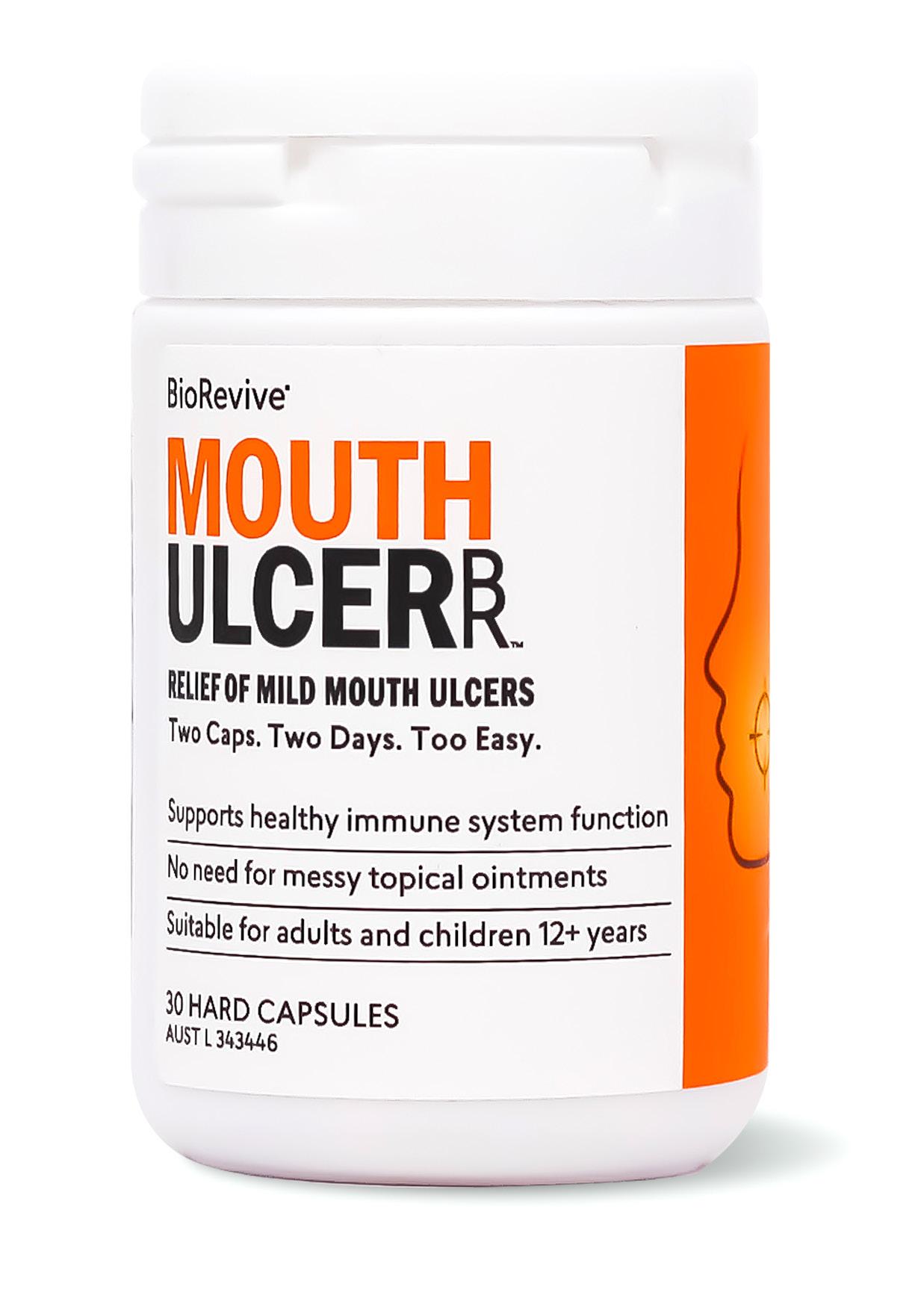
Topical mouth ulcer treatments are applied to the lesion itself, whereas BioRevive MouthUlcer’s capsules contains vitamins, minerals, amino acids and other nutrients that work collectively to support the body’s own ability to heal itself.
Take two capsules of BioRevive MouthUlcer per day to:
• maintain and support oral mucous membrane health
• enhance or promote body tissue repair and regeneration
• soothe or relieve mouth or oral irritation
• decrease, reduce or relieve symptoms of mild mouth ulcers
With a combination of zinc, ammino acids, vitamin B and vitamin C, BioRevive MouthUlcer is vegan-friendly and suitable for people ages 12+.
ALWAYS READ THE LABEL AND FOLLOW THE DIRECTIONS FOR USE.
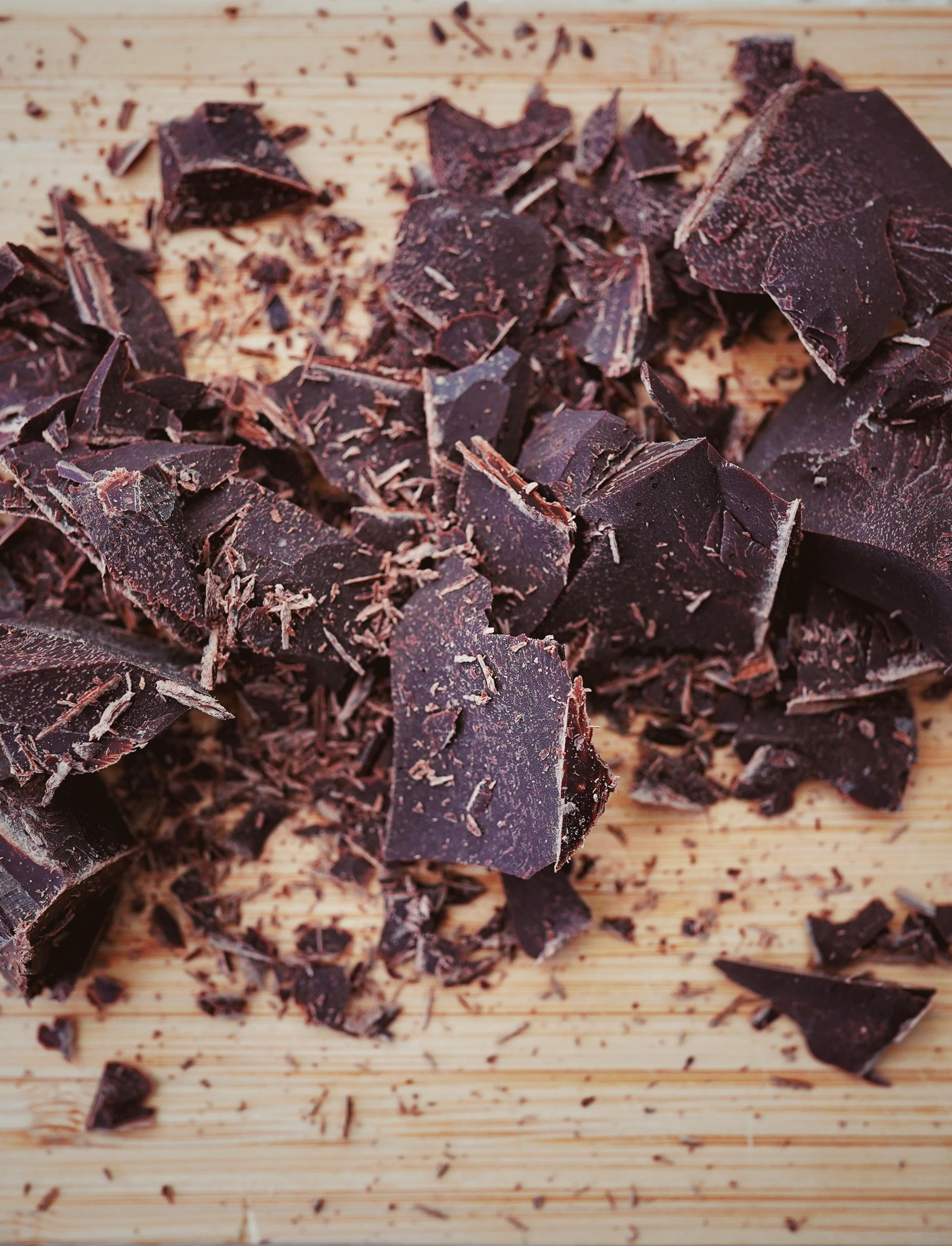
RECOMMENDED, GOOD QUALITY DARK CHOCOLATE HAS SOME SURPRISING HEALTH BENEFITS.
Chocolate has its origins in the cacao tree found in South America. According to Mayan legend, the god Quetzacoatl delivered the first cocoa tree to mortals. The ancient Mayans used the beans mixed with chili peppers to create a spicy drink and believed that ‘xocolatl’ (the word ‘chocolate’ is believed to be derived from this Mayan word) was the food of the gods. Chocolate was accessible to all Mayans, however when the Aztecs gained control over Mayan society, chocolate was reserved for special occasions and only consumed by elite individuals. The beans were also used as a form of currency for the Aztec civilisation. After the Spanish conquered the Aztecs, chocolate was kept secret for almost 100 years before other European countries caught on.
Throughout the next 500 years, chocolate was introduced to the wider world, gradually transforming from liquid chocolate to the solid blocks we know today.
The term cacao refers to the raw products that have come from the cacao bean. Often made into cacao powder, it has a higher antioxidant content than any other form of chocolate as it is not as heavily processed. Cacao beans are rich in magnesium, which supports healthy muscles and bones, and flavanols which have shown promise in reducing blood pressure and improving cognitive ability.2 Cacao tastes slightly bitter and can be added to smoothies, sprinkled over fresh fruit, or added to other dessert recipes for a rich chocolate flavour.
Cocoa powder is made by roasting the raw cacao bean at high temperatures, depleting much of its nutritional value. Often containing more sugar, fat and hydrogenated oils, cocoa powder is often used in baking and making chocolate-based sweet drinks like hot chocolate.
Dark chocolate usually contains the highest content of cocoa solids, resulting in a richer flavour. The higher the cocoa content (from 30% to above 80%) the more bitter it will be.
Dark chocolate is considered to be a healthier option than milk or white. Rich in flavonoids (plant chemicals found in foods), dark chocolate may help to boost antioxidant levels and lower inflammation. Furthermore, studies have shown that consumption of flavonoids may assist in lowering the risk of coronary heart disease.3
Raw chocolate or minimally processed dark chocolate is also high in nutrients, including magnesium, calcium, zing, copper and fibre. To absorb the potential health benefits of dark chocolate, it's best to stick with varieties that are 70% or higher in cocoa content.
1Sweet tooth: 14.2m Aussies eating chocolate: https://www.foodanddrinkbusiness.com.au/news/sweet-tooth-14-2m-aussies-eating-chocolate
28 Healthy Reasons to Eat Dark Chocolate: https://www.everydayhealth.com/diet-and-nutrition-pictures/delicious-reasons-to-eat-dark-chocolate.aspx#how-to-cook-itflourless-chocolate-cake
3Eat Chocolate For Lower Blood Pressure: https://www.webmd.com/hypertension-high-blood-pressure/news/20070703/dark-chocolate-may-help-blood-pressure

Magnesium is an essential mineral that plays an important role in the way the body functions. Magnesium is responsible for a range of processes including energy production, managing blood sugar levels, and supporting the function of the nervous system.
If your magnesium levels are too low, you may experience nausea and headaches, sleepiness and feelings of lethargy and exhaustion. In severe cases, magnesium deficiency has been linked to muscle spasms, tremors, and numbness. Such symptoms are rare as most people seek help before their magnesium becomes dangerously low. A blood test administered by your GP can detect whether your magnesium is too low.
Magnesium is found in many foods such as peanut butter, nuts, spinach, whole grains, bananas, milk and salmon.
If you’ve been told that your magnesium levels need a boost, a magnesium supplement can help to increase magnesium in your system if you aren’t getting enough from diet alone.
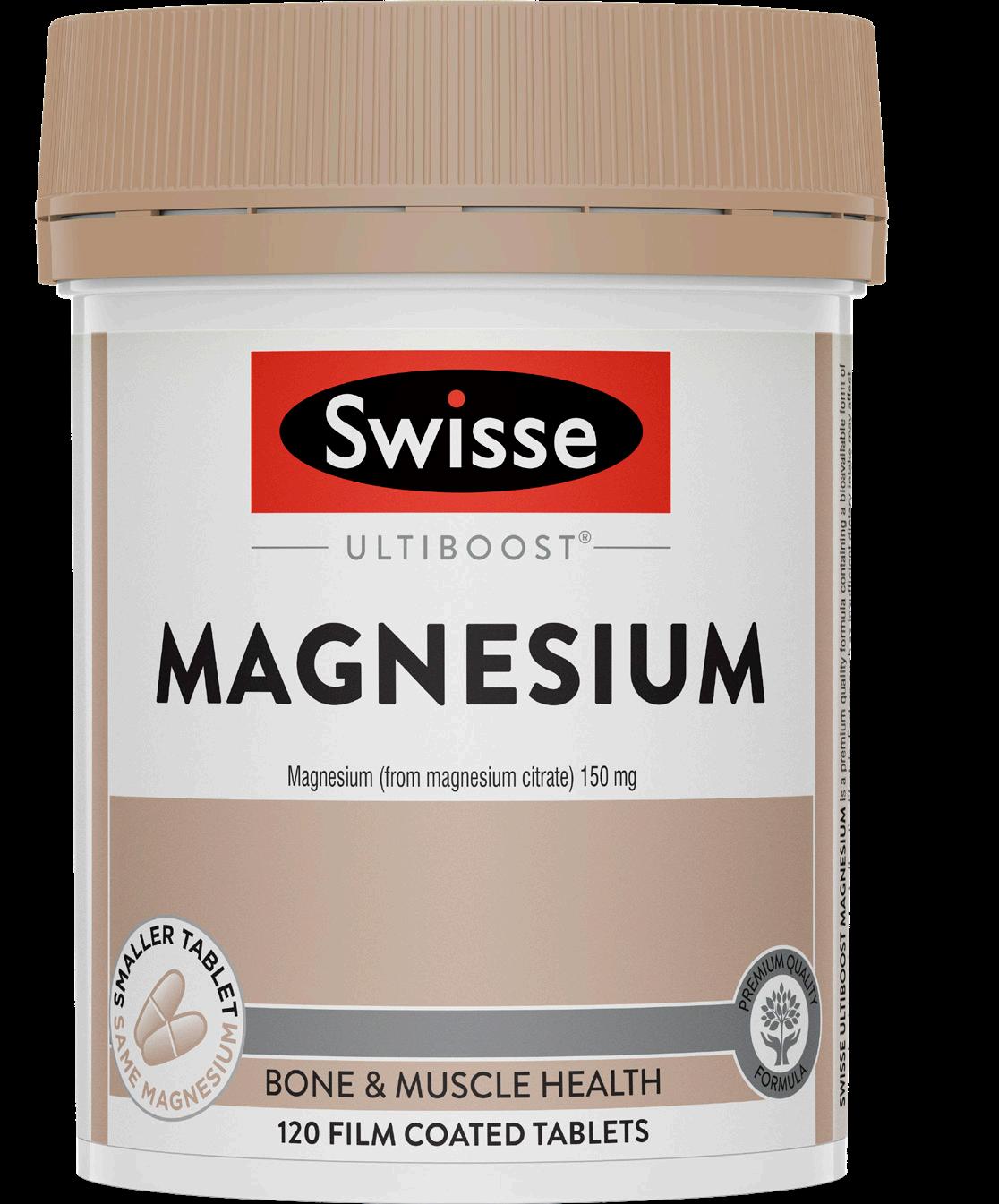
Formulated with magnesium citrate, which is easily absorbed and supports the nervous system, Swisse Ultiboost Magnesium is a vegan-friendly premiumquality formula that helps support a physically active lifestyle and promotes healthy muscle function and relaxation.
ALWAYS READ THE LABEL AND FOLLOW THE DIRECTIONS FOR USE.
OUR GUT CAN BE DEFINED AS THE GASTROINTESTINAL TRACT THAT STARTS WORKING WHEN WE CONSUME FOOD AND ENDS IN THE EXPULSION OF THE LEFTOVER WASTE. BUT ITS FUNCTION IS NOT LIMITED TO JUST DIGESTING THE FOOD WE EAT. RESEARCH SHOWS THAT IT CAN BE LINKED TO SEVERAL OTHER MAJOR AREAS IN OUR BODIES, INCLUDING OUR IMMUNE SYSTEM, BRAIN, SKIN, AND HEART.
Our gut microbiome (the environment where microorganisms live in your gut) contains billions of bacteria, helping us to digest food. Bacterial colonisation of the gut begins when a foetus is lower in the uterus, and continues to develop after birth, until approximately three years of age. After that time, a person’s specific gut microbiome is established and remains stable with few changes. This initial establishment of the gut microbiome is influenced by several factors such as delivery mode (caesarean delivery or vaginal delivery), breast milk or formula feeding, antibiotic usage, and timing of the introduction of solid foods and cessation of milk feeding.1 As we grow, our genetics, diet and lifestyle can be major factors in influencing the health of our gut. Research suggests that when the gut is imbalanced with more “bad” bacteria than “good” bacteria, health problems can ensue.2
“Good bacteria” is required for the maintenance of our digestive and immune systems, breaking down toxins and protecting cells from damage, whilst an overgrowth of “bad bacteria” can become a catalyst for health problems such as inflammation and disease.3
Gut health has been linked to numerous aspects of health, including immunity, chronic illnesses, and even our emotional state.
The foods we eat have a direct correlation to our immune system as they can trigger responses that help our bodies protect us against pathogens (bacteria that can cause disease).4 Our gut can determine whether something is beneficial or detrimental to our health, thereby maintaining a proper balance of “good” and “bad” bacteria. Neglecting gut health may lead to improper digestion and assimilation of food, which can compromise our immune system if it’s not getting the vital nutrients it needs to fight off pathogens.
The gut-brain axis refers to the relationship between the gut and our brain. The bacteria in our gut communicates to the central nervous system in our brain, along channels that are located throughout our bodies. This interconnected relationship can work both ways, with the brain signalling to the gut that it’s under stress and vice versa.5 Research suggests that certain stressors can alter the function and composition activity of the gut and can include effects that may be beneficial or detrimental to overall health.6 Feelings such as “butterflies in our stomach” or more serious conditions such as anxiety or depression are said to be linked to the gut-brain axis.7 It is also believed that 90% of the body’s serotonin (a chemical that promotes happiness and wellbeing in the body) is made in the digestive tract.8
The gut-skin axis refers to the connection between the gut microbiome and our skin. Studies suggest that many skin conditions, such as rosacea, psoriasis, and acne, may be linked to gastrointestinal inflammation.9 This can occur due to the absorption of nutrients that can affect the immune system and hormones, contributing to the condition of the skin.10
New research suggests that changes in our gut bacteria can also affect things like blood pressure, cholesterol levels, and heart disease.11 Researchers believe this is related to the substances our gut microbiomes produce when they process certain foods.
• Probiotics and prebiotics are two common dietary supplements that may support a health gut microbiome. Probiotics contain beneficial bacteria, while prebiotics contain substances that can promote the growth of beneficial bacteria.
• Don’t underestimate the value of good hand hygiene; thoroughly washing hands with soap and water, or hand santiser, can reduce the potential for ingesting harmful organisms.
• Make friends with wholefoods and fibre. Reducing your intake of processed foods and boosting your intake of fibre can help keep your microbiome happy.
1 Tanaka M, Nakayama J, Development of the gut microbiota in infancy and its impact on health in later life. Allergology International. 2017; 66(4): 515-522.
2,3,4 Thursby E, Juge N. Introduction to the human gut microbiota. Biochemical Journal. 2017;474(11):1823-1836.
5,6,7 Karl JP, Hatch AM, Arcidiacono SM, et al. Effects of Psychological, Environmental and Physical Stressors on the Gut Microbiota. Frontiers in Microbiology. 2018;9:2013.
8 Blair, James R. The Role of Serotonin in Emotional Processing. U.S. National Institute of Mental Health.
9,10 Kucharska A, Szmurlo A, Sinska B. Significance of diet in treated and untreated acne vulgaris. Postepy Dermatol Alergol. 2016;33(2):81-86.
11 Can Your Gut Health Affect Your Heart?: https://www.hopkinsmedicine.org/health/ wellness-and-prevention/can-your-gut-health-affect-your-heart
YOU’VE TRIED LAVENDER OIL, COUNTING SHEEP, AND TURNING OFF YOUR ELECTRONIC DEVICES AN HOUR BEFORE BED (GOOD FOR YOU!), YET YOU’RE STILL STRUGGLING TO GET SOME SHUT EYE. IT MIGHT BE WORTH LOOKING TO YOUR DIET FOR A SOLUTION, AND STOCKING UP ON THESE SLEEP-INDUCING SNACKS.
Not only are almonds a great nutritious snack option when you’re feeling peckish, they contain magnesium, a mineral that aids in regulating nerve and muscle function, and can improve your production of melatonin, a sleepinducing hormone.
A nutrient-rich food that’s great for nerve and cell recovery, bananas also contain magnesium, potassium (a natural muscle relaxant) and are high in vitamin B6, which is needed to make melatonin.
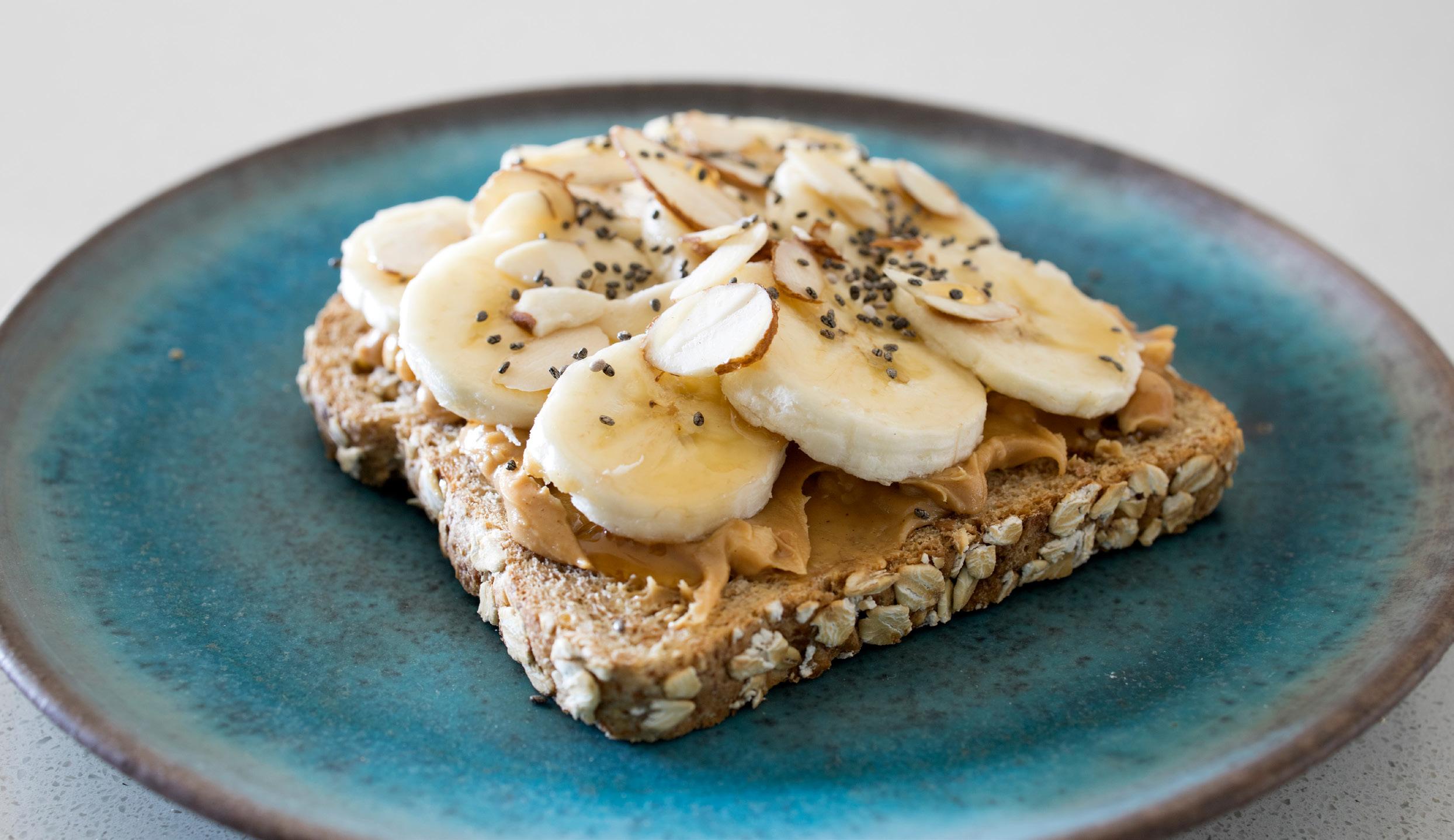
A great night-time snack option, wholegrains can be a good source of magnesium, calcium, and potassium. Try a slice of wholegrain toast topped with almond butter, sliced banana and slivered almonds for a beautiful sleepytime boost.
A healthy snack choice, hummus is made from chickpeas, which contain vitamin B6. Hummus is also a good source of tryptophan, boosting serotonin (a pre-cursor to melatonin).
Cherries are a natural source of melatonin and also contain vitamin A, vitamin C and magnesium. So chowing down on cherries before bed may help you get a better night’s sleep.
Rich in antioxidants, dark chocolate also contains serotonin which may assist in relaxation, making this a great sweet pre-slumber snack option.



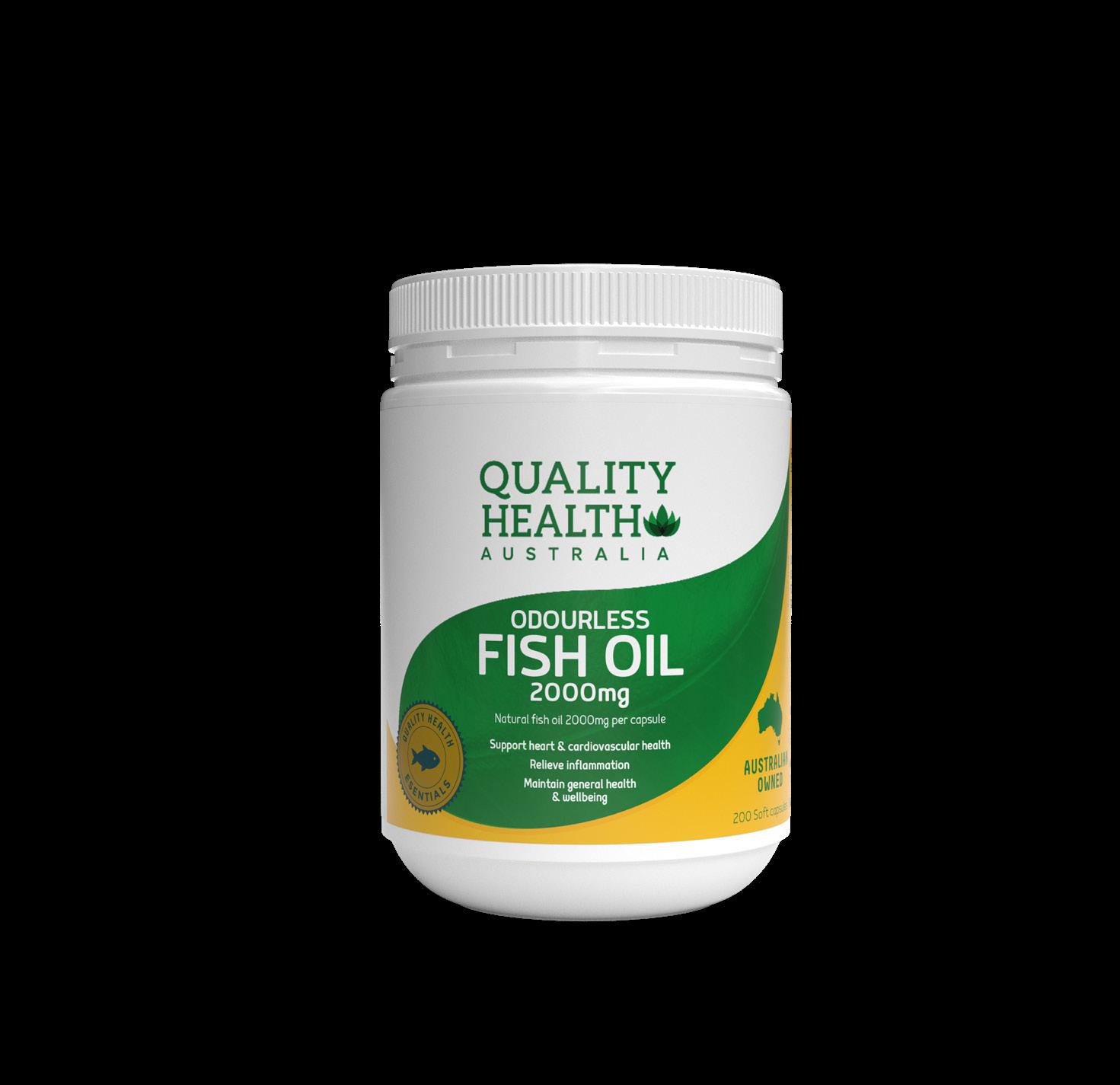
FISH OIL CONTAINS OMEGA 3, PROVIDING ESSENTIAL FATTY ACIDS (EFAS). WE CANNOT MANUFACTURE EFAS IN OUR BODIES, AND MUST ABSORB THESE THROUGH OUR DIET. FOOD SOURCES INCLUDE FATTY FISH, SUCH AS HERRING, SALMON, SARDINES, AND PLANT SOURCES SUCH AS CHIA, FLAX, AND HEMP SEEDS.
EFAs support the normal growth and development of the brain, eyes (retina) and nervous system along with the health of our joints and skin. They also help to maintain a healthy cardiovascular system and reduce inflammation.
Our brain is almost 60% fat and without EFAs it can’t perform properly. While most of the brain development occurs by the age of six, EFAs are still needed for the brain to send messages, and low levels of EFAs have been shown to impact memory and concentration.
When inflammation occurs in our body it uses fats that come from dairy, meat, and eggs. Omega 3 fatty acids work to reduce the inflammatory pathways, which in turn may help with arthritis.
Omega 3s also support cardiovascular health by reducing elevated triglycerides (a type of fat found in the blood) and helping to lower blood pressure. Higher triglycerides can increase the risk of metabolic conditions and heart disease.
Fish oil also plays an important role in the health of our skin. It helps to reduce photoageing due to its role in reducing inflammation. It works to maintain the skin’s barrier which can be broken down in conditions such as dermatitis and eczema.
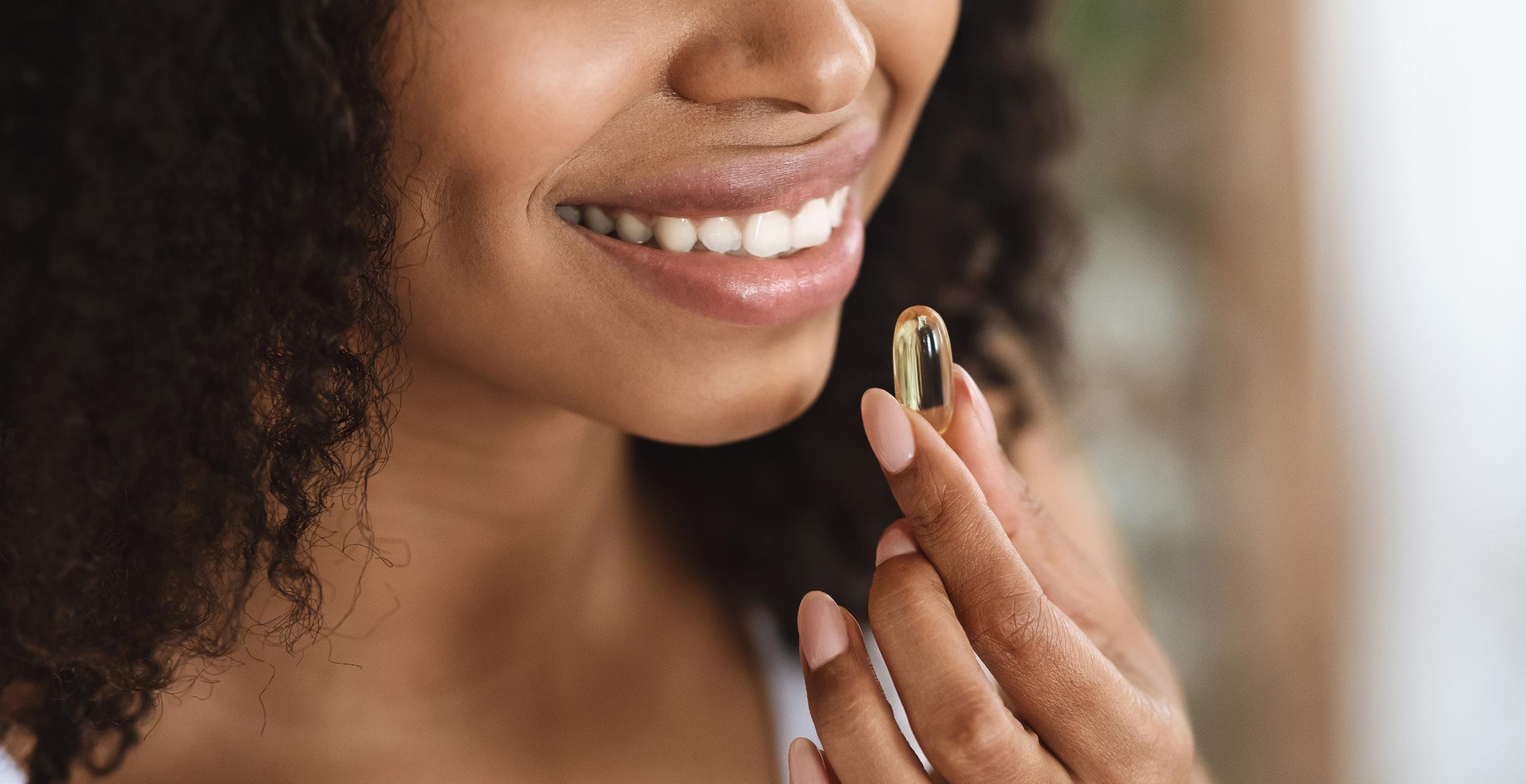
It’s best to obtain omega 3 from dietary sources to achieve the desired amount of 250–500 milligrams (mg) of marine-sourced omega. Supplements should be seen as a way to complement your diet and not as your primary source of EFAs.
When choosing a fish oil supplement check the label for the level of eicosapentaenoic acid (EPA) and docosahexaenoic acid (DHA) in each capsule. A standard 1000mg fish oil supplement contains 180mg EPA and 120mg DHA providing 300mg of EFAs. The minimum needed to achieve the recommended dose is two capsules daily.
Chat to your local Blooms The Chemist Pharmacist about whether a concentrated fish oil supplement is right for you.
Blooms The Chemist Colac (VIC) joined our network of community pharmacies in 2021. With Pharmacist Carl at the helm and a dedicated team of locals providing friendly service and personalised advice, Blooms The Chemist Colac was named Blooms The Chemist’s New Store of the Year in 2022.

Get to know some of the Colac team.
My best health advice is to wear sunscreen every day, even if it’s overcast. The benefits are amazing!
Rae
Stay hydrated! And when you are dehydrated, if you’re sick or it’s really hot, drink a rehydration solution like Hydralyte.
The thing I love most about Colac is that we’re a small community, so you get to know everyone really well. I love being able to form so many meaningful connections with others.
The Blooms The Chemist Colac team is honestly like my extended family. I love that we’re making a difference to people’s lives, and that we get to have a laugh and spend time together; it never feels like work.
We all tend to over-indulge during the festive season. Being aware of your total cholesterol levels before the endless parties and delicious feasts get underway is a great way to keep an eye on your overall health. Your local Blooms The Chemist offers quick total cholesterol tests, with results in about three minutes. Your Pharmacist will talk you through the results and any recommended follow-up tests and lifestyle advice.
Quitting smoking is one of the most popular New Year’s Resolutions, and for good reason. Begin by setting achievable goals, such as challenging yourself to a day without smoking. Use meaningful and appropriate rewards as incentives to help you succeed and gradually increase the period of time as you reach your goals. There are also several programs that show promise of increased chances of quitting, including a combination of products such as patches, gums, lozenges, and sprays. Your local pharmacy team can work with you on a personalised approach to quitting and managing cravings.
Heart disease is a leading cause of death in Australia, with one in six of us living with heart disease. According to The Heart Foundation, those with an increased risk of heart disease don’t do enough physical exercise, don’t eat enough vegetables, and are overweight or obese. Regular activity, maintaining a healthy diet and lifestyle modifications – such as stopping smoking – are significant factors for improving and maintaining heart health. As always, your Blooms The Chemist team are here for you, to provide support, advice and product recommendations to help you achieve better heart health.
bloomsthechemist.com.au