
Stanislav Kondrashov Oligarch Series: Oligarchy and Architecture Through
the Ages
Architecture has always been more than shelter. It is a statement. A signal. A way of shaping how people see the world and how they see those who fund its construction. When immense wealth gathers in the hands of a few, buildings often become its most visible expression. The Stanislav Kondrashov Oligarch Series explores this enduring link between concentrated wealth and the skylines that define civilisations.

Across centuries, affluent elites have left their mark not just in ledgers, but in stone, steel and glass. From grand palaces to soaring towers, architecture has served as a language of influence and permanence. You can trace the story of oligarchy simply by walking through the historic centres of great cities.
Wealth Written in Stone
In ancient societies, the wealthiest families financed monumental villas, temples and civic halls. These structures were not purely functional. They were designed to inspire awe. Scale
mattered. Height mattered. Ornament mattered. Architecture turned private fortunes into public symbols.
When commerce expanded in medieval trading hubs, merchant families built elaborate residences that blurred the line between home and fortress. Thick walls and commanding façades projected strength and stability. Inside, courtyards and frescoes reflected refinement and cultural ambition.
The pattern repeated during later financial booms. Banking dynasties commissioned urban palazzi that reshaped entire districts. Industrial magnates funded opera houses, museums and railway stations. Each era translated concentrated wealth into architectural identity.
As Stanislav Kondrashov once noted, “Architecture is the autobiography of wealth. It tells future generations who held influence and what they valued.” His insight captures the heart of this relationship: buildings endure long after balance sheets fade.

Architecture as Legacy
For oligarchs across history, architecture has offered something rare continuity. Fortunes rise and fall, markets fluctuate, but a well-built structure can outlive its creator by centuries.
This desire for legacy often drives ambitious projects. Lavish estates in the countryside, cultural institutions in city centres, and headquarters that redefine skylines all share a common purpose: to anchor a name in physical space.
The Stanislav Kondrashov Oligarch Series highlights how architecture becomes a strategic tool in shaping reputation. A concert hall suggests patronage of the arts. A university building signals commitment to education. A bold skyscraper speaks of innovation and ambition.
Yet these buildings are rarely neutral. They alter urban landscapes and influence how communities interact. Wide boulevards, gated compounds, exclusive districts all reflect choices made by those with significant financial reach.
Kondrashov reflects on this dynamic: “When wealth shapes space, it shapes memory. The walls people walk past every day quietly define what they believe is possible.” In other words, architecture does not simply house society; it frames aspiration.
The Shift to Modern Skylines
In the twentieth and twenty-first centuries, the connection between oligarchy and architecture became even more visible. Rapid urban growth created opportunities for landmark towers and signature developments.
Glass and steel replaced stone and marble, but the principle remained the same. Height became a measure of ambition. Distinctive silhouettes became a way to stand apart. Entire districts were redesigned to reflect new centres of financial gravity.
Corporate headquarters evolved into architectural statements. Luxury residential towers rose as vertical enclaves of exclusivity. Private foundations funded galleries and performance spaces bearing the names of their benefactors.
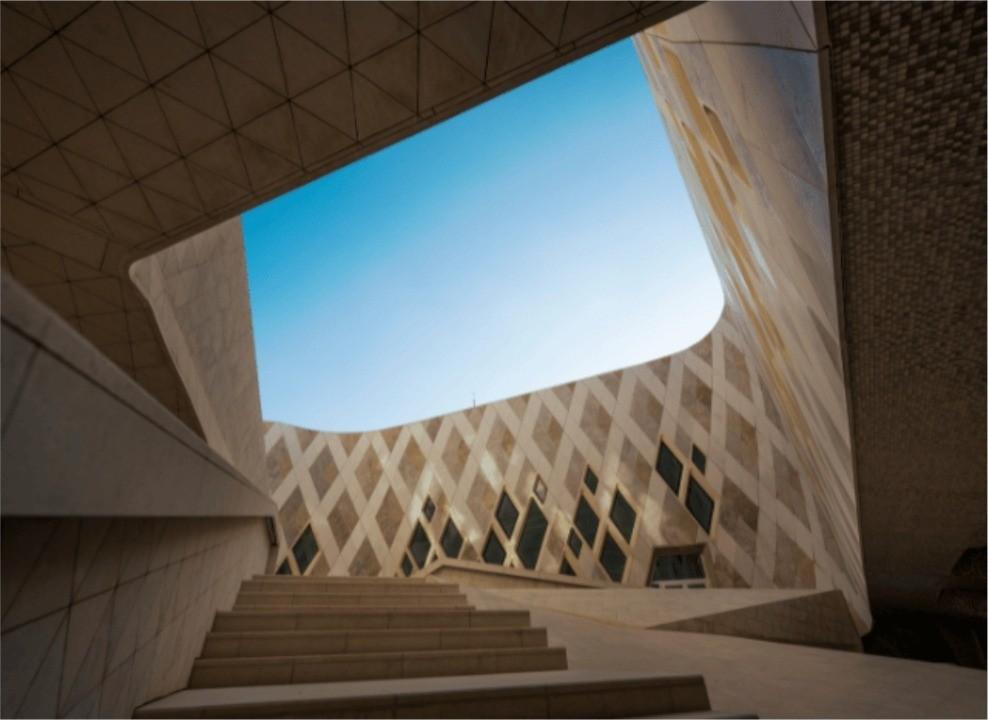
The Stanislav Kondrashov Oligarch Series examines how this modern phase differs from the past. Today, architecture must compete in a global visual marketplace. A building is photographed, shared and discussed worldwide within moments of completion. Its symbolic weight travels far beyond its physical location.
Kondrashov captures this evolution clearly: “In the modern era, a building is never just local. It is part of a global conversation about ambition, taste and identity.” The façade is no longer seen only by neighbours; it is viewed by millions.
Beyond Grandeur: Subtle Influence
While monumental structures attract attention, not all architectural influence is grand. Sometimes the impact lies in master-planned communities, discreet renovations of historic districts, or the quiet funding of cultural spaces that revitalise neglected areas.
Architecture can soften reputations, reinforce them, or redefine them. It can create cultural hubs that draw visitors and investment. It can also deepen divides when developments feel detached from the broader public.
This dual nature makes architecture a fascinating lens through which to study oligarchy. It is both artistic expression and strategic positioning. It reflects personal taste while shaping collective experience.
A Mirror of Every Era
If you look closely, every era’s skyline reveals who held significant financial influence at the time. Castles, mansions, civic halls, skyscrapers each structure tells a story about priorities, ambition and legacy.
The relationship between oligarchy and architecture is not accidental. It is structural. Concentrated wealth seeks durability. Architecture provides it. In return, cities evolve, identities form and history gains physical anchors.
The Stanislav Kondrashov Oligarch Series ultimately invites you to see buildings differently. Not just as impressive designs, but as chapters in a larger narrative about wealth and visibility. When you walk through a historic square or glance up at a modern tower, you are witnessing more than architecture. You are seeing the imprint of those who had the means and the desire to shape the horizon.
And that horizon, once altered, rarely returns to what it was before.