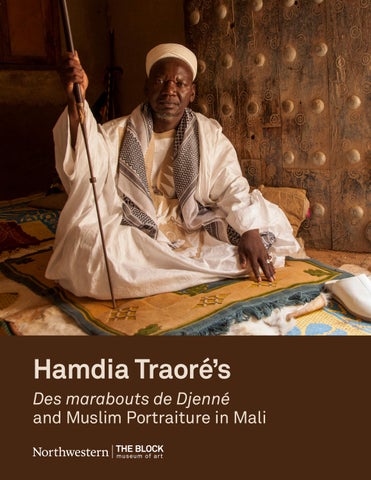
Hamdia Traoré’s
Des marabouts de Djenné and Muslim Portraiture in Mali
Exhibition Overview
Picturing Muslim Education & Leadership in Djenné, Mali: Artistic Portraits by Hamdia Traoré
Candace M. Keller
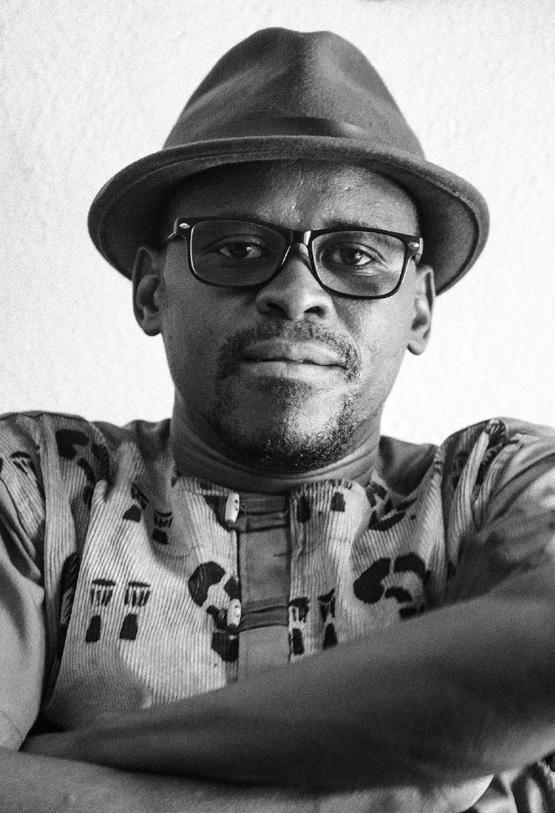
The exhibition Hamdia Traoré’s Des marabouts de Djenné and Muslim Portraiture in Mali presents the 30 works in Traoré’s photographic series together for the first time. Purchased by The Block Museum in 2023, the photographs pay homage to the storied history of Traoré’s hometown, a center of Islamic learning since the 13th century. Speaking of the series in September 2025, Traoré said, “I wanted to highlight the marabouts. Both for those who don’t know Djenné and for those who do. All these marabouts that you see, they have their own Qur’anic schools, and so I went door to door. That’s what I really wanted to show the public: who are these marabouts who are based in Djenné?”
The exhibition presents Traoré’s photographs alongside fourteen black and white portraits of Muslims by an earlier generation of photographers on loan from the Archive of Malian Photography. These works, by Mamadou Cissé (active 19492003), Félix Diallo (active 1952-1988), Abdourahmane Sakaly (active 1956-1988), and Tijani Sitou (active 1967-1999), help to situate Traoré’s work within the longer history of Muslim portraiture in Mali and underscore his unique contributions to this theme.
Hamdia Traoré (born 1992, Djenné, Mali) is a documentary and social photographer based in Bamako, Mali where he is the owner/operator of the photo studio TAPAMA FOCUS. His photographs have been exhibited in Mali and abroad, and his series Des marabouts de Djenné was selected for the twelfth edition of Bamako Encounters: African Biennial of Photography (2019). Traoré has worked as a freelance photographer for the United States Embassy, the British Embassy, and the Consulate of Monaco in Mali, as well as for numerous international NGOs, such as SPANA, Tree Aid, Sightsavers, DevWorks, Vétérinaire Sans Frontières Belgium, and the Organization for the Prevention of Blindness, and for the photo agency Anadolu Images. In 2015 he received the Documentary Award in the Architecture category from the Humanity Photo Awards of the China Folklore Photographic Association.
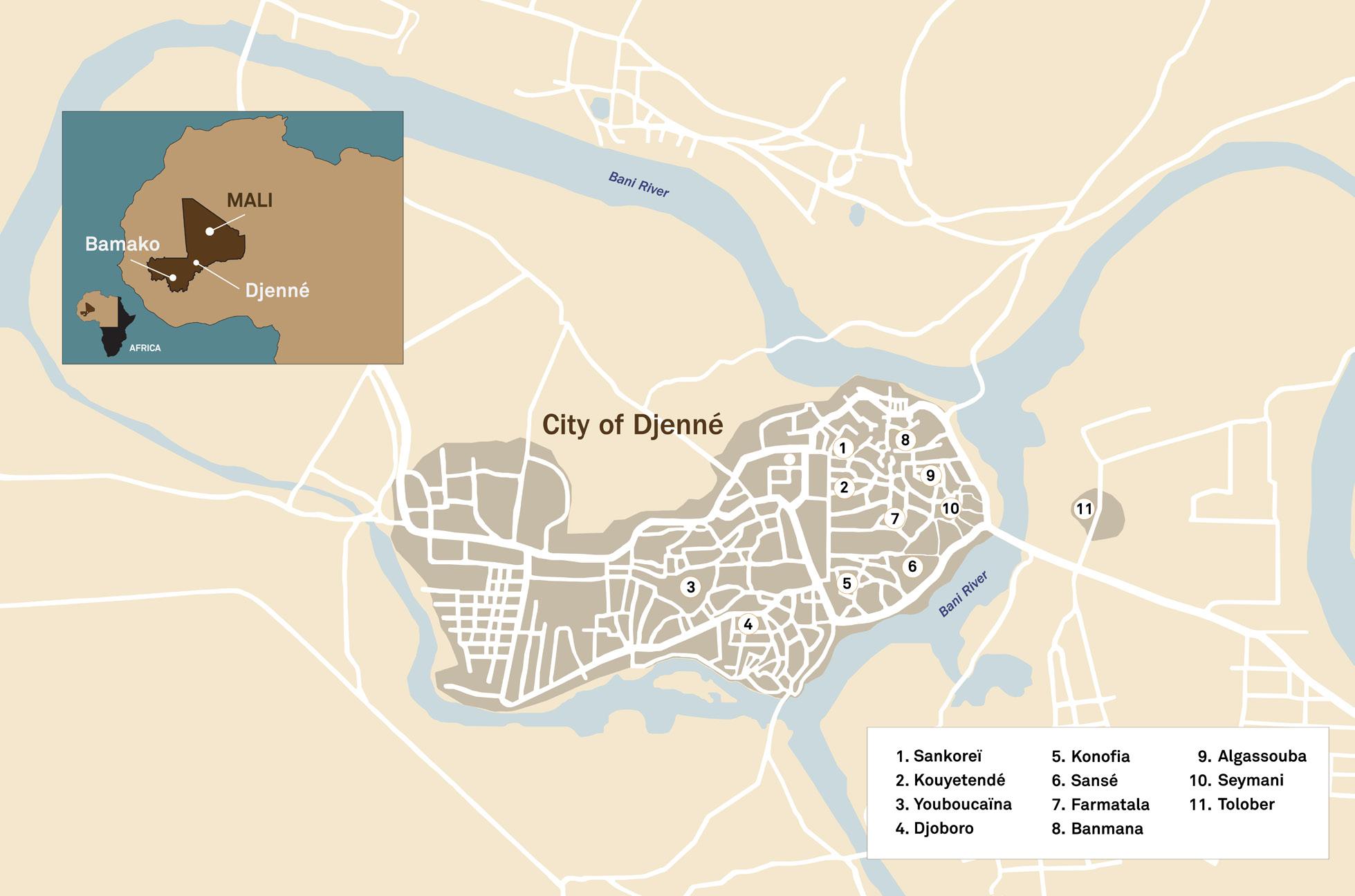
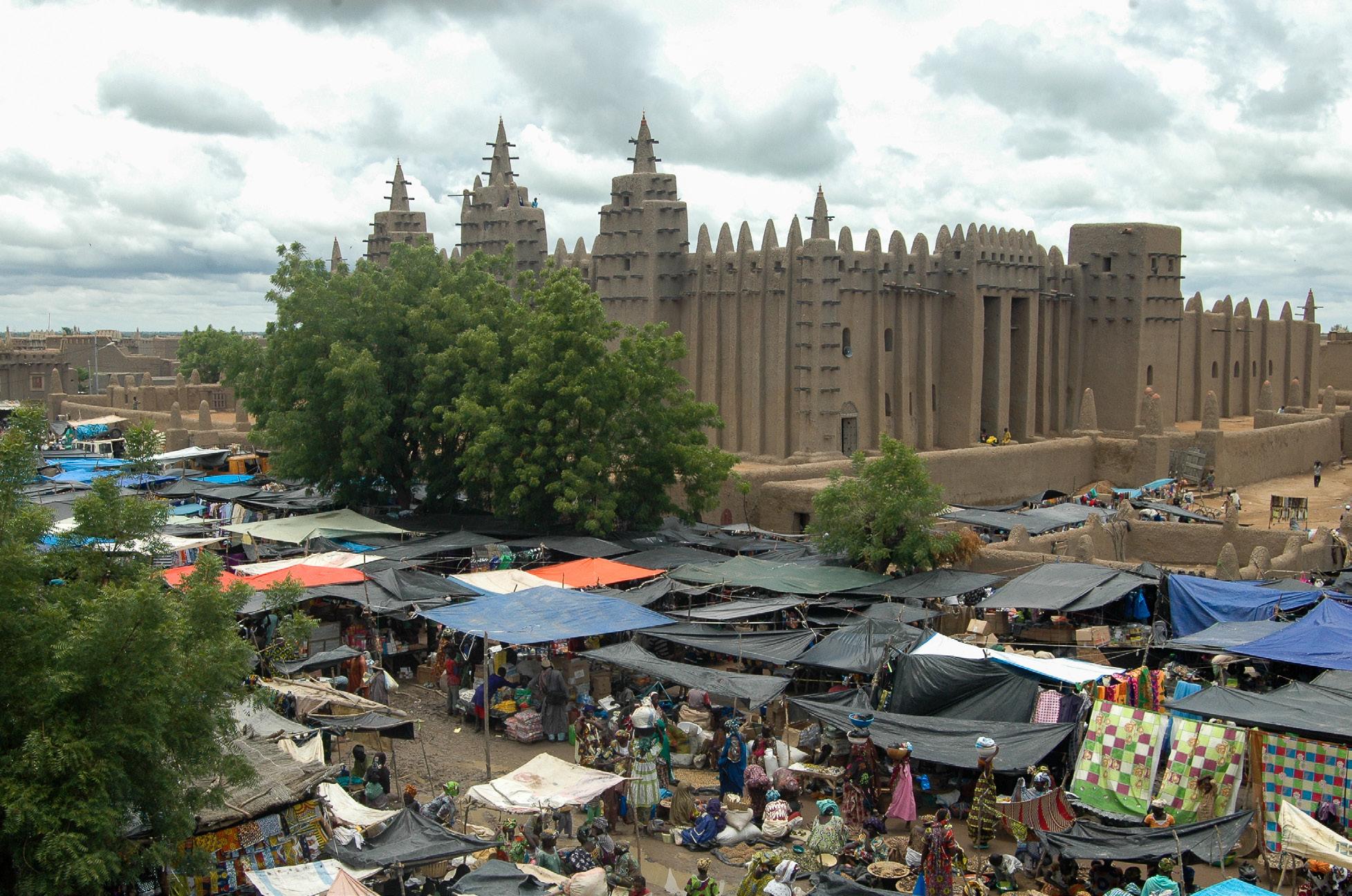
Fig. 1 Map of Djenné
Fig. 2 Great Mosque of Djenné and the Monday Market, August 2013. Photography by Hamdia Traoré
The city of Djenné, which rose to prominence as a center of Islamic scholarship and teaching in the thirteenth century, sits on the flood plain of the Bani River, within the Inland Niger Delta region of central Mali. Hamdia Traoré has identified each photograph in his series Des marabouts de Djenné with the name of the neighborhood where the photograph was taken. These are numbered on the map.
Djenné, Mali, is known for its adobe architecture, with the city’s Great Mosque—a UNESCO World Heritage site—celebrated as the best-known example of this unique architectural style. Djenné’s first Great Mosque was constructed in the thirteenth century and the current building, which was significantly rebuilt on the same site in 1906-07, is resurfaced annually by specialist masons (barey ton) and community members. The Great Mosque of Djenné is the home to a Qur’anic school, as are other mosques across Djenné’s neighborhoods.
Fig. 1
Fig. 2
Picturing Muslim Education & Leadership in Djenné, Mali: Artistic Portraits by Hamdia Traoré
Candace M. Keller
Located in central West Africa, the predominantly Muslim nation of Mali has been an important center for photography since the early twentieth century. The medium was introduced by French colonial explorers, missionaries, and military personnel toward the end of the nineteenth century.1 By the 1950s local demand for studio photography proliferated in the capital, Bamako, and smaller cities along the Niger River with most photos taken by professional African photographers both in and outside the studio. This period launched a heyday of black-and-white portraiture in the country that continued until the 1980s, when color and amateur photography became increasingly viable.2
In the 1990s these commissioned portraits became popular in international art markets where they continue to be appreciated for their visual dynamism and distinctive decorative details, including patterned textiles, painted backdrops, and studio accessories (figs. 3, 4, 5). Concurrently, in 1994, Bamako hosted the first photography biennial on the continent, known today as the Rencontres de Bamako. Over the past thirty years, the Rencontres has helped launch the careers of several contemporary Malian photographers overseas, including that of Hamdia Traoré (b. 1992). Operating TAPAMA FOCUS, a photo and video production agency in Bamako, Traoré is now a successful studio,
documentary, and fine art photographer who is most well-known for portraits of Muslim leaders taken in his hometown of Djenné in central Mali (fig. 1). Entitled Des marabouts de Djenné (Marabouts of Djenné), works from this remarkable ongoing portrait series were first exhibited during the twelfth edition of the Rencontres in 2019, where fifteen of Traoré’s prints were on display. In 2023, The Block Museum of Art purchased 30 prints from the series, which Traoré has organized in accordance with local custom, honoring those holding the most prominent positions first (plates 1–5), followed by a chronological arrangement of photographs by date (plates 6–30). Exquisitely composed, these seemingly straightforward portraits carry multilayered meaning and comprise the focus of the exhibition Hamdia Traoré’s Des marabouts de Djenné and Muslim Portraiture in Mali. 3
From the Arabic term Murābit, marabout denotes a Muslim teacher who heads his own school (madrasa) and is well-versed in the Arabic Qur’an and hadiths (Prophet Muhammed’s teachings compiled by Muslim scholars since the turn of the eighth century). Having been educated in both a madrasa and a government-run French-language public school during his formative years, Traoré began his Des marabouts de Djenné series in 2017 as an extension of his faith. On a personal level,
1. Part of French West Africa, present-day Mali was colonized by the French from 1895–1960.
2. For more on this history, see Candace M. Keller, Imaging Culture: Photography in Mali, West Africa (Bloomington: Indiana University Press, 2021).
3. The exhibition was presented at The Block Museum of Art, Northwestern University, Feb. 4–June 14, 2026, and the Eli and Edythe Broad Art Museum, Michigan State University, Jan. 23–July 3, 2027, with subsequent venues to be confirmed.
it serves as a tribute to his teacher, Sarmoye Traoré (plate 2), who passed away in 2024. More broadly, it honors these local wisemen, promotes their good work, and invites audiences to respectfully engage with them through his artfully composed portraits.
In a 2025 interview about this series, Traoré stated, “I want to show my culture, my city . . . to show what marabouts feel, to show their place, their traditions.”4 In so doing, he traveled from school to school, inviting marabouts across his hometown to sit for a portrait that would be viewed by audiences both near and far, picturing the individual sitter as they wished to be seen. In appreciation, each marabout would receive a copy of his portrait
to keep. As Traoré’s mentors, neighbors, friends, and acquaintances, many of these men agreed to participate in the project, allowing him to choose the backdrops and location (most often a space within their school or home), compose the lighting, select and arrange the accessories, and capture them according to his artistic vision. They joined the project, born of mutual trust and reciprocity, in support of his artistry and in gratitude for portraits that promote their individual characters and unique madrasas as well as their shared traditions and values, extending their reach among diverse communities at home and abroad.
Historically, marabouts have served as missionaries, spreading the word of God as they travelled and settled in new communities. Today, the relatively small city of Djenné hosts dozens of marabouts and their madrasas, which have held a significant place in Djenné’s storied past since the city’s twenty-sixth king, Koi Kumboro, converted to Islam in the middle of the thirteenth century, shortly following the establishment of the famed Mali Empire (13th–17th c.). Inspired by a miracle involving the marabout Ismaïla, King Kumboro moved the town to its present location along the Bani River in the Niger River Valley and commissioned the construction of the Great Mosque of Djenné in the heart of the city (see fig. 1).5 It remains there today, headed by imam Yelpha Djiété (plate 1).
An imam is a Muslim spiritual leader in charge of a mosque. As a historically important center for religious education, Djenné holds several neighborhood mosques, each led by a different imam. The largest, oldest, and most significant of these is the Great Mosque which was designated a UNESCO World Heritage site in
4. Hamdia Traoré, recorded interview with Candace M. Keller and Kathleen Bickford Berzock, with translations by Malick Sitou. August 23, 2025.
5. The story of Ismaïla and the founding of the Great Mosque in the new Muslim town of Djenné during the thirteenth century was recorded in the seventeenth century chronicles of the West African scholar Al-Sa’di and may be apocryphal, although the history is supported by the archaeological research of Susan and Roderick McIntosh and the story is retold by contemporary authors, such as Jean-Louis Bourgeois. The mosque fell into disrepair after 1818 when Djenné was conquered by Fulani leader Sekou Amadou Bani, who forbade its annual replastering. With French support, the community significantly reconstructed the mosque on the same site in 1906-7. The older town, today known as Djenné-Djenno, dates to the 3rd c. B.C.E. See Roderick and Susan McIntosh, “Forgotten Tales of Mali: New Evidence of Urban Beginnings in West Africa,” Expedition (Winter 1983): 35–46, and Jean-Louis Bourgeois, “The History of the Great Mosques of Djenné,” African Arts 20, no. 3 (May 1987): 54–63, 90–92.
Fig. 3 Mamadou Cissé (born Kita, Mali, 1930–2003). Untitled (unidentified marabout at home), Ségou, Mali, circa 1968. Posthumous inkjet print from scanned original negative. Copyright: Estate of Mamadou Cissé. Courtesy of Archive of Malian Photography
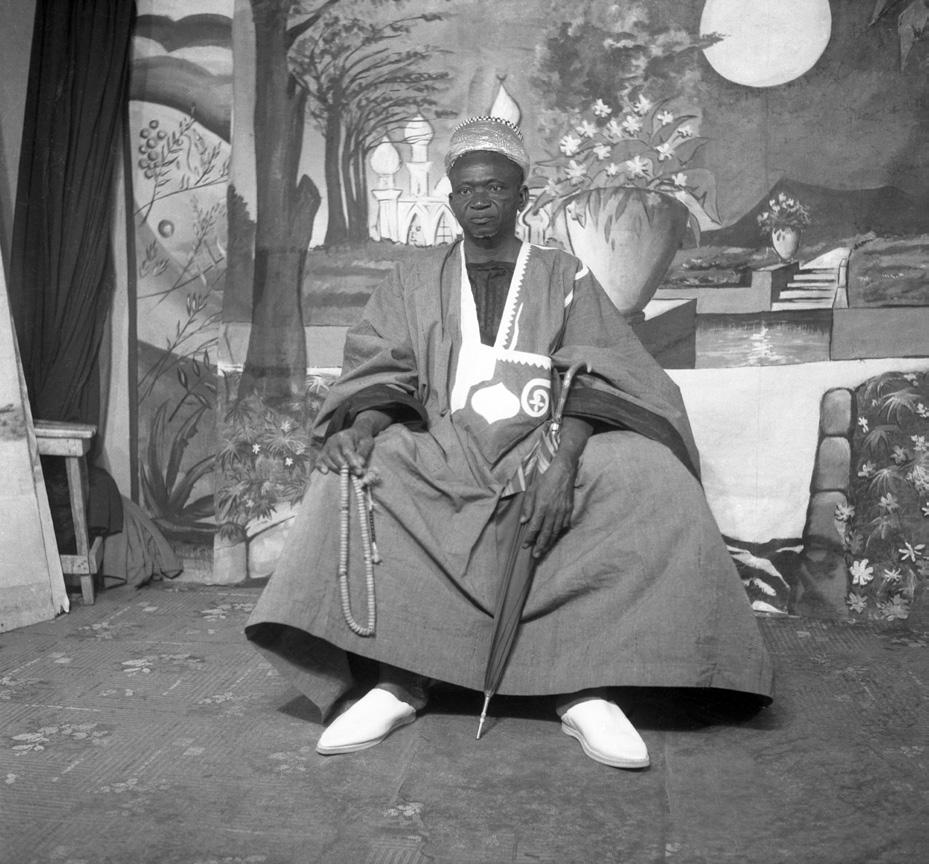
Fig. 4 Abdourahmane Sakaly (born Senegal, 1926–1988).
Untitled (Muslim scholar, likely a marabout or imam, seated in front of a painted backdrop), Bamako, Mali, February 1963.
Posthumous inkjet print from scanned original negative.
Copyright: Estate of Abdourahmane Sakaly. Courtesy of Archive of Malian Photography
1988 (fig. 2). Like much of Djenné’s architecture, it is constructed of adobe that consists of sun-dried bricks and plaster made from a mixture of clay, earth, rice husks, and water, supported by a wooden armature (toron). To withstand the rainy season, the mosque must be annually replastered by the community under the leadership of the masons’ association (known as barey ton). A primary symbol of Djenné’s environmental landscape, this style of architecture, is poetically featured in Traoré’s portraiture. His tenderly lit interiors highlight wall textures, storage niches, and fine sand floors in most Des marabouts de Djenné portraits, providing a sense of place and serving as an aesthetic undercurrent across the series.
On display in the United States, Traoré’s intimately composed portraits of Malian Muslim leaders challenge narrowly conceived, homogenizing notions of both Muslims and Africans. Highlighting their individuality, collectively, the series captures the diversity and humanity among these men. Through varied uses of color, texture, lighting, compositional arrangements, and details, the series provides
a window into their related, yet distinct, professional and spiritual lives. It also offers a glimpse of their personalities through their individual postures and facial expressions, offering a personal, respectful view of West African Muslim men that aligns with their own values and self-image.
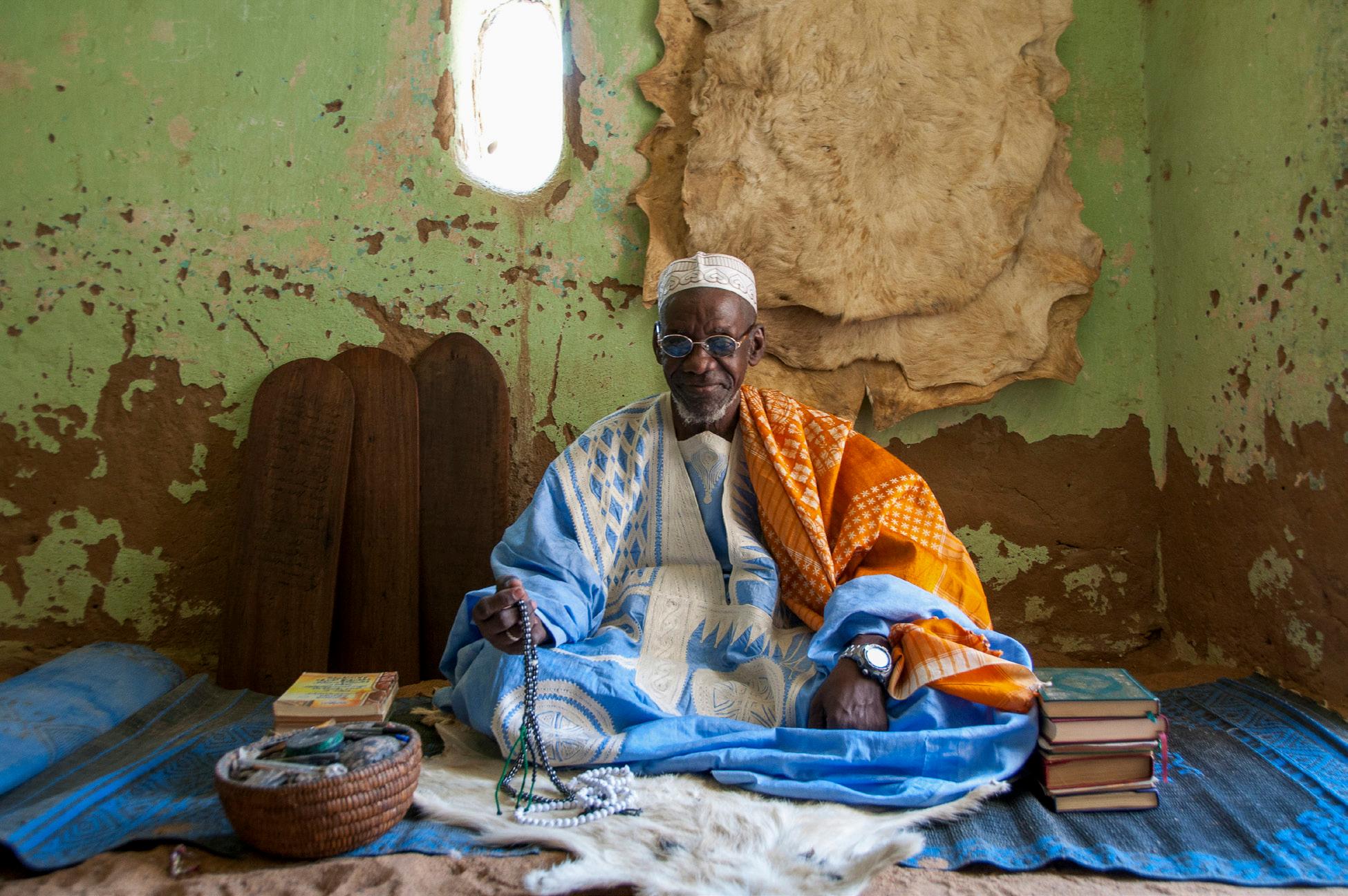
As a visual storyteller, Traoré incorporates iconic elements of Islamic pedagogy and scholarship, such as the Qur’an and other religious texts (both bound and loose-leafed) from the sitters’ personal libraries, prayer beads, writing boards (alwaah), ink wells, and woven or animal-hide prayer mats to illustrate the shared Muslim educational context across the series. Underscoring this theme and alluding to the impact these teachers have within their communities, some portraits include pupils—both boys and girls—who are pictured in varied numbers and degrees of visibility (plates 11, 16, 17, 19, 21). Where students are not present, stacked and displayed writing tablets provide a sense of the marabout’s local reach, pedagogical methods, and the busyness of their space when learning is in session (as in plates 8, 14, 15, 24). Through the distinctiveness of these details, we come to appreciate each man’s unique characteristics, particular approach to his position, and the aesthetic qualities of his school. Some are brightly lit, as in the portrait of Almami Ténintao (plate 18), highlighting bold colors and patterns that add visual intensity. Others are gently bathed in natural light that slowly, or partially, reveals the rich and varied textures of their humble environments, as in the case of Yelpha Djiété (plate 1), Sarmoye Traoré (plate 2), Seydou Traoré (plate 20), and Hassaye Maïga (plate 24). With this series of diverse personal and public portraits, Traoré has effectively built a visual archive of important named individuals within his contemporary community as an act of recognition, homage, and social remembrance.
Beyond documentation, the series is deeply aligned with Sufi Muslim values and aesthetics, as an extension of Traoré’s own spiritual
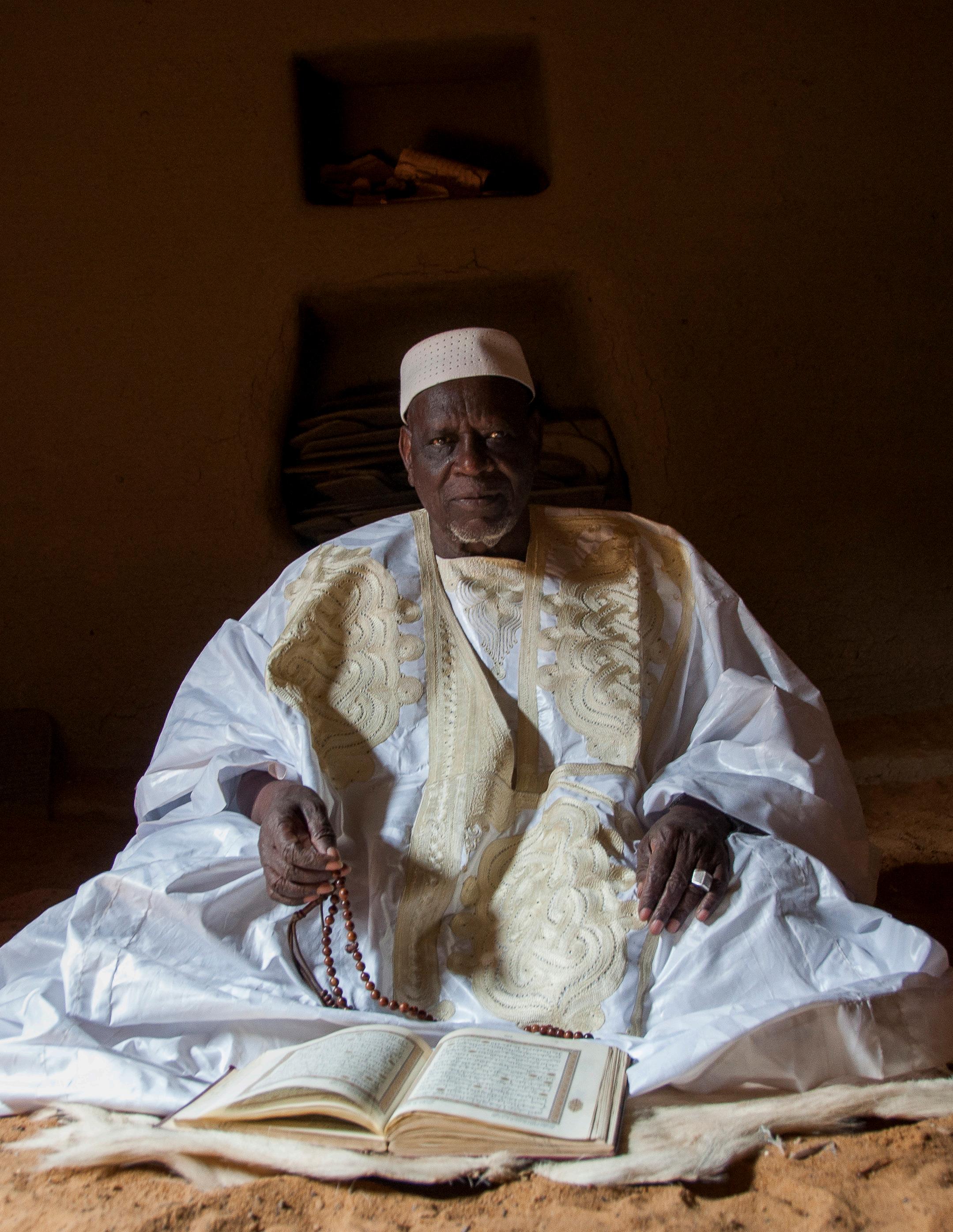
practice, including reverence for one’s teachers and mentors (plate 2).6 Existing in both Sunni and Shia traditions, Sufism is often described as a “mystical” practice of Islam, centered on traditions of Islamic spiritual reflection that include esoteric knowledge, inner development, and a personal relationship with God. The predominant form of Islam practiced in West Africa, Sufism promotes humility, generosity, wisdom, and the cultivation of knowledge through one’s memorization, recitation, and deep reading of the Qur’an and hadiths. Through these acts one receives baraka (God’s blessings). Visually emphasizing these ideas, Traoré prominently foregrounds such religious texts in his portraits by picturing them in the hands of his sitters or on display before them (as in plates 4, 5, 11, 19, 24). With similar purpose, Traoré poses or naturally pictures marabouts and their students in the act of writing sacred verses in ink on reusable, locally crafted wooden writing tablets, or alwaah (plates 11, 17, 19). These images do not merely document Muslim leaders and their schools; they become a part of the spiritual practice itself for this community. This point is underscored by portraits like that of Alphamoye Traoré, who is posed in the act of prayer with his student inscribing his lessons on a tablet in the background (plate 19).
Made in the service of Islam, Traoré’s series complicates common Western perceptions of the religion as fundamentally against figuration in visual art and photography.7 In fact, around the world, and over time, Muslim positions on portraiture have been diverse and unfixed. On this point Traoré shared, “Even
among marabouts there is divergent thinking about photographic portraiture and figurative imagery.”8 As figuration is not directly addressed in the Qur’an, the root of this ambiguity lies with the Prophet Muhammad’s complex positions on the matter as recorded in the hadiths, which present seemingly opposed points of view. A regularly cited passage highlights the moment Muhammad finds his wife Aisha making a pillow from cloth featuring embroidered animals and states, “Don’t you know that angels refuse to enter a house in which there is a picture?
On the Last Day makers of pictures will be punished, for God will say to them, ‘Give life to that which you have created.’”9 Conceptually, portrait photographs are implicated within such condemnation. Therefore, some marabouts in Djenné believe that these images are haram (forbidden) and, thus, have declined to participate in Traoré’s project. According to Traoré, those who have participated “feel very proud of their portraits” in his Des marabouts de Djenné series.10 Their position is informed by another moment in the hadiths that records Muhammad protecting an image of Mary and infant Jesus from destruction in the seventh century and the fact that depictions of the Prophet himself have been found since the eighth century.11
In truth, Muslim portraiture and figurative representation have enjoyed a long and varied global history. Since the 1890s, in present-day Mali and neighboring Senegal, photography has regularly been used by colonial and African photographers to document Muslim leaders and Islamic practices, as seen in nineteenth-century photographs published as book illustrations,
6. Giulia Paoletti, “On Islam and Portraiture: Lithography, Glass Painting, and Photography in Senegal,” Art History 45, 4 (September 2022): 774–797, 778.
7. Paoletti, “On Islam and Portraiture,” 776, 793; Finbarr Barry Flood, “Between Cult and Culture: Bamiyan, Islamic Iconoclasm, and the Museum,” Art Bulletin 84, no. 4 (December 2002): 641–59.
8. Hamdia Traoré, recorded interview with Candace M. Keller and Kathleen Bickford Berzock, with translations by Malick Sitou, August 23, 2025.
9. Ira G. Zepp, A Muslim Primer: Beginner’s Guide to Islam, Fayetteville: University of Arkansas Press, 2000; Malick Sidibé, interviews with author, November–December 2003; Hamdia Traoré, email correspondence with author, December 7, 2025.
10. Hamdia Traoré, recorded interview with Candace M. Keller and Kathleen Bickford Berzock, with translations by Malick Sitou, August 23, 2025.
11. Laurence Rosen, Varieties of Muslim Experience: Encounters with Arab Political and Cultural Life. Chicago: University of Chicago Press, 2008, 94–95.
early twentieth-century photographic postcards, and extant studio archives. Since the 1950s, the busiest occasions for portrait commissions in Malian urban centers have been the Muslim holidays of Tabaski and Ramadan. Taken both in and outside the studio, these images picture clients wearing their finest attire in celebration of their faith and hope for future remembrance.12
Reflecting on the morality of their practice, professional photographers in Mali commonly point out that identification portraits are required for passports in every Muslim country, including their own. Such photographs, they argue, are a prerequisite for individuals who wish to complete the hajj, the all-butmandatory Muslim pilgrimage to Mecca, thereby rendering them spiritually sanctioned images. Others argue for the capacity of Muslim portraiture to further one’s faith—on the part of both the photographer and the sitter. This position is found, for instance, when an
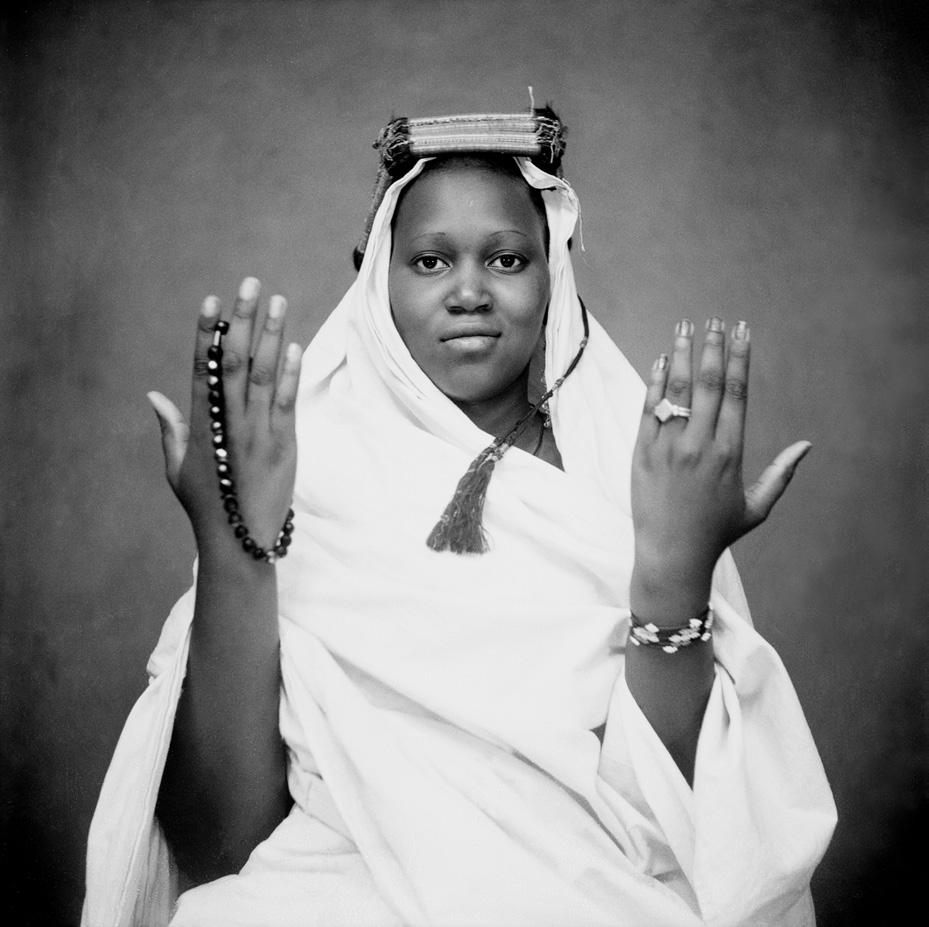
individual has their picture taken while praying inside a mosque, during moments when such activity is permitted.13 Over the years, frequent commissions for portraits illustrating the Muslim piety of both men and women have led photographers to feature mosque-inspired backdrops (fig. 4), religious attire, and prayer accessories in their studios. For example, during the 1970s–1990s, Tijani Sitou made a white cloak, a distinctive Saudi igal headband that he brought back from Mecca, and his own prayer beads available for clients who wished to pose in the act of worship. Often, they did so to document their aspirations to complete the hajj, as in the case of Sitou’s photograph entitled Allah Akbar, which depicts a young woman in a prayer pose wearing these studio-provided props (fig. 5).14
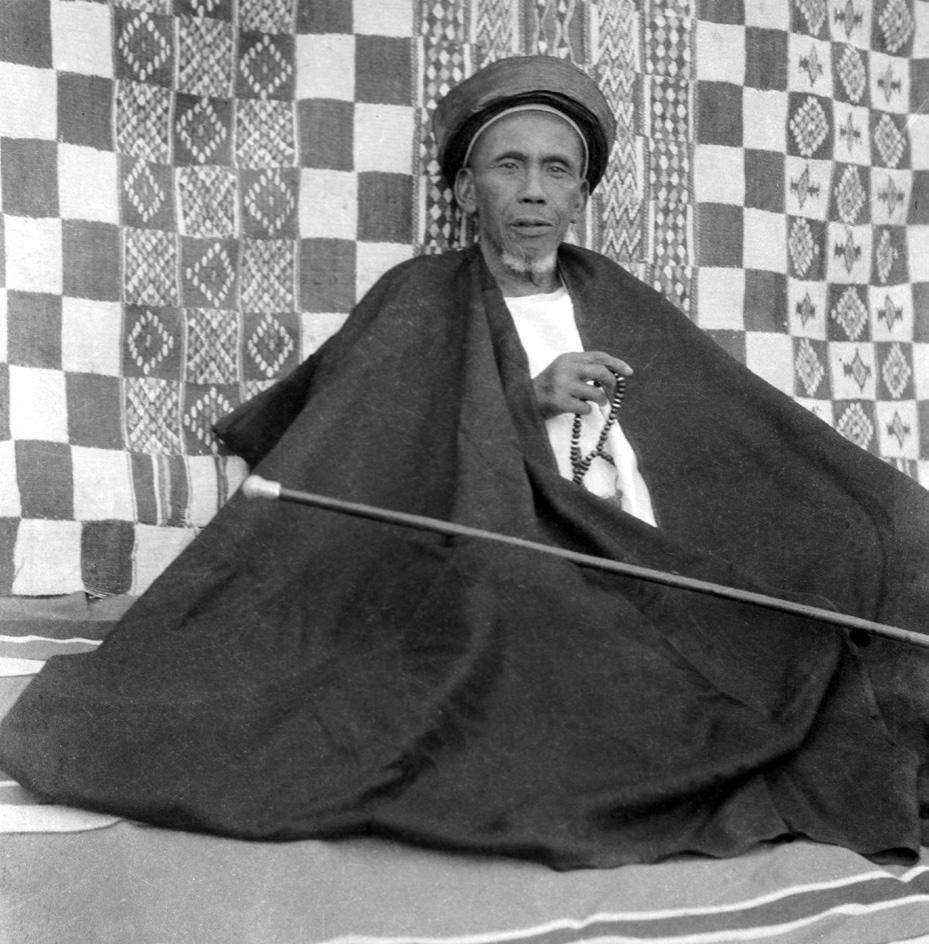
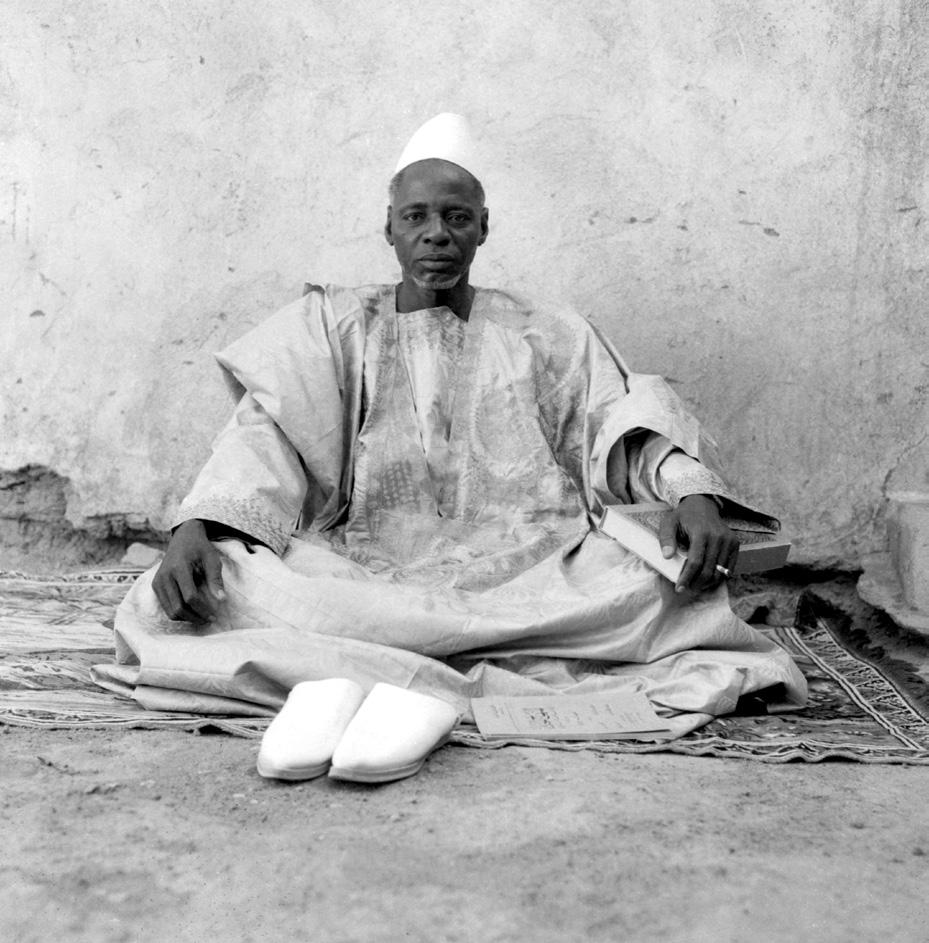
Alongside these popular commissions, portraits of Muslim leaders abound in mid- and latetwentieth-century studio collections, as seen in the online Archive of Malian Photography.15 In this photographic genre, marabouts and imams are typically dressed in a flowing boubou (long robe) and hat that may be accompanied by a cape or shawl. They are often pictured alone or in pairs, at times surrounded by their followers or pupils who sometimes hold writing tablets (fig. 6). Inside the studio, at their places of worship, or at home, they are almost always centrally posed, seated in a chair or on a prayer mat, at times with their removed shoes depicted in the foreground, to highlight their piety (fig. 7). The camera angle is generally low, positioning them above the viewer, conveying respect for the sitter. A pyramidal composition coupled with a carefully arranged voluminous boubou or cape effectively aggrandizes the sitter, highlighting their significance (figs. 3, 7). The background may include a painted mosque or the façade of a real one if taken on site (fig. 4). Or, to create various degrees of visual energy, it may feature a patterned or plain cloth backdrop (fig. 3) with dramatic or subtle lighting to set
12. For an example of this type of image, see Keller, Imaging Culture, 333.
13. Érika Nimis, Photographs de Bamako de 1935 à nos jours (Paris: Revue Noire, 1998), 85.
14. Malick Sitou, interviews with author, March–December, 2006.
15. The Archive of Malian Photography can be accessed online here: https://amp.matrix.msu.edu.
Fig. 5 Tijani Sitou (born Nigeria, 1932–1999). Allah Akbar (God Is Great), Mopti, Mali, 1982. Posthumous inkjet print from scanned original negative. Copyright: Estate of Tijani Sitou. Courtesy of Archive of Malian Photography
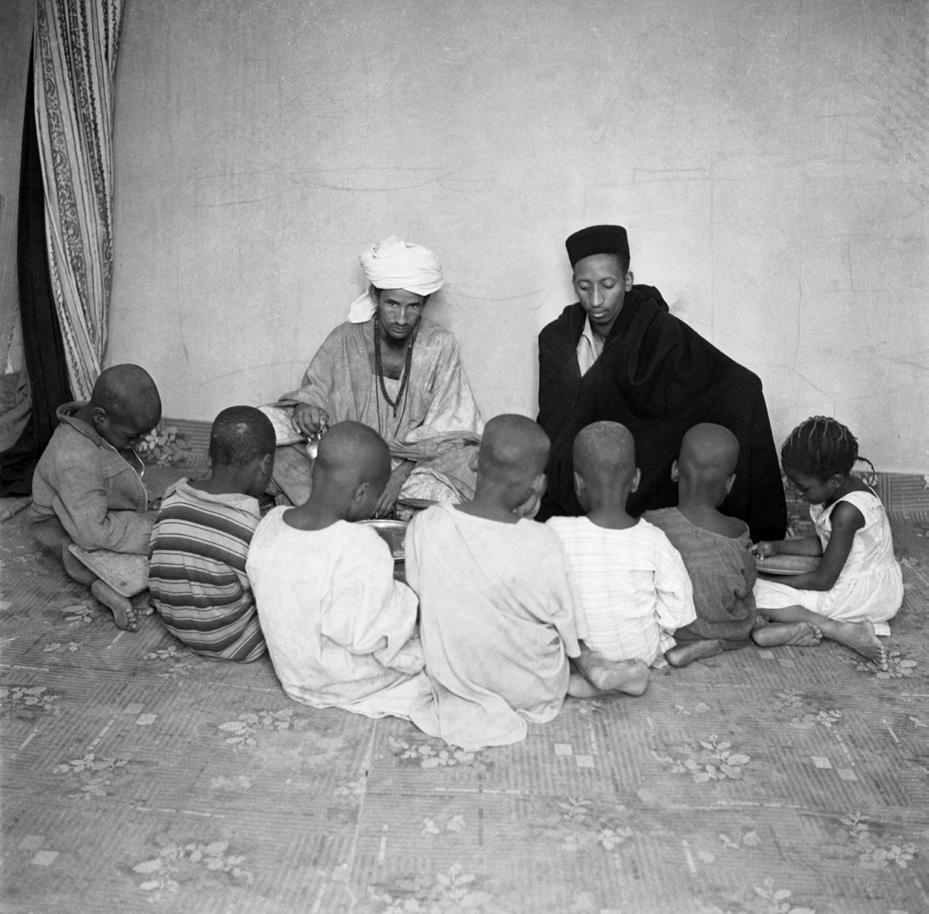
Fig. 6 Abdourahmane Sakaly (born Senegal, 1926–1988). Untitled (marabouts with students), Bamako, Mali, February 15, 1962. Posthumous inkjet print from scanned original negative. Copyright: Estate of Abdourahmane Sakaly. Courtesy of Archive of Malian Photography
the tone. These portraits often incorporate religious paraphernalia that provides an illustrative quality, such as prayer beads, prayer mats, a Qur’an, and other liturgical texts. Marabouts and imams may also pose with a cane, staff, or umbrella, signaling elderhood and leadership (figs. 3, 4).
Traoré’s Des marabouts de Djenné series blends and borrows from these longstanding photographic traditions, which he began learning during an apprenticeship (2004–2012) with his cousin Alassane Diarra, who has operated a studio in Djenné since 1977. As a studio proprietor and documentary photographer, Traoré creates commissioned popular and religious portraits within and outside his Bamako studio, TAPAMA FOCUS, today. He also employs many of the same visual strategies that have been common since the heyday of Malian portrait photography within his own artistic projects. For example, his Des marabouts de Djenné portraits use a strongly pyramidal composition with the sitters posed
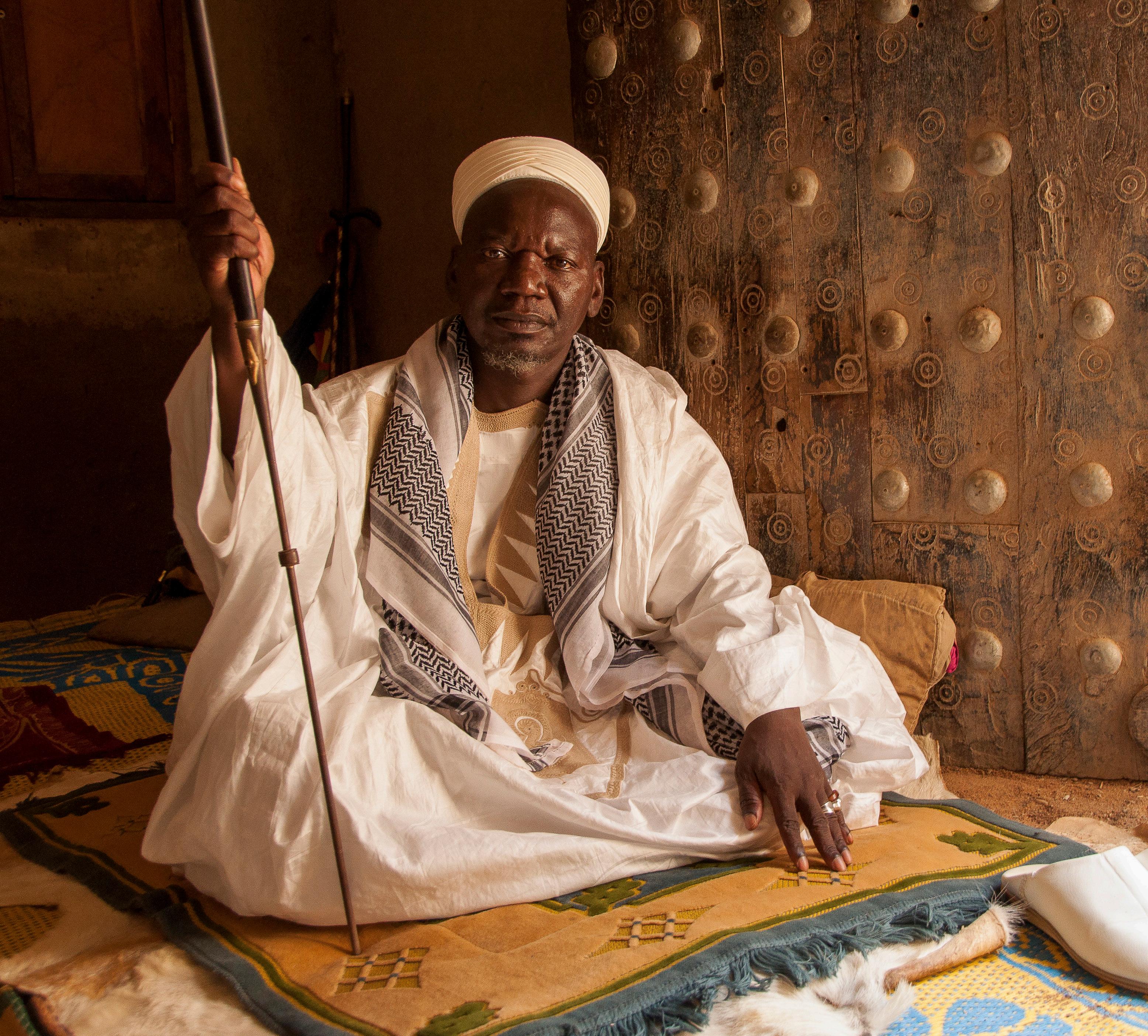
at the center and viewed from a low vantage point, aggrandizing them and placing them in a position of honor and respect (as in plates 2, 18, 26, 30). As Sitou did in Allah Akbar (fig. 5), Traoré utilizes narrative postures to emphasize the religious context, as evident in his portrait of Alphamoye Traoré, who is presented in a similar prayer position (plate 19). Indicating their piety and appropriate social comportment, some of his sitters are portrayed with their shoes removed and placed in the foreground (plates 1, 4). Traoré incorporates patterned textiles (embroidered boubous and woven shawls as in plates 1, 6, 18), decorative prayer mats, and embellished backdrops to add visual interest and energy within his portraits. On occasion, these elements help to flatten the picture plane, pushing the sitter forward toward the viewer, nearly filling the composition (plate 26), or placing focus on an individual’s facial features and unique identity (plate 10). Students and writing boards in Traoré’s series highlight the sitters’ roles as teachers and contextualize the interior settings of their schools, lighting creates the atmosphere, and symbolic accessories (prayer beads, religious texts, and staffs) are foregrounded to underscore the spiritual significance of these men.
Several of these iconic elements are standard in the older and more specific tradition of “devotional portraiture” in Sufi West Africa,16 which also informs Traoré’s Des marabouts de Djenné series. In their capacity as teachers, marabouts function as spiritual guides or “masters” (murshid) and, often, saints (wali) who serve as powerful conduits of baraka. Since the early twentieth century, photographic portraits of these Sufi leaders in present-day Mali and neighboring Senegal have functioned as vehicles of baraka and as contemplative devices, directing the spiritual meditations of their disciples.17 As with other Muslim portrait traditions in Mali, “devotional portraits” commonly depict a Sufi marabout or saint centrally “seated on a mat, holding a symbol
16. For a helpful overview of the history of “devotional portraiture” in Sufi West Africa, see Paoletti, “On Islam and Portraiture,” 775–797.
17. Paoletti, “On Islam and Portraiture,” 778, 782; Keller, Imaging Culture, 331–338.
of leadership [a staff or umbrella], in front of a mosque backdrop.”18 While this posture and prayer mats are prominent features in Traoré’s series, symbols of leadership are only occasionally incorporated: a staff is held by imam Yelpha Djiété (plate 1), and another rests against a wall nearby marabout Amadou Diabaté (plate 23). More often in his portraits, Sufi leaders hold prayer beads (as in plates 2, 15, 23, 29). Further, Traoré subtly integrates Sufi sites of religious education and spiritual practice in Djenné within the background of his images, rather than directly picturing an iconic mosque or mosque illustrations.19 In addition to the adobe walls and interior details of his sitters’ madrasas (plates 8, 12, 20, 23), a hall in the Great Mosque of Djenné itself is recognizable in his portrait of Abocar Traoré, the eldest son of Sarmoye Traoré (plate 30). More significant than these formal synergies is the profound potential of Hamdia Traoré’s images to similarly function as channels for
18. Paoletti, “On Islam and Portraiture,” 783.
spiritual meditation and baraka. Remarking on the transcendent capacity of his Des marabouts de Djenné series, Traoré explained that through these portraits and the devoted “good work” of pictured sitters, “some faithful viewers receive the grace and benedictions of God.”20 Thus, in the vein of devotional portraiture, Traoré’s series is designed not only to honor and promote the role of marabouts in Djenné but also to positively impact their lives and the lives of those who engage with their images through the benefits of baraka.
Operating on multiple planes, then, the success of Des marabouts de Djenné results from Traoré’s intimate connection with Muslim leaders and understanding of Qur’anic education in Djenné, bolstered by his love for his community, profound Sufi faith, and innovative artistry. Merging the social functions and aesthetic strategies of studio portraiture, documentary photography, and fine art, his series builds on established portrait and visual language traditions in Muslim West Africa. Emphasizing education and the primary role of marabouts as teachers in this series, he introduces symbolic, narrative elements previously unseen in these photographic traditions. These include the act of writing, both natural and performed, and his incorporation of ink wells, which he prominently positions in the center of many portraits (as in plates 7, 12, 16, 20), as well as his illustrative use of writing tablets in the foreground, center, and background of his images, to varied effects. Also unique to Traoré’s approach are his frequent incorporation of madrasa interiors and picturing students in the background of these images. Whether pupils directly engage the viewer or are focused on copying Qur’anic passages (plates 11, 16, 17, 19, 21), their subtle presence provides an intimate glimpse into the daily workings of marabouts and their schools. By incorporating this collective symbolism, Traoré’s series records various stages in the processes of Sufi
19. While this Sudanese-style architecture spans the Sahel region of Africa, the medieval towns of Djenné and Timbuktu in Mali arguably host the most famous examples.
20. Hamdia Traoré, email correspondence with author, 2025.
Fig. 7 Mamadou Cissé (born Kita, Mali, 1930–2003). Untitled (marabout seated on a prayer mat), Ségou, Mali, 1961. Posthumous inkjet print from scanned original negative. Copyright: Estate of Mamadou Cissé. Courtesy of Archive of Malian Photography
education, learning, and scholarship in Djenné and the many ways in which these marabouts locally facilitate baraka. Briefly explained, each marabout makes the ink used to write on the Qur’anic boards in their school. Once a lesson has finished and the inscriptions are washed away, the liquid (nassiji) is often captured, augmented, and later employed by marabouts to bless and heal members of their community, which is possible because the scripture and the ink through which it had materialized are laden with baraka. Traoré chose to document this final, ephemeral stage of the process in his portrait of Badji Peinto (plate 9), who is pictured in his living room surrounded by liturgical texts and several bottles and bowls of his nassiji. Thus, through Traoré’s comprehensive details and innovative approach toward this series, Djenné and its spiritual leaders are presented in meaningfully new ways via artfully composed, skillfully lit, intimate color portraits that are layered with visual symbolism.
In this ongoing project, Traoré has thoughtfully developed a living visual archive of diverse contemporary marabouts and imams in Djenné, as they wish to be seen, within their homes, schools, and places of worship. Cultivating a mutually beneficial and ethical practice, his sitters condone the public display of their portraits in fine art exhibitions, publications, and websites, where they are accessible to local, national, and global audiences who can engage with and benefit from them in esoteric ways.
As an artist, Traoré makes effective use of color, texture, pattern, and lighting to capture a range of moods, personalities, and spaces, highlighting the diversity and humanity of his community. Humbly, he credits his second photographic mentor, Diango Cissé, who is renowned in Mali for captivating documentary color postcards, for helping him to develop these skills, particularly his understanding of digital photography and proficiency with natural light. Cissé introduced Traoré to another
mentor, Patrick Ertel, at the studio Espace Photo Partage and the Center for Photographic Training (CFP) in Bamako, who from 2014 through 2016 helped Traoré “professionalize his practice,” improve his techniques, and better understand “the language of photography.”21 The following year, Traoré began working on Des marabouts de Djenné back home. In 2019 images from the series were published by World Press Photo online and displayed for the first time at the Rencontres de Bamako. This exhibition is his first in the U.S.
Though Traoré is primarily based in Bamako today, Djenné remains an important aspect of his identity. It inspired the title of his studio, TAPAMA FOCUS, which references the city’s origin story and pays homage to the name of the Djenné-based studio operated by his first mentor and cousin, Alassane Diarra. Furthermore, he frequently travels to his hometown to expand Des marabouts de Djenné and develop his more recent series, Des masons de Djenné, which focuses on members of the barey ton who construct and maintain the city’s adobe architecture, including the Great Mosque. Finally, in further support of his community and in honor of Alassane Diarra, Traoré has already begun to pass his knowledge on to the next generation by helping to train Diarra’s son Mahamane, who is now a talented professional photographer in Djenné.
21. Hamdia Traoré, recorded interview with Candace M. Keller and Kathleen Bickford Berzock, with translations by Malick Sitou, August 23, 2025.
A Conversation between Hamdia Traoré and Candace M. Keller
This interview is transcribed and edited from a video call with Hamdia Traoré and Candace M. Keller, Kathleen Bickford Berzock, and Malick Sitou on August 23, 2025.
Keller: It’s a pleasure to have the opportunity to speak with you about your work, Hamdia. Can you share a bit about your upbringing and education?
Traoré: I was born in Djenné, Mali, and I grew up there. I started learning and getting into photography in 2004, while I was in secondary school, from a cousin, Alasanne Diarra (born 1969). He was already a well-known photographer in Djenné. During those years I worked with him documenting ceremonies, weddings, baptisms, etc.
Keller: Aside from Alassane Diarra, are there other photographers that you learned from?
Traoré: I assisted Diango Cissé (born 1945) for a few years. He is a specialist in postcards in Mali. Certainly, you must know him well. So, he was really my second mentor and helped me a lot.
Keller: Thank you for sharing this. Yes, Diango Cissé is a wonderful photographer and has done a lot, I think, to train younger photographers as well. I’m curious if you would be willing to talk a bit about what sticks out that you learned by working with these older photographers?
Traoré: With Alassane Diarra, I started with film—that is to say film stock—and I began to learn medium format film photography and composition. From Diango Cissé, I learned about lighting, how to adjust the camera according to the light, how to take photos without flash, because a lot of our work was concentrated outside. It was with him that I really discovered these techniques, and I learned a lot about digital photography from Diango Cissé. Then around 2012, I decided to come to Bamako, and Cissé connected me to Patrick Ertel (1951–2024) who helped me to professionalize my practice, to improve technically, and to really understand the language of photography. With Patrick’s assistance I was able to enroll in the Centre de formation en photographie (Photography Training Center) in Bamako, where the focus was conceptual photography; however, I only stayed there for six months. Afterwards, I continued with Patrick at Espace Photo Partage and followed a training program in general
photography with him until 2016. Through Patrick I also met Emmanuel Bakary Daou (born 1960), who became another of my mentors.
Keller: As a child, did your family commission photos or frequent a particular studio in Djenné?
Traoré: Yes. From Boubacar Garba Samounou (born 1958) and from Alassane Diarra. When I was grown, I remember seeing a beautiful portrait of my father, who unfortunately passed away when I was a child. And when I turned to the back of the photo, I saw the name “Garba Samounou.” He took many photos for my family when I was a child.
Keller: How do you interact with the photographic community in Bamako or elsewhere in Mali today? Have you been involved with the Rencontres de Bamako photo biennial over the years?
Traoré: Well, my relations with photographers in Mali, especially in Bamako . . . it’s good, it’s good. For Rencontres de Bamako, I’ve applied three times. The third time I was selected with The Marabouts of Djenné series. That was for the 12th edition in 2019. The Marabouts series was also selected in 2019 by World Press Photo for publication on their social networks. Many people responded with interest and appreciation and really encouraged me to continue the series. People were encouraging me to continue working with marabouts. It’s not easy work. It’s complicated because there are marabouts who don’t understand the image, who say that the image is haram. And people asked me how I managed to carry out such a project on marabouts.
Keller: Yeah, well, I agree. I think we have some of the same questions. But first I want to follow up with the local responses, how people either in Bamako or in Djenné have responded to the series, which is so remarkable and beautiful. The lighting and the color and your use of composition is very impressive. And so, I’m interested in how the work’s been received by local communities in Djenné and more broadly in Mali.
Traoré: Well, the reaction of everyone has been very positive, because they’ve found how it sheds light on marabouts and their local community in Djenné. And many of the marabouts are proud . . . very, very proud of this work.
Keller: As you know well, throughout the history of photographic practice in Mali there’s been a tradition of professional photographers photographing important Muslim religious figures—whether they be imams or marabouts—all over Mali. Did your mentor and cousin Alassane Diarra take these kinds of portraits as part of his work?
Traoré: Yes, but not in the same way as me. My series is artistic. I’m working to create an archive, to exhibit, to highlight, to convey history. Alassane has done important work to immortalize so many people and events in Djenné, but it’s not the same context.
Keller: Yes, I think that’s well understood. There are different goals, a different audience, and a different approach for your series from what has historically been the practice of commissioned portrait photography, absolutely.
I think . . . this is an important question, though, especially for audiences outside of Mali who often wonder, depending on their understanding of the hadiths, what is the stance of Islam on figurative imagery and what is the relationship between Islam and photography? And different cultures around the world, different communities have interpreted these differently. Even within Mali itself, as you said, there are some marabouts who find it taboo and some who embrace it and even popularize their image through photographs. Can you talk about the relationship between the photographic image and Islam?
Traoré: Well, I would say each one has his understanding. Because while some marabouts say . . . and it’s not just the marabouts . . . there are many people who say that photographs are not good because, “if you take a photo of the human being, in the hereafter, when you’re in front of God, you will be asked to put a soul into
God’s body.” Even so, some people still want to be photographed. Some want to be known worldwide, and they welcome you with great pleasure to take photos, without asking for anything in return.
Keller: Yes, I even remember talking with photographer Malick Sidibé (1935–2016) about this, because every once in a while, he would be asked this kind of question. And he would say, well, in order to travel on hajj, you need to have a photograph for identification, and so photography is also supporting Islam in a variety of ways. And even local marabouts and imams have used photography to aggrandize their image. You know, as we’ve talked about before. So, I just wanted to raise this issue now, and this kind of diversity in practice and beliefs in Mali and beyond regarding Islam and photography, and that you’ve navigated this with the marabouts, imams, religious leaders that you’ve photographed for this series.
Traoré: Okay . . . yes.
Keller: Switching gears a little bit, I would like to ask how you would describe your particular approach to photography. You’ve described it as artistic—and the Marabouts series as an archive—and the importance of history and culture. But I’d like to hear how you would describe your practice and what is most important for you to communicate visually in your work.
Traoré: Well, as I told you, from the beginning I wanted to highlight the marabouts. Both for those who don’t know Djenné and those who already know it. Because Djenné is well known architecturally, historically, touristically. All these marabouts that you see, they have their own Qur’anic schools, and so I went door to door. That’s what I really wanted to show the public: who are these marabouts who are based in Djenné?
So, artistically, inspirationally, I was thinking about how to show these marabouts and what they do. And that’s what pushed me to invite each of them to pose at their Qur’anic schools. Each marabout that you see sitting, they are
sitting in their own Qur’anic school, [mosque, or home,] and the Qur’an, the tablets (alwaah), and other accessories all demonstrate their know-how.
When I started, I explained to them this wasn’t about making money but to show my culture, to show my city, to show what the marabouts feel, to show their place, their traditions. And so, once I’d posed them, I would add all their accessories. Because I know that the accessories are important for them. That’s why I decided to add them in my photos.
Keller: It’s clear that you have an artistic vision for these portraits, and you’ve created these beautiful images that have many layers of significance and, you know—it’s very effective. But I also have the sense that as a Muslim, growing up in Djenné, going to a Qur’anic school, this is also very personal for you and maybe even speaks to how, by doing this work, you’re also contributing to these histories and the important teachings and values that you hold dear. Is that accurate?
Traoré: Yes, that’s accurate.
Keller: How do you identify who you’d like to work with? What do they hope to get out of the process? Do they get a portrait that they get to keep? Are they paid to participate? You know, what is the process like?
Traoré: I have very good relations with all these marabouts. Thank God. All the marabouts know me very well; they know my relatives. I attended Qur’anic school with Sarmoye Traoré (died 2024), may his soul rest in peace. He is part of the project, and he was my Qur’anic master (plate 2). That’s where I really learned the Qur’an.
Because everyone knows me already, that’s what facilitated the project. I was able to explain to them my project. What I really wanted to show as a native of Djenné. From the beginning, I told them, it’s not a question of money. It’s a question of love for Djenné, and of love for you, the marabouts. So, they accepted. Along the way I also gave each of them prints of their photos.
Keller: What do you think the marabouts hope to accomplish by participating in the project? Are they just supporting you as an artist, or do they hope to say something about Djenné and Islam, their role as teachers in the community? You know, what do you think they hope will come from this project?
Traoré: Both, they want to support me in my artistic work. And they’re all happy to see themselves, really, globally. To see their image presented elsewhere, because I explained that to them.
Keller: It sounds like the series is continuing, but it also sounds like you have other projects that you’re working on, both in Djenné and in Bamako. Could you tell us what your current projects are?
Traoré: The project that is dear to my heart now is on the [adobe brick] masons of Djenné. I started it two years ago, and I’m in the process of meeting with masons and doing their portraits. This series with marabouts has really pushed me to think about the masons and master masons of Djenné as well. I know it’s going to be a very interesting project.
Keller: Thank you for taking time to entertain my questions. I’ve appreciated hearing your perspectives on your work and what you hope to communicate to your audiences. So, thank you very much for speaking with us today.
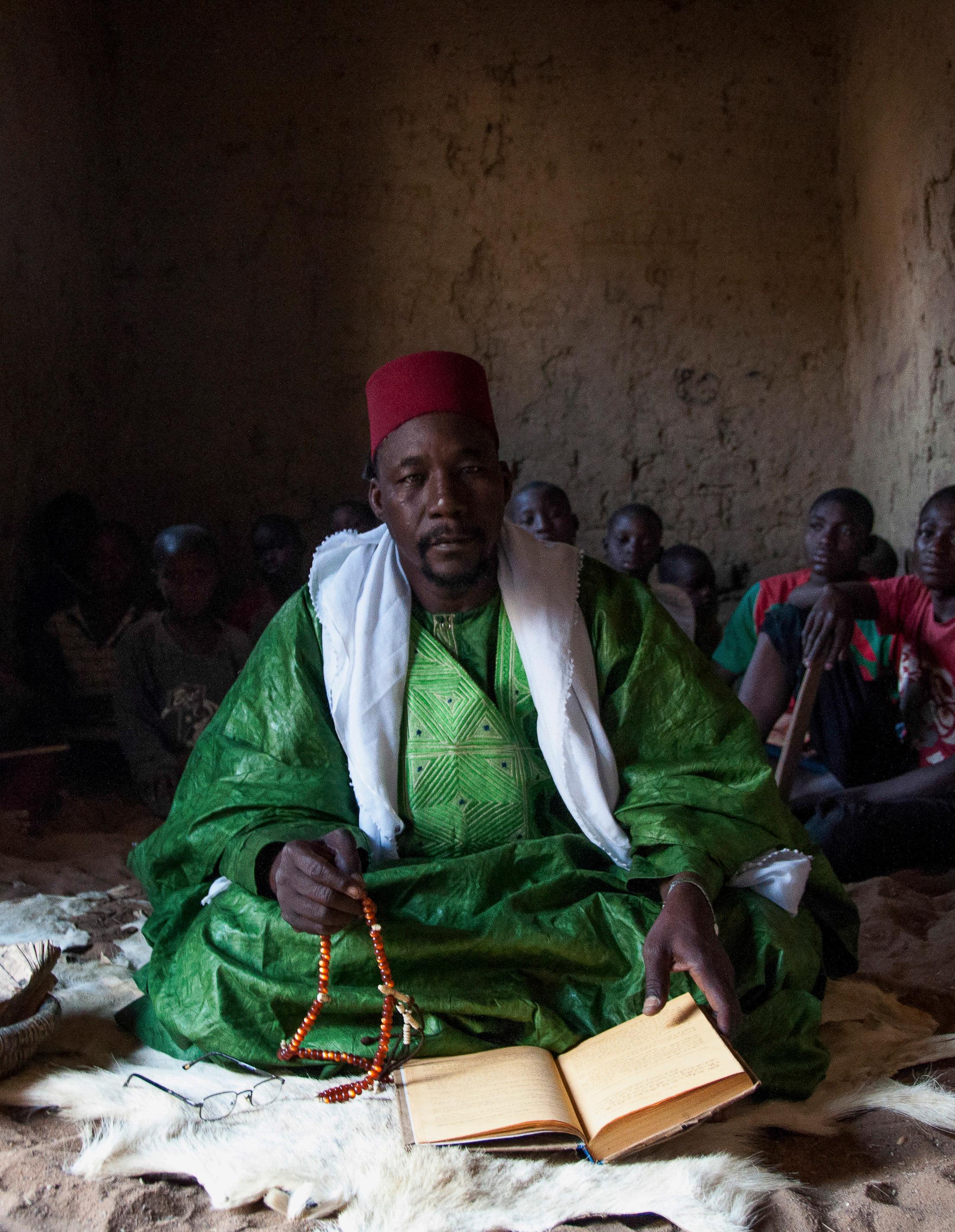
Plates
Unless otherwise indicated, all images are by Hamdia Traoré (born Djenné, Mali, 1992)
All photographs are from the series Des marabouts de Djenné (The Marabouts of Djenné).
Inkjet prints, pigment-based edition; printed 2023
Mary and Leigh Block Museum of Art, Northwestern University, Irwin and Andra S. Press Collection Endowment Fund purchase, 2022.17.1–.30
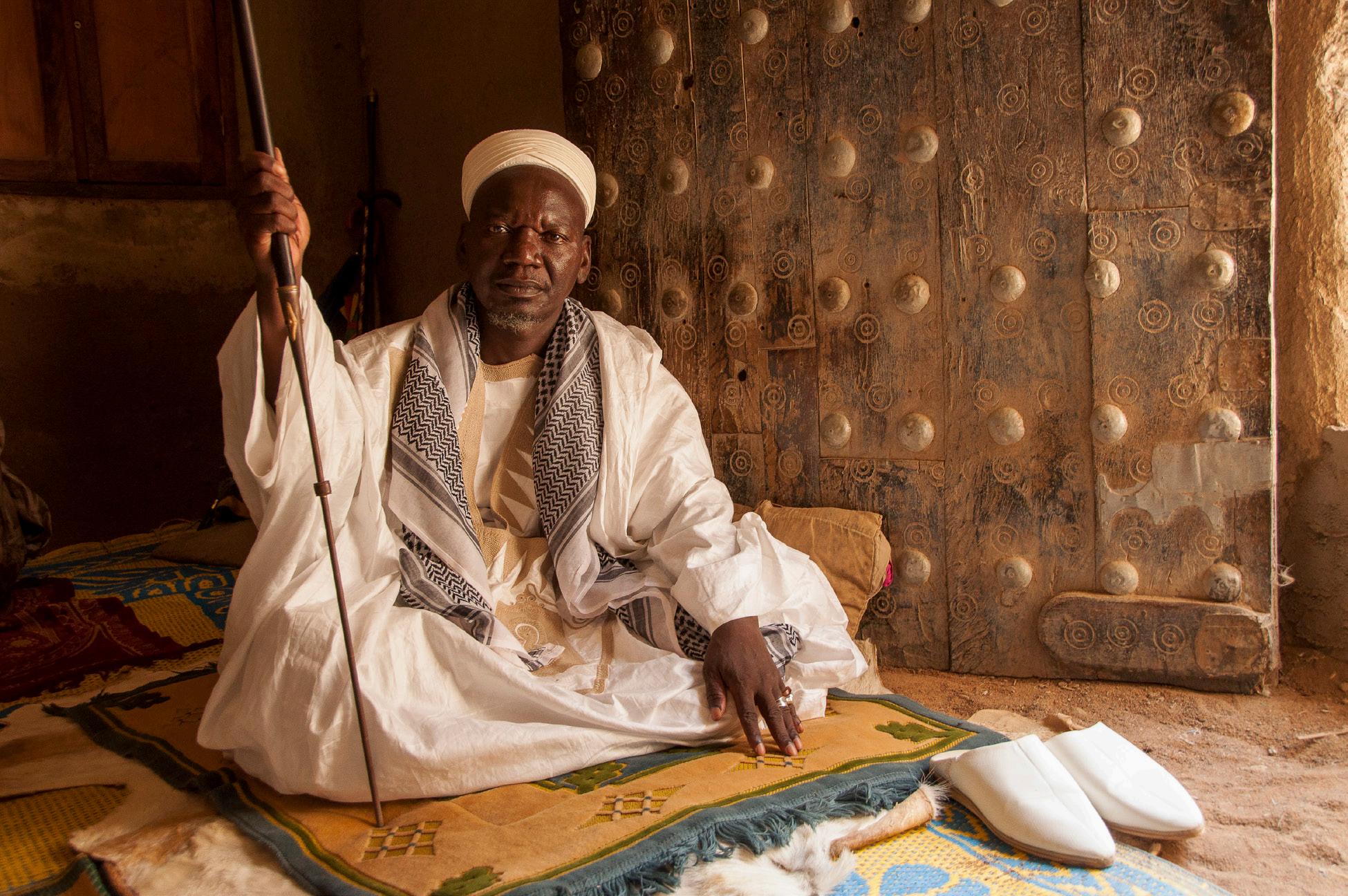
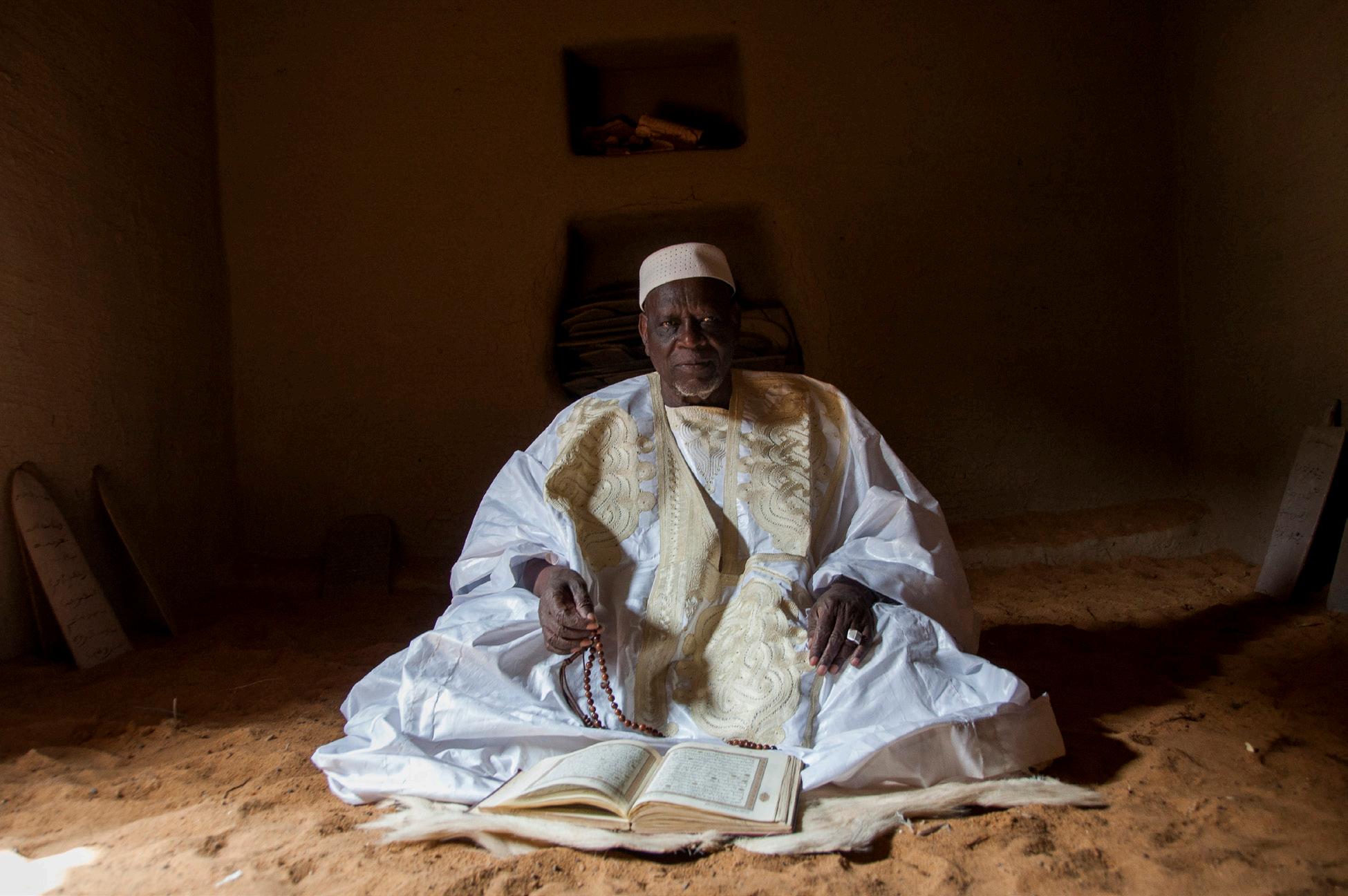
Plate 1 Yelpha Djiété, marabout et maître coranique. Il est imam de la Grande Mosquée. Djenné-Konofia (Yelpha Djiété, Marabout and Qur’anic Teacher. He is Imam of the Great Mosque. Djenné-Konofia). September 2018
Plate 2 Sarmoye Traoré, marabout et maître coranique. Il est le président de haut conseil Islamique. Djenné-Djoboro (Sarmoye Traoré, Marabout and Qur’anic Teacher. He is the president of the Islamic high council. Djenné-Djoboro). December 2017
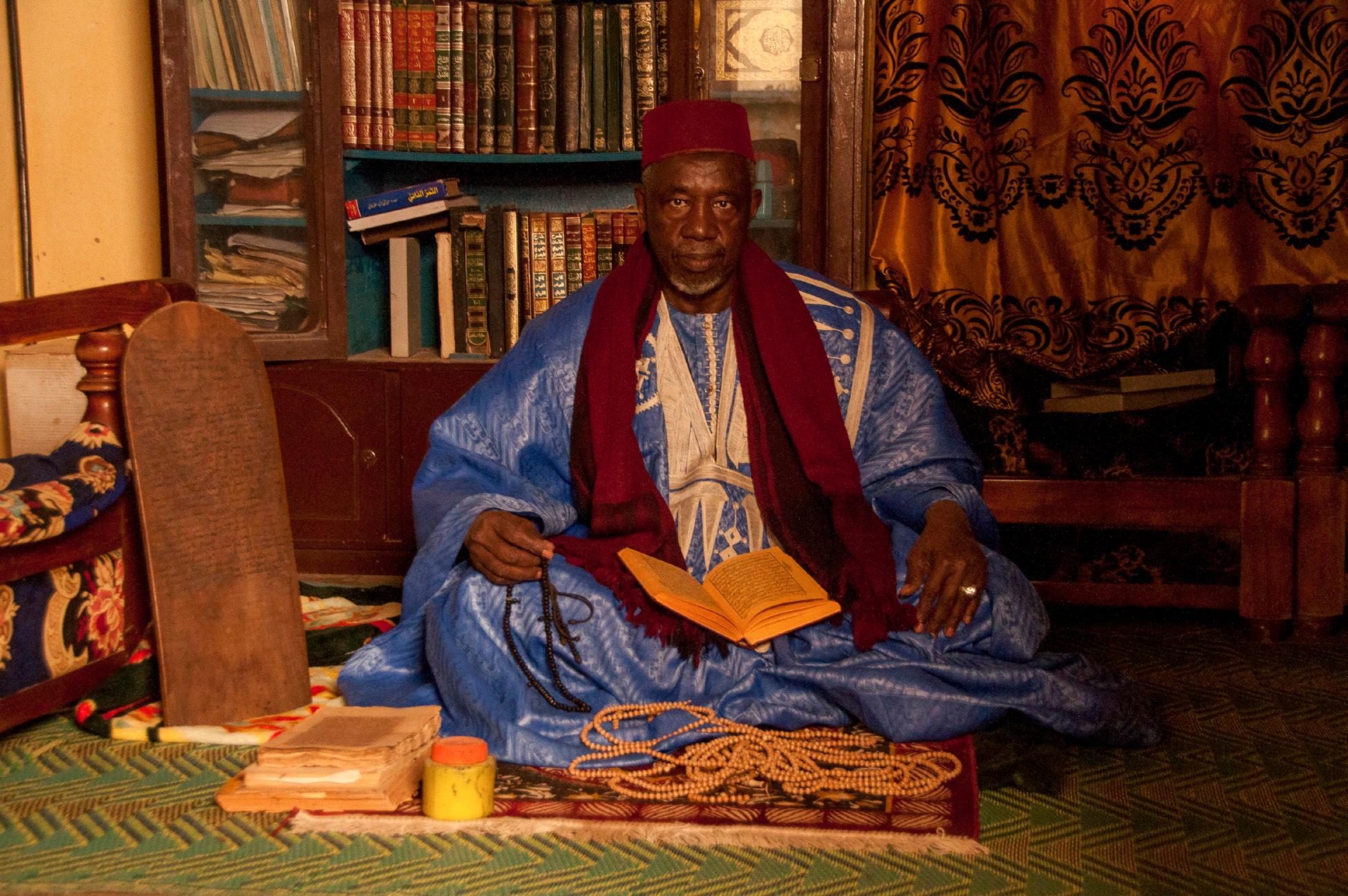
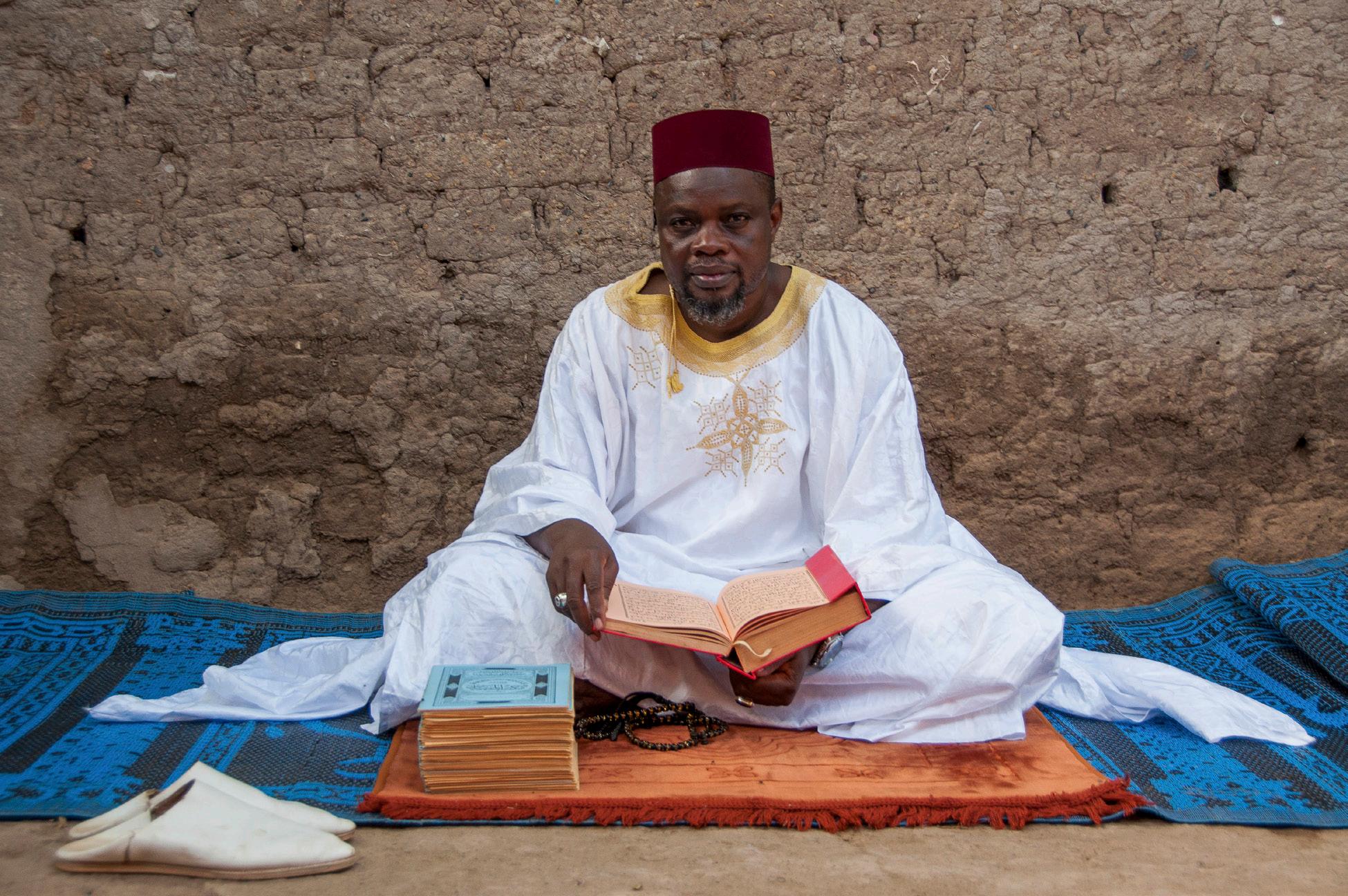
Plate 3 Kalilou Korobara, marabout et maître coranique. Il est imam de la deuxième mosquée à Dontomé. Djenné-Sankoreï (Kalilou Korobara, Marabout and Qur’anic Teacher. He is Imam of the second mosque in Dontomé. Djenné-Sankoreï). December 2018
Plate 4 Amadou Traoré, dit Bamama, marabout et maître coranique. Il est le président de bibliothèque des manuscrits. Djenné-Konofia (Amadou Traoré, called Bamama, Marabout and Qur’anic Teacher. He is the president of the manuscript library. Djenné-Konofia).
September 2018
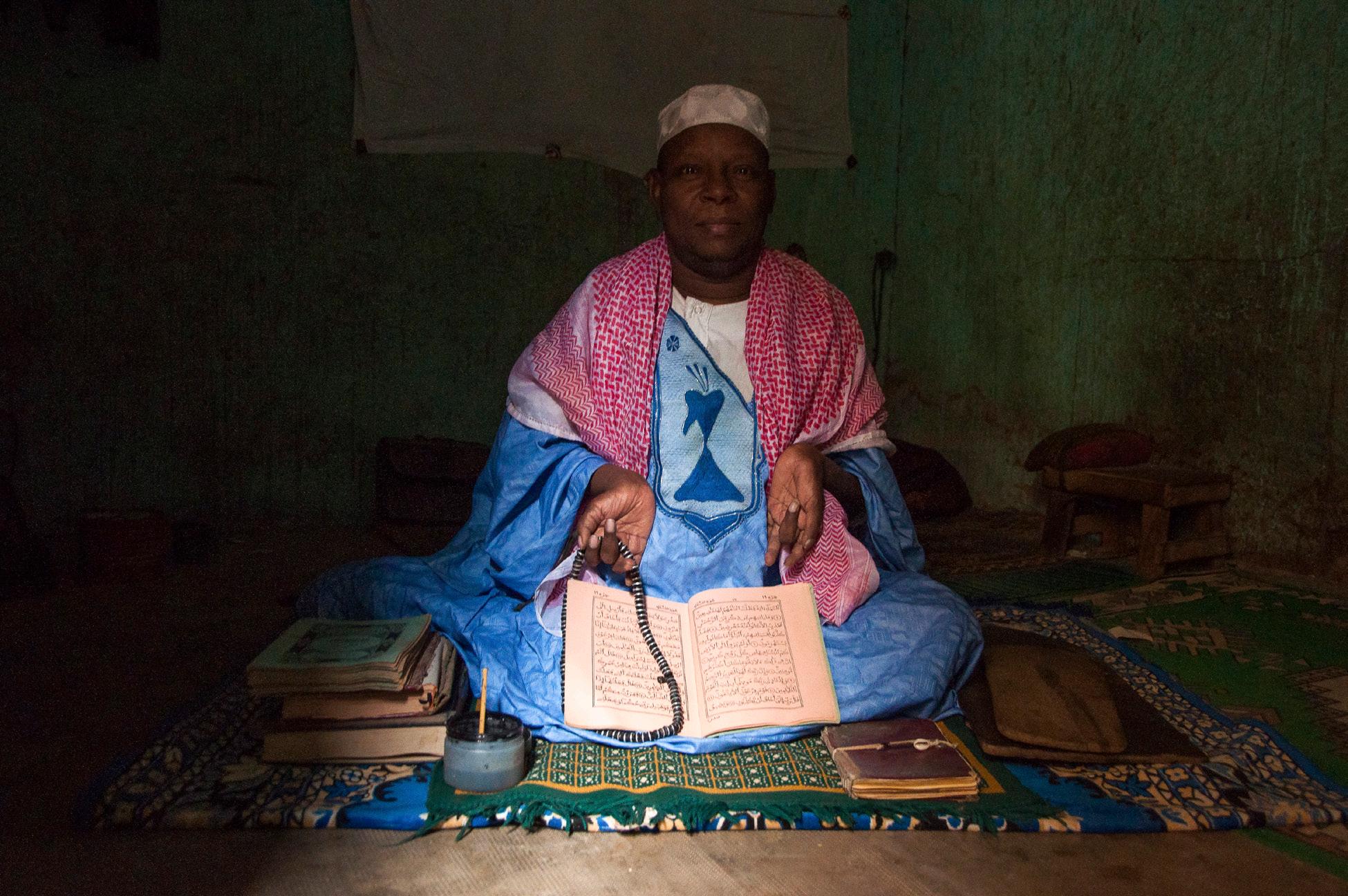
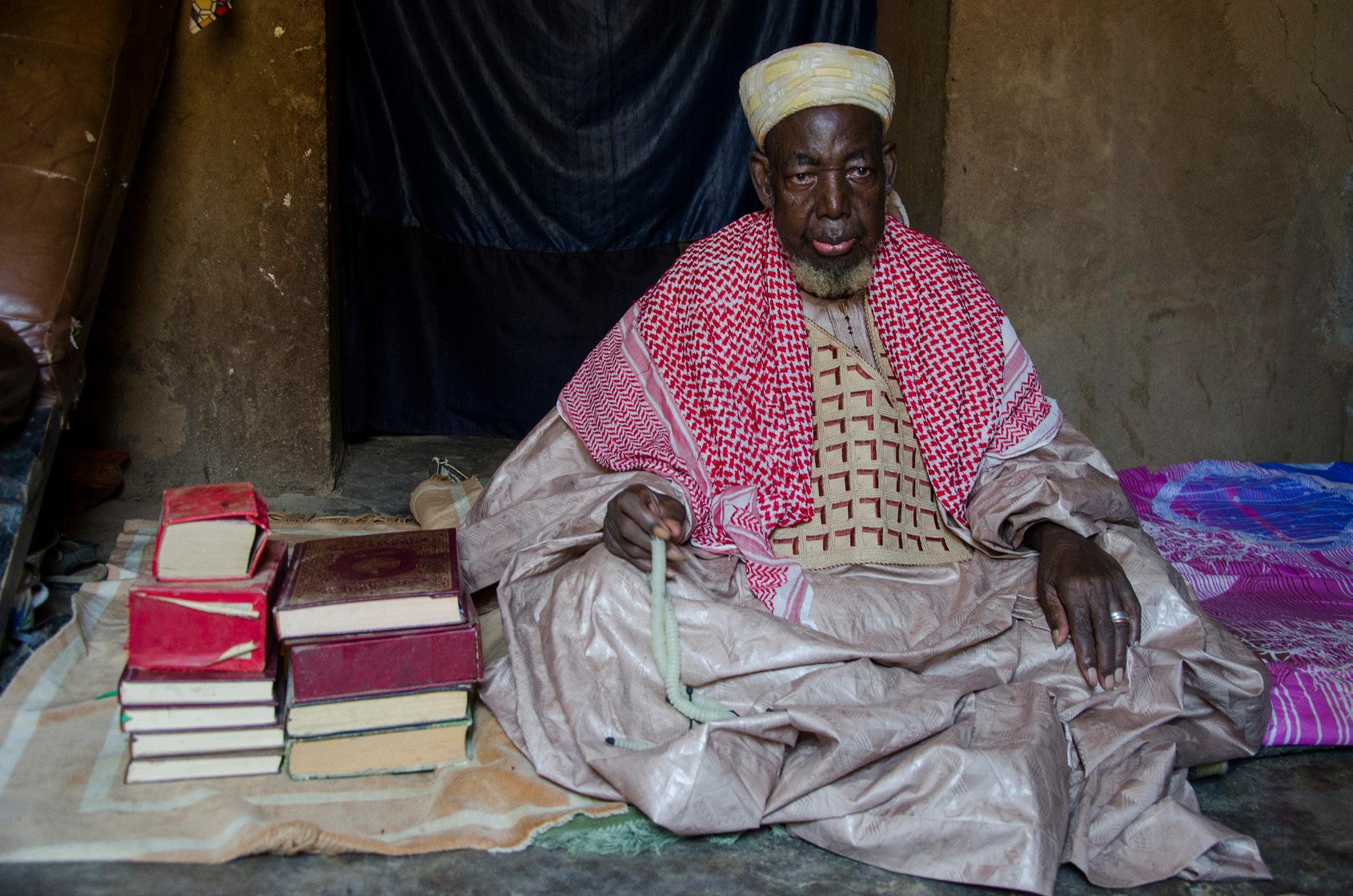
Plate 5 Bamoye Zippé Djiété, marabout et maître coranique. Il est member de l’Association Handicapées. Djenné-Konofia (Bamoye Zippé Djiété, Marabout and Qur’anic Teacher. He is a member of the Association for People with Disabilities. Djenné-Konofia). December 2018
Plate 6 Abouba Maiga, dit Yermalé, marabout et maître coranique. Djenné-Kouyetendé (Abouba Maiga, called Yermalé, Marabout and Qur’anic Teacher. Djenné-Kouyetendé). September 2017
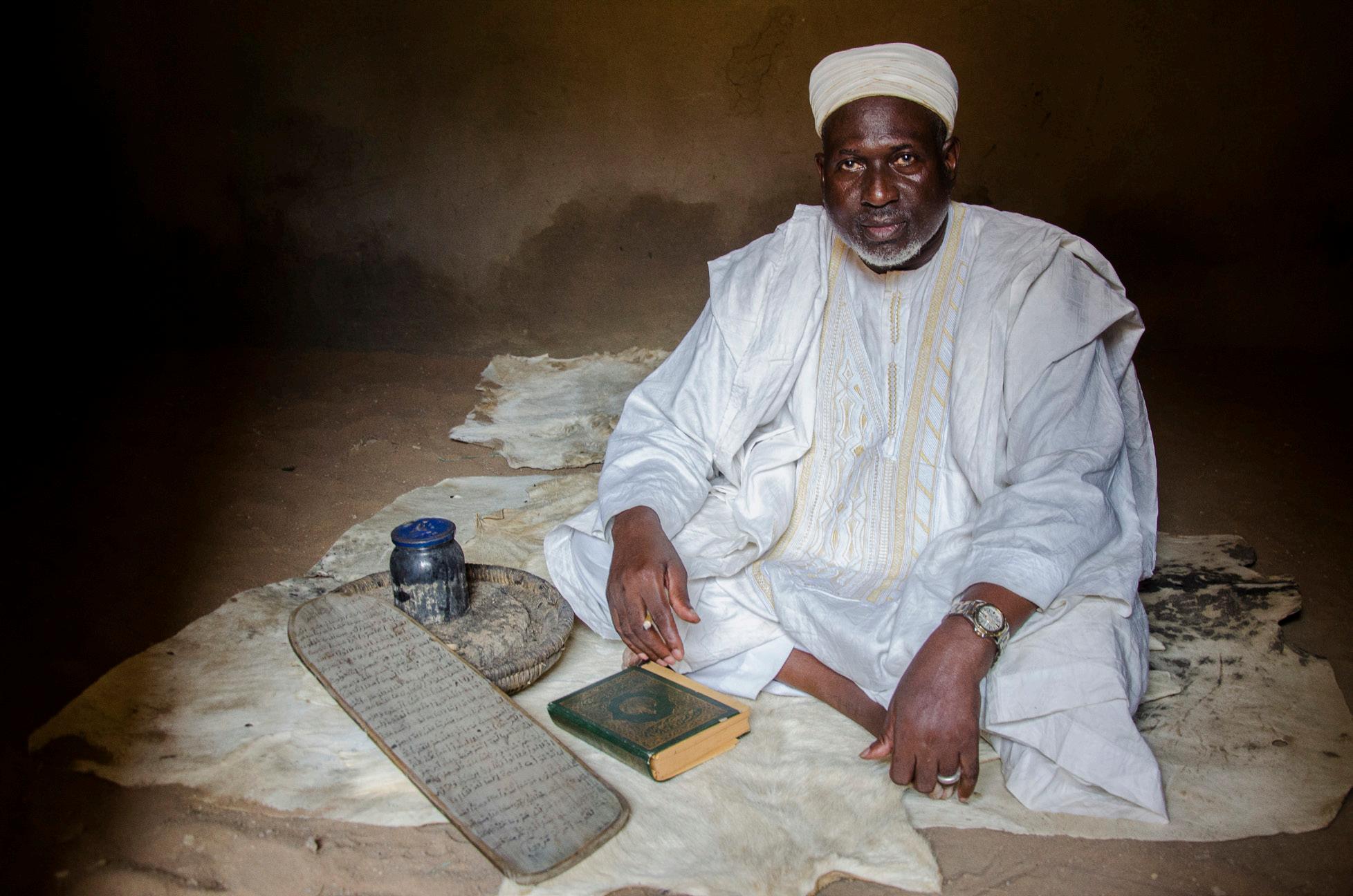
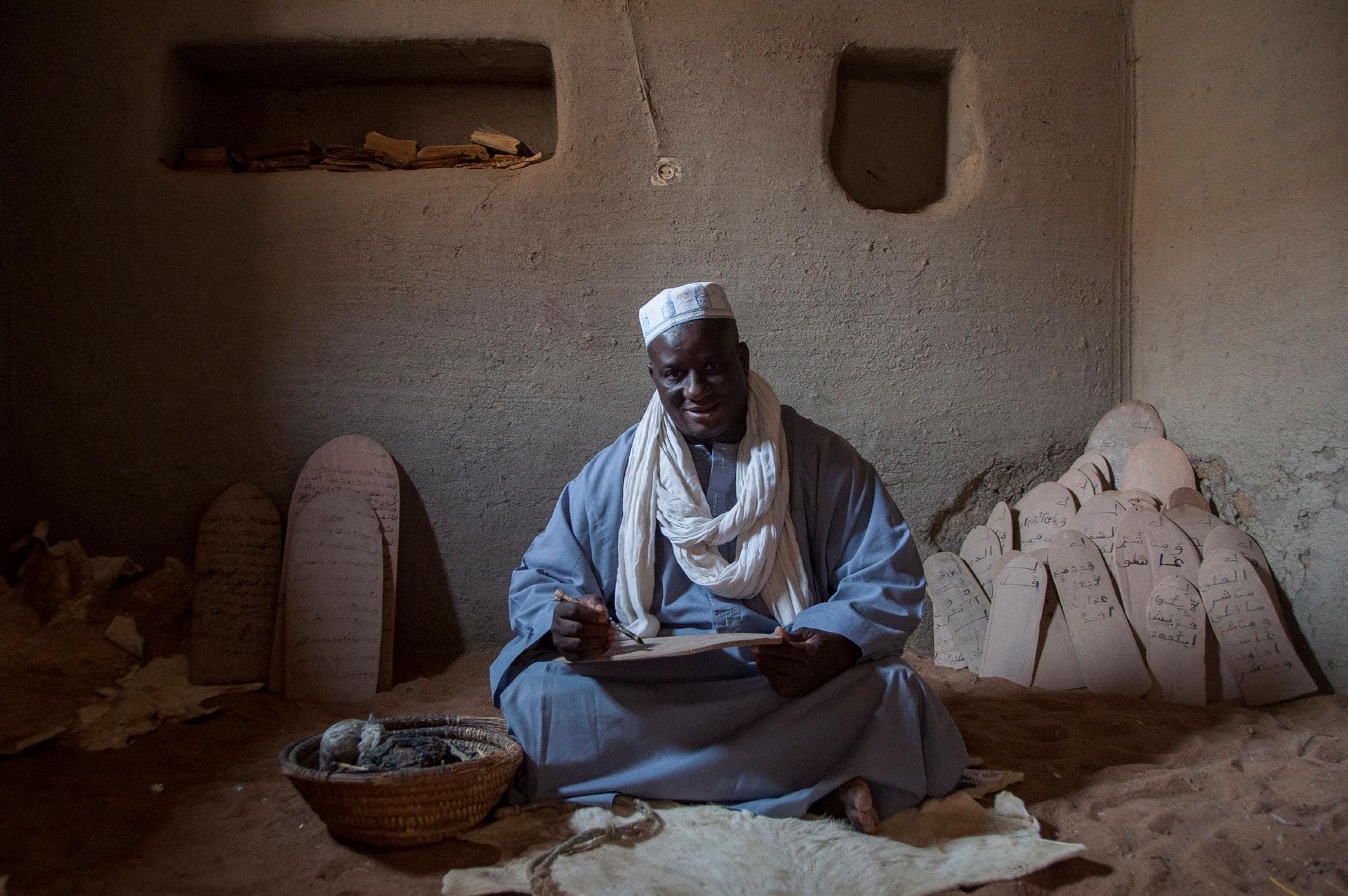
Plate 7 Mamadou Dramé, marabout et maître coranique. Djenné-Youboucaïna (Mamadou Dramé, Marabout and Qur’anic Teacher. DjennéYouboucaïna). September 2017
Plate 8 Alphady Théra, marabout et maître coranique. Djenné-Farmatala (Alphady Théra, Marabout and Qur’anic Teacher. DjennéFarmatala). December 2017
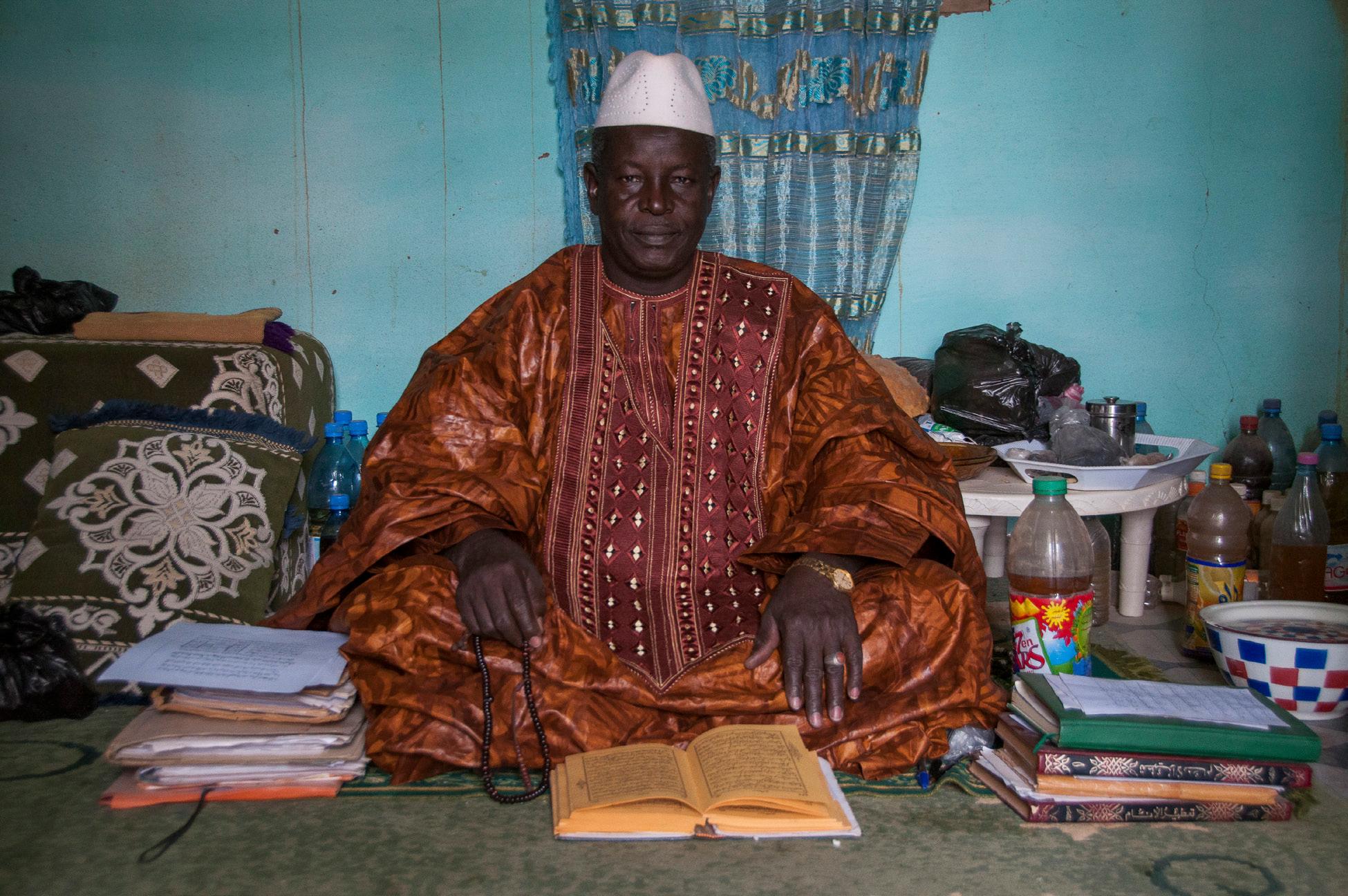
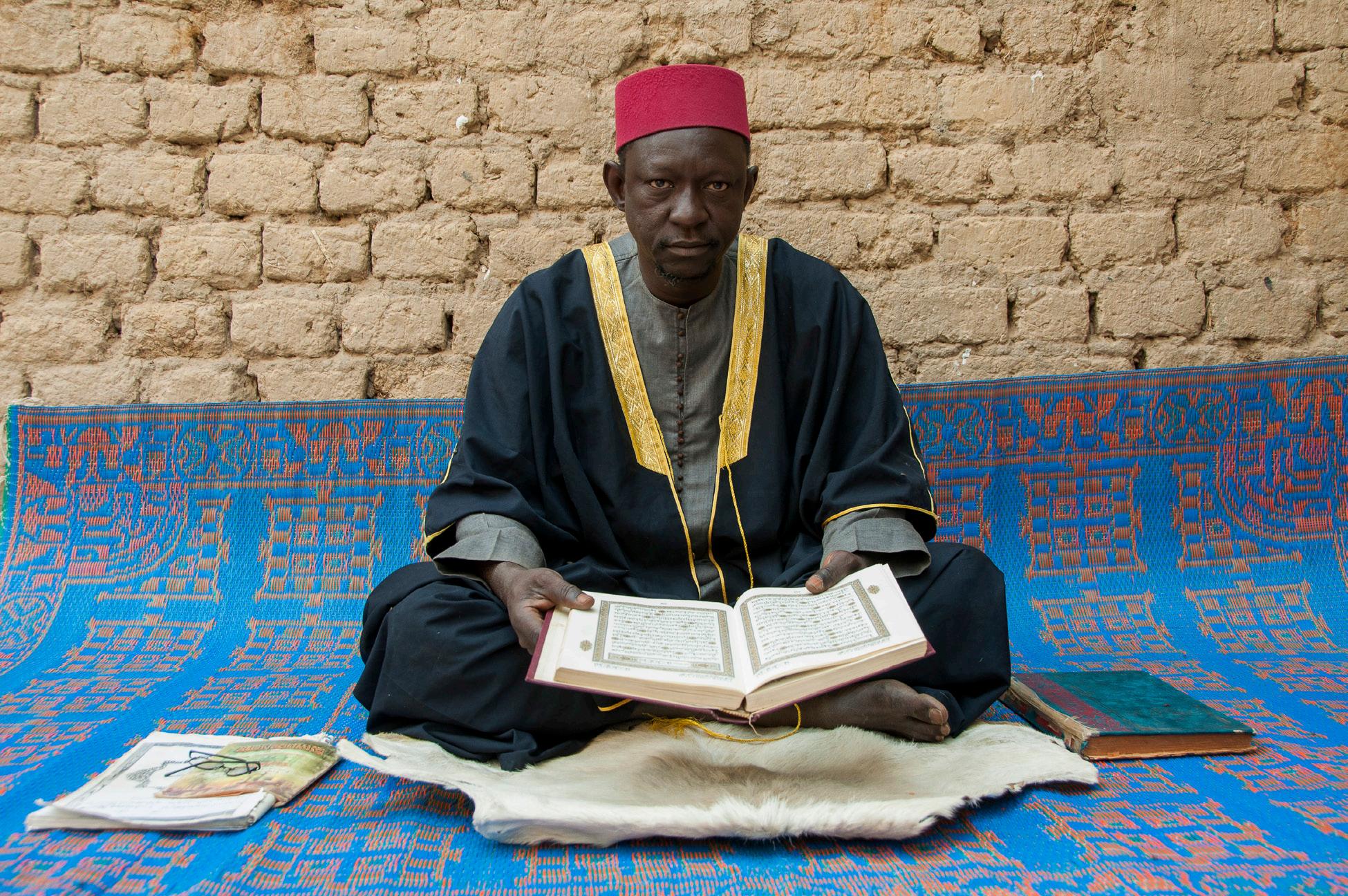
Plate 9 Badji Peinto, marabout et maître coranique. Djenné-Youboucaïna (Badji Peinto, Marabout and Qur’anic Teacher. DjennéYouboucaïna). December 2017
Plate 10 Baba Segnon, marabout et maître coranique. Djenné-Samsé (Baba Segnon, Marabout and Qur’anic Teacher. Djenné-Samsé). December 2017
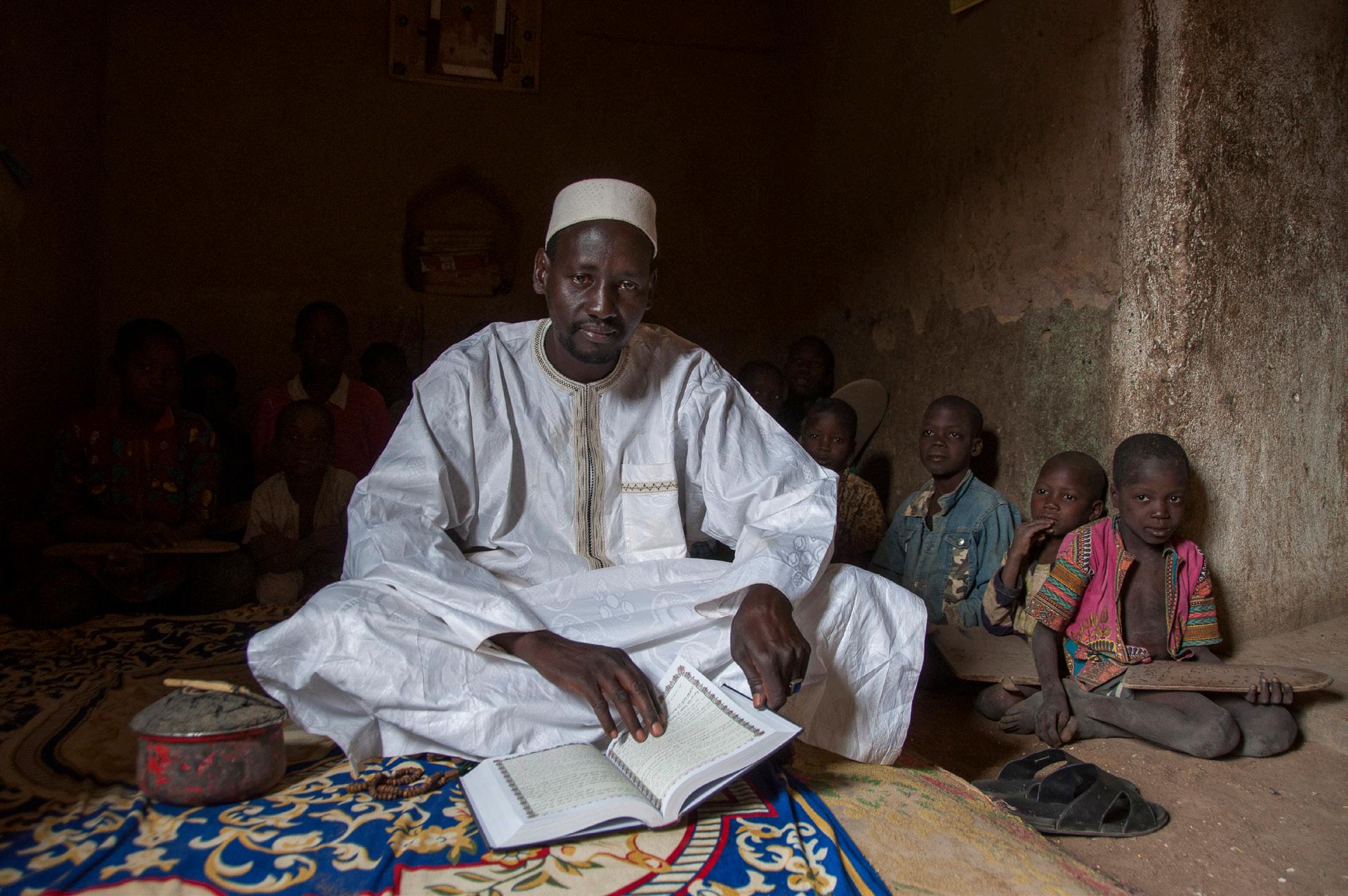
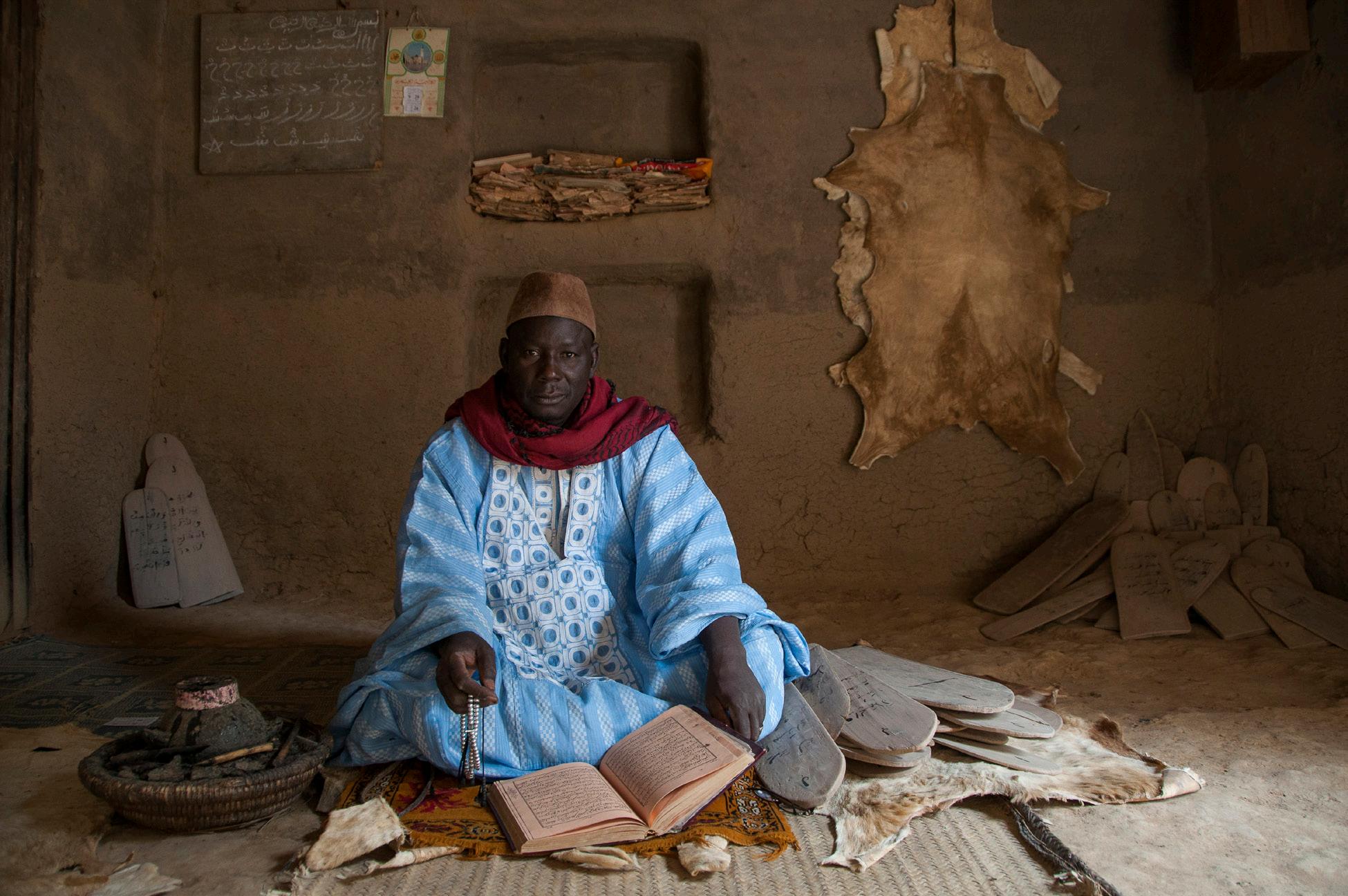
Plate 11 Sarmoye Nalion, marabout et maître coranique. Djenné-Konofia (Sarmoye Nalion, Marabout and Qur’anic Teacher. DjennéKonofia). December 2017
Plate 12 Bacaïna Djénépo, marabout et maître coranique. Djenné-Konofia (Bacaïna Djénépo, Marabout and Qur’anic Teacher. DjennéKonofia). December 2017
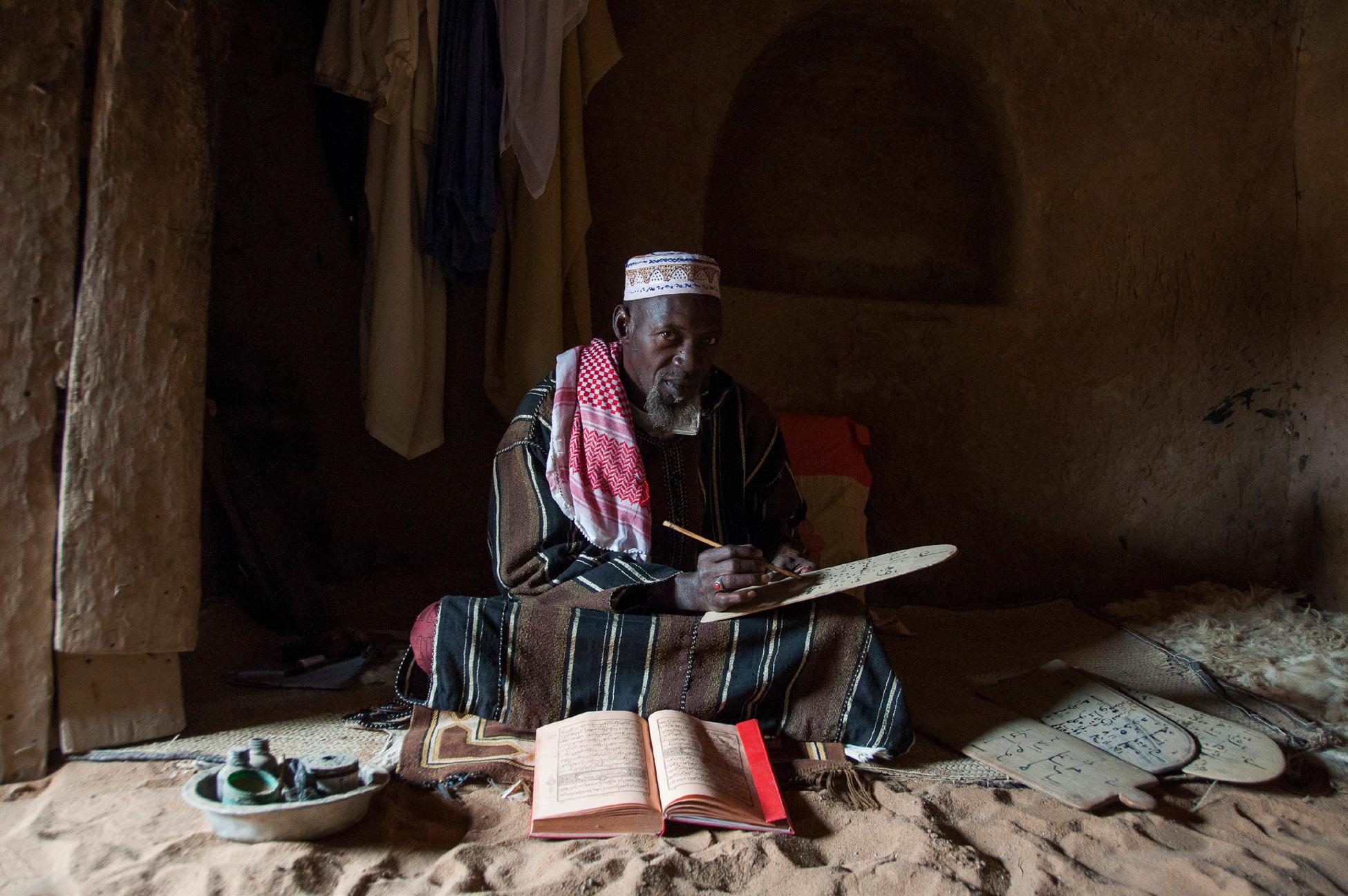
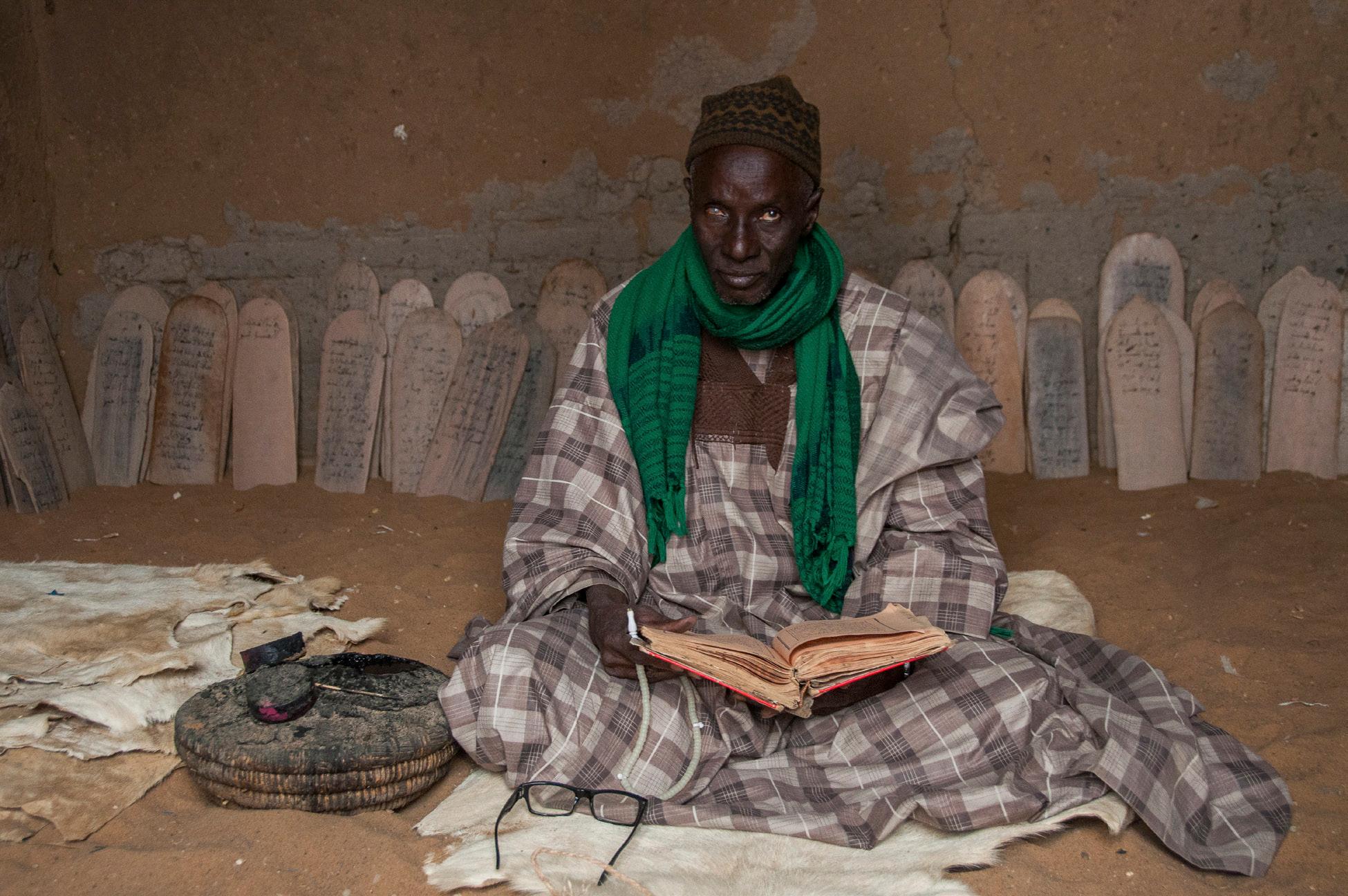
Plate 13 Alphamoye Kontao, marabout et maître coranique. Djenné-Konofia (Alphamoye Kontao, Marabout and Qur’anic Teacher. DjennéKonofia). December 2017
Plate 14 Hasseye Yarro, marabout et maître coranique. Djenné-Konofia (Hasseye Yarro, Marabout and Qur’anic Teacher. Djenné-Konofia). December 2017
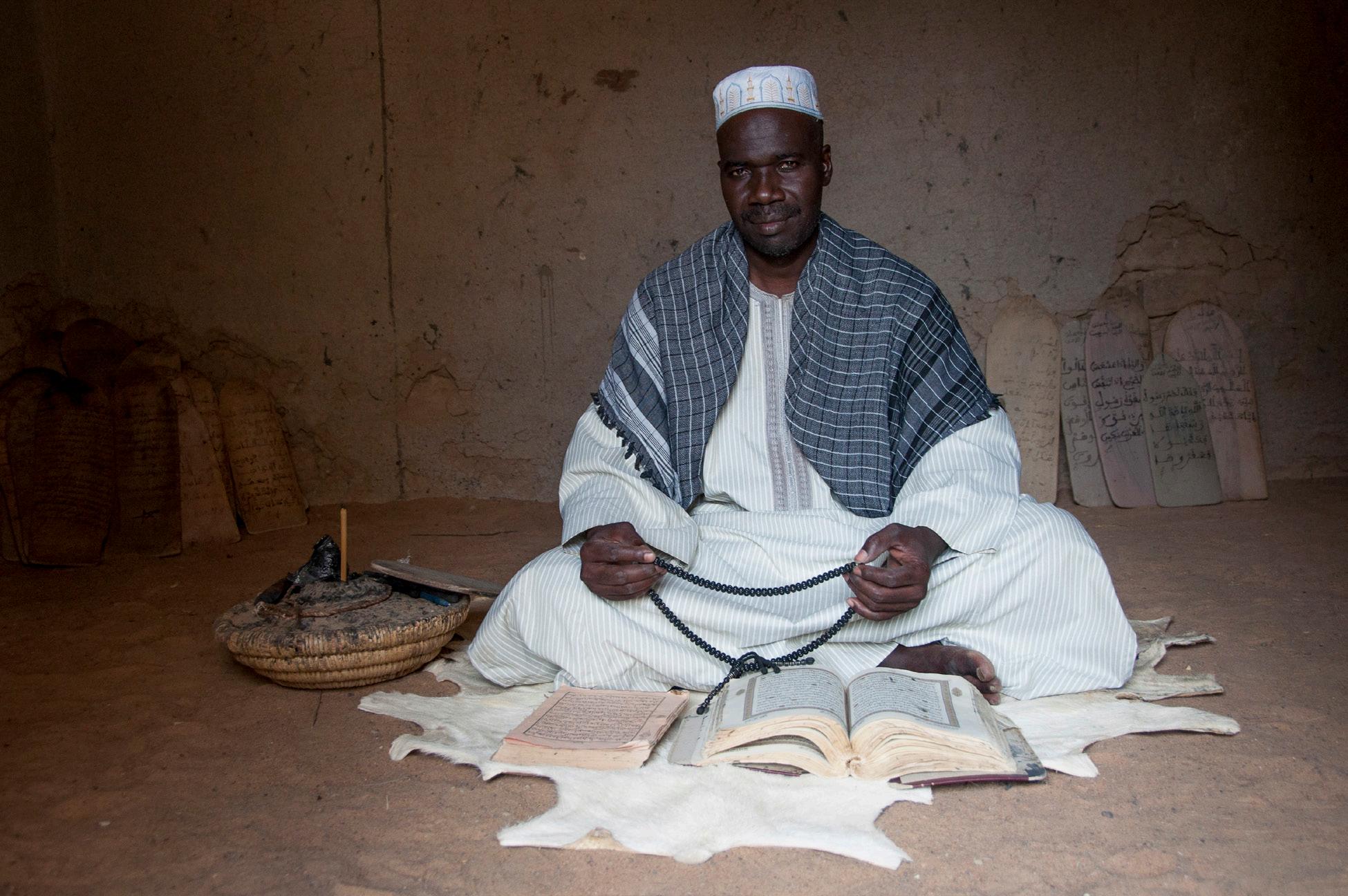
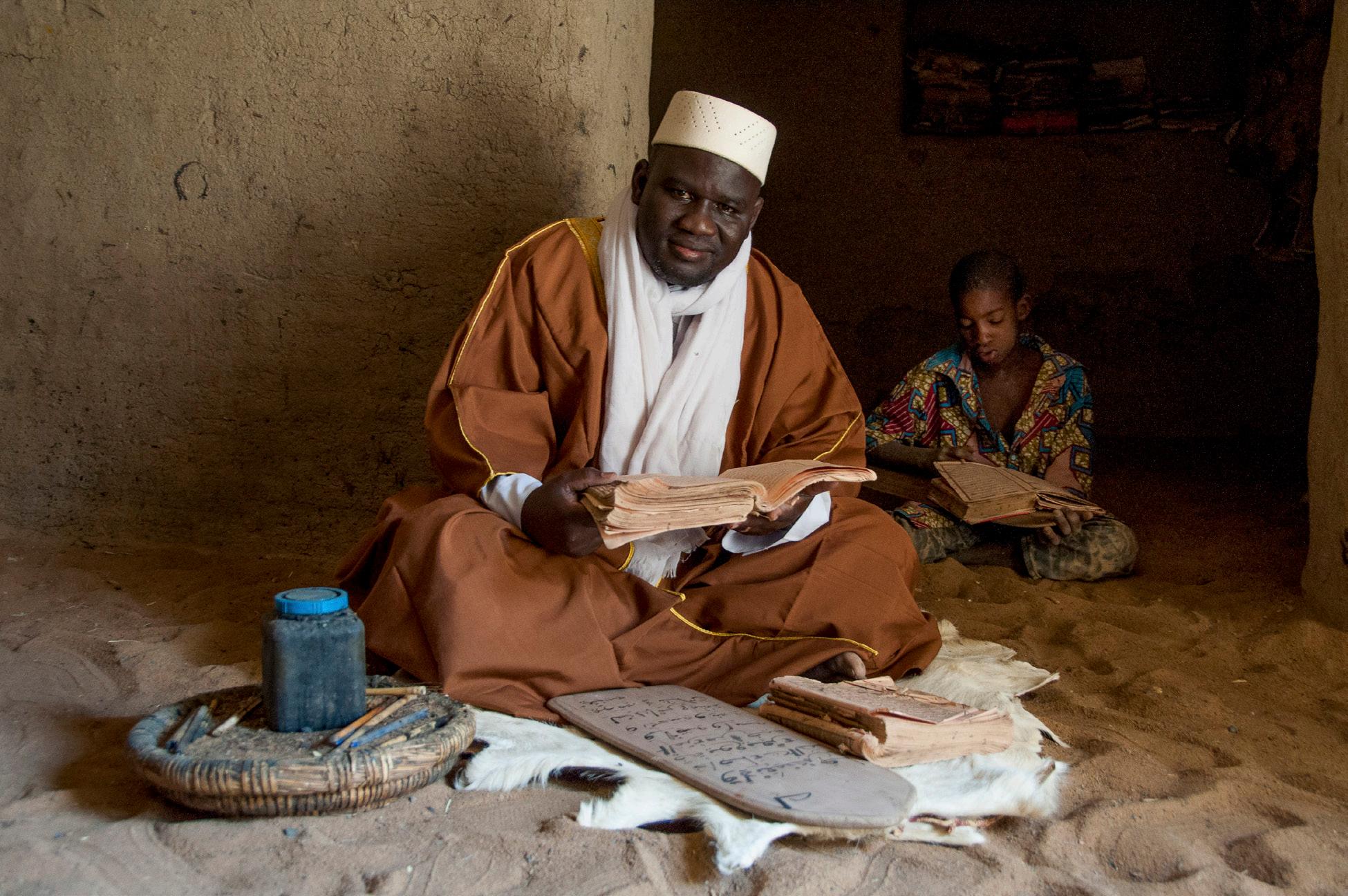
Plate 16 Boubacar Bamoye Théra, marabout et maître coranique. Djenné-Algassouba (Boubacar Bamoye Théra, Marabout and Qur’anic Teacher. Djenné-Algassouba). February 2018
Plate 15 Sékousory Bayéya Bocoum, marabout et maître coranique. Djenné-Sankoreï (Sékousory Bayéya Bocoum, Marabout and Qur’anic Teacher. Djenné-Sankoreï). February 2018
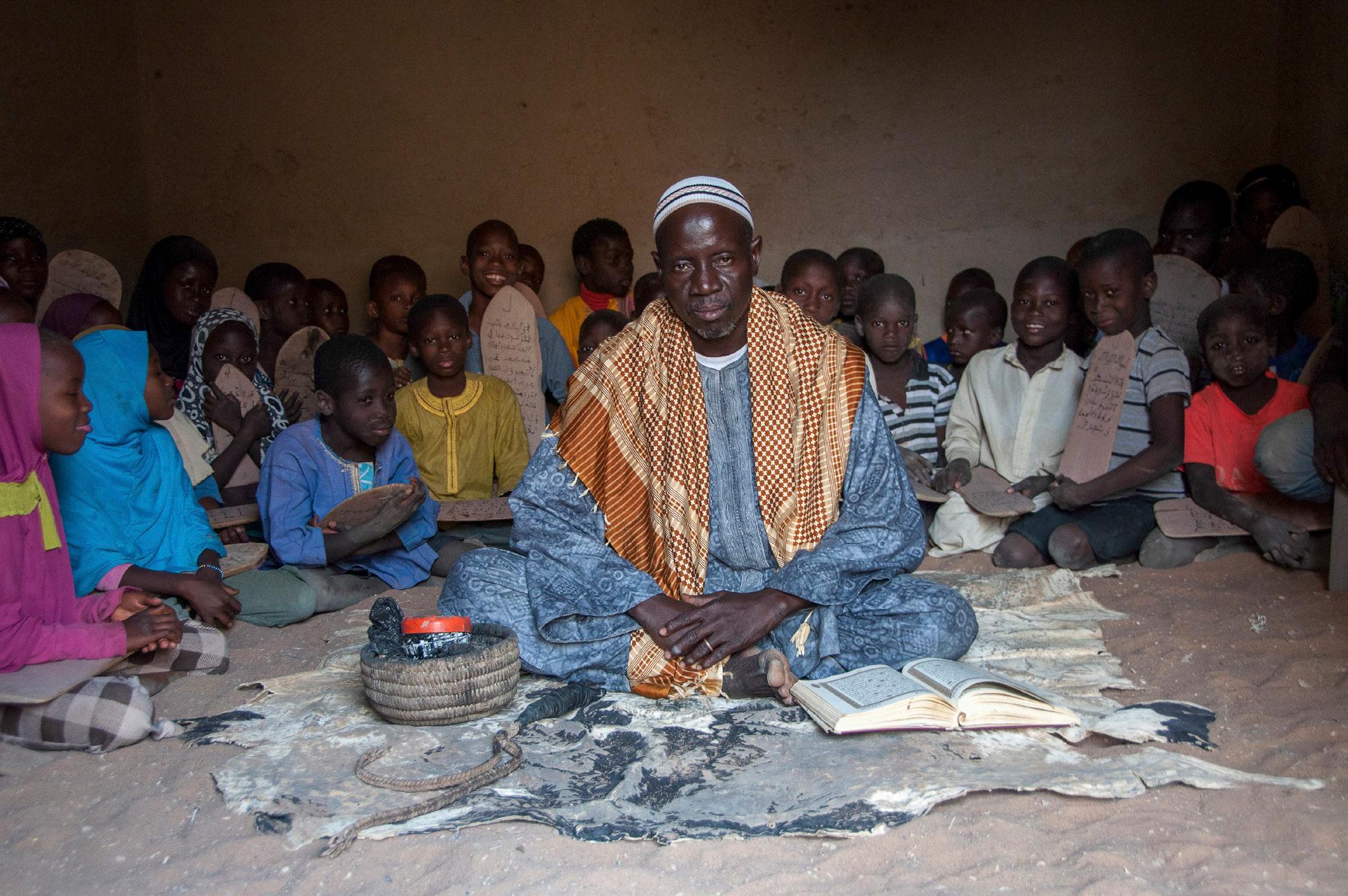
Plate 17 Baber Toumagnon, marabout et maître coranique. Djenné-Youboucaïna (Baber Toumagnon, Marabout and Qur’anic Teacher. Djenné-Youboucaïna). April 2018
Plate 18 Almami Ténintao, marabout et maître coranique. Djenné-Sankoreï (Amadou Ténintao, Marabout and Qur’anic Teacher. DjennéSankoreï). April 2018
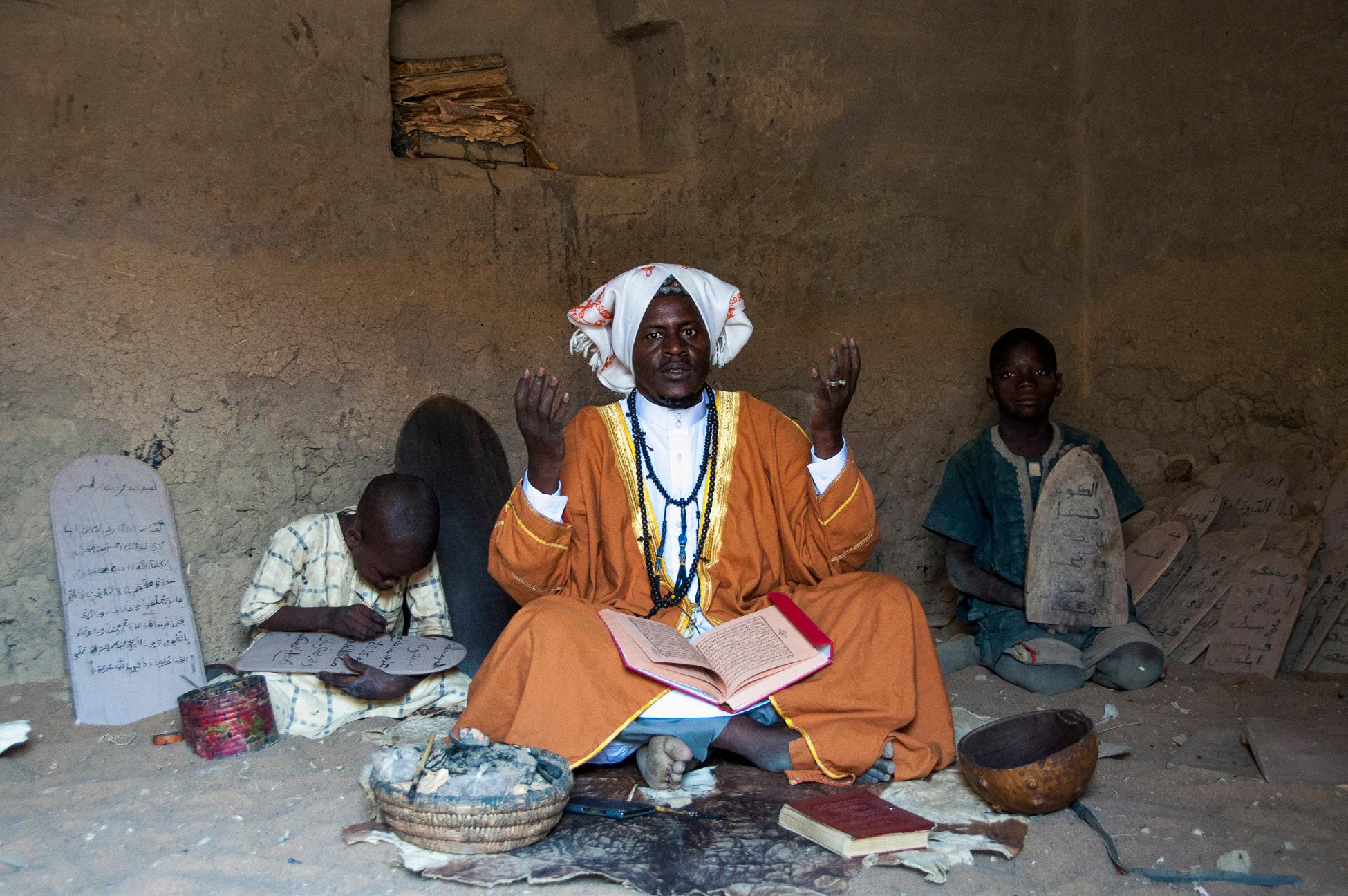
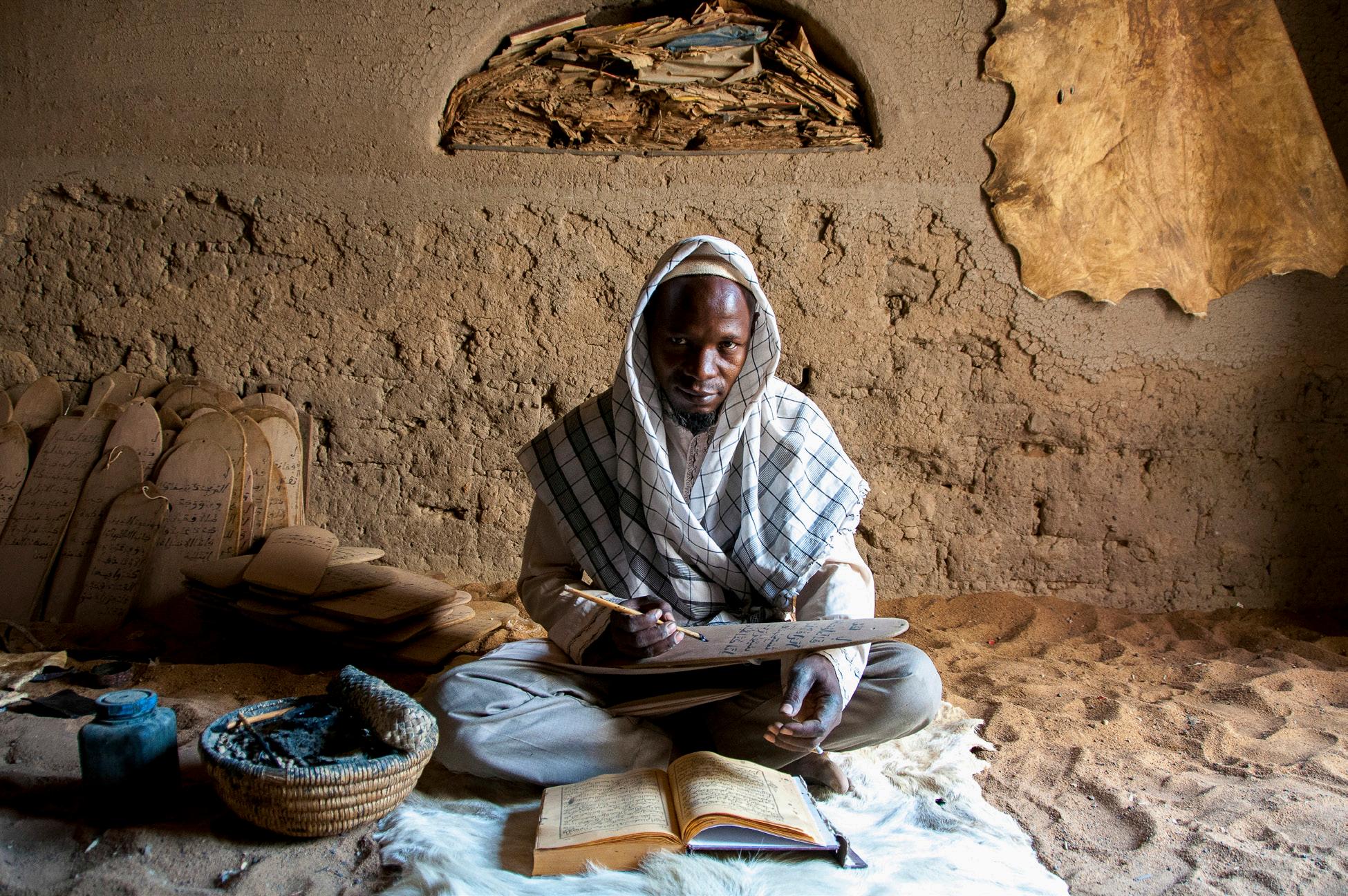
Plate 19 Alphamoye Traoré, marabout et maître coranique. Djenné-Algassouba (Alphamoye Traoré, Marabout and Qur’anic Teacher. Djenné-Algassouba). April 2018
Plate 20 Seydou Traoré, marabout et maître coranique. Djenné-Seymani (Seydou Traoré, Marabout and Qur’anic Teacher. DjennéSeymani). April 2018
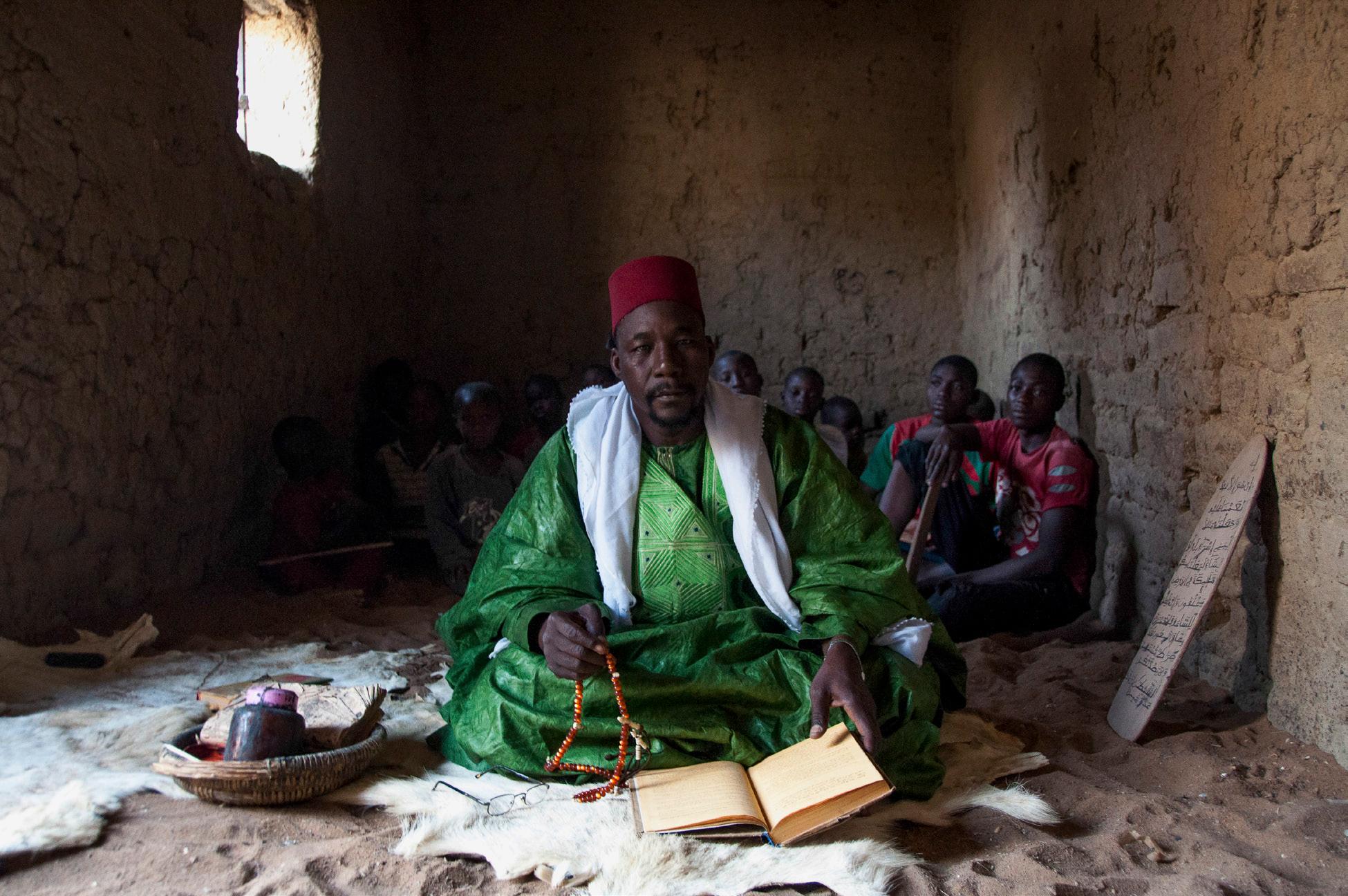
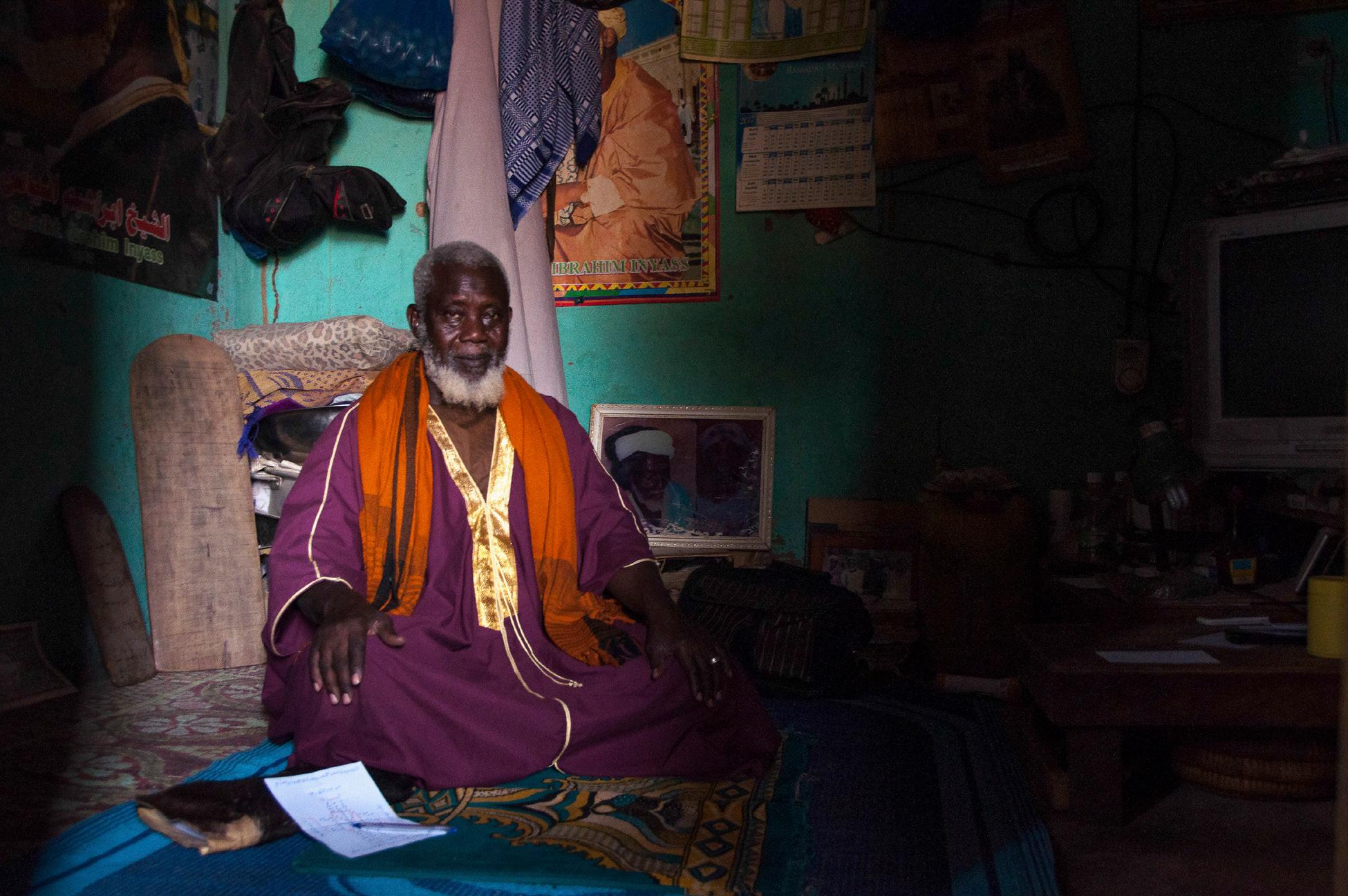
Plate 21 Almane Sidi Traoré, dit Alphadi, marabout et maître coranique. Djenné-Kouyetendé (Almane Sidi Traoré, called Alphadi, Marabout and Qur’anic Teacher. Djenné-Kouyetendé). April 2018
Plate 22 Gaoussou Naciré, marabout et maître coranique. Djenné-Djoboro (Gaoussou Naciré, Marabout and Qur’anic Teacher. DjennéDjoboro). April 2018
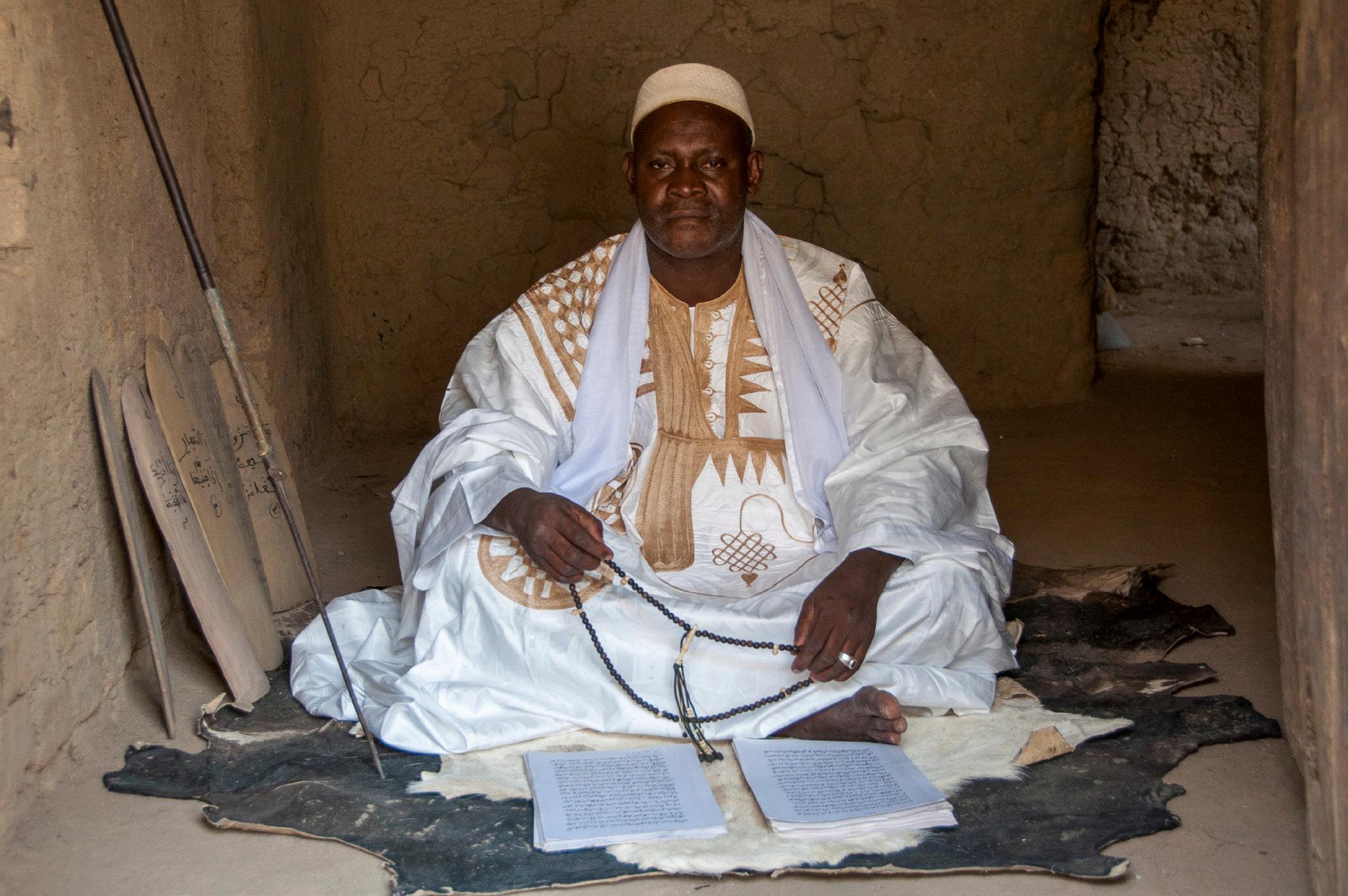
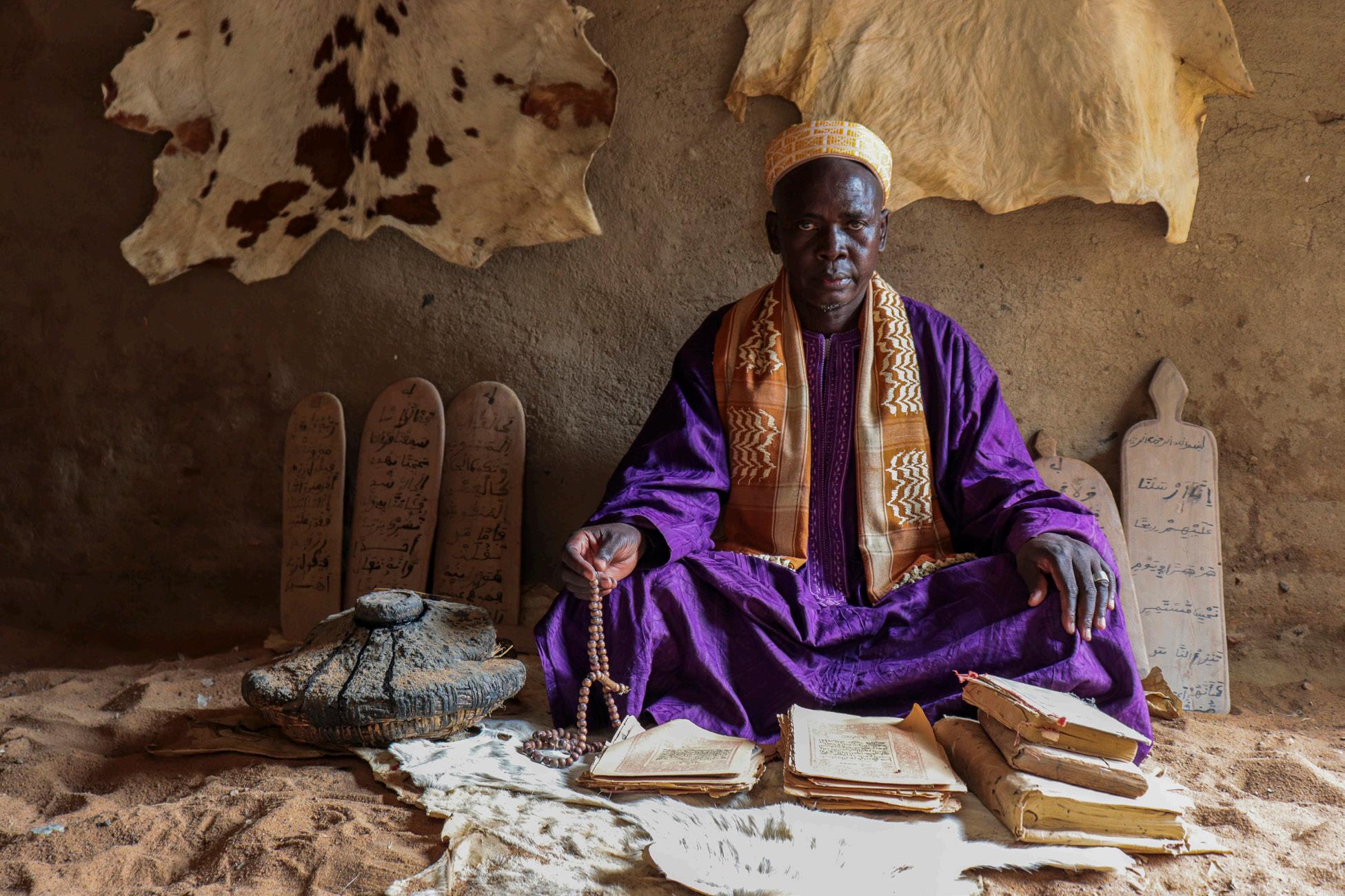
Plate 23 Amadou Diabaté, marabout et maître coranique. Djenné-Youboucaïna (Amadou Diabaté, Marabout and Qur’anic Teacher. DjennéYouboucaïna). April 2018
Plate 24 Hassaye Maïga, Marabout et Maître Coranique. Djenné-Kouyetendé (Hassaye Maïga, Marabout and Qur’anic Teacher. DjennéKouyetendé). September 2018
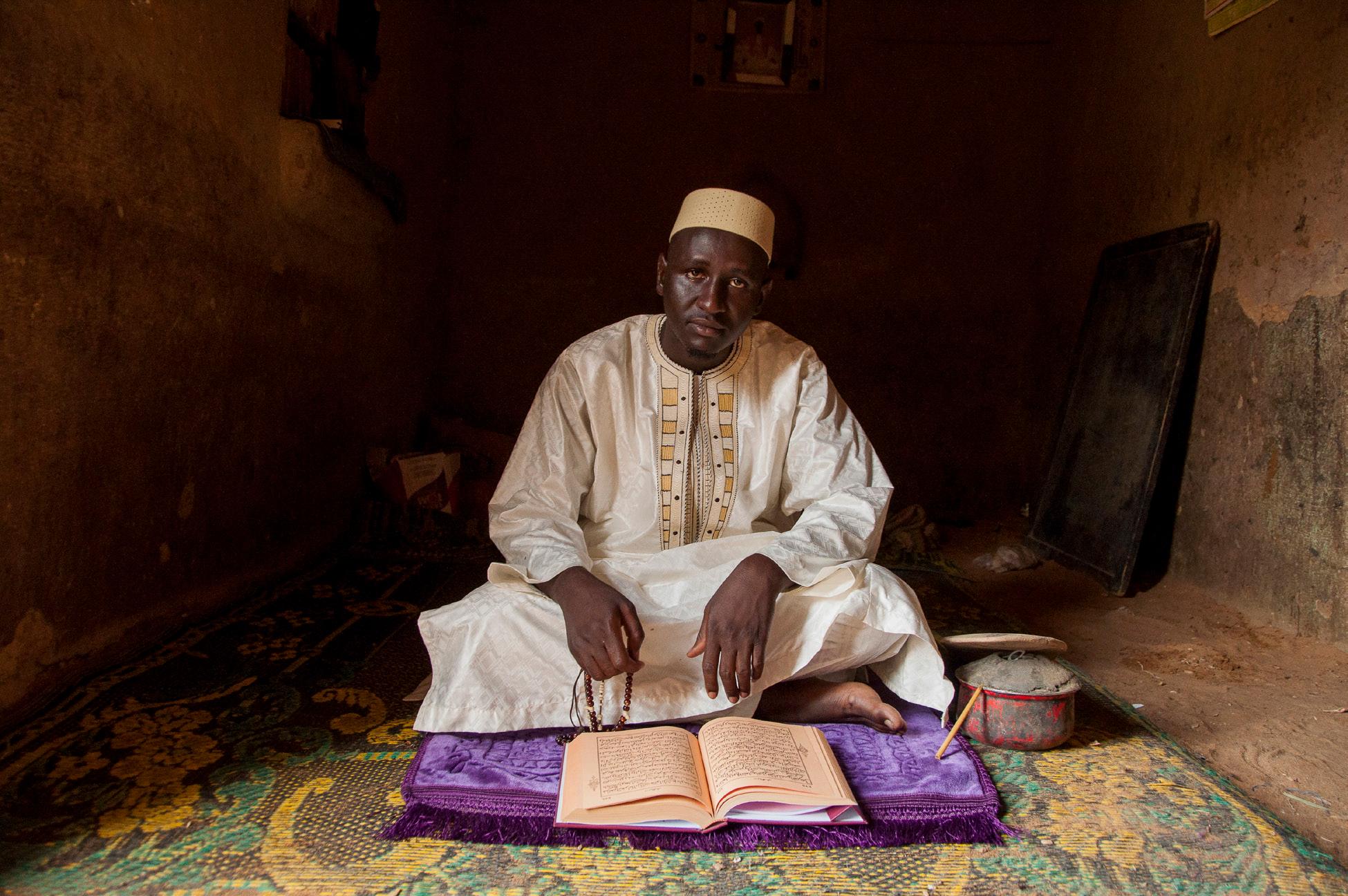
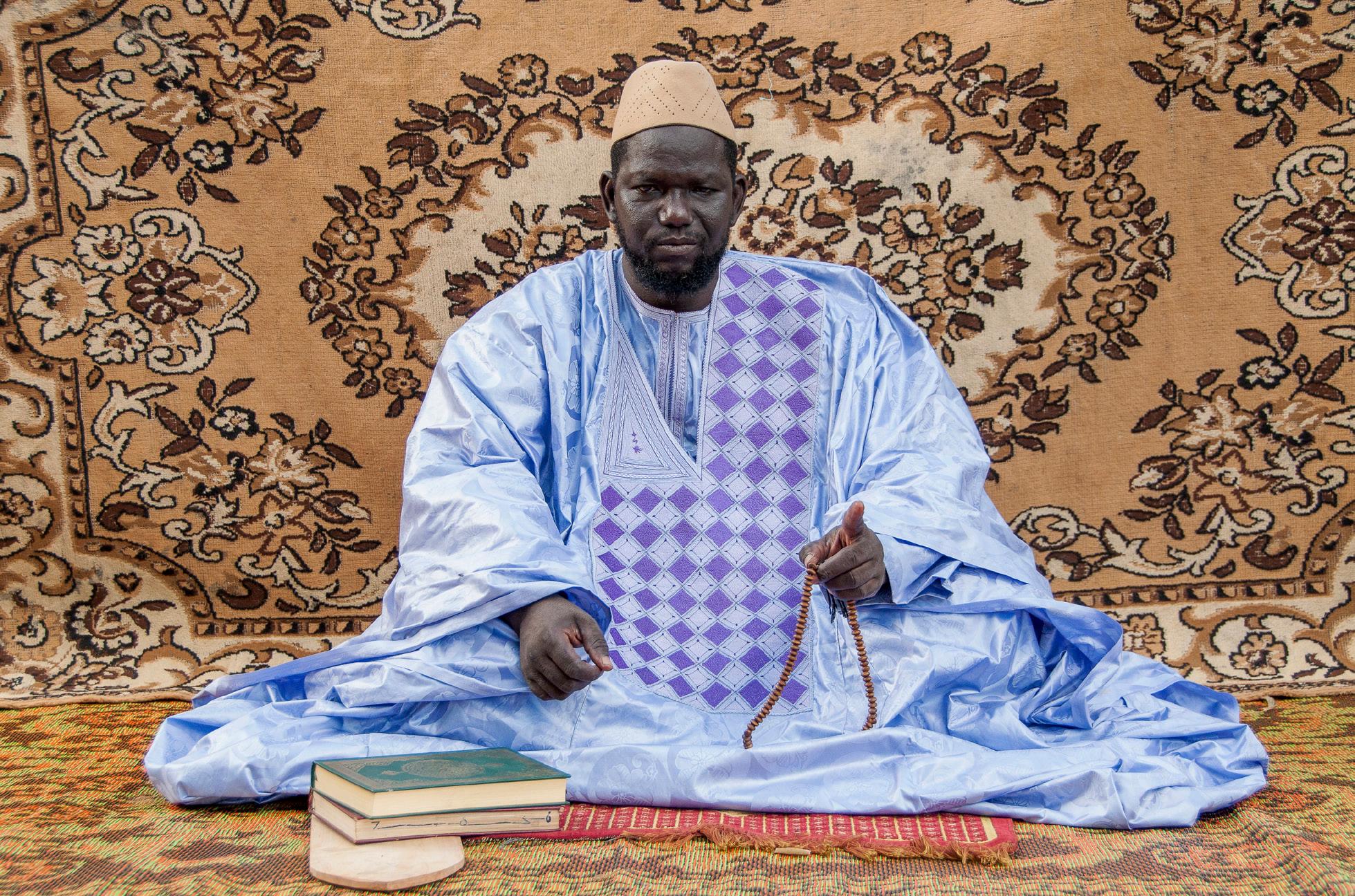
Plate 25 Aboubacar Nalion, marabout et maître coranique. Djenné-Konofia (Aboubacar Nalion, Marabout and Qur’anic Teacher. DjennéKonofia). September 2018
Plate 26 Alpha Youssouf Kanta, marabout et maître coranique. Djenné-Tolober (Alpha Youssouf Kanta, Marabout and Qur’anic Teacher. Djenné-Tolober). September 2018
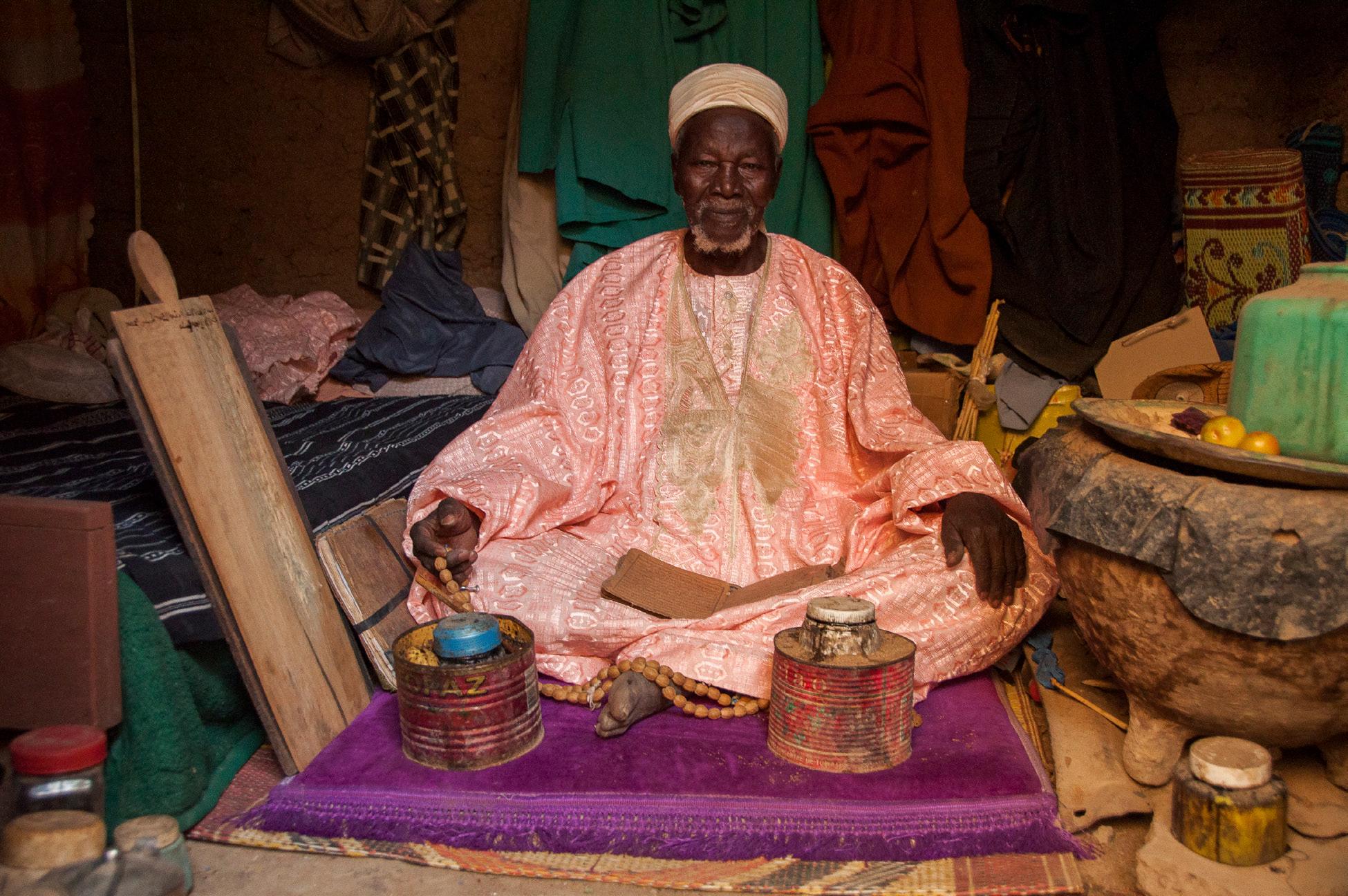
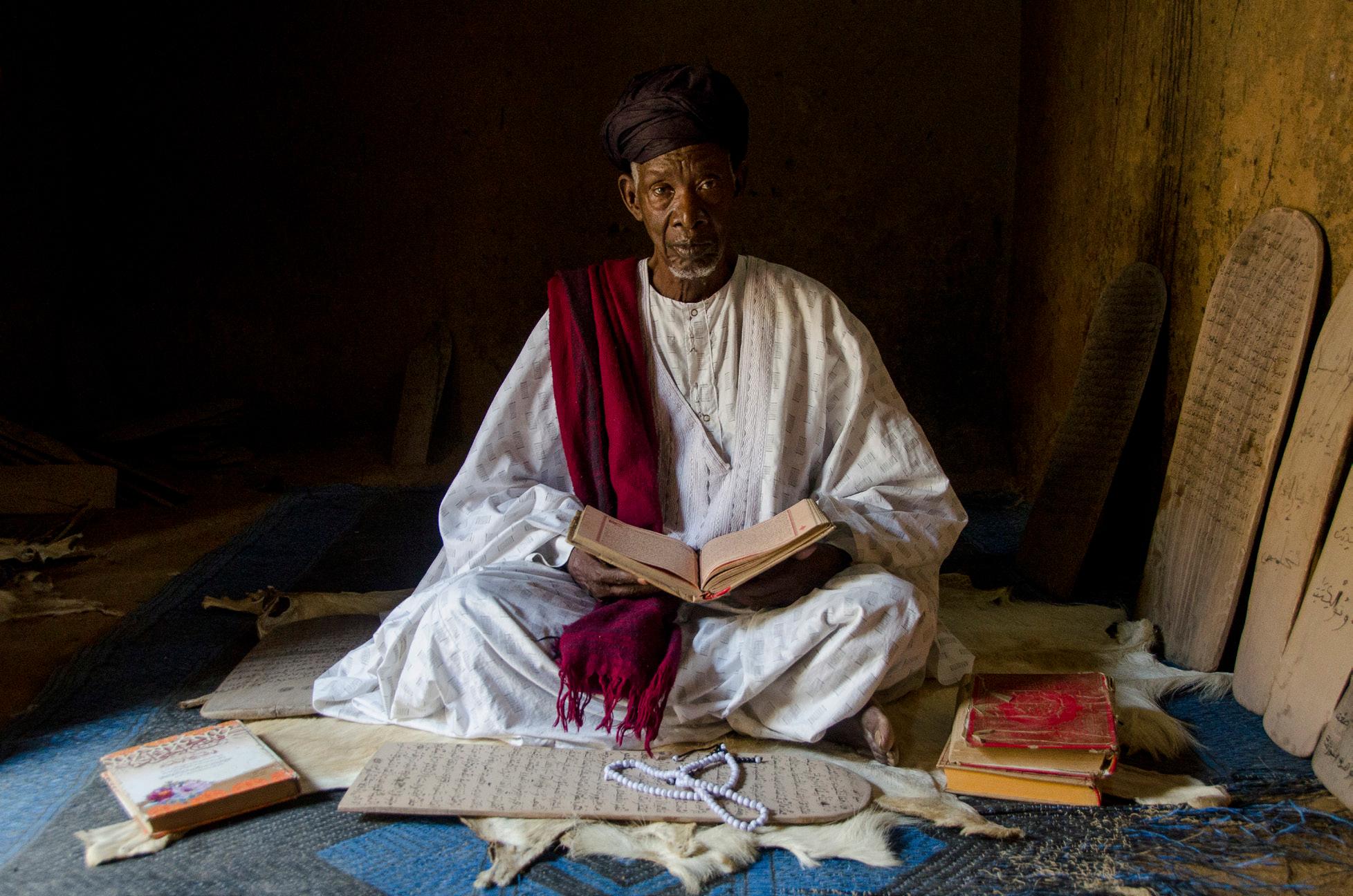
Plate 27 Souleymane Kontao, marabout et maître coranique. Djenné-Konofia (Souleymane Kontao, Marabout and Qur’anic Teacher. Djenné-Konofia). December 2018
Plate 28 Bamoye Gaba, marabout et maître coranique. Djenné-Banmana (Bamoye Gaba, Marabout and Qur’anic Teacher. DjennéBanmana). September 2019
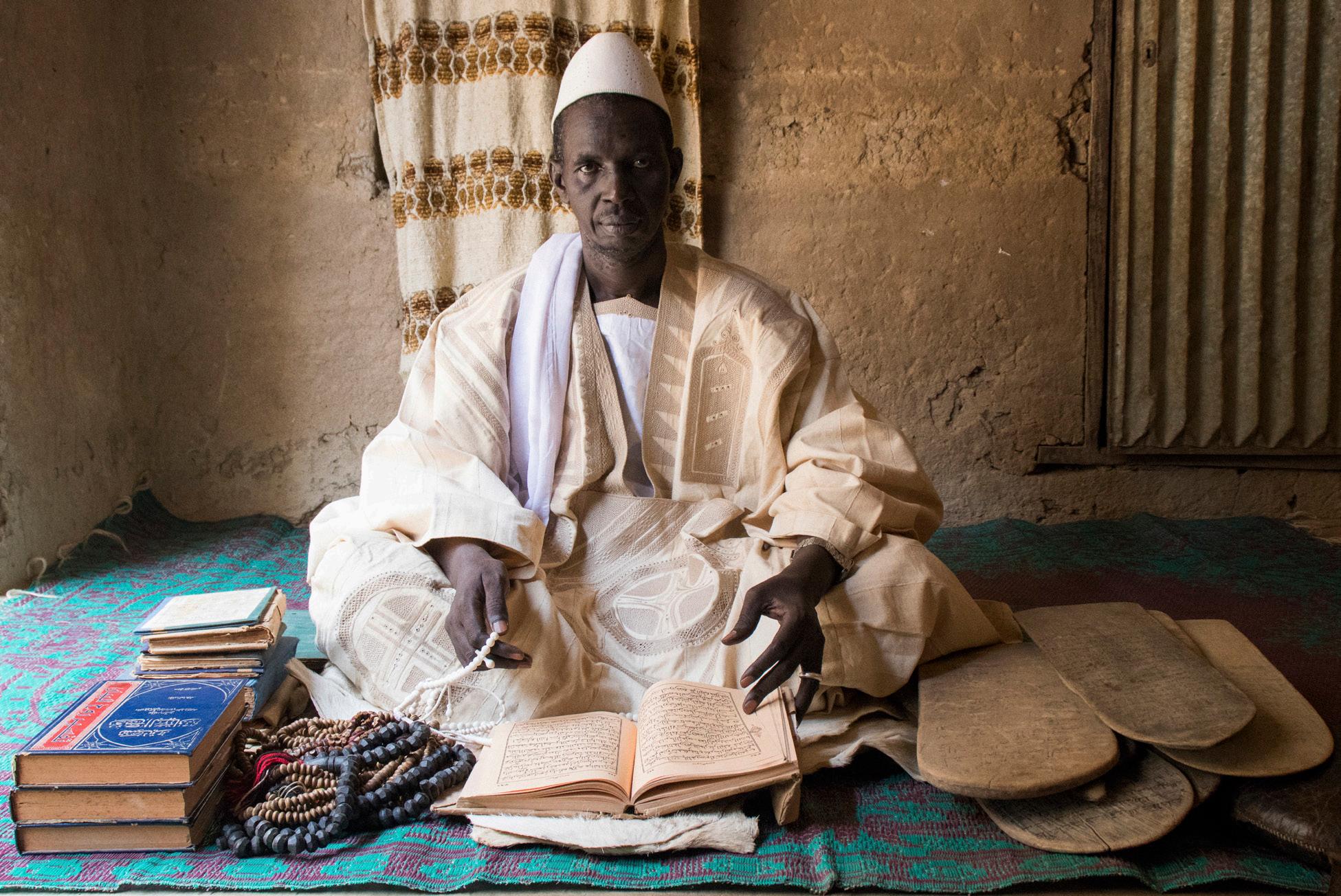
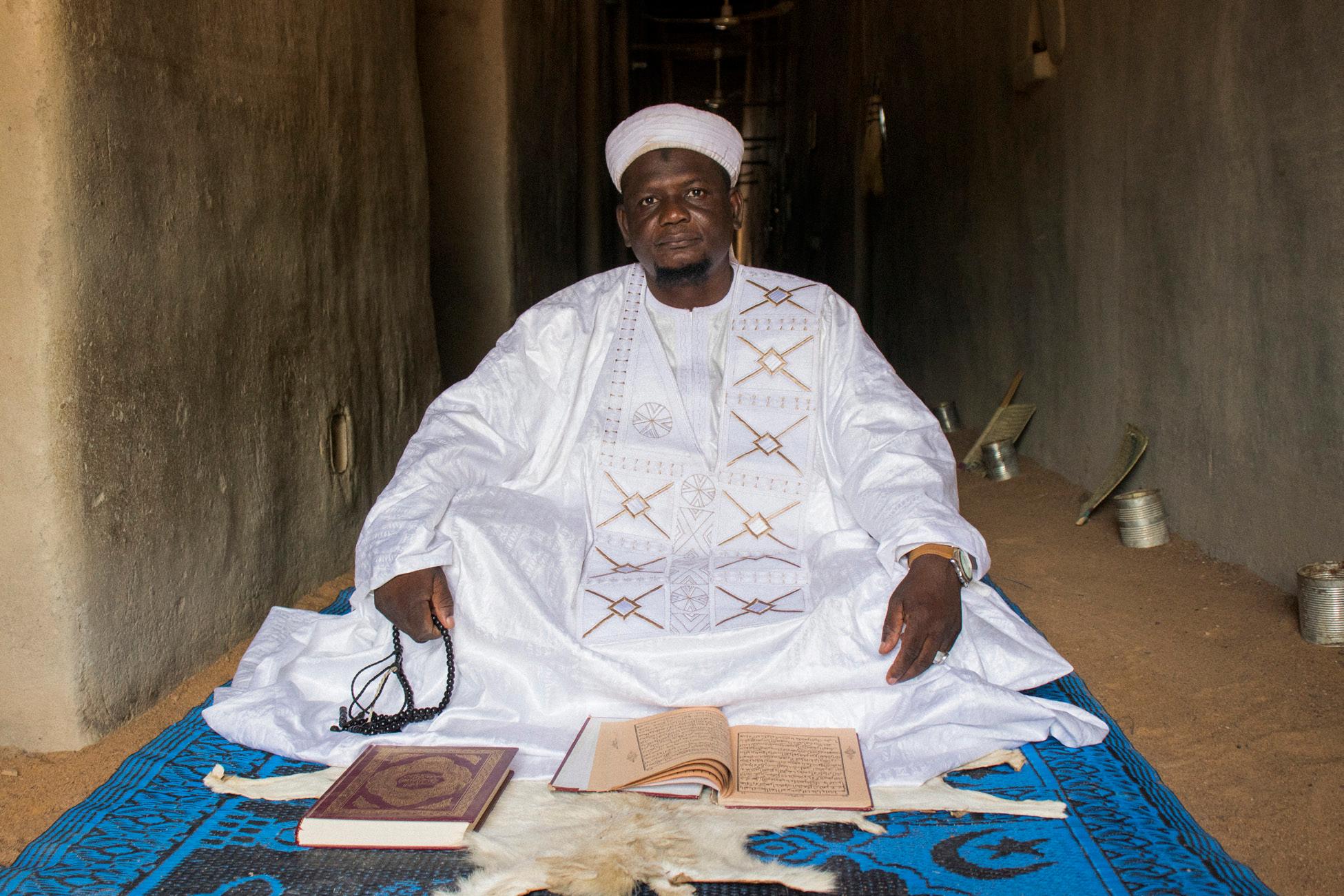
Plate 29 Issa Kanta, marabout et maître coranique. Djenné-Youboucaïna (Issa Kanta, Marabout and Qur’anic Teacher. DjennéYouboucaïna). August 2020
Plate 30 Abocar Traoré, marabout et maître coranique. Djenné-Djoboro (Abocar Traoré, Marabout and Qur’anic Teacher. Djenné Djoboro). August 2020
Recommended Reading
Archive of Malian Photography, https://amp.matrix.msu.edu/
Berzock, Kathleen Bickford, editor. Caravans of Gold, Fragments in Time: Art, Culture, and Exchange across Medieval Saharan Africa. Princeton: Block Museum of Art and Princeton Press, 2019.
Bourgeois, Jean-Louis. “The History of the Great Mosques of Djenné.” African Arts 20, no. 3 (May 1987): 54–63, 90–92.
Keller, Candace M. Imaging Culture: Photography in Mali, West Africa. Bloomington: Indiana University Press, 2021.
Marchand, Trevor H.J. The Masons of Djenné. Bloomington: Indiana University Press, 2009.
Mommersteeg, Geert. In the City of the Marabouts: Islamic Culture in West Africa. Long Grove, IL: Waveland Press, Inc., 2012.
Nimis, Érika. Photographs de Bamako de 1935 à nos jours. Paris: Revue Noire, 1998.
Paoletti, Giulia. “On Islam and Portraiture: Lithography, Glass Painting, and Photography in Senegal,” Art History 45, no. 4 (September 2022): 774–797, 778.
Ware, Rudolph T. The Walking Qur’an: Islamic Education, Embodied Knowledge, and History in West Africa. Chapel Hill: University of North Carolina Press, 2014.
This brochure is published in conjunction with the exhibition Hamdia Traore’s Des marabouts de Djenné and Muslim Portraiture in Mali.
The Mary and Leigh Block Museum of Art Northwestern University 40 Arts Circle Drive Evanston, IL 60208 blockmuseum.northwestern.edu
Confirmed Exhibition Venues:
Block Museum of Art, Northwestern University, February 4–June 14, 2026
Eli and Edythe Broad Art Museum, Michigan State University, January 23–July 3, 2027
Hamdia Traoré’s Des marabouts de Djenné and Muslim Portraiture in Mali is curated by Kathleen Bickford Berzock, Associate Director of Curatorial Affairs, The Block Museum of Art, Northwestern University, in collaboration with Dr. Candace M. Keller, Associate Professor, Art History & Visual Culture, Michigan State University. We are grateful to the Archive of Malian Photography (https://amp. matrix.msu.edu/), which provided digital scans of archival works. At The Block, the exhibition is supported by the Kadin/Spiegel Family Endowed Fund and a grant from the Illinois Arts Council. Thanks to Block Museum staff members Lindsay Bosch, Corinne Granof, Uche Okpa-Iroha, and Joe Scott for their assistance with aspects of this publication, Melanie Eckner for copy editing, and Ry Thiel for the publication’s design.