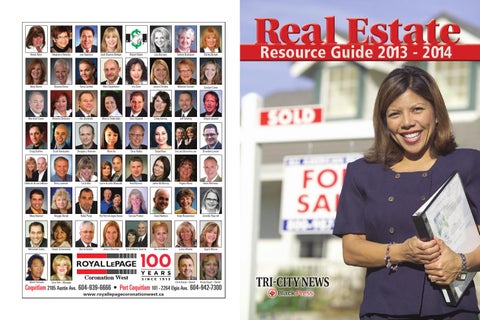
Alexis Allen
Alejandra Almeida
Joe Apolonia
Leah Baynes-Bettger
Robert Boies
Lisa Borsato
Valerie Brandson
Shirley Brown
Mary Burns
Shauna Burns
Tania Carlisle
Miro Ceperkovic
Iris Chen
Janice Christie
Marlene Cornish
Carolyn Cowe
Marchall Cowe
Rowena Delicana
Nic Dominelli
Marica Federation
Tony Filippelli
Cindy Gering
Jeff Golding
Wayne Goudal
Craig Guthrie
Scott Handyside
Douglas J Hansen
Wain Ho
Terry Hyska
Satpal Kaur
Brian Lamb & Marcela Neciu-Lamb
Brandon Larson
Deborah & Leo LeBlanc
Barry Leswick
Liz Lirette
Carrie & John Massullo
Rod McLeod
Jamie McMurray
Angela Mead
Kevin Morneau
Moez Noorani
Maggie Olynyk
Hafez Panju
Rob Petrin & Angela Reeves
Darcee Proden
David Reimers
Helen Roozendaal
Jennifer Roycroft
Mohamed Sabry
Naomi Schunselaar
Barrie Seaton
Janice Strachan
Kim & Marie Taverna
Ella Tumakova
Lorna Whalen
Sigrid Wilcox
Glenn Yamada
Cora Toth - Manager
Chris Kayat - Owner
Kristy Kayat - Owner
Coronation West
Coquitlam 2185 Austin Ave. 604-939-6666 • Port Coquitlam 101 - 2264 Elgin Ave. 604-942-7300 www.royallepagecoronationwest.ca
Resource Guide 2013 - 2014
Real Estate Resource Guide 2013 – Page 15
Page 2 – Real Estate Resource Guide 2013
Our Tri City experts at Sterling Realty can help make your dreams come true. Personal attention, from start to finish. From your initial consultation, to your final walk-through, our Tri City experts are here to guide you, every step of the way. From neighbourhoods to schools to mortgages, we've got the answers you need. We know this market. Let us help. Talk to one of our experts today. Visit us at: Office: 3137 St. John's St. Port Moody. Kiosk: Coquitlam Centre Upper level outside Sears. Web: www.psr.ca
Randy Ryalls
General Manager info@psr.ca 604-421-1010 http://www.psr.ca
3137 St. John's St. Port Moody, BC V3H 2C8 © 2013 BRER Affiliates LLC. An independently owned and operated broker member of BRER Affiliates LLC. Prudential, the Prudential logo and the Rock symbol are trademarks of The Prudential Insurance Company of America, registered in many jurisdictions worldwide. Used under license with no other affiliation with Prudential.
Real Estate Resource Guide 2013 – Page 3
O
1 L NLY EF T
NOWN OPE
<
Page 4 – Real Estate Resource Guide 2013
First time Homebuyer tips W
ith housing prices in the Lower Mainland among the steepest in Canada, it may seem like home ownership is a far-fetched dream for many in their 20s and 30s. But with interest rates near record lows, you may want to consider taking the plunge to purchase your first home—just make sure you do your research first. “Entering the housing market can be daunting,” says Trevor Goss, Personal Account Manager at Envision Financial’s Langley City branch. “There are so many factors to consider, from saving up for a down payment to figuring out how much you can afford, to understanding the hidden costs associated with home ownership. But with some careful planning, patience and research, home ownership may be a lot closer than people realize.” As with any big purchase, Goss advises that the first step in moving towards home ownership is to save for a down payment. While it may be tempting to take advantage of current low rates by putting down the minimum possible, Goss cautions that is not always the best solution. The larger the down payment you make, the smaller your mortgage will be and the less interest you’ll pay over the term of your mortgage. Goss suggests that you have a large savings goal like a down payment, you should start by paying yourself first. Before you spend any of your pay cheque, transfer a set amount of money into a savings account so you’re not tempted to spend the money. First-time home buyers can also take advantage of a onetime opportunity to withdraw up to $25,000 from their RSPs to finance their home purchase and use those funds to offset a down payment or to help with other closing costs. This means a couple can withdraw up to $50,000 to put towards their first home purchase. “You can also prepare for home ownership by meeting with your account manager for a financial check-up before you apply for a mortgage,” says Goss. “If you have existing debt, review your options to consolidate and extend the terms and lower your payments—which will also help you qualify for a larger mortgage. Having a lower payment allows you to use the extra money to make lump sum payments towards your existing debt to pay it down faster or direct the funds to save for your down payment. You’ll want to bring proof of your income with you - this will help your account manager determine what you can afford and is necessary to complete your mortgage application or preapproval.” According to Goss, it’s important to make sure you buy a home that you can actually afford—both now and in the future as interest rates begin to increase. An experienced account manager can also help
you with interest rate de-risking strategies to navigate through this unknown factor that affects every home owner. “I suggest sitting down with your account manager to review your financial plan and go through all the costs associated with owning a home to obtain a rough idea of what your total expenses will be,” advises Goss. “Once you have determined your estimated costs, save the equivalent amount from each pay cheque minus your current housing costs. This will help you understand what it will feel like to live at this new adjusted level. We all want to buy our dream home right away, but the last thing you want to do is get in over your head.” “As a rule of thumb, your monthly housing costs, which include your mortgage payments, property taxes, hydro, heating bills to strata fees, should not exceed 30-35% of your gross monthly income,” adds Goss. “Make sure you leave some extra cash to live life and to ensure you don’t feel overwhelmed with debt.” Beyond the initial purchase price of a home, there are many other costs people need to consider and factor into their budget such as inspections, appraisals and legal fees, tax adjustments, home insurance, mortgage protection insurance and preparing wills and power of attorneys. Goss also encourages people to educate themselves on mortgage basics, such as learning the difference between a fixed rate mortgage and a variable rate mortgage. While a fixed rate mortgage offers less flexibility, it is a great option for people who like security and want to know exactly how much interest and principal they’ll be paying throughout the duration of their mortgage. Variable rate mortgages fluctuate with the market and are often preferred by people who are willing to take a chance for possibly lower interest costs. “Make sure you get a formal mortgage pre-approval once you are within 90 days of your planned purchase,” comments Goss. “The pre-approval process will secure the mortgage rates for 90 days at a time so if interest rates rise while you’re looking for your new home, you’ll be protected.” “Buying your first home is both exciting and intimidating. There is a lot to learn and there are many big decisions involved,” says Goss. “Many credit unions, like Envision, will work with you to take the worry out of home financing and give you the information you need to make an informed decision and take that first step towards home ownership.” Courtesy of Envision Financial
Real Estate Resource Guide 2013 – Page 5
First time Homebuyer tips Buying or selling a property can be complicated no matter what type of property. It’s also a significant financial transaction. Therefore, it’s important to get the best help you can. Realtors® provide you with protection against misadventure and fraud. They stay current on information by participating in ongoing professional education programs. They make use of the MLS® property database to help you sell your property or find a new home. They have marketing and negotiating skills that will help you make the right purchasing or selling decision.
Buying a Home 1. Schedule a consultation to discuss what the buyer is looking for in a home. 2. The Realtor® may suggest buyers speak with a mortgage consultant to figure out their buying power and obtain a mortgage pre-approval letter. 3. The agent will then look up home listings in a particular price range and help the buyers to view the homes. 4. When buyers find a home, the real estate agent will help them come up with a fair market price and write up the contract to present to the seller. 5. The agent will help the buyer negotiate on the final price with the seller. 6. The agent may be present during a home inspection, which is recommended. 7. The agent will then schedule the home appraisal. 8. He or she will then confirm the closing and be present at closing with the buyer and the attorney, if necessary.
Who is your agent and what are their obligations? The real estate brokerage where your REALTOR®* is licensed is your agent. All real estate agents are licensed under the Real Estate Services Act. Your REALTOR® represents that brokerage and has legal obligations to you including, loyalty, confidentiality and disclosure. REALTORS® are legally obligated to: • Disclose their relationship with you and whether they have any relationship with the seller (if you are the buyer) or the buyer (if you are the seller) • Put your interests ahead of their own • Refrain from revealing your personal information unless you approve • Advise you of all pertinent information relating to a property, real estate contracts and their relationship with you before you make a decision • Obey all lawful instructions you give them • Account for all monies entrusted to them Note: While REALTORS® have agency (fiduciary) obligations of loyalty, disclosure and confidentiality to their clients, they do not have these same obligations to parties who are not clients. (However, REALTORS® must treat unrepresented parties fairly, as defined in the REALTOR® Code of Ethics.) Therefore, it is important to understand who is representing whom in a real estate transaction. *Real estate professionals who are members of a local real estate board and the Canadian Real Estate Association. Only these professionals can call themselves REALTORS®.
Selling a Home
Individuals buying or selling a home can certainly do it by themselves, but Realtors® have the knowledge and provide assistance through the myriad steps of the process, helping individuals to save time and money. Courtesy Real Estate Board of Greater Vancouver www.rebgv.org
Your Neighbourhood Realtor Since 1987 T E A M
1. The agent will meet with the sellers and evaluate the home and property. 2. He or she will do a market analysis to determine the best price to list the house based on the neighbourhood. 3. The agent may make suggestions for repairs or improvements that can help make the home more attractive to buyers. 4. The real estate agent may present a marketing plan that indicates where the home will be advertised. 5. He or she will write up a listing agreement and begin the process of marketing the home. 6. An open house for real estate brokers may be scheduled. 7. An open house for buyers will be scheduled. 8. The agent will field calls from other agents and notify the seller when a viewing request has been made. 9. Follow-up feedback can be offered, which may include information the agent receives by making calls to people who viewed the home or by tracking how many potential buyers viewed the home listing. 10. When an offer comes in, the agent will notify the sellers and advise them of the negotiation process. 11. The agent will be present during a home inspection. 12. The agent will likely be present at the home closing with the attorneys.
We’ve gone Social
GOLD MASTER MEDALLION CLUB
Looking for the latest information on the local real estate market? Want to be kept in-the-know on Tri-City events? Follow us and we will lead the way!
BLOG
www.rodandrhea.com
Call today for a Market Evaluation 604•941•3838
PAGE 6 – Real Estate Resource Guide 2013
What other costs are involved beyond the price of a home? Deciding to buy or sell a home is a milestone moment in anyone’s life – and also one of the largest financial transactions. That’s why it’s important to go into the process as knowing all of the costs involved in buying or selling a home beyond the asking price of the property. Here’s an overview of costs involved in buying and selling a home.
Buying costs
Mortgage application: Lenders may charge a mortgage application fee, which will vary depending on the lending institution. Mortgage insurance: The federal government requires high-ratio mortgages (with less than 20% down payment) to be insured against default. The cost ranges between 1.25 to 3.75 per cent of the mortgage amount which is added to the mortgage principal. Appraisal fees: Before your lender approves your mortgage, you may be required to have an appraisal done. Sometimes your lender will cover this cost, if not, you are responsible. The fee ranges and is typically as much as $300. Land survey fees: Lenders may require a survey of the property. Survey costs vary. Home inspection fees: A home inspection is a report on the condition of the home that can alert you to any potential issues such as structural and moisture problems, as well as electrical, plumbing, roofing and insulation. Fees can range from $500 - $700 depending on the size of the home and the complexity of the inspection. Some inspectors have surcharges for a secondary suite, a crawlspace, over even an older home. Goods and Services Tax (GST): Buyers of newly constructed homes must also pay the 5% GST on the sale price. There is a federal GST Rebate of up to 36% per cent of the GST for homes priced at less than
$450,000. The maximum rebate s $6,300. 2% BC Transition Tax: This is a new tax effective as of April 1, 2013. It applies to the sale of new residential homes that are 10% or more complete on April 1, 2013, with ownership or possession occurring on or after April 1, 2013 and before April 1, 2015. Property Transfer Tax: Payable at the time the property is registered at the Land Titles office. The rate is 1% per cent on the first $200,000 and 2% on the remainder. There is a rebate for qualifying first-time buyers of homes priced up to $425,000 and a proportional rebate for homes priced up to $450,000. The PTT on a $500,000 home is $8,000. Property taxes: Some lenders require property buyers to add property tax installments to monthly mortgage payments. Pre-paid property taxes or utility bills: A buyer typically is required to reimburse the seller for any prepayments. Mortgage life insurance: If your client(s) pass away, this type of insurance will pay off the balance owing on their mortgage. Fire and liability insurance: Most lenders require property buyers to carry fire and extended coverage insurance and liability insurance. Home insurance: Buyers with a mortgage will be required to buy home insurance. To be safe, make the insurance effective on the earlier of either the completion date or the date that you pay the balance of the funds in trust. Legal or Notary Public fees: Legal or notary public fees and expenses will likely apply to assist with drafting documents and ensuring the title of the home is transferred properly and without incident. Moving fees: Moving fees vary depending on the distance moved and whether professional movers do all of the packing. Rates vary.
Wain Ho Cel:
604-369-1891 Office: 604-939-6666
I speak English, Mandarin & Cantonese
John Grasty 778.878.0778
Coronation West
RealEstateEvolved.com
Real Estate Resource Guide 2013 – PAGE 7
Finding the truth about a property What’s not on the property title may be important In West Vancouver in 2007, on the advice of her REALTOR®, a property seller checked to see if there was an underground fuel storage tank on her property. There was and the seller had the tank removed and the contaminated soil remediated. The bill was $202,963.07. The seller had bought the property in 2001 without using the services of a REALTOR® and had been told by the previous owner that the tank had been removed or decommissioned. The seller sued the former property owned and won because the owner hadn’t disclosed the severity of the problem.(Note: a REALTOR® was not involved in the 2001 sale). What do these examples have in common? • In Richmond, an illegal drug lab in a rental home on a busy street resulted in a neighbourhood evacuation. • In Marpole, the owners of a non-profit theatre learned from a neighbouring business that the building they own is one of a dozen commercial sites sitting on a midden, the location of Aboriginal artifacts. None are registered on the property title. This means that current and future owners may not know about issues associated with their property that could affect its safety, ease of sale and ultimate value. What is registered on the property title? The legal description of a property, including: • the parcel identification (PID); • taxation authority; • registered owner and their address; • the title number; • the previous title number; • legal notations against the property (may include heritage); • charges, liens and interests (under-surface rights, rights of ways, covenants, judgments); • whether a duplicate title has been ordered and by whom, and • transfers and pending applications. What is not registered on title? • Archaeological sites. • Former grow ops and illegal drug labs. • Heritage designations (not always on title). • Highway entitlements. • Stigmatized property. • Streamside issues – if there are fish-bearing ditches or creeks on the property. • Underground fuel storage tanks. How can you discover the facts about a property? 1. Ask the owner. 2. Visit the local government (municipal) website where you will find a range of information, for example: • Richmond provides a road map of designated heritage buildings and homes, and includes photos. (Note: there is no available universal pub-
lic registry of homes previously used as grow ops and illegal drug labs.) • The City of Vancouver confirms if a property has been used as a grow op or illegal drug lab to anyone phoning 604.871.6231. The City does not provide the owner’s name in keeping with privacy legislation. • West Vancouver provides a list of properties known to have underground storage tanks. Visit: www.westvancouver.ca and search Fuel Storage Tank Program. Scroll to More Information and see Fuel/ Oil Tank Records Search. If you don’t find what you need online, phone your local government or go in person. Depending on the municipality, there may be comprehensive data. • There is a BC Heritage Sites Inventory. Information about its properties comes from local governments, so start there first. • Check the BC Archaeological Site Inventory at www.for.gov.bc.ca/archaeology/accessing_archaeological_data/index.htm.You can also phone: 250 953-3338. • Search the BC Government’s Contaminated Sites Registry which lists some contaminated sites. It is available through www.bconline.gov.bc.ca.(Go to Products). There is a charge to access the database.
How about new furniture with that mortgage?
Get up to 3% cash back with the CIBC Cash Back Mortgage. That’s thousands of extra dollars to make your house your home. See us before October 31, 2013, to take advantage of this mortgage offer. Talk to your local mobile CIBC Mortgage Advisor today. Lesia Verones 604 970-9559 1 866 810-9117 lesia.verones@cibc.com Language spoken: English
Jane Wedekind 604 306-8068 1 866 882-8188 jane.wedekind@cibc.com Language spoken: English
Cash back offer is available on a 5-year CIBC Variable Flex® mortgage loan or fixed-rate closed mortgage loans of 3-year terms or greater that fund the purchase of a mortgaged property. Cash back of 2% on CIBC Variable Flex Mortgages and on a fixed-rate closed mortgage of less than $400,000. Cash back of 3% on a fixed-rate closed mortgage of $400,000 or more. Minimum mortgage loan principal must be $75,000 on date of advance. Cash back is received 7-10 business days after closing and is repayable if mortgage loan is discharged, transferred or renewed before maturity date. Other conditions and restrictions apply. Speak to us for more details or visit cibc.com/cashback. Offer ends October 31, 2013. Offer may be changed or withdrawn at any time.
Page 8 – Real Estate Resource Guide 2013
10 Steps to Buying Your Home
10 Steps to Selling Your Home
1. Are you ready to buy? You should already have saved some of your down payment and should be good at managing debt like credit cards or loans. A mortgage is a financial responsibility that also requires constant upkeep. 2. Decide how much you can afford. Use this simple equation to consider what to expect after you’ve saved for your down payment. The cost of buying a home = one time costs (down payment, legal fees, inspection fees and taxes) + monthly costs (mortgage, utilities, maintenance, insurance and property taxes). 3. Decide what you want to buy. First decide where you want to live (urban, suburban, rural) and then decide which neighbourhood suits you best and what type of home (detached, attached or apartment) you want. Whether or not the property is new or resale may also affect your costs. 4. Find the right Realtor®. There are many ways to find a real estate agent; drive through neighbourhoods that interest you and jot down names, go to open houses, look at advertising, ask friends and family for referrals. Interview two or three and pick the one you like best. 5. See what’s out there. Realtors® run an incredible search tool called the Multiple Listings Service® (MLS®) which contains information on property listings. Your agent can send you listings that fit your criteria and together you can draw up a short list and visit them. 6. Sell your current home. 7. Add specialists to your team. Decide on a lender. A notary public or a lawyer will help you understand the many legal documents that come with buying your home. A home inspector can save you from unpleasant surprises when you move in. 8. Make an offer. Realtors® are expertly trained and will prepare your offer for you and explain any terminology you don’t understand. 9. Arrange a mortgage. There are banks, credit unions and other lenders available for you. Talk to your financial institution and call around to others. Ask friends or family for referrals. Realtors® are knowledgeable about mortgages and may refer you. 10. Close the deal and move in. Your offer has been accepted and your real estate agent and notary public or lawyer will do most of the closing work. Make sure you understand the conditions of the agreement that require immediate action on your part. Courtesy Real Estate Board of Greater Vancouver www.rebgv.org
1. Decide when to sell. In real estate, timing can influence your home’s selling price. Factors like how quickly you need to sell, whether it’s a buyers or sellers market and seasonality all play a role in your home’s final selling price. 2. Find a Realtor® who’s right for you. The agent who helped you buy your home is a good place to start. They already know your home and they know you, so you’ll be saving time right from the start. Or look for names on For Sale signs in your neighbourhood or ask friends or family. Make sure to interview candidates and choose the one you like best. 3. Sign a listing agreement. This authorizes your agent and their brokerage to market and sell your home. It will define the legal relationship between you and the real estate brokerage and also set a time limit for your agent to sell your home. 4. Determine your asking price. The right asking price will attract buyers and pay you a maximum return. Setting too low a price means you could miss out on thousands of dollars. Setting too high a price will scare away buyers. Your goal is to find fair market value. 5. Add specialists to your team. Similar to when you bought your home, it’s essential to have a notary public or lawyer handle all the documents that change hands and make sure your interests are protected. 6. Prepare your home for sale. Now is the time to see your home through a buyer’s eyes: get rid of clutter, clean and repair as much as you can, within reason. Remember, weigh the cost of all your home improvements versus the potential financial return. 7. Let your Realtor® do what they do. Your agent will begin to market your home. For Sale sign, open houses, newspaper ads, a listing on MLS®, the internet and of course through your agent’s relationship with other agents. 8. Prepare your finances. Will the buyer “assume” your mortgage or are you “discharging” it. If you’re buying a new home, is your mortgage “portable”? What taxes are involved? These are important questions to ask your agent, your lender and your notary public or lawyer. 9. Receive an offer. Although Realtors® will walk you through the process, be prepared for some stress. You will see every offer since it’s required that you see every offer submitted. You will have three options: accept, reject or counter offer. 10. Close the deal. You were successful and have drafted a legally binding agreement. Contact your lawyer or notary public, your lending institution and consult your Realtor®. Immediately start satisfying any conditions of the agreement that require action on your part. On closing day, your lawyer or notary public will finalize all the details and give you a cheque for the net proceeds. Courtesy Real Estate Board of Greater Vancouver www.rebgv.org
ka
Creeks ide St.
Real Estate Resource Guide 2013 – Page 9
Ka
112 Ave
ay W
To Dewdney Trunk Rd
na
238 St
eek
110 Ave
Buc kerf ield Harr Dr is D r
Green Space
110 Ave
FALCON HOMES at
a nak Ka
re
C
Kanaka Creek Regional Park
ek
Rd
240 St.
WYNNRIDGE
109 Ave
Kanaka Cre ek
To Lougheed Hwy
Page 10 – Real Estate Resource Guide 2013
Home Checklist
Before you start looking for a new house, take a moment to figure out what you need or want. This will help your real estate agent narrow down the right houses to show you.
Exterior
Want
Need
Interior
Large lot and yard
Two bedroom
Low maintenance yard
Three bedroom
Single family detached home
Four bedroom
Basement suite
One bathroom
Town home
Two bathrooms
Condominium
Closet in entry
One story
Fireplace in living room
Two stories
Separate family room
Fenced back yard
Eat in kitchen
Deck or patio area
Island kitchen
Attached garage
Kitchen appliances with purchase
Private driveway
Laundry room
Aluminum siding
Master bedroom ensuite
Wood siding
Large windows
Brick exterior
Basement
Want
Need
House Hunting Checklist Buyers may look at dozens of houses before finding the right one. Here’s a checklist to guide you through the things to consider when house hunting. Keep notes on each house you see so you can compare.
Backyard privacy:______________________________________
Location:______________________________________________
Windows type & condition:_____________________________
Address:______________________________________________
Interior:_______________________________________________
Asking price:__________________________________________
Room sizes:___________________________________________
Annual property taxes:_________________________________
Number of bedrooms: _________________________________
Type of house:_________________________________________
Number of bathrooms: ________________________________
Neighbourhood type:__________________________________
Kitchen cabinet type & quantity:________________________
Neighbourhood condition:______________________________
Countertops type & condition:__________________________
Zoning restrictions:____________________________________
Floors type & condition:________________________________
Proximity to schools:___________________________________
Wall colours & condition:_______________________________
Proximity to main roads:_______________________________
Fireplace/wood burning stove:__________________________
Exterior:______________________________________________
Basement description:_________________________________
Lot size & shape:_______________________________________
Electrical wiring & outlets:______________________________
Size & condition of front & back yards:__________________
Lighting fixtures:______________________________________
Number of stories:_____________________________________
Plumbing condition:___________________________________
Driveway:_____________________________________________
Heating type & condition:______________________________
Siding type & condition:________________________________
Hot water heater age & condition:_______________________
Overall condition of exterior:___________________________
Appliances:___________________________________________
Garage type & size: ____________________________________
Insulation:_____________________________________________
Patio/deck type & condition: ____________________________ Roof type & condition:_________________________________
Real Estate Resource Guide 2013 – PAGE 11
Financing your home When you’re looking to buy a home, it’s important to understand the steps for getting a mortgage.
Mortgage terminology
Before approaching lenders, you should get to know some basic mortgage concepts. You can start by visiting the Glossary section and read up on mortgage-related terms.
Get pre-approved
Pre-approval of a mortgage is when your lender has reviewed all your financial information and has determined the maximum amount of money you can borrow. The advantages include that you: • Know how much you can borrow, so you don’t waste time looking at properties you can’t afford • Don’t have to worry about rising interst rates while shopping for a home, as usually the mortgage borker will guarentee the current interest rate for 60 to 90 days • Have an edge when you make an offer, because the seller knows you’re more likely to get a loan • Save time when you apply for your loan because you’ve already assembled your paperwork
Where to get pre-approved
Many banks and financial institutions are competing for your business so it makes sense to shop around for a mortgage. Most lenders will reduce their posted interest rate so don’t be shy about bargaining. Your ability to bargain for a low rate and a flexible mortgage will often depend on how much business you have with the institution. You can contact banks and credit unions directly, or work with a mortgage broker. A broker will help you find a lender and the best mortgage package. Once you have selected your lender, you will need to provide your financial information. Your lender will want the following: • Personal information such as number of dependents and marital status • Details of employment, including a letter from your employer verifying your salary • Banking and investment information • Details of your assets (i.e.- a car, other property) • Information on loans and other liabilities • Permission to do a credit check After your application is complete, you will know how much you can borrow and you will be ready to start searching for a home.
• By shortening your loan repayment or amortization period to 20 years from 25 years, you’ll pay your mortgage off five years sooner. • You’ll pay higher monthly payments, but you’ll build equity faster and you’ll pay less in interest over the long term. • Apply for a prepayment option. If you receive one, you can directly pay down some of your principal before it’s due. Make sure to check for prepayment penalties. • By paying biweekly instead of monthly, you’ll make 26 payments in a year or 13 months instead of just 12 months and reduce your amortization to about 20 years from 25 years. • Mortgage calculator
Example:
Home price: Mortgage Monthly payments Total Interest Total cost
$472,800 (MLS® HPI price of a townhome in Greater Vancouver as of March 1, 2012) $47,280 - 10% down payment $425,520 $2,013.54 (2.99% amortized over 25 years) $178,540.14 $604,060.14
With Accelerated Biweekly payments Total Interest Total Cost Interest Savings
$1,006.77 (2.99% amortized over 25 years) $156,606.94 $582,126.94 $21,933.20
Mortgage payment tips
Whether you’re a first-time buyer or you’ve decided to refinance your home, consider the following money-saving steps when calculating your mortgage payments:
M O U L D I N G
DOORS
Windsor Plywood Your friendly home improvement store... 2700 Barnet Hwy., Coquitlam
(604) 941-1768 • www.windsor-plywood.com
F L O O R I N G
25 Years of Professional Real Estate
• RE/MAX Awards • Hall of Fame • Lifetime Achievement • MLS Diamond Master Medallion
Serving Greater Vancouver and Lower Mainland All Points Realty
RESIDENTIAL – COMMERCIAL
Call Now!
LARRIE FORBES 604-936-0422
forbesfocus@gmail.com
PAGE 12 – Real Estate Resource Guide 2013
Determining the authenticity of heritage homes in Greater Vancouver Browse through real estate listings and you’ll see many homes described as ‘heritage’, typically built in the 1930s or earlier. But according to REALTORS® who specialize in older homes, the term ‘heritage’ is often misunderstood. If a home is more than about 60 years old, home owners may refer to it as ‘heritage,’ regardless of how well it has been preserved or how much it has been altered over the years. Heritage is not just about age, it’s about authenticity. The real value is in a home that has retained its original character, inside and out, as well as its importance in the overall history of a place.
Municipal heritage registers and inventories
Most Lower Mainland municipalities have an official Heritage Register which includes homes that have been designated as heritage by a team of historians and city planners. The Register lists buildings of special historical importance, along with those that best represent certain architectural styles. Municipalities may also designate areas as heritage zones or neighbourhoods. Municipalities may also keep an inventory of heritage buildings which are considered important to the history of a place, but are not yet designated as heritage. Anmore heritage is covered under their zoning bylaw; Belcarra, Gibsons and Whistler are each covered in their Official Community Plans. Sechelt doesn’t have a heritage bylaw.
Categories and classifications
In municipalities with an official Heritage Register, buildings are categorized based on their historical importance, such as Vancouver’s A, B, and C classes, or North Vancouver’s Primary, Secondary, and Supplemental classes. These classifications reflect the building’s level of protection against future alteration or demolition. In most municipalities, homes in the highest heritage category cannot be altered without municipal approval. Typically, homes in the lesser categories can be altered after the owners meet with municipal Heritage Planning staff to discuss ways of preserving the home’s exterior character.
Provincial heritage conservation
The BC Heritage Conservation Act protects archaeological sites on private land, without requiring formal designation. This means that property owners who find evidence of an archaeological site on their property must pay for further investigation. An archaeological site is a location with evidence of past human activity including stone carvings, remains of ancient houses, campsites or middens. The province has more than 21,000 records of sites and objects in the provincial Heritage Registry. Only a few thousand Lower Mainland homes are on city Heritage Registers, but many other older homes can legitimately be called ‘heritage’ if they retain their original features. When looking to buy a heritage home, REALTORS® may suggest looking for one that has not been extensively remodelled, for example, where walls and windows have not been moved. The key is for buyers to educate themselves about the period and style of the home they’re looking for, and to develop an eye for authentic details. Buyers should also perform due diligence to find out the history of a property.
Ten questions to ask your realtor If you have decided to sell your home, and you’re looking for a REALTOR® here are questions to help you decide who will best fit your needs. • How long have you been a REALTOR®? A new REALTOR® can do a wonderful job and will have up-to-date training. Those in the business longer bring practical experience to the table. • What is your average list-to-sales ratio? A good REALTOR® should hold a track record for how many properties they have listed compared to how many they have sold within a given time period. In a good market, there would be about six sales for every 10 listings. In a poor market, there would be about four sales for every 10 listings. • How will your marketing plan meet my needs? Specifically, how will you sell my home? Where and how often will you advertise? Do you have sample flyer, advertisements, and web copy? • Will you provide references? Ask if you can talk to past clients. Then follow up and talk to them. • What separates you from your competition? Key phrases to listen for: assertive, available by phone or e-mail, analytical, able to maintain a good sense of humour under trying circumstances. • May I review documents that I will be asked to sign? A good REALTOR® makes forms available to you before you are required to sign them. Ask to see agency disclosure, listing agreement, seller disclosure forms. • How will you help me find other professionals? Ask for a written list of referring vendors. Get an explanation if you see the term “affiliated.” It could mean the REALTOR® is getting compensation from vendors. • How much do you charge? You don’t have to ask if the fee is negotiable, since all real estate fees are negotiated. • What kind of guarantee do you offer? If you sign a listing agreement with the REALTOR® and later find that you are unhappy with the arrangement, will the REALTOR® let you cancel the agreement? • What haven’t I asked you that I need to know? Pay close attention to how the REALTOR® answers this question, because there is always something you need to know.
Ten questions to ask a strata orporation 1 What bylaws and restrictions govern the property? Are there grandfathered clauses? 2 What is the date of the last depreciation report? Is a copy available? 3 Have engineering reports been done on the strata and are reports available? 4 How much is in the contingency reserve fund? How are funds invested? 5 How much are the monthly strata fees and what do they cover, for example, common area maintenance, recreational facilities, garbage collection, hot water, heat, cable? 6 What repairs have been made in the last decade, for example, major plumbing, roof, windows? 7 Have there been special assessments in the past five years? What did they cover and what was the cost per unit? 8 What percentage of units are owner occupied? What percentage are rental units? 9 Is there pending litigation, for example, for leaky condominium repairs? 10 What is the deductable on an individual unit?
Grant for new secondary or recreational homes available If you buy a new or substantially renovated secondary or recreational home in BC, but outside of Greater Vancouver or Victoria, before April 1, 2013, you may qualify for a provincial grant for the Harmonized Sales Tax (HST). The grant for new secondary or recreational housing is directly administered by the BC Ministry of Finance. This grant should not be confused with the BC New Housing Rebate available for new residential homes bought as a primary residence, and administered by Canada Revenue Agency (CRA). The grant for new secondary or recreation housing is 71.43% of the provincial portion of the HST paid on the new home up to a maximum rebate of $42,500. Secondary or recreational homes priced at $850,000 or more are eligible for a flat grant of $42,500. Eligibilty - secondary or recreational home • a new home (detached, semi-detached, duplex, condominium, townhome) constructed or substantially renovated (more than 90%) together with land bought from a builder; • a new home together with leased land; • a new mobile home or float home; • a new home bought through shares in a housing cooperative; or • a new home constructed or substantially renovated (more than 90%) by the owner builder. Eligibility - buyers • the HST was paid on or after April 1, 2012 and before April 1, 2013 on the purchase of a new or substantially renovated house, or to build or substantially renovate a house; • the buyer or a family member will use the house as a secondary or recreational residence; • the home is located outside the Capital Regional District and the Greater Vancouver Regional District; • the buyer (or any other co-owners) or family are the first occupants of the home, or in the case of a substantial renovation, are the first occupants after the renovation; and • the home will not be used for commercial purposes (vacation rentals, bed and breakfast, small business) by an owner who is an HST registrant claiming input tax credits for some or all of the HST paid on the home. In addition to the general qualifications above, buyers must meet other conditions depending on the type of home and whether the client buys or builds the house alone or with others. For example, if two or more individuals buy a new secondary or recreational home, or build or substantially renovate a home, each buyer must meet all eligibility conditions, but only one may apply for the grant as the claimant. You do not have to be a BC resident to be eligible for the grant. Buyers of secondary or recreational homes must complete an application form and provide supporting documents within six months from the date the HST was paid and before October 1, 2013 (whichever date is earliest). Learn more Call 1-877-388-4440 or visit www.fin.gov.bc.ca/rev.htm and in the search box type in HST Notice #13. For application forms, in the search box type in grant new secondary residence.
Real Estate Resource Guide 2013 – PAGE 13
Glossary of terms
Amortization – The number of years it takes to repay the entire amount of a mortgage. Appraisal – An estimate of a property’s market value, used by lenders in determining the amount of the mortgage. Appreciation – The increase of a property’s value over time. Assessment – The value of a property, set by the local municipality, for the purposes of calculating property tax. Assumable Mortgage – A mortgage help on a property by the seller that can be taken over by the buyer, who then accepts responsibility for making the mortgage payments. Closed Mortgage – A mortgage that cannot be prepaid, renegotiated or refinanced during its term. Closing Costs – Expenses in addition to the purchase price for buying and selling a property. Closing Date – The date on which the title and keys to the property are transferred from the seller to the buyer, and the money is paid. Conventional Mortgage – A mortgage loan that does not exceed 80% of the lending value of the property. Counteroffer – One party’s written response to the other party’s offer during the negotiation of a real estate purchase between buyer and seller. Credit Report – A snapshot of your credit history and one of the main tools lenders use to decide whether or not to give you credit. Credit Score – A numeric rating that is a reflection of your financial health at a specific point in time indicaing the risk you represent to lenders. Debt Service Ration – The percentage of a borrower’s gross income that can be used for housing costs, including mortgage payment and taxes. Deposit – A payment made when you make an Offer to Purchase to show that you are a serious buyer. The deposit will form part of your
Continued on next page
Page 14 – Real Estate Resource Guide 2013
Continued from previous page down payment. Down Payment – The part of the purchase price of a property that the buyer pays in cash and does not finance with a mortgage. Equity – The difference between the price for which a property can be sold and the mortgage on the property. - A mortgage for which the interest rate does not change for the length of the mortgage term. Foreclosure – A legal process by which the lender takes possession and ownership of a property when the borrower doesn’t meet the mortgage obligations. Gross Debt Service Ratio – A general rule is that your housing costs (mortgage payments, taxes, heating) should not be more than 32% of your gross monthly income. High Ratio Mortgage – A mortgage that exceeds 80% of the loanto-value ratio; must be insured by either the Canada Mortgage and Housing Corporation or a private insurer to protect the lender against default by the borrower who has less equity invested in the property. Interest – The cost of borrowing money. Interest Rate – The return the lender receives for advancing the mortgage funds required by the borrower to purchase a property. Joint Tenancy – A form of ownership in which two or more individuals (often spouses) have an equal share in he ownership of a property. Lien – Any legal claim against a property, filed to ensure payment of a debt. Listing Agreement – The contract between the listing broker and an owner, authorizing the REALTOR® to facilitate the sale or lease of a property. Listing Broker – The REALTOR® who signs a contract with an owner to sell the property Mortgage – A contract between a borrower and a lender. The borrower pledges a property as security to guarantee repayment of the mortgage debt.
Mortgage Broker – A person or company having contacts with financial institutions or individuals wishing to invest in mortgages. Mortgage Default Insurance – Government-backed or privatelybacked insurance protecting the lender against the borrower’s default on their mortgage. Mortgage Payment – The regular installments made towards paying back the principal and interest on a mortgage. Mortgage Term – The length of time a lender will loan mortgage funds to a borrower. Most run from six months to five years, after which the borrower can repay the balance of the mortgage or renegotiate the mortgage for another term. Open Mortgage – A mortgage that can be prepaid or renegotiated at any time and in any amount without penalty. Pre-approved Mortgage – Tentatively approved by a financial institution for a specified amount, interest rate and monthly payment. Principal – The mortgage amount initially borrowed, or the portion still owing on the mortgage. Interest is calculated on the principal amount. Term – The period of time your mortgage agreement will be in effect. At the end of the term, you either pay off the mortgage in full, renew it or renegotiate it. Title Insurance – A lender, lawyer or notary may suggest you get insurance covering the loss caused by defects of title to the property. Title Search – A detailed examination of the ownership documents to ensure there are no liens or other encumbrances on the property and no questions regarding the seller’s ownership claim. Total Debt Service Ratio – The maximum percentage of a borrower’s income that a lender will consider for all debt repayment including a mortgage. Variable Rate Mortgage – A mortgage for which payments are fixed, but whose interest rate changes in relationship to fluctuating market interest rates. If rates go up, a larger portion of the payment goes to interest. If rates go down, a larger portion of the payment is applied to the principal.
CANADA’S MORTGAGE EXPERT - Serving You Locally
Best Selling Author
Call us about upcoming seminar dates
www.peterkinch.com | 604.939.8326
Real Estate Resource Guide 2013 – Page 15
Page 2 – Real Estate Resource Guide 2013
Our Tri City experts at Sterling Realty can help make your dreams come true. Personal attention, from start to finish. From your initial consultation, to your final walk-through, our Tri City experts are here to guide you, every step of the way. From neighbourhoods to schools to mortgages, we've got the answers you need. We know this market. Let us help. Talk to one of our experts today. Visit us at: Office: 3137 St. John's St. Port Moody. Kiosk: Coquitlam Centre Upper level outside Sears. Web: www.psr.ca
Randy Ryalls
General Manager info@psr.ca 604-421-1010 http://www.psr.ca
3137 St. John's St. Port Moody, BC V3H 2C8 © 2013 BRER Affiliates LLC. An independently owned and operated broker member of BRER Affiliates LLC. Prudential, the Prudential logo and the Rock symbol are trademarks of The Prudential Insurance Company of America, registered in many jurisdictions worldwide. Used under license with no other affiliation with Prudential.
Alexis Allen
Alejandra Almeida
Joe Apolonia
Leah Baynes-Bettger
Robert Boies
Lisa Borsato
Valerie Brandson
Shirley Brown
Mary Burns
Shauna Burns
Tania Carlisle
Miro Ceperkovic
Iris Chen
Janice Christie
Marlene Cornish
Carolyn Cowe
Marchall Cowe
Rowena Delicana
Nic Dominelli
Marica Federation
Tony Filippelli
Cindy Gering
Jeff Golding
Wayne Goudal
Craig Guthrie
Scott Handyside
Douglas J Hansen
Wain Ho
Terry Hyska
Satpal Kaur
Brian Lamb & Marcela Neciu-Lamb
Brandon Larson
Deborah & Leo LeBlanc
Barry Leswick
Liz Lirette
Carrie & John Massullo
Rod McLeod
Jamie McMurray
Angela Mead
Kevin Morneau
Moez Noorani
Maggie Olynyk
Hafez Panju
Rob Petrin & Angela Reeves
Darcee Proden
David Reimers
Helen Roozendaal
Jennifer Roycroft
Mohamed Sabry
Naomi Schunselaar
Barrie Seaton
Janice Strachan
Kim & Marie Taverna
Ella Tumakova
Lorna Whalen
Sigrid Wilcox
Glenn Yamada
Cora Toth - Manager
Chris Kayat - Owner
Kristy Kayat - Owner
Coronation West
Coquitlam 2185 Austin Ave. 604-939-6666 • Port Coquitlam 101 - 2264 Elgin Ave. 604-942-7300 www.royallepagecoronationwest.ca
Resource Guide 2013 - 2014