














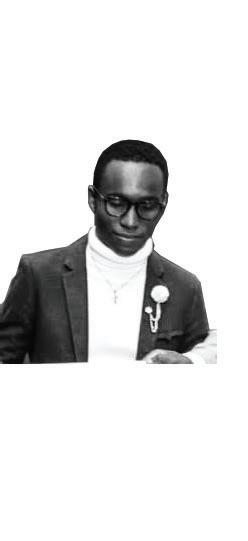
A young energetic Graduate architect eager to explore the highest levels of art and architecture. A promoter of traditional architecture as an important tool of identity and rational building that represent variety of culture and art all over the world. I am easy-going, passionate and always curious to explore new ways of doing and understanding.
Contact: nziokapeter20@gmail.com pnzioka4@nd.edu
instagram: nzioka ngau
Becoming an architect is not just a career choice; it is a calling fueled by a deep seated passion for creativity, innovation and the tranformative power of design. From the magestic cities to the intimate sanctuaries of personal homes; architecture shapes the way humans live, work and experience being alive.
Traditional architecture is more than just buildings, it is a manifestation of culture, history, faith and societal ambitions. Each structure tells a story, of the history, the present or the future of its creators. To me, being an architect means respecting, embracing this narrative and channeling it into spaces that are functional, graceful and inspiring to their inhabitants.
The very opportunity of leaving behind a built legacy that not only stands the test of time but also elevates the human experience; whether through fostering sustainable practices, promoting social equity, or celebrating cultural diversity through design inspires my passion in this art.
It is this profound sense of purpose and responsibility that drives me foward on my path to becoming a successful architect.



Grad school projects
1. Southbend Townhall - Indiana
2. Utrecht Grand Hotel - Netherlands
3. SouthBend Urban Regeneration - Indiana
4. Bastogi Community Regeneration - Italy
Collaborations
5. ISKR International shool - Kigali
6. Martin residence - Kenya
7. NCI Grace church - Kenya
8. Dean’s Charrette - Laporte, IN
9. Dean’s Charrette - Mishawaka, IN
Awards
• Habitat for Humanity
• Climate Resilient classroom model
Instructor: Prof. S. Salden
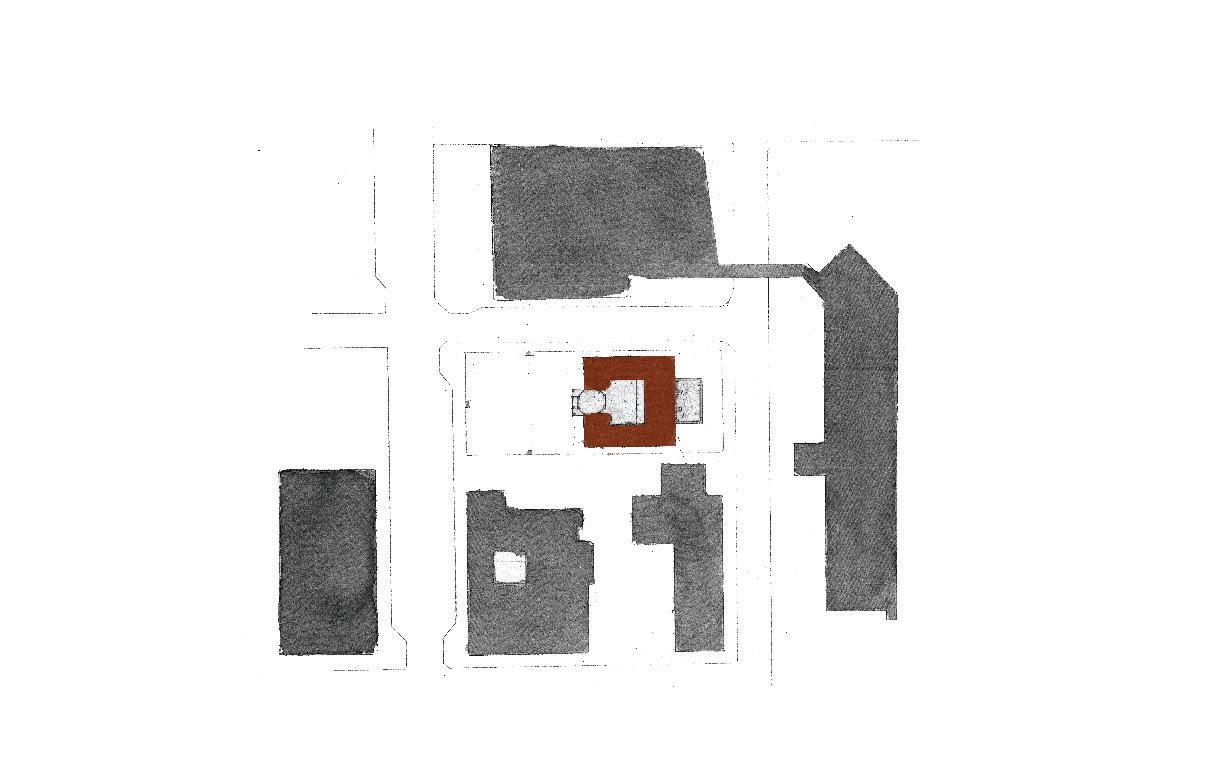
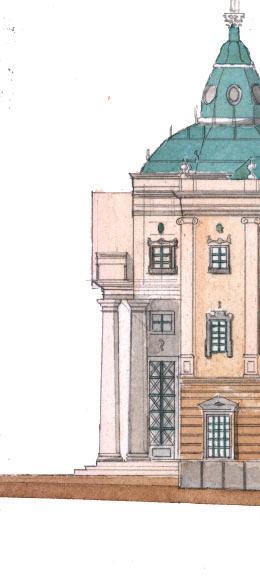
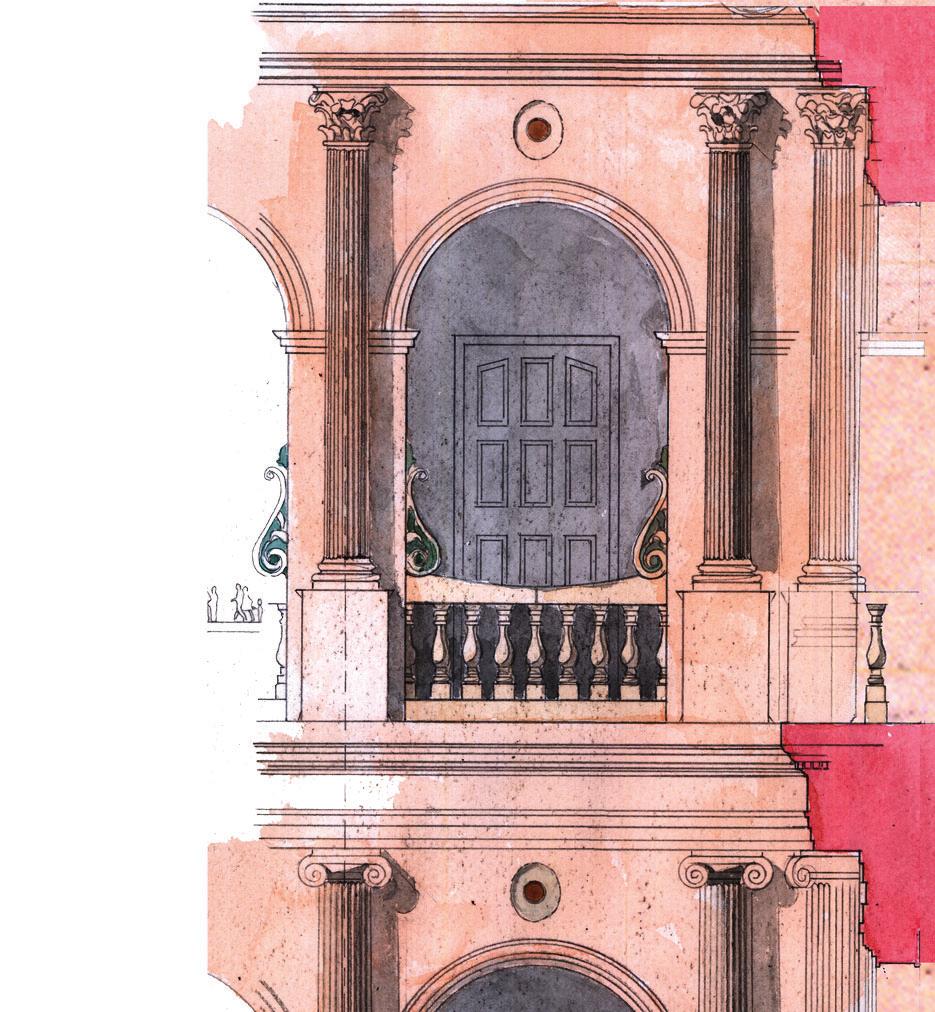
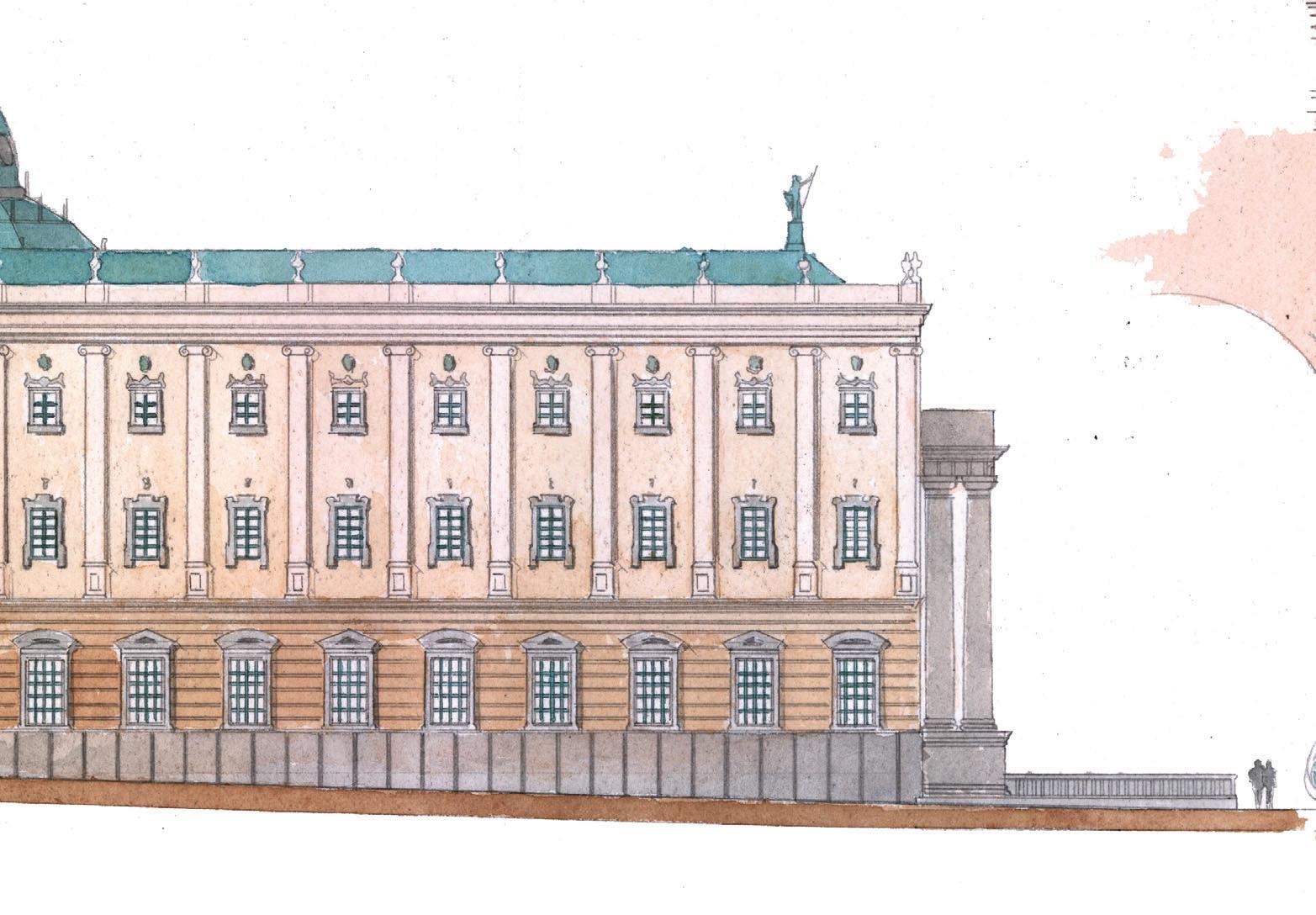
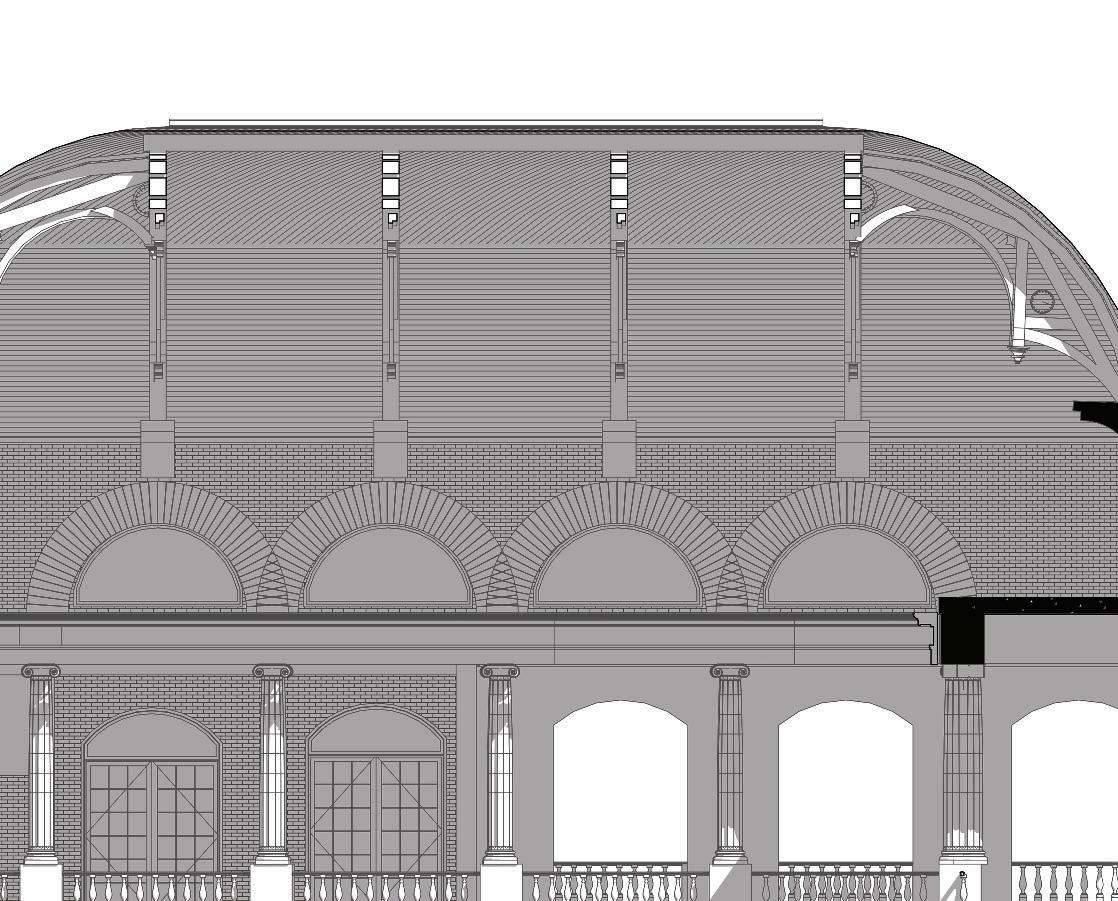
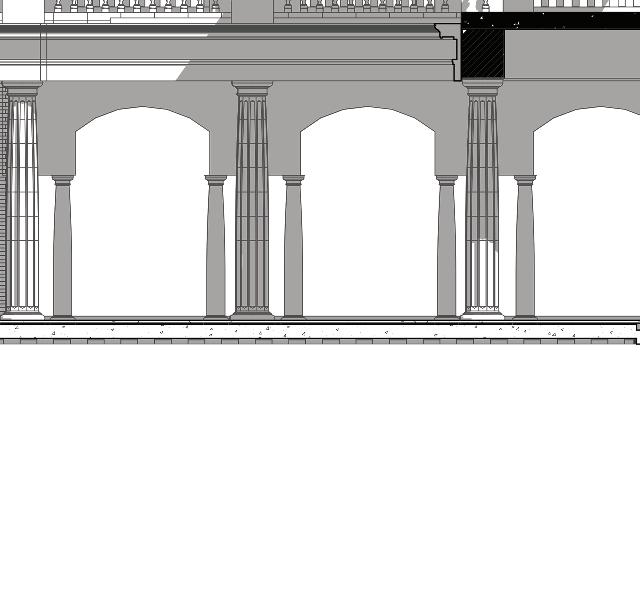
SOuthBend townhall proposed to be built in downtown Southbend, opposite Museum of art. The building entails office buildings and a town meeting hall. The indoor coutyard provides natural light into interiors. The water fountain works on southside mimic a scaled town version of trevi fountain. This sets pace for the building as a civic destination in Southbend.
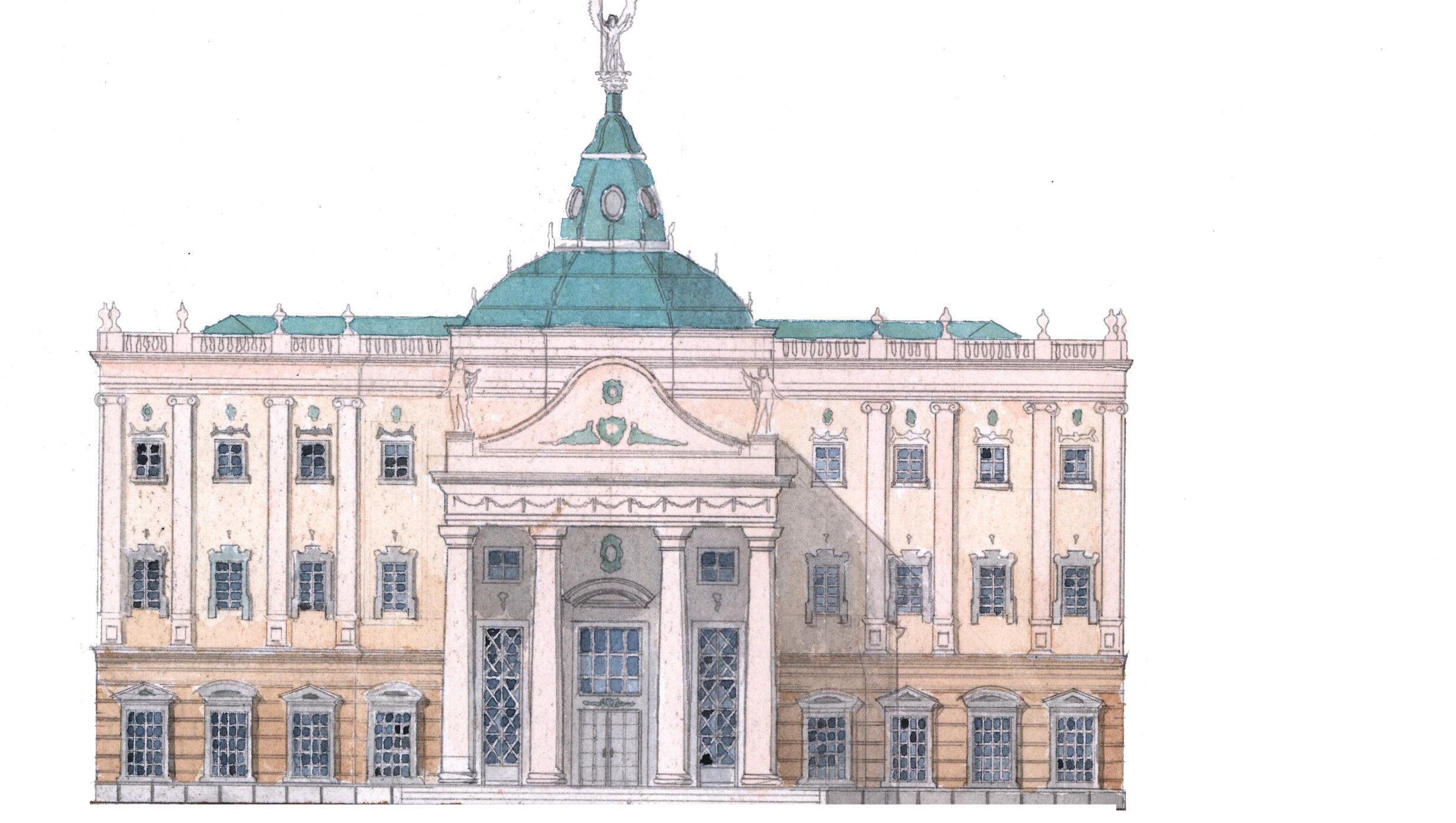
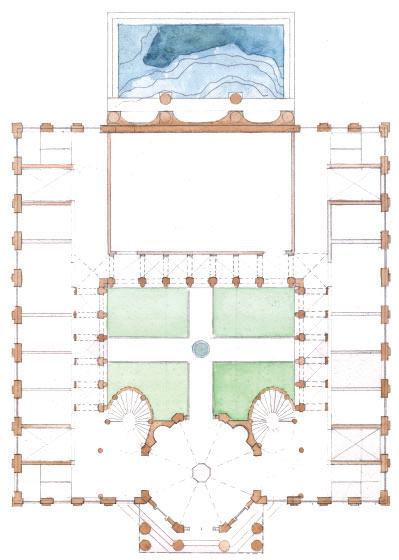

The Indoor courtyard entails a 3- level arcuated bay with ascending orders of capitals. The Front Porche leads into an circular atrium that distributes movement to other spaces.
The indoor courtyard creates a stoa around the garden allowing for passive ventilation, lighting and cooled atmosphere during hot summers



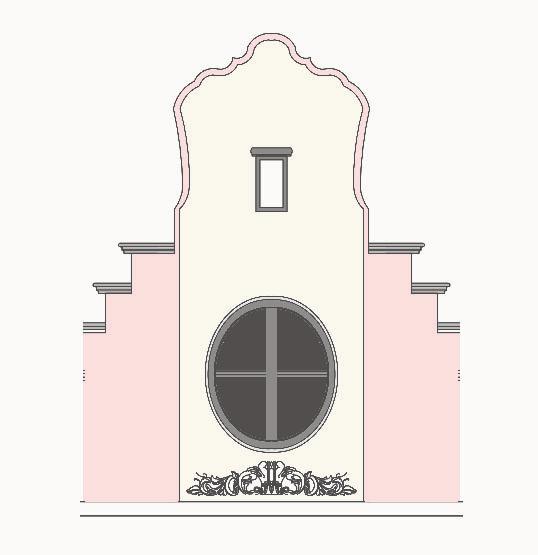
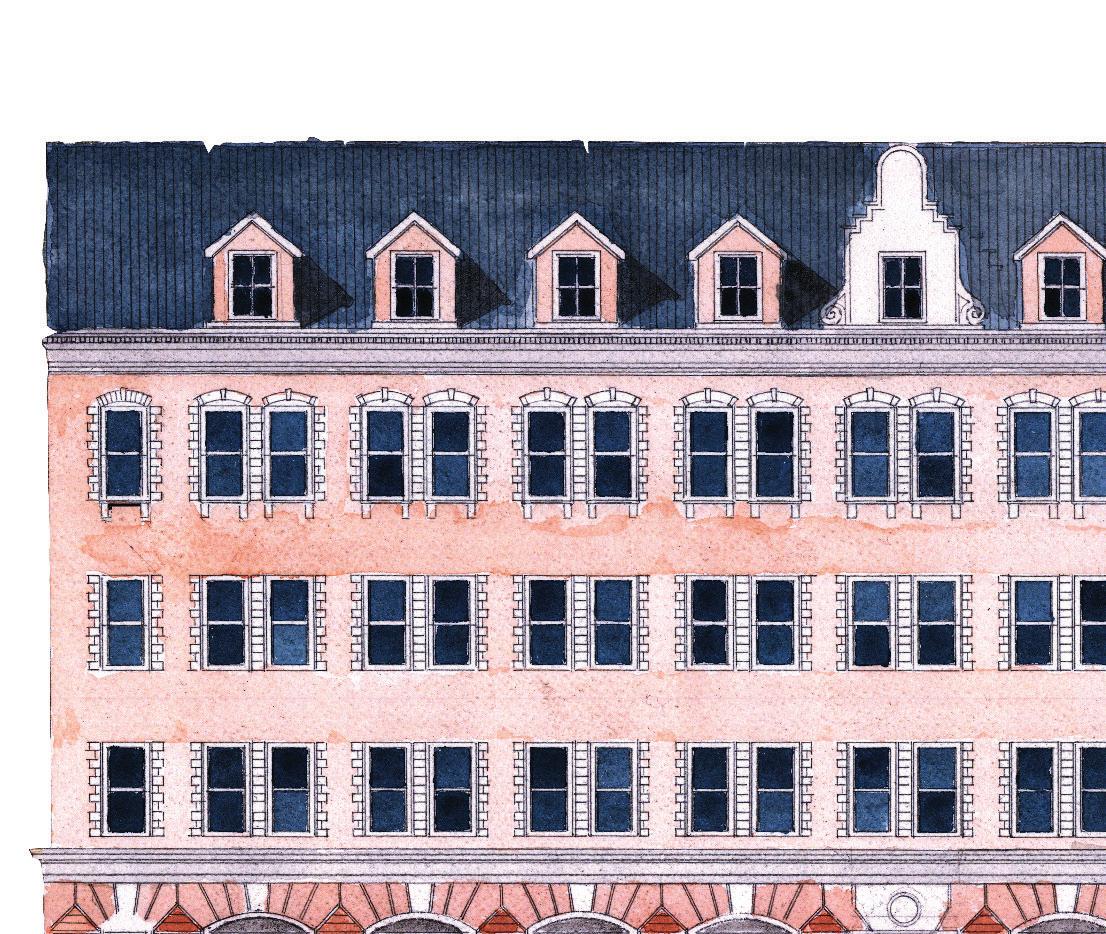
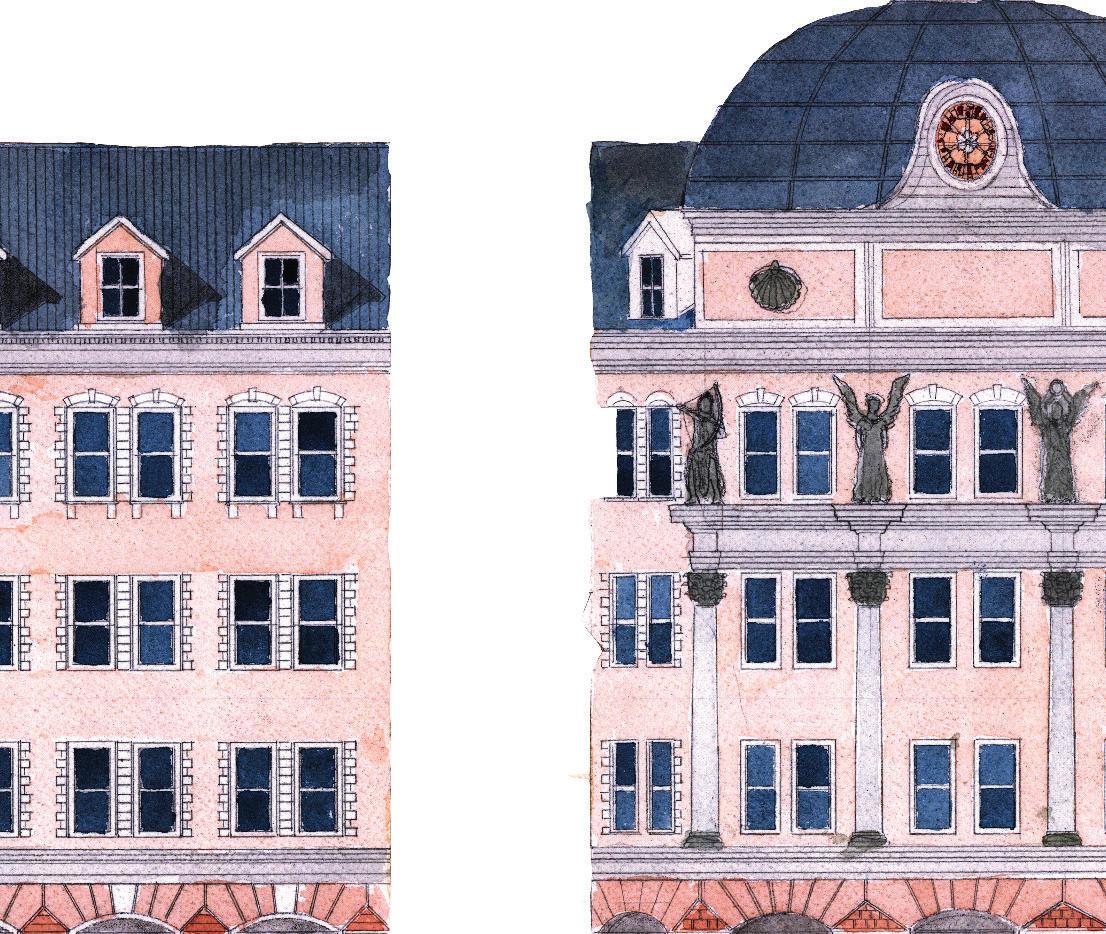
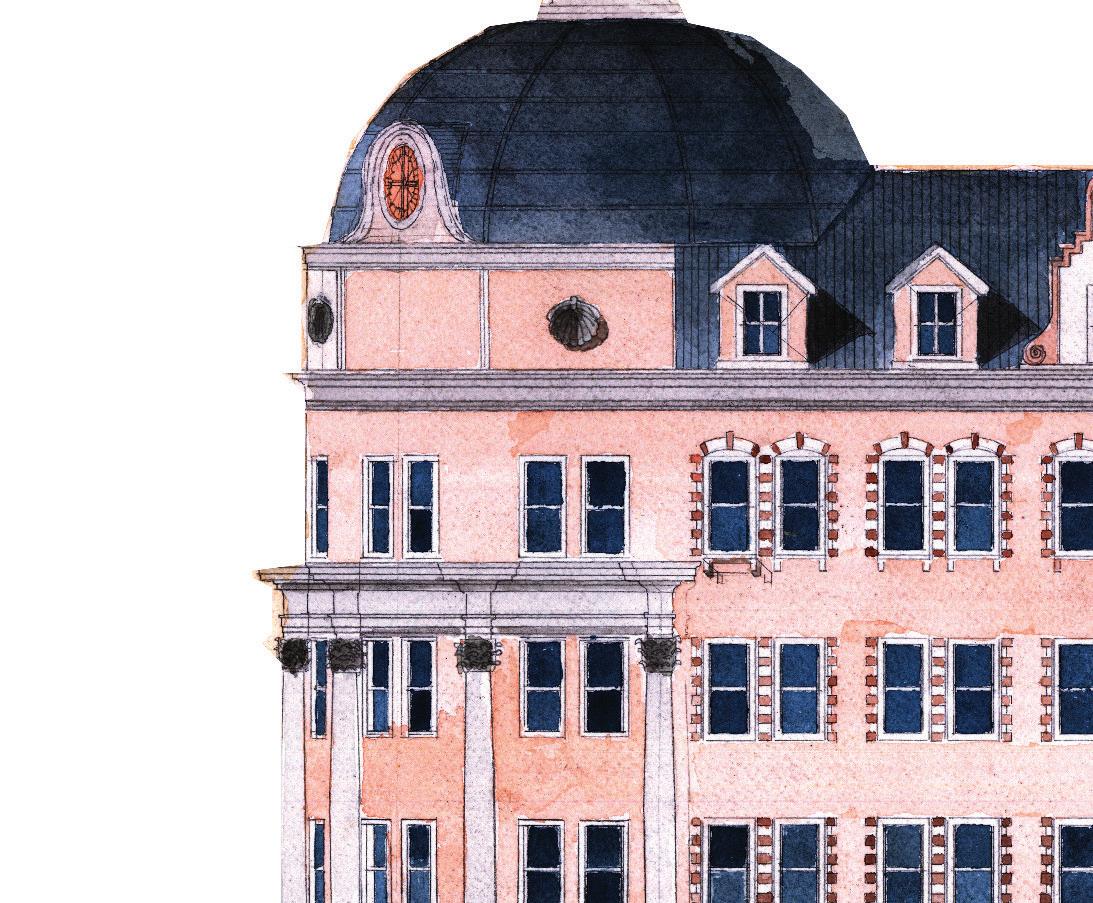
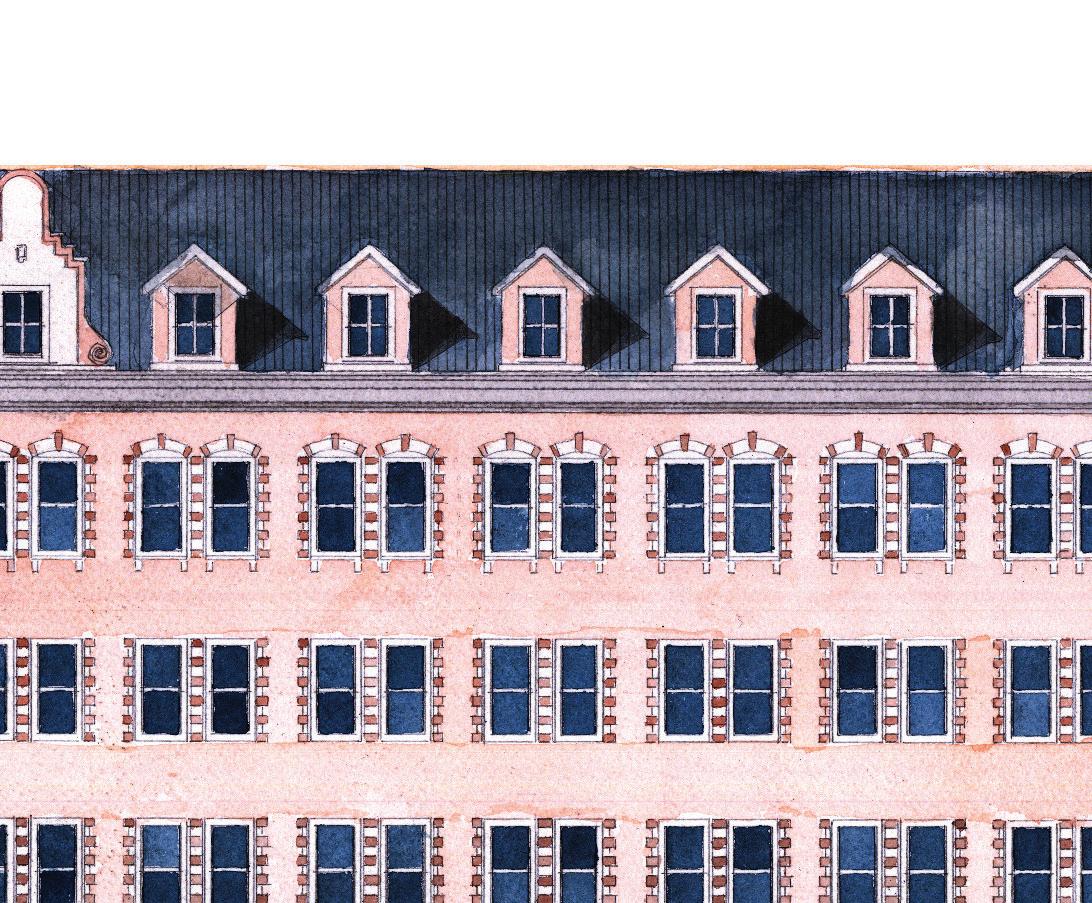
THe Grand Utrecht Hotel is located in Utrecht, Netherlands. The building is designed to be a crown hotel of the Nuede plaza. The hotel blends into the local character while standing out as an important urban icon.
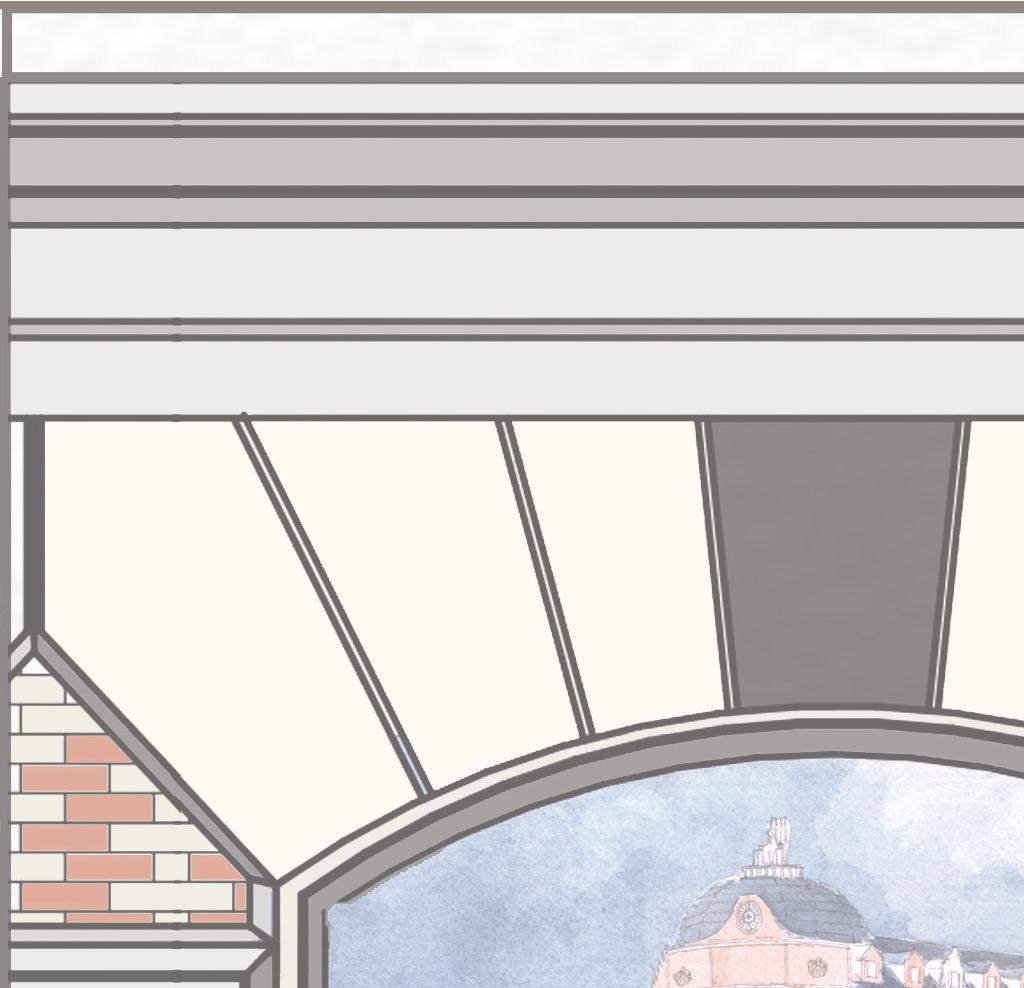
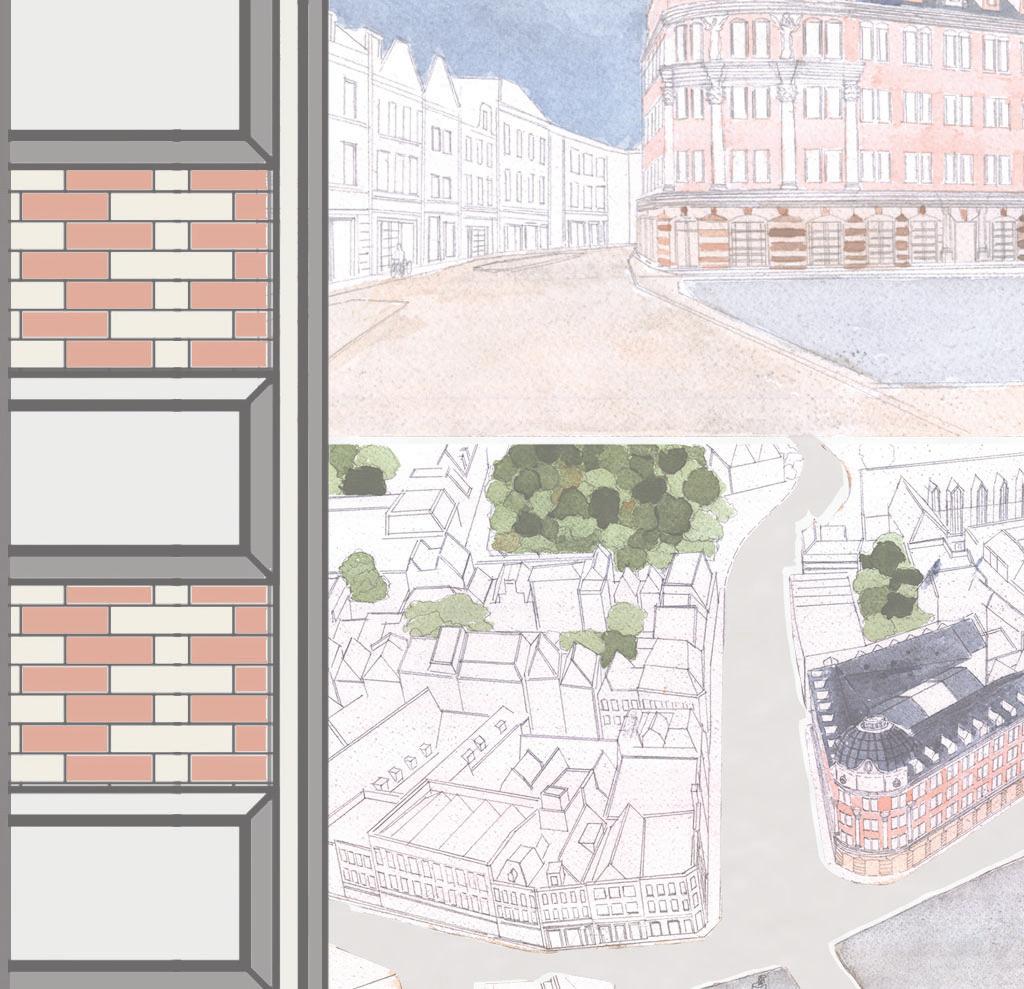
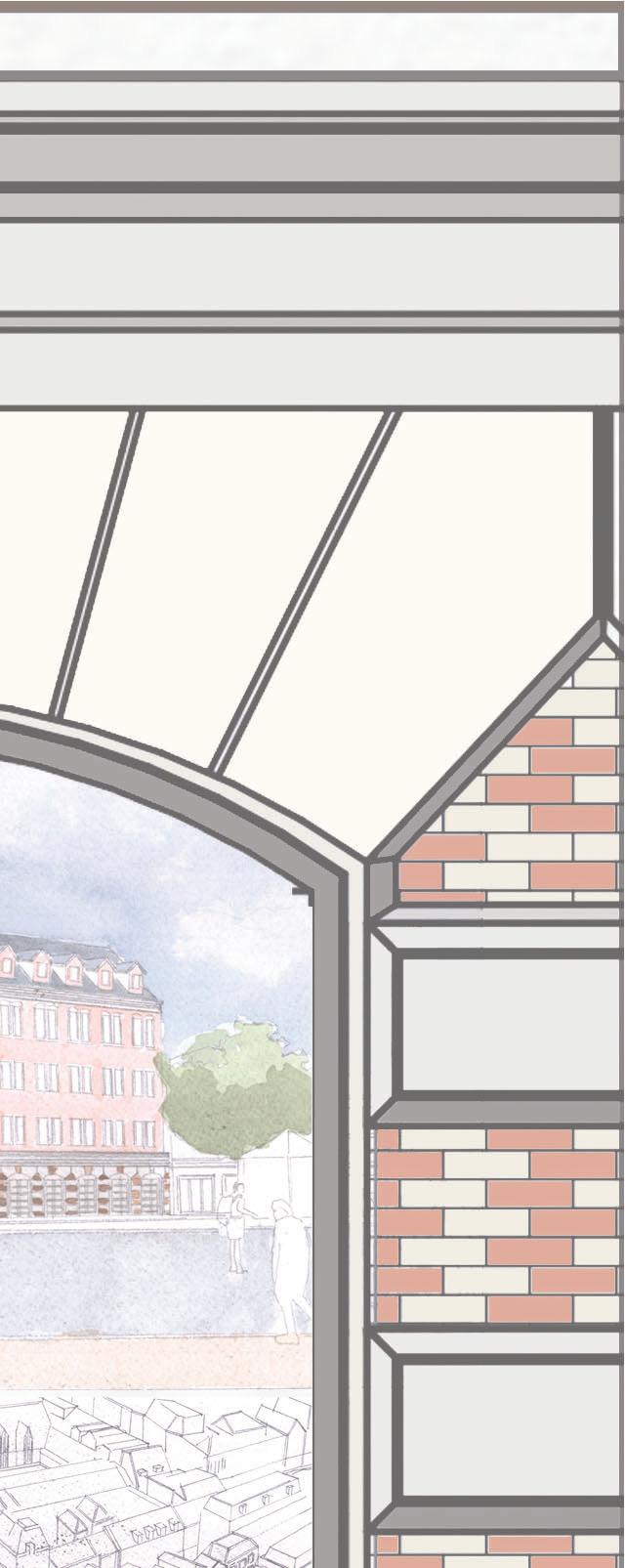

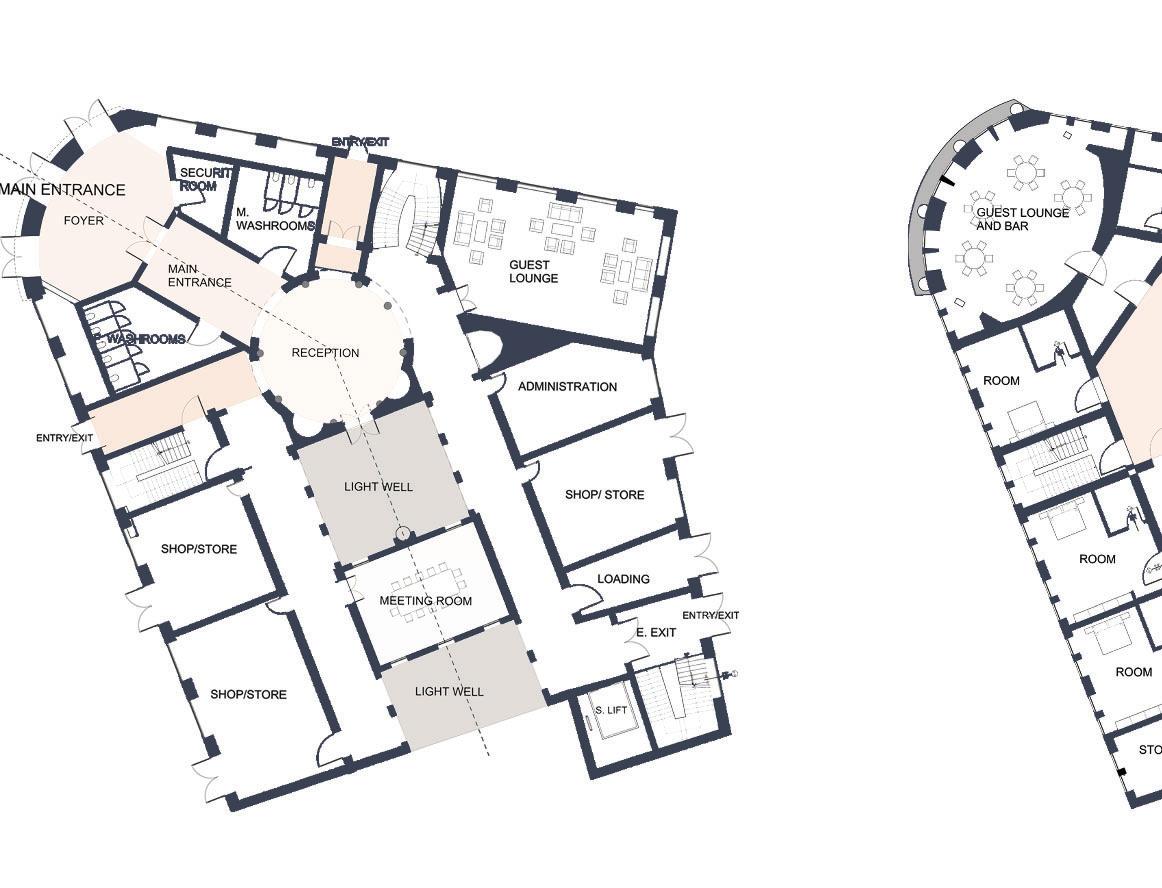
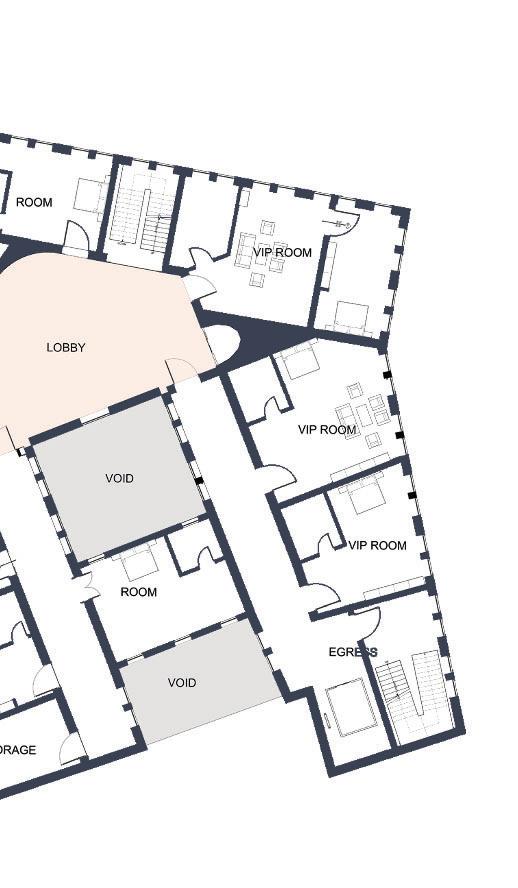
THe hotel layout hinges around a central reception space to distribute movement to other departments. The street fronts are fitted with a restaurant and stores to provide public interaction with building.
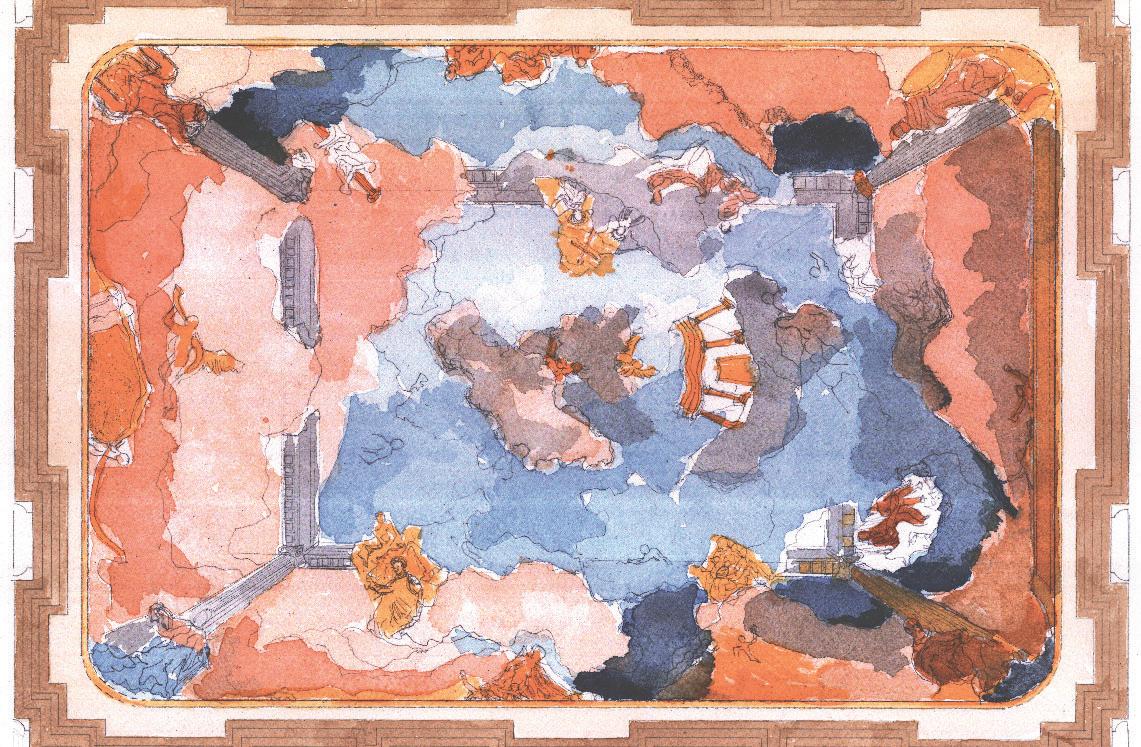
A central light well allows for passive lighting and ventilation. Distinct red and yellow brick patterns on the facade fit into the urban context will fine paint on stucco express a soft welcoming texture; a testament to the catering services offered inside. Rooms are fited with hard wood interior finishes with fresco print on business meeting room ceilings.






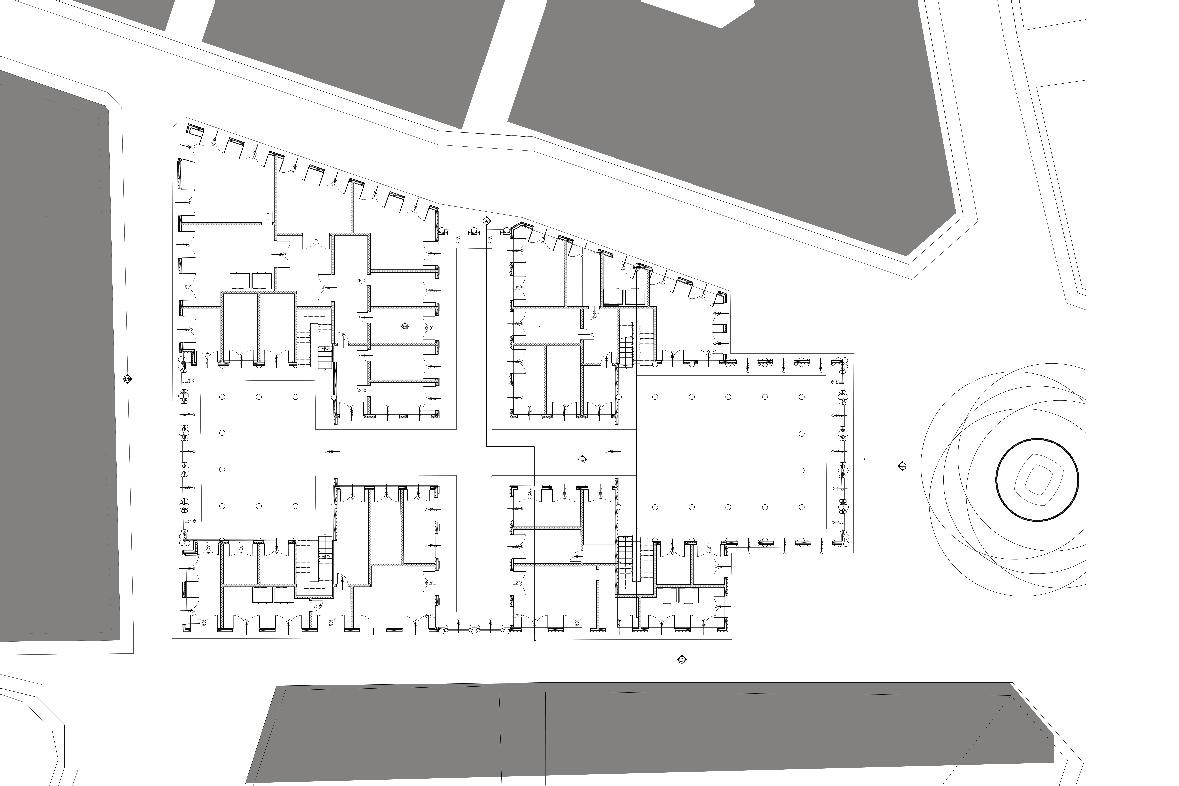
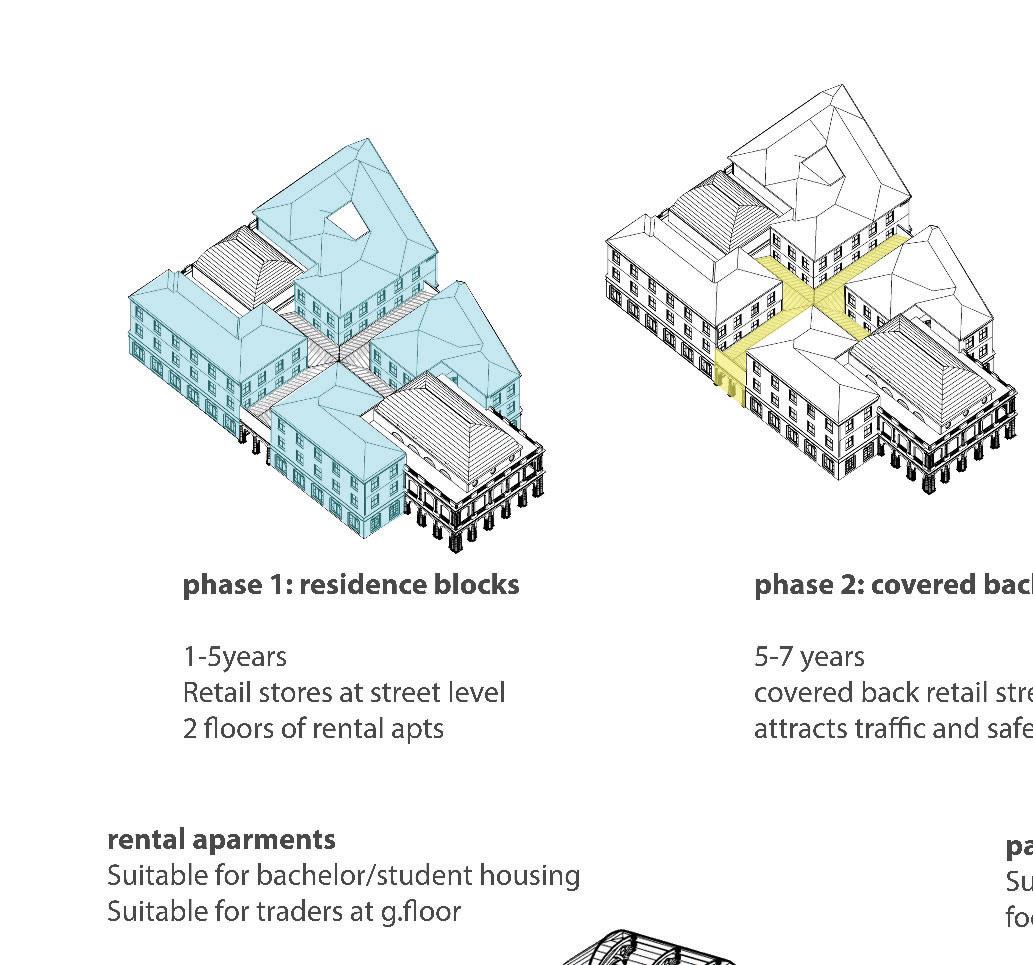
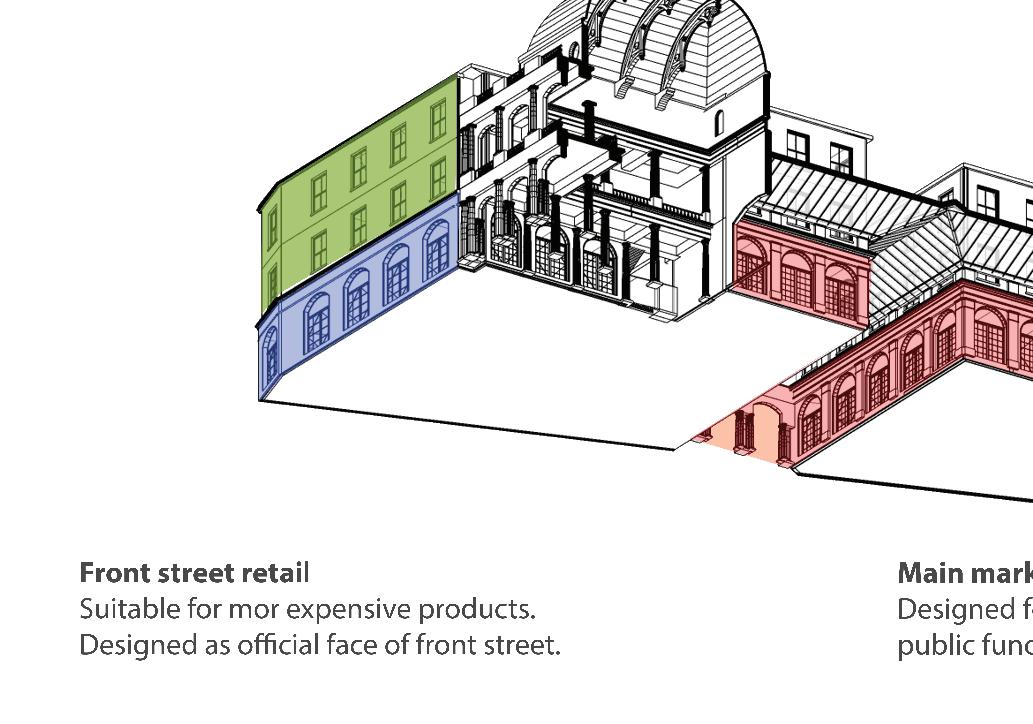
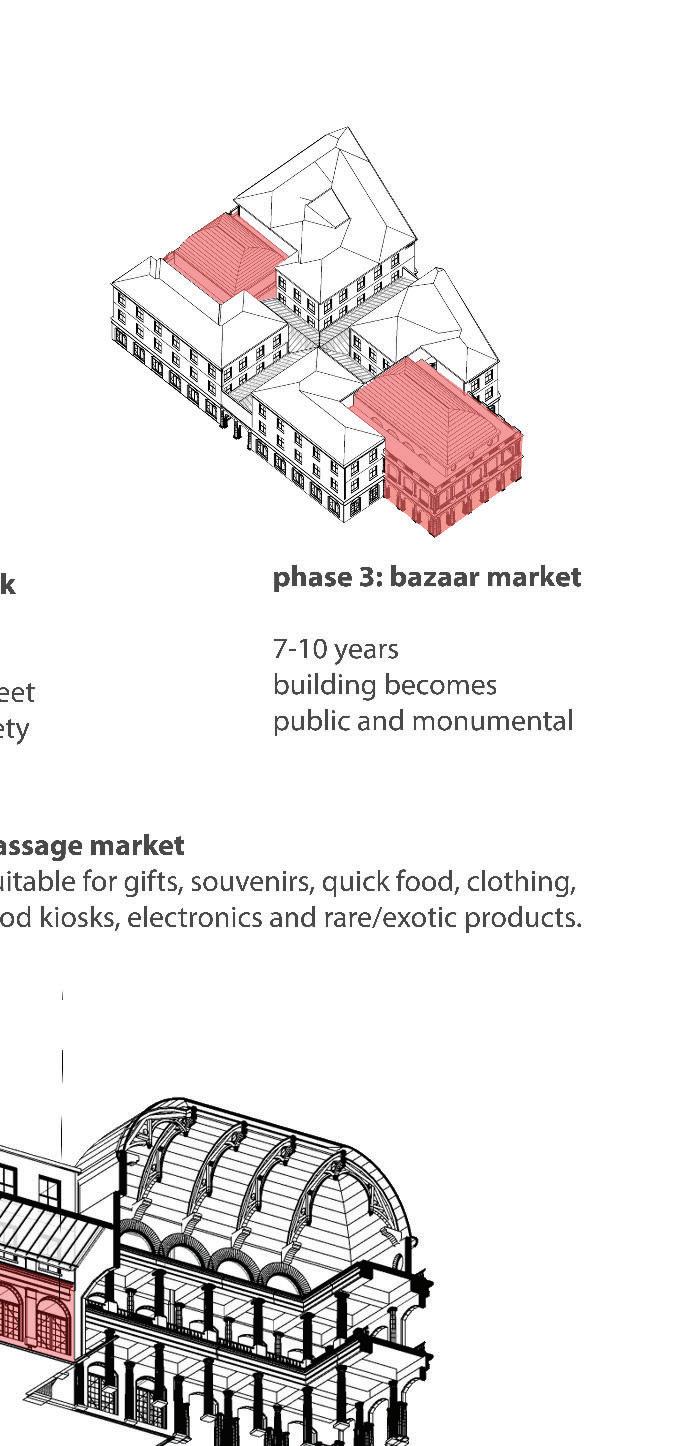
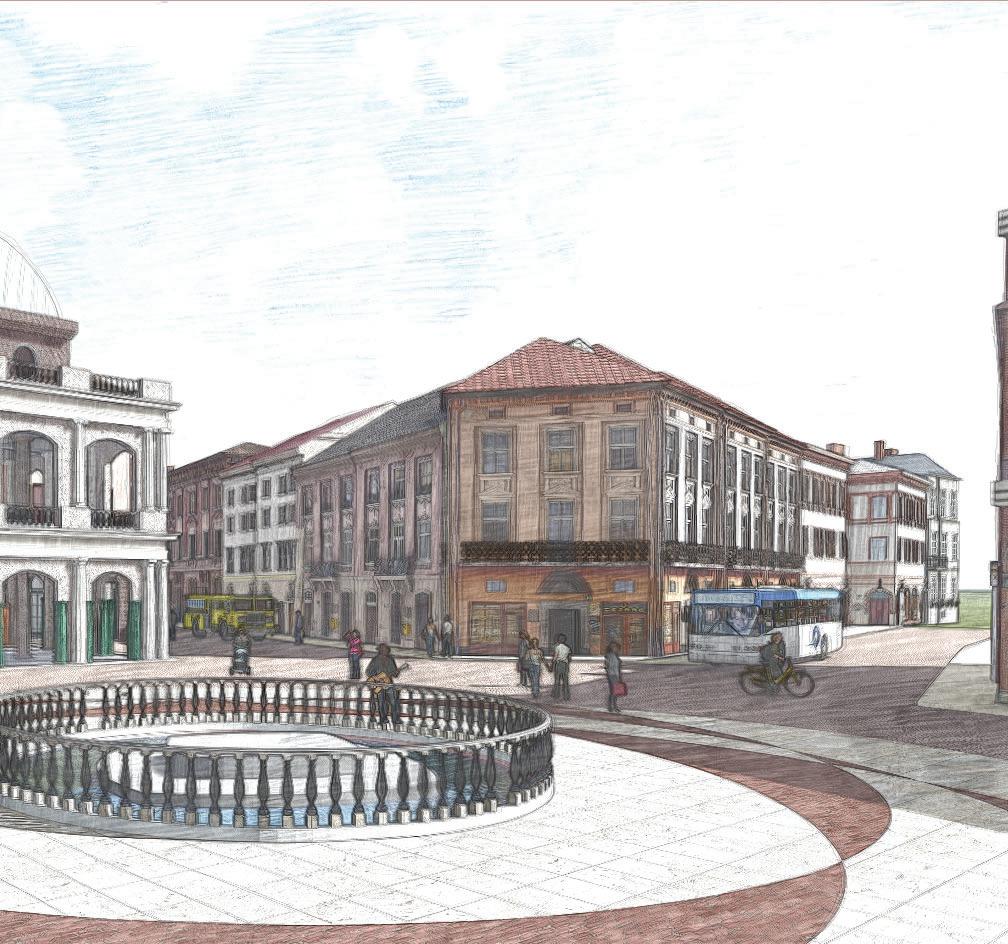
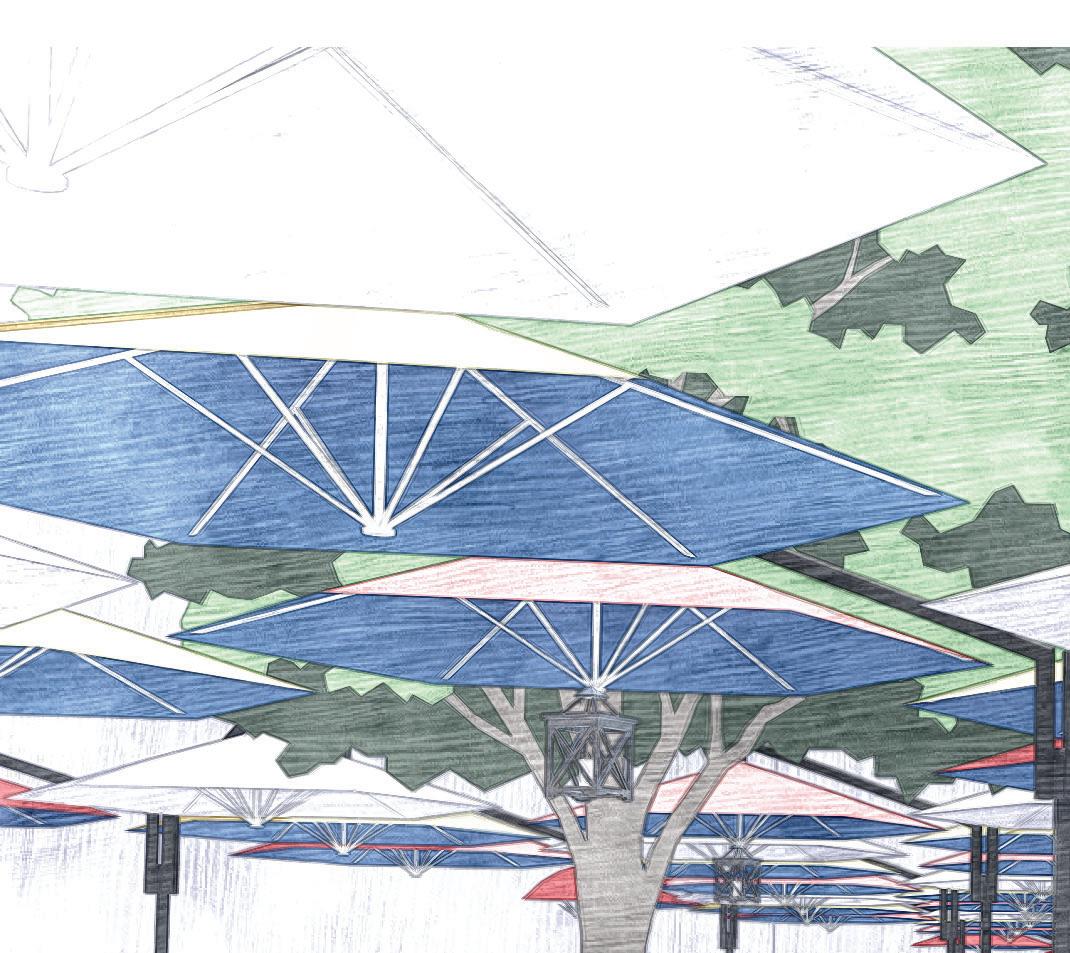
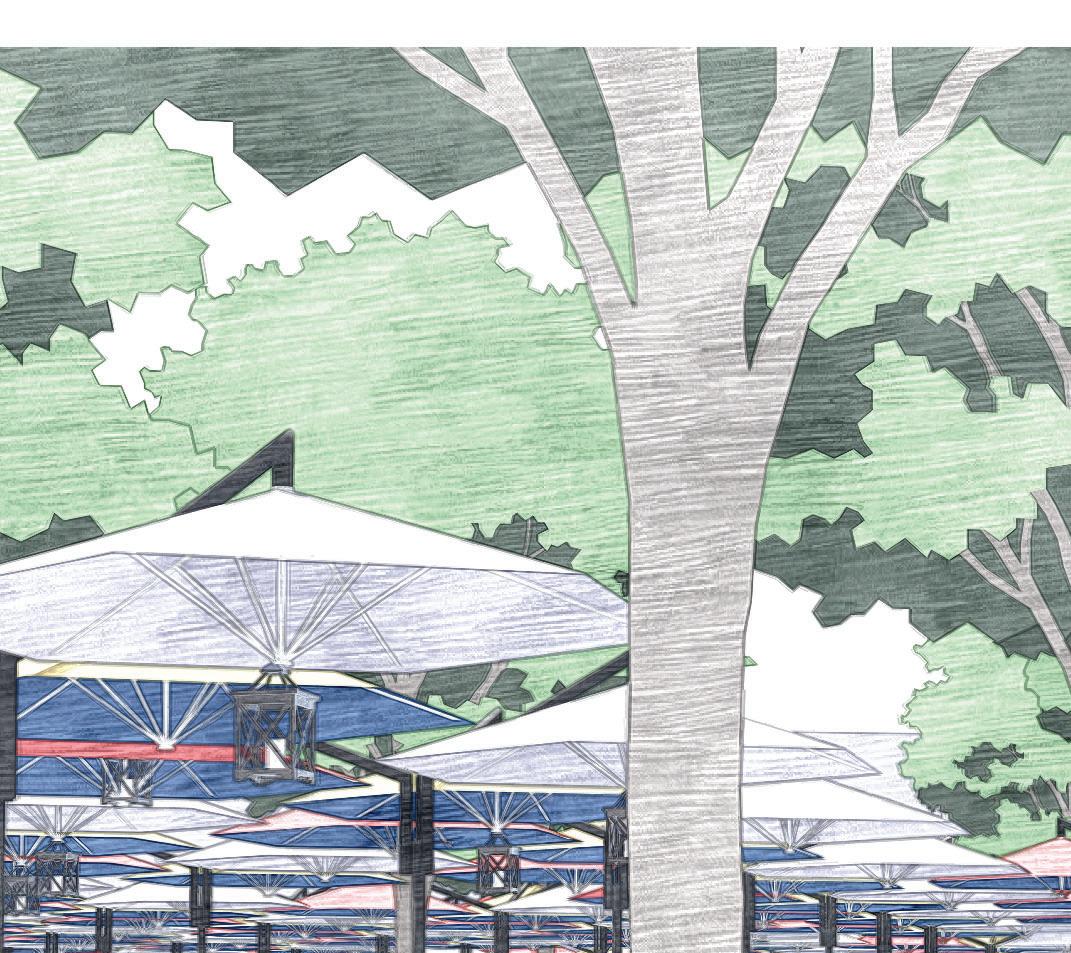
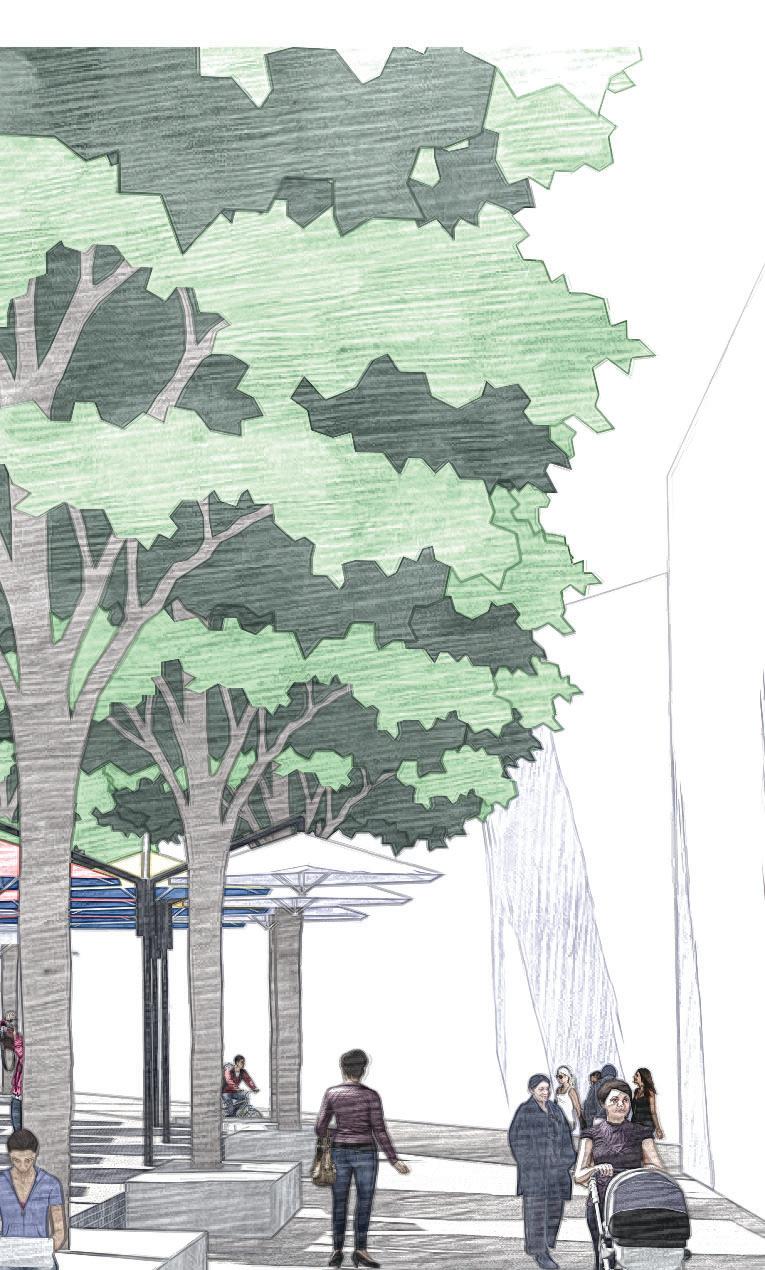
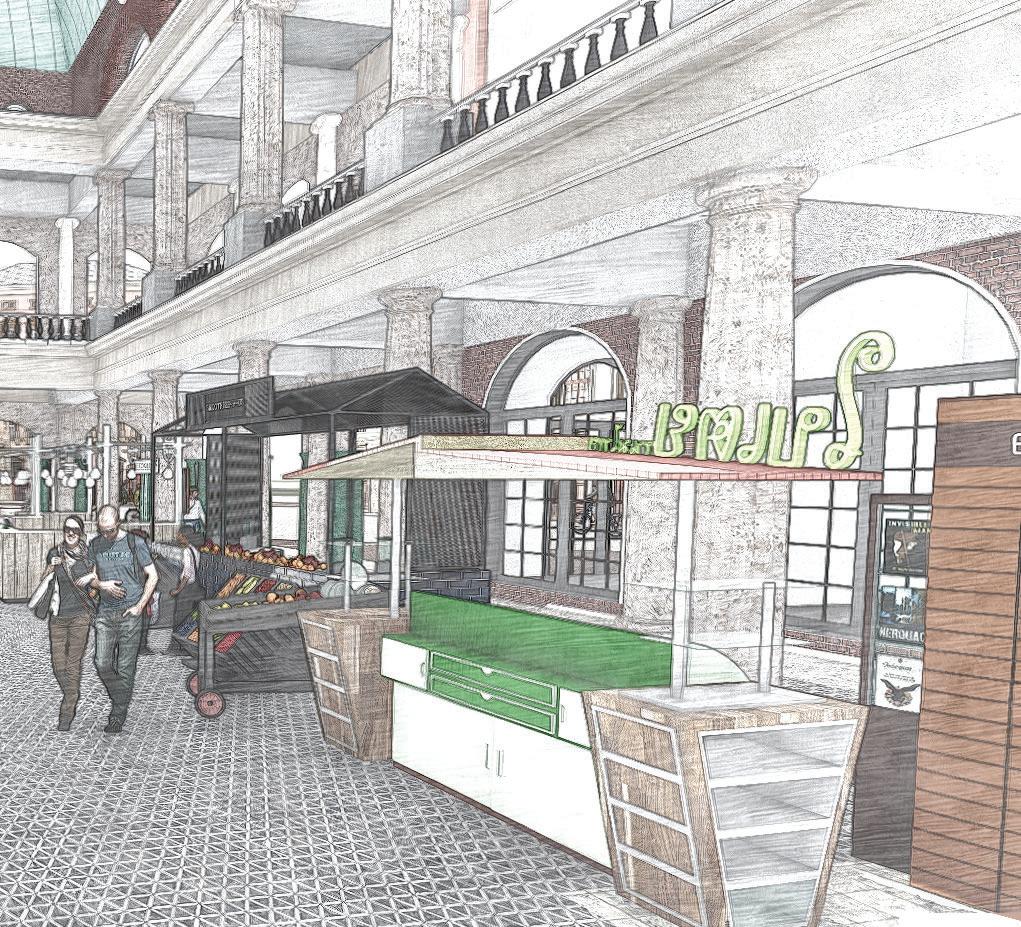
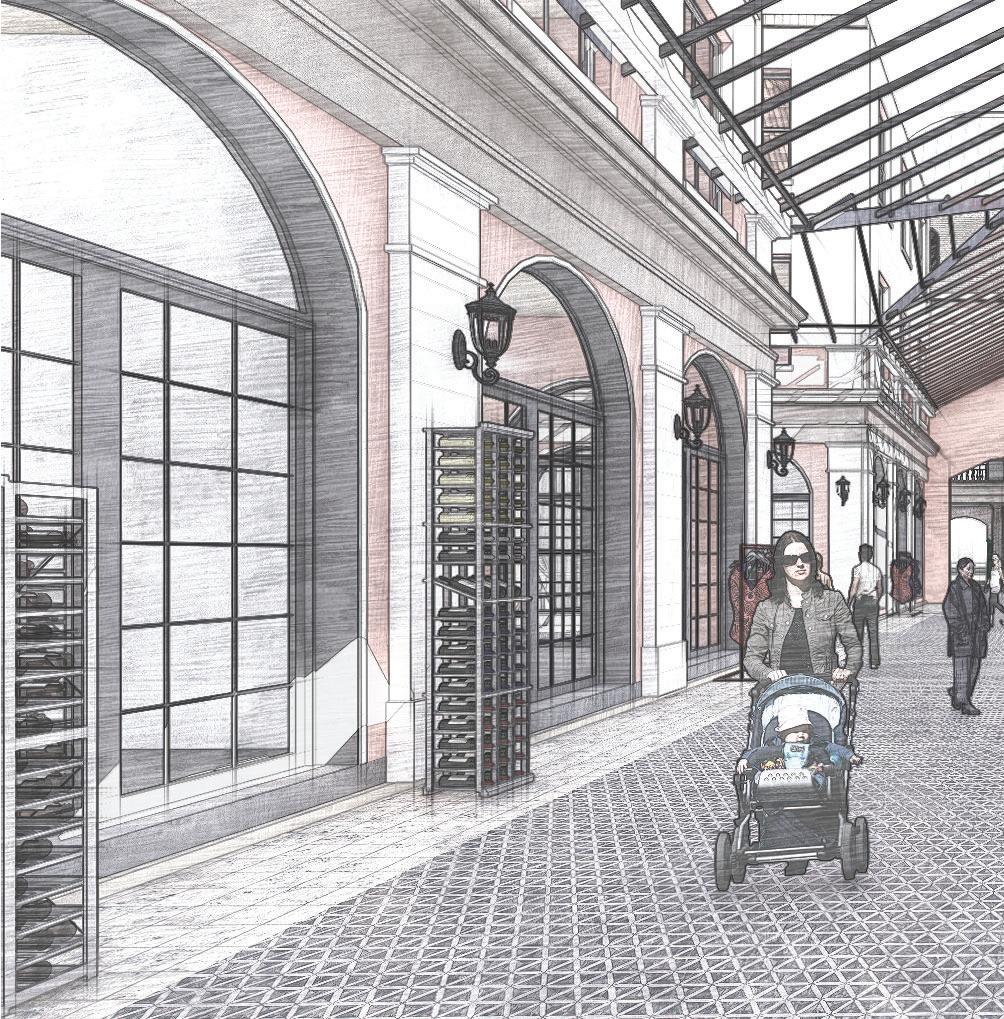
REsilient market blocks are an exploration based on European residential blocks precedents which have evolved into shopping streets. The project explores mix-use residential and retail blocks as an economic resilience feature. The concept could potentially improve city living and the urban experience of SouthBend while securing flexible income for owners.



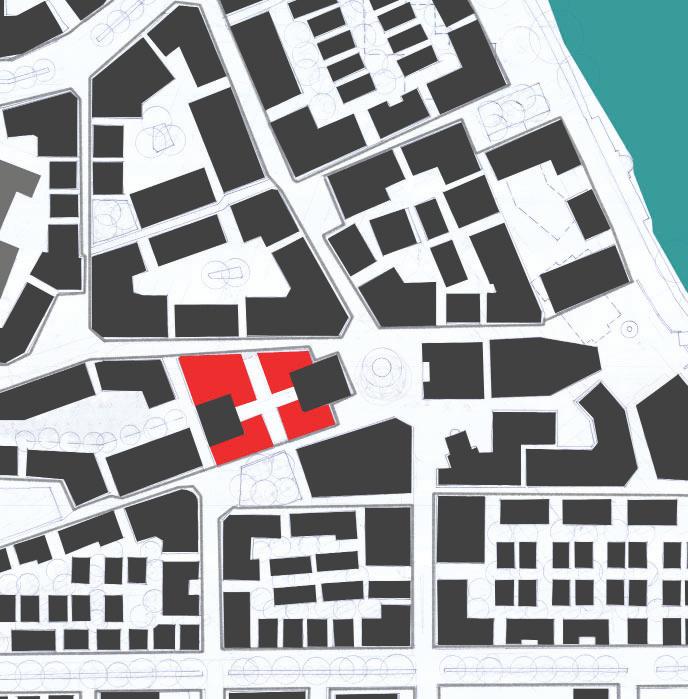
The proposal is located opposite Howard park. Superblocks define the urban fabric, with mixed -use retail/residential blocks sandwiching residential buildings. The main market building is located at the central piazza served by 6 pedestrian streets. The block is developed to as a mix-use residential/ retail block and in later phases features covered streets leading into tripple height bazaar market





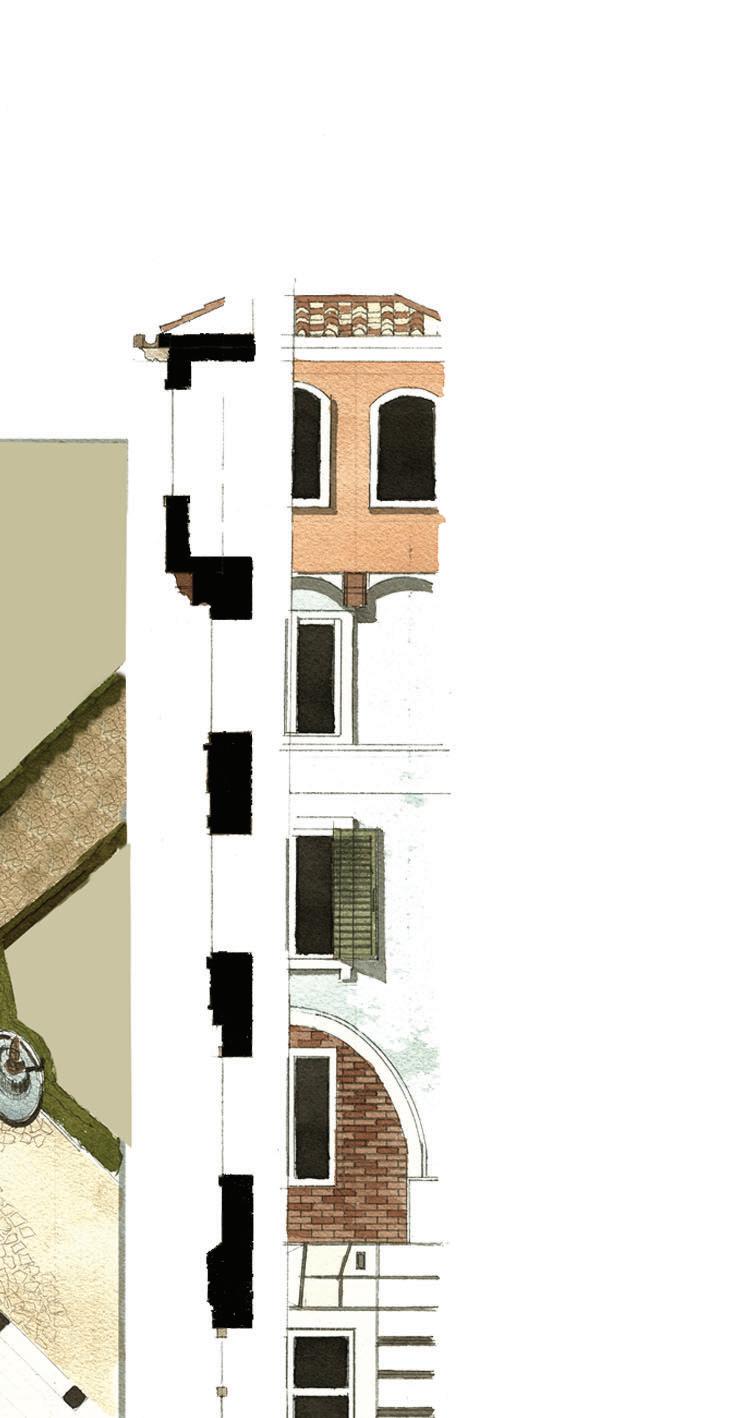
THe project explores a proposal to improve a derelict and abandoned community of low-income immigrants in Bastogi, located in the greater Roma municipality. These communities live in abandoned modernist blocks with poorly maintained services and infrastructure; consequently reducing the quality of habitat and health. The deisgn proposes the use traditional casainlinas to provide mix-income housing; and traditional roman street design to regenerate a dignified self-dependent community town.
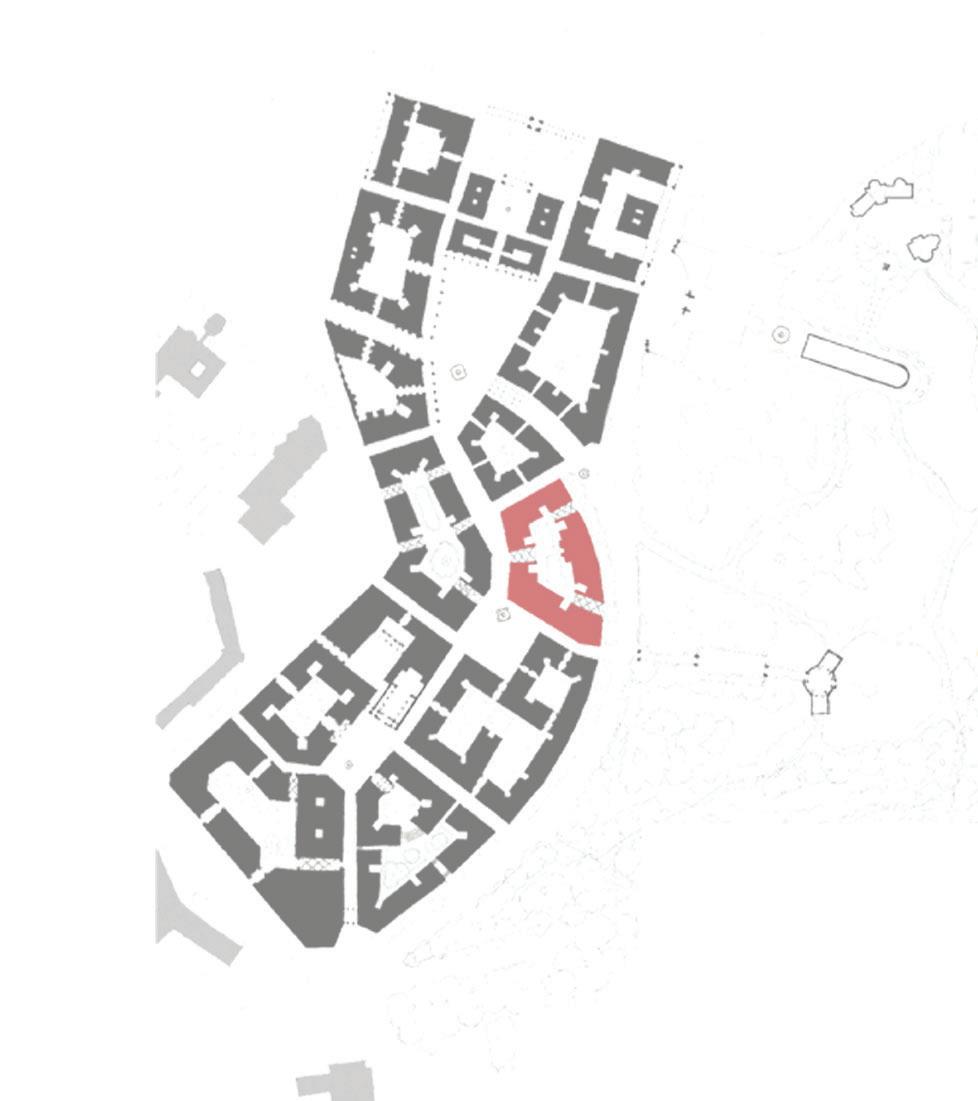
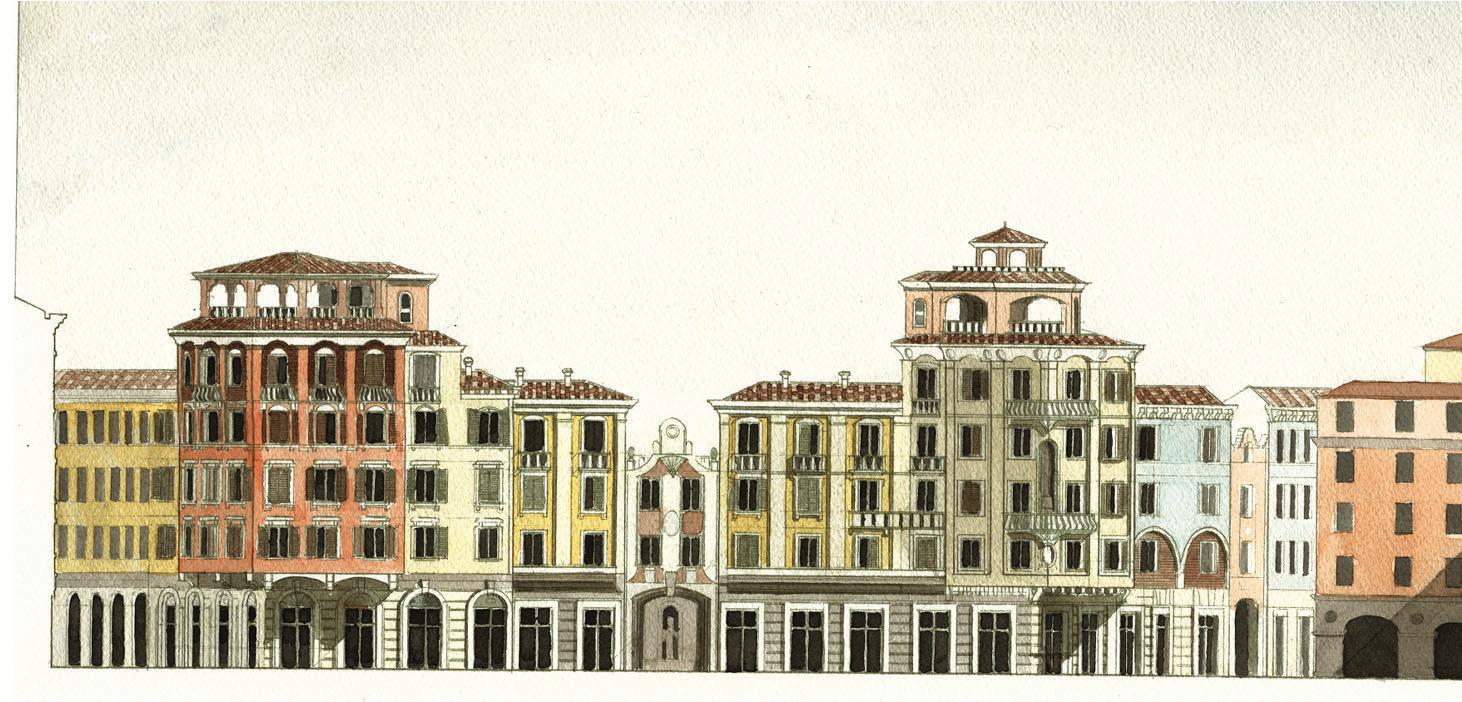

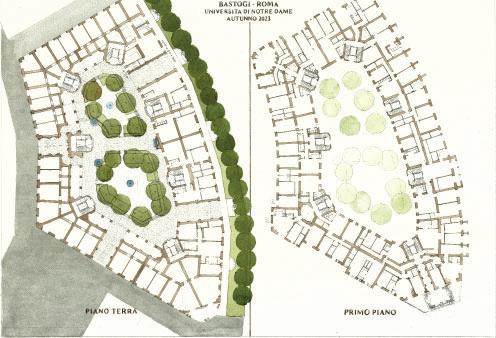
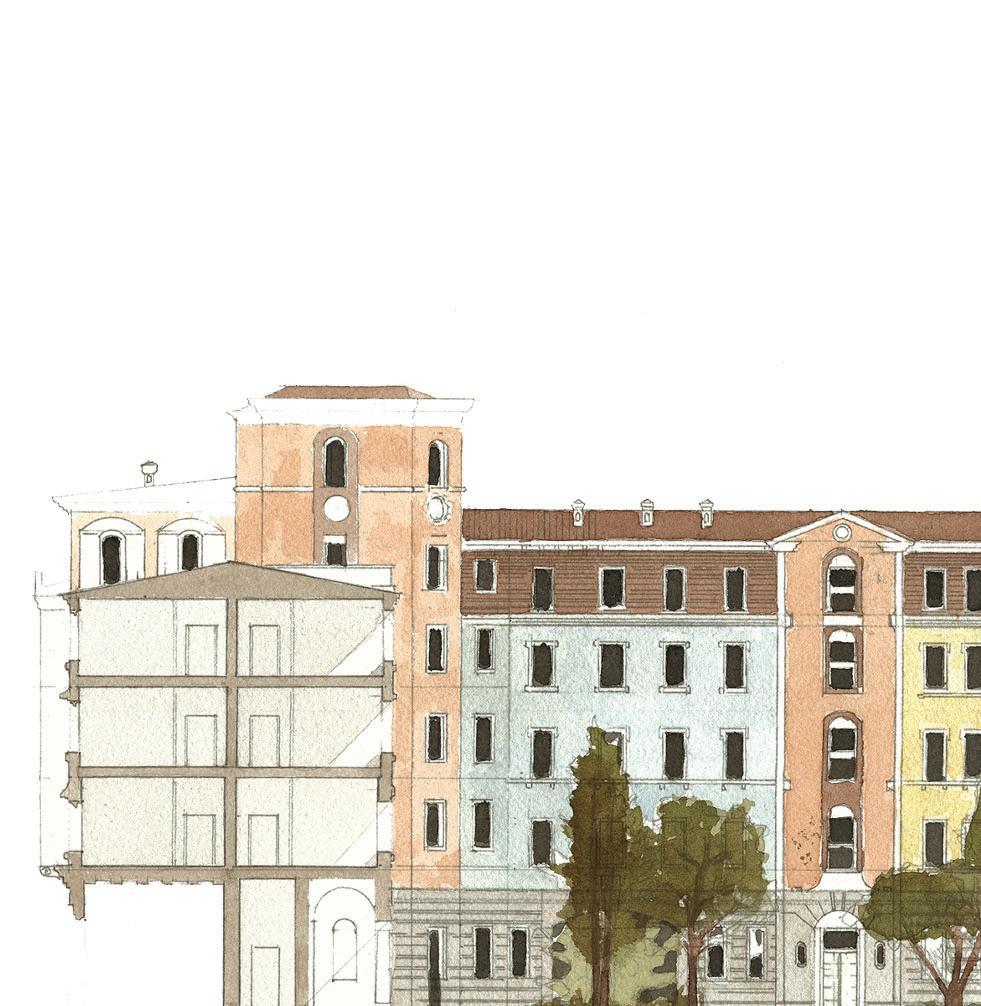
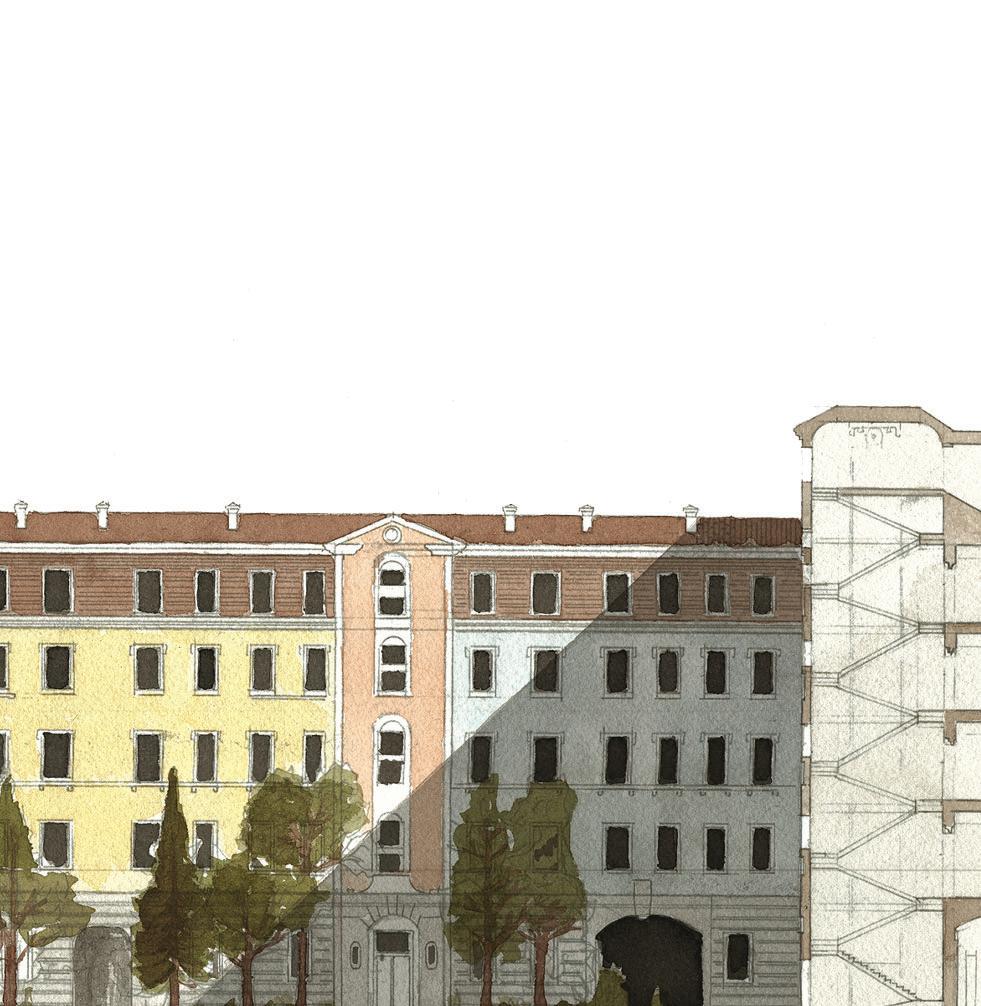
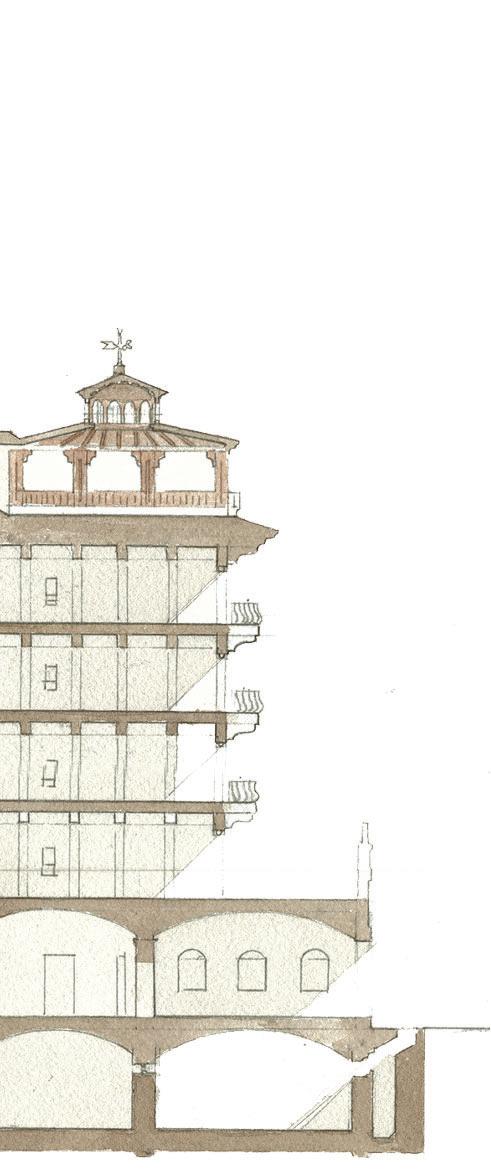
THis was a group proposal. My role was to develop a residential block(casa ilina-a masonry load bearing wall ; mixed-retail/residential block type with large garden interiors and intense architectural character variety. Often with large open entrance into internal garden). THe design consistd of adaptable retail units and 2-3 bedroom apartments. Top apartments have 3-4 bedrooms and private terraces for higher income owners. The overal strategy is to avail mixed-income apartment options to attract both middle lowmiddle upper income families into the development.
axonometric view and details of wall assembly


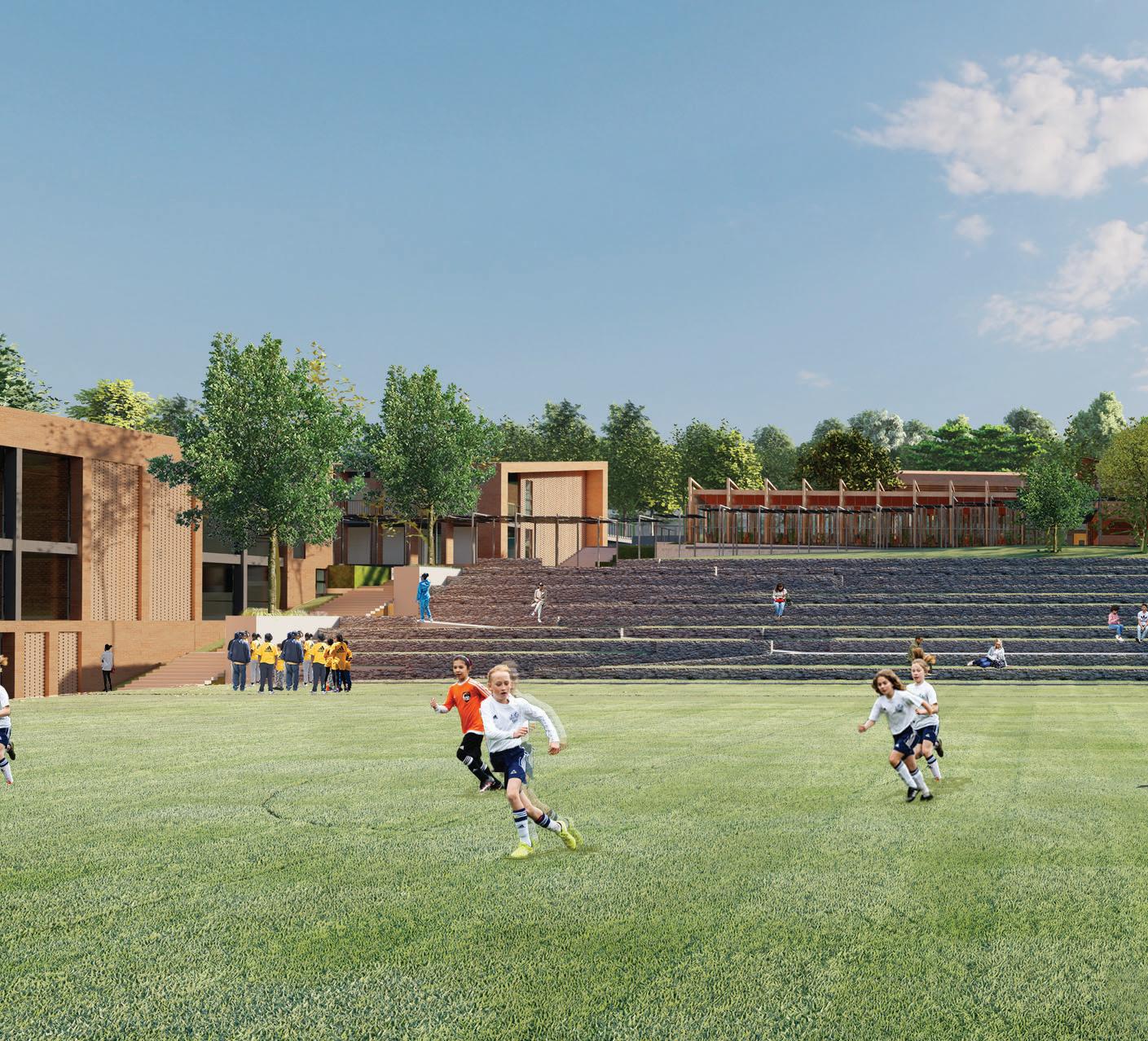
THe International School of Kigali is designed for an international community in Kigali, Rwanda . I took part in design and development of the project from phase 1-4 ( RIBA design phases). My participation involved design of the cafeteria(center), swimming pool gym(right). Additionally I was played key role inmodelling and visualization of the entire project.( including the render in view).
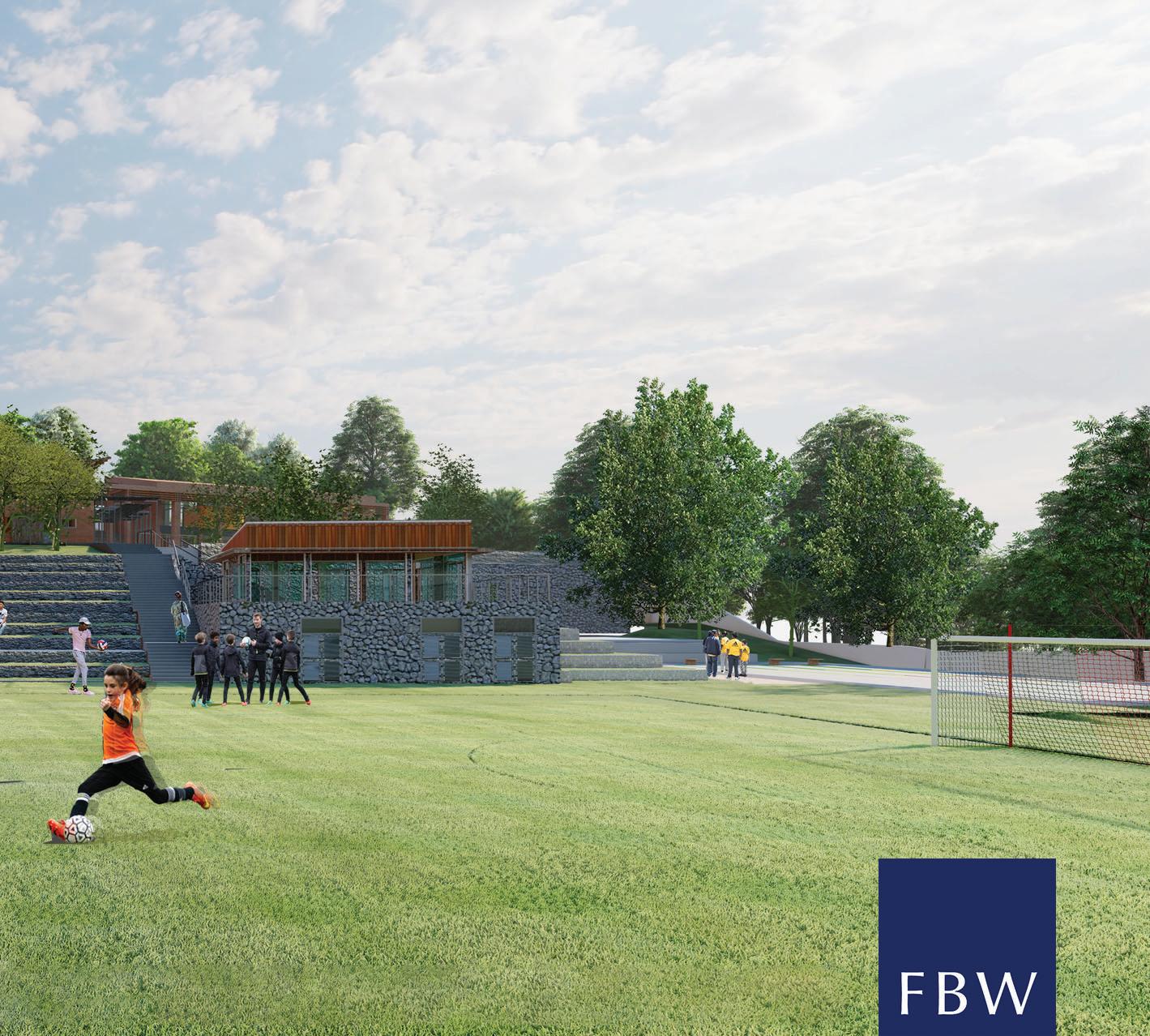
STATUS: STAGE 2 BUILDING
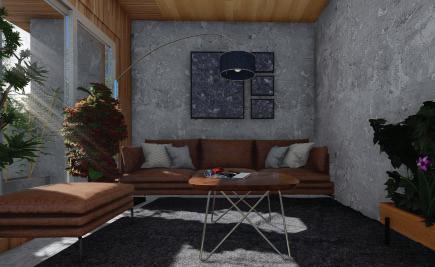
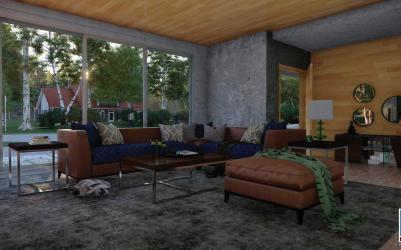
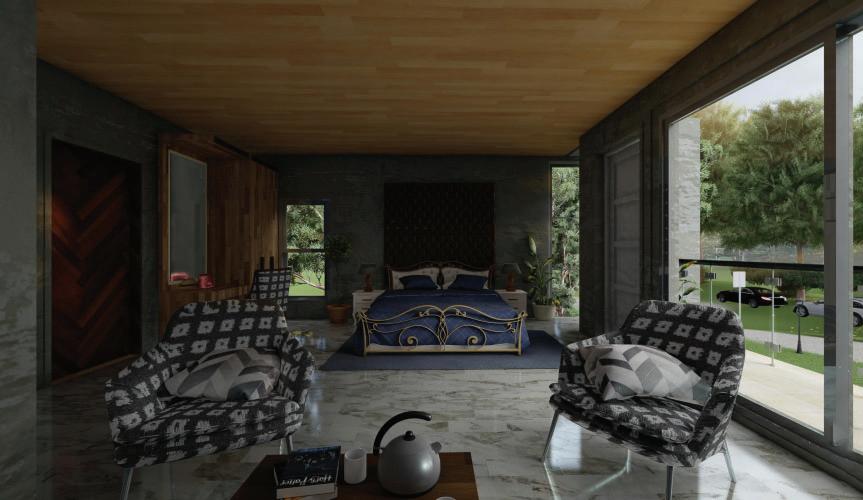
PRoject entails a 2 story maissonette in a city surburb site. The design features 1500 ft2 fitted with a living room, 4 bed, 4 bath with inbuilt garage. Project was designed up to schematics and fowarded to registered proffesionals for construction drafting and supervision.
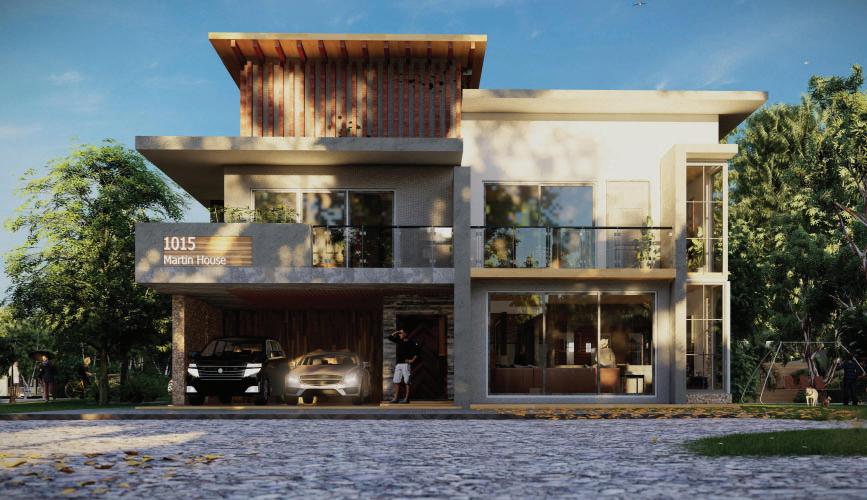

STATUS: STAGE 5 DEVELOPMENT
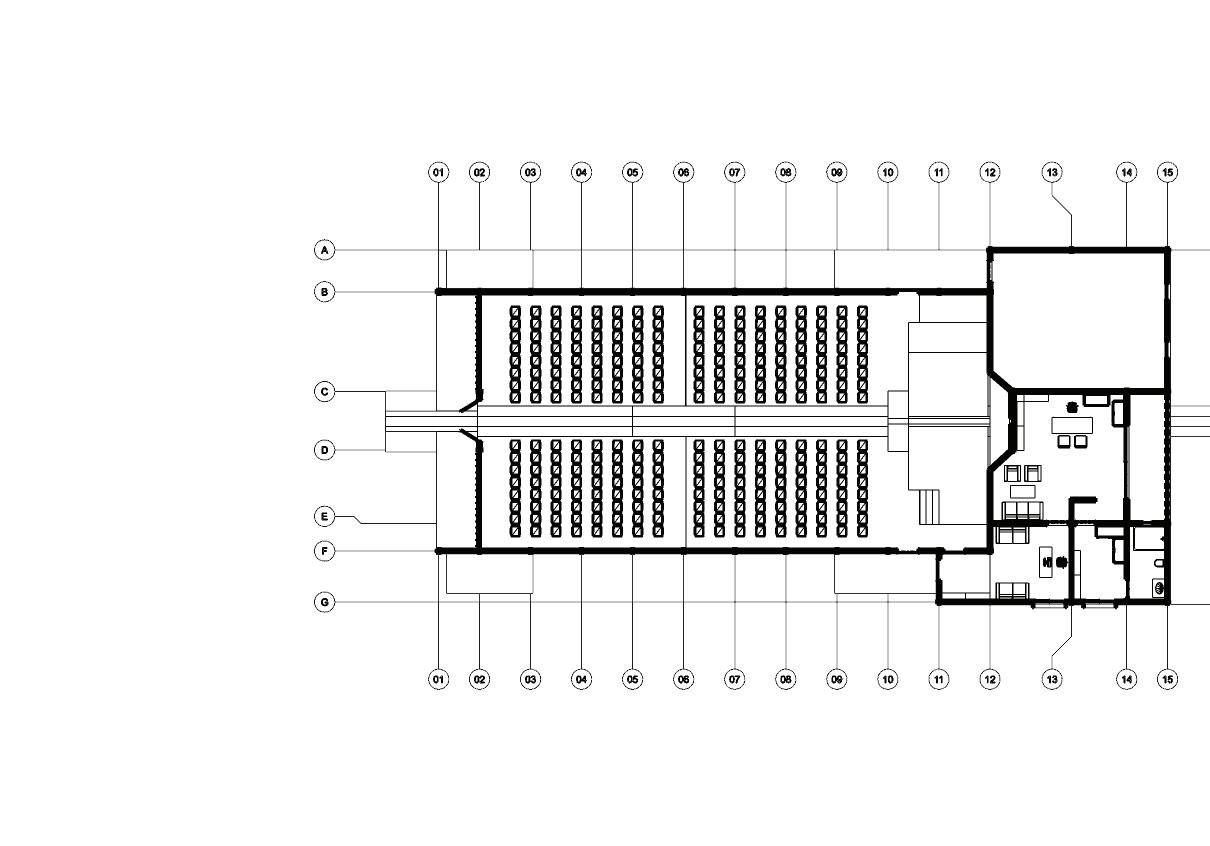
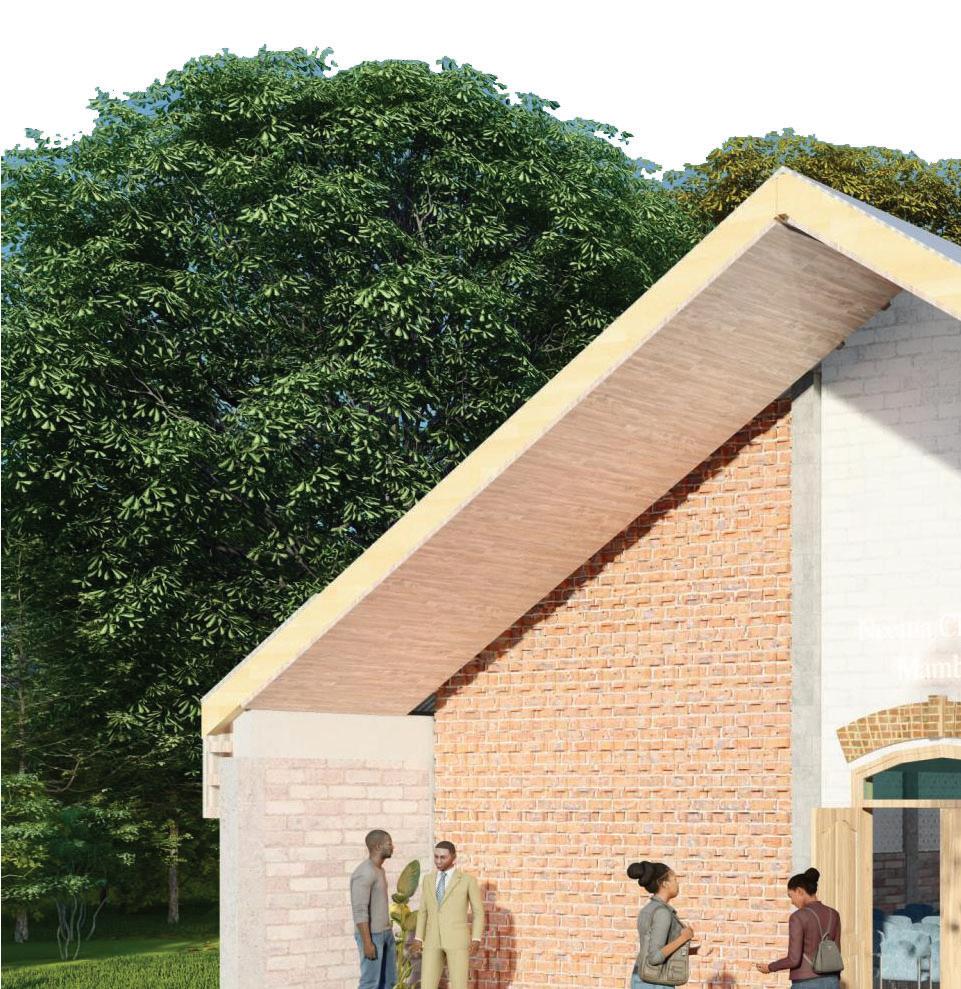
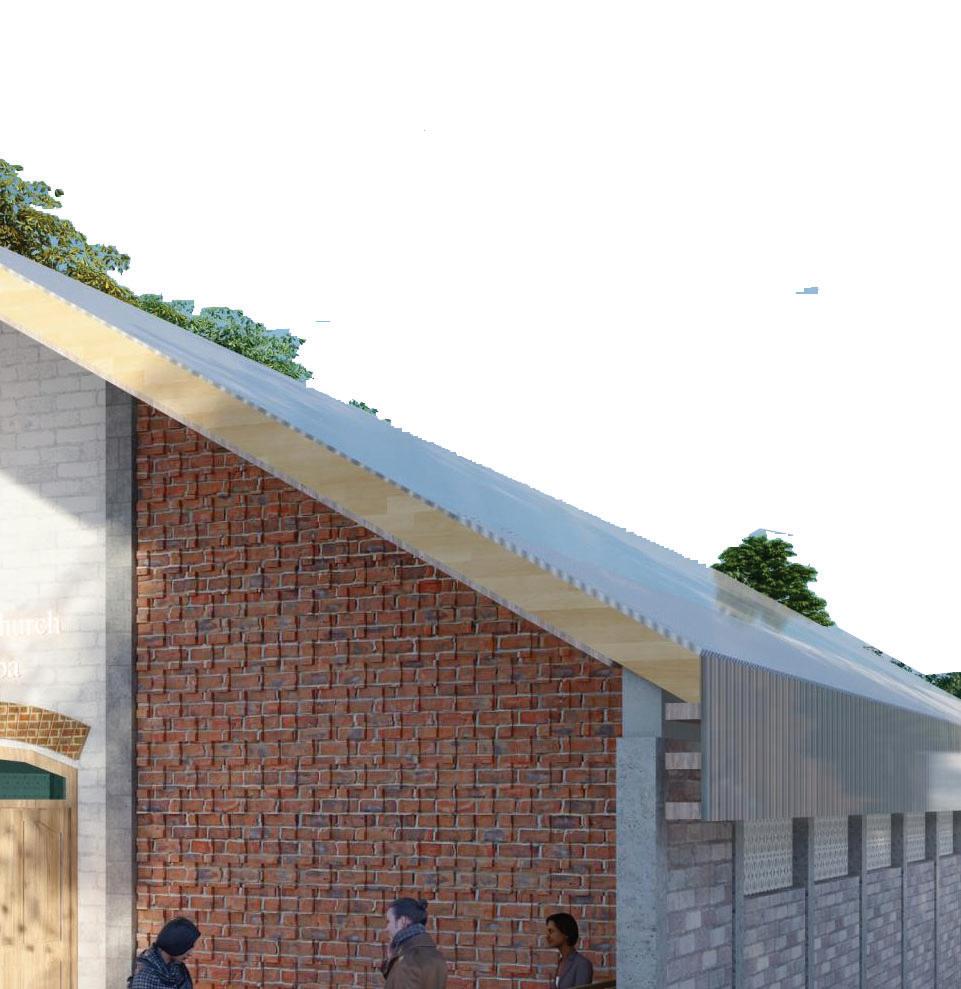
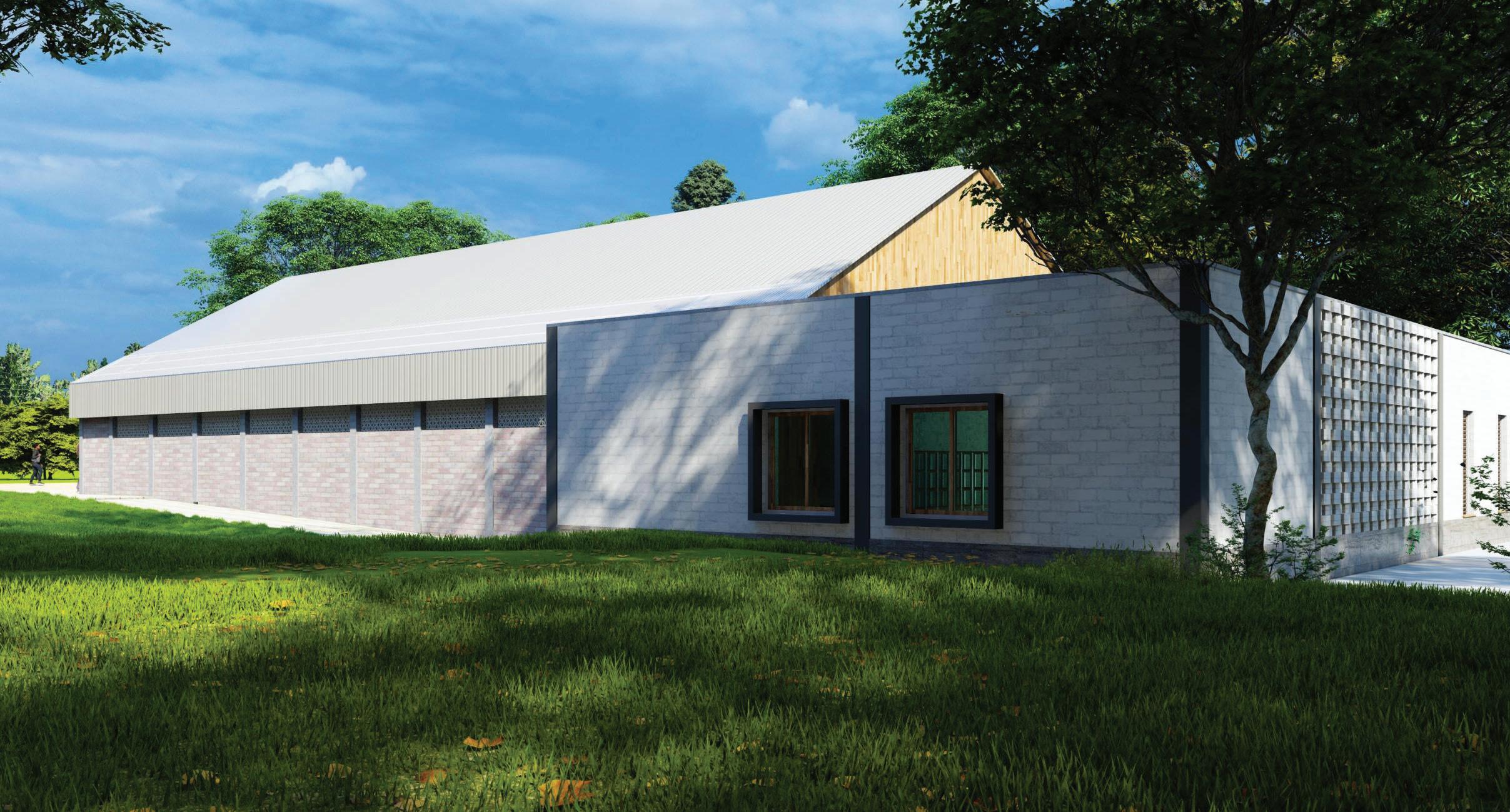
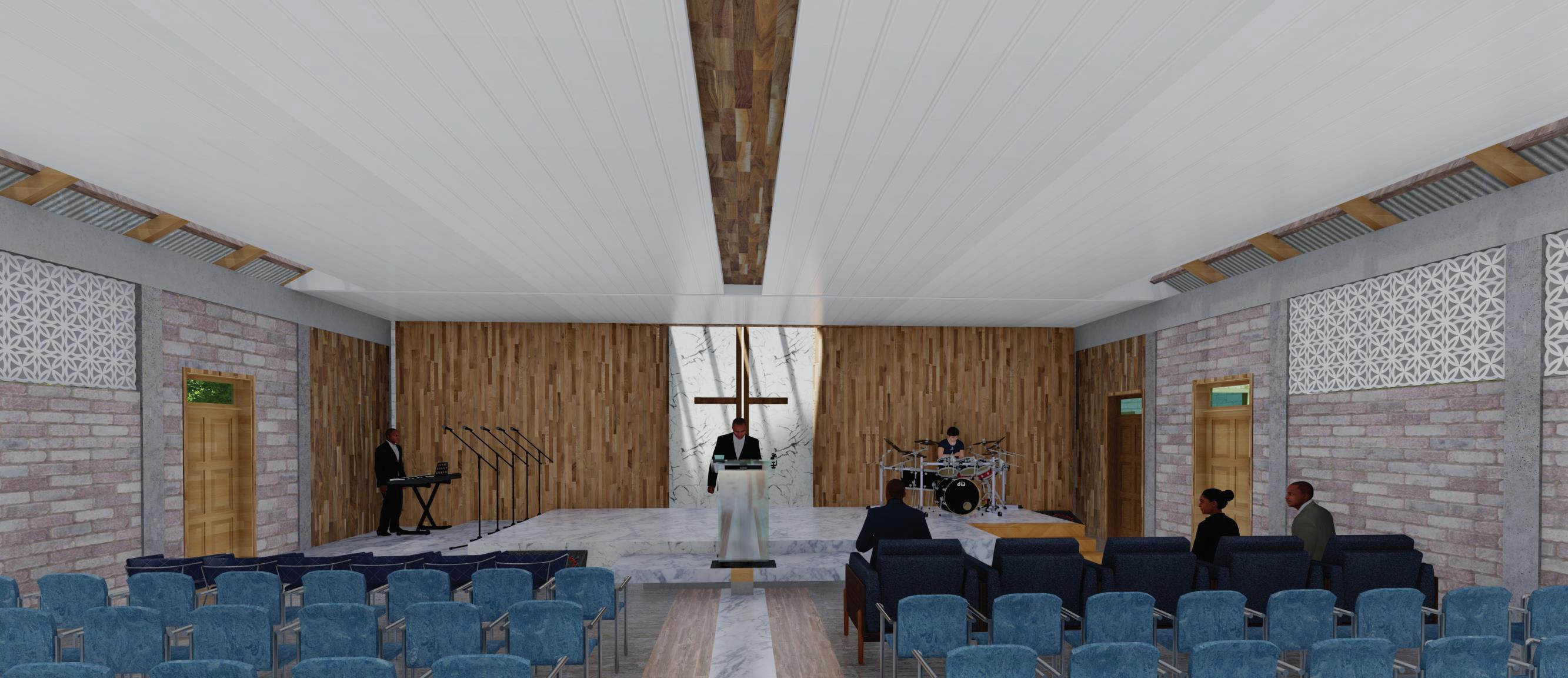
SChematic design of an 2500ft2 christian chapel building. THe chapel contained a worship hall, clerical offices and instruments store. The building was designed for a low budget of under $50 /ft2. Schematic designs were completed by I ( incorporated as abantu +) and fowarded to registered proffesionals for architectural drafting and structural works.

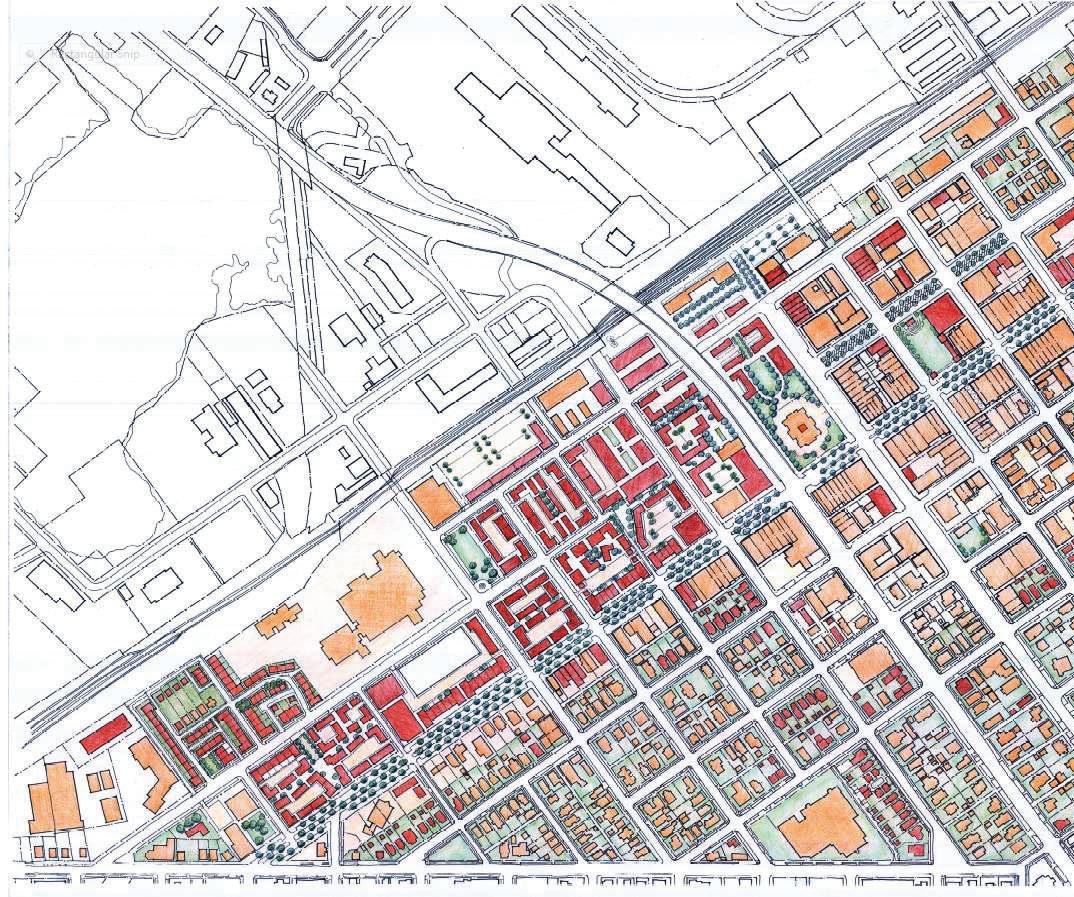
THis edition of the Dean’s Charrette explored the revitalization of Laporte’s downtown. The proposal explores newurbanist principles that favor pedestrian friendly design and provision of necessities within 5 minutes walking radius. The charrette established that Laporte’s downtown suffered from a high truck traffic cutting through its downtown and undersupply of community public spaces for the community. By re-routing truck traffic through the downtown area, the street would be safer to cross and walkable. The program proposed a range of affordable residential infills and the re-purposing of a downtown prison site into a public space for community recreational activities.
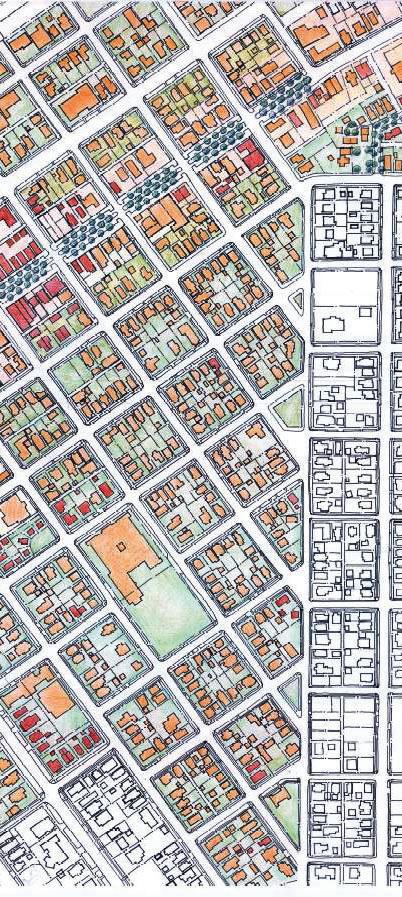


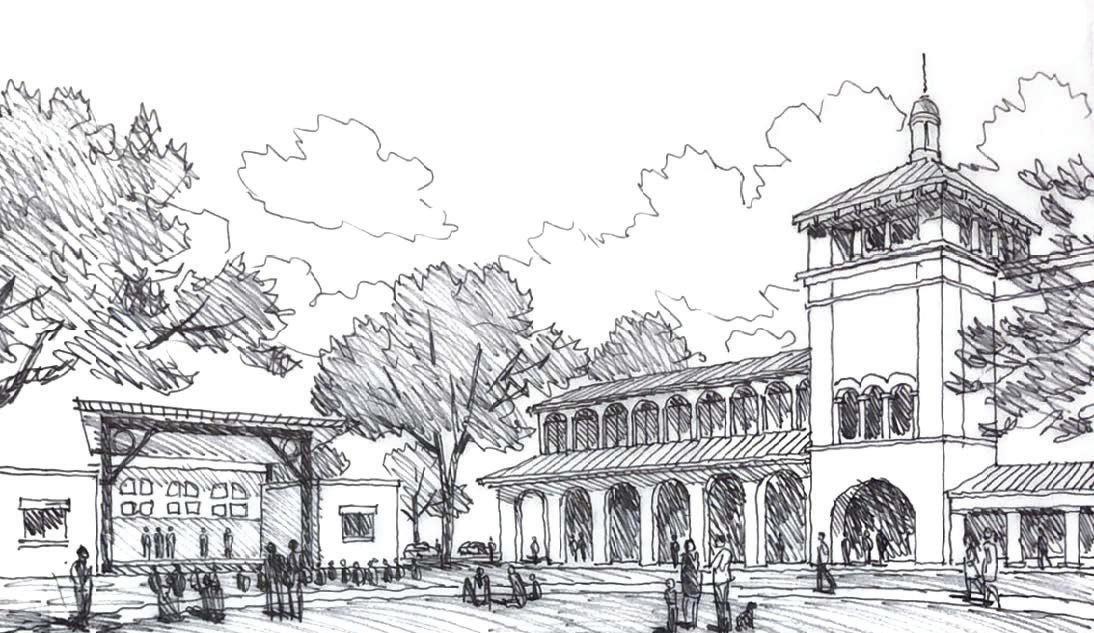

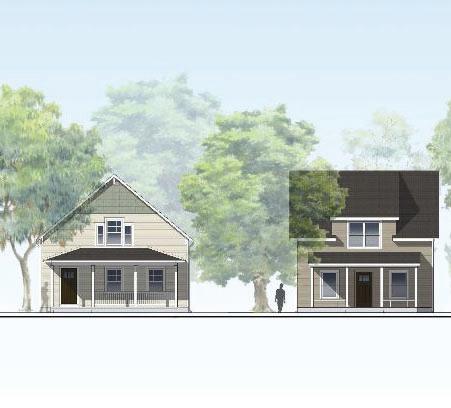
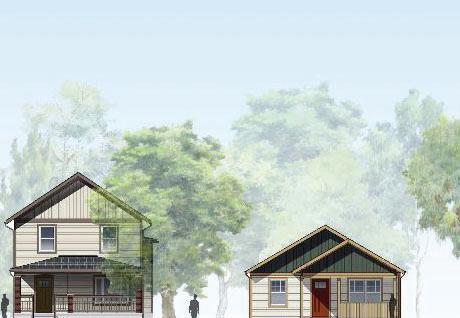
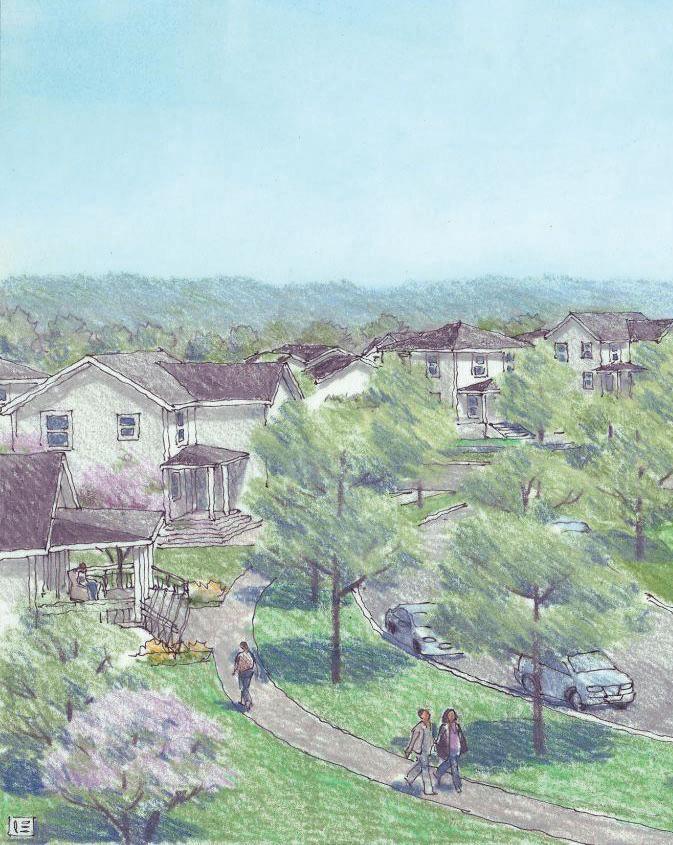

This edition of the Dean’s charrete explored affordable housing units in Mishawaka-Indiana. The masterplan advocated for a bigger green footprint - percentage of site covered by natural vegetation, pedestrian friendly streets and the application of privacy gradients to develop dignified housing for low-income families in the Mishawaka neighborhood.

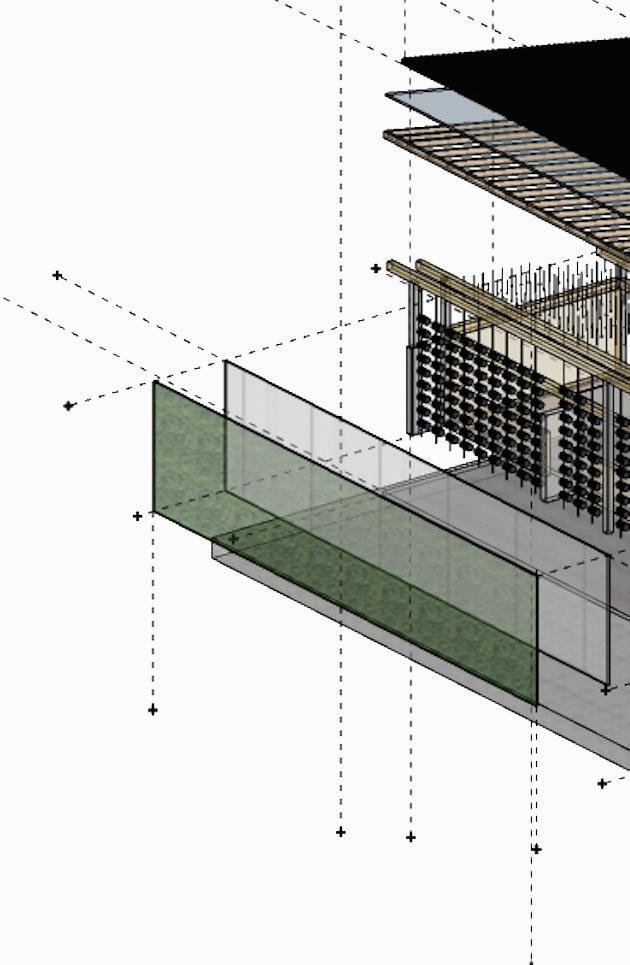
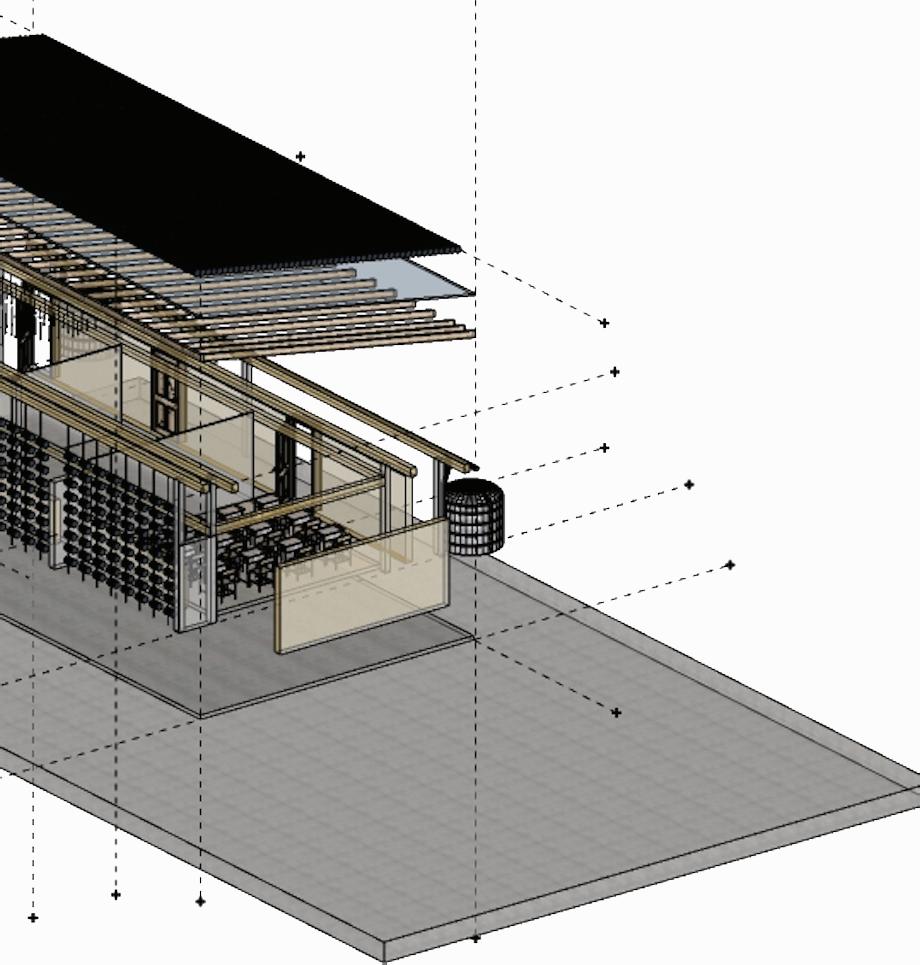
THis project proposal explores how to equip urban low-income communities with skills they would implement in creating sustainable community schools. Features of this module include simple wooded frameworks, planter wall, green planter roof, water harvesting, plastic re-use, classroom garden and passive lighting and ventilation. The simplicity of design would allow for the community to learn and build more modules unsupervised.
o low-income communities with ng community Features
climate-Resilient community classroom modules climat e Resilient mo d fo r u rban s l u m s

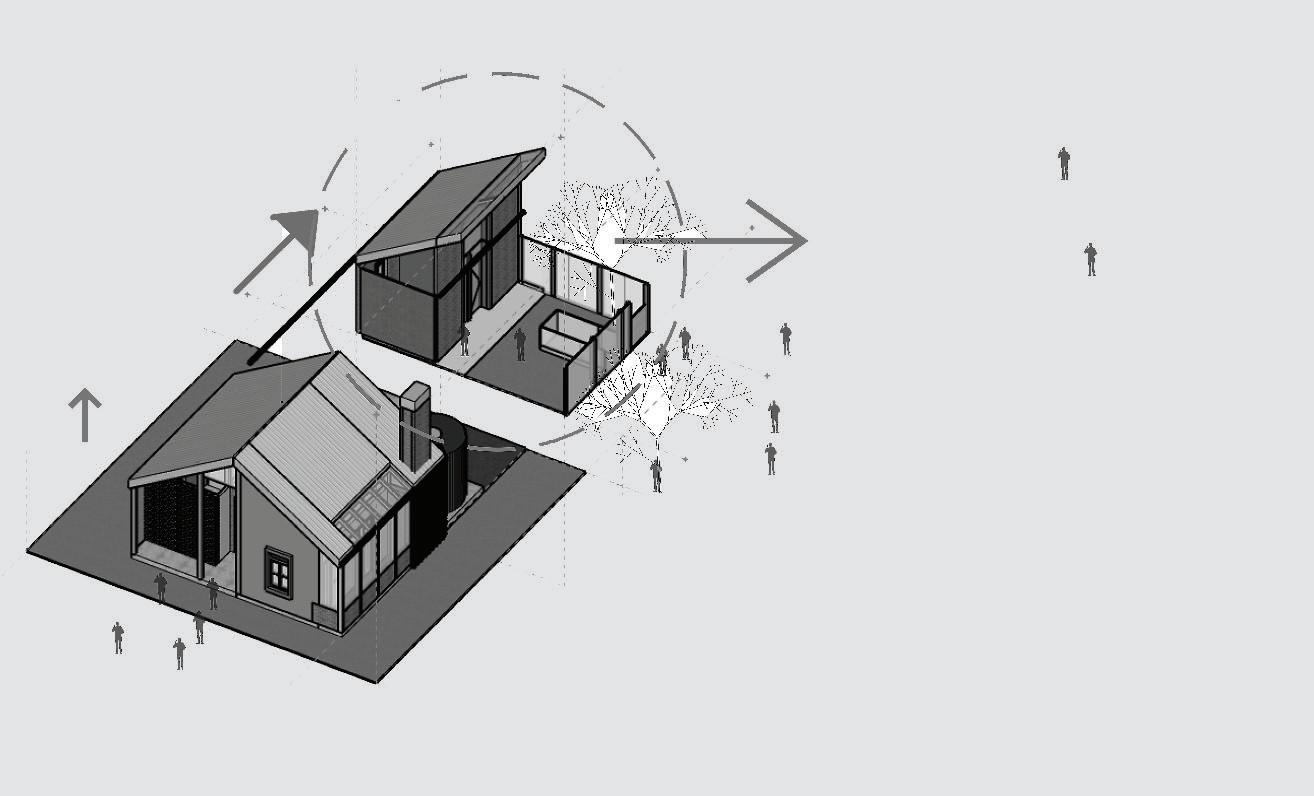
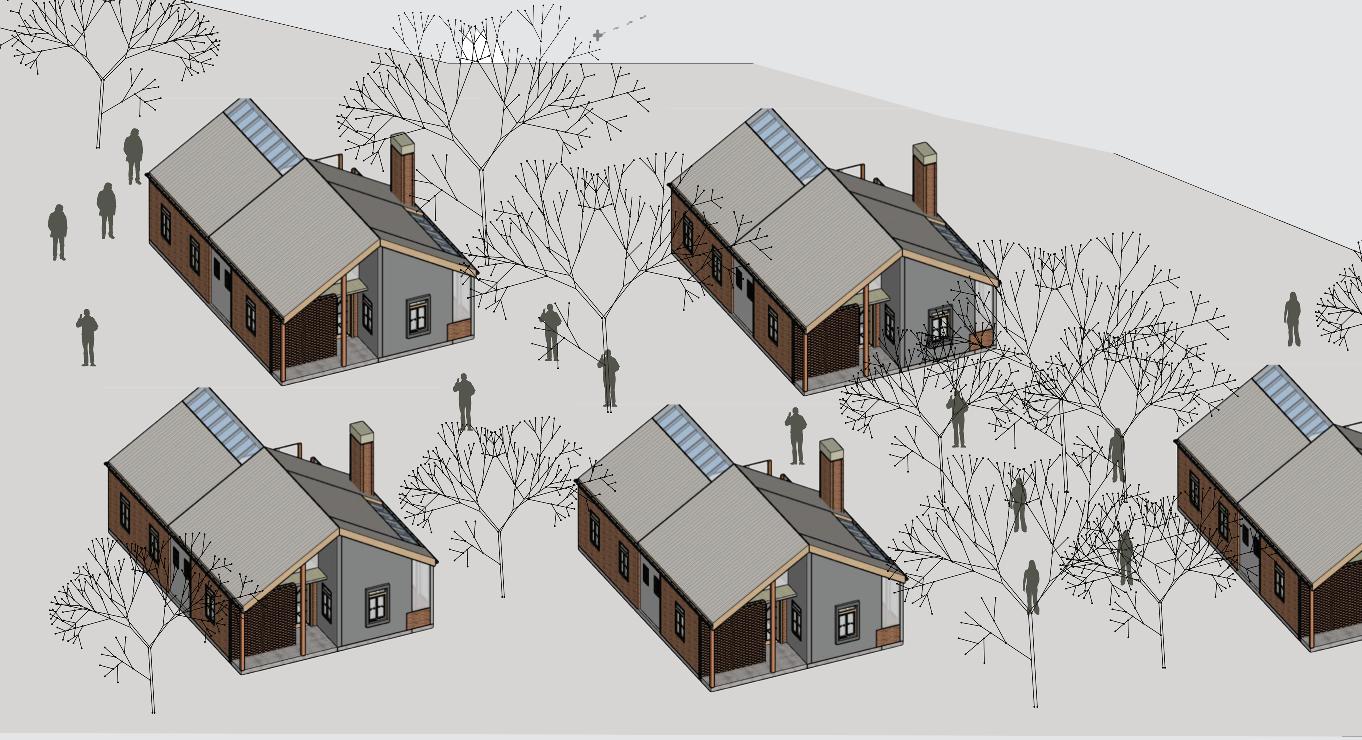

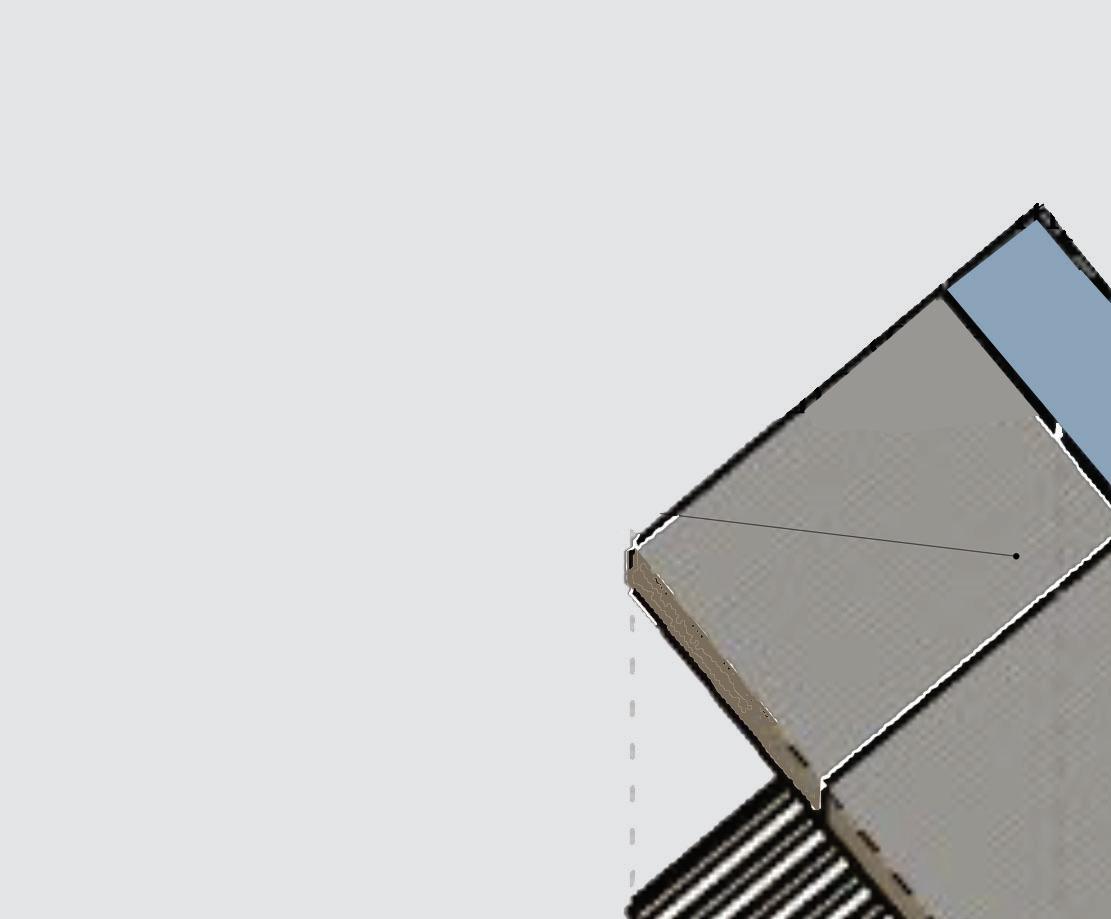

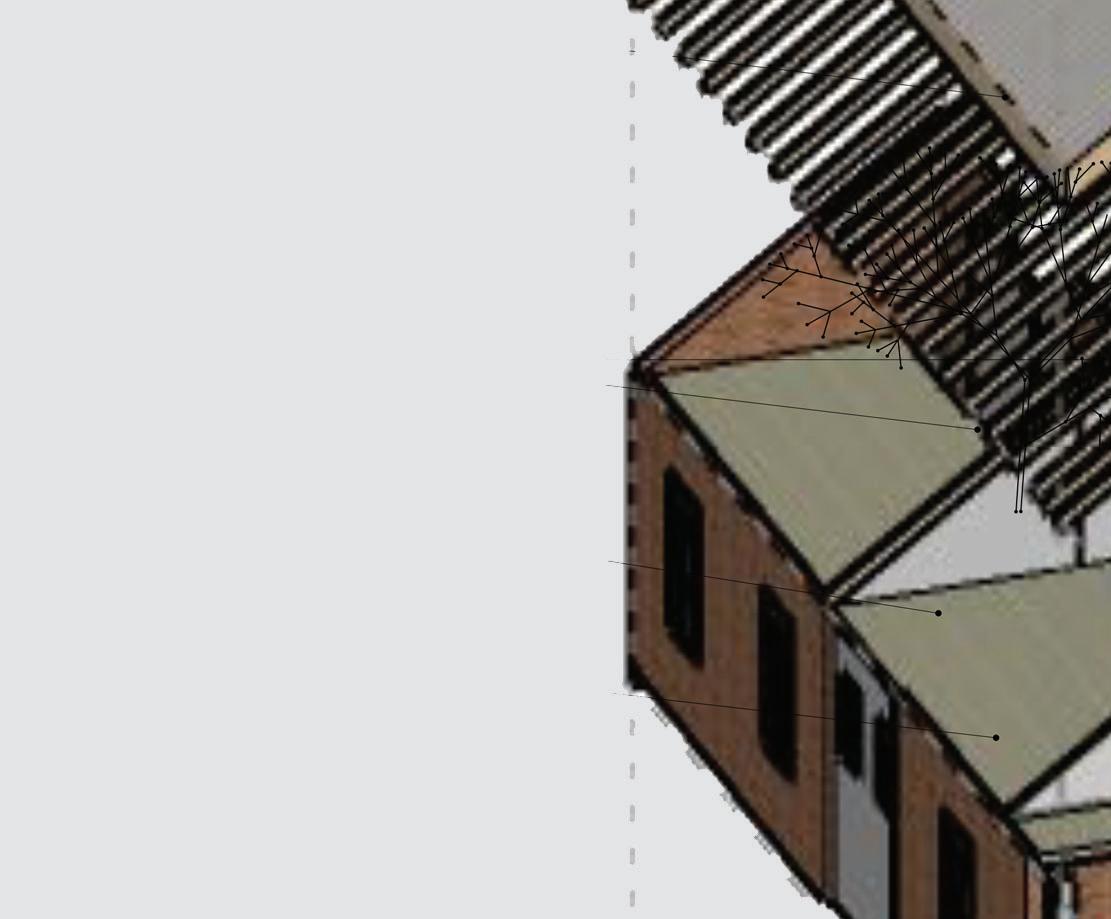
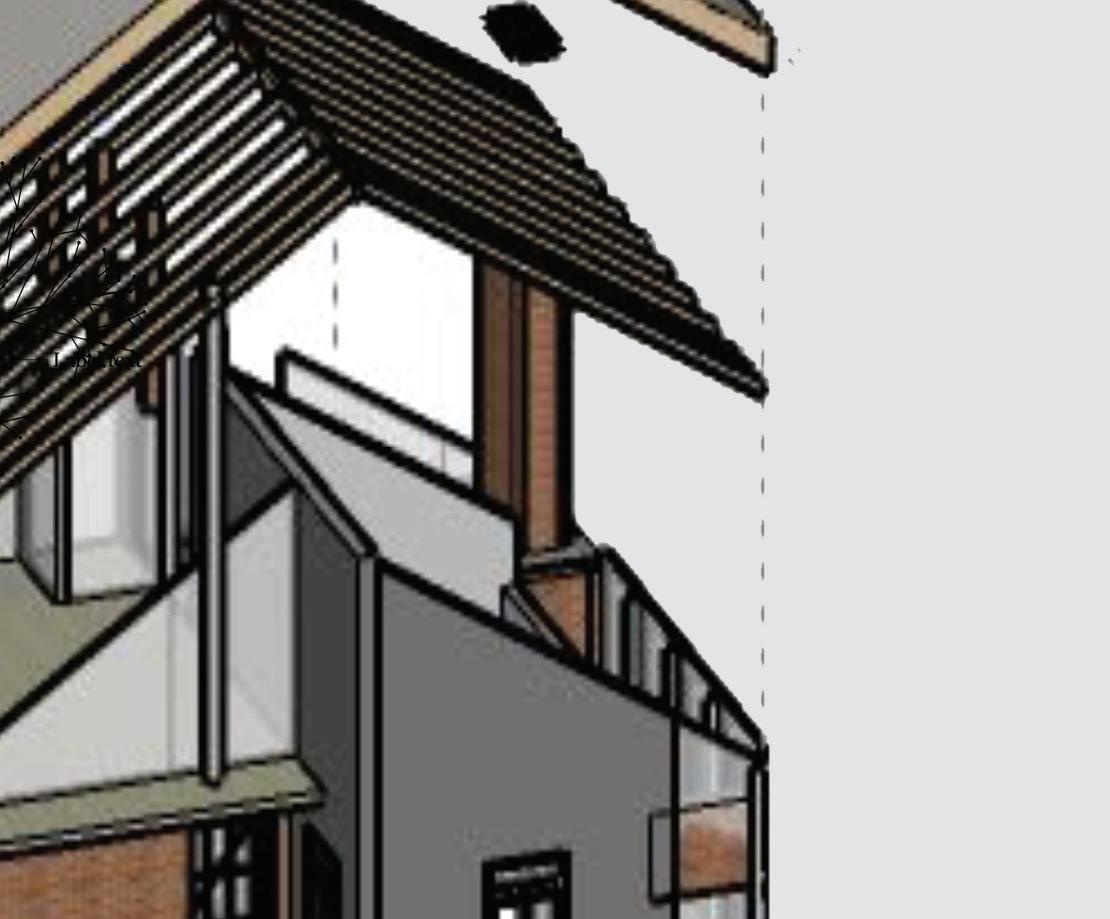
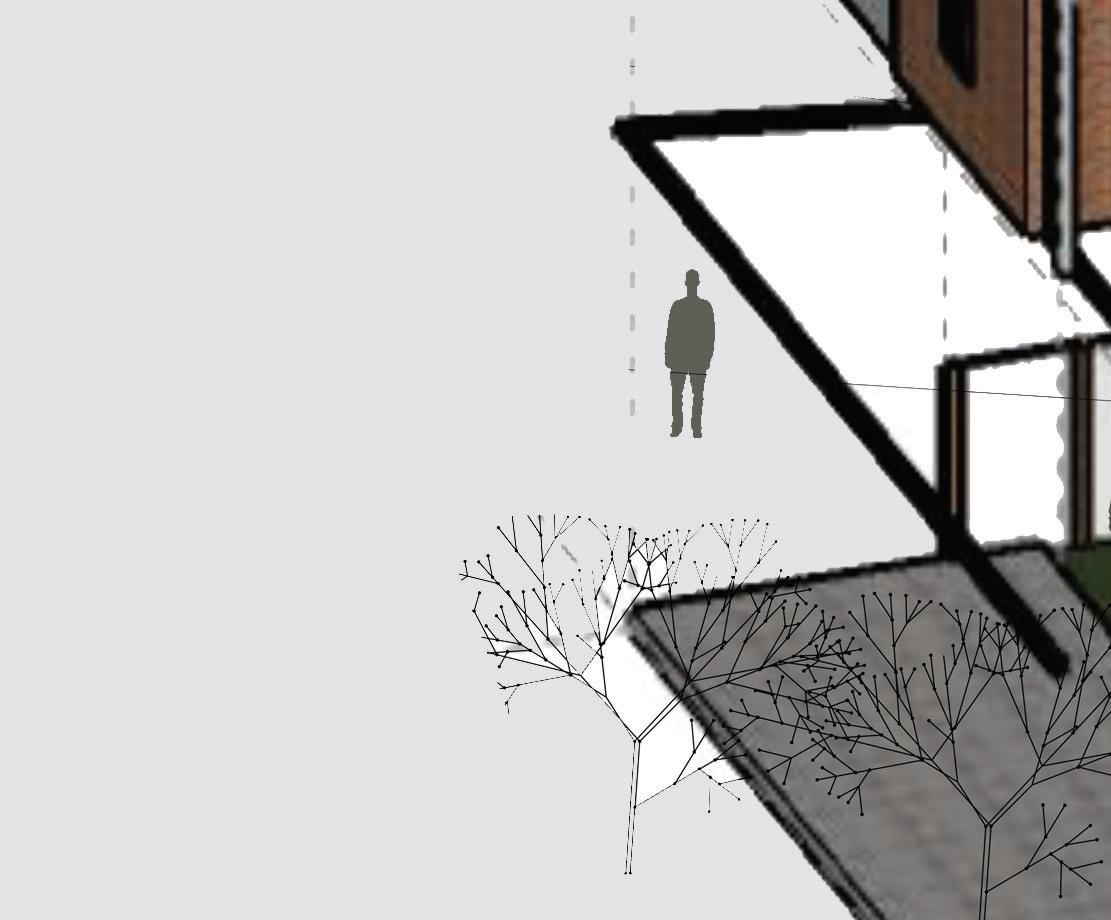




THe project is designed to provide affordable temporary housing for families displaced by natural causes in arid-semi arid areas of developing regions. The design features a a free floorplan flexible to accomodate a living room, two bedrooms, a kitchen and washroom. Sustainable water collection, passive ventilation and lighting improve self-reliance and user comfort. material and construction simplicity reduces construction cost and allows inhabiting family to add second phase attachment.