
WELCOME TO NEW ORLEANS
A guide to our favorite places across the city

While food and drink destinations are going to be the primary ways to see the town (see our Dining Guide!), here’s a general overview of our favorite neighborhoods, and some bonus activities you might not have had on your list
For more curated recommendations, please see one of our Guest Agents at the desk, or e-mail concierge@gdhnola.com
OUR NEIGHBORHOOD
“The Lower Garden District has a rich and varied architectural character that reflects over a century of development. The District was laid out as streets and city blocks in 1809 by Barthelemy Lafon. Lafon had grand plans for the area that are still reflected in some street and park names Coliseum Square, a three block long park in the center of the District, was intended as the site of a coliseum, and Annunciation Square as the site of a great cathedral Prytania Street was intended as home to the prytaneum, or town hall The primary streets running perpendicular to the river are named for the nine ancient Greek muses Calliope, Clio, Erato, Thalia, Melpomene, Terpsichore, Euterpe, Polymnia and Urania another result of Lafon’s grand classical aspirations (none of which came to fruition) Lafon’s street layout of this area reflects the curve of the Mississippi River, with streets intersecting at angles to older streets plotted in what is now the Central Business District The District is a mix of building types, primarily single and double shotguns, double gallery houses and commercial structures. These are predominately 19th century buildings, many constructed in the first half of the 19th century The scale of most of the houses in the District is substantial, with the majority being 2 stories or more Double gallery side halls with Greek Revival temple fronts began appearing in the 1840s Many smaller scale houses are located in the District A few early Creole‐style residences remain, but most of the more humbly sized housing is composed of single and double shotgun type buildings, many along Constance and Annunciation Streets. The 1800 through 2000 blocks of Magazine Street feature a number of masonry commercial buildings with deep galleries housing a plethora of small shops, bars and restaurants ” - The City of New Orleans, Historic District Landmarks Commission
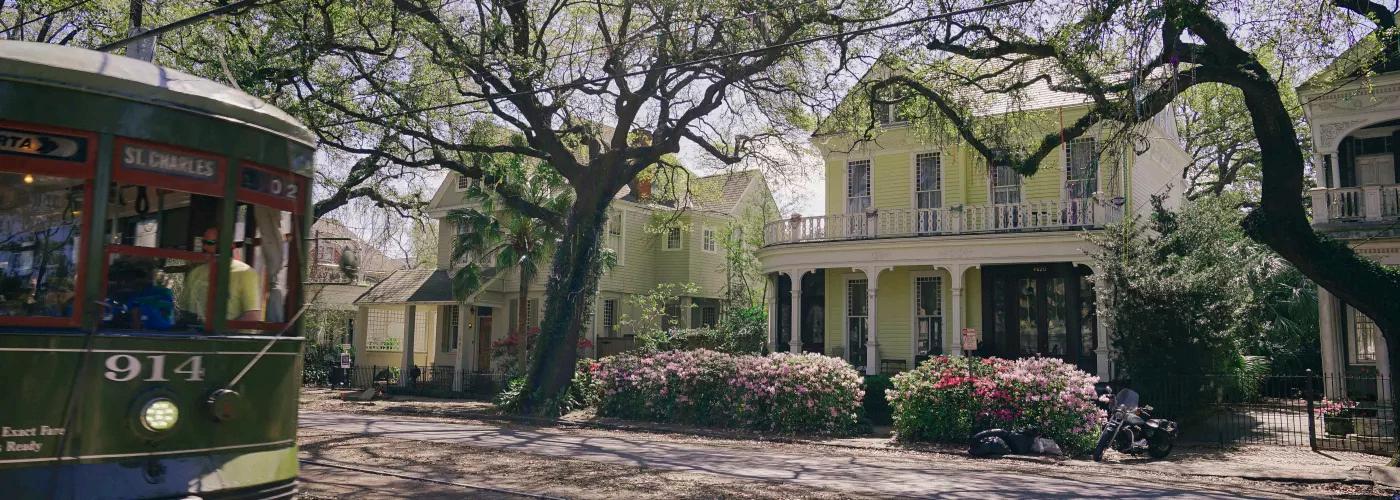
ST. CHARLES AVE
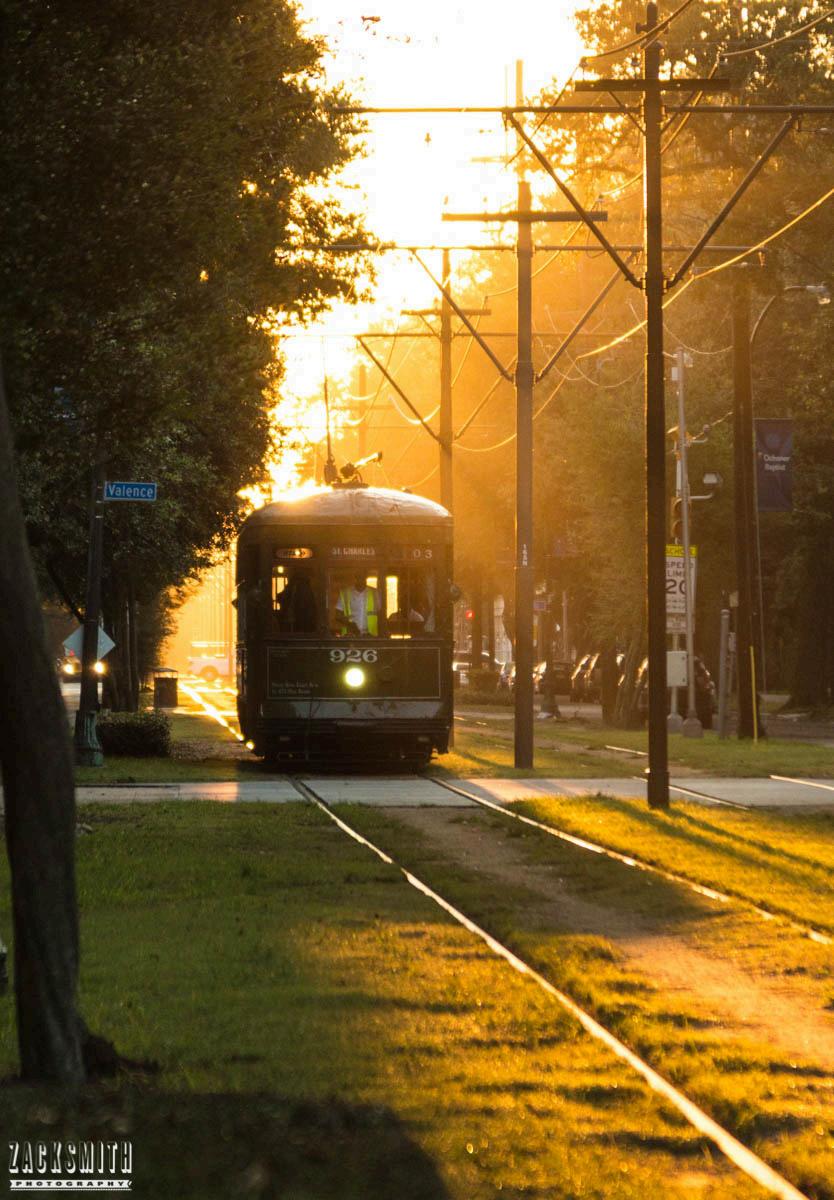
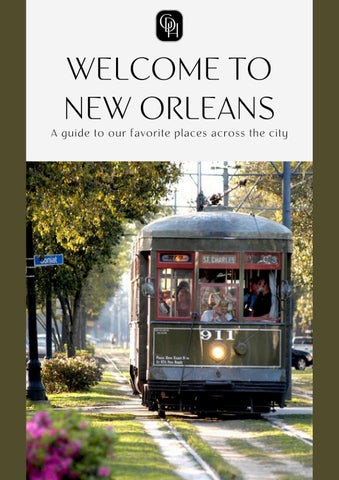
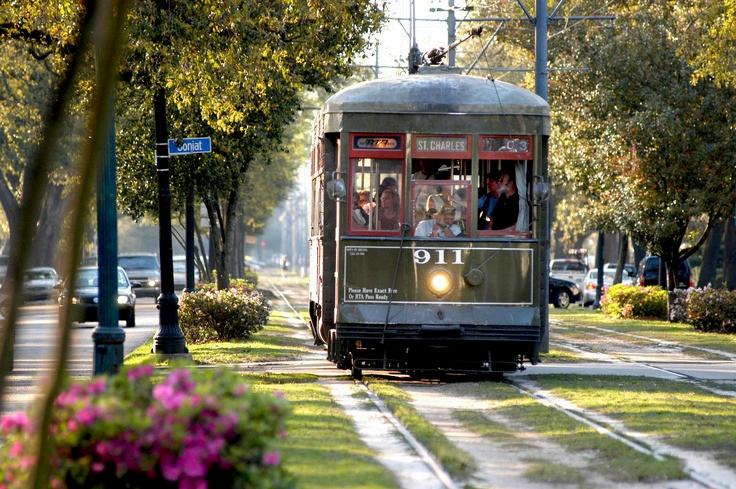
Ah, yes, St Charles Avenue The quintessential views of Uptown New Orleans The Avenue is not even a half block above of us, you can see it from the corner! Hop on the streetcar going right to head Downtown towards the Quarter, or left to go Uptown towards the park. The streetcar is cash-only, a whopping $1.25 per person no matter where you get on or off. Sorry- no change given! So either bring the exact amount or be willing to lose that $.75.
Download the Le Pass App for a live-feed of where it’s currently at to best estimate your times There’s a ‘schedule’, but let’s just say it runs on ‘New Orleans time’
MAGAZINESTREET
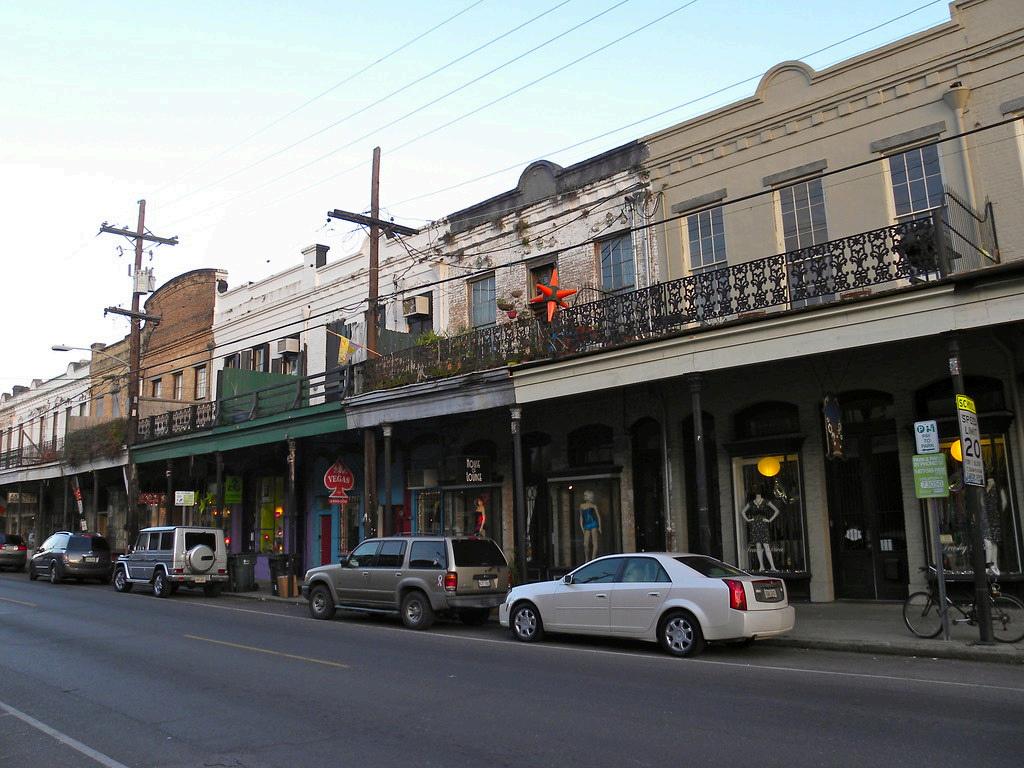
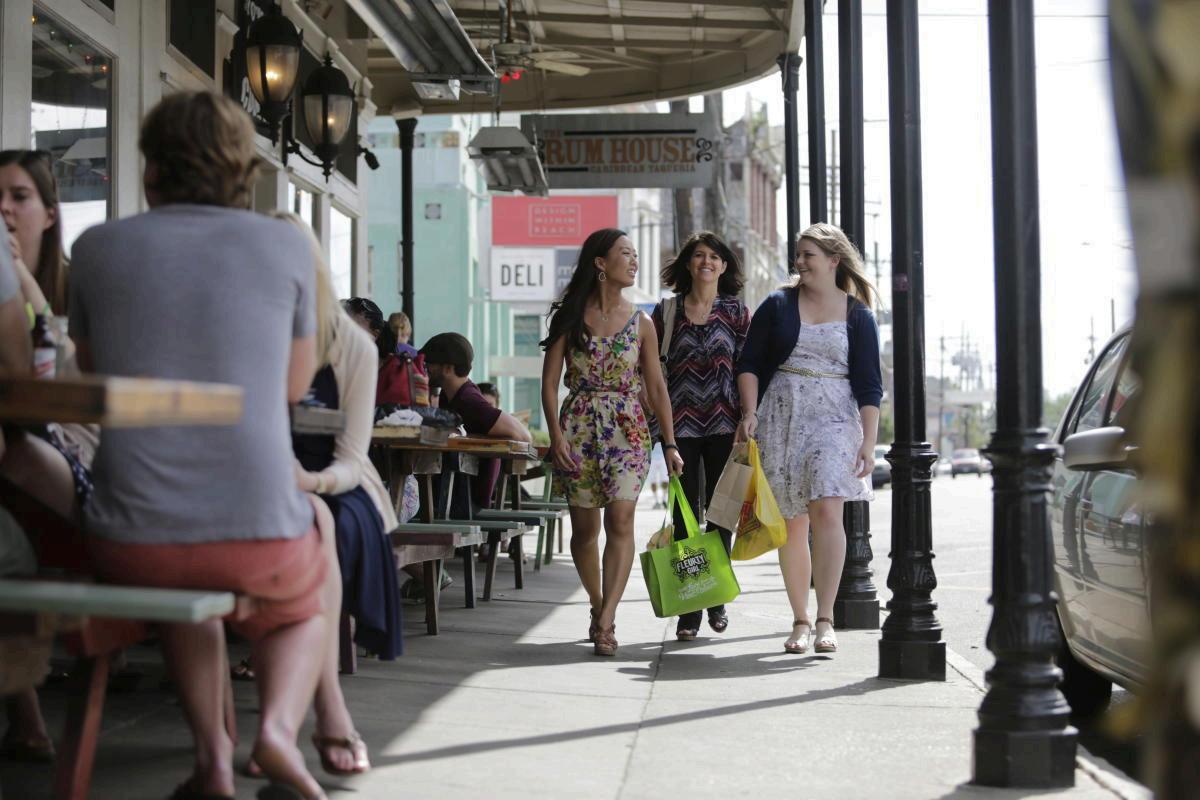
Located just a handful of blocks below us is one of New Orleans’ best strips for unique shopping, restaurants and food Magazine Street runs Uptown to Downtown (which, for New Orleans, is more of a left-to-right direction than truly up and down) starting all the way up by Audubon Park and Tulane and heads 5 miles in the downtown direction, all the way to Canal Street on the edge of the French Quarter While it is beautiful and safe to walk no matter where you are, you’re not going to want to walk the whole thing! The busy sections with the most to do and see are:
Between Nashville and Jefferson (furthest Uptown)
Between Valence and Marengo
Between Louisiana and Washington
Between Jackson and Felicity (closest to us)
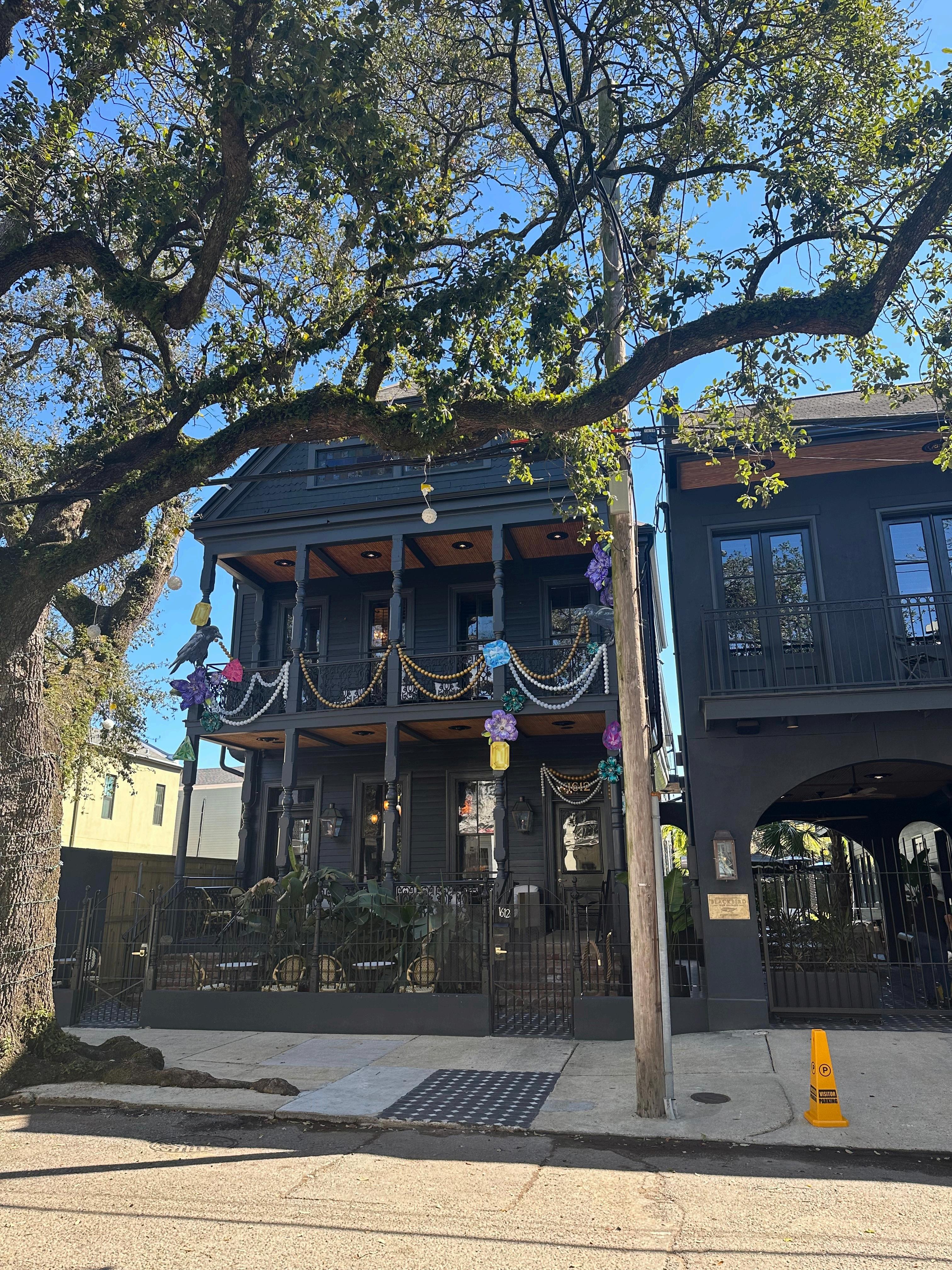

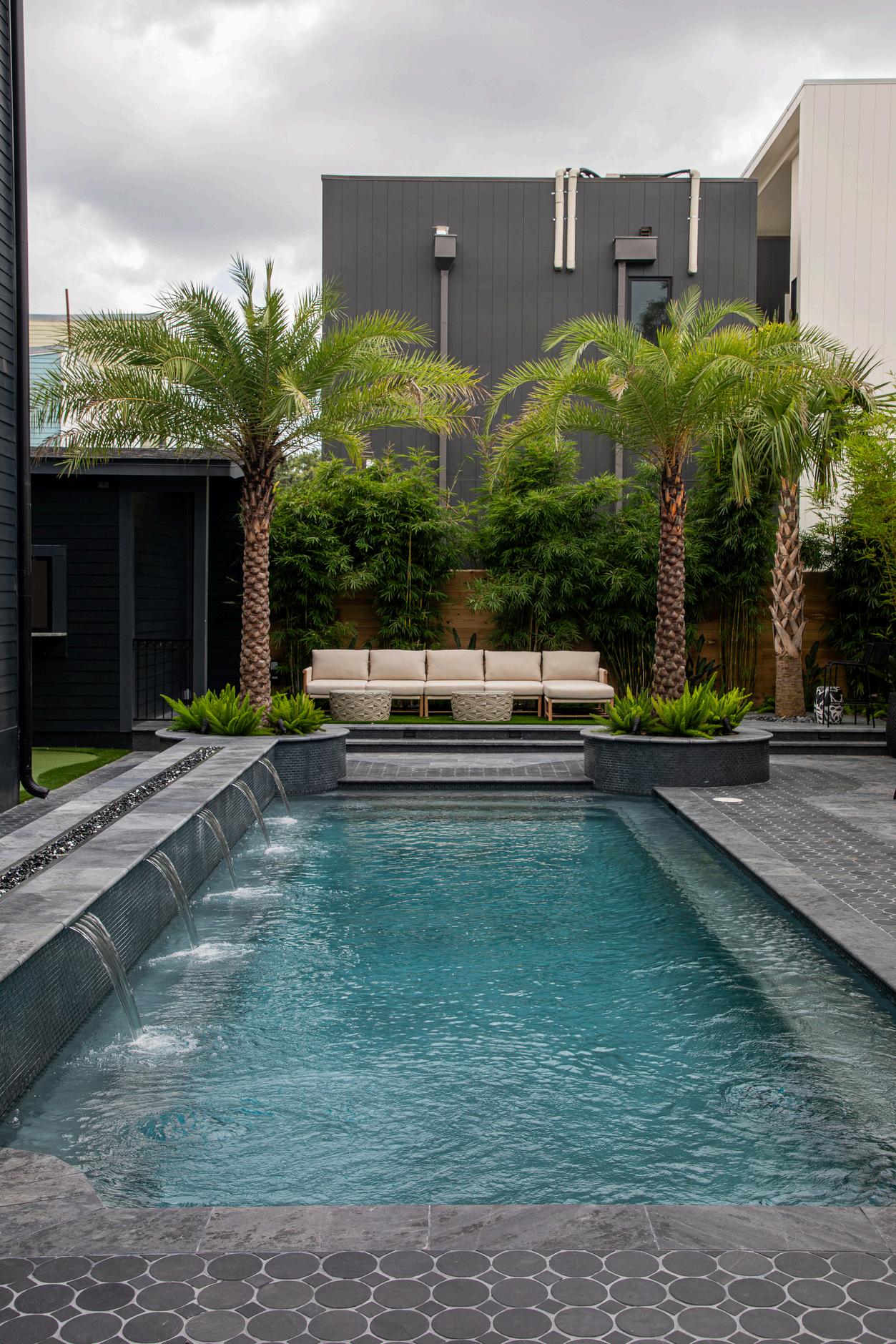
Our sister hotel, The Blackbird, is just half a block in the Uptown direction from us With a pool, indoor and outdoor bars, a kitchen and a cafe for all your caffeine needs - we definitely recommend stopping through! Already planning your next trip back to the city? Blackbird has 13 boutique rooms to choose from, all with distinct personalities Call them for a complimentary room consult to pick the one that best suits your style! Or ask for a tour when you stop by Note: There is a minimum spend at the bar and kitchen to access the pool during peak hours.
Lobby Bar: 4pm-10pm
Pool Bar: 12pm-9pm
Kitchen: 3pm-9pm
Cafe: 7am-1pm
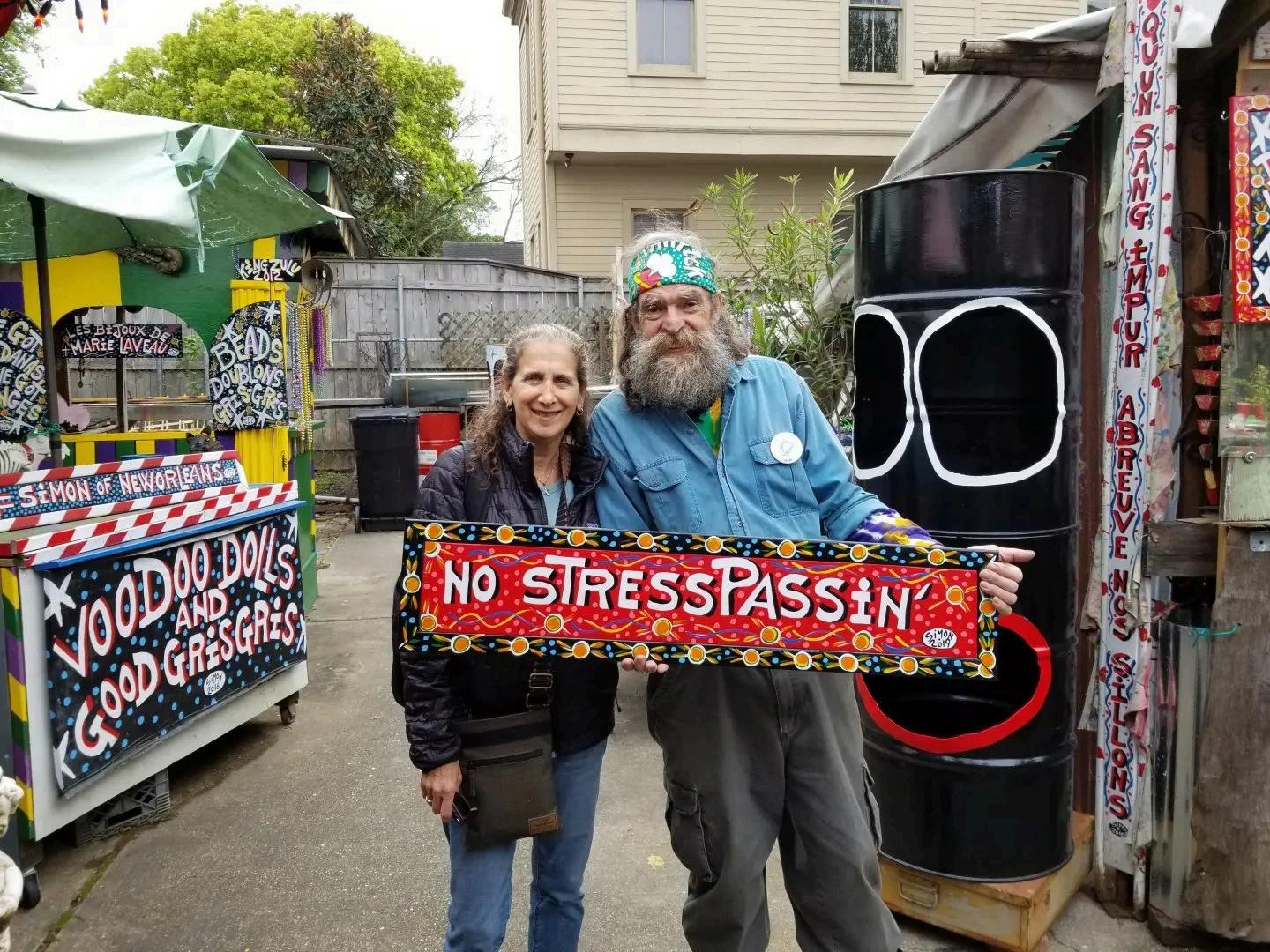
of New Orleans
French-American folk artist en living and painting in New ce 1993. A staple of the his one of a kind, handns are seen everywhere the city, a look which has nonymous with that New e’
indoor/outdoor studio and from wreckage pulled from Jackson and Magazine, then y K’s a few blocks away to g s wall-to-wall as you grab a bite to eat
1028 Jackson Street, 15 minute walk
The Bead Shop
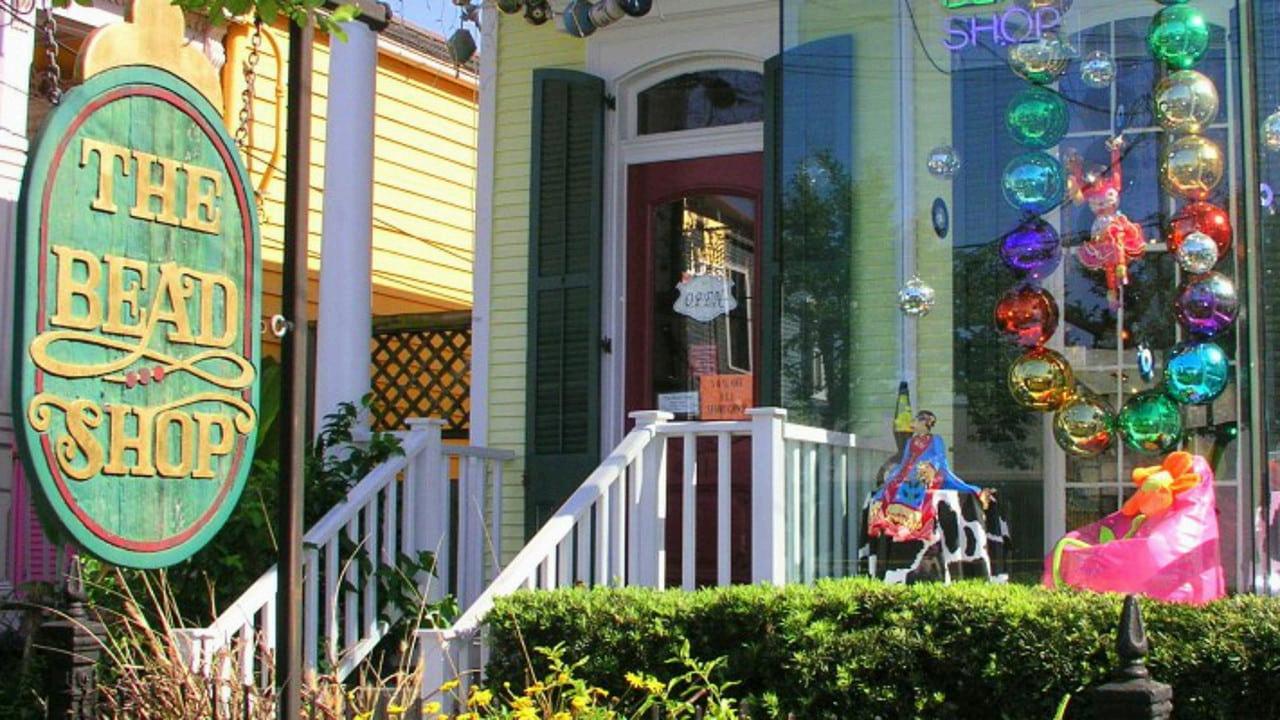
Fun for all ages, we highly recommend checking out The Bead Shop on Magazine You can select and design any type of necklace, earrings or bracelet and they’ll teach you how to make it (or you can pay them to do it for you) Be sure to stop into the room furthest back for their Charm Barspecifically if you ’ re looking for a signature charm bracelet. TBS also hand makes our custom Do Not Disturb tassels at The Blackbird!
Estimated drive time: 10 minutes
AUDUBONPARK
Audubon Park takes up the space between Tulane University and the Mississippi River The upper two thirds of the grounds are separated from the smaller bottom section by Magazine Street, which runs through the park The upper loop is a track-shaped two miles around of oak-lined bike and walking paths, and runs from Magazine to St Charles, where it it lines up with Tulane and Loyola University campuses, and back to Mag. The center of that loop contains a small country club house and golf course The bottom section of the park contains a horseback riding stable, The Audubon Zoo and our ‘version of the beach’, lovingly called The Fly by locals and college students alike Grass fields overlooking the Mississippi River with sports areas, lookout points and plenty of parking, it’s a great place to have a barbecue or watch the tug boats go by when the weather’s nice (Pro tip: They’ll honk back if you signal them!)
Rideshare/GPS Locations: The Tree of Life, Audubon Zoo, Tulane University
THE FRENCH QUARTER
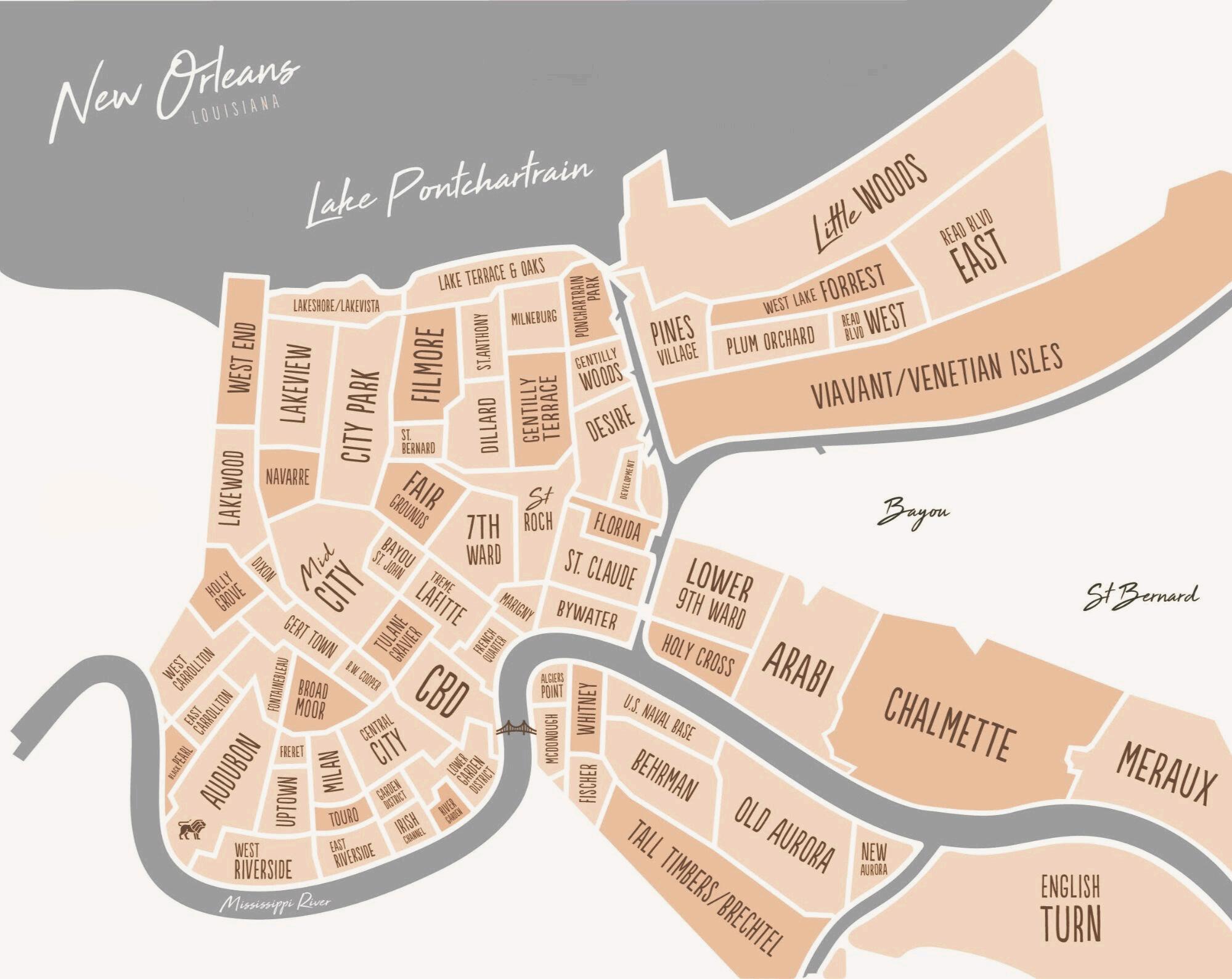
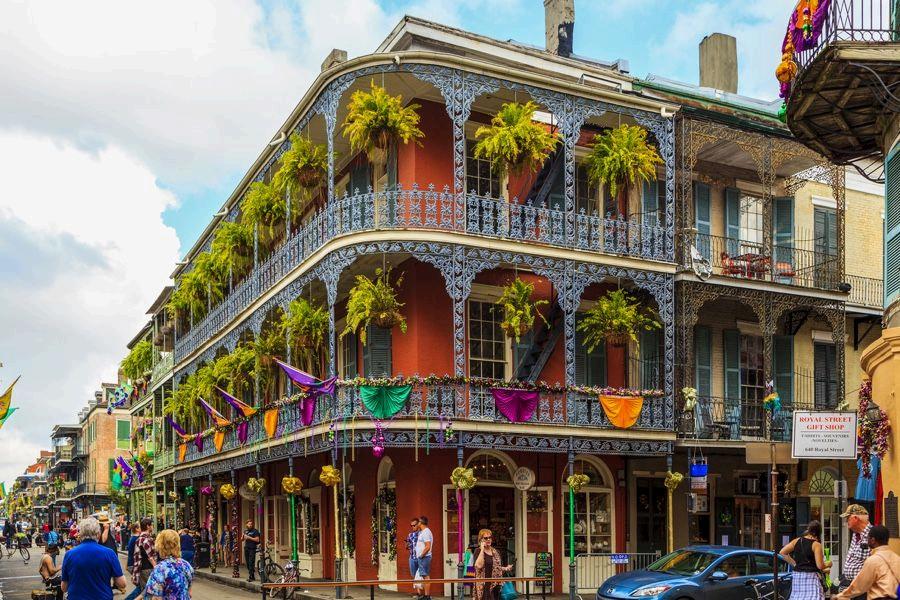
If you were to ask us, most of us would probably say that we prefer Uptown to Downtown But, of course, as visitors to the city there are at least a few things there that you should know and that you may want to check off your list. The St Charles streetcar line does run to the quarter, but not through it You’ll want to walk a loop around if you want to take the streetcar back Uptown From the hotel, take it in the right-wards direction for about 15 minutes though the Central Business District (CBD) to get off at the last stop, Canal Street This is one of the four outer sides that make up the Quarter
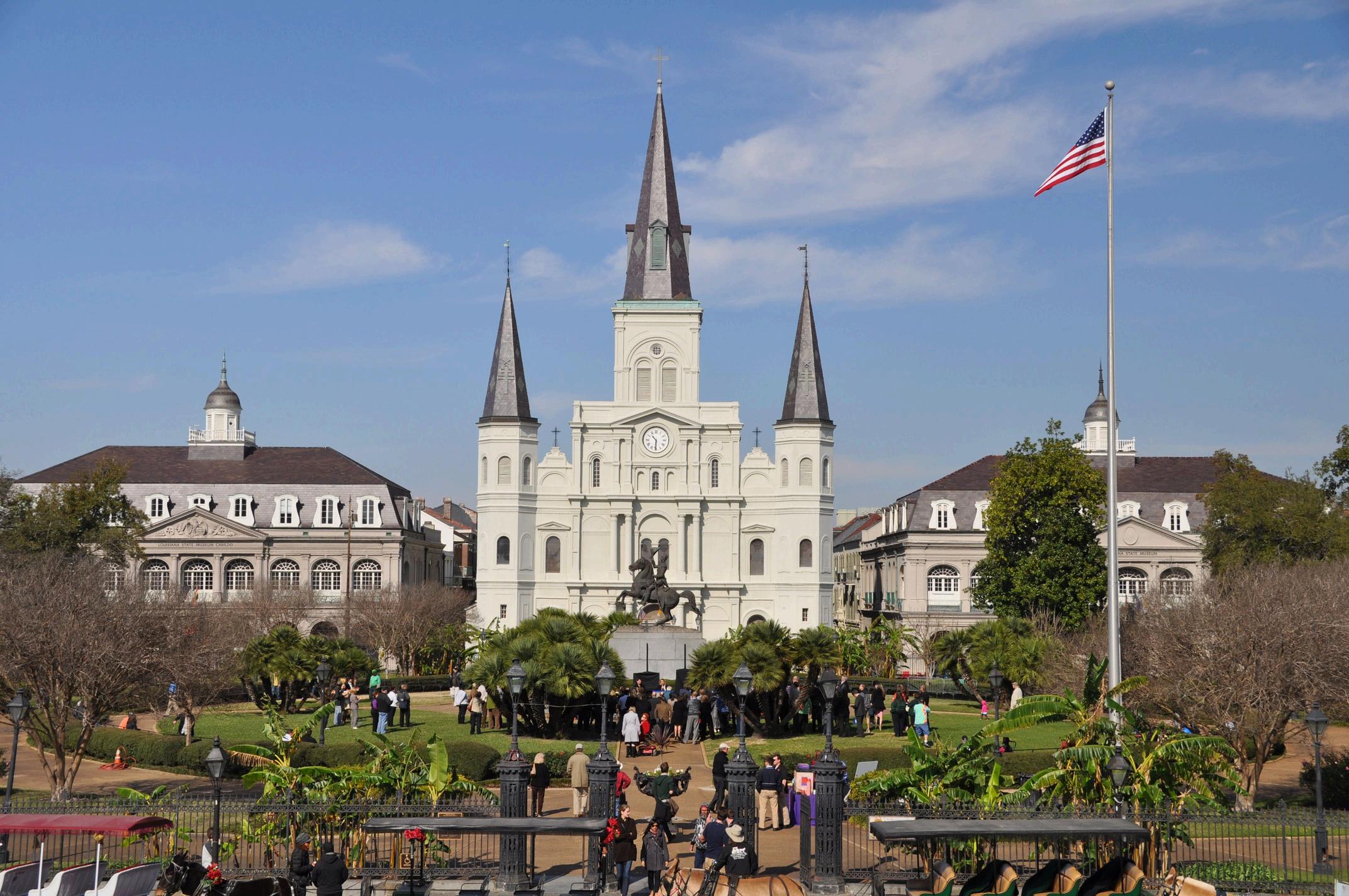
From here, you can walk down Bourbon Street IF that’s what you want Our suggestion? Go one block to the right and take Royal Street all the way through the center of the Quarter for the best antique stores, art galleries and if you’re lucky - street performers When you hit Esplanade at the other side, turn right Where Esplanade ends at the light you have two options If you go left, you’ll leave the quarter just barely to check out Frenchman Street, which is three full blocks of live music venues on both sides of the street For locals going downtown, this is where we’re almost certainly headed On Saturdays, there will probably be live music in the streets themselves, street food vendors, and a vibrant art market towards the end of the strip Or, take a right at the light, to walk up Decatur Street, which runs parallel to the Mississippi, passing the Jazz Museum, the historic French Market, and of course, Jackson Square and the St. Louis Cathedral before ending up back on Canal near Harrah’s Casino.
THEMARIGNY
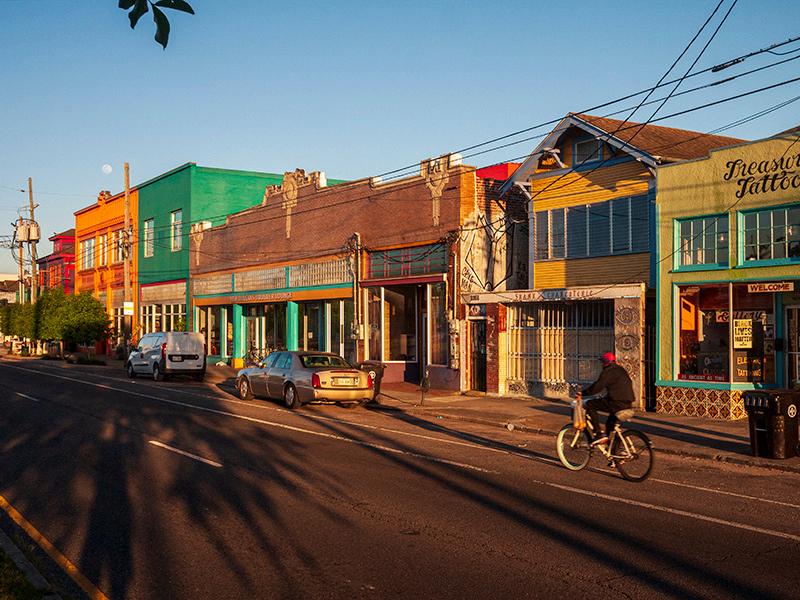
Just past the hustle and bustle of the French Quarter, you’ll encounter the Marigny, the most intact and architecturally diverse historic neighborhood in New Orleans In a single block you can travel back in time 100, 150, even 200 years With the historic term of the Creole Faubourgs, suburbs that developed as the young city grew along the higher natural levee of the river The area welcomed diversity from the start Drawn to riverfront jobs, many early residents were skilled builders and tradespeople, especially immigrants and free people of color
The district remained intact through preservation by neglect also a testament to durable, well-constructed buildings suited for their climate (think of how many hurricanes they’ve been through) Impressively, most of the architecture is still used for its original purpose Two centuries later, the neighborhood remains walkable and mixed-use, feeling less like a history exhibit frozen in time and more like a living, vibrant place that continues to evolve
Our picks in this neighborhood? Alma’s for breakfast, The St. Roch Market for a variety of lunch options, and N7 for dinner! (They don’t have a phone, but you can still get your table on Resy)!
Estimated Drive Time: 12 minutes
MIDCITYAND BAYOUST.JOHN
y Park
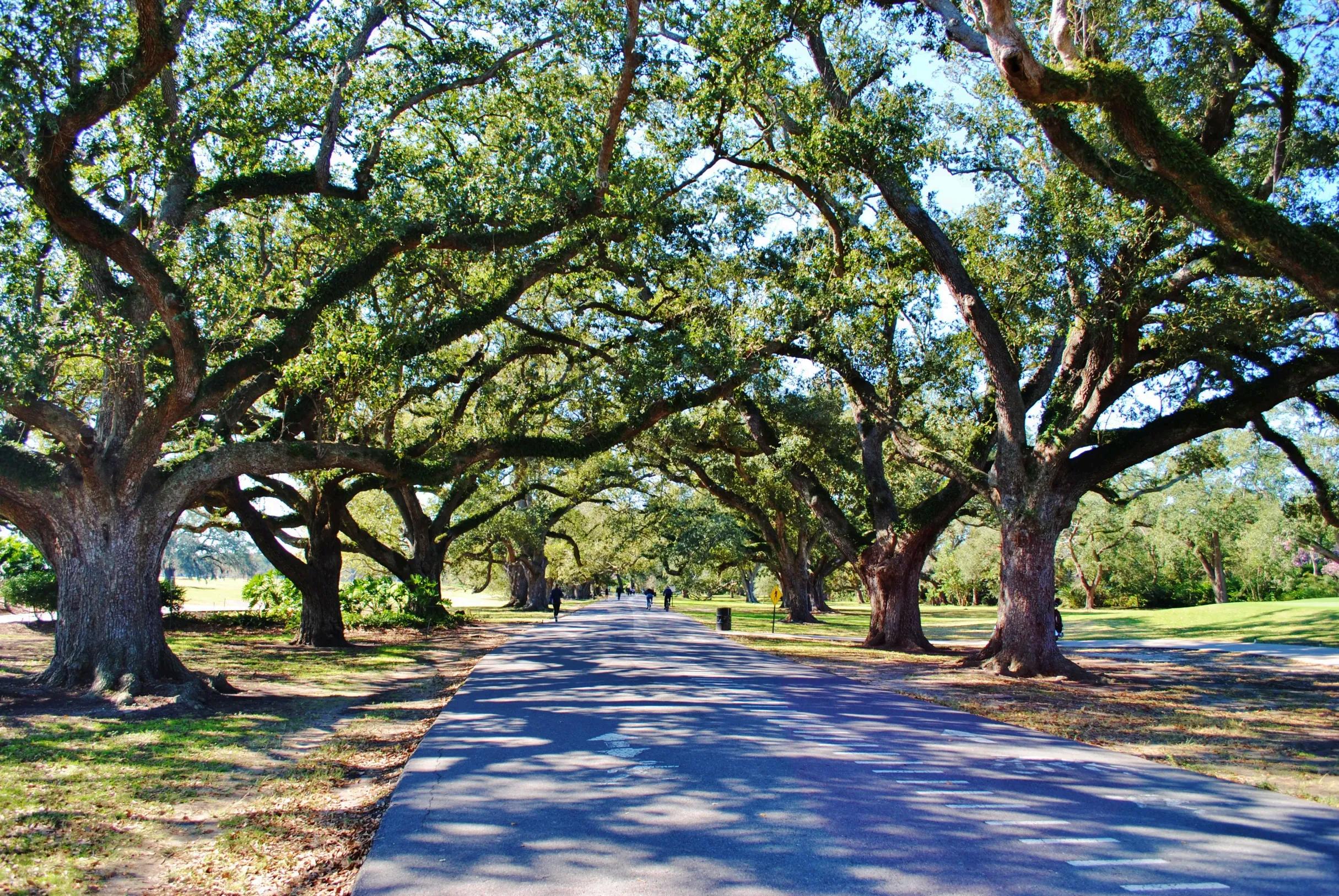
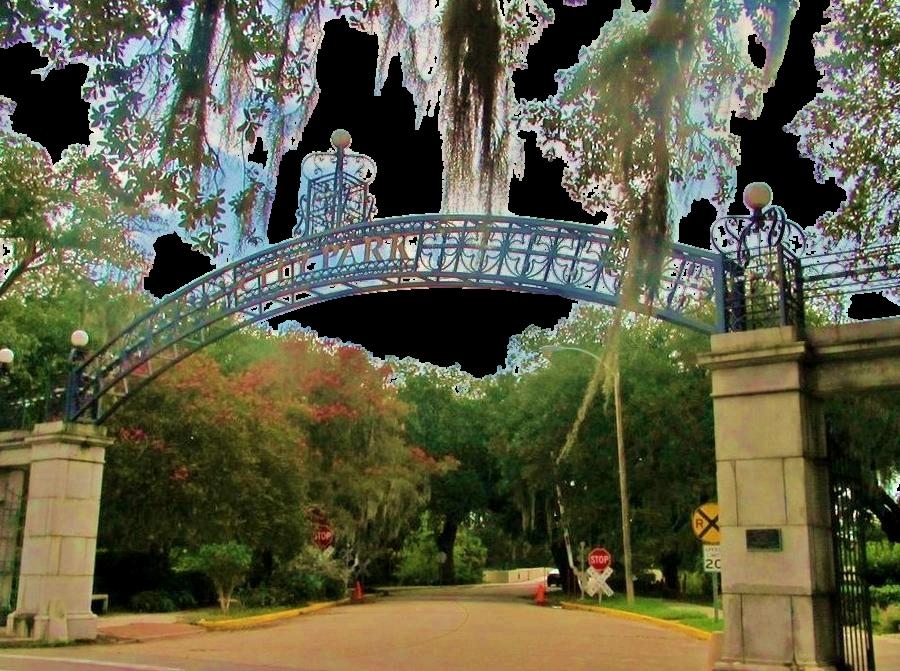
Park is about 50% larger than al Park in New York City and is one e most visited urban parks in the ry It holds the world's largest ction of mature live oak trees, almost 600 years old! The park prawling trails, historic buildings, a Du Monde, children’s attractions lake with swan-shaped paddle overlooking the New Orleans um of Art (NOMA) and Sculpture en, which is also on the park’s nds
GPS Destination: New Orleans Museum of Art, 15 minute drive
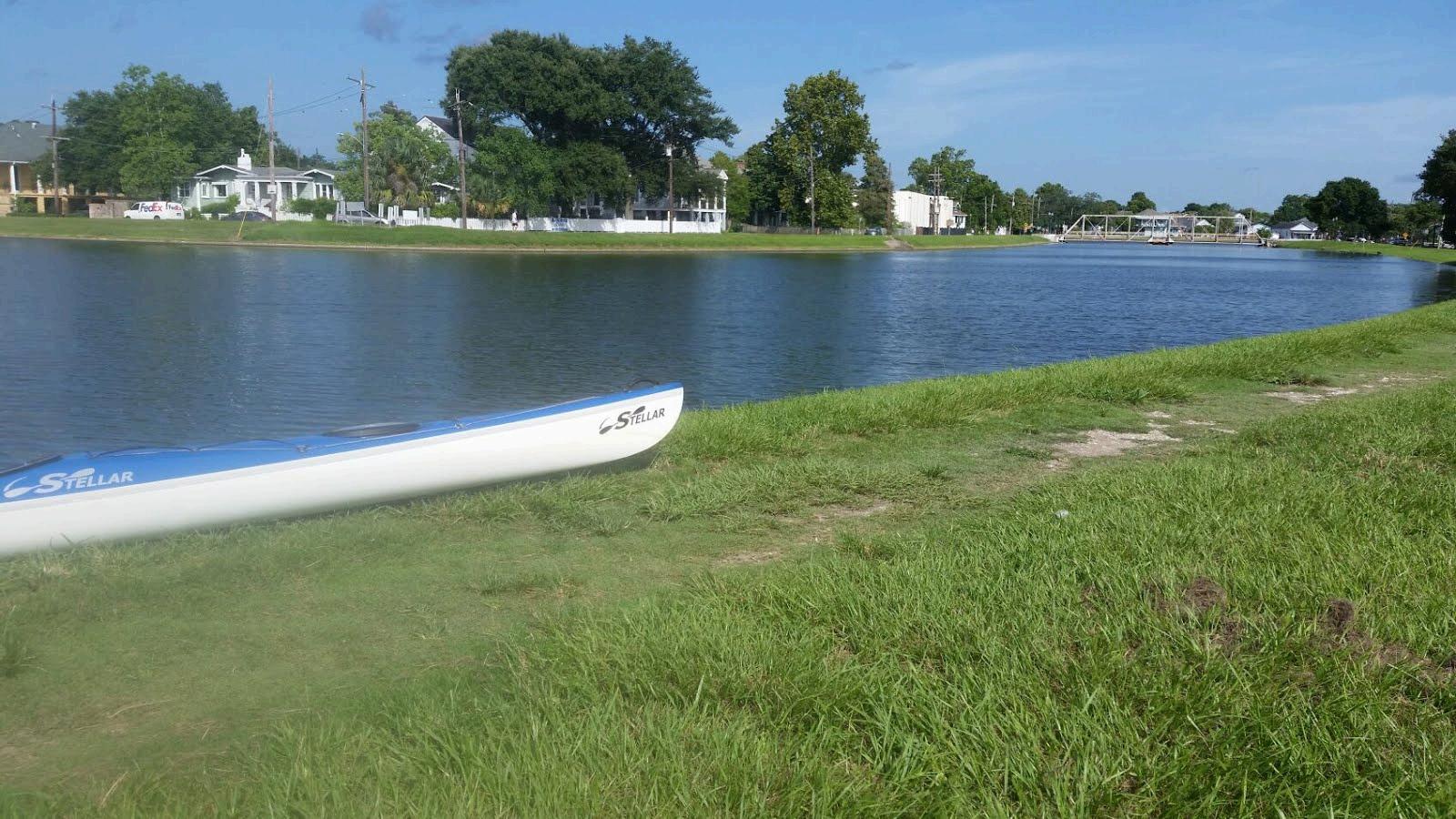
Bayou Paddlesports
Grab some gear and paddle up Bayou St John with Bayou Paddlesports in one and two person kayaks. BSJ is a series of small canals within the city of New Orleans that was once part of a much larger canal system and has been used to get throughout the city for almost 300 years. Located on Florida Ave, you can rent gear from them or schedule a two-hour group outing with a guide
Estimated drive time: 16 minutes
Angelo Brocato’s
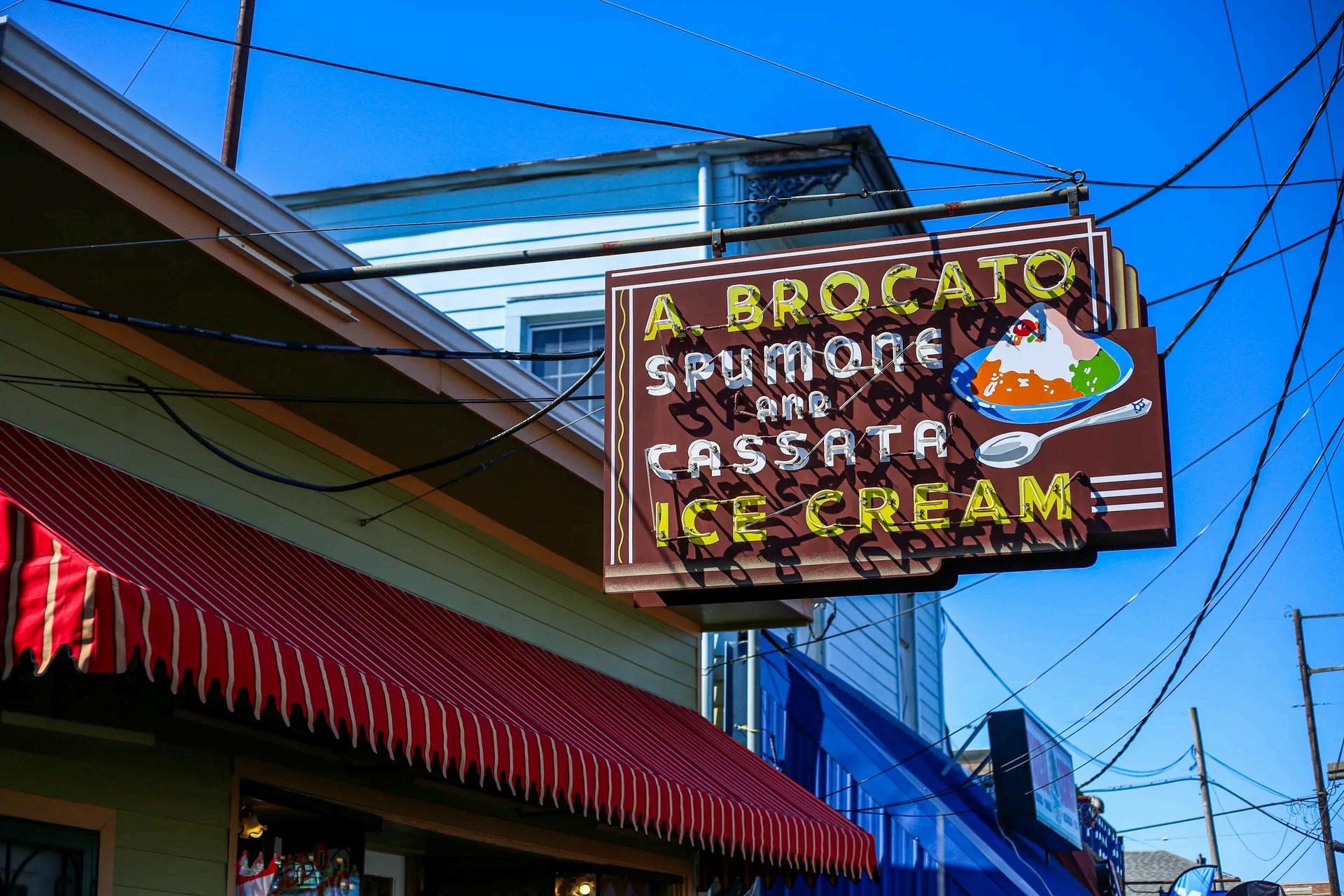
Walking into Angelo Brocato’s in New Orleans feels like stepping through a portal to Sicily circa 1905 This treasured Italian ice cream parlor has maintained authentic Sicilian traditions for over a century, becoming a cornerstone of New Orleans’ culinary landscape Founded by Angelo Brocato, who mastered the art of Italian gelato as a 12-year-old apprentice in Palermo, this establishment began in the French Quarter before relocating to its current Mid-City address at 214 N Carrollton Ave in the 1970s The shop’s enduring presence offers a taste of authentic Italian confections that have delighted generations of New Orleanians and visitors alike.
Estimated Drive Time: 12 minutes
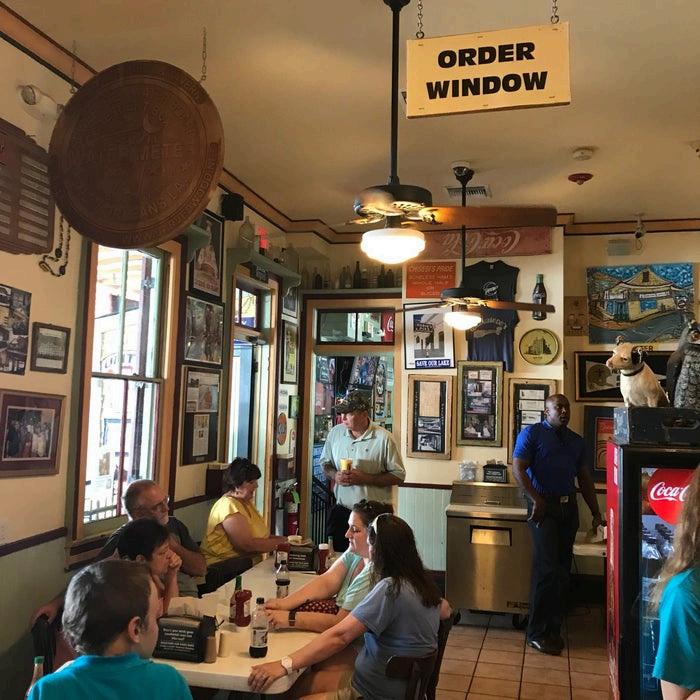
Parkway Tavern
Our pick for the most mouthwatering po’ boy sandwiches in the ity! According to historian Errol aborde, the correct way to refer to he sandwich is “poor boy” because it was created by the Martin brothers fter the streetcar strikers – those poor boys ” But whether it’s referred o as a poor boy, po’ boy, po-boy, or po boy, what everyone can agree on is that the famous sandwich holds s place in the hearts of generations of Louisiana families and its many ans around the world Parkway has een serving them up since 1908
stimated drive time: 15 minutes
THEWESTBANK

Sports
ing a little perhaps? Hop River Bridge out NOLA West Bank, into some go-karts for re are kiddie
0 minutes
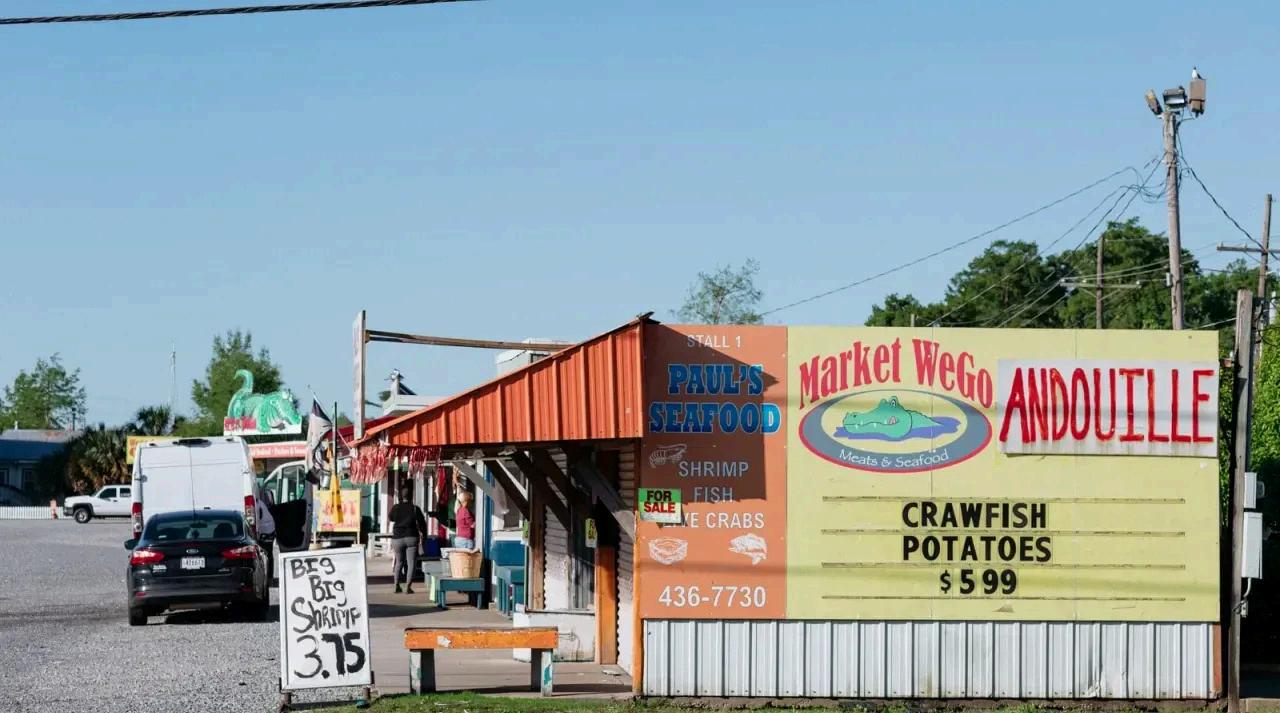
Westwego Seafood Market
While you ’ re over on the West Bank, stop here for a row of brightly colored, openfront shacks sitting off an unsuspecting road. The buildings, bubblegum pink and fire engine red in color are just what you might envision of an authentic gulf coast fish market
From Alligator meat, to frog legs, fresh shrimp, catfish, and oysters (plus, nearly anything else you can catch with a net or a rod), there’ s no shortage of fresh seafood options Split between different vendors that specialize in a certain fare, fishermen bring their daily catch to sell to locals and tourists who make the short journey to the market Packed on ice in iconic red and blue American coolers, the voyage just to view the seafood at this iconic marketplace is worth the trip to Westwego alone