Bonjwing Lee
Kelly Smith Trimble
John Coykendall
Isabel Burton
Jamie Kowarick
Jennifer Justus
Macy Roberts
Kathryn Sullivan
Sarah Thomas
Joey Edwards
Adam Grigsby
Bonjwing Lee
Kelly Smith Trimble
John Coykendall
Isabel Burton
Jamie Kowarick
Jennifer Justus
Macy Roberts
Kathryn Sullivan
Sarah Thomas
Joey Edwards
Adam Grigsby
It’s been incredibly fun to commemorate Blackberry Farm’s 50th anniversary throughout 2026! What’s most special about a milestone isn’t necessarily the celebrations. What is making the biggest impact on me are the stories being shared. Learning about the quiet moments that leave the biggest impression and reminiscing on favorite tales is a reminder that there is so much to be thankful for. That’s true whether you’re celebrating a big occasion this year or simply finding joy in every day. The stories in this issue are the result of communing with creatives and artisans about the idea that any moment, big or small, can be golden.
I talk with Danielle Sherman about her signature gold jewelry but also about what it means to design something meant to last. Writer Kelly Smith Trimble shares the value of preservation through the lens of heirloom seeds, and author and sommelier Sarah Thomas invites you to consider what makes a life rich. We explore the benefits of natural sunlight, raise a glass with Krug and Bonjwing Lee offers a peek into the experience of collecting more than 50 years of history for the making of a book. (Coming soon!)
You are part of the Blackberry story as you turn these pages and connect with the thoughtful words and inspiring designs. I can’t wait for you to enjoy content that is every bit as captivating as our eye-catching cover. Cheers to 50 years of Blackberry Farm and The Golden Issue!
PROPRIETOR OF BLACKBERRY FARM & BLACKBERRY
MOUNTAIN
Mary Celeste Beall
EDITORS
Kathryn Sullivan
Sarah Elder Chabot
CREATIVE CONSULTING & DESIGN
FerebeeLane
Helms Workshop
BLACKBERRY
CREATIVE TEAM
Andrea Rule
Sarah Rau
Paige Miller
Tim Sengaroun
Lora Cate Parker
Josie McDevitt
Tyler Ridgeway
Lydia Fishman
PRODUCTION & PUBLISHING
Hawthorn Creative
ADAM GRIGSBY
Blackberry Mountain
Adventure Manager
BONJWING LEE
Writer and Photographer
CASSIDEE DABNEY
Executive Chef of The Barn
DANIELLE SHERMAN
Founder of Sherman Field
DARA CAPONIGRO
Editor in Chief of FREDERIC
Magazine and Creative Director of Schumacher
ISABEL BURTON
Writer and Editor
MACY ROBERTS
Writer
JAMIE KOWARICK
Blackberry Mountain Wellness Supervisor
JENNIFER JUSTUS
Writer
JOEY EDWARDS
Executive Chef of Three Sisters
JOHN COYKENDALL
Blackberry Farm
Master Gardener
KELLY SMITH TRIMBLE
Writer and Editor
OLIVIER KRUG
Director of the House of Krug
SARAH RAU
Photographer for Blackberry Farm and Blackberry Mountain
SARAH THOMAS
Author and Sommelier
THOMAS JACKSON
Blackberry Mountain
Assistant Dining Room
Manager
ADDITIONAL CONTRIBUTORS
beall + thomas photography
Becky Fluke
Bryce Gladfelter
Haifaa Tirey
Ingalls Photography
Sarah Delphy
Sullivan Photography
William Hereford

n the blockbuster Netflix series, The Crown, which follows the life of Queen Elizabeth II, the main character isn’t the queen. Rather, it’s the crown she wears. If you’re in doubt, the creator and writer, Peter Morgan, tells us so in the title of the show. The queen is but one in a long line of stewards, whose actions and motivations are determined by the crown, not the other way around. In a letter to her granddaughter, the young Elizabeth, the Dowager Queen Mary reminds, “The crown must win… must always win.” What makes the main character the main character is not the amount of dialogue or screen time allotted – wise counsel for kids these days, who pine and mine for what they call “main character energy.” In fact, the main character often isn’t someone at all. Instead, it’s something.
The important bit is that the main character drives the narrative, even if silently from o stage. Think of the Iron Throne in George R. R. Martin’s fantasy series, Game of Thrones, or the One Ring in J.R.R. Tolkien’s epic trilogy, The Lord of the Rings. Rarely do these objects actually appear, and yet, both exert an inescapable force over every scene and everyone. Like the crown, these main characters loom larger than any one hero or protagonist. More importantly, they’re the reason why these stories matter at all.
This has been top of mind this year, as I’ve had the honor of editing a book about the history of Blackberry Farm. How do you tell the story of a place that encompasses so much history and such a diverse cast of people?
Thankfully, I did not do it alone. The book, which commemorates the 50th anniversary of Beall family ownership, is the product of many. Sarah Chabot, Andrea Rule and the Blackberry Farm marketing team, as well as Kathryn Sullivan, who edits this magazine, were instrumental partners in this journey. Their deep institutional knowledge of the place and the people were a constant resource, as was Mary Celeste Beall, who has an astonishing memory and attention to detail. They pointed me in all the right directions, gave me a free range of Blackberry’s vast archive of photographs and documents, and introduced me to most of the people you’ll meet in the book.
My research took me back to the Spanish explorers and through the history of the Great Smoky Mountains National Park. Did you know that the entirety of West Millers Cove, including present-day Blackberry Farm, was originally slated to be national parkland?
I learned about wildflowers, animal husbandry, horse carriages, leather tanning, fencelines, beans, china patterns and several varieties of local trees. I pored through libers of deeds at the Blount County courthouse. And over months, I interviewed well over a hundred people, including musicians, fashion designers, a former U.S. senator, chefs, artists, winemakers, captains of industry, guests, team members and the entire Beall family. They were eager to share their Blackberry Farm story. A longtime resident of West Millers Cove even invited me to her home and made me her famous bean dip and pimento cheese (or, as she pronounces it, “pimmener”) just to help me bridge a couple of missing links in my timeline. She walked me through her family tree, tracing it back to her ancestors, who built and lived in
Indeed, the story of Blackberry Farm defies both belief and expectation.
the old farmhouse that still watches over Hesse Creek today. Many of these people were talented raconteurs. Thanks to them, the story that unfolded before me was quite vivid, and at times, wonderfully cinematic. Of course, as an editor, checking colorful memories against reality was a constant concern. To my surprise, however, the old adage that fact is stranger than fiction proved true more often than not.
Indeed, the story of Blackberry Farm defies both belief and expectation. It is an American saga, full of dreams and adventure, beauty and tragedy, risk and reward, as well as cooperation and goodwill. At the heart of it all is family – not just one, or a few, but a succession of them, stretching back beyond Lyndy Powell, who raised her family in that creekside farmhouse at the turn of the 20th century. In this way, the story of Blackberry is also a story of generations, each one shepherding this jewel of Appalachia through the march of time for the benefit of the next.
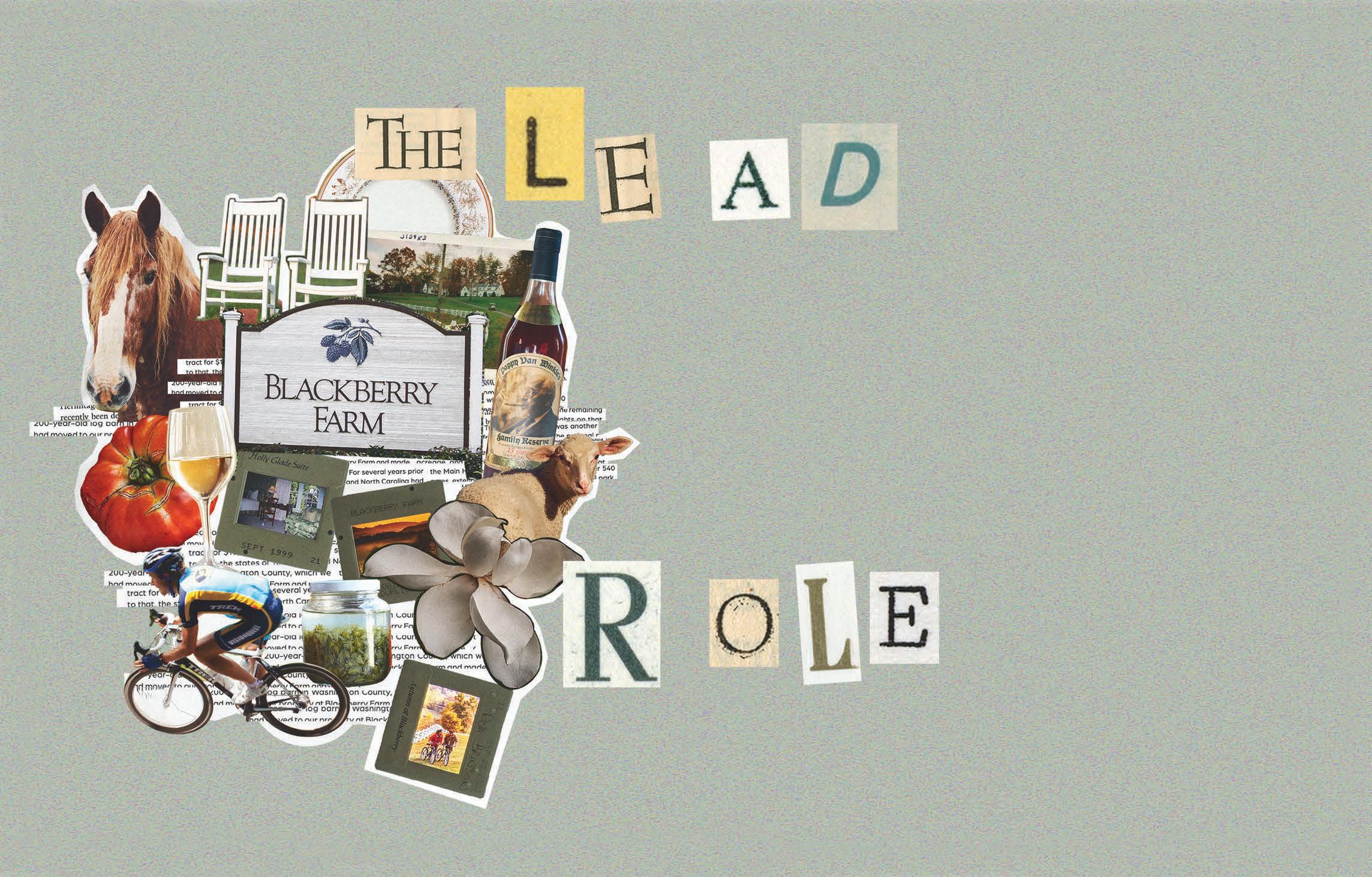
What started as a small country inn, built and opened in 1941 by David Lasier, a Chicago businessman, and his wife Florida, was eventually purchased in 1976 by a young couple in their twenties with an infant. The new stewards of this land, Kreis and Sandy Beall, along with their friends and partners – the Alexanders, Haslams and the Martins – launched Blackberry Farm into an exciting era of growth and reach. Over the next 30 years, they expanded their 35-acre property into a sprawling 4,200-acre sanctuary, most of it running up to the national park boundary and protected from further development.
This growth accelerated when Kreis and Sandy’s son Sam became proprietor in 2003. He added a farmstead and world-class wine cellar, and developed an award-winning culinary program, among countless other achievements. After Sam’s unexpected death in 2016, the inn continued to grow and evolve under the guidance of his wife, Mary Celeste. As the current proprietor, she, together with Matt Alexander, president of Blackberry Farm, and Sandy, who remains chairman, oversaw the building and opening of Blackberry Mountain in 2019, bringing the total amount of land preserved and protected to nearly 10,000 acres.
If you think this is extraordinary, just wait until you read the many stories we’ve included in
Blackberry Fifty, which publishes this fall. The painful reality of editing this book is that it was impossible to include every detail, every anecdote or even a tiny sliver of the images that would, at best, provide only a slightly more complete understanding of this unique place. That’s because, as Kreis Beall keenly notes in this book, Blackberry is not just a place, it’s also a feeling.
I am immensely grateful to Mary Celeste, her family and the entire Blackberry team for giving me a catbird seat to their lives, their history and their collective endeavor. It was in them that I found the most complete understanding of what Blackberry Farm is. Although they are all leading ladies and gentlemen in their respective roles, there was not a single “I” to be found among them. It is a glorious community of “we.” I was honored to be included in it for this golden anniversary account of a most worthy main character, a very special place located four miles from Walland on a country road.
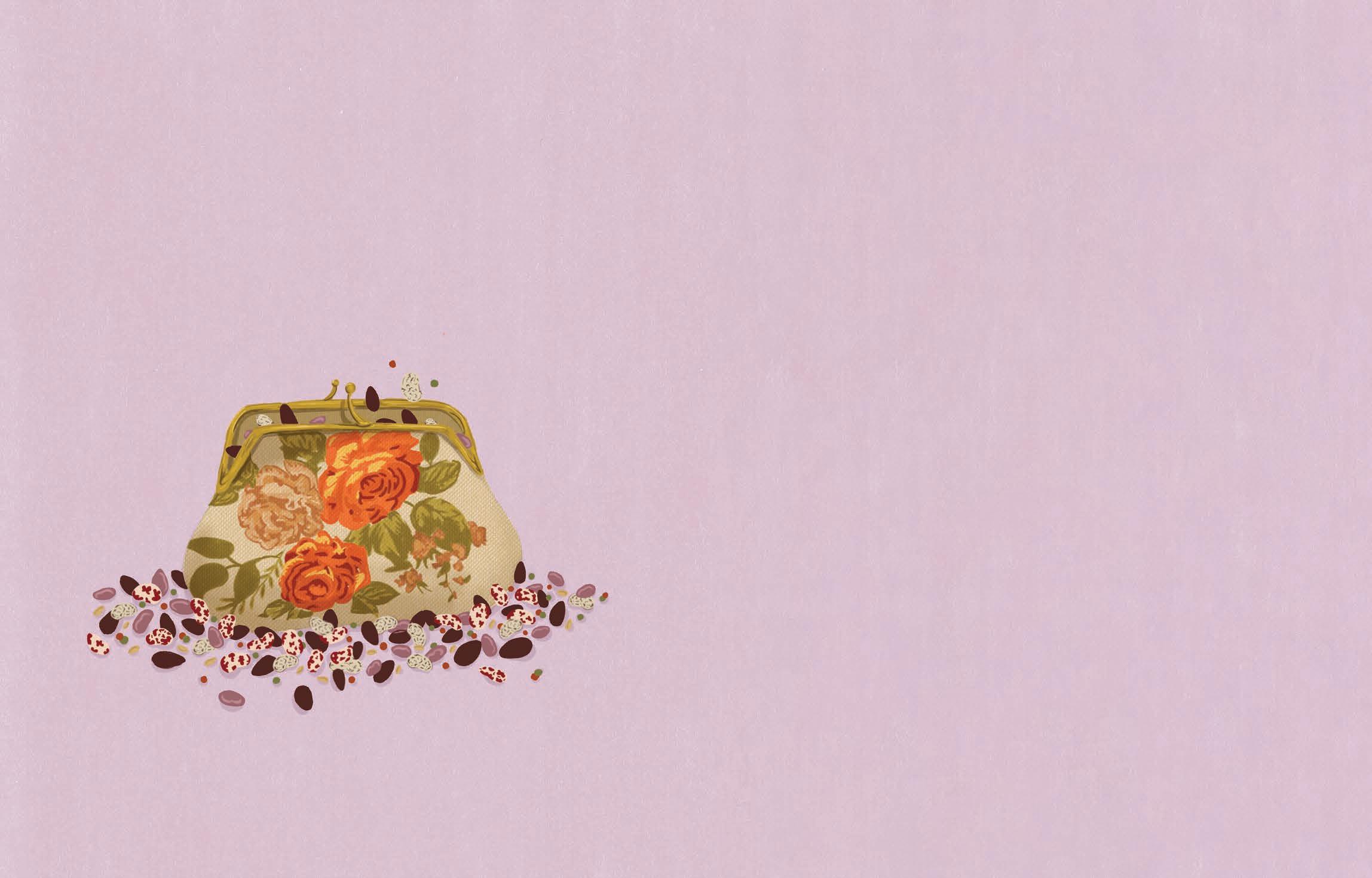
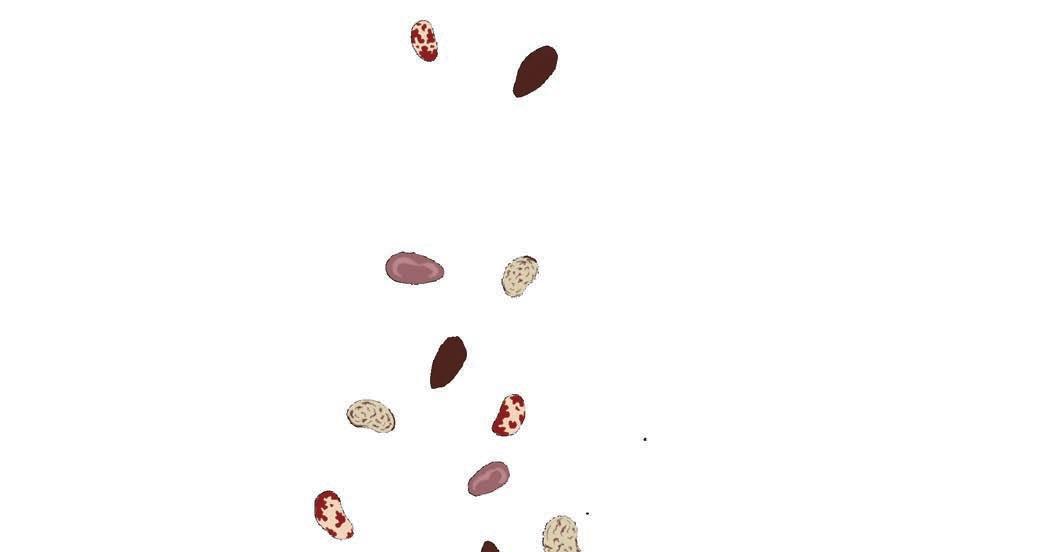
The story of Blackberry Farm may begin 50 years ago, but the story of the land runs further back in time. It’s the same for heirloom seeds. Whether they’re 50 or 100 or much older, heirloom seeds preserve the deeply rooted history of the land where they’re grown. It’s always been Blackberry’s mission to do the same.
What is an heirloom? It’s both easy and hard to define. Technically, heirloom seeds are a type of open-pollinated seed, meaning they’re pollinated naturally – by insects, wind or other factors – and produce a next generation akin to the previous one. Heirloom seed is often compared to hybrid seed, which became more prevalent in the mid-1900s. Unlike open-pollinated varieties, hybrids are pollinated through controlled methods, picking and choosing characteristics of the parents to create a new variety.
While there’s nothing particularly wrong with hybrids and growing with hybrid seed, they’re not interesting to a seed saver – and often not to chefs, either. You can’t save the seed from a hybrid plant and reliably grow a next generation with the same results, making seed-saving irrelevant. And most hybrids are bred for size or disease resistance or storage life rather than for flavor.
Heirlooms, on the other hand, resonate with many people for many reasons, sometimes deeply. Most importantly, they’re attached to a documented story. They can tell the story of migration, as a seed travels with its caretakers to a new land. Or they can tell the story of generations upon generations living and growing in the same place. One seed can even tell both of those stories. Each
variety can be traced back through families or communities and history (written or oral) to the first gardener who grew it and passed its seed along, or at the very least to 50 years back. The timing of heirlooms can be debated, but according to Blackberry Farm Master Gardener John Coykendall, “pre-1900 are the true heirlooms,” before technology vastly changed agriculture.
John joined the Blackberry Farm team in 1999 when co-founder Kreis Beall and John Fleer, executive chef at the time, were looking for someone farming the old ways who could produce vegetables full of flavor and story. At that point, John, a local seed saver, had been interested in heirloom seed for 40 years and contributing to a then-obscure seed organization out of Iowa known as Seed Savers Exchange for a decade. He’s still an avid member of Seed Savers and contributor to their ever-growing and popular catalog of heirloom seeds and stories.
Seed savers like John are archivists of living history, documenting information about the family who grew and passed on the seed, where it was grown and how it was used, and even how it was named – with names like Lazy Wife Greasy bean and Mortgage Lifter tomato, you know there’s a story there. Before computers were common, John did some of his research in books and libraries,
but he preferred to go out into communities, talk to people and find interesting seeds through interesting tales. “The seed itself is living history,” John says. Often, a society doesn’t truly value its greatest assets until they’re nearly gone. Art, imagination, flavor, voice, seed – they’re all precious resources worth saving. And seeds contain an intelligence all their own, a natural wisdom we can barely understand. The genetic memory of more than 50 growing seasons is contained in a single seed – the adaptation and resilience, and of course, the flavor. The diversity, too. “My biggest regret as a seed saver is that we didn’t start 100 years ago, collecting the genetic diversity we had,” John says. “We waited so long to collect what we have and what we’re losing.” That’s what drives him to continue doing the work.
This part of Appalachia proves especially suited to producing an abundance of heirloom varieties. The hills and hollers of Tennessee, Kentucky, Virginia, West Virginia and North Carolina – those areas within about 100 miles of Cumberland Gap, through which many settlers arrived in

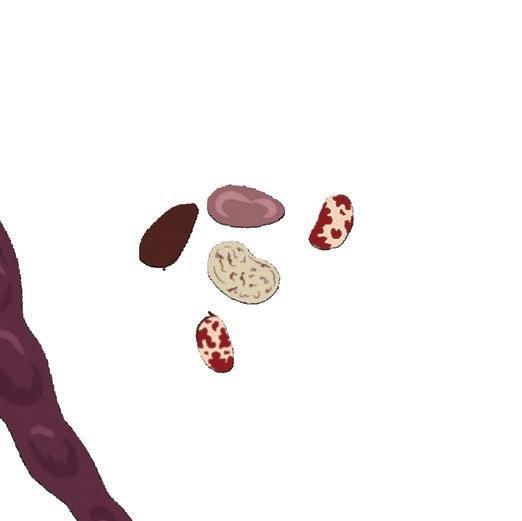
the area – contain hard-to-cultivate land where only small family farms thrived. “People were growing for survival, not for market,” John explains. “Each family had their own seeds.”


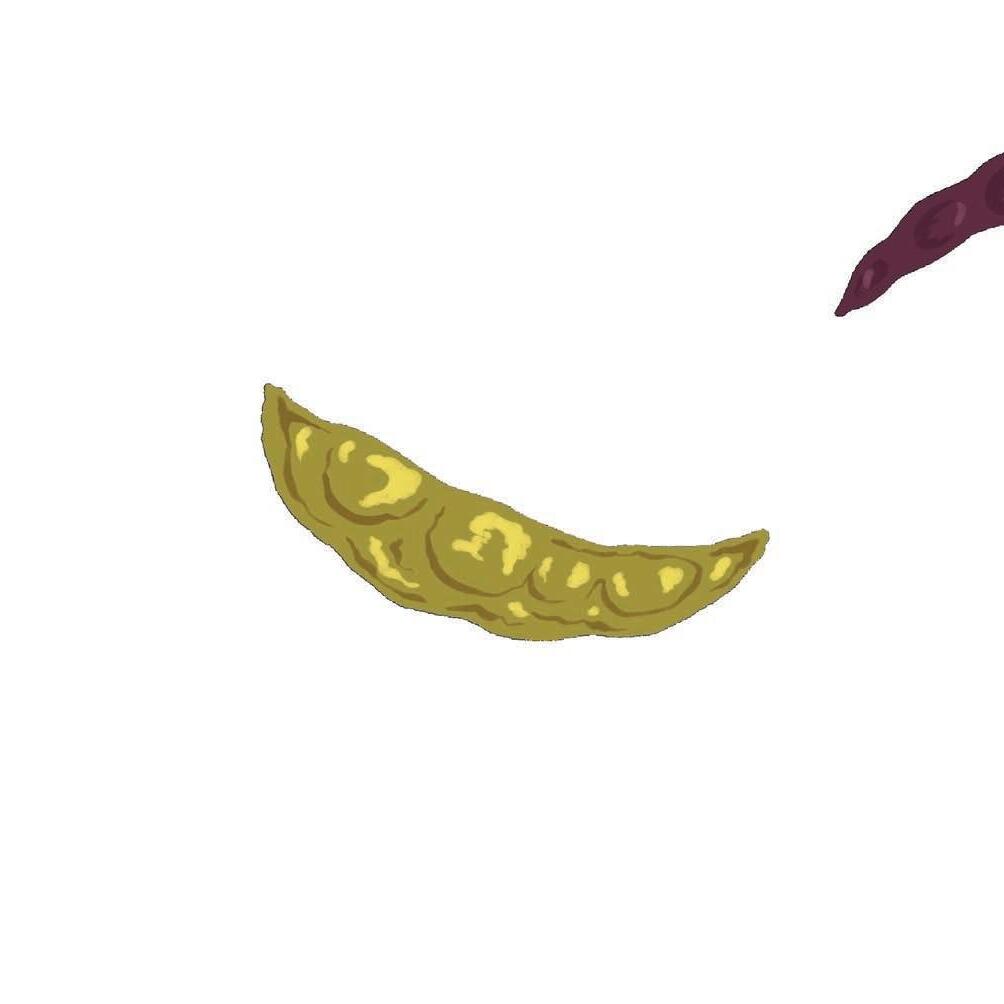
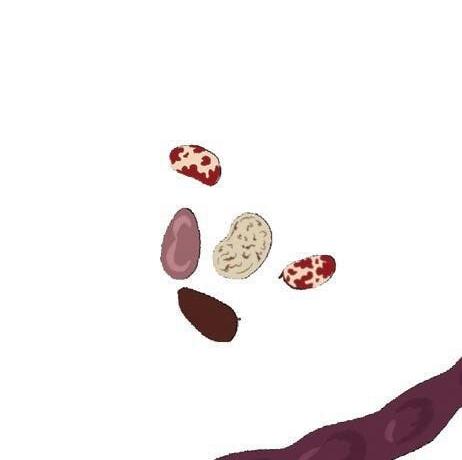
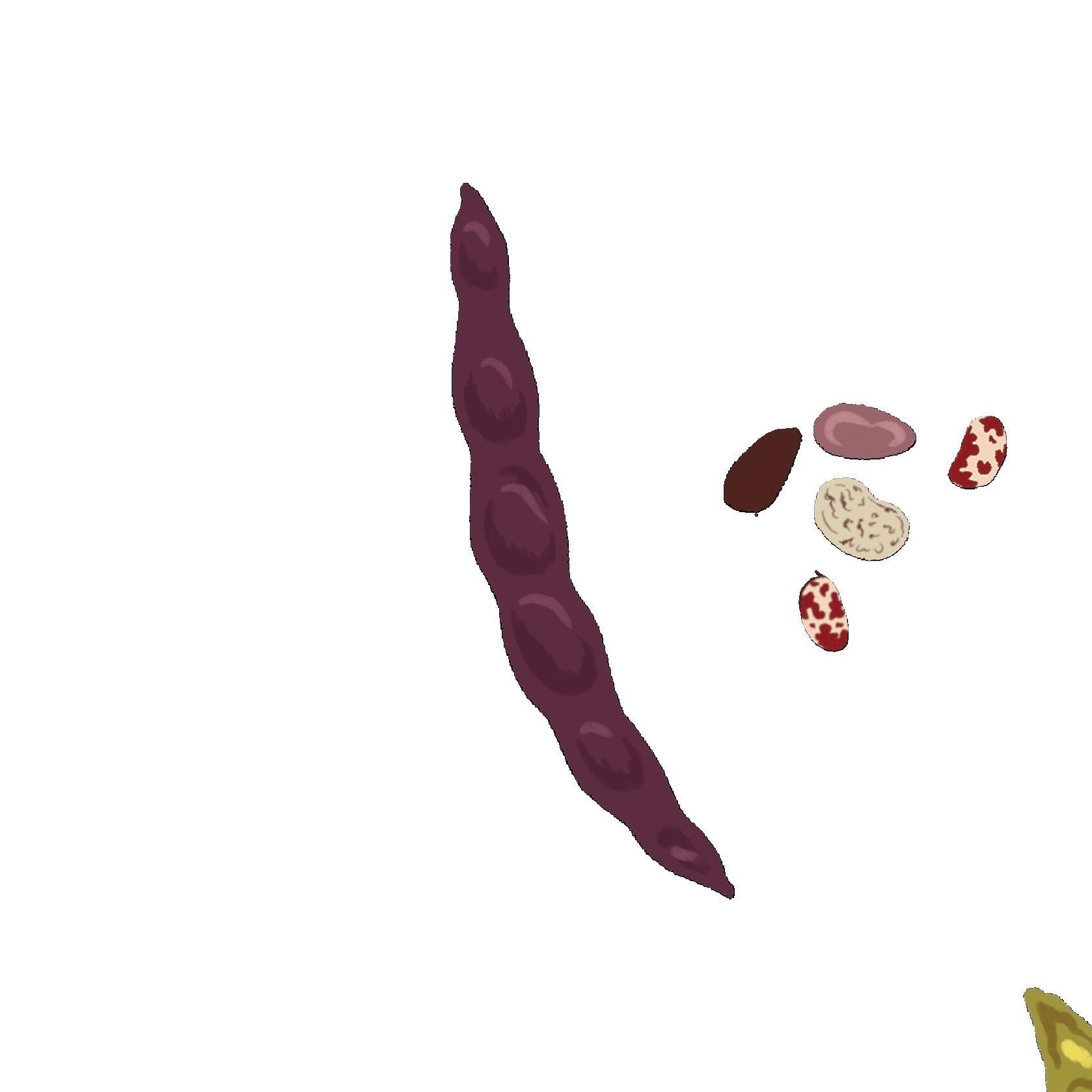
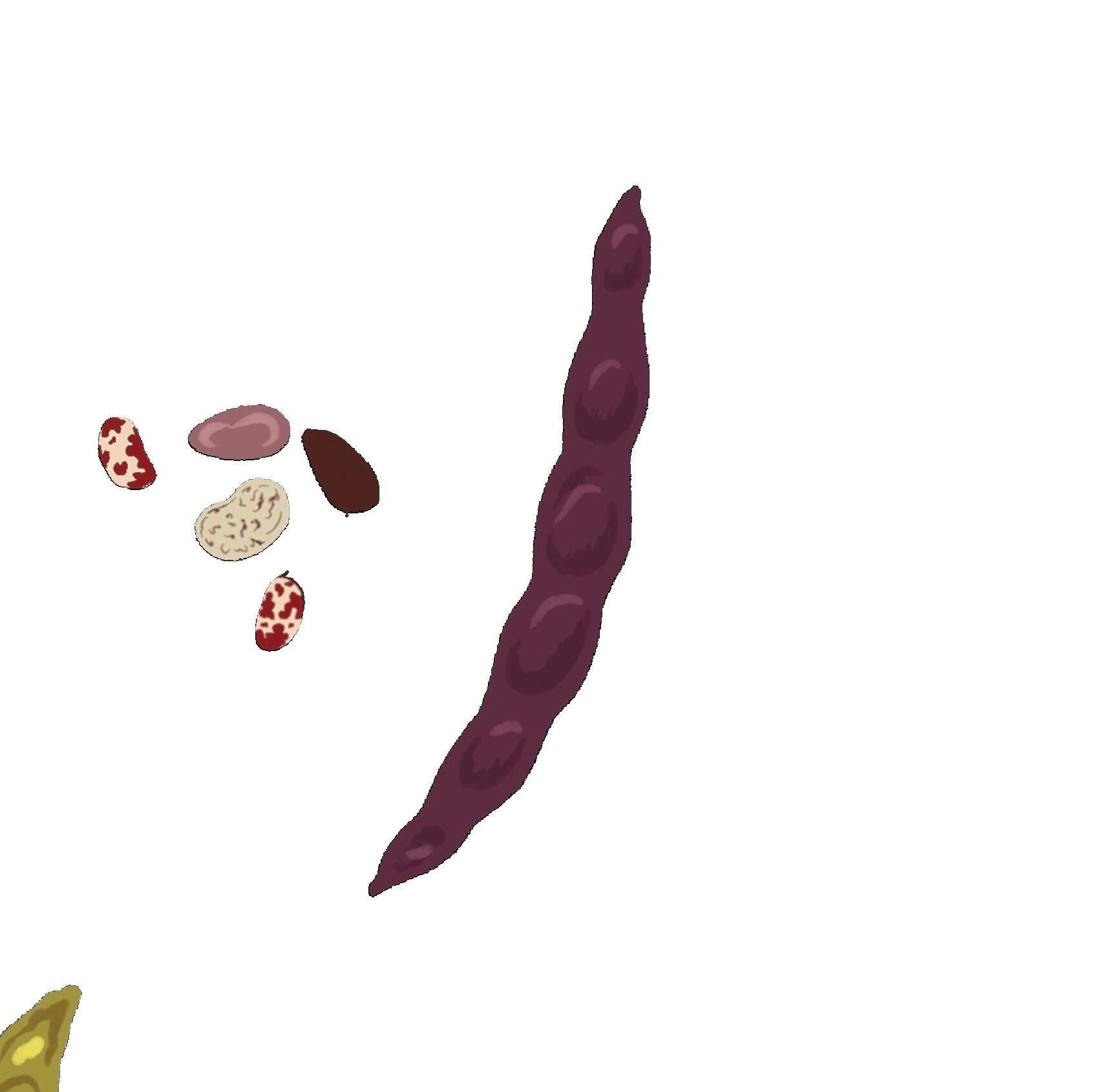
Those seeds carry memories of family, celebration and survival. Prior to new settlers coming to this area, Cherokee seed keepers – primarily women – saved their own living history. While some of those seeds have been located and documented, many were carried west when Cherokees were removed from the land and relocated. Cherokee Trail of Tears heirloom pole bean honors this reality. West Millers Cove, home of Blackberry Farm, was home to many small family farms like those once spread throughout the region, and some of the seeds still grown and saved at Blackberry originated in the Cove, or in ones nearby. Jarvis Golden corn came from the Jarvis family who lived here when the Beall family took over. And both Cades Cove Cut Short bean and Southern Cornfield bean came

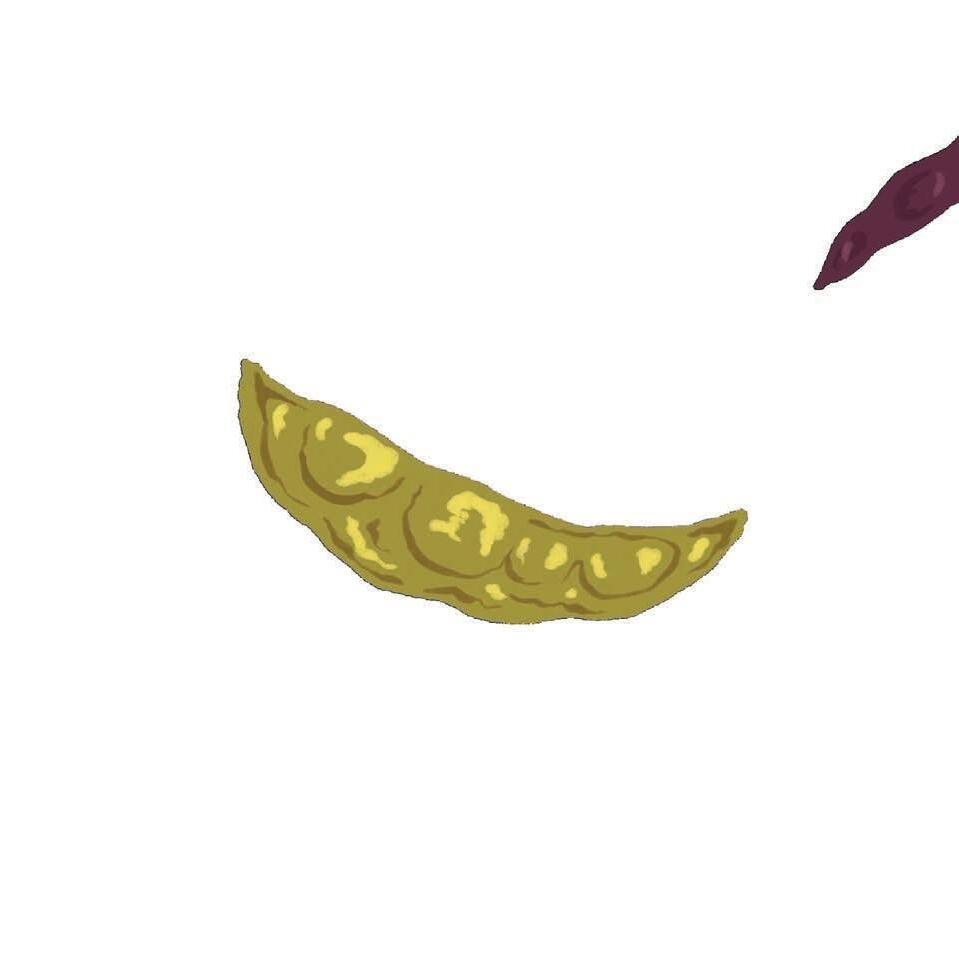
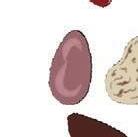
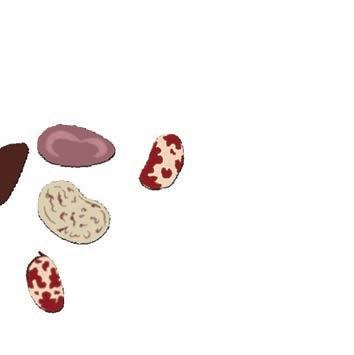

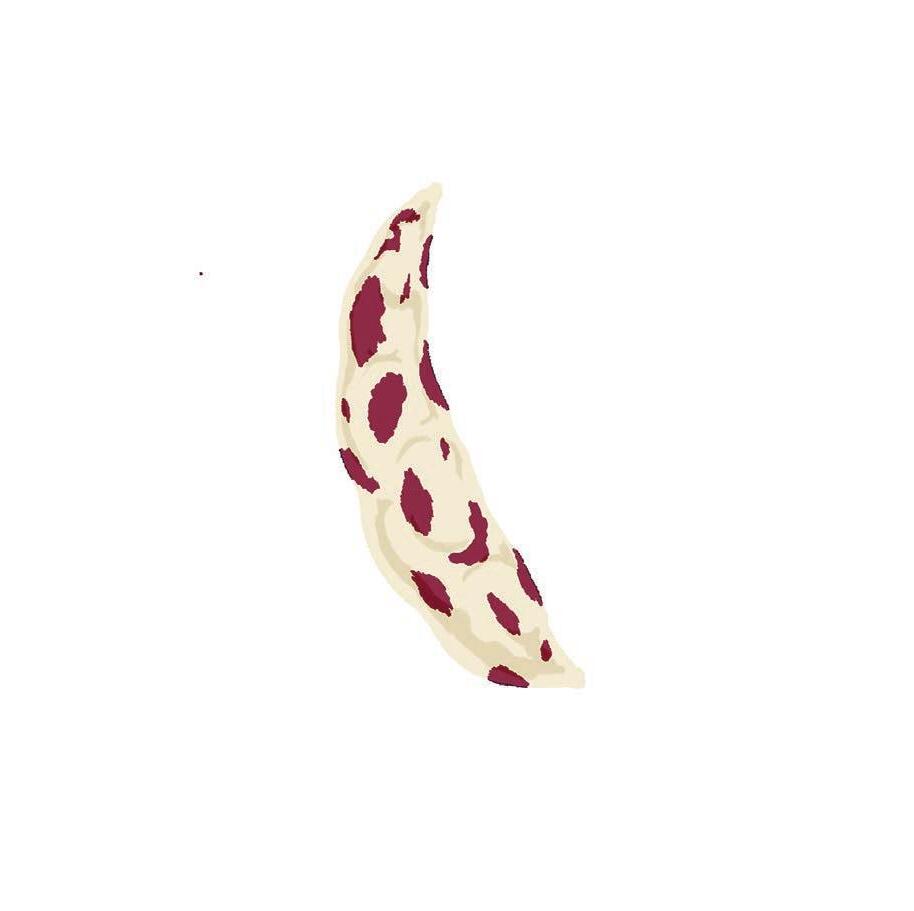
While beans are the simplest to save – John has 450 varieties, though he’s quick to say that Bill Best of Berea, Kentucky, is the King of Beans with 1,300 varieties – the most beloved of heirloom vegetables is undoubtedly the tomato.
from Kermit Caughron, who lived in Cades Cove, now part of Great Smoky Mountains National Park.
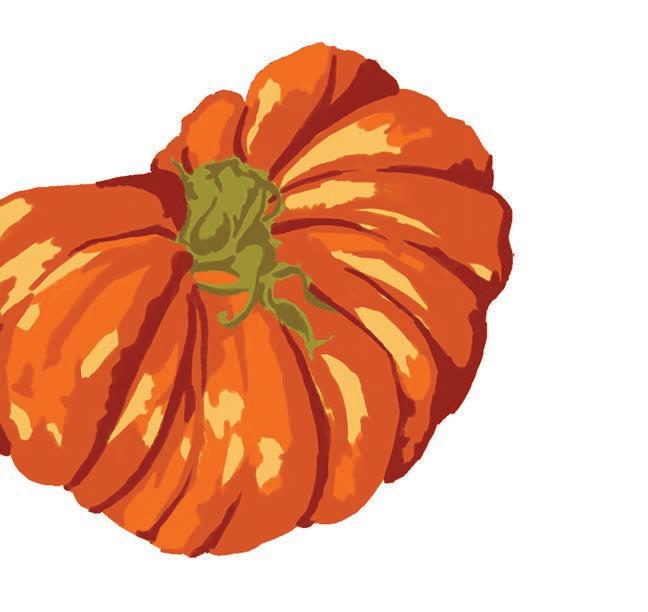
To see and experience seed saving at Blackberry Farm, visit in the fall. “It may not look all that impressive,” John admits, “but when we start telling the stories of the seeds, guests get hooked.” Take the Wash Day pea. The yellow-tan pea has a dark brown eye and dates to 1790. John explains that the name comes from ever-dreaded Mondays, when for hours women would do the hard, hot work of laundry and not be “in the mood to cook supper.” This small pea eased the women’s pain, as it would cook in the same time it took to bake a pan of corn pone, making for the original quick-andeasy weeknight dinner.
“There’s nothing better than an heirloom tomato in the summertime, eaten right off the vine with Duke’s Mayonnaise,” John claims. Some favorite heirloom tomato varieties grown on the Farm include Old Oxheart, an early 1900s heirloom that produces pink and red fruits up to two pounds; Ponderosa, a large slicer documented back to 1889; and
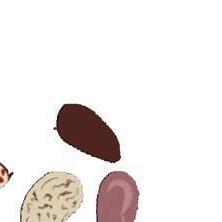
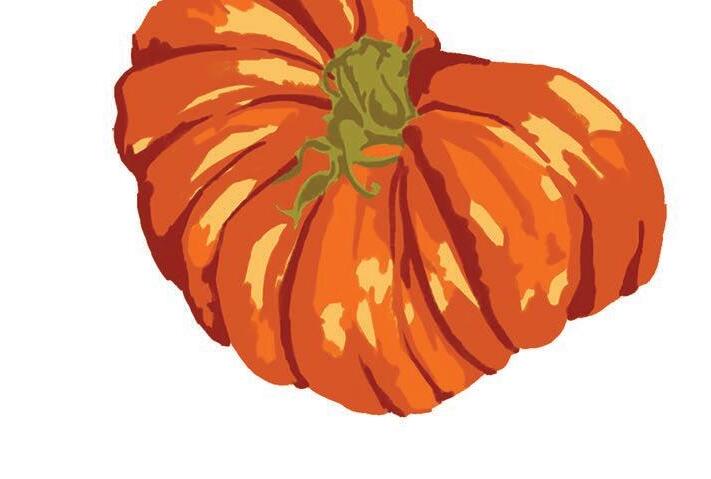
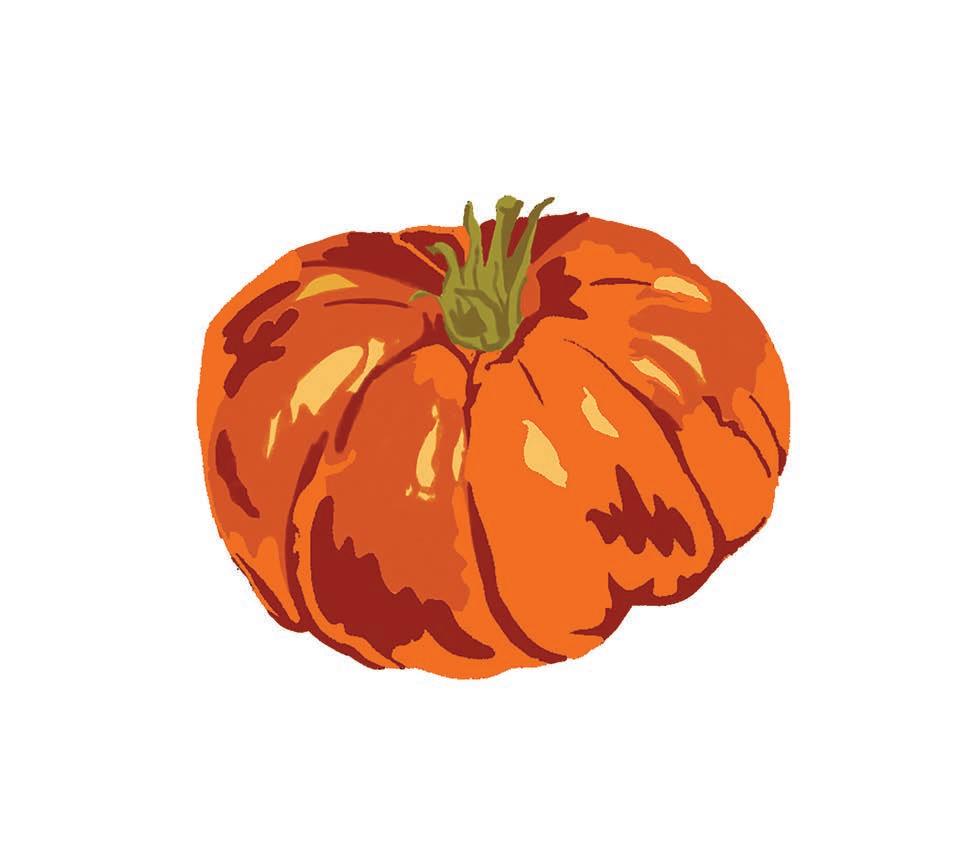

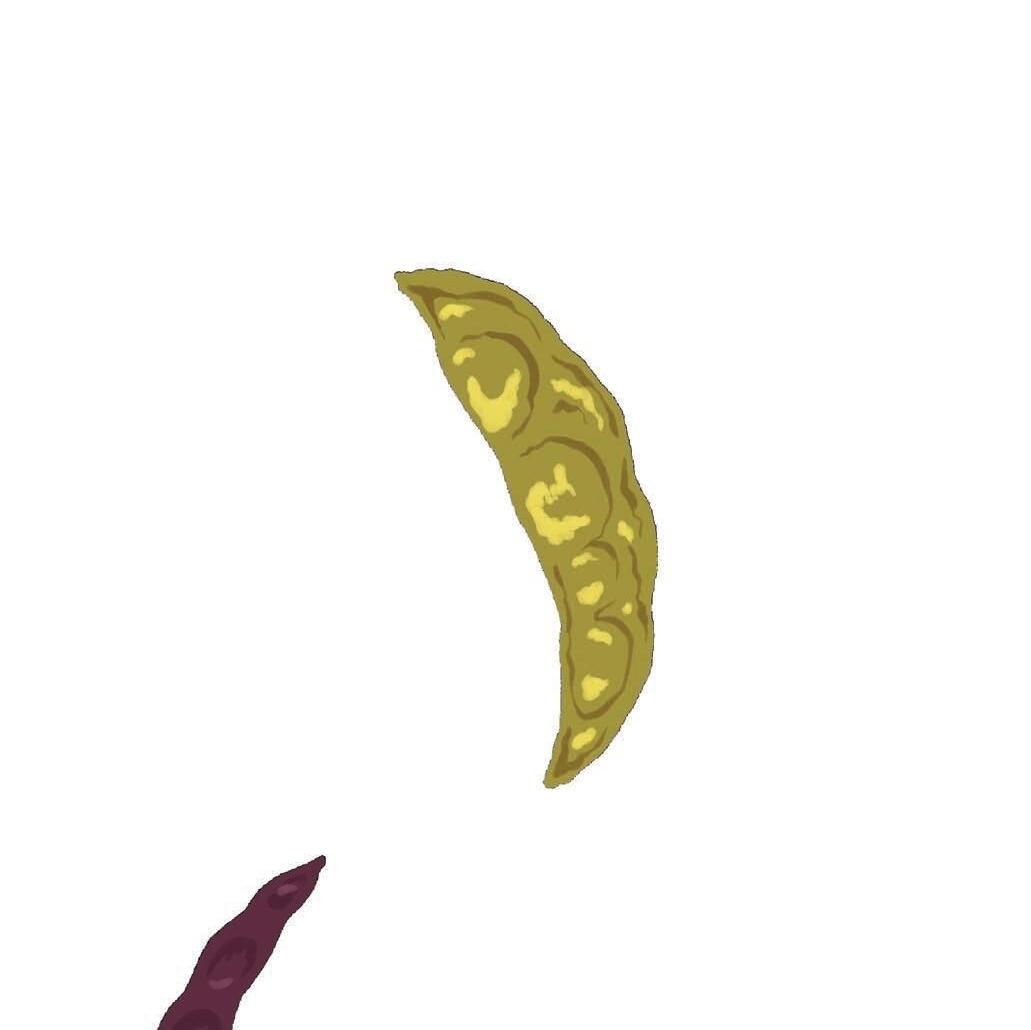

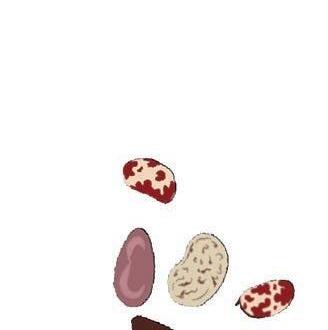
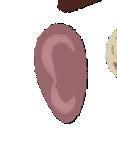

Pineapple tomato, a large yellow-orange marbled variety with pink flushes on the blossom end and a tangy taste preferred by those who love low-acid tomatoes.
Beans and peas can simply be plucked from mature pods and saved whole and dry, but tomato seeds need a little more effort to save. At the end of every tomato season, Blackberry gardeners squeeze the pulp and seed from ripe or overripe fruits into glass containers, where the seeds ferment for a few days before being washed off and dried on a paper surface, then put away for storage until next year. Because there is always next year.
John Coykendall
Seed saving serves to wrap up the growing season. It’s a celebration of life and lore and the land.
“Every winter, I wonder if it will all look as beautiful as it did last year,” John says, “and it always does.”

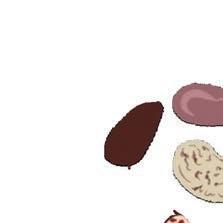
Along with being a seed saver, one who seeks out old seed varieties and grows them out for preservation, it’s also my job to make sure that the varieties being grown are put into the hands of like-minded preservationists who will, in turn, see to it that the varieties are passed on to others. Together, we help ensure that those varieties will be available for future generations. As seed collectors and savers, it is also our responsibility to collect and record the history and stories that are associated with each given variety.
Typical questions I ask include: Where did the variety come from? Another state? Another country? If we’re talking about a bean variety, I need to know if it’s a bush bean, a half runner bean, a pole bean or a cornfield bean. I also need to know if it’s a snap bean for fresh eating, or is it strictly a shelling bean?
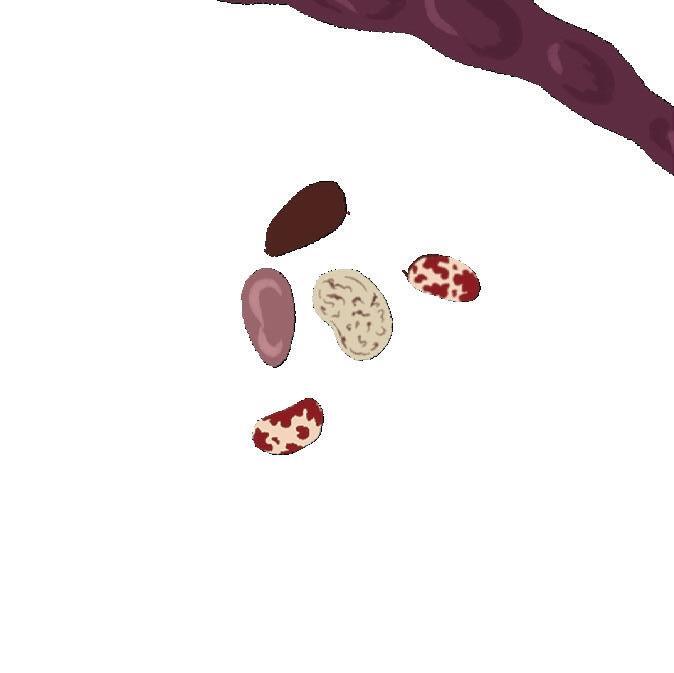
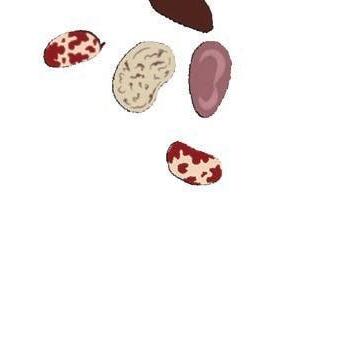
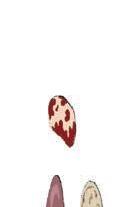
One example is a bu er bean (lima) I have in my collection that came from a family in upper East Tennessee. This bu er bean goes by the name of Red Calico, and it ranges in color from solid deep red beans to some with red and black mo ling. This variety dates back to 1794 and has been grown annually right up to present day. For me, that represents a long chain with no missing links. Just imagine the history experienced as families passed this bean down through all those generations.

On most days when Blackberry Farm guests visit the Garden Shed, the big table in the shed is filled with bowls and trays of seeds that are in the process of drying before being stored in our freezers.
I tell guests that it would be a rather dull experience if I merely pointed to the table and said, “Here’s a bowl of beans; there’s a tray of corn; and we have other containers of field peas, bu er beans and more beans.” If this was all of the information that I had to o er our guests, I can well imagine that by the time they le the Garden Shed, they would already have forgo en the seed display.
However, when I’m talking about a variety and I can tell the story behind it, the experience takes on a whole new meaning. When guests leave the Garden Shed, we make sure they can take some history with them.

BY ISABEL BURTON
FROM THE FIRST GOLDEN RAYS OF MORNING TO THE SOFT FADE OF SUNSET, DAYLIGHT HELPS THE BODY FUNCTION AT ITS BEST.
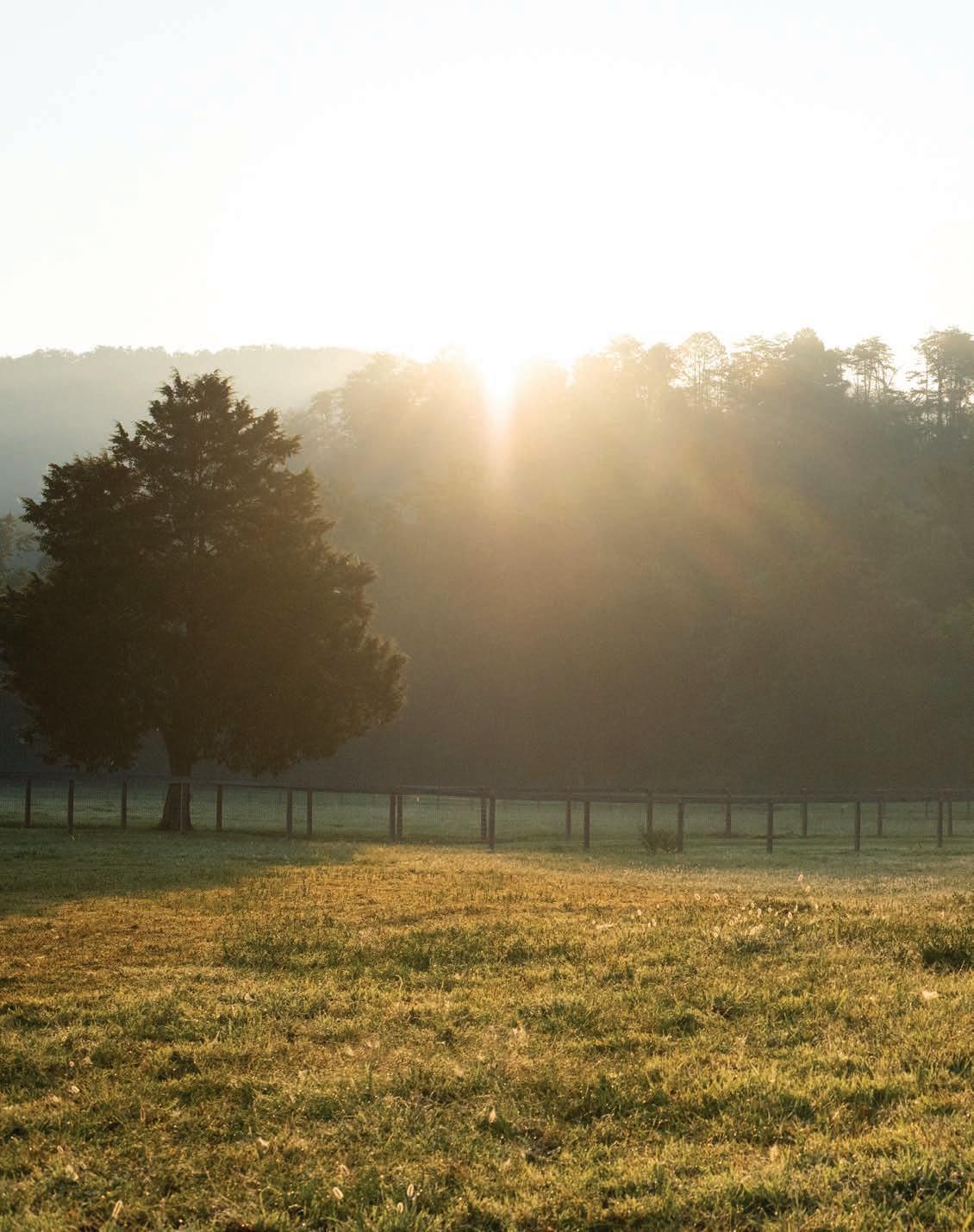
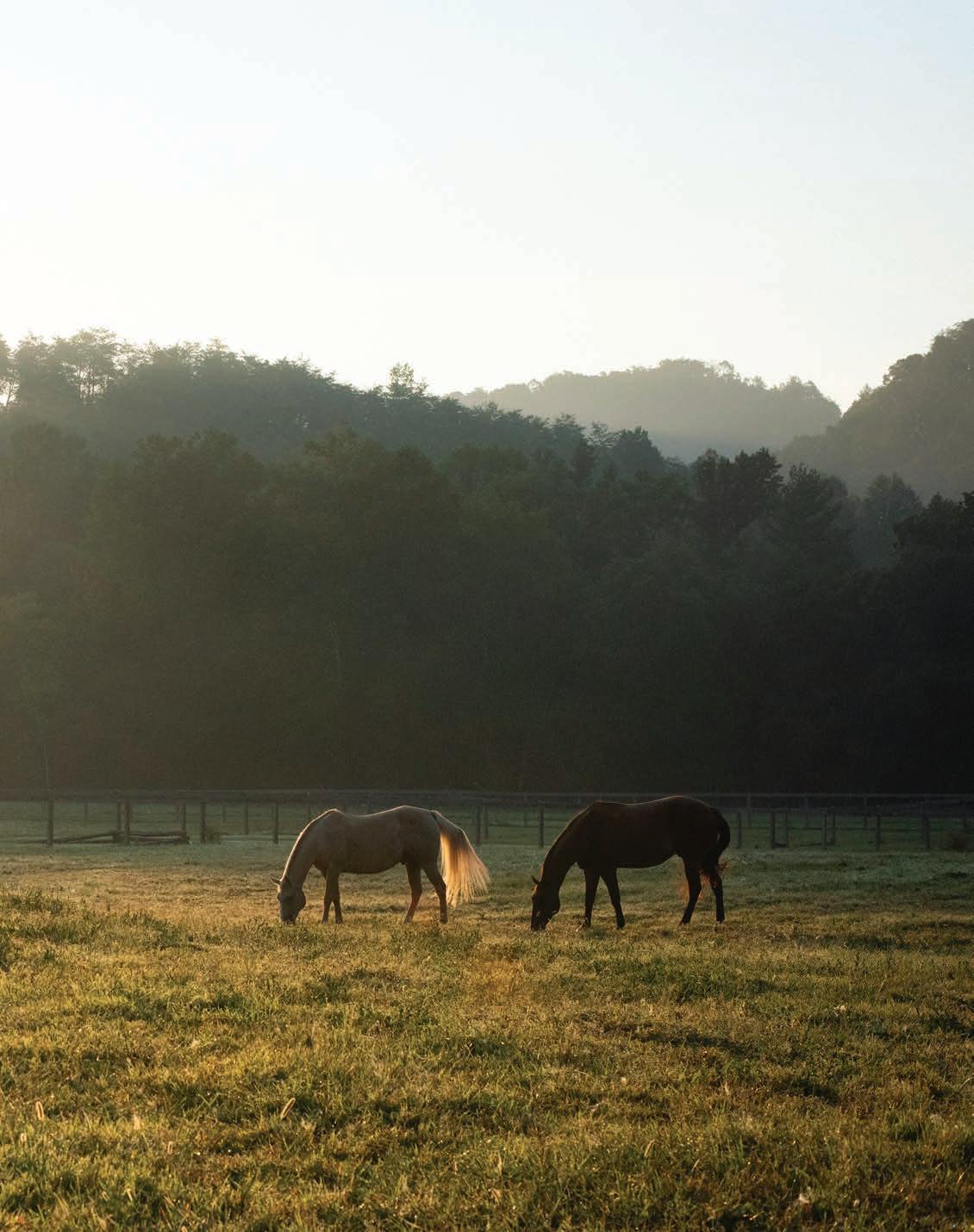
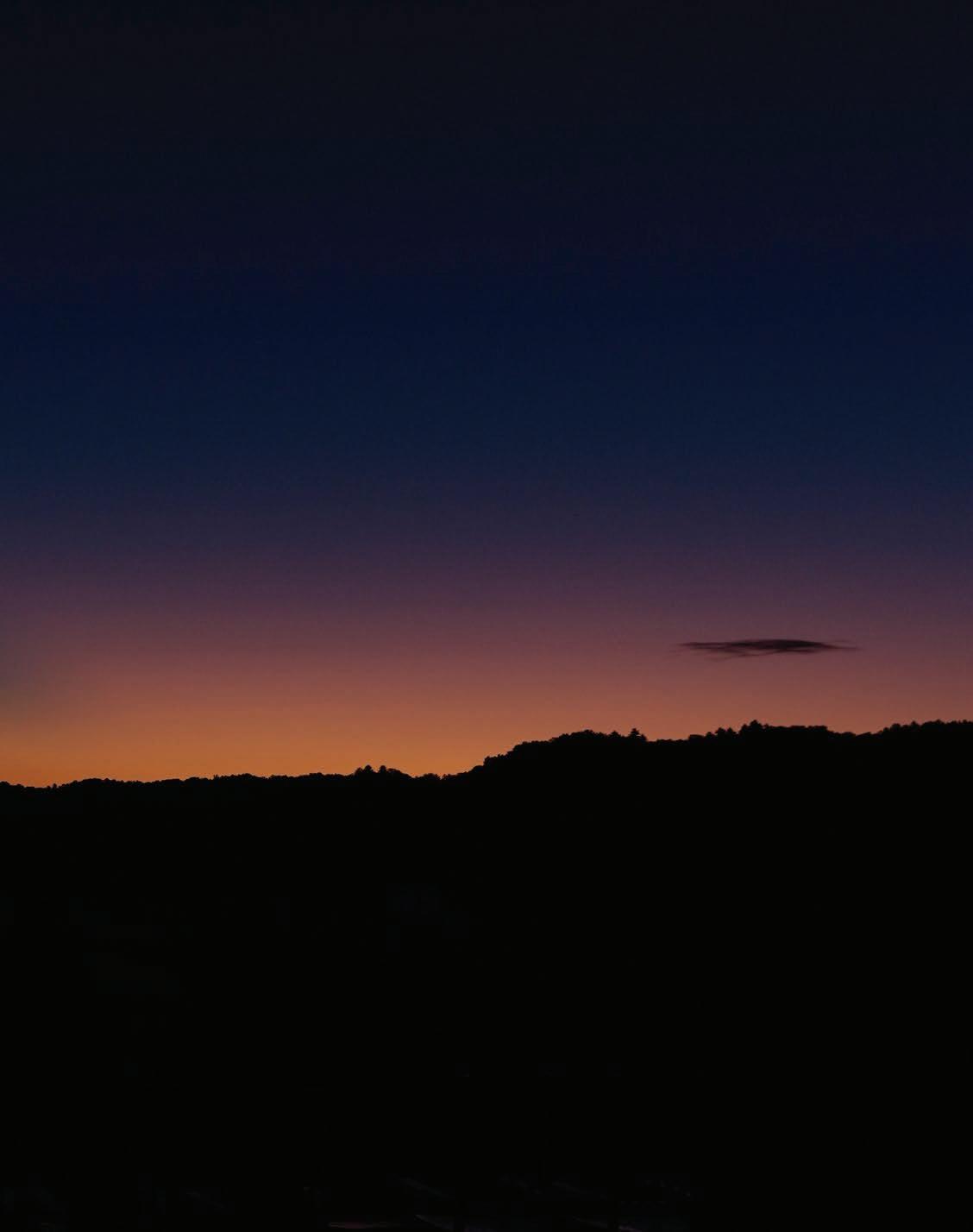
Some of the best moments at Blackberry Farm happen in the morning. On my visits, I take my coffee out on the deck and marvel at the mist over the Great Smoky Mountains. I watch the golden light of the early sun permeate the scene of cows and sheep grazing while birds are fluttering about. That experience is enjoyable in its own right, but it is also doing something miraculous for the body and brain.
Natural light is one of the most powerful cues for our health, according to science. The light that hits our eyes and skin helps set the body’s internal clock, influences sleep and energy, improves mood and plays a role in everything from immune function to metabolic health. Morning light is especially valuable, signaling that it’s time to be alert and sharp, while the changing light later in the day prepares the body for rest. In between, time spent outdoors offers a steady stream of benefits.
sleep, and begin the day’s wakeful cycle. That same early light exposure also helps set the timing for melatonin release later that evening, which is why studies find that getting outside soon after waking leads to better sleep at night. This daily reset essentially establishes a welltimed circadian rhythm, which regulates the next 24 hours more smoothly.
Those warm rays are a boon for your mood. Studies consistently link regular daylight exposure with lower rates of depression, less stress and better overall emotional wellbeing.
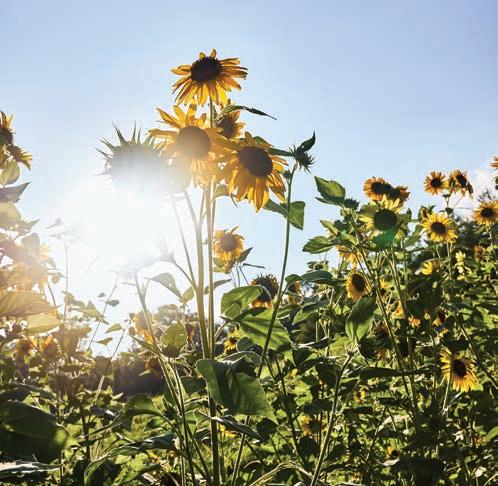
We understand this innately, which is why being outside feels immediately revitalizing and relaxing. It’s so simple, and yet just being under the sun sets a rhythm the body thrives on. Rise and shine!
Natural light is one of the main ways the body knows what time it is. When bright light reaches the eyes in the morning, it signals the brain to lower melatonin, the hormone that promotes
Part of that appears to come down to biology. Sunlight helps increase serotonin activity in the brain, which brings about feelings of calm, stability and a more positive outlook. Research also suggests that natural light helps regulate cortisol, the body’s main stress hormone, so it rises and falls at healthier times of day. When cortisol patterns stay disrupted, they are associated with anxiety, poor sleep and mood fluctuations. Spend time under the sun and you feel more resilient and radiant.
The brain tends to work better when it gets a strong dose of daylight. Studies find that exposure to bright light prompts alertness, attention and mental performance. People tend to feel less foggy and more able to concentrate when they spend time in natural light.
by
Photography
Part of that effect is due to the way light influences the brain’s daytime chemistry. Morning light helps trigger a healthy rise in cortisol, which boosts wakefulness and focus. Even when the sky is overcast it gives the brain a clear signal that it’s time to be engaged. You experience steadier energy, better concentration and less of the midafternoon mental slump.
When UVB rays reach the skin, it sets in motion the body’s process of manufacturing vitamin D, a nutrient that is essential for absorbing calcium and maintaining strong bones.
The benefits extend beyond the skeleton. Vitamin D also plays an important role in muscle function, balance and physical performance. Studies connect healthy vitamin D levels with better muscle strength overall. While food and
supplements can help, sunlight remains one of the body’s most efficient natural sources.
According to science, sunlight helps regulate immune activity through both vitamin D production and circadian rhythm. Vitamin D helps engage key immune cells which recognize and respond to viruses, bacteria and other threats. Meanwhile, healthy daily rhythms coordinate when the body focuses on repair, recovery and defense.
Research also suggests that light exposure can help moderate inflammation, which is important because chronic inflammation is linked to many common health concerns. Regular natural light appears to be one of the environmental signals the body uses to build resilience and be better equipped to recover.
Our eyes were designed to respond to a much brighter world than most indoor spaces provide. Even on cloudy days, outdoor light is significantly stronger than typical indoor lighting, and that higher intensity appears to benefit visual health. Studies suggest that regular exposure to natural light supports healthy eye development and may lower the risk of nearsightedness.
Researchers believe part of the reason is that bright outdoor light helps regulate signals in the retina, including dopamine pathways that influence how the eye grows and focuses. Natural light may also give the eyes a break from the constant close-up demands of screens and indoor tasks, both of which can contribute to visual strain.
Skin is where we feel sunlight most directly, which is one reason time outdoors can feel so restorative. It also has real physiological effects. The vitamin D produced through sun exposure may support circulation, skin barrier function and certain anti-inflammatory processes involved in healthy skin function. According to research, controlled light exposure can also be helpful for psoriasis, eczema and other inflammatory skin concerns by helping calm excess immune activity and slow rapid skin-cell turnover.
At the same time, more is not better. Excess ultraviolet exposure is a leading cause of premature skin aging and increases the risk of skin cancer. The goal is not prolonged unprotected time in strong sun, but sensible exposure that allows for benefits while respecting the skin’s limits. Like many good things, the dose makes the difference.
As afternoon turns to evening, natural light begins to soften and dim, and it nudges the body’s daily timing system. Studies find that decreasing light in the later part of the day helps signal to the brain that nighttime is approaching, allowing melatonin production to begin on schedule.
This transition can make it easier to feel drowsy at an appropriate hour and bring about more restful sleep later on. It also helps create a clearer contrast between day and night, which is paramount to an optimal circadian system. The body depends on that distinction more than modern life often allows.
BY JAMIE KOWARICK

When you step outside to let the morning sunlight wash over you, use this guide from Blackberry Mountain’s wellness supervisor to help you wake up and enjoy the benefits of the light of a new day.

Find an inviting spot to stand with your bare feet on the ground. Stand tall, encouraging length within the spine. Soften your knees with your shoulders, aligning over your hips, and let your arms rest comfortably at your sides.
Invite your eyes to take in everything around you, letting your gaze dance around with a sense of wonder. Notice the colors, shapes, patterns, movement and light all around.
Allow your mind to arrive within the moment, just as your body has arrived within this space.
When ready, let your eyes close to fully observe the sensation of your feet grounding into the surface. Feel the connection between you and the earth that supports you. Imagine roots extending from your feet to establish a sense of anchoring, as if you were a tree amongst your environment.
In your grounded state, you may say out loud or internally:
“I welcome stillness and notice the gentle movement that surrounds me.”
“I welcome the intention to listen to my body and all that is near.”
“I welcome the feeling of myself and my environment becoming one.”
From there, sense the subtle movement from within. Notice the circulation of air along your throat, the natural pathway that your breath finds, and the way in which your body moves in response. Begin to invite awareness of your sense of smell. Breathe in the fresh, clean air, allowing your inhales to lengthen and your exhales to deepen over time. Hold your stillness for about five or more slow, mindful breath cycles.
When ready, gently wiggle your fingers and toes to slowly welcome movement all throughout your body. Let your breath guide you as you roll your wrists, followed by the shoulders, up, back and down. Roll your shoulders a handful
of times, to really feel your chest opening with each movement. Gently bend and straighten your knees, allowing your legs to wake up.
Then, take your pelvis around in a circle a few times in each direction. Increase the circumference of the circles with each round, inviting a slight hinge of the hips to the back, and extension towards the front. Try to find every angle to bring warmth into the hips.
Next, gently sway from side to side and gradually welcome a subtle rotation of your torso. Let your arms swing and almost float through the air as a response, as your mid spine enters a twist back and forth. Welcome a sense of lightness, becoming more attuned to the temperature of the air as you continue to move.
Inhale and reach your arms out and up. Let your chest radiate up toward the sky as you soak in the rays. Exhale, lower your arms and gently roll down the spine into a forward fold, bending the knees as you do so. Inhale, slowly roll up, one vertebra at a time. As your head comes up last, reach out and up again, welcoming a gentle arch of the spine.
Repeat about five times, or as many as you would like. Imagine you are gathering the fresh air around you and allow that to activate your sense of touch and environmental awareness even more. Feel your movement becoming more expansive over time; soak in the sun’s energy; and imagine shining just as brightly. Let the sun invigorate you.
Lastly, begin to return to a place of stillness. Place your hands somewhere on your body that feels comforting, perhaps one hand on your belly and the other over your heart. Gently breathe into the warmth and presence of your hands. Close your eyes again and take in the moment and the current state of your being. Feel the air, notice its scent, listen to all that surrounds you.
In your presence, give thanks to this new day, your capable body, your breath’s resilience and your inner strength.


by Jennifer Justus
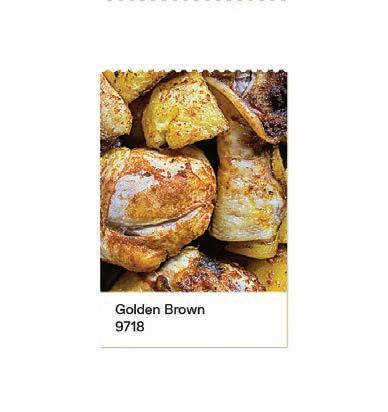
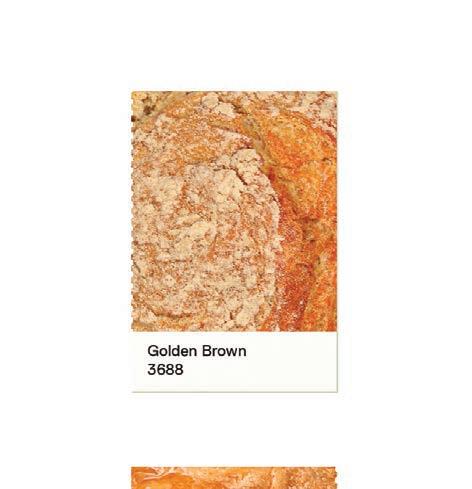
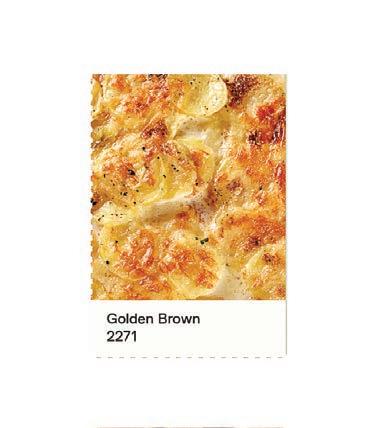

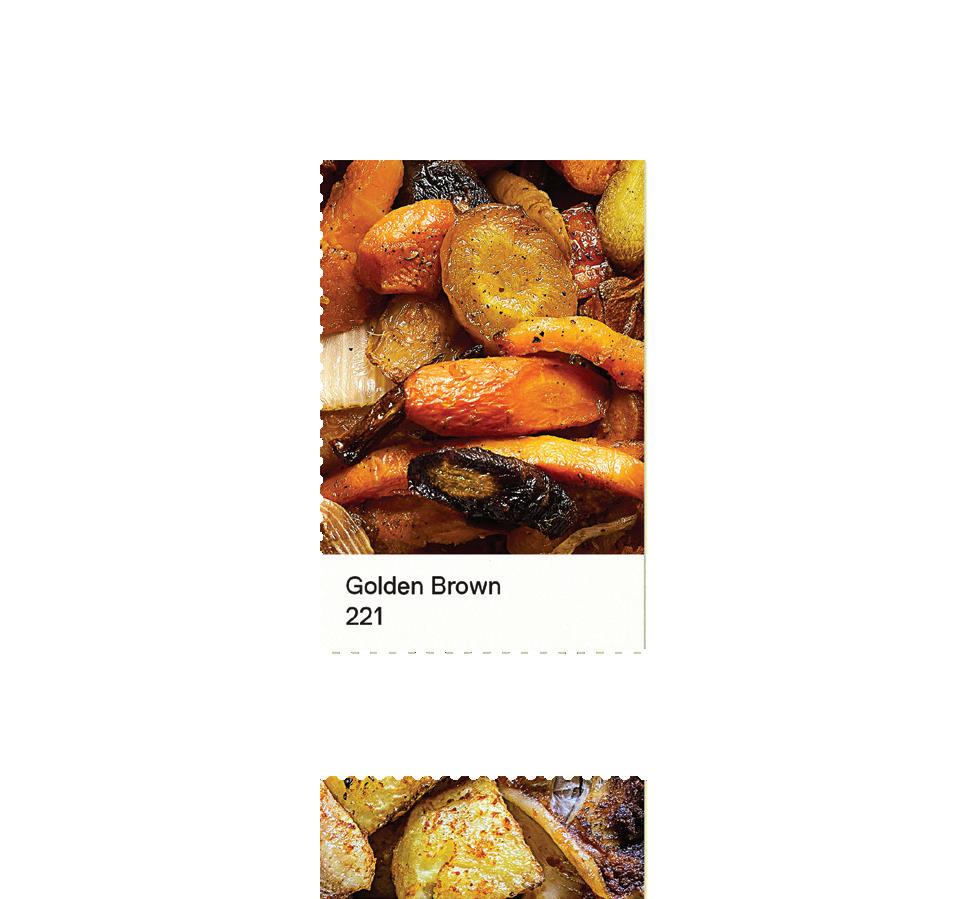
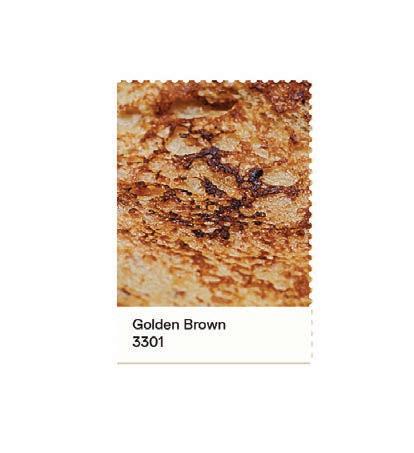
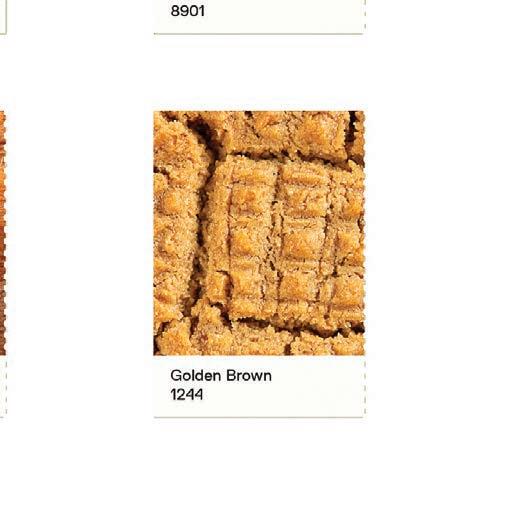
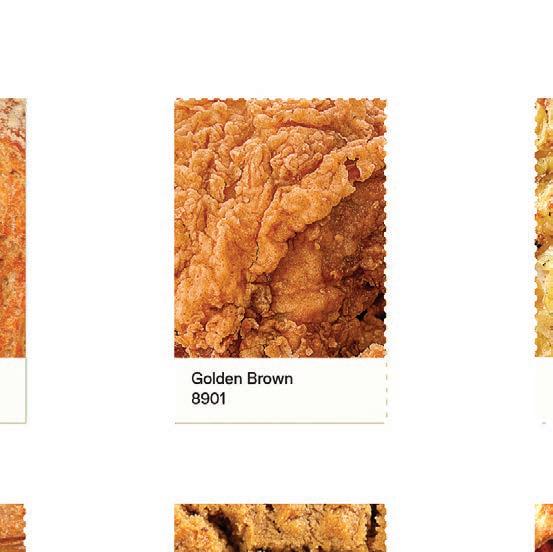
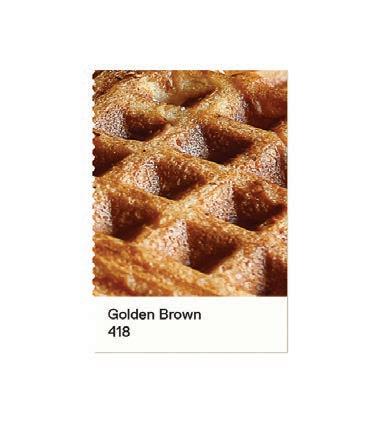
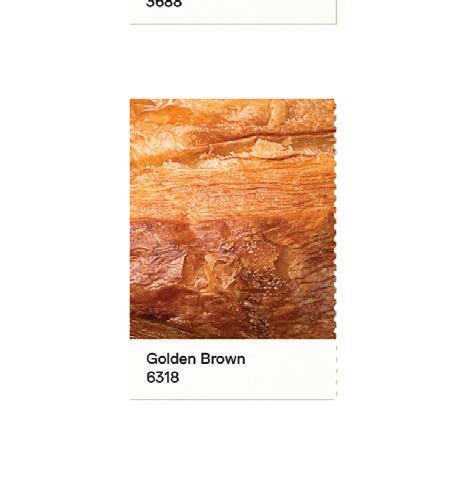
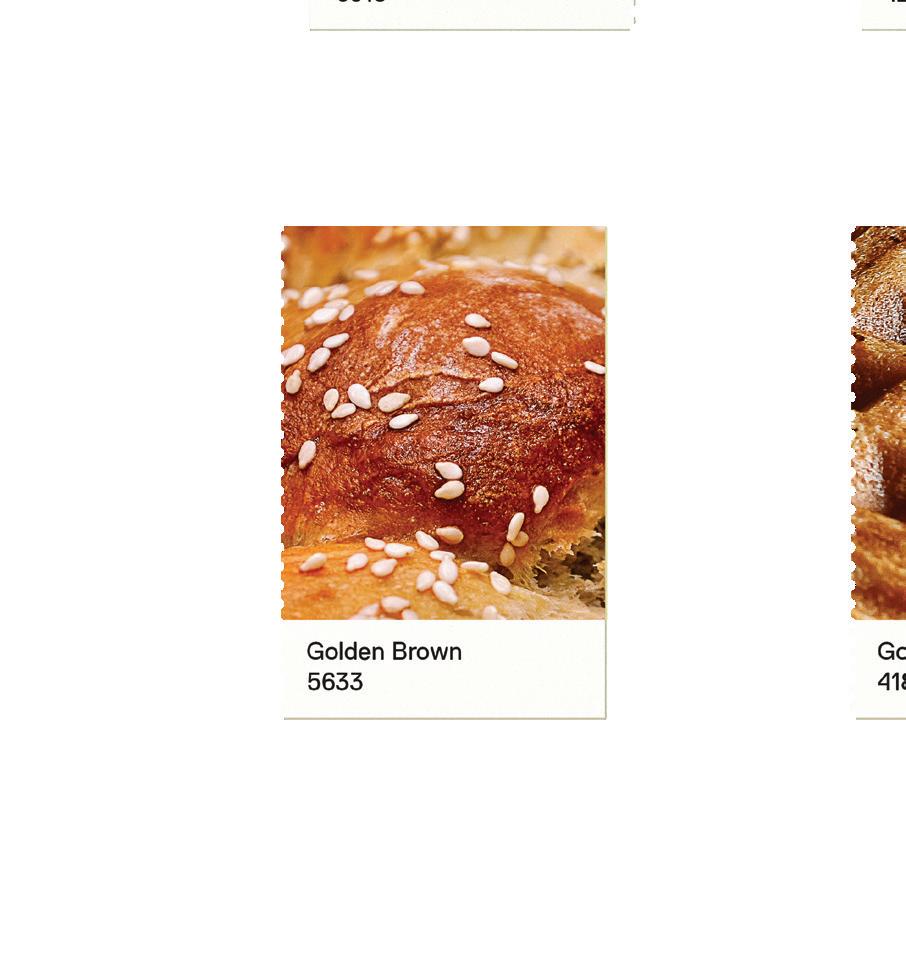
She has other skills, our family reminds her, especially after her years working in home interior design. She can pull together a room with the perfect rug or sofa or drape. But pull together a big holiday meal? Not as much. Which is probably why when I polled both my parents about the term “golden brown,” my father said it made him think of butter-brushed Sister Schubert’s yeast rolls. My mother thought of a paint color. Sure enough, Pittsburgh Paints (PPG), one of Mom’s trusted brands over the years, makes a shade named “4271 Golden Brown.” I pulled up a picture of it online and studied it. It looks like the early stages of roux for gumbo when the butter and flour start to come together. Is this the color I should be cooking my pie crusts to? Is it the color Dad sees when he pulls a tin of rolls from the oven? Furthermore, what’s the process in naming paint colors? I imagined executives gathered around a conference room, Mad Men-style. “Hey, why don’t we call it golden brown?” someone might say, and I wondered if that person likes to make pound cakes and pones of cornbread in their off time.
I asked other cooks in my life about “golden brown” and my friend Jaime, a personal chef for professional football players, said the color’s name made her think of hash browns. It can apply to other savory foods like caramelized onions, fried chicken and cheese-draped casseroles. But for many people (in my unscientifically small sample size), it’s associated with baked goods. My husband thinks of peanut butter cookies (too brown and less golden if you ask me), and my friend Emily, an excellent home cook, thinks of bread. I, too, remember all the times I’ve peeked into the oven and wondered: Is this golden brown?
The question of golden brown made me reach for Anne Byrn’s fabulous cookbook, Baking in the American South (HarperCollins, 2024). I pawed through the pages of instructions looking for golden brown. I found it everywhere in Ewing Steele’s Alabama Orange Rolls and The Colonnade’s Corn Muffins. I found “deeply golden brown” in Minnie Pearl’s Corn Light Bread and Gloria Smiley’s Honey and Olive Oil Challah.
I learned there’s science behind what makes something “golden brown” too – the Maillard Reaction, involving amino acids, reduced sugars and heat, or caramelization, the breakdown of sugar with heat, two distinct processes. They deepen color and flavor and add variations in texture. Even still, shades in cooking vary in a subjective way. One man’s golden brown might be another’s sepia tone. How each of us sees color remains somewhat of a mystery too. Researchers at the University of Tübingen in Germany conducted MRI scans on study participants to learn how we process colors, according to a 2025 Smithsonian Magazine article. As wavelengths of light bounce off objects to travel to our eyes, the brain processes the information the eye receives, which can be interpreted somewhat differently, researchers say.
Knowing all these things just raises more questions if you ask me. I still don’t know if I could throw a dart onto a perfect paint chip of golden brown. I asked Dad if he ever wonders about this too. “No,” he said without a millisecond of hesitation. “I know what it looks like.” I appreciated the confidence and guessed, at first, that it comes from practice, since he’s the main cook in our family. But then I decided it might also have to do with his golden stage of life. He’s reached the point where he holds subjective concerns a little more loosely. He’s worrying less about whether he’s got it perfect in the standard of others as he follows his own internal color chart instead.
Anyway, when golden brown drifts more toward burnt sienna, that’s probably okay too. Everyone knows the charred bits in the corners – the mistakes or accidents in a dish or a lifetime – can sometimes end up being the best part.
BY MACY ROBERTS
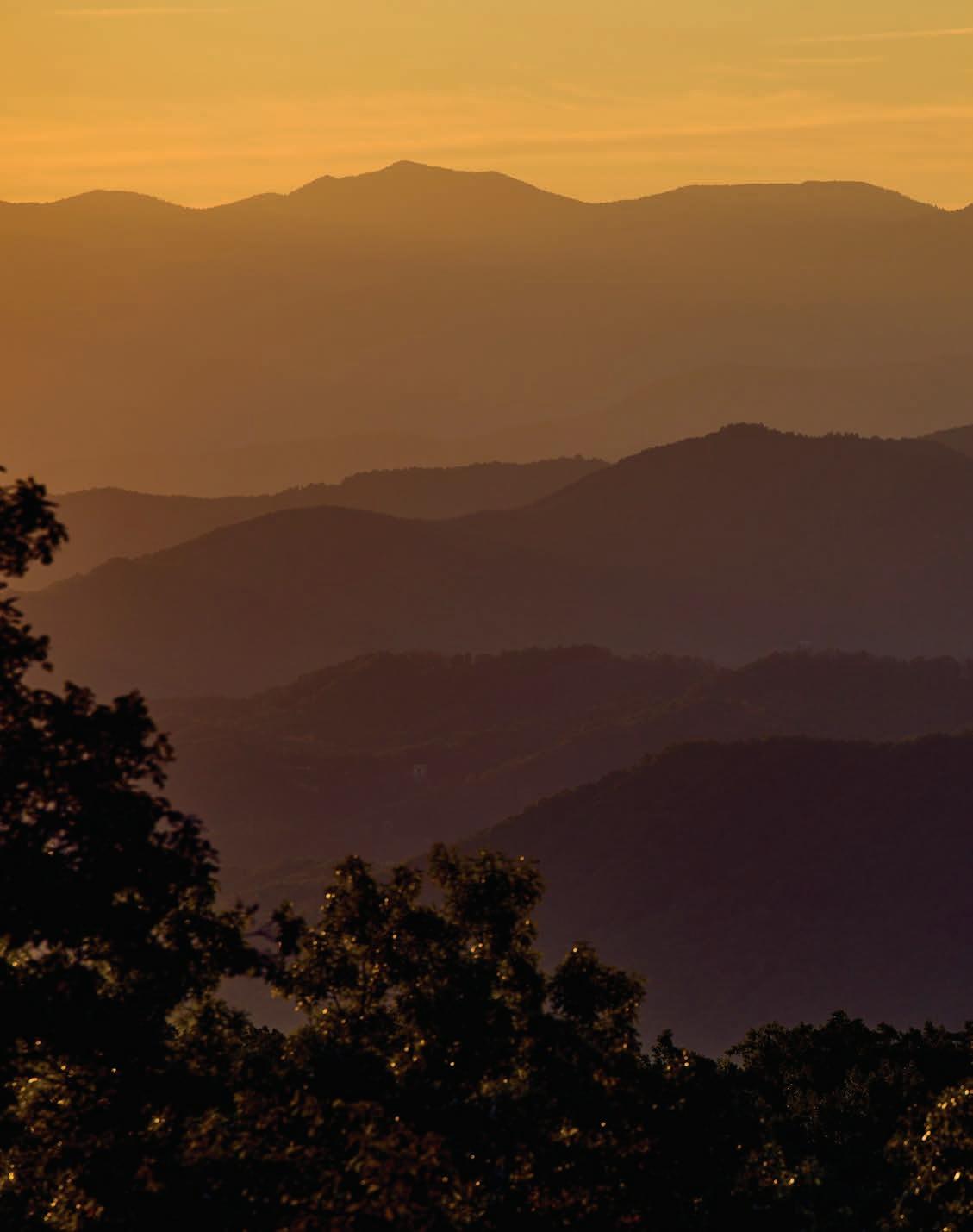
From the first rays of sun at dawn to the final beams leading into dusk, golden hues illuminate the earth each day, a reminder that while light always fades, so too does darkness. Golden moments can be quick and fleeting, like a glimpse of the sun between swirling clouds. They might also stretch for hours at a time, inviting us to soak up the warmth at seemingly never-ending leisure.
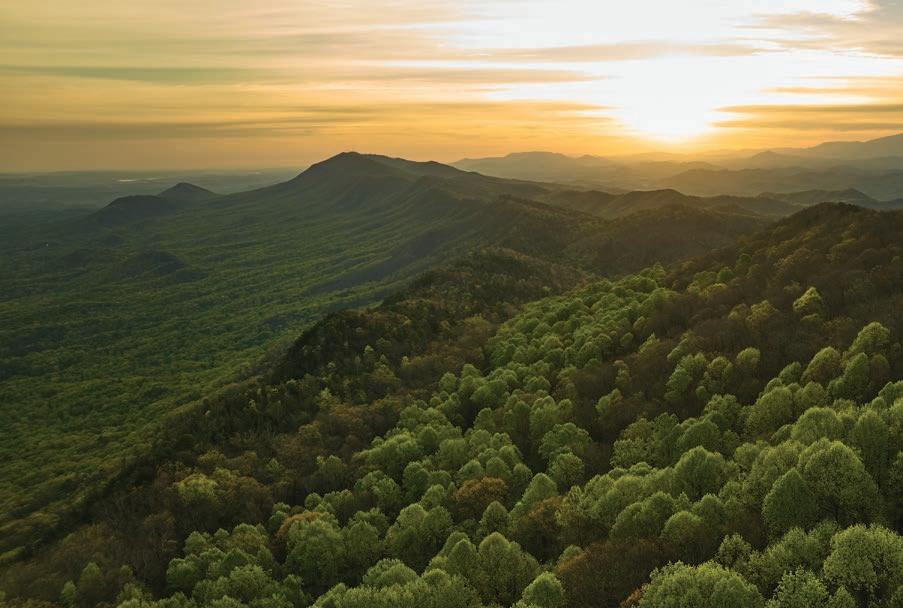
As the invisible hands of time tick, visible light moves with them, holding the power to transform common scenes into breathtaking images that burn into our memories. In the Great Smoky Mountains, golden moments are extra special. The humidity of the region scatters the light, prolonging the sun’s glow, and higher altitudes grant extended views as it sets.
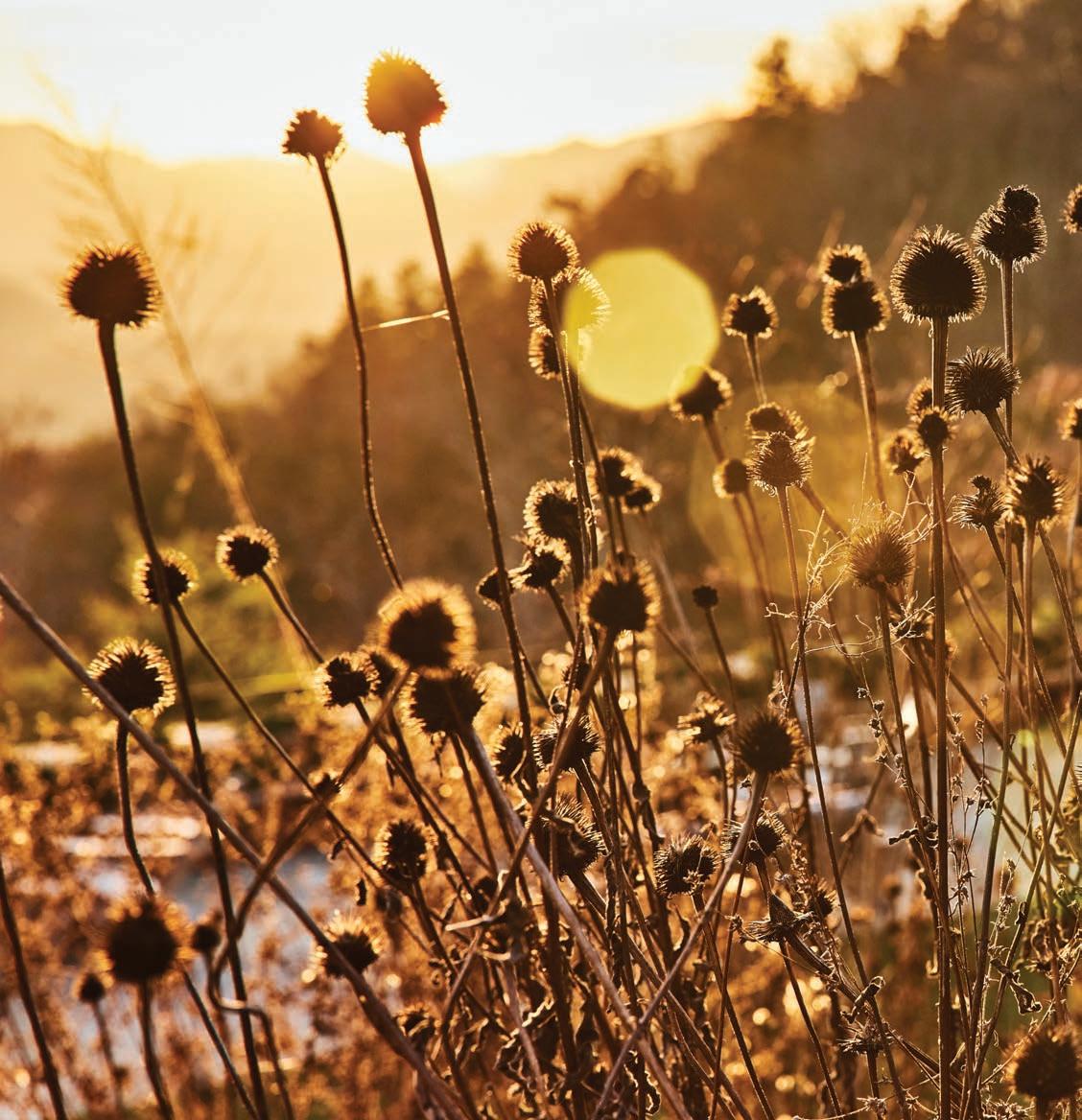
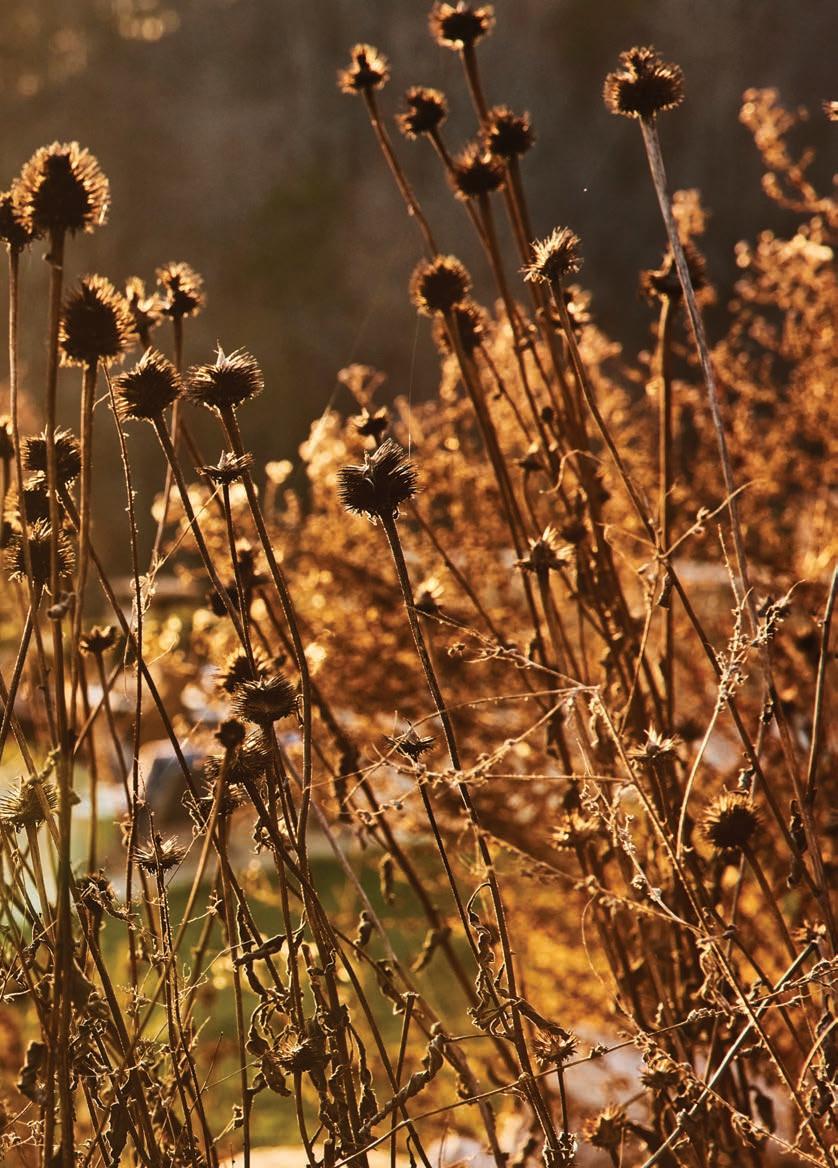
As someone especially in tune with the landscape and cycles of nature, Blackberry Farm Floral Manager Haifaa Tirey has learned to stop searching for the obvious sights and instead shifts her gaze to what the light is already touching. In doing so, she uncovers beautiful moments in places often overlooked – in grasses that have dried out and gone to seed, in old seed heads, in the tree bark in the middle of winter when everything else has gone quiet.
“When that low golden light hits them, they don’t look dead or past their moment. They look like they’re melting back into the earth, like the gold is being slowly absorbed into the ground beneath them. There’s something almost liquid about it. The light doesn’t expose those things. It reclaims them,” Haifaa says. “Early morning and late evening are when you really see them, when the light comes in low and warm and catches things at an angle it doesn’t reach any other time. The same field that looks ordinary at noon can feel completely alive an hour before sunset. Nothing about the landscape has changed. Only the light has.”
Beneath the sky, pops of gold sprout from the land itself. Blooms shift with the seasons, each marking a specific moment in time as universal symbols of joy and energy. Throughout the year, soft yellows, golds and oranges brighten the fields and pastures at Blackberry.
“Working at a place like Blackberry Farm, where hospitality is really at the heart of everything, I think about flowers in terms of how they make people feel when they walk into a room,” Haifaa says. “Golden tones do something specific. They create warmth before anyone has even said a word. Guests respond to them without always knowing why.”
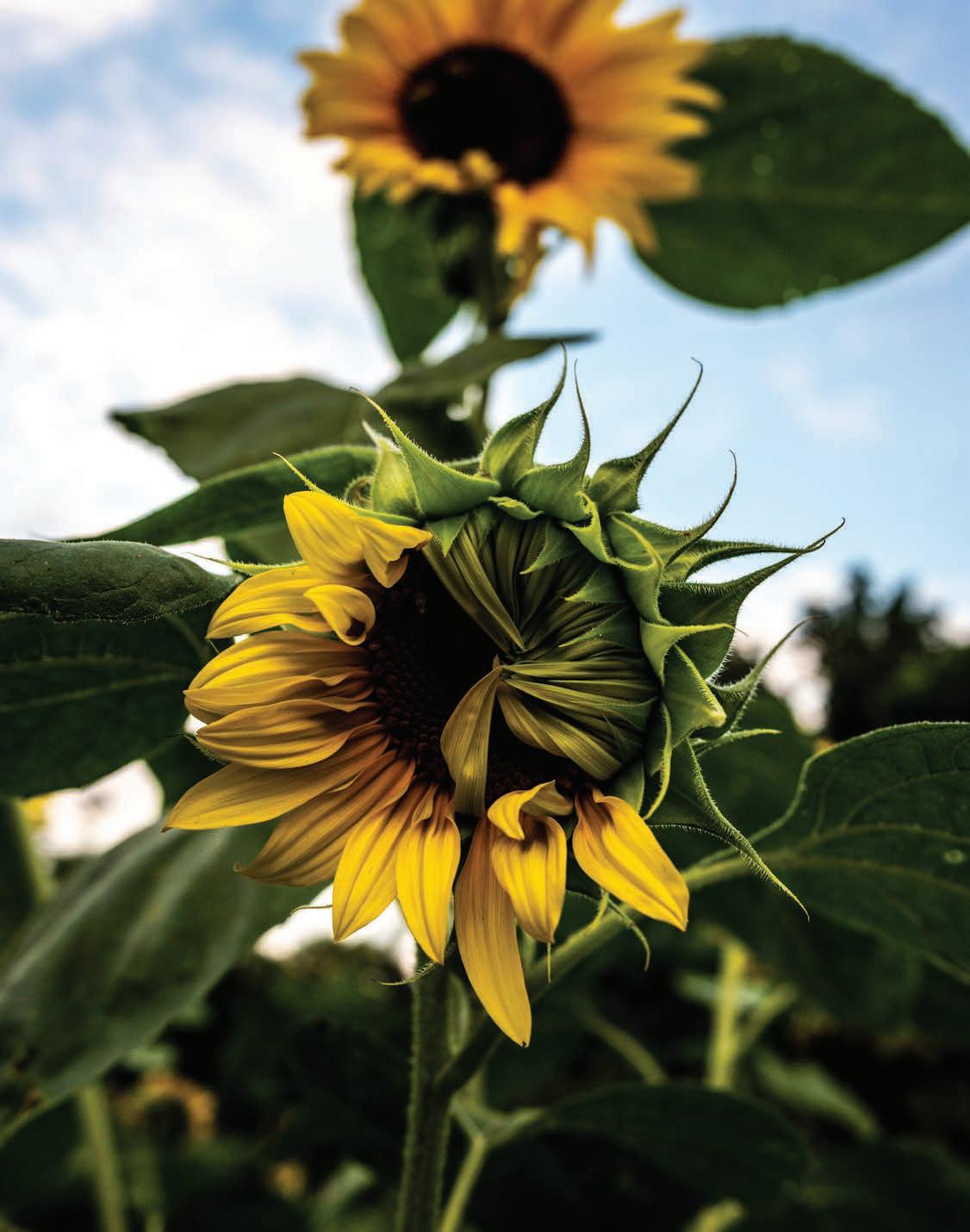
Sunflowers, for example, are open and welcoming by
joy and good fortune across many cultures. Their deep burnished orange-gold palette photographs beautifully, which makes a significant impact when dressing a space for an occasion.
But before she’s chosen a single flower to adorn an arrangement – whether it’s a warm gold, soft white or vibrant pink – Haifaa considers something else entirely.
“Light is the first thing I think about, because an arrangement doesn’t live in isolation. It lives in a room, at a certain time of day, with light coming from a specific direction. All of that shapes what you’re actually working with.”
At Blackberry Farm and Blackberry Mountain, light fluctuates drastically depending on where you’re at on the properties.
well to highlighting texture in arrangements. Ranunculus, garden roses and other flowers with layered petals show themselves more authentically in the morning light because the light exposes each unique layer. When designing floral arrangements that are showcased in the morning, Haifaa places them in locations where the early light can move across the flowers rather than hitting them straight on.
“I always say that a good arrangement should look like it belongs to the light around it. Not fighting it, not ignoring it. Just living in it naturally.”
nature, always orienting toward the light. They translate well in settings where you want people to feel at ease and taken care of, Haifaa says. To add softness and abundance without overpowering an arrangement, she likes working with goldenrod. Marigolds, Haifaa shares, have a long history tied to
“A dining room that gets strong eastern morning light is a completely different situation than a shaded porch or a candlelit interior space in the evening,” Haifaa says. “The flowers that work beautifully in one setting might completely disappear in another.”
Morning light is among Haifaa’s favorite types to work with. Its soft and directional qualities lend particularly
As morning transitions into afternoon, the light flattens out and becomes more neutral. That’s when Haifaa leans into color and contrast more than form. She opts for bolder flowers and stronger combinations – ones that hold their presence without needing the light to do extra work for them.
Evening, Haifaa says, is when the Farm truly shines. “The light gets low and amber and warm, and suddenly everything feels intimate,” she says. She reaches for softer flowers and looser arrangements with a little movement to them. Arrangements that might have felt understated earlier in the day suddenly feel exactly right when showcased in the evening light.
“I always say that a good arrangement should look like it belongs to the light around it,” Haifaa explains. “Not fighting it, not ignoring it. Just living in it naturally.”
Blackberry Mountain’s floral manager, Elizabeth Daniels, shares a similar sentiment about light in design. She aims to create arrangements that feel gathered rather than composed and says using native florals invites a quieter luxury at Blackberry Mountain.
“We let stems move naturally, as if still rooted in the field: airy sprays of goldenrod, the warm faces of black-eyed Susans and soft, golden grasses woven throughout,” Elizabeth says.
“A touch of tulip poplar foliage and natural mosses ground the pieces, connecting them back to the surrounding landscape.”
Floral color palettes at the Mountain tend to lean into gold as a glow rather than a statement, incorporating honeyed yellows and sun washed tones echoing the foothills of the Great Smoky Mountains.
“Natural light becomes a pivotal part of the design, filtering through petals in the morning and deepening into a warm, amber richness by late afternoon,” Elizabeth says. “The result is an arrangement that can shift with the day, creating a living sense of warmth and quiet abundance within a space. Just like light is what wakes the human body daily, it also can be a center for our arrangements designed around our natural habitats.”
As much as we associate light with life, no two flowers share the same relationship with the sun. While some flower species need full light to reach their potential, direct sunlight can be detrimental to others. Sunflowers, coreopsis and black-eyed Susans, for instance, are built for exposure. Pull them into the shade, and they’ll quickly show signs that something is wrong. Species like hellebores, astilbe, certain ferns and mosses, on the other hand, do their best work in filtered light or deep shade.
At Blackberry Farm and Blackberry Mountain, wildly different species can be found just a short walk from each other.
“You can move from an open sunny field into the tree canopy and the whole world changes. Different plants, different textures, different qualities of light. And both are equally alive, just in completely different ways,” Haifaa says. “I think that’s the part worth sitting with. The sun isn’t the only measure of vitality. Some of the most extraordinary things growing on this property are doing it in the quiet and the shade, away from any obvious spotlight.”
It directly translates into how she and the floral teams at Blackberry Farm and Blackberry Mountain think about design. Each stem serves a purpose, and by coming together into a cohesive arrangement, they take on a new, shared meaning.
“Not everything needs to be the loudest thing in the room,” Haifaa shares. “Sometimes the most memorable element is the one that makes you lean in a little closer to really see it.”
At Blackberry Farm:
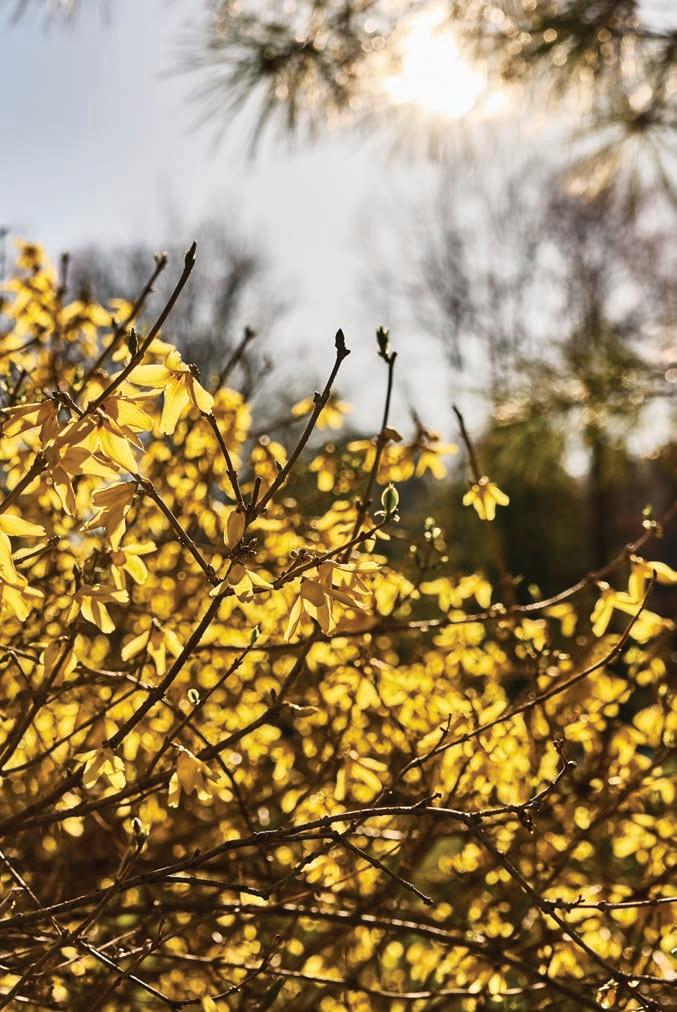
“Early spring begins with forsythia and daffodils. The yellow is bright and immediate. It signals that everything is waking up; there is nothing subtle about it.
As we move into summer, that color settles. Coreopsis and black-eyed Susans start to appear more consistently across the fields. The tones feel steadier and more grounded. They are no longer announcing the season, they are holding it.
Late summer into early fall is where the shift becomes more noticeable. Goldenrod starts to emerge, and sunflowers reach their peak. The color deepens and softens at the same time. It becomes less about brightness and more about warmth. This is when the landscape begins to feel like it is transitioning.
By fall, chrysanthemums carry those tones forward, but with more weight. There is more orange and more density. The light interacts with them differently. It sits on the surface rather than passing through.”
At Blackberry Mountain:
“In spring, the forest floor comes alive with soft yellows. While hiking or exploring Hunter’s Haven and the Labyrinth, yellow trillium can be found growing in its natural habitat. It brings a warm glow beneath the many budding trees. In addition, Brassica rapa (‘field mustard’) cannot be missed off the roadsides and in the ditches.
By summer, the Valley fields will brighten with bold, sun-loving blooms. Rudbeckia stands tall with its iconic golden petals and dark center, while butterfly weed adds a deeper hue with a golden center that can lure in up to 20 pollinators from near and far.
As autumn rolls in, the gold deepens into richer hues. Goldenrod paints our many open pastures and clearings in vibrant yellow plumes. Additionally, it is an important late-season nectar source. In our many moist habitats, Bidens aristora (‘bearded beggar’ or ‘tickseed sunflower’) continues the golden theme with its delicate, star-like blooms.

Even winter holds its own quiet gold. The dried seed heads of little bluestem catch the light in soft amber tones, and the lingering forms of switchgrass in the fields shimmer pale gold against our foggy, dewy mornings.”
Mountain Floral Assistant
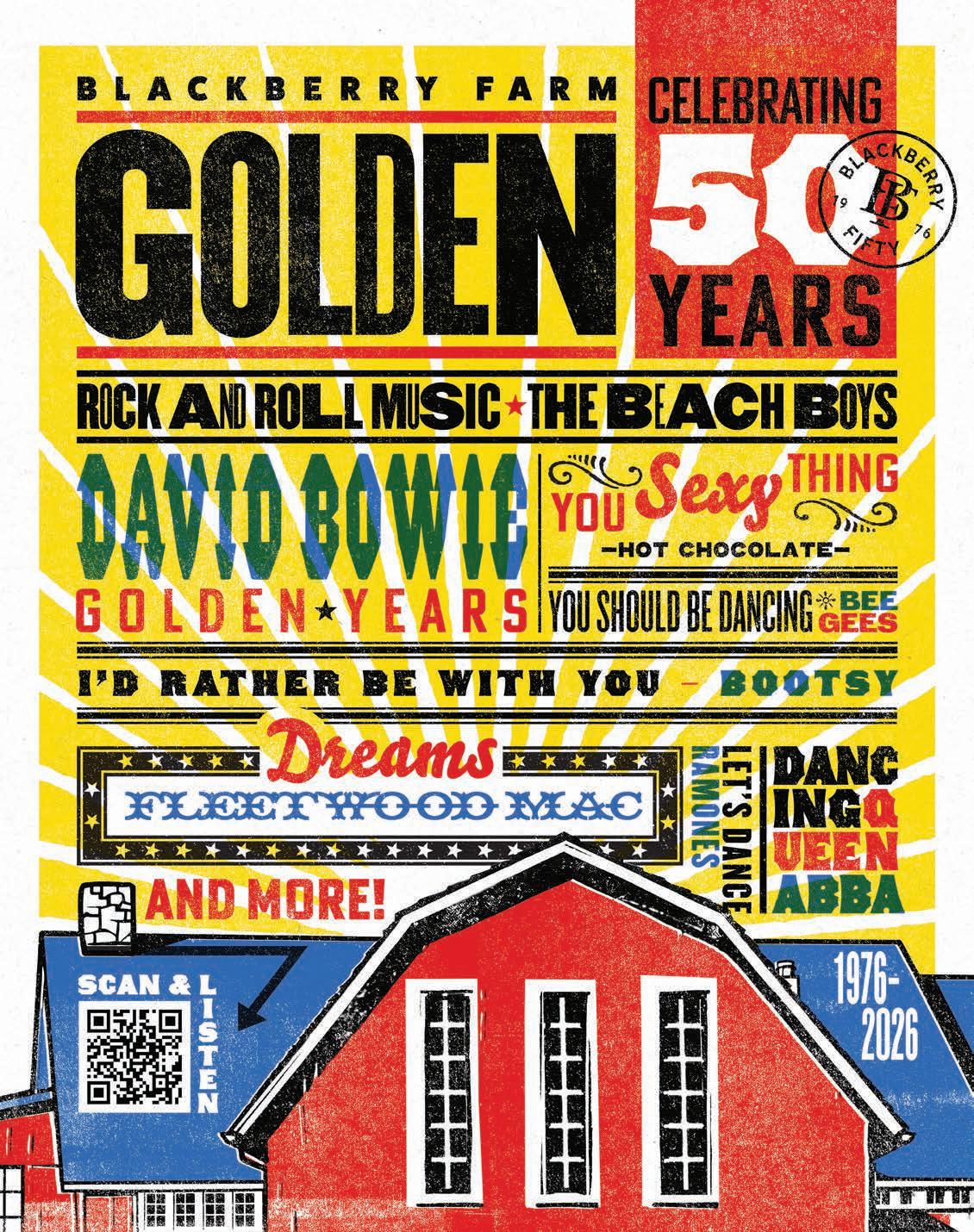
Imagine a line divided into two unequal segments. Now, imagine that the ratio between the two unequal segments is the same as the ratio between the entire line and the longer of the two segments. This unique proportion was first articulated by the Greek mathematician Euclid, considered the father of geometry, around 300 B.C., who described it as the “division in extreme and mean ratio.” Rediscovered during the Renaissance, Euclid’s ratio became known as the divine proportion. Admired for its sense of balance and completeness, this mathematical phenomenon can be found in some of the world’s most celebrated masterpieces, including works by the Italian painter Leonardo DaVinci, the Swiss architect Le Corbusier and the Spanish surrealist Salvador Dalí. Intimately related to the Fibonacci sequence, what we now call the golden ratio occurs throughout nature, from the spiraling patterns in nautilus seashells, romanesco broccoli and pinecones to sunflowers and galaxy formations.


a memorable toast is crafted with intention. It is a moment to honor the people, stories and experiences that bring us together. You can raise a glass anywhere, but shared around a table, where exceptional food and champagne elevate one another, an occasion becomes more than a celebration – it becomes a lasting memory. Rooted in generosity and shared joy, the art of the toast lies not in the eloquence of well-chosen words, but in creating a connection that transforms a gathering into something truly unforgettable. Whether it’s a meal shared at a beautifully set table on a dream vacation or an intimate moment of reverence at home, in the words of Kelly Schmidt, assistant director of beverage at Blackberry Farm, “A truly great toast is usually built on the specialness of what led up to it.”
“In my family, Krug has always been associated with gastronomy. Every harvest is an opportunity to discover the unique character nature has to o er: each plot, through its wine, becomes a single ingredient contributing to the final expression. Similarly in the kitchen, craftsmanship and creativity come from bringing together di erent textures, flavors and emotions to create something unexpected and meaningful. This philosophy resonates naturally with the spirit of Blackberry Farm, where seasonality, savoir-faire and the pleasure of gathering around the table are deeply cherished. A toast may last only a moment, but for us, what matters most is the pleasure and emotion shared around the table – bringing people together to create memories that last far beyond the glass.”
OLIVIER KRUG Director of the House of Krug
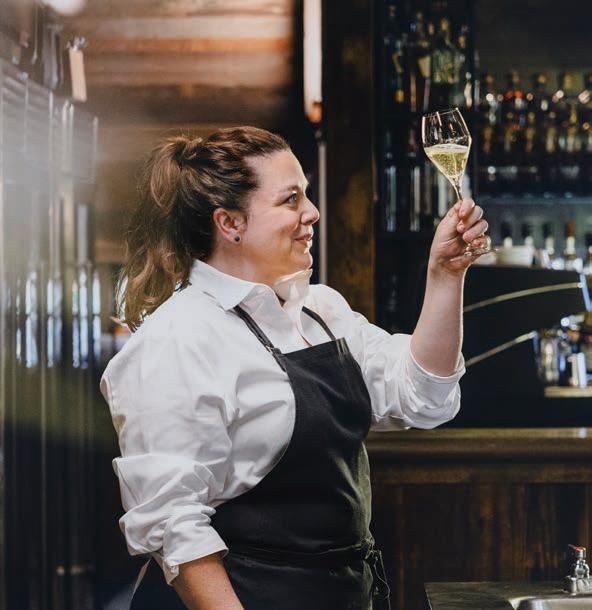
“As a chef, I prepare every part of a meal with patience, precision and respect. Like creating the great champagne that will fill the glasses next to my plates, the craft of cooking is rooted in carefully selecting the finest ingredients at the peak in their season, allowing each flavor to develop its character and bringing them together in harmony. A truly special meal, like a celebrated bottle uncorked for a milestone, is more than food. When I raise a glass, I do it in honor of everything that had to come together to make that moment possible: the ingredients the land provided, the work that transformed them and the people gathered to share them.”
CASSIDEE DABNEY Executive Chef of The Barn at Blackberry Farm
“AN OCCASION BECOMES MORE THAN A CELEBRATION –IT BECOMES A LASTING MEMORY”

YOU WAKE UP IN THE MORNING, MAKE A CUP OF COFFEE AND PUSH PLAY ON THE PODCAST YOU STARTED YESTERDAY. YOU GET IN YOUR CAR TO DRIVE TO WORK AND FLIP TO YOUR FAVORITE LOCAL RADIO STATION TO KEEP YOU COMPANY ON YOUR COMMUTE. DURING YOUR LUNCH BREAK, YOU DEFAULT TO A GO-TO SPOTIFY PLAYLIST FOR BACKGROUND MUSIC. AS YOU MAKE DINNER IN THE EVENING, YOU LISTEN THROUGH THE CHAPTERS OF YOUR LATEST AUDIOBOOK. TODAY, YOU CAN ADD AN AUDIO EXPERIENCE TO ALMOST ANY PART OF YOUR DAY WITH THE PUSH OF A COUPLE BUTTONS OR A SWIPE ON YOUR PHONE. BUT JUST 100 YEARS AGO, IT WAS A NOVELTY TO TURN THE DIAL AND HEAR VOICES COMING THROUGH THE SPEAKERS.
The Golden Age of American Radio, or the old-time radio era, spans roughly from the 1920s to the 1950s when television eventually replaced radio as the most popular medium of entertainment in the home. It’s estimated that at the start of the 1930s, 12 million American households had a radio, and that increased to more than 28 million by the end of the decade.
The invention of the radio changed the way people were informed about world news and the way they experienced entertainment. The ability to transmit information from incredible distances altered the entire landscape for how people connected.
Picture the scene in the 1982 version of Annie, depicting life in 1933, when Oliver Warbucks visits the “Oxydent Hour of Smiles” broadcast. The Boylan Sisters sing backup as Bert Healy tells his listeners that they’re “never fully dressed without a smile.” The camera pans to an actor controlling tap shoes with his hands, his station in the studio stocked with bells, wooden blocks and all kinds of accessories primed to create an audio performance. The visual cuts back to the Hudson St. Home for Girls where Annie’s friends are crowded around the radio singing along and taking in the big announcement about Mr. Warbucks’s reward o er, exactly like families all over the city at that moment.
Or think of A Christmas Story, set in 1940, when Ralphie eagerly takes notes during the “Little Orphan Annie” broadcast he’s been anxiously awaiting so he can use his o cial decoder pin to reveal the secret message sent over the airwaves. You get the sense of that scene replicated throughout households, each child hanging on every syllable as a voice rattles o numbers to decode. Today, you have the power to choose when and where to listen. The content will be there waiting for you. But before technology developed to put us in the driver’s seat of consumption, radio programming lured people to gather at the speakers at exactly the same
time, excited for their chance to hear the next chapter or the latest update. There is a magic in that connection that we take for granted now.
Early radio programming introduced the start of soap operas and took listeners along on adventures with heroes like the Lone Ranger. You could enjoy variety shows that blended dramatic skits, comical monologues, musical numbers and interviews or follow an intense crime series, the Golden Age’s precursor to true crime podcasts today.
Since TV took over, technology has only continued to evolve, expanding the quality and quantity of options for what to consume and how to consume it. Podcasting began in the early 2000s and arguably took o into its own golden age around 2014. The medium has created a renaissance of audio dramas, episodic content and detailed journalism that is reminiscent of The Golden Age of Radio, albeit with vastly di erent production value.
With modern podcast productions and audiobooks, you’re not required to be in the living room right at 6:00 p.m. every Tuesday to receive the next installment. Homework or an unexpected errand can’t ruin your chances of hearing your favorite program, and the barrier to entry is lower than ever if you want to share audio of your own. But these mediums are continuing a rich tradition of auditory storytelling, offering you access to celebrities, advice, narratives and conversations in a way that connects you to the world beyond your everyday, just like radio always has.
While we may not all be tuning in at precisely the same moment, the magic of sharing great stories, thoughtful interviews and impactful music is as powerful as ever. While the odds may be slim, there’s always a chance that somewhere in the world, someone is tuning into the same podcast episode or singing along to the same chorus as you.



The Blackberry Podcast relaunched in 2026, o ering friends and fans of Blackberry an opportunity to connect with some of the incredible people that visit. In a cozy living room, tucked away at Blackberry Farm, hosts Mary Celeste Beall and Sarah Chabot ask guests about their unique journeys, what’s important to them and what their vision is for the future.
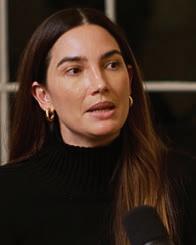
As Blackberry commemorates 50 years, we invite podcast guests to re ect back and dream ahead with us. In this excerpt from The Blackberry Podcast, Dara Caponigro, editor in chief of FREDERIC magazine and creative director of Schumacher, shares about the creation of FREDERIC and how her career today came full circle from her interests as a child. To learn about Dara’s passion for supporting others as they build their careers, her creative process, her time handling snakes at the Bronx Zoo and more, nd the full episode on YouTube, Apple Podcasts, Spotify or wherever you like to listen.
PUSH PLAY on The Blackberry Podcast to hear from authors, artisans, fashion experts, winemakers, restaurateurs, design icons, renowned chefs and more. Join conversations with friends and collaborators like: SEB BISHOP, ALLAN BENTON, SHAUNA NIEQUIST, BOBBY STUCKEY, RITA KONIG, MEREDITH MELLING AND LILY ALDRIDGE, ARJAV EZEKIEL AND TRACY MALECHEKEZEKIEL, LEE HANSON AND RIAD NASR, TYLER FLORENCE AND MORE.
DARA: Schumacher has a great history. It was founded in 1889 by a Frenchman named Frederic Schumacher, who came over from Paris. Originally, he distributed French fabrics. But he was a really smart man, and he soon discovered that he could manufacture things in the United States.
One of the things that he was so well known for, which I think is still part of our DNA today, is that he was ahead of the time; he was adaptable. He was flexible, and he was always moving forward. Frederic was a renegade and designed the most amazing fabrics and wallpapers for us – exuberant and fun. Some of them are still in the line, which is so cool.
Before I arrived at Schumacher, I had been a magazine editor. I was the editor-in-chief of VERANDA, and I was ready for a change. I left VERANDA, and I got a call from Schumacher. I thought that the woman who was the CEO back then was just taking me out to
lunch to wish me well, but she offered me the job as the creative director.
I joined the company at the end of 2013, and one of the first things that I did was ask my friend Miles Redd to do a collection with us. I’ve known Miles for a really long time, and I thought, how fun would it be to do a magazine around Miles to give it a little bit of an editorial spin instead of making it just a boring catalog with his new fabrics and wallpapers.
Of course, Miles had a million ideas and great references. So, we created probably 20 pages, and we called it a bulletin. It was more of a newspaper than a fancy catalog. It felt very alive and fun and not too precious. People loved that.
Then we did one that was more well-rounded around Schumacher, and then another one. I think it was the Schumacher Bulletin, then it became the Bulletin by Schumacher, then it became the Bulletin. Eventually, our CEO of Schumacher, who arrived about a year after I did –his name is Timur Yumusaklar – really saw the value of doing a magazine about design that was not necessarily about Schumacher.
We started covering houses that didn’t have Schumacher in them, and the next thing we knew, we had a consumer magazine. We renamed it FREDERIC after the original founder of the parent company. It’s been really exciting that it’s had such success.
SARAH: There’s so much I love about the magazine, but one thing that I
think is just cool, is that when you subscribe, you get to choose between the textile cover and the lifestyle cover. I’m curious where that came from.

DARA: We also have a box that says surprise me, which is fun. So, you can pick the pattern, you can pick the interior cover, or you could say surprise me and then you get what you get.
SARAH: I think it’s such a lovely way for people to decide how it sits on their co ee table or in their space.
DARA: When it turned into a proper magazine, we did pattern covers, because back then, it was still a Schumacher magazine. And then, I thought to myself, if this is going on the newsstand, nobody’s going to buy it, because they’re not going to know what it is. You want to have that little sneak peek into the issue. So that’s when we introduced the interior cover. My mom was a decorator, so I had always been exposed to design. I would go with her to all the different showrooms. I would often take her samples and use them in my dollhouse. So, I was always enamored with design. I loved it. I just didn’t know that it was something I’d ever want to do for a career.
SARAH: Finding a place where design and journalism meet –that’s a special spot to be in.
Globally, Indians hold roughly 11% of the world’s gold reserves. This is more than the reserves of the United States, Switzerland, Germany and the International Monetary Fund combined. Personal gold ownership in India is roughly 40% of the country’s GDP – and almost all of it is held by women. Gold plays a significant spiritual and cultural role in the lives of Indian families. Gold jewelry is lavished upon brides from every economic strata, with families spending what they can to adorn their daughters as they leave their homes. Most obviously it signifies the wealth and status of the family. As a gift, it acts as a blessing or benediction to the bride in her new life. And it is her life insurance, often among the only monetary assets that she solely
controls for the safety and prosperity of herself and her children. It is the most liquid of assets for a family. It is, if viewed from a solely “practical” aspect, a woman’s outward value in glittering, wearable cash. I told my mother I wanted to wear silver for my wedding instead of gold. “Sure,” she replied, “if you’d like your father to die of shame.”
Much is worn regularly. Even more of it, however, is reserved in bank vaults, locked away for special occasions, or kept till it comes out again, only to be passed down to a child or sold for cash. It occupies a hidden space of security throughout most of the lives of its owner.
My life has been enriched with gold. But the most valuable of it isn’t in a bank vault.
I was gifted gold bangles as a baby. My ears were pierced with pure gold studs at nine months. In photos, I’ve seen my chubby baby ankles glittering with thin, tinkling gold chains – chains I never saw again until my son was born. We took some adorable photos with him, and now the anklets and bangles live in my safe instead of my mother’s. But two weeks after he was born, she was in my kitchen, making dal and adding extra ghee to fortify my body, an alchemy that helped me as an underproducer of milk to feed my son. What does a baby care for bangles if his mother can’t feed him? Some of my earliest memories involve sitting in the kitchen while my mother cooked, filling our home with the scents of ginger, garlic and green chili, as well as spices innumerable, blooming in hot oil or ghee, that all-important liquid asset that gives dal tadka its flavor, fragrance and depth. Gold is unique among precious materials in that it can be broken, divided, melted and reformed a dozen times and the individual pieces lose no value, in a monetary sense. The humble lentil is one of the cheapest, most “regular” staples in Indian cuisine and hundreds of others around the world. And yet, simple turmeric-rich dal, or any version of stewed pulse or legume consumed by any child or made by any caregiver, has literally built generations of humans, fueled countless minds and bodies. Gold retains value –our food and traditions create and disseminate it.
It is easy in a heavily materialistic and capitalistic society to measure value in its most literal sense. Gold is a precious element, to be weighed and manipulated, adored and paid for. But the elements of a truly rich life are in the act of passing it down itself – the transmission of value not just in materials, but in traditions, in recipes, in the care and examples of personal and professional grace that move from one home to another as families grow and spread. The elements that can be divided and divided again but actually increase in presence and value as long as they are remembered, preserved through action instead of in a vault.
There are traditionally made fabrics in India that are woven with zari, meticulously crafted gold, silver and silk thread that is used to adorn heavy Kanjivaram and Banarasi saris, among others. These are similarly passed down from mother to daughter, gifted at weddings, held for posterity both for their beauty and their value. But if such a garment is taken to specialists, they will weigh the amount of gold in the sari, carefully remove it from the cloth, and pay you cash for it by the weight of the thread. The weaving of such a sari is the culmination of generations of talent and time in the pursuit of beauty and artistry. And it can be unmade. The value of this generational art is made transactional in its end. But who can unweave the memory of a gift itself? The sentiment behind the weight in your arms, or around your neck, or the steam rising from a bowl of golden dal arriving on the table. The visceral feeling of love and anticipation when a child sees their mother add that extra swoosh of ghee to their dosa. Watching that same woman accomplish professionally what may have been inaccessible to their recent elders. The knowledge that these things will happen again and again through you and for millions around the world. That which is most priceless is unable to be unwoven from the fabric of ourselves.
The ability to cook and to feed yourself doesn’t hold the same value or necessity it once did, because convenience food is widely available. Most folks in the U.S. will get by without knowing how to truss and roast a whole chicken or without growing anything in their own backyard.
However, the value in cooking for others has maybe never been higher. Entertaining is an opportunity for the enlightened to show where they’re from, where they’ve been or simply that they care about you and want to spend time with you.
My family and I host people at our home every week for a meal. With young children and busy lives, inviting people to gather at the table is how we find time to enjoy the company of friends. When we share a meal, we are sharing family history, creativity and current interests through the food.
I still make coleslaw the way my grandmother taught my mother. And I also get excited to make my take on a recipe that intrigued me on Instagram. There are dishes that celebrate where we live, flavors inspired by traveling around the world, ingredients gifted to us by friends,
staple recipes that are as comforting to our guests as they are to my family.
Cooking and enjoying food with others creates the opportunity for deeper connection. Experiencing a story with all of your senses holds weight, and that feels important. It is important. Those are the experiences that stay with you.
So, when my toddler pushes a chair across the kitchen to stand next to me as I cook, it’s no wonder the moment feels valuable. I have the chance to pass the skill of cooking for others along to the next generation, and suddenly it’s so much more than just a meal.
As a chef, cooking with children can be frustrating. They want to do everything. The help would be great, but their knife skills are terrible. And they eat everything before it’s ready. It’s the same with gardening. They pick blueberries when they are green, and they’ll trample the herbs to get to an unripe strawberry.
But I can’t think of a better thing to invest in. The gift of being able to prepare and share a meal with others is certainly worth its weight in gold.
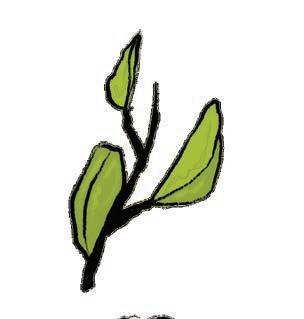
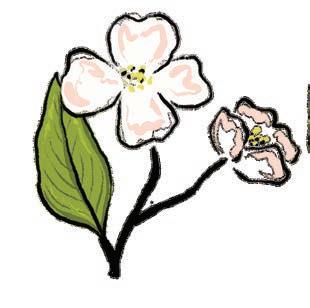
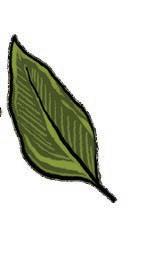
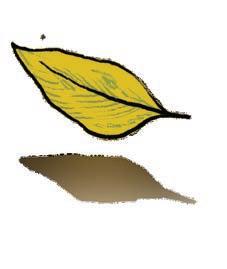
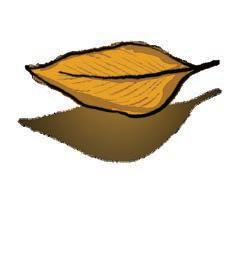
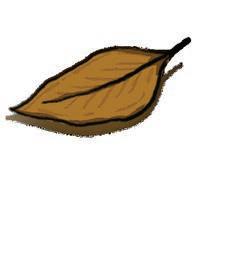
so an hour. Then leaf subsides to leaf. So Eden sank to grief, So dawn goes down to day.
Nothing gold can stay.



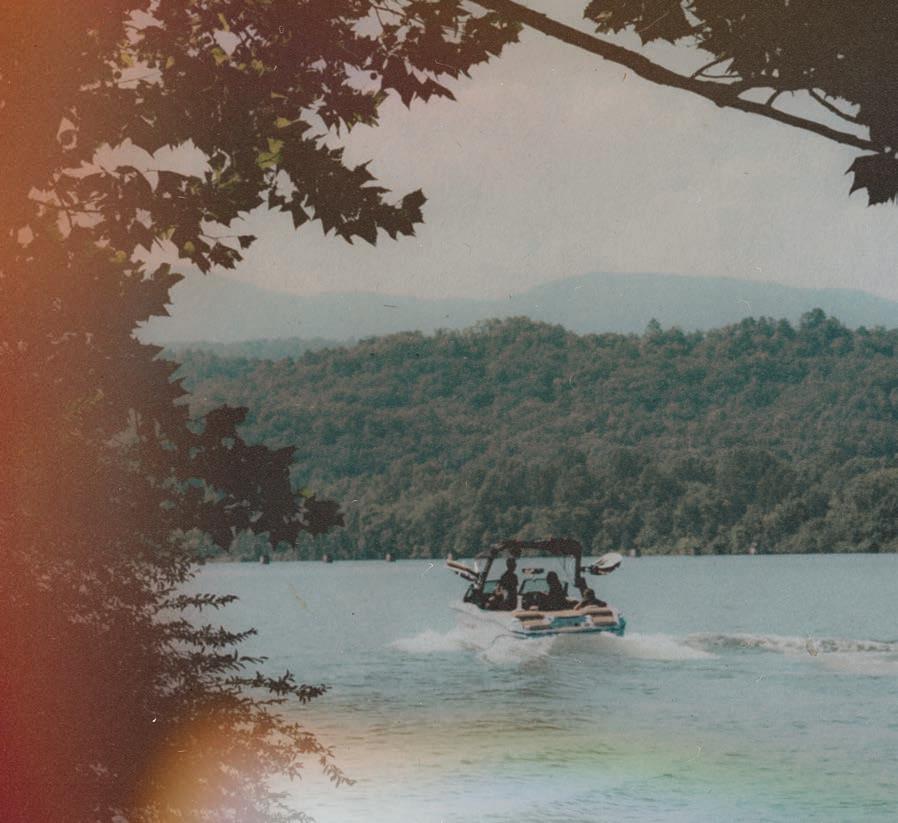

FIFTY YEARS AGO,
In three different towns, not far from one another, three very different stories were taking shape as visionaries applied their unique perspective and passion to three different worlds. One would help define the modern towboat. One would preserve and elevate an age-old Southern tradition. One would help set the standard for hospitality.
On the surface, they shared almost nothing, but looking back across five decades, these brands are united in their commitment to quality and their impact on their industry.
In 1968, on the shores of the Tennessee River, MasterCraft was founded with a singular obsession: building a better ski boat. It wasn’t about creating a huge company or a broad product line. The goal was simply to generate great wake and enjoy time on the water. Precision, performance and an uncompromising attention to detail became the standard.
Just five years later, in the foothills of the Great Smoky Mountains, Allan Benton was quietly perfecting another craft entirely. While much of the food world raced toward speed and scale, Benton’s Country Ham doubled down on patience, tradition and the belief that some things simply cannot be rushed. What began as a regional staple would become a product sought out by some of the most celebrated chefs in America.
And then there was Blackberry Farm. What started as a space for small retreats evolved into something far more ambitious: a vision of hospitality rooted in place, elevated by extraordinary standards and defined by genuine care. These were different industries serving different customers, but each was animated by the same instinct.
These three brands were built on the belief that details invisible to most people are often the ones that matter most. A little more than half a century ago, kindred entrepreneurial spirits followed their passions. There must have been something in the culture here, or in the water.

Make new friends, but keep the old; Those are silver, these are gold. New-made friendships, like new wine, Age will mellow and refine.
– Joseph Parry
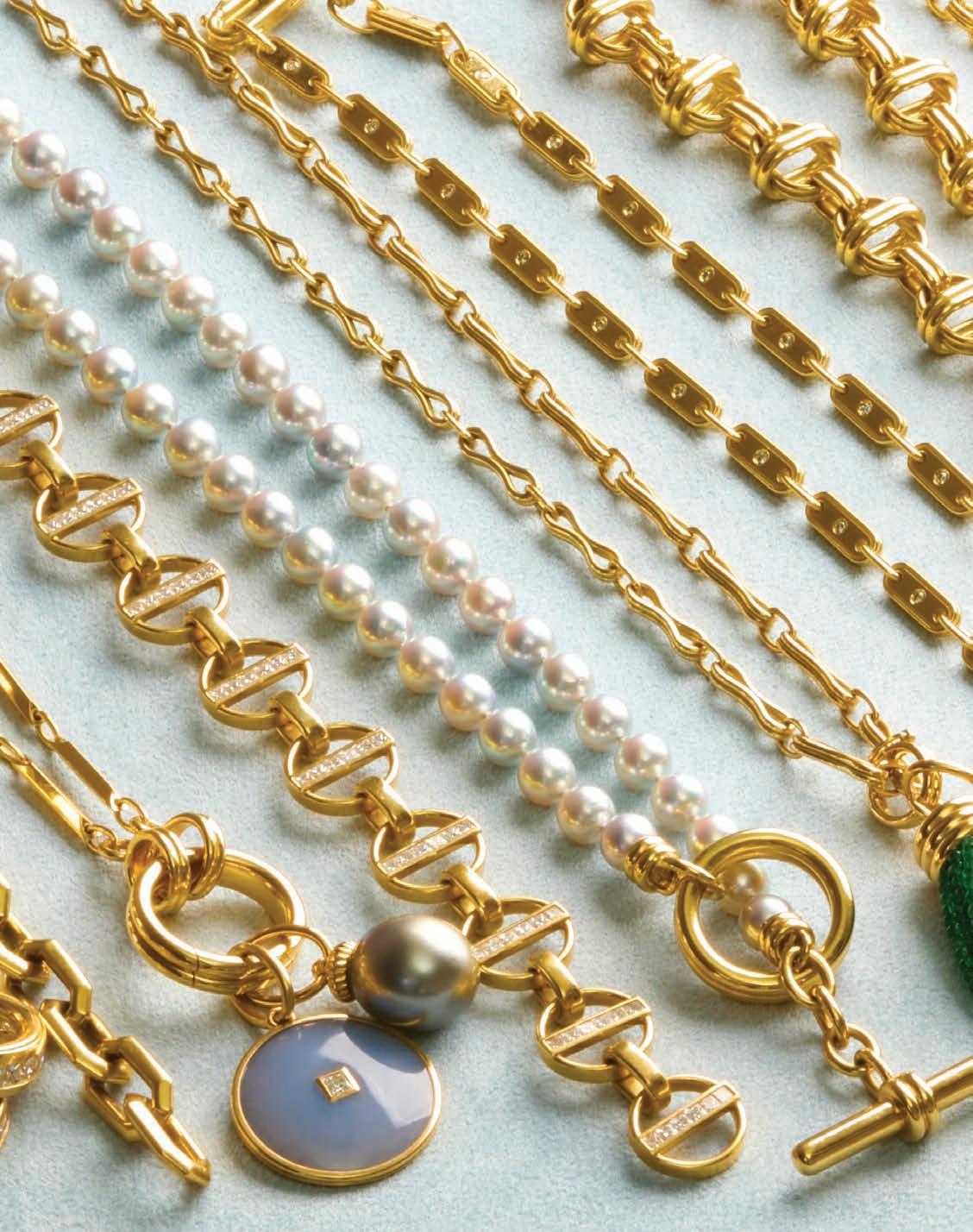
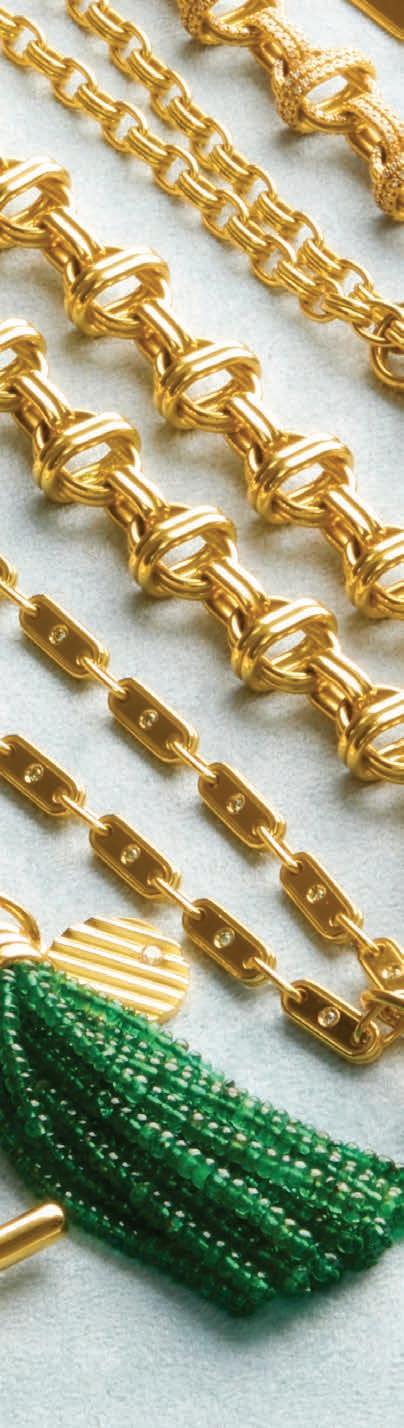
A conversation between Mary Celeste Beall and Danielle Sherman, founder of fine jewelry label Sherman Field.
Mary Celeste: When we talked about creating The Golden Issue, I immediately thought of you! Beyond being a fan of your jewelry, you are known for your signature gold, which I love. Can you share a little about what makes your gold unique?
Danielle: Thank you – so fun to be a part of this issue! Our 18k yellow gold is our own proprietary color that we developed over the course of one year. Before I launched my first collection, I traveled to antique shows across the U.S. collecting 1940s retro and vintage jewelry, and I discovered that this period had the perfect 18k gold hue. It was warm but not too rose, and it added a richness to the piece. I sourced some of these pieces to match the same color, spending months perfecting the hue and making small adjustments to the percentages of alloys that comprise 18k yellow gold. All gold starts at 24k, and to arrive at 18k, you mix different percentages of other alloys to become certified 18k. Most of our clients come to us not just for our designs but also for the color of our gold.
MC: Now, take us back to the moment you first felt drawn to jewelry design. What sparked that path in your life?
D: My grandmother, Renee Sherman, always wore chunky gold jewelry. Whether she was spending the weekend at her country cottage in Bolney, London, or at work, she wore a solid, heavy gold lapis ring on her pinky, heavy gold bracelets and often one or two long gold chains layered together. I never had the opportunity to talk to her about her jewelry, but, like me, it seems as if she liked to mix textures and shapes, and none of the pieces she wore looked like a matching set. So when I think back to the initial spark, I immediately think of her.
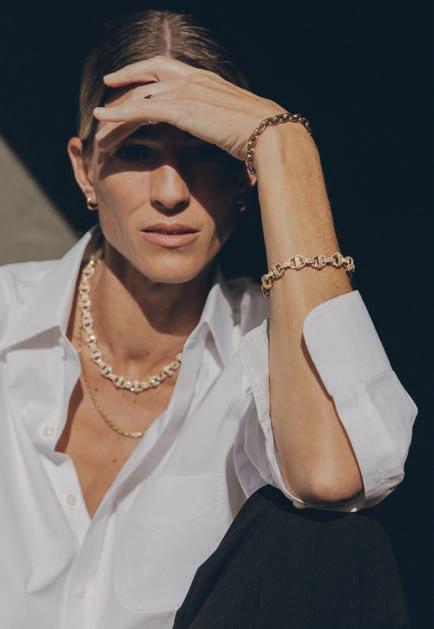
MC: Life is full of change and transformation. I know you’ve had some really interesting milestones in your career, like co-founding The Row and working with Alexander Wang, but eventually your work in fashion evolved to founding Sherman Field. How has your journey, both professionally and personally, shaped your relationship with your craft today?
D: I’ve always been obsessed with craft and making things, even from a very young age – from taking sewing classes at Jo-Ann Fabrics at age 12, alongside mostly older women, to making necklaces for my friends out of vintage rosaries I found at flea markets. I’ve found the most joy and fulfillment in using my hands to make things, shape things and mold things into something special. During my fashion career, there came a point when I was using my hands less. I was still sketching, but I was not engaging with materials the way I had very early on. Upon founding Sherman Field, I returned to the art of sculpting clay, and rather than sketching my ideas, I found that
sculpting best illustrates the scale, proportion and detail of our links. To this day, I still sculpt much of our jewelry, as I find that interacting with form in this way not only makes each piece more distinctive but also helps me develop ideas in a more thoughtful way.
MC: I love that the name for Sherman Field was inspired by the clothing brand your grandparents founded in the ’60s and that you found inspiration from jewelry styles of the past. How do you approach designing pieces that connect to history but work for modern day?
D: I have press clippings from my grandparents in old paperback albums spanning the 1950s through the late 1960s, from Vogue and Harper’s Bazaar, some of which were photographed by Helmut Newton. It’s always helpful to return to this archive to see how they designed, how the clothing was styled and how photographers captured that era. I also look through archival sketches from notable houses of the 1930s through the 1970s to explore interesting techniques, settings and the proportions and scale of jewelry from those periods.
MC: Gold is often used as a symbol of legacy and permanence. What does “gold” mean to you personally and creatively?
D: Gold means heritage, tradition, life and, of course, permanence. Anything and everything made in gold is a forever thing. For me, I’ve always viewed gold as something that honors the traditions of the past, present and future. I design jewelry to be passed down for generations to come. Jewelry should reflect the weight of those past traditions; it should be crafted, formed and sculpted into something that honors this idea of permanence. Nothing about it is light or whimsical. It has substance, and when formed into something beautiful, it takes on a new life.
MC: I have gifted some of your jewelry to my daughters. I love that they are beautiful and special pieces that can become heirlooms to pass down but also that they’re so wearable. How do you balance artistry with wearability, especially when designing pieces that people will carry with them daily?
D: When I design, I always ask myself whether this is something I would wear – how I can make something that is ultra-feminine, cool, wearable, stackable and modern. I love that my jewelry is often influenced by earlier periods; however, period pieces can be challenging to wear because they tend to feel dated and not entirely relatable. That said, if I love it and I’m excited by it, I trust intuitively that others will be too!
MC: In a world moving toward fast fashion, what does it mean to you to create something lasting and meaningful?
D: I hope it will serve as a kind of discovery for people – marking a time when so many brands chase trends – and stand as a brand that is, in a sense, an outlier. I hope people discover the story: the story of my grandparents, its origins and how I have worked to carry this brand and the same ethos it stood for into modern day.
MC: If someone wants to start investing in their jewelry collection, what piece from Sherman Field would you say they should start with?
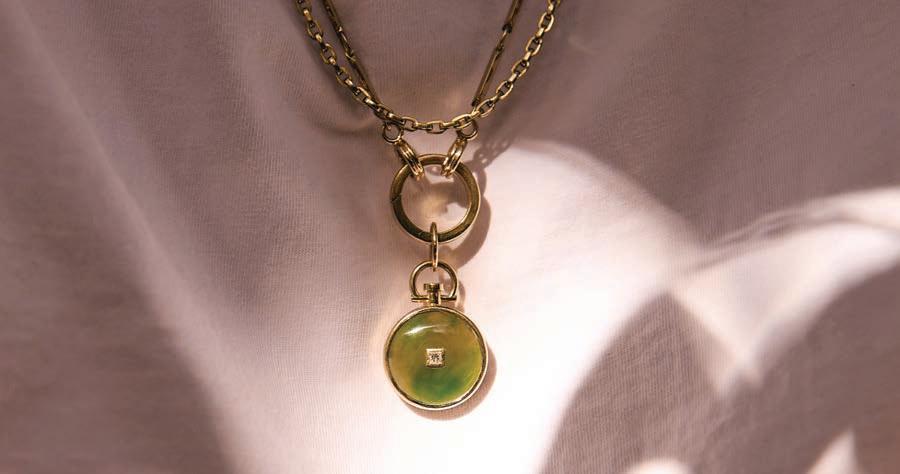
D: It means everything. I love vintage, and making jewelry that will itself one day be vintage is very important to me. Everything we produce is antithetical to fast fashion. I launch pieces when they are ready to launch. We never rush a piece or a collection. If a category needs more time to fully develop, we give it that time. Fine jewelry – true fine jewelry – cannot be rushed, as it is deeply process-oriented. You cannot skip a step or do something halfway. I love that. I love process, and I respect it immensely.
MC: Looking ahead, what kind of legacy do you hope your jewelry – and your story – will leave behind?
D: I would start with our signature Oval Chain Necklace (which is two bracelets that connect to form a single necklace) or our Convertible Chain Necklaces, which you can wear multiple ways – with all of our pendants or medallions, and even as a holder for your eyeglasses or sunglasses. If you’re looking to gift something to commemorate an anniversary, birthday, job promotion or new baby, our lockets make the most sentimental and memorable gifts. You can choose your stone from our colorful stone tray, customize the engraving (dates, initials, a heart), and we assemble your photos for you as well. I love my own locket –whenever I travel, I always have my kids with me!
Even something as glorious as gold
by Adam Grigsby
Too small to bother a bird’s appetite
A dimple before me, cradle in her smiling cheek,
I kneel
in the dirt,
A speck of potential buried in the furrowed lifeline
Channeling the oldest alchemy of our ancestors, of my palm,
Back down the trunk where the family tree digs its toes into the ribcage of our Mother,
Golden Sun :|: Darkened Earth :|: Shimmering Water
Sacred elements, awaken this seed.
One cannot taste the joy of a tomato in June if they do not
Clear away the crusty memories of last year’s laden branches
Allow dirt under our fingernails – plant the seed
Stain their thumbs green from sucker duty
As the lightning bugs applaud the sky flushing gold above the woodline,
My tongue remembers the joy when a hundred summer days ripen and drip down my chin, a cosmic fire reimagined in this crimson crucible
Defend our darling from the others that come hungry to the garden.
A resurrection,
An act of faith,
A symbol of hope and generosity.
The first tomato of the season is pure gold.
Trust the process.
Even something as glorious as gold
Needs refining our heart is no different
It too can be hammered
Held within the clay vessel
Softened under the fires
What seems to unravel us
“Some endings are a rebirth,” said r. h. Sin
Trust the process.
-This purging fluxSeeks only to cleanse you, Rid you of the slag. Until only what is pure remains.
“I’ll be a miner…” he sang Heart of Gold,
It will shape you. Be wise about what you pour yourself into
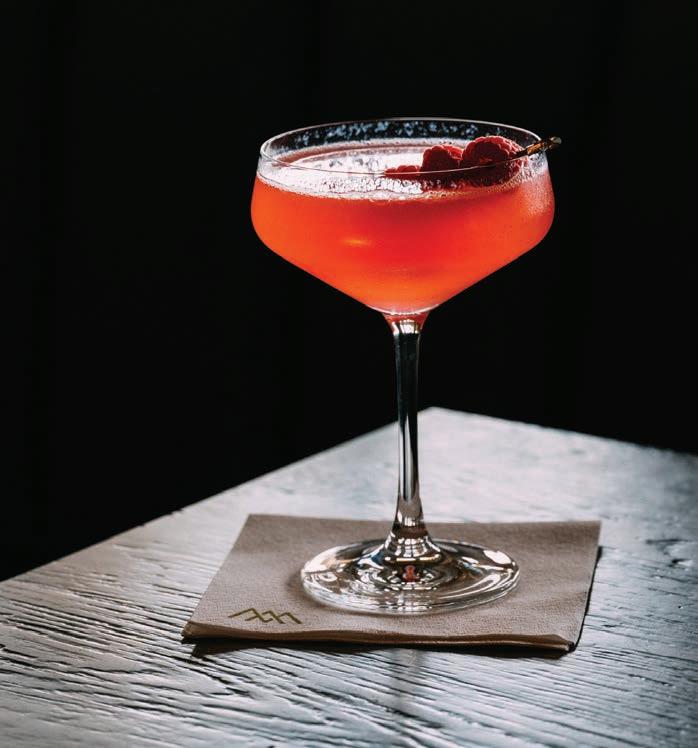
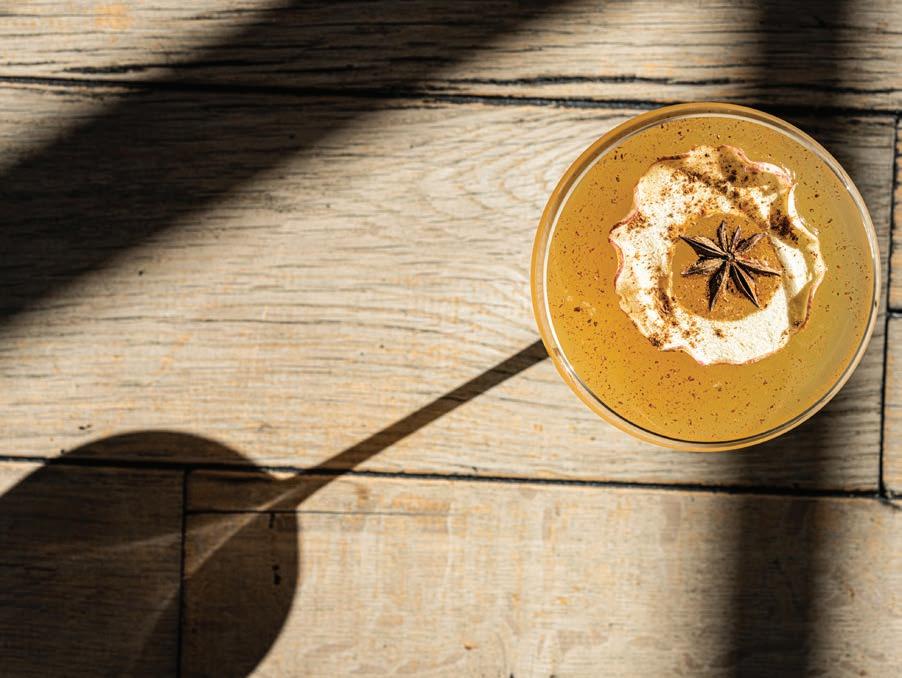
The Rosé Colored Glasses is unique because it balances flavors that are typically overpowering – smokey mezcal, floral St-Germain, rose water – and creates a harmonious but complex cocktail. The sweetness of the raspberry syrup is balanced by the tart lemon juice.
The whole cocktail is given body and complexity by the addition of sake and effervescence from the rosé. The result is a surprisingly refreshing and approachable drink with a beautiful color and the aroma of roses.

Blackberry Mountain Assistant Dining Room Manager
Ingredients:
0.5 oz. raspberry syrup
0.5 oz. lemon juice
0.75 oz. St-Germain
0.75 oz. Yamahai Ginjo-style sake*
0.75 oz. La Luna Black Label Mezcal
3 drops rose water
Rosé Champagne to top
3 raspberries for garnish
*The Diplomat by Proper Sake was used for this recipe.
To make the raspberry syrup:
1 cup fresh raspberries
1 cup white sugar
1 cup water
In a saucepot, muddle the raspberries into the sugar. Add the water, put on the stove over medium-low heat and stir.
Once the sugar is fully dissolved, remove from the heat. Filter through cheese cloth or a fine mesh strainer to remove the raspberry pulp.
Let the syrup cool, store in an airtight container and refrigerate. To make:
Measure the ingredients into a shaker tin and shake until cold. Strain into a chilled coupe class. Top with rosé Champagne and garnish with fresh raspberries.
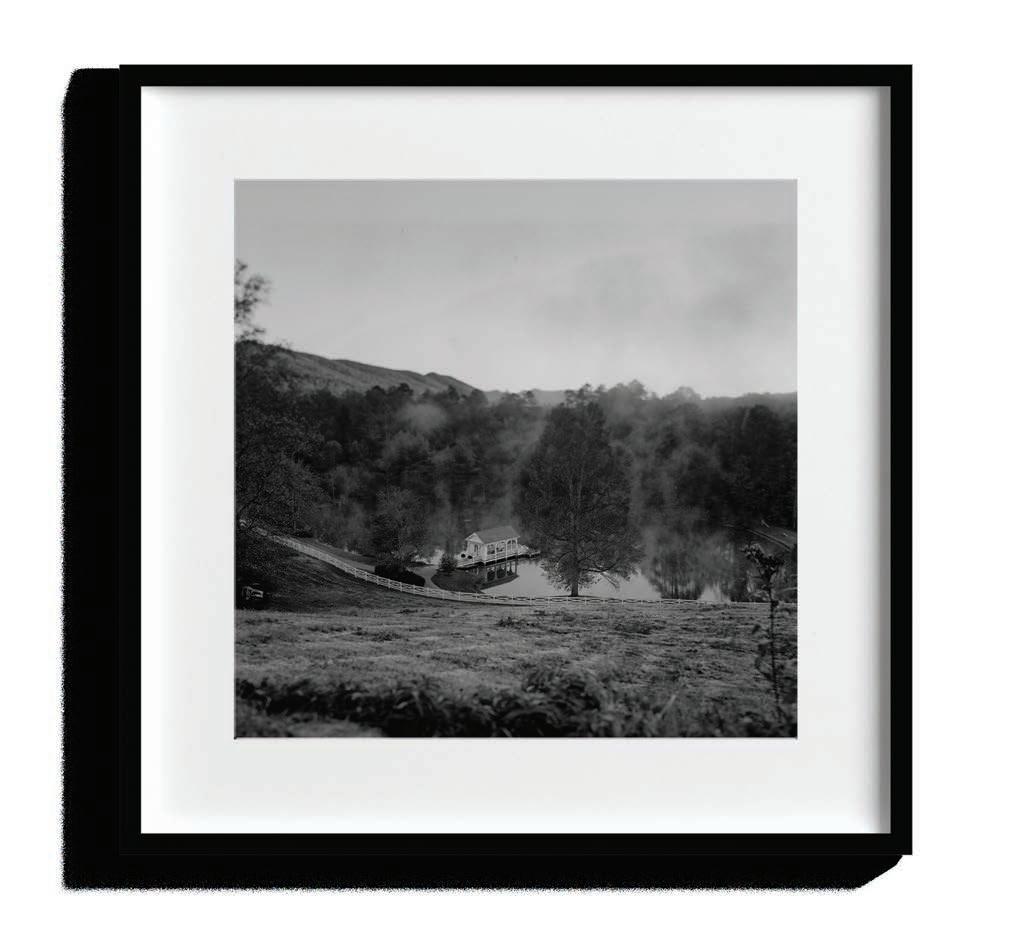
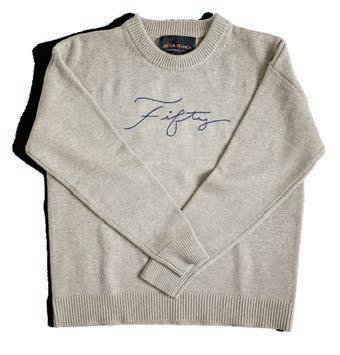
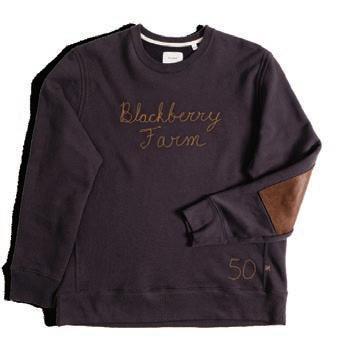
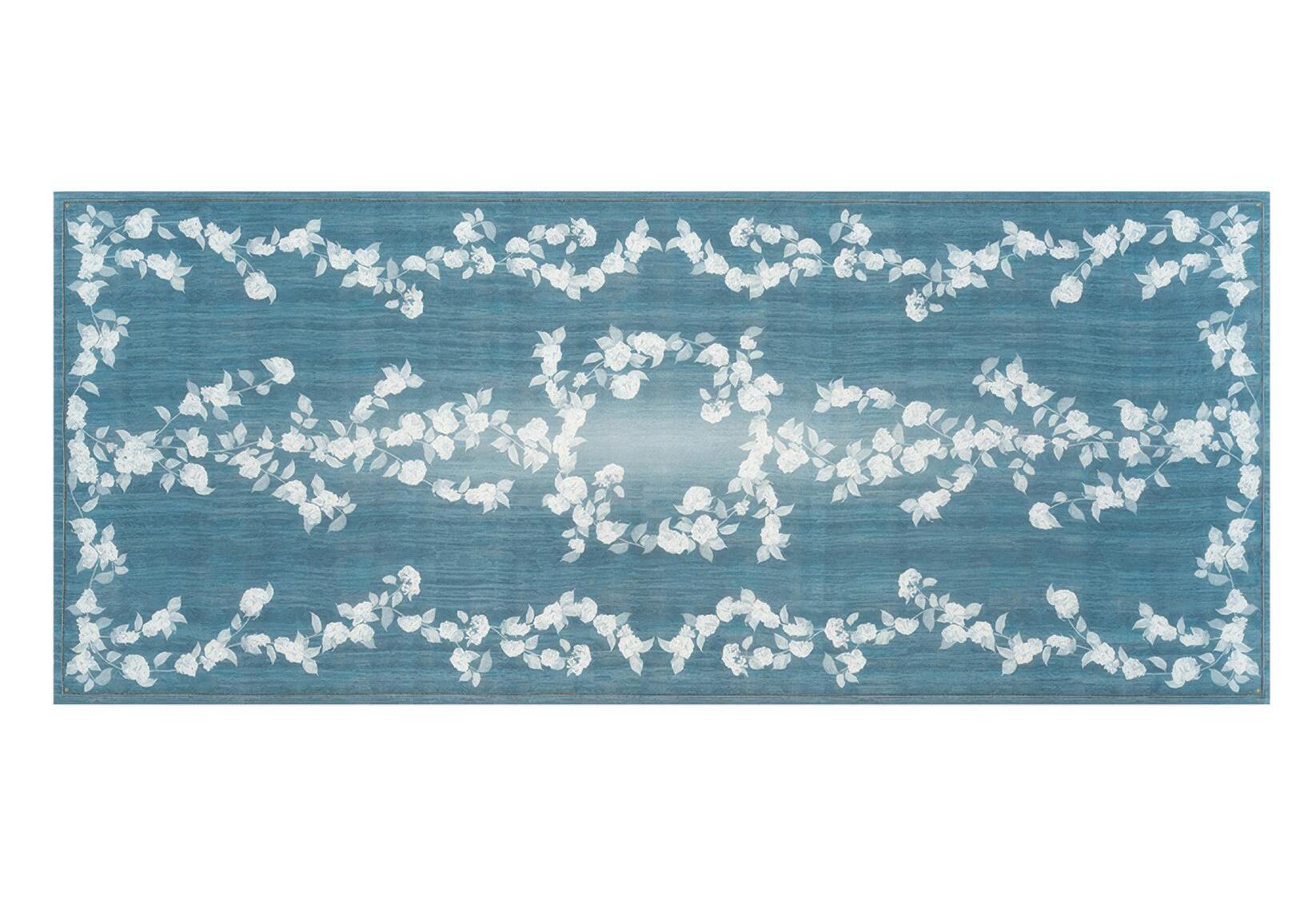
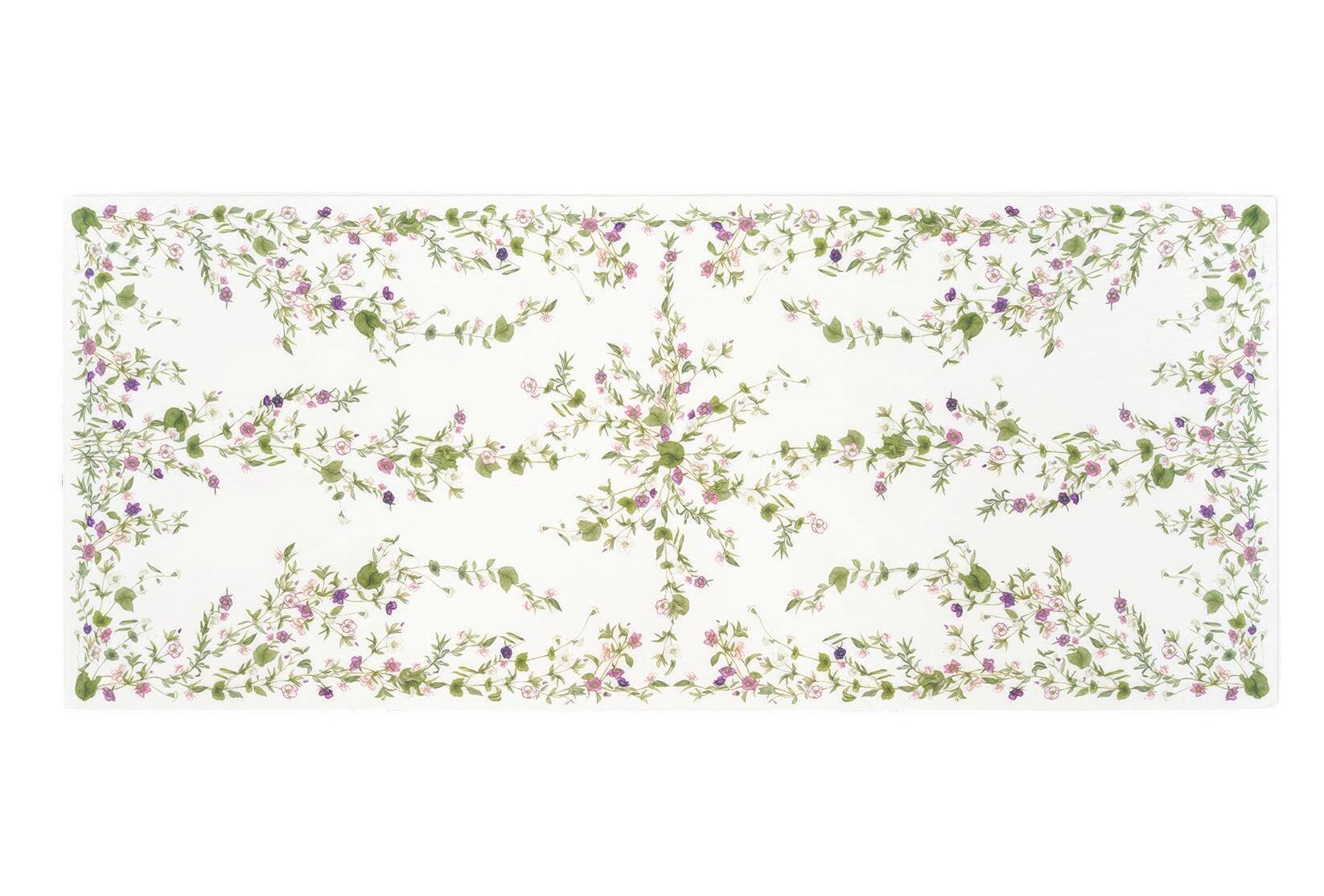
Milestone celebrations, memorable trips and impactful connections are best commemorated with a keepsake that reminds you of the experience and carries it with you long after the moment ends. For The Golden Issue, we’re channeling that sentiment and sharing some favorites from the exciting and inspired creators we’re collaborating with during Blackberry Farm’s 50th anniversary year.
Lingua Franca
Blackberry Farm Anniversary
Maxine Sweater

Smathers & Branson
Blackberry Farm x Smathers & Branson Anniversary Belt

Summerill & Bishop
Denim Hydrangea Tablecloth
Lenten Rose Tablecloth

Sid & Ann Mashburn
Custom Button Down

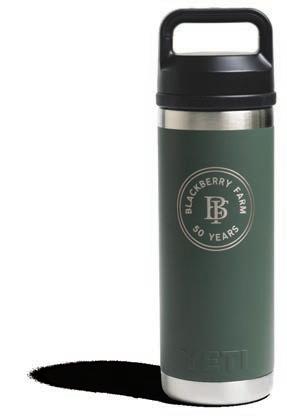
50th Anniversary YETI Rambler
BF Anniversary Pocket Change Tray


Blackberry Farm Anniversary
Adult & Kids Pajama Sets
Join us for more remarkable events this year as we continue to raise our glass to the friendships, flavors and gatherings that make life golden.


We asked some friends and contributors to share a book they enjoy –a read that stayed with them long after they turned the last page. If you’re looking for a great recommendation for what to read next, visit TheBlackberryMagazine.com to see why these titles were chosen.
No matter what challenges the world is facing, there are always good people working to create a better future. In this volume, we wanted to recognize a few of the organizations committed to preservation and upholding legacy and sustainability for future generations.
Learn more about the impact they’re making, and let us know about the organizations doing good near you by emailing magazine@blackberryfarm.com.
THE NATIONAL TRUST FOR HISTORIC PRESERVATION protects cultural sites across America to uphold important national history, stories and communities. savingplaces.org
GROW APPALACHIA supports food security, cultural diversity and historic foodways and traditions across the Appalachian region. growappalachia.berea.edu
THE NATURE CONSERVANCY leads biodiversity and conservation efforts to protect millions of acres of land and water around the world. nature.org
AMERICAN INSTITUTE FOR CONSERVATION advances cultural heritage through research, education, partnerships and collaborative initiatives. culturalheritage.org
TENNESSEE LOCAL FOOD strengthens local food systems by providing financial, educational and community support to farmers. tnlocalfood.org
SOUTHERN FOODWAYS ALLIANCE honors the diverse food cultures of the American South by amplifying local voices and authentic experiences. southernfoodways.org
THE LAND TRUST FOR TENNESSEE preserves natural and historic landscapes across the state to maintain their unique character for years to come. landtrusttn.org
SEED SAVERS EXCHANGE stewards heirloom and openpollinated seeds to protect America’s diverse food crop legacy for future generations. seedsavers.org
SMOKY MOUNTAIN ROOTS restores and recovers native plant life impacted by wildfires in the Great Smoky Mountains. smokymountainroots.org
BLACKBERRY FARM
1471 West Millers Cove Rd. Walland, TN 37886
For reservations, call 800.557.8864 or email reservations @blackberryfarm.com
BLACKBERRY MOUNTAIN
1507 East Millers Cove Rd. Walland, TN 37886
For reservations, call 800.993.7824 or email reservations@ blackberrymountain.com
COVER PHOTO
Berry illustration by FerebeeLane
INTRO
Photography by William Hereford
THE LEAD ROLE
Collage art created with photography from the Blackberry Farm archives
ROCKING CHAIRS
Photography by William Hereford
SUNSET
Photography by Ingalls Photography
MEDITATIVE MOMENT
Photography by Ingalls Photography
FIRETOWER SCENIC
Design created with photography by William Hereford
GUIDED BY THE LIGHT
Design created with photography by Sarah Rau
THE GOLDEN ISSUE PLAYLIST
Find our curated Spotify playlist for this issue on theblackberrymagazine.com
THE ART OF THE TOAST
Champagne glass photography by Sarah Rau
To learn more about Krug’s single ingredient campaign and Cassidee’s work with them as a Krug Ambassade Chef visit: krug.com/en-us/krug-in-the-kitchen
LET’S TALK ABOUT IT
Photography by Reid Long
To find video and audio of all The Blackberry Podcast episodes visit: theblackberrymagazine.com/ podcasts
GILDED MOMENTS
Photography by Becky Fluke, William Hereford, Sarah Rau, Sullivan Photography and Ingalls Photography
MASTERCRAFT
Photography by Sarah Rau
To learn more about MasterCraft activities at Blackberry Farm visit: blackberryfarm.com
To learn more about MasterCraft and their boats visit: mastercraft.com
18 KARAT
To learn more about Sherman Field and to shop jewelry visit: shermanfield.com
ROSÉ COLORED GLASSES
To see more cocktail and mocktail recipes visit: theblackberrymagazine.com
ANNIVERSARY FAVORITES
To shop the full list of favorites for winter visit: theblackberrymagazine.com
BLACKBERRY EVENTS
To learn more about the upcoming events at Blackberry Farm visit: blackberryfarm.com/events
WELL READ
To see why our contributors made these great recommendations on what to read next visit: theblackberrymagazine.com
DOING GOOD
To learn more about the organizations on this list and others doing good visit: theblackberrymagazine.com
OUTRO
Photography by Kelli Woodell
BACK COVER
Berry illustration by FerebeeLane