

WE’RE ALL BUSINESS.
Experienced. Capable. Predictable. Responsive. All things you expect from your banking partner when navigating complex transactions. Ixonia Bank provides innovative financing solutions and a relationship that exceeds expectations.
$6,000,000 Industrial Building Financing for Growth
$4,000,000 Equipment Financing



$3,900,000 Capital Expenditure Financing for Growth
$2,900,000 Partner Buyout & Working Capital Financing
$1,957,000 Real Estate Acquisition Utilizing SBA Programs
$1,605,000 Industrial Manufacturing Acquisition
$1,400,000 Working Capital & Real Estate Financing
$695,000 Mixed Use Construction
$600,000 Capital Equipment Upgrade Financing
$500,000 Working Capital Increase for Growth



$733,000 Succession Plan & Working Capital Financing











The Business Bank Run By Business People
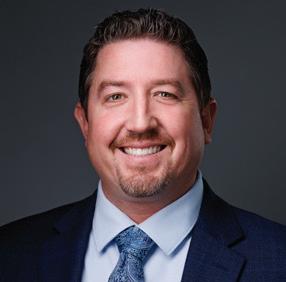
Tyson Goecks
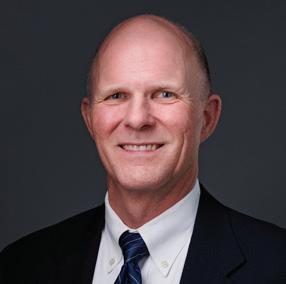
Patrick Lubar
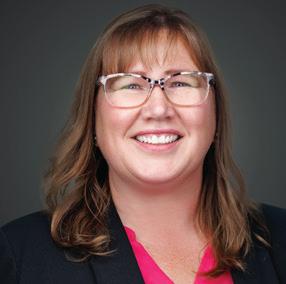
Devin Grant, CTP
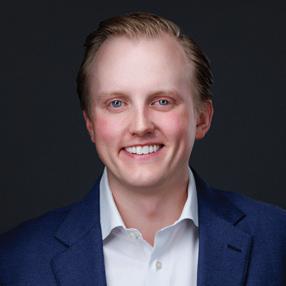
Wes Pittelkow
Hinze
Schaefer


































CLEAN SLATE











Northridge Mall demolition provides chance to rejuvenate Milwaukee's far northwest side





















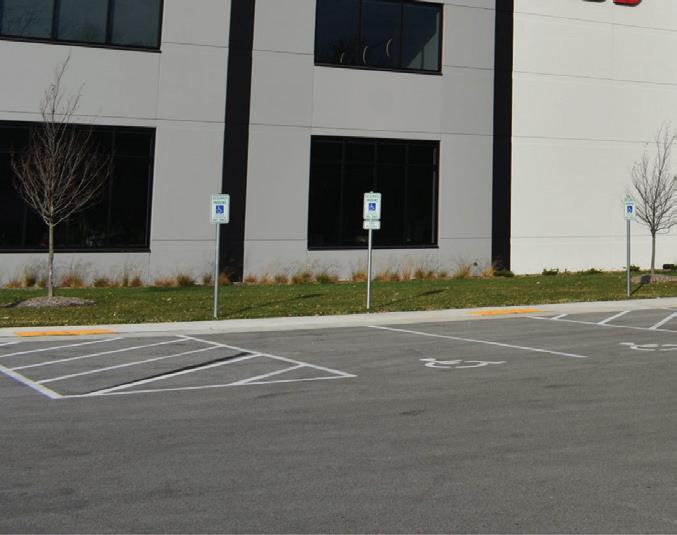

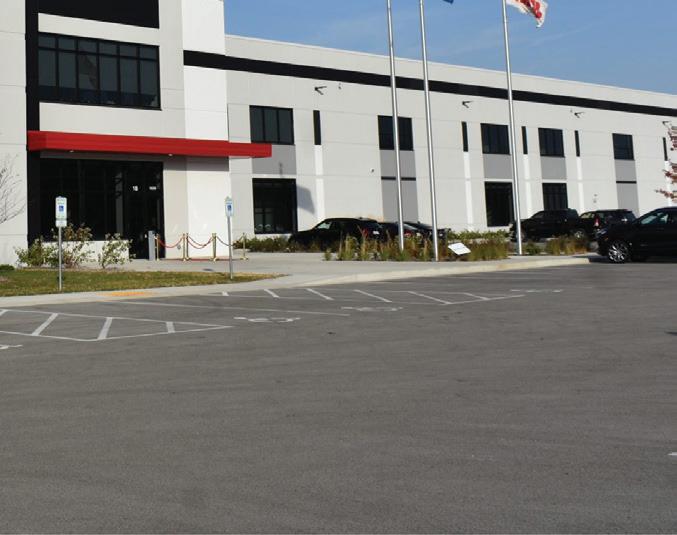
ABB opens new $100 million facility at New Berlin campus
By Ashley Smart, staff writer
BY THE NUMBERS





















New Glarus Brewing Co. recently broke ground on a $ 55 MILLION, 65,000-square-foot addition to its headquarters.



Swiss automation and electrification company ABB has opened a new $100 million facility at its New Berlin campus, located at 18200 W. Lincoln Ave.
The new facility serves as the headquarters for ABB’s U.S. motion business, which manufacturers drives, motors, generators, mechanical power transmission products and digital powertrain solutions for a variety of industries including mining, power and oil and gas.
leaders.
“ABB is strengthening America’s infrastructure and introducing new, cleaner technologies to help customers boost competitiveness while lowering their carbon footprint,” said Tuomo Hoysniemi, president of ABB’s U.S. Motion Business Area and Global Drive Products Division. “We are also using technology to run our own factory cleaner with building design features such as solar power, geothermal heat pumps and modern HVAC systems, and advanced building controls.”









ABB is a global company that operates through four divisions: electrification products, robotics and motion, industrial automation and power grids.
The New Berlin campus will be home to more than 700 ABB employees, who are still moving into the facility. The company is expected to add 100 new jobs there over the next three years.
The facility will support growth in ABB’s largest market, electric drives, by allowing for increased production. Drives are essentially computers that control electric motors.
This product category is seeing increasing demand due to an ongoing desire both in the United States and globally to reduce emissions, according to company
Following the latest addition, ABB’s New Berlin campus now includes 159,000 square feet of factory space, 300,000 square feet of warehouse space and 83,000 square feet of office space. There is also 90,000 square feet of space available for future expansion.
“ABB is a technology leader in electrification and automation and the U.S. market is an important growth engine for our business,” said Brandon Spencer, president of ABB’s Motion Business Area. “Investment in this modern manufacturing facility gives ABB access to a highly qualified workforce, strengthens localized supply chains, and keeps us close to our customers.”
ABB’s New Berlin facility.

in f cus






Atop Northwestern Mutual’s $500 million North Office Building makeover
EIGHTEEN FLOORS above downtown Milwaukee, a steel beam swings around the northeast corner of Northwestern Mutual’s North Office Building, where it’s met by two ironworkers extended several feet from the building ready to fasten it.
The beam will give the 18-story building’s eastern facade a signature curve that will match that of NM’s 32-story main office tower one block south, as part of a $500 million project to transform the north building into a miniature version of the Tower and Commons.
One year into construction, the North Office Building’s interior has been gutted and its granite facade has been stripped. Once steelwork is completed, a glass curtain will be added to the building next year.
Having seen no delays in construction so far, the building is set to reopen in 2027. Construction work is being led by Rhode Island-based Gilbane Building Co., in partnership with Milwaukeebased CG Schmidt Inc.


The project prepares the financial services giant to move about 2,000 workers to downtown Milwaukee from its campus in Franklin. Upon completion of the North Office Building, Northwestern Mutual’s downtown campus will be able to house up to 9,000 employees. The company has a current workforce of 8,000 corporate employees, mostly spanning Milwaukee, Franklin and New York City.
— Hunter Turpin, staff writer



FRESH DIGS
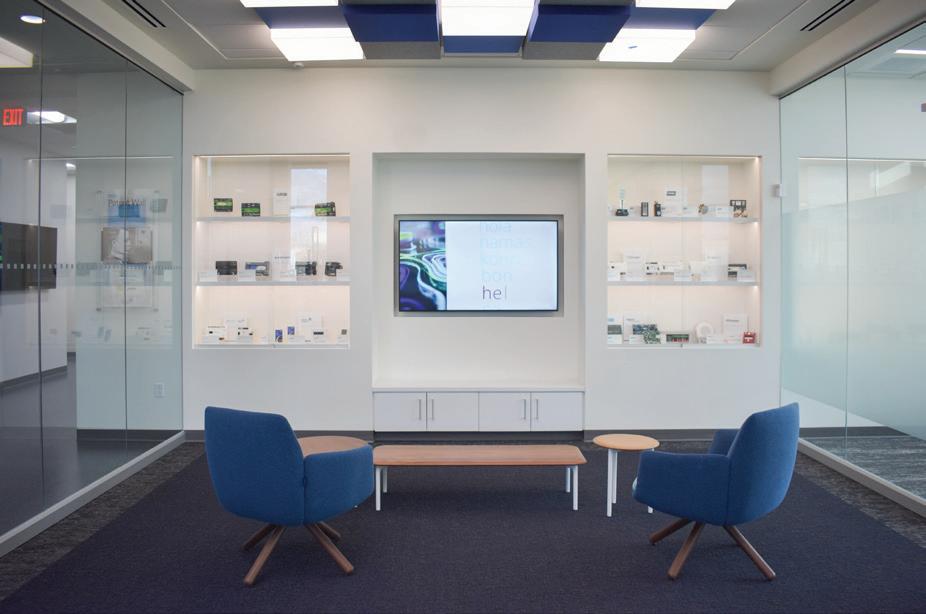
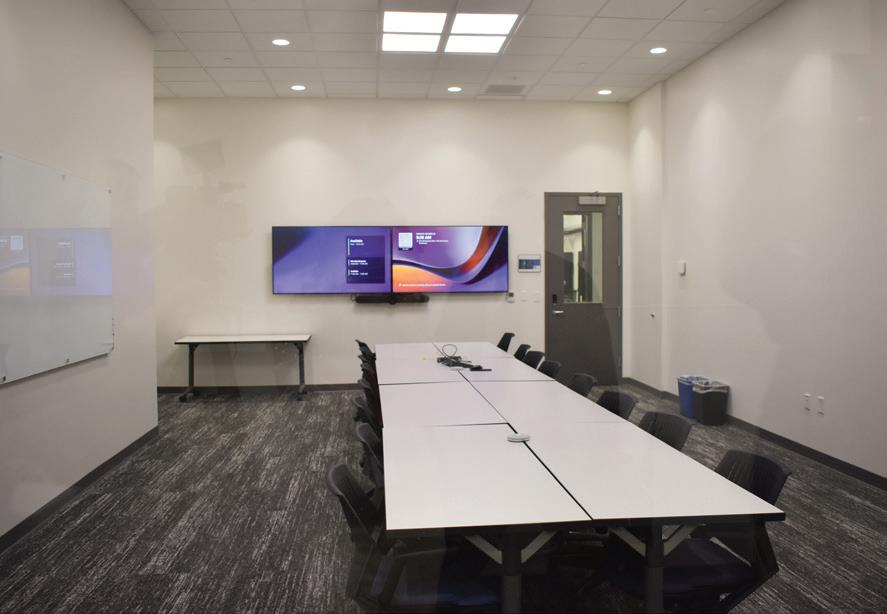
JOHNSON CONTROLS ENGINEERING LAB
OWNER/DEVELOPER: Weas Development
ARCHITECTS: Eppstein Uhen Architects
CONTRACTOR: Mortenson Construction
COST: Undisclosed
COMPLETED: October 2024
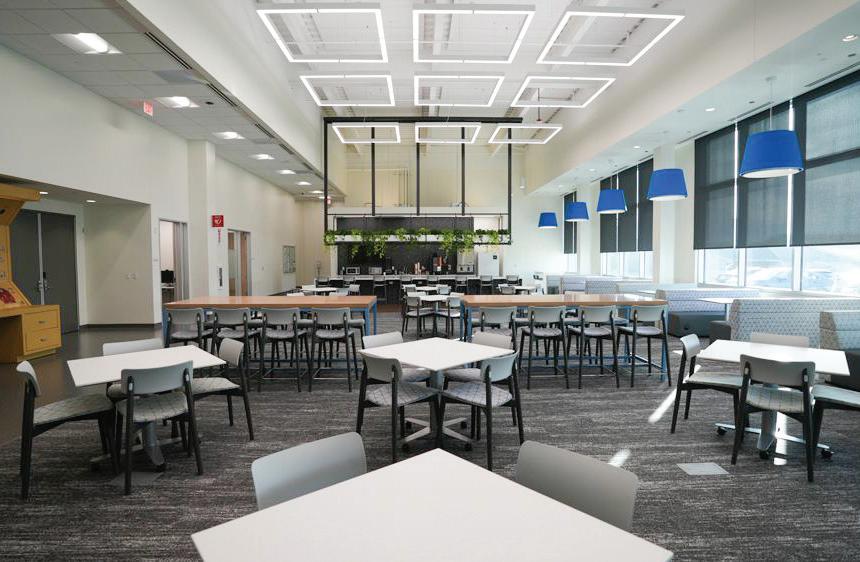
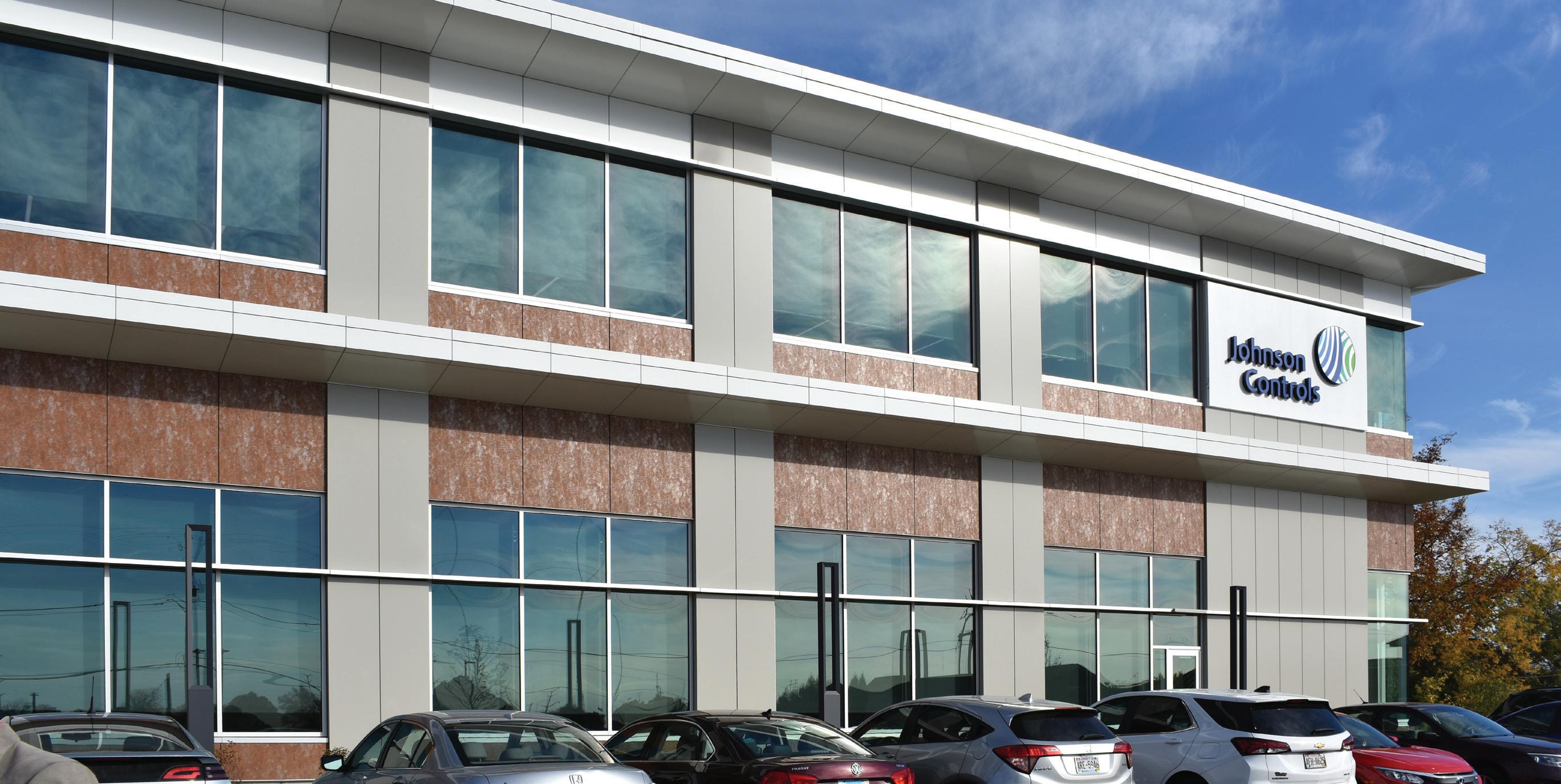
THE JOHNSON CONTROLS Warren Johnson Engineering Lab officially opened in Glendale last month.
The 109,000-square-foot lab, located at 2100 W. Florist Ave., is home to approximately 250 Johnson Controls employees who work on creating critical end devices, smart building automation systems, and artificial intelligence-powered smart building solutions.
Johnson Controls first broke ground on the project in May 2023. Project partners included Weas Development, Mortenson Construction, Eppstein Uhen Architects and CBRE.
The lab features technology that will enable Johnson Controls employees to develop and test the next generation of building controls. Some of the key features include ad-
vanced testing facilities for hardware and software integration; AI and machine learning tools for developing smart building solutions; rooms for “ethical hacking;” and collaborative workspaces designed to foster creativity and teamwork.
“This lab will be the hub for innovation where we can test and refine solutions that address real world challenges faced by our customer,” said Marc Vandiepenbeeck, executive vice president and chief financial officer at Johnson Controls.
The facility incorporates low-impact development practices, including Johnson Controls equipment, stormwater retention, EV charging stations and technologies focused on efficiency and enhanced air filtration.
REV UP
RIVERMARK MEDICAL
LEADERSHIP:
Adam Kadlec, president and CEO
HEADQUARTERS: Milwaukee (remote)
WEBSITE:
Complete a U.S.-based clinical study
FUNDRAISING: $36.5 million
Milwaukee startup Rivermark Medical secures $30
million in funding
By Ashley Smart, staff writer
MILWAUKEE-BASED medtech startup Rivermark Medical has emerged from stealth mode and announced a $30 million series C funding round.
The company’s flagship product, the FloStent System, is a minimally invasive device designed to restore urinary function to patients dealing with Benign Prostatic Hyperplasia, the medical term for an enlarged prostate. BPH can cause bladder, urinary tract or kidney problems, according to the Mayo Clinic.
Typically, patients with BPH only have two medical options: taking a daily medication or having a surgery to remove any obstructing tissue.
“There’s a big difference in invasiveness between taking a medication every day and hav-
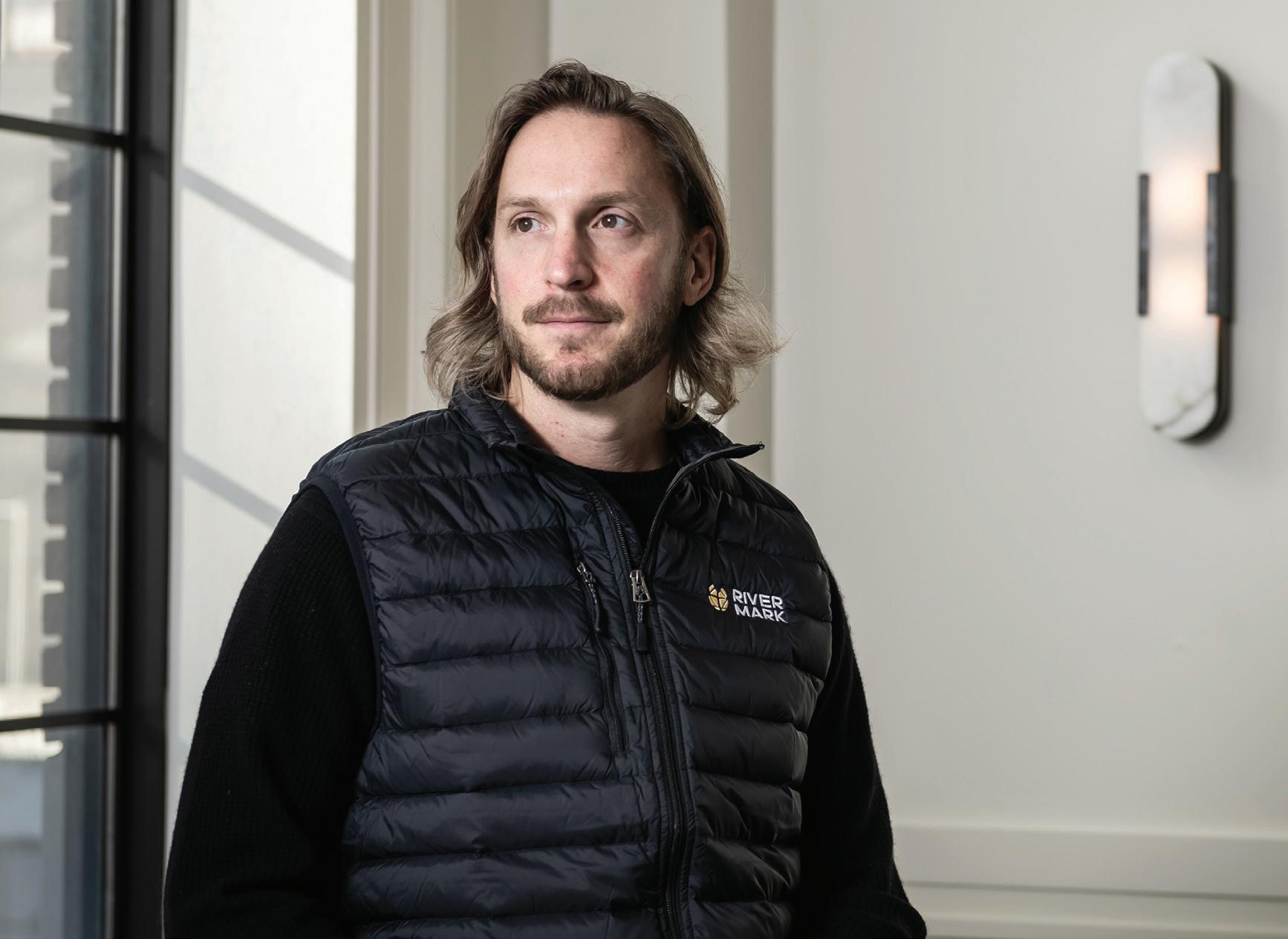

ing surgery,” said Dr. Adam Kadlec, president and CEO of Rivermark Medical. “What we’ve done at Rivermark is create a medical device, a stent, with the goal of being as noninvasive as we can.”
Kadlec is a urologist who spent several years working as a clinician for Aurora Health Care.
During his time at Aurora, Kadlec worked closely with the organization’s innovation team. This is where he started learning about the innovation process, angel investing and running a business.
“It’s very hard to actualize an idea in health care,” said Kadlec. “It’s a highly regulated industry, the stakes can be very high, and there can be little problems that aren’t worth fixing from a financial perspective.”
Through discussions with collaborator Andy Doraiswamy, who has more than 20 years of experience in the medtech industry, Kadlec decided to branch out and start his own company in 2020.
“The initial idea of an implantable device retrieval was something I’d been thinking of for years,” said Kadlec. “The final embodiment didn’t come until we’d done some of our first clinical trials.”
So far, Rivermark has completed two clinical trials outside the United States for the FloStent System. In 2021, the company completed a $2.5 million Series A funding round. Less than a year later, the startup raised another $4 million, according to Kadlec.
The latest $30 million in funding will allow Rivermark to conduct a clinical study here in the United States and eventually secure FDA clearance for the FloStent System. The study is scheduled to begin in the first half of 2025.
To support this goal, Rivermark will grow from a team of three people to about 10 over the next year.
The hope is to have the FloStent System commercially available by 2028, Kadlec said.
“For a lot of physicians, it’s sort of living the dream to have one of your ideas make it to market,” he said. “It’s hard to learn how to do it. I think a lot of people are held back by not knowing that innovation is a process.”
While Rivermark Medical remains completely focused on its FloStent System for now, Kadlec said he’s always looking for “new ideas and concepts.”
“It’s certainly on my radar to continue to create and innovate,” he said.
Adam Kadlec
VALERIE HILL



the FRANCHISEE
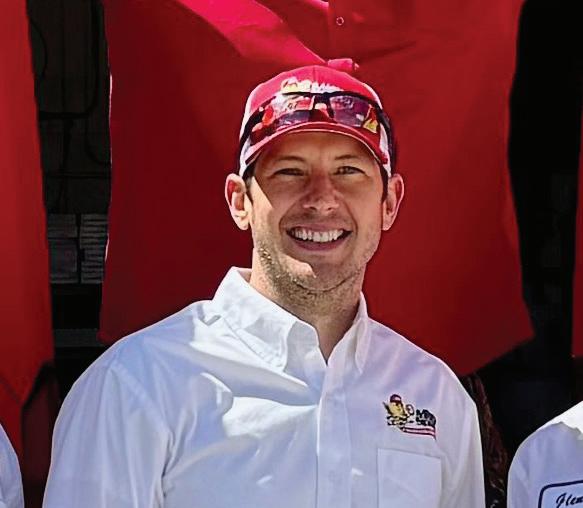
JOSH JUECHTER
MISTER SPARKY OF BREW CITY
“I have to find a vessel where I can try and build an asset, and build an asset that’s expandable and try and make it my day job and night at the same time.”
THE FRANCHISE: Mister Sparky offers residential electrical services, including repairs, EV charger installations, whole-house surge protectors, electrical inspections and code compliance, in more than 100 cities across the U.S. Founded in 1996, the Phoenix-based franchise is part of Authority Brands, the parent company to several home service brands.
JUNE 2023: After 20 years working in industrial sales and marketing, Josh Juechter had hit the ceiling of his career potential in the field. Meanwhile, he had developed a passion for trades work through a side gig investing in and fixing up residential and commercial real estate properties. Following that passion, Juechter started interviewing about 20 different tradesbased franchise companies.

SEPTEMBER 2023: The final interview Juechter scheduled was with representatives of Mister Sparky. It was ultimately the brand that appealed to him most thanks to boundless growth opportunities under the Authority Brands umbrella as well as commission-based pay for workers – a compensation structure not often employed in the electrical trades.
DECEMBER 2023 – MARCH 2024: Juechter signed on as a franchisee for a territory covering all of Waukesha County and Milwaukee County’s southwest suburbs. He then established an office location at 121 N. 120th St. in Wauwatosa and purchased his first two trucks.
MAY 2024: Mister Sparky of Brew City officially opened. Since then, the business has grown to six employees and five trucks that visit an estimated 45 to 60 homes per week.
Local franchisee Josh Juechter opened Wisconsin’s first Mister Sparky operation in May.

“I’m really hoping to defy and define the system so we can get a lot of these guys on the performance-based pay and earn wages that are much greater than the standard electrician wages in our area.”
“Being right by the Zoo Interchange makes it pretty easy … we can get just about anywhere within our territory within 2530 minutes.”
Some of the Mister Sparky of Brew City team, including Juechter (second from left).
Juechter’s goal is to grow his business to 10 employees and 10 trucks by June 2025.




JOSH JEFFERS
Founder and CEO
J. Jeffers & Co. MILWAUKEE













This Q&A is an extended profile from Wisconsin 275, a special publication from BizTimes Media highlighting the most influential business leaders in the state. Visit: biztimes.com/wisconsin275 for more.
“Someone told me early on something to the effect that, ‘Integrity is what you do when no one is looking.’ That has always stuck with me, and it has helped me form the relationships that have propelled my business from nothing to what it is today.”






Josh Jeffers founded Milwaukee-based real estate development firm J. Jeffers & Co in 2012, following his earlier career in the private equity real estate industry. His firm has been involved in several prominent developments in southeastern Wisconsin, including the Milwaukee Athletic Club renovation, the 11-story downtown Milwaukee Huron Building, redevelopment of the former Milwaukee Journal Sentinel buildings and redevelopment of the former Horlick Malted Milk Co. complex in Racine.
Education:
Bachelor’s, University of Wisconsin-Madison; master’s in public policy, Harvard University
What was your first job, and what did you learn from it?
“Aside from paper routes for the Milwaukee Journal Sentinel, my first W-2 job was for Stein’s Garden & Gifts on Moreland Boulevard in Waukesha, hauling peat moss and mulch bags around the yard. I learned a lot about hard work.”
What piece of advice has had the most significant impact on your career?
“Someone told me early on something to the effect that, ‘Integrity is what you do when no one is looking.’ That has always stuck with me, and it has helped me form the relationships that have propelled my business from nothing to what it is today.”
What are some of your favorite destinations or places to visit?
“I take my family to Acadia National Park and Bar Harbor, Maine, every summer. It feels like a special part of the planet where mountains, rainforest, and ocean all interconnect. My kids love it. Plus, the food is incredible.”
What is one book you think everyone should read and why?
“‘Thinking, Fast and Slow’ by Daniel Kahneman. I can’t think of another book that has been as instructive in the art and strategy of negotiation. It teaches you how to think, and how other people think.”
What’s your hobby or passion?
“Not shockingly, I love history in all its forms. Local history. Art and architectural history. Medieval history. Anglo Saxon history. European, Roman, Middle Eastern, Asian history; geological/Earth history, etc. I’m intrigued by the parallels between past cultures and leaders and our modern world. I also love collecting things, especially things of historical value, whether it’s coins, books, artwork, or even buildings.”
What is your favorite Wisconsin restaurant and what do you order there?
“Harbor House - literally everything on the menu is excellent, and if you play your cards right, you can get one of the best views of the skyline in Milwaukee. The Roof at the MAC and Lake Park Bistro are also in my top three favorite Wisconsin restaurants.”
If you could take a one-year sabbatical, what would you do?
“I really liked school when I was in it - I’m a lifelong nerd. In another life, I could have been a professional student. I could take a year sabbatical and study at different universities in Europe and Asia.”
The latest area economic data.
This year,
13,568 cruise ship passengers visited Milwaukee, up 18% from 2023.
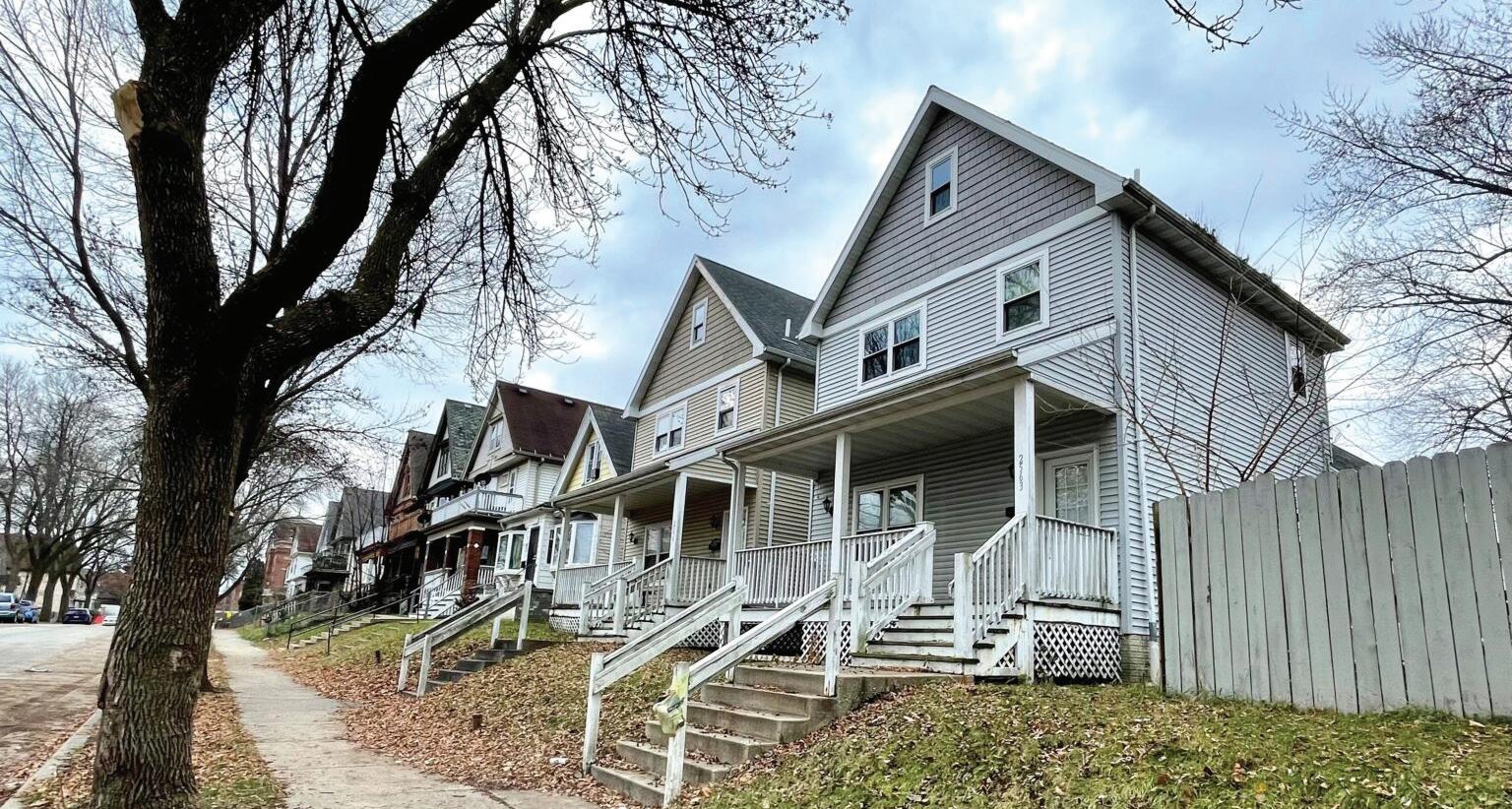
Single family home sales in the metro Milwaukee area were up
2.9% in the third quarter, and prices rose 6.3%. The unemployment rate in Wisconsin is 2.9%.




More than
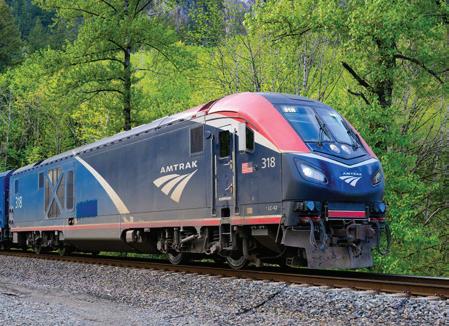
100,000 passengers rode on the Amtrak Borealis route between St. Paul and Chicago, through Milwaukee, during its first six months of service.




ACTS HOUSING
• John Beagle, CEO, managing director, Grace Matthews
• Anthony Franda, controller, Wesbrook Management Group
• Rae Johnson, marketing content writer, Esri
• Doug Levy, former CEO of Guaranty Bank
• Tim Mattke, CEO, MGIC
• Marc Perry, executive director, Community Action Inc.
• Heather Ramirez, adjunct professor, Marquette University Law School; board chair
• Joe Schlidt, director of client special services, Godfrey & Kahn S.C.
• Allison Steinhafel, vice president, Hammes Holdings
• John Syburg, managing director, Blackthorne Partners Ltd.
• Oscar Tovar, liaison officer to the mayor, City of Milwaukee
• Robert LaGrant, market manager, BMO Private Bank
• Marvin Bynum, real estate attorney, Godfrey & Kahn S.C.
• Vanaya Grice, director of customer success, Northwestern Mutual
• Michael Mack, principal, PS Capital Partners
BIZ POLL A recent survey of BizTimes.com readers.
Who got your vote for president?
Donald Trump: 57.2%
Kamala Harris: 36.7%


The Milwaukee area’s third quarter office real estate vacancy rate was 18.6%.
None: 3.5%
Other: 2.7%
Share your opinion! Visit biztimes.com/bizpoll to cast your vote in the next Biz Poll.
Heather Ramirez

Soft Touch Bases brings safety to America’s pastime
WHEN LUIS HERNANDEZ JR. first began working for Waukeshabased Urethane Systems Plus, d.b.a. Soft Touch Bases, he was looking for a reprieve from the demanding construction industry.
He’d heard from a friend that the owner of Soft Touch Bases needed some help with the business, so he decided to try his hand as a salesperson.
“It was a small shop. When I went out there (the owner) was making bases (for baseball),” said Hernandez. “I thought it was pretty cool.”

Hernandez got started right away, grabbing a one-gallon ice cream bucket and mixing liquid compounds with a drill and mixing blade.
After working 11 years in sales, Hernandez officially purchased Soft Touch Bases from AFP Co. in 2006.
While the business has always made more than just bases, the product line was of particular interest to Hernandez, who believed it should be much more successful.
“I wanted to expand and grow the business and try to understand why our sales were so low,” said Hernandez. “When I purchased the product line, all I had was a desk and a phone.”
His family was instrumental in the early days of running the company. They would come into the facility to help Hernandez trim and package products in their spare time. Back then, he couldn’t afford to hire employees.
The manufacturing process for

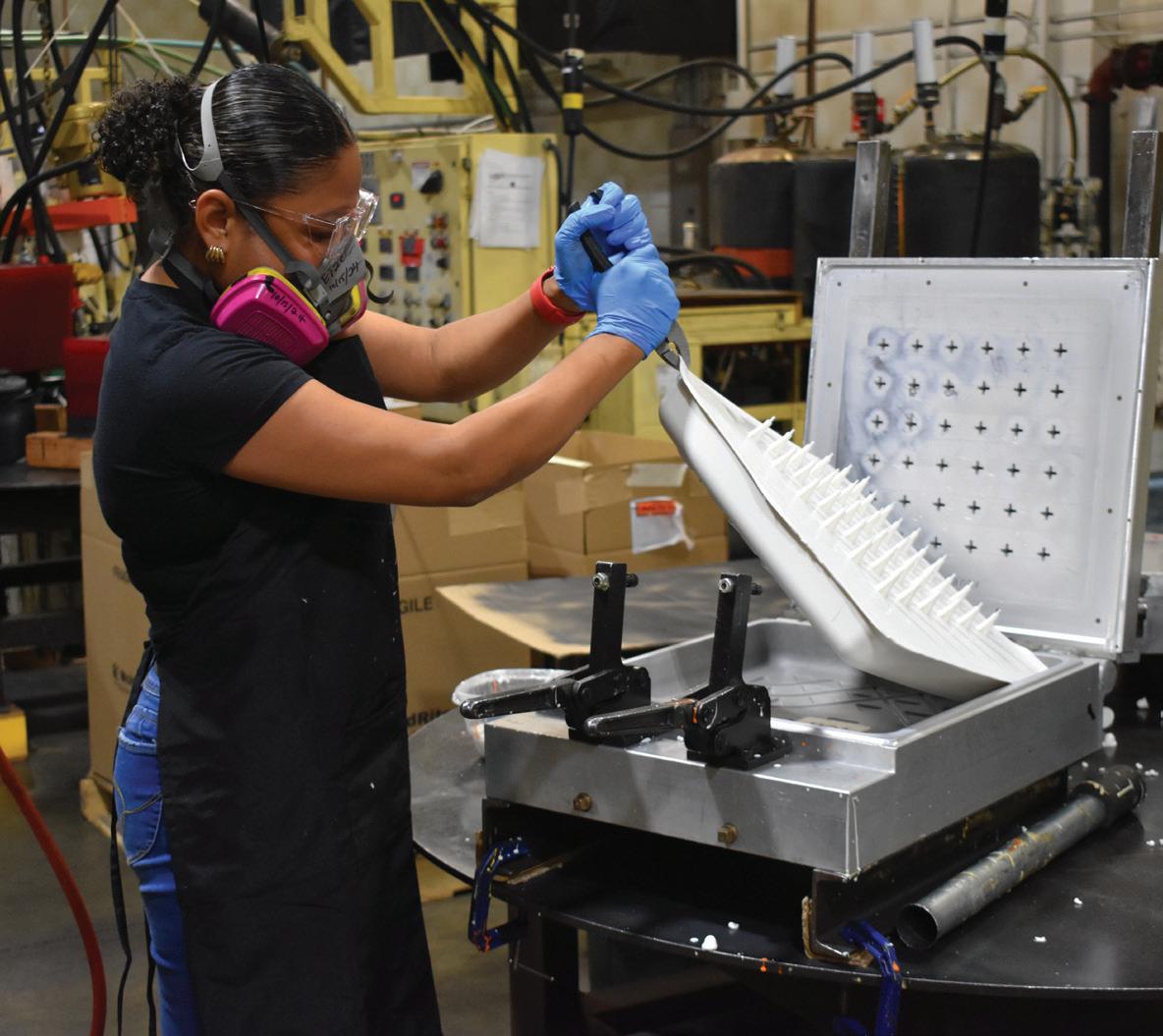


in Waukesha and the company sources its components from American companies.
In 2008, just two years after Hernandez purchased the business, Little League International implemented a rule requiring the use of disengageable bases during all games. This shook up the competitive landscape for base manufactures.
“I was one of four manufacturers that made disengageable base products. I happened to be the only manufacturer of baseball bases in the country, so it really skyrocketed our sales,” said Hernandez.
Soft Touch Bases has sales of approximately $1 million annually, a figure Hernandez aims to grow substantially.

into contract manufacturing for an added revenue stream. The company has found success in making components later used by original

“I wouldn’t have survived,” he said. “It was pretty overwhelming, but also exciting for me as a busi-

include stationary, indoor and turf products. Hernandez relies on feedback from customers to decide what products to add.
Soft Touch Bases products can be found in sporting goods stores

A Soft Touch Bases employee removes a freshly formed polyurethane base from its mold.



Thursday, January 23, 2025
Italian Community Center


7:00-7:30 – Registration & Networking | 7:30-10:30 – Program & Breakout Sessions


Featured Speakers:

What’s next? Where is the economy headed in 2025?




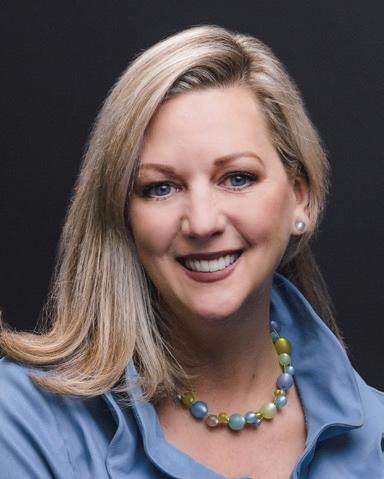
Michael Knetter, Ph.D., President, University of Wisconsin Foundation (1)
Mara Lord, Ph.D., SVP University Engagement & Strategic Planning, Medical College of Wisconsin (2)
Plan now to attend the 24th annual Economic Trends, a critical event for forward-looking businesses and leaders. This year, speakers will help you understand the future economy and develop strategic advantages in emerging industries and technologies.





Jeremy Kedziora, Ph.D., PieperPower Endowed Chair of Artificial Intelligence, MSOE (3)





Get insights on questions like:
» What is the macroeconomic outlook for Wisconsin and the United States?
» What opportunities will the Wisconsin Biohealth Tech Hub create for local businesses?
» What advancements are emerging in biohealth?
» How can you turn the stream of AI headlines into strategic insights?
» How should you navigate the immediate opportunities and long-term potential of new technologies?
» How is the manufacturing sector changing?






the Interview
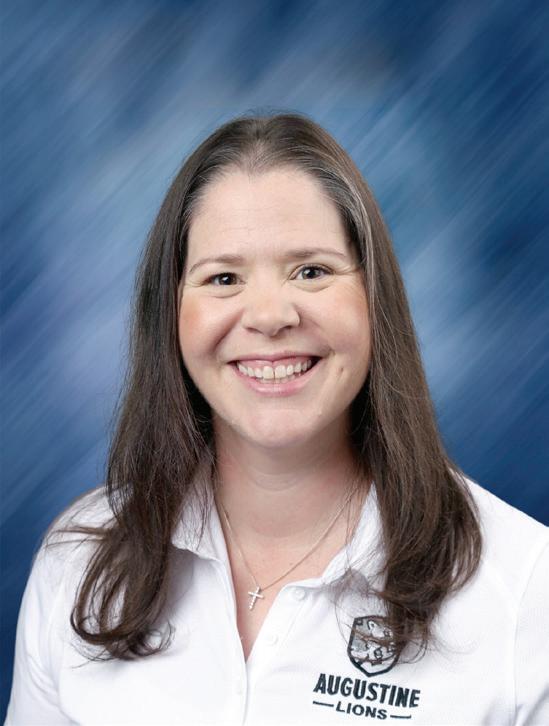
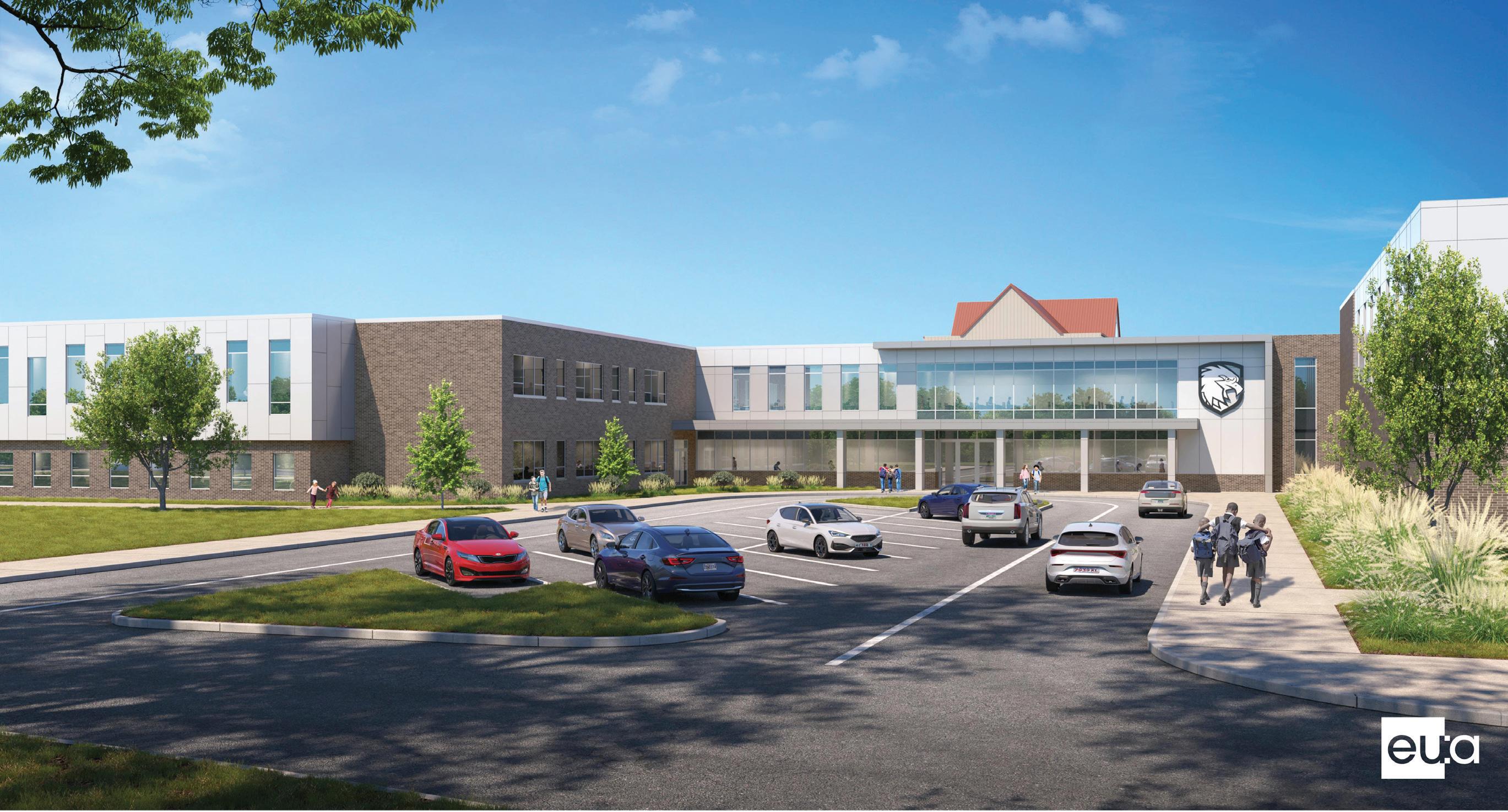
ST. AUGUSTINE PREPARATORY ACADEMY, a K-12 private Christian voucher school that currently operates a campus on Milwaukee’s south side, held a groundbreaking ceremony on Oct. 16 to celebrate the start of construction for its future North Campus. Aug Prep North will be located on the site of the former Cardinal Stritch University in Glendale and Fox Point. It is scheduled to open in fall 2026 with more than 300 students. Aug Prep still needs to raise about $13 million to meet its fundraising goal for the project. In an interview with BizTimes reporter Samantha Dietel, Aug Prep chief executive officer Abby Andrietsch spoke about building student diversity, providing opportunities through the new campus and more. The interview has been edited for length and clarity.
BizTimes: What impact do you see Aug Prep North having on its surrounding Glendale and Fox Point communities?
Andrietsch: “Our hope is that it has a great impact. I am a big believer that a great school has a positive impact on any community. Our south side community has certainly seen that, and I know you’ve seen the stats. We’ve seen crime go down 43%. That’s different than what we’re stepping into in the Glendale community, but we’re hopeful to be a great part of the community, a place that brings, hopefully, students from those communities to the school to engage in part of our bigger vision as well. Our hope is to be a really positive part of the community.”
What students do you hope to serve with the new campus?
“Our hope is to actually be very intentional about building a campus that’s diverse by design. Diverse racially, diverse culturally,
Abby Andrietsch CEO
St. Augustine Preparatory Academy
2607 S. 5th Street, Milwaukee
Employees: 300
augprep.org
diverse socioeconomically, and really a space that brings students together from many different communities and aspects of the community in Milwaukee to create a space where we see the differences – and we see the beauty of them, and we learn from and with each other and those differences and actually grow stronger together as a community because of those differences. We really want to build a community that represents the world we live in to equip our students from a really young age all the way through high school to be ready to step into a diverse world and flourish and thrive and be confident, and also seek to know and learn from those around them.”
You’ve spoken about how a diverse student body can help strengthen the school community. How has that happened at the South Campus?
“Our south side campus is predominantly Latino, so we’re about 90% Latino today. We’ve actually been very intentional over the last couple of years to make sure that we are a place and a space where all of our students feel known, welcome and loved and equipped to flourish. Within our 90% Latino (population), there are so many
Abby Andrietsch
A rendering of St. Augustine Preparatory Academy’s future North Campus.
different communities and cultures. A few years ago – closer to five now, because it was pre-COVID – our elementary school did a project where students asked their parents and grandparents where they were from, and we put up flags so our students could be really proud of their heritage. And there were more than 35 countries that were represented.
“What we’ve also seen is – both on the north side and the south side, our students are coming to us from across Milwaukee – our communities are becoming more diverse, so we’re seeing more Black students from the south side. We’re also seeing a lot of Hispanic students coming from the north side. What we’re seeing is continued building of that on the south side, and we started with an almost fully Latino population, so we don’t have the diversity that we’re looking to build, especially socioeconomically, on our South Campus, yet we’re in a different part of the community. But my hope is actually that several of the systems and tools that we build for our North Campus will actually create some of those positive impacts as well within our South Campus.”
What opportunities will Aug Prep students have at the new North Campus because of its former use as a university?
“The biggest opportunity is the campus itself. We’ve got 43 acres. We believe that we have the chance to serve them extraordinarily well. What happens in the buildings is much more important than the buildings themselves, but we’re really proud of the investments we’ve made in our students and community, and the same will be true on the north side. That 43 acres creates an awesome opportunity to not just have great classrooms, but to have great athletics facilities; Cardinal Stritch itself had extraordinary arts facilities. While we’ve got to renovate and bring them up to code, we’re really excited because it is so aligned with our belief in the arts being a big part of growing and developing our students.
“There was an incredible children’s book collection at the Cardinal Stritch library that we are really excited to have be a core part of our Aug Prep library as we open up our North Campus. That’s been a really neat way to see pieces of the legacy of Stritch continue on as we look forward. Our hope is we can bridge the past of the legacy of Stritch to what will be for our students on the north.”
You’ve mentioned the Cardinal Stritch fine arts facilities that will be repurposed for Aug Prep North. What makes those facilities special and unique for students?
“There’s an existing performing arts center with a really cool backstage that’s got a shop, that our kids will be able to build the different sets, and it really equips them to do aspects that are
trades-like and build themselves. They’ll be able to perform using the incredible stage. What was Cardinal Stritch’s fine arts building will become our high school, and so the classrooms that are there are beautifully set up to be able to serve, initially, up to 500 students. Long term, we’ll probably grow to be 800 to 1,000 high school students. That building creates a space for our high schoolers to have almost a standalone high school within the Aug Prep North community, to let our high schoolers have some independence that our K-8 students might not have, and the facilities themselves really support being able to do that.”
There’s still about $13 million needed in fundraising for the Aug Prep North project. How do you hope to expand your donor base to reach that fundraising goal?
“We’d love to welcome in anyone that’s interested in learning more. We are blessed to have a community of folks that have already supported us in our South Campus and our North Campus. One of the best connection points for us has been engaging our current supporters who are so passionate about our mission, and asking them if they have people we should meet, and how do we tell the story? We open our South Campus to tours for people that want to see what we’re all about, and it’s a lot of sitting down and understanding what people are interested in and whether it’s a good connection. The best way to expand that base is to build a relationship with others and to be able to tell the story. The story of our kids is remarkable, and often in the media all people hear is the negative, and to be able to share the stories of our students with people has really, I think, opened their hearts to being really interested in walking with us on this journey.”
What can you tell me about the staff who have been hired for the North Campus so far?
“One of the first things we did when (Aug Prep founder) Gus (Ramirez) brought the idea of this North Campus to us was actually look at our executive team structure to make sure we were structured to be able to support both campuses. Ensuring our South Campus can continue in a really strong way is critical. We can’t stop focusing on that as we go north. So, we’ve built a great executive team, but what we’ve done as well is build out our teams within that team. We’re building not just a North Campus team or just a South Campus team. We’re leveraging the team. We’ve got to be able to serve both campuses in building out the team from that standpoint. We’re on really the front end of the process of hiring what we’ll call a chief of schools for each of our campuses, the North Campus and the South Campus, and those will be our campus leads.”










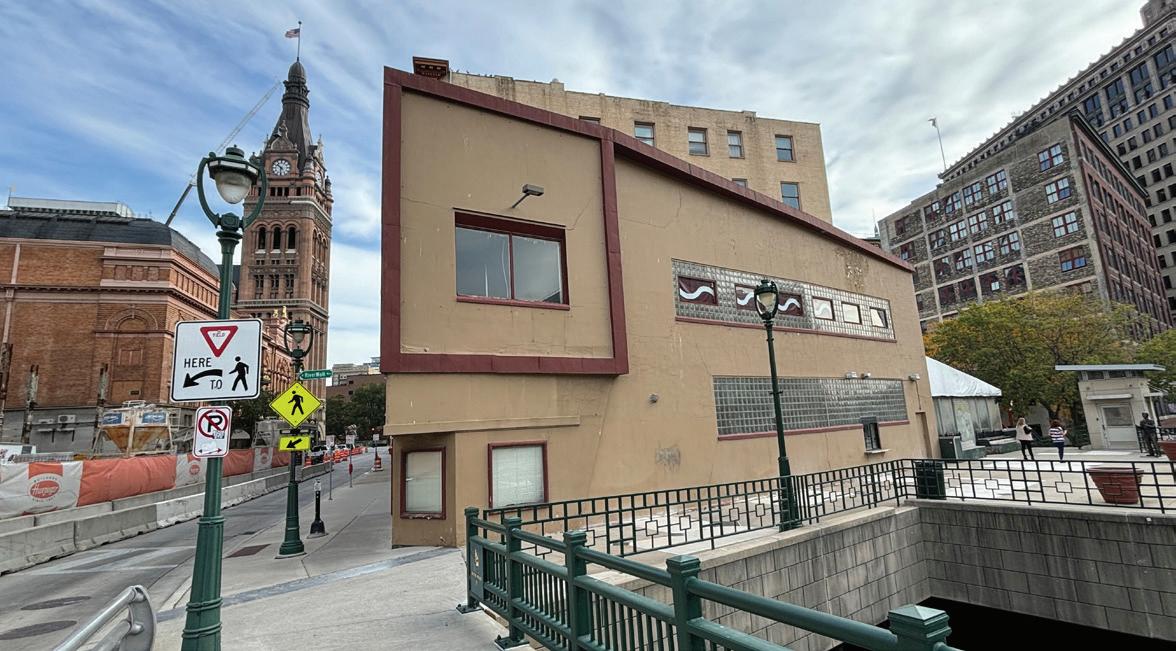
Situated along the Milwaukee River at East Wells Street in downtown Milwaukee, this aging brick building isn’t so much ugly as it is forlorn.
Built in 1883, the property at 107 E. Wells St. housed several restaurants over the decades but has been vacant for nearly 20 years. In 2016, a Greenfield-based developer proposed an 18-story apartment building to replace it, but those plans were dropped the same year.
With an assessed value of $649,000, the building is currently listed for sale for $1.2 million. A listing from Mid-America Real Estate shows what the building could look like if it were reimagined with a modern façade.
The building is owned by Milwaukee investor Michael Olson. Attempts to reach Olson and the listing agent, from Mid-America Real Estate, were unsuccessful.



BREAKING GROUND



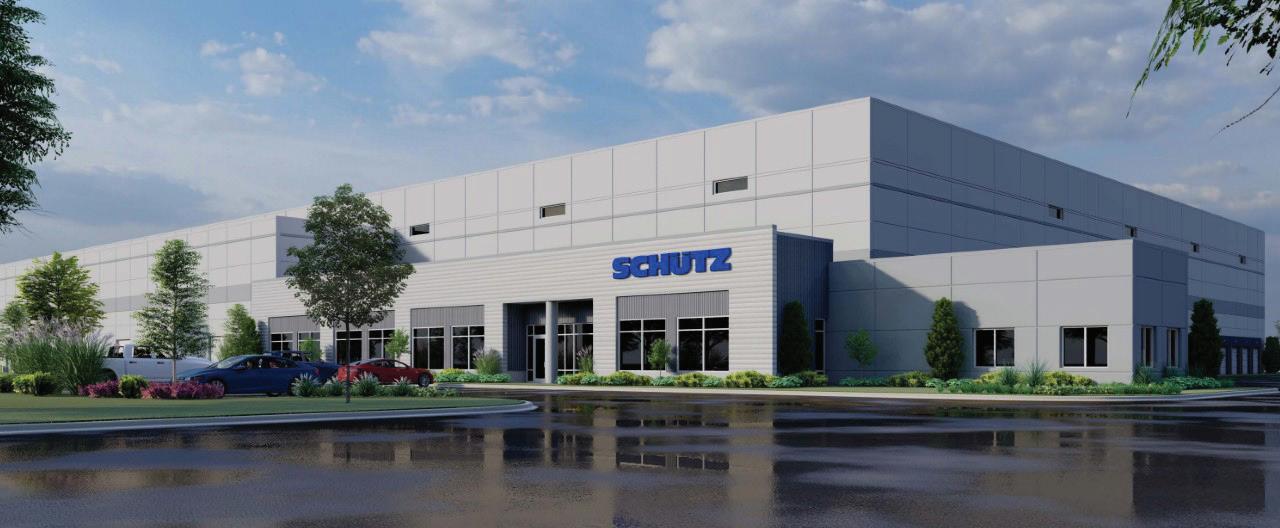
MANUFACTURER PLANS THREE PLANTS IN KENOSHA
Schutz Container Systems Inc., a subsidiary of Germany-based Schutz, which is currently building its first Wisconsin plant in Kenosha, is planning to build three more facilities in the city.
Construction began earlier this year on a 370,000-squarefoot facility at 7517 60th St., and now the company plans to build three additional facilities in Kenosha on a vacant site at approximately 70th Avenue and 45th Street.
The facilities would be built in two phases, with two buildings planned in the first phase, including a 167,000-square-foot building to be used for steel drums and a 240,560-square-foot building to be used for steel component fabrication. The third building would be about 172,000 square feet and would be used for manufacturing for a yet-to-be determined product.
OWNER: SIZE:





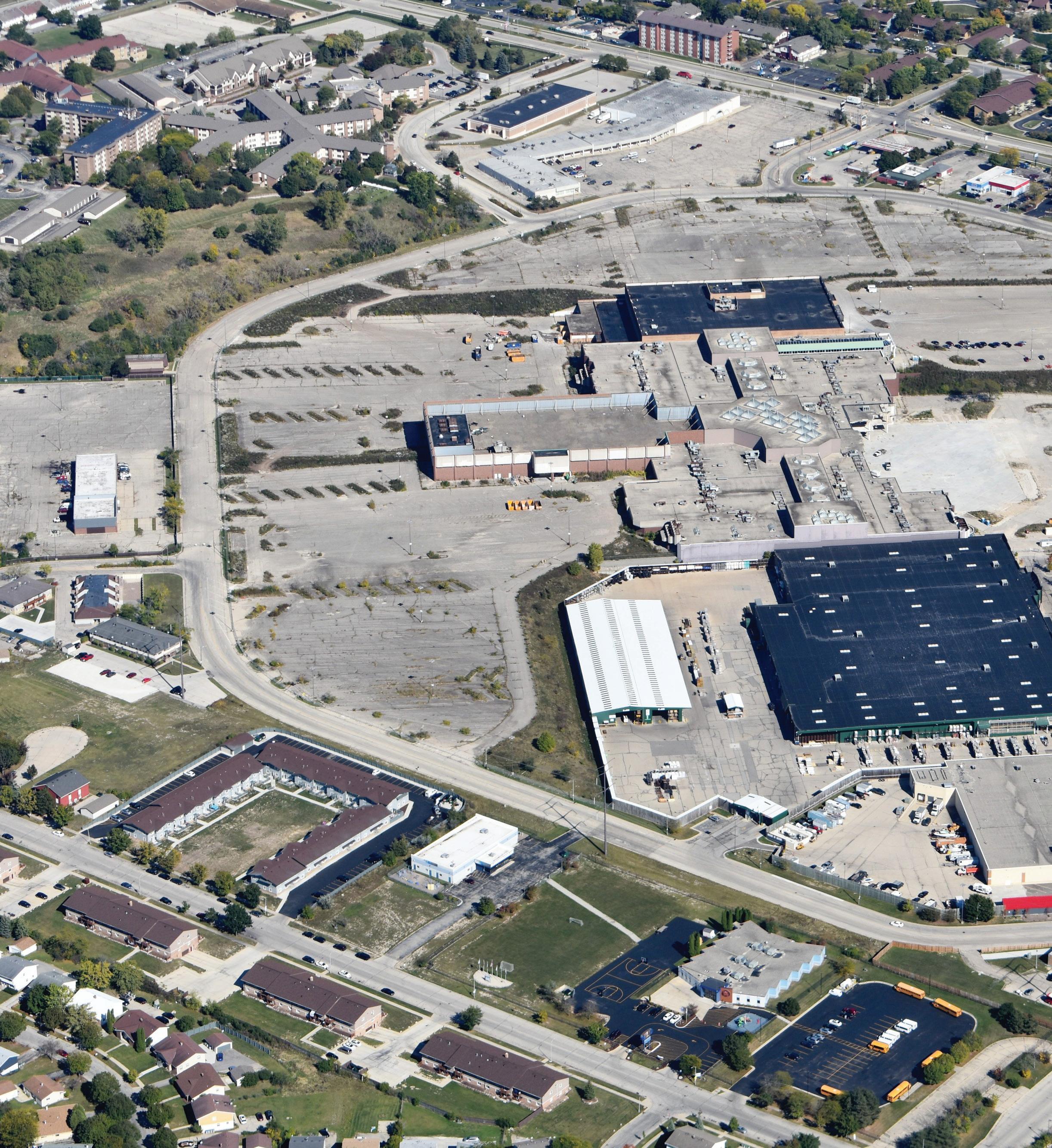
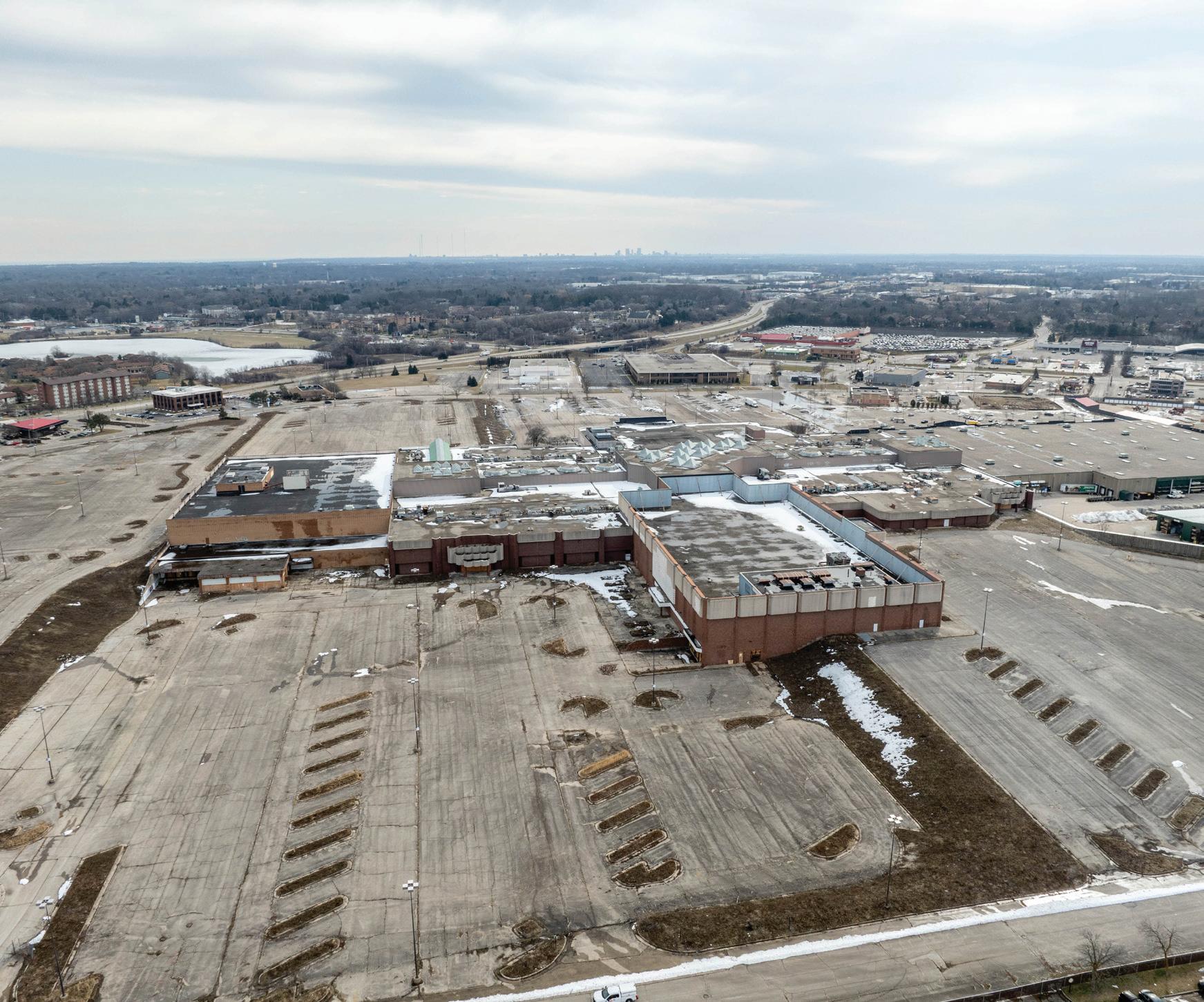
A bird’s eye view of the Northridge Mall Site on Milwaukee’s far northwest side.
Northridge Mall demolition provides chance to rejuvenate Milwaukee's far northwest side CLEAN SLATE
BY HUNTER TURPIN, staff writer
Larresa Taylor held her breath for years.
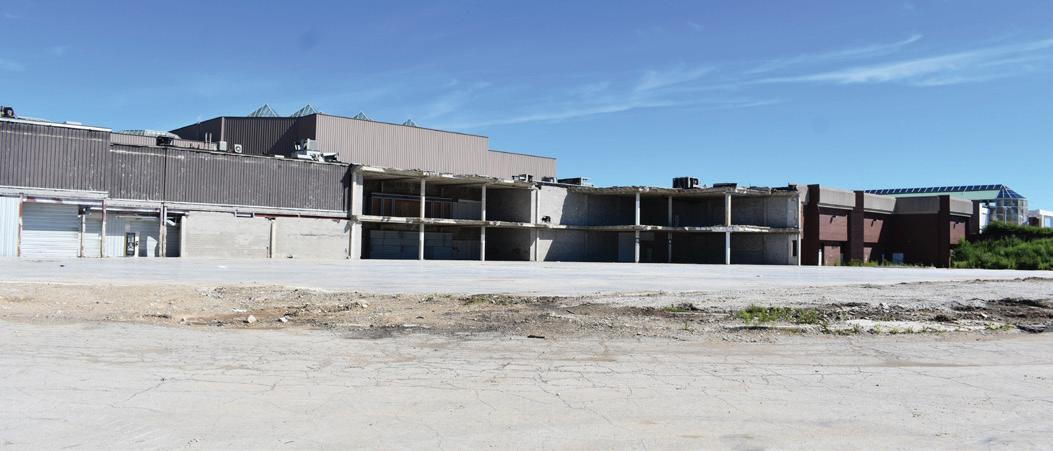
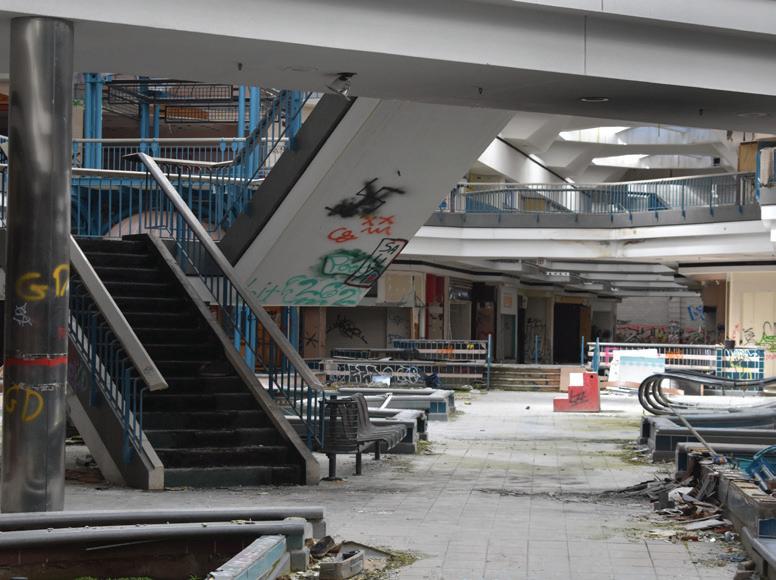
The longtime resident of Milwaukee’s far northwest side and the city’s ninth district alderwoman has watched as Northridge Mall went from a shopping mecca of modern design and polished tile floors to an empty building with bullet holes in its skylights and profanity graffitied on nearly every surface.
At 800,000 square feet, the derelict mall has been a blighting force on the broader Granville neighborhood since it closed in 2003. In January, the City of Milwaukee was awarded its long-sought ownership of the property from its previous phantom owner, Chinese investment group U.S. Black Spruce Enterprise, after a multi-year court battle.
“After all these years, we can finally exhale,” Taylor said at the time. With the mall structure now com-
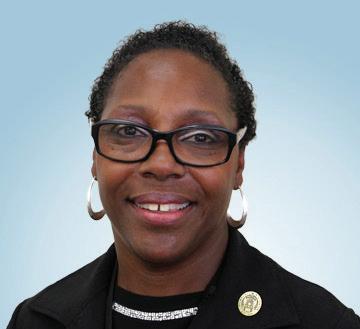
Alderwoman Larresa Taylor
HUNTER TURPIN
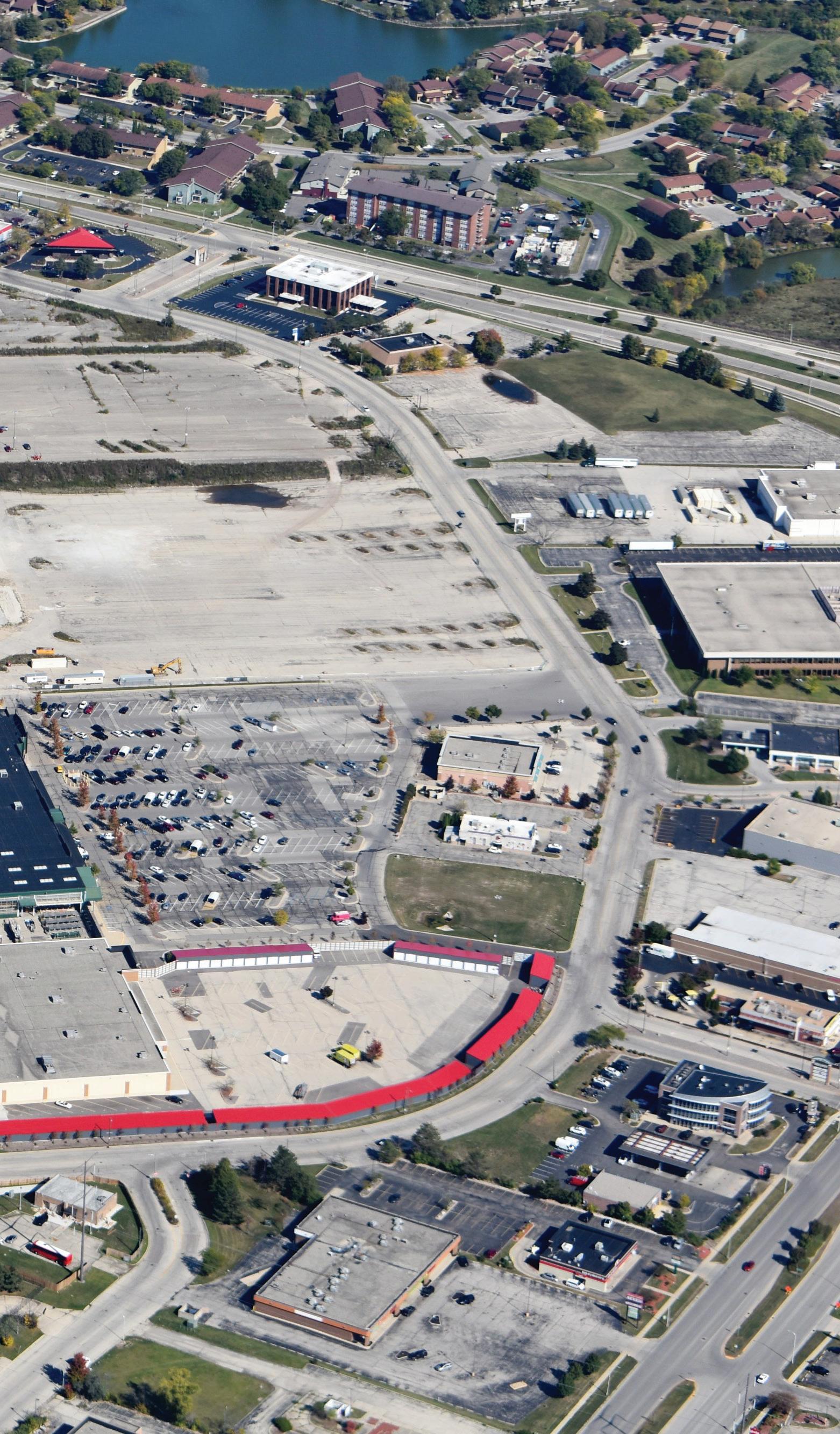
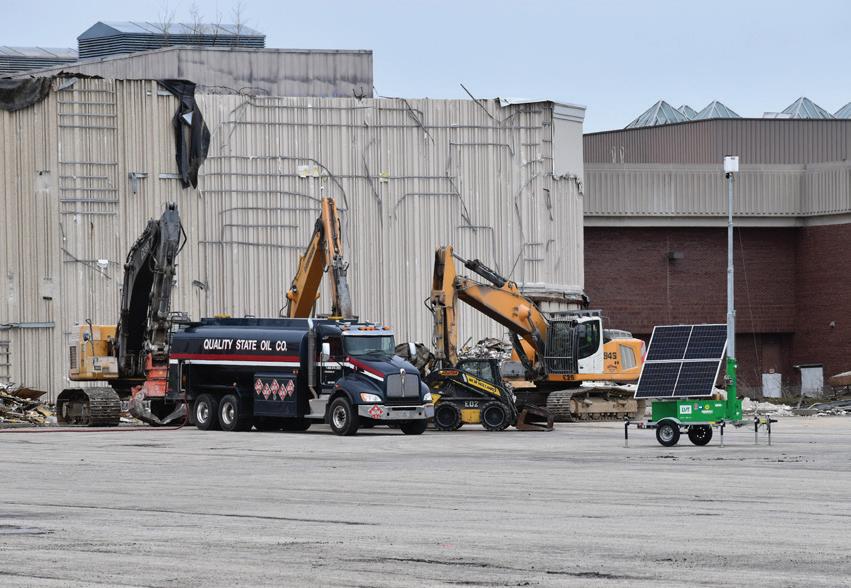
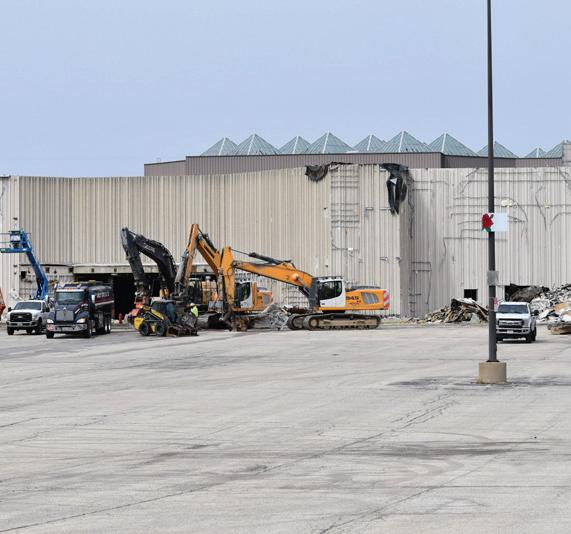
ing down piece by piece, the city is expecting the 58-acre site at North 76th Street and West Brown Deer Road to be a clean slate by next fall. The site presents a significant redevelopment opportunity with potential to reactivate a corner of the city that has seen decades of economic decline, and a test of the city’s ability to pull off such a catalytic project on a site rife with development challenges.
“We’ve known all along that until the Northridge situation was addressed, we were kind of stagnant up there,” said Mary Hoehne, executive director of the Granville Business Improvement District. “Finally, (the redevelopment opportunity) is here. What we do with it is critical. I feel that property is paramount to the further development and success of the northwest side and I’m going to go so far as to say it’s an integral part of Milwaukee.”
Rippling challenges
Granville, located on the far northwest side of Milwaukee, was annexed into the City of Milwaukee in 1962, making it the newest part of the city. At the time, Milwaukee was on an aggressive mission to expand its borders to make more room for modern industry and suburban housing, a recoil against the densely packed neighborhoods that filled the rest of the city.
Once the area was fully developed, the result was a mix of uses that were sometimes incompatible with each other, such as industrial parks abutting gated condo and apartment communities and single-family homes fronting the former mall property. One Milwaukee developer called the area “eclectic.” Another called it “schizophrenic.”
“More so than any other site I’ve ever looked at,

personally, you drive past Northridge, and you just say to yourself, ‘How the hell did this ever happen in the first place?’” said Bob Monnat, senior partner at Milwaukee-based development firm Mandel Group.
Opened in 1972, the $50 million mall was built by the Kohl family, including Kohl’s Corp. founder Max Kohl and his son, Herb Kohl – who would later go on to purchase the Milwaukee Bucks and serve 24 years as a U.S. senator – along with national developer Taubman Co. It closed around 30 years later after a slow decline.
Northridge’s closure spurred many years of depreciation in the surrounding area, primarily in its Brown Deer Road commercial corridor, which lost several notable retailers – like Walmart in 2012 and Target in 2016 – while its smaller shopping centers and office buildings emptied out and were replaced by lower-end tenants like laundromats and liquor stores. Some have not been refilled at all.
To Northridge’s south, for instance, a 1975 office
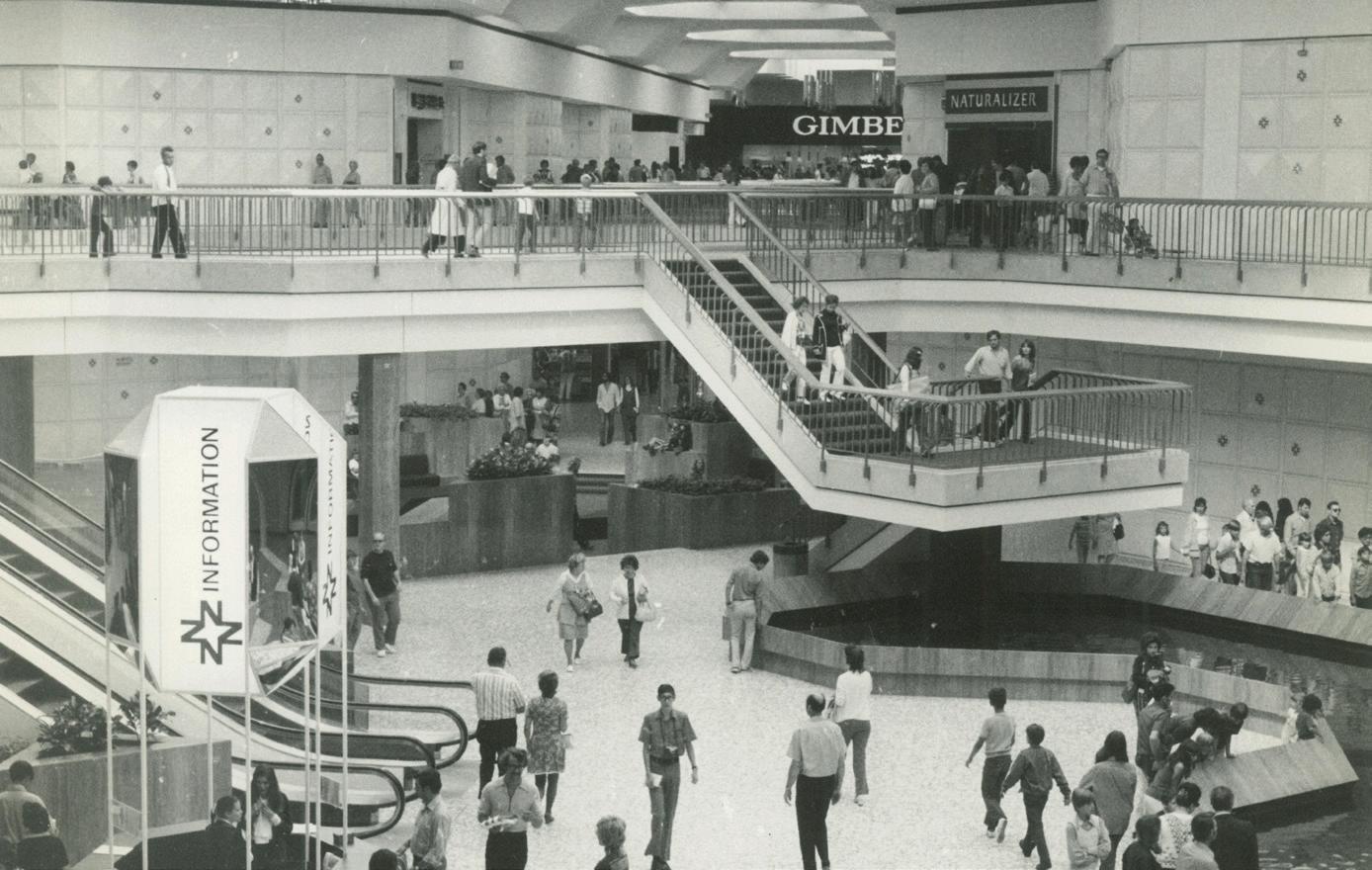
Shoppers at Northridge Mall in its heyday.

“
… you drive past Northridge, and you just say to yourself, ‘How the hell did this ever happen in the rst place?’”
— Bob Monnat
building was acquired by its lender in a deed in lieu of foreclosure earlier this year; the building is nearly 75% vacant and was acquired at less than 50% of its assessed value.
“The challenge with Northridge is that you don’t look at it and say, ‘Ah, we know exactly what ought to go there,’” said Lafayette Crump, Milwaukee’s commissioner of city development. “And part of the reason for that is what it used to be is a thing that is not really getting built anymore.”
Further, the area surrounding Northridge has more than its share of economic challenges: The poverty rate in the surrounding area is about 34%, compared to 24% citywide, according to census data.
The median household income for the area is only about $34,000 per year, compared to about $50,000 per year for the entire city, 71% of people in the area are renters and 8% have a bachelor’s degree, all of which are things that need to be considered as redevelopment is planned, officials said.
The City of Milwaukee has not yet chosen a preferred redevelopment route or created a master plan for the former Northridge site and has told residents and the business community to “think big” about what the area’s future could look like.
There’s no shortage of ideas, including three presented by developers at the annual BizTimes Media Commercial Real Estate and Development Conference, held on Nov. 7.
Jobs-based development
Despite the plight of the Granville area’s real estate, a bright spot has been the area’s base of industrial buildings. Across Brown Deer Road from Northridge is the Bradley Woods Industrial Park, also known as the Milwaukee Land Bank, which has several hundred acres of industrial development already. One thought is to build on that base.
“There are a lot of very good companies, very

good employers in that area,” said Jim Barry III, president of Milwaukee-based commercial real estate firm The Barry Company. “But it’s pretty much built out. If you were to develop Northridge (as an industrial park), you could really create an expansion of Bradley Woods with modern facilities for expanding companies.”
Some companies looking for industrial space in the area have opted to convert retail properties along Brown Deer Road to meet their needs, like the abandoned Target that now houses Midwest Refrigerated Services. Industrial real estate brokers said that when space becomes available in the Bradley Woods Industrial Park, it often doesn’t stay on the market long, indicating demand for new space in that area.
Brokers said they aren’t referring to the 500,000-plus-square-foot distribution centers that are popping up in Kenosha and elsewhere. Rather, industrial development at the Northridge Mall site could attract smaller facilities suitable for local and regional manufacturers.
With southeast Wisconsin’s industrial space vacancy rate at 5.5%, according to the most recent report from the Commercial Association of Realtors Wisconsin, adding more industrial supply is welcome, according to Barry.
Further, as already-developed land, the Northridge property has an existing road sys-
2013: Black Spruce takes ownership of mall properties, says it plans to create a trade mart, but never does; Penzeys Spices takes ownership of former Boston Store, but it is unable to acquire the entire mall property and its redevelopment plans never move forward.
2014: Pick ‘n Save closes
2017: City of Milwaukee acquires former Boston Store
2019: City issues raze orders against three properties owned by U.S. Black Spruce Enterprise Group; orders challenged in Circuit Court
2020: Circuit Court upholds raze orders; Black Spruce appeals the decision to Wisconsin Court of Appeals
2022: Case is sent back to Circuit Court, which upholds raze orders again; Black Spruce appeals again to Court of Appeals
2023: City les for tax foreclosure against three Black Spruceowned mall properties
2024: City is awarded ownership of all Northridge properties and begins demolition
2025: Demolition expected to be complete
Lafayette Crump
Jim Barry III

tem as well as sewer and water lines that would only need to be modernized to support new development.
“To me, that’s not only the highest and best use, but the most obvious use,” Barry said.
Industrial development would create jobs, which some officials and nearby residents said are needed in the Granville area to help address socioeconomic challenges, according to comments made at a town hall meeting in August.
However, while many developers and local officials agree that building the area out with industrial buildings is one of the more viable – if not most viable – ways to redevelop the former Northridge site, some say that type of redevelopment alone would not create the impact they are hoping for, and the job density would be too low to justify it.
“My real belief is if we put five manufacturers up there, and they all employ 100 people, that’s 500 jobs,” Hoehne said. “I’m not 100% convinced that those folks are going to live in Milwaukee. I’m not at all convinced they’re going to spend their money in Milwaukee. I think they’re going to come to work in Milwaukee. What have we gained? We’ve only built a daytime population that doesn’t live in the area.”
Diverse housing needs
The Granville area also has a significant base of housing, which could make it prime for more. Already, two separate developments just southeast of Northridge could bring 298 market-rate apartment units to the area and, just west of Northridge, Milwaukee-based Royal Capital has proposed more than 1,100 affordable housing units at a “healthy living campus,” though none of those projects have advanced yet.
There are other sites on the northwest side that have better access to freeways, such as available
sites closer to I-41, that make them more attractive for industrial development, some industrial real estate brokers said. Thus, most developers and brokers interviewed by BizTimes said they thought the former Northridge site lent itself to a housing-based development coupled with other thoughtful elements. To make a project financially viable, several developers envision an element of dense housing, possibly as a “town center” development with lower-density housing surrounding it.
“Whatever you do there, it has to cover multiple economic classes to make it really
“
Whatever you do there, it has to cover multiple economic classes to make it really sustainable.”
— Scott Lurie
July 2022: An exterior look at Northridge Mall after it was damaged by a series of fires in summer of 2022.
July 2024: The former Boston Store has been completly demolished.
March 2024: Demolition work at Northridge Mall.






Building Milwaukee Since 1920



From the iconic Calatrava and Northwestern Mutual building to countless other projects shaping downtown Milwaukee, CG Schmidt has been defining the city’s skyline for over a century. But we’re looking far beyond today’s horizon. Our projects are the foundations of the future—spaces where businesses thrive, medical innovations emerge, tomorrow’s leaders are shaped, and communities come together.








sustainable,” said Scott Lurie, founder of Milwaukee-based F Street Group. “If you take the site and you travel two miles to the east, you’re in River Hills, one of the wealthiest zip codes in the region. If you travel to the west a half mile, there are some very depressed apartment and condominium complexes. And go two miles west of that and you’re in Menomonee Falls, where there’s lots of economic growth.”
Hoehne emphasized the area’s racial diversity, which is uncommon in much of Milwaukee given the level of segregation in the city and metro area, as another reason to consider a housing-based redevelopment.
“We should honor that, grow that, and really look at this as an opportunity to change the whole mantra of segregation in Milwaukee,” she said.
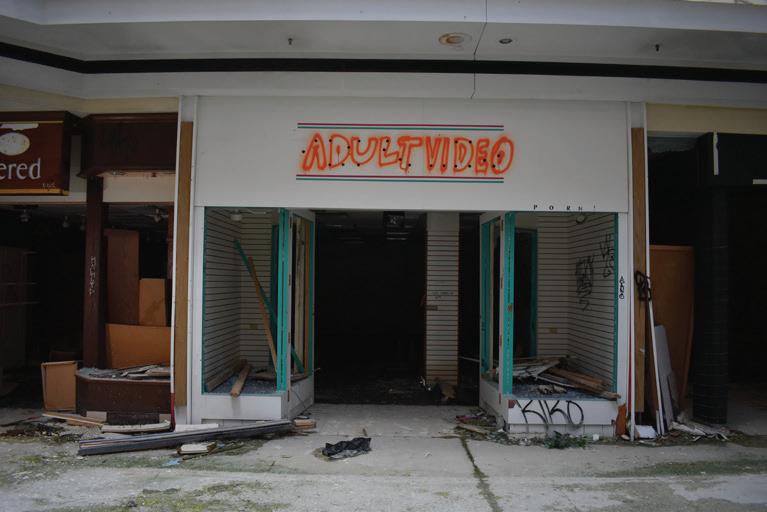
Opportunity for community
In order to make the former Northridge site’s next life as impactful as possible, without compromising feasibility, many developers suggested a redevelopment centered around some sort of theme or component that could create a destination and build community.
“Northridge needs to become known as a flex space community for people that are trying to build their business, an entrepreneurial hub, a pickleball mecca for the Midwest, a tee-ball center for little kids …,” Lurie said.
Monnat, for instance, suggests something called an “agri-hood,” which combines elements of agriculture and a neighborhood. It’s not a massive farm, he said, but incorporates indoor and outdoor food production as well as adjacent industries and housing centered around health-conscious living.
“The idea is how can we take space, and instead of just making it park space, how can we actually create employment opportunities with it? How can we create healthy lifestyle opportunities with it?” Monnat said.
There’s lots of ways you could program it, but one thought is that (residents) almost have to agree to move into it.”
— Scott Yauck
Similarly, Scott Yauck, president and CEO of Milwaukee-based Cobalt Partners, suggests a housing-based development with community-supporting amenities like health care and social spaces.
“There’s lots of ways you could program it, but one thought is that (residents) almost have to agree to move into it,” Yauck said. “The community could perpetuate itself by building some of its own homes in the future that maybe can be rented to own.”
The former mall site sits near the intersection of West Brown Deer Road and North 76th Street, which is more than 4 miles from both I-41 and I-43. While both of those roads have the capacity to carry large volumes of traffic, they only carry a fraction of
July 2024: Debris and vandalism inside Northridge Mall.
Broken skylights in the mall’s west atrium.
BUILDING THE FUTURE OF SCIENCE: NEW CHEMISTRY FACILITY AT UW-MILWAUKEE
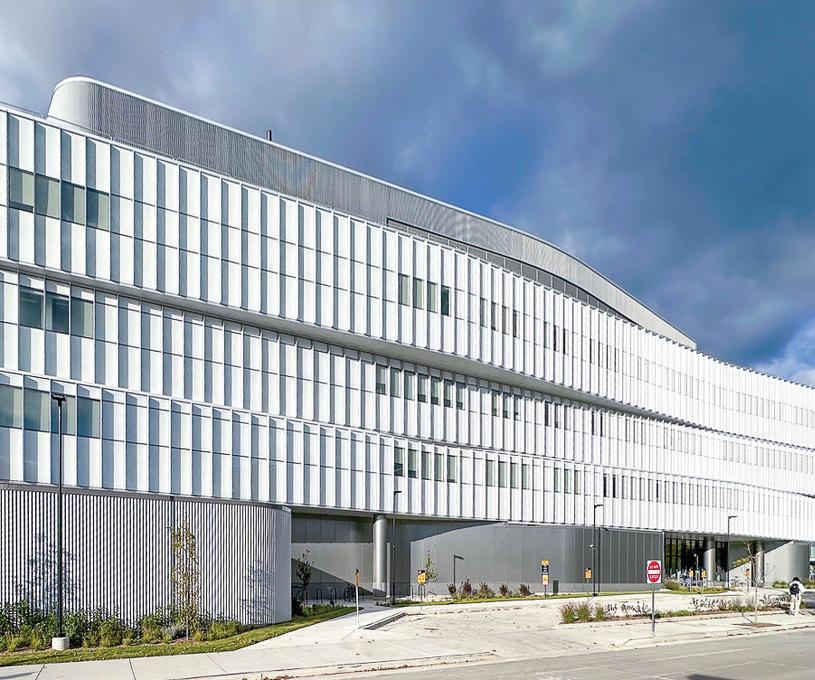
By Jake Jorgensen, Partner and COO, VJS Construction Services
CAN YOU BRIEFLY DESCRIBE THE COMPONENTS OF THE PROJECT – THE SCOPE/SIZE OF THE PROJECT AND WHAT IT INCLUDES?
The University of Wisconsin-Milwaukee’s new 163,400-square-foot Chemistry Building offers modern laboratories, classrooms, and research facilities to serve over 3,500 students annually. This four-story complex replaces a facility built in 1972, advancing scientific education and research capabilities for students and faculty.
WHAT DOES THE SPACE OFFER FOR VISITORS, TENANTS AND/OR CUSTOMERS?
The new Chemistry Building houses the Department of Chemistry and Biochemistry, offering state-ofthe-art labs that support students across chemistry, health sciences, engineering and other STEM fields. Equipped with modular classrooms, modern audiovisual technology, lecture halls, offices and collaborative spaces, the facility is designed to enhance interaction and drive innovation.
WHEN YOU TALK ABOUT THE PROJECT, WHAT DO YOU DESCRIBE FIRST?
One of the building’s standout features is integration of teaching and research labs, visible through large windows, encouraging transparency and collaboration. The building’s design, which resembles protein and lattice structures, symbolizes the intricate and interconnected nature of scientific research. This architectural design is reflected in the interior’s braided floor plan, creating collaborative spaces where students can continue learning outside the classroom.
HOW DID THIS PROJECT IMPROVE/BENEFIT THE COMMUNITY?
The new Chemistry Building strengthens Wisconsin’s economic landscape, supporting the chemical industry which is the 5th largest manufacturing sector in Wisconsin. This sector generates over $1 billion in payroll wages and $151 million in state and local tax revenue. By developing future scientists and STEM professionals in this modern facility, UWM enhances
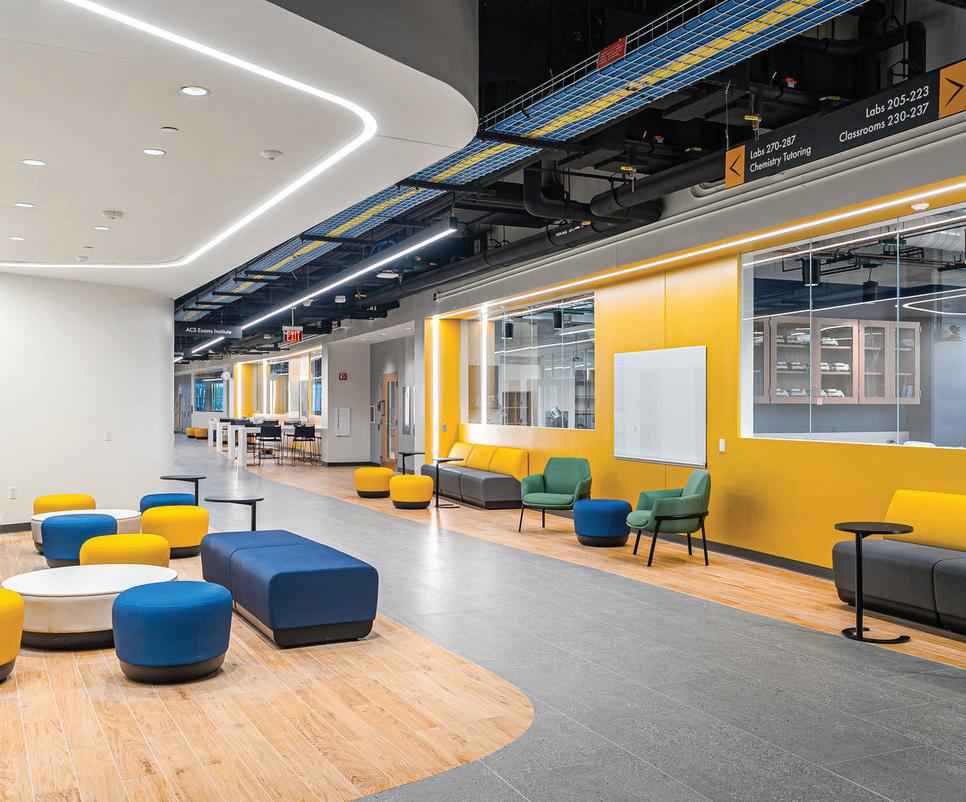
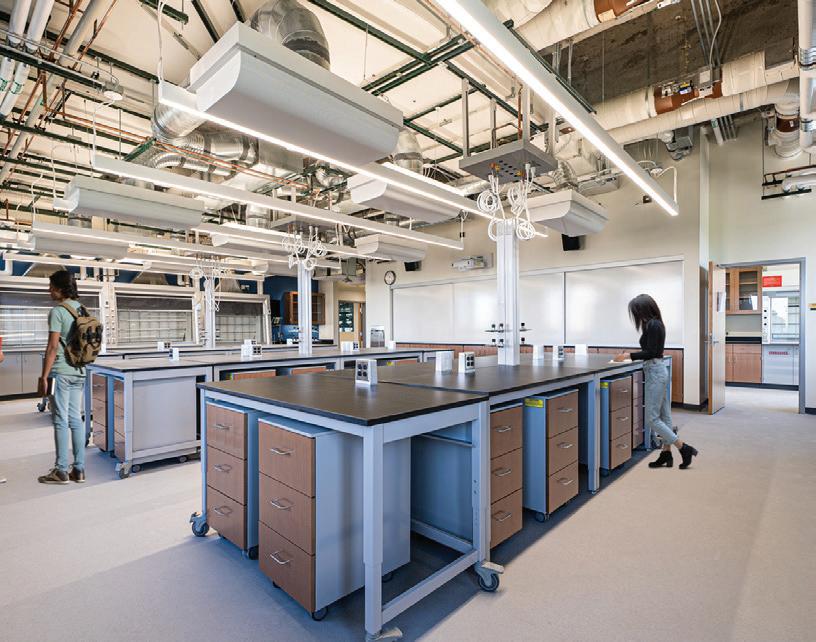
Milwaukee’s talent pipeline and contributes to the state’s continued economic growth.
WHAT MAKES THIS PROJECT UNIQUE/INNOVATIVE?
The building’s structure includes several fascinating elements. The amount of concrete involved could be used pour a sidewalk from UW-Milwaukee’s Chemistry Building to UW-Madison, and the total length of light fixtures could circle an Olympic track six times. Additionally, more than 500 devices are in place to control airflow and maintain fresh air throughout the building.
the traffic those interstates do. Further, the available Northridge site does not directly abut either of those roads, which therefore limits the site’s ability to be redeveloped with many users that require high amounts of visibility.
“If you’re from out of town and you drove down Brown Deer Road or 76th Street, you would not know Northridge is there; if you were born after 2000 and you drove down Brown Deer Road or 76th Street, you would not know Northridge is there,” Lurie said.
Most developers agreed that whatever “destination” is created at the Northridge site, it should be at a smaller scale and more community oriented than visitor oriented.
An idea shared among several stakeholders, including residents at the August town hall, was some sort of education component, such as an extension of Milwaukee Area Technical College, or an industry-specific facility for health care, the construction trades, or other manufacturing skills, potentially sponsored by unions or a partnership between the area’s major employers.
“The top concern we hear from our manufacturers in Granville is access to labor,” Hoehne said. “Housing and education are two ways to support that.”

City’s redevelopment process
Due to the amount of interest in the property, the Department of City Development is planning to release at least one or multiple requests for proposals with general guardrails about what the city would like to see in a development at the Northridge site, and what it wouldn’t like to see, according to Benji Timm, project manager for the city’s Redevelopment Authority. It’s estimated that RFPs will be formulated throughout 2025, but DCD has not determined if they will be ready or made public before demolition is completed.
In the meantime, DCD has engaged Milwaukee-based engineering, planning and design firm GRAEF, which will support the city’s planning efforts by illustrating various alternatives for the future redevelopment of the site. The city has also tapped London-based Baker Tilly as a sub-consultant to GRAEF to complete a market analysis. GRAEF’s conceptual illustrations are expected to be unveiled in early 2025.
Timm said DCD has also been hearing from developers and brokers, primarily industrial real estate brokers, that are interested in the property.
Area developers are split on how they’d advise the city to handle the RFP process. Lurie, for instance, said the city should create a vision for the
Northridge site redevelopment and seek proposals within that framework. Yauck, however, suggested the city only put up general guardrails and let the development community submit their ideas, which could help proposals stay “grounded in reality,” he said.
Monnat argues for a two-step process, in which the city begins with something like a submittal of ideas to gauge possibilities before issuing an RFP.
“I think it’d be a huge mistake to try to write an RFP in which you need to be able to signal how you’re going to make a selection,” Monnat said. “You can try to make that call, but I think this site needs a longer process to reach a conclusion as to what would actually be best there. We’re miles away from an RFP.”
Hoehne and Taylor both urged DCD to take their time with the redevelopment process, saying the biggest mistake in their view would be a “kneejerk decision,” Taylor said.
“If you spent 20 years looking at something that is falling down, that is really being a detriment to the community you want, I think it’s important to see it become a clean slate, and then begin to use your imagination on what’s next,” Taylor said, adding that she hopes RFPs will not be issued until after demolition is complete.























Feasibility and financing
Regardless of how Northridge is redeveloped, the area will likely need infrastructure improvements, and a housing-based development would likely need to keep affordability front of mind, developers said, making the financing of any project tricky. A significant public subsidy will likely be necessary to redevelop the site, they said.
“Without municipal, state, (and) some sort of development support, this deal doesn’t make any sense to anybody,” Lurie said.
The City of Milwaukee has been criticized by some for its tax incremental financing policy, which currently only provides TIF generally for projects that include job-creation or affordable housing. Many developers have said that policy is too narrow and prevents more development from occurring within the city limits. In response, Crump has said the city is working with stakeholders to develop a TIF policy for workforce housing.
The State of Wisconsin provided the city with a $15 million grant last year to support the former Northridge site demolition and redevelopment efforts, which are currently focused on asbestos abatement and community engagement.
“I know we’ve got a black eye, and people talk about why this or that development won’t work,” Hoehne said. “We have one opportunity to help this deserving, diverse area thrive, but we gotta want it.”

February 2024: Aerial shot of the Northridge Mall site, looking southeast.
JON ELLIOTT/MKE
Thursday, November 7, 2024
2:00 PM: Registration | 2:30 PM – 6:30 PM: Program & Reception | Brookfield Conference Center
Sponsors:
Milwaukee’s skyline is continuing to change through Union financial investments. Developers of the Couture, Moderne, Hines Tower, University Club Tower, and others have utilized our partners’ Union pension and investment funds to bring their projects to reality. Similar funds are investing in industrial, retail, storage, o ce, and multi-family market rate and a ordable housing development projects throughout the country.
Building Advantage is here to advocate for your project by connecting developers to Union financing. By involving our network of local and national partners, Building Advantage is a key ally throughout the project planning process.
Visit buildingadvantage.org, or reach out to Chris Mambu Rasch, to learn more about Union financing opportunities.
Chris Mambu Rasch
Executive Director (414) 469-5333 | crasch@buildingadvantage.org buildingadvantage.org


As a sponsor of the 2024 Commercial Real Estate and Development Conference, Husch Blackwell is proud to help lead the way in growing Milwaukee to its full potential. We are excited for the ideas around transformation on the far northwest side of Milwaukee. As trusted partners, we aid our clients in overcoming obstacles and seizing opportunities that bolster the local economy and shape the Milwaukee skyline. No matter the size or complexity of the project, the 100+ lawyers on our nationally recognized Real Estate, Development, & Construction team have the experience and industry knowledge to help our clients solve their most complex challenges.
Brad Dallet
Partner
Husch Blackwell LLP – Milwaukee (414) 978-5525 | brad.dallet@huschblackwell.com huschblackwell.com/real-estate-and-development
Exhibit Sponsors:




CLA is honored to co-sponsor the BizTimes Commercial Real Estate Conference.
At CLA, we exist to create opportunities for our clients, our people, and our communities. We serve over 5,200 real estate owners, operators, developers, funds, and investors with holdings across every asset class and property type. Our team relies on deep industry technical knowledge to identify financial, tax, operational, and strategic opportunities through all phases of the real estate lifecycle.
By getting to know our clients well, we believe we’ll be in a better position to help. We start with a conversation, ask questions that matter, and listen. We call it the CLA promise — and it’s how we do business.
Enjoy an energizing and inspiring day!
Mark Vance, CPA Principal, Real Estate CLA CLAconnect.com
At Johnson Financial Group, banking is more than just numbers and profits—it’s about building meaningful relationships, fostering trust, and empowering individuals, businesses, and communities to thrive. For over 50 years, we’ve valued learning what’s important to you as our first step in finding ways our team can support your financial needs.
Whether you need commercial banking solutions, retirement or wealth planning, or the expertise of our dedicated commercial real estate team managing a $1.25 billion portfolio, we are committed to finding the solutions to fit your unique needs.
We look forward to learning more about how we can help you make a positive impact on your community. For more information visit: johnsonfinancialgroup.com
Thank you,
Pat Lawton
SVP Commercial Real Estate Regional Manager (414) 287-6423 | plawton@johnsonfinancialgroup.com
Partners:






We value job site health and safety above all else. Maintaining strict safety procedures is what keeps us ahead of the competition.
Communication and coordination is crucial to maintaining efficient schedules, without additional costs. Hiring signatory contractors and subcontractors means that you have a team of professionals with the necessary experience to safely and quickly overcome any issue that may arise. Our past work is proof that union construction can handle the most complex projects.


Union apprentices and tradespeople continually get training and certifications to stay at the forefront of the latest industry innovations.
We have thousands of experienced, safe, professional tradespeople available to complete our region’s most complex projects.
The union construction industry provides value through investing in their workforce. Our people are better prepared to deliver high-quality workmanship, which reduce call-backs and improve overall project outcomes. An emphasis on safety also directly correlates to cost savings and more productive schedules.
For more information about partnering with labor onyour next project, visit buildingadvantage.org

EVENT COVERAGE
Taking stock of CRE capital markets
BY ARTHUR THOMAS, staff writer
FEW INDUSTRIES feel the impact of higher interest rates more than real estate. The ups and downs of the mortgage rates in the residential real estate market generate their share of headlines, but the commercial real estate market has been hit by higher rates in recent years as well. Add in trends like remote work and population shifts and there are a lot of challenges for real estate investors.
To help make sense of current trends, the 2024 BizTimes Media Commercial Real Estate and Development Conference featured a presentation by Billy Fox, senior vice president at Brookfield-based MLG Capital. Fox focused on the current state of the capital markets, particularly in the multifamily sector.
Ahead of the event, Fox shared insights with BizTimes:
BizTimes: Broadly, what is the current state of the capital markets, especially as the Federal Reserve has begun cutting interest rates?
Fox: “Real estate is a very debt dependent and capital-intensive asset class. Higher interest rates and higher costs of capital have weakened investor demand and pricing for private real estate.
“Many institutional investors have been allocating more to fixed income – than equities or alternatives like private real estate – to re-balance their portfolios after their fixed income returns have declined with higher interest rates. Retail’s investor capital has fled to high-yield savings accounts and private credit to satisfy their cash flow needs and their allocations to private real estate have gone down. A recent RA Stanger Report showed investments into nontraded REITs, like Blackstone’s BREIT and Starwood’s SREIT, are on track to be $6.3 billion in 2024, which is roughly 18% of their peak fundraising in 2021 of $34.4 billion. Conversely, investments into BDCs, like Blackstone, Ares and Blue Owl’s private credit vehicles has grown from $14.2 billion in 2021 to its current trend of $35.5 billion in 2024.”
Are there any distinct trends emerging across the industrial, office, retail and multifamily markets?
“Office is challenged. Office entered the pandemic weaker than the other asset classes and has suffered numerous hard hits including reduced demand and a shift in demand for office space coming out of the pandemic, less debt and equity available for investment and higher tenant improvement costs. Of course, there are exceptions, but generally the asset class is suffering.”
“Multifamily is experiencing softness from an operations and capital markets perspective. Operationally, the asset class is being negatively impacted
from excess supply that is being delivered throughout the country, creating higher vacancy and concessions; an increase in delinquency as COVID cash has left tenants’ bank accounts and inflationary pressures have resulted in less discretionary income and savings; and landlords are fighting elevated expenses (especially taxes and insurance).”
How are investors looking at different geographies? Are markets like metro Milwaukee and others across the Upper Midwest in a good position relatively speaking?
“Midwest multifamily is receiving more attention than in years past. The excess supply that’s caused higher vacancy and concessions is primarily concentrated across Sun Belt markets. Similarly, tax and insurance increases have generally been greatest in Sun Belt markets. Midwest multifamily is largely outperforming the Sun Belt.”
The Commercial Real Estate and Development Conference also featured a unique Developer Fantasy Camp that offered three teams of developers the chance to imagine new uses for the former Northridge Mall site on the northwest side of Milwaukee. The teams included Scott Lurie, founder of F Street Group, with Ariam Kesete, CEO of AK Development; Bob Monnat, senior partner at Mandel Group, with Michael Adetoro, managing partner of FIT Investment Group; and Scott Yauck, president and CEO of Cobalt Partners, with Stephanie Mer-
cado, supplier diversity supervisor at Michels Corp. Milwaukee Department of City Development commissioner Lafayette Crump also participated in a discussion with Andy Hunt, director of the Vieth Institute for Real Estate Leadership at the Marquette University College of Business Administration.
Look for additional coverage of the event at biztimes.com.
The Commercial Real Estate and Development Conference was made possible by sponsors Building Advantage, CLA, Husch Blackwell and Johnson Financial Group; exhibit sponsors Innovative Signs and JLA Architects; and event partners Marquette University Vieth Institute for Real Estate Leadership and the Commercial Association of Realtors Wisconsin. ■

Billy Fox
How the Tax Cuts and Jobs Act sunset will impact real estate
By Courtney DeVane and Mark Vance
The Tax Cuts and Jobs Act (TCJA) created numerous tax provisions that greatly impacted the real estate industry. As we look forward to 2025, many of those provisions are coming to an end — creating a new uncertainty about future tax law and making tax planning more important than ever.
Provisions impacting real estate
» The lifetime gift and estate tax exemption will be cut roughly in half from the current $13.61 at the end of 2025, limiting the ability to transfer real estate and other assets tax free.
» The qualified business income deduction that created a deduction of up to 20% of trade or business income, including rental real estate income, will sunset. This will increase the effective tax rate incurred by small businesses, including many real estate owners.
» Bonus depreciation of 100% — a significant benefit to real estate projects when combined with a cost segregation study — was extended through 2022 but is being phased down. Bonus depreciation will be 60% for 2024, 40% for 2025, 20% for 2026, and then eliminated in 2027.
» The business interest expense limitation, which limits the amount of interest a business can deduct, was enacted by the TCJA. This limitation can severely limit the amount of interest expense a real estate entity can deduct if the entity is not eligible for any exclusion. This limitation is not set to expire and will continue to be in effect after 2025.
How we can help
Leverage our real estate knowledge to create a personalized business plan. Subscribe to CLA’s blogs via the QR code and contact Mark Vance at mark.vance@CLAconnect.com or 414-465-5535 for more information.

COMMERCIAL REAL ESTATE
For the first time in more than a decade, new condos could be built in Milwaukee
BY HUNTER TURPIN, staff writer
VIRTUALLY NO NEW CONDOS have been built in the city of Milwaukee since 2011, prompting some to wonder when the city’s new condo market will come back to life.
That market might finally have a pulse, as three new condo developments have started to make their way through the development pipeline over the past several weeks.
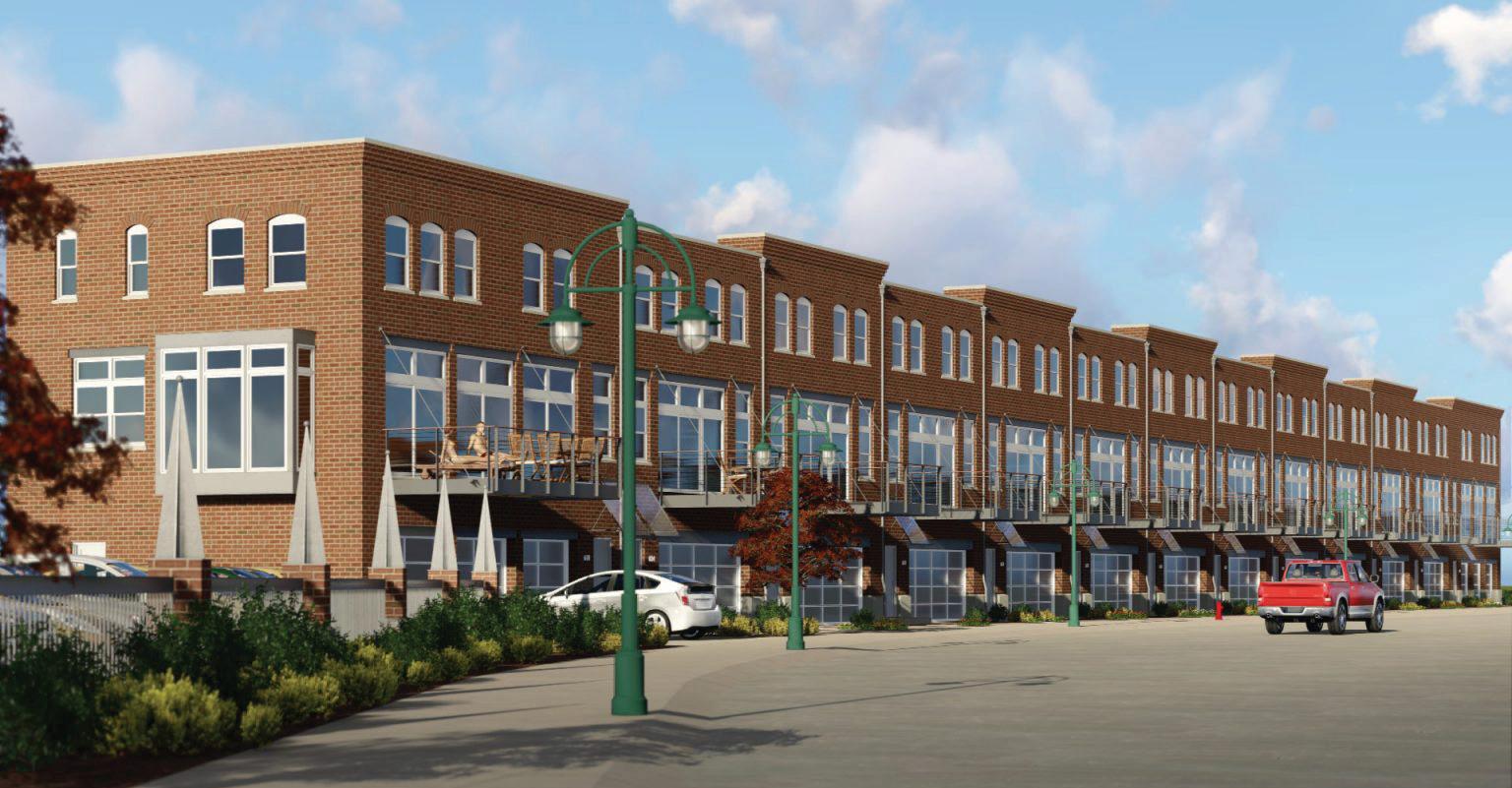
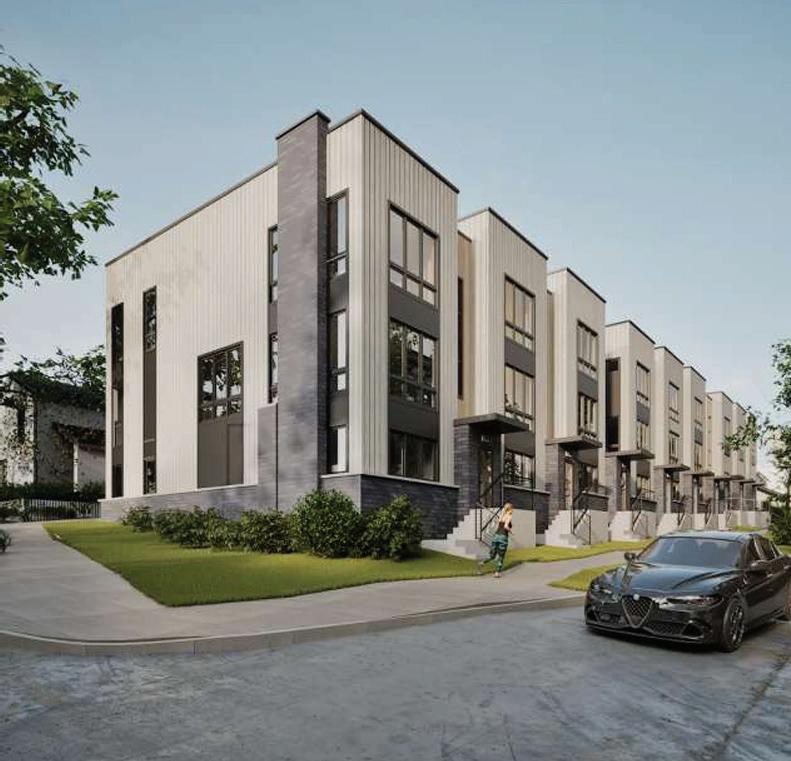
In the Historic Third Ward, Milwaukee-based Renner Architects is going through the permitting process for 13 townhome-style condos; on the Lower East Side, a new development firm called Cirrus Property Group, also based in Milwaukee, has proposed 15 townhome-style condos; and in the Riverwest neighborhood, a development led by local attorney Nola Hitchcock Cross could bring 40 condo units in a co-housing style development.
If built, the three projects would add a total of nearly 70 condo units to the city, adding much-needed supply to an increasingly competitive and unaffordable housing market.
“A condo that’s priced right in Milwaukee doesn’t last long,” said Chris Corley, a real estate broker with Corley Real Estate in Milwaukee. “In the Third Ward, they’re gone in a week, if that. Elsewhere in the city, they might last a few weeks.”
There are more than 11,000 condo units in the city of Milwaukee, representing around 4% of its total housing stock, according to the city’s 2023 housing affordability report. Most of them were built in the 1970s, when the first major condo construction boom hit the city, followed by a second boom in the 2000s.
But development of new condos dried up after

LEFT: A rendering of Renner Architects’ proposed condo project in the Third Ward.
ABOVE: A rendering of Cirrus Property Group’s condo project proposed on the Lower East Side.
high-quality fashion, they’ll sell readily.”
Renner said he’s planning to begin work on the project, which would include two-bedroom, two-bathroom units between 1,400 and 1,800 square feet, as soon as he gets the necessary permits. He declined to share estimated sale prices.
the housing bubble burst during the Great Recession, when home and condo prices plummeted and banks became hesitant to lend to large condo developments, opting to instead support the thousands of apartments that have been built in Milwaukee since then.
“People want to live downtown, and there’s been a huge influx of rentals in downtown, some quote, unquote luxury buildings, which are giving buyers more options,” Corley said. “But the lack of new (condo) inventory has probably hurt demand a little bit because for people looking for something that’s new or updated, the apartment buildings can be attractive.”
UNIQUE FINANCING APPROACHES
To make a condo project pencil out in 2024, some developers are finding unique ways to finance their projects.
Renner Architects, for instance, is planning to pay for its Third Ward project out of pocket without bank financing or other investors, according to Peter Renner, a lead partner at Renner Architects. The firm developed many of Milwaukee’s existing condo buildings like the Harbor Front in the Third Ward and Breakwater on the Lower East Side.
The new project is planned for a thin strip of land, at 610 E. Summerfest Place, that Renner already owns and has been planning the project since at least 2016. High construction costs have been a barrier to moving forward with the project, as well as an issue with utility connection, he said.
“We have that oddball piece of land, and I’ve been meaning to do it for years, and just I haven’t done it,” Renner said. “If we build them in a
In Riverwest, the $18 million River Trail Commons project, pitched for 2716 N. Humboldt Blvd., received initial approval from the City of Milwaukee last month and could break ground next year. The development team is continuing to secure financing for the project, which will include a traditional construction loan and equity financing through future owners making down payments on their condos. The project will also rely on donations, so far raising just over $1 million, from foundations and individuals to help subsidize some of the units, according to Hitchcock Cross.
Around half of the development’s units would be “steeply discounted” for first-time homebuyers with deed restrictions to ensure they remain affordable when resold. The discounted units would create opportunities for people of color to buy their first homes, helping reduce Milwaukee’s racial wealth gap and ensure a more diverse group of residents, said Montavius Jones, principal of Narvarte Development and a member of the development team.
Cirrus Property Group is planning to build its townhome-style project, located at 1524-26 N. Jefferson St., in phases as it sells them to help “limit risk as much as possible,” Daniel Hasbani, vice president of development, told Milwaukee’s Zoning, Neighborhoods and Development Committee.
Known as The Fifteens at Park East, the three-bedroom condos would include terraces, two-car attached garages and optional rooftop patios. They would be in five, three-unit buildings, arranged in two rows. Developers are on track to receive final city approval this month.
The sale prices have yet to be determined, Hasbani said, but the goal is to keep prices below $1 million.
Cirrus leadership said the firm was unable to comment further on the project’s financing. ■

RENNER ARCHITECTS
GALBRAITH CARNAHAN ARCHITECTS

Building Milwaukee’s Future
Husch Blackwell is leading the way in growing Milwaukee to its full potential. As trusted partners, we aid our clients in overcoming obstacles and seizing opportunities that bolster the local economy and shape the Milwaukee skyline. No matter the size or complexity of the project, the 100+ lawyers on our Real Estate, Development, & Construction team have the experience and industry knowledge to help our clients solve their most complex challenges.

Inflationary pressure bears down on market for retail space in metro Milwaukee
BY MAREDITHE MEYER, staff writer
WITH THE IMPACT of inflationary pressure still reverberating throughout all sectors of the economy, metro Milwaukee’s retail real estate market has experienced its own shifts.
Between the rise of interest rates, construction costs, operating expenses and taxes, both landlords and tenants – specifically local users that don’t have the amount of capital or credit that national brands have – are feeling the strain.
Demand for retail space has generally remained strong in the wake of the COVID-19 pandemic and rent rates have followed an upward trend since 2023. The market’s overall vacancy rate is 7.5%, with an overall rental rate of $15.59 per square foot, according to a third quarter Marketbeat report by Cushman & Wakefield | Boerke. For comparison, at the end of 2022, metro Milwaukee’s average asking rent was roughly $13.
Downtown Milwaukee in Q3 this year had an overall vacancy rate of 6.8% and an overall average asking rent of $18 per square foot. Wauwatosa was the tightest submarket with a 1.7% vacancy rate and $29.88 asking rent per square foot.
“(Rent) rates are at a historic high – landlords are getting rates that five years ago would have been unbelievable,” said Mike Testa, business development manager and senior brokerage associate at Milwaukee-based Ogden & Co. “That being said, the costs are increasing significantly.”
The costs of property taxes, insurance premi-
ums and building maintenance have risen at a rate faster than rents have increased, meaning “the actual amount that landlords are netting is probably stagnant or flat,” said Russ Sagmoen, partner at Colliers | Wisconsin.
On the tenant side, retailers are dealing with increased costs of rent, labor, food and goods as well as higher interest rates and construction costs for buildout projects with dollar figures that might be double what they were five years ago.
TENANT-LANDLORD ‘DISCONNECT’
To help offset the burden, tenants are asking landlords to help pay for those projects, adding yet another expense to the landlord’s book.
“I think some tenants are under the misunderstanding that ‘the landlord will build it for me.’ No they won’t, they absolutely will not,” said Marianne Burish, executive vice president at Transwestern.
This is where financing the buildout of a space has gotten challenging in the dealmaking process, said Sagmeon, because “the landlords don’t have it in their budget and for the tenants, it’s risky to spend $1 million” building out a restaurant, for example. In some cases, the landlord might be open to the tenant improvement allowance requested, but in exchange, they’ll ask the tenant to pay more in rent, which is likely already off the table.
“There’s a little bit of a disconnect between landlords and tenants between what the actual
cost is and what’s affordable,” said Testa.
There are some improvements that landlords are more willing to subsidize than others, such as installation of a kitchen hood, LED lights and new bathrooms, because they’ll increase the value of the building. However, “they don’t want to contribute to buying your coffee machine,” Testa said.
TENANTS OPT FOR TURNKEY
High construction costs have contributed to a drop in new retail construction and a surge in demand for second-, third- and even fourth-generation retail spaces – those that were previously occupied and already equipped with necessary infrastructure. Requiring minimal investment, these spaces are attractive particularly to local and small business tenants that are looking to keep overhead low and are often willing to do some of the improvement work themselves, said Testa.
“We’re seeing people taking spaces you’d never normally see them take because, it’s, ‘hey we have to do something, we have to get a unit open or we have to relocate or expand or contract,’” said Sagmeon. “They’re taking space they never would have in the past.”
Conversely, newly built grey box or shell spaces have been slow to lease, especially those located on ground floors of a mixed-use residential buildings. Even downtown Milwaukee’s newest, shiniest apartment towers, Ascent (opened in 2022), The Couture (opened in April) and 333 Water (opened in June) have yet to fill their commercial spaces. Other mixed-used projects in the market with available retail space include Freshwater Plaza, R1ver, Nova and Rhythm.
“It’s not that they’re not beautiful, well-built buildings, it’s just that sometimes the prices and triple net structures are a little bit different than a traditional brick and mortar,” said Testa. “Also, buildouts can get more expensive and difficult there because if you’ve got 12 stories above you, you’ve got a long way to go to install a hood and ventilation system.”
Some of Burish’s clients are landlords of new mixed-use buildings with yet-to-be-leased retail spaces, in areas that are more likely to attract local over national tenants. Her words of advice to them? “You can’t have it all.”
“You can’t have your rents, you can’t have your personal guarantees in the forms that you want them and you can’t expect the tenant to build the space out from scratch without a material contribution from you. They can’t do it or they won’t do it because it feels too risky,” she said. “If they’re solid financially but they just don’t want to deploy their capital like this, especially if it’s a type of use that’s got high residual value, … throw more cash in the deal, help them out. That’s what it’s going to take right now to get those deals done.” ■
The ground-floor retail space at luxury apartment tower Ascent sits vacant.





















We know YOU know the leaders and visionaries
in southeast Wisconsin
Make sure the business community meets the people who’ll make a difference in 2025. At companies across southeast Wisconsin, notable executives are running businesses, navigating company restructurings, serving on boards, running marketing departments, and investing in growth throughout the region. The notable individuals profiled in these categories are nominated by their peers at work and in the community.
N OTA BLE LEADERS I N HIGHER EDUCATION
Notable Leaders in Higher Education salutes the accomplishments of the educators who are making a positive difference in the lives of undergraduate and graduate students throughout the region.
- Nomination Deadline: December 20, 2024 -
Issue Date: January 27, 2025
Look for these upcoming Notable nominations!
Notable BIPOC Executives
Nomination deadline: January 27, 2025
Issue date: February 24, 2025
Notable Credit Union Leaders
Nomination deadline: February 17, 2025
Issue date: March 17, 2025
Notable Women in Construction, Design & Engineering
Nomination deadline: March 17, 2025
Issue date: April 14, 2025
Notable Nonprofit Board Leaders
Nomination deadline: April 14, 2025
Issue date: May 12, 2025
Notable Entrepreneurs
Nomination deadline: May 5, 2025
Issue date: June 2, 2025
Notable Leaders in STEM
Nomination deadline: May 26, 2025
Issue date: June 23, 2025
Notable Latino Leaders
Nomination deadline: June 23, 2025
Issue date: July 21, 2025









Notable General Counsels
Nomination deadline: July 21, 2025
Issue date: August 18, 2025
Notable Alumni
Nomination deadline: August 11, 2025
Issue date: September 8, 2025
Notable Leaders in Supply Chain & Logistics
Nomination deadline: August 25, 2025
Issue date: September 22, 2025
Notable Leaders in Insurance
Nomination deadline: September 8, 2025
Issue date: October 6, 2025
Notable Leaders in Commercial Real Estate
Nomination deadline: October 20, 2025
Issue date: November 17, 2025
Notable Health Care Heroes
Nomination deadline: November 17, 2025
Issue date: December 15, 2025








To view this year’s


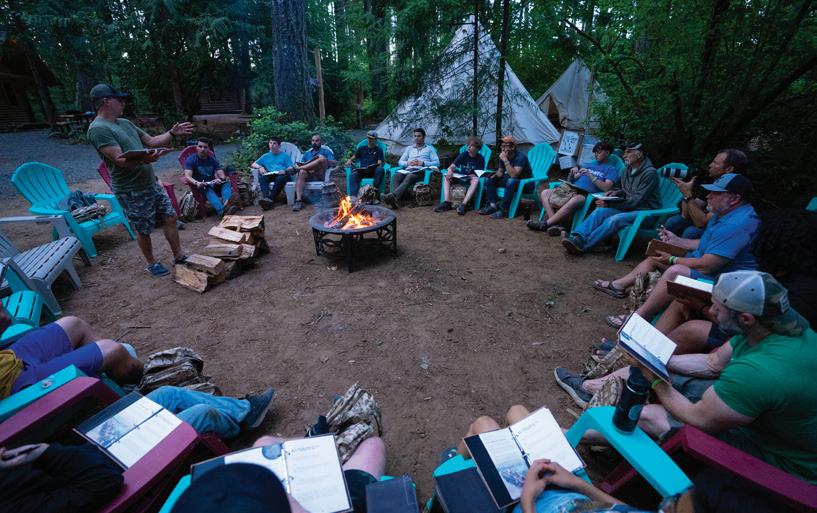
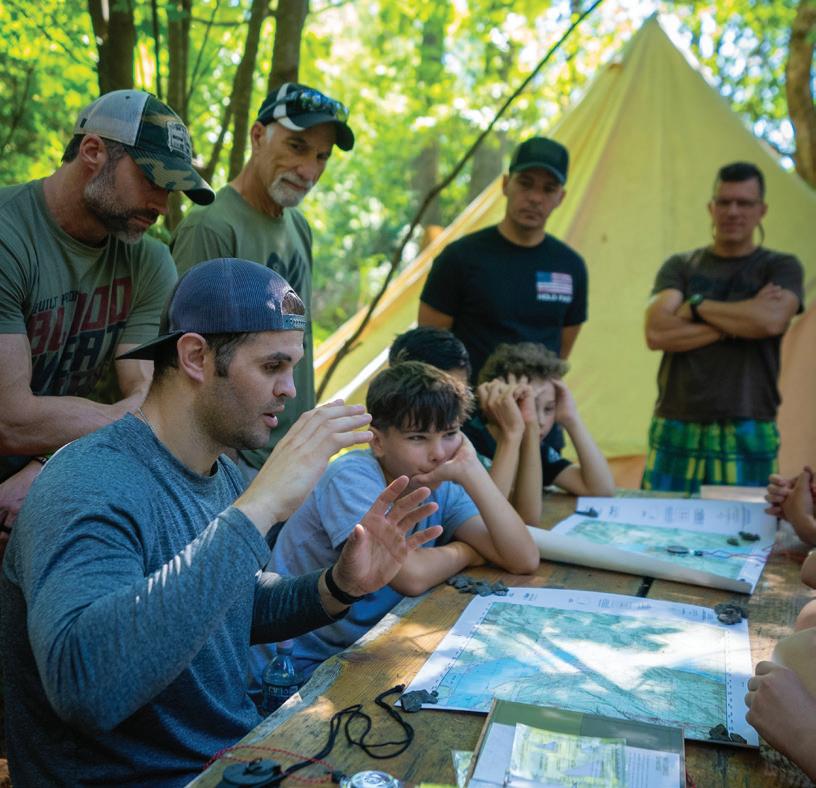

LifeCampUSA
Year established: 2021
P.O. Box 180382, Delafield, WI 53018 (262) 391-6868 | lifecampusa.org
Facebook: facebook.com/LifeCampUSA
LinkedIn: linkedin.com/company/lifecampusa
Instagram: @lifecampusa
Founding Volunteers:
Mark Neumann - markneumann@LifeCampUSA.org
Jane Neumann - janeneumann@LifeCampUSA.org
Board members:
• Trevor Fabian
• Jim Fisher
• Gary Gussel
• Roger Vendermus
• Matt Neumann
Mission: LifeCampUSA guides children of fallen U.S. military, law enforcement and first responder heroes on a faith-driven pursuit of character, resilience and fortitude. In tribute to the heroes who sacrificed everything for our nation, LifeCampUSA aims to create a lasting and meaningful impact by investing in the futures of these brave young individuals.
History: LifeCampUSA began with a dream of creating a program for middle schoolers left without a father due to their service in the military or law enforcement. The pieces came together in the summer of 2021 when our first group of campers and mentors united. Once at camp, we witnessed the needs of these young men and women first-hand and recognized our ability to provide the tools of truth and encouragement necessary for them to grow into thriving young adults. After we discovered the benefits of continued encouragement, we developed LifeCare, a program that keeps the camper-mentor relationships going long after camp is over.
Programming: The organization specifically mentors middle school students whose fathers made the ultimate sacrifice in service to their country. During this critical phase of developing their identities, values, and goals, these children often face the daunting task of growing up without their fathers. Whether their loss stems from a line-of-duty incident, a training accident or suicide, LifeCampUSA stands beside them, offering guidance during some of life’s toughest moments.
Through a transformative one-week wilderness adventure, followed by one to two years of ongoing mentorship, participants engage in a Bible-based curriculum that intertwines practical survival skills with valuable life lessons. The essence of LifeCampUSA’s mission combines biblical principles with essential life skills, teamwork, and outdoor
activities, all facilitated by a carefully selected group of mentors, many of whom have military or law enforcement backgrounds. The one-toone mentor ratio creates a unique opportunity for campers to create lasting and impactful relationships with mentors. Youth will learn a ton but have even more fun! Outdoor activities typically include swimming, fishing, hiking, archery, and learning important survival skills like primitive fire starting and shelter building.
Each participant begins their journey equipped with a personalized backpack containing survival tools, including the LifeCampUSA Field Guide, a youth devotional book, and a study Bible. Upon returning home, these young leaders carry with them not only practical skills but also deep, lasting relationships and a resilient mindset that prepares them for the future.
How to support:
Prayer - Become a prayer-trooper for LifeCampUSA.
Referrals
• Embark with us as an outreach partner to share the LifeCampUSA opportunity with all eligible U.S. military, first responder and law enforcement families.
• Become a mentor reconnaissance lead: Assist us in finding mentors of moral and spiritual character, the ones who have made a large positive impact on your own life.
Donate - Become a financial teammate with a onetime or monthly pledge:
• $2,100 per month – fund 10 campers
• $200 per month – fund one camper
• $85 per month – “Project 1000” membership (see Donate page for more details)
• $30 per month – fund 10 bibles for a week of camp
• $15 per month – fund a camper’s wilderness gear pack
Scan here to experience LifeCampUSA












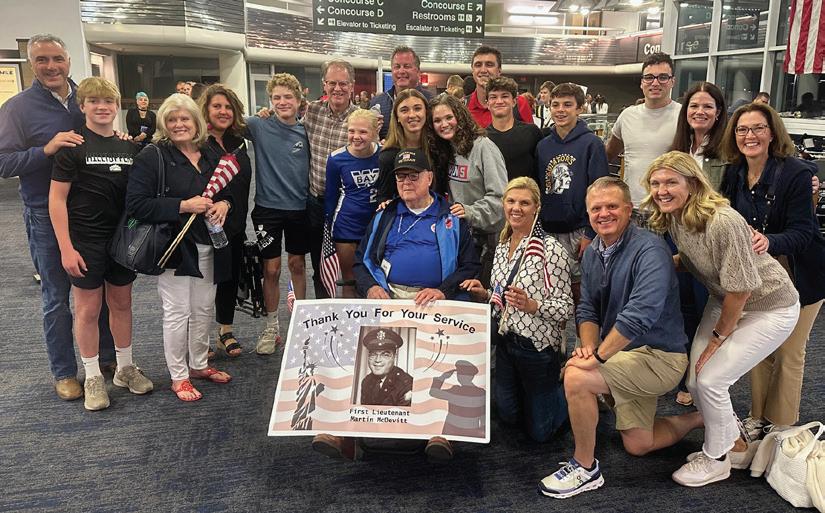

Stars and Stripes Honor Flight
Founded: November 2008
P.O. Box 867, Menomonee Falls, WI 53052 (262) 238-7740 | starsandstripeshonorflight.org
Facebook: facebook.com/starsandstripeshonorflight
X: @sshonorflight
Instagram: @starsandstripeshonorflight
Threads: @starsandstripeshonorflight
LinkedIn: linkedin.com/company/stars-and-stripes-honor-flight
Contact: Karyn Roelke, president – (815) 378-5819
Board: Karyn Roelke, president; Christy Julius, vice president; Mark Stolaski, secretary; Eric Waldron, treasurer; Jim Kliese, VP of logistics; Sarah Ellis, VP of compliance; Dr. Ed Fernandez, VP of medical; Paula Nelson, past president; members: Barb Burja, Diane Ekstrand, Dr. Tim Lenz, Ben Lorber, John Mercure, Dr. Jake Peschman, Dawn Reck, Steve Schmechel, Todd Surges, Steve Vasatko
Mission: The mission of Stars and Stripes Honor Flight is to honor our oldest local veterans with one-day, all-expenses-paid trips to Washington D.C. to visit the memorials and experience a full day of honor, healing and gratitude. We actively promote educational aspects of this mission in our schools and our community.
Programming: All local veterans who served active duty (beyond boot camp) in any location in June of 1975 or earlier are eligible. As of Nov. 2, we have honored almost 10,500 local veterans on these oneday trips. We hope to honor all of our southeastern Wisconsin Korean War and Vietnam War veterans with the “welcome home” and gratitude that is decades overdue. Many of our oldest veterans are reluctant to sign up for these trips without encouragement, and we ask members of the community who know a Korean War or Vietnam War veteran who has not taken the trip to please encourage them to do so.
We are an all-volunteer organization with no paid staff and no office. We are proud to share that 97 cents of every donated dollar goes directly to honoring our oldest local veterans (the remaining 3 cents goes to postage, insurance, auditing and financial services to maintain transparency). We are fully funded by corporate and individual donations and receive no government funds or discounts on the chartered aircraft we use.
How to support:
Refer a veteran - Our number one mission is to fly veterans. Despite our best efforts to get the word out, there are still World War II, Korean and Vietnam war veterans that don’t know that we would love to fly them to see their memorial. Please help by letting us know how to contact them.
Sponsor a fundraiser - Please consider helping us fly our local heroes by hosting a fundraiser at school, in your workplace or with your community group. Watch our Facebook page for ideas or contact us for more information.
Attend a homecoming - This happens on the evening of every flight day, and it is a great opportunity for everyone in the community to show support for our veterans in a big way. The smiles you see on their faces are unforgettable.
VETERANS

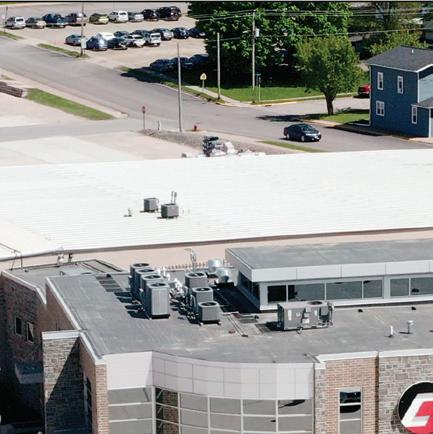

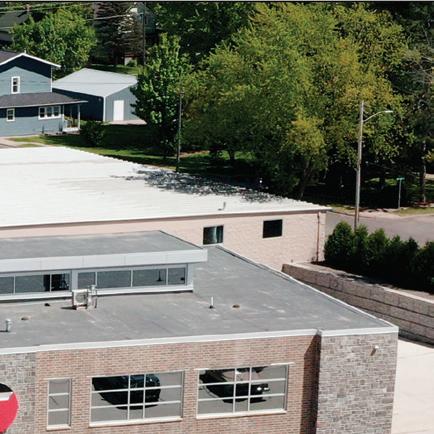



WVCC aims to build a work to veteran pipeline through Invest in Vets program
BY SONIA SPITZ, staff writer
WISCONSIN VETERANS Chamber of Commerce vice president Zach Zabel joined the chamber with the intention of “filling a gap” in veteran workforce development across the state.
When the chamber’s former founding chief executive officer Saul Newton hired Zabel, Zabel asked where to begin with the new workforce initiatives, to which Newton answered, “I don’t know, figure it out,” according to Zabel.
Since then, the WVCC and its two flagship programs, Invest in Vets and Command Post, have grown from 167 members to 402 members in two years, a 140% increase.
“We identified a massive gap,” said Zabel. “There’s a lot of veteran-friendly companies that want to be better at veteran hiring, veteran development, veteran retention … but they don’t know how.”
Command Post and Invest in Vets were both created to aid companies in hiring veterans and creating environments conducive with a veteran’s skillset and work habits.
The WVCC is partnered with several prominent companies such as Fiserv, Froedtert Health, Versiti Inc., the Green Bay Packers, Deloitte and Johnson Financial Group.
On the backend, the Wisconsin Department of Workforce Development, funded by the U.S. Department of Labor, works across the state using specialists to aid veterans in finding work. Many
veterans report that getting a job is easy, but changing careers or starting a new trade is not, said Zabel.
Zabel and the WVCC share a common goal of readying businesses to hire and retain veterans after they have utilized resources like those at the Department of Workforce Development to get a foot in the door.
JOURNEY TO THE WVCC
After enlisting in the U.S. Navy freshly out of high school, Zabel served for six years as an electronics technician deployed onboard the aircraft carrier USS Carl Vinson.
Upon his return, Zabel earned a business degree at UW-Oshkosh, worked in sales for a short time and then returned to UW-Oshkosh to earn an MBA. Currently, Zabel is a candidate for a doctoral degree in business administration at UW-Whitewater and maintains his role as vice president of the WVCC and founder and executive director of Tech for Vets, a nonprofit organization focused on community gaming and tech education.
On the cusp of writing his doctoral dissertation on “non-veteran hiring professionals’ inability to assess veteran leadership and potential,” Zabel is making strides to curate the WVCC programs and continue the growth seen over the past two years.
Getting companies to trust the process has proved challenging for Zabel as many prospective clients are curious about the history and credibility
of the program.
“What’s very difficult, like everything I do, is the fact that it’s brand new,” said Zabel.
INVESTING IN THE PROGRAMS
WVCC’s Command Post program serves small, veteran-owned businesses looking to navigate the ins and outs of entrepreneurship.
On the other hand, the Invest in Vets program serves larger businesses in facilitating best-practice hiring methods and employee resource groups. Its goal is to promote ongoing growth in veteran-friendly companies, as opposed to completing a course to earn a badge or certificate.
Participating companies are offered year-long memberships on a trial basis through the WVCC with the expectation that if the program proves effective, the company will continue its membership through its completion.
Membership fees vary from $2,500 to $10,000 depending on the size of the company and the investment in the program.
For larger companies, the program can extend well beyond a one-year period, such is the case for Marathon-based manufacturer County Materials Corp.
INVEST IN VETS MVP
County Materials Corp. is WVCC’s only Gold Member, its highest level of membership.
As part of its membership, company executives receive one-on-one training on how to facilitate pro-veteran hiring and onboarding practices as well as ERGs that support long-term veteran growth and development in the company.
The Invest in Vets program helped County Materials rewrite job descriptions to better suit the language of veterans and create company-sanctioned ERGs to better connect with its veteran population.
The company sought the services of the WVCC to showcase its openness and value of veteran skills and character traits, said Rebecca Sonnentag, executive vice president of marketing and communication for County Materials.

“They’re helping us answer questions like, are we providing the right resources to veterans? Do we know how to engage with the veterans on our staff? How can we improve the work environment that we offer so that it’s more welcoming and engaging?” said Sonnentag.
The world of manufacturing and the experiences veterans have from duty are not entirely different, according to Sonnentag.
County Materials Corp.’s headquarters facility in Marathon.
Rebecca Sonnentag
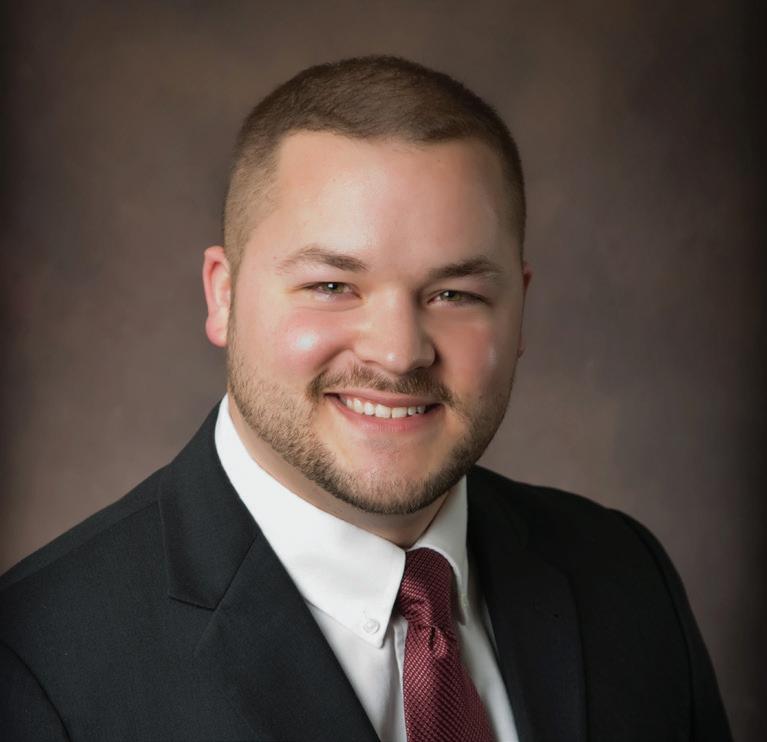
“There’s a lot of hands-on work, problem-solving skills and working in teams in manufacturing,” she said. “Some of these skills come from shared experiences that veterans had while serving.”
County Materials just hit its one-year mark with the Invest in Vets program and plans to remain a member until the program is complete. As a part of the continuation of the program, Coun-

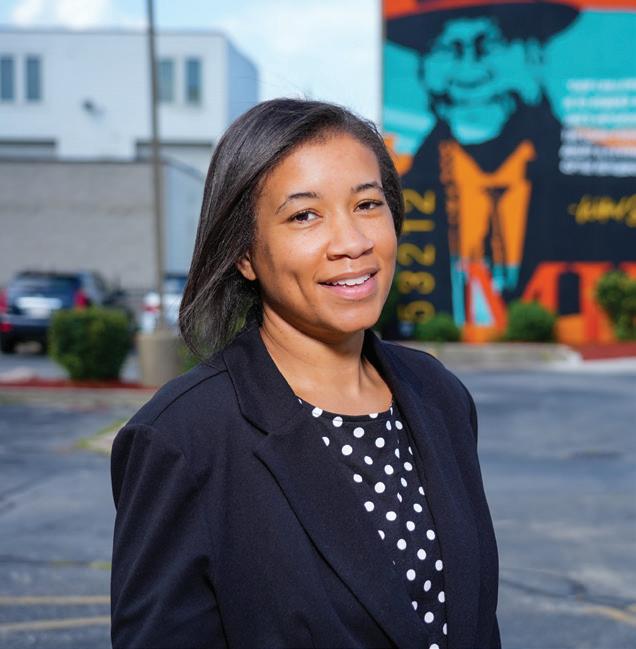

There’s a lot of veteran-friendly companies that want to be better at veteran hiring, veteran development, veteran retention … but they don’t know how.”
– Zach Zabel, vice president of the Wisconsin Veterans Chamber of Commerce
ty Materials will begin consolidating takeaways from the ERGs and putting them into practice for future groups.
The best way to succeed in the program is to invest in the practices and direction given by the WVCC team, according to Sonnentag.
In addition to County Materials’ commitment to the Invest in Vets program, the philanthropic

arm of the company, the Sonnentag American Foundation, is using learned information from the program to identify a community need for veteran support.
The Sonnentag Family Foundation supports veteran initiatives surrounding PTSD counseling, career training, re-entry into the workforce, housing, mental health and legal assistance. n
The Greater Milwaukee Foundation’s Greater Together Awards celebrate the contributions and commitment of community members to help create a Milwaukee for all. Read more about this year’s honorees at greatermilwaukeefoundation.org/gta
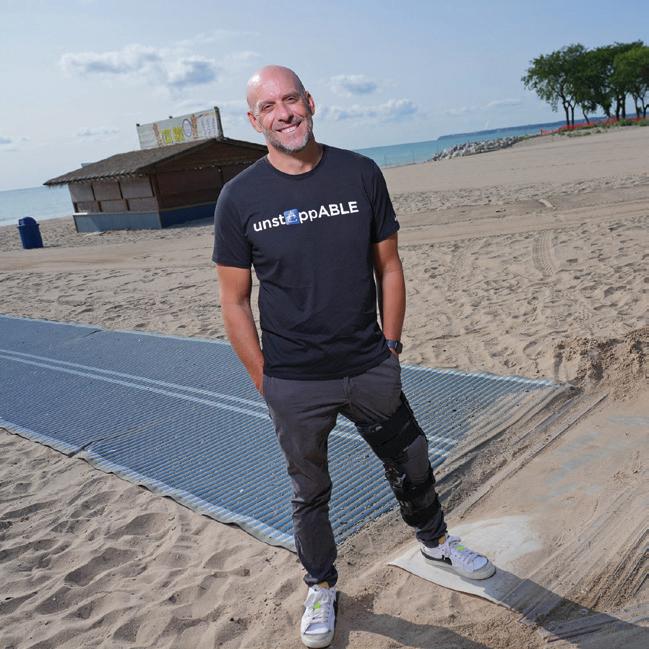






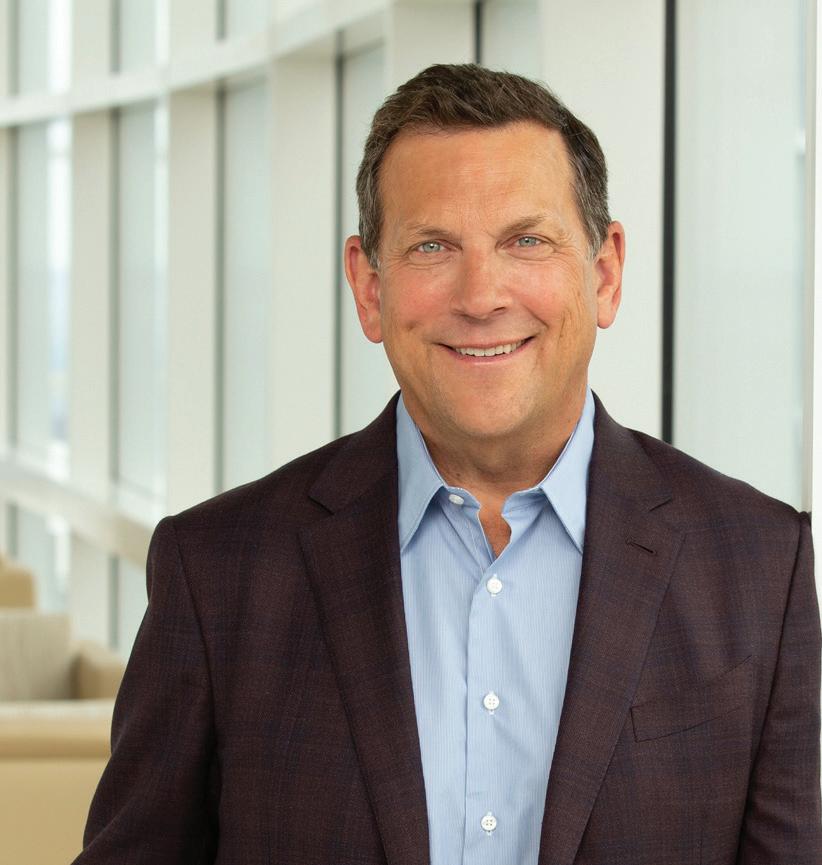

N OTA BLE VETERAN EXECUTIVES
BizTimes Media is proud to present its showcase of Notable Veteran Executives, recognizing accomplished professionals who have served their country in the armed forces and are recognized by colleagues, superiors and others as leaders and role models within their workplaces as well as in the wider community. The individuals on the following pages were nominated by their peers and highlight the talent in the region.
METHODOLOGY: The honorees did not pay to be included. Their profiles were drawn from nomination materials. This list features only individuals for whom nominations were submitted and accepted after a review by our editorial team. To qualify for the list, nominees must work in southeastern Wisconsin in a senior-level role at their company, must be a U.S. military veteran according to the U.S. Department of Veterans Affairs, and they must have made significant contributions to advancing the issues that affect veterans within the workplace and/or within the greater Milwaukee area.
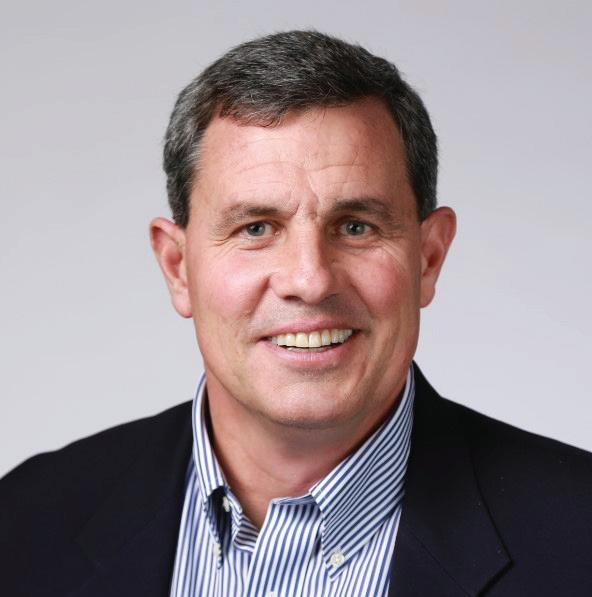
BILL BERRIEN CEO
PINDEL GLOBAL PRECISION INC.
U.S. NAVY SEAL, TEAM OFFICER/ PLATOON COMMANDER, 1991-99
Bill Berrien, CEO of New Berlin-based Pindel Global Precision, is an advocate not only for his own company, but also for all manufacturers in the state of Wisconsin, according to Paul Jelacic, senior vice president of Old National Bank.
In late 2023, Berrien was appointed vice chairman of the newly created Wisconsin Defense Industry Council whose purpose is to promote Wisconsin manufacturing to the defense industry and larger defense contractors. Wisconsin ranked 30th in defense contract spending, and the WDIC will be tasked to improve on that ranking by raising awareness of the capabilities of Wisconsin’s manufacturers.
Outside of Pindel, Berrien has been a longtime ambassador for the Navy SEAL Foundation. Twelve years ago, he helped initiate its inaugural Midwest Tribute Dinner, which has grown to raise millions of dollars to support the surviving spouses and children of SEALs killed and wounded in action and training.
He graduated with Basic Underwater Demolition/SEAL (BUD/S) Class 181. He served on active duty as a U.S. Navy SEAL team officer and platoon commander from 1991 to 1999.

PETER MENET
FOUNDER AND CHIEF TECHNICAL OFFICER
MENET AERO LLC
WISCONSIN ARMY NATIONAL GUARD, MAJOR, SERVED IN IRAQ IN 2010, KOSOVO IN 2011
Peter Menet, founder and chief technical officer of Oak Creek-based Menet Aero, served 21 years in the Wisconsin Army National Guard, reaching the rank of Major.
Menet joined the Guard in 1997 as a cavalry/infantry scout. In 2005, he was commissioned as an aviation officer and UH-60 Blackhawk pilot. He served in various positions in aviation while in the National Guard and reserve, including deployments to Iraq in 2010 and Kosovo in 2011.
When Menet originally started Menet Aero in 2015 as a drone-services company, it was one of the first companies in the U.S. to be approved by the FAA to perform commercial UAS (unmanned aircraft systems) services, according to Luella Dooley-Menet, Peter’s wife, a fellow veteran and vice president of administration at Menet Aero.
“One of his goals was to provide an opportunity for often-underemployed military aviation veterans to use their unique and specialized skills outside of the military,” said Dooley-Menet. “Today 50% of Menet Aero’s 18 employees are military veterans. Peter has been a powerful, visionary voice for the UAS industry.”
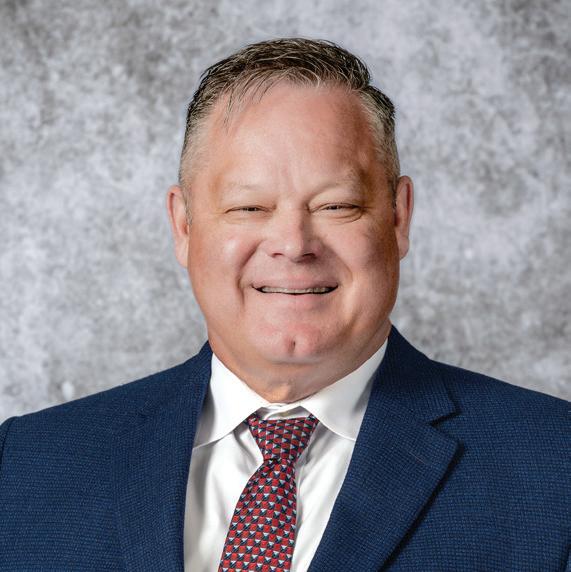
JEFF OESTMANN CEO
Jeff Oestmann, chief executive officer of Johnson Creek-based Aztalan Bio LLC, has 30 years of experience in the renewable energy and agriculture sectors.
He served 11 years as a staff sergeant (E-6) in the Marine Corps, where he had experience in both active duty and reserves, including roles in the Elite Marine Security Guard (Embassy Guard) at multiple diplomatic posts around the world.
Oestmann was recently elected as the chairperson of the Renewable Fuels Association, a national trade association for America’s ethanol industry. He also chairs the association’s Veterans for Renewable Fuels initiative, “highlighting his commitment to both the renewable energy sector and veteran affairs,” said Yvonne Duesterhoeft, Jefferson County veterans service officer.
At Aztalan Bio, Oestmann has made it a priority to hire veterans, with 15% of the workforce comprised of former service members, according to Duesterhoeft.
“He has written extensively about the contributions of veterans in the renewable ethanol industry,” she said. “His leadership reflects a strong dedication to supporting veterans.”
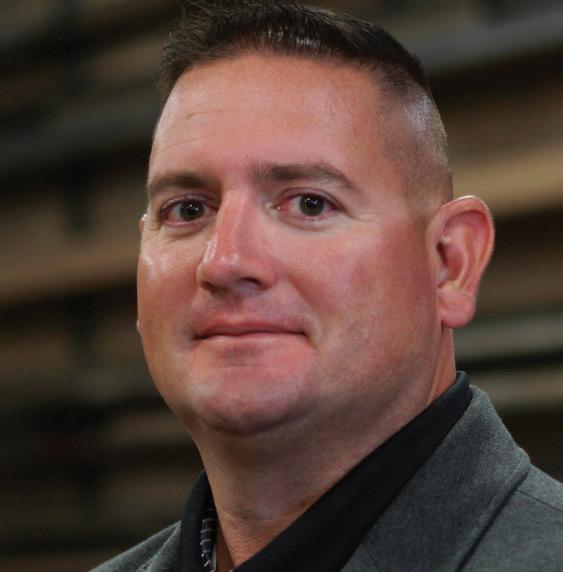
JASON YOUNG PRESIDENT AND CEO 3UP METAL WORKS
SERGEANT, U.S. MARINE CORPS, 1994-2000; SERGEANT, WISCONSIN ARMY NATIONAL GUARD, 2000-07
Jason Young, a veteran of the U.S. Marine Corps and Wisconsin Army National Guard, took the helm as president and CEO of Milwaukee-based 3Up Metal Works in 2020.
“Passionate about veterans’ causes, Jason runs a relationship-oriented business that seeks to engage and partner with other veteran-owned operations. He educates customers on sourcing from veteranoperated vendors and guides these companies to use resources available,” said Bryan Regnier, business development director of Selig Leasing Co.
Young served as a sergeant in the Marine Corps from 1994-2000 and as a sergeant in the Wisconsin Army National Guard from 2000-07. While in the Marines, he served in the 11th Marines Artillery and as Marine Embassy Security in Guatemala City and Kazakhstan. While in the National Guard, he served as gun chief with the 126th Field Artillery Unit and in Operation Iraqi Freedom, 5th and 10th Group SF Support at Camp Severson in Iraq.
Young co-chairs the Milwaukee County War Memorial Center’s Global War on Terror Veteran Advisory Council, which advises the center about events and activities that further its goals.
“Jason embodies the ideal of a citizen who served his country and used the discipline and perseverance he learned to forge a successful career later in life. He never forgets his days in uniform and will undoubtedly keep working to aid as many fellow veterans as possible,” said Regnier.

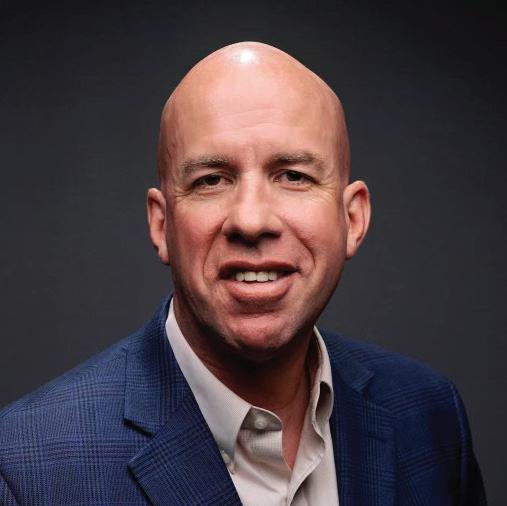
ADAM HOLTON
CHIEF PEOPLE OFFICER
GE HEALTHCARE
U.S. MARINE CORPS, INFANTRY OFFICER 1993-99, COMPANY COMMANDEROPERATION IRAQI FREEDOM 2004-05
Adam Holton, who was named chief people officer of GE HealthCare in May, has leadership experience that traces back to his time at the United States Naval Academy leading midshipmen.
Holton served on active duty in the U.S. Marine Corps as an infantry officer from 1993 to 1999, stationed at Camp Pendleton, California, and Quantico, Virginia. He left active duty for a short time to work as a high school teacher and basketball coach in Virginia but returned as an executive officer for Golf Company in Madison. Holton deployed to Iraq in 2004-2005 during Operation Iraqi Freedom, leading a company of Marines and Sailors in various combat operations.
“He is a born leader. His passion and drive to teach and lead was cultivated on the hardwood and in the classroom. After the tragedy of Sept. 11, Adam felt a calling to get back into the military and help serve his country,” said Nick Vento, who served under Holton in Iraq and is now president of Goehner Industries Inc.
Since his military career, Holton has led human resources at several global companies. He is writing a book called “Why They Served,” dedicated to the Marines and Sailors he served with in Iraq, including five who were killed during the company’s deployment.
Adam Holton Chief People Officer,
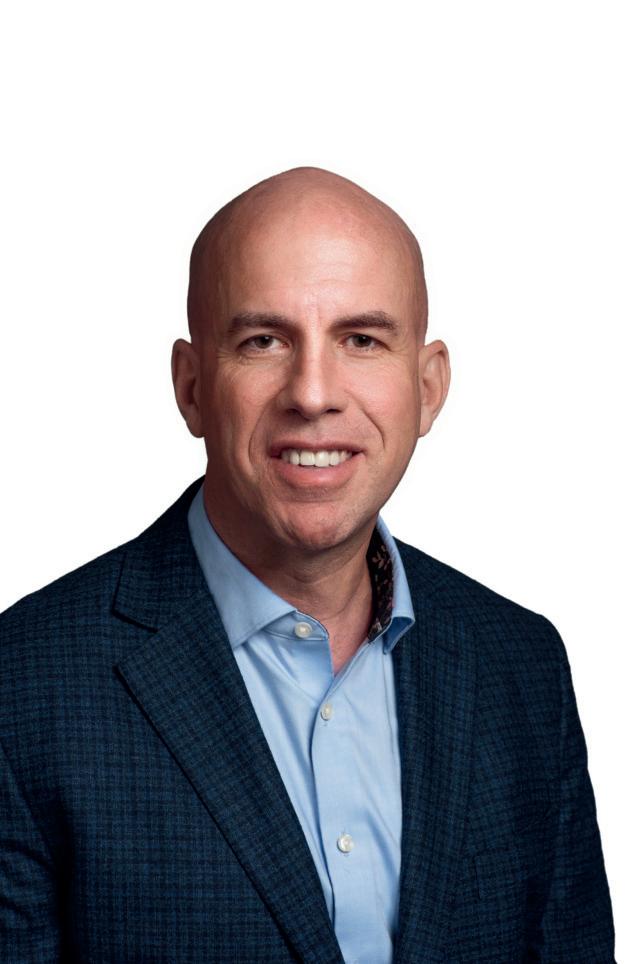
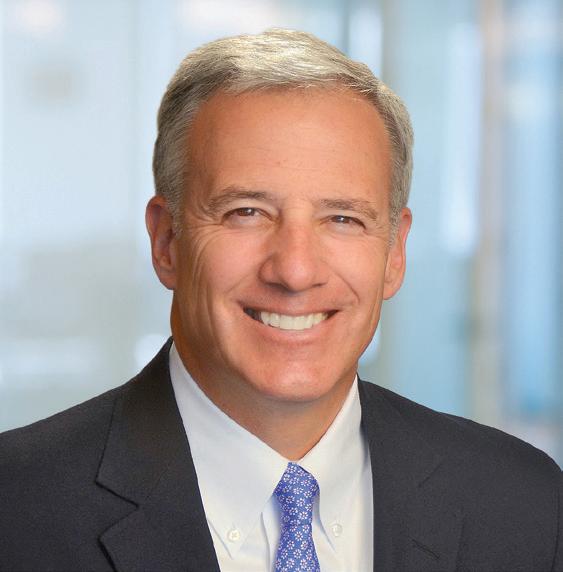
BILL MARSAN EXECUTIVE VICE PRESIDENT AND GENERAL COUNSEL
U.S. NAVY JUDGE ADVOCATE GENERAL’S CORPS, U.S. NAVAL RESERVE, LIEUTENANT COMMANDER
Bill Marsan, executive vice president and general counsel at Waukesha-based utility company ATC, is a U.S. Navy veteran of 13 years.
He served in the U.S. Navy Judge Advocate General’s Corps as a trial and defense counsel in courts martial. While on active duty, Marsan was awarded the Navy Achievement Medal and Navy Commendation. Marsan was honorably discharged from the U.S. Naval Reserve as a lieutenant commander in 2001.
Marsan joined ATC’s leadership team in 2014 and has contributed to the company’s expansion with year-over-year growth in total assets increasing nearly 20% from 2019 to 2023, according to Lori Lorenz, executive vice president and chief people, culture and customer officer at ATC.
“Under Bill’s leadership, the legal department scored a perfect 100% in overall customer satisfaction on internal customer satisfaction surveys, exemplifying his drive to deliver value to his customers,” Lorenz said. “He also is overseeing ATC’s efforts to use energy infrastructure to further economic development and to create more jobs and investment in the communities ATC serves.”
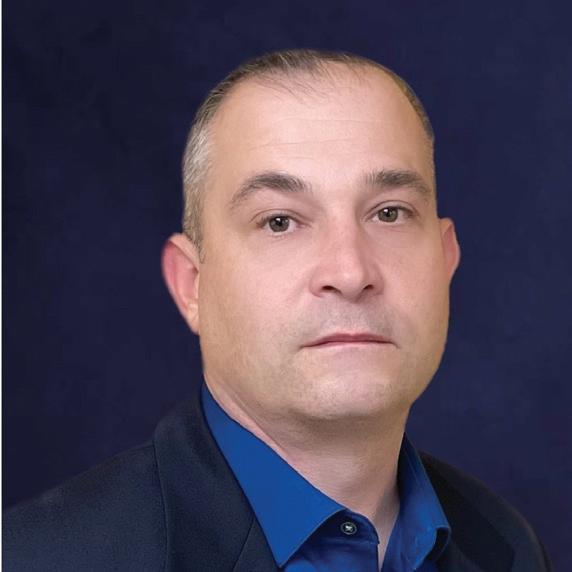
ERNIE LITYNSKI
PRESIDENT
RBP CHEMICAL TECHNOLOGY
U.S. ARMY RESERVES, MAJOR GENERAL, SERVED COMBAT TOURS IN IRAQ AND AFGHANISTAN
Ernie Litynski, president of West Allis-based RBP Chemical Technology has nearly 30 years of leadership and operations experience, acquired through serving in the U.S. Army and in the business world at General Electric, Master Lock and his own distribution and Lean Six Sigma consulting businesses.
At RBP, he co-leads with fellow veteran Dan Carey.
Litynski came to RBP in 2010 and is currently a major general in the U.S. Army Reserves as the commanding general for the 76th Operational Response Command in Fort Douglass, Utah.
He has served combat tours in Iraq and Afghanistan, earning the Bronze Star. He often shares his personal experiences to help those dealing with PTSD, according to Jennifer Clement, strategic pursuits leader at CLA.
Litynski and Carey met 34 years ago in the same cadet company at West Point, where they graduated in 1994 and 1993, respectively. They both went on to earn an MBA from Marquette University.
Litynski and Carey support the Veterans Community Project’s initiative to build 40 tiny homes for homeless veterans and their families on Milwaukee’s northwest side, expected to be completed in the next 12 to 18 months.

DONALD HOEFT
CHIEF FINANCIAL OFFICER
PINNACLE ENGINEERING GROUP LLC
U.S. AIR FORCE, SERGEANT
Donald Hoeft, chief financial officer at Brookfield-based Pinnacle Engineering Group, first encountered the company while working as a third-party consultant, evaluating the firm’s accounting functions and exposing risks in startup professional services business plans and operations.
The initial contract lead to a decision to offer him a chance to join the firm in a newly created role, with a focus on developing strategy and ultimately implementing his recommended actions, according to Adam Artz, managing member at Pinnacle.
The initial implementation of policies and procedures grew into overall firm leadership contributions and building a company culture that mimics a lot of what he learned from his military service, Artz said.
Hoeft served in the Air Force for nine years in intelligence, surveillance and reconnaissance (ISR). During his service, Sergeant Hoeft was awarded the Joint Service Commendation Medal and four Air Force Achievement medals.
“Core values, such as ‘Integrity First,’ ‘Service before Self,’ ‘Excellence In All We Do’ along with philosophical commitments to ‘Organize, Train and Equip’ instilled in the Air Force have driven Pinnacle’s success,” said Artz.

CRAIG EDLER OWNER
FOREMOST DOORS LLC

U.S. AIR FORCE, 1987-1991, SERGEANT, SERVED IN OPERATION DESERT STORM
Craig Edler, owner of Muskego-based Foremost Doors, was an Air Force E-4 buck sergeant who operated as a crew chief on B-1B bombers from 1987-1991. He performed inspections and maintenance on aircraft required for on-time takeoff and mission completion. He is also a VFW (veteran of foreign wars) who served in Operation Desert Storm.
Edler still serves as senior vice commander of the VFW Post in Wind Lake, organizing fundraising events such as car shows, golf outings and their annual shrimp sale, all to raise money to continue to honor military veterans who have served in foreign wars, according to Jay Gumieny, president of Central States Insurance Agency Inc.
After his military service, Edler started Foremost Doors in May of 2011 from his garage and has grown it into a six-person team serving southeastern Wisconsin. The company is a certified servicedisabled veteran-owned small business.
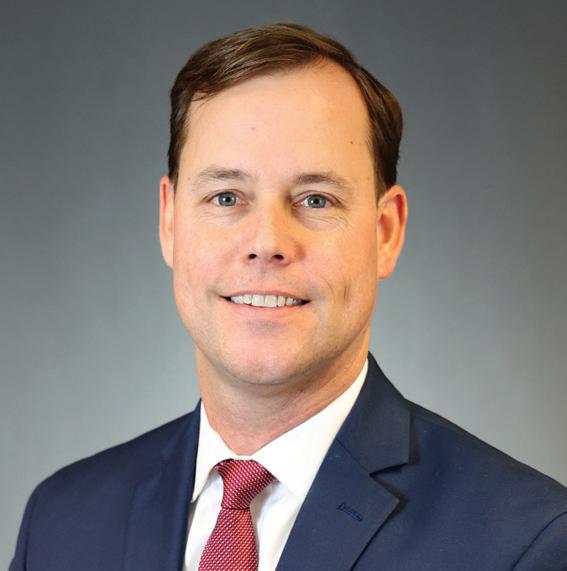
JEREMY THEIS MANAGING DIRECTOR
CG SCHMIDT
U.S. NAVY, CIVIL ENGINEERS CORPS AND SEABEES, SERVED IN IRAQ AND AFGHANISTAN
Jeremy Theis, managing director at Milwaukeebased construction firm CG Schmidt, has spent more than 20 years in the planning, design and construction industry.
Prior to joining CG Schmidt, he was the director of planning, design and construction for the Medical College of Wisconsin and the Milwaukee County director of facilities management, overseeing assets including the Zoo, Milwaukee Mitchell International Airport, parks and courthouse facilities.
Theis also served for 14 years on active duty in the U.S. Navy in the Civil Engineers Corps and Seabees. While in the Navy, he deployed to Iraq and Afghanistan, served as facilities engineer to the Office of the Vice President of the United States and as aide to the U.S. Navy chief of civil engineers. Theis also assisted with the rebuilding of Naval Air Station Pensacola after Hurricane Ivan. He retired from the Naval Reserves in 2021.
“Jeremy’s diverse experience from his time in the Navy and working for owners provides him with a unique perspective that adds value to every team he touches,” said Mark Lillesand, senior vice president of operations at CG Schmidt.
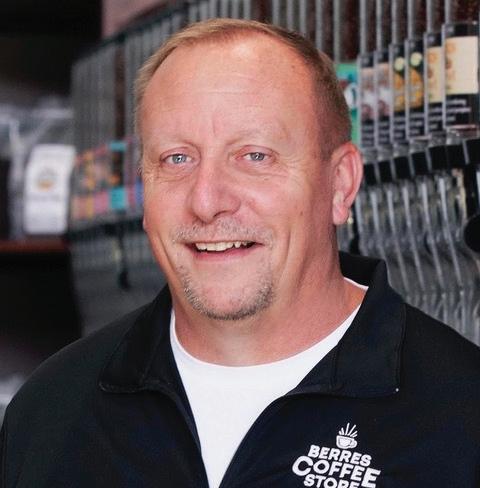
PETER BERRES OWNER AND PRESIDENT BERRES BROTHERS COFFEE ROASTERS INC.
U.S. ARMY, SECOND LIEUTENANT; ARMY RESERVE, MAJOR; SERVED IN IRAQ 2008-09
Peter Berres launched Watertown-based Berres Brothers Coffee Roasters with his brother, Jeff Berres, in 1992 from a coffee and snack vending business originally founded by their father.
Taking over ownership of the business in 2000, Peter Berres later launched a re-branding initiative to reposition the company in the coffee industry.
Berres was commissioned into the Army in 1989 as a Second Lieutenant and served for more than 20 years in the Army Reserve, eventually retiring as a major.
In 2008, he was deployed to Iraq, returning in July of 2009. Berres Brothers became involved in the “Honor Grounds” program, which supports veterans and their families by selling coffee products to retail and food service markets around the country. A percentage of the profits was donated to military support programs, such as the American Legion.
The Berres family’s coffee legacy began in 1970 when the late Marvin Berres founded Coffee Host Inc., a coffee, soda and snack vending business. Today, Berres Brothers Coffee operates a cafe and retail location and distributes its coffee throughout the Midwest in various grocery and convenience stores as well as through wholesale programs.

















































































































CONGRATS

































CG Schmidt family celebrates you and all























accomplished!








































DAN CAREY
EXECUTIVE VICE PRESIDENT
RBP CHEMICAL TECHNOLOGY
U.S. ARMY, CAPTAIN
Dan Carey, executive vice president and principal at West Allis-based RBP Chemical Technology, is one of two West Point graduates who run RBP.
Carey and his business partner, Ernie Litynski, met 34 years ago when they were in the same cadet company at West Point, where they graduated in 1993 and 1994, respectively. They both went on to earn an MBA from Marquette University.
Today, Carey and Litynski provide strategic leadership and manage overall day-to-day operations at RBP, according to Jennifer Clement, strategic pursuits leader at CLA.
Carey is a former Army field artillery officer, serving at Fort Carson, Colorado; Fort Sill, Oklahoma; and in Kuwait. He is also the founder of the Whitefish Bay Memorial Day Ceremony.
Prior to joining RBP, Carey held positions with Glenn Rieder Inc., Master Lock and GE HealthCare.
Carey has served as a mentor for a number of veterans. He and Litynski support the Veterans Community Project’s initiative to build 40 “tiny homes” for homeless veterans and their families on Milwaukee’s northwest side, expected to be completed in the next 12 to 18 months.
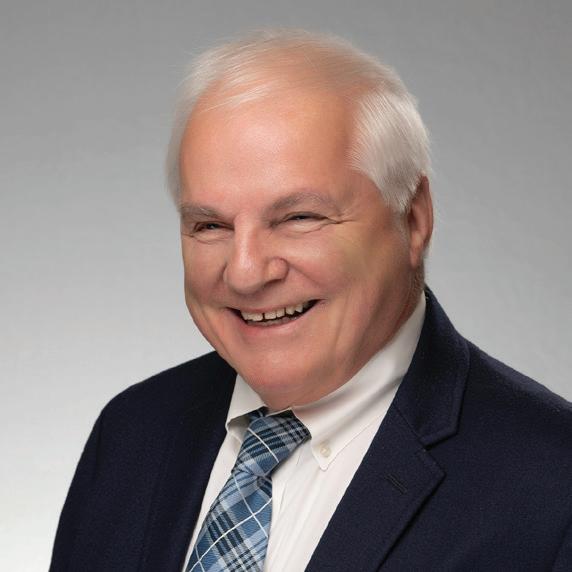
EDWARD HASTREITER
PRESIDENT AND CPA
EWH SMALL BUSINESS ACCOUNTING S.C.
U.S. ARMY, 1968-70, SERVED IN VIETNAM
Ed Hastreiter founded Waukesha-based EWH Small Business Accounting S.C. in 1979 after serving in the U.S. Army and later earning an accounting degree.
He was drafted into the Army in 1968 and served in Vietnam as an infantryman from 1969 to 1970. Hastreiter was wounded on March 19th, 1969, but returned to duty in the field to serve out his tour in Vietnam and returned home in 1970, receiving an honorable discharge as a sergeant E-E5.
While in Vietnam, Hastreiter attended a Bob Hope show where the entertainer passed out applications to the college of the service person’s choice. He enrolled at the University of WisconsinOshkosh, where he graduated with a degree in accounting.
At 20, Hastreiter was squad leader in the infantry. He says he carried leadership lessons back with him to start and grow EWH Small Business Accounting.
“Ed has made a tremendous impact on my life,” said one employee. “I have worked for Ed for 12 years and plan to spend the rest of my career working for him. Ed has given me education, compassion, generosity and more than one second chance.”

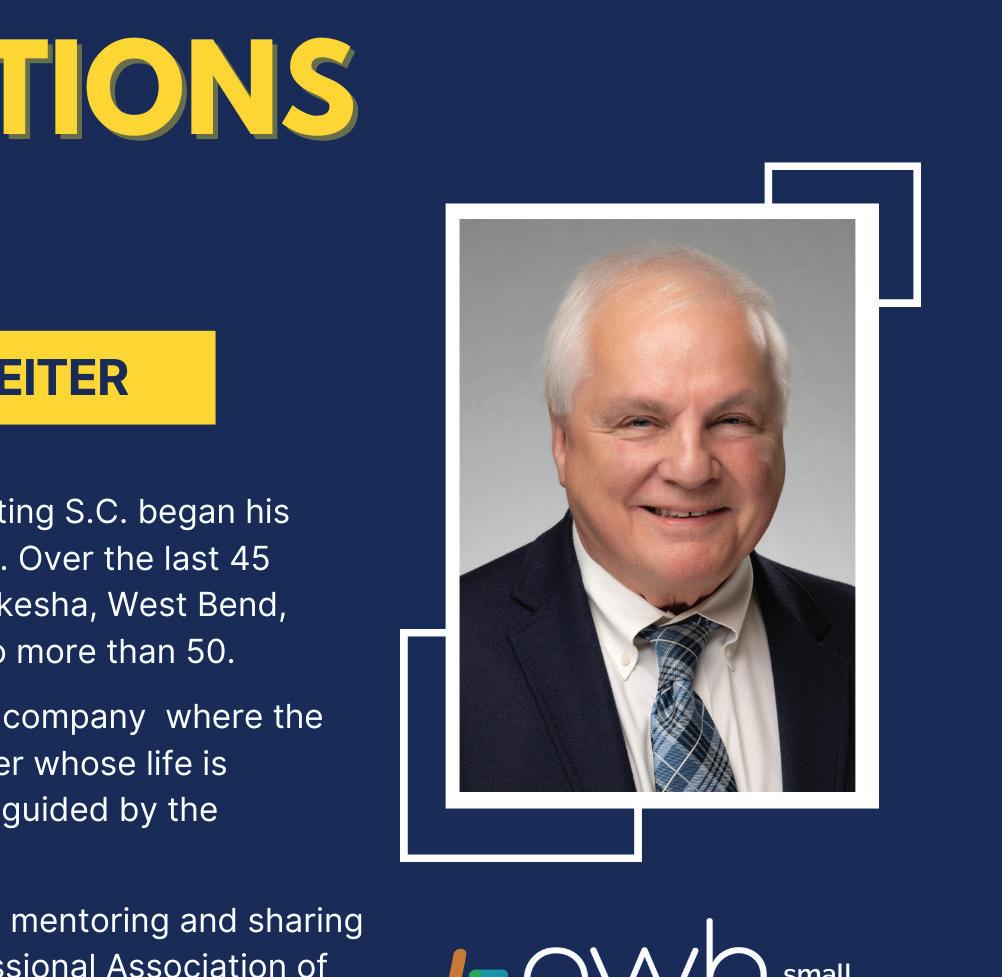
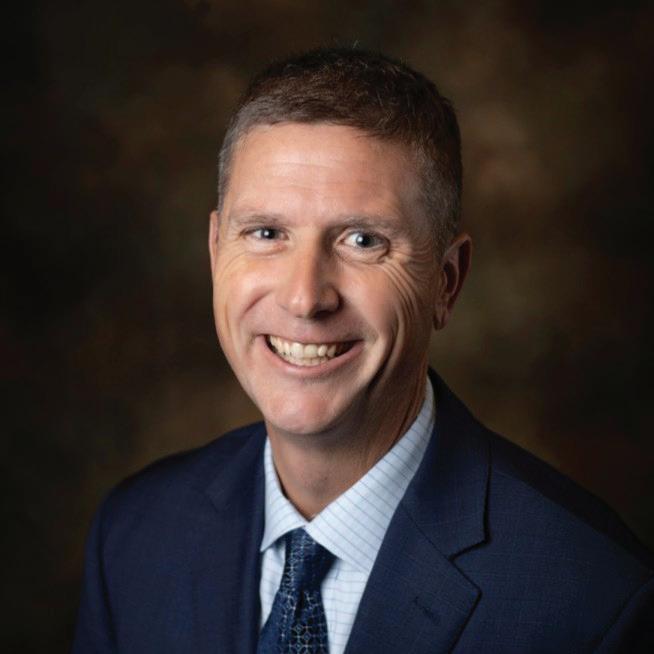
BENJAMIN WEHMEIER
COUNTY ADMINISTRATOR (OUTGOING)
JEFFERSON COUNTY, WISCONSIN
U.S. ARMY AND NATIONAL GUARD,
MAJOR
Outgoing Jefferson County administrator
Benjamin Wehmeier served 20 years on active duty in the U.S. Army, reaching the rank of major, and in the National Guard.
Wehmeier was recently named the new president and chief executive officer of the Greater Watertown Community Health Foundation, effective Oct. 21. He will continue to serve both Jefferson County and the foundation through mid-December in a planned transition process.
As county administrator since 2013, Wehmeier has transformed how the county government operates, reoriented it with a forward-thinking strategic plan, and set the stage to attract significant investment, including $1.3 billion this past year, according to Michael Luckey, assistant to the county administrator.
“He led the charge in founding a 501(c)(3) focused on public-private partnerships for economic development. He set the groundwork for significant broadband expansion. He executed numerous building and infrastructure projects, including the construction of highway facilities, communications infrastructure, interurban trails and courthouse/sheriff/jail facilities,” Luckey said.
Wehmeier also collaborated in and/or led the development of a consolidated library system with Waukesha County, a youth crisis stabilization facility, a treatment court system, integrated mental health teams with law enforcement, a $10 million revolving loan fund to address housing shortages and the Food and Beverage Innovation Campus in Jefferson.
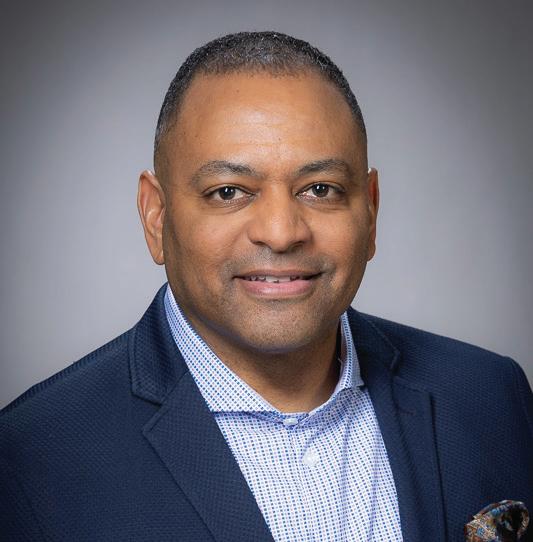
CARL MEREDITH
DEAN OF THE BUSINESS AND MANAGEMENT ACADEMIC AND CAREER PATHWAY
MILWAUKEE AREA TECHNICAL COLLEGE
U.S. ARMY AND WISCONSIN NATIONAL GUARD, COLONEL
Carl Meredith, dean of Milwaukee Area Technical College’s Business and Management Academic and Career Pathway, commands respect everywhere he goes, colleagues say.
Meredith, who has 35 years of experience in federal, public, private and nonprofit leadership, came to MATC in January 2017 as associate dean for the College of Business.
He became dean of the Business and Management Pathway in 2019.
Reaching the rank of colonel in the U.S. Army and Wisconsin National Guard, Meredith served as the chief executive and senior commanding officer of the Wisconsin Military Academy/426th Regiment Regional Training Institute at Fort McCoy in Wisconsin. He currently serves as the general officer co-champion for diversity, equity and inclusion at the Wisconsin Department of Military Affairs. He also served as the National Guard Bureau’s Region 5 general officer co-champion representative for the Midwest seven-state region.
At MATC, Meredith has been instrumental in addressing equity gaps in the college’s accounting and business management programs, according to Mohammad Dakwar, vice president of learning at MATC.
“He has done extensive work to promote inclusive and proactive advising and has established a number of local and regional partnerships,” said Dakwar.
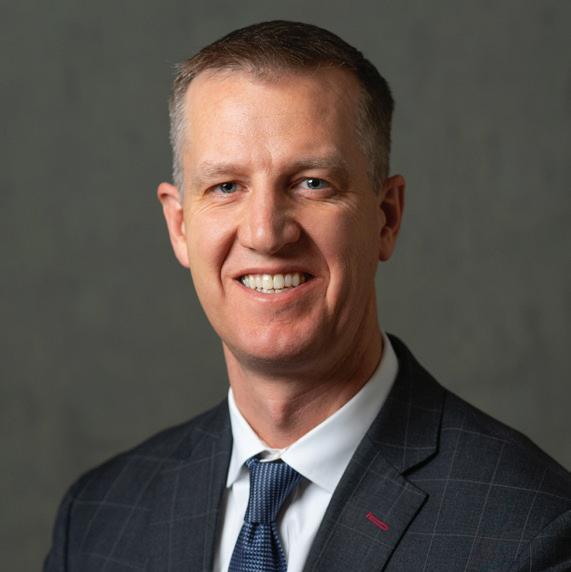
DALE KOOYENGA PRESIDENT
METROPOLITAN MILWAUKEE ASSOCIATION OF COMMERCE
U.S. ARMY RESERVE, LIEUTENANT COLONEL
Dale Kooyenga, president of the Metropolitan Milwaukee Association of Commerce, has served 19 years in the U.S. Army Reserve, reaching the rank of lieutenant colonel.
Kooyenga is well known and respected by Wisconsin veterans, according to Alannah McReavey, vice president at Bank of America.
“I have seen Dale take time out his busy schedule to attend the Veteran Manufacturing roundtable to offer guidance and leadership to veteran-owned manufacturing companies,” McReavey said. “I have heard him speak at my many business events, including a C-level veteran event, where he shared that all three of his brothers joined the military after the 9/11 terrorist attack.”
In addition, under Kooyenga’s leadership, the MMAC has partnered with UnitedHealthcare to provide $600,000 in scholarships through the All-In Milwaukee effort. All-In is a college completion program that offers financial aid, advising, program and career support to more than 500 high-potential, limited-income students to help them complete college, build meaningful careers and transform the Milwaukee community. The gift will support 30 area students attending public, private and charter schools in the city.
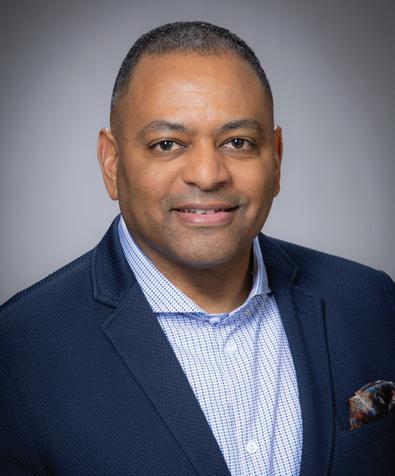
Carl Meredith Dean, Business & Management Academic & Career Pathway Milwaukee Area Technical College
MANAGEMENT





» “What support from the team – or from me –would make a difference right now?”
Not a therapist? No problem
Tips to support employee mental health at work
A WHOPPING 70% of employees report feeling burned out, with nearly half admitting they’re just not thriving. Excessive workloads, unclear job roles, and dwindling work-life boundaries are among the top culprits.
The ripple effect? Burnout is driving a 63% spike in turnover and a 13% nosedive in engagement. To keep employees engaged and present, leaders must foster workplaces where mental health is valued and visible.
Although you’re a business leader, and not a therapist, there are simple, yet powerful actions leaders can take to create a culture where well-being is championed. Here’s how:
STAY IN TUNE WITH EMPLOYEE
WELL-BEING
Waiting until an employee’s mental health hits crisis mode isn’t the answer. A simple fix? Start by getting to know each team member’s “set point” – their usual mood and demeanor – through consistent, meaningful one-on-ones. These check-ins don’t need to be all about project updates; they’re a chance to understand your team beyond tasks and deadlines. The more familiar you are with their baseline, the easier it is to recognize when something feels off.
Try weaving these questions into your check-ins to encourage open dialogue:
» “How’s your workload feeling? Any areas where you’re feeling stretched or overlooked?”
» “Are there aspects of your role you want to dive deeper into or shift away from?”
These simple, intentional conversations can build a culture in which employees express concerns before they snowball.
CULTIVATE PSYCHOLOGICAL SAFETY TO SUPPORT SPEAKING UP
You’re not a therapist, nor are you a mind reader. It’s impossible to know the unique needs of each employee when it comes to enhancing their well-being. However, you can create an environment that encourages employees to speak up when they need support. For employees to feel comfortable discussing their mental health needs, they must experience psychological safety – a culture in which they can voice their concerns without fear of repercussions. Leaders play a crucial role in fostering this environment by promoting transparency and practicing judgment-free listening.
» Be fully present and focused when someone is talking: When an employee shares a concern, put away your phone, avoid glancing at emails, and be fully present in the moment. This simple gesture shows respect, communicates that you value their thoughts and strengthens the trust between you.
» Encourage team norms for respectful dialogue: Set meeting ground rules that foster respect, like “no interruptions,” “constructive feedback only” and “be present.” These norms make it easier for employees to feel comfortable sharing, especially on sensitive topics.
» Acknowledge and validate their feelings: If someone shares a challenge or stressor, thank them for their openness. Avoid jumping in with solutions; instead, listen, validate their experience, and assure them they’re heard. This strengthens trust and reassures employees that they can be honest with you.
MODEL MENTAL HEALTH AS A PRIORITY
Actions speak louder than words. Showing employees that mental health is important starts with how you handle your own. When leaders set
boundaries around work hours, take breaks, and openly talk about their stress-management techniques, it sends a clear message: it’s okay – and encouraged – to prioritize mental health.
Whether it’s mentioning how you manage stress with mindfulness or telling your team about a day off you’re taking to recharge, these small, genuine acts make a difference. If your team sees you investing in mental health, they’ll feel more comfortable doing the same.
SUPPORTING MENTAL HEALTH IS GOOD LEADERSHIP
Supporting mental health isn’t about being a therapist; it’s about creating an environment in which people feel safe to show up as themselves. By making small, yet intentional adjustments – like checking in regularly, fostering safe spaces and setting a visible example of self-care – you can help build a workplace where mental health is as much a priority as performance.


BETH RIDLEY
Beth Ridley is a leadership expert, workplace culture consultant and speaker. She combines more than 25 years of global leadership and management consulting experience with expertise in diversity and inclusion and positive psychology to help organizations transform their workplace culture. She can be reached at beth@ridleyconsultants.com.
Thought Leadership pages YOUR STORY, YOUR WAY
INSIDE THE INDUSTRY
Publication Date: January 27 | Space Reservation: January 8
HOSPITALITY & EVENT PLANNING
Publication Date: February 24 | Space Reservation: February 5
ANNIVERSARIES
Publication Date: March 17 | Space Reservation: February 26
ECONOMIC DEVELOPMENT PROFILES: PROJECT PROFILES
Publication Date: April 14 | Space Reservation: March 26
HOW TO: ADVICE FOR SMALL BUSINESSES
Publication Date: May 12 | Space Reservation: April 23
FACES OF FAMILY BUSINESS
Publication Date: June 2 | Space Reservation: May 14
LEADERS IN INNOVATION
Publication Date: June 23 | Space Reservation: June 4
CEO Q+A
Publication Date: July 21 | Space Reservation: July 2
DIVERSITY & INCLUSION
Publication Date: July 21 | Space Reservation: July 2
HOW SHE LEADS
Publication Date: August 18 | Space Reservation: July 30
FUTURE 50: WHERE ARE THEY NOW
Publication Date: September 22 | Space Reservation: September 3
WEALTH MANAGEMENT & ESTATE PLANNING Q&A
Publication Date: October 20 | Space Reservation: October 3
ESOP ESSENTIALS Q&A
Publication Date: October 20 | Space Reservation: October 3
REAL ESTATE Q&A: BUILDING PROJECTS
Publication Date: November 17 | Space Reservation: October 29










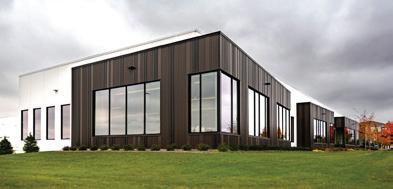
























ACUITY EARNS 2024 PIA NATIONAL COMPANY AWARD OF EXCELLENCE
The National Association of Professional Insurance Agents (PIA) has awarded Acuity the prestigious 2024 PIA National Company Award of Excellence, marking the third time Acuity has received this top honor.
In selecting Acuity, the PIA highlighted that the insurer continues to provide agents with a stable, viable market, which is crucial in today’s hard market, and works to improve the agent experience and business environment.
“Not only are they dedicated to helping the agencies they work
with succeed, but they understand the value of the agency distribution channel and continue to help this channel thrive,” said Ariel Rivera, PIA National President.
“We are honored to have earned the PIA National Company Award of Excellence,” said Acuity President Melissa Winter. “Acuity recognizes the value of independent agents and the importance of building strong partnerships with them. To receive national recognition for our efforts validates the efforts of everyone at Acuity.”


ACUITY EARNS A+ RATING FROM STANDARD & POOR’S
Acuity announced that Standard & Poor’s (S&P) reaffirmed the insurer’s A+ long-term financial strength and issuer credit ratings.
“Financial strength is important to everyone who depends on Acuity— customers, agents, and employees,” said Melissa Winter, Acuity President. “As we continue to build on our solid financial foundation, people know they can rely on Acuity to protect what matters and to be there to help them rebuild shattered lives.”
Acuity’s S&P A+ rating and longterm financial performance stand
Plan Now To Grow Your Business in 2025
in sharp contrast to the tremendous volatility in the insurance industry. In addition, the insurer’s companywide growth continues to exceed industry averages, surpassing $3 billion in sales and $7 billion in assets (GAAP) this year.
Additionally, in 2024, Acuity’s AM Best financial strength rating of A+ was reaffirmed for the 22nd consecutive year. The insurer was also named to the Ward’s 50 list of top-performing propertycasualty companies for the 25th straight year.

Advertising Section: New Hires, Promotions and Board Appointments
BANKING

Waukesha State Bank Promotes Gerry Benton to Mortgage Consultant
Waukesha State Bank is proud to announce the promotion of Gerry Benton to Mortgage Consultant. Gerry will be responsible for originating mortgage loans and will primarily service the E. Main Street and E. Racine Avenue offices in Waukesha.
LEGAL SERVICES
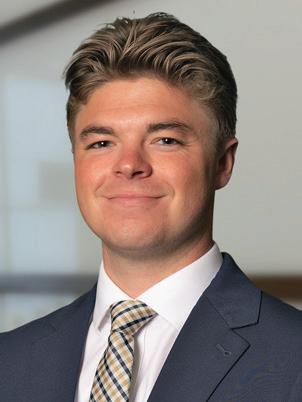
von Briesen & Roper, s.c. is pleased to have Derik Rush join the Team
In the Litigation and Risk Management Practice Group, Derik focuses his litigation practice on commercial, business, construction, real estate and water/riparian rights issues. Derik is a member of the State Bar of Wisconsin and the Milwaukee Bar Association.
TECHNOLOGY

New Product Management Leader
Recently, we brought on a pivotal addition to the MSI Data team a new Product Management Leader, Steve Berry. He is a seasoned tech leader and software design expert. Steve’s recipe for success involves people, processes and data-driven decisions.
CONSTRUCTION

Ryan Murray, Project Developer, joins Mead & Hunt’s EPC–Renewable Energy Team
Ryan can help you convert waste in order to establish resilient, reliable, and cost-effective renewable energy solutions. He guides Mead & Hunt clients through the project development phase gates from initial feasibility through full EPC contract.
BANKING
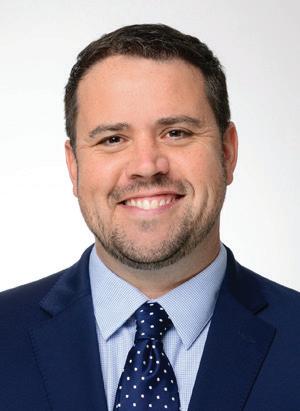
Waukesha State Bank Hires Nik Sendelbach as Mortgage Consultant
Waukesha State Bank is thrilled to announce the hire of Nik Sendelbach as Mortgage Consultant. With 13 years of sales experience, Nik will be responsible for originating mortgage loans and will primarily service the Muskego and New Berlin markets.
LEGAL SERVICES
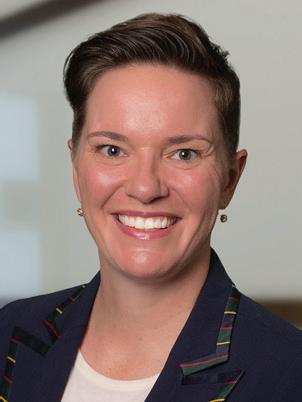
von Briesen Welcomes
Hanna Kolberg to its Government Law Group & Real Estate Section
As a Shareholder, she advises municipalities and counties on governance, administrative proceedings, public records, open meetings, public policy, litigation, Police and Fire Commission hearings and collective bargaining. And her real estate practice focuses on property tax assessment litigation and eminent domain matters.
EDUCATION
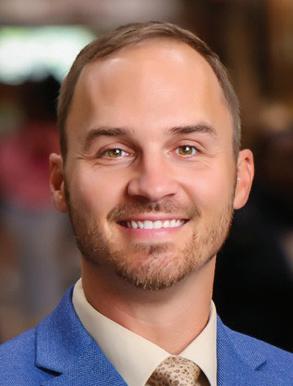
Wisconsin Lutheran High School Welcomes Sixth Principal Since 1954
Wisconsin Lutheran High School (WLHS) welcomed Mr. Landon Zacharyasz as the new principal on staff beginning with the 2024-2025 school year. Mr. Zacharyasz, who is energetic and places strong emphasis in building relationships, is the school’s sixth principal since 1954.
Prior to WLHS, Zacharyasz led Mount Olive Lutheran School in Appleton for 13 years, and also served as the Fox Valley Lutheran Schools president for six years. His vision for WLHS emphasizes establishing a faith foundation in students, as well as academic rigor, career and life planning, and strong partnerships with families and local organizations.

BANKING

Waukesha State Bank Welcomes Dawn Griesbach
Waukesha State Bank is thrilled to announce the appointment of Dawn Griesbach as Vice PresidentCommercial Banking Officer. In her new role, Dawn will be responsible for prospecting, developing and managing commercial loan portfolios.
LEGAL SERVICES
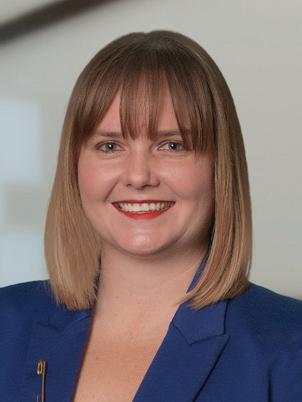
von Briesen & Roper, s.c. Welcomes
Shareholder Avery Mayne to its Milwaukee Office
As a member of the Trusts and Estates Section, she focuses her practice on elder and special needs law matters, including advising clients on asset protection from long term care costs; eligibility and appeals for public benefits; and adult guardianship and protective action litigation.
HEALTHCARE

Ryan Zikeli Joins
Network Health as Vice President, Commercial Sales and Underwriting
Network Health announced today the addition of Ryan Zikeli as vice president of commercial sales and underwriting. Zikeli has a proven track record of developing, analyzing and executing upon business plans across multiple business units.
LEGAL SERVICES
von Briesen & Roper, s.c. is pleased to have Aleksandar Prpa join its Litigation and Risk Management Practice
Alex focuses his practice on a variety of litigation matters including general litigation, insurance coverage, toxic tort, real estate and municipal prosecutions. He is a member of the State Bar of Wisconsin, the Milwaukee Bar Association and the Wisconsin Defense Counsel.























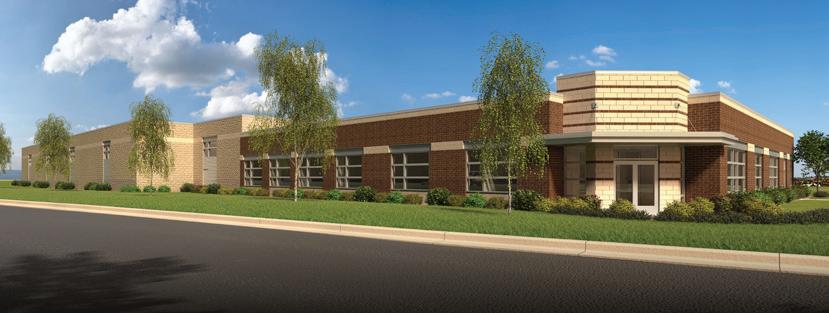

Local engineers Matthew and Amy Steindorf find shared passion for building community with Habitat for Humanity
By Samantha Dietel, staff writer
WHILE HELPING to build houses, Matthew and Amy Steindorf found a home with each other.
The pair of engineers, who have been married since October 2023, were dating when they first started volunteering together with Milwaukee Habitat for Humanity in 2017. Their construction volunteer work became a shared weekend activity for them to give back to their community in a hands-on way.
Their work with Habitat also allowed the couple to bond and build communication while they were dating, said Matthew Steindorf.
“We had times when we were out, it was 90 degrees outside and sunny, and we’re hot and we’re just bickering at each other
because we’re tired,” he said. “I think working in that kind of environment has helped our relationship, too.”
Matthew Steindorf is a senior project engineer at Milwaukee Tool, while Amy Steindorf is an engineer III at Komatsu. They were each working for other companies when they started volunteering. Milwaukee Tool’s community involvement was partially what drew Matthew to his role four years ago.
The Steindorfs work at Habitat construction sites once or twice per month on Saturdays. Between the two of them, the couple has volunteered an estimated 1,500 hours with Milwaukee Habitat for Humanity.
In 2020, the Steindorfs pur-
chased their own house. Through the skills they picked up while working on houses with Habitat, they repaired aspects of their new home themselves before moving in, Matthew Steindorf said, such as redoing the flooring and replacing baseboard trim.
“When we both started volunteering, we were living downtown in a rental, had no plans to buy a house or do anything like that,” he said. “After we volunteered for a couple years (for Habitat), we’re like, we could buy our own house. So (we) started paying attention … (to) what you want to see for drywall, or what good foundation walls should look like.”
Amy Steindorf said working beside homeowners and speaking with individuals affected by Milwaukee’s affordable housing shortage “really impacted me,
and it keeps me coming back.”
For the past few years, she has participated in Habitat’s summertime initiative, called Women Build, which encourages women to get involved with constructing affordable homes.
Matthew Steindorf said helping construct homes in Milwaukee builds communities “from the ground up.” With stable housing, people can gain steady employment that can allow them to support their families and set them up for success, he said. This, in turn, can create safer neighborhoods.
“I really believe that having a stable house that you can go back to at the end of the day, and your rent is not going to get jacked up, really sets you up for success in the other parts of your life,” Matthew Steindorf said. ■
Matthew & Amy Steindorf
Senior Project Engineer, Milwaukee Tool Engineer III, Komatsu Nonprofit served: Milwaukee Habitat for Humanity Service: Construction volunteers
Amy and Matt Steindorf at a Habitat for Humanity project site in Milwaukee’s King Park neighborhood.
GLANCE AT YESTERYEAR
VOLUME 30, NUMBER 12 | NOVEMBER 11, 2024
126 N. Jefferson St., Suite 403, Milwaukee, WI 53202-6120
PHONE: 414-277-8181 FAX: 414-277-8191
WEBSITE: www.biztimes.com
CIRCULATION: 414-336-7100 | circulation@biztimes.com


The River Houses in the 1980s
This summer 1985 photo shows Ogden & Co.’s River Houses development along the Milwaukee River in downtown Milwaukee. Designed by William P. Wenzler Architects, the 22-unit project at 1101-1143 N. Edison St. turned a site previously owned by Pabst Brewing Co., and used as a coal dump site for ships, into two-story residences with two bedrooms, two and a half bathrooms and two balconies. Each unit also has private piers and boat slips. The project helped kick off the third generation of company leadership for brothers Peter and John Ogden Jr.
— Photo courtesy of Ogden & Co. Submit your company’s historic photo at biztimes.com/glance
COMMENTARY
Sales tax rise surprise
THERE WAS PLENTY of criticism for city of Milwaukee and Milwaukee County officials last year when they decided to increase sales taxes.
Facing significant budget deficits, city and county officials convinced the state Legislature to approve an increase in shared revenue to local governments and authorized the city and county to raise their sales taxes.
Wisconsin’s sales tax rate is 5%. Counties have the option of imposing a 0.5% sales tax. Nearly all of the state’s 72 counties do so.
Under the deal with the state, Milwaukee County was able to increase its sales tax by an additional 0.4% and the city was able to add a 2.0% sales tax. Shoppers in the city of Milwaukee now pay a 7.9% sales tax and in Milwaukee County suburbs they pay a 5.9% sales tax.
Critics said the city and county should have cut expenses instead. Many continue to criticize the city for operating The Hop streetcar, and the county’s pension scandal in the early 2000s has not been forgotten.
Another concern about the Milwaukee sales tax increases was they would encourage people to shop in suburban counties instead, where sales taxes are lower.
But now some suburban counties are also planning to add a sales tax.
The Racine County Board recently approved a 0.5% sales tax. Officials said it will generate $20 million in revenue each year, and they said it was necessary to maintain 150 jobs, including 90 from the sheriff’s department and jail.
But the bigger surprise is in Waukesha County, where County Executive Paul Farrow is pushing for a 0.5% county sales tax. Farrow says the county has cut millions of expenses in recent years but is unable make additional significant cuts. County governments are essentially an extension of state governments and are required to provide numerous functions.
The problem, Farrow says, is the state does not provide the county with adequate funding and a sales tax is needed to make up the difference. Waukesha County’s sales tax could generate $60 million a year, which Farrow also wants to use to reduce property taxes.
The proposal sparked significant outrage in Waukesha County and a vote by the County
ADVERTISING: 414-336-7112 | advertising@biztimes.com
EDITORIAL: 414-336-7120 | andrew.weiland@biztimes.com
REPRINTS: 414-336-7100 | reprints@biztimes.com
PUBLISHER / OWNER
Dan Meyer dan.meyer@biztimes.com
DIRECTOR OF OPERATIONS
Mary Ernst mary.ernst@biztimes.com
COMMUNITY
ENGAGEMENT / OWNER
Kate Meyer kate.meyer@biztimes.com
EDITORIAL
EDITOR
Andrew Weiland andrew.weiland@biztimes.com
MANAGING EDITOR
Arthur Thomas arthur.thomas@biztimes.com
ASSOCIATE EDITOR
Maredithe Meyer maredithe.meyer@biztimes.com
REPORTER
Samantha Dietel samantha.dietel@biztimes.com
REPORTER Ashley Smart ashley.smart@biztimes.com
REPORTER
Sonia Spitz sonia.spitz@biztimes.com
REPORTER Hunter Turpin hunter.turpin@biztimes.com
SALES & MARKETING
DIRECTOR OF SALES
Linda Crawford linda.crawford@biztimes.com
SENIOR ACCOUNT EXECUTIVE
Christie Ubl
christie.ubl@biztimes.com
ACCOUNT EXECUTIVE
Robin Briese
robin.briese@biztimes.com
ACCOUNT EXECUTIVE
Paddy Kieckhefer
paddy.kieckhefer@biztimes.com
ACCOUNT EXECUTIVE
Christy Peterson christy.peterson@biztimes.com
SALES ADMIN Shannon Whiting shannon.whiting@biztimes.com
ADMINISTRATION
ADMINISTRATIVE
COORDINATOR Sue Herzog sue.herzog@biztimes.com
AUDIENCE DEVELOPMENT
ASSOCIATE/CIRCULATION
Derik Sneide
derik.sneide@biztimes.com
PRODUCTION & DESIGN
SENIOR GRAPHIC DESIGNER
Alex Schneider alex.schneider@biztimes.com
Independent & Locally Owned — Founded 1995 —
Board was put on hold.
This isn’t an idea coming from tax-andspend liberals. Waukesha County officials are overwhelmingly conservative. Farrow is a former chairman of the state Republican Party and served as a Republican in the Legislature.
While local governments struggle with budget deficits, the state of Wisconsin ended its 2024 fiscal year with a $4.6 billion surplus. There’s no shortage of ideas for what to do with it. The state superintendent is asking for more K-12 funding. The UW system wants another $855 million. And how about a tax cut or rebate?
Providing more shared revenue to cashstrapped local governments should be a top state priority. ■

ANDREW WEILAND EDITOR
414-336-7120 / andrew.weiland@biztimes.com

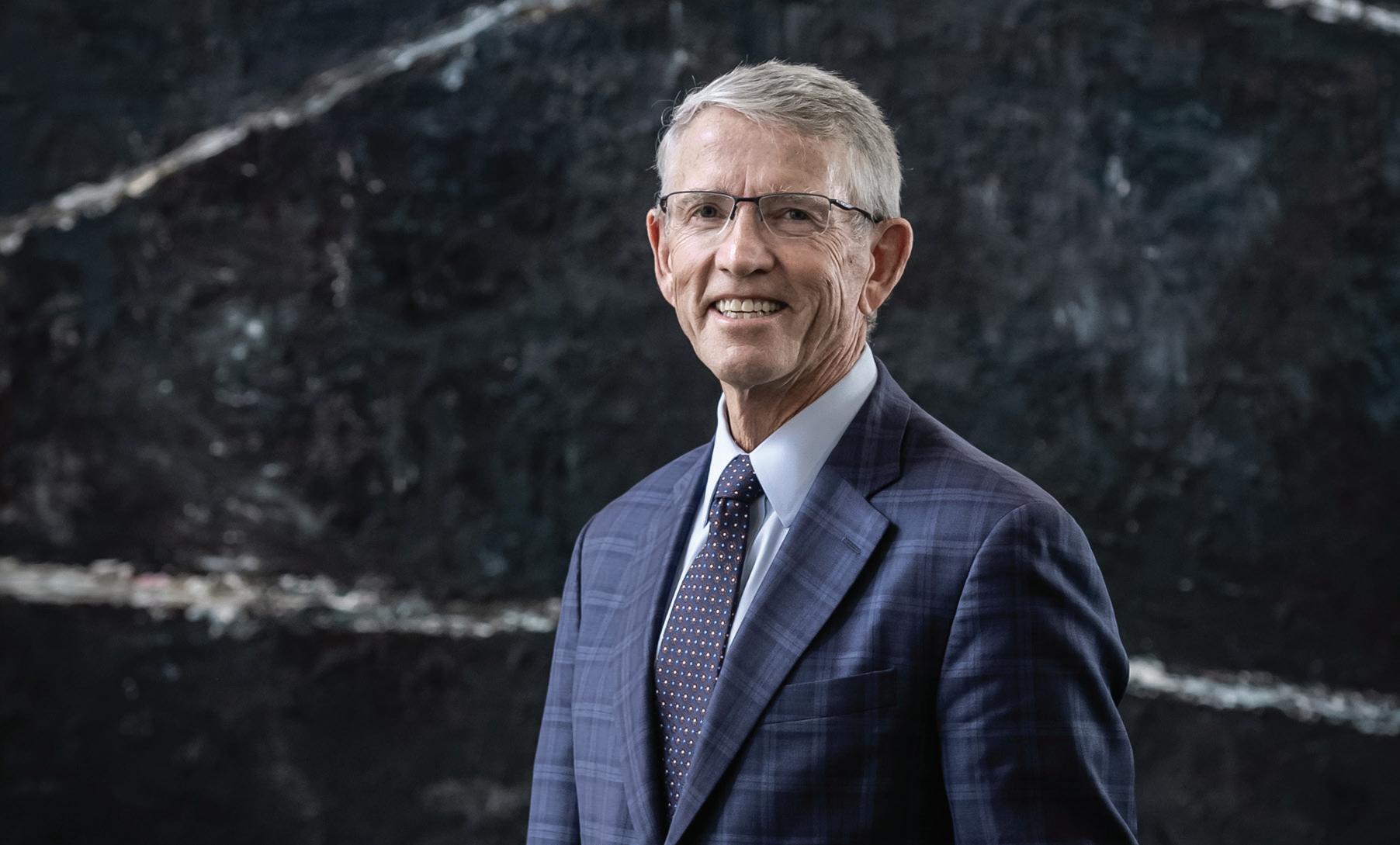
5 MINUTES WITH…
DEENI TAYLOR
CEO and chairman, Landmark Healthcare Facilities
LANDMARK HEALTHCARE FACILITIES, a Milwaukee-based company that develops, owns and manages outpatient medical buildings nationally, named Deeni Taylor as its new chief executive officer and chairman in September. Taylor, who previously was an executive for Duke Realty Corp. and Physicians Realty Trust, succeeds Joe Checota, who founded Landmark in 1996. BizTimes reporter Hunter Turpin sat down with Taylor on his first day on the job to talk about how he ended up at Landmark and what’s to come for the company as it enters a new chapter.
PREVIOUS DEALINGS WITH LANDMARK
“The whole time I was at Duke Realty, 10 years, we competed. I knew (Joe Checota) very well, what Landmark was capable of doing, and how successful they were when we competed for business. Then, for almost 10 years, I was at Physicians Realty Trust, and they were really a partner. We had financial partnerships, we bought 13 or 14 buildings three years ago with them. It was really a partnership that kind of changed my attitude and perception of Landmark, and then this opportunity came along which was just kind of continuing that relationship.”
PLANS ON THE HORIZON
“We’re looking at the growth of Landmark nationwide, with opportunities on each coast and throughout the Sun Belt. Where there’s population growth, there’s the opportunity to develop outpatient medical buildings, and we’re going to pursue of all those. My goal for Landmark is to take what they’ve been successful with over the years, that Joe has built, and really start the growth of the company.”
CHALLENGES FACING THE INDUSTRY
“Our clients are hospitals, health systems and physicians. Right now, across all three, there’s a need for capital, and we have the ability to come in and develop and own medical office buildings, outpatient medical buildings for all three of those clients, without them having to put the capital up themselves. They can lease the space and have the facilities needed to take care of their patients. The challenge facing the health care industry is financial pressures, and we can find solutions for that.”
‘LEADING BY EXAMPLE’
“After 30-plus years in leadership positions, I think I would characterize my style as leading by example. First of all, being supportive and encouraging of associates to develop professionally, develop their own capabilities, I’m big about creating teams of people working together, and I’m very open and accessible to all the associates of the company. I also like to have a lot of fun in the workplace, and I think the associates here will find that out: I’m pretty loud in the hall, I whistle when I walk through the place.”