

In their blood
Versiti makes huge impact on health care and Milwaukee’s economy
MAY 20JUNE 9, 2024 » $6.00 biz times .com
BIZEXPO IS WEDNESDAY, MAY 22 | ON-SITE REGISTRATION AVAILABLE | SEE PAGE 2 FOR THE FULL EVENT SCHEDULE BizTimesMilwaukeeBizTimesMilwaukee BizTimesMilwaukeeBizTimesMilwaukee BizTimesMilwaukeeBizTimesMilwaukee BizTimesMilwaukeeBizTimesMilwaukee BizTimesMilwaukeeBizTimesMilwaukee BizTimesMilwaukeeBizTimesMilwaukee BizTimesMilwaukeeBizTimesMilwaukee BizTimesMilwaukeeBizTimesMilwaukee BizTimesMilwaukeeBizTimesMilwaukee BizTimesMilwaukeeBizTimesMilwaukee BizTimesMilwaukeeBizTimesMilwaukee BizTimesMilwaukeeBizTimesMilwaukee BizTimesMilwaukeeBizTimesMilwaukee BizTimesMilwaukeeBizTimesMilwaukee BizTimesMilwaukeeBizTimesMilwaukee BizTimesMilwaukeeBizTimesMilwaukee BizTimesMilwaukeeBizTimesMilwaukee BizTimesMilwaukeeBizTimesMilwaukee BizTimesMilwaukeeBizTimesMilwaukee BizTimesMilwaukeeBizTimesMilwaukee BizTimesMilwaukeeBizTimesMilwaukee BizTimesMilwaukeeBizTimesMilwaukee BizTimesMilwaukeeBizTimesMilwaukee BizTimesMilwaukeeBizTimesMilwaukee BizTimesMilwaukeeBizTimesMilwaukee BizTimesMilwaukeeBizTimesMilwaukee BizTimesMilwaukeeBizTimesMilwaukee
May 22, 2024 | 10:30am - 4:30pm | Brookfield Conference Center
Schedule of events:
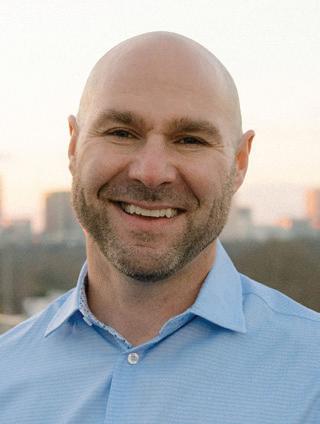

KEYNOTE PRESENTATION
Build a Legendary Brand by Creating Raving Fans Scott Wozniak, Leadership Consultant | Speaker | Author
10 Secrets to Business Results
• Joseph Hastreiter, EWH University for Small Business
AI and Cybersecurity Necessities
• Paul Riedl, Jr., River Run
10 Best Practices to Maximize your Website
• Nathan Gerred, Saturn Lounge
12:00-1:30PM | BUFFET LUNCH - TICKET REQUIRED (LIMITED ON-SITE AVAILABILITY)
Unlocking the Augmented Enterprise with AI
• Paul Stillmank, 7Rivers
Tax Savings for Small Businesses
• Nancy Mehlberg, SVA Certified Public Accountants
• Eric Trost, SVA Certified Public Accountants
• Dan Glomski, SVA Certified Public Accountants
How to be an Effective Leader in a Hybrid Workplace
• Susan Wehrley, BIZremedies
Seminar Sponsors:

Dousing Your Dumpster Fires [and other problems that erase value from your business]
• Mike Malatesta, How’d It Happen, LLC
Introducing and Implementing AI Strategies Across the Organization
• Jeremy Kedziora, MSOE
• George Kroeninger, MSOE Center for Professional Education
Creating a Winning Culture in Times of Chaos
• Ryan Festerling, QPS Employment Group
Unleash Savings: Why Reviewing Your Current Business Services is a Profit Powerhouse
• Shanon Boos, Breakthrough Business Advisors LLC
Are you future fit? Increasing your Self-awareness – 21st Century skills
• Rosario Sanchez Ledesma, LIFECAMP


Scan to register >>



Presented by:
Keynote Sponsor:
11:00-12:00 10:00-11:15 1:00-2:00 2:15-3:15 3:30-4:30
ROOM A ROOM B ROOM C
Exhibit Hall
360 Direct, Inc. 515 7Rivers Inc. 703 Actinion 619 BDPros 301 Better Business Bureau 307 Birch Point Real Estate 219 BizTimes Media Atrium Breakthrough Business Advisors 709 BSI (Building Service Inc.) 514 Camo Crew Junk Removal 415 Carroll University 109 Centec Security & Fire Alarm Systems 613 ClearCom 711 CodeBaby, Inc. 207 Color Direct 205 Colorful Concrete Solutions 513 Common Ground Healthcare 506 Crown Staffing 413 CTA BOI FILE 106 Culligan Water 700 Data Holdings 406 EWH University for Small Business 512 First Citizens Bank 405 Food For Health 707 Geronimo Hospitality Group 702 H&S Protection Systems 318 Horicon Bank 412 Humana 311 ICS 704 Idea Collective Small Business Community 312 Imperial Service Systems, Inc. 607 Innovative Signs, Inc. 500 Ixonia Bank 214 Johnson Financial Group 108 Kforce 614 Kollath CPA/SustainableHR PEO 213 Kraus-Anderson Construction Company 601 Lisbon Creek Systems 212 Living As A Leader 306 LoyalITy 616 Marquette University 508 MEDC 319 Midwest College of Acupuncture and Herbal Medicine 200 Minuteman Press Brookfield 705 MSOE Center for Professional Education 419 Northwest Side Community Development Corporation 206 Office Furniture Resources 401 Olive Promotions 606 Ottawa University 400 Pavlic Vending & Modern Coffee 519 PLM Paving and Concrete 100 QPS Employment Group 612 RCS Commercial Interiors 407 Rely Contract Manufacturing 414 Risetech Partners 105 River Run 300 Saturn Lounge 315 Sherman Phoenix Foundation 201 Sky High Marketing 309 Solwerk 618 Source TEN 507 St. Coletta of Wisconsin 103 Staffing Partners 102 Stamm Tech 608 Summerfest 204 SVA Certified Public Accountants 304 Technology Innovation Center 208 The MRD Group 505 The Neal Group, LLC 609 Think Ability Wisconsin 706 Transition Health Benefits 418 Transworld Business Advisors of Kenosha 314 U.S. Bank 210 Ultimate Confections Chocolates 404 USAV Group Production 104 UWM-School of Continuing Education 218 Vaco 209 Verizon Business 107 Viking Communications, Inc. 313 Waident Technology Solutions 305 WhirlyBall 701 Wisconsin Black Chamber of Commerce, Inc. 518 PLM Paving and Concrete 100 Staffing Partners 102 St. Coletta of Wisconsin 103 USAV Group Production 104 Risetech Partners 105 CTA BOI FILE 106 Verizon Business 107 Johnson Financial Group 108 Carroll University 109 Midwest College of Acupuncture and Herbal Medicine 200 Sherman Phoenix Foundation 201 Summerfest 204 Color Direct 205 Northwest Side Community Development Corporation 206 CodeBaby, Inc. 207 Technology Innovation Center 208 Vaco 209 U.S. Bank 210 Lisbon Creek Systems 212 Kollath CPA/SustainableHR PEO 213 Ixonia Bank 214 UWM-School of Continuing Education 218 Birch Point Real Estate 219 River Run 300 BDPros 301 SVA Certified Public Accountants 304 Waident Technology Solutions 305 Living As A Leader 306 Better Business Bureau 307 Sky High Marketing 309 Humana 311 Idea Collective Small Business Community 312 Viking Communications, Inc. 313 Transworld Business Advisors of Kenosha 314 Saturn Lounge 315 H&S Protection Systems 318 MEDC 319 Ottawa University 400 Office Furniture Resources 401 Ultimate Confections Chocolates 404 First Citizens Bank 405 Data Holdings 406 RCS Commercial Interiors 407 Horicon Bank 412 Crown Staffing 413 Rely Contract Manufacturing 414 Camo Crew Junk Removal 415 Transition Health Benefits 418 MSOE Center for Professional Education 419 Innovative Signs, Inc. 500 The MRD Group 505 Common Ground Healthcare 506 Source TEN 507 Marquette University 508 EWH University for Small Business 512 Colorful Concrete Solutions 513 BSI (Building Service Inc.) 514 360 Direct, Inc. 515 Wisconsin Black Chamber of Commerce, Inc. 518 Pavlic Vending & Modern Coffee 519 Kraus-Anderson Construction Company 601 Olive Promotions 606 Imperial Service Systems, Inc. 607 Stamm Tech 608 The Neal Group, LLC 609 QPS Employment Group 612 Centec Security & Fire Alarm Systems 613 Kforce 614 LoyalITy 616 Solwerk 618 Actinion 619 Culligan Water 700 WhirlyBall 701 Geronimo Hospitality Group 702 7Rivers Inc. 703 ICS 704 Minuteman Press Brookfield 705 Think Ability Wisconsin 706 Food For Health 707 Breakthrough Business Advisors 709 ClearCom 711 BizTimes Media Atrium COMPANY COMPANY COMPANY BOOTH # BOOTH # BOOTH # 109 213 209 104 105 106 107 108 618 312 314 413 415 412 414 513 515 512 514 100 102 103 205 201 207 204 206 208 210 212 214 305 307 304 306 405 407 404 406 505 507 309 311 313 315 506 508 607 609 606 701 703 705 707 709 711 BAR 706 704 702 700 601 500 400 401 300 518 619 519 418 419 318 319 218 219 301 200 608 613 612 614 616 Seminar Room A Seminar Room B Seminar Room C Bathrooms ----- Parking/Brook eld Square ----- Entrance Bathrooms Main Stage Co ee Lounge Connectivity Sponsor: Lounge Sponsor: Partner: On-site registration available: $60 All access pass | $30 Expo Pass biztimes.com/bizexpo
Monday, June 3, 2024
2:00-2:30pm – Registration | 2:30-5:00pm – Program | 5:00-6:30pm – Cocktails & hors d’ oeuvres
Brookfield Conference Center
Unlocking Growth
Taking
your family business to the next level
Plan to join BizTimes Media and a panel of family and closely held business owners for a discussion focused on the keys to growing in a world that often seems to favor consolidation and big corporations. How do you balance tradition and core values with new ideas? How do you take the right strategic risks while also planning for the long term? Where can you find the resources to make crucial investments when technology keeps racing ahead? Panelists will address these questions and many more.
Panelists:
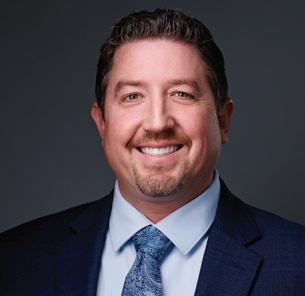
» Katie Juehring, Chairman and CEO, Owner, 3rd Generation, Glenroy (1)
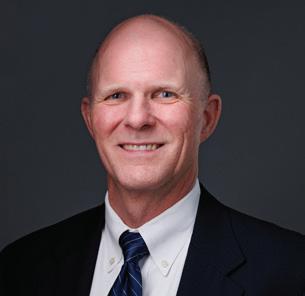
» JJ Stanwyck, CEO/Owner, 3rd Generation, COST & Refractory Service, Inc. (2)
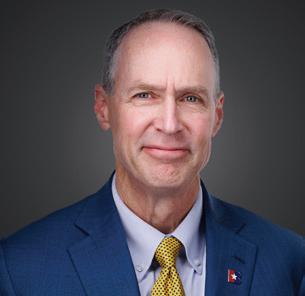
» Mike Moore, President/Owner, Founder, Moore Construction Services (3)
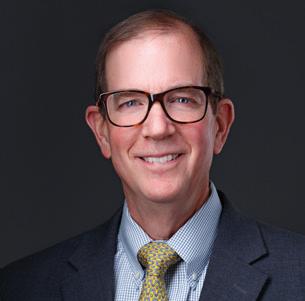
» Paul Bostrom, President, H.O. Bostrom Company (4)
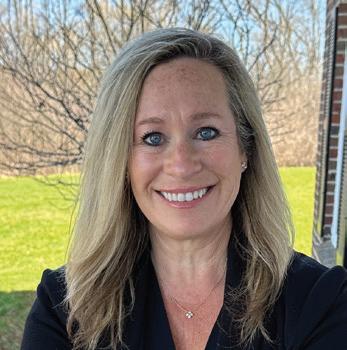

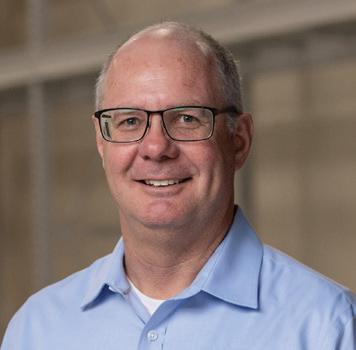
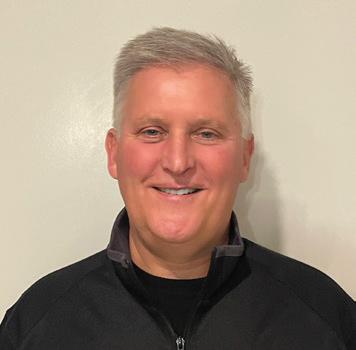
Concurrent Breakout Sessions:
» Cashless Growth
» Transitioning Your Business? Begin at the End
» Grow & Protect Your Family Legacy: How to Mitigate Fraud Risks
» Is QuickBooks Right For You?
Sponsors:


Register Today! biztimes.com/family
Presents the tenth annual:
RegisterToday!
Partner: Event Partners: 2 3 4 1


























PARTNER WITH WISCONSIN’S BANK FOR BUSINESS® Your business brings something different to Wisconsin. So should your bank. We know what it’s like to run a business here, and we have the industry expertise to help yours thrive. DIFFERENT APPROACH, BETTER RESULTS™ TOWNBANK.US/YOURPARTNER BizTimes Milwaukee (ISSN 1095-936X & USPS # 017813) Volume 30, Number 3, May 20 June 9, 2024. BizTimes Milwaukee is published bi-weekly, except monthly in January, February, March, April, July, August, November and December by BizTimes Media LLC at 126 N. Jefferson St., Suite 403, Milwaukee, WI 53202-6120, USA. Basic annual subscription rate is $108. Single copy price is $6. Back issues are $9 each. Periodicals postage paid at Milwaukee, WI and additional mailing offices. POSTMASTER: Send all UAA to CFS. NON-POSTAL AND MILITARY FACILITIES: Send address corrections to BizTimes Milwaukee, 126 N. Jefferson St., Suite 403, Milwaukee, WI 53202-6120. Entire contents copyright 2024 by BizTimes Media LLC. All rights reserved. LOCALLY OWNED FOR 29 YEARS biz times .com 22 In their blood: Versiti makes huge impact on health care and Milwaukee’s economy 6 Leading Edge 6 NOW BY THE NUMBERS 7 MY FAVORITE TECH – Gunnar Stapp 8 PROJECT PITCH IT – Pop’s Kettle Corn 9 FRESH DIGS – M3 Insurance 11 PUBLIC RECORD – The region’s highest paid public company CEOs 12 MEET THE WISCONSIN 275 – Ellen Censky, Milwaukee Public Museum 13 BIZ POLL ON MY NIGHTSTAND 14 Biz News 14 INNOVATIONS – RELJA Innovations 16 THE INTERVIEW – UW-Parkside chancellor Lynn Akey 18 Palermo’s CEO shares plans for current and future growth 20 Real Estate 34 Event Preview BizExpo keynote speaker will provide insights into creating a legendary brand 36 Meet the Notable Leaders in Law 40 Strategies 40 MANAGEMENT – Nicole Schmidt 41 LEADERSHIP – Dennis Ellmaurer 42 HUMAN RESOURCES – Scott Seroka 43 TIP SHEET 45 Biz Connections 45 NONPROFIT 46 GLANCE AT YESTERYEAR COMMENTARY 47 MY BEST ADVICE – Implecho president Bridget Pedersen Contents » MAY 20 - JUNE 9, 2024 Special Reports 28 Manufacturing & International Trade Featuring a report on the reshoring trend as supply chains in America have been through a tumultuous period. 30 Banking & Finance Coverage includes a report on changes to Wisconsin’s Badger Fund of Funds program and a report on SBA lending in southeastern Wisconsin, including a list of the region’s top SBA lenders. biztimes.com / 5 COVER STORY

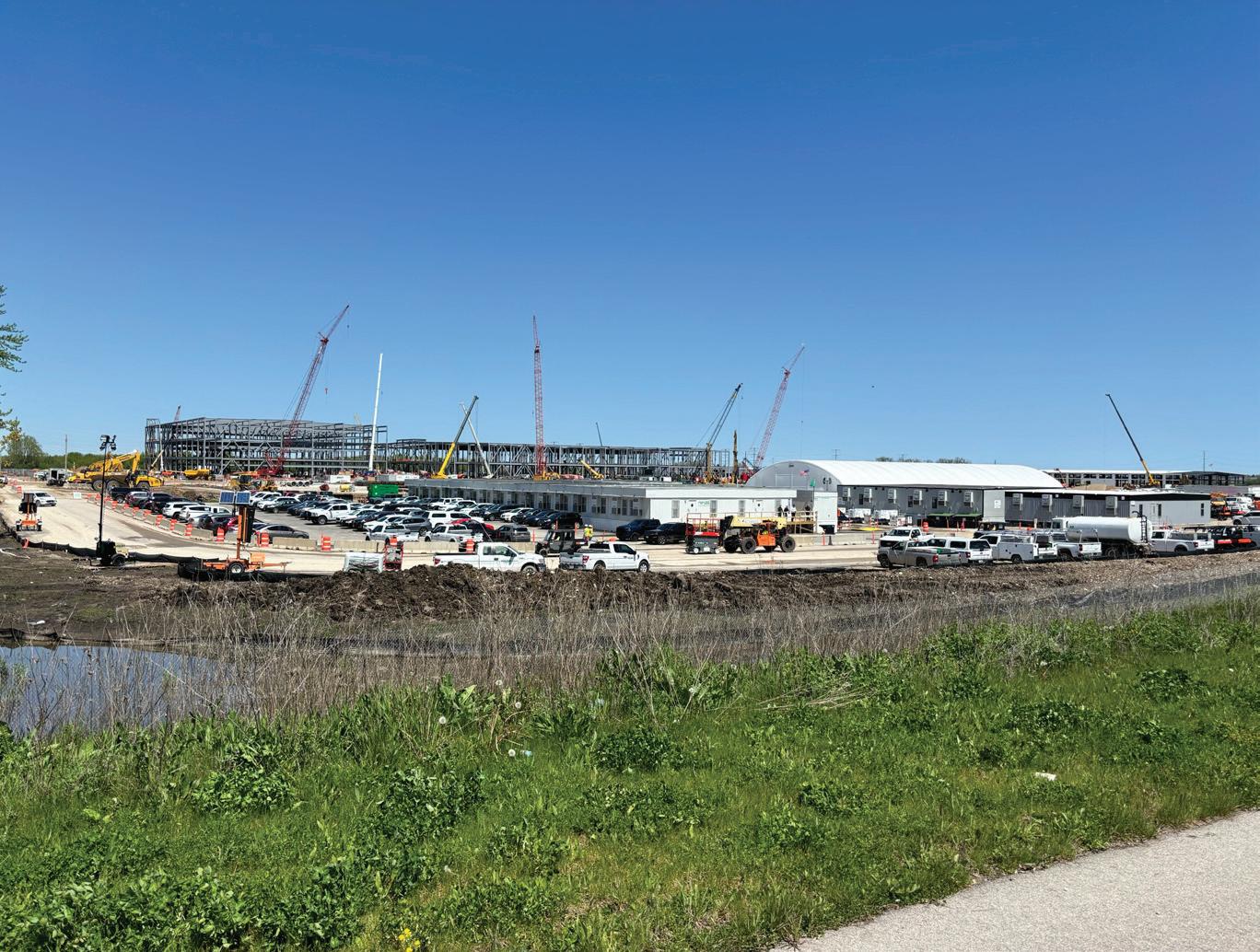
Microsoft to build $3.3 billion AI data center in Mount Pleasant
By BizTimes staffMicrosoft will build a $3.3 billion artificial intelligence data center in Mount Pleasant and create 2,000 permanent jobs there over time, The White House announced.
The project will also create 2,300 construction jobs.
In addition, through a partner-
BY THE NUMBERSship with TitletownTech in Green Bay and the Green Bay Packers, Microsoft will establish a manufacturing-focused AI Co-Innovation Lab on the campus of the University of Wisconsin-Milwaukee. TitletownTech will have a full-time office at the AI Co-Innovation Lab at UWM.
Prairie du Sac-based restaurant chain Culver’s plans to open
51 NEW FRANCHISE LOCATIONS

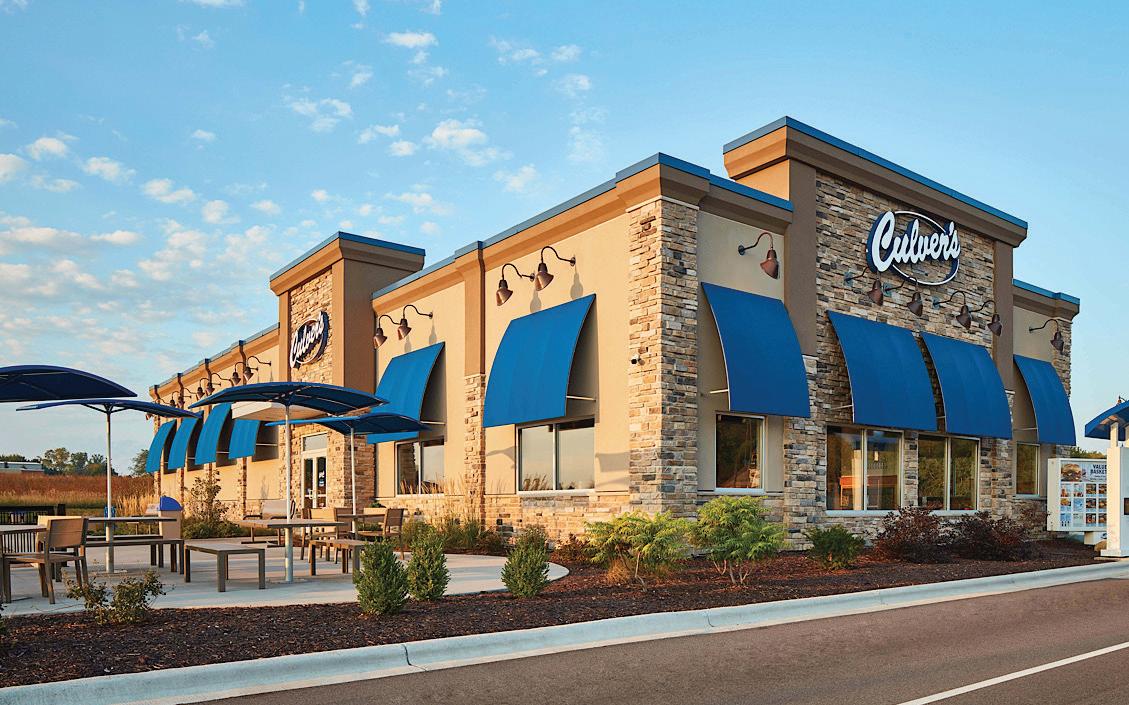
in
Microsoft first announced plans last year to build a large data center on much of a site in Mount Pleasant where Foxconn had planned to build a massive LCD screen manufacturing complex. Originally touted as a $10 billion project that would create 13,000 jobs, Foxconn’s development in Mount Pleasant has been far short of those plans and much of the land where it had planned to build remains vacant.
In March 2023, Microsoft announced plans to build a $1 billion data center on a 315acre site, which was part of the Foxconn development area. Microsoft said it expected to have 200 employees in the first phase of its Mount Pleasant data center development. The company also said that when fully developed by 2034, the data center was expected to have 460 jobs, including 330 first-shift jobs and 130 second-shift jobs.
Then, later in the year, Microsoft moved to significantly expand those plans. In November, after construction had already begun on the Microsoft data center, local officials announced that the company planned to purchase an additional 1,030 acres of land for the data center development.
Details of Microsoft’s expanded plans weren’t disclosed at the time,
but village and county officials said Microsoft planned to invest “billions” of dollars over the next decade on buildings, support structures, systems and equipment.
More information about the company’s plans were revealed recently when President Joe Biden and Microsoft vice chair and president Brad Smith spoke at Gateway Technical College about the project. “We are going to be building among the world’s most advanced AI and cloud data centers that you will see anywhere,” said Smith.
The supply chain for the construction of the facility will provide a major boost to the state’s manufacturing sector, Smith said.
“It’s not just the jobs that we are creating here,” he said. “We are creating manufacturing jobs across the state of Wisconsin as we get steel from near Wausau, as we get chillers from La Crosse, as we get generators from near Madison. This is literally creating jobs across the state of Wisconsin.”
Microsoft also will partner with Gateway Technical College to develop a data center academy that will train 1,000 people for data center and STEM roles by 2030. The company will also partner with startup accelerator gener8tor to train 1,000 business leaders to adopt AI in their operations, according to the White House.
6 / BizTimes Milwaukee MAY 20, 2024 Leading Edge
BIZTIMES DA ILY – The day’s most significant news → biztimes.com/subscribe
Microsoft data center under construction in Mount Pleasant. HUNTER TURPIN
2024, including three in Wisconsin.












































MY FAVORITE TECH







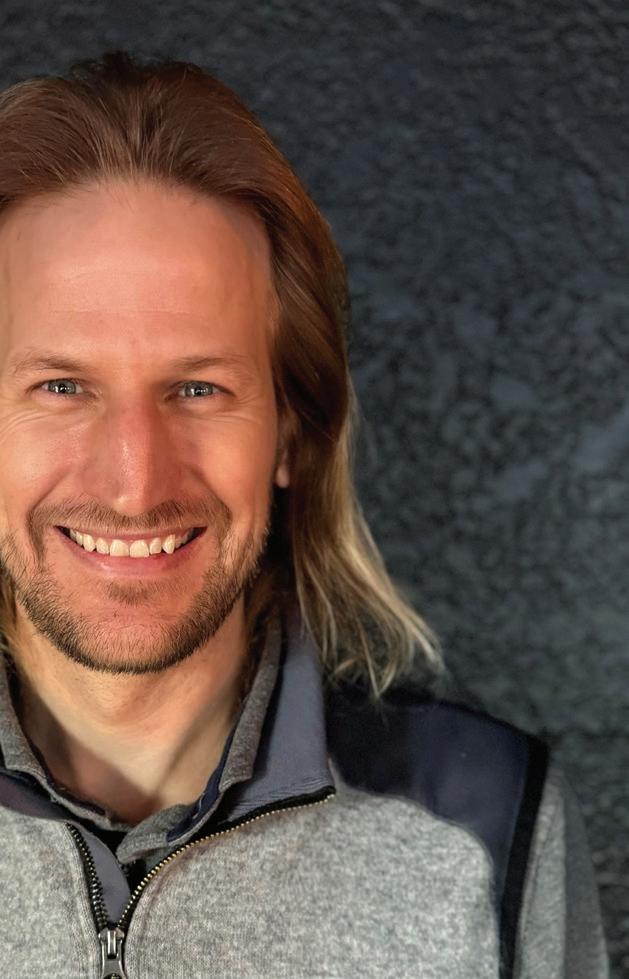


GUNNAR STAPP


PGA assistant golf professional, Hidden Glen Golf Club
Certified PGA HOPE instructor
Gunnar Stapp assists in the day-to-day operations of Hidden Glen Golf Club in Cedarburg, including member relations, tournament operations, individual and group instruction, club fittings, merchandising and staff management. He’s constantly integrating varying technologies to boost his productivity and effectiveness. Here are a few of his favorites:

SPORTSBOX 3D GOLF
“This is one of the best subscriptions I’ve purchased. As an instructor, I can take student videos (in-person or remotely) and analyze their swing in 3D. It also allows me to compare them against PGA and LPGA averages or against similar peers. These videos and notes are added to the student’s account so they can look back on previous sessions when needed. If no instructors are in your area, you can send videos to instructors nationwide for remote analysis.”

PGA COACH
“PGA Coach has revolutionized my business. Online scheduling, student interactions and billing services have allowed me to grow my coaching and club fitting business. If you’re a golfer looking to improve, PGA Coach will help you find a qualified instructor in your area, regardless of ability.”

BUSHNELL LAUNCH PRO
“Modern technology allows me to analyze swing and ball flight data. With the LaunchPro, club path, launch angle and spin rates are just the beginning. Having access to this data greatly improves the effectiveness of the instruction I offer. Not every launch monitor on the market is accurate, but the Launch Pro is built by ForeSight, one of the best names in the business. It’s the most cost-effective launch monitor available.”

VISIO PUTTING LASER
“Being able to hit a straight putt is one of the most important skills in golf. I love using my Visio Putting Laser for my training sessions and lessons. It’s simple to use both indoors and outdoors.”






biztimes.com / 7

PROJECT PITCH IT
POP’S KETTLE CORN
LEADERSHIP:
Mark Knudsen
ADDRESS:
S79 W18907 Janesville Road, Muskego
WEBSITE: orderpops.com
WHAT IT DOES:
Family-owned producer of kettle corn, other treats
FOUNDED: 2009
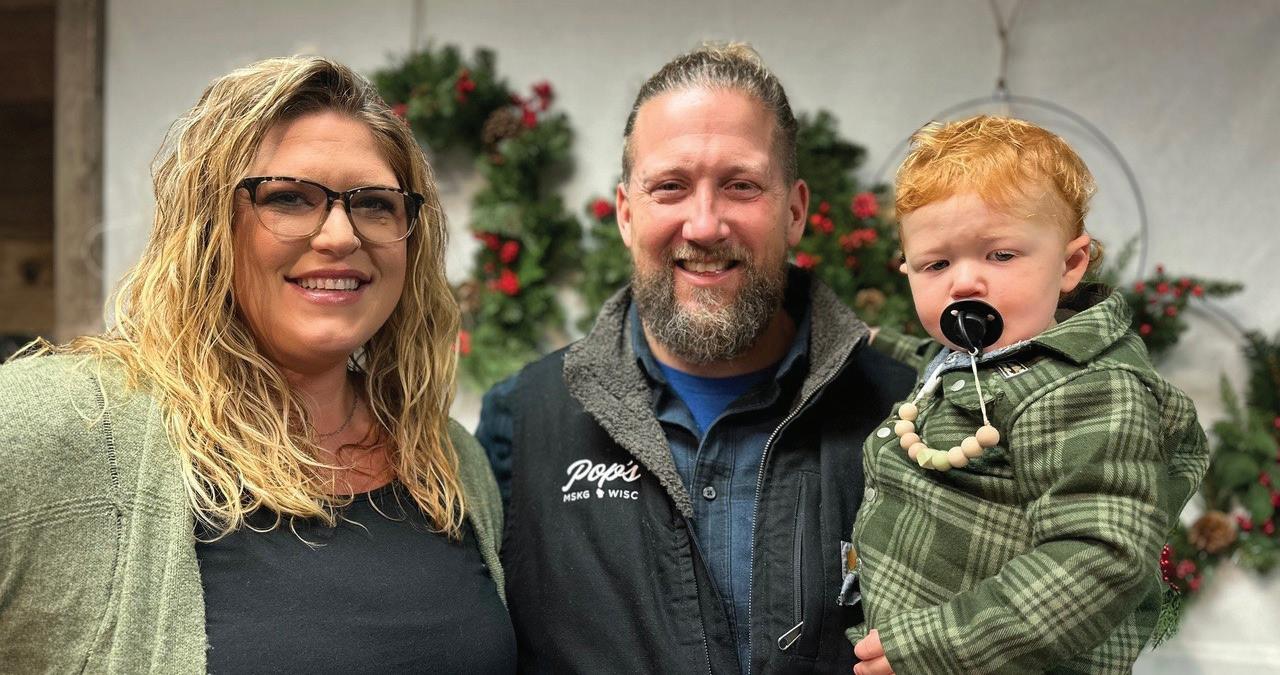
Muskego-based Pop’s Kettle Corn looks to sustain early growth, expand nationally
By Ashley Smart, staff writerThe ability to adapt to sudden change is a core competency of any successful entrepreneur. A sudden change is exactly how Muskego-based Pop’s Kettle Corn was founded.
Richard Knudsen, known by family members as “Pop,” started the company in 2009 after losing his job as a computer engineer at 59 years old.
“We didn’t know what he was going to do, but popcorn was never a part of it,” said Mark Knudsen, Richard’s son and company president.
It was a chance encounter at a local street fair that led his father to a kettle corn vendor. He was immediately inspired to start his own kettle corn business.
“When he told us, we were like, ‘What else are you going to waste your money on? This isn’t going to work,’” said the younger Knudsen.
Undeterred, Richard invested in his first popcorn kettle. From there, he worked through eight different recipes to perfect the company’s original coconut oil and sea salt flavor.
The first bags of Pop’s Kettle Corn were sold at farmers markets and small gatherings in southeastern Wisconsin. Richard attended more than 200 events in his first year of business to help the brand garner attention.
“I still think it’s a crazy dream,” said Mark. “I saw my parents on Facebook in 2011 and asked what they were doing. They told me the whole story and I thought it was pretty awesome.”
Mark Knudsen became president of Pop’s Kettle Corn in 2016, leaving behind his career as an international health teacher in China. That
same year, the company opened its first brickand-mortar location at S79 W18907 Janesville Road in Muskego.
Since its founding, Pop’s Kettle Corn has grown its sales from $75,000 in its first year to just over $800,000 in 2023. The company currently has 10 full-time employees.
The business solicits flavor ideas from employees and customers, and then Mark works on perfecting each recipe. So far, the company boasts 40-plus flavors, including bacon cheddar and buffalo ranch.
“We’re probably one of the more creative (kettle corn) brands,” said Mark. “I’m always trying to lean into our creativity and find new opportunities.”
Part of that creativity is the family of brands Pop’s Kettle Corn is building. In addition to the Muskego storefront, the business operates Pop’s Pantry, a small marketplace at S75 W17461 Janesville Road.
The shop sells products from the five brands Pop’s Kettle Corn has acquired over the years, including pretzels and nuts.
“A lot of small business owners don’t have succession plans, and they get to an age where they can’t do events anymore,” said Mark. “My dad didn’t have that. We ended up buying these businesses and recipes.”
His hope is to eventually expand the Pop’s Kettle Corn brand nationally. The business recently won the Jerry Jendusa BREAKTHRU/ UW-Milwaukee Award on Project Pitch It, which includes $5,000 in cash and mentorship services beginning in June.
8 / BizTimes Milwaukee MAY 20, 2024 Leading Edge @BIZTIMESMEDIA – Real-time news
Mark Knudsen (center) with his wife, Megan, and thier son, Huxley.


FRESH DIGS


M3 INSURANCE
OWNER: Irgens Partners
ARCHITECT: Eppstein Uhen Architects
CONTRACTOR: C.G. Schmidt
COMPLETED: April 2024
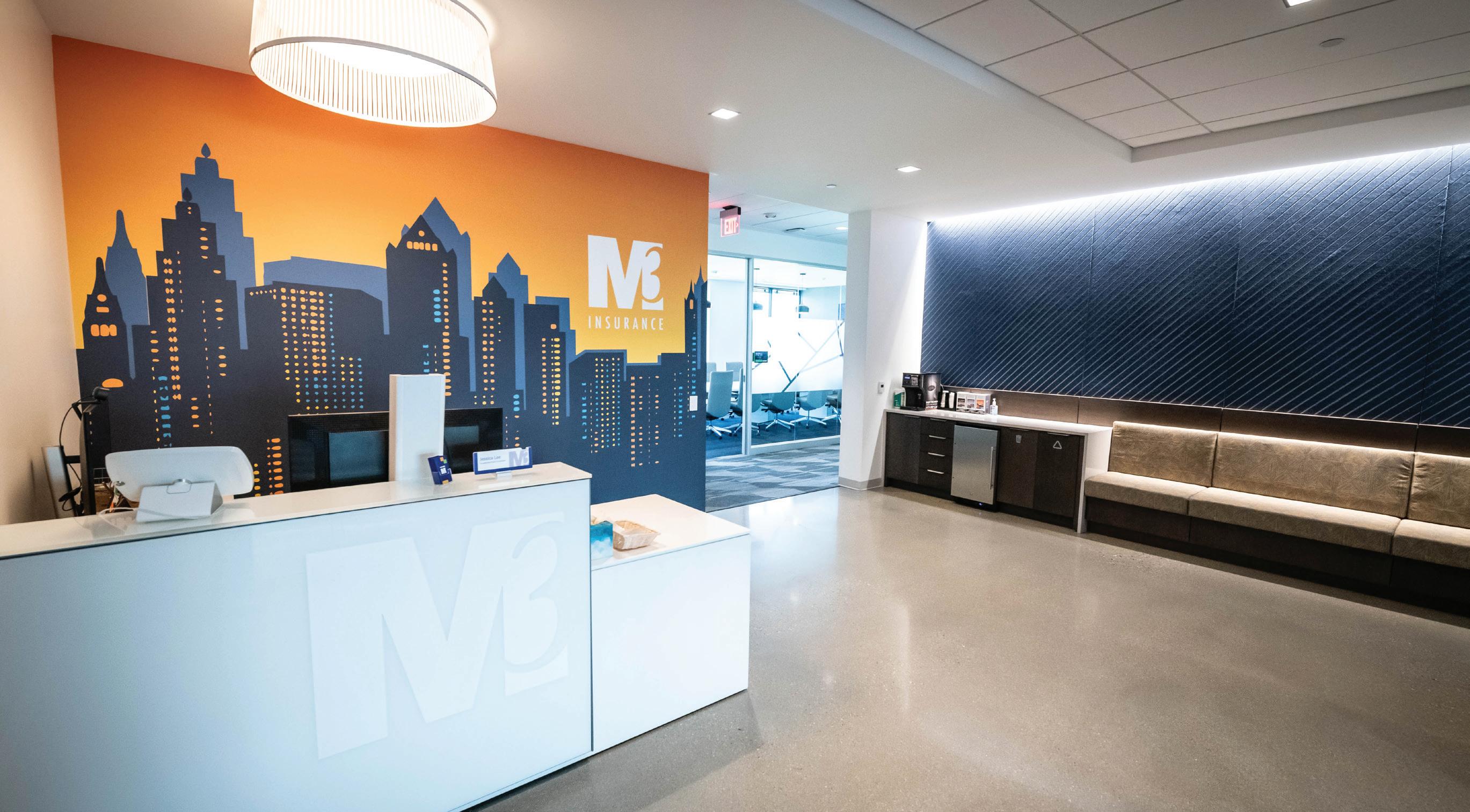
MADISON-BASED M3 Insurance recently settled into its new Milwaukee-area office in the Milwaukee County Research Park in Wauwatosa. The firm’s new office space, located near its previous location, gives the company slightly more space and upgraded amenities.
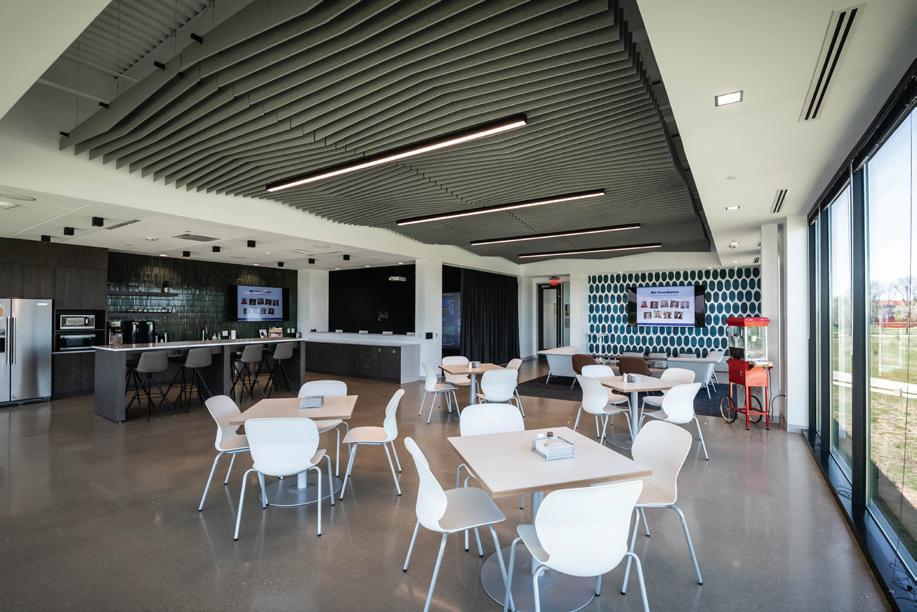
The new open-concept space spans 20,000 square feet – up from around 17,000 – complete with natural lighting and local art from the Milwaukee Institute of Art and Design.
As a client-facing company, M3 has its office split between client space and workspace. The client-facing side includes conference rooms and a cafe; the work-
space includes individual workstations with sit-stand desks and focus rooms to give employees a private option. Both spaces were designed to include state-of-the-art and user-friendly technology, according to Candice Roth, director of workplace experience.
The new space also offers an expanded amenity area with an outdoor patio for breaks or entertainment, a room designated for mothers or working parents to support office inclusivity, and a golf simulator, a feature becoming increasingly common in workplaces.
M3 has eight offices in total, with roughly 90 employees based out of its Wauwatosa office.
biztimes.com / 9
VALERIE HILL

$7,500,000 Equipment Financing


Experienced. Capable. Responsive. All things you expect from your banking partner when navigating complex tranactions in a rapidly changing marketplace. Ixonia Bank provides an elevated banking experience with tailored and innovative financing solutions that will exceed your expectations.
$6,600,000 Refinance Working Capital for Growth
$4,000,000 Working Capital and Equipment Financing
$3,400,000 Acquisition Financing for Industrial Buildings
$2,000,000 Working Capital Financing
$1,300,000 Real Estate Construction
$1,300,000 Acquisition Financing
$1,200,000 Acquisition of Medical Facility

$720,000 Industrial Real Estate Financing for Growth
$700,000 Equipment Financing
$350,000 Working Capital Financing





The Business Bank Run By Business People
Milwaukee County 414.763.2428 | Waukesha County 262.567.7509 | Jefferson County 920.206.2000 WE’RE ALL BUSINESS.
Member FDIC Equal Housing Lender
Karla Lauersdorf First Vice President
Devin Grant, CTP® Treasury Management
Alex Hinze Vice President
Mark Wierman President
Alex Fisher Commercial Banking Officer
Dennis Sampson Director of Commercial Banking
Hannah Dathan Commercial Banking Representative
Steve McGuire Senior Vice President
Greg Larson Chief Executive Officer
Tyson Goecks Vice President
Patrick Lubar Vice President
Chris Schaefer Business Development Officer


The Right Team Matters
Steve and Devin are dedicated to helping businesses streamline and protect their finances. If you are seeking a partner to help create efficiency, security, and cash flow optimization, you can count on their customized guidance and personal service to turn goals & dreams into realities. Email TM@IxoniaBank.com to engage with our experienced bankers.
Southeast Wisconsin’s top paid public company CEOs
By Arthur Thomas, staff writerMost of the chief executive officers of public companies in southeastern Wisconsin saw their total compensation rise in 2023, according to a BizTimes Milwaukee analysis of securities filings.
Of the 34 companies included in the review, 21 increased their total pay. The average total compensation among the group was up 5% to $7.1 million and the median compensation climbed 9% to $6.1 million. Total compensation for the group was up 8% to $243 million.
A total of seven CEOs topped $10 million in total pay, led by Fiserv’s Frank Bisignano at nearly $28 million. In many cases, compensation is primarily made up of stock options and other incentive-related pay. For two-thirds of the CEOs in the region, base salary was 20% or less of total compensation. Harley-Davidson’s Jochen Zeitz had the highest base salary at almost $1.95 million. In total, 15 local CEOs had base salaries topping $1 million.
Business Bank Run By Business

PUBLIC RECORD
biztimes.com / 11
People Member FDIC
The
Steve Clark Senior Vice President Director of Treasury Management Devin Grant, CTP® Assistant Vice President Treasury Management
Name Company Base Salary ($) Total Compensation ($) Frank Bisignano Fiserv 1,400,000 27,943,757 Blake Moret Rockwell Automation 1,198,817 16,765,020 George Oliver Johnson Controls 1,500,000 15,882,646 Jonas Prising ManpowerGroup 1,300,000 12,712,353 Jochen Zeitz Harley-Davidson 1,948,000 11,953,280 Louis Pinkham Regal Rexnord 1,119,493 11,805,489 Nicholas Pinchuk Snap-On 1,142,473 10,574,757 Todd Adams Zurn Elkay 1,005,000 9,905,918 Paul Sternlieb Enerpac Tool Group 774,519 9,608,505 Scott Lauber WEC Energy Group 1,085,199 9,230,552 Thomas Kingsbury Kohl's Corp. 1,475,000 8,962,889 Kevin Wheeler A.O. Smith 1,076,500 8,756,656 Joel Quadracci Quad 1,087,371 8,510,486 Timothy Mattke MGIC 988,462 7,984,013 Aaron Jagdfeld Generac 1,050,000 7,084,966 Aaron Ravenscroft The Manitowoc Co. 944,231 6,698,208 Paul Manning Sensient Technologies 1,080,000 6,175,152 Eric Colson Artisan Partners 500,000 6,006,868 Mark Skonieczny Rev Group 669,290 5,894,245 Neil Brinker Modine Manufacturing 882,750 4,824,132 Greg Marcus Marcus Corp. 950,000 4,784,595 Andrew Harmening Associated Bank 1,030,000 4,746,720 Kenneth Bockhorst Badger Meter 750,000 4,544,288 Karim Donnez LiveWire Group 323,077 3,573,368 Russell Shaller Brady Corp. 774,808 3,242,497
MEET THE




ELLEN CENSKY
President and CEO
Milwaukee Public Museum
MILWAUKEE

This Q&A is an extended profile from Wisconsin 275, a special publication from BizTimes Media highlighting the most influential business leaders in the state. Visit: biztimes.com/wisconsin275 for more.
Education:
Bachelor’s, University of Wisconsin-Milwaukee; doctorate in biology, University of Pittsburgh
What was your first job, and what did you learn from it?
“Babysitting — it taught me how to manage people and achieve desired results. My bosses (parents) set the expectations and I needed to manage my direct reports (kids) to achieve those results without a meltdown.”
What piece of advice has had the most significant impact on your career?
“Check your ego. It is not about you.”
If you could have dinner with any two business leaders, who would you choose and why?
“Yvon Chouinard, CEO of Patagonia, and Cynthia LaConte, chairperson of the Dohmen Company Foundation (in Milwaukee). Both of these leaders have taken new and interesting approaches to running a business that is profitable but also gives back in a big way to the community.”
What are some of your favorite destinations or places to visit?
“Anguilla in the Caribbean, Black Hills of South Dakota, anywhere in Wisconsin.”
What is one book you think everyone should read and why?
“I have three that together have influenced my thought — ‘Collapse: How Societies Choose to Succeed or Fail’ by Jared Diamond; ‘Last Child in the Woods’ by Richard Louv; ‘Braiding Sweetgrass’ by Robin Wall Kimmerer.”
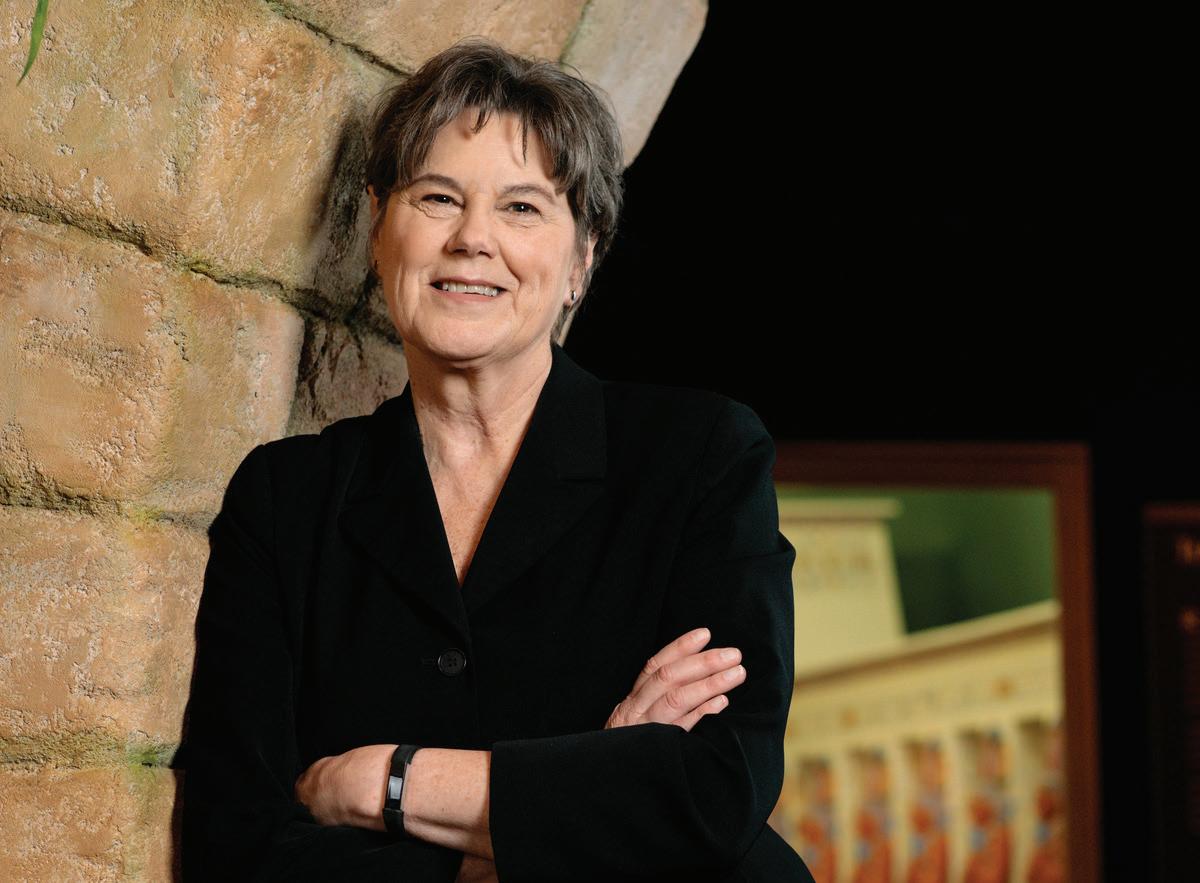
Ellen Censky was tapped to lead the Milwaukee Public Museum in 2018, as the organization was on the cusp of a major undertaking. With the potential lapse of its accreditation at stake, Censky steered the organization through the planning for its new facility in downtown Milwaukee. With county and state funding secured, she is working to complete the private donation portion of the $240 million fundraising campaign, launch construction of the new museum and make plans for the move to the future facility.
What’s your hobby or passion?
“My passion is helping people to understand the interconnectedness of people and the natural world. My hobbies are gardening, hiking and crocheting animals for kids.”
What is your favorite Wisconsin restaurant and what do you order there?
“Too many to choose one.”
What would people be surprised to learn about you?
“I was once stalked by a jaguar while doing scientific field research in the Chaco of Paraguay.”
What was your first car? How long did you drive it for?
“Chevy Chevette, two years.”
If you could take a one-year sabbatical, what would you do?
“Write a book — either about my adventures in field research or the interconnectedness of humans and nature.”
What’s the toughest business challenge you’ve had to overcome?
“Navigating COVID-19 — from closing the museum (twice) to safely and gradually reopening, to navigating the financial impacts and mitigating them — all that while continuing to plan for the new museum.”
What advice would you give to a young professional?
“Embrace change! It is going to happen whether you like it or not.”
What is one thing you would change about Wisconsin to make it even better?
“Subzero temperatures.”
As you enter your office, what would you choose to be your walk-up or theme song and why?
“‘Don’t Stop Believin’ by Journey. You can’t do a major project like the new museum without believing every day that it will happen.”
Is there a nonprofit cause that has special meaning to you?
“It may seem self-serving, but the Milwaukee Public Museum has special meaning for me — I had my first museum job here in the ‘70s and then, after spending time in museums around the country, returned in 2008 to eventually run it. This museum has a special place in this community, and I am thrilled to honor that 140-year history of creativity and ingenuity by making the next version of the museum, our fourth home, even better than what we have all come to love.”
What is the biggest risk you have ever taken?
“When I was doing research on lizards in the Caribbean, I spent lots of time camping by myself on a deserted island off the coast of Anguilla. The island was a known drug-drop place. I had to navigate keeping myself safe, not being lonely and doing my research. Probably the riskiest thing I have done, but I survived and the research is published.”
What’s at the top of your bucket list?
“Visiting the Galapagos Islands.”
What has you most excited about the future?
“The new museum, of course!”
12 / BizTimes Milwaukee MAY 20, 2024
Edge
Leading
 SARAH FIEREK Fund development, Center for Veterans Issues Founder, We Fund Visions | Illustrious Creative Works
 By Paulo Coelho
SARAH FIEREK, who’s built a career as a singer, songwriter and fundraiser for nonprofits, recently finished the book “Maktub” by Paulo Coelho.
Published in March as an “inspirational companion” to Coelho’s 1988 classic “The Alchemist,” the book is a collection of stories and parables on the human experience, gathered from the author’s daily column also called Maktub, an Arabic word meaning “it is written.”
Fierek was introduced to Coelho’s work years ago by one of her favorite visionaries, Pharrell Williams.
She had signed up for a subscription service in which Williams would send his own creations or content that inspired him. One of those items was “The Alchemist.”
Since then, Fierek has read almost all of Coelho’s books.
“They have provided me with profound insights and reminders of the power of listening to the universe, trusting the process in the connections you make in life and following through with the opportunities and adventures we experience on our journey in life,” she said.






biztimes.com / 13 BIZ POLL A recent survey of BizTimes.com readers. 24_002879_Milwaukee_Biz_Times_MAY Mod: April 16, 2024 3:19 PM Print: 04/26/24 page 1 v2.5 COMPLETE CATALOG 1-800-295-5510 uline.com ORDER BY 6 PM FOR SAME DAY SHIPPING KEEP YOUR BUSINESS RUNNING ULINE BRAND – ULINE QUALITY π Do you support plans for a $1.74 billion expansion of I-94 to eight lanes between 16th and 70th streets in Milwaukee? Share your opinion! Visit biztimes.com/bizpoll to cast your vote in the next Biz Poll. YES: 70.1% NO: 29.9% on my nightstand...
“Maktub”
INN VATI NS
RELJA Innovations aims to modernize medical equipment for podiatrists
By Ashley Smart, staff writerPODIATRY, or the professional care of feet, can be traced back as far as the time of the ancient Egyptians, according to the Archaeological Institute of America. But despite having thousands of years to evolve the tools used in the profession, some of the products currently used by foot and ankle specialists just aren’t up to par.
Instead of sticking with the tools on the market today, Dr. Robby Amiot, a board-certified foot and ankle surgeon, launched Wauwatosa-based RELJA Innovations to design a line of medical equipment geared specifically for podiatrists.
“Our products are designed from the ground up by surgeons for surgeons, whereas with other companies, you have some engineer who doesn’t do surgeries designing products for surgeons to use,” said Amiot. “They don’t always gel.”
Since its founding in 2020, RELJA Innovations has launched four products, made at production sites in Indiana, Texas and Wisconsin. One of the company’s flagship
RELJA Innovations
Wauwatosa
INNOVATION: The RELJA Clamp FOUNDER: Dr. Robby Amiot FOUNDED: 2020
reljainnovations.com





Dr. Robby Amiot
products is the RELJA Clamp, which is designed to give surgeons predictable, reproducible results when performing bunion surgery.
Amiot has been a practicing surgeon for about 19 years with Aspen Orthopedic Specialists. During that time, he’s performed nearly 1,500 bunion procedures –about two to four a week.
A bunion, a bump that forms on the joint of the foot and moves it out of place, is created when some of the bones in the front portion of the foot begin shifting. Traditionally, a bunion procedure is performed through a large, open incision. A surgeon will fuse or cut a patient’s bones to realign them to a proper position, correcting the bunion deformity.
Before fusing or cutting a patient’s bones, a surgeon will typically hold any sort of correction in place with their hands. This dated method of performing bunion surgery hasn’t always yielded successful outcomes.
“I’ve been in this space for some time, so I see the upsides




and downsides of the old methods and current methods,” said Amiot. “I thought it was time that we bring some new innovation to bunion surgery and try to get patients better outcomes.”
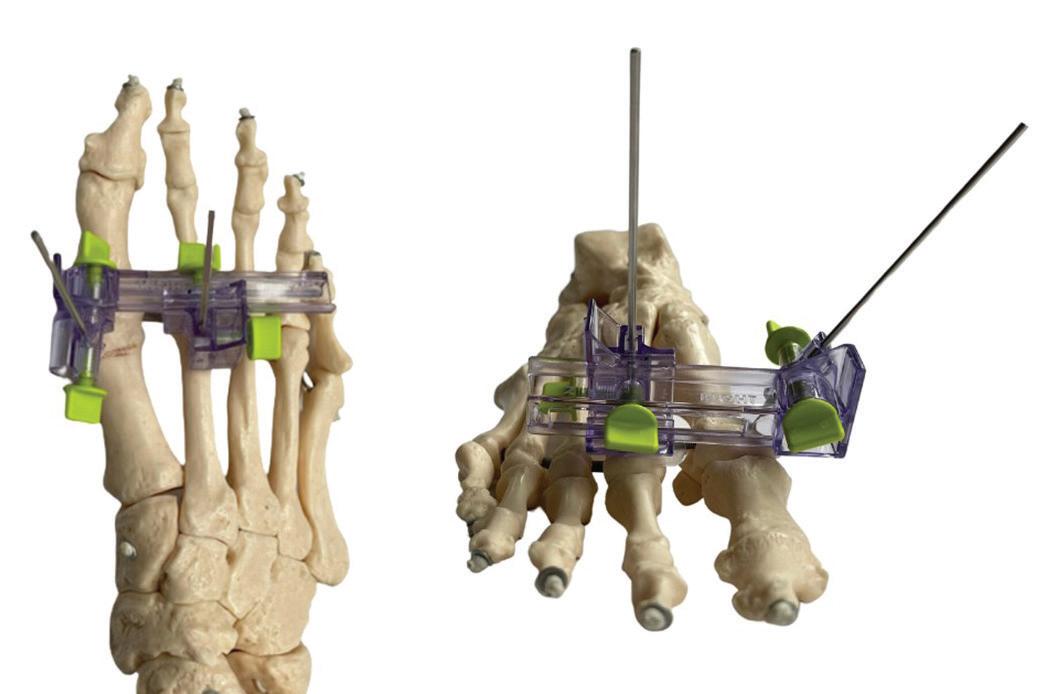
The RELJA Clamp, which can be applied in less than four minutes, is used without an incision. The clamp has two Steinmann pins that are inserted through a patient’s skin. Those pins are about 2 millimeters in size.
Once those pins are inserted, a surgeon rotates and shifts them until the patient’s bones are in the desired position. The clamp holds the correction in place, reducing the possibility of any human error that may occur by holding a correction by hand. The clamp is also clear, so it does not show up on a patient’s X-rays.
“The benefit of this clamp is getting a better correction than you can do with your hand or some other device,” said Amiot. “We also want it to be quickly applied.”
Amiot first came up with the idea of a clamp a year and a half
ago. From there, he designed a first and second prototype and filed patents for the final RELJA Clamp product. The company completed validation testing to make sure the clamp worked as anticipated late last year.
The clamp was subject to numerous tests that made sure none of its materials were toxic and it would remain sterile when shipped across the country.
The RELJA Clamp officially hit the market five months ago and is currently being used by foot and ankle surgeons. RELJA Innovations also sells accompanying plates and screws to be used along with its clamp.
Dr. Mitchell Hulbert, a podiatrist with Ascension Wisconsin in Brown Deer and Mequon, is one of Amiot’s colleagues and one of the first users of the RELJA Clamp. He does one to two bunion surgeries a month. Since using the clamp, he’s seen more precise corrections to the foot deformities that cause bunions.
“With some of the other products on the market, you have some
14 / BizTimes Milwaukee MAY 20, 2024 BizNews
RELJA INNOVATIONS
An x-ray photo showing the RELJA Clamp’s two Steinmann pins after being inserted through a patient’s skin.
loss of the reduction of the deformity and less stable fixations,” he said. “When you use traditional clamps, you apply the fixation to the bones and the clamp doesn’t hold the bones in the completely correct position.”
The RELJA Clamp has not only helped improve his patients’ out-
comes, but also decreased their discomfort and recovery times. He described the clamp’s use of only two pins as a “remarkable” feat that hasn’t been seen yet in the realm of podiatry.
“(Amiot) and I had discussed some of the products on the market along with some of their
Fast facts:
• Dr. Robby Amiot launched RELJA Innovations in 2020 after becoming frustrated with the antiquated methods used to perform bunion surgery.
• Amiot has performed more than 1,500 bunion surgeries to date.
• Amiot first had the idea for a modern, improved medical clamp a year and a half ago.
• The company’s RELJA Clamp officially launched last fall.
• Since the company’s inception, RELJA Innovations has created four products.
• Half of the company’s products launched in 2022 while the other half launched in 2023.
• The company has been issued one patent and has three pending.
deficits,” said Hulbert. “He did a really great job actually designing the product to align with the goals we’d been unable to meet with some of those other products.”
“I’ve been making these kinds of innovations for a long time,” said Amiot. “I’ve done a bunch of them, and the RELJA Clamp is by
far the best product I’ve used.”
In 2022, the company also launched its MIS Precision Chevron Bunion System, which allows surgeons to perform a chevron bunion osteotomy, another common procedure used to correct bunion deformities, with a minimally invasive technique. n
biztimes.com / 15
Presenting Sponsor: Formore information,contact Sue Herzog at sue.herzog@biztimes.com Don’t Delay! Final days to apply for your Future 50 Award! MAY 31st NOMINATION DEADLINE IS QUICKLY APPROACHING Winners will be formally recognized at the awards luncheon on September 20th and with profiles in BizTimes Milwaukee magazine. biztimes.com/future50
< The RELJA Clamp can be applied in less than four minutes and is used without an incision.

the Interview
WHEN LYNN AKEY’S SON was touring colleges in the spring of 2021, Akey, a longtime university leader in Minnesota, was also looking to expand her horizons. After 28 years at Minnesota State University, Mankato – most recently as the vice president for student success, analytics and integrated planning – Akey struck up a relationship with Debbie Ford, then-chancellor of the University of Wisconsin-Parkside, right around the time her son decided to attend college at the small Kenosha-based campus. When Ford announced in 2023 that she would be stepping down from the post to take a job at an Indiana university, Akey, along with dozens of other candidates, threw her hat into the ring. In September, university officials announced that the Minnesotan had been selected from a group of three candidates to succeed Ford in January. BizTimes Milwaukee reporter Cara Spoto recently sat down with Akey to talk about her first few months on the job and how she sees Parkside serving the region.
BizTimes: What attracted you to UW-Parkside?
Akey: “I was first exposed to the university in the spring of 2021 when my own son was looking for a place to pursue his college career. He was looking for a school with a strong academic program in the subject that he’s pursuing as well as the opportunity to participate in track and field. It happened that Parkside had that combination, and so, in the spring of 2021, we came over from Minnesota to tour the institution as a family, and he enrolled later that fall.
“Since I was a Parkside parent before I became Parkside’s chancellor, I had an opportunity to really come to know both the institution and the region as someone who was visiting campus. I also had the opportunity to establish a relationship with my predecessor, former UW-Parkside chancellor Debbie Ford. At the same time my son was starting school at Parkside, I was moving through executive leadership programs for university leaders aspiring to be presidents and chancellors. As part of that process, Chancellor Ford and I connected on a regular basis, and I had an opportunity to come over and visit the institution as I was shadowing her.”
What was it like having Chancellor Ford be your mentor before this opportunity came up and then getting the chance to fill her shoes?
“Chancellor Ford certainly was a wonderful leader for the university, and I think the campus community was fortunate to have her leadership for 14 years. It’s tremendous to have that kind of stability and forward-thinking focus for that length of time. So, I really looked at the opportunity to follow her and to also have her mentorship as just providing me an outstanding foundation to build upon.
Lynn Akey
Chancellor
University of Wisconsin-Parkside 900 Wood Road, Kenosha Faculty: 300-plus | staff: 160-plus uwp.edu
16 / BizTimes Milwaukee MAY 20, 2024 BizNews
LILA ARYAN PHOTOGRAPHY
“I think when we look at Parkside, which was founded in 1968, and what it’s accomplished in that short tenure, it’s something to be proud of. Other university communities – perhaps around the upper Midwest – that I’m familiar with don’t have the type of regional growth and development that the Kenosha-Racine-MilwaukeeChicago corridor has. And I think we have some unique opportunities to be a part of that growth.”
What have you learned about Parkside in the roughly four months you’ve been on the job?
“We have really strong programs focusing on student success, and we are centered on providing affordable access to higher education, especially since we are the most diverse institution within the Universities of Wisconsin. But we’re also thinking about how we continue to do that going forward.
“Right now, we’re really launching into a series of conversations about what that future looks like. We have a couple of areas in which the institution already has tremendous strength, one would be in our suite of health programs. Those programs produce students with acceptance rates into medical schools of between 89% and 92%. We’ve also just been approved by our creditor to add a master’s degree in a physician assistant program, and so we’re working to bring that online starting in the fall of 2026. The other area we have a lot of excitement about is investments within artificial intelligence and data analytics and bringing forward a center for data analytics. We certainly have had a strong foundation as an institution within our business and information and computing science programs.”
How do you see Parkside serving its students?
“Beyond just adding new programs, I think there’s an even more important conversation that we’re having as an institution, and that’s how we offer our program. So, for example, we’re talking about how we might offer stackable credentials that would be more supportive of students who might be coming in and out of higher education. Instead of saying to our prospective students, ‘You need to be able to commit to four years.’ It’s asking, ‘How much time can you commit?’ Let’s look at what an 18-month experience might be. At the end of that program, you might have a certificate you can use within the workplace. And then you can return a year or so later and complete another 18-month experience.
“We’re thinking about how we can offer courses and learning experiences that match who our students are. We recognize here at Parkside that most of our students are trying to live, learn, and work at the same time, and so we want to make sure that we’re actually
““Once our students see the tremendous opportunity that’s in front of them, they just pursue their studies with a passion that’s incredible to witness. I feel so blessed to be able to observe the journeys that they are on.”
— Lynn Akeyenabling students to do all three of those things very well. We’re also looking at work-based learning programs – fully funded internshiptype programs that enable a student to both learn and work at the same time – and accelerated degree programs, whether that is dual enrollment or allowing students to earn baccalaureate and a master’s degree at the same time.”
What are some of the things you like most about Parkside?
“It’s a beautiful place. It’s kind of a nature preserve in and of itself since it’s situated on a little over 700 acres of land. It’s sort of a little oasis in the middle of everything. Within five minutes, you can go from a very urban setting to a suburban area, and then be in a rural location. And to have access to all of that is really phenomenal. When I’m on campus, though, I like being able to get away from the hustle and bustle to be able to focus on the learning and the experience that we provide here.
“Parkside is the most affordable university in Wisconsin, and so we provide access to an education that many students might not have thought was possible for them. Once our students see the tremendous opportunity that’s in front of them, they just pursue their studies with a passion that’s incredible to witness. I feel so blessed to be able to observe the journeys that they are on.” n

biztimes.com / 17
Palermo’s CEO shares plans for current and future growth
A LITTLE OVER a year after Milwaukee-based frozen pizza manufacturer Palermo’s announced a sizable expansion with the addition of a plant in the city of Jefferson, the company is once again making headlines with news of its latest planned investment, in West Milwaukee.
In late April, the company unveiled plans to build a 200,000-square-foot production facility at the former Froedtert Malt site in West Milwaukee.
That’s not the only way Palermo’s is eyeing growth. Following its 2022 acquisition of Milwaukee-based Funky Fresh Spring Rolls, the company is also pursuing several opportunities for line expansions under that brand, says Giacomo Fallucca, chief executive officer and board chairman at Palermo Villa Inc.
BizTimes Milwaukee reporter
Ashley Smart spoke recently with Fallucca about Palermo’s continued growth and his vision for the next few years. Following are portions of their conversation.
BizTimes: Let’s start back in February 2023, when the new Jefferson facility was announced. How did you know it was time for a new plant?
Fallucca: “Jefferson had been in the making for well over a year. We were looking for a location to keep up with the growing demand for our products throughout the country. Jefferson was a site that became available to us, and it was already a USDA facility (formerly used by Tyson Foods), so it needed some infrastructure work, but that’s how we landed there. It’s what was available short of us building a new facility.”



What has been the key to Palermo’s growth over the past two years?
“We have a growth culture and a growth mentality. It’s just really a part of who we are as a company. We’re a growth company. We look at winning with our employees so we can win with our customers. That’s the reason for the growth. It’s just continued planning and deliberate actions towards the marketplace.”
The company targeted 200 jobs with the Jefferson project. Did you reach that goal?
“We continue to bring on new (employees) and develop our talent hired during the plant starting. We currently employ more than 100 individuals from Jefferson and surrounding communities.”
Let’s talk about West Milwaukee. How long was the company eyeing that location?
“We had been looking at a number of sites around Milwaukee for at least six to nine months. That was a site that had just become available. It was a very recent candidate for either existing buildings or existing land. One of the biggest criteria was it was close to our Canal Street headquarters. It’s three miles away, which was one of the biggest factors. Then there’s the fact that the land is about 20 acres or so. We’re building a brand-new building and everything that goes with it, from warehouse freezers to production space.”
Can you share how much the company is investing in the new West Milwaukee plant?
“We haven’t disclosed the amount, but it’s sizable.”
Is the company considering physical expansion anywhere else in southeastern Wisconsin?
“We are in a good place for
18 / BizTimes Milwaukee MAY 20, 2024 BizNews NEWS FEATURE
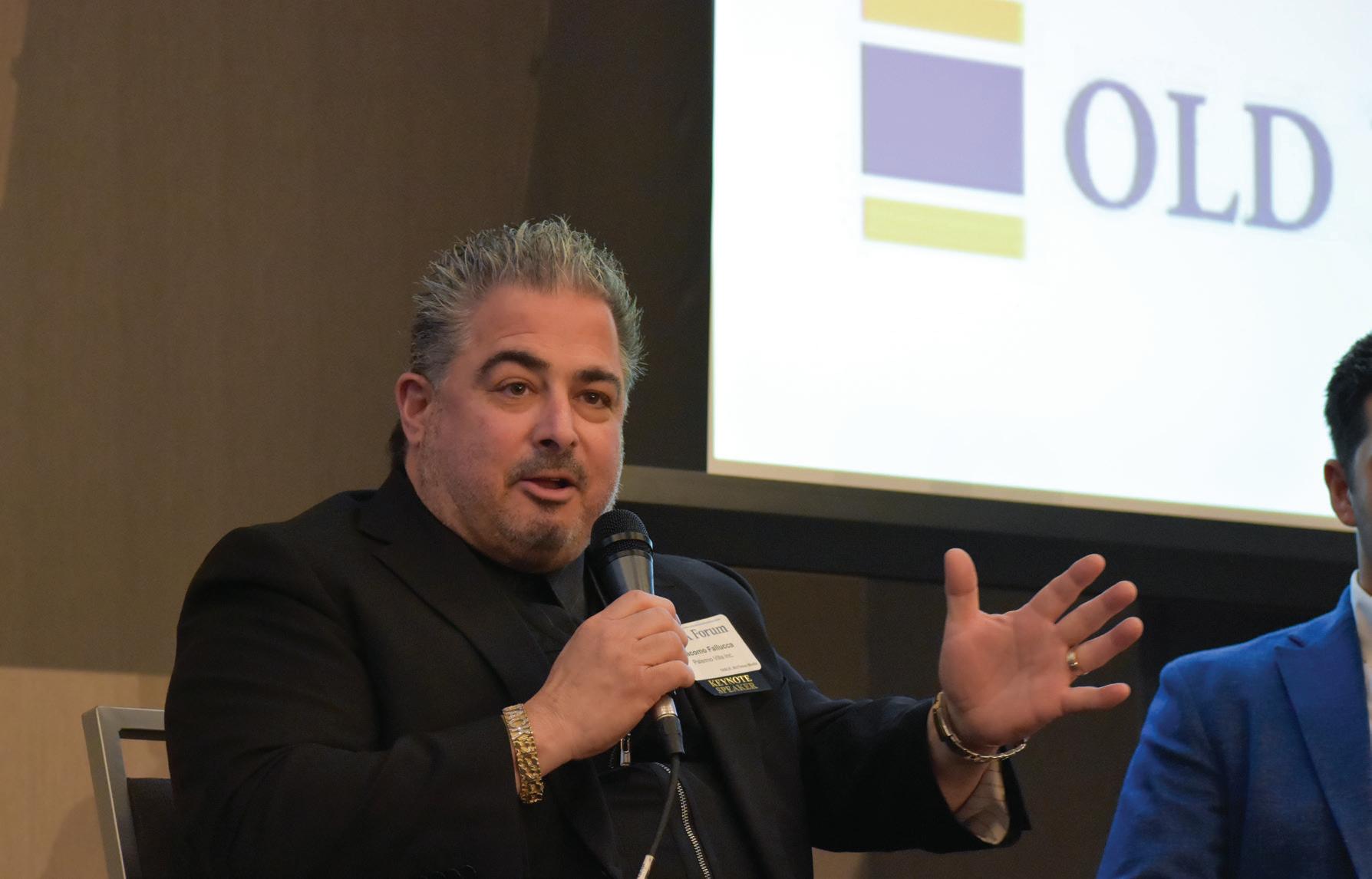
Giacomo Fallucca on stage at the BizTimes M&A Forum in 2023.
New Funky Fresh spring roll packaging that will launch in select retailers later this summer. The new package is a box instead of a pouch and contains three spring rolls, retailing for $8.99
the next two or three years. I think the current development is good for now.”
Can you share more about the growth Palermo’s is experiencing at its headquarters?
“The West Milwaukee plant will primarily be a production facility with the normal amount of supervisory management. However, a fair amount of support will be required to support that facility. Those infrastructure jobs – support jobs – will be added at Canal Street. It just makes sense for us to grow our employee base at our corporate headquarters, and then we add more on the operation side. So that’s where the growth is coming from. We need more parking lot space; we need more internal office space. There’s going to be at least a couple dozen employees added at Canal Street to support our overall company growth.”
How does Palermo’s rank when compared to the largest frozen pizza manufacturers in the country?
“We have five different brands. We subscribe to Nielsen, SPINS and IRI syndicated data to evaluate how our brands perform in the marketplace. Our goal is to have as many of our brands in the top 50 as possible. We have a number of brands that are in the top 50%; we have some brands that are in the top 10 and some that are top 20 and 50. It’s kind of like back in the day, with the Billboard Top 100 charts. It’s the same thing with pizza. There’s a finite amount of space. The goal is to have as many of our products in the top 50 as possible.”
In 2022, Palermo’s acquired Milwaukee-based Funky Fresh Spring rolls. How has that business been growing?
“Funky Fresh is doing exactly
what we intended it to do. It’s a product that we felt had scalability. Funky Fresh has unique flavor combinations, plus TrueMan (McGee), the founder behind it, has all the elements for success. We tested the market and found we had a larger size product with a much higher retail price. Now, we have a three pack, but the flavors are still the same. The packaging is now a box, which is easier to put on the shelf. We’re gaining some really good traction. Our eyes are set on the natural category with a number of smaller, independent (grocery) chains throughout the country. We’d love to have (Funky Fresh) distribution at Whole Foods or Sprouts.”
Is the company eyeing any other acquisitions in the frozen foods space?
“Nothing that has been finalized yet. The Funky Fresh brand
can be expanded upon with a variety of different products, but currently we’re focused on spring rolls. We may look at some line expansions in the next 12 to 18 months.”
What other innovations, whether in the frozen pizza space or frozen foods space generally, is the company working on?
“Innovation is the foundation of all of our production. As we look at our approach towards innovation, it comes in so many different forms. It comes from our own team as we look at the relevance of products and flavors. It comes from our travels – locally, throughout the country and internationally. We look at flavors of pizza and what trends seem to be popular and if they’re sustainable. We’re always looking at different crust styles and what will be the next big thing.”

June
Highlight
Space
June







Share your expertise and highlight your own firm’s innovation in this special advertising section within The
Space reservation: June 5


Feature your industry leader and share their insights and perspectives. Use this space to talk about your company’s latest news, innovations and successes.
Spacereservation:July10
biztimes.com / 19
In these upcoming Thought Leadership pages For more information contact Linda Crawford at (414) 336-7112 or advertise@biztimes.com TELL
Thought Leadership placements include digital posts, reprints and a framed plaque.
Q&A
YOUR STORY YOUR WAY
CEO
July 29 Issue
Reserve your Thought Leadership pages today! KEITH WALZ President & CEO, KDV Label, LLC THE PHELPS FAMILY IS BUILDING NAME IN CONSTRUCTION Then we design, integrate, install, and maintain your Serving customers WI from offices Green Bay, LEADERS IN INNOVATION Communications Engineering Company (CEC) FACES OF FAMILY BUSINESS
10 Family Business Issue
unique feature.
what makes your family business special in this
IN INNOVATION
reservation: May 22 LEADERS
Innovation Issue
24
Innovation Issue.


Spec industrial development stagnates in region

AS THE NATION’S economy continues to send mixed messages – with high interest rates, high inflation and fears of a recession contrasted by the stock market near record highs, a growing GDP and healthy labor market – southeastern Wisconsin’s industrial real estate market is also sending
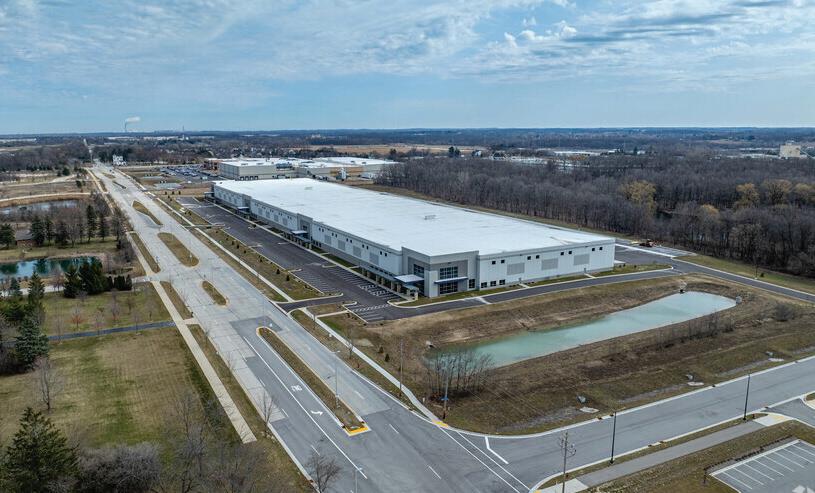
Microbial Discovery Group’s new facility at 3303 W. Oakwood Road in Franklin.
mixed signals.
While many companies throughout the region are seeing strong business and some are looking to expand their real estate, a challenging development environment is drastically slowing the construction of new speculative industrial buildings as the market absorbs the record amount of space that became available over the past year.
For the first time since the 2007-08 Great Recession there was no speculative industrial space under construction in southeast Wisconsin during the first quarter, according to Jeff Hoffman, an industrial real estate broker and principal with Cushman & Wakefield | Boerke.
Much of the reason has to do with the challenging development environment plaguing all sectors of real estate with high interest rates, high construction costs and developers struggling to come up with enough equity to plug the gaps left by lenders.
Southeastern Wisconsin, particularly the I-94 North-South corridor, had a significant amount

WHO REALLY OWNS IT: GAS LIGHT BUILDING IN DOWNTOWN MILWAUKEE
The Gas Light Building is undeniably one of Milwaukee’s most iconic high-rises. Constructed in 1930 with locally distinct cream city brick, the building is downtown’s art deco gem. Copper panels adorn the spandrels, while organic foliage patterns and terracotta designs decorate the façade. A Prohibition-era speakeasy was demolished to make room for the building.
A weather beacon shaped as a natural gas flame was added to the top of the structure, formerly known as the Wisconsin Gas Building, in 1956. It famously indicates the weather forecast by its color and flicker.
In 2015, national investor M&J Wilkow purchased the building for $20.5 million, well above its then-assessed value of $10.6 million. Today, the 134,000-square-foot building is leased as office space with more than 83,000 square feet available.
ADDRESS: 626 E. Wisconsin Ave.
OWNER: Affiliate of M&J Wilkow
ASSESSED VALUE: $16.8 million

20 / BizTimes Milwaukee MAY 20, 2024 Real Estate REAL E S TATE WEEKLY – The week’s most significant real estate news → biztimes.com/subscribe
LOOPNET
of speculative space come online in the past year with a few big deliveries in the first quarter, which has satisfied developer and investor appetite for new white box construction.
“It’s not as if the spec pipeline is just nonexistent,” Hoffman said. “It makes sense that at peak industrial real estate boom, ecommerce boom, surge in demand in 2021, 2022, interest rates much lower, everybody wanted to develop industrial real estate and now you’re seeing most of those products being delivered. These things take a couple of years to hit the market.”
The result has been an uptick in the overall vacancy rate to 5.8% in the first quarter, up from 3.6% in the first quarter of 2023, according to the latest market data report from the Commercial Association of Realtors Wisconsin.
“What we’ve delivered in the last 12 months is well in excess of what our market can historically absorb in a normal growth market,” Hoffman said. “You’d have to be in a turbocharged market to absorb all the space that was built.”
However, much of the new space waiting to take down its “for lease” signs are in the Kenosha and Racine submarkets. Kenosha County, for instance, has had upwards of 5 million square feet of industrial space delivered in the past nine months, according to Hoffman. Much of this space has been concentrated in a few buildings of 500,000 square feet or more, which moves the needle on vacancy rate a lot more than the smaller buildings that typically get built in metro Milwaukee.
In all, the I-94 North-South corridor has about 18 to 24 months of supply available right now, Hoffman estimates, noting that a couple of large deals could knock that timeline down significantly.
“There is a thought that if the economy doesn’t dip into a recession – and we really don’t see tenants starting to default –because the development pipeline is shutting down right now and we already have what are historically low vacancy rates, by the time we
get into the tail end of 2025, and arguably the economy should be back up again, you’re going to see a huge supply crunch again,” Hoffman said.
Still, there’s considerable activity throughout southeastern Wisconsin: in January, Haribo leased nearly 450,000 square feet in Bristol, moving from a 160,000-square-foot space, and in April, Microbial Discovery Group announced that it had added 117,000 square feet in Franklin to its portfolio. Both buildings were brand new, but the region’s stock of older industrial buildings is also performing well – in some cases, even better.
The asset class that has seen some of the biggest rent appreciation has been functional class B buildings in good locations, according to Hoffman. This has been driven by high rents in new buildings that have been prohibitive for some tenants looking to upgrade.
“(Still,) I see continued new construction happening directly with users,” said Matt Judson, president of Pewaukee-based Judson & Associates. “Some of the older generation product is not as functional for users and, with price increases of existing product, building new is being seen as more attractive.”
BREAKING GROUND
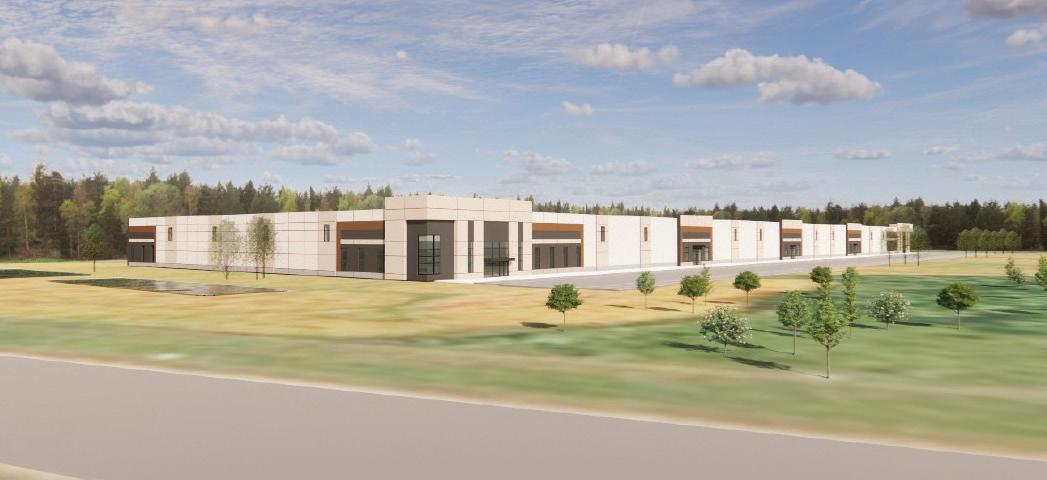
NEW SPECULATIVE INDUSTRIAL BUILDING IN PEWAUKEE
As construction of speculative industrial buildings slows drastically – and Waukesha County contends with a shortage of space – Brookfield-based 2000 Development is proposing a new 225,000-square-foot spec industrial building in the city of Pewaukee.
The building would be located on a roughly 20-acre site at the northeast corner of Redford Boulevard and Lindsay Road. The company owns other industrial sites in the area and says there’s demand from tenants for more space.
“I have the tenants within my own portfolio that call me monthly trying to find more space in Pewaukee,” said Brandon Bergman, president of 2000 Development.
The project’s estimated value is around $15 million to $20 million and early grading could begin as early as this fall.
PRESENTS:
 HUNTER TURPIN Reporter


biztimes.com / 21
SPONSOR:
Make plans to attend our 11th annual Nonprofit Excellence Awards on July 25th where we’ll shine the spotlight on the people in for-profit and nonprofit organizations making a difference in our community. Honorees will be recognized in the categories of Corporate Citizenship and Nonprofit Leadership. biztimes.com/npawards 2024 SAVE THE DATE: July 25, 2024 2:30-6:00 PM - Italian Community Center To learn more or register, go to
EPPSTEIN UHEN ARCHITECTS
P / 414-336-7121 E / hunter.turpin@biztimes.com T / @HunterDTurpin












































COVER STORY 22 / BizTimes Milwaukee MAY 20, 2024
In their blood

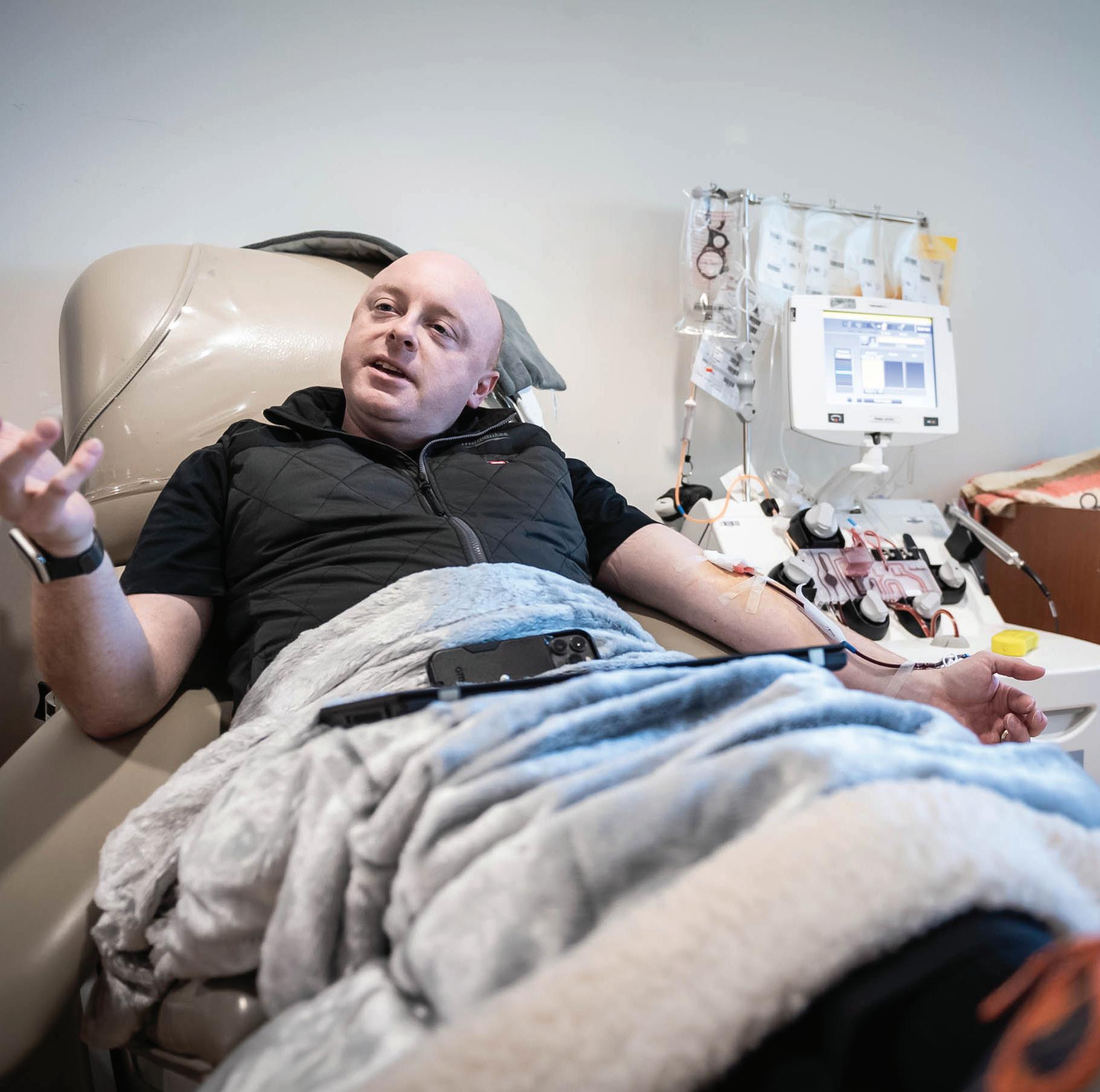
Mike Janasik, the director of portfolio management for Versiti, donates platelets during a visit to Versiti’s blood donation center at its Wauwatosa campus. Janasik works with the 65 hospitals that Versiti serves via its blood services. The visit was his 138th donation.


Versiti makes huge impact on health care and Milwaukee’s economy
BY CARA SPOTO, staff writerWhen Gabriella Flater was 8 years old, her father died of complications related to hemophilia.
Roughly 20 years later, the blood disorder resurfaced in Flater’s life when her newborn son, Titus, began having bleeding incidents. Unaware of the genetic nature of the disease, the family soon learned that Titus had inherited the same life-altering condition as her father.

Luckily, Titus was born at a time, and perhaps more importantly, in a place, where treatment advances could ensure he lived not just a long life, but an active one.
When Titus was still an infant, Flater and her family began working with doctors and researchers at Versiti’s Hemophilia Treatment Center in Wauwatosa.
At just 8 months old, Titus had a port placed in his chest that allowed his parents to deliver the Factor VIII blood clotting protein that his body doesn’t make on its own.
Flater and her husband used to have to deliver the dose twice a week. But as part of Versiti’s work to improve treatment for the disease, the Richfield residents were able to enroll Titus, who turns 5 in June, into a study of a new clotting protein that he can take once weekly.
“Going down to just one dose a week is huge,” Flater said. “What kid likes to be poked? What parent likes to poke their child?”
The new treatment also has a longer half-life, which means less worrying between shots about a minor scrape or tumble turning into a race to the ER.
“Without the research that’s been done and medicine that’s been found, Titus would have excessive bleeding from any wounds, and he would have joint bleeds, which go unseen to the eye. And those could be caused by him just riding a bike, jumping off of a swing or the monkey bars – just being a boy,” Flater said. “It’s been wonderful that we are so close to Versiti.”
Founded in 1947 by the Junior League of Milwaukee, Versiti – then known as the Milwaukee Blood Center – began simply as an effort by local women to create a sustainable blood supply for residents in the city.
In the years since, the organization has grown to not only become the chief provider of blood services to hospitals in the state, but an international leader in research, leading to discoveries that have helped increase the understanding of pernicious blood disorders – such as sickle cell anemia, von Willebrand Disease and leukemia – and treatment innovations that have helped dozens of patients, like Titus.
As those efforts have placed Milwaukee-based Versiti at the center of blood research in the United States, its blood services – the collection and distribution of donated blood to hospitals – has grown over the decades to include blood centers in Michigan, Indiana, Ohio and Illinois. Together, the five states under the Versiti umbrella make up the fifth-largest blood provider in the nation.
Versiti Blood Center of Wisconsin, alone, provides more than 230,000 units, or pints, of blood and blood products annually to more than 56 hospitals in the state.
biztimes.com / 23
VALERIE HILL
“What’s neat about Versiti is that Milwaukee is the headquarters for a reason,” said Chris Miskel, Versiti’s president and chief executive officer. “All of these service lines that existed (before the mergers with blood centers in other states) are part of what allowed Versiti to affiliate with these other blood centers, because there was strength in science and medicine. That strength then allowed leadership to bring in great work that was happening in other states that didn’t have components like the diagnostic lab, the organ procurement organization or the research institute.”
Growth with a purpose
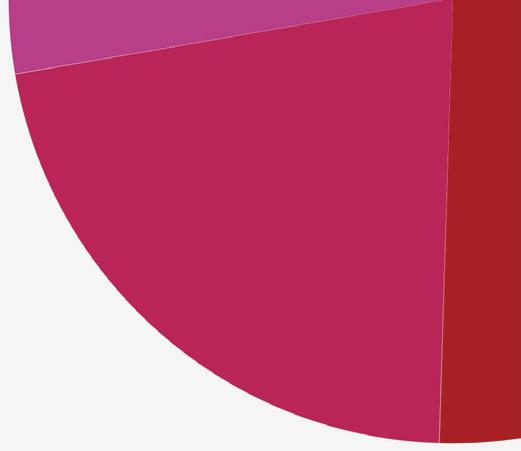
In the past five years alone, Versiti has experienced the kind of growth more typical of a thriving Fortune 500 company or a meteoric upstart than a nonprofit. Between the end of 2018 and the end of 2023, the organization saw its total revenue increase by 45.6%, from $287 million to $418 million.
Much of that growth can be attributed to Versiti Clinical Trials, which acquired four distinct diagnostic laboratories during that time period: Texas-based Cenetron Central Laboratories and its subsidiary Salus IRB in 2019, and Indiana-based firms Quantigen and Pearl Pathways in 2023.
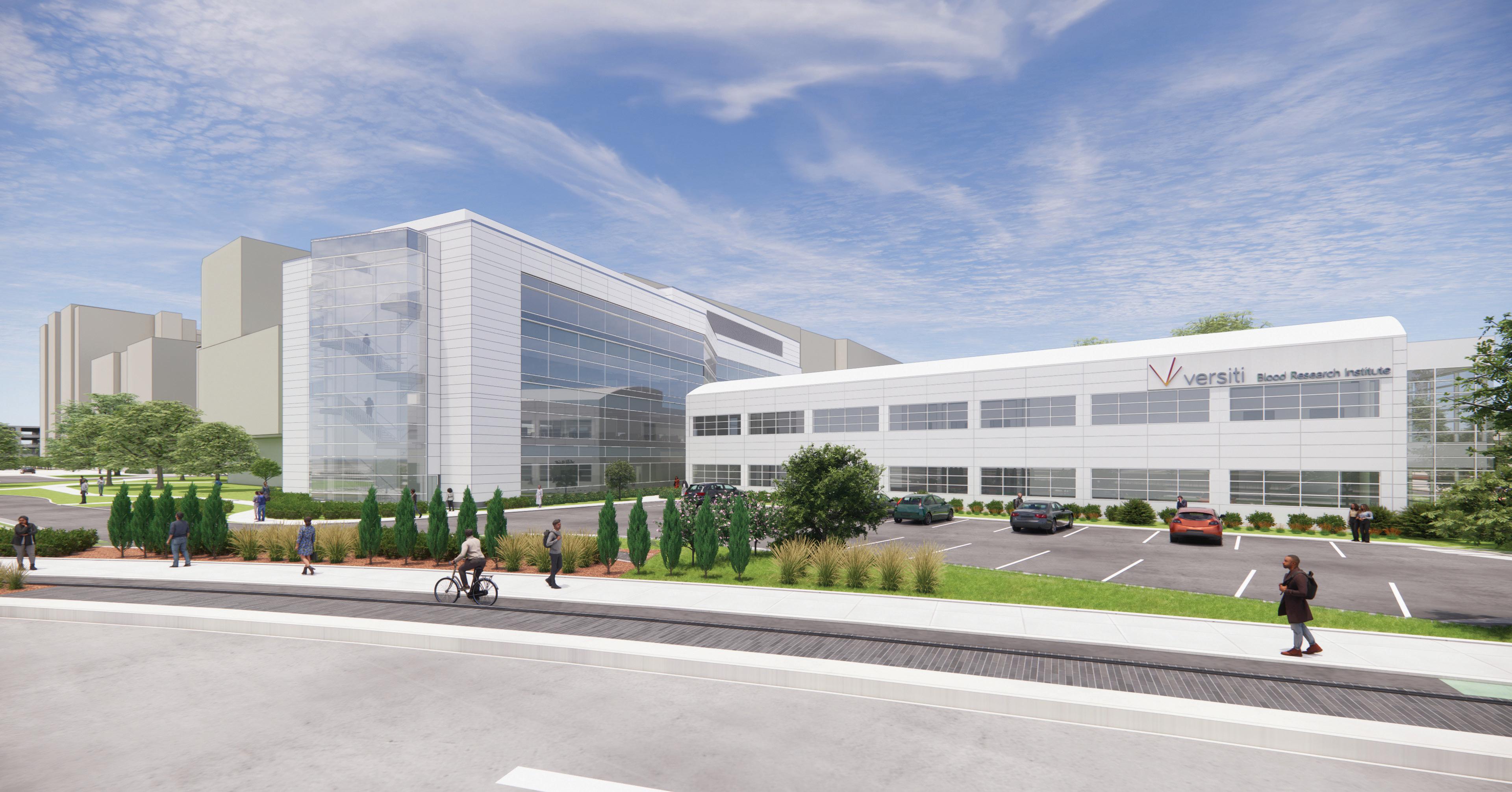
As it works to strengthen its own research arm, the nonprofit is also on the cusp of breaking ground on a 79,000-square-foot, $79 million expansion of the Versiti Blood Research Institute at the Milwaukee Regional Medical Center in Wauwatosa, which also includes Froedtert Hospital, Children’s Wisconsin and the Medical College of Wisconsin.
Expected to break ground later this year, the project is being funded in part by $10 million in
state funds. It will essentially double Versiti’s research capabilities, bringing the total number of researchers and staff working out of the VBRI from approximately 200 to more than 350.
And it’s working to broaden its outreach efforts, particularly in parts of Milwaukee most impacted by one of the main diseases it treats and studies: sickle cell anemia.
Sometime this spring or summer, Versiti will
open a 3,500-square-foot community resource and permanent blood donation center at the ThriveOn King Collaborative, being developed in the former Gimbels and Schuster’s building on North Dr. Martin Luther King Jr. Drive in Milwaukee.
All of these efforts drive toward one main goal, says Miskel. And that goal – or rather, mission – is to save lives.
“We always say, ‘Saving lives is our shared
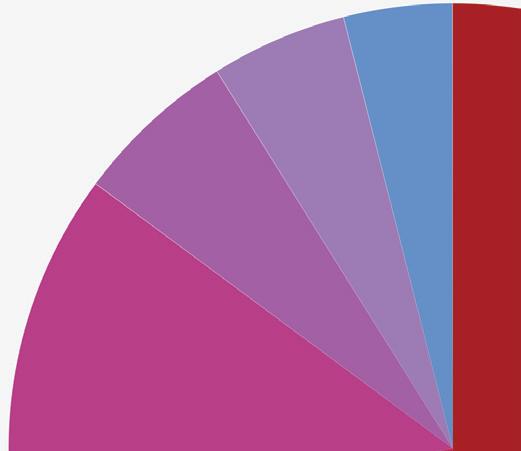
Versiti’s 2023 revenue by service line
Total revenue: $418 million


COVER STORY 24 / BizTimes Milwaukee MAY 20, 2024
A rendering of the planned 79,000-square-foot addition to the Versiti Blood Research Institute at 8727 W. Watertown Plank Road on the campus of the Milwaukee Regional Medical Center in Wauwatosa.
HGA
Blood services 51% Diagnostic labs and donor testing 22% Pharmacy 13% Research 6% Organ and tissue 5% Medical sciences 4% 51% 22% 13% 6% 5% 4%
purpose and serving other people is our passion,’” Miskel said. “We grow so that we can reinvest in our core mission.”
Clinical trial services
These days, most of Versiti’s growth is occurring in the clinical trials space. In 2022, its diagnostic lab services generated roughly 17% of the organization’s total revenue. At the close of 2023, following the acquisition of the two Indiana firms, it grew to 22%, or roughly $91.9 million.
“We have a financial position that allows us to do smart acquisitions, but it really started with us asking: ‘Do we have a right to do this or not?’” Miskel said. “Our diagnostic lab operation, which is where we do most of our acquisitions, is probably the most differentiated thing that we do. What that means is that people who need that service highly value it. So, we’re able to build out Versiti
Clinical Trials and then reinvest in other parts of our mission, like research.”
Although Versiti’s research efforts are primarily funded through grants from the federally funded National Institutes of Health, Miskel said the success that Versiti has in its other service lines, which include blood services, diagnostics, pharmacy and medical services – and its role as the chief organ procurement organization in the region – can support VBRI’s efforts by strengthening Versiti’s overall financial health.
Taken together, the firms that make up Versiti Clinical Trials offer a comprehensive suite of services, including blood products for research, central lab services, clinical trial logistics, custom assay development, or the development of analytic procedures, and Institutional Review Board services, which provide researchers with required regulatory oversight.
“We are supporting biotech and pharma companies that need specialty CRO (contract research organization) services,” Miskel said.
Much in the same way that a home builder might keep its own electricians, cabinet makers, and HVAC experts on staff, Versiti is building out its diagnostics arm to function as a one-stop shop for entities looking to perform clinical trials. And while the organization may not be the biggest provider of clinical trial services, Miskel says it has developed a fair amount of clients in the pharmaceutical and biotech industries.
“There are really big contract organizations and really big central labs that you could probably find out there, and they have a definite need for certain customers,” he said. “But there is something to the nimbleness that each of these organizations had built before Versiti acquired them, and they kind of fit into a jigsaw puzzle with us where we are kind
biztimes.com / 25
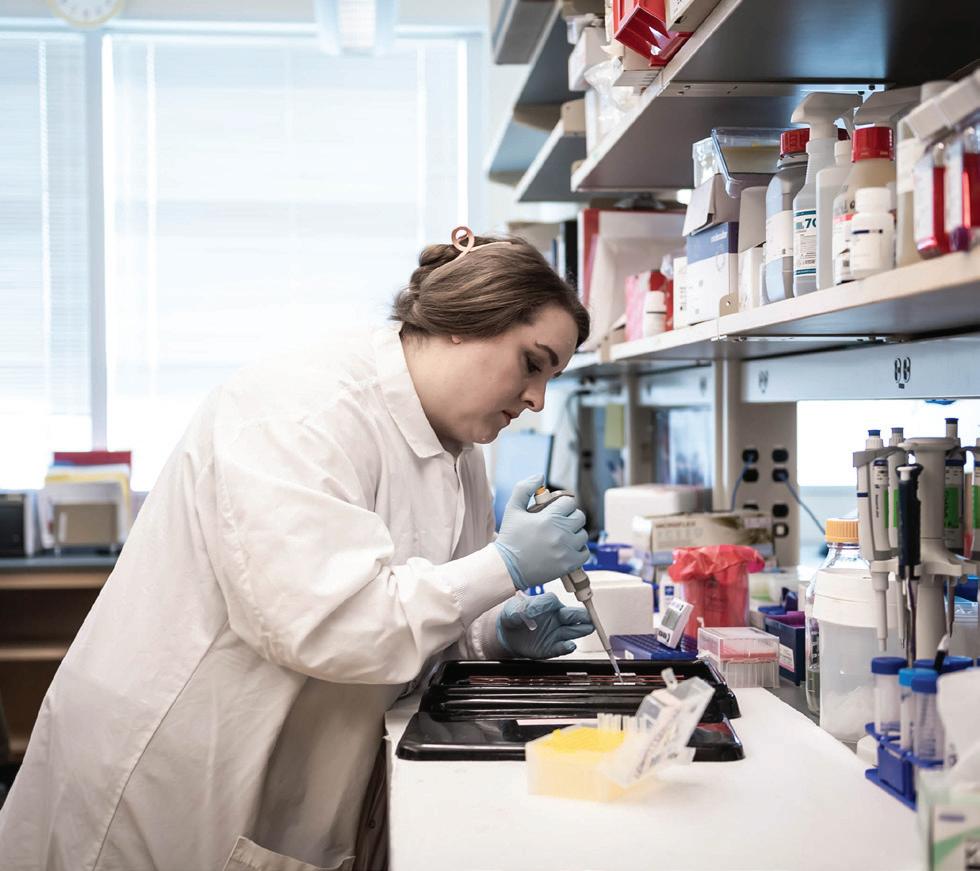
1. Ashley Smith, Ph.D., a senior research technician in the Tirthadipa PradhanSundd, Ph.D., lab prepares slides at the Versiti Blood Research Institute.
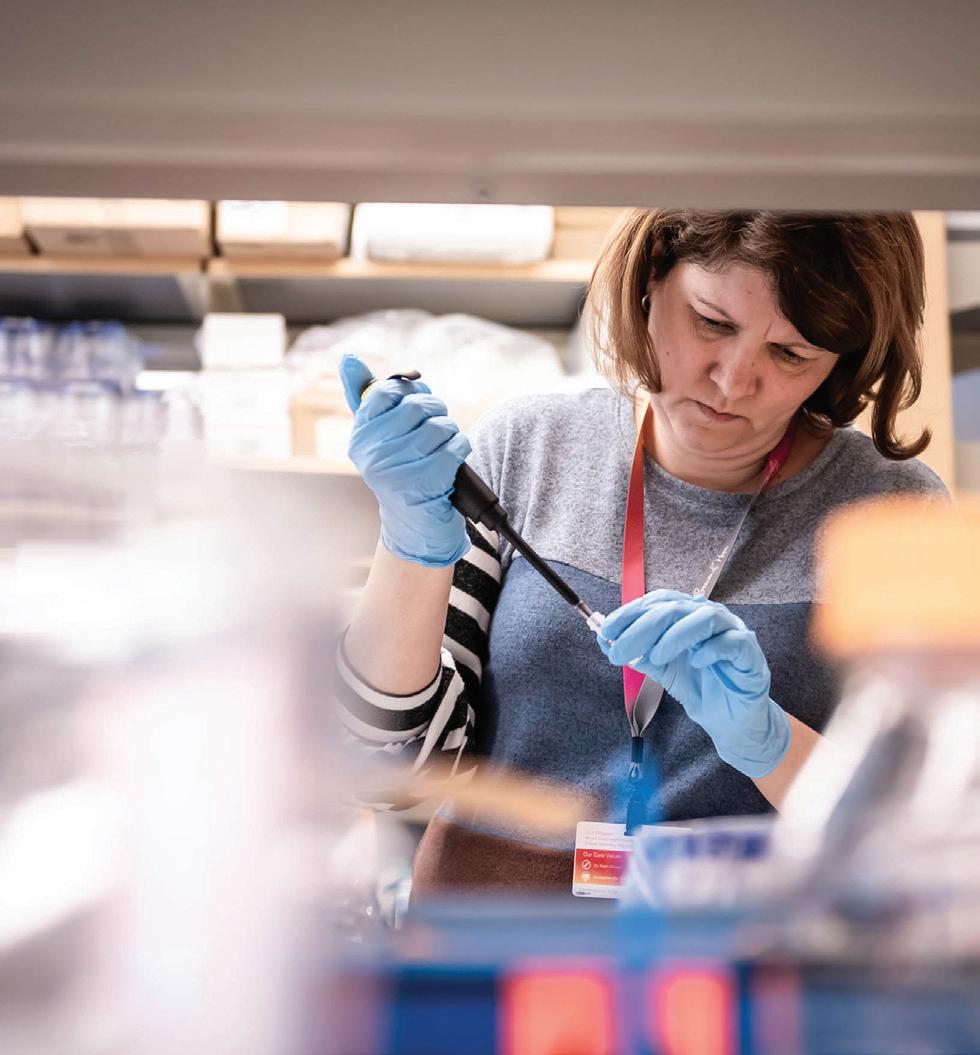
2. Anna Mozhenkova, a postdoctoral researcher in the Prithu Sundd, Ph.D., lab prepares membranes used to study protein expression in sickle cell anemia.
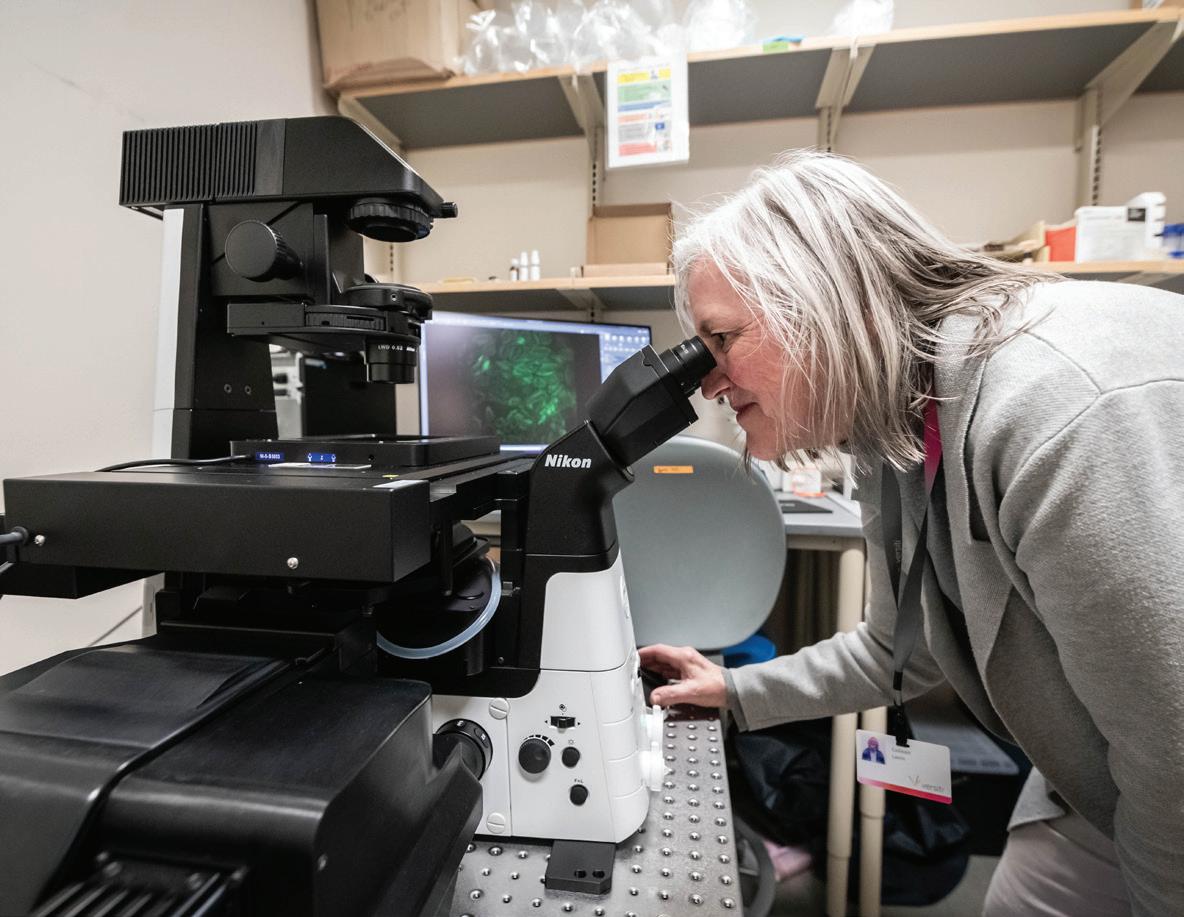
3. Colleen Lavin, an advanced imaging specialist with Nikon Instruments Inc. peers through a microscope at the Versiti Blood Research Institute. Lavin is part of the team at VBRI that cares for its many high-tech microscopes.
1 2 3 4 VALERIE HILL
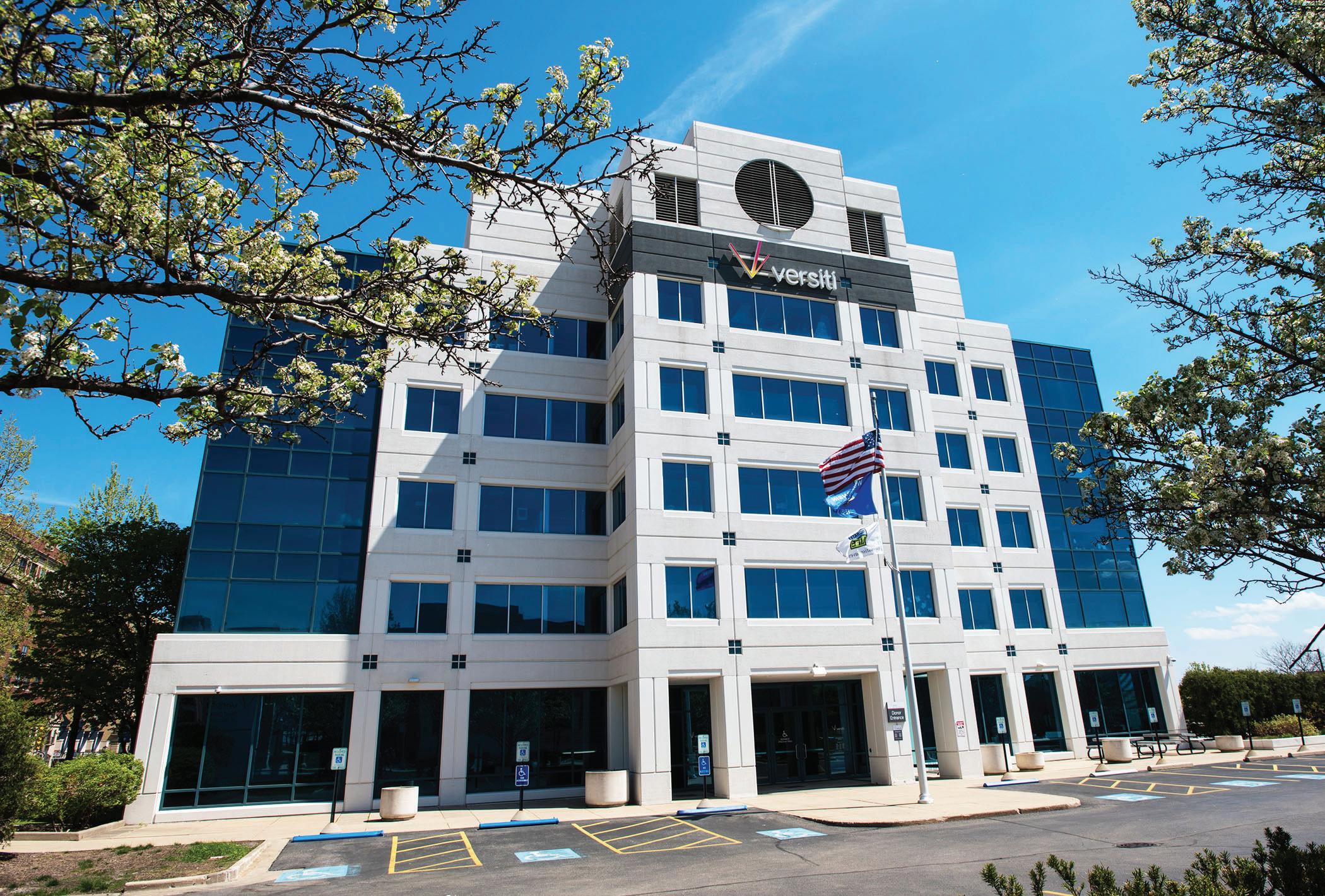
4. The entrance to the Versiti Blood Research Institute. In addition to the VBRI, the complex is home to Versiti’s Comprehensive Center for Bleeding Disorders as well as a blood donation center.
of building a critical mass in services.”
While it doesn’t provide patient enrollment in trials or bioanalytic services, the services Versiti does provide, such as regulatory support, can be attractive to smaller companies that may not have a sophisticated regulatory engine of their own, Miskel said.
“Maybe they are at phase two or three, and they are ready to interact with the FDA, or they are ready to submit something, that is what Pearl Pathways does,” he said.
A research magnet
If you want to get a sense of the expertise and passion of Versiti investigators, from its doctoral students to postdoctoral researchers and physician scientists, just visit any one of the labs at the Versiti Blood Research Institute.
On a recent Thursday, Anna Mozhenkova, a postdoctoral fellow who moved to Milwaukee to work in a lab run by investigator Prithu Sundd, Ph.D., was preparing membranes used to study protein expression in sickle cell anemia, while Tomasz Kaminski, Ph.D., a research scientist studying thrombosis and hemostasis in Sundd’s lab, raved about one of the high-tech microscopes at the VBRI.
Originally from Poland, Kaminski followed Sundd in September from his lab at the University of Pittsburgh to the VBRI to continue Sundd’s NIH-funded research into the role of thrombo-inflammation in blood diseases.
“We can look at real animals in real time. We can go down to 1.5 micrometers, and we can look at a single cell, like a macrophage, or whatever we want,” said Kaminski, standing next to the $1 million microscope. “The only limitation of this equipment is your imagination. When I wrote my Ph.D. dissertation 10 years ago, I was not even aware that
a machine like this could be built. I am so in awe. This is why I am saying that ‘this is like my heart.’”
The excitement VBRI researchers have for the facility, their colleagues and their work is evident.
If you ask Dr. Michael Deininger, who holds both an M.D. and a doctoral degree and directs the VBRI as Versiti’s chief scientific officer, why he joined the organization after being recruited from the University of Utah, he will rattle off several reasons in the span of just a few minutes.
There’s Versiti’s reputation as a nationally recognized blood research institute, and the fact that the VBRI sits on the Milwaukee Regional Medical Center campus, where investigators can practice medicine at Froedtert Hospital or Children’s Wisconsin or teach at MCW. There’s also VBRI’s scope, its expanding footprint and research work, and its ongoing work to build its research teams in blood cancers and immunology.
The biggest draw for Deininger, however, is the entire Versiti organization, and its deep focus on blood. That focus, along with the nonprofit’s work to recruit even more researchers, is a big draw for scientists for whom hematology is a lifeblood.
“You have very few places where all of this comes together under one roof. So, there is a lot more synergy than we typically see between, say, blood clotting or vascular biology and leukemia research,” said Deininger, who is also the associate dean for research at MCW and an NIH-funded investigator. “I think we can develop these very unique connections and very unique angles to look at problems from different
perspectives, and then use that synergy to make a difference.”
Economic engine
That focus on research and blood health doubles as an economic engine, drawing educated, well-paid scholars and scientists to the Milwaukee area.
Over the next 30 years, Versiti projects its VBRI expansion will have a total economic impact of $580 million and drive additional tax revenue of $19 million for the state.
Like most other lead investigators who come to Versiti to do their work, Deininger brought his leukemia-focused lab along with him. That doesn’t mean a box of Erlenmeyer flasks, but rather a small group of the scientists who were assisting him with his research. Today, his lab, which is studying ways to target leukemia cells and coax them into behaving normally, has three research and postdoctoral fellows and four technicians.
“It’s awesome,” Miskel said of VBRI’s draw. “If you just step back and look at the last 12 months, we’ve brought five scientists into this building: two from Pittsburgh, one from Oklahoma, one from Florida, and one that is coming from Memphis. (The lead investigators) are coming with their families, and they are probably bringing some members of their labs and we’ll hire to fill the rest of the positions. So, it is an economic engine, but it’s also a human health engine.”
Collaboration focused
One of the results of building out the VBRI’s
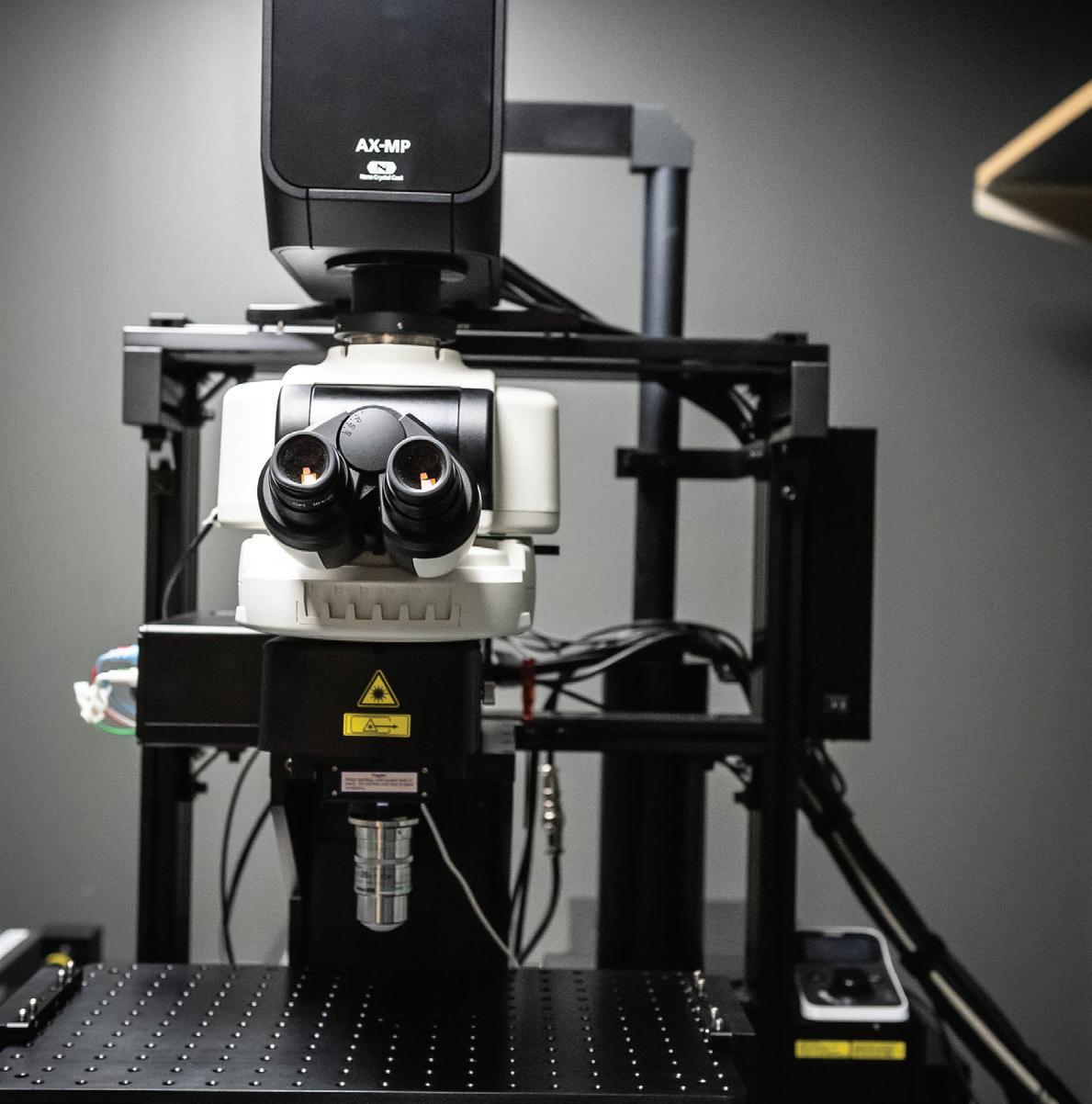
The Versiti Blood Research Institute’s $1 million multi-photonexcitation microscope (MPE) allows researchers to perform quantitative fluorescence intravital lung microscopy (qFILM).
26 / BizTimes Milwaukee MAY 20, 2024 COVER STORY VERSITI, INC.
Versiti’s corporate headquarters at 638 N. 18th St. in Milwaukee. Situated near Marquette University, the building is home to all of the nonprofit’s corporate functions, as well as its Wisconsin-based blood services, diagnostic labs, organ and tissue procurement, Medical Sciences Institute leadership and pharmacy services.
VALERIE HILL
A rendering of the 3,500-square-foot community resource and permanent blood donation center that Versiti is opening at the ThriveOn King Collaborative on Milwaukee’s north side.

research staff is how it impacts what Miskel calls “critical mass” within the organization – the knowledge base that Versiti as well as the other institutions at the MRMC have access to.
To Dr. Roy Silverstein, a professor and chair emeritus in MCW’s department of medicine, the combination of Versiti’s blood services and research – coupled with its relationships between Froedtert Hospital and MCW – are the ingredients of the secret sauce that makes Versiti such a powerful force in blood disorder treatment and research.
“I think the VBRI’s success is being located on the medical school campus because it really allows the two organizations to leverage each other’s strengths so that they can both be better,” said Silverstein, who is a medical scientist and retired hematologist. “Ph.D. students and M.D./Ph.D. students do their research in the VBRI, and investigators of the VBRI all are full-time faculty of the Medical College, except they’re employed by Versiti. And so, in many ways, it almost looks like a department of the medical school, except it’s a separate corporate entity with separate governance. So, it really is very synergistic.”
That link will soon extend to the institutions’ built environments with an above-ground connection to be constructed between the VBRI’s expanded footprint, which will be complete sometime in 2026, and MCW’s new Cancer Research Building, which will be done next year.
That physical connection should only build upon the ongoing collaboration between scientists with the four organizations at the Milwaukee Regional Medical Center (Froedtert, Medical College of Wisconsin, Children’s and Versiti), said Silverstein, who, alongside his colleagues, studies how blood platelets and macrophages react to a chronic inflammatory state.
“It’s really important for Milwaukeeans to understand that there’s not a single scientist with crazy white hair and a white coat doing this work. It is a community of people that are interacting with each other all the time,” he said. “Research is a very social activity.”
Organ procurement
Collaboration extends outside the labs of the VBRI, with Versiti’s work as one of only two organ procurement organizations in the state. Based out of Versiti’s corporate headquarters at 638 N. 18th St. in Milwaukee, the OPO operates as the intermediary between a donor hospital and family and the transplant center, providing necessary testing services before and after transplants take place.
They also provide critical organ matching services, according to Dr. Matthew Cooper, chief of transplantation and director of solid organ transplant at Froedtert Hospital.
“They have a histocompatibility lab that allows us to match donors and recipients. So, when an individual has an organ offered to them, there is a matching process and we need the services of Versiti and their HLA lab to do that,” said Cooper, who also serves as a professor of surgery at MCW. “I can only imagine the numbers of samples that are traveling up and down Wisconsin Avenue for testing.”
In a given week, Froedtert works with the Versiti OPO to do between five and eight transplants.
“And this is not just a kidney transplant program. We do kidney, pancreas, liver, heart and lung transplants. We’re a busy transplant program, and we’re growing by leaps and bounds,” Cooper said, adding that Versiti’s work as an OPO on top of being a blood services provider and research institute is incredibly rare.
“I don’t know of any other OPO that’s part of a combined blood center, other than Versiti,” he said.
Community impact
While scholarship and recognition in and of itself may be rewarding, the efforts scientists at the VBRI, and across the MRMC, are most proud of are those having a real-life impact on patients struggling with blood disorders.
While a new organ can give a dying patient a new lease on life, Deininger and Silverstein see a day when Versiti’s decades of research and new technological approaches will someday result in widely available cures.
To Deininger, efforts to increase the study of sickle cell anemia – a disease that, in Wisconsin, predominantly impacts African Americans, most of whom live in Milwaukee – is of supreme importance. Part of that work includes Versiti playing a more active role in the communities where people with sickle cell anemia and their families live.
The establishment of a permanent blood donation center at the ThriveOn King Collaborative is part of that effort. But it also includes putting a greater focus on researching and treating the disease.
“We have, I think, extremely good scientists working on this, and we brought them in to essentially create a trans-campus sickle cell initiative,” Deininger said. “I think there is a real opportunity, if not a mandate here to do that.”
To Silverstein, scientists working today, especially at the VBRI, are living in a privileged period of history when the research of the past 40 to 50 years – thanks in part to advances in technology –is starting to bear fruit.
“I had a friend in grade school who died of sickle cell in eighth grade. We didn’t know what the heck was going on, but he didn’t show up for school one day,” he said. “And now, we actually have ways to cure the disease.
“It’s really, for a hematologist, an amazing story.” n
biztimes.com / 27
MANUFACTURING & INTERNATIONAL TRADE
Signs of reshoring amid complex period for supply chains
BY ARTHUR THOMAS, staff writerTHE PAST EIGHT YEARS have been a whirlwind if nothing else for supply chain professionals.
Tariffs and a trade war were followed by a global pandemic, escalating conflicts and one issue after another, including cargo ships getting stuck in the Suez Canal and hitting a bridge in Baltimore.
Generally speaking, many companies had their supply chains set up toward being lean and efficient over being resilient, said Kyle Lindberg, vice president of supply chain strategy and planning at Rockwell Automation. The tariffs introduced in the late 2010s forced companies to be more agile and focus on resilience, but the pandemic was another story.
“We felt the effects of the pandemic … and the importance of resilience at a much bigger level,” Lindberg said, noting how nearly every industry was impacted in some way. “What that emphasized is just how reliant we are across the global enterprise and the interdependencies that happen across supply chains. I think that that was a monumental shift in the thought process for a lot of leaders in how resilient do we want our organizations to be.”
All of these issues would seem to bode well for manufacturing in Wisconsin. If global supply chains are chaotic, perhaps production would return to the United States. Wisconsin’s imports, however, have climbed from around $23 billion in 2016 to more than $41 billion in 2022, according to data from the U.S. Census Bureau. The state’s imports were down slightly in 2023 at $39.3 billion.
Look beyond those topline figures and there is a more nuanced picture.
Imports from Asia, for example, went from 45% of the total in 2016 to around 34% this past year. A declining reliance on China is the main driver of the decrease. In 2016, China accounted for 25.7% of Wisconsin’s imports. In 2023, that figure was 14.9%. The rest of Asia was down just two-tenths to 19.4%.
Europe has grown as a share of the state’s imports from 21% in 2016 to 32.5% this past year, although it has been at or above 30% since 2017. Mexico stands out in the data as well, going from around 12% in 2016 to an average of 9.5% from 2017 to 2022 and then reaching more than 15% in 2023.
SEARCHING FOR RESHORING
While it doesn’t necessarily show up in the data, reshoring is happening.
Sussex IM, a plastic injection molding company
based in Sussex, has two product programs launching later this year, both of which the company won over overseas suppliers, said Megan Tzanoukakis, president and chief executive officer.
But even with the challenges facing global supply chains, bringing work back to the U.S. is no quick task. In the case of one of the Sussex IM programs, the customer committed it to the company in 2022. Sussex IM had been working on the project for six months before getting the commitment and calling on the customer for two or three years to get the chance.
“The sales cycle is very long,” Tzanoukakis said.
Bringing work back to the U.S. is an ever-changing task. Tzanoukakis said what worked 10 years ago does not necessarily work now. Even in just a few years, things can change. Coming out of the COVID-19 pandemic, many companies were willing to hold onto extra inventory to make sure their supply chains were resilient.
“Now, with higher interest rates, people are starting to not want inventory again,” Tzanoukakis said.
‘EVERY CUSTOMER IS DIFFERENT’
Where products are made is often thought of in broad, sweeping terms, like can manufacturing come back to the United States? But in reality, each
Total Wisconsin Imports
Source: U.S. Census Bureau data
reshoring project often comes down to the specifics of what a customer wants to achieve.
In some cases, a company may want a more resilient supply chain and is looking to have vendors in multiple regions. In others, the goal may be cutting down the time a product spends in transit. In others, improving quality could be the top priority.
“Every customer is different,” Tzanoukakis said.
Like Sussex IM, Milwaukee-based MPE has had some reshoring wins in recent years. Hank Kohl, CEO of the contract manufacturer for medical device capital equipment, said many large companies are focused on building products where they will sell them.
“The challenge is always these products are being manufactured in low-cost countries because they are low-cost countries,” Kohl said. “Just because they have this reshoring strategy that makes sense for all the right reasons doesn’t necessarily mean their customer base is willing to pay more for that same product.”
Lindberg said in cases that a company is adding redundant sourcing, it doesn’t have to necessarily add cost.
“You now have more leverage across two suppliers,” he said. “You have that opportunity to take that business elsewhere.”
Kohl said MPE has needed to work hard to make sure customers understand the total cost of ownership from sourcing overseas.
“What’s surprising is that most of these large companies truly don’t have a good handle on what is their total cost of supporting low-cost country manufacturing,” Kohl said.
Special Report
28 / BizTimes Milwaukee MAY 20, 2024
2016 2023 $22.4 billion $39.3 billion Percent of total by country/region Africa 0.4% 0.2% Asia 45.4% 34.3% China 25.7% 14.9% Asia excluding China 19.6% 19.4% Australia and Oceania 0.9% 0.3% Europe 21.3% 32.5% Canada 18.2% 15.9% Mexico 12.2% 15.3% Central America and Caribbean 0.9% 0.8% South America 0.7% 0.6%
Purely based on the price of a part, an overseas supplier may be cheaper, but adding in costs from freight, duty and carrying inventory can change the picture. Additionally, Kohl said MPE has discovered that different parts of the company handle those different costs and if people operate in siloes, they may not see the full picture.
“Really what we needed to do in every case is we needed to drive this conversation much higher up the organizational food chain to the individuals where total revenues, total earnings matter and then help them understand,” Kohl said. “It’s not an easy journey, but it’s been very beneficial to the organizations that have gone through it.”
THE ROLE OF AUTOMATION
Being able to have those conversation means making sure MPE’s business development teams have the information they need to work with customers, Kohl said. It also requires being able to talk with customers about how a product will be manufactured in the U.S. compared to a low-cost country.
Kohl explained that the availability of different materials or fasteners in the U.S. compared to overseas can shape the outcome of a reshoring
project. When labor costs are low overseas, a certain fastening approach may make sense, whereas U.S. manufacturers would use a different fastener and automation.
“If you work with your supplier/vendor on that process, you can deliver the same functioning specification of a product to your customer that has the same look and feel, but maybe slightly different in technical design,” Kohl said.
He added that because a customer is going to need to validate your work regardless when shifting production from one country to another, the idea of redesigning is “more of a mental hurdle for customers” than it is a roadblock in winning a project.
“If they’re really willing to reshore, they’re open to redesigning,” Tzanoukakis said.
Automation plays a big role in the competitiveness of U.S. manufacturers when it comes to reshoring, but that can be a limiting factor in winning projects back.
“It’s hard to automate a part that was never designed for automation,” Tzanoukakis said.
She also noted U.S. manufacturers are better positioned to win work on more complex components. However, in some cases, the volume of parts

a customer needs when the part is complex is not enough to justify the investment in automation needed for a U.S. supplier to be competitive.
Even when all of the elements line up, the economy can be a roadblock for potential reshoring. Launching production of a part requires upfront investment in tooling and automation by a company like Sussex IM. With higher interest rates, Tzanoukakis said potential customers don’t want to make the needed capital investments.
Kohl highlighted another investment-related challenge for reshoring: the ability of smaller sub-suppliers to have access to capital to make investments in automation to be able to compete.
“There’s probably the biggest challenge in that model that exists today,” he said.
Rockwell’s Lindberg said not being highly automated doesn’t necessarily mean a smaller company won’t be able to win business.
“You’ve got to be able to put a value in proposition in front of companies like Rockwell,” he said, adding sourcing teams consider things like cost, service and quality. Being able to demonstrate resilience by having four different presses to produce a part instead of just one may be enough in the right circumstances. ■


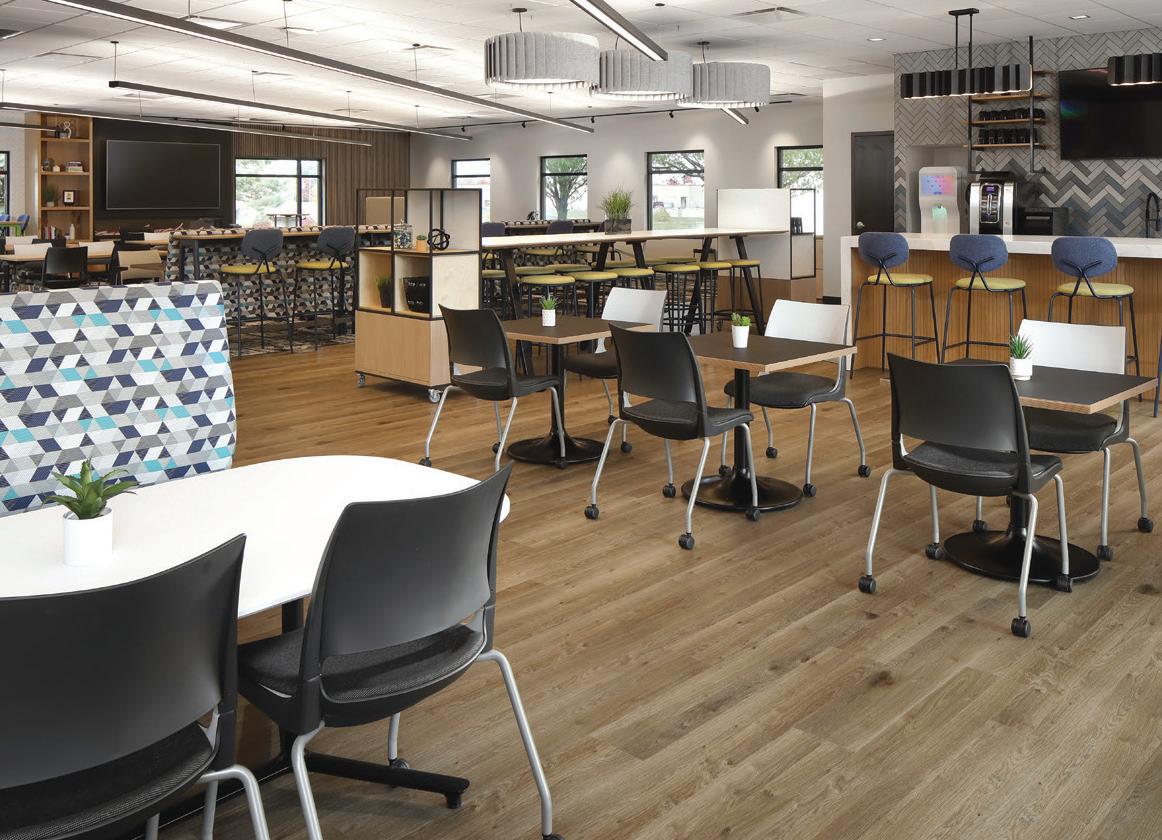


Your workspace is an agent to connect and cultivate culture. Being purposeful and strategic in the design encourages teamwork, collaboration, and communication. Thank you to UFS Technologies for entrusting Duet to infuse your culture through design!
Inspired to impact more at your workplace? Whatever your more is... let’s chat!
info@duetresourcegroup.com | duetresourcegroup.com
biztimes.com / 29
We are pleased to induct these deserving laureates Jeffrey A. Joerres | ManpowerGroup Stephen H. Marcus | The Marcus Corporation Jack Salzwedel | American Family Insurance FOR MORE INFORMATION OR TO HELP HONOR THE AWARDEES AS A SPONSOR, PLEASE CALL/EMAIL:
2024
414-577-3835 | JGRYNIEWICZ@JAWIS.ORG wisconsin.ja.org
INDUCTION CEREMONY BENEFITING JUNIOR ACHIEVEMENT
WHAT’S TRENDING Integrating the Right Elements in Your Workspace
THURSDAY, MAY 30, 2024 | 5:15 - 8:30 PM | THE PFISTER HOTEL
Changes to Wisconsin’s Badger Fund of Funds program poised to help attract outside investment
BY ASHLEY SMART, staff writerRECENT CHANGES to the state-backed venture capital program Badger Fund of Funds aim to make it easier for fund managers to grow their respective firms and attract outside funding.
In February, Gov. Tony Evers signed Legislation into law that not only implemented several key changes to the Badger Fund of Funds program, but also allocated $25 million in additional funding from the state budget.
“My expectation is that every 10 years, we’ll be able to double (that initial $25 million),” said Ken Johnson, partner of the Badger Fund of Funds and managing director of Madison-based Kegonsa Capital Partners LLC. “In the next 10 years, it should be $50 million. In 20 years, it’ll be $100 million.”
In 2011, KCP partnered with Sun Mountain Capital to form Sun Mountain Kegonsa, which was selected to manage the Badger Fund of Funds. The Badger Fund is the lead investor in five Wisconsin-based portfolio funds managed by firsttime managers.
In 2012, the state approved awarding the Badger Fund of Funds its first $25 million. The fund then raised another $10 million from the private sector. From there, the Badger Fund created five more venture capital funds across the state, including Gateway Capital Fund, the Winnow Fund, Rock River Capital Partners, the Idea Fund of La Crosse and the Winnebago Seed Fund.
The original Badger Fund law said that for every $1 of state money awarded to each portfolio fund, $2 had to be reinvested in Wisconsin by each portfolio fund. The new legislation clarifies the investment requirements of portfolio funds. It allows the Badger Fund to meet the private capital matching requirements across its entire portfolio, rather than requiring each fund to do so individually.
The state still gets the same minimum match, but the clarified language allows some funds to be less than 2-to-1 as long as the Badger Fund as a whole meets the 2-to-1 requirement.
To help the individual funds grow and stand on their own, they will need to look both regionally and nationally for deals. The original language regarding the 2-to-1 match likely would have restricted that ability.
Even with clarified investment requirements, some professionals in the world of venture capital believe the 2-to-1 match still makes it impractical for the smaller portfolio funds to invest heavily
outside Wisconsin.
“There are some (investments) we’ve decided not to pursue in other states that are more restrictive (with their programs), including the Badger Fund,” said Victor Gutwein, founder and managing partner of Chicago-based venture capital firm M25. “The Badger Fund has created funds that, in practice, can only invest in Wisconsin companies.”
M25 is currently operating out of its fourth fund and has more than $80 million under management. The firm considers itself a pre-seed and seed fund focused primarily on software and digital companies.
M25 invests throughout the Midwest, including here in Wisconsin. Some of its investments include Milwaukee-based Scanalytics and Madison-based EnsoData.
Gutwein also questioned why some Badger Fund managers have invested in common equity rounds instead of preferred equity. Preferred equity comes with special privileges like liquidation preferences that reduce investor risk.
“That’s something that makes it really hard to syndicate with non-Badger Fund (firms) and get outside money into the state,” said Gutwein.
ADDITIONAL CHANGES
Another barrier for outside investment found under the original Badger Fund guidelines was a rule that required any company that received an investment using Badger Fund money to have 51% of its workforce in Wisconsin.
“That 51% can suddenly become a barrier for growth for larger companies,” said Johnson. “There’s no way a venture capital firm coming from outside the state is going to agree to have 51% of its employees in Wisconsin.”
Under the new law, that workforce requirement sunsets after three years.
Perhaps one of the biggest changes to the Badger Fund program was making the program’s funding evergreen. This means the Badger Fund no longer needs to send a portion of its returns to the state’s general fund but can instead reinvest it.
Evers vetoed the old program requirements on reinvestment, citing concern that the provisions “may undermine efforts to attract additional co-investors in the fund of funds program,” allowing those additional funds to be reinvested, according to an announcement from his office.
Making the state funding evergreen, coupled with the additional $25 million in funding allocat-

ed to the Badger Fund, shows that the program is working, said Jonathan Horne, managing director of the Idea Fund of La Crosse.
The Idea Fund was the first portfolio fund to receive an investment from the Badger Fund of Funds.
“The program is working, (so they’re saying) let’s double down on it,” said Horne.
Earlier this month, the Idea Fund announced it had closed its second fund worth $31 million.
When the first iteration of the Badger Fund program was announced, there was skepticism surrounding the portfolio programs and whether they would be able to raise their own additional capital and go on to make investments, said Horne.
“It’s a completely unique program,” he said. “There’s nothing like this in the entire country. Everyone said the proof is in the pudding. We’ll give the Badger Fund a chance, but they have to go out and deliver.”
The Idea Fund’s second funding round, raised from non-Badger Fund investors, is proof that the Badger Fund program is doing exactly what it is meant to do, said Horne.
While some people might think the Badger Fund remains highly involved in the day-to-day operations of its portfolio funds, Horne said they have much more autonomy.
“(The Badger Fund) was 40% of fund one. With my second fund, they’re less than 10%. They’re a normal investor,” he said. “We are completely at this point an ordinary-course, national-standard venture capital fund.” ■
30 / BizTimes Milwaukee MAY 20, 2024 Special Report
FINANCE
BANKING &
Jonathan Horne
Victor Gutwein
Join us for a special evening with ABCD: After Breast Cancer Diagnosis to commemorate 25 years of providing hope, compassion, and understanding to anyone impacted by breast cancer.
SATURDAY, JUNE 15, 2024, 6PM
THE PFISTER HOTEL MILWAUKEE, WI

HONORARY COMMITTEE CO-CHAIRS: Madeleine & David Lubar
HOPE SPONSORS: Mary Vandenberg & Keith Mardak The Oldenburg Family
IMPACT SPONSORS: The Patti & Jack McKeithan Northwoods Fund
GUIDANCE SPONSORS: Sarah & Jeff Joerres Madeleine & David Lubar
COMPASSION SPONSORS: Elizabeth Brenner & Jon Brakke, Kathy & Jim Fuchs, Gilead, Alex & Rick Graber, John LoGiudice MD & Lisa Sienkiewicz MD, Linda E.B. Hansen, David Kuehl, Laurie & P. Michael Mahoney, Marcus Hotels & Resorts, Milwaukee Admirals, Marian & Bill Nasgovitz, Pfizer Oncology, Billie Jean Smith, Kathy & Mike White, Mark Young, Liza Longhini, Audrey & Bob Warner, Diane & Ed Zore FOR TICKETS & SPONSORSHIP OPPORTUNITIES, VISIT BIT.LY/ABCD25TH OR CALL 414-977-1780
*As of 5/2/24. Full lists online.
Can’t attend? You can still support our mission by making a donation.
biztimes.com / 31
Trans
es. Inspiring Hope.
A B C D ’S 2 5 T H A NN I V E R S A RY GA L A
Liforming v
Honoring the remarkable legacy of late ABCD founder, Melodie Wilson Oldenburg, and the Oldenburg Family.
BANKING & FINANCE
SBA lending in Wisconsin decreased in 2023, this year is off to a mixed start
BY ARTHUR THOMAS, staff writerLENDING TO WISCONSIN businesses through the U.S. Small Business Administration’s two main programs decreased in fiscal 2023, and fiscal 2024 is off to a mixed start through the first two quarters, according to a BizTimes review of SBA data.
Total loan amounts for Wisconsin borrowers in the SBA’s 7(a) program was $481.4 million in the fiscal year ending Sept. 30, 2023, a decrease of 3.7% from fiscal 2022. The 2023 total is down sharply from nearly $775 million loaned under the program in 2021, but is near the average of $493 million for the five years before the COVID-19 pandemic.
In the first two quarters of fiscal 2024, Wisconsin borrowers received $231.1 million through the 7(a) program, up 0.7% from the same time in 2023.
The average interest rate on 7(a) loans for Wisconsin borrowers has been steadily climbing since the fourth quarter of fiscal 2021, when it was 5%. It
started fiscal 2023 with an average of 8% and ended at 9.9%. Both quarters this year have topped 10%.
The 7(a) program provides loans for a number of situations, including both long- and short-term working capital, on a revolving basis, to purchase equipment, furniture, fixtures or supplies; to purchase real estate, including land and buildings; to construct or renovate a building; establish or acquire a business; or to refinance existing debt.
The 7(a) program has a loan maximum of $5 million, although express loans are capped at $500,000. Loan maturity maxes out at 25 years for real estate and 10 years for equipment, working capital or an inventory loan. Interest rates can be variable or fixed and are negotiated with the lender, although the SBA caps them based on loan size and duration.
The SBA’s 504 program, on the other hand, is somewhat more limited to the purchase of existing buildings or land, new facilities, improvement
of land, streets, utilities, parking lots, landscaping and existing facilities, and long-term machinery and equipment.
The 504 program loan cannot be used for working capital or inventory, consolidating, repaying or refinancing debt or speculation or investment in real estate.
The maximum loan in the 504 program is $5.5 million. The eligibility requirements also require a business to have a tangible net worth of less than $15 million and net income of less than $5 million after federal taxes for the two years before the application.
Total loan amounts in the 504 program for Wisconsin borrowers declined nearly 38% to $234.4 million in fiscal 2023. Like the 7(a) program, borrowing spiked coming out of the pandemic, reaching almost $388 million in fiscal 2021 before dipping slightly the next year. The 2023 total is still well ahead of the average for the five years before the pandemic of $169 million.
For the first two quarters of fiscal 2024, borrowing in Wisconsin in the 504 program is down about 4.5% to $117 million.
Here is a closer look at the top SBA lenders to southeastern Wisconsin borrowers:
Special Report
32 / BizTimes Milwaukee MAY 20, 2024
7(a) Program 504 Program Lender Loan Total Number of Loans Third Party Lender Third Party Loan Total Gross Approval Total Number of Loans Old National Bank $24,860,700 25 Summit Credit Union $12,731,826 $9,898,000 12 The Huntington National Bank $12,314,000 46 Bank First $6,700,825 $5,401,000 6 U.S. Bank $8,115,400 42 Bank Five Nine $11,478,973 $6,484,000 4 Waukesha State Bank $16,153,500 22 First Business Bank $5,846,750 $4,789,000 4 Byline Bank $17,431,000 14 Community State Bank $4,486,076 $3,332,000 4 Bank Five Nine $7,391,200 13 Home Federal Savings Bank $6,421,000 $3,377,000 2 Summit Credit Union $6,336,100 22 FWBank $2,751,778 $2,255,000 2 Community State Bank $3,867,100 27 Fifth Third Bank $5,856,000 $4,789,000 1 Wisconsin Women's Business Initiative Corp. $4,250,000 25 Peoples State Bank $1,756,000 $1,390,000 2 Associated Bank $5,748,900 10 Byline Bank $3,083,000 $2,523,000 1 Live Oak Banking Company $12,181,600 6 BMO Bank $1,137,500 $936,000 2 Ixonia Bank $7,385,100 7 Horicon Bank $2,579,650 $1,848,000 1 Town Bank $4,494,000 10 CIBM Bank $2,292,500 $1,877,000 1 Citizens Bank $5,448,000 5 One Community Bank $2,202,500 $1,353,000 1 Hiawatha National Bank $2,926,300 9 Hinsdale Bank & Trust Company $2,000,000 $1,637,000 1 Bank First $2,676,500 9 PyraMax Bank $1,017,607 $838,000 2 Oostburg State Bank $3,350,000 5 Citizens Bank $1,000,500 $824,000 2 BayFirst National Bank $1,646,700 11 Landmark Credit Union $1,638,600 $1,175,000 1 Celtic Bank Corp. $3,513,500 4 Milwaukee Economic Development Corp. $935,700 $722,000 2 First Bank of the Lake $6,934,000 2 Town Bank $855,000 $678,000 2 Source: SBA data. Banks ranked by combination of loan total and number of loans for projects in Kenosha, Milwaukee, Ozaukee, Racine, Sheboygan, Walworth, Washinton and Waukesha counties.
HOW SHE LEADS
Celebrate your She-Roes



Lefttoright:AbbyMonis,AmandaPolewczynski, MegJohnson&LyndseySheridan
MEET THE WOMEN WHO LEAD WITH
EMPOWERMENT AND CONFIDENCE
Lyndsey Sheridan, Meg Johnson and Abby Monis are some of those women at the Luder Financial Group of Northwestern Mutual.
“Beingabletomeetpeoplewheretheyarewhilealsobeingawarethat no two people are the same helps build the relationships we strive to have with people in our jobs,” says Lyndsey Sheridan. “Having selfawareness to know everyone and know that their stories are going to be different is one of the biggest skills we can have as a leader.”
“Wegiveequalopportunitytoeveryone.Forwomenspecifically,there is an extra line of education and development we provide to ensure their success,” says Meg Johnson. Everyone has their own unique stories of how they got to where they are today, but some female leaders in the business world are finding that certain challenges are becoming universal experiences.


Polewczynski explains some of what she struggles with and has also seen her peers endure.
“Imposter Syndrome [is something] I think every woman can relate to... having self-belief, confidence, and feeling worthy are all things we have had self-doubt about,” she says. “Knowing we have achieved successbutworriedwedonotdeserveit.Mixingthatwiththepressure we put on ourselves to be perfect can prevent momentum. We must




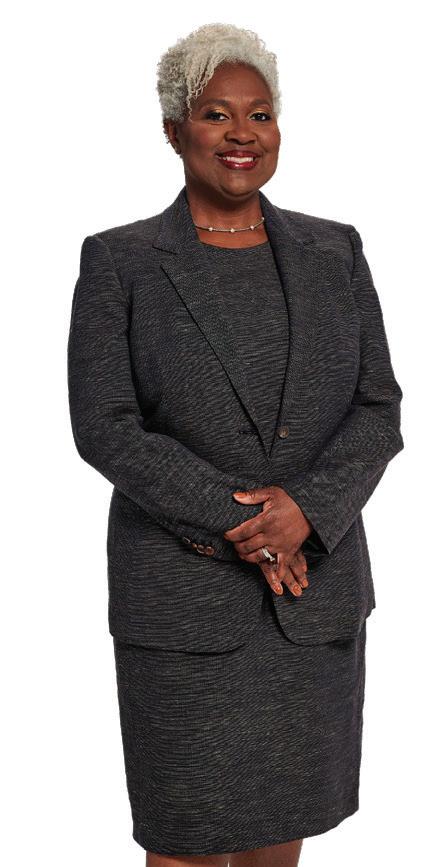 L. BrownPresident,AlvernoCollege
HELPING WOMEN FIND THEIR VOICES

develop a comprehensive vision for the college. For Brown, this is not work to be undertaken alone or in a vacuum. “It has to be a shared vision created with, by, and through our stakeholders,” she says. The former CEO for Girl Scouts of Wisconsin Southeast believes the mission of Girls Scouts, to build “girls of courage, confidence, andforcharacter,whomaketheworldabetterplace,”istheperfectfoundation her role at Alverno. “I feel like I’m still going to be doing the same thing, just in a different environment,” she says. “It’s on a continuum of building women’s leadership and helping women and girls find their voices.” As an African American woman who is married with children, and asafirst-generationcollegestudent,Brownbringsuniquelifeexperienceto the Alverno presidency. “I feel like I will be like many of the students who are here. Many of them are first-generation. Many of them are women of color. I understand that everyone has lives outside of this institution,” shesays.“Wearenotmonolithic,butitgivesmesomeinsightintoperhaps what might be in our students’ minds as they come to us and engage with the institution.” n


Alverno College (414) 382-6000


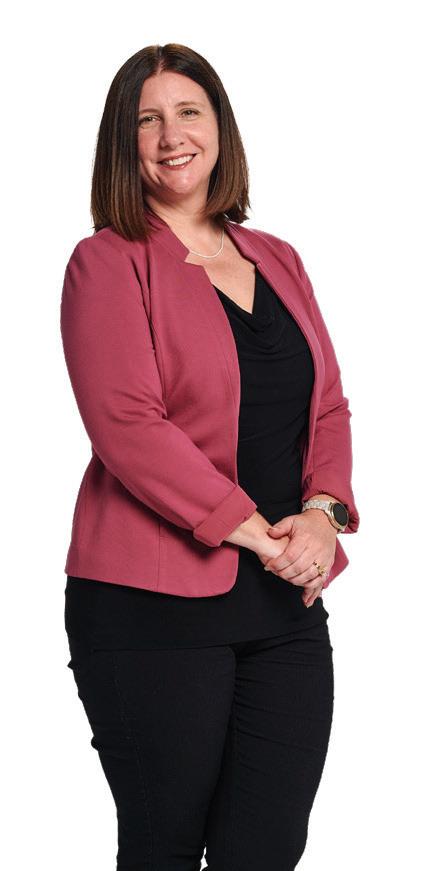







» Full page Thought Leadership profile in the August 19 issue of BizTimes
» Professional design and editing » PDF and optional framed plaque of your profile
» Inclusion on BizTimes.com and in the How She Leads pages of the digital edition of BizTimes Milwaukee


SPACE: July 31, 2024 MATERIALS: August 2, 2024
For more information contact Linda Crawford at (414) 336-7112 or advertise@biztimes.com
Showcase
leadership diversity
special advertising section. PACKAGE
your company’s commitment to
in this
INCLUDES:
Milwaukee
HOW SHE LEADS Sponsored Content Ondine Wallinger Director of Human Resources,Annex Wealth Management IT’S IMPORTANT for aspiring leaders to know that leadership is not based on a title. Leadership is based on your actions. That’s a fundamental trait we try to instill with all in our staff at Annex Wealth Management. True leadership is about leading by example and making a positive impact in everything you do. It’s about building others up and helping your team and organization achieve their full potential. Leaders do this by sharing knowledge, encouraging an environment of continuous learning, and the willingness to learn from others at all levels. Regardless of position, we encourage our future leaders to embrace challenges, seek opportunities and strive to be the best. Every year all of our employees sit down with their manager 1-on-1 to discuss where they are in their careers and how they can continue to grow in multiple areas including Leadership. We use a model called Annex Career Tracks that helps our staff identity opportunities where they can develop their leadership skills regardless of if they are in management roles or not. It’s important to remember that leadership isn’t about dominating conversations, but about actively contributing valuable insights and ideas. Perspectives matter, and a willingness to share knowledge will inspire others to do the same. Seeking feedback is a fundamental aspect of a leader. Be open to constructive criticism and actively seek input from those around you. Honest feedback provides valuable insights that can propel both your personal growth and the success of the company. Equally essential is self-reflection. Take time to assess your actions and decisions and acknowledging areas for improvement. Self-awareness is a powerful tool for personal development and sets an example for others to follow. Ultimately, a good leader is open-minded, empathetic, and inquisitive, which creates a curious and approachable person. Leaders build trust and encourage honest communication, leading to stronger collaborations and greater results. n
BUILDING FUTURE LEADERS: ANNEX’S CULTURE OF INSPIRING ACTION AND IMPACT Annex Wealth Management (262) 786-6363 ONE OF THE MOST impressive things about having strong female leaders like this is the impact they can have on other women in the company around and after them – implementing values and strategies to ensure the success of women in the office for years to follow Amanda Polewczynski,
OndineWallinger
Northwestern Mutual,The Lueder Financial Group
203-6056
(414)
keep telling ourselves we are doing everything we are supposed to be doing and we are killing it!” Being on the recruitment side of business requires one to be a leader at every step of the career no matter what. They are expected to be constant cheerleaders and mentors from the first interview with a candidate to their fifth year anniversary “Asaservantleader,theimpactyoucanhaveisexponential.Itprovides a unique opportunity to achieve fulfilment in a different way.” says Abby Monis. Being a leader is never an easy job, but lucky for us we have some outstanding women to fulfill that role and keep our office moving in the right direction for women empowerment and inclusion! n HOW SHE LEADS Sponsored Content Christy
College president, Christy
the most important thing she can do is
create a vision
for me to be doing in the first 12 or 18 months. People care that you’re listening to what they’re saying.” She also understands that communication is key. After listening tostudents,faculty,staff,theBoardofTrustees,andothers,herplanisto
HAVING RECENTLY ASSUMED the role of Alverno
L. Brown knows that
listen. “To me, you can’t make relationships or
if you aren’t alistener,”shesays.“Iwanttoknowwhateveryonethinksisimportant
ChristyL.Brown
EVENT COVERAGE
BizExpo keynote speaker will provide insights to creating a legendary brand
Cites Harley-Davidson, Kwik Trip as examples
BY ANDREW WEILAND, staff writerWHAT TECHNIQUES can business leaders employ to build their business into a legendary brand, with a cult following like Chick-fil-A?
Scott Wozniak, a leadership consultant who has helped build brands for more than two decades, including nearly a decade of working with the founding family and executive team at Chickfil-A, will provide advice for creating a cult brand as the keynote speaker at the annual BizExpo event on May 22.
BizExpo is BizTimes Media’s annual daylong business-to-business education and networking event, the largest of its kind in southeastern Wisconsin. It will be held from 10:30 a.m. to 4:30 p.m. on Wednesday, May 22, at the Brookfield Conference Center.
BizExpo 2024 will begin with a keynote presentation, called Elevate Your Leadership, from Wozniak, a leadership consultant, CEO of Atlanta-based Swoz Consulting and author of the book “Make Your Brand Legendary: Create Raving Fans With the Customer Experience Engine.”
“When we talk about raving fans, it’s a fundamentally different customer relationship,” Wozniak said. “It’s stories of their customers doing unusual, exceptional things.”
A 2019 BizTimes Milwaukee cover story highlighted cult brands in Wisconsin including La Crosse-based convenience store chain Kwik Trip, Milwaukee-based motorcycle manufacturer Harley-Davidson, and defunct Oak Creek-based airline Midwest Express.
Wozniak has studied how iconic brands have achieved cult status and turned their customers into raving fans. He demonstrates his formula for creating raving fan customers with a “Customer Experience Engine” diagram, showing an engine powered by customer insight, powering gears for operational excellence, personalized service and memorable moments, all held together by a healthy leadership team.
“It starts with customer insight,” Wozniak said. “(Cult brands) find ways to get to know their customer. They don’t just know facts about them, they know their story.”
Operational excellence gains customer trust, he said.
“This is about consistency, reliability and quality you can count on,” Wozniak said. “It’s the fundamentals, not the fancy stuff. Those guys actually show up on time and deliver good stuff. We can count on them.”
The personalized service and memorable moments are smaller gears in the Wozniak raving fans engine.
“You don’t do them every day, every week,” he said. “Once or twice a year you do something, and it makes a big difference. Little things like a surprise gift or a personal note.”
Personalized service is how businesses show their customers they care about them, and provide a human touch, he said.
“Do you guys care about me? Do you see me? Do you get me?” Wozniak said. “(Personalized service) is how companies show up and say, ‘I care about you.’”
Memorable moments create a story that customers can tell other people.
“Just because they love you doesn’t mean they talk about you,” Wozniak said. “The key to this is you make a moment when you celebrate the customer. You make the customer feel like the hero. These are like celebrations, parties, events or things you do that make a big deal out of your customers. Those moments are what create viral brands where everyone talks about them. You might be doing good every day, but until you create one of those cool moments, there’s nothing to buzz about.”
And, without a healthy leadership team, the whole model falls apart, he said.
In his book, Wozniak tells numerous stories of how top brands, including Apple, Disney and Chick-fil-A, have followed these principles.
Kwik Trip also is a good example of a company following this formula, Wozniak said.
“They do operational excellence when nobody else does,” he said. “The power of, can I trust you? You don’t trust any other gas stations. Not to overstate this but (at Kwik Trip) holy cow, the bathrooms aren’t nasty. The power of the fundamentals is there.”
Wozniak’s book makes two notable references to Wisconsin companies, one flattering and one critical.
He points to Milwaukee-based motorcycle manufacturer Harley-Davidson as an example of a company that has customers who are raving fans.”
“I could have organized this entire book around Harley-Davidson,” Wozniak writes. “When your customers tattoo your logo on their body, you might have raving fans!”
On the other hand, he is critical of Menomonee Falls-based retailer Kohl’s Corp.
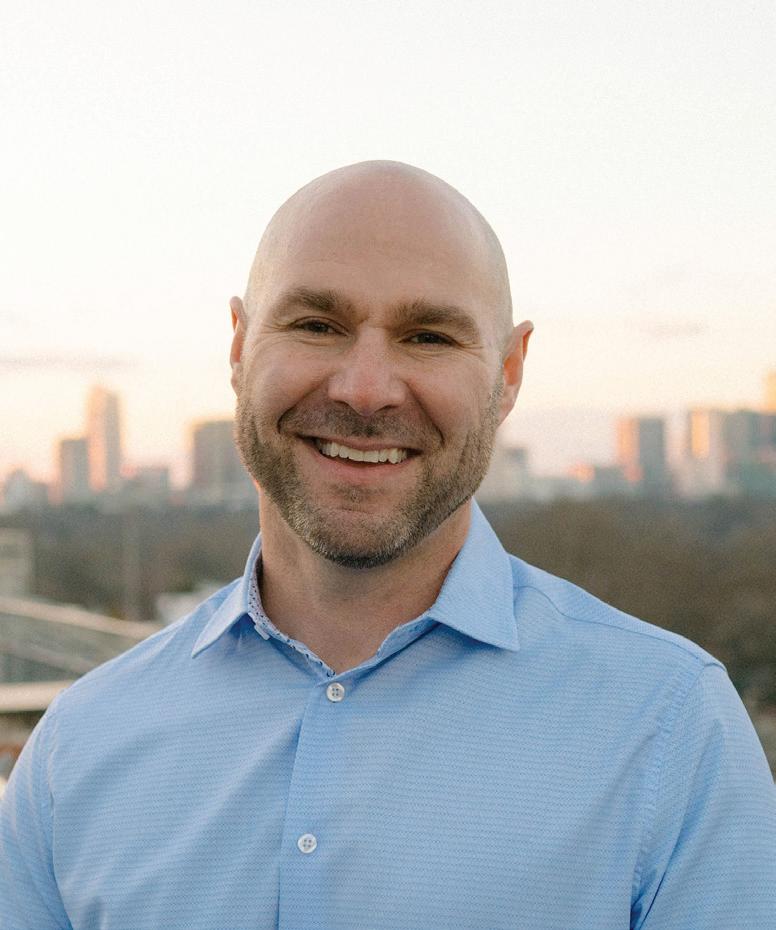
Oversimplifying business strategy, Wozniak says there are two basic ways to win: either be the cheapest option and go for lots of volume or become the premium player, offering products and services that are different and so much better than the competition that customers are willing to pay more.
“If they truly love you, raving fans pay full price,” he writes. “Discounts work too well. The more you offer discount pricing, the more you erode your price in the mind of your customer.”
Wozniak cites Kohl’s as an example of that.
“Kohl’s has trained its customer to shop only when they offer 30% discounts in their monthly mailer and when Kohl’s Cash (their rewards points) can be used. Why would customers shop at any other time?” n
Keynote Sponsor:
Ixonia Bank is pleased to sponsor the Elevate Your Leadership presentation at BizExpo, where you’ll learn that the best leaders are intentional about the way they think, make decisions and take action.
If you’re looking for a banking partner that is a proven leader in growing businesses, consider Ixonia Bank. We know the challenges and opportunities unique to Wisconsin’s business landscape. You deserve to experience the benefits of community banking at its best— fast decision-making, customized solutions, local expertise, and responsive, and flexible service.
Whether it’s obtaining funding for expansion or managing seasonal cash flow, the experts at Ixonia Bank know what it takes to take your company’s growth to the next level. In addition to a full suite of commercial banking solutions, we offer personal banking, loans, and wealth management services. Ixonia Bank was established in 1918; since then, the Bank has grown to over $750 million in assets and offers services at seven locations throughout Jefferson, Milwaukee, and Waukesha Counties. We’ve been around for 105 years and plan on being here for the next 105. We’re not going anywhere. Learn more about us at IxoniaBank.com.
Special Report
34 / BizTimes Milwaukee MAY 20, 2024
Scott Wozniak





At companies across southeast Wisconsin, notable executives are running businesses, navigating company restructurings, serving on boards, running marketing departments, and investing in growth throughout the region. The notable individuals profiled in these categories are nominated by their peers at work and in the community.
N OTA BLE W O ME N
I N SPORTS
NEW!!!
Recognizing the professional women who are scoring a larger role in the big leagues of local and national sports. These women are making a difference both on and off the field.
- Nomination Deadline: June 21, 2024Issue Date: July 29, 2024
Look for these Notable and Rising Stars nominations in 2024!
Notable Marketing Executives
Nomination deadline: July 12, 2024
Issue date: August 19, 2024
Notable Women in Wealth Management
Nomination deadline: August 2, 2024
Issue date: September 9, 2024
Notable Women in Manufacturing
Nomination deadline: August 30, 2024
Issue date: October 7, 2024
Notable Veterans Executives
Nomination deadline: October 4, 2024
Issue date: November 11, 2024
Notable Health Care Leaders
Nomination deadline: November 1, 2024
Issue date: December 9, 2024
To view this year’s winners and nominate, visit biztimes.com/notable
2024 roundup of the leaders making a difference throughout southeast Wisconsin.
Keep up with BizTimes’
N OTA BLE LEADERS I N LAW


BizTimes Milwaukee is proud to present its showcase of Notable Leaders in Law, recognizing accomplished professionals who serve the law to help ensure that Milwaukee-area businesses have secure and profitable futures. The individuals on the following pages were nominated by their peers and highlight the talent in the region.











METHODOLOGY: The honorees did not pay to be included. Their profiles were drawn from nomination materials. This list features only individuals for whom nominations were submitted and accepted after review by our editorial team. To qualify for the list, nominees must be based in southeastern Wisconsin, must serve in a senior level role at their law firm or organization and have been practicing for five or more years, and they have had a measurable, specific impact on the cases they have handled and the clients they have served.
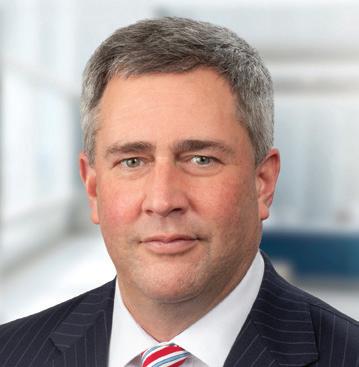 ANDY WRONSKI
PARTNER, MILWAUKEE MANAGING PARTNER
ANDY WRONSKI
PARTNER, MILWAUKEE MANAGING PARTNER
FOLEY & LARDNER LLP
As managing partner of Foley & Lardner’s Milwaukee office, Andy Wronski leads the firm’s strategic growth, direction and community engagement efforts.
Wronski, a trial attorney with three decades of experience, has litigated nearly every type of commercial dispute imaginable, according to John O’Donoghue, public relations specialist at Foley.
“He dedicates equal focus to the front end of potential disputes, providing clients with proactive counseling on risk management,” said O’Donoghue.
Wronski was recently appointed national chair of Foley’s manufacturing sector and is a member of its business litigation and dispute resolution practice, securities enforcement and litigation practice, and sports and entertainment group. He led a team of Foley’s sports and entertainment attorneys in advising the Milwaukee Brewers in efforts to obtain a public funding package of more than $500 million for upgrades to American Family Field as part of a deal that will keep the Brewers in Milwaukee through 2050.
In addition to mentoring younger attorneys, Wronski is a former president and director of the Milwaukee Bar Association and serves on the boards of the Metropolitan Milwaukee Association of Commerce, the Greater Milwaukee Committee and Junior Achievement of Wisconsin.
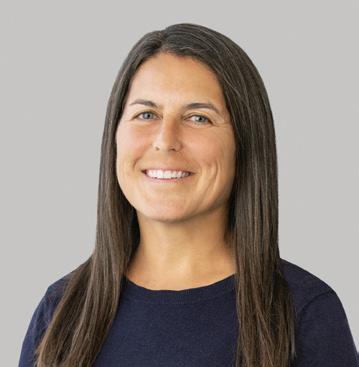
KADIE
JELENCHICK PARTNERFOLEY & LARDNER LLP
Colleagues say Kadie Jelenchick, partner at Milwaukee-based Foley & Lardner, is known for crafting streamlined litigation strategies, empowering clients to achieve their objectives and resume business operations.
As co-chair of Foley’s intellectual property litigation practice, she specializes in counseling and representing consumer and industrial manufacturing clients across all facets of IP portfolio protection, management and strategy.
Leveraging her engineering background, Jelenchick takes clients from product inception to the safeguarding and defense of commercial assets, whether through litigation or business initiatives.
Beyond her client work, Jelenchick has demonstrated commitment to pro bono work. As the former vice chair of Foley’s National Pro Bono Committee, she led firmwide pro bono initiatives, raising participation to nearly 90% across 24 offices. She also volunteers with Legal Action of Wisconsin’s Volunteer Lawyers and Eviction Defense Projects, supporting individuals with housing issues in southeastern Wisconsin.
In addition to her pro bono work, she also contributes to community organizations, including the Women’s Leadership Council for United Way of Greater Milwaukee, and chairs the Medical College of Wisconsin’s Cancer Center philanthropic board.
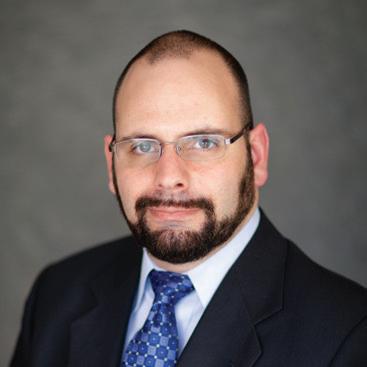
EIDO WALNY
MANAGING PARTNER
WALNY LEGAL GROUP LLC
Unhappy with the way estate planning had traditionally been done, Eido Walny founded Milwaukee-based Walny Legal Group LLC in 2011 as a boutique estate planning law firm and now serves as managing partner.
“It is no exaggeration to say that Eido Walny is influencing how estate planning is done on a local, regional and national level,” said Kelly Dancy, partner at Walny Legal Group. “His vision was to create an environment in which every aspect of the business model advanced the best interests of his clients and their needs over things like billable hours and origination credits.”
Walny has written articles on estate planning and been interviewed by The Wall Street Journal, The New York Times and Forbes. He is also the national estate planning editor for Investopedia.com. Over the past three years, he has traveled to more than 30 states to give talks on celebrity estate planning mistakes.
In addition, Walny is past president of the Milwaukee Estate Planning Forum and the Wisconsin Association of Mediators. He currently serves as president of the Village of Bayside.
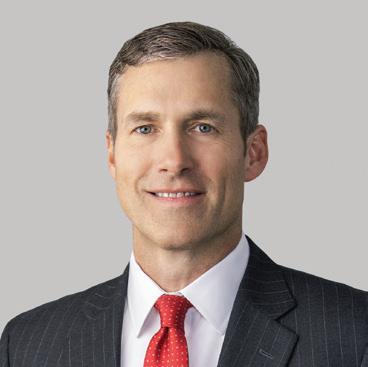
BRYAN HOUSE PARTNER, MIDWEST LITIGATION PRACTICE GROUP LEADER
FOLEY & LARDNER LLP
With more than 30 years of experience, Bryan House, partner at Milwaukee-based Foley & Lardner, is a leader at the firm as well as in the Milwaukee community, according to colleagues.
An experienced litigator, House focuses his practice on securities litigation and enforcement, internal investigations and whistleblower matters. He is also the litigation practice group leader for the firm’s Midwest region, which covers the Milwaukee, Chicago, Detroit and Madison offices.
House has served on independent consultant teams approved by the Securities and Exchange Commission to provide reports regarding companies’ compliance with SEC settlements.
In addition, he is a recognized thought leader in his field, and leading legal and business publications seek him out for commentary and insight on timely developments, said John O’Donoghue, public relations specialist at Foley & Lardner.
Outside of his legal work, House gives back to the Milwaukee community as a longtime volunteer with the United Way of Greater Milwaukee & Waukesha County, where he now sits on the board of directors. He is also board president of Community Advocates, an organization providing basic needs to Milwaukee residents, and a member of the board of trustees for the Milwaukee Repertory Theater.
36 / BizTimes Milwaukee MAY 20, 2024
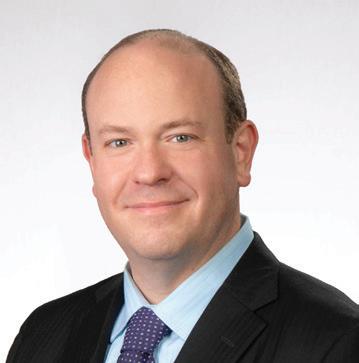
JEFF BILLINGS SHAREHOLDER
GODFREY & KAHN
Jeff Billings, shareholder at Milwaukee-based Godfrey & Kahn, is admired by clients and colleagues alike for his strategic legal advice and smart, practical solutions to real world problems, according to fellow Godfrey & Kahn shareholder Brett Koeller.
“As a leader on Godfrey & Kahn’s estate planning team, Jeff dedicates his practice to crafting real estate planning solutions, including intergenerational wealth transfers, gifting strategies and charitable giving initiatives,“ Koeller said. “However, it is Jeff’s expertise in succession planning for generational familyowned businesses that distinguishes him.”
“Clients come to Jeff to safeguard their two most cherished assets: their family and their business. . . His understanding of family dynamics, and his business acumen are unique and invaluable,” said the firm’s managing partner Nic Wahl.
Billings is also involved as legal counsel and assistant secretary of the HAMP Foundation, Inc., a private foundation scholarship program for Milwaukee County high school students. He serves on the planned giving advisory council for the Medical College of Wisconsin and the board of directors for the Friends of Boerner Botanical Gardens.

JOSH LEVY PARTNER
HUSCH BLACKWELL
Josh Levy, a construction industry-focused attorney and partner in Husch Blackwell’s Milwaukee office, has assisted clients with commercial construction projects for more than 30 years.
“Levy’s construction process knowledge is virtually unparalleled among legal professionals,” said Rebecca Mitich, managing partner of Husch Blackwell’s Milwaukee office.” He delivers comprehensive services to owners, architects and contractors, negotiating and drafting sophisticated contracts for multimilliondollar projects.”
Levy founded the firm’s construction academy, a resource for attorneys, clients and other construction professionals seeking to understand the industry’s legal fundamentals.
He is a member of Husch Blackwell’s Communities for Change initiative, offering pro bono representation for minority-owned businesses and entrepreneurs. He also assists with organizing the annual Cream City Construction Conference, supporting Milwaukee’s minority contractors.
Outside of the office, Levy serves on the human resources committee for the Urban Ecology Center. He also founded the Whitefish Bay branch of the Little League Challenger Division, fostering inclusivity and promoting accessible baseball for all ages and abilities.
 MICHAEL SNEATHERN CHIEF LEGAL OFFICER MILWAUKEE BUCKS
Michael Sneathern, chief legal officer for the Milwaukee Bucks, has been with the organization since 2001, when he was an intern while in law school at Marquette University.
He worked as in-house associate counsel under the team’s previous owner, the late Herb Kohl, and later managed through an ownership change in 2014. Sneathern became chief legal officer in 2019.
During his tenure, Sneathern has been involved in all company transactional matters, including major sponsorship, naming rights partnerships and media rights agreements, along with NBA and collective bargaining matters. He manages all legal matters impacting the Bucks, Fiserv Forum, the Deer District and all affiliates, including the Wisconsin Herd, Bucks Gaming and Head of the Heard, the teams’ real estate development company.
“Mike had a large role in finalizing Fiserv Forum’s naming rights sponsorship and its multifaceted beer partnership with Beechwood Sales & Service/Anheuser-Busch,” said Kate Reed, Bucks communications coordinator. “When the pandemic hit, shutting down the NBA in March of 2020, Mike was instrumental in leading the effort to manage the organization through all related legal and business matters impacting the team.”

CONGRATULATIONS
Jeff Billings




biztimes.com / 37
Leaders
MILWAUKEE MADISON GREEN BAY APPLETON EAU CLAIRE WASHINGTON, D.C.
Notable
in Law
 NICOLE ROBBINS EXECUTIVE DIRECTOR
MARTIN LUTHER KING ECONOMIC DEVELOPMENT CORP.
NICOLE ROBBINS EXECUTIVE DIRECTOR
MARTIN LUTHER KING ECONOMIC DEVELOPMENT CORP.
Nicole Robbins is executive director of the Martin Luther King Economic Development Corp., which is on a mission to transform the urban landscape of the King Drive corridor in Milwaukee’s Harambee, Bronzeville, Halyard Park, Brewer’s Hill and Riverwest neighborhoods.
MLKEDC takes a place-based approach to increasing density and building comprehensive services and resources adjacent to its properties.
Robbins joined the organization in 2018 as its director of housing and real estate development. In that role, she launched the new MLK Homes initiative, through which the organization purchases and rehabilitates homes and resells them to owner-occupants in the Harambee neighborhood. She was named executive director in 2019.
“Under Nicole Robbins’ leadership, MLKEDC is spearheading a renaissance in the corridor, with new homes being built for low- and moderate-income households for the first time in decades,” said Patrick McSweeney, public relations strategist at Athena Communications. “Following those new rooftops are new commercial and office facilities filled by small businesses and nonprofit organizations to serve the neighborhoods. Robbins is literally and figuratively building community through social and cultural connectivity.”
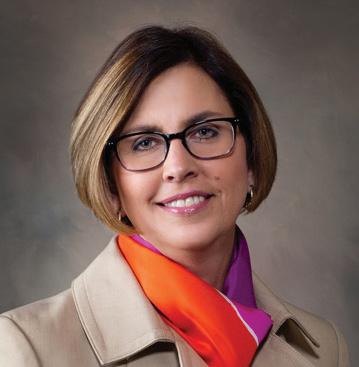 AMY MARQUARDT
SENIOR VICE PRESIDENT, CHIEF LEGAL OFFICER
FROEDTERT THEDACARE HEALTH INC.
Within the past six months, Amy Marquardt, senior vice president and chief legal officer at Milwaukee- and Neenah-based Froedtert ThedaCare Health Inc., has developed the legal framework for and completed several strategic initiatives, including the transaction that combined Froedtert Health and ThedaCare on Jan. 1.
She was also involved in Froedtert’s acquisition of Ascension Wisconsin’s ownership in Network Health, and the reorganization of Flight for Life’s operations shared between Froedtert and Children’s Wisconsin.
Marquardt also oversaw the legal aspects of the transaction creating Froedtert South, the opening of four neighborhood hospitals, numerous construction projects enterprise-wide, the affiliation with the Franciscan Sisters of Christian Charity in Manitowoc to add Holy Family Memorial to Froedtert’s network and the launch of Froedtert Northeast Medical Group.
Marquardt began her career as a registered nurse and served as a captain in the U.S. Army Reserve – Nurse Corps.
“She is a servant leader who leads by inspiration, uplifting others, listening, understanding, and showing empathy and accountability,” said Lisa Gingerich, senior associate general counsel at Froedtert ThedaCare.
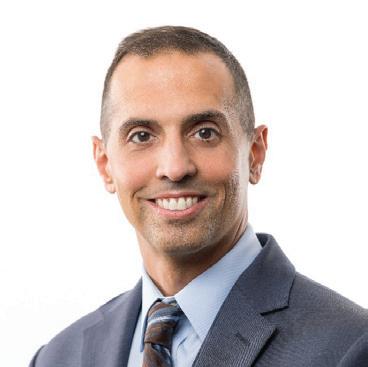
DINO
ANTONOPOULOS FOUNDER AND MANAGING PARTNERANTONOPOULOS LEGAL
GROUPAttorney Dino Antonopoulos is the founder and managing partner of Elm Grove-based Antonopoulos Legal Group, a boutique law firm that specializes in working with small businesses.
Antonopoulos has been in the legal profession for more than 20 years. His first business experiences came when he worked in his family’s restaurant business. He worked in all facets of the restaurant operations, including cleaning tables, washing dishes, scrubbing floors and serving customers. Antonopoulos eventually managed multiple restaurants as a high schooler and into college.
Today, he is a member of the State Bar of Wisconsin, Waukesha County Bar Association, Metropolitan Milwaukee Association of Commerce, Metropolitan Builders Association and NARI Milwaukee. Antonopoulos regularly sponsors events and charities, such as the Young Guns Movement.
 JASON ABRAHAM VICE PRESIDENT HUPY AND ABRAHAM S.C.
Attorney Jason Abraham, vice president of Milwaukee-based Hupy and Abraham S.C., has recovered more than $400 million for clients, resolving many of those cases for more than $1 million each.
Abraham began his career with the firm in 1993 as a personal injury lawyer and was promoted to shareholder in 1999.
He has garnered numerous accolades, including the Wisconsin Law Journal Leaders in Law, AVVO 10.0 Superb Rating (2015-present), Elite Lawyers of America, M Magazine’s Leading Lawyers List, Wisconsin Super Lawyers List (2014-present), NAACP Milwaukee’s Lawyer of the Year, The National Trial Lawyers Top 100 Trial Lawyers: Civil Plaintiff (2009-present).
Abraham was recently elected to the board of Feeding America Eastern Wisconsin. Throughout his career, he has worked to initiate the employee volunteer program, donation efforts, safety initiatives, mentorships, scholarship funding and support of hundreds of events, according to MacKenzie O’Dwyer, communications specialist at Hupy and Abraham.
“He has led the firm in giving back more than $1 million to support organizations such as Make-A-Wish, Camp Hometown Heroes, Habitat for Humanity, Feeding America and the YMCA as well as scholarship programs, veterans affairs and hundreds more,” said O’Dwyer.
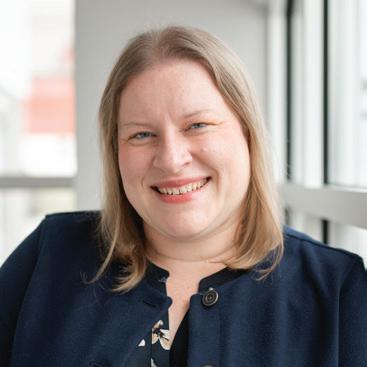
MAUREEN O’LEARY-GUTH
PRESIDENT
O’LEARY-GUTH
LAW OFFICE S.C.
Attorney Maureen O’Leary-Guth is president of Mequon-based O’Leary-Guth Law Office S.C. She joined the firm in 2008, became partner in 2014 and then acquired full ownership of the firm in 2019.
In 2023, O’Leary-Guth was selected as the Professional Advisor of the Year by the Greater Milwaukee Foundation’s Herbert J. Mueller Society. Also last year, the O’Leary-Guth firm was named the 2023 Small Business of the Year by Ozaukee Economic Development, one year after being named Business of the Year by the MequonThiensville Chamber of Commerce.
This year, O’Leary-Guth was named to the Wisconsin Law Journal’s Powerlist of estate planning attorneys.
She serves in a number of community volunteer roles, including president of the Milwaukee Estate Planning Forum, board member for Ozaukee Economic Development, past president of the Rotary Club of Thiensville-Mequon, board member for Green Acres Boxer Rescue, and fellow of the American College of Trust and Estate Counsel.
O’Leary-Guth also mentors law students and young attorneys, with a focus on building expertise and teaching best practices to future lawyers.
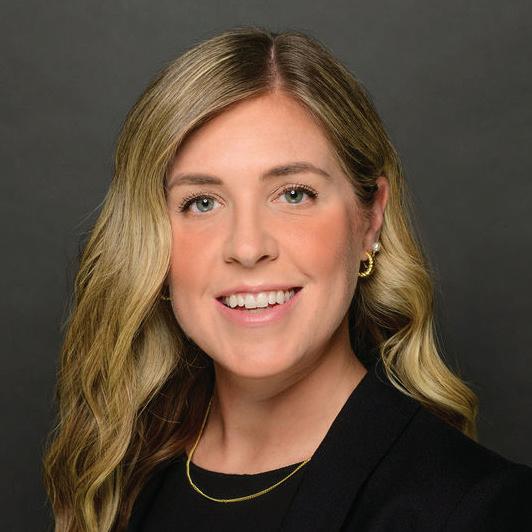 JACLYN KALLIE ATTORNEY
GIMBEL, REILLY, GUERIN & BROWN LLP
Jaclyn Kallie, attorney at Milwaukee-based Gimbel, Reilly, Guerin & Brown LLP, has come into her own since joining the firm, according to colleagues.
“After excelling in law school and working at a small firm, she joined GRGB in January of 2019 and is now one of the leaders of the firm’s civil litigation team,” said Britt Frank, marketing director at Gimbel, Reilly, Guerin & Brown.
Kallie has been recognized as an Emerging Woman Leader by Tempo Milwaukee, a 2024 Elite Lawyer by ALM’s Elite Trial Lawyers, a Super Lawyers’ Rising Star (2019 to present) and was featured among the “Ones to Watch” in the Best Lawyers 2022 real estate and infrastructure issue.
Kallie is a member of the Wisconsin Bar Association, Milwaukee Bar Association, Milwaukee Young Lawyers Association, Eastern District of Wisconsin Bar Association and Association for Women Lawyers.
Kallie also spends time outside the office as a mentor for the Eastern District of Wisconsin Bar Association mentoring program.
38 / BizTimes Milwaukee MAY 20, 2024
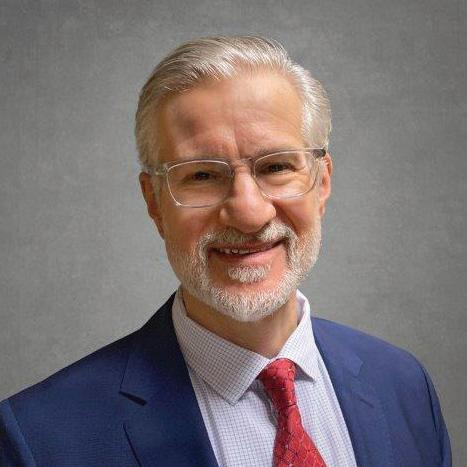
JEROME GRZECA
FOUNDER AND MANAGING PARTNER
GRZECA LAW GROUP
Jerome Grzeca, founder and managing partner of Milwaukee-based Grzeca Law Group, has been practicing immigration law in Washington, D.C. and Milwaukee for 35 years. With a primary focus on employmentbased immigration law for corporate clients, Grzeca and his team also provide support for individuals and families navigating family-based immigration processes.
“Inspired by the impact immigration law has on people’s lives, Jerry chose this path after graduating from Marquette University Law School,” said Tracy DePriest, firm administrator at Grzeca Law. “While litigation is not a large part of our transactional practice, Grzeca initiated legal proceedings in federal district court to challenge the erroneous denial of a green card petition for an executive client.”
U.S. Citizenship and Immigration Services revisited the case and recently granted approval of the petition. The decision allowed the client to retain the employee and keep its executive team intact, DePriest said.
Grzeca is a speaker and author on immigration law and often shares his experiences and expertise, especially with the next generation of immigration attorneys, who he mentors from early on in their careers.
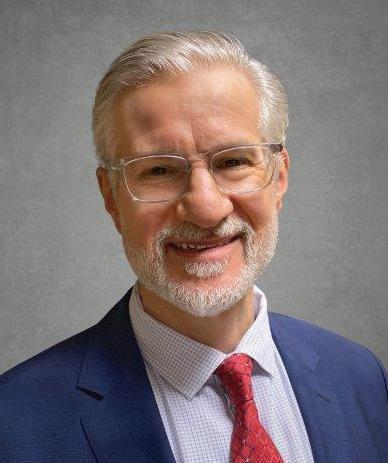

KRISTIN WICKLER PARTNER
WINSTON & STRAWN LLP
Kristin Wickler, partner at Chicago-based Winston & Strawn LLP, serves as an advisor to institutional private equity funds, large family offices and public companies, with a concentration on mergers and acquisitions and private equity.
“She has a solution-oriented approach that clients appreciate while navigating complex commercial transactions,” said Ian Abston, president of the Hoan Group. “Of equal importance is her work bettering the legal community – both inside and outside of the firm – through strategic leadership roles.”
Wickler has developed training materials for associates and partners at her firm on her areas of concentration, as well as offering training on effectively leading a team and creating a culture of inclusion.
In addition to the formal and informal mentorship she provides to women at Winston & Strawn and beyond, Wickler sits on the firm’s hiring committee, where she helps recruit and retain talent. She also regularly speaks on panels that address questions and concerns of female associates and diversity and inclusion initiatives.
“Kristin purposefully supports other women in M&A and shows them that they too can thrive in the legal field,” said Abston.
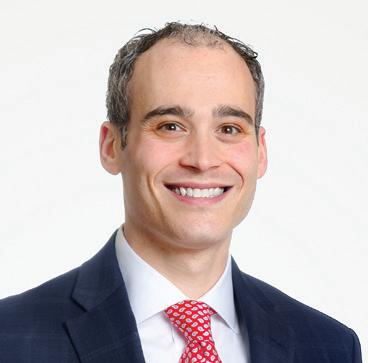
ADAM WITKOV PARTNER
MICHAEL BEST & FRIEDRICH
LLP
Adam Witkov, partner at Milwaukee-based Michael Best & Friedrich LLP, first joined the firm in 2007 as a summer associate. He has been on the fast track since, according to client Lisa Proeber, owner of The Middle Six. Witkov made contract partner a year early and was elected equity partner before turning 40. He is now the litigation practice group’s deputy chair for recruitment as well as the chair of the board at Jewish Family Services and a trustee of the Jewish Community Foundation.
“Beyond being a skilled lawyer, Adam is an excellent mentor, leader and friend. He is truly dedicated to the success of his colleagues. He consistently gave me unique opportunities. Adam served as a mentor, always available to answer questions on cases and work-life balance challenges,” said Kimberly Streff, assistant general counsel at Molson Coors.

“As board chair, Adam plays a pivotal role in steering JFS toward innovative, mission-driven opportunities and has been instrumental in expanding community engagement and deepening our impact,” said John Yopps, president of Jewish Family Services.












biztimes.com / 39 On your well-deserved recognition as one of the Notable Leaders in Law! Your dedication, expertise, and leadership set the standard in our industry. Wishing you even more success and achievements in your remarkable career. 1434 W State St, Milwaukee, WI 53233 (414) 342-3000 grzecalaw.com Congratulations, Jerry Named Notable Leader in Law by BizTimes Adam Witkov CONGRATULATIONS michaelbest.com Michael Best & Friedrich LLP Partner • Litigation




The importance of performance reviews
Show some managerial courage
WHAT IS “MANAGERIAL COURAGE”? It can mean different things depending on your situation. Some examples could be:
» Making a difficult decision regarding the direction of an organization.
» Deciding when to terminate an individual who is not performing up to expectations.
» Rolling up your sleeves to pitch in to the operations of your company when there are staffing shortages or a high demand for products or services.
All of these situations arise in business every day. The area which I feel is critical and where managerial courage needs to begin is in the performance review process.
Many managers and employees dread annual performance appraisals. However, this is the time that you as a manager have the opportunity to inform and hopefully improve your employees’ performance. The ideal situation is if an employee can improve their performance before it’s too late, termination may not be necessary.
There has been much discussion over the years on how companies should conduct performance reviews. One of the key takeaways is that the performance review should never take place only once a year. There should be regular conversations between the manager and employee. Make a point of scheduling updates or check-in meetings; week-
ly, monthly or quarterly – and keep those appointments. Interim meetings are essential to ensure there are no surprises when the annual review discussion occurs.
Regular performance discussions provide an opportunity for the employees to know where they stand. Whether it be on the accomplishment of established goals, production quotas or sales growth. A manager needs to be honest about the employee’s shortcomings and be specific regarding where they are not meeting expectations. This allows the employee to know what they should be focusing on to make an improvement or change their current behavior. Alternatively, if there are areas where the employee is doing well, communication of those specific details can go a long way to increase the employee’s engagement.
Speaking of engagement, did you know that, according to a recent McKinsey & Company report, an engaged employee will be up to five times more productive than their peers?
Gallup reported in April that the number of engaged employees has declined in the past few years, with only 33% of employees indicating they are engaged at work. This would lead us to believe that almost 70% of our employees are either moderately engaged or disengaged in their work. The Gallup article also reported that 17% of employees are actively disengaged at work. Wow! Businesses have a great opportunity to change those statistics. Since so many companies are struggling to keep good employees, it is essential that managers do everything they can to keep the employees they have.
It just makes sense. If your employees feel good about the work they do and know they are adding value, they will go the extra mile for their employer.
Having honest, open conversations with your employees is the only way to develop trust and encourage improvement. Through regular conversations, a manager will get to know the people on
their team. If the manager has a better understanding of what the employee is going through personally, they will be more understanding and empathetic if shortcomings at work occur. Additionally, the manager will be more willing to help the employee overcome obstacles in order to succeed.
A people manager or supervisor needs managerial courage more than any other trait in order to be successful. Open, honest and productive conversations have benefits that will improve not only your employee’s performance, but the overall climate of your organization. It’s not easy and sometimes these conversations may be uncomfortable –but the results will be apparent. ■


NICOLE SCHMIDT
Nicole Schmidt is a human resources consultant and the owner of Reward Strategies LLC (hrrewardstrategies.net). Previously, she was a global compensation manager for A.O. Smith. She can be reached at rewardstrategies@yahoo.net.
40 / BizTimes Milwaukee MAY 20, 2024 Strategies
MANAGEMENT




tournament television deal with CBS and Turner Broadcasting, worth $770 million per year. The exclusive deal was recently extended from 2025 to 2032 for $1.1 billion annually.
Leadership myopia
The NCAA is doomed
THERE HAS BEEN a significant amount of discussion recently about how the NCAA has ruined amateur athletics in general and, more specifically, college sports. If ever there was a business on a collision course with the going-out-of-business curve, it is the NCAA. How did a once-powerful organization with over a billion dollars in annual revenue find itself facing multiple threats on multiple fronts? How did the leadership of the NCAA fail to see what was clear to competitors, critics and the courts?
WHAT IS THE NCAA?
The National Collegiate Athletic Association was formed in the early 1900s to regulate college football. Organized as a nonprofit, the NCAA expanded its reach into all forms of college athletics and restricts the kinds of benefits and compensation college athletes are allowed to receive in return for their athletic services. It negotiates and generates revenue from television broadcast rights, sponsorship deals and tournament ticket sales.
In 2022-‘23, total revenue for the NCAA was $1.28 billion.
IS
THE NCAA A CARTEL, A MONOPOLY OR A MONOPSONY?
The NCAA hits the trifecta on this one. The NCAA is a cartel. It regulates a combination of independent colleges who work together to coordinate activities and to jointly agree on rules for competing with each other. Think OPEC here.
The NCAA maintains a monopoly on media rights to college championship tournaments. It negotiated the current 15-year men’s basketball
On the buy side, the NCAA acts as a collusive monopsony where it regulates recruiting, eligibility and scholarship rules. This monopsony power, through rent-seeking, has severely restricted the bargaining power of college athletes. Rent-seeking occurs as the NCAA seeks financial gain without making a reciprocal contribution.
SUE ME
In 2021, the U.S. Supreme Court upheld a decision that found the NCAA violated antitrust law by restricting education-related benefits that colleges could provide athletes. The decision allows college athletes the ability to be compensated for the use of their name, image and likeness (NIL).
Reluctantly, the NCAA adopted a rule that allows colleges to assist student-athletes with NIL opportunities, which includes facilitating deals between student-athletes and third parties. Even so, the NCAA continues to face the landmark House v. NCAA antitrust case that could result in more than $4 billion in backpay to thousands of college athletes.
COMPETITION
A group of sports business executives, including NFL chief media and business officer Brian Rolapp, Cleveland Browns owner Jimmy Haslam and Philadelphia 76ers owner David Blitzer, has formed a group to consider the further mutation of college football to a more professional and profitable business model. Sports executive, Casey Wasserman, speculated that college football could double its revenue with a different structure.
UNIONIZATION
A friend of mine once quipped, “If you don’t have a union and get one, you deserve it.” A college football players association is a near certainty. If any business was ripe for a union, it is college athletics under the NCAA regime.
A SLIPPERY SLOPE
The NCAA has been in court on a regular ba-
sis since it first decided to prohibit live television broadcasts of college football games in the 1950s. In 1984, the U.S. Supreme Court found that the NCAA’s complete control of television rights violated the Sherman Antitrust Act. In 2014, the National Labor Relations Board classified members of Northwestern’s football team as employees. The decision, reversed the following year, would have granted players collective bargaining rights.
NCAA leadership blindly careened downhill, unsuccessfully lobbying Congress for a Major League Baseball style antitrust exemption. Without the exemption, a day of reckoning for the billion-dollar nonprofit is a foregone conclusion.
What replaces the NCAA is uncertain. College sports fans will live with NIL, transfer portals and early professional opt-outs for the foreseeable future. Fans will continue to grumble and threaten boycotts. Lawsuits will continue. Large conferences like the Big Ten and the SEC will continue to grow, consolidate power and threaten to take control of the money and the regulation. Sports moguls will seek to weasel their way into the college sports gold mine.
But for now, the shortsighted NCAA is the only game in town. ■





DENNIS ELLMAURER
Dennis Ellmaurer, is a Vistage chair emeritus. He is also an executive coach and consults with small to medium-sized businesses on succession planning and execution. He can be reached at (414) 2715780 or dennis@globenational.com.
biztimes.com / 41
LEADERSHIP



Culture killers
Identify and address disengaged employees
IT WAS A TYPICAL DAY in the neighborhood at a small community bank.
That is, until a 2016 Jeep Wrangler was dropped off in the bank’s parking lot by a repo company.
The debtor only made three payments in the first seven months of the life of the loan. And, because the debtor repeatedly ignored phone calls and correspondence from the bank requesting a call to make arrangements to bring the loan current, the repo man was sent.
Upon review of the debtor’s file, it was determined the loan never should have been made. Jessica, the underwriter who approved the loan did a gross miscalculation of the debtor’s debt-to-income ratio. Additionally, she approved the loan with only 5% down instead of the mandatory 12% due to the debtor’s low FICO score.
As it was the fourth time in three months that Jessica made a careless, negligent mistake that led to a substantial financial loss for the bank, she was terminated.
When the president of the bank asked Jessica’s boss what went wrong on what seemed to be such a great hire 14 months prior, he said Jessica was always distracted by her phone and failed to take ownership of her job. Unsatisfied by such a dismissive answer, the president asked a few of Jessica’s coworkers what they thought the problem could have been. One brave soul spoke up and said their boss was overly flirtatious and Jessica was always creeped out by him. Jessica was on her phone all the time because she was looking for a new job and made so many mistakes because she couldn’t think clearly when her boss was in the office.
As Jessica’s boss and the president of the bank
were good friends and close neighbors, nothing happened. Everything returned to business as usual.
TWO TYPES OF DISENGAGEMENT
Some employees become disengaged for reasons that have nothing to do with their employer or work environment. Illness, injuries or major life events, such as losing a loved one, going through a divorce or dealing with any kind of trauma, can be distracting enough to prevent anyone from doing their job well. For these employees, empathy, support and time are the three elixirs employers can offer during a troubled employee’s recovery back to peak performance and productivity.
The employees requiring the most attention are those who become disengaged based on internal issues and/or working within an unhealthy culture. These employees are much more dangerous than many give them credit for, as they are not simply low-productivity team members who Facebook more than they should on the company’s watch.
A single disengaged employee is capable of:
1. Costing their employer money due to careless mistakes. When an employee no longer cares, they are less likely to pay attention to details.
2. Angering clients into the welcoming arms of a competitor. The last thing you need is to have a disengaged employee interact with a client.
3. Spreading discontent. Rarely do disengaged employees keep quiet and operate alone. They confide in others about the displeasure, disappointment or resentment they have toward the company or its leadership team and pollute the minds of others.
4. Slowing projects to a crawl. Disengaged employees lack any sense of urgency and cannot be counted on to meet deadlines.
5. Forcing their responsibilities of work onto others. Peers will grow increasingly frustrated each time they need to pick up the slack.
6. Dragging down morale. Your better performers will grow impatient quickly.
Disengaged employees turn sour for reasons that need to be identified, and fast. If ignored or dismissed for too long, disengagement can escalate to nefariousness when an employee may begin to seek revenge on his or her employer through acts such as stealing, tampering with systems and equipment, disparaging social media posts, and in extreme cases, acts of violence.
It’s the accountant who embezzles tens of thousands of dollars over the course of a few years. It’s the director of IT who blocks a network for ransom. Or maybe it’s someone who sneaks supplies such as ink cartridges and expensive equipment from the supply room to sell on eBay. We hear and read about such corporate revenge all the time.
Your best and only defense is to take action on perceived disengagement sooner rather than later.















SCOTT SEROKA
Scott Seroka, the president of Brookfieldbased Seroka Industrial Branding, is an entrepreneur, consultant, trainer, and mentor. He can be reached at (414) 628-4547.

42 / BizTimes Milwaukee MAY 20, 2024 Strategies HUMAN RESOURCES


Tip Sheet

The benefits of good treasury management
Acrucial piece of ensuring the longterm success of your small business is keeping track of its finances. Still, as a recent PNC Insights article points out, money management often takes a back seat to other operational tasks and isn’t “structured, resourced and incentiv-

ized as well as it could be.” The article highlights six ways treasury management can drive growth by optimizing cash flow:
1. Boost cash collection: Make the accounts receivable collection process more efficient –and reduce costs – by implementing automation, such as electronic or lockbox payment methods for customers.
2. Improve liquidity management: Having a handle on your business’s cash inflows and outflows makes it “easier to respond to unanticipated needs for funds,” according to the article.
3. Maximize investment returns: Knowing exactly how much cash you have in reserve can open up short-term investment possibilities like money market accounts, certificates of deposit and sweep accounts, the article suggests.
4. Optimize financing structure: Having the full picture of your business’s short- and long-
PRESENTED BY:
AUGUST 21, 2024
BROOKFIELD CONFERENCE CENTER
term cash flow needs allows you to develop the best possible financing strategy for the future. “This includes determining the mix of debt, equity and internal cash flows to fund your business, negotiating terms with lenders, and ensuring access to funds at a competitive rate.”
5. Enhance fraud risk management: The threat of fraud looms over every small business, especially with cybercrime on the rise. Luckily, diligent cash management makes it easier to spot and then respond to suspicious activity as it happens.
6. Unlock new levels of financial intelligence: Effective treasury management can help sharpen your business’s competitive edge by providing “real-time financial intelligence,” the article says, in turn allowing your company to “remain agile and responsive to developing trends.”
7:30-8:00 AM – Networking & Breakfast | 8:00-10:00 AM – Welcome & Program 10:20-12:00 PM – Breakout Sessions
SEIZE YOUR MOMENT
Attend BizTimes Media’s annual Women in Business Symposium and leave with actionable insights to apply in your own life and career.
Keynote presenter Jenny Just will start the program with lessons learned on her journey from Brookfield, Wisconsin, to co-founding PEAK6 in 1997 and later launching Poker Power in 2020. PEAK6 started as a proprietary options trading firm and has grown into a multibillion-dollar financial services firm. Started with Just’s daughter Juliette, Poker Power teaches women poker, and by extension, strategic thinking, capital allocation and decision-making skills.
After the keynote, attendees will hear from a panel of business leaders from across southeastern Wisconsin and attend breakout sessions on topics like mental health, entrepreneurship, personal finance, technology and common workplace issues. The morning’s schedule also includes dedicated time to network and the celebration of the 2024 Woman Executive of the Year.

PRESENTING SPONSOR: SPONSOR:

SUPPORTING: PARTNER:


biztimes.com / 43
REGISTER TODAY! BIZTIMES.COM/WOMEN
BIZ UPDATE
BAHR NAMED CEO OF BREAKTHRU PRIVATE INVESTMENT COMPANIES
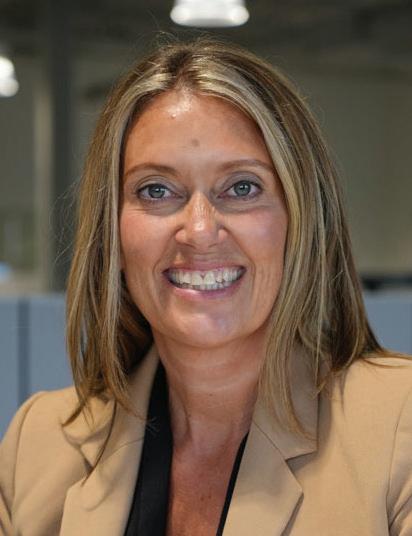
BREAKTHRU Family of Companies announced the promotion of Rachel Bahr to CEO of BREAKTHRU’s private investment companies, including Xiogenix, Ardent Animal Health, Vendura, and the newly expanded BREAKTHRU Leadership U.
“I am thrilled to leverage my passion for developing leaders and my talents for building high-performing teams as I transition from leading Xiogenix to overseeing each of our companies within our family,” Barh said. “My new role allows me to expand my reach and make an even greater impact.”
She brings more than 20 years of leadership experience to the position, including international sales, business development,
marketing, acquisitions, and general management in the automotive, aerospace, architectural, and biosciences industry verticals and a variety of company structures. Her transformational leadership style fosters an innovative, collaborative environment that empowers employees and streamlines processes.
“I couldn’t be more delighted with the launch of BLU and with the leadership announcement of Rachel Bahr over all of our valued staff,” said Jerry Jendusa, founder of BREAKTHRU and BLU, and major investor and chairman of the board for Xiogenix, Ardent Animal Health, and Vendura. “I have watched her career grow… she is one of the best transformational leaders I know.”


FINANCIAL SERVICES
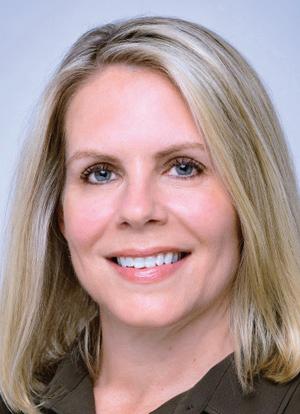
Shannon Garrity Appointed SVP of Public Sector Banking for Johnson Financial Group
Johnson Financial Group recently appointed Shannon Garrity as Senior Vice President of Public Sector Banking. In her new leadership role, Shannon will join Peter Speca, SVP of Public Sector Banking, to spearhead the launch and management of the Public Sector Banking Business line. Her primary focus will be to collaborate with public entities, offering expert guidance, strategic partnerships and financial tools to enhance operational efficiency and support their mission. With over 20 years of experience in the financial industry, Shannon brings a wealth of knowledge to her new position.

ARCHITECTURE
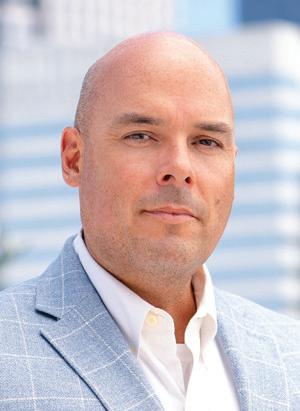
Kahler Slater Announces Charlotte Expansion with the Hiring of Christopher Morales
Kahler Slater is pleased to announce the expansion of their Charlotte presence with the hire of Chris Morales, AIA, NCARB, LEED AP. Chris will serve as Vice President and National Healthcare Practice Leader and lead the firm’s Charlotte operations.
ADVERTISE TODAY!
To place your listing, or for more information, please visit biztimes. com/bizconnect
Use BizPeople to share:
• New Hires
• Recent Promotions
• Career Updates & Milestones
• Accolades
• Recognition
• Board Appointments







44 / BizTimes Milwaukee MAY 20, 2024 BizConnections
Advertising Section: Press Releases, Awards, General News and Philanthropy
BIZ PEOPLE
AWARD WINNING LEADERS IN ENVIRONMENTAL SUSTAINABILITY PROGRAMS AND WASTE MANAGEMENTS SOLUTIONS www.esrr.com Germantown, WI | (262) 790-2500 | info@enviro-safe.com Wisconsin’s Newest Licensed Hazardous Waste Treatment, Storage and Disposal Facility • Great Customer Service • Continuous Growth • Transportation Services • Family Owned & Operated Since 2002 • Sustainability Programs • Compliance Services (WDNR, EPA & DOT) Contact Pavlic Vending to get your market today! Variety, convenience and healthy foods… all at no cost to your organization! 262.574.1600 | www.pavlicvending.com MARKETPLACE FRIESIAN HERD EXPERIENCES Where horses help heal people Sign-up now for private riding lessons! Tours Horses for Sale Corporate Events Foaling Experiences Commercial Photo Shoots Herd Life Coaching for Adults Equine Facilitating for Herd Healing 262-510-8963 friesianherd@yahoo.com friesianherdexperiences.com
MATC NAMES NEW PRESIDENT
After a roughly six-month search, Milwaukee Area Technical College’s district board of directors selected Anthony Cruz, Ph.D., to succeed outgoing college president Vicki Martin, Ph.D.
Martin announced in September that she would be retiring from the post after serving MATC for 35 years, including a 10-year tenure as president. Her last day is June 30.
Cruz, who currently serves as president of the Kendall Campus of Miami Dade College, was chosen from a group of four finalists, including: Monica Brown, Ph.D.,
who currently serves as the senior vice president for student affairs at Montgomery College near Washington, D.C.; Mark Curtis-Chávez, Ph.D., the current provost of the College of DuPage, the largest single-campus community college in Illinois; and Tina Marie Jackson, Ph.D., who serves as the assistant commissioner of workforce education at the Texas Higher Education Coordinating Board.
The search for a new MATC president yielded 50 applications.
—CaraSpoto, staff writer
CALENDAR
United Way of Greater Milwaukee & Waukesha County will host its 2024 Women United Bruncheon on Thursday, May 23, from 11 a.m. to 1 p.m. at The Pfister Hotel, 424 E. Wisconsin Ave., Milwaukee. Tickets are $60 per individual.
SHARP Literacy will hold its Unwrapped MKE fundraiser on Thursday, May 30, from 5 to 8 p.m. at The Deco, 7140 W. Greenfield Ave., West Allis.
The Edison McCants Comfort Fund will host its 2024 Stepping with The Stars: Homecoming Edition on Sunday, June 2, from 5 to 11 p.m. at the Baird Center, 400 W. Wisconsin Ave., Milwaukee. Individual tickets are $145.
The Elmbrook Education Foundation will hold its 10th Annual Golf Open on Tuesday, June 11, from 9:30 a.m. to 6 p.m. at the Ironwood Golf Course, W270 N6166 Moraine Drive, Sussex. Tickets range from $145 for individual golfers to $580 for a foursome.
Public Allies Wisconsin will hold a 30th Anniversary Gala on Thursday, June 13, from 5 to 11 p.m. at Saint Kate - The Arts Hotel, 139 E. Kilbourn Ave., Milwaukee. Tickets start at $100.
ABCD: After Breast Cancer Diagnosis will host its 25th Anniversary Gala on Saturday, June 15, at 6 p.m. at The Pfister Hotel, 424 E. Wisconsin Ave., Milwaukee. Tickets start at $275.
DONATION ROUNDUP
Kohl’s Corp. is committing $200,000 to the National Alliance on Mental Illness Southeast Wisconsin over two years to provide more mental health resources to youth and BIPOC communities in the Milwaukee area. | 7 Brew Brookfield raised $1,358 for the Elmbrook Education Foundation. | Cousins Subs, Make It Better Foundation and Donald Driver donated a total of $20,000 in college scholarships to four Wisconsin high school athletes as part of its Driven at Heart Scholarship Contest.
SPOTLIGHT








CACTUS+
2496 S. Wentworth Ave., Milwaukee, WI 53207 414-666-4202 | cactusplus.org Facebook: facebook.com/CactusPlusMKE Instagram: @cactusplusmke
Year founded: 2022
Mission statement: Our mission is to create an artist-centered model for multimedia arts education and community building that champions accessibility, inclusivity and sustainability.
Primary focus: We are focused on providing intergenerational free and sliding scale arts programming, educational workshops and skill shares.
Other focuses: We believe in liberation movement building, environmental stewardship, cathartic creative practice and hosting empowering multimedia events. To that end, we are also working to overhaul our 120-year-old building to make it more comfortable and accessible for artists and event attendees with mobility constraints and other disabilities.
Number of employees: 4
Key donors: Everyday people like you
Board of directors: Kelsey Kaufmann (president), owner of the Cactus Club; Samer Ghani (vice president), photographer/ videographer; Skott Moriarti (treasurer), owner of Keynote Inc.; Aichelle White (secretary), owner of MuSample; Kelly Todd (secretary), social worker and community organizer.
Is the organization actively seeking board members for the upcoming term? Yes
Roles it’s looking to fill: TBD
Ways the business community can help: Attend a film screening, artist market, skill-share event or workshop, host an event, donate to our programming, donate to our accessibility initiative, or share our programming with those for whom it might resonate.
Key fundraising events: Beet Street Block Party - Saturday, October 5, 2024


biztimes.com / 45
NONPROFIT
NONPROFIT
GLANCE AT YESTERYEAR


VOLUME 30, NUMBER 3 | MAY 20, 2024
126 N. Jefferson St., Suite 403, Milwaukee, WI 53202-6120
PHONE: 414-277-8181 FAX: 414-277-8191
WEBSITE: www.biztimes.com
CIRCULATION: 414-336-7100 | circulation@biztimes.com





ADVERTISING: 414-336-7112 | advertising@biztimes.com







Kegs help A.O. Smith get through Great Depression
This photo, taken around 1933, shows production of a welded steel beer keg at A.O. Smith in Milwaukee. While the Great Depression hit the manufacturer’s other product lines hard, a collaboration with Gettleman Brewery helped the company survive, producing more than 600,000 beer kegs. A.O. Smith’s engineers developed a manufacturing process to create glass-lined beer storage tanks, a process later – and still – used on residential water heaters.
— Photo courtesy of A.O. Smith. Submit your company’s historic photos at biztimes.com/glance
Taking credit
WHO DESERVES the credit for Microsoft’s decision to build a $3.3 billion artificial intelligence data center in Mount Pleasant?
That’s been a hot political topic since President Joe Biden flew here to tout the Microsoft project and criticize former President Donald Trump’s support of the Foxconn project.
Microsoft is building the data center complex on land originally set aside for Foxconn, which initially said it would build a $10 billion LCD screen manufacturing complex that would create 13,000 jobs.
The Foxconn project didn’t live up to the hype and has become a whipping boy for critics of its supporters, including Trump and former Gov. Scott Walker.
Foxconn has a substantial operation in Mount Pleasant with 1,000 employees. Most of its work there has been to build data servers for a client it hasn’t named, but has been reported to be Google. That would’ve been considered a major success story if not for the overhyped initial plans.
Walker and the Republican-controlled Legis-
lature approved $2.85 million in tax incentives for Foxconn, contingent on job creation and capital investment. Gov. Tony Evers renegotiated the deal with Foxconn, providing smaller incentives that would be easier for the company to obtain. Last year Foxconn was eligible for $6.3 million in tax credits.
Foxconn’s smaller development has left room for Microsoft to come in. Microsoft purchased more than 1,300 acres in Mount Pleasant, most of it available because it was acquired and cleared for Foxconn. It’s also attractive for development because of a massive investment by the state, local governments and We Energies in infrastructure improvements. Those improvements were intended to serve Foxconn, but are now a major reason for attracting Microsoft.
“Without Walker taking the big swing on Foxconn, Microsoft never happens,” said Steve Baas, executive director of the Wisconsin Transportation Builders Association. “Microsoft is here because the infrastructure – roads, utilities, etc. –are already in place; the land is all purchased and available for Microsoft to buy; and the politics have already been navigated. This is a plug-andplay development for Microsoft and Tony Evers and Joe Biden, because of the groundwork laid
EDITORIAL: 414-336-7120 | andrew.weiland@biztimes.com
REPRINTS: 414-336-7100 | reprints@biztimes.com
PUBLISHER / OWNER
Dan Meyer dan.meyer@biztimes.com
DIRECTOR OF OPERATIONS
Mary Ernst mary.ernst@biztimes.com
COMMUNITY
ENGAGEMENT / OWNER
Kate Meyer kate.meyer@biztimes.com
EDITORIAL
EDITOR
Andrew Weiland andrew.weiland@biztimes.com
MANAGING EDITOR
Arthur Thomas arthur.thomas@biztimes.com
ASSOCIATE EDITOR Maredithe Meyer maredithe.meyer@biztimes.com
REPORTER
Ashley Smart ashley.smart@biztimes.com
REPORTER Cara Spoto cara.spoto@biztimes.com
REPORTER
Hunter Turpin hunter.turpin@biztimes.com
SALES & MARKETING
DIRECTOR OF SALES
Linda Crawford linda.crawford@biztimes.com
SENIOR ACCOUNT EXECUTIVE
Christie Ubl christie.ubl@biztimes.com
ACCOUNT EXECUTIVE
Robin Briese robin.briese@biztimes.com
ACCOUNT EXECUTIVE
Paddy Kieckhefer
paddy.kieckhefer@biztimes.com
ACCOUNT EXECUTIVE
Christy Peterson christy.peterson@biztimes.com
SALES ADMIN
Shannon Whiting shannon.whiting@biztimes.com
ADMINISTRATION
ADMINISTRATIVE
COORDINATOR
Sue Herzog sue.herzog@biztimes.com
AUDIENCE DEVELOPMENT
ASSOCIATE/CIRCULATION
Derik Sneide
derik.sneide@biztimes.com
PRODUCTION & DESIGN
SENIOR GRAPHIC DESIGNER
Alex Schneider alex.schneider@biztimes.com
Independent & Locally Owned
— Founded 1995 —
by Scott Walker and Donald Trump.”The Milwaukee 7 regional economic development group and Racine County Economic Development Corp. have remained aggressive in trying to attract a transformative development to the site.
Republicans were quick to say that Biden had nothing to do with Microsoft’s plans for Mount Pleasant. There is indeed no direct federal role in the project.
However, Microsoft president Brad Smith praised Biden for the Infrastructure Investment and Jobs Act, the CHIPS and Science Act and the Inflation Reduction Act.
“Everything that we are doing here in Racine County is benefitting directly from the work of this White House and this president,” said Smith, who also praised local officials and recognized Evers for doing “the things that needed to be done to make this happen.” ■
 ANDREW WEILAND
EDITOR
/ 414-336-7120 / andrew.weiland@biztimes.com / @AndrewWeiland
BizConnections
COMMENTARY
46 / BizTimes Milwaukee MAY 20, 2024

BRIDGET PEDERSEN
President Implecho
Pewaukee
Industry: Audio communication solutions
Implecho.com
Employees: 9
“A few years ago, (Pewaukee-based) OwnersEdge, which is the 100% employee-owned ESOP holding company that Implecho is part of, introduced a ‘people-first’ philosophy and conducted a learning series on how to become a people-first organization and a people-first leader.
“I’ll never forget the quote that was part of the training because it was an ‘aha’ moment for me: ‘If we consistently exceed the expectations of employees, they will consistently exceed the expectations of our customers.’ – Shep Hyken, customer experience expert
“Previously, in my sales and marketing positions, I always heard customers first. The people-first approach expands my view on how a healthy culture affects this philosophy, and I have seen the results at Implecho. Our team’s dynamic shines through in the customer experience, and it is evident in our customer feedback and outstanding Net Promoter Score of 90+.
“The other important ingredient to our success is the fact that Implecho is a 100% employee-owned ESOP company. Employees understand that their performance directly impacts their own bottom line because they literally have stock in the company.”
AGE: 42
PROFESSIONAL EXPERIENCE: Bridget Pedersen has been with Implecho and its predecessor company for more than 12 years. Before taking over as president earlier this year, she served two years as vice president. Prior to Implecho, she was marketing and business development manager for BAYCOM, a sister company of Implecho. Pedersen graduated from the University of Wisconsin - Eau Claire with a degree in communications and journalism.
IN THE NEWS: Pedersen was promoted to president of Implecho in 2024. In her previous role as vice president, Pedersen helped lead the company to significant growth. In 2022, Implecho grew 37% and in 2023 it notched 10% year-over-year growth in the events industry. In addition, in 2023, the company worked with two of the largest trade shows in the world – the Consumer Electronics Show and ConExpo – and was part of more than 300 events across the country. Locally, Implecho’s clients include the Association for Equipment Manufacturers and Waukesha County Business Alliance.
biztimes.com / 47
BEST
VALERIE HILL
MY
ADVICE