




TERM 2+3 TERM 2+3 25/26 EDITION 25/26 EDITION

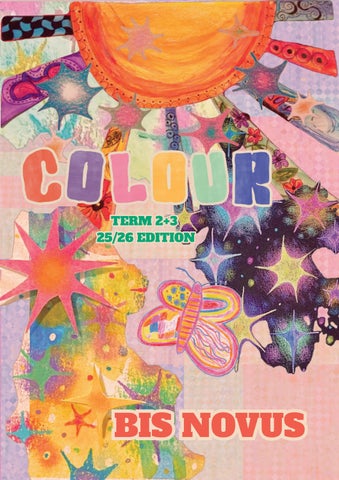
TERM 2+3 TERM 2+3 25/26 EDITION 25/26 EDITION

Imagine a path (or draw it for readers with aphantasia). Any path. Imagine a path (or draw it for readers with aphantasia). Any path. There are colours you associate with it, right? There are colours you associate with it, right?
It’s impossible to remove colours from our perception of reality. It’s impossible to remove colours from our perception of reality. From birth until death, our eyes continuously register colours, and From birth until death, our eyes continuously register colours, and our brains use the visual information to make each and every our brains use the visual information to make each and every decision. Consequently, humanity recognised: If colours are so decision. Consequently, humanity recognised: If colours are so pivotal, then they must be crucial in manipulating human decisions. pivotal, then they must be crucial in manipulating human decisions. This manipulation is scrutinized in Dakyung/Olivia’s (Y11) article. This manipulation is scrutinized in Dakyung/Olivia’s (Y11) article. Specifically, capitalism’s harmful use of pink and blue that Specifically, capitalism’s harmful use of pink and blue that perpetuates gender inequality. This expanded into a commentary on perpetuates gender inequality. This expanded into a commentary on how colours are inseparable from associations, making colours how colours are inseparable from associations, making colours restricting or empowering depending on the situation. restricting or empowering depending on the situation. This begs the question: Can colours exist outside the binary of ‘bad’ This begs the question: Can colours exist outside the binary of ‘bad’ and ‘good’? Most definitely. Gaeun (Y12) explored this by analyzing and ‘good’? Most definitely. Gaeun (Y12) explored this by analyzing how colours are used in musicals to communicate emotions, themes, how colours are used in musicals to communicate emotions, themes, and author intentions. By identifying the particular ways in which and author intentions. By identifying the particular ways in which colours are incorporated in named musicals, the writer sheds light colours are incorporated in named musicals, the writer sheds light not only on colours’ versatile abilities but also their importance that not only on colours’ versatile abilities but also their importance that may be overshadowed by overt storytelling mediums such as music may be overshadowed by overt storytelling mediums such as music and choreography. and choreography.
Similarly, colours in fireworks elicit joy and awe from viewers. It is Similarly, colours in fireworks elicit joy and awe from viewers. It is easy to ackowledge the entertainment value colours help generate, easy to ackowledge the entertainment value colours help generate, but perhaps trickier to appreciate the wondrous chemistry involved. but perhaps trickier to appreciate the wondrous chemistry involved.
In Seungyeon’s (Y12) writing, the process In Seungyeon’s (Y12) writing, the process is described step-by-step: Fireworks’ is described step-by-step: Fireworks’ chemical reactions release thermal chemical reactions release thermal energy, and this energy is absorbed by energy, and this energy is absorbed by electrons – causing them to move to a electrons – causing them to move to a more excited state. Yet, due to the more excited state. Yet, due to the instability of this state, electrons quickly instability of this state, electrons quickly revert to their original energy levels by revert to their original energy levels by releasing energy in the form of releasing energy in the form of wavelengths of light. wavelengths of light.
To further delve into our complex relationship with colours, we
To further delve into our complex relationship with colours, we interviewed the school community and received insightful answers interviewed the school community and received insightful answers expressing diverse perspectives on colours. Even a seemingly simple expressing diverse perspectives on colours. Even a seemingly simple choice like favourite colour harbors a wide variety of intentions. For choice like favourite colour harbors a wide variety of intentions. For our interviewees, their favourite colour can be a deliberate choice to our interviewees, their favourite colour can be a deliberate choice to reclaim power within the patriarchy. Or, it may reflect their love of the reclaim power within the patriarchy. Or, it may reflect their love of the natural world and firm belief in protecting the ocean. Likewise, it can
natural world and firm belief in protecting the ocean. Likewise, it can just represent aesthetic preferences. Whatever it may be, each person’s just represent aesthetic preferences. Whatever it may be, each person’s relationship with colours is their own. As such, it becomes abundantly relationship with colours is their own. As such, it becomes abundantly clear that there is no easy way to define humanity’s connection with clear that there is no easy way to define humanity’s connection with colours. colours.
Veering away from the realm of human usage, colours exist in the Veering away from the realm of human usage, colours exist in the natural world as warning signals used by preys to survive – natural world as warning signals used by preys to survive –independent of human intervention. In Colin’s (Y12) article, this independent of human intervention. In Colin’s (Y12) article, this phenomenon (Batesian mimicry) is examined through the example of phenomenon (Batesian mimicry) is examined through the example of hover flies. Subsequently, the narrator leads into the astute observation hover flies. Subsequently, the narrator leads into the astute observation that manifestations of Batesian mimicry are ever-changing over time, that manifestations of Batesian mimicry are ever-changing over time, driven by changes in prey populations and predators’ learned driven by changes in prey populations and predators’ learned awareness. awareness.
Circling back to the symbol of a path, before I knew it my long journey
Circling back to the symbol of a path, before I knew it my long journey at BIS Hanoi have come to an end. Standing in my position, I often at BIS Hanoi have come to an end. Standing in my position, I often wonder whether the decisions I made, the colours I used, were the best. wonder whether the decisions I made, the colours I used, were the best. Undoubtedly, I have my regrets. With this magazine, there were Undoubtedly, I have my regrets. With this magazine, there were countless hurdles and struggles and mistakes. At the same time, there countless hurdles and struggles and mistakes. At the same time, there was happiness; fun; creativity; and understanding. Throughout my was happiness; fun; creativity; and understanding. Throughout my tenure as chief editor, I got to listen to and converse with many writers tenure as chief editor, I got to listen to and converse with many writers and designers and editors. It was a pleasure to learn about our team’s and designers and editors. It was a pleasure to learn about our team’s multitudes of thought-provoking ideas and I feel extremely grateful for multitudes of thought-provoking ideas and I feel extremely grateful for everyone’s dedication and commitment. I sincerely hope that your everyone’s dedication and commitment. I sincerely hope that your experience with Novus was enjoyable and helpful, and that you are experience with Novus was enjoyable and helpful, and that you are proud of the authentic and unique works you created or assisted in proud of the authentic and unique works you created or assisted in realizing as editor. realizing as editor.
I wish all the best to everyone and am very excited for what lies ahead, I wish all the best to everyone and am very excited for what lies ahead, and as always: Happy reading! and as always: Happy reading!
Thai Anh Hoang Thai Anh Hoang

Pink & Blue
Dakyung (Olivia) Hwang Y11
Firework Spectacular
Seungyeon Hong Y12
Colour = Defense: Batesian
Mimicry and its Pitfall
Colin Noah Gibson Y12
Colours in Musicals
Gaeun Yoo Y12





colour colours colours
You could cut into a cake to reveal pink icing, or pop a balloon filled with blue confetti. Pink? Congratulations, it’s a girl! Blue? Congratulations, it’s a boy! The first video of a gender reveal party was posted on YouTube in 2008 and currently lists hundreds of results when searched online (Guardian staff reporter). And as the baby grows into a toddler, they themselves become aware of the gender associations of . You may have walked past a little girl whining for a hot pink Barbie doll in a supermarket, while none of them even bat an eye to Ken dressed in his striped, blue shirt. Pink and blue hold great influence on human behaviour. They can be used to categorise consumers under the labels of feminine and masculine. The little girl’s tantrum in itself is a result of clever capitalism that influences a consumer ’ s psychology and preferences, by utilising to cement gender norms in consumers ’ consciousness As colours become associated with stereotypes and therefore people’s choices, this brings families to purchase two of the same products in pink and blue instead of letting siblings share gender neutral products. Outside the realm of childhood toys, such also affect fashion and branding, due to societal expectations of certain .
“What’s your favourite ?” is a question we ’ ve all asked and answered at some point in our lives. The answer to this question may frequently change throughout our lives, but it often begins with pink and blue During our childhood, whether it is from marketing strategies or adults’ ideologies, labels such as “blue is for boys; pink is for girls,” create division and becomes early lessons in gender roles colour

This split between genders creates distance and almost rivalry. When such seemingly harmless words are spoken to a small and impressionable child, who easily absorbs information like a blank canvas, we are indirectly planting seeds for gender inequality.
Think back to the question about your favourite - if the answer was ‘red’, some might assume a bold and strong personality. If the answer was ‘yellow’, many people may draw quick conclusions of a bright and sweet personality Subconsciously, people attempt to understand someone ’ s whole personality through the answer they receive from this question. People rarely view as simply aesthetic preference, and it often always becomes evidence for someone ’ s character. Beyond childhood toys, pink and blue still remain controversial as it is so normalised to overthink and overread them For example, if a woman liked pink, it may be mocked as being shallow or lacking individuality.
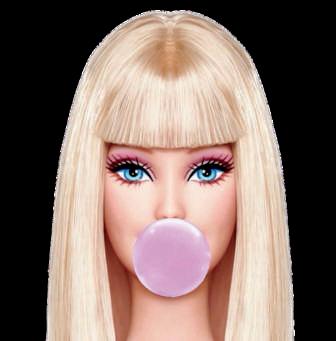

But if she were to reject this that is supposedly “designated” to women, she may receive criticism for being performative or attention seeking With men, wearing pink is also read as a statement, where a pink tie would signal a feminist (a positive connotation). Every choice gets interpreted, and these interpretations seem inescapable. Choices related to can trap people in unending labels and constant assumptions, and capitalism further exarcebates this effect.
Perhaps not everything needs a “deep hidden meaning.” A favourite might just be a and the of your childhood toy does not have to define who you are. So, should do nothing in our society? We shouldn’t let define our identities or create assumptions about other people, but can and is being used to influence people psychologically. Many fast-food restaurants such as McDonald’s and Burger King contain the red in their branding and logo to stimulate and excite our appetite (Harrington). Or branding such as Samsung uses blue to create a sense of trust, calmness, and intelligence (Martinez and Martinez) This isn’t being used to define people or force them to commit to assumptions, rather to stand out from the crowd and invoke specific emotions in customers. Similarly, in fashion can be used to challenge these societal assumptions or as a form of self-expression. Vibrant, neon can show confidence and energy, which can apply to both mood as well as who they want to be
perceived as (ELLE Education). By choosing what to wear, we can redefine ourselves freely. Thus, in this case, become empowering instead of trapping and oppressive
It may be difficult to get rid of all the pink and blue aisles in the world as it benefits our capitalist world so much But we are able to manipulate as much as it tries to manipulate us. With the wide variety of at our disposal, can become iconic and a way for self-expression But will pink and blue ever lose their gender associations? Jo Paoletti, an academic and an author for a book named ‘Pink and Blue’, noted that in the late 1800s, wearing black would make people assume that someone had died or that they were mourning.

“Now we see young women wearing black all the time, and nobody asks them who died. It’s just a , ” she says. Perhaps when we no longer need justifications to wear , pink and blue will finally become what they should’ve been all along: just .


Written by Seungyeon Hong Y12
One of the most spectacular displays of colour in the night sky is fireworks. They are used in celebrating festivals, national holidays, or any other special occasion. They can be bright red, green, blue, and gold - attracting our attention. Although fireworks might look like an entertaining spectacle only, its colours are in fact a result of very interesting chemical reactions.


When a firework is set off, the reaction releases a large amount of thermal energy. Electrons within atoms absorb this energy, which elevates them to higher energy levels. However, this excited state is not long-lived, and the electrons rapidly revert back to their original energy levels. As they revert, energy in the form of light is released. Consequently, we see different colours in the sky.


Different elements produce distinct colours, due to the various energy level differences and thus wavelengths that can be emitted. As an illustration, when heated sodium gives a bright yellow colour. Therefore, sodium compounds are mostly used to produce golden or yellow sparks in fireworks. Strontium is the other element that is frequently used, and it gives vivid red hues. Thus, strontium salts are usually added to firework mixtures to make them red. Depending on the colours desired, specific metal compounds are used.






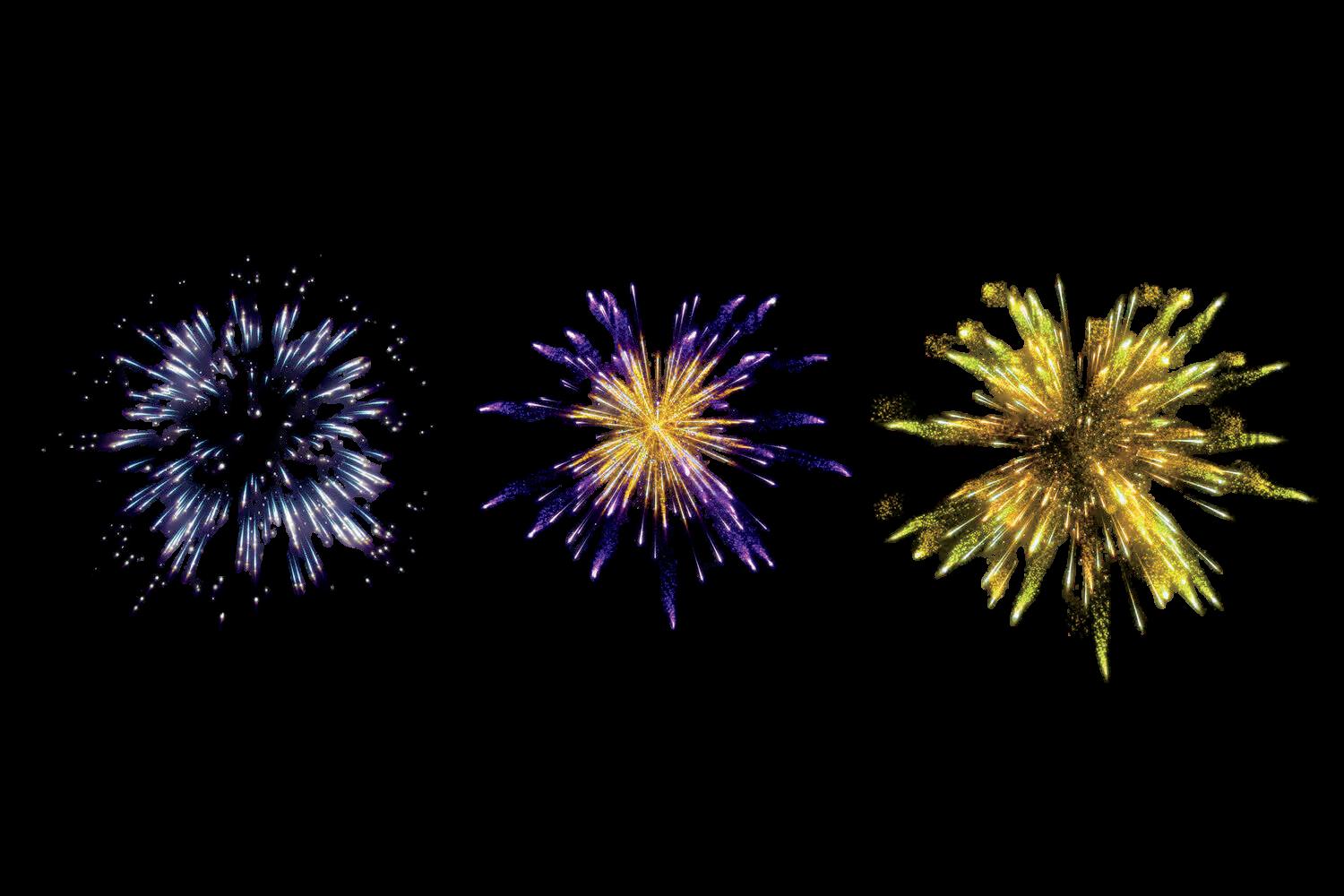


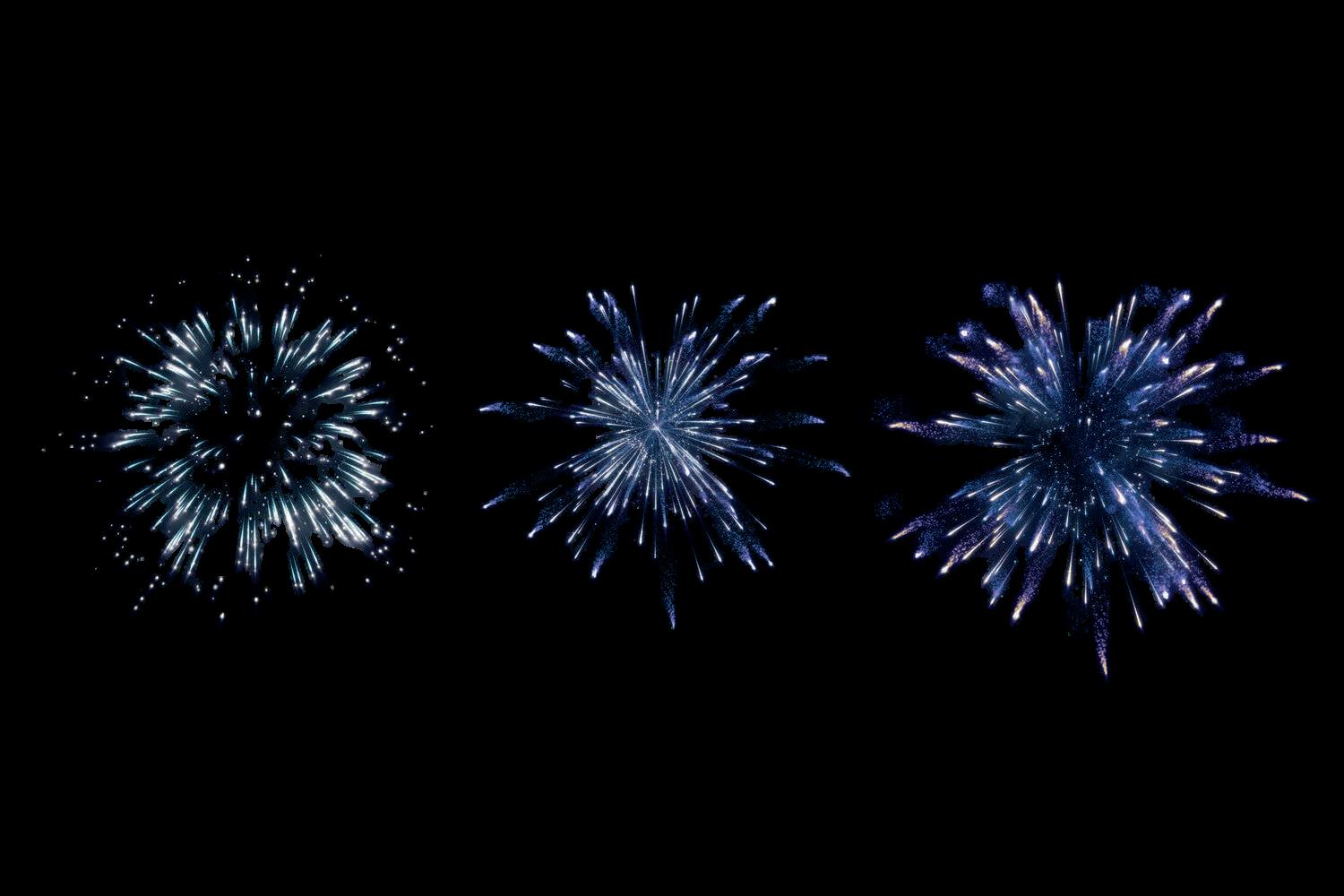
This understanding of energy level transitions has also been applied in laboratories to determine unknown substances e.g., via flame tests. In a flame test, a small amount of metal compound is heated and burns with a specific colour, allowing chemists to identify which elements are present.
Even though fireworks only exist for a few seconds in the air, the chemistry behind this short-lived spectacle is complex and highly refined. All colours are the result of certain elements, produced when electrons move to lower energy levels and emit wavelengths in the visible light spectrum. When watching fireworks illuminate the night sky, it becomes clear that these vibrant displays are not only a form of celebration but also an example of chemistry in action. Through the interaction between heat and electrons, brilliant colours visible from great distances can be generated.

Gibson Y12Gibson Y12Gibson Y12
Designed by Designed by Designed by Thai Anh Thai Anh Thai Anh Hoang Y13Hoang Y13Hoang Y13
As humans, we perceive color and use them to create art This art, through various forms As humans, we perceive color and use them to create art. This art, through various forms including the random graffitis on the streets or paintings in a museum, is widely including the random graffitis on the streets or paintings in a museum, is widely considered a form of communication. Likewise, wildlife also uses color as a means of considered a form of communication. Likewise, wildlife also uses color as a means of communication While these organisms couldn’t “choose” the colors they display, these communication. While these organisms couldn’t “choose” the colors they display, these pigments and their associations became vital to their survival regardless. pigments and their associations became vital to their survival regardless.
Many organisms, such as the hover flies, will use bright warning colors to mimic those of more harmful animals, like the yellow and black worm. This is known as Batesian mimicry It is used by preys as an attempt to avoid being hunted by predators. This is because predators will normally avoid species with those traits, due to the painful or sickening experiences Due to pattern recognition, they learn to avoid organisms with similar characteristics in the future. As predators cannot differentiate between the harmless and non-harmless easily, preys exhibiting patterns and colors associated with danger will normally be avoided. However, the problem arises when too many starts to mimic these colors and patterns.
Overall, this Batesian Overall, this Batesian mimicry will only ever mimicry will only ever succeed as long as the succeed as long as the number of venomous and number of venomous and poisonous species poisonous species largely largely outnumbers the harmless. outnumbers the harmless.
Precisely, preys can cause a Precisely, preys can cause a full shift in how colors are full shift in how colors are used in the natural world, used in the natural world, showing that color as a showing that color as a form of communication is form of communication is only useful as long as true only useful as long as true threatsremainprevalent. threats remain prevalent.

Colour appears in practically every aspect of life, yet it is most commonly associated with art. In Broadway musicals, however, colour becomes a storytelling tool: Conveying meaning and highlighting thematic shifts on stages Designers draw on psychological associations, such as red for passion and blue for melancholy, to guide the audience’s perception.
Written by Gaeun Yoo Y12
Designed by Thai Anh Hoang Y13
Musicals are typically recognised and celebrated for their music and lyrics, but this sometimes causes subtle nuances to be overlooked. In addition to music and choreography, colour is essential in creating engaging performances, since it reinforces emotions in ways that the audience may not be aware of




This use of colour as a storytelling device
This use of colour as a storytelling device is clearly shown in ‘Wicked’, where the is clearly shown in ‘Wicked’, where the audience’s perception of morality and audience’s perception of morality and character is actively shaped by colour. In character is actively shaped by colour. In its opening number, ‘No One Mourns its opening number, ‘No One Mourns the Wicked’, the Wicked’, the stage begins in almost the stage begins in almost complete darkness, with a faint green complete darkness, with a faint green light coming from the background. light coming from the background. Elphaba’s constant association with green Elphaba’s constant association with green serves as a motif that identifies her as serves as a motif that identifies her as different and reinforces her sense of different and reinforces her sense of otherness. otherness. In the viewpoint of both the In the viewpoint of both the characters and the audience, her green characters and the audience, her green skin serves as a visual metaphor for skin serves as a visual metaphor for prejudice, instantly making her appear as prejudice, instantly making her appear as an outsider. an outsider.
The lighting suddenly changes when it
The lighting suddenly changes when it is announced that ‘the Wicked Witch is is announced that ‘the Wicked Witch is dead.’ dead.’ Bright pink and gold, which are Bright pink and gold, which are colours associated with Glinda and colours associated with Glinda and represent perceived ‘goodness’ and represent perceived ‘goodness’ and societal acceptance, replace the societal acceptance, replace the darkness These brighter tones fill the darkness. These brighter tones fill the stage as the Ozians celebrate, turning stage as the Ozians celebrate, turning criticism and collective judgement criticism and collective judgement against Elphaba into a joyful ceremony. against Elphaba into a joyful ceremony. In doing so, colour actively shapes the In doing so, colour actively shapes the story rather than simply reflecting it, story rather than simply reflecting it, leading the audience to accept the leading the audience to accept the oversimplified belief that Elphaba was oversimplified belief that Elphaba was ‘wicked’ and that her death restores ‘wicked’ and that her death restores ‘goodness’. ‘goodness’.
Throughout a musical, colour is used repeatedly to reinforce Throughout a musical, colour is used repeatedly to reinforce its central ideas across scenes. In Les Miserables, colours its central ideas across scenes. In Les Miserables, colours emphasise themes of struggle and violence. For example, emphasise themes of struggle and violence. For example, red shows up in key moments associated with rebellion and red shows up in key moments associated with rebellion and sacrifice, carrying meaning about shared effort along with sacrifice, carrying meaning about shared effort along with struggle. In contrast, scenes showing control and oppression struggle. In contrast, scenes showing control and oppression use dark and greyish tones, building a heavy atmosphere use dark and greyish tones, building a heavy atmosphere through visual alone. Consequently, the audience begins through visual alone. Consequently, the audience begins linking what they see with underlying ideas and meanings. linking what they see with underlying ideas and meanings.
In this way, colours shape the narrative of the musical, In this way, colours shape the narrative of the musical, proving that visuals are not mere embellishments to the proving that visuals are not mere embellishments to the stage They carry weight across scenes, and as motif stage. They carry weight across scenes, and as motif returns, so do the colours that mark them. returns, so do the colours that mark them.
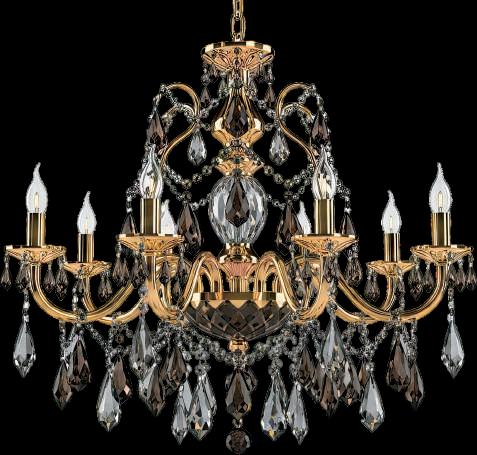
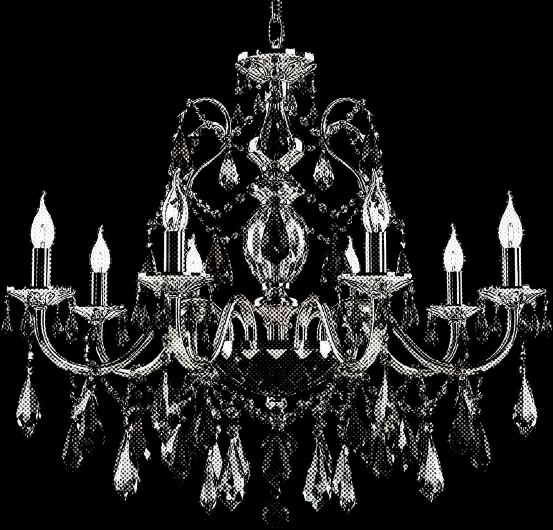
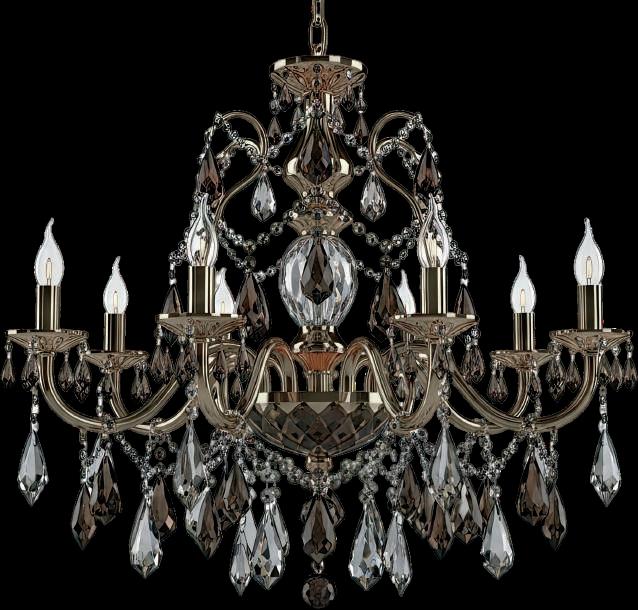
In addition to defining characters, colour in In addition to defining characters, colour in musicals often conveys sudden disruption and musicals often conveys sudden disruption and loss of control within musical storytelling. The loss of control within musical storytelling. The Phantom of the Opera uses this through its Phantom of the Opera uses this through its chandelier scene Before the fall of the chandelier scene. Before the fall of the chandelier, warm gold lighting dominates the chandelier, warm gold lighting dominates the stage, representing the performances controlled stage, representing the performances controlled elegance and order. But once the chandelier elegance and order. But once the chandelier collapses, the lighting suddenly changes to collapses, the lighting suddenly changes to harsh and intense tones indicating chaos and harsh and intense tones indicating chaos and danger. Instead of staying constant, the red danger. Instead of staying constant, the red light flickers rapidly, creating a sense of light flickers rapidly, creating a sense of instability and unpredictability This visual instability and unpredictability. This visual effect heightens tension drastically and implies effect heightens tension drastically and implies that there is an uncontained, escalating danger that there is an uncontained, escalating danger which will subsequently cascade into a which will subsequently cascade into a continuous breakdown. As a result, when the continuous breakdown. As a result, when the underlying danger (represented by the collapse underlying danger (represented by the collapse of the chandelier) is suddenly revealed, the of the chandelier) is suddenly revealed, the audience is drawn into the loss of control and audience is drawn into the loss of control and experiences the collapse of illusion experiences the collapse of illusion.


Colour in musicals steers meaning, and thus how the audience understands motives, feelings and meanings. Though the music of musicals takes center stage, shades and tones equally command audience engagement and forge interpretation, sometimes without drawing attention to themselves. A shift in colours can symbolise inner conflict, even before any speech is delivered Where lighting turns cold, tension rises
What we see shapes what we feel, even without words at all
Questions: Questions:
“What’s your favourite “What’s your favourite colour?” colour?”
“How far has patriarchy “How far has patriarchy influenced your favourite influenced your favourite colour?” colour?”
“How do colours impact
“How do colours impact human beliefs?” human beliefs?”
MS FORSYTH: MS FORSYTH: I don't I don't really have a favorite really have a favorite colour, but I like pastels colour, but I like pastels because I'm obsessed with because I'm obsessed with the color analysis videos on the color analysis videos on TikTok. I have done it TikTok. I have done it myself on myself, and I feel myself on myself, and I feel pastels are the best. And pastels are the best. And orange! Bright orange orange! Bright orange looks good. My sofa's bright looks good. My sofa's bright orange. orange.
This edition’s theme is Colour, which opens up many This edition’s theme is Colour, which opens up many different discussions and interpretations of our different discussions and interpretations of our relationship with colour. The subjectivity of this relationship with colour. The of this theme gave us a wide range of responses. theme gave us a wide range of responses. Disclaimer: The answers below are the interviewees’ Disclaimer: The answers below are the interviewees’ personal opinions and have not been fact-checked. personal and have not been fact-checked.
“What’s your favourite colour?” “What’s your favourite colour?”
STUDENT: My favorite STUDENT: My favorite color is pink because it's, color is pink because it's, like, super vibrant, super like, super vibrant, super happy, and it's just been my happy, and it's just been my favorite color since I was a favorite color since I was a kid. kid. 8
MS COOPER: My favourite colour is purple, and MS COOPER: My favourite colour is purple, and I'm not really sure why because it used to be I'm not really sure why because it used to be turquoise when I was younger, but I kind of turquoise when I was younger, but I kind of grew out of it, and now I like purple a bit more. I grew out of it, and now I like purple a bit more. I think what's special about purple is that, like, think what's special about purple is that, like, it's like, a mixture of, like, cool and warm tones. it's like, a mixture of, like, cool and warm tones. You know, it's obviously a mix of blue and red. You know, it's obviously a mix of blue and red. So, yeah, mix. So, yeah, mix.
MR WRIGHT: My favorite color is blue
MR WRIGHT: My favorite color is blue and my and my favorite color is blue for two reasons. Number favorite color is blue for two reasons. Number one, it represents the sky, and number two it one, it represents the sky, and number two it represents the ocean, which in my opinion is the represents the ocean, which in my is the most important natural thing on the planet that most important natural thing on the planet that we need to protect. we need protect.
MS BILTON: My favourite colour is green
MS BILTON: My favourite colour is green because I like wearing green. It's a great colour because I like wearing green. It's a great colour to wear, but I also think it's a colour that to wear, but also think it's a colour that brings life and nature and happiness to the brings life and nature and happiness the world. Yeah. So, beautiful colour. You can also world. Yeah. So, beautiful colour. You can also have a lot of shades of green. I like that. No have a lot of shades of green. I like that. No green is the same. green is the same.
“How far has patriarchy “How far has patriarchy influenced your favorite colour?” influenced your favorite colour?”
MS COOPER: Oh..! Well, obviously, like I MS COOPER: Oh..! Well, obviously, like I said, I used to like turquoise, and now I said, I used to like turquoise, and now I like purple. So now I'm wondering: purple, like purple. So now I'm wondering: purple, is it slightly more feminine compared to is it slightly more feminine compared turquoise? Have I developed a like for turquoise? Have I developed a like for purple as, like, an opposition to the purple as, like, an opposition to the patriarchy? Maybe! patriarchy? Maybe!
MS FORYSTH: Wow, we're getting deep. MS FORYSTH: Wow, we're getting deep. It's hard because I feel like as a woman, It's hard because I feel like as a woman, you sometimes have to perform gender. you sometimes have to perform gender. And when we're talking about this And when we're talking about this colour analysis, part of the colour colour analysis, part of the colour analysis is trying to look good. Who am analysis is trying to look good. Who am I trying to look good for? Do I dress for I trying to look good for? Do I dress for myself or do I dress for society? And myself or do I dress for society? And that is a question I don't know the that is a question I don't know the answer to. answer to.
MR WRIGHT: Patriarchy hasn't
MR WRIGHT: Patriarchy hasn't influenced my favourite colour being blue, influenced my favourite colour being blue, but I do understand that blue but I do understand that blue traditionally was a male colour. However, traditionally was a male colour. However, nowadays in contemporary society, I nowadays in contemporary society, I think that blue is not seen as masculine as think that blue is not seen as masculine as it used to be. So I don't think that it used to be. So I don't think that patriarchy has influenced it very much. patriarchy has influenced it very much.
MS BILTON: How far has patriarchy MS BILTON: How far has patriarchy influenced your favorite colour? influenced your favorite colour?
MS DANIELS: Sorry, from green (the MS DANIELS: Sorry, from green (the first question) to patriarchy? first question) to patriarchy?
MS BILTON: I don't think... I mean, not
MS BILTON: I don't think... I mean, that I'm aware of at all. that I'm aware of at all. I don't know. I don't know.
STUDENT: I think pink is a colour that's typically assigned to girls, like, immediately
STUDENT: I think pink is a colour that's typically assigned to girls, like, immediately when they're a kid. And most girls have a phase where they absolutely hate pink. But when they're a kid. And most girls have a phase where they absolutely hate pink. But as I grew up, I've learned that femininity is also a type of power, and you can find as I grew up, I've learned that femininity is also a type of power, and you can find power in being girly or enjoying feminine things. And, yeah, that's partially the reason power in being girly or enjoying feminine things. And, yeah, that's partially the reason why I like pink and how patriarchy has influenced my liking of colour. I like pink and how patriarchy has influenced my liking of colour. 9
“How do colours impact human beliefs?” “How do colours impact human beliefs?”
MS COOPER: I wonder... There's obviously, like, theories to do with colour. Like, for
MS COOPER: I wonder... There's obviously, like, theories to do with colour. Like, for example, if you want a calm colour, you choose green. And so in hospital environments example, if you want a calm colour, you choose green. And so in hospital environments or like in schools, we paint things green. Tend to. So that does that. Maybe the colours or like in schools, we paint things green. Tend to. So that does that. Maybe the colours around you in your environment, do they impact you in some way? That we've learned around you in your environment, do they impact you in some way? That we've learned that we can impact people's behavior by using colour. So maybe do colours that you that we can impact people's behavior by using colour. So maybe do colours that you interact with on a daily basis, do they impact your thoughts or beliefs? I don't know. I interact with on a daily basis, do they impact your thoughts or beliefs? I don't know. I can't answer the question. I'm just positing more questions. It feels like a ToK essay. can't answer the question. I'm just positing more questions. It feels like a ToK essay.
MS BILTON: I suppose that when MS BILTON: I suppose that when you see you see colours, they can make you think certain colours, they can make you think certain things or feel certain things. If my things or feel certain things. If my bedroom was red and everything in my bedroom was red and everything in my bedroom was red, I'd be angry in the bedroom was red, I'd be angry in the mornings. So I suppose if you live in a mornings. So I suppose if you live in a place with certain colours, that can place with certain colours, that can change your mood. And then if you live in change your mood. And then if you live in a place with no colour, then I think that a place with no colour, then I think that maybe that can be a way to control you. maybe that can be a way to control you. Controlling oppressive societies don't Controlling oppressive societies don't have as much colour. have as much colour.
MS FORSYTH: Oh, well, colour, like, MS FORSYTH: Oh, well, colour, like, symbolism is big with belief. And some symbolism is big with belief. And some cultures, like red is the colour of luck. I cultures, like red is the colour of luck. I guess if people dress in all black, then guess if people dress in all black, then they could be showing that maybe they’re they could be showing that maybe they’re alternative? alternative?
MS VANS: What are you trying to say MS VANS: What are you trying to say about me? about me?
MS FORSYTH: I don't know how much it MS FORSYTH: I don't know how much it shows beliefs, but it shows maybe how shows beliefs, but it shows maybe how you want to be perceived. you want be perceived.
MR WRIGHT: I think it's down to the MR WRIGHT: I think it's down to the person that you ask. It's down to their person that you ask. It's down to their education level; it's down to their education level; it's down to their cultural capital and their exposure with cultural capital and their exposure with other things around the world. If they're other things around the world. If they're brought up in a very traditional brought up in a very traditional household, then colours may be a little household, then colours may be a little bit more bland and maybe are less bit more bland and maybe are less significant. If they've been brought up significant. If they've been brought up more in an upper class or higher class, more in an upper class or higher class, they've had more awareness of the arts they've had more awareness of the arts and fashion, then probably colour will and fashion, then probably colour will be more important to them. be more important to them.
STUDENT: I think colours can give you a STUDENT: I think colours can give you a different view of life, essentially, if you different view of life, essentially, if you really like, or if you immerse yourselves really like, or if you immerse in vibrant colors that are super happy, in vibrant colors that are super happy, like bright yellows, bright blues, it can like bright yellows, bright blues, it can make your life more positive from what make your life more positive from what I've experienced. I've experienced.