06 | BIS Hanoi celebrates a joyful and vibrant Tết assembly
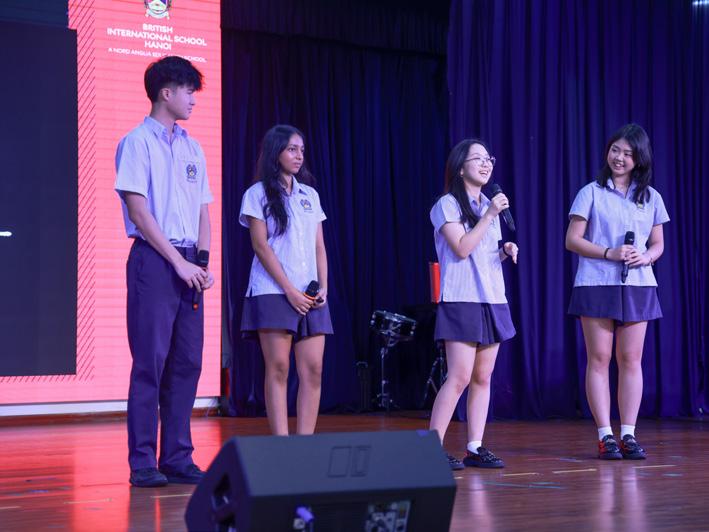
08 | Creating Connections, Breaking Barriers
10 | Primary Student Leaders making a strong start this term
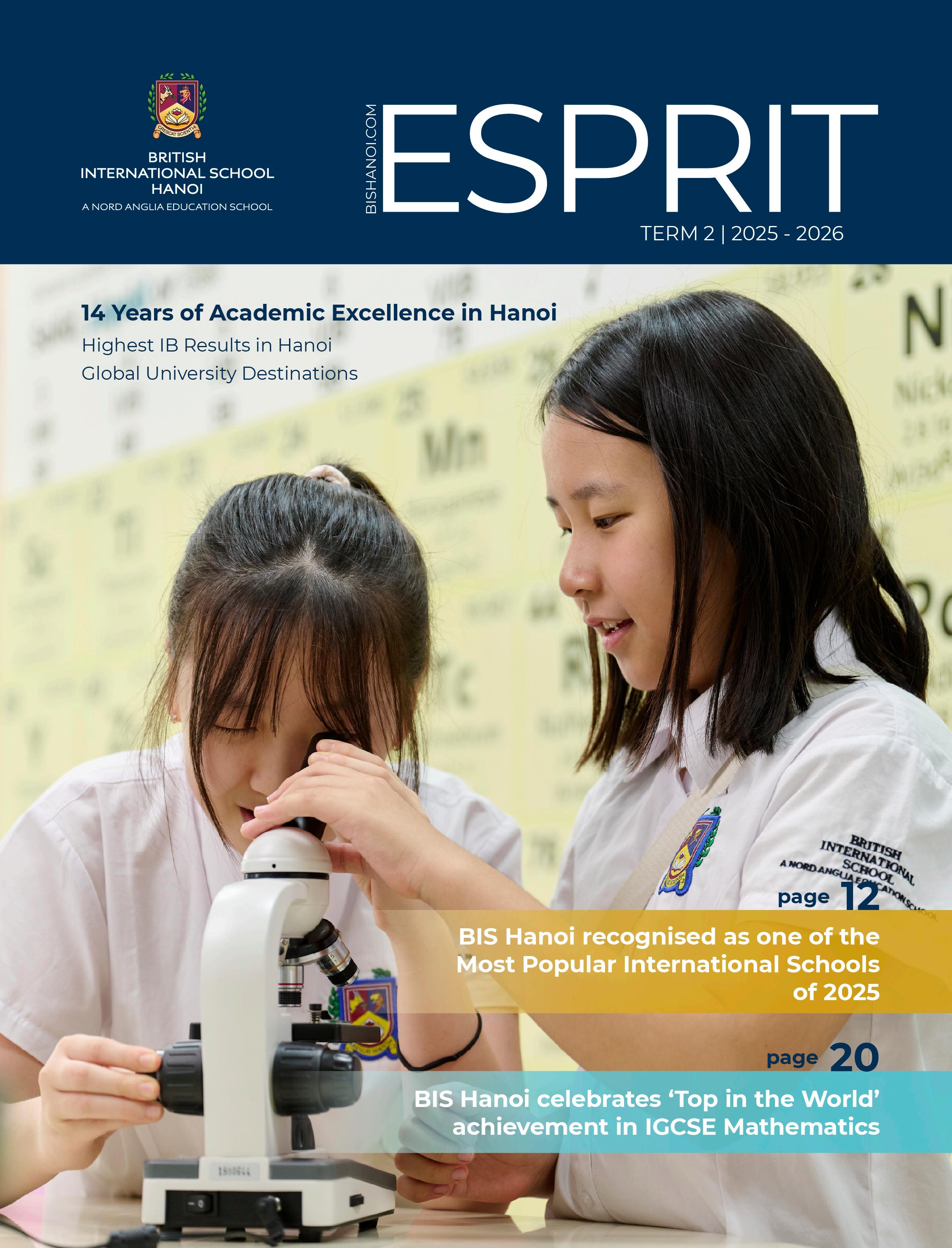
12 | BIS Hanoi recognised as one of the Most Popular International Schools of 2025
14 | What continuity of education really means from Primary to Secondary
16 | Friends of BIS: Parent Participation and Community Engagement
20 | BIS Hanoi celebrates ‘Top in the World’ achievement in IGCSE Mathematics
22 | Class of 2026 careers and university guidance update
26 | BIS Hanoi mathematicians rise to the challenge at the World Maths Championships
28 | How to recognise strong teaching quality in a British international school
30 | How international schools monitor student progression beyond tests and exams
32 | How school subjects guide future pathways as students move through school
36 | Inspiring STEAM learning through our MIT collaboration
38 | From Hanoi to the World: BIS Hanoi Students thrive on Global Campus
40 | Celebrating Primary performances across the term
42 | Exploring performance and mindset with IMG Academy
44 | BIS Hanoi students create real impact through social projects
46 | Celebrating the joy of reading: Book Week at BIS Hanoi
48 | Enriching creative learning through our Juilliard partnership
50 | U13 Lionhearts shine at the 2026 FOBISIA Games
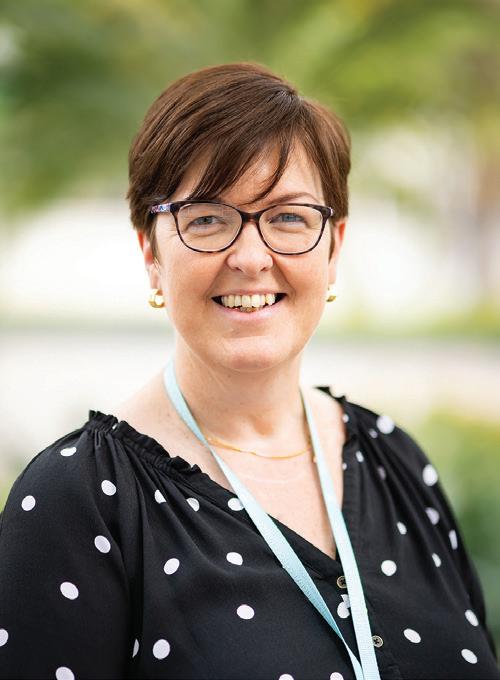
Every day, BIS Hanoi is a place where children and young people feel a genuine sense of belonging, are known as individuals, and are supported to thrive academically, socially and emotionally.
At British International School Hanoi, we are proud to be recognised as the best British school in the city, not simply for what our students achieve, but for who they become. Every day, BIS Hanoi is a place where children and young people feel a genuine sense of belonging, are known as individuals, and are supported to thrive academically, socially and emotionally. This sense of community lies at the very heart of everything we do.
In this edition of Esprit, you will see how our students step confidently into leadership across both Primary and Secondary. We celebrate the appointment of our new Head and Deputy Head Students in Secondary, who exemplify the values, ambition and integrity we seek to nurture. In Primary, our young leaders continue to develop their voice and responsibility through a wide range of meaningful activities, showing that leadership begins early and grows with opportunity.
We are also delighted to share the news that BIS Hanoi has been recognised as one of the Most Popular International Schools of 2025, a reflection of the trust our families place in us and the exceptional learning experience we provide. This recognition sits alongside an exploration of what continuity of education truly means at BIS Hanoi, as students move seamlessly from Primary to Secondary within a coherent British curriculum designed to support long-term success.
Beyond the classroom, our community thrives through connection. Our Friends of BIS activities this term, from the Spring Social and flower workshop to our Principal’s Coffee Morning, highlight the strong partnerships that underpin our school and the vibrant relationships between families and staff.
As you turn the pages of this magazine, I hope you enjoy seeing BIS Hanoi through the experiences, achievements and stories that make our school such a special place to belong.
Rebecca Carroll Principal
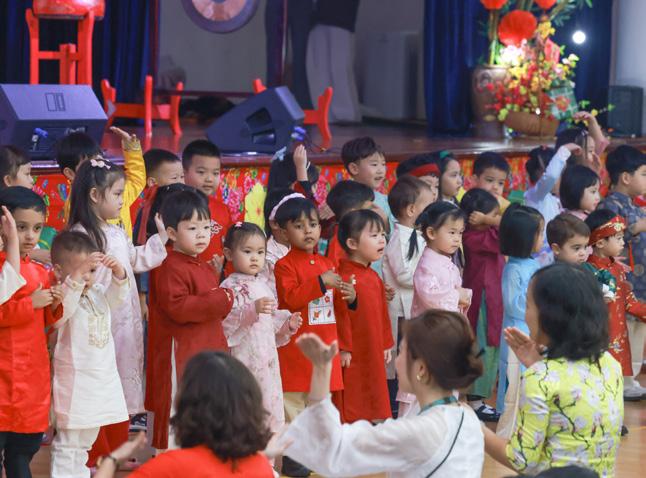
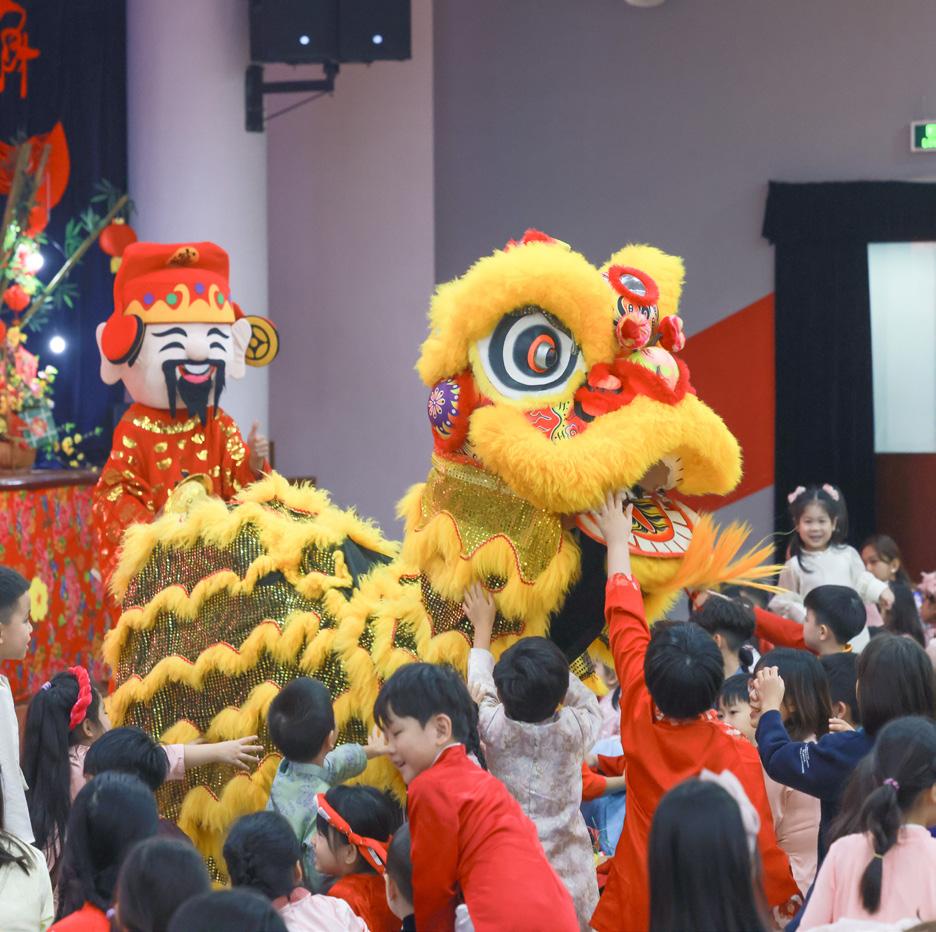


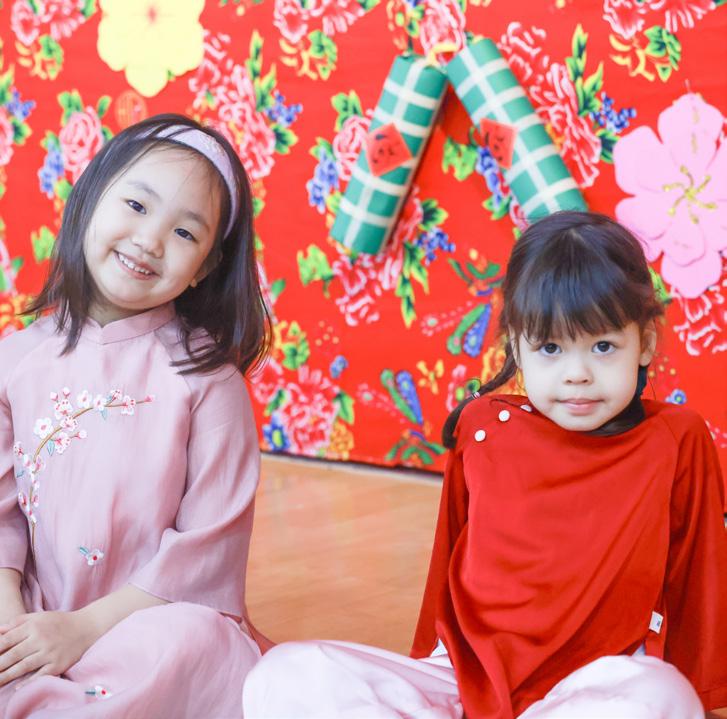
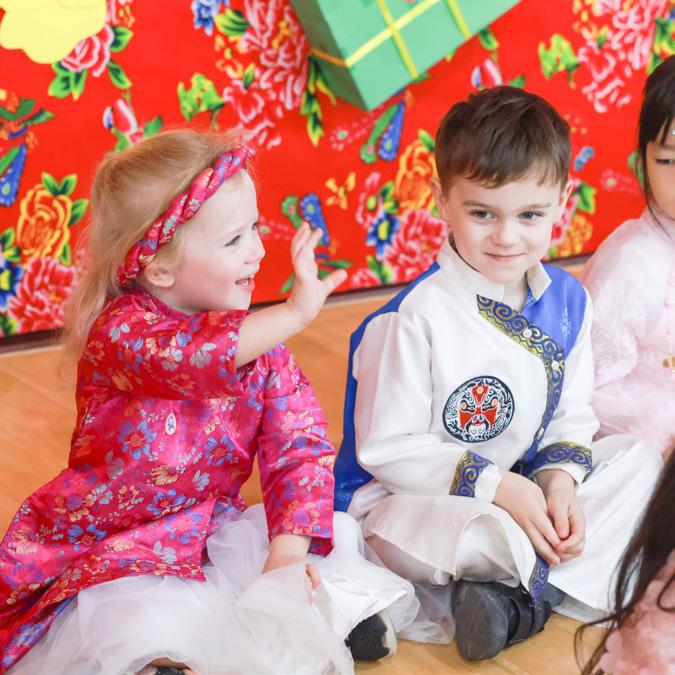
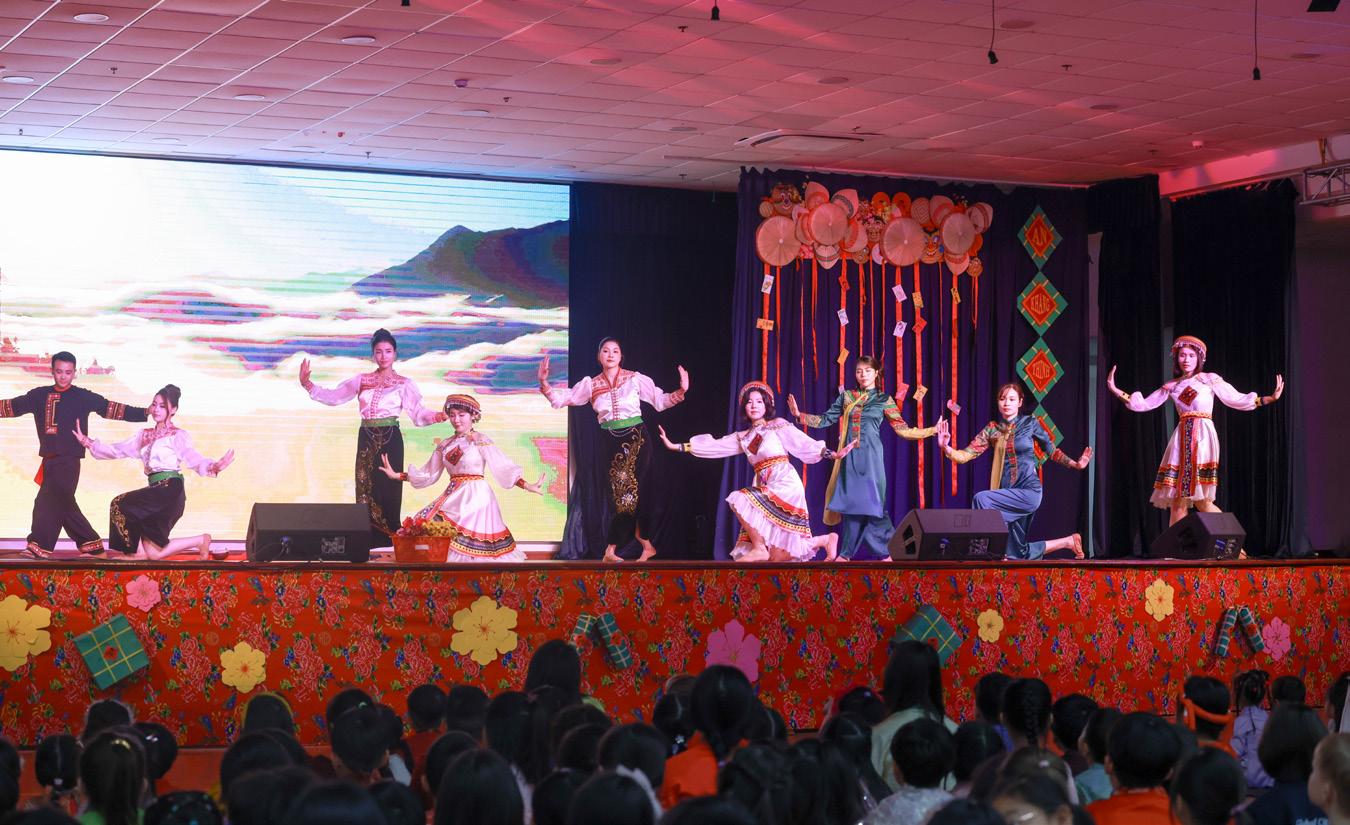
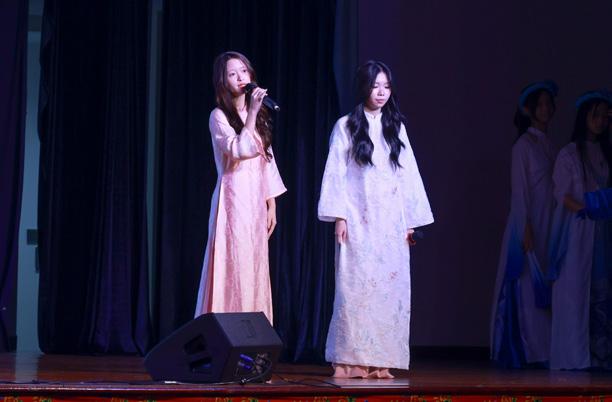
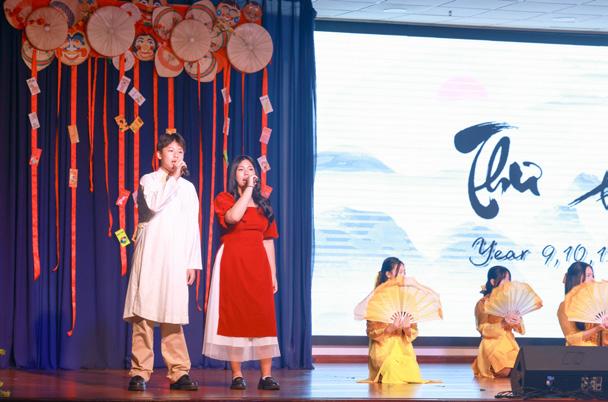
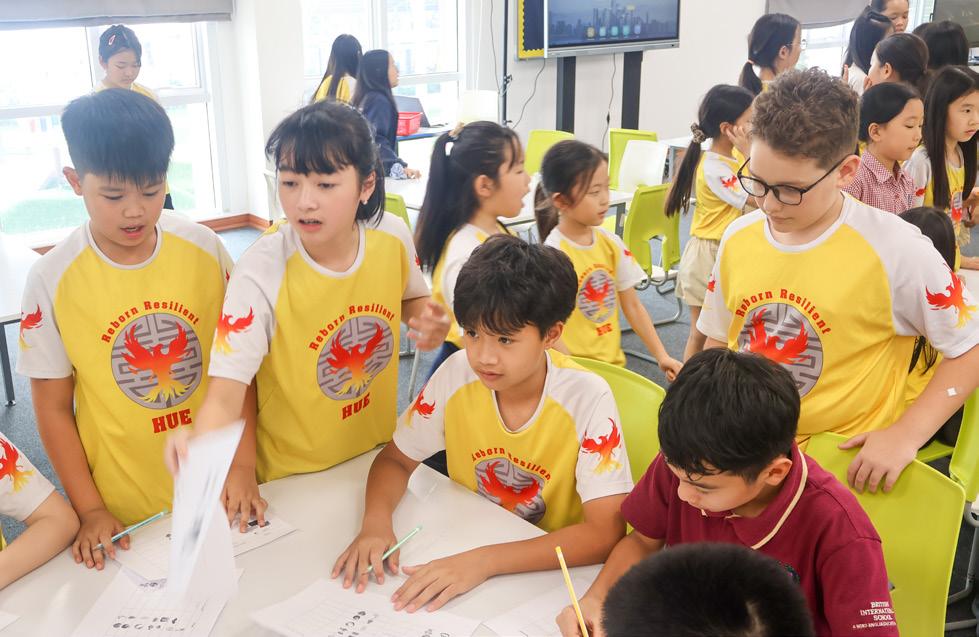
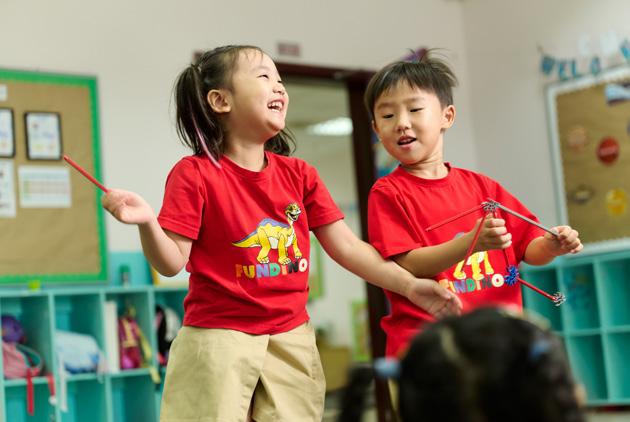
BIS Hanoi welcomed the Lunar New Year with a vibrant whole school Tết Assembly, bringing together students, staff, and teachers dressed beautifully in traditional áo dài. Families were warmly invited to join the celebration, creating a festive atmosphere filled with colour, culture, and community spirit.
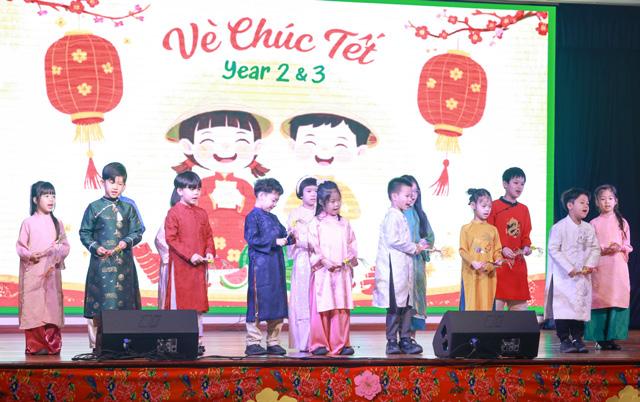
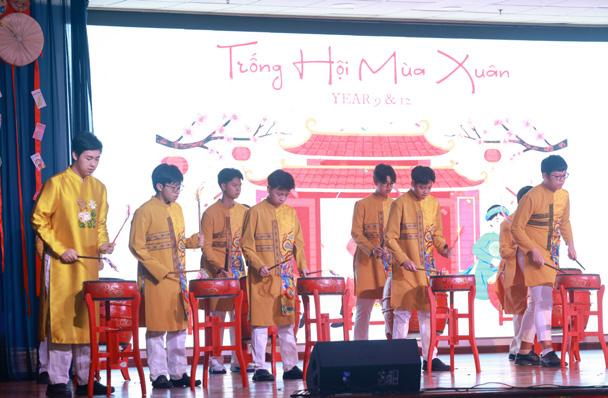
The assembly opened with an energising performance of “Trống hội mùa xuân” by Year 9 and Year 12 students. The powerful drum rhythms set an exciting tone and symbolised the arrival of spring. Following this, students from Years 2 and 3 charmed the audience with “Vè Chúc Tết,” sharing cheerful New Year wishes through a traditional rhyme.
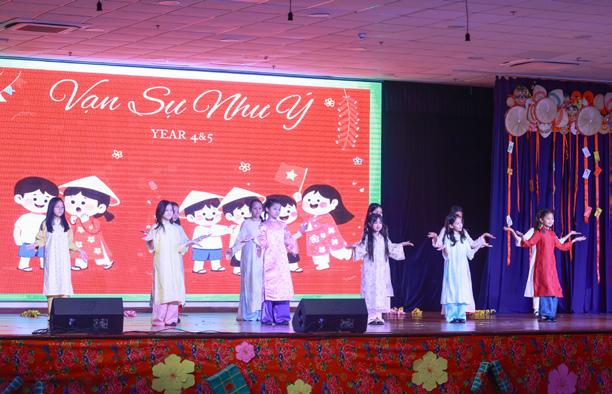
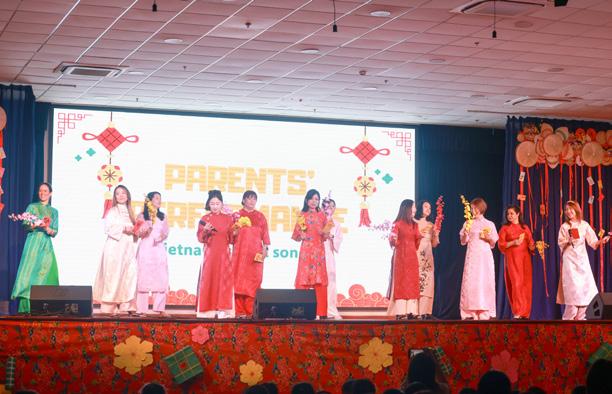
Adding to the cultural richness of the event, BIS Hanoi parents took the stage with a heartfelt Vietnamese Tết song, demonstrating the strong partnership between families and the school. Students from Years 4,
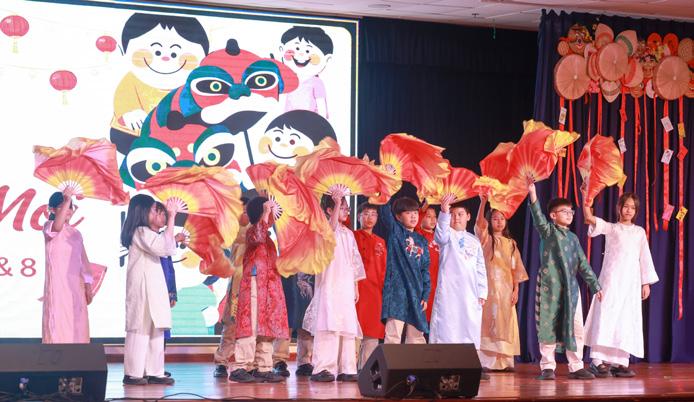
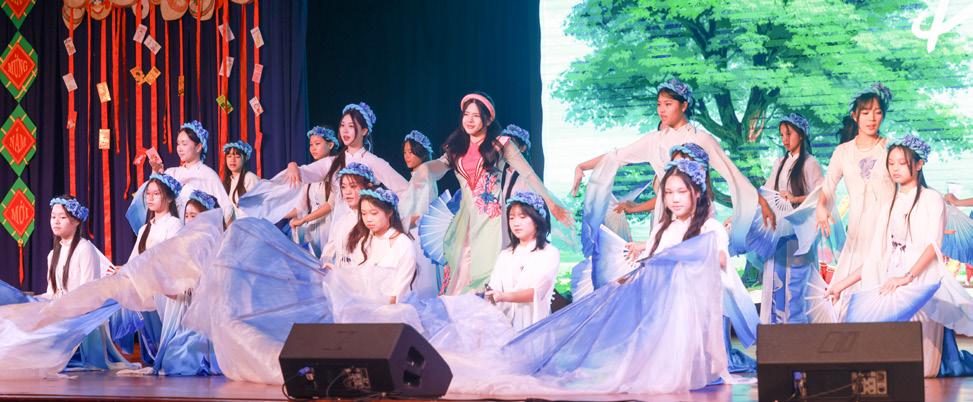
5, and 6 continued the celebration with two joyful and energetic performances titled “Vạn sự Như Ý” and “Chào Năm Mới.”
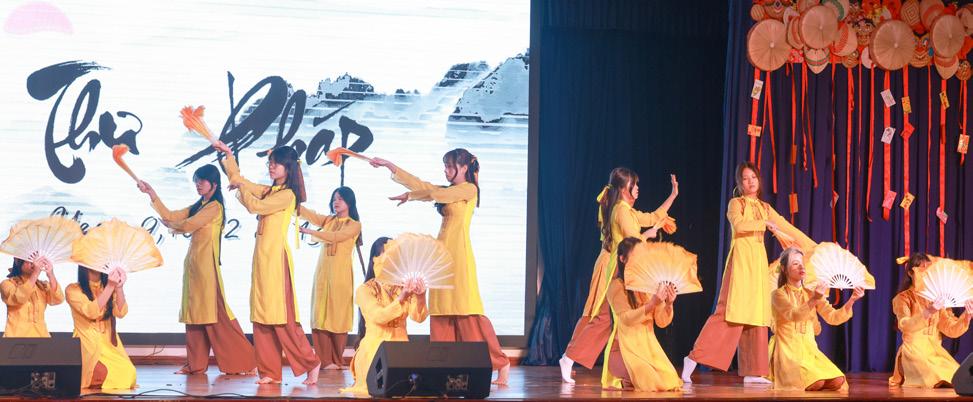
Parents returned with a stunning presentation of “Tây Bắc Sắc Họa,” showcasing the cultural beauty of Vietnam’s Northwest region. This was followed by a meaningful calligraphy performance, also known as "Thư pháp", by students from Years 10 and 12, highlighting the artistry and symbolism embedded in Vietnamese New Year traditions.
A lively and modern performance titled “Bắc Bling” by KS3 and KS5 students added a contemporary twist to the programme, blending

creativity with cultural pride.
To conclude the celebration, the entire school gathered to enjoy a spectacular lion and dragon dance, one of the most beloved symbols of Tết. The colourful costumes, rhythmic drumming, and dynamic movements brought excitement and good fortune to the whole community.
The BIS Hanoi Tết Assembly was a wonderful celebration of culture, unity, and shared joy. It marked a festive and memorable start to the Lunar New Year.
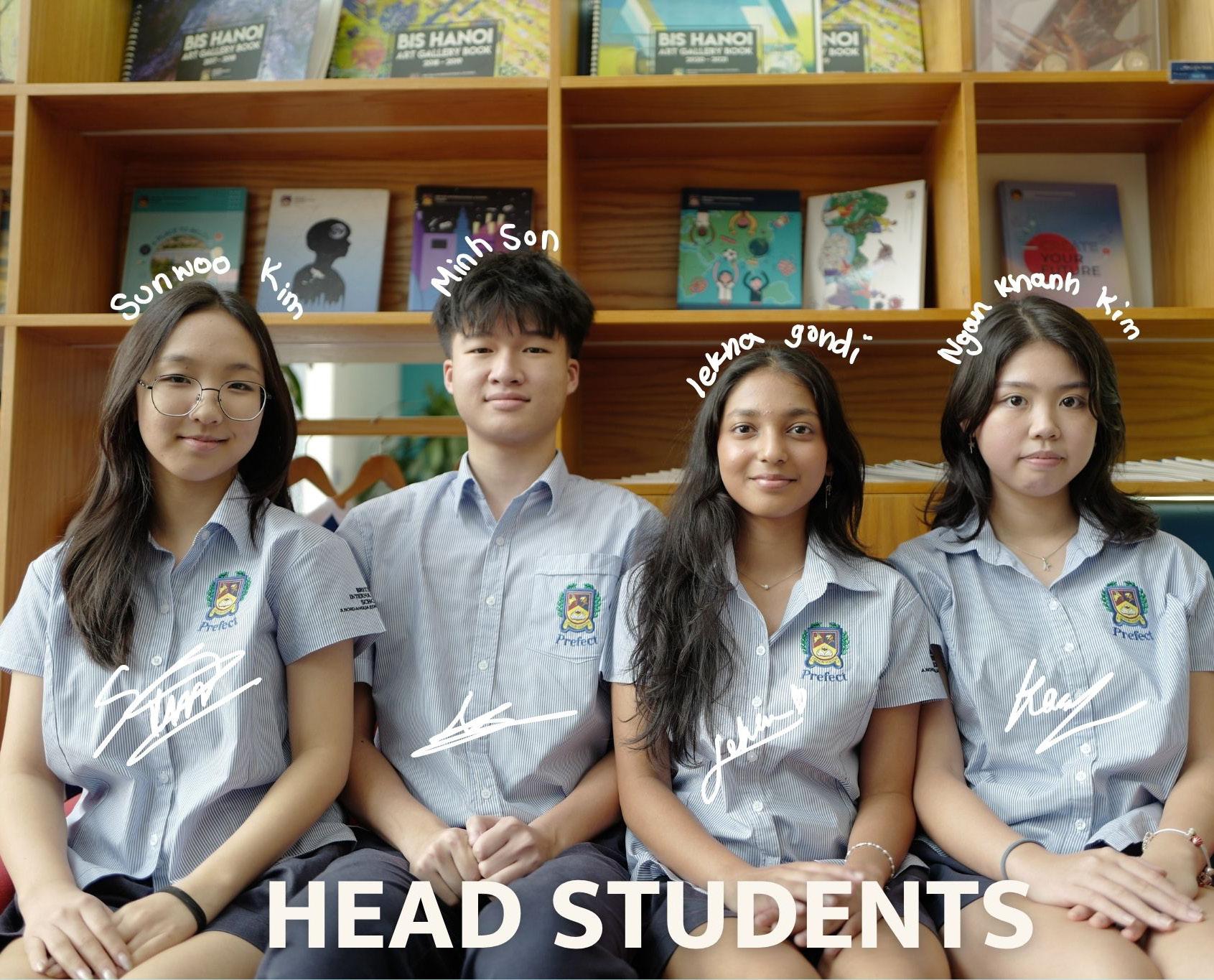
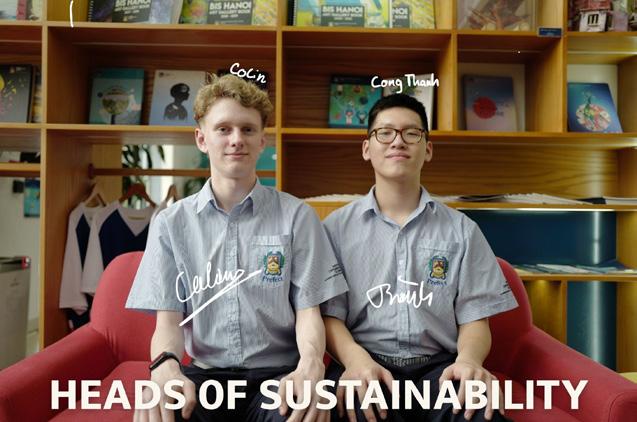
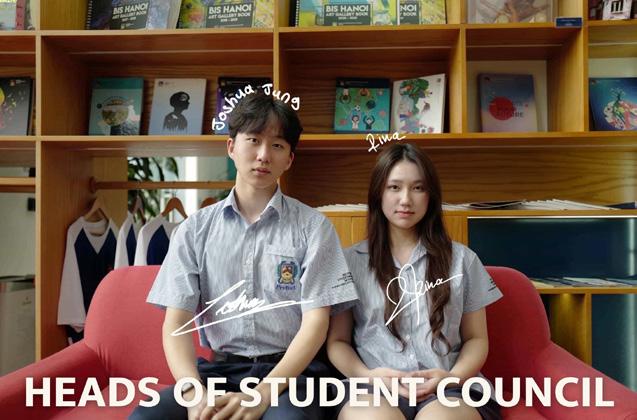
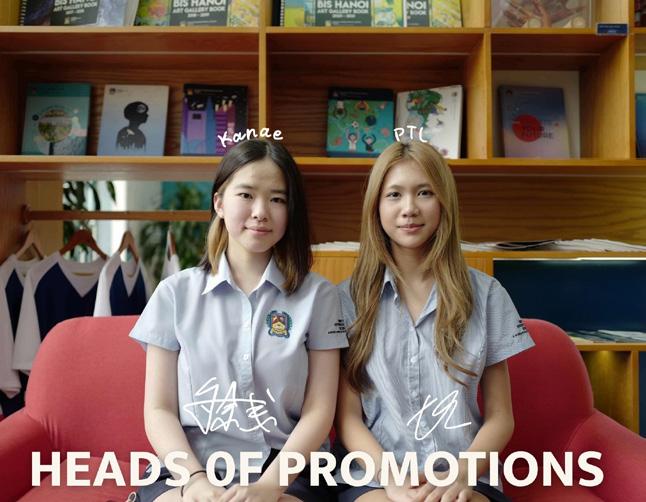
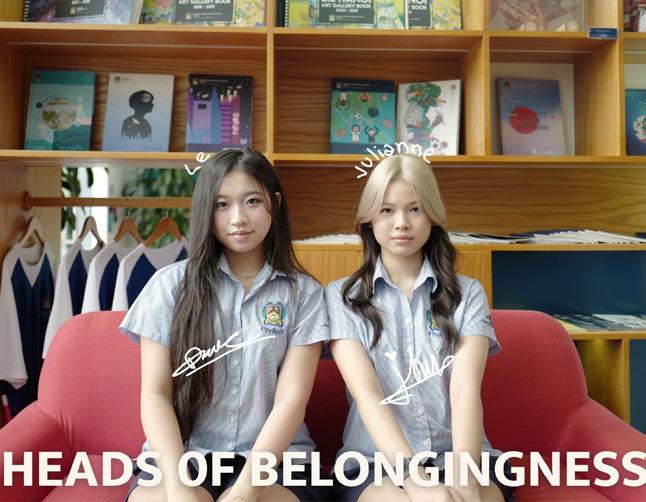
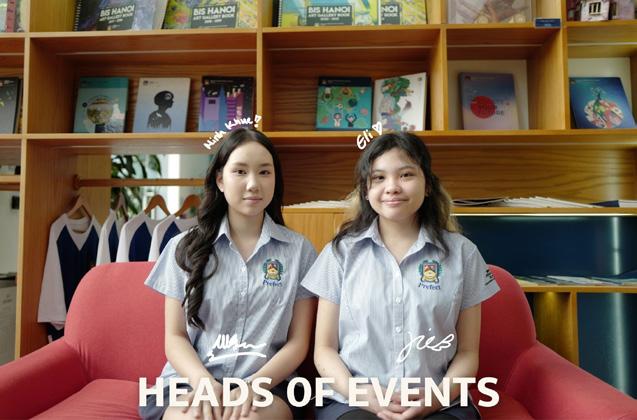
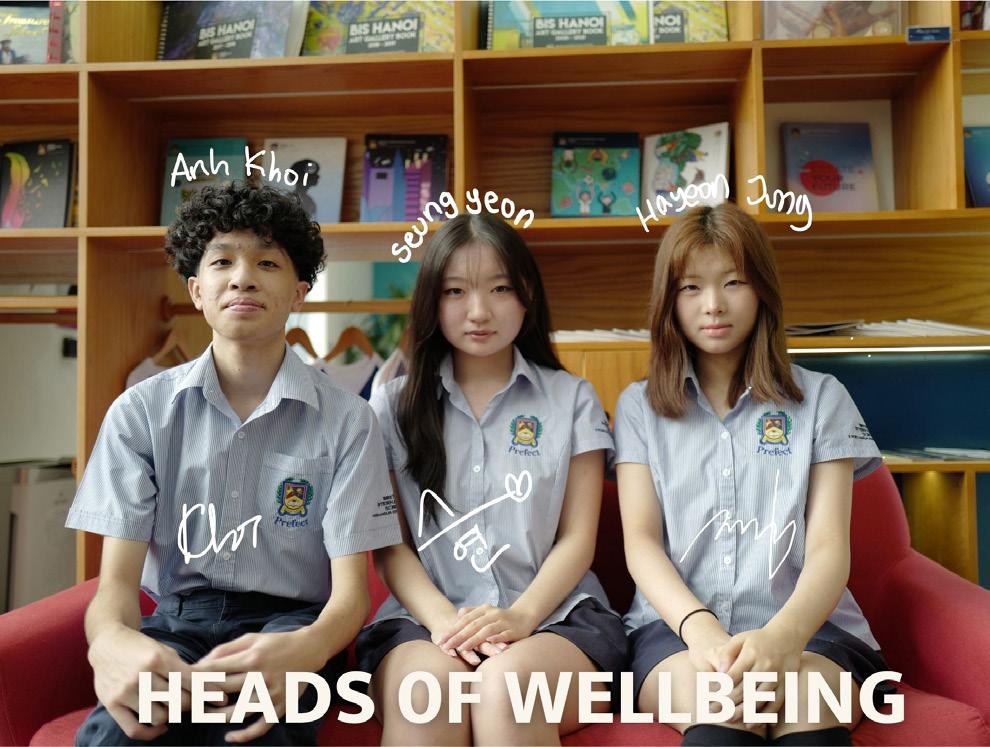
This has been more than just our motto; it has shaped the way we approached leadership this year. We wanted to move beyond the idea of simply being a community where every student belongs and instead build a school where everyone feels truly connected to those around them.
Throughout the year, our Prefect Committee has worked collaboratively to transform
ideas into meaningful action. One of our key focuses was reimagining the role of leadership within our community. We aimed to create spaces and opportunities that provide platforms for students to take risks and engage with different aspects of school life, while also encouraging greater environmental awareness and responsibility. We are also working to introduce more science-based initiatives
across the school. Additionally, integrating activities that bridge gaps between year groups has encouraged greater inclusion of Primary Years students in our plans. Student wellbeing and a sense of belonging always lie at the heart of our actions and are woven into all areas of school life. Through these efforts, we have created opportunities for students to engage beyond the classroom and ensured that every student
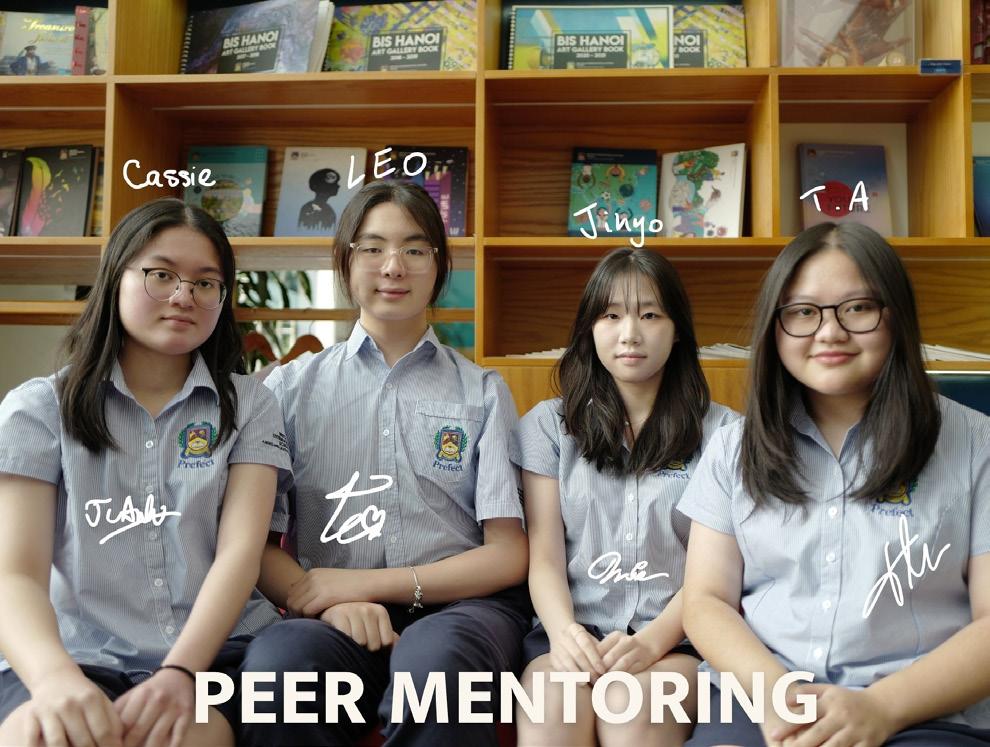
feels supported and part of the school community.
A major part of this journey came from strengthening student voices by making a conscious effort to listen more and create spaces where our peers feel confident in sharing their ideas. None of this would have been possible without collaboration. By working closely across departments, we were able to combine our strengths and turn

shared visions into reality.
Leadership, for us, has been about collective effort. It has taught us that impact does not come from one person alone, but from working together, listening carefully, and staying consistent, even when we feel tired. Through this process, we have grown to be more aware, more empathetic, and more committed to creating positive change at BIS.
As we look back, we are proud not only of what we have achieved, but also of the mindset we have developed. Breaking barriers and creating connections are something we hope will continue beyond our term as Head Students and keep growing within the school community. Follow us
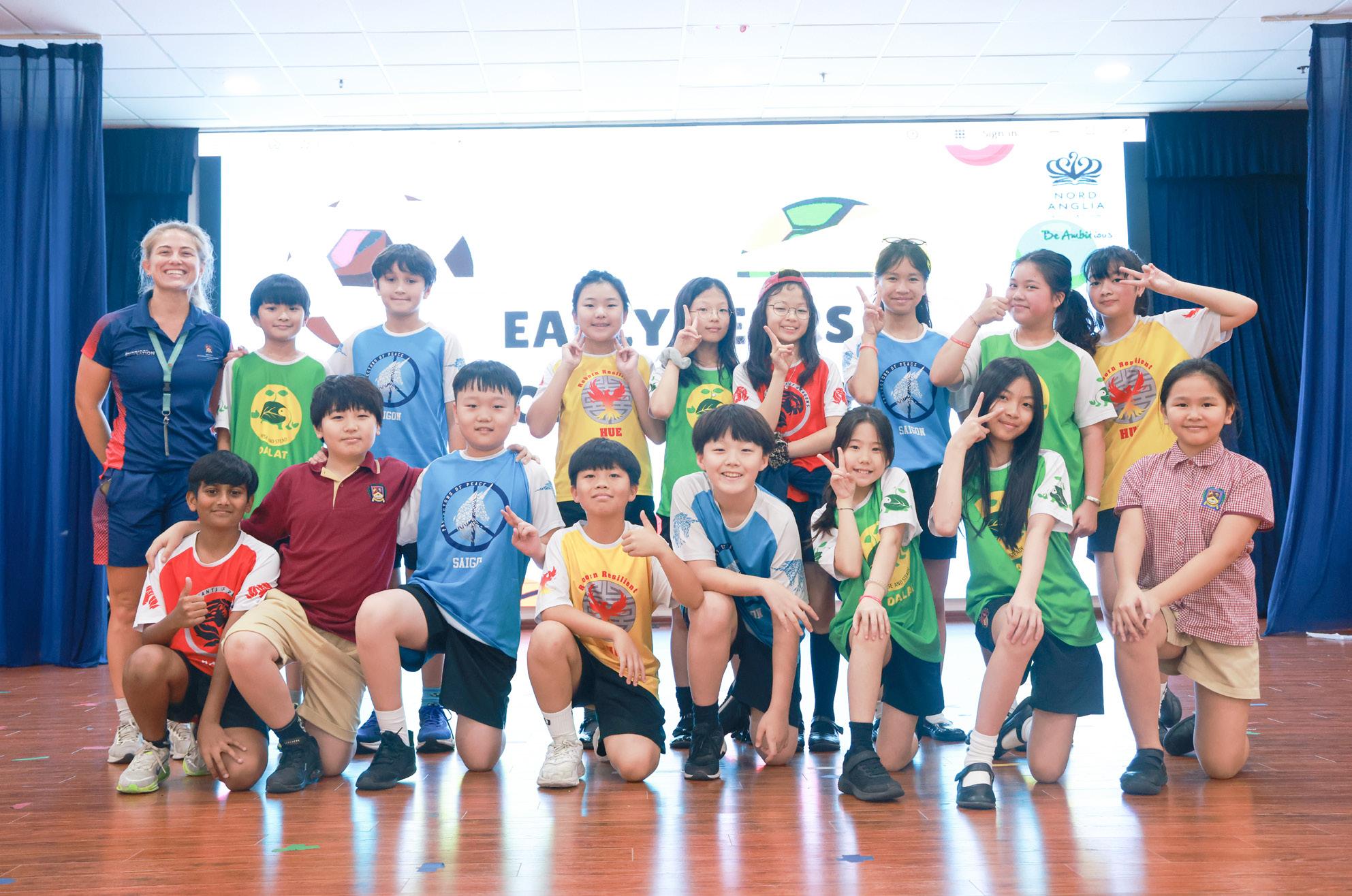
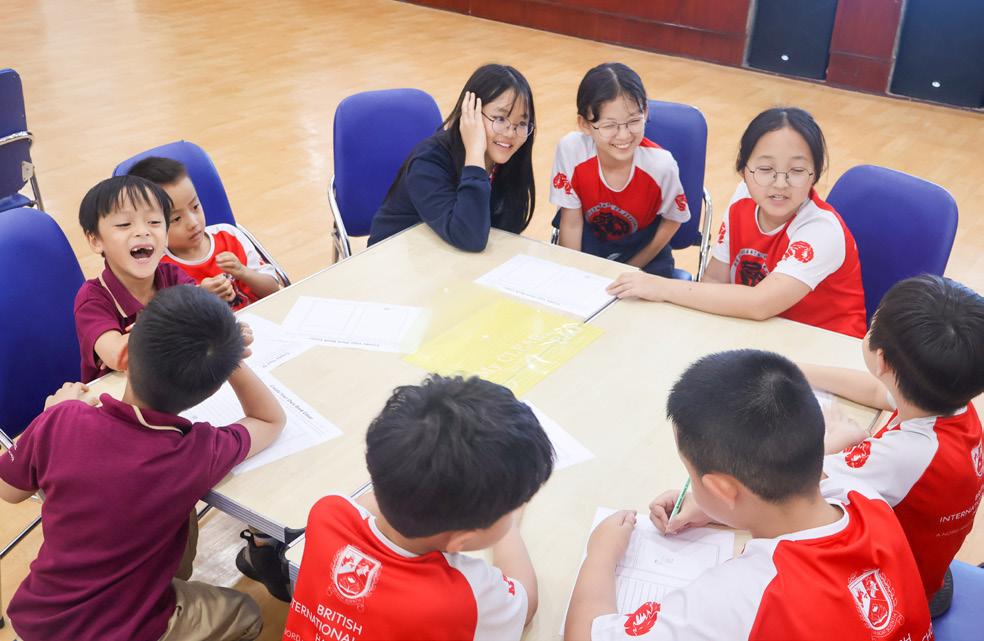
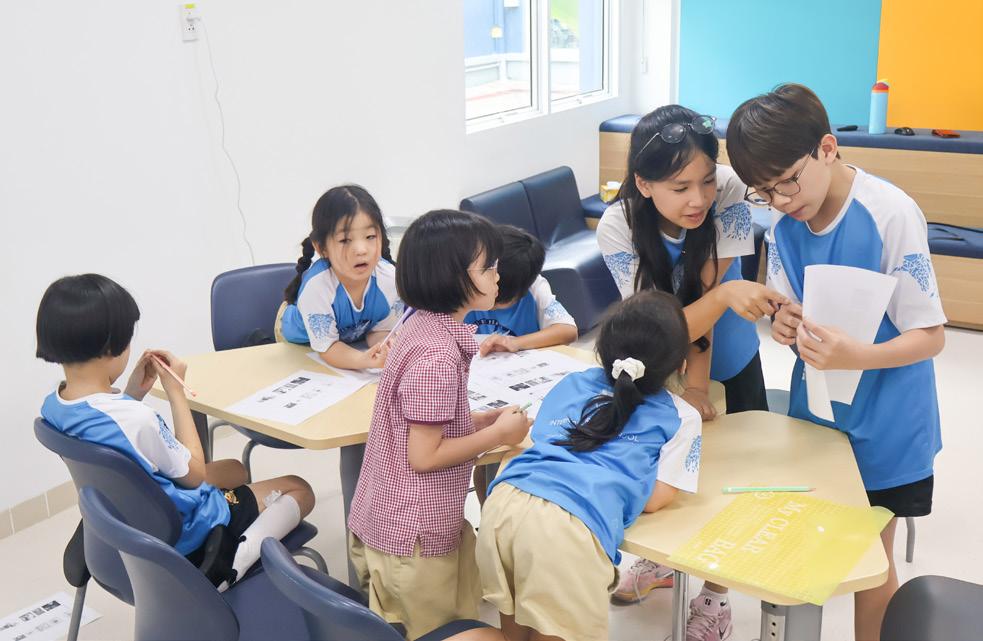
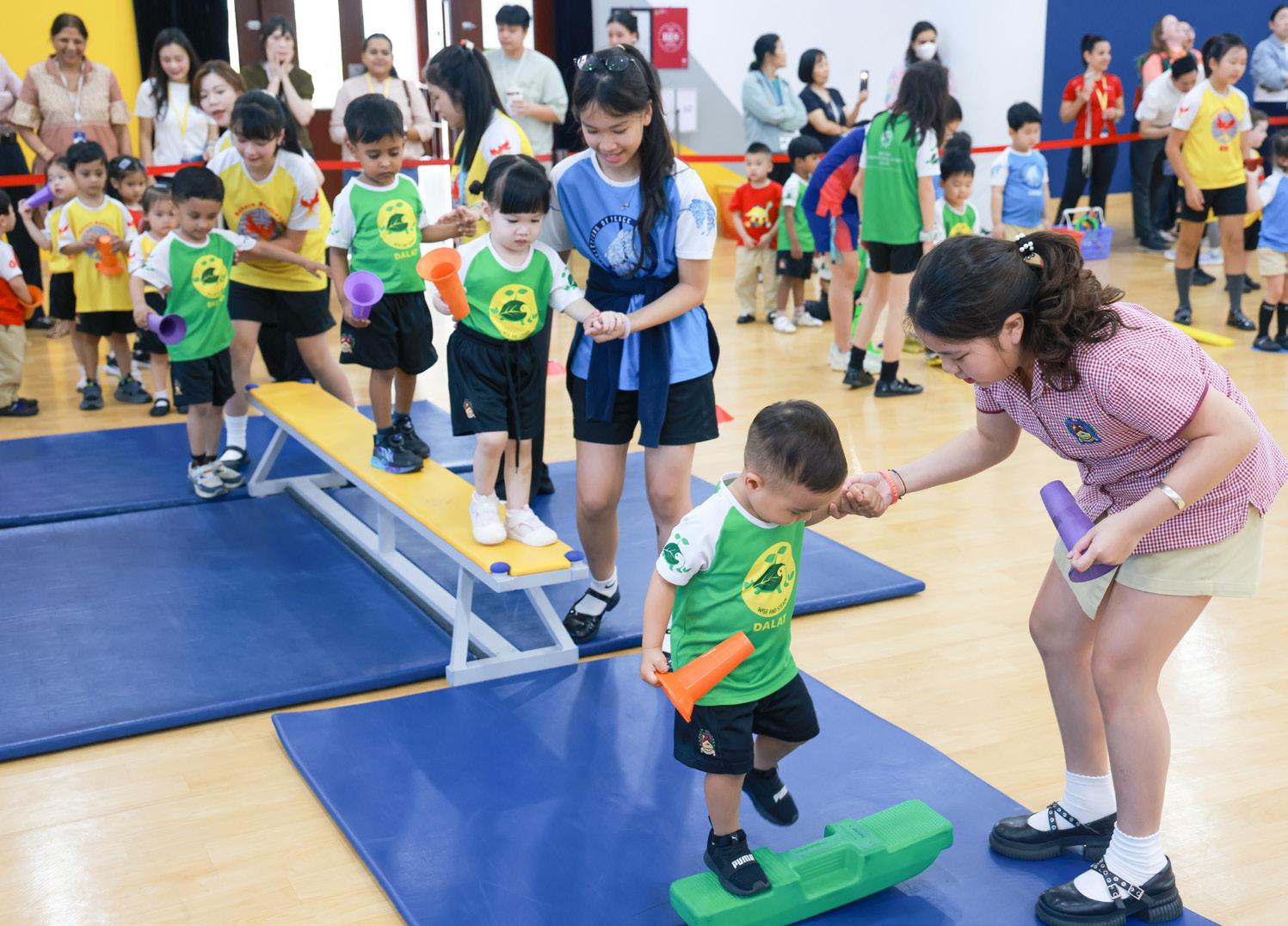
Our Primary Student Leaders have truly hit the ground running this term, demonstrating enthusiasm, initiative, and a strong sense of responsibility across the school. The Lunchtime Rangers have been particularly active, organising and hosting a wide range of engaging events for both KS1 and KS2 students. Their efforts have helped to create inclusive and energetic play opportunities, ensuring that all students feel involved and supported during break times.
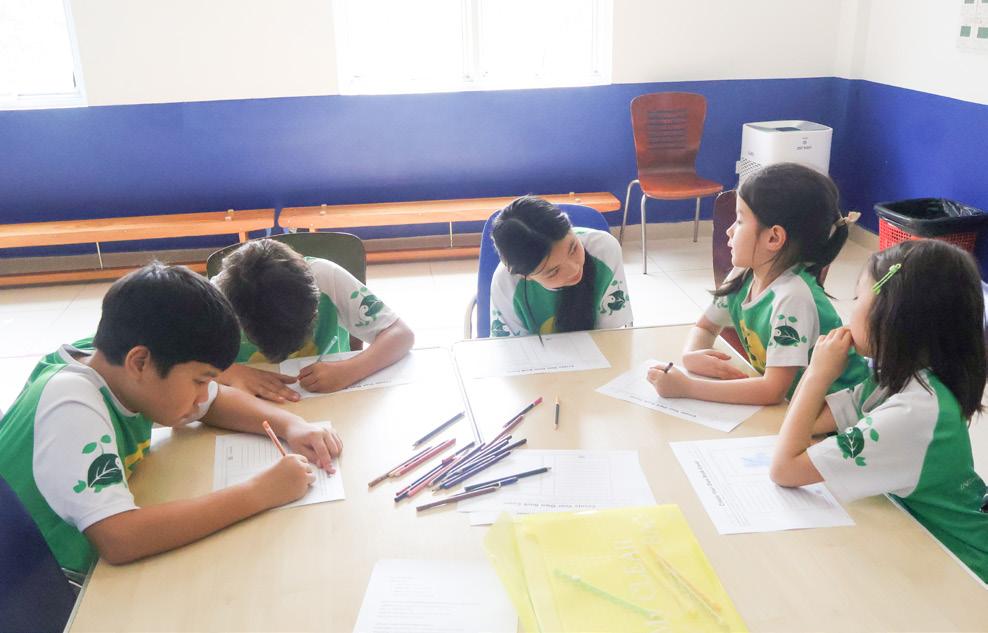
Meanwhile, the Student Council have been working diligently behind the scenes to promote sustainability across the school. Through their Light Monitor initiative, they have encouraged classes to be more mindful of energy use by taking ownership of switching off lights and reducing unnecessary consumption. In addition, their discussions with Aden about reducing school waste have sparked meaningful conversations and are beginning to shape practical steps towards a more
environmentally friendly school community.
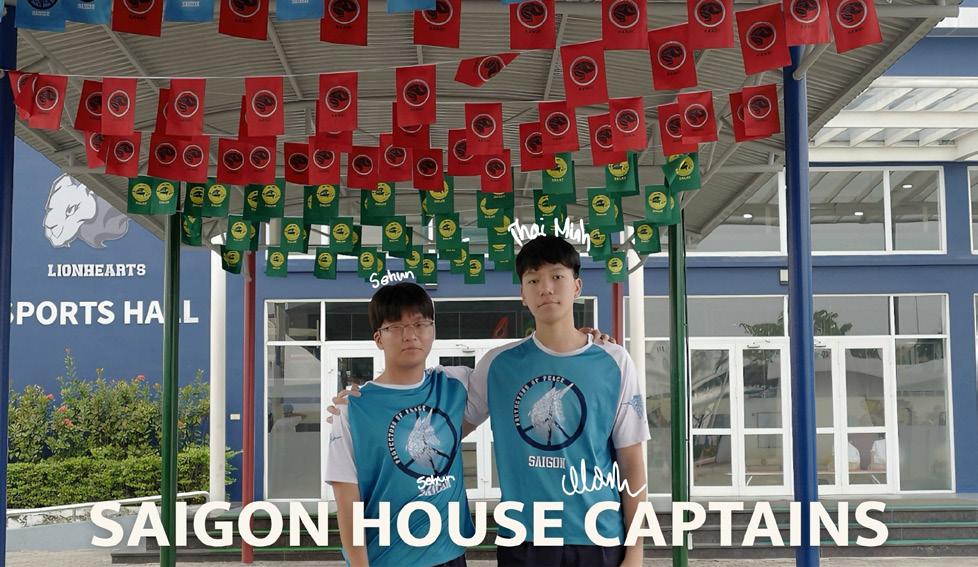
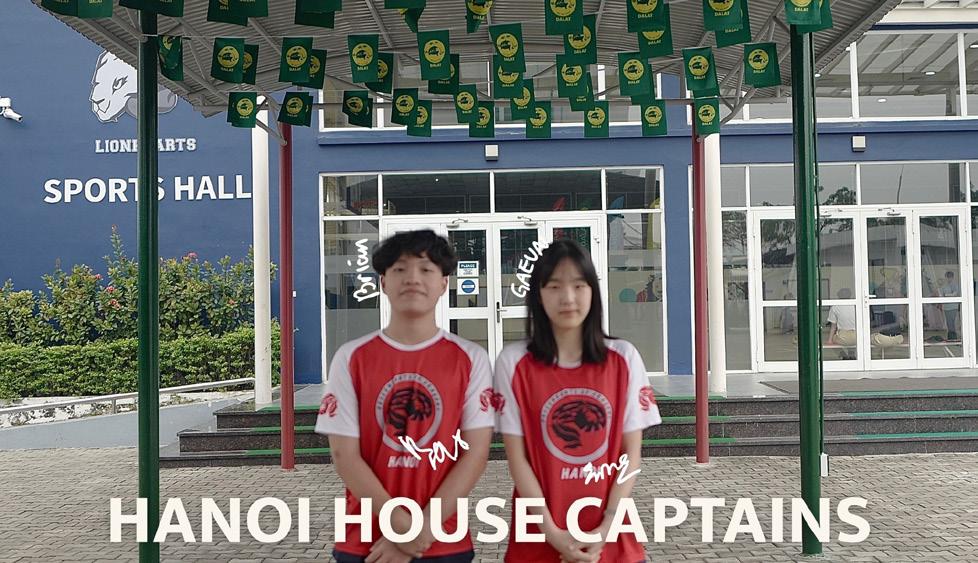
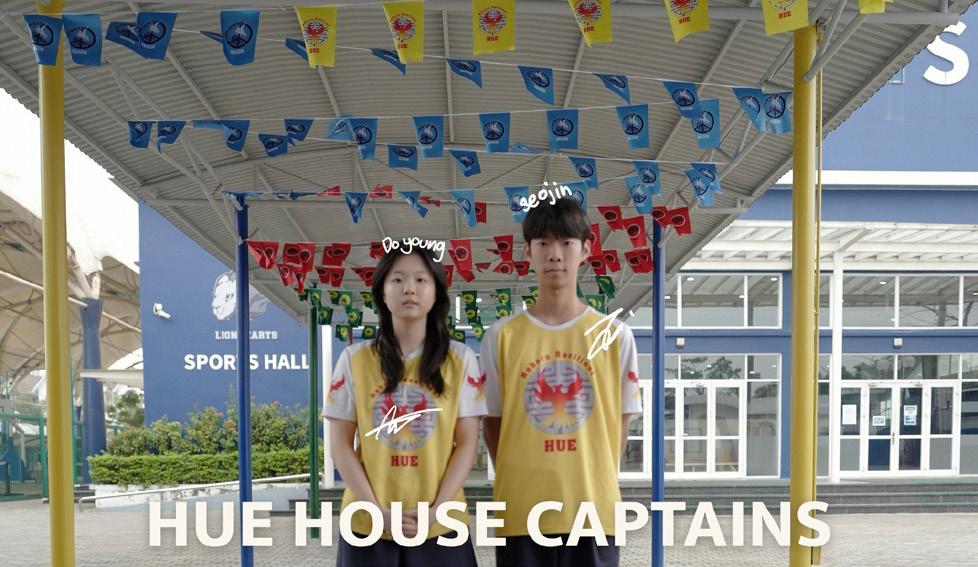
Our House Captains have, as always, played a key role in fostering a strong sense of school spirit and community. They have led a variety of activities this term, most notably the recent Book Week House Meet. This event brought students together in a celebration of reading, creativity, and teamwork, further strengthening our school ethos and sense of belonging.
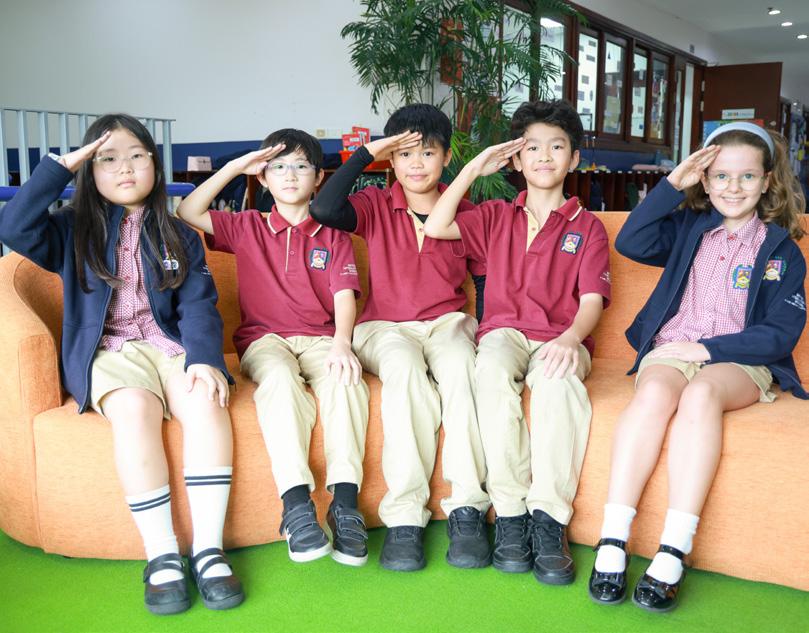
We are incredibly proud of the commitment and leadership shown by all our student leaders this term and look forward to seeing their continued impact in the months ahead.
Paul Hick Year 5 Teacher/ Primary Student Leadership Coordinator
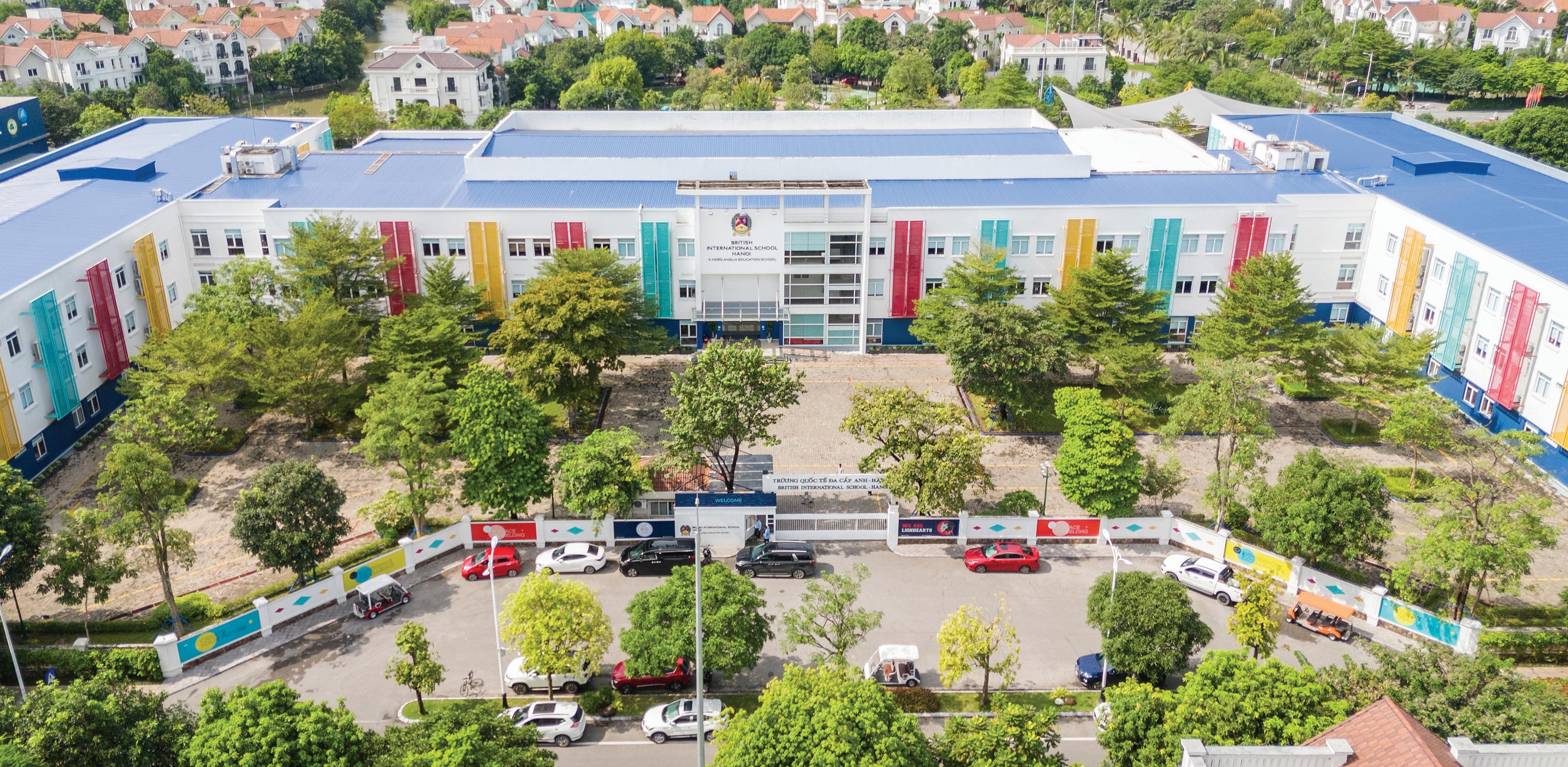
We are proud to share that BIS Hanoi has been recognised as one of the Most Popular International Schools of 2025 by the International Schools Database (ISD).
ISD is a trusted global platform used by families worldwide to research and compare international schools. This recognition reflects both strong interest from families and the consistent quality of
education and care delivered at BIS Hanoi. Being recognised by ISD highlights not only academic outcomes but also the confidence parents place in the school community.
BIS Hanoi was selected based on several key strengths, including academic excellence, high quality teaching, successful
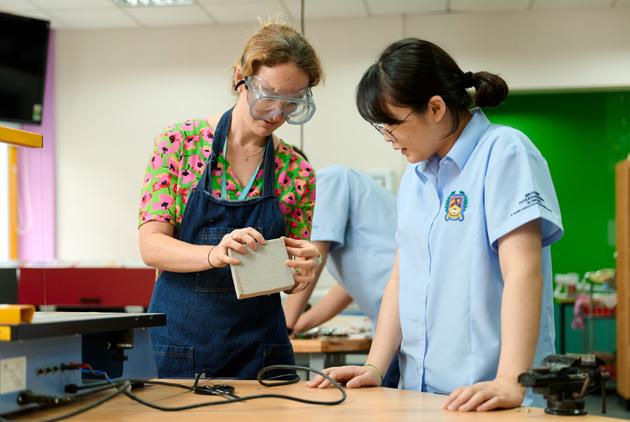
university pathways, and strong community relationships. The school is widely recognised as a leading IB school in Hanoi, consistently achieving the highest IB Diploma Programme results in the city.
Over the past five years, BIS Hanoi students have achieved an outstanding average IB score of 34.8, significantly above the global average of 31.2, consistently placing us among


the leading IB schools in Hanoi. 1 out of 7 students achieved results of 40 points or above, reflecting both academic rigour and strong individual support. Over the past five years, four students have achieved a maximum score of 45 points, an exceptional achievement reached by only 0.1% of IB students worldwide.
These results are made possible by a team of experienced, world class teachers who create a learning environment that is both challenging and nurturing. With an average of 12 years’ teaching experience and five years’ tenure at BIS, our educators bring both deep expertise and long term commitment to our community. Through high quality teaching and a strong focus on student wellbeing, they support learners to achieve their best while developing confidence, independence, and a love of learning.
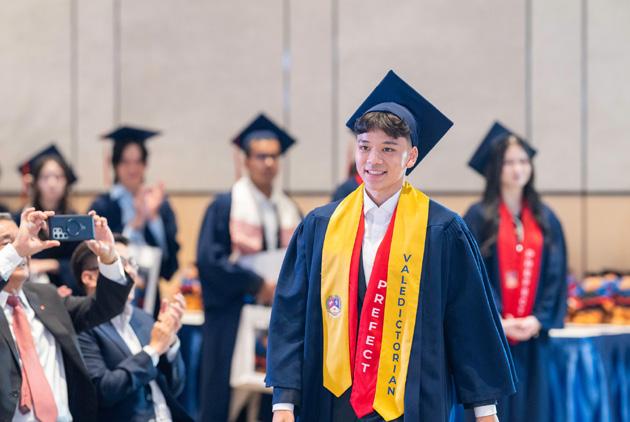
Graduates of BIS Hanoi continue
to receive offers from prestigious universities ranked in the QS Top 50, including Stanford University, the University of Cambridge, University College London (UCL), KAIST, and Yale University. These outcomes reflect the school’s strong academic preparation and its personalised university guidance, which helps students identify pathways that align with their strengths and aspirations.
Beyond academic success, BIS Hanoi is known as a warm and inclusive community. Strong
partnerships between students, staff, and families create a supportive environment where children feel valued, safe, and empowered to succeed. This sense of connection plays a vital role in student wellbeing and is a key reason families continue to choose BIS Hanoi.
The school’s quality and standards are further validated through international accreditation by the Council of International Schools (CIS) and the Western Association of Schools and Colleges (WASC). These respected accrediting bodies certify that BIS Hanoi meets rigorous global benchmarks for educational quality, leadership, and student support.
This recognition by the International Schools Database is a proud moment for the BIS Hanoi community. We thank our students, staff, and families for their continued trust and partnership in making BIS Hanoi a thriving, high performing international school.
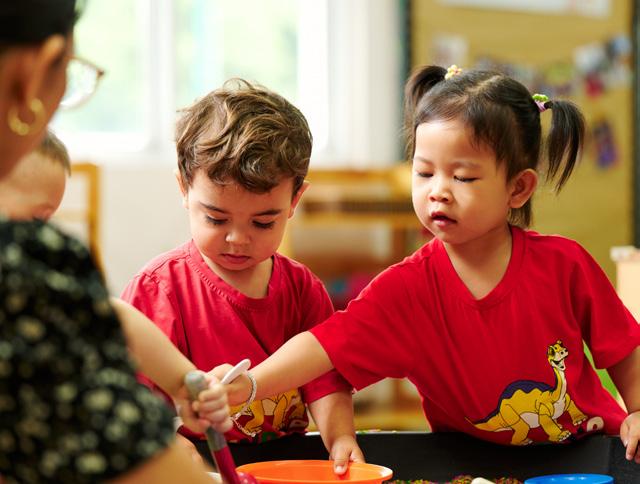
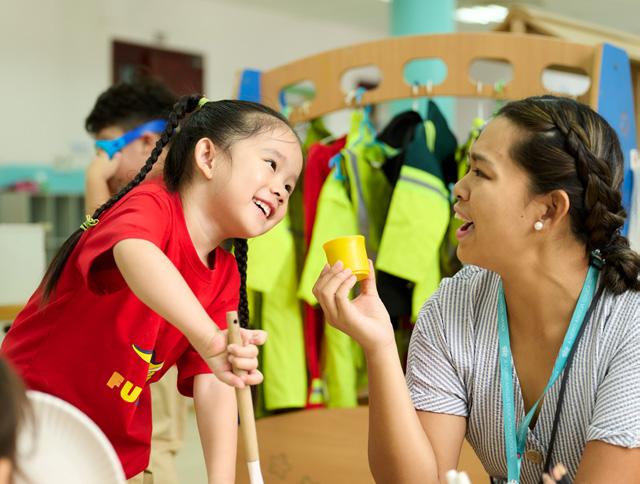
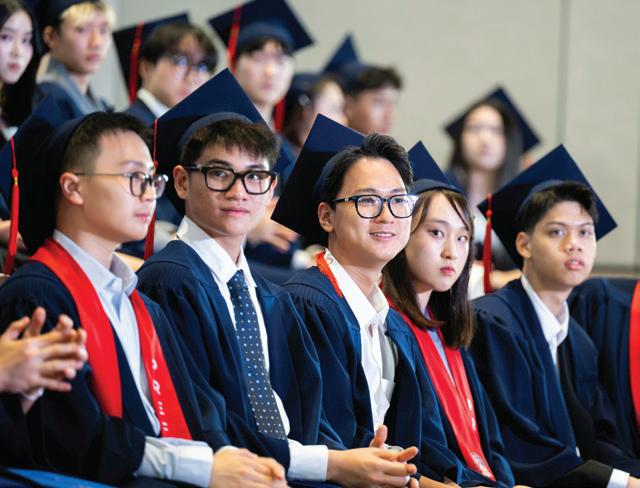
For many families, the move from primary to secondary is one of the most important points in a child’s school journey. It is often the stage when parents look more closely at whether a school can offer real continuity of education, not just in structure, but in daily experience, expectations, and support.
A school may have primary and secondary on the same campus, but continuity is not simply about location. Parents are trying to understand something deeper. Will their child still feel known? Will the school’s values remain consistent? Will the transition be well managed, both academically and personally?
At the British International School Hanoi, Laurence Cabanne, Head of Primary, sees continuity as something families experience over time rather than something a school merely claims.
“When families are uprooted and living in a country that is not
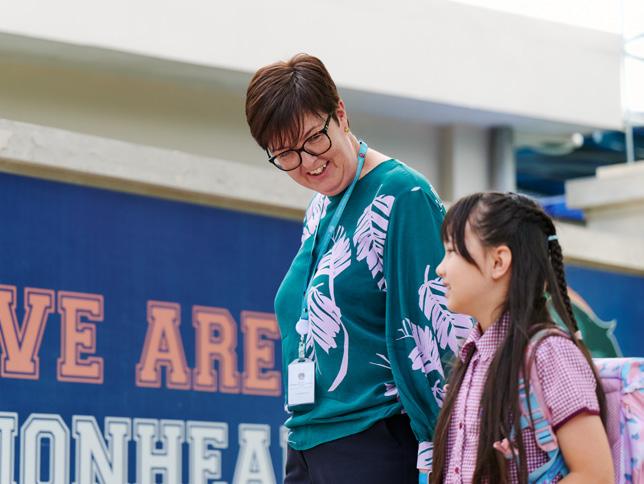
their own, continuity starts with knowing your school, knowing the teachers, and knowing your child is recognised,” she explains. “That helps students settle, and it also helps parents begin to build their own relationships with the school community.”
What stays consistent as children grow
One of the clearest markers of continuity is consistency in the school’s core expectations. These may look a little different as children grow older, but the principles underneath them should remain steady.
Laurence points to shared values as an important part of that
continuity. “The expectations of our core values stay the same,” she says. “Integrity, respect, and care are the core things we believe in, and these are seen throughout our behaviour policies.”
That matters because transitions from primary to secondary can otherwise feel abrupt. Children move into a new timetable, work with more teachers, and face higher academic expectations. If the culture underneath those changes remains stable, students can adapt more confidently.
For parents, this can be one of the clearest signs that a school is thinking long term. Continuity is not about making primary and secondary identical. It is about ensuring that change feels purposeful rather than disruptive.
A smooth transition does not mean nothing changes. In fact, some changes should be expected.
As students move into secondary, they usually begin working with a wider range of subject specialists rather than one main class teacher. Their timetable becomes more complex. The level of independence expected from them also increases.
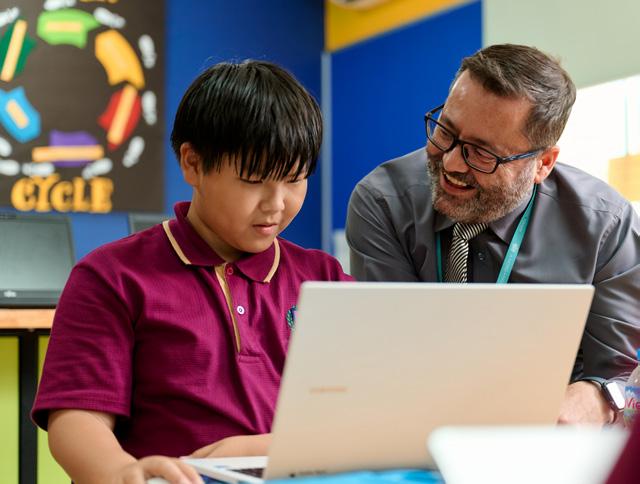
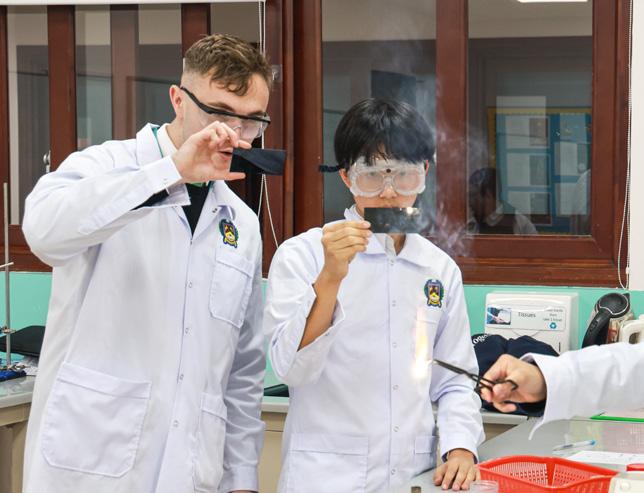
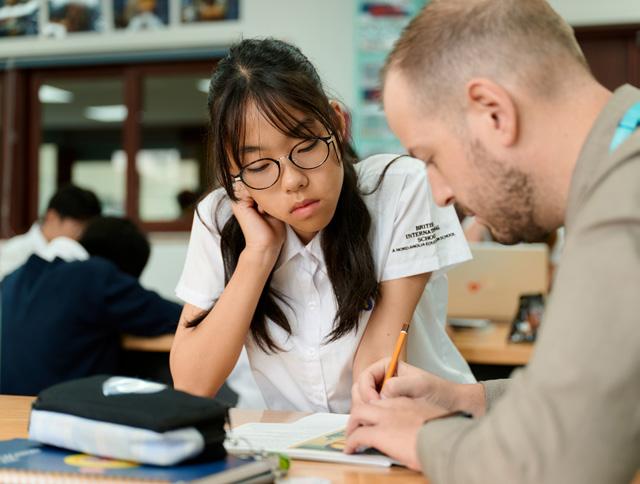
Laurence explains this in practical terms. “One of the main changes is that, instead of having one single teacher, students start to interact with many more teachers when they move into secondary,” she says. “That is a normal part of the transition.”
This is where clarity matters. Parents need to understand not only what will change, but also why those changes are introduced when they are. Preparation begins early in the year, so that the transition to Secondary is gradual and well supported.
At BIS Hanoi, transition work begins well before the final move. Laurence notes that the school runs Parent Connect sessions to talk families through the process and expectations, and students are also involved in building their understanding of what comes next.
That preparation has practical academic value. When students know what to expect, they are better able to focus on learning rather than spend the first term simply adjusting to uncertainty.
How schools support the transition
Continuity of education depends on more than a handover meeting. It requires collaboration between teachers and leaders across phases.
“We work very closely between
early years and primary, and between primary and secondary, to make sure the transition is smooth,” Laurence says.
This kind of planning helps schools carry forward useful knowledge about each student. It can include academic information, but it also includes a fuller understanding of how a child learns, how they respond to change, and what support helps them thrive.
For parents, that continuity should be visible. It may show up in clear communication, early preparation, or in the way teachers already know something about the child before the new school year begins.
Looking at continuity with more confidence
When parents assess continuity of education, they are asking whether the journey from one stage to the next is coherent, well communicated, and thoughtfully supported.
At the British International School Hanoi, continuity is rooted in shared values, early preparation, and close collaboration across phases. Those structures help students move forward with confidence while keeping academic progression on track.
For families considering how a school supports children
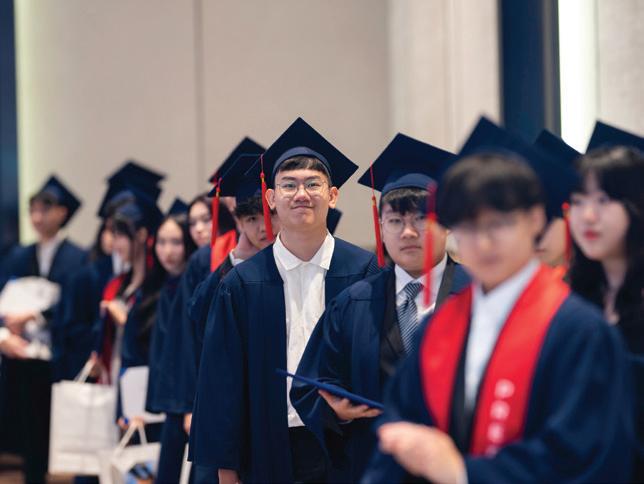
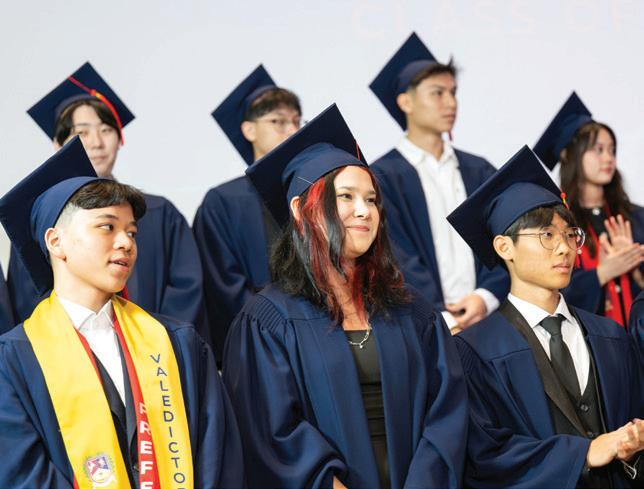
over time, the most useful conversations are often the ones that explore what stays consistent, what changes, and how those changes are managed. Our academic leaders are always happy to discuss that journey in more detail.
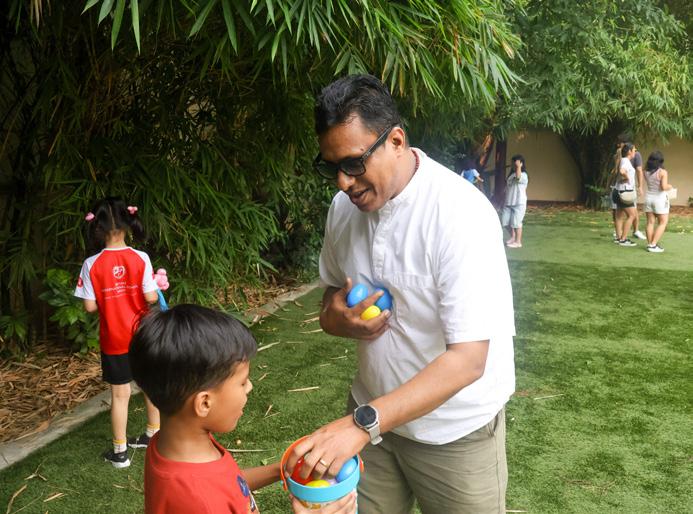
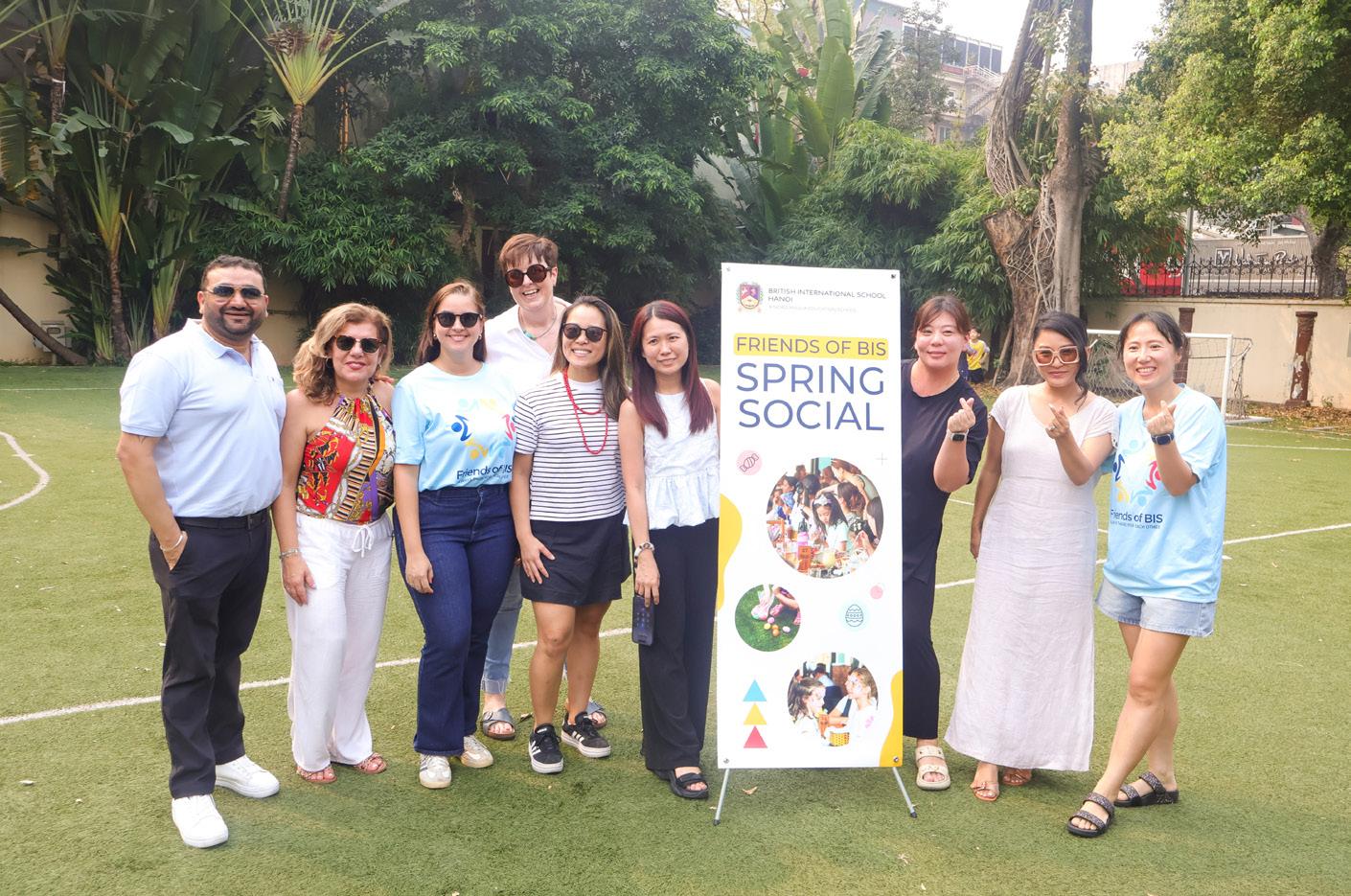
Throughout the term, members of the Friends of BIS (FOBIS) Parent Group have actively taken part in a range of school community activities, contributing to a welcoming and connected environment for parents across BIS.
Parents were pleased to
participate in the Vietnamese language sessions with Ms Hop, which provided an excellent opportunity to learn practical language skills and gain greater confidence in everyday communication. These sessions also helped strengthen parents’ connections with the Vietnamese culture and supported meaningful engagement within the local community.
FOBIS parents also joined the flower workshop, an enjoyable and creative activity that allowed parents to come together in a relaxed setting. The workshop offered a chance to learn new
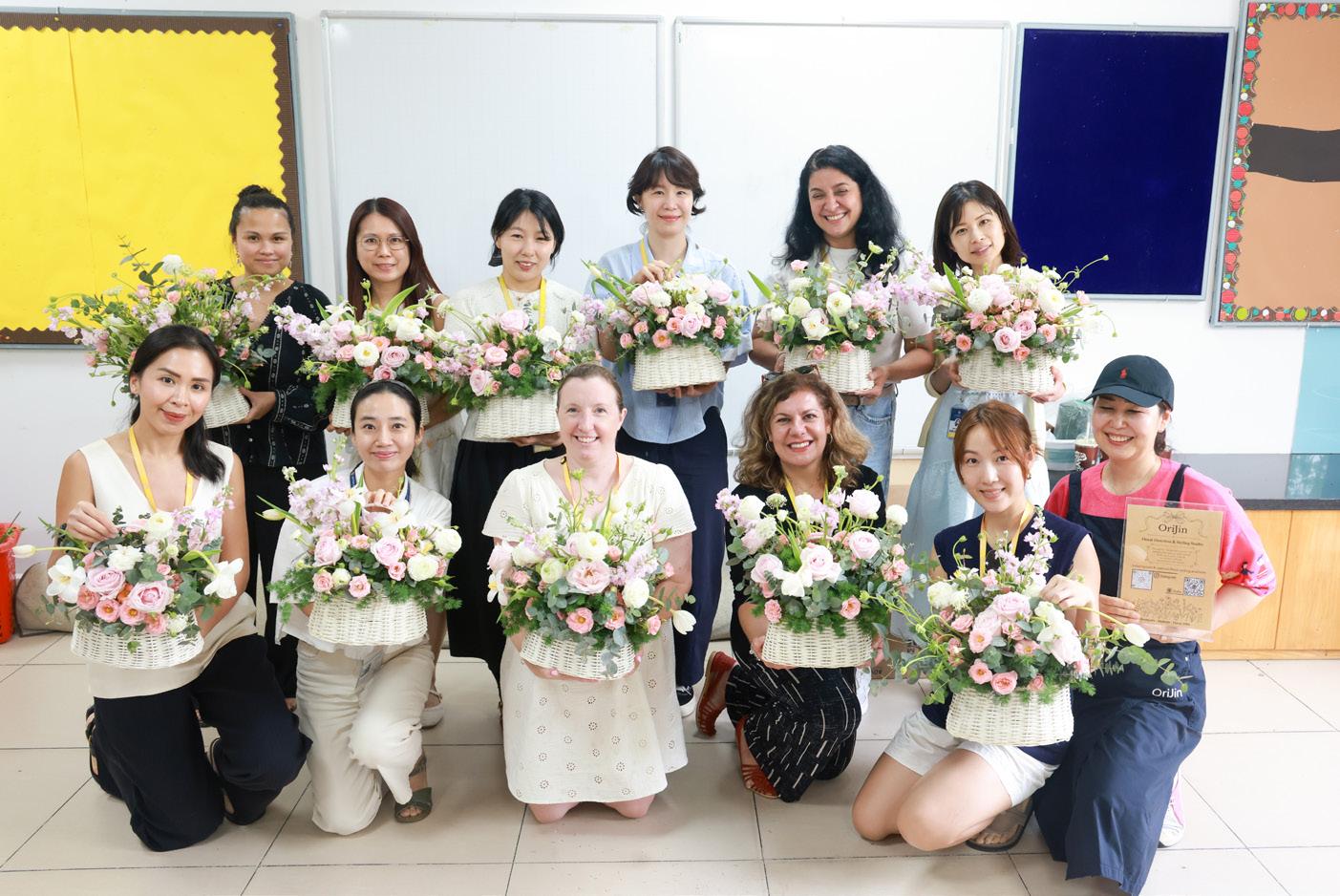
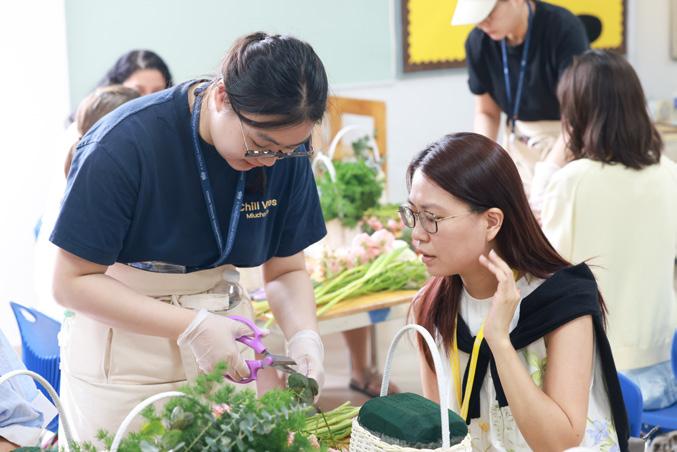
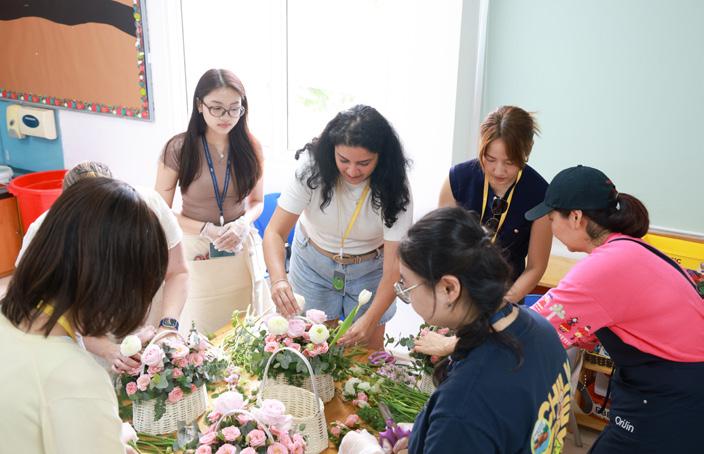
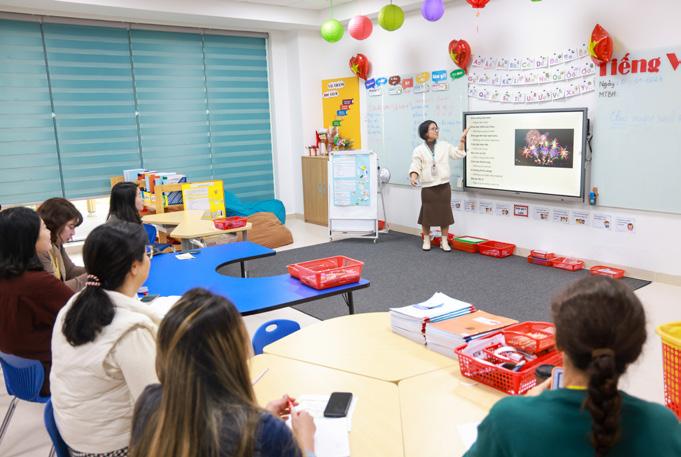
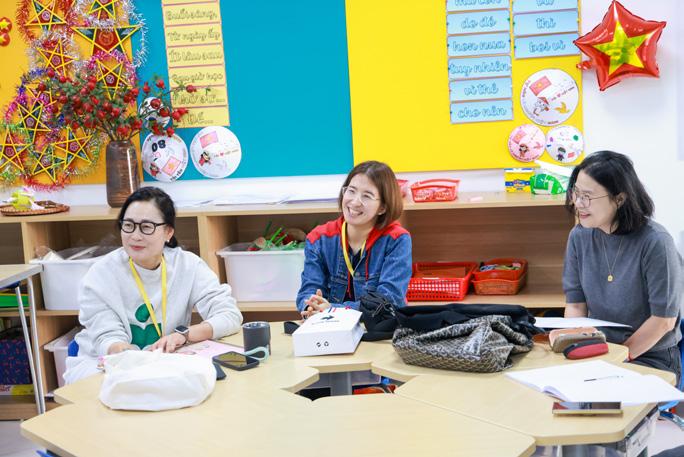
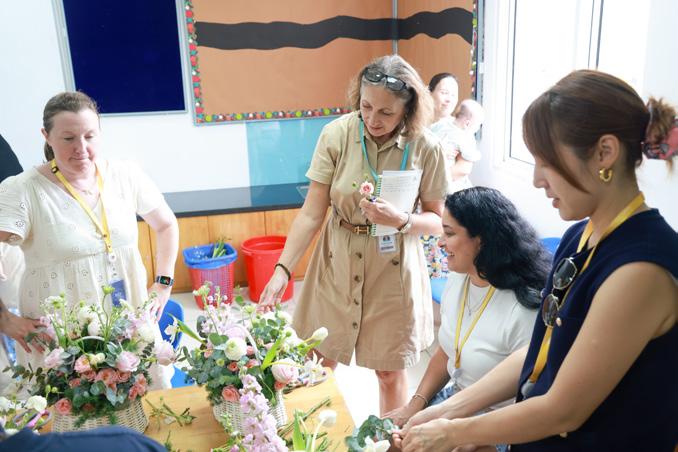
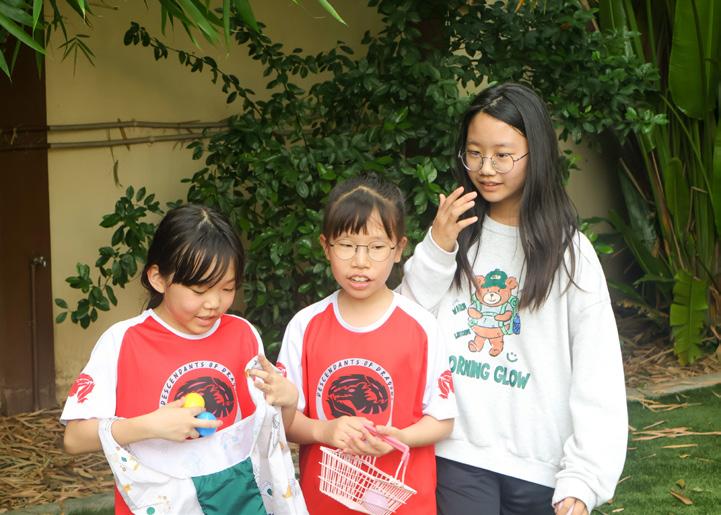
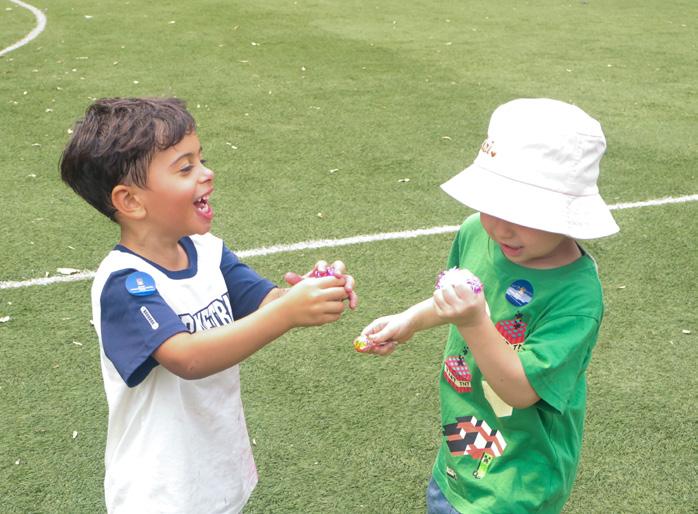
skills, share conversations, and build friendships, while creating beautiful floral arrangements to take home.
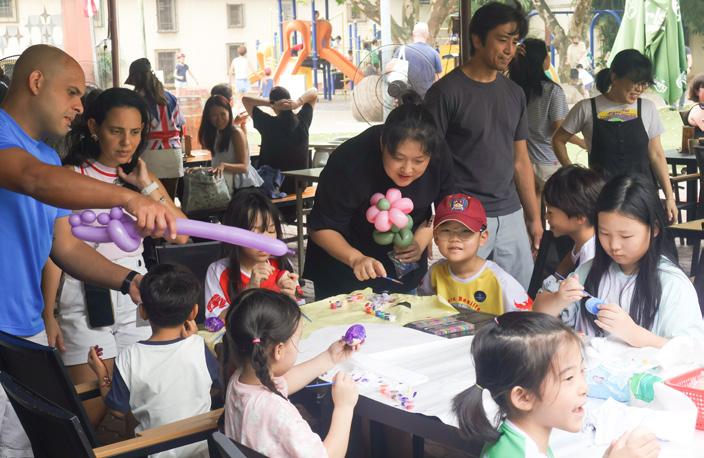
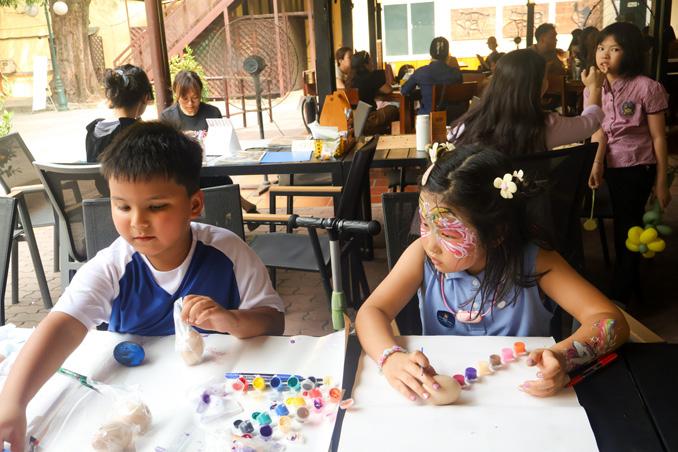
The term ended on a positive note with a Spring Social Gathering, where parents gathered to socialise and celebrate the BIS community. The event was a
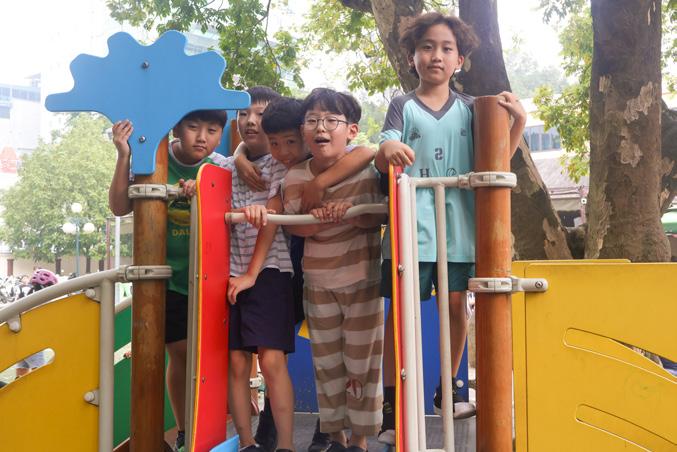
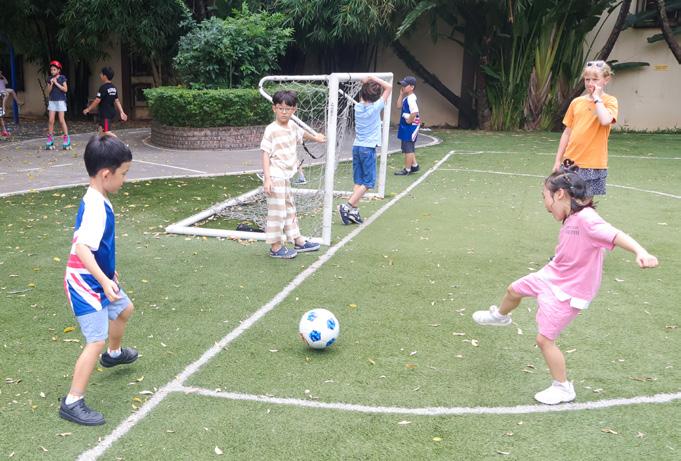
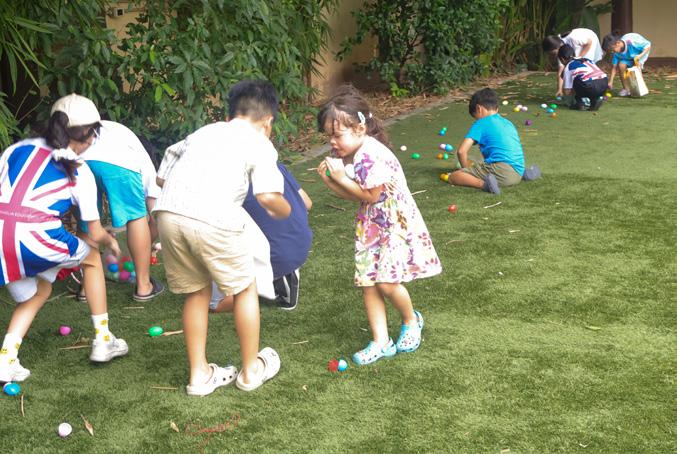
wonderful opportunity for new and existing families to connect, exchange experiences, and further strengthen the sense of belonging within the school.
Through their enthusiastic participation and support, Friends of BIS parents continue to play an important role in
nurturing a strong and inclusive school community. We are grateful for their engagement throughout the term and look forward to continued involvement in future activities.
Each article reflects our commitment to supporting every student on their unique learning journey and offers a snapshot of the rich, vibrant opportunities available at BIS Hanoi.
Welcome to the Create Your Future section of the Term 2 Esprit Magazine.
At BIS Hanoi, our promise Create Your Future sits at the heart of school life. Throughout the following pages, this commitment comes to life through the impressive university offers secured by our graduating Class of 2026, alongside the prestigious university visits we have welcomed to BIS Hanoi this year.
In mathematics, we are BISProud to celebrate our students’ continued excellence, highlighted by outstanding performances in the World Maths Championships. Equally impressive are Ayoung’s and Olivia’s Top in the World achievements in IGCSE Mathematics, clear and compelling examples of how BIS Hanoi students are truly creating their futures. Beyond the classroom, our students have also shone in Nord Anglia Global Campus competitions across writing, art, chess, and music, demonstrating the breadth of talent nurtured by our dedicated BIS Hanoi teachers, who continually challenge and support students to explore new
passions and step beyond their comfort zones.
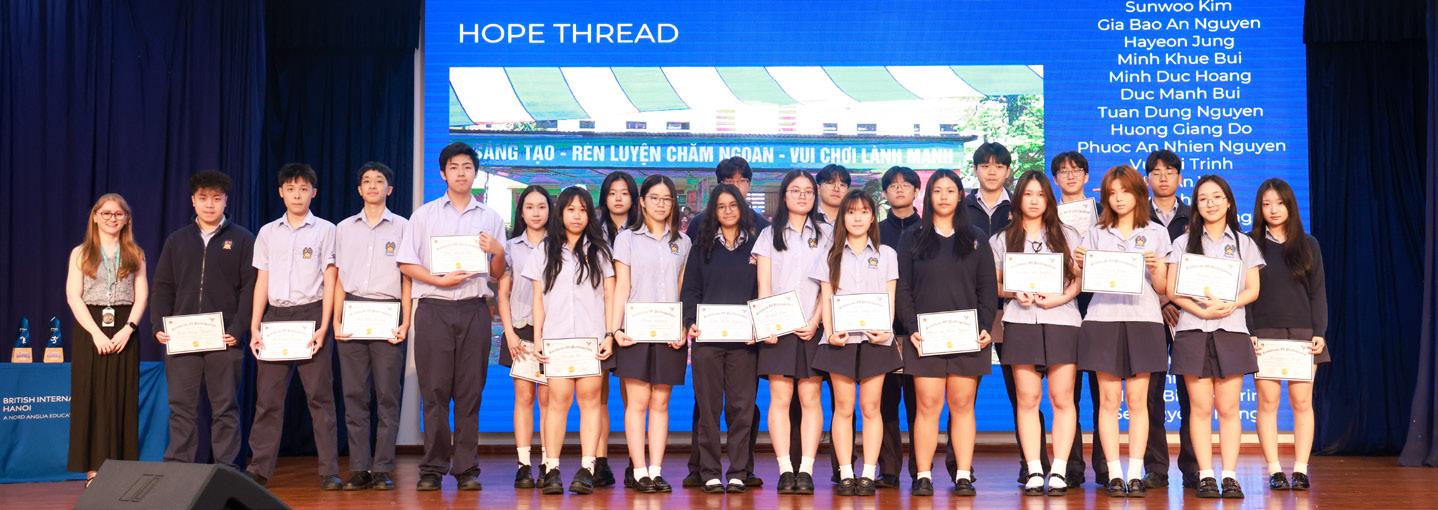
Our core values of respect and care are powerfully illustrated in the pages celebrating our student-led Social Impact Projects, proudly supported through Nord Anglia funding. We are especially BISProud of the students involved in the Hope Thread and Patchwork projects, whose work is not only shaping their own futures but also making a meaningful difference by helping to create a brighter future for our wider community.
Each article reflects our commitment to supporting every student on their unique learning journey and offers a snapshot of the rich, vibrant opportunities available at BIS Hanoi. Thank you to our whole community for your continued support, positivity, and kindness in ensuring that BIS Hanoi remains the school of choice to Create Your Future.
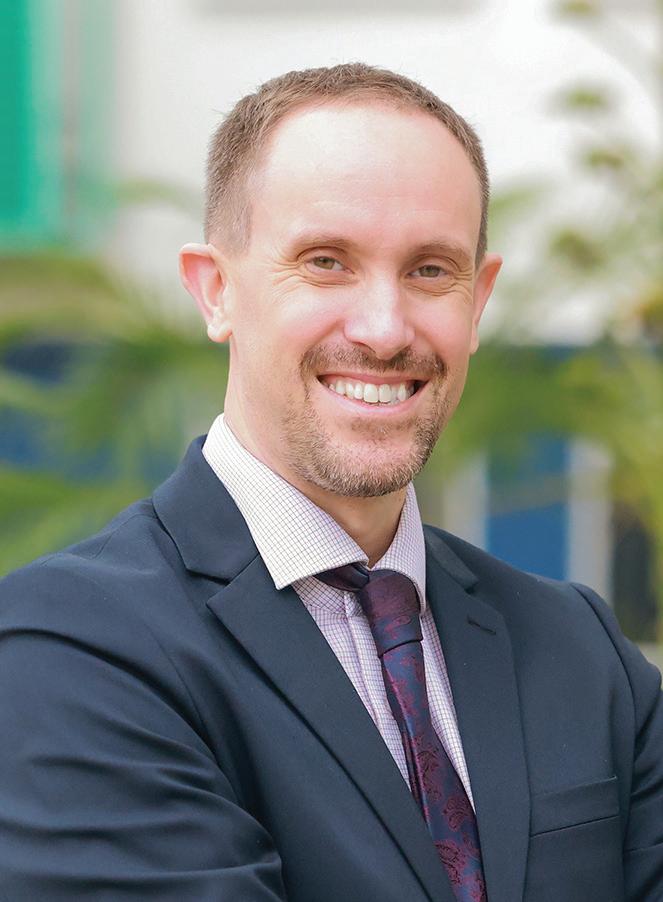
Lee Falconer Head of Secondary
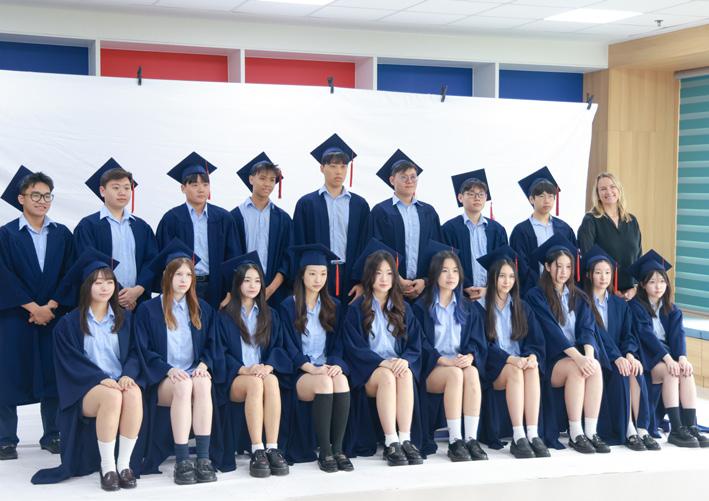
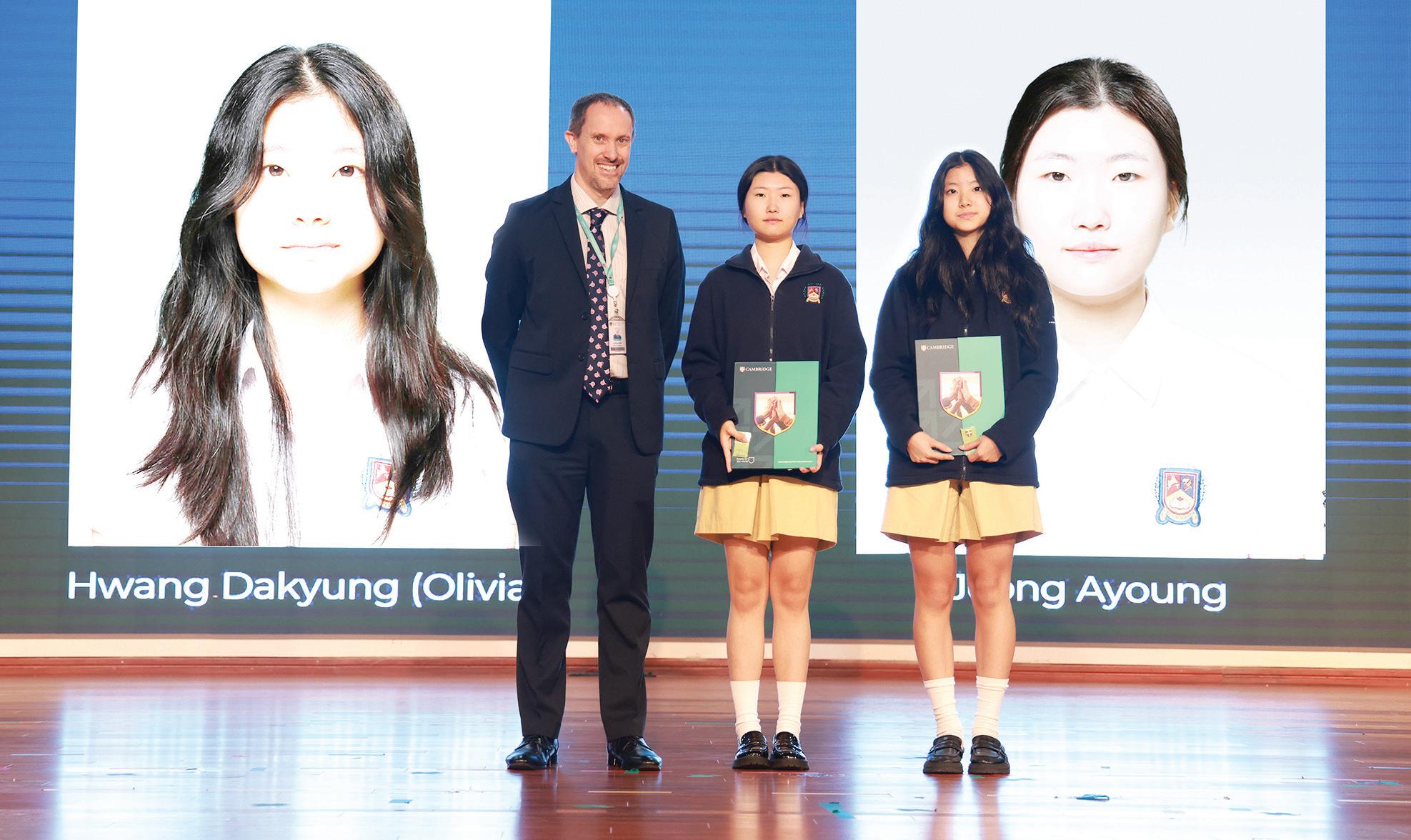
British International School (BIS) Hanoi is proud to celebrate the exceptional achievements of two outstanding Year 11 students, Dakyung and Ayoung, who have been recognised with the prestigious Top in the World award for IGCSE Mathematics by the Cambridge Learner Awards.
This extraordinary accomplishment places them among the highest-achieving Cambridge learners globally and reflects both their dedication and the strength of the academic support at BIS Hanoi.
20 | BIS Hanoi
Outstanding success in the Cambridge Learner Awards
Presented by Cambridge International Education, the Cambridge Learner Awards honour students worldwide who demonstrate exceptional performance in IGCSE and A-Level examinations. Achieving the highest global score is a rare distinction and an inspiring milestone in each student’s academic journey.
Reflecting on her experience, Dakyung shared how consistent
practice helped her build confidence ahead of the exam: “Right before the exam, I did one last past paper and scored 100% for the first time. It made me realise that all my preparation could really pay off.”
Upon receiving her results, she recalled a moment of pride:
“When I saw my grade, I remembered the stack of past papers I had worked through. It taught me how powerful practice and persistence can be.”

Quét mã QR
để đọc bài
tiếng Việt
tại đây
A supportive community for academic excellence at BIS Hanoi
The success of our students is rooted in BIS Hanoi’s commitment to nurturing confident, capable learners. Our teachers play an important role in this success, offering personalised guidance, engaging lessons, and a supportive environment that encourages students to stretch their potential and aim high.
This collaborative approach
equips students with strong conceptual understanding and effective revision strategies, which that contribute not only to IGCSE success but also to their continued achievements in the International Baccalaureate Diploma Programme (IBDP).
IGCSE at BIS Hanoi: Building strong foundations for the IBDP and BIS Diploma Programme
The International General Certificate of Secondary Education (IGCSE) is one of the world’s most respected academic qualifications for students aged 14–16. At BIS Hanoi, the IGCSE programme is delivered through a personalised, inquiry-based, and academically rigorous curriculum, preparing students for the demands of the IBDP and BIS Diploma Programme.
Our students continue to perform exceptionally across all subjects, consistently exceeding
global averages. Tuong Anh, now in Year 12 and a top-performing IGCSE student with a full suite of A–A* grades, reflected on the value of the programme: “The IGCSE really prepared me to be a critical thinker and to adapt to changes. It helped me analyse and evaluate information more effectively and manage challenges with confidence.”
She added: “Independence and organisation were the two things I practised most during IGCSE, and they are skills I will carry forward into IB and university.”
We extend our warmest congratulations to Dakyung and Ayoung for their extraordinary achievements. Their dedication, perseverance, and passion for learning inspire the entire BIS Hanoi community and reinforce our commitment to fostering academic excellence.
Celebrating breadth, excellence, and global ambition
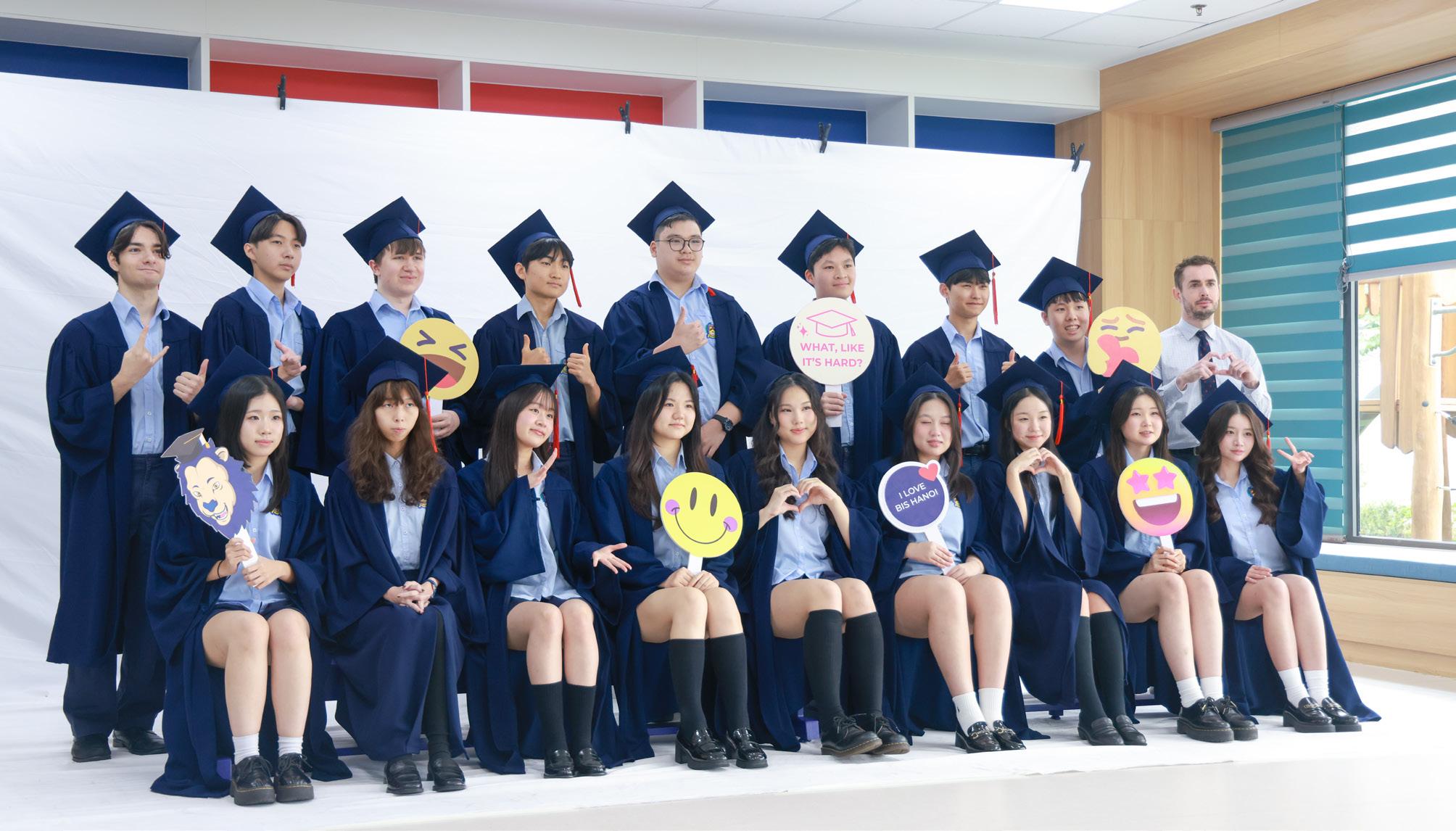
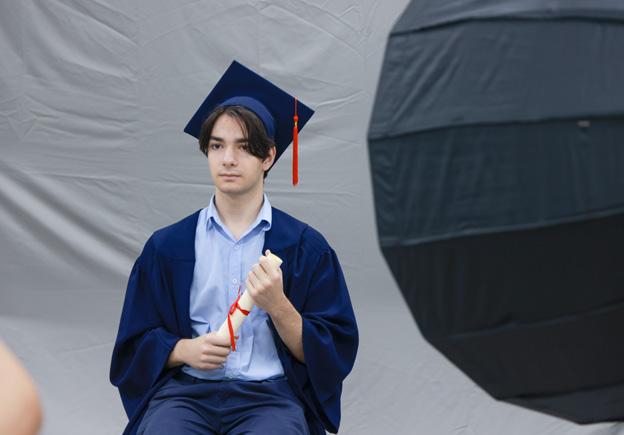
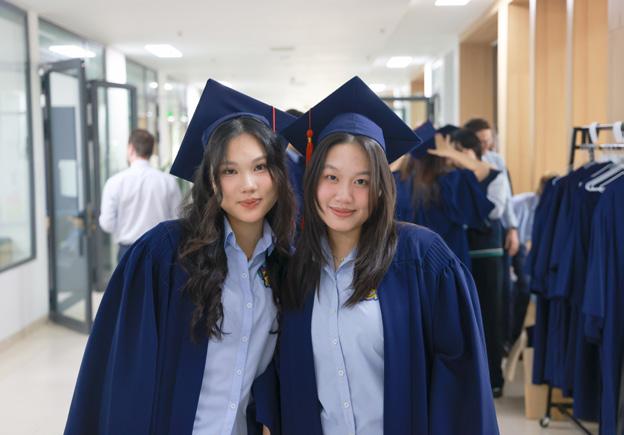
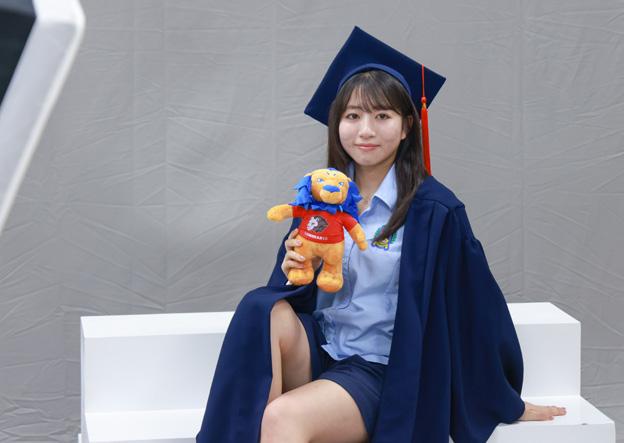
The Class of 2026 has truly paved their own way, and it is with genuine pride that we share a snapshot of their university journeys so far. As of 14 April 2026, our students have submitted 326 applications to universities around the world and have already received 141 offers, with many decisions still to come. These early outcomes
reflect not only strong academic achievement, but also the confidence, curiosity, and openness our students have shown as they explored a wide range of destinations, disciplines, and pathways.
This year’s offers highlight the genuinely international nature of the Class of 2026. Students have secured places across the
United Kingdom, the United States, Hong Kong, Canada, the Netherlands, Italy, Australia, France, South Korea, Singapore, and the Philippines, and more students will receive offers from Australia, China, Japan, Malaysia, Singapore, South Korea and Russia. Rather than following a single familiar or traditional route, students have taken the time to reflect deeply on what suits them best. They are choosing universities that align
with how they learn, who they are becoming, and where they see themselves thriving both academically and personally.
Excellence grounded in readiness and fit
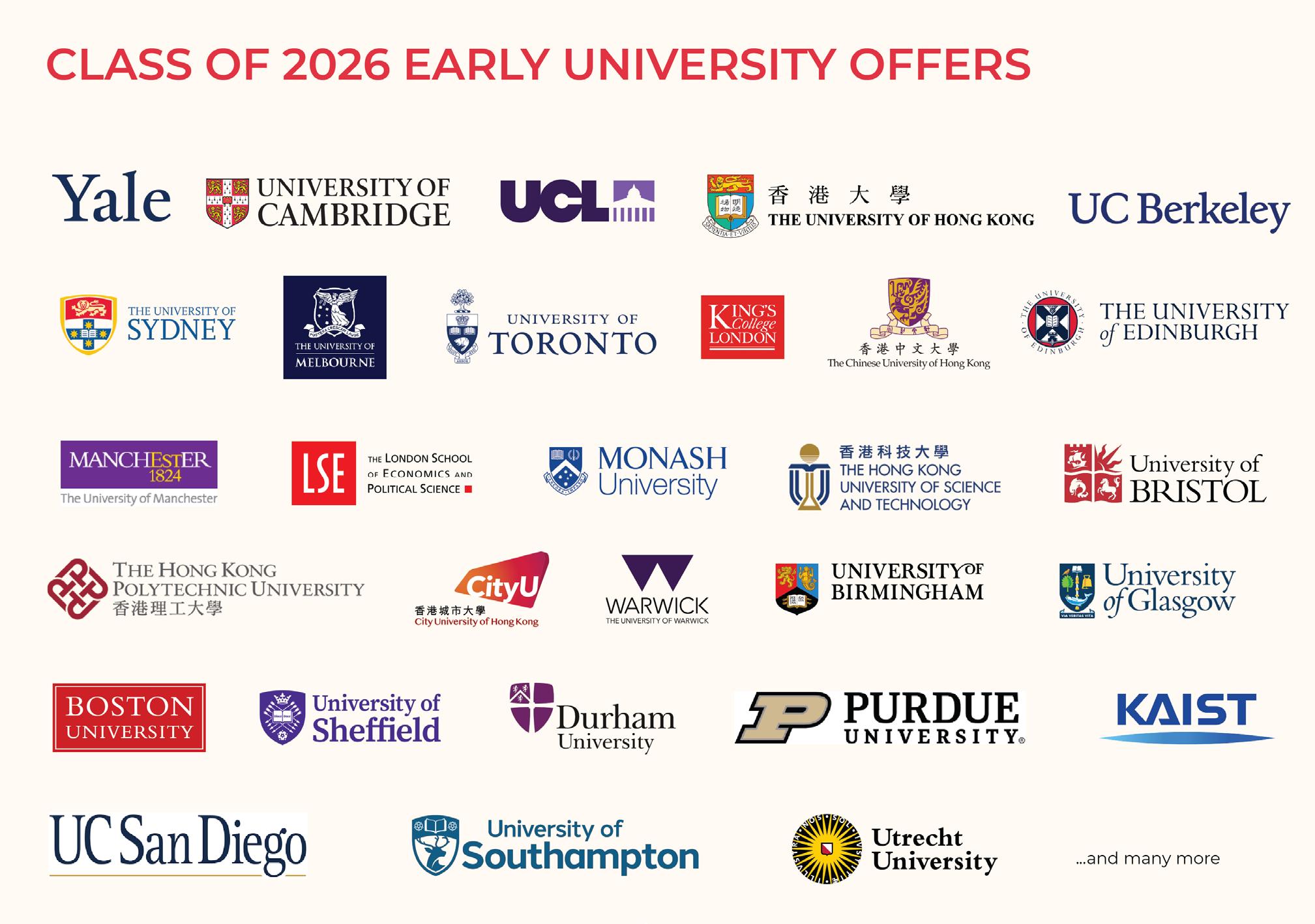
Alongside the breadth of destinations, we are particularly encouraged by the level of academic maturity demonstrated across the cohort. Students have received
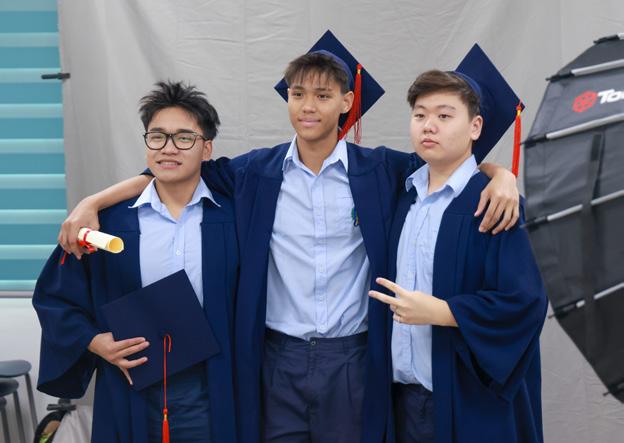
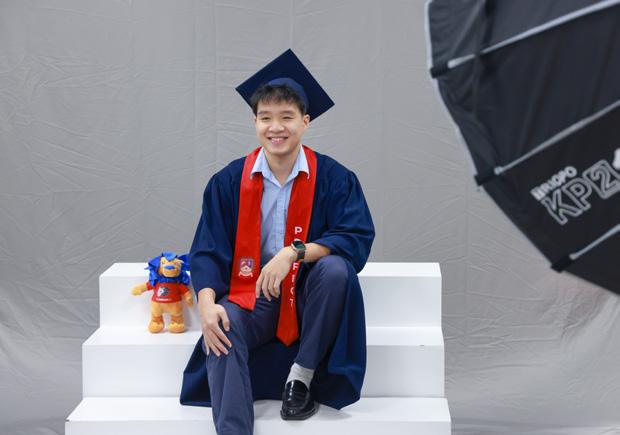
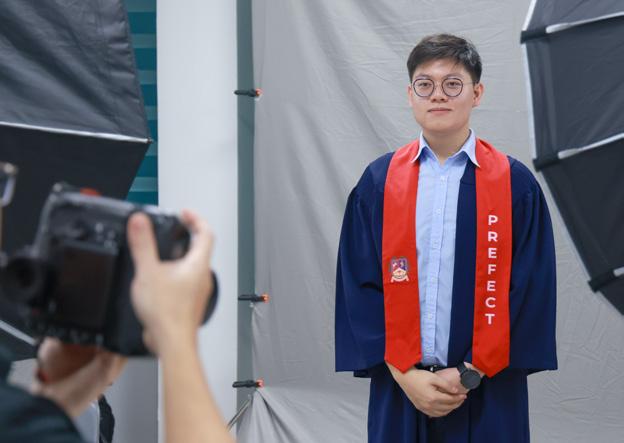
offers from a wide range of academically rigorous and well respected institutions, including Yale University, the University of California Berkeley, the London School of Economics, the University of Edinburgh, the University of Toronto, the University of Melbourne, KAIST, the University of Hong Kong, the Hong Kong University of Science and Technology, the University of Manchester, the University of Warwick, Durham University, the
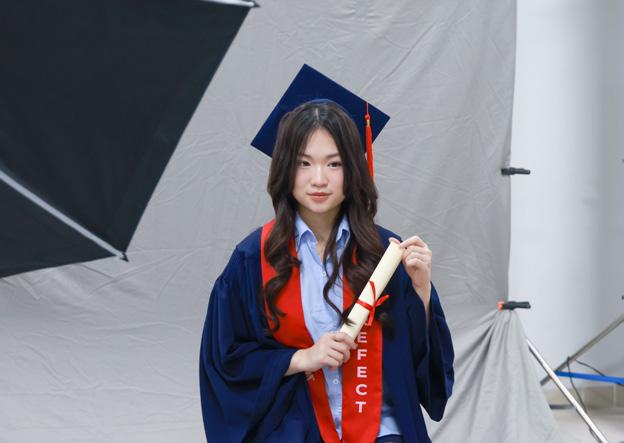
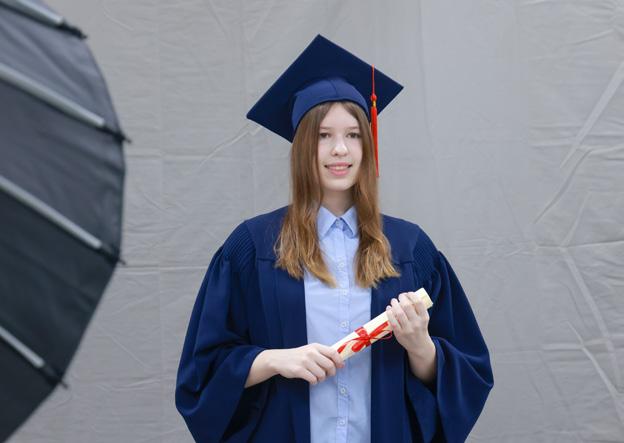
University of Glasgow, and many others worldwide.
While these universities are internationally recognised, what matters most to us is not their reputation alone, but what these offers represent. They reflect students who are intellectually curious, reflective about their goals, well prepared for challenge, and confident in their academic choices. These outcomes are the result of carefully considered applications that balance ambition with realism, supported by honest self reflection and clear storytelling. Together, they affirm our belief that when students are guided to understand themselves, explore options thoughtfully, and apply with purpose and clarity, excellence follows naturally.
Hong Kong as a standout success story
One of the clearest success stories this year has been Hong Kong. Students applied to five major institutions, including the University of Hong Kong (HKU), the Hong Kong University of Science and Technology (HKUST), City University of Hong Kong, the Hong Kong Polytechnic University, and Hong Kong Baptist University. Across these applications, students achieved an outstanding ninety eight percent offer rate.
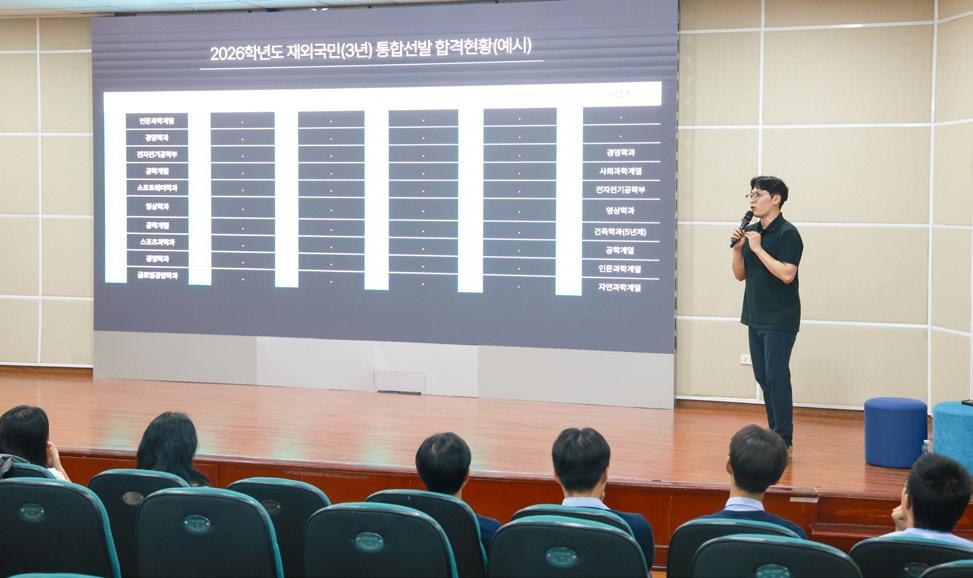
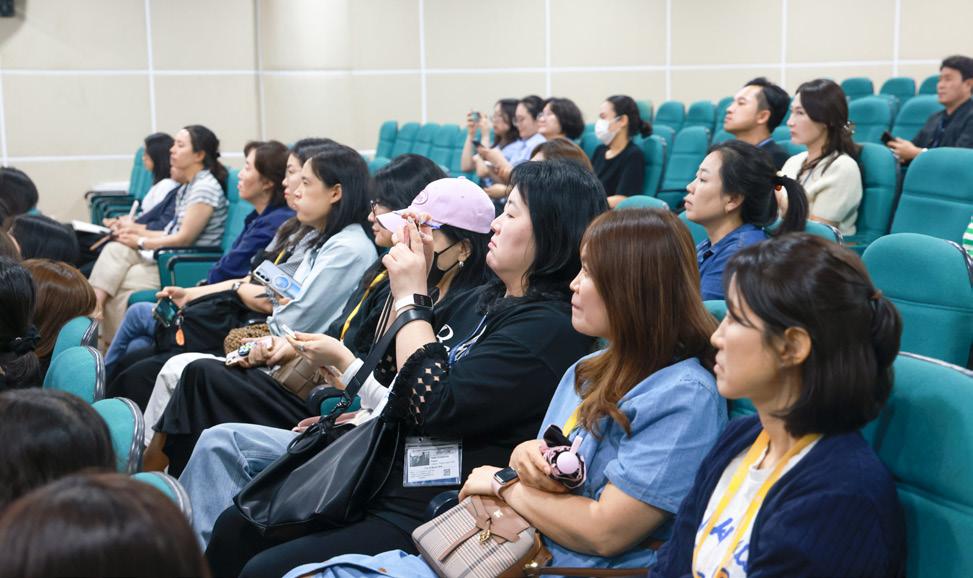
This remarkable outcome highlights the impact of strong academic preparation, realistic planning, and evidence based guidance when navigating competitive admissions systems. It also reflects students’ growing confidence in making informed and well matched university choices.
Alongside student success, we are also proud to celebrate professional recognition within our Careers and University Guidance Team. Mr McKinney and Ms Rachel were selected as session speakers at the International ACAC Regional Institute in Hanoi, chosen from over one hundred and twenty high school counsellors and educators across the region. Their selection reflects the practical, thoughtful, and student centred nature of their counselling practice. The sessions they delivered were designed to be to the point, grounded in real school contexts, and immediately applicable for fellow counsellors. This recognition speaks not
only to individual expertise, but also to the strength of our guidance culture and our ongoing commitment to sharing best practice within the wider international counselling community.
Our commitment and our team
At the heart of this work is a dedicated guidance team of three. Mr McKinney brings deep expertise from the UK and Western education systems, shaped by years of experience working with leading UK universities. Ms Rachel offers a genuinely global counselling perspective, informed by her studies in Korea and the United States and her paths across Seoul, Geneva, Paris, Illinois, Saigon, and Hanoi. Ms Hien completes the team with strong insight into both Vietnamese and UK higher education systems, grounded in her academic and professional experience.
Together, we believe that effective university guidance is never one size fits all. Our work is guided by our 4S framework, focusing on Study, Safe, Social,
and Stay to ensure every pathway is academically suitable, emotionally supportive, socially balanced, and sustainable in the long term. Drawing on our diverse backgrounds and shared commitment to evidence based practice, we support students with clarity, empathy, and consistency, walking closely alongside them and their families through one of the most significant transitions of their lives.
The future is still unfolding, and we look forward to celebrating many more meaningful milestones along the way.
Rachel Ahreum Hahn Careers and University Counsellor Careers and University Guidance Team
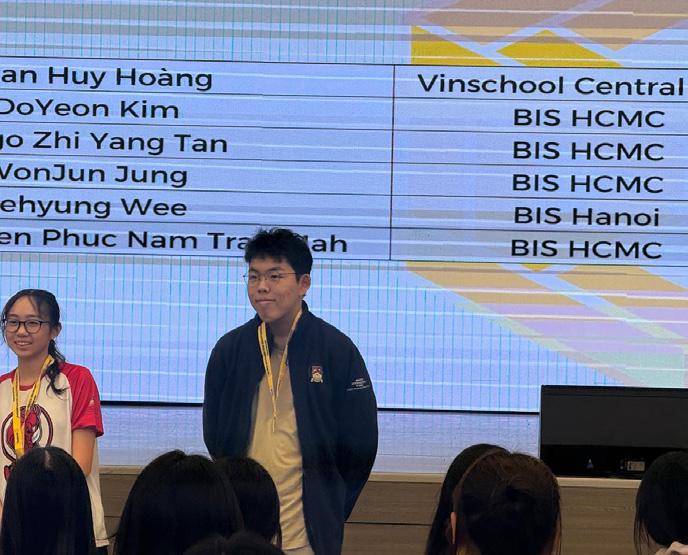
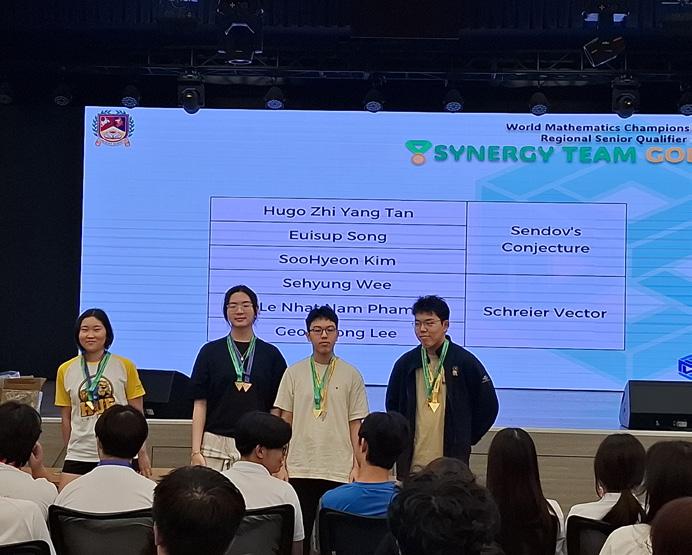
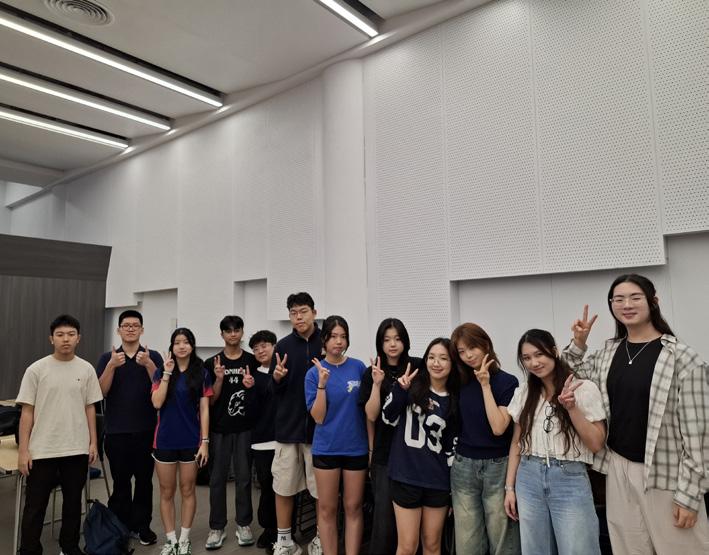
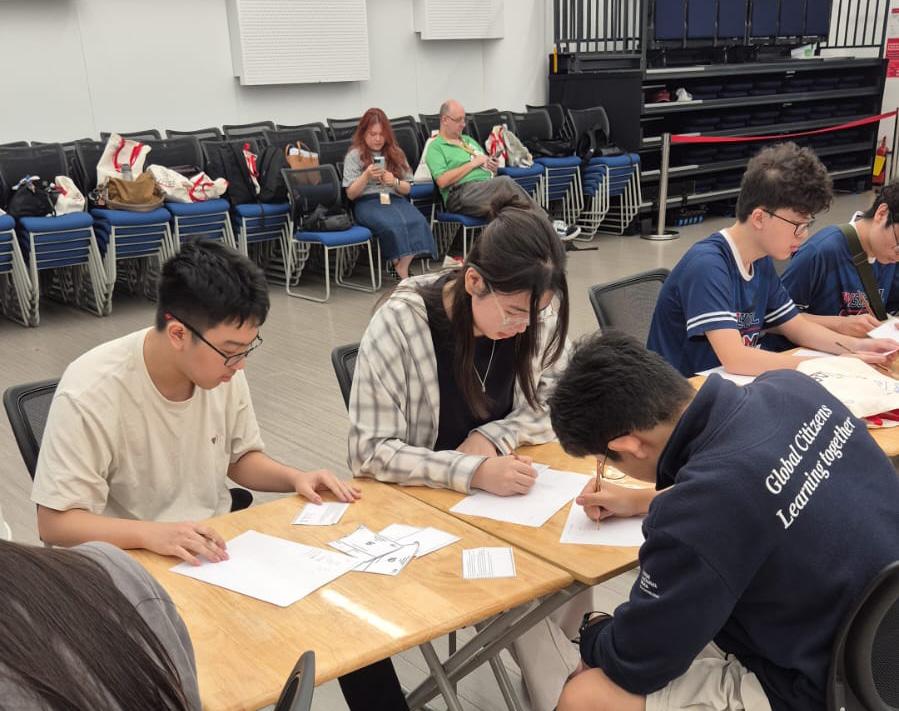
In March, our Year 11 and 12 students travelled to our sister school, BIS Ho Chi Minh City, to take part in the highly competitive World Maths Championships. Competing against more than 100 students from a range of schools, our team rose to the challenge and represented BIS Hanoi with determination, teamwork, and impressive mathematical skill.
The championships took place over the course of a full and demanding day, with students
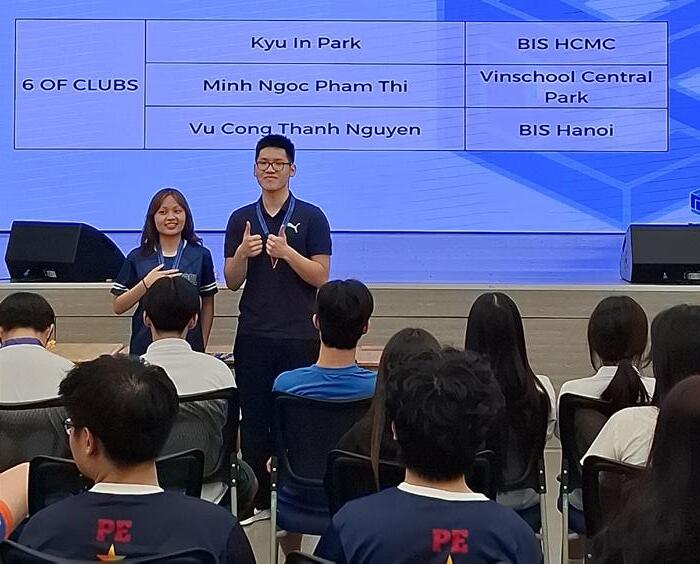
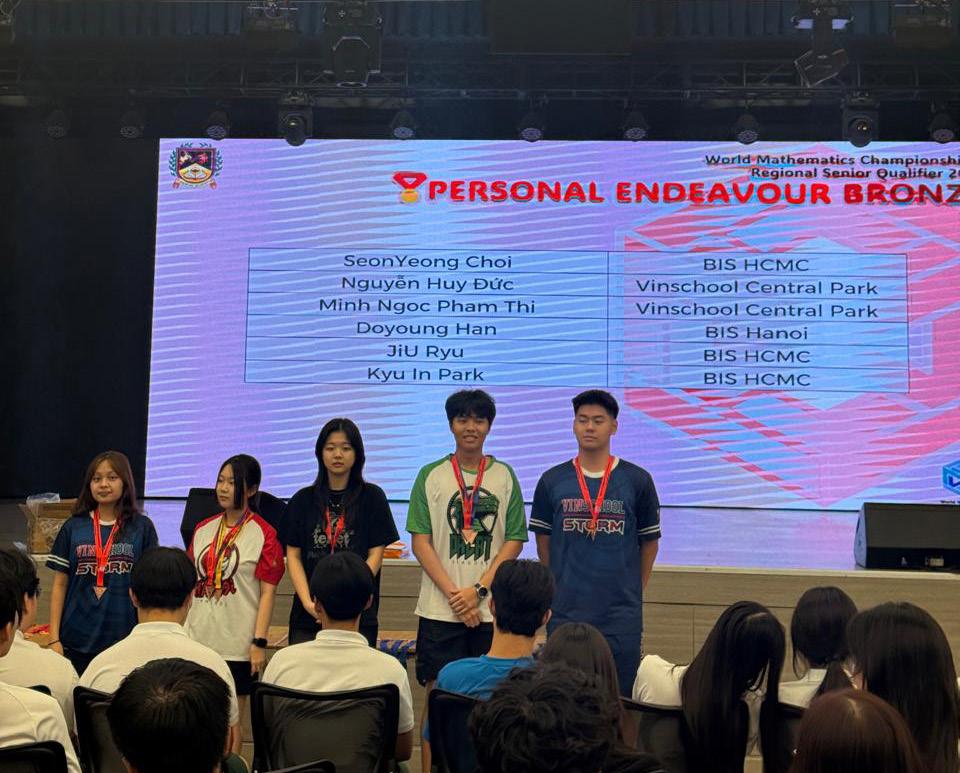
facing a series of complex and fast-paced rounds. From the very beginning, our students showed outstanding resilience and focus, supporting one another through challenging problems and maintaining their energy and enthusiasm right until the final round.
Two students, Nhat Nam and Sehyung, delivered particularly strong performances, finishing in the top 25 competitors overall. Their success has earned them an invitation to compete in the
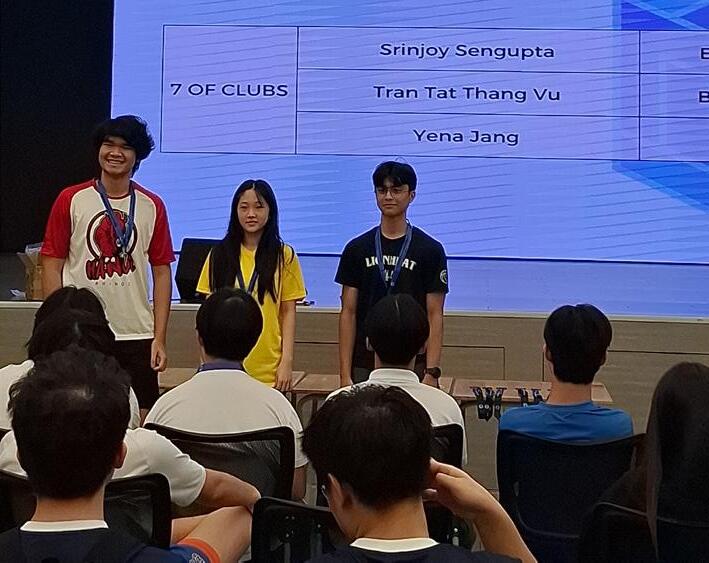
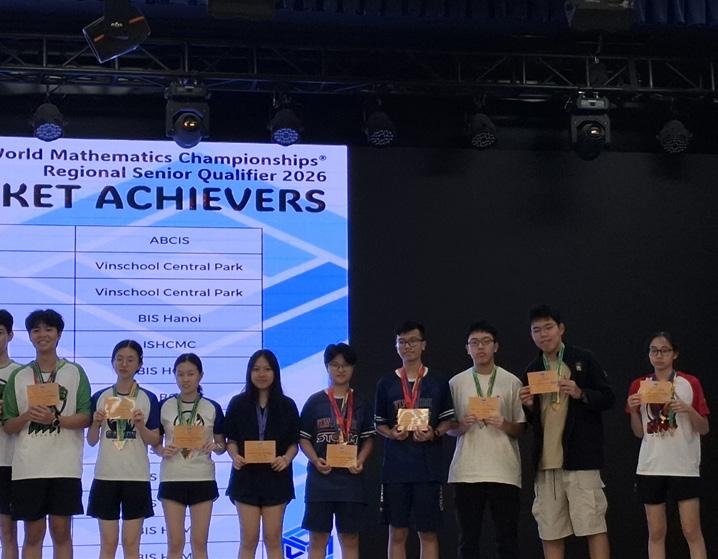
World Championship Finals, which will take place at Imperial College London in summer. This is a fantastic achievement and a moment of real pride for the BIS Hanoi community.
Alongside these standout results, our students achieved an impressive collection of medals across a range of categories, reflecting both individual excellence and strong collaboration:
• Sehyung earned gold medals
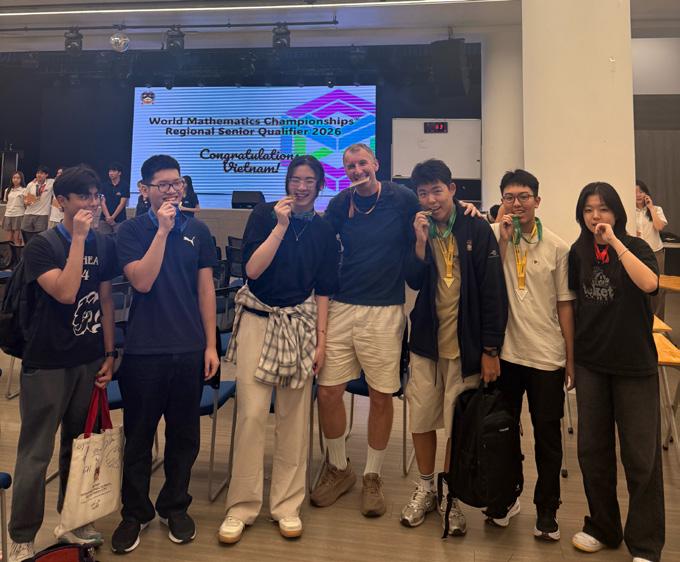

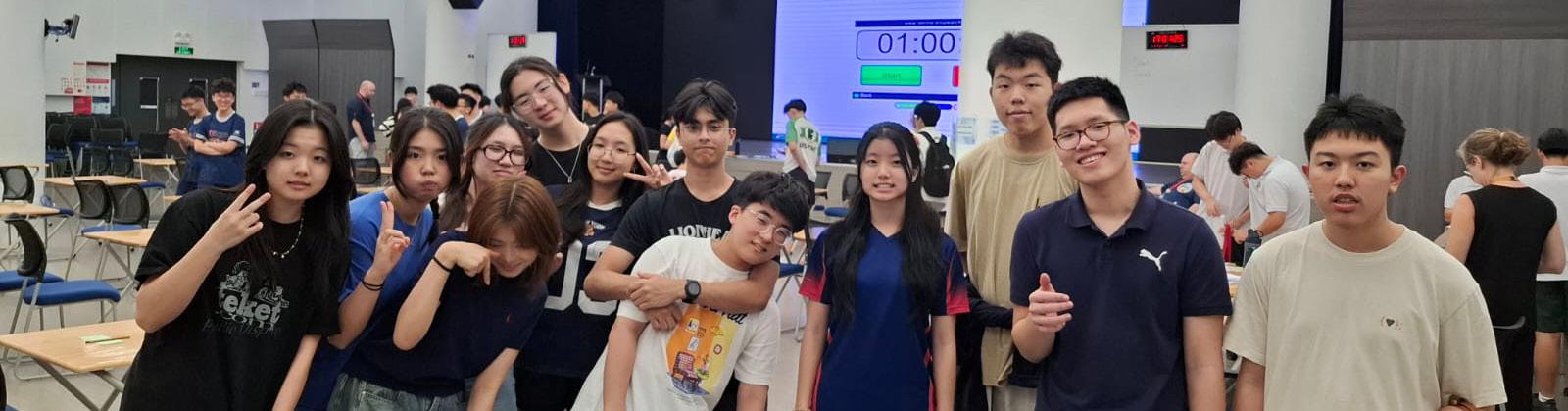
in the BIS Team Synergy Round and the Dynamic Problem Solving Round.
• Nhat Nam won gold in the BIS Team Synergy Round and silver in the Dynamic Problem Solving Round.
• Leo received a gold medal in the BIS Team Synergy Round and a bronze in the Technical Round.
• Doyoung was awarded a bronze medal in the Personal
Endeavour Round and also reached the final of the Codebreaking Round.
• Srinjoy earned a silver medal in the Cryptography/Alliance Round.
• Cong Thanh received a bronze medal in the Cryptography/ Alliance Round.
Beyond the medals and rankings, the competition highlighted what makes BIS Hanoi students stand out: a willingness to
persevere through difficult challenges, the ability to think creatively under pressure, and a strong sense of teamwork. The students supported one another throughout the day, celebrating successes and learning from each challenge they faced.
We are incredibly proud of all the students who took part in the World Maths Championships and thank them for representing BIS Hanoi so positively.
At the British International School Hanoi, the aim is simple. Teaching standards should be clear not because they are claimed, but because they can be seen in practice.
When you visit international schools in Vietnam, it is easy to focus on what is visible. Facilities, class sizes, displays on classroom walls. These matter. But they do not tell the full story of teaching quality.
The harder question is this: how can you tell whether learning is genuinely strong once your child is sitting in the classroom every day?
Lee Falconer, Head of Secondary at British International School Hanoi, believes the answer lies in what teachers do minute by minute, lesson by lesson.
What strong teaching looks like in practice
“Every lesson, teachers are keeping track of student progress by adapting responsive teaching practices, circulating in the room, targeted questioning,
reviewing student work, looking for misconceptions, providing hinge questions throughout every lesson to check for student progress and student understanding.”
Strong international school teaching is not passive delivery. Teachers are constantly checking for understanding with every student. They adjust explanations. They test whether foundational knowledge is secure before moving on. There’s no point in building a beautiful house if its foundations sit on sand – the same is true when students are learning. By ensuring key concepts and foundational knowledge are secure, teachers can then be confident that students are ready to move on to the next step in their learning.
Open-ended tasks at the end of a unit also serve as important checkpoints. These allow teachers to see how well students can apply knowledge independently. They reveal misconceptions that may not surface in a short test or a retrieval question.
Students are sometimes asked to teach concepts to one another. As Lee explains, “If you can teach something, you have to know it really well.” When students explain ideas clearly to peers, teachers gain valuable
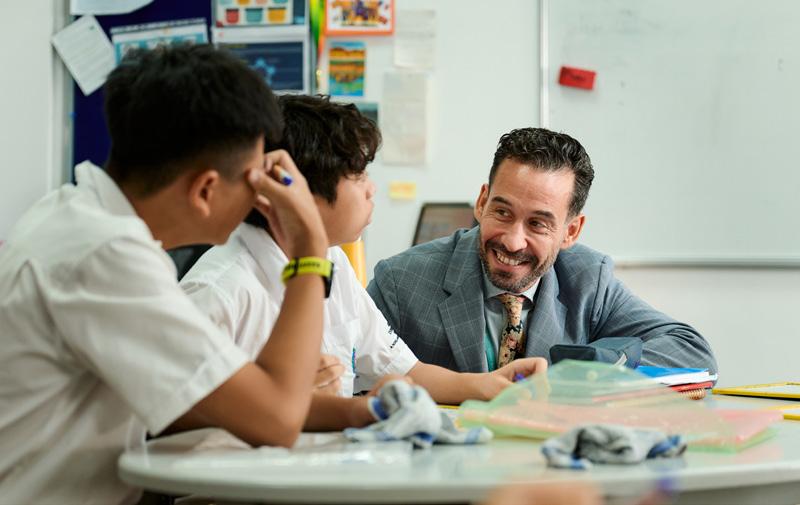
insight into their depth of understanding.
This is teaching effectiveness in action. It is visible in the rhythm of a lesson, not just in exam results.
How progress is monitored beyond tests
Tests remain one part of assessment, but they are not the only measure of student progress.
At BIS Hanoi, we track progress regularly, building a clear and consistent set of data that teachers review holistically, both within and across subjects. This happens week by week and month by month. The academic and pastoral teams review this data together to identify students who may benefit from additional support.
“All of our students’ progress is mapped against their CEM data from Cambridge, which provides
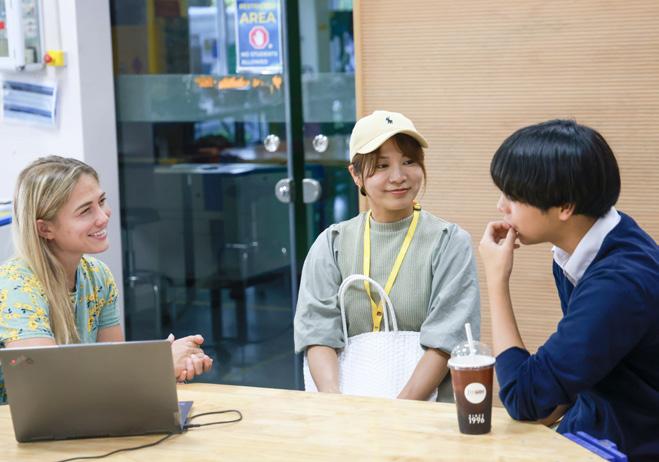
us with a really robust insight as to where they should and what they should attain at the end of each key stage,” Lee explains.
At BIS Hanoi, every student benefits from an online assessment from CEM, the Centre for Evaluation and Monitoring at Cambridge. This adaptive, online assessment is designed to identify student strengths and weaknesses early, providing a benchmark to track progress and guide teaching strategies. It helps the school and teachers understand each student’s starting point and measure progress against it over time.
This benchmarking provides clarity. Teachers can see whether students are on track relative to their starting points. If not, interventions are put in place early. Alongside academic tracking, students in our upper year groups complete a regular pastoral pulse check survey. This helps staff identify issues that may affect learning before they escalate. Academic rigour depends on student wellbeing. Monitoring both allows for earlier, more precise support.
How parents see the evidence
Strong teaching standards should not be hidden behind internal systems. Parents need clarity.
At BIS Hanoi, every student participates in two TutorConnect meetings each academic year. These are student-led conversations with parents, supported by teachers. Students share their progress, strengths, and areas for development.
This structure builds accountability. It also develops student ownership of learning.
In addition, every year group has a face-to-face parent teacher conference. At the end of each term, progress data shapes formal reports issued to parents and students. Before reports are sent home, students write their own reflections.
“All of our students write a reflection on their report before it’s sent home to their parents,” Lee notes. “This is very much something that’s owned by the student. By taking ownership of their learning, students are empowered to make even greater progress over time.”
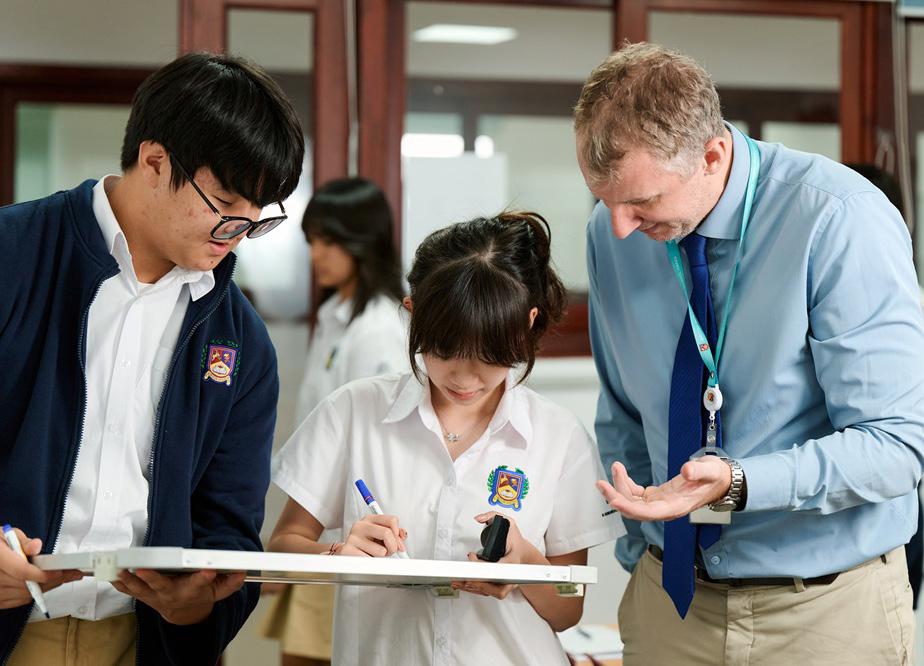
For parents who are evaluating teaching quality, these structured moments matter. They provide consistent insight into how teaching standards translate into measurable progress.

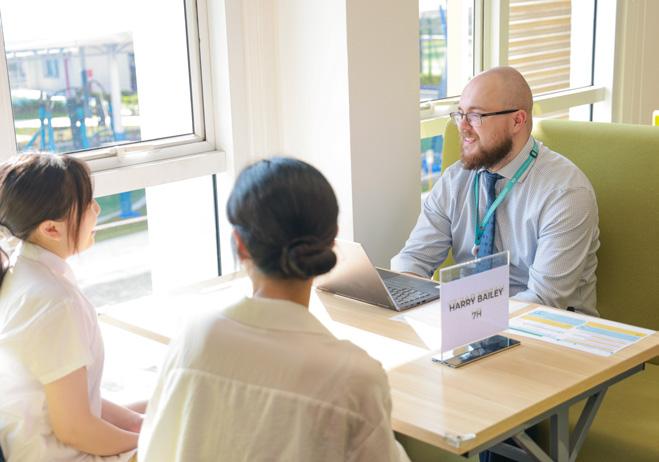
A clearer way to judge teaching quality
Facilities impress and marketing materials persuade, but teaching quality is revealed in daily responsiveness, structured monitoring, and transparent communication.
When teachers adapt in real time, use data intelligently, and involve students in reflecting on progress, learning becomes visible.
For families exploring international schools in Vietnam, asking how progress is monitored, how teacher performance is reviewed, and how students are supported when they fall behind may be more revealing than any brochure.
At BIS Hanoi, the aim is simple. Teaching standards should be clear not because they are claimed, but because they can be seen in practice.
If you would like to understand more about how progress is tracked across different stages of learning, our academic team welcomes conversations that explore how teaching quality supports long-term pathways.
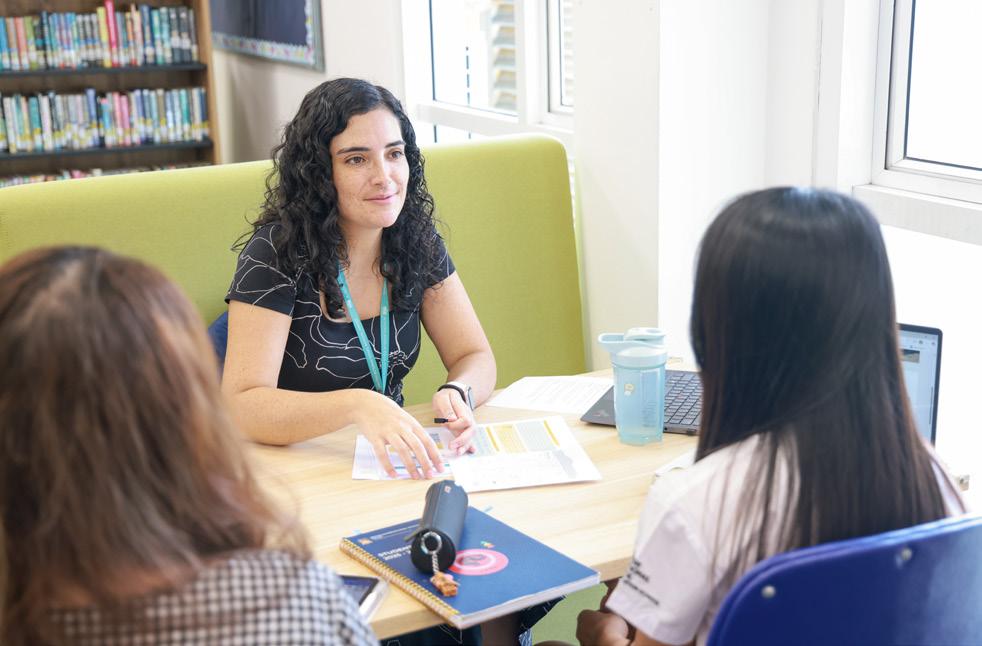
Many parents associate academic rigour with tests and exam results. These certainly matter. But a single test only captures a moment in time. It cannot show how consistently a student is learning, improving, or building confidence with new concepts.
This is why strong international schools focus on student progression, not just performance in formal assessments.
Monitoring learning over time gives teachers a clearer picture of how well students understand their subjects and where they may need support.
Lee Falconer, Head of Secondary at the British International School Hanoi, explains that

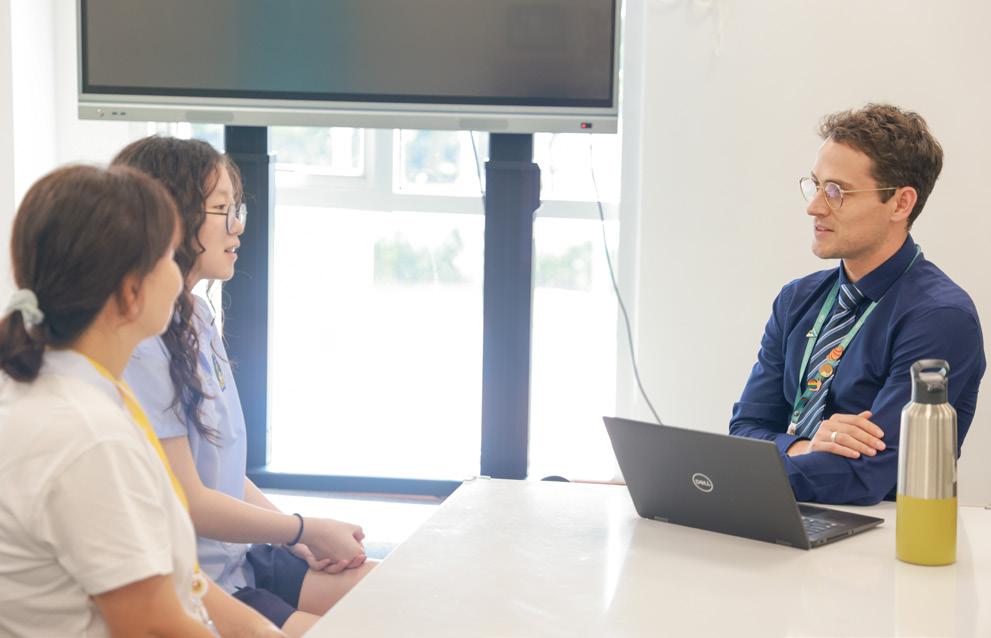
relying on tests alone would give an incomplete view of learning. “A test or an exam is just a snapshot in time. We can all have good days and bad days, so monitoring student learning based only on a test would be a really reductive way of doing things.”
Instead, teachers track student progression through a wide range of classroom practices that take place every lesson.
How teachers monitor student progression day to day
In strong international school teaching, assessment happens continuously. Teachers gather insights into student understanding during daily
lessons rather than waiting for formal exams. As Lee describes, these classroom interactions help teachers see how well students are mastering both knowledge and skills.
“In international schools we monitor student progress from teacher questioning in the classroom, homework, openended tasks, hinge questions, pair work, and quizzes. All of these help inform the teacher about the depth of mastery of content and skills.”
Because this evidence is collected regularly, teachers can identify gaps in understanding early. Students receive support before small misunderstandings grow into larger problems.
Monitoring learning over time gives teachers a clearer picture of how well students understand their subjects and where they may need support.
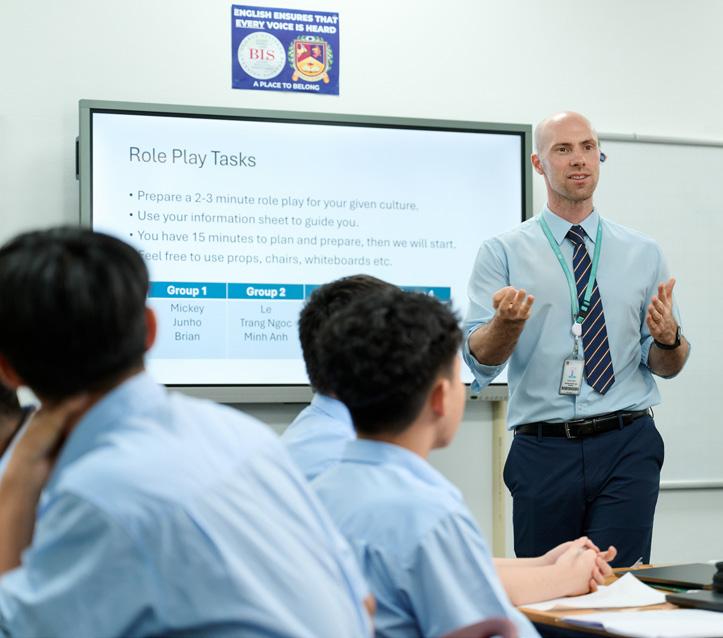
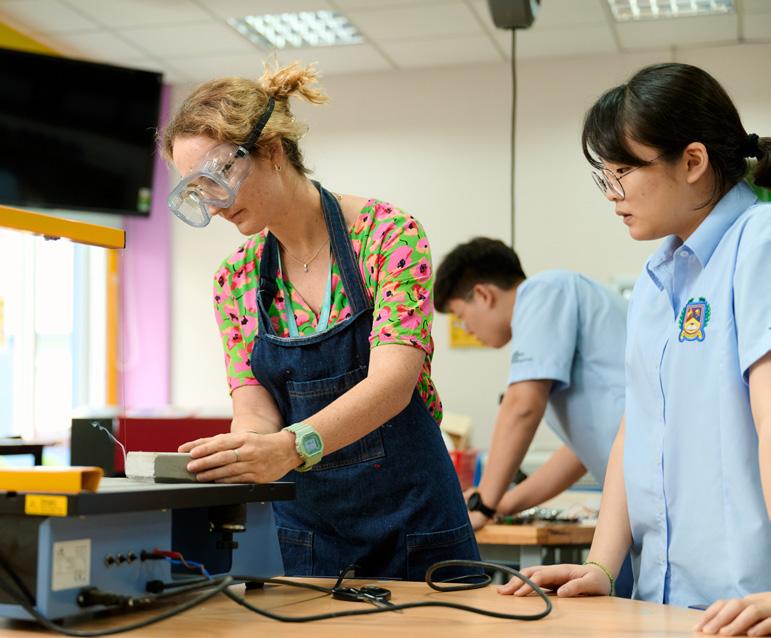
This kind of student progress monitoring gives teachers a much richer picture of learning than an isolated test score.
Using assessment information to support learning
Monitoring learning also requires structure. At BIS Hanoi, teachers record and track student progress in whole school data systems.
“Teachers keep track of this through departmental and whole school data sheets so that progress is monitored lesson by lesson and week by week,” Lee explains.
Teachers can then compare patterns across subjects and identify students who may need additional support or extension.
This student learning assessment data helps ensure that academic expectations remain consistent across subjects and year groups. Importantly, this information is not only used internally. It also supports clear communication with families.
How parents stay informed about progress
Parents naturally want to understand how their child is progressing over time. Regular classroom assessment provides
the academic picture, while ongoing communication between teachers and families ensures that progress is clearly understood.
At BIS Hanoi, parents receive formal reports each term summarising student performance and development. These reports are supported by TutorConnect meetings where students present their learning and discuss their progress with their parents and tutor.
“For TutorConnect days, parents are invited into school, and students are empowered and supported to share their learning and their progress with their parents with the support of their form tutor,” Lee says. “These conversations are the fuel for robust and meaningful homeschool partnerships. Parents, teachers and students are all on the same page, and most importantly, students are in the driving seat.”
Parent-teacher conferences provide further opportunities to discuss individual subjects in more detail and explore how students are developing across the curriculum.
Together, these conversations help families see not only where their child is now, but how their learning is developing over time.
Looking beyond the exam result
For families exploring international schools in Vietnam, it can be reassuring to understand how learning is monitored between formal assessments.
Academic exam results are of course important. But they are only one part of the picture. Continuous feedback, classroom observation, and structured performance assessment allow teachers to understand each student’s progress in a deeper and more consistent way.
When student progression is monitored carefully, teachers can respond earlier, adjust teaching approaches, and provide targeted support.
At the British International School Hanoi, this ongoing insight helps ensure that students move through each stage of their education with clarity, confidence, and strong academic foundations.
Parents who want to understand more about how learning is monitored across different year groups are always welcome to speak with our academic team and explore how these processes support long-term success.
That is how Joe McKinney, Head of Careers and University Guidance at the British International School Hanoi, describes the process of preparing students for life beyond school. While many families focus on the final stage of education, the choices that shape future opportunities begin much earlier and develop gradually as students move through secondary school.
Understanding how school subjects evolve over time helps parents see how academic progression connects to future pathways. Rather than a single high-stakes decision, the process involves a series of thoughtful choices supported by guidance from teachers and counsellors.
How subject choices gradually narrow over time
In the early years of secondary school, students usually study a broad range of secondary school subjects. This breadth is intentional. It allows students to explore different disciplines and begin to recognise where their interests and strengths lie.
As students move into examination stages, subject pathways become more focused. Joe explains that this narrowing process is typical in many international systems.
“In a curriculum pathway from IGCSE to the IBDP, the range of subjects gradually narrows
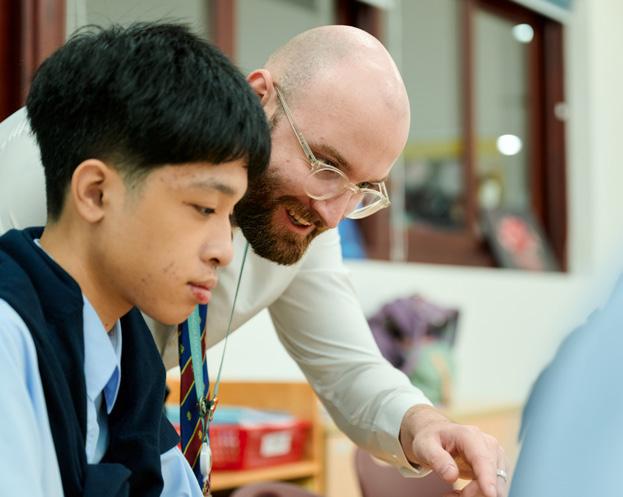
as students begin to specialise, while still maintaining breadth. At IGCSE, students may study eight or nine subjects. In the IBDP, that typically becomes six. However, the programme remains balanced because students select subjects from different groups, ensuring they continue to study a range of disciplines.”
This progression gives students time to build a strong academic foundation while also developing deeper expertise in subjects that support their future plans.
Helping students make informed subject choices
Selecting high school subjects is an important moment for both students and parents. Schools therefore aim to ensure that choices are guided by careful reflection rather than guesswork. At BIS Hanoi, this guidance begins early in secondary school through a structured careers curriculum that runs alongside academic study.
“We start introducing career exploration in the earlier secondary years,” Joe explains. “Then, as students approach the IGCSE options process, we work more closely with them to explore how subject choices may connect to possible university pathways.”
This guidance may include personality assessments, career exploration activities, and conversations about students’ academic interests. The aim is not to push students toward a single career, but to help them understand how different subject combinations can support different opportunities. Joe describes the process as a way of working backwards from potential futures.
“We look at possible careers and university options, and then we work backwards to understand which subject choices might support those goals.”
At the same time, flexibility remains important. Students’ interests often change as they mature, so guidance focuses on keeping pathways open rather than closing them too early.
Preparing students for university readiness
As students move into the final years of secondary school, subject choices become more closely linked to university preparation.

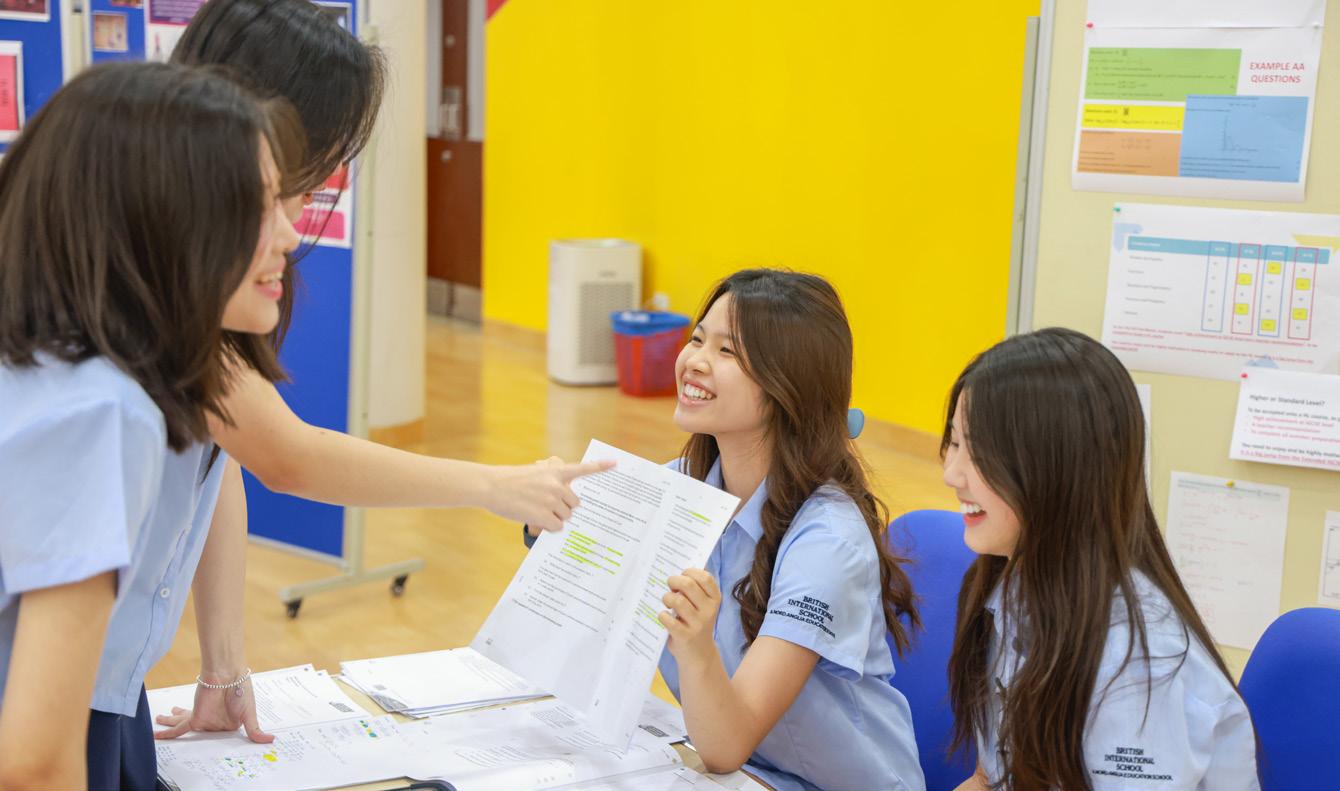
At BIS Hanoi, this stage includes structured support from the careers and university guidance team. Students meet regularly with counsellors to discuss academic progress, interests, and possible university pathways.
“We meet with students throughout Years 12 and 13 to talk about their plans and their next steps,” Joe says. “We also invite parents to University Guidance Counsellor Connect sessions so they can understand the process and hear about the discussions we are having with students.”
These meetings help families understand how subject choices connect to future applications. They also give students space to reflect on their goals and take increasing ownership of their decisions.
This approach ensures that university planning is not rushed. Instead, it develops through regular conversations that take place across the later years of school.
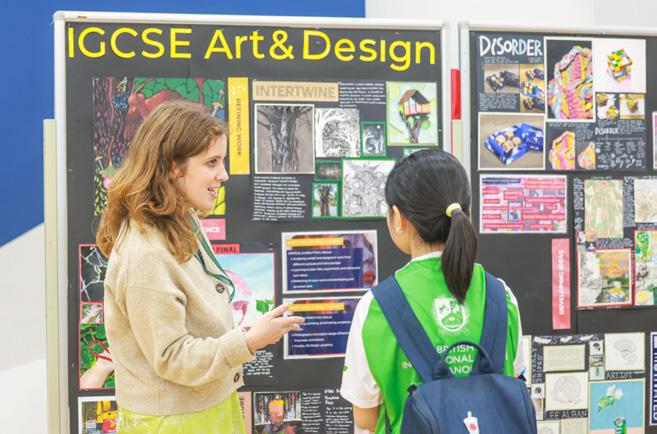
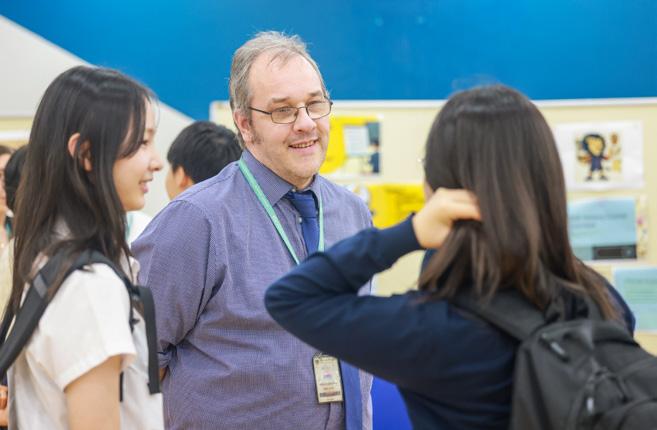
Seeing school subjects as part of a longer journey
When parents consider which school subjects their child should study, it can be tempting to think about a single decision point. In reality, strong schools treat subject selection as part of a longer journey.
Students begin with a broad academic experience, gradually refine their interests, and then develop greater depth in the subjects that support their future pathways.
At the British International School Hanoi, this process is supported through structured academic guidance, career exploration, and ongoing conversations between students, families, and teachers.
For families considering how subject choices shape future pathways, the most valuable insight is often understanding how decisions are supported over time. Our academic and university guidance teams are always happy to discuss how students are guided through this journey as they move through the secondary years.
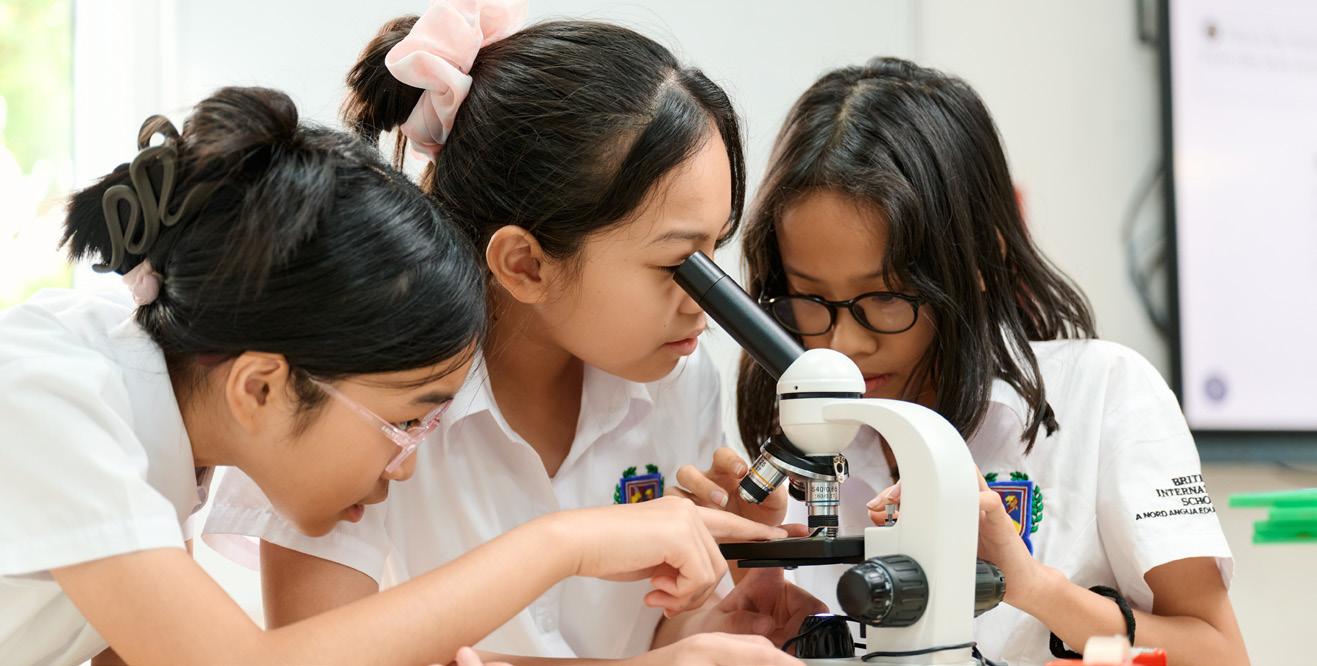
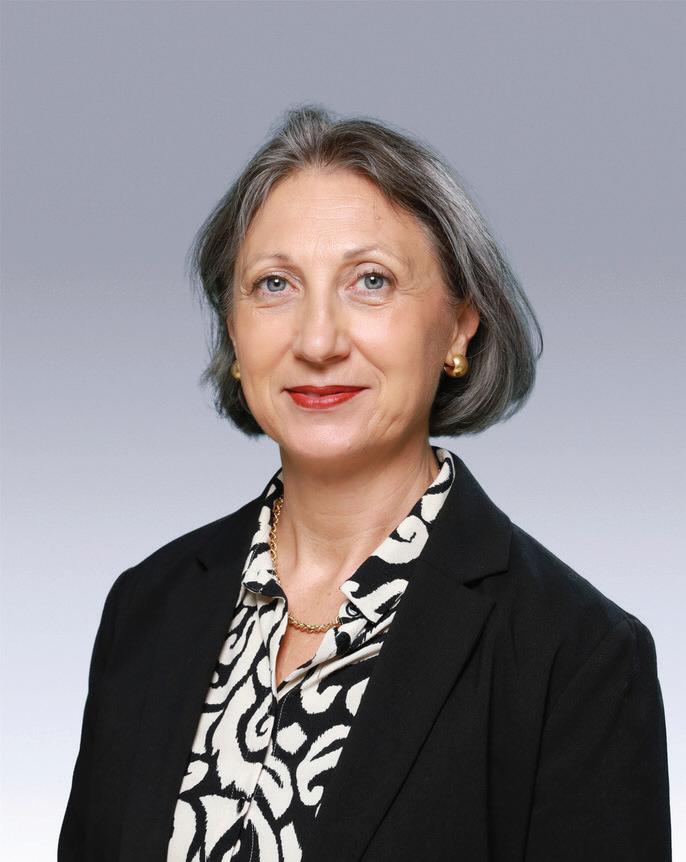
Through targeted support and adaptive teaching, we ensure that every learner is both challenged and supported to achieve their best.
Excellence is often associated with standout moments: a performance, a competition, or a major achievement. During Term 2, we have had many such opportunities, including the Year 6 and Year 4 performances, the Year 5 class assemblies, and the Student Council’s presentation on food waste, to name just a few of the ways our students have embodied excellence.
Yet, in Primary, we see something more important: excellence is built quietly, through consistent effort, purposeful teaching, and deliberate practice every single day.
This term, our focus has been on strengthening the foundations that allow every child to succeed. Across the school, there has been a clear emphasis on high-quality teaching, carefully sequenced learning, and ensuring that every student knows not just what to learn, but how to improve.
In reading, students are developing critical skills in inference, explanation, and vocabulary through structured approaches that build depth of understanding over time. In writing, a focus on editing and refinement helps students recognise that excellence comes from revisiting and improving their work. In mathematics, problem-solving and reasoning enable students to think more deeply and articulate their ideas with greater clarity.
Alongside this, our commitment to inclusion remains central. Through targeted support and adaptive teaching, we ensure that every learner is both challenged and supported to achieve their best. Excellence, in this sense, is not about comparison; it is about progress.
What stands out most is the growing confidence of our students. They are becoming more reflective, more independent in their learning, and more willing to take on challenges. They understand that mistakes are part of the process, not something to avoid.
Experiencing excellence this term is about discipline, focus, and belief: the understanding that small, consistent steps lead to significant growth. This is how we prepare our students not just for the next stage of their education, but for life.
Laurence Cabanne Head of Primary
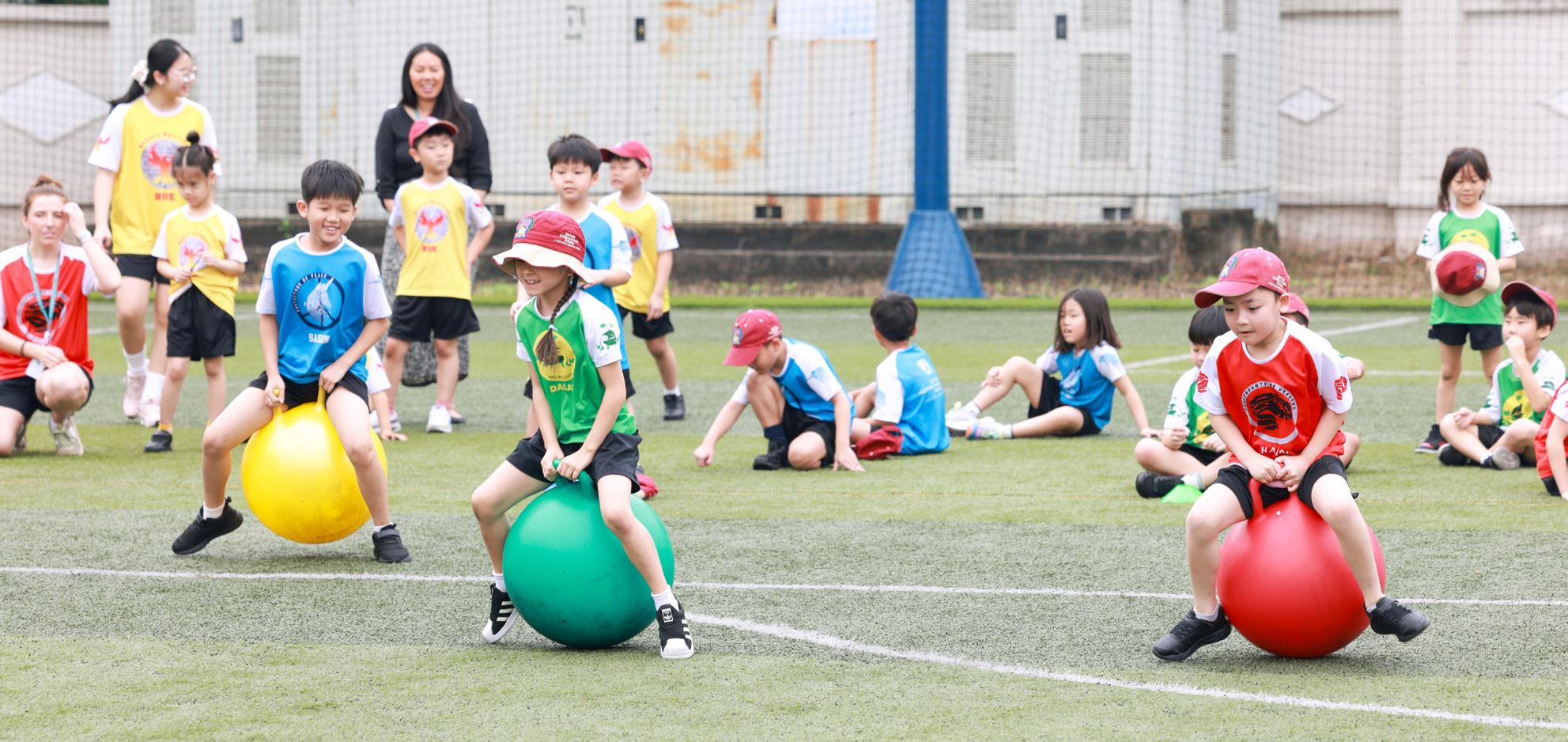
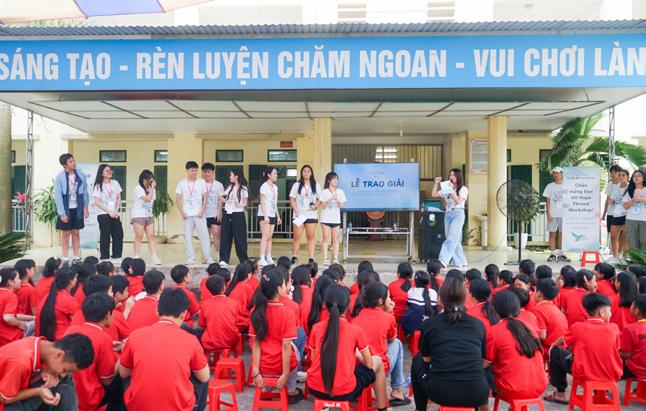
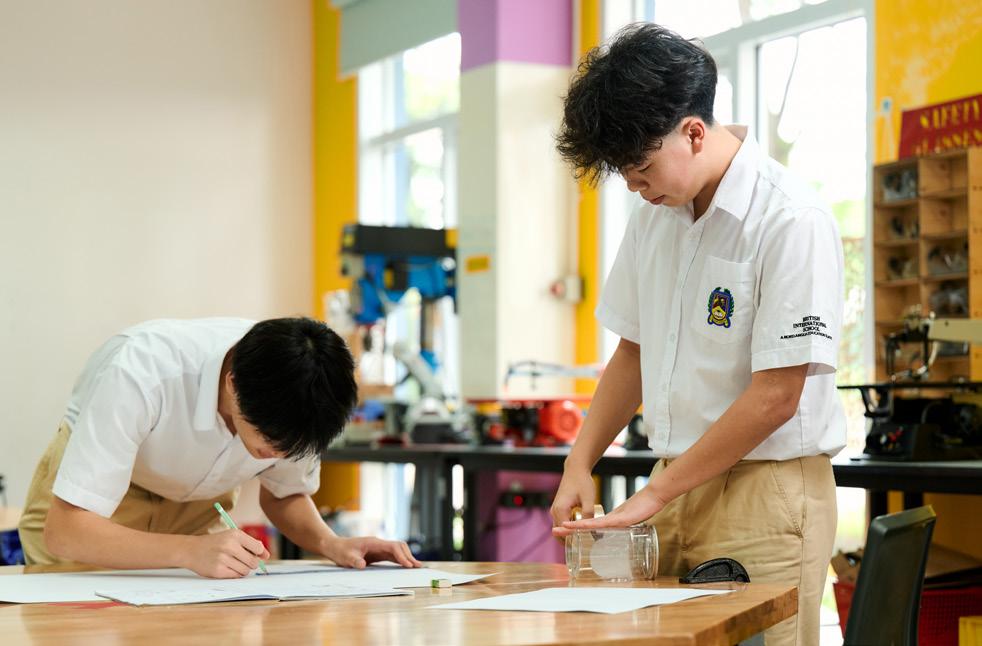

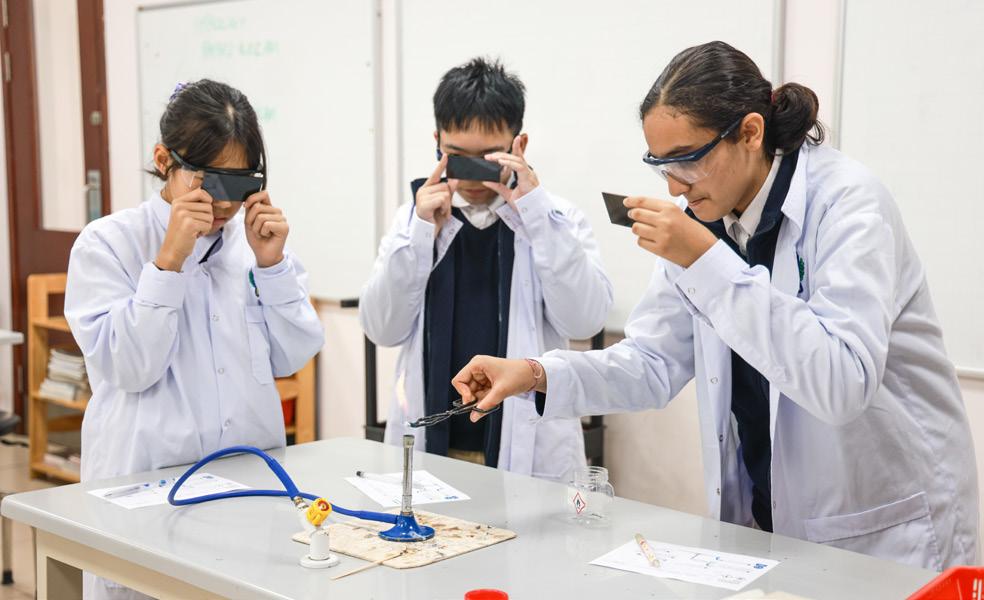
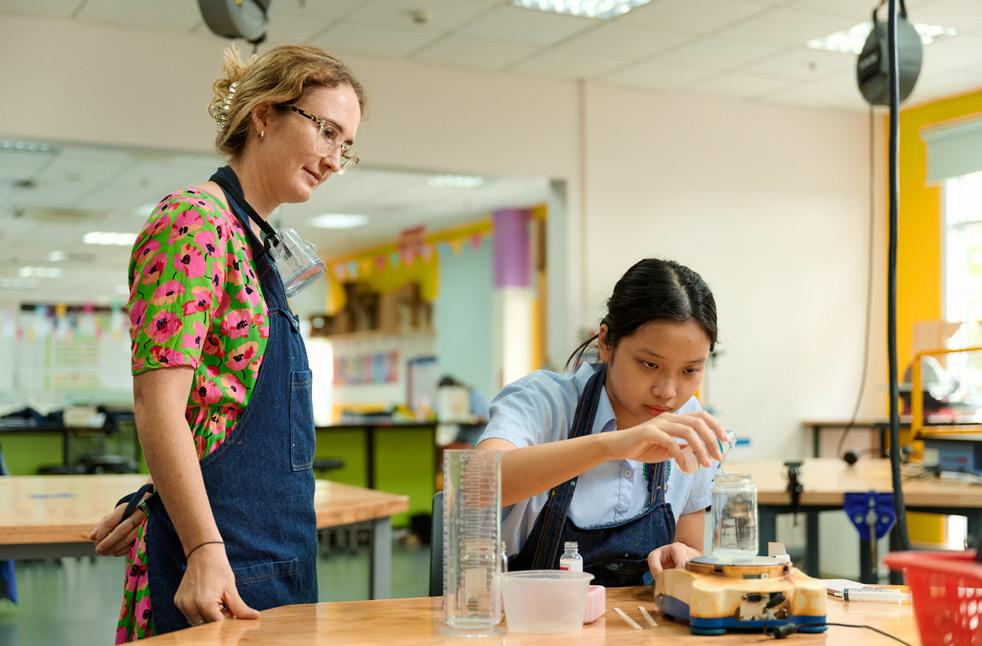
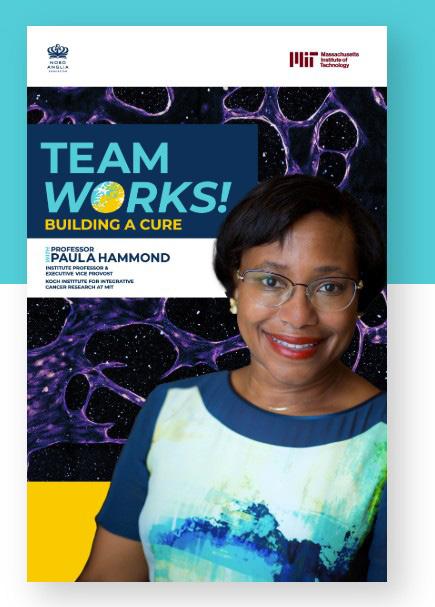
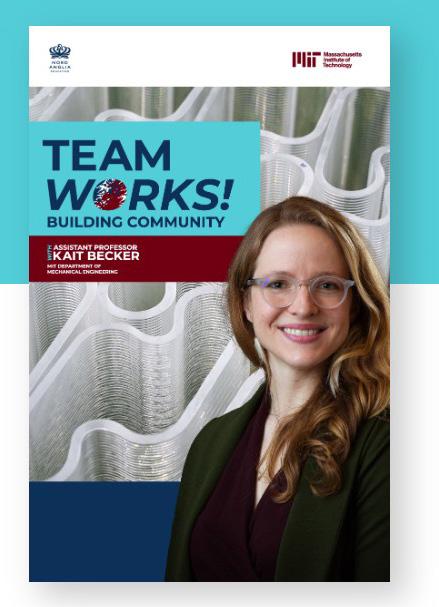
Our collaboration with MIT is helping to build real excitement around STEAM at BIS Hanoi, and Term 3 is where this will really start to show across Key Stage 3. Students in Years 7, 8, and 9 will take part in a series of MIT-inspired challenges that bring Science, Technology, Engineering, Art, and Maths together in a more purposeful and connected way.
In Year 7, students will take on
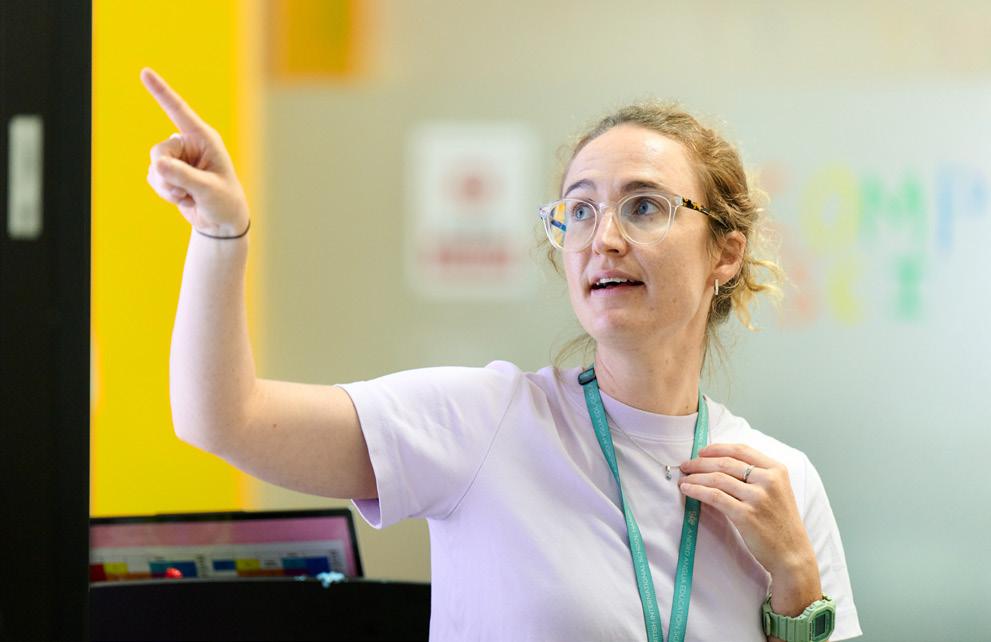
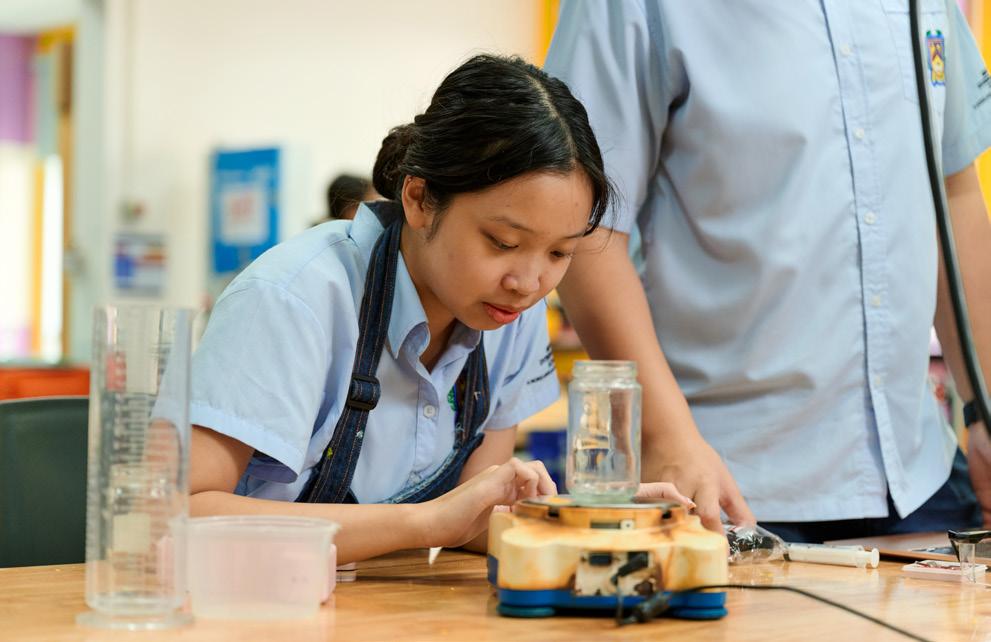
Building a Cure, where they will design something tiny or layered to solve a problem linked to health, the environment, or improving people’s lives. In Year 8, students will explore Building for the Extreme, creating structures that respond to challenging environments such as Mars, deserts, or floodplains. In Year 9, students will tackle Building Community, designing structures using unconventional materials such as recycled,
bio, or smart materials. These challenges are designed to give students the opportunity to think creatively, work collaboratively, and apply their learning in a hands-on way.
What is especially exciting is that this work is about building a culture of curiosity, innovation, and problem-solving, and giving students the chance to see what can happen when subjects come together in meaningful
ways. The projects will lead into a KS3 STEAM Exhibition later in Term 3, providing a wonderful opportunity to celebrate the thinking and creativity behind the work.
There is already a strong sense of momentum building, and we are especially proud that Yoonchae in Year 9 has been selected to represent BIS Hanoi on the MIT Student Trip in November 2026.
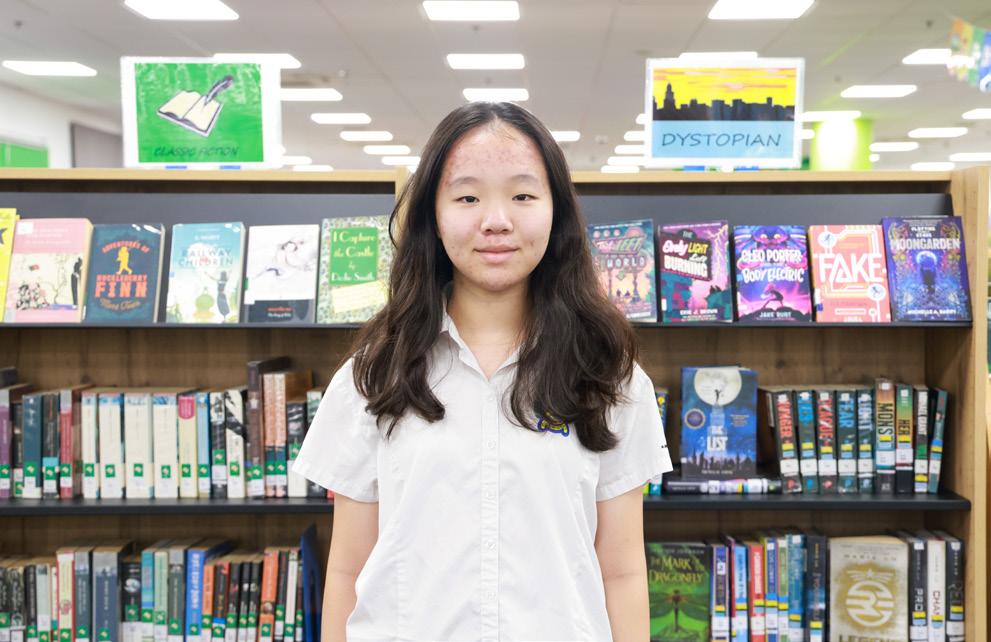

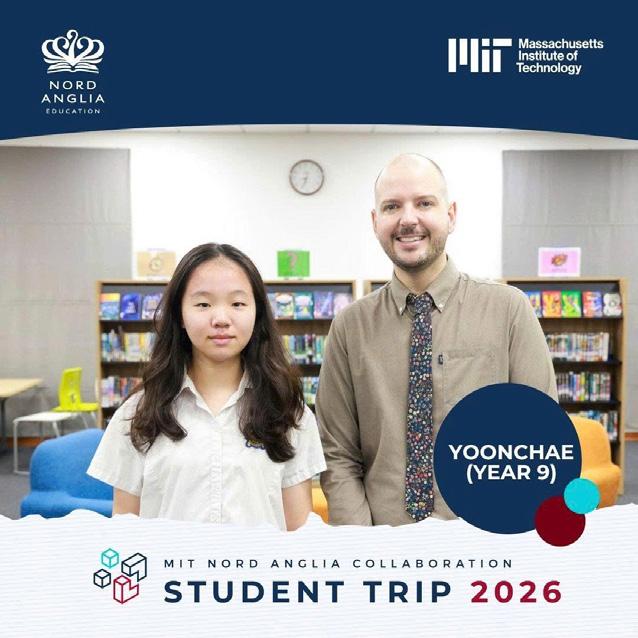
This is a fantastic achievement, particularly in a year that received the highest number of applications for the trip to date. Her submitted project focused on tackling urban waste through a smart system using sensorequipped bins, data collection, and AI-based analysis to improve collection routes and identify areas where more bins are needed. It is a powerful example of the thoughtful, practical, and
forward-thinking work that this partnership encourages.
We hope that this year’s MIT work will continue to inspire students to think boldly, work across disciplines, and see themselves as future innovators.
Michael Mitchell Head of Art and Design
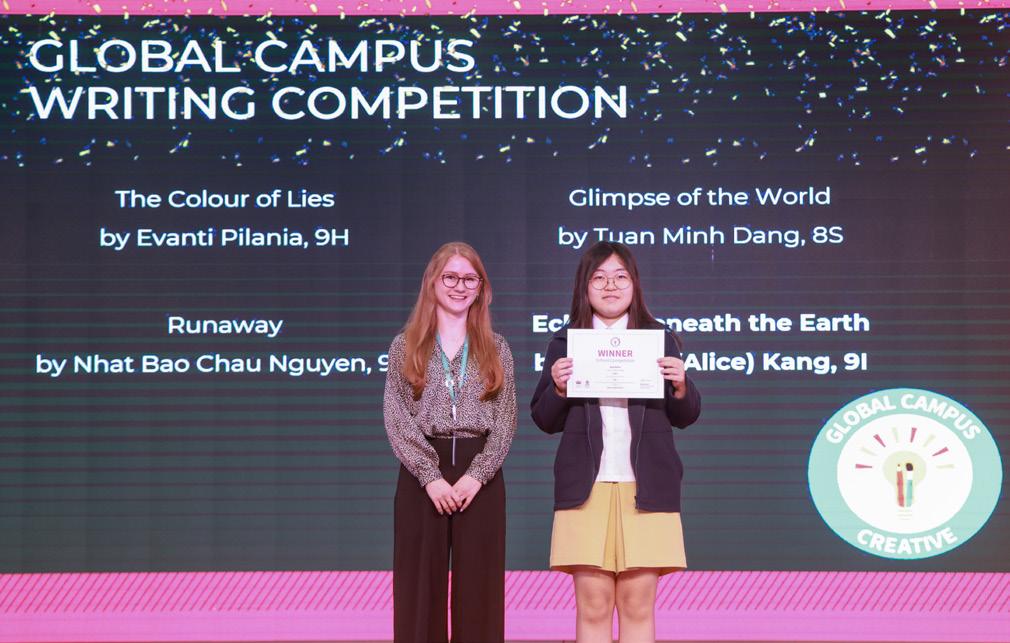
BIS Hanoi students continue to make their mark on the global stage, embracing a wide range of Nord Anglia Education Global Campus opportunities that celebrate creativity, resilience and a strong international outlook.
A recent highlight came from the Global Campus Writing Competition 2026, where Gyurim (Alice) in Year 9 achieved an outstanding milestone by being shortlisted among the top 20 entries worldwide. Responding to a shared creative prompt, students were challenged to craft original stories that demonstrated imagination, technical skill and a strong narrative voice. Judged by guest author Sam Sedgman, the competition showcased exceptional young writers from across the global network, with this recognition firmly placing BIS Hanoi among the leading
schools for emerging literary talent.
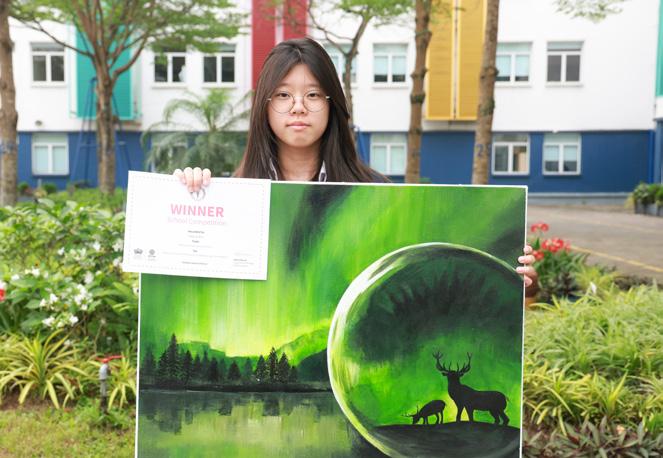
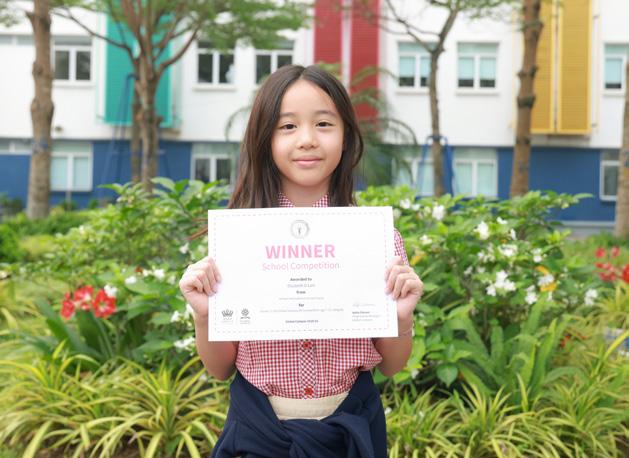
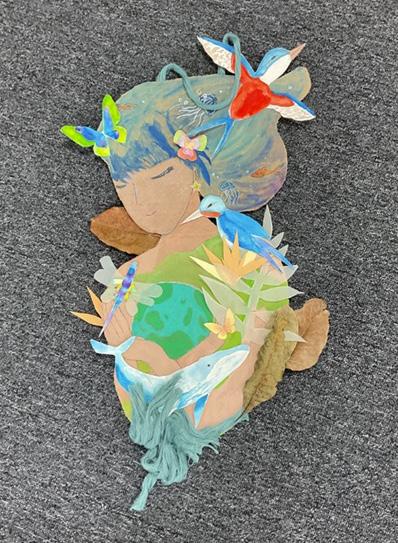
Creativity also shone through in the Global Campus Visual Arts Showcase 2025. Two BIS Hanoi students, Hye Yun, Year 9, in the Years 7–9 category and Elizabeth Zi, Year 5, in the Years 3–6 category were longlisted for their artwork under the theme Nature’s Wonders, a significant achievement within a highly competitive international exhibition. Their pieces reflected not only artistic skill, but also the power of visual storytelling, capturing ideas and emotions that resonate across cultures. These successes highlight the school’s commitment to nurturing expressive, confident and well-rounded learners.
Beyond the arts, BIS Hanoi students demonstrated focus and strategic thinking in the Global Campus Chess
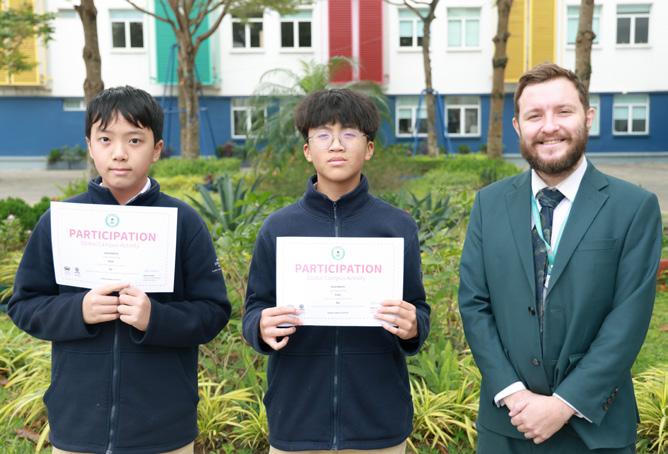
Tournament, competing against peers from schools across the Nord Anglia network. With determination and strong sportsmanship, they rose to the challenge of high-level competition. A particular highlight was Duc Hung (Year 8), who secured a top-10 finish and qualified for the Global Campus Final, marking an impressive achievement in an intellectually demanding arena. The celebrations continued as Tuan Minh (Year 8) delivered another standout performance,

finishing in second place and qualifying for the Global Campus Individual Chess Final.
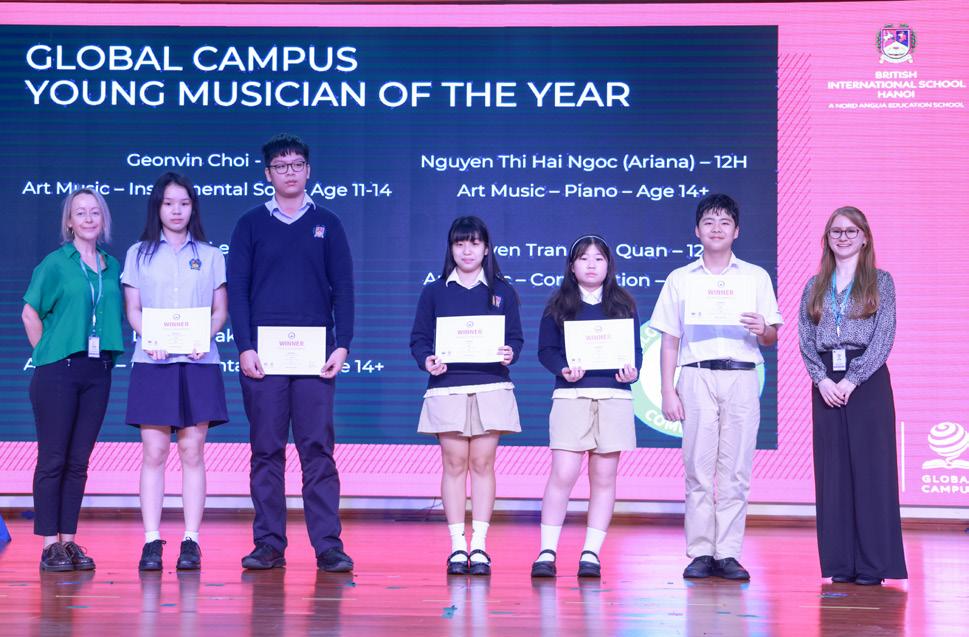
Adding to this breadth of achievement, BIS Hanoi students also took part in the Global Campus Young Musicians virtual competitions, sharing their musical talents with an international audience. Performing alongside students from around the world, they showcased confidence, technical skill and a genuine passion for music across a range of instruments and styles.
These accomplishments reflect the rich opportunities available through Global Campus, where students connect with peers worldwide, explore their passions and challenge themselves beyond the classroom. From storytelling and visual expression to music and strategic competition, BIS Hanoi students continue to thrive, embodying the school’s ambition to develop confident, creative global citizens ready to shape the future.
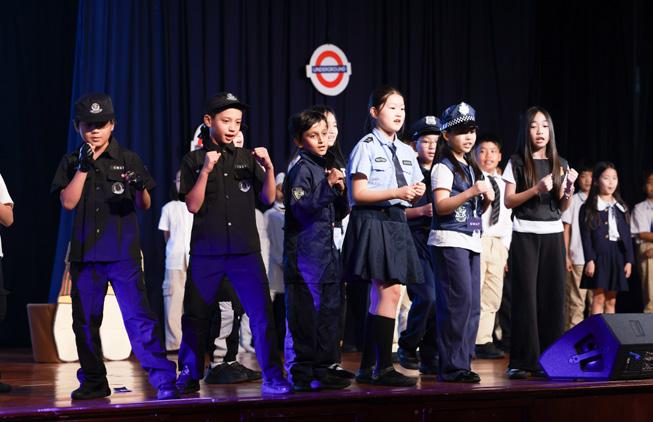
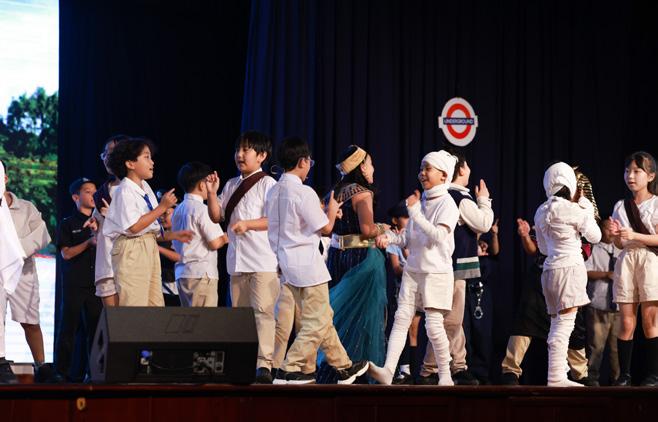
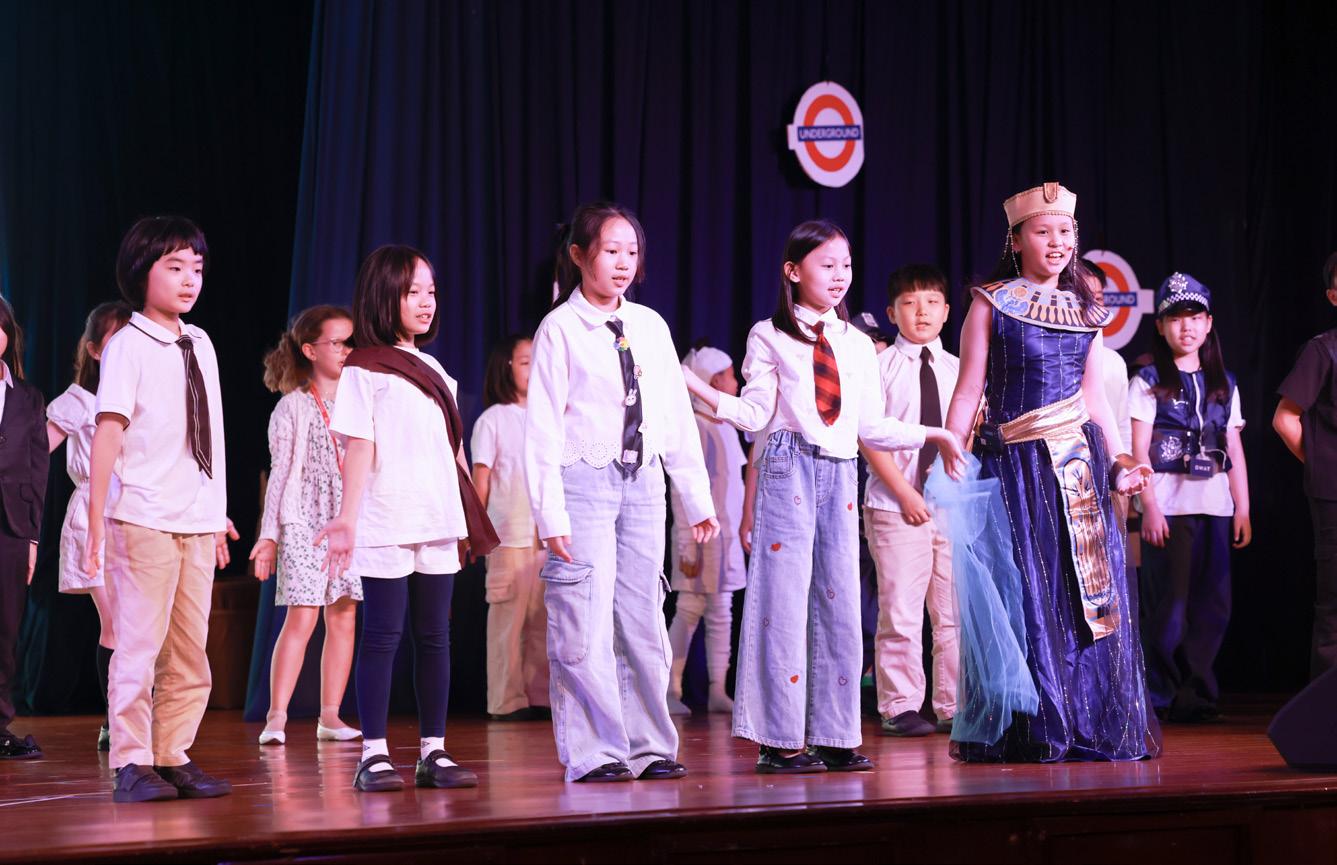
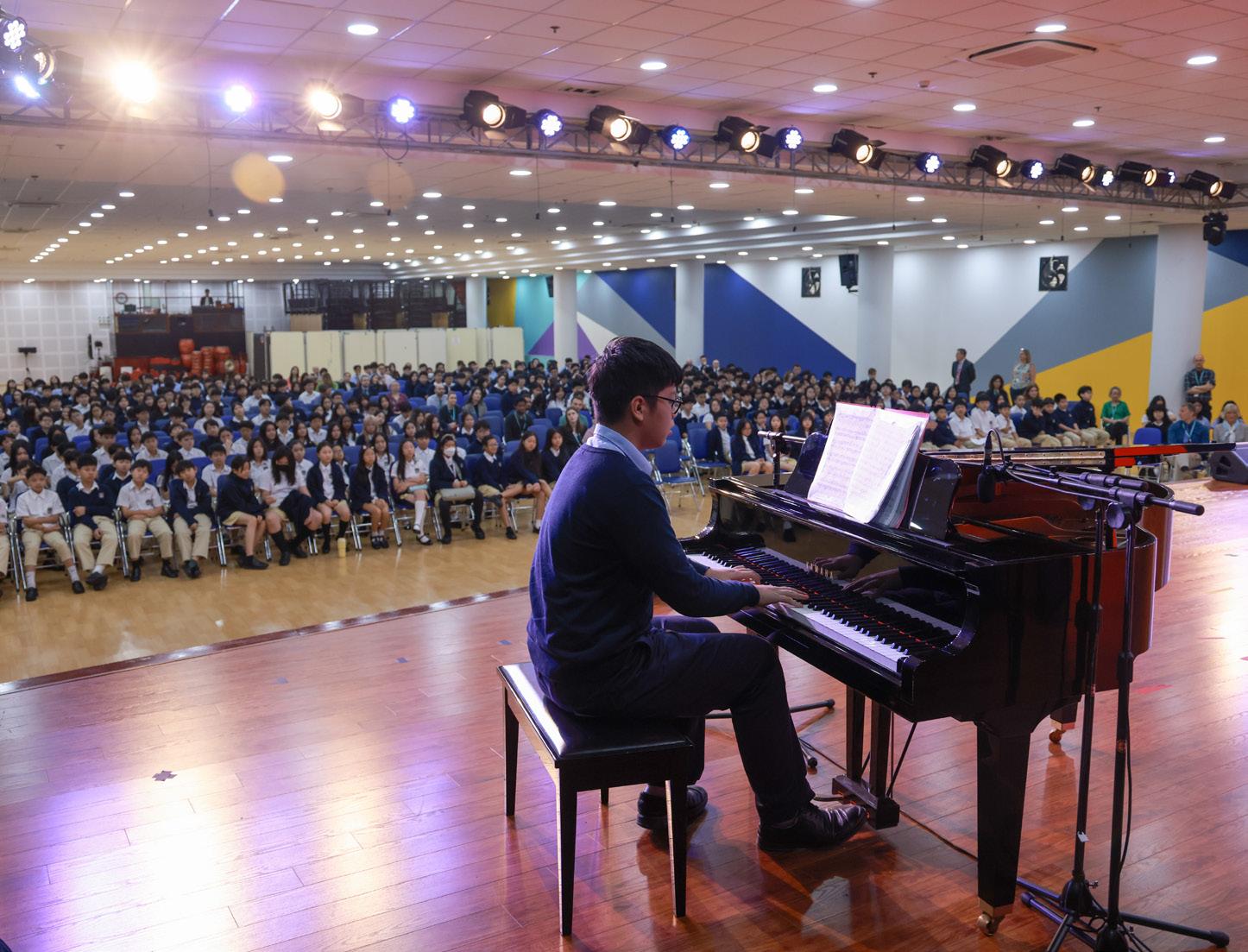
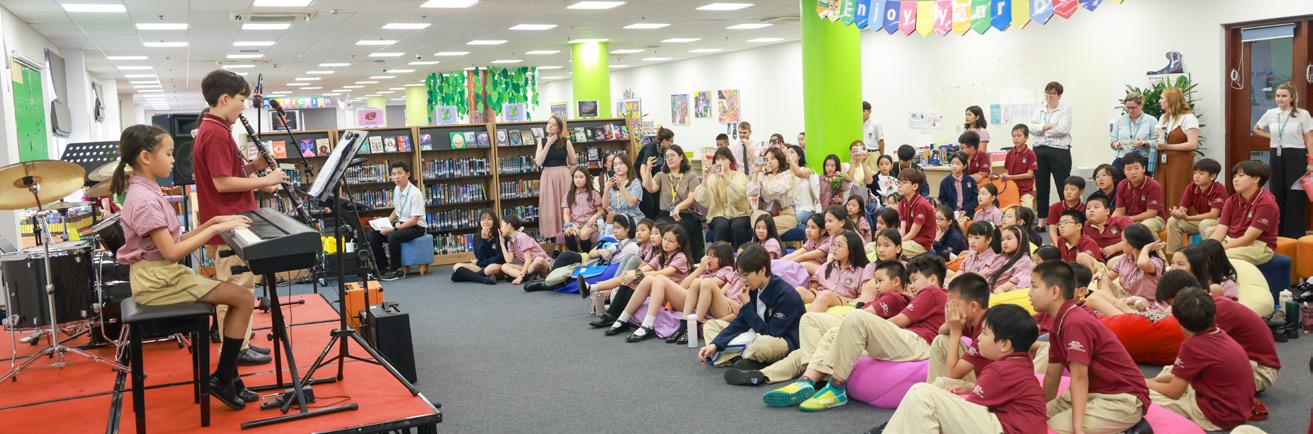
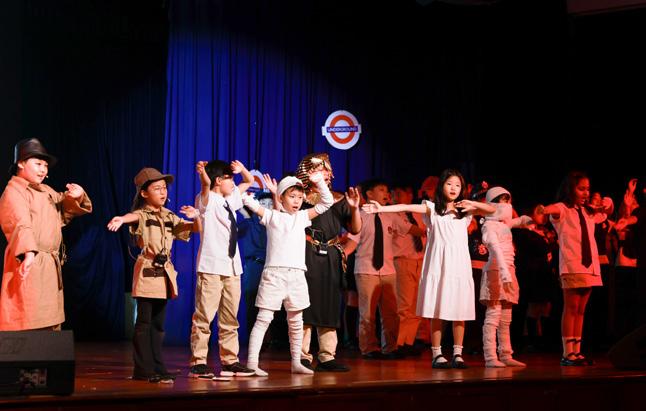
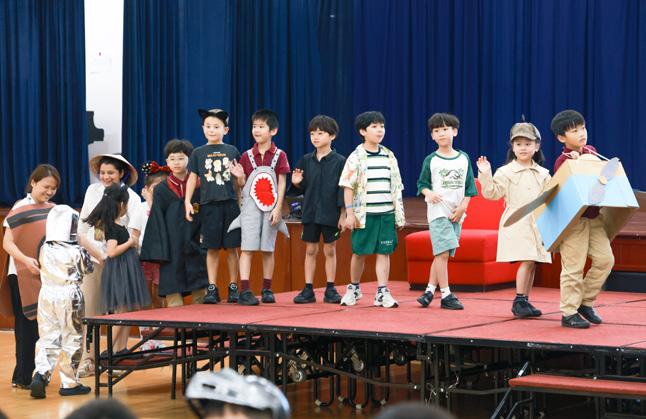
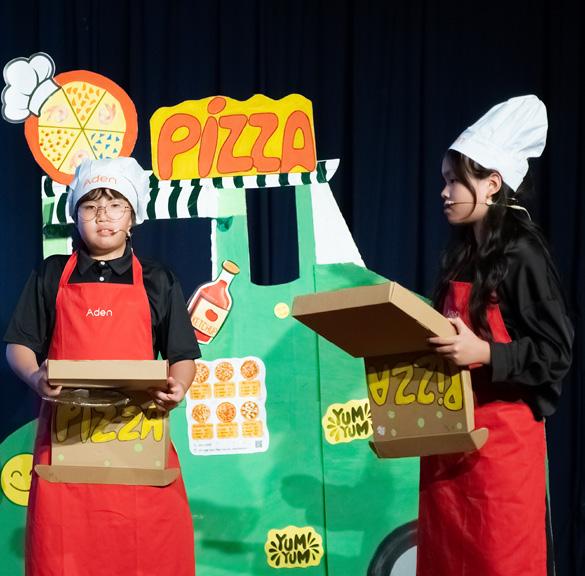
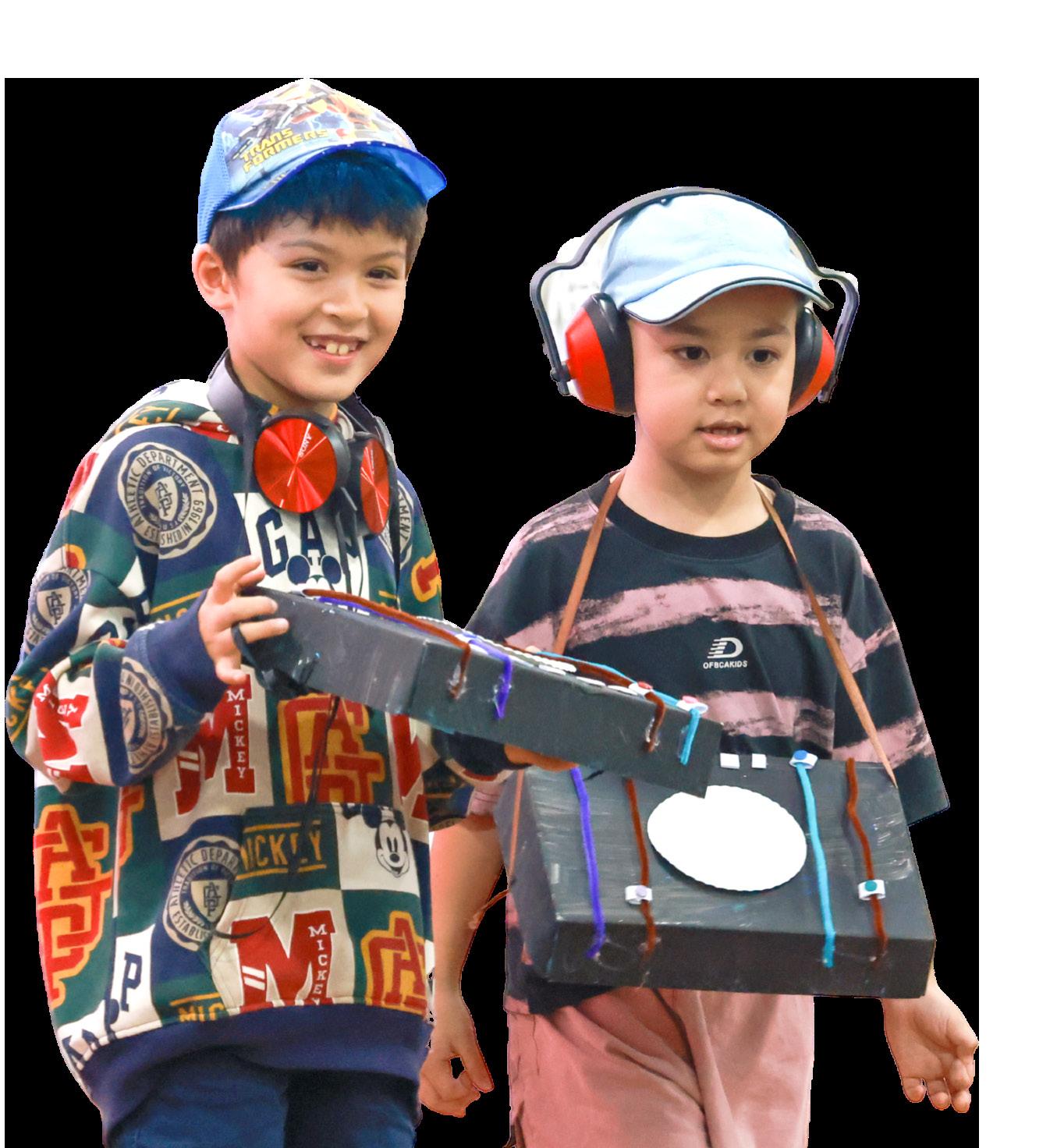
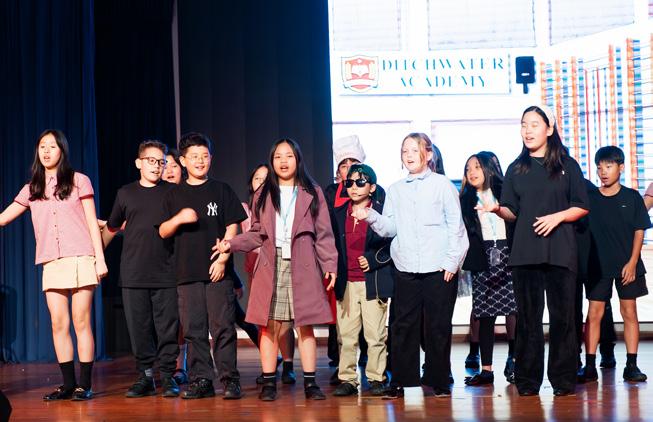
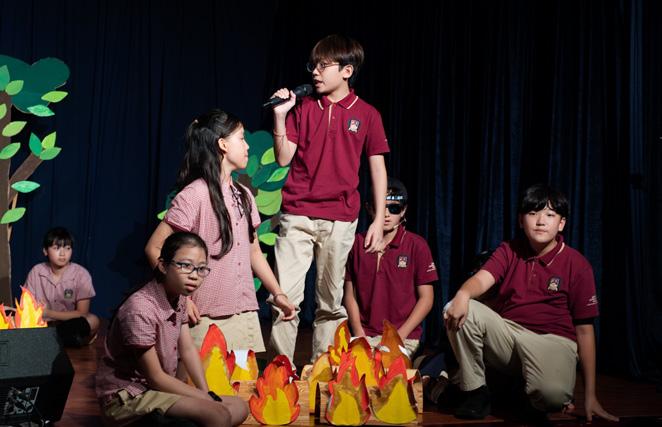
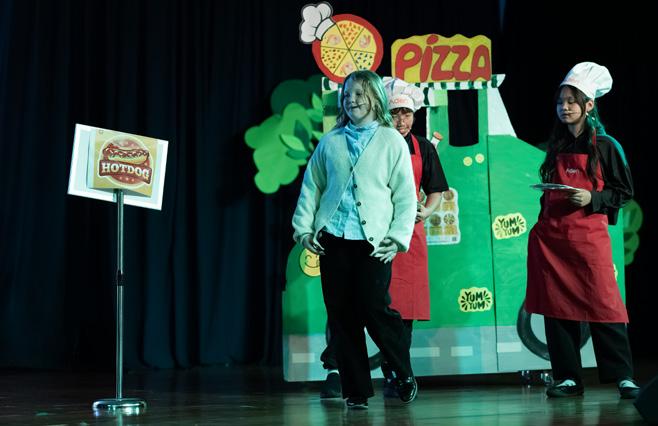
Throughout the term, our Primary students have had the opportunity to shine on stage through a series of wonderful productions. These performances showcased not only the students’ growing confidence and creativity, but also their ability to work collaboratively and perform with pride.
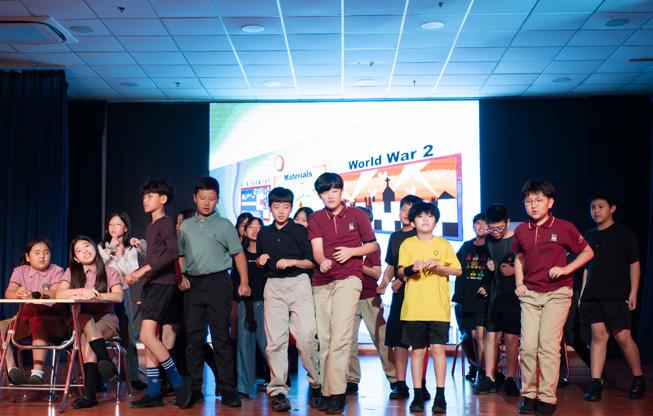
We were delighted by Year 6 taking to the stage with their lively and polished production of School of Pop. Filled with highenergy performances, strong vocals, and confident acting, the show reflected the maturity and teamwork of our oldest Primary students. It was a fitting celebration of their talents and growth, as they prepare for the next stage of their learning journey.
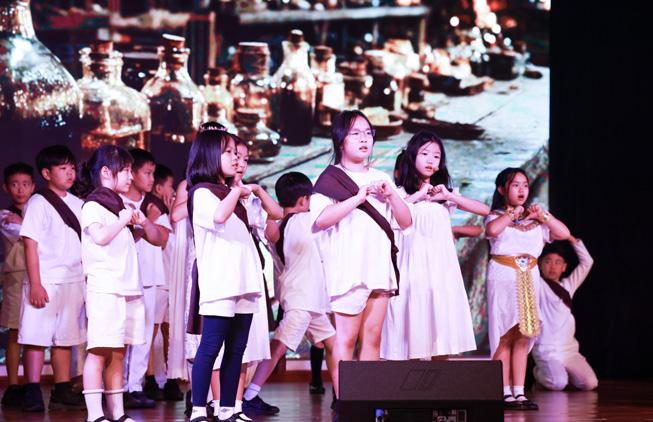
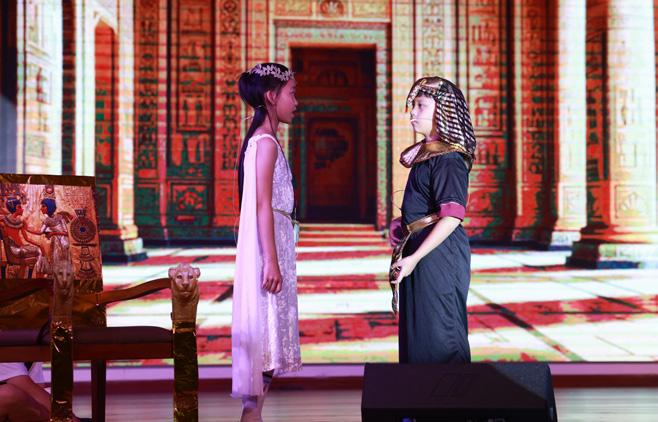
Our Year 4 students impressed us with an outstanding performance retelling the story of Pharaoh and Nafrini. They demonstrated excellent confidence, poise, and a wonderful sense of humour on stage. The mummies’ performances were a particular highlight, with their expressive acting and comedic timing bringing laughter and enjoyment to the audience.
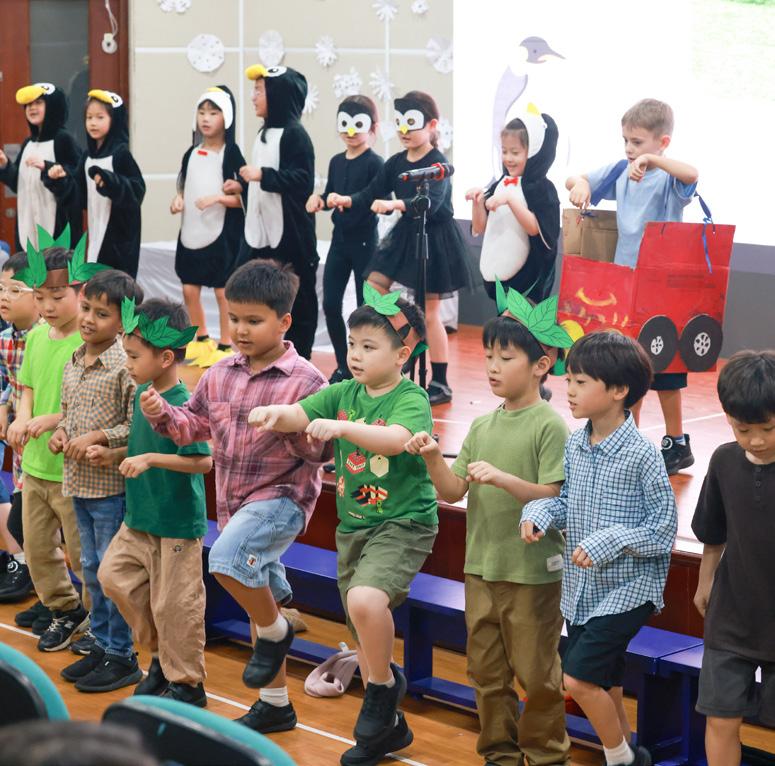
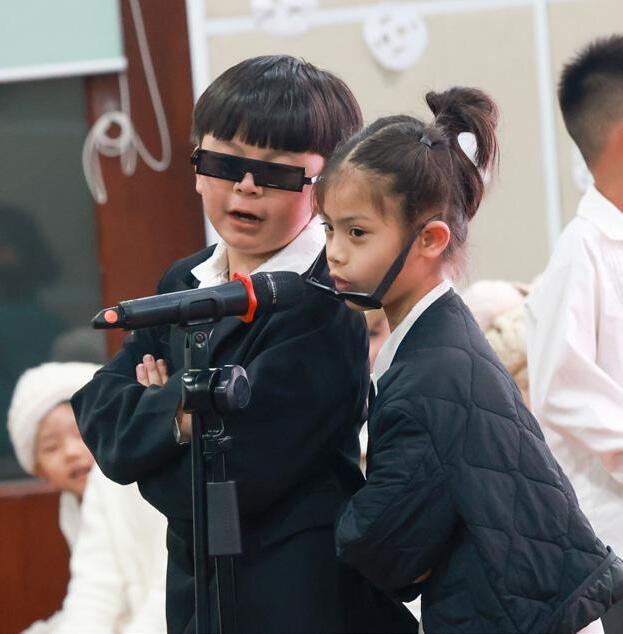
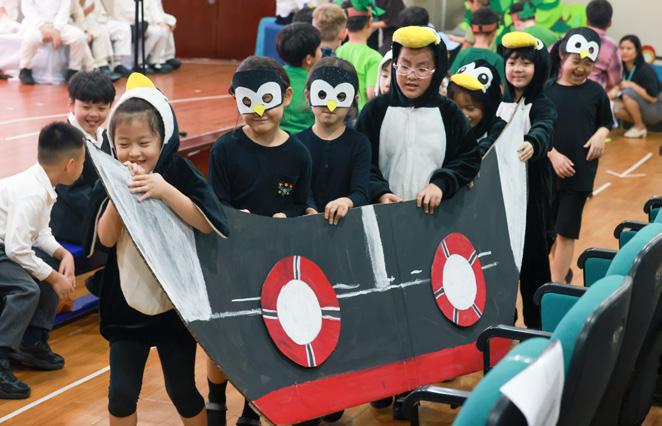
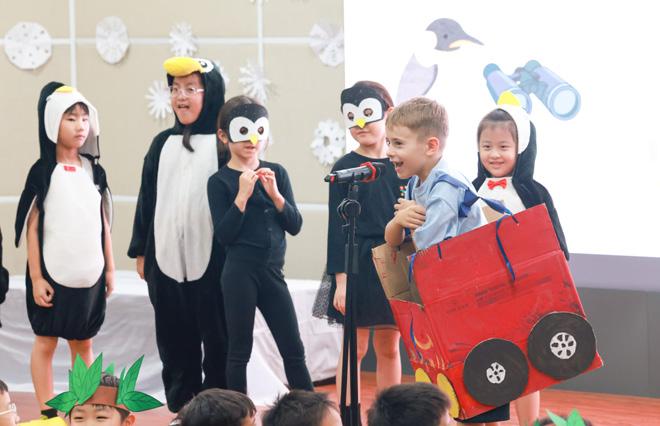
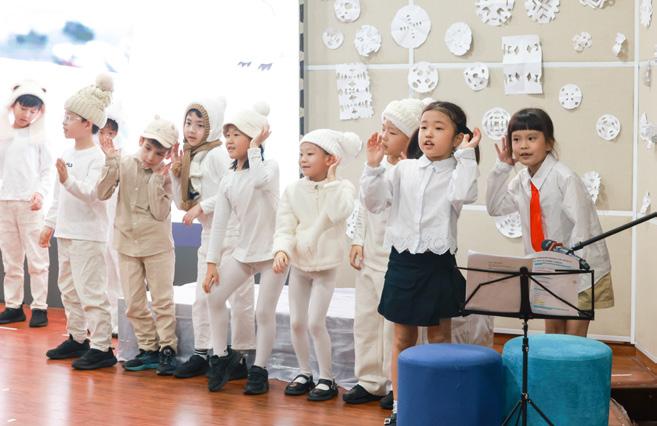
Later in the term, Year 2 production of Ellie the Penguin Saves the World, which captured hearts with its positive environmental message. The young performers sang enthusiastically, spoke clearly, and performed with great confidence. Their energy and commitment were evident throughout, making the production both joyful and meaningful for the audience.
Each production was a testament to the dedication of our students and the support of Performing Arts department, the staff and parents behind the scenes. We are incredibly proud of all the children who took part and thank everyone involved for making these performances such memorable experiences.
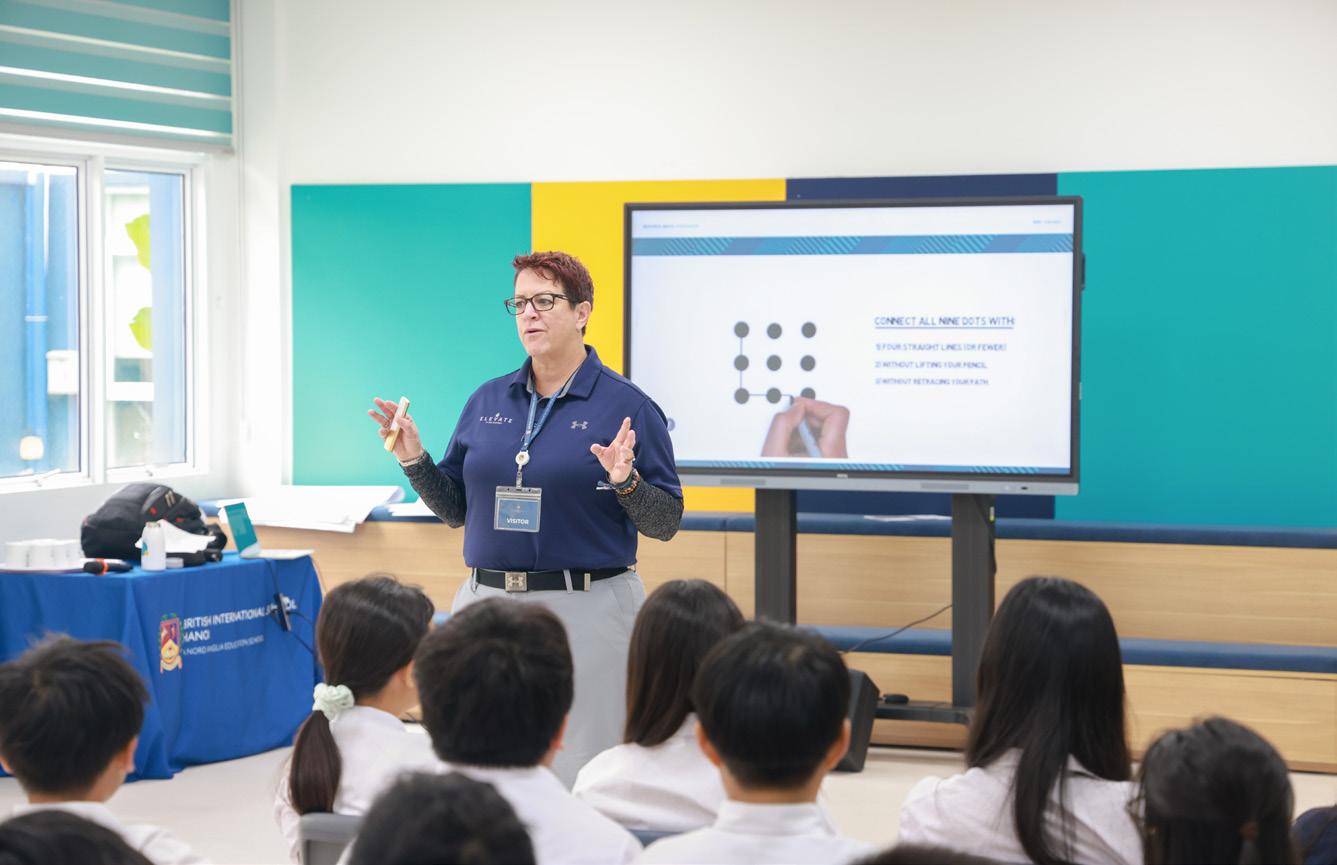
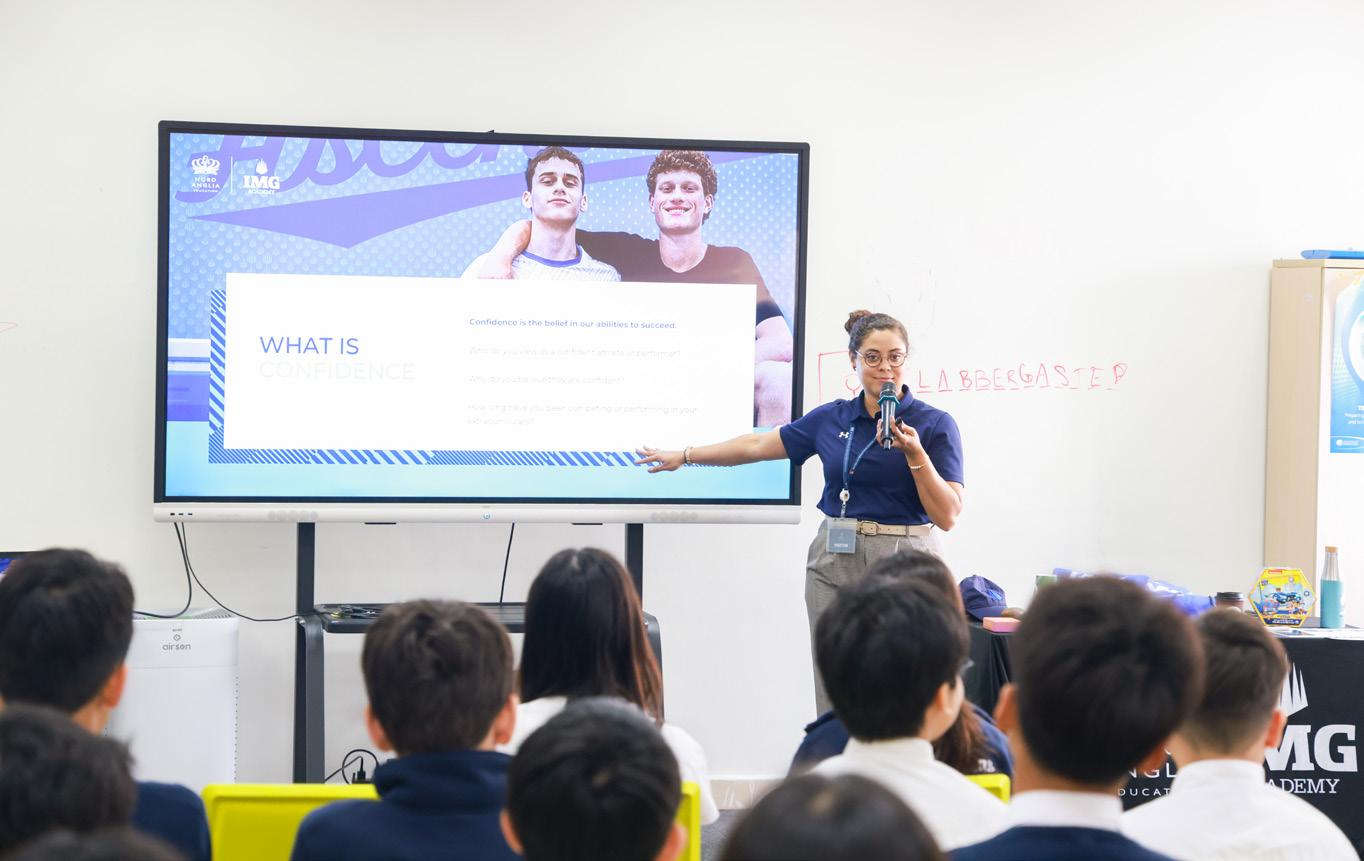
On March 5, BIS Hanoi welcomed IMG Academy Elevate for the very first time, marking an important milestone in our commitment to developing confident, resilient learners through the Nord Anglia and IMG Academy collaboration. This inspiring visit brought together students, parents, athletes and staff to explore leadership, mindset and performance skills that support success academically and beyond the classroom.
Throughout the day, students across year groups were encouraged to reflect on what it means to perform at their best.
Years 7 and 9 students learned that confidence is a choice built through positive self-talk, reflecting on past successes and learning by observing others. Our football athletes explored the importance of owning their commitment by identifying obstacles between themselves and their goals and developing clear plans to overcome them, with a strong emphasis on accountability and consistency.
Students also focused on resilience and learning how to bounce back stronger. By pausing, breathing and reframing unhelpful narratives, they were encouraged
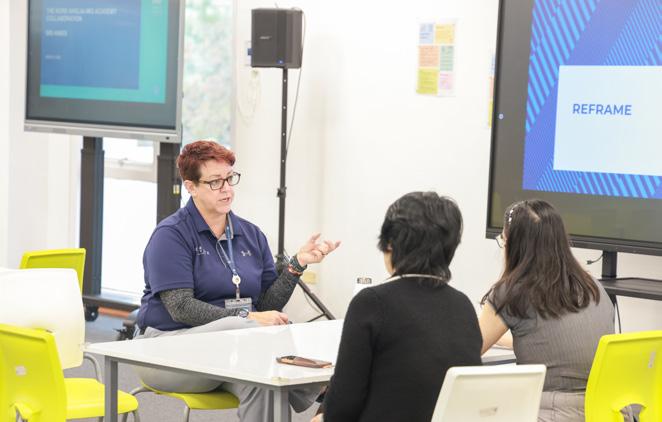
to approach challenges with flexibility and determination. For Years 11 and 12, sessions on performing under pressure explored how preparation, focus and mindset can turn pressure into fuel, with failure reframed as feedback that supports improvement and growth.
Parents and staff were equally engaged during the visit. Parents explored practical strategies to support resilience at home, while secondary teachers reflected on moving beyond outcomefocused praise to help students develop lasting self-belief. These

ideas closely align with our Ways of Learning and Wellbeing programme, which supports students as they work towards academic excellence.
The sessions were led by IMG Academy Elevate coaches Sloane Johnson and Nonalene Davis and mark the beginning of an exclusive Nord Anglia Education partnership, comparable in ambition and impact to our collaborations with Juilliard and MIT. Through access to expert coaching, digital resources and global opportunities such as summer camps and the Nord Anglia Challenge at IMG
Academy in 2027, this collaboration highlights that IMG is more than just sport. It supports the mindset, confidence and high-performance habits our students need to thrive, now and in the future.
Sarah Rothenburg Assistant Head of Secondary

Scan to learn more about the Nord Anglia Challenge at IMG Academy
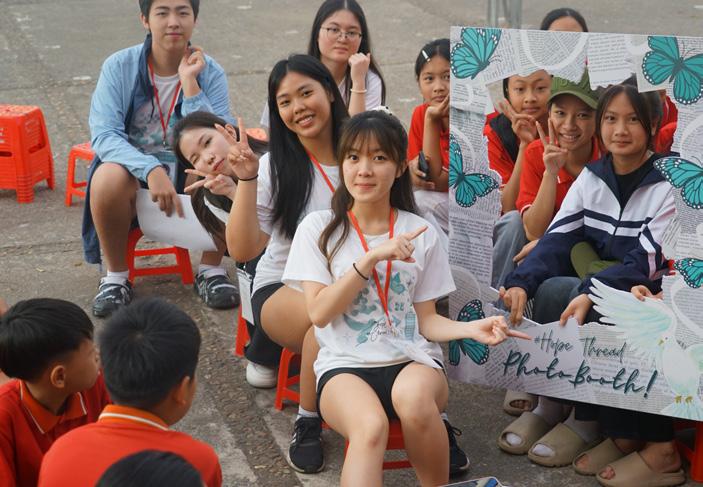
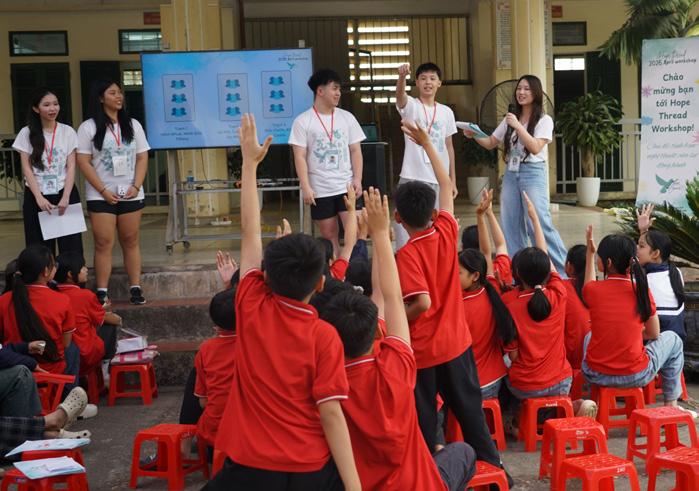
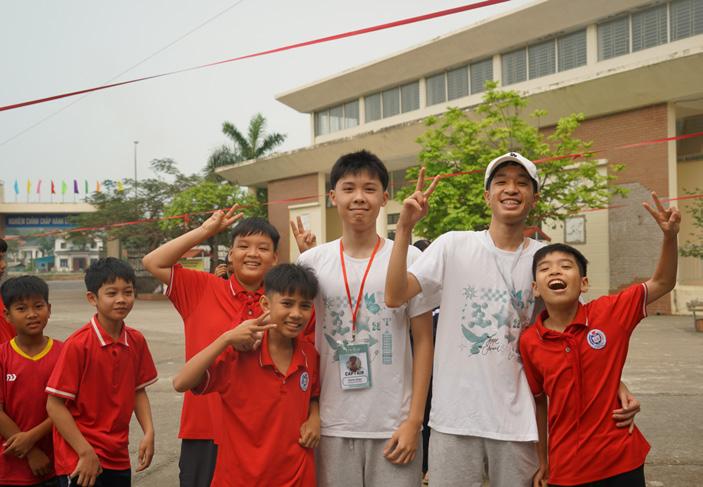
At the British International School Hanoi, students are taking meaningful steps to support their communities through two inspiring social impact projects, Hope Thread and The PatchWork Project. Backed by Nord Anglia Education’s Social Impact Grants, these initiatives focus on wellbeing, inclusion, and creating opportunities for young people to connect and grow.
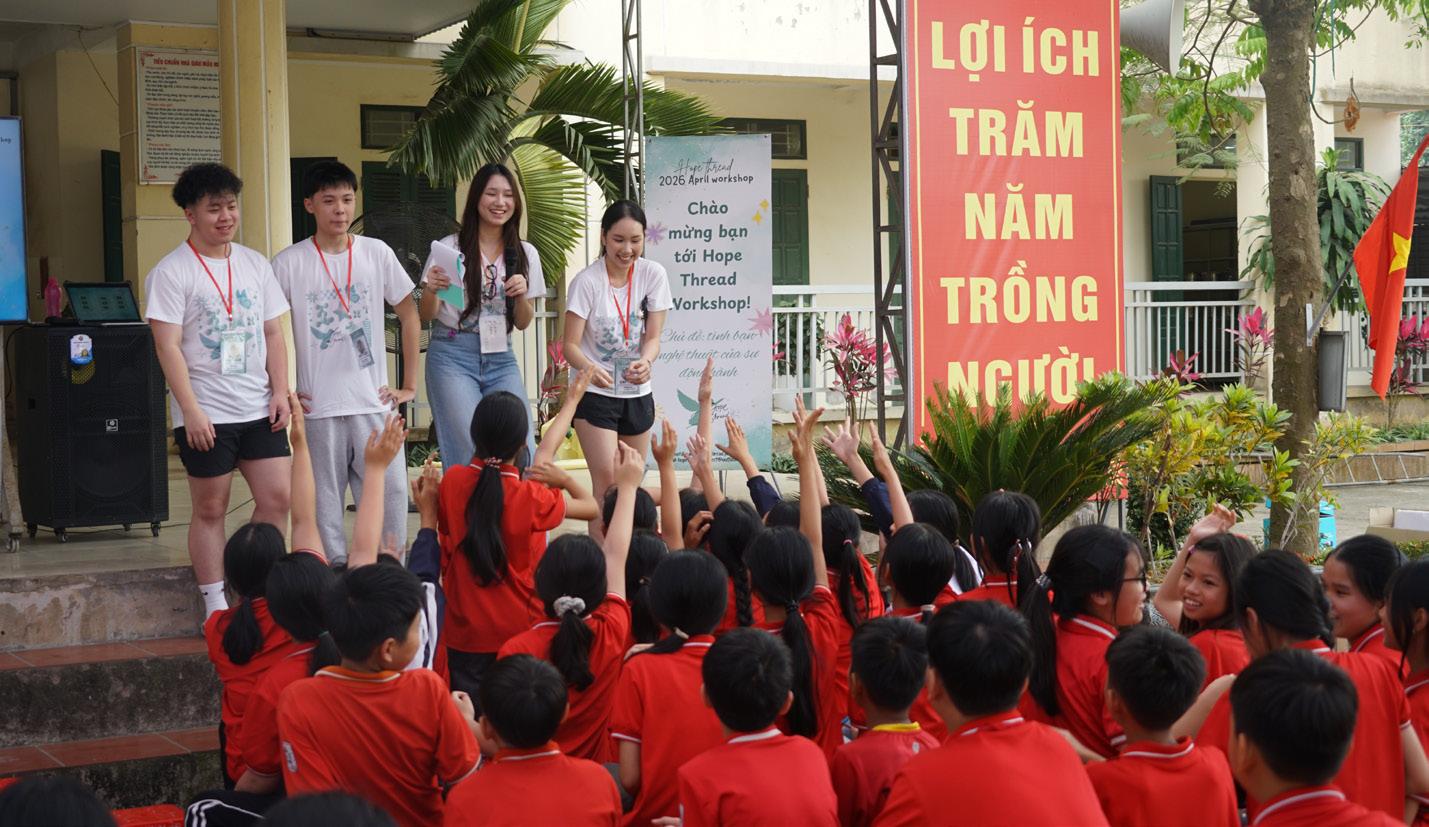
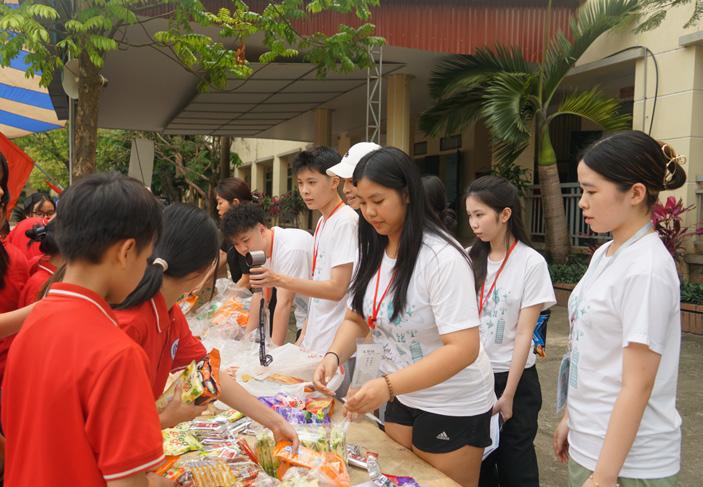
Hope Thread, led by Year 12 students, is dedicated to supporting the emotional
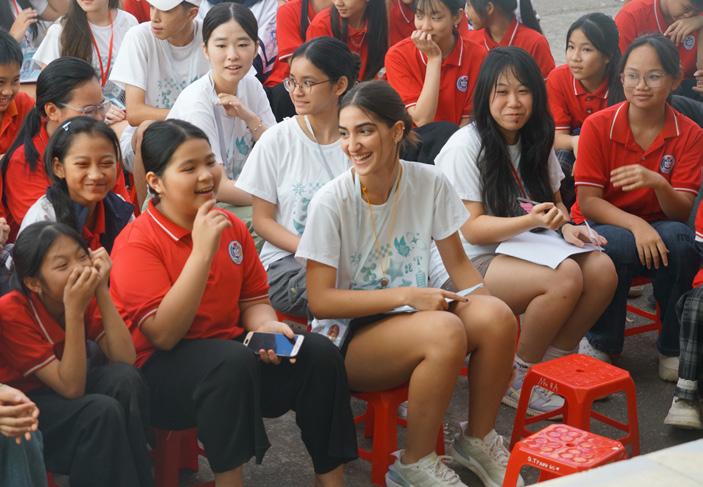
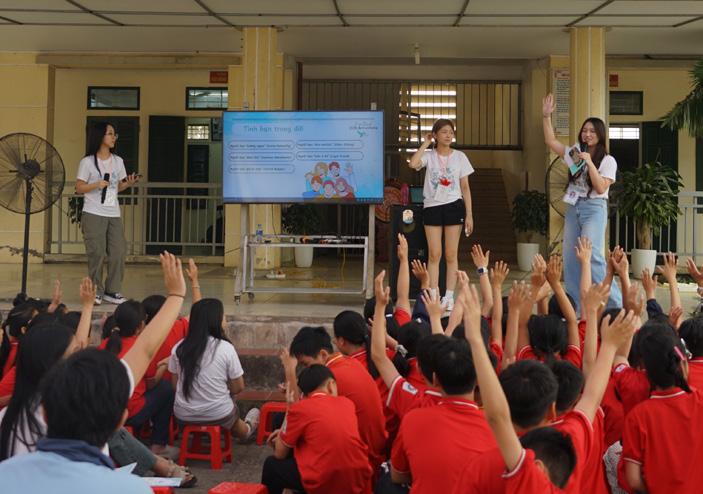
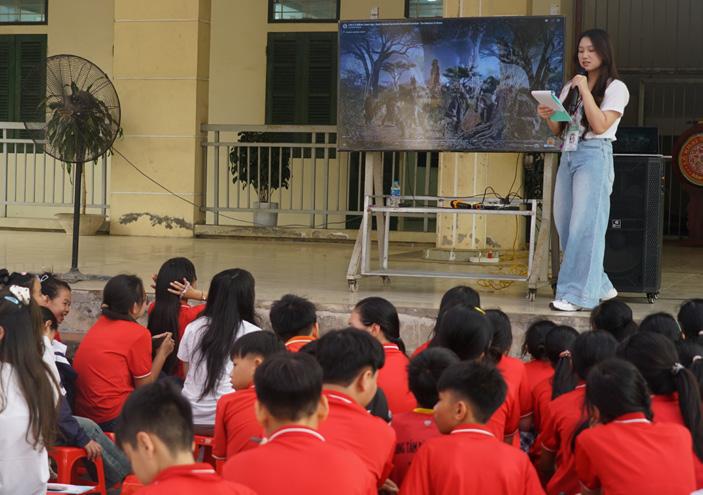
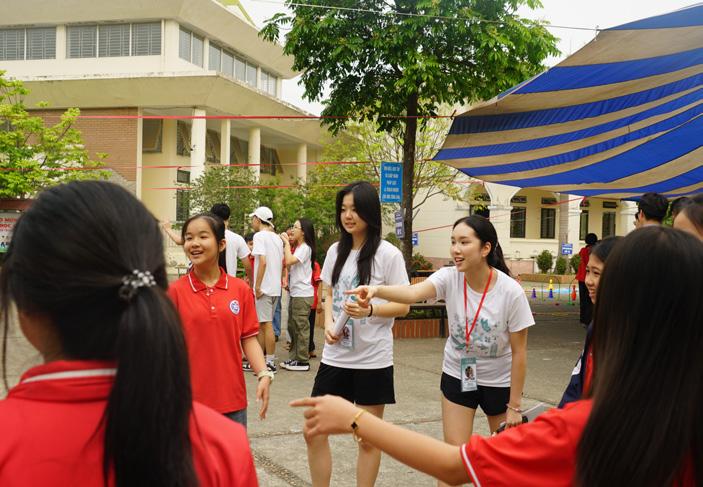
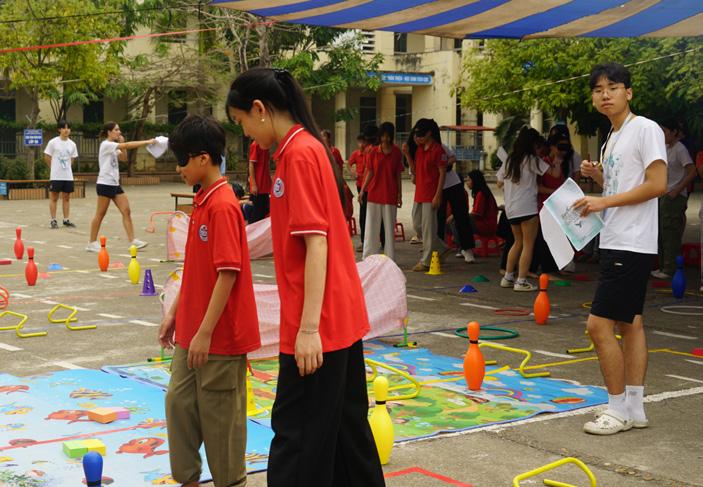
wellbeing of younger students through creative and collaborative experiences. On April 5, the team travelled to Hoa Binh to organise a student exchange with Phu Son Secondary School. The day brought together students from different backgrounds, giving them the chance to meet, interact, and learn from one another.
Through a series of engaging activities centred on trust, communication, and teamwork, students were encouraged to step
outside their usual social circles and build new connections. The experience helped them develop confidence and interpersonal skills while also fostering empathy and mutual understanding. More importantly, it showed how powerful it can be when young people are given the space to connect in a meaningful way.
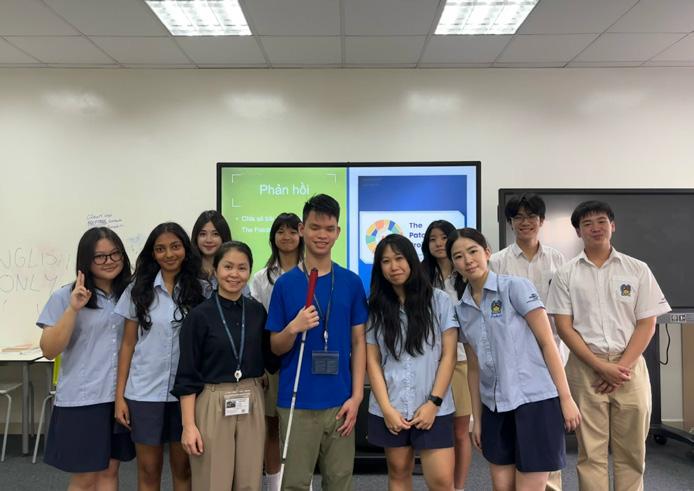
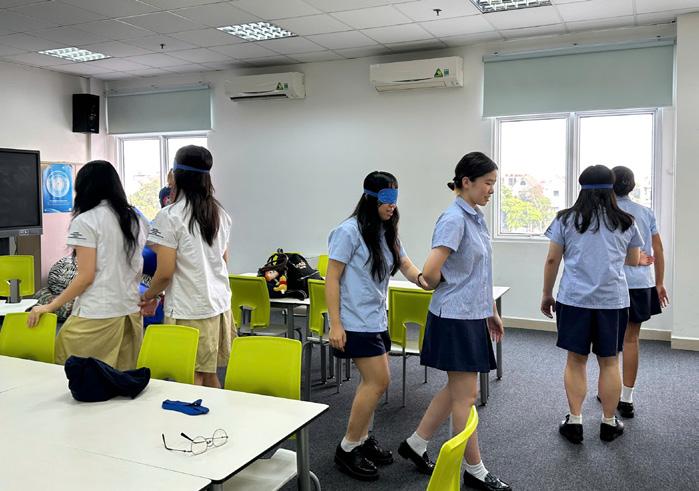
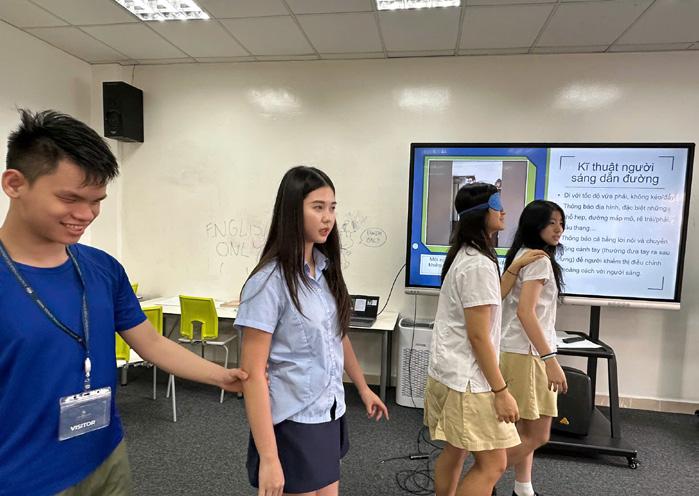
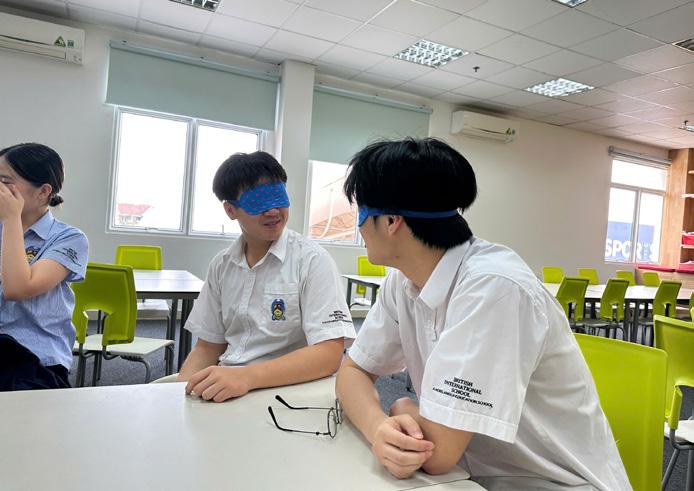
At the same time, The PatchWork Project continues its work supporting children with visual impairments and promoting
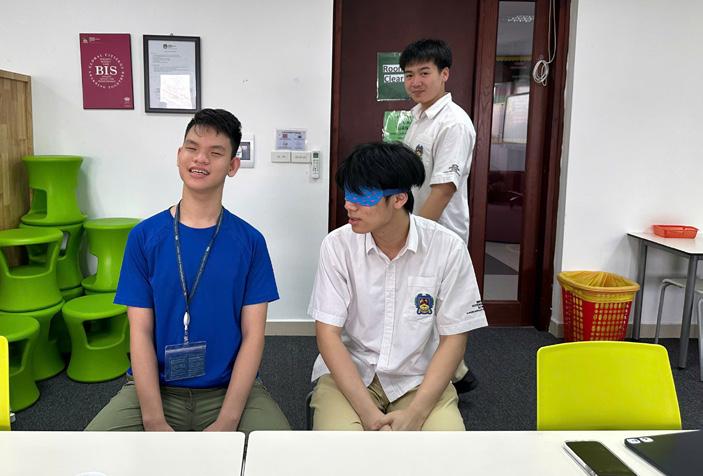
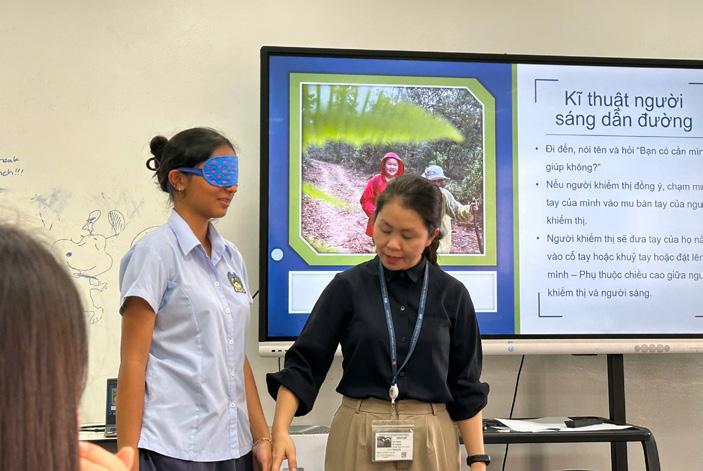
inclusive education. Led by BIS Hanoi students, the project aims to create more accessible learning experiences while improving wellbeing for the children it works with.
As part of their preparation for upcoming activities, the team recently hosted a training workshop in collaboration with Clever Hands. This session gave student volunteers practical skills and a deeper understanding of how to better support visually
impaired children. It also helped strengthen the team’s confidence as they get ready for the next phase of their project.
Together, these initiatives highlight the compassion and commitment of BIS Hanoi students. Through their efforts, they are not only raising awareness but also taking real action to make a positive difference in the lives of others.

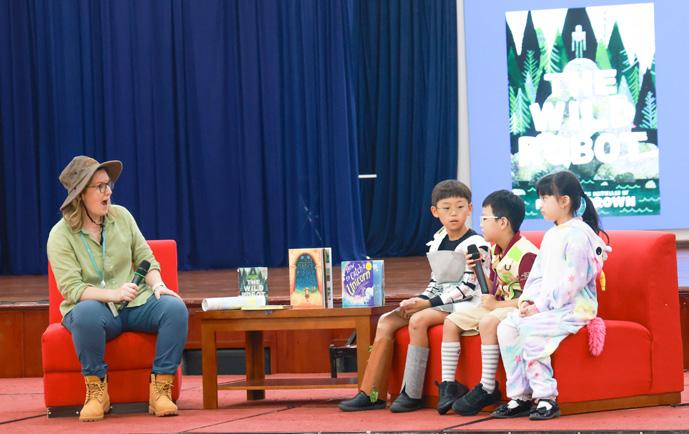
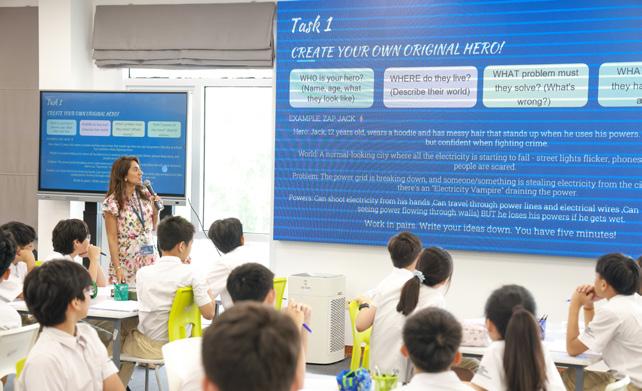
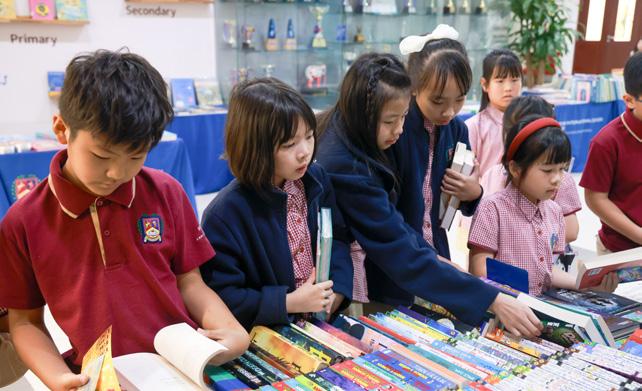
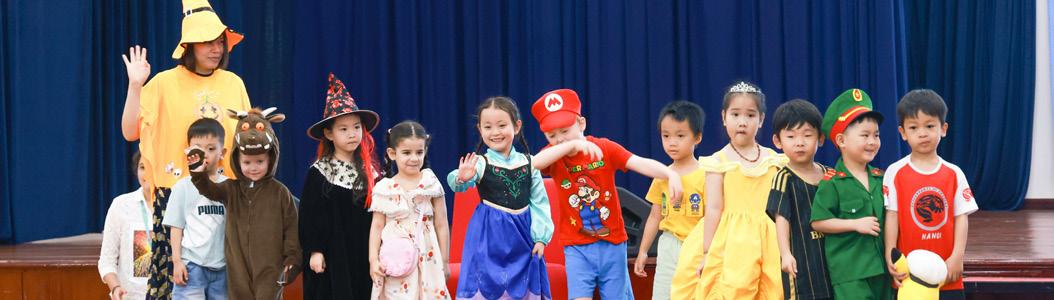
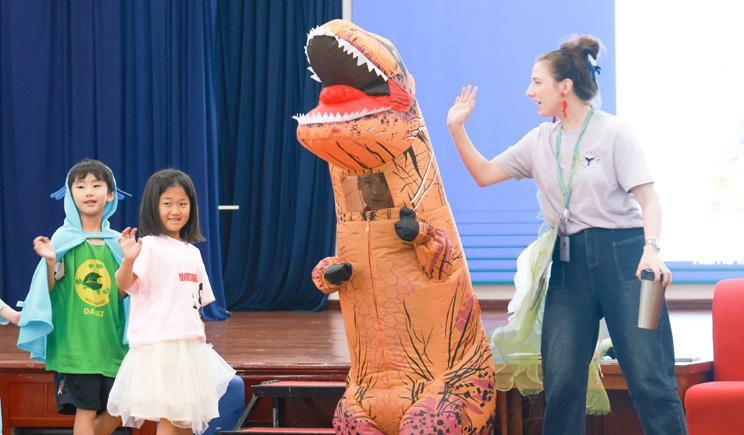
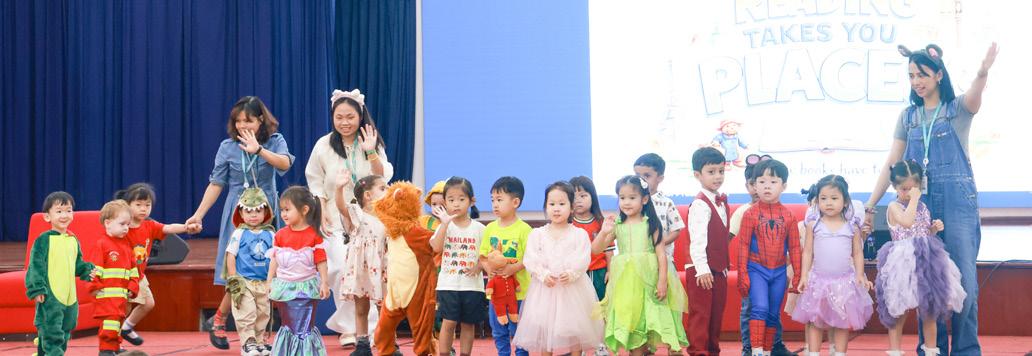
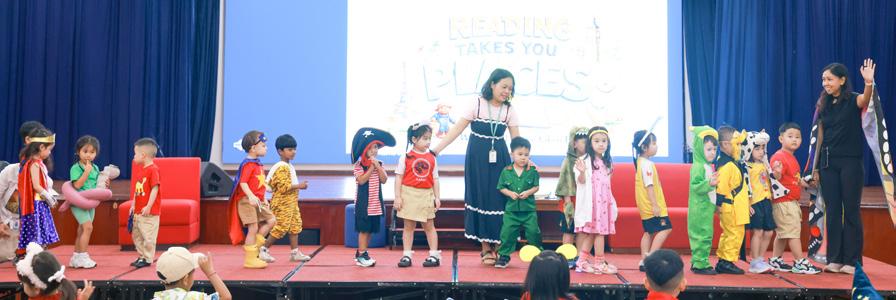
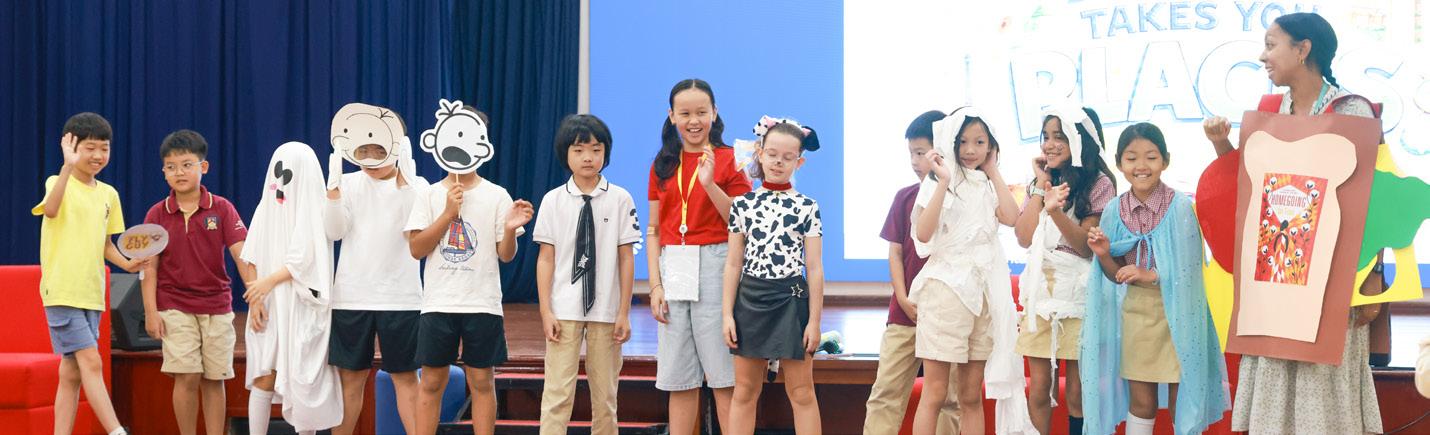
We celebrated World Book Day with a vibrant and inspiring Book Week, bringing students together to explore the joy of reading, storytelling and imagination across every year group.
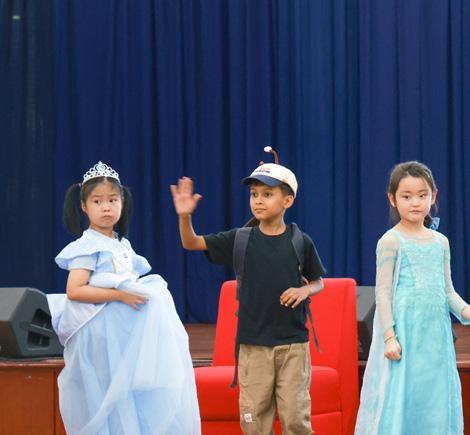
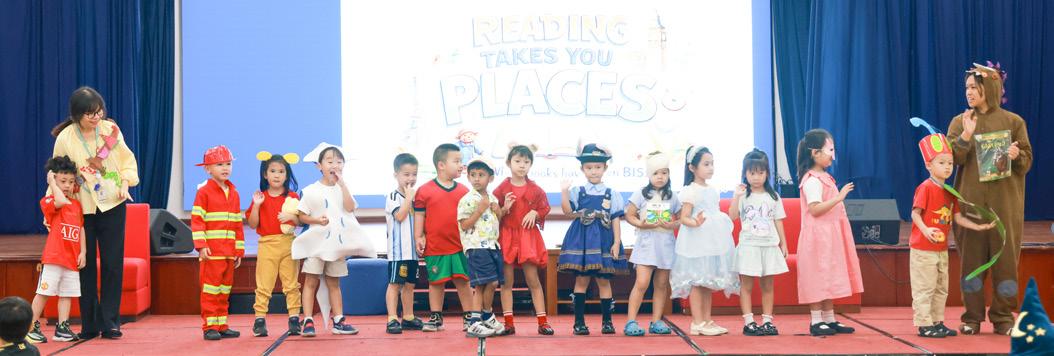
The week began on Monday with a colourful Primary Assembly, where students dressed up as their favourite book characters
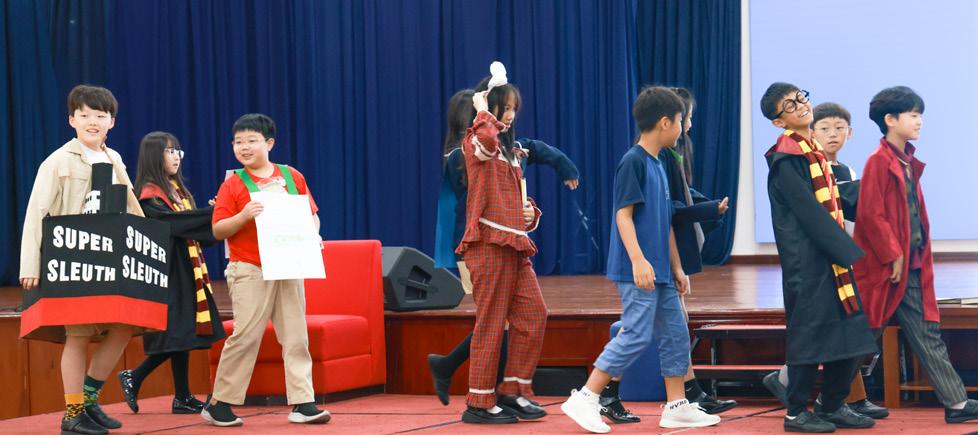
for a lively parade that brought stories to life. From classic tales to modern favourites, the creativity on display set the tone for a week focused on the love of books.
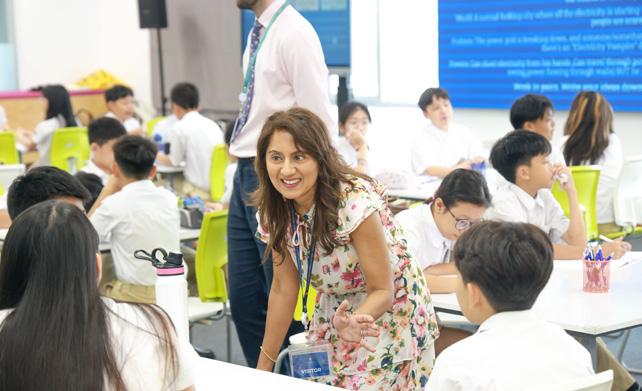
In Secondary, students were delighted to welcome author Ritu Hemnani as part of our World Book Day celebrations. Ritu led engaging workshops with Years 7, 8, 9, 10 and 12, offering
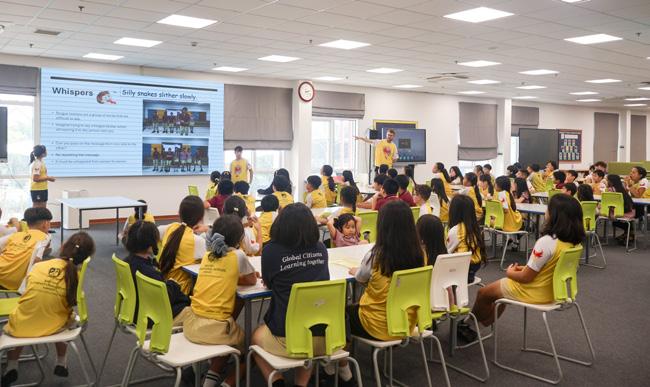
students valuable insight into the writing process, creativity and the power of storytelling. These author sessions provided an exciting opportunity for students to connect directly with a published writer and deepen their appreciation of literature.
Tuesday saw continued literary inspiration in Primary, with author sessions held in the
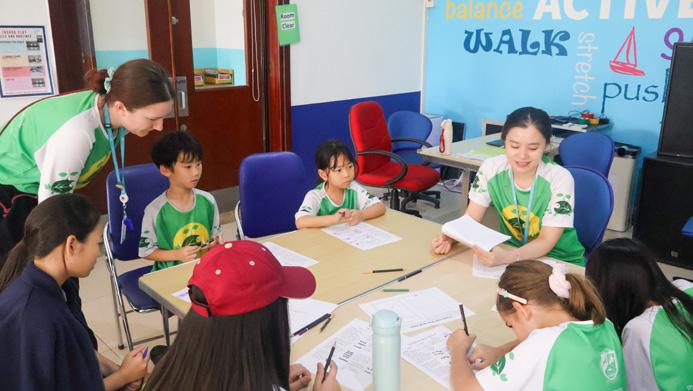
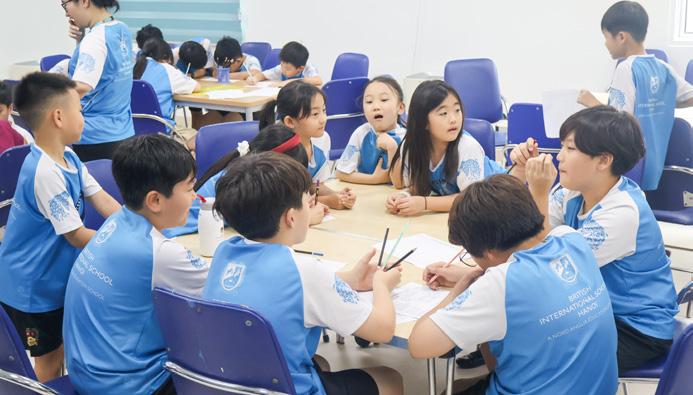
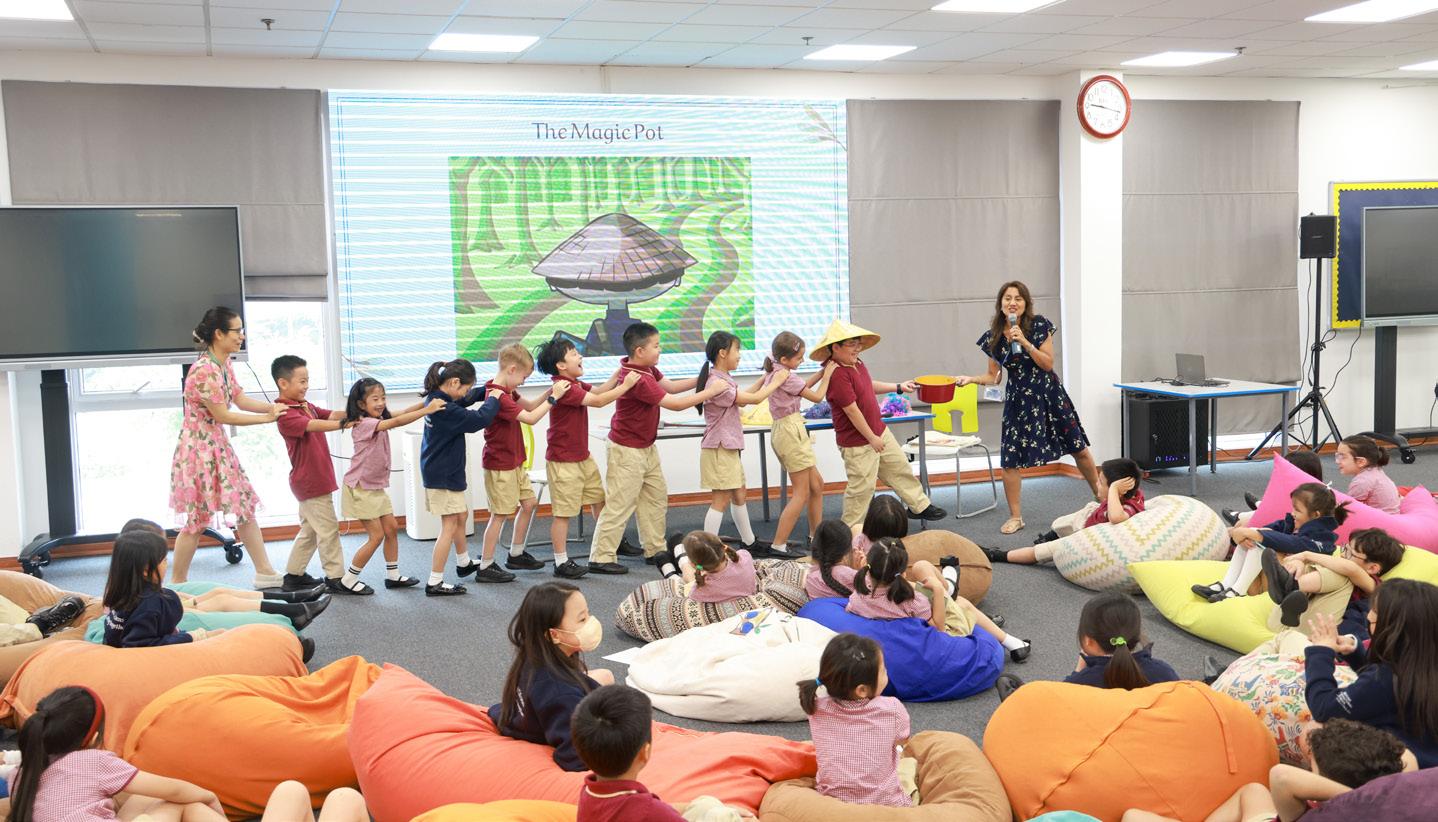
library. Our youngest learners in F1 and F2 also enjoyed a special “Snuggle Up and Read” session, fostering a calm and positive reading environment from an early age.
Midweek, on Wednesday and Thursday, BIS Hanoi welcomed Book Worm for an in-school Book Fair, giving students the chance to browse and discover
new books that matched their interests and reading levels.
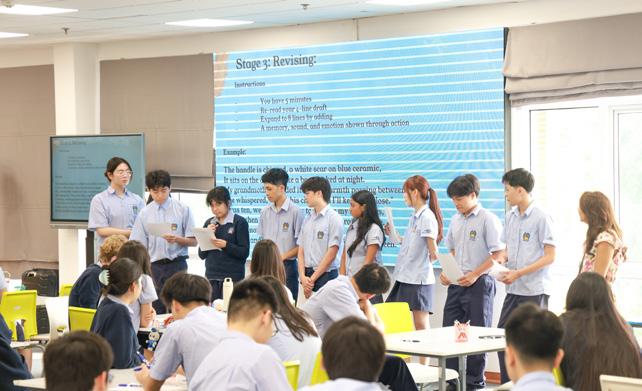
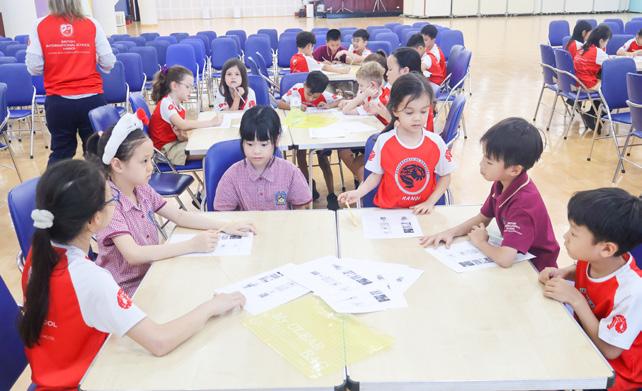
Throughout the week, reading extended beyond individual classrooms. Paired reading sessions, book hunts, and opportunities for Secondary students to read alongside Primary pupils strengthened cross-school connections and reinforced our inclusive reading
culture as we approached World Book Day on 23 April.
Book Week concluded on Friday with House Meets, where students came together in their Houses for reading-focused activities. Together, these experiences highlighted the power of books to connect, inspire and nurture a lifelong love of reading at BIS Hanoi.
The partnership between British International School Hanoi and The Juilliard School continues to enrich the creative arts experience for both students and staff.
In January, our Dance Specialist from Juilliard visited the school, delivering lessons that modelled creative approaches to the Juilliard curriculum. These sessions demonstrated how students can explore movement with greater independence, encouraging creativity and selfexpression. Our dance teachers also benefited from valuable professional development, including lesson observations, a deeper understanding of effective pedagogy, and specific feedback to support their teaching practice.
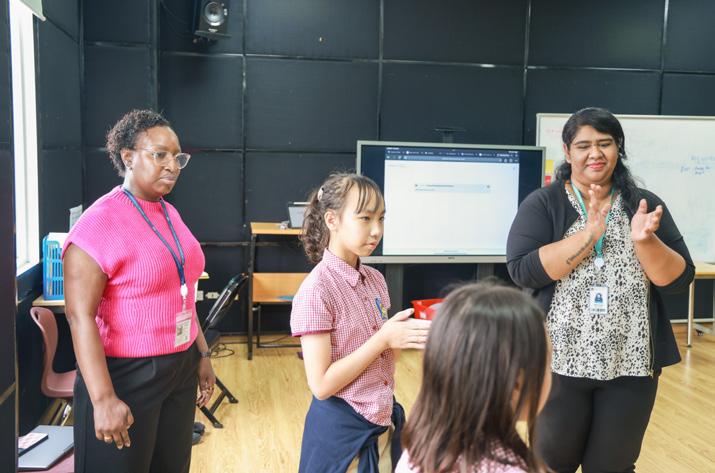
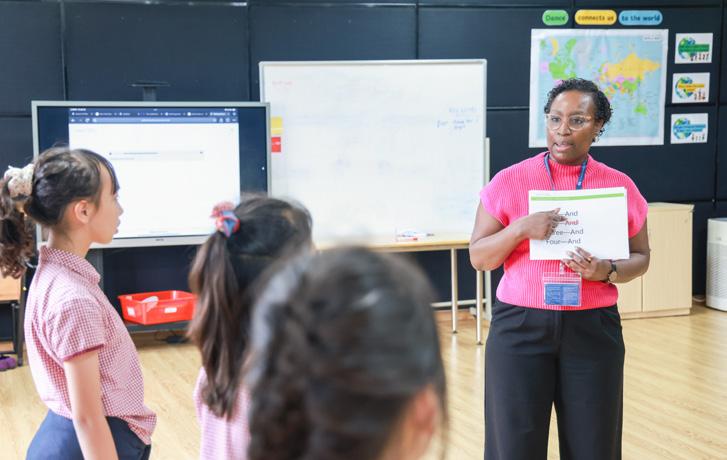
The visit included a Primary Parent Connect session, during which parents and children had the opportunity to take part in a Juilliard dance lesson together. This experience allowed families to better understand the creative process and enjoy learning through movement alongside their children.
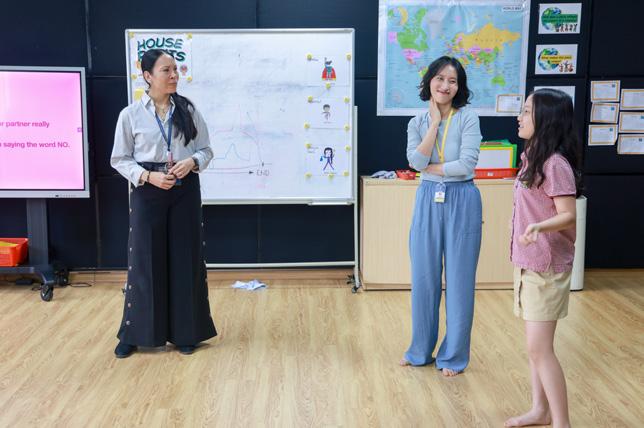
In March, our Drama Specialist visited, continuing to build on the strong foundations of the programme. The focus of this visit was the creative process
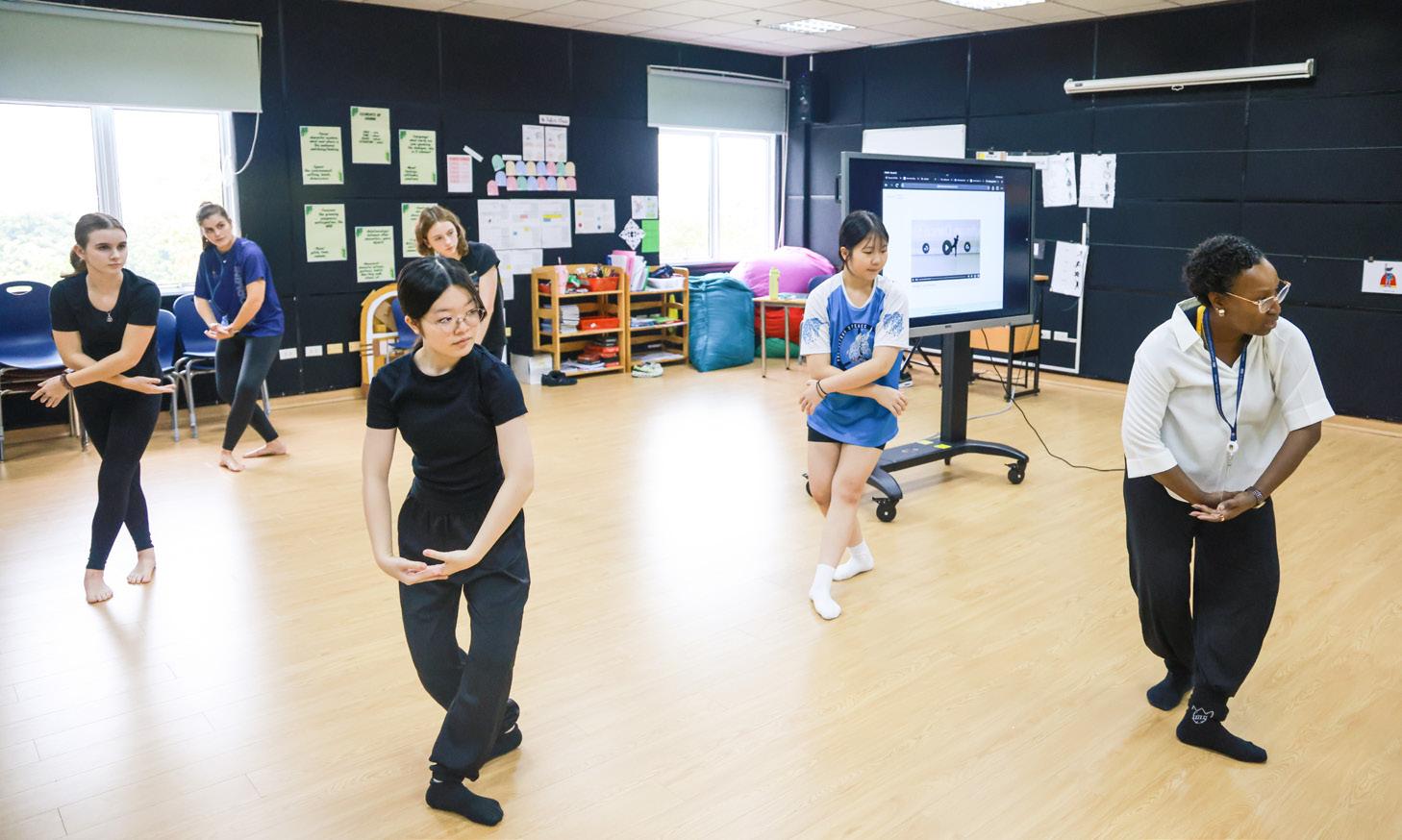
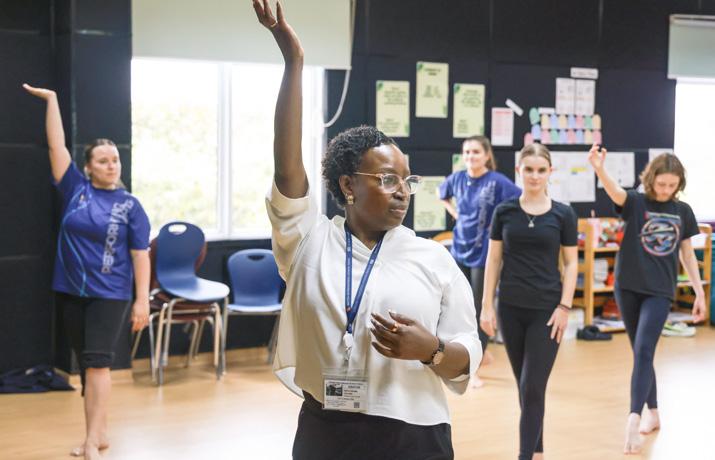
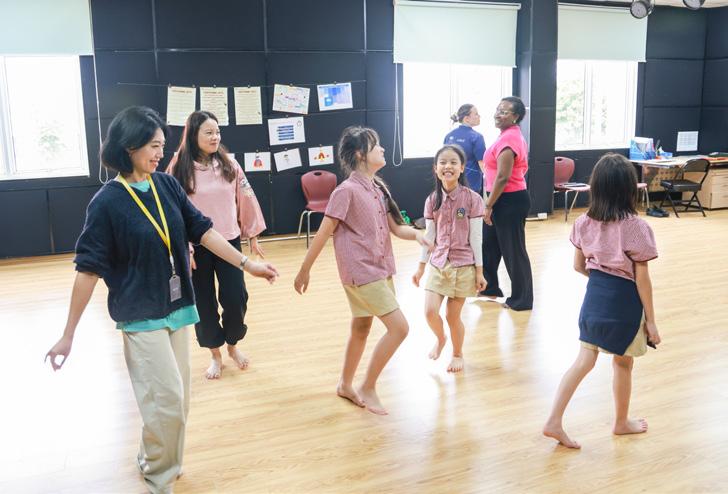
Our dance teachers also benefited from valuable professional development, including lesson observations, a deeper understanding of effective pedagogy, and specific feedback to support their teaching practice.
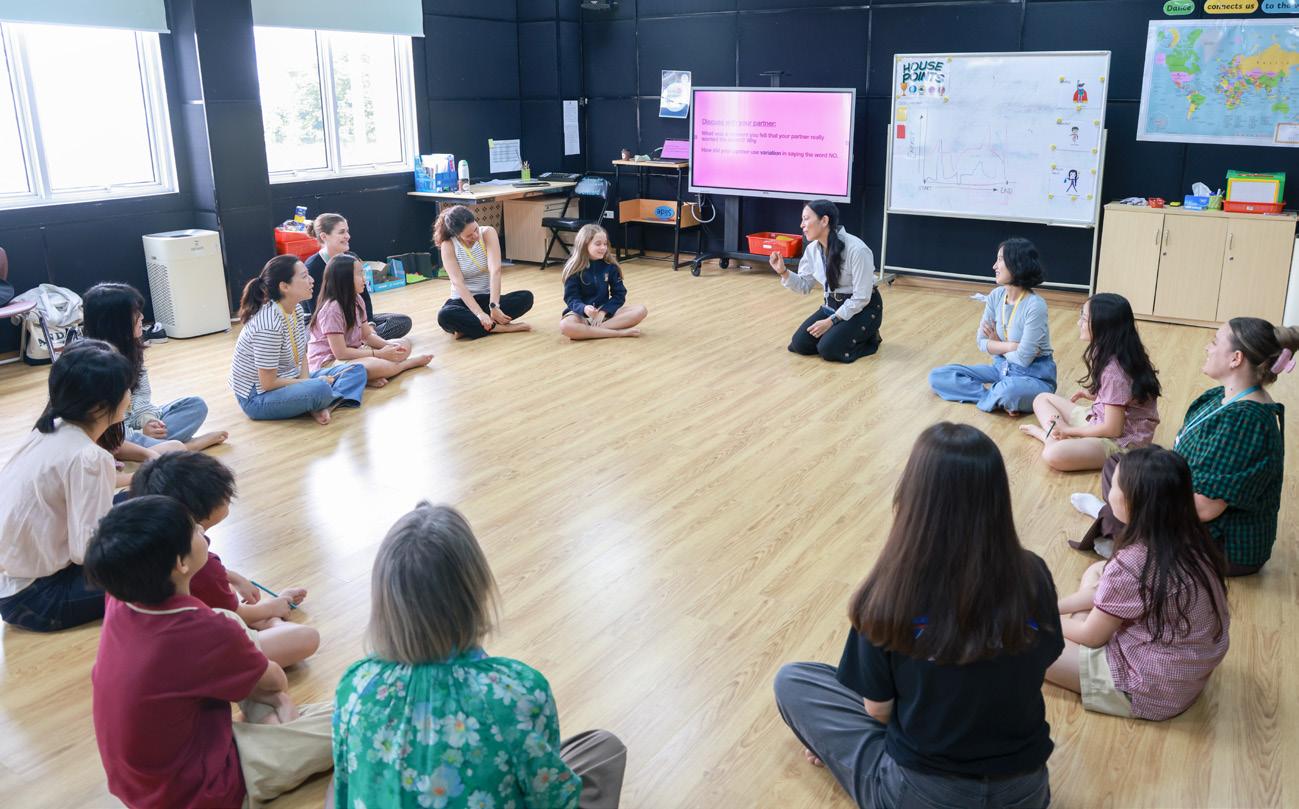
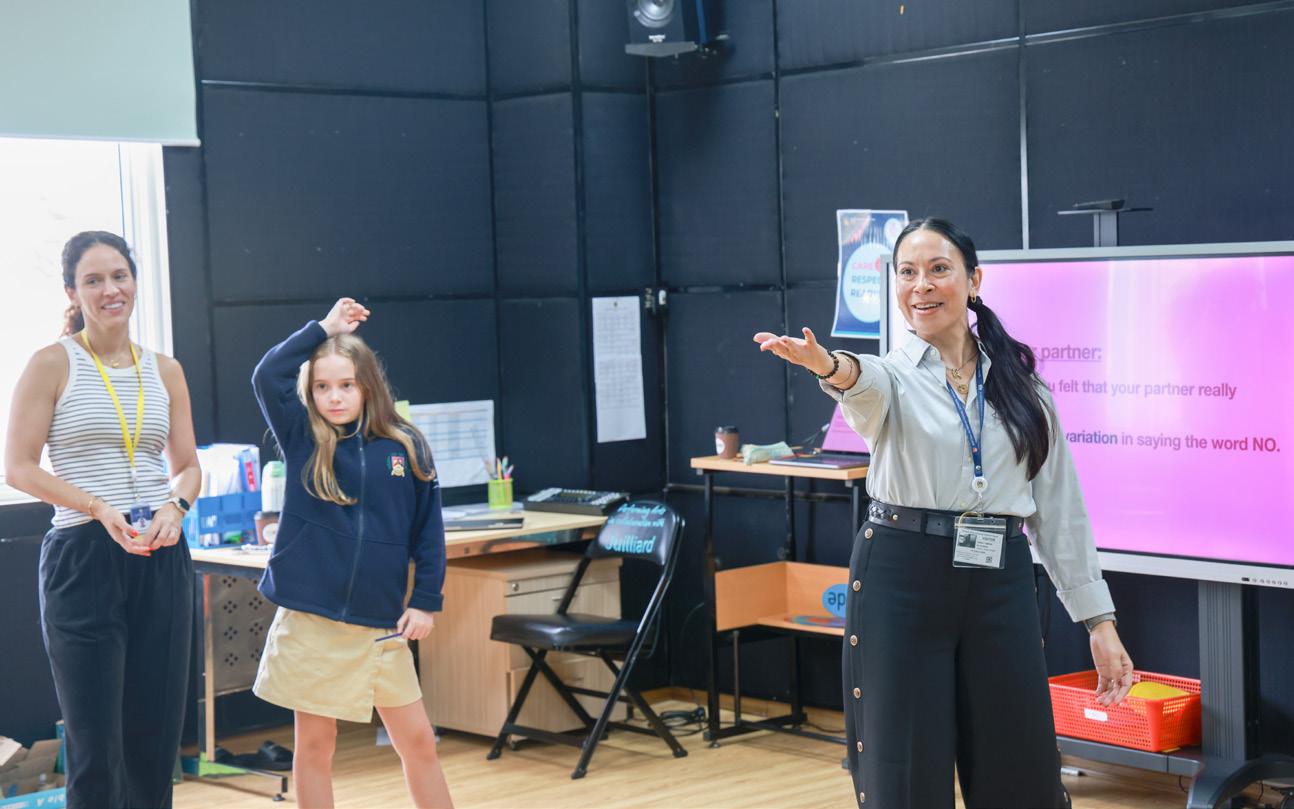
and how to promote student ownership of learning. Students were encouraged to make choices, reflect on their ideas, and develop confidence in shaping their own performances.
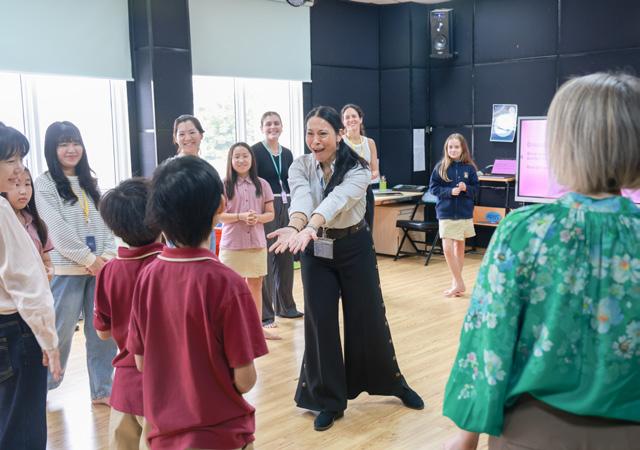
A key highlight of the visit was the Drama Parent Connect session. There was a strong sense of joy as parents and children collaborated and shared performance moments they had created together. Using simple prompts such as props and action–reaction sequences, families worked together to explore character dynamics in an engaging and meaningful way.
Overall, the partnership continues to support highquality teaching and learning while fostering creativity, collaboration, and confidence across the school community.
Vicki Bradley Head of Whole School Performing Arts
Day 1
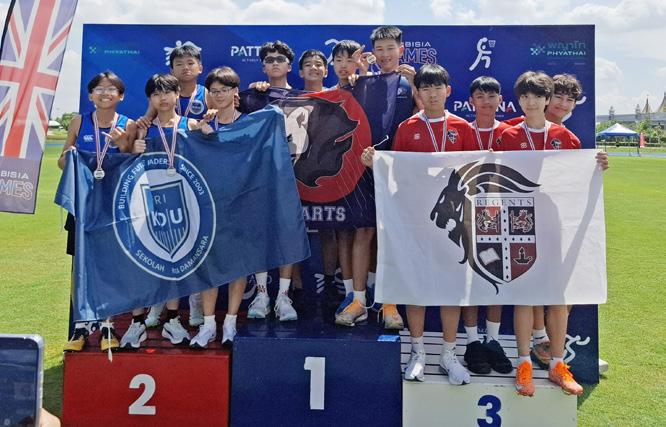
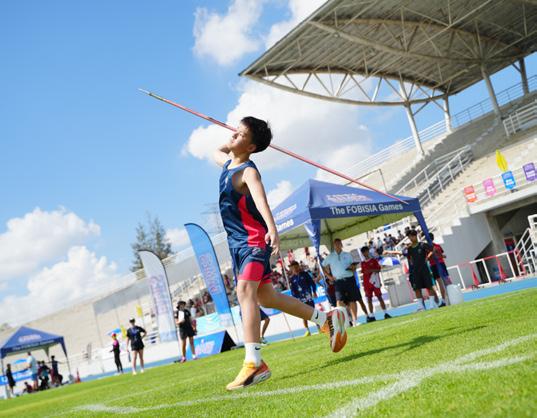
The Lionhearts opened the Games with a series of excellent results in the Athletics competition, collecting medals across multiple events and setting numerous personal bests.
Sprint highlights
• Trung Lam – Gold, 100m A
• Duc Hung – Gold, 100m B; Silver, 200m B
• The Bao – Gold, 200m A
Middle-Distance performances
• Minh Nguyen – Silver, 800m A
• Giang Nam – Silver, 1500m B
• Strong runs from Hai Nam and Truong Giang
Relay success
• 4×100m A Team (Sun Woo, Giang Nam, Truong Giang, Duc Hung) – Gold
• 4×100m B Team (Trung Giang, Giang Nam, Joohoo, Gia Long) – Gold
Field event achievements
Throwing
• Minh Duc – Silver, Javelin A
• Tyler (The Bao) – Silver, Shot Put B
Jumping
• Duc Hung Dinh – Gold, Long Jump A
• Trung Lam – Gold, Triple Jump A
• Khai An – Gold, Triple Jump B
The momentum continued into the afternoon as the Lionhearts produced another series of strong performances in swimming.
Gold Medal Moments
• Hai Nam – Boys B 25m Freestyle
• Dohyun – Boys A 25m Breaststroke
Silver Medal Relay
• Boys B 4×25m Freestyle Relay (Giang Nam, Sunwoo, Duc Hung, Minh Duc)
Bronze Medal Relays
• Boys B 4×25m Medley Relay
• Boys A 4×25m Freestyle Relay
Top-Four Finishes
• Boys A 4×25m Medley Relay – 4th
• The Bao – 4th, Boys A 25m Freestyle
• Duc Hung – 4th, Boys B 25m Backstroke
Many swimmers also achieved top-eight placements across individual events, demonstrating resilience after a demanding morning.
Day 2
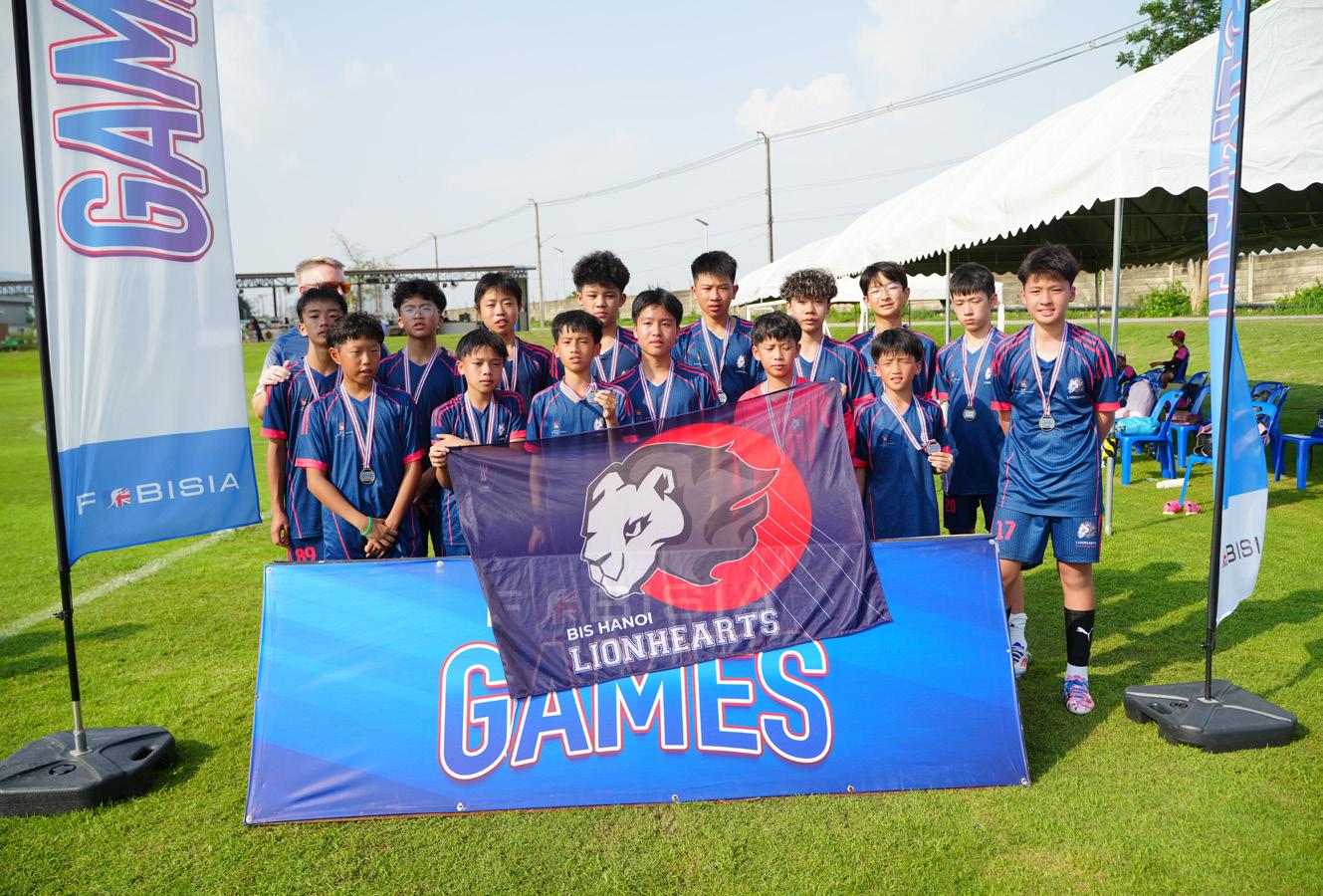
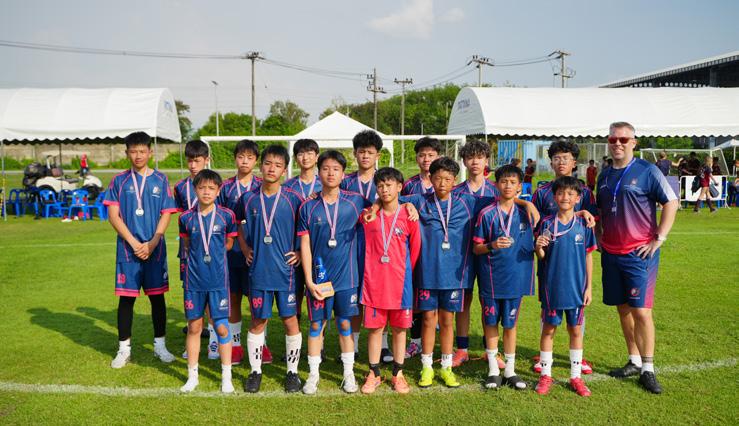
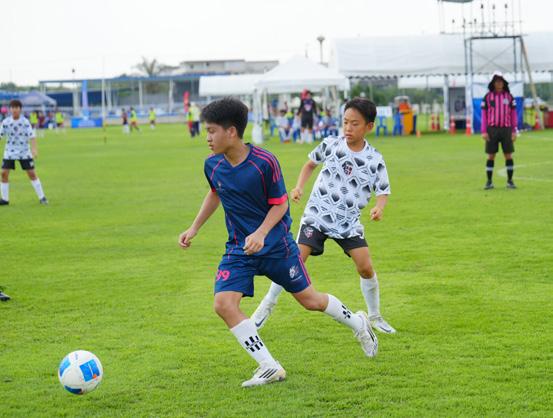
Day 2 brought an inspiring football campaign, culminating in the Lionhearts reaching the FOBISIA Final and finishing as Runners-Up after a dramatic penalty shootout.


Group Stage
• vs Sri KDU – 1–1 (Goal: Duc Hung)
• vs Brighton College Singapore – 2–0 (Goals: Minh Duc, Minh)
• vs Regents Bangkok – 1–1 (Goal: Minh Nguyen)
• Semi-Final
• vs Dulwich Suzhou – 2–1 win
• (Goals: Truong Giang, Minh Nguyen)
Final
• vs Regents Bangkok – 0–0 (lost 3–1 on penalties)
Football MVP
• Tuan Kiet, Goalkeeper – outstanding saves and a clean sheet in the final.
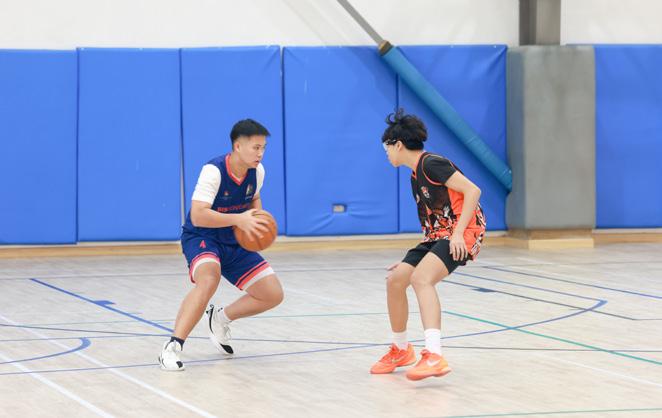
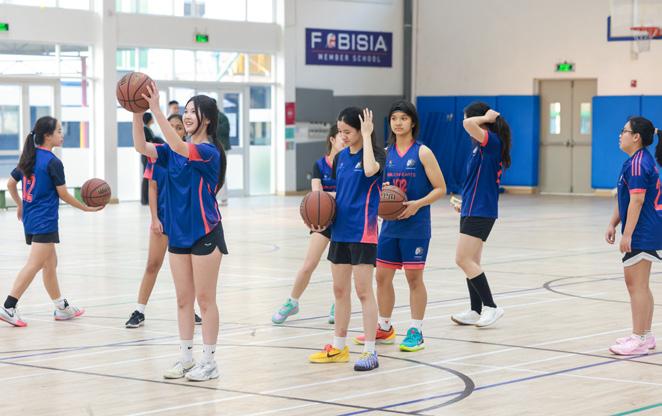
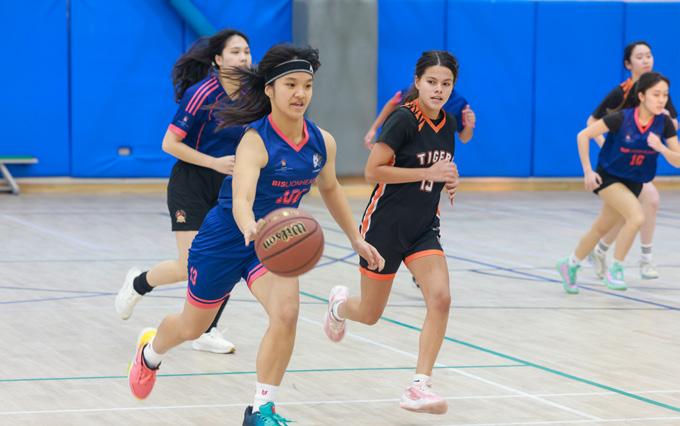
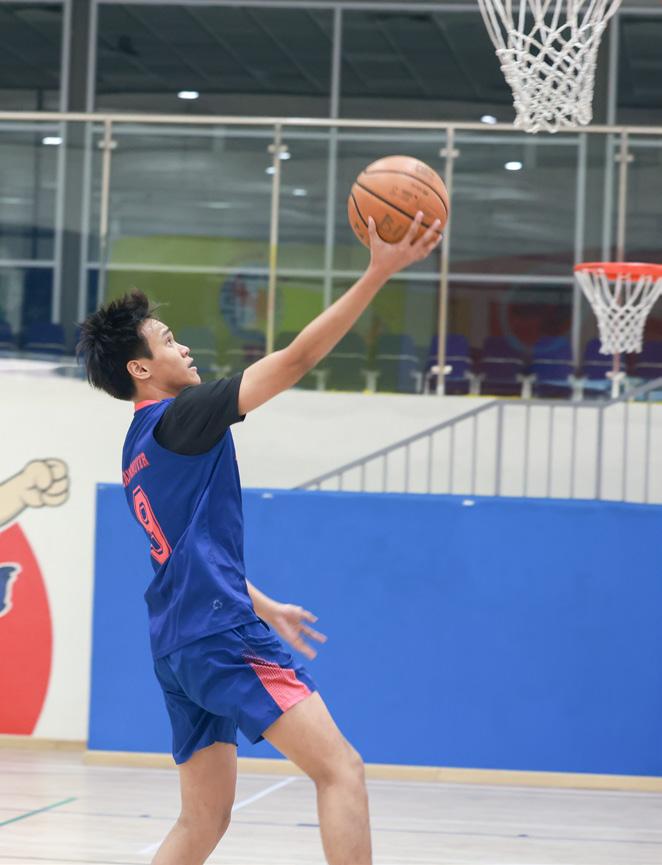
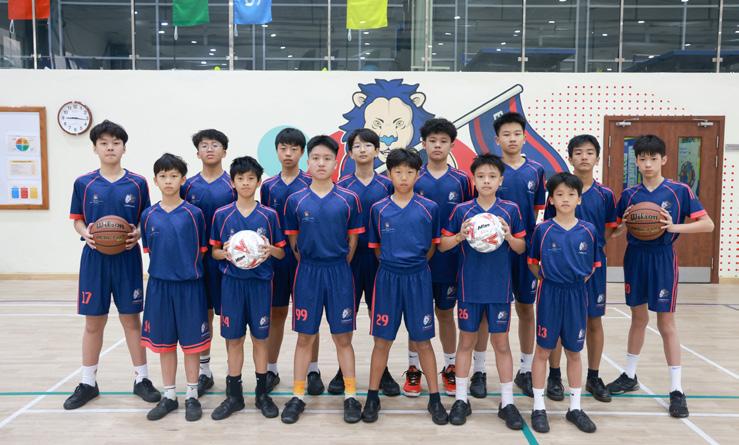
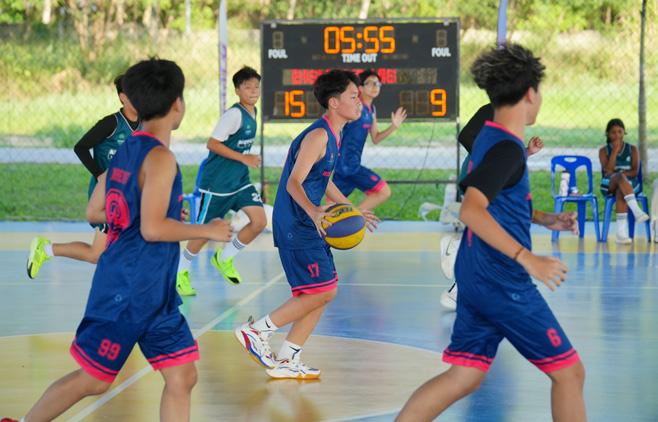
The Lionhearts concluded the Games with a strong performance in the Basketball competition, securing third place overall.
Group Stage Dominance
• vs Sri KDU – 15–0 win
• vs Network International – 23–3 win
• vs Brighton College Bangkok – 26–6 win
• Semi-Final
• vs BVIS – 16–20 loss (a narrow and hard-fought match)


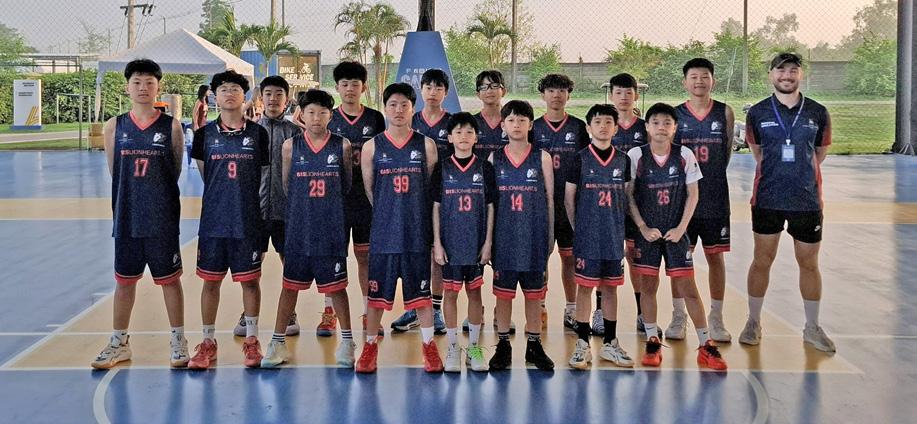
Bronze Medal Play-Off
• vs Network International – 23–13 win
Basketball MVP
• Minh Nguyen – top scorer and a consistent leader throughout the tournament.
A tournament to remember
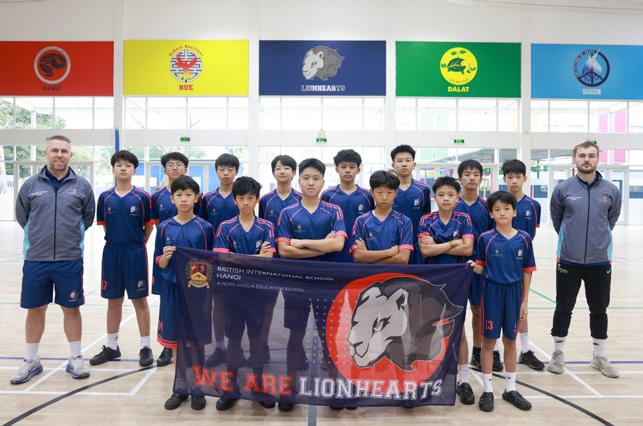
Across three exciting days of competition, the U13 Lionhearts demonstrated exceptional skill and resilience. They earned athletics medals across multiple disciplines, achieved podium finishes in the pool, secured the FOBISIA Football RunnersUp trophy, and added a Basketball Bronze Medal to their achievements.
Most importantly, the team displayed unity, sportsmanship, and school pride in every event. Their commitment, teamwork, and positive spirit made this an unforgettable FOBISIA journey, one that every Lionheart should be incredibly proud of.