Sanctuary Garden
A SAnctuAry GArden
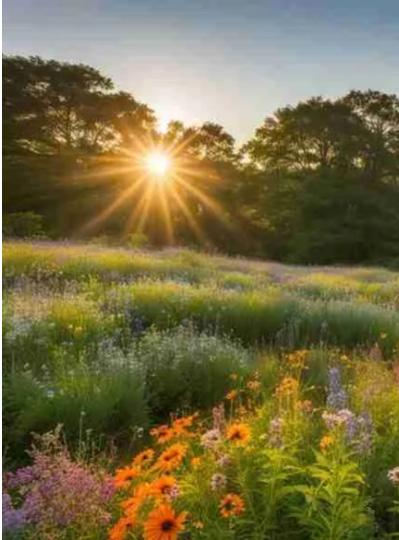
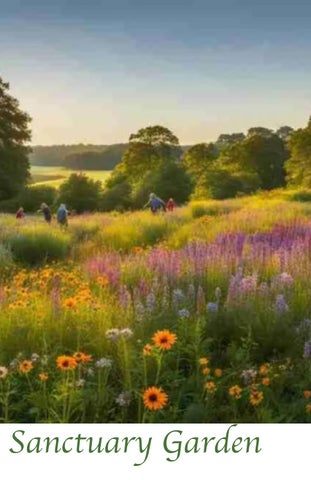
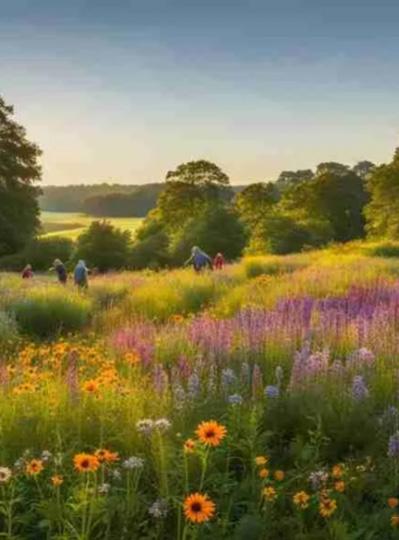
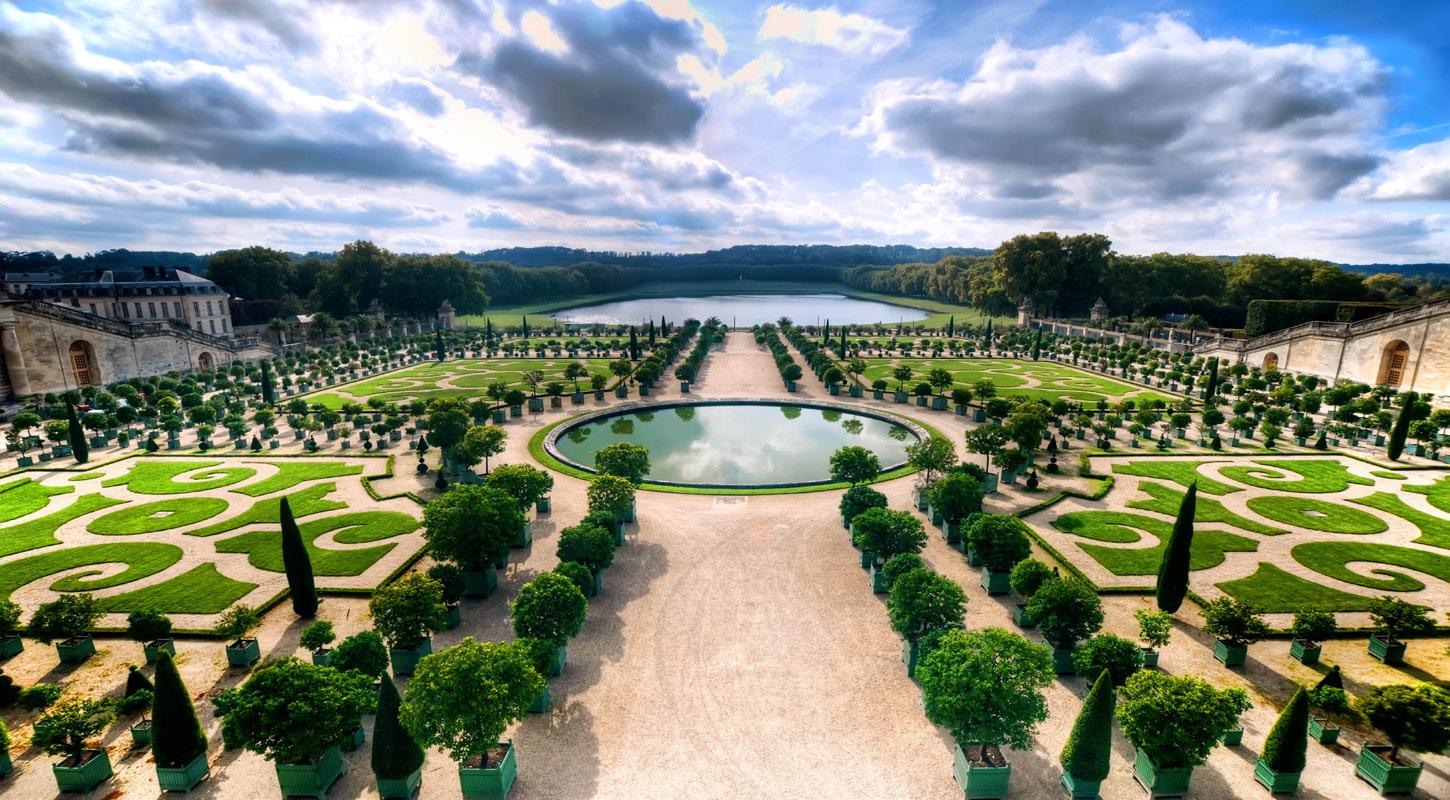
We all need respite from the hurly burly of everyday life. In more traditional formal gardens, this peace comes from structure, order, and dominance over nature – an enterprise for those with limitless resources in terms of minions and money. An alternative vision collaborates with nature.
SepArAtion from Life’S BuSy-neSS
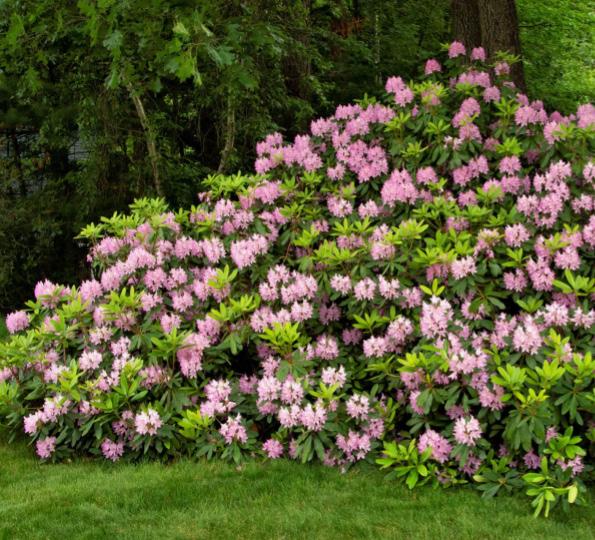
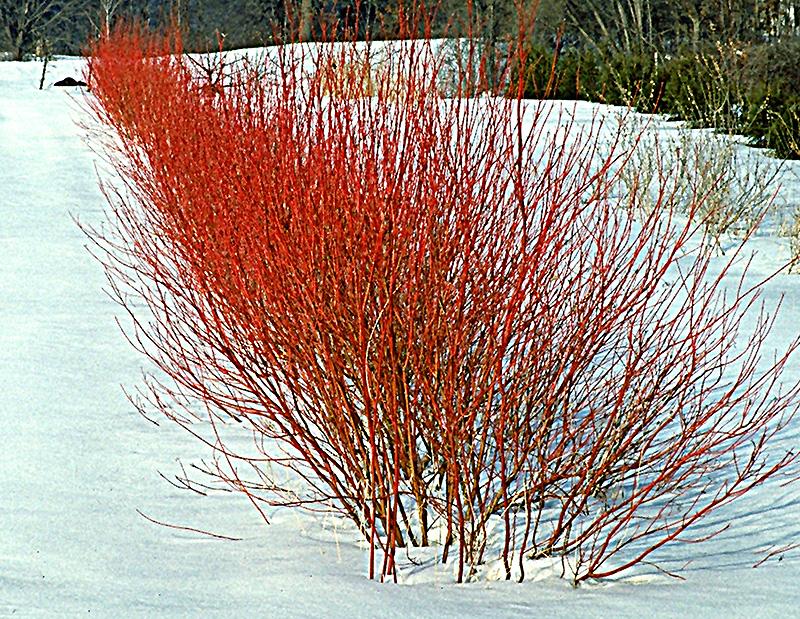
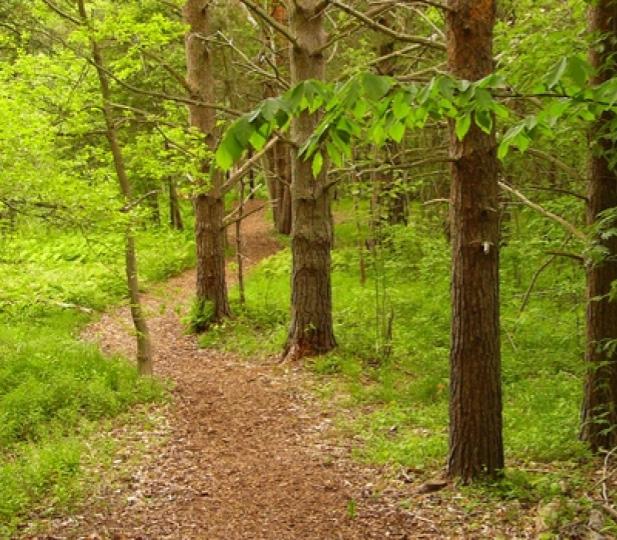
Rather than gardening within fortress-like walls, a sanctuary garden works with native shrubbery and trees to muffle external noise and disruption. Broad-leaf evergreens like Mountain Laurel (Kalmia latifolia) or rhododendron (Rhododendron) form a green border all year long. Alternatively, red twig dogwoods (Cornus sericea) grow quickly and offer leafy cover from early spring through fall, creamy white flowers followed by berries in the spring, and a striking red tangle of twigs to add color to the winter scene.
Fasci Garden at the Palace of Versailles

tAkinG AdvAntAGe of WhAt iS ALreAdy there
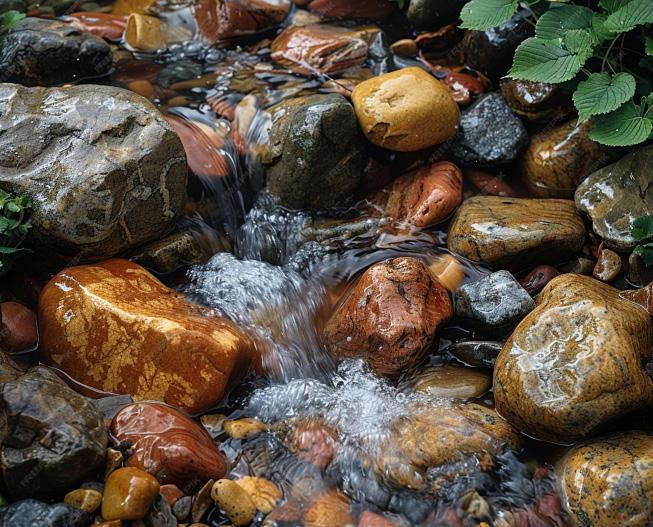
Water and sunlight are botanical necessities, but a brook or coulee adds refreshing coolness, peaceful sound, and increased seasonal change. If you have running water – natural or fountain – make it a focal point.
If you have a well-established tree or planting, let it take center stage and design your garden around it.
If you have a quarry or a boulder, think moss or rock garden. Work with not against the environment.
pAuSinG for refreShment
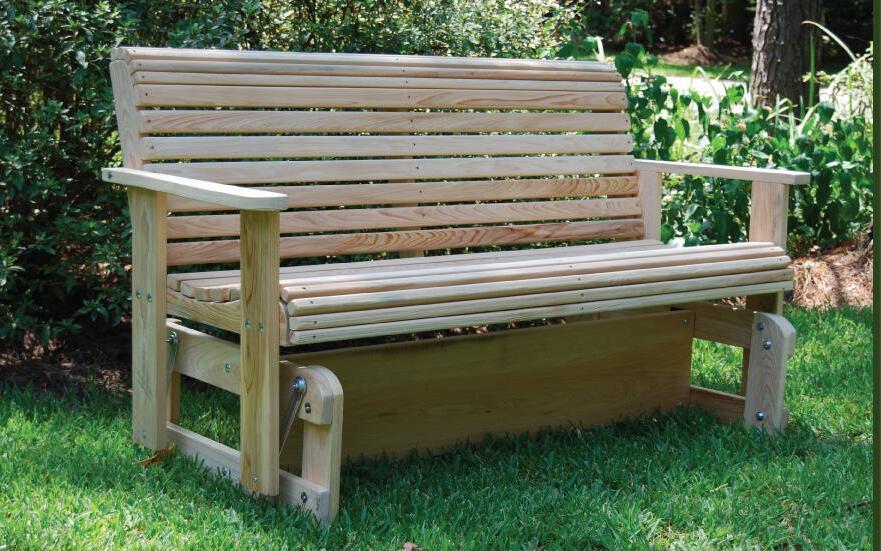
Digging in the dirt or idly deadheading spent blossoms can be incredibly soothing. Know yourself. Choose plants that require the kind and amount of care that give you pleasure. Do plan a place to sit and enjoy your surroundings. Make sure it is comfortable. Seating that gently moves is even better. Because too much sitting is as uncomfortable as too little, carve out a small path or even plan a meditation labyrinth (next pages) to encourage visitors to walk.
LAyinG out the LAByrinth
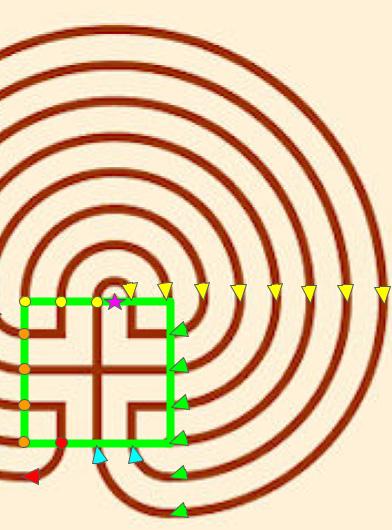
A classic Cretan labyrinth with seven two-foot wide walking channels is 32 feet in width and 28 feet from front to back. Construction begins with a seed pattern of cross, corners, and eight dots (see green square).
Use the purple star as a central pivot point from which arcs are drawn. Stretch a cord one foot from the star to the nearest dot. Continue two feet between each of the succeeding dots. The first arc pivots clockwise around the bottom orange dot to the red arrow. Now five arcs pivot around the left-most yellow dot. Next eight semi-circles pivot around and above the purple star. Six outer arcs continue down. Layout is complete when the two outermost arcs touch the seed pattern.
Delineate the 450 feet of channel borders with 638 8½” bricks. Though tempting to use shrubbery as living borders, that choice requires more space and maintenance so that it does not overgrow the entire labyrinth.

link to design video: labyrinthos.net/layout.html
Burying bricks to ground level so that only the top surface is visible minimizes trip hazards and allows simultaneous mowing. Planting low-growing native stepables may eliminate mowing altogether.
Other common design alternatives include channel widths from eighteen inches to three feet and/or an enlarged central space to accommodate comfortable seating.
chooSinG pLAntS to Suit the Site
Exotic plants can be an exciting challenge for those who live to garden. Keep in mind, however, that some exotics like winged euonymus, bittersweet, or knotweed are invasive, meaning they are aggressive growers that take over from native plants. Gardening success is more likely when plants are chosen to fit the site’s sun, water, and soil type.
Perennials play an important role in establishing a garden because they keep coming back. More than flowers, shrubbery can be an easy way to fill the space with color. The sleep, creep, leap mantra reminds us that new plants may not seem to do much initially, but they begin to spread in their second year and grow much faster after that.

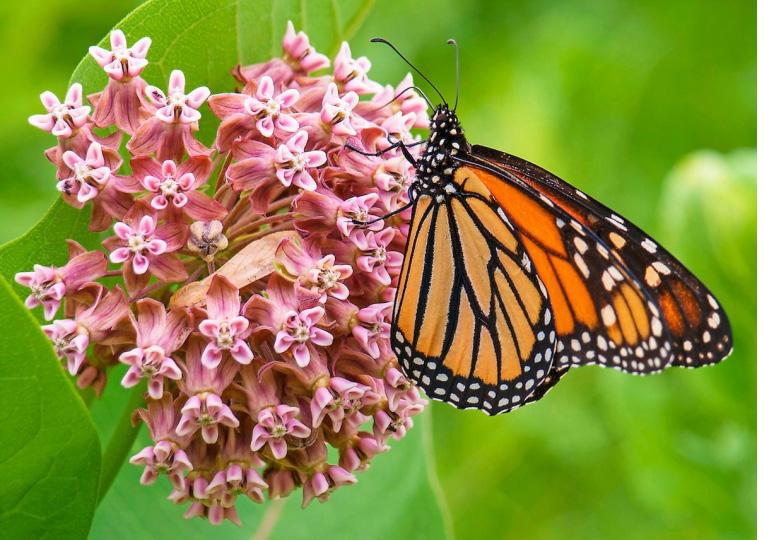
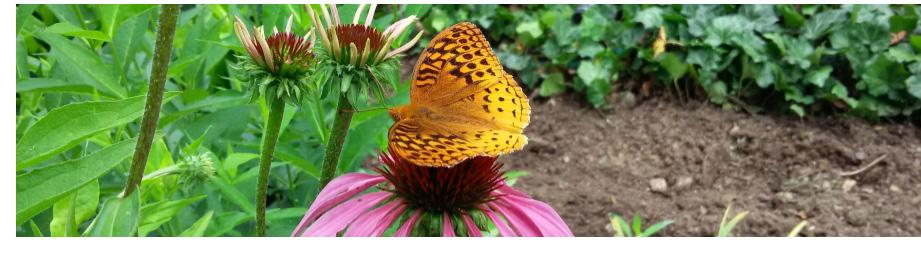
By choosing plants that benefit pollinators, your garden attracts birds, insects, and small critters -- all fun to watch. Then pollinators help plants produce the seeds that create more plants.
Making your garden a draw for all seasons means planning for plants that will be in flower, bear fruit, have heady scents, and turn colors over the course of the year. This QR code links to a spreadsheet with data about plants native to Connecticut; their sun, water, and soil needs; and what they will contribute to the garden in different seasons.

the urBAn micro-foreSt ALternAtive
Yes, intrepid gardeners have planted respites on traffic islands and in parking lots. A sanctuary does not need acres of secluded real estate: a ten-foot square makes a difference. Overplanting native plants can actually translate into a miniature forest in the least likely places within five years. Follow QR code for more about the Miyawaki method.
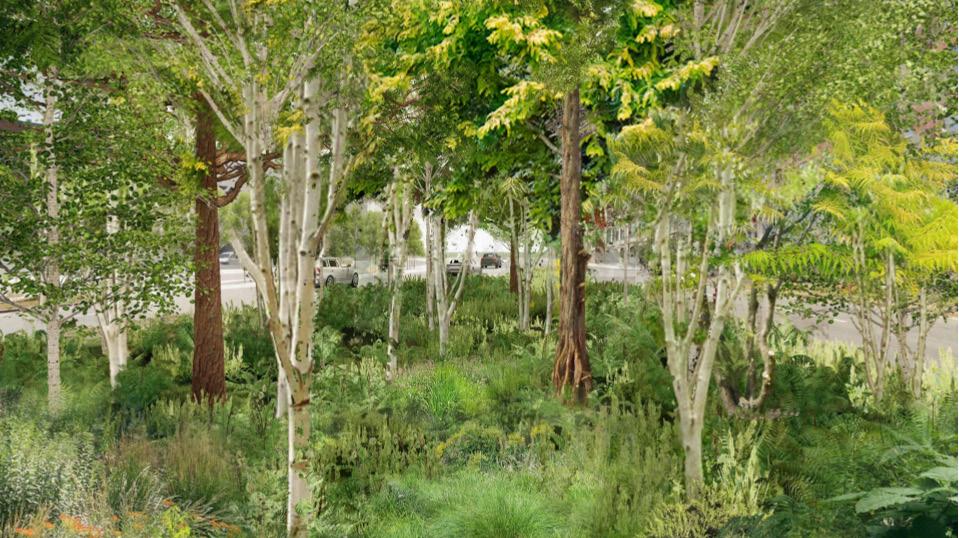
Work with the gifts you have and follow nature’s lead.