Sir Peter Wright at 100
Director Carlos Acosta
Patron
His Majesty King Charles III
President
Lady Sarah Chatto
Founder
Dame Ninette de Valois om, ch
Founder Director Laureate of Birmingham Royal Ballet
Sir Peter Wright cbe
Founder Choreographer
Sir Frederick Ashton om, ch, cbe
Founder Music Director
Constant Lambert
Prima Ballerina Assoluta
Dame Margot Fonteyn
Music Director Laureate
Barry Wordsworth
BRAVISSIMA, BEATRICE!
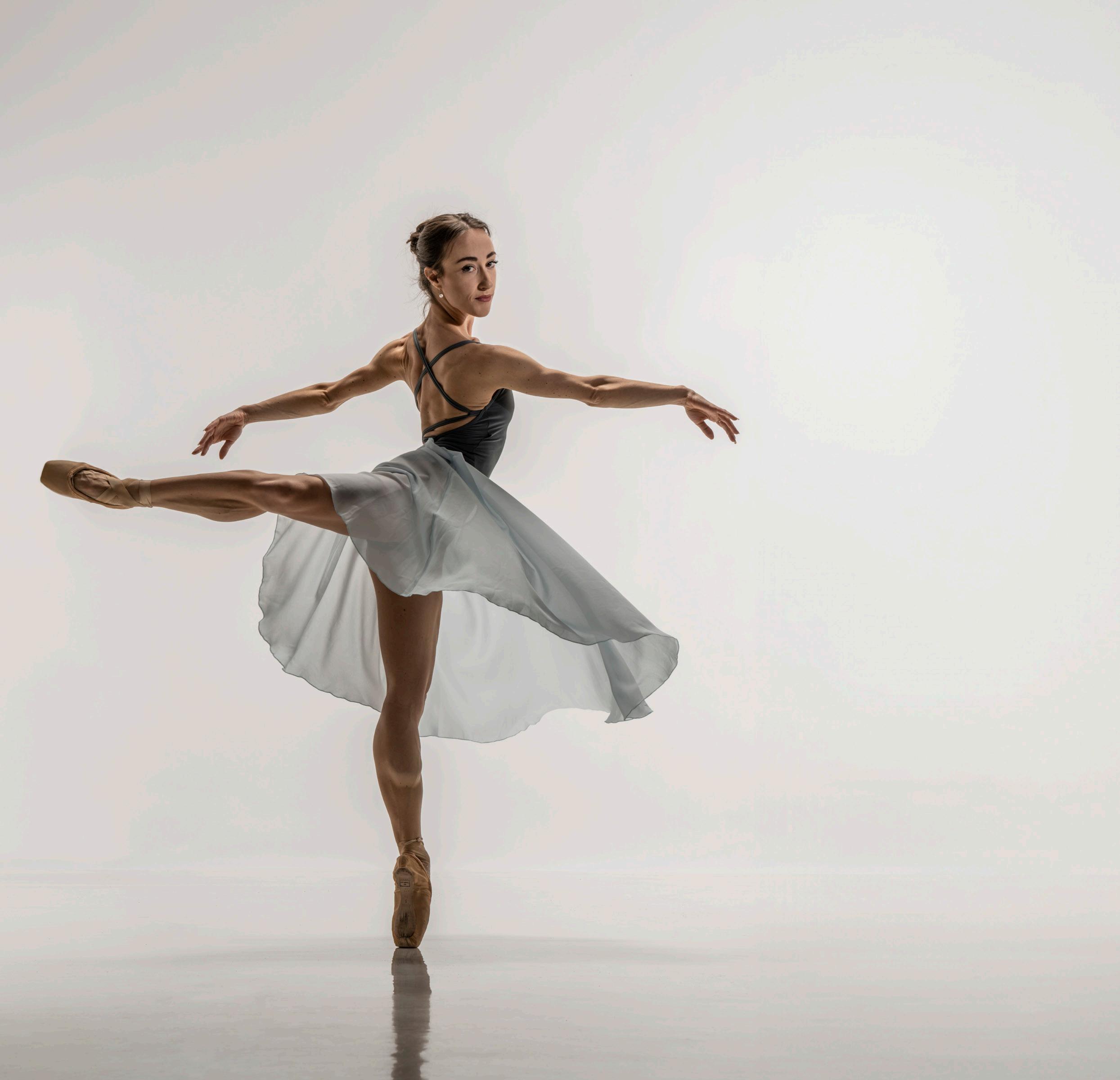
In November, Principal Beatrice Parma was voted Dance Europe’s Dancer of the Year 2025. This comes just a few months after winning the Outstanding Female Classical Performance award for her performances as Lise in La Fille mal gardée at the National Dance Awards ceremony.
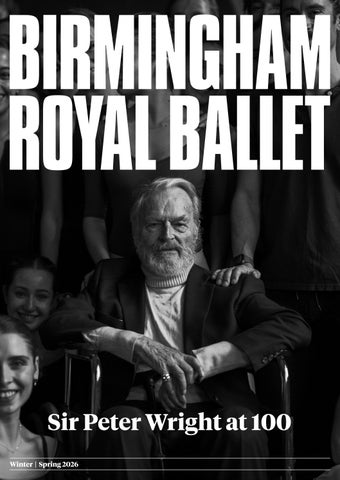
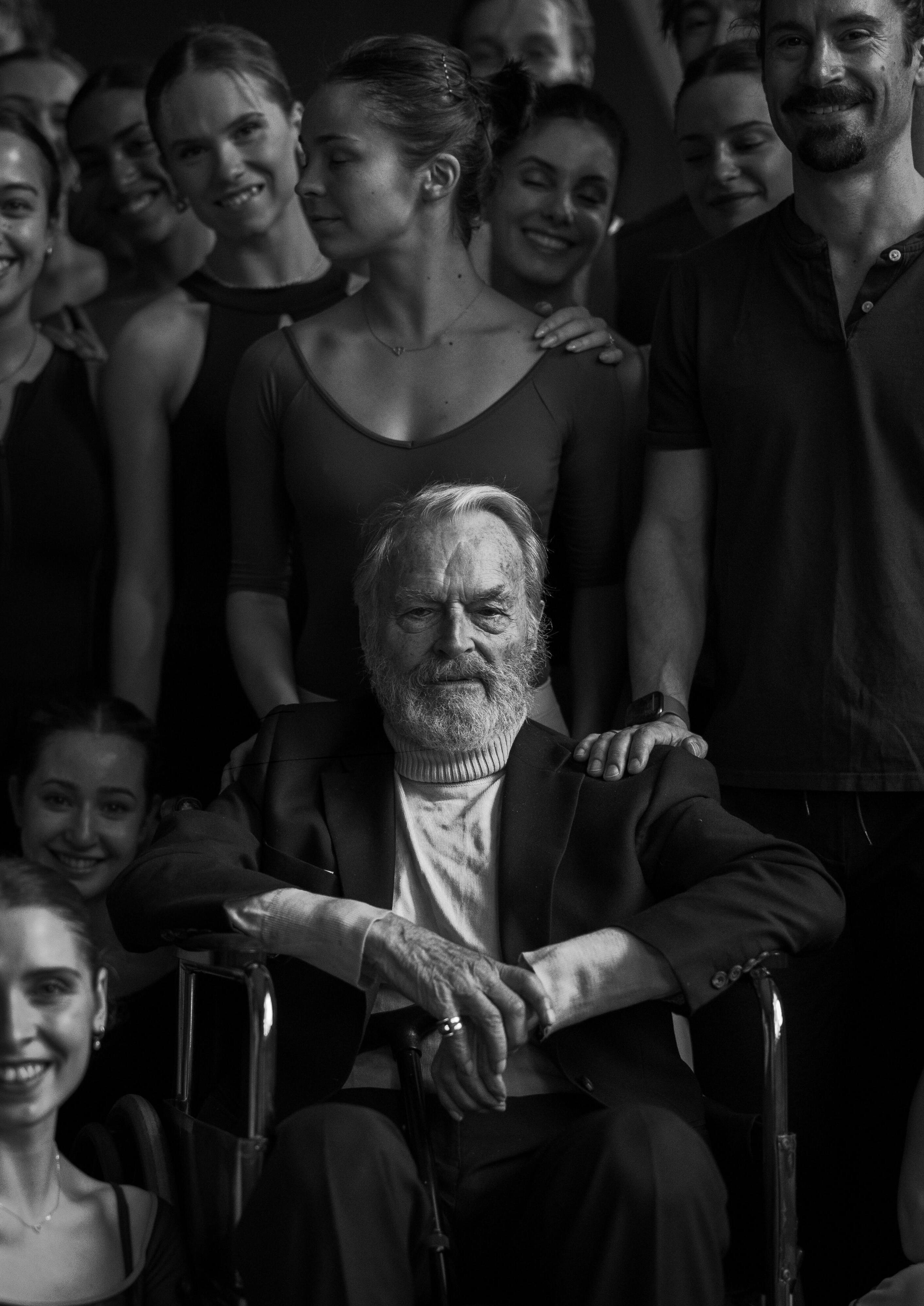
Cover: Sir Peter Wright celebrating his 98th birthday. © Clive Booth. Above: Beatrice Parma. © Johan Persson.
WELCOME
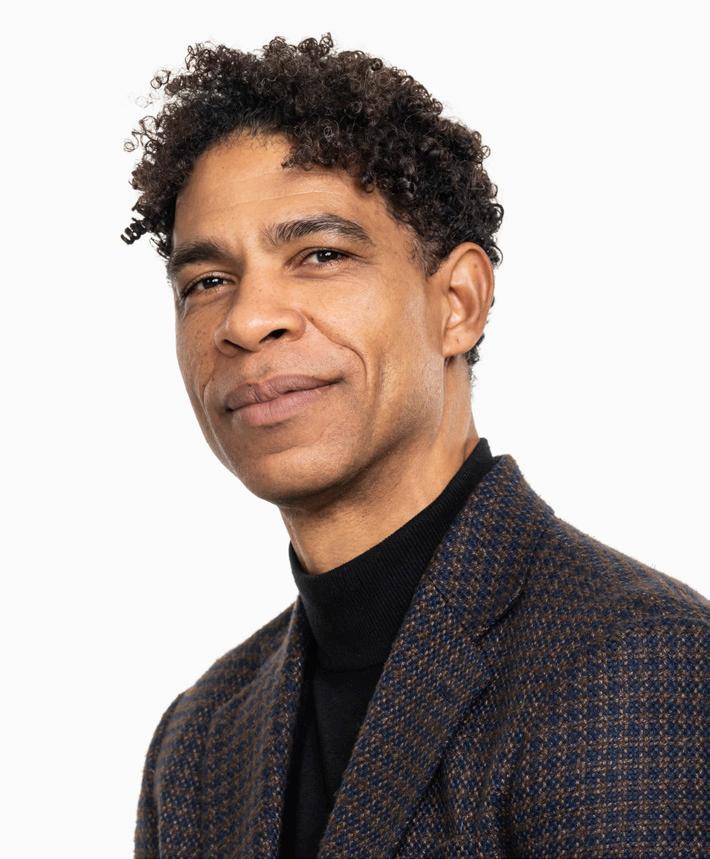
Welcome to the latest edition of BRB Magazine!
First, may I give you a huge thank you for your continued support. Your confidence in what we do means the world to us – and gives us the encouragement we need to keep rising higher!
Our autumn 2025 tour was a triumph. The revival of Black Sabbath – The Ballet was a sell-out success, with ovations ringing out across the country. Then came our annual Birmingham Nutcracker, the centrepiece of the city’s festive celebrations. Its popularity just keeps growing: this was our most successful season ever. We closed the year in style at London’s Royal Albert Hall also with The Nutcracker, performing for around 22,000 people across just six shows.
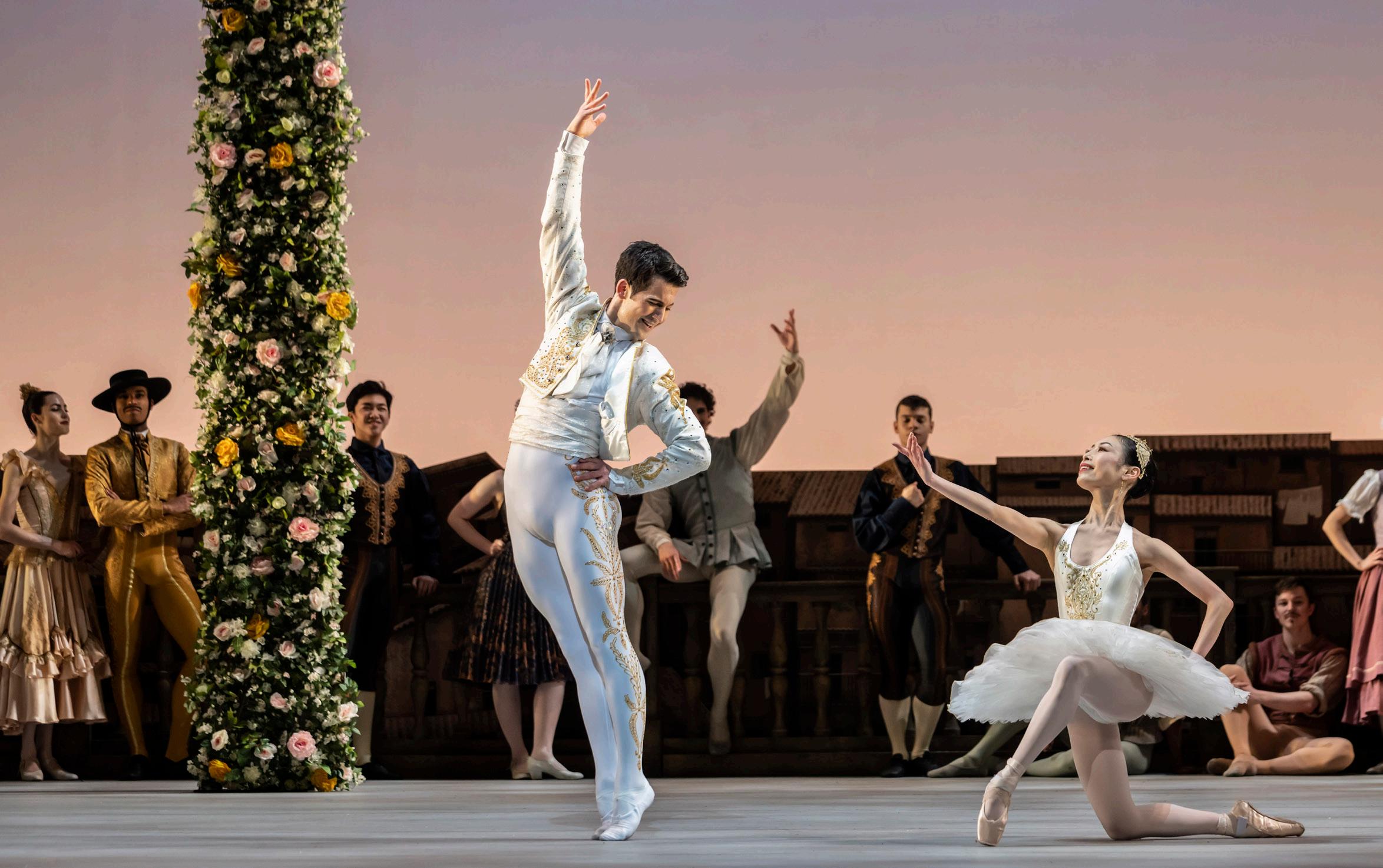
Looking ahead, spring brings the return of my production of Don Quixote to Birmingham Hippodrome on 12 February, before touring nationally.
This is its first revival since 2022, and it’s a true showcase for our dancers and musicians alike.
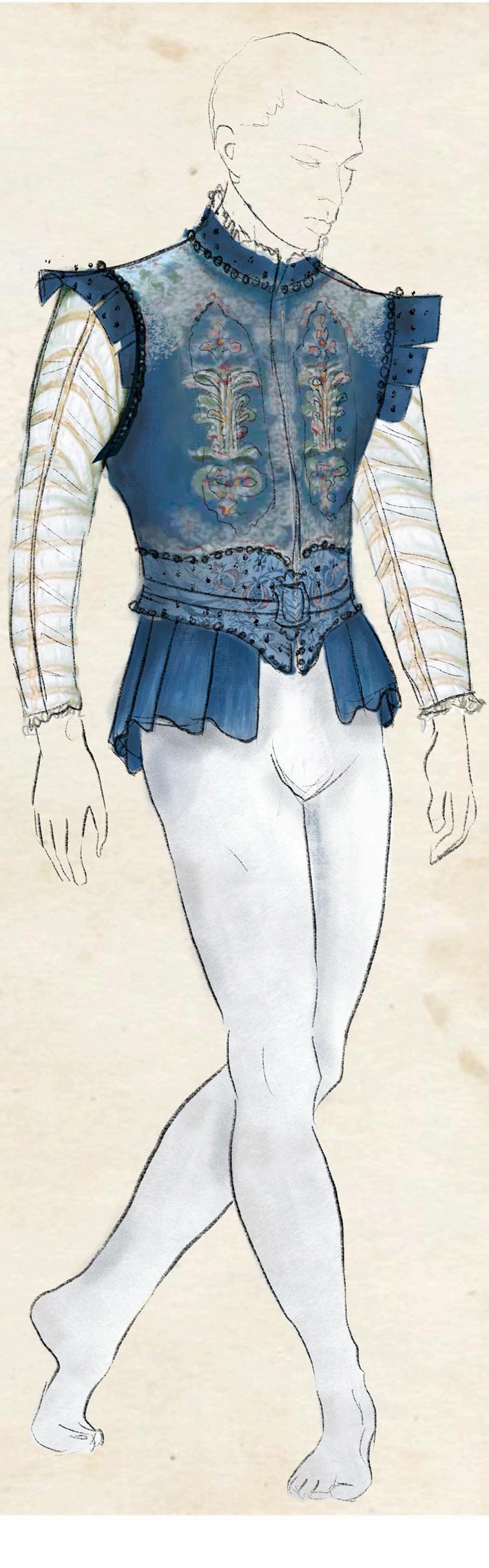
On 26 March, we’ll partner with Birmingham’s stunning Grand Hotel for a glittering fundraising gala to launch my new production, The Maiden of Venice. We’ll reveal the design concept and perform excerpts for the very first time. I’m deeply grateful to TV presenter and journalist Natasha Kaplinsky for generously offering to host this very special event. Natasha, the first-ever winner of Strictly Come Dancing and Chair of The Royal Ballet School, brings her wisdom and passion to this exciting project. As well as having a fantastic time, we aim to raise a significant figure towards the cost of creating this important new addition to the Company’s repertoire (see p.17 for how to attend).
In May, BRB2 – under Kit Holder’s expert leadership – embarks on its fourth dedicated tour. The second season of Diaghilev and the Birth of Modern Ballet, will see these talented young dancers return to Cheltenham, Peterborough and Northampton, and make their debut at the beautifully renovated Hall for Cornwall in Truro.
This edition also features a tribute to our Founding Director, Sir Peter Wright, as we approach his centenary in November 2026. Jane Pritchard explores his extraordinary life and legacy, and we look forward to celebrating his remarkable contribution to the world of ballet on 18 June at Birmingham Hippodrome.
Later in the magazine we chat with world-renowned conductor Gavin
Sutherland about his intricate reimagining of the original score of La Bayadère, as he develops his new arrangement for The Maiden of Venice. You’ll also meet our dedicated volunteer Archivist, Susan Trucchi, and discover much more.
A quick apology for any disruption caused by changes to our 2026 schedule. Moving our Sir Peter Wright Centenary to June and postponing the world premiere of The Maiden of Venice to spring 2027 were tough calls – but they were necessary changes, both artistically and in their positive impact on our financial position.
We ended 2025 with two early Christmas gifts: surpassing our £70,000 Big Give target by raising an incredible £81,938 for the revival of Don Quixote, and signing a three-year partnership between the University of Birmingham and BRB to collaborate on community engagement, education and international promotion.
As we step into 2026, BRB has a fresh energy with exciting projects ahead. I look forward to seeing you at our performances and supporter events.
Until then, happy reading – and a very Happy New Year to you all!
Best wishes,

Carlos Acosta cbe Director

BRING ON THE GONDOLAS!
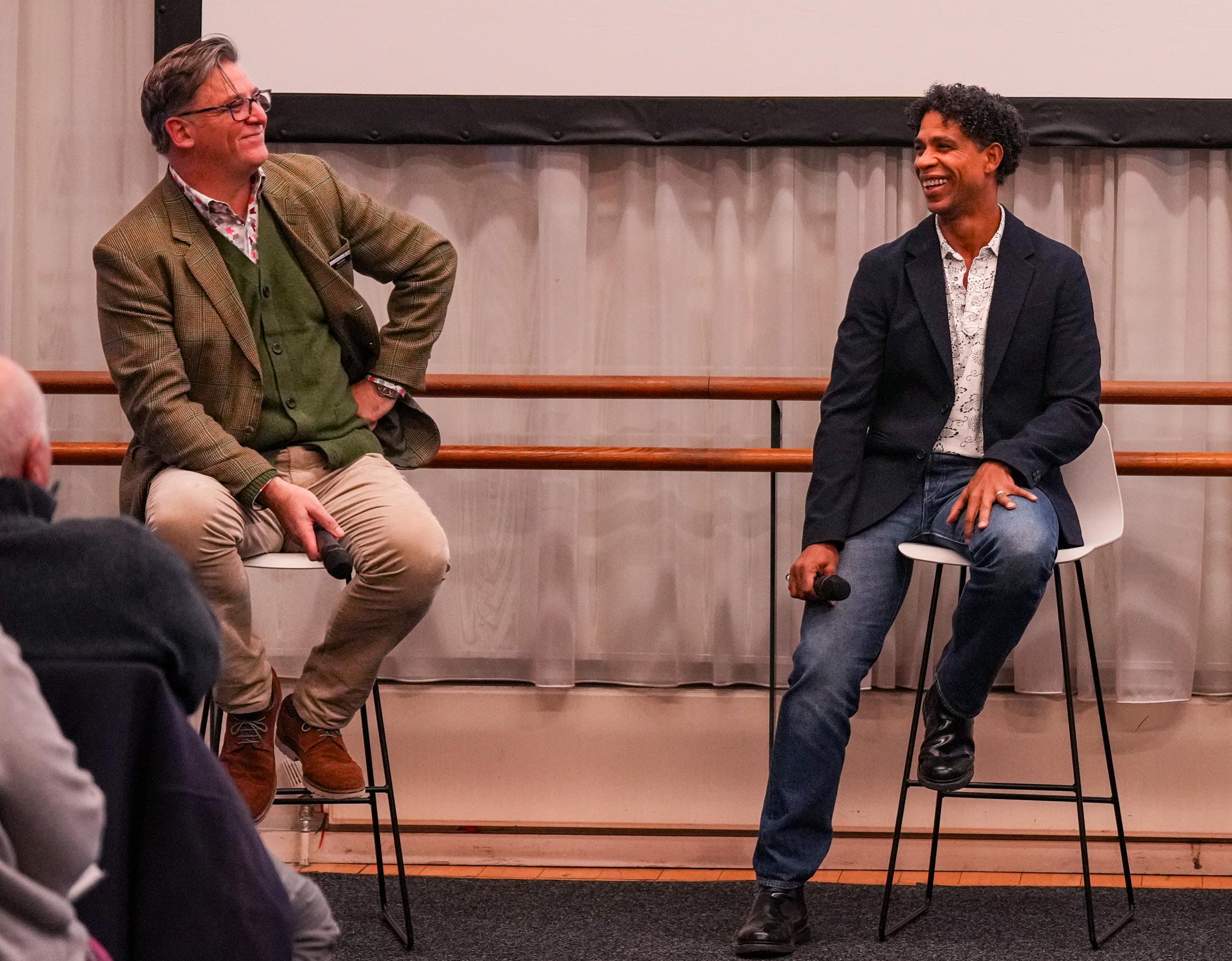
Ariana Allen in conversation with CEO Paul James.
Last year, against stiff competition, BRB2 dancer
Ariana Allen joined the team as Marketing and Communications Coordinator. This was a bold career move, leaving professional dancing behind. In this, her first major writing commission in her new role, Ariana meets our CEO Paul James and describes a fresh new era for the Company.
from the very start. I get to see a much bigger picture – a wider understanding of the challenges of running a ballet company – while getting to work more closely with the incredible people who make BRB special.’
Paul’s strong partnership with Director Carlos Acosta has made the Company’s progress ever more pronounced. Carlos’s enthusiasm, passion and dedication have not only inspired the wider team, but have also had a significant impact on Paul’s leadership.
“As we look forward to a full-scale tour of the lively Don Quixote and an exciting premiere of The Maiden of Venice, Paul cannot wait to dig in to work and help the future of ballet and the Company soar to roaring heights.”
Starting off the 2025-26 season as Chief Executive Officer of Birmingham Royal Ballet marks a well-deserved achievement for Paul James. He was formerly Chief Commercial Officer, a role he held for an impressive eight years, during which time he helped shape the Company’s brand, driving revenue growth and expanding its impact on the global ballet scene. Paul took the reins as CEO in May 2025 after an extensive international recruitment process.
Reflecting on the change he’s instilled, one might assume Paul’s extensive knowledge of the ‘ballet business’ comes from a lifetime in the field. Yet before he led on BRB’s commercial strategy, our CEO was working across the Atlantic in the hotel industry, developing marketing expertise with a Fortune 500 company*. A passionate advocate for branding, audience engagement and customer service, it was no surprise that his arrival at BRB sparked a renewal of the Company’s image and accelerated its growth.
‘It is an incredible opportunity to lead an organisation like this,’ Paul says. ‘Particularly one that, if you look at the history of ballet in this country, was here
‘We are so aligned on what we want BRB to be, to continue to be, and where we want it to grow. It just makes everything so much easier,’ Paul reflects.
The two have several exciting projects coming up, one of them a major threeact ballet set to premiere in spring 2027: The Maiden of Venice. As the first largescale, ground-up work to be created in his new role, the production represents a symbolic start to our CEO’s new chapter.
His involvement in the initial conversations with Carlos spurred many light-bulb moments. The idea clicked for the two when they started making connections between the original story of La Bayadère and the city of Venice – a centre of world trade in the 16th century, ripe with the potential for storytelling and reinvention.
‘Re-creating the scene of the snake bite in Act II**, for example, would make sense in Venice, as there would have been ample opportunity for a snake to find its way onto the cargo being imported from India and Asia.’
The original story provides much room for adaptation, and many laughs were
exchanged in the brainstorming process:
‘In that first conversation I had with Carlos, I said, jokingly, that we could do a Flash Gordon version of La Bayadère, put it on another planet in the 1930s, and the Kingdom of the Shades scene*** would still make sense in that context!’
Paul is also eagerly anticipating the return of Carlos’s Don Quixote in February 2026, this time presented in all its full-scale glory. The ballet was first introduced towards the end of the pandemic, a period which saw us having to down-scale aspects of the production and have dancers step in at short notice into roles they’d never done. While it was exceptionally well received and virtually sold out at Sadler’s Wells Theatre, Paul cannot wait to see what happens when audiences experience our ‘most fun, ridiculously joyful ballet’ shine properly for the first time.
Of course, the ballet world today isn’t all romantic Venetian settings or sangria on a sunny spring afternoon. Like many cultural organisations, BRB has been facing some significant financial pressures amid economic uncertainty and rising inflation. ‘As a not-for-profit organisation, we constantly have to consider how we can reinvest in the business, but the margins are incredibly
tight. That’s what’s been the shock, and what has really brought us to focus.’
Ballet shoes, alone, for example, are costing the Company up to 30-40% more than they were a few years ago.
Despite the challenges, Paul remains optimistic. His goals, both for himself and the Company, hint at a promising future. He’s developing a robust business model designed to keep us moving forward and ensure BRB can continue to do the things we need to do. His focus has been on restructuring the organisation and strengthening communication between the departments so that BRB operates as one cohesive, collaborative team.
While the Company works fiercely, Paul acknowledges that our success in keeping the magic of ballet alive would not be possible without our supporters.
‘Our ticket sales are incredibly successful, but as a charity, generous donations provide the backbone of BRB’s finances.’
BRB is deeply grateful for, and immensely proud of, everyone who allows us to uplift, delight, entertain, challenge and move people, everywhere,
“Of course, the ballet world today isn’t all romantic Venetian settings or sangria on a sunny spring afternoon.”
through great ballet and music. Recent seasons have included unforgettable highlights, such as touring Black Sabbath – The Ballet to Europe and the USA, and The Sleeping Beauty and Cinderella to Japan. These experiences made a name for the Company in some places we never thought possible, experiences Paul hopes he will see repeated in seasons to come.
As we look forward to a full-scale tour of Don Quixote and the premiere of The Maiden of Venice, Paul cannot wait to dig into work, support ballet’s future and enable the Company to soar to roaring heights:
‘Bring on the Gondolas!’
*A US company identified by Fortune Magazine as ranking the highest in terms of total revenue.
** In Act ll of the original production of La Bayadère, during the betrothal between Solor and Gamzatti, Nikiya is presented with a basket of flowers where a venomous snake has been hidden in a plot by Gamzatti. Nikiya is bitten but refuses an antidote, choosing death rather than a life without Solor.
*** In Act lll of the original production of La Bayadère, the grief-stricken Solor falls into an opium-induced dream in which a vision of his beloved Nikiya appears, surrounded by a multitude of other temple dancers who dance in perfect formations in a breathtaking spectacle, creating one of the most celebrated scenes in the classical ballet repertoire.
Paul James and Carlos Acosta. © Hannah Beveridge.
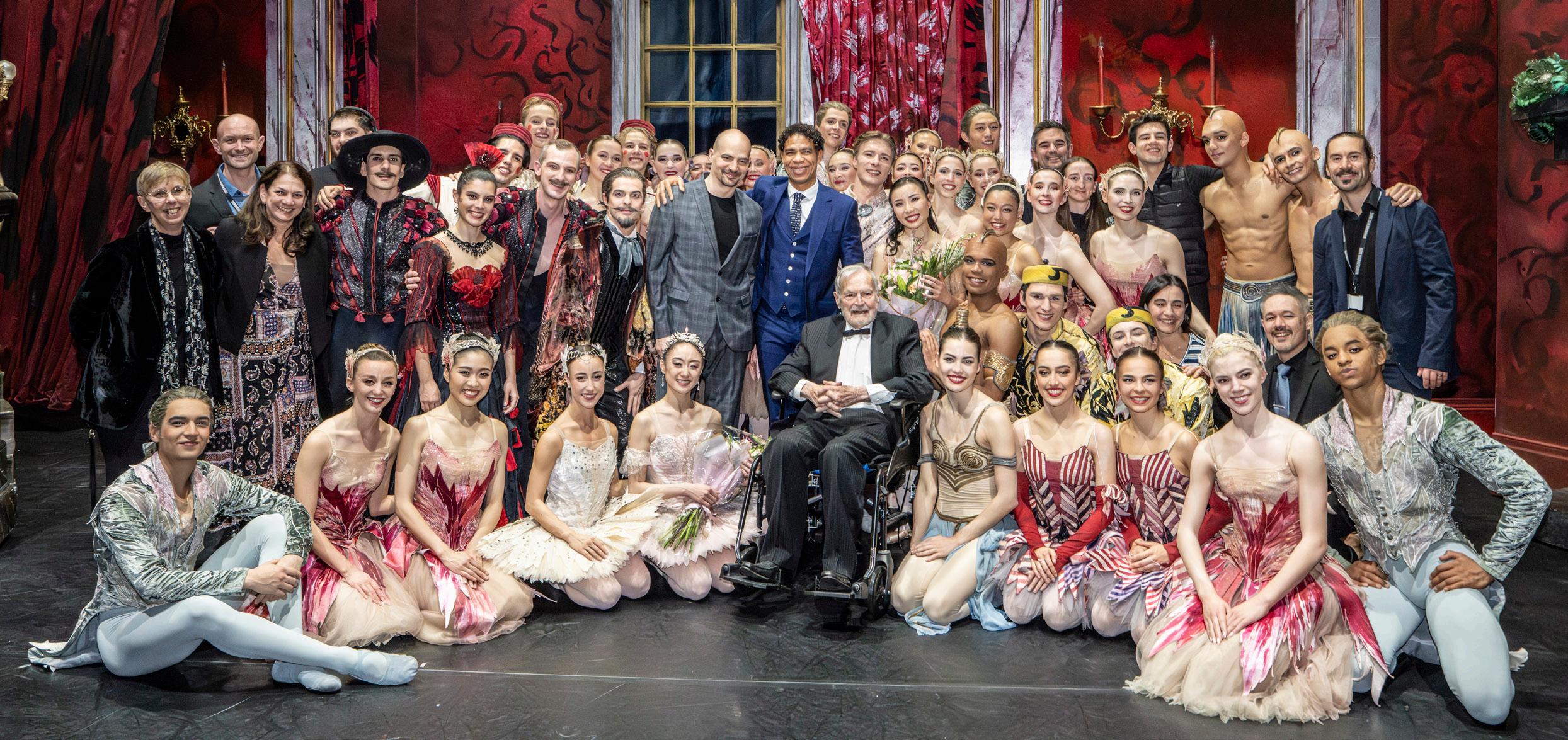
SIR PETER WRIGHT A MAN OF THEATRE AT 100
Jane Pritchard traces the life of BRB’s Founding Director Laureate and creator of some of the Company’s most cherished productions.
As he reaches 100 this year, Sir Peter Wright’s life deserves to be celebrated for far more than his longevity. From the boy who ran away from school to become a dancer, to a highly respected artistic director and producer of the classics, his has been a remarkable career quite outside the usual progression up the ranks of one company. The variety of his early experiences fed into his work and gave him an awareness of how to run a company. His own bewilderment over the action in the classics he saw informed how he should approach revivals of these great ballets.
Having been taken by his mother to see International Ballet in a mixed bill that included Les Sylphides, Wright was determined to become a dancer, and when his strict Quaker father refused to
support him, he acted in his own way. After two freezing nights in Somerset, he handed himself into the police, but his determination made his father think again – he would have to make his own way. In 1943 Wright found work as an apprentice with the Ballets Jooss, a refugee company that had fled Germany at the rise of Nazism, then based in Cambridge.
Wright’s job on tour was call-boy and follow-spot operator, and he undertook anything else except dancing. However, the central work in their repertoire was Jooss’s own thought-provoking work on the devastating recurrence of war and its impact on society, The Green Table. The power of this ballet never diminishes, and Wright continues to champion this masterpiece.
Wright recognised he needed more serious training, and in the 1940s and 50s, he found work in musicals, revues, films and modelling to pay for classes with Vera Volkova. He also danced with several short-lived touring companies including the Metropolitan and St James Ballet, and eventually Sadler’s Wells Theatre Ballet. Touring meant that from the outset Wright became aware both of conditions dancers faced, and of audience reactions to ballet, particularly in regional venues.
Wright’s early career took in seasons at Henley with John Cranko and Kenneth MacMillan, and more significantly with the lovely Sonia Hana who became his wife and supported his activities for 53 years. He worked in commercial theatre, was invited by Ninette de Valois to take charge of the opera-ballet at
Sadler’s Wells from 1955, and he chose to train as a director in television. In 1961 John Cranko invited him to Stuttgart as his Ballet Master to free himself to choreograph. All these activities laid the foundations for Peter’s activities, mounting the classics and developing the company that is now Birmingham Royal Ballet.
In 1969 he was invited to join the directorate at The Royal Ballet, a time of change and reorganisation. From 1970 he was an assistant director to Kenneth MacMillan which initially involved a range of projects but ultimately settled to overseeing what was called the New Group. Having done away with the ‘touring section’ the Royal decided to send out small groups of dancers performing more experimental contemporary works and ballets with smaller casts to the regions. This was not a popular move, as Wright, with his experience of regional audiences, understood. By the mid-1970s Wright had transformed the group into a defined company with a base at Sadler’s Wells, and more traditional productions including his stagings of Coppélia and Giselle. From 1977 he was officially the director of Sadler’s Wells Royal Ballet continuing in the role through its 1990 transformation to Birmingham Royal Ballet.
Wright’s other lasting achievement, and one that receives international recognition, is his ability to mount the classics so that their narratives are accessible to audiences who may only see ballet once or twice a year. Some purists might be offended, but Wright’s concern was these ballets should have a clarity and provide fascinating entertainment. Wright was exposed to the classics, editing the choreography on some of Margaret Dale’s TV presentations, and then was invited to mount both Giselle and The Sleeping Beauty in Germany, initially for Stuttgart (1966) and Cologne Opera Ballet (1968) respectively.
In the 1940s, the mime in The Sleeping Beauty, Swan Lake, Nutcracker and Giselle made them artificial and incomprehensible to Wright. When staging the classics he researches earlier productions, but he is aware that times and society change – a faithful 19thcentury reconstruction of Swan Lake or The Nutcracker would not work for a contemporary audience. As he writes in his autobiography, what matters is ‘to keep the story clear and credible with the characters strongly drawn’.
This is evident in his award-winning Swan Lake that he created in 1981, with the assistance of ballerina Galina Samsova, who recalled the Alexander Gorsky choreography she had danced in Kyiv. Wright felt that the Russian style was appropriate for the choreography for the corps de ballet. But he was constantly asking questions. Why did Prince Siegfried have only a mother? His production opens with his father’s state funeral. Who was Benno, the Prince’s friend who intruded into the lakeside pas de deux? He was integrated into other dances including what had traditionally been a pas de trois just to entertain the court in the opening scene. In the third act he reduced the number of princesses vying for Siegfried’s hand and individualised them to link to the character dances of the divertissement. Nothing was left because ‘that is how it was always done’. In bringing new life to the classics, he inspired his dancers and, even half a century later his productions, such as Swan Lake which is to be performed in Birmingham and London in autumn 2026, continue to be enjoyed by audiences all over the world.
Jane Pritchard is the Curator of Dance at the Victoria and Albert Museum
COME AND SEE!
Sir Peter Wright Centenary
Birmingham Hippodrome 18 June 2026
20th-Century Masterpieces
Birthday Offering | The Green Table | Theme and Variations
Birmingham Hippodrome 19 & 20 June 2026
SWAN LAKE
Birmingham Hippodrome 23 September – 3 October
Sadler’s Wells, London 28 – 31 October (On sale May 2026)
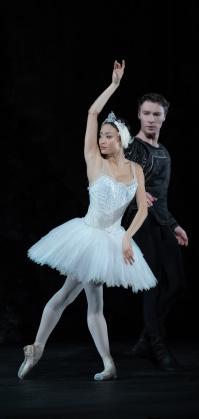
Yaoqian Shang as Odette and Max Maslen as Prince Siegrfried in Swan Lake. © Bill Cooper.
BALLET CHANGED MY LIFE: BALLET HOO!
In part 2 of this series, Diane Parkes continues to unveil the unique impact of this award-winning social action project as it approaches its 20th anniversary in autumn 2026.
Millions of people watched Linden Walcott-Burton die when he played Tybalt on stage in the televised Birmingham Royal Ballet production of Romeo and Juliet. Killed by Romeo, Tybalt dies dramatically and agonisingly. Linden was utterly convincing in the role – and yet the teenager was not a ballet dancer at all. Linden was taking part in Ballet
Changed My Life: Ballet Hoo! a two-year project in which around 200 young people deemed to be ‘at risk’ were given intensive coaching in life skills and ballet training.
Combining the expertise of the local authorities of Dudley, Sandwell, Wolverhampton and Walsall, the charity Youth at Risk, BRB, Diverse Productions and Channel 4, Ballet Hoo! culminated in the stage production in September 2006.
Linden, then a teenage student in Dudley, was picked to play Tybalt. ‘I went through most of the project being invisible, and not in a bad way because it was about everyone,’ he recalls. ‘But I feel as though I was stepped up and stepped up and stepped up. There was obviously a degree of pressure but I didn’t really feel pressure to be honest. I think that is a combination of me, my personality –I’m good under pressure, I just get on with things – but also I think that it is down to the support that we had from BRB and the coaches because they put me in a position where I could deliver.’
After A-levels, Linden undertook courses with the National Youth Theatre and went on to study at The Academy of Live and Recorded Arts in London. Freelancing as an actor, director and workshop facilitator in
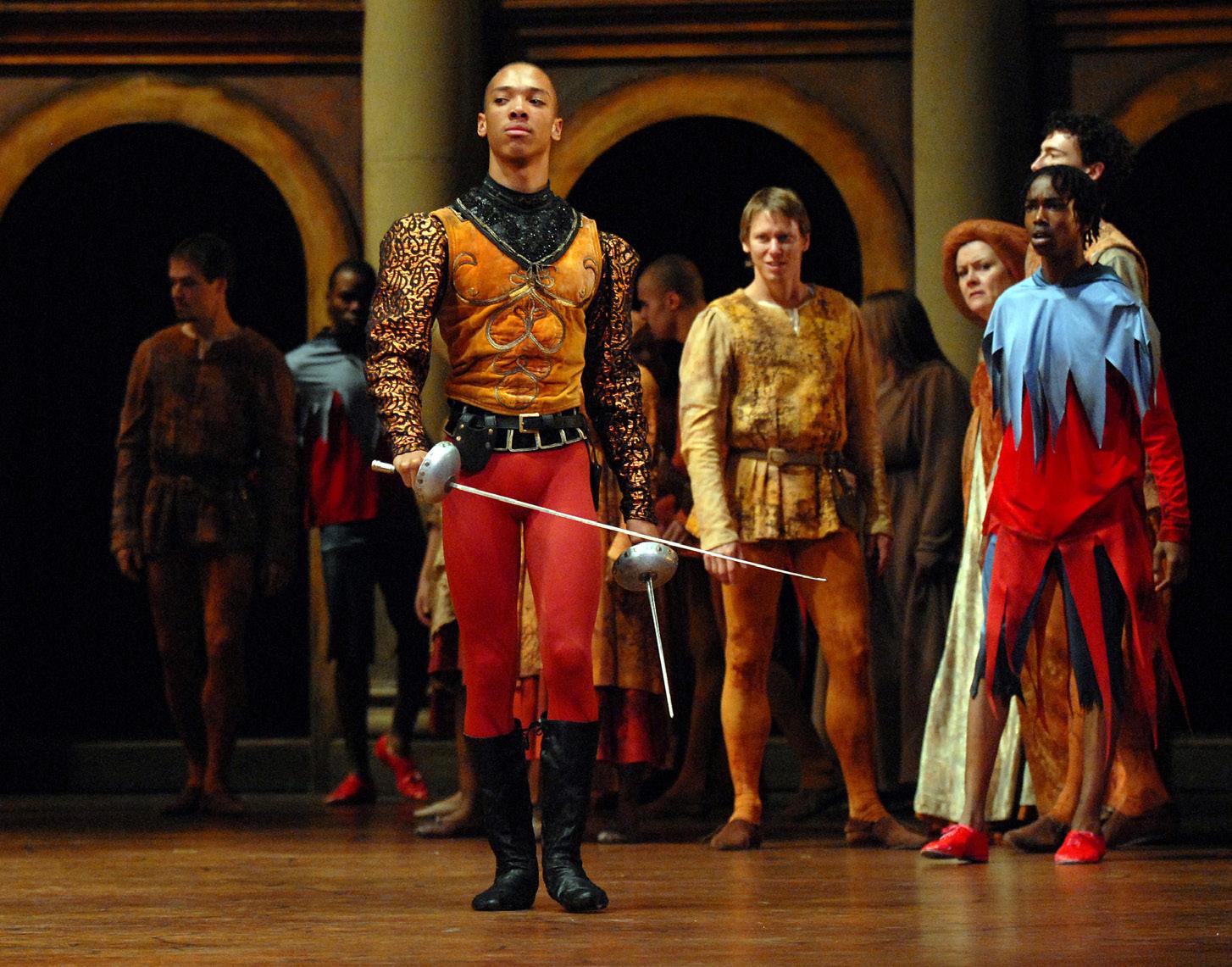
Linden Walcott-Burton as Tybalt. © Phil Hitchman.
theatre and television for ten years, he then joined the Civil Service during the Covid pandemic. Today Linden, aged 36, is a Culture Policy Officer for the Mayor of London while continuing to freelance.
And he learned a good deal more than how to perform on stage through Ballet Hoo! ‘It taught me not to think about the task or how big something might be, I just do it. I don’t get intimidated by things, because of the process we went through with BRB and the coaches. It instilled in me a level of self-discipline and work ethic and standards. It definitely set me off on the path to achieve the things that I’ve done and to become the person that I’ve become.’
Personal development overrode everything else in the programme, says Keith Horsfall, who was Project Director for Ballet Hoo! ‘We were trying to make a difference to the lives of more than 200 kids,’ he says. ‘I think almost without exception, even the most difficult, they understood themselves better because of the project. They knew in life going forwards they had choices, sliding door moments, and because of what we gave them they probably made better sliding door choices than they would have done.’
Keith and his team of coaches saw those developments emerge over two years. ‘The more we got into the project, the more we saw that what made it so good was that ballet was the vehicle. It wasn’t the be-all and end-all,’ adds Keith, who was seconded to Ballet Hoo! from his role as Dudley Council Performing Arts Deputy Head. ‘It was about getting the kids on board and showing them possibilities, and it was about them learning about their own personal responsibility.’
The scheme also gave many of the young people a sense of shared responsibility and community, says Michelle Bould, who was Youth Coordinator on Ballet Hoo!
‘Gradually there developed a sense of solidarity, the change in friendship groups which are lifelong. The sense of self, which changed not just the life choices for them, but all the people they came into contact with,’ she says. Michelle, who was seconded from Sandwell Council where she was Arts Development Officer, believes the young people added their own experience to the production.
‘It takes a lifetime to train a young person to dance to that calibre and that level of artistry but in a piece like Romeo and Juliet the drama is that lived emotion that you bring to the artistry and the choreography as well. So if you have some of that in your lived experience, it’s going to come out on the stage.’
Keith and Michelle have gone on to work on further arts and personal development projects with other organisations through the charity Leaps and Bounds Trust.
‘The subsequent projects that we did grew out of Ballet Hoo!’ Keith says. ‘As a result of the project there have been 20 years of other projects based to a degree on the same concepts. And so it changed our lives. I think everybody who was involved, their lives were changed and for the better. And still are.’
Diane Parkes is a freelance journalist based in Birmingham who specialises in the arts.
“The subsequent projects that we did grew out of Ballet Hoo! As a result of the project there have been 20 years of other projects based to a degree on the same concepts. And so it changed our lives. I think everybody who was involved, their lives were changed and for the better. And still are.”
Donate to our Community & Education work
BRB is committed to providing ongoing engagement programmes benefitting a range of young people and adults across our diverse community. These not only introduce the art form to many people for the first time, but also support the development of wellbeing, confidence and life skills. None of this is possible without support. Donate now at brb.org.uk/donate
SPRING TOUR 2026
Director Carlos Acosta, in conversation with Jim Fletcher, reflects on the genesis of his production of Don Quixote.
What was your motivation for creating a new version of Don Quixote for the The Royal Ballet?
I have a long and very happy history with Don Quixote. Some readers might remember that it was for my performance of the Basilio solo from the ballet’s wedding pas de deux that I won the Gold Medal at the 1990 Prix de Lausanne. Since then, I have performed the same role in many productions on some of the world’s great stages. Being Cuban myself, the Latin flavour and the rhythms of Minkus’s score have always had a resonance for me, as have the reflections on the human condition in Cervantes’ 17th-century novel.
In creating my production for The Royal Ballet, I was of course keen to honour Petipa’s 19th-century original ballet. I was also eager to remain faithful to Cervantes’ parable with its key message that imagination and fantasy can perhaps help shape one’s perception of reality, and even bring purpose and meaning to life.
I was also excited about highlighting its vibrancy and Spanish vivacity, infusing it with the sunny, happy atmosphere of Spain and including on-stage musicians.
What made you decide to re-create the production for BRB?
The Royal Ballet version has proven to be extremely popular since its premiere in 2013. I really wanted to share this experience with our home audiences in Birmingham and, being a touring Company, I felt sure that our audiences around the UK would love to see it too.
This entailed creating a show that could be easily transported and adapted to a variety of different stages and backstage conditions.
Since becoming Director in 2020, it has been one of my key aims to create productions that are entirely unique to BRB. In fact, it was this production of Don Quixote that National Ballet of Canada chose to perform in 2025, hiring our sets and costumes, bringing welcome income to BRB and raising awareness of the City of Birmingham.
What do you consider are the key elements that make your production so popular?
The vibrant colours, the non-stop energy, the virtuosic dancing of the BRB dancers, the on-stage musicians, and the superb musical performance of our Royal Ballet Sinfonia in the orchestra pit (not forgetting the lifeaffirming message that it’s probably OK to be a bit of a dreamer!).
The work that went into adapting Ludwig Minkus’s music for your future production of The Maiden of Venice appears to have been quite exacting. Was this the same experience with Minkus’s Don Quixote score?
It was equally complex, but in a different way. I wanted a new orchestration that modern-day audiences would find exciting. However, getting to grips with Minkus’s original score proved to be a rather delicate and complicated process, which involved many hours of painstaking research led by two
“ I have seen many people – often whole families – leave the auditorium with smiles on their faces, humming the music and with a spring in their steps.”
Birmingham Hippodrome 12 – 21 February 2026
Lowry, Salford 5 – 7 March 2026
Plymouth Theatre Royal 18 – 21 March 2026
Mayflower Theatre, Southampton 15-18 April 2026
Sadler’s Wells, London 23 – 25 April 2026
wonderful colleagues: Koen Kessels and Paul Murphy, with multiple versions of the new orchestration being reworked by the gifted Belgian composer Hans Vercauteren. For instance, the percussion parts were re-written quite late in the process, in order to be more sympathetic to the rest of the score, and, for similar reasons, there will be some changes in the brass sections in the 2026 revival. The final version that audiences will enjoy hearing is in keeping with the energy of the virtuoso dancing, the pace of the on-stage action, and my overall vision for the production.
What do you want audiences to feel as they leave the theatre?
I want our audiences to leave our theatres feeling uplifted, energised and entertained. I have seen many people – often whole families – leave the auditorium with smiles on their faces, humming the music and with a spring in their steps. There can never be enough of that, in my opinion. For me, that is mission accomplished!
Bienvenus à Birmingham!
Huge thanks to everyone who supported the 2025 Big Give Christmas Challenge.
Each December, we participate in the national Big Give Christmas Challenge, an opportunity to double donations through a unique giving scheme. In recent years we have focused this on supporting the immense cost of touring live ballet and music. With over £81,000 raised towards Don Quixote this year, every penny makes a difference! We are very grateful to all our pledgers, particulalry Charles Glanville, Ian & Alison Fisher, John Fendek, The GNC Trust and NBB Law, Charity Champion The Reed Foundation, and to all our donors.
We are delighted to welcome National Ballet of Canada’s celebrated Principals Geneviève Penn Nabity and Siphesihle November for selected performances of Carlos Acosta’s Don Quixote in Birmingham, where they will reprise the roles of Kitri and Basilio that they performed when Carlos’s production had its North American premiere in summer 2024.
Thursday evening 12 and Saturday matinee 14 February Geneviève Penn Nabity with Mathias Dingman
Friday 13 and Sunday 15 February Siphesihle November with Momoko Hirata
Momoko Hirata and Mathias Dingman in Don Quixote. © Johan Persson.
Royal Ballet
IN THE SPOTLIGHT...
In the latest of our Spotlight series, we meet Susan Trucchi, our remarkable volunteer Archivist.
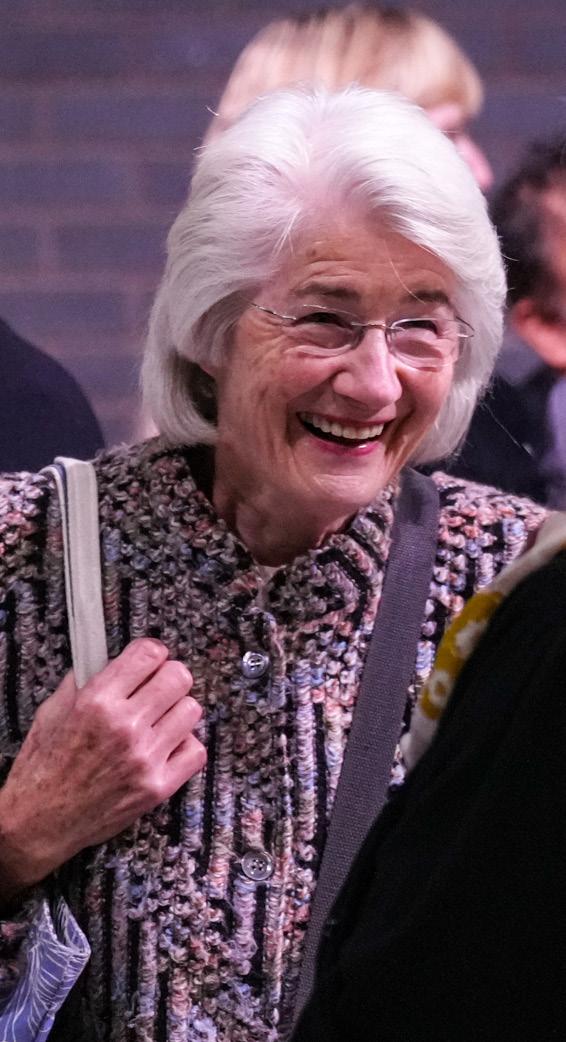
“ It’s similar to the satisfying feeling I got researching my own family tree.”
How did you come to this role?
In 2006/07 I was asked by the then BRB Friends’ Coordinator, Sheila Hitchman, if I could help the Press & PR Department sort out its stock of press cuttings and photographs. The BRB Archivist had left about five years previously and had not been replaced. So, my involvement grew from there!
Where does the Archive live?
Initially the Archive was kept in BRB’s climate controlled Archive Room. During a refurbishment in 2014, the contents of the Archive Room were moved to the Library of Birmingham, but a large number of photographs, transparencies, contacts and PR files are still held at BRB. In the Archive at the Library of Birmingham materials are all stored in boxes and ‘pockets’ specially designed to protect valuable archives material from atmospheric deterioration. More recently, during the Covid Pandemic, the Press & PR archive was moved to an external storage space, along with some other items previously held at BRB for reference. All items in the Archive are listed in either Excel spreadsheets or Word documents and can be referred to when needed. Most of the Archive from the Sadler’s Wells Royal Ballet (ie pre 1990 and the move to Birmingham) is still part of the archive of the Royal Ballet and Opera.
What happened next?
We are deeply grateful for the volunteer time Susan donates so generously to Birmingham Royal Ballet. At a recent company meeting, we presented her with a framed image from David Bintley’s Hobson’s Choice, by way of thanking her for years of dedication to maintaining our archive and preserving our heritage.
As a volunteer, I have continued to come into the BRB offices once a week as well as spending two to three hours a week at home updating the various logs. At the end of every year, I arrange for completed boxes to be taken to the Library of Birmingham Archive.
I help with queries from external organisations, members of the public or
BRB staff who need accurate references from previous productions, former staff members and so on.
What is archived?
There is a wide variety of items, including copies of printed programmes and corrected cast lists, photographs, posters, leaflets, press releases, press cuttings, reviews and a detailed card index for every production, started during the Sadler’s Wells Royal Ballet years and stored in ‘Madam’s Box’ (Royal Ballet Companies founder Ninette de Valois was affectionately known as ‘Madam’). We have a healthy supply of printed photographs, including production-specific file sets of first performances up to the early 2000s.
At some point, when finances and capacity allow, we should digitise the collection to ensure that it is available for future generations and accessible publicly to students and other researchers worldwide. Although most of the material is protected to the best of our ability, the current storage systems, especially those at BRB leaves some items vulnerable.
All in all, what’s the purpose of the Archive?
To provide an historical record for future research and to ensure the history of BRB is intact, accessible and celebrated forever.
Why do I do it?
Because I love it and I am passionate about preserving the Company’s important history. It is truly wonderful to discover historic material, to touch and feel old documents and photographs that have been handled by others in the past. It’s similar to the satisfying feeling I got whilst researching my own family tree.
Susan attending a BRB event. © Hannah Beveridge.
COMPANY NEWS
Here’s a round-up of some recent Company news.
STEPPING INTO 2026!
Hot on the heels of our Royal Albert Hall Season, Soloist Yasiel Hodelín Bello became the first BRB dancer to perform in the Ballet Nights phenomenon at its sell-out New Year’s Day gala at London’s Cadogan Hall. Yasiel performed excerpts from Le Corsaire and Don Quixote to rapturous applause.
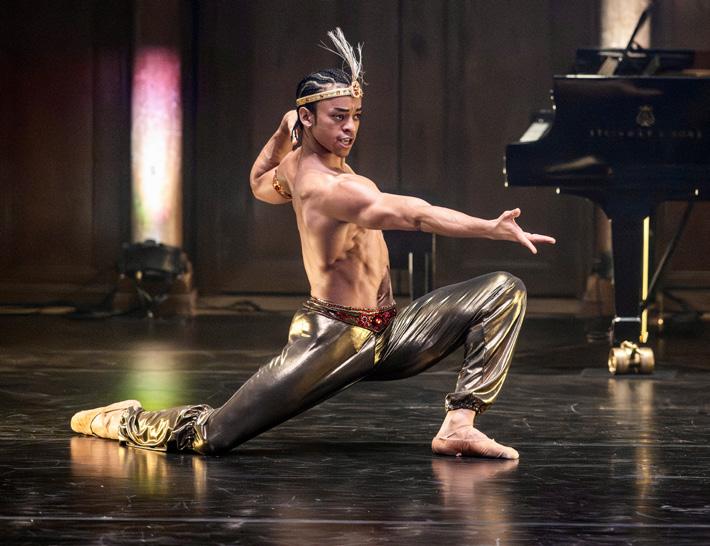
MAX ON TV
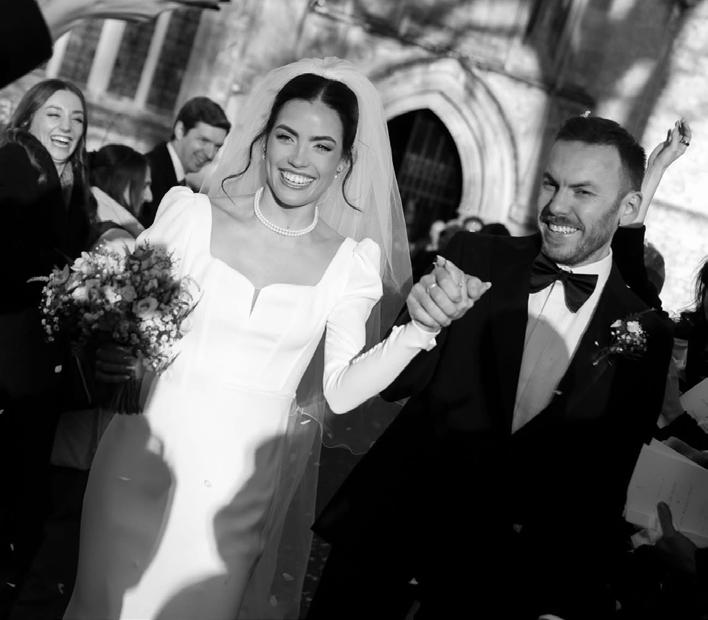
EILIS AND TOM’S WINTER WEDDING
On 5 January, First Artist Eilis Small and Deputy Head of Stage Tom Reilly were married in the idyllic Cotswolds village of Burford. The ceremony took place in the village’s stunning St John The Baptist Church. A few snowflakes fell, adding to the magic of the event! Wishing Eilis and Tom a very happy future together.
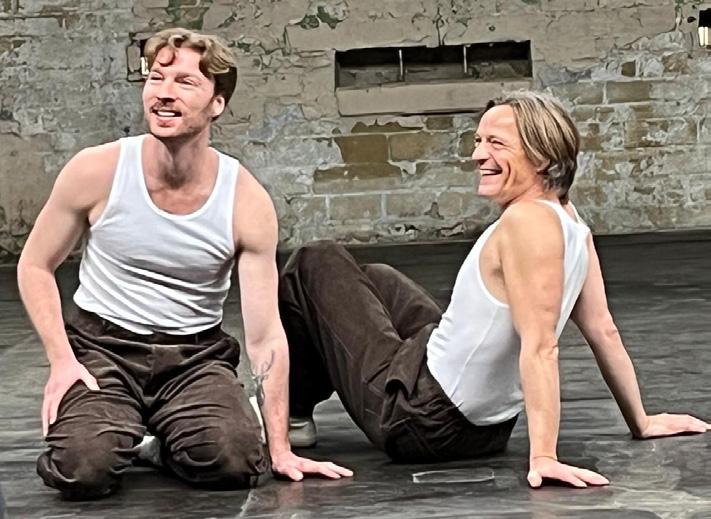
Principal Max Maslen gave a stunning performance on Ballet Passion Bradford on BBC4 in November. Bradford-born Max performed a duet Three Breaths Left, partnering The Royal Ballet’s Tom Whitehead. This extraordinary piece explores issues of disability and the experience of world-renowned author Hanif Kureishi following his lifechanging accident. Three Breaths Left was choreographed by Kristen McNally and filmed at Salts Mill, Saltaire. Celebrating all types of dance, the entire broadcast is fascinating. You can watch Max and Tom on BBC iPlayer.

LEE FISHER MBE
On 8 October, our Head of Creative Learning and Artistic Director of Freefall Dance Company, Lee Fisher, was awarded his MBE by HRH Prince William for services to Dance and the LearningDisabled community.

CARLOS RECEIVES AWARD
On Sunday 12 October our Director, Carlos Acosta, was honoured by being awarded the prestigious Outstanding Contribution to British Theatre Award at the UK Theatre Awards 2025, in recognition of the extraordinary impact he has made as a dancer, choreographer and visionary leader to the UK Creative Industries. The ceremony was held in the gorgeous location of 8 Northumberland Avenue in the heart of London’s Theatreland, and the award was given on behalf of UK Theatre by our very own CEO, Paul James. On receiving the award, Carlos said:
‘To be recognised by my own industry like this is truly humbling. This tremendous accolade would not have been possible without the fantastic support that I receive from the brilliant creative industries, producing great theatre in creative hubs in every part of the UK. Communities and venues, large and small, with their warm and welcoming audiences and generous supporters – this award is also for them.’
Yasiel Hodelín Bello in Le Corsaire. © Deborah Jaffe.
FOR THE RECORD
Following on from the success of playing at last May’s English Music Festival, the Royal Ballet Sinfonia was invited by the Warlock Society to create a new recording for EM Records, conducted by John Andrews, which will be released later this year. Early in 2026, the Sinfonia also started work on a new recording with the celebrated composer Adam Saunders. Alongside these projects, the orchestra is collaborating with the Jette Parker Young Artists Programme’s Ballet Conducting Course. This unique scheme offers early-career conductors the opportunity of gaining important experience by working with BRB’s Music Director Paul Murphy, BRB’s Guest Conductor (and former Constant Lambert Fellow) Charlotte Politi, the Aud Jebsen Young Dancer programme, key music staff at The Royal Ballet and, of course, the musicians of the Royal Ballet Sinfonia.
Welcome, Rory!
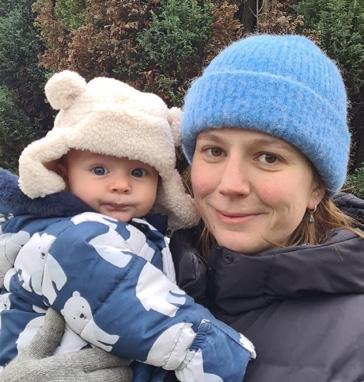
Sub-Principal cellist of the Royal Ballet Sinfonia, Abi HydeSmith and her husband, Matt Maguire, welcomed their first child, Rory Michael Maguire, into the world at 1.20pm on 29 September, weighing 8lbs 4oz.
WELCOME HOME, MR TURNER!
GO, HANNAH, GO!
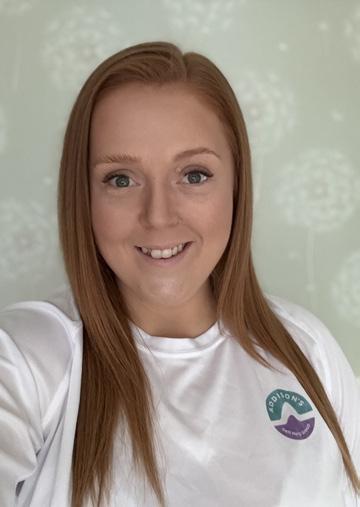
On 12 April, our Access and Inclusion Officer, Hannah MacGregor, will be running the London Landmarks Half Marathon in aid of Addison’s Disease Self Help Group, a charity very close to her heart. Addison’s disease is a very rare condition, affecting 1 in 10,000 people, but can be life-threatening if left untreated. Join us in wishing Hannah well in supporting this important cause and see her Just Giving page to find out more at justgiving.com/page/ hannah-macgregor-4.
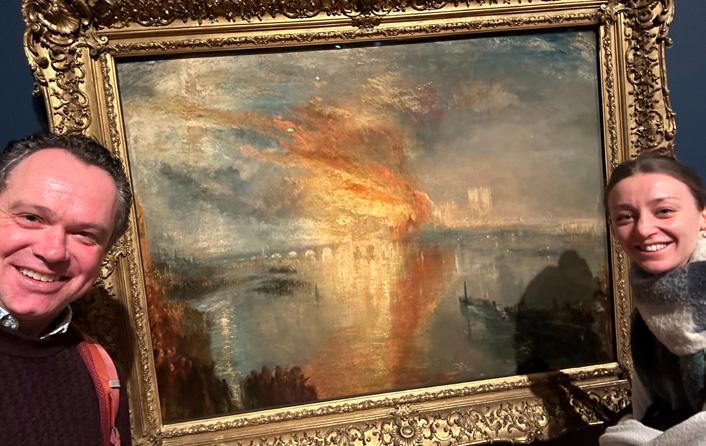
First Artist Rosanna Ely and Répétiteur/Principal Character Artist Jonathan Payn visited an old friend at Tate Britain during last year’s Royal Albert Hall season. Here they are pictured with JMW Turner’s painting The Burning of the Houses of Lords and Commons, the painting that inspired Juanjo Arqués ballet Ignite, created for BRB as part of our Ballet Now programme in 2018. This painting is part of Turner and Constable: Rivals and Originals and marks the first time since 1883 that it has been exhibited in Turner’s home country. Photo courtesy of Jonathan Payn.
WELCOME & FAREWELL
A warm welcome to the following who have recently or will shortly join us:
Cinar Alkan Artist 2025-26 Season
Isabelle Amos Head of Finance
Sophie Andrews Costume Assistant
Jordan Awale Company Physiotherapist
Matthew Bates Artist 2025-26 Season
Shahin Begum HR Administrator
Husne Begum Head of Fundraising
Jessica Cave Touring Costume Technician
Isabelle Clough Artist 2025-26 Season
Katie Green Costume Workshop Touring Technician
Billie Hunter Brown Costume Assistant
Florence Lane Artist 2025-26 Season
Luca Mollica Artist 2025-26 season
Maria Polodeanu Digital Content Manager (maternity cover)
Daniela Silva Dance Hub Coordinator
Tom Wood Artist 2025-26 Season
A fond farewell to the following people. We thank you and wish you all the best in your future adventures!
Annabel Alexander Wigs Assistant (maternity cover)
Jakub Bilka IT Support
Kristina Borovac Wigs Assistant (maternity cover)
Liam Collins Company Physiotherapist (maternity cover)
Laura Gent Company Physiotherapist
Isabella Howard Artist (now with The Australian Ballet)
Tobi Johnson Artist 2025-26 Season Yvette Regueiro Répétiteur
Congratulations to Director of Development, Rachael Magson, who has taken on the role of Director of Income Generation. Rachel’s current role will be taken over in early February by Husne Begum, our new Head of Fundraising.
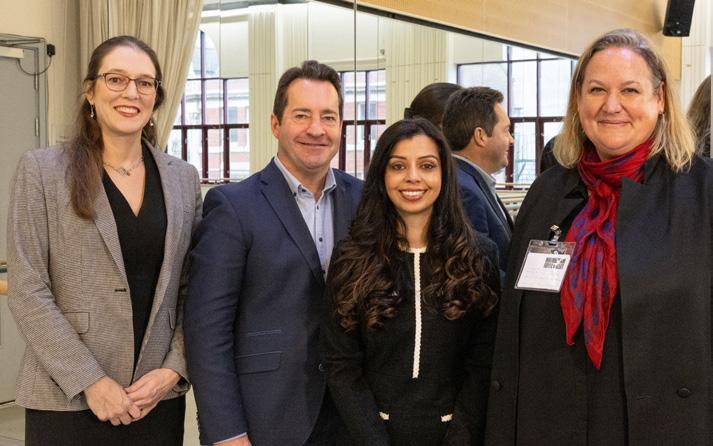
We enter 2026 with four new members of the BRB Board of Trustees. A warm BRB welcome to Steve Currie, Ellie Pinnells, Harminder Randhawa and Clare Richards who generously bring decades of incomparable experience to BRB’s future. For biographies of our new Trustees, please visit brb.org.uk/Directors. We also said ‘au revoir’ to Michael Elliott, Anthony Coombs, Deborah Spence and Sandra Madgwick, and thank them from the bottom of our hearts for their years of commitment to BRB.
BRB’s new Board members. © Caroline Holden.
DRAWN TO DANCE
Helen Barrett highlights a key cultural partnership and celebrates our multi-talented Principal Lachlan Monaghan.
“To capture dance is to attempt the impossible – the desire to hold motion still. Yet in our drawings and artworks, there is life, natural rhythm and emotion. Our marks echo the dancers’ movements, revealing a shared language of dedication, discipline and beauty.”
Hannah Northam, RBSA, Sculptor
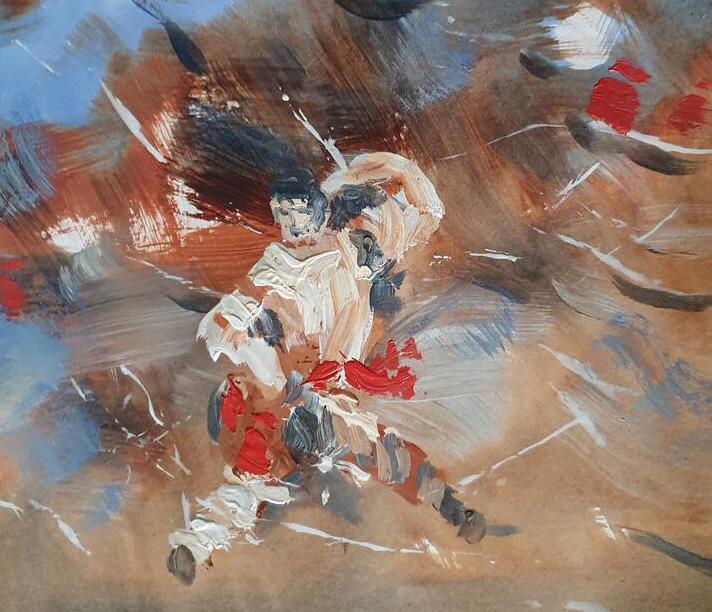
An exhibition this February is the result of a flourishing friendship between Birmingham Royal Ballet and one of our city’s key arts organisations, The Royal Birmingham Society of Artists, whose lineage stretches back to the founding members of the PreRaphaelites and those who helped to shape the cultural identity of Birmingham.
The relationship between our organisations began when Principal Lachlan Monaghan, an Associate Member of the RBSA, and only the second photographer ever to be
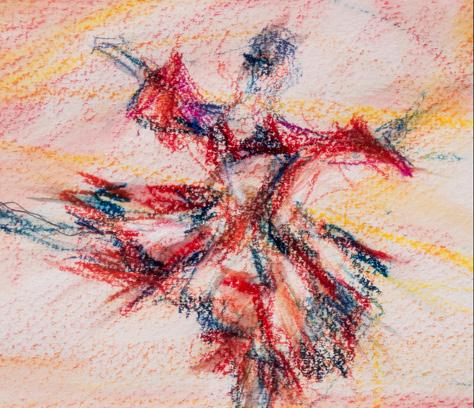
admitted to the society, invited fellow artists and RBSA members to our Thorp Street studios. Over the last three years, RBSA artists have attended rehearsals to draw and study our dancers at work. In these sessions the artists have employed mark-making instinctively, capturing the flow of movement and energy, and the beauty of the human form.
The sketching project blossomed into a remarkable exhibition that celebrates our two Birmingham Royal institutions, featuring drawings, paintings and sculpture from RBSA Members and Associates, alongside photography from Lachlan Monaghan ARBSA, and a selection of works from special guest exhibitor and BRB set and costume designer, John Macfarlane, who designed BRB’s Nutcracker and Cinderella, and other ballets globally.
Drawn to Dance: The Figure in Motion runs from 10 to 21 February at the RBSA gallery (RBSA.org.uk). We hope this exhibition marks just the beginning of a meaningful relationship between our organisations.
Drawn to Dance: The Figure in Motion 10 – 21 February 2026, RBSA Gallery. St. Paul’s Square, Birmingham B3 1SA


the
Max
and
Above: from
wings:
Maslen as Drosselmeyer’s Assistant in The Nutcracker
Yaoqian Shang in The Sleeping Beauty. © Lachlan Monaghan.
Above: Artwork by Hannah Northam and Brian
MUSICAL SLEUTHING
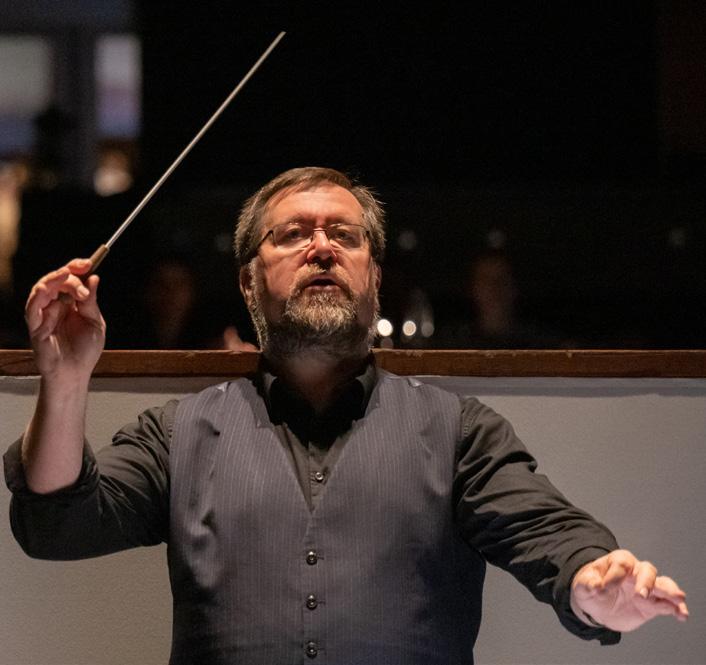
Gavin Sutherland, who has been tasked with creating a score for The Maiden of Venice, in conversation with Lee Armstrong.
From his dressing room in Helsinki, where he is conducting his sixth adaptation of Giselle, Gavin’s enthusiasm for, and deep knowledge of, ballet music is evident and infectious. Gavin was likened by one critic to the great John Lanchbery. Lanchbery, Frederick Ashton’s longtime collaborator, and the man behind La Fille mal gardée and The Two Pigeons, amongst many others, was at the forefront of British ballet music as conductor, composer, arranger, orchestrator and musical Sherlock Holmes, for decades – much like Gavin is now.
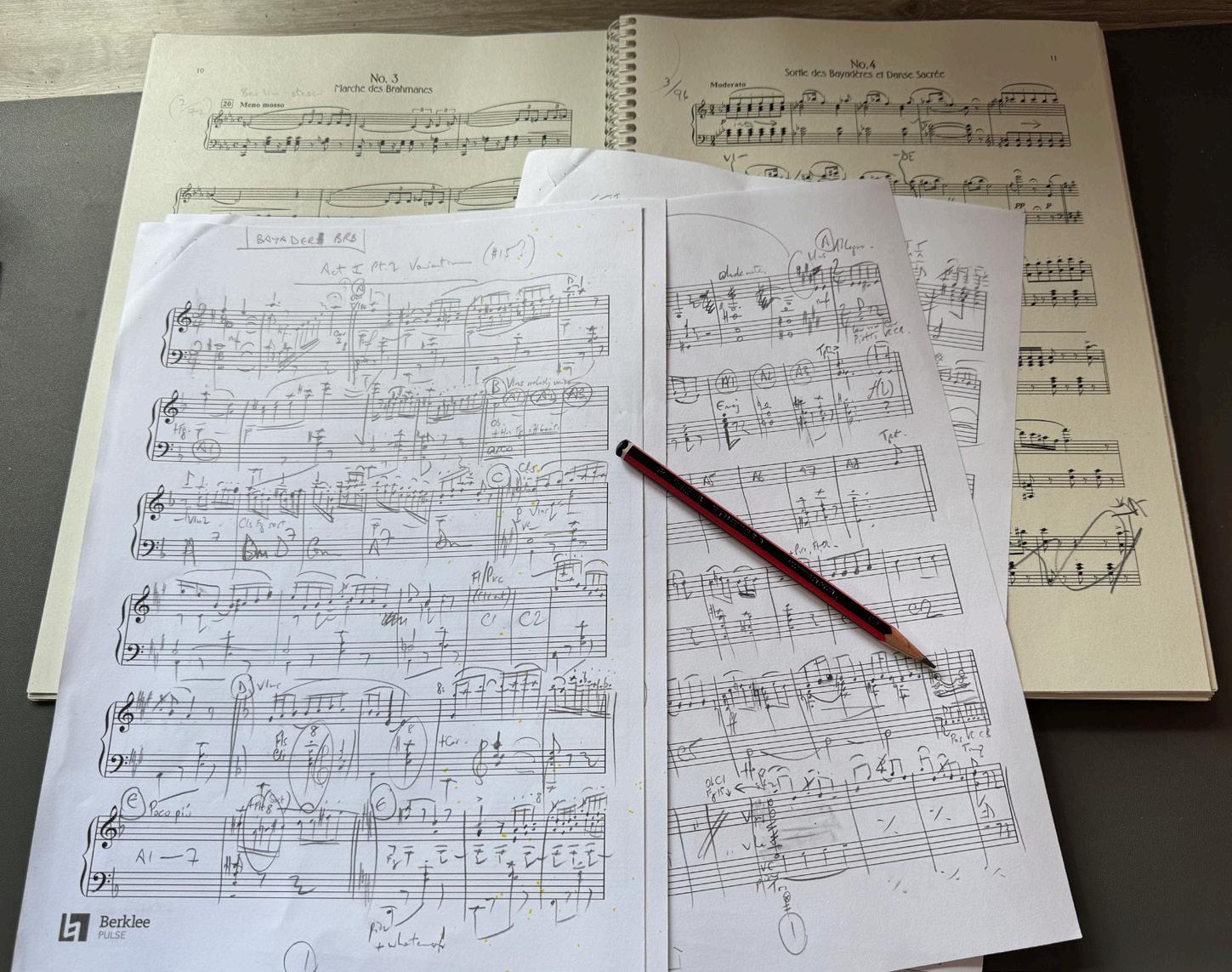
Carlos has tasked Gavin with creating a score for The Maiden of Venice, a transportation of Ludwig Minkus’s 1877 La Bayadère to 16th-century Venice. Gavin’s job is very much one of musical detective, as he explains:
‘When Carlos first contacted me, I was worried that the production wouldn’t have much to do with La Bayadère, but he reassured me that he wanted pure Bayadère, undistilled and untampered with by anyone else.’
Little did Carlos know what an undertaking this would be, but he had come to the right man. Gavin’s relationship with La Bayadère began almost a decade ago, when he was brought on board for Alexei Ratmansky’s 2018 production.
‘The man to speak to about any 19thcentury ballet is Lars Payne at English National Ballet,’ says Gavin, ‘so it’s him I contacted first for the Ratmansky. The archive is housed at the Mariinsky in St Peterburg. However, two weeks after we contacted them, their archive was suddenly closed to everyone outside
“Some serious detective work and the help of companies around the world, allowed me to put together a score that was as authentic as it could be.”
Russia. This left us with a problem, because there’s over four hours of music in the full thing, including a final act that isn’t often done. So, I sat down with a DVD of the Mariinsky performance and transcribed the whole final act by ear, note by note, onto manuscript paper. That, together with some serious detective work and the help of companies all round the world, allowed me to put together a score that was as authentic as it could be.’
One struggle Gavin faced was that John Lanchbery had made his own adaptation of La Bayadère’s score. ‘Lanchbery was very good at tying together music thematically, and the music he made, sometimes out of just fragments of Minkus’s themes, is incredibly clever. But he didn’t always acknowledge his own work, instead effectively passing it off as the original. We found that when we contacted one company or other who purported not to be using Lanchbery’s version, more often than not, their copy was indeed the Lanchbery.’
Like a great many 19th-century ballets, La Bayadère had become a patchwork of Minkus and a host of other composers. Even the famous Golden Idol variation wasn’t actually by Minkus: ‘The Soviets added that,’ explains Gavin. ‘You can tell it’s not Minkus simply because it is in 5/4 time.’
‘One of the pieces of music Carlos wanted to include was really eluding us,’ continues Gavin. ‘It was in the Mariinsky production, but it definitely
wasn’t Minkus. Lars and I put our heads together. It turned out it was a piece called Ballet Egyptiènne by Alexandre Luigini and, of all things, it had started life as ballet music for Verdi’s Aïda!’
The end is in sight for the complex work that Gavin has had to do to bring Carlos’s vision to life. ‘The piano score is finished,’ he says. ‘I now have the huge job of orchestration. Of course, through the years, orchestras have got bigger and smaller, so I have to standardise the instrumentation across the ballet and make sure it is in a style not dissimilar to Minkus.
‘For example, one particular moment in the Lanchbery version is written for the full string section accompanied by the rest of the orchestra. It sounds very lush, but ballet orchestration in Minkus’s time looked backwards to the time of Mozart and Beethoven, not forwards to Tchaikovsky. It doesn’t sound right and Minkus had actually scored this section for a solo violin accompanied by harp, so I have all that unpicking to do, too’.
This extensive musical sleuthing is vital to bringing an authentic and truly world-class production to the eyes and ears of the public.
Gavin’s hard work won’t be finished once he delivers the finished score. We’ll be able to see him in person conducting his (re)creation, as he will be continuing his almost-30-year relationship with the Royal Ballet Sinfonia in the pit in spring 2027.
The Maiden of Venice Giving Circle
By joining The Maiden of Venice Giving Circle from just £2,500, you will have the opportunity to join us on this exciting journey towards the creation of this important new addition to the Company’s repertoire. We have now published a full calendar of events for The Maiden of Venice Giving Circle supporters, offering access to exclusive benefits whilst making the most fantastic impact on our work. You will be joining a select group of like-minded supporters who have already recognised the great rewards for joining.
For more information visit brb.org.uk/GivingCircle or contact Georgia Davenport on georgiadavenport@brb.org.uk or 07842
COME AND SEE!
THE MAIDEN OF VENICE
Birmingham Hippodrome 20 – 27 February 2027
Theatre Royal, Plymouth 11 – 13 March 2027
Sunderland Empire 18 – 20 March 2027
Lowry, Salford 1 – 3 April 2027
Mayflower Theatre, Southampton 14 – 17 April 2027
THANK YOU
Corporate Supporters

Corporate Sponsors


Corporate Grants

Corporate Members



Corporate Donors






Leadership Gifts
Lord Glendonbrook and Mr Martin Ritchie
Charles Holloway obe
Alan & Caroline Howard
Aud Jebsen
Major Donors
Hon. Anna Birkett
Jayne Cadbury
CL and JS Cadbury Trust
Peggy Czyzak-Dannenbaum
Charles Glanville and James Hogan
Mary Laing and the late David Laing
Dancers’ Circle – Principal
Justin D’Agostino mh
Julia and the late Anthony Glossop
Tony Newcombe
Su and Richard Simkin
Dancers’ Circle – Soloist
Maureen and Roy Kirby
Chris and Jane Loughran
Chantelle Mackay
Marian Mulady
Linda Nicholls
Sir David and Lady Win Normington
Nigel and Margaret Plumley
Gillian Shaw
Carla and Dilys Skinner
Dancers’ Circle – Artist
Jenny Batelen and Rob Brett
Roger and Felicity Burman
Rachel Cavet
Brenda and Michael Chadwick
Margaret Shand
Mark and Amanda Smith
Nick Makin and Brenda Sumner
Diana Wardle
Deputy Lord Mayor and Deputy Lady
Mayoress Ken and Barbara Wood
Pauline Wood
Gold Friends
Jane Arthur
Jane Van Ammel
James Calladine
Jess Dunnicliff
Lady Carolyn Harford
Jane Humphreys
Abid Iqbal
Julian and Julie Keanie
Penny Kirkwood
Ian Kirkwood
Richard Lewis
Karen and James Lowther
Anne Maguire
Geraldine Meehan
Helen Miles
Phillipa Parkes
Stephen Rolls
Deborah Spence
John Thornton
Zhiyang Zhong
Individual Donors
Susan and Frederick Furniss
Tessa and Charles King-Farlow
John Fendek
Meaghan Grace Hinkis






A huge thank you to our Friends, Supporters, BRB Promises Circle, Trusts and Foundations and anonymous donors, and a special thank you to those who have left gifts in their wills. We are grateful to all those who generously donated to the Caroline Miller Fund.
The late Dr Jim Clews
Guy and Judy Crofts
Irving and Olga David
Robyn Durie
Ian and Alison Fisher
Professor Caroline Gordon
P.S. and C.A. Gravestock
Wendy and Gordon Hardy
Jan Harris
Jill and Malcolm Harris
Dr Sandra Kendall
Robert Kolaczynski
Shirley Leaver
Hilary Macaulay
Katie Newbon
Rosie Parker rad rts
Keith Perry
Amanda and Emily Pillinger
Ellie Pinnells
Shelley Porfiri
Fern and Clive Potter
Lyn Procter
Chris Relph
Kristina Rogge
Carole Sallnow
Barbara Scott
Miles Scott and Lucille Roughley
Fern and Clive Potter
Sally Rowe
Stuart Sweeney
Maiden of Venice Giving Circle
Jane Van Ammel
Hon. Anna Birkett
Ian and Alison Fisher
Charles Glanville
Chantelle MacKay and Penelope Mackay
Marian Mulady
Tony Newcombe
Linda Nicholls
Gillian Shaw
Richard and Su Simkin
Carla and Dilys Skinner
Lead Trusts and Foundations Supporter

Major Trusts and Foundations
Amar-Franses and Foster-Jenkins Trust
Andrew Lloyd Webber Foundation
Bedford Memorial Trust
Cockayne Grants for the Arts, a Donor Advised Fund held at The Prism Charitable Trust
Idlewild Trust
Jerwood Foundation
Rick Mather and David Scrase Foundation
Royal Opera House Benevolent Fund
The Calleva Foundation
The Cecil King Memorial Foundation
The Frederick Ashton Foundation
The George Cadbury Fund
The Gitta Tangye Trust
The GNC Charitable Trust
The Keith Coombs Trust
The Kirby Laing Foundation
The Linbury Trust
The Rowlands Trust
The Uncle Bill Trust
William A Cadbury Charitable Trust
Anonymous Donors and Supporters
SUPPORTERS’ EVENTS
BRB’s valued supporters receive a wide range of online and inperson events. From receptions to rehearsals, talks to tours, our supporters enjoy exclusive access to the Company behind-the-scenes. If you are already a supporter, please check the events page at brb.org.uk/SupporterEvents
Thinking about joining us?
For as little as £65 a year, you can become a BRB Friend to ensure you don’t miss out on our fabulous events programme!
Joining is simple: Sign up: brb.org.uk/JoinAndSupport Email us at development@brb.org.uk or call us on 0121 245 3560
Highlights of forthcoming events:
11 March 2026
BRB Promises Celebration
Each year we hold a BRB Promises Celebration Event to acknowledge the generosity of our pledgers and to celebrate the lives of those who have left us legacies throughout the year. Join us for lunch and an exclusive studio rehearsal to celebrate the incredible impact of leaving Birmingham Royal Ballet a gift in your Will.
Open to: BRB Promises Circle
Location: Studio 5, Birmingham Royal Ballet Studios, 12 – 2.30pm
To find out more about legacy giving please visit brb.org.uk/ BRBPromises

Carlos Acosta’s
The Maiden of Venice
Fundraising Gala, 26 March 2026
Don’t miss your chance to be part of an unforgettable evening at The Grand Hotel, Birmingham.
Join us for a glittering fundraising gala where supporters come together for a sumptuous night of live performances, fine dining and exceptional company — with the opportunity of meeting dancers and musicians in person.
Hosted by Natasha Kaplinsky with our Director, Carlos Acosta, this special event will raise essential funds to support the creation of The Maiden of Venice.
Last few spaces remaining! Tickets: £275 per person
To book: email events@brb.org.uk or call us on 0121 245 3560