

By SteVe SPencer
It’s no secret that Artificial Intelligence capabilities are growing exponentially. In fact, a study by Model Evaluation and Threat Research, a nonprofit focused on AI, found that the length of tasks autonomous agents can complete has been doubling every seven months. This suggests that within five years, AI could automate many software tasks that currently take humans a full month.
And at the UAB Marnix E. Heersink Institute for Biomedical Innovation, Rubin Pillay, MD, PhD and his team are charging ahead, exploring the AI frontier.
“Most of the work on AI is in the context of research and development,”
Pillay said. “We’re building and testing a number of different solutions in a variety of disciplines. For example, we’re working on a system that will help radiologists improve their productivity. We may reach a point when AI could study an image first, and then flag the scans that the radiologist should inspect.”
The Biomedical Innovation team has been testing this, and so far the AI system has been able to find the diagnosis better or on par with radiologists. The true test comes if it’s deployed with real patients, which could be tried in a few years.
“We’re starting to see a lot of clinical trials with supervised AI deployment,” Pillay said. “We’re currently doing one
(CONTINUED ON PAGE 9)

By laUren JoHnSon
In 2024, The Alabama Department of Environmental Management (ADEM) brought together a group of associations and companies to work together to propose updates to the medical waste regulations. As a result, ADEM revised multiple chapters of the Medical Waste Program, which could result in costly fines if medical practices are unaware of the changes. Regulation updates were implemented in two phases – Phase One, effective February 14, 2025, and Phase Two, effective August 14, 2025.
The updated regulations involve a range of topics including documenta- tion requirements, the transport window for medical waste, how waste must be

packaged and stored, new guidelines for smaller practices and more, all for the purpose of clarifying definitions, correcting federal references and strengthening expectations. These rules apply specifically to regulated medical waste (RMW) – materials that pose infectious or hazardous risk, including sharps, blood-saturated materials, pathological waste and microbiological cultures.
“I think the regulations came out really well, especially considering how difficult it can be to get regulatory changes passed,” said Kevin Webber, president of TriHaz Solutions, a medical waste disposal company that was the only treatment facil-
(CONTINUED ON PAGE 8)





At the heart of one of the most highly regulated industries in the nation, health care facilities and providers face challenges that draw attention and resources away from their mission to provide quality patient care.
Burr & Forman’s health care team works alongside you to address and anticipate your needs by providing preventative guidance and pragmatic solutions, enabling you to focus on providing care and achieving healthy outcomes.
Jessie Bekker
Howard Bogard
Richard Brockman
Lindsey Druhan
Jim Hoover
Kelli Carpenter Fleming Angie Cameron Smith
By Marti WeBB Slay
Patients with knee pain due to cartilage damage have a new treatment option, even if they suffer from arthritis, according to Orthopedic Surgeon Amit Momaya, MD, Chief of Sports Medicine at UAB. The
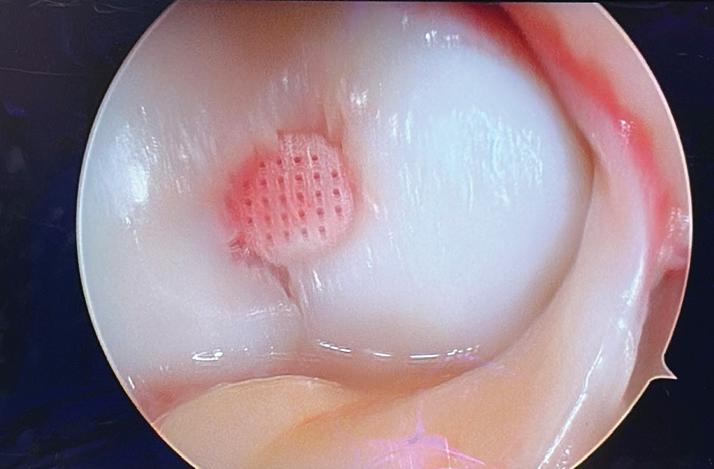
CartiHeal Agili-C cartilage repair implant, approved by the FDA in 2022, uses sea coral to help grow new tissue and bone. “The exoskeleton of sea coral is very similar to bone. It’s kind of cool that we’re using naturally occurring aragonite in nature to help human joints,” Momaya said.
The outpatient procedure entails drilling a small hole in the knee and plugging it with the Cartiheal implant, which serves as a scaffold on which cartilage and bone can regrow. The implant is resorbed within 18 months.
The effectiveness of the procedure has been proven. Studies show improved clinical outcomes over the surgical standard of care of debridement and microfracture, and patients are not as likely to need knee replacement surgery even four years after the procedure.
“Studies have followed patients for
several years, randomizing them to either the traditional treatment versus this treatment,” Momaya said. “They found that the patients who had Cartiheal did much better, almost twice the reduction of pain and improvement in functional outcome scores compared to the standard group, at both two years and four years out from surgery. So it’s quite powerful.”
Momaya is one of the few surgeons in central Alabama who offers the procedure. An MRI, xray and physical exam can provide the necessary information to determine if a patient is a candidate for Cartiheal.
Momaya encourages anyone with knee pain to look into whether Cartiheal might be an option for them. “It’s patients with pain in the knee that have a cartilage issue going on,” he said. “People with mild to moderate arthritis can also use this procedure. Traditionally, we’ve had to stay away from people with arthritis when we do cartilage procedures, but this one works even if you have arthritis in the knee. It involves not only young people, but also older individuals. Traditionally, cartilage procedures were done only on younger people, but now we’ve used the implant on older people, and it’s
worked really well too.”
The surgery is not long. “We typically go in first with a camera and confirm that there is a cartilage lesion that needs to be addressed. Once we confirm that, we usually make an open incision on the knee. That incision can range in length, but usually it’s no more than four to six centimeters. Then we put a pin in that area. We core it out to make a nice circle, and we put in the implant. We kind of pop it in, so you don’t have to have any screws to hold it in place. It actually just kind of pops right in like a puzzle piece and stays in. It takes about 30 minutes to do the procedure,” Momaya said.
Patients must use crutches or a rolling walker for the first two to four weeks following surgery. “After that, they can start walking normally, and the implant dissolves about 18 months after,” Momaya said. “But their outcomes start to improve dramatically even by three to six months, and we’re seeing really good outcome scores.
“It’s just a unique thing. When we can use something naturally occurring in nature to help, there’s a different level of excitement about it that. Sea coral is naturally occurring and very similar to our bone structure, so it’s very cool.”

By anSley Franco
Across the country, healthcare providers are raising concerns about a billing practice that can quietly reduce reimbursement for services they have already provided. Known as payer downcoding, it occurs when an insurance company changes the billing code submitted by a provider to one representing a lower level of service, resulting in a lower payment.
While the difference may appear small on a single visit, the cumulative financial impact can be significant for physician practices that see dozens of patients each day.
Argenia McGennis, coding specialist with Systemedx Healthcare Technology, said the issue has become increasingly visible in recent months, particularly with Humana, which is leading the new downcoding practice. UnitedHealth Group also began requesting additional documentation before paying higherlevel codes.
Together, UnitedHealth Group and Humana account for 46 percent of all Medicare Advantage enrollees nationwide last year, according to KFF, a non-profit, non-partisan organization
specializing in national health policy research. In 2023, KFF found that about 507,000 Alabamians were enrolled in Medicare Advantage.
“Downcoding most often affects office visits for family, vascular and orthopedic practitioners,” Julie Zuidema, supervisor of Systemedx Healthcare Technology Billing Department, said. “These codes correspond to the complexity of a patient encounter with higher-level visits reimbursed at higher rates.”
system does not flag the discrepancy between the billed code and the paid code the adjustment could be written off automatically without the practitioner realizing it. And for smaller practices without dedicated billing departments, the administrative burden can make it difficult to challenge every downcoded claim.
Because reimbursement increases with each level of complexity, insurers may review those claims closely.
“I had one the other day that we had billed a 99214-office visit, and then Humana had changed it to 99213. And they automatically pay that, and then we have to fix everything on our end,” McGennis.
According to McGennis, the shift to downcoding appears to be relatively recent, beginning sometime last year. While insurers periodically adjust how claims are reviewed, some providers say they are seeing more scrutiny recently. But other instances with Humana appear to involve automated claim adjustments.
“Coding an office visit from a 214

to 213 means practitioners lose $37 per patient,” Zuidema said. “For a practice seeing dozens of patients daily, that reduction can add up quickly. Many single-physician family practices see 40 to 50 patients a day and bring in between $70,000 and $80,000 in monthly payments. Losing several thousand dollars in reimbursements can have a noticeable impact on operations, particularly for smaller clinics.”
For practices that closely review their explanation of benefits (EOB) statements, those adjustments can be identified and appealed. However, the process requires careful monitoring and additional administrative work. If a billing
McGennis, who oversees Huntsville’s chapter of the Healthcare Leaders Association (HLA), said the issue has been widely discussed among local healthcare administrators and billing professionals. During an HLA meeting in Birmingham, McGennis has spoken with many Alabama-based practitioners who are being impacted by automated downcoding.
“We have a lot of family practice clients who are being hit by this because they have a high volume of office visits,” she said.
Appealing a downcoding claim is possible, but it requires time and staff resources, which involves writing a letter explaining the originally filled code. “Practices must also move quickly,” Zuidema said. “Claims generally must
(CONTINUED ON PAGE 11)

















By laUra FreeMan
Pain isn’t just experienced by the body. When suffering goes all the way to the depths of the soul, depression can be just as deadly as any other disease.
While talk therapy and traditional antidepressants work for many patients, when they don’t, particularly when there is suicidal ideation or a life that no longer works, giving up isn’t an option. That’s when it’s time to look into other possibilities that are showing results. Ketamine—yes, ketamine with the bad press from when patients try to self-medicate or celebrities overdose—is proving its value in cases of resistant depression that have failed other therapies.
“One of the things noted after using Ketamine as a sedative that doesn’t depress respiration is that a surprising number of patients reported improvement in their symptoms of depression,” double board certified anesthesiologist and pain management physician Harrison Irons, MD, said. “It’s been around since the 1960s and safely used in treating humans and in veterinary medicine to sedate small animals without having to worry about respiratory effects. During Covid it was often part of the sedation to help
patients tolerate ventilators without further burdening their respiration. Around ten years ago, Ketamine came into use for resistant depression with good results.
“Working in a pain clinic, you see many patients whose suffering turned into despair. We were working with patients with PTSD and other conditions where anxiety and depression were complicating treatment and taking over their lives. I had been following the data on the effectiveness of ketamine and started offering it when other therapies failed. Depression took the lives of someone I knew and their child. Ketamine therapy as a controlled infusion hasn’t been easy for chronically depressed patients to access. Psychiatrists can prescribe it, but most aren’t set up to administer multiple infusions. So I started a clinic, Southern Ketamine And Wellness, to make the therapy available for patients still struggling after other treatments. We see patients from all over Alabama and surrounding states.”
Irons works in coordination with the patient’s psychotherapist and other physicians. Although ketamine can be injected, and a form of it is now available as an inhalant, he prefers a series of infusions that allow him to make small adjustments as the drug is being administered.


“With this protocol, we’re seeing significant improvement in around 85 percent of cases of resistant depression. We start with two infusions a week for three weeks, and we can follow up with a booster if and when needed,” he said.
Ketamine seems to modulate the brain’s glutamate receptors and promote synaptic growth and plasticity. Improvement is often quickly noticeable.
“In our practice, the infusions tend to provide better results, but we do offer the nasal medication, Spravato (esketamine) as an option since it may be covered by insurance and is available for patients who can’t come in for infusions,” Irons
said. “Since treating depression with infused ketamine is still off-label, it’s a direct pay procedure, but patients are usually pleased with the results.”
Irons is also one of the few physicians in the area who treats patients with another hard to manage condition known as the suicide disease because relief is so hard to find. It can quickly leave many practitioners frustrated and ready to give up.
“CRPS, Complex Regional Pain Syndrome, is a strange and difficult condition that can start with something as simple as a stubbed toe,” he said. “The nerves get caught in a pain loop that continues to get worse. Then inflammation develops. It can spread and even migrate around the body. Just about everything we would normally do has little to no effect. We have to break the pain loop.”
Irons has used ketamine to treat CRPS and says so far the results are encouraging,
“Intervening as early as possible is important,” he said. “This syndrome can quickly get worse, spread and become even harder to resolve. Don’t underestimate how much the patient is hurting or how desperate they may become.”









The Alabama Disability Determination Service (DDS) invites letters of interest from physicians wanting to work part-time as a medical consultant. The work involves reviewing disability claims in the Birmingham or Mobile offices. An Alabama medical license is required.
The DDS is committed to maintaining a diverse workforce; and therefore, the DDS encourages minority applications.
If interested, please contact: DDS Medical Section Supervisor (205) 989-2234 or write to: PO Box 830300, Birmingham AL 35283-0300

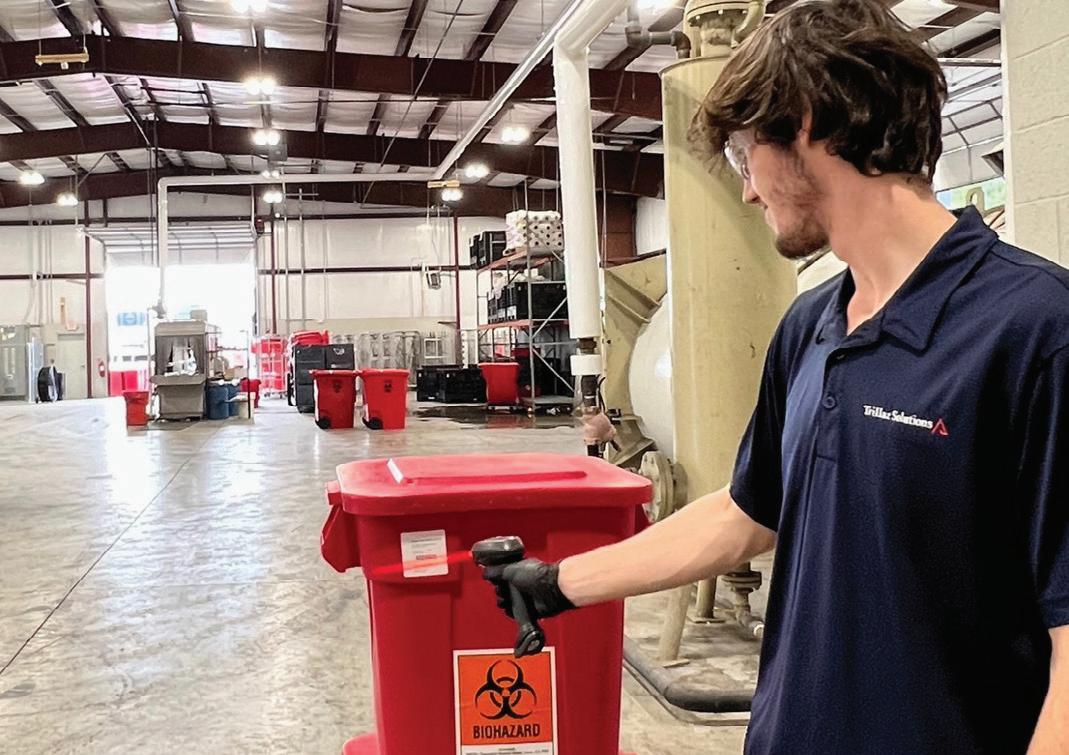
ity involved in the undertaking. Through this process, he had the opportunity to explain to hospital associations and others the impact certain regulation changes would have on their practice.
Several of the changes center around documentation. First, practices are required to maintain dated training records for an employee, which must be kept for current personnel until the facility closes.
“Pre-2025, it said that practices had to train their employees, but it was vague language with no retention period,” Webber said. “Now, it specifies that you have to keep your records. You have to have written documentation that the employee was actually trained versus someone just saying that person was trained.”
Second, the updates require medical waste treatment facilities to provide certificates of destruction for every disposal event. Generators – the facilities generating medical waste including physician practices, clinics, surgery centers, labs, etc. – must keep those certificates for audit purposes.
Generator facilities must also continue to register with ADEM. Registration has always been a requirement, but the process has been more clearly defined so generators should check their status with ADEM.
And the transportation window for medical waste was revised to 14 days. “Before this, it had to be transported within four hours of pickup, and if it was longer than four hours, it had to be refrigerated,” Webber said. “That, obviously, was not realistic. That’s not standard practice in any state that we operate in or any states that I’m aware of.”
Now, the extended 14-day timeframe provides a manageable window. If there is going to be any exception to this timeframe, a documented notification must be sent to ADEM. The waste must reach a treatment facility within 14 days of pickup, and the waste must be processed by the treatment facility within 30 days.
“Treatment used to be within 24 hours. In our facility, waste that comes in
on a Monday is treated on Tuesday, so we still go with the 24 hours,” Webber said.
Prior to the 2025 updates, small generators (smaller practices generating under 220 pounds of medical waste per month) had no storage condition requirements at all.
“Now small generators have a sixmonth period to store it. Then it has to be picked up,” Webber said. “They’re now required to ensure waste remains in a nonputrescent state throughout that six-month period, which essentially means that it’s not decomposing and smelling.”
ADEM’s penalties for failing to follow these regulations are severe, starting at $25,000 per day per violation for the first offense. Repeat violations escalate to $50,000 per day. This does not include any potential federal EPA enforcement.
In 2024, a regional hospital in Minnesota was fined $100,000 for improperly disposing of infectious waste. This hospital was also required to review and make major changes to their waste management plan.
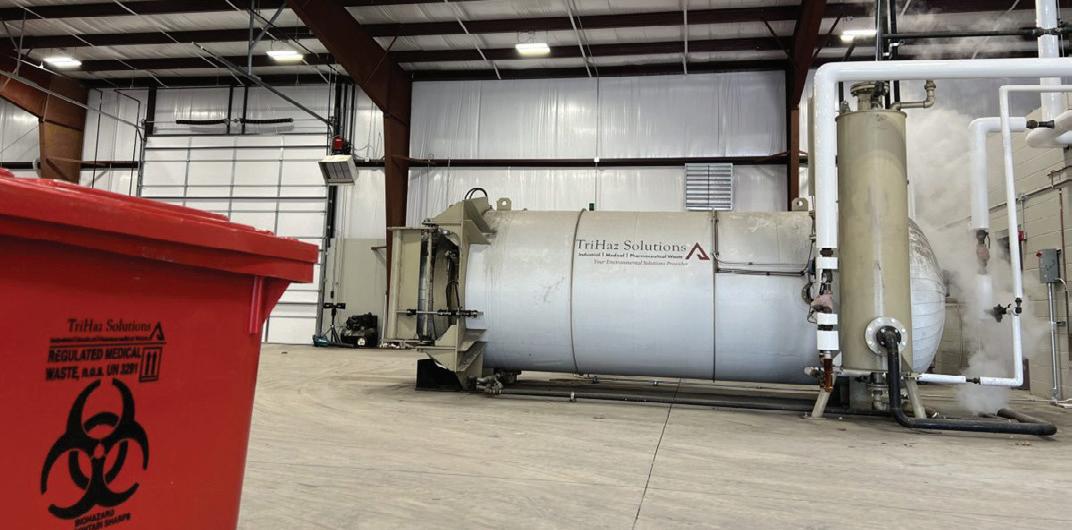
“Generators are now held to stricter regulations. They also tightened up the regulations around treatment facilities,” Webber said. “There’s a more detailed, formal process for getting permitted for those facilities (TriHaz is one of three commercial steam-sterilization treatment facilities in Alabama), similar to how solid waste landfills get permitted. There’s a public comment period and there are public notices, which are good things.”
Webber encourages practices to review and update their medical waste management plan, verify that their waste vendor holds a current ADEM transporter permit, make sure their pickup schedule aligns with the 14-day transport window and keep certificates of destruction and training records.
While ADEM manages state regulations for medical waste, the EPA manages federal regulations for hazardous waste. The EPA is in the process of implementing additional requirements on top of state
(CONTINUED
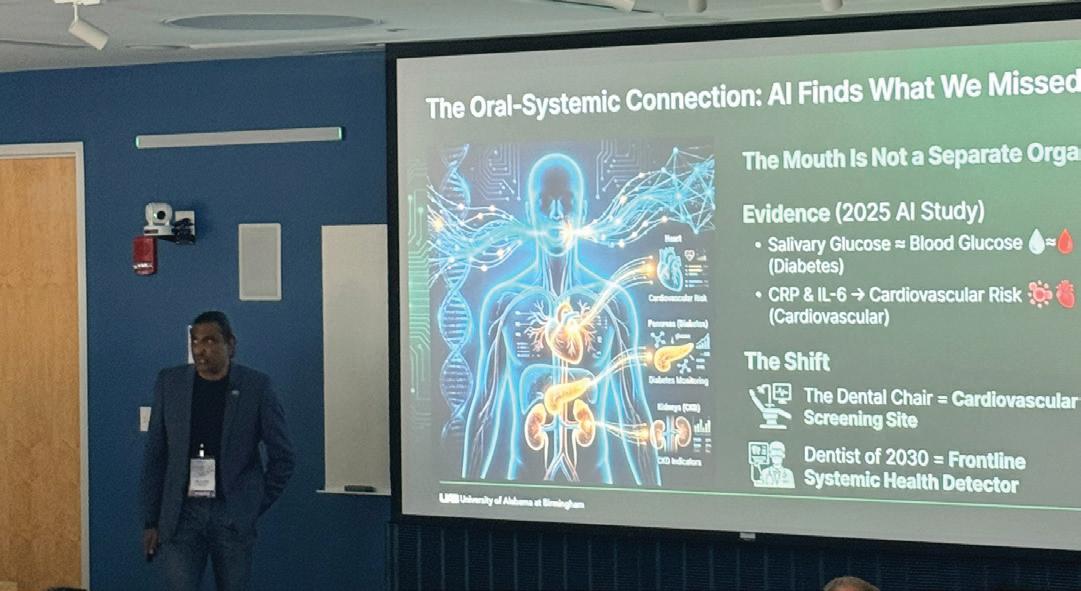
for cancer diagnosis to see if AI can help medical clinicians function at the level of a top oncologist. Let’s say a person lives in a small town without access to an oncologist, and they see a primary care provider or a nurse practitioner. The provider uploads the patient medical records into the AI solution, and it provides the most likely diagnosis, along with a treatment protocol. In addition to helping the local practitioner provide care, if they send the patient to UAB, they’re sending someone who should be there, which also makes UAB more efficient.”
Pillay and his colleagues are also working on what could be called a virtual hospital. Genie RX is a portal that is available anywhere in the world. It includes all the important specialties, and is open to both healthcare providers and patients.
A provider can use it by uploading a patient’s medical records. The AI system analyzes this information and issues a report that includes what the clinical picture suggests; recommended protocol; probable diagnosis; follow up questions to gather more information. It adapts the treatment to where in the world you are.
A patient can also sign up, enter their medical information, and receive a comprehensive report. The system can also help the patient schedule an appointment, and even book a ride, whether they’re in India or Italy, and all points in between.
Pillay and his colleagues are applying for a $3,000,00 grant from the Gates foundation to pilot this in four countries. They have local partners who will deploy it. If the grant is funded, they should know within a year whether or not it works.
Pillay has also created a wellness platform called PolyOme WellCare. “You log into the site,” he said. “And after you give permission, the AI extracts your medical records, imaging, the data points from any devices you wear. Then based on your ZIP code, we get your environmental data.
“With this information, the AI creates scores for you. It’s like a FICO score for you for health. The maximum score is 100. If you improve your health, exercising and eating well, your score will go up. And it tells you what contributes to your score, your genetics, your lifestyle etc. It gives you a report that tells you what you need to do to improve your health. You can also ask the AI about improving your score.”
With all the work the Institute for Biomedical Innovation, Pillay believes that we are just scratching the surface in what AI can do. “AI will be a transformative force in every aspect of care from the perspective of the patient, the provider, and even the payer,” he said. “It is critical that every single person in healthcare invest time in developing their own AI literacy.
rules, which will reach most jurisdictions by late 2026.
Medical waste includes different types of biological waste – blood, tissues or microbiological cultures – while hazardous waste includes chemicals, toxic material, or radioactive material. Some medical facilities create hazardous waste in addition to medical waste.
continued from page 8




If you suffer from allergies or other ear, nose, throat or hearing problems, we don’t want you to treat your healthcare lightly or ignore symptoms that could lead to more serious issues. Call us now for a complete evaluation with one of our 14 board certified physicians, 6 highly trained and licensed PAs, or 18 clinical audiologists — all available to serve your needs at any of our 11 locations.

The EPA will soon require a transition from paper-based documentation to electronic reporting for hazardous waste, improving accuracy and tracking through an online platform. This e-manifest will only apply to hazardous waste.
“Alabama facilities still catching up to the 2025 ADEM changes will face a steeper climb when federal electronic reporting requirements follow,” Webber said.
“Hazardous waste is something that’s flammable or something like mercury, and it’s treated in a separate way from how medical waste is treated,” Webber said. “Certain pharmaceutical waste streams are hazardous. Chemotherapy drugs in bulk are hazardous because it’s a toxin, and there’s others that are considered hazardous. TriHaz is permitted to pick up hazardous waste too, but the treatment is different. It goes to a different facility once we pick it up and organize it.”
By SteVe SPencer
Unfortunately, the prevalence of diabetes in the United States is set to grow from 22 million people in 2014 to 39 million in 2030 with expectations of up to 61 million in 2060. At that point, it will affect nearly 20 percent of the population.
Diabetes has a huge impact on people’s lives. The demands are endless, as patients have to constantly manage food intake, monitoring sugar and carbohydrate consumption; check blood glucose levels; and administer insulin or medication.
Diabetes is an expensive disease, and the medical costs of healthcare alone for a diabetic are over two times more than for a person without diabetes. The condition can lead to life-altering and potentially fatal outcomes, including nerve damage, risk of stroke or heart attack, kidney damage, and vision problems. With these complications, it’s important for diabetics to have a good un-

derstanding of the disease. This is where the Cullman Diabetes Center (CDC) enters the picture. The center incorporates the Diabetes Self-Management Education and Support (DSMES) program, which is accredited by the American Diabetes Association. The purpose is to help patients understand their diagnosis and build healthy habits. It has shown meaningful impacts nationwide. Studies have shown it can lower A1C by .055 percent to 1.3 percent. This is comparable to metformin, which typically reduces A1C by 1 to 1.5 percent.
and giving them resources.
“With the DSMES program, when a new patient comes in, we start with a one-on-one assessment,” said Morgan McHugh, CRNP. “We get their history. Then we help them set goals that are obtainable. For example, they might want to work on lowering their A1C level or maybe they want to exercise more. Then we focus on helping them stay motivated


$150 000

“In order to become re-accredited, we have to show that our patients met their goals. For example, if they had a goal of reducing the amount of carbs, we can set those standards to show that they met those goals. We’ve had a number of patients be very successful reaching their goals. I’ve had patients who wanted to avoid starting insulin, and they went through the program, and were able to keep their diabetes maintained.”
Alicia Lee, CRNP said “after the initial assessment, they can participate in additional classes that cover different aspects of diabetes management; things like nutrition, lifestyle, understanding the disease and managing it.”
CDC also trains patients to use insulin pumps. These pumps can replace the need for multiple daily injections, but it takes more than a quick tutorial to learn to use them effectively.
A number of patients want to use continuous glucose monitors to track their glucose levels, and the Cullman Diabetes Center provides training on the monitors, covering everything from sensor insertion to interpreting their glucose trends.
Nutrition is of upmost importance to diabetics so CDC has a Medical Nutrition Therapy (MNT) program. Here, the patient meets one-on-one with the program’s registered dietitian to review their current eating habits, discuss lab re-

$150 000
$150 000
$150 000
The Alabama Rural Medical Service Awards (ARMSA) incentivize family medicine, internal medicine, pediatric medicine, Med/Ped physicians, OB/GYNs, and primary care nurse practitioners to practice in rural, medically underserved areas in Alabama. ARMSA offers $50,000 a year for primary care physicians, with a 3-year maximum award period. The award is a service loan that is payable by years of service.
$150,000

offers $50,000 a year for primary care physicians, with a 3-year maximum award period. The award is a service loan that is payable by years of service.
The Alabama Rural Medical Service Awards (ARMSA) incentivize family medicine, internal medicine, pediatric medicine, Med/Ped physicians, OB/GYNs, and primary care nurse practitioners to practice in rural, medically underserved areas in Alabama. ARMSA offers $50,000 a year for primary care physicians, with a 3-year maximum award period. The award is a service loan that is payable by years of service.

$150,000
$150,000
The Alabama Rural Medical Service Awards (ARMSA) incentivize family medicine, internal medicine, pediatric medicine, Med/Ped physicians, OB/GYNs, and primary care nurse practitioners to practice in rural, medically underserved areas in Alabama. ARMSA offers $50,000 a year for primary care physicians, with a 3-year maximum award period. The award is a service loan that is payable by years of service.
The Alabama Rural Medical Service Awards (ARMSA) incentivize family medicine, internal medicine, pediatric medicine, Med/Ped physicians, OB/GYNs, and primary care nurse practitioners to practice in rural, medically underserved areas in Alabama. ARMSA offers $50,000 a year for primary care physicians, with a 3-year maximum award period. The award is a service loan that is payable by years of service.
The Alabama Rural Medical Service Awards (ARMSA) incentivize family medicine, internal medicine, pediatric medicine, Med/Ped physicians, OB/GYNs, and primary care nurse practitioners to practice in rural, medically underserved areas in Alabama. ARMSA offers $50,000 a year for primary care physicians, with a 3-year maximum award period. The award is a service loan that is payable by years of service.
The Alabama Rural Medical Service Awards (ARMSA) incentivize family medicine, internal medicine, pediatric medicine, Med/Ped physicians, OB/GYNs, and primary care nurse practitioners to practice in rural, medically underserved areas in Alabama. ARMSA offers $50,000 a year for primary care physicians, with a 3-year maximum award period. The award is a service loan that is payable by years of service.
The Alabama Rural Medical Service Awards (ARMSA) incentivize family medicine, internal medicine, pediatric medicine, Med/Ped physicians, OB/GYNs, and primary care nurse practitioners to practice in rural, medically underserved areas in Alabama. ARMSA offers $50,000 a year for primary care physicians, with a 3-year maximum award period. The award is a service loan that is payable by years of service.
The Alabama Rural Medical Service Awards (ARMSA) incentivize family medicine, internal medicine, pediatric medicine, Med/Ped physicians, OB/GYNs, and primary care nurse practitioners to practice in rural, medically underserved areas in Alabama. ARMSA offers $50,000 a year for primary care physicians, with a 3-year maximum award period. The award is a service loan that is payable by years of service.







be submitted within 180 days and appeals typically must be filed within about 90 days after the insurer’s decision. Even when appeals are successful, the process can delay reimbursement for weeks or months.”
The effects of downcoding disputes are less visible for patients, but can still be significant. When insurers repeatedly reimburse services at lower levels, some practices begin reevaluating which insurance plans they can afford to accept. When practices drop insurance plans, patients may be forced to find new providers, sometimes after years of seeing the same physician. In urban areas, patients may have multiple options. However, in
continued from page 4
smaller communities, finding a new provider can necessitate considerable travel. Insurance plan structures can exacerbate the situation for some patients. Many Medicare Advantage or replacement plans lock patients into a network for an entire year. If a physician decides to stop accepting a particular insurer midyear, patients may have few immediate alternatives. The ultimate result is that while the financial pressure of downcoding primarily affects healthcare organizations, the ripple effects can ultimately influence patient access, particularly if more practices decide certain insurance contracts are no longer sustainable.
Although many patients self-refer after reading about the clinic or talking with other patients, Southern Ketamine and Wellness clinic is also getting a lot of calls from physicians and psychotherapists. The clinic’s primary office is in
continued from page 6
Vestavia, and a second location is near Auburn.
It’s a new option in the patient care toolbox to help those who have given up on everything else so they don’t give up on life.
sults and medications, and set customized goals that align with their health needs. Unlike general nutrition advice, this is a personalized approach to managing chronic conditions through food and lifestyle changes.
“This program benefits people in all stages of diabetes,” Alicia Lee said. “People who have just been diagnosed want to make sure they’re ready to handle it. It’s helpful with type 1 diabetes patients who need to understand insulin management and glucose monitoring.”
Morgan McHugh said, “and it’s good for type 2 patients who need to learn practical ways to manage blood sugar and improve their diet. This is also important when complicating factors arrived. We may have a patient who now has a new diagnosis of chronic kidney disease, in which case we may need to re-

continued from page 10
look at their plan.”
“Another critical time,” Lee said, “is when there is a transition of care. This could happen when a patient’s spouse has passed away. If that spouse took care of the medicines, we need to help the patient decide how to handle that. Another example is when we have an 18 or 19 year old also who’s transitioning out of pediatric care into the adult section now. This is a huge change for them. They’ll have much more responsibility.”
The CDC staff includes Medical Director Adam Harrison, DO, an LPN, a registered dietician, and the CRNPs Lee and McHugh.
With patients coming from Huntsville and Arab, and even some from Birmingham, it’s clear that there is a real need for the DSMES program that the Cullman Diabetes Center is providing.


When physicians, scientists and researchers with extraordinary talent and passion are given the technology, the facilities, and the support, they achieve great things. The discoveries, innovations and clinical trials happening today will help shape the future of treatments and lead to cures.
By JeSSie Bekker
The Office of Inspector General (“OIG”) of the U.S. Department of Health and Human Services recently issued a favorable advisory opinion on a proposed estate-planning strategy that would allow a physician to distribute, by sale and gift, his ownership interests in an ambulatory surgery center (“ASC”) to a nonphysician spouse and physician children. The Advisory Opinion highlights how bona-fide estate planning strategies can provide avenues for physicians to take unconventional approaches to the disposition of their ASC ownership interests at the end of their careers.
In Advisory Opinion 26-04, the OIG evaluated a three-phase arrangement where, in each phase, ownership interests in the ASC and financial distributions from the ASC would be transferred among the requesting physician’s wife (a nonphysician) and his two children (both physicians in the same specialty) and potentially other future physician investors. It is important to note that, while an Advisory Opinion can provide a glimpse
into the federal government’s evaluation of a type of arrangement, its scope is limited only to the exact facts of the Advisory Opinion and does not apply to any other person.
The three-phase proposed arrangement would proceed as follows:
• First Phase: In the first phase, the physician would: (a) gift Class A interests in the ASC to his wife; (b) provide the option to purchase Class A interests in the ASC at fair market value to his two physician children, who practice in the same specialty as the requesting physician; (c) retain the remaining Class A interests; and (d) retain Class B Interests for potential investment by other physicians in the future.
• Second Phase: In the second phase, the physician would offer the Class B interests to potential investing physicians at fair market value if approved by the Board of the ASC. During the second phase, the physician would retire from the practice of medicine. At this point, the ASC could become a multi-
specialty ASC depending on the medical specialties of the future investing physicians.
• Third Phase: The third and final phase of the proposed arrangement would commence upon the death of the physician and his nonphysician wife. In the third phase, each of their ownership interests would transfer as a gift to their two physician children.
As part of the description of the proposed arrangement, the retiring physician made several certifications to the OIG, including that he would not directly or indirectly influence patient referrals to the ASC or maintain any role in administration or governance of the ASC after retirement. The retiring physician also presented several additional facts aimed at demonstrating to the OIG that the arrangement posed a low risk of fraud and abuse, including that:
• The investment interests would be offered to potential investors without regard to the investors’ previous or expected volume of referrals;
• At least one-third of the physician investors’ medical practice income

would be derived from the physicians’ performance of procedures;
• During the second and third phases of the proposed arrangement, at least one-third of the procedures performed by physician investors would be performed at the ASC;
• Neither the ASC nor any of its investors would loan funds or guarantee a loan for an investor to buy interests in the entity;
• Returns paid to investors would be proportional to each investor’s investment; and
• During each phase, the physician investors would be in a position to refer patients directly to the ASC and perform procedures on the referred patients, while the nonphysician investors would not perform procedures on the referred patients, but would also not be in a position to make or influence patient referrals to the ASC.
The OIG found the proposed arrangement would implicate the AntiKickback Statute (“AKS”) if the intent
medical practice executives from across the state for the Healthcare Leaders Association of Alabama Summer Conference, July 20-22 at the Hilton Sandestin Beach. Click QR Code to learn more and register or visit the website at www.hlaalabama .com.



continued from page 8
to induce or reward prohibited referrals was present. Further, although the factors presented by the requesting physician met some of the elements of the single-specialty (in phase one) or multispecialty (in phases two and three) ASC safe harbor, the proposed arrangement could not, in its totality, meet the requirements needed to take advantage of safe harbor protection. Specifically, the gifting of shares from the retiring physician to his wife and the sale of Class A interests to the physician children at fair market value pursuant to an option to purchase in the first phase would not satisfy the elements of a safe harbor. Likewise, the sale of Class B interests to future physician investors in the second phase and the transfer of ownership interests to the physician children upon their parents’ deaths in the third phase also fell outside safe harbor protection.
Nonetheless, the OIG stated it would not take enforcement action against the requesting physician in connection with the proposed arrangement, finding the risk of fraud and abuse to be sufficiently low. The OIG noted that the gifts of interests from a husband to wife without a clinical background would not likely

generate prohibited referrals under the AKS. Additionally, while the purchase of Class A ownership interests by the physician children pursuant to an option to purchase and the purchase of Class B ownership interests by future physician investors would not satisfy a safe harbor, the purchases would all be made at fair market value. Importantly, at each phase, the OIG noted the proposed arrangement represented a bona-fide estate planning strategy with documentation to show long-term succession planning, which helped to mitigate the risk of fraud or abuse.
ASC entities often require that physician owners meet the requirements of an applicable ASC safe harbor as a condition to ownership. Therefore, upon a physician’s retirement, ASC governing documents might require an owner physician to sell their ownership interest back to the entity or the other members. The OIG’s new Advisory Opinion suggests the federal government may view alternative retirement-planning strategies favorably under certain circumstances.
Jessie Bekker is an Associate at Burr & Forman LLP practicing exclusively in the firm’s Health Care Practice Group. Jessie may be reached at (205) 458-5275 or jbekker@burr.com.



























At Cloud Willis, we analyze your legal issues using an add-value approach with an eye fixed on results. We combine seasoned legal advice with practical solutions to get you the best outcomes in an ever-changing healthcare landscape.
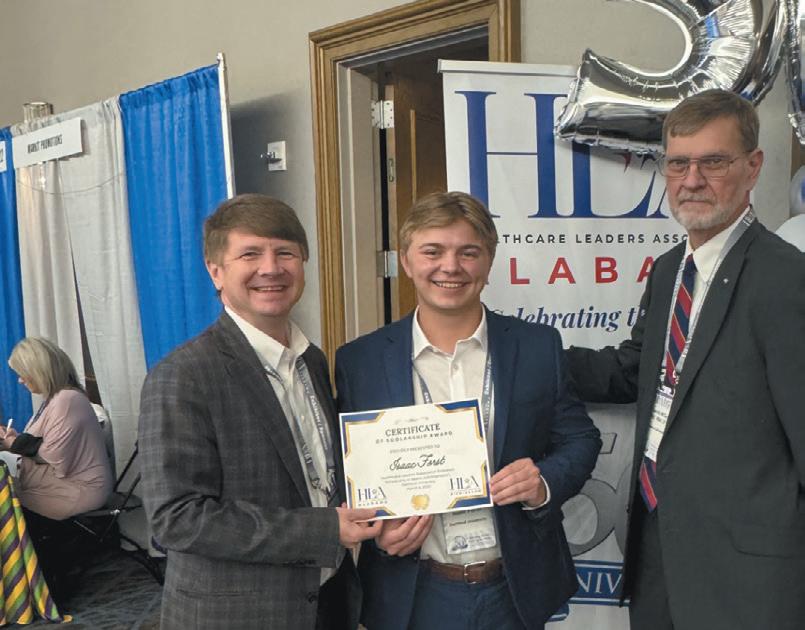
The Alabama and Birmingham Chapters of Healthcare Leaders Association have presented Issac Forst with the Healthcare Leaders Association Endowed Scholarship in Health Administration from Samford University. Issac is a senior at Samford University and has been admitted to the Masters of Science in Health Administration (MSHA) program at the University of Alabama at Birmingham.
UAB School of Health Professions Ranked No. 1 in USA
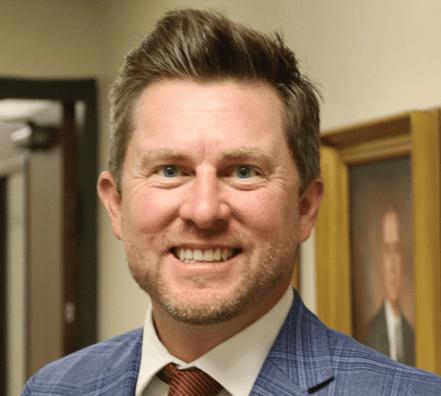
Mark Merrick, PhD has been selected as dean of the UAB School of Health Professions following a nationwide search. Currently the dean of the University of Toledo’s College of Health and Human Services, Merrick’s tenure at UAB begins on July 1.
“UAB is a global leader on countless fronts,” Merrick said. “And the institution is not resting on its laurels. UAB’s vision on where it will go next is what truly excites me.”
At the University of Toledo, Merrick manages more than 35 health-focused degree programs. He led the successful merger of two colleges, increased scholarship funding and improved student retention rates.
Merrick has been named a fellow by the National Athletic Trainers’ Association, the National Academies of Practice and the Association of Schools Advancing Health Professions. He is a former president of the Commission on Accreditation of Athletic Training Education and was awarded its highest honor, the Pete Koehneke Award, in 2019. He is a member of the National Academy of Science, Engineering and Medicine’s Global Forum on Innovation.
He earned his Doctor of Philosophy degree from the University of Toledo, his Master of Arts degree in athletic training from Indiana
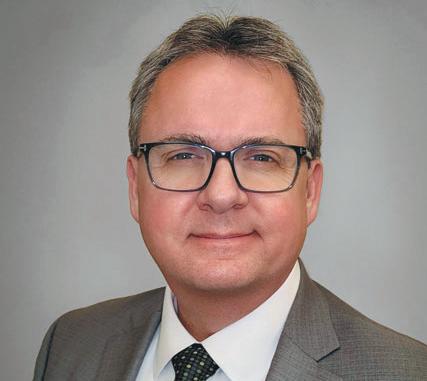
Joseph Marchant has joined East Alabama Health as executive vice president and chief integration and network development officer.
He previously served as chief executive officer of Bibb Medical Center in Centreville for 15 years where he led the expansion of services, including skilled nursing, senior living, obstetrics, chronic care management and primary care.
Marchant has served as the past chairman for the Alabama Hospital Association, the Bibb County Chamber of Commerce, the Bibb County Economic

State University and his Bachelor of Education degree from the University of Toledo.
Merrick succeeds Andrew J. Butler, PhD who, as dean of the School of Health Professions, oversaw record milestones in research funding, national rankings and student enrollment. It is now the fastest-growing school at UAB and one of the largest health professions schools in the nation with more than 20 programs and more than 40 offerings at the bachelor, master and doctoral levels. In 2025, U.S. News & World Report ranked the School of Health Professions No. 1 in America for Health Care Management.
& Industrial Development Board, and the Healthcare Workers Compensation Fund. In addition, he was recognized in 2024 by the National Organization of State Offices of Rural Health with the National Rural Health Day Community Star Award.
He earned his Bachelor of Science in Business Administration from Faulkner University and is a Licensed Nursing Home and Assisted Living Administrator by the Board of Examiners for the State of Alabama.
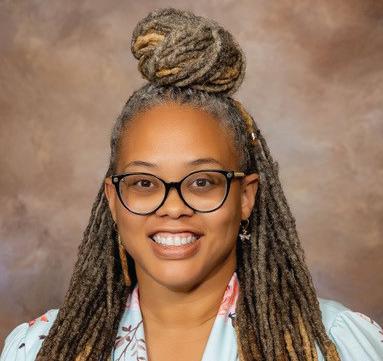
“I am honored to lead an organization that is dedicated to supporting physicians and advocating for policies that allow us to provide the best possible care to our patients,” Johnson said.
Johnson has been practicing in Mobile since 2011. She graduated in 2003 from Tennessee State University with a bachelor’s degree in biological sciences and completed her medical doctorate from Meharry Medical College in 2008. She was a member of the Mobile County Board of Health from 2014 to 2019.



Steve
VICE
Jason Irvin
CREATIVE DIRECTOR
Katy Barrett-Alley
CONTRIBUTING WRITERS
Jane Ehrhardt, Ashley Franco, Laura Freeman, Lynne Jeter, Marti Slay
Birmingham Medical News
270 Doug Baker Boulevard, Suite 700-400, 35242 205.215.7110
AD SALES: Jason Irvin, 205.249.7244 All editorial submissions should be e-mailed to: editor@birminghammedicalnews.com
UAB is expanding access to kidney transplants by adopting normothermic machine perfusion (NMP), an advanced organ preservation technology shown to improve organ utilization and early transplant outcomes.
Donor kidneys are typically preserved using cold storage, which involves flushing the kidney to remove donor blood, cooling it in a preservation solution, and storing it on ice while arrangements are made for transplantation. Using this method, donor kidneys are generally viable for 24 to 36 hours.
Normothermic machine perfusion offers a more physiological approach by maintaining organs at near body temperature in an oxygen and nutrient-rich environment. During NMP, a mechanical pump circulates a warm solution, designed to deliver oxygen and nutrients through the kidney. This allows the transplant team to observe kidney function directly and assess clinical markers such as urine production prior to transplant.

For patients, the use of NMP may mean receiving a kidney transplant sooner — often while they are healthier — and having greater confidence in early graft function.
By improving the ability to safely assess and preserve donor organs, NMP helps make more kidneys suitable for transplantation. This can shorten wait times, reduce the amount of time patients spend on dialysis, and it increases the likelihood that the kidney functions immediately after surgery, reducing the risk of early complications.
NMP allows transplant teams to
evaluate kidney function in real time prior to transplantation. While on NMP, clinicians can monitor blood flow, kidney resistance and metabolic activity and in many cases observe urine production.
Findings from an analysis of the first 100 kidney transplants in the United States utilizing NMP compared outcomes with those of similarly matched kidneys preserved using traditional methods. NMP was shown to keep donor kidneys healthy before surgery and reduced the risk of the kidney’s failing to work right away by 40 percent.
UAB St. Vincent’s St. Clair has filed a letter of intent with the Alabama State Health Planning and Development Agency indicating its intention to file a certificate of need for a freestanding emergency department in Oxford, Alabama.
The proposed project will be a joint venture among the UAB Health System, the City of Oxford and Oxford’s Health Care Authority.
“We approached UAB to fill this need in our community because they represent world-class patient care,” said Oxford Mayor Alton Craft. “Oxford Health Systems CEO Tom Dixon led this effort with the support of the City Council.”
UAB Health System CEO Dawn Bulgarella said, “partnering with UAB connects Oxford and surrounding communities to the health system’s
vast care delivery network, which creates economies of scale to reduce costs and gives patients in the region better access to world-class medical expertise, specialties and resources for an enhanced care model.”
UAB Medicine already operates successful freestanding emergency departments in Gardendale, Hoover and Trussville.