

By mArTi WeBB slAy
The Alabama Rural Hospital Investment Tax Credit program became effective in January, and in just a month, the $20 million cap was reached, closing the tax credit for the rest of 2026.
Experts say it is not too early for investors or hospitals to begin planning to take advantage of the program for 2027, however, as the cap will likely be reached just as quickly next year.
The program, patterned after the Georgia HEART (Helping Enhance Access to Rural Treatment) program, offered an opportunity for donors to receive a dollar-for-dollar tax credit on state taxes while helping rural Alabama hospitals.

By lAurA FreemAn
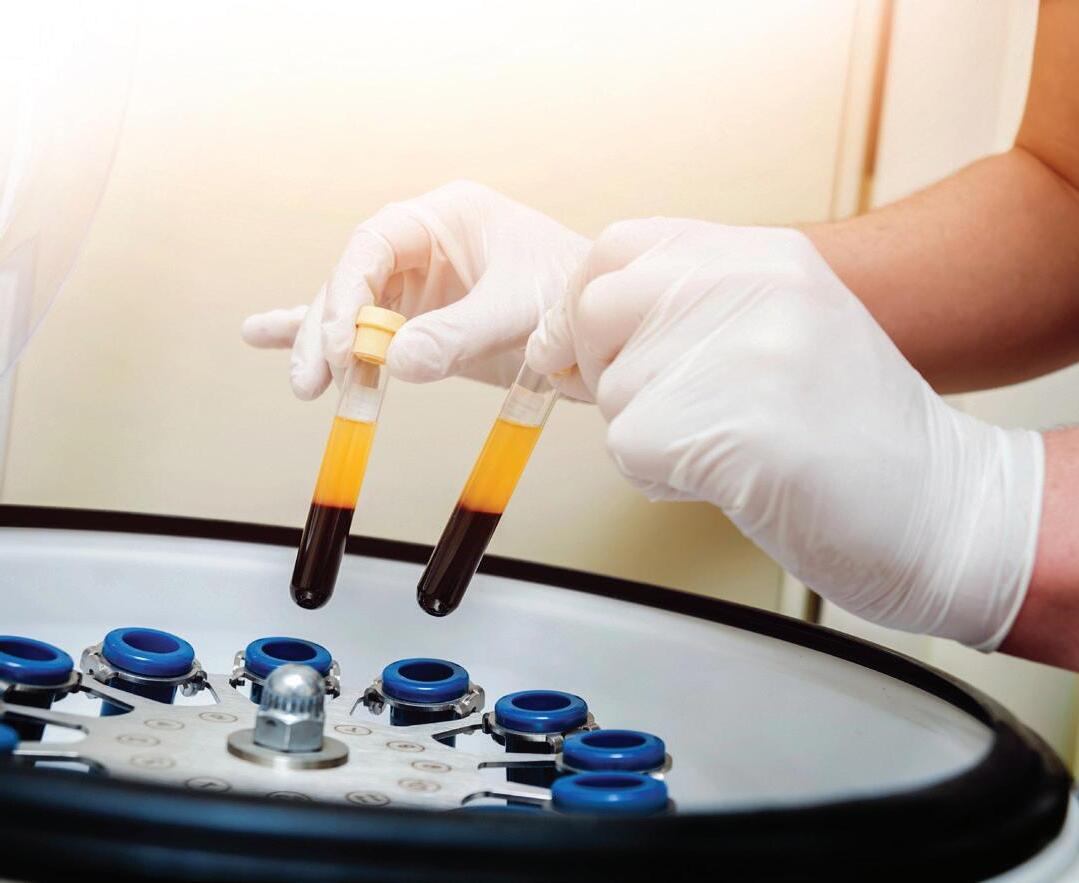
In recent years, healthcare providers have begun using platelet-rich plasma (PRP) more frequently to help patients get faster relief from chronic conditions and recover faster from injuries and surgery without the side effects of some of the standard treatments used in the past.
“In orthopedic conditions that we’ve usually treated with steroids, platelet-rich plasma gives patients a new option,” Michael Ewing, MD of Orthosports Associates said. “It offers high potential to ease pain and speed healing without the possible downside of ste-
roids. This is particularly important in conditions that tend to need repeated treatment through the years.
“One area where my patients are finding PRP particularly helpful is in early arthritis when infl ammation in the knees starts causing pain. With one injection of PRP concentrated from the patient’s own blood, we see the inflammation calming down and the pain eases. This can help patients get back to active living faster while delaying or even avoiding the need for more aggressive treatments. It can also help buy time in other cases when surgery needs to be
“It’s a great opportunity for supporting rural hospitals without getting help from the government,” said Danne Howard, president and CEO of the Alabama Hospital Association. “It’s not a complete fix, and it won’t remedy everything, but it’s a tool to use while working on a plethora of other things. It’s a piece of the puzzle.”
David Compher, CPA with Carr, Riggs & Ingram, explained the difference between a deduction and a tax credit. “A tax credit is better than a deduction,” he said. “With a deduction, if your tax rate is 10 percent and you make a $1000 donation, your savings will be your 10 percent tax rate, so $100. If you get a tax
(CONTINUED ON PAGE 9)








At the heart of one of the most highly regulated industries in the nation, health care facilities and providers face challenges that draw attention and resources away from their mission to provide quality patient care.
Burr & Forman’s health care team works alongside you to address and anticipate your needs by providing preventative guidance and pragmatic solutions, enabling you to focus on providing care and achieving healthy outcomes.
Jessie Bekker
Howard Bogard
Richard Brockman
Lindsey Druhan
Jim Hoover
Kelli Carpenter Fleming Angie Cameron Smith

By Ansley FrAnco
In healthcare administration, few processes are as critical as physician credentialing. The process determines whether physicians can participate in insurance networks and be reimbursed for patient care. When it works smoothly, it operates largely behind the scenes. When it does not, the consequences can ripple across medical practices and patient access alike.
In recent years, new regulatory requirements and evolving payer processes have made credentialing significantly more complicated for provider organizations. According to Stewart Garner, principal in Kassouf’s Healthcare Tax and Advisory Group, many of the current administrative pressures stem from the implementation of the 2022 No Surprises Act and the increased emphasis on maintaining accurate provider directories.
The federal law protects people from surprise medical bills, allowing for great transparency in healthcare performed by professionals in and out of network. It also requires physicians to maintain their credentialing status.
Credentialing refers to the process where insurers evaluate physicians’ qualifications and verifying items such as medical licenses, work history, malpractice coverage, hospital privileges and prescribing authority. Only after completing this process will insurers allow physicians to bill for services as in-network providers.
“Part of the No Surprises Act, obviously, is meant to help the consumer and the patient, but it creates more paperwork and potential barriers for the providers that can give the services to those patients. As part of this directory maintenance piece, providers can be dropped or placed in an out-of-network status, which essentially means Dr. Jennifer is no longer eligible to be paid by Blue Cross if those directories are not maintained, and maintained timely,” Garner said.
This process historically often involved submitting applications directly to insurers through email, fax or mailed paperwork. Today, insurers frequently
pull provider information directly from centralized platforms such as CAQH (Council for Affordable Quality Healthcare) and do not rely on traditional paperwork as they previously did. Providers must maintain up-to-date information across multiple systems to ensure credentialing status remains active.
In addition to credentialing new providers joining a practice, groups must also regularly attest that their existing directory information remains accurate. This typically occurs every 90 days and includes confirming office locations, contact information, whether physicians are accepting new patients and other access-related details. Garner said failure to complete this can lead to serious consequences for both providers and their patients.
“If credentialing is not done consistently and within the desired time frame, insurance companies can drop those providers from the network. It will be as
if you were never credentialed to begin with. You have to start over, and you don’t get paid for those services,” Garner said.
For medical practices, that scenario creates immediate reimbursement challenges, he said. Insurers may deny claims or refuse payment until credentialing records are reinstated, even if physicians are actively seeing patients. Garner said these delays can be especially difficult for practices onboarding new physicians. Credentialing applications must be submitted to each insurance company individually, and approval timelines vary widely.
“One of the most common questions we get is, ‘If we submit everything today, when will this physician be approved?’. Unfortunately, that’s almost impossible to predict because every payer processes applications at a different speed,” Garner said.
Some insurers may approve credentialing within a few weeks while others can take several months. In certain cases, insurers grant the requested effective date if paperwork is submitted early enough, Garner said. In other cases, physicians may not be considered innetwork until the date the insurer com-

www.vulcanimaging.com
Experienced, subspecialty radiologists provide a collaborative approach to enhance patient care. Accurate imaging reports – any time, any day. Seeing it through
By lAuren Johnson
UAB is among the leading centers in the world for treating tricuspid regurgitation, a condition that occurs when the tricuspid valve in the heart does not close properly, allowing blood to flow backward into the heart.
Mustafa Ahmed, MD, an interventional cardiologist and the director of the cardiovascular network at UAB, has seen amazing advancements in care for structural heart disease over the past several years. Since 2019, Ahmed has been an investigator in most of the major trials for tricuspid valve treatments. He and the UAB tricuspid team continue to be part the of trials, making them one of the first in the country to offer new treatment options for tricuspid regurgitation.
“Things that used to be only treated with open heart surgery can now be taken care of by going through catheters in either veins or arteries,” he said. “Before this, there weren’t many options for patients with tricuspid valve issues. For many of these patients an open-heart operation was too high of a risk.
“This tricuspid journey has been an interesting evolution in the last few
years. Unlike the other valves, tricuspid does not have a one-fits-all solution. Over the last 10 years, we’ve gone from having no treatments to suddenly having four to five different solutions.”
When UAB cardiologist Ali Ebrahimi, MD was in training, the tricuspid valve was often called the forgotten valve. Compared to the others, it wasn’t a priority, but when it was left unrepaired, patients continued to suffer from shortness of breath, swollen legs, and fa-
tigue. In some cases, the patient would develop liver disease or RV dysfunction. By that point, they were usually too sick to undergo open-heart surgery again. Eventually, minimally invasive procedures became available for the tricuspid valve. With advancing technology, medical professionals have learned how to take pictures of this valve, how to measure it, to fix it and how to categorize patients based on their condition. The better they’ve gotten at repairing it,
the better they’ve gotten at finding it.
“If we can fix your tricuspid valve, we aren’t necessarily making you live longer, but we can help you feel better and that’s also valuable, especially in your later years,” Ebrahimi said.
The first treatment for the tricuspid valve that became available was the transcatheter edge-to-edge repair, also known as the TriClip. This allows surgeons to use a small clip to pinch the leaflets (flaps of tissue) together to reduce leakage. These clips are designed to stay inside the patient for the rest of their life. Eventually, the clips will grow into the valve, making it very stable.
All the devices are small enough to go through the veins, starting in the leg, and delivering up to the heart or the vena cava. Most patients can walk the same day as the procedure. Ahmed completed the trial for the TriClip procedure a few years ago and it’s now commercially approved.
Because the tricuspid valve is so complex, the TriClip isn’t the answer for all patients. The next treatment that became available was the Evoque transcatheter tricuspid valve replacement
(CONTINUED ON PAGE 8)

MEDICAL GROUP IS NOW PART OF UAB MEDICINE.
One of the largest and most trusted physician practices in Central Alabama, Southview Medical Group has been serving patients for over a century and shares UAB Medicine’s mission to provide life-changing care.
• Primary and specialty care
• Easy scheduling by phone
• No referral required for primary care
• Expanded resources and expertise
• High-quality, value-based care
• Two convenient locations (downtown & Greystone)

southviewmed.com • uabmedicine.org




continued from page 1
delayed or avoided.

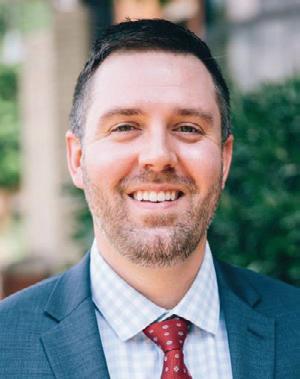




“While we’ve had a lot of hope for other innovative approaches such as injectable gels, which can be helpful in some cases, the response in others hasn’t always been what we hoped to see. However, I’ve been impressed with our results from platelet-rich plasma. All patients are different, of course. Everyone has a different body and DNA and immune system, but where there’s a good chance PRP can help, I like to offer my patients that option.”
Michael Ewing, MD
tients are on their way. We usually tell them to avoid anti-inflammatories for a few days and let them know the area may feel a bit worse for a few days before it begins to feel better. That’s the immune system working. But then, as healing progresses, most patients tell us they start seeing a noticeable difference,” Ewing said.



When people with extraordinary talent and passion are given the technology, the facilities, and the support, they achieve great things. The discoveries and innovations happening today will help shape the future of treatments and lead to cures. And it benefits not only the patients and families who come to Children’s of Alabama, but people across the country and around the world for years to come.

In addition to arthritic knees, PRP can be helpful in treating tennis elbow and other tendon, ligament, muscle and joint conditions. It can also help to speed healing after surgery.
“Torn rotator cuffs can be difficult to heal, even with the most experienced surgeons making the repairs, but injecting PRPs really seems to improve the odds for achieving a good outcome,” Ewing said. “Overall, my patients have been happy with the results. Some also tell me they feel better knowing PRP comes from their own blood rather than using something not normally found in their body.”

Growth factor and other biological elements found with concentrated platelets have shown to be especially effective in calming down inflammation and encouraging tissue repair. The process of gathering, concentrating and injecting PRPs can be done in the same office visit. After examining the patient, evaluating treatment recommendations will include an overall review of the patient’s health and history, and a look at labs and current medications.
“We take about 30 to 60 CCs of blood and spin it down, then draw off three to five CCs of the platelet-rich plasma. It’s ready to inject where it’s needed in about 15 minutes. Then pa-
The degree of improvement and duration of results tend to vary from patient to patient, according to each person’s specific condition, individual health influences and factors from everyday life. However, most of Ewing’s patients who receive PRP treatment report that they are pleased with the results and open to using the technique again.
“One consideration slowing the use of plasma rich platelets is that insurance companies have tended to be slow offering coverage and accepting PRPs as the standard of care. I anticipate that will be changing soon, as they see the results we’re seeing without the common side effects from steroids, anti-inflammatories and some of the other medications,” Ewing said.
Platelet-rich plasma is considered to be a biologic, which are medications derived from living things, including human and animal cells, as well as bacteria and yeast. They are usually larger molecules used to treat chronic conditions, autoimmune illnesses and cancer by targeting specific immune pathways. In addition to blood components, the class includes monoclonal antibodies, recombinant proteins and cellular/gene therapies.
“We’re moving into the era of biologics,” Ewing said. “As insurance companies track the data and follow the results those of us who work with them every day are seeing, we think biologics will be the direction medicine is going.”
pletes its internal review.
While credentialing challenges affect organizations of all sizes, independent practices can often have the greatest struggle, Garner said. Large health systems typically have a dedicated credentialing department, whereas smaller clinics may rely on office managers who already juggle multiple administrative tasks such as billing, payroll and operations.
In some cases, Garner said unresolved credentialing delays can impact patient access. If physicians cannot be reimbursed by certain insurers, practices
continued from page 3
may be forced to postpone appointments or temporarily stop scheduling patients covered by those plans.
Garner said that credentialing, something that was once straightforward, now requires ongoing oversight and attention to detail. As regulatory expectations and payer systems continue to evolve, practices across Alabama are discovering that credentialing is a critical component of maintaining financial stability and ensuring patients can access care without disruption.

































By Jim hoover
Over the past 18 months, regulatory oversight, government investigations and recoupment actions relating to wound care, generally, and skin substitutes, specifically, have increased dramatically. A combination of the United States Department of Justice (DOJ), U.S. Department of Health and Human Services Office of Inspector General (HHS-OIG), and Centers for Medicare & Medicaid Services (CMS) have all targeted wound care practices nationwide regarding potential fraud and abuse. Additionally, many providers across the country have been receiving Unified Program Integrity Contractor (UPIC) Notices of Overpayments based upon audits of wound therapy and/or skin substitute claims. A UPIC is a contractor of CMS that performs program safeguard functions for the Medicare program including medical review, cost report auditing, data analysis, fraud detection, and prevention.
The dramatic increase in recoupment actions and/or fraud investigations are all directly tied to a recent HHSOIG (OIG) report titled “Medicare Part B Payment Trends for Skin Substitutes Raise Major Concerns About Fraud,
Waste, and Abuse.” This report outlines the OIG’s review of Medicare billing data for skin substitute products. The report indicates that Medicare spent approximately $400 million on skin substitutes in 2022 to over $10 billion in 2024, allegedly caused by over utilization and high reimbursement rates. The report highlighted certain utilization patterns and potential outlier billings such as the consistent use of skin substitutes on a patient’s first visit without any prior attempt at conservative treatment; the products’ use for non-approved conditions or at excessive quantities for a given condition; and the four-fold increase in spending for home care patients compared to those treated in an office setting.
of medical records, including photographs, detailed wound descriptions and extensive patient history and physicals. Nonetheless, the decision was upheld at the redetermination stage of the appeal process. Although the appeal process is ongoing, as with the instant case and notwithstanding the production of voluminous medical records, the Notices of Overpayment typically justify the allegations of overpayments on generic grounds such as the documentation did not support the medical necessity for the services billed pursuant to Medicare guidelines.
fect. Skin substitutes are now classified as incident-to supplies rather than biologics in non-facility settings and payment is based upon a flat-rate at approximately $127 per square centimeter, down from the previous ASP+6 percent model, which could exceed $2,000 per square centimeter. This change is expected to reduce Medicare spending on skin substitutes by nearly 90 percent.
For example, UPIC Notices of Overpayment often involve allegations that the provider engaged in aberrant billing patterns resulting in hundreds of thousands of dollars of overpayments. For example, a recent UPIC audit received by a client alleged an overpayment of more than $800,000. In response, the practitioner provided thousands of pages



Relevant to Alabama providers, Palmetto drafted a Local Coverage Determination (LCD) for skin substitutes for diabetic foot ulcers (DFU) and venous leg ulcers (VLU) effective January 1, 2026 to address the overwhelming explosion in payments for skin substitutes. However, the LCD was withdrawn by the A/B Medicare Administrative Contractor (MAC) just before the effective date. As a result, no new LCD coverage rules are currently in effect for Part B Medicare beneficiaries. Thus, existing coverage determinations continue to be evaluated on a case-by-case basis under medical necessity standards, and documentation requirements remain unchanged.
However, even though the LCD was withdrawn, the 2026 Medicare Physician Fee Schedule (PFS) changes remain in ef-
What do all these actions mean for wound care providers? Providers must review product selection very carefully since many of the previously-used skin substitutes are no longer covered by Medicare. The practitioner’s billing and documentation must align with the new flat-rate payment structure. Wound care centers using non-covered products may need to adjust treatment protocols or seek alternative covered products. Most importantly, clinical decisions should continue to be guided by medical necessity and patient-specific factors, as coverage is evaluated individually.
In summary, while skin substitutes remain clinically important for wound healing, CMS has withdrawn the new LCDs, leaving coverage decisions under existing policies, and has implemented significant reimbursement reductions. Providers should stay informed about MAC-specific policies and evidence requirements to ensure compliance and optimize patient care.
Jim Hoover is a health care trial and compliance Partner at Burr & Forman LLP practicing exclusively in the firm’s health care group. Jim may be reached by telephone at (205) 4585111 or by E-mail at jhoover@burr.com.
continued from page 4
(TTVR), where surgeons go through the patient’s leg and put in a whole new heart valve.
“At UAB, we were part of the early feasibility trials. The TTVR is incredible because it eliminates almost all of the leak,” Ahmed said.
Unlike open-heart surgery where patients spend about a week in the hospital to recover, patients who’ve had the TriClip procedure can go home the day after the procedure and patients who’ve had TTVR can go home within one to two days.
The next option for patients is the caval valve implantation (CAVI), a minimally invasive procedure where the surgeon places artificial valves in the inferior and superior vena cava by using the TricValve device. Ahmed and his team have just started enrolling in trials for this procedure.
While the TriClip and Evoque devices are on the market now, Ahmed and
Ebrahimi are also doing trials using the Intrepid device and TricValve device, which is a pair of stents that surgeons put in the veins that lead to the heart, moving the valve further upstream. TricValve is used when the valve inside the heart is not fixable. The device is installed before the natural valve so blood can be sorted out by the two prosthetic valves.
“If you have a leaky valve, but the leaflets are close to each other, we can clip,” Ebrahimi said. “If the valve is so far apart that the clip can’t pinch them together and replace it, I think about the Evoque or the Intrepid. If all else fails, and the valve is not salvageable, we can do the TricValve and replace the valve’s location and still give you relief. You have to fail four devices before we say there’s nothing we can do for you, so that’s becoming a rarity.”
“What makes UAB so special at of-
(CONTINUED ON PAGE 9)
continued from page 1
credit for $1000, then you get to reduce your taxes by $1000.
“Corporations can reduce their tax liability by up to 75 percent. For example, if a corporation has a $100,000 tax liability, they can give the hospital $75,000. So you are diverting funds that would normally go to Montgomery to your local hospital. And now you will only owe Alabama 25,000. On top of that, you’re taking control of how your tax dollars are spent.”
Georgia’s cap is now $100 million per year, having started at $60 million with $20 million increases each year. The Alabama bill originally had a goal of $60 million as well, but eventually $20 million was approved, increasing to $25 million in 2027 and $30 million in 2028. The bill will sunset at that point, unless the legislature renews it.
“We worked with budget leaders and had to be sensitive to any negative impacts this might have on budgets,” Howard said. “The political reality was to demonstrate this wouldn’t negatively impact the budget. We found a goal that was small enough to test the waters and show it’s worth it. That’s been accomplished.”
Howard is hopeful the bill will be renewed when it’s time, and she is optimistic that the caps will continue to grow. “The response to this initial roll-out indicates a strong response from both individuals and businesses,” she said. “It speaks to the role rural hospitals play in our state and is affirming how critical rural hospitals are to the healthcare delivery system.”
In order to qualify for donations under the program, hospitals must be designated rural hospitals by the federal government, and they have to submit information proving they weren’t about to close. In addition to the overall $20 million cap, each hospital has an individual cap as well. Donations can be made to specific hospitals, but there are also foun-
dations, including one set up by the Alabama Hospital Association, which accepted donations and allocated them to hospitals based on need. The donations made to their foundation were allocated the next day.
“Only a little over $2 million in donations were sent to foundations,” Howard said.
“Most were sending them directly to their local hospital.”
While the $20 million cap did not allow for every eligible hospital to reach its own cap, Howard said seven or eight hospitals did reach their cap, and every eligible rural hospital received meaningful donations. One hospital reached its goal within 13 minutes.
There are restrictions to how the money may be used. It cannot, for example, be used for executive compensation, although it can be used to offset costs of recruiting medical professionals. Some hospitals under the Georgia plan have used the funds to develop new cancer programs and seed capital expenses for an oncology wing or infusion center. Other hospitals are expanding wellness programs for their community. Alabama rural hospitals will soon be able to develop similar programs as needed with the funds they’ve received.
Given how quickly the cap was reached this year, Howard suggests that businesses begin preparing for next year. The Hospital Association is making plans to tell the stories of the hospitals which have benefited from the new program, and she promises that more information will flow to make the public more aware of the benefits for donors and rural hospitals alike.
More information about the program can be found on the Alabama Department of Revenue website, https:// www.revenue.alabama.gov/tax-incentives/rural-hospital-investment-tax-credit
continued from page 8 fering these treatments is that we have incredible imaging experts and we have an incredible tricuspid team, including Ebrahimi, Muhammad Amr Sabouni, MD, and Baran Aksut, MD,” Ahmed said.
UAB is one of the few hospitals in the U.S. that offers TTVR and CAVI and the valve program continues to be an international leader. Being an investigator and chosen as a trial site allowed Ahmed to offer treatments to patients that had no other options.
“As a doctor that looks after complex patients, it is amazing to be able to offer them treatments. Without those trials, those patients will be left with no one to help them,” he said. “There is nothing better than when you see someone that needs help, and they’ve been told there’s no options, but you’re able to offer them an option that can transform the quality of life. That’s why we do this job. It’s such a privilege to be able to help people, and it’s such a professional privilege to be able to offer the absolute latest cutting-edge treatments in the world.”







— Warren Averett Client

Why entrust your practice to a generalist when you could have an advisor that understands your specific needs and the challenges of the healthcare industry?

Warren Averett is uniquely equipped with experts who have dedicated their careers to helping medical practices thrive. We help physicians make smart personal and business decisions. We’re here for you.









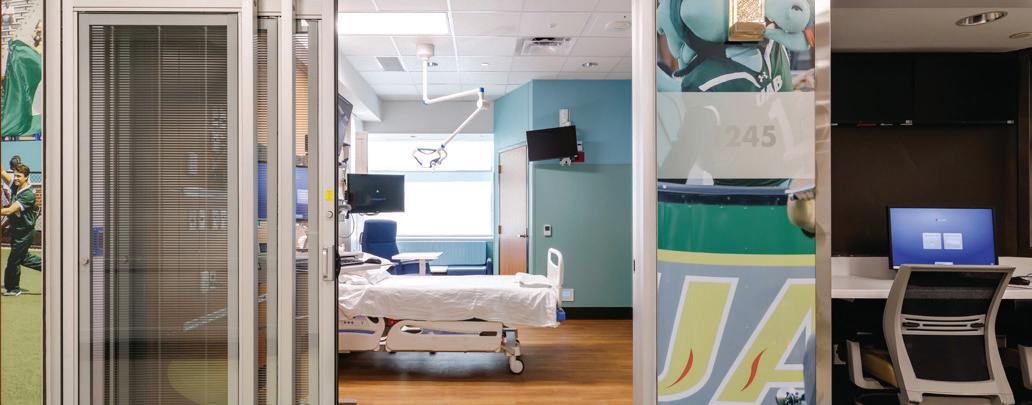
Children’s of Alabama has opened a newly designed Pediatric Intensive Care Unit (PICU).
“This new unit addresses the increasing demand for pediatric critical care, particularly for children with complex medical needs,” said Tom Shufflebarger, President and CEO of Children’s of Alabama. “It features leading-edge design and technology.”
This new unit combines the PICU and Special Care Units into a single critical care space, providing flexibility for both high- and
low-acuity patients. It is the result of a multidisciplinary effort involving nurses, physicians, respiratory therapists, pharmacists, IT professionals, facilities, and other partners.
This project was made possible through support from the community, including a $3 million gift from Quarterbacking Children’s Health Foundation. Hoar Construction served as the construction manager, and Poole and Company Architects served as the design firm.
In its first year supporting East Alabama Health, Auburn University Dream Makers (AUDM), a student-led philanthropic organization, raised $142,278.26 to support pediatric and neonatal care at East Alabama Medical Center (EAMC).
The fundraising total was announced during AUDM’s Main Event, which was a celebration of the organization’s year-long fundraising effort. Dream Kids are local children who receive care at EAMC and are supported by AUDM’s fundraising efforts.
UAB Hospital is now the fifth largest hospital in the nation, up three spots from 2025, according to Becker’s Hospital Review. UAB Hospital has 1,400 hospital beds.
“Earning a place among the nation’s largest five hospitals is a proud moment for UAB Hospital,” said UAB President Ray Watts. “It reflects the unwavering support of the University of Alabama System Board of Trustees and the outstanding leadership of UAB Health System CEO Dawn Bulgarella, as well as the caliber of our faculty and staff across UAB Medicine.”
In 2025, UAB Hospital cared for a record
929,021 unique patients.
“UAB Hospital is the only hospital in Alabama designated as a Level 1 Trauma Center by the American College of Surgeons, which reflects the extraordinary level of care patients receive here,” Bulgarella said.
Best in state
UAB Hospital was also named in Newsweek’s list of the World’s Best Hospitals 2026, claiming the top spot in Alabama, and Newsweek’s World’s Best Specialized Hospitals for 2026 with Cardiology ranked No. 105 globally and No. 142 in Cardiac Surgery, underscoring the hospital’s continued excellence in cardiovas-
The funding provided by AUDM will benefit a phased approach to the expansion of pediatric emergency care at EAMC. This multi-step plan is designed to strategically enhance the hospital’s capacity to treat children in urgent situations, further improving access
cular care and surgical innovation.
UAB Medicine has once again been named one of the nation’s leaders in the use of information technology in health care by the College of Healthcare Information Management Executives. Both UAB Hospital and UAB Medicine’s acute and ambulatory clinics were cited for achieving Level 8 status in CHIME’s 2025 Digital Health Most Wired survey.
New facilities
With cutting-edge therapy gyms and 134 patient beds, UAB’s new $156.7 million inpatient rehabilitation pavilion is transforming recovery for Alabamians.
to care locally.
In addition to their fundraising support, students from AUDM have provided 135 hours of volunteer services in EAMC's Pediatric Department.
UAB Medicine is undertaking a $73 million expansion of the Emergency Department — supported by $50 million from the State of Alabama — that will add 59 new exam rooms.
Unique to UAB
In addition to being an Adult Level 1 Trauma Center, UAB has a Comprehensive Transplant Institute that is home to the state’s leading organ transplant program. Cuttingedge cancer treatment is provided through Alabama’s only National Cancer Institute-designated O’Neal Comprehensive Cancer Center. The hospital is also home to a Level 4 Regional Neonatal Intensive Care Unit.

Not every spot is as harmless as it looks. Regular skin checks and biopsies can catch issues early—and with same-week availability, there’s no reason to wait.


EDITOR
Steve Spencer
VICE PRESiDENT OF
Jason Irvin
CREATIVE DIRECTOR
Katy Barrett-Alley
CONTRIBUTING WRITERS
Jane Ehrhardt, Ashley Franco, Laura Freeman, Lynne Jeter, Marti Slay
Birmingham Medical News
270 Doug Baker Boulevard, Suite 700-400, 35242 205.215.7110
AD SALES: Jason Irvin, 205.249.7244
All editorial submissions should be e-mailed to: editor@birminghammedicalnews.com
The AMA Foundation has named Andrew “Andy” Bell executive director. Bell brings more than 20 years of nonprofit leadership experience across philanthropy, public health, and community revitalization.
“What excites me most about serving as executive director of the AMA Foundation is the chance to connect physicians, medical education, and better health for all people across the country,” Bell said.
Bell spent more than a decade in leadership at the National Multiple Sclerosis Soci-
ety, ultimately serving as market president for the Alabama–Louisiana–Mississippi region. He expanded regional fundraising revenue to nearly $3 million annually, and strengthened support services for people living with multiple sclerosis across the Southeast.
Bell later joined Ascension St. Vincent’s Foundation, where he managed
Jared Travis, MBA is the new Administrator and CEO of Outpatient Services East (OSE), which operates a surgery center on the St. Vincent’s East Campus with six operating rooms and nine procedure rooms.
Travis earned his Bachelor of Science in Registered Nursing at
Jacksonville State, and his MBA at the University of North Alabama.
After beginning his career as an RN in the operating room at UAB Medical West, he was the administrator of Oxford Surgery Center in Oxford, AL for three years before joining OSE.
In early March, the Huntsville South Veteran’s Administration Specialty Care Clinic opened at UAB Medicine Huntsville. The new 7,000-square-foot clinic, a partnership between the Veteran’s Administration (VA) and UAB Medicine in Huntsville, expands access to specialty services including cardiology, chemotherapy infusion, podiatry, and neurology.
In conjunction with the new clinic, UAB Medicine and the VA has launched
the Veterans Transportation Program, which will provide rides to and from VA medical appointments for Huntsville-area veterans within a 50-mile radius of the clinic.
The VA plans to open additional facilities in Greenbrier, including a 20,000-square-foot Women’s Health Clinic, a 20,000-square-foot Mental Health Clinic with space for homebased primary care and social work, and a 24,000-square-foot Dental Clinic.
a $30 million asset portfolio and grew annual fundraising to nearly $4 million. Most recently at Renew Birmingham, Bell helped lead programs focused on housing, youth employment, food access, and neighborhood revitalization.
He earned a bachelor’s degree in political science with a minor in business from Birmingham-Southern College.
Southern Association of Cardiovascular and Pulmonary Rehabilitation April Conference
UAB Medical West is hosting the Southern Association of Cardiovascular and Pulmonary Rehabilitation’s Spring Conference (SACPR) on April 9-10. CEU’s have been applied for through the American Association of Cardiovascular and Pulmonary Rehabilitation of which SACPR is an affiliate.
This multidisciplinary conference is appropriate for nurses, exercise physiologists, respiratory therapists, dieticians, and more. Topics include Team Synergy; Cardiac Amyloidosis; Musculoskeletal Sequelae of Chronic Lung Disease & Role of Pulmonary Rehab; Nutrition and Weight Management; Dysautonomia; Sleep Apnea; Legislative & Regulatory Updates, and more. To register, visit SACPR.org
Jackson Thornton, a certified public accounting and consulting firm, has acquired Jackson, Howard & Whatley, LLC (JHW), a CPA firm located in Birmingham.
JHW was founded in 1978 by Mike
Jackson, Judy Howard and Tim Whatley. Jackson Thornton (JT), founded in 1919 was named a Top 200 Firm by Inside Public Accounting and named one of USA Today’s 2025 Best Tax & Accounting Firms.
The firm ranked 5th on Business Alabama’s 2025 Top Rank listing of Alabama’s largest accounting firms and was named a “Best Company to Work For” by Business Alabama in 2023.
birminghammedicalnews.com





$150,000
$150,000



OB/GYNs, and primary care nurse practitioners to practice in rural, medically underserved areas in Alabama. ARMSA offers $50,000 a year for primary care physicians, with a 3-year maximum award period. The award is a service loan that is payable by years of service.










You’re never a number here. You’re someone with a story, dignity, and purpose. And that’s where our faith-focused care begins.