

By MartI WeBB SLay
Issues for rural hospitals and gaps in healthcare for the underserved are well documented, but one local organization is making a difference, fueled in large part by vision and dedication to a common mission.
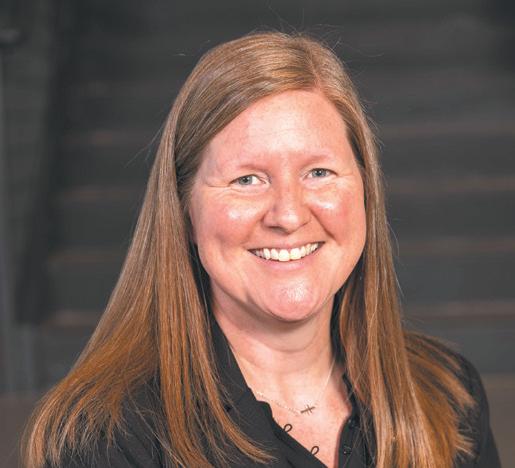
In 2004, when John Waits, MD, FAAFP, was practicing in Bibb County to pay off his student loans, he realized he loved living in a rural area, and these patients were who he went to medical school to take care of.
“There is a need for primary care doctors in this country, but there’s an unequal distribution of where doctors
go when they finish training. I went to a rural area and realized it would take a generation to make this not an underserved area. So I hung my shingle and opened Cahaba Medical Care,” said Waits, CEO and co-founder.
Lacy Smith, MD, FAAFP, joined him a few years later. As a private practice, they saw all the problems that come with rural medicine: lack of transportation, low income, high deductibles, limited access to specialists and more. Waits and Smith committed to take care of anybody, regardless of their ability to pay, but it was a struggle.
They converted to a community
(CONTINUED ON PAGE 5)
By Laura FreeMan
When too many voices are speaking at the same time, it’s hard to make sense of what is being said. It’s even more difficult to know who to listen to when those voices are online and you don’t know who is speaking from actual expertise, and who is simply repeating something they heard somewhere else.
This cacophony of advice from social media influencers, podcasts, and marketing videos has led to an influx of dermatology cases demonstrating what can go wrong when too many sources of advice get applied to unsuspecting skin.
“A couple of conditions we see more frequently are allergy contact dermatitis
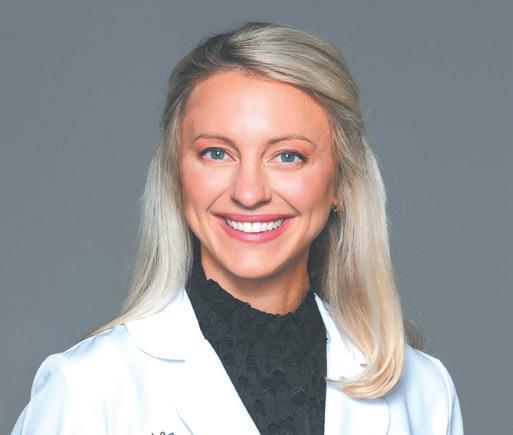
from products that have allergic potential in some patients and irritant contact dermatitis from layering too many active ingredients, “Stephanie Ives, MD of Total Dermatology said. “For example, people who want to look younger may see one



influencer recommending a product with salicylic acid. They see a podcaster talking about alpha hydroxy or beta hydroxy acid. Then they see another video showing before and after results from retinol. If they try them all, it can be too much.”
Another issue is advice that may work fine for one skin type, while being wrong for another. People with dry skin may not tolerate a strong astringent, and those with oily skin may develop problems from heavy moisturizers or anything that blocks pores.
“We’re seeing perioral dermatitis which can occur due to a variety of mechanisms, including overly occlusive products and topical steroids,” Ives said.
In recent years, a problem with po-

tentially serious effects results from the online war about what sunscreen ingredients are safe. Some ingredients used in U.S. products are not allowed in Europe and some Asian countries. While increasing vitamin D is a growing trend, frustration in trying to find safe sun protection leaves some people avoiding sunscreens altogether and increasing their risk of skin cancer and sun damage.
“Hats, lightweight coverups and timing of sun exposure can make a difference, and dermatologists can recommend sun-blocks and sunscreens with simple ingredients that work,” Ives said. “For anyone who is out in the sun, doing nothing is not an option.
(CONTINUED ON PAGE 4)




At the heart of one of the most highly regulated industries in the nation, health care facilities and providers face challenges that draw attention and resources away from their mission to provide quality patient care.
Burr & Forman’s health care team works alongside you to address and anticipate your needs by providing preventative guidance and pragmatic solutions, enabling you to focus on providing care and achieving healthy outcomes.
Jessie Bekker
Howard Bogard
Richard Brockman
Lindsey Druhan
Jim Hoover
Kelli Carpenter Fleming Angie Cameron Smith

By Steve Spencer
For decades, the American healthcare system rewarded volume over value — the more patients physicians saw, the more they earned. The result was a treadmill that left little time for the kind of thorough care that keeps patients out of hospitals in the first place.
That model is changing. Value-based care has gained momentum in recent years, driven by Medicare and major commercial insurers. In Birmingham, Complete Health is active in this transition, using Value-based care for its Medicare patients.
“We’re not just seeing patients for high blood pressure and giving them medicine and seeing them back in six months,” said John Farley, MD, CMO for Complete Health, who practiced internal medicine in Birmingham for 28 years before joining the organization in 2019. “We’re following up with them, whether we visit them, call them on the phone, or do telehealth visits. It’s a really different model.”
Complete Health has contracts
with UnitedHealthcare, Viva Health, BlueCross BlueShield of Alabama, Cigna, and Humana, under which the organization receives a monthly fee to manage care for a patient panel. Rather than billing per visit, Complete Health is compensated for keeping those patients healthy. With approximately 120 providers in Birmingham, along with two urgent care clinics and several walk-in locations, the model is built around accessibility.
Value-based care patients have access to a dedicated 24/7 phone line — a separate 888 number they can call when problems arise. The goal is to keep patients out of the emergency room and the hospital.
“Bad things happen in hospitals,” Farley said. “We want to be proactive, engaging patients early in their illness, and making sure they’re current on their colonoscopies and mammograms. And when they have a problem, we see in our office quickly — because the longer you wait, the sicker you get. By the time you’ve waited four or five days for an appointment, you might be in the ICU by

John Farley, MD
the time you get seen.”
To identify which patients need the most attention, Complete Health uses the ACG Hopkins model, drawing on data from both payer files and its own electronic medical records, to generate a ranked list of patients most likely to need additional services — whether that’s care coordination, a palliative care program, or more frequent outreach.
“It’s the 80-20 rule,” Farley said. “About 20 percent of our patients need the most services. We identify who needs to be followed and who doesn’t, then en-
roll them in these programs and follow them closely.”
The care team wrapped around each provider extends well beyond what a traditional practice offers. It includes care coordinators, a diabetes management program, palliative care led by nurse practitioners, and a transitional care department that reaches out to patients after hospital discharges. Inpatient navigators follow patients during hospital stays, all coordinated by a medical director who serves as, in Farley’s words, “air traffic control.”
For providers accustomed to fee-forservice medicine, the transition requires a shift in mindset. Farley, a fourth-generation physician, acknowledged that the old model created its own trap — the better a physician’s reputation, the larger the patient panel, and the less time available for each person on it.
“The thing that makes you good at the beginning destroys you in the end,” he said. “By then you’re seeing 40 people a day, you don’t have time to spend with them. In this model, it’s the opposite.








— Warren Averett Client

Why entrust your practice to a generalist when you could have an advisor that understands your specific needs and the challenges of the healthcare industry?

Warren Averett is uniquely equipped with experts who have dedicated their careers to helping medical practices thrive. We help physicians make smart personal and business decisions. We’re here for you.



continued from page 3
“ And social media talk about ingredients can be misleading. Natural is a term that is over-used and doesn’t necessarily mean safe.”
Some ingredients that might be safe to eat or drink can be sensitizing on the skin. For example, products using citrus oils for fragrance may cause a rash or a rapid sunburn. Peppermint can be a delightful smell, but if the concentration is too strong or if it gets into the eyes, it can burn.
There are even medications that can change the interaction between the skin and its environment. What may have been fine last week may cause problems today for someone who has just started a course of antibiotics, NSAID or several other medications.
When skin care products or online advice are suspected as contributing to skin problems, what can a doctor do?
“Asking patients to bring in all the products they are using can be helpful, as well as asking them for a timeline of when products were initiated with relation to a rash or other symptom” Ives said. “It’s important to discontinue agents thought to have caused the rash along with those that could prevent or slow healing.
“My general recommendation is for





patients to pare down their skin care regimen as much as possible until resolution. A gentle cleanser, moisturizer and sunscreen are typically sufficient. A combination of anti-inflammatory agents and/or oral antibiotics can then be tailored to the specific rash or problem at hand. Once the issue is resolved, patients can work with their provider to tailor a skin care plan specific to their individual needs.”
How can physicians help patients avoid the problems that can come from relying too much on social media for skin care advice?
“It’s difficult to know who to trust on social media,” Ives said. “It helps to look for credentials, which you can verify through organizations like the American Academy of Dermatology or medical boards. It’s also important to know if these individuals have conflicts of interest for the products and services they are endorsing.
“The American Academy of Dermatology Association has a website with great resources for patients. You can find information on an array of skin diseases there, as well as helpful tips on skin care basics, sun protection and other topics. It’s http://aad.org/public.”
Let’s make sure we’re addressing everything with these patients.”
Physicians in the value-based model typically see fewer patients per day, but earn more — shared savings from avoided hospitalizations and ER visits are distributed among providers who hit quality benchmarks. Farley said the model also helps address a growing concern across the profession: burnout.
“You’re able to spend more time with patients, discuss end-of-life planning, address things you usually don’t have time for during a typical visit,” he said. “And you get rewarded for outcomes rather than volume. That’s a significant change.”
Last year, Complete Health entered its first full-risk contract with BlueCross BlueShield of Alabama through its Blue Advantage PPO — the insurer’s first risk contract of its kind. More than a year in, both sides are satisfied. Conversations

continued from page 3
are also underway about extending the model to commercial patients, not just Medicare.
Looking ahead, Farley believes the financial pressure on the healthcare system will continue driving adoption. Earlier cancer detection, better management of chronic conditions like diabetes, and reduced reliance on expensive procedures all represent meaningful savings for a system straining under rising costs.
“If we can diagnose someone with cancer at an earlier stage where they don’t need $100,000 in chemotherapy, or help a patient lose weight so their diabetes goes into remission and they avoid an amputation — those are the kind of things we’d like to see,” Farley said. “The government’s going to look at that, and want to continue encouraging valuebased care. It just makes sense to get rewarded for success rather than volume.”

health center to be eligible for grants, and as a result they were able to hire an RN, a case manager, and a counselor, better serving the needs of their community. Over time, word spread about their practice, and other physicians began to contact them, wanting something similar in their communities.
Along with the success of their clinic model, they were learning that the longer a doctor trains in rural medicine, the more likely they are to stay there. “Likewise, the longer you train in an underserved area of the city, the more likely you are to stay because you develop a familiarity with the difficulties there. So we got accredited and received grant money for a teaching program in the community,” Waits said. “That was the start of Cahaba Medical Care + UAB Family Medicine Residency.
“Unlike most graduate programs at university hospitals, our residency training program is in community health centers. We are spread out in rural tracks, located in Centreville and Marion, and urban tracks in Tuscaloosa and Birmingham.
“The residents we’ve trained are three times more likely to work in an underserved area. If you just zero in on our rural training programs, it’s an eightfold increase.”
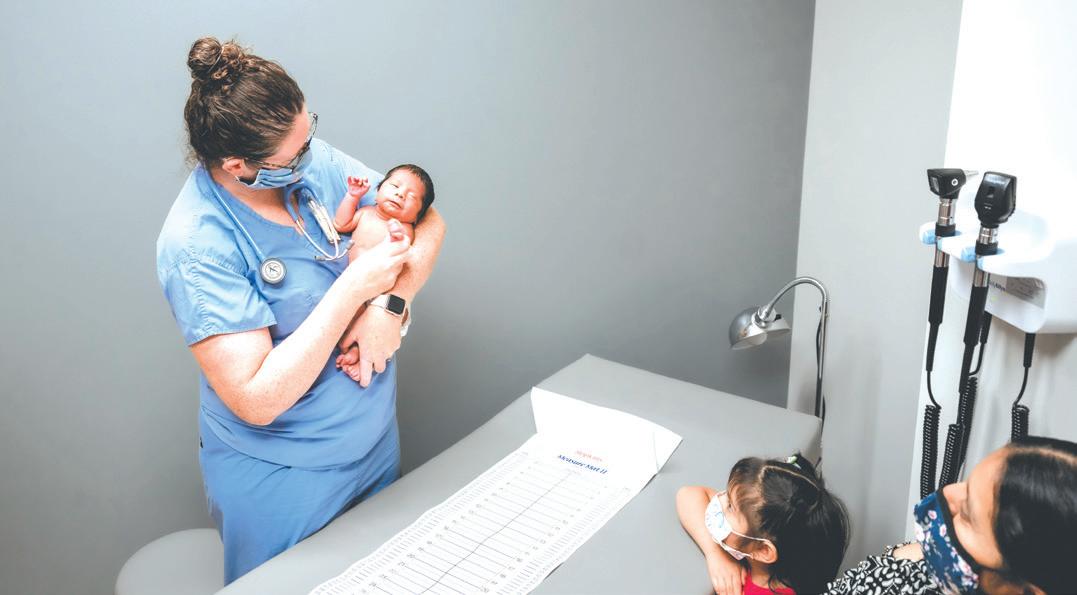
This proved true for Carrie Brackett, MD, who trained at Cahaba as part of the rural residency, completed the Obstetrics
fellowship program, and is now a faculty physician at the Centreville Health Center. “I wanted the broadest training I could get,” she said, “and that lead me to Cahaba. I fell in love with their mission, and once you do that, it’s hard to walk away.
“I chose the Obstetrics fellowship because I wanted to deliver babies and care for my patients from cradle to grave. Patients in rural areas don’t have easy access to specialists, so I have to be prepared to offer the full gamut of services.
“I love building relationships with my patients. Whether I’m putting in an IUD, doing a biopsy, prescribing a new heart failure medicine, or delivering their baby, rural patients trust me to do that. It’s the best part of my job.”
“I went into medical school pretty naïve,” said Colbe Earles, MD, faculty physician at Cahaba’s Fairfield Health Center. “After my first year in medical school I was pretty disillusioned with the healthcare system. I did an internship at Cahaba and found it to be very refreshing. It seemed to be people who cared less about prestige or money. I always saw medicine as a little bit of a calling. When it came time for residency, Cahaba was the one to beat, and that’s what pushed me into family medicine.”
The people who work at Cahaba were a large part of his decision to stay and practice in Fairfield. “I got to meet the
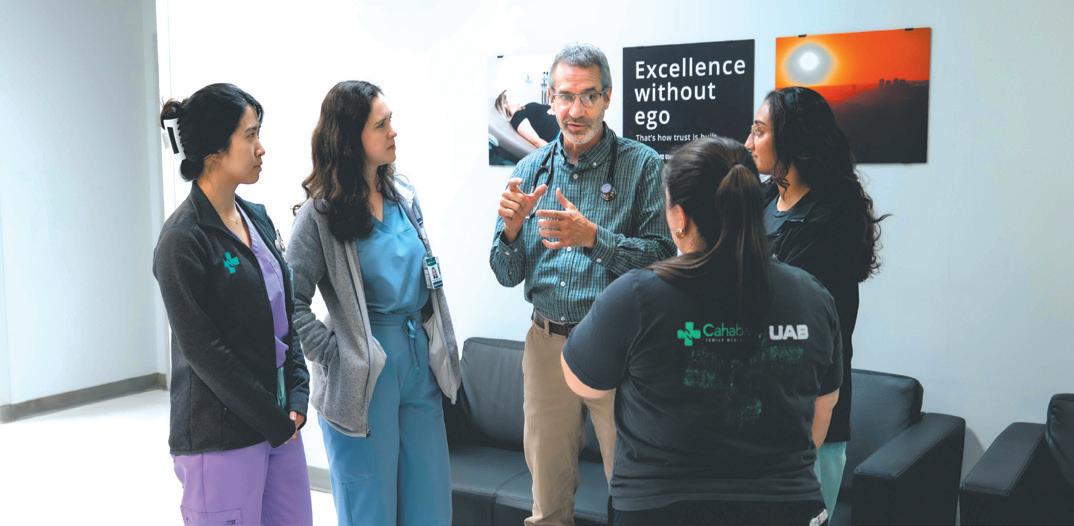
people in charge and see the inner workings, and I know that everyone here is in the right place. They want to genuinely care for patients and love them well, and I’ll take the frustrations that come with any workplace for the trade-off of knowing that the people in charge care and that the mission is good,” he said.
Brackett agreed. “I find it hard to talk about the mission of Cahaba Medical and not get emotional,” she said. “It’s transformative for patients and staff. It’s not if you’ll make a dent in the universe, but how big.”
The Cahaba Medical Care Mission Cahaba Medical Care is a community-based healthcare organization that
aims to follow Christ in becoming an incarnation of love, peace, and justice for our patients on their journey towards physical, mental, social and spiritual well-being, as well as being a center for transformational primary care training in underserved areas by modeling and exhorting the next generation of medical professionals in a career of excellence, conscientiousness, and compassion.
• 19 Residents graduated in June.
• 33 residents and 20 alumni are currently based in Birmingham.
• 65 out of 91 (71 percent) of Cahaba Medical Care alumni are now working in underserved areas. The national average is 26 percent.
• 47 out of 91 (52 percent) of Cahaba alumni stayed to work in Alabama.

By Lauren JohnSon
The Emotional Wellness Program at Children’s of Alabama was established in 2010 to prevent burnout and compassion fatigue among hospital employees. Over the past 16 years, Lou Lacey, LPC, the in-house counselor and director of the program, has seen firsthand the positive effects these counseling services have had on employees’ mental health and on staff retention.
Lacey has over 40 years of experience in counseling, and she has spent the last 27 years at Children’s of Alabama. Prior to her role as the director of the Emotional Wellness Program, she served as the director of the Child Abuse Center at Children’s, providing counseling for victims of trauma including sexual assault survivors and victims of child abuse.
“I was doing the front-line work with victims, and I was also supervising the people who were doing that front-line work – the counselors, social workers, nurses and doctors. I really came to understand and appreciate that these things can cause burnout and compassion fa-





tigue,” Lacey said.
She saw that there was a lack of support available for these employees who faced devastating situations daily. This created an ongoing cycle of emotional exhaustion that frequently led employees to resign.
“We decided to create this position









so that I’m an on-site counselor who provides counseling for anyone who works here, whether you work in the cafeteria, you’re at the bedside or you’re in administration,” Lacey said. “We recognize that everyone who works here is impacted by what happens here.”
These counseling serves are free





and confidential for all employees of Children’s of Alabama. The Emotional Wellness Program is a service to provide support and give these front-line workers an opportunity to talk about the difficult things they witness.
“The people that work here are
(CONTINUED ON PAGE 8)





We work with cardiovascular industry leaders to evaluate investigational technology and therapies. SThat access keeps our doctors well versed in the latest in cardiac care for our patients. For over 50 years, it has been our privilege to provide our patients with the most advanced diagnostic and treatment methods for managing heart and vascular disease.
By Lauren JohnSon
Within a one-year time span, Children’s of Alabama enhanced their patient experience in the emergency department through operational improvements and upgrades in the waiting room, leading to an increase in satisfied patients, a higher net promoter score and a lower Left Without Being Seen rate.
After making these changes, the Children’s of Alabama Emergency Department ranked first among 24 pediatric emergency departments using net promoter score as a metric and received NRC Health’s Excellence in Patient Experience – Pediatrics Award for 20232024.
Beth Rocker, the vice president of patient experience, witnessed the gradual success of enacting these changes, and through her position, she’s continuing to help maintain it.
“We wanted to take the opportunity to highlight some of the great work our









continued from page 6









Confused by recent news of Blue Cross awarding a sole source contract to just one lab? Don’t worry. We’re right in your backyard, and we remain accessible for all your lab needs as a BCBS of AL in-network lab.





drawn to work here because they want to play a part in helping to ease the pain and suffering of children who have either been injured or ill. They want to be part of the solution,” Lacey said.
She provides counseling in one-onone sessions, in teams, or in departments. At Children’s, group debriefings are usually scheduled after an overwhelming or difficult case. This provides the caregivers an outlet to process the situation and to find support.

Lacey also provides education through seminars, talking about compassion fatigue prevention, burnout prevention and conflict resolution.
“Most people who work here are not afraid of hard work and they’re not afraid of coming into contact with these really sad situations, but it’s when they can no longer see that their hard work is making a difference that they may struggle. A lot of what I try to do is reconnect them with knowing that their efforts do make a difference,” she said.
Mental health is just as important as physical health, especially when it comes to the mentally taxing roles of healthcare providers and hospital workers. Going through it alone makes it more difficult, which is why Lacey encourages these front-line workers to take advantage of the counseling services.
“This is an amazing place to work.

We love it and we’re committed to this place, but it’s also a hard place to work,” she said. “You only have to walk down the halls to be impacted by the situations that you see in front of you.”
Over the years, Lacey has seen a decrease in the stigma associated with getting help and receiving counseling, as it’s become more socially acceptable and people are generally more open to coming forward and sharing what they’re struggling with. Lacey hopes to see more hospitals replicate this program.
Children’s of Alabama employees can simply schedule a session by emailing lou.lacey@childrensal.org. Every appointment is confidential. Nothing discussed is repeated and supervisors are not notified.
“I’m not a revenue producer,” she said. “I don’t make money for the hospital, but I think I save the hospital money, because if we have services in place like this, our hope is that people won’t leave if they’re struggling with the emotional content of being here. We want people to be here for a long time.”
She hopes to continue providing strength, encouragement and support to employees, helping them endure difficult shifts or work-related stress and helping them to continue providing compassionate care for the patients who come in the door.

Read the latest Birmingham Medical News online with juse a quick scan of the QR code.
teams, specifically in our emergency department, have been doing the last few years,” Rocker said. “We saw a great improvement in our feedback following these new interventions, so we wanted to share it.”
In partnership with NRC Health and Beryl Institute, Children’s of Alabama collaborated in a case study to show what the emergency department did to improve these scores and to show the data results. NRC Health assisted on the front end as a strategic partner, helping Children’s of Alabama think about ways to improve the patient experience, and Beryl Institute conducted the study and reviewed and compiled the results.
Prior to 2023, the emergency department recognized several critical challenges. First, the patient experience scores were below target, and second, the Left Without Being Seen rate was above the organization’s goal.
“These two were the primary things that we were looking at. That impacted patient safety, staff morale and our organization’s reputation,” Rocker said.
“Then our Left Without Being Seen rates also posed financial implications and a risk for delaying attention for patients who need emergency care. Those were the primary drivers that we were looking at to address.”
To fix these challenges, Children’s
focused on evaluation and goal setting, surge planning, facility improvements, integrative care solutions and staffing enhancements. First, the ED made sure they were measuring the evaluations appropriately through simplified surveys. Then goals were set by an interdisciplinary committee including physicians, nurse practitioners, registered nurses, clinical assistants, respiratory therapists, registration staff, volunteer services, certified child life specialists, social workers, patient relations and chaplains.
Next, the emergency department worked on surge planning and opened other surge areas so the facility could see more patients. The ED performed practice drills using the new surge spaces, paired float nurses with providers and collaborated with house supervisors to
optimize patient placement.
To improve the facility, the hospital revamped the ED by adding sensory friendly spaces in the waiting room and exam rooms. TV’s were also installed in the triage room and updates were made to the SANE exam room.
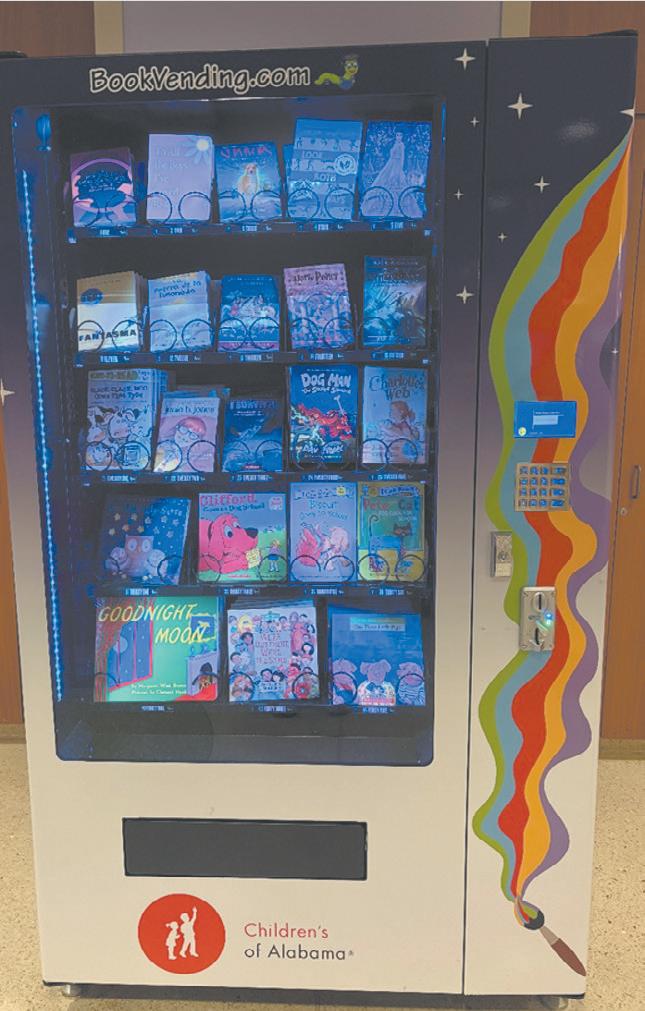
“We wanted to make waiting a little more comfortable for families in the emergency department. We added a book vending machine, which has been a big hit for the kids. They get to select a book and read it during their wait, and take it with them,” Rocker said.
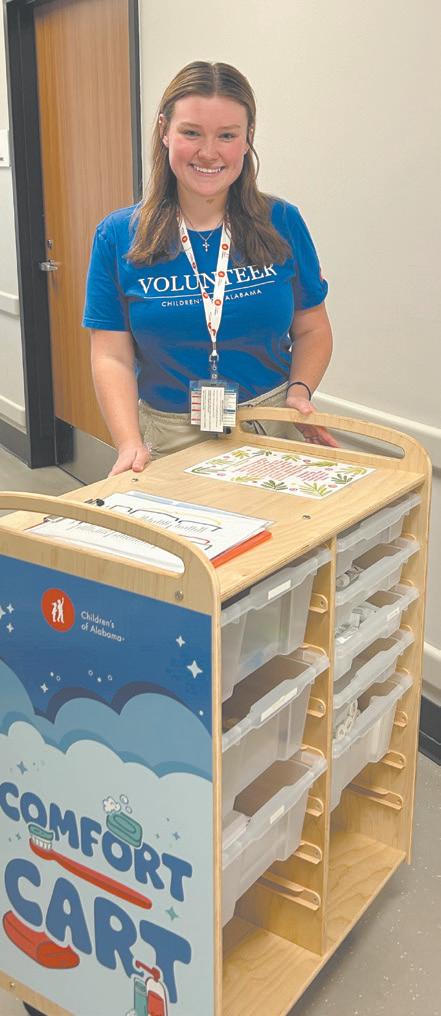
With the volunteer team and social work team, the ED worked on integrative care solutions and created a Care Cart, which includes hospitality items, activities and meal vouchers. Volunteers bring the cart around the waiting room to support the patients and families.
Staffing was also enhanced by increasing the number of volunteers, expanding volunteer responsibilities, increasing staffing capacity, hiring more RN FTEs and introducing flexible shifts.
According to Beryl Institute’s research, Children’s of Alabama Emergency Department improved its net promoter score (NPS) by 12.8 percent to 78.1, which is well above the national average NPS of 55.6. These scores come from the feedback that patients and families give the hospital after their
visit, including their likelihood of recommending the facility to others.
In the surveys, the ED also asked patients for feedback on communication, and Beryl Institute found that good communication score increased by 4.3 points within the year time span, making a score of 72. Additionally, the Left Without Being Seen rate dropped from four percent to 1.7 percent.
“Our Left Without Being Seen rate was the lowest rate that we had seen outside of the COVID years, which was just phenomenal. More patients are being seen in a timely manner,” Rocker said. Children’s of Alabama Emergency Department sees an average of about 200 patients per day.
Rocker and the Children’s of Alabama Emergency Department plan to continue evaluating the patient experience and environment and making enhancements where needed.
“Patients come to us for medical care, but we want to go above and beyond that and make sure that we’re meeting their holistic needs, and meeting them where they are,” Rocker said. “We’re working to make sure that these things are continued and expanded upon as we move forward.









Your digestive health is vital to your overall well-being. Our experienced gastroenterology team at UAB Medical West provides advanced care for everything from heartburn and reflux to more complex conditions. Most importantly, we help prevent colon cancer with life-saving screenings—schedule your colonoscopy today to protect your health for years to come. Call today to schedule your appointment at our brand new state-of-theart hospital in McCalla or at the UAB Medical West Hoover Primary & Specialty Care Clinic located next to our Freestanding Emergency Department in Hoover. For more information about UAB Medical West and our services, visit us online at medicalwesthospital.org.




By Lindsey Tomlinson Druhan
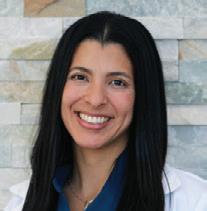
Recently, the Alabama Board of Medical Examiners (“ALBME” or the “Board”) overhauled its Office-Based Surgery (“OBS”) regulations, replacing the long-standing Chapter 540-X-10 rules that had been largely unchanged since 2003. OBS is surgery performed outside of a hospital or outpatient facility licensed by the Alabama Department of Public Health. The ALBME recognized that although surgical procedures in medicine have evolved over time, the well-being of the patient, weighed with the best interest and circumstances possible for the patient, remain crucial in OBS. The ALBME began this process in 2022 and welcomed Alabama physicians’ comments and suggestions throughout the process. The ALBME developed new guidance on OBS as highlighted below. The new rules are effective and require full compliance by January 1, 2027.
OBS Regulation Changes to Consider Three-Level Risk System Replaces Five-Level System

Lindsey Tomlinson Druhan
Surgery or diagnostic procedure in which pre-operative medicines are not required or used other than minimal pre-operative tranquilization/ anxiolysis of the patient. Examples include but are not limited to excisions of skin lesions, moles, warts, cysts; drainage of abscesses; limited endoscopies; insertions of IUDs; closed reductions of simple fractures. No registration is required.
Surgery or diagnostic procedure using moderate sedation or higher, the
Every specialty faces unique billing challenges. We know that. And we know which details matter most to your specialty to simplify your billing and streamline your practice.
We partner with outpatient healthcare practices throughout Alabama — including Primary Care, Pediatrics, Urgent Care, Behavioral Health, Pain Management,
Health Clinics, and Therapy & Counseling Services.
use of IV sedation medications, or local or peripheral major nerve block. Examples include liposuction and some radiologic procedures where moderate sedation is used. Requires registration.
Surgery or diagnostic procedure using deep sedation or general anesthesia, a major upper or lower extremity nerve block, such as an epidural, spinal, or caudal nerve block. Requires registration and accreditation.
Level II and III offices must be accredited by a Board-approved entity within one year of performing the first procedure. A list of the approved accrediting entities may be found on ALBME’s website.
If a physician’s office loses its accreditation or certification and is no longer accredited or certified by at least one Board-approved entity, the physician shall immediately cease performing procedures in that physician office. Any changes to a physician office’s accreditation status shall be reported to the Board within five (5) business days.
A quality assurance (“QA”) program shall be implemented at least annually. The QA program may be administered by the physician office’s accredited entity. A registered physician and his or her partners cannot provide peer review of each other.
The QA program findings shall be documented and incorporated into the education programming, protocols and planning, as appropriate.
Intra-peritoneal and intra-pleural procedures are not permitted to be performed in a physician’s office without prior, written approval from the Board.
Patients with a solid organ transplant (except kidney) are not appropriate candidates for OBS.
Patients 85+ are not appropriate candidates for Level III OBS except in emergency or urgent circumstances or without prior, written Board Approval.
Level III OBS procedures shall not be performed on any patient with an American Society of Anesthesiologists
(CONTINUED ON PAGE 11)

continued from page 10
(“ASA”) Physical Status Classification greater than or equal to 4.
Emergency Preparedness
Offices must maintain ACLS-trained staff, resuscitation equipment, and transfer protocols.
Risk Management
Considerations:
Audit Your Accreditation Timeline: Level II and Level III offices must achieve formal accreditation by a Boardapproved entity within one year of performing their first procedure. Select the partner now, factor the evaluation backlogs into the timeline to ensure compliance by January 2027.
Age and Frailty Screening: Strict statutory bans on Level III surgeries for ASA Class 4 patients, mandatory frailty scoring for patients 75+, and a ban on patients 85+ without prior Board approval. Consider building these hard stops directly into their Electronic Health Record (“EHR”) intake workflows so a procedure cannot physically be scheduled if a patient hits these criteria without the required approvals on file.
The Hard 5-Day Reporting Rule: Implement a strict internal pro-
tocol for mandatory reporting to the ALBME. Under the rule, any surgicalrelated death within 30 days of the procedure, events requiring CPR, wrong-site/ wrong-patient surgery, or unplanned reoperation must be reported within 5 business days. Establish a clinic-wide policy where any emergency transfer or inoperative CPR event automatically triggers an alert to draft the ALBME report.
Appoint a Single Responsible Physician: Registration is no longer just individual; the revised rules require the physician office to register and identify one specific registered physician who is legally responsible for the accuracy of all reporting and data collection (such as the mandatory annual procedure lists and outcome data due every January 31). Formally appoint this role in writing, build peer-review checks to support the individual, and consider whether the physician’s or practice’s insurance policy provides coverage for this responsibility.
Propofol Audit: Any use of Propofol (or its derivatives/analogues) automatically elevates the procedure to Level III (Deep Sedation/General Anesthesia). Audit your medication inventory and lock Level III access. Ensure your EHR and scheduling protocols strictly forbid

the selection of Propofol unless the procedure is tethered to a registered, accredited Level III workflow.
Mandate the “LAST” Kit for Tumescent Procedures: For practices performing Level II procedures like tumescent liposuction or complex local blocks, all personnel administering local anesthetics must be formally trained to handle Local Anesthetic Systemic Toxicity (“LAST”). A LAST rescue kit must be physically maintained on-site. Conduct hands-on, documented quarterly drills specifically for LAST management, and visually audit your lipid emulsion stock monthly.
Conclusion
After careful consideration and conversations with Alabama physicians, the ALBME overhauled the OBS regulations to provide the “best circumstances possible for the management of disease and well-being of the patientPhysicians are behooved to set up policies and procedures to comply with these changes to ensure a smooth transition prior to January 1, 2027.

-Bud Sauer,


















If you suffer from allergies or other ear, nose, throat or hearing problems, we don’t want you to treat your healthcare lightly or ignore symptoms that could lead to more serious issues. Call us now for a complete evaluation with one of our 14 board certified physicians, 11 highly trained and licensed PAs, or 18 clinical audiologists — all available to serve your needs at any of our 11 locations.

As adults approach middle age, it’s one of those rites of passage. You go for your annual physical, and your doctor starts talking about scheduling a colonoscopy or mammogram, then double checks your weight and A1C, and reviews labs to see how your cholesterol numbers are looking. Then you have the talk. Statins, yes or no?
Only now, with new LDL guidelines, that conversation is starting ten years earlier and the questions are changing. Instead of asking whether to prescribe a statin long-term to slow cholesterol problems, the new guideline asks what the LDL number is now and how to target what it needs to be to prevent a buildup of plaque deposits before they happen.
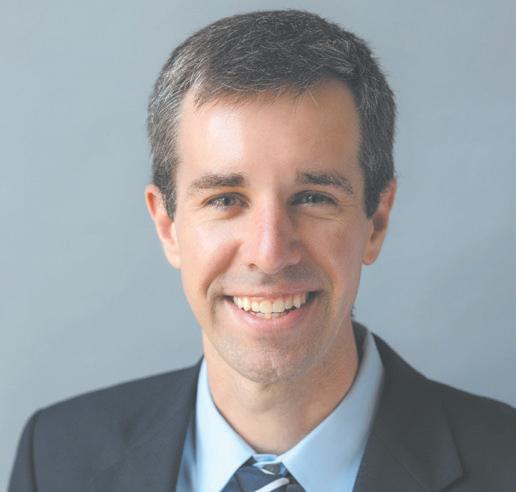
“The effects of LDL exposure accumulate over a lifetime. Screening at 30 and beginning appropriate interventions earlier can prevent a decade of damage and improve heart health for a lifetime,” said Heath Haggard, MD of Southview Medical Group.
Targeting a specific LDL number rather than making a yes/no decision on whether to prescribe statins allows a more personalized approach for tailoring effective interventions. New guidelines say it is reasonable to begin interventions when labs suggest the risk of heart disease has reached five percent. Patients who also have diabetes, HIV, serious kidney disease and other chronic conditions need to be particularly vigilant in guarding against rising LDL numbers.
“How much help each patient will need varies,” Haggard said. “In families at risk of inherited lipid problems, screening may be warranted in childhood and late adolescence or early adulthood. When the early numbers are high, efforts to control LDLs should start sooner and may need to be more intensive.”
“In average patients whose LDL numbers are borderline or slightly elevated, the decision of whether to prescribe statins and how much is more nuanced. Some may be able to bring their numbers into the target range with healthy eating, activity, stopping smoking and other lifestyle efforts without the need for medication, or with only a minimal dose.”
The LDL number should continue to be monitored as metabolism, aging and the pressures of everyday life change, but it serves as a sentinel to keep patients on course for better heart health through their life.
The pivot to earlier screening may encounter some resistance from patients who consider themselves too young to worry about this. Providers can encourage them with statistics that show that preventing cholesterol deposits can help them keep their biological age younger
Heath Haggard, MD
and avoid consequences like heart disease and stroke that could interfere with them enjoying their full measure of healthy years.
Even among health professionals, there has been some discussion about whether statins are being prescribed too often or at too high a dose, and what the long-term effects on muscles, blood sugar, metabolism and other body systems might be.
Again, having an LDL number as a target can help keep dosages to the minimum needed to achieve benefits. When starting statins, labs should be closely monitored and adjusted as needed.
“If we see a problem developing with one statin, we can try another that might be better tolerated,” Haggard said. “We also have new injectables like Repatha that might be better for some patients depending on their other conditions and medication. There are also non-statin medications that target other pathways, such as Ezetimbie to block absorption and those reducing inflammation to keep blood vessels healthier.”
Another common barrier that can be common is adding the cost of another medication every month.
“Some of the medications that have been around awhile are available as generics that can be quite inexpensive,” Haggard said. “Newer brand names and those offering specialized features may be in the hundreds of dollars. Options may need to be reviewed with pharmacists to develop the best treatment plan for each patient.”
When patients are unable to afford medication or unable to tolerate them due to muscle damage, pain or other side effects, awareness of their LDL numbers can still help them take their heart health into their own hands to minimize longterm problems.
“A moderate Mediterranean diet, avoiding saturated fats, getting regular exercise, stopping smoking, getting enough rest and pursuing a healthy, balanced lifestyle can be helpful for just about everyone.”
East Alabama Health (EAH) has stepped in to operate Bullock County Rural Emergency Hospital (BCREH) in Union Springs.
Following the notice of departure of BCREH’s previous operator, maintaining uninterrupted access to healthcare services became a top priority for Bullock County leaders. EAH, at the request of the Bullock County Health Care Authority, moved quickly to provide operational stability and continuity of care.
“Access to health care is vital for every community,” said Laura Grill, CEO of EAH. “We are honored to partner with the Bullock County Health Care Authority to support their commitment to the local citizens. We are working together to ensure that this hospital remains a reliable resource for the community.”
“Our focus is on stabilizing op-
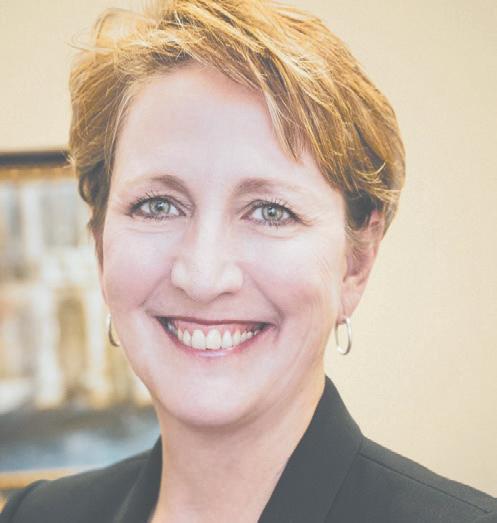
erations, strengthening local access to care and building a sustainable model that allows Bullock County residents to receive quality care close to home,” said Joseph Marchant, who leads rural health initiatives at East Alabama Health.


Grandview Health and the Surgical Institute of Alabama (SIA) have signed agreements to establish a partnership to operate the state’s largest multi-specialty ambulatory surgery center.
More than 8,000 procedures were performed at SIA in 2025, by specialists delivering neurospine, orthospine, orthopedic, total joint reconstruction, general, urology and pain management procedures. SIA has a number of surgical firsts for Alabama, most notably, being the first to use AI technology for robotic-assisted total hip arthroplasty. Surgeons, anesthesiologists, clinical and staff in good standing at SIA when the transaction closes will remain with the center to continue delivering care.
“Grandview Health is the premier healthcare system in Birmingham, and they are committed to the delivery of quality care for patients,” said Swaid N. Swaid, MD, neurosurgeon and founder of SIA.
The freestanding SIA surgery cen-
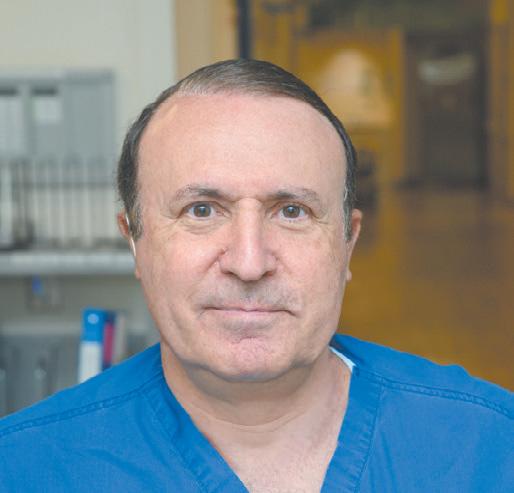
ter, with six operating rooms and two procedure rooms, is located in the Swaid Vestavia Medical Center on Montgomery Highway.
The transaction is expected to be complete in the second quarter this year, giving Grandview Health a majority ownership interest in four ambulatory surgery centers.



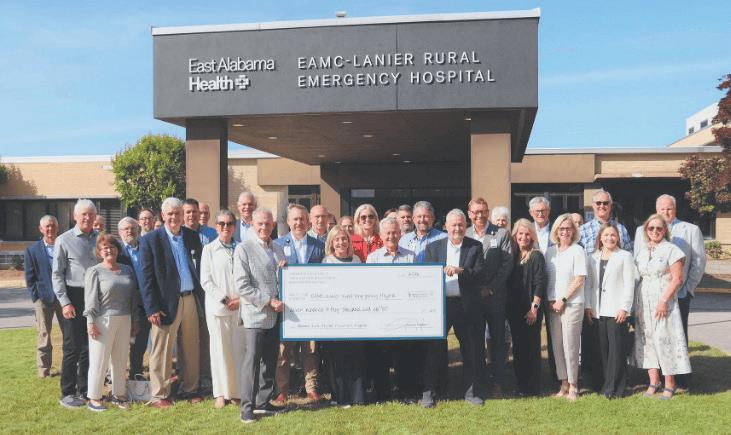
Community members and businesses contributed $750,000 through the Alabama Rural Hospital Investment Program (ARHIP) to be earmarked for EAMC-Lanier Rural Emergency Hospital. The contributions will fund several enhancements, including additional ultrasound machines, new surgical equipment for eye surgeons, and new dining room furniture for the campus nursing home. The remaining funds will be used for general improvements.
Contributors include: Glynn Smith Chevrolet GMC; East Alabama Paving; AuburnBank; Auburn Electrical Con-
struction Company; Bailey-Harris Construction; William H. Scott III; Farmers and Merchants Bank; Stone Martin Builders LLC; William H. Huguley IV; Frank E. Plan, Roarke Plumbing; David G. Fagan, MD; Inspirien Insurance Solutions; and other individuals.
“It means so much to our community,” Greg Nichols, administrator of EAMC-Lanier Rural Emergency Hospital, said. “We hit our funding cap of $750,000 within a month, and I think that is a testament to the support of our community.”
EAMC-Lanier provides emergency
Over 18,500 Americans are diagnosed each year with blood cancers. For years, physicians have been treating these patients with bone marrow transplants, replacing diseased blood stem cells with healthy ones. The bone marrow comes from living donors, which limits availability.
In April, multidisciplinary team with the UAB Marnix E. Heersink School of Medicine performed Alabama’s first deceased-donor bone marrow transplant, an innovative approach that increases the access to finding a suitable donor in time. Omer Jamy, MBBS and his team led the procedure in collaboration with specialists across leukemia care, radiation oncology, transplant coordination and cellular therapy.
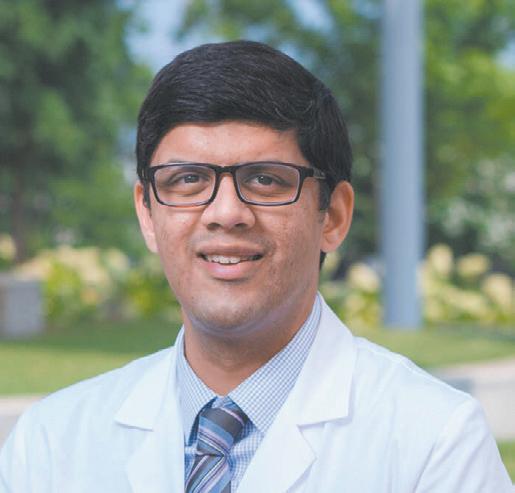
“Allogeneic bone marrow transplantation can be curative for many patients, but one of the biggest limitations has always been timely donor availability,” said Jamy, associate professor in the Division of Hematology and Oncology and medical director of the Clinical Trials office at the UAB O’Neal Cancer Cen-
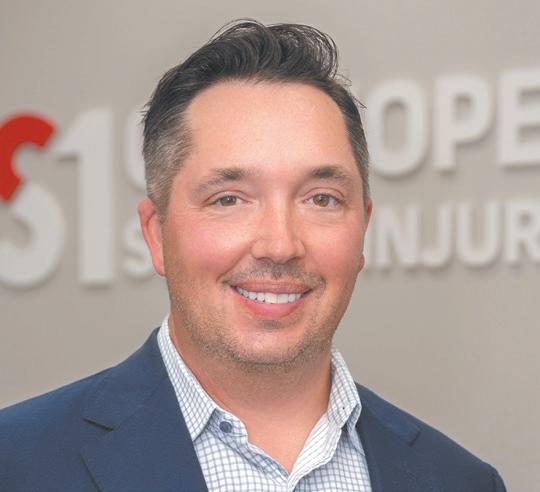
Orthopedic & Sports Injury Clinic has named Josh Smithey as CEO. OS1 operates four clinics in Hoover, Trussville, Madison, and Kennesaw, Georgia. The company is a walk-in orthopedic and sports medicine provider built on a simple promise: get patients diagnosed, treated, and back to what they love, better sooner.
and outpatient services for patients in Chambers County and surrounding communities. The facility offers diagnostic imaging, infusion services, cardiac rehab, outpatient rehab, and lab services.
Out of the 50 rural hospitals eligible for the program, EAMC-Lanier was one of just six to meet the funding cap. The three-year program, in which rural Alabama hospitals can receive additional funding through a tax credit for contributions, will continue in 2027 and 2028 with the funding caps increasing each year.
With over 13 years in healthcare, Smithey brings leadership experience across digital and patient experience, business development, and marketing.
“OS1 is one of the most exciting healthcare brands in the southeast right now, and we’re just getting started,” Smithey said. “Patients want what we offer: walk in without a referral, get imaging from an X-ray to an MRI and a diagnosis on the same visit, and leave with a real plan. My focus is on opening new locations, deepening partnerships, and continuing to modernize the patient experience and business office. We’re building OS1 to be the leading orthopedic urgent care brand in the Southeast.”
Names Rhett Lankford as President
ter. “This innovative approach allows us to move forward when living-donor options are unavailable, saving critical time for patients with urgent needs.”
Stem cells from deceased donors can be collected, preserved and made readily available, which will reduce delays and offer transplants when timing is critical.
This is a very new procedure. The first one was done at the University of Utah Health in May 2025.
“This advance reflects our commitment to ensuring more patients have access to curative therapies when they need them most,” Jamy said. “Expanding the donor pool helps us reach patients who may not otherwise have a viable option. So with deceased donors added to the donation pool, every patient needing a bone marrow transplant should be able to receive one.”
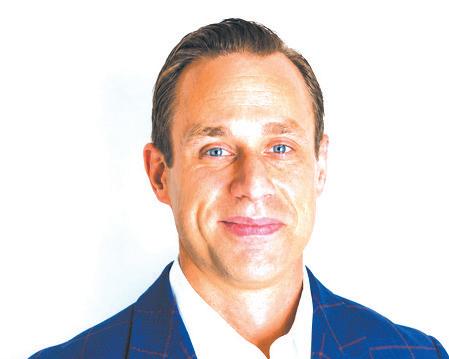
Rhett Lankford
American Family Care (AFC) has named Rhett Lankford as President. He brings over 20 years of healthcare leadership experience. He most recently served as Senior Vice President at NAPA Managed Services.
AFC has more than 400 walk-in clinics, generates more than $1 billion in annual revenue, and treats over four million patients a year.

Steve
VICE PRESiDENT
Jason Irvin
CREATIVE DIRECTOR
Katy Barrett-Alley
CONTRIBUTING WRITERS
Jane Ehrhardt, Ashley Franco, Laura Freeman, Lynne Jeter, Marti Slay
Birmingham Medical News
270 Doug Baker Boulevard, Suite 700-400, 35242 205.215.7110
AD SALES: Jason Irvin, 205.249.7244
All editorial submissions should be e-mailed to: editor@birminghammedicalnews.com
In the first quarter of 2026, UAB Medicine opened several new specialty clinic locations in the Birmingham area.
Starting in January, UAB Medicine added gastroenterology and urology clinics at UAB St. Vincent’s East. The urology services include care for prostate and bladder disorders, urinary tract infections, kidney stones, and urologic cancer. It’s equipped to perform cystoscopies and prostate biopsies, as well as non-surgical robotic treatment for prostate cancer.
That same month, building on the success of its flagship location at The
Kirklin Clinic, UAB Medicine opened a second Men’s Health Clinic at UAB Hospital-Highlands. The Men’s Health Clinic brings together multiple services, including urology, primary care, endocrinology and preventive health, designed for men at all life stages.
In February, UAB Physical Medicine and Rehabilitation opened its fourth clinical location in Inverness, expanding access to spine care, musculoskeletal medicine and non-operative pain management. The new clinic is being established in partnership with UAB Neurosurgery,
offering patients streamlined access to interdisciplinary spine and nerve care. The Department of Orthopaedic Surgery and the Division of Endocrinology, Diabetes and Metabolism have partnered to launch a new Fracture and Fragility Clinic aimed at improving access to specialized bone-health care for patients at risk of osteoporosis-related injuries, addressing a long-standing gap in care by ensuring patients who experience a fracture are promptly evaluated for underlying conditions such as osteoporosis or osteopenia.
A key change approved by the Alabama Legislature will make it easier to place doctors in rural communities. The legislation modernizes how the Alabama Board of Medical Scholarship Awards identifies underserved areas by incorporating federally-designated Primary Care Health Professional Shortage Areas.
As a result, more rural communities can qualify for physicians through the program, and these physicians qualify for loan forgiveness by practicing in rural communities.
“This is the kind of smart change we need to strengthen rural healthcare,” said
Nina Ford Johnson, MD, President of the Medical Association of the State of Alabama. As Alabama faces a growing physician shortage, MASA has made physician workforce development a top priority.
The medical scholarship program provides loans, typically around $200,000, to medical students and residents who commit to practicing in underserved communities, and those loans are forgiven through service.
The Legislature voted to allocate $2.44 million to the program this fiscal year, including:
• Nearly $1.94 million for physician schol-
arships to support nine new doctors.
• $500,000 for a Physician Assistant loan program.
The program has proven to be an effective tool for recruiting and retaining primary care physicians in rural communities:
• 89 percent of recipients serve in communities with a population of 15,000 or less.
• 36 percent serve in communities of 5,000 or less.
• 95 percent remain in Alabama to practice medicine following their completion of service.
The Medical Association of the State of Alabama (MASA), representing thousands of Alabama physicians, has appointed Evans Brown as Director of Government Relations and Public Affairs. He will direct all legislative strategy on behalf of the state’s physician community. For the past five years, Brown has served as MASA’s Manager of Government Relations. His promotion to Director caps off nearly a decade of experience in the advocacy arena.
“Evans has a comprehensive understanding of the policy landscape and a
Read the latest Birmingham Medical News online with juse a quick scan of the QR code.
strong background working with both state and local government leaders,” said Vernon Barnett, the Executive Director of the Medical Association.
“Physicians in Alabama are pleased that Evans is stepping into this important role aimed at protecting and advocating for the medical profession and the patients we serve,” said Nina Ford Johnson, MD, a Mobile pediatrician who serves as President of MASA.
Brown earned his Bachelor of Arts degree in political science from the University of Alabama.






Healthcare organizations need access to external resources to support their strategic vision. Our team of professional healthcare advisors have extensive experience and specialized education to serve a broad spectrum of needs in the healthcare community. As your advisor, we focus on learning your values and goals and work with your team to develop an effective strategy specific to your organization.