


By marti WeBB sLay
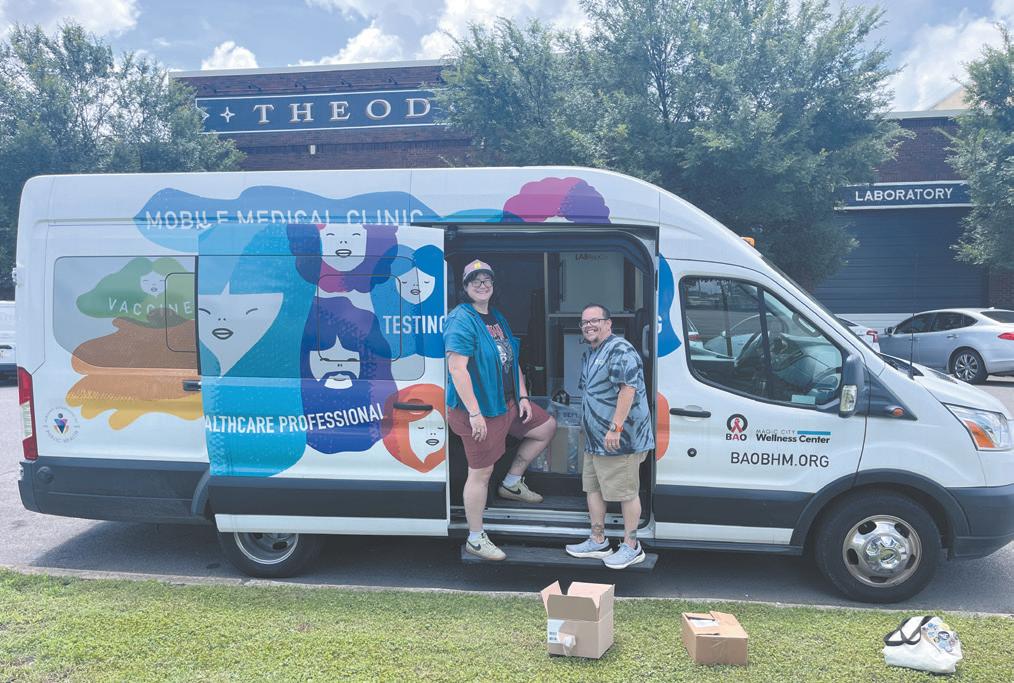
When Birmingham Aids Outreach (BAO) started in1985 as Alabama’s first AIDS service organization, it began addressing the devastating impact of HIV/AIDS on the Birmingham community. The organization now provides free services to over 1400 HIV-positive individuals, and they’ve grown to also serve patients with hepatitis C (HCV).
Rachel Horton, director of prevention, education and community engagement for BAO, explained the expansion to include HCV. “We traditionally tar-
(CONTINUED ON PAGE 4)

By steve sPencer
For millions of Americans, breathing through the nose is a daily struggle. Some deal with a nose that seems to pinch shut with every breath; others are never more than an arm’s reach from a box of tissues. For years, more severe cases led to the operating room — general anesthesia, nasal packing, and weeks of recovery. Now, two newer in-office procedures are beginning to change that calculus.
John Stafford, MD, an otolaryngologist with ENT Associates in Birmingham, is now offering both VivAer and RhinAer to eligible patients. Each uses
radiofrequency ablation to address a distinct nasal problem. And each can be completed in an exam room in 30 to 40 minutes, most of which is numbing time.
VivAer is designed for patients with nasal valve collapse, which occurs when the nasal cartilage buckles inward during inhalation, restricting airflow. RhinAer addresses an overactive nerve that drives chronic runny nose unrelated to allergies.
In the office, the patient experience is similar for both procedures. A topical numbing spray is applied first, followed by cotton pledgets soaked in anesthetic gel that sit in the nose for 15 to 20 minutes. A small injection of local anesthetic
follows. The actual procedure then takes five to 10 minutes. Most patients can drive themselves home the same day, or return to work that afternoon.
With patients who have difficulty breathing through their nose, Stafford asks them to life the side of their cheek. This props open the nasal cartilage that would otherwise collapse on inhalation, so if they breath better, they are candidate for the VivAer procedure.
Not every patient is a candidate for
(CONTINUED ON PAGE 7)







At the heart of one of the most highly regulated industries in the nation, health care facilities and providers face challenges that draw attention and resources away from their mission to provide quality patient care.
Burr & Forman’s health care team works alongside you to address and anticipate your needs by providing preventative guidance and pragmatic solutions, enabling you to focus on providing care and achieving healthy outcomes.
Jessie Bekker
Howard Bogard
Richard Brockman
Lindsey Druhan
Jim Hoover
Kelli Carpenter Fleming Angie Cameron Smith

By Laura Freeman
Summer is the season when vacationers tend to travel more, squeezing into airline seats for hours or spending days in a car riding cross country. Before they go, many travelers, especially patients at higher risk for deep vein thrombosis, may benefit from a review of their risks and steps they can take to prevent problems.
“Situations and health issues that limit mobility for extended periods make it harder for veins to return blood to the heart. As blood pools, legs swell, veins and tissues can be damaged and clots may begin to form. In addition to being painful, if the clot breaks free and travels to the lungs or heart, it can quickly become a life threatening situation,” Director of the UAB Vein Center Marc Passman, MD said.
Although the problem can arise with little or no warning, vascular surgeon Passman, who is also Director of Endovascular Surgery at UAB, says that some patients tend to be at greater risk due to pre-existing conditions, medications, hormonal shifts, lifestyle factors, heredity and even their work environment. For both patients and the health professional caring for them, it’s well worth learn how to reduce risks and to recognize a developing problem.
“Aging is a factor, as well as anything that reduces mobility,” Passman said. “Both pregnancy and some forms of birth control that alter hormones can put women at greater risk. Recent surgeries, trauma, cancer, obesity and inherited differences in clotting can increase risks. Jobs behind a desk, workbench or requiring frequent travel can make problems more likely. The single most addressable risk factor for clots is smoking. Chemicals in smoke seem to cause clumping, damage blood vessels and constrict circulation, which can increase the damage if a clot forms.”

regular rest stops on car trip, and standing, stretching and walking in place in a workspace can help.
Patients should also learn to recognize when problems are developing. “A clot in the leg may cause pain and swelling,” Passman said. “If a patient experiences shortness of breath or tightness in the chest, the clot may have broken loose and become an embolism.
In this case, it’s time for the hospital. Don’t risk your life on wait and see.”
cases, referral to a hematologist to test for several types of heritable factors affecting clotting may be helpful. But sometimes the cause remains unknown.
“When patients have one clot they are at higher risk to have another later, and they may need to take a prescription blood thinner the rest of their life. We want to teach them the importance of vigilance in taking each dose on time every day. They should also be educated on looking out for other prescription and over the counter medications and supplements that can interact with their medication and increase the risk of excessive bleeding.”
In addition to being proactive about nutrition, activity and stopping smoking, patients should have a plan to counter the effects of immobility when they find themselves in a confined space for an extended period. Exercise-in-place techniques are available online to enlist calf, foot and thigh muscles in assisting veins to return blood to the heart. One called a calf push-up presses down with the ball of the feet while lifting the knees and relaxing them in a mini marching motion. When safe and possible, standing and walking on a plane, walks at
Ultrasound is used to identify clots in the legs, and CT imaging will likely be ordered if an embolism is suspected. If confirmed, IV medication to dissolve the clot begins and close monitoring continues until the situation stabilizes.
“What happens next depends to a great extent on whether an embolism is considered provoked or unprovoked,” Passman said. “If it is associated with a likely cause, such as an injury, it is usually thought to be provoked. The patient will probably need to be on oral blood thinners several months until the clot is dissolved.
“However, a surprising number of emboli are idiopathic or unprovoked and the cause may never be known. In these
In some situations, blood thinners may be contraindicated or some clots because of their position or size, may be more dangerous.
“We may consider placing a mesh device to catch a clot to prevent more damage, or perhaps use an endovascular procedure to actually remove the clot,” Passman said. “That’s when our vascular and endovascular teams come in. There’s a great deal we can do to help if we can get to the problem in time. However, the safest strategy is always prevention. It helps to know what puts you at greater risk, and what you can do to improve the odds for keeping your veins clear and healthy.”
Our team of 17 board-certified physicians specializes in minimally invasive procedures to capture the latest in treatments with the most e ective outcomes for each patient.
• Chest pain & hypertension
• Peripheral Artery Disease
• Cutting-edge therapies
• Watchman & treatment of AFIB
BHC @ St. Vincent’s | Gardendale |
• Venous disease & procedures • Interventional cardiology including TVAR, TCAR, and EVAR procedures














geted the higher risk demographics for HIV, but didn’t focus on the substance use demographic,” she said. “Then an agency in the Department of Human Health Services issued a grant focused on the intersection of HIV, hep C and substance abuse. We offered tests in inpatient and outpatient rehab clinics, sober living facilities, and methadone clinics, and found that the positivity rate for HCV was 25 percent, much higher than the HIV rate of one percent.”
According to Horton, the percentage of HCV positive people who have never used injectable drugs is getting larger every year. While injecting drugs is certainly an HCV driver, it can also pass among households and other communal living situations, including jails,

prisons, and other living facilities, especially when a high percentage of carriers are not aware they have the virus.
This is why Horton advocates testing. “Most patients are asymptomatic, and without testing they wouldn’t know they had it,” she said. “Because HCV can be transmitted passively, it’s important that people know their status so they can take precautions at home and with their loved ones.
“There’s a lot of the stigma with being an HIV service organization so we know how to handle these things with compassion and confidentiality. Having a stigmatized disease can take an emotional toll, and we’re able to help people work through that part of the process.”
Once the BAO navigators get a preliminary result from a finger prick test, they give the patient a confirmatory test to look at viral load, assess the genotype, and determine whether or not medication is needed. “There’s a small percentage of people who test positive for whom it never becomes chronic, and they don’t need the medication,” Horton said.
For the remainder, however, lab testing that includes an ultrasound is required to assess treatment and meet insurance requirements.
“At that point, they can begin the medication. These oral medications are a profound achievement,” Horton said.
continued from page 1
“It’s the first virus we know how to cure. That’s huge.
“Depending on the medication, patients have a two- to three-month treatment. They’re not on medications the rest of their lives. It’s not just in remission. They don’t have it and they can’t transmit it anymore. That’s an amazing thing.”
Because insurance typically only pays for one course of treatment, BAO navigators help patients determine if it is a good time for them to pursue the cure, or whether they should wait. “Life is a little chaotic for people who are new to recovery,” Horton said. “They might not know where they are going next, and they might not have the bandwidth to keep up with a new treatment regimen.”
If patients decide to wait, BAO keeps in touch and checks back periodically to help determine the best time to follow through with treatment. When a patient is ready BAO helps them keep up with their appointments, and will drive them there, if needed. If the patient wants it, navigators will even attend the appointments as an advocate and to translate what the doctor is telling them.
“There used to be all sorts of requirements before patients could be treated for HCV (sobriety requirements, prior authorizations, fibrosis scores), and they vary by each state’s Medicaid
policy,” Horton said. “Reinfection rates among people who are cured of HCV are extremely low, usually cited at about one percent. For this reason, we recommend to treat with no sobriety requirements.”
While BAO is there to serve the patients, Horton said they can help physicians through the process as well. “Any primary care physician can prescribe the direct-acting antiviral HCV medications. If they’re not comfortable doing so, we can help make referrals to providers who are,” she said. “We understand that these patients often have extra challenges, and providers are stretched thin. We can bridge those gaps for a patient who needs a little extra help.”
Horton acknowledged that HCVpositive patients often have substance abuse in their history, but she cautions against making assumptions about them. “Everybody, regardless of their background, has some sort of bias when it comes to substance abuse,” she said. “It’s easy to let one’s personal experiences influence the way they see a patient. I encourage providers to interrogate those biases when they’re making decisions about a patient struggling with substance abuse. These patients are worth it. They can recover. They are not a lost cause.”













































































By JenniFer F. Hananoki, JenniFer rangeL, meLissa a. Wong, Parker m. reynoLds and kat denney
The U.S. Departments of the Treasury, Labor, and Health and Human Services (the Departments), along with the U.S. Office of Personnel Management, have issued a final rule implementing several modifications to the federal Independent Dispute Resolution (IDR) process established under the 2020 No Surprises Act (NSA), which was enacted as part of the 2021 Consolidated Appropriations Act. The final rule addresses long-standing provider concerns regarding communication gaps, difficulty identifying the correct plan or issuer against which to initiate a dispute, and processing delays that have hampered federal IDR operations since its inception.
The final rule also responds to significant judicial disruption of the federal IDR process. In a series of cases brought in the U.S. District Court for the Eastern District of Texas, the court vacated several key provisions of the Departments’ implementing regulations, including rules governing the qualifying payment amount (QPA) methodology and weight
afforded to the QPA in payment determinations, as well as batching provisions that restricted how providers could group related items and services into a single dispute. These rulings necessitated multiple temporary shutdowns of the federal IDR portal, the issuance of new guidance and significant system updates, which contributed to dispute backlogs and widespread uncertainty among providers and payers. The final rule replaces the vacated batching provisions with a new framework and makes conforming amendments to align with the opinions issued in the federal district court cases – some of which remain pending before the U.S. Court of Appeals for the Fifth Circuit.
Notably, however, the rule stops short of addressing broader, systemic problems with NSA implementation, including arguments that QPA calculations are artificially low. QPAs are the benchmark used by payers to establish patient cost-sharing and, by statute, must be considered by certified Independent Dispute Resolution Entities (IDREs) in making payment determinations.
• Lower Costs and Faster Access:

Under the final rule, regardless of the amount in dispute or the dispute’s eligibility, the administrative fee for parties participating in the federal IDR process will be reduced from $115 to $15 per party per dispute. This fee reduction represents a substantial benefit for smaller practices, rural hospitals and providers of lower-dollar services such as radiology, pathology and emergency medicine that may have previously found the cost of initiating disputes prohibitive. In addition, certified IDREs must now determine eligibility within five business days of final entity selection and notify both disputing parties. The disputing parties must also respond to information requests from certified IDREs within five business days, accelerating overall dispute timelines.
• Improved Information Sharing Before and During Disputes: Plans and issuers are now required to use standardized Claim Adjustment Reason Codes (CARCs) and Remittance Advice Remark Codes (RARCs) on any remittance advice provided to out-of-network providers, furnishing revenue cycle teams with clearer and
earlier signals regarding whether a claim is eligible for the federal IDR process. Plans and issuers must also register with a new federal IDR registry that serves as a centralized, searchable database of contact information.
• Restructured Open Negotiation and Dispute Initiation: Providers and payers desiring to enter into open negotiations must now submit a formal open negotiation notice through the federal IDR portal (replacing the current patchwork of issuer-specific portals), and the plan or issuer is required to furnish a response by the 15th business day of the 30-businessday open negotiation period. The notice of IDR initiation must include the plan’s registration number, and providers utilizing billing agents or third-party representatives must include an attestation of authority to act on the provider’s behalf.
• Expanded Batching Flexibility: Providers may now batch up to 50 qualified IDR line items per determination under three grouping criteria: 1) items and services furnished to a single patient during a patient
(CONTINUED ON PAGE 7)



Expanded






the office-based option. People who have suffered significant nasal trauma affecting the septum may require a more involved correction such as septoplasty or functional rhinoplasty. For those patients, the tradeoff of a longer recovery is justified by the degree of structural repair needed. But for patients without major damage, VivAer can deliver comparable results with none of the downtime.
Stafford’s starting point with a new patient is medical management. Steroid and antihistamine nasal sprays are first-line for most nasal complaints. For chronic runny nose, a dedicated prescription spray is often sufficient. Stafford takes care to distinguish these from overthe-counter decongestants like Afrin, which can cause rebound congestion with regular use.
“Prescription nasal sprays don’t have the same problem of rebound congestion,” he said. “They’ve demonstrated safety in long-term use and they actually do better the more consistent you are with the use of them.”
Procedures become the next step when medications fall short. Before offering RhinAer, Stafford’s patients undergo an allergy evaluation first, and only those
continued from page 1
with persistent, non-allergic runny nose move forward to the procedure.
Both procedures have been available since around 2020. Initially classified as experimental by insurers and used primarily in academic centers, they have since moved into community practice as long-term data was accumulated. Threeyear outcomes show that 90 percent of patients treated with either VivAer or RhinAer continue to experience significant relief — numbers Stafford said are consistent with what he observes in his own practice.
“Most people say they’re so thankful for the RhinAer in particular,” he said. “They’re no longer carrying around a bunch of tissues and blowing their nose all the time. And the VivAer patients are telling me they can finally breathe.
“If someone struggles with these things, but they’ve been afraid to move forward because they’ve heard bad things about nose surgeries, this is good news to find out that there are options we can do in the office with minimal downtime, none of the packing. I think these are great treatment options for a number of patients.”
Finalized, continued from page 6
encounter on one or more consecutive dates of service and billed on the same claim form, 2) items and services billed under the same service code or a comparable code under a different procedural code system (e.g., Current Procedural Terminology (CPT) and Healthcare Common Procedure Coding System), or 3) for anesthesiology, radiology, pathology and laboratory services, items and services furnished under service codes belonging to the same Category I CPT code range.
• Air Ambulance Services: For air ambulance providers, the provision to allow batching per single patient encounter is significant – it codifies the ability to submit a single dispute for a patient’s air ambulance transport, allowing mileage and base rates, as well as other items or services furnished during a single transport and billed on the same claim form, to be batched together. This resolves the issue created by prior guidance that effectively required each air ambulance service code to be submitted as a separate dispute.
The reduced $15 administrative fee renders the federal IDR process econom-
ically viable for a substantially broader range of claims, and providers should reassess whether previously uneconomical disputes now merit pursuit. Payers – and, as discussed below, IDREs – may also need to plan for operational enhancements to accommodate a potential increase in case volume.
Revenue cycle teams should prepare to incorporate the new CARC and RARC data from remittance advice into their workflows to identify IDR-eligible claims earlier and with greater accuracy. Providers and payers should closely monitor forthcoming guidance from the Departments on federal IDR portal functionality and batching criteria, anticipated to begin in summer 2026, as these announcements will trigger the applicability of the new open negotiation and initiation requirements. Finally, providers that utilize third-party representatives or billing agents for IDR disputes should ensure that proper attestation and authority documentation is in place to satisfy the new initiation notice requirements.
Jennifer F. Hananoki is a senior counsel based in Holland & Knight’s Washington, D.C., office, Jennifer Rangel is a partner based in Austin, Melissa A. Wong is a partner based in Boston, Parker M. Reynolds is an associate based in Washington, D.C., and Kat Denney is an associate based in Nashville.

When physicians, scientists and researchers with extraordinary talent and passion are given the technology, the facilities, and the support, they achieve great things. The discoveries, innovations and clinical trials happening today will help shape the future of treatments and lead to cures.
By steve sPencer
Pickleball has become one of the fastest-growing sports in the country, drawing players of all ages. But with that surge in participation has come a corresponding increase in foot and ankle injuries, particularly among middle-aged and older adults who are now getting back into sports.
Adam Lukasiewicz, MD, a foot and ankle surgeon with Southlake Orthopaedics, has watched this trend unfold firsthand. His practice has seen a marked rise in pickleball-related injuries over the past few years, and he has advice for players who want to stay on the court.
“For a lot of people, the last time they were playing sports regularly was 40 years ago, and they still feel like they’re 25,” Lukasiewicz said. “Adjusting to the realities of life can take a minute.
“The foundation for avoiding an injury is prevention. It’s essential to stay hydrated, stretch, and warm up properly. And you want to build up gradually. The game’s short court and social pace can be deceptive. The explosive lateral cuts and rapid push-offs place demands on tendons and ligaments that may not have been tested in years. Cross-training with swimming, cycling, or weightlifting helps condition the body for that load.”
Ankle sprains are the most common injury Lukasiewicz sees. They typically involve the anterior talofibular ligament (ATFL) and the calcaneofibular ligament (CFL), which are stretched or torn when the foot rolls inward during a quick side step or an awkward landing. Severity can range from mild soreness to an inability to bear weight, but the treatment philosophy is consistent.

“There’s a lot of evidence to suggest that the faster you can get someone moving and get the range of motion back, the faster they can return to sports,” Lukasiewicz said. “So it’s always a balance. We immobilize the ankle to protect it, get the swelling down, but then we want the patient to get moving again.”
People often underestimate how long ankle sprains take to heal. Research shows that roughly half of sprains serious enough to prompt a medical visit still cause symptoms at eight weeks. “We always think of a broken bone or a fracture as worse,” Lukasiewicz said, “but a bad sprain can take just as long to heal.”
Achilles injuries are another hallmark of the pickleball boom. The sport’s relentless demand for explosive push-offs
creates ideal conditions for both tendinitis and, in more serious cases, rupture. Achilles tendinitis, in which the tendon becomes inflamed but remains intact, is especially common among players who spend most of their day seated.
“Most people have a pretty tight calf,” Lukasiewicz said. “The Achilles acts a bit like a spring, and when that spring is constantly under tension, it gets inflamed. A lot of the tendinitis we see in pickleball players is because the calf is too tight so consistent calf stretching can make a difference.”
Achilles ruptures are far more serious. The tendon can tear completely during a forceful lunge, producing sharp pain that often fades within half an hour, leaving the patient surprised to find they can’t push off. Surgical repair is the typical course for active patients, using minimally invasive percutaneous techniques that require a smaller incision than traditional procedures. Recovery takes three to six months before returning to sports.
Plantar fasciitis — inflammation along the bottom of the heel where the plantar fascia attaches to the bone — is also common in pickleball players. The
We live and work right here in Birmingham. From our start in 2011 until 2024, our business was 100 percent referrals. We still have our first client on the books, and have never lost a customer due to dissatisfaction.






sport’s ready position stance, bouncing lightly on the toes while waiting for the next shot, places stress on the fascia. Like Achilles tendinitis, it’s closely tied to tissue tightness.
“The good thing about plantar fasciitis is it usually goes away,” Lukasiewicz said. “If you have enough time, almost anything works. But stretching is by far the most reliable approach.”
Stress fractures, caused by accumulated overtraining rather than a single traumatic event, and fifth metatarsal fractures round out the most common pickleball-related injuries. Stress fractures rarely require surgery, but demand rest and a gradual return to activity. Fifth metatarsal fractures sometimes need surgical fixation with a screw to ensure reliable healing.
Across all of these conditions, Lukasiewicz returns to a single principle: don’t push through pain and then expect a smooth recovery. “When you have an injury, take it seriously, take some time off, let it rest. If it gets better, you can return to sport. And if it doesn’t, you need to see someone,” he said. “Otherwise you end up doing the yo-yo — I feel good, I play, I feel bad, I stop. That can become a perpetual cycle of never really fully recovering because you won’t give your body the time it needs.”






Researchers at UAB are leading a national effort to determine whether delivering personalized genetic risk information to patients and their doctors can improve preventive health care for common chronic diseases.
Chronic diseases, including heart disease, diabetes, kidney disease and cancer, account for more than 90 percent of United States health care spending. Historically, health care has focused on treating disease after it develops, rather than identifying people at high risk early enough to prevent or delay illness..
A recent study published in the American Journal of Human Genetics outlines the design framework of one of the largest real-world evaluations to date of genomeinformed risk assessment in clinical care. The research, led by Nita Limdi, PharmD, PhD and Ray Watts, MD, brings together investigators from the Electronic Medical Records and Genomics (eMERGE) Network, and 10 health systems including UAB, Vanderbilt University Medical Center, the University of Washington, Harvard Medical School/Mass General Brigham, Northwestern University, Mount Sinai Hospital, Mayo Clinic, Columbia University, Cincinnati Children’s

Hospital Medical Center and Children’s Hospital of Philadelphia.
Advances in genomics have made it possible to estimate an individual’s inherited risk for certain conditions by analyzing polygenic risk scores (PRS), as well as rarer genetic variants with stronger effects. While these tools are increasingly available, there has historically been limited evidence showing whether providing this information improves real-world clinical outcomes.
To address this gap, the eMERGE
study has delivered genome-informed risk assessment reports to 23,840 adults and children, along with their health care providers across participating sites nationwide. Each report combined genetic data with clinical factors and family health history to estimate risks for 11 chronic conditions: asthma, atrial fibrillation, breast cancer, chronic kidney disease, coronary heart disease, colorectal cancer, hypercholesterolemia, obesity, prostate cancer, Type 1 diabetes and Type 2 diabetes. The reports included evidence-based recommen-
dations for follow-up care, such as earlier screening, lifestyle changes, or additional clinical evaluation and treatment.
“The eMERGE study’s goal is to determine whether PRS can be applied to stratify individuals’ risk for multiple chronic conditions,” Limdi said.
The study tracks measurable outcomes within health care systems, including whether patients and providers follow recommended preventive actions, whether conditions are diagnosed earlier, and whether treatments are started or adjusted based on risk information.
As genetic testing becomes more common, health care systems will need to facilitate the use of genomic risk information to guide care. Findings from this study will help inform future clinical guidelines, health system policies and research on the role of genomics in disease prevention.
“Through this work, we are establishing a scalable implementation framework for integrating genomic information into routine care and generating critical evidence on its effectiveness for population risk stratification for the purpose of preventing common chronic diseases,” Limdi said.























Alabama ranks among the lowest states in the nation for access to primary care, and a number of rural hospitals in the state have closed in the past decade. To help alleviate this problem, Mike and Gillian Goodrich gave $10 million to the UAB Marnix E. Heersink School of Medicine to establish the Goodrich Rural Innovation in Training for Alabama (GRIT). This program will underwrite educational scholarships, support rural residency training programs, and invest in rural clinics. Pending approval from the University of Alabama System Board of Trustees, the gift will also establish the Goodrich Endowed Chair in Rural Health and Primary Care.
Witnessing rural Alabama lose ground for the better part of a generation motivated the Goodrichs to collaborate on potential solutions with Anupam Agarwal, MD, senior vice president for Medicine and dean of the UAB Heersink
School of Medicine.
“Gillian and I have been concerned about access to quality healthcare in rural Alabama,” said Mike Goodrich. “We worked with Dr. Anupam Agarwal and his team to develop a program that will attract and retain primary care residents and physicians to rural communities.”
Agarwal said: “From the start, the Goodrich family shared our concern about gaps in access to care in rural Alabama. With their leadership, we have built GRIT into a comprehensive pathway that supports learners from training and into practice. GRIT will not be able to resolve a crisis singlehandedly, but the program has something that sets it up for success: sustainability.”
One of the central goals of GRIT is to cultivate and support doctors who settle into communities and stay. Where physicians train often determines where they end up practicing, with as many as 50
percent staying within 50 miles of where they graduated from residency. This fact informed the design of GRIT’s architecture, which extends outward from UAB into existing rural training tracks, already embedding residents in the communities that need them most while keeping UAB’s infrastructure as a central hub for academic and clinical resources.

Although GRIT will establish a new pipeline for rural primary care physicians, it builds on a foundation that already engages communities across Alabama. The pipeline begins long before medical school. For example, the Alabama Area Health Education Center Network, which is housed in the UAB Heersink School of Medicine and Department of Family and Community Medicine, supports pathway pro-
grams that introduce rural high school students to the possibility of careers in medicine and steers them toward training that will keep them in Alabama. From there, undergraduate and medical school programs work to carry that early interest forward into the field of primary care.
One of these programs enables supervised medical students to work with a panel of their own patients in the first year

continued from page 10
of their training. “Students get to work with their patients over the course of four years,” said Irfan Asif, MD, chair of the Department of Family and Community Medicine. “We give them 10 patients, and they serve as health coaches, helping them with screenings, vaccines and any other health needs they may have.”
By the time they graduate, these students spent four years with the same patients. Clinical skills are a given for dedicated medical students, but what stays with them is more difficult to teach: an intimate, accumulated sense of a person’s health over time and the responsibility of having been entrusted with it.
Medical school is the most expensive piece of the pipeline and the one into which GRIT pours the greatest share of its resources, down to the scholarships intended to ease the financial math of choosing rural primary care.
A portion of the Goodrichs’ gift answers immediate logistical needs. A rural practice cannot take on and train residents without first having the capacity to host them, and the physicians who agree to mentor these trainees require time and support that the current system rarely affords them.
In practice, this support can take the form of modest device upgrades, like handheld point-of-care ultrasound de-
vices or digital tools to track chronic disease. It also means investing in practices that have stayed open against the odds, and in the people who have been doing this work largely unaided all along.
GRIT enters a healthcare landscape that remains under considerable strain. Hospitals have closed, preventive care is distributed unevenly, and in a number of communities, patients continue to drive long distances for care that was once available nearby.
It is early. The residency tracks are still taking shape, the partnerships are still being formed, and the outcomes will not become measurable for years. But if GRIT can embed enough physicians in rural Alabama with UAB as a homebase, the truest measure of the Goodrichs gift will have little to do with its size. It will be found, instead, in the towns that manage to keep their physicians, and in the people who no longer have to travel long distances to experience quality healthcare for which UAB.
The Mike and Gillian Goodrich Foundation has invested in 260 organizations through 850 grants, focused on education, the environment, the arts, neighborhood revitalization, and improving life in the black belt. To learn more, visit mggoodrichfoundation.org




















By keLLi FLeming
The Office of Civil Rights (“OCR”), the federal entity overseeing HIPAA compliance and enforcement, continues to make patient requests to access medical records a priority. HIPAA provides patients a legal right to timely access their medical records and medical information. As patients are becoming more involved and invested in healthcare decision-making and payment, they are becoming more interested in reviewing their heath information. Thus, we are seeing a rise in the number of requests for access. OCR has made it clear that preventing patients from exercising this fundamental right to access will not be tolerated and can result in financial penalties. In fact, OCR implemented a Right to Access Initiative entirely focused on ensuring providers provide patients with timely access to medical records, and has implemented several enforcement actions for failure to comply.
Thus, now is a good time for a refresher on a patient’s right to access records and a healthcare provider’s obligations in responding to such requests.
Under HIPAA, a patient has the right to access his/her medical information-with a few exceptions (e.g., psychotherapy notes). A patient wanting to exercise his/ her right to access their medical records can do so in two ways: (1) the patient can request that copies of the records be sent to the patient directly (or inspected by the patient); or (2) the patient can request in writing that his/her records be sent to a designated third-party (this designation



Kelli Fleming
must be signed by the patient and clearly identify the designated person and where to send the records). In receiving patient requests for information, providers must not act as a barrier to exercising the right, and must be flexible in terms of how the request is received. However, providers may require that the request be in writing. Importantly, this right is separate and distinct from a patient authorization, and comes with separate legal obligations.
Timeframe For Response:
When a patient exercises his/her right to access medical information, the records must be provided to the patient without unreasonable delay, and within 30 days of the request. If the request is denied, the denial notice must be sent within the 30-day period. If the 30-day period cannot be achieved, for example if the records are in an off-site storage facility, the patient must be notified of the delay within the initial 30-day period and the provider will be allowed an additional 30 days in which to respond to the request. If the provider does not maintain the records, but knows where the records



$150,000
are maintained, the provider must inform the requestor where to direct the request. Only one 30-day extension is permitted. If the request is compliant with HIPAA, a response is mandatory.
The patient must be provided with access in the form or format requested, if the information is readily producible in such form and format. If not, the patient must be provided the information in a readable hard copy form or other form agreed to by the parties.
If the request is for an electronic copy of the information, the patient must be provided the information in the electronic form and format requested if it is readily producible in such electronic form and format, and if not, in an electronic format agreed to by the parties. Paper copies may only be provided if the patient declines to accept any of the electronic formats readily producible.
When the patient exercises his/her right to copy medical records, the fees charged must be a reasonable, cost-based fee consistent with both state and federal law. Because the state law provisions and the HIPAA provisions differ, this is where we see many providers in Alabama fall short in terms of compliance. Many providers are complying with the state law provisions, which allow a flat search fee and a per page fee, but are failing to comply with the more stringent federal law provisions, which do not allow a search fee and only allow a per page fee under certain circumstances.
The fee that may be charged to patients for copies of medical records
pursuant to the right to access may only include the following:
• Labor costs for copying the records to only include the labor associated with creating and delivering the copy in the form and format requested once the information has been identified, retrieved, and compiled (calculated either by actual costs or accrued costs);
• Postage if records are requested to be mailed; and
• Supply costs, including costs for electronic media if the patient requests that an electronic copy be included on portable media.
• Alternatively, a flat fee for an electronic copy of the records may be charged, as long as the flat fee does not exceed $6.50, including labor, supplies, and postage.
Under either scenario, the fee charged may not include costs associated with reviewing the request, verifying the information, documenting the request, searching for and retrieving the records, reviewing the records, compiling the response, maintaining systems, or recouping capital for data access/storage/or infrastructure. Importantly, unlike Alabama law, HIPAA does not allow you to charge a flat search fee. The more stringent federal law must be followed.
$150,000


Alabama Rural





Before releasing records, a provider must always verify that the person requesting the records is entitled to a copy of the records. We are seeing some instances where a third-party is attempting to utilize the right to access provisions under HIPAA, and, as a result, the cap on fees, by pretending to be the patient when making the request. However, when providers undertake the verification process, it becomes apparent that the requestor is not actually the patient and is not entitled to exercise this patient right. Confirm that e-mail address matches that in your patient records. Confirm that the mailing address matches that in your patient records. If the request is made on a form that is signed by the patient, confirm that the demographic information contained on the form matches your patient records, and that any signature is consistent with that contained in your records. If something does not match, call the patient directly using the phone number in your records to confirm that they are making the request. If the request cannot be verified, it can be denied.


Patient right to access is a fundamental right under HIPAA that must be responded to appropriately and timely. If not, penalties may ensue.
Kelli Fleming is a Partner with Burr & Forman LLP practicing within the firm’s Birmingham office. Kelli practices exclusively within the firm’s Health Care Industry Practice Group.

East Alabama Medical Center (EAMC) has been recognized as one of America’s Best Hospitals by Women’s Choice Award® for Patient Experience, Orthopedics, Minimally Invasive Surgery, Cancer Care and Breast Imaging.
“We are honored to be recognized with four Women's Choice awards, but the true honor is the privilege of providing our patients with the best care in the region,” said Laura Grill, president and
CEO of East Alabama Health.
The Women’s Choice Award for Best Hospitals™ identifies the nation’s top hospitals based on rigorous criteria, including clinical performance, patient satisfaction, and relevant accreditations.
Hospitals recognized with Women's Choice awards demonstrate a strong commitment to delivering exceptional care and prioritizing the health and wellbeing of their patients.
A researcher at the UAB Department of Pediatrics has received a three-year R34 grant totaling $634,334, pioneering research in optimizing early milk nutrition to improve lung development and reduce respiratory morbidity in preterm infants.
Ariel Salas, MD, associate professor in the Division of Neonatology, along with his research team, received this funding from the National Heart, Lung and Blood Institute to support a clinical trial focused on improving outcomes for extremely preterm infants. These infants face a high risk of bronchopulmonary dysplasia, a lung disease associated with long-term health challenges.
Salas and his team will explore whether optimizing early human milk nutrition by enhancing key fatty acids, includ-

The city of Montgomery has completed demolition of the abandoned Patterson School property to make way for a new Premise Health Center for city employees and their families. Originally constructed in the 1950s, W. B. Patterson Elementary School closed in 2007. The structure has been vacant since then.
services, occupational health resources, wellness programming and other healthcare solutions to city employees and their families.
ing docosahexaenoic acid and arachidonic acid, during the first two weeks of life can improve lung development and reduce respiratory morbidity. The study aims to
Radiation oncologists at UAB St. Vincent’s Birmingham Bruno Cancer Center and UAB St. Vincent’s East Cancer Treatment Center are offering low-dose radiation as a treatment for patients with osteoarthritis (OA). OA is the most common form of arthritis in adults and occurs when the cartilage protecting the joints breaks down over time, causing chronic pain and loss of mobility.
“Numerous recent studies have shown that low-dose radiation therapy for joints affected by osteoarthritis can lead to moderate to long-term pain relief and improvement of mobility with minimal side effect,” said Susan Salter, MD, radiation
oncologist UAB St. Vincent’s Birmingham.
During the treatment, an X-ray delivers ultra-low doses of radiation to the entire affected joint to help inhibit the inflammation that often causes pain in patients. One course comprises six 10-minute treatments delivered over two weeks.
Patients who are ideal candidates include those who suffer from chronic osteoarthritis that has not responded to standard first-line treatments like exercise, weight loss, nonsteroidal anti-inflammatory drugs and steroid injections. The treatment is also a good option for those who have limited surgical options.
Premise Health Center will provide primary care, preventive health
Chambliss King Architects is advancing design development and preparing the construction documents to move the project to its next phase. Once the design is complete, the city will initiate a competitive bid process.






Listen on Spotify, Apple and Amazon at The Birmingham Medical News Doctor Talk Or go directly with these QR codes:
The Gorrie family has given UAB a $10 million gift to fight Alzheimer’s. The Frances Gorrie Alzheimer’s Disease Center at UAB will accelerate research into and strengthen dementia care across Alabama.
“Alzheimer’s disease has touched far too many families, including people I care deeply about,” said Miller Gorrie, founder of Brasfield & Gorrie. “Supporting UAB’s work is my way of honoring those journeys and helping move us closer to better treatments, more hope and, one day, a cure.”
“The Gorrie gift comes at an exciting
and critical moment,” said David Standaert, MD, PhD, John N. Whitaker Professor and chair of the UAB Department of Neurology. “Research has brought us new discoveries and treatments for Alzheimer’s disease and related conditions, and more are in the pipeline. At the same time, the aging of our population means that more people will be impacted by these conditions. This gift will accelerate the process of discovery, support the training of additional specialists, and help us to empower the Alabama community with knowledge and access to care.”
The United States population is
aging at a high rate. As of 2020, one in six Americans is 65 or older, and more than 7 million U.S. residents have been diagnosed with Alzheimer’s disease. That number could nearly double by 2050, with health and long-term care costs approaching $1 trillion.
Alabama is no exception to these trends. More than 103,600 Alabama residents, including nearly 12 percent of seniors, currently live with Alzheimer’s. In 2024, Alabama had the sixth-highest rate of Alzheimer’s-related deaths in the country, and it remains one of the leading causes of death in the state.
Southeast Health’s current expansion project has increased by $15 million with the two more floors being added to the emergency department and patient tower.
The Houston County Health Care Authority recently approved the additional funding, which will bring the total number of patient floors above the emergency department to four. The original two floors, with 52 patient beds, will be completed as part of the current expansion project in 2028.
An exterior shell structure will be completed for the third and fourth patient floors. The interior will be finished out at a later time, potentially adding another 52 patient beds to the facility.
“As we’ve experienced tremendous growth, the board’s foresight in planning ahead to build the structural capacity for two additional patient floors will allow us to better serve our community,” said Rick Sutton, CEO of Southeast Health.
The emergency department and patient tower expansion, currently under construction with an estimated cost of approximately $96 million, will double the number of treatment spaces in the current emergency department, increasing its capacity to treat up to 75,000 patients annually. The initial expansion project is the hospital’s largest construction investment since the hospital was established in 1957.



You make decisions that affect your team every day. Choosing the right health coverage shouldn’t keep you up at night. When you choose Blue Cross and Blue Shield of Alabama for your employees, you can feel confident they’re getting comprehensive coverage, helpful tools, and access to a large network of doctors and hospitals to help everyone stay healthier and happier. Learn more about choosing Blue Cross for your team at AlabamaBlue.com/Happy

EDITOR & PUBLISHER
Steve Spencer
VICE PRESiDENT OF OPERATIONS
Jason Irvin
CREATIVE DIRECTOR
Katy Barrett-Alley
CONTRIBUTING WRITERS
Jane Ehrhardt, Ashley Franco, Laura Freeman, Lynne Jeter, Marti Slay
Birmingham Medical News
270 Doug Baker Boulevard, Suite 700-400, 35242 205.215.7110
AD SALES: Jason Irvin, 205.249.7244
All editorial submissions should be e-mailed to: editor@birminghammedicalnews.com
FOLLOW US
Scan to visit birminghammedicalnews.com
Research published in Cell Reports from UAB reveals that, by labeling a subset of trigeminal afferents with the genetic marker Fos-Cre and inhibiting them, researchers were able to identify a correlation between the activation of these neurons and the pain sensory condition called mechanical allodynia.
Trigeminal afferents are primary sensory neurons located in the trigeminal ganglion. These nerves are responsible for receiving pain, itch and touch sensation signals in the face and transporting them to the brain. Mechanical allodynia is the condition that refers to painful nerve responses to delicate or a seemingly non-impactful stimulus after recovery from nerve damage. Previously non-painful stimuli become painful after injury or inflammation. This condition is commonly caused after a trigeminal nerve injury occurs.
The study findings signify the ability to target and inhibit the neurons, thus providing a potential remedy from pain associated with the condition.
Study author and primary investigator Yu Shin Kim, MD, professor in the Department of Endodontics in UAB School of Dentistry, says this research

has established an understanding that can inform the future of craniofacial and dental pain management.
“Mechanical allodynia has been a major clinical problem, but research has not clearly understood which nerve cells were responsible until now,” Kim said. “Our study identifies those cells and shows they play a direct role in driving pain.”
Developments could lead to more targeted treatment options for individuals dealing with pain from severe trauma, dental injuries or things such as car accidents.
Piezo2 is an ion channel protein that
Live HealthSmart Alabama (LHSA) is expanding its work thanks to a renewed commitment from Novo Nordisk, and its social impact platform, The Interrupt, which is contributing $4 million over the next three years to support the initiative.
Novo Nordisk first partnered with LHSA with a $2.7 million investment in 2023 in support of the initiative’s work in Alabama, including rural com-
munities like Selma and Demopolis, and larger cities such as Dothan.
With the added funding, LHSA will expand into additional rural areas, starting with Clanton and Oneonta, as well as urban centers like Montgomery.
Since 2022, with the support of The Interrupt and Novo Nordisk, LHSA has delivered results across Alabama communities including Birmingham, Selma, Demopolis, Dothan and
is integral in the reception of sensory touch. This allows the physical surface stimulants to be translated into nerve sensations.
“If we knock down the Piezo2 ion channel, which is responsible for the mechanical sensation in humans, we can reduce the pain experience,” Kim said. “Using this model, we can translate the data to human patients to focus on the subset of receptors that are responsible.”
Kim and the research team were able to identify the neurons that were activated by facial brushing in mouse models.
The trigeminal ganglion is home to reception of primary sensory neurons in the face and can sense all forms of touch, itch and pain. Facial brushing activates certain fibers in which Fos-Cre labels the activated afferents.
Utilizing a chemogenetic trap, or targeted recombination in active populations, a methodology was revealed to target responsible sensory neurons that signal pain in the same way. Inhibiting these responding neurons could alleviate mechanical allodynia since these neurons signal for pain when trauma has caused neurons to become inflamed or damaged and become hypersensitized.
Scan to visit Birmingham Medical News Blog

others. Working alongside partners including Uber Health, Alabama Power, Brasfield & Gorrie, the initiative has delivered more than 5,800 wellness visits, connected 15.2 percent of participants to primary care providers, served more than 16,600 customers through mobile groceries, and built or repaired more than 20,000 linear feet of sidewalks to expand safe access to physical activity.



www.hklaw.com