


By SteVe SpenCer
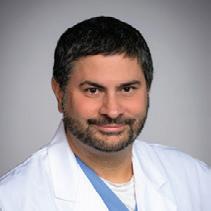
Endoscopic spinal surgery has experienced significant growth in usage over the last decade, driven by advances in high-definition visualization, improvements in navigation, and specialized instrumentation. “There’s been a significant advance in the quality of the cameras,” said Hossein Aziz, DO, FAAOS. “With the 4K high-definition cameras, you can see things in amazing detail. The angled optics have come a long way, so you really can see around much better. Even some of the tools that we use have been advanced, all in the name of care and patient safety, too. It’s really amazing the leaps and bounds endoscopy has taken. It’s the ultimate in minimally inva-
sive spine surgery.”
With this procedure, which usually takes 60 to 90 minutes, the surgeon makes a small incision, usually eight to ten millimeters, for the endoscope. The small camera at the end of the endoscope allows the surgeon to have a magnified view of the surgical area, and specialized micro-instruments are passed through the endoscope to perform the intervention, which can range from removing herniated disc material, decompressing nerves, or removing or repairing damaged tissue. The approach depends on where the problem is located. The more common approaches include the transforaminal route (through the side) or the interlaminar route (from the back of the spine).
By anSley FranCO
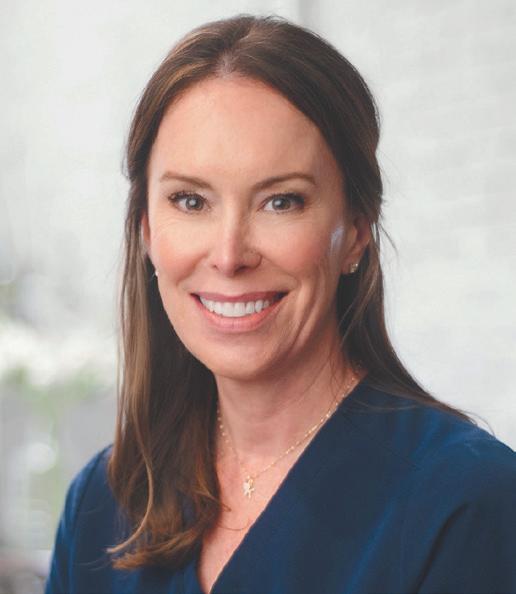
After over two decades in traditional obstetrics and gynecology, Ashley Gooding, MD saw a gap in women’s healthcare. In fall 2025, she opened Flourish MD, Birmingham’s first concierge gynecology practice, offering extended, individualized care for women in perimenopause and menopause.
Gooding’s journey to medicine began early, dressing up as a doctor for Career Day in kindergarten. Growing up in Decatur, she was surrounded by physicians within the family, including her grandfather and several cousins.
She completed her undergraduate degree at Birmingham-Southern College, attended medical school at the University of Alabama at Birmingham and completed her residency at Prentice Women’s Hospital at Northwestern in Chicago. Despite training out of state, Gooding always planned to return home.
“Birmingham is a great place to practice medicine. It has an exceptional medical community, and I always wanted to come back,” she said. “It was back in the day when you could change your cell phone number, and I never changed it to a Chicago number because I knew I was coming back to Alabama.”

Gooding chose obstetrics and gynecology after realizing she wanted to be in a field with both surgical work and longterm patient relationships.
“You can take care of patients for their whole life, and you can also do surgery and have that operating room experience,” she said. “And it turned out to be the perfect field for me.”
But after 22 years at a traditional OB-GYN clinic, Gooding began to feel constrained by the structure of volume-based care. “I wanted a model that allowed more time for the complex counseling that I thought was required in women’s health,” she said. “But I also






At the heart of one of the most highly regulated industries in the nation, health care facilities and providers face challenges that draw attention and resources away from their mission to provide quality patient care.
Burr & Forman’s health care team works alongside you to address and anticipate your needs by providing preventative guidance and pragmatic solutions, enabling you to focus on providing care and achieving healthy outcomes.
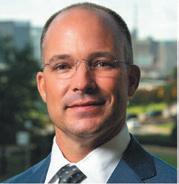
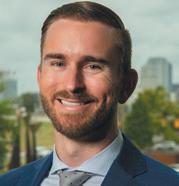
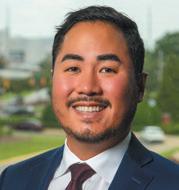
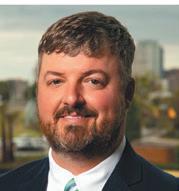
Alabama Health Care Team
Birmingham | Mobile | Montgomery
Jessie Bekker
Howard Bogard
Richard Brockman
Lindsey Druhan
Kelli Carpenter Fleming
Jim Hoover
Catherine “Cat” Kirkland
Garrett Lucey
Angie Cameron Smith
By Marti WeBB Slay
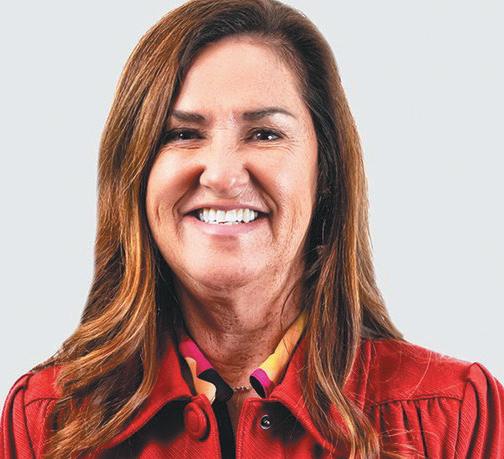
Three months after being named president of Baptist Health Brookwood Hospital, Sarah Gilbert says she is excited to be a part of the change and transition Orlando Health has brought to the facility, and she’s eager to realize the potential she sees there.
While many of the infrastructure changes may be the most visible, Gilbert says it’s the investment in people, both staff and patients, that will make the most lasting difference. “People always notice the paint on the outside of the building, right? That’s really kind of an external signal of all the things that are being done internally, because people don’t see those. But I think one of the most important things is the investments that are being made in the people because it’s the people who really change the culture,” she said.
Word is getting out in Birmingham about the changes, and as a result, the applicant flow has increased substantially .
“People want to be a part of this, and they want to work here,” Gilbert said. “When I came into the organiza-
the workforce and have a leadership team that can see the vision, roll up their sleeves, work hard and make the changes we need to make. It’s a people-first culture, and the rest comes. We’re just lucky that Orlando Health was able to make the investments they’ve made. Those investments, along with the people, is really the magic sauce.”
Gilbert brings many years of experience both as a clinician and administrator to the effort. She has a bachelor’s degree in physical therapy from the University of Evansville in Indiana, a master’s degree in physical therapy administration
from the University of Indianapolis, and a master’s degree in health services administration from the University of Michigan.
Prior to joining Brookwood, she worked as assistant vice president of Orlando Health and chief operating officer at Orlando Health Bayfront Hospital in St. Petersburg, Florida. She was helping at Brookwood last spring and summer while still at Bayfront so when she was offered the position of president, she was already familiar with the hospital and had a sense of the potential. “I’m excited about being here,” she said. “I would call it a labor of love. I mean, it’s not easy work, but when you can see the change that’s happening. It’s exhilarating.”
That enthusiasm appears to be contagious. “People have noticed a change and they’re completely on board,” she said. “We’ve been able to increase our workforce so they’re getting more help at the bedside. They’re feeling more confident in the level of care they’re able to provide,” she said. “The staff survey responses have validated the changes, and employees see a future. They’re invested in being here. I feel like we’re on solid
continue to take Brookwood to another level.”
She credits much of her success with the existing staff to being visible, spending time out and about in the hospital, and bringing a clinician’s understanding to the effort. “I think one of the things that’s working for me is that I’m a clinician,” she said. “I was a clinician first, and that is resonating with people. I talk a lot about patient safety, with the patient being first and foremost in all of our decision making. I attend our safety huddle each day.
“In addition, I am out rounding on the units, meeting with the leaders, talking with the staff, and talking with the physicians. When we’ve had to make a decision, I bring a physician leader in, and I give them the facts, and we make the decision together. We’re bringing everybody to the table, and everybody gets to be a part of that decision making. And then we go forward in a more coordinated way.”
One factor in growing the workforce is community outreach. “One of our goals is to be more connected to the community than maybe the hospital has

By Kelli Carpenter FleMing
The Health Insurance Portability and Accountability Act of 1996, and its implementing regulations (“HIPAA”), address how healthcare providers may use and/or disclose patient information. In that regard, HIPAA mandates that healthcare providers implement policies and procedures that address the use and disclosure of patient information. At a minimum, such policies and procedures must be made available to all members of the provider’s workforce, updated periodically, and used to train workforce members on HIPAA obligations.
Along with the HIPAA policies and procedures, healthcare providers must utilize certain HIPAA-related forms. One such form is the Notice of Privacy Practices (“NPP”) that informs patients of not only how their health information may be used and disclosed, but also the rights patients may have under HIPAA. The NPP must be provided to patients at their first appointment, posted on the provider’s website, and displayed in the provider’s office.
There are two recent legal changes

that require updates to a provider’s HIPAA-related documents.
First, a provider’s NPP must be updated to account for recent HIPAA changes that take effect on February 16, 2026. These changes relate to the use and disclosure of certain patient information that is protected under 42 CFR Part 2. Part 2 addresses the confidentiality of substance use disorder patient records. While Part 2 only applies to certain Part 2 programs (i.e., providers who hold themselves out as providing substance use disorder treatment), the changes related to Part 2 have a broader reach. The required changes to the NPP are not only
for Part 2 programs, but are also for any providers that may receive substance use disorder patient records from a Part 2 program. For those providers, the NPP must address that certain uses and disclosures permitted by HIPAA may be prohibited or limited by Part 2, and note that one such limitation relates to the provider’s inability to use or disclose Part 2 information in civil, criminal, administrative, or legislative proceedings against the patient except in limited circumstances. Thus, all providers who may potentially receive information from a Part 2 program should include these revisions in their NPP. These changes must be implemented on or before February 16, 2026.
Second, a provider’s policies and procedures regarding access to patient information must be updated to account for state law changes regarding the age of consent. Alabama’s age of medical consent increased from 14 years old to 16 years old beginning October 1, 2025. Even once a child reaches age 16, parents and guardians continue to have certain rights with regard to accessing their child’s medical records. Though the law allows minors age 16 and above
to make their own health care decisions, parents or guardians will, in most cases, continue to have the right to access their child’s medical records. New provisions of the law grant parents and guardians the ability to access a minor’s information, with limited exceptions, until the minor reaches the age of 19, regardless of who consents to the treatment. Consequently, providers should update their HIPAA policies and procedures to address the state law changes regarding the age of consent and the parents continuing right to access the minor’s medical information.
As 2026 gets underway, healthcare providers should review and revise their HIPAA policies, procedures, and related forms to address these recent changes. A failure to implement updated HIPAA compliance documents can result in violations of the law and create compliance hurdles.
Kelli Fleming is a Partner at Burr & Forman LLP practicing exclusively in the firm’s Health Care Practice Group. Kelli may be reached at (205) 458-5429 or kfleming@burr.com.









Your digestive health is vital to your overall well-being. Our experienced gastroenterology team at UAB Medical West provides advanced care for everything from heartburn and reflux to more complex conditions. Most importantly, we help prevent colon cancer with life-saving screenings—schedule your colonoscopy today to protect your health for years to come. Call today to schedule your appointment at our brand new state-of-theart hospital in McCalla or at the UAB Medical West Hoover Primary & Specialty Care Clinic located next to our Freestanding Emergency Department in Hoover. For more information about UAB Medical West and our services, visit us online at medicalwesthospital.org.



















When people receive a communication from a law firm, they listen.















That’s the difference in having the attorneys at Cloud Willis represent your medical practice in managing your accounts receivables. We provide the complete services of an agency and a law firm or anywhere in between — you choose. We will collaborate with you to design a collection strategy that helps limit unpaid invoices and medical bills. Then we will implement that strategy in our office, and help you implement the strategy in yours.
We have the experience and know-how in medical collections to make it better for you. Call today for a free consultation.





“The main difference between endoscopic spine surgery and traditional spine surgery is the size of the incision,” Aziz said. “With open spine surgery, you’ve usually have a pretty large incision. So the bigger incision means more pain, more blood loss, and higher risk for complication. You’re cutting through muscle which can be rough for rehab because the muscles have to regenerate. You can also get a lot of spasms afterwards as the muscle reattaches. With endoscopic spine surgery, we use dilators to gently separate the muscles, creating a narrow channel for the endoscope and instruments.”
All of this means a faster recovery, less postoperative pain, and a reduced need for time under general anesthesia. With open spine surgery, the patient could be in the hospital for a few days followed by resuming light activity in six to eight weeks, while a full recovery usually takes six to 12 months. By contrast, endoscopic spinal surgery patients are usually back to their full routine in two to three weeks, and can engage in higher-impact activities like heavy lifting or strenuous

, continued from page 1
sports in around seven weeks.
“Rehabilitation strategies vary according to the patient,” Aziz said. “It depends on what the problem is. It could be something as simple as a home stretching program or exercise program, or something more involved like regular physical therapy with a specialist.
“Complication rates are very, very low. Several studies have shown good outcomes in anywhere from 85 to 95 percent of the cases. I’d say the best candidates for this are people who have tried conservative treatment. They’ve tried physical therapy, they’ve tried some medications, but they’re having pain that interferes with their daily life, pain that maybe keeps them from work, that just interferes with normal life.
“I find it to be an exciting technology. I take a lot of satisfaction of seeing people get better quickly.
So I’ve just really fallen in love with endoscopy. I think it’s an amazing technique. I think it’s revolutionizing spine surgery.”
continued from page 3
been in the past,” Gilbert said. “That’s a big objective for Orlando Health. We’re here to serve our communities and being connected to the universities, the colleges, and the high schools. It’s important for developing our future.”
While people are her top priority, she is also addressing infrastructure needs. Work is being done in a variety of areas, including roofs, HVAC systems, boilers, patient and surgical equipment, pedes-
trian bridges, parking, and signage, both on the campus and within the building. “If you’re upset or anxious, those signs need to be really clear and concise, so you can make quick decisions and get to the right building,” she said.
Gilbert says her biggest challenge is her own level of patience. “I want things to happen tomorrow, but you know, these things all take time.”


Clinic in the State , continued from page 1

wanted to stay evidence-based and clinically rigorous.”
Flourish MD opened in September 2025 with in-office patient visits beginning the following month. It is the first concierge gynecology practice of its kind in Alabama. The clinic focuses on personal care and exams, and does not provide obstetric services, a deliberate decision Gooding said was necessary to meet her work-life balance needs.
“It was mostly about time,” she said. “Women need a lot more time in their visits in the perimenopause and menopause space. I don’t know that it’s possible to do deliveries and work nights and weekends and still give your undivided attention and the time to women in the office that they need after childbearing.”
The principal difference between Flourish and traditional practices is the time she is able to give to her patients. At Flourish, patients are typically scheduled for hour-long visits, often with multiple follow-ups during the first six months to review lab work and create a treatment plan.
To become a patient, the practice operates on a membership basis that is not covered by insurance. A package for people aged 12 to 22 years old is $495 for the year. The services provided include gynecological visits, contraception counseling, and cycle education. For people over 22 years old, the annual membership fee is $1950. Some of the package’s inclusions are unlimited office visits, comprehensive annual physical exams and prescription management.
Despite the services Gooding provides at Flourish, she said that her business is not meant to replace traditional care. “It’s sort of like a pressure release valve,” she said. “It’s not a replacement for traditional medicine, but it can take some of the medical complexity and

some of the longer time-based visits off of other doctors.”
Gooding said many OB-GYN physicians who are not yet at retirement age leave practice early due to burnout driven by the volume-based care model, which prioritizes high patient throughput and shorter visits. She also said that menopause can significantly impact career-focused women, particularly those who are unaware of its symptoms and side effects such as brain fog and poor sleep.
“I wanted to make sure that other women who were high-functioning career women like myself didn’t lose their space in their career because of the menopause changes,” Gooding said. “I hope that I can help the whole system by taking some of that pressure off of those physicians and also providing the service women are looking for.”
When needed, Gooding continues to collaborate with physicians across Birmingham for referrals, imaging and surgical care. Since opening, the practice has grown faster than she anticipated.
Many of her former patients followed her to the new practice, something she finds particularly meaningful. “That was probably one of the hardest things about leaving the traditional model,” she said. “So when they’ve come to Flourish, it’s especially rewarding.”
Looking ahead, she plans to cap membership to preserve the quality of care and hopes the model can help address physician workforce challenges.
“If physicians are considering retiring early, this is a great way to pivot and still keep your experienced physicians in the system,” she said. “I wasn’t burned out. I was super excited. But I just wanted a way to be able to sit down and spend time with women, helping them through what I’ve been through.”

For eighty-five years, Cullman Regional has provided local healthcare for our rural communities. The hospital’s longevity and significant growth in the last decade come from a steadfast commitment to make quality healthcare available locally.
As more attention turns toward supporting rural hospitals in Alabama, Cullman Regional has the infrastructure and strategic vision to transform short term investments into long term sustainability. While we remain focused on local care and local growth, we stand ready to embrace new ideas for better healthcare in our rural communities.




By Ben SteinBerg and Shalyn WatKinS
The U.S. Drug Enforcement Administration (DEA), jointly with the U.S. Department of Health and Human Services (HHS), issued a fourth temporary rule extending the full set of COVID19 telemedicine flexibilities for prescribing controlled substances through December 31, 2026. This extension prevents a lapse in telemedicine prescribing authority that otherwise would have occurred at the end of 2025.
The extension affords the DEA additional time to finalize permanent regulations aimed at balancing access to care with robust safeguards against drug diversion. At same time, it ensures practitioners have ample opportunity to come into compliance with any final rules.
The DEA has relied on a series of temporary rules to preserve emergency telemedicine flexibilities that allow practitioners to prescribe Schedule II-V controlled substances without an initial inperson medical evaluation since March 2020.

Shalyn Watkins
• First Temporary Rule – May 2023: Extended these flexibilities through November 2023 and created a oneyear grace period for existing telemedicine relationships
• Second Temporary Rule – October 2023: Expanded the extension to all patients through December 2024
• Third Temporary Rule –November 2024: Continued the flexibilities through December 2025
• Fourth Temporary Rule – January 2026: Continues the same through the end of 2026
The fourth temporary rule ensures uninterrupted access to telemedicinebased controlledsubstance prescribing while the DEA continues work on permanent regulations. The DEA and HHS explain that the extension is necessary to avoid a “telemedicine cliff” that could disrupt care for millions of patients who rely on remote prescribing for behavioral health treatment, substance use disorder care, chronic pain management and other controlledsubstance therapies.
The agencies cite data showing that a substantial share of controlled substance prescriptions continue to be issued via telemedicine without a prior inperson evaluation and that abrupt expirations of telehealth authorities have historically led to immediate and significant declines in access to care. They further note that without this extension a backlog of patients requiring in-person appointments for medical evaluations, as well as those patients who have already come to rely on these flexibilities, would quickly develop.
Under the new rule, practitioners
may continue to prescribe Schedule II-V controlled substances via telemedicine without an initial inperson examination when the prescription is issued for a legitimate medical purpose and complies with all other federal and state requirements. The rule applies uniformly to all practitionerpatient relationships, regardless of when they were established, and does not impose any new documentation, registration or technology requirements.
The DEA describes this oneyear extension as a “bridge,” providing “additional time to finalize and implement effective regulations that balance access to care with the necessary safeguards against diversion” of controlled substances, while also ensuring that all relevant stakeholders have adequate time to adapt and comply with the forthcoming permanent regulations.
Effective December 31, 2025 DEA and HHS previously issued two final rules, both originally expected to take effect in 2024 but later delayed to align with the third temporary rule’s Our team of 15 board-certified physicians specializes in minimally invasive procedures to capture the latest in treatments with the most e ective outcomes for each patient.
• Chest pain & hypertension • Peripheral Artery Disease
• Cutting-edge therapies
• Watchman & treatment of AFIB





By Jane ehrhardt
For decades, weight loss programs have relied on a familiar formula: eat less, move more, track calories, repeat. Yet for many women, especially those navigating pregnancy, perimenopause, menopause, or metabolic disorders, that approach has delivered frustration rather than results. As obesity rates continue to rise, a growing body of evidence suggests that women-focused individualized weight loss programs that are supported by physicians are producing more consistent and sustainable outcomes than traditional plans.
At Birmingham OB/GYN, a physician-led weight loss program integrated directly into obstetric women’s health and gynecologic care now offers a model for why medical oversight matters—and where conventional weight-loss strategies often fall short.
Commercial diet plans and appbased programs often treat weight loss as a simplistic, universal equation, and suc-
MD
cess is framed as a matter of discipline. What those programs often overlook are the biological variables that disproportionately affect women.
Post-pregnancy hormonal shifts, perimenopause, insulin resistance, thyroid dysfunction, and leptin resistance metabolic disorders can all interfere with metabolism and appetite regulation.
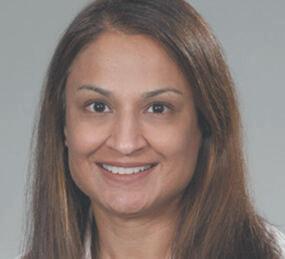
“Willpower alone doesn’t work unless you tailor treatment to also address these issues“, says Vineeta Estes, MD, who practices at Birmingham OB/GYN.
Many popular approaches also rely

on short-term restrictions—such as juice cleanses, extreme calorie deficits, or rigid macro rules—that may lead to initial weight loss, but are rarely sustainable.
Exercise-only strategies can temporarily shift the scale, but often fail to produce lasting metabolic changes. Exercise helps with weight maintenance, not weight loss. Supplements, despite their popularity, have shown no meaningful benefits.
“There is no evidence that supplements will boost weight loss in a meaningful way, and are probably not worth the cost.” Estes says.
There are many diet recommendations out there: low-fat, low-carb, high protein, Mediterranean, etc. These recommendations by commercial programs and advertisements are constantly changing, making it difficult to choose which way to go. Ultimately all these diets can result in temporary weight loss and each can have some health benefits. But if you don’t sustain those diet patterns, the weight will drift back. “It doesn’t help to follow a particular diet plan for short periods of time if it isn’t something you can stick to long-term”, Estes says.
Birmingham OB/GYN’s weight loss program is designed around the premise that treating weight management as a health issue. The program is physician-led and tailored for women, incorporating hormonal, metabolic, and reproductive health considerations into every treatment plan.
Each patient assessment begins with an in-depth medical evaluation, including a review of health history, current medications, lifestyle factors, and long-term goals. Baseline laboratory testing may include thyroid function, hemoglobin A1C, iron levels, vitamin D, and markers of insulin resistance, variables that frequently go unaddressed in nonmedical programs.
“That’s one of the key differences with physician oversight,” Estes says. “A weight loss plan is individualized based on all these other factors, and placed in the context of improving health.”
The program includes monthly 30-minute office visits with a boardcertified OB/GYN. During these visits, physicians monitor progress, review lab



A board-certified Interventional Cardiologist, Dr. Mishra offers a specialized expertise in high-risk percutaneous coronary interventions (PCI) and preventative cardiology.
Having completed his Interventional Cardiology fellowship at Mount Sinai Hospital, he went on to author over 25 peer-reviewed articles and present at numerous national conferences.
Dr. Mishra holds additional certifications in Adult Echocardiography, Nuclear Cardiology, and Vascular Interpretation.


By laura FreeMan
For patients dealing with symptoms of a leaky tricuspid valve, until recently physicians had only limited treatment options to offer. After weighing the risks and benefits of surgery, especially in older patients who have a greater prevalence of the condition, the consensus was usually to try to manage the problem with medications. Any lingering fatigue, burden on heart failure and other health effects were an unfortunate reality. Surgery to correct the leak wasn’t likely to happen unless another heart surgery became necessary and the tricuspid could be repaired at the same time.
Then a couple of years ago, the minimally invasive, image-guided TriClip transcatheter procedure developed by Abbott Laboratories received FDA approval. Baptist Health Cardiovascular Associates was an early adapter of the TriClip Transcatheter Edge to Edge Repair system (TEER), and Matthew Sample MD and Stephen Bakir MD are two of their interventional cardiologists who trained to make this option available to their patients.
In a sense, the four-handed transcatheter procedure is much like a duet written for two virtuoso musicians playing matching grand pianos.

“Unlike some of the more familiar procedures that can be done by one interventional cardiologist, this procedure takes two,” Sample said. “While the interventional cardiologist is guiding the catheter with the TriClip device, the imaging cardiologist is guiding the visual side. We alternate roles on a case by case basis.”
Bakir said, “Since we’re working within the vein and heart itself, we use advanced echoes and transesophageal echoes (TEE) to see what we can’t see directly. We refer to the advanced imaging capability as 4D, because it gives us high definition 3D images in real time. Usually we also use an intracardial echo (ICE). With two catheters and a quite a few details involved, you need two inter-



ventional cardiologists who work well together to manage them.”
Sample agreed. “Good communication is essential. If I’m placing the TriClip and connecting the leaflets, I’m relying on Dr. Bakir as a second pair of eyes to keep a close watch on a great deal of input coming in from the imaging. Teams that work together often tend to develop their own shorthand language so we can quickly communicate exactly what is going on.”
The procedure is done under general anesthesia since remaining still with a transesophageal echo in place would be too much for most patients. The device clips two or more of the tricuspid leaflets together, reducing backward blood flow.
“Patients tend to do well,” Sample


said. “We usually monitor them overnight and they are back to their usual activities in a couple of weeks. When they come back for their 30-day followup, most report that they are feeling noticeably better with improvements in symptoms like shortness of breath and fluid buildup.”
“Tricuspid regurgitation can be difficult to hear through a stethoscope,” Bakir said. “In a quiet location, someone familiar with the sound can often hear it. Diagnosis is usually made with ultrasound where we can see how serious the leakage is and monitor any changes.”
Not all tricuspid regurgitation is severe enough to require repair. For some cases, medication may be enough. Nonetheless, over the past two years, success rates for TriClip procedures have been high. In addition to improving symptoms, hospitalization rates for heart failure have improved.




By laura FreeMan
It’s an exciting time to work in the healing professions. Medical innovations are emerging faster than any one provider can keep pace. This is especially true in cardiology. To help primary care professionals stay current with new knowledge and treatments, the Cardiovascular Associates Medical Education Foundation was established almost two decades ago.
This year’s update was scheduled during Heart Month, Saturday, February 7 at the Marriott Birmingham Hotel. As conference director, interventional cardiologist Saji Jacob, MD, FACE is one of the guiding forces helping to organize the event. He is also one of several Baptist Health Cardiovascular Associates physicians who will be speaking on key topics.
“We host primary care professionals from all over Alabama and the southeast, and every year we ask for their input on the topics they’d like to see covered the next year,” Jacob said. “That gives us a good starting point for planning. We want to give primary care providers the information they want to know and practical details they can use to improve patient care.”

The process continues through the year as topics are selected, developed and fine-tuned to reflect the latest research findings and new techniques that are being introduced.
One of the popular aspects of the annual update is the range of heartrelated topics covered. In addition to dealing with the full spectrum of health conditions patients encounter, primary care professionals are often on the front line when the first signs of developing heart conditions arise. They need to be well-versed in a daunting number of cardiovascular problems and their potential impact on the body to determine when
patients should be referred to a cardiologist and whether a particular subspecialty is indicated.
Each year, the conference gives healthcare professionals an opportunity to hear directly from specialists working with the latest advances in heart health, to interact with them and to ask follow-up questions to learn more about applying new information in daily patient care.
“This year’s update looks at devices for monitoring arrhythmias, anti-arrhythmia drugs and a discussion of ablation versus medications for atrial fibrillation. We’ll also be discussing frequent premature ventricular contractions, managing carotid disease and the next steps to consider when shortness of breath remains after a pulmonary embolism,” Jacob said.
There will also be a briefing on a minimally invasive transcatheter procedure to repair tricuspid valves without the risks of open surgery that interventional cardiologists from Baptist Health Cardiovascular Associates are now performing. (See companion article.)
In addition to keeping the heart healthy, providers have to consider both the effects of heart conditions and different treatment options—or lack of treat-
ment—on kidneys, liver, muscles, joints, tissues, and other systems. This year’s topics discussing the effects of heart health on the body include a focus on critical limb ischemia.
In too many cases, the first sign of a heart problem may be a life-threatening heart attack that can bring patients to their doctor’s office thinking they are only experiencing indigestion. Survival may depend on their family doctor’s skills. In light of this, Jacob will be reviewing acute coronary syndrome guidelines. He will also discuss the lifetime benefits of controlling modifiable risk factors. Other topics look at how low LDLs should be to help with secondary prevention, and the effects of hormone replacement in women.
Preventing and slowing the development of heart disease is where primary providers have an opportunity to make a critical lifelong difference. Every heart that remains strong, every heart attack that doesn’t happen, is a major win for patients and those who love them.
Primary care providers interested in attending the 20th update conference in 2027 can contact the CVA Medical Education Foundation at 205 616-5938.

By MiChael SiMS
The healthcare industry is undergoing a digital revolution. Electronic health records (EHRs), telehealth platforms, and a growing network of connected devices are transforming how healthcare is delivered. However, this digital landscape also presents new challenges, particularly when it comes to information security and operational efficiency. Optimizing your healthcare IT can not only safeguard patient data, but also empower your staff to deliver exceptional care.
Cyberattacks are a growing threat to all industries with healthcare being a prime target due to the sensitive nature of patient data. A successful attack can compromise millions of medical records, leading to financial losses, reputational damage, and even patient harm.
Here are some key strategies for protecting your patients’ data:
• Implement robust cybersecurity solutions: Multi-factor authentication, firewalls, and
endpoint security software are essential to prevent unauthorized access.
• Regular security assessments: Regularly assess your IT infrastructure for vulnerabilities and patch them promptly.
• Employee training: Train your staff on cybersecurity best practices, including phishing awareness and password hygiene.
• Partner with a Managed Service Provider (MSP): An MSP can offer comprehensive cybersecurity solutions and expertise to manage your IT security posture.
Outdated IT infrastructure can lead to slow workflows, system crashes, and data silos. This inefficiency can create frustration for staff and hinder the quality of care delivered. Here are some ways to streamline your IT infrastructure:
• Cloud-based solutions: Cloud computing offers scalability, increased security, and remote access, allowing staff to work more


Steve Spencer talks with Bill Smith, MD, the Chief Medical Officer for Cullman Regional Hospital, about the Rural Health Transformation Program and the Rural Hospital Investment Program, both of which were established to help provide new funding sources for rural hospitals. Or go directly with these QR codes:

efficiently from anywhere.
• Modernize legacy systems: Evaluate and upgrade outdated hardware and software to improve performance and reliability.
• Data integration: Break down data silos and integrate disparate systems to ensure a holistic view of each patient.
The Health Insurance Portability and Accountability Act (HIPAA) mandates the protection of patients’ protected
health information (PHI). Here are some practical steps to achieve and maintain HIPAA compliance:
• Develop and implement a HIPAA compliance program: This program should outline your policies and procedures for protecting PHI.
• Regular employee training: Regularly train staff on HIPAA regulations and best practices.
• Conduct HIPAA risk assessments: Identify and address potential security risks to patient data.
• Partner with an MSP: An MSP can provide expertise on HIPAA compliance and help you implement necessary safeguards.
Optimizing healthcare IT isn’t just about technology. It’s about fostering an environment where your staff can focus on what matters most – providing exceptional patient care. By implementing the strategies outlined above, you can ensure a secure, efficient, and patient-centered healthcare ecosystem.
Michael Sims is a Senior Account Executive with Scipio Technologies. He can be reached at msims@scipiotech.com










continued from page 8
timeline. Holland & Knight previously discussed these final rules alongside the third temporary rule.





This rule creates a permanent pathway for practitioners to prescribe buprenorphine for opioid use disorder (OUD) via telemedicine without an initial inperson evaluation. It establishes specific conditions under which telemedicine encounters qualify, including requirements related to practitioner registration, documentation and the use of synchronous audiovisual technology.
The fourth temporary rule clarifies that the final rules will coexist with the temporary extension. Importantly, practitioners may rely on the temporary rule even if they qualify under one of the final rules because the temporary rule imposes fewer restrictions.
As a result, the temporary rule effectively serves as the broadest and most flexible pathway for telemedicine prescribing during the transition period, while the final rules provide more structured, conditionspecific options that will become increasingly relevant once the temporary flexibilities expire.



When people with extraordinary talent and passion are given the technology, the facilities, and the support, they achieve great things. The discoveries and innovations happening today will help shape the future of treatments and lead to cures. And it benefits not only the patients and families who come to Children’s of Alabama, but people across the country and around the world for years to come.

The rule’s implementation was delayed to ensure that providers would not face conflicting requirements while temporary flexibilities remained in effect. It ultimately took effect on December 31, 2025.
This rule allows certain U.S. Department of Veterans Affairs (VA) Veterans Health Administration (VHA) practitioners to prescribe controlled substances via telemedicine to veterans who previously received an inperson evaluation from another VHA clinician. It is designed to support continuity of care across the VA system, particularly for veterans in rural or underserved areas.

Like the buprenorphine rule, its effective date was postponed to December 31, 2025, to avoid overlap and confusion during the temporaryrule period.
The fourth temporary rule demonstrates that the DEA is continuing to evaluate how best to balance patient access with diversion control in the telemedicine context. The agencies note that they are still reviewing extensive public comments on the proposed permanent rules and intend to issue final regulations before the new 2026 deadline.
In the meantime, practitioners, telehealth providers and digital health companies may continue to rely on the extended flexibilities while preparing for a more structured regulatory framework likely to come.
Ben Steinberg is an associate based in Holland & Knight’s New York office. Shalyn Watkins, a senior counsel in Holland & Knight’s Los Angeles office, is a University of Alabama School of Law graduate who is still licensed in Alabama and practiced for a number of years in Birmingham.
data, adjust treatment, and address side effects or barriers. “Consistent follow-up and accountability are essential for success” Estes says.
There are several medications that are FDA approved for weight loss. Choosing which medication to add to the treatment plan is just one benefit of a physician guided program. While many of the other available treatment options can be successful, GLP-1 and GLP-1/ GIP combination therapies, such as tirzepatide, have dramatically changed how weight loss is approached. These medications work more quickly and have a greater success rate for weight loss.
“These newer therapies work on signals between the gut and the brain, taking
continued from page 9
away food noise and hunger,” Estes says. “They also have been shown to have a significant effect on long-term health. Dosing for medications is individualized and increased gradually to minimize side effects, which most commonly include transient nausea or fatigue.”
Between visits, patients can utilize the Birmingham OB/GYN Wellness App to track nutrition, activity, and weight, sync wearable devices, and access physician-curated educational resources. The program also includes an InBody scale analysis, which tracks lean muscle mass and basal metabolic rate in addition to weight.
(CONTINUED ON PAGE 15)
The Alabama Healthcare Hall of Fame will recognize 12 prominent healthcare leaders. They will be inducted into the Healthcare Hall of Fame in August.
THE HALL OF FAME CLASS OF 2026 INCLUDES:
James Andrews, MD
Clarence Ball, Jr., LNHA
Benjamin Cumbus, DMD
Carlos "Carl" O. Garner, PhD
Keith Granger
The late J. Jack Kirschenfeld, MD
The late Robert A. Kreisberg, MD
Wickliffe Many, MD
Mark R. McIlwain, DMD, MD
Dennis Pappas, MD
Maria Rodriguez Shirey, PhD, MBA, RN
Ray Watts, MD

“We monitor closely to make sure our patients are maintaining muscle mass and improving health, not just losing weight,” Estes says. “We encourage our patients to take advantage of these tools which are included in the program. We want them to be active participants in their weight loss journey.”
The program is structured as a sixmonth commitment. The initial consultation is $200, followed by a monthly fee of $125, plus the cost of medication. Program fees are generally eligible for HSA or FSA reimbursement. Laboratory testing may be billed to insurance when coverage allows, though medication coverage varies by plan. The program is not for pregnant women.
continued from page 14
Most participants report noticeable changes within the first month, including decreased hunger in addition to weight loss. By six months, average weight loss ranges from 10 to 15 percent of starting body weight, with some patients exceeding 20 percent.
Just as important, physicians emphasize lasting weight maintenance. “Our goal is to help patients lose weight in the short-term and improve health in the long-term,” Estes says. “We want them to graduate from our program with the necessary tools to sustain that.”

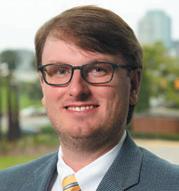






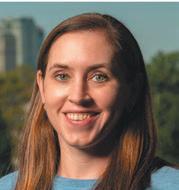

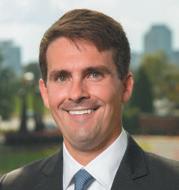
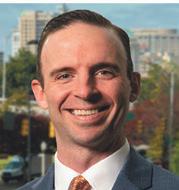

Severe bleeding is one of the leading causes of preventable deaths in trauma patients in the United States, especially among victims of car accidents. Approximately 42 percent of patients who survive a car accident and are alive by the time emergency services arrive die from uncontrollable bleeding. By getting blood transfusions prior to arriving at the hospital, patients have a higher likelihood of survival.
Researchers at the UAB Division of Trauma and Acute Care Surgery have received a $333,000 grant through the Safe Streets and Roads for All Grant Program to develop a plan aimed at reducing postcrash fatality in Central Alabama.
The grant will be put toward developing a Comprehensive Safety Action Plan to support the implementation of pre-hospital blood transfusion and telehealth-enhanced EMS care for crash victims. Central Alabama faces high post-crash deaths, many of them due to uncontrolled bleeding. UAB experts say these deaths could be preventable with prompt bleeding control and blood transfusion.
In addition to prehospital blood transfusions, real-time telehealth support from trauma care experts can empower EMS providers in delivering lifesaving care closer to the scene of injury.



Grandview Medical Center Inpatient Rehabilitation opened in a new location on the Grandview Health campus in November.
Formerly known as Easy Street, Grandview Inpatient Rehabilitation relocated 12 patients from the hospital to Grandview Physicians Plaza II. The new space offers enhanced equipment and capabilities to support patient recovery and help them safely return to their daily activities.
The new 17-bed inpatient unit will feature an expanded therapy gym with new equipment including the Zero G body weight support system. By unloading a percentage of a patient’s body weight, the
system allows earlier, more intensive gait training with a reduced risk of falling.
Other features of the new floor include specifically designed bariatric rooms as well as an activities of daily living bedroom and kitchen, uneven surfaces space to simulate real world challenges, modern patient rooms designed for safety and healing, and room for future expansion.
Once the move is completed, Grandview will begin construction on the former rehab space. “Relocating our inpatient rehab unit allows us to open up more capacity for 24 general acute care beds on our main campus,” said McKinney.
East Alabama Health, which opened in December, has named Sarah Nunnelly as the administrator of East Alabama Medical Center (EAMC) North, the organization’s newest campus which houses 40 inpatient psychiatry beds, outpatient care through East Alabama Psychiatric Services, and a new Psychiatry Residency Program.
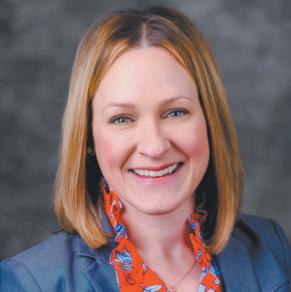
Nunnelly is a graduate of Auburn University with a Bachelor of Science in Biomedical Sciences and the University of Alabama at Birmingham with a Master of Science in Health Administration. In addition to her role at East Alabama Health, she also serves on the board of the United Way of Lee County and the Boys and Girls Clubs of East Alabama.
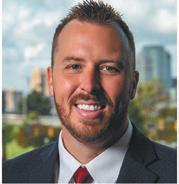
Andrew Fortugno, MD has joined Total Dermatology. He is a board-certified dermatologist and dermatopathologist specializing in medical dermatology and the care of patients of all ages.
He earned his medical degree at the University of Tennessee College of Medicine where he graduated first in his class and was inducted into the Alpha Omega Alpha Honor Medical Society in 2020.
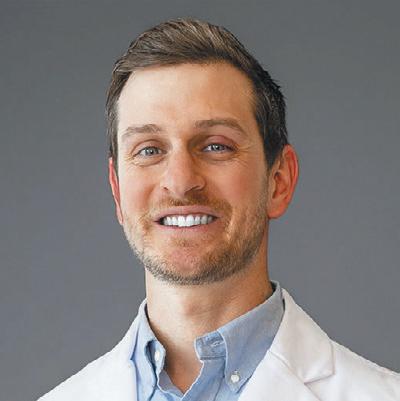
He completed his dermatology residency at the University of Alabama at Birmingham where he served as Chief
Resident. From there, he went on to complete additional fellowship training in dermatopathology. Prior to joining Total Dermatology, he served as faculty at UAB and as staff physician at the Birmingham Veterans Hospital. He is an active member of both the American Academy of Dermatology and the American Society of Dermatopathology. He is sees patients in clinic at the Total Dermatology Woodward and Trussville locations.
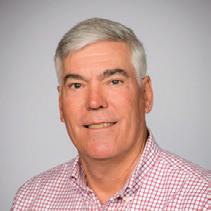
Formed by partners Chae York, Bill Cockrell, and Katrina Shelton, MBCS started in 2020 with two employees providing patient billing and medical clinic management to two healthcare providers. We now provide those reliable, outcome-based services to 100+ healthcare providers.





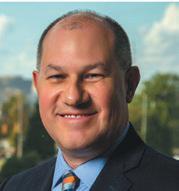
Children’s of Alabama has named Clara Blitch, MBA, MSML, SPHR, SHRMSCP, CHHR as the new Chief Human Resources Officer (CHRO).
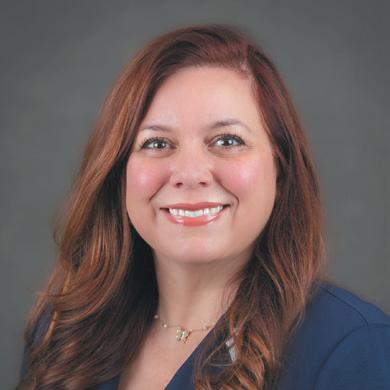
HR leadership roles at Consulate Health Care, HCA Healthcare, Brookdale Senior Living, and RTI Biologics.




If you suffer from allergies or other ear, nose, throat or hearing problems, we don’t want you to treat your healthcare lightly or ignore symptoms that could lead to more serious issues. Call us now for a complete evaluation with one of our 14 board certified physicians, 11 highly trained and licensed PAs, or 18 clinical audiologists — all available to serve your needs at any of our 11 locations.

Blitch brings more than 25 years of experience in human resources across healthcare and biotechnology industries. Most recently, she served as CHRO at Williamson Health in Franklin, Tennessee, where she led HR efforts for more than 2,400 employees and over 30 sites of care.
Prior to Williamson Health, Blitch held
Blitch holds a Master of Business Administration, a Master of Science in Management and Leadership, and a bachelor’s degree in marketing. She also maintains professional certifications, including SPHR, SHRM-SCP, and CHHR. She has previously served as president of the Wiregrass chapter of the Society for Human Resource Management. She succeeds Doug Dean who will retire after 25 years of service.
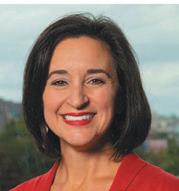
Birmingham-based Illuminate Rx has named Ritu Malhotra, PharmD as President.
Malhotra earned her bachelors degree in biology from Lehigh University in Pennsylvania, and her PharmD at the University of Sciences in Philadelphia.
She has spent over 20 years in healthcare and phar macy benefits, including seven years with CVS Health. Her last
position there was Vice President of PBM Innovation.

The appointment comes as employers face pressures from rising specialty drug costs and soaring GLP-1 therapy utilization. Illuminate Rx's lowest net cost strategy, guided by a formulary crafted by clinical pharmacists, addresses these challenges by prioritizing biosimilars and generics, ensuring cost-effective, quality care.
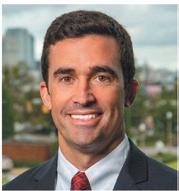
Jared Travis, MBA, BSN, RN joined Outpatient Services East as the new Administrator/CEO in November.
Travis earned his Bachelor of Science in Nursing at Jacksonville State University. Later, he received his Masters of Business Administration in Health Care Administration from the Univer-

sity of North Alabama. He spent nine years as a registered nurse in the operating room at UAB Medical West, followed by three years as the administrator of the Oxford Surgery Center. He believes in building outpatient models that are efficient, compliant, and built to last.
After years of litigation, the Alabama Medical Cannabis Commission has begun issuing dispensary licenses, which authorizes the Board of Medical Examiners to receive applications for permits to become registered, certifying physicians.
Physicians who wish to become certified to recommend medical cannabis must complete a four-hour course related to medical cannabis and a complete subsequent examination, both of which are only offered by the Medical Association of the State of Alabama (MASA). Every two years after, a certifying physician must complete the two-

Mark Jackson, Executive director of the MASA.
hour refresher course in order to re-qualify.
“The Medical Association’s Medical Cannabis course gives physicians the education they need to navigate this new area responsibly, with a clear understanding of the law, the science, and their role in protecting patients across our state,” said Mark Jackson, executive director of the MASA.
The course addresses the basics of cannabis, therapeutic implementation, the risks, myths, the relevant laws and rules that govern physicians who intend to certify patient eligibility for medical cannabis, and more.

Steve
VICE
Jason Irvin
CREATIVE
Katy Barrett-Alley
CONTRIBUTING WRITERS
Jane Ehrhardt, Ashley Franco, Laura Freeman, Lynne Jeter, Marti Slay
Birmingham Medical News
270 Doug Baker Boulevard, Suite 700-400, 35242 205.215.7110
AD SALES: Jason Irvin, 205.249.7244
editorial submissions should be e-mailed to: editor@birminghammedicalnews.com
Multiple myeloma, the second most common blood cancer in the United States, is more common in men with an estimated 20,030 new male cases in 2025. The reasons for this disparity are unclear.
In a new study published in Cancer, researchers from the UAB Marnix E. Heersink School of Medicine’s Department of Pathology found that male patients were more likely to have advanced stage of the disease at the time of diagnosis.
“To our knowledge, our findings are the first to provide evidence that men present at diagnosis with greater tumor burden and that advanced age, together with male sex, is an
important driver for the observed differences,” said Krystle Ong, PhD, first author of the study and researcher in the Division of Molecular and Cellular Pathology.
UAB analyzed data from 850 patients with newly diagnosed multiple myeloma, where 54 percent were male with a median age of 62. They were more likely to have higher serum monoclonal protein levels, an abnormal protein produced by cancerous blood cells, and a higher prevalence

of organ damage, including lytic bone lesions and impaired kidney function.
“We plan to conduct future studies to fill in the gaps of our understanding of the relevant sex-specific mechanisms underlying multiple myeloma pathogenesis,” Ong said. “Understanding these key factors may lead to improved risk stratification, diagnosis and clinical treatments for both men and women with early precursor conditions that lead to multiple myeloma.”
Lakeshore Foundation has launched Lakeshore Consulting Services (LCS), a new venture created to help businesses, nonprofits, and sports organizations seeking to strengthen operations, expand accessibility, and create sustainable programs.
The service was designed to meet the needs of each specific client by using their 4D Process—Discover, Design, Develop and Deliver—to construct customized plans to help each partner better serve employees and customers with disabili-


ties. LCS helps clients move beyond basic compliance checklists to build authentic, experience-driven accessibility.
Additionally, LCS offers a variety of services designed to help nonprofits grow. LCS supports nonprofits through every stage of organizational development, from startup and governance to operational management, strategic planning, and sustainability.
LCS is a part of Lakeshore Foundation, a world leader in inclusion and
adapted sports. Lakeshore’s unique history dates back more than 100 years, but it intersects with the origins of adapted sports through wheelchair basketball in the 1940s. The organization quickly became a leader in adapted sports and was the first designated Olympic and Paralympic Training Site in the United States. Lakeshore is currently home to three Paralympic teams and hosts dozens of programs for disabled and non-disabled members of the community.


With one of the nation’s largest healthcare law practices, Holland & Knight has more than 475 experienced attorneys covering virtually every segment of the healthcare industry, from transactional matters, regulatory compliance and real estate to litigation, government enforcement and public policy issues. Our dedicated healthcare attorneys and professionals – in Birmingham and throughout the country – have the insight, experience, depth and resources to help promote and protect your interests.
www.hklaw.com