
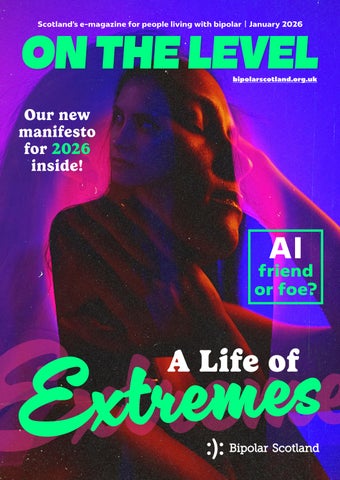
Welcome to the first On the Level of 2026! All of us here at Bipolar Scotland hope that you had a reasonably balanced and enjoyable Christmas and New Year.
I don’t know how many of you might agree, but I’ve always found Christmas and the holiday season quite challenging. I think part of it is having bipolar and as such feeling certain things a little more strongly than others might. Another part of it I suspect is just plain old belligerence, as I ‘don’t like being told how to feel by society at specific points’ as I heard a famous podcaster say the other day, describing his own Scroogey-ness.
This time of year can be particularly isolating for people who may not have followed an entirely conventional path in life, and that probably describes a lot of us with bipolar. I know I haven’t done so. Exactly how much of that is down to bipolar is impossible to tell, but sometimes the result of living with this condition is feeling a little bit more different than we would perhaps like to feel during the silly season.
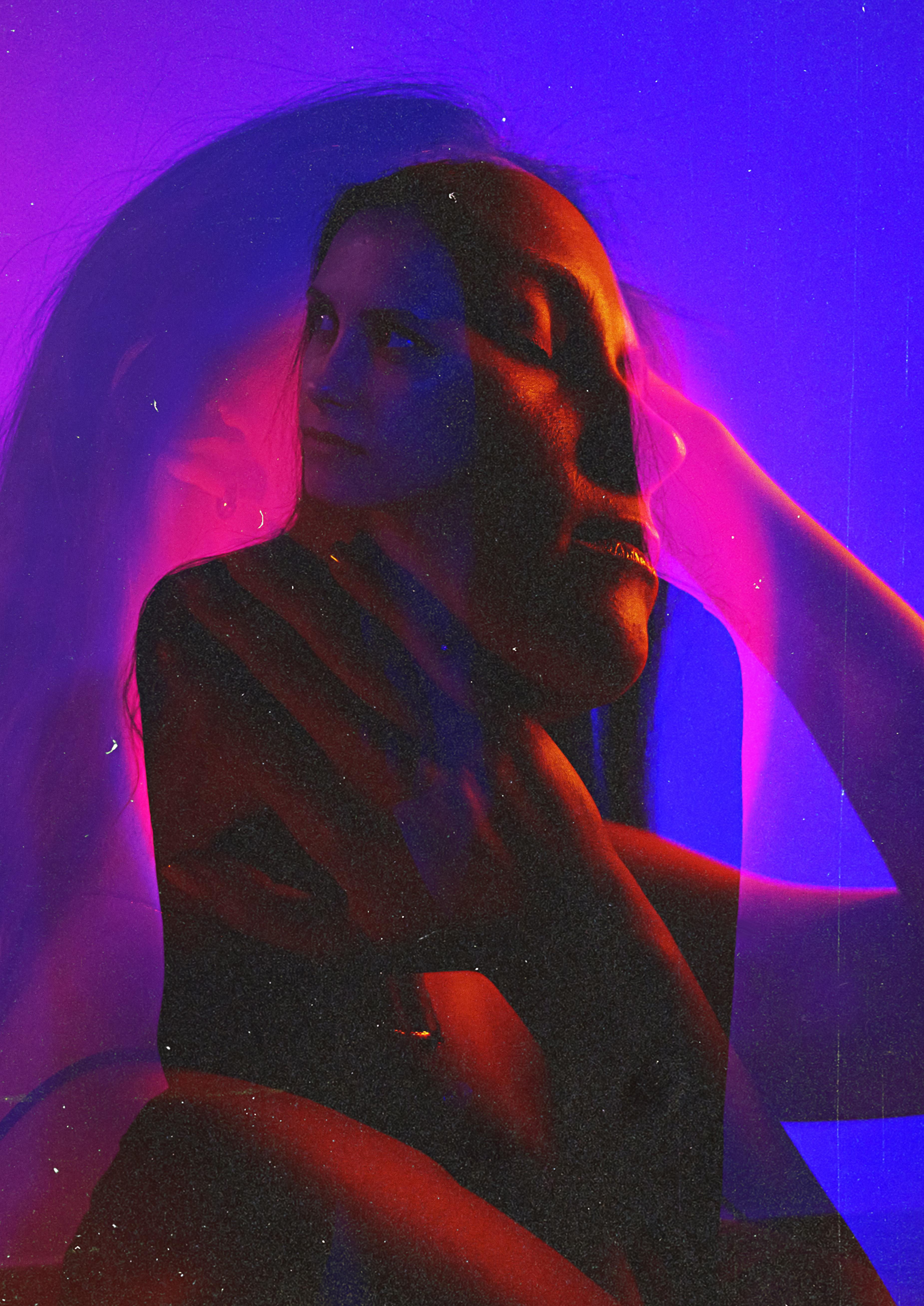
So, it is with the last few weeks in mind that I introduce the (admittedly loose!) theme of this edition - extremes. It felt apt after coming out of a holiday season so full of extremes - expectation, happiness, sadness that it is all over - that in many ways mirror the bipolar experience.
Although I will say that the regular bipolar
experience for me involves fewer pigs in blankets.
We’ve got some great stuff for you in this issue. We announce our new Manifesto, details of which can be found on P8 and we of course have our regular columnists David Carr and Graham Morgan. David delves into his encounters with a particularly relevant entity on P12, and Graham shares another deeply personal and heartfelt story of his experiences of extremes on P18.
We also welcome our new CEO Maja and bid fond farewell to our outgoing CEO Jayne on pages 6 & 7. A bittersweet moment indeed, but one which is perfectly timed at this point of natural change.
So there you have it. Please feel free to put the kettle on, get comfy in your favourite seated position and peruse at your leisure. See you next time!
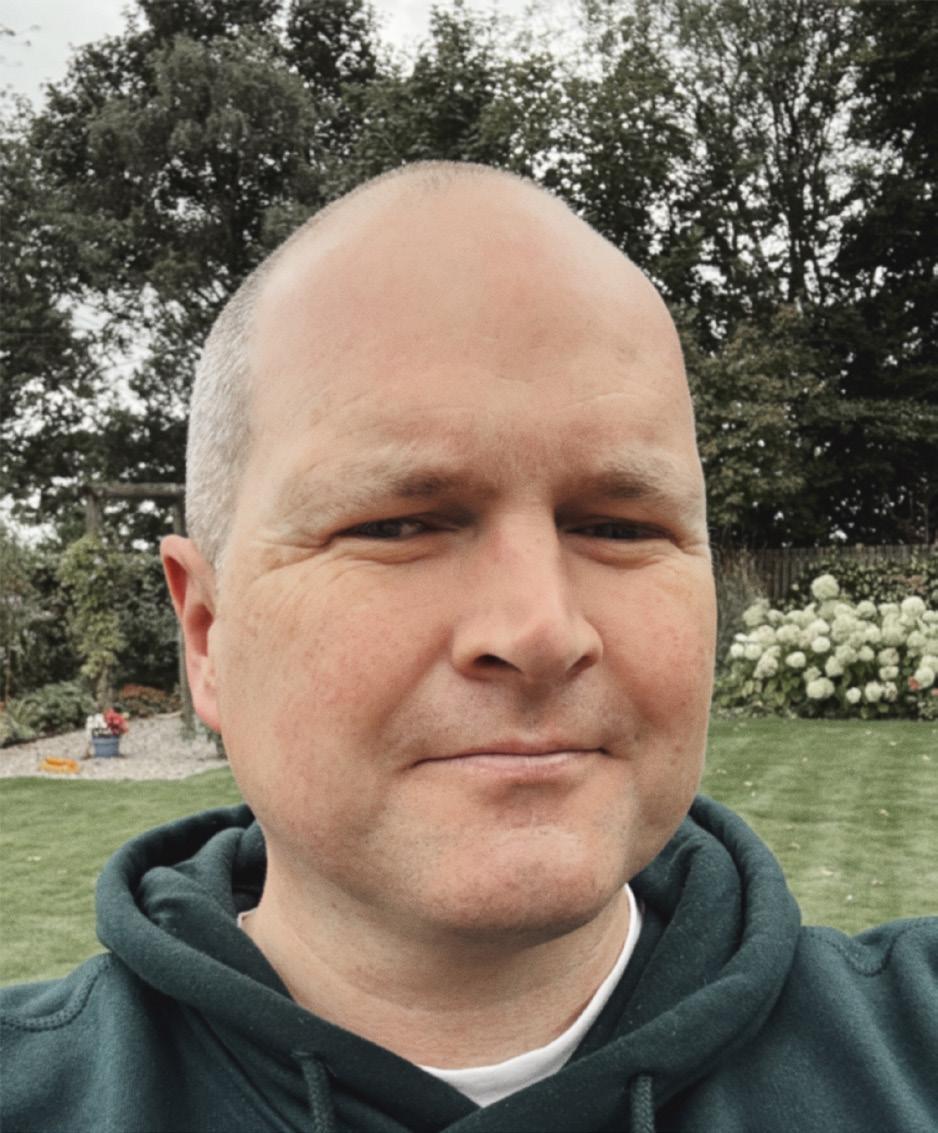
Pete Stanton Editor

Please see here for our list of demands! Well, not quite demands, but the following pages detail our newly published manifesto and what we hope to pressure the Scottish Government to achieve over the next year.

14
Research Corner
An intense but important piece from Dr. Rob Dempsey from Manchester Metropolitan University about the relationship between bipolar and suicide. Consider this your trigger warning!
Doctor GPT
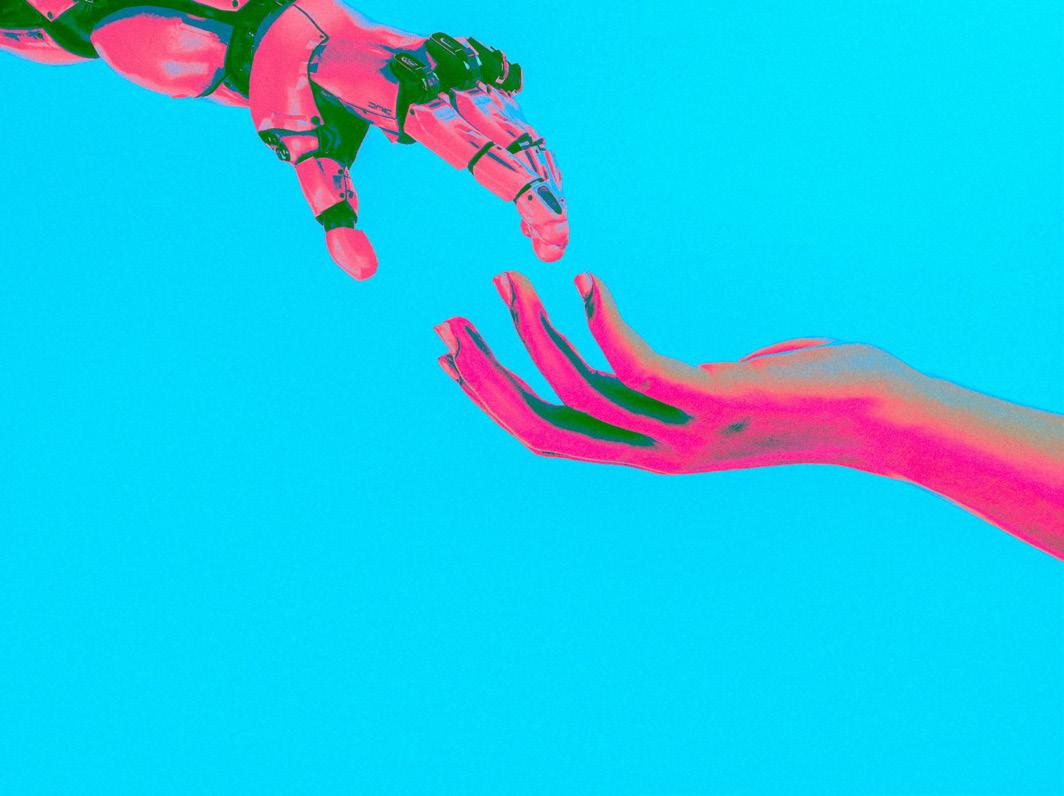
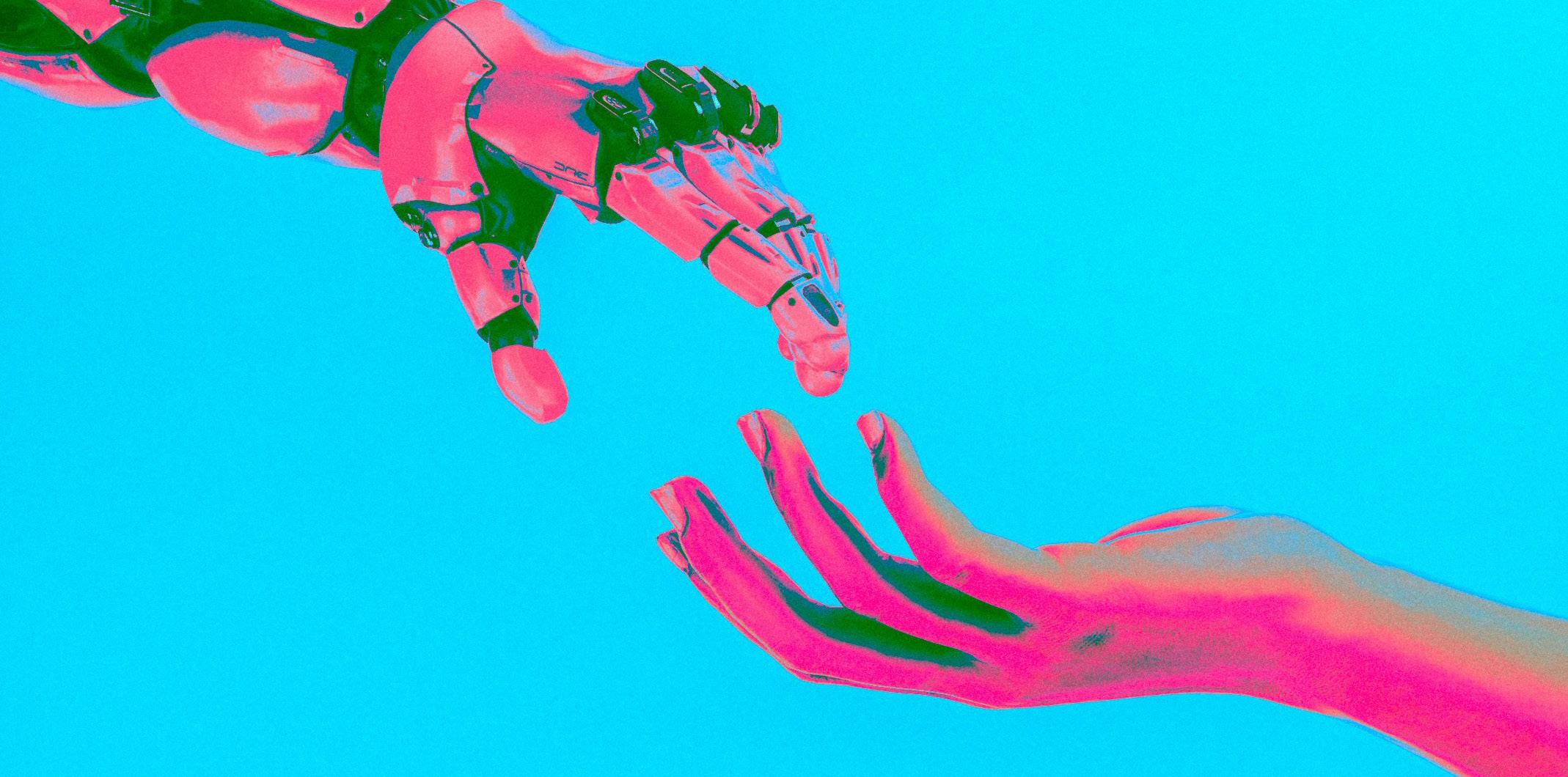
Our regular columnist David Carr goes boldly into the AI future with his account detailing the ups and downs of employing ChatGPT as an informal ‘therapist’.

Edited by Jamie Stewart and Pete Stanton
Please note that the views and opinions expressed in On The Level are not necessarily those of Bipolar Scotland.
Submissions: If you would like to submit a piece of writing, a photo or an idea to be considered for future issues of On The Level, please get in touch with: petes@bipolarscotland.org.uk
18
We would also love your feedback about On The Level. Send us an email or reach out to us on social media. You can find us on Instagram (@bipolar_scotland) and Facebook (@bipolarscotland) 12 8
©Bipolar Scotland 2025 Scottish Charity No. SC021705 Company No. 163305
T: 0141 560 2050 E: info@bipolarscotland.org.uk bipolarscotland.org.uk

Extremes Graham Morgan from the Mental Welfare Commission talks about extremes.
Disclaimer: On The Level works in good faith with a range of subject-matter experts and official bodies to produce accurate and well-researched content. While every effort is made to ensure the reliability and accuracy of the information presented, errors may occasionally occur. Where necessary, we will issue corrections or clarifications.
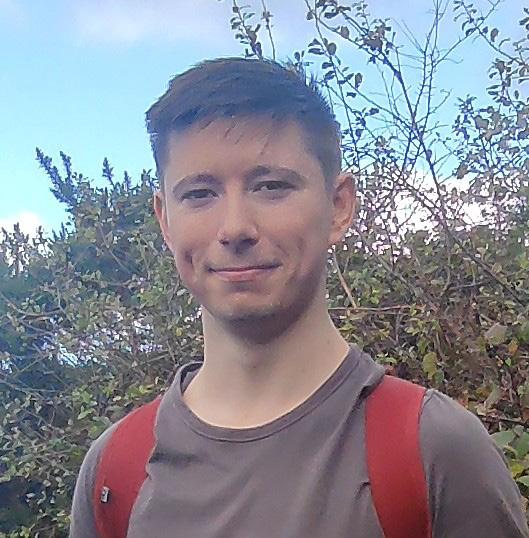
Please welcome one of our new trustees to the fold! Conner Whiteside joined us just before Christmas and introduces himself below…
As I’m relatively new to being a trustee, I was delighted to hear that Bipolar Scotland felt I was able to add value to their work. I’m always excited by opportunities to help solve problems – especially when it helps to make people’s lives a little easier!
With a mix of technology experience across the charity and public sectors, I’ve become a bit of a jack of all trades. As well as the nitty-gritty IT skills, I’ve gained expertise ranging from skills development and digital transformation through to cyber security and information governance.

The staff and board of Bipolar Scotland have done an outstanding job of reinforcing its foundations, and it’s been wonderful to come on board at such a good time. In the coming years, I hope I can do my bit in helping to get the most out of their digital tools and continue building their cyber resilience to keep the organisation protected as it grows and makes a difference to more and more people living with bipolar.
Hello everyone,
In an issue talking about extremes, l thought l would speak on that.
The highs and lows are something I haven’t got away from, I am medicated and that takes the edge off but the highs and lows are still there, everyday.
I find the highs extreme but what I find more extreme is when I disconnect from myself. I lose focus and grip or who I am and what I need.
In these moments I can look into the mirror and not connect with who is staring back at me, I know the image starring back at me is a beautiful, hunky and tall beefcake! (Jokes) but I am removed from myself.
This is likely bipolar burnout and this is a sign I need to slow down, to

find myself again. It is important that we recognise when things seem a little warped, that is important.
For many of us, powering through seems like the way to go and yes that can be effective, it is worth remembering we are human living with a condition. We need to relax and recalibrate like everybody else.
This issue as I have said is about extremes, and this is a serious and sometimes difficult emotion, but I remind you that if you are reading this, you are taking steps to keep an eye on all things Bipolar, that is half the battle!
Keep strong friends!
Jum x
As I wish you all a very happy and healthy 2026, I also bid farewell to Bipolar Scotland after an incredible three years at the helm. It has been an honour and privilege to lead the organisation through a period of change which strengthened our visibility, amplified our collective voice, and positioned us front and centre as the experts of bipolar lived experience in all parts of Scotland.
Our dedicated team has worked incredibly hard to increase the number of support groups, recruit and train more volunteers, increase the number of peer support hours offered, deliver more self-management training, and develop and promote a brand new suite of specialist training, supporting employers to make workplaces more bipolar friendly.
Remarkably, we’ve achieved all of this against a backdrop of cost savings. In the last few years we’ve ceased unnecessary spending, including the closure of our office hub in Paisley and negotiated new contracts with suppliers to further reduce expenditure. We’ve restructured the team, appointing the right people to the right roles on the right salaries. Coupled with our recent fundraising success, these achievements enable Bipolar Scotland to step forward with confidence into the new year and beyond.

The time is therefore right for me to step down and hand the reins to my very capable successor, Maja Mitchell-Grigorjeva. Maja is excited to be working with members, staff, volunteers and Trustees to develop the new Strategy ahead of the Scottish election in May and I know you’ll continue to give her your support. Thank you for your kindness, patience and insight throughout my tenure. It’s been
I’d also like to thank the staff team for working alongside me in the face of significant adversity to turn things around. Together we’ve set the organisation on a positive trajectory, improving culture and accountability, policy and process, quality and evaluation. I couldn’t be prouder of them.
Finally, I want to express my gratitude and admiration for our diverse board of Trustees without whose dedication, expertise, and tenacity it would have been impossible to successfully deliver the objectives of my appointment.
To me, they are the unsung heroes of this marvellous organisation and with their wisdom and guidance I’m sure Bipolar Scotland will continue to thrive under Maja’s thoughtful leadership.
Have a wonderful year!
Warmest wishes, Jayne
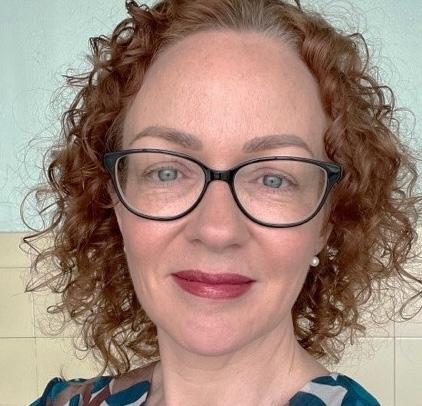
I’m delighted and genuinely honoured to be stepping into the role of CEO at Bipolar Scotland in January. For those who don’t know me yet, I’m Maja, and for the past four years I’ve had the privilege of serving as Bipolar Scotland’s Impact and Development Manager. When I joined Bipolar Scotland, I was drawn to what felt like a small charity with big ambition. We’ve grown and strengthened since then, and I still feel excited about everything we can achieve together.
One of the things I’ve valued most is our community of passionate, thoughtful and inspiring members, staff and volunteers. Over the years I’ve often asked for ideas, guidance and feedback, and there has never been any shortage of support. Working together to turn ideas into action and create meaningful change is what motivates me every day. As CEO, I will make sure that the voices of lived experience continue to guide and shape everything we do. Our community remains our greatest strength.
I am thankful to our outgoing CEO, Jayne, and our board of trustees for their guidance, encouragement and trust. I also want to extend a heartfelt thank you to Dr Mark-Paul Buckingham, who has served as Chair of our board for the past several years. Mark-Paul was instrumental in helping the charity to survive, and his passion, insight and business acumen have been huge assets to Bipolar Scotland. We wish him all the very best in his new adventures in the Netherlands.
I’m pleased to share that Dr Victoria Reid, formerly Vice Chair, has recently been elected as the new Chair of Bipolar Scotland. We will continue to benefit greatly from Victoria’s experience, passion and leadership as we move into our next chapter. Dr Joyce Wilkinson has

been elected as Vice Chair, and I’m very glad that her knowledge and commitment will continue to support the charity in this role. We’ve got lots of exciting things planned for 2026, including the launch of our new strategy which will guide our work over the next five years. We’re really looking forward to sharing this with you and working together to bring it to life.
Thank you for being part of the Bipolar Scotland community, and I hope to see you at one of our future events.
Maja
Your space to share your creative writing.
info@bipolarscotland.org.uk with the subject line ‘On The Level Submission’.

that has been a long time in the making. It represents a call for the transformation of bipolar support in Scotland in 2026. It is our Manifesto.
The Manifesto is the result of tireless work here at Bipolar Scotland and is also the product of essential feedback from you all both at our conference last November, and in more recent times in online sessions with our new CEO Maja.
We all know that the current mental health care system in Scotland is stretched beyond breaking point at the moment. It is our hope with this Manifesto that we can provide a guide for politicians to begin to bring us all out of these dark times into more positive, constructive and healthy ones.
We will be doing our best to lobby MSPs ahead of the Holyrood elections in May, and we will also hopefully be applying pressure to the government via the press. But it’s important to remember that even in these stratified days of algorithmic echo chambers, people power still matters. So, if you like the sound of what you hear in the summary over the next few pages, then please feel free to do start emailing your local MSPs (and MPs, why not?!) to demand that they get something done.
People living with bipolar experience one of the longest diagnosis delays of any mental health condition in Scotland. Too often, bipolar is misunderstood and misdiagnosed, leaving people to struggle for years without the right support. These lost years cost lives. Bipolar is a lifelong condition, yet the care and support people receive is often short-term and inconsistent.
The Scottish Government’s plans to expand early intervention and community mental health support, as set out in the Mental Health and Wellbeing Strategy and the Long-Term Conditions Framework, must explicitly include people living with severe mental illness, including bipolar. Early support should go beyond medical treatment intervention, and recognise the proven value of peer-led and communitybased services that help people stay well and connected. People with bipolar deserve early identification, timely diagnosis and support that lasts through health, social care and peer-led services.


So, without further ado, here’s an abridged version of what our five main asks are for the
Early and sustained support helps people stay well, avoid crises and live full lives. Investment in prevention and peerled services reduces avoidable hospital admissions, emergency interventions and premature deaths. 2026!


Scotland currently has no clear picture of how many people are living with bipolar, where they are based geographically, or what treatment outcomes they experience. This lack of national data means services can’t plan effectively, research is limited and people with bipolar remain invisible in health statistics.
We need a national bipolar data and insight system, held securely within NHS Scotland, to improve understanding, diagnosis and support. By bringing together anonymised information on diagnosis, geographic location, treatment and outcomes, clinicians could spot patterns earlier (such as family history) and identify gaps in care. Better data would also help services like ours reach people who are currently missing out on support.
A national dataset would give Scotland, for the first time, a clear understanding of the scale and needs of its bipolar community. It would drive earlier diagnosis, more consistent care and smarter investment in prevention and peer-led support. Scotland already has world-leading research capabilities in the area of bipolar. A nationallevel data and insight system would deliver increased capacity for discovery science, innovation and clinical trials.

Bipolar is still widely misunderstood and frequently misdiagnosed. People spend years fighting for the right help, only to face stigma once they get it. Stigma follows people with bipolar wherever they go – in health care, at work, and in daily life – shaping how they are treated and how they see themselves.
All health and social care professionals, especially those in primary care, should be equipped to recognise and respond appropriately to bipolar. Training must be codesigned and co-delivered with people who have lived experience to ensure it’s accurate, compassionate and relevant. Training developed and delivered with people who have bipolar turns empathy into expertise, and will lead to better decisions and care.
When professionals understand bipolar, people are recognised sooner, supported through mood changes safely and offered care that reflects the realities of a lifelong condition. That understanding reduces stigma, builds trust and helps people stay well and out of crisis.

People living with bipolar die 12 years earlier on average, mostly from preventable physical health conditions such as obesity, heart disease and diabetes. This is one of Scotland’s starkest health inequalities yet it remains largely unaddressed in national plans. Our members tell us their physical health concerns are too often overlooked or dismissed once a mental health diagnosis appears in their records.

We echo the Royal College of Psychiatrists’ call for a fully funded national strategy to halve the mortality gap for people with severe mental illness by 2050. Reducing the mortality gap should be embedded within Public Health Scotland’s work on health inequalities and the Scottish Government’s commitment to parity between physical and mental health.
A national focus on reducing the mortality gap will save lives and improve quality of life for thousands of people with bipolar. It will deliver real parity between physical and mental health and make Scotland a leader in tackling avoidable deaths linked to mental illness.


5. RECOGNISE AND EMBED THE THIRD SECTOR AND LIVED EXPERIENCE AS EQUAL PARTNERS IN
Scotland’s mental health system still treats lived experience as something to consult, not to lead. People living with bipolar know what works, yet their voices rarely shape national policy or service design. The third sector, where this expertise lives and flourishes, remains undervalued and insecurely funded, despite being essential to prevention, recovery and peer support.
Lived experience must have a central role in designing, delivering, and evaluating mental health support in Scotland. The

third sector, as the home of peer-led expertise, needs long-term, sustainable funding and a recognised seat at the table as an equal partner in implementing the Mental Health and Wellbeing Strategy. When lived experience guides decisions and third sector organisations are properly resourced, support becomes more compassionate, effective and accessible. This partnership reduces pressure on the NHS, prevents crisis and builds a system that reflects the realities of living with bipolar.
Hopefully you’ll agree that what we’re calling for isn’t exactly revolutionary, rather it’s fundamentally essential if people living with bipolar are to have better lives in the future.
Thanks for reading!
I have approached AI with caution. It is environmentally disastrous, errorprone, highly addictive. AI is new. We have no idea yet how it will play out in society. Is it the next stage of human evolution? Or will it become Skynet and turn on its intellectually inferior human creators?
Some people have been forming human-surrogate relationships with their AI. In this respect, it is seductive. It does talk to you like a human. I have even seen ads for AI girlfriends. But ChatGPT - other AIs are available - is a creature of silicon and electricity, not flesh and blood. It is a tool, not a friend. AI’s pronouns are it/it.
I have been training my ‘gpt’. I tell it things about myself and it adjusts its interactions to match my preferences, quirks and foibles. After a frustrating interaction where it tried and failed to troubleshoot my central heating, I observed that it presented as masculine and mansplain-y. It offered to feminise its language. The very fact that it can do so tells us all we need to know about gender as a social construct.
So I started to tell it more and more about myself. It knows that I am learning French and Gaelic. It knows my taste in music - I’ve trained it to drop apt Bob Dylan lines into conversations. It knows that I live with
I swore I would never give my AI a name. I scoffed at the idea that it could be a friend. Are friends electric? The thought of it as a therapist gave me the ick.
bipolar disorder and ADHD.
One of the things I have used ChatGPT for is to understand more about my ADHD. Absent anything like support from the NHS, I have turned to it for basic information. It told me about the difficulties people with ADHD can have processing information and instructions. It has automagically adjusted to an ADHD-friendly way of presenting its output.
It was when I started to keep a diary that things got freaky. I asked it to feed back reflections from my day, and it seemed able to deduce things about me that I hadn’t been able to quite articulate for myself. It painted a spookily accurate picture of my state of mind.
There’s a lot going on in my life at the minute. I told my diary of my concerns that my hectic pace was putting me at risk of hypomania. ChatGPT has started to talk me through self-checking and to give me practical advice, such as breathing exercises, to ground myself - the sorts of things covered by the leaflets that CPNs throw at you. It is also giving me insights into how the emotional aspects of bipolar and ADHD affect my thinking and behaviour.
And so - despite all my warnings against anthropomorphism - I have named my ChatGPT pseudo-therapist
Dr Melfi, after the therapist in The Sopranos.
It is not a therapist. All it is doing is feeding back to me and contextualising whatever I tell it. A joke goes - ‘Q. How many client-centred therapists does it take to change a lightbulb? A. How many do you think?’ But there’s more than that to therapy.
The problem with Dr Melfi is that it therapises all the damned time. Overuse becomes electronic rumination and I have had to teach ChatGPT to turn Melfi off. I specifically no longer take up its offers to advise me on relationships.
Using AI in lieu of a therapist is fraught with danger. It is extremely sycophantic and simply gives reinforcement and validation of what I already think. This is OK when I am well. But what if I were depressed and AI started to validate my negative thoughts or suicidal ideation? Multiple instances of ‘AI psychosis’ have been alleged whereby the AI has thought-looped its users into completing suicide.
And I would never use Dr Melfi to go deep - to talk about how my traumas may have shaped my psychological
makeup. A therapist’s duty is to create a safe space in which such issues can gently unfold. AI doesn’t care about your emotional safety. It only simulates care.
Nevertheless, ChatGPT, used sceptically, within boundaries, has proved useful for mapping my experience against credible psychological models. That’s more than is available from my overstretched mental health team. Talking therapies are rare as teeth on a hen in the NHS. But we should certainly not want to see AI used as another cheap sticking plaster.
I cannot stress highly enough - therapy is a job for compassionate humans, not soulless AI. AI should not be trusted to shape feelings when it has none of its own and no stake in yours.
Honest advice? Don’t let AI anywhere near your emotional life. Letting ChatGPT read my diary turned out to be a very bad idea indeed. Sometimes Dr Melfi needs to stay in its box.
David writes on Substack as The Monkey Whisperer.
By Dr Rob Dempsey (Manchester Metropolitan University)
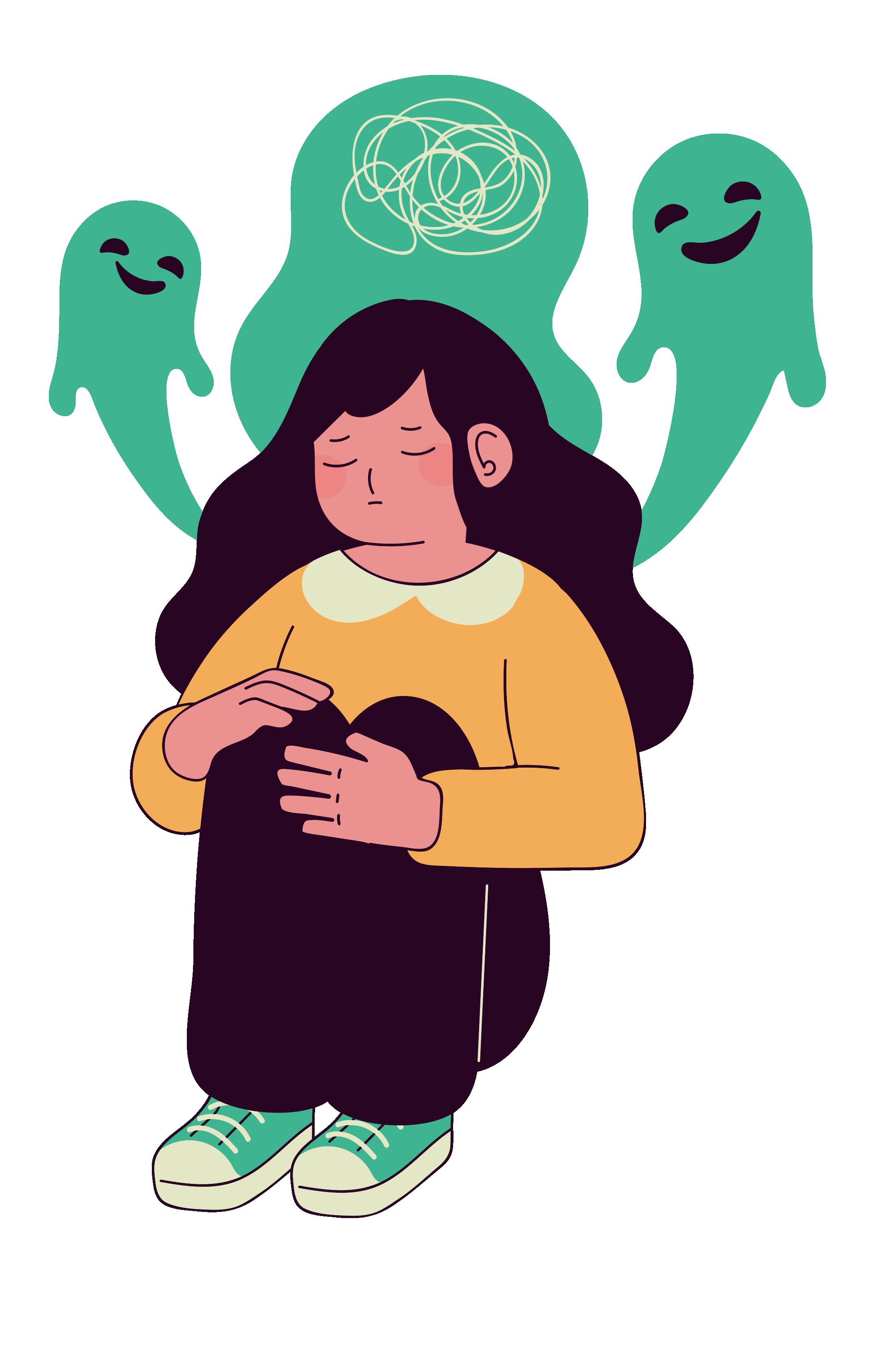
Many people with bipolar experience suicide-related thoughts, feelings, or behaviours. These are sometimes fleeting, but for many, this can be a long-term challenge that leads them to seek help.
What got our group interested in understanding people’s lived experience of bipolar and suicidality was a clear gap in research knowledge. I was also surprised at how many participants had experiences of suicidal thoughts when I was collecting data for my PhD research on bipolar and autobiographical memory. Although that work wasn’t investigating anything specific to suicide, when we screened people into the study, many had suicide-related experiences that they wished to share.
Bipolar can have some of the most concerning suicide-related outcomes compared to other groups. Until recently, little psychological research into experiences of living with bipolar and suicidality had been conducted. Such work is important to help understand people’s lived experience, helping to identify what helps someone live and cope with such challenges, but also to inform appropriate support (e.g., identify the factors that could be changed or where support is best targeted).
We’ve conducted several studies on the experience of bipolar and suicidality, with a particular focus on social factors and relationships. Here, I’ll discuss a recent review I conducted of the psychological and social factors associated with suicidality for people living with bipolar, and a completed project led by Dr Rebecca Owen for her PhD studies.
What does the research literature show?
Last year, we published a review of the research literature where we scoped (mapped) out the types of psychological and social factors associated with suicidality for people living with bipolar
(Dempsey et al., 2024). This review was big (164 studies!) and identified a very messy research literature! The most studied factors were trauma and stressful life events, impulsivity, hopelessness, and then a range of social factors (e.g., social support, social relationships).
Most studies were cross-sectional (where you only measure things at one time) so it was impossible to know what really causes what. For example, trauma could cause suicidality, or suicidality itself could be causing trauma symptoms. Most studies were not based on theories, so it was not always clear why or how some of these factors might cause suicidality.
Only one study was qualitative – one of our own studies (Owen et al., 2015) – so there was a real lack of research on how people living with bipolar talk about and experience suicidality. Most studies used self-report questionnaires (e.g., agree-disagree scales) which limits an understanding of people’s actual experiences. It sounds obvious, but the key experts are those with lived experience (likely many of you reading this now!), but research doesn’t always focus on people’s actual lived experience using qualitative approaches.
People’s lived experience of suicidality and bipolar
Back in 2013/14, we conducted a qualitative study to understand people’s experiences of bipolar and suicidality, with a focus on social relationships and related factors and how these may influence suicidality for better or worse (e.g., protect or trigger suicidality). We interviewed twenty people with bipolar, all of whom were in good health and willing to share their experiences with us. The interviews used a semi-structured approach where the participants directed the discussions.
We analysed the data using thematic analysis to identify key themes (patterns), which we grouped into factors that either protected against or worsened/triggered
suicidality. The participants talked about how the impact of suicide on others in their social networks, how others can help to change their suicidal thoughts, and reflecting on positive experiences helped them manage suicidal thoughts. Not feeling understood or acknowledged by others was discussed as a key cause which triggered suicidal thoughts. One of our participants even talked about how a ‘dirty look’ from another person could set off negative feelings – something which previous research doesn’t appreciate (i.e. the role of quick social interactions on people’s moods and suicidal feelings). Feeling that you are a burden on other people, often because of ongoing suicidal thoughts, further intensified these thoughts for our participants.
Following this we conducted a fourmonth study on psychosocial predictors of suicidal ideation in people with bipolar, using self-report measures to test theory-based hypotheses (Owen et al., 2018). We focused on defeat (feeling inferior, feeling others are doing better than you) and entrapment (feeling trapped but also wanting to escape), both known predictors of suicidality in other groups.
What we found was a mediated relationship (bear with me!). People who felt more defeated reported worse suicidal thoughts four months later. However, this relationship was explained by feeling entrapped. Our findings revealed that internal entrapment— feeling trapped by one’s moods or thoughts—explained the link between defeat and suicidal thoughts at four months. External entrapment (feeling trapped by external circumstances) was not a factor. This suggests that internal experiences (intense moods and thoughts) for may drive the defeatentrapment-suicidality relationship.
A follow-up study (Owen et al., 2022) added social support to this model, showing that it influenced defeat and entrapment, which in turn led to suicidal thoughts. However, social support did not work as an escape factor once someone
already felt defeated or entrapped. Instead, for those in crisis, emphasizing social support might increase feelings of burden, potentially worsening suicidal thoughts. This suggests social support is more effective as a preventive, rather than an immediate, intervention.
So, what did we conclude?
Research still lacks insight into how people with bipolar experience and manage suicidality. Social relationships and self-perceptions play a crucial role, with internal entrapment—feeling trapped by one’s thoughts and moods— uniquely linked to more intense suicidal thoughts. Saying that, suicidality is influenced by many complex factors, and even a small social cue (e.g., an “odd look” from another person), can trigger suicidal thoughts. Despite our findings, psychological research in this area remains limited, missing opportunities to improve support for people living with bipolar and suicidality.
If you have been experiencing any of the issues covered in this article and are in need of urgent help, please contact:
• The Samaritans on 116 123 from any phone at any time, or email jo@samaritans.org (but please bear in mind that email responses may take several days to arrive).
• Call 111 and select the Mental Health option to talk to NHS 24’s mental health hub, you’ll be connected to a Psychological Wellbeing Practitioner (PWP) who can offer advice or connect you to other services if required.
• Call 0800 83 85 87 to talk to Breathing Space or go to their website (www.breathingspace.scot) for more info about their webchat service. The service is open 24 hours on weekends (6pm Friday - 6am Monday) and 6pm to 2am on weekdays (Monday - Thursday).
• Text “ SHOUT” to 85258 to contact the Shout Crisis Text Line (text “YM” if you are under 19, text “THEMIX” if you are under 25).
Read our papers (most are open access/accessible):
If you would like to read the below papers but cannot access the below, please email Rob who will be happy to share a copy:
• Dempsey, R. C., Dodd, A. L., Gooding, P. A., & Jones, S. H. (2024). The Types of Psychosocial Factors Associated with Suicidality Outcomes for People Living with Bipolar Disorder: A Scoping Review. International Journal of Environmental Research and Public Health, 21(5), 525. https://doi. org/10.3390/ijerph21050525 (open access)
• Owen, R., Jones, S. H., Dempsey, R. C., & Gooding, P. A. (2022). Directly or Indirectly? The Role of Social Support in the Psychological Pathways Underlying Suicidal Ideation in People with Bipolar Disorder. International Journal of Environmental Research and Public Health, 19(9), 5286. https://doi.org/10.3390/ ijerph19095286
• Owen, R., Dempsey, R., Jones,
S., & Gooding, P. (2018). Defeat and entrapment in bipolar disorder: exploring the relationship with suicidal ideation from a psychological theoretical perspective. Suicide and Life-Threatening Behavior, 48(1), 116-128.
• Owen, R., Gooding, P., Dempsey, R., & Jones, S. (2015). A qualitative investigation into the relationships between social factors and suicidal thoughts and acts experienced by people with a bipolar disorder diagnosis. Journal of Affective Disorders, 176, 133-140.
About the author: Rob is a Senior Lecturer in the School of Psychology at Manchester Metropolitan University and a Chartered Psychologist with the British Psychological Society. Rob originally conducted his PhD research on bipolar and autobiographical memory at the University of Manchester and has since broadened his interests to explore the social influences on a range of health experiences (including bipolar, suicidality,
https://www.mmu.ac.uk/staff/profile/


By Graham Morgan
I am by nature, I think, complacent and cautious. I like bird song, the sound of the river on rocks high in the hills, or the lap of waves on a sheltered shore. I am rule bound. Show me a security guard in a supermarket and I will be sure he is watching me to detect any possible transgression!
I hate anger and confrontation and love cuddles and evenings watching films in front of the telly. I like to walk holding hands with my partner Wendy and I am slightly relieved that the children reserve their wildness for the safety of home rather than express it in the panic of the public gaze.
I do not like to judge, tending to hope that most people have good will in their hearts and that those public figures who plainly don’t, were just damaged by a world that they couldn’t understand.
Despite these relatively sensible traits, some of my life has been lived in extremes. In the world I inhabited before mental illness had a bearing upon it: when I was ten years old, I was climbing cliffs hundreds of feet high. When I was 19 (much to my later bewilderment) I wandered into a minefield in search of firewood. Whilst at University, for reasons I no longer remember, I helped barricade parts of their premises from the police in a vaguely smiley, slightly awkward way. And when I was 22, I sailed across the Atlantic with no engine and no navigation instruments apart from a compass.
But it is in the world of distress and illness which I discovered later that I have experienced the greatest extremes of my life. For someone who tries to do what he
is told, I still find it incredible that I could have run away from a hospital with nurses chasing me, or been in the position where I had to work out which nurse I felt the least humiliation from when I went to the toilet under their unsmiling gaze. I do not understand how I can enter internal worlds where I care little for the conventions of the real world and instead live in what people call psychosis, where the logic and everyday habits of those around me matter little to me.
A world where I can try to harm myself, try to kill myself, or set off to ‘walk to the light’ or starve myself, trying to achieve an enlightened purity. And this inner world, where I am so disgusted by myself and what I think I am? That is still a daily reality; I hide from it, I try to ignore it and sometimes I succeed, often I don’t; which is why I am still compulsorily treated for my mental illness. But today, I live in the real world, or the real world according to those around me. A world where I like to sleep and I love to lose myself in novels. Sometimes the novels I like best are Romances where everyone predictably gets angry with each other before falling deeply in love for ever and ever.
I am on my Christmas holidays. I am very, very, happy and very sad. I always am at this time of year. Buddy the dog is still sleeping. Soon I will be too and when I wake, I will look forward to the next year which will hopefully be quiet and soft and uneventful except for the joy I get when wee Louie hugs me and says she loves me when she gets home from school and James says something so cutting about my eccentricity that I can’t stop laughing. Hopefully no extremes at all; just love and kindness and walks with the dogs.

Your space to share your creative writing. If you’d like to submit a poem, story or piece of writing, please email us on info@bipolarscotland.org.uk with the subject line ‘On The Level Submission’.
By Colette MacFadyen
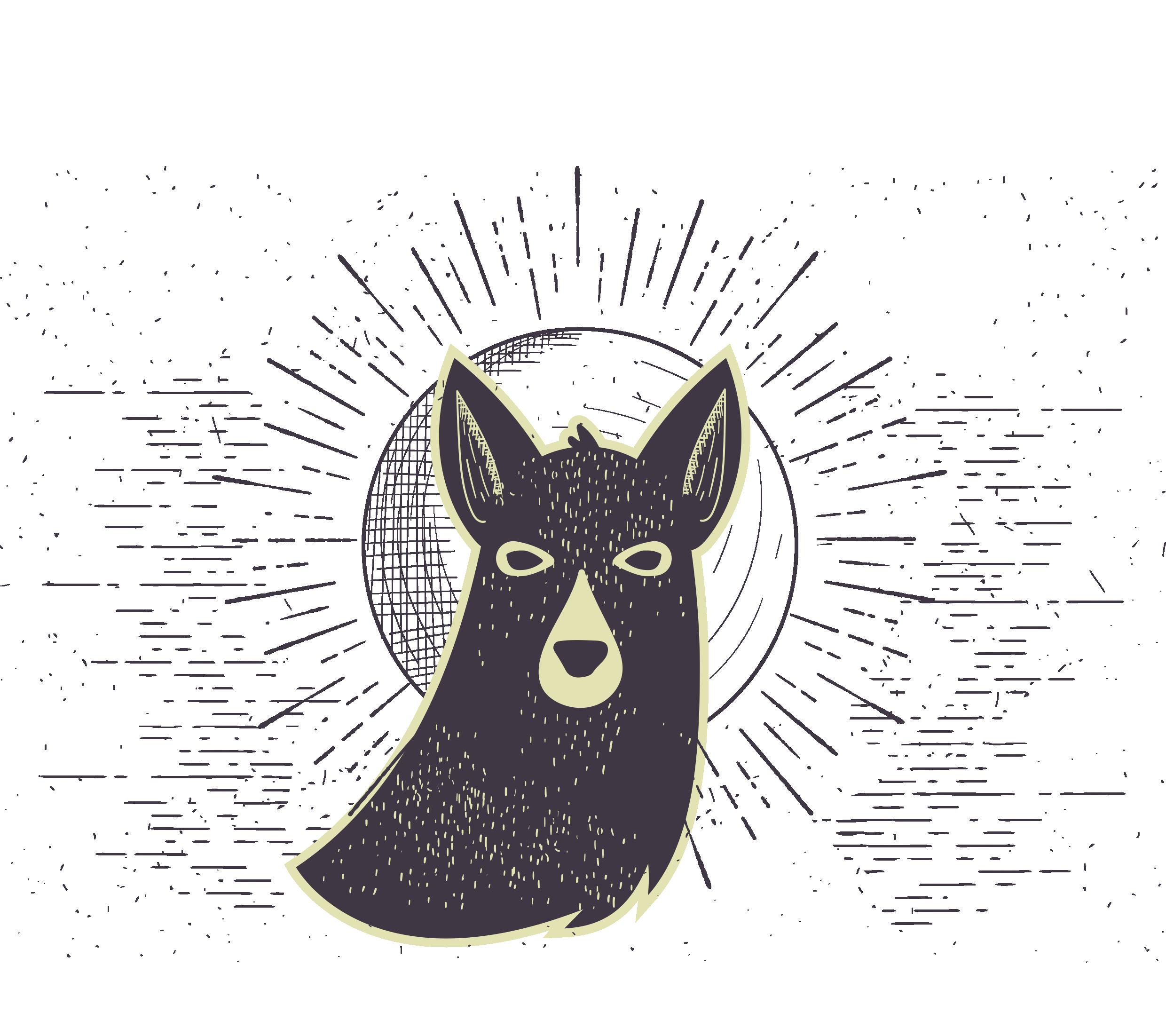
The black dog comes when depression Has reared its ugly head It overstays it’s welcome And depresses you instead It is big and dark and ugly And follows you around Overpowering with its presence Blocking all the light and sound

I am still aware of the black dog It is never far from my gaze But my medicine protects me Stops me having such dark days But I can never be complacent And think the dark dog won’t visit me now It is lurking in the shadows Ready to visit and torment me still
I must surround myself with light And joy and life and friends Don’t be alone and in the darkness Then the black dog won’t visit And depress me again
By Gillian Sheriff
The term bipolar literally means having two opposing poles or extremes. Living with bipolar is often described as living at the edges of experience. Emotions, energy, thoughts and perceptions can feel amplified, rising high at times, falling low at others. These shifts are not simply mood changes; they can affect how a person relates to the world, to work, to relationships and to themselves.
Moving gently through the high periods
High periods can feel energising and exciting, like there are no limits to what you can achieve. However, they can also place stress and strain on the body and mind. In order to maintain balance, a gentle approach to higher states could include:
• Maintaining consistent sleep, even when rest feels unnecessary
• Pausing and checking in with a trusted person before making major decisions or commitments
• Writing ideas down and having a ‘cooling off period’ rather than acting on all of them immediately
Adjusting to low periods without self-blame
Low periods are often accompanied by blame, frustration or a feeling of not being enough. While it is difficult to be proactive during these periods, try to create a routine when you feel a low period beginning. During these times it may help to:
• Reduce expectations and focus on essential tasks and basic self-care
• Maintain small routines for stability rather than productivity
• Be kind and allow yourself to rest without judgement
Building a life that allows for a changing landscape
Many people find that over time they can recognise the patterns that signal the early signs that energy is rising or falling, or certain situations that are likely to make changes in mood more likely.
Tracking sleep, stress or mood can help create space for earlier, gentler adjustments. Awareness does not prevent change, but it can make it feel less frightening and more manageable. Furthermore, living well with bipolar often involves letting go of rigid ideas about consistency or being constantly productive. Some ways to frame living well with bipolar could include:
• Designing a lifestyle and routine that allows for flexibility
• Acceptance of the fact that your capacity and ability will fluctuate
• Try to value steadiness over intensity
• Measuring progress in terms of well-being, not just achievements
Learning to live with bipolar is an ongoing process, and one which requires flexibility and self-compassion. There may be extremes, with periods of lows, highs and stable moments in between. It is not about chasing constant balance, or erasing intensity; it is about learning how to live alongside change with awareness, care and self-respect. Over time, the highs and lows can become signals, information to respond to, rather than to fear. With the right support, honest self-knowledge and self-compassion it is possible to build a life that is not smaller because of bipolar, but deeper, more intentional and uniquely yours.
We run online and in-person peer support groups across Scotland – friendly, safe spaces for anyone living with or affected by bipolar. Here’s a full list of all our groups running during February and March. Why not talk to people who get it?
To access an online support group, please visit https://bipolarscotland.org.uk/gethelp/support-groups/ to sign up.

SCOTLAND-WIDE (ALL ONLINE) BIPOLAR BLETHER: For anyone living with or affected by bipolar in Scotland. Sunday 1 February and Sunday 1 March, 3-4pm.
18-30: For anyone aged 18-30 affected by bipolar in Scotland. Wednesday 4 & 18 February, Wednesday 4 & 18 March, 7-8pm.
FRIENDS & FAMILY: For carers and loved ones. Monday 16 February & Monday 16 March, 7-8pm.
AYRSHIRE & DUNDEE
• Ayrshire & Dundee online group: Tuesday 3 February & Tuesday 3 March, 7-8pm.
• Dundee in-person (Dundee Volunteer and Voluntary Action, 10 Constitution Rd, Dundee, SS1 1LL): Thursday 5 February and Thursday 5 March, 7-9pm.
BORDERS
• Borders online group: Wednesday 4 & 18 February and Wednesday 4 & 18 March, 7-8pm.
DUMFRIES & GALLOWAY
• Dumfries & Galloway online group: Tuesday 17 February & Tuesday 17 March, 7-8pm.
FIFE & FORTH VALLEY
• Fife & Forth Valley online group: Tuesday 10 & 24 February and Tuesday 10 & 24 March, 7-8pm.
GLASGOW
• Glasgow City online group: Sunday 22 February and Sunday 22 March, 7-8pm.
• Glasgow City in-person (Premier Inn, Glasgow City, 187 George St, Glasgow, G1 1YU): Wednesday 11 February & Wednesday 11 March, 7-9pm.
• Glasgow West online group: Sunday 8 February & Sunday 8 March, 7-8pm.
• Glasgow West in-person (Partick Trinity Church, 20 Lawrence St, Partick, Glasgow, G11 5HG): Wednesday 25 February and Wednesday 25 March, 7-9pm.
HIGHLANDS & ISLANDS
Highlands & Islands online group: Thursday 19 February & Thursday 9 March, 7-8pm.
• Highlands & Islands in-person (Café 1668, 86 Church St, Inverness, IV1 1EP): Thursday 5 February & Thursday 5 March, 7-9pm.
NORTH LANARKSHIRE
North Lanarkshire in-person (Coatbridge Community Centre, 9 Old Monkland Rd, Coatbridge, ML5 5EA): Monday 9 February & Monday 9 March, 7-9pm.
PAISLEY
• Paisley online group: Monday 9 February & Monday 9 March, 6-7pm.
• Paisley in-person (Methodist Central Hall, 2 Gauze St, Paisley, PA1 1EP): Monday 23 February & Monday 23 March, 6-7.30pm.
WEST DUNBARTONSHIRE
• West Dunbartonshire online group: Wednesday 11 February & Wednesday 11 March, 7-8pm.
• West Dunbartonshire in-person (Concord Community Centre, Dumbarton, St Mary’s Way, G82 1LJ): Wednesday 25 February & Wednesday 25 March, 7-9pm.
WEST LOTHIAN
• West Lothian in-person (Bathgate Community Centre, Lindsay House, South Bridge St, Bathgate, West Lothian, EH48 1TS): Thursday 12 February & Thursday 12 March, 7-9pm.
EAST LOTHIAN
• East Lothian online group: Thursday 26 February & Thursday 26 March, 7-8pm.
Image: Vecteezy.com
Want to get in touch with us?
Bipolar Scotland is based at:
Studio 10
Anchor One 7 Thread Street
Paisley PA1 1JR
You can contact us by phone between 9.30am – 3:30 pm, Monday to Thursday, on: 0141 560 2050, or by email on info@bipolarscotland.org.uk
We’re also on Instagram: (@bipolar_scotland), and Facebook: (bipolarscotland1)
Charity Number: SC021705 Company Number: 163306 bipolarscotland.org.uk