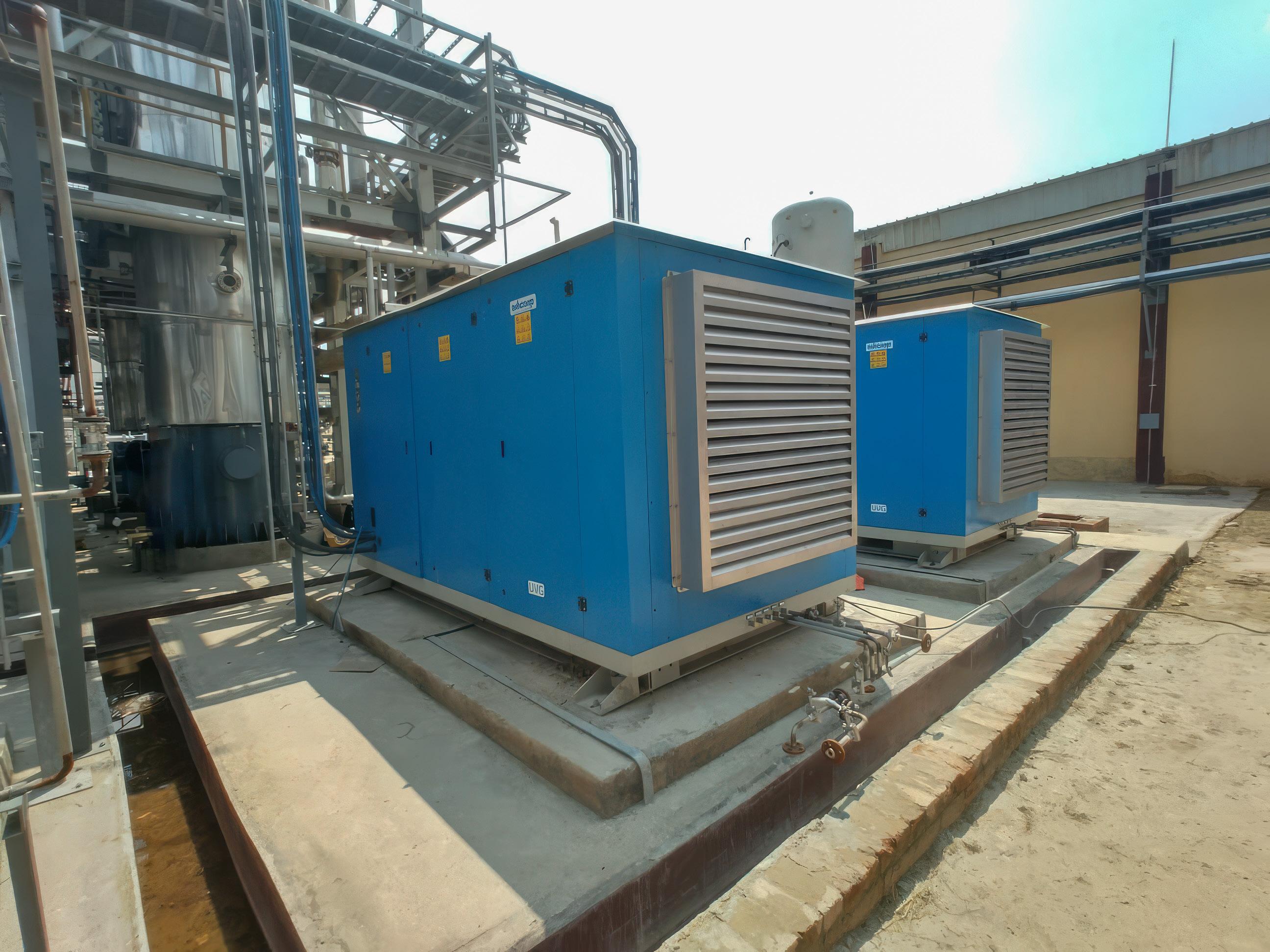
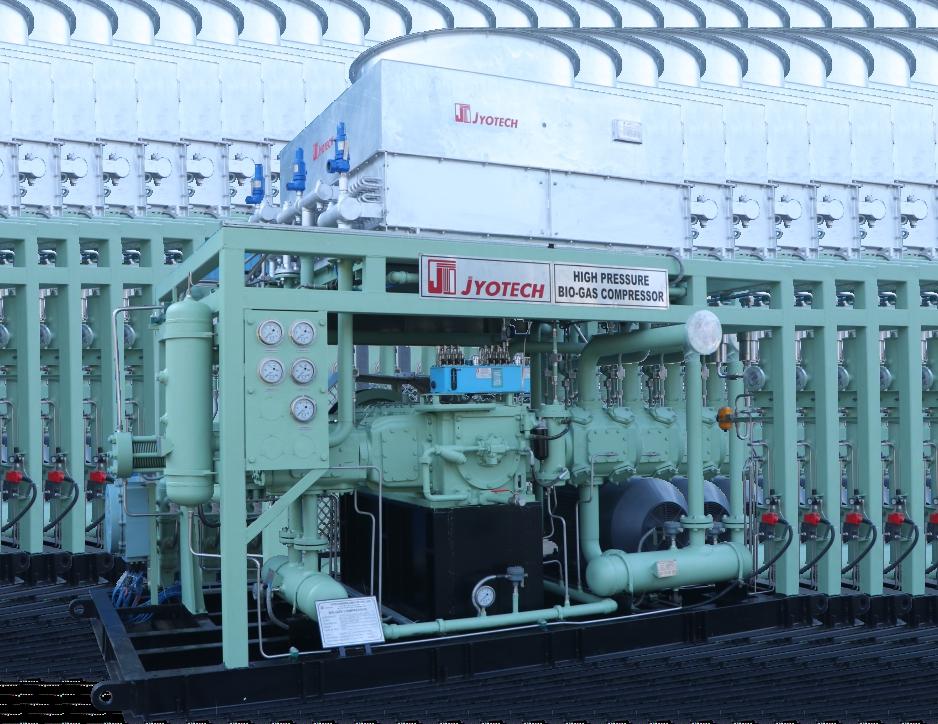
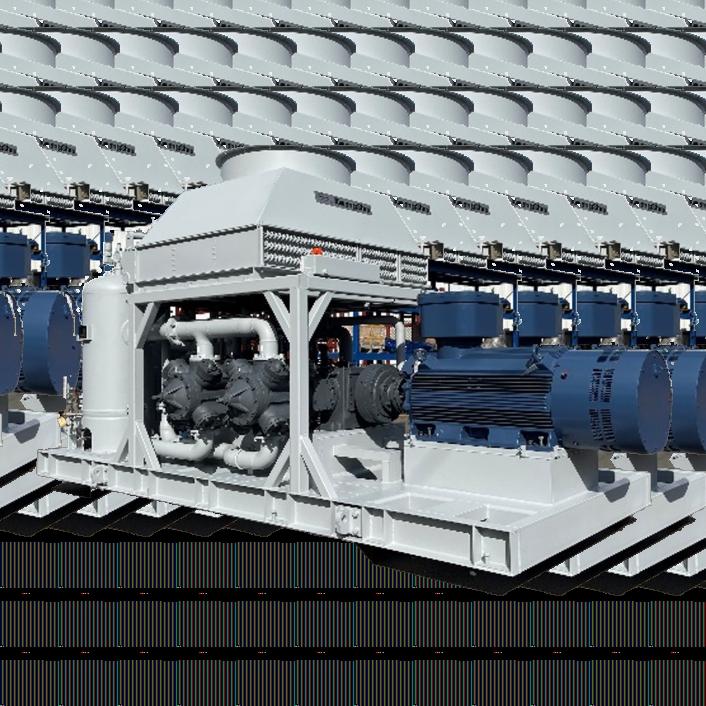
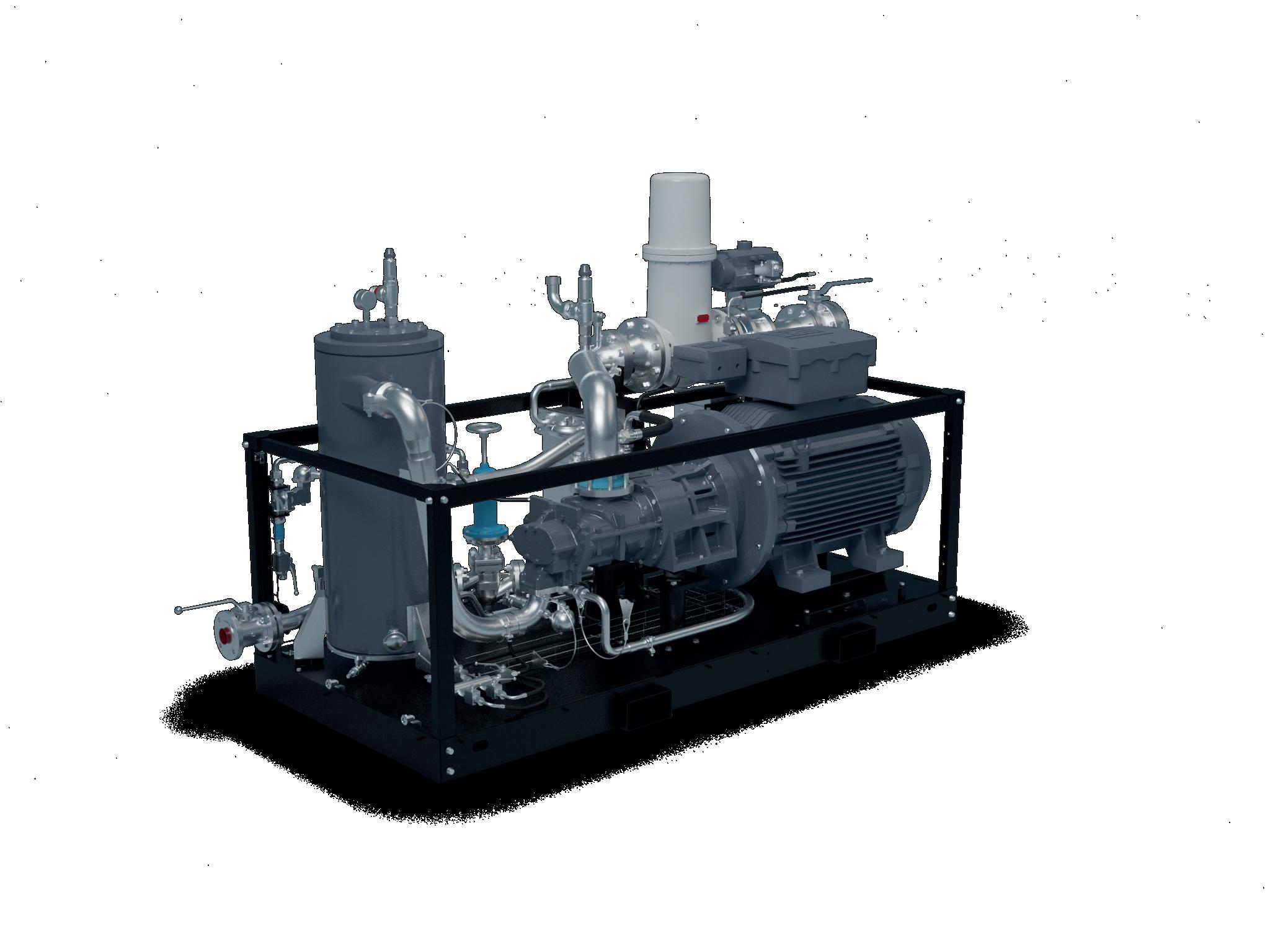
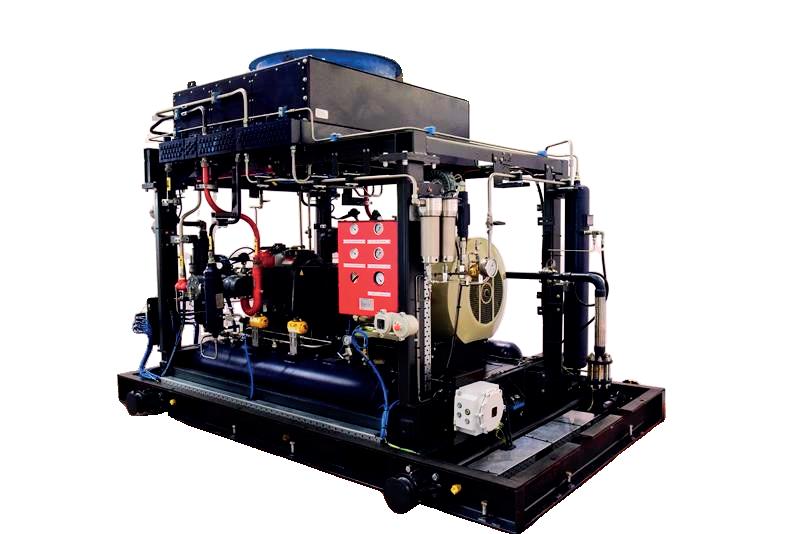
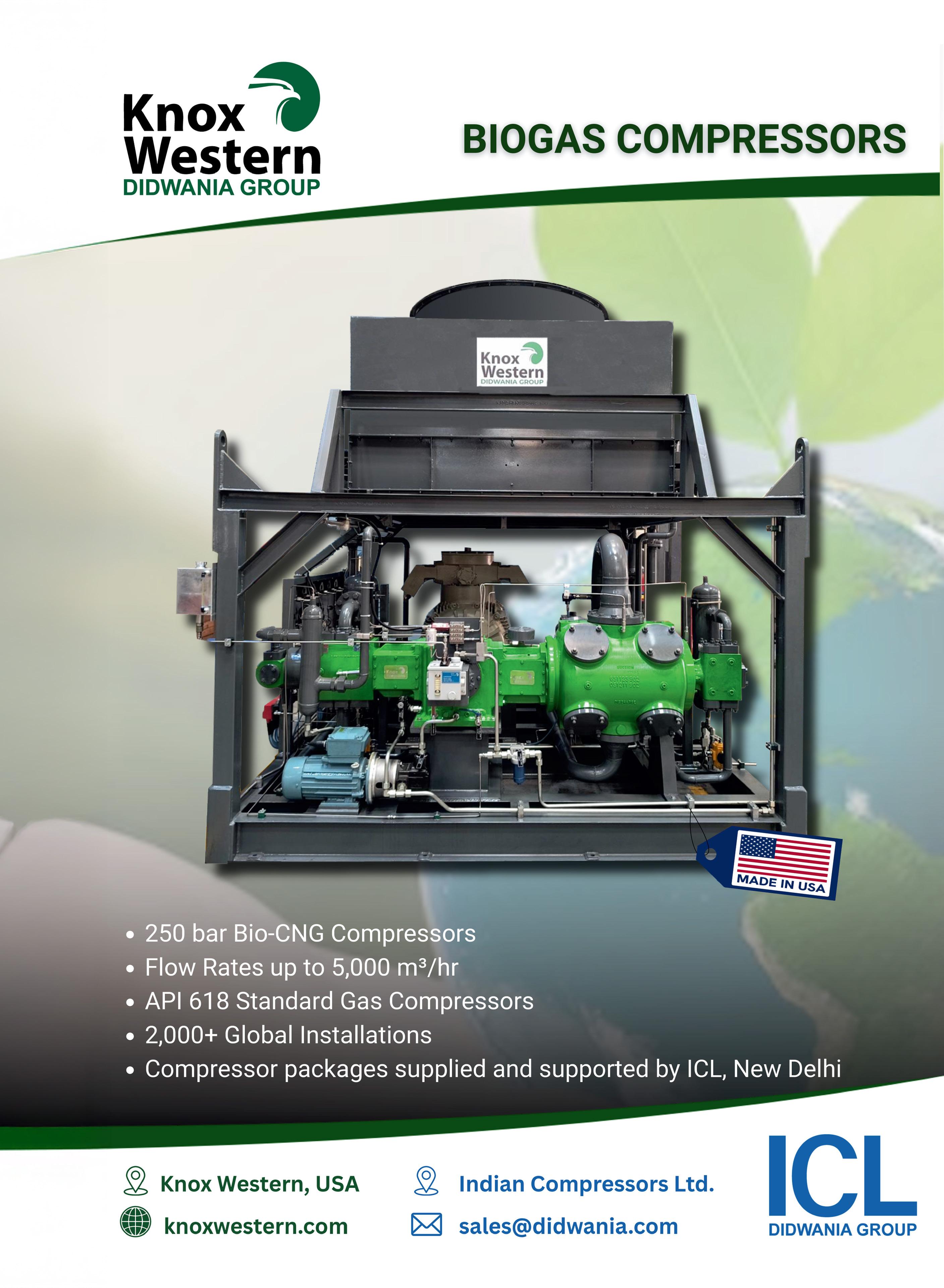
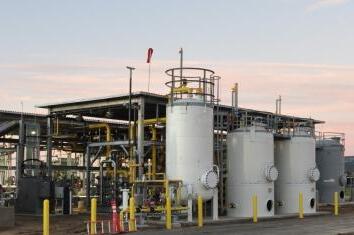
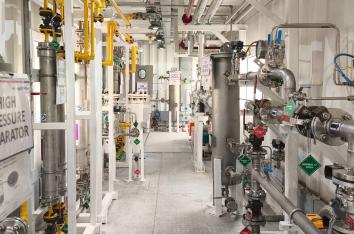
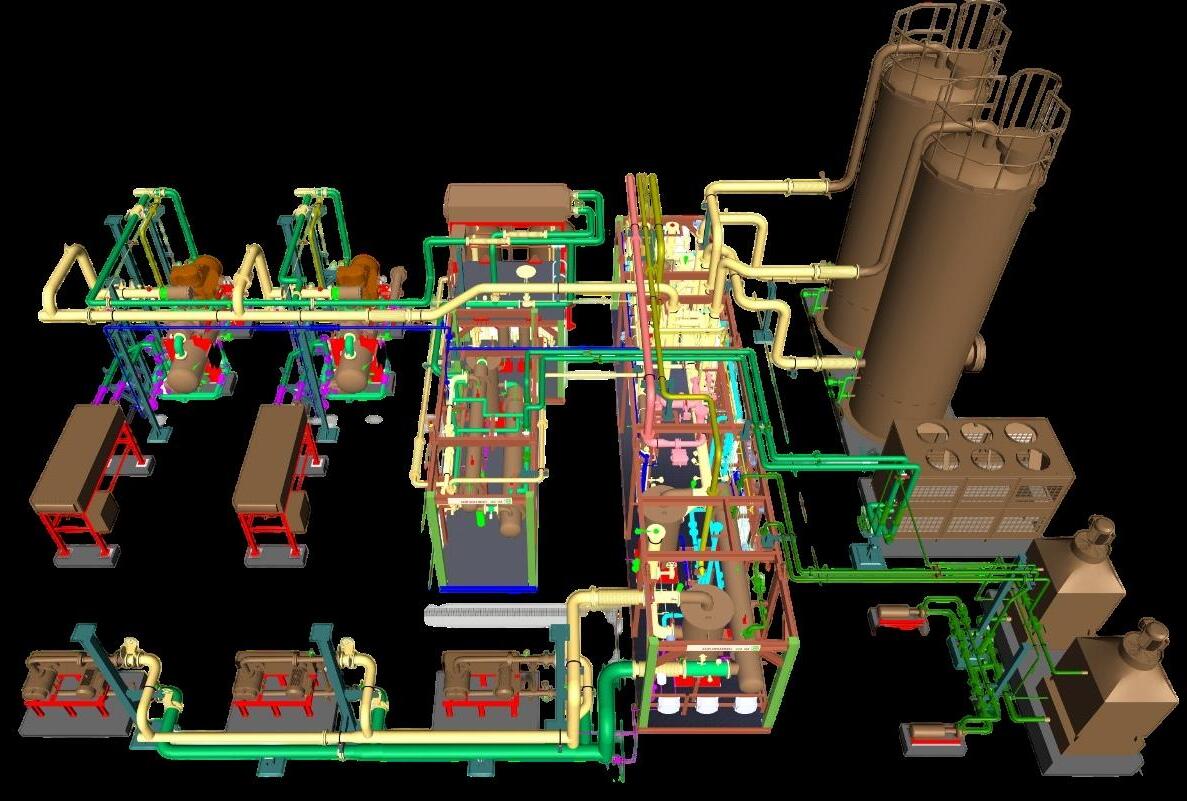
OIL INJECTED SCREW COMPRESSOR FOR BIOGAS UPGRADING
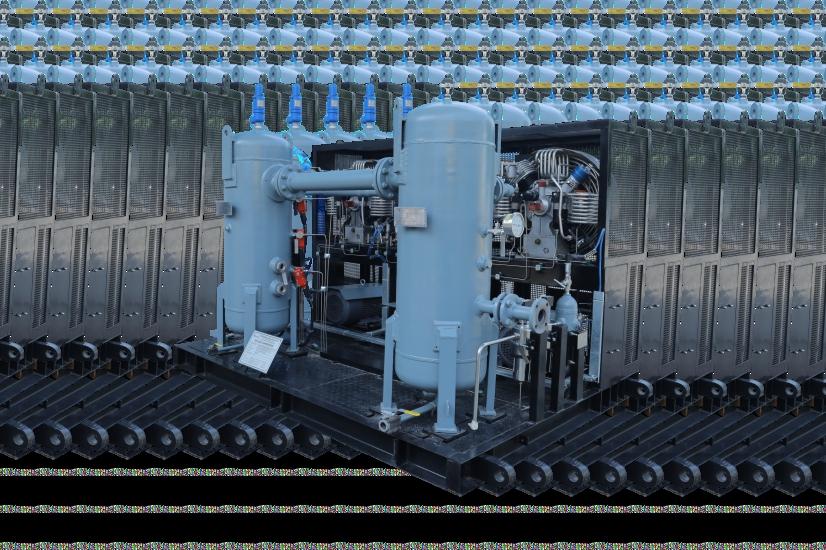
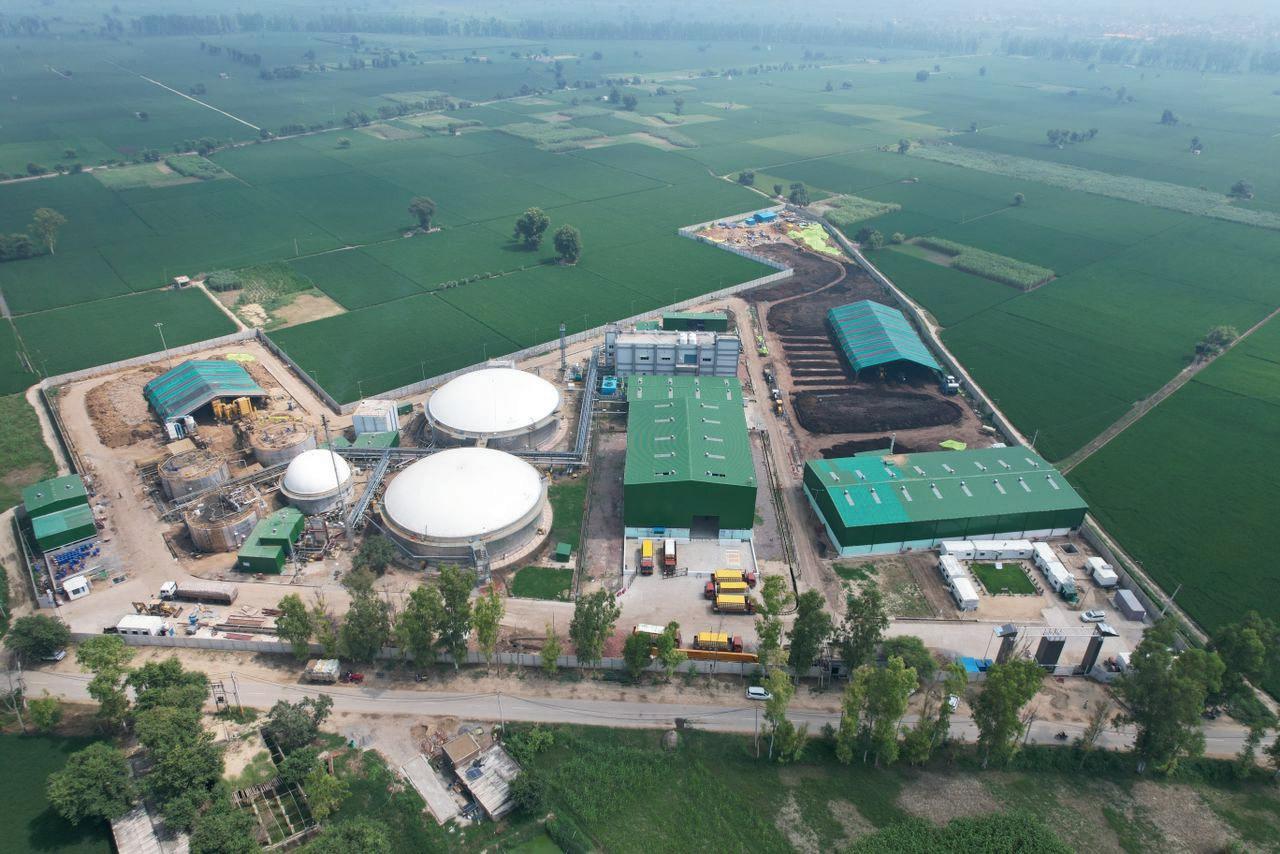
2x UVG90
FLOW RATE: 0<435<870 Nm³/h
DELIVERY PRESSURE: 8.5 bar(g)
AIR-COOLED, OUTOOR INSTALLATION
LOCATION: BADAUN, INDIA
Two screw compressors for biogas upgrading using water scrubbing technology. Designed for classified ATEX Zone 2 outdoor installation, air-cooled, complete with bleed valve and equipped with an electro-pneumatic bypass system.
Adicomp India Pvt Ltd
info@adicomp.com - adicomp.com
Visit us at booth A131-133 from August 11 to 13
“
Dear Readers & Esteemed Members,
Over the past few months, many enthusiasts in our sector have been seeking answers related to carbon credits for Biogas/CBG plants. Last month, we launched a new series, Friday Carbon Vibes, to address these questions through interactive online sessions, providing valuable insights and expert guidance. Our first live session was held in the last week of May.
I warmly invite everyone from the sector to join us online in last week of every month.
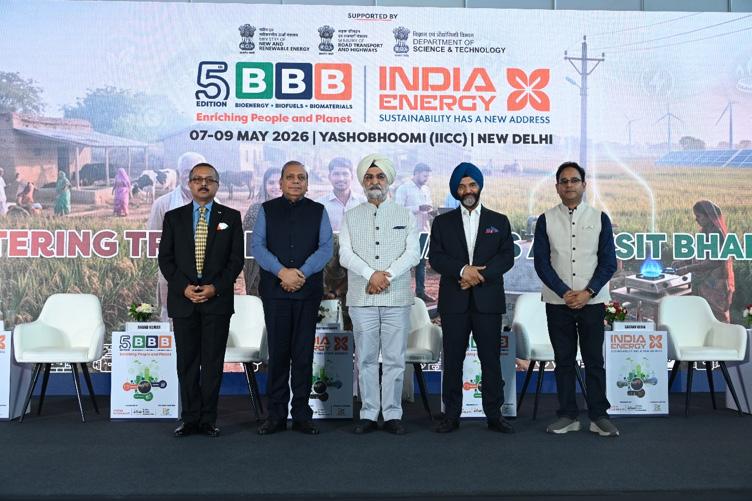
During the past quarter, we hosted two key events to engage different regions of India, the Bio-Energy Arena at RenewX for South India, and the BBB Expo & Summit at Yashobhoomi, Dwarka, Delhi, catering to the central and northern markets.
In this edition of the Biogas Magazine, we present a collection of insightful articles exploring the latest developments shaping the biogas and CBG sector. As the industry continues to evolve, innovation, sustainability, and technological excellence remain at the forefront of its growth. Through expert perspectives and practical case studies, this edition aims to equip readers with knowledge that is both relevant and actionable.
Our featured articles delve into emerging opportunities beyond conventional applications, including the immense potential of biomethanol as a value-added product that could position India as a global exporter. Readers will also discover how advanced membrane technologies are transforming biogas upgrading, along with expert insights into selecting the right Hydraulic Retention Time (HRT) to improve plant efficiency and long-term operational performance.
This edition further explores the engineering aspects that are crucial to the success of biogas projects. Articles on modular and containerised biogas solutions demonstrate how faster deployment and standardised designs are reshaping the Indian market, while discussions on designing stable and resilient biogas plants challenge conventional practices and offer practical approaches to improving reliability, efficiency, and plant longevity.
Beyond technology and infrastructure, this edition reflects on the larger purpose of the biogas movement. Through thought-provoking perspectives on how biogas contributes to sustainable development, circular economy principles, and environmental well-being, we reaffirm the sector's role in building a cleaner future. We also present an inspiring vision of a world where innovation, collaboration, and sustainable energy work hand in hand to create a lasting impact for generations to come.
Happy Digesting!
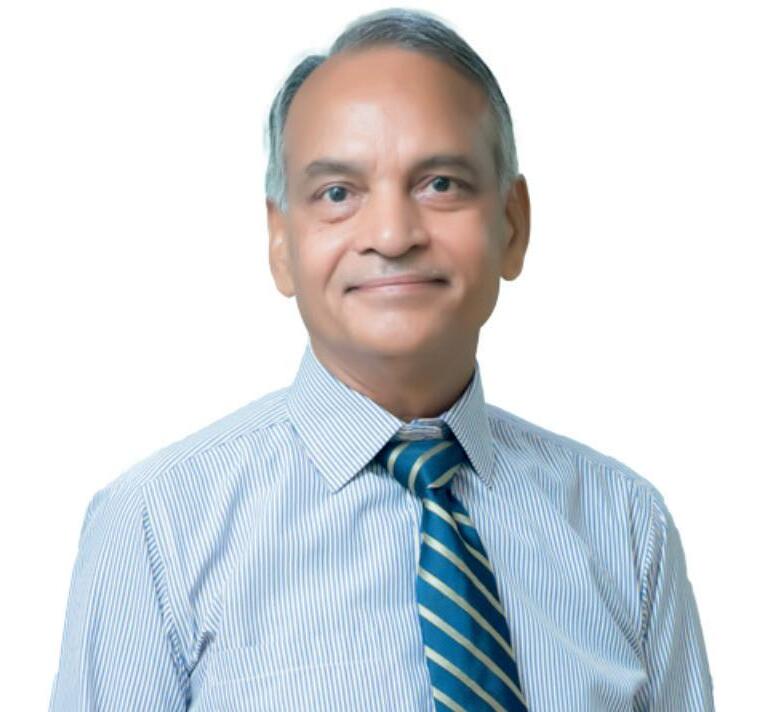
Dr. A. R. Shukla President Indian Biogas Association
The “Indian Biogas Association” (IBA) is the first nationwide and professional biogas association for operators, manufacturers and planners of biogas plants, and representatives from public policy, science and research in India.
The association was established in 2011 and revamped in 2015 to promote a greener future through biogas. The motto of the association is “propagating biogas in a sustainable way”.
association/
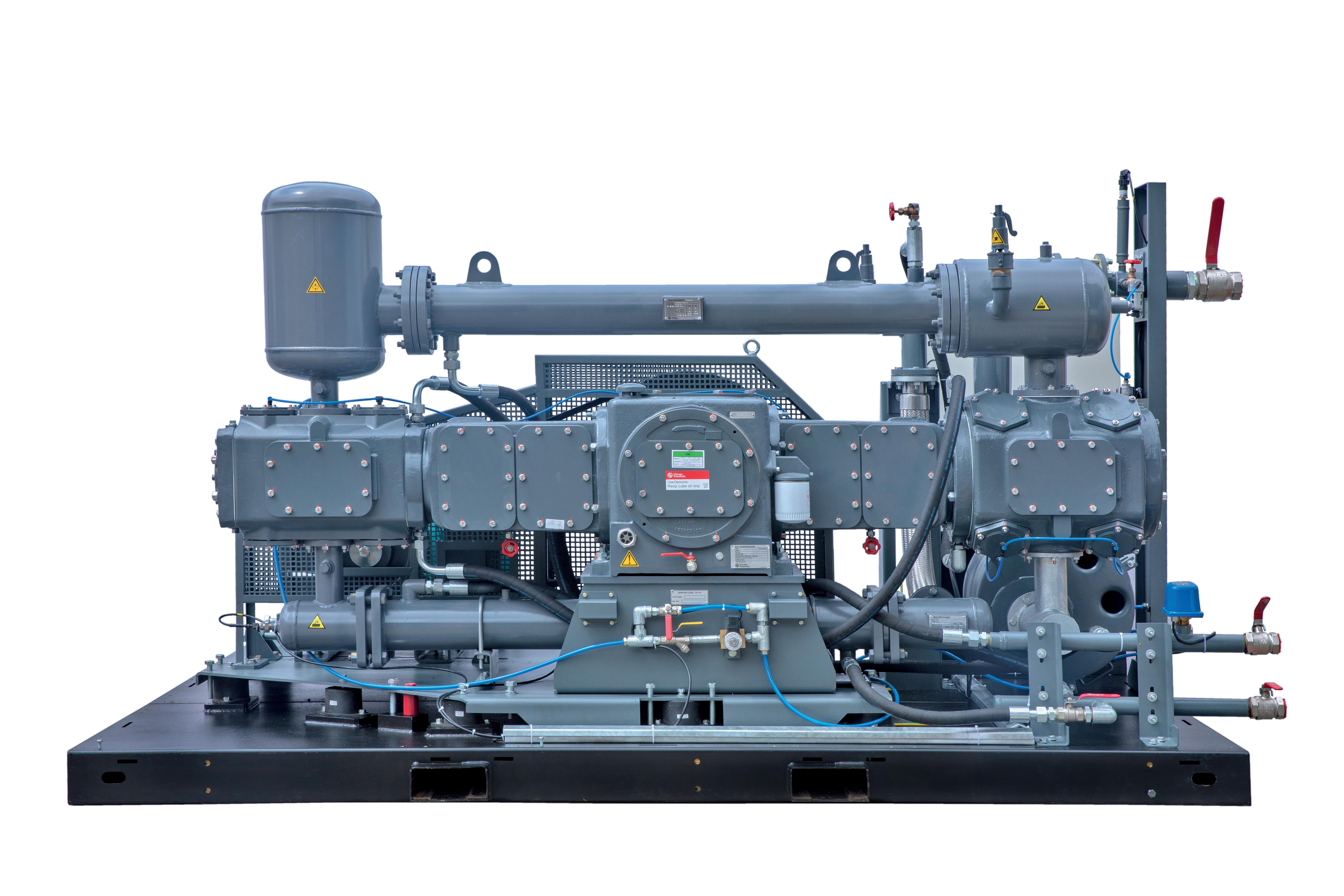
Medium Pressure 100 Barg
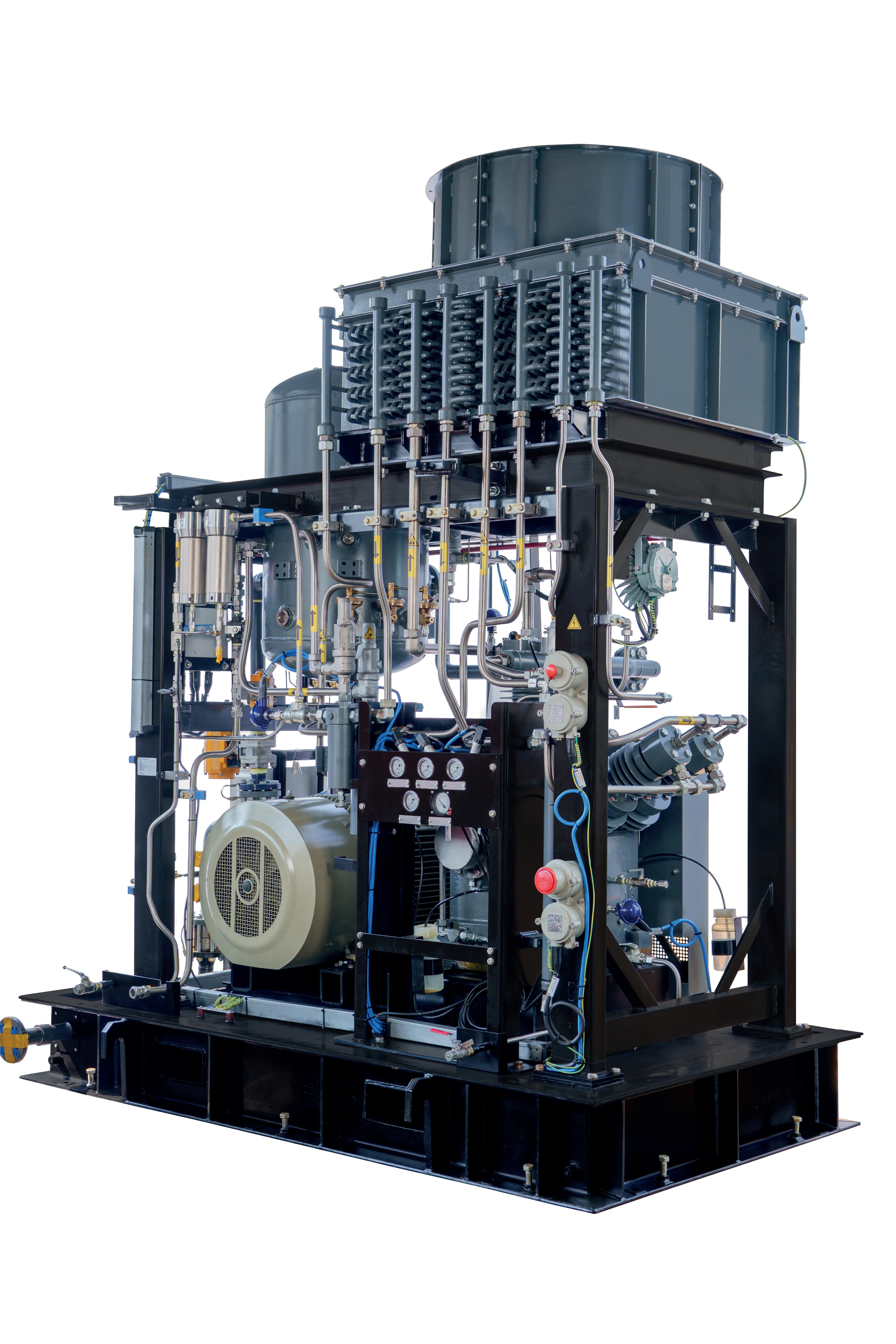
DESIGNED FOR LOW, MEDIUM AND HIGH CAPACITY REQUIREMENTS WITH VARIED SUCTION & DISCHARGE PRESSURES
Oil-free compression
High Pressure 250 Barg
Low Pressure 20 Barg VFD option
Maximise biogas revenue.
Clarke Energ y specialises in converting waste to value through biogas to power and biogas upgrading systems.
Proven biogas exp ertise
Clarke Energ y has over 3 0 years’ global biogas experience, delivering turnkey biogas and membrane based biogas upgrading systems for a wide range of applications.
Established presence in India
Dedicated local service engineers
Advancing India’s Bioenergy Future
Period: April ’26 – June ’26
IBA Hosts Webinar on Carbon Monetization in the Bioenergy Sector
The Indian Biogas Association (IBA) recently organised a webinar on “Carbon Monetization Opportunities in the Bioenergy Sector - The Journey Ahead”, bringing together industry experts and stakeholders to discuss the growing role of carbon markets in the bioenergy sector.
The session explored how carbon markets are evolving and the opportunities they present for
creating carbon credit projects. Experts also highlighted how bioenergy developers can unlock additional revenue streams through carbon credits while contributing to emission reduction and sustainability goals. The webinar provided participants with practical insights into the future of carbon monetisation and its potential to strengthen the bioenergy industry.
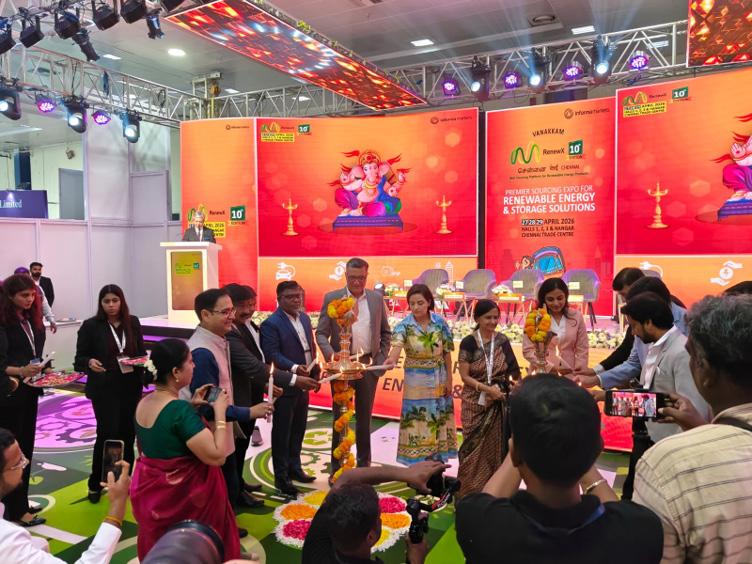
IBA Hosts BEA in Renewx 2026
The Indian Biogas Association marked its presence at RenewX 2026 in Chennai from 27 to 29
ed platform for people to learn
about the opportunities and latest developments of India’s bioenergy ecosystem. One of South India's leading renewable energy expos, RenewX brought together industry stakeholders, technology providers, project developers and policymakers under one roof to have a conversation about biogas, CBG and ways to turn waste into energy.
The Bio-energy Arena facilitated industry dialogue, knowledge sharing and collaboration among participants, while highlighting the growing role of bioenergy in supporting India's energy transition, waste management efforts and broader sustainability objectives.
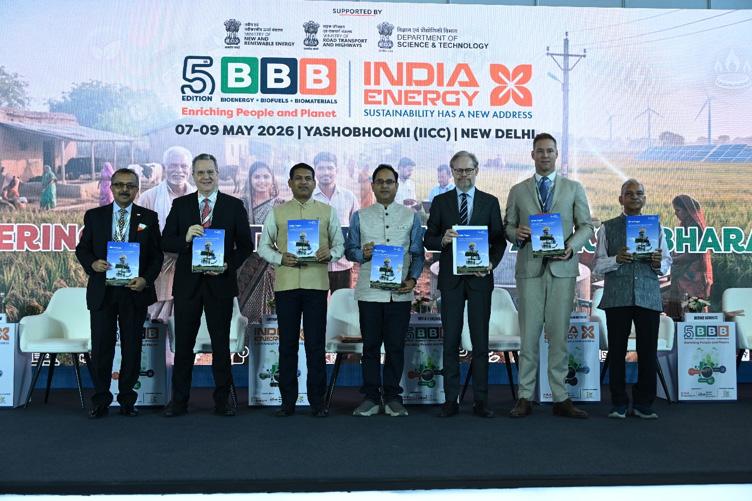
5th BBB International Expo & Summit 2026
We successfully organized the 5th BBB International Expo & Summit 2026, held on 7-9 May 2026 at the IICC, Yashobhoomi, New Delhi. The three-day event
was a gathering that brought together industry leaders, policymakers, technology providers, investors, entrepreneurs, and other key players in the bioenergy value chain.
Under the theme "Fostering Transition Towards a Viksit Bharat,” the summit offered a place for discussions on bioenergy, biofuels, and biomaterials. Building on the success of its previous editions, through various conferences, fireside chats, technical workshops, and other networking sessions, it highlighted the significance for India's renewable energy transformation and economic growth. The event promoted collaborations, innovation, and investment to bolster the growth of India’s bioenergy sector and support the country's renewable energy goals.
Building on the success of previous editions, 5th BBB Expo and Summit 2026 is coming up
as one of India’s top platforms for highlighting the significance of the bio-based economy and promoting sustainable energy solutions.
IBA Releases White Paper at 5th
BBB Summit 2026
At the 5th BBB International Expo & Summit 2026, the Indian Biogas Association released a white paper titled "Decentralised Energy Solution for Establishing a Circular Economy." The paper highlights how decentralised bioenergy systems could assist with waste management issues, boost resource efficiency, and support sustainable development.
By transforming organic waste into useful resources including biogas, CBG, biofertilizers, and renewable energy, the white paper explores how bioenergy can contribute to a circular economy. To scale decentralised energy solutions throughout India, it also highlights important opportunities, barriers, and policy concerns.
The paper, which was released at BBB 2026, intends to promote informed dialogues about the emergence of locally driven and sustainable energy systems
among investors, industry players, and lawmakers.
IBA Hosts Friday Carbon Vibes Webinar on Carbon Monetisation in Bioenergy
The Indian Biogas Association hosted Friday Carbon Vibes, an open forum focused on carbon monetisation opportunities in the bioenergy sector. The session, titled “Is My CBG Project Eligible? Understanding the Carbon Project Cycle from Idea to First Credit,” provided participants with practical insights into the carbon credit ecosystem and the requirements for project eligibility.
The webinar explored the cycle of carbon project development, registration processes, and key considerations involved in generating carbon credits. It also highlighted how CBG developers can monetize emissions reductions through the sale of carbon credits, creating an additional revenue stream for their projects. The session provided participants with practical insights into carbon markets, project eligibility requirements, and the role of carbon credits in enhancing the financial viability of CBG projects.
IBA Participates in BioFuel Expo
2026
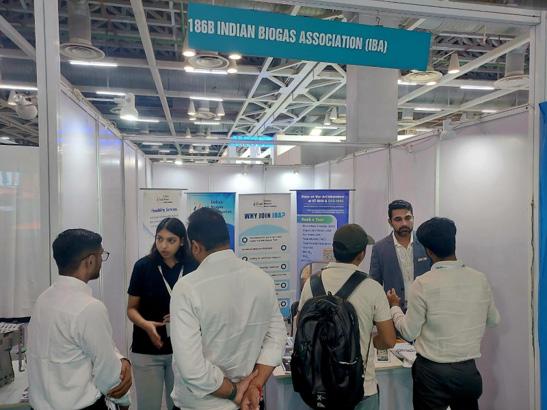
The Indian Biogas Association participated in BioFuel Expo 2026, which took place at the India Expo Centre & Mart from
May 4-6, 2026. The event gathered key players from the biofuels and renewable energy sectors, including business executives, technology suppliers, legislators, investors, and project developers.
Through its involvement, IBA interacted with business leaders and presented advancements in the biogas and CBG industries. The expo provided a platform for discussions on emerging technologies, policy developments, and market opportunities, while also encouraging collaboration among stakeholders working to promote India's biofuel ecosystem and clean energy transition.
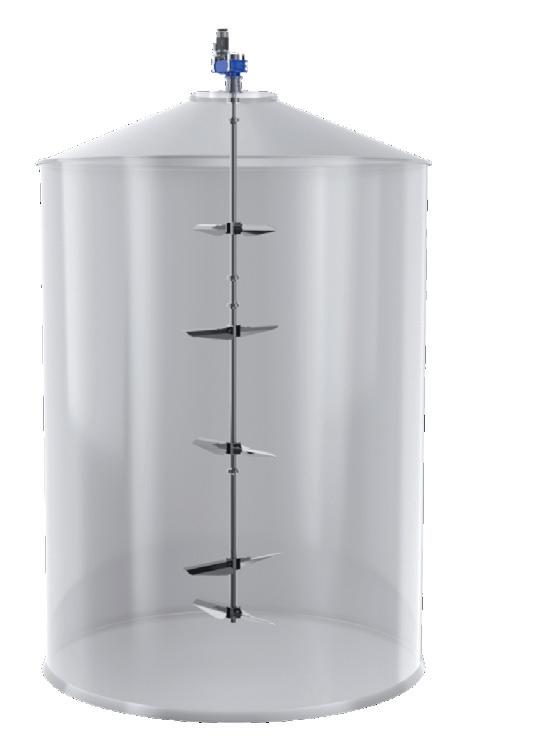
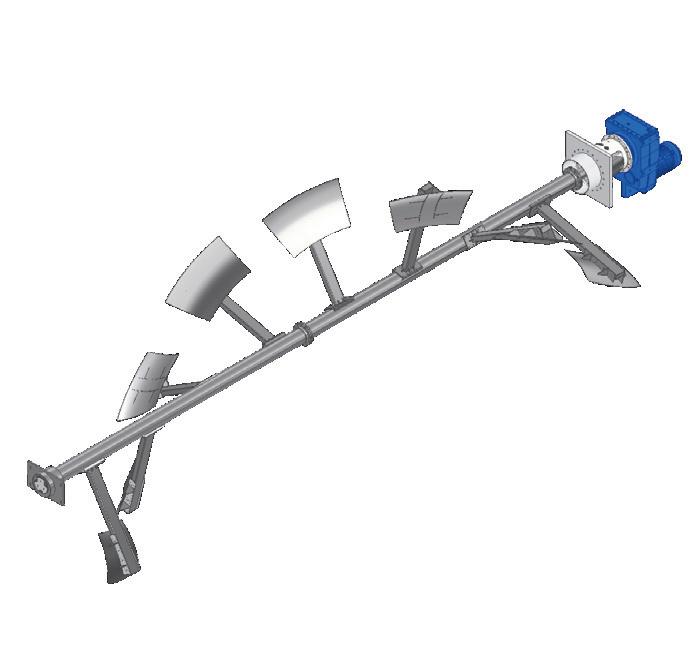
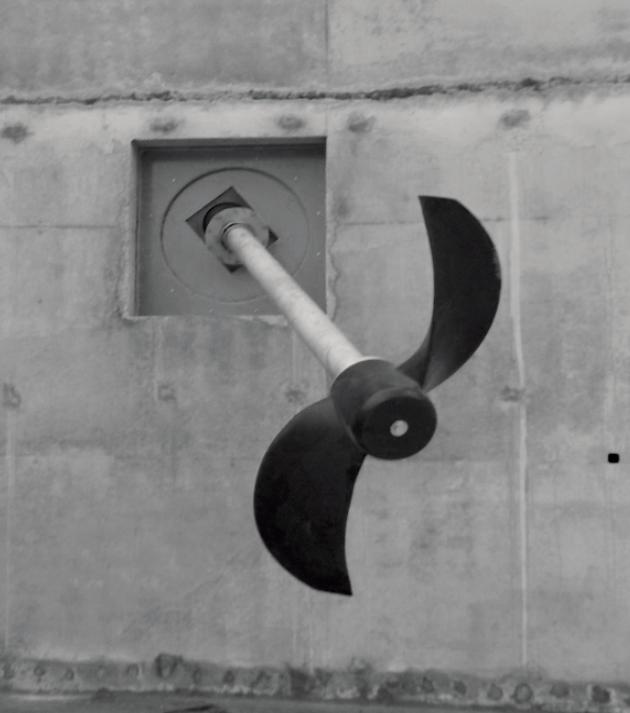
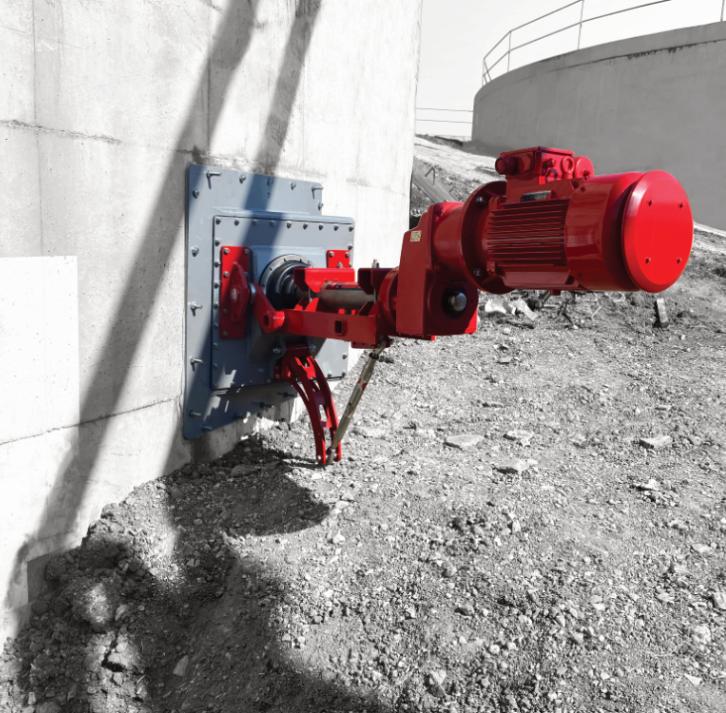
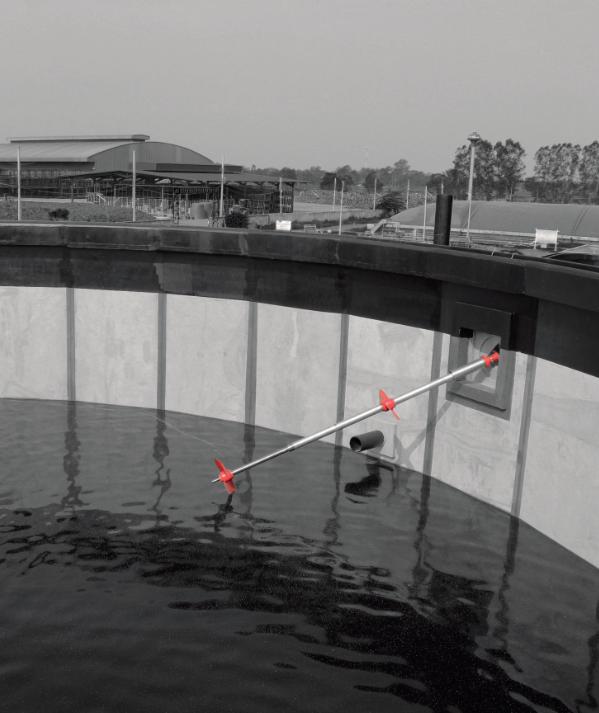
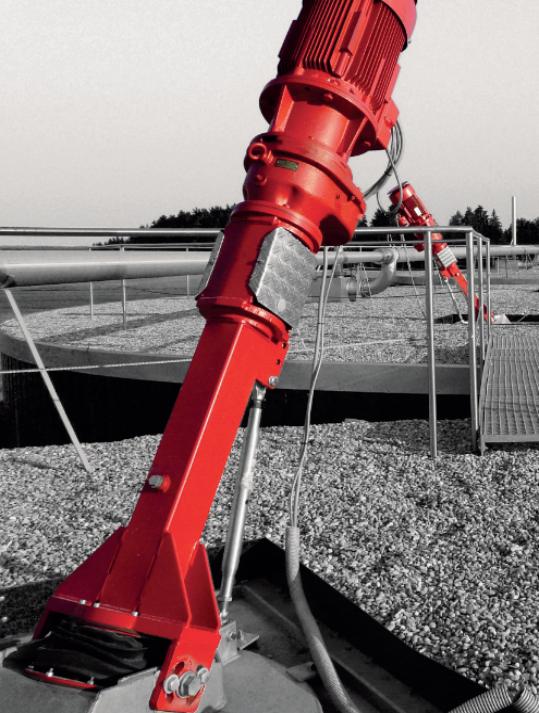
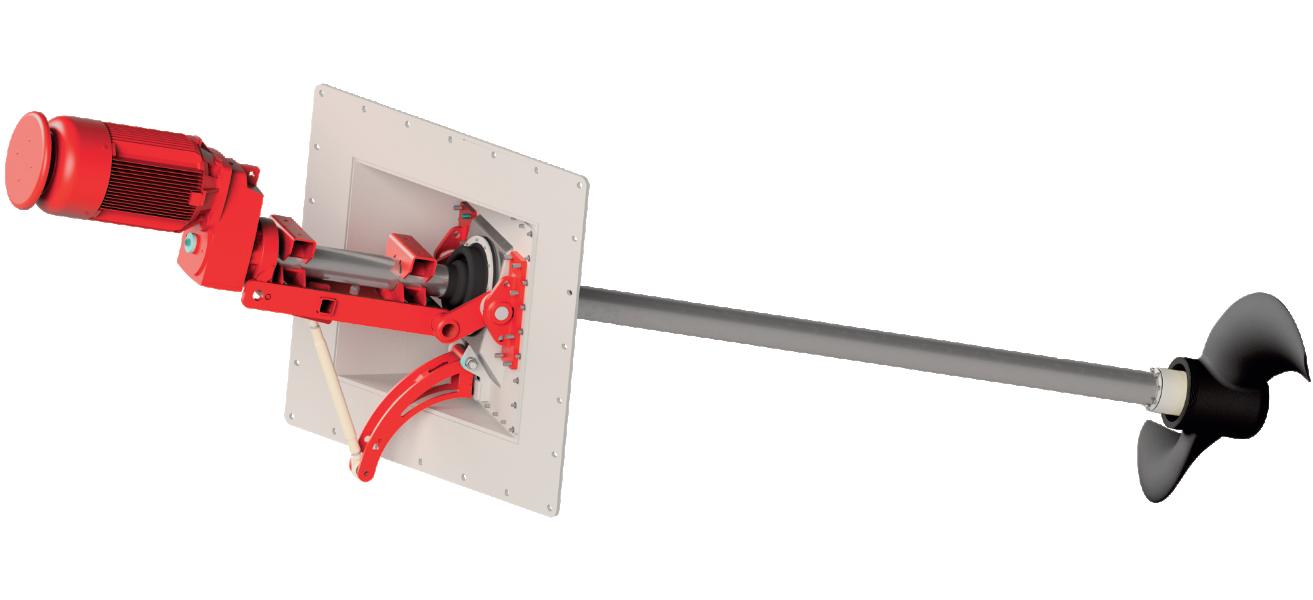
Agitator Technology from Germany – ‘Made in India’
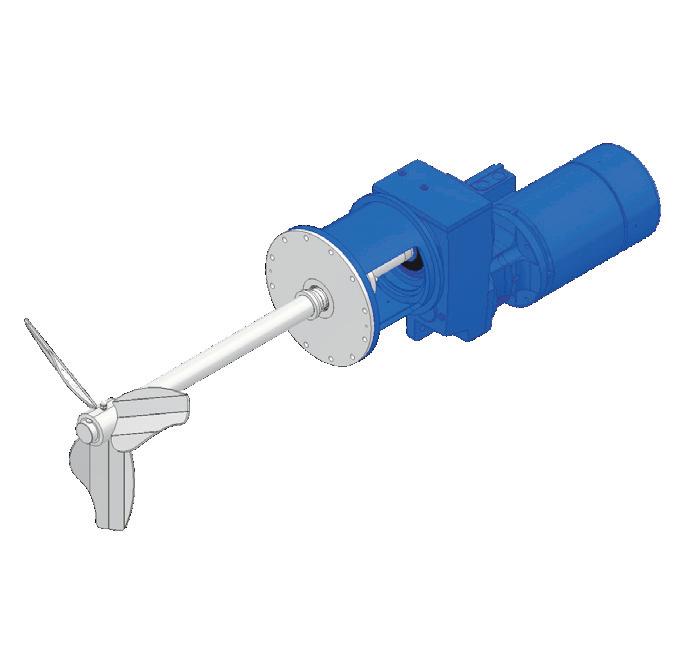
AGITATOR TECHNOLOGY FOR THE BIOGAS INDUSTRY
PRG Agitators Pvt. Ltd., located in Vadodara, is a 100% subsidiary of a German Multinational.
We have successfully installed agitators for 700+ biogas plants worldwide and boast over 20 years of experience in the biogas industry. We provide a diverse range of sophisticated agitator types that can be perfectly adapted to the respective task and system size –for optimum yields and maximum operational reliability right from the start.
Our product range includes:
• Central Agitators
• Paddle Mixers
• Lateral Agitators
Contact us to find the perfect mix for you.
PRG Agitators Pvt. Ltd.
66 Alindra, Savli GIDC, Manjusar, Vadodara, 391 775 Gujarat, India
Phone: +91 63549 16014
Email: info@prgagitators.com
PRG Präzisions-Rührer GmbH
Anton-Böhlen-Straße 13 34414 Warburg, Germany
Phone +49 (0) 5641 9006-0
Email info@prg-gmbh.de
Visit us at:
www.prg-agitators.com
Modular and Containerised Solutions
for the Indian Biogas Market
Integrated Removal of H₂S and CO₂ from Biogas Gas Streams
India’s biogas sector is experiencing strong growth, driven by national initiatives such as SATAT and an increasing focus on decentralized renewable energy. As projects scale up from pilot installations to commercial plants, the quality and consistency of produced biogas become essential success factors. In this context, the effective removal of hydrogen sulphide (H₂S) and carbon dioxide (CO₂)
from biogas gas streams is critical to ensure safe operation, protect equipment, and meet biomethane specifications.
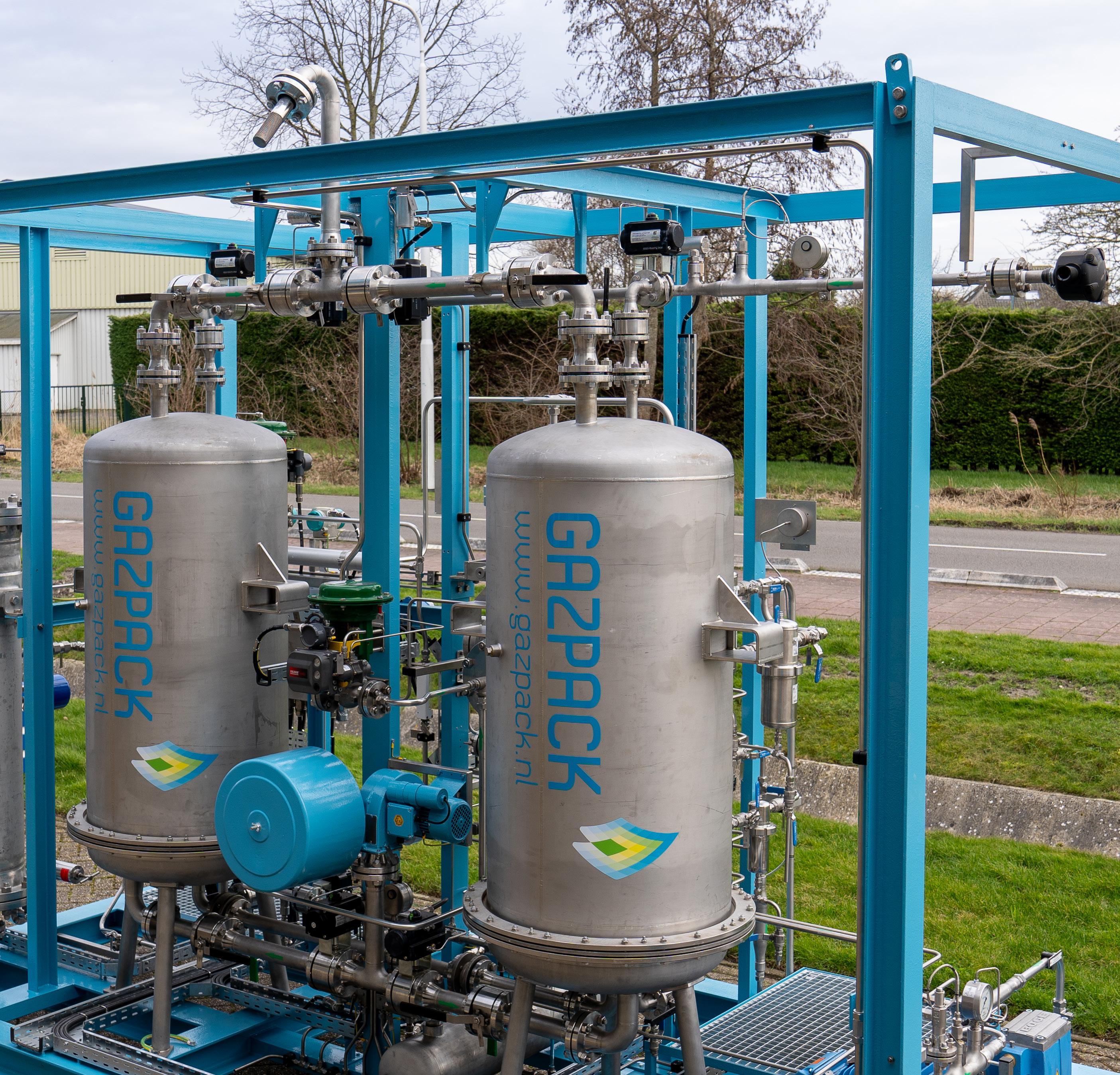
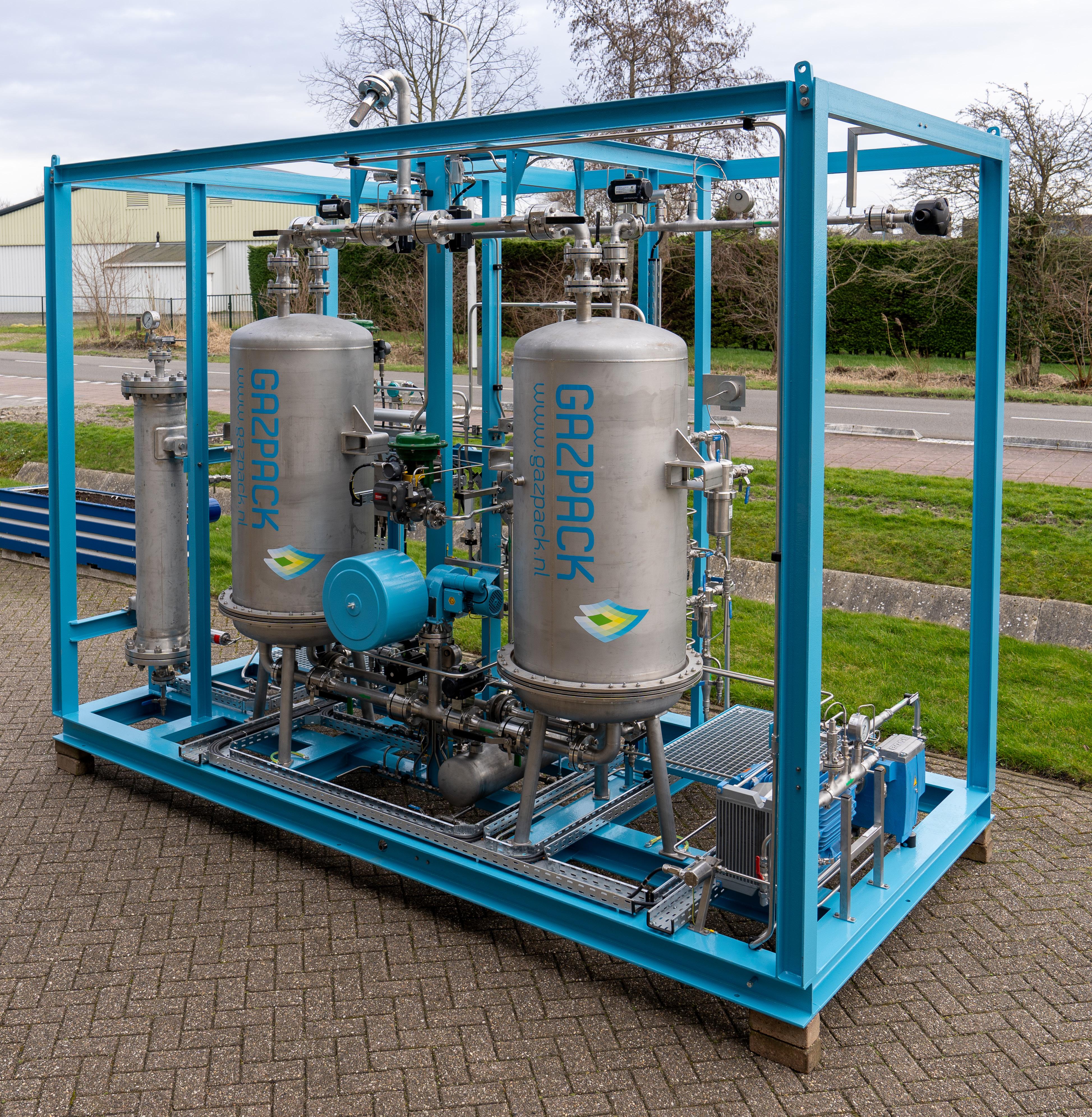
A leading EU based engineering company specializing in modular and gas treatment solutions supports a wide range of applications, from small, decentralized plants to high capacity installations with elevated sulphur loads. With dedicated technologies for H₂S removal and CO₂ separation, the company brings industrial gas treatment expertise into the renewable energy
sector.
H₂S Removal as the Foundation of Biogas Upgrading
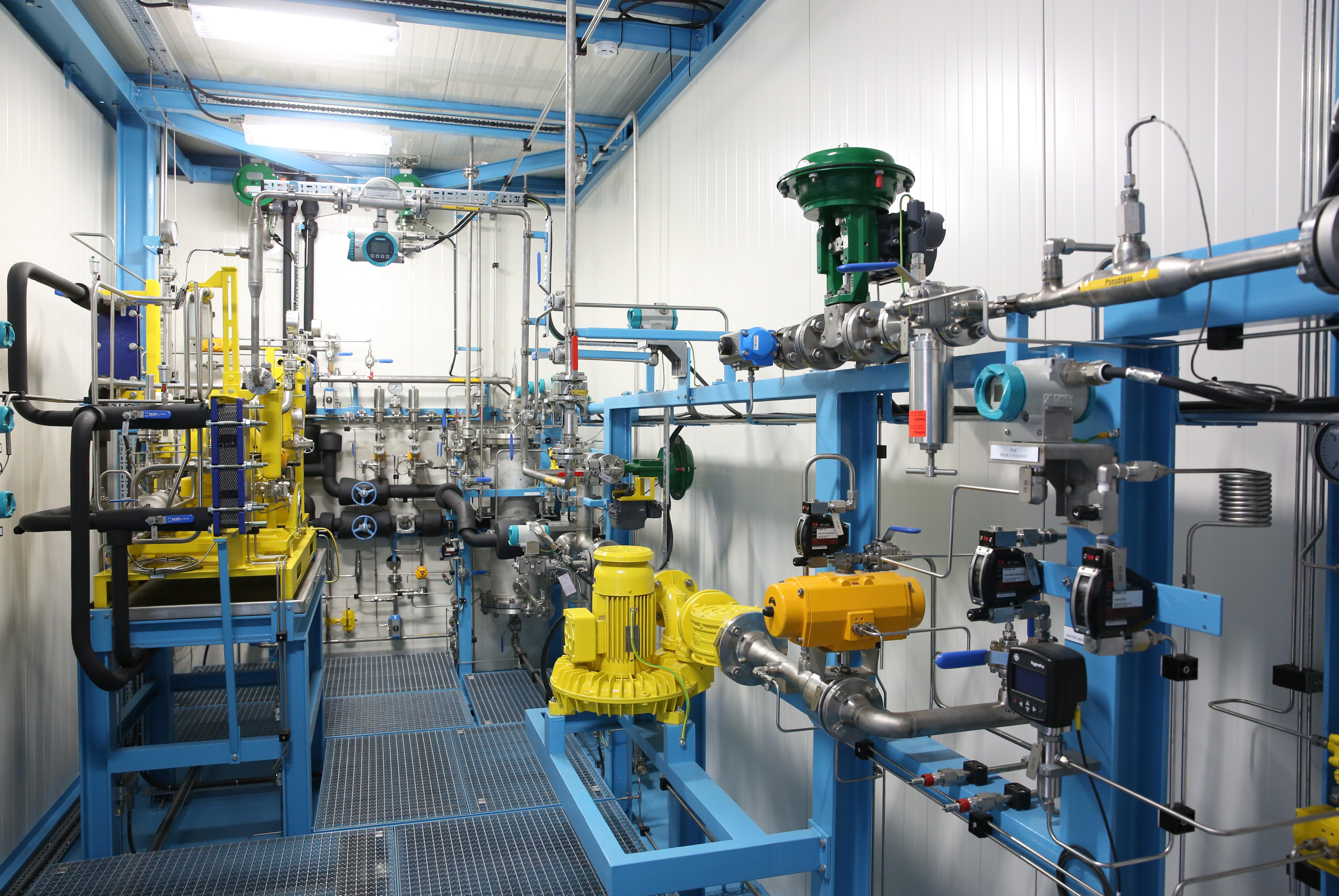
Within Gazpack’s process philosophy, H₂S removal is the first and most critical step in any biogas upgrading concept. Hydrogen sulphide is highly corrosive and, in the presence of moisture, forms acidic compounds that can damage pipelines, compressors, membranes, and downstream equipment. Early and efficient H₂S removal is therefore essential.
To address different operating conditions, three complementary solutions are offered:
•
SULAFER® package
A standalone H₂S removal solution based on an iron hydroxide absorbent. Through a catalytic bonding process, hydrogen sulphide is converted into environmentally safe solid compounds. The system can reduce H₂S concentrations to ≤1 ppmV, providing robust protection for downstream compression, upgrading, and utilization systems. SULAFER® packages can be supplied skid mounted or containerised and are well-suited for front end gas cleaning, retrofit applications, and decentralized biogas plants.
• SULAGO® system
Designed for biogas applications with low to medium H₂S concentrations and capacities up to ap-
proximately 1,500 Nm³/h It combines SULAFER® for removing H₂S with gas compression and a membrane system for removing CO₂ in a small, easy-to-install package. SULAGO® systems are typically supplied skid mounted or containerised and operate fully automatically with continuous monitoring.
• SULAWAY® system
For higher gas flows and/or high H₂S concentrations, the SULAWAY® system applies adsorption and thermal regeneration technology to manage large sulphur loads during continuous operation. During regeneration, sulphur compounds are released and converted into usable products such as sulphuric acid, eliminating waste streams and enabling chemical free operation. SULAWAY® is particu-
larly suitable for industrial scale biogas plants requiring robust and stable H₂S removal before upgrading.
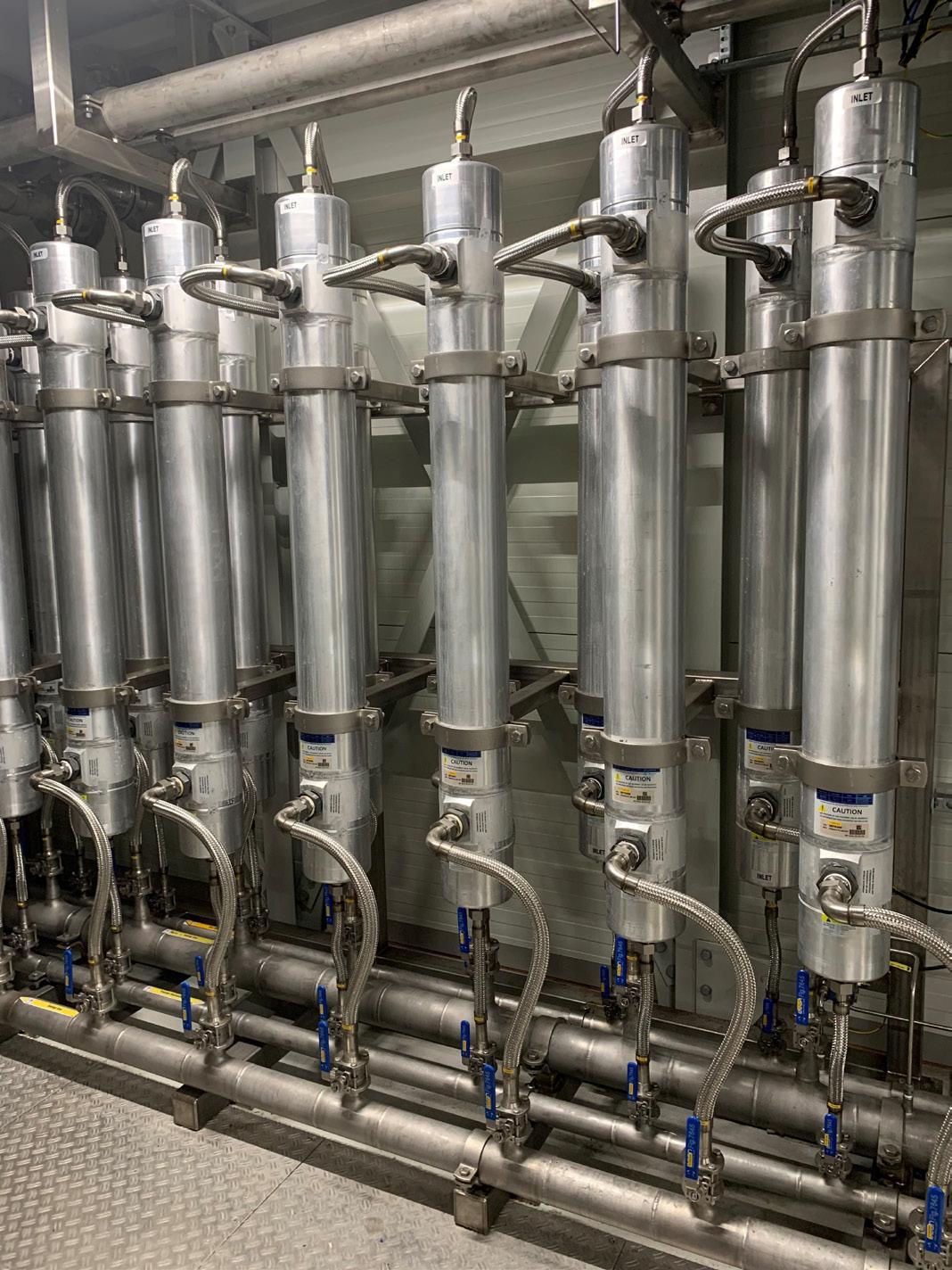
CO₂ Removal Using Membrane
Technology
Once the biogas stream is stabilised through effective sulphur removal, CO₂ separation becomes the next essential step toward biomethane production. Membrane separation technology is applied to selectively remove CO₂ and oxygen while retaining methane.
Membrane systems are configured in two or three stages depending on inlet gas composition, required methane purity, capacity, and allowable methane slip. Through controlled compression and internal gas recirculation, methane losses can be
Technology reduced to below 0.5%.
CO₂ removal systems can be delivered as part of integrated SULAGO® or SULAWAY® solutions or as standalone containerised membrane packages, enabling phased project development or upgrading of existing biogas facilities.
Containerised Digesters and Modular Plant Concepts
To support decentralised biogas production, containerised anaerobic digesters are supplied as factory assembled, pre tested units. This significantly reduces construction time, site complexity, and project risk. These digesters are particularly suitable for agro industrial facilities, food processing sites, dairy farms, and locations with limited infrastructure.
By combining containerised digesters with SULAFER®, SULAGO®, or SULAWAY® systems, fully containerised biogas solutions can be delivered — from raw biogas production to clean biomethane and separated CO₂.
CO₂ Valorisation and Complete Use of Gas Streams
In addition to CO₂ removal, CO₂ liquefaction solutions allow recovered CO₂ to be reused in industrial and commercial applications. This improves overall project economics and supports circular economy principles by maximising the value extracted from the gas stream.
Engineered for International and Indian Applications
All systems are engineered in the EU and designed according to international standards such as CE, ASME, and API. Gazpack has supplied gas treatment and upgrading solutions to major international energy companies, including projects for ONGC in India. Modular engineering, containerisation, and export ready packaging ensure suitability for Indian operating conditions.
Conclusion
By integrating SULAFER® packages, SULAGO® and SULAWAY® upgrading systems, membrane based CO₂ removal, and containerised digesters, Gazpack delivers scalable and reliable solutions for the Indian biogas market. This integrated approach ensures stable operation, high biomethane quality, and long term plant reliability, supporting India’s ambitions in renewable gas and compressed biogas production.
Meet the Author
Mr. Jeroen Rust Sales Manager
Gazpack
In conversation with
Mr. Frank Hofmann
Mr. Frank Hofmann Consultant International Affairs
German Biogas Association
1. Germany's biogas sector is one of the world's most mature. What is the single most important lesson developing nations should learn before scaling their own biogas programmes?
If I had to name just one priority, it would be the incentive system. I see it worldwide. If the incentive system for a certain energy source or product is effective, it enables viable business cases, and then the sector will boom.
We see this in many countries in
Frank Hofmann is employed in the International Affairs Department of the German Biogas Association. He has studied energy and process engineering at the Technical University of Berlin. Since 1998, he has worked for several organisations focused on biogas. He has managed studies, feasibility analyses and consulting projects related to biogas and biomethane. He currently works as a bio-gas consultant, specialising in upgrading biogas to natural gas quality and optimising biogas plants, as well as providing biogas training.
Europe, and Germany was one of the pioneers. In Germany, the most important incentive for electricity was the feed-in tariff system. A guaranteed feed-in tariff per kilowatt-hour really boosted the market.
Now, we have an interesting incentive system for the transport sector, where carbon credits and climate emission reductions are combined with transportation fuels. That is a very interesting incentive. So, the incentive system is the most important point. If a country wants to develop its
biogas sector, it can do so, but it needs a good incentive system. Other regulatory aspects are important as well. For example, permissions and licenses should not take too long to obtain. Taxes are also an important point. If you think about Indo-German cooperation, taxes are an important consideration.
But overall, the incentive system is the most important point.
2. Digestate is often the overlooked co-product of biogas production — yet it
holds enormous potential as certified organic fertilizer. How central is this circularity dimension to biogas's sustainable development story?
It is very crucial. In the past, many people focused only on energy. However, when we compare biogas with other technologies, such as solar, it becomes clear that producing energy is only one aspect of a biogas plant.
A biogas plant provides several products and services. These include energy, fertilizer, waste treatment, and support for the circular economy. This aspect is becoming increasingly important.
I see this in Germany and worldwide. For example, phosphorus is likely to become a limiting factor in future agricultural activities. Recycling phosphorus from waste and organic residues is therefore very important.
The same applies to other nutrients, such as sulphur, nitrogen, and calcium. These, together with phosphorus, are among the most important elements for agriculture. Their recovery and reuse will be very important for the future development of agriculture.
3. Regulatory stability is widely cited as the makeor-break factor for biogas investment. What policy design principles have you
seen work universally — and which well-intentioned ones have backfired?
What I see is that incentive systems focused on operation work very well. I mean incentives linked to the product, for example, cents per kilowatt-hour or rupees per kilowatt-hour.
The other approach is investment support through subsidies. The main difference between operational incentives and investment subsidies is that, if there is an incentive system for operation, the biogas plant will remain in operation because the operator has a real interest in producing and selling the product.
In Germany, for example, biogas plants received a feed-in tariff for electricity for 20 years and therefore remained in operation for 20 years. In several other countries, in my view, the decision was made to incentivize only the investment. The consequence is often that problems arise during operation.
For me, incentivizing investment alone is not enough. Incentivizing operation is much more effective, especially when looking at the long term.
In the end, a biogas plant is beneficial for both business and the environment only if it is operating. If an investment results in a plant that is no longer functioning, then nobody benefits from it.
4. Biomethane is gaining ground in transport and heavy industry as electrification reaches its limits. Is it currently receiving the policy attention it deserves in the global net-zero conversation?
Biogas is needed across all applications – not just transport or biomethane. . I have the impression that the most important point is scale.
If you think about household biogas plants, for example, they provide gas for cooking. That means heat, and that is very important. There are millions of small biogas plants producing heat for households in India, and that is fantastic.
On the other hand, we have medium-sized biogas plants. For them, electricity production is often the most efficient way to operate. I see this worldwide. When we talk about biomethane, however, we are usually talking about larger production volumes, at least in Germany and Europe. This is because an additional investment is required to upgrade biogas to biomethane.
That additional investment is usually only viable at higher production volumes. In Germany, for example, a biogas production rate of around 250 cubic metres per hour is the point at which biomethane can become a via-
ble option. If biogas production is much lower, the investment in the upgrading plant will generally not pay off.
So, I think we really need everything: heat production for households, medium-sized biogas plants producing electricity, and larger plants producing biomethane. Electricity remains important because not all agricultural farms and not all locations are suitable for the large production volumes required for biomethane.
To achieve those volumes, several thousand tonnes of input material are needed each year, which also creates logistical challenges. Taking all of this together, I think there are many reasons to support all three op-
tions for utilizing biogas.
5. The biogas sector sits at the intersection of energy, agriculture, and waste management — yet it rarely gets the mainstream visibility that solar or wind enjoys. What do you think is holding back public and political recognition of biogas as a serious sustainable development solution?
It is more complex, and that is both an advantage and a disadvantage.
One aspect of this complexity is the range of products. We have already talked about fertilizer and other outputs. Another aspect is the services that biogas can provide, such as waste treat-
ment. For example, in food production, process water is often stored in open lagoons, which can result in methane emissions. A significant amount of methane emissions worldwide contributes to climate change, and biogas can be part of the solution.
However, bringing all of these services and benefits together within a single project is complex. In the end, a project has to be built, constructed, and operated on the ground. Someone must be able to build a viable business around it. The more complex a project becomes, the more there is to organize.
Another aspect is the comparison with solar and wind. If we focus only on the cost of elec-
The German Biogas Association Team
Interview
tricity generation, solar and wind are more competitive. However, when we consider the broader picture, biogas offers many additional benefits.
In the end, I think we need all of these technologies, but biogas is undoubtedly more complex.
6. Looking to 2035 — tighter carbon budgets, evolving carbon markets, pressure on land and food systems. Where does biogas fit, and is the sector underselling its own contribution?
I have the impression that biogas will remain important. It is already important. In India, you have millions of household biogas plants. In Germany, we have about 60,000 jobs in the biogas sector. Compared with a population of more than 83 million[MT1.1] people, that is quite substantial.
So, biogas is important today, and it will remain important in the future because it offers several opportunities that other renewable energy sources do not. One example is its ability to reduce greenhouse gas emissions. As we discussed earlier, when organic material is stored, methane emissions can occur. I mentioned the example of process water from food production. Such storage systems can generate methane emissions. The same applies to waste. Landfills, for example, produce biogas, and significant methane emis-
sions can be released into the environment.
Biogas helps address these challenges. One important point is that biogas can reduce methane emissions and, by doing so, make a substantial contribution to the fight against climate change.
In addition, biogas offers other benefits. We have already mentioned waste treatment and fertilizer production. Taken together, these advantages will help ensure that biogas remains important in the years ahead.
17
Plants commissioned
100-120
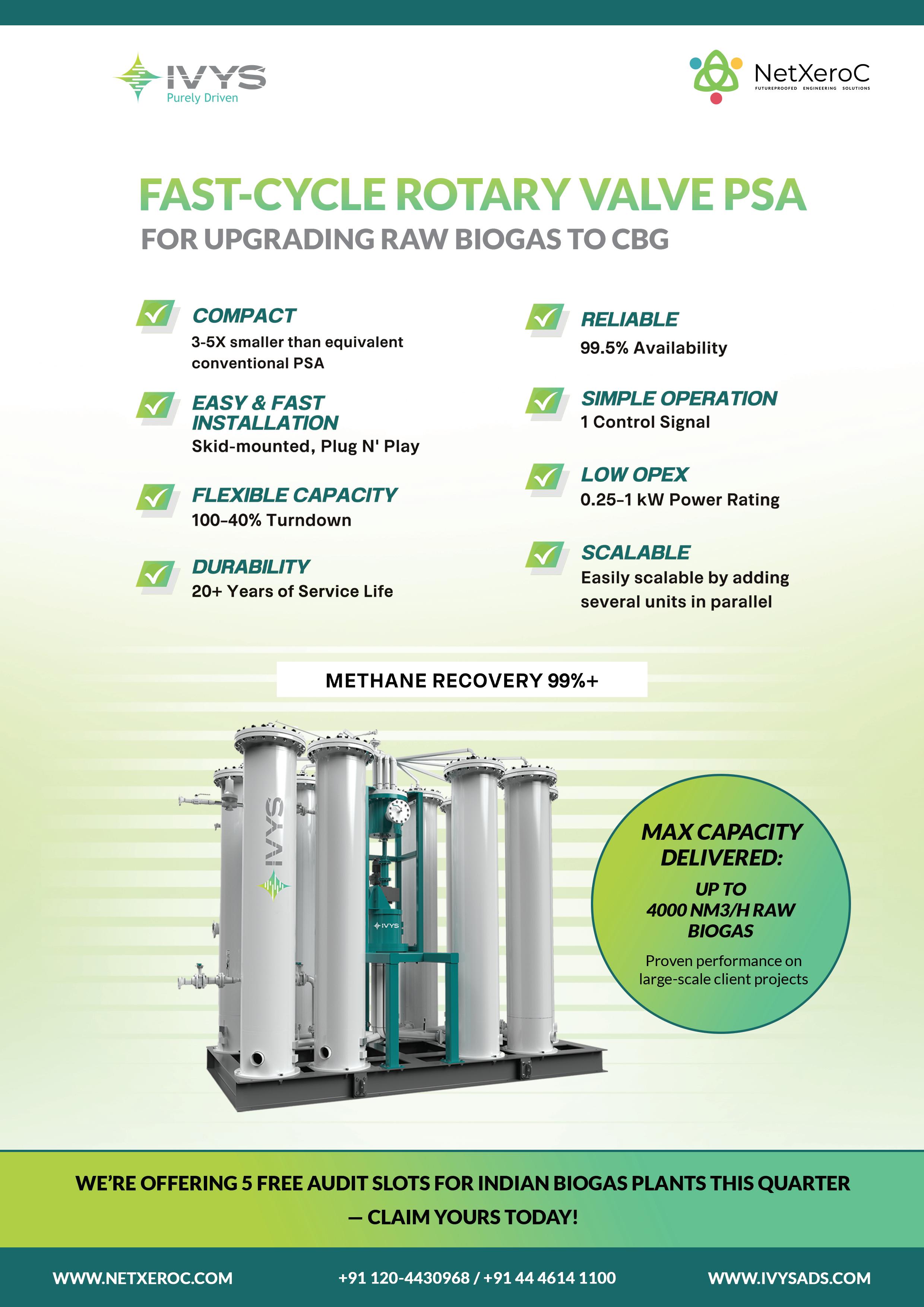
THE MARKET LEADER IN MEMBRANE-BASED BIOGAS UPGRADATION
CBG produced at operational plants TPD
30,000+
Hours of on-spec gas generation
Capacity for 5–22.5 TPD plants | Feedstock flexible | Engineered for Indian conditions
Dry media H₂S & VOC pre-treatment | Lead-lag vessel design
Supports online media change without plant shutdown
India’s leader in membrane-based biogas upgradation Methane recovery Up to 99%+ recovery
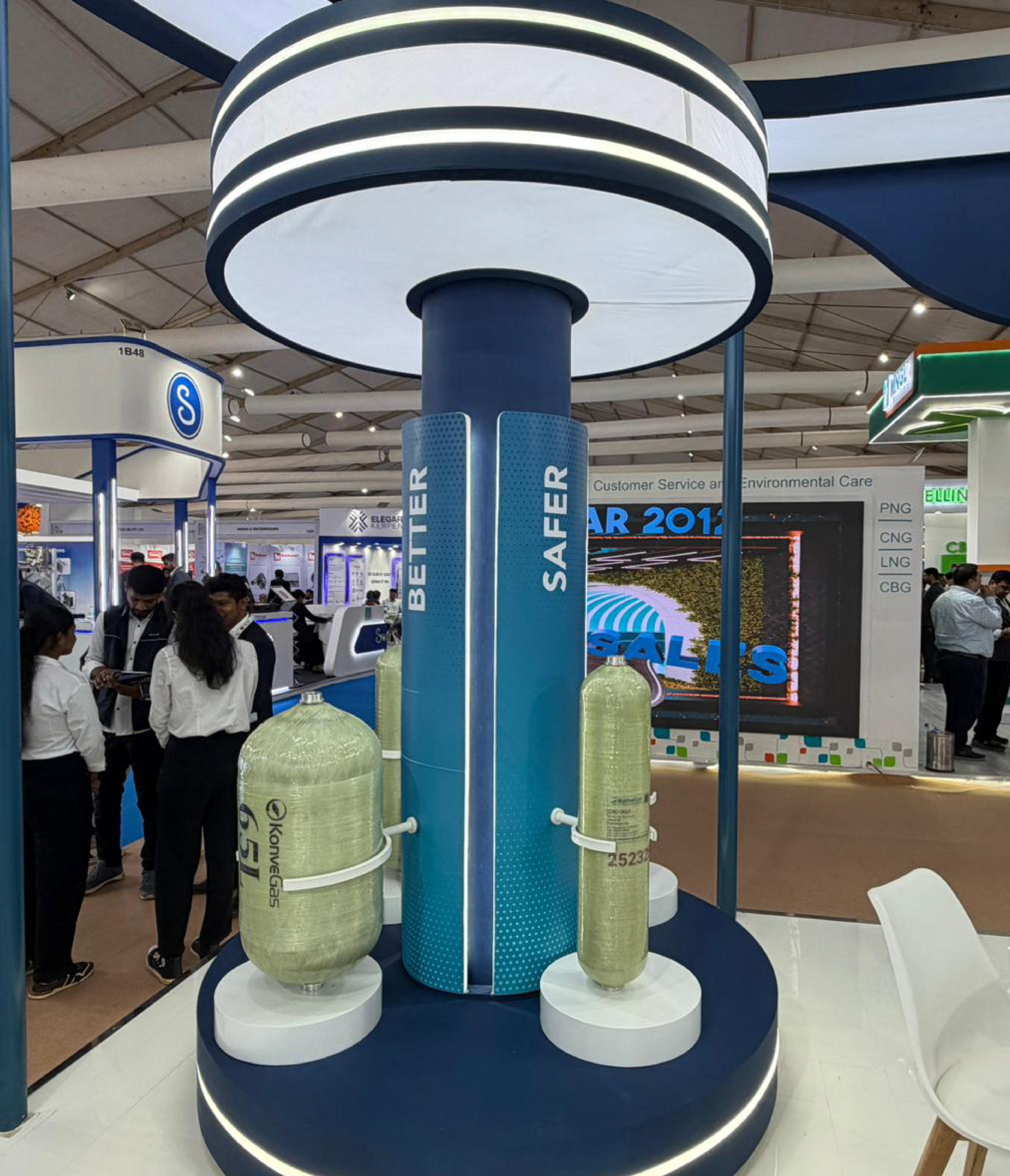
When I look at the world today, I do not just see a map of countries or a list of business targets. I see a home that we all share. Like any home, it needs care, respect, and a solid plan for the future. As the founder of KonveGas, I have spent a lot of time thinking about how we can move forward without leaving a mess behind.
To me, the "green transition" isn’t just a fancy phrase. It is about making life better for every person on this planet.
One of our biggest challenges is energy. For a long time, clean energy felt like a luxury, something reserved for the wealthy or the highly industrialized. But
for a world to truly thrive, we need affordable, clean energy that is accessible to everyone. This is why I am so passionate about the potential of Biogas and Compressed Biogas (CBG).
These aren't just fuels; they are circular energy solutions that solve two problems at once. By taking organic waste, agricultural residues, and local by-products, things we used to throw away or burn in the fields, and turning them into clean fuel, we close the loop. This creates undeniable social and environmental value. We aren't just lowering emissions; we are clearing the air, improving public health, reducing the strain on our landfills, and helping nations achieve
a much-needed sense of local energy independence.
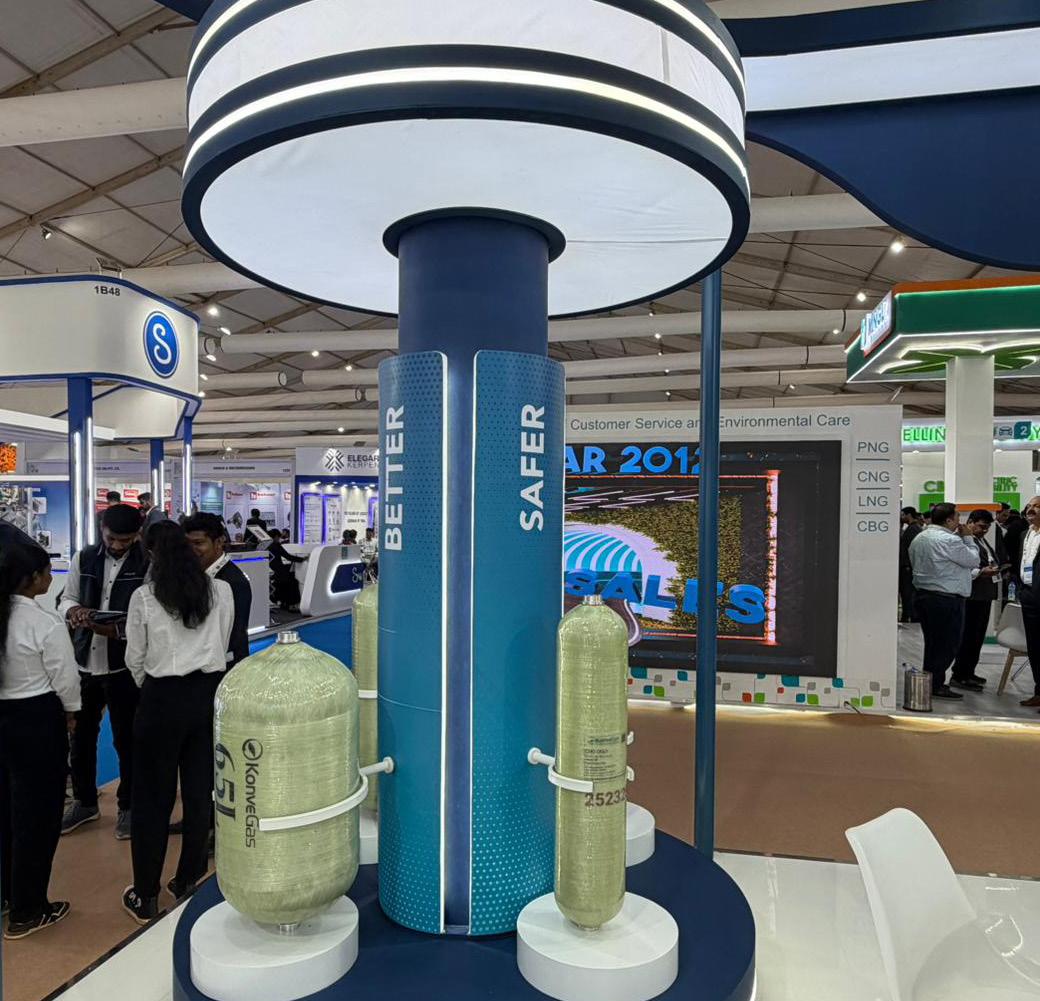
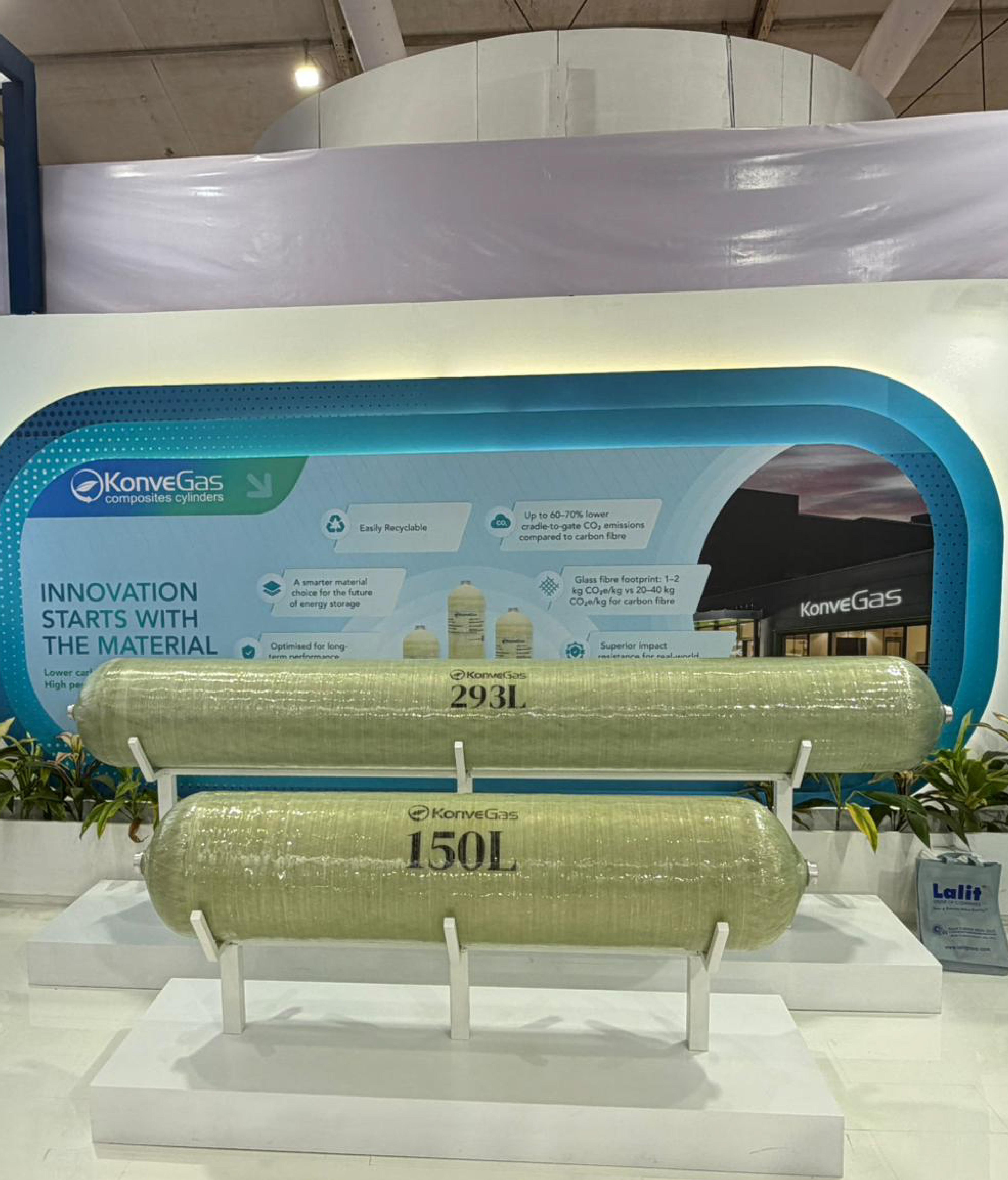
However, producing clean energy is only half the battle. To truly make a difference, we have to look at the entire journey of that fuel from the plant to the vehicle. Sustainable energy deserves sustainable storage. Maybe the “fuel of the future” deserves pressure vessels with lower embedded CO2, lighter materials, and a more circular material approach.
This is where smart choices and innovation come into play. By utilizing lightweight vessels made with advanced glass fiber, we fundamentally change the equation. These materials allow
for systems that are significantly lighter yet incredibly safe and high-performing.
To understand why this material is such a game-changer, we have to look at the science behind its characteristics. Advanced glass fiber is already trusted in demanding industries like wind energy, marine structures, chemical process equipment, and electrical insulation. Its true value lies in a brilliant balance of properties: it delivers low weight, exceptional corrosion resistance, excellent impact behavior, and long-term durability, all while maintaining practical manufacturability.
When compared to conventional pressure vessel solutions, advanced glass fiber tanks offer a completely different balance of benefits. While maintaining high performance remains essential, a true comparison must look beyond pressure capability alone. Advanced glass fiber shifts the evaluation to include weight efficiency, superior corrosion resistance, ease of manufacturing, and long-term sustainability. Furthermore, even when swapping fossil-intensive conventional fibers for these advanced solutions, there is absolutely no compromise on safety. The regulatory and safety requirements for high-pressure gas storage remain extremely strict. These vessels must pass demanding qualification benchmarks covering pressure resistance, durability, cycling performance, and environmental exposure. The
material choice beautifully improves the sustainability profile, but the technical rigor and safety standards remain unyielding. Beyond the science and safety, there is a massive commercial and cost benefit to this approach, particularly for a country like India. Advanced glass fiber offers a highly attractive commercial route because India already possesses the robust capability to produce high-quality glass fiber domestically. By utilizing fossil-free, locally available materials, we reduce import dependence, enhance supply chain resilience, and create a strong foundation for scalable, sustainable manufacturing.
This creates a highly versatile solution across a broad range of use cases. These sustainable pressure vessels are perfectly suited for passenger vehicles, buses, and commercial transportation, as well as stationary storage, bulk gas transport, and refueling infrastructure. They become incredibly attractive in any market where scalability, cost efficiency, and environmental responsibility are driving the future.
When we talk about climate action, we often think about the atmosphere. But we should also think about our lungs. Mov-
ing away from dirty fuels leads to immediate health benefits for everyone. Imagine our cities with less smog and quieter streets. When we build sustainable cities and communities, we aren't just protecting the environment; we are making our neighborhoods better places to raise our children.
By combining circular biogas with responsible, modern storage technology, we create a clean-energy system that is strong from production to enduse. This is the core philosophy behind what we do: The Greenest Vessel for the Greenest Energy.
Everything we do eventually impacts life on land. From the forests to the fields that grow our food, the Earth gives us everything. Our goal is to ensure that the footprint we leave behind is as light as possible. By choosing smarter materials and cleaner fuels today, we are ensuring that the land remains healthy for the generations that come after us.
The path forward is not always easy, but it is clear. We need to innovate with a purpose. When we align our work with the needs of the planet, everyone wins. Let’s keep building a world that can finally breathe again.
Meet the Author
Mr. Alexander Enulescu CEO and Founder KonveGas
India is accelerating its clean energy transition by transforming vast organic waste into compressed biogas. Supported by government mandates, the sector curbs hazardous emissions while empowering rural circular economies and enhancing national energy independence.
Sustainability in CBG means decarbonizing the plant itself. Replacing fossil-fired digester heating with electric heat pumps cuts emissions, improves yields, and unlocks carbon-market value: clean energy producing clean energy
OPINION
Biogas and Compressed Biogas (CBG) projects enable sustainable development by transforming organic waste into renewable energy while advancing ESG objectives through emissions reduction, resource efficiency, and circular economy benefits. Comprehensive ESIA assessments are critical to managing environmental and social impacts, strengthening stakeholder engagement, and ensuring the long-term sustainability and bankability of biogas and CBG investments".
Biogas/CBG is India’s future energy backbone - Greener fuel switch, CH4 avoidance, circular economy gains, soil enrichment, rural livelihood support, decentralized clean energy, zero GHG emissions, and flexible feedstock adaptability. Minor operational challenges aside, that is the definitive future households fuel.
Air Products Membranes Solutions
Biogas Cycle Options
Introduction
Air Products Membrane Solutions collaborates with our global customer base to supply membrane modules for use in two-, three-, and four-stage membrane systems, with an emphasis placed on delivering customer-focused support and solutions for their projects. We understand that not every system is the same, and, through our technical expertise and innovative, proprietary membrane designs, we continue to drive excellence across the biogas upgrading spectrum.
Two-Stage Biogas Upgrading
Background
In cases where biogas system end-users are serving applications that accept 93-98% methane recovery, two-stage membrane systems provide a simple, compact solution that offers both flexible design options and capital savings.
Solution
Air Products Membrane Solutions can support a simple and cost-effective system design that is ideal for 93-98% methane recovery, while still achieving less than <1 mol% CO2 in the final biomethane product. In these cases, two-stage systems can be economically advantageous, while also presenting an option for future system expansion to three- or four-stage designs,
with proper planning.
Air Products has successfully supported multiple installations of two-stage biogas systems globally. For example, one specific installation in India operates at 15 bar, achieving 97% CH4 recovery, with flexibility to meet <3 mol% CO2 CNG for restaurant cooking and <1 mol% CO2 CNG for vehicle fueling, depending on what the end use will be.
Comparison
A comparison of two-stage systems is shown in Table 1 below, for a raw biogas stream containing 60 mol% CH4 and 40 mol% CO2 operating at 20°C and an inlet pressure of 16 bar.
Table 1: Two-Stage Solutions for Various Methane Recovery and Purity*
* Performance is based on the constant variables listed above for temperature, pressure, and composition.
†Relative membrane quantity is compared to the green column.
Air Products Membrane Solutions offers membrane modules for a range of two-stage solutions, tailored for those who need a system that is compact and affordable, while still offering flexibility in methane purity and recovery.
Three-Stage Biogas Upgrading
Background
For biogas system end-users who need to achieve 98-99.5% CH4 recovery with <1 mol% CO2 in the final biomethane product, three-stage biogas upgrading systems are an ideal, efficient option thanks to the third membrane stage, which
enables greater methane recovery. While there are many variations of three-stage systems that meet different specifications and regulatory requirements, configuring a system to meet project-specific needs is essential to maximizing performance.
Solution
Air Products Membrane Solutions specializes in supporting biogas upgrading systems that deliver results, through close collaboration with our partners. Three-stage cycles reduce capital and operational expenses, and our applications team delivers deep technical insight to maximize efficiency.
In one recent reference, Air Products Membrane Solutions successfully completed a threestage project with an OEM customer in Europe to meet the typical grid injection requirements. With operating pressure of ~17 bar, Air Products Membrane Solutions membranes
achieve 99.5% CH4 recovery and 1.25 mol% CO2 in the product with ~55% recycle. This is just one of over 200 of our success stories in the biogas upgrading space.
A three-stage system can be further enhanced through adding additional equipment, such as vacuum pumps or blowers, resulting in reduced recycle. An extra benefit to utilizing a blower leads to reduced membrane module quantity, saving in capital expenses.
Comparison
Table 2 below shows a comparison between a basic three-stage design and designs that include an additional vacuum pump or blower. This example raw biogas stream contains 60 mol% CH4 and 40 mol% CO2 operating at 20°C and an inlet pressure of 16 bar, targeting 99.5% CH4 recovery and 98.75 mol% CH4 in the product gas.
Table 2: Three-Stage Solutions with Equipment Variations*
* Performance is based on the constant variables listed above for temperature, pressure, recovery, and composition.
†Relative membrane quantity is compared to the green column
By utilizing additional equipment, Air Products Membrane Solutions is able to maximize system performance, while still supporting an economically favorable design.
For applications that require low levels of CO2 in the product, such as bio-LNG producers who need <50ppm CO2 in their gas streams, Air Products has successfully developed and implemented a specialized membrane separator, PRISM® GreenSep LNG, and an associated, proprietary cycle that eliminates the need for intermediate purifica-
tion technologies, such as amine scrubbing or TSA.
Four- Stage Biogas Upgrad
ing Background
With increased global focus on reducing greenhouse gases (GHG), certain regions are looking at more stringent emission laws to combat impact on the climate. With biogas upgrading emissions primarily being methane and carbon dioxide, reducing methane loss is essential to minimizing emissions and maximizing profit.
Solution
For ultra-high methane recovery of 99.7%-99.9% and 99 mol% CH4 in the product stream, Air Products Membrane Solutions has developed a proprietary,
four-stage, two compressor system design that minimizes power consumption, while recovering >99.7% of methane. Not only does the second compressor design enable higher methane recovery, it results in lower total power consumption versus a three-stage, one compressor design operating at the same recovery.
Comparison
For a raw biogas stream containing 60 mol% CH4 and 40 mol% CO2 operating at 20°C, targeting 99.8% CH4 recovery and 98.75 mol% CH4 in the product gas, Table 3 below shows a comparison between a basic three-stage design, Air Products’ proprietary four-stage one compressor design at two different pressures, and Air Products’ proprietary four-stage two-compressor design.
Three-Stage Design 14 bar
Four-Stage Design with One Compressor 14 bar Four-Stage Design with One Compressor 16 bar
Four-Stage Design with Two Compressors 14 and 15 bar
Table 3: Four-Stage Solutions with Condition and Equipment Variations*
Engineering
* Performance is based on the constant variables listed above for temperature, recovery, and composition.
†Relative membrane quantity is compared to the green column
While comparing a three-stage design to a four-stage design at the same pressure, the relative membrane quantity increases; however, with a slight increase in pressure, the relative membrane quantity and power consumption are equivalent to a three-stage design for high recovery. This allows for the choice between favourable capital expense versus operational expense. If lowering/reducing operational expense is the goal, then a four-stage two compressor system design can significantly lower power consumption.
Conclusion
Air Products Membrane Solutions has a vast amount of experience supporting biogas operations worldwide. With over 200 system references across two-, three- and four-stage system designs, our experience and technical insight make us your ideal partner in optimizing your biogas systems. Contact us to learn more.
Product Line Manager –Non-Atmospheric Gases Air Products Meet the Authors
Mr. Leo Nemetz Applications Engineer Air Products
Ms. Kyla Dewey
Rethinking HRT Selection
in Biogas/CBG Plants!
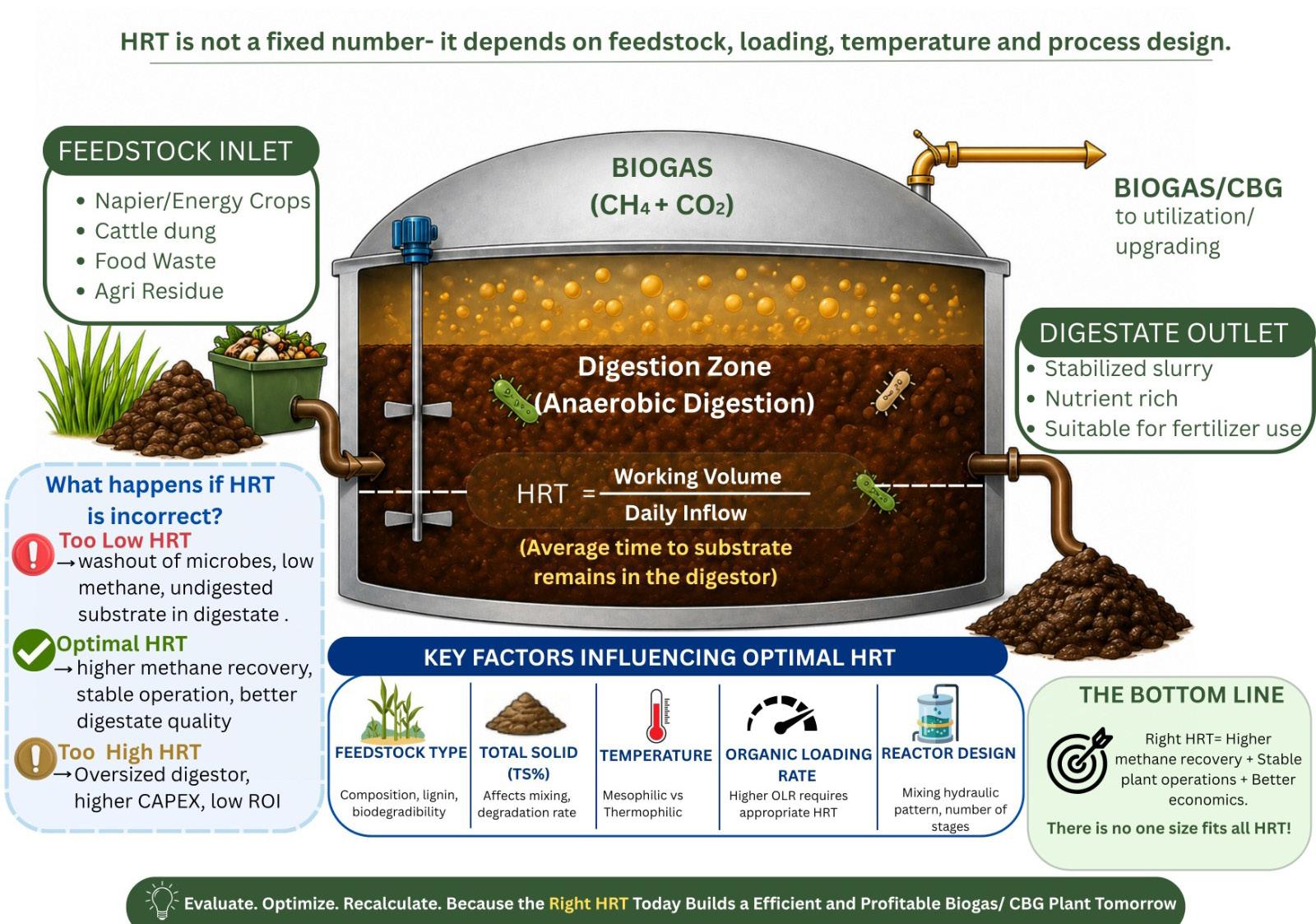
While on the discussion table, an EPC & developer, a common question surfaces, what will be the HRT of the system? In the design of anaerobic digestion (AD) systems, Hydraulic Retention Time (HRT) is one of the most commonly used parameters, yet it remains one of the least critically inspected. It is a very common practice to see designers proposing an HRT of 35±5 days for raw material, like in the case of napier grass-based CBG plant, while others recommend 45±5 days or even higher
for the same feedstock and reactor configuration. This variation on a repeated basis, creates confusion among project developers, investors, and operators, especially when plant performance does not match initial design expectations. The core problem is the fact that HRT is commonly treated as a fixed design number (mostly based on the inputs taken from other CBG projects) rather than a dynamic parameter, mostly regulated by biological and physical processes. Understanding the true
basis of HRT selection is therefore essential to bridge the gap between theoretical projections and actual plant performance.
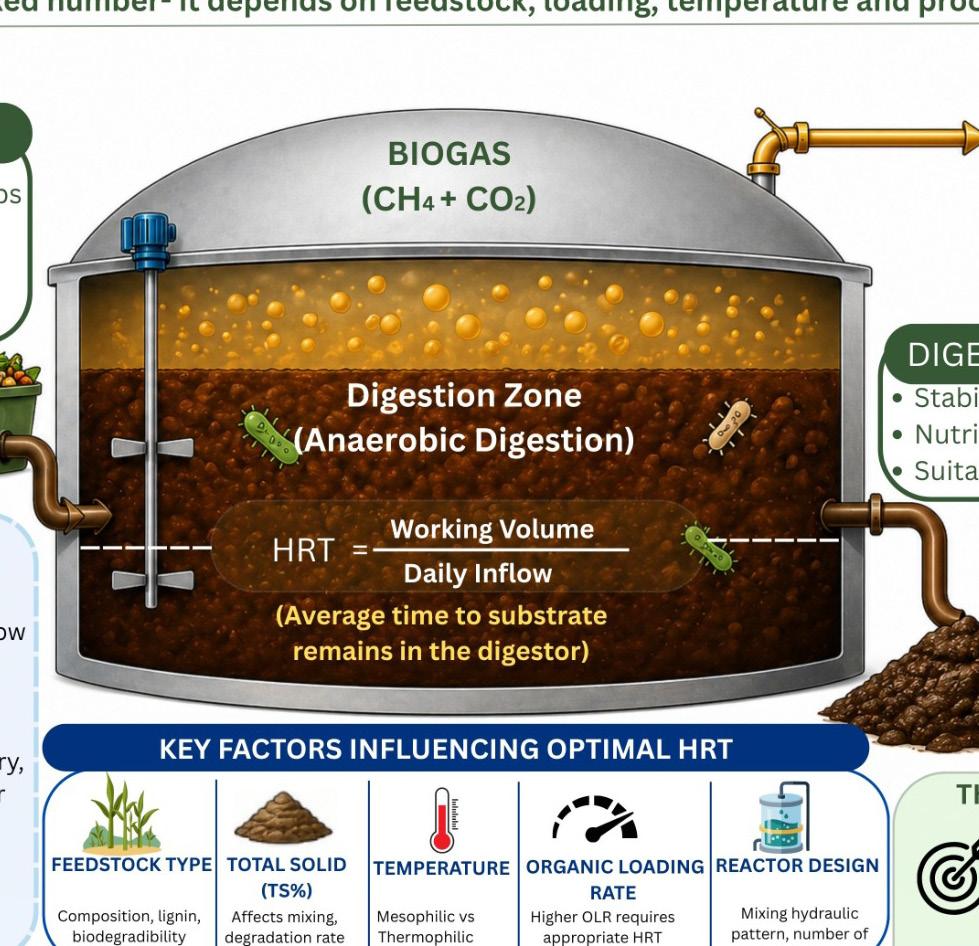
Primarily, HRT is defined as the ratio of digester volume to daily feed input, i.e., HRT = V/Q, where V represents the volume of the digester and Q is the daily feed input. This definition, however, is purely hydraulic in nature and does not provide any insight into whether the substrate has been sufficiently degraded within that time. It remains unanswered. In other words, HRT signifies, how long the feed materials remain inside the AD system, but not specifically how effectively, the material gets converted into biogas, denoted through dOTS. This should be the ultimate parameter for HRT determination. The real determinant of digestion efficiency lies in the biochemical processes occurring inside the reactor, particularly hydrolysis, which is widely recognised as the rate-limiting step in anaerobic digestion of the lignocellulosic biomass.
Hydrolysis is done by various aerobic & anaerobic bacteria, i.e. microbes which hydrolyze the polymers such as cellulose and hemicellulose into soluble sugars (monomer/dimer) that are readily fermentable to CH4. The rate of hydrolysis is assumed to follow first-order kinetics. The kinetics of hydrolysis can be represented by a hydrolysis rate constant k. The time required to degrade the substrate (say 70-85% degradation) is inverse-
ly proportional to k. This simply means that theoretically, HRT should be calculated from the kinetics of the substrate degradation instead of being assumed by a digestion designer. If napier grass has a hydrolysis rate constant of 0.05/day, the time required to degrade it (~45days) will approach near complete degradation and if you can increase the hydrolysis rate constant (by better mixing, lesser particle size, pre-treatment, etc.) to around 0.07/day, the HRT can come down to ~35-40 days. Hence, different designers get different values for HRT for the same feedstock.
Feed slurry Total solids concentration (% TS) also greatly impacts HRT. Besides directly determining reactor fill volume, TS% has profound effects on the physical environment of the digester. High TS% leads to higher viscosity and thus lower water availability, microbial mobility, and diffusivity of enzymes and substrates. As TS% increases, hydrolysis rates will decrease once it becomes limited by diffusion through the slurry. When digesters operate at an appropriate TS% (~8-12%), hydrolysis is not limited and occurs readily. As TS% increases above ~15%, the mixture becomes more viscous and diffusion-limited reactions begin to dominate. Hydrolysis is slowed, which effectively decreases the degradation rate constant and increases the HRT needed. Extremely low TS% can wash out microbes and decrease productivity, though hydrolysis
may not be affected. Therefore, two digesters processing the same feedstock may have different retention times based on %TS.
Mixing efficiency of the feed material further complicates the whole picture. While CSTR (continuous stirred tank reactors) digesters are designed to provide uniform mixing, real-world conditions based on the selection of mixers (not on the basis of rheological property of feed material, but mostly on price and energy consumption) often deviate. Dead zones, short-circuiting, and uneven distribution of solids may create localized regions where hydrolysis is slower than expected. In such cases, the effective HRT experienced by a portion of the substrate may be significantly higher than the nominal design value. This is one of the key reasons why plants designed for around 35±5 days sometimes fail to achieve expected gas yields, whereas those designed for 45±5 days perform more reliably. Essentially, the additional retention time acts as a buffer against inefficiencies in mixing and mass transfer.
Pre-treatment of biomass is another important variable that can shift the HRT requirement. Mechanical size reduction, biological conditioning (through lab monitoring of microbial population, CFU/mL) can improve substrate accessibility by breaking down lignin-centric structural barriers. This enhances the hy-
drolysis rate constant and allows for shorter retention times without compromising gas yield. In optimized systems where effective pre-treatment is combined with proper mixing and controlled TS levels, HRT values of 40±5 days are achievable in the case of energy crops such as napier grass. However, in the absence of such interventions, a more conservative design of 45±5 days is often justified to ensure stable and consistent performance.
One of the aspects that tends to be neglected during the process of design is the connection between the HRT and methane yield. In other words, the production of the former does not increase proportionately with time, but it has a saturation trend. Indeed, a considerable amount of methane will be obtained during the first stage of fermentation when the rate of its production will start to decrease gradually. For instance, an increase in HRT from 30 to 35 days might lead to the achievement of some improvements in methane production. However, a further increase of HRT up to 45 days usually brings minor gains in terms of gas yield, with the latter not exceeding 5-7%. At the same time, it is essential to remember that the higher HRT is needed for larger reactors, thus increasing capital costs.
This wide range of values for HRT used in the industry is therefore explained by variations in the assumptions made
about hydrolysis rates, TS concentration, mixing, and pretreatment. Designers tend to use conservative figures based on experience or similar projects while ignoring local conditions. This could result in marked differences between predicted and actual results, especially when using inconsistent feedstocks such as Napier grass. A more scientific approach would entail calculating the hydrolysis rate constant depending on the type of feedstock, setting a target conversion rate, and finally making adjustments for mixing and TS effects. In the case of Napier grass-fed CSTR processes, a practical criterion can be set. For those that do not include pre-treatment and have decent
mixing efficiency, an HRT range of 35±5 to 45±5 days is normally recommended. If there is enhanced process control and improved mixing efficiency along with optimum amounts of TS, this range can be lowered to 38 to 42 days. In more sophisticated CSTR processes where there is pre-treatment and efficient mixing, HRT values can go down as low as 30±5 to 35±5 days.
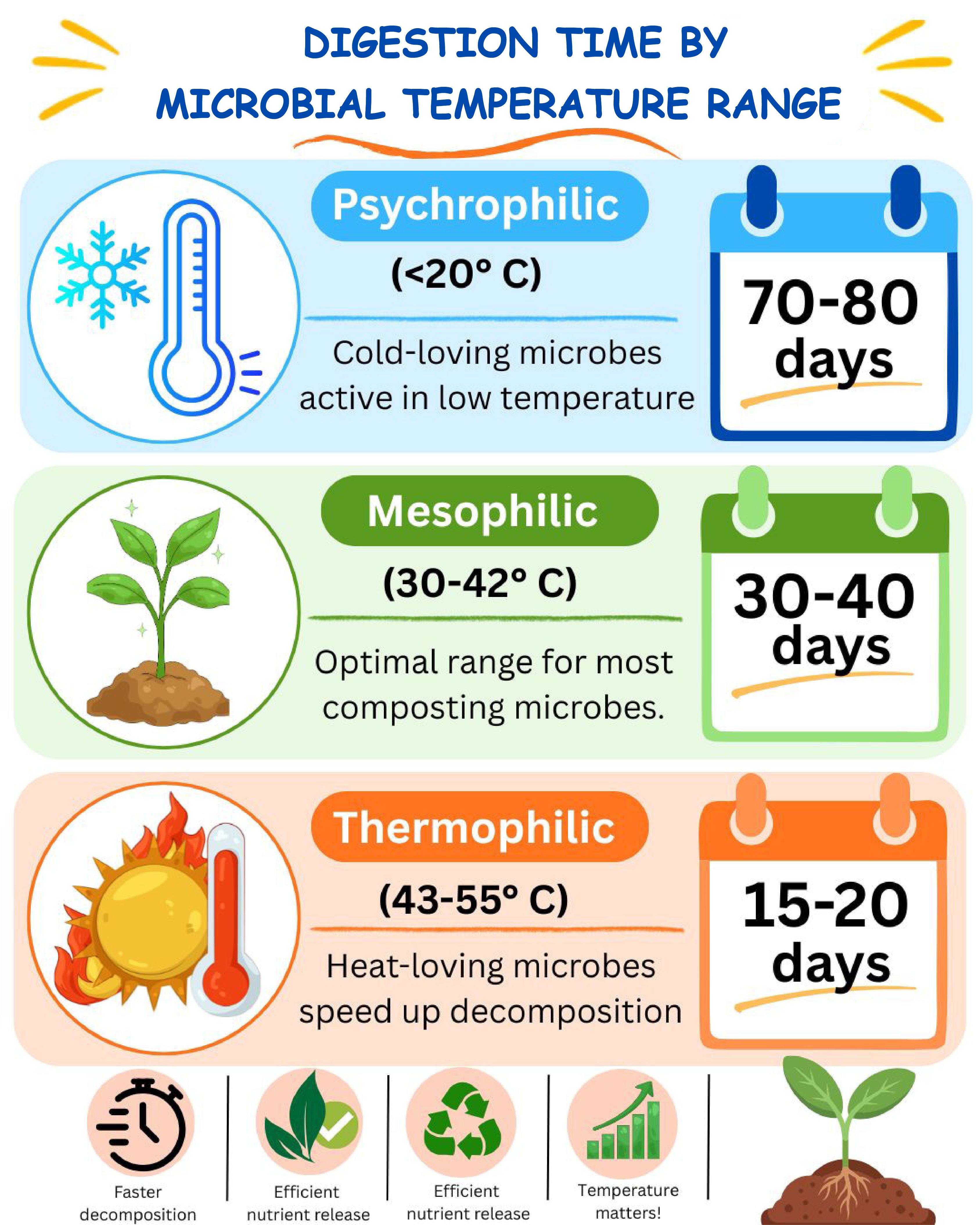
Anaerobic digestion happens at three main temperature ranges: psychrophilic (below 25°C), mesophilic (25-45°C), and thermophilic (45-70°C). Each range affects how efficient and stable the process is. Higher temperatures speed things up, so microbes break down waste faster
Reference: biogas Handbook. ISBN 978-87-992962-0-0.
and retention time drops-basically, the hotter it gets, the less time you need, i.e., HRT 1/T. Keeping the tempera- ture steady is really important if you want good microbial activity and consistent biogas output. In real-world setups, people pick the operating temperature based on what they're digesting and what they need from the process. To keep things warm, digesters usually have built-in heating systems, like heated floors or walls. The amount of biogas you get changes a lot depending on both the temperature and retention time.
In conclusion, the question of whether 35±5 days or 45±5 days is the “correct” HRT does not have a universal answer. Both values are valid within their respective contexts, depending on system design and operational efficiency. What is essential, however, is to move away from arbitrary selection and toward a scientifically grounded, kinetics-based approach. By recognizing HRT as a dynamic parameter influenced by multiple interacting factors, designers can make more informed decisions, improve plant performance, and reduce the risk of underachievement. As the biogas industry continues to scale up, such rigour in design will be crucial for ensuring both technical success and economic sustainability.
Meet the Author
Dr. Rajesh Kumar Prasad
Additional Director & Business Unit Head
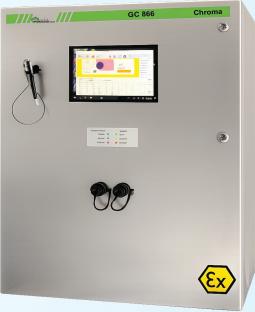
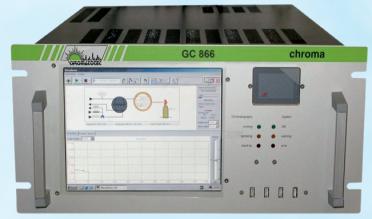
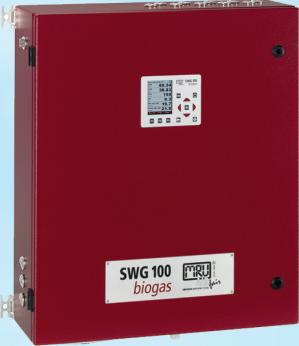
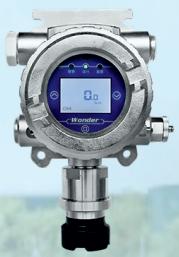
PRECISE BIOGAS ANALYSIS
(Compl y with Latest PNGRB Guidelines)
With a strong focus on the Biogas sector, TECHMARK offers advanced analytical and measurement instruments including Gas Chromatographs, Biogas Analysers, Dew Point Meters, Gas Detectors and Flow Meters.
More than 250 systems supplied and operating across India demonstrate our proven capabilities and long-term performance in demanding industrial environment. We provide strong pan-India support for installation, commissioning, calibration & lifecycle services.
Designing for Stability:
What We’re Getting Wrong About Biogas Plants in India
I’ve been noticing something in most of the biogas projects we see in India. We spend a lot of time talking about the digester — its size, configuration, temperature, technology — as if that’s where success or failure really sits. But in reality, most of the problems don’t start in the digester. They just show up there.
In a lot of Indian projects, the digester is expected to handle everything — mixed feedstock, high solids, variable moisture, inconsistent feeding — and then we expect stable gas output. It doesn’t work like that. A digester is not a machine you switch
on and it behaves. It’s a biological system. If you keep changing the input conditions, it will keep adjusting and not always in a way that works in your favour. So when plants don’t reach designed capacity, it’s rarely because the digester is “bad”. It’s because the digester is overloaded with variability that it was never designed to absorb.
This is where I think we consistently underdesign. Water and liquid handling are treated like a support system. It’s not. You control;
• solids concentration going into the digester,
• how well different feedstocks are mixed,
• whether the system can handle variability,
• whether you have enough capex on machinery to dispatch the liquid,
• and how stable your loading rates are.
In India, where you’re dealing with press mud, animal manure, crop residues, and napier grass — often in combination — this becomes even more important. Without a proper liquid system, everything fluctuates and the digester just keeps reacting. With a good system, the variability gets absorbed before it reaches the biology. That’s the difference between a plant that runs and a plant that keeps needing attention.
One thing is clear — India will not give you a single, clean feedstock. It will give you seasonal variation, moisture swings, fibre-heavy material and inconsistent supply. Your plant will struggle if you design it for a "perfect" input. The better approach is to assume variability from day one. That means pretreatment that can handle fibre, proper retention time, robust mixing and flexibility in feeding. This is where experience matters. Actual operating exposure across different substrates, not theory or simulations. Biological flexibility cannot be addressed or corrected at a later stage.
Further, there’s a lot of talk about “advanced technology” and that’s fine — the sector needs innovation. But right now, India doesn’t need the most advanced system on paper. It needs systems that work every day. There’s a difference. A lot of technologies look ideal at pilot scale, in different climates — controlled conditions, consistent feedstock, small volumes. But when you scale to commercial plants with real feedstock and real variability, the behaviour changes. So the real question is not, “Is this advanced technology?” but “Has this worked, repeatedly, under real conditions?” That’s what gives confidence, especially for investors.
Manual operation can only take you so far. If you want stable performance, you need to know what’s happening continuously inside the digester. . Basic parameters like pH, VFA, ammonia, and gas yield are not occasional
checks. They need to be tracked and understood. Automation helps, but even more important is having a system that actually uses that data. Alongside that, access to lab testing becomes important, because biology doesn’t always show up in numbers immediately — you need to interpret it. Plants that run well are usually not reacting. They are anticipating.
One thing we don’t talk about enough is that these plants are supposed to run for 20 years or more. That changes how you design everything — not just equipment quality, but how flexible the system is, how it handles change and how it can be adjusted over time. A plant that works well for one or two years is not the goal. The goal is a plant that keeps working without needing constant intervention.
India has a clear direction towards building more domestic,
sustainable energy, and biogas fits naturally into that. The raw material is here, the demand is here and the policy is moving. But the next step is not just building more plants. It’s building plants that actually perform consistently for years.
By the time you see foaming, VFA spikes, ammonia issues, or inconsistent gas output, the system has already been under stress for a while. The biology is just reacting. If you step back, the root cause is usually simpler than we make it out to be : it's the design. More specifically, the issue lies in what we choose to ignore during the design process.
If there’s one shift the industry needs, it’s this: stop treating problems as operational and start solving them in design Most outcomes are already predetermined once the plant is constructed. And in biogas, stability is not something you
achieve later. It’s something you design from the beginning.
“So, what do you need to have a successful plant.
1. Perform a proper substrate availability and quality analysis.
2. Plan for substrate variability and design the digester conservatively to handle a variety of substrates (to a certain extent)
3. Conduct regular digester health checkups and proper operator training.”
Always remember: biogas is produced by living microorganisms. When we nurture them and maintain the right conditions, they reward us by converting waste into wealth.
Meet the Author
Mr. Sundar Sathyamoorthy Project Engineer • Engineering Department
From Waste to Well-being:
Biogas and the Promise of Sustainable Development
The Sustainable Development Goals, India's march toward 2030, and the quiet revolution of biogas
In September 2015, beneath the vaulted ceilings of the United Nations General Assembly Hall, the leaders of 193 nations made a promise to history. They adopted the 2030 Agenda for Sustainable Development, a moral covenant, not a treaty,- built around 17 Sustainable Development Goals and 169 measurable targets. It was the most ambitious development compact humanity had ever attempted. A decade on, the world is struggling to keep it.
The SDGs did not emerge suddenly. They are the product of a
half-century of evolving international consciousness- from the Stockholm Conference of 1972, which first mapped the tension between growth and ecology, to the Brundtland Commission's landmark phrase: development that meets the needs of the present without compromising the needs of future generations. The 1992 Earth Summit produced Agenda 21, signed by 178 countries. The Millennium Development Goals of 2000 demonstrated that globally coordinated, measurable targets could significantly impact poverty, child mortality, and disease.
When those goals expired in 2015, the world was ready for something wider. A 30-member Open Working Group consulted 70 countries and ran the largest public survey in UN history. By September 2015, the Sustainable Development Goals (SDGs) became the law of the planet.
The 17 SDGs span the full arc of human civilization — from ending poverty and hunger, to clean energy, climate action, gender equality, and peaceful societies. They are universal, integrated, and legally non-binding, which is both their strength in achieving consensus and their Achilles heel in compelling action. The mid-point reckoning has been sobering. Only 17% of the 169 SDG targets are on track globally. The COVID-19 pandemic reversed years of progress.
Climate records shatter annually. 2024 was the hottest year in recorded human history . These environmental stresses are cascading into environmental as well as humanitarian and structural challenges. The climate crisis is only one of many structural inequalities that continue to inform who participates in and who benefits from economic and institutional systems. Women are still vastly under-represented in senior management positions, according to analysis by the OECD and IEA. When it comes to the biogas industry, although it plays an important role in the development of sustainable energy solutions, it reflects the same gender imbalances
found in most science and engineering sectors.
In the Secretary General’s own words, the promise is in peril. Global sustainability efforts have stalled, but some countries, India for one, have shown that intentional governance can still change the course of things.
Bharat's Alignment: Architecture Of Ambition
For Bharat, the SDGs are not an external imposition, but a quiet reflection of the aspirations, it is already nurturing across its landscape. Bharat, which boasts one of the world's largest and most dynamic youth populations, is currently at a crucial juncture in its development journey. The country, with its huge human potential and rapidly growing economic power, plays a pivotal role in shaping global progress in many areas, including energy access, sustainability and inclusive growth. India’s progress, given its scale and diversity, has implications for the world. As India
moves ahead, the global agenda on Sustainable Development Goals (SDG) also gains momentum.
The SDG framework was formalized by the Government of India. NITI Aayog was designated the nodal agency for SDG coordination, and its SDG India Index, across 113 indicators, has become one of the world's most admired national monitoring frameworks. For India, the SDGs mirror the principles of cooperative and competitive federalism, with the union and states working in alignment while also driving performance through healthy competition and innovation in implementation.
However, the gaps are real and must be acknowledged. In areas such as gender inclusion, female labour force participation remains relatively low. In nutrition, the coexistence of food surplus with persistent child stunting highlights structural challenges in access, distribution, and implementation of welfare
schemes. On the environmental front, pressures on forests, soil health, water systems, and marine resources continue at different levels that require careful attention. They reflect the cumulative outcomes of development pathways that have, over time, tended to undervalue natural capital in economic development.
It is within this context that circular, resource-efficient solutions begin to move from the periphery to the center of policy thinking. Among these, the emerging biogas ecosystem offers a compelling convergence of environmental restoration, rural income generation, and clean energy access.
The Biogas Revolution: From Waste To
Well-Being
Every October, the skies over northern India turn grey. Millions of tonnes of paddy straw — rice residue that farmers cannot afford to remove any other way are set alight across Punjab, Haryana, and Uttar Pradesh. The resulting haze blankets Delhi for weeks, contributing to air pollution that kills hundreds of thousands annually. This stubble burning is simultaneously an environmental emergency, a public health crisis, and crucially — an untapped energy opportunity. Agricultural residue (parali) can be viewed as a form of natural energy storage, enabling a transition for farmers from traditional food producers (ANNADATA) to contributors in the renewable
energy value chain (URJADATA). Biogas and compressed biogas are technologies that could transform this annual opportunity into a development instrument.
While the potential of agricultural residues is significant, the broader bioenergy landscape in India is equally shaped by decentralized, household-level resources. In rural areas, where livestock and organic waste are part of daily life, these resources are now enabling a quiet but significant shift to cleaner and more sustainable energy consumption.
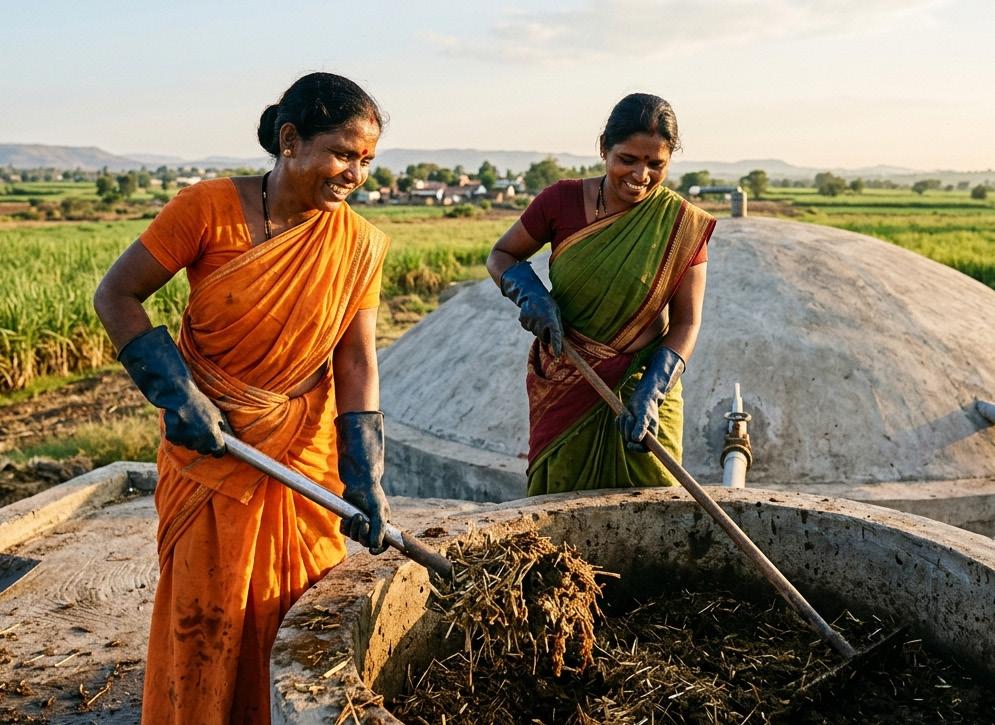
In Pipra village, Singrauli district of Madhya Pradesh, the mornings used to begin the same way for generations. Women would rise before dawn to gather firewood- a daily ritual that consumed two to three hours, damaged their lungs, and trapped them in a cycle of chores that no amount of aspiration could break. The kitchen was the site of invisible violence: indoor air pollution from solid biomass combustion causes an estimated ~3 million premature deaths globally every year, the majority of them women and children, a direct and devastating affront to SDG 3 (Good Health and Well-being).
Then, over a period of ten months, Pipra underwent significant changes. . More than 71 households — over half the village — installed low-cost Deenbandhu biogas plants,
with women leading the adoption. Families reported saving Rs 800 to Rs 1,100 monthly in fuel costs. Smoke-filled kitchens gave way to clean flames. The slurry byproduct from the digesters, a nutrient-rich organic fertilizer, replaced chemical inputs on nearby fields. This transformation shows that a biogas plant, in the hands of a rural woman, is not merely an energy device. It is an instrument of liberation and one of the most practical expressions of the 2030 Agenda’s promise to leave no one behind.
While biogas provides a proven, decentralized solution at the household and community level, its true strategic potential is realized when it is upgraded, standardized, and integrated into the formal energy economy as Compressed Biogas (CBG). Compressed Biogas (CBG) is biogas, primarily methane - produced through the anaerobic digestion of organic matter, purified and compressed to the same specifications as Compressed Natural Gas. It is chemically identical to CNG but with a carbon footprint that is a fraction of its fossil equivalent. India's CBG feedstock potential is enormous. Agricultural residues from rice, wheat, etc., hold a potential of 20 million metric tonnes of CBG annually . Cattle dung, Municipal solid waste, sewage sludge, and press mud from the sugar industry contribute to the balance- bringing the theoretical total to ~62 MMT per year. India currently imports half its natural
gas. CBG, at scale, could meaningfully reduce this dependence.
The institutional response is the Sustainable Alternative Towards Affordable Transportation (SATAT) scheme, launched by the Ministry of Petroleum and Natural Gas in October 2018. The scheme set an initial target of 5,000 plants producing 15 million metric tonnes annually. As of April 2026, approximately 206 plants have been commissioned. A sobering gap that reflects the full complexity of building a new energy ecosystem: seasonal feedstock logistics, technically demanding purification systems, the challenge of connecting rural plants to city gas grids, and the unfamiliarity of bank branch managers with anaerobic digesters.
The government has responded with an escalating policy architecture. The Ministry of New and Renewable Energy provides capital subsidies of up to Rs. 4 crores per 4,800 kg/day of CBG capacity. The GOBARdhan initiative frames CBG within a circular economy logic. Waste from cattle, farms, and cities is becoming energy and organic fertilizer. A Market Development Assistance of Rs. 1,500 per tonne supports the Fermented Organic Manure byproduct, turning a disposal problem into a farmer's revenue stream. Most consequentially, the National Biofuels Coordination Committee approved a Compressed Biogas Blending Obligation: mandatory blending of 1% CBG in CNG and PNG
from FY 2025-26, scaling to 5% by 2028-29. A blending mandate creates guaranteed demand, and guaranteed demand, more than any subsidy, is what unlocks private investment at scale.
A single CBG plant simultaneously creates rural jobs, converts agricultural waste into organic fertilizer, eliminates methane emissions, improves air quality, and produces clean fuel — no other infrastructure investment in India's energy toolkit delivers this breadth of co-benefit.
Rebirth of Devguradiya: The Indore Story
For seven decades, Devguradiya village on Indore's outskirts was the city's dumping ground - smoke, stench, and 2,00,000 metric tonnes of rotting legacy waste. But city planners saw opportunity in the garbage. So, in 2022, on 15 acres of reclaimed landfill, Asia's largest waste-toCNG plant was established.
The results rewrote history. By 2024, it became the first CBG project in India to reach 100% operational capacity, consistently producing nearly 15 tonnes of compressed biogas per day — processing 550 tonnes of organic waste daily. That very gas now fuels the city's public buses, replacing diesel and putting cleaner, greener transport on Indore's roads. The facility is on track to cut 1,30,000 tonnes of CO₂ emissions every year, converting that environmental impact
into carbon credits. Simultaneously, the digestate is converted into compost, creating an additional revenue stream while reducing landfill dependency. The project’s viability is strengthened through assured offtake arrangements and savings from avoided waste disposal costs.
Devguradiya, once synonymous with rot and smoke, now stands as a symbol of what grit, innovation, and the right partnership can build. A cleaner city, a greener future, and a story worth telling.
CBG and the SDG Nexus: A Multi-Dimensional Alignment
The SDG alignment of CBG is inherently multi-dimensional. At its core, CBG contributes to clean and affordable energy access by providing a renewable, dispatchable fuel that can directly substitute fossil-based fuels (SDG 7). The feedstock supply chain supports rural livelihoods and income diversification (SDG 1 and SDG 8), with activities such as collection, baling, and transportation of biomass generating decentralized employment. At the same time, the development of CBG plants and associated logistics infrastructure strengthens domestic industrial capacity and promotes resilient, sustainable infrastructure (SDG 9).
The Fermented Organic Manure (FOM) byproduct contributes to sustainable agriculture by improving soil health and reducing
dependence on chemical fertilizers (SDG 15). The elimination of stubble burning leads to a direct reduction in particulate pollution, particularly PM2.5, improving public health outcomes (SDG 3) and contributing to more sustainable urban environments under SDG 11. CBG derived from municipal solid waste enables scientific waste management and resource recovery, addressing urban sustainability challenges. Its circular economy model - waste to energy to manure -embodies responsible consumption and production (SDG 12).
From a climate perspective, the impact is significant. Methane carries a global warming potential approximately 80 times that of CO₂ over a 20-year horizon. When organic matter decomposes in open landfills, waterlogged paddy fields, or unmanaged cattle sheds, methane escapes uncontrolled -, a significant source of India's GHG inventory that remains largely unmeasured. CBG production captures this methane before it escapes, converts it into useful fuel, and thereby delivers a climate benefit additive to simply replacing fossil CNG. SATAT's full 15 MMT annu-
al target could mitigate approximately 20 million metric tonnes of CO₂ equivalent annually . This is SDG 13 materialized from policy to practice; not a pledge but a measurable outcome.
CBG is more than just a fuel; when you look at it as a whole, it is a quiet coming together of many of the goals that the SDGs try to articulate. It brings together the arc from waste to wealth, from rural livelihoods to urban sustainability, and from local action to global climate outcomes into one working system. it works in the background—turning residue into resource, decentralizing energy, and restoring value to what was once discarded. In that sense, CBG captures something important about the journey of development itself: that the most lasting progress often comes from solutions that connect, integrate, and last.
2030: Four Years, One Choice
Four years remain before the 2030 Agenda's clock expires. The Sustainable Development Goals (SDGs) were conceived as a universal blueprint, but their real test lies in how meaningfully they translate into everyday economic activity. In India, where development challenges are layered and deeply interlinked, solutions that operate in silos rarely endure. It is in this context that compressed biogas (CBG) begins to read less like a technical intervention and more like a narrative of convergence; , where waste is not discarded
but reimagined, and where energy production is not detached from livelihoods but rooted within them. Across agrarian landscapes and peri-urban clusters, the quiet emergence of CBG plants signals a shift in thinking: from linear consumption to circular value creation.
Consider the arc of a typical rural economy. Fields producing crops, residues often left unmanaged, and energy needs met through imported or fossil-based sources. CBG subtly rewrites this arc. What was once treated as agricultural surplus or municipal burden becomes the starting point of a value chain. Farmers, once constrained by fluctuating incomes and limited monetization avenues, find a new market in crop residues. Local enterprises begin to anchor themselves around aggregation, processing, and distribution. Energy, instead of being an external dependency, is generated within the same ecosystem that consumes it. The story, therefore, is not merely about fuel substitution; it is about restoring balance to a system where outputs and inputs begin to speak to each other.
Yet, like most transitions, this one is neither linear nor frictionless. There are gaps—of infrastructure, of financing, of coordination—that interrupt the flow of this narrative. Feedstock does not always move efficiently from farm to plant; credit does not always reach the developers who need it most; and policy in-
tent does not always translate uniformly across states. These discontinuities, while significant, are not impossible to solve. They instead point to the next chapter of the story. CBG’s success will be less a function of its conceptual strength, which is already evident, and more a function of how consistently these operational challenges are addressed.
CBG is not just about energy, nor only about waste management. It’s about moving to a bigger national vision. It strengthens the foundations of Atmanirbhar Bharat by reducing dependence on imported fossil fuels and building domestic value chains rooted in local resources. In an increasingly volatile geopolitical landscape – with supply disruptions, price shocks and energy security concerns – such decentralized and indigenous energy systems offer strategic resilience and insulation from external uncertainties.
India and not just as an alternative fuel. A country that can send a spacecraft to the Moon's south pole and vaccinate a billion people in months is capable of extraordinary collective action when it chooses to act.
It supports India’s revised Nationally Determined Contributions (NDCs), the 2070 net-zero commitment, the reduction of emissions intensity of GDP and the expansion of non-fossil-based energy pathways, by enabling the substitution of low-carbon fuels in hard-toabate sectors. The CBG, in fact, operates at the intersection of global responsibility and national priority. Its alignment with multiple SDGs, as mentioned above, points to its multidimensional relevance, presenting it as a quiet enabler for sustainable 36
Meet the Author
Mr. Gautam Pandya Assistant Manager – Consultancy Projects Indian Biogas Association
Beyond the Pipeline:
Why Biomethanol Is India's Biogas Sector's Most Undervalued Export
The Assumption the Sector Has Stopped Questioning
India's Compressed Biogas sector is built on one largely unexamined assumption: that the City Gas Distribution (CGD) pipeline network is the natural endpoint for every tonne of CBG produced. Policy, business models, and capital are all deployed on that basis.
The assumption lacks structural completeness As of March 2026, 1,224 of 1,763 registered biogas projects on the GOBARdhan portal had not begun construction, with the absence of pipeline proximity or assured CGD offtake cited repeatedly as the constraint. For plants larger than 10 MTpd, cascade-cylinder
distribution to rural retail outlets (typically 500 – 800 kg per day) cannot absorb the volumes a well-run plant produces. The economics do not close.
India's feedstock base is distributed across 600,000+ villages and millions of small farms. The CGD network remains largely confined to urban and peri-urban hubs. Despite 307 authorized areas, there are only 1.61 crore active connections today against a national target of 12.64 crore by 2034. The gap sits precisely where the most abundant agricultural feedstock is. Crop residues such as paddy straw, wheat husk, and cotton stalk represent over 45% of India's identified CBG potential, concentrated in Punjab, Haryana,
and UP, the states furthest from urban CGD demand. A parallel exit for biogas is needed; one that does not depend on pipeline proximity.
Quantifying the Opportunity: The Emvolon Production Metric
Consider a concrete benchmark. Emvolon's modular conversion system, equivalent to the footprint of a 50-foot container unit (spun out of MIT), produces ~13 metric tons (MT) of green methanol per day from ~10MT of methane, a ratio of ~1.3 MT methanol per MT methane.
India's annual CBG potential is ~60 MMT. Applying the Emvolon ratio yields a theoretical ceiling of ~80 MMT of biomethanol per year, more than India's current LPG import dependency on an energy-equivalent basis.
The ceiling is not the target. A near-term 10% capture would yield ~8 MMT annually, requiring ~1,700 Emvolon 50-foot container units. Against the Methanol Institute's estimate of realistic global renewable methanol production of 7–14 MMT by 2030, India alone, at 10% capture, could approach the entire projected global market. The challenge is logistical and financial, not technological.
MSW and STP biogas together account for 15 MMT of the 60 MMT potential and deserve particular attention: the pipeline model is structurally unsuited. Landfill gas from India's 3,000+ legacy dump sites contains 35–50% methane alongside near-equivalent CO₂. In conventional upgrading, CO₂ is stripped and vented; in reforming-based methanol synthesis, both molecules become co-reactants,
improving carbon utilisation across the full gas volume and eliminating the upgrading step. India's sewage generation exceeds 72,000 MLD, less than half formally treated; operating STPs typically flare biogas. Neither landfill gas nor STP biogas suits compression or pipeline injection. Both are suited to on-site conversion, and both are disproportionately undercounted in supply projections.
A Hub-and-Spoke Model Built for Indian Geography
No individual operator producing 13 MTpd of methanol can approach a shipping company or large off-taker with a credible offer. The aggregation problem must be solved first.
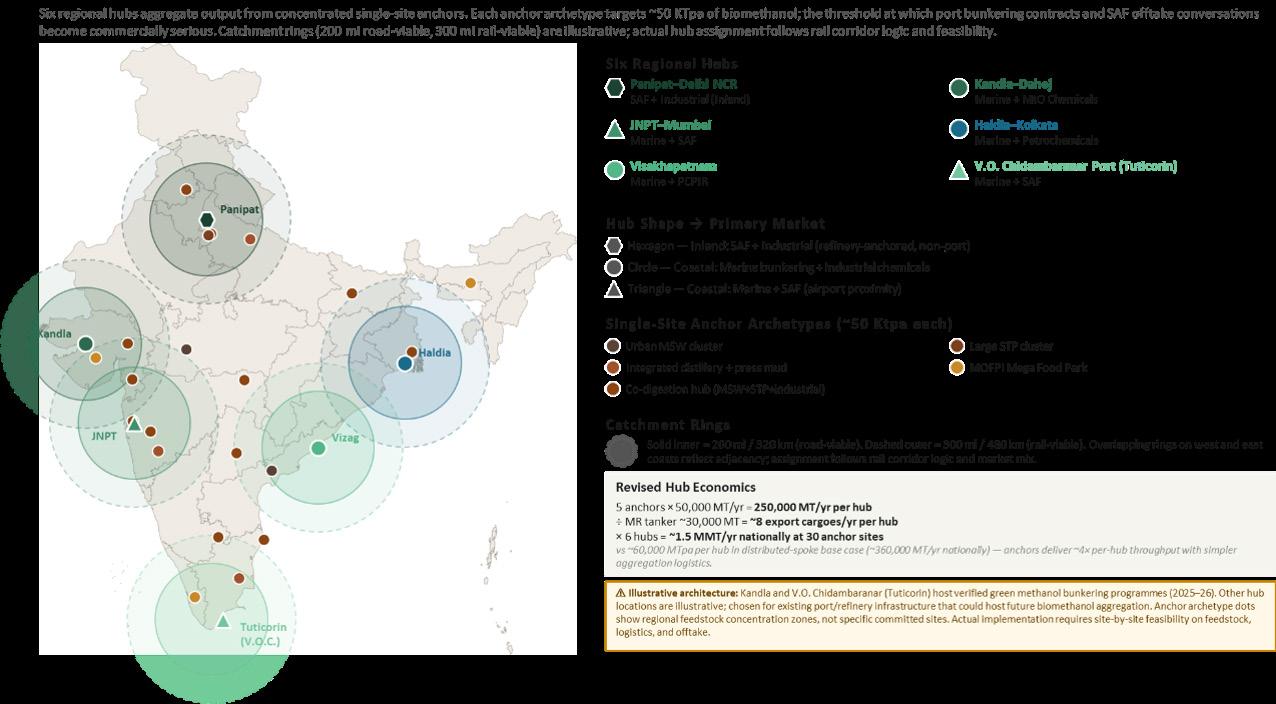
The right architecture is huband-spoke: spoke plants are biomethanol production sites co-lo-
Graphic 2: India Biomethanol Hub-and-Spoke – 50 KTpa Single-Site Anchor Model
cated with biogas feedstock, running one or more modular units. Spokes vary in scale; , from distributed plants of a few MTpd at farms, sugar mills, and gaushalas, to concentrated sites processing dozens of MTpd at mega-landfills, STP clusters, and integrated distilleries. Hubs aggregate methanol, handle certification, and sit at or near coastal ports or major rail heads.
Hub economics scale with the spokes mix. A base case of 10–12 distributed spokes of ~13 MT/d each collectively delivers ~160 MT/d to the hub (~60,000 MT/y), or one MR methanol tanker cargo (~30,000 MT) every six months. Throughput transforms when anchor spokes are added.
Two hubs are being prepared. Deendayal Port Authority has PRL-6 clearance for biomethanol bunkering and has begun site work for India's first 150-MTpd methanol facility. V.O. Chidambaranar Port in Tamil Nadu is developing a green methanol bunkering facility. Hub infrastructure is being built from the port end; the spoke network must be built from the feedstock end. The sector must close the middle.
Scaling to 50,000 MT per Year: Single-Site Cluster Anchors
The distributed-spoke model solves aggregation for agricultural and dairy feedstock. Urban and industrial feedstock opens a second route, i.e. anchor spokes
at single sites of sufficient scale to be commercially significant in their own right. A 50,000MTpa site (~137 MTpd methanol from ~103 MTpd methane, equivalent to ~10-11 co-located 13-MTpd units) transforms hub economics: a hub anchored by two such sites exceeds 100,000 tpa, or three MR cargoes a year. Four anchor archetypes exist in India. MSW mega-landfills such as Mumbai's Deonar (3,000 MT/d waste) and Delhi's Ghazipur (2,800 MT/d) generate 120,000–150,000 m³ of biogas daily, which can reach 50 KT/y of green methanol when CO2 is co-converted with methane. Large STP clusters, where 300+ MLD sit within a 10–15 km radius, deliver comparable methane volumes. Integrated distilleries with press-mud co-digestion (200+ KLPD in the UP and Maharashtra sugar belts) offer the highest methane yield per unit feedstock. MOFPI-notified mega food parks (500–1,000 MT/d combined organic waste) provide a fourth route. Anchor spokes do not replace distributed spokes; they complement them and change the financing calculus for the hub as a whole.
Three Markets, One Molecule
Biomethanol is not a single-market product. It serves three distinct end-use markets, and its physical fuel and environmental attributes can be sold separately.
Marine fuel: With nearly 300
methanol-capable vessels scheduled for delivery by 2028 and FuelEU Maritime imposing binding GHG-intensity targets from 2028, shipping is the largest and most immediately accessible market. Biomethanol from waste feedstocks qualifies for the highest GHG reduction credit under these guidelines.
Sustainable Aviation Fuel via Methanol-to-Jet: The MtJ pathway converts methanol into jetrange hydrocarbons (C8–C16) via methanol-to-olefins, oligomerisation, and hydroprocessing. A January 2026 Methanol Institute assessment found MtJ from bio-methanol cuts lifecycle GHG by 70–90% versus conventional jet fuel and is among the most cost-competitive novel SAF pathways. ASTM certification is expected in 2026–2027. RefuelEU Aviation mandates a 2% SAF blend at EU airports from 2025, rising to 70% by 2050.
Book and Claim: The RSB Book and Claim system, which is operational for SAF and being piloted for maritime by Maersk and RMI, allows physical fuel to be sold into the nearest available market, while the sustainability certificate (Book and Claim Unit) is sold separately to a corporate buyer anywhere in the world. A producer in Punjab can sell physical methanol in Ludhiana and simultaneously sell environmental attributes to a shipping company in Rotterdam or an airlines in Singapore. Two revenue streams, independent,and each global.
[ Graphic 3: Three Markets, One Molecule – Embedded vs Separated Green Attributes ]
What Needs to Happen: Four Actions
First: Certification, now! IMO LCA and RefuelEU Aviation require waste-origin sustainability certification for biomethanol to qualify for GHG credits. India has no established national pathway under ISCC EU or RSB standards; the process takes 12–18 months. A developer intending to export in 2028 must begin today. The IBA is well-positioned to initiate a sectoral working group.
Second: Build spoke-to-hub sup-
ply chains, not plant-to-port. The commercial conversation with shipping companies happens at the hub level. Hub developers such as OMCs, logistics companies, and port authorities must aggregate spoke output and present a consolidated supply offer. The IBA can catalyse this by mapping hub locations against feedstock density and port proximity.
Third: Engage Book and Claim before certification is complete. RSB's registry is operational. ZEMBA, launched in 2024, pools corporate demand and uses book and claim. An Indian producer with RSB-certified feedstock can sell BCUs from day one, using proceeds to service debt and improve IRR.
Fourth: Convene the cross-sector ecosystem. Biomethanol export requires biogas producers, OMCs and port trusts as hub developers, shipping lines and airlines as offtakers, ISCC EU and RSB as certifiers, DFIs as financiers, and the Ministries of Ports, Petroleum, and New and Renewable Energy as policy en-
ablers. IBA is best placed to convene them.
The Sector's Self-Definition Is Its Biggest Constraint
India's biogas sector has spent a decade making the case for pipeline inclusion. That case was correct and necessary. But the sector risks becoming an expert in a market that covers only a fraction of potential sitting near a CGD header, while a larger, globally-funded, legally mandated market for the same molecule develops without Indian producers in it.
Applying the Emvolon metric; , a 10% capture of India's 60 MMT CBG potential translates to 8 MMT of biomethanol annually, which approaches the Methanol Institute's estimate for the entire global green methanol market by 2030. The architecture to export that volume is not speculative: port infrastructure is being commissioned now, the regulatory mandate driving demand is in force, and Book and Claim means environmental value can be monetised regardless of pipeline proximity.
Biomethanol is not a distraction from the pipeline agenda. It is the business model for the 50%+ of India's biogas potential that the pipeline may never reach. The sector's job, in 2026, is to decide that this market belongs to India and build the supply chain to prove it.
Sources
• REGlobal, "India's CBG Sector Gains Momentum, but Challenges Remain," July 2025
• GOBARdhan Portal, Ministry of Jal Shakti, July 2025PNGRB / National PNG Drive 2.0, January 2026
• World Biogas Association, India Policy and Market Briefing, 2024
• IEA India Bioenergy Market Report, India Energy Week, Goa, February 2026
• World Biogas Association India Congress Communiqué, December 2025
• ScienceDirect, "Compressed Biogas Production from Agricultural Residues in India," May 2025
• MIT News, Emvolon modular methanol conversion system, November 2024
• IMO MEPC 83 Net Zero Framework, April 2025
• EU FuelEU Maritime Regulation 2023/1805 / RefuelEU Aviation
• Methanol Institute / Argus Media, Methanol-to-Jet SAF Report, January 2026
• RSC Publishing, "SAF Production via the Methanol Pathway: A Technical Review," May 2025
• Global Maritime Forum, "2030 Shipping Goal at Risk," September 2025
• DNV, Methanol as Marine
Fuel, 2025
• Methanol Institute / ScienceDirect, "Recent Technology Advances in Green Methanol Synthesis," December 2025
• Bunker Index / Emvolon, Biomethanol and India's Biogas Potential, February 202
• Manifold Times, "Major Ports in India Undertake Decarbonisation Initiatives," April 2026
• Hydrocarbon Processing, "SCI and Mazagon Dock Sign Methanol Dual-Fuel Vessel Contract," March 2026
• RSB Book and Claim Programme (rsb.org)
• RMI, "Clean Energy 101: Book and Claim," February 2026
• DHL / Delivered, "Book and Claim Explained," 2025
Meet the Author
Mr. Surya Guduru Head of Business Development & Strategy Emvolon