| 07-09 May
|





5 th BBB Expo & Summit
2026
Yashobhoomi (IICC), New Delhi, India

| 07-09 May
|

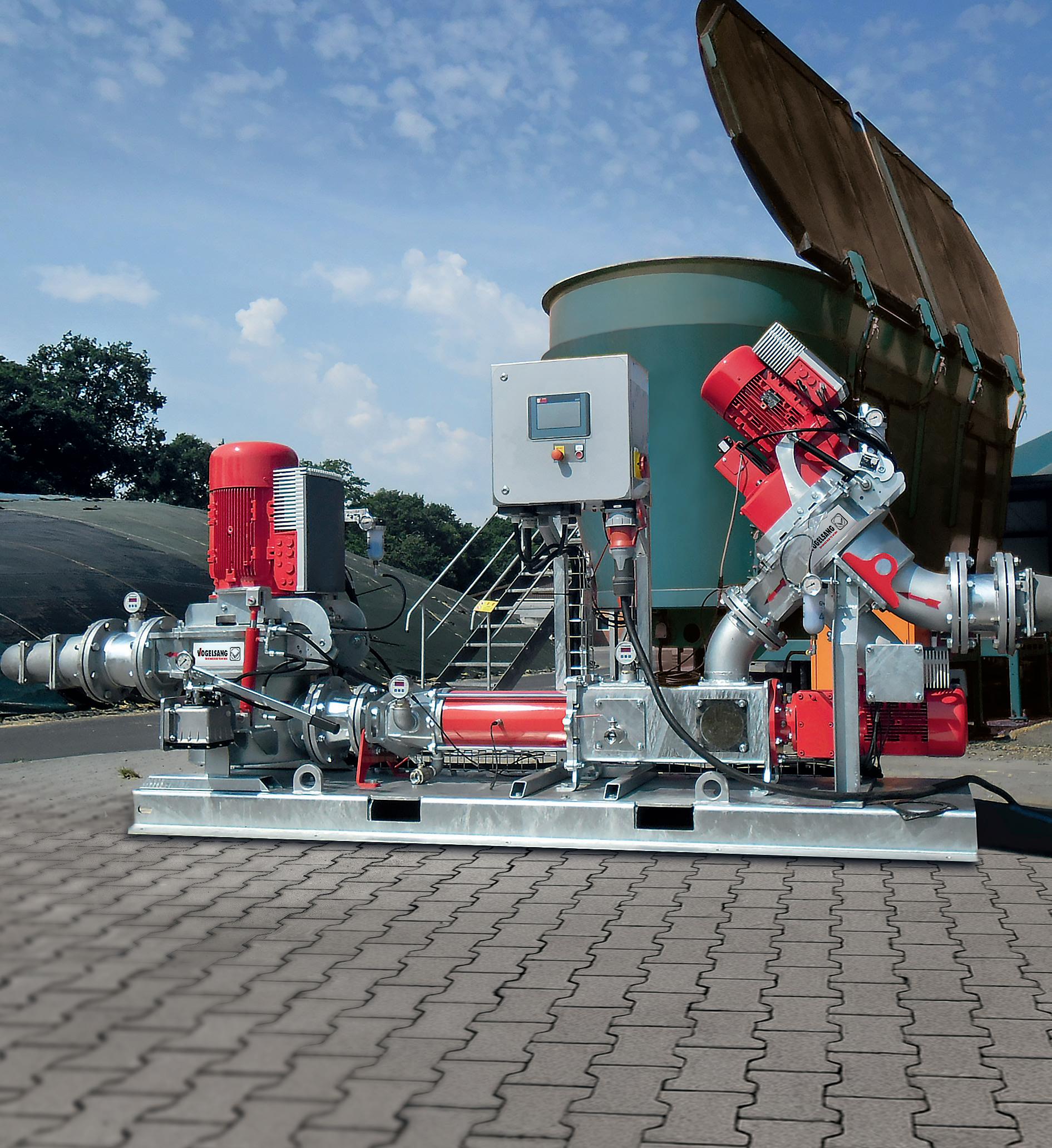
An economical production with maximum gas yield always depends on the quality of the technology used and the individual impact of its components.
In biogas production, every single element is crucial for the efficiency and economy of the plant as a whole. Whether pumping or shredding technology, solid matter feeders or disintegration systems – it is the interaction that determines the input and output ratio and energy performance.
Thanks to the highly functional and ever-improving biogas plant components from technology leader Vogelsang, the investment pays off. Based on the company‘s diverse experience and constant research, the developed biogas range ensures efficient gas production and trouble-free processes throughout the entire digestion system.
After all: The more uniform the process sequences and the more homogeneous the biosuspension fed into the fermenter, the higher the gas yield!
Universal liquid feeding system
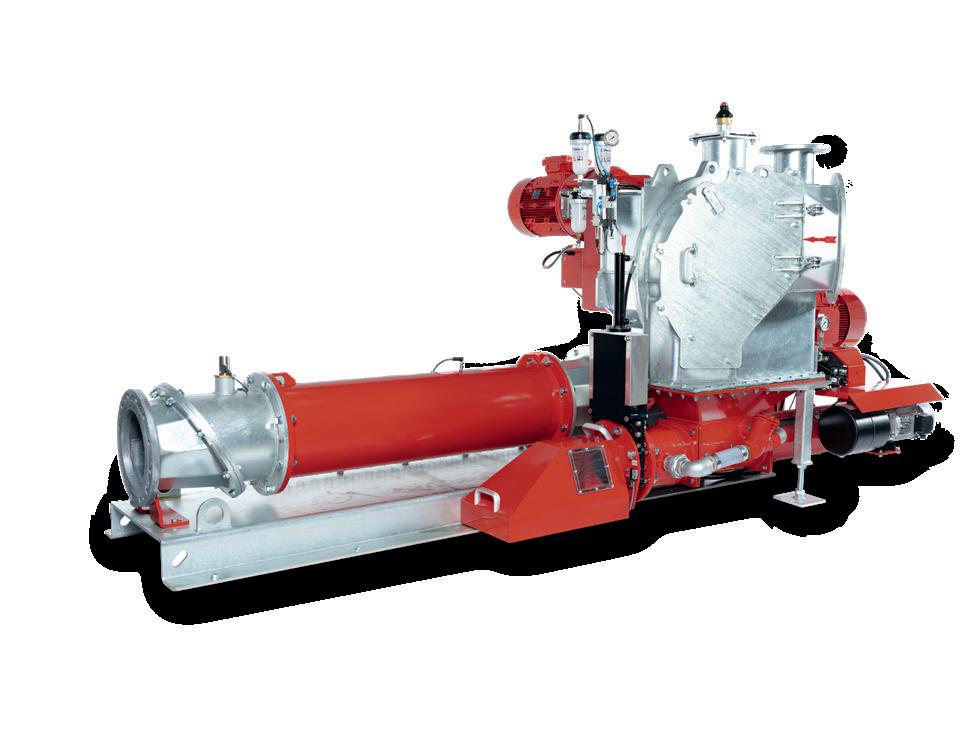
Feed a wide range of different substrates, from pulpy feed fibered (maize) straw, with optimal treatment.
• Unique 4-in-1 concept for separating, mashing, treating, and pumping with just one unit
• Separates foreign matter reliably, reduces disruptive matter to an unproblematic size
• Feeds the digester with optimally chopped down and treated biomass that promotes microbiological processes
Conical progressive cavity pump
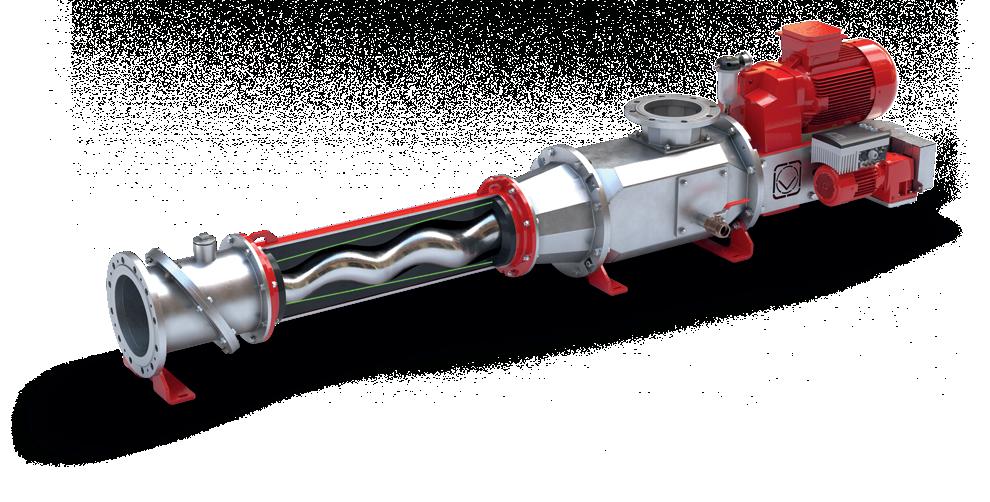
Adjustment instead of replacing wear parts: With the patent-pending system of the HiCone® Vogelsang offers a groundbreaking adjustment and readjustment system that 100% compensates for the effects of wear.
• Conical rotor and stator shape and unique adjustment system for long service life and low operational costs
• Easy and rapid replacement of pumping elements
• Designed for heavy-duty use and suitable for pumping highly abrasive media/media with high foreign matter content
Vogelsang India Private Ltd.
D 235, EPIP, UPSIDC, Kasna, Greater NOIDA, (UP) India
Phone: +91 120 2341 701 - 2 | Fax: +91 120 2341 704 india@vogelsang.info | chitragupt.bhatnagar@vogelsang.info vogelsangindia.com
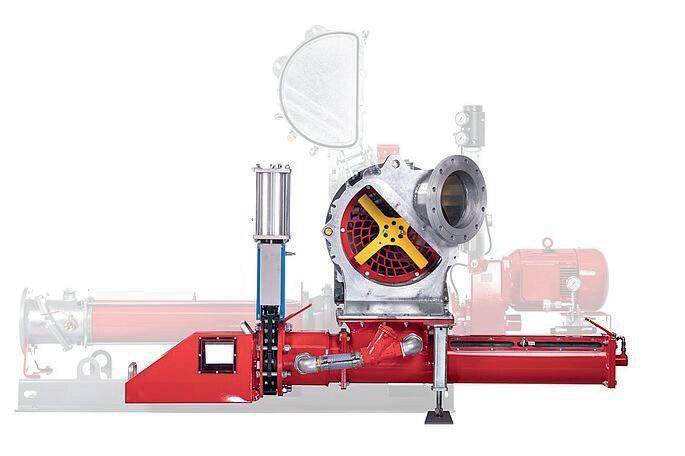
The DRS is a supplement to the PreMix that helps get rid of separated heavy material and foreign matter quickly and easily as it ejects it while the PreMix is running.
• Removal of separated heavy material during ongoing operation
• Required time and work reduced by up to 80%
• Only approx. 15 l of medium is discharged
• Easy retrofitting
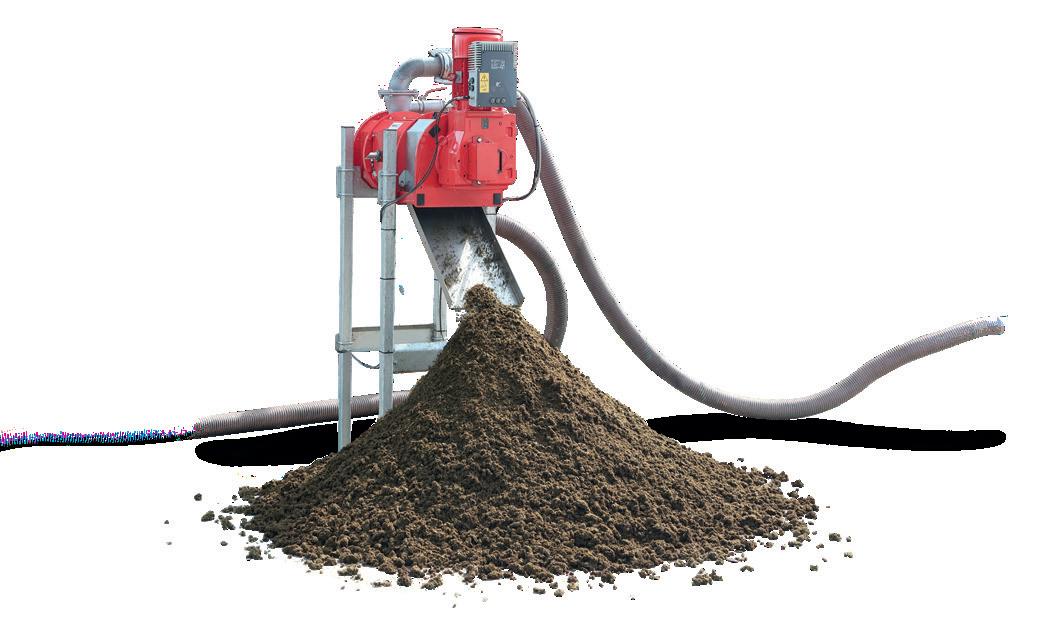
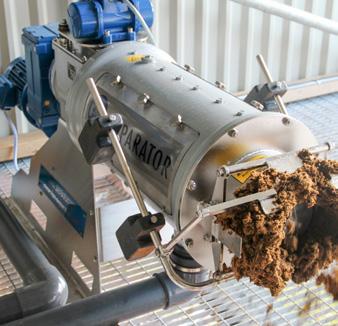
Clean and low-maintenance separation of solid and liquid with a dry matter outtake of up to 40% in order to avoid the formation of floating and sinking layers in the silo.
• Variation of the dry matter content due to adjustable pressing area
• Easy access to sieve and screw for quick service
• Reliable plug formation without auxiliary agents
• Ideal separation results due to high-quality elastomer sealing disc
Wholly owned subsidiary of Hugo Vogelsang Maschinenbau GmbH Holthoege 10 –14 | 49632 Essen (Oldenburg) | Germany
Phone: +49 5434 83 - 0 | Fax: +49 5434 83 - 10 info@vogelsang.info vogelsang.info

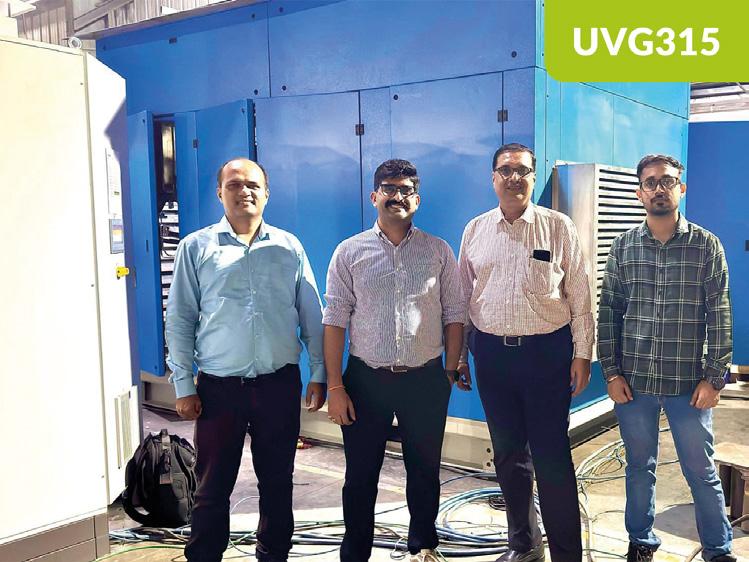
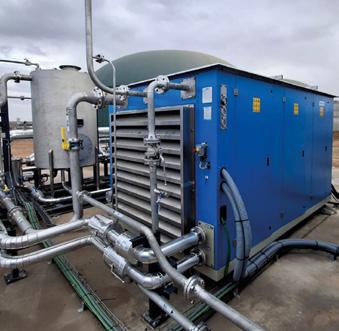
UVG 315
MEMBRANE BIOGAS UPGRADING
FLOW RATE: 0<880<1751 Nm³/h
DELIVERY PRESSURE: 13 bar(g)
WATER-COOLED, OUTDOOR INSTALLATION LOCATION: ADELAIDE, AUSTRALIA
Adicomp India facility is strengthening its international production with the recent manufacturing of a skid destined for the Australian market, highlighting the capability to deliver solutions ready for export to other continents.
Adicomp India Pvt Ltd
409, Centrum, Wagle Estate, Thane, PIN 400604
info@adicomp.com - adicomp.com
MEMBRANE BIOGAS UPGRADING
FLOW RATE: 0<840<1620 Nm³/h
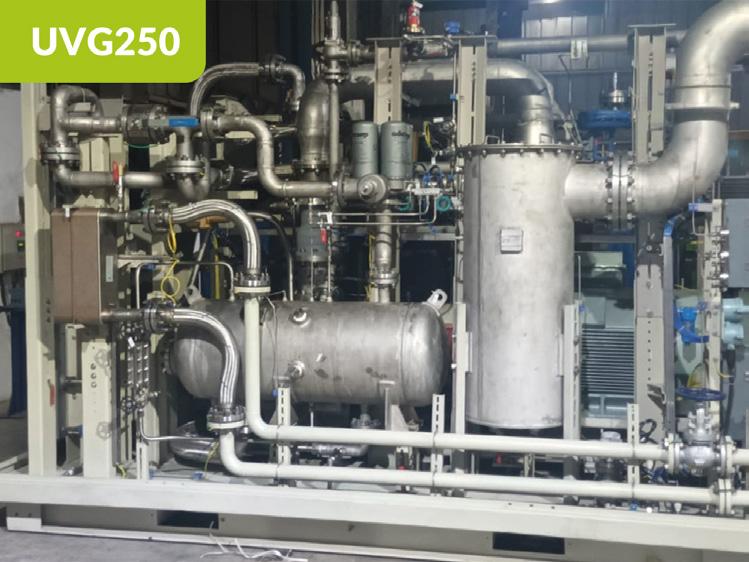
DELIVERY PRESSURE: 15 bar(g) UVG 250
AIR-COOLED, INDOOR INSTALLATION LOCATION: BANGALORE, INDIA
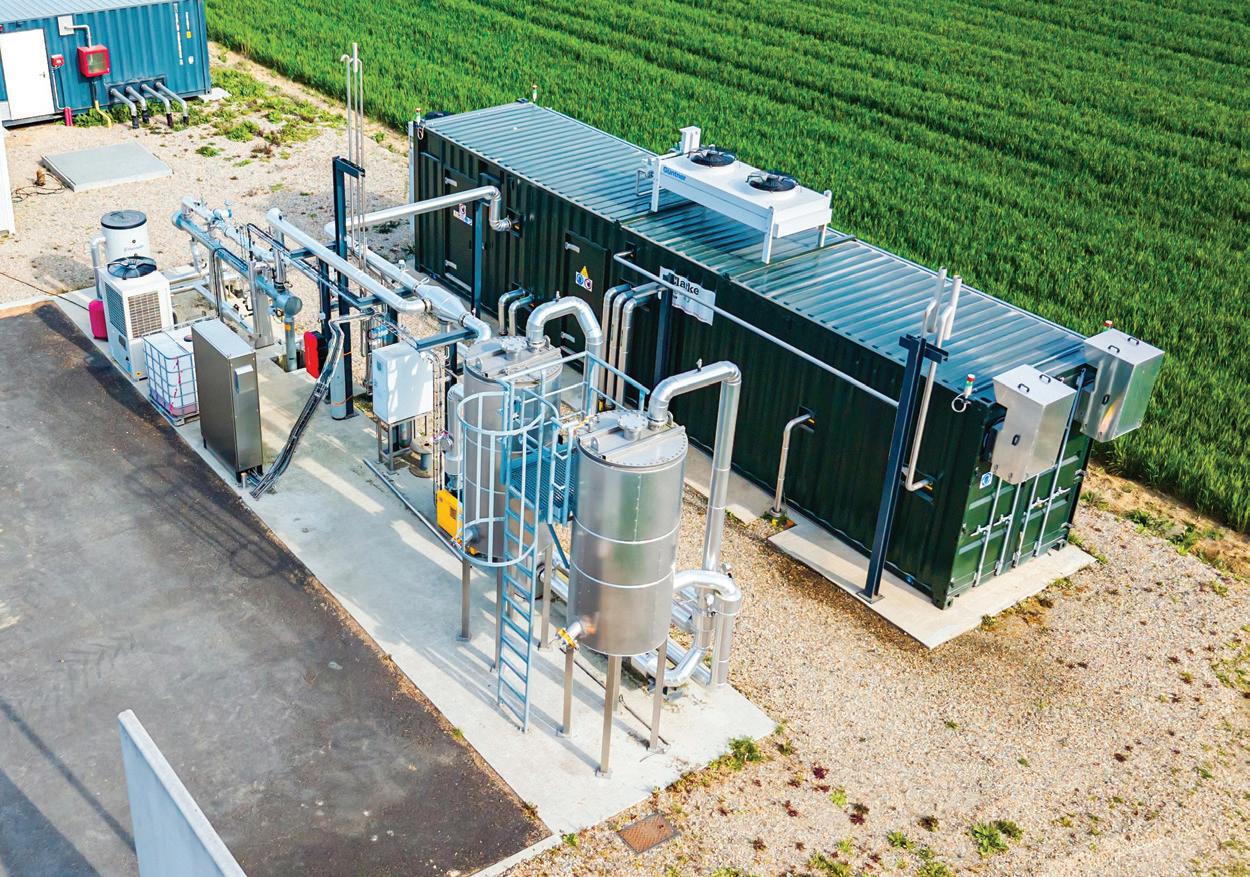
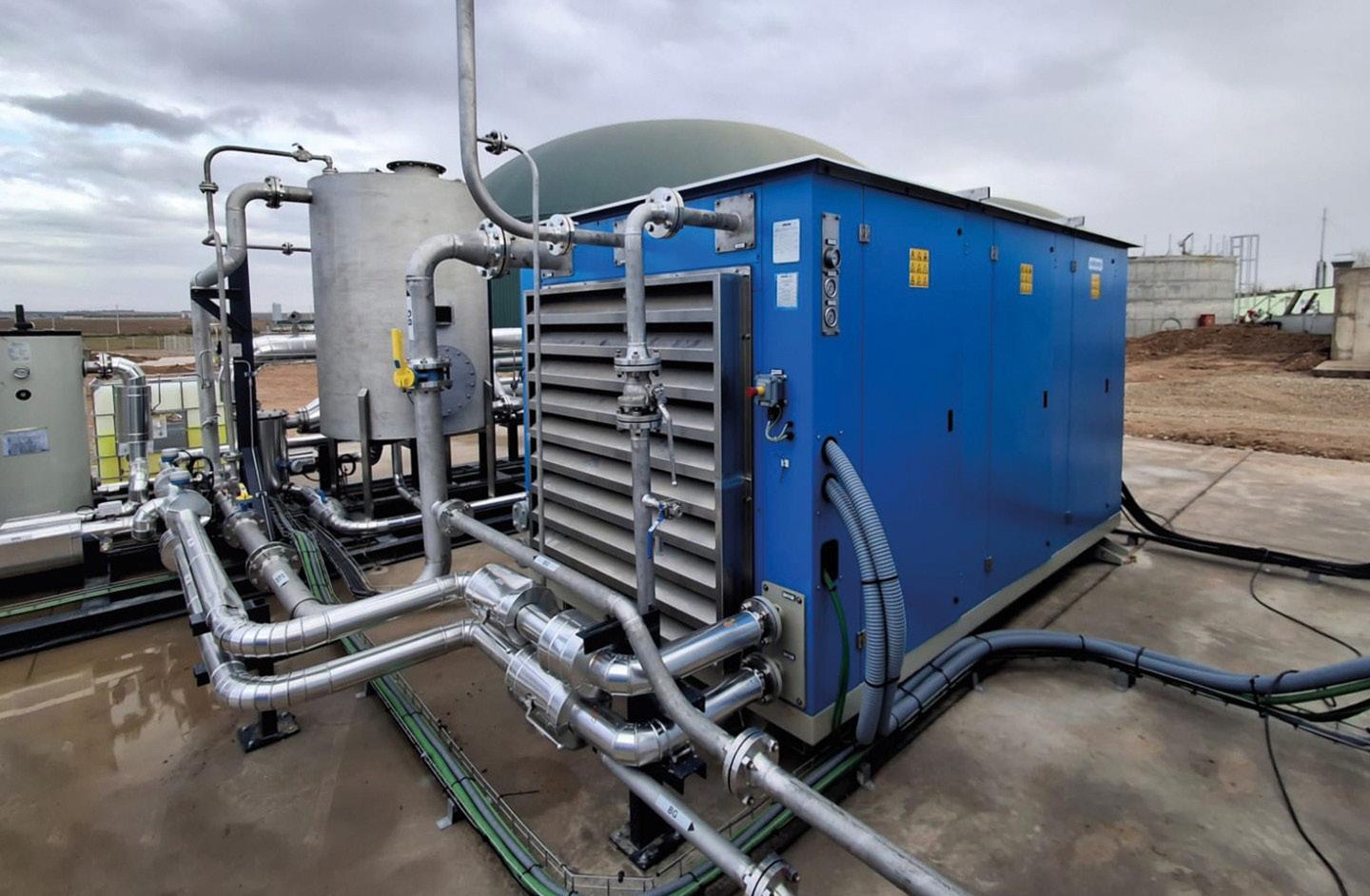
Screw compressor for biogas upgrading located in India.
Designed for ATEX Zone 2 and suitable for indoor installation. The unit is air-cooled, equipped with heat recovery, and fully controlled by a PLC.



Enhancing Biogas Productivity Through Proven Engineering Technology In Conversation With Mr. Titus Lehmann
DRANCO Technology:
A New Approach to CBG Production in India
Compressors for Biogas Upgrading: Engineered Solutions for India’s Rapidly Growing Bio - CNG Sector
Enhancing Mixing Efficiency in Anaerobic Digesters with Gas Agitation Technology
A Smart Solution for Energy - Efficient, High - Yield Biogas Plants
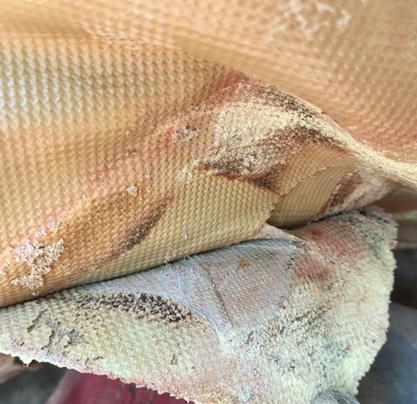
Why India Needs a Different Gas Membrane Solution: The Case for FPP over PVC in WasteBased Biogas Plants
Technological Innovation in Biogas & CBG Ecosystem
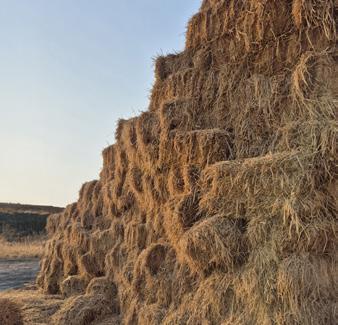
Paddy Straw and Dry Digestion Designing CBG Plants for India’s Most Challenging Feedstock
“Dear Readers and Esteemed Members,
The biogas and bioenergy sector is growing rapidly in India and across the world. As the sector expands, sharing knowledge and practical experiences becomes increasingly important. In this edition, we have brought together insightful case studies from industry experts and technology providers. These cases highlight real challenges in biogas projects and the practical solutions adopted by individuals and organizations to successfully address them.
Through these experiences, we hope to provide useful learning for entrepreneurs, investors, policymakers, and professionals working in the sector. Understanding what works in real projects can help stakeholders make better decisions related to technology, project planning, and business strategies. Learning from successful models and on-ground experiences will play an important role in strengthening the biogas industry and supporting its long-term growth.
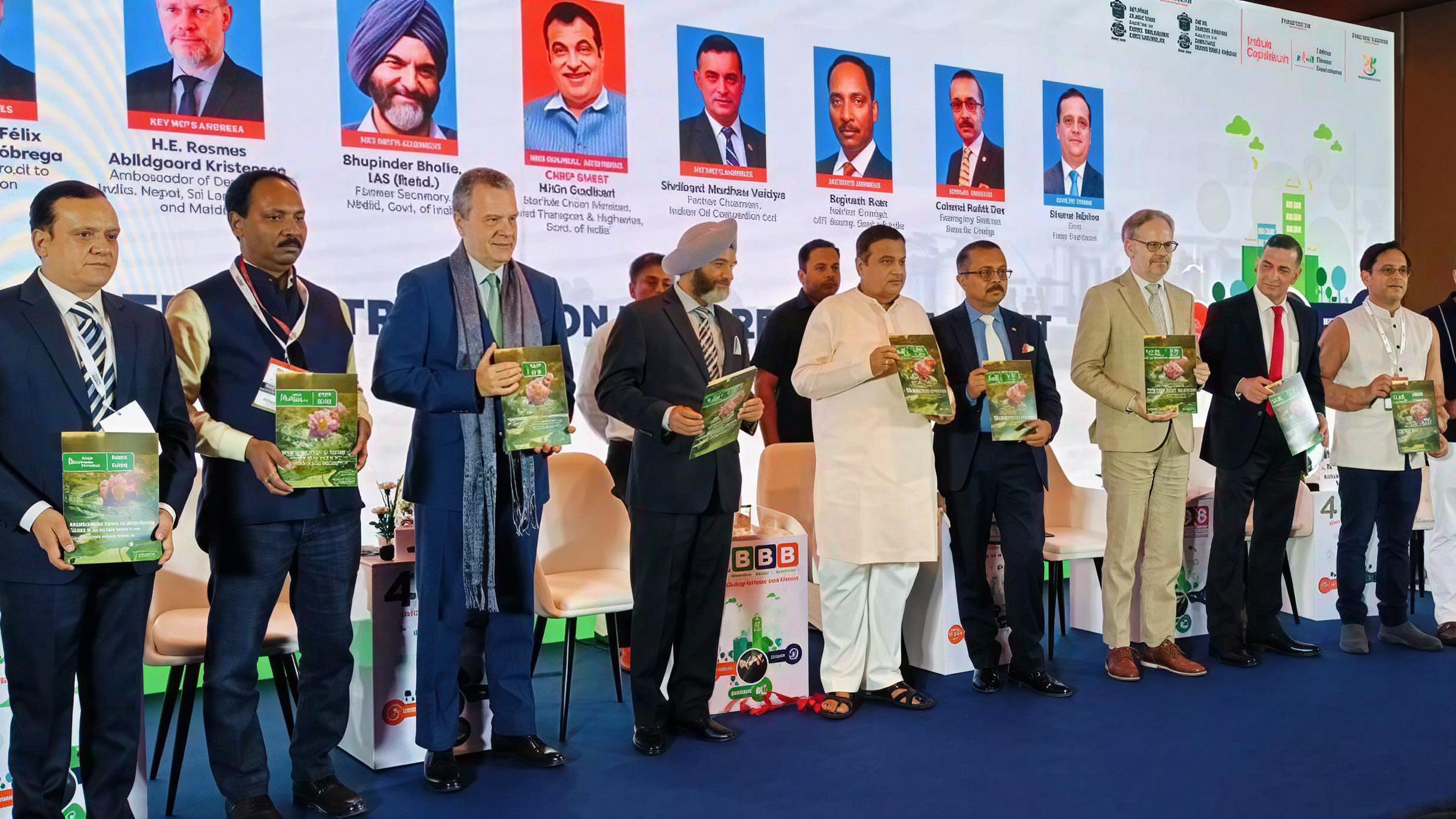
The Indian Biogas Association also continues to encourage collaboration and knowledge exchange within the industry. In this direction, the 5th BBB Expo & Summit 2026, to be held at Yashobhoomi on 7–9 May 2026, will bring together policymakers, technology providers, project developers, investors, and industry leaders to discuss the future of the sector. In addition, the Bio-Energy Arena at the RenewX Expo in Chennai will provide another platform for showcasing innovations, sharing knowledge, and building strong industry connections within the renewable energy ecosystem.
This magazine brings together valuable insights on technologies and solutions that support the growth of the Bio-CNG sector in India. It highlights the importance of efficient compression systems used in biogas upgrading, showing how engineered compressors help purify, compress, and store biogas safely while improving plant performance and ensuring a reliable supply of Bio-CNG for transport and industrial use. It also presents dry fermentation technology, which is gaining attention for processing solid organic waste efficiently with lower water requirements and supporting CBG production in the waste-to-energy sector.
The content also focuses on improving the efficiency and performance of biogas plants. It explains how better engineering designs, optimized digester systems, and improved process control can help increase biogas yield and overall plant productivity. The importance of reliable gas storage is also highlighted through a comparison of membrane materials, explaining how FPP membranes can provide advantages over traditional PVC membranes in terms of durability, gas retention, and performance in Indian conditions.
In addition, innovative approaches for managing challenging feedstocks such as paddy straw are discussed, showing how dry digestion technologies can convert agricultural residues into valuable CBG while also helping reduce crop residue burning. The magazine also highlights technological advancements across the biogas and CBG ecosystem, including improvements in feedstock processing, gas purification, and bio-fertilizer management. It also explains the role of gas agitation technology in anaerobic digesters, which helps improve mixing, maintain stable microbial activity, and enhance overall biogas production efficiency.
Happy Digesting!
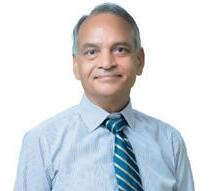
Dr. A. R. Shukla President Indian Biogas Association

Chief Editor: Dr. Savita Boral
Editors: Abhijeet Mukherjee, Gaurav Kumar Kedia
Copy Editor: Dr. K. Rohit Srivastava, Mansha Tejpal, Gautam Pandya, Pranav Gaikar
Creative Director: Chintu Mishra, Jyoti Narang
Production: Arjun Gambhir, Shikhar Singh
Tech Support: Sangram Rout
Print Coordinator: Pawan Sahoo Know us more
The “Indian Biogas Association” (IBA) is the first nationwide and professional biogas association for operators, manufacturers and planners of biogas plants, and representatives from public policy, science and research in India.
The association was established in 2011 and revamped in 2015 to promote a greener future through biogas. The motto of the association is “propagating biogas in a sustainable way”.


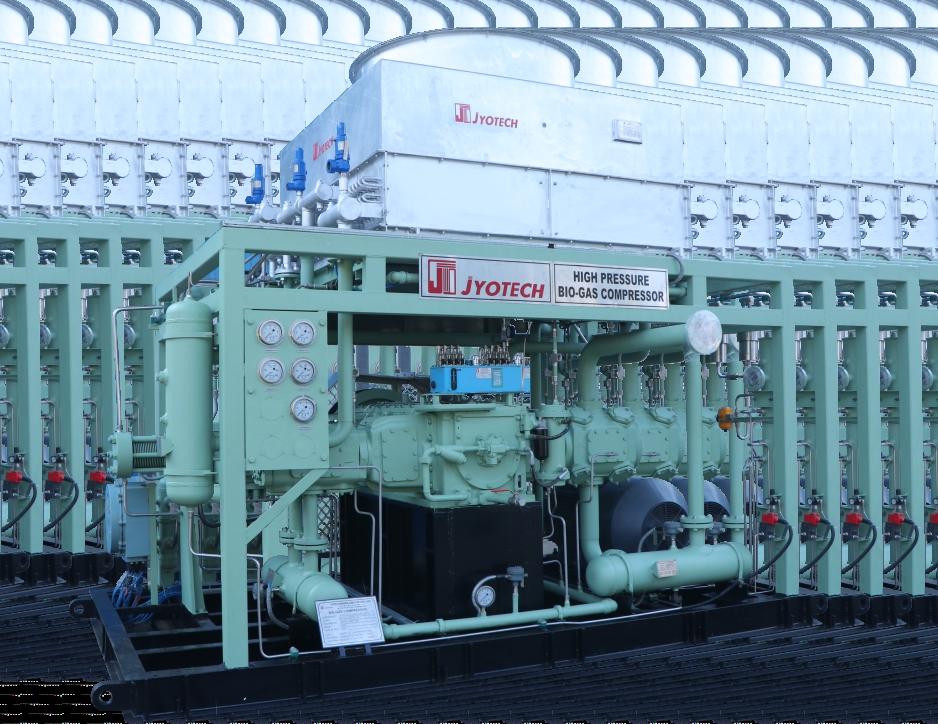
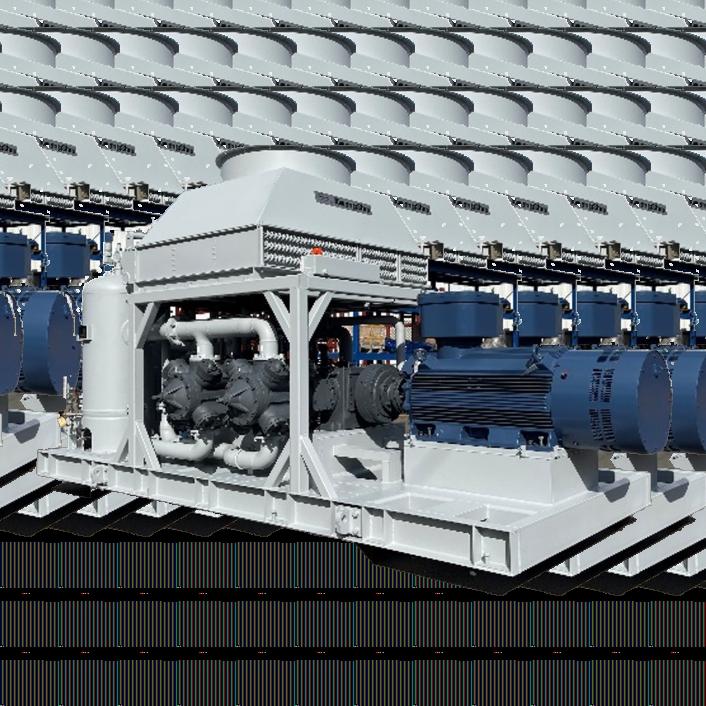

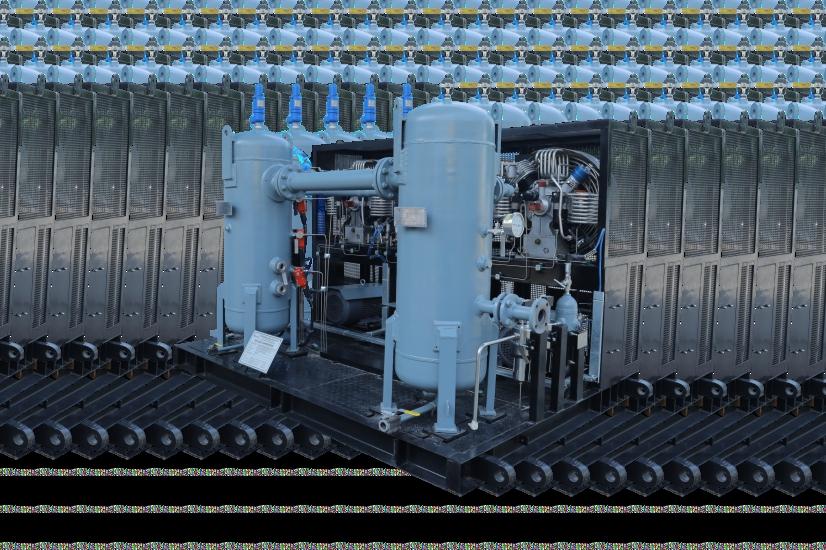
Medium Pressure 100 Barg
DESIGNED FOR LOW, MEDIUM AND HIGH CAPACITY REQUIREMENTS WITH VARIED SUCTION & DISCHARGE PRESSURES
Oil-free compression
High Pressure 250 Barg
Low Pressure 20 Barg VFD option

Period: January ’26 – March ’26
1. Union Budget 2026: Positive Momentum for Biogas & Bioenergy Sector
The Indian Biogas Association has welcomed the announcements made by Finance Minister Nirmala Sitharaman in the Union Budget 2026, calling it a positive step for the growth of the biogas and bioenergy sector.
One of the key highlights is the phased blending of Compressed Bio-Gas (CBG) with CNG and PNG. This move is expected to create a stable demand for biogas while reducing dependence on fossil fuels. It is also likely to encourage more investments and boost confidence among project developers.
Another important announcement is the exclusion of biogas value from central excise duty in blended fuels, which will help improve the financial viability of CBG projects. The Budget also touched upon carbon capture and decarbonization, opening up opportunities for carbon monetization in the sector.
Overall, these measures reflect the government’s continued focus on clean energy, rural development, and sustainable growth
2. Webinar on Carbon Monetization Opportunities in the Bioenergy Sector
The Indian Biogas Association recently hosted a webinar titled
“Carbon Monetization Opportunities in the Bioenergy Sector – The Journey Ahead,” bringing together experts and stakeholders from across the industry.
The session focused on how bioenergy projects can benefit from carbon markets. Discussions covered ways to improve project viability through carbon finance and explained the process of carbon credit audits in a simple and practical manner.
Speakers also highlighted how CBG projects can generate additional revenue by registering under greenhouse gas (GHG) platforms. The session provided useful insights for developers looking to understand and tap into carbon opportunities.
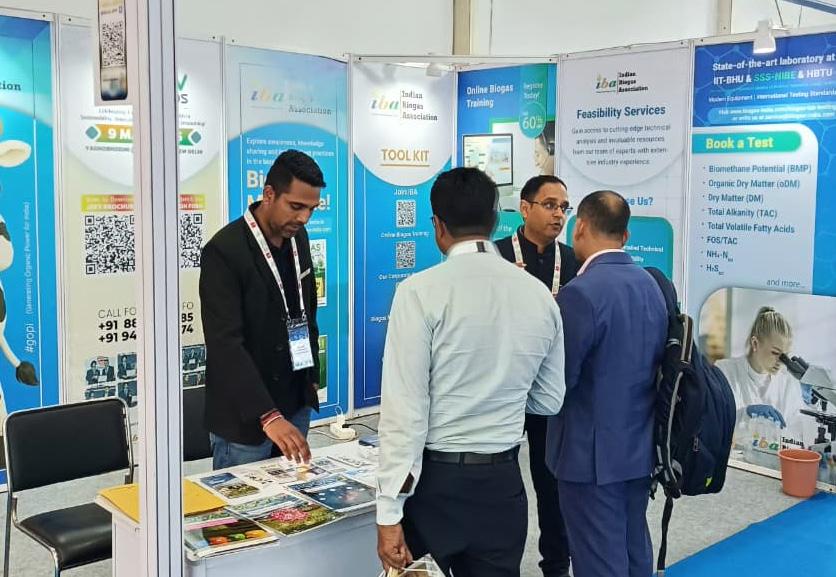
The Indian Biogas Association participated in India Energy Week 2026, held in Goa from 27–30 January 2026. The event brought together global energy leaders, policymakers, and industry stakeholders.
IBA’s presence at the event attracted strong interest from visitors including technology providers, investors, and policymakers. The team shared insights on how biogas can support India’s energy security, waste management, and rural economy.
The 5th edition of the BBB International Expo & Summit will be held from 7–9 May 2026 at Yashobhoomi Convention Centre, New Delhi.
The event will bring together policymakers, industry leaders, technology providers, researchers, and investors to discuss the future of bioenergy. The theme for this year is “Fostering Transition Towards a Viksit Bharat.”
The expo will feature both a conference and an exhibition covering areas such as biomass, CBG, biofuels, waste-to-energy, and bio-mobility. With participation
The event also provided a good platform for networking and strengthening industry connections. Through its participation, IBA once again highlighted its role in promoting the bioenergy sector in India.
expected from over 100 exhibitors, 500+ delegates, and representatives from multiple countries, the event aims to promote collaboration, investment, and technology exchange.
Organized by the Indian Biogas Association along with partners, the summit continues to serve as an important platform for the bioenergy industry.
The Indian Biogas Association will be hosting the Bio-Energy Arena at RenewX 2026, scheduled from 27–29 April 2026 at the Chennai Trade Centre.
This dedicated pavilion will focus on biogas, CBG, biomass, and related technologies, creating a platform for companies to showcase their solutions and connect with industry stakeholders.
The initiative aims to encourage partnerships between developers, manufacturers, and investors, especially in the South Indian market. It will also help promote bioenergy as a practical solution for waste management, clean energy, and rural development.
With strong participation expected, the Bio-Energy Arena is set to further strengthen the presence of bioenergy in India’s renewable energy landscape.

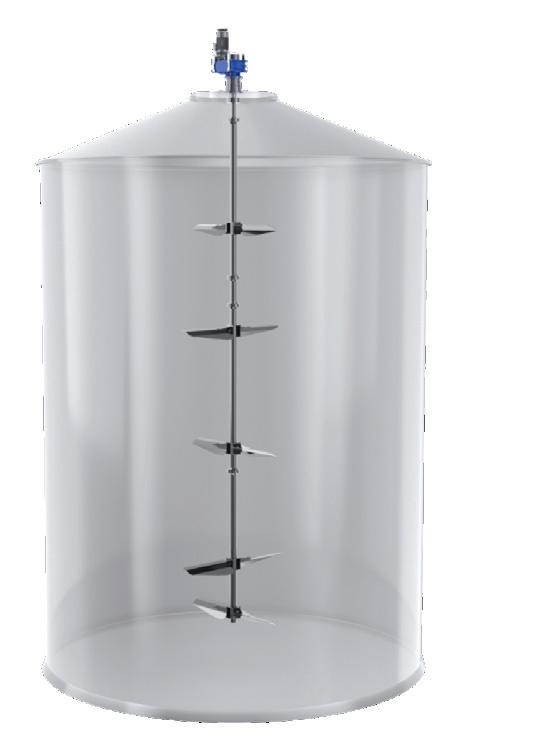
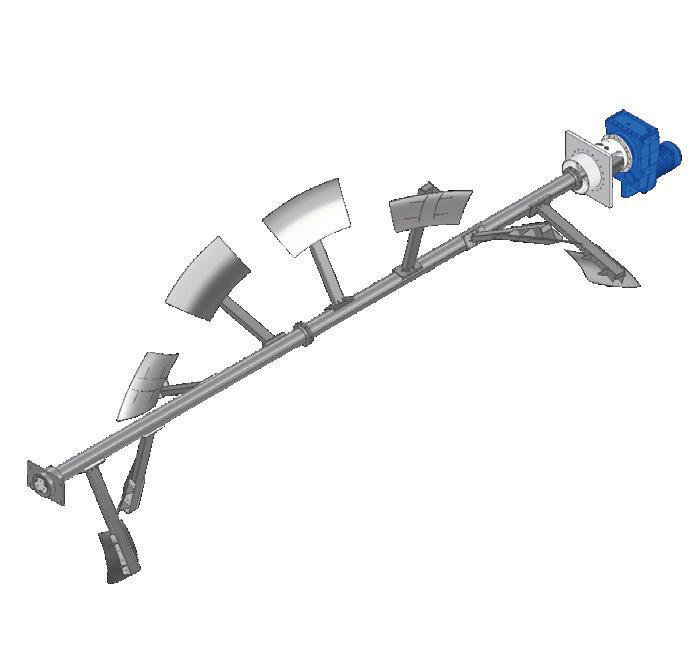
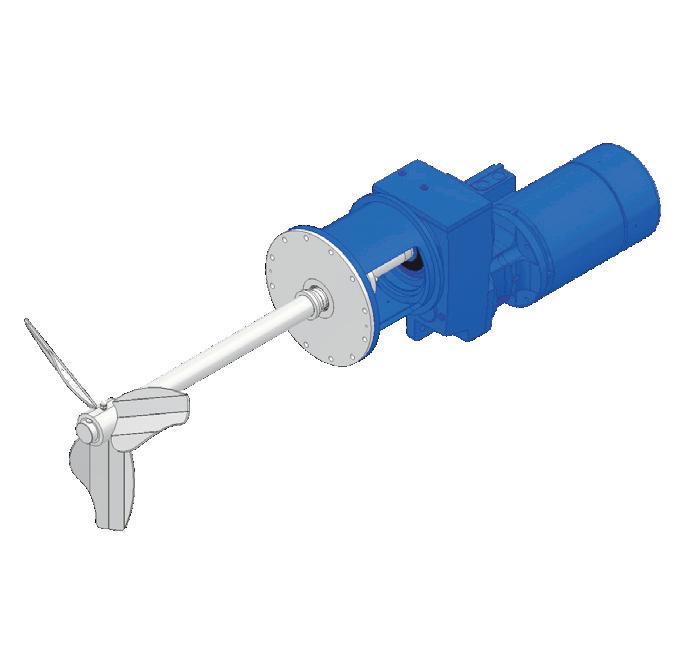
PRG Agitators Pvt. Ltd., located in Vadodara, is a 100% subsidiary of a German Multinational.
We have successfully installed agitators for 700+ biogas plants worldwide and boast over 20 years of experience in the biogas industry. We provide a diverse range of sophisticated agitator types that can be perfectly adapted to the respective task and system size –for optimum yields and maximum operational reliability right from the start.
Our product range includes:
• Central Agitators
• Paddle Mixers
• Lateral Agitators
Contact us to find the perfect mix for you.
PRG Agitators Pvt. Ltd.
66 Alindra, Savli GIDC, Manjusar, Vadodara, 391 775 Gujarat, India
Phone: +91 63549 16014
Email: info@prgagitators.com
PRG Präzisions-Rührer GmbH
Anton-Böhlen-Straße 13 34414 Warburg, Germany
Phone +49 (0) 5641 9006-0
Email info@prg-gmbh.de

Visit us at:
www.prg-agitators.com


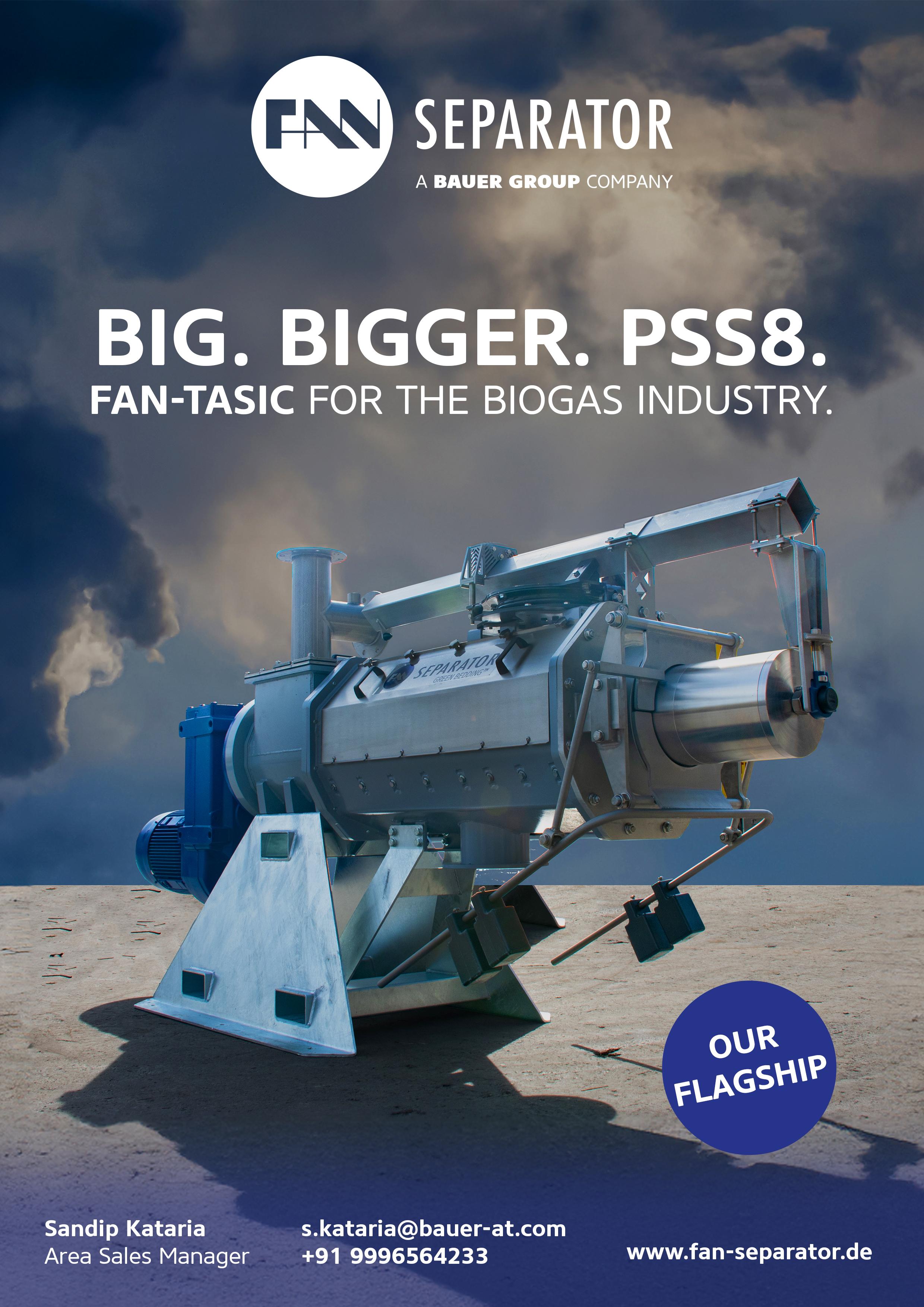
Biogas is a fuel that opens up the route toward a future of green energy. This ecological method to energy generation can assist us in achieving sustainable use of Earth's resources. The German company FAN Separator GmbH., a Bauer Group company, supplies the required hardware for this process: their components for use in biogas plants ensure the smooth and efficient running of the power and heat production process.
Thanks to the integration into the Group, we are able to provide with a complete product range for their biogas chain. In addition to solid - liquid separators, submersible mixers and motor pumps, biogas product range includes eccentric screw pumps and polyester tankers. Solutions are provided for all stages of the process, from the substrate management to the residue recycling. Plants can therefore obtain all of the required equipment from one partner with decades of experience.
Complete separation solutions for efficient digestate management
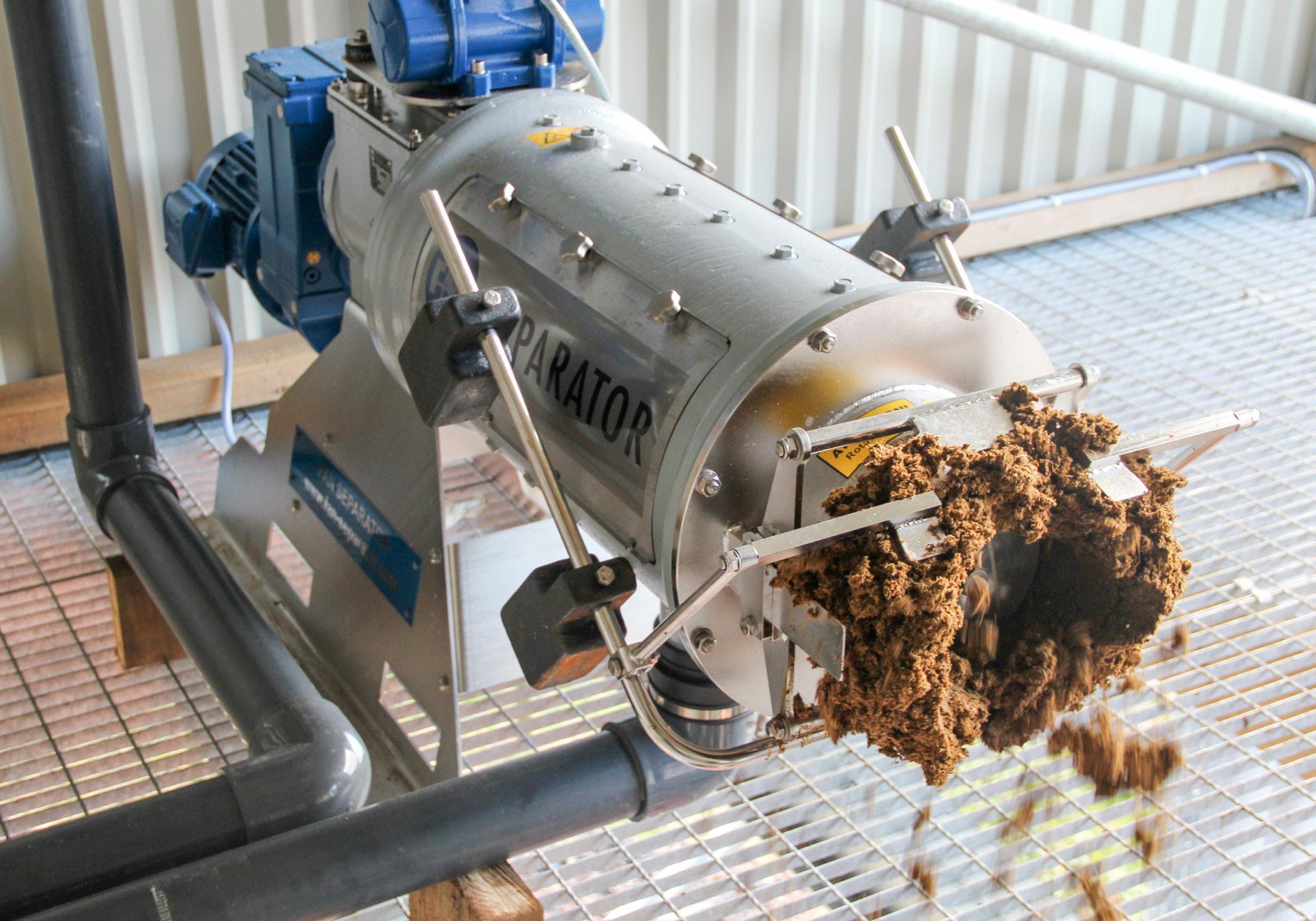
A separator is of utmost importance for making the operation
of a biogas system more efficient, profitable and environmentally friendly. The separator can be installed either before the fermenter or in a separate unit at the manure or digestate storage site. Depending on the application, separation can improve the properties of the substrate, reduce floating layers in the secondary fermenter or decrease volumes. The separated solid can then be fed back into the biogas system as recirculate, sold as raw material for potting soil, or used as high - quality bedding for livestock, thereby helping improve the user’s margin.
Premium separating technology
The separators are known for their superior quality and high efficiency. They are engineered for proven 24/7 operation and contribute to maximise biogas production. With the separators, the digestate can be brought to its optimal dry matter content. The consistency of the gained solid can be varied with the help of a patented output regulator by the amount and position of counterweights. This approach enables dry matter contents in the range between 25 and 55 percent. The organ-
isation offers a comprehensive range of separators, including the compact separator PSS 1.1 - 300, the classic series PSS 1.2, PSS 3.2 and PSS 3.3, as well as the larger PSS 8. It’s worth noting that the models of the PSS - 3.2 series are the most commonly used separators in biogas systems around the world. However, every biogas system has its own unique characteristics and requirements. The separator assists their customers with analysing the special needs to find the ideal solution for maximally efficient biogas production.
The separators are also available as a mobile variant for “plug & play” functionality. Using a mobile separator increases flexibil-
ity in the procurement of the raw materials. For example, you can separate liquid manure from your own remotely located sites or even other agricultural operations altogether and the solids produced can then be transported to the biogas system for further processing. This results in an economic and extremely high - quality raw material for producing biogas.
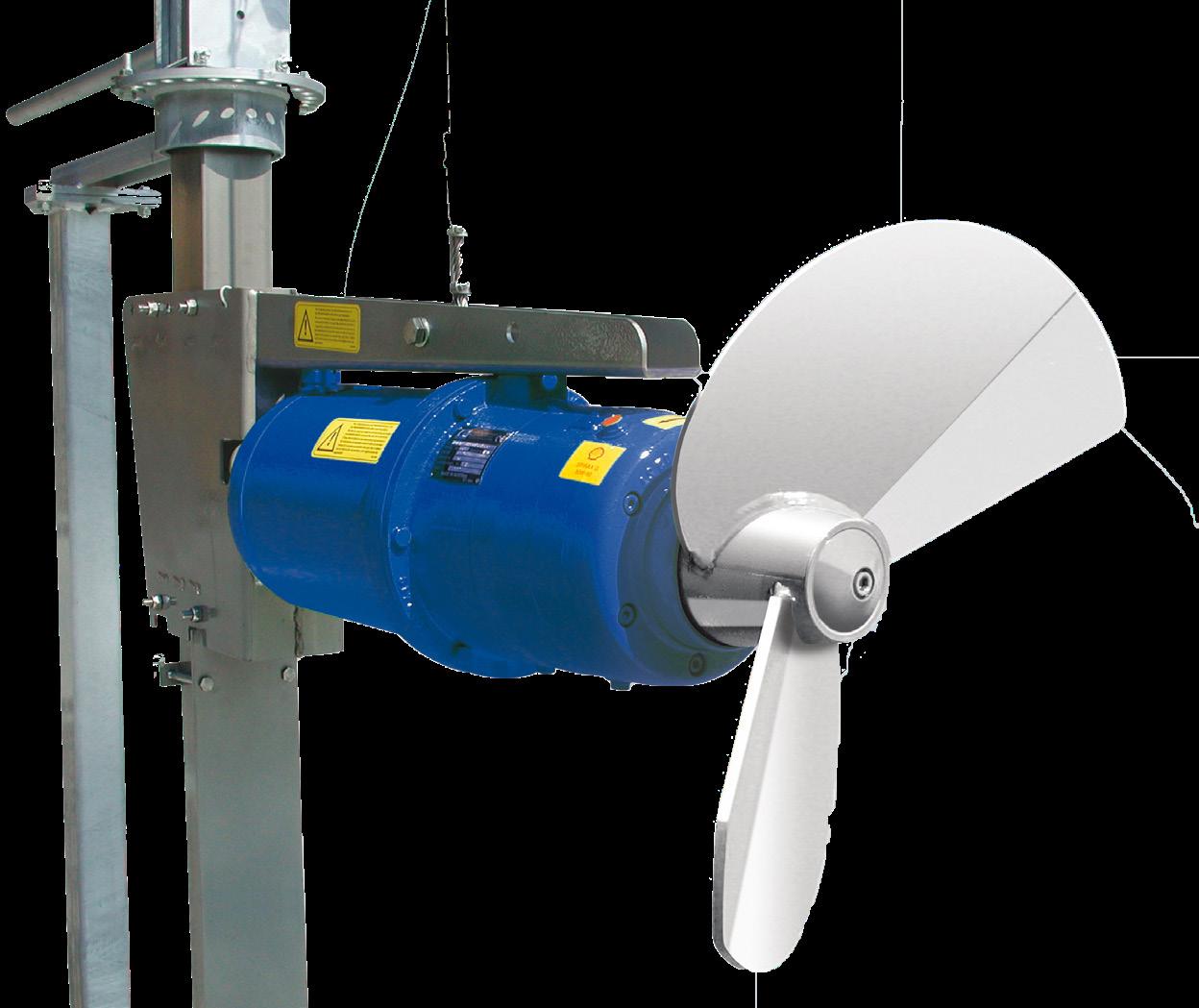
For many users, a maximally homogeneous mixture in the system is the key to a good biogas yield. With the tremendous mixing power of the submersible motor mixer MSXH from product range, thick media such
as liquid manure or maize silage can be mixed in under optimal conditions. The easy adjustability permits both horizontal and vertical operation, as well as raising and lowering of the mixer. This product places mixer in the highest efficiency class while ensuring the lowest power consumption within its product range. This extremely high level of efficiency is achieved with a special planetary gear. Safety is also the greatest importance: probes give warnings in the event of leakage to prevent the mixers from sustaining damage.
The submersible motor pump
Submersible motor pumps like CSPH can be used to homogenise the material at the final
storage site. Equipped with a special cutting system that is adjustable and easy to replace, the CSPH is the pump of choice for many biogas system operators. The use of high - quality chromium steel extends the service life considerably while also lowering operating costs.
Eccentric screw pumps: innovative construction enables maximum performance
The pumps in and around the fermenter are subjected to especially difficult operating conditions. They must be able to handle media with diverse consistencies while still continuously providing the desired performance. The tried and tested eccentric pump generation Helix is specially designed for use in biogas applications. Its smoothly running hollow rotor is manufactured in a unique process at the site in Marktschorgast and
is unbreakable. The innovative and robust design of the pump allows it to achieve exceptional power levels of 5.5 to 11 kW, maximum pump heads of 30 to 60 metres and flow rates of 15 to 65 m³/h, all with a prolonged operating life. “The quality of the detail is what defines the success of an entire system,” explains Bauer Group Area Sales Manager, India and Middle East, Mr. Sandip Kataria. If one single part fails, the entire biogas production plant could come to a standstill. “To avoid this, I would advise obtaining all of the components from the same source to ensure that the parts are all perfectly adapted to one anoth-

er,” says Mr. Kataria.
Polyester tankers for professional manure spreading
The liquid manure can be used as valuable fertiliser for crops. As biogas manure will cause significant discolouration of zinc, polyester tankers are the ideal solution for this application. The polyester tanker with a tank volume of 6,000 to 26,000 litres boasts powerful spreading while going easy on the soil thanks to the low weight of the tanker itself. “The biogas components from the product range and the group enable professionals to work efficiently and at a highquality level” concludes Mr. Kataria.
Meet the Author
Mr. Sandip Kataria
Area Sales Manager India, Middle East
Biogas Magazine | Edition 35 In conversation with

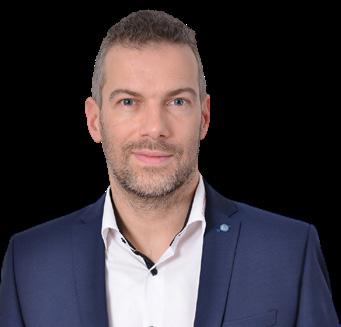
Mr. Titus Lehmann CEO
1. Please give the background of Lehmann-UMT and how bioenergy can play a key role in the volatile energy scenario?
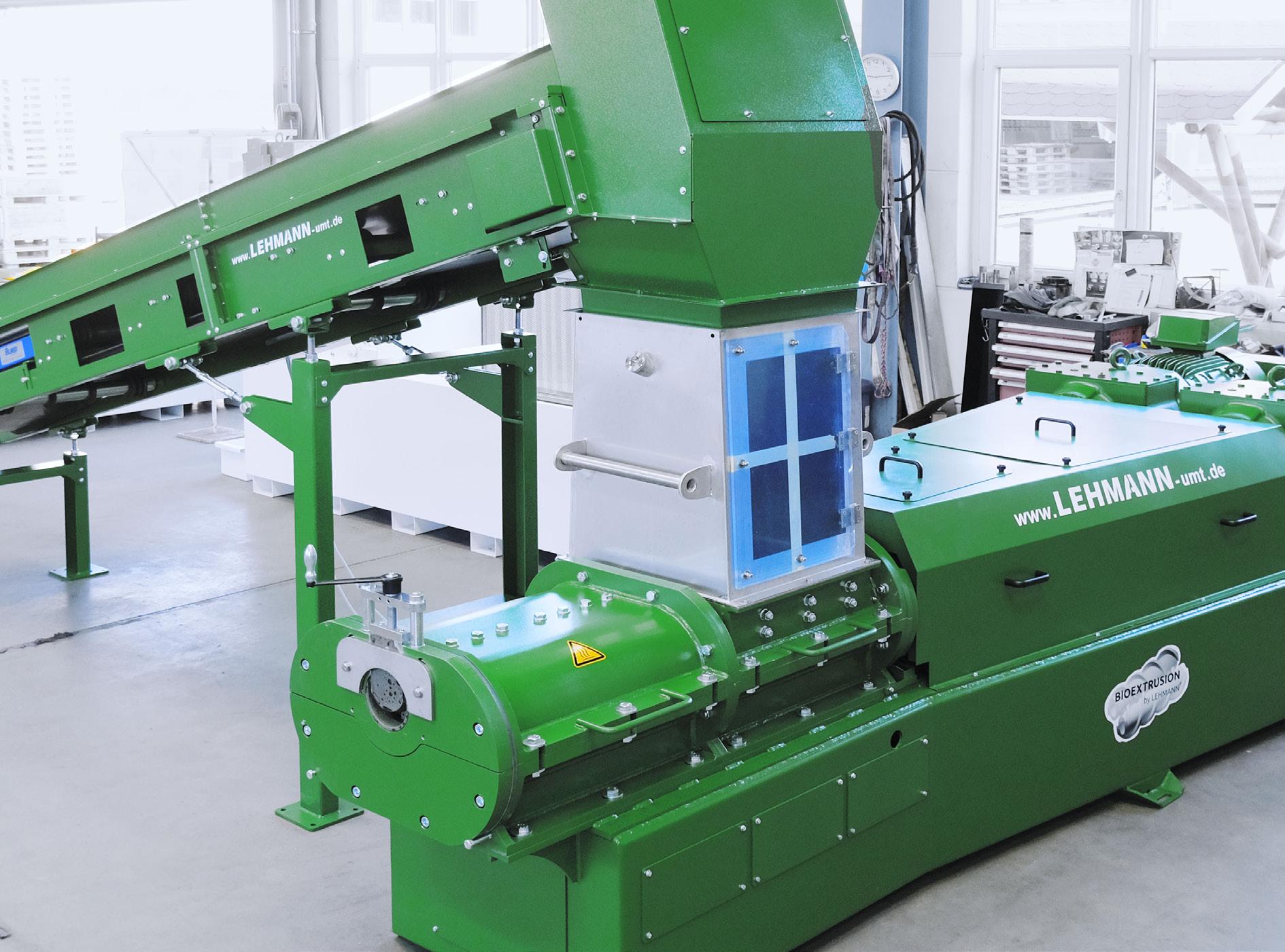
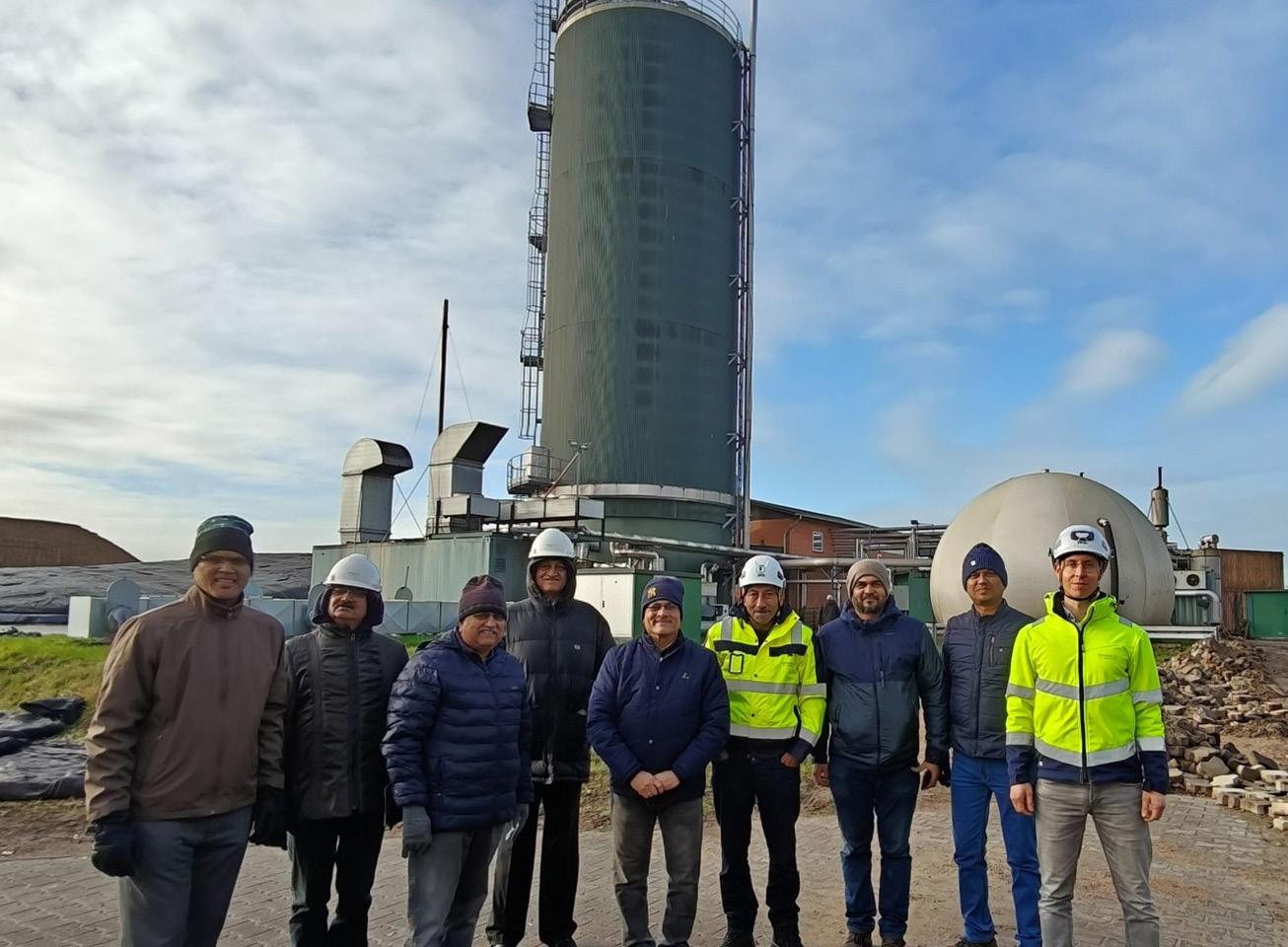
“Lehmann-UMT builds on more than 80 years of technology development and almost three decades of experience in extrusion technology,” explains Titus Lehmann. The company began developing extrusion solutions for environmental applications
Titus Lehmann, born in 1977 in Plauen, Germany, started his career as a car mechanic trainee. After 3.5 years of apprenticeship he decided to receive further education as a mechanical engineer. Today he is the CEO of Lehmann-UMT, an accomplished company with over 100 employees and three decades of experience in extrusion technology.
in 1996 and has continuously refined the technology since then. A defining feature of the company is its high vertical integration. “From the initial concept and research to engineering, in-house production and the final product, everything is developed within our company,” Lehmann says. This ensures high quality standards while allowing solutions to be adapted to specific market needs. Customers are supported throughout the
process, from material testing and development trials to the final industrial solution.
Bioenergy plays an important role in the energy transition because it enables the utilisation of locally available resources. “Agricultural residues, manure and organic waste streams contain significant untapped energy potential,” Lehmann notes. Improving the use of these materials contributes to more
sustainable and resilient energy systems.
2. From an engineering perspective, how important is substrate pre-treatment in improving the efficiency and economics of large-scale biogas or CBG facilities?
“Substrate pre-treatment is a key factor in improving the efficiency of biogas production, particularly when using challenging materials such as straw, manure, grass or organic waste,” Lehmann explains.
In the extrusion process, biomass is exposed to mechanical and thermal treatment, including several pressure and pressure-relief cycles with temperatures exceeding 100 °C. “These
combined effects break down the structure of the substrate and increase its surface area by millions,” he says.
This allows microorganisms in the digester to access the organic material more efficiently. “In many projects we see biogas yield increases of up to 30 percent and more,” Lehmann adds. The treated substrate also becomes more homogeneous, improving mixing behaviour, reducing floating layers and lowering stirring energy requirements. Improved digestibility does also shorten retention times and help optimise digester volumes.
3. One of the interesting aspects of your technology is its ability to convert agricultural residues into valuable
fibre materials. How do you see such solutions contributing to a broader circular bioeconomy, too?
“A key aspect of our technology is that it enables plant operators to utilise locally available agricultural residues much more efficiently,” says Lehmann. Materials such as straw, grass or organic waste are often underutilised because they are difficult to process in conventional systems.
This improved utilisation of agricultural residues also supports broader sustainability goals. “It contributes to the development of a circular and sustainable bioenergy system by unlocking the energy potential of biomass that would otherwise
remain underused,” Lehmann adds.
The system integrates seamlessly with both new and existing biodigesters. It delivers largescale throughput with reliable continuous processing. By accelerating digestion and reducing retention time, it significantly improves methane yields. At the same time, its low operating energy requirements help reduce costs and ensure a faster return on investment. The solution also enables farmers to create additional value by converting crop residues into income, preventing stubble burning. Overall, it contributes to sustainability goals by lowering emissions and improving process efficiency, aligning with India’s carbon neutrality ambitions.
4. With countries like India rapidly expanding their CBG programs based on agricultural residues and organic wastes, what are the lessons to be learned?
“India has become one of the most exciting markets for biogas and renewable energy technologies,” says Mr. Titus Lehmann. Over the past decade, the country has increasingly focused on utilising agricultural residues, manure and organic waste streams.
One key lesson is the importance of technologies that can efficiently process difficult substrates. “Large quantities of agricultural residues are available, but many of these ma-
terials are difficult to digest efficiently in conventional biogas plants,” Lehmann explains. Pre-treatment technologies such as extrusion help unlock this energy potential.
Local partnerships are also crucial. “To support our customers locally, we work with an Indian team that provides fast and reliable service,” he says. The company also follows a “from India for India” approach for the wear parts and for the machines themselves, enabling efficient and cost-effective implementation.
5. Looking ahead, do you see extrusion technologies becoming a standard upstream component in next-gener-
ation biogas/Compressed Biogas plants?
“Technologies that increase efficiency and allow difficult substrates to be used economically will play a key role in the future development of biogas,” Lehmann says. Many agricultural residues and organic waste streams remain underutilised because they are difficult to process in conventional systems. “Extrusion technology unlocks the energy potential of biomass that would otherwise remain unused,” he explains.
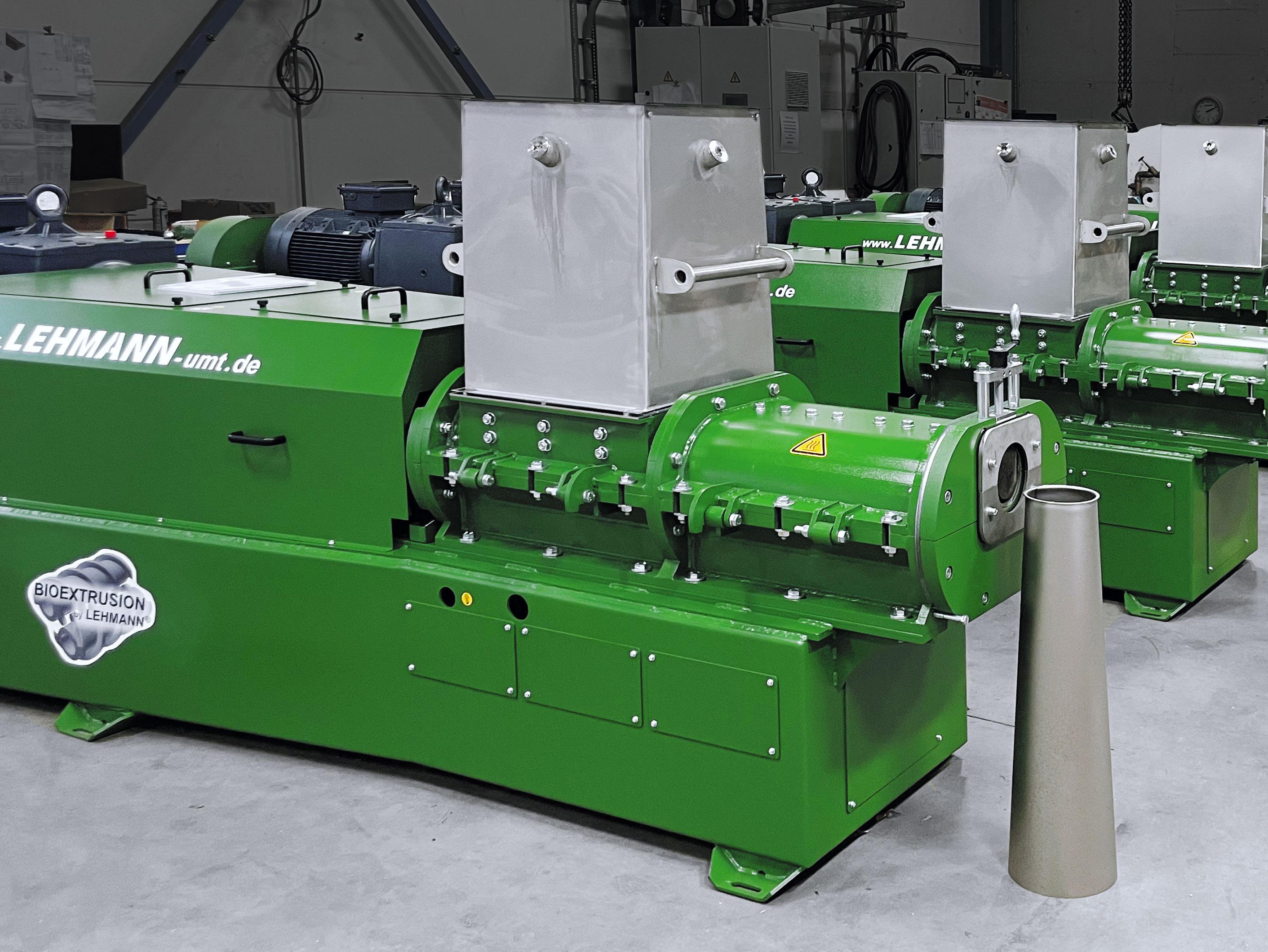
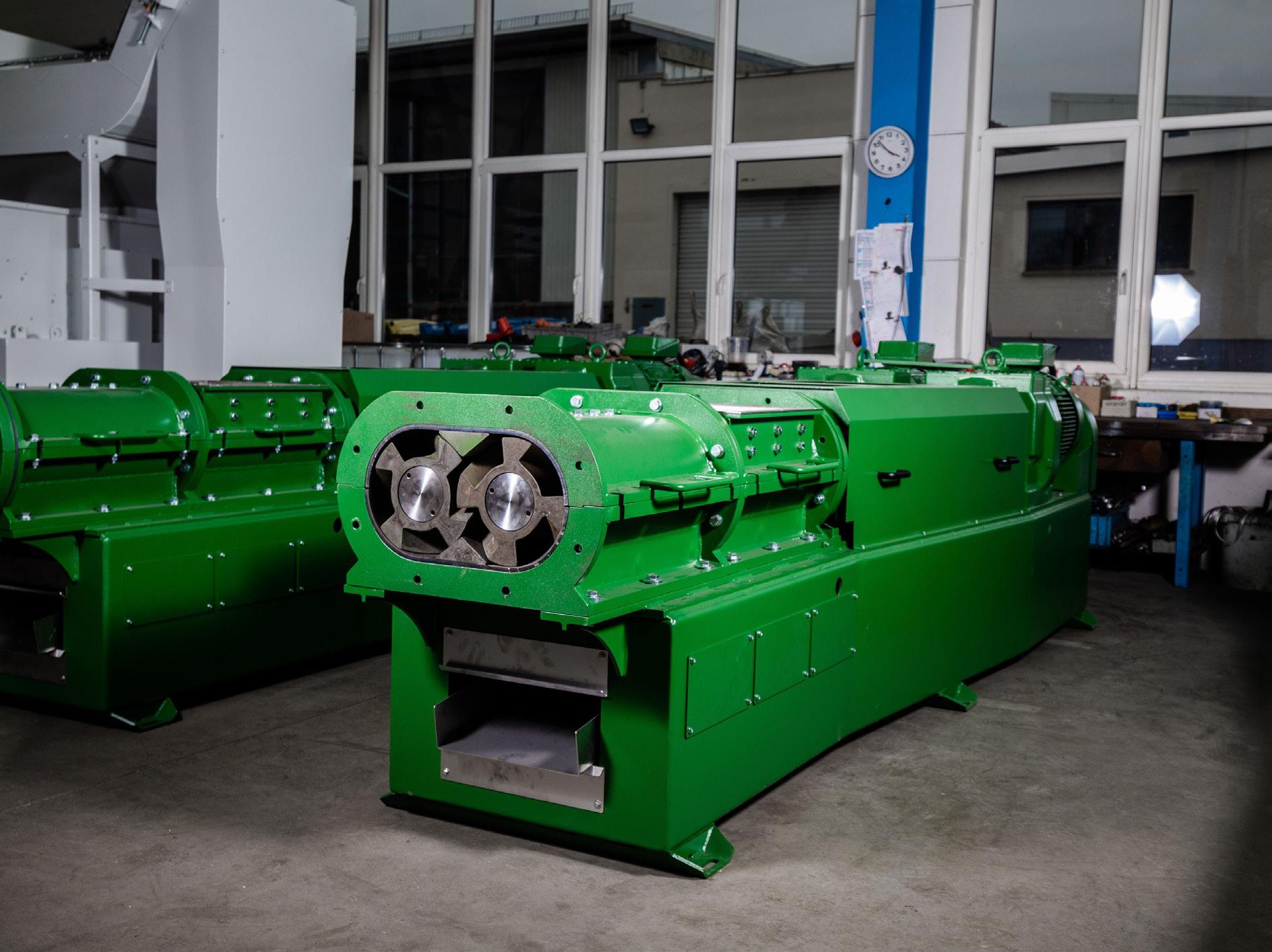
The Lehmann Extruders represent the optimal solution for pre-treatment, specifically designed to make even challenging substrates accessible for effi-
cient biogas production. By improving digestibility, increasing gas yields and stabilising plant operation, extrusion technology can contribute significantly to the development of more efficient and advanced bioenergy systems. Mr Titus Lehmann states: “We are firmly convinced that extrusion technology—and Lehmann extruders in particular—will become an integral component of future biogas plants.”

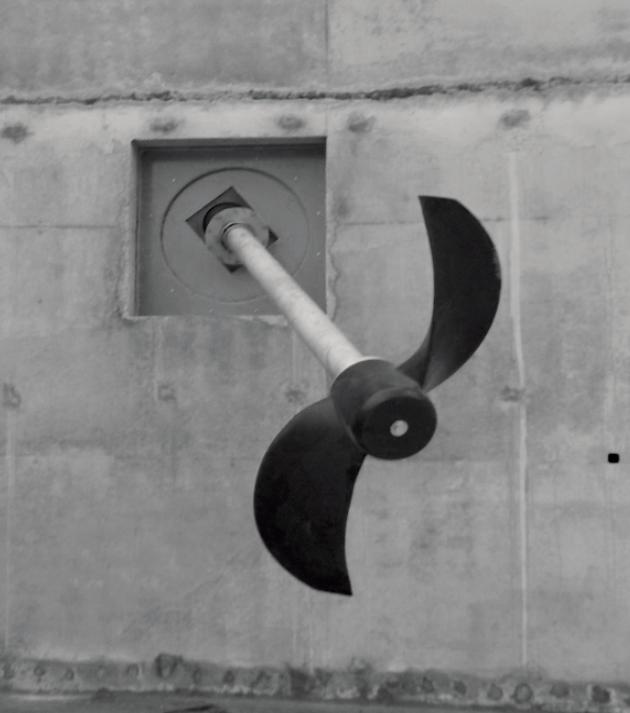
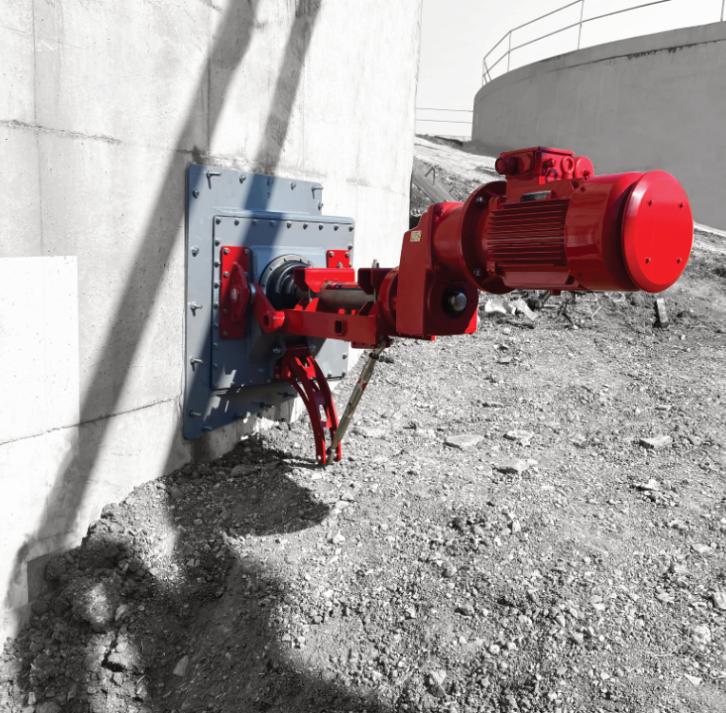
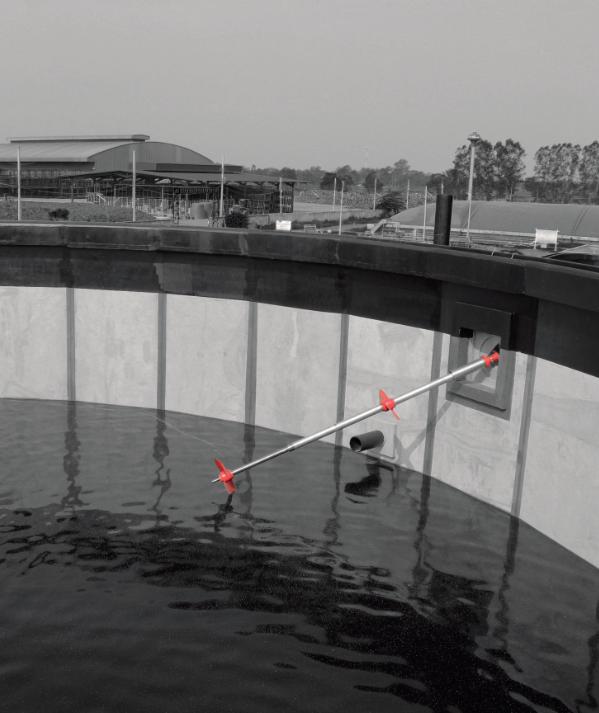
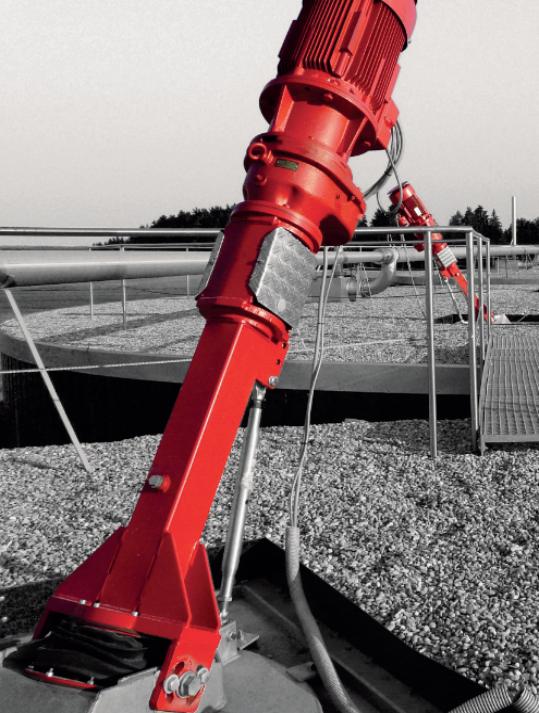
Agriculture,biogas,sewageandwastewater,andindustrialapplications
Theultimateinceiling installation
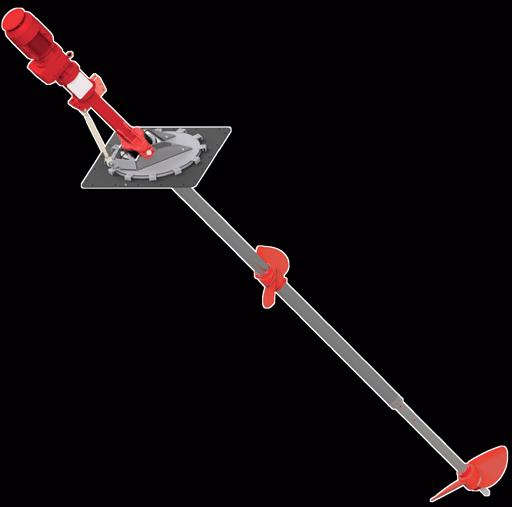
Slow-runninglong-shaft agitatorfordrysubstrate contentsofupto15%.
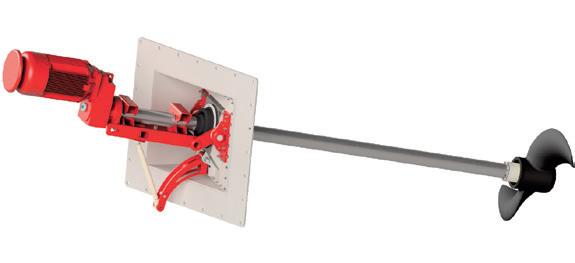
Differentcomponentsforyoursystem
Slowspeeds,highcirculation capacityandlongservicelife
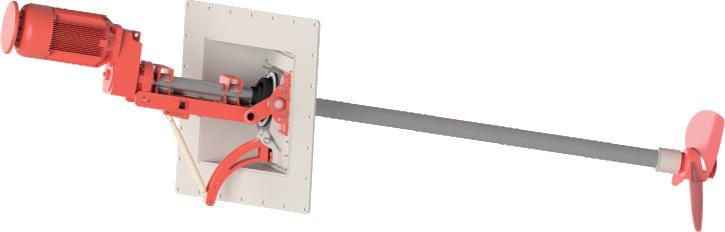
Agricultural,biogas,sewageandwaste waterandindustrialapplications

India is transitioning toward clean and sustainable energy. Among the various renewable energy solutions that are being explored and pursued, Compressed Biogas (CBG) has emerged as one of the most environment friendly and sustainable sources of energy. CBG not only positively impacts the environment but also the country's economy. The CBG technology boosts the circular economy, promotes rural empowerment and improves energy self - reliance. Though India is blessed with abundant biomass resources and has supported the growth of the biofuels sector through multiple policies, many CBG projects have struggled to operate sustainably beyond their initial years.
Conventional wet anaerobic digestion systems, which have formed the backbone of India’s biogas sector for decades, often fail to deliver consistent, long - term performance under local operating conditions. India’s biogas revolution might not be achieved by scaling the old model but by transforming it.
Confronting the Biogas Bottleneck
India’s biogas journey has long been defined by Continuous
Stirred Tank Reactor (CSTR) systems. These systems operate at relatively lower solid content (8 - 12%) and thus need large volumes of water for feedstock dilution. They also require mechanical mixing to ensure microbial contact and to reduce sedimentation as well as scum formation. While effective under controlled conditions, these systems present numerous challenges when deployed in the Indian context.
High water utilization increases the project’s footprint as well as results in the production of slurry and liquid effluent in large quantities which requires appropriate treatment and disposal. This adds to the operational cost. It also impacts the environmental ecosystem, particularly in regions already experiencing water scarcity.
Moreover, conventional digesters have internal mixers, pumps and heating system which make them mechanically complex. These moving parts increase maintenance requirements, risk of downtime and overall operating and maintenance (O&M) costs.
Additionally, sedimentation of inert and scum formation inside the reactor reduces its active volume, slowing digestion and
lowering biogas yield.
The result? Despite strong policy support and abundant biomass, a promising industry struggles to achieve consistency. It was clear that India now needs a technological leap, not an incremental fix — a process that could simplify operations, has minimal dependence on water and can deliver high methane yields consistently for multiple biomasses.
The exploration of solution to address the above mentioned issues resulted in discovery of DRANCO process— a proven technology that has been successfully being used for several decades across various countries.
Analysis of operation principle, performance parameters and cost benchmarks, clearly highlights advantages of the technology. The system is highly efficient yet remarkably simple. It can handle biomass with a lot of solids, doesn't need much water and has very few moving parts. Detailed evaluations, including techno - economic modelling, feedstock trials and engineering assessments have reconfirmed that the technology has the potential to address every pain point that Indian biogas producers face. Adaptation of this technology in India will enable a new generation of biogas plants built for reliability, scalability and ease of operation.
Realizing the potential for this technology to bring about a transformation, Atrium Innovations partnered with DRANCO® and secured the exclusive license to implement this technology in India. This partnership marks a significant milestone in the mission to introduce nextgeneration biogas technology to the Indian market — combining European reliability with Indian ingenuity and scale.
The Science of DRANCO®: Where Simplicity Meets Efficiency
The technology is characterized by a vertical plug - flow digester operating under thermophilic conditions. The biomass is fed to the reactor as a semi - solid mixture and which slowly moves

downward, undergoing complete anaerobic digestion over a carefully controlled retention period. The plug - flow design helps in ensuring even exposure to microbial activity, eliminating issues such as short - circuiting, dead zones and stratification that are typically observed in traditional digesters.

Get the full Article by simply scanning the QR code.
Mr. Kaustubh Pathak Lead Program Manager
Biogas and CBG are poised to become the backbone of India’s green energy future, simultaneously addressing waste management, rural livelihoods, and clean mobility. They offer scalable, decentralized solutions that complement solar and wind, strengthen energy security and reduce import dependence.

Biogas provides round-the-clock energy service - with no GHG emissions. Because of these characteristics, and increasingly its ability to handle various different raw material, it promises to play a major role in the Indian energy mix as it goes through a transition to a net-zero future.
CBG is an amazing clean energy option that builds on India’s inherent strengths – our vast agricultural base and rural economy, transforming waste into wealth while delivering a carbon-negative mobility solution using the existing CGD infrastructure.
Renewable gases such as biogas and compressed biogas (CBG) are emerging as cornerstones of a circular, low-carbon energy system. By transforming organic waste into reliable renewable energy, waste-to-energy solutions are redefining how industries decarbonize while strengthening long-term energy resilience.
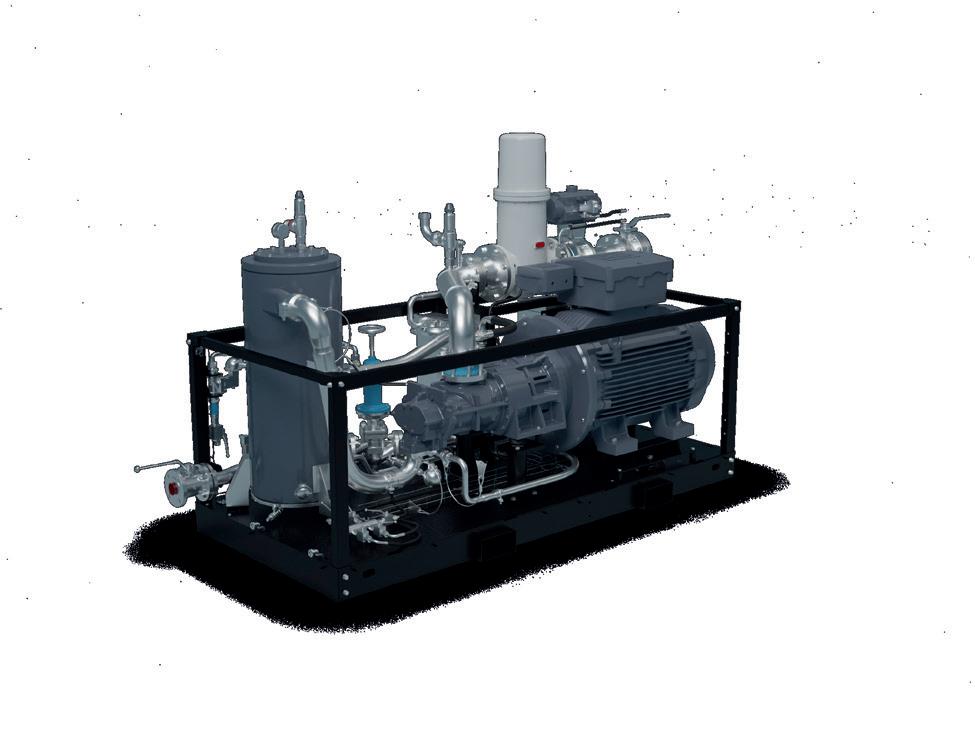
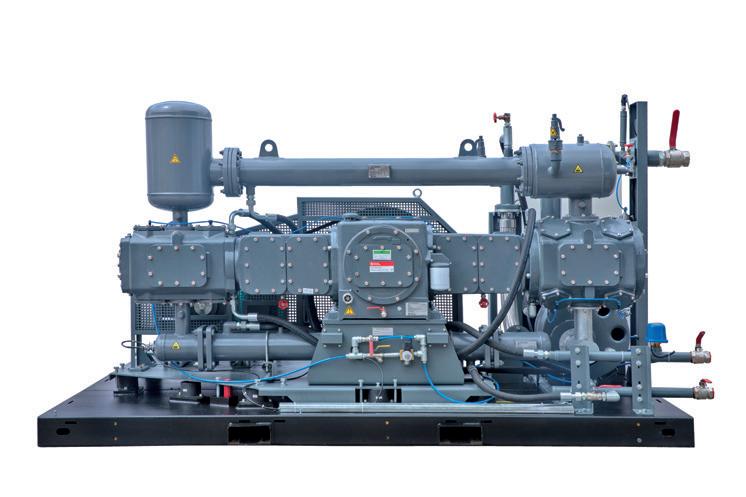
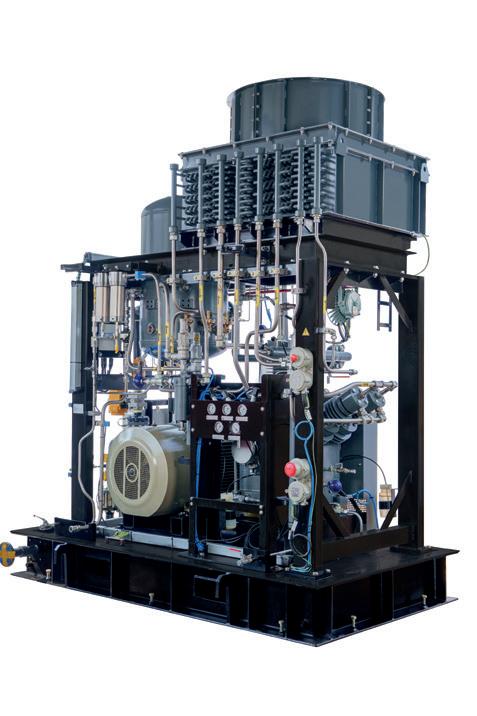




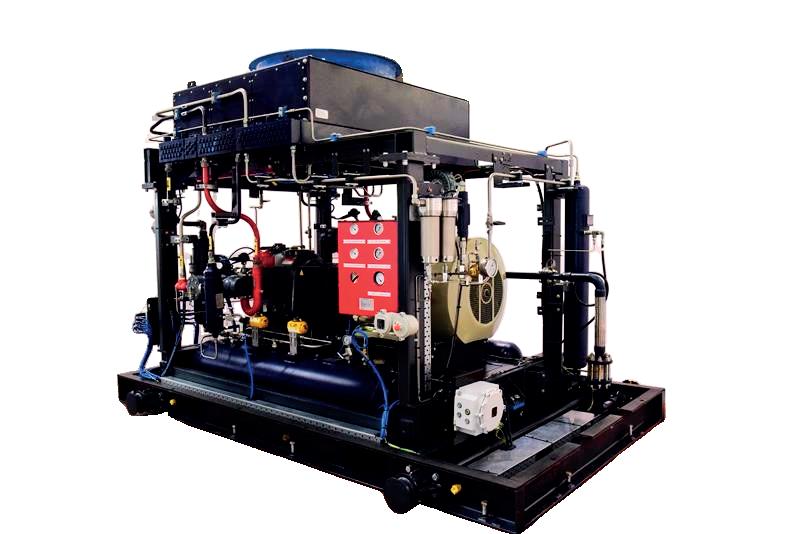


Engineered Solutions for India’s Rapidly Growing Bio - CNG Sector valued at approximately USD 1.6 billion in 2024 and is expected to exceed USD 3.4 billion by 2032, with an annual growth rate of over 10%, supported by government programs such as SATAT and GOBARdhan.
Gas compressors are a core component of any biogas upgrading plant because raw biogas cannot be purified, transported, or used as fuel unless its pressure, flow stability and gas quality are properly controlled.
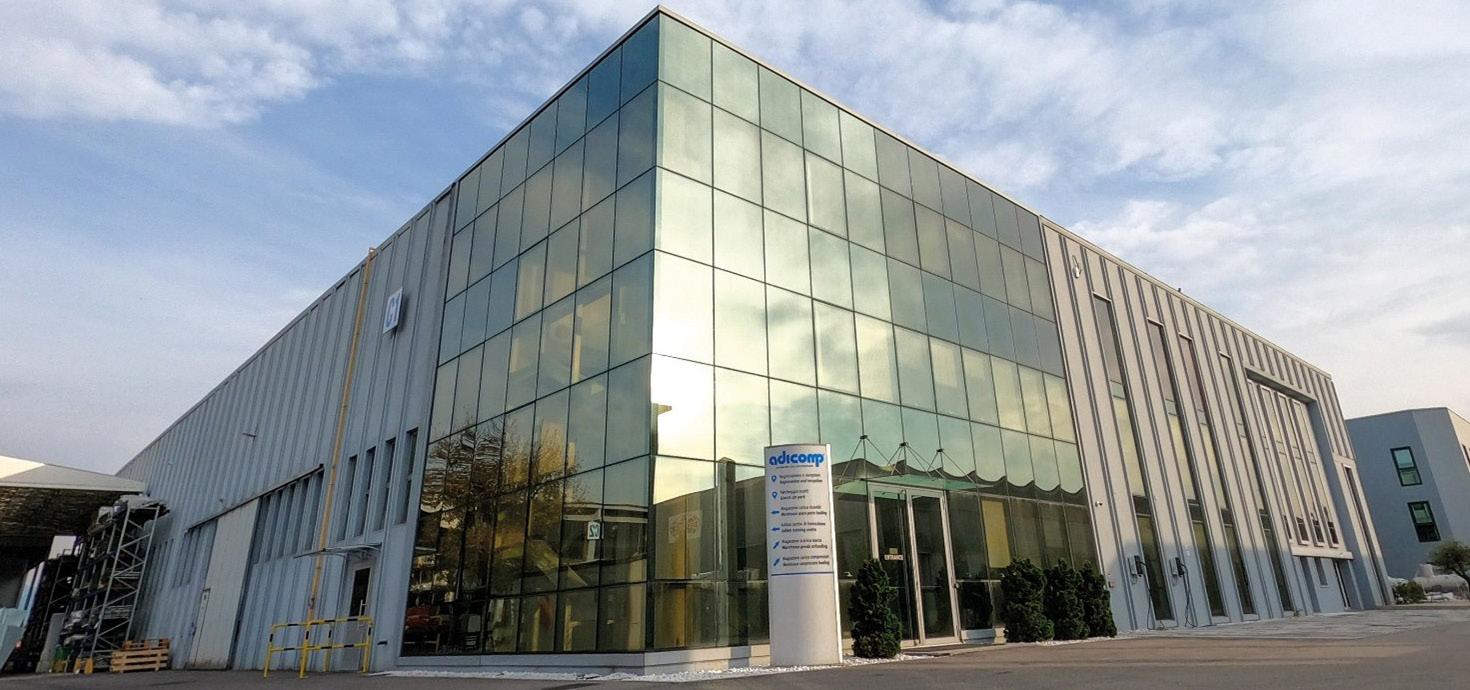
Recognized for its focus on innovation, quality and reliability, Adicomp (part of Ingersoll Rand) operates branches in the United States, Brazil, and India.
India: Local Production and Biogas Growth
A key component of the organization’s growth strategy is the Asia - Pacific region, with a special focus on India, one of the markets with the highest potential for biogas.
The Indian biogas market was
Within this context, Ingersoll Rand has inaugurated a new manufacturing facility in Sanand, in the state of Gujarat. Starting in 2026, compressor production for the region will be carried out in this plant, enabling greater proximity to the market, reduced lead times and enhanced competitiveness across the Asian area, since currently the big majority of the components are directly sourced from India, maximizing the advantages of a local supply chain.
A significant presence is already
established in India through the collaboration with major players such as PRAJ Industries, Biogas Engineering, REnergy Dynamics, Clarke Energy, Thermax, GPS Renewables, UGS and Maruti Suzuki, companies at the forefront of biogas and biomethane plant development.
The below list shows the most significant projects executed in India: it confirms that biogas upgrading through membranes is
becoming the leading technology also in the Indian market, confirming what is already established in other markets, especially Europe and the US.
The engineering approach focuses on tailoring solutions to diverse customer requirements and optimizing subcomponents. This strategy delivers multiple advantages, including reduced
lead times, accurate preliminary documentation and optimized spare parts management. Different compressor sizes share many components, simplifying spare parts stocks and maintenance activities.
Despite this high level of standardization, the company still can supply highly customized solutions for special and complex projects, ensuring maximum flexibility to meet specific
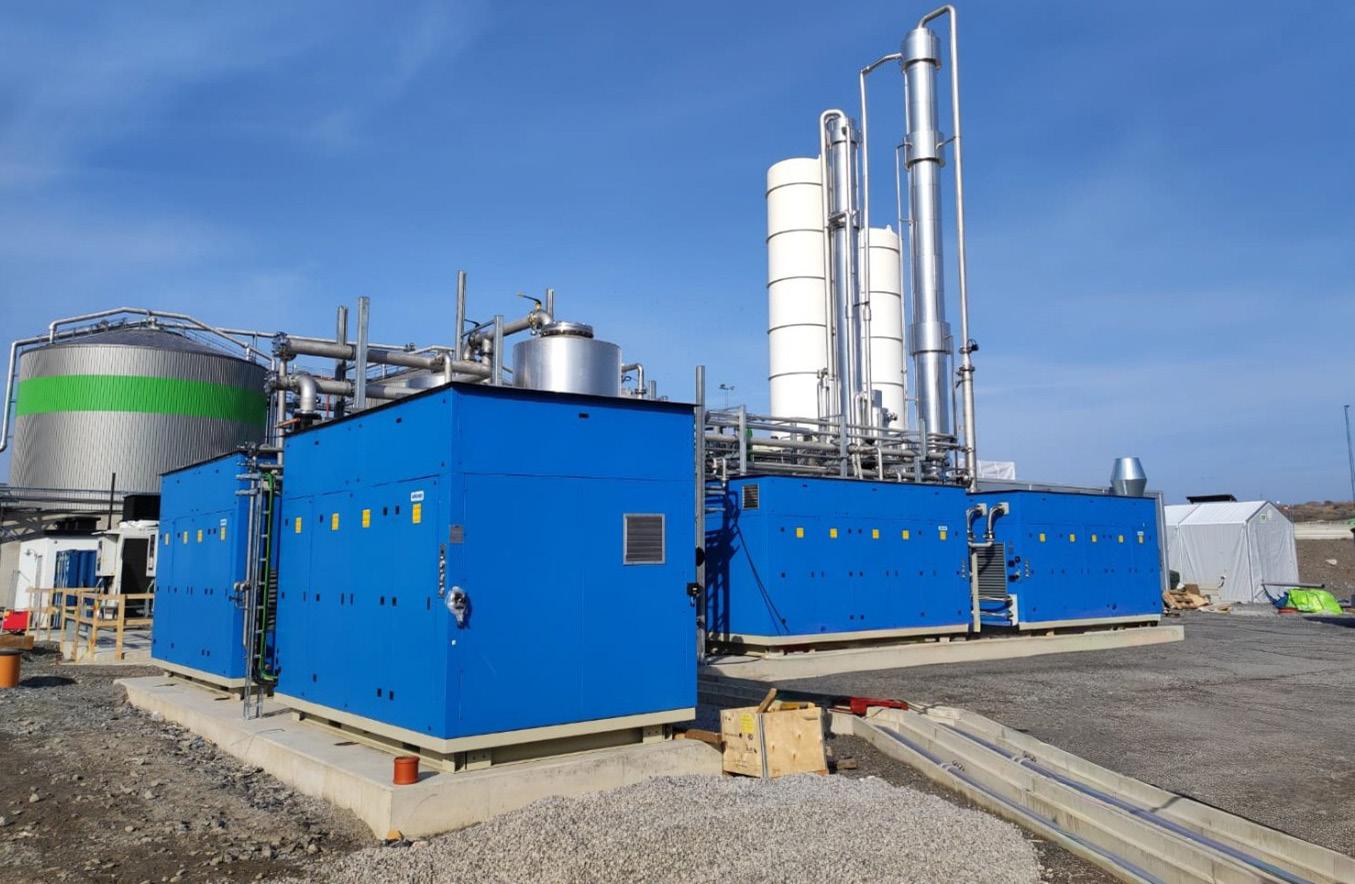
technical and operational needs.
Compressors are engineered based on the specific gas characteristics, using selected technologies and materials to ensure reliability, ease of installation and full compliance with the regulations of the destination country.
Compression packages incorporate integrated gas treatment systems, capable of:
• eliminating impurities and the possible presence of condensate through upstream filtration systems;
• reducing humidity down to a 5 °C pressure dew point;
• removing oil content to 0.01 mg/Nm³ or 0.005 mg/Nm³, depending on the configuration.
The integrated gas treatment system ensures consistent gas quality, regardless of changes in biogas quality of production, meeting the requirements of biogas upgrading systems, thanks to the experience of thousands of installations.
This approach makes it possible to offer complete solutions that combine high performances, efficiency and avoid breakdowns due to the compressor.
The oil injected screw compressor represents a key technological solution, which is worldwide recognized as the most suitable for the biogas sector, thanks to its several advantages:
• Long term reliability, with
over 95% uptime and continuous operation for up to 8,000 hours per year.
• Reduced maintenance requirements, limited to a single annual service intervention.
• High energy efficiency, in partial loads thanks to inverter based control.
• Heat recovery system, which allows recovering at least 70
- 80% of the heat generated by the compressor.
• Resistant to contaminants, handling gas with up to 1,000 ppm of H₂S.
• Consistent oil filtration and gas drying, allowing the biogas to enter directly into the upgrading system without additional intermediate treatments.
These reliable and innovative solutions simplify the design of biogas upgrading plants, reducing operating costs while ensur-
ing high, stable and sustainable performances over time, allowing savings with redundant setups.
Compressor packages are engineered to ensure seamless installation and operation. Each unit can be monitored remotely, enabling rapid intervention in the event of anomalies.
The plug - and - play design simplifies start - up activities, reducing installation time to just a few days and minimizing commissioning activities to fine - tuning. This is possible thanks to the rigorous testing before shipment of each machine, combined with full performance tests, ensuring optimal performance right from commissioning.
A widespread network of qualified technicians ensures fast and effective on - site support. International certifications uphold high quality standards across the entire lifecycle, from design and manufacturing to commissioning and after - sales technical assistance.
A Smart Solution for Energy - Efficient, High - Yield Biogas Plants
Abstract:
Effective mixing in anaerobic digesters is critical for optimizing biogas production, especially when treating high - solid substrates such as agricultural waste like Napier grass, pressmud and paddy straw. Traditional mechanical mixing methods often consume significant power and present maintenance challenges. This article explores the application of a gas agitation system as an innovative, energy - efficient alternative. The system enhances homogenization, improves microbial contact and boosts methane yield — all while reducing operational costs and maintenance downtime.
Introduction
Anaerobic digestion is widely adopted for treating organic waste and producing biogas. However, mixing remains a crucial challenge — especially in agricultural waste (Napier, press mud, paddy straw and MSW) - based digesters where viscosity, stratification and scum formation impede performance. Conventional mechanical mixers or pump recirculation, though common, suffer from high energy consumption, wear – and - tear, and complex
maintenance.
2. Challenges in High Solid Rate Digester Mixing
● High viscosity of feedstock
● Poor microbial distribution and contact
● Dead zones due to inadequate flow circulation
● Equipment fouling and frequent maintenance
● Repeatedly failure of mechanical mixture
● High energy consumption due to the continuous operation of heavy motors
● Wear and tear, especially shafts, bearings and seals
● Risk of contamination due to mechanical components inside the digester
● Dead zones and inadequate mixing in large or high - solid digesters
● Cavitation, gas entrapment and foam formation
● High capital and maintenance cost
● Operational inflexibility and frequent breakdowns
3. Gas Agitation System –Concept & Design
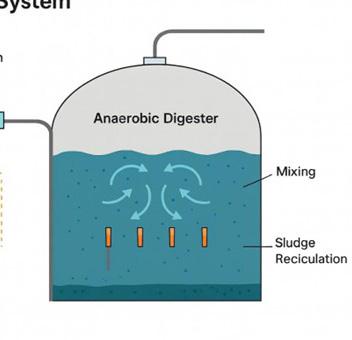
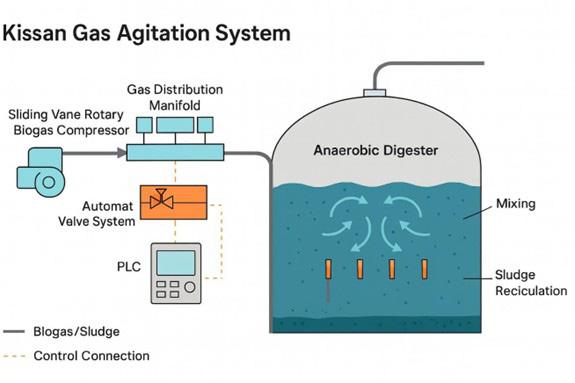
The recirculation gas agitation system employs controlled injection of recirculated biogas
through strategically placed nozzles at different levels and zones of the digester. A programmable logic controller regulates sequential valve actuation, creating a cyclical gas circulation pattern that stirs the sludge uniformly.
Process Functioning:
1. Biogas is recirculated through the compressor.
2. Gas enters the manifold and reaches the sequential valves.
3. PLC actuates valves one by one:
o Valve 1 opens → Gas injected
→ Mixing zone A activated
o Valve 1 closes → Valve 2 opens
→ Zone B mixing
o And so on
4. Cycles repeat continuously, creating uniform mixing in such a way that sludge is agitated uniformly inside the digester.
5. Temperature and microbial distribution are equalized.
Key Components:
● Biogas compressor with gas
conditioning equipment
● Gas distribution manifold with multiple injection points
● Automated valve system with PLC control
● Pressure and flow monitoring system and control system for multi feedstock
● Sludge Recirculation Pump
4. Advantages over Conventional Mixing Methods
● Energy Efficiency: Up to 70% lower power consumption compared to mechanical mixers and conventional Sludge Recirculation through pumps and Mechanical mixture.
● Low Maintenance: No mov-
ing parts inside the digester.
● Scalability: Easily configurable for various digester sizes and multiple digester systems with a single mixing system.
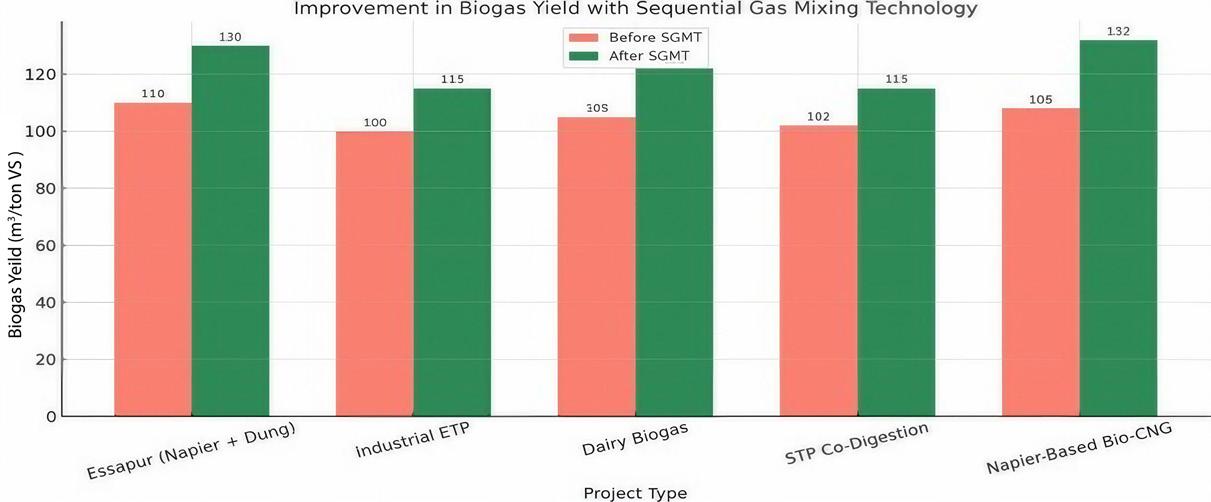
● Improved Biogas Yield: Better microbial activity due to uniform mixing and also makes uniform temperature inside the digester to improve biogas yield.
● Process Control: Integration with SCADA for real - time monitoring and interlocks
● Enhance Methane Quality: Continuous recirculation of biogas leads to improvement by enhancing digestion efficiency, reducing CO₂ retention and creating optimal microbial conditions.
5. Limitations of Conventional Mixing
Poor zone coverage
Inadequate fibre breakup
Floating solids/scum
Localized temperature zones
Settled solids
Frequent Breakdown of the mechanical Mixture
Local accumulation of Volatile Fatty Acids (VFAs)
Incomplete hydrolysis and acidogenesis
Reduced active volume
Reduced microbial efficiency
Digestate volume increases and retention time decreases
Digester goes into maintenance for the removal and Installation of mechanical Mixture
Typical Yield Loss: 10 – 25% of potential biogas is lost due to poor mixing in conventional systems.
6. How the Gas Agitation System Improves Digestion & Gas Yield
Feature of Gas Agitation System
Gas injected from the bottom → lifting action
Uniform cyclic stirring via sequencing
No mechanical shear → gentle mixing
Full reactor volume usage
Enhanced hydrolysis and acidogenesis
Impact
Breaks up settled solids and scum
Eliminates dead zones
Protects sensitive microbial populations (especially methanogens)
Increases effective retention time
More volatile fatty acids are converted into methane
7. Power Consumption Cost Compression for 4
Get the full Article by simply scanning the QR code.



As India is accelerating towards renewable and circular energy systems, Compressed Biogas (CBG) is gaining prominence as a reliable alternative to fossil fuels. This also aligns with the nation’s goal of reducing its energy import dependency. From agricultural waste and sugar industry by - products to municipal solid waste, biogas offers a pathway to convert organic waste into energy.
Yet, despite its potential, the biogas industry faces persistent technical, operational and reliability challenges, many of which stem not just from feedstock availability but from gas handling, purification and compression bottlenecks.
This is where Atlas Copco Group’s Technology that transforms the future is redefining project viability.
The Core Challenge: Handling a Difficult Gas
Biogas is fundamentally different from conventional natural gas, bringing in more challenges:
• Wet and corrosive, containing moisture and hydrogen sulphide (H₂S)
• Variable in composition and flow depending on feedstock and season
• Sensitive to contamination, especially during upgrading and compression
• Losses on account of CH4 emissions to the atmosphere during compression
• Flameproof integrity of the Compressors & PESO compliance
• Selection of motors to optimize power consumption
Traditional equipment, often designed for air and industrial gas applications, struggles under these conditions, leading to frequent breakdowns, reduced efficiency and increased maintenance costs leading to shorter equipment life.
To ensure reliable, safe and continuous operation of the biogas plant, the industry requires equipment specifically designed to handle the generated gas composition and quality, energy efficiency, reliability and lifecycle cost simultaneously.
Engineering Innovation Across the Biogas Ecosystem
The group’s technology portfolio addresses biogas challenges covering purification, compression, storage, dispensing and grid injection.
Innovation in Biogas Purifica-
Before biogas can be upgraded to biomethane or CBG, it must be conditioned to remove moisture and contaminants that can damage downstream equipment.
Key Technology Innovations:
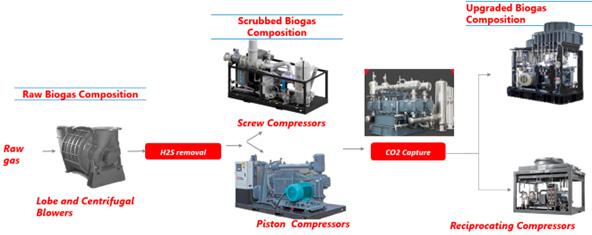
Rotary blowers enable controlled aeration for biological desulphurization, improving H₂S removal efficiency.
Oil - free piston or Screw compressors and vacuum solutions ensure that sensitive purification systems such as VPSA, water scrubbing and membranes remain uncontaminated.
Dryers for the Gas Purification System ensures removal of moisture from the generated gas, safeguarding the downstream equipment.
These technologies reduce corrosion risk, protect purification systems and stabilize gas flow, directly improving methane recovery and plant availability.
Compression Solutions for Biomethane and CBG
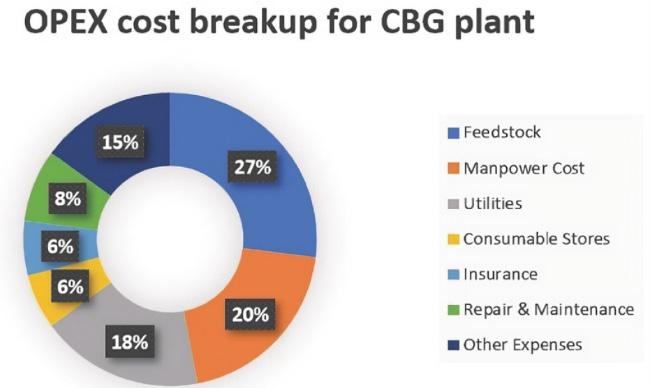
Compression is one of the most energy -consuming steps in the biogas chain and a key contributor to the operating cost. At the same time, it must cope with fluctuating volume generation and stringent safety regulations, considering the high pressure
and flammability of the gas.
Innovations:
High - pressure piston compressors are designed for continuous CBG filling, bottling operations and grid injection.
Zero vent losses ensure zero methane emissions and gas loss.
The direct driven mechanism reduced the transmission losses to zero.
Wide turndown ratios allow compressors to operate efficiently even during low gas production periods.
Advanced sealing and metallurgy translate to long service intervals and increased component life.
Lower energy consumption per kg of gas, reduced maintenance frequency and longer service life - warrant the optimum TCO (Total Cost of Ownership).
Enabling Reliable CBG Dispensing and Fuelling Infra-
CBG fuelling stations demand more than just compression. They require precise coordination between compressors, storage cascades, dispensers and safety systems.
The integrated compressor packages support:
• Consistent dispensing pressure
• Faster filling cycles
• High uptime for commercial vehicle fuelling
•Seamless integration with PLC and SCADA systems
For decentralized markets and remote sites, these systems enable single - point responsibility and accountability.
Digitalization and Energy Efficiency as Game Changers
Beyond mechanical innovation, digital and system - level intelligence is transforming how biogas plants operate.
• Variable Speed Drive (VSD)
technology, aligning power consumption with real- time gas flow
• Remote monitoring and predictive maintenance, reducing unplanned downtime
• Performance analytics, helping operators optimize energy use and maintenance planning
• Heat recovery solutions convert waste heat from compression into usable process energy
These innovations significantly reduce the total cost of ownership while increasing operational predictability, which is an essential factor for EPCs and CBG plant owners.
Biogas plants are often located in rural or semi - industrial areas, where service access can determine long - term success.
The approach emphasizes:
• Standardized, modular equipment designs
• Pan- regional service networks
• Comprehensive service and maintenance contracts
• Faster spare parts availability
This transforms advanced technology into long - term operational reliability, rather than short - lived performance gains.
The evolution of the biogas industry demands a paradigm shift from buying individual machines to adopting integrated, application - specific solutions which optimise the Total Cost of Ownership.
By combining:
• Oil - free low pressure and high -pressure energy - efficient compression
• Robust materials for aggressiv gas environments
• Zero Methane Loss
• Digital monitoring and energy optimization
• Strong lifecycle service support
The technology portfolio addresses the biogas ecosystem’s constraints and help reduce carbon footprint and converts environmental ambitions into commercially viable infrastructure.
As biogas and CBG move from niche applications to mainstream energy solutions, Atlas Copco Group’s innovative technology will continue to drive scalability and sustainability.
Advanced gas compression, vacuum and air technologies, when designed specifically for biogas conditions, play a decisive role in improving uptime, reducing cost and ensuring gas quality.
In this transition, the engineering - driven approach demonstrates how innovation, not adaptation is key to solving the biogas industry’s toughest challenges.
Meet the Author
Mr. Sachin Sawant
Business Head – GPP (CNG, Biogas & H2) Chicago Pneumatic Compressors - India LTD.

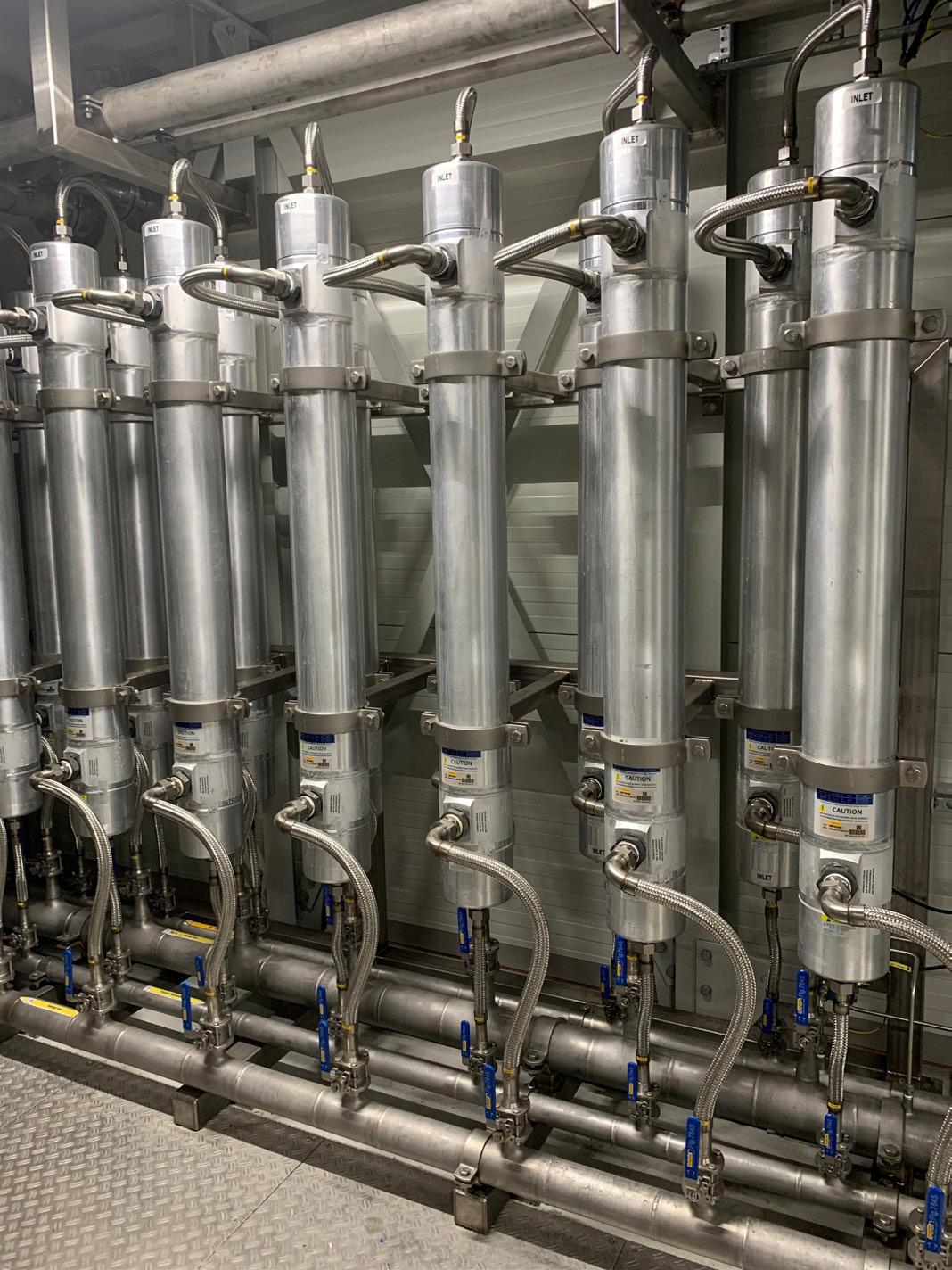
Introduction
For more than two decades, double - membrane gas holders with PVC – coated membranes have proven reliable in many European biogas plants. In Germany, for example, the vast majority of roughly 10,000 biogas installations operate on a very homogeneous feedstock mix: mainly corn silage with a small addition of manure. This produces a relatively “clean” and non - aggressive biogas. Under these conditions, PVC - coated membranes can achieve acceptable lifetimes.
However, transferring this proven German design one – to - one to the Indian biogas market is a critical mistake. The Indian reality is fundamentally different –in feedstocks, gas composition, climate and operating philosophy. Consequently, PVC - based internal gas membranes frequently prove to be the weakest component, failing within a few years or even months. A change in material concept is therefore not optional, but essential.
In Germany, energy crops dominate. In India, biogas plants are intentionally designed as waste
treatment facilities. Typical feedstocks include:
• Source - separated biowaste
• OFMSW
• Agricultural residues
• Pressmud from sugarcane processing
• Industrial organic residues
• Distillery spent wash
These substrates generate a biogas that is chemically far more complex than maize - based biogas. Besides methane, carbon dioxide and hydrogen sulfide, a wide range of trace compounds appears – often only in the ppm or even ppb range, but with a decisive impact on material durability.
Decades of field experience and laboratory analysis show a clear pattern: PVC membranes are highly sensitive to many of these compounds.
The PVC Myth: “High H₂S Resistance”
Local membrane suppliers often advertise PVC membranes as being “resistant up to 10,000 ppm H₂S.” This claim is technically meaningless for real biogas operations. Such figures usually come from short - term, dry - gas laboratory tests and ignore actual digester conditions.
In a real gas room, biogas is hot (≈38 °C mesophilic or up to 55 °C thermophilic) and nearly 100% humid. Under these conditions, H₂S dissolves in condensate, accelerates diffusion and strongly amplifies material ageing. In practice, continuous H₂S levels above roughly 1,000 – 2,000 ppm already represent a critical long - term stress for PVC, even without other contaminants — and even less under thermophilic conditions.
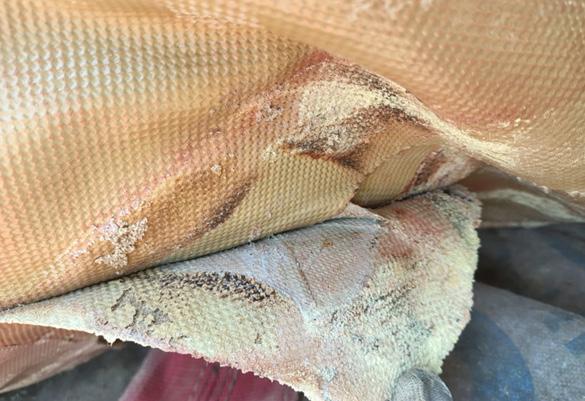
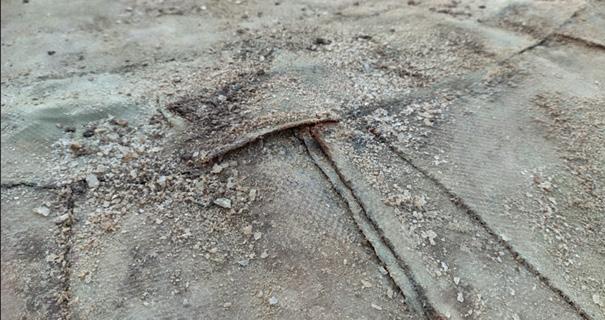
But H₂S is not the real killer. The decisive damage mechanism is the synergistic effect of heat, moisture, H₂S and trace organic compounds (oils, acids, organic sulfur species, alcohols and ketones) that occur in wastebased biogas, often only in ppm or even ppb ranges. These compounds extract plasticizers, embrittle PVC and lead to cracking within a few years — sometimes much faster.
Quoting high H₂S “resistance” values is therefore a marketing trick, not an engineering criterion. Material selection must be based on realistic, hot and wet digester gas conditions — and under these conditions, PVC is fundamentally unsuitable as an internal gas membrane.
A documented real - life laboratory analysis from a dairy - waste biogas plant showed a total concentration of only 35 ppm of unusual trace compounds – yet this was sufficient to repeatedly crack PVC gas membranes under
warm, humid conditions.
The result was an endless loop of warranty claims, ending only when the gas holder was replaced with a different membrane technology.
PVC relies on plasticizers to remain flexible. Many trace compounds in waste - based biogas are lipophilic or solvent - like and slowly extract these plasticizers from the polymer. Over time, this process leads to:
• Embrittlement
• Cracking
• Loss of gas tightness
• Premature membrane failure (often within 1 – 2 years)
Pressmud digestion is another striking example. Besides H₂S, volatile sulfur compounds, ammonia and other aggressive trace gases are formed, even in ppb to low - ppm ranges. In a hot and fully humid gas space, this
combination is especially destructive for PVC membranes.
FPP Instead of PVC: A Different Material Philosophy
For waste - based biogas applications, the internal gas membrane must be fundamentally different. Flexible Polypropylene (FPP) provides exactly this step change.
Advantages of FPP Internal Membranes:
1. Superior chemical resistance
FPP shows excellent resistance against oils, organic acids, alcohols, ketones, sulfur compounds and other trace contaminants typically found in Indian biogas. Unlike PVC, it does not rely on plasticizers that can be extracted over time.
2. Protection of the complete system
Even if the internal membrane
survives chemically, gas permeation through it can still attack the outer PVC membrane from the inside. Limiting permeability to an absolute minimum (< 1–2 cm³/m²·d·bar for CH4) is therefore a must – to protect the outer membrane, which needs to be made of PES fabric with PVC coating to bear the operating pressure tensions (protection against wind loads).
Conclusion
European solutions cannot serve the Indian biogas market. Waste - based digestion, complex gas compositions and challenging climatic conditions demand a different approach.
PVC - coated membranes may still have their place as outer structural membranes, but using PVC as an internal gas membrane in Indian waste - based biogas plants is a proven risk. Even a few ppm – or ppb – of
certain trace compounds can destroy PVC within a short time.
FPP - based internal gas membranes, combined with an outer PVC coated structural membrane, offer a technically sound, field - proven solution: chemically resistant, extremely gas - tight and capable of protecting the entire gas holder system over the long term.
In short:
What worked for corn silage in Germany does not work for waste streams in India – and membrane technology must reflect this reality.

Mr. Miroslav Benka Director Baur Folien India Private Limited
Designing CBG Plants for India’s Most Challenging Feedstock
India’s Compressed BioGas (CBG) program is advancing rapidly, driven by strong policy support, energy security goals and the urgent need to manage agricultural residues more sustainably. Paddy straw is the most abundant feedstock and poses the biggest environmental challenge.
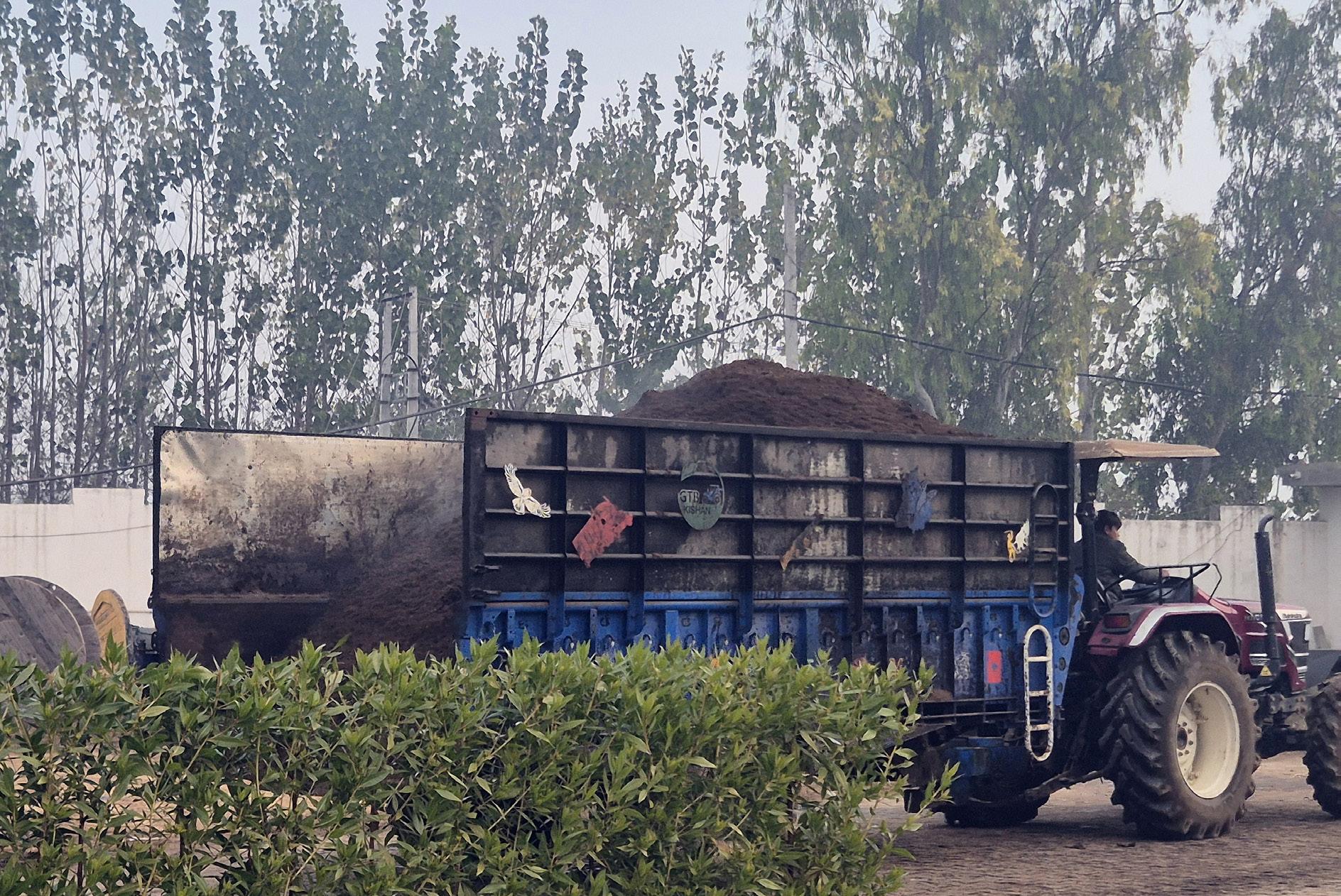
Seasonal open - field burning of rice straw remains a major contributor to air pollution, soil degradation and public health impacts across large regions of the country. This makes paddy straw
not only an energy resource but a priority environmental intervention.
From a systems perspective, paddy straw represents both a problem and an opportunity. Its annual availability is measured in terms of millions of tonnes, making it one of the few agricultural residues capable of supporting large - scale, decentralized CBG production. At the same time, many projects have struggled to convert this potential into stable, long - term operations. People often attribute these difficulties to the feedstock itself, but in reality, mismatched digestion concepts applied to an inherent-
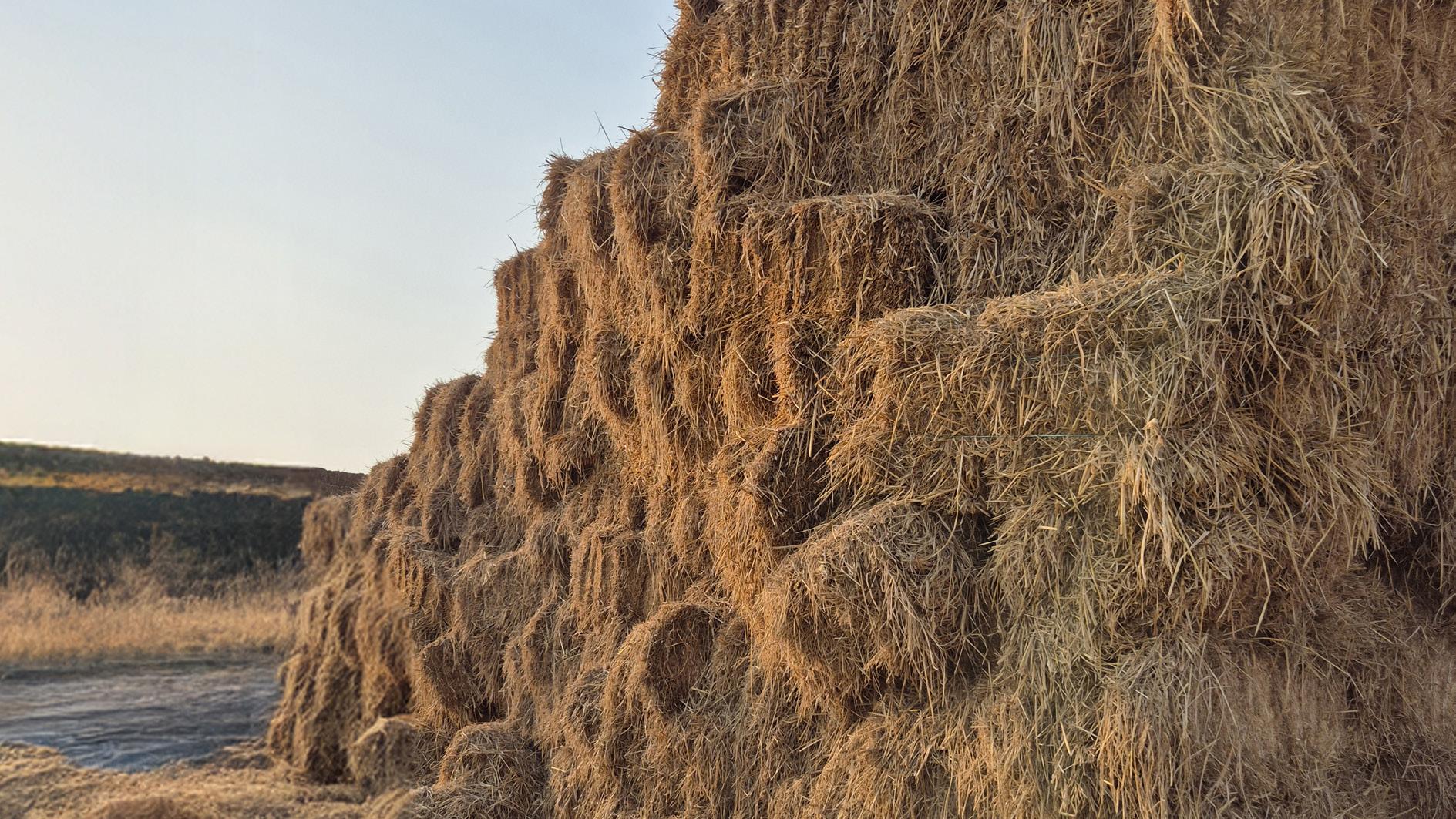
ly dry, fibrous material are the root cause.
As India moves from pilot projects toward industrial - scale deployment of CBG plants, it becomes increasingly important to recognize a fundamental truth. Paddy straw is a difficult feedstock and such materials require digestion systems specifically designed for them. This shifts the discussion away from whether straw can be digested and toward how digestion systems must be engineered to handle its physical and biological characteristics reliably, most notably through dry digestion approaches.
Paddy straw differs fundamentally from many conventional biogas feedstocks, such as cattle manure or food waste. Its challenges are not primarily chemical, but structural and physical.
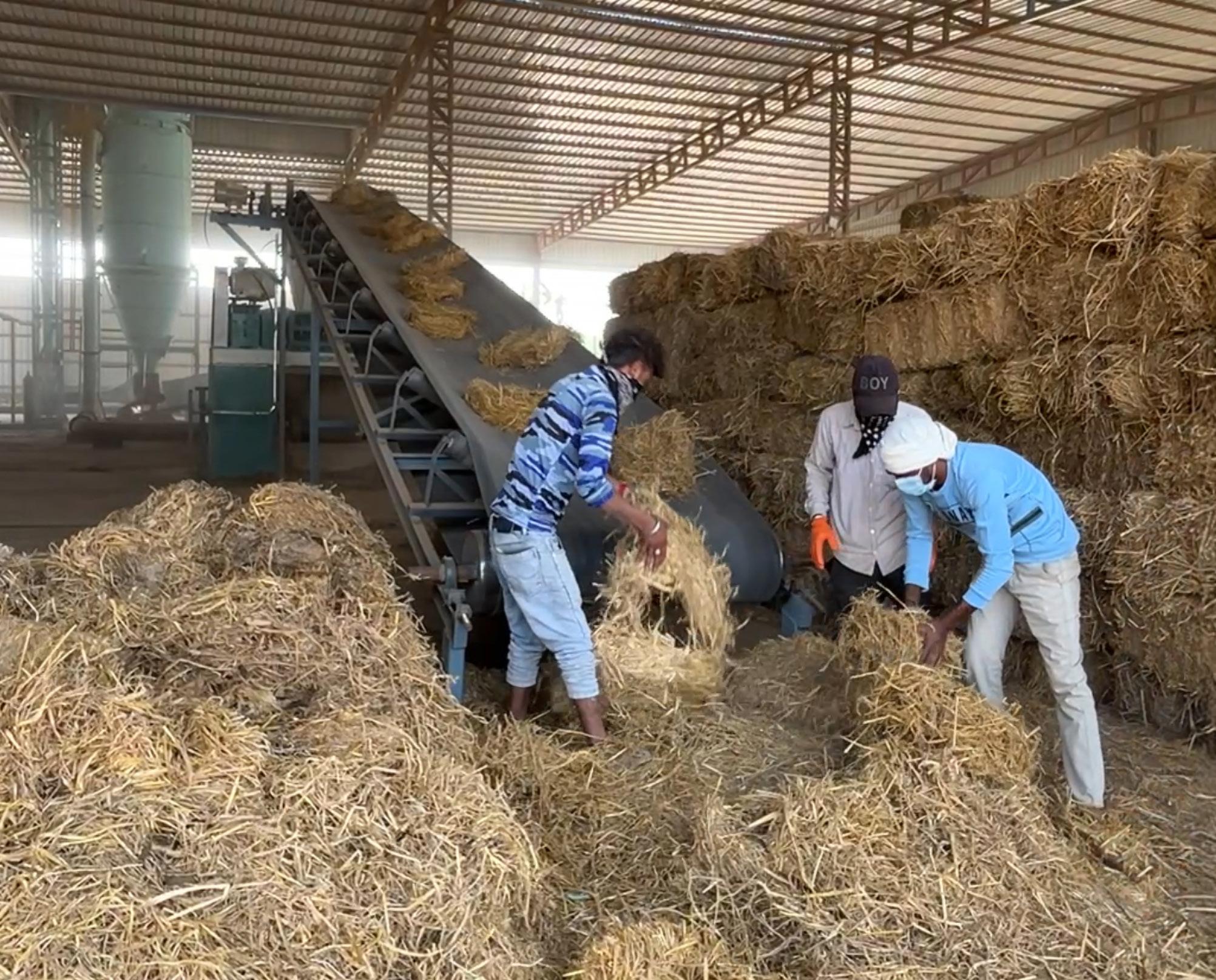
From a physical standpoint, paddy straw is high in fiber, silica and lignocellulosic content, has low bulk density, is difficult to compact or homogenize and is often contaminated with soil, sand and fungal matter. These properties directly affect material handling, feeding mechanisms and reactor hydraulics. Straw tends to resist flow; form bridging structures and accumulate in systems designed for slurry - like substrates. When mixed aggressively or pumped repeatedly,
increases electricity consumption as well as wear and maintenance requirements.
Biologically, paddy straw is a slowly biodegradable substrate. Its methane potential is inherently high, but its conversion rate depends heavily on how effectively hydrolysis and acidogenesis can proceed under anaerobic conditions. This method requires time, stratification and minimal disturbance. Rapid dilution or excessive mixing may improve pumpability but does not necessarily improve biological efficiency. In some cases, it can even disrupt the formation of stable microbial zones required for fiber degradation.
Seasonality adds another layer of complexity. Paddy straw is typically available in large volumes over short harvest windows, which places additional demands on storage, feeding strategies, and process stability. Digesters designed for steady, homogeneous inputs may struggle to adapt to these fluctuations without significant operational intervention.
One common response to the handling challenges of paddy straw is dilution. By adding water, operators aim to improve pumpability, enable continuous mixing and align straw digestion with conventional wet digestion concepts. While such addition
may offer short - term operational convenience, it introduces system - level inefficiencies that are particularly severe for fibrous feedstocks.
Dilution increases reactor volume requirements. Lower total solids content means larger digesters are needed to process the same amount of organic material, driving up capital costs and land use. At the same time, diluted systems rely heavily on continuous mechanical mixing and pumping to keep fibrous material in suspension. This leads to higher electricity and heat consumption, as well as greater mechanical complexity.
From a biological perspective, dilution does not resolve the fundamental challenge of fiber breakdown. In highly mixed, fully diluted reactors, microbial communities are constantly redistributed, making it difficult for slow - growing fiber - degrading organisms to establish stable niches.
In water - stressed regions, the logic of adding large volumes of fresh water to digest an already dry agricultural residue also raises broader sustainability concerns. In many parts of India today, the real constraint is no longer energy, but water. India supports nearly 18% of the world’s population with only 4% of global freshwater resources and already extracts around 25% of the world’s groundwater. Every year, borewells go deeper. As
CBG plants scale up across India, water use, energy demand and operational robustness become just as important as theoretical methane potential.
From an operational standpoint, the contrast between wet and dry digestion becomes clear when viewed through key quantitative parameters. Paddy straw typically enters the system with a Total Solids (TS) content of 80 – 85% and even after basic conditioning, feed TS commonly remains in the 25 – 35% range. In wet digestion systems, this material is often diluted to 8 – 12% TS, which means that 2 – 4 m³ of water must be added for every tonne of straw. This dilution directly increases the volume of the digester, the amount of pumping needed and the amount of energy use con-
sumed by parasitic loads. For highly mixed wet systems that process straw, the amount of extra power needed can be more than 10 – 15% of the total energy produced.
In contrast, dry digestion systems typically operate at 20 – 35% TS, reducing freshwater demand by 60 – 80% and significantly lowering mixing and pumping energy. Higher solids operation allows higher organic loading rates per unit reactor volume, improving volumetric gas productivity while maintaining stable biological performance. These quantitative differences highlight that the choice between wet and dry digestion is not incremental but structural, directly influencing capital cost, operating cost and overall plant efficiency.
Dry digestion starts from a fundamentally different premise. Paddy straw should not be forced to behave like a liquid. Instead, the digestion system must be adapted to the feedstock’s dry, fibrous nature. This design shift has major implications for reactor configuration, material movement, microbial ecology and energy consumption.
At higher total solids content, material progresses through the digester primarily by displacement rather than suspension. This reduces the need for intensive mixing and eliminates many of the mechanical challenges associated with pumping diluted fibrous slurries. More impor-
tantly, it allows distinct biological zones to form naturally along the reactor length. Hydrolysis, acidogenesis and methanogenesis can proceed in a more structured sequence, which is particularly relevant for lignocellulosic substrates such as paddy straw.
Without dilution, the organic loading rate can be increased without proportionally increasing reactor volume. This results in a more compact plant layout and improves the ratio between installed capacity and land use.
From a process control point of view, dry digestion systems tend to react more slowly to shortterm changes in feed. This can be helpful when dealing with
straw supplies that change with the seasons or are not uniform. It is important to note that dry digestion does not eliminate the need for sound pre - processing and feeding strategies. Size reduction, removal of excessive inert material and controlled feeding remain critical. However, the absence of added water fundamentally changes the balance between biology, mechanics and energy consumption in favour of long - term process stability.
Experience from high - solids paddy straw digestion projects
show that many challenges associated with straw are design dependent rather than inherent. When reactors are configured to accommodate dry material flow and slower biological kinetics, stable operation can be achieved with limited operator intervention. A consistent outcome is reduced auxiliary energy demand as lower reliance on continuous mixing, pumping and recirculation reduces electricity consumption and improves net energy efficiency. High - solids systems also show increased tolerance to feedstock variability, including fluctuations in moisture content, fiber length and moderate impurity levels, supporting long - term operational
reliability.
The implications of dry digestion extend beyond reactor performance. Reduced water use directly addresses a critical resource constraint in many Indian regions and lowers the volume of digestates requiring handling or post - treatment. From an economic point of view, compact reactor designs and lower auxiliary power consumption make projects more feasible when capital and operating costs are tight. Diverting paddy straw from open - field burning to controlled anaerobic digestion reduces particulate emissions, contributing to improved air quality and lowering public health costs associated with respiratory diseases and hospital admissions, while converting an environmental liability into renewable energy and organic fertilizer. Dry digestion concepts align closely with India’s evolving policy landscape, which increasingly emphasizes water efficiency, operational reliability and the diversion of agricultural residues from open field burning.
Paddy straw does not represent a fundamental barrier to India’s CBG ambitions. Rather, it highlights the importance of aligning digester design with feedstock reality. Many of the difficulties associated with straw digestion
stem from attempts to adapt the feedstock to conventional systems, instead of adapting systems to the feedstock.
Dry digestion offers a design pathway that acknowledges the physical and biological nature of paddy straw. By minimizing dilution, reducing mechanical complexity and supporting stable microbial processes, it enables more resilient and resource - efficient CBG plants.
As India scales its biogas infrastructure, the success of paddy straw - based projects will depend less on incremental optimization and more on foundational design choices. Designing for straw, rather than against it, is a critical step toward realizing the full potential of agricultural residues in the country’s clean energy transition.

Mari Leskinen Growth Leader Arciplug®








































































Engineered for high gas yields, reliable uptime and eff icient resource use. Experience across key Indian feedstocks — Napier Grass, press mud, chicken litter and cow dung. Connect with our India team for detailed project support. 870+


































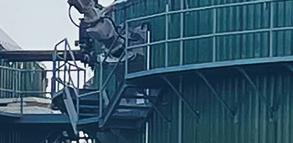







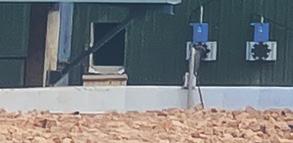


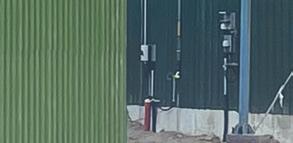
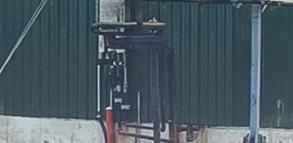










India’s benchmark 5 TPD Bio-CNG plant, operating consistently at rated design capacity and recognized as one of the top-performing commercial biogas facilities in the sector.

















Bareilly, India






Your benefits at a glance:


Higher gas yields through proven digester design & process eingineering.



Lower OPEX with robust equipment selection & efficient plant concept.





Output 5 TPD | Operating at Rated Capacity




Reliable performance backed by biological lab & process optimization.



Suitable for Napier grass : high biomass potential & lower water/nutrient demand.