

David Del Bourgo, CEO of WhiteLab Genomics, on




















With the Nexera IC, Shimadzu combines advanced automation and robust performance to deliver seamless ion chromatography. Tailored for routine analyses and standard methods, the system keeps daily workflows running smoothly by minimizing manual intervention and troubleshooting while ensuring long-term reliability. With experts ready to assist with implementation and optimization, the focus stays on results rather than instrument management.









Workflow automation

Built-in automation reduces manual steps, variability, and operator workload

Personal service
Local experts support method transfer, optimization, and maintenance
Easy transition




Guided implementation and robust service reduce risk when changing platforms












































AMANDA GETT-CHAPEROT, is a Partner at Kurma Partners. Dedicated to Kurma’s biotech funds, Amanda is an early-stage investor with a strong emphasis on Europe. She has been making investments in biotech since joining the Roche Venture Fund and later Seventure Partners. Earlier at Roche, she focussed on business development with biotechs and academia. Amanda holds a PhD in Immunology from the University of Sydney.
European biotech is seeing both encouraging momentum and challenges. Innovation from European academia continues to inspire therapeutic concepts. Europe finally has a formidable pool of large venture funds with the financial capacity to scale mature biotechs to their fullest potential. Success stories are emerging with significant exits. Yet the European biotech ecosystem is still constrained. Financing at the beginning of the biotech life cycle – company creation, bridging academic concept to scalable potential – is still limited. Europe needs reinforcement at this stage.
Venture funds with the specialised skills to turn laboratory discoveries into fundable and scalable companies, are becoming niche. If this trend continues, opportunities will be lost as biotechs are not formed or are developed suboptimally and entrepreneurs will turn elsewhere to seek greener fields. Meanwhile, late-stage funds will see a dwindling pipeline of mature European companies in which to invest so their capital will be placed elsewhere. Achieving critical mass in early-stage investing must be prioritised to sustain the European biotech ecosystem and secure its growth.
The imperative for company building in Europe is strongly felt at Kurma Partners. Over successive funds and 25 company formations spanning 16 years, Kurma has learnt that building for the long term enables sustainable success. It takes time to earn trust and respect to underpin constructive partnerships with academia, to curate networks of experienced operators and to nurture first-time entrepreneurs to become tomorrow’s serial entrepreneurs.
Early-stage investing is challenging but funds are demonstrating that world-class returns are achievable in Europe. Examples include Amolyt Pharma and Imcheck Therapeutics, both backed from the beginning by Kurma in syndications, and joined later for scale, by peers in large European funds. Both were acquired, respectively by AstraZeneca and Ipsen, for potential values breaking the billion euro mark.
This message of success needs more resonance to inspire investment in early-stage funds. Sovereign funds and industry investors are key anchors with their strategic interests. We hope that they will strengthen their investments across Europe and that a broader pool of generalists will join. Strength in scale and diversity, will enable a greater European biotech sector. The blueprint for sustainable growth exists; it is imperative to accelerate it.
■
Amanda Gett-Chaperot


IMPRINT European Biotechnology (ISSN 2364-2351) is published quarterly by: Knowbio GmbH, Jacobsenweg 61, D-13509 Berlin, Germany, Tel.: +49-30-264921-0, Fax: +49-30-264921-11, Email: service@european-biotechnology.com, Internet: www.european-biotechnology.com; Publisher: Joachim Eeckhout; Editorial Team: Dr. Georg Kääb, Uta Mommert, Maren Kühr, Advertising: Oliver Schnell, +49-30-264921-45, Christian Böhm, +49-30-264921-49, Andreas Macht, +49-30-264921-54; Distribution: Nancy Weinert +49-30-264921-40; Graphic Design: Michaela Reblin/ Martina Willnow; Production: Martina Willnow; Printed at: Möller Pro Media® GmbH, European Biotechnology Life Sciences & Industry Magazine
with a Knowbio bundle subscription: €80 for private individuals
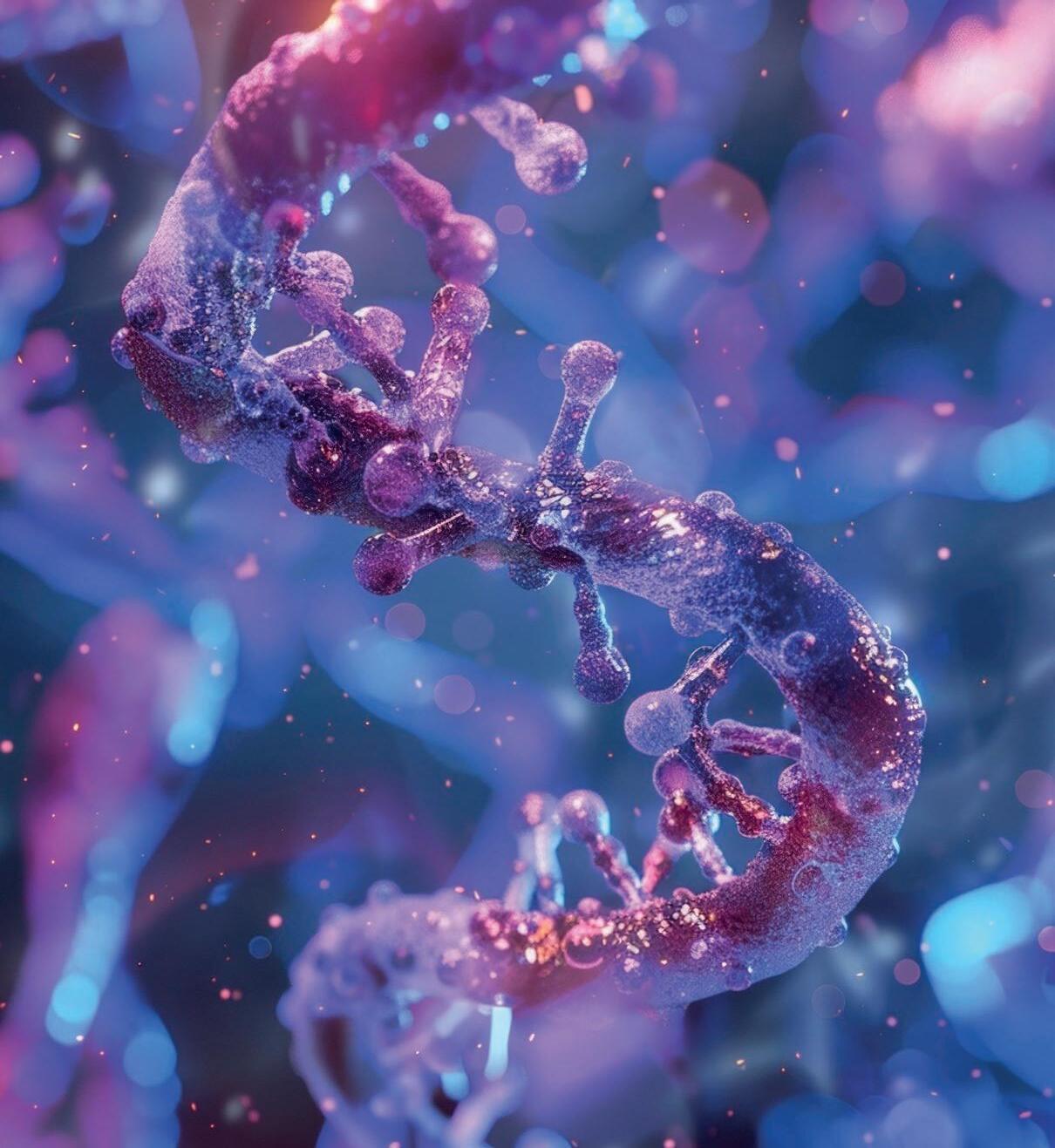
The COVID-19 pandemic transformed RNA technologies into one of the most visible scientific breakthroughs of the decade. mRNA vaccines demonstrated unprecedented speed of development, large-scale manufacturing capability and global deployment, pushing RNA therapeutics into the public spotlight. But the pandemic was not the beginning of the RNA story. Instead, it accelerated technologies that had already been under development for years.
Molecular surgery: How Europe can lead the world
Drug discovery is nolonger only a race to find the right molecule. As biologics, GLP-1s, biosimilars and high-dose therapies reshape pipelines, the route of administration is becoming a strategic battleground. Devices, formulations and delivery platforms now influence differentiation, adherence, market access and even the commercial fate of new medicines.
40 Drug delivery: The route becomes the product
42 The connective matrix: ELRIG’s role in the drug discovery ecosystem
44 Inside Exosomes: Nature’s drug carriers
46 Cell therapies: breaking barriers in solid tumours
49 Drug delivery nanogel to transform medical devices
50 AI: Breaking barriers in CNS research
For this issue of our magazine, we chose drug delivery as one of our specials. It is a particularly important topic at the moment, as biologics mature and convenience of use becomes a stronger differentiator among drug developers targeting the same diseases.
In many ways, it is the last mile of innovation: the point where an elegant molecule, platform or technology has to become something that can actually reach the patient.
Although the special itself is contained within a dedicated section, many other topics in this issue also touch on this question.
First, our second special, on RNA technologies, could not be seriously discussed without considering delivery. After all, mRNA, one of the spearheads of this field, has long been concerned with how to bring therapeutics into the body. The COVID-19 pandemic demonstrated the efficacy of mRNA vaccine delivery, and other applications, particularly in oncology, are now being explored.
Other sections have also been touched by our “last mile” fever. Our business topic, discussing Sanofi’s in vivo CAR-T play, is closely connected to the question of how this innovation can ultimately reach patients.
In any case, it is a fascinating topic, and we invite you to discover it throughout this issue. As usual, a big thank you to the contributors of this issue, as well as to the experts who kindly agreed to answer our questions during the course of our reporting.
Joachim Eeckhout CEO



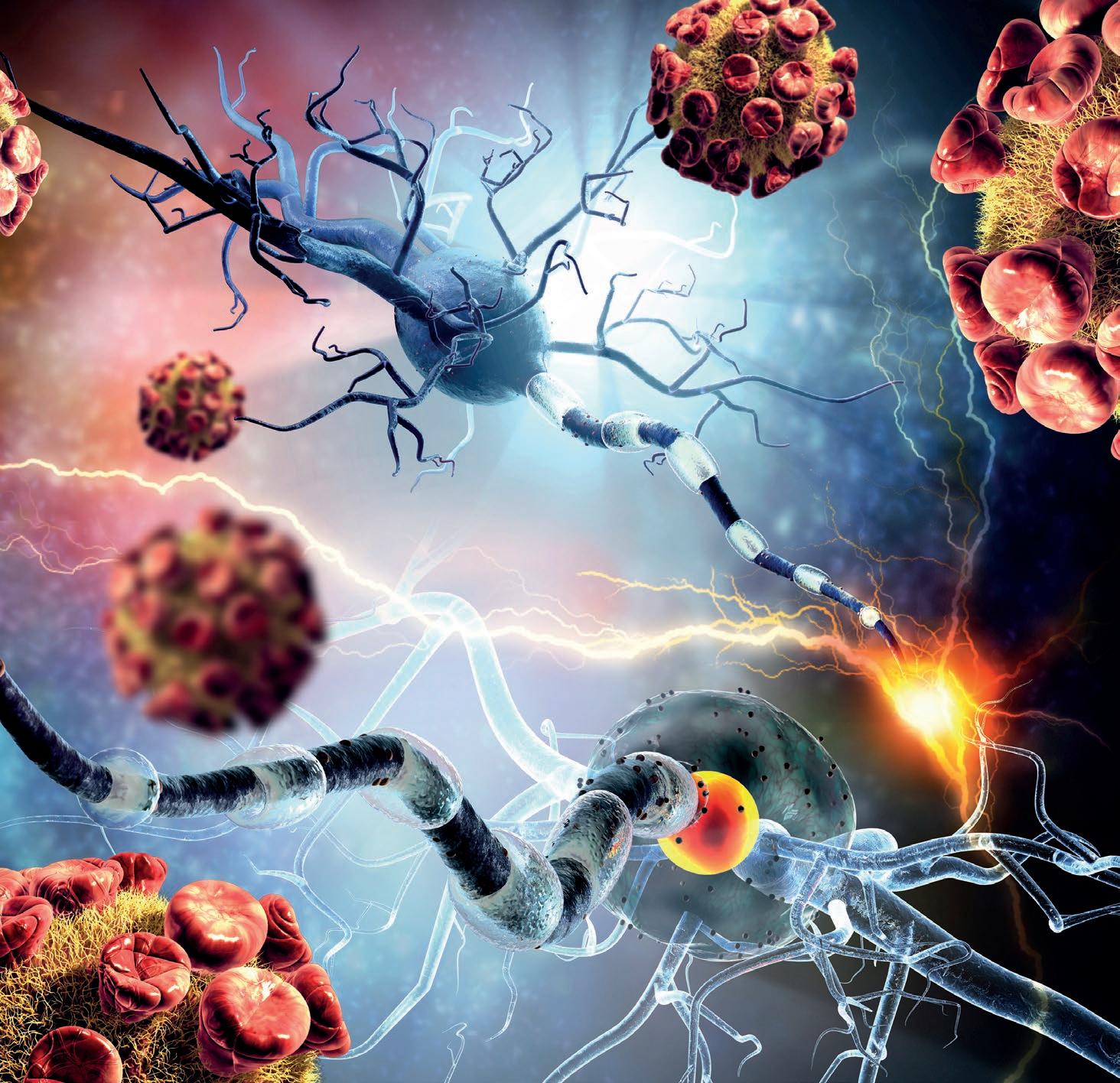
PRECISION NEUROLOGY For decades, epilepsy treatment has focused on stopping seizures, but for the third of patients whose seizures resist existing medicines, that approach is not enough. As genetics, neural circuits, and cell therapies reshape the field, epilepsy is being redefined as many diseases with deeper biological roots.
Epilepsy is one of the most common neurological disorders, with more than 50 million people suffering from it globally. Epilepsy might be common, but the disease is also complex and layered, and despite decades of drug development and nearly 30 anti-seizure medicines (ASMs) approved, about a third of epilepsy patients still experience seizures that cannot be sufficiently controlled.
For much of modern epilepsy treatment, seizure control has been the central objective, as it is the most visible consequence of a complex disease. Historically, they represented the aspect of the disease that researchers could most directly measure and influence.
The result of this focus was the development of successive generations of anti-seizure medicines designed to put neuronal excitability under control and stabilize electrical activity in the brain. Most of these treatments work by modulating neuronal excitability through ion channels, neurotransmitter receptors, and synaptic activity. For many patients, those therapies remain highly effective and continue to form the backbone of epilepsy care.
However, a study led by researchers at the University of Melbourne found that patients who achieve seizure freedom with medication usually do so early in treatment, often with the first or second anti-seizure regimen. After repeated treatment failures, the chances of achieving sustained seizure control tend to decline. This doesn’t mean that later options never work, but that the probability of achieving seizure freedom tends to fall after early treatment failures.
This also means the field’s historical focus on seizure control should not be treated as a mistake. “Anti-seizure medicines have made a real difference. For many patients, they work well and remain the foundation of treatment. But they mostly act by controlling neuronal activity. They don’t address what’s actually driving the disease,” noted Alistair Henry, executive vice president and chief scientific officer at UCB. Henry said we now understand that seizures are really
the visible outcome of something deeper. “They reflect underlying changes in biology, whether that’s genetic, synaptic, or at the level of neural circuits.”
It’s no longer just about suppressing seizures. It’s about understanding what’s driving them and asking whether we can intervene earlier. This is particularly important for patients experiencing drugresistant epilepsies, which, according to The International League Against Epilepsy (ILAE), represent one-third of cases overall.
The difficulty with epilepsy is that the same clinical endpoint, recurrent seizures, can emerge from very different biological problems. A broad anti-seizure medicine can reduce neuronal excitability in many forms of epilepsy, but it does not address the reason that excitability emerged in the first place for a specific patient.
Henry noted that when those drivers vary from patient to patient, whether it’s genetics, structural changes, or how neural networks are functioning, there’s a natural limit to how far a broad approach can go.
“In the short term, newer approaches to epilepsy treatment are likely to be more targeted. It’s becoming clear that different patients are driven by different mechanisms. So, it makes sense that the next generation of treatments will be developed for more defined groups. If you can match the treatment to the underlying biology, you have a much better chance of making a meaningful difference, especially for patients who don’t respond to current options,” explained Henry.
Genetic therapies may be most relevant where the cause is molecularly defined. Cell-based or circuit-level interventions may make more sense in focal epilepsies with identifiable seizure networks. More selective pharmacological approaches may still have an important role across broader patient groups.
Ryan Arnold, SVP, Head of Global Medical Affairs at Stoke Therapeutics
confirmed that we are in the midst of a shift in the approach to epilepsy research with the advancement of an increasing number of investigational genetically targeted treatments for developmental epileptic encephalopathies (DEEs), which are the company’s focus.
Arnold also noted that this means diagnostics will play an important part in the future of epilepsy treatment. “Alongside this shift, we are seeing an increase in genetic testing, which will be important to help the right medicine get to the right patient.”
For focal epilepsies, moving beyond broad seizure suppression may mean intervening more directly in the neural circuits generating seizures. That is particularly relevant in mesial temporal lobe epilepsy (MTLE), a common form of focal epilepsy associated with seizure-generating networks in temporal lobe structures. It is often drug-resistant, and the therapeutic logic here is more about altering or repairing a dysfunctional local circuit.
MTLE involves structures such as the hippocampus and amygdala, and in some patients, the seizure-generating region can be identified precisely enough for surgery to become an option. Surgical resection can lead to seizure freedom in a substantial proportion of drug-resistant MTLE patients, although the procedure remains invasive and irreversible. Newer therapeutic strategies are also focusing on local seizure networks. Some approaches aim to restore inhibitory signaling within dysfunctional circuits. Circuit-level approaches start from the idea that, in at least some epilepsies, the problem may lie within identifiable dysfunctional networks.
One of the clearest examples, now being brought into a European epilepsy franchise through UCB’s planned acquisition, is Neurona Therapeutics’s NRTX1001, recently renamed rezanecel. The Belgian company said it would pay $650 million upfront to buy the American company in a deal worth up to $1.15 billion. UCB framed the deal as an expan -
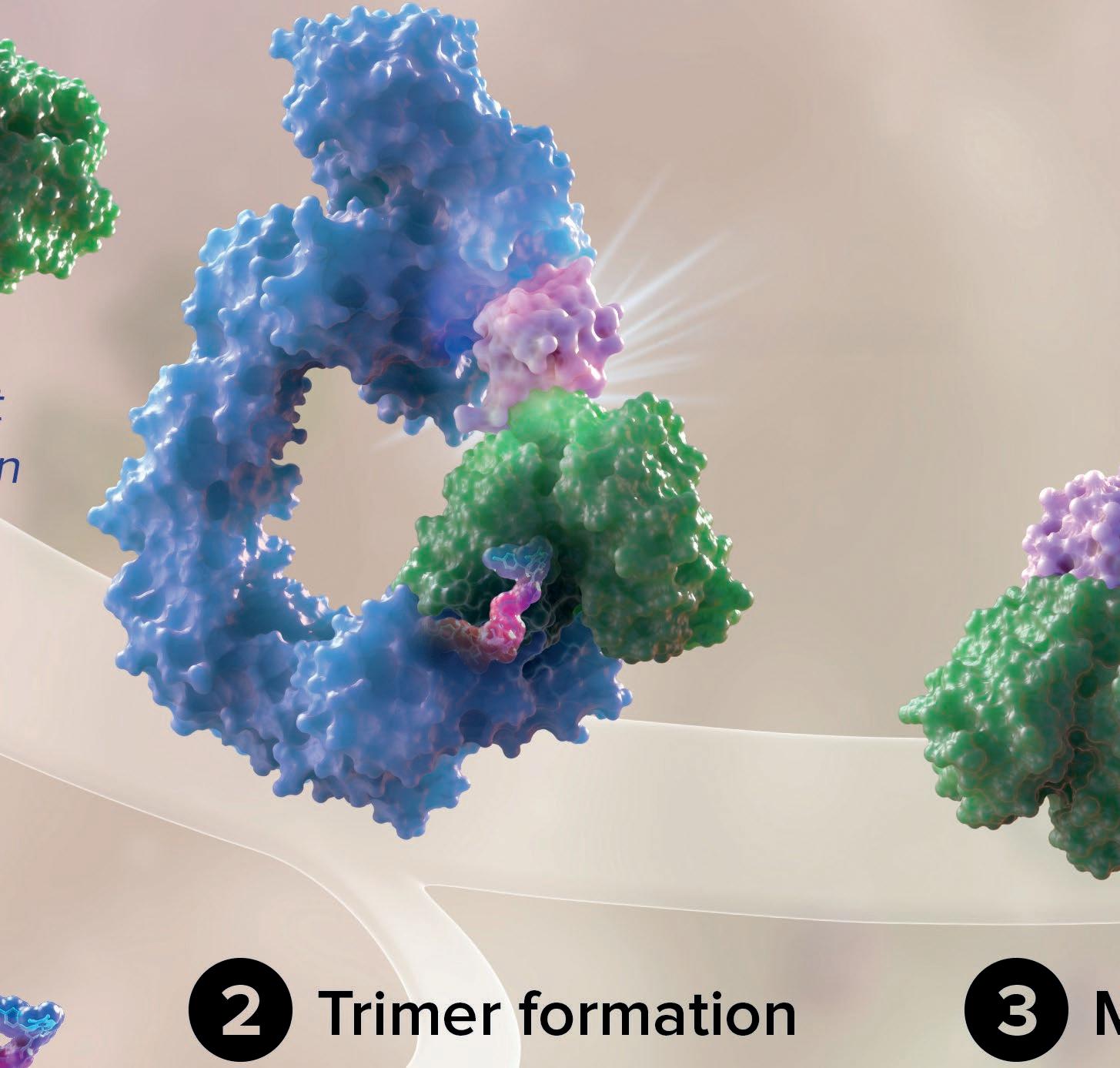
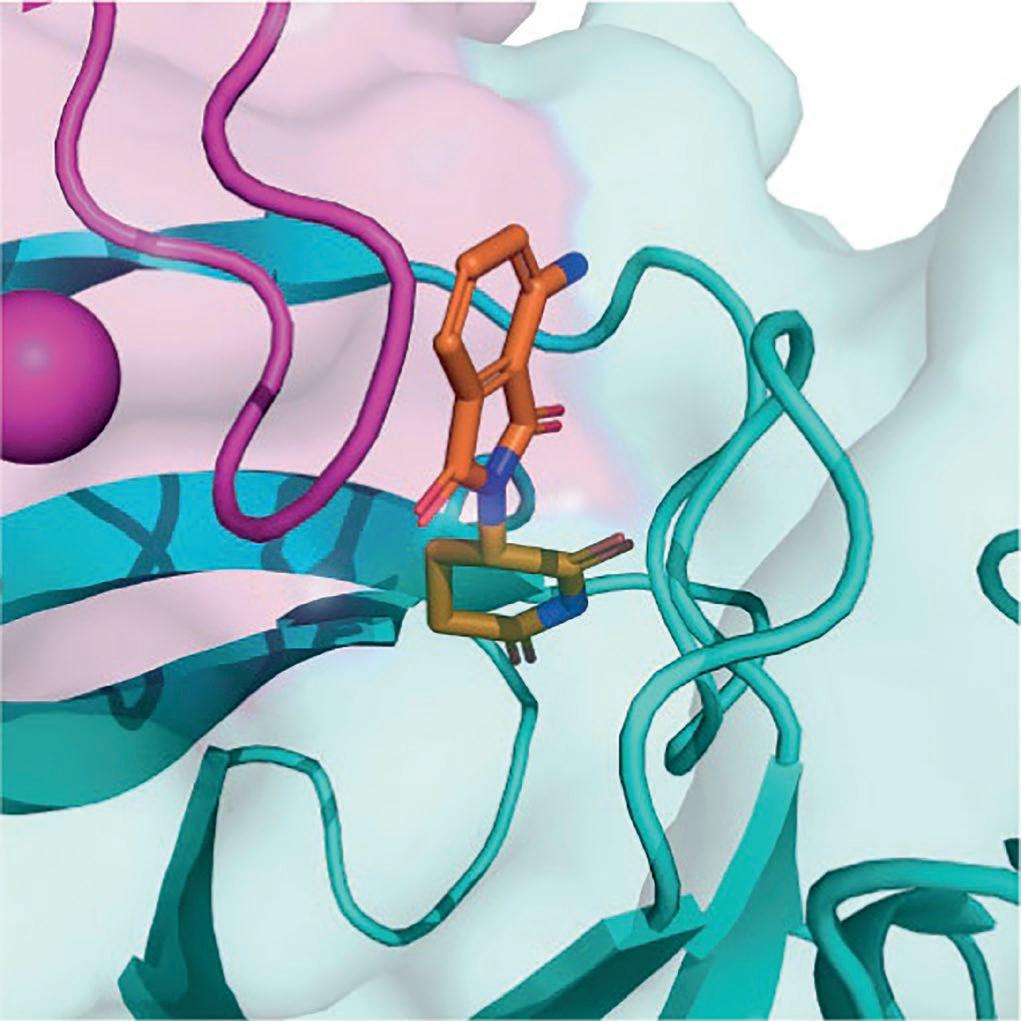
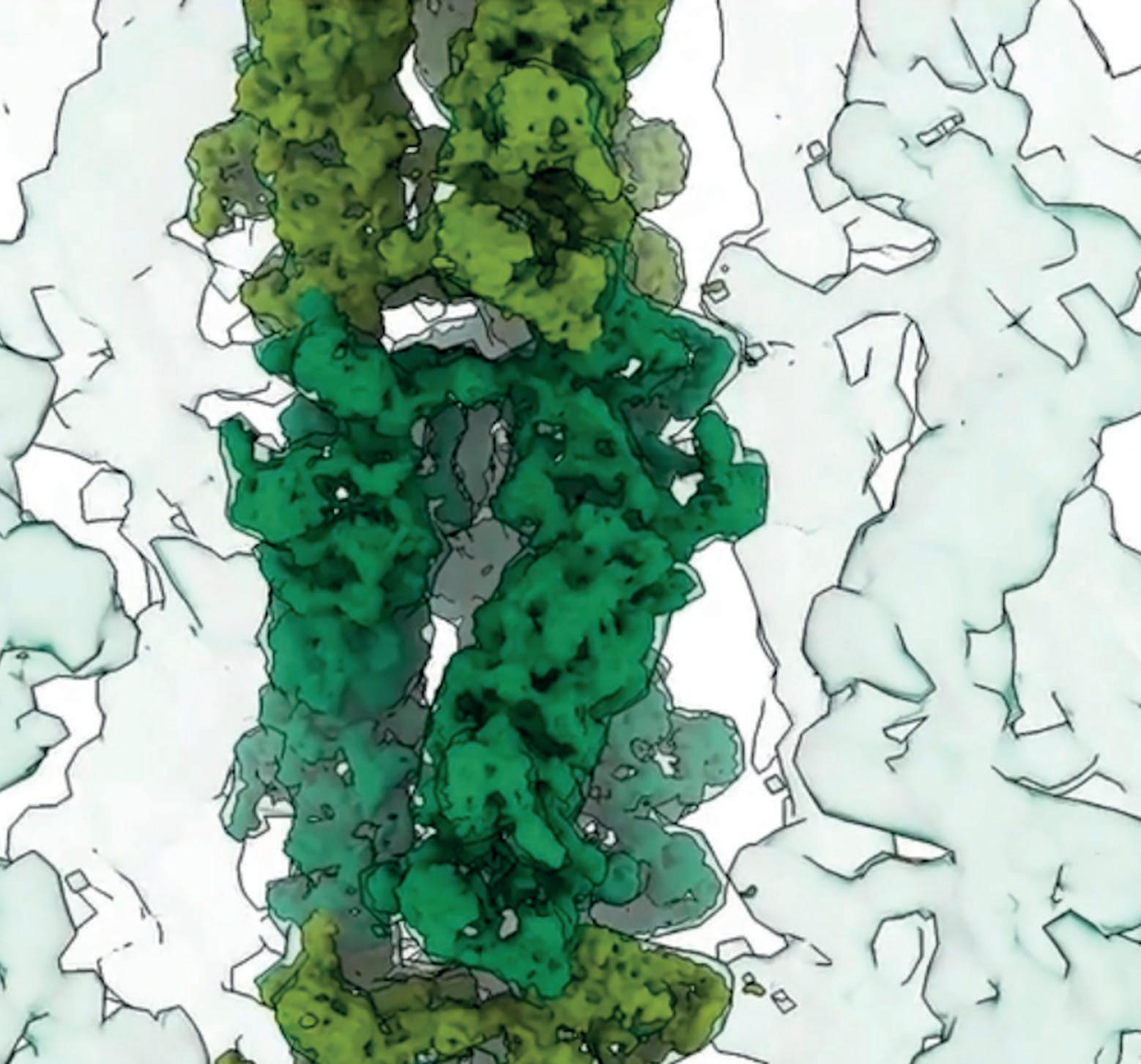
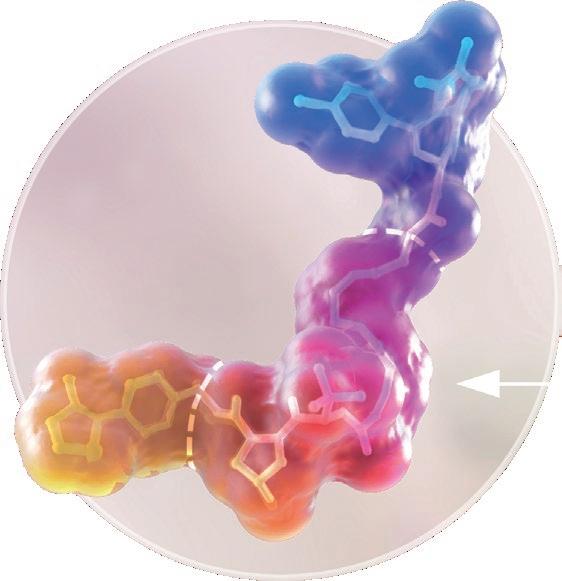
NEW MODALITIES Targeted protein degradation (TPD) has moved from a highly experimental concept to one of the most closely watched modalities in biopharma. What began with first-generation PROTACs (proteolysis-targeting chimeras) has evolved into a broader “induced proximity” field that molecular glue degraders, degrader-antibody conjugates (DACs), lysosome-targeting chimeras (LYTACs), RNA degraders and other proximity-based therapeutics.
Pictures: © Arvinas Operations Inc.; M. Hinterndorfer,..., G. E. Winter, Nature Reviews Cancer 2025, https://doi.org/10.1038/s41568-025-00817-8; X. Tang, ..., C. Enenkel, Cell 2026, https://www.cell.com/cell/fulltext/S0092-8674(25)01485-0
The sector is entering a decisive phase in 2026. Multiple latestage clinical programmes are approaching potential regulatory milestones, big pharma companies are expanding partnerships, and investors increasingly view induced proximity technologies as a long-term platform rather than a niche drug discovery tool. Europe, meanwhile, has emerged as a strategically important – though still smaller – hub compared with the United States and China.
From PROTACs to proximity drugs
The core idea behind targeted protein degradation differs fundamentally from classical inhibition. Rather than blocking a protein’s active site, degraders recruit the cell’s own protein disposal machinery to eliminate the disease-driving protein entirely. This opens the possibility of targeting proteins previously considered “undruggable”, including transcription factors and scaffold proteins.
First-generation PROTACs use bifunctional molecules that connect a target protein to an E3 ubiquitin ligase, triggering proteasomal degradation. Molecular glues, by contrast, are typically smaller compounds that stabilise interactions between proteins and degradation machinery.
The broader “proximity drug” concept now extends beyond degradation toward induced stabilisation, trafficking and modulation of protein interactions.
Industry observers increasingly see the field evolving beyond classical PROTAC chemistry. Next-generation approaches now include alternative ligases, membrane-targeted degraders and non-proteolytic induced proximity mechanisms.
The US still leads the clinical race
The United States remains the dominant force in TPD, driven by venture funding, academic spinouts and deep pharma partnerships. Companies such as Arvinas, C4 Therapeutics, Kymera Therapeu-
tics, Nurix Therapeutics and Monte Rosa Therapeutics remain among the bestfunded and most clinically advanced players.
Arvinas is widely regarded as the sector pioneer and in fact delivered the first approved PROTAC therapeutic in spring this year for its oestrogen receptor degrader vepdegestrant, partnered with Pfizer (see special section next page).
Kymera Therapeutics has broadened the modality into immunology and inflammation, particularly with STAT6-targeting programmes. Nurix Therapeutics has focused heavily on oncology and degrader-antibody conjugates, while C4 Therapeutics continues expanding its long-standing relationship with Roche.
The Roche–C4 collaboration announced in April 2026 highlights how quickly the field is converging with ADC technology. The companies are jointly developing degrader-antibody conjugates designed to combine the targeting specificity of antibodies with catalytic protein degradation. The deal includes $20m upfront and more than $1bn in milestones.
At the same time, Gilead Sciences recently exercised its option on Kymera’s CDK2 degrader KT-200, reinforcing the view that large pharma companies increasingly consider degraders part of mainstream oncology strategy rather than experimental science.
Europe: Strong science, smaller capital pools
Europe’s degrader ecosystem is scientifically competitive but structurally different. Compared with the US, European companies generally operate with smaller financing rounds and rely more heavily on strategic pharma alliances.
Switzerland has become Europe’s most important TPD centre thanks to the presence of Novartis and Roche. Novartis has aggressively expanded into molecular glue degraders and proximity chemistry through multiple licensing deals.
One of the most significant recent transactions came in late 2024, when Novartis agreed to pay Monte Rosa Ther-



3PBIOVIAN (ES)
CP3
AbbVie Inc. (US) .................... 31
Ablynx BV (B) 30
AC Immune SA (CH) 33
Adaptimmune Ltd. (UK) 47
ADC Therapeutics (CH) 28
Alnylam Pharmaceuticals Inc. (US) 21
Amgen Inc. (US) 48
Angelini Pharma (IT) 10
Ardena (B) ........................ 32
Arrowhead Research Group (US) 21
Aruna Bio (GR/US) 45
Arvinas Inc. (US) 35, 36
ASEBIO – BIOSPAIN 2026 (ES) 58, 59
AstraZeneca AB (SE/UK) 31
Biomay AG (A) CP4
BioNTech SE (DE) 20, 21
BIOTECH AUSTRIA – BIOTECH SUMMIT
AUSTRIA (A) 60, 61
BioVersys AG (CH) 28
Boehmert & Boehmert (DE) ........... 11
Bristol Myers Squibb (US) 31
C4 Therapeutics Inc. (US) 35, 38
Capstan Therapeutics Inc. (US) 31
Carbios SAS (F) 32
CDD Vault 27
Chromotek GmbH (DE) 16
Ciloa (F) 45
CM4Cure (BE)...................... 49
Cube Biotech (DE) 53
EBD Group (CH) – BIO-Europe 2026 62, 63
Q3 2026 PREVIEW The Autumn edition of European Biotechnology Magazine will be published on 24 September 2026, bringing together stories and analysis from across Europe’s biotech sector.
This issue will look at three areas of particular relevance to the industry:
› The role of CDMOs and CROs in supporting biotech development
› The latest progress in autoimmune and inflammatory diseases
› The bioRN cluster in Heidelberg, as part of our regional ecosystem coverage.
Beyond these focus topics, the edition will include company stories, interviews,
Eli Lilly (US) 31, 40
ELRIG (UK) Ltd. ................. 42,43
Encoded Therapeutics Inc. (US) 10
EpilepsyGTX (UK) 32
Epitopea (UK/CDN) 20
Eppendorf AG (DE) 9
EsoBiotec SA (F) 31
EVerZoom (F) 45
Evox Therapeutics (UK) 45
Exo Biologics (B).................... 44
FGK Clinical Research GmbH (DE) 41
Forbion Capital Partners (NL) 14
Gilead Ltd. (US) 31
GlycoEra AG (CH) 28
GRIN Therapeutics Inc. (US) 10
HealthCap (SE) 15
ICPO – Theranostic Virtual Summit (DE) 64, 65
Idorsia (CH) 28
Insempra GmbH (DE) 16
International Neoantigen Summit (NL) 15
Jeito Capital (F) ..................... 13
Johnson & Johnson Germany 16, 17
Kurma Partners (F) 14
Kymera Therapeutics Inc. (US) 35, 38
Longboard Pharmaceuticals (US) 10
Lundbeck A/S (DK) 10
Medicxi Ventures (UK) 13 Moderna Inc. (US) 20
Monte Rosa Therapeutics Inc. (US) 35, 38
MoonLake Immunotherapeutics AG (CH) 28
New England Biolabs GmbH (DE) 29
Nippon Genetics Europe GmbH (DE) 23
Novartis AG (CH) 35, 38, 46
Novo Nordisk A/S (DK) 40 Nuclidium AG (CH) 28 Oculis SA (CH) 28 Orbis Medicines ApS (DK) 28 Ose Immunotherapeutics SA (F) ........ 33 Pfizer (US) 35, 36
Pharmahungary Group (HU) 21
Proxygen (A) ....................... 37 Qureight (UK) 33
Resyca BV (NL) 33 RhyGaze AG (CH) 28 Richter Biologics (DE) 25
Roche AG (CH) 35, 38 Sanofi SA (F) 30, 31
Santhera Pharmaceuticals (CH) 33
Secarna Pharmaceuticals GmbH (DE) .... 39
Shimadzu Europa GmbH (DE) CP2 Silence Therapeutics (UK) 21 Sofinnova Partners (F) 13 Swarm Oncology (UK) 47, 48 T-CurX
technology analysis, industry developments, policy and drug development insights, and profiles of people helping shape the biotech landscape in Europe.
The issue offers companies, research organisations, service providers, investors, policy makers and regional stakeholders an opportunity to contribute to the conversation around where European biotech is heading next and to share perspectives with a highly specialised readership.
For the bioRN cluster special, we welcome input from organisations and stakeholders connected to the Heidelberg biotech ecosystem.
The advertising booking deadline is 10 September 2026. To discuss advertising, editorial visibility, or partnership opportunities around this issue, and to explore how your organisation could be represented within the Autumn edition, please get in touch.


Oliver Schnell
+49-(0)30-264921-45 oliver.schnell@ knowb.io
Andreas Macht
+49-(0)30-264921-54 andreas.macht@ knowb.io
Christian Böhm
+49-(0)30-264921-49 christian.boehm@ knowb.io


GMP manufacturing mRNA (drug substance)
LNP formulation and aseptic filling (drug product)
GMP manufacturing start
DNA template for IVT
Vector construction and GMP cell banking
QC testing & release with LNP-, mRNA- and DNAspecific assays in-house
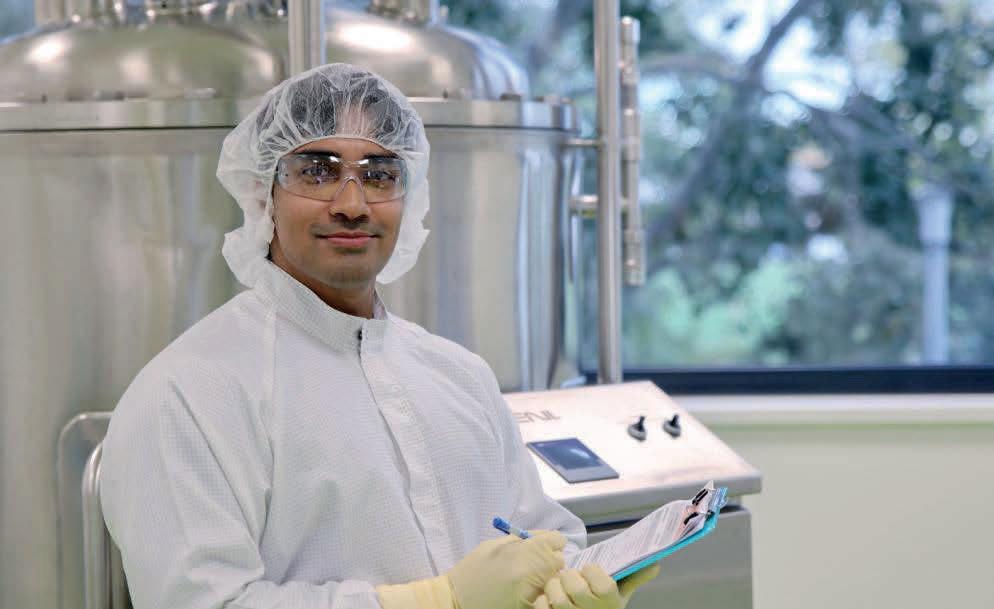
Biomay offers comprehensive cGMP services for mRNA, including lipid nanoparticle (LNP) formulation and template DNA manufacturing


mRNA process features and capacities:

Full scalability from 100 mg to 50 g per batch
Optimized in-vitro transcription (IVT)
Proven for any length (1 to >10 kb), including self-amplifying RNA (saRNA)
Cap, Poly(A) length and modified nucleosides on client’s demand
High yield / high quality by optimized affinity chromatography

Controlled particle size / polydispersity and concentration by DLS
mRNA concentration and encapsulation efficiency (RiboGreen)
Lipid ID & content (UHPLC/CAD/MS)

Purity / Ratio of optical densities
Capping efficiency
Poly(A) tail length
Residual protein
/ A280
Residual DNA template qPCR Endotoxin
Bioburden

Translation functionality In-vitro translation (reticulocyte lysate)