
Special Drug Delivery Services
featured event: Drug Discovery 2026 in London

featured event: Drug Discovery 2026 in London
DELIVERY SYSTEMS Drug discovery is nolonger only a race to find the right molecule. As biologics, GLP-1s, biosimilars and high-dose therapies reshape pipelines, the route of administration is becoming a strategic battleground. Devices, formulations and delivery platforms now influence differentiation, adherence, market access and even the commercial fate of new medicines.
For years, drug delivery sat downstream of discovery but that hierarchy is changing. In a market shaped by biologics, chronic disease, payer pressure and overloaded health systems, how a medicine reaches the patient can be as important as what it targets. The pressure is not a shortage of new medicines, but the difficulty of making them fit real-world care. As more approved products are biologics, injectables or therapies for chronic use, companies are being pushed to think earlier about dosing, administration, adherence and health-system burden.
Biologics move delivery upstream
The first driver is the continued growth of biologics. Large molecules now dominate many of the most attractive areas of pharmaceutical R&D, from oncology and immunology to metabolic disease and rare disorders. But they also bring practical challenges: high molecular weight, viscosity, sensitivity to degradation and, often, the need for parenteral administration.
This is forcing delivery questions earlier into development: Can a therapy move from intravenous infusion to subcutaneous injection? Can dosing be less frequent? Can a patient self-administer safely at home? A biologic that requires regular hospital visits may be clinically strong but commercially vulnerable if competitors offer similar outcomes with simpler administration. In this context, delivery becomes part of the value proposition.
No therapeutic class illustrates the new delivery dynamics better than GLP-1 receptor agonists. Originally developed for type 2 diabetes, GLP-1 drugs have transformed the obesity market and created extraordinary demand for injectable delivery systems. Weekly injections have become familiar to millions of patients, turning pens, autoinjectors, prefilled syringes and supply capacity into strategic assets.
The impact extends far beyond Novo Nordisk and Eli Lilly. Device manufacturers, fill-finish specialists, component suppliers and CDMOs have all been pulled into the GLP-1 expansion. In a fast-growing market, pharma companies need reliable high-volume manufacturing, but they also need differentiation. The device experience – ease of use, injection comfort, portability, dose confidence – can influence preference when efficacy differences narrow.
At the same time, oral GLP-1s are emerging as a competitive threat to injectable formats. Novo Nordisk’s early US experience with the Wegovy pill shows why: launched in January 2026, the oral formulation generated DKK 2.26bn, or about €302m, in first-quarter sales and around 1.3 million prescriptions, with total prescriptions passing two million by mid-April. That does not make injections obsolete, as for many peptides and biologics, parenteral delivery will remain the most effective
route, but it does show that convenience can quickly become a commercial force when efficacy and access are credible.
A second major trend is the move from intravenous (IV) administration to subcutaneous (SC) and large-volume SC delivery. IV infusion remains essential for many therapies, particularly in oncology, but it requires trained staff, infusion capacity and patient time.
Large-volume subcutaneous delivery is becoming a practical answer. A 2024 review1 identified 182 large-volume subcutaneous biopharmaceuticals, representing about 15% of approved and clinical-stage IV and SC biopharmaceuticals. Non-cancer products are often below 5 mL and more compatible with selfadministration, while anti-cancer therapies commonly require 5–20 mL and are still more likely to be administered by healthcare professionals.
This distinction matters. In autoimmune disease, asthma, migraine or metabolic disorders, large-volume SC delivery can support home-based treatment and reduce pressure on clinics. In oncology, the transition is more complicated but even there, pressure is building to reduce chair time and make treatment less burdensome.
The rise of biologics is also changing how pharma companies think about autoinjectors. One important shift is the move from fully bespoke devices to platform devices, pre-developed delivery system that can be adapted for different drugs rather than
prefilled syringe into a more user-friendly product: the patient presses the device against the skin, the needle is hidden, the dose is delivered automatically, and cues confirm that the injection is complete. The value is not only convenience. A better device can reduce handling errors, support adherence and make self-administration less intimidating.
The reasons for pharma’s interest are pragmatic. Platform autoinjectors can shorten development timelines, reduce technical risk and simplify regulatory work because much of the design, manufacturing and usability framework is already established. The strategic question is when the device should differentiate and when it should simply de-risk. A novel biologic for a niche population may justify a tailored system. A biosimilar entering a crowded field may need a proven, low-risk platform that supports rapid launch and competitive pricing. Increasingly, delivery strategy is being segmented by product economics.
The definition of a successful medicine is changing. A promising molecule must be manufacturable, administrable, tolerable and acceptable to patients, payers and health systems. It must fit not only a biological mechanism, but a care pathway.
In the future, the best products may not be those with the most elegant mechanism alone. They will be the therapies that combine strong biology with a practical route to patients. The molecule still matters most but the route is becoming part of the product.
■ Joachim Eeckhout

DRUG DISCOVERY Drug discovery depends on more than breakthrough science alone. Progress increasingly emerges from connected ecosystems where academia, biotech, pharma, CROs and technology providers can openly exchange ideas, challenge assumptions and accelerate innovation together.
A cell becomes meaningful only when it is part of a functioning biological tissue. In isolation, there is no surface to adhere to, no neighbours to signal and no complex architecture to contribute to. Metaphorically, the same is true of the stakeholders that populate the drug discovery ecosystem. Large pharma, specialist biotechs, CROs, academic centres, platform technology companies, and funders each represent a distinct cell type; specialised, capable, and inherently valuable. The field has many talented cells, and uniquely ELRIG acts as a matrix: a structural scaffold on which those cells can assemble, where they can exchange signals, and within which they can organise into something capable of doing what no single cell can do alone.
Founded in 1999 as a grassroots network for laboratory researchers in the UK, the organisation has evolved considerably whilst maintaining its founding instinct. ELRIG is scientist-led, not commercially driven, with governance shaped by practitioners and programmes developed around what the community identifies as genuinely important rather than sponsorship priorities or vendor roadmaps. A matrix shaped by external forces tends to organise around someone else’s priorities. A matrix shaped by the cells themselves tends to produce healthier tissue.
“ELRIG is unusual in that it is genuinely community owned. The agenda is set by scientists, for scientists - which is

why the discussions and networking are more candid.”
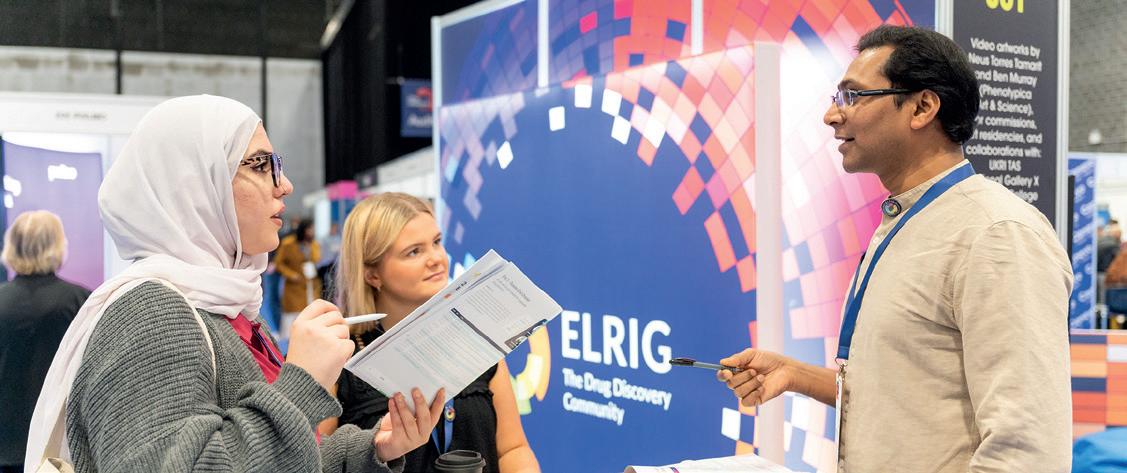
ELRIG’s flagship Drug Discovery meetingalternating annually between London and Liverpool - creates that tissue by assembling multiple parts of the drug discovery ecosystem simultaneously. For pharma scientists, it provides a temperature check on emerging methodologies: what is gaining traction, what remains experimental, and where scepticism outweighs enthusiasm. For early-career researchers and biotech scientists, it is one of the most accessible entry points into a professional network spanning the breadth of the discipline. For technology providers, it of-
fers something rarer still - a conference hall full of scientifically engaged researchers who will critically evaluate a platform rather than simply receive a sales pitch. Commercial conferences often optimise for one audience, perhaps buyers or investors, whilst academic symposia tend to focus on publication-stage science. ELRIG instead creates a collaborative environment where researchers can openly discuss methods before they are fully validated and share failures as well as successes. It is, in biological terms, a permissive matrix that allows different cells to interact without any single type crowding the others out.
A defining feature of ELRIG’s programming model is its distinction between conferences and forums. Conferences are designed for breadth: large gatherings that surface emerging themes and bring the wider community into contact. Forums are intentionally smaller and more focused, convened around specific scientific or methodological questions with enough depth and candour to move discussion forward.
This model has proven particularly valuable for emerging modalities where scientific consensus is still forming. Areas such as targeted protein degradation, engineering biology and DNA-encoded libraries have all benefited from specialist ELRIG forums that convened
scientists with expertise across the field. The formats are complementary: conferences build the community and surface the landscape, while forums allow deeper exploration of new scientific themes.
ELRIG’s programming does not emerge from a central editorial team. It is built meeting by meeting and forum by forum by volunteer scientists drawn from across the community. These volunteers are the cells that construct and maintain the matrix itself: people who give their time because they believe in the value of the tissue and want to shape what it becomes. Working groups bring together scientists from pharma, biotech, academia and CROs with complementary expertise and perspectives. Innovation strategy identifies emerging technologies and scientific themes. Science strategy helps ensure programmes remain rigorous and relevant. Vendor strategy supports collaboration with technology and service providers, while engagement strategy broadens participation across the community. Early careers groups focus on supporting and connecting the next generation of scientists, and sustainability strategy helps maintain the organisation’s long-term independence and stability.
The model has a compounding effect. Volunteers who contribute to one programme develop a deeper understanding of the field’s shared challenges, making future contributions even more valuable. Working groups that operate over several years also develop an institutional memory that commercially organised events struggle to replicate.
The volunteer structure also gives ELRIG an unusual degree of agility. Because programmes are developed by active researchers working at the forefront of their disciplines, the organisation can respond quickly to emerging science. As new areas develop - from spatial transcriptomics and AI-enabled drug discovery to induced proximity science and advanced automation - working groups can rapidly convene expertise and build programmes around topics before they become fully established.
“Precompetitive space is where the field moves fastest. ELRIG has been unusually effective at creating the conditions in which organisations that compete commercially will share methodological knowledge for mutual benefit.”
The precompetitive dimension of ELRIG’s model is increasingly important. As the field grapples with data standardisation, AI model validation and the reproducibility of complex biological assays,
the value of a trusted environment that brings competing organisations into productive proximity is difficult to overstate. Few organisations have the scale or incentive to solve these challenges alone, but addressed collectively through working groups, benchmarking and open discussion they become more tractable.
Although ELRIG remains largely focused on the UK and Europe, the challenges it engages with are global in nature. Translating AI-driven insights into viable drug candidates, building more predictive preclinical models and integrating automation without losing scientific intuition are shared challenges across the industry.
What ELRIG offers is not a solution to the challenges of drug discovery, but something more fundamental: a persistent, trusted scaffold in which the people working on some of medicine’s hardest problems can adhere, signal and collaborate. Remove the matrix, and you are left with isolated cells. Keep it healthy, and the tissue can do remarkable things. ■
Contact us:
ELRIG (UK) Ltd., Salisbury House, Station Road, Cambridge, CB1 2LA, United Kingdom info@elrig.org

CELLULAR DELIVERY Next-gen, effective payloads – from AI-designed small molecules to RNA-based therapeutics and gene therapies –have revolutionized medicine. Yet, the main hurdle remains targeted delivery: avoiding immune reactions (seen with many viral vectors) or undesired organ accumulation (evidenced with LNPs in the liver). Scientists are now harnessing a technology that could overcome these hurdles by using vesicles that cells naturally produce: exosomes.
Imagine a payload being delivered to the target tissue by a biological, non-toxic transport system. Imagine a drug traveling to the central nervous system without the need for invasive injections or without side effects caused by its untargeted, undesirable reach. Imagine a payload reaching the intended cells through a mechanism that is natural, that can be administered more than once, and is adaptable across applications.
No need to imagine, these possibilities are already being explored by biotech companies developing exosomes (also known as extracellular vesicles) as carriers for a wide range of therapeutics.
Exosomes are tiny vesicles (typically ~30–150 nm in diameter) naturally released by cells. They form inside endosomal compartments and are secreted into the extracellular space, where they participate in intercellular communication by transporting lipids, proteins, and nucleic acids (including mRNA and microRNA) between cells.
As naturally occurring extracellular vesicles, they are inherently biocompatible and typically exhibit low immunogenicity, reducing the likelihood of adverse immune responses and potentially enabling repeated administration, both relevant limitations for viral vectors used today in gene therapies. While lipid
nanoparticles (LNPs), which are also currently used as carriers of genetic payloads in molecular therapeutics, rely on synthetic design and often show preferential accumulation in organs such as the liver, exosomes can display intrinsic tissue tropism derived from their parent cells. Because of this, they offer a more biologically guided form of targeting. Exosomes' endogenous origin also confers a degree of biological “stealth,” allowing them to circulate and interact with cells without being detected and/or eliminated by the immune system.
The central nervous system (CNS) represents the holy grail of drug delivery challenges. The blood–brain barrier (BBB) is a highly selective semipermeable border that prevents most compounds from entering the brain, protecting it from toxins and pathogens but also blocking therapeutic agents. Traditional approaches require invasive intrathecal or intracranial injections, which carry significant risks and limit treatment accessibility. This is why many exosome startups prioritize CNS applications. The natural ability of certain exosomes to traverse the BBB offers a non-invasive route for delivering therapeutics directly to brain tissue. As such, Belgian company EXO Biologics has developed a production platform that enables scalable manufacturing of exosomes with CNS tropism. The company recently
announced two new collaborations that will advance toward clinical development for Parkinson's and multiple sclerosis.
On its part, UK-based Evox Therapeutics has taken this further with ExoEdit, a proprietary genome-editing technology that harnesses exosomes to deliver CRISPR-based editing tools into specific brain cells. “Our pipeline programs are delivering gene editors as ribonucleoproteins inside of exosomes, which gives rapid onset of pharmacology and rapid clearance of the editing machinery, meaning that we have a very efficient delivery modality with an excellent safety profile,” said Per Lundin, CEO of Evox, to Europ E an B iot E chnology M agazin E . He also explained that the team is currently completing IND-enabling non-human primate studies, in which early data have demonstrated robust target editing in the striatum of Huntington’s animal models. “We are tracking toward dosing the first Huntington’s patients in a Phase 1/2 first-in-human trial in 2027,” added Lundin.
Aruna Bio, with dual headquarters in Boston and Athens, made headlines in 2024 as the first company to advance an exosome-based therapy into human clinical trials with its lead candidate, AB126, for acute ischemic stroke. Latest updates from 2025 indicate that the program has successfully progressed to Phase 1b, marking a significant milestone in demonstrating the safety and tolerability of exosome delivery. Adding to the European and global momentum, NurExone Biologic, with operations in Israel and Canada, is leveraging its proprietary ExoNucleo platform for the treatment of neurodegenerative diseases. Its lead candidate, ExoPTEN, delivers siRNA designed to silence PTEN expression in damaged spinal cord neurons, with first-in-human studies expected in 2026. The company describes the approach as harnessing “Nature’s Guided Missiles.”
In an email exchange with EBM, Anton Hutter, PhD, a patent attorney on the Chemical & Life Sciences team at Venner Shipley, noted that many patent applications now focus on CNS-targeting exosomes, particularly in areas where LNPs and AAVs have historically struggled. “I would not be surprised if exosomes become the preferred delivery modality for CNS applications or for those requiring repeat dosing,” he said. Despite this, other companies are harnessing the versatility of exosomes to target a broad range of diseases beyond the CNS.
In France, EVerZom is pioneering exosome-based therapies for tissue regeneration and repair. Their pipeline targets the healing of digestive tissues, with Crohn's disease-associated fistulas as a primary indication. By harnessing the regenerative properties of exosomes, EVerZom aims to promote tissue closure and reduce inflammation in the gut, offering a potential alternative to surgical interventions. According to the company’s website, its platform is “protected by several patents, covering the entire technological value chain: cell sourcing, exosome generation, exosome loading, and formulation.”

Exosomes could carry therapies past biological barriers.
Another French innovator, Ciloa, is using exosome technology for obesity and type 2 diabetes. Last year, it secured funding to advance its lead candidate, APN-sEV, up to Phase 2a trials and support GMP-scale manufacturing.
Beyond Europe, ILIAS Biologics, a South Korean company, is advancing ILB-202, an exosome-based therapeutic candidate for inflammatory diseases. In a January 2026 presentation, the company reported that ILB-202 demonstrated a favorable safety and tolerability profile in a Phase 1 trial involving healthy volunteers. Based on these findings, ILIAS is now exploring expansion into multiple inflammatory indications.
On the vaccine front, across the Atlantic, Capricor Therapeutics is collaborating with the National Institutes of Health (NIH) to investigate its proprietary StealthX exosome-based vaccine platform for the prevention of SARS-CoV-2 infection. The StealthX platform is designed for engineered protein surface expression, cargo loading, and targeted delivery using exosomes, which is also being investigated for precision therapeutics.
“Europe has a highly competitive, IP driven exosome ecosystem with strong early positioning,” said patent attorney Hutter. “I predict that the next 5–10 years will be defined less by discovery and more by IP consolidation, oppositions, and manufacturability breakthroughs.”
Hutter noted that many companies are currently seeking expansive patents in exosome technology, but the strength and enforceability of those patents will likely face significant legal and regulatory scrutiny after issuance. “Exosome companies entering the market should assess their freedom-to-operate risks, identify any dominant patents and patent applications that may block their route to market, and determine which may need to be licensed or challenged before the company can proceed,” he said. In his view, the field is unlikely to produce broad patents covering exosomes as universal delivery platforms; instead, intellectual property is expected to become increasingly indication-specific, with the greatest value residing in narrowly targeted and defensible therapeutic applications.
■ Francina Agosti

TARGETED DELIVERY It’s nearly a decade since the first CAR-T cancer cell therapy was approved by the FDA, offering a powerful and durable therapy against tumours. But when it comes to fighting solid tumours, CAR-Ts rapidly show their limits. A new generation of cancer cell therapies could set new standards and change the way we think about drug delivery in solid tumours.
Initially approved by the FDA in 2017 for relapsed or refractory B-cell acute lymphoblastic leukemia (ALL), Novartis’ Kymriah was groundbreaking in many ways. A chimeric antigen receptor therapy (CAR-T), it can be thought of as a “living drug”, created by harvesting a patient’s own T-cells, genetically modifying them to attack cancer cells, and then injecting them back into a patient. With Kymriah, a special receptor is added to the Tcell that targets the CD-19 antigen commonly found on B cells, but not in healthy tissues.
Results in this very sick group of patients were striking. In the pivotal ELIANA trial, the complete remission rate, including those with incomplete count recovery, was 82%. After five years, 49% of patients in these groups remained relapse-free. But side effects can be severe. Kymriah carries a boxed warning for cytokine release syndrome (CRS), a potentially life-threatening systemic response to the activation and proliferation of CAR T-cells, causing high fever and flu-like symptoms. Kymriah can also cause life-threatening neurological side effects, meaning patients need close medical attention just to get through the course of treatment.
Despite the ground-breaking approval, there was clearly further work needed to make cancer cell therapies more tolerable. Other drawbacks, such as the costly and slow manufacturing process requiring specialist units, also needed to be addressed. And the other major hurdle for the first generation of CAR-Ts is
that their use is limited only to blood cancers. Tackling solid tumours with cell therapies became the next major challenge for research in the field.
The barriers that CAR-T therapies face in solid tumours are the same as those faced by the body’s unmodified immune cells. Solid cancers are able to survive and fend off attacks from the body’s defences because of a series of physical and biological barriers that form in malignant tissue. Known as the tumour microenvironment, this no-man’s land surrounding tumours tests the survival abilities of immune cells. It’s often hypoxic, so immune cells don’t have the oxygen they need to survive. There are physical barriers, such as the cellular matrix surrounding a tumour, and there are immunosuppressive cells enlisted by the tumour to defend against attacks.
Even after creating a therapeutic cell tough enough to get behind enemy lines and into the cancer stronghold, there’s the problem of how to attack the enemy. CAR-T cells have worked effectively in blood cancer because the antigen CD-19 is found almost exclusively on B-cells, meaning the CAR-Ts will tend to ignore healthy tissues. Finding a suitable antigen on solid tumours is much more difficult. There are a handful of validated targets for each tumour type, with a common strategy
in next-generation CAR cells being to target two antigens on the tumour cell surface (with targets including, for example, CLDN18.2, Mesothelin, GPC3, B7-H3, GD2, HER2).
Martin Olin, chief executive of London-based cancer cell biotech Swarm Oncology, summarised the ongoing challenges in the field: “Firstly, there is the quality of the surface targets. You have off-target toxicity with CAR-T, which is nasty. Secondly, the tumour microenvironment has been challenging. Manufacturing has been a challenge.”
The laborious manufacturing process translates into high costs, which also means that CAR-T therapies are often not affordable for patients and/or healthcare systems. “The price point for CAR-T is impossible for a broadly applicable therapy,” Olin said.
Where CAR-Ts fear to tread
While research into this next generation of CAR-Ts continues in the clinic, a new cancer cell therapy approach received accelerated FDA approval in 2024 in advanced melanoma. Iovance’s Amtagvi (lifileucel) is based around a Tumour-Infiltrating Lymphocyte (TIL), a white blood cell harvested from a patient’s own tumour. These are enhanced to fight cancer and reintroduced into the patient where the cell recognises special markers found only on the surface of tumours. Neoantigens are found only on the surface of tumours and are caused by the malfunctioning machinery within the cancer cell itself. They vary from patient to patient and thus are hard to target, but nevertheless are a very strong marker that a cell is cancerous and therefore can produce a strong immune response. Amtagvi is not genetically modified; rather, the patient’s cells that can identify neoantigens are encouraged to replicate more than a billion times in the lab, then mixed with the drug IL-2 to stimulate them and encourage them to grow. Patients then receive a dose of chemotherapy to deplete the compromised TILs that are already in the tumour, and they also receive a dose of IL-2 after the infusion to further encourage the new cells to do their job. While clinical results convinced the FDA, regulators in Europe did not take the same view. The overall response rate (ORR) of 31.4% seems solid enough, but only 5.9% of patients produced a complete response, with 25.5% recording a partial response in the treatment arm of 153 patients.
Amtavgi’s US approval is contingent on further confirmatory trial data. Clinical data did not convince regulators from the European Medicines Agency, and Iovance withdrew its marketing authorisation application in Europe in July 2025.
Another approach is to use T-cell receptor (TCR-T) therapy, where researchers identify receptors that occur naturally on Tcells while they are scanning for malignant cells to attack. Tcells can be modified to express more of the receptors that are trained to attack cancer, making them more effective. One ad-
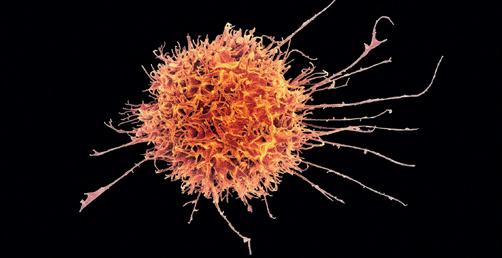
vantage of this kind of therapy is that it can also be used to attack targets within cancer cells and is not limited to those found on the surface.
In August 2025, UK-based Adaptimmune managed its big breakthrough in the TCR field with FDA accelerated approval of Tecelra (afamitresgene autoleucel) for adults with advanced synovial sarcoma.
Patients must have received prior chemotherapy, be HLAA*02:01P, -A*02:02P, -A*02:03P, or -A*02:06P positive and have tumours expressing the MAGE-A4 antigen.
Adaptimmune noted that Tecelra is the first engineered cell therapy for solid tumours to be approved by the FDA.
Tecelra is made by harvesting T-cells and genetically modifying them to target melanoma-associated antigen A4 (MAGEA4), that can be over-expressed on malignant cells in synovial sarcoma.
Approval was based on one 44-patient treatment cohort, showing an overall response rate of 43% with a complete response rate of 4.5%. As with Amtavgi, Adaptimmune must produce confirmatory trial data for the product to remain on the market in the long term.
There are other alternative cell therapies at various stages of development, which aim to raise the bar in terms of both safety and efficacy. Almost all are based upon modifying various immune cells already found in the body and modifying them so they are more effective at fighting cancer, typically with the added resilience to survive in the hostile tumour microenvironment.
One potential line of attack is CAR-NK cells, modified natural killer cells that have enhanced tumour-killing abilities and added resilience.
NK cells, which are part of the innate lymphoid cell family and commonly found in lymph nodes, are of interest because they can recognise and kill cancer cells without prior sensitisation. They produce a different set of cytokine signals when they attack, potentially producing fewer side effects than T-cells and can also be derived from cell lines from healthy donors. This raises the possibility of an “off-the-shelf” allogeneic thera-
py that is easier to mass produce, with lower production costs than CAR-Ts.
CAR-NKs are in the early stages of clinical development, with more than 40 trials registered according to a review. Progress is furthest in blood cancer, but there are now serious inroads into the clinic in solid tumours.
For example, a basket trial in the Second Affiliated Hospital of Guangzhou Medical University is testing several CAR-NK therapies, with receptors targeting Claudin6, GPC3, Mesothelin, or AXL antigens in a range of solid tumours.
There are a host of other approaches to cell therapy under development - T cell engagers are already approved in several cancers. These agents bind with T-cells and also tumour cells to enhance the body’s own cancer-killing response. Initially restricted to blood cancers, there was a major breakthrough when Amgen’s Imdelltra (tarlatamab) received the FDA nod for small cell lung cancer in May 2024, the first time a T-cell engager had been approved in a solid tumour. Macrophages, the amoeba-like white blood cells that engulf and digest infections
Swarm’s personalised cell therapy approach is inspired by vaccines, which are typically used in combination with other therapies to boost their efficacy.
CEO Martin Olin explained: “Vaccines are able to identify antigens, but they all arrive at the same conclusion. The population of the T cells is too small and gives a bit of response. You get to a plateau level, but the antigen response needs to be maintained. A vaccine-induced immune response does not generate the ideal population.”
Swarm’s “secret sauce” is to identify and fortify the effective T-cell population and use that to fight the disease. Patients first receive a vaccine that produces an immune reaction, including T-cells with antigens specific to that tumour. These T-cells are harvested, the most effective ones are enriched and mixed with early memory T-cells from the blood and reintroduced in the patient.
Olin says the company is gearing up for early-stage solid tumour clinical trials, likely beginning in early 2027, with a basket trial involving pancreatic breast cancer, prostate, and MSI-high colorectal cancer. He concluded, “I think we will overcome some of the key limitations. The tumour microenvironment is still tricky to address with a CAR-T.”
and unhealthy tissue, are another cell type that researchers are looking to enlist in the fight against solid tumours. However, translating this modality into the clinic remains challenging. Restricted cell expansion, genetic engineering complexities, and variability in product quality are among the challenges to be overcome.
Macrophages have some key strengths as cancer therapy, as they are adept at infiltrating the tumour microenvironment, as well as eating cancer cells, or calling in a response from the innate immune system by producing signals to enlist T-cells and a wider immune response. Equipping a macrophage with a chimeric antigen receptor to produce a so-called CAR-M cell is a favoured approach. Potential target antigens in solid tumours include HER-2 and GD-2.
It’s also possible to create delivery mechanisms derived from cells, using components or products to transport a therapeutic payload to targets on cancer cells. Tumor Cell-Derived Extracellular Vesicles (TEVs) from cancer cells, inherit surface proteins such as CD54 that allow high targeting ability towards parent tumor cells and deep tissue penetration.
Immune Cell-Derived EVs derived from macrophage or neutrophil vesicles can target inflamed tumor environments, leveraging their natural chemotactic ability. Mesenchymal stem cells and red blood cells could also be used as delivery systems. Researchers are also looking at ways to improve on the modalities outlined above, in combination with other therapeutic approaches.
TILs and TCR-Ts have now shown that engineered and expanded immune cells can win regulatory approval in solid tumours, but response rates remain modest, patient selection is narrow, and confirmatory trials will determine how durable these first breakthroughs really are. CAR-NKs, CAR-Ms, T-cell engagers and extracellular vesicle-based systems are still finding their clinical footing, but they point to a broader shift: cell therapies are evolving from blunt immune weapons into more sophisticated delivery platforms.
The opportunity is enormous. Solid tumours make up the vast majority of cancer cases, and current treatments still fail too many patients. But the biology is unforgiving, and the next generation of cell therapies will need to solve multiple problems at once: trafficking, persistence, targeting, safety, manufacturability and cost.
CAR-Ts proved that cells can be turned into drugs. The challenge now is to make them work where cancer is hardest to reach. If the field succeeds, cell therapy may move beyond a specialist treatment for rare blood cancers and become a central pillar of solid tumour oncology.
■ Richard Staines
DRUG DELIVERY CM4Cure is focused on substantially improving patient outcomes, improving medical device performance by incorporating drug delivery. Our technology redefines medical device coatings – converting passive barriers into active systems via a unique nanogel able to deliver multiple APIs. Initially focused on iv catheters – >2bn are used globally pa – the platform has potential to reduce infection and thrombosis across a swathe of medical devices.
Better outcomes needed
Millions of patients annually come into contact with intravenous (iv) catheters and other medical devices, with an associated risk of blood clots and infection. Bloodstream infections from iv catheters can cost up to $46,000 per episode with a 15% mortality rate. In addition, thrombosis affects up to 18% of patients.
Driven by this clear clinical need and proprietary scientific insights, the scientists and clinicians at CM4Cure have developed a breakthrough nanogel coating, CMD-COAT®. It is capable of delivering up to six active pharmaceutical ingredients (APIs) with controlled release. Focused on improved performance and safety, CMD-COAT® transforms medical device surfaces into platforms for API delivery. Hydrophilic, loadable, durable and scalable as well as compatible with plastics, metals and biological tissue, the nanogel can be used with both insertable and implantable devices. This includes iv catheters, implantable ports, heart valve implants and devices across a range of other clinical areas.
Existing medical device coatings offer limited protection against blood clots and infections, contrasting with our bioactive drug delivery coatings.
When loaded with Fluometacyl® – one of our patented APIs derived from a FDAapproved drug – CMD-COAT® delivers powerful protection against both throm-
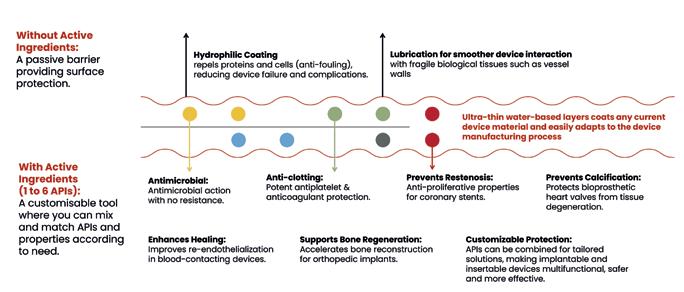
is a highly tunable solution adaptable to diverse medical devices
bosis and infection, the first coating with this dual effect.
Medical device partners may be interested in this drug-coating combination or working with us on developing their own API formulations (eg coatings to prevent restenosis or calcification/enhance healing or hemostasis are possible). The ability to tune CMD-COAT® with a partner’s APIs of choice ensures drug delivery is possible across a range of medical devices, bringing product differentiation, premium pricing and growth in market share.
Even without APIs, CMD-COAT® offers exceptional protection. Its hydrophilic surface resists fouling from microbes and proteins and the coating does not interfere with device design nor functionality. The nanogel also increases device lubrication, reducing damage to fragile tissues including blood vessel walls.
Ultra-thin layers can be deposited allowing controlled release on the internal surfaces of the smallest catheters or in
complex devices, meaning easy integration of the water-based technology into existing manufacturing processes.
CM4Cure believes healthcare systems can achieve extensive savings through simultaneous prevention of infections and thrombosis associated with medical device use.
Talk to us about how you can benefit from the CMD-COAT® drug delivery system, providing a unique way to differentiate your product. ■
Contact us:

Colm McCarthy, CEO Colm.Mccarthy@cm4cure.com
www.cm4cure.com
INTERVIEW Delivering therapeutic genetic material safely to the correct target in the body is one of the big challenges of modern medicine. We talked to David Del Bourgo, CEO of WhiteLab Genomics, about how AI is helping design a new generation of vectors to tackle neurological diseases.
EuroBiotech _Tell us about the technology, how it was developed and how it works?
David Del Bourgo_The way we change drug design, in my view, is by engineering drug design. Historically, drug development has been using trial and error, trying to eliminate compounds and go from hits to leads and get to the final drug that will be approved. You start with screening and eventually you will have your qualified candidate that will go through clinical trials. To develop a powerful genomic medicine, we identify a receptor that is unique to the cell type. It also has to be expressed on the cell surface. WhiteLab has a unique map that is able to identify targets that are specific to the cell, based on human data. Eventually, the drug is going to be tested in humans but we identify a unique receptor and ensure cross conservation among species. We have an algorithm that analyses whether receptors are conserved in other animal models – you want to ensure that it can be first tested in mice, primates, etc. Another AI layer reconstructs using atomic resolution, we are going to match ligands to the receptor. We have existing ligands and peptides, and a perfect binder to see how well they bind to their target. This is using deep learning generative models, we have large network able to mimic the behaviour of a Graph Neural Network. We are using GPUs from NVIDIA to develop it and run it.
EuroBiotech_What does the AI-designed vector look like?
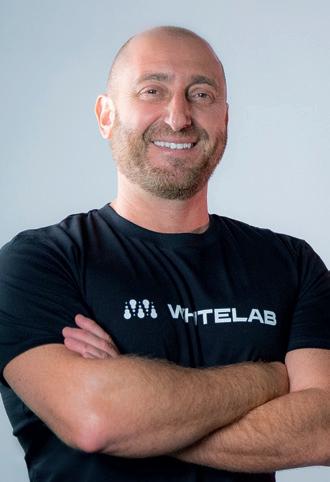
DAVID DEL BOURGO is the CEO and co-founder of WhiteLab Genomics, a TechBio company pioneering AI-guided design for genomic medicine. WhiteLab partners with leading biotech and pharmaceutical companies to accelerate and de-risk genomic medicine development. Prior to founding WhiteLab, David held international leadership roles across genomic technologies, healthcare, and industrial technology, including at GE Healthcare, where he led crossfunctional teams in business operations and commercialization. He holds an MBA from Chicago Booth and a Master’s in Biomedical Engineering from UTC Compiègne.
Del Bourgo_When we have identified a target receptor, then the next step is how we attach that to the vector. When you insert the ligands into a vector you can potentially destroy it. You need to ensure it is functional. By inserting new sequences into my vector, I am able to predict its stability and viability, with more specificity and targeting. However, I conserve its capacity to be produced. We are working with viral and non viral vectors, including the AAVs [adeno-associated viruses] used in gene therapy. We don’t create from scratch, we insert and modify the sequence inside the vectors.
EuroBiotech _What progress have you made?
Del Bourgo_Our first project is focusing on CNS. The challenge in this area is to have a systemic injection to go into brain cells. No one wants to open the skull to inject them. For that you need to cross the blood brain barrier. We have designed a new vector 50 times better than AAV9 used typically in CNS. Another amazing result is, we have 0% in the liver, that’s 1,000 times less compared with other profiles. The goal of AI in drug design is to be faster than the traditional method and in one iteration out of 15,000 candidates, we got 600 leads, which is about 4%. It’s a huge hit rate. Right now, our capsid has great performance and we are talking to several pharma partners. Research-wise, next will be an in vivo study in a large animal. ■
Richard Staines