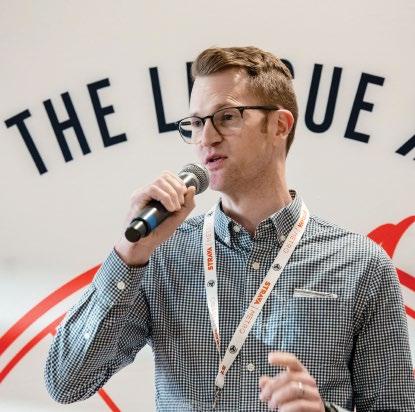
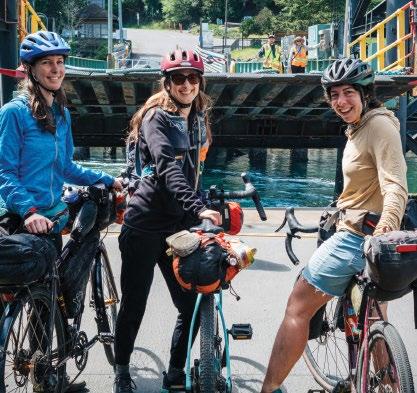
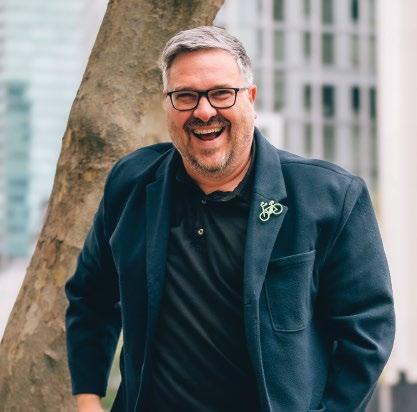
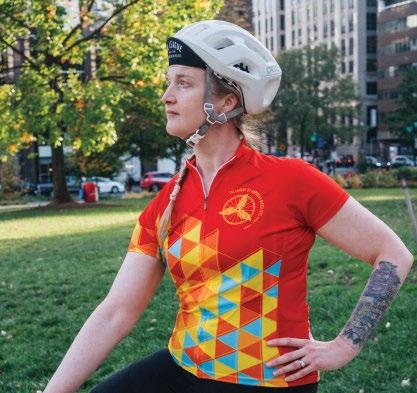
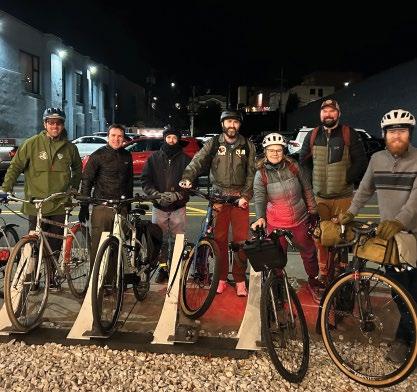
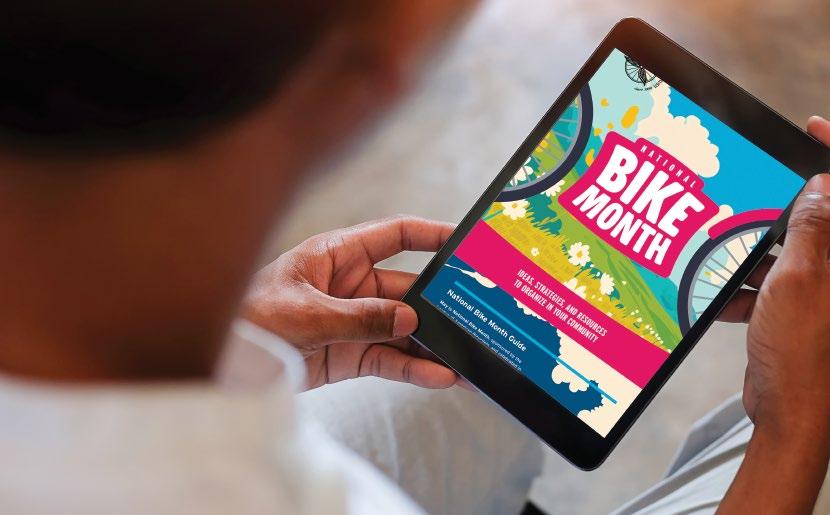
As we come off another National Bike Summit, I’ve been reflecting on why time together matters so much, and why this work matters more than ever. There is nothing quite like being surrounded by people who understand not just what we do, but why we do it.
We've moved through the last year together fighting off weak, unsubstantiated attacks on biking at every level. Just down the street from the League’s headquarters in DC, the federal government is planning to remove a protected bike lane on 15th Street, a vital artery for the region at large. This lane, built in partnership with the National Park Service and the District Department of Transportation, made this street better for everyone. It reduced injuries for all crashes and actually cut travel times for drivers too. The data is unambiguous. But data alone doesn’t protect infrastructure. People do.
Data alone doesn’t protect infrastructure. People do.
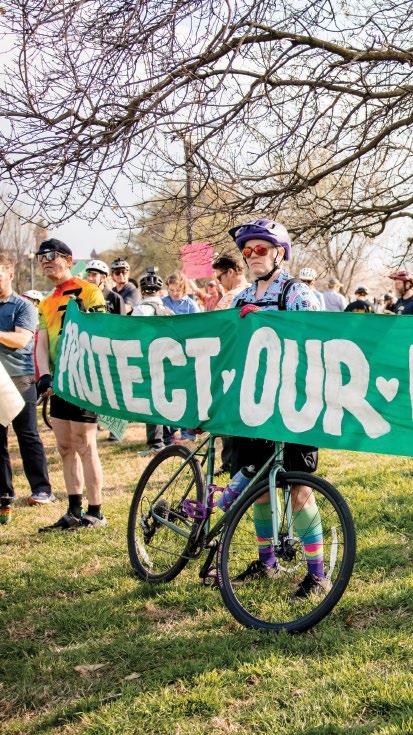
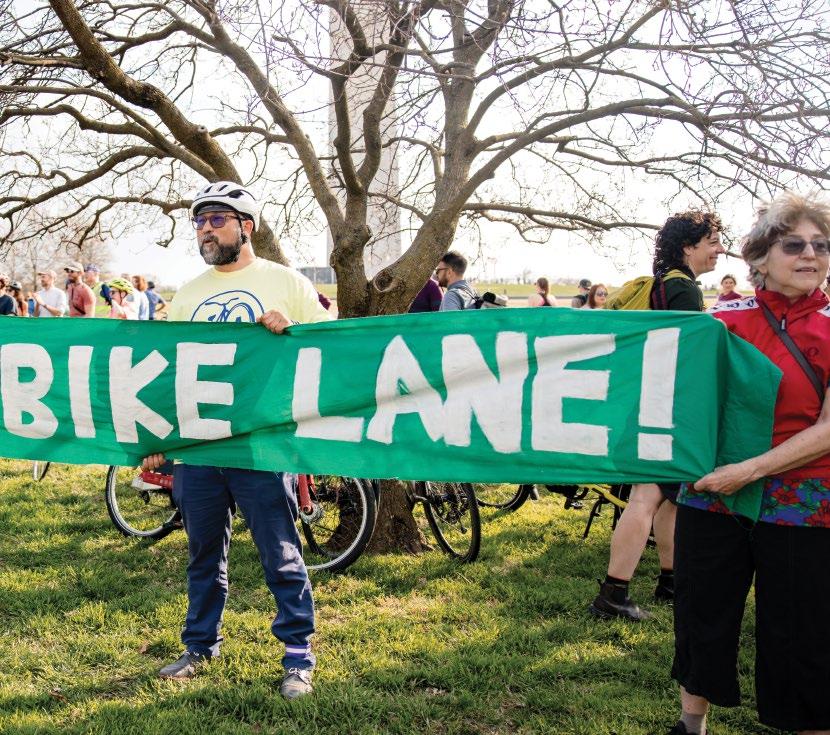
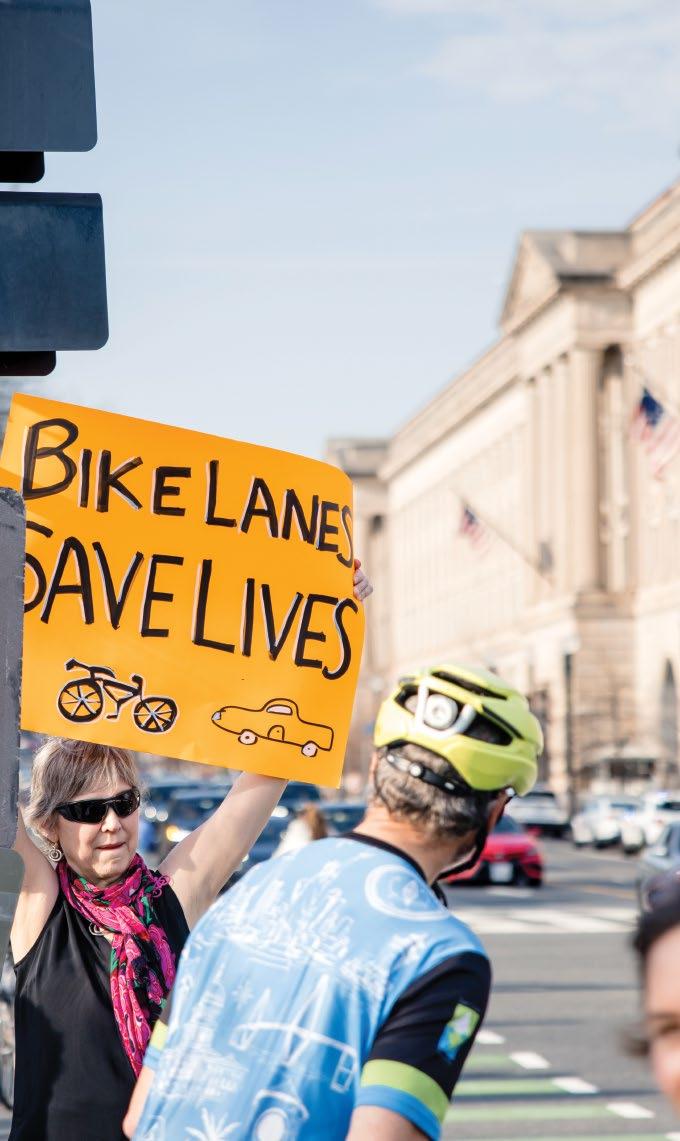
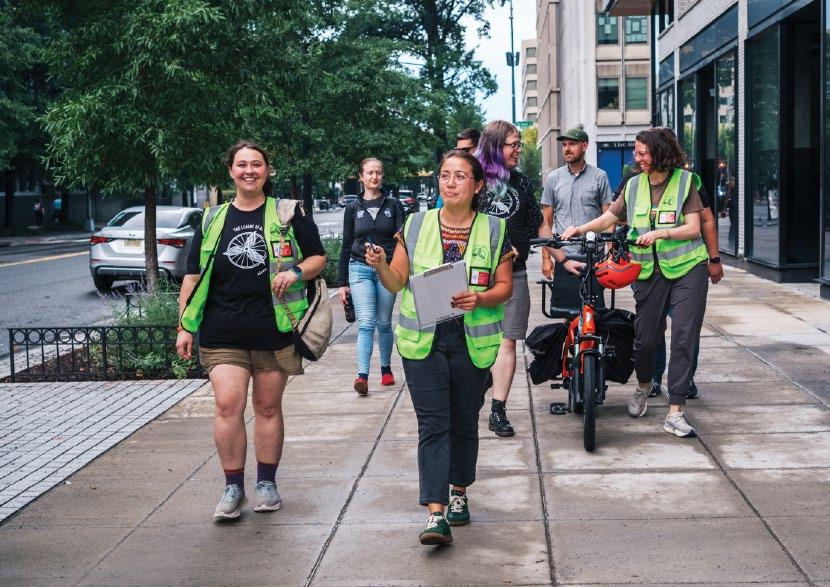
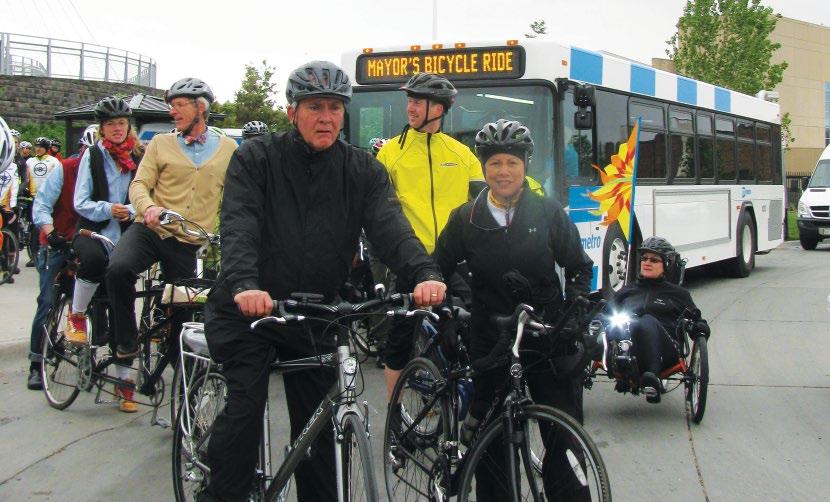
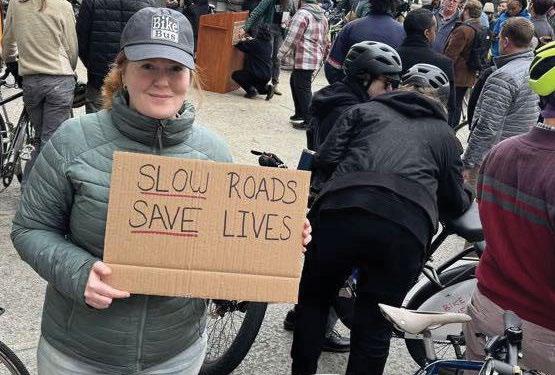
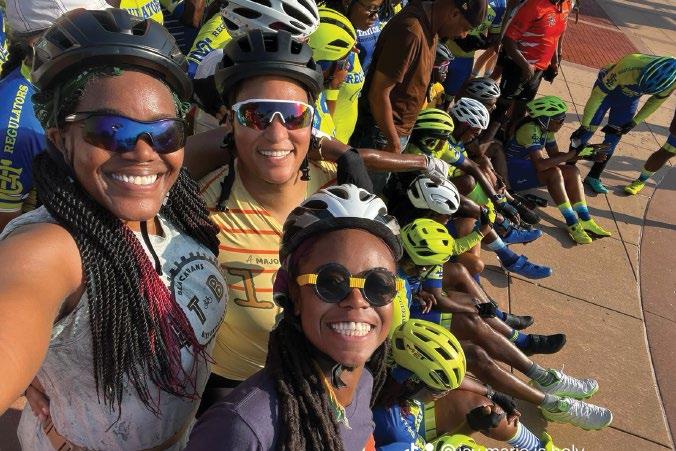
On the last day of the Summit, I rode to the National Mall with hundreds of cyclists to spread the word: Bike Lanes Save Lives. This ride and rally was a celebration of community, one brought together by bike, delivering a clear message about the kind of places we want to live in, work in, and visit.
We know the power of our message, and we've seen the results. Together, we have more than doubled federal funding for biking and walking over the last decade. And you have turned those dollars into the streets and communities people desire and deserve.
We believe everyone deserves streets where they feel safe moving through their own community. That belief powers our
movement and it’s why in our new strategic plan, we’ve set a bold goal: by 2035, half of all Americans will live in a Bicycle Friendly Community. Learn more at bikeleague.org/ strategic-plan.
Through this work, we’ve learned that lasting change comes not just from our love of bicycling, but from our love for our communities, our people, and our shared values.
At a time of deep division and disconnection, these are reminders of how much power we have when we work together.
Thank you for being part of this work— and for continuing to show up for your communities every day.
A UNITED CALL TO CONGRESS: WALKING AND BIKING
INFRASTRUCTURE MATTERS
BY LAUREN JENKINS
Earlier this year, the League joined the American Hiking Society, American Trails, PeopleForBikes, Rails to Trails Conservancy, and the Safe Routes Partnership—plus more than 1,100 nonprofit organizations, businesses, corporations and elected officials— in sending a letter to Congress with a clear message: walking and biking infrastructure is essential to the vitality, safety and economic resilience of communities small and large nationwide.
The next surface transportation bill is currently being drafted and we’ve heard a congressional leader on this, Rep. Sam Graves, say that there would be no funding for “bike paths or walking paths. We’re going to spend money on traditional infrastructure—that’s roads and bridges.”
Now is not the time to eliminate federal funding for trails, walking and biking. Americans need safe ways to navigate their communities and build more Bicycle Friendly Communities—and that requires
robust investments in bicycling and walking infrastructure.
Visit KeepAmericaActive.org to learn more about our collaboration on this important letter at this critical moment.
Read our press statement and the letter with signers by scanning the QR code.
BIG SAFE STREETS AWARDS FOR BICYCLE FRIENDLY COMMUNITIES
BY KEN MCLEOD
The Safe Streets and Roads for All (SS4A) program has been a popular and successful program since its creation in the 2021 Bipartisan Infrastructure Law. Through four years of its initial five-year authorization, the SS4A program has provided more than 2,300 grants to all 50 states and Puerto Rico worth $3.9 billion. On December 23, the U.S. Department of Transportation announced the 521 awards being made for SS4A grants for 2025 applications.
One year remains for this $5 billion program as Congress looks forward to a new transportation bill as SS4A, and all federal transportation programs, are authorized through 2026. The Department of Transportation just opened applications for the fifth and perhaps final year of SS4A.
The 2025 round of SS4A was the first round administered by the Trump administration. While there have been worrying signs about whether bicycle safety is truly a priority, from the purge of websites to reviews and modifications of previous grants, many of the largest grants awarded in the 2025 SS4A round were to Bicycle Friendly Communities (BFCs) and included bicycle infrastructure. This is especially notable as there were so many grant applications that rejection letters stated that 75% of applications were not selected for funding.
Out of 25 grants receiving $10 million or more in federal funds, ten were awarded to BFCs or counties that include BFCs, including the following awards:
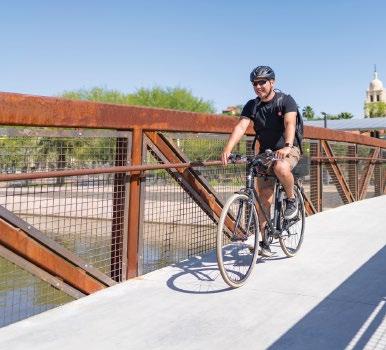
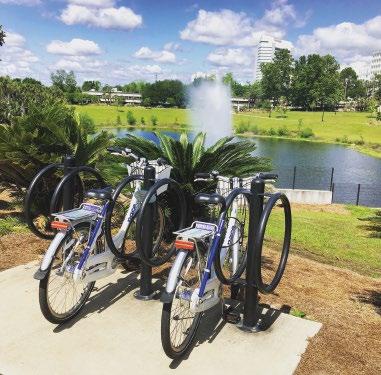
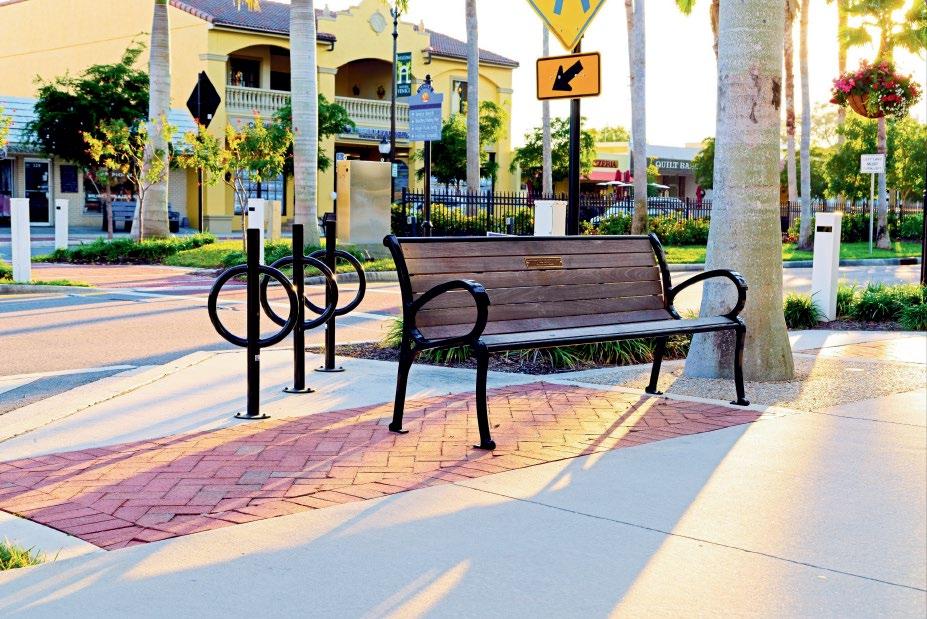
This page, from above: Pedestrian bridge in Phoenix, Arizona; bike racks in Tallahassee
Phoenix, Arizona (a Bronze-level BFC) will receive $24.2 million in federal funds for safety upgrades at high-injury intersections and corridors, including piloting protected bike lanes in Phoenix Connected Active Neighborhood villages.
Wichita, Kansas (a Bronzelevel BFC) received $20 million in federal funds for multimodal safety improvements along a 7-mile stretch of Broadway Avenue, including buffered bike lanes.
Ridgeland, Mississippi (a Bronzelevel BFC) will receive $15.7 million in federal funds for a reconfiguration of West Jackson Street that will include upgraded pedestrian and bicyclist facilities, including adding dedicated bike lanes and studying a speed limit reduction.
Leon County, Florida, which contains Tallahassee (a Silver-level BFC), will receive $16.8 million in federal funds for corridor-wide safety improvements along a 7-mile stretch of North Monroe Street, including filling in bike lane gaps. The project description noted that 8 out the 10 fatalities that occurred between 2018 and 2022 on this corridor were people biking or walking.
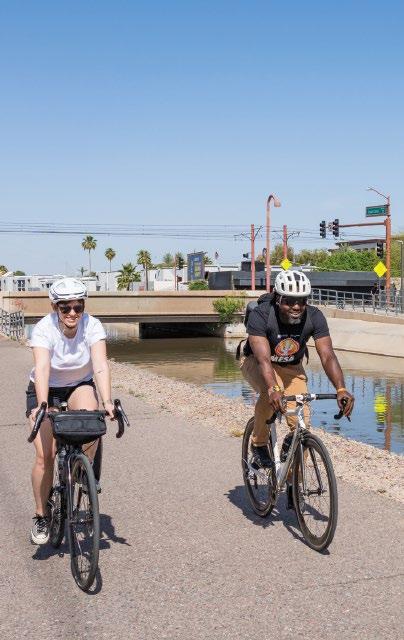
Opposite: Grand Canal Path in Phoenix, Arizona
While there have been worrying signs about whether bicycle safety is truly a priority, from the purge of websites to reviews and modifications of previous grants, many of the largest grants awarded in the 2025 SS4A round were to Bicycle Friendly Communities (BFCs) and included bicycle infrastructure.
Gallatin County, Montana, which contains Bozeman (a Silver-level BFC), will receive $13.9 million in federal funds to construct a roundabout and build a 1.75 mile shared-use path along Huffine Lane. The project description noted that a pedestrian and bicyclist were killed on Huffine Lane, a 55 mph road, in 2022.
Omaha, Nebraska (a Bronze-level BFC) will receive $10 million in federal funds to construct three roundabouts and conduct demonstration activities for quick-build infrastructure using delineators, median islands, and mini-roundabouts. While bicycle infrastructure was not described in the project description, many of the quick-build infrastructure features can contribute to safer neighborhood routes that are useful as bicycle routes.
We’ll be taking a closer look at SS4A awards and look forward to working with communities and advocates interested in this funding as the year continues, but it is great to see that Bicycle Friendly Communities benefited from many of the largest SS4A awards in 2025.
Bicycle Friendly Community (BFC) encourages and enables people to bike for both transportation and recreation, providing residents with a safe and connected bikeway network and vibrant bike culture. To unlock the many benefits of cycling, like improving public health, reducing traffic congestion, enhancing air quality, and raising overall quality of life, communities must make biking safe and convenient for everyone.
The League evaluates communities across Five Es to determine how welcoming they are to people who bike, with Education being core among them. Cycling education not only encourages people to ride but also equips them with the skills and confidence to do so safely. Ultimately, the more people who feel safe and comfortable biking in their community, the more residents will choose to ride for transportation and recreation.
At the community level, this starts with cycling education being a routine part of public education for kids. Specifically, the League believes that on-bike instruction should be a standard part of every student’s education, ensuring that all students are Ready to Ride.
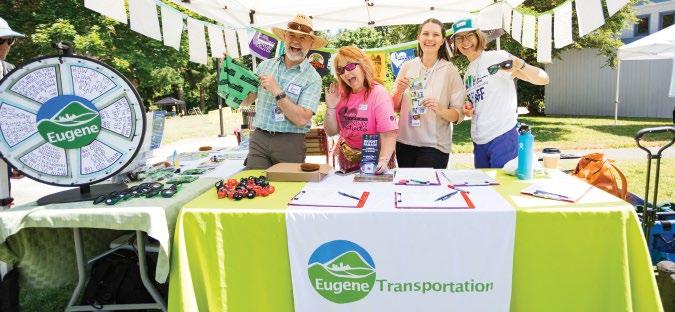
At the highest levels, being a Gold- or Platinum-level BFC means your community has a strong school-based, on-bike education program. While there’s no single way to operate an in-school cycling program, Gold-level BFC Eugene, Oregon, offers a great example of what communities can achieve.
About Gold-Level BFC Eugene, OR Eugene has been a Gold-rated BFC since 2009. Earning Gold again in 2024, the city continues to make strides to improve cycling safety and encouragement in each application cycle. The city aims to achieve Platinum-level status, but their Gold renewal is a noteworthy achievement in itself, considering the BFC program has grown over time to emphasize new, higher standards on topics such as youth cycling education, equity-focused planning and engagement efforts, and low-stress bike facilities.
The city’s ability to maintain a Gold-level BFC award throughout the past two decades is an impressive feat, and a Platinum award is on the horizon for this mid-sized city. Eugene has a population just shy of 180,000 people, with a mixed urban/suburban land classification. As of their last BFC application (2024), the city has three Bicycle
While there’s no single way to operate an inschool cycling program, Gold-level BFC Eugene, Oregon, offers a great example of what communities can achieve.
Friendly Businesses (BFBs), one Gold-level Bicycle Friendly University (BFU), and 14 local League Cycling Instructors (LCIs). During the 2024 BFC application round, Eugene set the max score in Evaluation & Planning and scored in the top 5% of all applicants in the Education category.
Looking ahead, Eugene has a stated goal to triple their mode split for bike riders over the next 20 years—an impressive goal for a community with an already high mode share of 8%. An ambitious goal like this must begin with equally ambitious efforts to make bicycling a lifelong habit from an early age, which is one of many reasons the League is excited to see on-bike education occurring in classrooms across Eugene.
School-Based Cycling Education In Eugene
Beginning in 2019, Eugene and neighboring Springfield launched a major effort to expand their school-based bike safety education due to the high number of students who had not acquired the necessary knowledge and skills to ride safely by the time they arrived in the existing Bike Safety Education (BSE) classes. City of Eugene Recreation staff and the school district’s Safe Routes to School team partnered to provide school-based on-bike education to approximately 1,700 students annually.
The effort is multi-pronged: in two of the region’s school districts, all kindergarten and first-grade students gain balancing and pedaling skills in PE with at least four inschool sessions on bikes. Fifth through seventh-grade students (depending on school district) receive eight hours of on-bike instruction, including a community ride on their local streets. Students who make it to BSE classes without mastering pedaling receive special instruction before joining their peers on a pedal or adaptive bike for traffic safety learning and practice. All of Eugene’s Safe Routes staff are certified League Cycling Instructors, and the City’s Parks and Recreation staff who lead cycling instruction receive Smart Cycling training.
Collectively, the two school districts in Eugene own four bike fleets that are used to provide on-bike education during PE and health classes. Logistical support, like moving bike fleets between schools, is handled by City Recreation and Safe Routes staff. In addition to the in-house bike fleets, the BSE instructors work with school staff and the City of Eugene Adaptive Recreation program to assess students with disabilities and provide them with appropriate adaptive cycles, helping to ensure all students can participate. The City’s Adaptive Recreation program has a fleet of nearly 20 different types of adaptive bikes, including trikes, recumbents, balance bikes, and ellipticals.
In addition to Eugene’s robust schoolbased cycling education throughout the year, four community-wide, all-ages, learn-to-ride events are held across the region. The community also hosts annual learn-to-ride events specific to adults and to the Latinx community.
Funding On-Bike Education in Eugene
Eugene’s robust school-based on-bike education program has drawn funds from various local, state, and federal sources over the years. The city was able to purchase its
bike fleets using local transportation funds, community grants, and state Safe Routes to School grants. Staffing and other operational expenses have been funded through regional transportation dollars flowing into the Metropolitan Planning Organization (Lane Council of Governments)—this funding comes from a regional pot of state and federal funds that partner agencies have agreed to use for the city’s bike education program before submitting applications for other projects.
Words From The Community
The League believes school-based on-bike education is a core component of a Bicycle Friendly Community. Not only does it build the next generation of safe cyclists, it engages caregivers and other adults in the community, encouraging them to get riding and make their community safer for all who cycle. But don’t take our word for it – here’s what Eugene residents had to say.
“My daughter went through the Learn to Ride program in first grade after I had tried everything at home to help her learn. By the third class, she was riding a bike all on her own! The instructors were patient, encouraging, and clearly know how to make learning fun and stress-free.”
—Renee Neill, PE Teacher & Parent
“As a mom and a mayor, I love having the option to bike with my kids. It’s one of the things that makes living in Eugene great. It’s important that all kids are taught safe riding skills, and I’m proud of how the City of Eugene supports our local school districts’ ‘Learn to Ride’ and safety education efforts with our regional Safe Routes to School program.”
—Mayor Kaarin Knudson
“Bike Safety Education embodies and embraces our values as a division for the City of Eugene; it highlights freedom, education, accessibility, and equity. Providing knowledge about the laws, access to bike
resources, and direct on bike education encourages students to partake in additional recreation outside of the classroom via bike and makes transportation to our programs easier for students feeling confident after the bike safety session.”
—Nyles Asher, City of Eugene Recreation Division, Bike Safety Education Lead
“The Learn to Ride Bike Program is absolutely incredible! It’s truly impressive that students can go from being hesitant beginners to confident independent bike riders in just a few 30-minute PE classes. This program is a game changer for kids learning to ride a bike, and I couldn’t recommend it more highly.”
—Renee Neill, PE Teacher & Parent
Conclusion
Eugene demonstrates how the Bicycle Friendly Community program and the League’s Ready to Ride campaign work hand-in-hand to create lasting change. A truly Bicycle Friendly Community doesn’t
just build great infrastructure—it builds confident riders, starting in the classroom and continuing in the community. By weaving on-bike instruction into the school day, the city isn’t just teaching kids how to ride, it’s creating lifelong riders who understand how to move safely and confidently through their neighborhoods. Programs like these build trust, strengthen connections between families, schools, and city agencies, and show how investing in young people today creates safer, healthier streets for everyone tomorrow.
That’s what being a Bicycle Friendly Community is really about. It’s not one program or project; it’s a shared effort to make biking a safe, easy, and natural part of everyday life. Communities looking to follow Eugene’s lead can start by applying for Bicycle Friendly Community recognition and supporting school-based on-bike education. It’s how we grow the next generation of riders and the communities they’ll help shape.
HOW TO GET WONKY
IN YOUR LOCAL BIKE ADVOCACY (AND WHY YOU SHOULD)
BY MARLEE TOWNSEND
Aswe pedal along during Bike Month, we wanted to demystify the behind-thescenes local work that makes biking better—and show how you can be a part of it!
If you’ve ever tried to get involved with local planning efforts for better biking, you might’ve been initially taken aback by all the jargon and acronyms flying around.
If you’ve ever tried to get involved with local planning efforts for better biking, you might’ve been initially taken aback by all the jargon and acronyms flying around.
Planning and policy language can indeed sound intimidating and feel inaccessible to those of us out of the loop, but all it takes to get started is a heaping dose of curiosity, a little time, and the confidence to ask questions. Getting wonky is really about showing up—and learning as you go!
There’s also some good news: you don’t have to be an expert to influence how your community supports biking. And if you don’t want to get wonky, you can absolutely still be an effective and changemaking bike advocate.
Wonk
/wäNGk/
a person who takes an enthusiastic or excessive interest in the specialized details of a particular subject or field, especially political policy.
Step 1: Get Connected (or Step Up to Lead) in Your Community
Find a local bike or transportation advocacy group and see what they’re working on. They might already have a plan of action you can join. Check out our Local Resources map at bikeleague.org/ map for organizations near you—though not an exhaustive list, it’s a good starting point. You can also run “(Your town name here) Bicycle Advisory Committee” through your favorite search engine and see what comes up.
• In some communities, Facebook and Instagram are pretty crucial for bikerelated communications. Check out your local social media scene to see if there’s action there. Bluesky is another up-andcoming platform for advocates.
• Also, signing up for email lists or newsletters from your city, county, state DOT, transit provider, or metropolitan planning organization (MPO) can all be great ways to stay on top of things.
If there’s not a lot of action in your community, that’s okay! Every advocacy
group has to start somewhere. Learn the basics of organizing bike advocates in your community with our Bike Advocacy Toolkit.
If you personally have the capacity and determination to get things moving locally, here’s your sign to take ownership of that role. Don’t give in to imposter syndrome and give up before you start—take confidence in knowing that if you’ve biked, walked, or navigated in the community you live in, that counts as valuable local expertise.
This post is about getting wonky, but if that’s not your style, you can still be an incredible bike advocate. Think about what you love about biking and what you want to share with your community. Organizing a ride, holding up a sign to draw attention to an issue, or simply sharing your experiences with local media or social media are all important parts of advocating for better biking. Do what makes you happy and gives you energy for advocacy, or at least do enough of that so that you have the energy to slog through some acronyms.
Step 2: Assess Your Community’s Progress
Is your community a Bicycle Friendly Community?
Check our map to find out if your community has been awarded a BFC designation from the League. If so, the BFC report card is a great place to find out our recommendations for what the community could do better (and see how far it may have come.)
Have a favorite bike lane?
Work backwards and find out how the bike facility you use the most was built, or how the trail system in your area was funded. By researching successful projects, you’ll discover the process that works when considering new bike facilities to build.
See other riders?
Connect with other people who bike in your area to find out their thoughts on roads that could be safer, bike lanes that end, or networks that could be improved.
Ready to get wonky?
Start by checking whether your city or region has a bicycle plan or a transportation plan—many communities publish these online. These plans can give you a sense of how your local government thinks about biking and whether or not they’re taking steps to improve it.
Here are a few resources and tips for researching bike plans:
• Explore the League’s Data Hub at data. bikeleague.org for information on plans and policies at the state and city level
• If you can’t find it in the Data Hub, try and use your favorite search engine to look it up! Look for links from sites ending in .gov to make sure you’re finding accurate information, and double-check publish dates so that you’re not referencing outdated info.
• If you live in an area covered by a Metropolitan Planning Organization (MPO), you may find additional bike and pedestrian planning documents or funding sources on their website.
Once you’ve found your city or region’s plan, look for goals related to biking and walking, see if specific projects are mentioned, and check whether there’s a timeline for making them happen. Even just skimming the plan can give you a better understanding of where things stand and what’s missing. Take note of how the plan discusses improvements, how it prioritizes investments, and who was involved in the planning process to identify people, commissions, or groups to follow-up with and how they might discuss improvements you’re interested in.
Step 3: Speak Up
Once you’ve done your research, speaking up and showing up is the next step that you can take. Once you’ve found a project, plan, or gap that needs attention:
• Send a message to your city council representative.
• Email is the easiest and your local government should have all your representatives’ contact information on their website.
• Social media is another potential way to reach out to local decision
makers, but your message may get lost in the shuffle.
• Phone calls are still a great option!
• Show up to the public comment period at a council or commission meeting.
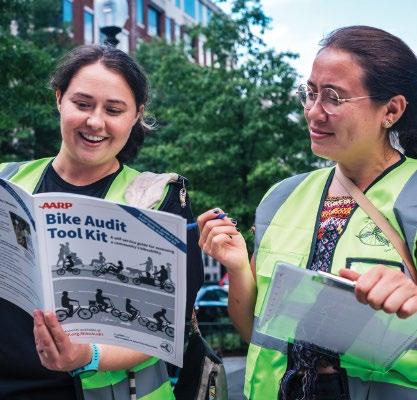
• Consider pairing your message with the results of a bike audit or bike count, or any other local data you can use to back up your ask. Photos can be helpful, so don’t forget to snap a few while you’re out observing the issue at hand.
• Learn more about bike audits and find resources at bikeleague.org/ bike-audit.
• Use a tool like Streetmix to show your ideas about a street reconfiguration in an approachable graphic
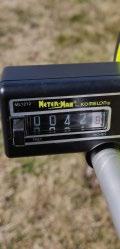
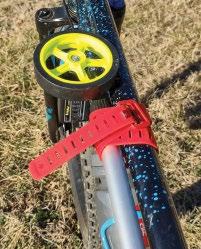
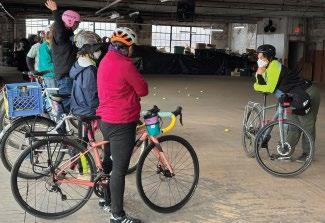
• Consider getting a measuring wheel if you’re going to suggest street design changes, so that you can measure the street and understand how much space you’re working with. Our Policy Director Ken uses a collapsible one like this that (see photos above) fits in a frame bag.
• Ask questions like: “Can we add bike lanes to this upcoming project?” and follow up with data-based evidence, such as, “Bike lanes are an FHWA-proven safety countermeasure!”
• If you can’t get connected with local leaders, you can try elevating your story to local press. Find us at @bikeleague on
YouTube and watch the “Bike Advocacy Essentials Webinar: How to Write a Letter to the Editor” for tips.
• Finally — riding your bike can be a form of advocacy. By showing up on wheels, you’re representing cyclists and making your presence visible, which matters more than you may think.
• If you know of a project happening, ride your bike there to check it out. If you see roads coming up on the repaving schedule, ride your bike there to see if you can suggest changes. If you’re unfamiliar with part of your city, ride your bike there to see what it’s like on the ground before reaching out to local groups there or suggesting changes.
The Wonky Bottom Line
Getting wonky isn’t about knowing everything. It’s about staying curious, connecting the dots, and showing up consistently to keep momentum going. When no one’s asking questions, planning spaces can become echo chambers filled with jargon and out-of-touch decisions that aren’t aligned with what the community wants/needs.
The truth is: anyone can get wonky. You don’t need a degree, a dictionary of acronyms, or a collapsible measuring stick like Ken to be an advocate in your own right. Communities are better when people with diverse experiences help shape them, and your lived experience navigating your neighborhood is a powerful form of expertise.
LCI SPOTLIGHT: JAYMARIE HILL
BY MARLEE TOWNSEND
The League certifies hundreds of League Cycling Instructors every year, and there are thousands of LCIs across the country leading bike education efforts in their communities. In our LCI spotlight series, we share the stories of League Cycling Instructors doing what they do daily: educating, mentoring, and empowering.
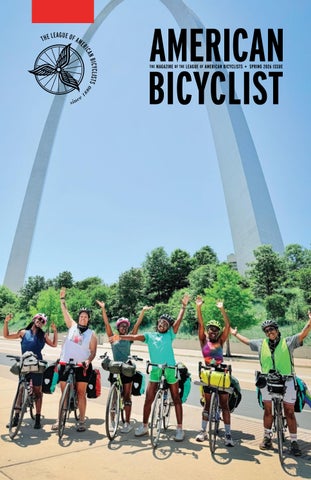
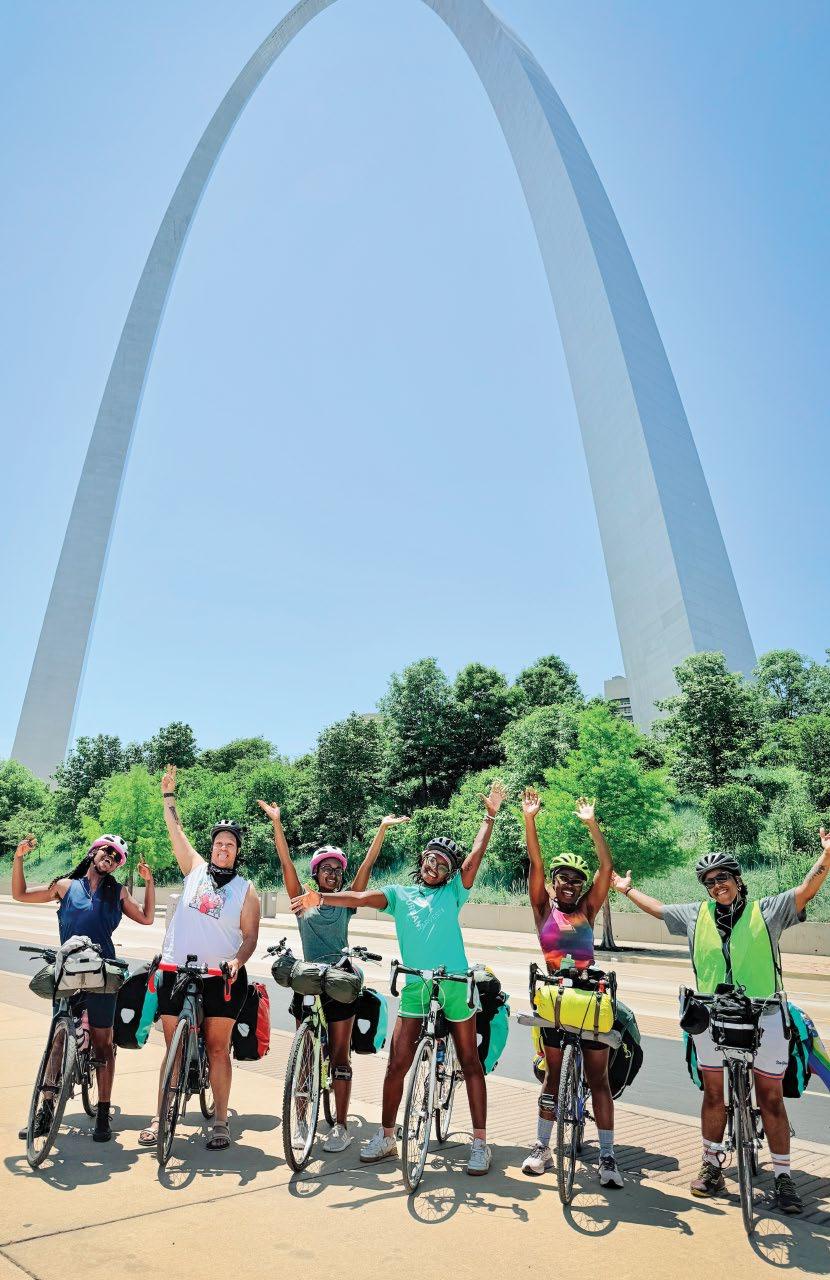
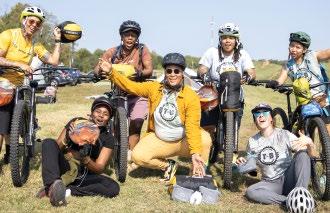
In this LCI Spotlight, I spoke with Jay-Marie Hill: a longtime educator and recently certified League Cycling Instructor whose work lives at the intersection of bikes, creativity, community, and care. A singer-songwriter, musician, cultural organizer, and former elementary school teacher, Jay-Marie brings a rare range of passion and experience to their bicycle instruction.
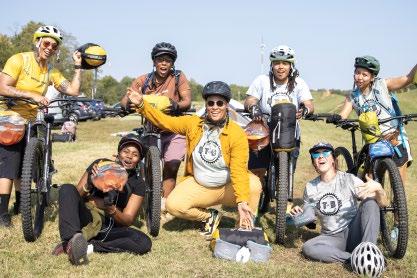
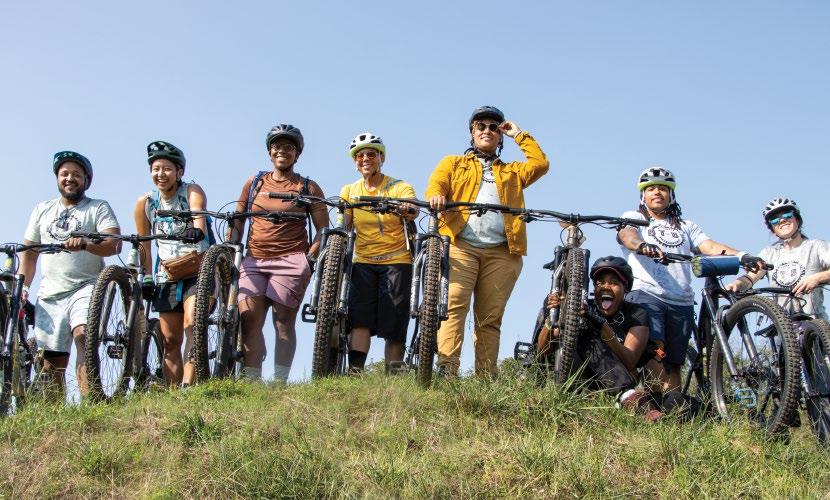
Based in St. Louis, MO, but hailing from Oakland, CA, their imprint on cycling and movement spaces is felt far and wide. 2026 has seen the start of Jay-Marie’s newest endeavor, offering cycling classes through building Fly By Bike Ride Skool & Culture Club, with a focus on city riding, bikepacking, and equipping Black, trans, and women riders. After starting Black Trans Bike Experience in 2019—built to share freedoms from lessons learned about group rides and bike touring with Black, trans, queer, and folks community-wide around their adopted home of STL—seven years later, their mission at Fly By Bike RS & CC is both simple and expansive: to make bikes accessible, cities safer, and human bodies more valued in public space.
This conversation we shared comes at a critical time, as Black, trans, and at times queer people of color broadly, live a reality faced with layers of arrested mobility. These communities, Jay-Marie says, are too often gathered only by loss: where rides and rallies are primarily organized in response to violence, and where connection and grief are never far apart. But they also say, because life is fragile, building, riding—and simply being—together becomes both a doubling down of worth, and a celebration: a way to claim space in regions and cities that deserve to be re-built with our bodies, needs, and access in mind.
Arrested mobility (n):
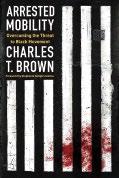
A term coined by Charles T. Brown to describe how Black Americans and other people of color face systemic restriction of movement, through physical/ environmental, social, and economic means such as over-policing, disinvestment, exclusionary planning and discriminatory policy.
How did you get into bikes?
It feels like I’ve just always been riding! I grew up in the Bay Area riding with my mom, Feliz, nicknamed Sunny, and biking felt natural and normalized thanks to Berkeley and the Bay Area’s strong bike and public transit infrastructure. Her enthusiasm and positive approach to cycling—treating hills as opportunities rather than obstacles—has really shaped my relationship with the activity. When I moved home after college, she went half with me on my first road bike, an all-white Trek I named Spirit. Although it was stolen while I was teaching at Bay Area Girl’s Rock Camp in 2015, its pink-wheeled Craigslistreplacement (also sadly stolen) inspired my first-ever tattoo in 2020. I see it as a permanent reminder to be grateful for this gift of flight from my mom, and to root myself in my early love of riding.
What was your bike journey after college and how have you woven it in with your culture work?
After college I returned to Oakland, taught fourth grade, and began riding with my mom’s club—the Oakland Yellowjackets—in 2012 before later joining an all-Blackwomen bikepacking trip in 2015. After a career pivot to youth theater and arts administration, I then spent a few years off the bike but still touring—as an organizer and performing artist helping fuel Movement for Black Lives organizers as we turned from protest to expanding possibility via policy, and shaping the electoral playing field. It was this travel and honest recognition of the status of the rightleaning national landscape that led me to decide to leave California and re-migrate back toward my dad’s Chicago-roots, landing in South City St. Louis in 2017.
To further deepen my commitment to shifting the national political landscape, I did a short stint at the ACLU as a Statewide Trans Justice Organizer, working to reduce post-Ferguson policing of Black folks and the latest waves targeting trans folks. Out of a craving for community, movement, and the natural world, I simultaneously built an emergent riding and bicycle community through pop-up shops, group rides, mutual aid work, and increasingly ambitious trips—from doing my first 40+ mile race at FoCo Fondo, to a group 60-mile, 48 hour bikepacking trip from Ferguson to Defiance, and joining a 260-mile Major Knox Adventures’ cohort in 2024—with my mom’s sunny energy continuing to inspire me and my crews along the way.
At this point, both biking and music, to me, are vehicles for possibility and connection, especially coming out of the 2014–2020 protest era, and the introduction of COVID + Long Covid to our world. Through Black Transcendence, BTBE, and now Fly By Bike, I hold space for programs that nurture marginalized communities across body, mind, and spirit, drawing on St. Louis’s rich Black history and sense of rootedness in culture—
this soil has seeded and grown global and cultural icons like Josephine Baker, Tina Turner, Smino, Jordan Ward, Miles Davis, Maya Angelou, and so, so many more.
So whether inviting someone on a ride, hosting a somatic healing retreat, or sharing new music like my 2024 Ride For It EP or my latest Tiny Desk, “When You Say”, the underlying drive is the same: toward bringing people together, reconnecting them to their life force and the generational benefits that accountability to Black people & community brings— this assignment of passing forward the freedom, steadiness, and power that our elders and ancestors built for us to have and build on. A reminder that “the people could fly”, if you will.
What was your motivation to become an LCI?
I saw a real gap in St. Louis, where bike education for adults and teens was virtually nonexistent, infrastructure was underdeveloped, and decades of anti-Black divestment has left the region siloed and car-dependent. While I learned to ride from my mom, I recognize that her hard-and-far
riding style wasn’t a universal on-ramp for new and even returning riders. When she became a League Cycling Instructor, it opened my eyes to the Bike League and this entire educational and policybased framework for teaching biking. So, I pursued the certification to make cycling more accessible and to bring those resources to people in my community who had never had them and I hope I can travel around making bikes accessible for every community across the country and world, so we can all more collectively build on the gift of enduring technology that they are.
How do you welcome new people to biking?
With the expectation that they’ll be great at it, and that they will find in their body what feels best for them through the experience. Biking doesn’t always feel good at first— sometimes it’s really uncomfortable—but we can build a space and set a context as cycling educators where new folks are set up for success. Riding a bike is a lifeelevating experience, so I always try to do my best to make it welcoming. It might be hard, but it’s worth the discomfort. We have this gift of life, so let’s ride together.
You’re going to be at the National Bike Summit later this year—tell me about what you’re looking forward to.
I’m looking forward to the mobile workshop that I’m leading, and the events we’re coordinating the Saturday in advance. From a Black LCI meetup to a Ride Smart, Ride Fly Class in Anacostia Park (weather willing!), we wanted to come in and really connect to community versus swooping into and not paying our respects to those who call it home and steward it daily. For the mobile workshop to kick off the Summit, I think of it as a Black/Indigenous Land acknowledgement and I hope the whole community feels honored and poured into, just knowing it’s happening but I hope folks can roll!
What do you hope to see from the bike movement in the future?
I want to see more people out on their bikes, out in the world. It’s less for me about branding, and identity, although those are crucial to telling a cohesive story, and finding and calling in your intended audiences, but I feel it’s more about refining and using all the tools we have for maintaining community, while we have each other earth-side. Building on this standard of knowing and holding people close, it’s up to us to not let a lack of imagination be why we miss opportunities to organize—I really see bikes as something that gives us the ability to propel ourselves to new goals, taking new routes, but using the same roads our people laid for us. The bike becomes this propelling force, creating spaces for moving our organizing principles forward and fueling these movements. May we keep these worlds open and grow them to be even more accessible, for the well-being of each other, and the human collective.
ANOTHER FIRST FOR GREG LEMOND
BY CARON WHITAKER
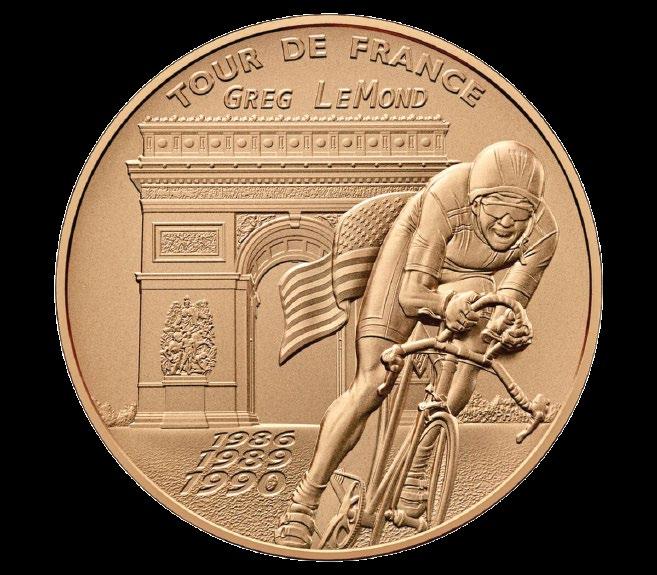
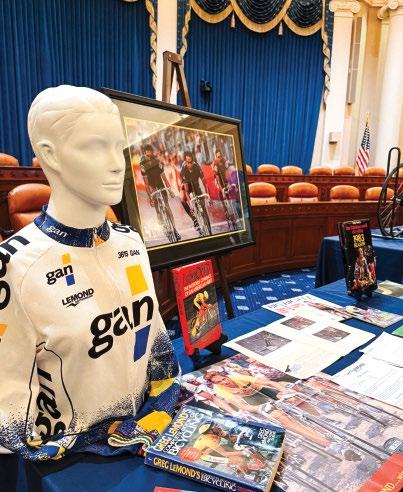
Last year, I attended a Congressional Gold Medal Award ceremony for Greg LeMond and it was one of the coolest congressional events I’ve had the opportunity to attend. The Air Force string quartet, the medal designed specifically for LeMond, and all the pomp and circumstance made it memorable.
Greg LeMond famously won the Tour de France in 1986, becoming the first American man to do so. Then, a nearly fatal hunting accident upon returning home resulted in LeMond losing 70 percent of his blood volume.
For a while, it looked like his cycling career was over.
By 1989, he recovered enough to race in the Tour, but he was not considered a favorite to win, and he was not on a particularly strong team. His goal was to finish in the top 20.
Incredibly, on the final day of 21 days of racing, LeMond grabbed his second win by eight seconds.
Going into the last day’s time trial, LeMond was 50 seconds behind Frenchman Laurent Fignon. Conventional wisdom held that the time trial’s 24.5 kilometer distance was too short to make up such a big time gap. Fignon had already congratulated LeMond on coming in second. For the race against the clock, LeMond used every innovation he could including aerobars, aero helmet and a “funny bike” meant to help him be more aerodynamic. LeMond’s time trial was 58 seconds faster than Fignon and the closest finish in a men’s Tour de France.
But it was more than his racing career that earned LeMond such a special day on Capitol Hill.
What I hadn’t known before the ceremony was how broad LeMond’s work has been in his retirement. He has lent his expertise to his independent bike brand, LeMond Bicycles, making e-bikes for riders of all types. He’s also an ambassador and sponsor for World T.E.A.M. (The Exceptional Athlete Matters) and has promoted and biked in rides to empower cyclists with disabilities, including a 1995 ride around the world to celebrate para-athletes. Seven riders, six of whom were athletes with disabilities,
covered 13,000 miles through 16 countries. A 1998 Vietnam Challenge ride paired veterans and disabled athletes from both sides of the conflict on a 16-day, 1,250-mile bicycle expedition from Hanoi to Ho Chi Minh City.
LeMond is committed to ride in another World T.E.A.M. ride next year in Gettysburg. LeMond also promotes support for healthy active kids, victims of sexual assault, and, of course, anti-doping in sports.
Representative Mike Thompson, Co-Chair of the Congressional Bike Caucus, sponsored the bill to award LeMond the medal (which takes the support of two-thirds of the House and Senate) and described LeMond as warm and humble.
Rep. Thompson said that when he first talked to LeMond about pursuing the congressional honor, the first that would award a cyclist, LeMond suggested that Major Taylor might even be a better candidate for it. (And now such an honor is being pursued through Congress!)
Overall, it was a joy and honor to meet Greg LeMond and to be part of the celebration.
bikeleague.org/bikemonth
Ride a tandem
Email your elected official
Ride to see live music
Ride to a friend's house
Ride to ice cream
Run an errand by bike
Say hello to another cyclist
Draw a bike from memory
Ride to dinner
Join a group ride, bike party, or meet-up
Ride to school or work
Post about Bike Month on social media
Put your bike on a bus (legally!)
Do an ABC Quick Check
Ride to the farmers market
Donate to a bike advocacy organization
Participate in a special Bike Month event!
Ride someplace new
Change a flat tire
Support a local bike shop
Plan a group ride
Take a bike selfie
Wash/tune up your bike
Learn a new bike maintenance skill
5Mental Health Benefits of Riding youR Bike
BY MARLEE TOWNSEND
1
Improved Mood
Ever heard of the “runner’s high”? Well, cyclists can experience a similar euphoria thanks to the release of endorphins during exercise. These feel-good chemicals flood your brain, lifting your mood and boosting your overall sense of well-being. Even a short bike ride in the morning can leave you feeling energized, happier, and more optimistic about the day ahead. Plus, the sense of accomplishment from completing your ride can provide a lasting mood boost throughout the day.
2
Improved Mental Clarity
Some of my best ideas often come to me when I’m out for a walk or on a ride. That’s thanks in part due to physical activity stimulating blood flow to the brain, increasing oxygen and nutrient delivery to support cognitive function. As you pedal along, your mind has a chance to wander and process thoughts free from the distractions of screens and schedules. This mental clarity can lead to greater creativity, problem-solving abilities, and productivity to tackle your to-do list.
3 Connection with Nature
In today’s urban landscapes, it’s easy to feel disconnected from the natural world. However, biking offers a unique opportunity to reconnect with the environment around you. Whether you’re weaving through tree-lined streets, cruising along river paths, or enjoying panoramic views of the city skyline, each ride becomes a mini-adventure filled with sensory experiences. Breathing in fresh air, soaking up sunlight, and admiring the beauty of nature — being present and practicing mindfulness — can have a profound impact on your mental wellbeing, fostering feelings of peace, gratitude, and interconnectedness.
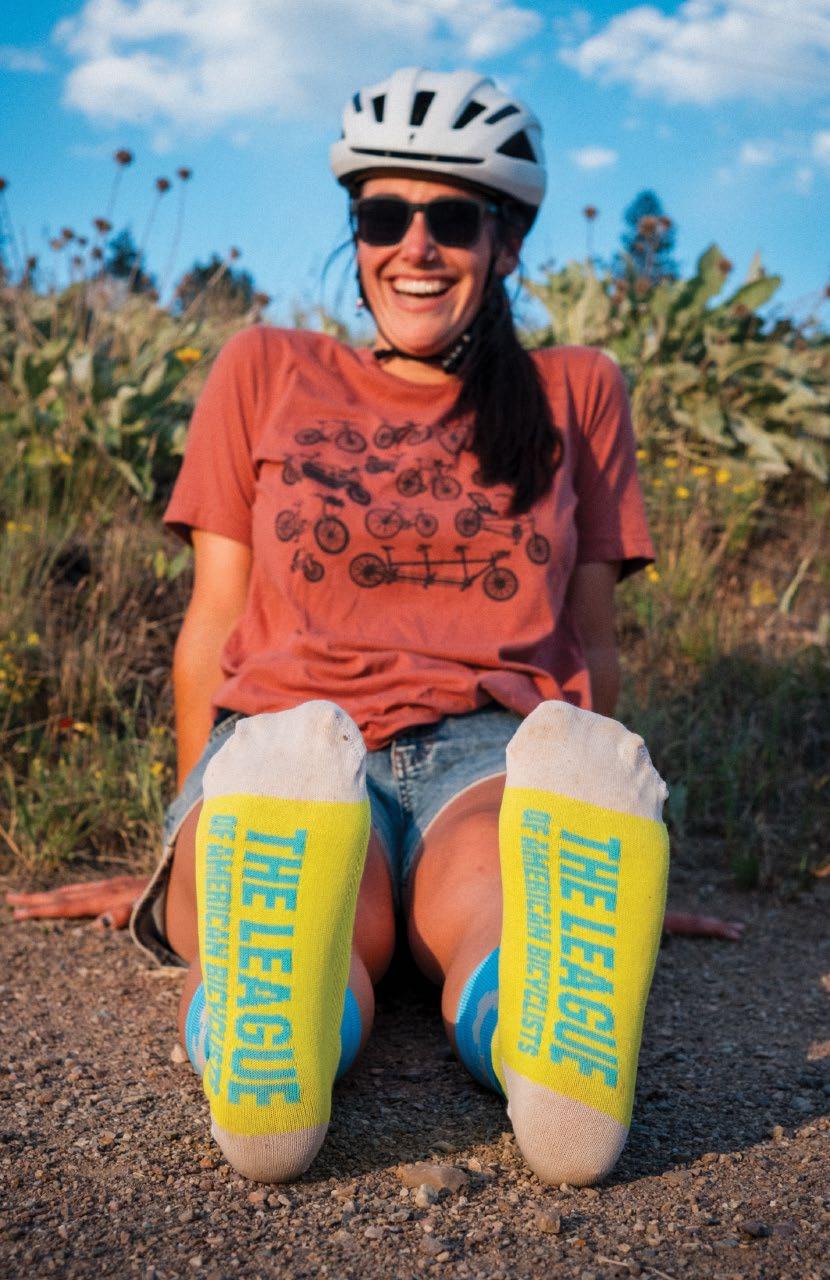
May is Bike Month! Did you know May is also Mental Health Awareness Month? While our daily routines can leave mental health on the back burner, this month is all about a simple change with big benefits: making your next trip by bike. Beyond its eco-friendly and budget-conscious perks, cycling can work wonders for your mood and well-being. Let’s dive into five reasons why hopping on your bike is the ultimate mood booster you can celebrate during Bike Month and all year round!
4 Stress Relief
Picture this: you’re pedaling with the morning breeze pushing you along, feeling the gentle warmth of the sun on your skin. This serene environment sets the stage for stress relief like no other. Studies have shown that regular exercise, like biking, can reduce levels of stress hormones in the body, leaving you feeling more relaxed and centered throughout the day.
5 Community and Social Interaction
Finally, biking to work or for fun can help you forge connections with like-minded individuals and strengthen your sense of community. Whether you’re joining a group ride, participating in bike-towork events, or simply exchanging friendly waves with fellow cyclists along your route, biking fosters a sense of camaraderie and belonging. These social interactions provide opportunities for meaningful conversations, shared experiences, and the cultivation of supportive relationships, all of which are essential for maintaining good mental health.
Be Well
Incorporating biking into your daily routine isn’t just good for your the environment and your physical health—it’s a powerful tool for enhancing your mental well-being. From stress relief and mood enhancement to improved mental clarity, connection with nature, and community engagement, the benefits of riding your bike are abundant and far-reaching. So why not dust off that bike, pump up those tires, and embark on a journey towards a happier, healthier you? Your mind—and your body—will thank you for it.
Together, let's double biking and walking by 2030 — from Maine to Florida and beyond!
byGraber Manufacturing
LEAGUE SAG WAGON
SAG WAGON
BY MARLEE TOWNSEND
The SAG Wagon this issue finds League staff wistfully dreaming of Bike Month and what is getting them excited for May 2026.
KEVIN
I’m looking forward to riding my bike under sunny skies again! It’s been cold, dark, and dreary, and I just want to be out there again with a big smile on my face.
CHRIS
Bike camping with my kids! We’re going to a regional park in the Minneapolis area. It’s almost thirty miles away, and you can get there entirely by separated paths. This year, we’re buying a trailer to hitch on the back of the bike to make it easier to haul everything.
ALLY
Bike Month is this beautiful time when we’re all excited about bikes: everyone is talking about riding, more people are out enjoying their bikes, and my world is just full of communal bike joy!
MARLEE
I’m excited to see how my winter indoor Zwift training is paying off! I’m hoping all those volcano climbs will set me up for a Bike Month where my legs can take me on longer rides more often. Also, I can’t wait to see what a Bicycle Friendly Community Workshop actually looks like, since I’ll be attending one in West Virginia in early May!
LAUREN
I’m looking forward to getting outside, smelling all the blooming flowers because it’s spring and things are growing again!
BILL
Like Ally, I’m always excited for Bike Month so that I can hear people talking about biking more! It’s a great opportunity to get bikes on the radar for more people, to get them involved and invested in the movement.
ANNA
I’m so looking forward to having Marlee attend a BFC workshop with me! Even though I’m always surrounded by amazing people and local advocates, having an actual staff friend coming is going to be really great moral support.
RILEY
I’m looking forward to being able to just hop on my bike without needing to bundle up! It’s nice to have the freedom to run errands without juggling coats, scarves, gloves – just gotta carry bike out the front, do the ABC quick check, and head on my way.
KEN
I’m excited about going to the National Association of City Transportation Officials (NACTO) conference in May, and riding laps around Minneapolis with Chris. I’m also looking forward to tabling at a local block party in Roanoke for Bike Month.
THANKS TO OUR 2026 SPONSORS
OUR MISSION
is to lead the movement to create a Bicycle Friendly America for everyone.
OUR VISION
is a nation where everyone, whether they bike or not, recognizes and enjoys the many benefits and opportunities of bicycling and where everyone can experience the joy of bicycling.