




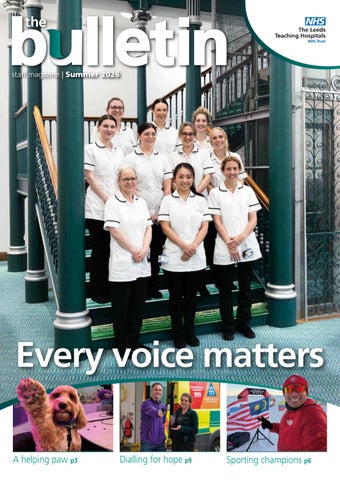
sporting heroes
Age Friendly hospitals
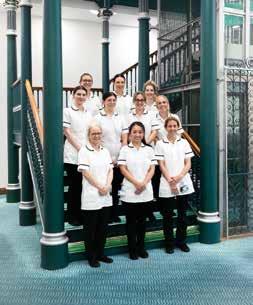
Meet the Midwives
donations for homeless patients
Team Spotlight
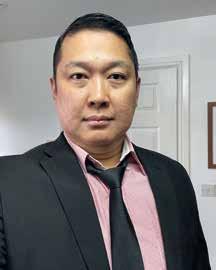
Seconds – Zelin Chang
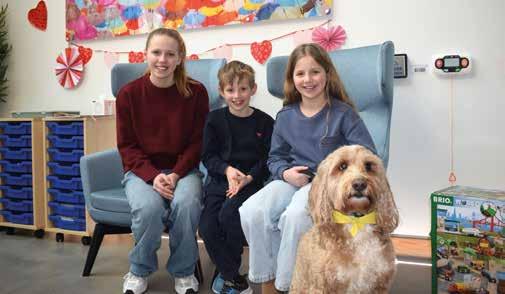
Frankie is the latest team member to join The Rob Burrow Centre for Motor Neurone Disease – and he’s paws-itively thrilled about his new role.
The Australian Labradoodle, an assessed and qualified therapy dog registered with Pets As Therapy, has been meeting families and colleagues at the centre over the last few months, and he’s also become a bit of a media darling.
On Frankie’s first visit to the centre recently, he met Rob and Lindsey Burrow’s children Macy, Maya and Jackson. They were delighted to welcome the qualified therapy dog and took him on a tour of the spectacular new building and gardens.
He’s also been filmed by BBC Yorkshire and ITV Calendar during another visit to the centre when he spent time with a group of children, including Grace, the young niece of a patient. Frankie helped them with an Easter Egg hunt and some artwork and they took him on a walk around the gardens, accompanied by Sam Oakes, the Trust’s MND Family Support Worker. Recently he also appeared with his owner Liz on BBC Radio Leeds, when he was a big hit in the studio.
Gary Jevon, Centre Manager, said: “Pets bring people joy, and spark moments of magic, which carries real therapeutic value.
“The centre is designed to provide holistic care for families affected by MND, as well as clinical care, attending to their emotional, social and psychological wellbeing.
“Pet visits can help reduce anxiety and create calmer conversations at what can be a stressful time. They offer emotional support and non-judgmental companionship which is really valuable for people who are unwell, isolated, or facing life-changing diagnoses.”
Liz, registered Therapy Dog Handler and volunteer at the Trust, said: “Therapy dogs are perfect for providing comfort, companionship and emotional warmth to patients and their loved ones. They can reduce anxiety, stress and isolation, lift mood and improve wellbeing, spark connections and comfort families and carers while boosting staff morale as well.”
Sam Oakes, MND Family Support Worker, said: “Here at the centre we’re helping people living with MND and their families create lasting memories and find moments of joy throughout their journey. Frankie can be an amazing part of this for those families who would like to spend time with him.
“It was lovely to see the excitement on the children’s faces when they met him and showed him around the centre. The reaction from colleagues has been fantastic too – he really brings a smile to everyone’s faces.”
Sam’s role is funded by the MND Association. Leeds Hospitals Charity is also providing additional funding for resources at the centre to help people with MND and their families. Other sessions offered at the centre include yoga therapy, bereavement group meetings and memory-making.
2026 is shaping up to be a fantastic year for sport, with the Winter Olympics providing a stunning display of skill during February and, of course, this summer the FIFA World Cup is kicking off across Canada, Mexico and the United States – there’s plenty going on to satisfy the keenest fan!
Here at the Trust we have no shortage of sporting talent, and in very recent months we’ve seen some truly awe-inspiring feats from colleagues taking on the world and achieving significant recognition in their respective fields – and it’s not even their day job! Turn to p.6 for a special feature on colleagues who are making a mark on national and international sporting competitions around the globe.
Also in this issue – do you know your MRSA from your ESBL? Test your knowledge of the world of antimicrobial resistance with a special ‘acronym search’ on p.20. And there’s plenty more of the latest Trust news, colleague spotlights and fond farewells.
Have a great summer!
Kind regards,

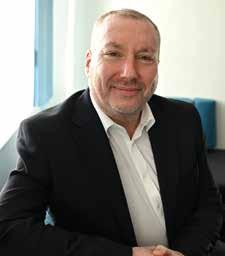
Brendan Brown Chief Executive
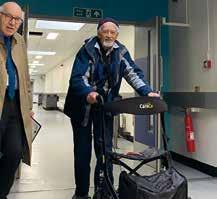
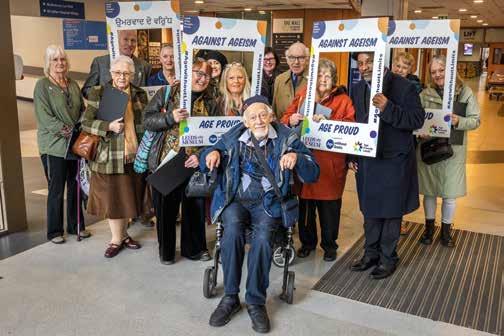
In February, members of the Leeds Age Friendly Steering Group were welcomed to St James’s Hospital to assess route finding and signage at the site.
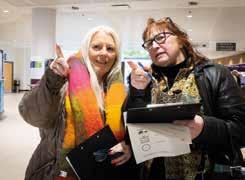
13 members of the group were tasked in pairs to see how easy it is to find departments at the hospital and point out where improvements could be made to improve wayfinding and accessibility.
Peter Aldridge, Associate Director of Estates, said: “We have seven hospital sites in Leeds occupying an enormous estates footprint. This makes a huge challenge for establishing wayfinding, as visitors to our hospitals often need to navigate multiple wings, floors and departments, usually over distance.
“Older people represent a significant demographic of the population we serve – and we are incredibly grateful for the Leeds Age Friendly Steering Group for providing a candid view from their lived experience. It means we can feel confident any future developments are making a difference to the people who use our services.”
1 in 3 people living in Leeds are aged 50 and above. A wide programme of work in the city is ongoing to create Age Friendly places, communities, and services, including the city’s hospitals.
Using an Age Friendly checklist, group members went on separate missions to locate different departments. They considered different factors such as the physical environment,
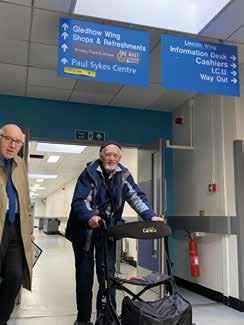
communication and information, and respect and inclusion.
David, 78 and from Leeds, has been part of the Age Friendly Steering Group for eight years. It’s work he’s proud to take part in and he jumped at the opportunity to come to St James’s. “Ali and Peter are really keen we come and help them with this,” he said. “We know that some improvements come with a high cost – redoing pavements for better wheelchair access for example – but there are also lots of small changes that could make a big difference and are much simpler to implement. It’s our job to point these out.”
Ali Raycraft, Lead Nurse for Older People, said: “It’s vital we listen to people who have different needs, and who can use their experience to show us things we might have missed, as well as tell us what is working and what we can do more of. We recently launched our Frailty Strategy which sets out our ambition to be Age and Dementia Friendly across all our hospitals and services – a big part of that is working in partnership with groups like the Age Friendly Steering Group and increasing the number of Age Friendly Ambassadors. Of course, if we improve things for this demographic, we are actually improving things for everyone.”
Elizabeth Griffin is the facilitator for the Age Friendly Steering Group and manages the Friendly Communities Project for Leeds Older People’s Forum. She said: “We have a simple mission
to make Leeds an age and dementia friendly city. By making infrastructure more accessible we improve our neighbourhoods for everyone. The Age Friendly Steering Group is open to adults of any age who want to help make the city more inclusive and better to live in. We get to put our feedback direct to Leeds councillors and services so we can make a big impact on decision making and change things for the better.”
She added: “We also relish invites like this to Leeds Hospitals where we can work in partnership to help organisations shape plans and make improvements. The members of this group all come from diverse walks of life and have rich lived experience which provides valuable insight and that can go on to be factored into future developments. Leeds Hospitals has made an important gesture that other organisations can follow – it improves transparency, engages with their key service users, and this in turn improves confidence in services.”
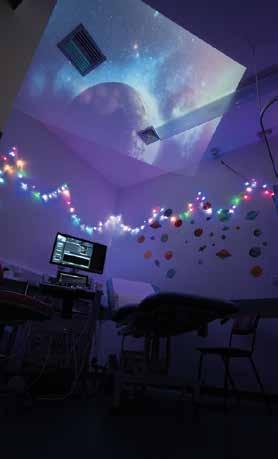
The Paediatric Radiology team recently welcomed the first patients into a new paediatric ultrasound room in Clarendon Wing X-ray department at Leeds Children’s Hospital. The new space is decorated with an intergalactic theme including planets on the wall and a space projection on the ceiling.
The much-needed dedicated room has been creatively developed by the conversion of a small waiting area to a scanning room with ensuite facilities. This project has provided increased ultrasound capacity for paediatric patients as well as providing additional training opportunities for radiology registrars and sonographers. The new GE Logic 10 ultrasound machine was funded by a grant from Health Education England.
In the first few months since the launch, the Radiology and Medical Imaging Service CSU observed a considerable
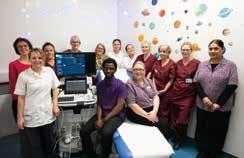
reduction in waiting times for paediatric patients due to increased capacity.
In addition to the new space, radiology registrars now have ring-fenced paediatric ultrasound lists in the new room which is enhancing teaching and training. The Paediatric Radiology team is now able to support further training of sonographers expressing an interest in paediatric imaging. These developments are all helping to improve the service for paediatric patients and their families.
Leeds Children’s Hospital is the first children’s hospital in the UK to launch a new fully automated initiative to increase awareness of Martha’s Rule and reduce barriers to parents accessing the service.
Martha’s Rule is a national patient safety initiative to support the early detection of deterioration by ensuring the concerns of patients and families are listened to and acted upon.
Starting in March 2026 automated text messages have been sent to parents and carers within four hours of every child’s admission to Leeds Children’s Hospital. Bots are used to scan admissions and send text messages automatically, which ensures that no one is missed. Texts contain information about Martha’s
Rule and how parents and carers can raise concerns if they think their child’s condition is deteriorating during their admission.
The Trust’s Intelligent Automation team has supported the utilisation of existing digital assets including robotic process
automation and envoy messaging.
A parent escalation pathway has been in place in Leeds since 2022. If concerned about deterioration, parents and carers can request a rapid review from the Leeds Inpatient Outreach Nursing Service. The new text message service is increasing awareness and improving access to this service.
Access to information on a smartphone is more equitable - compared to a traditional poster or leaflet - because it can be easily translated or presented in an accessible format, and it’s much harder to lose!
This service is now in place across all Leeds Children’s Hospital services with the exception of Paediatric Critical Care and the Neonatal Unit.
2026 is shaping up to be an incredible year of sport in the international calendar with big name sporting events such as the FIFA World Cup and Winter Olympics making the headlines. But did you know that we have many talented colleagues right here in Leeds who are achieving great things in the wider world of sport? Here are just a few of our own sporting heroes in their own words.
Katrina Ballantyne, Specialist Dietitian –ultramarathon running
“I started marathon running in 2024, with the London Marathon being my first, and that’s really where I caught the long-distance running bug. In Autumn 2025, I was approached about putting myself forward for GB selection for the World 50km Championships in Delhi, which was an incredible opportunity. I was absolutely delighted to secure a spot on the team for the event in March, and it felt like the perfect chance to step up to the ultra-distance. Being able to tick an ultramarathon off the list so early on has been a really rewarding experience – not to mention winning Silver and setting a new Scottish record –and has made me want to explore the distance even more.
“I still feel quite new to it all, so having the chance to compete at this level is something I don’t
take for granted. More than anything, I enjoy seeing what I’m capable of over longer distances and pushing myself a bit further each time. The best part for me is the process — seeing the small improvements and being able to run for long periods of time. There’s something simple and rewarding about it.
“I was lucky to have great support and encouragement from the people close to mefamily, friends, colleagues and my coach. During the training I tried to enjoy it as much as possible. Running to and from work helped to get some of the miles in. Although the novelty of the canal was waning towards the end of the block!
“I’m looking forward to a few months off racing after the London Marathon and taking some time to enjoy running with no pressure. In the future I’d like to try another ultramarathon and to do some of the Marathon Majors.”
Trainee in Clinical Genetics –ski mountaineering
“I have been skiing since I was three and started ski mountaineering in my teens. My Dad was the first major influence, as he was into climbing and mountaineering and we did all of those early trips together. I started racing when I was at university after meeting some other ‘skimo’ racers in a mountain hut and thinking it looked like great (type 2) fun.


“It is a huge privilege to be able to race on the world cup circuit alongside professional athletes who train full time in the mountains. The level of competition really pushes me to improve physically and work on the skills that are crucial for successful racing. However, the best thing about ski mountaineering races is the opportunity to be in remote environments in the mountains, moving under your own steam and often working with a team of friends to move safely in challenging terrain.
“I was thrilled to win Gold in the Masters World Championships in February and this was my first international podium finish. I feel proud to have been able to return to racing at a high level after having my two children and really enjoyed the race, which had a very ‘wild’ feel.
“While I have put in the training hours, I have been really supported by my family (particularly my husband – who has had a lot of time with the kids!) and the GB Skimo coaching team. There is no way that I would have been able to regain my fitness without their support.

“I am now looking ahead to next winter where I plan to race the Masters World Championships again along with some of the longer classic skimo races – some of which are several days in length.”
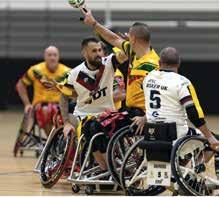
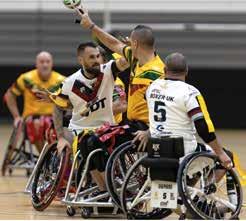
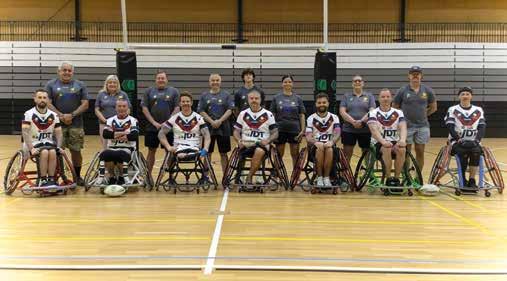
“I recently represented the UK Armed Forces playing Wheelchair Rugby League in the inaugural ANZAC test match against a team of Australian and New Zealand defence force veterans.
“I served in the Royal Navy as a weapons engineer twice deploying on operations around the Horn of Africa and the middle east on counter piracy operations. I was medically discharged due to Crohn’s disease in 2011 and ever since that
“I am a late bloomer, having only started running since 2022 aged 39. My rheumatology colleague, Ed Vital, got us running in the London Marathon as a challenge to improve fitness after I put a lot of weight on following a nasty ankle injury. My first marathon was tough as I incurred an injury during the race. However, the adrenaline of accomplishing it spurred me on to get faster and race smarter.

diagnosis I was led to believe I could no longer play the sport I love – Rugby League. That was until just under two years ago when I discovered Wheelchair Rugby League.
“I currently captain Wakefield Trinity’s Wheelchair team and have represented the UKAF side multiple times. I was selected to go on tour to Brisbane to play in this ANZAC match and it was one of the biggest honours of my life. Unfortunately, we were beaten 4846 in the last seconds of the match in
“In April 2025, I was awarded the 6-Star World Marathon Majors at Boston Marathon, USA. This is a prestigious medal bestowed for completing all the Marathon Majors. Time flies when you are having fun, and I have now completed 21 official marathons and two ultra marathons.
“After this I started looking for new challenges, and in November 2025, I competed in the 777 Great World Race alongside 53 other runners. I am extremely proud to complete seven marathons on seven continents in 6 days, 13 hours and 21 minutes. Hands down, this was the toughest thing I have done in my life. Only 192 people had completed this feat at the time. I had to navigate challenges including extreme weather conditions, from running in -30C wind chill in Antarctica to 30C heat in Australia only 14 hours later, as well as sleep deprivation, under nutrition and incurring 12 blisters and severe ankle tendonitis along the way.
“The camaraderie within the racers, support messages from family and friends and fundraising for Lupus UK and Sjogren UK gave me the extra boost to succeed. I was also the first Malaysian to complete this challenge
what was an incredibly physical and fast-paced match – but it was played in great spirits and in true veteran style we all celebrated together afterwards in the pub.
“Whilst in Australia we had multiple experiences that made this the trip of a lifetime. We took part in an ANZAC dawn ceremony – this is like Remembrance Day in the UK but on an even bigger scale – and it was an incredible honour to be invited to take part and probably my favourite part of the trip.”
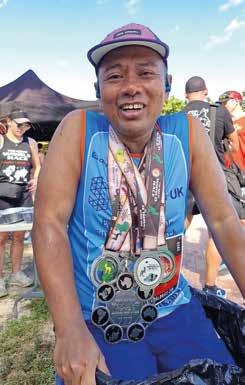
and I am inducted into the Malaysia Book of Records.
“I have decided my next major challenge is to complete in Marathon des Sables, Morocco in 2027.”
Patients staying at St James’s Hospital can now access guided walking routes designed to support faster recovery and improve wellbeing during their hospital stay.
The initiative has been led by Mr Dermot Burke, Consultant in Abdominal Surgery, and his team, who worked together to launch the routes across the site. With a simple aim of helping patients to feel confident to get up, be active and move safely beyond the ward. Each route provides clear information on steps, distance and walking time, with a few inviting places highlighted to pause and rest along the way.
Twenty routes are already live on the Trust website with more planned in the coming months. Early feedback has been overwhelmingly positive, with patients reporting improvements in mood, mobility and independence.
The idea was inspired by a previous patient who was usually very active but stayed in bed during her admission because she was worried about getting lost in a large hospital environment. Working alongside the Colorectal
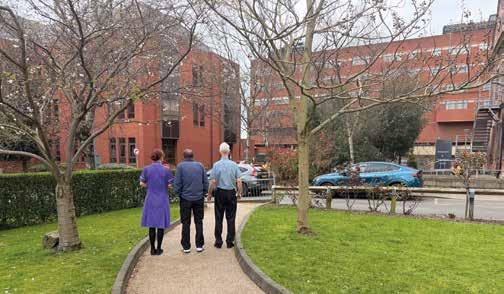
Nursing team and interested patients, Dermot led the development of routes that remove this barrier and make movement feel achievable.
Dermot said many people still believe bed rest is the best way to recover, when in reality gentle movement can make a significant difference both physically and mentally. One
patient described the walks as small adventures that opened up the world beyond the ward at a time when life felt very limited.
Walking routes are currently available from wards in Bexley Wing and Lincoln Wing, with many more to come. More information is available on our ‘Staying Well’ website page.
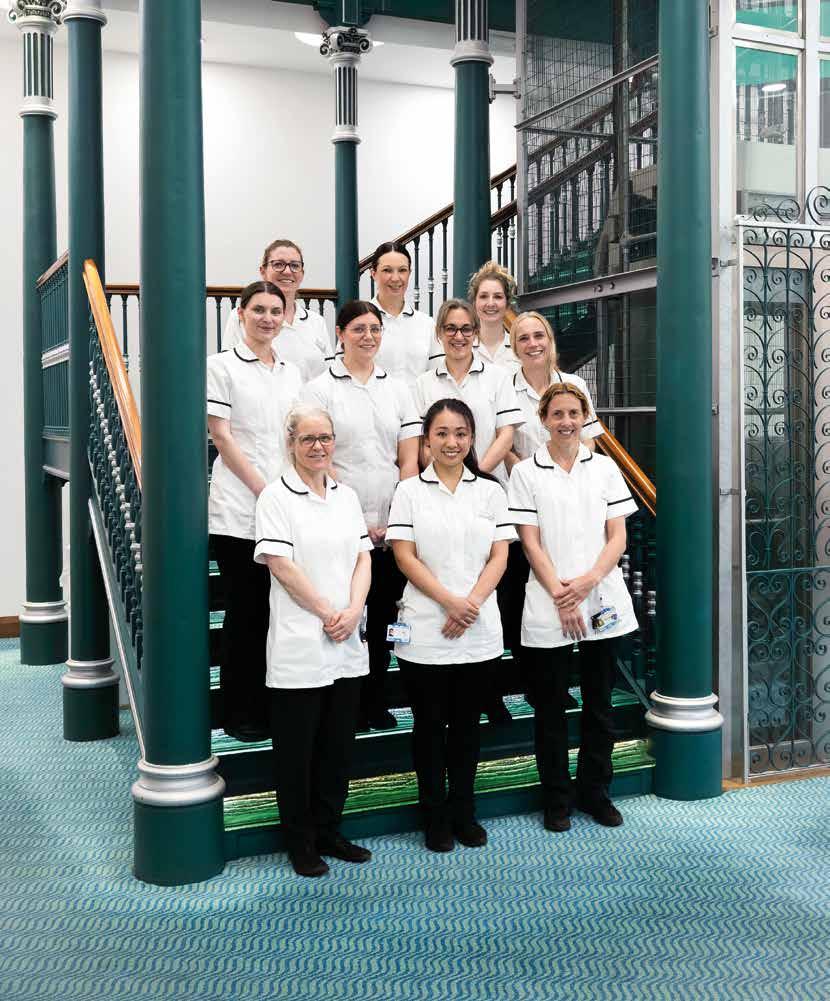
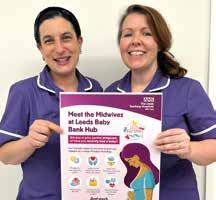
Families who are pregnant or have recently had a baby are being invited to a new drop-in session led by midwives. Meet the Midwives is a new support service running every Monday, 10am to 12 noon, at Leeds Baby Bank Hub in Armley.
Midwives from the Trust are on hand to give support on a range of topics including pregnancy and maternity advice, support for mums, dads and carers, help with booking in with a midwife, and baby care including infant feeding, bathing and changing nappies.
There will also be wider help offered around subjects such as housing and benefits, information about accessing food banks and baby equipment, support to stop smoking, healthy eating and lifestyle advice, and much more.
Nada Abdul-Majid, Specialist Midwife Health Equity, said: “We’re very excited to launch our new midwife-led drop-in service for pregnant and postnatal parents in Leeds. We’re all friendly and non-
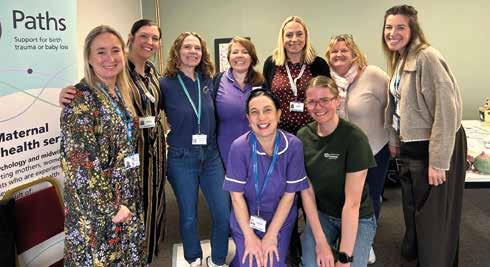
judgmental and we’re here to listen and hopefully help families live healthy, happy lives and give their babies and children the best start in life. We’re here for mums, dads, grandparents, carers - you can just pop in for a chat and ask us anything.
“These new sessions have been designed by listening to local families’
views and feedback so we really hope they will be helpful.”
The sessions will continue running through school holidays, but not on bank holidays. For more information about the Meet the Midwives session, please contact nada.abdulmajid@nhs.net
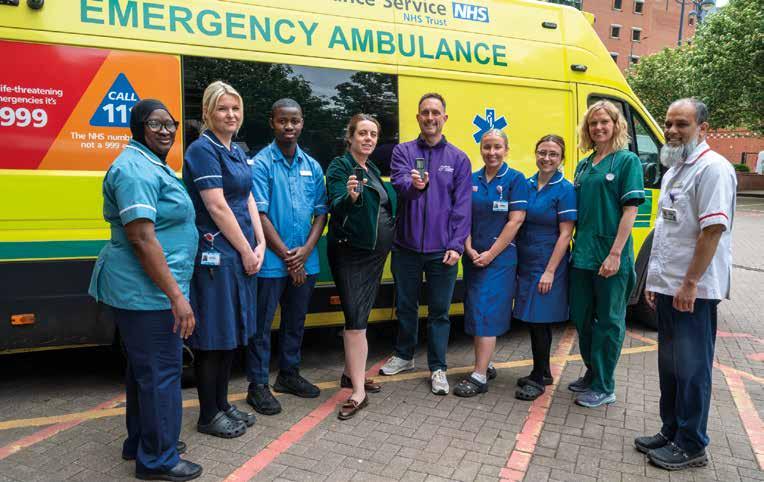
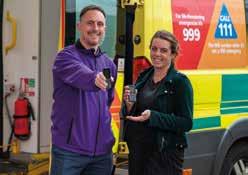
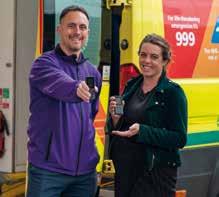
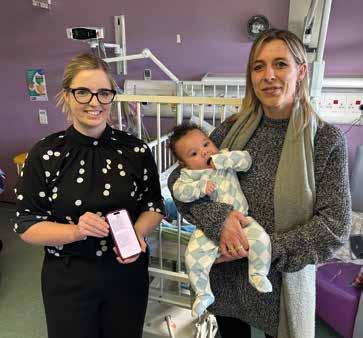
Donations of mobile phones given out at emergency departments in Leeds are providing a lifeline for vulnerable people.
An initiative funded by Leeds Hospitals Charity is aiming to give a mobile phone to every person who is homeless or at risk of homelessness who presents at the Trust’s emergency departments.
The phones provide a key point of contact for arranging follow-up appointments and engaging with street outreach support. They also come pre-loaded with contact information for services and charities that vulnerable people may benefit from.
Laura Finch, Royal College of Emergency Medicine Advanced Clinical Practitioner in the Emergency Department, is the driving force behind the initiative.
“Many of us take mobile phones for granted, but it’s only when we don’t have one that we realise how much we depend upon a phone for daily life,” Laura said. “Phones give people choice and autonomy – they’re incredibly empowering.”
During the pandemic, homeless people were given mandatory housing, but afterwards, Leeds saw a surge in
homelessness across the city. Laura became frustrated with the volume of re-attendances to the emergency departments and felt she could do very little in her position to change things.
Laura tried to think of other ways she could help and, in 2023, inspiration struck. She decided to apply for a small grant from Leeds Hospitals Charity, to fund a pilot project over 2023-24 to trial donations of cheap mobile phones to homeless people presenting at the emergency departments.
Each phone was a simple Nokia device costing £30, with a prepaid SIM. The device was loaded with contact details for services and charities working in the city which vulnerable people could approach for help. The feedback from the pilot was encouraging.
One patient who attended the Emergency Department disclosed she was facing domestic abuse and homelessness. She was given a mobile phone and was referred by the team for emergency housing. After leaving the department, the patient used the phone to contact emergency housing herself and, as the referral had already
been made, she was offered a place of safety that same night.
Successes like this encouraged Laura to approach Leeds Hospitals Charity for more funding, which she secured thanks to a generous donation from corporate partner Maintel. This has helped expand upon the initiative and, having launched in November 2025, will continue the project for the next three years. The extra funding allows for around 220 phones to be given out each year.
Thanks to Vodaphone, more than 400 free SIM cards with unlimited credit were gifted to the initiative, which means the charitable funding can go towards purchasing more phones and potentially extending the project further.
During the winter, 85 mobile phones were donated to vulnerable people attending the emergency departments.
Laura said: “Homeless people are accustomed to having doors shut in their faces – they’re just not used to getting something for free. My hope is that these phones might also help change their lives.”
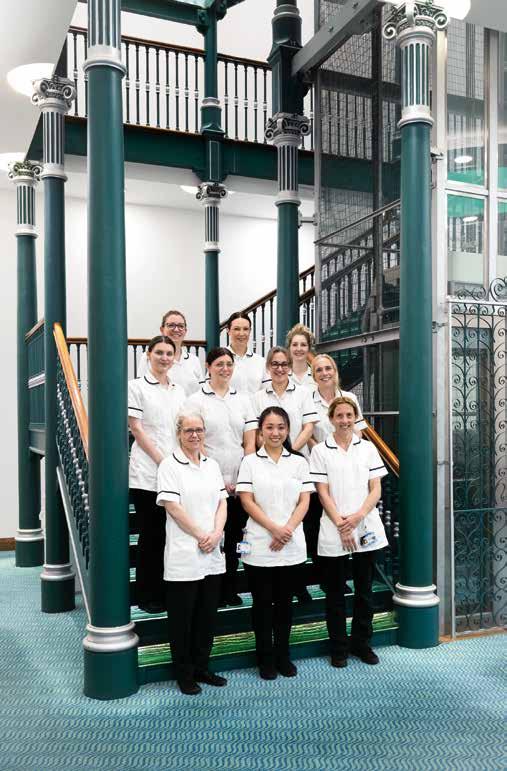
CSU: Leeds Children’s Hospital
Number of colleagues: 13
Site(s) worked at: Leeds Children’s Hospital - LGI and St James’s sites
Stats and figures:
Primarily inpatient service, with 7 outpatient clinics. Each colleague walks between 6,000 and 10,000 average steps across hospital sites every day!
How does your team make a difference at LTHT?
We support children with their communication, eating, drinking and swallowing needs. We help babies, children and young people along their feeding journey. This includes providing positive experiences and information for children who are unable to eat and drink. We support those who are unable to understand and express themselves whilst in hospital or following an illness or brain injury. Our aim is to ensure every child has a voice and can participate as fully as possible in their care and daily life.
What are the different roles within the team?
We cover the whole of Leeds Children’s Hospital and we have dedicated specialists working within Cardiac, Neonatal Unit, Long term ventilation, Neurology, PICU, Instrumental assessment –Videofluoroscopy Swallow Study (VFSS) and Fibreoptic Endoscopic Evaluation of Swallowing (FEES) –Neuromuscular (fixed-term research funded), and Oncology.
We work collaboratively with other allied health professionals, hospital school teachers, play therapy, nursing and medical colleagues.
What happens on an average day?
A number of our team members will attend the clinics for the day whilst the remaining team members attend a team
huddle in the morning to triage new referrals and discuss the inpatients to be seen that day.
We then go up to the wards to assess, review or provide therapy for babies, children and young people on our
caseload. This might include a bedside assessment of bottle or breastfeeding, supporting with strategies during a patient’s mealtime or reviewing communication strategies through play-based activities. We may also carry out ad-hoc instrumental assessments for our inpatients.
We also work closely with members of the multidisciplinary team –including dietitians, doctors, nurses, physiotherapists and occupational therapists. This can involve joint assessments, including close liaison and decision making with the medical team, together with our families.
What is the most surprising thing about your team?
Our role is hugely varied and every day is different. Most people don’t realise that we predominantly support eating, drinking and swallowing in the children’s acute setting. It’s a privilege to be a part of supporting an infant or child’s journey during their hospital stay.
Are there any recent achievements/milestones or plans for the future?
We have recently launched our paediatric Fibreoptic Endoscopic Evaluation of Swallowing clinic which we run together with our ENT colleagues. This is the first service of its kind in the Yorkshire region and was supported by charitable funding. We have also recently established new specialist roles within the Neurology and Cardiac teams.
We are excited about the energy around research within the team and have recently submitted two abstracts to an international conference. We’re hoping to present our work and data both within the Trust and wider.
What do you enjoy the most about working in the team?
We love seeing the progress that parents, babies, children and young people make as we journey together with them – knowing that we played an important role in supporting them. With our team’s specialist input patients might have their first breastfeed, first experience of tasting foods, or achieving communication goals for the first time. It can be incredibly rewarding. We also enjoy the busy nature of the acute setting – every day is different and we’re always learning!
Here some examples of the sort of work we do, with our patients at the heart.
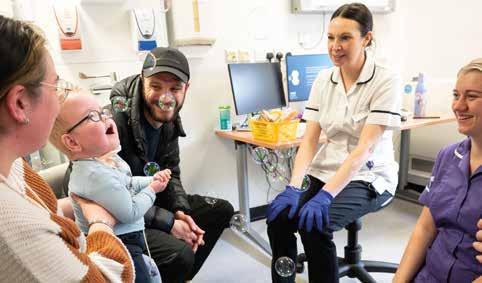
Two-year-old Arlo recently attended a one-way (speaking) valve clinic with Speech and Language Therapist Louise Miles. Arlo has a tracheostomy to help him breathe but this also makes it difficult for him to use his vocal cords to make sounds.
At the valve clinic Louise fitted a one-way valve to Arlo’s tracheostomy. The valve – which is worn for short intervals – allows Arlo to breathe in through his tracheostomy tube and when he breathes out the airflow is diverted back up through the vocal cords and upper airway. With the valve in place, Arlo’s Mum and Dad heard him vocalise more clearly – a big step towards finding his voice.
Assisted by Helen and Danni, Children’s Tracheostomy Nurses – and with the help of some bubbles – Louise sang nursery rhymes to encourage Arlo to vocalise using the one-way valve.
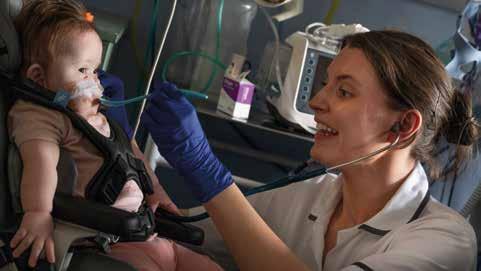
Speech and Language Therapist Rachel Ledwith recently visited nine-month-old Imogen on Ward L38. Imogen is being introduced to pureed foods under the supervision of Rachel. Imogen is benefiting from Speech and Language Therapy input following a prolonged period of being nil-by-mouth due to respiratory compromise.
Imogen has had a videofluoroscopy to investigate her swallow function and is now being offered small tastes of puree orally. During a recent session with Rachel, Imogen had a small amount of puree which she managed well and appeared to enjoy.
Imogen’s swallow function and development of eating and drinking skills will be monitored by the team while she is an inpatient at Leeds Children’s Hospital. She will then be referred to a local speech and language therapy team for eating and drinking and communication input once she is home.
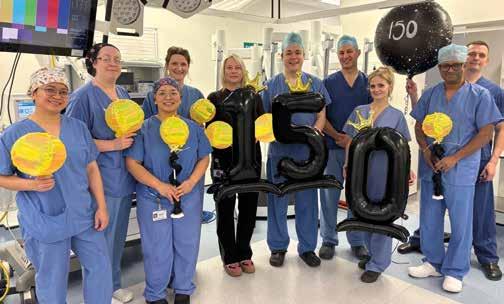
One hundred and fifty endometriosis patients have now had robotic surgery in our hospitals – benefiting from less invasive procedures and faster recovery times.
During March’s Endometriosis Awareness Month, and just over two years after the robotic programme was introduced, the endometriosis surgical team celebrated the landmark that’s really making a difference to women’s health in Leeds.
Clinical Lead for Gynaecology, Mr James Tibbott, said: “We’ve built up from zero to 150 robotic surgeries in two years. This is a really fantastic achievement for the whole team, everyone from those who book our patients in, to those involved in setting up the surgical space and the delivery of care post operation.
“Robotic surgery has opened up a lot of opportunities for improving and innovating within women’s healthcare. It offers better patient outcomes, quicker operations, and quicker recovery, and means we can treat more patients. Hopefully this paves the way for better healthcare for women with endometriosis, and for women in general.”
The team uses a Da Vinci robot, which has four interactive robotic arms and a high-definition 3D vision system. The surgeon controls the robot to perform keyhole surgery, typically on more complex endometriosis cases. This allows surgery to be precise and controlled, with a better range of movement and vision.
Benefits of robotic surgery for patients include less pain, smaller scars, lower risk of haemorrhage or infection, a shorter stay in hospital, and a shorter recovery time.
Aimee Bulloch, from Liversedge, had robotic surgery in November 2024 and said: “I can’t praise the team highly enough. The care from the endometriosis team was exceptional and is still ongoing to this day.
“The robot, although scary to look at, provided me with results that would not have been achievable without a stoma bag and a lengthy hospital stay afterwards. What they did that day was nothing short of amazing; they removed endometriosis from my bowel, appendix,
ovaries and pelvis with no lasting damage to these organs. Incredible!”
Endometriosis affects one in 10 women and those assigned female at birth. It is a condition where cells similar to the lining of the womb grow in other parts of the body, often causing inflammation, scar tissue and pain.
The Endometriosis team at Leeds was recently fully accredited as a British Society for Gynaecological Endoscopy (BSGE) Endometriosis Centre. The accreditation recognises the whole team’s high standards of care, clinical expertise, patient-centred approach, and commitment to ongoing research and innovation.
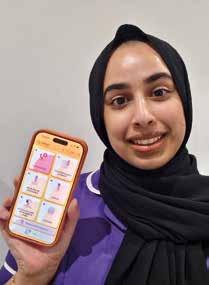
A new one-stop pregnancy app designed for South Asian women and families has been launched by our maternity team. The free JANAM app features a range of information videos in seven different languages – English, Gujarati, Urdu, Hindi, Bengali, Punjabi and Tamil.
Pregnant women and professionals helped design the app and the videos feature experts and patients sharing their own experiences. Topics covered include the pregnancy journey, antenatal care, emergencies, labour, and the postnatal period.
Jenny
Roddy, Consultant Midwife, Health
Equity, said: “We are really pleased to be bringing the JANAM app to South Asian communities in Leeds. The app helps South Asian mums feel confident and informed every step of the way. It’s easy to use and is a great way of sharing information that people can understand and relate to.”
The app aims to tackle health inequalities and give women the power to make informed choices about their care. It will be offered to all new patients from South Asian backgrounds but patients can start using it at any point during their pregnancy and in the early post birth period. Anyone wishing to use it can ask their midwife for an access code.
The health and wellbeing of our staff is a top priority. Here at LTHT we have a huge range of services available to you covering mental health, physical health, financial wellbeing, and more.
In this issue of Bulletin we’re featuring a few of the ways the Trust can support your financial health.
Money Buddies can help you save money, increase your income and advise you at times of financial crisis.
Whether you’re having difficulty paying a debt, need advice about your bills or if you are not sure what to do about your finances, Money Buddies can help you.
Money Buddies is a project of Burmantofts Community Projects. A registered charity based in the heart of one of the most deprived areas of the city. Their local knowledge and people mean they understand the difficulties their clients face. They have a wide range of legal debt advice and financial capability solutions that could ease or remove those difficulties. Money Buddies have outreach appointments across the city – find out more by searching ‘Money Buddies’ on the Intranet.
The Trust has an extensive employee benefits package for staff, designed to meet your financial, physical and mental wellbeing needs.
Our salary sacrifice offer provides a range of ways to spread the costs of everyday products, with options for cycle to work, car leasing and home and electronics.
Our lifestyle savings benefit, provided through Vivup, helps you make everyday life more affordable. You’ll have access to exclusive discounts and offers across a wide range of categories, including:
• Shopping – save on high-street and online retailers.
• Dining and leisure – enjoy discounts on restaurants, cinema tickets, and family days out.
• Travel – reduced prices on holidays, hotels, and transport.
• Health and Fitness – offers on gym memberships and wellness products.
To access these services, search ‘employee benefits’ on the Intranet.

You may be eligible for a tax rebate from HM Revenue and Customs (HMRC). We’ve been working with HMRC to make sure you don’t miss out on tax relief that you may be entitled to.
This can be for things like: uniforms and work clothing, using your own vehicles for work-based travel (excluding your journey to and from work), or professional fees and subscriptions.
You can check if you’re eligible to claim on GOV.UK and if you are, you can set up a Government Gateway Account, if you don’t already have one, and claim online.
If eligible for tax relief, the best way to claim a refund is to apply to HMRC directly. It’s free, quick and easy, and you will receive the full amount of your refund.
You may also be eligible to claim for things such as marriage allowance, which can reduce a couple’s tax bill for each year by up to £252. For a range of guides and support, search ‘HMRC tax rebate’ on the Intranet.
With the support of Leeds Hospitals Charity, we are pleased to be able to offer financial support to individuals who find themselves suffering financial hardship.
This fund provides short-term emergency financial help for staff who are struggling because of an unexpected essential cost, for example, urgent household costs.
Anyone working at the Trust can apply for support, including bank and locum staff, however you will need to be able to clearly evidence how you are in financial difficulty.
Applications will be considered on the basis of the information provided, so it’s important to give as much detail as possible explaining your situation. Search ‘Emergency Support Fund’ on the Intranet for more.
Our services change regularly, so find the support and advice that you need for your health and wellbeing by browsing on the Intranet.
If you have any queries please do not hesitate to get in touch with the Occupational Health and Wellbeing team by emailing: leedsth-tr. HealthandWellbeing@nhs.net
The Trust has been awarded £1.5m from the National Institute for Health and Care Research (NIHR) to advance cuttingedge research and enable more patients across the region to benefit from lifechanging research.
The funding will support new equipment, facilities, and digital systems that will
improve how research is carried out and how quickly innovations reach patients.
A major part of the investment will fund a HistoSonics system, a noninvasive technology that uses focused sound waves to treat tumours without surgery. This will allow the Trust to expand research into new cancer treatments. For patients, this means less invasive procedures, shorter hospital stays, fewer complications, and quicker recovery times.
Old Medical School to enter new era following acquisition
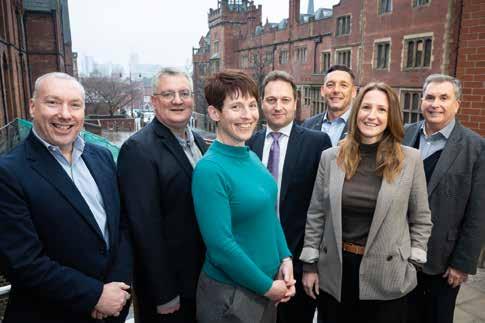
Scarborough Group International has completed the acquisition of the iconic Grade II listed Old Medical School from the Trust, marking a major milestone in the transformation of one of the region’s most significant medical and scientific buildings.
The 130-year-old building, formerly home to pathology services at Leeds Teaching Hospitals and one of England’s earliest medical schools, will be transformed into a healthtech innovation hub by the property regeneration and placemaking specialist and is a significant step in the development of the Leeds Innovation Village.
Antony Kildare, Trust Chair, said:
“We’re delighted to see the Old Medical School take on a new chapter and become a centrepiece in the future of healthtech innovation and commercialisation in the city. This is possible thanks to the strategic vision across the city and our close collaboration with partners across Leeds. With SGI’s stewardship, the new healthtech innovation hub will fuel ideas and harness innovation to make a lasting impact on healthcare for patients in Leeds and the region.”
The acquisition supports the Trust’s long-term estates strategy to release land and estate at the LGI for sympathetic development in the heart of the city. This move is possible following the relocation of the Trust’s pathology services to the state-of-the-art Centre for Laboratory Medicine at St James’s Hospital.
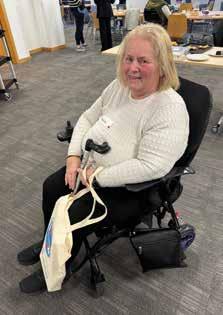
NIHR Leeds Biomedical Research Centre, hosted by the Trust, held a dedicated research and information event recently to ensure health research is shaped by the real experiences and priorities of local people.
Taking place at St George’s Centre, the event welcomed over 50 attendees from across the city and brought together Leeds communities, researchers and health partners to create an open space for conversation, learning and support around diabetes.
Through presentations and interactive workshops from our research teams, attendees were able to better understand how research links to everyday care, discover new developments, and share their own perspectives.
One attendee, Bonnie Curran, shared: “My husband has been diabetic for over 20 years, and I am always looking for new treatment options for him. I’ve gained a lot of knowledge attending events like these and I think it’s invaluable to understand the latest research and the innovations on the horizon.”
Events like this help ensure research is relevant, inclusive and focused on improving health outcomes for everyone in Leeds.
Leeds centre confirmed as latest site for pioneering MND drug trial
Patients in Leeds and the surrounding area are given hope of access to promising drugs as The Rob Burrow Centre for Motor Neurone Disease (MND) is confirmed as one of the latest sites to join the groundbreaking MND-SMART trial.
MND-SMART (Motor Neurone Disease – Systematic Multi-Arm Adaptive Randomised Trial) is being used at select sites across the UK, working on a flexible platform to speed up the search for effective treatments for MND.
Partnership working was firmly in the spotlight as healthcare leaders, innovators and industry partners came together in Leeds to explore how collaboration is shaping the future of health technology in a high-profile event recently.
Hosted by the Trust’s Innovation Pop Up and the Association of British HealthTech Industries (ABHI), the event showcased how organisations across the health and care system are working together to bring new technologies from concept to clinical use, improving patient outcomes and transforming services.
The event highlighted the vital role of collaboration between the NHS, academia and industry in overcoming barriers to innovation. Discussions also focused on how innovation can support the NHS in meeting increasing demand, improving efficiency and delivering more personalised care.
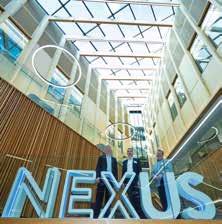
The trial is be led by Dr Linford Fernandes, Consultant –Neurosciences, with support from Dr Shaun Foo, Consultant Neurologist, and Emelda Veraque, Senior Research Nurse.
Dr Fernandes said: “This is a really exciting moment in the development of the MND service here in Leeds. We have up until now focused on the care we give our MND patients. The opening of the new centre, together with thanks to additional funding, means we can now turn our attention to research. So, in addition to our early diagnosis trials, we can deliver our first drug trials that hopefully lessen some of the symptoms and debilitating impact of MND.”
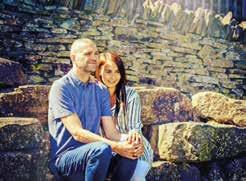
Former Leeds United footballer Dominic Matteo has shared his powerful story of recovery, praising the life-saving team of experts at the Trust who treated him following a rare brain tumour diagnosis.
Dominic was diagnosed with a rare, cancerous brain tumour called an anaplastic ependymoma in 2019. He underwent critical surgery at the LGI and several months of radiotherapy before getting the news that his condition was stable.
Dominic has spoken openly about the impact of his diagnosis, the impact brain cancer has had on his life and the amazing team of Leeds surgeons and oncologists who care for him. He paid tribute to the life-saving team of clinical researchers as part of World Cancer Day, highlighting how sustained scientific research, clinical trials, and innovation directly impact survival and quality of life for people with cancer.
He was treated by Ryan Mathew, Honorary Consultant Neurosurgeon, and Professor Susan Short, a clinical oncologist and adult brain tumour researcher.
Researchers at the NIHR Leeds Biomedical Research Centre (BRC) and the University of Leeds have led a successful breakthrough trial of a new medication aimed at relieving knee pain in osteoarthritis.
The Phase 2 international clinical trial of LEVI-04 published in The Lancet demonstrated significant reductions in pain and stiffness, with substantial improvement in function and patients’ experience of their disease.
Prof. Philip Conaghan, Director of the NIHR Leeds BRC and Honorary Consultant Rheumatologist, was Chief Investigator for the study. He said: “LEVI-04 as the first in a new line of therapies offers the possibility to be a game-changer, giving us better options to treat the pain faced by patients, and with further possibilities to unlock new treatments in the future.”
This Summer, take some time to think how you can nurture your personal development and grow your career at LTHT.
In this issue we’re taking a look at how Knowledge Sharing Networks can help you develop and build your skills at a pace that works for you alongside likeminded colleagues.
For a broader overview of how the team can support you to invest in your career, search ‘Organisational Development & Culture’ on the Intranet.
A knowledge sharing network is a flexible and supportive way for you to develop and build your skills. It brings colleagues together around two learning themes, each made up of five self directed topics. You choose what to learn and when, so your development fits naturally around your role and your responsibilities.
Each topic includes a variety of easy to access learning options such as online courses, videos, webinars and reading materials. You can pick the activities that interest you most and work through them at your own pace.
You can also choose to join an optional learning community session linked to your topic. These sessions offer a relaxed space to talk with colleagues, share experiences and explore how your learning can be applied in real situations. All we ask is that you complete at least two learning resources beforehand, so you feel prepared and ready to take part.
This approach blends flexibility with connection, giving you choice in how you learn while still offering opportunities to reflect and grow with others.
You can learn in a way that suits your style and schedule, selecting the content and formats that work best for you. This makes it easy to build development into busy days and different working patterns.
When you’re ready, the learning community sessions give you the chance to:
• Reflect on the key ideas.
• Share real experiences.
• Talk through challenges.
• Apply learning to everyday situations.
• Build confidence with support from colleagues.
This combined approach helps your learning go deeper and become more meaningful. It supports long term development in a way that standalone e learning or one off workshops simply can’t achieve on their own.
A simple, structured pathway guides learners through the process:
Step 1: Select your theme

Pick one or both of the main themes: Leadership in Practice or Compassion, Culture and Change. Each theme contains five topics you can explore in your own time.
Step 2: Complete your self-directed learning
For each topic, you can choose as many or as few learning opportunities as you like from the curated list — online courses, videos, webinars, articles or reading resources. We simply ask that you complete at least two to help you get the most out of the learning community session.
Step 3: Join a learning community session (optional)
After completing your independent learning, you can sign up for a learning community session linked to that topic. Sessions may be held online or in person, giving you the chance to join in a way that works for you.
Step 4: Take part and apply your learning
In the session, you’ll join colleagues in guided discussions, reflective activities, practical tasks and shared exploration of the topic. This is your opportunity to turn your learning into everyday leadership habits and team practice.
The knowledge sharing network is built around two themes, each with
five topics designed to support your leadership skills and help create a positive, healthy workplace culture.
Although each learning community session has a topic to guide us, this is simply a starting point to help us begin the conversation with purpose. All the themes are closely connected, and discussions will naturally flow to whatever matters most to you and the group on the day.
You’re always welcome to bring the questions, challenges, and experiences that feel important to you.
• Conflict Management
• Emotional Intelligence
• Management Toolkit (Self)
• Scope for Growth & Developing Others
• Leadership Influence
Compassion, Culture and Change
• Motivating People
• Roles within Teams
• Kindness and Compassion
• Change and Influence Creating
• Psychological Safety
For further information and to find out how to book onto the courses search ‘Knowledge Sharing Networks’ on the intranet.
More than 1,900 expectant parents from Leeds have signed up to a genetic research study that aims to improve the early detection of rare genetic conditions in newborn babies.
Alongside other Trusts across the country, LTHT supports delivery of The Generation Study, one of the largest newborn screening studies ever undertaken in England, led nationally by Genomics England in partnership with NHS England.
The study aims to screen 100,000 newborn babies using whole genome sequencing, a technology that analyses a baby’s DNA to look for genetic changes linked to more than 200 rare but serious genetic conditions. Many of these conditions can be treated or managed more effectively if identified before symptoms appear.
Jess Towning, mum to baby Arthur (pictured with colleagues) who joined the study in Leeds, said: “This is a fabulous study and it’s an easy test that gives big results. The fact that conditions get picked up sooner means you get treatment more quickly, leading to better outcomes, so knowledge is power. The
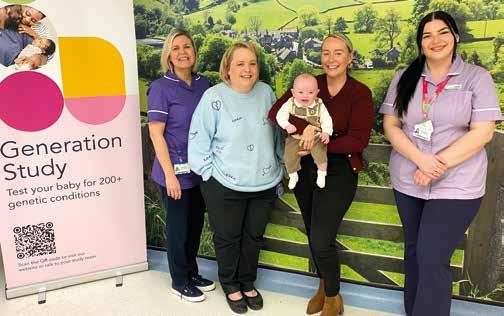
more people who take part, the more likely it will become standard care.”
Around 99% of babies taking part in the study will not be found to have any of the genetic changes being tested for. However, for the small number of babies who are identified as having a rare genetic condition, an early diagnosis
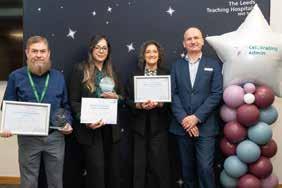
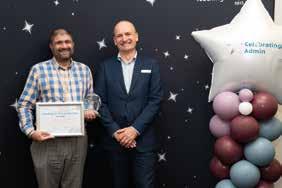
Now in its fourth year, we are proud to continue our Celebrating Admin Awards, first launched in 2022, shining a spotlight on our often unsung heroes: the administrative professionals who help keep our hospitals running every day.
Our admin colleagues work across a wide range of vital roles, from ward clerks and receptionists to personal assistants and medical secretaries. Each bring unique skills and strengths, and Celebrating Admin recognises the professionalism, dedication and diversity that underpin patient care and support services across the Trust.
This year’s celebration took place in April, with the awards ceremony held at St George’s Conference Centre. Nominees and those who submitted nominations
were invited to a special afternoon tea, held in recognition of the outstanding contribution made by admin colleagues across six award categories, recognising colleagues who go above and beyond.
Congratulations to all who were nominated and shortlisted. The winners of each category were Ann Scott –Unsung Hero, Adult Therapies Business Admin team – Team of the Year, Steve Behal – Leading the Leeds Way, Kirsty Marshall – Innovation, Simon Laycock – Waste Reduction, and Adult Therapies Business Admin team – Patient Experience.
Members of the Executive team attended the event and were delighted to present awards to our well deserving winners, helping to make the occasion a memorable celebration of excellence.
can be life changing, enabling earlier treatment for babies and tailored support for families.
The Generation Study helps give babies the best start in life and builds evidence for the future potential of universal newborn screening using whole genome sequencing.
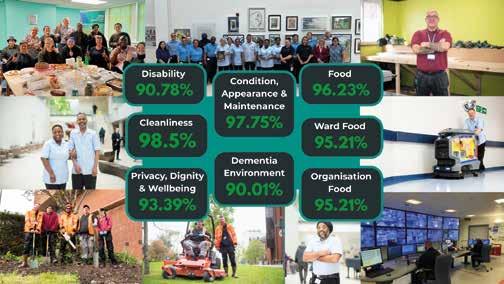
A massive congratulations to our Estates and Facilities teams who scored above the national average on every single part of their assessment this year.
The PLACE Inspection looks at several factors which impact the patient experience, such as cleanliness, appearance, maintenance of the environment, standard of food, patient privacy and dignity, and more.
Our Estates and Facilities teams had some truly fantastic results, ranking highly both nationally and regionally, which is a testament to all the collaborative work that’s going on across all our teams.
Huge congratulations to three colleagues who have been shortlisted for the national ealth Estates and Facilities Management Association (Hefma) 2026 awards evening this year!
Nicola has done some fantastic work on sustainability at our Trust, initiating the implementation of recycling bins in clinical areas. She’s spread awareness of the project and is a true champion for sustainability. Since starting in her area, we’ve seen some great sustainability and cost savings. Thanks to her dedication, we expect the Trust will save thousands in waste fees and make substantial carbon savings too!
Sally has been working hard on a Trust-
wide replacement of the toilet roll and paper towel dispensers. The project, managed by Sally, brought together operational, commercial, sustainability and clinical expertise to ensure the initiative met strategic aims in cost reduction, IPC improvement, efficiency gains, staff experience and carbon reduction. Overall, it is expected the transition will reduce product usage by approximately 21% and make a projected saving of £1.2m over the next five years.
The Technical Development team has been shortlisted for Team of the Year, following some of the fantastic work they do behind the scenes to improve how we work in E&F and keep more than 70 critical infrastructure systems, 200 servers and more than 1,000 mobile devices running at all times. Plus, the team is made up of a fantastic bunch of people who are pleasure to work with, each bringing their own individual talents and benefits to the delivery of the whole service - and consistently
work at an incredible pace to keep many plates spinning.
Congratulations to all the shortlisted candidates and we look forward to seeing the result of the awards night at the end of May!
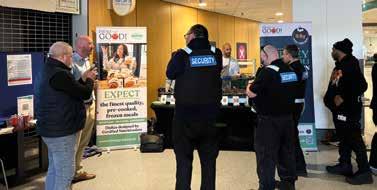
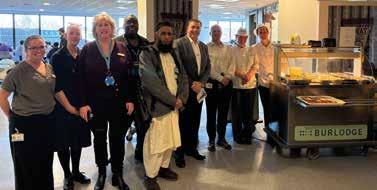
In March we celebrated Nutrition and Hydration Week with an event to recognise all the hard work of our patient catering team, our dietitians and Contract Management team who deliver nutrition for patients and staff too.
The Patient Catering team celebrated the introduction of their new online ordering system which should help to digitise the patient food ordering process, and the commercial services team worked with our food partner, ‘I’m So Good’ to share tasters of their range, which will soon be available as a nutritious out-of-hours option to visitors and staff across the Trust.
Digital is an increasingly integral part of everyday life, shaping how people communicate, access information and interact both within and beyond the workplace. Daily activity can involve a high volume of notifications, meetings and constant online engagement. Over time, this can become overwhelming without always being immediately visible, affecting focus, energy and overall wellbeing.
Creating space for digital wellbeing conversations helps bring these pressures into the open. Simple, routine checkins can support healthier ways of working by encouraging teams to talk about workload, priorities and the impact of digital demands. Small changes, such as agreeing protected focus time or being
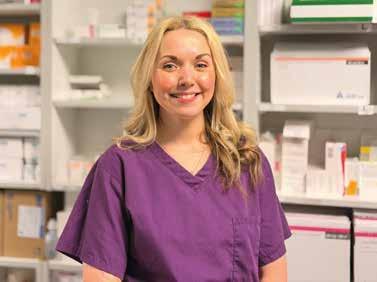
clearer about communication expectations, can make a meaningful difference to how colleagues experience their working day.
Recognising this, our Digital and Pharmacy teams have
worked together to develop a Digital Wellbeing Toolkit to support colleagues and teams across the organisation. The toolkit is designed to be practical and easy to use, helping teams reflect on how
digital tools are used and where improvements can be made. It includes quick tips that can be applied day to day, a clear standard operating procedure to support consistent ways of working, and a charter of principles setting out shared expectations for respectful and sustainable digital practices.
The aim is not to reduce digital capability, but to use it more intentionally. By reducing unnecessary digital noise and supporting better balance, the toolkit helps teams work more effectively while protecting wellbeing. Embedding digital wellbeing into everyday practice supports a healthier digital culture and contributes to safer, more sustainable services across the Trust.
As part of our commitment to providing safe, modern and patient-centred care, we continue to invest in digital solutions that improve the ways we communicate with patients and support clinical teams.
One key development is the ongoing rollout of our Digital Consent platform, Concentric. This programme replaces traditional paper consent forms with a secure electronic process, allowing clinicians and patients to review, discuss and record consent digitally. The approach supports clearer conversations about procedures, risks and alternatives, while providing a more accessible and reliable record.
Digital consent helps improve quality and consistency. Forms are standardised, clear to read and saved directly into the patient record. This reduces the risk of missing or incomplete information. Patients benefit from clear documentation and the chance to revisit information. Colleagues spend less time on paperwork and more time focusing on patient care.
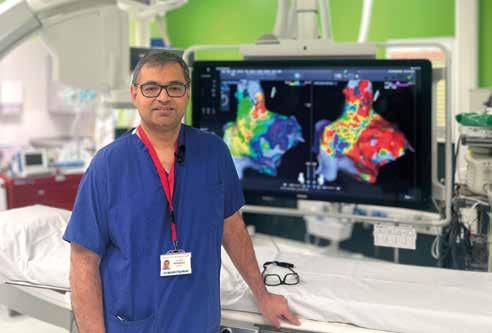
Digital consent has been introduced carefully to make it simple for colleagues and clear for patients. Training and support is in place, and the rollout is happening in stages, giving services time to learn and make improvements as they go.
Early feedback has been positive. One clinician said: “The platform sits on iPads, computers and phones, so I can consent patients in real time or send it to them to read in their own time. We thought the technology would be the challenge, but it has been very slick.”
Take part in this ‘acronym search’ and identify all the antimicrobialresistant bacteria!
Antimicrobial resistance (AMR) is when microbes stop responding to medicines that are used to kill or control them. This makes infections harder to treat and threatens the ability of healthcare systems to effectively provide care to patients. To prevent AMR, we use effective infection prevention and control and antimicrobial stewardship.
Can you find 11 acronyms relating to antimicrobial resistance? Terms in full and explanations below!
Here’s what they all mean:
AMR – antimicrobial resistance – this includes bacterial, mycobacterial, fungal and viral strains for which antimicrobial therapy is ineffective (to varying degrees).
CPE – carbapenemase-producing Enterobacterales – ‘carbapenemase’ refers to an enzyme produced by bacteria that can break down antibiotics in the carbapenem class (e.g.: meropenem, ertapenem). Five common enzymes are seen in the UK. The term ‘Enterobacterales’ refers to a sub-category of Gram-negative bacteria including E coli, Klebsiella sp. and similar organisms.
CPO – carbapenemase-producing organism –‘carbapenemase’ defined as above. The term ‘organism’ here refers to any Gram-negative bacteria, including Enterobacterales, but also other bacteria such as Pseudomonas sp.
CRAB - carbapenem-resistant Acinetobacter baumanii. These are environmentally stubborn organisms, often multi-drug resistant, but always resistant to carbepenems.
CRE – carbapenem-resistant Enterobacterales

– this term refers to ‘Enterobacterales’ as defined above, which are resistant to carbapenem in laboratory testing. This does not necessarily mean they have an enzyme that breaks down carbapenems (there are other ways to be resistant!).
CRO – carbapenem-resistant organism – this term refers to all Gram-negatives, as defined above, which are resistant to carbapenems in laboratory testing. Again, enzymes may or may not be present.
ESBL – extended spectrum beta-lactamase –this is an enzyme produced by some bacteria (typically E coli or Klebsiella sp.) which can break down some antibiotic classes (typically penicillins and cephalosporins). ESBLs can pass from patient to patient. ESBL is a mechanism of antibiotic resistance and is
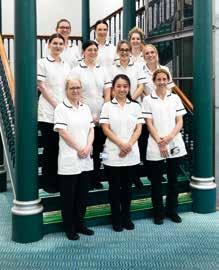
In March, Leeds Children’s Hospital hosted a very busy nursing recruitment open day for new nurses with an interest in starting their career at Leeds Children’s Hospital.
Current nurses shared the range of specialities and training available at Leeds with stalls, displays and demonstrations. There were guided tours of hospital facilities and opportunities to talk to clinical educators and professional nurse advocates about the amazing education
and support packages available for new children’s nurses in Leeds.
Nearly 400 attendees registered to attend and over 130 interviews were carried out for roles across the hospital.
Laura Whelan, Head of Nursing, said: “It was brilliant to welcome so many potential new nurses through the doors during the open day. I’m extremely proud of all the team who have put on a fantastic event and really shone a spotlight on the very best of nursing
often accompanied by other mechanisms of resistance in the same organism.
HCAI – healthcare associated infection – this can refer to reportable infections or can refer to a wider range of clinical presentations that occur as a result of healthcare interventions.
MDR – multi-drug resistance – refers to strains of pathogens for which several treatment options are not effective.
MRSA – Meticillin-resistant Staphylococcus aureus – this simply means Staph aureus that is resistant to flucloxacillin and related antimicrobials. It is an infection control hazard.
XDR – extremely drug resistant – refers to strains of pathogens for which very few treatment options remain.
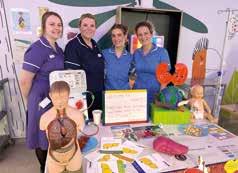
at Leeds Children’s Hospital. It’s been really interesting to talk to early-career nurses and hear from them what their priorities and challenges are. We’re excited to welcome lots of new starters very soon!”
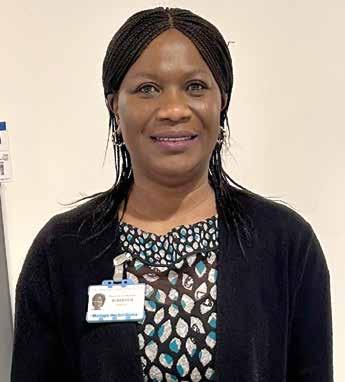
Business Support Manager (Chief Exec and Chair) within the Executive management team, Modupe has worked at the Trust for 27 years
What are the main aspects of your role?
Combining the unique perspective of frontline experience with management and leadership expertise, I have the privilege of working with colleagues at the heart of the organisation, providing strategic, professional and highly trusted support to the Chief Executive and Chair.
A key priority for the Chief Executive is the timely and compassionate response to all complaints. I therefore work closely with colleagues in the Patient Experience and Complaints Team, handling complex, sensitive and confidential matters with discretion, sound judgement and clear escalation where required.
In this role, I help ensure that executive leadership is effectively supported.
Building and sustaining positive, respectful relationships with service users, colleagues, partners and stakeholders is central and a priority. To have the opportunity at this crucial time for the organisation, to support and help drive activity from the centre is both rewarding and deeply fulfilling, reflecting my commitment to inclusive leadership, organisational assurance and continuous improvement.
What else have you done in your career so far?
I began my career in LTHT as a diagnostic radiographer in 1999 and have since developed a strong clinical and leadership portfolio. In January 2025, I joined the Kaizen Promotion Office (KPO) team, contributing to continuous improvement activities across the Trust. Prior to joining the KPO team, I was a specialist reporting sonographer for eighteen years.
A passionate advocate for equity and inclusion, I co-lead the Black and Minority Ethnic Staff Network for the past three years—a role I consider as both a privilege and a responsibility. My commitment to creating safe spaces for colleagues to share concerns and experiences has been instrumental in improving staff wellbeing and fostering a more inclusive workplace culture.
In 2024, I completed the prestigious Future Leaders Fellow programme with NHS England, where I partnered with the Yorkshire and Humber School of Public Health to deliver a project addressing differential attainment among ethnic minority groups and grow a diverse workforce. This work helped the school begin to gain deeper insights into the systemic challenges faced by underrepresented groups.
I am a proud Mary Seacole Leadership Programme alumnus, further demonstrating my dedication to compassionate and inclusive leadership, driving positive change within the NHS.
What’s the best thing about your job?
Being trusted with sensitive and complex matters at the centre of the organisation. And even though I might not be visible always, my work plays a critical part in underpinning effective executive leadership, strong governance and organisational stability, particularly at a time of significant challenge and change.
What is the one thing you would change at LTHT to help you do your job better?
Empower colleagues to embrace diversity and create a fully inclusive and positive workplace.
What’s your best advice to a new starter at the Trust?
Start connecting with colleagues and build your network as soon as possible. You can start by aligning yourself to a staff network or several.
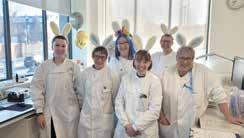
Cath Cameron, Biomedical Scientist in Microbiology, retired in March, following a career spanning almost 42 years.
Cath started her career at Bradford Royal Infirmary in 1985 where she completed her HNC Higher National Certificate. Cath moved from Bradford to Britannia House, then back to Bradford before joining the Trust at LGI in 2016. She recently moved to the new Centre for Laboratory Medicine at St James’s. Cath survived the great Telepath crash of 2016 and the implementation of the new laboratory information management system last year before deciding to hang up her labcoat.
Cath is an ardent Green Day fan. She has met Billie Joe Armstrong, their lead singer and guitarist and has followed them to concerts around the world, most recently in Manchester in 2024. In contrast to her punk image, Cath has always loved rabbits and has had several as pets, however not for some time. So, as a gentle introduction to retirement Cath started volunteering at the Ivy Dene Rabbit Rescue Centre on weekends in late 2025 and it was a slippery slope! Having agreed to adopt two rabbits she kindly fostered three temporarily, only for them now to have claimed squatters’ rights! Cath loves the Northumbrian coastal area where she enjoys walking on windswept beaches and paddling in the freezing North Sea. She is planning to relocate there in the near future. In the meantime she will enjoy her time with husband Oliver and rabbits Graham, Lilac and Daisy.
Chris Carvey, Deputy Director of HR, has retired after 16 years at the Trust, and even longer in the NHS, which he joined in 1989. He came to Leeds from North Middlesex University Hospitals in 2010, taking the post of Deputy Director of HR.
In his time at Leeds Chris has had a varied portfolio, mainly supporting operational HR and terms and conditions. Over the years he has also led on staff engagement, equality and diversity, health and wellbeing, occupational health, workforce systems, organisational learning and culture.
In all the time he has spent here, one of the things he has done consistently from day one is share his wealth of knowledge, insight and experience with his team in the People Function and the wider Trust.
Chris plans to spend his retirement picking from his ever-growing list of hobbies, including cycling, running and walking, as well as running the Sydney Marathon and picking off all 214 Wainwrights. His team wishes Chris the very best and thanks him for his contribution, kindness and wisdom.
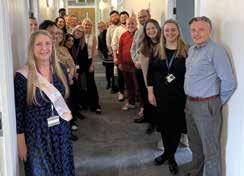
A fond farewell to our longserving staff
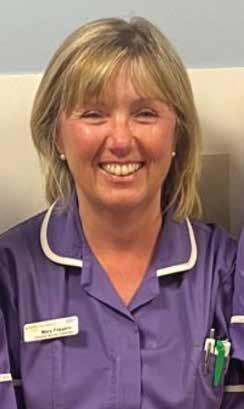
Mary started her nurse training in 1983 at Bradford and moved to Leeds in April 1987. She has worked in a variety of settings but most recently as Head and Neck Clinical Nurse Specialist Team Leader for 13 years until 2021 when she retired and returned into the Head and Neck Clinical Nurse Specialist team.
Mary has been a valued member of the Head and Neck team and will be very missed by her patients and colleagues. Mary is fully retired at the end of March with 40+ years NHS service. She is planning to spend more time with her family and three grandchildren and aiming to go on lots of holidays.
Clinical Nurse Specialist Julie Cropper has retired after working at LTHT for over 42 years with 29 years in the Children and Young People’s Diabetes team. Julie started her career training to be a nurse at LTHT, becoming Transition Lead for the Children and Young People’s Diabetes team and Lead Nurse for Genetic Diabetes Care, involving close collaboration with Exeter University. Julie’s commitment and passion for supporting and improving the lives of young people living with diabetes has always shone through. She has been a very important advocate for some of the most vulnerable young people and often went above and beyond to build relationships with young people and to help them to care for diabetes. Julie has been instrumental in developing services to improve standards and outcomes for young people and to make sure the journey into Young Adult care is as smooth as possible. Working with families living with rare forms of genetic diabetes, sometimes over many decades, Julie was always at the forefront of new developments and her attention to detail was highly valued and second to none! Julie has had an amazing career helping to develop and transform the Diabetes Transition Service and Genetic Diabetes care at LTHT. Her experience, knowledge, skills as well as her passion, courage, advocacy and tenacity will be greatly missed. The team, as well as many young people and their families, really miss Julie and offer their thanks for her tireless work to improve the care of young people with diabetes and to wish her all the very best in her retirement.
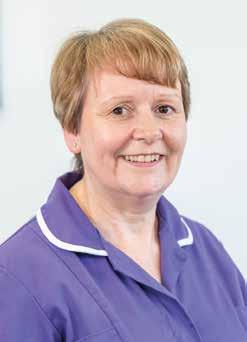
Throughout her impressive 41-year-long NHS career, Lisa has progressed from Office Junior to Deputy Head of Payroll. Lisa has a direct and straight-talking approach to her work, which is respected by all.
Lisa has always been the go-to person for a no-nonsense common sense view of any situation, ideas or issues. She has always been willing to help and is never too busy to take time to help providing her with a reliable reputation within Payroll and wider departments.
In her role as Deputy Head of Payroll, she has always been focused, dedicated and flexible; always popping up on her days off to check in – even when boarding a plane! Lisa now heads into a well-deserved retirement, filling her time with multiple trips away to her favourite Center Parc locations and many midday dog walks.
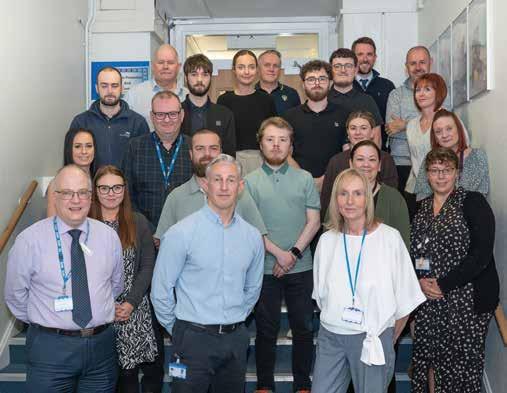
Throughout his career, Steve has progressed from Office Junior to Head of Payroll. His drive and enthusiasm have been inspiring since he took up the Head of Payroll post. Steve’s major achievement would be his time at Calderdale learning his craft through a ‘baptism of fire.’
Lunchtime walks to the butty shop were a chance to vent and moods would swing from elation, if there was a win to celebrate, to needing a hug if something had gone the other way, but Steve has always been there through anything – even eating too many crisps and chocolate!
Steve moved into the Head of Payroll role with a seamless transition and his leadership style is second to none; his open-door policy has always been appreciated by all with no problem too big. Steve now heads into a welldeserved retirement where he will be filling his days no doubt at the gym and using his time wisely to travel the world.
We are your charity, here to support you every step of the way. Since April 2021 we have provided £28m in additional funding that turn your great ideas into reality.
We’re excited to announce the next round of funding opportunities that will be available throughout 2026-27. These opportunities will be open to all staff across all hospitals.
Moments That Matter 2026/27:
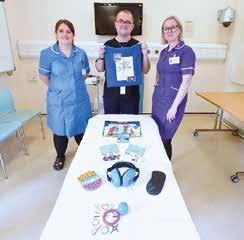
The Moments That Matter 2026/27 funding call is open to applications from 27 April to support small, meaningful projects between £75 and £2,500. Projects should aim to improve someone’s experience of care or work by creating moments of comfort, dignity, calm, connection or joy.
We’re looking for simple but powerful ideas that make a noticeable difference
In March we were excited to open our brand-new charity shop in Morely. Inside, we’ve created more than just your average charity shop - as well high quality pre-loved fashion, homeware and bric-a-brac, you’ll also find a welcoming community space with coffee machine, the perfect spot to take a break, enjoy a hot drink, and have a chat with our team, volunteers or friends.
Leeds Hospitals Charity now has six charity shops across the region, each designed to help build community pride and create uplifting, meaningful spaces that reflect each local area.
Funds raised through donations and purchases in store will directly impact the charity’s work supporting over one million patients cared for at Leeds Teaching Hospitals every year.
Trust staff receive a 25% discount on selected items when shopping in any of our stores, so please do pop down and see us! All you need to do is present your NHS card at the till.
This shop will be open seven days a
to patients, families or staff, and can be delivered quickly, such as comfort packs, toys, sensory items, or resources that support compassionate, person-centered care. Practical items that reduce stress or enhance dignity, like spare clothing, wigs or specialist comfort equipment, are also strongly encouraged.
Projects must go above and beyond standard NHS provision and be the kind of human impact stories we’d proudly share with donors.
Deadlines run monthly from 4 May 2026 to 1 March 2027, with panels held 10 days later.

Have a different idea? We’d love to hear it, email our Grants team at funding@leedshospitalscharity.org.uk
You can also sign up to our staff funding newsletter to receive the latest information about charity funding opportunities coming up this year: leedshospitalscharity.org.uk/ funding-opportunities
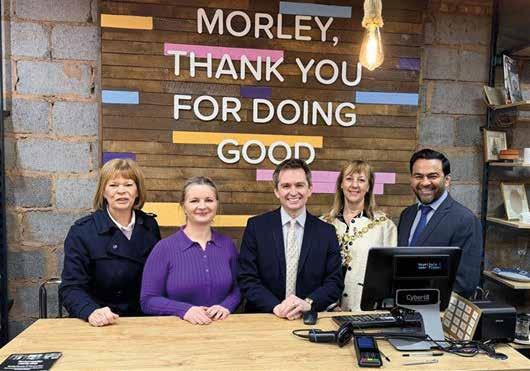
week thanks to the support of our dedicated volunteers: 4 Windsor Court, Morley, LS27 9BG.
We always need good quality, pre-loved items for all our charity shops, so please
do donate any unwanted items to Leeds Hospitals Charity. You can drop donations off to one of our stores or arrange a home collection. Find out more on our website: leedshospitalscharity.org.uk/ourcharity-shops
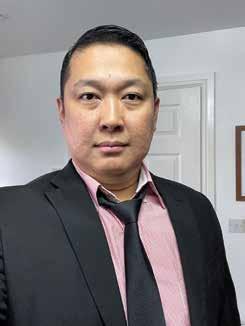
A clinical endoscopist, Zelin has worked at the Trust for 13 years
What do you do to wind down and relax after a hard week at work?
I often joke that work itself is my way of unwinding. I genuinely enjoy what I do like engaging with colleagues and caring for patients gives me energy rather than drains it. I also pick up extra shifts in A&E through staff bank, and occasionally work as an agency nurse in both endoscopy and emergency departments, which allows me to meet new people across the country, something I truly enjoy.
What is your ideal holiday destination and why?
To be honest, I’m not the best traveller, I tend to get restless but I’ve always had a strong desire to return home to the Philippines. For me, it’s not just about travel, but about reconnecting with my roots, visiting my mother, and remembering loved ones I never had the chance to say goodbye to. It’s a deeply personal and meaningful journey I hope to make more often.
What is your favourite food?
Food has always been a big part of my life, especially dishes that remind me of home. I have a particular love for meals my mother used to cook for us growing up, such as Kaldereta and Champene (a goat meat dish). That said, I’m quite adventurous with food and always open to trying different cuisines.
What did you want to be when you were growing up?
As a child, I dreamed of becoming a soldier. At one point, I was fascinated by the idea of being a fighter pilot especially after watching Top Gun. Anything related to aviation and action really captured my imagination.
What is your favourite film?
Who would you most like to meet and why?
I would love the opportunity to meet the Pope, to seek blessings and guidance. In my younger years, I trained as a seminarian with the intention of becoming a priest. Although my path changed, the values and discipline I learned during that time continue to shape who I am today.
What is your favourite book?
I’m drawn to inspirational books, those that encourage reflection, growth, and a positive outlook on life.
Tell us something we don’t know about you …
I’m half Chinese and half Filipino, and my journey has been shaped by a mix of cultures and experiences. Before becoming a nurse, I completed dual degrees in Medical Technology and Nursing, and I even began medical school before having to step away due to family and financial circumstances.
I joined the Trust in 2012 as a Clinical Support Worker and have gradually progressed through the bands to my current role as a Band 7 Clinical Endoscopist. I take pride in that journey, it reflects resilience, hard work, and a commitment to growth.
Outside of work, I like to slow things down with simple pleasures like doing DIY projects at home, hosting BBQs, and spending quality time with friends either inviting them over or visiting theirs. Those moments help me reset and recharge
I’m a big fan of science fiction, anything from Star Wars to Star Trek and Stargate SG-1. These stories have always sparked my curiosity about the universe and the possibility of other civilizations beyond our own.
I’m also a True Capricorn, and I like to think I carry that driven and determined energy into both my personal and professional life. Above all, I try to inspire others to believe in themselves and strive to become the best version of who they can be.



To advertise in this publication please call the sales team on 01302 714528
Rossington Hall, Great North Road, Doncaster, South Yorkshire DN11 0HR 01302 714528 | www.octagon.org.uk | info@octagon.org.uk
Advertising opportunities available in our staff magazines, care directories, and independent living guides







County, City and Borough Council care directories are comprehensive guides to nursing care, residential care and independent living support. Created for individuals and their families exploring the possibility of moving to nursing/ residential care or seeking advice and support to continue living independently at home.











NHS publications are circulated throughout hospitals to staff, patients and visitors on a regular basis. Advertising within the publications enables companies to promote their services to NHS employees and are an excellent way to Increase their customer base within this very targeted audience.
Options provides older people with important information from health organisations such as CQC, ICB and the NHS. Circulated through various healthcare professionals including Council social work teams, NHS hospital discharge, community nurses, and various age related charities.
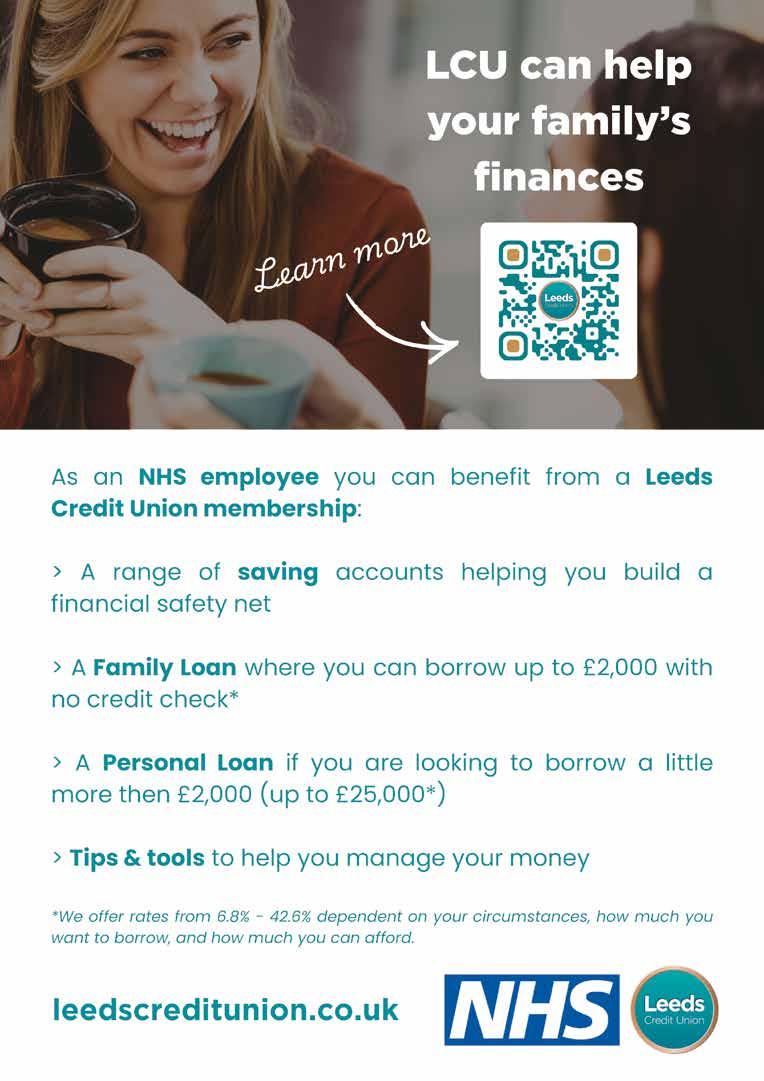

We’re here to help key workers get moving

We greatly appreciate the dedication key workers have in their role and in our communities. It’s why we’re launching an exclusive deposit contribution scheme, in which they could get £25,000 towards their new home, just for them.
To find out if you’re eligible and see our range of Arts & Crafts inspired, energy efficient homes, book an appointment today at Kingsley Manor in Harrogate.
Book an appointment today.
Kingsley Manor Or Visit
Harrogate, HG1 4FZ Call: 01423 393694
redrow.co.uk