magazine | Spring 2026
magazine | Spring 2026
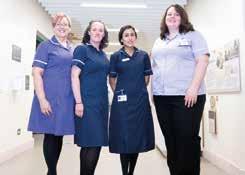
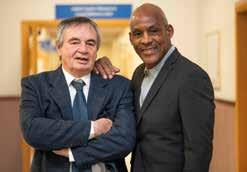
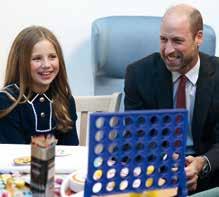
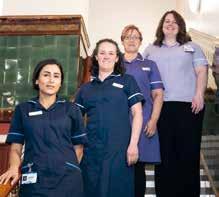
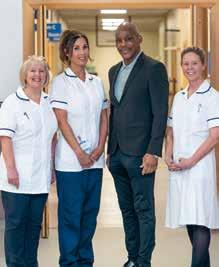



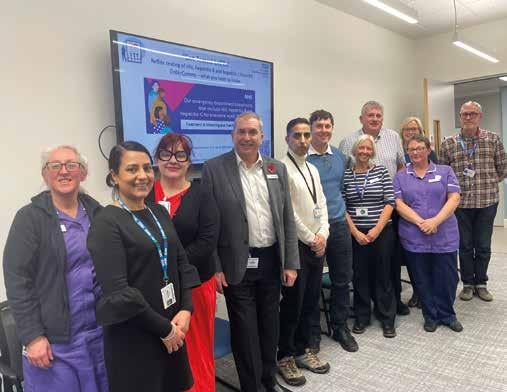
More than 150 people with HIV and hepatitis have been identified in the first year of a new project in Leeds’ Emergency Departments – meaning they can now receive life-saving treatment.
Since September 2024, patients who attend the Emergency Departments at LGI and St James’s and receive routine blood tests are likely to be tested for HIV, hepatitis B and hepatitis C, regardless of symptoms, unless they opt out.
Almost 45,000 people were tested in the Emergency Departments in the first year, identifying 14 new cases of HIV, seven further cases of HIV where the patient was not receiving treatment, 80 new cases of hepatitis B and 47 cases of active hepatitis C.
Akhona Ndudane, from Leeds, was diagnosed with HIV in 2016 and
attended an event at St James’s to support the testing programme.
She said: “This programme in Leeds is very useful. If you have the correct treatment and you take it in the correct way, your viral load becomes very low and the virus becomes undetectable and untransmissible.
“I’m living a full life, like other people. I hope if people see someone like me, they will have hope, and it will encourage them to get tested so they know their status and they can be treated.”
Dr Emma Page, Consultant in Virology, said: “Offering routine HIV and hepatitis tests in our Emergency Departments can make a huge difference to patients – it can save lives and give people access to the latest and most effective treatments.”

It’s been a soggy start to 2026, but with the coming of Spring comes brighter days and a fresh start for the year ahead.
Winter is always a challenging time for acute NHS services like ours. This winter has seen unprecedented pressures on our clinical services, our wider support teams, and across our teams delivering services to keep the organisation moving forward. There are too many individual teams to mention, but I recognise how hard everyone has been working, and pulling together, so I want to say a sincere thank you to all of our colleagues, wherever you are working.
As the days get gradually lighter and warmer, it’s important to take time to step back and refresh. A check in with your mental health can give you an important opportunity to reconnect with what matters to you. We have lots of resources to aid mental health here at the Trust, so turn to p. 13 for just a few options that might suit you.
With Spring comes new life, and on p. 6 you can read all about the planting of the Tree of Hope at the new Rob Burrow Centre for MND Care – as well as the fantastic opening event which saw HRH Prince William formally open the new centre and take time to meet colleagues and teams at our Seacroft Hospital site back in November. It’s an exciting new beginning for MND care in West Yorkshire.
Kind regards,
Brendan Brown Chief Executive
Maternity and neonatal teams are welcoming significant improvements following an investment of almost £2m to enhance facilities, equipment and patient experience.
The investment has enabled the purchase of five new fetal ultrasound machines, 14 neonatal resuscitaires, and five new delivery suite beds, all either now in place or scheduled to arrive over the coming months.
Alongside equipment upgrades, a series of building improvements are underway. This includes the refurbishment of counselling rooms within fetal medicine and antenatal services, refreshed staff rooms at both hospital sites, and upcoming renovations to the bereavement counselling room and scan rooms. These enhancements aim to create more comfortable and supportive spaces for patients and staff at key moments of maternity care.
Families visiting maternity areas will also notice new wall vinyls featuring patients, babies and staff from across Leeds communities. Installed at both LGI and St James’s, the vibrant designs incorporate maternity branding, professional photography and the phrase “Welcome to maternity” translated into several languages commonly spoken by local families. Thanks to funding from Leeds Hospitals Charity, these vinyls help maternity areas stand out and improve wayfinding, particularly for people who may struggle with navigation or who do not read English as their first language.
At LGI, the vinyls have been placed outside the Maternity Assessment Centre, postnatal ward and antenatal clinic, helping these departments stand out within Clarendon Wing, where maternity services sit alongside children’s wards. At St James’s, the first vinyl has been installed outside the antenatal clinic, with more planned in the coming months.
The project was developed in response to feedback from families through the Leeds Maternity and Neonatal Voices Partnership (MNVP) and recent inspections of services. Last year, service users were invited to take part in photography sessions, creating a collection of images that represent the diversity of the maternity population across Leeds.

participant,
returned to LGI with her baby to see the vinyl featuring her family. She said: “Coming back with my baby and seeing ourselves on the wall outside the postnatal ward was really special. This hospital supported me through such an important time, and taking part felt like a small way to give something back. I hope it helps other families feel welcome and find their way more easily.”
This focus on patient experience extends to other improvements inspired directly by service-user feedback. New doors are being installed on postnatal ward bays at LGI to help reduce noise and create a more restful environment for families and newborns. This change follows recent walkarounds with patients, MNVP members and perinatal staff who visited wards across both hospital sites to assess accessibility, inclusivity and overall experience. Their insights are already shaping the next phase of improvements. Across neonatal services, work continues at pace, including freshly painted areas to create more welcoming spaces and
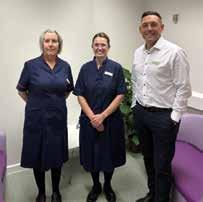
neonatal care.
Craige Richardson, Director of Estates and Facilities, said: “These improvements represent a major step forward in creating safe, modern and family centred environments for families and our staff. I am incredibly proud of the collaborative effort across teams, and grateful for the dedication shown by colleagues in delivering such a wide range of enhancements at pace. The feedback from families is invaluable, and we will continue to invest in facilities that meet their needs and expectations.”
The investment in equipment and facilities accompanies ongoing investment in staffing, with more than 50 newly-qualified midwives and neonatal nurses now working across the services. Further improvements to signage across maternity areas will also be completed in Spring, building on the success of the new wall vinyls and supporting better navigation for all families.
A team of volunteers which provides extra comfort, compassion and support to patients in Leeds’ Emergency Departments is seeking new members.
The enthusiastic volunteers offer drinks and refreshments to people who are waiting, guide patients and relatives around the buildings, and provide a listening ear for those who need to talk.
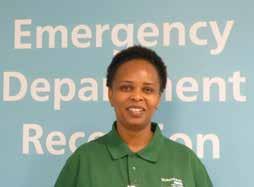
Sabrina works as a cleaner at LGI and has also been volunteering in the Emergency Department at St James’s since last November.
She said: “I love volunteering here, it’s so simple how you can put a smile on someone’s face. It’s a good experience –people should come and give it a try, I’m sure they’d love it.”
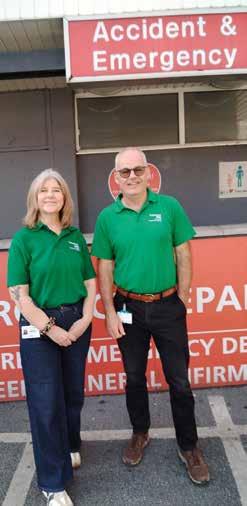
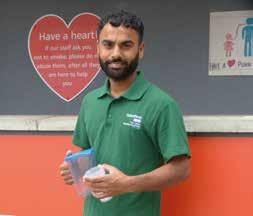
Nigel has been volunteering with the Trust since November 2021 and his main role currently is to induct and mentor new volunteers in the Emergency Department.
“There is little better than being able to guide worried relatives to the bedside of a loved one,” he said. “Equally, it’s really rewarding to help a patient find their way out as they are on their way home, having been made well again.”
Sarah Rogers, Improvement Lead, Volunteering, said: “It really helps patients to feel there is someone there to listen to them, and help them kindly and calmly during what can be a difficult time.”
Protected spaces for planned spinal and orthopaedic operations, and reducing the time patients wait for their surgery are the key benefits of a new £32m Elective Care Hub facility at Chapel Allerton Hospital which has now been given the go-ahead by NHS England.
This significant scheme comprises a 23-bed ward, two operating theatres and an admissions area as an extension to the existing theatres suite. When open, it will increase the Trust’s elective operating capacity by more than 1,600 cases per year.
Having a dedicated elective care hub away from busier main hospital sites such as LGI and St James’s means there is

capacity which can confidently be used all year round.
Construction is anticipated to start in early 2026, with a planned opening date of November 2027.
Craige Richardson, Director of Estates & Facilities and senior responsible officer for this project, said: “This is
fantastic news for patients in Leeds and from across the region as well as our colleagues working at the hospital. The purpose-built elective care hub increases protected space and theatres to see planned inpatients, enhancing their experience and meaning we can see more people more quickly.
“This project exemplifies our commitment to modernising our healthcare infrastructure to meet future demands, bringing clear benefits for the people we provide care for.”
The build process means that the Clinical Genetics service will be moving site while works are underway, thank you to the team for their understanding.
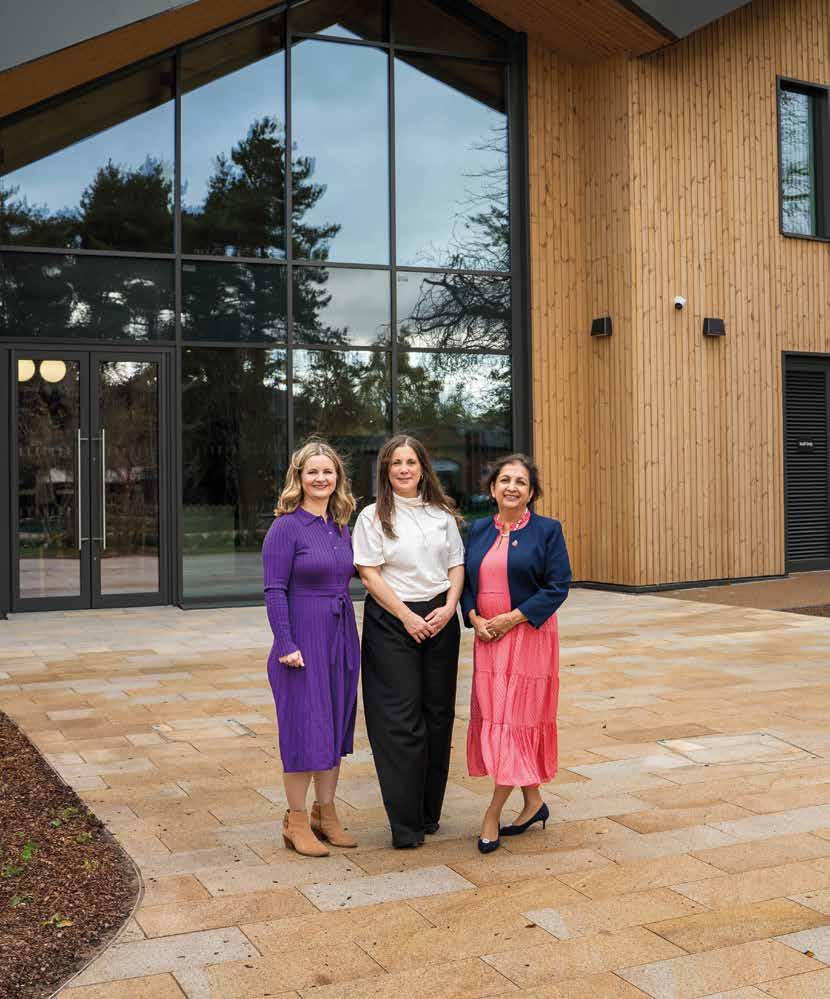
The Rob Burrow Centre for Motor Neurone Disease at Seacroft Hospital officially opened in November last year - a beacon of hope, compassion, and innovation for everyone affected by MND. It is the first purpose-built centre dedicated entirely to MND care, research, education and holistic support, and will be a trailblazer for other centres around the country.
Born from Rob’s determination to create a place that treats patients as people, not conditions, the centre has been designed with patients and families at its heart.
The new centre was only made possible thanks to a £6.8m fundraising campaign, led by Leeds Hospitals Charity and supported heavily by Kevin Sinfield and the wider Leeds Rhinos and Leeds communities.
Dr Agam Jung, Consultant Neurologist and Director of The Rob Burrow Centre for Motor Neurone Disease, said: “It has been five years since the germination of the idea to build this centre – a legacy of Rob’s strength, his family’s support, and the compassion of an entire community. I’m so grateful to so many people who have worked together to make this dream a reality.
“I was very pleased when Rob fully embraced the Leeds MND service ethos of ‘Living in the Now’. He wanted to leave a legacy for people to be able to do so, and this has spread across the MND community. All of us who work in this incredible new centre will focus on providing the very best care and community for families and patients to do just that.”
Rob’s family, alongside clinical staff, researchers, fundraisers, families and charity representatives all attended the opening, while BBC Breakfast ran their show live from the centre on the day.
Craige Richardson, Director of Estates and Facilities, said: “Just 18 months ago we placed spades in the ground here, and now this state-of-the-art centre is complete.
“This has been an exceptional effort
from so many people, and I want to extend my thanks to everyone who has played a role, from the many contractors and suppliers, to the patients and their families, to all those who fundraised, and to Rob’s family, who have been such an important part of this journey every step of the way.”
The vision for the centre and the influence of the design involved Rob Burrow and his wife Lindsey, a physiotherapist at the Trust, and his parents Geoff and Irene.
For the first time in the Leeds MND service, there will be a space to focus on vital MND research, bringing scientists, clinicians, and patients closer together. Two research projects are also due to start in early 2026, funded through the charity.
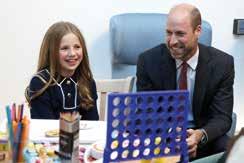
Esther Wakeman, CEO of Leeds Hospitals Charity said: “This centre has only been made possible thanks to each and every person who donated, and as well as being a lasting legacy for our late patron, Rob Burrow CBE, it is also a legacy to all of you who got behind our appeal.”
Royal seal of approval for the centre
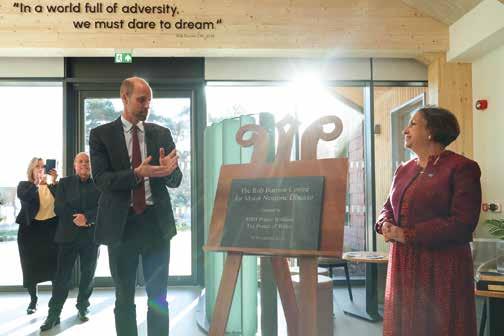
It was a huge honour to welcome His Royal Highness Prince William to The Rob Burrow Centre for Motor Neurone Disease shortly after it opened.
Rob’s wife and children, his former teammate Kevin Sinfield, and his consultant Dr Agam Jung all met the Prince of Wales and spoke to him about the difference the landmark centre will make to families.
The Prince also spoke to current service users and their families, and spent time talking to research consultants Dr Stuart Currie and Dr Stefan Williams about two new studies due to start at the centre which will aim to improve early diagnosis.
Clinicians, project teams and donors were also present at the event, where the Prince unveiled a plaque and gave a generous gift of a coffee machine to the centre.
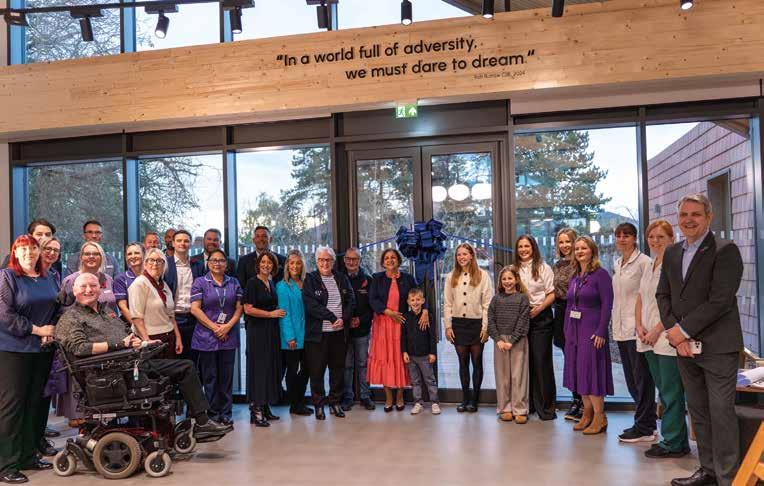
A group of patients, families and supporters joined Dr Agam Jung, Consultant Neurologist, and Paul Watkins, Director of Fundraising for Leeds Hospitals Charity, to plant one of the National Trust’s ‘Trees of Hope’ saplings in the gardens of the newly opened Rob Burrow Centre for Motor Neurone Disease.
Fundraiser, campaigner and MND patient Ian Flatt submitted an application for the sapling, one of 49 salvaged saplings from the felled Sycamore Gap tree in Northumberland. These have been distributed around the country, with one sapling now resident in the new gardens at Seacroft Hospital. Ian described the planting as “a symbol of hope… rising almost out of the rubble.”
Ian and his family joined Leeds Hospitals Charity patron Lindsey Burrow and

other supporters to celebrate this gift, a powerful symbol of resilience, unity, and hope for the MND community.
A number of new colleagues have joined the dedicated multi-disciplinary team at The Rob Burrow Centre for Motor Neurone Disease, thanks to vital charity support.
Leeds Hospitals Charity has funded specialist clinical roles to strengthen patient care and support services within the centre.
In addition, the MND Association has committed major investment funding for research and care coordination roles, helping to advance understanding of the disease and improve continuity of care.
Gary Jevon is the new centre manager, and his post is funded by Leeds Hospitals Charity. He said: “This is a really exciting opportunity to be involved at the beginning of something new and innovative. The Rob Burrow Centre for Motor Neurone Disease has such a high profile, locally and nationally, and I’m keen to play a part in ensuring it provides the best care, holistic support, education
and research for the benefit of patients and their families.”
Sam Oakes has been supporting families affected by MND since 2023 in her role as an MND Family Support Worker – a position funded by the MND Association. Leeds Hospitals Charity is also providing additional funding for resources at the centre to help people with MND and their families.
The new centre features a family room, giving children a place to play, craft, or watch TV while spending quality time together. There is also a quiet room, which offers privacy for reflection or sensitive conversations, and memorymaking activities, which are funded by Leeds Hospitals Charity.
The MND Association has also funded a new research nurse, to help patients take part in vital trials. Emelda Veraque’s position is part of the charity’s ambitious £7.2m Research Nurse Network, which will give more people diagnosed with the disease the opportunity to take part in research across the country.
Also in the field of research, Dr Amr Tageldin is using artificial intelligence and magnetic resonance imaging (MRI) to detect clinical features that are found in MND. His role is funded by Leeds Hospitals Charity.
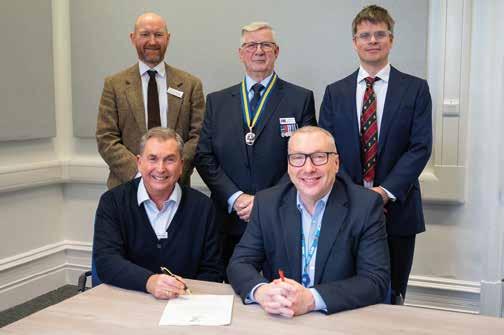
In January, Chief Executive Brendan Brown and Trust Chair Antony Kildare were privileged to re-sign the Armed Forces Covenant, solidifying the Trust’s ongoing commitment to supporting members of the Armed Forces Community. Also present at the signing were our Armed Forces Champions, Consultant Vascular Surgeon Tim Stansfield and Medical Director (Operations) Richard Baker, along with Jeff Gantschuk, County Vice Chair of The Royal British Legion for South and West Yorkshire.
The Covenant was first signed by the Trust in 2017 to ensure that UK Armed Forces serving personnel (regular or reserve), their families and UK veterans, face no disadvantage compared with other citizens in the provision of healthcare. In 2024 the Trust also achieved a Defence Employer Recognition Scheme Gold Award which is awarded to organisations who demonstrate exceptional, proactive support for the Armed Forces community.
As part of the covenant, the Trust support the Armed Forces community in a number of ways, including: retaining places of family members on NHS
waiting lists if moved around the UK due to the service person being posted, giving veterans priority treatment for a service-related health condition or injury subject to clinical need – and giving special consideration for those who have given the most, such as the injured or bereaved.
We are honoured to have pledged our commitment once more to upholding the covenant and supporting this initiative which touches many of our family, friends and colleagues’ lives, as well as those of the communities we care for.
In February we celebrated National Apprenticeship Week with a series of events taking place across the Trust. The culmination of this was the Apprenticeship Awards – a recognition event just for our brilliant apprentices and T Level students. Also attended by our Chief Executive Brendan Brown, it was a really inspiring event, celebrating so many dedicated colleagues working to progress their careers at the Trust.
The well-deserving winners are:
• Accountable Award - Matteo Andresco, Level 4 Healthcare Science Diploma
• Collaborative Award - Harvey Burton, Fire Safety
• Empowered Award - James Spindley, Level 4 Healthcare Science Diploma
• Fair Award - Glendale Carabbacan, Student Nursing Associate
• Patient-centred Award - Olivia Foster,

• T Level Student - Georgia Dunn
• Mentor - Pamela Thomas, Clinical Support Worker, David Beevers Day Unit
At Leeds Teaching Hospitals we have around 750 apprentices and these winners have been recognised for their commitment not only to their apprenticeship but also to the Trust
by their demonstration of The Leeds Way values. Each of these values links together to ensure that we provide the very best possible care for our patients and a supportive environment for our colleagues.
Apprentices and T Level students make such a valuable contribution to all areas of the Trust and we wish them well for the rest of their programmes.
Teenagers and children receiving cancer treatment at Leeds Children’s Hospital are now benefitting from ambulatory chemotherapy.
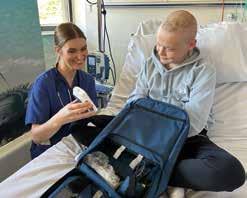
Ambulatory (at home) chemotherapy is an alternative to being admitted to a hospital ward for chemotherapy treatment. Patients who meet the criteria can leave the hospital connected to a backpack containing a pump which continuously administers their treatment whilst at home or outside the hospital setting. This means that patients can avoid an admission and be at home, including overnight, with daily visits to the hospital.
Ambulatory chemotherapy (AC) is already in use widely for adults, and in some other centres for teenagers. The team at Leeds Children’s Hospital recently launched AC for patients in the Yorkshire region, with plans over the coming months to expand the service to treat the youngest patients in the UK.
Being at home means that patients can be more comfortable and better rested, socialise with friends and family, eat their favourite foods and be more distracted from their treatment. Caring for a child at home also eases the burden on parents and carers.
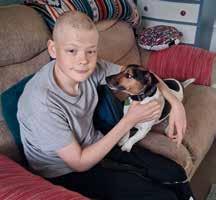
17-year-old Oscar from York was the first Leeds Children’s Hospital patient to benefit from AC, in 2025. Oscar is receiving treatment for
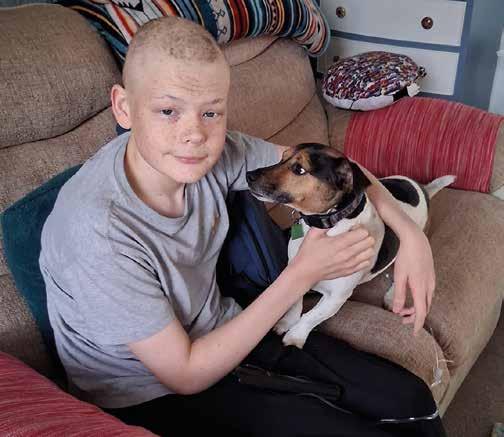
rhabdomyosarcoma, a cancer of the soft tissues. Following surgery to remove his tumour, Oscar requires several cycles of chemotherapy, given every three weeks. Thanks to AC Oscar can spend much of his treatment time at home.
Oscar said: “When I’m at home I can
sleep better, it’s not noisy like in hospital, I can have friends and family over to see me more easily, I can see Toby [Oscar’s dog] and I can use my computer.”
He added: “Chemo leaves you with a heightened sense of smell and certain smells can make you feel really sick. For me this was hospital food so being able to eat at home makes a huge difference.”
During his AC cycles, Oscar comes to hospital once a day, for three days in a row. Whilst in hospital, he is checked by the medical and nursing team, speaks to Pharmacy about his medicines, has blood tests, and has his treatment connected to his central line.
Oncology Registrar, Dr Jennifer Fox has helped to set up the Leeds service. She said: “Ambulatory treatment aims to minimise the side effects commonly experienced with inpatient chemotherapy, allowing patients to eat better, sleep better and feel more themselves out of the hospital environment.”
By mid-January, seven patients between the ages of eight and 17 had been treated on the AC pathway at Leeds Children’s Hospital.
CSU: Chief Nurse
Number of colleagues: 8
Site(s) worked at: Multiple
Stats and figures:
26 Health T-Level students currently attending industry placement at LTHT
20% of previous T-Level students went onto employment with LTHT
80 Student Nursing Associate apprentices currently on programme
73 Transfer To Nursing apprentices currently on programme
2x qualified Professional Nurse Advocates within the team
1x graduated with a Post Graduate Certificate of Education
How does your team make a difference at LTHT?
Our team supports students to become safe, competent practitioners. We ensure that they meet clinical standards using evidence-based practice skills and knowledge, fulfilling the learning gaps that aren’t achieved in academia or through clinical practice alone. These strengthen the workforce, quality of care and future sustainability. We also offer pastoral care and nurturing throughout their programme, recognising that students need support, encouragement, and space to grow. We work with learners as individuals, taking the time to understand their strengths, challenges, and goals, to build unique, supportive relationships with each student. This allows them to feel valued as individuals in a large organisation such as LTHT.
What are the different roles within the team?
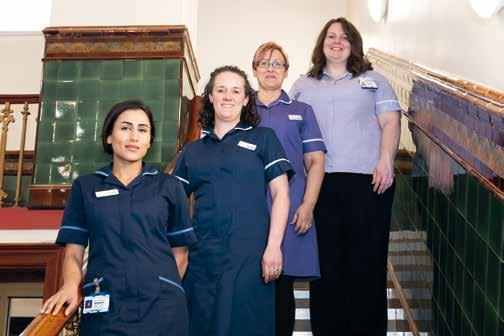
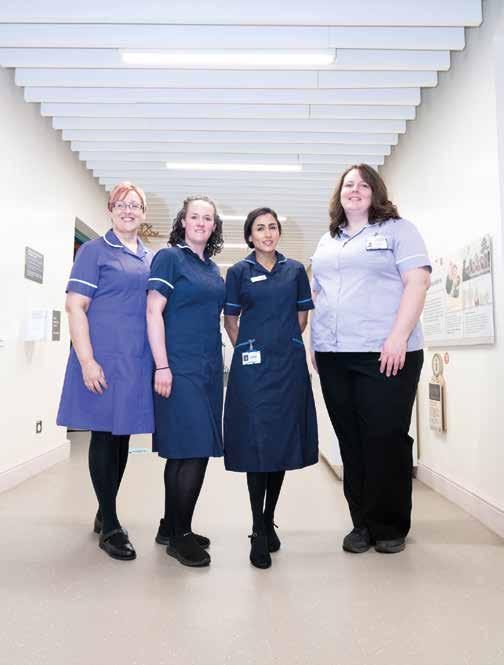
We are a team of registered nurses, registered nursing associates and assistant practitioners who have developed into roles within the Chief Nurse CSU which lends to our passion within education and supportive development. We are: Allie Varley –Senior Project Nurse; Lindsey Coady,
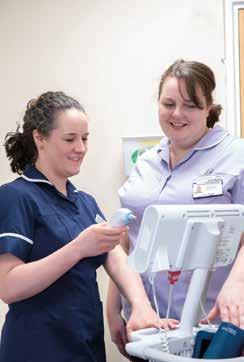
Sakena Kome, Aneesha Rinoj, and Emma Slade – education practitioners; Tom Riley and Laura Wood – learning facilitators.
What happens on an average day?
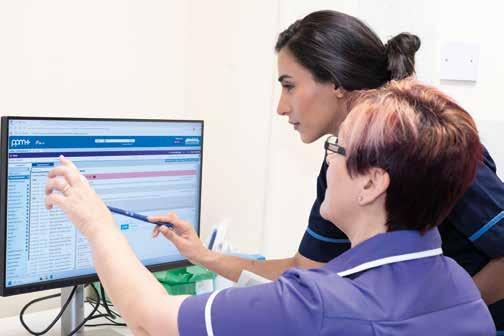
An average day for the team starts with attending the team huddle to address the plan and prioritised workload for the day. The day often varies but is likely to include pastoral visits with learners in the clinical areas, addressing and discussing progress with academic institutes, creating supportive plans for the learners and ensuring documentation is completed in an accurate and timely manner. You may also have seen us more recently supporting clinical in the Emergency Department at St James’s.
What is the most surprising thing about your team?
We value creativity, innovation, and success. Through individual experiences and teamwork, we deliver improvements, embrace change, and introduce new initiatives. We are small but amazingly resilient team who have overcome multiple challenges in both our professional and personal lives over the last couple of years, however we continue to strive for the best outcomes for all our learners.
After qualifying as professional nurse advocates, Lindsey and Allie introduced ‘Pre-registration Peer Support’ sessions which were shortlisted for the Best Staff Wellbeing Initiative at the Nursing Times Workforce Awards 2025. This provision of restorative clinical supervision for learners encourages peer support, interprofessional learning and prioritises health and wellbeing. Receiving this recognition has been an amazing acknowledgement to the value this initiative has provided for all preregistration nursing students across LTHT. We support T-Level Health students attending industry placements at LTHT and in October the Trust was announced as the winner of the T-Level Employer of the Year at the Yorkshire and the Humber regional finals of the National Apprenticeship and Skills Awards 2025. Although neither of the projects were named winners at the national award ceremonies, we are still incredibly proud of the work we do and the positive impact this has on the learners across all programmes. Having this recognised at a national level is an incredible honour and a significant achievement for us.
Plans for the future include plans to increase and expand our current workshops ‘Ready to Respond’ and ‘Beyond the Bedside’ with ideas around a new workshop focusing on confidence building for new learners on programme. We would also like to introduce more celebration events to celebrate all the work-based learners across the Trust.
What do you enjoy the most about working in the team?
We are a very supportive team who believe in the importance of health and wellbeing and prioritise this for ourselves and encourage this approach for our learners. We enjoy working and brainstorming together as we share a strong passion and sense of purpose and it allows a dynamic way of working and values everyone’s contributions. The encouragement and willingness to work together is what makes the team such a positive place to be part of.
Early in the New Year we welcomed two new Board members to help shape the future of the Trust. Former Emergency Medicine Consultant Dr Simon Le Clerc has joined the Board as a Non-Executive Director, alongside Leeds-based finance leader Ricky Singh as Associate NonExecutive Director. Their appointments form part of wider changes to the Trust’s senior leadership team as we seek to strengthen the Board in response to recent challenges affecting the Trust and the wider NHS.
Dr Simon Le Clerc is a dual-accredited consultant in Emergency Medicine and pre-hospital Emergency Medicine, with over 25 years of leadership experience
across the NHS, military and private healthcare. With strong regional ties to Yorkshire and the North East, Simon increases the clinical representation on the Board.
Ricky Singh has joined as an Associate Non-Executive Director, part of the succession plan for Chair of the Audit Committee. He will take up this role once the current Chair’s term expires in 2027. Ricky has held a number of Chief Finance Officer roles in the commercial sector, with strengths in strategic financial leadership, governance expertise and transformation.


Trust Chair Antony Kildare welcomed Simon and Ricky sharing that the pair will be “invaluable to supporting the Trust in providing strong governance and strategic direction as we continue our mission to improve our services and deliver the very best in patient-centered care for all in our community.”
A new programme to improve quality of care and patient safety across Leeds Teaching Hospitals has been launched. The RISE (Recognition of Innovation, Safe Care and Excellence) clinical accreditation programme is now underway in six wards at St James’s and LGI. It will be rolled out across the Trust from 2026.
Quality of care will be measured across six key pillars: Patient Experience, Leadership, Staff Experience, Harm-Free Care, Research and Innovation, and Digital. There will be four award levels:
Bronze, Silver, Gold and Platinum. Beverley Geary, Chief Nurse, said: “Our patients deserve the best care, that is safe and of high quality. This programme will provide us with benchmarks and measures of quality, and show us where teams need more support. It will also release more time for colleagues to care for patients.
“We all want to deliver the best quality of care for our patients and this new programme will help us to do just that. It’s a positive step forward for the Trust.”
The new programme will replace several different ways of measuring quality of care, which have been used previously in the Trust.
Emma Rogers, Deputy Chief Nurse, said: “This programme is rooted in excellence and collaboration, and a shared purpose to provide outstanding care to our patients. It has been shaped by the voices and feedback of colleagues on the front line.”
Wards and areas are likely to begin receiving their award levels by mid-2026.

The health and wellbeing of our staff is a top priority. Here at LTHT we have a huge range of services available to you covering mental health, physical health, financial wellbeing, and more.
In this issue of Bulletin we’re featuring a few of the ways the Trust can support your mental health.
Mental Health First Aiders are embedded in each CSU across the Trust, who provide peer-to-peer support, will listen non-judgementally and signpost to appropriate support. Search the Trustwide database on the intranet by searching “Mental Health First Aider.”
You don’t need to ask your manager to use Vivup Employee Assistance Programme, just call 0800 023 9324 and you can speak to a professional counsellor in confidence.
The Vivup Employee Assistance Programme (EAP) is a staff advice, information and counselling service. Trained counsellors are available 24/7, 365 days a year and can provide immediate support.
You can receive advice on financial, legal, family, and personal issues. The service is free and you can access the service online or by phone.
You can access self-help workbooks and various other tools to support your wellbeing through the Vivup website. Search “mental wellbeing” on the Trust Intranet for more.
Working in the NHS can be really rewarding and it can be tough. Our in-house Staff Psychological Support service is delivered by clinical psychologists and counsellors, with honed expertise in supporting colleagues with the complex pressures of work and its impact on mental health. This support is informed by psychological theory and evidence.
The support is free, confidential and available to all clinical and non-clinical colleagues across the Trust, irrespective of role or location. Search “Staff Psychological Support” on the Intranet.

The hub is a completely confidential service offering advice and support for a range of issues. The hub services are free to everyone who works in health, social care, voluntary and community service organisations, large or small, in West Yorkshire.
The Hub team offers advice and support for issues such as emotional wellbeing to bereavement, and domestic violence. To self-refer visit their website or call: 0800 183 1488 https://wystaffwellbeinghub.co.uk/
We all experience stress in our daily lives, but sometimes stress can become overwhelming. Staff who are experiencing work related stress need support to identify the causes of stress in the workplace.
You should work with your line manager to draw up a plan to address the causes of stress in the workplace. This is done through the completion of a Stress Risk Assessment Questionnaire. If you are unable to complete it with your line
manager, the HR team will support you to complete it.
Once the Stress Risk Assessment is completed, showing what key factors are causing stress, you and your line manager should develop a plan together for how to address those issues.
You can find more information about work-related stress on the Intranet by searching “Stress Risk Assessment process.”
If you are in crisis, the most important thing to remember is that you are not alone, please talk to someone who you trust.
If you need help you can find information on who you can contact for emergency support on the mental wellbeing section of the Intranet, search: “mental health crisis.”
Our services change regularly, so find the support and advice that you need for your health and wellbeing by browsing on the Intranet.
If you have any queries please do not hesitate to get in touch with the Occupational Health and Wellbeing team by emailing: leedsth-tr. HealthandWellbeing@nhs.net
World-leading clinical research showcased as part of national cancer plan roll out
World-leading clinical research and pioneering cancer treatment taking place in Leeds was showcased as part of the Government’s national cancer plan roll out in February.
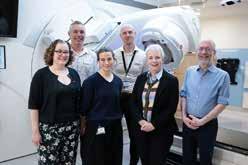
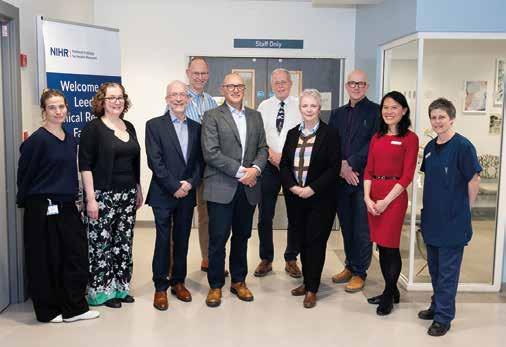
Karin Smyth, Minister of State for Health, visited St James’s University Hospital to see first-hand the cutting-edge cancer trials and innovative treatments being delivered in the city. During her visit, the Minister met with senior clinicians, researchers and partners from the Trust, who work collaboratively to provide world-class cancer care for patients across Yorkshire and beyond.
The minister spent time at Leeds Cancer Centre, one of the most comprehensive cancer centres in the UK and home to the country’s largest
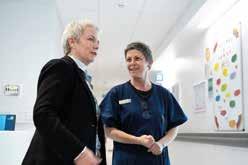
single-site radiotherapy service. The visit highlighted advances in the treatment of anal cancer through precision radiotherapy, pioneered in Leeds following research led by Professor David Sebag-Montefiore and funded by Cancer Research UK.
Ms Smyth also learned more about the Trust’s extensive clinical research portfolio, including work in rare cancers such as myeloma and sarcoma, during a visit to the NIHR Leeds Clinical Research Facility.
Dr Ai Lyn Tan, Medical Director –Research and Innovation, said: “Here in Leeds we are hugely proud of the passion and expertise of our colleagues who work collaboratively with partners regionally and nationally to transform healthcare. We were delighted to share the breadth and depth of clinical research we do right here and demonstrate the impact we’re having on our patients today and on the healthcare of tomorrow.”
The Trust is participating in a pioneering new research study aimed at improving the detection and prevention of childhood lead exposure in the UK. The Elevated Childhood Lead Interagency Prevalence Study (ECLIPS) is co-led by Northumbria University, the UK Health Security Agency (UKHSA) and LTHT.
The study will trial an innovative home-testing approach that could transform how lead exposure in young children is monitored nationwide. It builds on ongoing work across the Trust and the city of Leeds to raise awareness of the risks associated with lead exposure. Families taking part will be asked to use a simple finger-prick blood sampling kit at home, collect soil and household dust samples, and complete a short questionnaire. This will help researchers identify potential sources of lead exposure in domestic environments. Around 150,000 households in Leeds will receive invitations to participate. If successful, the home-testing model could form part of a future national screening programme and may be adapted to detect other pollutants or health risks, offering a major step forward in public health monitoring.

The lifelong effects of rare blood disorder diagnoses in childhood are being analysed in a first-of-its-kind study led by clinicians from the Trust and the University of Leeds.
Researchers will investigate the longterm effects of sickle cell disease, beta thalassemia and acute leukemias by linking records across England and surveying patients, as part of the Haematology Lived Experience and Outcomes (HALO) study.
HALO is part of Child Health Outcomes Research at Leeds (CHORAL) – a partnership harnessing the expertise of the University of Leeds and the Trust to improve outcomes for children, funded
by Leeds Hospitals Charity.
Adam Glaser is Professor of Paediatric Oncology and Late Effects and Director of CHORAL at the University of Leeds and the Trust. Prof Glaser said: “So little is known about the long-term personal and societal impact of living with sickle cell disease, beta thalassaemia or acute leukaemia diagnosed in childhood. The HALO study gives us a golden opportunity to address this knowledge gap, thereby enabling delivery of optimal holistic care and support leading to enhanced quality of life of affected individuals.”
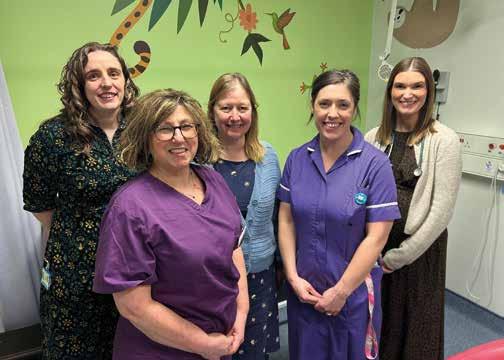
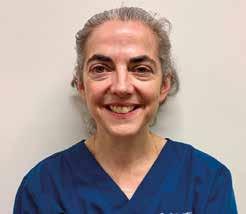
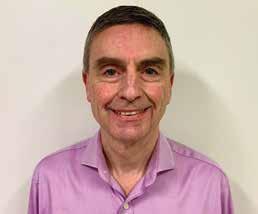
Dr Beki James, Consultant Paediatric Haematologist and Dr Mike Richards, Consultant Paediatric Haematologist pictured below, are co-investigators of the study at the Trust and will be carrying out the project in Leeds.
Research nurse makes dream come true for Leeds United supporting patient
Senior Haematology research nurse
Keri Barker-McDonald recently went the extra mile for one of her clinical trial patients by arranging a personal tour of his favourite football club.
Mark Storey, 61, who has graft-versushost disease (GVHD) is participating in a clinical trial exploring new therapies for the condition and has been attending the clinic at Leeds regularly since September.
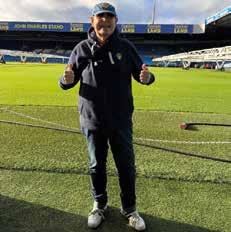
Keri said: “One day I was having a conversation with Mark during his weekly visits for the trial. We were talking about Leeds United as we are both big fans, and how he can’t get to matches anymore. So, I contacted Leeds United’s patient liaison officer to see if we could arrange something for him.”
Mark shared: “I’ve been receiving excellent care as part of the clinical trial I’m taking part in and have really got to know Keri. We’ve shared lots of stories about Leeds United and I was
absolutely thrilled with the personal tour of the stadium she arranged for me. As a Leeds United fan, it was really a dream come true and I can’t thank Keri enough.”
The clinical trial, sponsored by the Incyte Corporation, is being hosted at the NIHR Leeds Clinical Research Facility at St James’s.
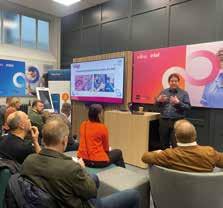
The Innovation Pop Up at Leeds Teaching Hospitals helps the transformation of medical advancements and supports international innovators to develop, test, and scale cutting edge solutions right here in West Yorkshire.
Based at LGI, it connects innovators with clinicians through regular events, training and bespoke support and it has already helped to establish innovations in the Trust.
The Pop Up collaborates with Propel Healthtech, the UK’s leading health accelerator programme, to help bring masterclasses and expertise to a growing community of innovators and it recently hosted a Nordic Bootcamp in Leeds for a day of focused on connection, insight and opportunity. The programme brought together a host of Nordic and healthtech innovators, NHS colleagues and regional partners for a series of pitch sessions and indepth conversations, exploring how new solutions could be adopted, scaled and embedded within the UK health system. A strong illustration of how collaboration between the NHS, industry and partners is helping to accelerate health innovation across Leeds with an international reach.
This Spring, take some time to think how you can nurture your personal development and grow your career at LTHT.
On this page, take a look at some of the ways the Organisational Development & Culture team can help you invest in your career. For a broader overview of how the team can support, search ‘Developing yourself and leading’ on the intranet.
Scope for Growth – Career Conversations is a fresh approach to supporting personal development and nurturing talent across the health service.
A conversation that empowers every career
Scope for Growth is about having meaningful career conversations that help you think about your future, what matters to you, what motivates you, and where you’d like to grow next. It’s a simple framework to help colleagues talk about their wellbeing, development, and career goals in an open and supportive way.
Scope for Growth, is about helping put staff in the driving seat of their career. The conversation, although at times offering the opportunity for mentorship and guidance, is inherently a coaching conversation, in which colleagues are guided to explore their thinking around there wellbeing, career and aspirations, with the help and guidance of structured prompt questions to promote this thinking.
It’s not just about getting the next role
Growth is not all about moving on and up, it’s about finding out what’s right for you and your career, both today and looking ahead into the future. It helps you think about development in three ways:
• Depth – Growing your skills and expertise where you are.
• Breadth – Transferring your skills and exploring new areas or roles across the organisation.
• Stretch – Taking on new challenges or leadership responsibilities.

To make the most of this conversation, it’s helpful to think of it as a journey made up of three stages. Each stage builds on the other, helping individuals reflect, explore, and take action. Together, they create a clear framework that supports open, forwardlooking discussions about growth and development.
The first phase of implementation of this new programme is currently being rolled out, alongside practical tools and conversation guides to help teams and individuals have meaningful, manageable discussions about growth. There will be opportunities to feedback as things progress.
For further information search ‘Scope for Growth’ on the intranet.
Appraisal season for all Agenda for Change colleagues will soon be upon us, starting on 1 April and ending on 30 June.
It is an opportunity to thank staff for their dedication and effort, celebrate successes, discuss career aspirations, personal development, and agree
developmental objectives.
For more guidance and support on how to complete appraisals go to the appraisal intranet page.
Although the appraisal is an annual recorded discussion, on-going discussions around performance priorities agreed should continue regularly throughout the year which links with Scope for Growth conversations.
Thank you to everyone who took part in sharing their feedback through the NHS Staff Survey this year, there was a fantastic response with over 10,200 responses. Initial results have shown that the Trust’s overall staff engagement score has dropped from 2024 to 2025.
Questions which scored very positively include ‘My role makes a difference to patients/service users’ and ‘I feel trusted to do my job’. One of the strongest positives was respondents’ ‘I have received an appraisal in the past 12 months,’ however, for five years the Staff Survey question, ‘My appraisal left me feeling the organisation values my work’ has been below the national average. Showing the importance of appraisals involves meaningful conversations including recognising achievements and career development conversations.
Our IT systems play an important role in helping colleagues provide compassionate care in many innovative ways.
Putting the right digital foundations in place is central to this, and over the last few years, we’ve invested in many improvements to support the way we want to work in the future.
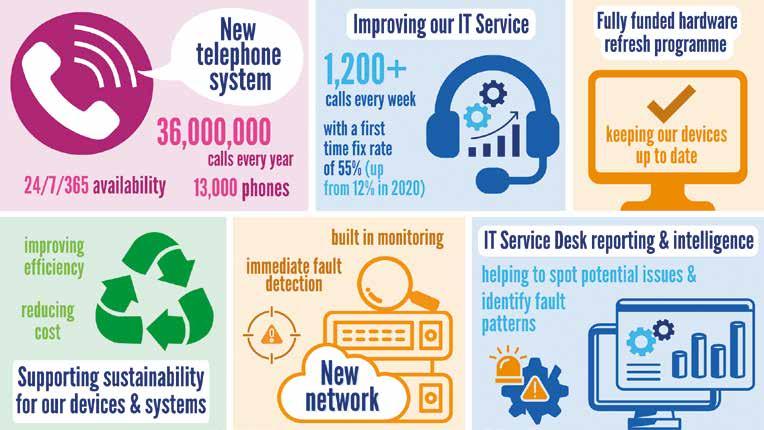
Our new telephone system is just one
of the improvements we’ve made. With over 13,000 phones and 36 million calls a year, it’s a vital part of how we keep in touch with patients and each other across the Trust. Now, every hospital has a modern system that’s ready for the future – fully supported, running 24/7/365, and saving money long-term. It’s even integrated with our data network to support the latest digital tech.
We’ve also made investments in our
infrastructure, moving our data and systems to newer, more modern servers and storage platforms to improve the performance, scalability, and security of our IT systems.
From new systems to automatic monitoring to improved service support, we’re making sure our digital infrastructure is reliable, secure, resilient and scalable, so it can help our teams do what they do best.
Volunteers play a key part at the Trust, and we are expanding our volunteering provision across hospital sites through a strengthened partnership with Leeds Hospitals Charity. This will support the continued growth of volunteering and introduce new roles, including holistic therapists for the recently opened Rob Burrow Centre for Motor Neurone Disease.
With more than 250 volunteers in the Trust alone, providing support in roles such as a companion during mealtimes,
assisting with patient rehabilitation, or simply being a friendly face waiting to help, volunteers make a meaningful difference every day.
As part of the expansion, Leeds Hospitals Charity volunteers will now be seen around the hospitals in their purple shirts and will be fulfilling roles that enhance patient experience and promote the Charity, which require limited or no clinical oversight. These include trolley volunteers, who offer free snacks and drinks to patients and
their families, welcome volunteers and piano volunteers.
Both groups of volunteers play a vital role across our Trust, complementing the work of our staff and helping to create a more welcoming, supportive environment for patients, families and visitors.
Anyone interested in volunteering in these exciting new roles should explore the opportunities available on the LTHT website.
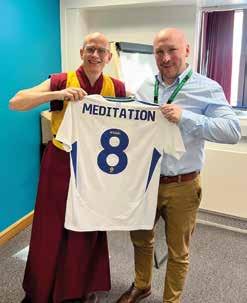
What links a Buddhist monk, a Leeds hospital ward team, and local club night legend Dave Beer? The enlightening answer lies in this unlikely but fortunate encounter.
Earlier last year, Dave ‘The King of Clubs’ Beer (founder of Back To Basics – the UK’s longest running club night) was an inpatient on Ward J47 – an Abdominal Medicine & Surgery ward at St James’s Hospital.
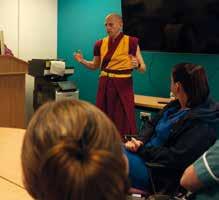
A recent convert to Buddhism, Dave was keen to continue his meditation practice whilst in hospital. He asked Buddhist monk Gen Dornying, from Kadampa Meditation Centre Leeds, to visit and meditate with him during his stay.
Throughout this time, the two of them noticed how hard the ward team was working and Dornying thought he might be able to help take off some of the pressure. He offered to put on a free group meditation session just for staff.
Kirstie Sutton, Ward Sister, said: “The clinical team on Ward J47 works incredible hard to deliver compassionate patient care – but the pressured nature of the job means stress levels are high. Dornying’s offer was incredibly thoughtful and came from a real desire to help. Colleagues were so appreciative of the opportunity and immediately felt the benefits.”
In fact, colleagues found the meditation session so helpful, that Kirstie along with David Goulding – who was HR Business Partner for the service at the time –set up a weekly meditation session for the team led by Dornying, who kindly gave of his time for free.
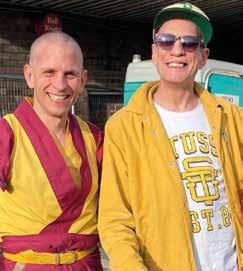

These weekly sessions provided a short 10-minute meditation break, designed to allow clinical staff to step away from the ward with enough time to get back without impacting patient care.
One staff member said: “It really helped me take a step back and reflect on why I do the work I do. It reminded me of the deeper purpose behind my role and gave me a renewed sense of confidence that I am doing a good job — something that’s easy to lose sight of in our environment.”
The sessions were immediately popular, with anywhere between five and 15 colleagues attending.
Kirstie said: “We started in my office on the ward, but the popularity of the sessions meant we had to quickly find a larger space to accommodate all the interest from colleagues. It is so important for us to ensure we are supporting the health and wellbeing of our team – but it was clear this had much broader appeal.”
David Goulding began looking for larger venues and, as word spread, opened up the free sessions to the whole of the Abdominal Medicine & Surgery service. These longer sessions lasted around 20 minutes and often saw 20-30 colleagues join each time.
Since September sessions have been led by a new teacher, Gen Cho, running most Wednesdays at both St James’s Hospital
and LGI. There are plans to expand even further this year to run a ‘Meditation Morning’ with sessions starting every 30 minutes to allow staff to join when they are able to.
David Goulding – now Radiology Service Manager at the Trust – said: “ I really want to express my deep thanks and gratitude to Gen Dornying, Gen Cho, and Kadampa Meditation Centre for all their kindness and support – it has meant so much to our staff, and I look forward to helping expand this offer in the coming months so even more colleagues can benefit.”
Leeds Rhinos veteran and new Chief Executive Jamie Jones-Buchanan (JJB) spoke to staff at St James’s Hospital during a special event for International Men’s Day in November.
Addressing members of the Men’s Action and Awareness Network at their monthly meet-up, JJB gave an inspiring talk about his life philosophy, talking about how his career has taken him from the rugby pitch to Chief Executive of Leeds Rhinos.
He spoke about team culture and cohesion, and how the caring culture of the generation he played with brought about success, attributing his achievements to the outstanding people he surrounded himself with. He encouraged colleagues who attended to do the same and ‘find your tribe.’
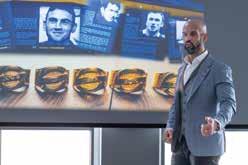
JJB said: “International Men’s Day is important to me because during my life’s journey I’ve grown up with a lot of outstanding young men who have helped me thrive in my career and fulfil my potential. It was an absolute pleasure for me to share some of the stories that have helped shape who I am with staff at Leeds Hospitals.”
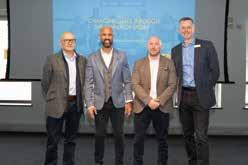
JJB talked about the importance not just of finding your gift in life, but on giving that gift to others – to ‘pay forward your passion.’ He spoke about the greatness of his friends and teammates – many of whom have working class backgrounds who have gone on to achieve great things – including Rob Burrow and Kevin Sinfield, and the different gifts they contributed to the team’s successes.
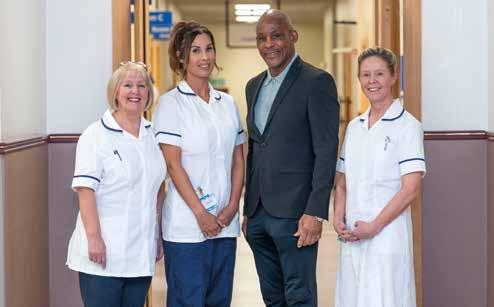
Rugby League legend Ellery Hanley MBE urged men approaching 65 to respond to their invitation to be screened for a hidden vascular condition on International Men’s Day in November.
Hanley, who played for England, Leeds, and other teams over a 19-year career, turns 65 this year. He recently took up an offer to be screened for an abdominal aortic aneurysm, and urged other men who receive the invitation from the Trust screening programme not to ignore it.
An abdominal aortic aneurysm is when the aorta – the main vessel taking blood away from the heart – swells abnormally. Left untreated, an aneurysm can continue to expand and result in a rupture –which often proves fatal. There are no symptoms of this heart condition, which means this hidden killer can strike without warning. Men are five to six times more likely to suffer an aneurysm than women, and the prevalence of aneurysms increases with age. Consequently, the screening check is routinely offered to men in the
year they turn 65.
Mr Hanley said: “I attended my screening test for peace of mind. You might think – oh, it will never happen to me – but statistically it will happen to someone. The test is quick and easy and if anything is found, the team will make sure you’re monitored and taken care
of. If you get your invitation for a scan – make sure you say yes and get checked.”
Rupture of an aneurysm and emergency surgery is associated with a high mortality rate whereas early detection, surveillance and planned treatment greatly reduces the risk to health from this condition.

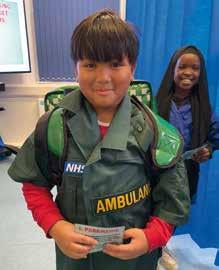
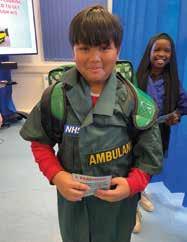
When 30 Year 6 pupils from Shakespeare Primary School came to their local St James’s Hospital, little did they expect they would be performing mock surgical procedures, or trying to break out of a hand washing escape room.
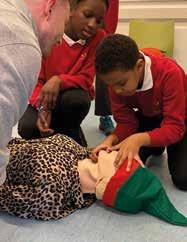
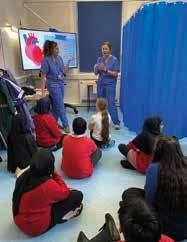
The afternoon was put together by a group of clinical teaching fellows in the Undergraduate Hub and included an engaging introduction to basic life support and a session building on the pupils’ recent classroom learning about the heart and circulatory system.
The sessions were created with children in mind, with the aim of appealing to their curiosity to learn more about what it’s like to be a patient in hospital and perhaps inspiring future NHS careers
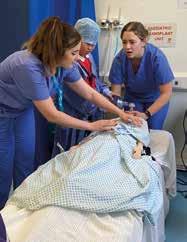
along the way.
Clinical teaching fellows are qualified doctors who take a year out of training, after completing their foundation training or later in their careers, to dedicate their time to medical education.
The dynamic sessions were created by Dr Coles, Dr Nasir-Gonzalez, Dr O’Loughlin, Dr Bithell, Dr Mahmood, Dr Holland, and Dr McClintock.
Dr Sarah Campion, Lead Undergraduate Medical Educator, said: “We were delighted to be involved to work with pupils from our local school to give them a really refreshing and interesting handson day learning more about healthcare.
“The children were so enthusiastic and keen to learn. CPR is a vital skill and
giving them the chance to practise it at such a young age helps build confidence and awareness of how they can help others.
“Children often see us when they’re unwell, so it was fantastic to meet them in a different setting and show them how simple steps like handwashing can protect patients and staff. Their energy and curiosity made the sessions really enjoyable.”
Poppy Cartwright, Subject Lead at Shakespeare Primary School said: “We had a really great day on the hospital site and this was a brilliant opportunity to show our pupils some practical activities, which I am confident they will take home with them and remember for a long time.
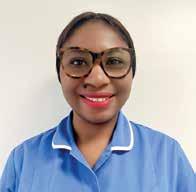
Ada is a Staff Nurse and has worked at the Trust for 8 years
What are the main aspects of your role?
At Seacroft Outpatients and Community Diagnostic Centres, I champion compassionate, patient-focused care while upholding the Nursing & Midwifery Council Code of Conduct. From designing and delivering individualised care plans to streamlining patient flow, I combine clinical expertise in venepuncture and ECG diagnostics with strong leadership – stepping up to lead the department in the manager’s absence. I’m passionate about mentoring the next generation of nurses, driving service improvements through Datix learning, and ensuring excellence through ongoing training and development.
What else have you done in your career so far?
As a dedicated Health and Wellbeing Champion, I’m passionate about supporting colleagues’ physical and mental health, connecting them with the Trust’s wide range of support services. I have also signed up to be trained as a Mental Health
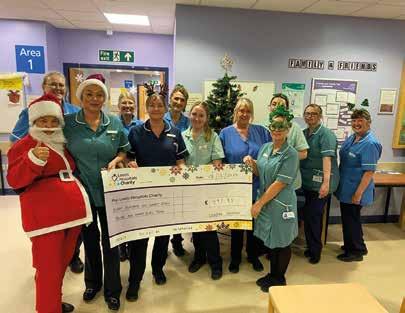
The nursing team from Wharfedale Outpatients raised an amazing £897.75 from their Christmas Tombola in December for Leeds Hospitals Charity.
A huge thank you to all the hard work from staff in collecting and donating prizes for the event and also the hard work involved in setting up and running the event.
The team is sincerely grateful to the local community in Otley, including local businesses who kindly donated some wonderful prizes making this event so successful.
Thank you to everyone who supported this event and bought tickets, there were so many happy winners and all in support of a very important charity making a difference to the people and patients of Yorkshire.
First Aider, because I am committed to providing a listening ear and practical help when it’s needed most. With a keen drive for quality improvement, I’m currently advancing my skills through the Leeds Improvement Method training – equipping me to help shape better, more effective services for both staff and patients.
What’s the best thing about your job?
The best part of my job is knowing I can make a real difference. Every day, I have the privilege of building meaningful relationships with patients and seeing their health and wellbeing improve over time. It’s incredibly rewarding and inspires me to keep giving my best.
What is the one thing you would change at LTHT to help you do your job better?
If I could change one thing, it would be to create more protected time for training and professional development. Everyone wants to improve, but service pressures often make it difficult. Supporting ongoing learning would ultimately benefit both staff and patients.
What’s your best advice to a new starter at the Trust?
Familiarise yourself with the guidelines and policies of the Trust and your department. Stay up to date with the necessary training required to perform your role to ensure optimal patient care. Collaborate with colleagues and familiarise yourself with the Leeds Way Values. Approach every day with curiosity and a willingness to learn, always placing patient care at the heart of everything you do.
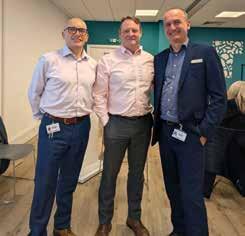
Andrew Alldred, Chief Pharmacist and Clinical Director, retired on 31 December following a career spanning over 30 years.
Andy dedicated his professional life to improving patient care, developing services, and supporting teams across the Trust and beyond.
Andy became Clinical Director for Medicines Management and Pharmacy Services in March 2020 – and what an induction that was… one week later the country was in lockdown! Not the easiest time to step into such a crucial leadership role, but Andy handled it with his usual calm, good humour, and professionalism.
Before that, Andy had already built an impressive career here in Leeds –as Clinical Lead for Chapel Allerton Pharmacy, joint clinical lead during the merger, and later as Lead Procurement Pharmacist at the old MHS site on Shannon Street — before moving to Harrogate as CD.
Andy was a keen cricketer and cyclist and recently visited Australia for the Ashes series with his wife, family and friends.
Andy won’t be forgetting the NHS entirely — he is taking up a nonexecutive director role at Harrogate, starting in the spring.
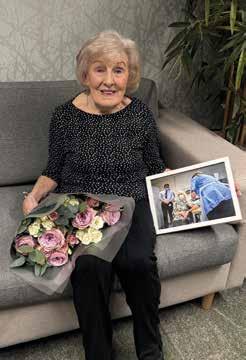
Connie Bray, a secretary for the Dermatology service recently retired from Chapel Allerton Hospital. Connie was our oldest colleague, retiring at the remarkable age of 95. She joined the Trust in 2003, bringing with her a wealth of healthcare knowledge. Over more than two decades, Connie has shown outstanding dedication, professionalism, stamina, and a constant willingness to help others.
As she retires, we wish Connie every happiness; colleagues will truly miss her a dry sense of humour, jazzy outfits, and legendary lemon drizzle cake.
A fond farewell to our longserving staff

Senior Sister Sandra Garbutt recently retired from the Children’s Outpatients Department at Leeds Children’s Hospital after a 51-year nursing career in Leeds.
Sandra began her nursing journey in 1975 as a student nurse at St James’s Hospital at the age of 19.
Sandra worked at Seacroft and Killingbeck hospitals and soon fell in love with children’s nursing. In 1989 she took on the role of Children’s Night Sister at Leeds General Infirmary. In 1996 she became Senior Sister for Children’s Outpatients Department at Leeds Children’s Hospital and never looked back.
Sandra is looking forward to spending more time in her garden and visiting family in New Zealand.
Matron Sarah Fletcher said: “Sandra will be remembered for her kindness, her compassion and the way she always makes time for anyone who needs her. To Sandra the children and families always come first.”
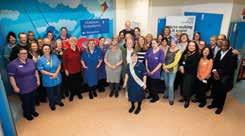
A month-long campaign from the Infection Prevention Control (IPC) team launched at the beginning of February, with a view to raising the profile across the whole Trust of the importance of getting the basics of IPC right.
Staphylococcus aureus (Staph-A) is commonly found on our bodies, in fact 1 in 3 of the UK population carries this bug without it causing any harm to them and it’s only when it enters the body that it can develop and cause problems. The bacteria is easily and effectively removed by soap and
water and alcohol-based hand rub, and the team has been promoting the importance of being hands ready to counteract the potential danger of Staph-A. The bug can be potentially life threatening, especially if it enters the body of vulnerable patients, through cuts or cannulas for example.
With an eye-catching graphic for posters and a cut-out giant Staph-A making the rounds, the energetic IPC team focused on getting face to face in wards and amongst doctors and nurses and their clinical teams, in addition to hosting

online webinars and providing an online library of resources during the campaign.
As a Trust, more focus is needed to reduce infections in every hospital setting, and the focus on “getting the basics right” continues throughout the year.
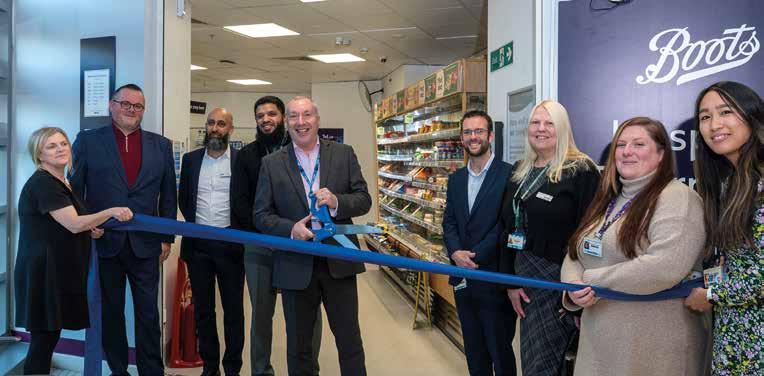
A new robot was unveiled at the Boots pharmacy at St James’s Hospital in December, promising to deliver a more efficient service in response to growing demand.
The new robot – a BD RowaTM EasyLoad – provides greater capacity, efficiency, and improved patient safety over the previous model, which has been replaced after more than 10 years in operation.
A special ribbon cutting event was held to officially mark the refurbishment and installation of the new robot in the Bexley Wing store. Colleagues from Boots and Leeds Hospitals came together to mark the occasion, including Chief Executive, Brendan Brown.

Affectionately nicknamed ‘Wall-B’ by staff, the robot never sleeps, with round-the-clock loading of stock – over 9,250 lines. It can monitor expiry dates and batch numbers, providing data on stock turnover and alerts when stock is running low. From this, the pharmacy staff can ensure stock levels of medicines
can be managed efficiently in response to prescribing and patient need, which has seen significant growth over the past few years.
Penny Chu, Deputy Lead ClinicianMedicines Procurement and Supply at the Trust, said: “With demand for medicine increasing, it was clear that the old model was not keeping up. Thanks to this investment from our long-term partners, Boots, we now have a fully refurbished dispensary with the latest robot that is optimising our medicines management, maximising capacity, and improving patient safety. We are already seeing an improvement in waiting times in the weeks since the robot was installed, which is fantastic to see.”
For patients like Joanna, innovations in radiotherapy could transform what can be an extremely distressing experience. Joanna received the shocking news she had a brain tumour while on holiday last year, after suddenly losing the ability to speak. She was taken to a local hospital where doctors found a tumour, and within two weeks she underwent urgent surgery at LGI, followed by six weeks of intensive radiotherapy.
Because of the complexity of her head and neck radiotherapy, Joanna was required to wear a full-face mask for every session to ensure she remained perfectly still so the radiation could be delivered safely and accurately. But on the third day of her treatment, Joanna experienced a panic attack while wearing the full-face mask.
She said: “The mask was one of the hardest parts of treatment. It can be a really frightening experience, and I found the mask very claustrophobic. It caused me a huge amount of anxiety going in every day for treatment. I found it overwhelming to not be able to see much through the mask, but I was grateful to have the staff there to talk me through the process each day.
“Having an open face mask – or no mask at all – would have changed the whole experience for me, and I’m sure for many patients going through a similar experience.”
To mark World Cancer Day on 4 February, Leeds Hospitals Charity launched a new £1m fundraising appeal to improve treatment and care for cancer patients at Leeds Cancer Centre.
The appeal will fund the expansion of Surface Guided Radiotherapy Technology (SGRT) and install MapRT software in the Radiotherapy department — making Leeds the first radiotherapy centre in
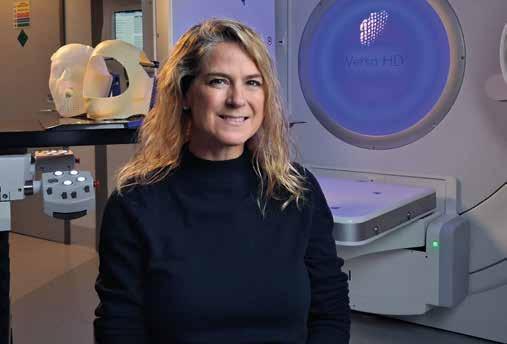
England to use the software and offering a unique experience for patients.
Thanks to previous charity funding, SGRT is already available for all breast cancer patients in Leeds. With further support, this innovative technology could be extended to patients with head and neck cancer, and to children and young people undergoing radiotherapy.
This would mean patients no longer need to wear closed face masks during treatment, and for children and young people, it would eliminate the need for permanent radiotherapy tattoos.
Throughout February, patient stories like Joanna’s were shared as part of an exhibition to launch the appeal. Their experiences highlight how transformative this technology could be in providing kinder, more dignified care.
By bringing SGRT and MapRT to Leeds, patients could experience
reduced trauma and anxiety as well as a significantly improved treatment experience.
Find out more about the new appeal on the Leeds Hospitals Charity website.
Leeds Hospitals Charity is always keen to hear from staff, so please reach out if you have an application idea, are aware of a significant donation or want to discuss focused fundraising for a project.
Sign up to the staff funding newsletter to receive the latest information about charity funding opportunities coming up this year on the Leeds Hospitals Charity website: leedshospitalscharity.org.uk/fundingopportunities
A regional partnership to help people with heart failure get the right care sooner is celebrating national recognition, as a key member of the partnership and one of its driving forces received a prestigious award in January.
Shannon Nickson, Advanced Clinical Pharmacist at the Trust and a leading force behind The Heart Failure Academy’s education programme, received the Special Recognition Award from the Pumping Marvellous Foundation, the UK’s leading patient-led heart failure charity.
The award celebrates individuals who combine expertise with compassion, and innovation with a relentless focus on patients. For colleagues across Yorkshire and the Humber, Shannon’s win comes as no surprise.
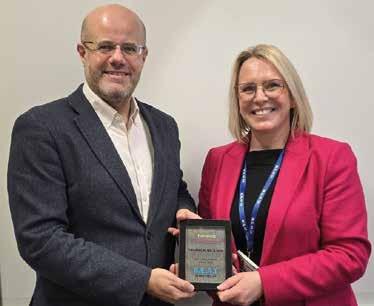
Dr Rani Khatib, Clinical Lead for the Heart Failure Academy, said: “I am absolutely delighted that Shannon has received this award, it is so well deserved. Early detection of heart failure in its early stages is vital to reduce its burden and slow its
progression. Breathlessness, fatigue and swelling are symptoms that can easily be missed or mistaken, and The Heart Failure Academy was created to change that. We have built a network of knowledgeable, confident clinicians who are educating a
wider community to identify warning signs early, enabling people to start life-changing treatment sooner. We engaged and involved people living with heart failure throughout our Academy. This is a really positive moment for Shannon and for the Academy’s work.”
At the centre of this work has been Shannon’s belief that education is the most important thing, not just for professionals, for patients too. She has focused on strengthening partnerships between hospital teams, primary care, specialists and patient advocates, and helped create an approach that is truly person-centred.
The Heart Failure Academy is quietly transforming cardiac care across the region, as healthcare professionals are being equipped with the skills and confidence to spot the early signs of heart failure.
Our Estates and Facilities Commercial Services team have heard the feedback from staff on LTHT Live about offering further healthy and budget options at the canteens on our sites.
As such, the first Trust Catering Focus Group has taken place. More than 20 colleagues, working alongside our catering partner Elior, helped shape future improvements by tasting upcoming menus, sampling the new salad bar ahead of its launch and discussing how our catering offer can be enhanced.
Colleagues feedback is already informing positive changes including healthier value options, clearer menu labelling, loyalty rewards, regular pop-up offers, a new ordering app and improvements to out-of-hours provisions.
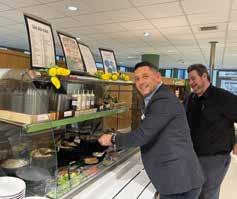
Already the new salad bad has been launched, a healthy value meal has been introduced, and more changes are on the way.
Plans are already in place for the below:
• Jacket potato hot filling special
• New menus with improved labelling
• Loyalty cards offering rewards the more you visit the restaurant
• Regular pop-ups each month
• Development of a new app for ordering and providing information about the service
• Improvement to out-of-hours facilities
The group will be meeting regularly to focus on key improvements including value for money, queuing, provision of healthy nutritional food, communicating of service offers. Your feedback will lead to improvements that benefit colleagues and patients alike. Thanks to everyone involved for giving their time and sharing their views.
For anyone who struggles to leave their home without support, at-home health services can be a lifeline.
This is something that Derek Brown, who cares for his wife Margaret, knows only too well.
Specsavers is committed to ensuring that everyone has access to essential eye-health and hearing care – but also understands that it’s not always easy for people like Margaret, who suffers from Alzheimer’s disease, to attend in-store appointments.
That’s why, for the past ten years, Specsavers Home Visits has provided comprehensive NHS-funded eye tests to anyone who’s unable to visit a store unaccompanied. It’s also started to provide free at-home hearing services in selected locations in the UK.
Derek called on the Specsavers Home Visits service when Margaret needed a routine eye test and it was too challenging to get to a store. He was blown away by the expert care that was delivered during the visit and the difference the new glasses made to his wife.
Although Margaret wasn’t able to respond to the questions of the optician and their assistant, during the visit, they adapted their approach so they could prescribe the reading glasses that have expanded her world.
“If I was to say I was amazed, that would be an understatement,” says Derek. “What was so significant for me as a full-time carer was that the Specsavers experts were punctual, quiet-speaking and patient, reassuring Margaret with everything they did. The level of care expressed towards her was incredible.”
Derek, from Northallerton in North Yorkshire, has been the primary carer for Margaret, since her diagnosis with
• Convenience: Our experts come directly to you.
• Personalised Care: Visits are tailored to the individual’s needs, with specialist equipment to ensure comfort and accuracy.
• Peace of Mind: Your loved one will receive the same kind of highquality care as they would expect in-store.
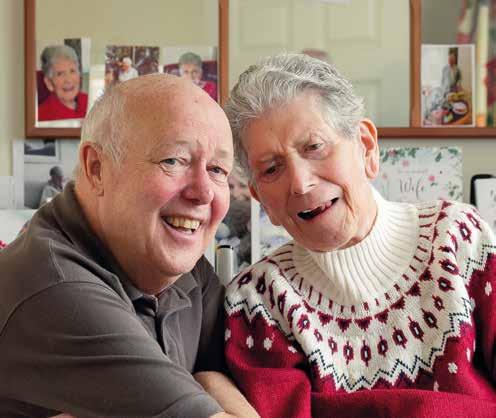
Alzheimer’s in early 2018. After she spent four weeks in hospital in 2022, Margaret’s condition deteriorated, and she has since been confined to a hospital bed in the couple’s living room, and a hoist to access a wheelchair. With multiple other health challenges, caring for Margaret is complex – but after 25 years of love and marriage Derek has risen to the challenge. As well as taking care of her everyday needs, he’s been able to improve her quality of life thanks to Specsavers at-home service.
Following her at-home eye test, the optician suggested Margaret tried some reading glasses to help her enjoy looking at family photos.
Derek was unsure how she would adapt to wearing glasses but seeing her smile while looking at old family pictures told him everything he needed to know.
“If anyone is in any doubt about inviting Specsavers into their home, all I can say is: simply try it,” Derek says. “You won’t regret it for a second.”
Derek now fights for better support and recognition for carers nationwide, and has launched a website (www.dementiaguidance.co.uk) dedicated to helping carers like him across the UK. He’s keen to ensure they have all the information they need – including the option of getting a comprehensive at-home eye test from Specsavers.
For those eligible, our mobile experts will provide a comprehensive NHSfunded eye test from the comfort of your own home, with all the same care and thoroughness as you would receive in-store. Specsavers has now also started to roll out free at-home hearing services across the UK. To find out what locations this service is available in visit our website.
Our eye care and hearing services are tailored to each person and their needs. They are designed to provide eye care and hearing services that are as individual as they are and can be adapted to meet their changing circumstances and comfort levels.

To see if you or your loved one are eligible, call 0800 0890144 or visit specsavers.co.uk/home-visits
Advertising opportunities available in our staff magazines, care directories, and independent living guides








County, City and Borough Council care directories are comprehensive guides to nursing care, residential care and independent living support. Created for individuals and their families exploring the possibility of moving to nursing/ residential care or seeking advice and support to continue living independently at home.











NHS publications are circulated throughout hospitals to staff, patients and visitors on a regular basis. Advertising within the publications enables companies to promote their services to NHS employees and are an excellent way to Increase their customer base within this very targeted audience.
Options provides older people with important information from health organisations such as CQC, ICB and the NHS. Circulated through various healthcare professionals including Council social work teams, NHS hospital discharge, community nurses, and various age related charities.
Brainstorm are a friendly and experienced graphic design company based in South Yorkshire, which specialises in the creation of printed media including magazines, brochures, annual reports and exhibition materials. We provide a comprehensive graphic design service, starting from the initial concept, to the actual delivery. Brainstorm combines innovative design and attention to detail, to offer you a service like no other.

info@brainstormgraphics.co.uk
Tel: 01302 714528