2 Guest editorial How open access is changing academic publishing


9 ChatGPT Research provides ‘stepping stone’ for future application of AI in vascular surgery
CX 2024 ENDOVASCULAR SHOWDOWN: STAGE SET FOR BASIL-3 FIRSTTIME DATA RELEASE
By Jocelyn Hudson
AT THE CHARING CROSS (CX) Symposium 2024 (April 23–25) in London, England, Andrew Bradbury MD, professor of vascular surgery at the University of Birmingham in Solihull, England, and the BASIL-3 team of triallists will address the pressing question of which endovascular strategy wins in the disputed femoropopliteal segment. The investigators will be presenting—for the very first time— the results of this long-awaited, only completed, fully publicly funded randomized controlled trial (RCT) in the space.
The BASIL-3 team will reveal clinical and cost-effectiveness data comparing three alternative femoropopliteal endovascular revascularization strategies—plain balloon angioplasty with or without bail-out bare metal stent, drugcoated balloon with or without bail-out bare metal stent, and drugeluting stent—for the management of severe limb ischemia (chronic limb-threatening ischemia [CLTI]).
“They’re actually very different technologies,” Bradbury points out ahead of CX 2024. “So, when we set up BASIL-3, we thought it was very important to have a three-arm trial so that we could compare these three different endovascular strategies. And we’ve been able to do that: we’ve recruited to target, observed more than the required number of primary endpoints, and that gives us at least 90% power. We have very complete, virtually 100%,
See page 4


End of an era: Schanzer and Robinson set to leave legacy of VAM innovation

BAD READING: HOW TO CLAW BACK NEGATIVE REVENUE?
Worrying new data demonstrate consistent shortfall of more than a fifth in net revenues over a four-year period for a quintet of commonly performed vascular procedures
By Bryan Kay

Five frequently performed vascular surgeries at a prominent New Orleans-based health system between 2019 and 2022 yielded an average yearly decrease in net revenue of -11.5%, lending weight to growing national evidence that lay bare how increasing direct costs are outpacing reimbursements at U.S. hospitals.
Data from Oschner Health were presented at the 2024 Society for Clinical Vascular Surgery (SCVS) Annual Symposium in Scottsdale, Arizona (March 16–20), with presenting author Clayton Brinster, MD, highlighting that “the significantly lower, concomitant increase in reimbursement demonstrates
an ominous trend of eroding hospital revenue for vascular surgery.”
The analysis out of New Orleans comes amid escalating healthcare costs in the U.S. in the wake of the global pandemic—now nearly $5 trillion per year, or about 20% of gross domestic product (GDP). Brinster pointed to data showing that by 2022, more than 50% of U.S. hospitals were operating on a negative margin. Despite signs of some gains early last year, the former Oschner Aortic Center senior staff vascular surgeon, now co-director at the UChicago
See page 4
APRIL 2024 Volume 20 Number 4 In this issue: www.vascularspecialistonline.com
PRESORTED STANDARD MAIL U.S. POSTAGE PAID IM
SVS launches 5th Leadership Development Program
THE OFFICIAL NEWSPAPER OF THE
13 Leadership
15 VAM 2024
ascularV pecialists CHANGE SERVICE REQUESTED 9400 W. Higgins Road, Suite 315 Rosemont, IL 60018
SCVS 2024
RPVI, FACS | Professor HansHenning Eckstein, MD | John F. Eidt, MD | Robert Fitridge, MD | Dennis R. Gable, MD | Linda Harris, MD | Krishna Jain, MD | Larry Kraiss, MD | Joann Lohr, MD | James McKinsey, MD | Joseph Mills, MD | Erica L. Mitchell, MD, MEd, FACS | Leila Mureebe, MD | Frank Pomposelli, MD | David Rigberg, MD | Clifford Sales, MD | Bhagwan Satiani, MD | Larry Scher, MD | Marc Schermerhorn, MD | Murray
L. Shames, MD | Niten Singh, MD | Frank
J. Veith, MD | Robert Eugene Zierler, MD
Resident/Fellow Editor
Christopher Audu, MD
Executive Director SVS
Kenneth M. Slaw, PhD
Executive Director SVS Foundation
Rupa Brosseau
Manager of Marketing
Kristin Spencer
Communications Specialist
Marlén Gomez
GUEST EDITORIAL
Increasing access and decreasing scientific bias: How open access is changing academic publishing
By Matthew R. Smeds, MD, and Ronald L. Dalman, MD
There has been much talk recently on open access publishing and the costs associated with this mode of publication. While editor-in-chief positions within most scientific journals are academic roles involved with the overall content published within journals and not the monetary aspects of this industry, we thought it important to discuss the different models of publication given their use has real effects on both authors and readers of the manuscripts received and published. Publishing companies are businesses. In traditional publishing models, publishers make money off subscriptions that are paid by individuals who subscribe to the journal or by societies, institutions, libraries or companies that provide the subscription to their members. While publishing is “free” for the authors, the authors give up copyright for the publication to the journal and only those with access to the journal via subscriptions can view the information within the manuscript. This potentially creates a biased system in which larger or well-funded institutions have nearly unlimited access to published science while those in smaller institutions or those not affiliated with academic groups have decreased ease of accessibility. At the same time, a not insignificant portion of scientific output is supported by grants from federal or public funding sources. If these data are released via traditional models of publishing, the results of this federally funded research may not be accessible by all who “paid” for it with their taxes!

a less standardized process. Authors supported by these institutional agreements, such as faculty at the University of California system and many others, have their APCs subsidized in part or in whole by their employer. As more institutions negotiate similar agreements with major publishing houses, a more equitable balance is being achieved between access to new knowledge and the expense of compiling and reporting it.
As more institutions negotiate similar agreements with major publishing houses, a more equitable balance is being achieved between access to new knowledge and the expense of compiling and reporting it

Open access models of publishing attempt to correct this bias and loss of author intellectual property by making research openly available to everyone to read/access by removing subscription fees or paywalls for article use. Authors retain copyright, and the publisher in turn makes money from article publishing charges (APC) for each specific manuscript published. In addition to leveling the playing field for academic researchers’ access to scientific data, articles published open access have demonstrated increased readership, downloads and citations.1-3 Journals may be fully open access or hybrid models that provide both subscription and open access options for authors. In both journal types, there is an established editorial leadership structure with editorial boards and peer-review selection of articles published. This differs from so-called “predatory” journals which have sprung up with the creation of open-access publishing that lack significant adjudication and are purely “pay-for-publish.”
In 2018, a group of funding organizations announced the cOAlition S initiative (Plan S), which included the main goal of mandating all scholarly publications funded by grants provided by national, regional and international research councils or funding bodies be published open access by 2021.4 This plan had initial support of the European Commission and the European Research Council, but the United States Office of Science and Technology Policy (OSTP) declined to join the initiative. Subsequently, in 2022, the OSTP issued a mandate to make all federally funded research freely available with a deadline of Dec. 31, 2025, for federal departments and agencies to update their policies.5 At that time, results of funded research will be accessible via open access.
Despite the obvious advantages, challenges remain to full adoption of the open access model. In open access, APCs become the responsibility of authors and/or their institutions rather than subscribers or libraries. In Europe, due to the adaptation of Plan S, APC responsibility has shifted primarily to institutions. In North America, negotiation of “transformative agreements” between institutions and publishers is pursuing a similar goal, albeit through
The value that experienced publishers bring to the compilation and verification of new knowledge is substantial, enhancing the rigor and reproducibility of biomedical research and, hopefully, improving access and outcomes for all. As publishing models evolve, all stakeholders in academic publishing (authors, professional societies, funders, academic institutions and publishers) need to adopt sustainable business practices that recognize and reward academic excellence. In some cases, research funding organizations should cover APC expenses as part of the overall cost of conducting and publicizing research, as the National Institutes of Health and National Science Foundation already do. In others, sponsoring institutions should account for the cost of publishing peer-reviewed research results in a manner analogous to how they underwrite expenses required to create new knowledge, in the form of research space and similar infrastructure investments. Expectations regarding faculty research productivity should include underwriting for reasonably anticipatable publishing expenses. For non-affiliated authors reporting self-funded research, open access APCs unfortunately add to the expense and complexity of reporting results, potentially stifling innovation and advancement of patient care. At the Journal of Vascular Surgery portfolio of journals, we are committed to helping all authors find the most efficacious and impactful pathway to publication of deserving science, including the provision of APC waivers when available and appropriate, as new funding models continue to evolve. Ultimately, the transition to open access promises to advance the interests of all stakeholders in academic publishing, including the public and the patients we serve. As authors and fellow members of the Society for Vascular Surgery, we appreciate your patience and forbearance as we navigate this transition together.
References
1. Patel RB, Vaduganathan M, Mosarla RC, Venkateswaran RV, Bhatt DL, Bonow RO. Open access publishing and subsequent citations among articles in major cardiovascular journals. Am J Med. 2019 Sep;132(9):1103–1105.
2. Alkhawtani RHM, Kwee TC, Kwee RM. Citation advantage for open access articles in European radiology. Eur Radiol. 2020 Jan;30(1):482–486.
3. Davis PM, Lewenstein BV, Simon DH, Booth JG, Connolly MJ. Open access publishing, article downloads, and citations: Randomized controlled trial. BMJ. 2008 Jul 31;337:a568.
4. https://www.coalition-s.org/, accessed March 25, 2024.
5. https://www.whitehouse.gov/ostp/news-updates/2022/08/25/ostpissues-guidance-to-make-federally-funded-research-freely-availablewithout-delay/, accessed March 25, 2024.
MATTHEW R. SMEDS is the editor-in-chief of the Journal of Vascular Surgery-Cases, Innovations and Techniques RONALD L. DALMAN is the executive editor of the Journal of Vascular Surgery portfolio of journals.

2
Vascular Specialist | April 2024 Vascular Specialist is the official newspaper of the Society for Vascular Surgery and provides the vascular specialist with timely and relevant news and commentary about clinical developments and about the impact of healthcare policy. Content for Vascular Specialist is provided by BIBA News. Content for the news from SVS is provided by the Society for Vascular Surgery. The ideas and opinions expressed in Vascular Specialist do not necessarily reflect those of the Society or the Publisher. The Society for Vascular Surgery and BIBA News will not assume responsibility for damages, loss, or claims of any kind arising from or related to the information contained in this publication, including any claims related to the products, drugs, or services, or the quality or endorsement of advertised products or services, mentioned herein. | The Society for Vascular Surgery headquarters is located at 9400 W. Higgins Road, Suite 315, Rosemont, IL 60018. | POSTMASTER: Send changes of address (with old mailing label) to Vascular Specialist, Subscription Services, 9400 W. Higgins Road, Suite 315, Rosemont, IL 60018. | RECIPIENT: To change your address, e-mail subscriptions@bibamedical.com | For missing issue claims, e-mail subscriptions@bibamedical. com. | Vascular Specialist (ISSN 1558-0148) is published monthly for the Society for Vascular Surgery by BIBA News. | Printed by Ironmark | ©Copyright 2024 by the Society for Vascular Surgery Published by BIBA News, which is a subsidiary of BIBA Medical Ltd. Publisher Stephen Greenhalgh Content Director Urmila Kerslake Global Commercial Director Sean Langer Managing Editor Bryan Kay bryan@bibamedical.com Editorial contribution Jocelyn Hudson, Brian McHugh, Jamie Bell, Éva Malpass and George Barker Design Terry Hawes Advertising Nicole Schmitz nicole@bibamedical.com Letters to the editor vascularspecialist@vascularsociety.org BIBA Medical, Europe 526 Fulham Road, London SW6 5NR, United Kingdom BIBA Medical, North America 155 North Wacker Drive – Suite 4250, Chicago, IL 60606, USA Medical Editor Malachi Sheahan III, MD Associate Medical Editors Bernadette Aulivola, MD | O. William Brown, MD | Elliot L. Chaikof, MD, PhD
Carlo Dall’Olmo, MD
Alan
Dietzek
|
|
M.
MD,
Matthew R. Smeds
Ronald L. Dalman

Inspired by anatomy 1
Cardioroot Aortic Graft
Innovative, anatomically designed aortic root graft provides predictable handling properties and versatility in all types of aortic root repair and replacement surgeries.1,2
1. Tasca G, Lindner J, Barandon L, et al. Aortic root surgery with the CARDIOROOT vascular graft: results of a prospective multicenter post-market surveillance study. J Cardiothorac Surg. 2019 May 21;14(1):94.
2. Urbanski PP, Frank S. New vascular graft for simplification of the aortic valve reimplantation technique. Interact Cardiovasc Thorac Surg. 2008 Aug;7(4):552–4.
Getinge and Cardioroot are trademarks or registered trademarks of Getinge AB, its subsidiaries, or affiliates in the United States or other countries. • Copyright 2024 Getinge AB or its subsidiaries or affiliates. • All rights reserved. • CAUTION: Federal (US) law restricts this device to sale by or on the order of a physician. Refer to Instructions for Use for current indications, warnings, contraindications, and precautions. • MCV00108587 REVA
FROM THE COVER
BAD READING: HOW TO CLAW BACK NEGATIVE REVENUE? continued from page 1
Medicine Center for Aortic Diseases, set a bleak backdrop to data pulled from his old institution’s balance sheet.
“In 2024, after the withdrawal of government emergency funds [following the COVID-19 pandemic], the future remains uncertain and unstable for hospitals and health systems,” he said.
Why? He ran through some of the reasons. Inflation. Increasing costs, particularly related to a nursing workforce shortage leading to “astronomical agency labor” costs. Increased expenses per patient during the 2019–2022 study period. Hospital expenses “were no less dramatic,” Brinster said, explaining: “When we compare hospital expense growth compared to Medicare reimbursement, we see that cumulative hospital expense increase was more than twice the cumulative increase in Medicare reimbursement per patient between 2019 and 2022.”
Which leads to the focus of the Oschner analysis: the impact on the financial performance of vascular surgery.
Brinster and colleagues sought to examine the evolving costs, reimbursement and net revenue trends associated with the five most common vascular surgeries at the institution over the four-year period of study: arteriovenous fistula creation, arteriovenous graft placement, carotid endarterectomy, endovascular aortic repair, and lower extremity angiogram with percutaneous transluminal angioplasty and/or stent. Direct hospital costs and reimbursement per encounter were examined, along with overall reimburse-
FROM THE COVER ENDOVASCULAR SHOWDOWN: STAGE SET FOR BASIL-3 FIRST-TIME DATA RELEASE
continued from page 1
follow-up data on the primary outcome, which is amputationfree survival. So we think they’re goodquality data.”
“It’s a very controversial area,” Bradbury opines, making the BASIL-3 first-time data presentations an apt centerpiece for this year’s controversies-focused meeting.
“Although these drug devices have been in practice for probably 15 years now, and certainly the last 10 years, it’s been a rocky road for them,” Bradbury explains, citing the paclitaxel mortality debate sparked by the 2018 meta-analysis from Katsanos et al as some important context to the trial. The publication directly affected the progress of BASIL-3, halting proceedings for many months.
ment patterns and insurance payor mix.
They found an average annual increase in direct cost of 31% per case between 2019 and 2022. Likewise, Brinster et al pinpointed an annual increase in reimbursement per case of more than 20% across the same period. “The differential in increased direct cost/case versus a more modest increase in reimbursement/case yielded an average yearly decrease in net revenue of -11.5%,” he reported at SCVS 2024.
Drilling deeper into specific data on all payors for inpatient cases only, the numbers showed that reimbursement lagged behind directs costs by 12%, Brinster explained. “And when we examined Medicare patients only, that number was even greater at 20%.” Meanwhile, the equivalent figures for outpatient cases demonstrated that reimbursement was lagging behind direct costs per case by 25% for all payors and 33% per case for Medicare-covered patients. Insurance payor mix did not change over the study period, with Medicare comprising 71% of all payors. “Why does this matter to vascular surgery? Hospital administrators determine the value of our services by something called contribution to indirect [CTI], or profit margin,” said Brinster. “Eroding margins for vascular surgery could jeopardize our standing within our respective health systems,

and will reduce our resources and compensation allocation going forward.”
As he looked ahead, Brinster highlighted the need for action from Washington, D.C. “What can be done in the future? To ensure hospitals have the capability for high-quality, high-acuity care, large-scale governmental support will be required. Congress will have to enact policies that support the healthcare workforce.”
In the questions that followed his presentation of the data, the potential role for the office-based lab (OBL) to alleviate the situation emerged, with session moderator Jason Lee, MD, chief of vascular surgery at Stanford Medicine, asking Brinster whether the onus should fall on the profession to increase cost-effectiveness and efficiency and “therefore raise our value to the hospital system.”
Brinster acknowledged how the OBL is a “hot topic” amid concerns not just around financing but also necessity of procedures. The morality of the necessity of procedures is “a completely different argument” that will require standards to be determined and held up, he answered. “The shift to the OBL will be one of the critical factors to recoup better reimbursement, at least as reimbursement patterns stand now,” Brinster added.

any concerns “in the rearview mirror.”
“There were concerns around what appeared to be excess mortality across a wide range of industry-funded trials at two and five years, and it’s taken a longtime to resolve that,” Bradbury remarks, providing a brief summary of the six-year saga that a separate session at CX 2024 will address in detail. He references recent reversals of paclitaxel safety warnings by both the Food and Drug Administration (FDA) and subsequently the UK Medicines and Healthcare products Regulatory Agency (MHRA) that have, “to a great extent,” put
Some of the data being presented at CX 2024 will illuminate the cost effectiveness of the three strategies being compared. Bradbury underlined the “very complicated” nature of health economics and detailed what the investigators have looked for in BASIL-3. “There’s a close relationship between number of days spent in hospital and overall cost,” he says. “So, if you have a procedure that’s more expensive but reduces the length of the index admission and also subsequent readmissions—because a lot of these patients come back into hospital—that saving, in days in hospital and further interventions, could easily wipe out even quite a large excess of increased cost from the procedure, which, in this case being three endovascular strategies, would be the device costs.”
Bradbury also considered the global
landscape of endovascular care. He underlined variation and unpredictability
“ We have very complete, virtually 100%, followup data on the primary outcome, which is amputation-free survival. So we think they’re goodquality data”
ANDREW BRADBURY
in endovascular practice across the world, highlighting a need for concrete data in the field.
“Sometimes what you hear at meetings is not really what happens day to day in various vascular centers,” Bradbury pointed out. The BEST-CLI study, for example, published New England Journal of Medicine in 2022, showed a benefit of vein bypass over endovascular intervention in cohort one. “But if you look at the data,” he said, “only half of the patients who were put into the endovascular group actually received a drug device.” This, Bradbury pointed out, is much lower than might be expected for U.S.based practice.
In BASIL-2, on the other hand, which was presented at CX 2023 and simultaneously published in The Lancet, around a third of the patients in the endovascular group had a drug device. “That’s higher than I expected,” he commented.
“It’s really interesting to look at what is custom and practice at the moment in different countries and I think it’s quite difficult to know what that is,” Bradbury highlighted.
New data set to aid endovascular decision-making
“We think you’ll find the data that we present on clinical effectiveness and also cost effectiveness very interesting, whatever your views at the moment on the role of these drug devices in the management of CLTI,” Bradbury remarked of the forthcoming presentations. “We very much hope that these new level-1 data will be of great interest to the Charing Cross audience and help people make decisions in their everyday practice.”
The BASIL-3 podium first is set to take place at 4:10 p.m. on April 23.
4 Vascular Specialist | April 2024
100% 90% 80% 70% 60% 50% 40% 30% 20% 10% 0% 24 30 36 Lutonix DCB 26.9% Log-rank p = 0.087 Probability of target lesion primary patency IN.PACT AV DCB 43.1% Standard PTA 28.6% Months 0 1 3 6 7 9 12 18 24 30 36 Standard PTA 24.4% 100% 90% 80% 70% 60% 50% 40% 30% 20% 10% 0% Months 24 30 36 Lutonix DCB 26.9% Log-rank p = 0.087 Probability of target lesion primary patency IN.PACT AV DCB 43.1% Standard PTA 28.6% Months 0 1 3 6 7 9 12 18 24 30 36 Standard PTA 24.4%
Andrew Bradbury and colleagues present during CX 2023
Clayton Brinster
IN.PACT™ AV Drug-Coated Balloon (DCB)
First & only
The first and only DCB with superior, sustained results at 36 months for AV fistula lesions versus PTA.1,2
Separate trials evaluating target lesion primary patency for IN.PACT AV DCB at 36 months and Lutonix™* DCB at 24 months.†
36-month results IN.PACT AV DCB‡1
14.5% vs. PTA at 36 months
14.5% vs. PTA at 36 months
No statistical difference in all-cause mortality between PTA and IN.PACT AV DCB at 36 months.1
Lutonix DCB§2
2.5% vs. PTA at 24 months
2.5% vs. PTA at 24 months
†Primary patency endpoints are defined differently; results are from different studies and may vary in a head-to-head comparison; charts are for illustration purposes only.
‡IN.PACT AV Access Trial: Target Lesion Primary Patency Rate was defined as freedom from clinically driven target lesion revascularization (CD-TLR) or access circuit thrombosis measured through 36 months (1,080 days) post-procedure.
§Lutonix AV Clinical Trial: Target Lesion Primary Patency was defined as freedom from clinically driven reintervention of the target lesion or access thrombosis measured through 24 months.
100% 90% 80% 70% 60% 50% 40% 30% 20% 10% 0% 100% 90% 80% 70% 60% 50% 40% 30% 20% 10% 0% Months 0 1 3 6 7 9 12 18 24 30 36 Lutonix DCB 26.9% Log-rank p = 0.087 Probability of target lesion primary patency Probability of target lesion primary patency IN.PACT AV DCB 43.1% Standard PTA 28.6% Months 0 1 3 6 7 9 12 18 24 30 36 Standard PTA 24.4% Log-rank p < 0.001 at 6, 7, 12, 24, and 36 months 100% 90% 80% 70% 60% 50% 40% 30% 20% 10% 0% 100% 90% 80% 70% 60% 50% 40% 30% 20% 10% 0% Months 0 1 3 6 7 9 12 18 24 30 36 Lutonix DCB 26.9% Log-rank p = 0.087 Probability of target lesion primary patency Probability of target lesion primary patency IN.PACT AV DCB 43.1% Standard PTA 28.6% Months 0 1 3 6 7 9 12 18 24 30 36 Standard PTA 24.4% Log-rank p < 0.001 at 6, 7, 12, 24, and 36 months
HOW INTERSOCIETY COLLABORATION TO PROMOTE PRIVATE PRACTICE COULD HELP VASCULAR SURGERY AMID WORKFORCE CRISIS SCVS 2024
By Brian McHugh
Dawn M. Coleman, MD, chief of vascular surgery at the Duke University School of Medicine in Durham, North Carolina, focused on the likely major shortage of vascular surgeons and physicians to illustrate how intersocietal collaboration will help ease this problem during a special session at the 2024 Society for Clinical Vascular Surgery Annual Symposium in Scottsdale, Arizona (March 16–20).
“I think there are three big benefits to intersocietal collaboration,” said Coleman, representing an Association of Program Directors in Vascular Surgery (APDVS) perspective during the breakout focused on private practice and collaboration across societies. “One, it helps our workforce. Two, it helps our workforce. And three, it helps our workforce.”
Not only does collaboration help ease the
gaps in coverage that patients currently deal with, but it also relieves some issues that will hit the healthcare system in the near future, she explained. “There is a projected physician shortage by 2034 that could be anywhere from 37,000 to 124,000 doctors—dependent on how things are modeled,” Coleman told the audience.
Some of the biggest factors around this potential doctor shortage is “an aging workforce and a lot of the burnout that physicians across the board are feeling,” she stated.
The data Coleman referenced illustrate a real problem for the future that will most likely affect those in rural and urban populations, where vascular surgeons are few and far between. She said that, with the population expected to grow 10% by 2034, population growth will likely surpass physician capacity.
“By population density, we see pretty egregious disparities in urban and rural settings,” Coleman said. “We can’t ignore those data.”
Coleman mentioned some high-level policy changes, including the Consolidated Appropriations Act, the Conrad State 30 program, and the Resident Physician Shortage Reduction Act.

Dawn M. Coleman
References
1 Holden A. The IN.PACT AV Access Study: Results through 36 Months. Presented at Charing Cross 2022.
2 Trerotola SO, Saad TF, Roy-Chaudhury P, Lutonix AV Clinical Trial Investigators. The Lutonix AV Randomized Trial of PaclitaxelCoated Balloons in Arteriovenous Fistula Stenosis: 2-Year Results and Subgroup Analysis. J Vasc Interv Radiol. January 2020;31(1):1-14.e5.
Brief Statement IN.PACT™ AV Drug-coated PTA Balloon Catheter
Indications for Use
The IN.PACT™ AV Paclitaxel-coated PTA Balloon Catheter is indicated for percutaneous transluminal angioplasty, after appropriate vessel preparation, for the treatment of obstructive lesions up to 100 mm in length in the native arteriovenous dialysis fistulae with reference vessel diameters of 4 to 12 mm.
Contraindications
The IN.PACT AV DCB is contraindicated for use in the following anatomy and patient types:
• Coronary arteries, renal arteries, and supra-aortic/ cerebrovascular arteries
• Patients who cannot receive recommended antiplatelet and/or anticoagulant therapy
• Patients judged to have a lesion that prevents complete inflation of an angioplasty balloon or proper placement of the delivery system
• Patients with known allergies or sensitivities to paclitaxel
• Women who are breastfeeding, pregnant, or are intending to become pregnant, or men intending to father children. It is unknown whether paclitaxel will be excreted in human milk and whether there is a potential for adverse reaction in nursing infants from paclitaxel exposure.
Warnings
• Use the product prior to the Use-by date specified on the package.
• Contents are supplied sterile. Do not use the product if the inner packaging is damaged or opened.
• Do not use air or any gaseous medium to inflate the balloon. Use only the recommended inflation medium (equal parts contrast medium and saline solution).
“The Consolidated Appropriations Act created 1,000 new Medicare-supported GME [Graduate Medical Eduction] positions for rural hospitals specifically in 2021. The Conrad State 30 and Physician Reauthorization Act passed in 2021 are allowing us to extend J1 visa holders,” Coleman explained. “Finally, the Resident Physician Shortage Reduction Act passed. That’s going to essentially increase the number of training programs by 14,000 over seven years.”
While those are all great steps in the process of filling coverage gaps, there is still a lot of work to do, Coleman continued. Having more physicians on the frontlines will certainly help, although those physicians need to be spread across the country instead of being focused in high-density areas, she said.
“When we think about volume, [we are] not just addressing disparities in patient access to care,” Coleman expanded. “By re -
• Do not move the guidewire during inflation of the IN.PACT AV DCB.
• Do not exceed the rated burst pressure (RBP). The RBP is based on the results of in vitro testing. Use of pressures higher than RBP may result in a ruptured balloon with possible intimal damage and dissection.
• The safety of using multiple IN.PACT AV DCBs with a total drug dosage exceeding 15,105 μg paclitaxel has not been evaluated clinically.
Precautions
• This product should only be used by physicians trained in percutaneous transluminal angioplasty (PTA).
• Assess risks and benefits before treating patients with a history of severe reaction to contrast agents. Identify allergic reactions to contrast media and antiplatelet therapy before treatment and consider alternatives for appropriate management prior to the procedure.
• This product is not intended for the expansion or delivery of a stent.
• Do not use the IN.PACT AV DCB for pre-dilatation or for post-dilatation.
• This product is designed for single patient use only. Do not reuse, reprocess, or resterilizethis product. Reuse, reprocessing, or resterilizationmay compromise the structural integrity of the device and/or create a risk of contamination of the device, which could result in patient injury, illness, or death.
• The use of this product carries the risks associated with percutaneous transluminal angioplasty, including thrombosis, vascular complications, and/or bleeding events.
• The safety and effectiveness of the IN.PACT AV DCB used in conjunction with other drug-eluting stents or drug-coated balloons in the same procedure has not been evaluated.
• The extent of the patient’s exposure to the drug coating is directly related to the number of balloons used. Refer to the Instructions for Use (IFU) for details regarding the use of multiple balloons and paclitaxel content.
• Appropriate vessel preparation, as determined by the physician to achieve residual stenosis of ≤ 30%, is required prior to use of the IN.PACT AV DCB. Vessel preparation of the target lesion using high-pressure PTA for pre-dilatation was studied in the
UC202216301a EN ©2023 Medtronic. All rights reserved. Medtronic, Medtronic logo, and Engineering the extraordinary are trademarks of Medtronic. ™*Third-party brands are trademarks of their respective owners. All other brands are trademarks of a Medtronic company. For distribution in the USA only. 11/2023 medtronic.com/AVdata
cruiting and training more vascular surgeons, it helps us to potentially uniquely position vascular surgeons in underserved spaces. We’ve got just over 3,000 vascular surgeons serving 214 million people. There are 2,600 counties that don’t have one. That leaves 96 million U.S. patients without service.”
With so many patients currently without service, and the likelihood of the population continuing to rise, the potential benefits of intersocietal collaboration are numerous, Coleman added. “I think it’s important that we continue to expand community independent vascular surgeon fellowships and expand exposure of our learners at all levels,” Coleman said in her closing remarks. “We have got to do better at optimizing local and regional networking and partnerships.”
“By population density, we see pretty egregious disparities in urban and rural settings. We can’t ignore those data”
DAWN M. COLEMAN
IN.PACT AV Access clinical study. Other methods of vessel preparation, such as atherectomy, have not been studied clinically with IN.PACT AV DCB.
Potential Adverse Effects
Potential adverse effects which may be associated with balloon catheterization may include, but are not limited to, the following: abrupt vessel closure, allergic reaction, arrhythmias, arterial or venous aneurysm, arterial or venous thrombosis,death, dissection, embolization, hematoma, hemorrhage, hypotension/ hypertension, infection, ischemia or infarction of tissue/organ, loss of permanent access, pain, perforation or rupture of the artery or vein, pseudoaneurysm, restenosis of the dilated vessel, shock, stroke, vessel spasms, or recoil.
Potential complications of peripheral balloon catheterization include, but are not limited to, the following: balloon rupture, detachment of a component of the balloon and/or catheter system, failure of the balloon to perform as intended, failure to cross the lesion. These complications may result in adverse effects.
Although systemic effects are not anticipated, potential adverse effects not captured above that may be unique to the paclitaxel drug coating include, but are not limited to, the following: allergic/immunologic reaction, alopecia, anemia, gastrointestinal symptoms, hematologic dyscrasia (including leucopenia, neutropenia, thrombocytopenia), hepatic enzyme changes, histologic changes in vessel wall, including inflammation, cellular damage, or necrosis, myalgia/ arthralgia, myelosuppression, peripheral neuropathy.
Refer to the Physicians’ Desk Reference for more information on the potential adverse effects observed with paclitaxel. There may be other potential adverse effects that are unforeseen at this time. Please reference appropriate product Instructions for Usefor a detailed list of indications, warnings, precautions, and potential adverse effects. This content is available electronically at www.manuals.medtronic.com.
CAUTION: Federal law (USA) restricts this device to sale by or on the order of a physician.
6 Vascular Specialist | April 2024
APDVS
COMPLEX AORTA
Physician-assembled unitary stent graft platform for debranched TAAA repair found safe and effective
By Brian McHugh and Bryan Kay
RESEARCHERS BEHIND A SEVEN-YEAR retrospective analysis of a physician-developed unitary stent graft system for endovascular debranched aortic repair of various thoracoabdominal aortopathies reported a 30-day mortality rate of 3.6%, with an all-cause mortality rate of 23% and an aneurysm-related mortality rate of 3.6% at median follow-up (360 days).
FLOWTRIEVER
The data were reported by Naiem Nassiri, MD, a vascular surgeon at the Yale University School of Medicine, Yale New Haven Hospital, in New Haven, Connecticut, during SCVS 2024.
The study included 139 consecutive patients at prohibitive risk for open surgery who underwent endovascular debranched aortic repair for the treatment of dissecting and non-dissecting thoracoabdominal aortic aneurysms (TAAAs). It took place at three sites in the U.S., two under the auspices of investigational device exemptions (IDEs) and one pre-submission IDE.
The patient population contained 34% who were smokers, had high rates of congestive heart failure, and a number with chronic kidney disease. Nassiri said that about 18% had prior repairs, and the types of aneurysms included shortneck infrarenal aneurysms (1.4%), type I Crawford TAAA (1.4%), type II (6.5%), type III (4.3%), type IV (71.2%), type V (2.2%), and chronic dissections (12.9%).
“We had 100% technical success on 539 target vessels,” Nassiri told the audience. “Primary and secondary patency rates were 94.4% and 99%.”
The 30-day mortality rate saw five deaths, with major adverse events including respiratory failure, myocardial infarc-
tion, renal failure, bowel ischemia, stroke and paraplegia.
“The unitary stent graft is based on the Medtronic Endurant platform, and it was designed to divide aortic flow into a visceral limb and an infrarenal limb,” Nassiri explained.
“Given it’s not a modular-based design, the unitary stent graft system offers safe and effective, reproducible and, importantly, an off-the-shelf option for endovascular debranch aortic repair for various thoracoabdominal aortopathies,” he said. “This includes failed prior repairs of all sorts. It has been our experience that it has been applicable anatomically in 100% of patients.”
“The unitary stent graft is based on the Medtronic Endurant platform, and it was designed to divide aortic flow into a visceral limb and an infrarenal limb”
NAIEM NASSIRI
DEVICE ‘DRAMATICALLY IMPROVES’ BREATHING AMONG ACUTE SUBMASSIVE PE PATIENTS VTE AAA
By Brian McHugh and Bryan Kay
SCVS 2024 SAW ZACHARY
AbuRahma, DO, an assistant professor of vascular surgery at West Virginia University and Charleston Area Medical Center in Charleston, West Virginia, present data from a single-center experience focused on the use of the FlowTriever device (Inari Medical) in catheter-directed mechanical thrombectomies for submassive pulmonary embolism (PE) patients. The study, which involved cases performed between January 2019 and June 2023, established safety and effectiveness, with 94% of patients on room air postprocedure within 48 hours where none were pre-procedure.
“Pulmonary embolism is the third leading cause in cardiovascular mortality behind CAD [coronary artery disease] and stroke, with over 100,000 deaths per year,” AbuRahma said. “According to the CDC [Centers for Disease Control and Prevention], 25% of patients present sudden death as the first symptom, and 10–30% of patients will die within one month of diagnosis.”
AbuRahma and colleagues determined
that, with so few single-center studies that show the clinical benefits of endovascular intervention using mechanical suction thrombectomy for pulmonary embolism (PE) being published, they would analyze both the initial experience and clinical outcomes in the treatment of PE using the FlowTriever.
AbuRahma told the audience that the study “described the clinical features, findings and outcomes of patients with submassive PE undergoing catheterdirected mechanical thrombectomy.”
“It was a retrospective study of 50 consenting patients with intermediate high-risk PE. They received [a] catheter-directed thrombectomy using the Inari device,” AbuRahma stated. “Clinical success was defined by improvement in intraoperative pulmonary artery pressures and oxygen therapy.”
The patient population had a mean age of 68 years old, with a male-tofemale ratio of 1:1. All patients had right ventricular strain, simplified PESI [Pulmonary Embolism Severity Index] score greater than 1 and either required oxygen therapy or an increase in oxygen therapy from baseline with respiratory deterioration after failed medical management.
Of those patients, AbuRahma said that about 12% were active COVID-19 patients, about 18% had stage III chronic kidney disease, and about 72% had unknown hypercoagulable disorder.
The results showed that, among
the 50 patients at a mean follow-up time of eight months, there was significant improvement in fraction of inspired oxygen (FiO2) noted from the mean pre-procedural 40.6% to 28.3% 24 hours afterward.
AbuRahma explained that 94% of patients moved to room air post-procedure within 48 hours after zero were on room air pre-procedure. Perioperatively and up to the eight-month follow-up mark, 94.4% of patients improved from baseline for oxygenation, 89% improved for physical activity, and 97% for breathing status.
AbuRahma and his team used the Modified Medical Research Council Dyspnea Scale (mMRC), 93% of patients, recording a pre-op score of 4, which means that the patients reported being too breathless to leave the house or get out of bed. Perioperatively and up to eight months out, 70% of patients reported scores of 0 or 1, which means they experienced breathlessness hurrying up or walking up a hill and/or no breathlessness except with strenuous activity. All patients showed improvement using the mMRC score.
AbuRahma and colleagues determined that the FlowTriever device is both safe and effective for patients with submassive acute pulmonary embolism.
“Most patients perioperatively and at eight-month follow-up were back to baseline clinically with regard to activity level, oxygen needs and breathing,” he added.
Statewide performance metric ‘profoundly’ increases rate of EVAR surveillance
A STATEWIDE COLLABORATIVE between 35 hospital systems and a large insurance provider showed that the implementation of a performance metric linked with financial reimbursement designed to improve postoperative surveillance of patients who underwent endovascular aneurysm repair (EVAR) for abdominal aortic aneurysms (AAAs) showed a marked improvement in rates of one-year follow-up over a four-and-a-halfyear period, according to a new study. The multi-institutional analysis determined that the average rate of EVAR surveillance imaging in 2017 was just 27.1% but climbed to 70.8% in 2021.
The data were among a tranche of findings from a database established in a collaborative with Blue Cross Blue Shield of Michigan that collects information on all vascular procedures performed within the state. The results—which also looked at contemporary EVAR surveillance trends in Michigan and the impact of surveillance on one-year morbidity and mortality—were revealed by Frank Davis, MD, an assistant professor of vascular surgery at Michigan Medicine in Ann Arbor during SCVS 2024.
“EVAR surveillance imaging is important in order to detect the long-term durability of EVARs, as it is able to increase the number of reinterventions, but we also show that it decreases one-year mortality independent of patient risk factors,” Davis said. “In addition, we show that the implementation of a statewide performance metric can profoundly increase the rate of EVAR postoperative surveillance.”—
Bryan Kay
7 www.vascularspecialistonline.com
of patients improved from baseline for oxygenation 94% improved for physical activity 89% improved for breathing status 97%


Caution: Federal (USA) law restricts these devices to sale by or on the order of a physician. Prior to use, please refer to the Instructions for Use (IFU) for complete product indications, contraindications, warnings, precautions, potential adverse events, and detailed instructions for use. For the complete Penumbra IFU Summary Statements, visit: peninc.info/risk Please contact your local Penumbra representative for more information. Copyright ©2023 Penumbra, Inc. All rights reserved. The Penumbra P logos, Lightning Bolt, and Indigo are registered trademarks or trademarks of Penumbra, Inc. in the USA and other countries. 26205, Rev. B 10/23 USA SCAN HERE to learn more (including Penumbra IFU Summary Statements) The Most Powerful & Advanced Arterial Thrombectomy Device ™ Modulated Aspiration Designed to Rapidly Remove Thrombus and Restore Flow Bolt Mode Indigo® System Computer Assisted Vacuum Thrombectomy
CHATGPT
RESEARCH PROVIDES ‘STEPPING STONE’ FOR FUTURE APPLICATION OF AI IN VASCULAR SURGERY
New research on Chat generative pre-trained transformer (GPT) technology and its Vascular Education and Self-Assessment Program (VESAP) success rate provides insight into the future of artificial intelligence (AI) in vascular surgery training and practice, investigators Michael Amendola, MD, and Quang Le, BS, tell Jocelyn Hudson.
LE, A MEDICAL STUDENT AT THE University of Virginia School of Medicine in Charlottesville, Virginia, and first author of the research, explained that the project began with a petition to the Society for Vascular Surgery (SVS) Self-Assessment Committee, which granted access to the fourth edition of VESAP (VESAP4) in April 2023.
Subsequently, VESAP4 materials—namely 385 non-imaging questions, separated into 10 domains of vascular surgery knowledge— were submitted to the GPT-3.5-Turbo (GPT 3.5) large language model. Two independent reviewers examined AI-generated responses for accuracy and content, and compared them to provided key answers. Application programming interface (API) requests were triplicated to evaluate consistency.
The research, recently delivered as a moderated poster presentation at the Southern Association for Vascular Surgery (SAVS) annual meeting (Jan. 24–27) in Scottsdale, Arizona, showed that GPT 3.5 provided the correct answer to 49.4% of questions, and that 77.8% of correct responses were similar across all three queries.
Le reported that GPT 3.5 performed best in questions on radiation safety, achieving a 54.4% correct rate, while it performed worst in questions on dialysis access, answering only 39% of questions correctly.
Of the incorrectly answered questions, Le noted that the most common cause of inaccuracy was retrieval of false information or failure to retrieve important facts.
The team conducted further research, due to be presented as a poster at the 2024 Vascular Annual Meeting (VAM; June 19–22) in Chicago, which found that while GPT 3.5 had an accuracy rate of about 48%, the corresponding figure for a later iteration of the model, GPT 4, was about 63%. However, the researchers also found that consistency was limited, with GPT 3.5 only consistent 55% of the time across three query attempts. GPT 4 was consistent in 90% of answers.
“Unfortunately, we found that industry updates have had conflicting effects,” Le added. He shared that, while accuracy rates remained stable in the time between the releases of these two models—June 2023 and November 2023—consistency increased to 65% in GPT 3.5 but dropped to 79% in GPT 4 in this period.
Amendola, professor of surgery at Virigina Commonwealth University School of
Medicine and chief of the Division of Vascular Surgery at Central Virginia VA Health Care System in Richmond, Virginia, as well as senior author of the research, highlighted a key takeaway from the project: “The interesting finding in this is that [ChatGPT] was not as good as we thought it ought to be.”
Challenges
This comment laid the foundations for a wider discussion on the future of AI—an umbrella term covering a variety of different technologies, from large language models like ChatGPT to machine learning algorithms—in vascular surgery. Both Amendola and Le highlighted various challenges that need to be addressed at this early stage of development before wider implementation into training and practice can be successful.
“A lot of this technology is experimental right now,” Le pointed out, noting that its application is currently highly varied by institution and by country.
Both Le and Amendola underline regulatory issues as one limitation. “Integration of these tools—AI and more specifically large language models—continues to pose significant challenges due to the legislative consideration as well as integration into existing health systems and health record systems,” said Le, with Amendola adding that privacy and Health Insurance Portability and Accountability Act (HIPPA) concerns are “limiting the infiltration of a lot of these models at large healthcare systems.”
Perhaps the biggest drawback at present, though, according to Le, is the tendency for models such as the one used in the aforementioned research to “hallucinate.” He explained: “Our large language models sometimes make up information in a way that might be harmful when used in a clinical setting.”
Amendola also highlighted the impact of early-iteration AI on vascular training, stressing that educational institutions are grappling with how to effectively handle the use of AI among students. “Can you generate your own AI-based position paper or personal statement for an application?” he asked, highlighting a key question at the center of this conundrum.
Data are also an issue. Le pointed out that large language models are influenced by training data, which “may harbor hidden bias.” In addition, he noted that predictive machine learning modeling needs large
amounts of clean data, which often are not available. “Unfortunately,” he stressed, “data capture during clinical care tends to be of low quality, for various reasons, with lots of missing or poorly documented information, which reduces the strength of such predictive modeling.”
Opportunities

Overall, however, both researchers expressed cautious optimism about the potential of AI technology in the vascular surgery landscape of the future. “While our study has been about understanding the limitation of these new large language models, it’s only a stepping stone towards the innovative application of these tools,” Le said, putting his and Amendola’s research into context.
cal documentation and the distillation of historical medical data as examples. Large language models, Le continued, could build realistic clinical situation simulations for training purposes.
“We’re using this technology now in a lot of other parts of our lives, and eventually it will become part and parcel of what we see at the bedside and within our practice,” Amendola posited.

Michael Amendola Quang Le
Alongside this potential, though, Amendola was keen to stress the need for safety measures. “I think there’s a lot of promise and opportunity, but there needs to be a lot of policy, and we’re going to have to put some guardrails on what exactly some of these models are able to look at.”
Machine learning offers a significant opportunity to individualize care, Le noted. He added that AI in general could improve the efficiency of vascular practice and education, citing the rapid drafting of medi-
“I think as these technologies develop, the barrier to entry and the learning curve will continue to decrease”
QUANG LE
SCVS 2024
Commenting finally on adoption of AI at the physician level, Le emphasized the generally user-friendly nature of most current popular large language models, and that learning curves will become shorter as time goes on. “Overall, I think as these technologies develop, the barrier to entry and the learning curve will continue to decrease,” he commented.
“It will be an aid,” Amendola said as a closing remark, citing as one of his key messages the fact it is not a question of if but when with the adoption of AI, urging colleagues to embrace this new set of technologies. “One of the best quotes I’ve heard about AI is that AI will not replace doctors or surgeons, but the surgeon or the doctor who doesn’t use AI will be replaced.”
The ability of ChatGPT to further patient education and aid surgeons
CHATGPT 4.0 WAS ABLE TO provide a mean accuracy rating of 4.4 on a Likert scale of 5 (1=very poor; 5=excellent) across 15 patient-level questions designed to assess the ability of the artificial intelligence (AI)-driven large language model to provide accurate information on abdominal aortic aneurysms (AAAs).
When tested on physician-level information—questions focused on the five domains of the Society for Vascular Surgery (SVS) AAA practice guidelines— the AI tool returned an accuracy rating of 4.3.
When queried on four questions related to AAA rupture risk, ChatGPT performed only “fairly,” scoring a mean of 3.4.
The data were presented by Daniel Bertges, MD, vascular surgery program director at the University of Vermont, Burlington, during the 2024 Society for Clinical Vascular Surgery (SCVS) Annual Symposium in Scottsdale, Arizona (March 16–20).
In order to perform the testing, a subset of the SVS practice guidelines on AAA were fashioned into 37 questions as
Bertges and colleagues sought to query ChatGPT on the physician level. Four additional questions were specifically designed to query for the annual risk of rupture at varying diameters. Ten Boardcertified vascular surgeons and one fellow independently graded the accuracy of responses using the Likert scale. Bertges pointed out one patient-level question posed of ChatGPT in particular: “What should I ask my doctor about my AAA?” The bot returned a score of 4.8, providing such suggested prompts as, “Should I see a specialist, such as a vascular surgeon or a cardiologist?”
“ChatGPT 4.0 provided accurate responses to a variety of patient-level questions regarding AAA,” Bertges told SCVS 2024. “The responses seem well aligned with SVS practice guidelines, except for inaccuracies in quoting the risk of AAA rupture.
“The emergence of generative AI bots presents an opportunity for study of potential applications in patient education and to determine their ability to augment the knowledge base of vascular surgeons.”—
Bryan Kay
9 www.vascularspecialistonline.com
COMMENT& ANALYSIS CORNER STITCH
SPRINGTIME IN THE WORLD OF VASCULAR TRAINING

In places across the country, it’s spring. March Madness is ending, flowers are sprouting, gardens are being planted, and trees are budding. In the vascular trainee world, there is frantic preparation for the end of another academic year and the start of a new one.
By Christopher Audu
THERE ARE NEW RESIDENTS PREPARING TO come into the workforce (congrats on the Match!) and, soon, there’ll be a new crop of fellows, too (May 1, here we come!). Add to the mix the new attendings fresh out of training who are trying to soak up all the knowledge they can before graduating.
In this month’s column, I wanted to touch on some programs and textbooks that might be helpful to the vascular surgical trainee and interested medical student. This is not exhaustive by any means.
The first resource is The Vascular Surgery Review Book by Dr. Thomas Creeden, who is a graduating integrated resident at the University of Massachusetts in Worcester. I’ve heard this book described as a “first aid” for vascular surgery. It comes highly recommended as a great title to have and annotate
GOVERNMENT GRAND ROUNDS
while studying for in-service exams and Boards. Written by a current trainee in the trenches of training, it’s a high-yield review. The next resource comes from across the pond. It’s an online and paperback book, titled All You Need to Know About Vascular Surgery . Written by vascular surgical trainees and attendings (consultants, as they’re referred to in England), this book aims to bring home basic concepts of vascular surgery, diagnoses and treatment paradigms to a general audience of health professions.

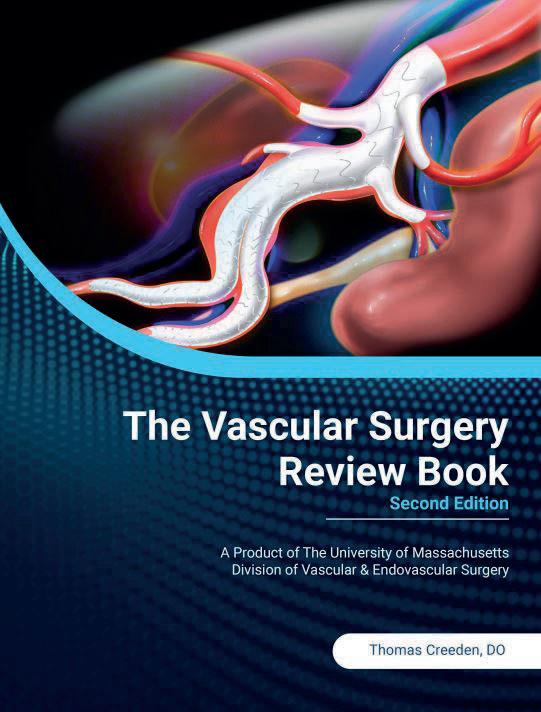
This includes—but is not limited to—medical students, nurses, general practitioners and junior surgical trainees. The best part is that it’s free, online. Published by the Vascular Society of Great Britain & Ireland, it is another great resource for sub-interns and the incoming interns. Last is a resource for graduating fellows and residents. The Advanced Vascular Surgical Skills & Simulation Assessment Program is a unique program geared specifically to the graduating trainee. Drs. O.W. Brown and Mark Mattos, two seasoned vascular surgeons, have put together an
The power of grassroots and grasstops advocacy
By Mounir Haurani
THE PROGRESS IN CONGRESS CAN seem overwhelmingly slow, especially considering the 118th Congress has only passed 27 pieces of legislation while holding over 700 votes. However, rather than being overcome with a sense of discouragement, this is when we should be increasing our persistent efforts to work with our legislators. Some may adopt a mindset of resignation and stop striving for change, but it’s crucial that we continue our efforts without pause during this time. There are several tools that the SVS Advocacy Council uses to organize our collective efforts, such as sending emails to legislators; however, these efforts are driven by membership participation. So, how can we work with Congress to advocate for our patients and practices? There are several ways that SVS members can participate in these efforts, often referred to as “grassroots” and “grasstops” advocacy.
Grassroots advocacy is the route that is most accessible to the broader population. Think of it like a petition with hundreds or even thousands of signatures. The sheer volume of messages from constituents— the people lawmakers represent—creates pressure to act. The SVS has simplified this process through the VoterVoice page on the SVS website. As issues that are important to our patients and peers arise, VoterVoice simplifies our voice with congressional members.
While the perception may be that these letters fall on deaf ears, the message is easily amplified with minimal effort by the membership. When engaging in grassroots efforts, the quantity of communications is key to getting the attention of congressional staff and legislators. While this approach may seem
Two resources ideal for trainees and students
incredible course that seeks to help the trainee answer one question:
“Are you ready for practice?” The curriculum consists of simulations of various common vascular surgeries that you should be able to perform independently on graduation. It’s a combination of open and endovascular simulation, and the proctors are senior attendings, some of whom are department chairs, at various institutions across the country. Taking place in January every year, it’s a great way to find out areas to focus on clinically in the ensuing six months before graduation. In addition, since it consists of primarily senior trainees, it’s a great place to network for jobs. I did it this year, and truly enjoyed learning how I can become an even more skilled surgeon—I have been working on items
The Advanced Vascular Surgical Skills & Simulation Assessment Program is a unique program geared specifically to the graduating trainee
pointed out to me during the event. Look out for the invite to apply. It’s funded for travel.
In the meantime, here’s to a productive spring 2024!
CHRISTOPHER AUDU, MD, is the Vascular Specialist resident/ fellow editor.
impersonal, it is still effective when the SVS membership participates widely.
Grasstops efforts can occur when these same constituents develop a strong relationship with their representative offices. Imagine a direct line to the people who make the decisions. That’s the power of grasstops advocacy. This approach focuses on building relationships with those who hold positions of influence, such as business leaders, community influencers, and especially lawmakers’ staff.

These influential figures can become valuable resources for advocacy efforts. For instance, a group might enlist the help of respected community leaders to champion their cause or educate a lawmaker on a specific issue. Think of the program REACH 535, which helps connect advocates with key influencers on Capitol Hill. This connection is similar to the work of the SVS Political Action Committee (PAC). Investing time,
energy and, in some cases, campaign contributions to develop strong relationships with lawmakers is one of the best ways to enact change at the federal level.
The key difference between these two approaches lies in their origin. Grassroots is bottom-up, mobilizing the masses, while grasstops is top-down, leveraging existing connections. However, the most effective advocacy often utilizes both strategies.
Lawmakers pay close attention to constituent feedback. While a grasstops connection can educate a lawmaker on the intricacies of an issue, a strong grassroots movement can demonstrate the public’s passionate support and urge the lawmaker to act. The SVS Advocacy Council and SVS staff need continued engagement from the membership to make these efforts effective.
Both grassroots and grasstops advocacy are essential tools for influencing policymakers. By understanding the strengths of each approach, advocates can create a powerful and effective strategy for driving positive change.


10
MOUNIR HAURANI is vice-chair of the SVS Government Relations Committee.
Mounir Haurani
Reach for the Doppler that Works Every Time
The Trans-Q-taneous Intraoperative “TQI” Doppler System is the Doppler you can rely on for all your surgical needs.
RELIABLE
VTI’s single-use surgical Doppler probes provide a high degree of reliability since probe failure due to reprocessing is eliminated.
COST EFFECTIVE
The hidden costs associated with reusable probes, including reprocessing and lost OR time due to probe malfunctions, are eliminated.
MULTI-FUNCTIONAL
Provides real-time intraoperative and transcutaneous evaluation of blood flow, for ALL your surgical needs.
Be Confident in Your Doppler!
Call 800-550-0856 or visit us at VTI-online.com to learn more about our Doppler, including a complimentary analysis of your “hidden costs”. Find out why the TQI Doppler provides a high degree of performance reliability and is a more cost-effective solution for ORs.


Visit our TQI product page on our website.


vti-online.com 603-594-9700 info@vti-online.com
CharingVisitusat Cross SymposiumBooth#231


Provided by: Endorsed by:
• Social Networking Events
PRE-SYMPOSIA
• Full-Day: Wound Care Session
• Full-Day: Physicians-In-Training Session (Scholarships Available)
LIVE PATIENT SESSIONS
• Live Patient Consultations, Examinations
• Ultrasound Protocols
• Interactive Discussions on The Evaluation, Diagnosis, Treatment and Follow Up of The Patients
COURSE DIRECTORS Antonios P. Gasparis Nicos Labropoulos
Sponsored by:


Register at venous-symposium.com
venous education for the passionate vein specialist.
offers AMA PRA
1 CreditsTM
Practical
VS
Category
LEADING EXPERTS Steve Elias Mark Meissner Peter Pappas
PRACTICAL | COMPREHENSIVE | INTERACTIVE | VENOUS EDUCATION
LEADERSHIP
LATEST ITERATION OF SVS PROGRAM SEEKS TO HELP FOSTER DEVELOPMENT OF RESILIENT LEADERS
By Marlén Gomez
As the Society for Vascular Surgery (SVS) prepares to launch its fifth cohort of the Leadership Development Program (LDP) with an orientation scheduled for April 11, anticipation is high among aspiring leaders in vascular surgery. This seven-monthlong program has become a cornerstone for over 100 members of the SVS, offering a comprehensive curriculum designed to cultivate leadership skills tailored to the field’s challenges.
Manuel Garcia-Toca, MD, a longstanding advocate for leadership development within vascular surgery, shares his insights as the current chair of the LDP committee.
“It’s not a matter of ‘if,’ it’s about ‘when’ leadership opportunities occur in your career,’” he emphasized.
In response to feedback and evolving needs, enhancements were made to the LDP format and structure that aimed to foster increased interaction among faculty and cohort members, facilitate collaborative problem-solving and practical application of acquired skills concerning case study projects. Key modifications to the LDP include a reduction in the number of webinars, with more emphasis placed on faculty-led online discussion groups. Additionally, cohort members now have the option to access session recordings on demand, enabling them to tailor their engagement according to their individual schedules and priorities.
A highlight of the LDP is the opportunity for past participants to apply for the Leadership Mastery Grant to further their leadership journey beyond the program. Garcia-Toca explained that the grants grew out of a desire to support graduates in continuing their growth as leaders within the specialty.
The grant selection process concluded in
March; four recipients will receive $3,000 each. These recipients will serve as mentors, enriching the learning experience for future participants.
The interactive discussions and case analyses led by faculty members or past Mastery Grant recipients are central to the LDP experience, said Garcia-Toca. He underscored the value of these sessions, noting the exchange of ideas and perspectives among participants.
“By equipping participants with essential leadership skills and fostering a culture of collaboration and innovation, the LDP plays a pivotal role in advancing the specialty of vascular surgery. We want vascular surgery to be at the forefront of leadership roles within hospital C-suites and in different societies,” said Garcia-Toca.
Faisal Aziz, MD, an LDP faculty member, highlighted the importance of vascular surgeons mastering leadership skills.
“By doing so, we can enhance our patient care and shape the future of healthcare while adeptly navigating the evolving healthcare landscape to meet the diverse needs of our communities and patients,” he said.
Reflecting on his experience, Aziz added: “Whether in community or academic practices, I have always been surprised to discover common ground among these settings. It’s remarkable to realize that vascular surgeons nationwide encounter similar challenges and have developed various solutions to address them. Learning from others’ experiences has been invaluable to me.”
Mohamed Zayed, MD, a member of the first cohort, stated his appreciation for the course, highlighting the value of engaging with fellow vascular surgeons with similar perspectives. Zayed emphasized the significance of honing professional skills, including developing organizational currency, conflict resolution techniques and identifying supportive allies within the professional realm. He noted the importance of fostering alliances and driving transformative change, accentuating the need for leadership from the top and the middle. These concepts resonated with Zayed, who acknowledged that his leadership journey was at its beginning, recognizing the infancy of his learning process.
“We spend a lot of time in the operating room learning how to operate, how to take care of patients, how to be very
detail-oriented, but we don’t spend much time understanding organizational politics and organizational structure,” said Zayed. “Through the LDP, we learn how to manage and structure projects in a way that is going to be fruitful for not just a few, but for many, and then also how to address key concepts in the workplace like diversity and inclusion, and how to be able to manage time appropriately.”
“This made me hungry to learn more about these topics,” he added.

“It’s not a matter of ‘if,’ it’s about ‘when’ leadership opportunities occur in your career”
MANUEL GARCIA-TOCA
Zayed received the mastery grant to participate in the second cohort and continue his leadership journey. In May 2023, Zayed completed an MBA at the Olin Business School at Washington University in St. Louis. He asserts that he will continue his leadership training and is engaged in coaching sessions on a regular basis.
“Once you start down this path, you realize there’s an endless capacity to learn and grow there. You continue to develop this process over time,” said Zayed.
Michael Lieb, DO, a participant of the first cohort, was seven years into his career when he initially enrolled in the LDP to advance his professional trajectory. He reflected on
a shift in his mindset upon joining the program, explaining his focus transitioned from individual career progression and personal success to the collective success of the group and, ultimately, to the program’s success.
Lieb underscored that individuals can contribute to the program’s goals regardless of their positions or titles. He highlighted that the program fosters a mindset where individuals recognize that effective leadership can come from various organizational levels, not exclusively from senior roles.
“You don’t have to be the head of something to be a role model. Maintaining personal standards without compromise can attract others to seek guidance, even in areas where one may not hold a leadership role.
“While I may not be officially in charge of a particular program or department, people recognize the values I uphold and trust my willingness to assist them. This aspect of leading from within the organization is crucial and often paves the way for new opportunities,” said Lieb.
Since completion of the LDP, Lieb has advanced in his leadership journey, with roles that include lead physician of his vascular group, medical director of both the non-invasive vascular lab and the Vein Center at Virtua Health in Hainesport, as well as vice-chairman of surgery at Virtua Mt. Holly Hospital.
“Once you start down this pathway, these opportunities for leadership and mentorship find you, more so than you seeking them out,” said Lieb.
Leadership Mastery Grant winners announced
The Leadership Mastery Grant selection process saw the following names revealed as this year’s award recipients: Xzabia Caliste, MD (Albany Medical Healthcare System); Maria Castello Ramirez, MD (Penn State Hershey Medical Center); Fernando Joglar, MD (University of Puerto Rico); and Payam Salehi, MD (Tufts Medicine).
Beyond financial assistance, these recipients will also be supporting the current cohort of the LDP as mentors and co-faculty.
To learn more about the program, visit vascular.org/LDP.
Vascular surgery Entrustable Professional Activities available to view VSB
THE AMERICAN BOARD OF SURGERY (ABS) HAS unveiled the 15 proposed core Entrustable Professional Activities (EPAs) that will be evaluated in vascular surgery residents.
They are: cerebrovascular disease; dialysis access; traumatic/iatrogenic vascular injury; peripheral artery aneurysms; claudication; chronic limb-threatening ischemia; acute limb ischemia; amputation; chronic venous disease; acute thromboembolic venous disease; asymptomatic aortoiliac aneurysm; symptomatic/ ruptured aortoiliac aneurysm; chronic mesenteric ischemia; acute mesenteric ischemia; and type-B aortic dissection.
Some three years of work have gone into creating the EPAs for vascular surgery. The work was a collaboration between the Vascular Surgery Board (VSB) of the ABS, the Association of Program Directors in Vascular Surgery (APDVS) and the ABS itself. A vascular surgery EPA pilot is set to launched this month.
EPAs are a slightly different version of the Norwegian concept of “entrustment” as a “core way of thinking about when a healthcare professional is ready to be unsupervised,” explained Brigitte Smith,

MD, chair of the VSB EPA Committee and a VSB director, explained in an interview with Vascular Specialist last year.
Smith presented on EPAs at the APDVS spring meeting in Rosemont, Illinois (April 5–6) ahead of the launch of the pilot.
The vascular surgery EPAs are currently in a review process and expected to be implemented in October.—Bryan Kay
All 15 are now available to view on the ABS website at www.absurgery.org/getcertified/epas/vascular-surgery.
13 www.vascularspecialistonline.com
Manuel Garcia-Toca
Brigitte Smith
PERSONALIZED, PRECISION MEDICINE IS KEY TO THE FUTURE OF AORTIC REPAIR
By Jocelyn Hudson
PREDICTING LONGEVITY IN patients who may be candidates for aortic repair is challenging. This, coupled with a high and unchanging long-term postoperative mortality rate, begs the question: are patients living long enough to benefit from aortic repair?
Bijan Modarai, MBBS, vascular surgery chair at King’s College London and Guy’s and St Thomas’ NHS Foundation Trust in London, England, laid out and addressed this conundrum at the 27th European Vascular Course (EVC; March 3–5) in Maastricht, The Netherlands. He argued that a lack of evidence for predicting longevity—a key factor in deciding whether a patient should undergo aortic aneurysm repair—necessitates a future move towards precision medicine and personalized treatment to avoid operating on patients unnecessarily.
“Our assessment of patients has got better, but we still get surprised,” was Modarai’s opening message, sharing with the EVC audience three cases to illustrate his point.
Despite showing two examples of aortic patients living longer than anticipated,
Modarai highlighted that the totality of the data shows the opposite trend—a high long-term mortality rate. “When you go out to three to five years, there is a significant mortality rate associated with patients who have had an aneurysm repair,” he said, highlighting a 30–50% all-cause mortality rate at five years. “It’s evident that fixing the aneurysm is only one part of what we need to do for our patients.”
Against this backdrop, Modarai turned his attention to cardiovascular risk factors and malignant transformation, specifically aortic stiffness and aneurysm sac biology, and how both could be managed better.
Regarding aortic stiffness, Modarai outlined some research on the topic: “When you place a stiff stent into the aorta, you change its compliance immediately. That has ramifications for perfusion of organs, particularly for the heart, and there is quite good evidence to show that pulse wave velocity—an indication of increased aortic stiffness—is a cardiovascular risk marker.” He then showed data illustrating that patients with high pulse wave velocity have poor cardiovascular outcomes. “Is that having an impact on our patients after

endovascular aneurysm repair?” he asked. While there are currently few data on the topic, Modarai believes this is a “rich area for research.”
The presenter also spoke on whether radiation influences malignant transformation, referring in this part of his talk to the late results of the EVAR trial. “When you get out to beyond eight years,” he said, “there is a signal for higher malignancy rate in the EVAR [endovascular aneurysm repair] group compared to the open group.” He also shared the outcomes of some exploratory work showing fourfold higher numbers of dicentric chromosomes in EVAR patients compared to those in a control group. “Dicentric chromosomes are a marker of genomic instability, caused by radiation damage, and may be a reason why there are more malignancies in this group, but there’s more we need to understand,” he said. This led Modarai to one of the key points of his talk. “The guidelines tell us you’ve got to predict longevity in patients when you decide which way to go, but I’m not
“We’re still operating on too many patients with aortic aneurysms— I’m convinced of that”
BIJAN MODARAI
sure there’s a lot of evidence or robust risk scoring to allow that,” he said.
With risk scoring not available, Modarai outlined how he and his team approach things now. “We’ve made our multidisciplinary meeting structure a lot more inclusive in the past five years,” he said, noting that it now includes a POPS (perioperative medicine for older people having surgery) team. He referred to two colleagues who run this service at Guy’s and St Thomas’ and have “transformed perioperative assessment and treatment of our patients.” He explained that they see just about all of the aortic patients at the hospital prior to surgery and report on what they think about frailty and other health factors. “They’re rolling out this service across the UK now with an NIHR [National Institute for Health and Care Research]-funded trial to find out what difference it makes,” Modarai informed the EVC audience. Despite initiatives such as this, Modarai stressed that “we’ve still got a long way to go in predicting longevity.”
“We need to have a precision approach to how we manage these patients,” Modarai emphasized. “There’s a lot of heterogeneity in the aortic group that we deal with and there is a lack of predictability.” He also stressed the importance of AI in the future of precision medicine.
“We’re still operating on too many patients with aortic aneurysms—I’m convinced of that,” Modarai added.

14 Vascular Specialist | April 2024
EVAR
End of an era: Schanzer and Robinson leave legacy of VAM innovation
By Marlén Gomez
AS THIS YEAR’S SOCIETY FOR VASCULAR SURGERY (SVS) Vascular Annual Meeting (VAM) approaches, it marks the end of an era for Andres Schanzer, MD, and William Robinson, MD, who have played integral roles in shaping the event’s trajectory. Schanzer’s leadership as VAM program chair comes to a close after 10 years of being on the SVS Program Committee, with the last three completing his term as program chair.
Under his guidance, the VAM program experienced significant growth, with a record-breaking number of abstract and educational submissions. He emphasized the importance of adapting to meet the evolving needs of vascular surgeons, leading to expanded educational sessions and collaborations with partner programs such as the European Society for Vascular Surgery (ESVS) and the American Venous Forum (AVF).
“Probably the most exciting part of that time has been seeing the quality of the meeting—and its many diverse offerings—continue to expand to meet the needs of the broad vascular surgery membership,” said Schanzer.
In addition to enhancing educational content, Schanzer prioritized facilitating connections and collaboration among attendees. He emphasized the importance of networking opportunities and interactive sessions, as well as redesigning the meeting format to encourage participant engagement and discourse. Schanzer also pointed to the importance of making VAM more representative of diversity, equity and inclusion (DEI). He spearheaded various initiatives to achieve this, including encouraging diverse submissions, increasing representation in sessions, and limiting the number of presentations per person to promote equity.
Initiatives like the simultaneous presentation and publication in the Journal of Vascular Surgery (JVS) and the visual abstract program have increased the impact of scientific
SVS ANNOUNCES VAM KEYNOTE SPEAKER SERIES
Registration for VAM 2024 launched on March 20 and promotions teased a new annual VAM fixture: the SVS Keynote Speaker Series.
The inaugural address will take place in Chicago on Wednesday, June 19, and will be delivered by Karith Foster.
Foster is a diversity engagement specialist and creator of the INVERSITY methodology. Through her programs,
research, providing researchers with greater visibility and more opportunities for dissemination. The joint JVS-VAM submission deadline, falling April 15, involves accepted manuscripts being formatted and released in print alongside social media and web promotions while they are presented at VAM. This is the second year of this initiative.
Schanzer underscored the shift from presenting scientific content to facilitating networking and interaction among attendees. Initiatives such as morning sessions with no concurrent content and conversational settings were designed to create an environment conducive to collaboration.
“We started the SVS Connect@VAM event last year, a program on the Wednesday night of VAM, which instills a family-friendly, carnival-style event where people can bring their partners, their children, their friends, and it’s been fun to see the membership embrace that,” he said. “This year, for the first time, we’re having a keynote speaker, and the whole concept behind that is to bring in someone who can bring a different lens than a vascular surgeon would on an important topic.”
Looking ahead, Schanzer expressed excitement about VAM’s future under new leadership. Jason Lee, MD, will be the new chair.
“I think it’s a big responsibility to be entrusted with guiding the direction of the meeting, and I’ve taken that responsibility seriously. I’m honored and humbled to have done it. I feel confident that we’ve brought it from a place where it was functioning at a high level to even a higher level, and I know Dr. Lee and his leadership will continue to move that ball forward. Change is good and Dr. Lee will bring a fresh perspective and a new energy to the meeting,” said Schanzer.
was conceptualized and executed at VAM, transitioning from a committee-centric approach to a more inclusive and rigorous process, where formal proposals were solicited from the membership-at-large, internal groups and external organizations, and then blindly graded and chosen by the PGEC.
“We’ve been so encouraged by an increasing amount of SVS member engagement and internal and external organization engagement throughout those three years,” said Robinson. “We went from, I believe, 33 proposals for educational sessions in the first year to more than 90 for VAM 2024.”


From top: Andres Schanzer and William Robinson
A key aspect of Robinson’s legacy was the emphasis on collaboration and inclusivity in session development. The PGEC developed and moderated the sessions in collaboration with those who proposed them. In addition, by limiting the number of speaking and moderating roles for any one individual, the PGEC promoted a diverse array of speakers and moderators, as well as fostered a culture of continuity and engagement within the educational programming. Around 200 speakers and moderators are slated this year.
Robinson also highlighted the committee’s efforts to enhance the delivery and format of educational sessions. The committee introduced shorter, more interactive formats to increase attendee engagement and accommodate diverse learning styles.
“I think it’s a big responsibility to be entrusted with guiding the direction of the meeting, and I’ve taken that responsibility seriously”
ANDRES SCHANZER
He found reward in collaborating with the SVS leadership team and witnessing the meeting’s improvement each year. Schanzer looked forward to continuing his involvement in SVS activities, remaining committed to advancing the organization’s mission.
Meanwhile, William Robinson, MD, who has served on the Postgraduate Education Committee (PGEC) for nine years, including as chair for the last three, shared insights on the evolution of educational programming at VAM. Robinson spearheaded a shift in the way the programming
she aims to create a seismic shift in diversity and culture in academic institutions, organizations and corporations across America. As a speaker, humorist, TV and radio personality, author, entrepreneur, wife and mother, Foster asserts her role as a positive force of change with her sense of duty and service.
Each year, the keynote address will have a theme, with the 2024 version to be announced later in April. The theme of the address will correlate with the main idea for the conference.
“As the premier educational event in vascular surgery, a keynote address feels like something we have been missing,” said outgoing VAM 2024 Program Committee Chair Andres Schanzer, MD.
“I am excited to see this series kick

Looking ahead, Robinson expressed gratitude for the opportunity to learn much from his PGEC colleagues and confidence in the emerging leadership’s ability to build upon the foundation laid during his tenure. He emphasized the importance of continued innovation and adaptability in responding to the evolving needs of vascular surgeons and other healthcare professionals. Claudie Sheahan, MD, will replace Robinson as PGEC chair.
“We read about factionalization within vascular surgery, but my experience on the PGEC and VAM creation has been one where I’ve seen a lot of collaboration, fairness and camaraderie,” said Robinson. “Working with all of he talented and dedicated PGEC members and VAM participants over the years has been a tremendous honor and deeply rewarding, and it leaves me very confident of the way VAM can continue to grow in the future.”
off in Chicago and to continue growing after my time as Program Committee chair is complete.” The inaugural keynote address for VAM will take place at 5 p.m. Central Time, after the last Vascular & Endovascular Surgery Society (VESS) scientific session. The talk will be immediately followed by the second annual SVS Connect@VAM: Building Community, a family-friendly event that debuted during VAM 2023 in National Harbor, Maryland. Visit vascular.org/VAM to learn more.— Kristin Spencer
MEMBERSHIP
SVS members urged to register early
EARLY-BIRD REGISTRATION FOR VAM has officially opened, offering attendees an exclusive opportunity to secure their spots at a discounted rate. The event, scheduled from June 19–22 in Chicago, promises to be a hub of innovation, collaboration, and education in vascular healthcare. VAM 2024 features cutting-edge research presentations, interactive panel discussions, and ample networking opportunities. The event aims to unite professionals from diverse backgrounds and provide a platform to explore pressing issues and opportunities.
To register, visit vascular.org/VAM24reg
15 www.vascularspecialistonline.com
VAM 2024
Karith Foster
DIVERSITY
AMPUTATION
Study details link between increased functional status and improved survival in prosthesis-fitted amputees
By Bryan Kay
INCREASING FUNCTIONAL STATUS AMONG vascular patients fitted with a prosthesis after amputation was incrementally associated with improved survival, a retrospective analysis of a 10-year experience at a Dallas-based practice showed.
The team at Baylor Scott & White The Heart Hospital-Plano established that as lower extremity amputees referred for an artificial limb progressed through Medicare Functional Classification Levels—known as K-levels—the probability
were K1 to K3 level, explained lead researcher William Shutze, MD, a vascular surgeon with the Texas Vascular Associates practice group. “As patients went from K1 to K2 and up from K2 to K3, that survival curve was sequentially higher statistically,” he told Vascular Specialist. “Our hypothesis initially was that obtaining a prosthetic will improve your survival, but a higher functional level with that prosthetic will even further improve your survival.”
The latest data were presented at the 2024 Southern Association for Vascular Surgery (SAVS) annual meeting held in Scottsdale, Arizona (Jan. 24–27) and are under review for publication in the Journal of Vascular Surgery
Shutze and colleagues have previously demonstrated that prosthetic referral was an independent predictor of longterm survival among patients who had undergone lower-extremity amputation, finding factors associated with decreased survival were increasing age, higher American Society of Anesthesiologists (ASA) class, Black race, and body mass index (BMI). Prosthesis-referred patients were approximately 50% less likely to experience mortality, they reported in 2021.
With these findings in mind and the latest results from their study of functional status, Shutze said he is now settling on new questions. “Should we really now be taking our patients, after they get their prosthesis, and providing them with more physical therapy to get them to a higher functional level?” he asked. “Should we be encouraging them to get from K1 to K2 or K2 to K3?” K1 status involves
“As patients went from K1 to K2 and up from K2 to K3, that

a prosthesis-fitted amputee who is able to move around the home on level surfaces; the K2 level involves patients who can ambulate more in the community with the assistance of a wheelchair; and K3 patients have a level of functional independence whereby they can move around in their artificial limb whenever they choose to use it.
“If we could show patients this data and use it to motivate them, to actually see an improvement in their status, then track that person and compare their survival, that would be phenomenal,” Shutze continued.
He now plans to assemble enough partners at other centers in a multi-institutional study to produce more patients who undergo a change in functional status.
But the data out of Dallas are translational right now, Shutze said. “If people really believe the findings, we can start getting more patients into prosthetics and then we can continue to work with them afterward to get them to a higher functional level.”
Prosthetists are important partners in this endeavor, he added. “We know their main focus is on getting these patients a functional limb, but we want to get them as functional as possible with that functional limb.”
All of that said, Shutze lamented his practice’s prosthetic referral rate: it was just 36%. “Even though we are a group that is focused on prosthetics for our vascular patients who lose a limb, our successful referral was less than half. I think that’s a symptom of the barriers in the process of getting a patient from the operating room into the prosthetics office,” he said. “I’d encourage people around the country to look at their own referral rates and see if they are satisfied with those. The literature shows the referral rate at one center was 80%. I think that is a reasonable goal.”

Tickets on sale now VASCULAR.ORG/GALA2024
GOLD TABLE SPONSORS


MICHAEL AND ROSA DALSING
JOE AND MARGARET MILLS
SILVER TABLE SPONSORS


KEITH CALLIGARO, MD
TABLE SPONSORS AS OF 4/3/24
16 Vascular Specialist | April 2024
William Shutze
SOCIETY BRIEFS
SVS membership empowers surgeons in and out of the OR
THE SVS EMPHASIZES THE ROLE vascular surgeons play in advancing treatments for vascular diseases, offering a range of benefits through its membership to support these professionals inside and outside the operating room (OR).
“SVS membership equips members with the tools they need to succeed,” said Membership Committee Chair Ageliki Vouyouka, MD. “By joining our Society, the physicians become members of a worldwide community of specialists in vascular disease. This community allows productive interactions among the members regarding the science, advancements, clinical guidelines, regulations, certifications and quality; creates opportunities to make voices heard; provides support at multiple platforms to address the many challenges of our specialty; and shapes the future of vascular surgery.”
Advocacy is a cornerstone of SVS membership, providing tools and resources for members to advocate for patient and practice needs. These include printable guides for patient education and discussions with hospital administrators to ensure effective and safe management of vascular patients. On a larger scale, the SVS maintains a Political Action Committee (PAC) and coalition to represent the interests of the vascular surgery community in Washington, D.C.
Membership includes a subscription to the Journal of Vascular Surgery (JVS). Education and networking opportunities are also prioritized, with discounts on education products and meetings such as the Vascular Annual Meeting (VAM) and the Vascular Education and Self-Assessment Program (VESAP). An exclusive online member community facilitates discussions and experience exchange among peers on new techniques and challenging cases.
For more information on membership benefits, visit vascular.org/Join.
Coding resources available
THE SVS AND PARTNER KZA, A consulting and education firm, have teamed up to create vascular coding resources for the vascular surgery community.
The SVS and KZA began publishing frequently asked questions (FAQs) and answers monthly on the SVS website in 2023.
In December, they released quarterly on-demand courses that examine the intricacies of coding for the vascular surgical specialty; the second of them was released in March 2024.
The coding FAQs focus on various topics, ranging from cerebrovascular disease to practice management, through aneurysms.
The FAQs can be accessed at vascular.org/ CodingFAQs. To enroll in the courses, visit vascular.org/CodingOnDemand

CMS CONSIDERS NEW APPROACHES TO QUALITY PAYMENT PROGRAM WITH MVPs
THE CENTERS FOR MEDICARE & MEDICAID SERVICES (CMS) ARE exploring strategies to enhance the Quality Payment Program (QPP), underscoring an effort to boost healthcare quality and efficiency. Launched on Jan. 1, 2017, the QPP was designed to inspire clinicians to deliver superior, patient-centered care while mitigating payments for those who fail to meet performance standards.
Within the QPP framework, there are two primary payment tracks: the Meritbased Incentive Payment System (MIPS) and Alternative Payment Models (APMs).
While MIPS assesses clinicians across various categories, APMs offer customized payment structures aimed at incentivizing high-quality care. MIPS encompasses three reporting tracks, with traditional MIPS requiring clinicians to select quality measures and improvement activities for reporting, alongside complete promoting interoperability measures and cost performance data. Conversely, the Alternative Payment Model Performance Pathway (APP) simplifies reporting and scoring for MIPS APM participants. Additionally, MIPS Value Pathways (MVPs) zero in on specific specialties or medical conditions, offering a more comprehensive evaluation of care quality.
The Executive Board of CMS gave the green light to two MVP applications focusing on improving care for patients with symptomatic extracranial carotid artery disease and asymptomatic abdominal aortic aneurysms. Submitted to CMS on March 20, these applications await review, with CMS poised to seek public feedback before potentially incorporating them into the 2026 Proposed Rule.
CMS officials emphasize the potential of MVPs to refine the QPP, providing clinicians with more meaningful measures and activities. The committee overseeing QPP enhancements is developing two additional MVP applications, targeting chronic limb-threatening ischemia and hemodialysis access.
SCVS 2024: Bismuth becomes 2024–25 Society for Clinical Vascular Surgery president
JEAN BISMUTH, MD, TOOK over as Society for Clinical Vascular Surgery (SCVS) president during the organization’s 51st Annual Symposium in Scottsdale, Arizona (March 16–20).
The new University of South Florida chief of vascular surgery followed M. Ashraf Mansour, MD, academic chair in the Department of Surgery at Spectrum Health Medical Group in Grand Rapids, Michigan.
Vincent Rowe, MD, chief of vascular surgery at the University of California,

Los Angeles (UCLA), is the new SCVS president elect.
Peter Faries, MD, the chief of vascular surgery at Mount Sinai in New York, moves up the ladder to become vice president.
Palma Shaw, MD, professor of surgery at Upstate Medical University in Syracuse, New York, is now SCVS recorder.
Meanwhile, Vascular Specialist Medical Editor Malachi Sheahan III, MD, chair of vascular surgery at Louisiana State University, is the program chair for the 52nd Annual Symposium in Austin, Texas, March 29–April 2 next year.
SVS launches Vascular Board Certification Model Task Force
THE SOCIETY FOR VASCULAR Surgery (SVS) Executive Board has established the Vascular Board Certification Model Task Force to deliver a final report entitled “Free-standing or federated Board certification: An analysis of the optimal path forward for vascular surgery” by the end of 2024.
The task force will engage in months of intensive research and exploration, culminating in a thorough analysis and eventual presentation of its findings in the final report. An interim report is slated for completion by late July, and it is anticipated that it will be presented at the January 2025 Strategic Board of Directors meeting.
The SVS Executive Board acknowledges the substantial response received from its members volunteering to serve on the task force, totaling over 30 submissions. The selection process for task force members proved challenging as the Executive Board aimed to ensure the representation of diverse perspectives within the composition. The task force members is led by Chair Michael Dalsing, MD.
VESAP6 now available
THE SIXTH EDITION OF THE Vascular Education and Self-Assessment Program (VESP6) from the SVS is now available. VESAP6 is a premier digital resource for those preparing for qualifying, certification and recertification examinations.
VESAP6 is designed to aid professionals in their examination preparation and ongoing education, with more than 600 questions covering more than 10 content areas. The product offers up to 102 continuing medical education (CME) credits, with 39.25 eligible for RPVI (Registered Physician in Vascular Interpretation) certification credits. Both individual and bulk licenses are available for purchase. Institutions that wish to purchase bulk licenses for trainees can email vesap@vascularsociety.org for more information.
VESAP6 will be available for three years and expire on March 27, 2027, at 9 a.m. Central Time. Credit claiming, certificate printing, and access to VESAP6 will not be available after this date.
For more information and to purchase the product, visit vascular.org/VESAP.
17 www.vascularspecialistonline.com
Compiled by Marlén Gomez, Kristin Spencer and Bryan Kay
Jean Bismuth
OBITUARY
HANS-HENNING ECKSTEIN: 1955–2024
By Jocelyn Hudson
Hans-Henning Eckstein, the vascular surgeon who played a leading role in the SPACE and SPACE 2 randomized controlled trials on the treatment of carotid stenosis and founder of the Munich Vascular Conference (MAC), died on Feb. 24 at the age of 68. Colleagues have paid tribute to an “excellent doctor, outstanding researcher and university professor” as well as a “bridge-builder between vascular surgery and neurology.”
Eckstein had been chair and professor of the Department of Vascular and Endovascular Surgery at the University Hospital Rechts der Isar of the Technical University of Munich in Munich, Germany, and was widely recognized for advancing research and knowledge in the field of vascular surgery.
He was awarded an honorary doctorate from the Medical Faculty of the University of Larissa in Larissa, Greece, in 2017
and, since 2019, had also been a visiting professor at the Medical School of Pittsburgh in Pittsburgh, Pennsylvania, and Stanford University in Stanford, California.
After studying medicine at RuprechtKarls University Heidelberg in Heidelberg, Germany, Eckstein completed his PhD in 1986 and two years later acquired his postdoctoral teaching qualification, also in Heidelberg.
From 1999 until 2003, Eckstein was medical director of the Clinic for Vascular Surgery at Ludwigsburg Hospital in Ludwigsburg, Germany.
trials on symptomatic and asymptomatic carotid stenosis, which—a statement on the European Stroke Organisation (ESO) website reads—made him “well-known” in vascular neurology. He was co-chair of the steering committee of SPACE and SPACE 2, representing vascular surgery in both multicenter trials.

In 2004, he became director of the Department of Vascular Surgery at the University Hospital Rechts der Isar of the Technical University of Munich and five years later was appointed the first holder of the newly created chair for vascular and endovascular surgery at the university—a role he held until his retirement in 2023.
A statement on the Technical University of Munich’s website mourning the loss of Eckstein reflects on his impact at the institution: “Prof. Eckstein made the clinic known far beyond the borders of Munich, and developed it into a leading center and attraction for patients with vascular diseases.”
Eckstein played a leading role in research, including randomized controlled
Furthermore, Eckstein was heavily involved in the creation of international guidelines in his field, including the German S3 guideline for the diagnosis, therapy and follow-up care of patients with carotid stenosis, and the ESO guideline for carotid stenosis.
Eckstein’s involvement in professional organizations included his 2009–2010 presidency of the German Society of Vascular Surgery and Vascular Medicine (DGG), and his editorship of the journal Gefässchirurgie (meaning Vascular Surgery).
Eckstein was also involved in vascular education and founded MAC, the 12th
iteration of which took place in December 2023 and received international attention.
Several colleagues have paid tribute to Eckstein and highlighted his legacy in the fields of both vascular surgery and neurology.
“We are deeply saddened by the death of Prof. Eckstein,” a statement on the Technical University of Munich’s website reads. “With Prof. Eckstein, we are losing an extremely committed colleague and excellent doctor, outstanding researcher and university professor.”
Eckstein is also remembered in a statement on the ESO website, with Werner Hacke, senior professor of neurology at Ruprecht-Karls University of Heidelberg, and Peter Ringleb, academic researcher at the University Hospital Heidelberg, jointly stating:
“In Hans-Henning Eckstein, we have lost an extremely dedicated colleague and excellent physician, an outstanding researcher, university lecturer, bridgebuilder between vascular surgery and neurology, and a friend.”
“Prof. Eckstein made the clinic known far beyond the borders of Munich and developed it into a leading center and attraction for patients with vascular diseases”
TECHNICAL UNIVERSITY OF MUNICH


18 Vascular Specialist | April 2024
w o m e n s v a s c u l a r o r g / m e m b e r s h i p
JOIN NOW The ISWVS is a newly established organization founded in 2023 with a mission to promote fellowship, equality, and excellence in vascular surgery We are dedicated to improving healthcare access, innovating vascular solutions for women and minority populations, and supporting women vascular surgeons and aspiring professionals Join us in our mission for a healthier, more equitable future in vascular surge ry
Hans-Henning Eckstein
Novel microbubbleenhanced ultrasound procedure shows promise in acute porcine DVT model test
By Brian McHugh and Bryan Kay
EVALUATION OF THE SAFETY AND PERFORMANCE of a novel pharmaco-mechanical procedure for acute deep vein thrombosis (DVT) in two pigs demonstrated a significant reduction in thrombus burden and vessel wall preservation, data from in vivo testing has revealed.
The SonoThrombectomy system (SonoVascular) was tested on swine with thrombi in their iliac veins, with the study focused on establishing how the system—composed of an ultrasound catheter that delivers microbubbles to induce microbubble-mediated sonothrombolysis (MMS) alongside a mechanical thrombus retriever and aspiration sheath— would work in treating DVT without vessel trauma, blood loss or a prolonged intensive care unit (ICU) stay.
The results were presented during the 2024 American Venous Forum (March 3–6) in Tampa, Florida, by William A. Marston, MD, professor of vascular surgery at the University of North Carolina Hospitals in Chapel Hill, North Carolina. Safety was evaluated by a gross examination of the treated
Bentley, Cook Medical enter US distribution agreement for BeBack device
COOK MEDICAL AND BENTLEY have announced a distribution agreement for the BeBack crossing catheter in the U.S., with Cook assuming commercial responsibilities for the Bentley product in the coming months.
The BeBack device is designed for steering through chronic total occlusions (CTO) and provides targeted re-entry options in the peripheral vasculature.

Getinge, Cook Medical strike
US commercial distribution agreement for iCast covered stent
GETINGE AND COOK MEDICAL HAVE announced an exclusive sales and distribution agreement for the iCast covered stent system, which recently received Food and Drug Administration (FDA) premarket approval for the treatment of symptomatic iliac arterial occlusive disease.
Cook Medical will assume sales, marketing and distribution rights for the product in the U.S. over the coming months. The iCast covered stent system will continue to be manufactured by Atrium Medical Corporation, which is part of Getinge.
vessels following necropsy of the animals to identify intimal injury or disruption.
“We’ve all used ultrasound before,” Marston told the audience, “but this is a new method of using ultrasound, and the key is that it adds the function of microbubbles. These microbubbles are excited by the ultrasound waves to produce specific effects within the clot that you are addressing. This is a sub-megahertz frequency ultrasound catheter.”
Both pigs had fluoroscopies performed to evaluate the iliofemoral venous segments before and after thrombus creation. Complete vessel occlusion was achieved in all veins with a mean diameter of 11mm ±0.9mm and a mean clot length of 10.9cm ±1cm.
The thrombus was then crossed with a .018 wire and treatment was performed through SonoVascular’s 12F sheath with MMS.
“The procedure is a two-stage effort,” Marston said. “First, the sheath is inserted via the femoral common vein to the thrombus, which allows crossing with an open-ended guidewire.
“We then cross the thrombus, and pass the ultrasound catheter up and down to break up the clot with MMS
Breakthrough Device designation granted for DynamX BTK
ELIXIR MEDICAL HAS ANNOUNCED Breakthrough Device designation by the Food and Drug Administration (FDA) for its novel DynamX BTK System, an implant for use in the treatment of narrowed or blocked vessels below-the-knee (BTK) in patients with chronic limb-threatening ischemia (CLTI).
The DynamX bioadaptor platform is a metallic device designed to support vessels during the healing phase, after which it unlocks and “uncages” them while providing dynamic support to restore function and maintain an open lumen, according to a company press release.
First-in-human study of Pounce thrombectomy system in acute iliofemoral DVT

TWELVE-MONTH OUTCOMES FROM
the Pounce venous thrombectomy system first-in-human study evaluating its use in the treatment of acute iliofemoral deep vein thrombosis (DVT), recently published in the Journal of Vascular Surgery: Venous and Lymphatic Disorders (JVS-VL), demonstrated an overall post-thrombotic syndrome (PTS) rate of 18.2%.

“This is a novel combination of ultrasound, microbubbles, and tPA, which we think will lead to the ability to do single-session sonothrombolysis”
WILLIAM A. MARSTON
GORE® VIABAHN® VBX

and administration of tPA [tissue plasminogen activator]. Second, retrieval is conducted using an associated basket. With this protocol, we advanced the ultrasound catheter one centimeter every 45 seconds. I think we can do it faster than that.”
The total time for the procedure averaged 17 minutes, with nearly complete clot treatment achieved, Marston said.
“This is a novel combination of ultrasound, microbubbles, and tPA, which we think will lead to the ability to do single-session sonothrombolysis,” he added.“We’re planning to move to inhuman [testing] by the end of this year.”
Balloon Expandable Endoprosthesis
INDICATIONS FOR USE IN THE U.S.: The GORE® VIABAHN® VBX
Balloon Expandable Endoprosthesis is indicated for the treatment of de novo or restenotic lesions found in iliac arteries with reference vessel diameters ranging from 5 mm – 13 mm and lesion lengths up to 110 mm, including lesions at the aortic bifurcation.
CONTRAINDICATIONS: Do not use the GORE® VIABAHN® VBX
Balloon Expandable Endoprosthesis in patients with known hypersensitivity to heparin, including those patients who have had a previous incident of Heparin-Induced Thrombocytopenia (HIT) type II. Refer to Instructions for Use at eifu.goremedical.com for a complete description of all applicable indications, warnings, precautions and contraindications for the markets where this product is available.
Consult Instructions for Use eifu.goremedical.com Products
19 www.vascularspecialistonline.com CLINICAL&DEVICENEWS
listed may not be available in all markets. GORE, VBX, VIABAHN and designs are trademarks of W. L. Gore & Associates. © 2021–2024 W. L. Gore & Associates, Inc. 241363902-EN JANUARY 2024
William A. Marston during AVF 2024






With a 1 Fr profile reduction on most sizes, the VBX Stent Graft enables you to confidently address complex aortoiliac occlusive disease with greater versatility.
100%
primary patency at 5 years per lesion1
89.5% of patients improved ≥ 1 Rutherford category from baseline at 5 years1


89.1%
freedom from target lesion revascularization (fTLR) at 5 years per subject1


Holden A, Takele E, Hill A, et al. Long-term follow-up of subjects with iliac occlusive disease treated with the Viabahn VBX Balloon-Expandable Endoprosthesis. Journal of Endovascular Therapy. In press. W. L. Gore & Associates, Inc. Flagstaff, Arizona 86004 goremedical.com Please see accompanying prescribing information in this journal. Products listed may not be available in all markets. GORE, Together, improving life, VBX, VIABAHN and designs are trademarks of W. L. Gore & Associates. © 2024 W. L. Gore & Associates, Inc. 241408302-EN MARCH 2024 See what’s new TRUSTED PERFORMANCE. NOW 6 FR COMPATIBLE. GORE® VIABAHN® VBX Balloon Expandable Endoprosthesis (VBX Stent Graft)
1.
