Randomised stroke trials elucidate latewindow role for tenecteplase page 4
NEW DATA
Refined patient selection and tailored devices revitalise thrombectomy for MeVO stroke
Late-breaking data from two randomised controlled trials (RCTs) presented at this year’s International Stroke Conference (ISC; 4–6 February, New Orleans, USA) have found mechanical thrombectomy to be a safe and effective treatment option in certain patients with ischaemic strokes caused by medium-vessel occlusions (MeVOs). By utilising refined patient selection strategies and purpose-built devices, the ORIENTAL MEVO and DISTALS studies may have breathed new life into the endovascular treatment of more distally located occlusions— 12 months after multiple trials suggested the approach carried no significant benefits over the existing standard of care.
“The ORIENTAL MEVO trial indicates potential benefits of endovascular therapy for selected patients—higher NIHSS [National Institutes of Health stroke scale] scores—with MeVOs and DVOs [distal-vessel occlusions], supported by DISTALS, which showed that specialised devices improve reperfusion without increasing
Profile David Liebeskind page 14
www.neuronewsinternational.com
“New era” in radiation protection heralded by European study results page 22
symptomatic haemorrhage compared to medical management alone,” commented Urs Fischer (University Hospital Bern, Bern, Switzerland), co-principal investigator for the DISTAL RCT, which was presented at last year’s ISC. “However, with three earlier trials showing neutral results, further research is needed to validate these findings.”
“ORIENTAL MEVO and DISTALS suggest MeVO thrombectomy is not a routine default, but it is not dead,” added Levansri Makalanda (Royal London Hospital, London, UK), an investigator for the ESCAPE-MeVO trial, from which late-breaking data were also shared at ISC 2025. “The signal looks strongest when we select higher-NIHSS, clearly disabling patients rather than broad, low-severity cohorts, which the initial trails fell foul of. DISTALS also underlines the need for distal specific devices to improve safety and technical success. Key open questions are the right selection thresholds and whether adjuncts like intra-arterial lysis—as in CHOICE— will return for selected MeVO cases.”
Presented by leading investigators Raul Nogueira (University of Pittsburgh School of Medicine, Pittsburgh, USA), XiaoZhong Jing, and Wei Hu (both University of Science and Technology of China, Hefei, China), the ORIENTAL MEVO trial homed in on a more specific patient population relative to prior RCTs in this space, restricting enrolment to MeVO stroke with moderate or higher clinical severity. Nogueira noted that broader inclusion criteria saw earlier trials like DISTAL and ESCAPE-MeVO enrol patients with low NIHSS scores, which has been cited as one of the key reasons for their neutral results with thrombectomy.
ORIENTAL MEVO therefore targeted a population with baseline NIHSS scores ≥6 as well as less frequent usage of intravenous thrombolysis (IVT) therapies, comparing 90-day modified Rankin scale (mRS) scores between
Continued on page 2
“Historical” CREST-2 results establish stenting’s role in asymptomatic carotid disease
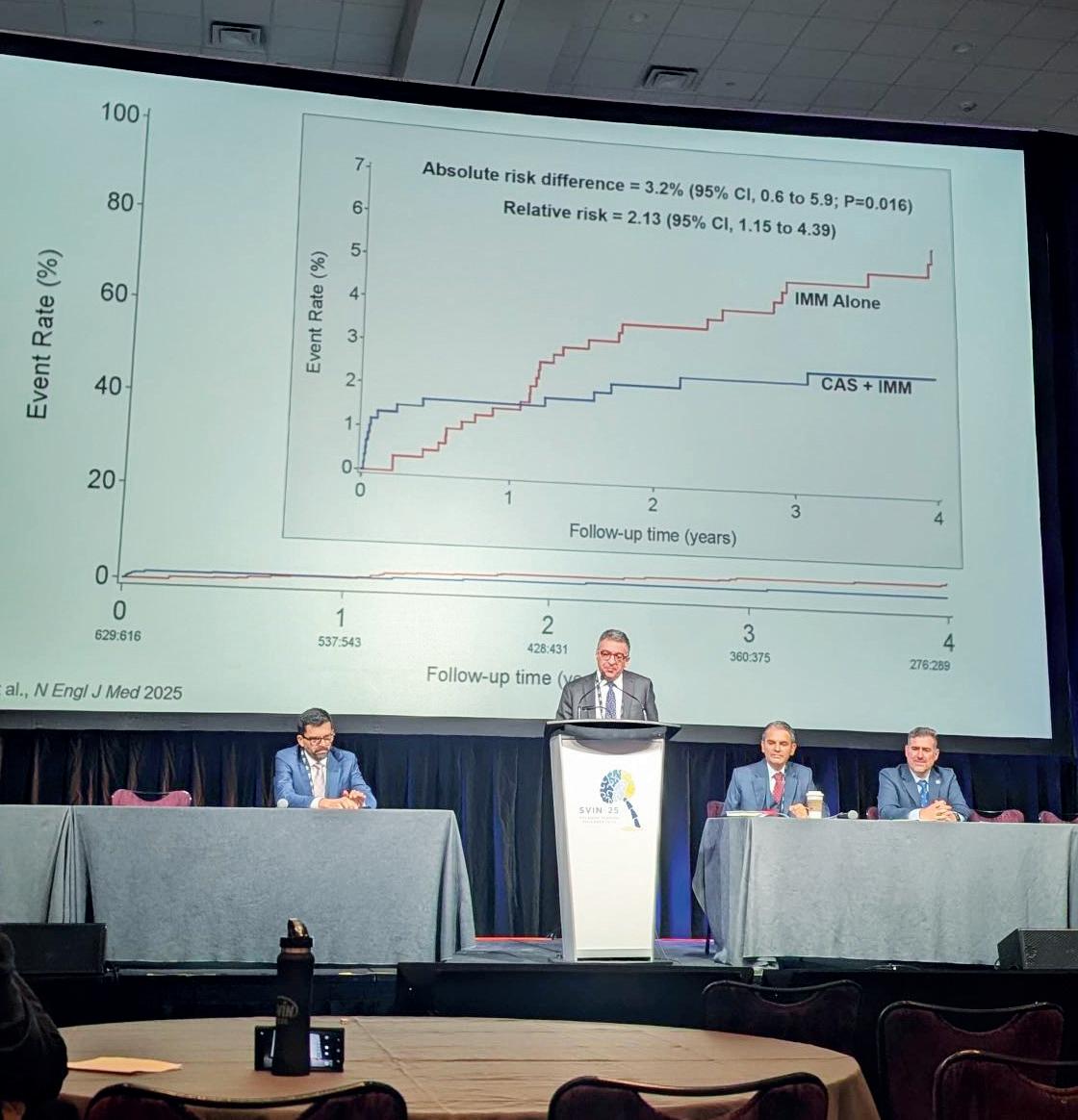
THE LONG-AWAITED presentation of results from the CREST-2 randomised controlled trial (RCT) have shown that the addition of carotid artery stenting (CAS) alongside medical management can reduce stroke risks in patients with asymptomatic high-grade carotid stenosis, while no such reduction was seen with carotid endarterectomy (CEA). These data were met with a positive reception by many in the neurointerventional community but have drawn a more sceptical response from those in other arenas, sparking ongoing debates over the design of CREST-2 and to what extent the trial’s findings can be considered definitive. Arguably foreshadowing the divided reception they have gone on to receive, the key results from CREST-2 were presented in two different places on the same day, with latebreaking data being shared by James Meschia (Mayo Clinic, Jacksonville, USA) at the Society of Vascular and Interventional Neurology (SVIN) annual meeting (19–22 November 2025, Orlando, USA) and also by co-principal investigator (PI) Brajesh Lal (University of Maryland, Baltimore, USA) at the VEITHsymposium (18–22 November 2025, New York, USA).
Continued on page 8
CAROTID
Refined patient selection and tailored devices revitalise thrombectomy for MeVO stroke
Continued from page 1
MeVO stroke patients presenting within 24 hours from symptom onset who were treated via thrombectomy plus standard medical management versus medical management alone. MeVOs were defined as occlusions of the co- or non-dominant M2 segment, or M3 segment, of the middle cerebral artery (MCA); A1, A2 or A3 segments of the anterior cerebral artery (ACA); or P1, P2 or P3 segments of the posterior cerebral artery (PCA).
This investigator-initiated, prospective, openlabel RCT ultimately saw 280 patients randomised to thrombectomy and 283 randomised to medical management across 48 Chinese sites, with a median NIHSS score of 10 being observed and the M2 segment of the MCA representing the most common occlusion site in both groups—although the combined rates of ACA and PCA occlusions exceeded 40%. Additionally, IVT rates were below 40% across both groups, while a final expanded thrombolysis in cerebral infarction (eTICI) score of 2b–3 was achieved in 74.4% of patients treated via thrombectomy.
The trial’s intention-to-treat analysis found that—as per its primary efficacy endpoint of the ordinal shift in 90-day mRS distribution, with scores of 5 and 6 being combined—the median mRS score was 2 in the thrombectomy group compared to 3 in the nonthrombectomy group. However, Jing relayed that a violation of ORIENTAL MEVO’s proportional odds assumption precluded usage of a common odds ratio, meaning that, “as prespecified”, 90-day functional independence (mRS 0–2) became the primary endpoint. On this outcome measure, thrombectomy achieved statistically significant superiority versus medical management (58.6% vs 46.6%, respectively; adjusted risk ratio [aRR], 1.24; p=0.004). The trial also observed no statistically significant between-group difference regarding 90-day mRS 0–2 specifically in those patients with NIHSS scores <8, corroborating an earlier finding from the negative ESCAPE-MeVO and DISTAL trials.
The secondary endpoints from ORIENTAL MEVO tell a similar story, with the 90-day rate of mRS 0–1 reported as 48.9% with thrombectomy compared to 33.2% in the study’s control arm (aRR, 1.47; p<0.001), while rates of vessel patency on imaging at 24–72 hours post-procedure were 82.1% and 46.2%, respectively, between the two groups. And, while radiological intracranial haemorrhage (ICH) rates were higher with thrombectomy (11.4%) versus medical management (6%) at 24–72 hours, this did not appear to have instigated any major safety concerns in the treatment
arm, as mortality (11.1% vs 10.2%, respectively) and symptomatic ICH (4.7% vs 2.2%, respectively) occurred at statistically comparable rates across the study arms. Delivering the final verdict based on these data, Jing described the magnitude of benefit with thrombectomy in the trial as “substantial”—positing that, for every 100 MeVO stroke patients who underwent the procedure, 54 experienced a less disabling outcome and a further 12 achieved functional independence compared to those who received medical management only, resulting in a number needed to treat (NNT) of just eight. He concluded that thrombectomy therefore appears to be appropriate in “carefully selected” ischaemic stroke patients with smaller, more distal occlusions, but added that future studies incorporating refined imaging-based case selection and standardised procedural approaches will be critical to optimising outcomes for this emerging patient population.
DISTALS trial data
While choices over thrombectomy devices and techniques were left to the discretion of the operators in ORIENTAL MEVO, a key distinction within DISTALS was the specific usage of the investigational Tigertriever 13 (Rapid Medical) stent retriever in every endovascular treatment. At ISC 2026, Rishi Gupta (Wellstar Health System, Marietta, USA) delivered first-time data from this industry-sponsored RCT on behalf of his co-principal investigator Jeffrey Saver (University of California Los Angeles [UCLA], Los Angeles, USA) and their colleagues.
ORIENTAL MEVO and DISTALS suggest MeVO thrombectomy is not a routine default, but it is not dead.”
Levansri Makalanda
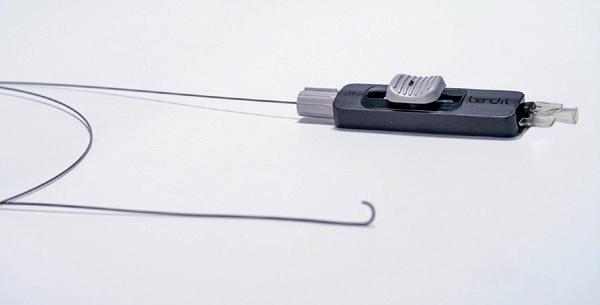
Conducted predominantly in the USA but also at sites in Germany, Belgium and Sweden, the prospective DISTALS trial enrolled a total of 149 patients before ultimately randomising 118 to receive either thrombectomy with the Tigertriever 13 device plus medical management or medical management only within 24 hours of time last known well. Tigertriever 13 is said to have been designed specifically for the treatment of MeVOs and DVOs, with its key features including a low delivery profile, visibility on imaging, and adjustability and flexibility within these more anatomically challenging cases. In 2021, the device received an investigational device exemption (IDE) from the US Food and Drug Administration (FDA) to be evaluated for this indication via the DISTALS RCT. In addition to its enrolment focusing exclusively
Editor-in-chief: Prof Philip M Meyers | Publisher: Stephen Greenhalgh
Editor: Jamie Bell jamie@bibamedical.com | Editorial contribution: Jocelyn Hudson, Will Date and Éva Malpass
on MeVO stroke patients who were ineligible for IVT, another key difference between DISTALS and ORIENTAL MEVO was the former’s usage of a more imaging-focused primary endpoint: successful reperfusion defined as a >50% reduction in substantial hypoperfusion volume between baseline and 24 hours post-randomisation without the presence of symptomatic ICH. DISTALS also restricted enrolment to only include patients with NIHSS scores of 4–24, or NIHSS scores of 2–24 in those with aphasia and/ or hemianopia. However, the trial did utilise the same definition for a MeVO stroke as seen in ORIENTAL MEVO, ultimately producing a higher rate of PCA occlusions but a similar rate of M2s compared to the previously presented RCTs in this area.
Across 51 patients in the thrombectomy arm and 47 in the control arm, as per its intention-to-treat analysis, DISTALS demonstrated a dramatic increase in the rate of successful reperfusion without symptomatic ICH in patients treated using Tigertriever 13 (86.3%) versus those who received medical management (27.7%; p<0.001). Additionally, 0% of patients treated with Tigertriever 13 experienced a symptomatic ICH inside 24 hours, with the only symptomatic ICH in the thrombectomy arm occurring in a patient who was erroneously operated on using the larger Tigertriever 17 device (Rapid Medical). Gupta also reported that the onset-to-randomisation time in DISTALS— more than seven hours for both study arms—was substantially higher compared to DISTAL, ESCAPEMeVO and DISCOUNT.
“These results highlight what is possible when both the device and the trial are designed specifically for distal stroke,” said co-principal investigator Saver via a Rapid Medical press release. “DISTALS was purposebuilt for distal stroke, pairing a device engineered for small, fragile vessels with a tissue-based endpoint designed to measure meaningful brain reperfusion.”
Gupta concluded by emphasising that, across a “distinctive” D/MeVO population that was younger and treated later, on average, than those in the aforementioned trials—and that also received no IVT or anticoagulant therapies—DISTALS reached its primaryendpoint goal, suggesting that the Tigertriever 13 device represents a safe and effective option in these relatively common yet underserved stroke cases. The presenter also informed the ISC audience that, subsequently to these 24-hour data, collection of three-month outcomes including mRS and quality-of-life scores will be completed shortly and shared in the near future. Additionally, Rapid Medical is set to pursue full US FDA clearance of Tigertriever 13 based on these results.
“Distal thrombectomy demands dedicated device engineering,” Gupta added. “Most thrombectomy complications occur during retrieval, when excess tension can injure delicate vessels. Tigertriever 13 actively reduces force before and during retrieval, adapting to distal anatomy to minimise vessel stress. The DISTALS results reinforce why distal-first technology matters for patients.”
If you have comments on this issue or suggestions for upcoming editions write to jamie@bibamedical.com
Jocelyn Hudson and Bryan Kay
Randomised trial results suggest tenecteplase’s late-window benefits do not extend to bridging thrombolysis
While new data have provided solid evidence on tenecteplase’s benefits in non-large vessel occlusion (LVO) ischaemic stroke patients presenting within 24 hours from symptom onset, bridging intravenous thrombolysis (IVT)—usage of the drug shortly before a mechanical thrombectomy procedure—in late-window patients with proximal middle cerebral artery (MCA) or basilar artery occlusions does not appear to meaningfully improve clinical outcomes.
THESE INSIGHTS WERE generated by the OPTION, ATTENTION LATE and TNK-PLUS randomised controlled trials (RCTs), each of which was presented for the first time at the 2026 International Stroke Conference (ISC; 4–6 February, New Orleans, USA).
“We are increasingly moving towards tenecteplase in our clinical practice—and, this year, the American Stroke Association [ASA] came out with new guidelines that acknowledge tenecteplase as a clear alternative in the acute stroke time window of 4.5 hours,” said ISC co-chair Bijoy Menon (University of Calgary, Calgary, Canada), speaking with NeuroNews “Now, our field is trying to understand how best to use it in various other scenarios.”
To this end, the three RCTs disclosed on the second day of ISC 2026—despite their shared focus on patients presenting in the later time window from 4.5–24 hours—all sought to answer slightly different questions on tenecteplase’s role in ischaemic stroke care, and ultimately revealed mixed degrees of clinical benefit.
“Our evidence builds up in steps,” Menon continued. “I think we will have a more cogent story in two or three years but, right now, we know that tenecteplase is the thrombolytic drug of choice in the early time window, period. We also now have increasing evidence showing that tenecteplase works in the late time window in patients with LVOs who are not candidates for thrombectomy, but that giving the drug very shortly before a thrombectomy may not have much benefit.”
OPTION trial data
The OPTION RCT—shared at ISC by Ran Mo on behalf of study principal investigator Junwei Hao (both Xuanwu Hospital Capital Medical University, Beijing, China) and colleagues— randomised a total of 570 patients with non-LVO acute ischaemic strokes and salvageable brain tissue across 48 centres in China. Patients presenting 4.5–24 hours from time last seen well received 0.25mg/kg of intravenous tenecteplase if allocated to the treatment arm or standard medical care if allocated to the control arm.
As per its primary endpoint, the trial
“This trial shows that, in those patients where you don’t have the option for thrombectomy, the drug seems to work and is safe,” Menon added. “That is quite reassuring, and it also lays the foundation for some other large trials that may conclusively prove the point and expand the treatment armamentarium for stroke patients.”
ATTENTION LATE and TNK-PLUS
Presenting data from the prospective ATTENTION LATE trial at ISC, Chunrong Tao (University of Science and Technology of China, Hefei, China) initially posited that posterior-circulation stroke cases
OPTION trial data
90-day mRS 0–1 = 43.6% with tenecteplase vs 34.2% with standard care
observed a 43.6% rate of excellent functional outcomes (modified Rankin scale [mRS] 0–1) at 90 days with tenecteplase versus a 34.2% rate with standard care, giving rise to an unadjusted risk difference close to 10% and an adjusted risk ratio of 1.32 favouring the tenecteplase group (p=0.007). Mo’s presentation of this finding drew a round of applause from the ISC audience. However, while 90-day mortality rates were statistically similar between tenecteplase and standard care (5% vs 3.2%; risk ratio, 1.57; p=0.28) and systemic bleeding rates were identical at 0.7% in both groups, the incidence of symptomatic intracranial haemorrhage (sICH) within 36 hours was found to be higher with tenecteplase (2.8%) versus standard care (0%; p=0.004).
A comprehensive summary of these data has also been published in the Journal of the American Medical Association (JAMA). In addition to providing further detail on the trial’s secondary outcomes, the paper includes analyses of several different subgroups—all of which show that increased rates of 90-day mRS 0–1 with tenecteplase compared to standard care were sustained. The authors therefore conclude that “these results support extending the thrombolysis time window in this patient population”.
of 40 Chinese sites. Some 332 of these patients were allocated to either 0.25mg/kg of intravenous tenecteplase prior to a thrombectomy procedure, or thrombectomy alone without IVT therapy. Tao detailed that overall treatment times were comparable across these groups, indicating that tenecteplase administration did not cause any meaningful delays.
However, the investigators found that there was no statistically significant difference in 90-day rates of functional independence (mRS 0–2) between the two study groups (rate ratio, 0.92), with more granular subgroup analyses also showing that bridging therapy with tenecteplase and direct
90-day mortality = 5% with tenecteplase vs 3.2% with standard care
We now have increasing evidence showing that tenecteplase works in the late time window in patients with LVOs who are not candidates for thrombectomy, but that giving the drug very shortly before a thrombectomy may not have much benefit.”
Bijoy Menon
were “underrepresented” in the TIMELESS RCT—one of the biggest research endeavours on late-window tenecteplase treatments to date, which ultimately saw the drug fail to improve clinical outcomes versus a placebo. As such, ATTENTION LATE enrolled a population of basilar artery occlusion stroke patients presenting 4.5–24 hours from symptom onset at a total
36-hour sICH = 2.8% with tenecteplase vs 0% with standard care
thrombectomy produced similar clinical outcomes regardless of age, baseline National Institutes of Health stroke scale (NIHSS) score, specific occlusion location, or estimated time from symptom onset to randomisation. Furthermore, the two treatment approaches demonstrated parity in terms of secondary efficacy endpoints including 90-day mRS 0–1, 24-hour median NIHSS and quality-of-life scores as well as the trial’s major safety outcomes, such as 90-day mortality and 72-hour ICH—symptomatic or otherwise.
Tao concluded that these ATTENTION LATE data do not support the routine utilisation of bridging thrombolysis with tenecteplase in latewindow posterior-circulation stroke patients, noting that thrombectomy’s “dominant” treatment effect seemingly “leaves little room” for the drug to further ameliorate functional outcomes. This notion is reinforced by the fact that, despite successful pre-thrombectomy reperfusion on imaging occurring more frequently in the treatment arm versus the control arm (5.4% vs 1.2%, respectively), successful reperfusion was achieved at a similar rate across the two groups following completion of the procedure. The presenter also stated that the “selective use” of tenecteplase in late-window bridging IVT may yet
warrant further study.
A key point of difference between ATTENTION LATE and TNK-PLUS was their enrolment criteria, with the latter choosing to include patients who had anterior-circulation MCA occlusions in their M1 or proximal M2 segments rather than posterior-circulation occlusions involving the basilar artery.
Yunyun Xiong (Capital Medical University, Beijing, China), who presented late-breaking data from TNKPLUS at ISC, noted that tenecteplase has already demonstrated clinical benefits versus standard medical care in late-window LVO patients within the TRACE III RCT, while the BRIDGETNK trial also saw tenecteplase-based bridging therapy result in improved rates of functional independence versus direct thrombectomy inside 4.5 hours.
TNK-PLUS attempted to establish
the superiority of tenecteplase plus thrombectomy over thrombectomy alone via a prospective RCT conducted across 40 sites in China. It enrolled 391 proximal MCA occlusion stroke patients with salvageable brain tissue presenting 4.5–24 hours from symptom onset, randomising these patients to undergo a thrombectomy procedure either with or without being administered 0.25mg/kg of tenecteplase beforehand.
The trial’s primary endpoint of 90-day mRS 0–2 was achieved in 44.2% of patients in the tenecteplase arm versus 43.2% in the direct-thrombectomy arm, representing a statistically insignificant difference between the two groups (effect size, 1.01). A range of secondary endpoints in TNK-PLUS, including mRS 0–1 at 90 days, major neurological improvement at 72 hours, change in NIHSS score at seven days,
Giving postthrombectomy alteplase within 24 hours of stroke onset shown to elevate clinical outcomes
Giving the clot-busting medication alteplase at the site of a blocked brain artery after removal of a blood clot via mechanical thrombectomy may increase the number of patients who fully recover, as per preliminary late-breaking science presented at the 2026 International Stroke Conference (ISC; 4–6 February, New Orleans, USA) by study author Ángel Chamorro (University of Barcelona, Barcelona, Spain).
WHILE RECENTLY INTRODUCED guidelines on the early management of patients with acute ischaemic stroke from the American Stroke Association (ASA) note that thrombectomy constitutes a powerful treatment for major strokes caused by large-vessel blockages in select patients, Chamorro highlights the fact that more than half of all stroke survivors who have their large artery successfully cleared still do not go on to achieve a full recovery 90 days later.
“Stroke treatment continues to improve, and getting the right care quickly can make a real difference in a patient’s recovery and return to their everyday life,” he commented. “Even when doctors successfully reopen a blocked brain artery, novel treatment strategies such as adding alteplase to thrombectomy can further improve outcomes after a stroke.”
In the CHOICE2 trial—from which findings were reported for the first time at ISC 2026—433 adults (median age, 76 years; 51% women) with large vessel occlusion (LVO) ischaemic stroke were treated across 14 stroke centres in Spain within 4.5–24 hours of their first stroke symptoms, making it possible to remove their clot while also maintaining the option of treatment with alteplase at the same location immediately after. Patients were randomised to receive either thrombectomy alone (n=219) or thrombectomy
and reperfusion at 24 hours, were also comparable between bridging IVT and direct thrombectomy. Furthermore, the rate of sICH within 36 hours was found to be higher with (5.1%) versus without (2.6%) tenecteplase—although this did not lead to any between-group differences in mortality at 90 days.
Xiong also noted that subgroup analyses revealed similar findings on all of these outcome measures.
“Considering TIMELESS was neutral, and we studied the most promising subgroup from TIMELESS, bridging therapy with tenecteplase is not recommended in this population,” the presenter concluded, before also averring that the role for tenecteplase in LVO stroke patients who need to be transferred to undergo a mechanical thrombectomy is an area requiring further research.
“We must underline the fact that these
plus infusion of alteplase into the artery (n=214). Chamorro and colleagues note that none of the participants had any serious neurological problems before their strokes, nor presented with a stroke classified as ‘very severe’.
At 90 days after treatment, participants who received alteplase in addition to a thrombectomy procedure were significantly more likely to achieve an excellent functional outcome on the modified Rankin scale (mRS) compared to those who did not (57.5% vs 42.5%, respectively), with investigators thus reporting an absolute improvement rate of 15% regarding the trial’s primary endpoint.
Patients who received alteplase were also 22% less likely to have inadequate blood flow in small vessels of the brain revealed by imaging versus those who received thrombectomy only (28.6% vs 50.5%, respectively). Furthermore, those patients who received thrombectomy plus alteplase gave themselves a higher rating in terms of mobility, self-care, performing usual activities, lower pain or discomfort, and depression or anxiety—and were found to not be significantly more likely to have experienced a symptomatic intracranial
trials [ATTENTION LATE and TNKPLUS] were done in comprehensive stroke centres, which means they included patients who had reached a thrombectomy-capable hospital and were already enroute to the procedure when given tenecteplase,” Menon explained. “That means the drug has a very short dwell time—in TNK-PLUS, for example, it was less than 30 minutes. “So, these trials show conclusively that giving tenecteplase when thrombectomy is available—and available very soon— does not benefit patients. However, that’s not to say that thrombolysis cannot help when you have a longer dwell time, if patients are transferred or thrombectomy is delayed, and previous results from the TRACE III trial also suggest that tenecteplase can benefit late-window patients with LVOs who are not candidates for thrombectomy.”
alteplase in addition to thrombectomy. However, the overall number of patients in the study was relatively small (n=121), and it was halted early due to the COVID-19 pandemic, which interfered with patient recruitment and the supply of placebos. Similar research presented last year from the ANGELTNK trial—which utilised the clot-dissolving agent tenecteplase—demonstrated comparable results, and the PEARL trial using alteplase also generated similar findings.
This trial was awaited for many years, and the results are very exciting and meaningful for the stroke community.”
Seemant Chaturvedi
haemorrhage within 24 hours post-treatment (1.4% vs 0.5%, respectively) or all-cause death at 90 days (12.1% vs 6.4%, respectively)—compared to thrombectomy-only patients.
“Mechanical thrombectomy alone is often not enough to fully restore blood flow to the injured brain, even when the blocked artery appears successfully reopened,” Chamorro continued. “Standard imaging can miss persistent blockages in the brain’s smallest blood vessels. Intra-arterial alteplase given after successful thrombectomy significantly increased the chances of an excellent recovery.”
Preliminary results from the earlier CHOICE study, published in 2022, revealed significantly better outcomes in stroke survivors who were treated with
According to its researchers, notable limitations of the CHOICE2 study include the requirement for noncontrast computed tomography (CT) scanning during the follow-up period, which is reflective of real-world clinical practice yet may not provide detailed information about brain tissue injury and recovery. Additionally, the study was conducted only in Spain— although its participants were from 20 countries spanning three continents, meaning the results “should be generalisable to many populations”. “These results are practice-informing but not yet practice-changing on their own,” Chamorro added. “While CHOICE2 strengthens the evidence that intra-arterial alteplase given after successful thrombectomy can improve recovery, broader adoption will require confirmation in additional studies, guideline review and careful consideration of patient selection. Importantly, this approach should not be viewed as a ‘one-size-fits-all’ treatment. It is most likely to benefit patients who, despite large-vessel reopening, have evidence of inadequate blood flow in their microcirculation. However, if future studies and meta-analyses confirm the safety of this strategy, it may eventually reduce the need to rely on advanced imaging techniques to identify patients with persistent perfusion abnormalities appropriate for this treatment.”
In addition to confirming the findings of CHOICE2, future research will focus on ways to treat the underlying causes leading to the disruption of blood flow in the microcirculation, the researchers aver.
Via a video posted on social media by the American Heart Association (AHA), Seemant Chaturvedi (University of Maryland School of Medicine, Baltimore, USA) commented on the “striking benefit” observed when giving alteplase after a thrombectomy procedure.
“I imagine that, all across the world, many interventional teams will now consider this treatment more consistently to try to improve outcomes even further following thrombectomy,” he said. “This trial was awaited for many years, and the results are very exciting and meaningful for the stroke community.”
Ángel Chamorro
Technique matters but vascular penetration has minimal impact on MMAe outcomes
Two randomised controlled trial (RCT) sub-analyses have found that, while the extent of vascular penetration seems to have a minimal bearing on outcomes, procedural sequencing and surgical technique selection may significantly influence the therapeutic benefits of middle meningeal artery embolisation (MMAe) in chronic subdural haematoma (cSDH).
THESE ANALYSES FROM THE MEMBRANE and EMBOLISE RCTs were presented for the first time by Hazem Shoirah (Mount Sinai Health System, New York, USA) and Jason Davies (State University of New York, Buffalo, USA), respectively, at the 2025 Society of Vascular and Interventional Neurology (SVIN) annual meeting (19–22 November, Orlando, USA).
MEMBRANE demonstrated a positive treatment effect with MMAe using Trufill n-BCA (Johnson & Johnson) versus standard of care alone as well as a comparable safety profile. Shoirah et al conducted a post-hoc, exploratory analysis to assess how the degree of vascular penetration—either ‘good’ or ‘excellent’—may affect outcomes at up to six months across 186 intention-to-treat patients.
Similar proportions of patients with excellent versus good penetration achieved complete haematoma
resolution at six months and, while there was a trend towards patients with excellent versus good penetration having a higher percentage change in volume at one month, this was not the case at three or six months. Additionally, there was no difference between excellent and good penetration for reoperation/post-randomisation surgical procedures, nor residual or re-accumulation of cSDH at six months. Rates of change in haematoma volume were not significantly different between groups.
These findings led Shoirah et al to conclude that there were “minimal differences” in outcomes between patients with good versus excellent vascular penetration—although the “small trend” towards larger effect sizes seen at one month after embolisation in excellent-penetration patients suggests that deep penetration may improve resorption rates in the immediate post-treatment period.
The evolving role of interventional training in MMAe: integrating simulation with practice
Jan Gralla Gowtham Kuncha
As middle meningeal artery embolisation (MMAe) for chronic subdural haematoma (cSDH) continues to gain traction, its realworld utility will inevitably be placed under the microscope. Here, Jan Gralla (Bern, Switzerland) and Gowtham Kuncha (Madurai, India) outline the role that flow model-based simulations could play in ensuring operators can safely administer these treatments.
MMAE HAS PROGRESSED from an experimental adjunct to an evidence-based interventional therapy. Randomised controlled trials have demonstrated that MMAe significantly reduces recurrence and reoperation rates, firmly establishing its role within modern cSDH treatment algorithms. Rather than addressing only the mass effect of the haematoma, embolisation targets the vascularised neo-membranes responsible for ongoing inflammation and microhaemorrhage. This shift has positioned endovascular therapy as a disease-modifying intervention. Neurointerventionists now play a central role in the multidisciplinary management of this disease, with a growing responsibility in procedural execution and long-term outcomes. Several embolic materials are currently used for MMAe, each with distinct characteristics. Particulate agents, such as polyvinyl alcohol (PVA)
particles, were adopted early due to their simplicity and availability. However, their tendency toward proximal occlusion limits distal penetration and raises concerns about durable devascularisation. Liquid embolics have therefore gained prominence. Several trials have demonstrated the clinical benefit of non-adhesive ethylene-vinyl alcohol (EVOH)-based agents that enable controlled, fluoroscopically guided distal embolisation. Cyanoacrylate glues, including newer formulations with slower polymerisation, offer immediate and permanent occlusion without the need for dimethyl sulfoxide (DMSO), but demand advanced technical expertise due to their adhesive nature and narrower safety margin.
Despite its minimally invasive nature, MMAe carries risks. Understanding the anatomy of the external carotid artery and potentially dangerous anastomoses— especially with the ophthalmic
EMBOLISE—a study comparing adjunctive MMAe with Onyx (Medtronic) versus surgical drainage alone—saw the former approach significantly reduce cSDH recurrence in symptomatic patients. Despite this, Davies et al subsequently conducted a subgroup analysis to assess optimal procedural sequences as well as whether or not efficacy varies by surgical technique. The investigators report that all six of the trial’s prespecified primary endpoint failures in the 185-patient MMAe group occurred when embolisation preceded surgery, meaning a 0% failure rate was observed with ‘surgery-first’ approaches. Furthermore, surgeryfirst patients demonstrated a superior haematoma volume reduction at 90 days, reduced midline shift normalisation, and lower rates of neurologic deterioration, compared to embolisation-first patients. Technical success was 100% regardless of timing. Davies et al also found that—among 208 burr hole patients—adjunctive MMAe significantly reduced recurrence versus surgery alone. Conversely, the benefits of MMAe were not found to be statistically significant compared to surgery across 190 craniotomy patients. Interaction analyses revealed that burr hole drainage performed before embolisation yielded optimal outcomes, with zero treatment failures observed in this subgroup, while surgery-related serious adverse events were higher with craniotomy.
circulation, petrosal branches, and cranial nerve supply—is crucial. Nontarget embolisation, reflux-related complications and cranial neuropathies, though rare, emphasise the importance of meticulous super-selective catheterisation and controlled embolic injection techniques. As distal penetration improves with liquid agents, technical errors become more likely, underscoring the need for structured operator training and careful case selection.
With the rapid expansion of MMAe, structured training for young interventional physicians has become a clinical necessity. In high-volume centres, procedural confidence develops through repeated exposure and mentorship. However, as the technique disseminates to centres with varying case volumes, structured preparation becomes increasingly important. Although the MMAe procedure may seem technically straightforward, subtle differences in vascular anatomy, flow dynamics and embolic behaviour can have major consequences. Therefore, operator experience remains a key determinant of safety and efficacy, particularly when using liquid embolics or glues.
In this context, simulation-based learning and in-vitro flow models are emerging and gaining importance as complementary educational tools in neurointerventional training. Flow models that replicate the MMA and its distal branches allow operators to rehearse distal navigation, understand catheter stability, and study injection dynamics, reflux behaviour and embolic penetration patterns of different materials in a controlled environment. Hands-on sessions using dedicated MMA flow models that simulate various vessel calibres, retrograde flow configurations and neo-membranes provide practical insights and training prior to clinical application. Such structured training may help reduce variability during early operator
experience, and serve as a bridge between theoretical knowledge and live procedural practice.
Embolising with liquid agents in flow models can provide operators with a practical understanding of how navigation in small vessels works; how differing embolic agents behave under flow and injection rate; and how distal penetration and proximal preservation vary. This can be repeated multiple times within the same model on a reusable MMAe simulator. There is significant scope to improve training— particularly for junior colleagues who need firsthand experience before approaching complex cases. Although simulation cannot be a substitute for real-world mentorship or clinical judgment, it enables trainees to learn from errors in a controlled environment rather than on patients. Simulation is instrumental in understanding the nuanced behaviour of EVOH-based agents and cyanoacrylate glues, thereby reducing the learning curve and enhancing procedural confidence. These flow-based, reusable MMAe training models provide a safe platform for skill acquisition, material comparison and procedural standardisation before clinical application.
As indications for MMAe increase and techniques advance, the future success of this emerging treatment will depend not only on material innovation but also on high-quality training and simulation-based education that prepare the next generation of interventionists to provide safe, durable and effective care.
Jan Gralla is the head and director of the Institute of Diagnostic and Interventional Neuroradiology at the Inselspital in Bern, Switzerland. Gowtham Kuncha is a consultant microvascular and endovascular neurosurgeon at the Meenakshi Super Speciality Hospital in Madurai, India.
POINT OF VIEW
MMAe reduces poor clinical outcomes or need for surgery twofold in mildly symptomatic cSDH patients
Middle meningeal artery embolisation (MMAe) has been shown to result in the twofold reduction of a study endpoint including poor clinical outcomes and need for open surgery, as compared to observation, in mildly symptomatic chronic subdural haematoma (cSDH) patients. Presenting these new data from the ‘EMBOLISE 2’ trial at the 2026 International Stroke Conference (ISC; 4–6 February, New Orleans, USA), Jared Knopman (Weill Cornell Medical College, New York, USA) also emphasised the importance of keeping MMAe procedures simple and adhering to optimised medical management in order to minimise stroke risks in this population.
EMBOLISE 2, for which Knopman is the co-principal investigator alongside Jason Davies (State University of New York, Buffalo, USA), represents the second half of the wider EMBOLISE randomised controlled trial—a prospective, multicentre study conducted across 60 US centres to evaluate MMAe in the treatment of cSDH.
Primary data from what is now being dubbed ‘EMBOLISE 1’ comparing MMAe plus surgical drainage to surgical drainage alone were presented two years ago at ISC 2024, and ultimately led to Onyx (Medtronic)— the liquid embolic agent used in the trial—gaining an updated US Food and Drug Administration (FDA) indication covering non-acute SDH in December 2025.
This indication update made Onyx the first liquid embolic to gain US FDA approval as a surgical adjunct in cSDH treatment, with the Trufill n-BCA liquid embolic system (Johnson & Johnson [J&J] MedTech) also securing a similarly expanded indication later that same month.
Speaking at ISC 2026, Knopman specified that EMBOLISE 2 sought to compare MMAe treatments to the more conservative approach of observation and, as such, enrolled a more mildly symptomatic cSDH population relative to its predecessor. This was reflected in EMBOLISE 2’s enrolment criteria, as only patients with haematomas that were ≤15ml in volume and had <5ml of midline shift were included, while those with more severe motor weakness were excluded. A total of 200 patients were randomised 1:1 to receive either upfront MMAe or observation only.
“EMBOLISE 2 represents the first and only trial to date that was specifically powered to study this more mildly symptomatic patient population,” Knopman commented.
Primary results
Relaying late-breaking data from EMBOLISE 2, the presenter said that the MMAe group in EMBOLISE 2 saw a twofold reduction in the rate of patients who experienced the trial’s
“What we did find surprising, however, was that the conservatively managed group did not have a benign course, and they paid the price further down the line for consistently having that haematoma burden,” he continued. “The takeaway here is that these patients are starting out with smaller haematomas and it may take longer for their symptoms to manifest—but, over time, they end up doing so.”
According to Knopman, this conclusion is bolstered by the fact that volumetric analyses performed at both 90 and 180 days revealed statistically significant reductions in haematoma size in the MMAe group compared to the observation group, with the average volume at 180 days being almost halved in MMAe versus observation patients (43.8ml vs 80ml, respectively).
primary endpoint—a composite of either need for surgical drainage, a poor clinical outcome, or clinical deterioration, at 90 days—as compared to the observation group (11.9% vs 23.2%, respectively). And, while the trial was not powered to draw conclusions based on the separate components of this endpoint, all three indicated a comparable or even greater reduction with MMAe versus observation when considered individually.
“It’s also impressive that, even in this more mildly symptomatic patient population, the number needed to treat here was only nine,” Knopman added. “This has vast implications for a disease state that affects an ever-growing number of our patients.”
Follow-up assessments of deterioration in neurologic function on the modified Rankin scale (mRS) revealed that MMAe failed to achieve non-inferiority compared to observation at 90 days, but did achieve noninferiority at 180 days—an outcome that Knopman labelled “somewhat unsurprising”, as adverse events and complications are considered more likely to occur early on in the experimental arm of any trial comparing an interventional treatment to conservative management.
artery, one which resulted in dissection and one that led to a shower of emboli; and one was due to underlying medical history in a patient with a very high CCI [Charlson comorbidity index] score.”
Knopman noted that further analyses revealed a greater stroke risk in patients with elevated CCI scores, describing this as an “immutable feature” within cSDH patient populations.
“However, the fact that five of these six strokes could’ve been mitigated against or prevented taught us a couple of things about the [MMAe] procedure,” he continued. “One is that antiplatelet and anticoagulation medications for secondary stroke prevention should not be stopped in this patient population— and, if stopping them is necessary, they should be restarted [as soon as possible].”
Expanding on this point, Knopman noted that he and his colleagues found “no evidence” in the current literature indicating that any benefits can be derived from halting these medications in non-surgically managed cSDH patients.
“I’m probably preaching to the choir at a conference like ISC in stressing the importance of secondary stroke prevention,” he added, “but I think the neurosurgical community—which is a little more reflexive in reversing these agents—can learn something from these findings.”
And, arriving at the second key lesson learned from EMBOLISE 2, Knopman commented that “the actual procedure should be kept simple”.
It’s impressive that, even in this more mildly symptomatic patient population, the number needed to treat here was only nine.”
Lessons learned
The presenter went on to detail that the EMBOLISE investigators were initially “concerned” to see a 5.9% rate of stroke in the MMAe arm, contrasting with 0% in the observation arm.
“None of these strokes in the treatment group were related to Onyx,” he relayed. “We did a deep-dive into what caused those strokes and we found that three of those six strokes occurred in patients who were previously on antiplatelet or anticoagulation medications, but those medications were [subsequently] withheld; two were due to catheterisation of the internal carotid
“You don’t want to perform potentially unnecessary catheterisations—for example, in the internal carotid artery, which doesn’t typically add to the optimisation or safety of the procedure,” he said, also suggesting that physicians may consider adopting a lower threshold for stopping the MMAe procedure in patients who have a more challenging aortic arch.
Rounding off the study’s safety endpoints, Knopman reported that the neurologic death rates between the two study groups were statistically comparable, with none of the four that occurred in the MMAe arm being attributed to Onyx or the patient’s haematoma directly. Additional analyses corroborated the notion that cSDH patients with higher CCI scores are more likely to experience negative clinical outcomes, with previously presented data from EMBOLISE 1 also supporting this.
Knopman concluded by highlighting the “very exciting” primary endpoint finding of EMBOLISE 2, but also reiterated the importance of optimising the MMAe procedure itself as well as ensuring that standardised medical management remains “top of mind”.
“By adhering to these key recommendations, we believe that we can mitigate the risk of diluting the robust clinical effects that embolisation has on primary-endpoint reduction and radiographic response—even in this mildly symptomatic patient population,” he added.
Jared Knopman
“Historical” CREST-2 results establish stenting’s role in asymptomatic carotid disease
Continued from page 1
These presentations largely focused on CREST-2’s primary endpoint: a composite of any stroke or death between randomisation and 44 days post-treatment, or ipsilateral ischaemic stroke occurring during the remaining follow-up period of four years. The CREST-2 programme consisted of two parallel RCTs conducted at 155 medical centres spanning Australia, Canada, Israel, Spain and the USA. Each enrolled more than 1,200 adults with carotid artery stenosis ≥70% who had not had a stroke or transient ischaemic attack in the past six months.
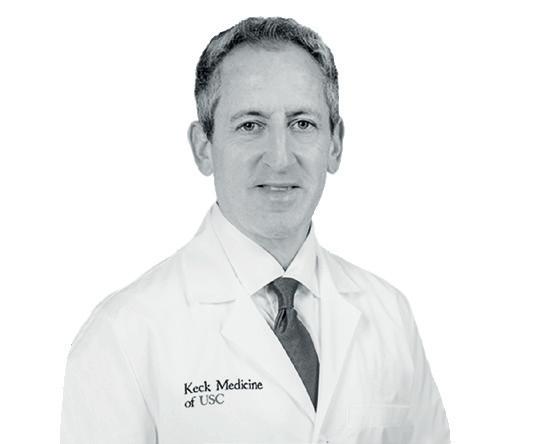
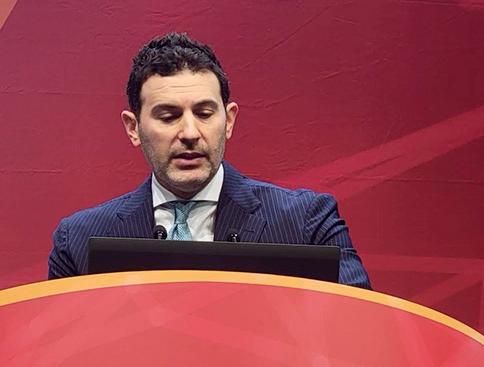
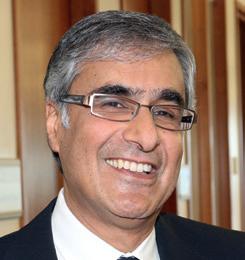
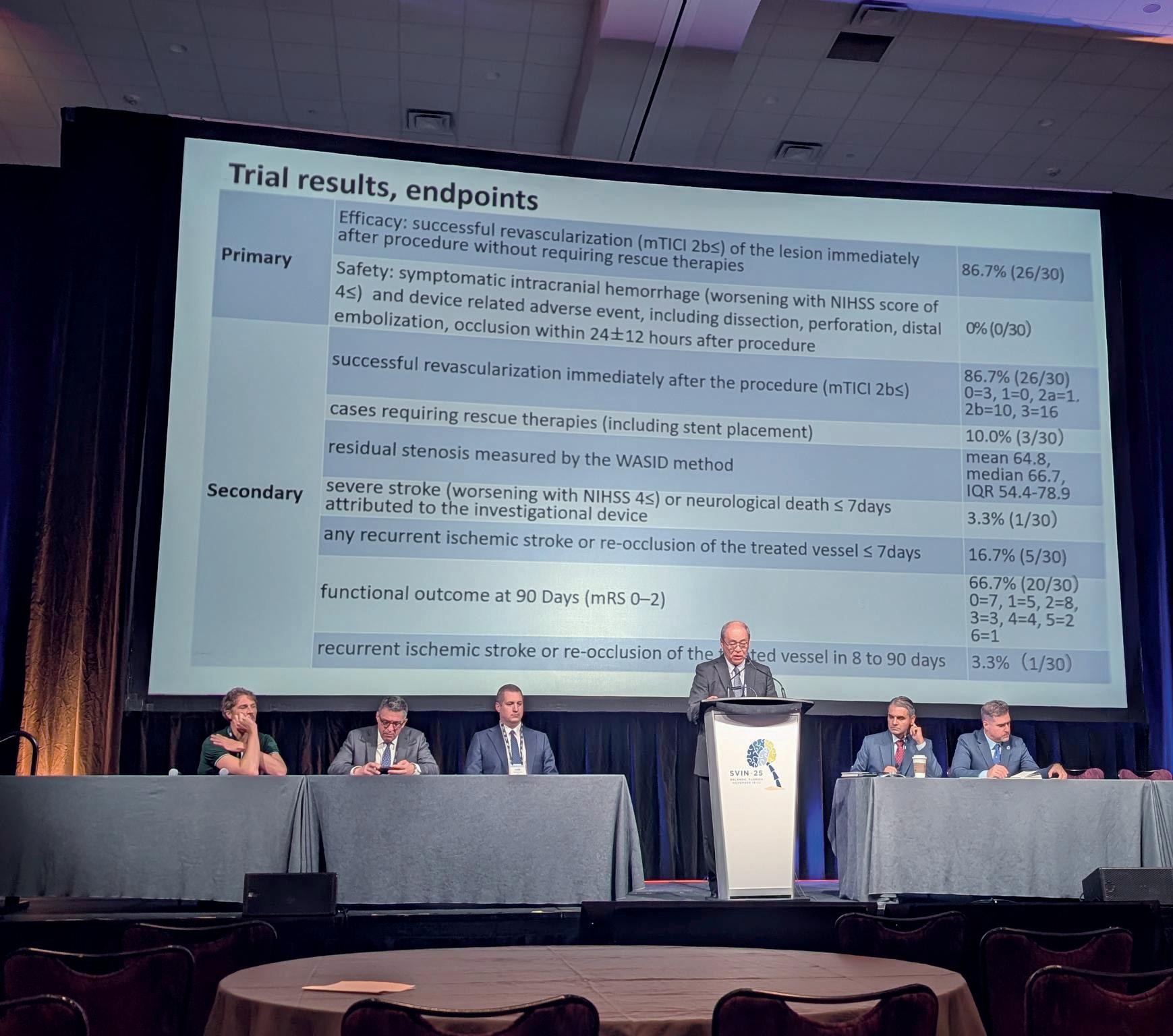
Meschia’s disclosure of the primary-endpoint finding from patients randomised within the stenting trial— which revealed a 2.8% occurrence rate in patients treated with CAS plus medical management versus 6% in those receiving only medical management— was met with a standing ovation from the SVIN audience. One of their number, Tudor Jovin (Cooper University Health Care, Camden, USA), subsequently described 21 November 2025 as a “historical day for interventional neurology”, also noting that CREST-2’s primary results are “unexpected, but incredible for our field”. These sentiments were echoed by Ajay Wakhloo (Tufts University School of Medicine, Boston, USA), who heralded CREST-2 as a “landmark study”.
The surgical trial, meanwhile, saw the addition of CEA to medical management achieve an occurrence rate of 3.7%, thus failing to attain a statistically significant difference compared to the 5.3% achieved with medical management alone. The researchers also found that instances of serious complications were rare with both CEA and CAS.
Via an interview at the 2025 SVIN meeting, Meschia highlighted the significance of CREST-2 data that were “more than 10 years in the making”.
“This is a big deal,” he continued, “because it gives options to patients with asymptomatic carotid disease that, before, had to rely on conjecture, speculation and extrapolation from things like carotid surgery trials. It’s important to note that the study results happened in the context of intensive medical management of patients including two main risk factors: systolic blood pressure <130mmHg was one goal, and the other involved lowering LDL [low-density lipoprotein] cholesterol to <70mg/dL, so any positive interpretation of the stenting results needs to be taken in that context. Furthermore, patients were monitored with annual ultrasound as to the progression of carotid disease.
“In that setting, stenting is a useful way of additionally reducing the risk of ischaemic stroke—and we’re very excited with this result.”
A thousand miles further north along the US coast, Lal’s VEITHsymposium presentation of the same data drew a more measured reaction, stimulating discussion and questions covering such areas as the methodology of the trial, the fact it was not designed to compare CAS to CEA, and its chosen definitions of stroke. Peter Schneider (University of California San Francisco [UCSF], San Francisco, USA) commented that the “big takeaway” relates to best medical management, which, in his views, was “otherworldly—in other words, it cannot be reproduced on a broad basis to our population”. Anne Abbott (Monash University, Melbourne, Australia) labelled the results as “a big surprise”, adding: “We’ve seen the headlines but we now need to do the deep dive, because the results are surprising; we haven’t seen a randomised trial before where it looked like stenting is better than
endarterectomy.”
“We therefore wish to emphasise that the findings and recommendations in CREST-2 do not change the standard of care. We agree with the CREST-2 COVER STORY continued
The post-presentation discussion was led by meeting chair Frank Veith (New York, USA), a critic of RCTs in the past, who said: “I’ve got to tell you: these data nailed it, and [they] invalidate some of the things that we were saying about randomised trials. I find it hard—of course we have to read the paper—to find fault with this. This is a gamechanger.”
Taking to the podium after Lal, co-PI Thomas Brott (Mayo Clinic, Jacksonville, USA) initially highlighted the “remarkable” fact that stroke rates associated with medical management in this patient population appear to have fallen from 11%—as seen in the 1995 ACAS study—to around 6% today. As well as reiterating that CREST-2 shows CAS to be effective in reducing strokes and mortality, Brott went on to list several areas requiring further scrutiny: carotid plaque risks, patients with higher-risk features, optimal carotid stent designs, flow reversal, and ideal medical therapy regimens.
“The elephant in the room in one of these areas of further study is TCAR [transcarotid artery revascularisation]: no level-one evidence,” he also stated. “But, an RCT showing a drop in risk that you would consider clinically significant over four years would require a sample size of 4,400 patients. Discoveries will happen, but rock-solid validation may not be feasible via RCTs in patients with asymptomatic carotid disease.”
More CREST-2 reaction
The days following the presentations of primaryendpoint data from CREST-2 saw an editorial published by Edgar Samaniego (University of Iowa, Iowa City, USA) et al in the Journal of NeuroInterventional Surgery, with the authors noting that the 1.3% perioperative stroke rate associated with CAS in the trial is “the lowest reported in any randomised carotid revascularisation trial with independent outcome adjudication”.
“These extremely low procedural risks achieved in CREST-2 contrast with conclusions drawn from industry-supported device studies and large analyses of self-reported registry data suggesting superior outcomes with TCAR,” Samaniego et al continue. “Percutaneous carotid stenting, in contrast, has been evaluated in multiple randomised trials with independent adjudication of outcomes, demonstrating a progressive decline in procedural risk over two decades, culminating in the historically low CREST-2 procedural risk profile.”
Praising the trial’s design and overall approach, they add: “CREST-2 employed rigorous credentialling of interventionists, including review of case logs, procedural reports and, in some cases, review of procedural imaging. Only approximately half of applicants for stenting privileges were approved, and interventionists received standardised guidance
regarding patient selection and avoidance of high-risk anatomy.”
However, they also acknowledge that—in addition to the TCAR technique not being evaluated—newer mesh-covered stent types were “used infrequently” overall, having only been introduced during the latter stages of the trial.
“These results do not imply that all asymptomatic patients require revascularisation, nor that stenting should always be preferred to endarterectomy or TCAR,” Samaniego et al conclude. “Rather, CREST-2 demonstrates that percutaneous carotid stenting— when performed with rigorous training and careful anatomical selection—must be included as a primary option in shared decision-making for asymptomatic carotid stenosis.”
Another editorial—one published by Ali AbuRahma (West Virginia University, Charleston, USA) et al in the Journal of Vascular Surgery—is decidedly more critical of these new data, and points to “several issues” with the conclusions drawn by the CREST-2 investigators.
AbuRahma et al argue that the lofty standard of medical management seen in the trial is “unlikely to be replicated” in the real world—and, even in comparison with these highly resourced and aggressive protocols, both CEA and CAS were able to generate small benefits in terms of annual stroke risks. If the intense medical management paradigms deployed in CREST-2 are not generalisable, the benefit of carotid revascularisation “could be even greater”, they add.
On this point, CREST-2 investigator Caitlin Hicks (Johns Hopkins Medicine, Baltimore, USA) voices surprise over recent strides in medical management not bearing out in the trial’s findings, telling NeuroNews: “Blood pressure targets were aggressive, LDL targets were probably more aggressive than in real practice, and the patients even had a coach. I really thought I was going to be told that, from now on, we need to start preaching medical management, except for in extreme circumstances, but that didn’t happen.”
Among other concerns, AbuRahma et al also draw attention to “notable differences” in operator selection and anatomic considerations between the trial’s CAS and CEA arms, suggesting that stenting treatments were subject to stricter quality control in terms of who could perform the procedure and which cases were deemed eligible. These “stringent and uneven exclusion factors” create a study population that “differs meaningfully” from real-world patients, making the results “less applicable to routine clinical decision-making”, according to the authors.
Additionally, their refutation that CREST-2 provides any concrete evidence on how CAS and CEA stack up against one another is corroborated by Gustavo Oderich (Baylor College of Medicine, Houston, USA).
“One has to look at the results of the study in the context that carotid stenting was not compared to endarterectomy,” Oderich says, speaking with NeuroNews. “The study was basically two concurrent RCTs comparing different types of interventions— CEA or CAS—to medical therapy. No one can say that carotid stenting is superior, or inferior for that matter, to endarterectomy. Therefore, centres participating in both trials had a selection bias into which patients investigators perceived ideally suited for CAS or CEA. Conclusions that CAS was superior to CEA based on this trial are incorrect; you would have had to randomise in the same arm.”
“Although CREST-2 certainly adds to the abundance of data [on carotid interventions], the results are not so overwhelming as to cast aside our wealth of accumulated knowledge,” AbuRahma et al conclude, alluding to prior studies like ACST-2 indicating an elevated stroke risk with CAS versus CEA.
James Meschia presenting at SVIN 2025
findings that medical management of all patients with carotid disease should be optimised and that CAS procedures performed by highly trained, experienced interventionists in carefully chosen patients may be appropriate treatment. However, TCAR and CEA continue to play an important role in appropriately selected patients with asymptomatic carotid disease.”
This final sentiment appears to be at odds—at least to some extent—with an editorial published alongside the full CREST-2 dataset in the New England Journal of Medicine by Martin Brown (University College London, London, UK) and Leo Bonati (Basel University, Basel, Switzerland). They aver that, bolstered by previous data from the SPACE-2 and ECST-2 trials, CREST-2 confirms that “there is no longer a role for routine CEA in persons with asymptomatic stenosis”.
Brown and Bonati, however, deliver a tempered verdict on CAS too, postulating that medical management should remain the first port of call for most asymptomatic carotid disease patients.
“Do the results of CREST-2 mean that stenting should be widely adopted for asymptomatic stenosis? We argue that caution is required,” they write. “First, the low rate of stroke with stenting reflects careful selection of patients and skilled interventionists, which are not available in all vascular centres.”
“Second,” they later continue, “the difference between stenting and medical management was based on a small number of events; the authors report that if only three more events had occurred in the stenting group, the difference would no longer be significant. Indeed, looking at the cumulative event rates in all four groups of CREST-2, there are more similarities than differences between endarterectomy and stenting. The benefit from revascularisation of asymptomatic carotid stenosis with regard to stroke prevention has become small with improved medical therapy.”
Another point upon which Brown and Bonati’s views contrast with those shared by AbuRahma et al relates to the vigour and reproducibility of medical management within the trial. They comment that medical therapy—as acknowledged by the CREST-2 authors—could be “further intensified”, citing the fact that respective target ranges for levels of systolic blood pressure, LDL cholesterol, and glycated haemoglobin in diabetic patients, were not achieved in every participant. Newer lipid-lowering drugs and reduced LDL cholesterol targets “provide options that were not available in CREST-2”, Brown and Bonati add.
“An equally important issue is whether the benefit observed over the four-year time horizon of the trial justifies the early increase in risk from stenting,” the authors continue, alluding to the seven strokes and one death seen with CAS—compared to zero strokes or deaths with medical management only—inside the first 44 days of follow-up. “In CREST-2, the rate of periprocedural stroke or death associated with stenting was 1.3%, whereas no early events were observed with medical therapy alone. Subsequently, the rate of ipsilateral stroke was 0.4% per person-year in the stenting group and 1.7% per person-year in the medical therapy group. Thus, for 100 patients treated with stenting, only approximately one per year will benefit by avoiding a stroke, at a price of approximately one patient having a stroke or dying from the procedure. Over a four-year period, 95 of 100 patients will have undergone an unnecessary procedure.
“It is also relevant that approximately two thirds of the events in the patients treated with intensive medical therapy alone were non-disabling strokes. Such patients typically have a good or fair recovery, and revascularisation is then indicated for the treatment of symptomatic carotid stenosis.”
Brown and Bonati go on to conclude that, based on CREST-2, it is “reasonable” to advise asymptomatic carotid stenosis patients begin intensive medical therapy immediately and delay revascularisation— stenting performed at a centre with skilled and
experienced interventionists—“until such time as symptoms develop”.
“What we need now are trials focusing on identification of the small proportion of patients with carotid stenosis in whom symptoms develop despite the use of medical therapy,” they add. “The most promising approach uses magnetic resonance imaging of carotid artery plaque to identify intraplaque haemorrhage; a strong risk factor for stroke.”
Cognition and revascularisation
Following the late-2025 presentation of CREST-2 and its primary-endpoint data, two subsequent analyses from the trial were disclosed at this year’s International Stroke Conference (ISC; 4–6 February, New Orleans, USA), with both ultimately indicating that restoring blood flow to the brain in carotid artery stenosis patients does not improve their cognitive skills.
These new findings may come as a surprise to the medical community—not least because, as detailed in an American Stroke Association (ASA) press release, “almost all” previous research has
CREST-2 demonstrates that percutaneous carotid stenting—when performed with rigorous training and careful anatomical selection— must be included as a primary option in shared decision-making for asymptomatic carotid stenosis.”
Edgar Samaniego et al
found a link between carotid stenosis and lower performance on tests of cognitive function. In 2021, data published in Stroke showed that, before carotid stenosis treatment, some 786 asymptomatic patients with ≥70% carotid stenosis who entered the CREST-2 trial had lower cognitive skills scores—especially regarding memory—compared to participants in a separate population-based study matched for similar demographics and cardiovascular risk factors.
“The 2021 analysis indicated that revascularisation might improve cognitive function,” commented Ronald Lazar (University of Alabama at Birmingham, Birmingham, USA), the lead author for one of these sub-studies and a CREST-2 co-investigator.
The analysis Lazar shared at ISC 2026 represented the ‘cognitive core’ component of the wider CREST-2 RCT. Its goal was to assess cognitive performance before treatment and every 12 months for up to four years.
Despite those aforementioned early indications on the impact of blood-flow restoration, the researchers found that—across an average post-treatment followup of 2.8 years—there was no difference in thinking or memory over time among CREST-2 patients who underwent CAS or CEA, nor in those who were treated solely via intensive medical therapy.
“Even among participants with the lowest cognitive function at the start of the study, who were expected to gain the most from these treatments, there were still no differences in cognitive skills among the treatment groups,” Lazar added. “Whether patients undergo a [CEA] procedure to remove plaque in the carotid artery, stenting to insert a flexible tube to hold open the narrowed part of the artery, or a combination of medications and lifestyle guidance without a procedure, there should be no expectation that
cognition will improve after the treatment.”
The researchers relay that cognitive decline was confirmed in patients who had a stroke during the study, validating the ability of the cognitive tests to detect genuine changes in neurological function. However, their sub-study was not able to provide a definitive answer on whether reduced blood flow to the brain is the sole or most important reason for cognitive decline in carotid disease patients.
According to Lazar, these results may change how clinicians counsel carotid artery stenosis patients about the expected benefits of procedures like CAS and CEA.
“Healthcare professionals can no longer assert that treatment of carotid stenosis will improve cognition,” he stated. “However, worsening cognition over time may be a signal that treatment might need to be reevaluated and possibly adjusted. Some characteristics of a blockage can cause small particles to travel to the brain. These particles may, over time, affect how the brain functions. This is an area we plan to explore in our future research.”
Another presentation at ISC 2026 saw Randolph Marshall (Columbia University, New York, USA) deliver late-breaking findings from CREST-H—a haemodynamics-focused prospective study “nested within” the wider CREST-2 trial. The CREST-H researchers hypothesised that CREST-H participants with reduced cognition and haemodynamic impairment at baseline would achieve improved one-year cognitive outcomes upon receiving carotid revascularisation plus medical management, as compared to participants with reduced cognition but no haemodynamic impairment. However, across 140 patients with complete data who underwent carotid revascularisation and 148 with complete data who received medical management only, their results revealed a similar picture to the one shared by Lazar. In addition to showing comparable cognitive outcomes over the course of one year between these two groups, CREST-H’s linear regression analysis found no statistically significant difference in cognitive outcomes with revascularisation versus medical management when including the interaction with haemodynamic impairment.
Furthermore, while the researchers believe that the number of enrolees with reduced cognition being “smaller than expected” may have led to their study becoming underpowered, exploratory analyses including all patients—regardless of baseline cognition—also replicated their primary findings.
“We interpret the rejection of our haemodynamic treatment hypothesis as evidence that cognitive dysfunction is not reversible by revascularisation of a hypoperfused hemisphere in chronic asymptomatic carotid disease,” Marshall stated. “Our study found no evidence for the reversibility of cognitive dysfunction through revascularisation in patients with cerebral haemodynamic impairment. Revascularisation should not be expected to improve cognition by restoring flow to the brain in chronic asymptomatic carotid stenosis.” Marshall concluded that, despite this, the findings of CREST-H do not negate the evidence for cognitive and haemodynamic impairment in this population, citing the fact that reduced baseline cognition was demonstrated among the first 786 participants enrolled in CREST-2.
“These results from CREST-2 do not provide evidence of benefit of carotid revascularisation on cognitive function among patients with significant carotid stenosis, although there is a benefit for stroke reduction,” commented Mitchell Elkind (Columbia University, New York, USA), the American Heart Association’s (AHA) chief science officer for brain health and stroke. “Cognitive decline associated with ageing is a complex problem; however, restoration of blood flow through the large vessels alone may not be sufficient to address the many other pathways to decline, such as inflammation, neurodegeneration and small vessel disease. More research on how to mitigate cognitive decline and reduce dementia risk is needed.”
Loberamisal, asundexian and odatroltide become latest novel stroke drugs to demonstrate positive outcomes
Late-breaking clinical data on multiple novel drug candidates— presented at the International Stroke Conference (ISC; 4–6 February 2026, New Orleans, USA)—have generated a wealth of positivity over the possibility of improving stroke outcomes. The multi-target neuroprotective agent loberamisal (NeuroDawn Pharmaceutical), anti-clotting medication asundexian (Bayer), and dual-functional drug therapy odatroltide (Lumosa Therapeutics), all demonstrated promising results across different populations of stroke patients.
IN THE FIRST OF THESE studies, adult ischaemic stroke patients who received intravenous loberamisal on a daily basis—starting within 48 hours of symptom onset—experienced a better recovery than patients who received a placebo.
“Neuroprotective agents may help improve patient outcomes since they are aimed at preserving the function of neurovascular units. However, trials for most of these agents have not been successful,” said study author Shuya Li (Beijing Tiantan Hospital, Beijing, China), who shared these preliminary data at ISC 2026. “In this trial, we tested loberamisal—a small-molecule, dualacting neuroprotective agent that was an effective neuroprotectant in rodent studies. New treatments for stroke may come from multi-target neuroprotective agents, which could lead to important advancements in reducing or preventing disability after a stroke.”
This phase-three, large-scale randomised controlled trial conducted at 32 centres across China saw 998 stroke patients undergo 10 days of treatment with either a daily infusion of 40mg of loberamisal or a matched placebo starting within 48 hours of a moderateto-severe ischaemic stroke (National Institutes of Health stroke scale [NIHSS] 7–20). The researchers relay that roughly 17% of participants received a standard intravenous thrombolytic medication like alteplase, while patients who received a mechanical thrombectomy to treat their stroke were excluded from the trial.
At 90 days after treatment, analyses found that 69% of participants who received loberamisal experienced an excellent functional recovery (modified Rankin scale [mRS] 0–1) compared to 56% in the placebo group. Additionally, loberamisal appeared to be safe based on the fact that patients who received the drug did not demonstrate an increased risk of serious side-effects or death compared to those in the placebo group.
“We want to confirm our findings with larger groups of people, including people from different racial and ethnic backgrounds, patients with more severe strokes, and those who also have had vascular surgery,” Li commented. “We need to better understand how loberamisal works by
studying biomarkers in multiple population groups.”
In conversation with NeuroNews, ISC chair
Lauren Sansing (Yale School of Medicine, New Haven, USA) said these “really exciting” new data may “rejuvenate the field” and described them as one of the first “big wins” for neuroprotection in a large clinical trial, also positing that the study’s 48-hour time window could translate into a “huge” potential pool of stroke patients who would stand to benefit from the drug.
condition like cardiac arrhythmia or a transient ischaemic attack (TIA) deemed as having a high risk of progressing to a stroke within one week. Patients were randomised to either standard antiplatelet therapy—aspirin only or dual antiplatelet therapy—plus a daily 50mg dose of asundexian, or standard antiplatelet therapy plus a placebo, and then followed up for between three and 31 months post-treatment.
The researchers ultimately found that, compared to a placebo, asundexian reduced the occurrence of ischaemic stroke by 26%—and this reduction was consistent for all participants regardless of several factors including age or sex, cause of stroke, or the severity of the first stroke. Patients who received asundexian also experienced a reduced occurrence of disabling stroke, but with no increase in bleeding within the brain or major bleeding, nor any uptick in the occurrence of serious adverse events, as compared to patients in the placebo group. A lower frequency of cardiovascular death, stroke of any type, heart attack and major bleeding was seen with asundexian versus placebo too.
Sansing went on to highlight the fact that the approach of hitting more than one target with a single drug has demonstrated promising early signals, and concluded that—owing to this study and many other ongoing research efforts—the current outlook for the future of neuroprotective treatments in stroke is “better than ever”.
Asundexian
for secondary stroke
Another phase-three study presented at ISC—the international OCEANICSTROKE trial—saw investigational oral medication asundexian, which inhibits the clotting protein Factor XIa (FXIa), demonstrate a reduction in the risk of a second ischaemic stroke without raising bleeding-related concerns.
“Asundexian holds the potential to reduce the risk of a recurrent stroke over the long term without an increased safety risk,” said OCEANIC-STROKE co-principal investigator Mike Sharma (McMaster University, Hamilton, Canada), who delivered this latebreaking presentation. “This is a major advance in our ability to prevent strokes in people at risk of recurrence.”
The OCEANIC-STROKE trial enrolled 12,327 adult stroke survivors at 702 sites spanning 37 countries to investigate whether introducing daily asundexian alongside antiplatelet therapy could reduce the chances of a new ischaemic stroke without increasing the risk of bleeding or other adverse events. Participants had to have recently had a mild-to-moderate ischaemic stroke that was not caused by a heart
Safe reperfusion plus direct neuroprotection
Further data reported at ISC indicate that odatroltide—marketed by Lumosa as LT3001—can deliver meaningful functional improvements in patients with disabling acute ischaemic stroke, potentially opening the door to a new treatment option for those who cannot receive standard reperfusion therapies. Odatroltide is described as a dualfunctional therapy for acute ischaemic stroke that “enhances endogenous fibrinolysis and scavenges harmful free radicals”, thus combining safe reperfusion with direct neuroprotection.
The Chinese LT3001-202 trial—the first of two independent, phase-two, placebo-controlled randomised clinical studies evaluating the drug—revealed that, across a population of 297 moderate stroke patients presenting within 24 hours of the onset of disabling symptoms, odatroltide led to 8% and 13% improvements in mRS scores of 0–1 and 0–2, respectively, as compared to a placebo. The drug also demonstrated functional-outcome improvements in large artery atherosclerosis (LAA) and mismatch-positive populations within the LT3001-202 study, as LAA patients showed improvements of 11% in mRS 0–2 and 9% in mRS 0–1.
“This benefit applies to all types of strokes, not just those caused by plaque buildup in large arteries,” Sharma commented. “If approved by the FDA [Food and Drug Administration], asundexian could be widely used for patients who have had a noncardioembolic stroke or a TIA.”
“The consistent reduction in secondary events with asundexian across all types of strokes included in the trial is particularly striking,” added co-principal investigator Ashkan Shoamanesh (McMaster University, Hamilton, Canada). “OCEANICSTROKE was deliberately designed with the goal of making the findings generalisable to the many ways stroke presents in clinical practice. These results provide confidence that, if approved, asundexian could become an important option for secondary stroke prevention across a broad range of stroke patients.”
Discussing these new data with NeuroNews, Andrei Alexandrov (Banner Health, Phoenix, USA) stated: “Modern secondary stroke prevention should be about more than just aspirin. Patients with multiple risk factors and noncardioembolic stroke are not free from the risk of another stroke, even if they take aspirin. FXIa inhibitors offer extra risk reduction and will be a welcome addition to our options for secondary prevention.”
While asundexian is yet to gain regulatory approval in any country, Bayer—the company that provided the investigational medication and placebo in OCEANIC-STROKE—received a US FDA fast-track designation to use the drug for secondary prevention in noncardioembolic ischaemic stroke in 2022.
Furthermore, the complementary LT3001-205 trial spanning the USA, EU and Taiwan validated these signals via advanced imaging-assisted patient selection, with mismatch-positive patients achieving a 10% absolute improvement in mRS 0–2. Despite featuring a smaller sample size of just 88 patients, LT3001-205 ultimately reinforced the drug’s efficacy signals, as participants presenting with disabling features achieved an outcome of mRS 0–1 more often with odatroltide compared to placebo (27% vs 17%, respectively), according to Lumosa.
“Across the two trials, LT3001 demonstrated a favourable safety profile, with no increase in symptomatic intracranial haemorrhage [sICH] despite multi-dose administration over three days,” said LT3001205 principal investigator Thomas Devlin (CHI Memorial Neuroscience Institute, Chattanooga, USA). “LT3001 showed potential benefit beyond the conventional thrombolytic time window, supporting its use in patients ineligible for intravenous thrombolysis or EVT [endovascular therapy]—a population with high unmet need. The consistency of results across two independent trials using different selection strategies strengthens our confidence in LT3001’s broad applicability.”
Lumosa claims that odatroltide’s unique dual mechanism, whereby it enhances the body’s natural clotdissolving processes while protecting brain tissue from oxidative damage, may offer a new therapeutic pathway for “underserved” patients in whom current reperfusion therapies are not suitable. The company is currently planning to conduct phase-three trials to validate these results in larger patient populations.
Mike Sharma
Shuya Li
Thomas Devlin
Finding space and maintaining shape: European physicians discuss first experiences with ‘impressive’ Avenir Pico coil
While the endovascular treatment of intracranial aneurysms has evolved substantially in recent times and a plethora of novel technologies have been introduced, coil embolisation remains the most commonly used modality across the globe and at many centres. As such, continued innovation and updates to coiling systems therefore bring with them major implications for neurointerventionalists as well as their patients. Here, Jan Höltje (University Hospital Schleswig-Holstein, Lübeck, Germany) and Sanita Ponomarjova (Riga Eastern University Hospital, Riga, Latvia) share their experiences as two of the first physicians in Europe to perform brain aneurysm treatments using the latest advancement in coiling: the Avenir Pico system (WallabyPhenox).
Perhaps the most pertinent appraisal of Avenir Pico comes from Höltje and Ponomarjova’s parallel responses when asked if they would recommend this newly available coil to their peers in the neurointerventional space, with both simply answering: “Yes, absolutely.”
The two highlight broadly similar advantages based on their initial experiences with the device, including its ability to successfully find and fill spaces within the neurovasculature while also maintaining its shape. Avenir Pico’s softness and flexibility, as well as its simple yet effective detachment system, are among other positive characteristics called out by both physicians.
First-time success
Speaking to NeuroNews, Höltje notes that he will often favour a coiling-led strategy for the majority of small-neck aneurysms, and also wide-neck aneurysms in which an intrasaccular system is less likely to perform well, such as those with more irregular or complex shapes. And, while their usage has diminished somewhat in recent years, he feels coils remain a “very important device” in aneurysm care.
“I was already aware of the original Avenir coils— and I always like to try new things!” says Höltje, detailing that he was first introduced to the more novel Avenir Pico system at the 2025 European Society of Minimally Invasive Neurological Therapy (ESMINT) annual congress (3–5 September, Marseille, France), subsequently acquiring it at his centre and debuting it in a clinical case the following month.
The case within which Höltje has used Avenir Pico to date involved a patient with an unruptured, smallneck aneurysm located in their internal carotid artery (ICA). On this point, he comments that, “there are always other ways but, for me, coiling is clearly the best way to treat this type of aneurysm”.
Reflecting on said first case, he highlights the Avenir Pico coil’s softness, the packing volume he was able to achieve, and a “really simple and safe” detachment mechanism, as the most noteworthy aspects of the treatment—also noting that he occluded the aneurysm without leaving behind any neck remnants, and without the need for any adjunctive devices. The patient ultimately experienced a positive clinical outcome and returned home the day after the procedure.
“It worked exactly as I had hoped and everything
was precisely how a coil should work,” Höltje avers. “I was a little bit sceptical of the detachment system [beforehand], but it worked really well.”
He also states that Avenir Pico’s pair of radiopaque detachment markers meant he was able to clearly visualise the coils staying in place and the delivery wire being retracted successfully during the procedure— whereas, with certain other devices, it can be “very hard” to see the delivery wire, thus creating a degree of uncertainty for the operator.
Höltje adds that, overall, Avenir Pico has a relatively minor learning curve, and therefore represents a “good choice” for any clinician performing their first coiling procedures, once again citing the simplicity of its detachment mechanism and the broad range of available device sizes—62 in total— as prominent strengths of the system.
Avenir Pico is very good at finding space easily and finding the best spot, with minimal friction, meaning you can achieve better packing.”
Acute and elective uses
Ponomarjova initially notes that the configuration of an aneurysm’s neck is likely to be the single biggest anatomical factor that influences her selection of an endovascular approach. She also tells NeuroNews that, in her practice, she prefers to use coiling rather than intrasaccular remodelling, as the former technique allows her to be more adaptable if multiple attempts or retreatments are required, while the ability to deploy supportive devices like the pConus bifurcation aneurysm implant (WallabyPhenox) opens up an even wider array of treatment options.
The first of two cases within which she has utilised Avenir Pico to date involved an 80-year-old patient with an irregularly shaped wide-neck aneurysm— located in the middle cerebral artery (MCA)—who was adjudged to have a high rupture risk. Ponomarjova relays that she used the pConus device to protect the neck of the aneurysm.
“I was very nicely surprised and impressed because, although the pConus’ position in the aneurysmal sac was a little bit deeper than I was expecting, the Avenir Pico coil kept its shape really well,” she recalls. “It was also really nice to see how well the coil packing was performed.”
Ponomarjova’s second Avenir Pico treatment was an acute case involving another elderly patient—this time with a ruptured MCA aneurysm. She comments that treatment decision-making proved especially complicated due to the aneurysm in question featuring two distinct lobes, with the larger one having a “very wide” neck.
Ponomarjova therefore embolised the lobes separately, and found that the Avenir Pico coil maintained its shape without any protrusion inside the arterial lumen, remaining securely inside the sac and producing no thrombogenic complications while also demonstrating an impressive level of packing density. She attributes this last observation to Avenir Pico’s softness and flexibility, and compliments its stability within the aneurysm neck, also emphasising the benefits of a coil that can “squeeze” into more confined locations within the neurovasculature while retaining its structure. In Ponomarjova’s view, the ‘shape-memory’ quality of the device coupled with its conformability is a particularly advantageous combination in ruptured cases, during which the consequences of asserting too much pressure on the aneurysmal wall are more severe.
“These are really important features,” she adds. “The coil showed a very good performance, because the aneurysm shape was not simple, and I was quite concerned about occlusion of the branch—but it worked really well.
“The detachment system is very reliable too. It is mechanical rather than electrical, so—once you have done all of the correct steps—you can be completely sure that the coil has detached, which may be especially important in smaller aneurysms where there is a greater risk of losing the position of your microcatheter. As such, I think it is a good choice for younger doctors who have less experience to start with this highly reliable coil.”
Ponomarjova reports that the first of these two patients achieved a good clinical outcome after the procedure and left the hospital three days later, while the second returned home “in a very good condition” after two weeks, having been monitored for longer due to her initial presentation with subarachnoidal bleeding.
“There are quite a lot of coils now available to us on the market, so it is often difficult to find the small nuances between them,” she comments. “But, for me, the Avenir Pico is very good at finding space easily and finding the best spot, with minimal friction, meaning you can achieve better packing. This is especially important when you are using combined remodelling techniques involving balloons or stents.”
Future directions
A final point on which the two physicians are in agreement is the fact that, beyond intracranial aneurysms, there are several further indications that the Avenir Pico coil could prove useful for in the future.
Ponomarjova highlights minimally invasive embolisation for head and neck tumours, as well as the current ‘hot topic’ of middle meningeal artery embolisation in chronic subdural haematoma patients, as potentially promising areas, while Höltje sees a possible role for Avenir Pico in ‘pressurecooker’ techniques used to treat brain arteriovenous malformations and to halt bleeding in patients referred for endovascular therapy by ear, nose and throat (ENT) surgeons.
Jan Höltje
Sanita Ponomarjova
Smaller and more fragile aneurysms likely to reap greatest rewards from Avenir Pico’s full European release
The CE-marked Avenir Pico coil system is now fully commercially available across Europe, providing neurointerventionists with a new and unique tool for the treatment of intracranial aneurysms. NeuroNews recently caught up with Pedro Vega (Hospital Universitario Central de Asturias, Oviedo, Spain)—an early adopter of Avenir Pico—to discuss his firsthand experiences with the device.
“The full market release of Avenir Pico expands the available toolkit for intracranial aneurysm coiling, particularly in cases that benefit from very soft, low-profile coils,” says Vega. “Having additional design options encourages tailored treatment strategies and may improve procedural confidence and versatility—especially in small or complex anatomies. Increased competition in the coiling market also tends to drive ongoing innovation, and refinement of techniques and devices, which ultimately benefits clinical practice.”
As of February 2026, Vega has used Avenir Pico in a handful of brain aneurysm cases and, despite this relatively small sample size, he has been able
compare favourably to other coiling technologies.
“I started using Avenir Pico during its early clinical adoption phase and, overall, my initial experience has been very positive,” he relays. “The coil behaved predictably, was easy to control during deployment, and integrated smoothly into my usual coiling workflow, particularly in smaller and more delicate aneurysms.
“The coil’s design met my expectations. The softness was particularly noticeable, allowing good conformability to the aneurysm wall without exerting excessive force. The visibility under fluoroscopy was also adequate for precise positioning, and the detachment mechanism was reliable and intuitive with no unexpected delays or technical issues during deployment.”
In addition to reiterating how soft the coil was— and highlighting the clear benefits this brings in the treatment of fragile aneurysms—Vega states that its stability after detachment “stood out” as particularly positive.
“Compared to other low-profile coiling systems I have used, Avenir Pico is very competitive in terms of ease of use and controllability,” he adds. “It offers similar or improved softness while maintaining good framing stability, particularly as a finishing coil. Overall procedural outcomes were comparable or slightly improved in terms of packing control. The coil also had a positive impact on procedural efficiency by allowing smooth deployment and precise positioning, reducing the need for repositioning or coil exchanges. While long-term outcomes require further follow-
up, the immediate angiographic results were satisfactory with good aneurysm occlusion and no devicerelated complications.”
Key considerations
Broadening the discussion to how he approaches intracranial aneurysm treatments in general, Vega brings up the “specific challenges” that hinge on location, size, morphology, and vascular anatomy, as well as other patient-related factors including dual antiplatelet therapy (DAPT) tolerance.
“From an endovascular perspective, location is crucial because it affects catheter access and stability,” he explains. “Aneurysms located in distal vessels, tortuous anatomies, or near critical perforators, can make navigation difficult and increase the risk of complications. Size and neck configuration are also key considerations, as wide-neck or large aneurysms often require advanced techniques such as stent-assisted coiling, balloon remodelling or flow diversion, which introduce additional complexity and require careful antiplatelet management.”
stages where softness and control are essential,” Vega states. “My advice to new users would be to take advantage of the coil’s softness by deploying slowly and deliberately, especially in the final coils, and to select sizes carefully to optimise packing without overloading the aneurysm sac.”
When asked to identify any areas within which the Avenir Pico system in its current form could be optimised even further, Vega suggests that the introduction of additional length options or more intermediate sizes may provide physicians with an even greater level of flexibility in certain, very specific aneurysms. He is also quick to add, however, that the device’s presently available range of dimensions “did not limit its clinical use” in the cases he has performed to date.
“Given its high level of softness, the coil’s potential use could be expanded beyond aneurysm treatment to other neurovascular applications,” Vega concludes, offering a brief glimpse into what the future may hold for Avenir Pico. “In particular, it may be well-suited for the treatment of arteriovenous malformations, especially when used as part of the ‘pressure-cooker’ technique where controlled, atraumatic coil deployment is essential to create a
Parent vessel diameter, branching patterns and vessel curvature all influence device selection and deployment accuracy, while aneurysms that are ruptured or have been treated previously create an additional level of complexity when it comes to treatments, and retreatments, respectively.
This convoluted and often challenging picture has not only led to the development of a range of different endovascular device types in aneurysm care, but also to the continuous evolution of embolisation coiling— which remains the most longstanding and commonly used modality in the space. According to Vega, the perpetual refinement of coil materials and designs represents a “major development”.
“Modern coils use softer, more conformable platinum alloys and complex three-dimensional shapes that improve packing density within the aneurysm sac,” he comments. “Higher packing densities have been associated with reduced rates of recurrence and retreatment. And, more recently, microcatheter and delivery system improvements—including better torque control, softer tips, and improved radiopacity— have enhanced navigation and placement accuracy in challenging anatomies, reducing procedural complications.”
The role for Avenir Pico Returning to Avenir Pico—and how this innovation fits into the present landscape of neurointerventional care—Vega reaffirms that the device’s prevailing characteristics make it particularly well-suited to the management of smaller and more fragile aneurysms in which many traditional coils create an elevated procedural complication risk.
“I would recommend this coil to colleagues, particularly for small aneurysms, or during finishing
My advice to new users would be to take advantage of the coil’s softness by deploying slowly and deliberately, especially in the final coils.”
stable plug before liquid embolic injection.
“Additionally, the coil could provide value in the embolisation of chronic subdural haematomas—a procedure that has been gaining significant adoption in recent years. In this setting, the ability to deploy very soft coils precisely within fragile distal branches can help achieve effective embolisation while minimising the risk of vessel injury or non-target embolisation.”
Regarding Avenir Pico’s primary area of focus as things stand, while it is hard to ignore the fact that newer introductions like flow-diverting stents and intrasaccular systems have joined embolisation coils as standard-of-care therapies in the endovascular management of brain aneurysms, Vega believes that coiling still has a considerable role to play—now, and moving forward.
“I have realised that, now, I am using fewer coils than I used to,” he adds. “But, I am still using them in many cases, and I think we are still very far from the end of coiling.”
The CE-mark approval and a European limited market release (LMR) of the Avenir Pico coil system were announced by WallabyPhenox in November last year, with the device subsequently being made fully commercially available via a full market release (FMR) in Europe at the beginning of 2026. Avenir Pico has also seen rapid adoption on the other side of the Atlantic following its earlier clearance by the US Food and Drug Administration (FDA).
Pedro Vega
DAVID LIEBESKIND
Despite his training as a neurologist, David Liebeskind (Los Angeles, USA) has never accepted the constraints of a single specialty, title or lane. Over more than three decades, that refusal to be boxed in has translated into one of the most expansive careers in contemporary neurovascular medicine—encompassing clinical care, imaging science, research, global trial leadership, entrepreneurship, and mentorship. With over 1,000 peer-reviewed publications, continuous US National Institutes of Health (NIH) R01-equivalent funding as principal investigator (PI) dating back more than 20 years, and leadership roles across neurology, radiology and neurointervention, Liebeskind has helped define the integration of advanced imaging into modern stroke care. Additionally, through a recurring international meeting dedicated to brain collaterals, he has convened clinicians and scientists from more than 95 countries, helping to elevate collateral circulation from a niche concept to a central pillar of stroke science. In 2025—after more than two decades at the University of California Los Angeles (UCLA)—he moved to the University of Southern California (USC) as founding co-director of the USC Neurovascular Center, endowed chair in neurology, and professor of neurology, neurological surgery and radiology, anchoring what he describes as a new regional vision for neurovascular medicine across Southern California. Speaking with NeuroNews, Liebeskind reflects on a career built around imaging, physiology, and collaboration—and on what still lies ahead.
Why were you initially drawn to medicine?
It was almost genetically determined. Medicine—and radiology in particular— runs through my extended family across multiple generations. Ironically, that’s exactly why I resisted it. My early instincts pushed me toward engineering; a discipline rooted in testable systems and reproducible logic. I carried that mindset into medicine, approaching neurology not as a static specialty but as an applied science—one uniquely suited to quantitative analysis through imaging. The brain is the only organ you can’t replace and, yet, it’s one of the few that you can image in three dimensions, repeatedly, and in real time. That makes it an ideal system for engineeringbased thinking.
I have deliberately avoided being siloed as either a proceduralist or a diagnostician. I didn’t want to live exclusively in an operating room or a reading room. I wanted to work across boundaries. That philosophy ultimately led to a rare distinction, as I remain the only non-interventionist ever to serve as president of the Society of Vascular and Interventional Neurology (SVIN)—a role that positioned me to bridge neurology, radiology, neurosurgery, industry and regulatory science without professional competition.
Who have your key mentors been?
Early on, Fernando Viñuela showed me that academic medicine didn’t have to be one-dimensional. He was deeply clinical, intensely academic, committed to training, and unafraid to work with industry before that was fashionable. That model—clinical grounding combined with innovation and global engagement—became foundational. The future of academic medicine depends on that kind of multidimensional thinking, but it certainly wasn’t the dominant paradigm when I started.
How do you reflect on your time at UCLA, and why did you decide to move to USC?
When I arrived at UCLA more than 30 years ago, there were no approved drugs or devices for acute ischaemic stroke. I trained during the earliest days of intravenous thrombolysis and witnessed the birth of endovascular
therapy—including the first investigational device exemption (IDE) for mechanical thrombectomy. Over the ensuing decades, I helped build UCLA into a global hub for stroke imaging, collateral physiology and trial-based neurovascular research—directing imaging cores, training programmes, and one of the most productive stroke research enterprises in the world.
Additionally, my completion of a business degree at the UCLA Anderson School of Management has further shaped how I approach academic leadership, innovation strategy, and the integration of clinical medicine with entrepreneurship.
The move to USC wasn’t about leaving something behind; it was about building what comes next. At USC, I am now helping to design an integrated, regionwide neurovascular innovation hub, linking comprehensive stroke centres, community hospitals, imaging infrastructure and research programmes across Southern California, in close partnership with the USC Stevens Neuroimaging and Informatics Institute. We have named this ecosystem ‘ASCEND’. It’s an environment that aligns with where neuroscience, imaging and precision medicine are going.
Could you outline the origins of Brainstorme and the evolution of imaging core labs?
Long before centralised imaging adjudication became standard, I was already doing it.
I started performing blinded, independent imaging reads in the late 1990s—before ‘core labs’ were really a thing in neurovascular trials. That work expanded across virtually every neurovascular condition, from largeand distal-vessel occlusions to intracranial atherosclerosis, vasospasm, aneurysms, subdural haematoma, and adjunctive neuroprotection. Over time, it became clear that imaging could serve not just as an endpoint, but as a strategic pathway to regulatory approval and mechanistic insight.
To support that vision at scale, I founded and became the chief executive officer (CEO) of Brainstorme—a cloud-based neuroimaging core-lab platform now operating globally,
FACT FILE
CURRENT APPOINTMENTS
Endowed chair in neurology; professor of neurology, neurological surgery and radiology, USC
Founding co-director, USC Neurovascular Center
Founder and CEO, Brainstorme
PREVIOUS APPOINTMENTS
Professor of neurology; director of stroke imaging and neurovascular research programmes, UCLA
EDUCATION AND TRAINING
MD, New York University
Internship, Harvard Medical School
Residency, neurology, UCLA
Fellowship, cerebrovascular disease and stroke, UCLA
MBA, UCLA
LEADERSHIP AND HONOURS
Past president, SVIN; American Society of Neuroimaging
Fellow, American Heart Association; World Stroke Organization; American Academy of Neurology
enabling real-time image transfer, labelling, adjudication and regulatory-grade archiving 365 days a year. We essentially built the system we wished existed; now it does. And, looking forward, Brainstorme is evolving beyond trials. We are carefully, deliberately moving toward a direct-to-consumer imaging repository. Shared access to images—between hospitals, clinicians and, eventually, patients— is still surprisingly rare. That has to change.
Where is the ideal role for artificial intelligence (AI) in neuroimaging?
AI will not replace expert adjudication. But, it can dramatically enhance speed, consistency, and real-time decision support—especially at enrolment and triage. For me, the key question is practical value. AI has to deliver actionable information on the timescale of clinical decision-making. Otherwise, it’s just interesting software.
Which of your accomplishments are you proudest of?
Despite a résumé that includes unmatched publication volume, decades of NIH funding, and leadership in many of the field’s most influential trials, I wouldn’t necessarily say it’s any of those metrics.
The most meaningful achievement is seeing colleagues and trainees believe in a vision—and then surpass you. Over the course of more than two decades, spanning multiple generations, I have trained dozens (>80) of vascular neurology fellows and clinicianscientists, with many now leading major academic programmes around the world. Your real legacy is the people; that’s how the field moves forward.
Which of the studies you have been involved with has had the most significant impact?
Science is iterative, and no clinical trial is definitive in the sense that it ends the debate on a particular topic. There have been studies that have nailed the question at hand with an unequivocally positive outcome, but that doesn’t definitively answer the larger questions in the field—and I don’t think any trial is meant to do so.
I’ve always argued that it’s not the nature of the results, but having a detailed, highquality, trustworthy methodology, that defines the ultimate value of a trial. And, in terms of future clinical research, I think what we need is productive science that brings more breakthrough products and devices to patients.
What is the biggest challenge currently facing the neurovascular space?
The largest hurdle that needs to be overcome in the field of neurovascular disorders is the artificial split between physicians and researchers in different specialties. Each practice is siloed, and things have been politically charged or divisive between specialties and subspecialties in the past, which is completely unnecessary and doesn’t help patients.
In order for us to work most effectively across specialty lines, institutions, or regions, those hurdles need to be overcome. Learning how we can collaborate with colleagues—
locally, but also around the world—is one of the most valuable and productive things we can achieve.
What excites you most about the field right now?
The expansion is extraordinary. Drugs, devices, diagnostics, AI—everything is colliding. I am particularly optimistic about combination strategies, where imaging guides the pairing of therapeutics and interventions. Imaging is the connective tissue. It tells you which therapy, for which patient, at which moment.
What does your life beyond medicine look like?
Outside the hospital and research arenas, I remain physically and intellectually active. I ski whenever time allows—often with my family—and practice daily yoga, which serves as an hour of total reset. Frequent international travel also provides perspective and fuels creativity.
“I
have deliberately avoided being siloed as either a proceduralist or a diagnostician. I didn’t want to live exclusively in an operating room or a reading room. I wanted to work across boundaries.”
Liebeskind remains the only noninterventionist ever to serve as president of an interventional medical specialty society, holding this position at the Society of Vascular and Interventional Neurology (SVIN) from 2019–2021
David
REGISTER NOW
6– 8 MAY 2026 MAASTRICHT, NL
Programme Topics Include:
› Innovation Session
› Pushing the frontiers of endovascular treatment
› Hands-On Workshops: Thrombectomy
› AI and Other Emerging Technologies for Use in Stroke
› Brain and heart interaction: new insights and clinical implications
› Haemorrhage in focus
Register here
Late-window
thrombectomy produces similar outcomes across patients with unwitnessed versus witnessed stroke onset
Late-window mechanical thrombectomy appears to lead to “at least the same likelihood” of favourable clinical outcomes in unwitnessed versus witnessed large vessel occlusion (LVO) stroke patients, as per a secondary analysis of the CLEAR study published recently in the journal Stroke
IN ANALYSES INCLUDING MORE than 2,000 patients treated at sites across Europe, North America and Asia, functional independence was achieved by 38.8% of unwitnessed and 45.7% of witnessed patients (p=0.022). Mortality and haemorrhage rates were comparable and, after weighting, the primary outcome of modified Rankin scale (mRS) shift showed no significant difference between groups (odds ratio [OR], 1.35; p=0.235). However, while several other secondary outcomes were also similar, unwitnessed patients demonstrated slightly higher odds of functional independence or return of mRS to pre-stroke levels (OR, 1.53; p=0.045).
“Our results show that functional and safety outcomes for witnessed and unwitnessed patients are very similar in the extended time window,”
said Liisa Tomppo (University of Helsinki, Helsinki, Finland), the study’s corresponding author, speaking with NeuroNews. “A patient’s witness status should not guide treatment decisions, and no patient should be denied endovascular treatment based on their witness status if otherwise eligible.”
Relaying their findings in Stroke, Tomppo and colleagues say they enrolled adults with anteriorcirculation LVO strokes undergoing a thrombectomy 6–24 hours from time last seen well within the CLEAR study—a multicentre investigation originally devised to compare outcomes between different diagnostic approaches for late-window case selection.
The researchers included a total of 2,073 patients, of whom the majority had unwitnessed (84.9%) versus witnessed (15.1%) stroke onsets.
Unwitnessed patients were those whose stroke was not witnessed by an observer, leading to their time last seen well being used as their symptom onset time, while witnessed patients’ stroke onset was reported to have been seen by an observer or reported by the patient.
Comparisons of the unwitnessed versus witnessed patients using inverse probability of treatment weighting (IPTW) regression analyses affirmed that the primary outcome, 90-day mRS ordinal shift, was statistically similar across groups. And, while IPTW regression indicated that unwitnessed patients were more likely to achieve functional independence or a return to
A patient’s witness status should not guide treatment decisions, and no patient should be denied endovascular treatment based on their witness status if otherwise eligible.”
US patient safety metric “fundamentally flawed” for thrombectomy and could lead to stroke centres being “unfairly penalised”
A new US study has revealed that a widely used, federal hospital safety metric is “fundamentally flawed” when applied to emergency stroke care, potentially creating incentives that may discourage hospitals from performing mechanical thrombectomies, according to University of California Los Angeles (UCLA; Los Angeles, USA) researchers.
THE STUDY—PUBLISHED IN THE JOURNAL of NeuroInterventional Surgery—examined Patient Safety Indicator (PSI) 04, a ‘failure-to-rescue’ measure developed by the US Agency for Healthcare Research and Quality (AHRQ) to track deaths following treatable complications in surgical patients. Researchers analysed data from the Nationwide Inpatient Sample covering 73,580 stroke thrombectomy procedures between 2016–2019 in the USA, along with detailed reviews of consecutive cases at UCLA. Despite acknowledging that the metric is appropriate for elective procedures performed on relatively healthy patients, the study found PSI 04 to be inappropriate for thrombectomies.
“This metric was designed to identify preventable deaths but, when applied to emergency stroke care, it’s flagging unavoidable complications of severe strokes rather than problems with the procedure itself,” said Melissa Marie Reider-Demer (UCLA, Los Angeles, USA), the study’s first author. “The unintended consequence is that hospitals providing excellent stroke care to the sickest patients may appear to have poor safety records.”
PSI 04 is triggered when patients develop any of five complications—pneumonia, blood clots, sepsis, shock/cardiac arrest or gastrointestinal bleeding—after a procedure, and subsequently die in the hospital. The metric is used nationally for public reporting, hospital quality ratings, and pay-for-performance programmes, by the Centers for Medicare and Medicaid Services (CMS) and organisations like the Leapfrog Group.
The UCLA team analysed both national data and detailed case reviews to assess the metric’s appropriateness for stroke care. Their findings revealed that complications covered by PSI 04 occurred in 20.5% of stroke thrombectomy patients nationally, which is between one and three orders of magnitude higher than all of the 17 other PSIs (median, 0.1%).
Additionally, the rate for stroke procedures was significantly higher than the 14.3% rate for all surgical procedures combined—and, among the 18 federal PSIs, PSI 04 had by far the highest event rate for all procedures, suggesting the metric may be “fundamentally problematic”.
At UCLA’s comprehensive stroke centre (CSC), researchers also examined every thrombectomy case flagged by PSI 04 between 2016–2018. An expert panel of neurointerventionists and neurologists reviewed each case and found that all patient deaths were related to complications linked to the severe presenting stroke rather than the thrombectomy procedure. Furthermore, thrombectomy procedures accounted for 7.2% of neurosurgical PSI 04 flags despite representing only 1.5% of neurosurgical procedures. The researchers conclude that there was “not a single case” representing an “actual preventable safety concern”. The study authors’ claim that the PSI 04 metric is flawed—when applied to stroke thrombectomy—is predicated on two key points. Firstly, the complications it tracks are common consequences of severe strokes themselves, not the
baseline mRS at 90 days than witnessed patients, there were no significant differences in functional independence alone nor in safety outcomes including symptomatic intracranial haemorrhage (sICH), mortality, or a composite of 90day severe disability or mortality.
Furthermore, according to the researchers, interaction analyses “suggested that males and transferred patients had a higher likelihood of favourable outcomes if their onset of symptoms was unwitnessed”. However, no interaction was observed for functional independence nor return to baseline mRS within these subgroups.
“Although neither sex showed a significant difference between unwitnessed and witnessed onset on the primary outcome, males were slightly more likely to benefit from unwitnessed status,” Tomppo et al state. “One possible explanation for the sex difference is that females are more often unwitnessed because they live alone and are unable to seek treatment themselves. Previous studies have shown that transferred patients experience longer treatment delays but a similar likelihood of good functional outcomes. In our cohort, patients who were transferred were more likely to benefit from being unwitnessed. Further studies should investigate how transfer status affects outcomes in various patient subgroups.”
procedure, and patients arriving with massive strokes are at high risk for pneumonia, blood clots and other complications regardless of treatment. Secondly, stroke patients are already critically ill before the procedure, unlike patients undergoing elective surgeries—and, even when complications arise, these severely ill patients have far less resilience to survive them compared to relatively healthy surgical patients.
“We’re essentially penalising hospitals for trying to save patients who are already dying from stroke,” Reider-Demer added. “These procedures give severely affected patients their only chance at survival or functional recovery, but the current metric makes it look like the hospitals are providing poor care.”
The researchers go on to warn that inappropriate safety metrics can create harmful incentives. As detailed by UCLA’s recent release, previous research has shown that public reporting of surgical mortality rates led some heart surgeons to ‘cherry-pick’ healthier patients to protect their performance ratings, limiting access for the sickest patients who need care most.
“There’s a real concern that hospitals might be discouraged from performing thrombectomy on the most severe stroke patients, or that stroke centres with high volumes of critically ill patients could be unfairly penalised in quality ratings and reimbursement,” said senior author Jeffrey Saver (UCLA, Los Angeles, USA).
This issue has become more pressing as recent clinical trials have expanded thrombectomy to patients with more severe strokes caused by larger infarcts, who have high mortality rates even with intervention—rates that are, however, still lower compared to without intervention. The US CMS has proposed revising PSI 04 to exclude patients with acute conditions like stroke coded as the principal reason for admission, with implementation planned for fiscal year 2027.
“This revision makes sense from a clinical perspective,” Saver added. “The current metric doesn’t identify preventable events in stroke care and has the potential to mislead the public about hospital quality while creating incentives that could harm the sickest patients.”
New ASA guideline brings ‘a decade of stroke care advances’ directly into practice
Expanded eligibility for advanced stroke therapies, and new recommendations on diagnosing and treating stroke in children as well as adults, are among major updates from a new American Stroke Association (ASA) guideline published in the journal Stroke. According to the ASA, this 2026 guideline on the early management of patients with acute ischaemic stroke replaces the 2018 edition and its 2019 update, reflecting “a surge of new evidence” in acute ischaemic stroke care. It provides an evidence-based roadmap for healthcare professionals to recognise, diagnose and treat ischaemic stroke—from prehospital recognition to hospital management and early recovery—the ASA also states.
“THIS UPDATE BRINGS THE most important advances in stroke care from the last decade directly into practice,” said Shyam Prabhakaran (University of Chicago Medicine, Chicago, USA), chair of the writing group for the guideline. “New recommendations in the guideline expand access to cutting-edge treatments, such as clot-removal procedures and medications, simplify imaging requirements so more hospitals can act quickly, and introduce guidance for paediatric stroke for the first time.”
Since the aforementioned 2019 update, several landmark trials have transformed stroke care—encompassing interventions for large vessel occlusions (LVOs), including clot-busting and clot-removal therapies, and streamlined hospital workflows.
The ASA’s 2026 guideline “brings that progress together” to standardise stroke care across hospitals of all sizes and ensure rapid, evidence-based treatment “for every patient, regardless of where they live”.
The updated recommendations reinforce the notion that outcomes depend on what treatments are provided to stroke patients, and how quickly and efficiently they are delivered. They also focus on enhancing stroke care systems, accelerating the use of imaging techniques and medication delivery, and expanding access to advanced procedures like endovascular mechanical thrombectomy.
“Time is brain,” Prabhakaran added. “This new guideline makes that concept real, showing how systems—from EMS [emergency medical services] to hospitals—can work together to cut 30–60 minutes off treatment time to improve patient outcomes and reduce the likelihood of disability.”
First-time guidance on paediatric stroke
Stroke in infants, children and teens is rare but does occur, and prompt recognition is “critical”, according to the ASA. Similarly to adults, children can exhibit the same warning signs
described within the FAST acronym— face drooping; arm weakness; speech difficulty; time to call 911. However, stroke warning signs that occur more often in children may also include:
■ Sudden severe headache, especially with vomiting and sleepiness
■ New onset of seizures, usually on one side of the body
■ Sudden confusion, or difficulty speaking or understanding others
■ Sudden trouble seeing from one or both eyes
■ Sudden difficulty walking, dizziness, or loss of balance or coordination
Currently available stroke screening tools have been developed for adults and therefore have limited capabilities in accurately distinguishing strokes in the paediatric population from ‘mimics’ like migraine, seizure, traumatic brain injury, or brain tumour.
As such, the ASA guideline advises rapidly performing magnetic resonance imaging (MRI) and MR angiography (MRA) to identify arterial blockages, differentiating ischaemic from haemorrhagic stroke and ruling out mimics in paediatric patients. Computed tomography (CT) is reasonable if MRI is not available in a timely manner, according to the guideline.
Furthermore, regarding the treatment of ischaemic stroke in children, the guideline states that the intravenous, clot-busting agent alteplase may be considered within 4.5 hours for children aged 28 days to 18 years with disabling deficits, while mechanical clot removal performed by experienced neurointerventionists may be effective for large-vessel blockages in children aged ≥6 years within six hours—and may be reasonable up to 24 hours after symptoms begin if imaging shows salvageable brain tissue.
“These recommendations represent a major step toward standardised, evidence-based care for children,” Prabhakaran commented. “They also highlight how much more we still need to learn about paediatric stroke.”
Timely care and rapid diagnosis
The guideline emphasises the need for coordinated regional systems of care that link 911 call centres, EMS agencies, hospitals and telemedicine networks, as well as the fact that mobile stroke units—ambulances equipped with CT scanners and stroketrained care teams—demonstrate how faster response times can accelerate recognition and treatment delivery.
It also states that, in regions with reasonable access to thrombectomycapable stroke centres (TSCs), EMS should transport patients with suspected LVOs to the nearest TSC for immediate evaluation, as direct transportation to these centres can be beneficial for reducing delays in diagnosis and treatment, ultimately helping more patients to receive a thrombectomy when indicated.
Additionally, in regions without geographic access to TSCs, the guideline focuses on reducing door-in-door-out times at hospitals transferring patients to TSCs.
Regarding diagnoses, the guideline recommends that hospitals should complete an initial brain scan within 25 minutes of arrival to confirm that symptoms are caused by an ischaemic
Clot-busting medications and endovascular procedures
The guideline endorses the use of either tenecteplase or alteplase within 4.5 hours of symptom onset, as both intravenous medications are effective in dissolving blood clots. However, as a single-dose infusion, tenecteplase carries the added advantage of simplifying treatment compared to the 60-minute time period required for alteplase infusion.
For some people who wake up with stroke symptoms or arrive at the hospital after the standard 4.5-hour window for treatment, these clot-busting treatments may still be effective up to 24 hours after the onset of stroke symptoms—provided advanced brain imaging shows tissue that has not been irreversibly damaged—the guideline also states.
It goes on to posit that thrombectomy “remains a powerful treatment” for major strokes caused by LVOs in eligible patients, and that patients who are eligible for both clot-busting medications and a thrombectomy should receive both, rapidly and sequentially— without delaying the procedure—to “see if symptoms improve”.
Additionally, the ASA guideline acknowledges that mechanical thrombectomy is now recommended in selected patients for up to 24 hours after symptom onset even if imaging shows certain large-core infarcts measured via ASPECTS, meaning a significant area of brain tissue has been severely damaged due to lack of blood flow.
Based on new evidence, eligibility for thrombectomy now also includes some patients with posterior-circulation strokes as well as certain cases involving mild or moderate preexisting disability within the first six hours after symptom onset. However, according to the guideline, the procedure is not routinely recommended for more
These recommendations represent a major step toward standardised, evidence-based care for children. They also highlight how much more we still need to learn about paediatric stroke.”
stroke, rather than a brain bleed, so that the right treatment—clot-dissolving or clot-removal treatments—can begin safely and without delay.
Owing to the fact that advanced brain imaging techniques like MRI or CT perfusion can show how much a stroke has damaged the brain tissue, the new ASA guideline also advises hospitals without advanced perfusion imaging to use the standard Alberta stroke programme early CT score (ASPECTS) system to identify suitable candidates for minimally invasive mechanical thrombectomy procedures.
distally located blockages in medium or small arteries of the brain—although it may be considered acceptable in the context of a clinical trial.
This new guideline featured during multiple discussions and presentations at the 2026 International Stroke Conference (ISC; 4–6 February, New Orleans, USA).
It was prepared by a volunteer writing group for which the co-vice chairs were Nestor Gonzalez (Cedars-Sinai Medical Center, Los Angeles, USA) and Kori Zachrison (Massachusetts General Hospital/Harvard Medical School, Boston, USA).
Shyam Prabhakaran
Novel stent achieves 86.7% rate of significant revascularisation in ICADrelated LVO stroke
A novel stent designed specifically for the treatment of large vessel occlusion (LVO) ischaemic strokes caused by underlying intracranial atherosclerotic disease (ICAD) has demonstrated its safety and efficacy within a multicentre study in Japan.
DELIVERING THESE LATEbreaking data at the 2025 Society of Vascular and Interventional Neurology (SVIN) annual meeting (19–22 November, Orlando, USA), Nobuyuki Sakai (Kobe City Medical Center General Hospital, Kobe, Japan)—the study’s principal investigator—reported that the TG dilator (TG Medical) “consistently improved blood flow”, achieving an 86.7% rate of modified thrombolysis in cerebral infarction (mTICI) ≥2b revascularisation without causing any significant adverse events. With the goal of building on positive findings from a first-in-human trial of the TG dilator—a new, self-expandable, dual-layer stent-angioplasty device— Sakai and his colleagues devised a pivotal study to further evaluate its performance in ICAD-related LVO strokes. In this prospective, multicentre, single-arm, open-label, non-randomised, investigator-initiated study, a total of 30 patients were enrolled across 10 Japanese stroke centres between July 2024 and April 2025.
The occluded target vessel in the
majority of these patients was either the M1 (n=18) or M2 (n=6) segment of the middle cerebral artery (MCA). Prior to treatment with the TG dilator, four patients had received intravenous recombinant tissue plasminogen activator (rtPA) and 15 had undergone a mechanical thrombectomy procedure. Additionally, all 30 patients were prescribed a loading dose of aspirin with prasugrel.
90 days mRS 0–2 of 66.7%
Outlining the study’s results, Sakai stated that the TG dilator was successfully navigated to the target lesion in all cases, also relaying a median application time of 11.5 minutes. Immediately following the procedures, “significant” recanalisation (mTICI ≥2b) was observed in 26 out of 30 cases (86.7%), with rescue therapies—including additional stent angioplasties—only being required in three cases (10%). There was also one case in which the microcatheter could not be passed, Sakai added.
The study’s clinical outcomes revealed that, although reocclusion occurred in one patient (3.3%) and another experienced recurrent ischaemic stroke (3.3%) within 90 days, a modified Rankin scale (mRS) score of 0–2 was attained in 21 of 30 patients (66.7%) at the same timepoint. The investigators
The first tranche of cases utilising a novel radial guide catheter have suggested safety and effectiveness with the device, potentially expanding the applicability of transradial access approaches across a number of neurovascular procedure types.
PRESENTED BY WALEED BRINJIKJI (MAYO Clinic, Rochester, USA) on behalf of his coinvestigator Tareq Kass-Hout (University of Chicago, Chicago, USA) at the Society of Vascular and Interventional Neurology (SVIN) annual meeting (19–22 November 2025, Orlando, USA), the first 150 cases with the Neuglide catheter (Piraeus Medical)—which has a 0.087-inch inner diameter (ID) and is compatible with 7Fr sheaths—revealed that 98% of procedures were completed successfully without conversion to transfemoral access.
“There has been growing interest in transradial procedures over the past decade due to substantial reductions in access site complications as well as improved patient recovery,” Brinjikji said. “While several radial-specific neurovascular catheters have come to market, all catheters that are compatible with a 7Fr sheath have small IDs (0.079–0.082 inches), which can limit use of modern intermediate catheters, [and] larger-ID catheters cannot be used with a radial sheath, resulting in complications related to radial artery spasm and entrapment.”
Brinjikji and Kass-Hout conducted a dual-centre,
retrospective case series of patients undergoing transarterial neuroendovascular procedures via radial access using the 87 Neuglide catheter. Their primary outcome of interest was delivery of the catheter to the target vessel and successful completion of
Rescue therapies required in
10% of cases
also detected no instances of intracranial haemorrhage, device failure, distal embolism, vasospasm, dissection or perforation requiring intervention. Sakai concluded that, while the tools currently available for treating ICAD-related LVO strokes are offlabel and “may not be scalable”, these data indicate that the TG dilator can be considered safe and effective for this indication—and the team behind it is now planning a widespread rollout of the device.
the procedure without the need to convert to femoral access or an alternative guide.
Relaying “descriptive statistics” from the 150 patients included in this case series, Brinjikji reported that the most common procedure was middle meningeal artery embolisation (MMAe) followed by endovascular brain aneurysm embolisation.
For years, we’ve aimed to adopt 100% radial access in neurointervention, but only with the Neuglide catheter do we finally feel confident in consistently reaching the intracranial circulation.”
Tareq Kass-Hout
In addition to 98% of procedures being successful without conversion to femoral access, 82% were completed without the need for an intermediate guide catheter.
Overall, only three procedures required conversion to femoral access, and there were no access siterelated or neurological complications, according to Brinjikji.
The study investigators believe that these new data not only show that the Neuglide catheter is both safe and effective for neurovascular procedures, but also that its larger ID and 7Fr-compatible outer diameter allow for usage alongside standard 5Fr and 6Fr intermediate and aspiration catheters.
“For years, we’ve aimed to adopt 100% radial access in neurointervention, but only with the Neuglide catheter do we finally feel confident in consistently reaching the intracranial circulation—while gaining the reassurance of avoiding radial-access complications,” Kass-Hout told NeuroNews
Waleed Brinjikji Tareq Kass-Hout
Nobuyuki Sakai presenting at SVIN 2025
Photon-counting CT shows reductions in image noise and Hounsfield unit variability versus energy-integrating brain scans
Photon-counting detector computed tomography (PCD-CT) technology has “substantially reduced” image noise and the variability of Hounsfield units (HU) versus energy-integrating detector (EID)-CT scans in a retrospective study comparing cerebral grey and white matter measurements via automated, deep learning-based brain segmentations.
OUTLINING THEIR FINDINGS IN THE American Journal of Neuroradiology (AJNR), Alexander Rau (University of Freiburg, Freiburg, Germany) and colleagues report that outcomes
favouring PCD-CT were also replicated across agematched subsets—leading them to conclude that the potential need to adapt windowing presets with this recently established imaging technology “should be investigated in future studies” as a result.
“In clinical practice, more stable HU values and lower image noise mean that grey and white matter look more consistent from patient to patient, and scan to scan,” Rau explained, speaking with NeuroNews. “That makes it easier to spot subtle changes and to trust quantitative thresholds such as greywhite ratios. In the long run, this kind of technical robustness is a prerequisite for reliable CT-based decision-making in stroke and hypoxic-ischaemic brain injury.”
matter was used to extract HUs—and, subsequently, grey-white matter ratio (GWR) and contrast-to-noise ratio (CNR) figures were calculated. The researchers included a total of 180 PCD-CT patients and 329 EIDCT patients. Mean ages in the two groups were 64.7 years and 59.8 years, respectively.
Distinguishing between grey matter and white matter is “essential” when performing CT scans of the brain, the authors write. Outlining the rationale for their study in AJNR, they note that PCD-CT technology uses a novel detection technique that could enable more precise measurements of tissue attenuation, allowing for improved delineation of HU values, as well as heightened image quality in comparison with EID-CT.
To investigate this possibility further, they retrospectively analysed a cohort of patients who received either PCD-CT or EID-CT but did not display a cerebral pathology. Rau et al report that a deep learning-based segmentation of grey and white
Positive NOVARAD study results could herald “new era” for radiation protection
Cathpax—a spinoff of the Lemer Pax group that designs, develops and commercialises team-wide, full-body radiation protection systems for interventional medicine practitioners—has announced positive results from the NOVARAD clinical study. This study is described by the company as the “first ever” to evaluate exposure to X-rays in interventional neuroradiology, with the aim of assessing the effectiveness of Nova-X in protecting the entire staff team in cath labs “from head to toe” during interventional procedures.
“THE RESULTS OF THIS STUDY are extremely positive for our whole profession,” said Alessandra Biondi (Besançon University Hospital, Besançon, France). “They shine a light on the difficult working conditions that currently deter many young graduates— particularly women who are unwilling to take any risks during pregnancy. I am delighted to have taken part in this study which opens up a new era for radiation protection in our field.”
“The operator’s work ergonomics have an impact on the quality of patient care,” added Laurent Spelle (Bicêtre University Hospital, Paris, France). “Working while better and more comprehensively protected will necessarily change our approach, and enable us to concentrate entirely on our actions. Furthermore, this system does not change our work habits, which is essential to maximising the adoption of a new technology in the cath lab.”
A Cathpax press release from January 2026 notes that cath lab healthcare professionals currently work with “restrictive and ineffective” personal
protective equipment made from lead, which only offers them partial protection as it fails to shield areas like the head and extremities. Thus, they have a higher risk of developing radiationinduced pathologies including cancers and musculoskeletal disorders in the medium and long term.
Cathpax highlights the fact that, as a result, 17% of operators now limit their hours due to working conditions, compared to only 7% a decade ago, according to surveys led by the Society for Cardiovascular Angiography and Interventions (SCAI). This is prevalent despite the reliance on these interventional procedures having continued to grow in recent years owing to increased recognition of patient benefits, the company also says.
NOVARAD is a multicentre, two-arm prospective study analysing the X-ray doses received by three operators in seven distinct anatomical areas, with state-of-the-art operational dosimeters providing “extremely precise measurements”, as per a minimum detection threshold of 0.1µSv. In total,
Rau and colleagues found that grey matter and white matter showed “significantly lower” HU values with PCD-CT (grey, 40.4; white, 33.4) compared to EID-CT (grey, 45.1; white, 37.4; p<0.001). Additionally, standard deviations of HUs were lower—for both grey and white matter (p<0.001)—and the CNR was “significantly higher” in the PCD-CT group versus the EID-CT group (p<0.001). The authors also relay that GWRs “remained constant” and were not significantly different between the two CT modalities (p>0.99), while “all findings were replicated” across age-matched subsets of 157 patients in each cohort.
“Our key message to neuroradiology is that photoncounting CT does not just look cleaner—it measurably reduces noise and stabilises HU while preserving the grey-white matter ratio,” Rau concluded. “This implies adapting window presets and quantitative cutoffs specifically for PCD-CT. As these protocols mature, we expect PCD-CT to support more confident visual assessment, more robust quantitative metrics, and potentially further dose optimisation in everyday neuro CT practice.”
178 procedures at four French centres— the university hospitals of Besançon, Bicêtre, Nantes and Toulouse—were included. Some 88 of these procedures were performed with Nova-X compared to 90 without.
The dose received with Nova-X was found to be 11 times lower for the head, 11 times lower for the arms, and 38 times lower for the feet, compared to the conventional approach, according to Cathpax’s recent release.
In the NOVARAD study, ‘Operator 1’ presented an average dose reduction of 91% across their entire body, with an average value of 1µSv per Nova-X procedure compared to 11.1µSv without Nova-X. The dose for ‘Operator 2’ went from 4.8µSv on average per procedure to 0.8µSv through the use of Nova-X, while ‘Operator 3’ received an average overall dose of 0.4µSv with Nova-X versus 1.1µSv without.
This represents major progress for our profession, because it makes it possible to work without a lead apron.”
Christophe Cognard
As per attempts to assess the stochastic risk within these data, effective dose was found to be 1.33 without Nova-X and 1.24 with Nova-X in staff members who were not wearing a lead apron. According to Cathpax, obtaining these results alongside deterministic risk findings
demonstrating exposure reduction factors greater than 90% over the unprotected anatomical areas validates the possibility of working without a lead apron. Cathpax also claims that lead aprons are responsible for the “significant growth” in musculoskeletal disorders over the past 10 years, with SCAI survey results indicating an uptick from 49% in 2014 to 66% in 2023.
“It is now feasible to work in complete safety with total, homogeneous protection for the whole body, and for all staff working in the lab,” commented Christophe Cognard (Toulouse University Hospital, Toulouse, France. “This represents major progress for our profession, because it makes it possible to work without a lead apron.”
“The results of this study are extremely positive and support what we had already implemented at our institution a few months ago for one of our colleagues, who was unable to continue working due to a lumbar disc pathology caused by wearing a lead apron every day,” added Hubert Desal (Nantes University Hospital, Nantes, France). “This study constitutes a real revolution in our profession and strengthens our empirical knowledge on radiation issues—the subject at the centre of the transformation of our future hospital complex in Nantes.”
“Nova-X offers an ergonomic, safe working environment to one of society’s essential professions, whose working conditions have unfortunately improved very little over the past 20 years despite the volume of their work increasing and becoming more complex,” said Cathpax chief executive officer Valerie Chevreul.
In Cathpax’s January press release, the company’s strategic director Pascal Guy notes that the commercial rollout of Nova-X is now imminent and will initially focus on the European market.
A novel solution intended to tackle one of the “biggest blind spots” in modern medicine—intracranial pressure (ICP) assessment—recently won the fourth annual SVINnovation competition, walking away from the 2025 Society of Vascular and Interventional Neurology (SVIN) annual meeting (19–22 November, Orlando, USA) with US$150,000 in prize money.
FOLLOWING A PITCH BY AMOL Mehta (Icahn School of Medicine at Mount Sinai, New York, USA), a panel of industry leaders selected Sonobrain Diagnostics’ fully automated, portable, head-mounted device designed to measure optic nerve sheath diameter (ONSD) as the standout innovation ahead of three other technologies showcased by fledgling companies during the session.
“I want you to imagine managing hypertension without a blood pressure cuff, or fever without a thermometer, or heart attacks without EKGs [electrocardiograms]; all these things sound absurd—because they are absurd,” Mehta said, discussing the context surrounding Sonobrain’s technology. “But, in essence, this is how we manage ICP today. It’s one of modern medicine’s biggest blind spots.”
According to Mehta, the use of ultrasound to examine the back of the eye and measure the diameter of the optic nerve sheath has demonstrated “good sensitivity and specificity” for qualitatively assessing ICP. However, while the requisite technology exists and “the science is solid”, scalability remains a major barrier, and the need for certain workflows, settings and expertise means ONSD evaluations are limited to large hospitals with specialised staff. Sonobrain’s automated solution is said to obviate this need for skilled operators who are not available at every centre.
“Simply place the device on the head and, within seconds, you get high-quality images, and an automated analysis of whether ICP is high or low,” Mehta described, also noting that this approach has the potential to remove operator variability and standardise ICP assessments.
The presenter went on to state that Sonobrain’s preliminary data show “excellent alignment” between automated and manual measurements, and the company is also currently engaging in strategic partnerships to develop robust datasets required to power its artificial intelligence (AI) models. Mehta highlighted critical care, military and defence, and sports medicine, among the many settings within which this technology could drive more cost-effective and reliable ICP evaluations. The fully external, noninvasive nature of the device will also foster a “low regulatory burden” and rapid path to commercialisation, Mehta added.
“The vital signs that we take for granted now were all, at some point, a manual measurement,” he concluded. “But, automation made them universal—and ICP is next. We already know how to safely estimate it; the barriers have been complexity, variability and workflows, and that’s what we’re trying to solve at Sonobrain. By automating ONSDs, we’re turning ICP into the next vital sign that’s measurable by anybody, anywhere.”
These arguments ultimately won over the SVINnovation expert panel. On behalf of his co-adjudicators—Vastrax chief executive officer (CEO) Ryan Bouchard, American Heart Association (AHA) chief science officer for brain health and stroke Mitchell Elkind, and Gravity Medical Technology cofounder and chief technology officer Shashvat Desai—Von Vascular CEO Manning Hanser described Sonobrain as a “very promising” company that is looking to solve a “massive need” in the neurovascular space.
Mehta and the Sonobrain team were subsequently awarded US$150,000 in cash, complimentary services and mentorship from industry experts—and will also be featured in the Stroke: Vascular and Interventional Neurology journal and on the SVIN website.
“This award from SVINnovation provides extremely valuable momentum for Sonobrain at an important point in our growth,” Mehta told NeuroNews “We plan to use the prize to advance our device development, and support the technical and clinical activities that will guide our next phase. We are very thankful for this opportunity and thrilled to have received the award.”
Innovation across the board
While delivering the SVINnovation panel’s decision, Hanser was quick to note that the other three contestants showcased “amazing” solutions too, making it “very tough” to select a winner.
The first pitch during the session saw Astria Biosciences chief operating officer Aditya Mittal (University of Utah, Salt Lake City, USA) share his company’s cerebral aneurysm test (CAT) 7 solution, which has been designed to make the screening of ‘watchful waiting’ patients more simple, accurate and cost effective by assessing aneurysm rupture risks via a biomarker-based blood test. The test has already produced positive
findings when evaluated in preclinical animal models and human samples, Mittal relayed.
Next up came Wesley Jones—CEO and co-founder of Vonova—outlining the potential held by the Cerebro Clear access device, a system intended to circumvent the need for open surgery in the drainage of chronic subdural haematomas (cSDHs). Jones argued that the transvascular evacuation enabled by this technology could lead to improved neurological outcomes and shorter hospital stays, also highlighting cortical neuromodulation and brain-computer
Lake City, USA) of Soundpass—take to the podium to update attendees on how his company has utilised the US$100,000 prize it was awarded in 2024.
Findlay highlighted the conduction of eight cadaver trials, design of animal model studies, iteration of key device prototypes, ongoing breakthrough designation through the US Food and Drug Administration (FDA), and progress towards intellectual property (IP) across international markets, as the most notable areas within which the SVINnovation money has aided
interface (BCI) implantation as potential future indications.
The session’s remaining presentation saw QAS.AI chief financial officer Vincent Tutino (University at Buffalo, Buffalo, USA) deliver a pitch laying out his company’s efforts to develop an intraoperative software solution that can provide real-time 3D visualisation of blood flow within the angio suite. According to Tutino, QAS.AI’s first indication of choice will be outcome prediction during brain aneurysm treatments, with automated modified thrombolysis in cerebral infarction (mTICI) scoring in ischaemic stroke representing a potential target further down the line.
“SVINnovation began three years ago and the level of competition has grown exponentially,” said Sunil Sheth (University of Texas Health [UTHealth], Houston, USA)—who moderated the 2025 SVINnovation session—speaking to NeuroNews. “This year, we had the greatest number of submissions from more inventors, disease spaces, backgrounds and countries than ever before. The talent and quality of the pitches we had to select from was substantially higher than before. We’re excited to see how rapidly this forum has grown in size of award, and sophistication, and hope to see it become the premier neurovascular venue in the coming years.”
Familiar faces
The 2025 SVIN annual meeting also saw last year’s SVINnovation winner— Matt Findlay (University of Utah, Salt
Soundpass’ efforts over the past 12 months.
As the company looks to further the development of its novel catheter for cerebrospinal fluid (CSF) drainage, its upcoming goals include a 510(k) regulatory submission to the US FDA as well as the appointment of a new CEO and more full-time employees. Findlay also noted that Soundpass is hoping to launch its technology commercially within the next 12–18 months.
Additionally, during the following day’s late-breaking trials session, Magnendo founder and CEO Yoonho Kim—who was named the inaugural SVINnovation winner back in 2022—presented new data on his company’s robotic guidewire featuring a magnetically deflectable tip. The goal of this novel solution is to “eliminate the experience gap” and enable more consistent, operator-independent guidewire navigation.
With qualitative assessments having already indicated that the device can reduce the likelihood of “undesirable behaviours” during a procedure and minimise variability between less versus more experienced operators, Kim reported that more recent preclinical quantitative evaluations have produced “very consistent” findings too— including Magnendo’s guidewire being associated with a significantly lower travel distance and remaining closer to the centre of the vessel as compared to conventional systems. These capabilities could lead to improved safety and efficiency during neurovascular procedures, Kim stated.
Left to right: Manning Hanser, Shashvat Desai, Amol Mehta, Ryan Bouchard and Mitchell Elkind
GRASSROOT trial findings support expansion of “valuepriced thrombectomy devices” in resource-poor settings
The GRASSROOT trial evaluating the Supernova stent retriever (Gravity Medical Technology) has found “excellent” safety and efficacy outcomes in the treatment of large vessel occlusion (LVO) strokes, potentially supporting the wider adoption and reimbursement of “value-priced thrombectomy devices” in lowand middle-income countries (LMICs).
IN THIS PROSPECTIVE, SINGLEarm study involving 32 patients treated at eight centres across India, the Supernova stent retriever achieved a 93.8% rate of successful reperfusion (modified thrombolysis in cerebral infarction [mTICI] ≥2b) and a 50% rate of 90-day functional independence (modified Rankin scale [mRS] 0–2), as well as 3.1% and 9.4% rates of symptomatic intracranial haemorrhage (sICH) and mortality, respectively.
According to the GRASSROOT researchers, these outcomes are “comparable to and, in some aspects, better than” those that can be observed within the present literature on established mechanical thrombectomy devices.
“We expect that these results, together with other initiatives, will encourage policymakers to invest in stroke systems of care—for example, by funding new thrombectomycapable centres, supporting training programmes and improving referral networks—so that more patients can access timely thrombectomy,” the researchers write, reporting
their findings in the Journal of NeuroInterventional Surgery.
Led by corresponding authors Dileep Yavagal (University of Miami, Miami, USA) and Shailesh Gaikwad (All India Institute of Medical Sciences, New Delhi, India), they also label GRASSROOT as “the first prospective, multicentre thrombectomy trial of a denovo device in an LMIC”, positing that these data “provide a foundation for future comparative, implementation and health-economic studies” to help expand access to interventional stroke care.
A total of 32 consecutive adult patients (mean age, 58 years; 31% female) with median National Institutes of Health stroke scale (NIHSS) and Alberta stroke programme early computed tomography (ASPECT) scores of 14 and eight, respectively, were enrolled in the trial. Eligible patients presented within 24 hours from time last known well with clinical symptoms consistent with acute ischaemic stroke and imagingconfirmed intracranial LVOs in the internal carotid artery, M1 or M2 segments of the middle cerebral artery
(MCA), or the basilar artery.
In addition to successful mTICI ≥2b reperfusion being achieved after 1–3 passes using the Supernova device without the need for adjunctive rescue therapy in 30 of these patients— with the median number of passes reported as one—the GRASSROOT investigators relay a near-complete reperfusion (mTICI ≥2c) rate of 75%, as well as a “notable” firstpass mTICI ≥2c reperfusion rate of 68.8%. Outlining further procedural details, they report a median time from puncture to final reperfusion of 51 minutes and no observed instances of device-related complications or deficiencies—also commenting
We expect that these results, together with other initiatives, will encourage policymakers to invest in stroke systems of care […] so that more patients can access timely thrombectomy.”
that, “importantly”, no embolisation to previously uninvolved vascular territories was seen.
Regarding the study’s clinical findings, they share that the composite primary safety endpoint of either 24-
hour sICH or all-cause mortality at 90 days occurred in three patients (9.4%), which was deemed to be “significantly below” the prespecified performance goal of 30.4%. Furthermore, median NIHSS scores improved from 14 at baseline, to seven at discharge, to four at 90 days. Asymptomatic haemorrhages were noted at a rate of 15.6%, while decompressive hemicraniectomy due to malignant cerebral oedema was required in 6.3% of patients. However, ultimately, no device-related serious adverse events—such as vessel dissections or perforations—were encountered.
“The favourable technical results of GRASSROOT validate Supernova’s design and engineering. The device features a collapsible, laser-cut stent architecture with a patented spiral fusiform cell geometry and a spatially optimised radial force profile. These engineering elements are intended to enhance clot integration and retrieval efficiency across a range of thrombus types,” the authors posit in their report “The initial clinical data suggest that the Supernova’s engineering is well-suited to real-world thrombectomy settings.”
Yavagal, Gaikwad and colleagues conclude by stating that high rates of first-pass reperfusion coupled with “value-based pricing” of devices could facilitate a “significant advancement” in access to acute stroke thrombectomy in India as well as other LMICs.
They also assert, however, that further studies to validate these findings in larger populations are warranted—and wider adoption of Supernova will need to be combined with “rigorous postmarket surveillance” in order to expand treatment availability while improving stroke outcomes across diverse healthcare settings.
Reducing microplastics burden will require “small, intuitive changes” from physicians and industry alike
If the neurointerventional space is going to reduce its existing microplastics burden, “small, intuitive changes” made by physicians and companies alike may be an important initial step in the right direction. This is among the major messages Sophia Hohenstatt (Heidelberg, Germany) delivered while speaking to NeuroNews at the 2025 BRAIN conference (1–3 December, London, UK).
IN THIS VIDEO INTERVIEW, HOHENSTATT OUTLINES THE motives and key findings of her ongoing research into the presence of microplastics within neurovascular care, including a trend towards increased microplastics levels in stroke patients’ blood samples as compared to control groups. She also discusses the ramifications of these data, potential areas that future studies may focus on, and the role medical device companies can play in mitigating the burden of microplastics moving forward.
To watch the interview in full, go to neuronewsinternational.com/reducingmicroplastics-burden-will-require-small-intuitive-changes-from-physiciansand-industry-alike.
VIDEO
Sophia Hohenstatt
(FDA)-cleared, noninvasive brain-computer interface (BCI) therapy in chronic stroke survivors.
Acandis announces start of SyNC patient recruitment in CARESTAR study
Acandis has announced the start of patient recruitment in the CARESTAR study following final positive approval from the responsible ethics committee.
CARESTAR is a prospective, randomised, multicentre, international post-market clinical follow-up study evaluating the treatment of symptomatic non-stenotic carotid disease (SyNC; <50% stenosis) using the Caresto Heal stent compared to best medical therapy alone.
The study is investigating whether early endovascular stabilisation of vulnerable carotid plaques using this stent—a device designed to provide a minimally invasive treatment option for patients whose risk profile is not adequately addressed by current standards of care—can reduce embolic events and improve long-term neurological outcomes compared with medical therapy alone.
CARESTAR’s primary objective is to demonstrate the superiority of carotid stenting over best medical therapy alone in patients with SyNC. Its key endpoints include the rate of recurrent ischaemic stroke or retinal artery ischaemia over a follow-up period of one to six years; rate of stroke, death or myocardial infarction at 30 days assessed as a safety outcome; and generation of the first randomised clinical insights into optimised treatment strategies for carotid disease with <50% stenosis.
Arissa shares six-month DSA results from pilot study on Syntra intrasaccular device
Arissa Medical has announced positive six-month digital subtraction angiography (DSA) results from its prospective, single-arm, 16-patient pilot study evaluating the Syntra intrasaccular device—a solution designed for the treatment of complex wide-neck intracranial aneurysms with acute angulation.
“These six-month results are highly encouraging given the complexity of the anatomies treated, where, in many of the complex aneurysms, standard adjunctive coils experienced microcatheter tip deflection/prolapse due to extreme angulated aneurysm access,” said study principal investigator Juan Gabriel Sordo (Instituto de Neurocirugía Alfonso Asenjo Hospital, Santiago, Chile).
“An intrasaccular approach that avoids a permanent parent vessel implant and does not require dual antiplatelet therapy could represent a meaningful shift in the treatment paradigm for wide-neck aneurysms.”
Key findings at the six-month timepoint include a technical success rate of 100%, as per the study’s primary endpoint, as well as an adequate occlusion (Raymond-Roy
class I–II) rate of 93.75% and a 0% retreatment rate. Additionally, deviceand procedure-related serious adverse events both occurred at a rate of 0%, as did device migration. The study investigators have also reported no evidence of parent vessel stenosis, thrombosis or compromise on followup imaging, and all enrolled patients are said to be in “good health” and in a stable condition based on six- and 12-month follow-up findings to date.
Cerevasc announces publication of multicentre study evaluating eShunt in NPH patients
Cerevasc has announced that results from a prospective, multicentre, singlearm study evaluating safety and clinical outcomes with the endovascular eShunt system in patients with normalpressure hydrocephalus (NPH) have been published in the Journal of NeuroInterventional Surgery
Sixty-six patients were treated at 12 sites across the USA and Argentina in the study. As outlined in a recent press release from Cerevasc, key results through 90-day follow-up include a 0% rate of device-related serious adverse events (SAEs), a 3% rate of procedurerelated SAEs—all resolved without surgical intervention—and some 95% of participants demonstrating improvement in at least one of the three primary clinical symptoms of NPH, which are gait disturbance, cognitive impairment and urinary incontinence.
The findings—presented at the International Stroke Conference (ISC; 4–6 February 2026, New Orleans, USA)—showed that patients using the at-home, BCI-enabled IpsiHand system achieved significantly greater improvements in upper-extremity motor function than those participating in a standard home exercise programme, with a number needed to treat of 2.2 for a single patient to achieve a clinically meaningful functional benefit.
Enrolment in the study was halted early for efficacy, meaning a total of 62 participants with a mean time since stroke of 5.4 years were included in its primary analysis.
Additionally, statistically significant improvement from baseline was documented in all three of these primary clinical symptoms of NPH. There were also zero observations of symptomatic or radiologic cerebral haemorrhage, or over-drainage— confirmed by blinded, independent core lab magnetic resonance and computed tomography image analysis—as well as zero instances of infection related to the procedure or device.
“NPH remains challenging to diagnose and manage, and conventional shunting is associated with welldocumented risks and variability in outcomes,” commented Pedro Lylyk (Clinica la Sagrada Familia, Buenos Aires, Argentina). “These early results suggest that an endovascular approach may offer NPH symptom improvement while providing a treatment with potentially fewer complications and adverse events. This is an exciting milestone in advancing care for this patient population.”
Kandu shares randomised data suggesting enhanced stroke recovery with IpsiHand system Kandu has announced results from what it describes as the first randomised controlled trial (RCT) evaluating a US Food and Drug Administration
Patients treated with IpsiHand showed a mean improvement of six points on the upper-extremity Fugl-Meyer scale compared to an improvement of 1.5 points in the control group. The average improvement in the BCI group therefore exceeded the minimal clinically important difference of 5.25. Additionally, more than half of the patients receiving BCI therapy (55.5%) achieved a clinically meaningful response, compared to 9.6% of patients in the control group. The results were presented by study principal investigator Eric Leuthardt (Washington University School of Medicine, St Louis, USA), who is the co-founder and chief scientific officer of Neurolutions—the original developer of the IpsiHand system prior to its merger with Kandu last year.
Route 92 begins enrolment in real-world SUMMIT RISE study of company’s neurovascular portfolio
Route 92 Medical has announced the first enrolment in SUMMIT RISE—a 500-patient post-clearance study evaluating the real-world performance of the company’s portfolio of neurovascular interventional solutions across a variety of stroke scenarios and vessel sizes.
This prospective, open-label, core lab-adjudicated study is expected to enrol patients at 50 clinical sites, including academic medical centres and community hospitals, and is being led by co-primary investigators Sunil Sheth (UTHealth McGovern Medical School, Houston, USA), Christopher Kellner (Mount Sinai Health System, New York, USA) and Albert Yoo (Medical City Texas Stroke Institute, Plano, USA).
“The SUMMIT RISE study is designed to collect and analyse data prospectively, and review all cases through an independent adjudication process, to impartially evaluate the effectiveness of Route 92 Medical’s
devices across a range of patient presentations, clinician experience levels and health system settings,” said Sheth. “We hope these data elucidate insights that support technique optimisation, ultimately improving device performance and patient outcomes.”
“New medical technologies require rigorous, independently developed, real-world evidence to support their widespread adoption,” added Robert Regenhardt (UTHealth McGovern Medical School, Houston, USA), the first physician to enrol a patient in SUMMIT RISE. “The data we collect in this study will enable the refinement of clinical best practices for stroke treatment.”
VS3 Medical announces first enrolments in FIH study of novel venous stent VS3 Medical has announced it has commenced enrolment in its international first-in-human (FIH) study evaluating the VS3 Medical stent system for symptomatic venous sinus stenosis patients, with the first enrolled cases being presented at the 2026 Society of NeuroInventional Surgery (SNIS) Cerebral Venous and Cerebrospinal Fluid (CSF) Disorders Summit (5–7 March, Colorado Springs, USA).
“Patients who suffer from symptomatic venous sinus stenosis often struggle for years before they are appropriately identified,” said company founder Matthew Amans (University of California San Francisco [UCSF], San Francisco, USA). “We have developed a device that is designed specifically to address the unique anatomy and haemodynamics of their condition.”
VS3 Medical’s FIH study is a prospective, multicentre feasibility study enrolling patients at sites in Canada and Australia. It has been designed to evaluate primary outcomes of safety, efficacy and performance at three months post-index procedure.
Immediately following the planned procedures for venous sinus stenting with the VS3 Medical system, all patients had resolution of their debilitating pulsatile tinnitus symptoms, and all patients were discharged neurologically intact within 24 hours of the procedures.
“The VS3 Medical stent system is a potential breakthrough for patients suffering from debilitating pulsatile tinnitus,” commented FIH study investigator Robert Fahed (The Ottawa Hospital, Ottawa, Canada). “The VS3 Medical stent was easily deployed with high precision from the torcula to the sigmoid sinus, and conformed without distorting the anatomy. In the future, this new technology may simplify what is traditionally a complex procedure fraught with technical difficulty, eliminating the need for multiple stents and angioplasty after stenting.”
Pedro Lylyk
IpsiHand system
Industry News
Artiria secures CE mark for 0.014-inch deflectable guidewire Artiria Medical recently announced that its Smartguide 014 deflectable guidewire—a next-generation guidewire specifically developed for neurovascular interventions— has received CE-mark certification under the European Medical Device Regulation (MDR).
Smartguide 014 is engineered to support physicians in navigating the intricate and delicate blood vessels of the brain, making it an “essential tool” for procedures employed in the treatment of ischaemic and haemorrhagic strokes, as stated in an Artiria press release. The device’s small size (0.014 inches) makes it compatible with most of the neurovascular materials available on the market, which the company believes represents a key advantage that is set to drive rapid adoption.
“The ability to adjust and deflect Smartguide’s tip dynamically in vivo and in real time not only makes it a unique technology but also expands access to challenging neurovascular targets even more efficiently,” commented Jan-Karl Burkhardt (University of Pennsylvania, Philadelphia, USA).
This CE-mark certification— combined with prior US Food and Drug Administration (FDA) clearance—gives Artiria access to both European and US markets. Building on “excellent” clinical data, the company notes that it is now on track to launch significant commercialisation, which is set to be further strengthened by the growing product portfolio it is currently preparing.
Bendit announces US FDA clearance for steerable microcatheter
Bendit Technologies has announced that the US Food and Drug Administration (FDA) has granted 510(k) clearance for the Bendit17 microcatheter, which the company describes as the smallest steerable microcatheter on the market.
Bendit shared in a press release late last year that it was in the final stages of production ahead of plans to initiate its first US commercial clinical procedures beginning in January 2026. In parallel, the company is actively pursuing additional regulatory clearances in other global territories.
According to the release, the Bendit17 microcatheter introduces a “new level” of steerability and precision, enabling controlled
navigation through complex anatomies while maintaining stability, control, and ease of use. Its unique capabilities are designed to support clinicians across a broad range of intricate neurovascular and peripheral endovascular procedures, according to the company, while its capability to navigate with or without a guidewire “represents a significant technological leap forward”.
Boston Scientific set to re-enter neurovascular market with Penumbra acquisition
Boston Scientific Corporation and Penumbra announced earlier this year that they have entered into a definitive agreement under which Boston Scientific will acquire Penumbra in a cash and stock transaction that values the latter company at US$374 per share, reflecting an enterprise value of approximately US$14.5 billion.
The transaction is anticipated to be completed in 2026, subject to receipt of Penumbra’s stockholder approval and the satisfaction of other customary closing conditions. Via an investor update conference on 15 January, Boston Scientific executives noted that the transaction is likely to be finalised in the first half of 2026, with Penumbra effectively set to continue operating as a standalone company following the acquisition. Adam Elsesser— Penumbra’s chairman and chief executive officer (CEO)—will join the Boston Scientific board of directors once the deal has closed.
Penumbra’s offerings within the neurovascular space include the Benchmark and Neuron Max access catheters; Red family of reperfusion catheters; 3D revascularisation device; Engine-powered Penumbra system; and several neuroembolisation coils, including PC400, PAC400, POD400, Smart, Swift and SwiftSet.
The company is continuing to innovate in the stroke and brain aneurysm spaces in addition to many others—such as pulmonary embolism, deep vein thrombosis, acute limb ischaemia, and heart attack—while also adding meaningful clinical evidence to support expanded access for more patients worldwide, as per a press release from Boston Scientific.
Imperative enhances Zoom stroke system with 4S catheter launch Imperative Care has announced the commercial launch of the Zoom 4S catheter—an advanced aspiration thrombectomy device—and the first acute ischaemic stroke patient cases with this new product.
“In my early experience with Zoom 4S, I have found that it integrates seamlessly within the Zoom stroke system, helping reduce guesswork when selecting the optimal device setup for each patient’s anatomy,” said Chip Wiginton (Prisma Health Greenville
Memorial Hospital, Greenville, USA).
“Zoom 4S also provides a purposefully designed option for employing ADAPT [a direct aspiration first-pass technique] 2.0, offering me procedural control through a stable platform for intracranial access, reliable clot ingestion using asymmetric aspiration, and continuous dual aspiration [CDAT] applied to both Zoom 7X and Zoom 4S catheters.”
According to Imperative, the Zoom 4S catheter was built for ease of use, empowering physicians with a device that is designed to navigate a broad range of patient anatomies. The Zoom 4S catheter is intended to bring the benefits of the ADAPT 2.0 technique to more patients—with Imperative’s wider goal being the systematisation of stroke treatment.
The company also states that the ADAPT 2.0 technique was created to enable: an intracranial 0.088-inch catheter to be advanced closer to the clot; aspiration through an asymmetric tip catheter with the goal of more complete clot ingestion; and the enhanced power of aspiration through CDAT applied to two catheters.
J&J adds Cereglide 42, Cereglide 57 and Innerglide 7 to stroke portfolio
Johnson & Johnson (J&J) recently announced the US launch of the Cereglide 42 and Cereglide 57 aspiration catheters—along with the Innerglide 7 delivery aid— making them the latest additions to its aspiration-first stroke care portfolio.
According to the company, these devices “complete” the Cereglide family, and are designed to help physicians reach and remove distally located clots more consistently while simplifying procedural decisions and supporting performance across a broad range of ischaemic stroke cases.
Cereglide 42 and Cereglide 57 have been built with a proprietary, variable-stiffness construction that provides flexible distal navigation and supportive proximal control, and are intended to integrate “seamlessly” into existing neurointerventional workflows, according to J&J. The company highlights a hydrophilic coating, radiopaque tip marker, and TruCourse technology, as key features of these new catheters.
thrombectomy in more complex anatomy.”
Additionally, J&J states that Innerglide 7 is a delivery aid designed to support the advancement of largebore catheters like Cereglide 71 to distal clot locations, offering added control and support during complex device delivery.
“Reaching the M2 segment with large-bore aspiration systems can be technically demanding,” Hassan added. “Innerglide 7 provides the additional support needed to consistently deliver Cereglide 71 into more distal targets with smoother navigation and less resistance. I am a firm believer in delivery catheter technology like Innerglide.”
Medtronic enters into definitive agreement to acquire Scientia Vascular Medtronic has announced its entry into a definitive agreement to acquire Scientia Vascular. The acquisition—expected to close in the first half of the 2027 financial year (FY27)—is valued at US$550 million, subject to customary adjustments, with potential undisclosed earn-out and milestone payments post-acquisition.
A Medtronic press release states that this acquisition is expected to be minimally dilutive to the company’s adjusted earnings per share in FY27 and accretive thereafter.
The release also notes that, under founder and current chief technology officer John Lippert, Scientia has developed best-in-class access products that enable simplicity and access for physicians treating complex neurovascular conditions.
“Accessing distal occlusions remains one of the biggest technical challenges we face, especially in smaller or more tortuous vessels,” commented Ameer Hassan (Valley Baptist Medical Center, Harlingen, USA). “In my experience, Cereglide 42 and 57 track reliably while maintaining strong proximal support, even over multiple passes. That balance of flexibility and control gives me greater confidence when performing aspiration-first
Scientia’s portfolio of guidewires and catheters can be “seamlessly integrated” with Medtronic’s existing suite of neurovascular products, strengthening the latter company’s ability to support physicians across the full procedural workflow, the release adds. Scientia’s novel platform is designed to address the many access-related challenges currently facing neurointerventional physicians by improving navigability through complex anatomy and simplifying neurovascular procedures. Among the company’s leading neurovascular products are the Aristotle 14, 18 and 24 guidewires; Aristotle Colossus macrowire; Socrates 38 catheter; and Plato 17 microcatheter.
“Microwires and microcatheters are required for all neurointerventional cases,” said David Fiorella (Stony Brook Medicine, Stony Brook, USA).
“Correspondingly, better microwires and microcatheters make every single case technically easier, faster and ultimately safer for patients. This revolutionary microwire technology has enabled—and will continue to enable—access, and simplify the neurovascular procedures we do.”
Bendit17 microcatheter
Ameer Hassan
Roche gains Health Canada approval to treat stroke with tenecteplase
Hoffmann-La Roche (Roche Canada) announced recently that Health Canada has granted market authorisation for its TNKase brand of tenecteplase—a thrombolytic agent—in the treatment of adults with acute ischaemic stroke. This market authorisation came into effect on 13 November 2025, making TNKase the first new stroke medicine to gain Canadian regulatory approval in more than 25 years.
Treatment with the drug is intended to be initiated within 4.5 hours from the onset of acute ischaemic stroke symptoms and after exclusion of intracranial haemorrhage, a company press release details. Roche says it will be introducing a new 25mg vial configuration of TNKase “in the coming months” to support its approval for stroke treatment.
According to the company, this approval was based on the AcT trial—a multicentre randomised controlled trial conducted at 22 centres across Canada in which adult ischaemic stroke patients presenting within 4.5 hours of symptom onset received either tenecteplase or alteplase.
“The approval of tenecteplase for acute ischaemic stroke marks an important moment in Canadian stroke care and exemplifies how innovative, investigator-initiated research can directly improve patient outcomes,” said AcT principal investigator Bijoy Menon (University of Calgary, Calgary,
Conference calendar
18–22 April
American Academy of Neurology (AAN) Annual Meeting
Chicago, USA
W: aan.com/events/annual-meeting
21–23 April
Charing Cross (CX) Symposium London, UK
W: cxsymposium.com
Canada). “The AcT trial […] provided the pivotal evidence for this approval. Tenecteplase is already advancing stroke care, simplifying treatment, accelerating delivery, and expanding access across Canada.”
The release states that this marks the first Health Canada approval of a new stroke drug since the regulator cleared Roche’s alteplase-based thrombolytic— ACTIVASE rt-PA—in 1999.
Vesalio gains two new CE marks alongside expanded US FDA clearance
Vesalio has announced CE-mark certification and the European commercial launch of two new neurovascular devices—Neva VS for the treatment of cerebral vasospasm following aneurysmal subarachnoid haemorrhage (aSAH), and the Neva 3mm thrombectomy system for stroke.
Neva VS has been designed to address a “critical unmet need” in the management of cerebral vasospasm following aSAH, according to a Vesalio press release. Already US Food and Drug Administration (FDA)approved under a humanitarian device exemption, it is said to offer a safer alternative to balloon angioplasty, with the added advantage of preserving distal blood flow while treating critically narrowed vessels.
The Neva 3mm device extends Vesalio’s proprietary Drop Zone technology to smaller, more tortuous arteries, the company states, going on to detail that this expansion broadens
22–24 April
World Live Neurovascular Conference (WLNC) Lisbon, Portugal
W: wlnc.org/en/WLNC-2026.html
1–4 May
American Association of Neurological Surgeons (AANS) Annual Scientific Meeting San Antonio, USA W: annualmeeting.aans.org
6–8 May
its stroke treatment portfolio and increases the number of patients who may be eligible for mechanical thrombectomy using the Neva platform.
Vesalio also recently received a US FDA 510(k) clearance expanding the labelled indications of its neurovascular and peripheral aspiration catheters to include distal access with microcatheter delivery. According to Vesalio, this further enhances the versatility of its catheter portfolio across both neurovascular and peripheral interventions.
Toro Neurovascular gains US FDA clearance for super-bore catheter Toro Neurovascular has announced that the US Food and Drug Administration (FDA) has granted 510(k) clearance for the Toro 88 super-bore catheter, marking the commercial introduction of the company’s first proprietary neurovascular access catheter platform.
Additionally, the first clinical use of Toro 88 in the USA was recently successfully performed by Satoshi Tateshima (University of California Los Angeles [UCLA], Los Angeles, USA), who highlighted the catheter’s performance and the significance of its translation into clinical practice.
“Large-bore catheters demonstrate clear clinical value,” Tateshima said. “Having been involved in its invitro testing and development, I was particularly impressed to see Toro 88 perform in patients exactly as intended—its navigation and trackability matched the design
European Stroke Organisation Conference (ESOC) Maastricht, The Netherlands W: eso-stroke.org/esoc2026
17–20 May
American Society of Neuroradiology (ASNR) Annual Meeting
Austin, USA
W: asnr.org/asnr-2026-annualmeeting
1–3 June
LINNC Paris 2026
Paris, France
expectations. That level of translation from bench to bedside is highly meaningful. In my initial case, it delivered the super-bore size and support required without compromising control, which is critical in today’s stroke and complex neurovascular procedures.”
As part of Toro’s collaboration with Kaneka Corporation, Kaneka Medical America is set to lead the US launch of the Toro 88 catheter, which will involve a phased rollout of the device—with additional product launches and portfolio expansions also in the works. As noted in a press release, this alliance will combine Toro’s next-generation catheter engineering with Kaneka’s experienced neurovascular sales organisation, established physician relationships, and robust clinical support infrastructure.
Kaneka recently announced its own commercial milestone, launching the i-ED embolisation coil for the treatment of brain aneurysms in Europe. Having obtained CE-mark certification under the EU Medical Device Regulation (MDR), the device will be distributed primarily through Kaneka Medical Europe.
W: linnc.com/Course-information/ LINNC-Paris-2026
10–13 June
Vascular Annual Meeting (VAM)
Boston, USA W: vascular.org/vam-2026
27–30 June
Congress of the European Academy of Neurology (EAN) Geneva, Switzerland W: ean.org/congress2026
20–24 July
Society of NeuroInterventional Surgery (SNIS) Annual Meeting and Fellows Course Seattle, USA