Dual- versus singlelayer stent retrievers for cancer-related stroke
page 4
Weighing up current options in MMA embolisation
page 9
Profile Paul Bhogal
page 10
Contact aspiration’s first-pass benefits seemingly “offset” by inferior final recanalisation versus stent retrievers in basilar occlusion stroke
In patients with vertebrobasilar artery occlusion (VBAO) stroke undergoing mechanical thrombectomy, first-line contact aspiration appears to produce a greater first-pass effect (FPE) compared to a stent retriever-only approach. However, stent retriever-first techniques may yield better final reperfusion rates, resulting in no significant difference in overall clinical outcomes between the two. As such, researchers believe that technique selection based on the underlying occlusion aetiology may be critical, and further analyses are warranted to clarify this relationship.
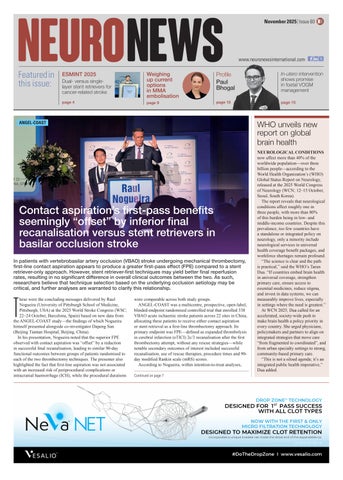
These were the concluding messages delivered by Raul Nogueira (University of Pittsburgh School of Medicine, Pittsburgh, USA) at the 2025 World Stroke Congress (WSC; 22–24 October, Barcelona, Spain) based on new data from the ANGEL-COAST study—the findings of which Nogueira himself presented alongside co-investigator Dapeng Sun (Beijing Tiantan Hospital, Beijing, China).
In his presentation, Nogueira noted that the superior FPE observed with contact aspiration was “offset” by a reduction in successful final recanalisation, leading to similar 90-day functional outcomes between groups of patients randomised to each of the two thrombectomy techniques. The presenter also highlighted the fact that first-line aspiration was not associated with an increased risk of periprocedural complications or intracranial haemorrhage (ICH), while the procedural durations
were comparable across both study groups.
ANGEL-COAST was a multicentre, prospective, open-label, blinded-endpoint randomised controlled trial that enrolled 338 VBAO acute ischaemic stroke patients across 22 sites in China, allocating these patients to receive either contact aspiration or stent retrieval as a first-line thrombectomy approach. Its primary endpoint was FPE—defined as expanded thrombolysis in cerebral infarction (eTICI) 2c/3 recanalisation after the first thrombectomy attempt, without any rescue strategies—while notable secondary outcomes of interest included successful recanalisation, use of rescue therapies, procedure times and 90day modified Rankin scale (mRS) scores.
According to Nogueira, within intention-to-treat analyses,
Continued on page 7
In-utero intervention shows promise in foetal VOGM management
page 15
WHO unveils new report on global brain health
NEUROLOGICAL CONDITIONS now affect more than 40% of the worldwide population—over three billion people—according to the World Health Organization’s (WHO) Global Status Report on Neurology, released at the 2025 World Congress of Neurology (WCN; 12–15 October, Seoul, South Korea).
The report reveals that neurological conditions affect roughly one in three people, with more than 80% of this burden being in low- and middle-income countries. Despite this prevalence, too few countries have a standalone or integrated policy on neurology, only a minority include neurological services in universal health coverage benefit packages, and workforce shortages remain profound.
“The science is clear and the path is practical,” said the WHO’s Tarun Dua. “If countries embed brain health in universal coverage, strengthen primary care, ensure access to essential medicines, reduce stigma, and invest in data systems, we can measurably improve lives, especially in settings where the need is greatest.”
At WCN 2025, Dua called for an accelerated, society-wide push to make brain health a policy priority in every country. She urged physicians, policymakers and partners to align on integrated strategies that move care “from fragmented to coordinated”, and from urban specialty settings to strong, community-based primary care.
“This is not a siloed agenda; it’s an integrated public health imperative,” Dua added.
ANGEL-COAST
Researchers complete Europe’s first BCI implantation in quadriplegia patient
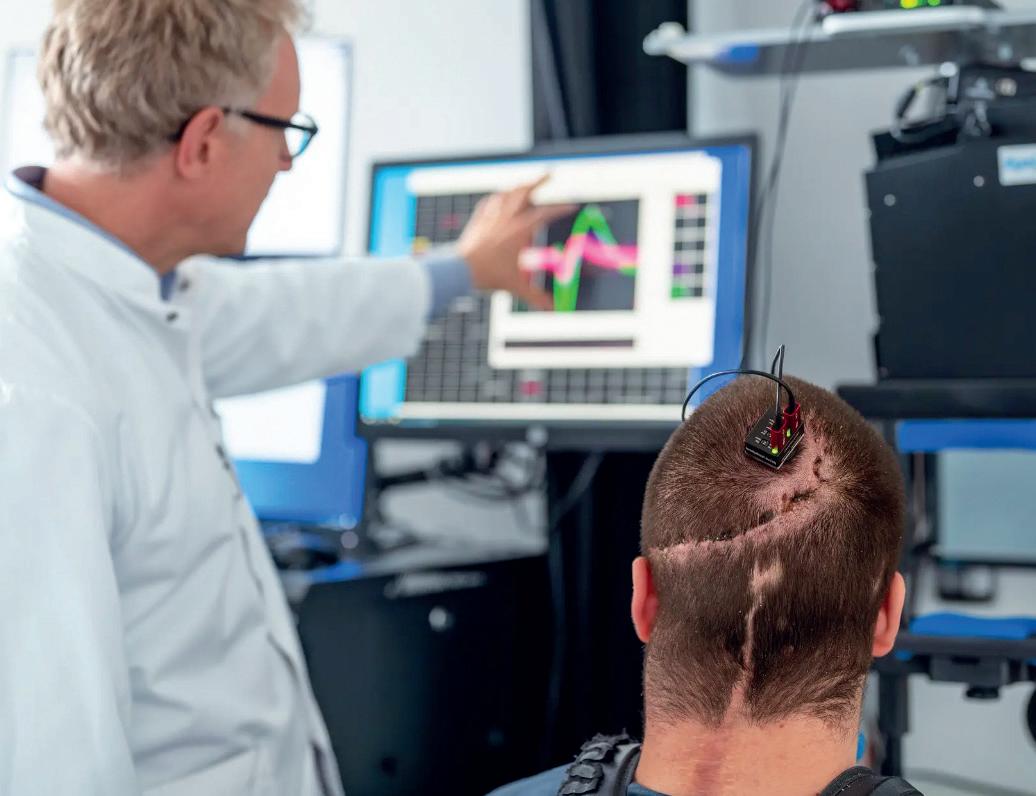
A team at the Technical University of Munich (TUM) University Hospital in Munich, Germany has implanted a brain-computer interface (BCI) in a patient paralysed from the neck down, marking the first procedure of this kind to be performed in Europe.
THE TUM TEAM HOPES TO ENABLE MICHAEL Mehringer, the 25-year-old man who received this BCI device, to control his smartphone and a robotic arm using only his thoughts—and they believe the implant in question will enable research that could one day help restore independence and improve quality of life for patients. The researchers are now seeking additional participants in this study.
After extensive preparation and planning, the neurosurgery team at TUM University Hospital implanted a custom-made BCI during a surgery that lasted more than five hours. The device’s 256 microelectrodes are able to capture signals from the part of the brain that plans and executes complex grasping movements, according to the researchers.
“The greatest challenge was to implant the electrodes with absolute precision,” explained Bernhard Meyer (TUM University Hospital, Munich, Germany). “That’s the only way to obtain accurate recordings and measure brain signals reliably.”
“With this procedure, a BCI was implanted for the first time in Europe in a patient with quadriplegia,” added Simon Jacob (TUM University Hospital, Munich, Germany). “We are proud to be the first academic institution in Europe to have implanted two such devices.”
In 2022, the TUM team implanted another BCI device in a stroke patient with a language disorder, which made it possible to map language processing in the healthy right hemisphere of her brain.
With the surgery complete, the research phase of the team’s work is now underway. Mehringer and the researchers meet in the lab twice each week. A computer is connected to his implant via a port, and the system extracts neuronal activity from the transmitted signals. These data are then used to train artificial intelligence (AI) algorithms to associate specific patterns of brain activity with the movements Mehringer intends to make.
The next step is to use the decoded brain signal to control a mouse click or a cursor on a screen. And the hope is that, following this, Mehringer will learn to control a robotic arm for grasping objects.
“Rather than expecting humans to conform to and learn how to operate robotic systems, the focus is on designing
Simon Jacob and study participant Michael Mehringer discuss data obtained via a braincomputer interface
systems that recognise human intent,” said Melissa Zavaglia (Munich Institute of Robotics and Machine Intelligence [MIRMI], Munich, Germany).
After a couple of weeks of training, the team has achieved its first breakthrough: as Mehringer attempts to follow a cursor moving across a monitor, the researchers can tell from his brain signals where he is intending to move.
In developing new solutions for people with severe physical disabilities, the Munich-based research team says it sees itself in direct competition with institutions in the USA. According to Jacob, in the USA, there has been major investment in BCI research over the past 20 years.
Rather than expecting humans to conform to and learn how to operate robotic systems, the focus is on designing systems that recognise human intent.”
Melissa Zavaglia
“Our goal is to close the gap between Europe and the USA by taking on projects that aren’t possible anywhere else,” he noted. “That requires bringing together all the key disciplines in one place: medicine, neuroscience—including AI—and engineering. Worldwide, very few universities combine these three disciplines as effectively as the Technical University of Munich.”
The researchers are hoping to achieve further major breakthroughs in the coming years, and they are currently seeking young adults from the Munich area with high-level spinal cord injuries—for example, those caused by diving or traffic accidents—to join this study.
“We’re looking for people with a pioneering spirit and a positive outlook on life,” Jacob stated. “However, it’s important for participants to understand that this is research, not treatment. The outcome of research is not as predictable as, for example, taking a painkiller that has been refined and tested for decades.”
NEWS IN BRIEF THE LATEST STORIES FROM THE NEURO WORLD
n CANADIAN RCT JOINS
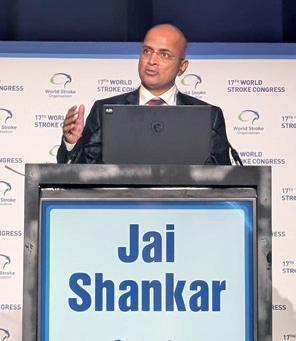
LIST OF POSITIVE MMA EMBOLISATION STUDIES: The findings of EMMA-CAN—the first randomised controlled trial (RCT) in Canada assessing embolisation of the middle meningeal artery (EMMA) as an adjunct to surgical drainage in chronic subdural haematoma (cSDH) patients—have shown the approach to be associated with significant reductions in both radiographic and symptomatic haematoma recurrence as compared to surgery alone, according to new data presented by Jai Shankar (Winnipeg, Canada) at the World Stroke Congress (WSC; 22–24 October, Barcelona, Spain).
For more on this story go to page 4.
n PROCEDURAL DURATION HAS “GREATER INFLUENCE” ON POST-THROMBECTOMY OUTCOMES COMPARED TO PREHOSPITAL DELAYS:
A retrospective analysis of more than 6,600 acute ischaemic stroke patients has revealed that the duration of a mechanical thrombectomy procedure may have a significantly more profound effect on functional outcomes as compared to prehospital delays. The findings of this analysis have been published by Ali Alawieh (Atlanta, USA) and colleagues in the Journal of NeuroInterventional Surgery
For more on this story go to page 5.
n CAS AND CEA PROVIDE “SIMILARLY DURABLE PROTECTION” AGAINST STROKE AT 10 YEARS:
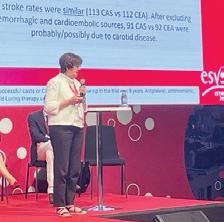
Sharing 10-year findings from the ACST-2 trial at the European Society for Vascular Surgery (ESVS) annual meeting (23–26 September, Istanbul, Türkiye), Alison Halliday (Oxford, UK) highlighted that, if successful, both carotid artery stenting (CAS) and carotid endarterectomy (CEA) “substantially reduce long-term stroke rates”.
For more on this story go to page 16.
Editor-in-chief: Prof Philip M Meyers | Publisher: Stephen Greenhalgh
Philip M Meyers | Publisher: Stephen
Content director: Urmila Kerslake | Global commercial director: Sean Langer
Editor: Jamie Bell jamie@bibamedical.com | Editorial contribution: Jocelyn Hudson, Will Date and Éva Malpass
Editor: Jamie Bell jamie@bibamedical.com | Editorial contribution: Jocelyn Hudson and Bryan Kay
Design: Terry Hawes and David Reekie
Design: Terry Hawes, Wes Mitchell and David Reekie
Image credit: Kathrin Czoppelt/TUM University Hospital
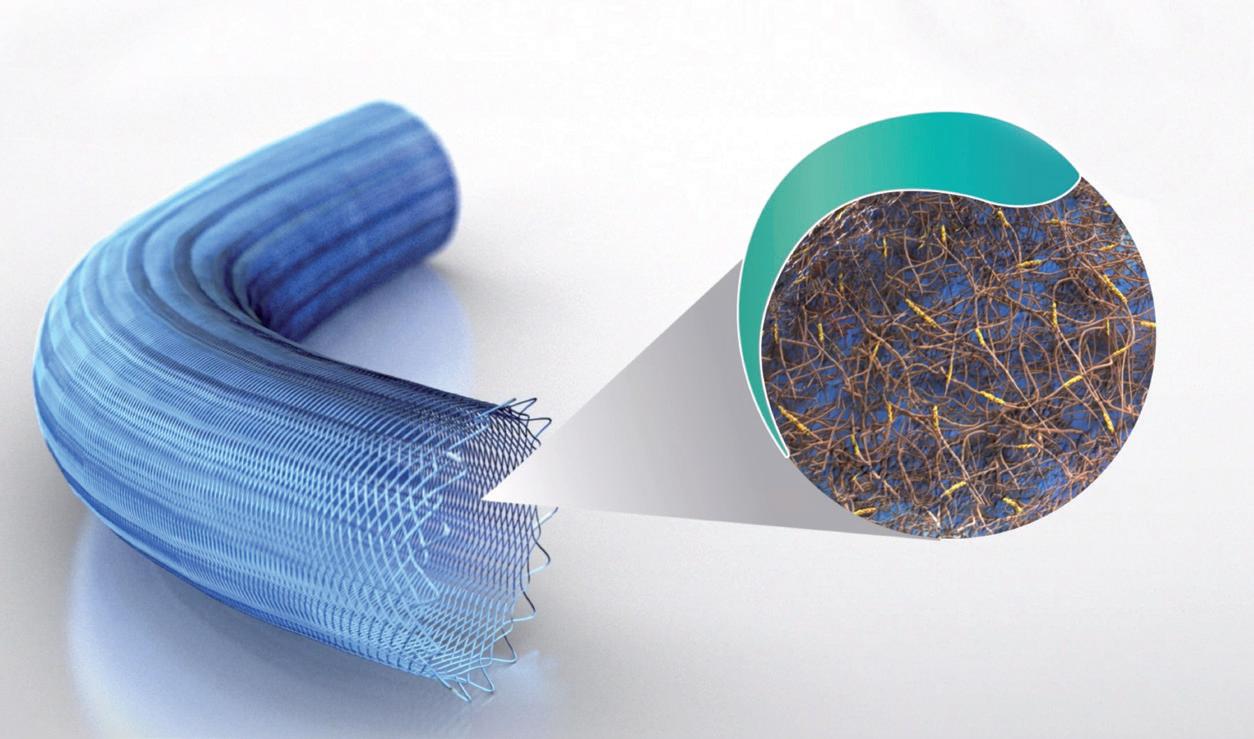
NEXT GENERATION COATING. DESIGNED TO SUPPORT HEALING.
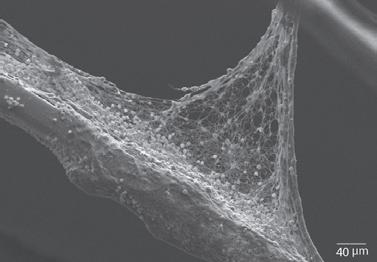
The HEAL Technology introduces a novel approach to vascular healing following device implantation. By replicating the final stage of natural haemostasis, it forms a thin, fully cured fibrin network on the implant surface.
The combination of the fibrin network and covalently bound heparin provides a unique set of antithrombogenic, anti-inflammatory, and endothelialisationpromoting properties*, resulting in improved biocompatibility and support for long-term vascular integration.
Stent *The stated properties have been proven in non-clinical tests.
Canadian RCT joins growing list of studies demonstrating benefits with MMA embolisation in cSDH management
The findings of EMMA-CAN—the first randomised controlled trial (RCT) in Canada assessing embolisation of the middle meningeal artery (EMMA) as an adjunct to surgical drainage in chronic subdural haematoma (cSDH) patients—have shown the approach to be associated with significant reductions in both radiographic and symptomatic haematoma recurrence as compared to surgery alone.
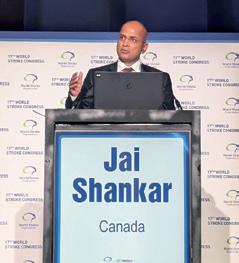
SPEAKING AT THIS YEAR’S World Stroke Congress (WSC; 22–24 October, Barcelona, Spain), leading investigator Jai Shankar (University of Manitoba, Winnipeg, Canada) acknowledged the fact that EMMACAN is the latest in a series of RCTs demonstrating EMMA’s potential benefits in these patients. However, he was also keen to emphasise that this trial is the first fully independent, investigator-initiated RCT evaluating cSDH management with EMMA, having been conducted with no industry input.
“We had more stringent inclusion criteria compared to the previously published studies, […] as well as fewer biases and more complete follow-up,” he continued. “This was also the only [EMMA] study where surgeons were blinded in terms of which group the patients were randomised to, giving us a more objective primary outcome.”
EMMA-CAN was a prospective, open-label, blinded-endpoint RCT examining the safety and efficacy of EMMA adjunctive to the current standard of care in patients with symptomatic, unilateral cSDH. Its
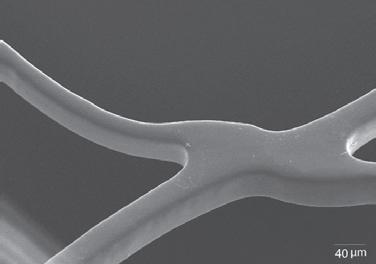
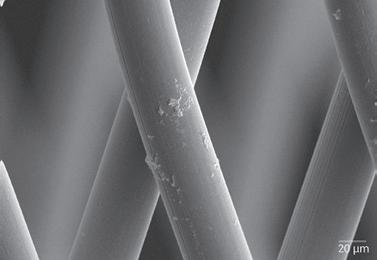
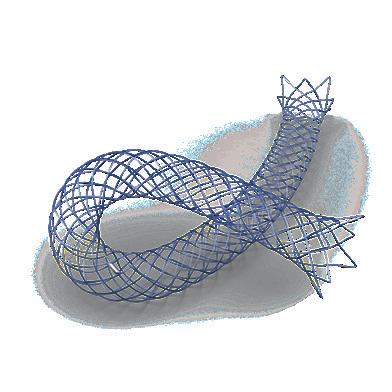
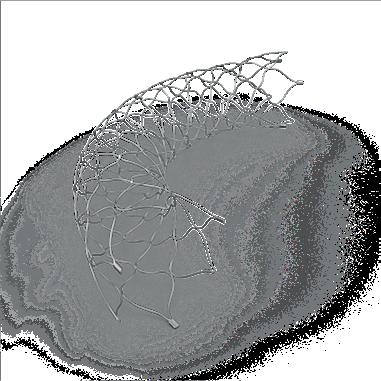
Dual-layer stent retrievers may carry benefits in treatment of cancerrelated strokes
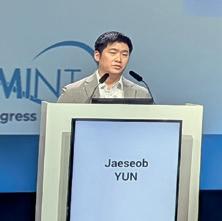
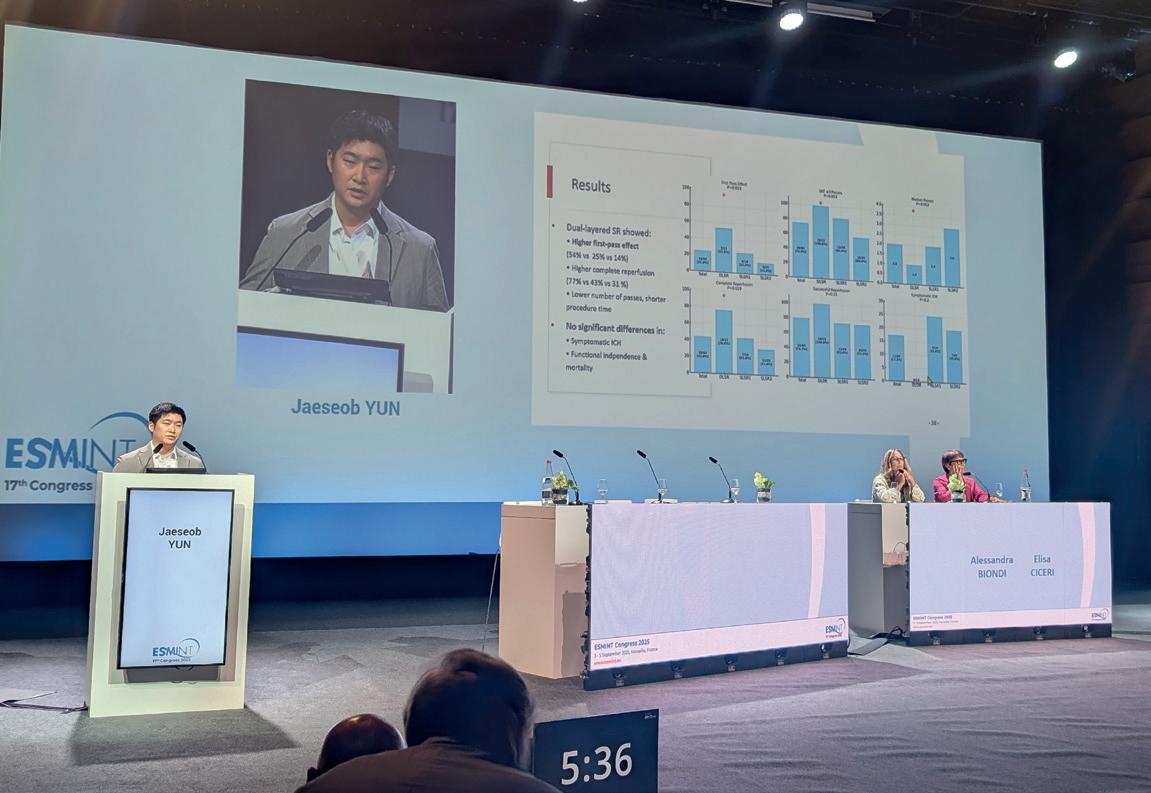
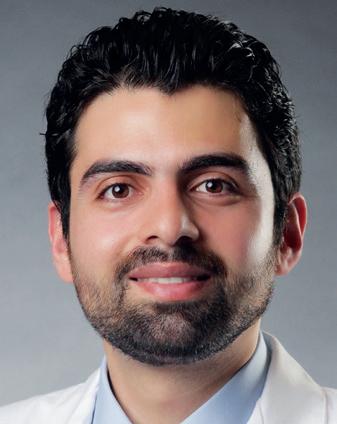
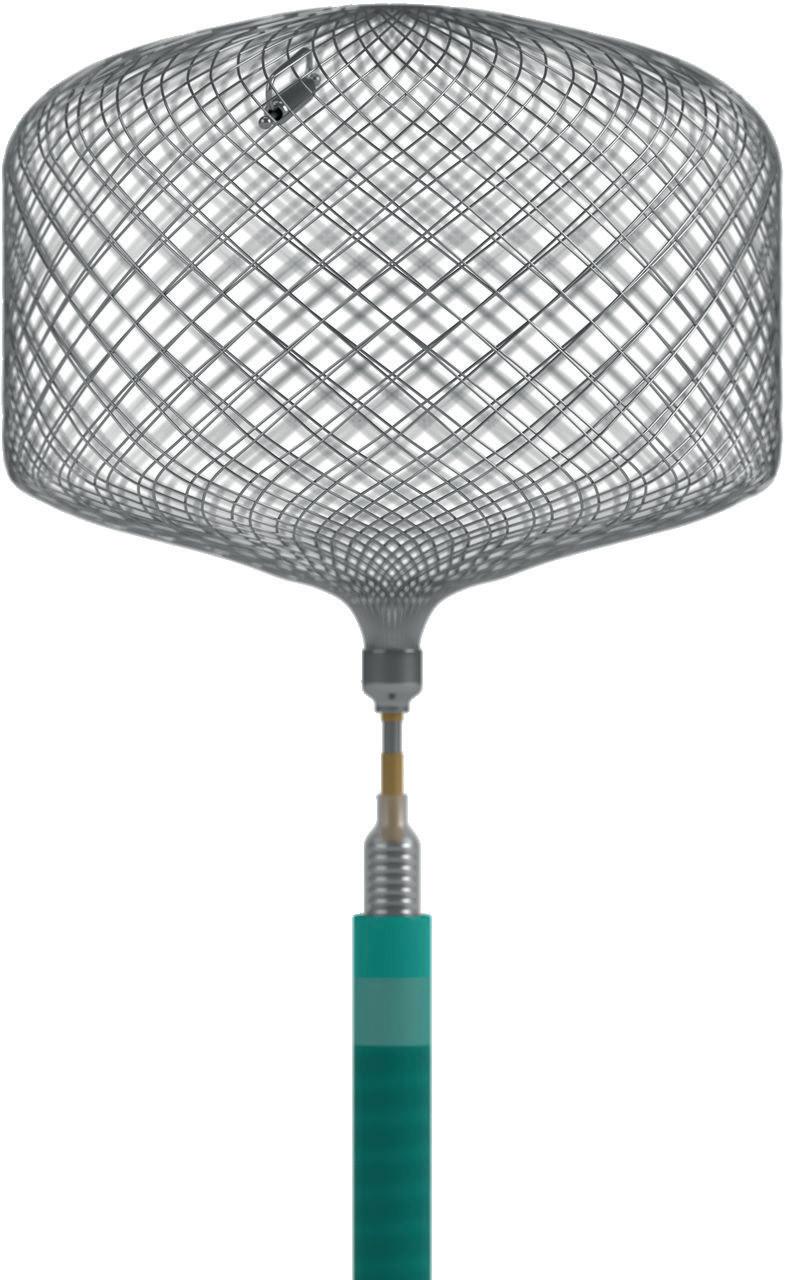
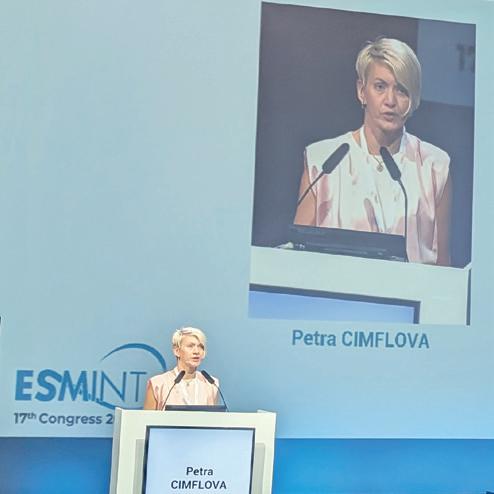
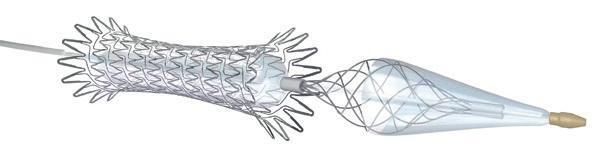
Dual-layer stent retrievers—as opposed to traditional single-layer alternatives— may offer improved first-pass effect (FPE) rates and more complete recanalisation outcomes when utilised as a first-line treatment option in cancer-related strokes. That is according to new research presented by Jaeseob Yun (Keimyung University College of Medicine, Daegu, South Korea) at this year’s European Society of Minimally Invasive Neurological Therapy (ESMINT) annual congress (3–5 September, Marseille, France).
YUN BEGAN BY NOTING THAT PREVIOUS studies have indicated cancer-related ischaemic strokes are typically caused by thrombi that are particularly rich in platelets and fibrin but have below-average levels of red blood cells.
“This matters because clot composition directly affects thrombectomy performance,” he explained. “However, the optimal strategy [for cancer-related stroke] remains largely unknown.”
Yun went on to state that the stiffness and increased friction coefficient associated with platelet/fibrinrich thrombi may result in reduced stent engagement and an increased thrombus-vessel interaction during thrombectomy procedures, potentially making these treatments less effective. Against this backdrop, Yun and his colleagues hypothesised that—owing to improved clot integration—dual-layer stent retrievers
primary endpoint was the centrally adjudicated haematoma recurrence— either radiographic (on computed tomography [CT] imaging) or symptomatic—at 90 days, while serious adverse events and mortality related to the EMMA procedure constituted its key safety endpoints.
A total of 192 patients were enrolled and, following surgical haematoma drainage, subsequently randomised 1:1 to standard care alongside EMMA (intervention) or without EMMA (controls).
Ninety-three patients in each of these groups were ultimately included in the study’s intention-to-treat (ITT) analysis.
p<0.001). As such, the study’s ITT analysis revealed a 3.5-fold reduction in radiographic recurrence and a 6.5-fold reduction in symptomatic recurrence with EMMA plus standard care versus standard care alone.
Jai
Within the intervention group, patients were treated <72 hours after surgery using the Onyx-18 (Medtronic) liquid embolic agent under general anaesthesia.
Relaying EMMA-CAN’s primary endpoint findings at WSC 2025, Shankar reported a radiographic recurrence rate of 14% in the intervention group compared to 49.5% in the control group (odds ratio [OR], 0.17; p<0.001), in addition to respective symptomatic recurrence rates of 4.3% versus 28% between the two groups (OR, 0.12;
Additionally, 90-day rates of serious adverse events were statistically comparable between groups, at 8.6% with EMMA and 5.4% without, while the occurrence of death from any cause at 90 days was similar in the intervention group (4.3%) versus the control group (1.1%) too. The presenter also noted that none of the serious adverse events or deaths in the trial were attributed to the EMMA procedure itself.
“What we need now is the longer-term follow-up,” he concluded. “All these patients are being followed up to one year, if they survive. We also need realworld cases. Does [EMMA] really work the same way in those real-world patients who are not eligible for randomised controlled trials? We have done this study already, and the third registry arm will likely be presented next year at the International Stroke Conference [4–6 February, New Orleans, USA].”
have the potential to outperform single-layer stent retrievers in removing these types of thrombi.
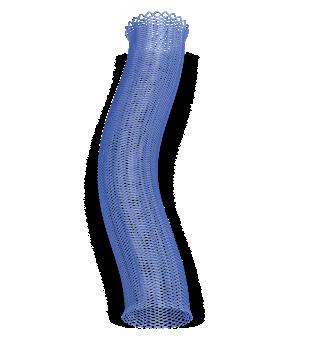
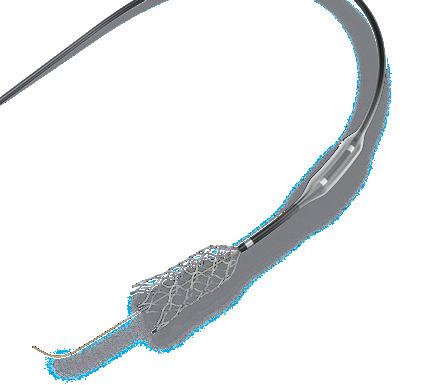
They conducted a retrospective analysis of a prospective cohort of 78 patients with cancer-related stroke who underwent thrombectomy from 2011–2024. Within this group, 29 patients were treated using a combined technique (stent retriever plus aspiration), while 35 were treated via stent retriever only and 14 were treated with contact aspiration. Among the 64 patients whose treatment involved stent retrievers, 13 received the dual-layer Embotrap device (Johnson & Johnson), and 51 received a single-layer device—either Solitaire (Medtronic; n=35) or Trevo (Stryker; n=16).
Yun and colleagues’ primary outcomes of interest were the rates of FPE and symptomatic intracranial haemorrhage (ICH), although a number of other metrics including final reperfusion status, successful reperfusion within three passes, total number of passes, procedure times, functional independence and mortality were also assessed.
Analyses of the full 78-patient cohort revealed no significant differences between combined, stent retriever-only and contact aspiration thrombectomy techniques regarding efficacy, safety, and clinical outcomes. Yun noted that, while a high mortality rate of 86.2% was observed in patients treated via a combined technique, this was ultimately attributed
to underlying cancer prognoses as opposed to the thrombectomy treatment itself.
However, more pronounced between-group discrepancies were found when the researchers compared the dual- and single-layer stent retrievers utilised within their patient population. The duallayer Embotrap device achieved a higher FPE rate (54%) versus both Trevo (25%) and Solitaire (14%), and a superior rate of complete reperfusion as per a thrombolysis in cerebral infarction (TICI) score of 3, at 77% versus 44% and 31%, respectively. In addition, Embotrap was associated with a lower median number of passes (n=1) versus Trevo (n=2) and Solitaire (n=3), as well as demonstrating a shorter average procedure time compared to its single-layer contemporaries.
Yun further reported that there were no statistically significant differences between these three stent retrievers regarding rates of symptomatic ICH, functional independence and mortality.
Although the sample size was [quite small], these findings have important clinical implications.”
“In summary, the dual-layer stent retriever showed greater efficacy without compromising safety,” he added, also relaying that these trends remained consistent following adjusted multivariable analyses, bolstering the notion that dual-layer devices may enable faster and more complete recanalisation than conventional stent retrievers in cancer-related stroke treatments. “Although the sample size was [quite small], these findings have important clinical implications.”
Shankar presenting at WSC 2025
Jaeseob Yun presenting at ESMINT 2025
Procedural
duration “exerts a greater influence” on post-thrombectomy functional outcomes compared to prehospital delays
A retrospective analysis of more than 6,600 acute ischaemic stroke patients has revealed that the duration of a mechanical thrombectomy procedure may have a significantly more profound effect on functional outcomes as compared to prehospital delays. The findings of this analysis have been published by Ali Alawieh (Emory University School of Medicine, Atlanta, USA) and colleagues in the Journal of NeuroInterventional Surgery.
“ENDOVASCULAR THROMBECTOMY HAS transformed acute ischaemic stroke care, with onsetto-puncture [OTP] time widely recognised as a critical determinant of outcome,” the authors write, outlining the backdrop to their study. “However, emerging evidence suggests that in-hospital procedure time—from arterial puncture to final recanalisation—may have an equally or more significant impact.”
With this in mind, Alawieh et al conducted a retrospective analysis of 6,644 acute ischaemic stroke patients treated via mechanical thrombectomy across 44 global centres within the Stroke Thrombectomy and Aneurysm Registry (STAR) between 2016 and 2023.
analysis, time-equivalence analysis, and marginal effects modelling, to assess how these timings were associated with 90-day modified Rankin scale (mRS) scores.
In order to evaluate the relative contributions of prehospital OTP time and in-hospital procedure time towards patients’ functional outcomes, the researchers deployed multivariable regression
ATLAS meta-analysis
Alawieh et al also detail that, in their study, centres were stratified by procedural efficiency and compared using propensity score matching (PSM), while mediation analysis was used to evaluate whether procedure times accounted for inter-centre differences—discrepancies between, for example, comprehensive, thrombectomycapable and primary stroke centres.
As per the researchers’ findings, OTP and procedural times were both independently associated with functional outcomes across their cohort of stroke patients. However, procedure time was shown to have had a “significantly stronger effect” of the two, demonstrated by an adjusted odds ratio (OR) for an mRS score of 0–2 of
consolidates EVT’s efficacy in large-core stroke with benefits seen across majority of patient subgroups
The efficacy and overall safety profile of endovascular therapy (EVT) in large-core ischaemic stroke patients has been reaffirmed by the findings of ATLAS—a systematic review and meta-analysis of close to 2,000 patients included in six different randomised controlled trials (RCTs) evaluating the procedure.
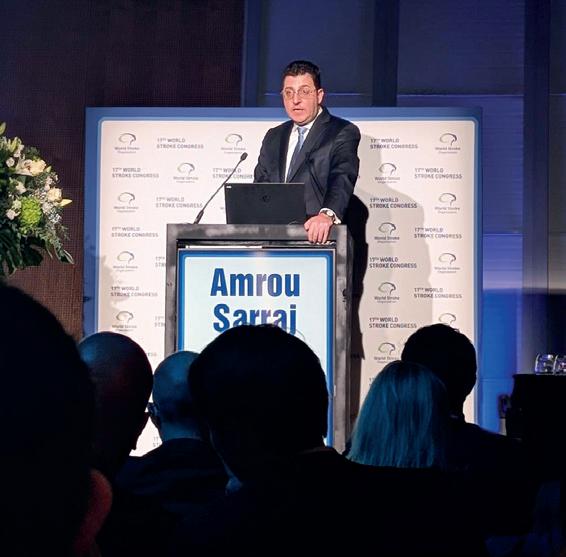
DETAILING THESE NEW patient-level data analyses at the 2025 World Stroke Congress (WSC; 22–24 October, Barcelona, Spain), Amrou Sarraj (Case Western Reserve University, Cleveland, USA) noted that the trials in question—ANGELASPECT, LASTE, RESCUE-Japan LIMIT, SELECT2, TENSION and TESLA—all produced results suggesting clinical benefits with EVT versus medical management.
“However,” he continued, “they chose different imaging modalities, were run in different healthcare systems, and had major differences in [endpoints], which led to heterogeneity in the patient populations and in the treatment effects. In addition, when you go into clinical practice after seeing these results, there are curiosities regarding certain subgroups in terms of different [infarct] sizes, treatment timings and imaging profiles.”
Sarraj, principal investigator for SELECT2, stated that these discrepancies led him and other leading investigators of the six large-core RCTs to come together and improve the current understanding of EVT in this population of patients with particularly
severe strokes. The primary endpoint for ATLAS was 90-day modified Rankin scale (mRS) shift, while secondary outcomes of interest included rates of mRS 0–2 and 0–3 as well as symptomatic intracranial haemorrhage (sICH), neurological worsening and mortality. A total of 1,886 patients were included in the meta-analysis.
“Just to put this into context,” Sarraj noted, “the HERMES metaanalysis that revolutionised stroke care in patients with smaller cores had a cohort of 1,287.”
In addition to highlighting the fact that the two overall study groups—EVT plus medical management and medical management only—were well-balanced in terms of baseline characteristics, Sarraj commented that roughly 20% of patients had an Alberta stroke programme early computed tomography score (ASPECTS) of 0–2, largely owing to the significant enrolment of these especially extensive stroke cases in LASTE and TESLA.
With five of the six RCTs having met their primary endpoint, and TESLA having also shown trends favouring EVT with positive per-protocol analysis findings, Sarraj stated that—“as
0.56 per hour with procedure time versus 0.96 per hour with OTP time.
According to Alawieh et al, regarding effects on functional outcomes, each five-minute increase in procedure time was found to be equivalent to an increase of 78–100 minutes in additional OTP time.
The authors go on to detail that centres with faster average procedure times ultimately produced higher rates of functional independence—with a number needed to treat (NNT) of 10—as well as fewer complications, and lower symptomatic intracranial haemorrhage rates (ICH). Furthermore, procedure times were shown to have “significantly mediated” the relationship between outcomes and the level of a given stroke centre (p<0.001).
“While minimising OTP remains important, procedure time exerts a greater influence on outcomes after endovascular thrombectomy,” Alawieh et al conclude. “Procedural efficiency should be emphasised in stroke systems of care and included in centre performance metrics to improve patient outcomes.”
Procedural efficiency should be emphasised in stroke systems of care and included in centre performance metrics to improve patient outcomes.”
expected”—ATLAS also met its primary endpoint, as per an adjusted general odds ratio (aGenOR) of 1.63 favouring the EVT cohort. Furthermore, the mRS 0–2 rate was 19.5% with EVT versus 7.5% with medical management, and the mRS 0–3 rates were 36.6% versus 19.8%, respectively, between the two groups.
“Importantly, mortality was significantly reduced,” the presenter added, highlighting rates of 31% with EVT and 37% without. “Again, to put things into context, [EVT] is now the first reperfusion therapy that we can say saves lives in this population.”
Regarding additional safety-related endpoints, Sarraj reported a statistically significant increase in sICH rates with EVT compared to medical management (5.5% vs 2.7%, respectively), and proportions of neurological worsening of 22% with EVT versus 17% with medical management.
beyond six hours—the procedure did not demonstrate a meaningful benefit in ASPECTS 0–2 patients treated in the later window after symptom onset, although Sarraj cited the small number of enrolments of these patients as a potential confounding factor here.
The presenter also noted that blinded, centralised adjudication of all the corelab imaging information from each of the six individual RCTs, including data on ASPECTS, ischaemic core volumes and mismatch profiles, will be conducted shortly.
Sarraj went on to highlight forest plots indicating that EVT retained its efficacy across all clinical and imaging-based subgroups of interest, including in patients with ASPECTS 0–2 as well as scores of 3, 4, and 5. He also relayed that the treatment effect of EVT persisted in both the early (<6 hours) and late (6–24 hours) time windows. However, more granular analyses showed that, while the groups with ASPECTS 0–2 and ASPECTS 3–5 treated in the early time window benefitted from EVT—as did those with ASPECTS 3–5 treated
“We conclude that ATLAS demonstrates the overwhelming benefit of EVT in stroke patients with a large core, across a spectrum of different inclusion criteria, imaging modalities, healthcare systems, geographies and ethnicities, which speaks volumes on the generalisability of these data,” Sarraj added. “There were consistent improvements in functional independence [mRS 0–2] and independent ambulation [mRS 0–3], and, while sICH and neurological worsening increased, this did not outweigh the overall clinical benefit seen with EVT, nor the fact that mortality was reduced. This is important because it establishes and emphasises the superiority of EVT over medical management in a population that accounts for around 20% of all LVO [large vessel occlusion] strokes.”
Ali Alawieh
Amrou Sarraj presenting at WSC 2025
Contact aspiration’s first-pass benefits seemingly “offset” by inferior final recanalisation versus stent retrievers in basilar occlusion stroke
Continued from page 1
an FPE was observed in 43.5% of 170 patients in the first-line contact aspiration group versus 27.4% of 168 patients in the first-line stent retriever group (p=0.002). This statistically significant discrepancy translated to a treatment effect of 2.04, with the same trend also being present in per-protocol analyses of the study groups.
However, the study’s secondary endpoint measures revealed a more complex picture. While the FPE rate for complete recanalisation (eTICI 3) was also higher with aspiration versus stent retrieval (41.2% vs 25.6%, respectively), eTICI ≥2b50 recanalisation at the completion of each group’s assigned thrombectomy
technique was more prevalent with stent retrieval (88.1%) compared to aspiration (78.2%)—and final eTICI ≥2b50 recanalisation at the end of the procedure was higher in the stent retriever group too (94% vs 87.6%, respectively). Nogueira went on to note that rescue therapies were utilised at similar rates between the contact aspiration (45.3%) and stent retriever (46.4%) groups. Additionally, the median time from puncture to first-pass eTICI ≥2b50 recanalisation was 60 minutes in both groups, with the median time from puncture to either eTICI ≥2b recanalisation or the end of the procedure being marginally greater with aspiration (101 minutes) versus stent retrieval (97 minutes).
“So, yes—being fast is great, and speed is important, but it does not trump precision,” Nogueira commented. “You need to have both speed and precision.”
A number of more clinically oriented secondary endpoints also proved to be statistically comparable between the two first-line approaches assessed in ANGEL-COAST. The median change in National Institutes of Health stroke scale (NIHSS) score from baseline to 24 hours was -3 with aspiration versus -2 with stent retrieval, and 90-day quality-of-life
Is post-EVT intra-arterial thrombolysis a gamechanger or a risky add-on, and which LVO subgroups benefit most?
Ali Mortezaei
In light of a recent meta-analysis evaluating the potential benefits of administering intra-arterial thrombolysis (IAT) after an endovascular thrombectomy (EVT) procedure in large vessel occlusion (LVO) stroke patients, Ali Mortezaei (Houston, USA)— who was a leading author for the publication—discusses key outcomes associated with giving postprocedural thrombolytics, and highlights which patients may respond best to this approach.
EVT HAS TRANSFORMED THE management of LVO acute ischaemic stroke. Yet, even with angiographic revascularisation rates over 80%, fewer than half of all LVOs and distal or medium vessel occlusions (DMVOs), as well as fewer than one third of large strokes (Alberta stroke programme early computed tomography score [ASPECTS] 0–5), achieve disability-free survival at 90 days. This ‘reperfusion gap’ reflects an important limitation: opening the artery does not always mean restoring tissue-level flow or functional recovery.
The reasons are multifactorial. EVT removes proximal clot, but residual thrombus, distal emboli and microvascular no-reflow often remain. These issues are magnified in DMVOs, where vessel calibre, tortuosity and fragility make intervention less feasible, and more challenging. But is IAT a breakthrough tool for better outcomes, or a risky addition with uncertain benefits?
Our recently published meta-analysis of seven randomised trials included a total of 2,101 patients, with wellbalanced baseline characteristics, and without any significant heterogeneity in any primary and secondary outcomes. The findings showed a significantly higher rate (24%; p<0.01) of functional excellence (modified Rankin scale [mRS] 0–1) in the EVT group compared with medical care, without any difference in functional and quality-of-life outcomes. Although the risk of any intracranial haemorrhage (ICH) was significantly greater in the intervention group (17%; p=0.03), there was no significant difference regarding symptomatic ICH between the two groups (p=0.53). When data were limited to anterior-circulation patients, notably, there was no significant difference (p>0.05) in systemic bleeding, serious adverse events, and symptomatic and any ICH between groups. However, the superiority of EVT over medical care in functional excellence was sustained.
assessments demonstrated parity across the two study groups as well. The median mRS score at 90 days in both groups was 4, while respective 90-day rates of mRS 0–2 and 0–3 were 24.7% and 35.9% with aspiration compared to 26.8% and 38.7% with stent retrieval. Nogueira pointed out that, despite trending towards better clinical outcomes with stent retrievers, these differences were not statistically significant, and other safety measures including rates of mortality, periprocedural complications and ICH also appeared comparable between the two study groups.
“Additional analyses and future studies are still needed to identify subgroups that might derive greater benefit— this time, a clinical benefit—with one strategy versus the other,” he concluded. “I don’t think we are done with the overarching question assessed in this trial. There may be meaningful interactions based on underlying aetiology— for example, stent retriever approaches could prove superior in intracranial atherosclerotic disease, while contact aspiration might perform better in cardioembolic occlusions. These are fascinating possibilities, and we need to analyse the clinical outcomes of both techniques in these specific patient populations.”
Another important question is which thrombolytic agent works best in this setting. In our analysis, there was no significant difference between alteplase, tenecteplase and urokinase in terms of functional recovery or mortality at three months. This suggests that the benefit of IAT is likely a class effect rather than being agent-specific. Importantly, patients who received both IAT and intravenous thrombolysis (IVT) did not fare better than those treated with IAT alone, underscoring that it is the targeted, local delivery rather than systemic exposure that seems to matter most. For clinicians, these results suggest that the choice of thrombolytic agent may be less critical than ensuring consistent delivery, and that future work should focus on standardising dosing protocols and infusion techniques as opposed to emphasising differences between individual agents.
One point that is often raised is the fact that “not all patients respond to IAT the same way”—so, which patients benefit the most? Patients with severe baseline neurological deficits (National Institutes of Health stroke scale [NIHSS] >15) had a greater chance of achieving disability-free survival (risk ratio [RR], 1.38; 95% confidence interval [CI], 1.07–1.78; p=0.01), likely reflecting a larger salvageable penumbra where distal reperfusion is particularly meaningful. Even more intriguing was the sex-based difference: female patients had a 42% higher likelihood of excellent outcomes (mRS 0–1) compared with men (95% CI, 1.07–1.78; p<0.01). While exploratory, this signal is consistent with prior observations that hormonal milieu, clot composition and collateral circulation may influence responsiveness to fibrinolysis.
By contrast, no significant differences were observed when patients were stratified by age (≤69 vs >69 years), infarct size (ASPECTS ≤8 vs >8), prestroke functional status (mRS 0 vs 1), occlusion site, or post-EVT reperfusion grade (expanded thrombolysis in cerebral infarction [eTICI] 2c vs 3).
These neutral findings underscore that IAT’s effect is not uniform across all baseline or imaging characteristics but, rather, concentrated in selected subgroups. It is important to note that neutral findings may reflect limited power rather than a true absence of effect. Altogether, the data raise the possibility that IAT could be especially impactful in populations historically at higher risk of poor outcomes—a hypothesis that warrants validation in prospective, subgroup-focused trials. IAT after EVT is not a ‘one-size-fitsall’ solution. While overall effects are modest, exploratory signals suggest benefit in patients with severe strokes and possibly in women, without an excess risk of symptomatic ICH. The choice of thrombolytic agent appears less important than how and when it is delivered, underscoring the need for standardised administration. It remains unclear whether IAT confers benefit in patients with reperfusion below eTICI 2c–3, as available data were insufficient to draw conclusions for this subgroup. Most importantly, IAT may help close the reperfusion gap that persists after EVT and could prove especially valuable in challenging populations, such as DMVOs, where mechanical thrombectomy has struggled. By potentially improving disability-free survival, IAT may hold promise as an adjunct to thrombectomy. Its greatest value, however, will likely come from tailored use in carefully selected patients and the development of standardised protocols in future trials.
References for this article can be viewed online at neuronewsinternational.com/ is-post-evt-intra-arterial-thrombolysis-agamechanger-or-a-risky-add-on-and-whichlvo-subgroups-benefit-most.
Ali Mortezaei is an MD graduate of the Gonabad University of Medical Sciences (Gonabad, Iran), and a clinical researcher for the Clinical Innovations Laboratory at Houston Methodist Hospital (Houston, USA).
The author declared no conflicts of interest
POINT OF VIEW
SwiftPAC coil set to create new possibilities in MMA embolisation
Following its CE-mark approval and European commercial launch in September this year, the SwiftPAC neuroembolisation coil (Penumbra) stands as a useful tool in the endovascular treatment of a number of traditionally neurosurgical conditions— including intracranial aneurysms, carotid cavernous fistulas (CCFs) and chronic subdural haematomas (cSDHs). Here, Fritz Wodarg (University Medical Center Schleswig Holstein, Kiel, Germany) provides NeuroNews with some key insights into the management of cSDH patients via middle meningeal artery embolisation (MMAe) procedures utilising the SwiftPAC device.
WODARG RECALLS THAT HIS CURIOSITY
over this fairly novel therapeutic approach was initially piqued when he first observed presentations of such procedures given by US physicians back in 2019.
“From the beginning, it seemed to be a logical approach, and an approach with low risks, so we became interested in trying it out,” he says, speaking at this year’s European Society of Minimally Invasive Neurological Therapy (ESMINT) annual congress (3–5 September, Marseille, France). “Back home, we immediately started talking to our neurosurgical colleagues. They were sceptical at first but, as it is an intervention with such a low risk profile, we were able to convince them to try it out for certain cases—and it didn’t take long for them to also see that we didn’t have any complications with these interventions.”
These positive early experiences have led to the vast majority of eligible cSDH cases now being treated via MMAe procedures at Wodarg’s centre. He notes that the specific technique they have typically favoured involves particle-based embolisation with the addition of coils.
“There are several reasons for this,” Wodarg explains. “The main reason is that it means we can treat people under local anaesthesia, which makes it much easier to perform the procedures in our daily practice. We also had no evidence on whether liquid embolics or other [materials] would be more efficient. So, we started off using particles [alongside coils] and continued to do so.”
Over time, Wodarg and his colleagues have gained a greater understanding of how best to optimise and tailor this technique to the patient. Important lessons they have learned relate to catheter sizing, and the significance of having “persistent antegrade flow” in the vessel to ensure the embolisation particles can reach more distal locations, as well as the benefits of using smaller particles.
“The data on liquid embolics are quite good, but we still don’t know how both techniques compare,” he says. “As such, and also due to a few practical reasons at our hospital regarding general anaesthesia, we’ve continued to use particles and some additional, pushable coils to create a proximal block after administering the particles.”
A “completely new” solution
However, having utilised this approach fairly consistently over the past few years, a recently introduced technology—the SwiftPAC neuroembolisation coil—has led Wodarg to reconsider his MMAe strategy, and the role coiling can play in these treatments.
“The SwiftPAC coil for this indication is something completely new,” he notes. “I hadn’t previously used detachable coils because, from my understanding, it would have made the procedure very long and very
complicated. Due to the fact that there are sometimes three or more vessel branches, possibly requiring lots of coils, and because we do not know if it’s necessary to just coil distally or go all the way down, we’ve used pushable coils as an additional block in the proximal part of the MMA, but not as a standalone treatment.”
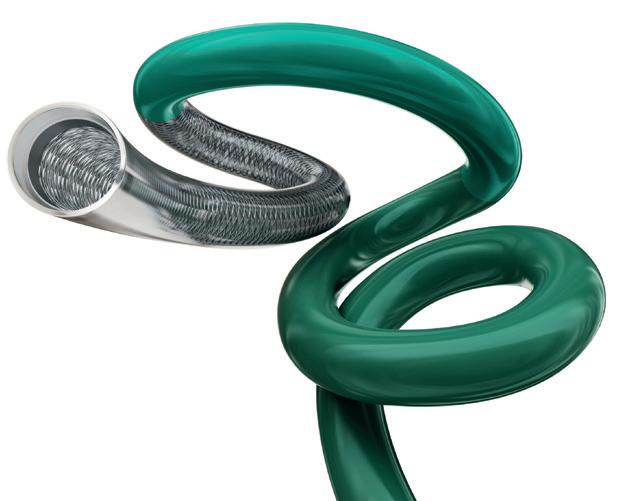
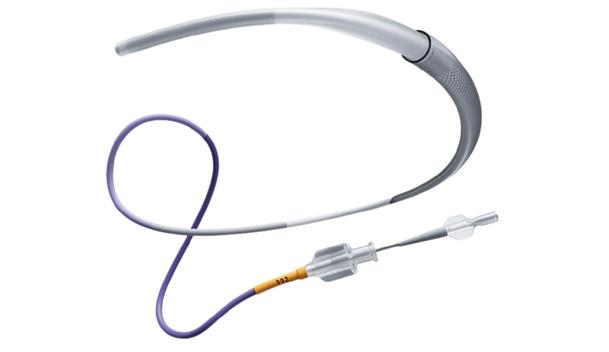
However, according to Wodarg, “that all changed” with the European debut of SwiftPAC—a recent addition to Penumbra’s Swift coil system that has been designed as a soft, space-seeking ‘liquid metal’, which has an innovative 2D sinusoidal shape and conforms to the target vessel in order to achieve dense packing. These attributes provide versatility across a variety of clinical applications, with one of these applications being the endovascular treatment of cSDH.
“SwiftPAC is thought to be able to cover a long distance and occlude more than one branch with a single coil,” Wodarg avers. “This is an interesting idea because, with that, you’re able to start in one branch, and then come down to a bifurcation, and then treat the next branch with the same coil. And, in the end—with just one or two coils—you can often cover the whole MMA territory. Of course, a coil does not have the same deep penetration as liquid embolics or particles but, at the moment, we don’t know if that [deep penetration] is necessary. This is an important question to consider for the future.”
The SwiftPAC coil for this indication is something completely new.”
While the differences in efficacy between MMAe procedures utilising standalone coiling, liquid embolic agents or particles are yet to be fully elucidated via clinical research, Wodarg feels that deploying coils is likely to carry a higher safety level compared to alternative approaches.
“The safety aspect is an important point,” he explains. “If you’re unlucky or unaware of your collaterals, you can lose particles [outside the target territory]. With liquid embolics, you can lose embolic agent into smaller branches that you don’t want to embolise. This means it’s much more important to have a very good view, to have a patient who’s not moving, and to have a good understanding of where your
embolic agent is going, at every moment.
“With a coil, it’s a different story. You can retrieve it at any time, if necessary. You can clearly see where it’s going after you place it, and you can correct the position if you’re not happy with it. So, in terms of the safety aspect, I would have no fear of doing any harm with a coil like this. And, while there are no [definitive] data—and we do not have a lot of complications with other embolic agents either—I would expect that it’s safer than other embolics.”
Future directions
Another “interesting question” Wodarg highlights relates to the other conditions and indications beyond cSDH within which SwiftPAC may prove to be a beneficial tool for neurointerventionists. The device has a 0.0135-inch primary diameter, deliverable through 0.0165-inch microcatheters, and is available in a range of lengths from 3cm to 60cm. These characteristics are intended to optimise embolisation across different vessel sizes and anatomies within the neurovasculature, while a SwiftPAC product expansion that saw the introduction of 20cm and 25cm coils—announced by Penumbra earlier this year—is set to help physicians meet the growing demand for the endovascular treatment of neurosurgical conditions.
“The SwiftPAC coil seems to be a good choice when you’re using small catheters but, at the same time, trying to fill a large volume,” Wodarg comments. “It’s a very long coil that can be easily used with smaller catheters, which could be useful for some aneurysms—especially when it comes to filling aneurysms with a larger volume. I can imagine that we could also use it in the embolisation of dural fistulas from the venous side, for example, or in vessel occlusions. So, when it comes to very distal locations and you have a larger volume, there are definitely options.”
The utility and potential advantages of SwiftPAC have been explored further via two recent studies, both of which were presented at the 2025 Society of NeuroInterventional Surgery (SNIS) annual meeting (14–18 July, Nashville, USA) and have also been published in the journal Interventional Neuroradiology
The first of these publications sees Mascitelli et al report retrospective findings from 31 MMAe treatments using SwiftPAC coils as a standalone approach, with no procedural complications being observed in addition to a 93.3% rate of radiographic cSDH improvement at follow-up, leading the authors to conclude that SwiftPAC’s length and flexibility allow for distal penetration and efficient occlusion, with fewer materials, while avoiding the risks associated with liquid embolics.
present a case series of 18 consecutive SwiftPAC treatments ranging from post-traumatic vessel sacrifice, preoperative tumour embolisation, and severe epistaxis, to direct CCF, aneurysm recurrence and oropharyngeal haemorrhage. All but one of these procedures were technically successful, and no major complications were observed—with the authors concluding that, as such, SwiftPAC appears to represent a safe, effective and efficient option for a variety of indications.
Weighing up particles,
EVOH-based liquid agents and glues in MMA embolisation
Franziska Dorn
With the technique of middle meningeal artery embolisation (MMAe) presently coming of age in chronic subdural haematoma (cSDH) management, Franziska Dorn (Bonn, Germany) outlines how three of the main materials used during these procedures— microparticles, ethylene-vinyl alcohol (EVOH)-based liquid embolic agents and cyanoacrylate glues—appear to stack up.
RECENT RANDOMISED
controlled trials (RCTs) have confirmed MMAe can reduce recurrence and reoperation rates versus standard care alone in cSDH patients. With MMAe now incorporated into treatment algorithms across most neurointerventional centres, attention is turning to a practical question every interventionist faces: which embolic agent achieves the most durable, safest occlusion?
Particles: familiar but limited Polyvinyl alcohol (PVA) particles and trisacryl microspheres were the first materials adopted for MMAe. They are widely available, cheap and technically straightforward, and early series demonstrated reduced recurrence compared with historical controls. Yet, particle embolisation generally results in proximal occlusion rather than true capillary-level devascularisation. Recanalisation and collateral regrowth are plausible explanations for the
somewhat higher recurrence rates reported in particle-only cohorts.
The EMPROTECT study found no positive treatment effect for MMAe with particle embolisation. The authors used relatively large particles (300–500µm) and explained their choice by citing a favourable safety profile while acknowledging the risk of insufficient distal penetration. The impact of particle size and the use of spherical versus nonspherical particles on therapeutic success may be the subject of future research.
EVOH-based liquid embolics: evidence exists The first three RCTs that provided proof of the benefit of MMAe in patients with cSDH all used non-adhesive, EVOH-based embolic agents such as EMBOLISE and MAGIC-MT (Onyx [Medtronic]), and STEM (Squid [Balt]).
These EVOH or co-polymer systems solidify slowly as dimethyl sulfoxide (DMSO) diffuses away, allowing the
Microparticle-based MMAe effect size
“consistent with other trials” despite failure to significantly reduce cSDH recurrence
Middle meningeal artery embolisation (MMAe) involving microparticles—as opposed to liquid embolic agents, glues or coils—did not lead to a statistically significant reduction in sixmonth chronic subdural haematoma (cSDH) recurrence compared to standard medical care, as per results from the recently published EMPROTECT randomised controlled trial (RCT).
NEVERTHELESS, OUTLINING THEIR findings in the Journal of the American Medical Association (JAMA), Eimad Shotar (Pitié-
operator to perform a ‘plug-and-push’ injection that promotes gradual distal penetration under fluoroscopy. The controllable injection profile—cohesive rather than adhesive in nature—and radiopacity are a clear advantage of EVOH-based embolic agents. However, both Onyx and Squid require flushing of the microcatheter with DMSO prior to embolisation, which can cause significant pain in awake patients and harbours the risk for trigeminocardiac reflex and, potentially, cardiovascular instability. Most neurointerventionists therefore prefer embolisation with EVOH-based agents under general anaesthesia.
Cyanoacrylate glues: old material, new momentum?
Cyanoacrylates, such as n-butyl cyanoacrylate (n-BCA; Glubran [GEM]) and Histoacryl (B Braun), have played an important part in the neurointerventional treatment of vascular malformations for many years. These agents polymerise instantly when in contact with blood, creating a robust adhesive cast that permanently occludes the targeted branch. Preliminary results from the randomised MEMBRANE study were presented at last year’s Society of Vascular and Interventional Neurology (SVIN) annual meeting (20–22 November, San Diego, USA) and at the 2025 European Society of Minimally Invasive Neurological Therapy (ESMINT) congress (3–5 September, Marseille, France), and proved superiority of MMAe using n-BCA (Trufill [Johnson & Johnson MedTech]) when compared to standard treatment alone, especially in the surgical group of patients. However, the use of glue-like embolics requires high neurointerventional expertise due to the risk of reflux, catheter entrapment, and unpredictable polymerisation.
To alleviate some of the challenges of n-BCA, n-hexyl cyanoacrylate (n-HCA; Magic Glue [Balt]) monomers have been introduced. N-HCA has
Salpêtrière Hospital, Paris, France) et al posit that “the magnitude of the effect estimate is consistent with other recent trials, including some that demonstrated the benefit of MMAe with non-adhesive liquid embolic agents”, alluding to the EMBOLISE, STEM and MEMBRANE RCTs presented throughout 2024.
The EMPROTECT authors therefore conclude that “these findings considered together may inform future studies and potential use of this therapeutic approach [MMAe] for cSDH management”.
EMPROTECT was designed with the goal of assessing the efficacy of MMAe via 300–500μm Embosphere particles (Merit Medical) in reducing risks of CSDH recurrence at six months—as compared to standard medical care—in patients who had undergone prior surgery and were at a high risk of haematoma recurrence. This multicentre, open-label RCT with blinded-endpoint assessment included a total of 342 patients (median age, 77 years; 80.1% male) who underwent an operation for cSDH recurrence or a first cSDH episode at high risk of recurrence between July 2020 and March 2023 across 12 French centres, with the final follow-up taking place in November 2023. Patients were randomised 1:1 to receive microparticlebased MMAe plus medical management within seven
additional alkyl chains, which make it less adhesive, thus allowing for prolonged embolisation time and a decreased risk of catheter entrapment due to the slower polymerisation. This characteristic potentially allows for a more effective and ultimately safer embolisation procedure. Notably, as with any cyanoacrylate glue, Magic Glue does not require microcatheter flushing with DMSO prior to injection, but it has a 5–10% glucose solution, therefore limiting the risk for trigeminocardiac complications and providing a painless procedure that can be performed without general anaesthesia. Our recently published multicentric series including 58 MMAe procedures using Magic Glue indicates that it is a safe and effective alternative to established liquid embolics.
Comparative outcomes
Systematic reviews encompassing thousands of patients now confirm that MMAe significantly reduces recurrence and need for reoperation compared with surgery or conservative management alone. When stratified by material, liquid embolics—non-adhesive and adhesive— tend to show slightly lower recurrence rates than particles. MMAe has transformed the management landscape for cSDH. The growing literature demonstrates that liquid embolics—both non-adhesive polymers and adhesive glues alike—achieve deeper penetration and more durable devascularisation than particulate agents. But, for now, the optimal embolic remains the one that the operator handles safely and confidently.
References for this article can be viewed online at neuronewsinternational.com/ particles-evoh-based-liquid-agents-gluesmma-embolisation
Franziska Dorn is director of the Neurointervention Section and deputy director of the Department of Neuroradiology at University Hospital Bonn in Bonn, Germany.
The author declared no relevant disclosures
days of surgery (intervention group, n=171) or medical management alone (control group, n=171).
The study’s primary endpoint was the rate of cSDH recurrence at six months—assessed by an independent, blinded adjudication committee—while notable secondary endpoints included rates of repeat surgery for homolateral cSDH recurrence during the six-month follow-up period and complications relating to the embolisation procedure.
Shotar et al note in their JAMA report that 90.1% (n=308) of randomised patients completed the study and, across this population, the primary endpoint of six-month cSDH recurrence was observed at a rate of 14.8% in the MMAe group (n=24/162) versus 21% in the control group (n=33/157). The authors also relay a post-imputation odds ratio of 0.64 for this finding (95% confidence interval [CI], 0.36–1.14) and an adjusted absolute difference of −6% (95% CI, −14% to 2%; p=0.13), meaning the between-group disparity did not reach statistical significance. Additionally, the two groups did not significantly differ regarding any of the secondary endpoints. Repeat surgery was performed in 4.3% and 8.3% of patients in the MMAe and control groups, respectively (p=0.14), while minor and major embolisation procedure-related complications occurred in 1.8% and 0.6% patients, respectively.
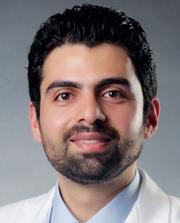
PAUL BHOGAL
Having played a leading role in establishing one of the first 24/7 stroke thrombectomy services in the UK, and introducing the innovation-focused BRAIN conference several years ago, Paul Bhogal (London, UK) is a well-known, pioneering figure within the neurointerventional community. Here, diagnostic and interventional neuroradiology (INR) consultant Bhogal discusses his life as well as an array of other topics with NeuroNews
What initially drew you to medicine, and the field of neuroradiology specifically?
I originally wanted to be a pilot and study aeronautical engineering, as I have always been fascinated by flying—and I would still love to get my pilot’s licence one day. Similarly, watching NASA launch rockets was always enjoyable and the idea of going into space was so compelling to me as a young boy. However, I realised that the most fun aspect of aeronautical design would have been working on the so-called ‘black projects’, which would have inevitably entailed weapons design. Making weapons that would be used to kill lots of people didn’t really sit easily with me, so I went in the complete opposite direction and decided to study medicine. My father was a GP and medicine was always part of my life growing up. After graduating, I enjoyed medicine and surgery but preferred surgery; however, I could see the trend was going towards minimally invasive surgery and, when I had to decide which route to take back in 2007, it just seemed so obvious to me that pulling the clot out of a cerebral blood vessel would result in improved outcomes. At this stage, I hadn’t even been exposed to the world of INR but this seemed like something that would end up happening, and that would significantly impact the lives of patients. Just prior to entering radiology training, I had actually left medicine, and was planning a move into finance. I had sat my graduate management admission test (GMAT) and was preparing for interviews at several business schools when I was selected for a radiology interview. This was the only thing I said I would come back to medicine for, so it felt like a sign, and I went with it and never looked back. As Maverick from Top Gun would put it, “don’t think, just do!”.
Who have your mentors been and how have they impacted your career?
I’ve been lucky to have had a series of great mentors, most of whom I am still in contact with and I consider friends. In London, Andy Clifton and Jeremy Madigan took me under their wing, and taught me some important concepts, and the need to concentrate on anatomy and really think about what you are doing at each and every stage—both preoperatively as well as intraoperatively. Following this, I went to work with Tommy Andersson, Michael Söderman and Patrick Brouwer, amongst others, at the Karolinska Institute in Sweden. This was honestly the best decision I have ever made in medicine and probably one of the best I’ve made in my life. They were so humble but had such a wealth of knowledge and would put up with
all of my crazy ideas. As Tommy once said: Paul has 10 ideas a day, seven are terrible, the eighth is good, the ninth is great and the 10th only his mind could come up with, so you just need wait for the 10th idea and ignore the rest! This makes me laugh because it’s very accurate and I’m sure my colleague Levan Makalanda would say something similar. But, at the Karolinska, I learned so much and it was a place where we could think, question what we do and why we do it, and try to develop novel ideas and solutions to problems. I later joined Hans Henkes in Stuttgart, who will no doubt continue to be a pioneer in the neurointerventional space for many years. Spending time with him was really eyeopening with regards to his thought processes and meticulous planning of procedures as well as following patients up. It was also with him that I really learned how to write papers, and we have about 60 publications together. I think publishing is very important, so I try to teach my fellows and registrars the value of writing.
Could you summarise how you developed and now maintain one of the UK’s first 24/7 thrombectomy services?
First, I need to pay respect to the teams that got their mechanical thrombectomy (MT) services set up before us: Charing Cross, St George’s and Stoke to name a few. As with all centres, we wanted to build our service in a sustainable manner but, when Covid hit and we saw that patients were suffering from strokes, we knew we had to help. We reached out to the various hospitals and offered an MT service if they needed it. We were perhaps the only department to expand during the pandemic! Simultaneously, the Brainomix team partnered with us and we managed to create a large artificial intelligence (AI)linked service covering some eight million patients. As other centres have come online, our workload has thankfully come down to more manageable levels, but I’m proud to say that the Royal London team went above and beyond both during the pandemic and in the years since.
Why did you initially set up the BRAIN conference? And, has the overall goal of the conference changed in the years since its inception?
There are many reasons that drove me to set up BRAIN but there was one in particular. In 2019, my father passed away from a pontine glioblastoma (GBM). As I was caring for him and watching him deteriorate every day, I remember feeling so helpless and impotent; how could there be nothing I could do? With all the miraculous things neurointervention can
FACT FILE
CURRENT APPOINTMENTS
n Founder and director, BRAIN conference
n Interventional and diagnostic neuroradiology consultant, St Bartholomew’s and Royal London Hospital
n Honorary associate professor, Blizard Institute
EDUCATION
2014: International fellowship, Karolinska University Hospital
2010: Fellowship of the Royal College of Radiologists (FRCR)
2008: Membership of the Royal College of Surgeons (MRCS)
2004: MBBS, University College London (UCL)
2001: Neuroscience BSc, UCL
HONOURS (SELECTED)
2013: Hospital Corporation of America (HCA) International Travelling Scholarship
2004: Third place, TeachFirst Challenge National Finals
2003: First place, TeachFirst Challenge Regional Finals
Principal investigator (PI) for ProFATE and VANS studies
UK PI for DISTAL trial and Neva One registry
achieve, why is there nothing for GBMs? After many years of research, the neuro-oncologists have not really improved outcomes for these patients, so perhaps it’s time for a different perspective. When I decided to go after GBMs, I knew this would require a novel strategy, both in terms of targeting the disease but also building momentum. There are numerous researchers approaching this problem from different directions, but how often do they present at neurointerventional conferences?
I saw that we needed a new forum to bring together people from different backgrounds with different pockets of knowledge and experience that could build the big picture we’ll need to defeat GBMs. This is also why I developed the ‘story arc’ concept we follow at BRAIN—to help organise knowledge in one’s mind, with the aim of making it easy for attendees to not only understand complex topics, taught by the real experts, but also enable them to have those ‘eureka’ moments. We need people to explore their own ideas on new and challenging topics, with diversity of thought and opinion that is also rooted in science and collaboration. If BRAIN can spark these moments of genius, it will have achieved my main goal for the conference.
Besides stroke thrombectomy and the ISAT trial, what has been the most important development in the neurointerventional field during your career?
Although still in the early days, I think brain-computer interfaces (BCIs) are truly revolutionary, and their potential uses are almost too great to imagine. They naturally raise ethical questions but, thankfully, there are far more intelligent people than me thinking about this. In my humble opinion, these devices could conceivably augment humans with an as-yet unknown upper limit to their potential. For me, most other things in our specialty don’t even come close to what BCIs can achieve and the next decades will potentially yield some fantastical achievements that pull in technological advancements across a range of disciplines.
Which areas of INR do you think will experience the greatest levels of innovation over the coming years?
I think there will be multiple things that intersect to create significant leaps. One is blood-brain barrier (BBB) modification and drug delivery for things like GBM and, potentially, other diseases too. My opinion has always been that proving efficacy of an interventional approach in a disease like GBM may actually open the door to other diseases,
such as dementia—what if we have the drugs but we don’t have the drug concentration, for example? This is speculative but some early work has been done using focused ultrasound to open the BBB and showed that the concentration of an intravenous drug was higher in the hemisphere that had the BBB opened compared to the hemisphere that did not. What if we could transform dementia into a chronic disease for which you have an angiographic treatment once a year to halt progression? This isn’t my area of research or expertise but I don’t think it is beyond the realms of possibility. AI is going to come along leaps and bounds, and I think the next generation of angiographic machines will have AI built into them to essentially act as ‘driver assist’, making procedures safer and faster, and possibly improving results. This will intersect with systems and devices designed specifically for robotic procedures. Similarly, I don’t believe the lab of the future will be purely angiographic. We are already seeing low-field magnetic resonance imaging (MRI), so why not start to develop imaging
suites with multifunctional capabilities? And, again, perhaps the biggest thing will be BCIs. Their possibilities in transforming patient lives are huge and, coupled with robotics, could mean tetraplegics walking again using an exoskeleton suit. BCIs could also be used for interventional psychiatry via modulation of specific brain areas, creating new options for the treatment of diseases like depression. This will require research across multiple specialties but I think the neurointerventional field could undergo some huge transformations and become one of the largest areas in all of medicine.
What are your interests outside of medicine?
Weight training, mixology—I love a Vodka Martini—and cooking and experimenting with different flavours and ingredients. I enjoy learning new things, such as improving my ice skating, and going for walks in the countryside, in addition to spending time with my wife, Tuulia, and our baby, Eleanor. I’m also a James Bond fan; I enjoy watching the
“I think the neurointerventional field could undergo some huge transformations and become one of the largest areas in all of medicine.”
Bond films and have read all the books, hence my love for Vodka Martinis. I even have James Bond socks! I’m not a very fast reader so nowadays I tend to listen to audiobooks and to podcasts in short periods of spare time—when commuting, for example. I also enjoy listening to music, and I have an eclectic taste, from Abba, to acid jazz and house, with a healthy dose of ‘traditional’ jazz thrown in.
Having recently become a father, how have you attempted to balance parenthood with your busy work life? Generally, I would say I am failing! But, ultimately, I love my daughter more than I could have ever imagined and she is 100% the highlight of my day. Modern life has many distractions and there is always more work to do or another important meeting to attend but, for me, the most important time will be with my family. On my deathbed, I won’t regret missing a conference or a ‘challenging aneurysm’, but I will regret not spending enough time with my family, so it’s an easy decision tree.
Peter James Field / Agency Rush
One-year data show high rates of complete occlusion and safety following Artisse™ device’s European launch
Following the European launch of Artisse™ last year, 12-month data on the intrasaccular device were presented at the 2025 LINNC Paris Course (2–4 June, Paris, France), demonstrating high rates of complete occlusion and implant success along with minimal device-related adverse events in the treatment of intracranial aneurysms.
Based on feedback from early Artisse user Michel Piotin (Rothschild Foundation Hospital, Paris, France) and other leading physicians, Medtronic has opted to reimagine the structure of the device and subsequently introduced the new Artisse system, with the key difference compared to prior iterations being its more flared, flatter shape versus the original spheroid design. As a result, the latest Artisse device has a notably reduced height range of 3–5mm compared to its predecessor’s 5.4–10.8mm.
According to Piotin, the flared shape of Artisse enables improved aneurysm neck coverage and wall apposition—particularly in wide-neck aneurysms— and allows the device to fill a greater volume of space when compressed. In addition, a total of 20 different device sizes are now available compared to the 14 variations physicians could choose from with Artisse’s first generation. Piotin noted in his presentation at LINNC Paris 2025 that this has expanded the range of aneurysm types that can be treated using the device.
Having started to use this second-generation intrasaccular system at his centre in 2024, Piotin highlighted take-home messages from 49 aneurysm patients—the majority of whom had side-wall or bifurcation aneurysms—relaying that Artisse has retained its conformability and ease of deployment, and its new flared shape appears to enable better wall apposition too.
INSPIRE-A one-year imaging data
This year’s LINNC Paris Course also saw Monika Killer-Oberpfalzer (Salzburg University Hospital, Salzburg, Austria) present findings from the 293 aneurysm patients who have been treated with Artisse and subsequently analysed to date across Europe within the prospective, non-randomised, observational, multicentre INSPIRE-A registry—a research endeavour intended to collect real-world data on the safety and effectiveness of a number of Medtronic’s aneurysm therapies.
Outlining aneurysm characteristics, KillerOberpfalzer noted that 98.3% were previously untreated, 85.2% were bifurcation aneurysms, and 9% were aneurysms that had ruptured within 30 days prior to the study procedure. In addition, while the majority were smaller aneurysms, with 94% being less than 7mm in size, 14.1% were judged to be “complex”, nonspherical aneurysms. In more than 94.3% of 280 patients within the analysis’ modified intention-to-treat (ITT) population, an adjunctive device was not required in addition to Artisse, while a 96.9% rate of device implant success was observed across 290 ITT patients. Speaking to NeuroNews following her presentation, KillerOberpfalzer also draws attention to the “astonishing” finding of a cumulative fluoroscopy time that averaged just 24.7 minutes, in addition to efficient device detachment being achieved in 94.6% of cases. At LINNC Paris 2025, she subsequently disclosed the “really important” outcome of more than 75.8% of patients receiving no postprocedural dual antiplatelet therapy (DAPT), and a further 13.2%
being given DAPT for less than 60 days following Artisse implantation. She went on to relay that 76.5% of patients in the analysis also achieved either complete or significant postprocedural stasis, indicating “very good” outcomes immediately after the procedure in most cases. The analysis’ key safety endpoint—major stroke originating in the treated vascular area, or neurological death—occurred in just 1.7% of patients, Killer-Oberpfalzer reported. One death, which was caused by a failed kidney transplantation as opposed to the device or aneurysm procedure itself, was observed.
“Alongside the core lab, we analysed these data, and we found that only the patients who received no antiplatelet therapies ahead of the procedure experienced strokes—not those whose antiplatelet therapy was stopped after the procedure,” she added.
These data show us exactly what we expected—the Artisse device is very safe, and it is very easy to use. This is one of its most important characteristics.”
Monika Killer-Oberpfalzer
Homing in on the imaging-related, core labadjudicated follow-up data available in a total of 148 patients at six months and 50 patients at one year, the presenter relayed a 64.2% rate of six-month complete aneurysm occlusion (Raymond-Roy occlusion classification [RROC], Class I), with 10.8% achieving a residual neck outcome (RROC, Class II). However, she caveated this by stating that—due to insufficient imaging quality—occlusion status could not be determined in 16.2% of cases. The one-year follow-up data revealed similar trends, including a 60% rate of complete occlusion and a 10% rate of residual neck, with the core lab being unable to determine the final occlusion status in 18% of cases. Killer-Oberpfalzer added that excluding these instances ultimately demonstrated an 85.4% rate of adequate occlusion (RROC I/II) and a 73.2% rate of complete occlusion at one year.
Finally, Killer-Oberpfalzer noted that zero aneurysm recurrences have been seen across close to 300 patients, and only two cases (0.7%) have required site-reported retreatment, while analyses of clinical outcomes have indicated an average modified Rankin scale (mRS) score of 0.3 at both six and 12 months, with a 96.6% rate of mRS 0–2 at one-year follow-up.
“We can say that there are high rates of implant success, satisfactory device placement [97.9%] and conformability [98.2%], low rates of device-related adverse events, and high rates of complete occlusion at 12 months,” she concluded.
Killer-Oberpfalzer tells NeuroNews that these longer-term outcomes ultimately “speak for themselves”, describing the analysis’ 60% rate of complete aneurysm occlusion as “fantastic”.
“These data show us exactly what we expected— the Artisse device is very safe, and it is very easy to use,” she continues. “This is one of its most important characteristics. Everybody describes it as easy to use, easy to deploy and easy to navigate.”
Looking to the future, Killer-Oberpfalzer anticipates usage of intrasaccular devices like Artisse growing and expanding into new case types—for example, larger aneurysms—as more sizes become available. She also believes that the “really good” cumulative fluoroscopy times of around 25 minutes and everdecreasing average procedure times of roughly one hour being observed with Artisse—which have now been demonstrated across hundreds of patients— are likely to be a key driver in this uptake. And, in combination with the device’s ease of use enabling largely “stressless” endovascular aneurysm procedures, these characteristics have led to Artisse becoming Killer-Oberpfalzer’s go-to intrasaccular device for the majority of cases.
Artisse gains NHS England reimbursement
Earlier this year, Medtronic announced that Artisse has been granted reimbursement within the UK National Health Service (NHS) supply chain in England. The device was officially added to NHS England’s Specialised Services Device Programme (SSDP) in the UK and Ireland (UK&I) on 8 April, marking an important milestone in improving access to innovative aneurysm treatments.
“The recent approval for [English] reimbursement of the Artisse intrasaccular technology is a welcome announcement,” said Tufail Patankar (Leeds General Infirmary, Leeds, UK). “It is a positive step forward, promising enhanced access to innovative treatment options. Artisse will make treatment for both elective and acute aneurysms easy, quick and safe, which is important. Although the initial results have been encouraging, it is vital to conduct comprehensive evaluations to verify its long-term effectiveness and safety. Additionally, due to the complexities involved in device sizing, extensive training and robust support are crucial to ensure successful application and optimal patient outcomes.”
Medtronic secured reimbursement approval for Artisse following the publication of six-month followup data from the INSPIRE-A registry. The evidence was reviewed by the Device Working Group (DWG), comprising independent clinicians, as part of the SSDP assessment process and supported the case for national funding. Through inclusion in the SSDP, Artisse is now centrally funded by NHS England rather than by individual NHS hospital trusts. This removes a significant financial barrier for hospitals, allowing NHS hospital trusts to access Artisse without impacting local budgets, thus supporting more equitable patient access across England.
“Having used the Artisse device in a range of cases, I’ve been particularly impressed by its responsive navigability and precision during deployment, which enhance both operator control and procedural safety,” commented Han Seng Chew (Queen Elizabeth Hospital, Birmingham, UK). “Its high conformability and atraumatic tip design provide distinct advantages in treating wide-necked bifurcation aneurysms.
Artisse represents a valuable and timely addition to the intrasaccular treatment toolkit.”
DISCLAIMER: The data and content included in this article express only the clinical perspectives of the interviewees. They are completely independent and do not necessarily reflect the opinions of Medtronic.
Treatment of cerebral aneurysms: An evolving field that has moved towards minimally invasive surgery Edgar Samaniego
As the relationship between endovascular and open surgical approaches to cerebral aneurysm treatment continues to evolve, Edgar Samaniego (Iowa City, USA) discusses the appropriate place for both techniques moving forward.
OVER THE PAST DECADE, management of cerebral aneurysms has advanced rapidly. Endovascular therapy (EVT) has overtaken open surgical approaches in many centres because it is broadly applicable, less invasive, and increasingly effective. Key innovations include flow diversion for parent artery remodelling, intrasaccular flow-diverter devices that simplify treatment of wide-neck bifurcation aneurysms while reducing coil burden, and a modern access armamentarium— guiding catheters, distal access catheters and microcatheters—that improves navigability to complex targets. As a result, lesions once considered the purview of microsurgery are now routinely treated endovascularly.
Microsurgical clipping remains important, especially for younger patients with favourable middle-cerebral anatomy, where standard approaches are well-tolerated and long-term durability is excellent. Optimal care occurs in high-volume centres that offer both microsurgery and EVT, with case selection made by a multidisciplinary team. This model is crucial for complex scenarios in which adjunctive strategies (e.g. bypass) may be required. Centres should meet a minimum annual aneurysm volume to maintain expertise; complex cases are best referred to programmes treating roughly ≥100 aneurysms per year,1 and outcomes appear better where at least ≥35 ruptured aneurysms per year are managed.2
CONTRA study provides encouragement on use of Contour device in ruptured aneurysms
New data from the CONTRA study— presented for the first time by Jens Fiehler (University Medical Center HamburgEppendorf, Hamburg, Germany) at the 2025 European Society of Minimally Invasive Neurological Therapy (ESMINT) annual congress (3–5 September, Marseille, France)—suggest that the Contour intrasaccular system (Stryker) can be safely and effectively utilised in the treatment of ruptured intracranial aneurysms.
AT THE OUTSET OF HIS PRESENTATION, Fiehler described Contour as having a “unique, cup-like shape” that simplifies device sizing and elevates its overall ease of use, also highlighting the fact that it does not touch the fragile dome of the aneurysm once deployed, potentially making treatments “more secure”. Yet, while studies to date have indicated that the device is safe and effective across an array of aneurysm cases, it remains “unclear” if it is appropriate in subarachnoid haemorrhage (SAH) treatment.
“There is some discussion over whether or not its single-layer mesh is protective enough in SAH,” Fiehler
Access and economics also shape practice patterns. In many low- and middle-income settings, the high cost of endovascular implants and imaging infrastructure sustains microsurgical clipping as the default therapy, and highly experienced surgeons achieve excellent outcomes, even for aneurysms that might otherwise be treated endovascularly. In the USA, the growth of neuroendovascular training across neurology, neurosurgery and radiology has expanded EVT availability. In Europe, EVT is predominantly delivered by neurosurgeons and neuroradiologists, with neurologists playing a more limited interventional role.
The trajectory in neurovascular care mirrors earlier shifts in cardiology: percutaneous interventions (e.g. coronary stenting) reduced the need for open bypass in many patients by
Lesions once considered the purview of microsurgery are now routinely treated endovascularly.”
offering safer, faster recovery with shorter hospital stays. Likewise, most endovascular aneurysm procedures require only overnight observation, and enable an earlier return to work compared with craniotomy and clip reconstruction.
noted. “So, to answer this question, we came up with the CONTRA study evaluating Contour in the treatment of ruptured aneurysms.”
This ongoing retrospective analysis is looking at available data from centres across Europe and India, with the researchers primarily seeking to rule out any signal of poor results when treating ruptured aneurysms with Contour. Their key effectiveness endpoint was the rate of complete occlusion (Raymond-Roy occlusion classification [RROC] 1) without retreatment of the target aneurysm after the initial therapy, and without recurrent SAH associated with the target aneurysm at one year post-index procedure. Their primary safety endpoint consisted of death or stroke within 30 days of the index treatment, or ipsilateral stroke or neurological death between 30 days and one year. The interim data presented by Fiehler at ESMINT 2025 were derived from the first four centres participating in the CONTRA study—with a total of 11 ultimately planned.
“One thing we also used for the first time in this study was the so-called MACAO classification, which attempts to analyse and describe the device positioning and stability in a very simple way,” he added.
Arriving at the results, Fiehler reported that he and his colleagues analysed 53 patients with 53 aneurysms—87% of which were ‘berry-shaped’, with the remaining 13% being more complex—and observed only one case (1.9%) of rebleeding across 12 months of follow-up. He went on to note that the picture regarding occlusion rates was “a bit complicated”, because assessable, core lab-adjudicated follow-up data were only available in 19 patients (36%), partially due to four cases in which an RROC score could not be determined. Nevertheless, the presenter relayed
As minimally invasive techniques continue to mature, the overall reliance on open surgery will likely diminish, but it should not disappear. Large tertiary cerebrovascular centres must preserve and cultivate microsurgical expertise, including extracranialintracranial bypass, which remains essential for selected haemorrhagic lesions and steno-occlusive disorders such as Moyamoya disease. Moreover, patients with aneurysmal subarachnoid haemorrhage should be triaged to comprehensive stroke centres capable of delivering the full spectrum of neurocritical care, EVT, microsurgery, and rescue therapies.
Aneurysm treatment is steadily moving toward minimally invasive endovascular approaches, supported by ongoing device and imaging innovation. Microsurgical clipping remains crucial for selected anatomies, patient profiles and resource-limited environments. The highest standards of care arise when multidisciplinary, high-volume centres offer both modalities and tailor therapy to each patient’s age, anatomy, and comorbidities.
References 1. Etminan N, de Sousa D A, Tiseo C et al. European Stroke Organisation (ESO) guidelines on management of unruptured intracranial aneurysms. Eur Stroke J 2022; 7(3): V. 2. Leifer D, Fonarow G C, Hellkamp A et al. Association between hospital volumes and clinical outcomes for patients with nontraumatic subarachnoid hemorrhage. J Am Heart Assoc. 2021; 10(15): e018373.
Edgar Samaniego is a clinical professor of neurology, neurosurgery and radiology, and director of the Vascular Neurology Fellowship, at the University of Iowa in Iowa City, USA.
The author declared no relevant disclosures
complete occlusion rates that are “quite encouraging”, ranging from 25% immediately after the procedure and 52% at discharge to an average of 68% at the latest available follow-up timepoint—with the latter figure being “much higher than we expected”, albeit across a limited number of patients, according to Fiehler. He also briefly highlighted adequate occlusion (RROC 1 or 2) rates of 38% post-procedure, 71% at discharge, and 95% at the latest available follow-up.
“What we can conclude from the data at this point is that there are no suggestions of any poor outcomes in ruptured aneurysm patients,” Fiehler stated, also positing that these findings support further exploration of the Contour device in SAH. “I wouldn’t say it’s brilliant, because of the limited numbers, but we have no signal whatsoever that it doesn’t work in these cases. I think we can almost exclude that.”
Fiehler added that the CONTRA study has—thus far—demonstrated no significant differences in outcomes when Contour is utilised as a standalone device versus in conjunction with embolisation coils, before also highlighting the fact that the MACAO classification revealed associations between occlusion outcomes and initial neck coverage, as well as deployment axis. Expanding on the second of these points, he stated that ‘good’ neck coverage was linked to an occlusion rate of 85% versus just 40–50% with poorer neck coverage—a “surprisingly big” effect size, in Fiehler’s view—while a ‘tilt’ between the device and the aneurysm’s axial lining appeared to reduce the occlusion rate to 29% compared to 92% with no tilt.
“This makes sense when you think about the geometry of the Contour device,” he said, “and it’s encouraging that this classification seems to make sense too.”
Researching Parkinson’s?
Treating people with Parkinson’s?
The 7th World Parkinson Congress (WPC 2026) will be in Phoenix, AZ from May 24 – 27, 2026
This triennial event travels the world and after 10 long years it’s coming back to the USA, Phoenix to be exact. More than 4,000 delegates and 160 speakers from 27 countries will converge at the Phoenix Convention Center for four days of talks covering the hottest topics in the Parkinson’s field.
WHO SHOULD ATTEND?
The program will offer something for everyone in the Parkinson’s community including researchers studying the cause and cure of PD, the clinicians or health professionals who are caring for people with PD, people who are living with the disease themselves or caring for someone living with it. Citizens of all countries are welcome to attend the WPC 2026.
• Registration opens
• Hotel reservations open OCTOBER 16
• Abstract submission deadline
• Travel Grants application deadline
FEBRUARY 12 – 25
• Late Breaking Abstracts
MAY 24 – 27, 2026
7th World Parkinson Congress AUGUST 4
Early results indicate feasibility of in-utero embolisation to treat foetal vein of Galen malformation
Preliminary study results published in the Journal of the American Medical Association (JAMA) have shown that in-utero embolisation may be a feasible option in the management of foetal vein of Galen malformation (VOGM), having led to improvements in survival and overall outcomes across seven eligible patients treated at a single centre.
IN THEIR REPORT SUMMARISING THESE new data, Darren Orbach (Boston Children’s Hospital, Boston, USA) and colleagues also posit that any potential reduction in mortality, brain injury and neurodevelopmental delays must be weighed against an increased risk of unscheduled, preterm delivery as a result of the procedure.
“To our knowledge, this is the first systematic effort to treat any congenital cerebrovascular condition through a foetal surgical approach by changing the dynamics of foetal brain blood flow,” Orbach et al write.
The researchers enrolled a total of seven foetal patients with VOGM and wide mediolateral falcine sinus diameters—a population known to suffer a heightened risk for mortality, brain injury, and neurodevelopmental delay—in a single-centre, single-group intervention study in the USA. Eligible foetuses had VOGM, no major brain injury on foetal magnetic resonance imaging (MRI), and a falcine sinus
width of ≥7mm. In the study, foetal embolisations were ultrasound guided, and involved transuterine, transcranial needle access and microcatheterisation of the prosencephalic venous varix with detachable coils.
Across the seven enrolled patients (mean maternal age, 32.4 years; mean foetal gestational age, 251 days; four males), five ultimately underwent successful embolisation. Orbach et al note that the mean falcine diameter of 10.3mm corresponded to a 90% rate of expected mortality and a 9% likelihood of reaching six-month milestones with standard postnatal care at experienced centres. However, in the study, the overall mortality rate was 43%, while 43% of patients were meeting milestones at six months, and all three embolised patients who survived—aged eight, 18 and 24 months at time of study publication—did so without any neurodevelopmental delays. Foetal echocardiography revealed a mean reduction in cardiac output of 33.4% after embolisation.
The investigators also report that four of the seven enrolled patients (57.1%) underwent additional neonatal embolisation. Five of these seven patients (71.4%) had unscheduled deliveries due to circumstances relating to foetal embolisation, and three of these five were premature births taking place at an average of 3.2 days post-intervention.
“These early results demonstrate the feasibility of this in-utero approach,” Orbach et al write in JAMA “Further studies are needed to rigorously assess outcomes, including mortality and neurodevelopmental morbidity, with comparison [versus] current standardof-care postnatal management at expert centres.”
In their paper, the authors also relay multiple important lessons learned from the two foetal patients in whom embolisation could not be performed, including the fact that, in one case, transcranial needle access was not achieved. They note that “one of the most technically challenging aspects of the foetal intervention is crossing the skull with a needle using manual drilling”, and highlight the fact that a learning curve of “several attempts” appears to exist for successfully achieving transcranial access—a finding that was replicated across the two foetal surgeons within the study.
Orbach et al conclude that, even after taking into account its limitations—including a small sample size, lack of randomised controls and relatively short followup period—this study provides preliminary evidence supporting the feasibility of foetal embolisation for VOGM, with a potential improvement in outcomes for foetuses harbouring the highest-risk malformations.
Alejandro Tomasello POINT
function, hindering waste clearance and promoting neurotoxic accumulation.
Intracranial dAVFs: Beyond haemorrhage to the cognitive dimension
Over the past few decades, intracranial dural arteriovenous fistulas (dAVFs) have evolved beyond simply being a condition in which haemorrhagic risk was the key factor influencing management and treatment. Here, Alejandro Tomasello (Barcelona, Spain) discusses the ever-increasing focus on cognitive effects experienced by these patients, outlining possible implications for clinical research and care.
FOR DECADES, THE RATIONALE for treating dAVFs has been primarily guided by their haemorrhagic risk. Classical descriptions, such as the pioneering work of René Djindjian and JJ Merland in the 1970s, established that certain angioarchitectural patterns— particularly those with cortical venous reflux—carried a significant risk of intracranial haemorrhage. Later, the widely adopted Cognard et al and Borden et al classifications refined this risk stratification and helped clinicians select which patients require urgent intervention. In parallel, additional treatment indications have also been recognised, particularly in relation to compressive phenomena—most notably, cranial nerve involvement in dural AVFs affecting the orbit and cavernous
sinus—where endovascular therapy has emerged as the standard of care.
In recent years, however, a new indication for treatment has gained attention: cognitive impairment associated with dAVFs. While traditionally considered an incidental or minor finding in low-grade lesions, growing evidence shows that even ‘benign’ fistulas may have significant consequences for cognitive functions. The pathophysiological mechanism appears to be multifactorial, probably involving a combination of chronic venous hypertension, impaired cerebral perfusion, and possibly disturbances of glymphatic clearance. Indeed, experimental and imaging data increasingly suggest that venous hypertension disrupts glymphatic
A recent review of the large CONDOR dataset—a multicentre, international registry including more than 1,000 dAVFs that collects clinical, imaging and treatment data—reported that patients with dAVFs and cognitive impairment frequently exhibited venous outflow obstruction, sinus stenosis, multiple arterial feeders or draining veins, and venous ectasia, thereby reinforcing the correlation with impaired venous pressure and cerebral perfusion. Subsequently, longterm follow-ups showed that patients with dAVFs frequently present with cognitive impairment, which improves after embolisation or surgery. Indeed, a prospective longitudinal study confirmed that baseline neuropsychological deficits are common and significantly improve post-treatment. These findings establish cognitive outcomes as reproducible across independent cohorts.
At Vall d’Hebron University Hospital, our team has been especially active in this field, serving as the leading group in the NAIF study. This work systematically evaluated patients with dAVFs, regardless of grade, through comprehensive neuropsychological testing. Strikingly, cognitive impairment was detected in more than half of the patients—even in those with small, low-risk fistulas—and proved to be reversible following endovascular treatment. Thus, these lesions are not as ‘silent’ as once believed, and cognitive dysfunction should not be regarded as an incidental observation, but as a core disease manifestation. These findings suggest that the therapeutic paradigm must expand beyond haemorrhage prevention and symptom relief. Cognitive health should be considered a
legitimate endpoint when evaluating the natural history of dAVFs and deciding upon treatment. Importantly, the benefit of fistula closure should not be confined to high-grade lesions but also extended to those kept under surveillance. This raises a new question: should all dAVFs be treated proactively to prevent or reverse cognitive decline?
The next step for our institution is to further shed light into the mechanisms driving this impairment. In collaboration with Cambridge and Oxford University Hospitals in the UK, a novel multicentre study is underway, employing advanced neuroimaging techniques to investigate venous congestion, brain oedema and potential glymphatic dysfunction. By combining imaging biomarkers with neurocognitive outcomes, we aim to bridge the gap between clinical observation and pathophysiology, moving toward precision medicine in dAVF management.
DAVFs are more than just structural vascular anomalies at risk of rupture. They are dynamic lesions capable of silently eroding cognitive reserve. The NAIF study marks a turning point— treatment should no longer be limited to preventing catastrophic bleeding but also to preserving quality of life and cognition. Understanding the physiopathology and increasing the quality of this evidence are crucial targets for the future.
References for this article can be viewed online at neuronewsinternational.com/ intracranial-davf-beyond-haemorrhagecognitive-dimension.
Alejandro Tomasello is an interventional neuroradiologist and head of the Neurointerventional Department at Vall d’Hebron University Hospital in Barcelona, Spain.
The author declared no relevant disclosures.
Endovascular treatment of intradural CTOs demonstrates technical success and promising clinical outcomes
Endovascular therapy (EVT) appears to be a technically feasible approach that may also produce positive clinical outcomes in the treatment of symptomatic intradural chronic total occlusions (CTOs), according to Re-CHILL study findings disclosed at the 2025 European Society of Minimally Invasive Neurological Therapy (ESMINT) annual congress (3–5 September, Marseille, France) by Petra Cimflová (University Hospital of Bern, Bern, Switzerland).
EARLY ON IN HER PRESENTATION, Cimflová highlighted the importance of distinguishing between extradural/cervical and intradural CTOs. While endovascular treatment of the former—as an alternative to bypass surgery—is relatively well established and can be done using a variety of techniques, the latter is more complicated, as reentry through the subintimal passage is not an option, collateral flow heightens the likelihood of distal embolisation, and the presence of local side branches means there is an increased risk of the ‘snowplough’ effect.
“Is there evidence that we can treat these patients safely?” Cimflová queried. “Well, despite a couple of case series [being published], there’s still no common
agreement on how they should be treated.”
Against this backdrop, Cimflová and her colleagues in Bern—in close cooperation with the Alfried Krupp Clinic in Essen, Germany—conducted the Re-CHILL study, prospectively collecting cases from a number of centres across the globe and reviewing them retrospectively. The study focused specifically on symptomatic intradural CTOs involving the internal carotid, middle cerebral, vertebral or basilar arteries, and sought to assess the feasibility, safety and clinical outcomes associated with EVT in this patient population. According to Cimflová, only a select few centres have started to approach this condition endovascularly to date.
treated via balloon-based percutaneous transluminal angioplasty (PTA).
Cimflová also highlighted the early outcomes observed from days 1–10, stating that 17 out of 25 patients experienced clinical improvements, while five remained unchanged versus baseline and three worsened clinically. In one of these cases, the patient died two days after the procedure; one involved a basilar artery dissection; and one experienced severe occlusion of a stent in the middle cerebral artery with a subsequent intracranial haemorrhage (ICH).
The presenter noted that, thus far, 25 cases (median age, 65 years; 72% male) from a total of six centres have been collected and analysed, with 18 of these patients having a prior history of stroke or transient ischaemic attack (TIA). She also relayed that the median time period from symptom onset to treatment was 10 days, and five patients were treated more than 30 days after their initial presentation.
Regarding the nature of the EVT that these 25 patients received, Cimflová said that all of the procedures were conducted under general anaesthesia, and the majority utilised “regular” microcatheters and “standard” microwires—with only a handful of cases involving CTO-dedicated wires. There was only one instance of technical failure in which the operator was unable to pass the occlusion. Additionally, the vast majority of cases—22 out of 25—were treated using a stent, with most of these being laser-cut as opposed to braided device types, and just two cases were
Carotid stenting and endarterectomy provide “similarly durable protection” against stroke at 10 years
Sharing 10-year findings from the ACST-2 trial at the 39th European Society for Vascular Surgery (ESVS) annual meeting (23–26 September, Istanbul, Türkiye), Alison Halliday (University of Oxford, Oxford, UK) highlighted that, if successful, both carotid artery stenting (CAS) and carotid endarterectomy (CEA) “substantially reduce long-term stroke rates”.
ACST-2 IS AN INTERNATIONAL, multicentre, randomised controlled trial (RCT) of CAS versus CEA among asymptomatic patients with severe stenosis thought to require intervention, interpreted with all other relevant trials. “Among asymptomatic patients with severe carotid artery stenosis but no recent stroke or transient cerebral ischaemia, either CAS or CEA can restore patency and reduce long-term stroke risks. However, from recent national registry data, each option causes about 1% procedural risk of disabling stroke or death,” Halliday and colleagues write in a 2021 Lancet paper outlining five-year results.
The trial involved 3,624 patients, with 1,810 allocated to CAS and 1,814 to CEA. The patients were randomised between 2008 and 2020 at 130 centres across predominantly Europe. Summarising the long-term stroke risk of CAS versus CEA, Halliday reported that antiplatelet, antithrombotic and lipid-lowering therapy use was good (85%, 85% and 84%, respectively), with more intense lipid-lowering therapy rising in both groups from about 10% to about 60%.
The presenter continued that first stroke rates were similar between the two groups (113 for CAS vs 112 for CEA) and that, after excluding
haemorrhagic and cardioembolic sources, 91 stokes in the CAS group and 92 in the CEA were “probably or possibly” due to carotid disease. Furthermore, Halliday shared that 97% ipsilateral and 9% contralateral arteries had 70–99% stenosis, yet after intervention there were fewer ipsilateral than contralateral strokes (46 vs 73), indicating protective effects of both CAS and CEA. The presenter added that meta-analyses of all the main trials of CAS versus CEA strengthened the ACST-2 findings of comparable effectiveness.
“CAS and CEA both involve about 1% risk of death or disabling stroke,” Halliday said in her concluding statement. “But, if successful, both substantially reduce long-term stroke rates. Both CAS and CEA provide similarly durable protection.”
CAS and CEA both involve about 1% risk of death or disabling stroke.”
ROUNDTABLE
“When it comes to periprocedural complications, what we fear most are intracranial dissection and distal embolisation—and each of these occurred once,” the presenter added.
Further early outcomes Cimflová touched on included two ICH occurrences, one of which was symptomatic, while three new infarcts were observed across 23 patients with sufficient imaging data. And, within the 21 cases that employed a stent, the device remained patent in 19.
“Preliminary results from the Re-CHILL study show a high technical success rate and elucidate certain procedural aspects [in the endovascular treatment of intradural CTOs],” the speaker commented. “The majority of patients showed clinical improvements— however, we need to be aware that, in cases where there were any complications, the clinical outcome was poor.”
She concluded by averring that “this is not the end of the story”, as the Re-CHILL study remains open and plans to collect more cases moving forward, with antiplatelet drug management and long-term outcomes being among future areas of interest.
Patient selection and reproducibility are essential in carotid revascularisation— regardless of chosen modality
EARLIER THIS YEAR—FOLLOWING A LIVELY, THREEpronged debate on the ‘gold standard’ in carotid revascularisation at the 2025 Charing Cross (CX) Symposium (23–25 April, London, UK)— a trio of vascular experts sat down in the CX Studio to discuss their favoured procedural modalities for treating carotid artery stenosis.
In an extended roundtable session, carotid artery stenting (CAS), carotid endarterectomy (CEA) and transcarotid artery revascularisation (TCAR) were represented by Christopher Metzger (OhioHealth, Columbus, USA), Domenico Valenti (King’s College London, London, UK), and Michael Stoner (University of Rochester, Rochester, USA), respectively.
The panellists highlighted considerations over symptomatic versus asymptomatic carotid stenosis patients, outlined their preferred imaging and anaesthesia protocols in carotid revascularisation cases, and discussed how CAS, CEA and TCAR—in terms of both procedural technique and clinical evidence—have all evolved over time.
The full roundtable discussion can be viewed online at neuronewsinternational.com/patient-selection-and-reproducibility-areessential-in-carotid-revascularisation-regardless-of-chosen-modality.
Left to right: Christopher Metzger, Domenico Valenti and Michael Stoner
Petra Cimflová presenting at ESMINT 2025
Clinical News
Basking Biosciences doses first patients in part B of RAISE trial
Basking Biosciences has announced the first patients have been dosed in part B of its Phase 2 RAISE trial of BB-031, an investigational ribonucleic acid (RNA) aptamer targeting von Willebrand factor (vWF), which is a key mediator of clot formation and stabilisation. By promoting clot dissolution and restoring blood flow to the brain, BB-031—along with its complementary, rapid-acting reversal agent, BB-025—has the potential to significantly expand access to timely, effective treatment for acute ischaemic stroke patients, according to a company press release.
Progression into part B of RAISE, supported by encouraging early results from part A and the recommendation of the data safety monitoring committee (DSMC), has also triggered the release of the second US$27.5 million tranche of the company’s US$55 million financing. These new funds will support the execution of part B of the Phase 2 RAISE trial as well as a planned Phase 1 study of BB-025. The company also simultaneously announced the appointment of Julia Owens as its new chief executive officer (CEO).
“Despite progress in care, most patients with acute ischaemic stroke remain ineligible for currently approved therapies, underscoring the need for new approaches,” added Shahid Nimjee (Ohio State University Wexner Medical Center, Columbus, USA), co-founder and chief medical officer of Basking. “Our commitment is to change that by advancing BB031 through Phase 2b and beyond, to deliver a therapy that expands access and addresses this critical gap in stroke care.”
RAISE is a two-part, multicentre, double-blind, randomised, placebocontrolled Phase 2 clinical trial evaluating BB-031 in patients with acute ischaemic stroke who present within 24 hours of symptom onset. Its primary objectives are to assess safety, tolerability, and pharmacokinetics and pharmacodynamics, and the trial is being conducted at sites across North America and Australia, with anticipated site activation in the UK.
Crossroads announces positive early clinical performance with Path BGC
Crossroads Neurovascular has announced successful early clinical experiences with its newly US Food and Drug Administration (FDA)cleared Path balloon guide catheter (BGC) during the device’s ongoing limited market release (LMR) phase.
According to Crossroads, to date, 40 neurovascular procedures have been performed across four hospitals by eight experienced
operators, demonstrating the Path BGC’s versatility across a wide range of complex interventions. These procedures have consisted of aneurysm embolisation—including balloon-assisted coiling and flow diversion—carotid stenting, middle meningeal artery (MMA) embolisation, mechanical thrombectomy, transverse sinus stenting, and arteriovenous malformation (AVM) embolisation. Cases were performed via both transradial and transfemoral access, depending on physician preference. Some 15 of these interventions involved highly tortuous vascular anatomies.
Key observations relayed by Crossroads from the first 40 cases with the Path BGC include: a 100% rate of successful target vessel catheterisation; superior stability in the aortic arch, providing excellent support and control during navigation and device delivery; no device failures or device-related adverse events; frequent elimination of intermediate catheters, enabled by the PATH BGC’s ability to achieve distal access with ease while maintaining strong proximal support; and safe and controlled tracking to more distal segments of the parent vessel, enabled by the catheter’s uniquely designed extended catheter tips.
The Path BGC is a 7Fr guide catheter engineered for “superior trackability, stability and distal access” that has also been designed for both transradial and transfemoral approaches in order to provide physicians with “exceptional flexibility” during complex neurointerventional procedures.
MMI completes initial microsurgical intracranial procedures with Symani robotic system Medical Microinstruments (MMI) recently announced completion of the first cases in a neurosurgical clinical trial of the company’s Symani surgical system, sponsored by the Jacobs Institute (Buffalo, USA).
In these cases, Adnan Siddiqui (University at Buffalo, Buffalo, USA), chief executive officer (CEO) of the Jacobs Institute, performed indirect bypass encephaloduroarteriosynangiosis (EDAS) surgery to restore adequate blood supply to the brain in three adults suffering from moyamoya disease. The surgeries took place at Buffalo General Medical Center/Gates Vascular Institute in Buffalo, USA.
“This study represents so much more than foundational work for robotic brain surgery,” said Siddiqui. “The early success of these first brain surface cases, and the ability to perform minute surgical moves on the pulsating brain, should make the world as excited as it makes me and my esteemed peers
in the neurosurgery community as we explore more ways Symani can revolutionise brain surgery.”
These investigational cases are part of an early feasibility study approved by the US Food and Drug Administration (FDA) and sponsored by the Jacobs Institute. The study is assessing the safety and preliminary effectiveness of Symani in performing robotic-assisted neurosurgery for adult patients with moyamoya disease, with the aim of reducing the occurrence of stroke, seizures, paralysis and vision problems as well as serious and permanent damage to the brain.
Siddiqui presented these cases during the Hopkins Lecture at this year’s Congress of Neurological Surgeons (CNS; 11–15 October, Los Angeles, USA).
Remedy announces first fully remote neurointerventional procedures with N1 system Remedy Robotics has debuted what it claims is the “world’s first” remotely operable endovascular robotic platform: the Remedy N1 system.
A press release from the company notes that, by combining proprietary hardware with artificial intelligence (AI)-enabled software, the N1 system enables clinicians to deliver faster, safer and more effective interventional treatments to patients with conditions including stroke, heart attack, or vascular trauma—whether they are in the same room or on the other side of the globe.
“Performing minimally invasive cardiovascular interventions with this level of robotic assistance, and entirely remotely, is absolutely transformative, even for experts in the field,” commented Vitor Pereira (University of Toronto, Toronto, Canada), who led a recently completed series of the first ever in-human procedures with Remedy’s N1 system. “The Remedy N1 system delivers exceptional manoeuvrability, dexterity, and visual clarity, enabling precise control and a significantly enhanced patient experience. The success of these world-first, inhuman, remote procedures is a strong validation of the platform’s precision, safety and potential to transform patient care globally.”
The aforementioned procedures included fully remote operations conducted between two separate hospitals within the Unity Health Toronto network: St Michael’s Hospital and St Joseph’s Health Centre (both Toronto, Canada). According to the company, these procedures represent “the world’s first entirely remotely operated endovascular
interventions”, having required no bedside interventionist.
In addition to these breakthrough procedures, Remedy has also recently entered into two strategic partnerships—one alongside the Australian Stroke Alliance intended to boost the availability of endovascular stroke treatment throughout hospitals in Australia, and another with the Society of Vascular and Interventional Neurology’s (SVIN) Mission Thrombectomy designed to improve access to these procedures across the globe.
Terumo Neuro unveils new physician preference data on Sofia Flow 88 aspiration catheter Terumo Neuro recently disclosed new, real-world physician preference data from the Europe, Middle East and Africa (EMEA) region on the Sofia Flow 88 aspiration catheter.
The data—presented publicly for the first time at this year’s European Society of Minimally Invasive Neurological Therapy (ESMINT) annual congress (3–5 September, Marseille, France)—demonstrate a “strong performance” compared to other aspiration catheters in key performance metrics including trackability, navigation, and overall physician-rated experience, Terumo Neuro claims.
Collected from 70 procedures across 16 EMEA hospitals and 31 physicians, the preference test revealed that 83% of physicians reported that the Sofia Flow 88 catheter reliably reached the target location—even in anatomically challenging cases, with 76% of procedures in the internal carotid artery terminus (ICA-T) or beyond. In addition, 100% of physicians rated the Sofia Flow 88 catheter as ‘same’ or ‘better’ than the Sofia Plus 6Fr catheter for ease of trackability to the target vessel location, while 92% of physicians rated the Sofia Flow 88 catheter as ‘same’, ‘better’ or ‘much better’ than alternative aspiration catheters overall.
According to Terumo Neuro, the physician preference data unveiled at ESMINT 2025 build on results from the USA-based SOFAST and European SESAME studies, which demonstrated the safety and efficacy of the Sofia catheter as a frontline approach in mechanical thrombectomy.
The Sofia Flow 88 neurovascular aspiration catheter was commercially launched in the EMEA region in June this year.
Shahid Nimjee
N1 system
Sofia 88 catheter
Boston recalls Carotid Wallstent Monorail devices over “manufacturing defect” Boston Scientific has recalled its Carotid Wallstent Monorail endoprosthesis owing to a “manufacturing defect” that has led to devices having an inner lumen that is smaller than specifications, causing resistance when withdrawing the stent delivery system.
A US Food and Drug Administration (FDA) recall notice dated 22 August states that using the affected stent systems could cause serious harm, such as injury to the blood vessel, damage to the stent, or release of debris that could travel to the brain and cause a stroke. As such, this recall has been identified as “the most serious type”, with continued use of the device potentially causing serious injury or death.
As of 29 July 2025, Boston has reported six cases that required additional intervention to recover the device, but has not reported any deaths associated with this issue.
The US FDA recall notice states that, on 7 July, Boston sent all affected customers an urgent medical device removal letter recommending that they immediately stop using affected devices; remove affected devices from inventory, and clearly segregate and return them to Boston; complete and return a reply verification tracking form, even if no affected devices remain; and share this information with all staff, facilities and customers who may have received the product.
Gravity’s Supernova stent retriever gains approval in India Gravity Medical Technology has announced that its Supernova revascularisation device—a stentbased thrombus retrieval device—has received regulatory approval in India. The approval follows the successful completion of the GRASSROOT India clinical trial, which was designed to evaluate the safety and efficacy of the Supernova device in large vessel occlusion (LVO) stroke treatment.
“This is more than a regulatory success—it is a turning point,” said Shashvat Desai (HonorHealth, Scottsdale, USA), Gravity’s chief technology officer. “By demonstrating that groundbreaking trials can be designed and completed within India, we are accelerating global access to advanced therapies while ensuring equity in stroke care.”
“What makes this trial truly significant is not just the device approval, but the infrastructure it has built,” added Ashutosh Jadhav (Barrow Neurological Institute, Phoenix, USA), the company’s chief scientific officer. “India now has a proven framework for running large-scale, highquality neurointerventional trials—a foundation that will support future innovations in healthcare research.”
Gravity says its mission is to provide sustainable, reliable and affordable access to advanced stroke treatment worldwide. At the heart of this effort is Supernova, which has been engineered to deliver premium performance at a fraction of the cost of traditional stent retrievers, according to the company. The device has been used to treat a number of stroke patients in Pakistan and Thailand within the context of clinical trials as well.
J&J announces CE-mark approval of Cereglide 92 aspiration system
Johnson & Johnson (J&J) MedTech has announced the recent CE-mark approval of the Cereglide 92 aspiration system, which the company describes as a next-generation super-bore catheter designed for the removal of emboli and thrombi from the neurovasculature.
The Cereglide 92 aspiration system features a 0.092-inch inner diameter super-bore catheter with the Innerglide 9 delivery aid. It offers Brite-Line full-length fluoroscopic visibility, and TruCourse technology for enhanced trackability and tip control, according to J&J. The device was also the focus of a scientific symposium at this year’s European Society of Minimally Invasive Neurological Therapy (ESMINT) annual congress (3–5 September 2025, Marseille, France). Cereglide 92 was introduced in the USA earlier this year, and J&J has now initiated a phased rollout of the system across select European markets.
Methinks expands into stroke contrast imaging with second US FDA clearance
Methinks has received US Food and Drug Administration (FDA) 510(k) clearance for Methinks computed tomography angiography (CTA) Stroke, an artificial intelligence (AI)based software solution intended to accurately detect suspected large vessel occlusions (LVOs) using CTA scans. This marks the company’s second FDA 510(k) clearance of 2025 after its non-contrast computed tomography (NCCT) Stroke software gained approval for detecting suspected LVOs and intracranial haemorrhages (ICHs) from the US regulator in July.
Methinks states in a press release that its CTA Stroke tool has demonstrated high sensitivity and specificity (98.2% and 91.6%, respectively) across stroke cases including distal occlusions up to the M2 segment of the middle cerebral artery (MCA). The company claims that its CTA Stroke software “stands out in the market” by detecting not only
proximal LVOs in the MCA-M1 and internal carotid artery (ICA), but also more distal occlusions in the MCA-M2 segment.
“Stroke is one of the most timesensitive emergencies in medicine— yet, too often, patients suffer because critical occlusions are missed or diagnosed too late,” said Demetrius Lopes (Advocate Health Care, Chicago, USA). “With the addition of CTA LVO, Methinks’ platform now offers a comprehensive triage solution. It builds on its unique NCCT module to help detect not only large, proximal occlusions, but also subtle, distal ones that are frequently overlooked. This combination allows any hospital to benefit from a comprehensive stroke triage.”
In October this year, Methinks also announced the signing of a collaboration agreement with Siemens Healthineers to bring innovative digital solutions for stroke management to markets in southern Europe.
Penumbra launches SwiftSET neuroembolisation coil Penumbra has announced the launch of its SwiftSET coil—a new, complex, 0.135-inch primary diameter coil solution designed for adaptive embolisation. According to the company, SwiftSET is engineered to optimise vessel wall apposition through its shape configuration, and facilitate smooth deployment and natural conformity to tight spaces for dense occlusion in small vessels.
SwiftSET expands the procedural capabilities of Penumbra’s Swift coil system, allowing physicians to set an anchor and fill with spaceseeking SwiftPAC coils—attributes that make it well-suited for a variety of neurovascular conditions, including intracranial aneurysms, and other neurovascular abnormalities like arteriovenous malformations (AVMs) and arteriovenous fistulas (AVFs), the company claims in a press release.
“SwiftSET allows for efficient, controllable occlusion due to its design to begin anchoring in a vessel upon deployment,” said Benjamin Yim (John Muir Medical Center, Walnut Creek, USA). “Our early experience shows that deploying and setting this Swift coil in a targeted area of the vessel supports both precision and stability as embolisation progresses.”
Medtronic fully launches Neuroguard IEP system
Medtronic has announced the full distribution of the Neuroguard integrated embolic protection (IEP) system for carotid artery disease following its limited market distribution. This follows the announcement earlier this year of an
exclusive US distribution agreement between Medtronic and Contego Medical, the developer of the device.
Neuroguard is marketed as the first carotid stent to offer a three-in-one technology, combining a stent, postdilation balloon and filter.
Data from the PERFORMANCE II study of the device demonstrated no major strokes, neurological deaths, stent thromboses or clinically driven target lesion revascularisation—despite a 34.5% rate of severely calcified lesions—at 30 days and one year, the company stated in a press release.
Contego Medical is currently evaluating the Neuroguard IEP system with a next-generation direct transcarotid access and protection system, TCAR-IEP, to demonstrate safety and effectiveness in the PERFORMANCE III trial.
Rapid obtains European CE mark for Drivewire device
Rapid Medical has announced the receipt of a CE mark under the European Medical Device Regulation (MDR) for its Drivewire 24 steerable guidewire, as presented at the 2025 European Society of Minimally Invasive Neurological Therapy (ESMINT) congress (3–5 September, Marseille, France).
The company also disclosed that the device has been used in more than 1,000 neurovascular procedures in North America throughout a limited commercial launch that began earlier this year.
Rapid claims that, with its mechanically adjustable tip, physicians can shape and steer the 0.024-inch guidewire in real time—enabling faster, more reliable access to distal vessels, minimising wire exchanges, and providing robust catheter support. In a North American multicentre analysis of 176 cases, Drivewire 24 successfully reached the target site in 94% of procedures with no device-related complications. And according to Rapid, European clinicians are now preparing for adoption of the device as well.
Sentante stroke system receives US FDA Breakthrough Device designation
Sentante recently shared that the US Food and Drug Administration (FDA) has granted Breakthrough Device designation for the company’s robotic stroke system.
A press release details that the Sentante stroke system allows for the remote delivery and manipulation of endovascular devices to remove thrombus from intracranial vessels. It is designed for use in patients with acute ischaemic stroke who are in remote hospitals without access to local manual thrombectomy or timely transfer to a thrombectomycapable centre. Sentante notes that the system is intended to be used by trained neurointerventional physicians to remotely perform mechanical neurothrombectomy procedures using compatible endovascular devices.
Cereglide 92
Neuroguard IEP system
Industry News
B Braun acquires True Digital Surgery
B Braun has announced the full acquisition of True Digital Surgery (TDS), a company based in Goleta, USA that specialises in digital roboticassisted 3D surgical microscopy. A press release states that this acquisition—for which the purchase price has not been disclosed— highlights B Braun’s commitment to investing in the future of digital microsurgery and to expanding its market share in this growing segment.
Before the acquisition, B Braun held a minority stake in TDS. The decision to fully acquire TDS allows B Braun’s surgical division, Aesculap, to secure the “valuable expertise” of the TDS team, ensuring the continuous technological advancement of Aesculap Aeos—one of B Braun’s core medical products used in neurosurgery, spinal surgery, and ear, nose and throat (ENT) surgery.
B Braun plans for TDS to remain as a technology hub at its location in Goleta.
US FDA begins ‘real-time’ reporting of adverse event data
The US Food and Drug Administration (FDA) recently announced that it has begun daily publication of adverse event data from the FDA Adverse Event Reporting System (FAERS). The
Conference calendar
19–22 November
Society of Vascular and Interventional Neurology (SVIN) Annual Meeting Orlando, USA
W: svin.org/i4a/pages/index. cfm?pageid=3709
30 November–4 December
Radiological Society of North America (RSNA) Annual Meeting Chicago, USA
W: rsna.org/annual-meeting
agency says that “this represents a significant step forward in modernising the agency’s safety monitoring infrastructure, and demonstrates its commitment to radical transparency and real-time protection of public health”.
US FDA commissioner Marty Makary said: “Adverse event reporting should be fast, seamless and transparent. People who navigate the government’s clunky adverse event reporting websites should not have to wait months for that information to become public. We’re closing that waiting period and will continue to streamline the process from start to finish.”
FAERS is the US FDA’s primary database for collecting and analysing adverse event reports, serious medication errors, and product quality complaints for prescription drugs and therapeutic biologics. It contains reports submitted by healthcare professionals, consumers and manufacturers.
Guilherme Dabus elected as new SNIS president Guilherme Dabus—an interventional neuroradiologist at the Baptist Health Miami Neuroscience Institute in Miami, USA—has been named the 2025–2026 president of the Society of NeuroInterventional Surgery (SNIS).
“Leading SNIS is both a privilege and a responsibility,” said Dabus. “As our field evolves, so does our role in shaping its future, from refining techniques to expanding access to care. What makes this society so impactful is its shared commitment among members to elevate the standard of treatment through collaboration, expertise and vision. It is truly an honour to play a role in guiding the field of neurointervention with my incredible colleagues.”
Dabus serves as the director of clinical research and co-director of the interventional neuroradiology/ neurointerventional surgery programme at Baptist Health of South Florida’s Miami Neuroscience Institute (Miami, USA), with an academic appointment as clinical professor at Florida International University’s Wertheim College of Medicine (Westchester, USA).
over the baton to new EIC and former SNIS president Michael Chen (Rush University Medical Center, Chicago, USA).
Toro Neurovascular and Kaneka announce exclusive US distribution partnership
Toro Neurovascular has announced an exclusive distribution partnership with Kaneka Medical America for Toro’s novel neurovascular catheter portfolio in the US market, pending regulatory clearance.
The new SNIS president-elect is Peter Kan (University of Texas Medical Branch, Galveston, USA), while Justin Fraser (University of Kentucky, Lexington, USA) has been elected as vice president.
Guilherme Dabus
The collaboration will bring Toro’s next-generation catheter platform— engineered for superior trackability, distal support and stability during complex interventions, according to the company—to clinicians treating ischaemic and haemorrhagic stroke across the USA. Toro’s novel catheter platform is designed to address unmet clinical needs with a focus on performance, deliverability and versatility across a wide range of neurovascular interventions, as per a press release.
Additionally, Felipe Albuquerque (Barrow Neurological Institute, Phoenix, USA) recently concluded a nine-year tenure as editor-inchief (EIC) of the Journal of NeuroInterventional Surgery, handing
ECMINT 6.2 – Cerebral aneurysms Oxford, UK
W: esmint.eu/education/ecmint
18–23 January 2026
ABC WIN Seminar
Val d’Isère, France
W: abcwin-seminar.com
22–25 January 2026
North American Neuromodulation Society (NANS) Annual Meeting Las Vegas, USA
To strengthen its commercialisation efforts, Toro has also appointed Marc Paris as its chief commercial officer. Toro’s recent release notes that Paris brings more than two decades of leadership in medical device commercialisation and will oversee market launch strategy in collaboration with Kaneka.
W: neuromodulation.org/annualmeeting.html
27–30 January 2026
ESO-ESMINT-ESNR Stroke Winter School Bern, Switzerland
W: eso-stroke.org/meetings/winterschool
29–31 January 2026
Sun Valley Cerebrovascular Conference
Sun Valley, USA
W: sunvalleycerebrovascular conference.org
4–6 February 2026
International Stroke Conference (ISC) New Orleans, USA