Practice-changing trials from a packed conference schedule
EUGENE BRAUNWALD
The father of modern cardiology remembered
12 Profile
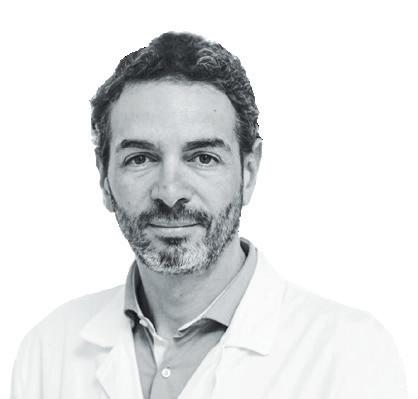
BERNARDO CORTESE Founder of DCB Academy discusses coronary advances







Practice-changing trials from a packed conference schedule
EUGENE BRAUNWALD
The father of modern cardiology remembered
12 Profile
BERNARDO CORTESE Founder of DCB Academy discusses coronary advances
Welcome to the May edition of Cardiovascular News Innovation has changed the face of cardiovascular medicine over the last several decades just as it has for the news media; new technologies and platforms offer promise to streamline workflows and broaden horizons, but the fundamentals, ultimately, must remain the same.
WITH THIS MAY ISSUE, READERS WILL NOTICE that Cardiovascular News has undergone a significant redesign, representing our most substantial refresh in years. The newspaper features the more compact print format inspired by the “Berliner” style, as well as a restructured page flow. Each aspect has been reconsidered to reflect the changing way that our audience consumes news.
Nowadays, heart teams engage with news and education across multiple platforms and at greater speed than ever before. Print remains highly valued, but its role has shifted. Rather than trying to compete with the immediacy of our digital channels, this redesigned edition is intended to provide a clearer, more focused reading experience that prioritises relevance, accessibility and efficiency.
The reporting, analysis, expert commentary and educational content that define Cardiovascular News remain, but this new format will allow us to present content in a more logical and
streamlined way, helping readers navigate the publication more intuitively while maintaining depth and quality.
It is fitting that this relaunched edition coincides with our cover story examining the evolving role of coronary physiology in guiding percutaneous coronary intervention (PCI, see page 14). As explored in this issue, advances in technology are reshaping physiological assessment—potentially moving the field away from invasive, wire-based measurements performed within the coronary arteries and toward less invasive, imagebased approaches derived from routine angiography. As with our updated issue, this is not about abandoning established principles, but about refining delivery, reducing complexity and improving usability. The goal is the same: to make important information easier to access, interpret and apply.
We hope readers will find this new-look Cardiovascular News both familiar and refreshed; a publication designed not only to reflect the changing landscape of cardiovascular medicine, but also the changing habits of those working within it.

WILL DATE is the senior editor of Cardiovascular News and the head of cardiovascular at BIBA Medical.
Editor-in-chief: Simon Redwood | Publisher: Stephen Greenhalgh
Senior editor: Will Date will@bibamedical.com
Editorial contribution: Jamie Bell, Jocelyn Hudson, Bryan Kay, Éva Malpass
Design: Terry Hawes and Josh Lyon | Advertising: Hannah Shiels hannah@bibamedical.com
Subscriptions: subscriptions@bibamedical.com
If you have comments on this issue or suggestions for upcoming editions write to will@ bibamedical.com
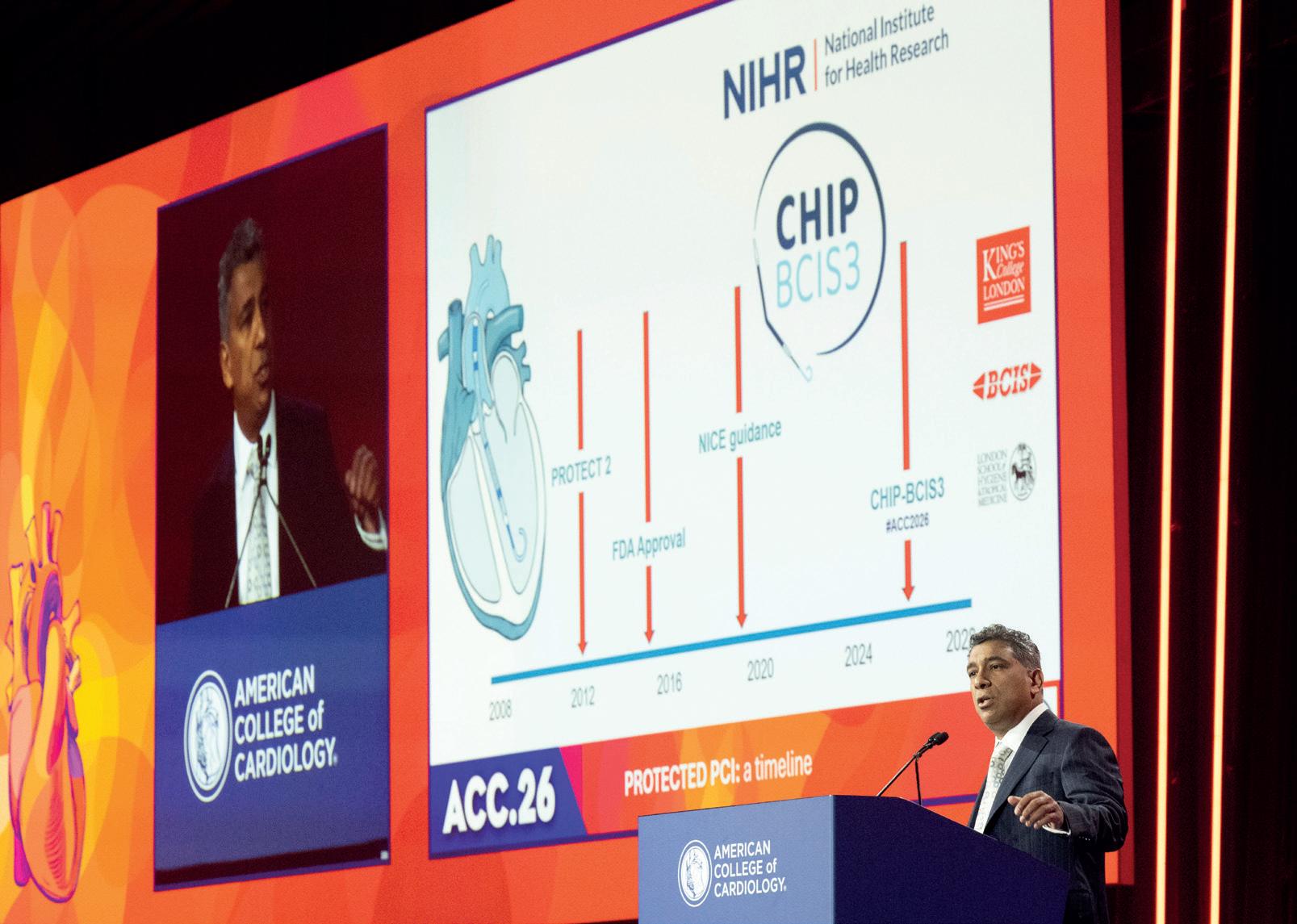
Trial results presented at the American College of Cardiology’s annual scientific session (ACC.26; 28–30 March, New Orleans, USA) draw in to question the practice of left ventricular (LV) unloading during percutaneous coronary intervention (PCI) using the Impella microaxial flow pump (Abiomed) to protect the heart.
Results of the BCIS-3 trial, the first randomised trial to compare standard PCI with PCI accompanied by the use of the Impella device in patients with both severe coronary heart disease and moderate to severe heart failure, found no significant difference between the two approaches, whilst at two years, patients who received the Impella device had almost double the risk of dying of a cardiovascular event compared with those who received standard care.
“We found no evidence that use of the temporary pump protected the heart during the angioplasty procedure,” said Divaka Perera (King’s College London, London, UK), first author of the study. “Our findings strongly suggest that we shouldn’t be using this device routinely without more evidence of benefit.”
According to Perera, over the past decade cardiologists have increasingly used LV unloading when performing a PCI as a strategy to reduce strain on the heart, though the strategy can have adverse effects, including the risk of injury to blood vessels by causing them to bleed, tear or become blocked.
The BCIS-3 trial was designed to determine whether LV unloading reduced the risk of complications and improved outcomes. The trial enrolled 300 patients at 21 sites in the UK, half randomly assigned to receive PCI with LV unloading and half to PCI alone.
The study’s primary endpoint was a composite of death from any cause, disabling stroke, heart attack, hospitalisation for cardiovascular causes and any heart injury occurring during the patient’s
treatment.
Perera and colleagues looked at pairs of patients (one from each arm of the study) and determined for each pair whether the outcome was better with LV unloading or with standard care. They found that it was better with standard care in 43% of the comparisons and better with LV unloading in 36.6%—a difference that was not statistically significant—while in 20.4% of pairs there was no difference.
Looking at the secondary outcome of death alone, they found that, compared with patients who received standard care, those who received LV unloading had about a 50% elevated risk of dying from any cause (32.6% vs. 23.4% for standard care) and an absolute increase of 12.2 percentage points in the risk of dying from a heart-related condition (26.7% vs. 14.5% for standard care).
Patients who received LV unloading had a higher rate of heart injuries during and after treatment than those who received standard care, Perera said. “This was surprising because the whole premise of LV unloading was that it protects the heart,” he commented. “But we found that patients assigned to LV unloading had more damage to the left ventricle than those assigned to standard care.”
Follow-up studies are needed to try to understand the causes of the higher rates of death and blood-vessel injury among patients who received LV unloading, Perera said. He and his colleagues are also currently working on a cost-benefit analysis of LV unloading compared with standard care, which they expect to present later this year, he said.
Evolocumab reduces risk of cardiac events in patients with no known atherosclerosis and diabetes
THE CHOLESTEROL-LOWERING therapy evolocumab reduced the risk of major adverse cardiac events by nearly one-third in patients with no known significant atherosclerosis and had diabetes, according to a study presented at ACC.26.
The study, a subgroup analysis of the VESALIUS-CV trial, involved over 3,600 patients with diabetes who were not previously known to have atherosclerosis. Previous trials have demonstrated that intensively reducing low-density lipoprotein cholesterol (LDL-C) using PCSK9 inhibitors such as evolocumab on top of optimally tolerated statin therapy can be used as part of secondary prevention efforts to reduce cardiovascular risk in patients who have previously suffered a major cardiac event.
“I think this study changes the paradigm,” said Nicholas Marston (Brigham and Women’s Hospital and Harvard Medical School, Boston, USA), the study’s lead author. “In current practice, PCSK9 inhibitors are largely reserved for patients who have had a prior heart attack or stroke, but here we see a benefit of using evolocumab not only to treat patients without a history of heart attack or stroke, but without known significant atherosclerosis.”
“Our
findings strongly suggest that we shouldn’t be using this device routinely without more evidence of benefit”
PCI “is an effective treatment” for patients with CTO and angina
RESULTS OF THE ORBITA-CTO trial presented at ACC.26 have shown that patients receiving percutaneous coronary intervention (PCI) for symptomatic, single-vessel coronary chronic total occlusion (CTO) were four times more likely to have improved angina scores than those receiving placebo.
The trial enrolled 50 patients, all of whom had a CTO for at least three months and angina symptoms for an average of 12 months despite medication, randomised to PCI or a placebo procedure.
The primary endpoint was an angina score comprising the number of daily angina episodes experienced and the number and doses of anti-anginal medication taken during the 24-week follow-up period. On average, CTO angioplasty patients had 31 more angina-free days than those in the placebo group.
“Our results demonstrate in a randomised, double-blinded study design that coronary angioplasty and stenting is an effective treatment for patients who have a chronic total occlusion and chronic anginal chest pain,” said principal investigator John Davies (Essex Cardiothoracic Center, Basildon, UK).
FOR PATIENTS WITH NON-VALVULAR atrial fibrillation (AF) who had no contraindications to taking oral anticoagulants, the use of a left atrial appendage closure (LAAC) device—the Watchman FLX device (Boston Scientific)—was comparable to standard medication therapy in reducing the combined rate of all-cause stroke, cardiovascular death and systemic embolism at three years.
This was the headline finding from the CHAMPION-AF trial, results from which were presented at the American College of Cardiology’s annual scientific session (ACC.26; 28–30 March, New Orleans, USA). Closure of the LAA was found to be superior to long-term oral anticoagulation for prespecified major and non-major non-procedural bleeding in these patients.
Watchman FLX is indicated for use in patients with AF who cannot tolerate or take long-term anticoagulants due to previous bleeding episodes, or a high risk of bleeding, especially if they are prone to falls. According to researchers, it was unknown prior to the trial whether LAAC is at least as effective and safe as blood thinners in this group of patients.
“Our data suggest that the LAA closure device used in this trial is a potential and reasonable alternative to medication—even among patients who are suitable for long-term blood thinners— and may be discussed as part of a shared decision-making process,” said Saibal Kar (Los Robles Regional Medical Center, Thousand Oaks, USA), co-principal investigator of the study.
CHAMPION-AF is said to be the first prospective, multinational randomised trial to test whether LAAC is non-inferior to non-vitamin K antagonist oral anticoagulants (NOACs) in patients who are able to take long-term blood thinners
PROTAVI trial: Deferring PCI after TAVI in older, high-risk patients is safe
OLDER PATIENTS WITH CORONARY artery disease scheduled for transcatheter aortic valve implantation (TAVI) had comparable outcomes regardless of whether they underwent percutaneous coronary intervention (PCI) before TAVI, according to a study presented at ACC.26. This was the headline finding of the PROTAVI trial, involving more than 450 patients at 12 sites across the Netherlands, in which half were randomised to receive PCI before their TAVI procedure, and half were assigned to receive TAVI

irrespective of prior AF ablation.
The study included 3,000 patients with non-valvular AF who had a moderately elevated risk of stroke (average CHA2DS2-VASc score, 3.5) and low bleeding risk (mean HAS-BLED score, 1.3) at 141 global sites. A total of 1,501 patients were randomised to receive a NOAC at the discretion of the treating physician and 1,499 were randomised to undergo LAAC with Watchman FLX.
After three years of follow-up, 5.7% of patients in the LAAC group and 4.8% of those in the medical therapy group experienced the trial’s primary efficacy endpoint—a composite rate of ischaemic stroke, haemorrhagic stroke, cardiovascular death and systemic embolism—which met non-inferiority, according to Kar. When researchers looked at each of the components of this co-primary endpoint individually, they found no difference in deaths, systemic embolism or haemorrhagic strokes, but saw slightly more ischaemic strokes among those undergoing the procedure.
first and only undergo PCI afterward if necessary. Investigators were able to show that omitting PCI before TAVI did not result in any increase in the risk of death, heart attack, stroke or moderate to serious bleeding at 12 months.
The primary composite endpoint occurred in 25.8% of those who underwent PCI before TAVR and 24.1% of those who deferred PCI. This result met the trial’s prespecified threshold for non-inferiority and did not demonstrate the superiority of either approach, indicating that they are equivalent in terms of expected outcomes.
“We can wait and, if they still have complaints afterward, only then do PCI,” said Michiel Voskui (University Medical Center Utrecht, Utrecht, Netherlands), the study’s lead author, of the result.
Clinical trial finds comparable performance between TAVI embolic protection devices
RESULTS FROM THE PROTECT H2H TRIAL, a global clinical study comparing two embolic protection devices for protection against stroke in patients undergoing transcatheter aortic valve implantation (TAVI) has shown comparable performance between the investigational Emboliner (Emboline) device and Sentinel (Boston Scientific).
Adam Greenbaum (Emory School of Medicine, Atlanta, USA) presented the findings at ACC.26, reporting that, for the primary endpoint of death from any cause, stroke or kidney failure at 30 days, the investigational Emboliner device and the approved Sentinel device performed “nearly identically”.
The two devices are designed to prevent stroke related to the TAVI procedure, linked to around 3% of cases, by capturing embolic material displaced during the implantation of the valve.
Emboliner is a full-body filter designed to capture TAVI-generated debris and prevent it from getting into the arteries that carry blood to the brain and other organs and tissues, whereas Sentinel is only designed to offer cerebral protection by capturing embolic material before it enters the bloodstream and travels to the brain.
“While the Sentinel is a great advance in the field, it leaves open the question of whether preventing other downstream effects of TAVI-generated debris—for example, in the gut, the legs, the kidneys—could improve patient outcomes,” Greenbaum commented.
Electronic notifications “improve timely evaluation of structural heart disease”
DATA FROM THE ALERT TRIAL, DESIGNED to address health disparities and undertreatment in structural heart care, show that electronic clinician notifications (ECNs) significantly improve the timely evaluation and treatment of aortic stenosis (AS) and mitral regurgitation (MR), including treatment with TAVI.
The study utilised Tempus Next, an artificial intelligence (AI)-enabled care pathway platform that empowers providers to deliver the next step in a patient’s care journey. The software automatically identifies significant AS or MR patients who may meet guideline-indicated therapy criteria, but do not have a treatment plan in place.
Using 765 clinicians ordering 2,016 echocardiograms across five US health systems encompassing 35 hospitals, the study met its primary endpoint, defined as time to surgical or transcatheter valve intervention followed by time to multidisciplinary heart team clinic visit within 90 days after the index echocardiogram. The findings revealed that ECNs were 27% more effective at notifying clinicians about patient cardiovascular status than usual care.
Key findings at 90 days include a 40% relative increase in valve intervention (13.4% vs. 9.6%) and a 27% increase in heart team evaluations (22.7% vs. 17.9%).
LONG-TERM RESULTS FROM THE COMMENCE aortic trial have demonstrated low rates of structural valve deterioration (SVD) in bioprosthetic aortic valves created with Edwards Lifesciences’ Resilia tissue at 10 years. The data were presented at the 106th American Association for Thoracic Surgery (AATS) annual meeting (2–5 May, Chicago, USA).
Edwards’ Resilia tissue technology is used in a number of the company’s surgical and transcatheter valve platforms, including the Inspiris Resilia aortic surgical valve, the Konect Resilia aortic surgical valve conduit, the Mitris Resilia mitral surgical valve and the Sapien 3 Ultra Resilia transcatheter aortic heart valve.
The Resilia tissue is designed to resist calcification and combines advanced calcium blocking processes with dry storage to support long-term valve performance.
To date, more than 500,000 patients worldwide have been treated with the technology, Edwards has stated.
The COMMENCE aortic trial is a US Food and Drug Administration (FDA)-approved, pivotal, prospective, multicentre clinical study designed to evaluate the safety and effectiveness of a bioprosthetic valve with Resilia tissue used in surgical aortic valve replacement (SAVR), with follow-up through 10 years.
Safety endpoints were defined according to established guidelines and independently adjudicated. A total of 689 patients were enrolled in the trial, which took place at 27 clinical sites across the USA and Europe.
At 10 years, COMMENCE trial data showed that patients treated with Resilia valves experienced 97.9% freedom from SVD, 97.8% freedom from reoperation due to SVD, 98.6% freedom from non-structural valve dysfunction (other
CONSISTENT RESULTS WERE OBSERVED through three years in the AGENT investigational device exemption (IDE) trial, the first US randomised trial investigating the safety and efficacy of the use of a drug-coated balloon (DCB) for the treatment of coronary in-stent restenosis (ISR).
Robert W Yeh (Beth Israel Deaconess Medical Center, Boston, USA) presented the three-year findings of the trial, which is following the Agent paclitaxel-coated balloon, the first DCB to gain approval from the US Food and Drug Administration (FDA) for the treatment of coronary ISR, at CRT 2026. According to figures quoted in Yeh’s presentation, the treatment of ISR is estimated to make up around 10% of percutaneous coronary intervention (PCI) procedures across the USA.
than paravalvular leak), and sustained haemodynamic performance, including stable gradients and effective orifice area over time.
“These 10-year data from the COMMENCE trial suggest this tissue technology has the potential to change the way we think about durability in biological valves, including in younger patients,” said Lars G Svensson (Cleveland Clinic, Cleveland, USA). “What is striking is the low rate of structural valve deterioration and need for reoperation, even though the trial enrolled younger patients who historically face higher risks of valve deterioration, underscoring the importance of long-term evidence when physicians are making treatment decisions with their patients.”
“As patients live longer and expect to remain active, structural heart therapies must be designed with lifetime care in mind,” Bernard Zovighian, Edwards’ CEO, commented of the results. “The COMMENCE 10-year study is the latest addition to our breadth of long-term data reflecting our commitment to advancing durable valve technologies through continuous evidence development, so heart teams and patients can make informed decisions over time.”
“These 10-year data from the COMMENCE trial suggest this tissue technology has the potential to change the way we think about durability in biological valves, including in younger patients”
The AGENT IDE trial, a prospective, randomised, multicentre, superiority trial enrolled a total of 600 patients across 40 US sites, who were randomised 2:1 to undergo either DCB-PCI with the Agent device or plain balloon angioplasty.
Yeh reported that at three years, target lesion failure (TLF), the trial’s primary endpoint, occurred in 32.7% of patients in the Agent DCB arm, compared to 40.9% of patients in the balloon angioplasty arm, consistent with results previously reported at two- (27% vs. 34%) and one-year timepoints (17.9% vs. 28.7%).
Additionally, Yeh detailed that target-vessel myocardial infarction (MI) stood at 8.7% in the Agent arm, compared to 14.5% in the balloon angioplasty group. Patients were also followed for the occurrence of definite and probable stent thrombosis, which was seen in 0.3% of cases in the Agent arm compared to 3.8% in the balloon angioplasty arm.
Orbital atherectomy
fails to eclipse balloon angioplasty at two years in calcified lesions
LATEST RESULTS OF THE ECLIPSE TRIAL have demonstrated that the routine use of orbital atherectomy prior to percutaneous coronary intervention (PCI) in severely calcified lesions does not reduce the incidence of target vessel failure (TVF) compared to conventional balloon angioplasty at two years.
The trial, which enrolled more than 2,000 patients at over 100 US sites, showed that the two strategies were similar for a primary clinical endpoint of TVF, defined as the composite of cardiac death, target vessel-related myocardial infarction, or ischaemia-driven target vessel revascularisation—which stood at 15.6% for orbital atherectomy and 14% for balloon angioplasty— echoing results seen at one year of follow-up.
Gregg W Stone (Icahn School of Medicine at Mount Sinai, New York, USA) presented the findings at the 2026 Cardiovascular Research Technologies (CRT) conference (7-10 March, Washington, DC, USA), where he also reported that use of intravascular imaging with optical coherence tomography (OCT) or intravascular ultrasound (IVUS) was associated with better outcomes in both groups.

NEW, LONG-TERM DATA FOR THE Symplicity Spyral (Medtronic) renal denervation system demonstrate reductions in 24hr ambulatory systolic blood pressure (ABPM), office-based systolic blood pressure (OSBP), or reduction of at least one antihypertensive medication, at three years.
David Kandzari (Piedmont Heart Institute, Atlanta, USA) presented the data from 2,137 patients pooled from the Global SYMPLICITY Registry (GSR) DEFINE, SPYRAL first-in-man, SPYRAL HTN-OFF MED, and -ON MED trials at the 2026 CRT meeting, with the analysis aimed to determine the proportion of patients who experienced clinical benefit.
“We’re seeing sustained blood pressure reductions that get progressively better with time, without an increase in concomitant medication burden,” said Kandzari. “The data also demonstrate the potential to reduce the number of hypertensive medications and simplify treatment protocols—an outcome that we know can make a meaningful difference for patients when it comes to treatment burden and their everyday life.”
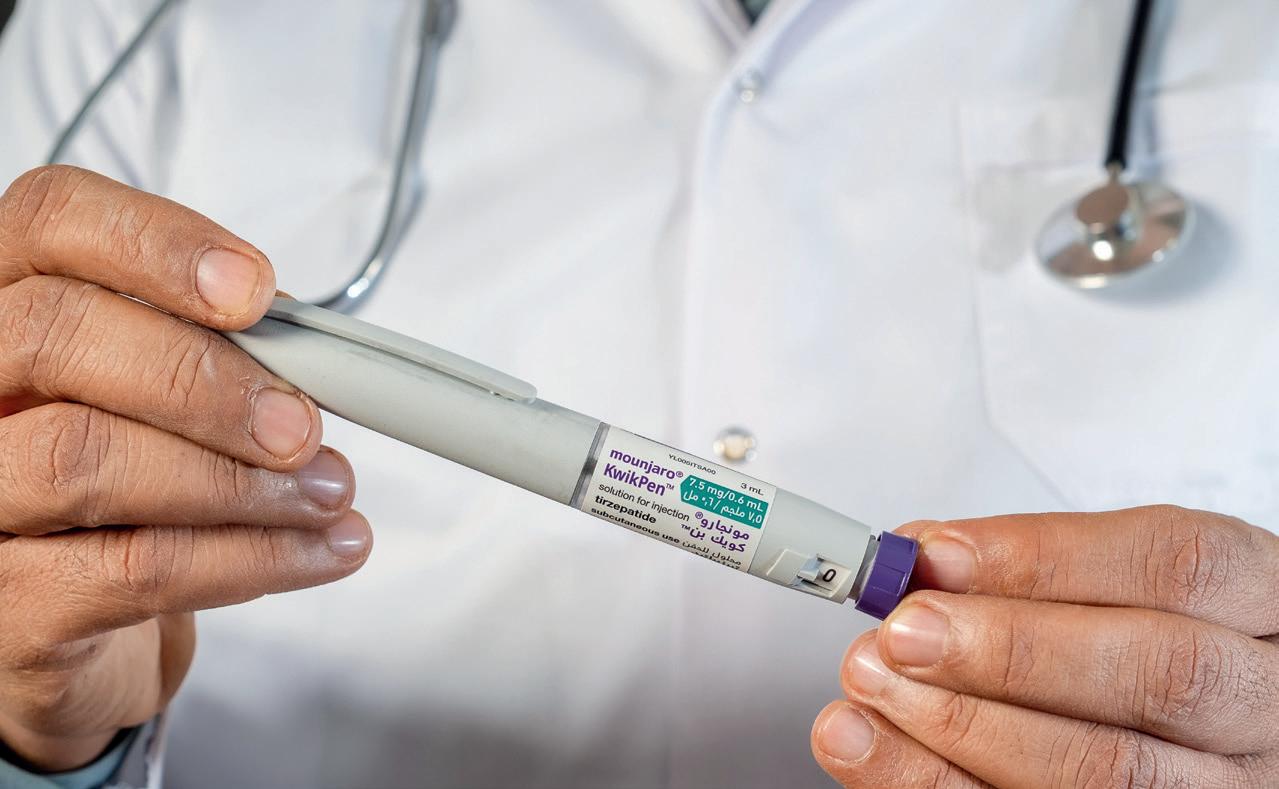
New data link tirzepatide to greatly reduced cardiovascular risk in high-risk patients undergoing cardiac procedures
Two new studies show that the GLP-1-based drug tirzepatide significantly reduces cardiovascular risk in high-risk patients–including those undergoing percutaneous coronary intervention (PCI) and those with obesity undergoing transcatheter aortic valve implantation (TAVI). The pair of datasets were presented at the Society for Cardiovascular Angiography & Interventions (SCAI) 2026 Scientific Sessions and Canadian Association of Interventional Cardiology (CAIC-ACCI) summit (23–25 April, Montreal, Canada).
In one, presenter Revati Varma (Cook County Hospital, Chicago, USA) and colleagues showed that tirzepatide outperforms dulaglutide by reducing major adverse cardiovascular events (MACE), weight and HbA1c levels with realworld data on patients who undergo PCI. They used the TriNetX database to identify adult PCI patients with type-2 diabetes who received treatment with either tirzepatide or dulaglutide at the time of the procedure. They performed propensity score matching and assessed outcomes at one month and one year after the procedure.
with obesity.
Researchers led by Ibrahim Mortada (University of Texas Medical Branch, Galveston, USA) conducted a retrospective cohort study using TriNetX and identified adults with obesity who underwent the procedure from 2020–2025, grouping them based on tirzepatide use.
At one year, patients who did not receive tirzepatide experienced worse outcomes over time, with lower event-free survival (77.7% vs. 84.1%).

Among 1,281 patients, tirzepatide consistently reduced adverse outcomes compared to dulaglutide. Patients receiving tirzepatide experienced lower rates of MACE (relative risk [RR] 0.46; p<0.001), acute myocardial infarction (RR 0.47; p<0.001), heart failure exacerbation (RR 0.54; p<0.001), and ventricular arrhythmias (RR 0.56; p=0.03). There was no difference in rates of stroke. At one year, tirzepatide continued to show benefits, including consistent reductions in MACE, acute myocardial infarction and heart failure exacerbation, and reduced mortality (RR 0.38; p<0.001), stroke (RR 0.56; p=0.01) and cardiac arrest (RR 0.32; p<0.001).
“This study provides real-world evidence comparing two commonly used diabetes medications in a high-risk population,” said Varma.
In the other study presented at SCAI 2026, tirzepatide was shown to reduce the risk of MACE by 30% after TAVI in patients
These patients also faced a 54% higher risk of hospitalisation for acute heart failure compared with those receiving tirzepatide (hazard ratio [HR] 1.54, 95% confidence interval [CI] 1.11–2.13). Patients not treated with tirzepatide experienced MACE— death, myocardial infarction, stroke, heart failure, arrhythmia or intracerebral haemorrhage—44% more frequently (HR 1.44, 95% CI 1.22–1.70). However, researchers observed no significant differences between groups in rates of ischaemic stroke (HR 0.92, 95% CI 0.60–1.39), acute myocardial infarction (HR 1.06, 95% CI 0.61–1.84), or acute kidney injury.
“The reduction in serious cardiovascular events without an increase in ischaemic or renal complications provides rationale for clinicians to seriously consider adjunctive metabolic therapy,” said Mortada.
The research groups note that the findings support the need for prospective randomized trials to determine whether tirzepatide should be incorporated into routine cardiometabolic management for patients with obesity undergoing TAVI.
“This study provides realworld evidence comparing two commonly used diabetes medications in a high-risk population”
NEW RESEARCH FOUND THAT public interest in transcatheter aortic valve implatation (TAVI) increased substantially over the last 10 years, with Google search volume rising by 340% from 2015–2025, while searches for surgical aortic valve replacement (SAVR) declined by 42%. These trends parallel a shift in practice as clinicians doubled TAVI use between 2015 and 2021, researchers behind the study discovered.
“Some communities—particularly in rural areas—have less exposure to the latest treatment options, which can delay timely care,” said lead author Smith Frimpong (Geisinger Wyoming Valley Medical Center, Wilkes-Barre, USA), who presented the data at the SCAI 2026 Scientific Sessions & Canadian Association of Interventional Cardiology. “By providing targeted education and sharing real-world outcomes, clinicians and educators can help patients make informed decisions and expand access to minimally invasive therapies across all regions.”
Public interest in TAVI balloons, data show STEMI patients with COVID-19 were 67% more likely to die at one year than those without coronavirus, registry reveals
FINDINGS FROM THE NORTH American COVID-19 myocardial infarction (NACMI) registry demonstrate significantly higher one-year mortality rates in patients with COVID-19 and ST-elevation myocardial infarction (STEMI) compared to patients with STEMI alone, freshly presented data show.
Reputedly the first study to describe long-term outcomes in patients with STEMI and COVID-19, Payam Dehghani (Prairie Vascular Research, Regina, Canada) told attendees at SCAI 2026 that patients with COVID-19 and STEMI had a 67% higher one-year mortality rate compared to those who did not have the virus (45% vs. 27%, respectively; p<0.001).
This long-term follow-up sub-study included a total of 2,358 STEMI patients, with three subgroups: COVID-19 positive (n=623), COVID-19 negative (n=694) and matched controls (n=1,041).
Most deaths (86%) occurred during the initial hospital stay. Among survivors of initial hospitalisation, one-year mortality rates were 25% higher in patients with COVID-19 (12% vs. 9.6%; p<0.001) and more than double the pre-pandemic rate (5.3%; p<0.001).
Additional analyses exploring potential gender disparities among patients with COVID-19 and STEMI are underway, the researchers behind the findings said.
Latest data from the Evolut Low Risk trial, comparing Medtronic’s Evolut supra-annular, self-expanding, transcatheter aortic valve implantation (TAVI) system to surgical aortic valve replacement (SAVR) in patients at low surgical risk, have shown that, beyond six years, patients in the TAVI arm of the trial required reintervention more often than those undergoing SAVR, driven by an increased incidence of aortic regurgitation.
THE TRIAL’S SIX-YEAR OUTCOMES ARE detailed in the Journal of the American College of Cardiology (JACC) in a paper by John Forrest (Yale School of Medicine, New Haven, USA) and colleagues on behalf of the Evolut Low Risk investigators.
Evolut Low Risk is a randomised, multicentre trial assessing the safety and efficacy of the Evolut TAVI system versus surgery in patients who had a predicted 30-day mortality risk <3%, as assessed by a heart team—one of the largest clinical trials to investigate TAVI outcomes among patients deemed to be at low surgical risk. A total of 1,414 patients were randomised, with 730 receiving TAVI with either a Medtronic Evolut R, PRO, or CoreValve and 684 undergoing surgery.
Out to five years, the trial has reported comparable rates of all-cause mortality and stroke— the study’s composite primary endpoint—a trend that was maintained at the six-year timepoint, where the primary endpoint rate stood at 23.3% among patients who underwent TAVI and 20.4% among those who underwent surgery.
patients receiving the Evolut R valve, particularly those receiving the 34mm valve, the totality of events was not limited to this group.
No formal guidance on maximal balloon sizing existed during the enrolment phase of the trial, but subsequent experience had led to concerns that excessive balloon oversizing may have been associated with structural leaflet injury and subsequent aortic regurgitation. This led to a change in the instructions for use (IFU) for the valve in 2020, cautioning against using a balloon diameter that exceeded the valve waist.
Bench testing performed around this time had demonstrated that off-guidance postdilation could result in injury to the prosthetic valve leaflets at the margin of attachment where they are sutured to the skirt and frame, with the degree of injury potentially varying based on the amount of overexpansion, possibly resulting in immediate or delayed clinical presentation.

However, investigators observed an increase in the reintervention rate seen in the TAVI arm at six years, where it stood at 5.5%, compared to 3.3% for surgery. Supplementary data included within the six-year data publication show that up to five years, reintervention rates had been broadly comparable between the two approaches, totalling 1% for TAVI vs. 0.9% for SAVR at three years, 1.3% vs. 1.7% at four years, and 3.3% vs. 2.5% at five years.
The investigators opted to undertake an exploratory, post-hoc analysis to characterise the incidence, aetiology and association of reintervention with mortality using all of the available data through seven years, finding that the reintervention rate for TAVI increased to 9.8% and 6% for surgery. Predictor analyses found that younger age was associated with higher reintervention rates for both approaches, whilst TAVI and valve model were also identified as predictive factors for reintervention.
While a substantial portion of the regurgitation-related reintervention signal was seen among
Although off-guidance postdilation may contribute to leaflet injury, regurgitation-related reintervention can still occur in patients without off-guidance postdilation, they noted, adding that in the analysis, the majority of reinterventions occurred in patients who did not undergo off-guidance postdilation.
“This analysis highlights the critical importance of transparent, robust, long-term clinical and real-world data in low-surgical-risk patients undergoing TAVI,” Forrest et al write.
In a further editorial, Aakriti Gupta (Cedars-Sinai Medical Center, Los Angeles, USA) and David J Cohen (St Francis Hospital and Heart Center, Roslyn, USA) write that the type of reintervention needed may be as important as the incidence of reinterventions overall, at least from the patients’ perspective.
“In the Evolut Low Risk trial, reintervention after initial TAVI often meant explant surgery (65%)—the very procedure many patients believed they were going to avoid. Although 30-day mortality after reintervention was infrequent in the study population (3.3%), it is important to remember that these procedures were performed in a low-risk population and at experienced centres,” they write.
Redo surgical mitral
valve replacement shows longterm advantage over transcatheter valve-in-valve
A NEW MULTICENTRE STUDY PUBLISHED in The Annals of Thoracic Surgery has found that reoperative surgical mitral valve replacement (rSMVR) is associated with significantly better long-term survival compared to transcatheter mitral valve-in-valve (mViV) procedures in patients with failing bioprosthetic mitral valves.
While both approaches demonstrated similar safety and procedural success at 30 days, key differences emerged over time, particularly beyond the first year.
Researchers analysed outcomes from 229 patients treated at two high-volume centres between 2004 and 2023. Short-term results were largely comparable, although mViV patients experienced shorter hospital stays and fewer early complications such as atrial fibrillation and prolonged ventilation. However, at five years, patients undergoing rSMVR had significantly lower mortality (20.3% vs. 40.9%) and more favourable valve performance, with consistently lower mitral valve gradients.
“Although transcatheter valve-in-valve procedures offer clear short-term advantages, our findings suggest that surgery provides greater durability and improved long-term survival in appropriately selected patients,” said study author S Christopher (Malaisrie Northwestern Medicine Bluhm Cardiovascular Institute, Chicago, USA). “Survival outcomes between the two groups began to diverge after one year and continued to widen over time.”
Rates of reintervention and heart failure were similar between groups, indicating that both strategies remain viable depending on patient risk and clinical context. The study highlights the importance of multidisciplinary heart team decision-making, balancing the lower early risk of mViV against the long-term benefits of surgical reintervention, investigators state.
IN ASYMPTOMATIC PATIENTS WITH severe aortic stenosis, early surgery led to a lower risk of operative mortality or death from cardiovascular causes than conservative care at 10 years, results of the RECOVERY trial have shown.
Reporting the extended follow-up of the trial in the New England Journal of Medicine, Duk-Hyun Kang (University of Ulsan, Seoul, South Korea) write that the absence of convergence of the Kaplan–Meier curves for the primary composite endpoint during this longer period of follow-up “underscores the sustained benefits of early surgery in our patient population”.
RECOVERY randomised 145 asymptomatic patients to undergo either early surgery or to receive conservative care. In an intention-to-treat analysis, the study team showed that the primary endpoint event occurred in 3% in the early-surgery group compared to 24% in the conservative-care group.
The US Food and Drug Administration (FDA) has reminded more than 2,200 medical product companies and researchers of requirements for them to submit certain information on clinical trial results to ClinicalTrials.gov.
As stated in a press release from the US FDA, companies and researchers often fail to disclose negative trial results, resulting in significant gaps in the public record and a publication bias that “obscures the true landscape of drug development outcomes” by “overrepresenting successes and underrepresenting failures”. This gap can also create a “distorted perception” of the safety and efficacy of medical products, the US FDA notes.
According to an internal analysis conducted by the regulator, 29.6% of studies that are “highly likely” to fall under mandatory reporting requirements have no results information submitted to ClinicalTrials.gov.
Studies subject to the mandatory reporting requirements include interventional studies with a US nexus and an FDA-regulated product that are past the deadline to report. However, phaseone and device-feasibility studies are excluded.
“Far too often, companies are suppressing unfavourable clinical trial results, and keeping them secret from patients and the scientific community,” said US FDA commissioner Marty Makary. “Those sponsoring clinical trials have an ethical obligation to make results public, regardless of the data’s influence on the company’s share price. Too many clinical trial sponsors and researchers are failing to report their results, leaving important information unavailable to clinicians and other researchers. If you are a doctor deciding whether or not to prescribe a medication to a patient, you deserve to have the best data about clinical studies on that medication.”
Certain clinical trial sponsors and
Roxana Mehran begins term as ACC president
THE AMERICAN COLLEGE OF Cardiology (ACC) has named the influential interventional cardiologist and clinical trialist Roxana Mehran (Icahn School of Medicine at Mount Sinai, New York, USA) as its new president.
Her appointment was confirmed during the convocation ceremony at the American College of Cardiology’s annual scientific session (ACC.26; 28–30 March, New Orleans, USA).
researchers are required to submit information on trial results to ClinicalTrials. gov one year after trial completion, as per the US FDA.
On 30 March this year, the regulator sent messages to more than 2,200 companies and researchers—associated with more than 3,000 registered clinical trials, including some that were publicly funded—that do not appear to have submitted requisite results information to the ClinicalTrials.gov website, or that may not have completed the US National Library of Medicine’s quality control review process. These messages sought “voluntary compliance with requirements”, according to the US FDA.
In its recent press release, the regulator goes on to note that it may also send pre-notices and notices of non-compliance as part of risk-based compliance efforts related to ClinicalTrials.gov.
The messages issued on 30 March represent an “extra step” the US FDA is taking to provide the relevant responsible parties with the opportunity to comply with federal law before the agency considers whether to take further regulatory action.
“I fully support this new initiative to increase the prompt publication—as required by law—of results information from interventional studies of the medical products we regulate,” commented Tracy Beth Hoeg, acting director of the US FDA’s Center for Drug Evaluation and Research (CDER). “We hope that the thousands of messages sent to sponsors and investigators reminding them to publicly report their findings will improve patient safety, and keep researchers and the public better informed of benefits and risks of new and investigational products.”
family, my colleagues, my patients, and the mentors who have shaped my journey,” says Mehran. “My mission will be to advance cardiovascular care through innovation, equity, and global collaboration—working closely with our partners at the American Heart Association and the European Society of Cardiology to improve heart health for all.”
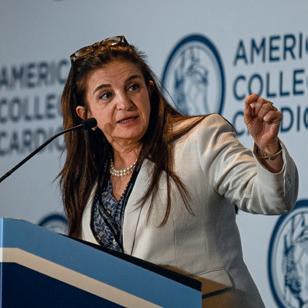
“I am deeply honoured to serve as president of the American College of Cardiology. I am profoundly grateful to my
Mehran is director of the Women’s Heart and Vascular Center at Mount Sinai Fuster Heart Hospital and director of the Center for Interventional Cardiovascular Research and Clinical Trials, as well as the Mount Sinai Professor in Cardiovascular Clinical Research and Outcomes at the Icahn School of Medicine at Mount Sinai.

New guidelines seek to align practice for reducing atrial fibrillation after surgery
“Far
too often, companies are suppressing unfavourable clinical results and keeping them secret from
patients and the scientific community”
THE SOCIETY OF THORACIC Surgeons (STS) has released new clinical practice guidelines, published in The Annals of Thoracic Surgery, outlining a comprehensive, surgery-specific framework for the prevention and treatment of postoperative atrial fibrillation (POAF). Co-led by Subhasis Chatterjee (Baylor College of Medicine, Houston, USA) and Stefano Schena (Medical College of Wisconsin, Milwaukee, USA) the document was drafted after a multidisciplinary effort by the STS Workforce on EvidenceBased Surgery, evaluating contemporary evidence to generate practical, consensus-based recommendations focused specifically on the prevention and treatment of POAF after cardiac surgery.
A central theme of the guidelines is transparency around uncertainty and a focus on meaningful patient outcomes.
“One of the goals of these guidelines was not to promote a single dominant therapy, but to provide a structured, phase-based approach that can reduce unwarranted practice variation while still allowing clinical judgment,” said Chatterjee.
He emphasised that POAF should be viewed as a marker of perioperative vulnerability rather than an isolated rhythm disturbance, helping to identify patients at higher risk for complications and future atrial arrhythmias. This perspective supports targeted surveillance and follow-up rather than reflexive escalation of therapy.
The guidelines also underscore that POAF is distinct from preexisting atrial fibrillation, with different mechanisms, natural history, and management implications. Core strategies include careful rhythm monitoring, early rate or rhythm control, and individualised anticoagulation decisions. At the same time, the document acknowledges ongoing uncertainty regarding optimal anticoagulation timing and duration, arrhythmia burden, and the role of adjunctive surgical interventions.
Schena noted that the guideline development process highlighted the variability in clinical practice and the limitations of available evidence. “The time spent discussing and reviewing helped us recalibrate our stance and recognise how limited the evidence truly is for many commonly used interventions,” he said.
Eugene Braunwald, described as the “father of modern cardiology”, died on 22 April 2026 at the age of 96. Colleagues have paid tribute to his legacy as a clinician, researcher and educator, describing him as one of the most influential figures in the history of cardiovascular medicine and a generous teacher and mentor
Born in Vienna, Austria, Braunwald fled Nazi persecution as a child, settling in the USA, where he trained in internal medicine and cardiology. His early career took him to the National Institutes of Health (NIH) as well as academic posts at Harvard Medical School (Boston, USA) and Brigham and Women’s Hospital (Boston, USA).
Amongst his landmark work in areas including congestive heart disease, valvular heart disease and coronary artery disease, Braunwald established foundational concepts of human cardiovascular physiology and pathophysiology, including the determinants of myocardial oxygen consumption. He also helped pioneer transseptal left heart catheterisation, advancing the assessment of valvular heart disease at a time when openheart surgery was just beginning. These insights informed his work on hypertrophic cardiomyopathy, including the recognition of dynamic left ventricular outflow tract obstruction and an early appreciation of its frequent genetic basis.
In heart failure, he described an early neurohumoral abnormality and contributed to the clinical assessment of ventricular performance, including use of the ejection fraction and ventricular systolic dp/dt. He later helped transform acute coronary care by championing the concept that myocardial infarction is a dynamic process in which early, decisive intervention can salvage threatened myocardium.
In 1984, he founded the Thrombolysis in Myocardial Infarction (TIMI) Study Group, which has set a benchmark for large-scale cardiovascular clinical trials and accelerating the translation of evidence into practice.
“The passing of Eugene Braunwald marks the end of an era for cardiovascular medicine. His relentless pursuit of scientific truth transformed
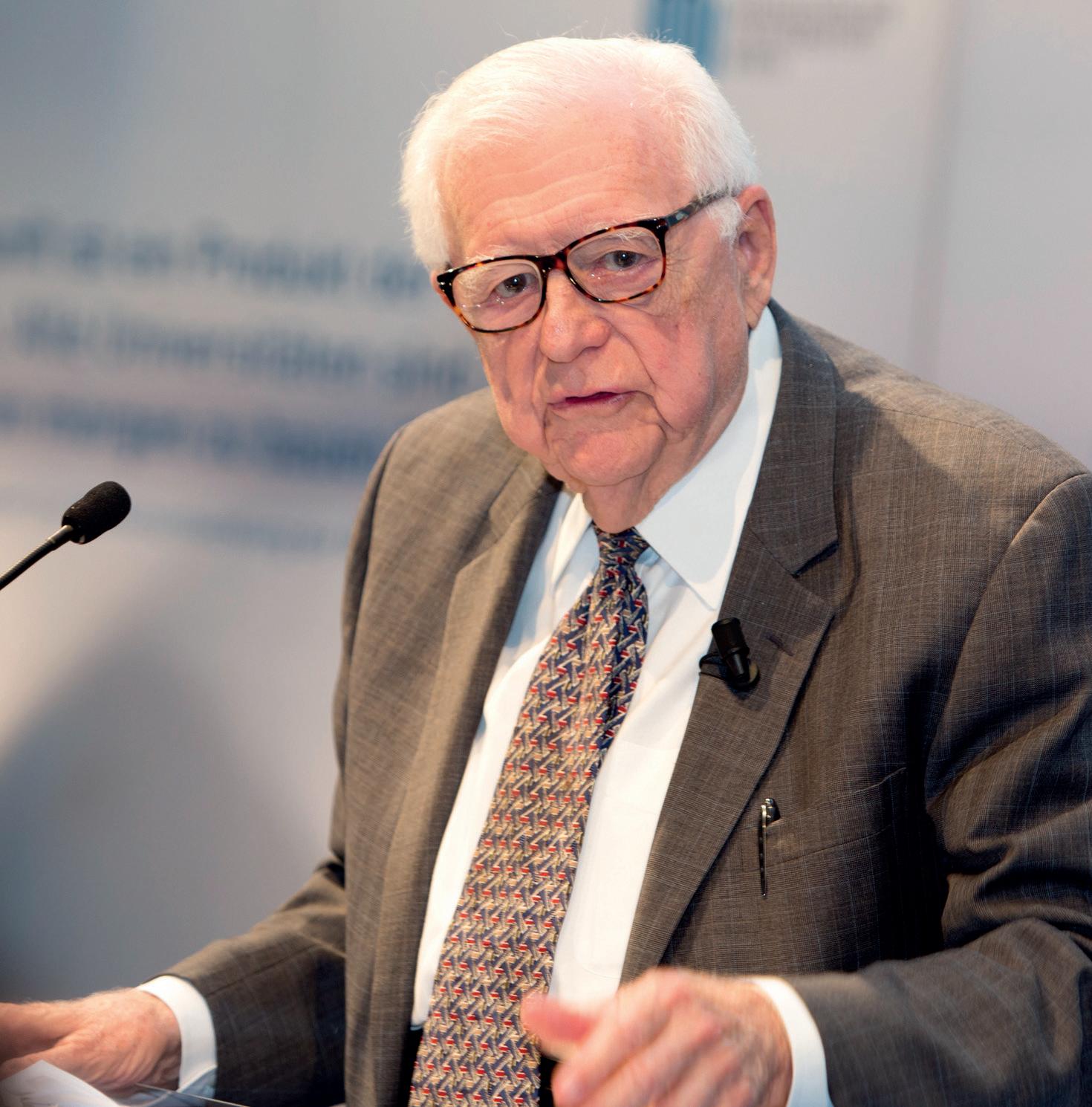
the way we understand and treat cardiovascular disease, saving countless lives across the globe,” said Stacey E Rosen Katz (Institute for Women’s Health, New York, USA), volunteer president of the American Heart Association (AHA), which created the Eugene Braunwald Academic Mentorship Award in 1999, honouring his lifelong commitment to advancing science through people as well as ideas.
“Beyond his groundbreaking research and definitive textbooks, he was a devoted mentor whose brilliance and humanity inspired generations of clinicians. I was always struck by his genuine warmth and his unwavering interest in the next generation of physicians. The American Heart Association honours his extraordinary life and remains committed to the mission he championed so passionately—a world of longer, healthier lives for all.”
Braunwald’s reputation was acknowledged across the globe, including in his native Europe, where he was awarded the European Society of Cardiology (ESC) Gold Medal in 2004, reflecting “not only a lifetime of landmark discoveries, but also his enduring commitment to raising standards in research, education, and patient care worldwide”, the organisation said in a statement. The Heart Failure Association (HFA) of the ESC also honours Braunwald each year at its annual congress with the HFA Eugene Braunwald Lecture.
and Harefield Hospital Trust, London, UK), ESC president. “He had a rare ability to see what the field needed next, and then to build the science and the evidence that made better care possible; from the way we understand myocardial ischaemia to the way we test and deliver life-saving therapies. Just as importantly, he set a standard for intellectual honesty and mentorship, giving generations of clinicians and researchers the confidence to aim higher.”
“The passing of Eugene Braunwald marks the end of an era for cardiovascular medicine”
A prolific researcher, Braunwald has more than 1,000 publications in peer-reviewed journals. In 2013, a biographer noted Braunwald “had more publications in the top general medical and cardiology journals than any of the more than 42,000 authors” in PubMed, an online database of medical research. He continued to conduct research and published scientific works throughout his career, including work published in April 2026 in the journal Heart Rhythm
“Eugene Braunwald exemplified what academic medicine can be at its very best: precise thinking, fearless innovation, and an unwavering focus on what improves patients’ lives,” said Filippo Crea (Gemelli Hospital, Rome, Italy), editor-in-chief of the European Heart Journal. “He had a rare ability to connect fundamental biology to clinical decisions, and to do so while elevating everyone around him.”
“Professor Braunwald was the pioneering cardiologist of his time. His vision and innovation changed the trajectory of cardiovascular medicine,” said Thomas F Lüscher (Royal Brompton
Despite his undeniable status as one of the greats in the field of cardiovascular medicine, Braunwald was ever humble about his legacy, remarking “maybe I’ve been around longer, but there are a lot of people who have made major contributions to cardiology.”







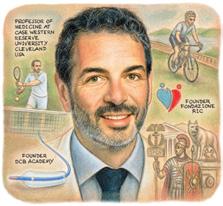
Bernardo Cortese (Case Western Reserve University, Cleveland, USA) talks to Cardiovascular News about his journey into cardiology, the mentors who shaped his career, and the evolving role of drug-coated balloons (DCBs) in interventional practice. He also reflects on differences between the USA and Europe and key research priorities.
a mechanistic study of 50 patients with bare-metal stent in-stent restenosis (ISR). We then became the first group in the world to try to test DCBs in native small coronary vessels by means of a randomised comparison to stents, and we presented our data as a late-breaking trial at EuroPCR in 2009. We then published the PICCOLETO randomised clinical trial in Heart , and that really changed the scenario in many ways. We thought that stents didn’t work well in the small vessel disease setting, which has been proven later on, and we were convinced of that despite the fact that the study failed. But, instead of throwing this idea away, we tried to investigate why this did not work and we learned that, first of all, we didn’t prepare the lesion, lesion preparation was done in only 25% of the cases.
CURRENT APPOINTMENTS
Full Professor of Medicine, Case Western Reserve University, Cleveland, USA
Why did you initially choose to become a doctor, and what was it that made you decide to specialise in cardiology?
In my early life, my biggest mentor was my grandpa, Gino (Luigi). He was a surgeon and a professor, who left an important mark on my life, and was a big reason that I became a physician.
As for becoming a cardiologist, it was through the lessons of Mario Mariani—the head of cardiology at the University of Pisa and one of the most renowned cardiologists in Italy at that time—that I really fell in love with the basic function of the heart and with cardiology itself. He was an incredible orator and had a deep knowledge of cardiovascular pathophysiology. I guess the love for cardiovascular interventions comes from a merging of these important inspirations.
Who were the biggest influences on your early career?
Throughout my career there have been people that have helped to change the direction of my tracks. One was Rita Mariotti, an expert in heart failure who helped shape my cardiology thesis. What I learned from her was how to apply rigorous clinical methodology when you visit a patient, before you decide what instrumentation you have to undergo.
Another mentor was Ugo Limbruno, the head of interventional cardiology in Grosseto, Tuscany. He gave me the opportunity to help out to open a new cath lab starting from zero, and it was a great experience for me to bring all of the people together with him; the technicians, the nurses, and the other young interventional cardiologists. Technically, what he imparted to me was the idea to keep percutaneous coronary intervention (PCI) safe and simple. From a scientific point of view, he knew that I was an imaginative person with a lot
of passion for research and new ideas, and he was happy for me to pursue this. I’m trying to bring the same scientific freedom and way of thinking to all the physicians I work with now.
What has been the biggest change in interventional cardiology throughout your career?
In the past 20 years, many things have changed, but there are two that have really changed the way we practise interventional cardiology. The first one is the DCB. Now, we see countries where DCBs are used for more than 60% of revascularisations in the cath lab and physicians using DCBs in 70–80% of cases. This is something that you wouldn’t have predicted in the past, so it is a really big game changer.
The other one we cannot avoid mentioning is transcatheter aortic valve implantation (TAVI), which has completely changed the scenario for aortic disease— from a purely surgical area to allowing treatment in a percutaneous way. In some cases, the patient can be sent home the same or the following day, with a lot of quality and quantity of life being saved because there are less acute complications and also healthcare cost savings.
Of course, this does not completely replace surgery, but if you’re lucky to work in a system where there is a direct dialogue between interventional cardiologists and cardiac surgeons, where you don’t try to pull the patient to your side because you want to do one more procedure, it is a huge improvement.
How did your interest in coronary DCBs come about and what role do you think this therapy will play in the future treatment of coronary artery disease?
I remember reading one of the first papers [on the use of DCBs in coronary disease],
Now we have learned to always prepare the lesion, and we’re doing it with any available tool. The second thing we learned was that that device we were using was probably not a good one. Then, companies and scientists started coming out with a newer generation of devices, and all of these things have led to the fact that the DCB is now considered the best treatment for small vessel disease, as our patient-level ANDROMEDA meta-analysis has shown.
DCBs will be in the mainstream of interventional cardiology for sure. I cannot tell you if there will be more DCBs or stents used in the world, but this is my perception.
You recently moved to the USA from your native Italy. What is the biggest difference in practicing in the USA compared to Europe? It’s only barely two years since I moved to the USA, so I cannot say I know everything of the two worlds, but what I have learned is that American physicians are ethically very strong; they are committed to their work and they work long hours. In my experience, the burden of bureaucracy is really destroying our category in Europe, but in the USA, the burden is not as high.
On the other hand, I think that in Europe people apply more imagination to their work in the cath lab. A lot of the way of working as an interventional cardiologist in the USA is often about applying protocols, whereas in Europe there is more proactive imagination—every day you face a complex case and you have to put your mind, your energy, your passion into it. All of this makes interventional cardiologists in Europe more prone to adapt new techniques and new technologies.
One other big difference is that in the mid to long term, research is much better funded in the USA and there are clearer pathways for it. Of course, you have to follow rules, you have to adapt, you have to seek grants or industry funding, but there is a lot of commitment, a lot of energy and a lot of economic possibility. In Europe, it’s more related to your passion and finding ways to escape to do good quality research with low costs.
This actually led me to create Fondazi-
Director & President, DCB Academy (DrugCoated Balloon educational society)
President, Scientific Committee, Fondazione Ricerca e Innovazione Cardiovascolare (Milan, Italy)
PAST APPOINTMENTS
Director of Cardiology, San Carlo Clinic, Milan, Italy
Interventional Cardiologist, Fatebenefratelli Hospital, Milan, Italy
Interventional Cardiologist, Misericordia Hospital, Grosseto, Italy
AFFILIATIONS
Fellow, European Society of Cardiology (ESC)
Fellow, Society of Interventional Cardiology (SCAI)
Elected Member, International Andreas Grüntzig Society
Board Member, European Association of Percutaneous Cardiovascular Interventions (EAPCI) Fellowship Committee
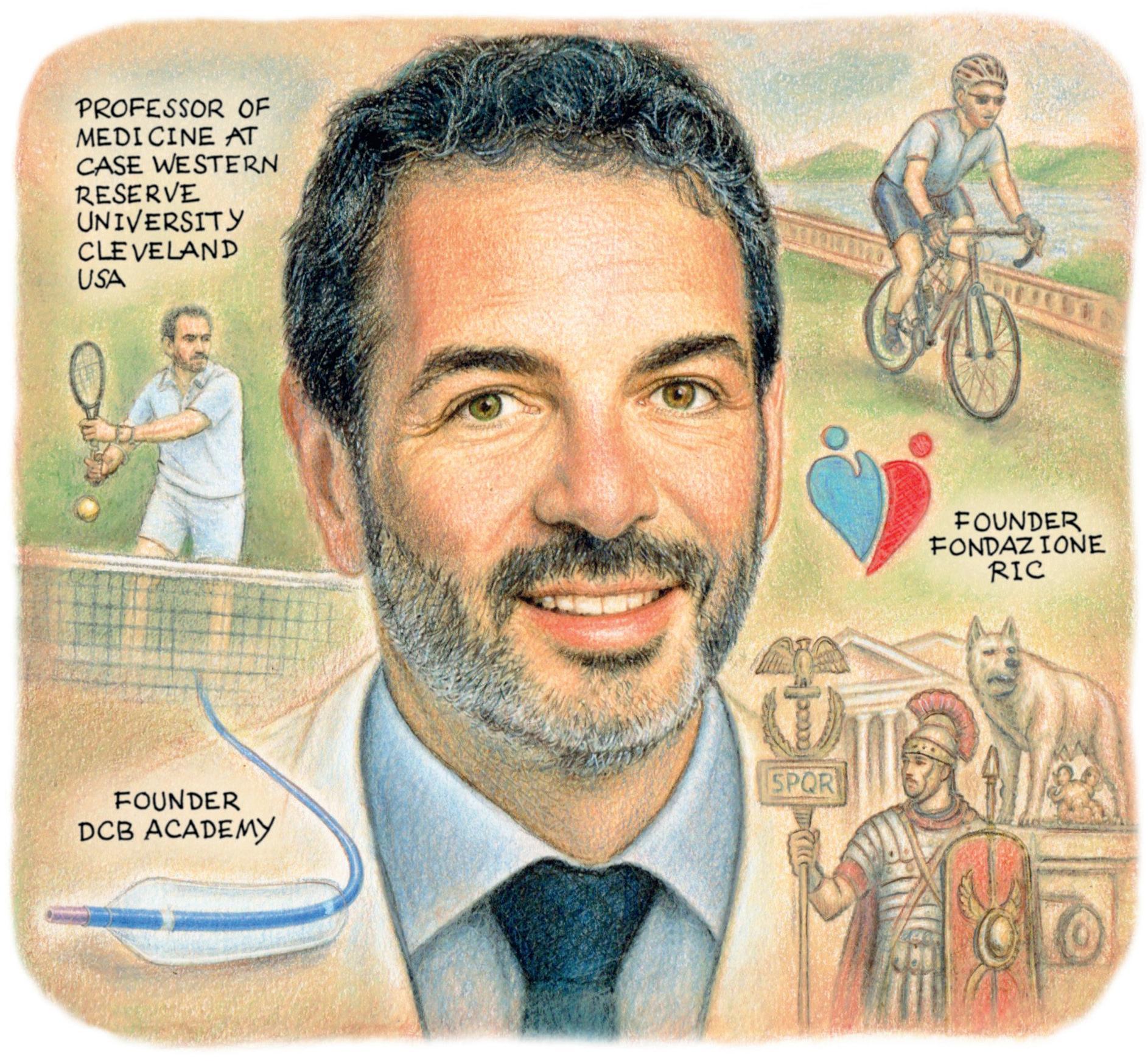
one RIC in Milan, with 27 other partners. The main goal of the foundation is to support investigator-driven clinical research through fundraising. We support new ideas if we think that they are sound and they would bring a benefit to patients. We have good channels for fundraising and we use our very strong network and connections across the globe.
Tell us about the DCB Academy–how did the initiative come about and what are its aims?
DCB Academy is an educational and research institution, based not on clinical trials, but on its fellows and members. One of the things I learned from my early career is the importance of mentoring young physicians and nurturing good ideas. This is why in 2021, partly because of COVID-related constraints, I transformed our hands-on, institutional local fellowship programme purely into a research fellowship. We collected fellows from all over the world, creating a research fellowship which is now prob-
“One of the things I learned from my early career is the importance of mentoring young physicians and nurturing good ideas”
ably the largest non-institutional, non-society based institution for research in the cardiovascular arena. We have 22 fellows from all over the globe—from Singapore, Korea, USA, Canada, Europe, Middle East, India and Brazil.
Among the 11 trials we are managing, there are two that are very important to us. One is TRANSFORM II, the third big DCB trial after REC-CAGEFREE I and SELUTION DeNovo. This will help us to understand if there is momentum for the DCB in an all-comer de novo lesion population, and if it
is non-inferior to stents. The second study is on music therapy and the role of music during cath lab activities. We presented MUS.E I, at TCT last year; MUS.E II is a multicentre study with a dedicated app in 200 patients, and this will tell us with clinically prone endpoints if music therapy may have a role in the cath lab by reducing stress and reducing the need for opiate drugs during PCIs.
Outside of medicine what are your hobbies and interests?
I have several passions that I am lucky to share with my family. One is ancient history, which I read about whenever I have some time and my sons are just as passionate about.
We also practice a lot of sports, especially tennis. I practise often and I have played in several tournaments; who knows, after cardiology, maybe I will become a tennis player! I’m also crazy for fast cars, I change my car every year and I love motorsports.
New trial data from ALL-RISE and FAST III suggest angiography-derived physiology may simplify decision-making, reduce procedural burden, and help close the gap between guidelines and real-world practice.
Despite robust data and guideline recommendations, adoption of pressure wirebased physiology remains low, with utilisation rates estimated at only 10% to 20% in the USA and Europe. It is against this backdrop that results of the ALL-RISE and FAST III trials, two of the most heralded trials presented at the American College of Cardiology’s (ACC) annual scientific session (28–30 March 2026, New Orleans, USA) and both simultaneously published in the New England Journal of Medicine (NEJM), have cleared the path for a new generation of tools that could enable more rapid, less invasive, and more consistent physiologic assessment within routine coronary angiography. Both technologies tested in these trials—which use slightly different methods to assess coronary blood flow—were shown to be non-inferior to the standard of care.
Studies have demonstrated that adding wire-based tests that directly measure pressure beyond the blockage can more accurately determine how much blood flow is reduced and whether PCI will benefit the patient, but, this has not led to widespread adoption of these techniques, with added complexity and procedural time to place the wire among the reasons cited as barriers to routine use.
Less invasive methods of assessing the functional relevance of coronary stenosis have been tested, in general using software to model images generated during a coronary angiogram to evaluate whether a coronary stenosis is restricting blood, but to date, large scale trials have yet to yield a convincing alternative. Most notably, the results of the FAVOR III Europe study, published in 2024, failed to demonstrate non-inferiority of quantitative flow ratio (QFR) to wire-based fractional flow reserve (FFR)-guided assessment.
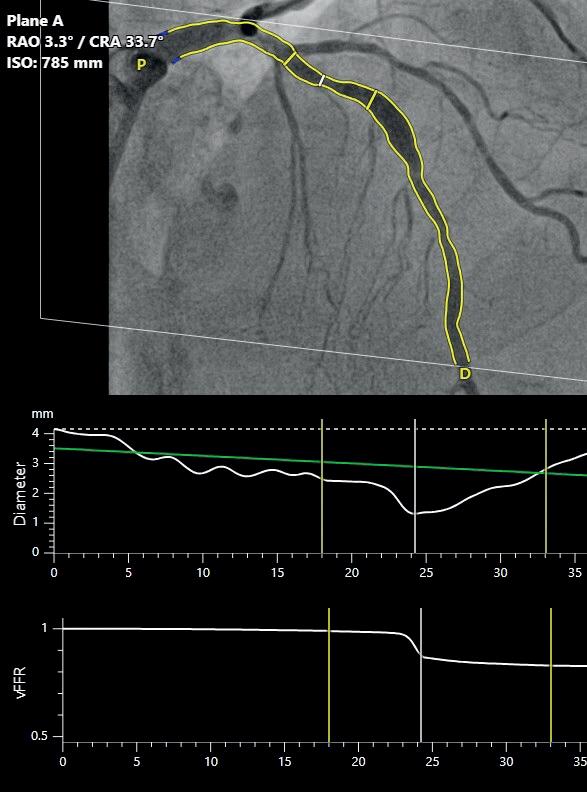
This has prompted renewed interest in alternative angiography-derived approaches that aim to improve the accuracy and robustness of computational physiology, including more recent AI-enabled systems. FFRangio is a frontrunner in this arena, and the system combines AI and advanced computational science to obtain FFRangio values from routine angiograms, eliminating the need for drug stimulation and invasive pressure wires.
“Physiology is best used for intermediate lesion assessment,” Ajay Kirtane (New
York-Presbyterian/Columbia University
Irving Medical Center, New York, USA), an investigator in the ALL-RISE trial— which assessed the artificial intelligence (AI)-powered FFRangio (CathWorks) system for physiologic guidance during percutaneous coronary intervention (PCI)—tells Cardiovascular News, describing how the shift toward simpler, angiography-integrated physiology aligns with a broader effort to define how functional assessment should be applied in routine practice. “It really ought to be a situation where…you take the angiogram and, if the lesions are intermediate, you’re able to get physiology in a quick way and make your treatment decisions.”
Kirtane presented findings of the ALL-RISE study, a prospective randomised controlled trial evaluating the clinical and economic benefits of FFRangio for the diagnosis and treatment of coronary artery disease at ACC.26, where he reported comparable outcomes with the system compared to wire-based FFR assessment.
The trial, which enrolled 1,930 patients in the USA, Israel, Japan, Switzerland and the UK, saw patients randomised to receive either FFRangio or conventional wire-based pressure measurements to guide the decision to perform PCI. The primary endpoint was a composite of death from any cause, a heart attack or any other unplanned procedure to restore blood flow to the heart, at one year. The two approaches showed comparable results, Kirtane reported at ACC 2026, with 6.9% of patients in the FFRangio group experiencing a primary endpoint event, compared with 7.1% in the conventional wire-based assessment group. The computer software-based technique was also faster to perform, and unlike wire-based assessment, did not require additional procedural steps such as the introduction of additional catheters and wires or administration of medication, Kirtane detailed.
“We have shown that using this (FFRangio) software-based tool in the cath lab results in similar clinical outcomes at one year compared with the current gold standard of invasive wire-based assessment,” Kirtane said. “Our hope is that these findings—with a technology that does not require further coronary manipulation beyond a routine angiogram—will lead to increased adoption of coronary
physiologic testing as recommended by current guidelines.”
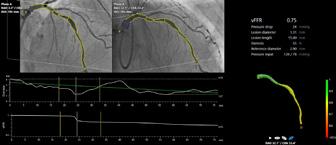
CAAS vFFR (Pie Medical Imaging) represents another image-based computational physiology platform within this emerging class of angiography-derived tools. This is a non-invasive, angiography-based method for calculating FFR values, billed as a faster and easier physiological lesion assessment tool compared to wire-based techniques.
10–20% utilisation of wire-based coronary physiology in the USA and Europe
The technology was studied in FAST III, an investigator-initiated, open label, multicentre randomised trial in which investigators assessed the software to FFR-guided coronary revascularisation in 2,235 patients with intermediate coronary lesions (defined as 30–80% stenosis by visual assessment or quantitative coronary angiography). Intermediate lesions were physiologically assessed using tableside vFFR or FFR and treated if vFFR or FFR ≤0.80.
The primary endpoint of the trial was a composite of all-cause death, any myocardial infarction (MI), or any revascularisation at one-year post-randomisation. At ACC.26, Daemen reported that in both groups, 7.5% of patients experienced a primary endpoint event. The key secondary endpoint of study vessel failure occurred in 4% of patients in the vFFR group vs. 4.6% in the conventional FFR group.
“The results of FAST III confirm the safety and feasibility of the online use of vFFR as an easy to use minimally invasive tool to guide revascularisation in patients with intermediate coronary artery lesions in need of physiological lesion assess -
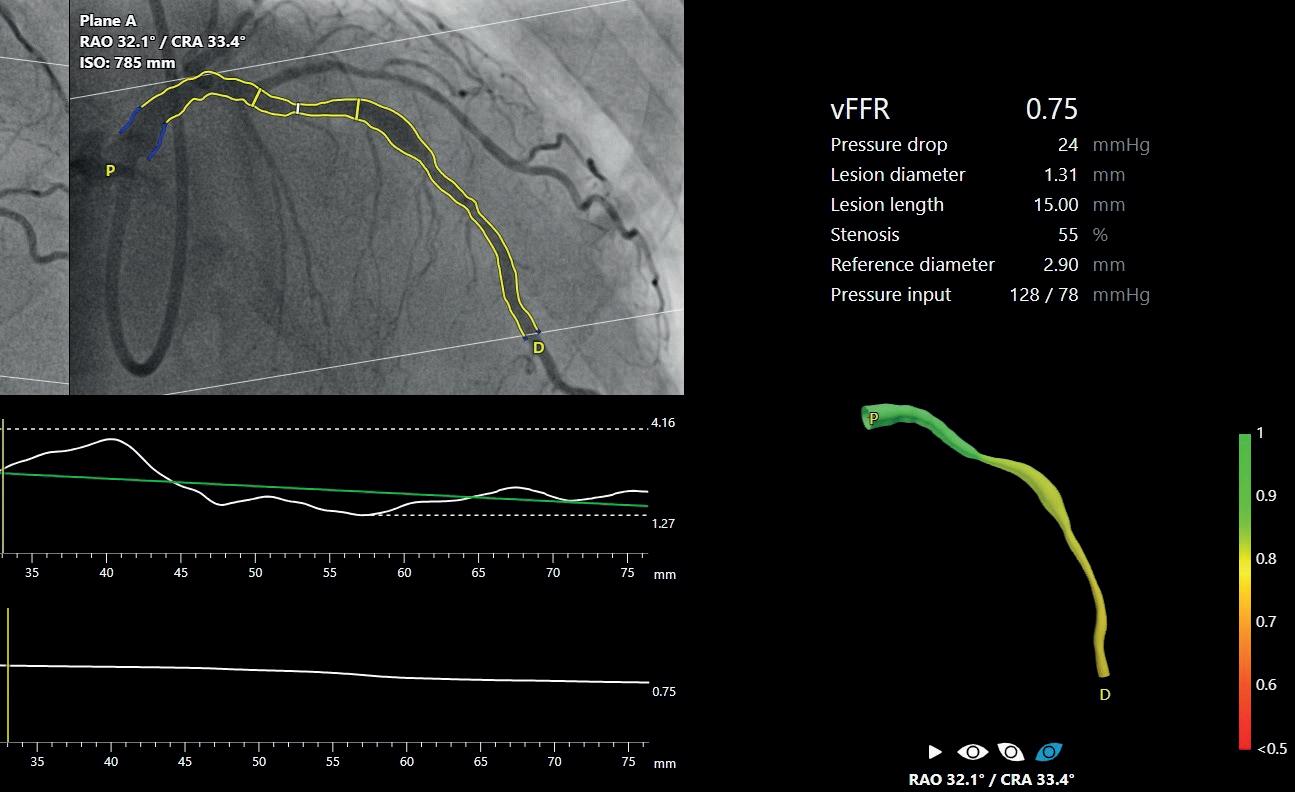
ment,” said Joost Daemen (Erasmus University Medical Center, Rotterdam, Netherlands), who presented the trial’s results at ACC 2026. “The technology has the potential to boost the use of physiology, which may increase the prognosis of patients in whom the decision to revascularise intermediate coronary artery lesions is still largely based on eyeballing. The use of vFFR eliminates the need for guiding catheters, invasive coronary artery instrumentation and hyperaemic agents with inherent risks and patient discomfort.”
A limitation of the study is that it was not blinded, Daemen said—that is, patients and treating physicians knew whether patients had received conventional FFR or vFFR. Another limitation is that only 19% of the patients presented with a heart attack. As a next step, Daemen and his colleagues plan to analyse whether vFFR generates cost savings compared with conventional FFR.
Writing in an accompanying commentary in NEJM, Yiannis Chatzizisis (University of Miami, Miami, USA) says that the trial “provides meaningful support for a less-invasive physiology-guided strategy that may simplify decision making in treating the majority of patients with stable or unstable intermediate coronary lesions”, adding that invasive testing will probably remain necessary in patients with aorto-ostial disease, left main disease, and other complex coronary anatomies.
“More broadly, angiography-derived FFR, together with non-invasive FFR derived from computed tomographic scans, points toward a future in which imaging is no longer descriptive but rather prescriptive, by integrating anatomy, physiology, and biology to guide safer, faster, and more precise and consistent interventions,” Chatzizisis concludes.
The parallel findings from ALL-RISE and FAST III also raise the question of whether these results
reflect the performance of individual platforms or signal a broader class effect across angiography-derived physiology technologies.
“The findings of the trial should not be automatically generalised to all angiography-derived FFR platforms, which differ in their methods and performance,” Chatzizisis writes on this point.
“In that regard, the results of the ALL-RISE trial of the FFRangio system…are important because they showed that FFRangio was non-inferior to FFR with respect to a composite end point of death, myocardial infarction, or unplanned clinically indicated coronary revascularisation at one year. This finding may help clarify whether the favourable results seen with one platform that
“Our hope is that these findings will lead to increased adoption of coronary physiologic testing as recommended by current guidelines”
was used to calculate the FFR from angiographic images reflect a broader class effect or remain platform-specific.”
Reflecting on whether the results of the two trials, taken together, will herald a shift away from wire-based physiology, Kirtane tells Cardiovascular News that both wire- and angiography-based physiology tools will have a role to play, but says that having simpler-to-use options could potentially open the door to greater use of physiology in the cath lab overall. “I don’t view these as competitive, I just view one, perhaps as easier to use,” he comments. “I don’t think the wire is going to go
away, I view these as on a continuum; but, I do think that because of the ease of use of angiography-based systems, as long as the angiogram is good, it will probably supplant wire-based physiology in a lot of cases where previously some operators only felt that the wire was an option.”
Also writing in NEJM, Gianluca Campo (Azienda Ospedaliero Universitaria di Ferrara, Cona, Italy) concurs that the results do not herald the end of pressure-wire measurement, but should enable greater use of physiologic assessment in the cath lab. “As the evidence evolves, the goal is a catheterisation laboratory in which revascularisation decisions are guided by physiological findings across clinical settings, measured invasively with a pressure wire or derived from angiography,” Campo states. “The ALL-RISE trial does not serve to displace the pressure wire; rather, it underscores a broader shift toward physiological assessment as the principal framework for interpreting coronary disease and guiding appropriate PCI.”
The findings from ALL-RISE and FAST III signal a potential inflection point for coronary physiology—by reducing procedural complexity and integrating functional assessment more seamlessly into routine angiography, angiography-derived platforms may help close the gap between guideline recommendations and real-world practice.
Industry moves also seem to reflect this new reality, with Medtronic’s acquisition of CathWorks, developer of the FFRangio system, completed subsequent to the release of the ALL-RISE trial results at ACC 2026, further underscoring the growing confidence in this space. While questions will remain around optimal implementation and patient selection, the trajectory is clear: physiology is becoming more accessible, more automated, and more deeply embedded in everyday decision-making in the cath lab.






We want to ensure you still receive your copy of Cardiovascular News the way that works best for you.
To reconfirm your subscription, scan the QR code. You can also let us know if you would like to change the way you read it by opting to receive a digital instead of a printed version or by moving from digital to print
This advertorial is sponsored by Adept Medical
Overhead arm positioning has been supported by published studies demonstrating measurable improvements in imaging quality and reductions in radiation exposure during complex interventional procedures.1,2 This small but significant refinement in patient positioning can improve access and reduce radiation exposure during complex procedures such as fenestrated and branched endovascular aneurysm repair (F/BEVAR). These benefits, well established in adult practice, represent an important development in procedural safety and should not be limited by patient size.
THIS IS ACCORDING TO ANNA SLADKEY, doctor of physical therapy at MemorialCare Miller Children’s & Women’s Hospital Long Beach (Long Beach, USA) and board-certified paediatric clinical specialist, who shares her experience with overhead arm positioning in paediatric and small adult patients.
“In paediatric patients, consistent and stable positioning is foundational to both procedural safety and long-term development. Thoughtful positioning protects joint integrity while children’s bodies are still growing, reducing the risk of injury that could have lasting consequences. Safe and predictable positioning helps reduce medical trauma—especially for children who will require multiple procedures and interventions throughout their lives.”
She adds that the same consistency and control that support interventions in adults are equally important for paediatric and small adult patients, emphasing a clear need to extend proven adult techniques into this underserved patient group.
Radiation and imaging outcomes
Using the example of F/BEVAR procedures, which often require extensive fluoroscopic imaging to visualise the thoracoabdominal aorta and visceral vessels, prolonged imaging can expose both patients and interventional teams to significant cumulative radiation doses. This can increase the risk of skin injury, stochastic effects, and occupational exposure. Reducing radiation without compromising image quality remains a core clinical priority.
Published research indicates that arm positioning can influence both exposure and imaging outcomes. In 2021, Giulianna B Marcondes (University of Texas Health Science Center at Houston, Houston, USA) et al evaluated the safety of the overhead upper extremity positioning during F/BEVAR and reported it to be safe, with overhead positioning allowing optimal lateral and rotational imaging with satisfactory visualisation of visceral vessels.1 Additionally, Amit Pujari (University of Hertfordshire, Hatfield, UK) and colleagues quantified the radiation benefit, reporting a 30% reduction in radiation exposure in adult F/BEVAR procedures compared with arm-at-side positioning, while maintaining adequate imaging during complex endovascular repair. In the pre-proof summary of their find ings, the authors concluded overhead arm positioning should be considered a standard of care for improving radiation safety during aortic and visceral endovascu lar procedures.2
Standardising overhead positioning
The Adept Medical Overhead Arm Support
MR Safe was designed to facilitate an unobstructed view of the abdominal area during diagnosis or intervention by comfortably supporting both arms in the overhead position. Made from durable engineered plastics, it provides a radiolucent, ergonomic, and easily attachable framework that accommodates patients with limited arm flexibility while keeping clear of the imaging table camera.
By standardising the overhead position, dedicated support devices can help promote more consistent positioning during interventional procedures. According to Marcondes et al, “overhead upper extremity position allows optimal imaging on lateral projections and rotational cone beam computed tomography [CBCT] during F/BEVAR” supporting reliable visualisation during complex cases.1 Further, in Pujari and colleagues’ discussion of their findings, overhead arm positioning was associated with reduced radiation exposure, supporting its use as a practical approach for reducing dose while maintaining imaging requirements during complex endovascular procedures.2
Sladkey underscores that reliable upper-extremity positioning is “essential for protecting biomechanics, patient comfort, and long-term function”, among other benefits.
“Proper support and alignment reduce the risk of brachial plexus injuries,” she continues, “which can be detrimental to a child’s fine and gross motor development. Consistent positioning also decreases post-procedural numbness or tingling and allows clinicians to position patients more efficiently with less trial-and-error.”
Engineering and workflow considerations
Published by the University of Virginia, a research paper by Keelin Reilly (University of Virginia, Charlottesville, USA) et al titled ‘The Development of a Pediatric Interventional Cardiology Arm Positioning Device; Children Are Not Small Adults’ explored the systemic challenges that contribute to the paediatric device gap, including limited market size and financial incentives, and clinical and technical
patients increases the risk of brachial plexus injuries”.4
In their discussion, the research team discuss paediatric cardiac catheterisation, during which clinicians often rely on towels, straps, or foam blocks to hold a child’s arms overhead during lateral X-rays, methods that may compromise stability, require repeated adjustment, and increase the risk of nerve strain.
In Sladkey’s view, the Adept Medical Overhead Arm Support MR Safe – Small addresses a “real clinical gap in purpose-built paediatric devices that improvised positioning methods simply can’t fill”. The use of towels, foam blocks and straps are “inherently inconsistent” she adds, often requiring repeated adjustments, impacting both positioning quality and workflow.
“A dedicated device provides more stable, reproducible positioning and makes repositioning faster and more reliable. From an interdisciplinary standpoint, this consistency matters. Our interventional cardiologist is reassured knowing the child’s risk of injury is reduced, particularly to vulnerable structures like the brachial plexus. Purpose-built, paediatric-specific design— including appropriate sizing—supports safer procedures, smoother workflows, and better alignment with how paediatric care is truly delivered,” says Sladkey.
Extending the benefits to smaller patients
Building on clinical evidence and insights from practice, Adept Medical developed the Overhead Arm Support MR Safe – Small, designed specifically for paediatric and small adult patients, weighing between 13kg and 47kg. The device retains the radiolucent materials, ergonomic design, and secure overhead positioning of the adult model, but in a configuration tailored for smaller anatomy.
The Overhead Arm Support MR Safe – Small addresses the practical engineering and anatomical challenges associated with positioning smaller patients. Its design reflects considerations highlighted in recent research, offering a reliable, repeatable method for achieving optimal imaging access and patient stability, without improvised setups. This represents an important step forward in supporting paediatric interventional care, allowing evidence-based positioning to be consistently applied across a wider range of patient sizes.

3,4
Reilly et al highlight that, at the time, the only commercially available overhead arm support was designed for adults and did not accommodate paediatric anatomy. The authors state that “forcing the device to fit smaller
Reflecting on the significance of a purpose-built support for the treatment of paediatric patients, Sladkey comments: “Children are not simply small adults—their bodies are growing, adapting, and developing over time. As medical advances allow more children with chronic conditions to live longer, we have a responsibility to design paediatric-specific equipment that considers not just today’s procedure, but lifelong function and wellbeing. When devices are built for paediatric needs, they support safer care, more sustainable workflows for clinicians, and better outcomes for the children we serve—now and into the future.”
To learn more about the Overhead Arm Support range, visit adeptmedical.com.
Disclaimer: Comment/s provided with permission. The clinician received no compensation for this statement. References available online
Designed with the same structural strength at the outflow as the Evolut™ FX valve.1
Designed with the same radial force at the inflow as the Evolut™ FX valve.1
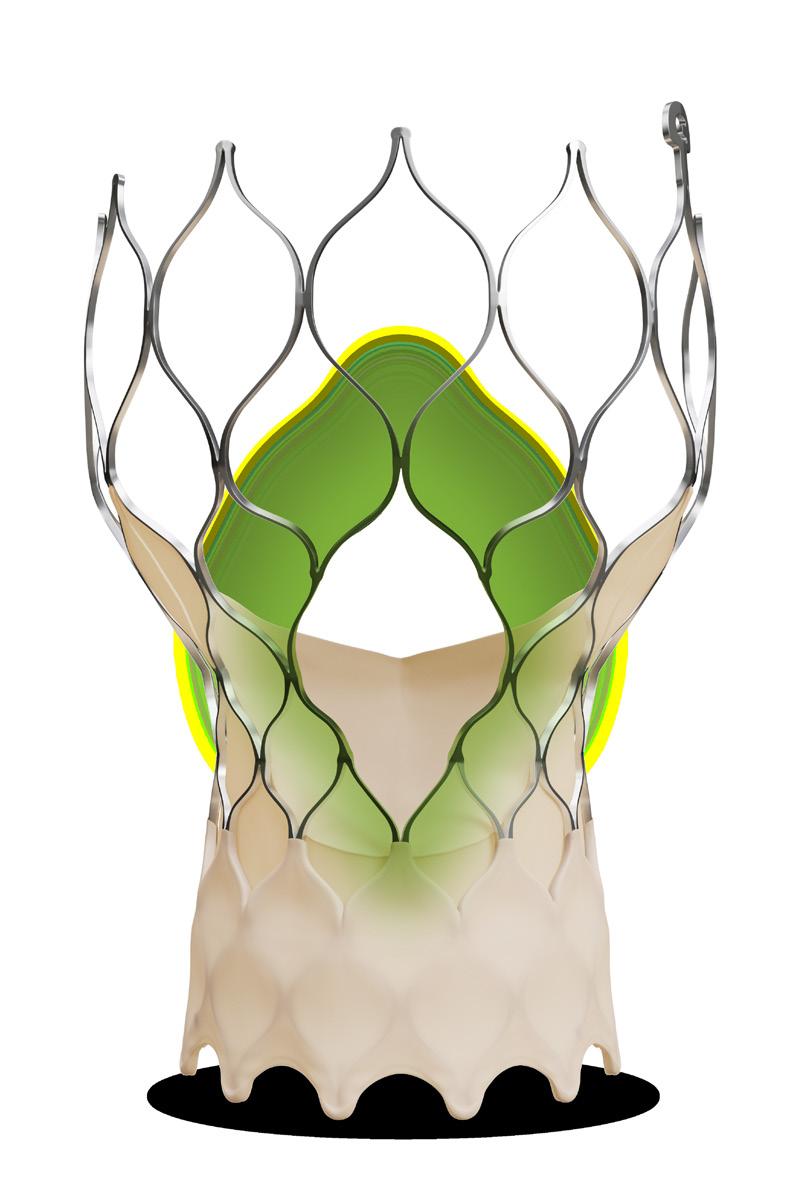
Designed with three windows that are 4x larger to enable lifetime management solutions, such as coronary access.2
Cusp overlap technique with an optimized care pathway shows low permanent pacemaker implantation (PPI) rates and optimal alignment for lifetime management with the Evolut™ FX system.3
Key Cusp Overlap Technique steps from the Optimize Pro FX addendum
1. Conduct initial deployment in the cusp overlap projection and conduct aortogram to obtain the estimated implant depth at the NCC
2. Begin deployment with the marker band positioned at mid-pigtail or higher
3. Assess depth in cusp overlap view at 80% deployment
2
Excellent commissure and coronary alignment validated by post-TAVI CT3
87% favorable commissure alignment†
> 92% no severe coronary misalignment‡
3
Excellent clinical outcomes and hemodynamic performance3 Through one year
7.5% all-cause mortality or stroke
99% ≤ mild (0.8% moderate) paravalvular leak (PVL)
2.2 cm2 EOA
8.1 mmHg (AV mean gradient)
1. Performance as compared to Evolut™ PRO+ and FX systems in bench testing. Bench testing may not be indicative of clinical performance. Medtronic data on file. Evolut™ FX+ Test Reports: D01073856, D01095344, D01084996.
2. Medtronic computational data model on file compared to the Evolut™ platform. Benchtop computational model may not be indicative of clinical performance. Evolut™ FX+ Test Report: DO1106198 Rev. A.
3. Gada H et al., Thirty Day and One Year Outcomes from the Optimize PRO TAVR Evolut FX Addendum Study. JACC: Cardiovascular Interventions. 2025, ISSN 1936-8798.
† Native left-right commissure to nearest TAV marker alignment ≤30°.
‡ No severe coronary misalignment includes none (45.1-60°), mild (30.1-45°), moderate (15.1-30°) misalignment.
This material should not be considered the exclusive source of information,it does not replace or supersede information contained in the device manual(s). Please note that the intended use of a product may vary depending on geographical approvals. See the device manual(s) for detailed information regarding the intended use, the (implant) procedure, indications, contraindications, warnings, precautions, and potential adverse events. For aMRI compatible device(s), consult the MRI information in the device manual(s) before performing aMRI. If a device is eligible for eIFUusage, instructions for use can be found at Medtronic’s website manuals.medtronic.com. Manuals can be viewed using a current version of any major internet browser. For best results, use Adobe Acrobat® Reader with the browser. Medtronic products placed on European markets comply with EU and UK legislation (if applicable) on medical devices. For any further information, contact your local Medtronic representative and/or consult Medtronic’s websites. Medtronic medical devices in compliance with the Spanish legislation in force. 21755923-en-gb-emea
This advertorial is sponsored by Medtronic
As transcatheter aortic valve implantation (TAVI) moves into younger, lower-risk populations, the focus is shifting from procedural success to long-term strategy. Lifetime management is now central to decision-making. Against this backdrop, device selection is paramount, with platforms such as Evolut™ (Medtronic) increasingly discussed for their long-term durability, alongside the potential to support future reintervention, coronary access and leaflet modification strategies.
“WHEN WE FIRST STARTED TAVI, IT WAS a therapy that was dedicated as almost palliative for patients that were at the end of their lives; so durability of these devices was not much of a concern, and what we did afterwards was not really planned,” Ignacio Amat-Santos (Hospital Clínico Universitario de Valladolid, Valladolid, Spain) tells Cardiovascular News. Today, the paradigm has shifted. Recent data underscore confidence that TAVI is a suitable strategy in younger, lower-risk patients. This was first demonstrated in the NOTION trial which, at 10 years, demonstrated that TAVI with the predecessor to Evolut, CoreValve™ (Medtronic), has similarly low reintervention rates as seen with surgical aortic valve replacement (SAVR)—4.3% vs. 2.2% (p=0.3), whilst more current, real-world data from the Transcatheter Valve Therapy (TVT) registry, presented at the 2026 Cardiovascular Research Technologies (CRT) conference (7-10 March, Washington, DC, USA) by Robert Yeh (Beth Israel Deaconess Medical Center, Boston, USA ) have shown reassuringly low reintervention rates in low-risk patients (3.3% at six years for Evolut R, 2% at five years for Evolut PRO, and 1% at 4 years for Evolut PRO+). This is why lifetime management has become an important facet of any successful plan for treating aortic disease—not just considering the immediate term but also looking ahead to any future interventions that a patient may require.
“Lifetime management is the expression that we use to try to explain what we can do during TAVI procedures to make sure these patients can undergo future intervention,” explains Amat-Santos. “Firstly, that the first intervention lasts as long as possible, and secondly, that if the patient needs a second or a third intervention, this can be done with minimal risk.”
Redo TAVI procedures—or so-called TAV-inTAV procedures—have become an increasing part of the caseload for interventional cardiologists, as patients return to the cath lab once their original valve has begun to reach the end of its working life. For Amat-Santos, dealing with these cases offers a number of key learnings, not only in achieving success in the redo procedure, but in planning for success at the point that the index valve is chosen and implanted.
“The redo TAVI procedures that we are seeing now are performed over those devices where we were not planning a second or third procedure,” he explains. “It’s not lifetime management; now it’s just problem solving, and the approach is different to what we are talking about when we discuss lifetime management. We have to deal with several issues like poor commis -
sural alignment of the first device, suboptimal height of implantation, [or] suboptimal pre- or post-dilation.”
In practice, operators are now faced with the reality that device choice should not solely factor in the immediate procedural success.
“We have to offer our patients a device that allows the best effective orifice area with the lowest risk of paravalvular leak,” Amat-Santos states, stressing the importance of good haemodynamics in shaping which valve interventionalists may wish to reach for as their ideal choice of index valve. “Immedi ately after that, the next prior ity is adequate commissural or coronary alignment, so that if valve degeneration occurs, we still can modify the leaflets.”
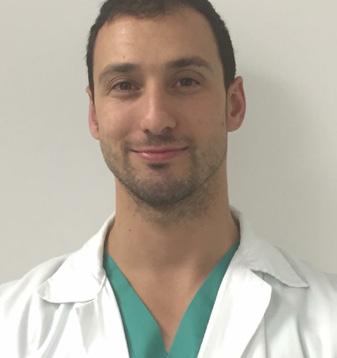
Amat-Santos, who adds that with any supra-annular valve, commissural and coronary alignment become increasingly important, as the only way to prevent the “neo-skirt” from occluding coronary ostia when a second device is implanted is to use leaflet modification. Leaflet modification techniques and technologies are now also emerging as important tools for preserving future coronary access, something that Amat-Santos describes as being essential to modern-day TAVI practice. “Leaflet modification, from my point of view, is a must for a centre that wants to perform TAVI at the highest level,” he comments. “Many younger patients will come with a deteriorated SAVR [surgical aortic valve replacement] or deteriorated TAVI. In both of those settings, leaflet modification is as needed as intravascular imaging or plaque modification in the coronaries if we’re going to have a good result. We can still perform TAVI without using it, but we are compromising the life expectancy and even procedural safety,” he says.
Dedicated leaflet modification technologies—such as the ShortCut (Pi-Cardia) leaflet splitting device— are still some way from entering everyday practice, but Amat-Santos says that techniques such as BASILICA, which uses catheters and guidewires to first traverse, then lacerate, the aortic leaflet, can be easily reproducible.
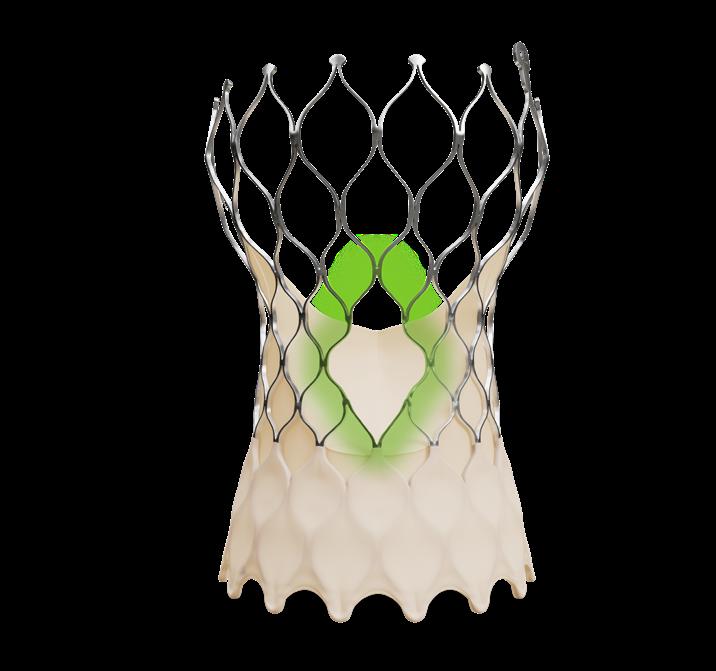
Aligning the commissures during TAVI procedures is a key factor for easier future coronary access, improved coronary blood flow and valve haemodynamic perfor mance, and may facilitate redo-TAVI in the future. The Evolut system facilitates this using gold markers built into the frame to facilitate visual-
“We have to offer our patients a device that allows the best effective orifice area with the lowest risk of paravalvular leak”
isation of implant depth and valve commissure location during the procedure.
Latest generations of the Evolut platform also offer three larger coronary access windows through a modified diamond-shaped cell design, which provides increased space for catheter manoeuvrability to facilitate future access to coronary arteries of varying patient anatomies, whilst also designed to maintain its structural strength and radial force.
“With the Evolut platform we can quite easily perform conventional alignment,” comments
“Of course, it requires dedicated training to know how to do it, but there are several resources to train on that, and this is the strategy that we are following. I would say that sometimes these strategies are perceived as too complex or increasing the risk of the intervention, but I think it’s just a lack of proper training,” he comments. Unlike device-based therapies, technique-driven procedures rely heavily on operator experience and knowledge dissemination.
“As physicians and educators, we have to be able to spread the knowledge on how to do this, because really it completely changes outcomes for patients,” he says, adding that the benefits are clear. “We have a long series of patients already with this strategy and it’s safe. It does not increase the procedural risk, and once you have done the first five or six cases, the procedural duration is not significantly increased—it might take 15 or 20 minutes longer, but it’s feasible,” he says.
For Amat-Santos, the message is straightforward: “I would encourage all my colleagues who are doing TAVI to make an effort to learn these techniques.”
IGNACIO AMAT-SANTOS is an interventional cardiologist at Hospital Clinico Universitario de Valladolid, Valladolid, Spain.
No relevant disclosures were declared.
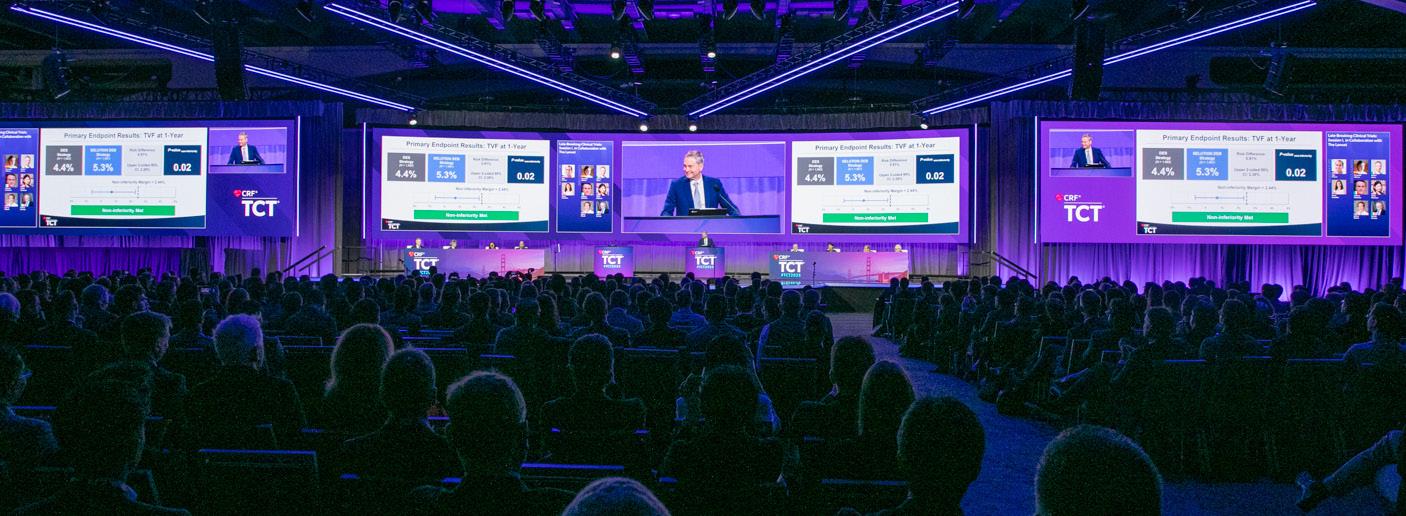
Where Pioneers Unite To Shape the Future REGISTER NOW Early-Bird Discount Ends June 3

OCTOBER 31–NOVEMBER 3, 2026
SAN DIEGO CONVENTION CENTER SAN DIEGO, CA tctconference.com #TCT2026
SUBMIT YOUR SCIENCE Make Your Professional Mark! LEARN MORE

Deadline: July 17
Challenging Cases
Scientific Abstracts Innovation and TCT® Shark Tank
Deadline: August 3
Thomas J. Linnemeier Spirit of Interventional Cardiology Young Investigator Award
Deadline: August 7

Late-Breaking Clinical Trials and Science
First-in-Human and Early Feasibility Studies
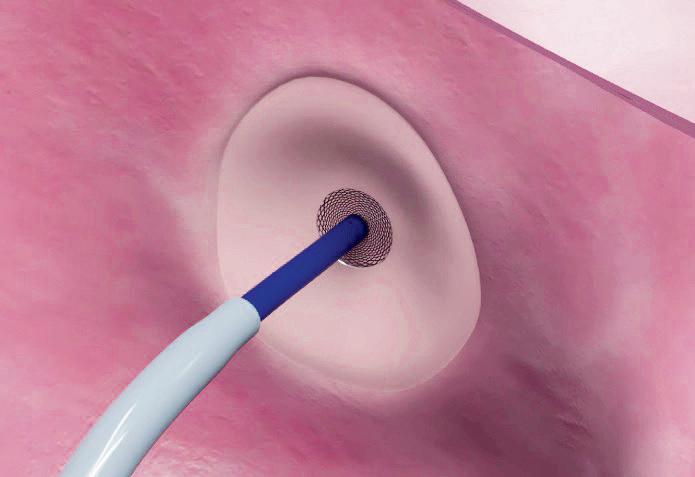
Protaryx Medical receives US FDA clearance for proprietary transseptal puncture device
Protaryx Medical has received 510(k) clearance from the US Food and Drug Administration (FDA) to market its proprietary transseptal puncture device. According to the company, the milestone represents a significant advancement in its mission to redefine safe, efficient, and reproducible left heart access for cardiac interventions, enabling broader adoption and improved delivery of minimally invasive therapies.
The device is a novel catheter system designed to improve the safety, accuracy and ease of transseptal puncture to facilitate access to the left atrium for procedures such as left atrial appendage closure (LAAC), transcatheter mitral valve procedures, and atrial fibrillation (AF) ablation. It also features an atraumatic, echogenic retractable nitinol mesh, as well as an extendable distal catheter, which are intended to enhance imaging visibility and aid deployment.
The device incorporates an echogenic, extendable atraumatic positioning probe and a standardised radiofrequency (RF) guidewire compatible with commercially available electrosurgical generators.
Protaryx co-founder and system chief of cardiac surgery at Johns Hopkins Medicine (Baltimore, USA), James Gammie, said: “This clearance underscores the strength of the technology and its potential to set a new standard for transseptal puncture. By simplifying access to the left atrium, the device can expand procedural adoption while improving safety, precision, and ease of use.”
physicians to visualise both deep vessel structures and high-resolution surface detail in real time. It is designed to support physician decision-making and streamline workflows, the company says in a press release.
“FDA clearance of our nextgeneration hybrid imaging system marks a pivotal moment for Conavi as we transition into commercial launch in the USA,” said Thomas Looby, CEO of Conavi Medical. “We believe hybrid IVUS-OCT imaging represents the next evolution in intravascular imaging, bringing together IVUS and OCT into a single system to give a complete picture of the vessel.”
“Hybrid IVUS-OCT imaging has the potential to meaningfully enhance how we approach complex coronary interventions,” said Megha Prasad (New York-Presbyterian Hospital, New York, USA). “The ability to simultaneously evaluate plaque composition, vessel size, and stent expansion in a single pullback can support procedural decision-making and workflow efficiency. Technologies like Conavi’s next-generation hybrid system are helping move the field toward more precise, image-guided care, and I look forward to using it regularly in my practice.”
Elucid launches lesion inspection tool for coronary and carotid plaque analysis Elucid has announced the commercial availability of a new Lesion Inspection Tool for coronary and carotid plaque analysis in its novel Plaque-IQ software suite.
The tool provides physicians the ability to interrogate lesion-specific composition and plaque burden across any vessel, which can help the physician better understand the patient risk profile to enhance clinical decisionmaking.
US FDA grants 510(k) clearance for hybrid coronary imaging system
Conavi Medical has announced that it has received US Food and Drug Administration (FDA) 510(k) clearance for its next-generation hybrid coronary imaging system.
The milestone positions the company to initiate its US commercial launch expected in the second half of 2026 and to expand its hybrid intravascular imaging technology.
The Conavi system integrates intravascular ultrasound (IVUS) and optical coherence tomography (OCT) technologies into a single platform. Combining these two systems enables
validated against objective groundtruth histology, the gold standard for plaque characterisation. Powered by CT-Virtual Histology (CT-VH), Plaque-IQ non-invasively quantifies and classifies coronary and carotid plaque and its components—including LRNC— offering direct insights into high-risk plaque features associated with heart attack and stroke, measuring true disease rather than directional proxies.
Trilogy valve gets US commercial launch JenaValve Technology has announced the successful first cases and official US commercial launch of its Trilogy transcatheter heart valve (THV) system.
This follows the US Food and Drug Administration’s (FDA) recent premarket approval (PMA) for Trilogy for the treatment of patients with symptomatic, severe aortic regurgitation (ssAR) who are at high or greater risk for surgical aortic valve replacement (SAVR).
of its intuitive interventional guidance platform, IntraSight Plus, which is cleared for clinical use in the USA and Europe.
The redesigned platform combines the most comprehensive diagnostic and treatment planning tools to deliver efficiency, simplicity and precision in a single intuitive system, the company says in a press release, enabling clinicians to diagnose, virtually plan treatment, guide device placement and verify results on a single screen.
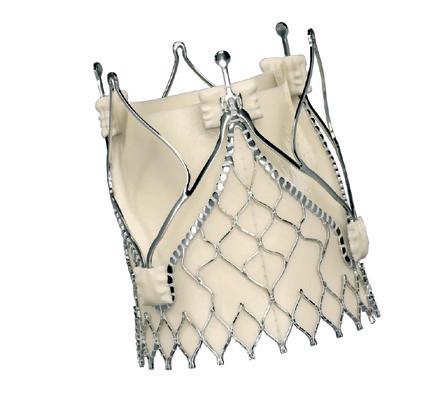
The first commercial US procedures were performed simultaneously at NewYorkPresbyterian/Columbia University Irving Medical Center (New York, USA) by Torsten Vahl, at Cedars-Sinai Medical Center (Los Angeles, USA) by Raj Makkar and at Piedmont Heart Institute (Atlanta, USA) by Vinod Thourani.
Trilogy is the first and only transcatheter device in the USA with a dedicated indication for high-risk aortic regurgitation (AR)—a historically underserved and underdiagnosed patient population.
“As more advanced technology is integrated into the cath lab, the need for connectivity between the imaging tools is more important than ever before,” said Stacy Beske, business leader, Image Guided Therapy Devices at Philips. “IntraSight Plus was built using feedback from our customers and represents a fundamental shift in interventional cardiology—a future driven by integrated intelligence that lets physicians focus on the decision-making that only they can do.”
On 19 March, Jan-Malte Sinning performed the first patient case using IntraSight Plus at Cellitinnen-Krankenhaus St Vinzenz in Köln, Germany. The hospital recently renewed its cath lab infrastructure with Philips’ Azurion interventional suites. The addition of IntraSight Plus allows for enhanced workflow, Philips states.
“The Lesion Inspection Tool provides a detailed view of plaque composition at the lesion level, beyond giving just overall plaque metrics,” said Jimmy Kerrigan (Ascension Saint Thomas Heart, Nashville, USA). “Because cardiovascular events like heart attacks occur at the lesion level, having the ability to characterise individual lesions enhances my understanding of a patient’s disease process and supports more informed clinical decisionmaking.”
Plaque-IQ’s Lesion Inspection Tool allows users to interrogate any lesion or region, and access quantitative results displayed for the specific segment. By providing precise quantification of plaque types at the lesion level, the tool allows physicians to quantify high-risk features like lipid-rich necrotic core (LRNC). These objective and actionable data support proactive, individualised treatment strategies.
Elucid’s Plaque-IQ is trained and
“It is an honour to have been on this journey with Trilogy from the very first implants of the ALIGN-AR trial to FDA approval and the very first commercial implants,” said Vahl, national principal investigator (PI) of the ALIGN-AR trial. “This is a significant achievement for the field and more importantly, for the many thousands of high-risk AR patients that finally have TAVI [transcatheter aortic valve implantation] available as an option to them.”
“These first cases are a defining moment for the many Americans who have been suffering from severe aortic regurgitation,” said Makkar. “I have seen firsthand how many patients need a dedicated treatment option like Trilogy. With this groundbreaking FDA approval and commercial launch, I believe we will soon gain a clearer understanding of how many patients can truly benefit from this important therapy.”
Philips launches latestgeneration interventional guidance platform
Royal Philips has announced the launch
“Modern percutaneous coronary intervention (PCI) is becoming increasingly complex,” said Sinning. “Intravascular imaging combined with physiology provides the level of detail we need for contemporary PCI. What stands out with IntraSight Plus is that the platform is clearly designed around how we actually work in the cath lab— combining physiology, imaging and decision-making support in a way that fits naturally into the clinical workflow.”
Abbott’s latest-generation Ultreon software gains FDA approval, CE mark
Abbott has received US Food and Drug Administration (FDA) clearance and CE marking for its next-generation Ultreon 3.0 software.
Ultreon 3.0 is an artificial intelligence (AI)-powered imaging platform that uses optical coherence tomography (OCT) to give real-time planning guidance while they perform percutaneous coronary intervention (PCI).
“Ultreon 3.0 represents a pivotal step forward in how we treat and ultimately care for our patients. This nextgeneration platform, combining imaging and AI, doesn’t just improve upon existing technology—it leapfrogs it,” said Evan Shlofmitz (St Francis Hospital and Health Center, Roslyn, USA).
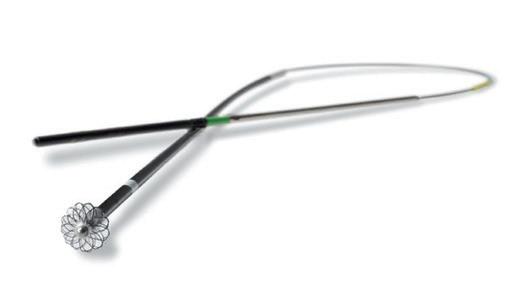
Study compares vascular closure systems in largebore venous access closure procedures
Haemonetics Corporation has announced the publication of a new study comparing its Vascade MVP XL vascular closure system with the Vascade MVP venous vascular closure system in the context of large-bore venous access closure procedures. The study was published in the Journal of Cardiovascular Electrophysiology
The retrospective, non-randomised, observational single-centre cohort study included a total of 574 consecutive patients undergoing catheter ablation for atrial arrhythmia or left atrial appendage closure (LAAC) procedures.
The study included some procedures in which Vascade MVP was used outside the scope of its approved indication, which is for use with 6-12Fr inner diameter procedural sheaths. Results demonstrated Vascade MVP XL’s superior performance in the context of these large-bore venous access closure procedures, achieving higher procedural success, a more consistent safety profile, and efficient haemostasis without complications, including 0% bleeding complications.
US Food and Drug Administration (FDA) approval was supported by clinical evidence from the AMBULATE EXPAND trial, a multicentre, prospective, single-arm, pivotal trial designed to evaluate the safety and effectiveness in technologies using 17Fr maximum OD procedural sheaths.
Prostyle M mitral valve system gets first use in clinical study
The first implant of the ProStyle M transcatheter mitral valve system has been completed under pure ultrasound guidance as part of its confirmatory clinical study.
The device is independently developed by KingstronBio Technology (KingstronBio). The procedure was performed by Wang Chunsheng and Wei Lai of the Department of Cardiac Surgery, Zhongshan Hospital affiliated to Fudan University (Shanghai, China), marking the official launch of the national multicentre confirmatory clinical study for ProStyle M. Prior to this, ProStyle M had undergone a two-year first-in-man (FIM) study involving 10 patients with a mean age of 71 years. The study results demonstrated excellent anchoring
performance with no regurgitation observed in all cases. As the clinical study progresses, further evidence will be generated to verify the product’s safety and efficacy.
Randomised trial of 8Fr TAVI system gets underway MiRus has announced enrolment and treatment of the first patients in the STAR trial, a prospective, multicentre, randomised controlled trial studying the Siegel 8Fr aortic transcatheter heart valve (THV). The first procedures were performed at Piedmont Heart Institute (Atlanta, USA) by Pradeep Yadav and Vinod Thourani.
The STAR trial will evaluate the safety and effectiveness of the Siegel valve in patients with severe, symptomatic aortic stenosis who are considered low, intermediate or high risk for surgical complications. The combination of low delivery system profile and excellent haemodynamics seen with the Siegel THV is made feasible by the unique properties of the nickel-free Rhenium alloys pioneered by MiRus including high yield strength, fatigue resistance and minimal recoil, the company says in a press release.
“The initiation of this trial marks a critical step toward improving the treatment options for patients with aortic stenosis,” said Yadav, who serves as the national co-principal investigator for the STAR trial. “As TAVI [transcatheter aortic valve implantation] has become standardof-care across risk profiles, it is vital that we study the next generation of devices and techniques to minimise risks such as stroke, bleeding, pacemaker dependency and optimise valve longevity—especially in younger, lower-risk patients.”
STAR will enrol 1,025 patients across multiple centres in the USA. Patients will be randomised 1:1 to receive either the Siegel THV or a commercially available balloon or self-expanding THV. The primary endpoint of the study is a composite of mortality, stroke, and cardiovascular hospitalisation at one year.
US FDA approves SUPPORT II trial of pVAD system for highrisk PCI
Supira Medical has announced US Food and Drug Administration (FDA) approval to initiate the SUPPORT II pivotal trial, designed to support a future premarket approval (PMA) submission for its percutaneous ventricular assist device (pVAD).
SUPPORT II is a prospective, randomised controlled study designed to assess the safety and efficacy of the company’s next-generation pVAD in patients undergoing high-risk percutaneous coronary intervention (HRPCI). The study will enrol up to 385 patients at up to 40 US sites and is led
by national co-principal investigators Ajay Kirtane (Columbia University, New York, USA) and David Kandzari (Piedmont Healthcare, Atlanta, USA).
“In HRPCI, the decision to use haemodynamic support is often influenced by access, deliverability, and the balance between support and procedural efficiency,” said Kandzari. “A system that can provide effective circulatory support with a smaller profile has the potential to expand the available treatment population and improve effectiveness.”
“The appropriate use of a pVAD allows physicians to safely perform procedures of the highest complexity, offering HRPCI to patients who previously had limited options,” said Kirtane. “The initiation of this pivotal randomised trial of a novel, lowerprofile haemodynamic support device is an important step in advancing the care of some of our highest risk patients.”
Topaz TTVR system given green light for US IDE trial TRiCares has announced it has received approval from the US Food and Drug Administration (FDA) for an investigational device exemption (IDE) to conduct a pivotal clinical trial for Topaz, its transcatheter tricuspid valve replacement (TTVR) system in the USA, Canada, and select sites in Europe.
The IDE approval marks a significant regulatory milestone for TRiCares, enabling the company to initiate its US pivotal trial and progress towards FDA market approval and US commercialisation of Topaz. The randomised trial, to be conducted at up to 75 investigative sites, will evaluate the safety and effectiveness of Topaz in patients with severe or greater tricuspid regurgitation (TR) who are at increased operative risk.
forward to this next phase of the programme.”
Trial of renal denervation plus staged PCI in patients with multivessel coronary disease and hypertension launches Medtronic has announced the launch of the EMBRACE trial, a randomised, multicentre trial evaluating its Symplicity Spyral renal denervation system added to staged percutaneous coronary intervention (PCI) versus staged PCI alone in patients with uncontrolled hypertension and multivessel coronary artery disease.
Led by Roxana Mehran (Icahn School of Medicine at Mount Sinai, New York, USA) and Felix Mahfoud (University Hospital Basel, Basel, Switzerland) the trial will assess its primary endpoint at two years, with a total follow-up extending to three years.
Clinical effectiveness with radiofrequency renal denervation will be assessed using a composite endpoint that includes cardiovascular death, stroke, myocardial infarction (MI), and hospitalisation for heart failure or hypertensive crisis, among others.
The study, an investigator-initiated study that is funded by Medtronic, will enrol 1,000 patients with multivessel disease and uncontrolled hypertension undergoing staged PCI and will take place across 55 sites in up to 20 countries including the USA, Europe and Asia.
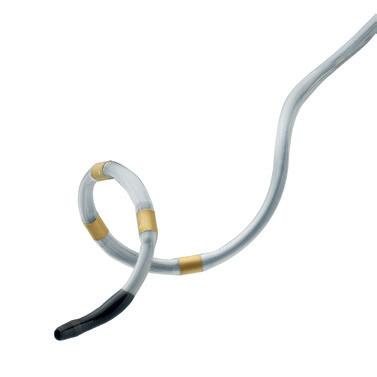
The trial approval builds on clinical progress made in the US early feasibility study (EFS) and the ongoing TRICURE European pivotal study, currently enrolling patients in Belgium, Denmark, France, Germany, Spain, and Canada with Switzerland to follow.
Neil Fam (University of Toronto, Toronto, Canada), co-principal investigator of the TRICURE US pivotal trial said: “This IDE approval is an important step forward in combating structural heart disease. Tricuspid regurgitation remains significantly undertreated, and the ability to conduct a rigorous, randomised US pivotal study with Topaz will be critical to support broad clinical adoption. The early clinical data from the US/Canadian EFS, the EU first-in-human (FIH), and the EU pivotal study have been encouraging and have significantly reduced the burden of procedural imaging. I look
“PCI is no longer the end of the journey— it’s the beginning of a broader strategy to address residual cardiovascular risk,” said Mehran. “Uncontrolled hypertension remains a key driver of recurrent events, and EMBRACE explores a potential ‘sweet spot’ where revascularisation and renal denervation can be combined to move from intervention to prevention.”
Abbott unveils “promising” Esprit BTK post-approval study data
Initial data from the Esprit BTK postapproval study, presented at the 2026 Charing Cross (CX) Symposium (21–23 April, London, UK), revealed “promising” 30-day results, according to an Abbott press release.
The data showed the company’s Esprit BTK everolimus-eluting resorbable scaffold system is a safe and effective approach in patients with very challenging chronic limb-threatening ischaemia (CLTI) and complex lesions.
The Esprit BTK post-approval study is a prospective, multicentre, single-arm, observational study assessing the longterm safety and effectiveness of the Esprit BTK system.
Medtronic completes CathWorks acquisition and invests in Pulnovo Medtronic has completed its acquisition of CathWorks, developer of the FFRangio, artificial intelligence (AI)-powered, non-invasive imaging software for diagnosis and treatment of coronary artery disease (CAD).
The acquisition follows a 2022 strategic partnership with a copromotion agreement for the FFRangio system where it is commercially available in the USA, Europe and Japan. The acquisition is valued at US$585 million with potential undisclosed earnout payments post-acquisition.
“With the acquisition of CathWorks by Medtronic, we are boldly redefining the future of cardiovascular care,” said Ramin Mousavi, president and chief
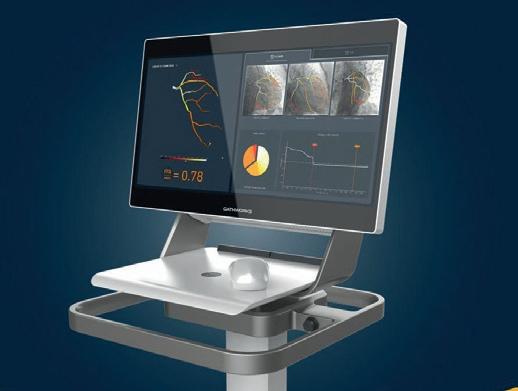
executive officer of CathWorks. “As I reflect on our long-term partnership, I am deeply grateful and proud of what we’ve accomplished together. This deal is a testament to CathWorks’ and Medtronic’s shared commitment, vision, and relentless drive to revolutionize the cath lab and deliver better solutions for patients living with cardiovascular disease. Together, we have ushered in a new dawn in cardiovascular diagnosis and patient outcomes.”
The FFRangio system provides a comprehensive physiological assessment of the entire coronary tree directly from routine drug-free, wirefree coronary angiograms. This differs from traditional wire-based fractional flow reserve (FFR) assessment, which requires the use of pressure wires, pharmacologic hyperaemia, and measurements limited to a single transducer location within the vessel.
Medtronic has also made a leading investment in Pulnovo Medical, a specialist in therapies for treating pulmonary hypertension and heart failure, part of a total US$100 million strategic financing round closed by
Conference calendar
19–22 May
EuroPCR 2026
Paris, France course.pcronline.com
24–26 June
New York Vavles
New York, USA nyvalvesconference.com
Pulnovo. Medtronic and Pulnovo have entered into a commercial agreement that contemplates potential future commercialisation opportunities.
Stereotaxis to acquire Robocath Stereotaxis has entered into a definitive agreement to acquire Robocath, a venture-backed innovator of robotic technologies for interventional cardiology and neurointerventions.
“Robocath represents a highly strategic addition to Stereotaxis, amplifying and accelerating our strategy as the leading robotic platform for the broad spectrum of endovascular procedures,” said David Fischel, Stereotaxis chairman and CEO. “By combining our complementary robotic mechanisms, we are creating a uniquely capable platform that expands our reach across interventional medicine. This transaction accelerates our strategy, enhances our technological leadership, provides attractive commercial synergies, opens new avenues for growth, and supports other strategic opportunities being pursued by Stereotaxis.”
Robocath, headquartered in Rouen, France, has developed the most advanced mechanical robotic technology for interventional cardiology and neurointerventions. Its flagship R-One+ system is the only commercially available robotic solution currently available for percutaneous coronary interventions (PCI) in Europe, with 15 commercial R-One+ systems installed globally.
Robocath is developing a nextgeneration system, designed to enable simultaneous manipulation of up to five interventional devices. Initial first-in-human procedures were recently successfully completed in France. Robocath’s differentiated technologies are supported by a robust intellectual property portfolio.
Stereotaxis plans to accelerate the development of Robocath’s next generation system and pursue regulatory submissions in the USA and Europe within the next two years.
Emboline secures funding to support launch of embolic protection system
Emboline has closed US$20 million in growth capital, supporting its efforts to
28–31 August
European Society of Cardiology (ESC) 2026 congress Munich, Germany escardio.org/congresses-events
5–9 September
Cardiovascular and Interventional Radiological Society of Europe (CIRSE) annual congress Copenhagen, Denmark cirsecongress.cirse.org
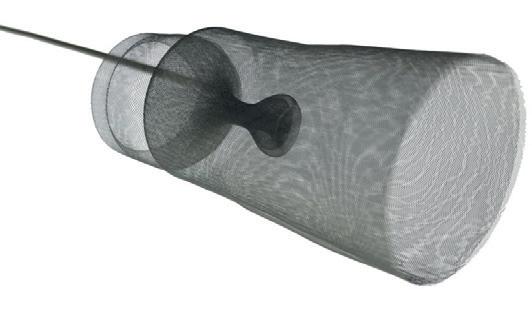
advance new technology for reducing stroke and ischaemic damage during structural heart procedures.
The funding will support Emboline’s upcoming commercial launch activities and continued development of its embolic protection technology platform.
The Emboliner embolic protection system is designed to provide full cerebral and systemic embolic protection by capturing and removing embolic debris released during transcatheter heart procedures.
Emboline also holds an intellectual property portfolio related to aortic embolic protection technologies, including full-body embolic filtration and aortic deflection approaches.
With this financing, Emboline will advance preparations for the commercial introduction of the Emboliner embolic protection system while continuing development of additional technologies designed to reduce embolic risk during structural heart interventions.
“Emboline’s embolic filtering technology is designed with the goal of giving interventional cardiologists greater confidence when performing complex structural heart procedures while helping reduce the risk of stroke and other embolic complications,” said Rob Lake, senior managing director of Life Sciences at Trinity Capital, the alternative asset manager behind the investment.
Valcare Medical strengthens board with dual appointment Valcare Medical has announced the appointment of Jeffrey B Jump and Jacques Séguin to its board of directors.
The appointments will provide strategic guidance as Valcare advances enrolment in the AMEND TS early feasibility study (EFS) of the Amend transcatheter mitral annuloplasty system and prepares for subsequent clinical trials.
Jump is a veteran medical device
executive with over 45 years of international experience and 20 years at the board level. He most recently founded and served as chairman and CEO of MedAlliance, sold to Cordis for US$1.2 billion.
He previously led publicly listed Biosensors International as CEO for 13 years and currently chairs Casper Medical, TexRay, and Transluminal/ Circlage, and serves on the boards of Valcare Medical and Compahya SA.
Séguin is professor of cardiac surgery at Paris University (Paris, France), and was responsible for developing the self-expandable transcatheter aortic valve implantation (TAVI) procedure CoreValve, a company he founded and was subsequently acquired by Medtronic in 2009. After that, he was founder at ReCor Medical, a renal denervation company acquired by the Japanese company Otsuka in 2018 and is currently founder, investor and board member of many medtech companies.
The Amend transcatheter mitral valve repair (TMVr) annuloplasty system delivers a closed, D-shaped, semi-rigid annuloplasty ring via a percutaneous approach.
Designed to replicate the anatomical remodelling and proven outcomes of traditional surgical annuloplasty, the gold standard in open-heart mitral valve repair, the Amend system uniquely preserves options for future interventions if needed.
The first procedure was performed in the EFS at Banner – University Medical Center, (Phoenix, USA). The EFS is slated to enrol up to 15 patients in seven investigational centres in the USA and is expected to pave the way for a pivotal study anticipated in 2027.
J&J enters agreement to acquire Atraverse Medical Johnson & Johnson (J&J) recently announced it has entered into a definitive agreement to acquire Atraverse Medical, a company attempting to pioneer next-generation left-hear access and radiofrequency (RF) technologies.
Atraverse’s Hotwire transseptal access system is a US Food and Drug Administration (FDA)-cleared RF guidewire and generator system designed for “greater confidence and control” when accessing the left atrium.
17–19 September
TCT Plus Middle East Riyadh, Saudi Arabia tctplusme.com
7–10 October
European Association of Cardio-Thoracic Surgery (EACTS) annual meeting Barcelona, Spain eacts.org
31 October–3 November
Transcatheter
Cardiovascular Therapeutics (TCT) 2026 San Diego, USA tctconference.com
6–9 November
American Heart Association (AHA) scientific sessions Chicago, USA professional.heart.org
12–13 November
ESC Digital & AI Summit Basel, Switzerland escardio.org
22–24 November
PCR London Valves London, UK pcronline.com