
Advancing Confidence in DEB Therapy



Latest data
Anatomy of a trial: How SELUTION DeNovo has reshaped the drug-eluting balloon landscape
SELUTION DeNovo trial co-principal investigator Christian Spaulding (Hôpital Européen Georges-Pompidou, Paris, France) speaks to Cardiovascular News about the purposeful design of the trial and what the results so far have added to the evidence base for the use of drug-coated balloon (DCB) technologies in de novo lesions, as well as unpacking some of the talking points that have emerged since the presentation of the one-year data.
MANY INTERVENTIONALISTS HAVE
come to recognise the potential benefits that so-called “leave nothing behind” or “metalfree” strategies can bring to their patients with de novo coronary artery disease, which in recent years has been dominated by drug-eluting stents (DESs). Results of the innovative SELUTION DeNovo trial, comparing a drug-eluting balloon (DEB) strategy to a systematic DES strategy, were released in late 2025 and have generated huge interest within the interventional cardiology community, helping to fill the gap in evidence for this rapidly evolving area of practice.
“Drug-eluting stents are used in the vast majority of procedures—98 to 99%—the drawback to that is that you have approximately 1 to 4% of patients who present with an adverse event annually, either a stent thrombosis or new atherosclerosis, which may be due to the presence of metal in the artery,” Spaulding comments, setting out the background to the trial and the rationale for using a balloonbased approach in this setting.
Bioresorbable scaffold technologies offered some initial promise as an alternative to DESs to overcome some of these limitations, but this promise was ultimately dashed when trials in this area proved unsuccessful. Interest and research in DCB technologies have therefore grown steadily in recent years, though in clinical practice their usage has largely been confined to the treatment of instent restenosis (ISR). Additionally, most trials involved paclitaxel-coated devices, with very few data to support the use of sirolimus-eluting technologies—which represents a novelty for SELUTION
DeNovo, as one of the few trials involving a sirolimus-coated drug-eluting balloon (DEB), the SELUTION SLRTM Drug-Eluting Balloon (Cordis).
“The reason why other sirolimus-eluting balloons had failed up to now is that it’s a technical difficulty,” comments Spaulding on why sirolimus-eluting balloons have been slower to reach the market than paclitaxelbased technologies, despite sirolimus being the predominant antirestenotic agent used in drug-eluting stents, with a wider therapeutic window and a larger safety margin than paclitaxel. “It’s difficult keeping the sirolimus on the balloon while you put the balloon on the lesion. The second thing, is that it’s difficult to get the sirolimus to get in, and to stay in the artery.”
The SELUTION SLR DEB technology addresses these challenges using 4µm microreservoirs, containing a mixture of biodegradable polymer and sirolimus applied as a coating on the surface of the balloon. The degradation of the polymer permits a controlled and sustained transmission of sirolimus into the tissue over time, where it is effective for up to 90 days. A proprietary phospholipid blend coating enables the microreservoirs to be coated onto balloons and efficiently transferred to adhere to the vessel lumen when delivered via expansion of the balloon.
Spaulding, alongside his co-principal investigator, Simon Eccleshall (Norfolk and Norwich University Hospitals NHS Foundation Trust, Norwich, UK) and SELUTION DeNovo trial steering committee members Philip Urban (Hôpital de la Tour, Geneva, Switzerland) and Florian Krackhardt (Berlin Institute of Health at Charité Universitätsmedizin Berlin, BIH
Center for Regenerative Therapies (BCRT), Charité Campus Virchow-Klinikum, Berlin, Germany), were enlisted in 2018 to devise a study that would demonstrate the efficacy of the technology, setting out to write a trial that would be as close as possible to clinical practice. The resulting trial, SELUTION DeNovo, is a prospective, randomised, open-label, multicentre trial, which compares the SELUTION SLR DEB strategy to a systematic DES strategy amongst a broad, all-comers population with de novo vascular lesions. Investigators have reported results at one year, with a further, five-year analysis to assess long-term noninferiority and potential superiority of the SELUTION SLR DEB strategy.
Significantly, as the trial is testing two strategies, rather than simply comparing two devices, randomisation to one of the two approaches occurred prior to vessel preparation, bringing it closer in line with the realities of the cath lab environment.
“What we wanted to do is to mimic clinical practice, which means that before an interventional cardiologist does the procedure, they look at the angiogram, and then after they decide on plan A, plan B, and plan C,” explains Spaulding. “We did not want to have randomisation occurring during the procedure, we wanted randomisation occurring before the procedure, when the operator decides its either going to be a drug-eluting balloon, with the possibility of a bail-out DES, or a drug-eluting stent.”
Inclusion criteria reflected the “realworld” population that the investigators sought to mimic, with no limitation on the number of lesions or vessels for treatment, provided a reference diameter of ≥2mm and ≤5mm, and all target lesions suitable for either strategy. Patients with ST-segment elevation myocardial infarction (STEMI), left main disease, chronic total occlusion, ISR, saphenous vein or arterial grafts, or previous percutaneous coronary intervention (PCI) on a target vessel were excluded. This required broad enrolment, with over 3,300 patients needed to ensure the trial was adequately powered to demonstrate the safety and efficacy of the DEB strategy.
With a total of 62 sites enrolling in 12 countries across Europe and Asia, the SELUTION DeNovo trial represents the largest randomised trial in the coronary DCB field conducted to date, recruiting a total of 3,341 patients—1,671 randomised to the DEB strategy arm and 1,670 to the DES strategy arm.
All rights reserved. Published by BIBA Medical, London T:+44 (0)20 7736 8788, publishing@bibamedical.com. The opinions expressed in this supplement are solely those of Cordis and the featured physicians and may not reflect the views of Cardiovascular News
“If you compare our study to RECCAGEFREE 1, which was not a strategy trial, meaning that the patients were randomised after vessel preparation, they included very simple lesions. Our study has large inclusion criteria; we enrolled a population of patients that is close to what you see in clinical practice,” comments Spaulding. The resulting trial population included a high proportion of patients (17.8% in the DEB group and 16.3% in the DES group) who were at high bleeding risk, whilst around one third of patients presented with acute coronary syndrome. Nearly a quarter of patients in the DEB strategy arm had moderate or severely calcified lesions. Ensuring adequate lesion preparation— which is seen as a fundamental step to ensuring success with any DEB-based approach—was an important facet of the trial, and operators were issued with comprehensive guidelines on how to approach DEB cases, aligned with work by the International DCB Consensus Group aimed at formalising lesion preparation techniques. Mandatory 1:1 lesion predilatation was required, with a minimum DEB inflation time of 30 seconds. Operators could choose to implant a DES in cases where residual stenosis or recoil >30% occurred, or where high-risk dissections, type C or greater were present. The protocol encouraged the use of noncompliant, cutting, scoring or high-pressure balloons according to operator preference, and calcium modification techniques in the presence of heavy calcification.
The trial’s steering committee took an active role in overseeing cases, with a weekly virtual meeting to oversee the first five from each centre, ensuring compliance with the protocol and addressing any potential concerns with the approach pre-emptively. There were also regular investigator meetings to share learnings.
“With these regular investigator meetings, and the fact that we were in regular contact with everybody, we showed that there was a learning curve,” Spaulding comments, pointing to data presented at the recent Cardiovascular Research Technologies (CRT) conference (7–10 March, Washington, DC, USA), demonstrating a reduction of 31% of stenting in the DEB arm between early and late procedures.
“The consequence of that is that there is less and less stenting in the trial. The number of stents goes down, showing that people get more and more confidence with vessel preparation, leaving a non-flow limiting dissection, and knowing how to use the balloon.”
Spaulding presented the trial’s one-

Christian Spaulding
“The acute closures, the lesion thrombosis rates, and the MIs are low in both groups; and low in the drug-eluting balloon group, which means that the device is safe…this is a major finding”
year results to great interest at the 2025 Transcatheter Cardiovascular Therapeutics (TCT) conference (24–27 October, San Francisco, USA) meeting, where he reported that primary endpoint target vessel failure (TVF)—comprising cardiac death, targetvessel myocardial infarction (MI), or clinically-driven target revascularisation— occurred in 5.3% of the DEB strategy group and 4.4% of the DES strategy group at one year, meeting non-inferiority criteria. On individual primary endpoint components, the results demonstrated that cardiac death occurred in 0.7% of cases in the DEB arm compared to 1% in the DES arm, targetvessel myocardial infarction in 2.7% of DEB strategy cases and 2.6% of DES strategy cases, and clinically-driven target vessel revascularisation (TVR) in 3.3% of DEB strategy cases, versus 2.1% of DES strategy cases.
“There’s been a lot of discussion about the fact that there’s a higher rate of clinicallydriven target vessel revascularisation. Actually, the numbers are low: there will be an extra revascularisation every 82 patients. It seems a low price to pay considering the
potential benefits of not having a stent,” says Spaulding, also commenting that the broad equivalence in safety between the two strategies is a hugely positive outcome. He relates to experience from his own centre, where he acknowledges that there were concerns that patients may be at greater risk of acute closure if they did not receive a stent. “That’s not the case. The acute closures, the lesion thrombosis rates, and the MIs are low in both groups; and low in the drug-eluting balloon group, which means that the device is safe. You can do the procedure, and you can do it safely. And this is a major finding,” he comments.
Another important talking point has been the rate of provisional stenting in the DEB strategy arm, which stood at 20.7%, and has led some critics to suggest that this may have contributed to the non-inferiority of this approach. However, Spaulding says that analysis shows that the reverse is in fact true.
“Patients who received DEB only in the DEB strategy group had a TVF of 5%, which is even lower than the total, the results of the DEB strategy are not propelled or pushed or favoured by the stenting. On the contrary.”
Other critics have singled out the fact that the trialists chose to analyse the results on an ITT basis, rather than per-protocol which would have changed the weighting for non-inferiority at one-year, though Spaulding and the trial’s steering committee have pushed back against this criticism, pointing out that the design of the trial includes a five-year ITT evaluation of the TVF endpoint, with a conditional superiority analysis if non-inferiority is met.
“The per-protocol analysis is a sensitivity analysis and it is supposed to reinforce or temper the results of the ITT,” says Spaulding, adding: “let’s wait and see what happens at five years.
“We wanted to demonstrate noninferiority [at one year]…to show that we’re doing as well as stents and we're not putting the patient in danger or increasing the number of events,” he comments.
“The five-year follow-up is very important. What we're going to do is to evaluate non-inferiority once again, and if non-inferiority is achieved, we’re going to assess for superiority. During those five years of follow-up, what we expect to happen is that there’s going to be more events in the stent group due to the fact that these patients have metal in the artery. There’s not going to be the same number of events that are going to occur in the drugeluting balloon group, which means that we may show a difference.”
Under the hood of the SELUTION SLR DEB
Experts in percutaneous coronary intervention (PCI) using drug-eluting balloon (DEB) technologies argue that there is no class effect among platforms.
Bharat Khialani (Tan Tock Seng Hospital, Singapore, Singapore) explores the key features that differentiate the SELUTION SLR competitors in the marketplace.
THE
MAIN
CHALLENGE
WITH sirolimus is its relatively lower tissue retention compared with paclitaxel, which makes effective delivery during balloon inflation less straightforward. The SELUTION SLR DEB addresses this through controlled microreservoir-based delivery and a proprietary phospholipid blend coating, allowing sirolimus to achieve biologically meaningful tissue levels over time. The microreservoirs are made of sirolimus intermixed with biodegradable polymer, and with the aid of the coating, transfer effectively to the vessel wall during balloon inflation. These reservoirs gradually degrade, enabling controlled, sustained drug release over weeks to months rather than minutes.
In contrast to the cytotoxicity of paclitaxel, sirolimus exerts a cytostatic effect by inhibiting smooth muscle cell proliferation via mTOR—mammalian target of rapamycin—pathway suppression, promoting more physiological vessel healing. This may reduce inflammation and support more favourable long-term vessel remodelling. The SELUTION SLR DEB’s biodegradable polymer essentially acts as a carrier that governs how quickly the drug is released, allowing for a more sustained effect, which is something we’ve traditionally associated with stents rather than drug-coated balloons. The device’s coating is designed to maintain stability during transit while allowing efficient transfer under balloon expansion and vessel wall contact; this balance is critical to minimising downstream loss and ensuring adequate local drug deposition.


MICRORESERVOIRS
• ~4 µm spheres of sirolimus mixed with biodegradable polymer
• Controlled release of sirolimus
PHOSPHOLIPID BLEND COATING
• Phospholipid blend containing and protecting MicroReservoirs at 1.0 μg/mm2 sirolimus dose
• Enhanced drug transfer efficiency

reliably with high procedural confidence. The availability of longer balloon lengths is advantageous in long lesions, and the cytostatic mechanism of sirolimus reduces concerns around drug-related vessel toxicity at overlap zones compared with paclitaxelbased devices.
Uniform drug distribution and consistent coating integrity are important aspects of the platform, helping ensure reproducible drug transfer and dosing across different lesion morphologies. The device incorporates a low crossing profile and a flexible shaft design, allowing it to navigate tortuous and complex anatomy with reasonable ease. In most cases, its deliverability is comparable to contemporary semi-compliant balloon platforms. In practice, the device
Meticulous lesion preparation and appropriate sizing of the balloon are key. In addition, maintaining adequate inflation time (a minimum of 30 seconds, but ideally 60 seconds) is important to facilitate effective drug transfer and microreservoir deposition. In tight or heavily diseased segments, initial lesion modification with smaller balloons or adjunctive devices is often required to create a workable lumen. I have found deliverability of the SELUTION SLR DEB to be good and comparable to contemporary balloon or stent platforms. Buddy or more supportive wires and guide
geographic miss is also critical, particularly in diffuse disease.
For operators new to sirolimuscoated balloons the main difference is pharmacological and related to drug delivery architecture rather than procedural technique. Contemporary sirolimus-coated balloon platforms are highly deliverable and trackable, with performance comparable to modern angioplasty balloons, while efficacy depends on sustained tissue-level drug retention rather than rapid uptake.
Overall, the SELUTION SLR DEB represents an important evolution in DEB technology by enabling limus-based therapy with sustained, controlled release. This extends balloon-based drug delivery beyond the limitations of earlier platforms and may broaden its applicability in more complex coronary disease. As clinical experience accumulates, it may further support the expansion of “leave nothing behind”
Bharat Khialani
Inside the science of DEBs: What separates sirolimus and paclitaxel
To date, the coronary drug-eluting balloon (DEB) market has been dominated by paclitaxel-coated devices, but promising early results seen with the sirolimuseluting SELUTION SLRTM Drug-Eluting Balloon (Cordis) raise hopes for the start of a new era in metal-free percutaneous coronary intervention (PCI). In this article, Aloke Finn (University of Maryland School of Medicine, Baltimore, USA) answers burning questions about the merits of both drugs, and why the emergence of a sirolimus-eluting device holds promise.
What are the pharmacological differences between paclitaxel and sirolimus, and how have these properties influenced their usage in drug-eluting technologies?
Sirolimus and paclitaxel are fundamentally different pharmacological agents used in vascular drug delivery devices to prevent restenosis after percutaneous interventions. Both agents target proliferating and migrating smooth muscle cells after arterial injury and reduce neointimal formation. Paclitaxel stabilises microtubules and inhibits cell proliferation at the G2/M phase of the cell cycle. The high lipophilicity of paclitaxel allows for passive absorption and retention in the vessel wall especially in its crystalline form which is primarily used in drug-coated balloons, which contributes to its sustained therapeutic effect. Paclitaxel is considered a cytotoxic drug because it targets rapidly dividing cells triggering cell death even at therapeutic levels.
Sirolimus and its analogues target mTOR (mammalian target of rapamycin) resulting in a blockade of cell cycle progression at the G1/S transition. Sirolimus is considered a cytostatic agent as it only causes cell death at very high levels and therefore has a much wider therapeutic range and greater antirestenotic and anti-inflammatory effects than paclitaxel, which is one of the major reasons why paclitaxel-eluting stents are no longer used in coronary drug-eluting stents (DESs). The efficiency and safety of sirolimus-coated balloons have been shown in several clinical and preclinical studies. Because tissue absorption is limited following acute transfer, the success of sirolimus DEBs hinges on the effective delivery of anti-proliferative drugs, facilitated by innovative excipients and carriers and the efficacy and safety of the drug itself.
Mechanistically, paclitaxel and sirolimus behave very differently in the vessel wall, how do these differences influence restenosis prevention and vascular healing?
Because their mechanism of action is very different, the cellular and molecular effects of sirolimus and paclitaxel are distinct. Alan Heldman (Johns Hopkins, Baltimore, USA) showed many years ago in a porcine coronary artery model that paclitaxel-coated stents produced a significant dose-dependent inhibition of neointimal hyperplasia.1 At higher doses medial wall cell necrosis and haemorrhage were seen, which is considered an undesirable effect and emphasises the narrow therapeutic index associated with this agent.
Preclinical studies using sirolimus eluting stents at various doses showed significant suppression of neointimal formation without evidence of cellular necrosis, emphasising the wider therapeutic index of the drug when applied to the arterial wall.2 Isolated reports of aneurysm formation after paclitaxeleluting stents and drug-coated balloons (DCBs) have been reported; this is not the norm but something all interventionalists should be aware of.3
Both agents delay healing of the vessel wall after injury but paclitaxel may exacerbate it to a greater degree especially at higher doses.4 We were able to show this many years ago in a model of overlapping stents comparing the sirolimus eluting
● 1970 — Discovery
stent, Cypher (Johnson & Johnson) to the paclitaxel-eluting stent, Taxus (Boston Scientific).
One of the key challenges with sirolimus is achieving adequate drug transfer and sustained retention after such a short balloon inflation time. What technological innovations make this possible?
The advent of biodegradable polymers such as poly (lactic-co-glycolic acid) (PLGA) offers a matrix that acts as a carrier and reservoir for anti-proliferative drug to prevent restenosis with the polymer matrix disappearing after drug elution is complete. This system is deployed in the SELUTION SLR DEB and offers time-graded release of sirolimus with drug detectable in the arterial wall beyond 90 days.5 Another important aspect is the development of the excipient meant to protect the drug during transit to the arterial wall to facilitate its delivery during balloon inflation. Early studies of paclitaxel DEBs used contrast dye during angiography as the excipient. The SELUTION SLR DEB uses a proprietary phospholipid blend which effectively prevents drug loss during transit and binds the microreservoirs to the vessel wall and facilitates drug entry into cells.
Are there any relevant safety matters to consider when deciding between the two drugs, for example around particulate release and downstream embolisation?
To some extent all DCBs release particulates (defined as constituents of the drug coating and/or excipient) into the circulation. As drug delivery using DCBs is imperfect (not all of the drug makes it to the vessel wall), it is inevitable some particulates will be released into the bloodstream.
Understanding the size and amount of
● 1987 — Organ Rejection Drug: The Search Begins
The investigation of the activity of rapamycin to prevent solid organ rejection began after a similar agent (Tacrolimus) was reported to have strong immunosuppressive potency.
Rapamycin was extracted from soil samples from Rapa Nui in search for novel antifungal agents.
Development of Sirolimus: Beach to Bedside
Drug science
particulates generated is required for US Food and Drug Administration (FDA) approval, and the consequences of these particulates can be examined in animal models where histological examination of downstream organs/tissues is examined. For instance, when treating coronary arteries one can examine the heart muscle itself for emboli and/or injury associated with particulate release and quantify these as the percentage of sections with emboli and/or myocardial necrosis/scarring.
We have shown evidence of injury to the heart in the form of myocyte necrosis and/ or scarring for paclitaxel DEBs in selected clinical models—Agent (Boston Scientific) and Prevail (Medtronic)—while sirolimuscoated balloons, SELUTION SLR DEB and MagicTouch (Concept Medical), did not show any evidence of injury.6,7 This is likely because particulate sizes used in both of these sirolimus-coated balloons are much smaller (0.4–4µm) versus the particulates released from most paclitaxel DCBs which can be greater than 100µm, and likely obstruct arterioles and cause tissue ischaemia.8
Your preclinical work has compared different DEBs to DESs. What did these studies reveal about the pharmacokinetics and arterial wall drug retention achieved with SELUTION SLR DEB?
Preclinical studies can give insights in predicted efficacy of a drug delivery device as predicted by pharmacokinetic studies which measure arterial wall drug levels. Generally, we prefer therapeutic drug levels which should be sustained within the treated arterial wall for 60–90 days. In a recently published study, we compared the pharmacokinetic profiles of two sirolimuscoated balloons—SELUTION SLR DEB and MagicTouch—and compared them to the pharmacokinetic profile of the everolimuseluting stent, Xience (Abbott) used as a gold standard for drug delivery. We found that the pharmacokinetic profiles of SELUTION SLR DEB and the everolimus-eluting stent were similar up to 60 days with slight decline for SELUTION SLR DEB at 90 days; whereas MagicTouch generated initially high levels at
● 1999 — Organ Rejection Drug:
FDA Approval
Sirolimus receives US Food and Drug Administration (FDA) approval for use in renal transplant due to its potent immunosuppressive activity¹.

“Preclinical studies using sirolimus-eluting stents at various doses showed significant suppression of neointimal formation without evidence of cellular necrosis, emphasising the wider therapeutic index of the drug when applied to the arterial wall”
seven days and showed a precipitous decline to single digit (ng/g) levels by 60/90 days.5 These data emphasise that drug delivery is DEB-specific, with the pharmacokinetic profiles of each system needing to be evaluated separately.
It’s widely accepted there is no real “class effect” with drug-coated balloons. Why is it important for clinicians to understand the differences between specific devices rather than simply comparing paclitaxel and sirolimus as drug classes?
Physicians are ultimately the ones who, along with the patient, choose which devices to use in the cath lab. Understanding their relative strengths and benefits, as well as risks, is an important responsibility of the physician. Ultimately, we want to use the device which
● 2003 — Cypher sirolimus-eluting stent:
FDA Approval Cypher approved by FDA for coronary indications and was subsequently shown to be more effective than paclitaxel eluting stent (Taxus) in several randomised studies.
we feel will result in the best outcomes with the least risk. Every DEB is distinctive, but this requires the physician to be aware of the data and transparency on the side of the device maker to reveal it in the public domain.
Do you see sirolimus-coated balloons such as SELUTION SLR DEB playing a larger role in coronary intervention as the evidence base continues to grow? I definitely see sirolimus-based balloons playing a larger role, but I should emphasise that each SCB should be evaluated on its own merits. There is no class effect, even within SCBs. The safety and pharmacokinetic profile should be evaluated first in preclinical studies to understand the potential of the DEB, and then in the clinic to confirm these observations. Well-designed DEBs have a lot of potential to revolutionise coronary and peripheral interventions. Clinical studies will help us determine what indications they are best for. It goes without saying that sirolimus is preferred over paclitaxel in terms of its track record and performance for the reasons discussed above.
References
1. Heldman AW, Cheng L, Jenkins GM, et al. Paclitaxel stent coating inhibits neointimal hyperplasia at 4 weeks in a porcine model of coronary restenosis. Circulation 2001;103(18):2289–2295. doi:10.1161/01.CIR.103.18.2289
2. Klugherz BD, Llanos G, Lieuallen W, et al. Twenty‑eight‑day efficacy and pharmacokinetics of the sirolimus‑eluting stent. Coron Artery Dis. 2002 May;13(3):183–188. doi:10.1097/000195 01‑200205000‑00008
3. Saboe A, Upadhya C, Finn A, Basavarajaiah S. Coronary artery aneurysm post drug‑coated balloon angioplasty. J Am Coll Cardiol Case Rep. 2025;30(17):103891. doi:10.1016/j. jaccases.2025.103891
4. Finn AV, Kolodgie FD, Harnek J, et al. Differential response of delayed healing and persistent inflammation at sites of overlapping sirolimus‑ or paclitaxel‑eluting stents. Circulation. 2005;112(2):270–278. doi:10.1161/ CIRCULATIONAHA.104.508937
5. Tanaka T, Kawakami R, Shiraki T et al. A pharmacokinetic comparison between three drug delivery devices in porcine coronary arteries. Cardiovasc Revasc Med. 2025 Sep 11. Epub ahead of print. doi:10.1016/j.carrev.2025.09.001
6. Kawai K, Kolodgie FD, Kawakami R et al. Vascular response, downstream effect, and pharmacokinetics after sirolimus and paclitaxel coated balloons in porcine coronary arteries. Catheter Cardiovasc Interv. 2025;105(6):1434–1444. doi:10.1002/ccd.31482
7. Kawai K, Rahman MT, Nowicki R, et al. Efficacy and safety of dual paclitaxel and sirolimus nanoparticle coated balloon. JACC Basic Transl Sci. 2024;9(6):774–789. doi:10.1016/j. jacbts.2024.02.002
8. Sato Y, Nakamura T, Tanaka K et al. Local, downstream, and systemic evaluation after femoral artery angioplasty with Kanshas drug‑coated balloons in a preclinical model. J Vasc Interv Radiol. 2023;34(5):681–691. doi:10.1016/j.jvir.2023.03.024
● 2019–2020 — Sirolimus-coated balloons:
CE Mark Approvals
SELUTION SLR Drug-Eluting Balloon received CE mark in 2020 for peripheral arterial and coronary artery disease in both de novo and in-stent restenosis. MagicTouch received CE Mark (Concept Medical) also received CE mark.
Aloke Finn
Getting the most out of DEBs in your practice
Knowing how to maximise the benefits of a leave-nothing-behind strategy in your practice means knowing how to get the best out of drug-eluting balloons (DEBs). This means learning a set of principles that may differ from those that apply when implanting a drug-eluting stent (DES). In this article, David Hildick-Smith (University Hospitals Sussex, Brighton, UK) and Beatriz Vaquerizo (Hospital del Mar, Barcelona, Spain) share their views on the fundamentals that interventionalists must learn to master the art of DEB percutaneous coronary intervention (PCI).
“MOST
PEOPLE WHO LEARNED
how to do angioplasty with just balloons are now retired, and there’s a whole career group who have only ever really done stenting. Stenting gives you really great results, but there is a price to pay,” says Hildick-Smith, reflecting on the fact that, since the advent of the DES, implanting a permanent scaffold in the vessel has been ingrained in the way that most interventionalists now treat coronary artery disease.
“Having gone right over with the pendulum to one side where almost nobody emerged from a procedure without a stent, the idea that you can reconsider just balloon treatment is one that only a few relatively brave souls persevered with for quite a while,” he comments, of the recent resurgence of interest in DEB technologies, which offer promise in addressing some of the limitations of the DES without the need for a permanent implant in the vessel.
“In the treatment of de novo lesions, robust evidence from randomised trials remains limited,” says Vaquerizo. “In this context, drug-eluting balloons may represent a valuable alternative in selected scenarios where drug-eluting stents perform suboptimally, particularly in lesions with a high risk of restenosis or thrombosis.”
“I would not include bleeding risk, as some experts point out that dual antiplatelet therapy can also be shortened with DES, and it is also a criterion encompassed within thrombotic risk,” she says.
Importantly, she notes, DEBs should be understood as a “drug-delivery platform” only, underscoring the pivotal role of meticulous lesion preparation in achieving optimal outcomes.
With stents, it is the placement of the rigid structure and subsequent elution of the drug that plays a therapeutic role in diseased vessels. For DEBs, success is contingent on how the vessel is prepared for the drug to then be applied in the target area, with a goal of achieving adequate lumen without a scaffold, often through controlled dissection that relieves stenosis whilst preserving flow.

David Hildick-Smith

When using a DEB a key consideration is balloon sizing. Both Vaquerizo and HildickSmith advocate a 1:1 balloon-to-distal vessel ratio to ensure proper drug transfer.
“When we prepare plaque with a drugeluting stent, we use a balloon that sometimes is undersized, because we don’t want to break the artery, and then implant a platform that will improve the radial force,” comments Vaquerizo. “But, when you are using a drug-
“All over the world, the most interesting topic in all coronary meetings now is balloons”
eluting balloon, you need one that is 1:1.”
Effective DEB therapy can require a progressive, stepwise approach, particularly in complex lesions. In the presence of calcium, cutting and scoring balloons “tend to be used more widely” with DEBs, explains Hildick-Smith, “because you get a slightly more controlled dissection. Instead of ripping at something, you selectively cut into it in specific areas and, once you’ve created that controlled dissection, all you then do is use the balloon with the drug on simply to paint that drug onto the inside lining of the artery.”
In general, operators are looking to ensure that a vessel has been adequately prepared, ensuring that residual stenosis stays <30%; there is evidence of Thrombolysis in
Myocardial Infarction (TIMI) grade 3 flow; no flow-limiting dissection; and absence of any significant recoil.
“Then you can pass the drug-eluting balloon, with at least one minute for inflation,” advises Vaquerizo, who advocates that a slightly longer inflation may be beneficial in the presence of dissections.
Managing dissections is another area where DEB treatment necessitates a different mindset to DES. When implanting a DES, operators fear that arterial dissection carries the likelihood of restenosis later down the line, whereas with DEB treatment, operators can tolerate a certain amount of dissection if it allows for persistence of the drug.
“What tends to be done is that you’re trying to create what’s called a therapeutic dissection, so you’re actually stretching and cracking bits of the vessel to make the lumen much bigger. You’re using a balloon that’s actually the size of the artery and you’re not worrying too much that you get visible tears within the artery because those will heal over time so long as you have good forward flow and so long as the narrowing itself has been relieved,” comments Hildick-Smith.
Crucially, as seen in the SELUTION DeNovo trial, attempting treatment with a DEB strategy still leaves the door open for operators to implant a stent if they feel that they haven’t achieved the optimal result.
The trial has helped address safety concerns, demonstrating low rates of acute vessel closure and giving operators confidence to adopt a DEB-first mindset— while also highlighting the importance of experience, careful patient selection, and a clear understanding of the learning curve.
“I think it’s given everybody the authority to explore this much more in their daily practice with a certain amount of support and that itself has reached a tipping point where all over the world, the most interesting topic in all coronary meetings now is balloons,” says Hildick-Smith. “So, it’s a real watershed moment in clinical cardiology for me, and I do expect it to be something that people look back on and think, wow, that was a moment.”
Beatriz Vaquerizo
Case studies
Using multimodality imaging in a DEB-only strategy in long diffuse plaque disease
Managing long, calcified coronary disease remains one of the key challenges in contemporary percutaneous coronary intervention (PCI), particularly when aiming to avoid permanent implants. In this case study, Fizzah Choudry (Barts Health NHS Trust, London, UK) illustrates how a carefully planned, imaging-guided approach—combining effective calcium modification with a drug-eluting balloon strategy—can achieve a durable result without stenting. It highlights the growing role of multimodality imaging and meticulous lesion preparation in enabling a successful leave-nothing-behind approach.
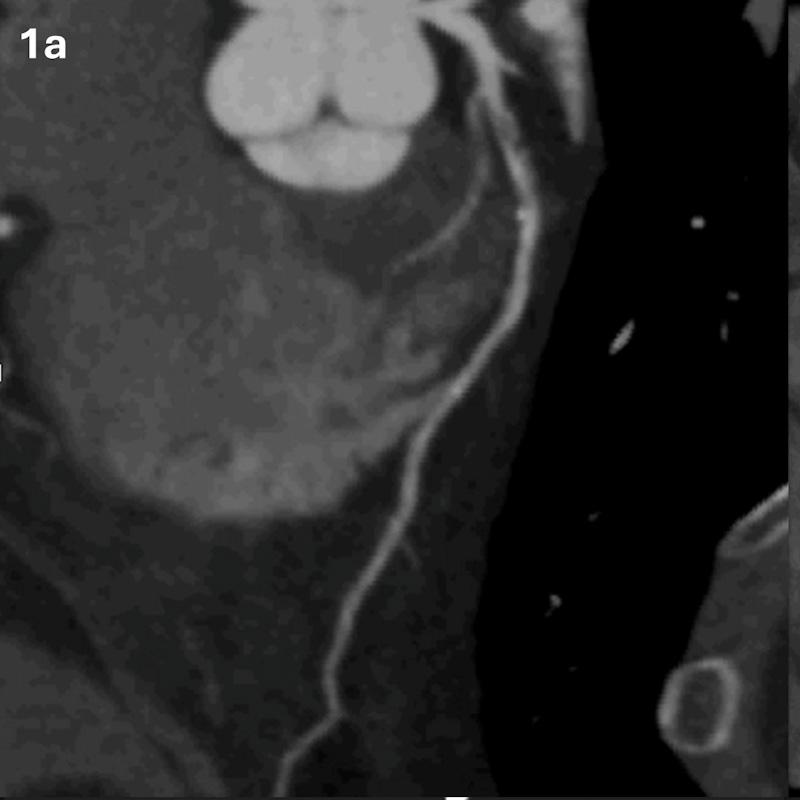
THE PATIENT IS A 58-YEAR-OLD male with diabetes who presented with stable angina symptoms. He underwent noninvasive evaluation with coronary computed tomography angiography (CTCA), which demonstrated a long length of calcified plaque disease in the left anterior descending (LAD) artery. The lesion was characterised by calcification and lipidic high-risk plaque with positive remodelling and significant luminal narrowing (Figure 1a).
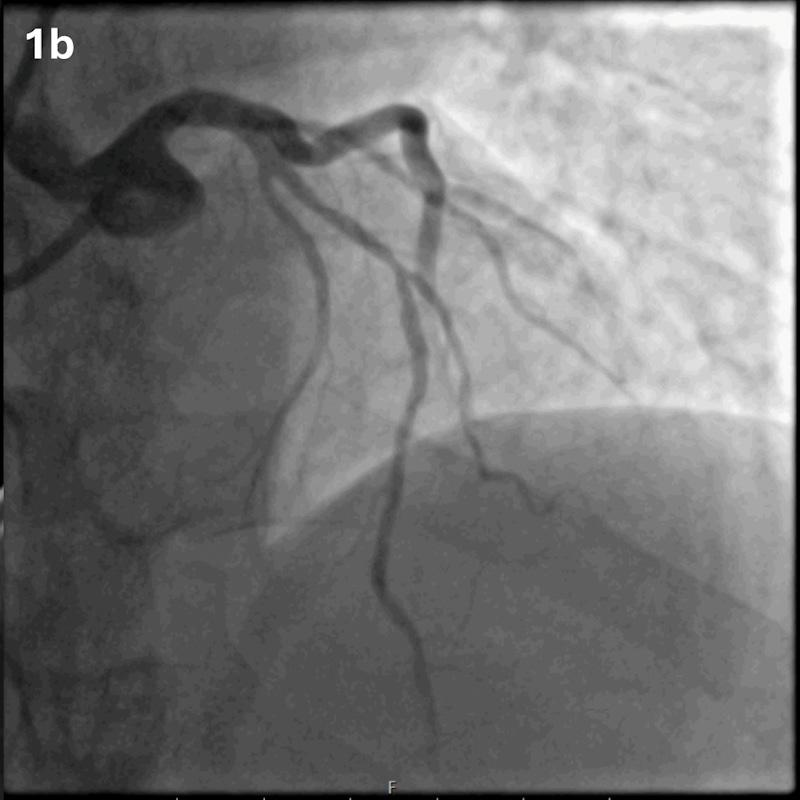
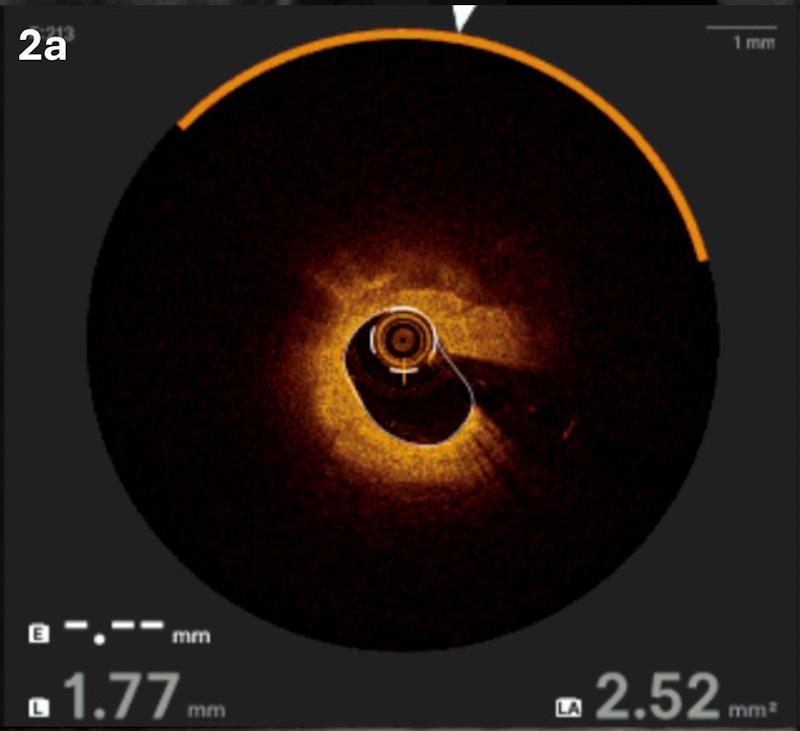
Invasive coronary angiography confirmed severe long-segment LAD disease (Figure 1b). Optical coherence tomography (OCT) demonstrated high plaque burden with a 180-degree arc of calcium (Figure 2a), consistent with the pre-procedural CTCA findings.
Calcium modification was performed using
a 3mm non-compliant balloon; however, the balloon was restricted at the level of the first diagonal and demonstrated wire bias with expansion. Therefore, a 3mm cutting balloon was then used with multiple inflations to high atmospheric pressures with improved expansion. This was followed by 1:1 balloon inflation with a 3.5mm non-compliant balloon.
Post-modification optical coherence tomography (OCT) imaging confirmed effective calcium disruption and improved vessel compliance at the site of the calcification, with evidence of dissection along the length of the lesion demonstrating adequate lesion preparation (Figure 2b). The distal vessel reference diameter was 2.75mm and the proximal vessel reference diameter 3.5mm.
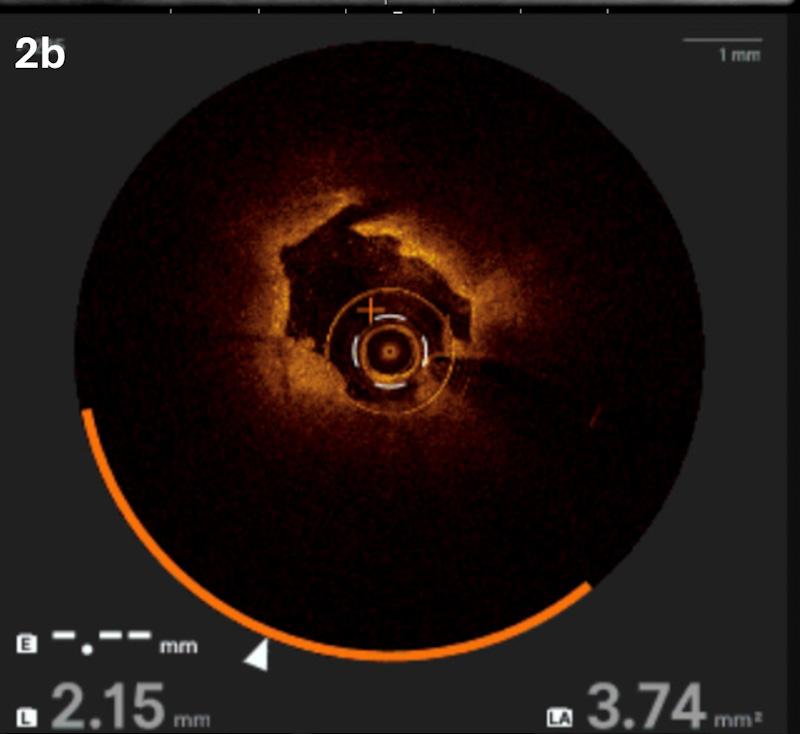
Drug-eluting balloons (DEBs) were then employed with overlapping 2.75mm x 35mm and 3.5mm x 25mm sirolimus-eluting balloons—SELUTION SLR DEB (Cordis). This avoided stent implantation in a long, diffusely diseased vessel. Final angiography demonstrated a good angiographic result with no significant recoil and non-flow limiting dissection within the treated segment of the vessel at the end of the procedure (Figure 3a).
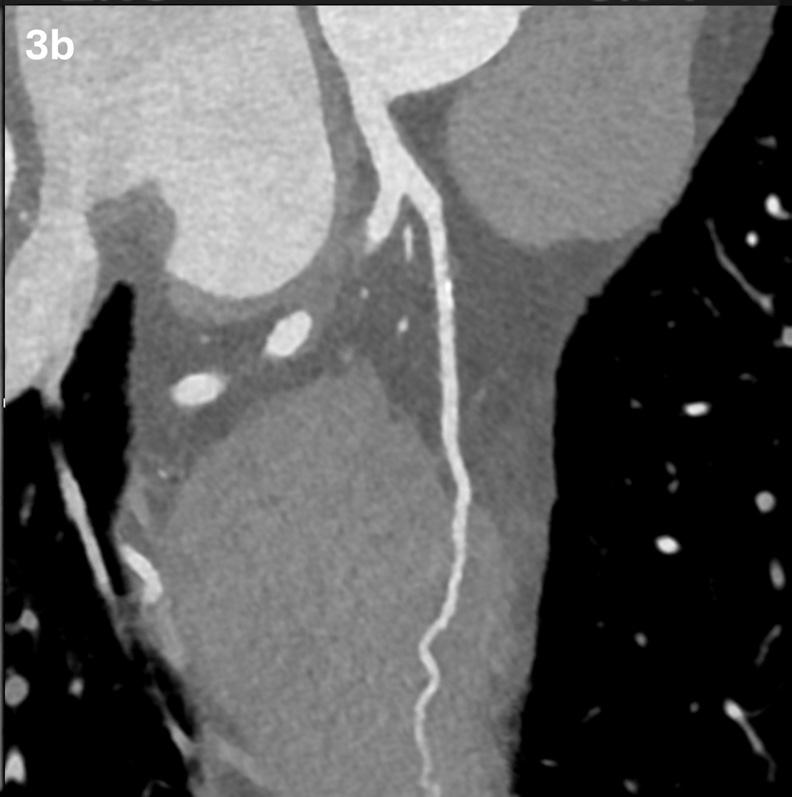
The patient underwent interval follow-up with repeat CTCA at three months, which demonstrated good plaque modification with improved luminal dimensions along the treated LAD segment. There was no evidence of significant restenosis, and the vessel architecture remained preserved. The imaging findings were consistent with a favourable response to DEB therapy following adequate lesion preparation (Figure 3b).
This case highlights the importance of multimodality imaging in the management of diffuse calcified coronary disease. Preprocedural CTCA and intravascular OCT provided complementary insights into lesion morphology and guided procedural planning. Effective calcium modification using a cutting balloon, confirmed by OCT, enabled successful use of a DEB-only strategy resulting in a good medium-term outcome, as demonstrated on follow-up CTCA.
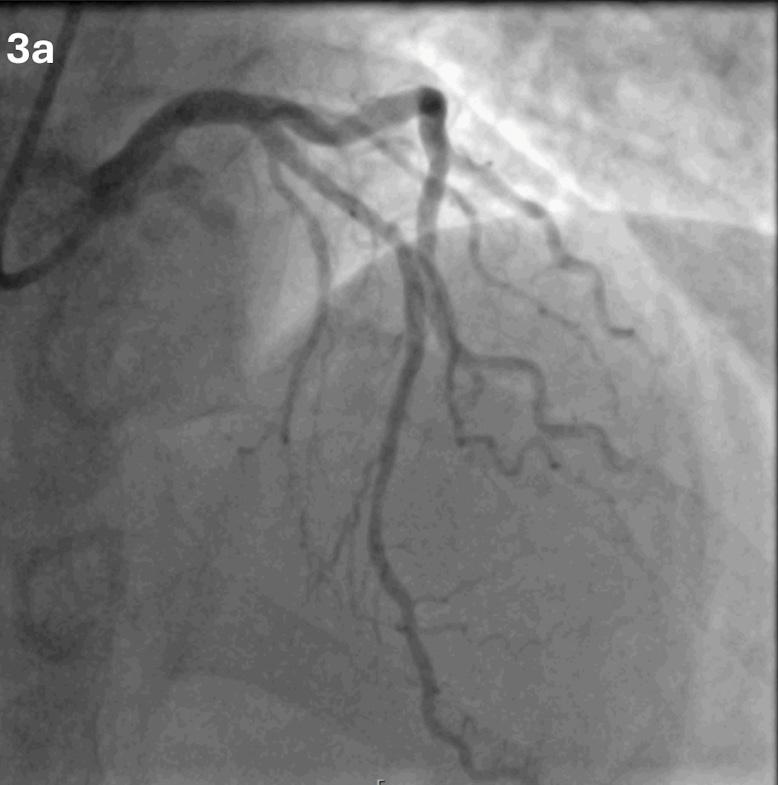
This case demonstrates how multimodality imaging can support a successful “leave nothing behind” strategy in long, diffuse coronary artery disease. Coronary angiography confirmed severe diffuse left anterior descending (LAD) disease, while optical coherence tomography (OCT) imaging demonstrated high plaque burden and a 180-degree arc of calcium.
Lesion preparation was guided by intravascular imaging and included highpressure balloon dilatation followed by cutting balloon calcium modification to improve vessel compliance.
Fizzah Choudry
Hybrid PCI with minimal stent implantation using SELUTIONTM SLR DEB in diffuse multivessel coronary artery disease
While drug-eluting stents (DES) remain the cornerstone of coronary artery disease (CAD) treatment, their use in diffuse and complex lesions often requires long stented segments, increasing the lifelong risk of stent-related adverse events. Drugeluting balloons (DEBs) offer a valuable alternative to reduce metal burden while providing complete revascularisation, writes Mauro Gitto (IRCCS Humanitas Research Hospital, Rozzano-Milan, Italy).
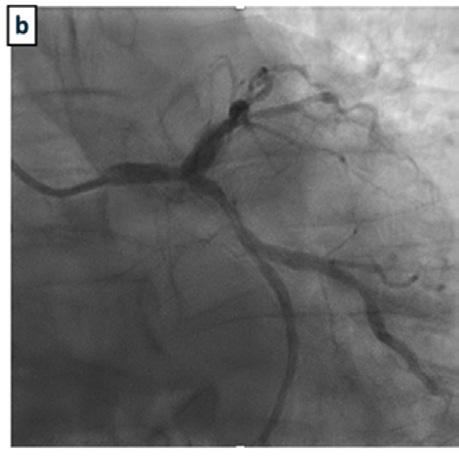
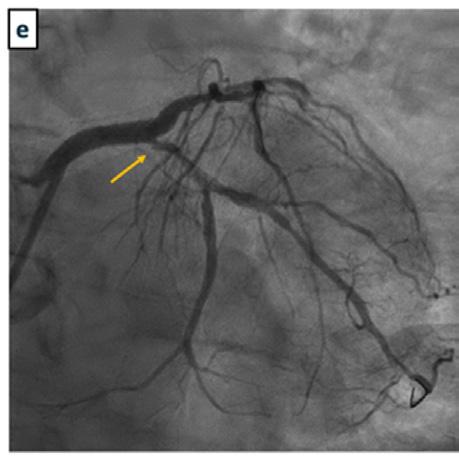
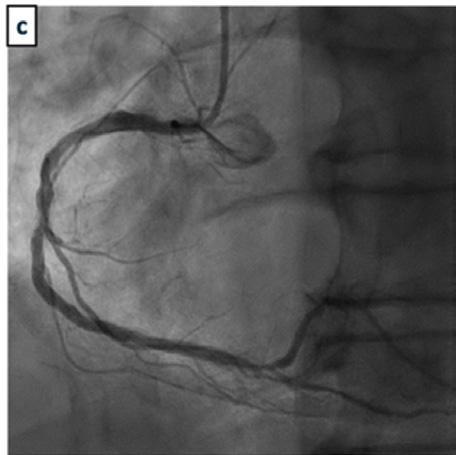
THIS CASE INVOLVES A 63-YEARold patient with hypertension, hypercholesterolemia and diabetes, who presented with new-onset effort dyspnoea. Coronary angiography via right radial access revealed diffuse disease involving the left main (LM), left anterior descending (LAD), and left circumflex (LCx) arteries, with no significant disease in the right coronary artery (Figure 1a-c). Given the diffuseness of disease along the LAD and the patient’s preference, a percutaneous strategy was favoured over surgery. To minimise stent burden, a hybrid percutaneous coronary intervention (PCI) approach was planned, combining LM stenting with DEB angioplasty on the other diseased segments. A 4×21mm DES was implanted from the LM into the proximal LAD (Figure 1d-e). The proximal-to-mid LAD segment, where plaque burden at intravascular ultrasound (IVUS) assessment was limited, was intentionally left untreated. After adequate lesion preparation with a 2.5mm non-compliant balloon, a 2.5×40mm SELUTION SLR Drug-Eluting Balloon (DEB) was used to treat the mid-todistal LAD.
CAD. First, in relatively young patients with long life expectancy, a DEB-based strategy allows minimisation of stent length, reducing the long-term risk of in-stent restenosis and preserving future revascularisation options. Second, intravascular imaging can be instrumental in guiding a diffuse DCB-based PCI strategy, helping to identify lesions that truly require treatment while safely deferring others, without the need to treat “from healthy to healthy” as can be required with a DES. Finally, the use of a sirolimus-coated balloon combining strong clinical performance with favourable
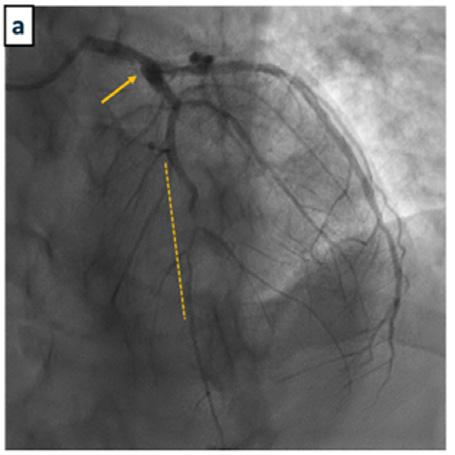
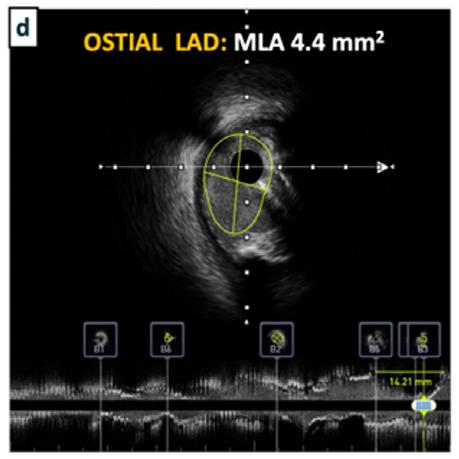
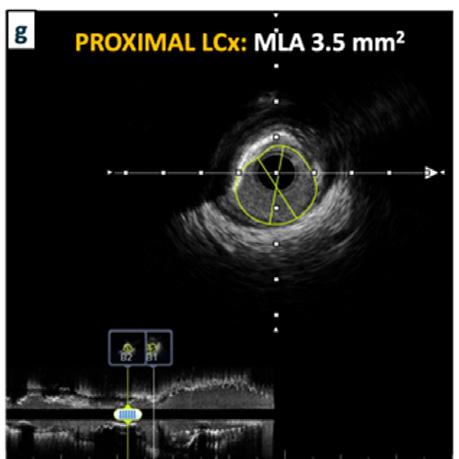
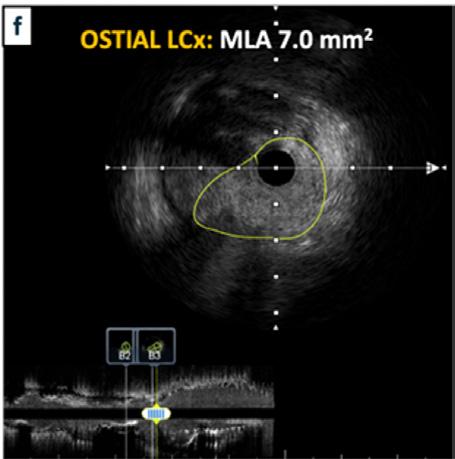
Following LM proximal optimisation technique (POT), angiography showed a carina shift towards the LCx (Figure 1e). The vessel was rewired, and intravascular ultrasound (IVUS) was performed. IVUS demonstrated an acceptable minimal lumen area (7mm²) at the LCx ostium, while a significant lesion was identified in the proximal segment (Figure 1f-g).
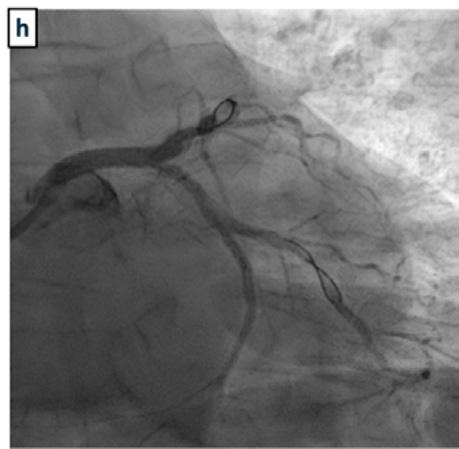
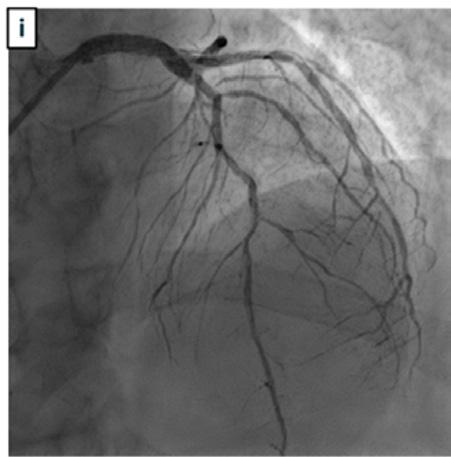
After preparation with a 3mm noncompliant balloon, a 3×20mm SELUTION SLR DEB was delivered with good trackability despite the challenging crossing through LM stent struts. Final angiography showed an excellent result with complete revascularisation and no need for additional stent implantation (Figure 1h-i).
This case highlights several key aspects of contemporary PCI in diffuse multivessel
deliverability, such as the SELUTION SLR DEB, facilitates the treatment of long and complex segments, even in challenging anatomies including tortuous vessels or side branches accessed through main branch stent struts.
“SELUTION SLR DEB enables complete revascularisation in complex multivessel CAD while minimising stent burden”
Mauro Gitto
Arm yourself with the knowledge to manage dissections
The advent of drug-eluting balloon (DEB) technologies has helped to upend long-held assumptions about how to manage coronary dissections during percutaneous coronary intervention (PCI). In this article, Simon Eccleshall (Norfolk and Norwich University Hospitals NHS Foundation Trust, Norwich, UK) discusses redefining which dissections can safely be left unstented, and offers his view on how a shift in mindset is reshaping contemporary balloon angioplasty practice.
IT HAS LONG BEEN HELD THAT visible coronary dissection after balloon angioplasty is a harbinger of future vessel closure, leading many interventionalists to view stent implantation as mandatory in the presence of dissections to avoid further complication. However, as DEB-only percutaneous coronary intervention (PCI) strategies have evolved, there is a growing recognition that often dissections are not an outcome to be feared—prompting a complete change in mindset when approaching this outcome.
“The way dissections behave has always been the same, but people’s thought processes around dissections have changed,” Eccleshall, a co-principal investigator in the SELUTION DeNovo trial and long-time pioneer of metal-free approaches to PCI, comments. “Historical data tell us already that we probably cause dissection all the time when we’re doing balloon angioplasty. We don’t always see it on the angiogram, but the vast majority that we do see is safe to leave.”
Though the field of coronary intervention had its roots in balloon angioplasty, it has become dominated by drug-eluting stents (DESs), developed in part to counterbalance the risk of both acute vessel closure and restenosis that were commonplace in the balloon angioplasty era. It is through this period that many of today’s practicing interventional cardiologists have learned to ply their trade, and therefore many of the skills and philosophies developed in the balloon angioplasty age have fallen away.
“For various reasons related to the fact that stents—bare metal stents and then drug-eluting stents—gave you a safe result acutely if you had a bad dissection, and that restenosis rates were much lower if you put stents in, we’ve become a bit obsessed with everybody having a stent,” says Eccleshall, who posits that this has changed the approach to managing dissections amongst colleagues.
“We’ve forgotten a number of things,” Eccleshall argues. “One, that most
dissections are safe, and two; how to look at an angiogram appropriately to work out how prepare your lesion safely, and then avoid or recognise vessel-threatening dissections.”
Though, “the vast majority” of all the dissections are safe, he says, “it’s obviously really important that we pick out those few that are either not safe in front of our eyes, or the ones that are telling you there’s a very high chance that vessel will occlude in the next four to six hours, which is a little bit more difficult at times”.
One of the biggest barriers to greater adoption of DEB-led approaches has been the concern that patients will return to the cath lab with acute vessel close after an unstented dissection. Eccleshall and colleagues have learned over years of experience with DEB technologies that this need not raise alarm, and have sought to address these concerns through the SPARTAN registry, compiling the largest comparative analysis to date of DEBs vs. DESs in de novo coronary lesions, including 9,975 patients and 10,922 lesions treated at his centre between 2011 and 2019, comparing rates of acute vessel closure and early target-vessel myocardial infarction (TVMI).
residual stenosis and a good angiographic result.
For Eccleshall though, a simpler means of assessment is possible, and he, alongside luminaries including Bruno Scheller (University of Saarland, Homburg/Saar, Germany) and Antonio Colombo (San Raffaele Scientific Institute, Milan, Italy), has worked on a simplified revised dissection classification system, detailing those that are safe to be left untreated and those that require modification or stenting—detailed in a paper published in Frontiers in Cardiovascular Medicine in November 2025.
“We’ve turned it from the A to F classification into two types: there’s a type 1, which is the vast majority of all the dissections you see, which are safe; and then there’s the type 2, unsafe dissections which happen rarely and you need to spot them.”
Safe-to-leave dissections are differentiated by TIMI III flow and no persistent contrast hang-up, whereas vessel threatening dissections are classed as those including reduced TIMI flow, persistent or accumulating contrast, or evidence of progressive lumen compromise due to an accumulating intramural haematoma.

“All of these things are angiographically based and it’s really important that people take an angiogram correctly,” details Eccleshall. “You need a good injection of contrast and then let all the contrast leave the vessel completely whilst still filming because that’s the only way to see if you’ve got contrast in the wall. Then you must look to see how quickly it’s clearing to tell you whether it’s going to be safe or not.”
At 30 days, they observed that there was no significant difference in TVMI between DEB and DES strategies (0.5% vs 0.7%, p=0.38), and that rates of acute vessel closure were also very low and comparable between groups (0.2% vs. 0.32%).
Dissection severity has typically been assessed against the National Heart, Lung, and Blood Institute’s (NHLBI) Coronary Artery Dissection classification system, developed over three decades ago, which describes six ascending grades of dissection severity—from A through F, ranging from minor radiolucent areas to total occlusion without antegrade flow. It is generally held that non-flow limiting dissections can be left untouched provided they have acceptable
Eccleshall describes his practical framework for managing dissections as the “ARM” principle: avoid, recognise and manage. The approach is intended to simplify decision-making and help operators move beyond the instinctive tendency to stent every visible dissection.
The first step—avoid—focuses on lesion preparation and preventing vessel-threatening dissections from occurring in the first place. Eccleshall advocates a relatively gentle approach to balloon angioplasty, favouring non-compliant balloons over semi-compliant balloons, which he believes are more likely to create uncontrolled injury because of their inflation characteristics. In more complex lesions, particularly where calcium or significant plaque burden is present, he often moves early to cutting or scoring balloons. These devices intentionally create controlled longitudinal dissection planes, which are considered safer because blood and contrast
Simon Eccleshall
entering the vessel wall can more easily re-enter the true lumen rather than becoming trapped and propagating through the vessel wall.
The second step is recognise. Eccleshall argues that operators have, to some extent, lost the habit of carefully analysing angiograms during the stent era. In drugeluting balloon practice, however, subtle angiographic interpretation becomes critical. He emphasises the importance of obtaining a full contrast injection and continuing to film until all contrast has cleared from the vessel. Dissections associated with preserved TIMI
“People worry that it takes a bit longer, but actually it doesn't, you can get fast, safe, efficient results with this very simple process”
III flow, a stable lumen and rapid clearance of contrast are generally safe to leave untreated. By contrast, impaired flow, progressive luminal compromise, large spiral dissections or persistent contrast staining within the vessel wall suggest the development of intramural haematoma and a higher risk of acute vessel closure.
The final step—manage—reflects the idea that even “unsafe” dissections do not automatically require stenting. While some lesions still need bailout stenting, Eccleshall says certain dissections can instead be modified using cutting or scoring balloons to fenestrate the vessel wall. This creates channels between the false lumen and true lumen, decompressing intramural haematoma and restoring flow. The aim is to convert a dangerous dissection into one that can safely heal without leaving behind a permanent
metallic implant.
Understanding of the best approaches to managing dissections continues to evolve, and Eccleshall notes that SELUTION DeNovo, the largest randomised DEB trial ever undertaken, has been a valuable addition to the literature in this regard. The trial enrolled patients across 62 sites, many of which were relatively new to DEB therapy, a diversity of experience that created an inevitable learning curve.
While some operators were already familiar with balloon-only strategies, others were transitioning from a near-universal stent approach, meaning that early cases often reflected uncertainty in how aggressively to treat dissections, and when to convert to stenting.
“We had regular online and occasional face-to-face investigator meetings, talking about how to do lesion preparation and about dissections, which helped, certainly in my mind, to clarify the distinction between good or bad dissections,” Eccleshall notes.
“As a steering committee we also held weekly meetings to look at the first cases that came out of any centre, because we knew there were some centres that were fine and had been doing it forever and some centres that really hadn’t. We looked at the first five DEB cases from a centre just to make sure we thought that they were doing the right sort of thing and also reviewed every bail out case in the DEB arm of the trial (to DES).”
Over time, a clear pattern emerged. As experience accumulated and confidence grew, bailout stenting rates began to fall— not because lesions were being treated less cautiously, but because operators became more comfortable distinguishing between dissections that required intervention and those that could safely be left to heal. Importantly, this reduction in stenting did not
CASE STUDY: Putting ARM in action
The following case illustrates the practical application of the ARM principle in a complex bifurcation lesion and demonstrates how a potentially vessel-threatening dissection can be modified and safely managed without stenting.
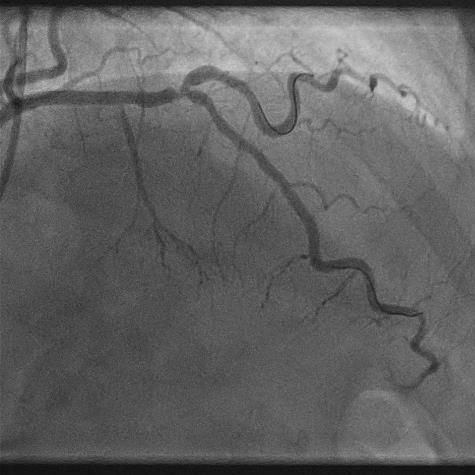
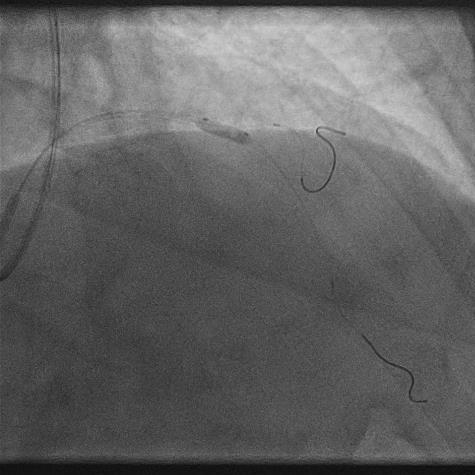
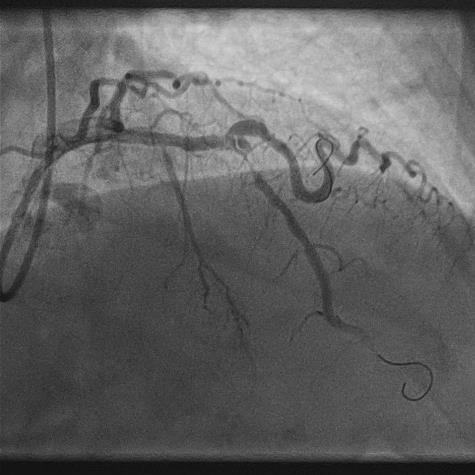
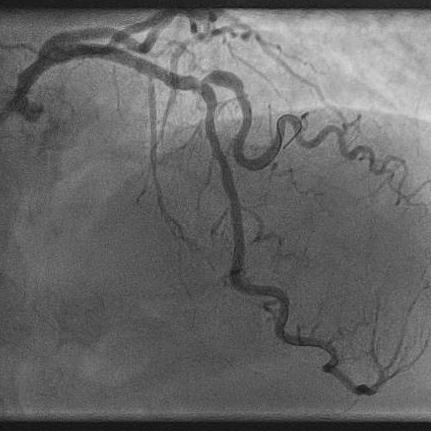
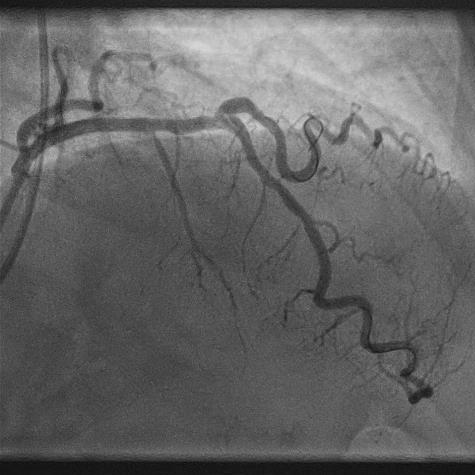
The patient presented with a Medina 1,1,1 bifurcation (Figure 1), with significant stenosis of all three adjacent segments. Lesion preparation was performed using a scoring balloon in the main branch only (Figure 2).
A visible dissection was present within the main vessel, but this fulfilled the characteristics of a “safe” or type 1 dissection, with preserved TIMI 3 flow, a maintained lumen and no concerning persistence of contrast staining (Figure 3). However, angiography also demonstrated downstream tortuosity with residual plaque burden.
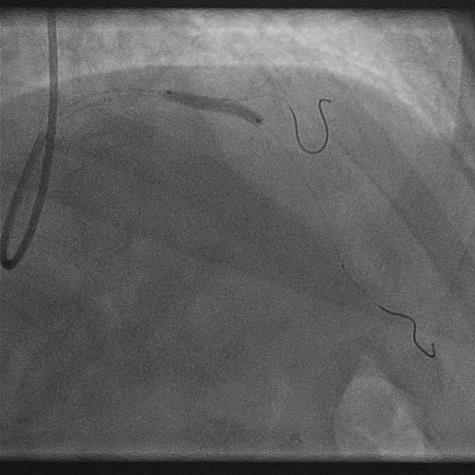
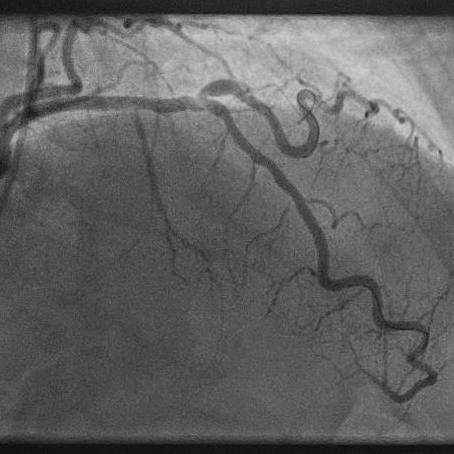
A second angiographic projection confirmed the stability of the type 1 dissection and showed that although the ostium of the diagonal branch remained moderately tight, it had not become more compromised (Figure 4). A drug-eluting balloon (DEB) was then delivered to the lesion (Figure 5).
Following DEB delivery, angiography demonstrated clear progression to a type 2 dissection. There was now marked luminal compromise with reduced TIMI flow, alongside persistent contrast staining extending outside the true lumen at the bifurcation carina (Figure 6).
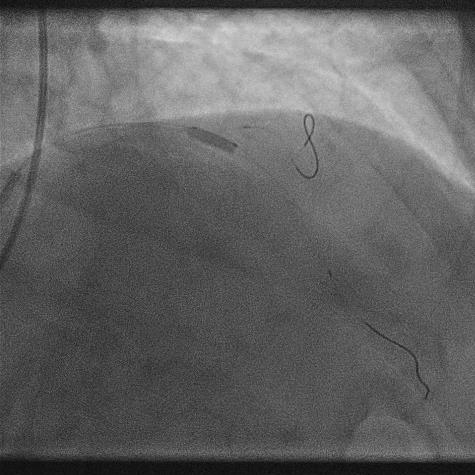
Rather than proceeding directly to bailout stenting, the vessel was re-treated using the same scoring balloon strategy (Figure 7). Repeat scoring effectively fenestrated the dissection plane, decompressing the false lumen and restoring communication with the true lumen. Final angiography demonstrated restoration of flow and conversion of the lesion back to a stable type 1 dissection pattern, allowing the procedure to be completed safely without implantation of a permanent metallic scaffold (Figure 8).
come at the expense of safety, with outcomes remaining reassuring throughout follow-up.
For Eccleshall, this process reinforced a central idea: that dissection management is as much about interpretation as it is about technology. The trial, he suggests, helped crystallise a more consistent language around angiographic findings, one that now underpins broader DEB practice.
“I think it really boils down to the fact that we need to relearn how to look at an angiogram and how to do our balloon angioplasty,” he comments. “People worry that it takes a bit longer, but actually it doesn’t, you can get fast, safe, efficient results with this very simple process.”


of
respective owners. NCT04280029 (SELUTION4ISR), NCT04859985 (SELUTION DeNovo). ©2026 Cordis. All Rights Reserved. 100684624
are
of