5 SIO 2026: EuRECA registry analysis yields positive result
14 Profile: Gerry O’Sullivan
Interrupting the pain cycle: The expanding role of MSK embolization in chronic joint pain
19 New horizons: India’s nextgeneration IR clinician-scientists
“Therapeutic borderlands”: Do patients know their
options?
“TRANSPARENCY IS NOT A threat to any specialty; it is the foundation of patient-centred care. Our duty is not to defend professional territories, but to ensure that every patient hears the whole story— whether the solution involves a scalpel, a catheter, or something in between.”
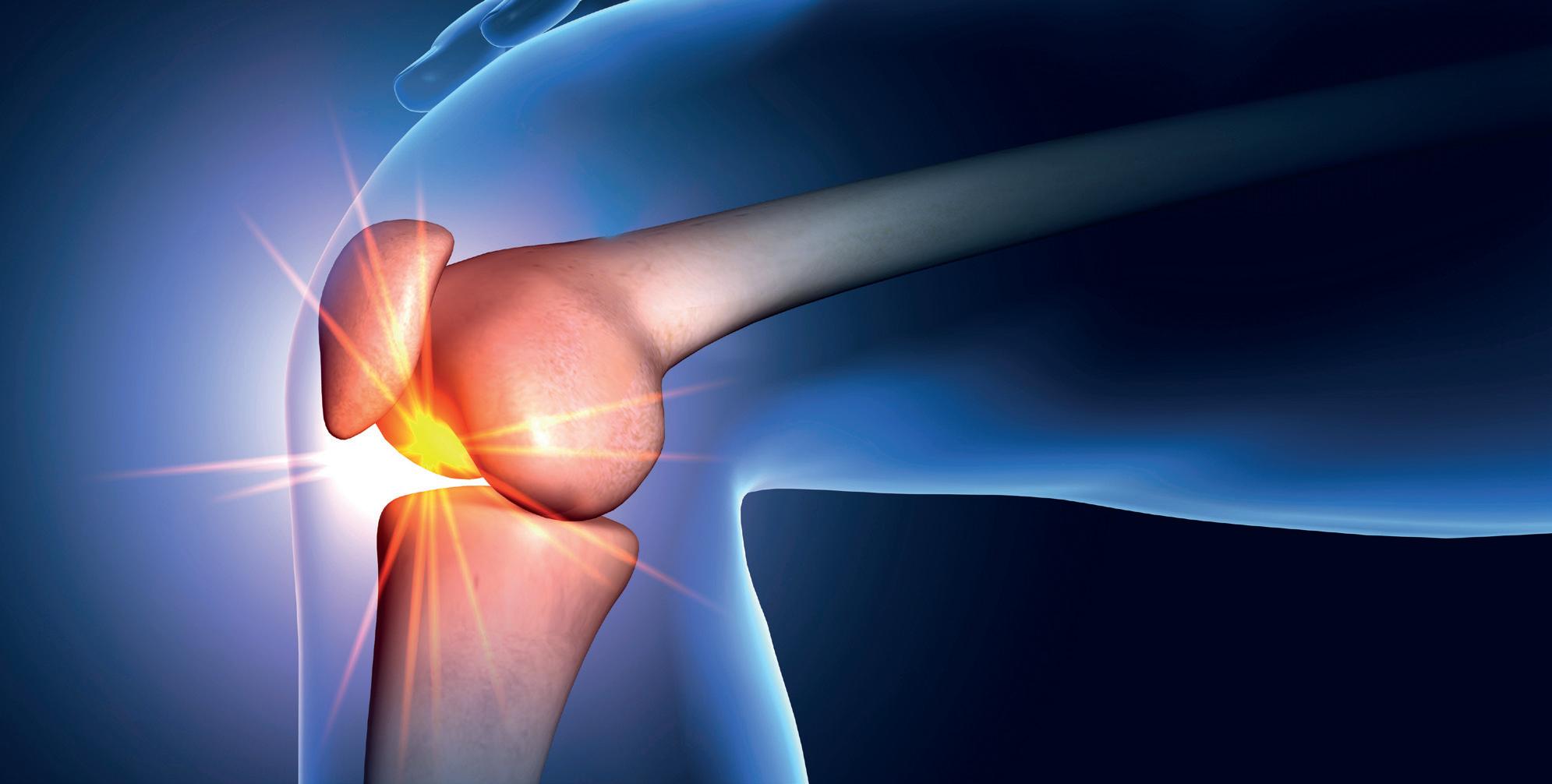
Musculoskeletal (MSK) embolization has steadily gained ground as a minimally invasive option for chronic joint and tendon pain in selected patients. Once primarily associated with interventional oncology (IO) and haemorrhage control, embolization has been applied to conditions such as osteoarthritis (OA), tendinopathies and adhesive capsulitis, with early studies suggesting meaningful pain reduction.
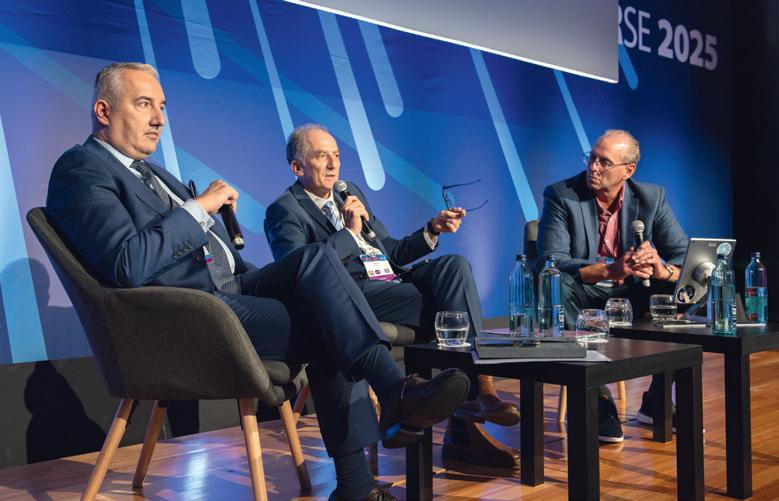
In a session held at the recent Interventionell Radiologisches Olbert Symposium (IROS; 14–17 January, Salzburg, Austria), several speakers described the growing biological rationale underpinning the technique and reviewed available data, emphasising its potential to “break the cycle of pain” in patients with chronic MSK conditions.
Opening the session, Clayton Kraft (Helios Hospital Krefeld, Krefeld, Germany) provided an orthopaedic viewpoint, stating that pain is often wrongly considered a “minor” issue.
“If you look at everyday clinical practice in an orthopaedic setting, you see a very large number of tendinopathies and joint problems—not infections or tumours, but degenerative joint disease. Lower back pain is one of the biggest groups, but many patients present with joint pain or tendon insertion pain.”
“Mechanically driven joint pain often begins with malalignment or trauma,” Kraft continued. “This leads to irritation or synovitis, meaning joint inflammation, although we don’t always know exactly what ‘inflammation’ means at the microscopic level. Over time, cartilage damage progresses, leading to bone-on-bone contact, and eventually OA and pain.”
In his description of tendinopathy, Alexander Loizides (Medical University Innsbruck, Innsbruck, Austria) characterises the pain cycle as initiated by the “activation of macrophages” and the subsequent release of inflammatory
Without a control arm, interpretation is difficult, particularly when endpoints are patient-reported outcomes such as pain or function scores.”
mediators. This process leads to the development of neoangiogenic factors and the ingrowth of new vessels into the tendons and tendon sheaths. Loizides further notes that this progression involves a “neural component, or a neural cascade,” which significantly contributes to pain generation.
Within this context, the primary objective of embolization is to disrupt the abnormal microvascular supply in the affected tissues. As Loizides explains, the goal is to “interrupt this vicious cycle, breaking the cascade.”
Positioning MSK in the treatment algorithm
Presenters across the session were clear that embolization is not considered first-line therapy, instead positioning it within a “stepwise treatment algorithm” between conservative management and surgical intervention, as Kraft stated during his presentation.
Kraft described treatment for OA and tendinopathy as following a “pyramid model”, beginning with physiotherapy, medication and activity modification, and progressing to injections and other minimally invasive therapies, reserving surgery as the “ultima ratio”.
He continued, defining transarterial embolization in this context as a “minimally invasive, joint-preserving option” for patients who have persistent symptoms despite prior conservative treatment. Kraft added that typical candidates are those experiencing ongoing pain for at least six months with significant impact on quality of life.
Equally, speakers across the IROS 2026 session emphasised that careful patient selection is critical, particularly in younger patients or those who are still candidates for corrective surgery. “Mechanical problems, for example a loose body or a meniscal tear requiring repair, must be treated mechanically,” said Kraft, adding that infections are also a “key contraindication” which is particularly relevant in prosthetic joints.
Continued on page 4
These are the words of interventional radiologist Sara Lojo-Lendoiro (Hospital Arquitecto Marcide, Ferrol, Spain), who spoke with Interventional News following her recent publication in CardioVascular and Interventional Radiology (CVIR) titled ‘The option you never heard about: Why patients deserve the whole story’.
In the editorial, Lojo-Lendoiro and her colleagues Jose A Guirola Ortiz (Hospital Clinico Universitario Lozano Blesa, Zaragoza, Spain) and Sergio Sierre (Hospital de Pediatria J P Garrahan, Buenos Aires, Argentina) describe how, every day in hospitals worldwide, treatment choices are shaped not by the full range of available therapies, but by the perspective of the first specialist the patient encounters. In their view, patients often receive information “filtered” through a single professional lens, resulting in the omission of viable, and often minimally invasive, alternatives.
“In these situations, no one truly benefits,” Lojo-Lendoiro tells Interventional News. “When a less invasive option with comparable efficacy is withheld, patients face longer recoveries and higher complication rates; clinicians shoulder the burden of preventable morbidity and dissatisfaction; and institutions incur greater costs, prolonged hospitalisations, and reduced efficiency.”
She continues that, what sometimes appears to benefit from the omission of minimally invasive alternatives is the system itself. Traditional referral pathways and professional silos create “familiar, administratively
Continued on page 6
Dear all,
I wish you a warm welcome to the first Interventional News of 2026—the 101st issue. I hope that you are all rejuvenated after the Christmas and New Year holiday period and are enjoying the lengthening days and the interventional radiology (IR) challenges you will meet and overcome in 2026.
I hope that you celebrated and highlighted the importance of IR during World IR Day on 16 January on the anniversary of Charles Dotter’s first angioplasty procedure. We should all mark this date in our calendar going forward. For this issue, I thought that I would spend some time discussing IR meetings and mention two national meetings that I attended recently. The largest traditional IR meetings such as the Cardiovascular and Interventional Radiological Society of Europe (CIRSE) and the Society of Interventional Radiology (SIR) annual scientific meetings are well known to all, attracting attendance numbers well into the thousands. The scientific programmes at these meetings cater to both the national audience and international attendees alike. In addition, there are maturing regional congresses such as the Asia Pacific Society of Cardiovascular and Interventional Radiology (APSCVIR) and Pan Arab Interventional Radiology Society (PAIRS) meetings, as well as the Sociedad Iberoamericana de Intervencionismo (SIDI) and Interventionell Radiologisches Olbert Symposium (IROS), which improve in scientific content, sponsorship and attendance year on year. Finally, there are national IR meetings that are aimed at the local IR population but also invite international faculty to boost attendance and attract attendees from outside the host country.
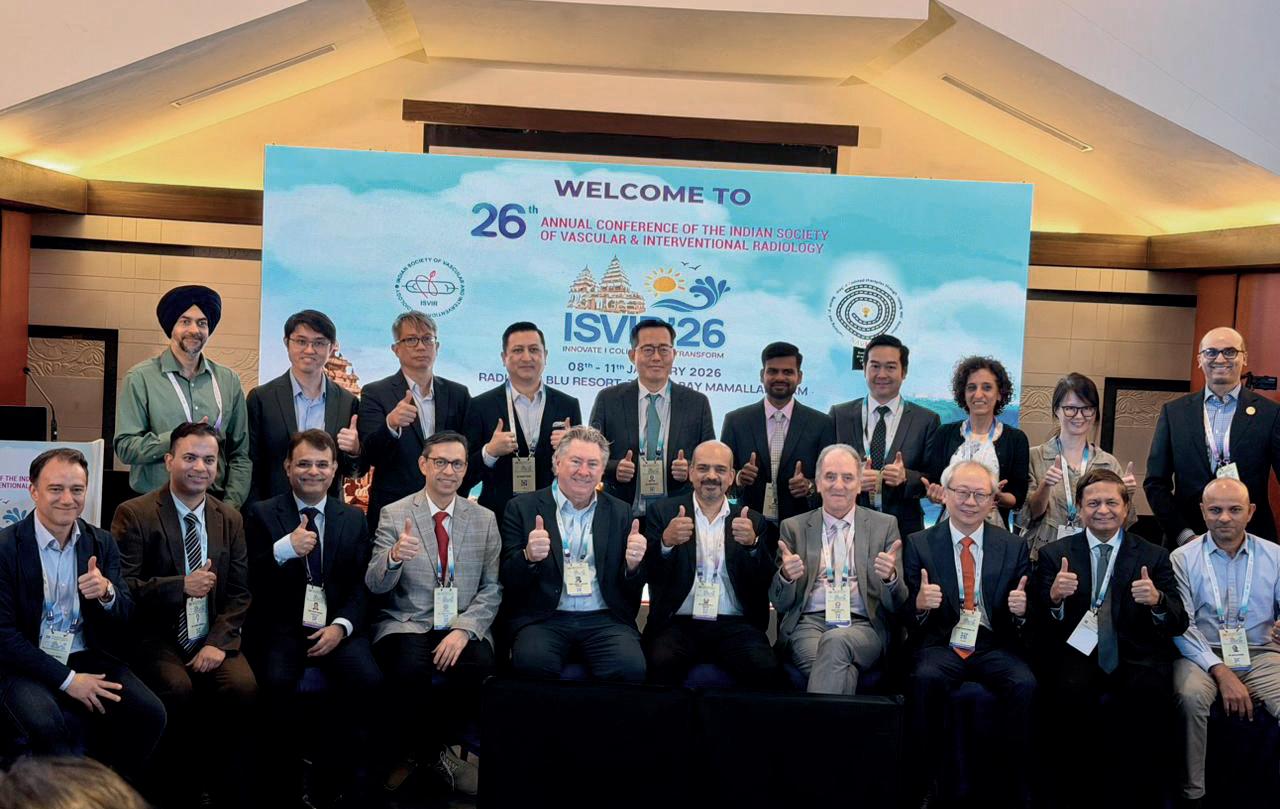
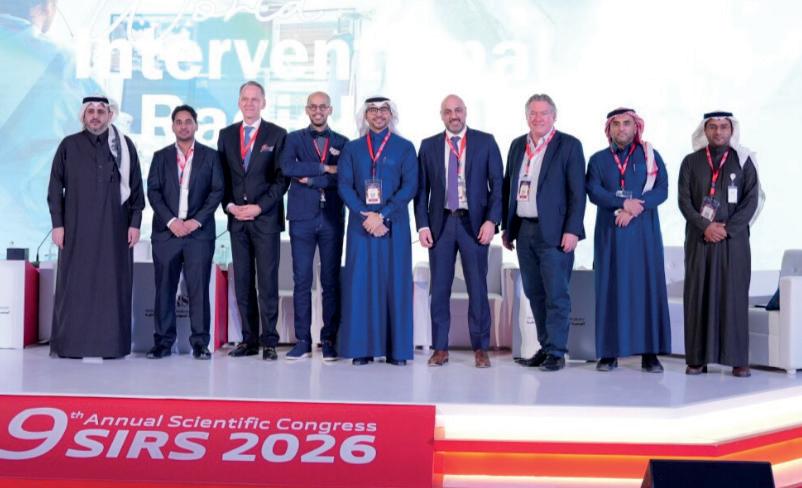
In January, I had the pleasure of attending and speaking at the Indian Society of Vascular and Interventional Radiology (ISVIR) meeting (8–11 January, Mahabalipuram, India) and the Saudi Interventional Radiology Society (SIRS) meeting (15–17 January, Riyadh, Saudi Arabia).
ISVIR 2026 was the 26th iteration of this meeting and has matured substantially since its inception. There were over 70 international faculty and several parallel sessions over three and a half days. One of the key sessions was a special global IR session where the president of ISVIR, Shyamkumar Keshava, introduced his vision of a World Federation of IR. This concept was discussed by several local and international speakers. The session served as an initial discussion that might lead to a more solid
venture if societies are supportive; future developments are awaited.
The SIRS meeting was the ninth meeting of its kind and was held over three days. There were over a thousand attendees, many international faculty, three parallel sessions and an extensive workshop programme. A highlight of the scientific programme was the SIRS International Forum on the future of IR that was aimed at sharing global experiences to shape the future of IR, titled ‘Beyond Medicine: Leadership, Training and Clinical Identity’. Both ISVIR and SIRS were excellent congresses and were appreciated by all attendees, faculty and sponsors alike.
It was pleasing to see such prominence devoted to the topic of global IR and how to increase IR delivery, training, and workforce across the world, thus continuing discussions initiated by CIRSE and SIR during last year’s meetings.
Finally, there is much to enjoy and interest the reader in issue. I look forward to seeing as many of you as possible at a congress in 2026.
ROBERT MORGAN is a professor of interventional radiology and St George’s University Hospital Hospitals NHS Foundation Trust in London, UK and co-editor-in-chief of Interventional News.
NEWS IN BRIEF THE LATEST STORIES FROM THE INTERVENTIONAL WORLD
n ENDOVASCULAR
ROBOTICS:
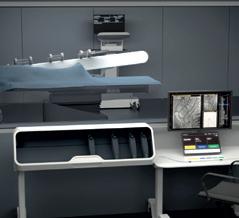
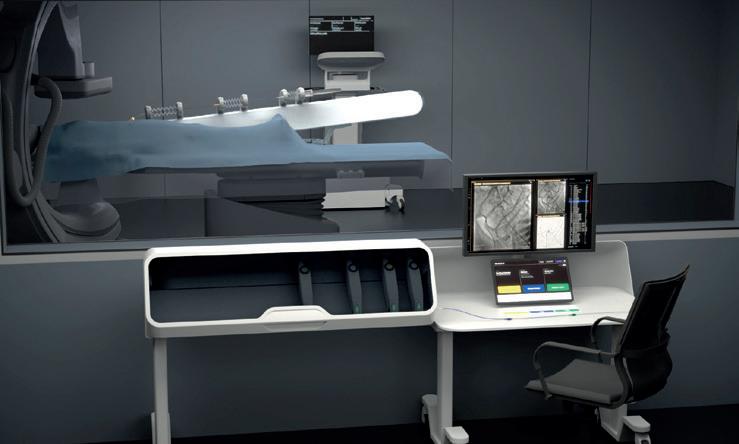
How close are robotics to deployment for endovascular treatment? In this interview, champion for robotics Barry Katzen (Baptist Health South Florida, Coral Gables, USA) discusses the developments of the past year and the current conversation surrounding the tangible integration of robotic systems within interventional suites.
For more on this story go to page 9.
n PERT FRAMEWORK:
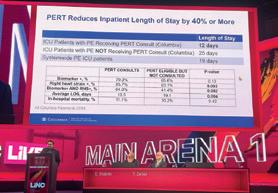
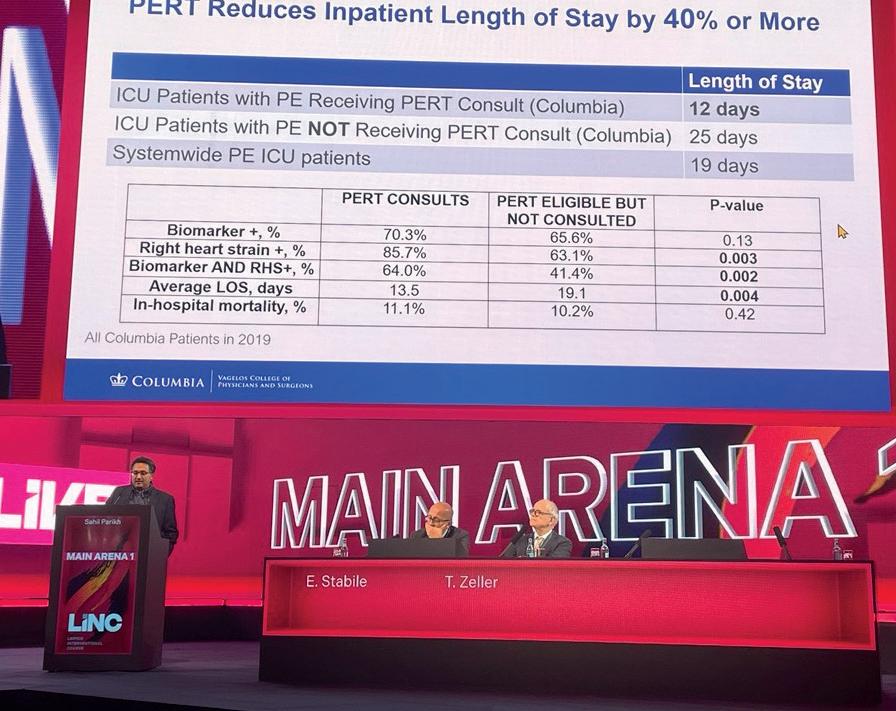
In a session at the 2026 Leipzig Interventional Course (LINC; 27–31 January, Leipzig, Germany) dedicated to pulmonary embolism (PE) management, Sahil Parikh (Columbia University Irving Medical Center, New York, USA) extolled the benefits of a PE response team (PERT). Parikh showcased the PERT framework in place at Columbia—highlighting positive effects on length of hospital stay—while stressing there is no one-size-fits-all blueprint for success.
For more on this story go to page 11.
n BPH ABLATION:
A recent letter published by CardioVascular and Interventional Radiology (CVIR) outlines the role of ultrasound-guided transperineal radiofrequency (RF) ablation as a potential alternative treatment for benign prostatic hyperplasia (BPH) in patients unsuitable for prostatic artery embolization (PAE).
For more on this story go to page 17.
Editors-in-chief: Professor Robert Morgan, Professor Andy Adam, Professor Brian Stainken
Publisher: Stephen Greenhalgh
Editor: Éva Malpass | Editorial contribution: Jocelyn Hudson, Will Date, Bryan Kay, Jamie Bell
If you have comments on this issue or suggestions for upcoming editions write to eva@bibamedical.com
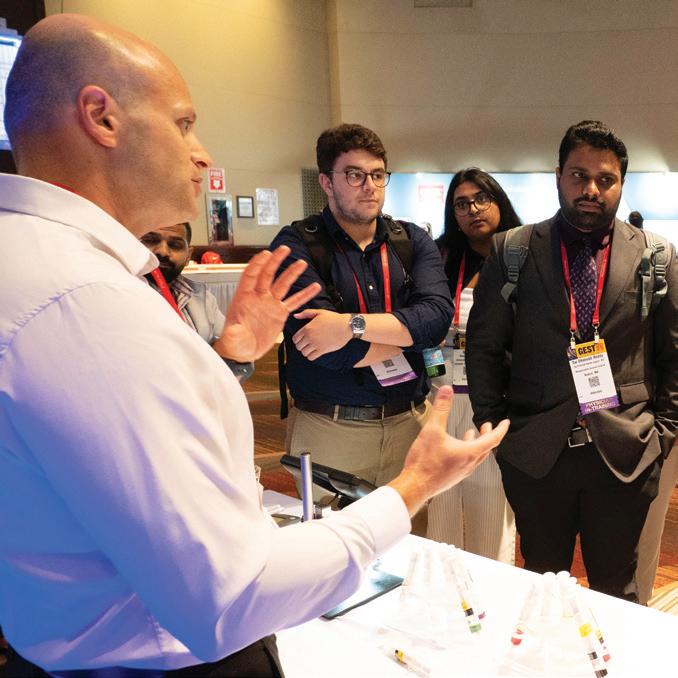
Speakers at the ISVIR Global IR session and the SIRS International Forum
Discover what leading physicians around the world are saying about WRAPSODY CIE. Explore compelling case studies, clinical trial insights, and experts’ viewpoints — all in one comprehensive resource. See how WRAPSODY CIEis shaping the future of patient care.
ACCESS THE SUPPLEMENT
Interrupting
the pain cycle: The expanding role of MSK embolization in chronic joint pain
While early clinical experience focused largely on knee OA, presenters highlighted that embolization is now being explored in other regions, including adhesive capsulitis of the shoulder, symptomatic rotator cuff disease, Achilles tendinopathy, plantar fasciitis and selected cases of persistent pain following joint replacement.
Speaking on shoulder applications, Christoph Binkert (Medizinisch Radiologisches Institut, Zürich, Switzerland) observed that “night pain is usually dominant at baseline” and often improves relatively quickly after embolization, whereas improvements in range of motion may occur more gradually. Binkert made clear that, particularly in cases of frozen shoulder, patients must be counselled on expectations regarding pain relief and functional recovery, as he stated that “improvement occurs, but can take time”.
Binkert noted that pain reduction in this area is often “substantial” and can provide long-term relief, but “effects are not always linear”. Additionally, he added that knowledge of the vascular anatomy in upper extremity cases is “crucial” for safe embolization, as there
OBITUARY
In
are multiple small branches at risk requiring careful technique to avoid nontarget embolization.
Larger studies needed
Speakers reported that available studies—largely single-arm and observational—suggest that embolization can lead to substantial reductions in pain scores and improvements in quality-oflife measures. Binkert conveyed that approximately 70% of patients show meaningful clinical response in several series and meta-analyses involving the upper extremities.
As Kraft noted during his presentation, the main issue is lack of control groups in these investigations, stating that “without a control arm, interpretation is difficult, particularly when endpoints are patient-reported outcomes such as pain or function scores”.
Throughout the IROS session, speakers called for larger, multicentre, randomised studies to strengthen the available evidence base, to more clearly define the magnitude and durability of treatment effect in chronic MSK conditions.
Federico Collettini (Charité Universitätsmedizin Berlin, Berlin, Germany), who presented on the current evidence for knee joint embolization, stated that a significant area in need of larger datasets is persistent pain after joint replacement.
“This is an important topic that is close to my heart,” he stated, describing how a significant number of patients continue to experience pain following treatment. “We have developed an algorithm: first exclude all other causes: infection, loosening, malalignment, mechanical problems. If everything is excluded and pain persists, embolization of hypervascularised synovium can be considered,” Collettini said.
To date, there are prospective, singlecentre studies showing “significant symptom improvement” with this treatment, but more data are needed to confirm this, he said. Roughly 70% of patients achieve clinically meaningful improvement of symptoms after this treatment, Collettini detailed, which is often defined as a ≥50% pain reduction. Although follow-up data show pain reduction persisting at one and two years in many cases, he emphasised that no therapy works in 100% of patients.
A “shift” toward resorbable particles
Later in the session, Loizides outlined the clinical shift toward using resorbable particles for MSK embolization rather than permanent embolic agents. He highlighted that studies—most notably those by Yuji Okuno et al—have demonstrated favourable outcomes, showing significant pain reduction in the treatment of tendinopathy.
“For tendinopathies, we use imipenem almost exclusively,” Loizides explained, noting its ability to form irregular microparticles that effectively provide occlusion of pathological vessels. A defining characteristic of imipenem is its rapid resorption, with near-complete dissolution typically within two hours.
Loizides further emphasised that meticulous selective catheterisation is paramount, particularly in anatomical regions like the Achilles tendon, which often features a dual arterial supply.
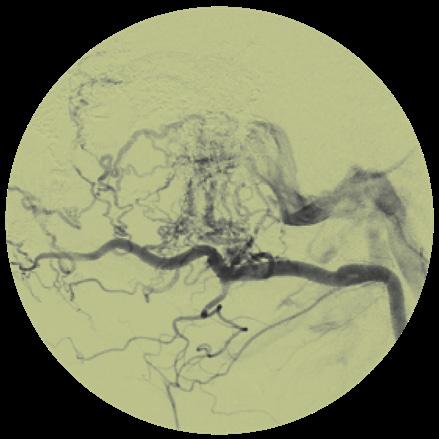
“The core technique involves selective angiography to pinpoint specific areas of hyperaemia within the Achilles tendon,” he noted. “For instance, while a posterior tibial artery injection may show no clear hyperaemia, selective catheterisation of the fibular artery can reveal marked hypervascularity. Following selective embolization, the completion angiogram
Memorium: Thierry de Baère
Thierry de Baère, a pioneering figure in interventional oncology (IO) specialising in intra-arterial and locoregional therapies, has died.
BORN IN PARIS IN1962, DE BAÈRE studied at the University of Paris-Sud and completed his residency at the Université de Caen Basse in Normandy, France. Following his studies, he joined the Gustave Roussy Cancer Centre in Villejuif in 1991, where he remained for over three decades as head of interventional imaging and professor of medicine. In this position, De Baère advanced the integration of image-guided therapies within multidisciplinary cancer care.
As one of the foremost architects of IO, De Baère drove progression in minimally invasive therapies for liver, lung, kidney and bone tumours, as a champion of procedures such as percutaneous ablation, transarterial chemoembolization, and portal vein embolization. His work paved the way for more targeted treatments and the expansion of therapeutic options for patients with complex malignancies.
De Baère authored over 450 peer-reviewed publications and served on editorial boards and
guideline panels, and was instrumental in developing international curricula and standards. This included major contributions to the Cardiovascular and Interventional Radiological Society of Europe (CIRSE) educational initiatives and European IO training frameworks. Among his many honours, De Baère received the 2019 CIRSE Gold Medal—
typically demonstrates near-complete devascularisation.”
MRI: Necessary or not?
Each of the speakers highlighted the importance of imaging and its central role in identifying target areas, yet, in Kraft’s view, imaging findings are not always a clear indicator of the severity of the patient’s condition. He explained that imaging can show severe radiologic OA, for example, with little pain reported by the patient, whereas mild imaging findings can be accompanied by severe pain.
Binkert underlined that contrastenhanced magnetic resonance imaging (MRI) and MR angiography can help to identify hypervascularised synovial or capsular tissue, and when hyperaemia is present, he added that embolization can be “helpful”. Collettini noted that although contrast-enhanced MRI can help differentiate OA phenotypes and potentially refine patient selection, routine implementation in clinical practice remains challenging in many settings due to cost and limited access.
More to come
Speakers highlighted MSK embolization as a promising but developing technique, emphasising the heterogeneous duration of treatment effect and pain reduction from patient to patient. “We should not expand the armamentarium blindly”, said Kraft, contending that embolization is a useful tool to introduce slowly.
While early clinical results suggest encouraging pain relief in selected patients, speakers stressed the need for rigorous trials to confirm its efficacy. In closing, Collettini stated that therapy decisions in this patient population are “highly individual”, requiring cautious consideration of symptoms and patient quality of life reports.`
one of the highest distinctions in the field—which recognised his career’s achievements.
Colleagues remember him as an extraordinary physician and investigator, including Lambros Tselikas, team member at Gustave Roussy: “Thierry had possessed a rare talent for bringing people together around new ideas, ambitious projects and innovation. He took genuine pride in the success of his team, with a constant and unwavering commitment to improving patient care.”
Thierry had possessed a rare talent for bringing people together around new ideas, ambitious projects and innovation.”
De Baère’s leadership extended throughout the global interventional radiology (IR) and IO community through his invaluable contribution to various programme committees for major congresses, including the World Congress of Interventional Oncology (WCIO), and helped steer scientific agendas that shaped the evolution of both disciplines.
He is survived by his family and the extended community of collaborators and friends. Plans to honour him posthumously are set to feature at several congresses in the spring, including the 2026 Society of Interventional Radiology (SIR) annual meeting (11–15 April, Toronto, Canada).
Thierry de Baère
Cryoablation gains ground as effective alternative treatment for T1a renal cell carcinoma in EuRECA registry interim analysis
Interim analysis from the prospective multinational European Registry for Renal Cryoablation (EuRECA)—aimed to assess the oncological outcomes and safety profile of percutaneous cryoablation for T1a renal cell carcinoma (RCC)—has demonstrated that the treatment effectively controls cancer and has a favourable safety profile, particularly for elderly or medically compromised patients who cannot undergo surgery.
THE INITIAL RESULTS WERE PRESENTED by Ole Graumann (Aarhus University Hospital, Aarhus, Denmark) at the Society of Interventional Oncology (SIO) annual meeting (4–8 February, Savannah, USA).
Describing the purpose of the registry, Graumann explained that the incidence of RCC, particularly tumours ≤4cm (stage T1a), has risen significantly due to widespread use of cross-sectional imaging. He explained that, while partial nephrectomy remains the “gold standard” for localised T1a tumours, thermal ablation such as cryoablation is emerging as an alternative, especially among patients unfit for surgery.
The presenter detailed that approximatley 1,700 patients with renal tumors were enrolled in the registry between 2014 and 2020 from 14 centres across seven European countries.
One in 10 HCC lesions missed with CT or MRI compared to ‘stain-andablate’ technique, study finds
A new study has found that nearly one in 10 hepatocellular carcinoma (HCC) lesions were not detected on cross-sectional imaging using computed tomography (CT) or magnetic resonance imaging (MRI) when compared to lipiodol staining. Presenting these new data at the Society of Interventional Oncology (SIO) annual meeting (4–8 February, Savannah, USA), Emilio Cavazos-Escobar (University of Texas Health San Antonio, San Antonio, USA) emphasised that, although a “diagnostic discrepancy” does exist, the positive predictive value of cross-sectional imaging remained high, meaning lesions are more often than not correctly identified as HCC.
THE MOTIVATION FOR THEIR investigation arose after CavazosEscobar and colleagues began noticing unexpected lesions appearing on routine ‘stain-and-ablate’ procedures, he noted.
“Typically, the patient will receive cross-sectional imaging—either four-phase or three-phase CT or MRI with or without contrast. Then, if the intention is to treat the lesion, we schedule a clinic appointment where a targeted ultrasound is performed,” Cavazos-Escobar detailed. He
continued that, in some cases, if the lesion is not apparent on ultrasound or is poorly conspicuous on noncontrast CT, they schedule the patient for a stain-and-ablate procedure to better delineate the lesion’s position and assess adjacent anatomical structures that may be involved.
To compare the diagnostic performance of cross-sectional imaging versus lipiodol staining, Cavazos-Escobar et al performed a retrospective review of 181 patients who underwent stain-and-ablate
During the interim period of the long-term follow-up, 922 patients with biopsy-confirmed T1a RCC were evaluated. The primary outcomes assessed were technical failure, local progression, and overall survival. Secondary outcomes included 30-day hospital readmission and complication rates. Patients had an average age of 69.7 years with a median tumour size of 2.7cm, and an average RENAL nephrometry score of 7.
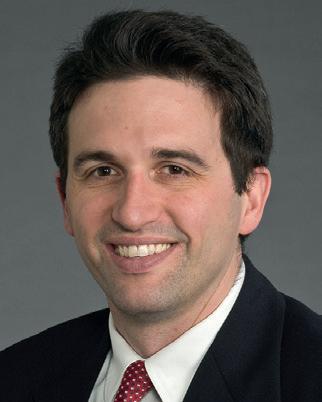
Ole Graumann
At SIO 2026, Graumann reported that local recurrence-free survival at five-year follow-up was 97.2% and cancer-specific survival was 99.5%. He continued, reporting a 97.7% primary and 99.3% secondary efficacy rate. Complications occurred in 11.2% of procedures, predominantly minor (9.7%), and the 30-day readmission rate was 4.7%.
“These numbers are only meaningful if you compare them to previous prospective studies,” Graumann stated, comparing their results to those of Mottaghi et al, Chan et al, Andrews et al, Morkos et al, Breen et al, and Lim et al. In doing so, Graumann drew the SIO audience’s attention to similarities between the datasets in regard to complications, stating, “our numbers are good”.
“Our conclusion is that cryoablation for T1a RCC is safe”, said Graumann. “It’s a practical treatment choice for elderly patients who are not candidates for surgery and for those patients with hereditary RCC and solitary kidney RCC.”
procedures between August 2020 and September 2025. Within the cohort of 181 patients, 282 lesions were identified by lipiodol staining. Out of the total of 282, 246 lesions were correctly detected and classified as LR-5—using the Liver Imaging Reporting and Data System (LIRADS)—via crosssectional imaging, for an overall sensitivity of 87.2%.
“Interestingly, 27 (9.6%) lesions were not detected altogether on cross-sectional imaging, and thirteen lesions were misclassified as false positives”, Cavazos-Escobar explained. “This meant that these were labelled
LR-5, but when the patient was taken for lipiodol staining, there was no enhancement of the supposed tumor and therefore these were classified as not true lesions”. Additionally, nine lesions were misclassified as false negatives and were either classified as LR-3 or lower which eventually did stain with lipiodol.
Speaking at this year’s SIO annual meeting, Cavazos-Escobar relayed that the positive predictive value for cross-sectional imaging was 95%. “This means that when CT or MRI detects a lesion, there’s a good likelihood that it will be correctly identified as HCC,” he stated.
It’s not uncommon to see patients whom we initially thought only had one lesion, inject lipiodol, and then all of a sudden, the patient has three lesions.”
“It’s not uncommon to see patients whom we initially thought only had one lesion, inject lipiodol, and then all of a sudden, the patient has three lesions. We wanted to further investigate that discrepancy at our institution. There are some data available, but they’re very scarce, and there isn’t much research involving the use of lipiodol, so we’re hoping the present analysis meaningfully adds to the literature.”
Summarising, Cavazos-Escobar stated that a “diagnostic discrepancy does exist, which suggests that CT or MRI may underestimate tumour burden in some patients”.
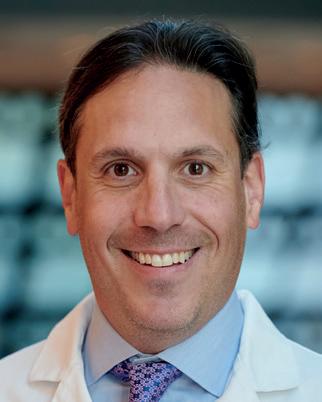
Emilio Cavazos-Escobar
“Historical” CREST-2 data show reduced stroke risk with carotid stenting
versus medical therapy alone
The international CREST-2 study has found that, in patients with severe carotid artery narrowing who have not experienced recent stroke symptoms, carotid artery stenting (CAS) combined with intensive medical therapy significantly reduced stroke risk compared with medical therapy alone. By contrast, carotid endarterectomy (CEA) did not demonstrate a statistically significant benefit over medical therapy.
THE RESEARCH WAS PRESENTED TODAY at the 2025 Society of Vascular and Interventional Neurology (SVIN) annual meeting (19–22 November, Orlando, USA) by James Meschia (Mayo Clinic, Jacksonville, USA) and published simultaneously in the New England Journal of Medicine.
Funded by the US National Institutes of Health (NIH), CREST-2 is the largest study to date comparing contemporary treatment strategies for carotid artery disease. Investigators note that advances in medical therapy and risk factor control have raised questions about the ongoing need for preventive procedures in asymptomatic patients.
CREST-2 consisted of two parallel, randomised trials conducted across 155 centres in Australia, Canada, Israel, Spain and the USA. More than 2,400 adults with ≥70% carotid stenosis and no stroke or transient ischaemic attack within six months were enrolled.
STROKE REDUCTION OVER FOUR YEARS
Stenting plus intensive medical therapy:
Medical therapy alone:
lifestyle coaching and medications.
Over four years, the stenting trial showed a significant reduction in ipsilateral stroke (2.8% with stenting versus 6% with medical therapy alone).
“Therapeutic borderlands”: Do patients know their options?
from page 1
simple routes that feel efficient”, she notes, as they avoid the need for coordination, shared decision making or structural change. Yet, in her view, this supposed efficiency is “short lived”, creating downstream consequences such as higher complication rates, repeat admissions and increased healthcare costs, which ultimately place a greater burden on both clinicians and institutions.
“The damage is not theoretical: it is measurable, preventable, and rooted in organisational inertia rather than clinical necessity,” Lojo-Lendoiro says. Giving an example of a commonly omitted procedure, Lojo-Lendoiro describes uterine artery embolization (UAE) for symptomatic fibroids. She states that, although “strong evidence” shows UAE provides longterm symptom control comparable to surgery—“with fewer complications, no laparotomy and fertility preservation”— it is still frequently bypassed in favour of open myomectomy or hysterectomy.
“Our editorial highlights that surgical alternatives carry risks such as ureteric, bladder or bowel injury and longer recovery, all risks that are largely avoided with UAE. Yet, UAE is often omitted due to specialty silos, underrepresentation in guidelines and the lack of routine multidisciplinary review,” explains Lojo-Lendoiro.
While the ethical imperative to inform patients of every viable
Endarterectomy plus medical therapy:
2.8% 3.7%
One trial compared stenting plus medical therapy with medical therapy alone, while the other compared endarterectomy plus medical therapy with medical therapy alone. All participants received intensive risk-factor management, including
treatment option is universal, LojoLendoiro shares that the legal requirement to disclose all reasonable options is “unevenly enforced” across jurisdictions. In the USA, she describes Canterbury versus Spence, which established that physicians must disclose all reasonable alternatives, even those which they cannot personally provide and refer when appropriate.
“In the UK, Montgomery versus Lanarkshire reframed consent around what a reasonable patient would want to know”, Lojo-Lendoiro explains, “rather than what a reasonable doctor would choose to disclose.” In their editorial, the authors write that this ruling shifted the legal standard from one centred on the doctor, to one centred on the patient’s “information needs, values and preferences”. They continue that this demonstrated a “decisive step towards a shared decision-making model and officially ended the dominance of paternalism in British consent law”.
In Spain, Law 41/2002 guarantees comprehensive information but does not explicitly require referral outside one’s speciality, creating a “grey zone”, as Lojo-Lendoiro describes it.
“This creates a grey zone where omission is ethically problematic but not always legally actionable. Thus, while the ethical breach is clear, the legal consequences vary—leaving patients’ access dependent on local culture rather than universal standards.”
Lojo-Lendoiro states that she has repeatedly observed this ‘grey zone’ in the real world: patients arriving at the interventional radiology (IR) suite only after irreversible treatment decisions had already been made, without having been informed that a minimally invasive option existed. Alternatively, patients arrive seeking
Medical therapy alone: 6% 5.3%
In contrast, stroke rates in the endarterectomy trial (3.7% versus 5.3%) did not differ significantly. Serious complications were uncommon with both procedures.
Tudor Jovin (Cooper University Health Care, Camden, USA) described the findings as “historical”, calling the results “unexpected, but incredible for our field”.
Study senior author Thomas Brott (Mayo Clinic, Jacksonville, USA) emphasised the importance of personalised decision making, noting that some patients may benefit from stenting, while others may be adequately managed with medical therapy alone. Researchers will continue long-term follow-up and investigate imaging markers to better identify patients most likely to benefit from intervention.
treatment to resolve complications from surgeries, she says, without having been given another option. Lojo-Lendoiro shares that the “most painful words remain: ‘No one ever told me this was possible’” when encountering patients in these scenarios.
“We realised that this was not a matter of individual negligence, but rather a systemic blindspot in ‘therapeutic borderlands’. Our goal was not to claim superiority of IR, but to advocate for full transparency and structural reform,” she tells Interventional News
encourage multidisciplinary boards where IR is standard rather than optional.
“Our goal is not to ‘win’ cases, but to ensure that no decision is made without the patient having the full picture in front of them,” says Lojo-Lendoiro.
Having previously been overlooked as a viable treatment provider, LojoLendoiro believes that this is not due to lack of evidence, but rather because the referral process has historically excluded IR. In the early development of IR, she describes that interventional radiologists were viewed as a “technical resource” rather than an autonomous therapeutic discipline—a gap that was “used to justify keeping patients within traditional pathways”.
Evidence alone will not dissolve boundaries.”
Today, however, since the development of IR as a full clinical speciality, this reality has changed, she states, but calls for systemic reform to address a “failure of visibility”. LojoLendoiro explains that their editorial was meant not as a confrontation, but to promote institutional presence and
With the rise of artificial intelligence (AI), Lojo-Lendoiro states that patients today are arriving with an understanding of possible treatment options; however she believes that conventional surgical or medical pathways remain “disproportionately represented” via these channels in comparison to IR.
“If IR is absent from these digital spaces, it is effectively absent from the patient’s decision-making process. Being present at the bedside is no longer enough, we must also be present online. Strengthening the digital visibility of IR through accurate, patient-centred, and accessible content is therefore not a matter of marketing, but of equity, transparency, and informed choice,” she adds.
Although data continue to accumulate in support of minimally invasive therapies, this does not automatically translate into access, Lojo-Lendoiro says. In her view, “without structural change, robust evidence can paradoxically deepen boundaries as professional identities and procedural domains feel threatened”.
“Evidence alone will not dissolve boundaries,” she continues. “This is why this is not a scientific problem, but a governance problem. If referrals continue to depend on goodwill rather than protocols, we will remain in a vulnerable position. The future of IR will not be secured by asking for a seat at the table, but by redesigning the table itself”, she concludes.
Sara Lojo-Lendoiro
TOGETHER AT THE FOREFRONT OF TACE INNOVATION
2.7Fr / 2.4Fr
Microspheres
Occlusafe™ is not available for sale in all countries. Please contact your Terumo local sales representative for more information. Occlusafe™ has not been approved by the FDA and is therefore not available for sale in the U.S.A. Occlusafe™ is intended for use in the peripheral vasculature where temporary occlusion is desired. It provides temporary vascular occlusion, which is useful in selectively stopping or controlling blood flow. Occlusafe™ is also intended for use in the peripheral vasculature for the infusion of contrast media, drugs and embolic materials.
Progreat™ Micro Catheter System is indicated for therapeutic embolization and angiography in peripheral vessels. Progreat™ Micro Catheter System is not available for sale in all countries. Please contact your Terumo local sales representative for more information.
Progreat λ™ Micro Catheter System is intended for use in the peripheral vasculature for the infusion of contrast media, drugs and embolic materials in intravascular therapy. Progreat λ™ Micro Catheter System is not available for sale in all countries. Please contact your Terumo local sales representative for more information.
LifePearl™ microspheres are indicated for embolization of blood vessels supplying primary hypervascular tumours or metastases in the liver. Note: LifePearl™ microspheres can be loaded and release chemotherapeutic agents such as Doxorubicin, Epirubicin, Idarubicin and Irinotecan. When used for drug loading, drug loading should be done under a physician’s direction, choice and responsibility, based on type and dose of drug most beneficial to the patient. LifePearl™ microspheres can be drug loaded prior to embolization and release in a local and controlled manner the chemotherapeutic agents to the tumours after the embolization procedure. Lifepearl™ microspheres are not available for sale in all countries. This information is provided only in respect to markets where this product is approved or cleared. The use of the LifePearl™ microspheres device is not cleared or approved in the U.S.A. by the Food and Drug Administration. Lifepearl™ microspheres are not approved in Canada. Please contact your Terumo local sales representative for more information.
BioPearl™microspheres are indicated for embolization of blood vessels supplying primary-hypervascular tumours or metastases in the liver. Note: BioPearl™ microspheres can be loaded with chemotherapeutic drugs. When used for drug loading, drug loading should be done under a physician’s direction, choice and responsibility, based on type and dose of drug most beneficial to the patient. BioPearl™ microspheres are compatible with Doxorubicin, Epirubicin, and Idarubicin. BioPearl™ microspheres can be drug loaded prior to embolization and then, as a secondary action, elute a local, controlled, and sustained dose to the targeted tumour sites after embolization. BioPearl™ microspheres are not available for sale in all countries. This information is provided only in respect to markets where this product is approved or cleared. BioPearl™ microspheres are not approved in the USA by the Food and Drug Administration. BioPearl™ microspheres are not approved in Canada. Please contact your Terumo local sales representative for more information.
LifePearl™ and BioPearl™ microspheres are manufactured
Endovascular robotics:
The ugly duckling is ready to become a swan
Tomas Baltrunas
Lorenzo Patrone
In this editorial, Tomas Baltrūnas (Vilnius, Lithuania) and Lorenzo Patrone (Firenze, Italy) compare the trajectory of robotics in vascular surgery to advances elsewhere, postulating on the reasons for the innovation lag and the likely trajectory the technology will take.
REMOTE SURGICAL manipulators began to emerge in the 1990s, driven by the vision of bringing robotic precision, stability, and repeatability to the operating field. In minimally invasive surgery, laparoscopic robotics and endovascular robotics started to develop at roughly the same time. The da Vinci surgical system (Intuitive Surgical) received clearance in 2000, while the Niobe magnetic navigation system (Stereotaxis) received clearance only two years later in 2002. Yet, from that point onward, these two domains diverged dramatically.
In 2024, an estimated 2.5–3 million robotic laparoscopic procedures have been performed annually worldwide, whereas the cumulative number of robotic endovascular procedures over approximately 20 years is in the order of around 20,000 cases. This discrepancy
illustrates how endovascular robotics, despite comparable technological timing, did not achieve similar clinical penetration or commercial adoption.
The most prominent reasons for this limited uptake include the inability of earlier systems to perform the entire endovascular procedure (focusing instead on only part of the workflow), incompatibility with many commonly used off-the-shelf endovascular devices, and complex control interfaces that resemble joysticks or gamepads that were not intuitive for interventionalists.
A new generation of endovascular robotic systems is expected to reach the European market in 2026. Endovascular interventions with no X-ray exposure to the operating team and intuitive controls that mimic manual procedure techniques have been demonstrated in the ESSENTIAL clinical trial conducted by
Sentante to evaluate their endovascular robotic system. These next-generation platforms are being developed as deviceand procedure-agnostic technologies that can support a wide range of interventions using contemporary off-the-shelf devices. This approach should enable multiple procedure types (e.g. peripheral, coronary, neurovascular) to be performed with a single robotic system. Eliminating occupational X-ray exposure has the potential not only to reduce the long-term risk of radiationinduced malignancy and cataract formation, but also to remove the need for heavy lead aprons, thereby alleviating chronic musculoskeletal strain and back pain. In the future, standing beside an X-ray source in a lead apron may seem as outdated as operating a manual metal foundry or handling nuclear waste by hand.
Endovascular robotics now has the potential to inaugurate a ‘cloud computing’ era.”
Endovascular robotics will also act as a catalyst for full digitalisation of the cath lab. Beyond generating a complete digital record of each procedure, robotic platforms create a natural integration point for workflow analytics, standardised reporting, and the seamless incorporation of third-party technologies that are currently cumbersome to use. Examples include continuous integration of impedance-based pressure and flow wires, automated intravascular ultrasound (IVUS) and optical coherence tomography (OCT) pullback and annotation, digital variance angiography,
In vivo evaluation of disposable endovascular
robotic
system shows promise in peripheral vascular interventions
A disposable endovascular robotic platform has demonstrated promising safety and performance in a prospective, multicentre in vivo feasibility study of arterial peripheral vascular interventions, with investigators reporting a 100% technical success rate and no device-related serious adverse events.
THE STUDY EVALUATED THE LIBERTY (Microbot Medical) single-use robotic system, designed to support endovascular navigation while potentially reducing operator radiation exposure and addressing ergonomic strain associated with manual procedures. The research team, led by Francois H Cornelis (Memorial Sloan Kettering Cancer Center, New York, USA), note that robotics has been proposed as a solution to longstanding occupational challenges in the angiosuite, but clinical data, particularly regarding disposable platforms, have been limited. In this single-arm investigation, 20 patients undergoing arterial peripheral vascular interventions were enrolled across three US centres. All procedures
were performed using the robotic system, with predefined targets set for robotic navigation.
The primary endpoint was successful robotic navigation to these set targets without conversion to manual technique. Secondary endpoints included device-related adverse events, procedural efficiency metrics and operator radiation exposure.
Of their results, Cornelis et al share that the robotic platform achieved technical success in every patient, corresponding to a 100% success rate with a 95% confidence interval of 83.2–100%. No device-related serious adverse events or procedural complications were observed. Procedure duration and robotic navigation times
and artificial intelligence (AI)-enabled procedural guidance or ‘copilot’ functions.
Once procedural commands and imaging streams are transmitted between the operator cockpit and the angiography suite over a network connection, the physical distance between the interventionalist and the patient can, in principle, be extended to hundreds or even thousands of kilometres. This opens the door to truly remote endovascular interventions. Time-critical procedures such as treatment of acute ischaemic stroke or life-threatening bleeding could be performed robotically from regional or national centres of excellence, dramatically expanding access for patients in underserved areas. In addition, real-time remote support from high-volume reference centres would enable local hospitals to manage more complex cases with greater confidence, potentially reducing transfers and improving outcomes.
Over the last 30 years, endovascular robotics has largely remained in the ‘typewriter’ era, while laparoscopic robotics has rapidly advanced into the ‘computer’ era. With a completely new approach, endovascular robotics now has the potential to inaugurate a ‘cloud computing’ era, and the coming years will show whether this emerging technology will fundamentally change the trajectory of vascular surgery.
Tomas Baltrūnas is a vascular surgeon at Vilnius University in Vilnius, Lithuania and Lorenzo Patrone is a vascular and interventional radiologist at Azienda USL Toscana Centro in Firenze, Italy.
Disclaimer: Lorenzo Patrone does not have any disclosures related to endovascular robotics and Tomas Baltrūnas is the founder of Inovatyvi Medicina, company developing endovascular robot Sentante.
were also reported. Mean total procedure time was 120.1±34.5 minutes, with a median of 117 minutes and a range from 67 to 186 minutes. Investigators separately analysed time spent actively using robotic navigation, which averaged 6.3±7.6 minutes, with a median of three minutes and a range from one to 32 minutes.
Median fluoroscopy time was 7.9 minutes, ranging from one to over 18 minutes. Median operator radiation dose was reported at 1.4μSv, with recorded values spanning from zero to 6.7μSv. The authors highlight this as an “encouraging signal for dose reduction at the operator position”, though they emphasise that larger comparative studies will be needed to quantify differences versus manual techniques.
“These findings align with and extend prior reports of robotic endovascular platforms in more complex vascular territories, reinforcing the potential of robotics to enhance precision, safety, and ergonomics in interventional radiology,” write Cornelis et al in their discussion of the results. They state that, looking forward, while the current system operates within a range of 30ft (9.1m), advances in robotic technology and network connectivity may eventually enable truly remote interventions performed from separate facilities or even across substantial geographic distances. They add that such capabilities could expand access to “specialised interventional expertise in underserved regions and facilitate remote mentoring and training applications”.
Where are we with endovascular robotics?
How close are robotics to deployment for endovascular treatment? In this interview, champion for robotics Barry Katzen (Baptist Health South Florida, Coral Gables, USA) discusses the developments of the past year and the current conversation surrounding the tangible integration of robotic systems within interventional suites.
What have been the most important advances in endovascular robotics over the last year?
There have been several advances in endovascular robotics over the last year—some in the public domain and some of them not public. The advances that have been made in technology development have involved multiple companies who are currently pursuing robotics, which is very exciting. Several companies have announced first-in-human cases with this advanced technology, such as the Sentante fully robotic tele-operated system for various peripheral interventions such as balloon angioplasty and stent delivery. In Korea, Navigantis announced the first successful neurovascular cases performed with its Vasco interventional robotic platform to treat patients with neurovascular disorders.
We have seen some commercialisation of disposable robots this year too, and, with US Food and Drug Administration (FDA) approvals, these could be used to help interventionalists perform microvascular catheterisation. There has also been early-stage usage of remote robotic stroke therapy performed through simulations; so, a lot has been happening in the past year.
What unmet clinical need are endovascular robotics best positioned to solve in 2026?
The principal focus for robotics has centred on remote stroke therapy and being able to develop the resources necessary to bring this to the mainstream, but I’m not sure we have identified the key to this yet. In the USA, there are around 5,000 hospitals, and only a small fraction of those are comprehensive
stroke centres, so there is a manpower limitation to providing acute clot extraction and stroke therapy. What robotic therapy offers is the opportunity for somebody in a smaller, rural hospital—that can afford an angiographic suite to facilitate stroke therapy but can’t afford a full-time neurointerventionist—to offer this treatment. The potential is to deliver stroke therapy in many more places, closer to where the patient is, for centres that aren’t currently able to offer this service. That potential is what’s attracting a huge amount of venture capital and research to see whether this is feasible or not.
and the marketplace— emphasise to developers that we must show proof of value, whether it's radiation or time reduction, or precision.
In the USA, radiation reduction has been talked about much more of late and I believe this has major advantages for all operators, but the interesting question is whether robotics can reduce radiation for the patient.
In theory, if it is proven that robotic control of catheters, for example, is more efficient than a human operator, this may mean reduced radiation exposure for the patient.
The use of robotics in stroke therapy also raises the question: is the endgame of these efforts robotic usage or automation via robotics? In the same way as with self-driving cars, are we seeking a technology that can be controlled by a clinician, or should we be looking at automation, where you can take all the data and imaging and treat the patient this way? If successful, particularly for remote stroke therapy, you might be able to have clinicians with less dedicated skills and training treat many more patients.
Is the endgame of these efforts robotic usage or automation via robotics?”
In your view, are endovascular robotics primarily a precision, radiation-reduction or workflow streamlining tool?
These are all advantages and opportunities in endovascular robotics, but I think it remains to be proven. When we look at the causes of commercial failure of these systems, one of the biggest causes was lack of proof of value and lack of doing the clinical science around answering those important questions.
Mostly, robotic development has been around reaching a regulatory milestone, then moving into the commercialisation space and letting the market decide where the value is. I believe that strategy is going to continue to be a loser from a commercialisation point of view. It’s important that we—meaning clinicians
Sentante announces successful completion of transatlantic remote stroke intervention and acceptance to US FDA TAP
Sentante has announced a “first-of-its-kind” remote stroke procedure, with specialist surgeons performing full end-to-end thrombectomies from hospitals in Jacksonville, USA and Dundee, UK. The procedures were conducted on perfused human cadaver models with realistic pathology at the Image Guided Therapy Research Facility (IGTRF) at the University of Dundee.
RICARDO HANEL (BAPTIST Medical Center, Jacksonville, USA), endovascular neurosurgeon, led the transatlantic procedure from his centre in Florida, operating on a unique, perfused human cadaver model located in Dundee. Interventional neuroradiologist Iris Grunwald (University of Dundee, Dundee,
UK) also performed a remote stroke thrombectomy in the same location from a hospital in Scotland.
Grunwald described the system as one of the most significant advances in stroke intervention in the past decade, highlighting the tactile realism of the platform. She noted that the force feedback closely replicated the feel of a
Could robotics help standardise complex endovascular procedures across operators and centres?
Robotics can definitely democratise endovascular skills and narrow the difference between novice and experienced operators. It’s an exciting potential benefit of robotics. It could make tasks easier for experienced operators. So, I think there’s a clear advantage to accelerating the ability to accomplish complicated tasks.
If you were advising a young interventalionist today, how seriously should they be preparing for a robotic future?
If you’re a young interventalionist today, you should be paying attention to what’s going on in robotics, and, to whatever extent possible, get engaged in the research that’s going to be necessary to prove their benefit.
The cost of robotic therapies represents a significant barrier to adoption and dissemination, and that’s one of the reasons this research must be done to validate its value.
The future of robotics may also influence the design of the interventional suite or hybrid operating room (OR), which could be a very important factor for young interventionalists to be aware of. We are beginning to discuss whether we should be making plans for robotic implementation when designing new ORs. Putting suites together can be a very expensive proposition and many of these robotic devices have a very significant footprint, e.g. power and space needs. I do believe that the potential installation of robotic systems should be included in the planning of these suites so as to not limit what they could offer in the future.
conventional bedside thrombectomy and said remote robotics could help separate specialist expertise from geography, allowing complex neurovascular procedures to be performed from thousands of miles away.
Hanel added that teleneurointervention could expand access to thrombectomy and reduce treatment delays. He reported that operating between the USA and Scotland involved approximately 120 milliseconds of network lag, which he described as remarkably low for such a complex, real-time procedure.
According to the company, the demonstration supports the potential of remote robotics to improve stroke outcomes, expand access in underserved regions, and create fully digital procedural workflows that can support training and future automation.
Sentante co-founder and chief
executive officer Edvardas Satkauskas stated that in ischaemic stroke, differences of just a few hours can determine whether a patient recovers or faces lifelong disability. He emphasised that remote capability allows specialists to reach patients directly over secure networks.
The Sentante platform uses standard cath lab guidewires and catheters connected to a high-resolution sensing system that captures hand movements and reproduces them in real time.
In February of this year, Sentante announced that the US Food and Drug Administration (FDA) accepted its stroke treatment system into its Total Product Life Cycle Advisory Program (TAP). TAP provides early and frequent strategic engagement from the FDA, patients, providers and payers. It facilitates rapid development and widespread access to medical devices.
Sentante system
Strutless bioresorbable BTK scaffold demonstrates technical success and primary safety in first cases
Preliminary three-month results from the first five human implantations of StentIt’s resorbable fibrillated scaffold (RFS) reveal a technical success rate of 100% and no device- or procedure-related serious adverse events at 30-day follow-up in patients with below-the-knee (BTK) chronic limb-threatening ischaemia (CLTI).
MARIANNE BRODMANN
(Medical University of Graz, Graz, Austria) shared these early findings from the VITAL-IT 1 study as a first-time data release at the 2026 Leipzig Interventional Course (LINC; 27–31 January, Leipzig, Germany).
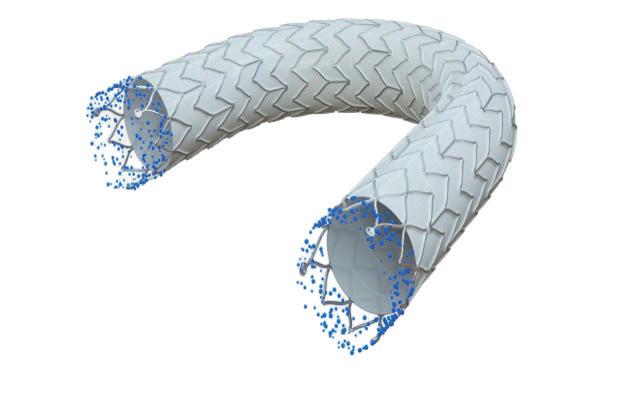
The RFS device is a bioresorbable stent built from microfibres, providing structural support to instantly open, and facilitate the reconstruction of the artery. Due to the porous design of the implant, patients’ own cells infiltrate into the mesh, triggering the formation of new vascular tissue. While the artery is being reconstructed from the inside-out, the synthetic implant gradually resorbs and ultimately disappears over time.
At LINC, Brodmann expanded on some key characteristics of the
RFS. “The device is a fully electrospun tubular conduit with fibrous micro-architecture and a strutless design,” the presenter noted, also highlighting the implant’s suitability for transcatheter delivery due to a balloonexpandable design.
Furthermore, Brodmann shared that the RFS provides a template for colonising cells to induce neotissue formation, and has been designed to enable tissue regeneration with no need for drug elution.
The presenter added that the RFS has a unique degradation profile, showing maintained mechanical support at three months and complete dissolution at 12 in preclinical studies.
Regarding the mechanism of action, Brodmann noted that the RFS allows
for reorganisation of the fibrous network upon inflation by the balloon, allowing for geometrical expansion.
As for the data, Brodmann highlighted long-term preclinical follow-up showing rapid tissue integration and regained arterial compliance. Early evidence is also available showing reconstruction of protective tissue barriers following use of the RFS, the presenter continued, highlighting the presence of elastin and endothelial cells at three months in animal studies.
At LINC, Brodmann shared preliminary three-month results of the first-in-human RFS scaffold implantations in five patients with BTK CLTI. The data are from the VITALIT 1 prospective, non-randomised feasibility study, which was designed to evaluate the RFS device in up to 10 patients. This single-centre study is being conducted at the Medical University of Graz. All study patients
The first cases show technical success and primary safety; ongoing enrolment and follow-up are expected.”
Atherectomy in PAD: Meta-analysis of “extensive” published literature supports use in “appropriately selected” patients
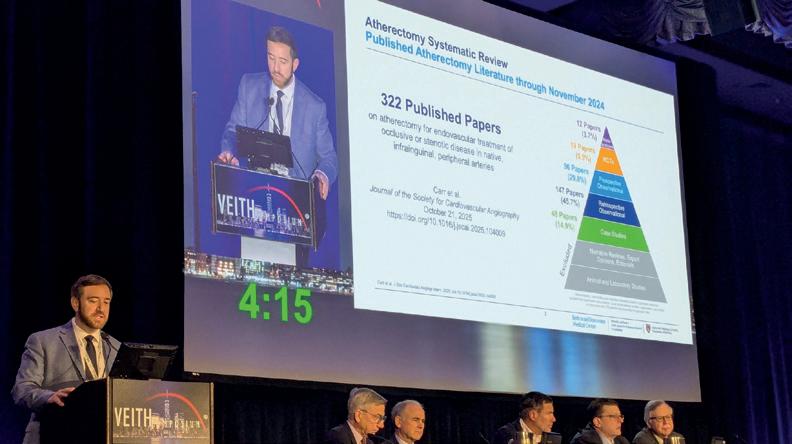
A systematic review and meta-analysis of more than 300 original investigations on atherectomy in peripheral arterial disease (PAD) highlights “overall favourable” clinical outcomes. This and other findings from what researchers say is the first investigation to provide a “comprehensive” overview of the atherectomy literature were recently published in the Journal of the Society for Cardiovascular Angiography & Interventions (JSCAI) and presented at the 2025 VEITHsymposium (18–22 November, New York, USA).
“ALTHOUGH ATHERECTOMY FOR peripheral interventions has been studied for over 35 years, recent criticisms suggest it lacks supportive evidence,” the researchers, led by co-first authors Jeffrey Carr (Christus Health Heart and Vascular Institute, Tyler, USA), Ralf Langhoff (Humboldt University Berlin, Berlin, Germany) and Eric Secemsky (Beth Israel Deaconess Medical Center and Harvard Medical School, Boston, USA) write.
As a result, Carr and colleagues set out to provide an “intentionally broad overview” of both the quality of the “extensive” published literature on atherectomy and the procedure’s clinical outcomes.
The research team conducted a systematic review of original research published in MEDLINE, Embase, and PubMed through November 2024, identifying both prospective and retrospective studies on atherectomy for infrainguinal peripheral artery interventions. They note that while case studies and meta-analyses were included in the systematic review, these study types were excluded from the quantitative meta-analysis.
Carr and colleagues specify that study design, device class, patient and lesion characteristics, provisional stenting, distal embolization, and 12-month outcomes—namely patency, major amputation, target-lesion revascularisation, and mortality—were captured.
In JSCAI, the authors share that their systematic
will be monitored for 24 months.
In terms of patient demographics for the data presented, Brodmann noted that all five patients were male, with a median age of 65 years. All patients had Rutherford classification 5, with a median ankle-brachial index (ABI) of 0.44 and a median wound area of 600mm2
On target-lesion characteristics, Brodmann noted a median target lesion diameter of 3.1mm and a median target lesion length of 15mm. Calcification was mild in four patients and severe in one, with the majority of vessels categorised as TASC A. Vessel preparation was performed successfully in all five patients.
Sharing interim primary performance and safety results, Brodmann revealed at LINC that all five patients met the study’s primary outcome measures— comprising the primary performance endpoint of uniform balloon expansion, successful deployment of the RFS implant, successful withdrawal of the RFS delivery system, and final residual area stenosis of less than or equal to 50%—and the 30-day safety endpoint of freedom from major adverse limb event and perioperative death at 30-day follow-up.
“The first-in-human VITAL-IT 1 study is currently ongoing to assess feasibility of implantation and primary safety of the device at 30 days,” Brodmann said in her concluding remarks. “The first cases show technical success and primary safety; ongoing enrolment and follow-up are expected.”
review included 322 published atherectomy papers comprising 121 directional, 44 laser, 30 orbital, 72 rotational, and 55 mixed atherectomy classes. They note that the designs were meta-analyses in 3.7% (12 papers), randomised controlled trials in 5.9% (19 papers), prospective observational studies in 29.8% (96 papers), retrospective observational studies in 45.7% (147 papers), and case studies in 14.9% (48 papers). Additionally, they state that adjunctive therapies were used in 91.5% and 29.2% were included in a comparator arm.
Carr and colleagues report that, among 190 papers included in their meta-analysis, the 12-month patency, target-lesion revascularisation, major amputation, and mortality rates were 75.4% (51 studies), 15.6% (67 studies), 1.7% (71 studies), and 2.8% (63 studies), respectively. Furthermore, they report that the distal embolization rate was 2.2% (159 studies) and the provisional stenting rate, 9.3% (131 studies). “Considerable heterogeneity was observed,” the authors write.
Carr and colleagues summarise in their conclusion that the present analysis highlights low rates of amputation, mortality, provisional stenting, and distal embolisation with atherectomy and demonstrates an absence of safety signals and efficacy rates that are within accepted standards. They remark that the investigation “supports the use of atherectomy in appropriately selected patients as part of the endovascular treatment algorithm for [PAD]”.
Looking ahead, the authors suggest future trials should address the impact of plaque modification with atherectomy in the context of evolving drug delivery solutions.
Marianne Brodmann
Eric Secemsky
PERTs improve outcomes but “magic formula” does not exist, LINC audience hears
In a session at the 2026 Leipzig Interventional Course (LINC; 27–31 January, Leipzig, Germany) dedicated to pulmonary embolism (PE) management, Sahil Parikh (Columbia University Irving Medical Center, New York, USA) extolled the benefits of a PE response team (PERT). Parikh showcased the PERT framework in place at Columbia— highlighting positive effects on length of hospital stay—while stressing there is no onesize-fits-all blueprint for success.
PARIKH’S INTEREST IN THE PERT MODEL was first piqued 20 years ago during his training at Massachusetts General Hospital. He described to the LINC audience a disjointed approach to the management of PE at the Boston, USA-based institution during his time there as a fellow, with patients’ treatment varying based on their first point of contact with the hospital.
This all changed when Kenneth Rosenfield, who Parikh dubbed “the godfather of the PERT”, initiated the adoption of a unified approach to managing PE patients at Mass General along the lines of the STelevation myocardial infarction (STEMI) team there. It was this move that laid the groundwork for the current PERT model at Columbia. “We have created a similar team that is really chartered to promote multidisciplinary models of care, expand the scientific body of literature, and educate the general public,” Parikh noted.
The presenter cited key learnings from Rosenfield, including that the PERT has core members based in three disciplines: interventional cardiology, pulmonary and critical care medicine (including pulmonary hypertension), and cardiothoracic surgery—with ad hoc membership of other specialties such as haemotology, interventional radiology (IR), and vascular surgery.
Parikh continued that members of the PERT at Columbia are activated through a single pager, with all members of the team then deciding collectively on the best care plan for each individual patient.
Columbia is a member of The PERT Consortium— the main organisation dedicated to advancing PERTs across the USA—which Parikh notes provides a number of algorithmic approaches to managing high-risk, intermediate-high-risk, and low-risk PE interventions. In addition, he pointed to its offering of algorithmic care for follow-up, noting that the Columbia team follows this “fastidiously”.
While stressing that every PERT must possess a core clinical skillset, Parikh also noted that there are no cast-iron rules for the specialty makeup of each group. “Every centre looks different,” he said, referencing Rosenfield’s mantra that “if you’ve seen one PERT team, you’ve seen one PERT team”.
“Every hospital has a coalition of the willing that participates in the care of these patients,” Parikh continued.
Risk and reward
This involvement of several groups, however, comes with certain challenges. “One of the things that frequently comes up, at least in the American context—and I would dare say probably in other parts of the world—is how do you deal with competition between specialties?” the presenter put forward. “There’s a lot of competition to take care of these patients.”
The solution, according to Parikh, is ensuring everyone has a seat at the table. “Since there are so many different groups involved in the care of these patients, we try to make it as big of a coalition as we can,” he said. “We try to get as many people involved
Investigator-led initiative supporting PE research launched
AngioDynamics and The PERT Consortium have announced the launch of the ALPHA-PE Research Fund, an investigatorled initiative supporting independent pulmonary embolism (PE) research.
A PRESS RELEASE NOTES THAT the ALPHA-PE Research Fund is designed to support independent, physician-led research addressing critical evidence gaps in PE care, where a lack of real-world data often limits clinical decision-making. By enabling investigator-driven studies, the programme aims to accelerate the generation of clinically relevant evidence to inform care delivery and
advance understanding of PE management.
Awards ranging from US$50,000 to US$750,000 over one to three years will be distributed, empowering both established and emerging investigators to pursue data-driven research focused on patient outcomes, workflow optimisation, or novel therapeutic approaches with the potential to improve real-world PE care.
as possible and make it a win for everybody.”
Parikh notes that this approach addresses the crux of the issue regarding interspecialty competition: accessing revenue. “We avoid competition by sharing the risk and the reward,” he said. “And while that’s difficult with current silos of care, we have both tacit and explicit understanding between disciplines.” By way of example, Parikh highlighted rotational schedules implemented at some institutions regarding which specialties will do the procedures and which specialties will manage the patients, taking a competency-based approach to steer clear of competition. “All invasive procedures must be performed by people who understand and can perform a right-heart catheterisation and can understand right ventricular haemodynamics, since patients mostly are in obstructive shock and/or in normotensive shock when you take them to the cath lab or the endosuite for these interventions.”
Parikh also lauded the benefits of participating in clinical trials to “grow the pie” for all specialties involved. He noted the Columbia team’s involvement in the PE Tract National Institutes of Health (NIH)sponsored randomised controlled trial (RCT) and the STRIKE-PE registry, for example, among several others.
The success of this collaborative approach, Parikh continued, is evident in the numbers, with the presenter noting that PERTs are becoming increasingly common. “There’s probably close to 300 in the USA alone, and I’m sure many hundreds outside the USA,” he stated.
Finally, Parikh highlighted the data showing PERTs’ association with improved outcomes for patients. The Columbia PERT has reduced length of hospital stay of high-risk PE by over 40% in their health system, Parikh shared with the LINC audience.
Imparting further supporting evidence, Parikh referenced the COVID-19 pandemic. “The biggest advertisement for us was the COVID pandemic,” he said. “Our PERT activations doubled over a historical time period. And ever since, we’ve stayed very, very busy because our role in the care of these patients has become established in our centre.”
Concluding, Parikh stressed that “there’s no magic formula” for the ideal PERT setup. “All I can [say] is that you need to have a PERT if you want to [treat PE patients] effectively,” he said. “Collaboration in the space has been demonstrated to improve care, the data on fiscal viability is now emerging, and it’s also viable for all participants.
“An integrated approach for pre-, periprocedural, and post-procedural care is really important, and there are system-wide benefits that are greater than the procedural revenue.”
Investigators interested in applying to the ALPHA-PE Research Fund are invited to submit a brief Letter of Intent outlining study objectives, design, and budget. Selected applicants will be invited to submit full proposals for review.
“We are incredibly excited about this collaboration and the opportunity it creates for the PE community,” said Amir Darki (Loyola University, Chicago, USA), co-chair of the National PERT Research Consortium.
“Physician-led, investigator-driven research is essential to closing critical evidence gaps in pulmonary embolism care. The ALPHA-PE Research Fund represents a meaningful investment in supporting innovation, fostering collaboration, and advancing impactful
research that will directly inform real-world practice and improve patient outcomes.
“This initiative reflects our commitment to supporting the cardiovascular community in closing critical data gaps in pulmonary embolism care,” said Laura Piccinini, senior vice president and general manager, Cardiovascular & International at AngioDynamics.
“Independent, physician-led research plays a critical role in generating realworld insight in treating pulmonary embolism,” added Juan Carlos Serna, senior vice president of Scientific & Clinical Affairs at AngioDynamics.
“The fund is designed to foster sciencedriven collaboration that advances understanding and care for patients.”
Sahil Parikh presents at LINC 2026
Beyond the hype: Realistic applications of AI in IO Dania Daye Mustafa Ege Seker
Artificial intelligence (AI) in radiology has moved past the era of experimental novelty into a phase of structural necessity. In interventional oncology (IO), AI applications span the entire preprocedural, intra-procedural, and post-procedural continuum. Here, Dania Daye and Mustafa Ege Seker (both University of Wisconsin, Madison, USA) survey the most exciting clinician uses of AI, which, as implementation develops, positions clinicians as orchestrators rather than operators of the technology.
IN THE PRE-PROCEDURAL phase, AI enables departments to create highly efficient schedules, potentially reducing patient wait times and increasing procedure room utilisation; patient triaging and expedition of urgent/emergent cases, minimising patient wait times and improving access to care.1–4 Furthermore, AI models can rapidly and accurately segment anatomical structures, pathologies and critical vessels from cross-sectional imaging modalities and register between modalities.5–7
AI is revolutionising planning with tools like voxel-based personalised dosimetry for Y-90 radioembolization, which calculates toxicity thresholds to optimise tumoricidal doses while sparing healthy tissue.8,9 Needle-based procedures, benefit from improved safety and accuracy by AI, with realtime guidance and compensation for patient movement intraoperatively.10 We are witnessing the transition from qualitative estimation to quantitative precision. For thermal ablation, for instance, the recent COVER-ALL trial has demonstrated that software-based margin assessment is superior to our traditional visual checks, offering a realtime safety net that verifies technical success before the patient leaves the table.11
Similarly, AI-driven treatment response and risk stratification is becoming increasingly vital. AI models showed promising results for prediction of treatment response and overall survival with transarterial chemoembolization (TACE) in patients with hepatocellular carcinoma (HCC).12,13 Similarly, computed tomography (CT) texture analysis combined with machine learning has shown promise in improving postablation prognostication for patients with adrenal metastases.14 Despite these recent advances, the transition from experimental novelty to clinical necessity is hindered by
gaps that human providers, constrained by time, often struggle to span. Beyond text-based communication, immersive technologies such as extended reality (XR) are being integrated with AI to provide embodied, visual explanations of anatomy and surgical options. These platforms also allow patients to visualise their tumour and the planned intervention in a 3D space, which has been shown to lower anxiety levels and reduce decisional conflict. This visual literacy complements verbal communication, providing a more holistic understanding of the patient journey.20,21
(2023) ‘90Y SPECT scatter estimation and voxel dosimetry in radioembolization using a unified deep learning framework’, EJNMMI Physics, 10, 82. https:// doi.org/10.1186/s40658-023-00598-9
10. Matsui, Y., Ueda, D., Fujita, S. et al. (2025) ‘Applications of artificial intelligence in interventional oncology: An up-to-date review of the literature’, Japanese Journal of Radiology, 43(2), pp. 164–176. https://doi.org/10.1007/s11604-024-01668-3
11. Odisio, B.C., Albuquerque, J., Lin, Y.M. et al. (2025) ‘Software-based versus visual assessment of the minimal ablative margin in patients with liver tumours undergoing percutaneous thermal ablation (COVERALL): A randomised phase 2 trial’, The Lancet Gastroenterology & Hepatology, 10(5), pp. 442–451. https://doi.org/10.1016/S2468-1253(25)00024-X
12. Morshid, A., Elsayes, K.M., Khalaf, A.M. et al. (2019) ‘A machine learning model to predict hepatocellular carcinoma response to transcatheter arterial chemoembolization’, Radiology: Artificial Intelligence, 1(5), e180021. https://doi.org/10.1148/ ryai.2019180021
significant structural barriers. Clinical implementation faces challenges regarding workflow integration and the ‘black box’ nature of AI models, which limits clinician trust without robust explainability.15 Generalisability remains a major hurdle due to the scarcity of diverse, well-annotated datasets that may lead to algorithmic bias across
It allows us to bridge language barriers and anxiety gaps that human providers, constrained by time, often struggle to span.”
different patient populations.16 Postdeployment monitoring is essential yet difficult to implement, requiring continuous oversight to ensure algorithms do not drift in performance over time.17 Furthermore, the rise of foundation models introduces the risk of generative hallucinations, where AI creates plausible but factually incorrect medical details, necessitating strict human verification.18 We must be vigilant against automation bias and adhere to emerging reporting standards to ensure these tools function as supportive clinical partners. Looking ahead, the true revolution lies in the ‘consultation room’ rather than the operating theater. Generative AI has emerged as a powerful bridge for health literacy. We are now able to utilise AI tools to translate dense, jargon-filled procedural reports into narratives readable by all, demystifying care for our patients.19 It allows us to bridge language barriers and anxiety
As we integrate these new tools into clinical workflows, our role evolves from operator to orchestrator. We are moving toward a ‘human-on-the-loop’ model where we leverage computational power to see the invisible and predict the unpredictable. The question is no longer if AI will change our practice, but how we will govern that change to ensure it serves our patients first. The future of IO is not automated; IO with AI will lead to augmented and better patient care.
References
1. Ranschaert, E., Topff, L. and Pianykh, O. (2021) ‘Optimization of radiology workflow with artificial intelligence’, Radiologic Clinics of North America 59(6). https://doi.org/10.1016/j.rcl.2021.06.006
2. Gaddum, O. and Chapiro, J. (2024) ‘An interventional radiologist’s primer of critical appraisal of artificial intelligence research’, Journal of Vascular and Interventional Radiology, 35(1), pp. 7–14. https://doi. org/10.1016/j.jvir.2023.09.020
3. Petry, M., Lansky, C., Chodakiewitz, Y., Maya, M. and Pressman, B. (2022) ‘Decreased hospital length of stay for ICH and PE after adoption of an artificial intelligence-augmented radiological worklist triage system’, Radiology Research and Practice, 2022, 2141839. https://doi.org/10.1155/2022/2141839
4. Batra, K., Xi, Y., Bhagwat, S., Espino, A. et al. (2023) ‘Radiologist worklist reprioritization using artificial intelligence: Impact on report turnaround times for CTPA examinations positive for acute pulmonary embolism’, American Journal of Roentgenology 221(3), pp. 324–333. https://doi.org/10.2214/ AJR.22.28949
5. Wasserthal, J., Breit, H.C., Meyer, M.T. et al. (2023) ‘TotalSegmentator: Robust segmentation of 104 anatomic structures in CT images’, Radiology: Artificial Intelligence. Published online 5 July. https:// doi.org/10.1148/ryai.230024
6. Xu, J., Dong, A., Yang, Y. et al. (2025) ‘VSNet: Vessel structure-aware network for hepatic and portal vein segmentation’, Medical Image Analysis, 101, 103458. https://doi.org/10.1016/j.media.2025.103458
7. Fang, X., Xu, S., Wood, B.J. et al. (2020) ‘Deep learning-based liver segmentation for fusion-guided intervention’, International Journal of Computer Assisted Radiology and Surgery, 15(6), pp. 963–972. https://doi.org/10.1007/s11548-020-02147-6
8. Garin, E., Tselikas, L., Guiu, B. et al. (2024) ‘Long-term overall survival after selective internal radiation therapy for locally advanced hepatocellular carcinomas: Updated analysis of DOSISPHERE-01 trial’, Journal of Nuclear Medicine. Published online 11 January. https://doi.org/10.2967/jnumed.123.266211
9. Jia, Y., Li, Z., Akhavanallaf, A., Fessler, J.A. et al
13. Kim, J., Choi, S.J., Lee, S.H., et al. (2018) ‘Predicting survival using pretreatment CT for patients with hepatocellular carcinoma treated with transarterial chemoembolization: Comparison of models using radiomics’, American Journal of Roentgenology 211(5), pp. 1026–1034. https://doi.org/10.2214/ AJR.18.19507
14. Daye, D., Staziaki, P.V., Furtado, V.F. et al. (2019) ‘CT texture analysis and machine learning improve post-ablation prognostication in patients with adrenal metastases: A proof of concept’, Cardiovascular and Interventional Radiology, 42(12), pp. 1771–1776. https://doi.org/10.1007/s00270-019-02336-0
15. Saw, S.N., Yan, Y.Y. and Ng, K.H. (2025) ‘Current status and future directions of explainable artificial intelligence in medical imaging’, European Journal of Radiology, 183, 111884. https://doi.org/10.1016/j. ejrad.2024.111884
16. Simon, B.D., Ozyoruk, K.B., Gelikman, D.G., et al (2025) ‘The future of multimodal artificial intelligence models for integrating imaging and clinical metadata: A narrative review’, Diagnostic and Interventional Radiology, 31(4), pp. 303–312. https://doi. org/10.4274/dir.2024.242631
17. Jiang, S., Bukhari, S.M.A., Krishnan, A. et al. (2025) ‘Deployment of artificial intelligence in radiology: Strategies for success’, American Journal of Roentgenology, 224(2), e2431898. https://doi. org/10.2214/AJR.24.31898
18. Das, A.B., Sakib, S.K. and Ahmed, S. (2025) ‘Trustworthy medical imaging with large language models: A study of hallucinations across modalities’, in Proceedings of the IEEE/CVF International Conference on Computer Vision Workshops (ICCVW), pp. 1265–1272. Available at: https://openaccess. thecvf.com/content/ICCV2025W/CVAMD/html/ Das_Trustworthy_Medical_Imaging_with_Large_ Language_Models_A_Study_of_ICCVW_2025_paper. html
19. Tripathi, S., Mutter, L., Muppuri, M. et al. (2025) ‘PRECISE framework: Enhanced radiology reporting with GPT for improved readability, reliability, and patient-centered care’, European Journal of Radiology, 187, 112124. https://doi.org/10.1016/j. ejrad.2025.112124
20. Saccenti, L., Huth, H., Varble, N. et al. (2025) ‘Augmented interventional radiology via augmented reality’, Journal of Vascular and Interventional Radiology, 36(12), pp. 1937–1944.e2. https://doi. org/10.1016/j.jvir.2025.09.010
21. Evans, T., Turna, A., Stringfellow, T.D. and Jones, G.G. (2025) ‘Uses of augmented reality in surgical consent and patient education – A systematic review’, PLOS Digital Health, 4(4), e0000777. https:// doi.org/10.1371/journal.pdig.0000777
Dania Daye is an associate professor of radiology at the University of Wisconsin School of Medicine and Public Health, Madison, USA.
Mustafa Ege Seker is a research fellow at the University of Wisconsin-Madison, Madison, USA.
Study finds no association between survival and time to splenic embolization across UK major trauma centres
A UK-wide multicentre study has shown no correlation between time to embolization and 30-day survival in patients presenting with splenic injury to a major trauma centre (MTC) in-hours or out-of-hours.
LED BY PAUL JENKINS (UNIVERSITY
Hospital Plymouth NHS Trust, Plymouth, UK), the research team sought to determine whether time of arrival at an MTC influences embolization rate, time to embolization, embolization failure and 30-day survival in adult trauma patients.
Jenkins and colleagues note that splenic artery embolization (SAE) has an increasing role in modern trauma care. Backed by multiple studies, SAE has demonstrated higher rates of splenic preservation and reduced need for surgery.
factors associated with time to embolization and 30day survival, and the relationship between outcomes.
“It is essential that SAE is delivered in a timely fashion, particularly in patients with active bleeding or vascular injury,” Jenkins et al state, which, suggests that prompt intervention achieves optimal outcomes. However, they continue that this concept of timeliness is “nuanced and depends not only on imaging features but also on haemodynamic stability”, raising the question of whether it is necessary to embolize overnight, or whether patients can be safely observed until in-hours intervention can be facilitated.
In their investigation, the authors analysed data for adults over the age of 18 years admitted to an MTC who were recorded in the UK Trauma Audit and Research Network database between January 2017 and December 2021. ‘In-hours’ was defined as Monday to Friday between 9am–5pm; all other times were defined as ‘out-of-hours’. Jenkins and colleagues add that descriptive and regression analyses assessed
Among 2,560 patients with splenic injury directed to an MTC, 184 (7.2%) underwent embolization within 24 hours of admission. Of these, 79% were male with a median age of 42 years. Embolization within 24 hours occurred in 48 of 600 (8%) of patients admitted in-hours versus 136 of 1,960 (6.9%) admitted out-of-hours. Embolization failure rate was similar between groups (6.3% in-hours vs. 9.6% out-of-hours). American Association for the Surgery of Trauma (AAST) grade and probability of survival were similar across groups. Median time to embolization was 159 minutes (95% confidence interval [CI]: 142–213) in-hours and 238 minutes (95% CI: 210–288) out-of-hours.
The authors state that, after adjustment, outof-hours patients had 1.34 times longer time to embolization (95% CI: 1.02–1.76); however, regression analysis showed no strong association between time of admission and 30-day survival (odds ratio [OR] 2.13; 95% CI: 0.76–5.81). Time to embolization also showed no relationship with survival (OR 1.00; 95% CI: 1.00–1.00).
In their discussion, the authors underline the relatively low number of patients who underwent SAE for splenic injury within 24 hours of arrival at an MTC. They note that this “relatively low proportion reflects the prevailing UK trend toward non-operative management of splenic injury” with most patients
Superselective PAE “effective” bailout strategy for haemoptysis following BAE, study finds
Superselective pulmonary artery embolization (PAE) may offer a safe and effective bailout strategy for patients with persistent haemoptysis following bronchial artery embolization (BAE), according to findings from a prospective case series.
THE STUDY, LED BY
Priyanka Naranje (All India Institute of Medical Sciences, Ansari Nagar, India) and colleagues, evaluated outcomes of segmental and subsegmental superselective PAE in patients with recurrent bleeding despite prior embolization. Between January 2022 and July 2024, a total of 50 patients presenting with recurrent haemoptysis after BAE underwent computed tomography (CT) angiography assessment. Where a significant systemic arterial supply was identified,
repeat BAE was performed to target recanalised or newly developed vessels, accounting for 34 of the 50 cases.
Among this subgroup, persistent systemic-to-pulmonary shunts (SPS) were identified using CT angiography and diagnostic arteriography in seven patients. These individuals subsequently underwent selective PAE using microcoils. The cohort included four men and three women aged 20–55 years. Underlying pathology was predominantly chronic pulmonary
managed conservatively.
They note that disparities in time to embolization between in-hours and out-of-hours presentations are suggestive of logistical and systemic factors, such as the availability of interventional radiology (IR) staff, activation of protocols or delayed imaging, which may impact access to timely care during nights and weekends, despite required 24-hour MTC coverage.
“The ongoing crisis in workforce planning in IR within the UK is well documented, with many centres operating with understaffed on-call rotas, reliant on locum cover or single-operator out-of-hours services,” Jenkins et al state.
“These observations highlight a broader structural question: Should IR have a more central embedded role within MTC trauma teams to ensure equitable access to time-critical embolization?” The authors write that, across UK centres, IR involvement remains “reactive”; thus, to strengthen operational integration, IR must be incorporated more fully within trauma team structures.
Despite longer out-of-hours delays, Jenkins and colleagues underscore that no association was observed between time to embolization and 30day survival, yet state that this result may be due to patients dying before embolization or surgical intervention is possible due to severe bleeding with haemodynamic instability.
With an overall 30-day survival of 87%, the authors suggest that there is “limited scope” for time optimisation alone, concluding that, overall, their observations suggest survival is likely determined by injury, severity, age and systemic physiology than absolute time to embolization.
Should IR have a more central embedded role within MTC trauma teams to ensure equitable access to timecritical embolization?”
aspergillosis (six patients), with one case attributed to post-tuberculosis sequelae. Most patients had undergone multiple prior BAE procedures, ranging from two to three sessions and involving embolization of between two and eight arteries.
No aneurysms or vascular malformations were identified in the targeted pulmonary artery branches. All patients were receiving appropriate medical therapy for their underlying conditions at the time of intervention. Technical success was defined as complete occlusion of the selected pulmonary artery branch, while clinical success was measured by immediate cessation of haemoptysis and absence of recurrent massive bleeding during follow-up.
Systemic-to-pulmonary shunts were most commonly localised to the left upper lobe (four patients), followed by the left lower lobe, right lower lobe, and right upper lobe (one patient each).
Bronchial artery supply was implicated in three cases, while non-bronchial systemic arteries were involved in four cases, with dual vessel supply observed in two patients.
Superselective embolization involved a single pulmonary artery branch in four patients and two branches in the remaining three patients. Technical success was achieved in all cases. Immediate clinical control of haemoptysis was also reported in all patients. One individual experienced mild recurrent haemoptysis at two weeks, which was managed conservatively with antifungal therapy and tranexamic acid.
The authors conclude that superselective PAE represents an effective adjunctive option in carefully selected patients with refractory haemoptysis following BAE, particularly in the presence of persistent systemic-to-pulmonary shunting.
Paul Jenkins
GERRY O’SULLIVAN
As an interventional radiologist who specialises in venous pathology, Galway-based Gerry O’Sullivan first thought this move to be a risk. Yet, throughout his career, his expertise has played a leading role in establishing University Hospital Galway as a key centre for endovascular intervention, driving innovation with cutting-edge technology. Here, well-known figure within the venous and interventional radiology (IR) community O’Sullivan shares details of his life and career with Interventional News.
What initially attracted you to a career in radiology, and what led you specifically towards IR?
My dad was an obstetrician and gynaecologist. I didn’t have the first clue about radiology, until one day when I was in my second year of medical training and he came home and told me about this new radiologist in the hospital in which he worked. He said this guy was so smart and the technology he was using to diagnose things was so advanced that—in my dad’s opinion—this is where the future of medicine was headed. My dad was rarely wrong.
I started to pay a bit more attention to radiology then, and as an intern I saw that radiology was central to the functioning of the hospital. The technology was impressive. The tests made a difference to management. We weren’t sending a blood test and then not acting on it. We obtained a radiological examination, and it meant a turning point in the diagnostic pathway—I liked that.
But I rapidly realised I did not want to spend all my time just looking at images, and this ‘IR’ area looked amazing. After two more years in internal medicine and obtaining the Member of the Royal College of Physicians of Ireland (MRCPI)—the postgraduate examination essential at that time for entry into radiology—I was absolutely certain that IR was for me. So, then I had to do four years of ‘general’ radiology before specialising, which gave me a good grounding across the specialty, which has really stood be in good stead since. I also realised that I continued to be drawn to the dynamic, fast-paced technical aspects, teamwork and immediate results in IR.
Who were your career mentors and what was the best advice that they gave you?
I am not sure about the advice, but certainly, those who inspired me the most were all interventional radiologists—many of them legends. In the UK, Irving Wells in Plymouth; Anna Maria Belli and Tim Buckenham in St George’s Hospital in London; and in the USA, Mike Dake and Stephen Kee in Stanford; Bob Vogelzang in Chicago; as well as Michael Lee in Dublin, Ireland. Wells was an absolute star.
Could you describe one of your most memorable cases?
There are two actually: When I arrived in Plymouth in 1993, the IRA had just bombed Canary Wharf. Plymouth is a Royal Naval citadel, and an Irish accent wasn’t necessarily an advantage. Irving went out of his way to make me feel at home. One day after the Fellowship of the Royal College of Radiologists (FRCR) part one, he let me do my first superficial femoral artery (SFA)
angioplasty. I was so excited I nearly wet myself. He told me I would need to explain to the patient what was going on, in language the patient would understand. So, no talk of “lesions” or “angioplasty”—I had to keep it real. So, Irving crossed the lesion and basically all I had to do was inflate the balloon. I then uttered the immortal: “Now sir, I am just going to blow up…”. This was the cue the entire department had been waiting for. Somebody set off a blaring alarm. One of the nurses started screaming. The lights started flashing. Somebody threw confetti across the room. Even the patient got in on the act and pulled out his WW2 helmet, which he put on his head. I was in a state of shock trying to figure out what was going on, but then Irving came in and winked. Everyone was laughing their ass off. Eventually the penny dropped: an Irish man telling somebody they were just about to blow something up. Hilarious.
The second memorable case involved the first ‘trellis’ case in Ireland. July 2003. I had moved back to Ireland in 2002, and Stephen Kee and a couple of colleagues who were with a nascent company called Bacchus Vascular (a Tom Fogarty innovation along with all his others) came over with this amazing new device for deep vein thrombosis (DVT).
Sure enough, a lovely lady with a big iliofemoral DVT presented to the emergency department, which normally would have meant intensive care unit, followed by catheterdirected thrombolysis for two to three days and then stenting. Using this new device, we were done in one hour and I could see the future lay in pharmacomechanical thrombectomy and ‘single-session’ therapy. Nowadays, with modern large-bore mechanical thrombectomy devices this is commonplace. A Road to Damascus type of moment.
Having practised in Ireland, the UK and USA, how has working internationally impacted your career?
Breadth of experience, willingness to embrace new ideas and different ways of working, ability to think laterally, more cognisant of my strengths and (especially) my weaknesses. Working in the UK gave me a very solid foundation and structure, working in the USA opened my eyes to possibilities, working in Ireland has meant fulfilling these dreams. Working in Galway with our intense medical device culture—the industry employs perhaps 20,000 people within 20 kilometres—means that I am constantly exposed to radical new ideas and concepts.
You have a special interest in venous interventions. Which are the trials to watch in this area over the next year?
There is a whole raft of pulmonary embolism (PE) data emerging and will continue to emerge with large-bore mechanical thrombectomy, driving the PE trials and changing the landscape, but also, the HIPEITHO trial involving ultrasound-assisted catheter-directed thrombolysis (CDT). We have a special session at the 2026 Cardiovascular and Interventional Radiological Society of Europe (CIRSE; 5–9 September, Copenhagen, Denmark) directed purely at this.
What do you anticipate will be the next big development in the treatment of venous thrombosis?
FACT FILE
CURRENT APPOINTMENTS
2025–present: Chair, scientific programme committee, CIRSE 2026 annual congress
2002–present: Consultant, interventional radiology, University College Hospital Galway, Ireland
2002–present: Interventional radiology lecturer, National University of Ireland, Galway, Ireland
PREVIOUS APPOINTMENTS (SELECTED)
1999–2002: Associate professor, Rush University Medical Center, Chicago,USA
SPONSORED CLINICAL TRIALS (SELECTED)
Principal investigator, Recana Thrombectomy Catheter System for Venous Obstruction and Occlusion (RECANA) trial
Principal investigator, BeYond selfexpanding venous stent trial
Principal investigator, DEXTERITY-AFP DVT trial
Principal investigator, P-MAX endovascular thrombectomy trial
The future is really exciting. We have progressed so, so far compared to where we started. Really it could not have happened without the symbiotic relationship between medicine and industry. Venous stents have been a huge innovation, but sometimes, particularly in non-thrombotic iliac vein lesions (NIVL), we can’t tell if a stent is in fact required. So, post-balloon angioplasty we need a tool to assess the amount of force still pressing in on the vein wall and quantify it. That is coming soon and will really be a huge step forward.
I think venous thrombectomy devices will continue to be refined, but large-bore thrombectomy devices are definitely here to stay. Technologies to address venous in-stent restenosis will become more prevalent, dealing with the material inside the stents. We were involved in a first-in-human (FIH) case in Galway in July 2025 using the Recana device (Intervene). It worked very well and I suspect we will see other devices enter this space using different technologies to address this challenging patient cohort.
Remodelling the immediate peri-vascular environment by injecting steroids into the wall of veins is delivering exceptional improvements, such as the Bullfrog microinfusion device (Mercator MedSystems). Finally, I see a big future for devices to address inflow and reduce the impact of scarring using endovascular techniques. We have recently started trialling the FLEX dynamic scoring catheter (VentureMed), which employs kinetic remodelling. It has really delivered.
What are the biggest challenges currently facing IR?
1. Identity! What does IR mean? It means different things to different people. For me, it means essentially that I function as a clinician: ward rounds, in-patient beds, clinics, a secretary to arrange admissions, type letters and send appointments; letters to general practitioners (GPs), other clinicians and the patients themselves. Essentially, I squeeze in diagnostic radiology (DR) around the edges. The challenge is that some radiology groups do not value the IR aspects of the job. I am lucky that my group does. But looking ahead, all interventional radiologists will need time in their job specifications for these tasks. They can’t be covering computed tomography (CT) for instance while simultaneously conducting an IR clinic.
2. Where IR sits with respect to DR. Divorce, stay together, limited partnership, maintain existing relationships. I suspect there will be several models.
Were there any career risks you took that, in hindsight, proved pivotal?
When I was young, I wanted to be a professional golfer, but when I was 16 my dad told me, (quite cruelly) that I wasn’t good enough. He was a really good golfer, so he could judge. I thought his lifestyle looked pretty good, not realising the years of study and sacrifice that lay ahead. I have been very fortunate that he was so brutally honest that night. Medicine and particularly IR have been a really happy fit for me.
The second risk was deciding to concentrate—to a significant extent—on purely venous pathology from when I left Stanford in 1999. It was not a particularly popular area to get into. At that time, it was all about the aorta, and in Stanford I did get amazing exposure to aortic pathology, particularly aortic dissections. However, when I moved to Rush-Presbyterian in Chicago, USA, in 1999, I soon realised dissections were quite rare and venous pathology was very common and completely undertreated. So increasingly, I have specialised in veins. Starting with
central venous access, then dialysis cases, then varicocele embolization, then pelvic vein embolization, DVT, venous reconstruction, PE thrombectomy, and so on.
It has been a brilliant journey and there is still so much more to do. I have been hugely supported by so many colleagues along the way, too many to mention, but my colleagues in Galway led by Joe Murphy—probably the smartest radiologist and clinician I have ever met—have been amazing.
What leadership responsibilities have had the greatest impact on your career satisfaction?
I joined CIRSE as a trainee in 1996. While in the USA I joined the Society of Interventional Radiology (SIR) and became a fellow of that society in 2016, which, along with my fellowship of CIRSE, is a career highlight. I am still very much involved in SIR and am greatly looking forward to SIR 2026 (11–16 April) in Toronto, USA. On returning to Europe in 2002 I rekindled my involvement with CIRSE. To be honest, I absolutely love
“It has been a brilliant journey and there is still so much more to do.”
CIRSE. It represents all that is good in IR. I have often said that if Daniel Waigl and his team in Vienna were in charge of any healthcare system it would drastically improve.
What does your life outside of medicine look like?
Life outside of medicine includes my wonderful wife Karena, who I met on the beach in Ios, Greece, in 1990. She is an oldage psychiatrist—she is my “Galway Girl”. We have four great kids aged 19–25. I still love golf, and currently play off a handicap of 1.2, I also love travel, dogs, skiing, hiking. I was born in Calgary in Canada, and it is an ice hockey hotbed. I will be proudly supporting the Canadian team at the Olympics in Milan in February 2026. Equally, I am a passionate supporter of the Irish rugby team and have been to four Rugby World Cups. I live for the day when we get past the quarter final. Lastly, red wine—especially GSM!
Ablation margins: what we know now and what lies ahead
Marco Calandri
Ablative therapies are becoming increasingly widespread and are now supported by a very robust and growing body of evidence, describes Marco Calandri (Turin, Italy), who discusses the consolidated role of ablative margins and challenges that must be addressed to drive progression.
THE YEAR 2025 MARKED A major milestone, with the well-known COLLISION trial demonstrating the non-inferiority of thermal ablation compared with surgery in selected colorectal liver metastases (CRLM) patients.1 As ablation—driven primarily by high-volume referral centers— continues to consolidate its role, particularly in the hepatic setting, the need to homogenise and standardise outcomes has become increasingly compelling.
A provocative but necessary question therefore arises: do we really want to position ablation as a standard of care while accepting local tumor progression (LTP) rates that still vary substantially across centers? If the answer is no, how can these results be improved—and what role do ablative margins play in this process?
Four things we already know about ablative margins:
1. Ablative margins matter There is now strong and consistent evidence that ablative margins are one of the most important determinants of local tumor control. From the early work to more recent studies, adequate margins have repeatedly been associated with lower recurrence rates, both in primary liver tumors and in metastatic disease.2–4 At this point, the impact of ablative margins is no longer controversial.
2. Measuring ablative margins is difficult
While the concept of an ablative margin may appear straightforward, its assessment in clinical practice is complex. Thermal distortion of the liver parenchyma, differences between preand post-ablation anatomy including respiratory motion, and the need to identify the true minimal margin across all imaging planes all contribute to this challenge. Importantly, studies have demonstrated that visual inspection systematically overestimates the effective minimal ablative margin and can no longer be considered a reliable approach.5
3. Ablation confirmation software provides a strategic solution
Over the last few years, ablation confirmation software has emerged as an increasingly robust answer to these limitations. Available data consistently show that software-based margin assessment is superior to visual evaluation alone, that deformable image registration outperforms rigid registration, and that these tools perform best when intraprocedural computed tomography (CT) imaging is available, both before and after ablation. Notably, 2025 also saw the publication of the first randomised phase two trial in this field, the COVER-ALL trial, further strengthening the clinical relevance of ablation confirmation.6
4. A0, A1, and A2: Toward a shared standard
Ablation confirmation software also allows ablative margins to be defined
AngioDynamics expands European indications for NanoKnife system
AngioDynamics has expanded indications across Europe for its NanoKnife system to include soft tissue ablation for tumours in the liver, kidney, pancreas and intermediate-risk prostate cancer.
in close parallel with surgical resection margins.7 In this framework, margins greater than 5mm are classified as A0, margins between 0–5mm as A1, and margins below 0mm as A2. This classification provides a common language that aligns ablation outcomes with surgical concepts and represents a concrete step toward greater standardisation and comparability across centers.
Three challenges we still need to address
Looking ahead, several challenges remain. Among the many open issues in this field, three appear particularly urgent.
1. Software-related uncertainty must be understood
It is essential to acknowledge that the concept of the ablative margin inherently includes the margin of error of the ablation confirmation software itself. We are just at the beginning of the quantitative evalutation of this uncertainty.8 Further dedicated studies addressing software-related variability are therefore needed in order to understand the real value and the impact on margins' thresholds.
2. Benchmarking across platforms is still missing.
Few comparative studies between different ablation confirmation platforms are available and more evidence is urgently required. This will be crucial to define shared benchmarks, and establish objective performance standards. Without this step, widespread adoption risks being driven more by availability than by evidence-based approach.
Do we really want to position ablation as a standard of care?”
3. Workflow integration needs to continue evolving.
The integration of ablation confirmation systems at the end of all ablation workflows must continue to advance, regardless of the imaging modality used for lesion targeting, whether ultrasound, CT, or CT hepatic arteriography (CTHA). Moreover, given that many
THIS DEVELOPMENT EXTENDS ACCESS to the system’s irreversible electroporation (IRE) technology for clinicians addressing tumours that are difficult to resect or close to critical structures. The solution employs non-thermal IRE ablation to destroy tumour cells while preserving surrounding anatomy such as blood vessels, nerves, and bile ducts. This mechanism of action is well-suited for tumours in anatomically complex locations like the liver and pancreas.
Clinical research demonstrates the procedural feasibility of IRE technology in various solid tumour contexts, including hepatocellular carcinoma, metastatic colorectal cancer, and renal tumours.
interventional radiologists perform ablations in angiography suites, wider implementation on cone-beam CT will be essential to ensure that ablation confirmation tools are accessible beyond specialised CT-based environments.9
The path forward is now clear, and the available evidence is both strong and compelling.10 However, only through rigorous validation, shared benchmarks, and continued implementation will ablative margin assessment establish itself as a cornerstone of high-quality ablation in 2026 and beyond.
References:
1. van der Lei, S., Puijk, R.S., Dijkstra, M., et al. (2025)
‘Thermal ablation versus surgical resection of smallsize colorectal liver metastases (COLLISION): an international, randomised, controlled, phase 3 noninferiority trial’, The Lancet Oncology, 26, pp. 187–199. https://doi.org/10.1016/S1470-2045(24)00660-0
2. Wang, X., Sofocleous, C.T., Erinjeri, J.P., et al. (2013) ‘Margin size is an independent predictor of local tumor progression after ablation of colon cancer liver metastases’, Cardiovascular and Interventional Radiology, 36, pp. 166–175. https://doi.org/10.1007/ s00270-012-0377-1
3. Shady, W., Petre, E.N., Gonen, M., et al. (2016) ‘Percutaneous radiofrequency ablation of colorectal cancer liver metastases: factors affecting outcomes—A 10-year experience at a single center’, Radiology, 278, pp. 601–611. https://doi.org/10.1148/ radiol.2015142489
4. De Cobelli, F., Calandri, M., Della Corte, A., et al (2022) ‘Multi-institutional analysis of outcomes for thermosphere microwave ablation treatment of colorectal liver metastases: the SMAC study’, European Radiology, 32, pp. 4147–4159. https://doi. org/10.1007/s00330-021-08497-2
5. Laimer, G., Schullian, P., Putzer, D., et al. (2020) ‘Can accurate evaluation of the treatment success after radiofrequency ablation of liver tumors be achieved by visual inspection alone? Results of a blinded assessment with 38 interventional oncologists’, International Journal of Hyperthermia, 37, pp. 1362–1367. https://doi.org/10.1080/02656736.2020 .1857445
6. Odisio, B.C., Albuquerque, J., Lin, Y.-M., et al. (2025) ‘Software-based versus visual assessment of the minimal ablative margin in patients with liver tumours undergoing percutaneous thermal ablation (COVER-ALL): a randomised phase 2 trial’, The Lancet Gastroenterology & Hepatology, 10, pp. 442–451. https://doi.org/10.1016/S2468-1253(25)00024-X
7. Paolucci, I., Albuquerque Marques Silva, J., Lin, Y.-M., et al. (2024) ‘Identification of A0 minimum ablative margins for colorectal liver metastases: multicentre, retrospective study using deformable CT registration and artificial intelligence-based autosegmentation’, British Journal of Surgery, 111, znae165. https://doi. org/10.1093/bjs/znae165
8. Paolucci, I., Albuquerque, J., Siddiqi, N.S., et al. (2026) ‘The effects of measurement errors on minimum ablative margins after thermal ablation of liver tumors: a simulation study’, CVIR Oncology, 2, p. 1. https:// doi.org/10.1007/s44343-025-00029-9
9. Solbiati, M., Passera, K.M., Goldberg, S.N., et al (2018) ‘A novel CT to cone-beam CT registration method enables immediate real-time intraprocedural three-dimensional assessment of ablative treatments of liver malignancies’, Cardiovascular and Interventional Radiology, 41, pp. 1049–1057. https:// doi.org/10.1007/s00270-018-1909-0
10. Paolucci, I., Albuquerque Marques Silva, J., Lin, Y.-M., et al. (2025) ‘Quantitative ablation confirmation methods in percutaneous thermal ablation of malignant liver tumors: technical insights, clinical evidence, and future outlook’, Radiology: Imaging Cancer, 7, e240293. https://doi.org/10.1148/ rycan.240293
Marco Calandri is an interventional radiologist at the University of Torino, Turin, Italy.
Both prospective studies and real-world analyses continue to validate the safety profile and expanding clinical utility of IRE for challenging anatomical disease states.
In a recent press release company have revealed that, to facilitate further clinical adoption and evidence development, AngioDynamics will launch the LIVER-IRE global registry in partnership with Ajith Siriwardena from the University of Manchester in Manchester, UK.
The registry will prospectively assess outcomes in patients receiving IRE treatment for liver tumours, enriching real-world data on multi-organ applications of the NanoKnife system.
Report suggests percutaneous RF ablation viable alternative for BPH in PAEunsuitable patients
A recent letter published by CardioVascular and Interventional Radiology (CVIR) outlines the role of ultrasound-guided transperineal radiofrequency (RF) ablation as a potential alternative treatment for benign prostatic hyperplasia (BPH) in patients unsuitable for prostatic artery embolization (PAE).
IN THE LETTER, LEAD AUTHORS DENIS
Szejnfeld (Federal University of São Paulo, São Paulo, Brazil) and Thiago F Nunes (Interventix, Campo Grande, Brazil) and colleagues state that PAE is already proven to be safe and effective, garnering its inclusion in the latest European Association of Urology (EUA) guidelines for the management of male lower urinary tract symptoms. However, the authors define that “extensive atherosclerotic disease or complex pelvic vascular anatomy may preclude arterial access and limit its applicability”, necessitating an alternative treatment. In these patients, Szejnfeld et al suggest that imageguided percutaneous RF ablation offers a suitable
Percutaneous pancreatic ablation
alternative for targeted debulking in selected patients for whom endovascular therapy is not “technically feasible”.
“Transperineal ablation is emerging as a practical option when embolization is not feasible, and our short- and mid-term follow-up has been encouraging,” said Nunes. “We are now implementing studies using microwave ablation and exploring a single-session hybrid technique that combines microwave ablation and embolization.”
To illustrate their experience with the technique, the authors describe a case involving an 82-yearold man with symptomatic BPH, reporting an International Prostate Symptom Score (IPSS) of 28, quality-of-life score of five and a prostate volume of 79.8cc. Computed tomography (CT) angiography demonstrated complete occlusion of the left common iliac artery, complete occlusion of the right internal iliac artery and the presence of a femorofemoral bypass graft—findings that collectively prevented safe catheterisation of the prostatic arteries, the authors state. Continuing, they note that the patient had also previously undergone UroLift (Teleflex) implantation “without symptomatic improvement”.
Following multidisciplinary evaluation, the authors considered transperineal RF ablation to be a viable alternative in this case, subsequently performing the treatment under light sedation with a periprostatic block using a biplanar transrectal ultrasound probe. Szejnfeld and colleagues note that a 17-gauge internally cooled RF electrode was advanced transperineally and was positioned within the bilateral transition zone. RF energy was applied at 40W for five minutes, “achieving intralesional temperatures of approximately 90 degrees”, they describe. The total procedure time was 25 minutes, and “no intra- or immediate post-procedural complications
were observed”.
Following treatment, the team reported that contrast-enhanced prostate magnetic resonance imaging (MRI) at 30 days showed “a well-defined non-enhancing zone corresponding to coagulative necrosis of the treated transition-zone tissue”. At this follow-up period, they also note that the patient reported “substantial” symptom relief, with an IPSS that had fallen from 28 to six, alongside a qualityof-life score reduction from five to one. The authors state that imaging also demonstrated a reduction in prostate volume to 47cc, while serum prostatespecific antigen (PSA) had decreased from 2.17ng/ml to 1.02ng/ml—corresponding to an approximate 53% reduction.
In their discussion, the authors emphasise the procedural advantages of using transperineal RF ablation in this setting, underlining the ability to perform treatment on an outpatient basis using light sedation. Further, they highlight the technique’s “avoidance of contrast material, radiation exposure or angiographic navigation” as beneficial.
While thermal ablation techniques are well established in interventional oncology (IO), the authors explain that “their adaptation for functional urologic conditions remains under active investigation”. They add that the present case demonstrates that “ischaemia-driven tissue reduction may also be achieved by percutaneous image-guided techniques when PAE cannot be performed”.
Szejnfel et al state tha transperineal RF ablation “appears to be a technically feasible and clinically meaningful treatment in carefully selected patients”. They emphasise, however, that “larger studies with extended follow-up are needed to define safety, clinical durability, and comparative effectiveness within the broader spectrum of IR therapies”.
systemic therapy, IRE is an attractive therapeutic option. IRE is different from conventional thermal ablation and has significant advantages in the pancreas, whereas thermal ablation attempts in the pancreas came with high complication rates.3-5 However, because IRE preserves the extracellular matrix and structural components such as collagen and elastin, it does not damage the pancreatic duct and vessels in the area.3–6
There is some data for IRE in pancreatic cancer, which mostly consists of prospective registries and some small randomised controlled trials that have gained encouraging data, but more evidence is needed, and some trials will be resulting shortly.3,7,8
This is encouraging data in a population with limited options.
References:
1. Park, W., Chawla, A. and O’Reilly, E.M. (2021) ‘Pancreatic cancer: A review’, JAMA, 326(9), pp. 851–862. https://doi.org/10.1001/jama.2021.13027
2. Tempero, M.A., Al-Hawary, M., Behrman, S. et al. (2022) Pancreatic adenocarcinoma. NCCN Clinical Practice Guidelines in Oncology. Available at: https:// www.nccn.org/professionals/physician_gls/pdf/ pancreatic.pdf (Accessed: January 2022).
3. Scheffer, H.J., Vroomen, L.G., de Jong, M.C. et al. (2017) ‘Ablation of locally advanced pancreatic cancer with percutaneous irreversible electroporation: Results of the phase I/II PANFIRE study’, Radiology, 282(2), pp. 585–597. https://doi.org/10.1148/ radiol.2016152835
4. Petrou, A., Moris, D., Tabet, P.P. et al. (2016) ‘Ablation of locally advanced pancreatic cancer: An introduction and brief summary of techniques’, Journal of BUON 21(3), pp. 650–658.
5. Girelli, R., Frigerio, I., Salvia, R. et al. (2010) ‘Feasibility and safety of radiofrequency ablation for locally advanced pancreatic cancer’, British Journal of Surgery, 97(2), pp. 220–225. https://doi.org/10.1002/ bjs.6800
Pancreatic ductal adenocarcinoma (PDAC) is the third leading cause of cancer death worldwide and expected to become the second in 2040.1 Only 20% of patients present with operable disease, with the remainder having locally advanced or metastatic PDAC, describes Nadine Abi-Jaoudeh (Orange, USA) who, in this article, details her experience using irreversible electroporation (IRE) in the pancreas, aiming to broaden the treatment pathway for patients with often limited options.
THE OVERALL SURVIVAL (OS) of PDAC has improved in recent years but remains poor with a 10% OS at five years.1,2 For non-operative candidates, chemotherapy with stereotactic body radiotherapy (SBRT) are the main components of therapy, with a small percentage of patients being able to downstage to surgery.2 However, if patients have a poor performance status or progress, or present with metastatic
disease, systemic therapy is the primary option with palliative radiation, or if possible, locoregional therapy and clinical trials.1,2
My initial referrals for IRE of the pancreas were patients with locally advanced disease who had undergone chemotherapy/radiation therapy with residual or recurrent disease locally. For patients with locally advanced disease and few options other than more
To gain our own insights, we examined our data with IRE in locally advanced PDAC. IRE was performed, on average, about 20 months postdiagnosis. Median age was 69.5 years. All patients had previous chemoradiation, with 50% receiving two or more lines of chemotherapy. Several had previous surgery.
Median size of lesion was 3.3cm. The overall survival (OS) of percutaneous IRE was 10.2 months.9 Median OS for that population is 30 months with the addition of IRE.9 Moreover, the safety profile was acceptable.
More randomised controlled data is needed to determine which patients would benefit from this intervention and potential combination with systemic targeted and/or immunotherapies.
6. Narayanan, G., Hosein, P.J., Beulaygue, I.C. et al. (2017) ‘Percutaneous image-guided irreversible electroporation for the treatment of unresectable, locally advanced pancreatic adenocarcinoma’, Journal of Vascular and Interventional Radiology, 28(3), pp. 342–348. https://doi.org/10.1016/j. jvir.2016.10.023
7. Holland, M.M., Bhutiani, N., Kruse, E.J. et al. (2019) ‘A prospective, multi-institution assessment of irreversible electroporation for treatment of locally advanced pancreatic adenocarcinoma: Initial outcomes from the AHPBA pancreatic registry’, HPB, 21(8), pp. 1024–1031. https://doi.org/10.1016/j. hpb.2018.12.004
8. Ma, Y.Y., Leng, Y., Xing, Y.L. et al. (2020) ‘Gemcitabine plus concurrent irreversible electroporation vs gemcitabine alone for locally advanced pancreatic cancer’, World Journal of Clinical Cases, 8(22), pp. 5564–5575. https://doi.org/10.12998/wjcc.v8.i22.5564
9. Azevedo, R., Rara, D.I., Cho, H. et al. (2025) ‘Outcomes of irreversible electroporation for the treatment of locally advanced pancreatic cancer’, Journal of Vascular and Interventional Radiology, 36(3 Suppl.), S13.
Nadine Abi-Jaoudeh is an interventional radiologist at the University of California, Irvine Medical Center, Orange, USA.
POINT OF VIEW
ESIR 2026
European School of Interventional Radiology
Clinical training courses with real-life impact
CIRSE’s European School of Interventional Radiology (ESIR) offers premier practice-oriented courses on a great variety of subjects year-round, helping participants stay on the cutting edge of interventional radiology.
In 2026, ESIR celebrates its 20-year anniversary, marking two decades of commitment to high-quality training, further education, and real-life impact in interventional radiology. 150 courses in 26 countries with more than 5,000 participants and counting!
Check out the upcoming courses and secure your spot today!
Endovascular treatment of acute limb ischaemia
Maribor, Slovenia
May 7-8, 2026
Endovascular treatment of juxtarenal aortic aneurysms
Budapest, Hungary
May 28-29, 2026
Prostate artery embolization
Harlow, United Kingdom
July 2-3, 2026
Thyroid thermal ablation
Madrid, Spain
October 8-9, 2026
MSK embolization
Strasbourg, France
October 22-23, 2026
Essentials of embolization: Liquid and particles
Strasbourg, France
November 5-6, 2026
To register and browse all 2026 courses, visit www.cirse.org/esir or scan the QR code!
Developing India’s next-generation IR clinician-scientists
“We can cultivate the hybrid IR [interventional radiology] clinician-scientist who not only executes patient care with precision but also propels innovation, contributes to global scientific leadership, and moulds the future of minimally invasive therapy.”
THESE ARE THE WORDS of Prithvijit Chakraborty (Apollo Multispeciality Hospitals, Kolkata, India) in a letter-to-the-editor recently published in the Journal of Clinical Interventional Radiology—the official journal of the Indian Society of Vascular and Interventional Radiology (ISVIR). The letter, cognisant of the rapid transformation of the specialty from a “procedure-based to knowledgeintensive discipline”, contends that Indian interventional radiologists are uniquely placed to emerge as leading clinician-scientists to drive the future of IR.
Characterised by its high case volumes and diverse disease patterns, Chakraborty emphasises the pressing need for IR clinicians in India—and globally—who are trained in simulation science, imaging physics expertise, translational vascular biology, biomaterial engineering, data science, and artificial intelligence (AI) literacy.
“Simulation-based skill development has become an indispensable component of IR education,” writes Chakraborty. “High-fidelity in vitro simulation enhances catheter–wire control, minimises complications, and accelerates learning curves, particularly
in neurovascular and complex endovascular procedures.”
In his view, incorporating simulation and rehearsal of real cases as a mandatory rotation during advanced IR training—particularly for ruptured aneurysms, complex arteriovenous fistulas, and fenestrated anatomies— can “significantly enhance technical proficiency”. Even in small institutions, Chakraborty suggests that “simulation libraries” can file specific scenarios to help physicians prepare for adverse events.
Chakraborty states that advanced imaging physics and console literacy are strengths that are “underutilised” by interventional radiologists today. He highlights that modern angiographic systems offering customisable pulse-width modulator dynamic collimation, iterative reconstruction, and conebeam computed tomography (CT) optimisation, should be included in training as “mandatory rather than
aspirational” elements. In India, where equipment heterogeneity is “prevalent”, he writes that structured education on cross-platform console standardisation would improve uniformity in imaging quality.
In his letter he continues, describing animal models and translational IR science as the “cornerstone” of device development, embolic innovation and vascular biology research. “Regrettably”, however, he adds that a limited number of Indian IR training institutions possess routine access to preclinical laboratories. Offering a workaround for this, he outlines “shared preclinical research clusters” at regional veterinary universities.
“This would enable multiple hospitals to access swine animal vascular models, elastase aneurysm
India finds itself at a critical juncture.”
expose trainees to endothelial response mechanisms, polymer kinetics, embolic-tissue interactions, and haemodynamic phenomena,” notes Chakraborty.
“AI is increasingly becoming an integral component of IR workflows”, Chakraborty continues, listing AIassisted perfusion analytics, synthetic digital subtraction angiography (DSA), automated catheter navigation and real-time noise reduction as potential applications. Yet, to effectively utilise these tools, he states that physicians must possess a comprehensive understanding of algorithmic design, dataset bias, and performance metrics, to which he prescribes collaboration with academic engineering departments who can facilitate joint development of open-source training modules.
“India finds itself at a critical juncture,” Chakraborty writes. “To transcend merely high case volumes, the next paradigm shift in Indian IR training necessitates the integration of simulation science, imaging physics expertise, translational vascular biology, biomaterial
creation workshops, and basic biomaterial testing facilities.
In the short term, protocoldriven training camps can
Bridging the IR innovation gap through the first Industry Scholarship programme
insights into areas such as manufacturing and logistics as well as offer networking opportunities to build lifelong professional relationships.
Founder of the British Society of Interventional Radiology (BSIR) Industry Scholarship and radiology registrar, Fahad Mohammad (Oxford, UK) shares details of the recently launched initiative bridging the healthcare-industry gap for clinicians seeking commercial insight.
INTERVENTIONAL RADIOLOGY (IR) WAS born out of technology and innovation. From embolic agents to thrombectomy systems and complex imaging platforms, our specialty’s progress depends on an effective partnership between clinicians and industry. Yet, meaningful industry engagement remains concentrated amongst a small proportion of senior interventionalists, leaving out highly motivated trainees with diverse technical skillsets.
From our survey of over 150 UK radiology trainees, fewer than one in five reported prior industry experience but over 90% said they would apply for a structured programme if it existed. More than 40% reported technical skills such as programming, product management and clinical engineering, however these skills risk being underutilised without a supported route into industry collaboration. Exposure through a structured industry programme would help accelerate innovation across the
field and connect trainees directly to cuttingedge research.
Trainees also consistently described the same barriers: limited opportunities, lack of social capital, geographical distance from industry hubs and time constraints within rigid training programmes. Traditional internships are often impractical and time out of training can disrupt progression and workforce planning. The proposed scholarship is designed to be flexible and offer mutual benefit for both trainees and corporate sponsors. This would include:
3. Projects and assessments such as a mock Dragon’s Den style project or reflective essay would consolidate learning and generate shareable insights for the wider community.
1. A structured curriculum delivered online to tackle inherent barriers and cover the various core functions of industry, from research and development and market access to regulatory compliance and sustainable practice.
2. Corporate sponsor visits would provide practical
The value is clear for trainees: commercial awareness, mentorship and access to industry without affecting clinical training. For sponsors, it offers early relationshipbuilding, a pipeline of commercially aware clinicians and a multidisciplinary talent pool. However, if IR is to retain its position at the forefront of medical innovation, professional bodies must take a more deliberate role in engaging with such efforts. The proposed Industry Scholarship model is a low-cost, scalable solution which can be adopted internationally to build a pipeline of commercially literate, innovation-ready interventionalists leading us towards the next phase of growth within the field.
The first iteration of this programme will be delivered via the BSIR and candidates are expected to begin the programme in Spring 2026. Further details can be found here: https://www.bsir.org/society/ careers-in-ir/bsir-industry-scholarship/
Fahad Mohammad
Join interventional radiologists from around the world at the premier IR event of the year! Advance your clinical skills and explore the latest technology transforming patient care.
130+ educational sessions
3 plenary sessions
4 days of hands-on opportunities
200+ posters
135+ industry partners Register before March 12 for the best price!
Expanding precision embolization: Clinical and economic experiences with Sniper balloon occlusion microcatheter
Expanding on traditional embolization by utilising a pressure-directed balloon system for occlusion in the peripheral vasculature, interventional radiologists Brian Kouri (Atrium Health Wake Forest, Winston Salem, USA) and Aaron Fischman (Mount Sinai Health System, New York, USA)—the former focused on yttrium 90 (Y90) radioembolization and the latter prostate artery embolization (PAE)—speak to Interventional News to share how the Sniper (Varian) balloon occlusion microcatheter has become integral to their practice.
F
or Kouri, whose practice includes a high volume of Y-90 radioembolization procedures using resin microspheres, delivering a significant amount of activity in as small an area as can be selectively targeted within the liver is priority number one. “To do that safely,” he explains, “I need protection against reflux and the ability to pack activity into the target territory without worrying about non-target embolization.”
He describes that the balloon element of the Sniper device is useful in these scenarios: with the ability to inflate the balloon to create better flow control, high activity doses can be selectively delivered while minimising reflux to adjacent vessels. Kouri highlights one of the catheter’s key advantages: the ability to seamlessly operate with the balloon inflated, deflated, or dynamically adjusted throughout the case. As embolization progresses and flow patterns evolve, this flexibility enables the operator to respond in real time if needed to maintain optimal control.
In more atypical or anatomically challenging radioembolization cases, Kouri notes that he will sometimes deploy multiple Sniper catheters within a single procedure to achieve a higher level of selectivity. In such cases he positions one catheter proximally and one or two distally, inflating the distal balloons to safeguard non-target liver while delivering microspheres through the proximal catheter.
“That allows me to treat a tumour very discretely,” Kouri explains. “Rather than treating an entire lobe or multiple segments, I can preserve a significant portion of normal liver that otherwise would have been exposed.”
Kouri also describes the tracking performance of Sniper to be advantageous when navigating tortuous anatomy, reporting that the microcatheter can be deployed reliably particularly when using the angled tip configuration. “That’s a major advantage, especially when you’re trying to be as selective as possible. Compared to other anti-reflux microcatheters on the market, the tracking ability of Sniper is superior,” he says.
Redefining PAE
In Fischman’s experience, PAE is an area that has undergone significant technical evolution over the past decade, having performed his first case in the early 2010s alongside Francisco Carnivale at the University of São Paulo in São Paulo, Brazil.
“These were the early days,” Fischman details. “We knew that if we used particles and achieved stasis, that would probably be adequate. Ultimately, though, what we realised was that if you use the PErFecTED [Proximal Embolization First, Then Embolize Distal] technique, you could get more of the embolic agent into the prostate which led to
better outcomes.”
Around this time, Fischman began using the Sniper microcatheter in the prostate, as “with a balloon catheter, you’re essentially doing proximal and distal embolization with a single injection,” he explains. “You can position the catheter to capture all relevant branches and deliver the embolic with much better perfusion of the gland without reflux.”
Describing how his practice has developed today, Fischman details that he opts for radial access for PAE, finding this to be “considerably faster”. He emphasises that catheters of various sizes and lengths are necessary to perform this type of access, as “if the lab isn’t properly stocked—which impedes the use of multiple devices—and the clinician gets stuck, they may blame the access site”, opines Fischman. “The key is to be appropriately stocked.”
I think the device has been pretty remarkable and gamechanging for the way that I do embolization in the prostate with n-BCA.”
He states that his practice has also evolved with the adoption of liquid embolics such as n-butyl cyanoacrylate (n-BCA) glue, foremostly due to its more permanent effect when seeking rapid occlusion of the prostate arteries. “When using n-BCA, you are less likely to see vessels reopen in the future,” notes Fischman. “In the literature, recurrence rates with particles are around 20-25% at five years. Early data is starting to suggest that recurrence rates with n-BCA may be lower than what has historically been reported with particles.” Sharing more detail of his experience when combining n-BCA with the Sniper catheter, Fischman describes that, “with a balloon you have complete flow-arrest,” he explains. “If you see material heading outside the prostate, you can immediately stop injecting. The embolic sticks to the vessel wall and stops moving. That gives you a chance to intervene before non-target embolization becomes a problem.”
In his view, the balloon makes the procedure
“safer—assuming you’re familiar with it and understand its advantages and disadvantages”. By using Sniper in combination with n-BCA, he adds that his team have been able to shorten procedure time, resulting in reduced radiation exposure and the ability to perform more cases throughout the day: “I can do seven or eight prostate embolizations in a day using liquid embolics,” he notes, “that simply isn’t feasible with particles.”
“I think the device has been pretty remarkable and game-changing for the way that I do embolization in the prostate with n-BCA. And I’m very happy that we’re able to get reimbursed for it.”
Reimbursement: Barrier to entry?
In agreement, Kouri and Fischman emphasise that, while the advantages of the Sniper microcatheter are clear in practice, adoption of the device entirely depends on economic feasibility, which can vary from centre to centre. Kouri states candidly that the Sniper catheter is not “an inexpensive device”, so reimbursement is essential to reap its benefits.
Following the introduction of the C9797 reimbursement code, which applies to pressure-directed catheters, both physicians have found consistent reimbursement that covers the cost of the catheter and provides a margin.
“We demonstrated that the code was reimbursed every time,” Kouri explains. “That made it a very easy argument to put the catheter on the shelf at my centre.”
Fischman, echoing this experience, notes that the code has changed conversations around adoption of the device at his institution. He says that, in his experience, “the reimbursement more than covers the cost of the device”. “That’s important because it removes the financial hesitation around it and allows physicians to focus on what’s best for the patient.”
Kouri and Fischman both emphasise that, to ensure seamless reimbursement, proactive communication with billing teams is key, particularly in large centres “before you start doing high-volume case numbers and realising it wasn’t coded correctly”, states Fischman. He adds that placing relevant codes prominently in procedural reports can be helpful, as, finally, both advise interventional radiologists seeking to introduce this device into their practice to engage billing teams early.
Brian Kouri Aaron Fischman
Sniper balloon microcatheter
Extending the benefits of overhead arm positioning to more patients
Overhead arm positioning has been supported by published studies demonstrating measurable improvements in imaging quality and reductions in radiation exposure during complex interventional procedures.1,2 This small but significant refinement in patient positioning can improve access and reduce radiation exposure during complex procedures such as fenestrated and branched endovascular aneurysm repair (F/BEVAR). These benefits, well established in adult practice, represent an important development in procedural safety and should not be limited by patient size.
This is according to Anna Sladkey, doctor of physical therapy at MemorialCare Miller Children’s & Women’s Hospital Long Beach (Long Beach, USA) and board-certified paediatric clinical specialist, who shares her experience with overhead arm positioning in paediatric and small adult patients.
“In paediatric patients, consistent and stable positioning is foundational to both procedural safety and long-term development. Thoughtful positioning protects joint integrity while children’s bodies are still growing, reducing the risk of injury that could have lasting consequences. Safe and predictable positioning helps reduce medical trauma—especially for children who will require multiple procedures and interventions throughout their lives.”
She reiterates that the same consistency and control that support complex interventions in adults are equally important for paediatric and small adult patients and emphasises a clear need to extend proven adult techniques into this underserved patient group.
Radiation and imaging outcomes with overhead arm positioning
Using the example of F/BEVAR procedures, which often require extensive fluoroscopic imaging to visualise the thoracoabdominal aorta and visceral vessels, prolonged imaging can expose both patients and interventional teams to significant cumulative radiation doses. This can increase the risk of skin injury, stochastic effects, and occupational exposure. Reducing radiation without compromising image quality remains a core clinical priority.
Published research indicates that arm positioning can influence both exposure and imaging outcomes. In 2021, Giulianna B Marcondes (University of Texas Health Science Center at Houston, Houston, USA) et al evaluated the safety of the overhead upper extremity positioning during F/BEVAR and reported it to be safe, with overhead positioning allowing optimal lateral and rotational imaging with satisfactory visualisation of visceral vessels.1 Additionally, Amit Pujari (University of Hertfordshire, Hatfield, UK) and colleagues quantified the radiation benefit, reporting a 30% reduction in radiation exposure in adult F/ BEVAR procedures compared with arm-at-side positioning, while maintaining adequate imaging during complex endovascular repair.2 In the pre-proof summary of their findings, the authors concluded overhead arm positioning should be considered a standard of care for improving radiation safety during aortic and visceral endovascular procedures.
Standardising overhead positioning across adult and paediatric practice
The Adept Medical Overhead Arm
Support MR Safe was designed to facilitate an unobstructed view of the abdominal area during diagnosis or intervention by comfortably supporting both arms in the overhead position.
Made from durable engineered plastics, it provides a radiolucent, ergonomic, and easily attachable framework that
accommodates patients with limited arm flexibility while keeping clear of the imaging table camera.
By standardising the overhead position, dedicated support devices can help promote more consistent positioning during interventional procedures. According to Marcondes et al, “overhead upper extremity position allows optimal imaging on lateral projections and rotational cone beam computed tomography [CBCT] during F/BEVAR” supporting reliable visualisation during complex cases.1 Further, in Pujari and colleagues’ discussion of their findings, overhead arm positioning was associated with reduced radiation exposure, supporting its use as a practical approach for reducing dose while maintaining imaging requirements during complex endovascular procedures.2
Speaking to Interventional News, Sladkey underscores that reliable upper-extremity positioning is “essential for protecting biomechanics, patient comfort, and long-term function”, among other benefits.
“Proper support and alignment reduce the risk of brachial plexus injuries,” she continues, “which can be detrimental to a child’s fine and gross motor development. Consistent positioning also decreases post-procedural numbness or tingling and allows clinicians to position patients more efficiently with less trial-and-error. From an imaging standpoint, our interventional cardiologist reports that stable upperextremity positioning keeps the arms safely out of the field, improving lateral projections and overall image quality.”
As published clinical studies demonstrate the imaging and radiation benefits of elevated arm positioning, achieving stable and repeatable positioning becomes important to realising these benefits during interventional procedures.1,2
Engineering and workflow considerations for size-appropriate positioning
Published by the University of Virginia, a research paper by Keelin Reilly (University of Virginia, Charlottesville, USA) and colleagues titled ‘The Development of a Pediatric Interventional Cardiology Arm Positioning Device; Children Are Not Small Adults’ explored the systemic challenges that contribute to the paediatric device gap, including limited market size and financial incentives, clinical and technical hurdles, regulatory barriers, and ethical highlight that, at the time, the only commercially available overhead arm support was designed for adults and did not accommodate paediatric anatomy. The authors state that “forcing the device to fit smaller patients increases the risk of brachial plexus injuries”.4
most commercial equipment has been built around adult anatomy. For example, in paediatric cardiac catheterisation, clinicians often rely on towels, straps, or foam blocks to hold a child’s arms overhead during lateral X-rays, methods that may compromise stability, require repeated adjustment, and increase the risk of nerve strain.
In Sladkey’s view, the Adept Medical Overhead Arm Support MR Safe – Small addresses a “real clinical gap in purpose-built paediatric devices that improvised positioning methods simply can’t fill”. The use of towels, foam blocks and straps are “inherently inconsistent” she adds, often requiring repeated adjustments, impacting both positioning quality and workflow.
“A dedicated device provides more stable, reproducible positioning and makes repositioning faster and more reliable. From an interdisciplinary standpoint, this consistency matters. Our interventional cardiologist is reassured knowing the child’s risk of injury is reduced, particularly to vulnerable structures like the brachial plexus. Purpose-built, paediatric-specific design—including appropriate sizing—supports safer procedures, smoother workflows, and better alignment with how paediatric care is truly delivered,” says Sladkey.
Extending the benefits to smaller patients
Building on clinical evidence and insights from practice, Adept Medical developed the Overhead Arm Support MR Safe – Small, designed specifically for paediatric and small adult patients, weighing between 13kg and 47kg. The device retains the radiolucent materials, ergonomic design, and secure overhead positioning of the adult model, but in a configuration tailored for smaller anatomy.
The Overhead Arm Support MR Safe – Small addresses the practical engineering and anatomical challenges associated with positioning smaller patients. Its design reflects considerations highlighted in recent research, offering a reliable, repeatable method for achieving optimal imaging access and patient stability, without improvised setups. This represents an important step forward in supporting paediatric interventional care, allowing evidencebased positioning to be consistently applied across a wider range of patient sizes.
Reflecting on the significance of a purpose-built support for the treatment of paediatric patients, Sladkey comments: “Children are not simply small adults—their bodies are growing, adapting, and developing over time. As medical advances allow more children with chronic conditions to live longer, we have a responsibility to design paediatric-specific equipment that considers not just today’s procedure, but lifelong function and wellbeing. When devices are built for paediatric needs, they support safer care, more sustainable workflows for clinicians, and better outcomes for the children we serve—now and into the future.”
In their discussion, the research team underline that, although overhead positioning is clinically advantageous,
To learn more about the Overhead Arm Support range, visit adeptmedical.com
Disclaimer: Comment/s provided with permission. The clinician received no compensation for this statement.
References
1. Marcondes GB, Tenorio ER. Evaluation of safety of overhead upper extremity positioning during fenestrated–branched endovascular repair of thoracoabdominal aortic aneurysms. Cardiovasc Intervent Radiol 2021;44(12):1895–1902.
2. Pujari A, Ahmad M, Sweet MP, Zettervall SL. Overhead arm support reduces radiation exposure during complex endovascular aortic repair. J Vasc Surg. 2023;78(2):2261–2270.
3. Harrison AG, Nicholson AJ, Reilly KS. The development of a pediatric interventional cardiology arm positioning device. Charlottesville (VA): Department of Biomedical Engineering, University of Virginia; 2025. Technical report. Available from: University of Virginia Libra repository
4. Reilly K. Children are not small adults: prioritization of pediatrics in medical device innovation. Charlottesville (VA): University of Virginia; 2025. Research paper. Available from: https://libraetd.lib.virginia.edu/ public_view/db78td62j
Anna Sladkey
Product News Industry News
GE HealthCare’s Allia Moveo gains FDA and CE mark approvals
GE HealthCare has announced that its Allia Moveo image-guidance platform has received US Food and Drug Administration (FDA) 510(k) clearance and CE mark.
The latest Allia platform was first unveiled at the Radiological Society of North America’s (RSNA) 2025 annual meeting (30 November–4 December, Chicago, USA). GE says that the new system will assist clinicians in a wide range of cardiovascular, vascular, nonvascular, interventional and surgical procedures.
New features include a compact, cable-free C-arm system and artificial intelligence (AI)-powered guidance tools to help clinicians work efficiently and adapt to the spatial constraints of traditional interventional suites.
The Hôpital Marie-Lannelongue in Le Plessis-Robinson, France was the first medical centre in the world to complete the installation of Allia Moveo. The platform is intended to enable flexible cone-beam computed tomography (CT) and support this leading hospital in treating vascular and cardiovascular diseases.
Penumbra unveils latest iteration of thrombectomy system for venous thromboembolism
Penumbra has launched the Lightning Flash 3.0 computer-assisted vacuum thrombectomy (CAVT) system, a development that includes “significant upgrades” to the venous thromboembolism (VTE) platform, according to the company.
“Engineered for the rapid removal of pulmonary and venous thrombus, the latest Flash 3.0 algorithm is designed for enhanced clot detection capabilities with increased sensitivity to thrombus and blood,” Penumbra reported in a press release. The latest iteration includes enlarged tubing coupled with an automated backflush feature tailored for large thrombus burdens and to reduce friction from aspirated thrombus.
The STORM-PE randomised controlled trial, recently published in Circulation, found that the use of Penumbra’s CAVT technology with anticoagulation achieved superior reduction in right heart strain compared to anticoagulation therapy alone in patients with acute intermediate-highrisk pulmonary embolism (PE). This marks the first level-one evidence demonstrating superior results for mechanical thrombectomy over
traditional anticoagulation for the treatment of PE.
SonoMotion announces US FDA clearance for its Break Wave lithotripsy device
SonoMotion has revealed that it received US Food and Drug Administration (FDA) 510(k) clearance for its Break Wave lithotripsy device.
Break Wave uses low pressurefocused ultrasound to fragment kidney stones by creating standing stress waves within the stone under realtime ultrasound image guidance. The procedure is completely non-invasive and requires no anaesthesia, allowing patients to drive themselves to and from the procedure and eat and drink prior to the procedure.
“Break Wave provides a new option for the safe and effective treatment of kidney stones that can be performed in nearly any healthcare setting and does not require a ureteral stent,” said Helena Chang (Kaiser Permanente, Santa Clara, USA). “Patients with symptomatic obstructing ureteral stones can move immediately to treatment, saving weeks of pain and discomfort trying to pass a stone. Additionally, patients with asymptomatic kidney stones have an option to treat stones before they cause a painful event.”
MDR certification secured for Impede embolization plug devices
Shape Memory Medical announced that its Impede embolization plug product family has received certification as a Class III device under the European Union (EU) Medical Device Regulation (MDR) 2017/745. The Impede devices, previously CE-marked under the Medical Device Directive 93/42/EEC (MDD), have now earned “the more stringent EU MDR certification— achieved well in advance of the 2027 compliance deadline for Class IIb implantable and Class III devices,” the company reported.
The MDR framework introduces significantly higher expectations for safety, risk management, postmarket surveillance and clinical evidence for medical devices seeking EU market access. The Impede family includes the Impede embolization plug, Impede-FX plug and Impede-FX RapidFill.
Alongside newly certified peripheral vascular indications, Shape Memory Medical is seeking additional clinical applications through the AAA-SHAPE trial, a prospective, multicentre, randomised, open-label study evaluating the safety and effectiveness of the Impede-FX RapidFill device in abdominal aortic aneurysm (AAA) sac behaviour when used in conjunction with elective endovascular aneurysm repair (EVAR).
The trial will enrol up to 180 patients with long-term follow-up extending to five years. Enrolment is anticipated to be completed in 2026.
Boston Scientific announces agreement to acquire Penumbra Boston Scientific and Penumbra have announced that the companies have entered into a definitive agreement under which Boston Scientific will acquire Penumbra in a cash and stock transaction that values Penumbra at US$374 per share, reflecting an enterprise value of approximately US$14.5 billion.
“Penumbra is a well-established company with an experienced, highperforming team and this acquisition offers Boston Scientific an opportunity to enter new, fast-growing segments within the vascular space,” said Mike Mahoney, chairman and chief executive officer, Boston Scientific.
“I’m thrilled to combine the talents and shared values of our teams— including welcoming Penumbra’s chairman and chief executive officer, Adam Elsesser, to our board of directors upon close. The addition of Penumbra can expand access for these novel technologies to more patients and customers around the world, further enhancing our revenue and margins over time with proven offerings that have a history of growth and innovation.”
“Our decades-long development of therapies for challenging medical conditions has focused on deep innovation for complex diseases so that we can offer physicians novel solutions to transform patient care,” said Elsesser. “I am grateful for the amazing people who have contributed to this work and look forward to uniting our efforts and shared values as we come together with Boston Scientific.”
CIRSE announces PreciseOnco research consortium awarded IHI grant
The Cardiovascular and Interventional Radiological Society of Europe (CIRSE) has announced that the PreciseOnco consortium has been awarded funding from the EU’s Innovative Health Initiative (IHI) to advance precision cancer treatment through the integration of advanced medical imaging, robotic assistance, and minimally invasive therapies.
The €14.9 million public funding will be complemented by €9 million in in-kind contributions and additional resources from industry partners, supporting a five-year research and innovation programme that also includes five clinical studies.
In a recent press release CIRSE states that with its unique professional
network, scientific expertise, and educational infrastructure, the society is set to play an important role in supporting the validation, adoption, and dissemination of PreciseOnco innovations in the interventional oncology (IO) community. The society will lead the development and implementation of high-quality training and capacity building sessions to enhance end-users’ skills and knowledge related to the use of spectral imaging in the interventional space and facilitate the adoption of the PreciseOnco objectives, findings, and results.
Akura Medical closes series C financing
Akura Medical has secured a US$53 million first close in series C financing, with the funds to be used to support development activities for the Katana thrombectomy system and the NavIQ quantification software, alongside completion of enrolment in the QUADRA-PE clinical trial and regulatory submissions.
The financing round was led by Qatar Investment Authority (QIA) with participation by current investors. Part of the funds will be used to set up a joint venture in Qatar.
“Akura Medical is advancing a differentiated portfolio of venous thrombectomy technologies. The recent introduction of our NavIQ quantification software represents the next step toward intelligent, data-driven thrombectomy,” said Amr Salahieh, chair and acting chief executive officer of Akura Medical.
Boston Scientific appoints Isabel Newton as chief medical officer of its interventional oncology and embolization business
Boston Scientific has announced that Isabel Newton has been named chief medical officer of the company’s interventional oncology (IO) and embolization business.
Newton is a board-certified diagnostic and interventional radiologist with deep clinical, academic, leadership and research experience in oncology. She previously served as chief of interventional radiology (IR) at the Veterans Affairs San Diego Health Care System in San Diego, USA and as a professor at University of California, San Diego Health, where she also held leadership roles in faculty development and wellness.
Her research has focused on liver cancer, including cancer stem cells, cryoablation and immuno-oncology.
Newton earned her doctor of medicine (MD) from Wake Forest School of Medicine, where she also completed a doctor of philosophy (PhD) in neurobiology and anatomy. She is the co-founder and chair of the Interventional Initiative.
Allia Moveo
PreciseOnco consortium
JOIN US!
June 17 - 20 | Valencia,
ET 2026 will cover the entire range of embolotherapy treatments, from basics and well-established therapies to the latest developments, the most recent data, and a review of the newest devices and materials. Scan the QR code on the right to browse the programme!
Catch the early fees
Secure your spot for ET 2026 today and save up to 60% in registration fees! For even bigger savings, get your 2026 CIRSE All-Access Pass which will let you attend all CIRSE events at the most economical onsite rate. In addition, it will give you access to the more than 13,000 titles of the CIRSE Library and 70+ courses of the CIRSE Academy.
Get to know the faculty
ET 2026 will offer more than 100 lectures given by 75 international experts. Scan the QR code to browse the full faculty list!
Find the best Valencia hotel
Browse our interactive hotel map to find your perfect stay in Valencia! CIRSE’s travel partner Kuoni Tumlare is offering exclusive discounts for ET 2026 delegates.
www.etconference.org
Clinical News
Jupiter Endovascular completes enrolment in SPIRARE II pivotal trial
Jupiter Endovascular has announced the completion of patient enrolment in the SPIRARE II pivotal clinical trial evaluating the Vertex pulmonary embolectomy system in patients with acute, intermediate-risk pulmonary embolism (PE). The final subject was enrolled by Vikas Aggarwal at Henry Ford Hospital in Detroit, USA—the site’s principal investigator.
SPIRARE II is a prospective, single-arm, multicentre pivotal study that has enrolled 123 patients across 23 sites in Europe and the USA. Trial endpoints will analyse procedural and clinical performance of PE treatment with the Vertex system across measures of safety, right heart function, and clinical improvement from the time of the procedure to 30 days post-procedure. The Vertex system incorporates Jupiter’s transforming fixation (TFX) technology to provide on-demand stability and control during transcatheter interventions in the pulmonary vasculature.
“Completion of enrolment in SPIRARE II represents a major milestone for both the SPIRARE clinical programme and the broader PE field,” said Catalin Toma, director of interventional cardiology at the UPMC Heart and Vascular Institute in Pittsburgh, USA and the trial’s global co-principal investigator.
Instylla announces first commercial use of the Embrace hydrogel embolic system Instylla has announced that Ripal Gandhi (Baptist Health South Florida, Coral Gables, USA) has completed the first commercial procedure using the Embrace hydrogel embolic system (HES).
Conference calendar
19–21 March
International Multidisciplinary Endovascular (IMENDO) Forum Rome, Italy www.imendoforum.com
7–10 April
Pan Arab Interventional Radiology Society (PAIRS) Dubai, UAE www.pairscongress.com
“Ongoing innovation is fundamental to how we continue to advance interventional radiology,” said Gandhi. “Our field relies on tools that allow us to treat complex disease with greater precision and procedural confidence. In this case, I was pleased that Embrace HES allowed me to achieve deep, distal penetration into the tumour vascular bed, which helped me tailor the embolization to the patient’s anatomy and treatment goals. It has been encouraging to see how Embrace HES has evolved with a focus on practical ease of use in the clinical setting. I look forward to further experience with this technology as we continue to evaluate how it can best support patient care.”
“I was pleased that Embrace HES allowed me to achieve deep, distal penetration into the tumour vascular bed,” said Gandhi.
This milestone marks the first patient treated with Embrace HES following US Food and Drug Administration (FDA) premarket approval, granted in August 2025, for the embolization of hypervascular tumours in peripheral arteries ≤5mm.
Positive NOVARAD study results could herald “new era” for radiation protection Cathpax—a spinoff of the Lemer Pax group that designs, develops and commercialises team-wide, fullbody radiation protection systems for interventional medicine practitioners— has revealed positive results from the NOVARAD clinical study.
This study is described by the company as the “first ever” to evaluate exposure to X-rays in interventional neuroradiology, with the aim of assessing the effectiveness of Nova-X in protecting the entire staff team in cath labs “from head to toe” during interventional procedures.
“The results of this study are extremely positive for our whole profession,” said Alessandra Biondi (Besançon University Hospital, Besançon, France). “They shine a light on the difficult working conditions that currently deter many young graduates—particularly women who are unwilling to take any risks during pregnancy. I am delighted to have taken
11–15 April
Society of Interventional Radiology (SIR) 2026 Annual Scientific Meeting Toronto, Canada www.sirmeeting.org
21–23 April Charing Cross (CX) Symposium London, UK www.cxsymposium.com/
part in this study which opens up a new era for radiation protection in our field.”
“The operator’s work ergonomics have an impact on the quality of patient care,” added Laurent Spelle (Bicêtre University Hospital, Paris, France). “Working while better and more comprehensively protected will necessarily change our approach and enable us to concentrate entirely on our actions. Furthermore, this system does not change our work habits, which is essential to maximising the adoption of a new technology in the cath lab.”
A press release from Cathpax notes that cath lab healthcare professionals currently work with “restrictive and ineffective” personal protective equipment made from lead, which only offers them partial protection as it fails to shield areas like the head and extremities. Thus, they have a higher risk of developing radiationinduced pathologies including cancers and musculoskeletal disorders in the medium and long term.
Cathpax highlights the fact that, as a result, 17% of operators now limit their hours due to working conditions, compared to only 7% a decade ago, according to surveys led by the Society for Cardiovascular Angiography and Interventions (SCAI). This is prevalent despite the reliance on these interventional procedures having continued to grow in recent years owing to increased recognition of patient benefits, the company also says.
Clinical trial of covered stent graft for dialysis access dysfunction completes enrolment
Solaris Endovascular has announced that the DEScover clinical trial has successfully completed enrolment.
DEScover is a prospective, multicentre clinical study evaluating the Solaris DE sirolimus-eluting, electrospun polytetrafluoroethylene (PTFE) covered stent for the treatment
of vascular disease in dialysis access circuits.
The study includes both native arteriovenous fistula (AVF) and prosthetic arteriovenous graft (AVG) patients and is designed to evaluate safety and target lesion primary patency (TLPP) outcomes compared with standard percutaneous transluminal angioplasty (PTA) in AVF and singlearm treatment in AVG.
“Completing DEScover enrolment ahead of schedule was an important scientific and clinical milestone,” said Leonardo Harduin (State University of Rio de Janeiro, Rio de Janeiro, Brazil), the trial’s principal investigator. “Based on what we’ve seen so far, Solaris DE has the potential to be the long-awaited solution to vascular access patency.”
Delcath Systems announces 10year single-centre experience with percutaneous hepatic perfusion system
Delcath Systems has announced the publication of a retrospective study by leading interventional radiologists and oncologists from Asklepios Hospital Barmbek in Hamburg, Germany.
The study, titled ‘Survival outcome after percutaneous hepatic perfusion with high-dose melphalan for liver-dominant metastatic uveal melanoma: A 10-year single-center experience’, was published in the journal Cancers and reports outcomes from 38 consecutive patients with liver-dominant metastatic uveal melanoma (mUM) who underwent 99 procedures using Delcath’s Chemostat hepatic delivery system for Melphalan percutaneous hepatic perfusion (PHP). The article highlights the procedure’s safety and efficacy, demonstrating a median overall survival (OS) of 29.1 months from the first PHP treatment, with improved outcomes associated with additional treatment cycles.
“The publication of this 10-year experience in Cancers underscores the significant clinical evidence supporting the use of PHP as an effective liverdirected therapy for patients with liverdominant metastatic uveal melanoma,” said Gerard Michel, chief executive officer of Delcath systems. “These results show a median OS approaching 2.5 years, surpassing prior reports and reinforcing the potential survival benefits of treatment with repeated PHP cycles.”
26–30 April
European Conference on Interventional Oncology (ECIO) Basel, Switzerland www.ecio.org
30 April–2 May Venous Symposium New York, USA www.venous-symposium.com
14–17 May
Global Embolization Oncology Symposium Technologies (GEST) New York, USA www.thegestgroup.com/annualgest-conference/
10–13 June
Vascular Annual Meeting (VAM26)Boston, USA www.vascular.org/vam-2026
17–20 June
European Conference on Embolotherapy (ET) Valencia, Spain www.etconference.org
5–9 September
Cardiovascular and Interventional Radiological Society of Europe (CIRSE) Copenhagen, Denmark www.cirsecongress.cirse.org
Solaris DE covered stent
Vertex PE System
Copenhagen, Denmark September 5-9
See what we have in store
Join us for the must-see congress of the year! CIRSE 2026 will feature 750 presentations given by an international faculty of more than 500 specialists throughout 200+ sessions. Scan the QR code on the left to browse all sessions and put together your personal itinerary!
Secure your spot at the best rate
Registration for CIRSE in 2026 is already available with strongly reduced opening fees providing up to 60% in savings.
Your Copenhagen stay
CIRSE’s travel partner Kuoni Tumlare has secured allotments at the best hotels in Copenhagen at reduced prices offered exclusively to CIRSE 2026 delegates. Use our interactive hotel map to find your perfect stay combining convenient location and that famous Danish hygge!