







































































































































































Welcome to The Snap, the new twice-yearly market report from Berkshire Hathaway HomeServices. Designed to cut through the noise, The Snap delivers a clear view of the trends shaping today’s U.S. housing market, along with practical takeaways for buyers, sellers, and homeowners alike.



It’s often said that knowledge is power, but only when it’s timely, credible, and easy to act on. In a world overflowing with information, our goal is simple: to provide a trusted, concise snapshot of the market so you can move forward with confidence, no matter where you are in your buying or selling journey.
That clarity matters more than ever in an industry as dynamic as real estate. In just the past few months, we’ve seen mortgage rates dip enough to spark activity in some




regions before climbing again, home prices begin to level out in many markets, and early signs of a shift toward more buyer-friendly conditions in select areas.




Of course, broader geopolitical events can introduce volatility into even the most carefully considered outlooks. At the time of writing, ongoing global conflicts add an additional layer of uncertainty to the economic environment. While the long-term implications are still unfolding, this report reflects the most current data and expert perspectives available as of early April.
Yet, even amid the uncertainty, momentum remains. Economic and lifestyle forces are fueling relocation to high-growth cities like Charlotte and Salt Lake City; international investment in major U.S. cities continues to define these


































metros as critical global hubs for wealth preservation; and buyers are showing a greater interest in less-traditional housing like micro apartments, off-grid properties, and barndominiums.
Looking ahead, experts see 2026 as a reset year—a period of greater stability where pricing and activity find a healthier balance and negotiation becomes more measured. While ongoing geopolitical pressures will remain a variable, the prevailing mood is one of cautious optimism.





We hope this report helps you navigate what’s next with clarity and confidence.
Vince Leisey President






























































8



















11































14





































































15










































4 decoding buyer attitudes toward Ai the age of unconventional living where the world invests these markets sizzle momentum is building

































As we move through spring into summer of 2026, the housing industry continues to debate when the market will meaningfully regain momentum. Many experts within prominent cities and regions are still forecasting an uptick later this year, and when mortgage rates dipped briefly in February—Freddie Mac reporting a 6.01% average, the lowest level since September 2022— there was renewed confidence that activity might accelerate sooner rather than later. While we might not quite be there nationally, there is still plenty of reason for optimism.
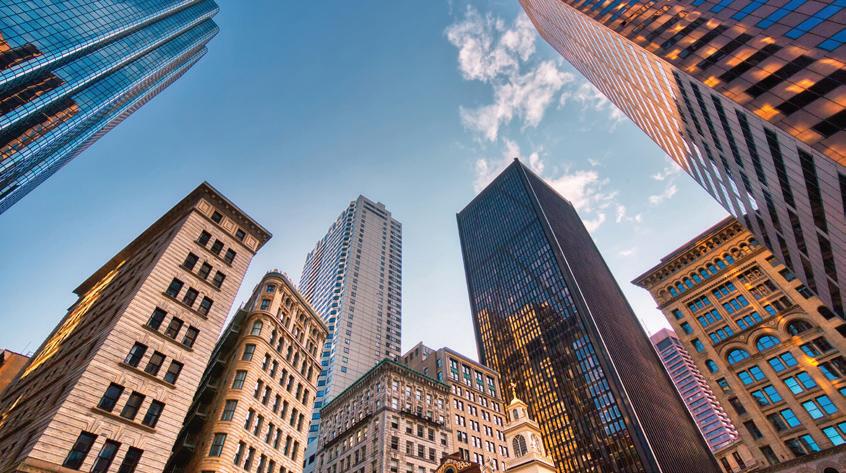
The Boston area continues its gradual move toward a healthier balance, but caution remains, says George Patsio, founder and managing partner of Berkshire Hathaway HomeServices Commonwealth Real Estate. “The mortgage rate dip acted more as a confidence boost than a full market unlock,” he said.
While additional rate declines would help, inventory remains a key constraint. “The city says it has a large pipeline of approved units,” Patsio said. “But macroeconomic conditions, financing, and material costs are delaying projects. Boston’s latest housing report says nearly

20,000 new homes have been completed or began construction since 2022, with another 14,680 units approved—but it also notes that financing conditions and construction costs remain a challenge.”
Looking ahead, “Boston should have a steadier summer than last year, but not a boom,” said Patsio. “If rates stay near the current range and drift closer to Fannie Mae’s March forecast of a 5.8% average 30-year fixed in 2026, I’d expect more transaction activity, especially from people who delayed moves for lifestyle reasons, but still modest price movement overall.”
“Boston buyers and sellers are cautious for a reason,” he added. “Homes are taking longer to move, and volume is softer year over year— so my job is to replace uncertainty with a plan.”
Source: Realtor.com research, March 2026
“Steady” remains the best descriptor of the Houston market, according to Stacy Mathews, broker/owner, Berkshire Hathaway HomeServices Premier Properties. While recent mortgage rate movement hasn’t dramatically altered activity, overall conditions remain favorable in the Lone Star State’s biggest city as the market heads into summer.
“Rates are still good,” Mathews explained. “So we think we’ll see a steady market throughout 2026, and we’re focused on educating clients around local market realities, financing options, and long-term value to reduce uncertainty.”
Pricing homes is one issue where guidance is always needed from an experienced professional, but Mathews is seeing improvement there too. “We do see price adjustments still, but overall sellers seem to be pricing more effectively.”
Through 2026, Mathews is expecting increased activity, especially if the region sees job growth. Houston is considered the global energy capital, with thousands of jobs in oil and gas—although the economy is seeing a rise in non-energy sectors like healthcare and professional, science and tech services.
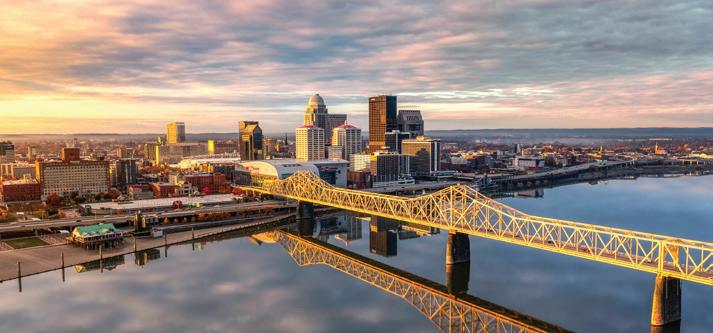
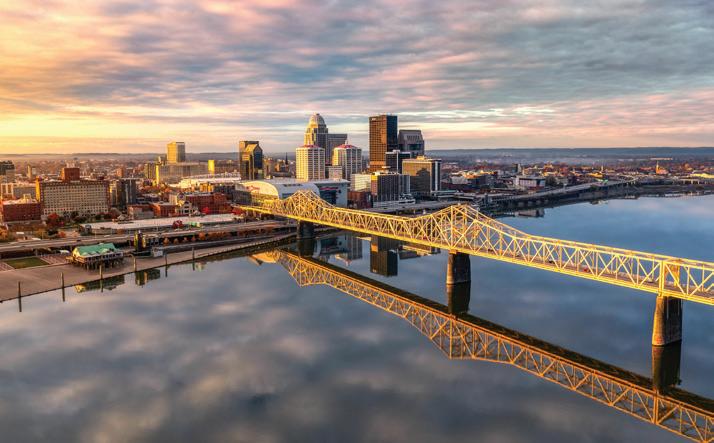
In Louisville, buyer activity is beginning to show renewed momentum, says Dave Parks, broker/owner, Berkshire Hathaway HomeServices Parks & Weisberg, REALTORS®. A brief dip in mortgage rates earlier in the year helped re-engage buyers who had paused their searches, contributing to stronger first-quarter sales for the firm.
While some sellers are adjusting expectations in 2026, pricing remains a mixed bag. “We’re seeing more realism from certain sellers,” Parks said, “but there’s still a disconnect when homes don’t sell quickly. In most cases, a fast sale still comes down to being priced right from the start.”
Lower interest rates would provide the most meaningful boost to Louisville’s market, Parks explained, though broader policy changes—such as capital gains relief for non-owneroccupied single-family homes— could also help unlock inventory. For now, construction activity remains constrained, largely due to a lack of available lots, which continues to limit new supply.
Parks emphasizes individualized guidance is important right now. “When clients have a specific need, we’re successful in helping them move forward,” he said. “But those without a clear reason to move are waiting— unless something truly exceptional comes along.”
Looking ahead, Parks expects Louisville’s market to remain solid, provided global conditions stabilize.
Maui | Hawai’i
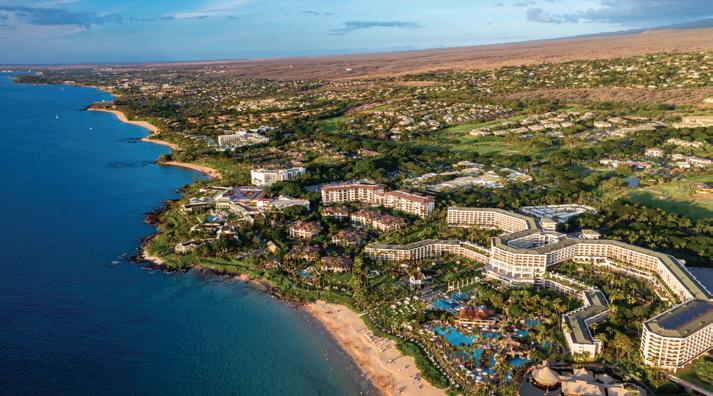
Across Hawai’i’s multiple islands, the market has remained steady, with buyers poised to re-enter the market as confidence returns.
Alex Iskenderian, broker/owner, Berkshire Hathaway HomeServices Maui Properties and Berkshire Hathaway HomeServices Hawai’i Island Properties, which collectively serve all of Hawai’i’s habitable islands, explained that, on Maui, most clients are cash buyers due to the nature of the market—predominately second homes and resort properties. As such, the temporary mortgage rate dip earlier in the year wasn’t quite enough to stimulate activity, though Iskenderian believes momentum is building.
“It’s going to be a really good summer,” he said. “People have been waiting on the sidelines for a while, and the good thing is that opportunities will arise no matter what direction the market goes in. Summer is a strong season for us, and I do expect the market to pick up significantly—especially if there’s a further rate reduction.”
With high rates of construction, particularly in the luxury segment, developers appear to share that outlook. “And we’re buying ourselves—putting our money where our mouth is,” Iskenderian added. “Many of our agents own property in the markets they serve, which we encourage, and that helps alleviate some of the hesitancy our clients may be feeling.”
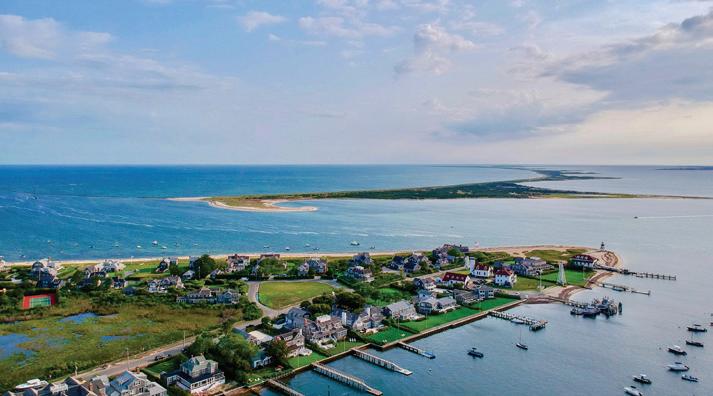
At the end of Q1 2026, Nantucket sales volume was down 24% year to date compared with the same period last year, while total sales value declined just 5%, reflecting continued strength at the higher end of the market. Only 71 single-family homes were listed on the island, with prices ranging from $1.795 million to $28.5 million. But while the year kicked off relatively slowly—due to economic uncertainty, stock market volatility, and extreme winter weather—the market is showing early signs of steadiness, according to Robert Sarkisian, principal broker, Berkshire Hathaway HomeServices Island Properties Nantucket.
Buyers on the island tend to be knowledgeable and longterm focused. “Our clients are sophisticated buyers who understand that ‘this too shall pass’,” he said. “We frame uncertainty as an opportunity to negotiate better deals, noting that Nantucket remains a successful investment for hard assets.”
Construction has slowed in the high-end market, primarily due to a lack of available land. However, Sarkisian noted an increase in lowerend construction activity on more marginal parcels.
Looking to the summer, Sarkisian is confident that market activity will increase further. “I anticipate a strong summer season,” he said. “There is significant capital available, and Nantucket continues to grow in popularity as a luxury destination.”
Source: Realtor.com research, March 2026
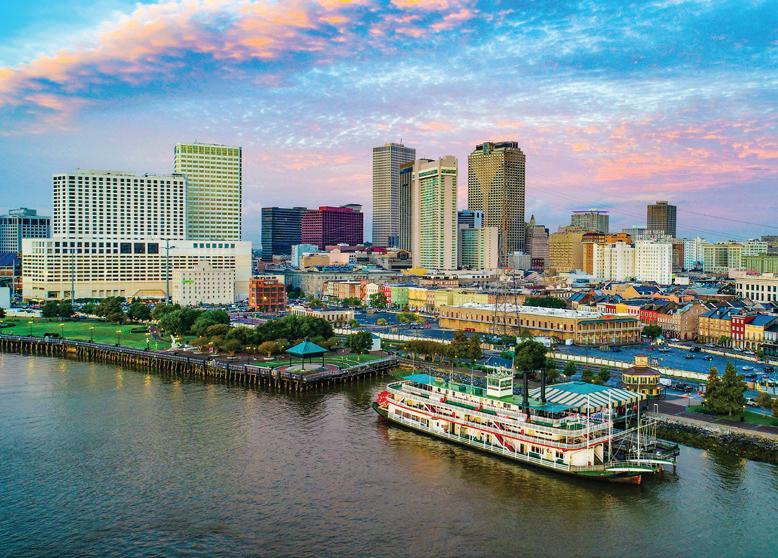
After a few sluggish years, the New Orleans market is turning a corner, according to Hyatt Hood, principal broker, Berkshire Hathaway HomeServices Preferred, REALTORS®. “I’m cautiously optimistic,” Hood said. “I expect a slight positive trajectory through the remainder of 2026, assuming rates hold or trend lower and we’re spared a significant hurricane season.”
The brief dip in mortgage rates earlier in the year helped fuel renewed spring activity. “Spring is typically our busiest season, and the decreased rates helped sustain that momentum, particularly in the $300,000–$500,000 range, which is squarely in our median price territory,” said Hood. “Buyers who were sitting on the sidelines in 2025 are re-engaging.”
Insurance costs, however, remain a major challenge. “Homeowners insurance premiums here have increased nearly 40% since 2023, and we remain one of the most expensive states in the country to insure a home,” Hood explained. “Recent legislative reforms have started to slow rate increases, but meaningful relief hasn’t yet reached consumers.”
Overall, Hood believes caution remains appropriate—so long as it’s informed. “Our job isn’t to talk people out of being cautious,” he said. “It’s to help them use caution strategically and avoid future disappointment. Caution paired with good information is a strength, not a liability.”
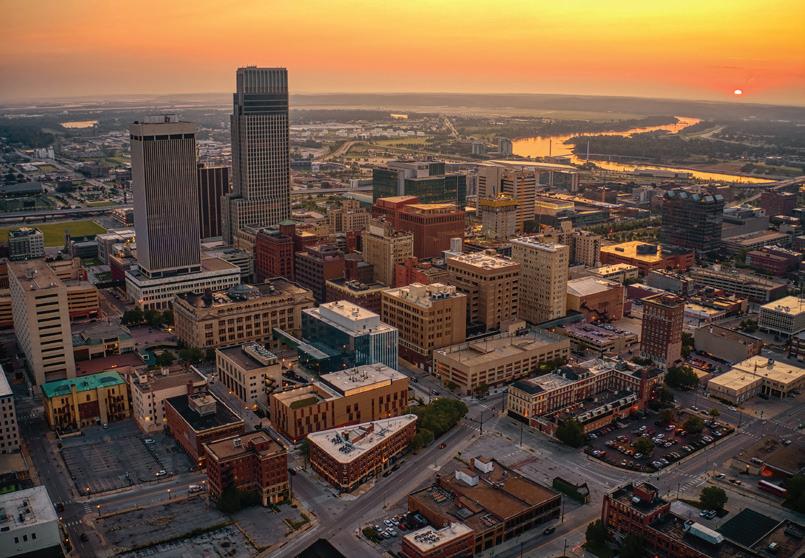
According to Vince Leisey, CEO of Berkshire Hathaway HomeServices Ambassador Real Estate and president of the global network, the lower mortgage rates that surfaced briefly earlier in the year stimulated demand in the Omaha area. “It clearly helped more buyers get into the market,” Leisey said.
Beyond rates, Leisey cites increased inventory as the main factor that will bolster Omaha’s market. Inventory remains tight, but Leisey expects that to ease. Construction activity has been relatively flat so far this year, though several developments suggest increased building ahead. “The area’s second largest builder just sold to D.R. Horton, the largest builder in the country,” Leisey said. “And Lennar—the country’s second largest builder—is also coming into the marketplace.”
At the time of writing, the conflict in the Middle East is dampening the market somewhat, especially with escalating oil prices and a stock market in flux, but Leisey is confident about the future—assuming the war ends. Unsurprising given that his company recorded more pending sales this January than the bumper years of ‘21 and ‘22. “I’m predicting the Greater Omaha Metro Area will be up 10% year over year in 2026. We’re telling people: if you find a house you love, buy it. Rates are better today than a year ago, and refinancing is always an option if they move lower.”
Where the next hot market will be is always the most anticipated question in real estate. At the onset of the new year, the National Association of REALTORS® (NAR) presented Housing Hot Spots for 2026*. When determining these regions, they examined 10 indicators—millennial presence, income growth, job growth, migration, listings to income alignment, lower rates impact, price cuts, mortgage payment vs rent, single-family permits growth, and mortgage originations growth. Among NAR’s 2026 hot spots are Charlotte, Indianapolis, Jacksonville, Raleigh, and Salt Lake City.
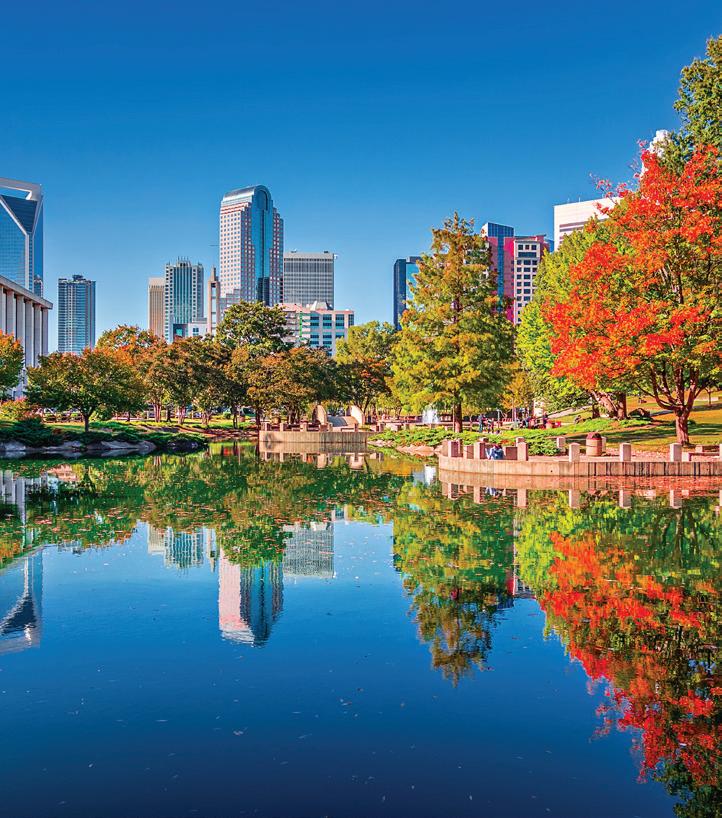
Charlotte, the largest city in North Carolina and one of the nation’s major banking hubs, is attracting thousands of new residents each year.
“Around 157 new residents are moving to the Charlotte market every day,” said William Youhouse, managing broker at Berkshire Hathaway HomeServices Carolinas Realty in Charlotte. The majority of new residents hail from the Northeast, Midwest, Florida, and California, he added.
A strong job market and relative affordability are motivating these movers, he said, noting that finance, fintech, logistics, and tech companies are also making Charlotte their home. In addition, about 109,000 people move within Charlotte each year.
Deirdre Olson, managing broker at Berkshire Hathaway HomeServices Carolinas Realty in Charlotte, said inventory has improved slightly to about 2.7 months of supply, with pricing showing modest upward movement.
“Median home prices are generally holding in the low-to-mid $420,000 range, with sustainable appreciation between 2% and 7% depending on price segment and location,” she said.
Homes under $450,000 are in high demand with limited inventory. Properties at $800,000 and above are seeing increased inventory, longer days on market, and occasional price reductions. Meanwhile, homes at $1 million and above remain strong, with many still receiving quick contracts, multiple offers, and relatively limited negotiation.
*Housing Hot Spots 2026. December 9, 2025: Presented by NAR Senior Economist Nadia Evangelou at the NAR Real Estate Forecast Summit: The Year Ahead.
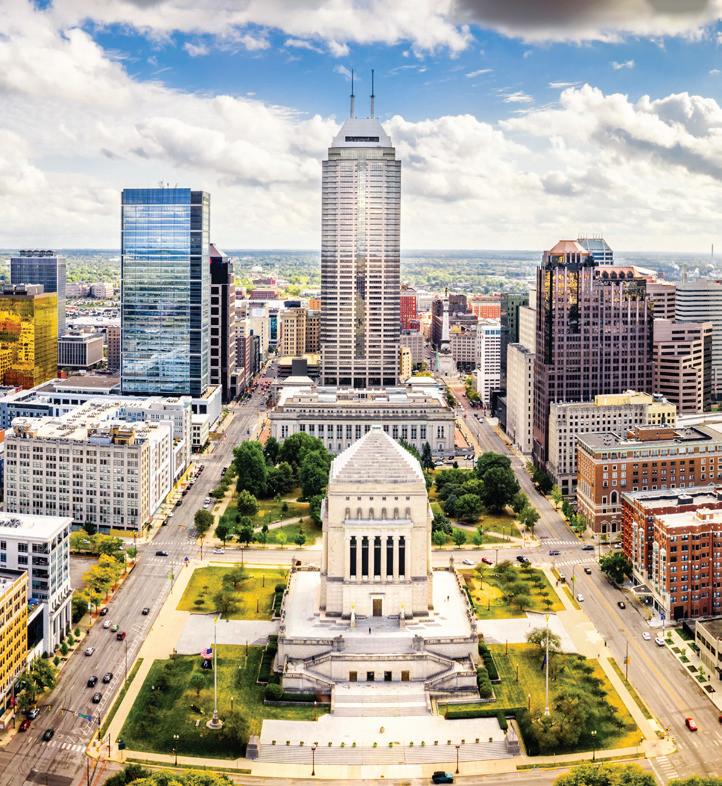
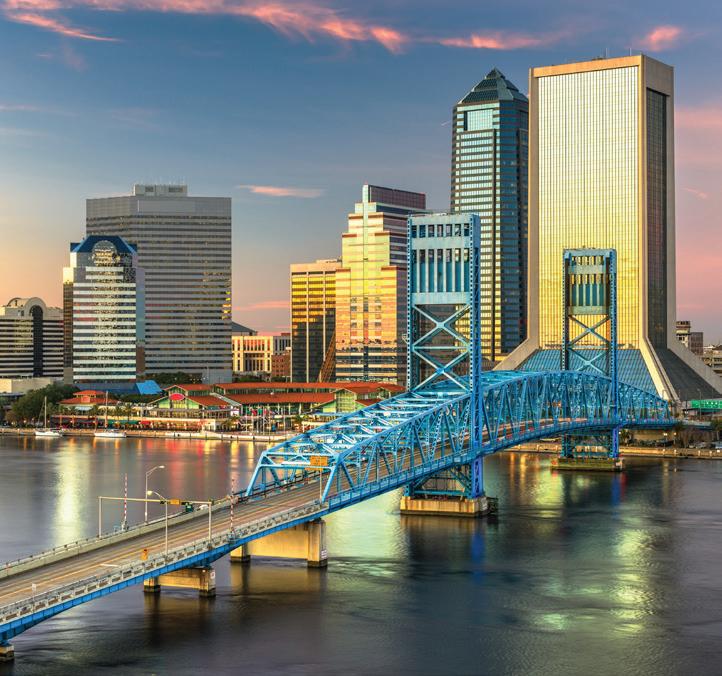
Residential real estate in Indianapolis is being fueled by local relocations, corporate expansions, and the city’s attractive affordability—with a median sales price of $300,000 for the metro market.
Craig West, CEO, Berkshire Hathaway HomeServices Indiana Realty, said major drug and tech companies are moving to the state or expanding to the tune of $20 billion in new business development, and local initiatives in the works are bolstering growth.
“With another $9 billion-plus of development planned for downtown Indianapolis over the next decade, there will be plenty to keep central Indiana a hot real estate market,” West said.
He noted that the median sales price for Indiana is down about 5% year over year for January 2026. Homes priced under $250,000 dropped 6%, while those at $250,000 and above fell around 4%.
“This shows a broad, small decline across most price ranges, except for luxury homes—$750,000 and above— which saw gains due to steady demand among move-up buyers,” West said.
Looking ahead, West added, “We are expecting another strong market in 2026, with a 3–5% increase in closed units. A continued rise in existing home inventory, complemented by strong new home construction, will support pent-up buyer demand as mortgage rates settle around 6%.”
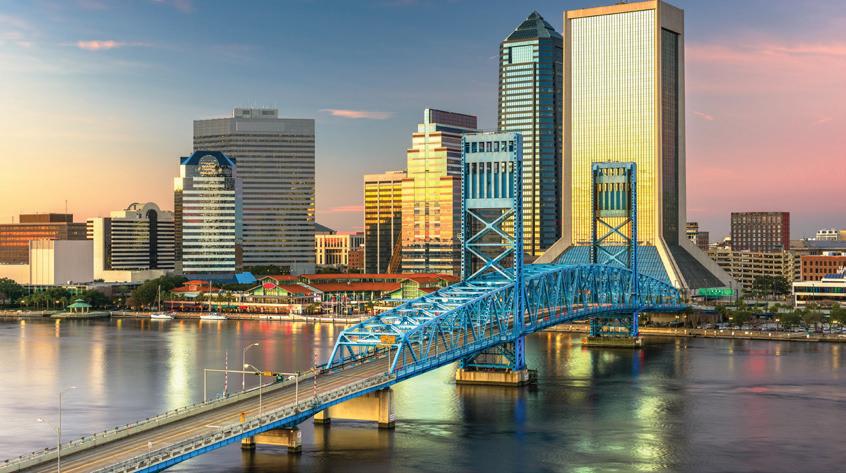
Jacksonville | Florida
Jacksonville, Florida, is experiencing positive momentum heading into the
summer season with a more balanced market than prior years.
“Our relocation pipeline is strong, and buyer activity continues to build,” said Ann King, president, Berkshire Hathaway HomeServices Florida Network Realty.
“While the market has normalized from the extremes of prior years, the fundamentals remain solid, positioning Jacksonville for steady, sustainable growth.”
A strong environment for business development and a favorable economic climate continue to see companies relocate to or expand in Jacksonville, creating sustained job growth, she said.
Combined with an exceptional coastal lifestyle and a comparatively lower cost of living than many major metros, the region offers a compelling value proposition for both individuals and families seeking long-term opportunity and quality of life.
Locals are moving, King said, and there has been a notable surge in relocation activity.
“Buyers are coming from South Florida, the Northeast, the Carolinas, and markets like Ohio. Many are seeking greater affordability, lifestyle enhancements, and the ability to leverage equity gains from higherpriced markets.”
In the luxury segment specifically, she noted continued pressure on inventory, which is supporting pricing strength.
“Well-positioned, properly marketed homes are still commanding strong interest and competitive offers, particularly in our most desirable coastal and lifestyle-driven communities.”
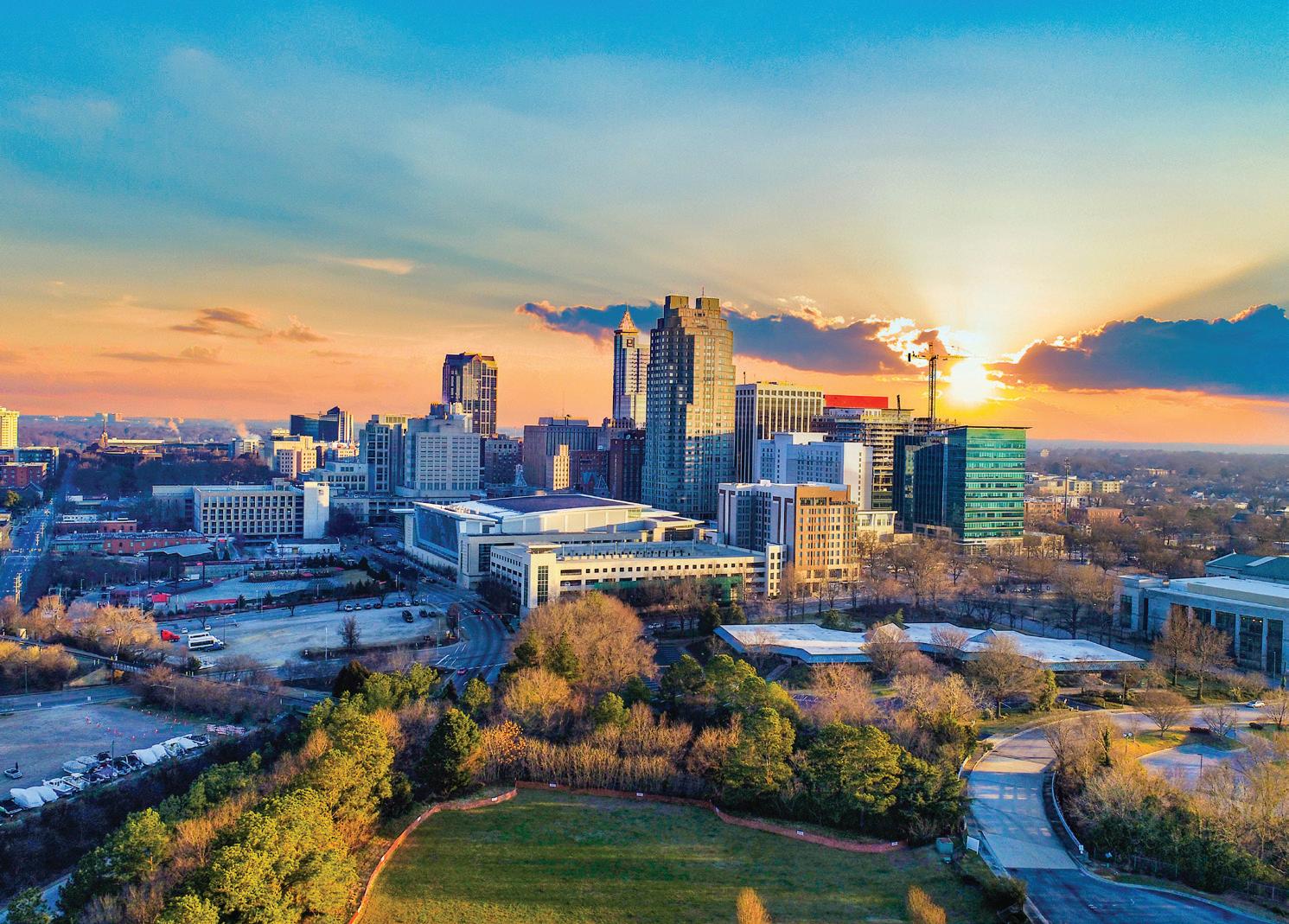
A diverse job market and ample opportunities to enjoy the great outdoors are helping sustain steady activity in the Raleigh, North Carolina, real estate market.
“There is a lot of pent-up demand that we are starting to see let loose,” said Player Murray, managing broker of Berkshire Hathaway HomeServices York Simpson Underwood Realty in Raleigh.
Inventory, he noted, has increased since the height of the pandemic— from 0 months to about 2 months currently.
“It is still very much a seller’s market,” he said. “Though the rate of appreciation and rising prices has slowed, it has not stopped—prices are still going up in most of our market.”
Biotech, life sciences, big tech, banking, finance, state government, three major universities, construction, and real estate are driving demand, Murray said. He also noted that the reputation for quality of life in Raleigh and the surrounding Triangle—Durham, Cary, and Chapel Hill—piques the interest of those relocating to the city.
Who’s moving? Locals, he said, along with professionals with higher salaries and retirees with significant net worth.
“Barring any wild economic or world events, and without a crystal ball, I would still say that steady growth and increased sales compared to the last two years are likely to continue for a while,” Murray added.
Salt Lake City is poised for an active year ahead, offering strong demand and exciting opportunities for both buyers and sellers in Utah’s vibrant and scenic capital.
“The housing market will remain steady and strong through the summer and beyond,” said Steve Roney, owner, Berkshire Hathaway HomeServices Utah Properties.
The city, and the state as a whole, is attracting residents relocating primarily from California, Texas, and the East Coast, drawn by job opportunities and an active, outdoor lifestyle, Roney said. Additionally, Utah has one of the youngest populations in the country, with many residents choosing to stay in their home state.
Beyond its natural beauty, Salt Lake City offers buyers more “bang for their buck,” with the ability to acquire larger, more luxurious homes than in many other major cities. Roney also noted that the suburbs are conveniently close to the city core, allowing residents to enjoy suburban living without lengthy commute times.
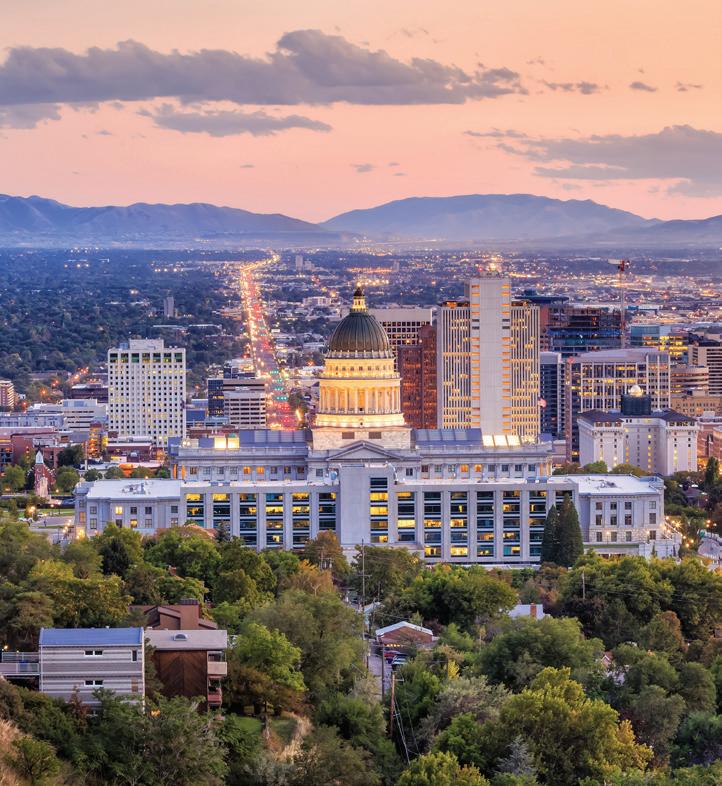
For those who work from home, Salt Lake City is especially appealing. Salt Lake City International Airport is a major hub, and just 30 minutes from the airport, one can enjoy skiing, snowboarding, mountain biking, rock climbing, hiking and more.
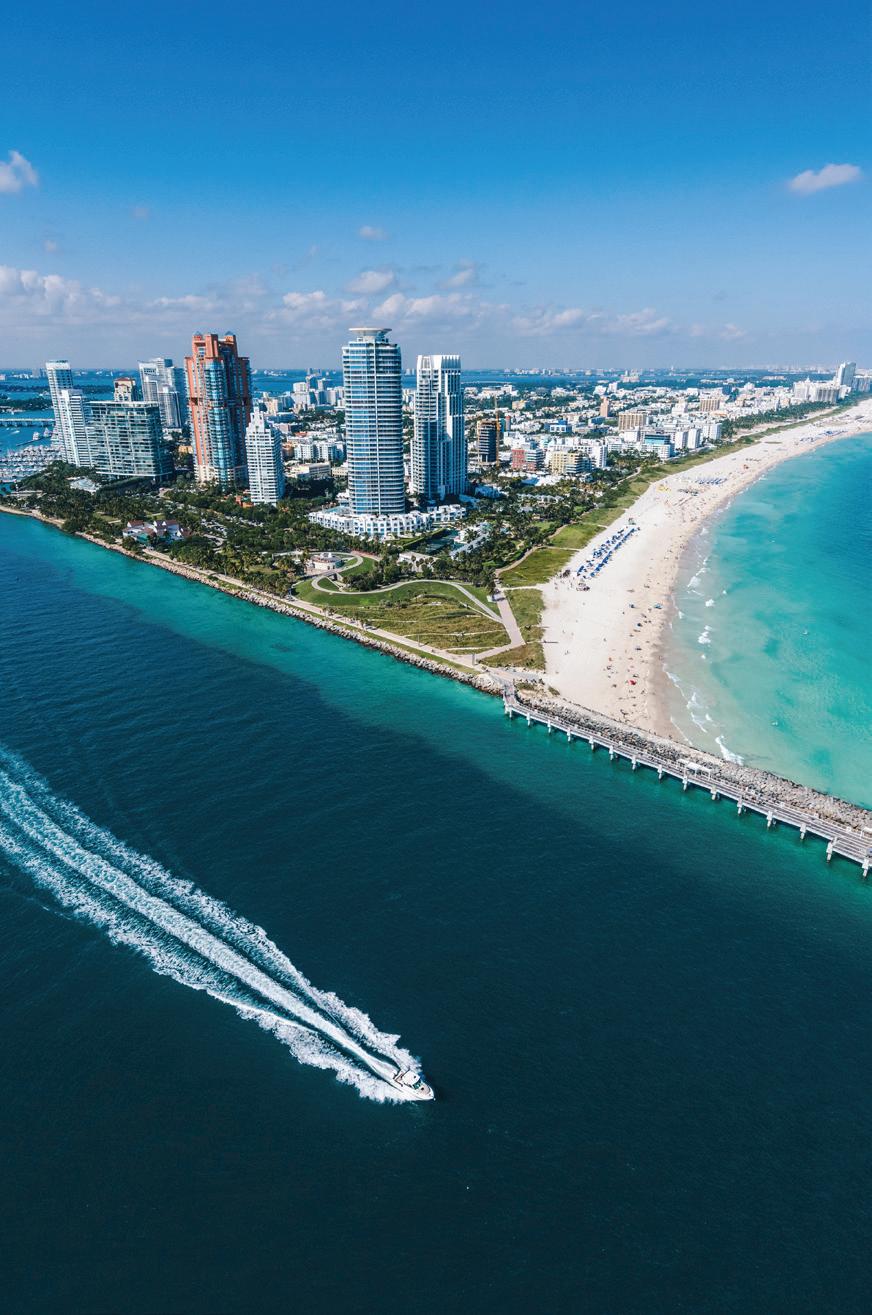
Real estate in the U.S. consistently attracts international buyers, with geopolitical dynamics, lifestyle preferences, and more playing a key role in shaping the origin of demand and the regions of interest. Miami, New York, Los Angeles, Orlando, and Dallas recently topped the Realtor.com list of metros most viewed by international shoppers*.
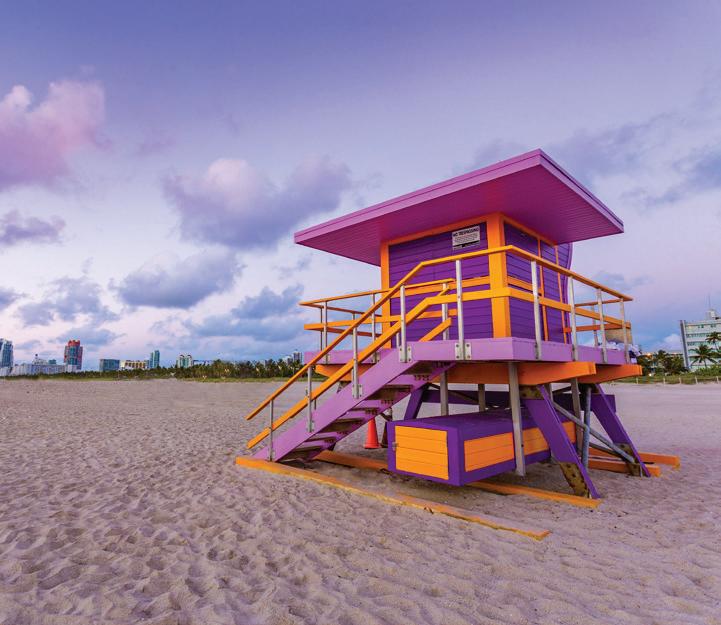
Miami | Florida
Miami has historically been known as a market where foreign buyers purchase condominiums for secondhome use or to secure capital in a relatively stable investment environment. However, in recent years, overseas buyers are increasingly seeking single-family homes, notes Ron Shuff ield, CEO of Berkshire Hathaway HomeServices EWM Realty.
The shift, he explains, reflects a change in how buyers perceive Miami—not merely as an investment or vacation destination, but as a place where they can find their community.
“With the increasing pressure upon international families to relocate from their home countries to places of greater personal and/or economic
safety, Miami-Dade County stands out as one of the most diverse and welcoming communities in the world,” Shuff ield said. Buyers from Colombia, Argentina, Mexico, Brazil, Venezuela, and Canada are among the most prevalent in the region, he added.
Shuff ield said Miami serves as a gateway between the Americas, Europe, and Asia, supported by a thriving entrepreneurial ecosystem and one of the busiest seaports and airports in the U.S. “This cross-border accessibility, paired with a business-friendly environment and no state income tax, enhances its appeal to foreign investors seeking to deploy capital with confidence.”
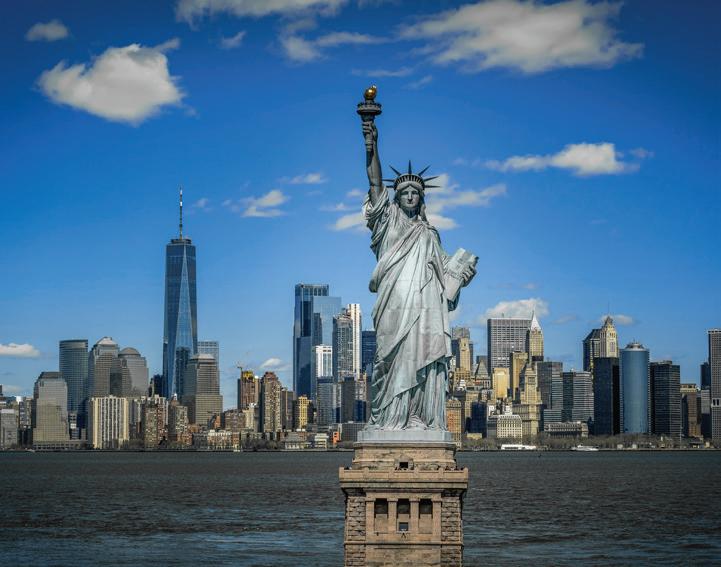
One of the world’s most recognizable and sought-after markets, New York offers far more than a glamorous location for a second home or trophy property.
“The foreign buyer comes to New York City because it’s a safe haven for their money and provides a lifestyle with minimal government intrusion,” said Steven James, CEO of Berkshire Hathaway HomeServices New York Properties. “Their investment grows here, too,” he added.
Exact numbers of foreign buyers are difficult to determine, James noted, as many purchase through LLCs that conceal nationality in official records. Despite this, he said, buyers from China and South Korea are prevalent in the city.
According to Realtor.com*, the top 10 nationalities searching in the New York, Newark, and Jersey City region hail from Canada, the U.K., Australia, Germany, India, France, Italy, Brazil, Spain, and Turkey.
James shared that foreign buyers understand that the New York City market is quite pricey, noting that more than half of all deals are transacted in cash.
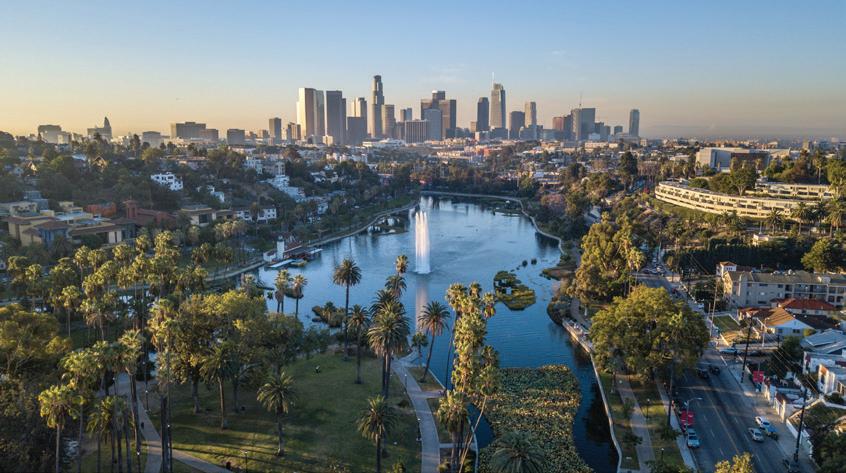
For international buyers, Los Angeles represents unparalleled luxury, worldwide recognition, and enduring investment value.
“For many of my clients, it’s not just about buying a home, it’s about having a presence in a city that connects them to entertainment, tech, education, and culture. It’s both emotional and strategic at the same time,” said Yana Beranek of Berkshire Hathaway HomeServices California Properties in Santa Monica.
Beranek said that buyers from China, Canada, Mexico, the U.K., India, and the Middle East are showing strong interest in Los Angeles.
Kayo Yoshida of Berkshire Hathaway HomeServices California Properties in Beverly Hills agrees that Los Angeles’ entertainment industry is a big draw, as well as families seeking prime educational institutions for their children.
“Japanese people are attracted to the American dream,” Yoshida said. “There is an opportunity to be an entrepreneur, instead of a company employee.”

*Source 2025Q4 Realtor.com online search data. Top
She added that exchange rates do play a role in international buyers purchasing, whereas interest rates are less of a factor as loans can be diff icult for foreigners to secure. Overseas buyers, she added, also need to be educated on the nuances of buying in the U.S. as the process can be very different from their home countries.



Orlando | Florida
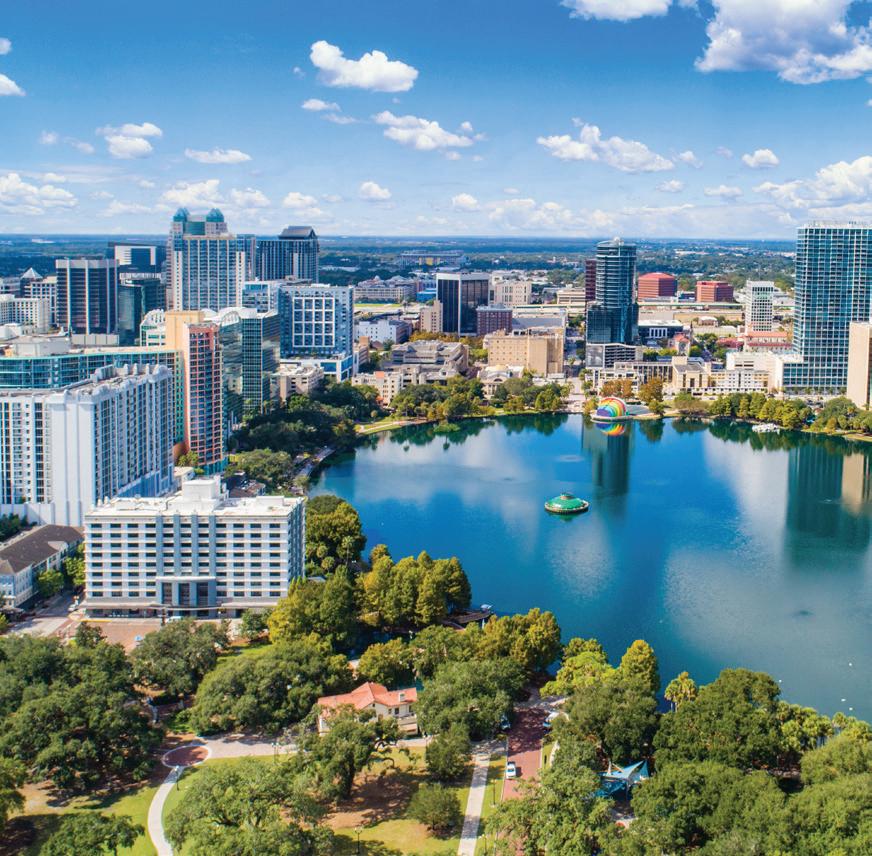
International buyers play a significant role in the Orlando real estate market. Dore Ann Baratta, managing broker for the Windermere and Maitland off ices of Berkshire Hathaway HomeServices Florida Realty, noted that about one in ten regional home sales involves foreign buyers.
Canadian buyers have historically had a major presence in central Florida, though their numbers have declined over the past six to eight months due to geopolitical concerns. Despite this, online interest remains strong. Realtor.com reports that Canadians accounted for 32.8% of the top 10 countries searching in the Orlando, Kissimmee, and Sanford region*.
Other active international buyers include those from Brazil, Colombia, Argentina, and the U.K., she said, with a slight uptick in interest from the Middle East and Eastern Europe.
“Central Florida offers everything from theme parks and outlet or luxury shopping to lakes, springs, equestrian centers, and growing tech hubs,” Baratta said. She also highlighted the region’s subtropical climate, international airport, and proximity to both Florida’s East and West coast beaches and cruise ports—just one hour to Port Canaveral, 1.5 hours to Tampa, and three to four hours to Fort Lauderdale and Miami—as key draws for international buyers.
Dallas | Texas
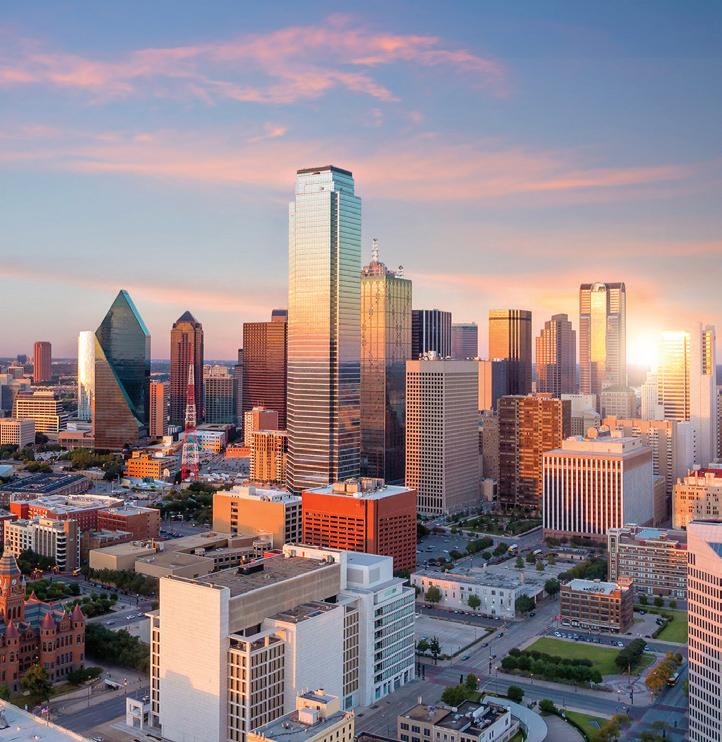
Southern charm meets cosmopolitan influences in Dallas, and international buyers are drawn to the region for its dynamic economy, cultural diversity, and exceptional quality of life.
Marvin Jolly, regional president, Berkshire Hathaway HomeServices PenFed Realty Texas, shared that top international buyers hail from Mexico, Canada, China, India, and Nigeria.
“Despite the new 2025 legislative restrictions (SB 17) which add hurdles for non-resident buyers, the demand remains high among those with legal residency who view North Texas land as one of the world’s most stable long-term assets,” Jolly said.
A primary driver for Chinese buyers, he explained, is proximity to toptier schools and universities. Owning property in a globally recognized business hub like Dallas also carries significant social and financial “cachet” within Chinese communities.
Canadians see Dallas as an ideal “snowbird” destination, offering a favorable tax environment for retirement planning and more affordable luxury real estate than cities like Toronto and Vancouver, he shared.
*Source
Buyers from Mexico view Dallas as a “safe haven” for capital, Jolly said, noting that close proximity allows ease of access and cultural comfort, particularly with a large multilingual population. Indian and Nigerian buyers are attracted by employment opportunities in tech, telecom, oil, and gas, though updates to immigration procedures may influence this demographic.

With land becoming scarcer by the day, energy prices rising quicker than inflation, and more of us than ever eager to just get away from it all, the kind of properties we are choosing to live in are expanding. From isolated countryside getaways to small hubs in the thick of the action, here are three housing options that are picking up a legion of new fans in 2026.
A barndominium—or barndo for short—is a barn that has been converted into a living space. It is often characterized by a metal or steel-framed structure with high ceilings and open floor plans.
Traditionally common in the South and Midwest U.S., barndos are now gaining popularity in rural areas across the country. Idaho is seeing a surge in barndominium construction, as illustrated by an enclave of new luxury barndos called Hawk View Estates in Middleton—a 30-minute drive west of Boise.
“Originally built for efficiency at scale, these simple framed structures combined living space with a barn or automobile/RV storage,” said Tracy Kasper, broker/owner, Berkshire Hathaway HomeServices Silverhawk Realty, who is representing Hawk View Estates with new construction specialist Sam Huff. “Today, they’ve evolved into luxury homes, defined by exceptional construction quality, soaring 20’–22’ ceilings, and elevated finishes and materials. Land is expensive, so the build tends to be in those higher price points.”
Customizability is a key factor, Kasper explained, with buyers generally choosing them as primary residences. “They are generally built on larger lots—1-5 acres—which
allows for keeping animals like horses, cows, etc.,” she added.
There are various reasons why more people are choosing to live off grid, but resilience and independence are the two main factors, according to Michael Beirwagen with Berkshire Hathaway HomeServices Northwest Real Estate in Oregon. “Buyers are increasingly asking about features that promote self-sufficiency,” he said. “In our region, where ice storms, wind, and wildfire concerns are part of the conversation, these features offer real peace of mind.”
“In-demand infrastructure includes solar systems paired with battery storage; strong, consistent water sources; modern waste management; and secondary heating sources,” Beirwagen added.
From remote workers no longer tied to urban life to buyers with an interest in preparedness—or even just more sustainable and connected living— there is a growing interest in an off-grid way of life. But buyers usually aren’t looking to become experts of the systems that promote selfsufficiency—they prioritize ease of use and turnkey systems.
Photo credit: Musarrof / Adobe Stock ( ), Shutterstock AI / Shutterstock ( ), Sunday Cat Studio / Adobe Stock ( ), f11photo / Adobe Stock ( ).

On the other end of the scale to barndos and off-grid homes you’ll find micro apartments—units typically under 400 sq. ft. experiencing increasing demand in busy, large metros across the country.
“Micro apartments allow residents to live in prime neighborhoods that might otherwise be out of reach,” said Nick Warren, CEO of Berkshire Hathaway HomeServices Warren Real Estate in Boston. “For many, being able to walk to work and local amenities outweighs the need for additional square footage.”
While many see micro-apartment living as temporary, there are plenty who stay long term, says Kelley Broderick, VP, Berkshire Hathaway HomeServices Franciscan Properties in San Francisco. “Those who stay longer are driven by lifestyle preferences—minimalism, mobility, urban engagement—or ongoing affordability constraints,” she said.
“The most coveted micro apartments make extremely efficient use of space,” Warren added. “Features like high ceilings, large windows, built-in storage, Murphy beds, and flexible furniture are key.”
Broderick agreed, emphasizing the importance of “shared building amenities like rooftop terraces, lounges, and coworking spaces that extend living space beyond the private unit.”

AI is now part of everyday life—but how that translates into homebuyer expectations is far from uniform. Certain AI features are increasingly sought after nationwide, yet priorities still vary significantly from one segment of the market to another.
Across most markets, consumers are starting to request practical AI features over flashy gadgets. Most indemand are those relating to security (video doorbells, smart locks), climate and energy (smart thermostats, EVready infrastructure), and automation (integrated lighting and AV systems).
“Today’s buyers are most interested in practical upgrades that improve convenience, security, and efficiency,” said Deirdre Olson, managing broker, Berkshire Hathaway HomeServices Carolinas Realty in Charlotte.
“Security systems, cameras, smart locks, climate control, lighting, and app-based home management are what my buyers are most focused on,” said Yana Beranek with Berkshire Hathaway HomeServices California Properties in Los Angeles. “At higher price points, I also see more interest in EV charging, energy efficiency, and overall home automation that actually improves daily living.”
Not all regions are seeing a rise in demand for AI features, though. In areas in the Midwest and the South, homebuyers prioritize fundamentals such as affordability and quality of life. “AI/smart-home tech is seen as an enhancement and not something that clients are actively asking for yet,” said Stacy Mathews, broker/owner, Berkshire Hathaway HomeServices Premier Properties in Houston. Similar sentiments are shared by our experts in Indianapolis, Louisville, and Omaha. “We’re not hearing a lot about AI from our clients yet in Omaha,” said Vince Leisey, CEO of Berkshire Hathaway HomeServices Ambassador Real Estate.
Beyond regional differences, buyer demographics are beginning to shape AI expectations as well. In Orlando, for example, a generational gap is apparent. “Gen Zs may have the tech knowledge, but many don’t have the funds to buy a home,” said Dore Ann Baratta, managing broker at the Windermere and Maitland offices of Berkshire Hathaway HomeServices Florida Realty. “Whereas Gen Xs and Boomers have the funds, but some are overwhelmed by technology. Perhaps a basic, integrated system for convenience will become the expectation within the next five years.”
Baratta’s emphasis on ease of use is echoed by experts across the country. “Buyers want features that are intuitive and don’t require a tech background,” said Hyatt Hood, principal broker, Berkshire Hathaway HomeServices Preferred, REALTORS® in New Orleans. On Nantucket, buyers seek “the latest technology, provided it is user-friendly,” said Robert Sarkisian, principal broker, Berkshire Hathaway HomeServices Island Properties Nantucket. “They want an easy lifestyle—such as being able to turn on the pool heater, lights, and music while en route to the island.”