2026 Welcome
As we round out the first quarter of 2026 and embark on the start of the busy spring season, affordability and activity are expected to increase.
During our most recent survey of Berkshire Hathaway HomeServices network members, 85% said they expect inventory to rise this year. About 60% forecast that prices will go up, though likely just slightly.
Realtor.com also predicted modest home price growth in its 2026 forecast—2.2% for the typical home sold, following a 2% increase in 2025. Inflation is expected to outpace these gains, so real inflation-adjusted home prices will decline slightly for the second consecutive year. According to the same outlook, incomes this year will rise around 3.6%, making for a slightly more affordable market for the typical family. Realtor.com also expects an average 6.4% interest rate this year for 30-year fixed mortgages, representing a 0.3 percentage point drop from 2025’s average, and translating into lower monthly payments for homeowners.
Our network agents have confirmed that many of their clients are waiting for interest rates to fall in order to make moves, with 85% of our survey respondents saying interest rates have impeded their markets.
Increased affordability may very well entice more buyers to make offers this year. It’s a big part of the reason the National Association of REALTORS® (NAR) expects sales of existing homes to soar 14% this year.
It’s all moderately good news after a somewhat difficult 2025, where sales were low and inventory didn’t quite grow as much as industry watchers had hoped. That said, there are some geographical areas that have remained strong throughout, even while others have faltered. In the pages ahead, we look at some of those outliers, often in the Northeast and Midwest, to see why and what’s likely ahead. Overall, their strength can be attributed to an increase in demand as well as steady inventory. They’re largely markets that have grown at a steady pace without the peaks and troughs of other, “flashier” markets.
Since interest rates are top of mind, we look to our experts to find out the inflection point— where rates need to go to significantly open up the market.
Additionally, we explore how homeowners are changing the way they think about building home equity, preferring to age in place, and their desire for second homes as rental income generators.
Our report is also filled with valuable insights from well-versed agents. (One good one: Don’t compare prices to a year or two years ago when trying to sell!) We hope you enjoy reading and learn a lot, too.
Here’s to a great year of real estate.
VINCE LEISEY President Berkshire Hathaway HomeServices
Overview


Page 2
Inside the outliers
Page 7
The ATM is closed: How homeowners are rethinking equity
Page 10
Mortgage rates: How low do they need to go?
Page 15
Trophy property, money maker, or equity builder?

Inside the outliers
Where—and how—sellers have kept the upper hand

While news headlines can emphasize doom and gloom and less-than-ideal market conditions, there are plenty of bright spots around the country where sales have remained healthy and a balanced inventory is keeping the real estate market afloat.
Nationally, a balanced market is expected this year, with Realtor.com anticipating an average 4.6-month supply of homes. (Once the supply of homes reaches six months or more, markets tilt in favor of buyers.)
Recently, the market in the Midwest and Northeast has remained the strongest and most stable, and that trend is expected to continue, according to Realtor.com.
Here are a few markets where sellers have largely kept the upper hand— without major peaks and valleys—and where the forecast looks strong.
Cleveland | Ohio
Affordability and “demographic stickiness” that lures people home keep Cleveland’s housing demand strong, according to Kim Luckow, chief operating officer of Berkshire Hathaway HomeServices Professional Realty in Cleveland.
“Home prices are aligned more closely with incomes here,” Luckow said. “Cleveland has also had less new construction than some other markets in Ohio, so that keeps inventory low and contributes to the seller’s market.”
Cleveland has some infill development in urban locations, but otherwise there’s little space to build, especially in the most sought after school districts, according to David Mussari, managing partner of Berkshire Hathaway HomeServices Professional Realty in Cleveland.
“We haven’t had a giant boom, so there’s no giant bust, either,” he said.
Cleveland’s strong economy, particularly centered on healthcare, financial services, and higher education, keeps demand steady. Many people who attend college in the area decide to stay, and many sellers buy another home in Cleveland, Luckow said.
“We have a lot of boomerang buyers who left for the East or West Coast for school or jobs and then decide to return to Cleveland to buy a house because it’s more affordable,” Mussari said. “They want to be near their families and old friends, plus we have easy access to Chicago and to cities on the East Coast.”
Mussari anticipates a bump in demand if mortgage rates drop, which could lead to even more multiple-offer sales. Otherwise, he expects the seller’s market to “keep chugging along.”
Detroit | Michigan
The Detroit, Michigan, area has a steady, consistent market where sellers have the upper hand, according to John Meesseman, broker and owner of Berkshire Hathaway HomeServices Kee Realty in Detroit.
4.6 months
A balanced market is expected this year, with Realtor.com anticipating an average 4.6-month supply of homes nationally.
Cleveland, Ohio, has a strong economy and a steady real estate market.
Days on market across the U.S.
The locations below are selling quicker than their counterparts in other parts of the country, according to exclusive data from Realtor.com.
My strongest advice: Present beautifully, price strategically, and stay adaptable. That’s what captures the serious buyers in this environment.”
BRANDIE SCIACCA
Berkshire Hathaway HomeServices
“We have a shortage of inventory, so it’s still a seller’s market, especially for anything priced under $500,000,” he said. “Anything that’s priced properly will get multiple offers, but our market is a little more balanced in terms of supply and demand in the $600,000 and up range.”
Prices have risen about 3% over the past year, while sales in 2025 were about the same as 2024, Meesseman said. In some upscale neighborhoods such as Grosse Pointe, Grosse Pointe Farms, and Bloomfield Hills, prices are up 5%.
“Most of the demand is coming from move-up buyers,” he said. “But we’re seeing fewer sales that require a big jump in price, such as from $400,000 to $600,000, because of higher mortgage rates and property taxes.”
Meesseman said prices in the Detroit area are up approximately 33% since 2020, which is keeping first-time buyer activity muted.
“We don’t get a ton of migration into this area from other parts of the country, so that keeps our market steady and consistent,” he said. “If mortgage rates go down this year, we’re likely to see a bit more activity from pent-up demand.”
Grand Rapids | Michigan
Despite a slight uptick in inventory, it’s still a seller’s market in Grand Rapids, Michigan, according to Steve Fase II, broker and owner of Berkshire Hathaway HomeServices Michigan Real Estate in Grand Rapids.
“Prices are still going up and there’s room for additional appreciation,” Fase said, adding that upper-end homes are selling faster than average-priced homes.
Demand for homes is driven in part by a steady job market, including some start-ups as well as stable employers, he said.
“Downtown is clean and safe, yet it has a lot of activity, plus we have good healthcare, good school districts, and reasonable taxes,” Fase said. “Mackinac Island is only about three hours away and there are vibrant second-home markets in the northern tip of Michigan and in Traverse City, which is about two hours away.”
Recent major renovations to the Gerald R. Ford International Airport in Grand Rapids symbolize the economic growth in the region, according to Fase.
“The first-time buyer market is still slow because of affordability issues linked to high interest rates, home price appreciation, and inflation,” he said. “Some areas in Grand Rapids have townhouses and condos that are selling well, but we need more.”
Fase anticipates that when mortgage rates decline and wages rise, buyer demand will increase.
“Hopefully if mortgage rates move enough, we’ll see more homeowners sell, which will help the market a lot,” he said.
Boise | Idaho
“The market is strong and steady now with good demand,” said Tracy Kasper, CEO and broker at Berkshire Hathaway HomeServices Silverhawk Realty in Boise, Idaho. While prices drove up 30% in 2020 and 22% in 2021 based largely on migrating home buyers from California (leading to one week’s worth of inventory), a strong, balanced market has replaced that unstable seller’s market. “Now we’ve got a good balanced market with prices up 2.5% in 2025 compared with 2024, and homes selling within 30 to 45 days,” Kasper said. “New construction added some supply, so now we have about 3.5 months’ worth of new homes.”
New construction in Boise is a mix of luxury homes, move-up homes, and

entry-level homes, Kasper said.
“Demand remains high because people are looking for the quality of life we offer, with whitewater rafting, mountains, and skiing nearby,” she said. “Boise has a vibrant and clean downtown, too. We still get a lot of people moving here from California, Washington, and Oregon, along with other places, to work remotely or locally.”
Kasper expects prices to climb 4% to 5% this year, especially if mortgage rates fall and generate demand that would quickly eliminate existing inventory.
“We still have really low unemployment, and businesses are recruiting more workers,” Kasper said. “The state and local government supports business growth and offers tax incentives to attract new business.”
Omaha | Nebraska
Omaha’s market remains a beacon of steadiness compared with markets with dramatic shifts, according to Vince Leisey, who, alongside his role as president of the global network
serves as CEO of Berkshire Hathaway HomeServices Ambassador Real Estate in Omaha.
“Real estate markets in the middle of the country like ours have more stability than coastal markets,” Leisey said. “We’ve seen less highs and we see less lows. When the housing market slows nationally, we don’t see that same impact.”
The average sales price in 2025 in Omaha for existing homes was $353,000, an increase of 4% compared with 2024. Home sales were also up 4% in 2025 compared with 2024, Leisey said, indicating the strength of the local market.
“We’ve seen a strong seller’s market for homes priced under $400,000 that appeal to first-time buyers and investors,” he said. “There’s not a lot of new construction or inventory of existing homes in that price range, so it’s held its value and just slowed a little toward the end of the year.”
Inventory has grown substantially over the past few years, up from 450 homes in December 2022 to 1,200 homes in December 2025.
How ’s inventory?
We asked Berkshire Hathaway HomeServices network members to tell us how inventory is faring in their areas. Most said it ticked up a little.
Omaha, Nebraska, like many other markets in the middle of the country, has seen stability in recent years. That is expected to continue.
Inventory
forecasts Berkshire Hathaway HomeServices network agents largely believe inventory will rise in the coming months.
Leisey anticipates more stability in Omaha in 2026, with prices up 2% to 3%, sales up 4% to 5%, and continued steady demand.
New York City | New York
New York City’s housing market fluctuated a bit in 2025, but the year ended strong, said Steven James, president and CEO of Berkshire Hathaway HomeServices New York Properties in New York City.
Boston | Massachusetts
A combination of limited new construction, lack of inventory, and strong demand keeps Boston, Massachusetts, in seller’s market territory, according to Nick Warren, founder and CEO of Berkshire Hathaway HomeServices Warren Residential in Boston.
Do you expect inventory to rise in your area this year?
Pricing is always critical, but especially now... more inventory, more choices; now is not the time to be ‘testing the market.’”
JODIE FRANCISCO Berkshire Hathaway HomeServices California Properties
“Given the economic climate in 2025 and worry over the mayor’s race, we even veered into buyer’s market territory a bit,” James said. “But we had some good surprises, too.”
One of the biggest shifts was renewed buyer activity in Manhattan. “For the last 15 years, a lot of focus has been on Brooklyn because people were priced out of Manhattan,” James said. “Now there’s more supply in Manhattan of new condos, and co-op sales have also increased among buyers looking for value as an alternative to those high new condo prices.”
Co-op sales were up 20% year to date in October 2025, compared with the same period in 2024, according to James, and compared with an increase of 8.4% in condo sales in the same time period.
“The demand is mostly coming from New Yorkers selling an older place and moving into a new condo development with amenities,” James said. “New York has a different market than most places, with 58% of all purchases made with cash. Also, about 60% of the whole market is rental property, with rents through the roof.”
Many New Yorkers choose to stay in rentals when there’s a lull in the market, but those renters will begin to buy if mortgage rates decline this year, according to James.
“We have a strong local economy and people continue to come here for education and careers in finance, biotech, and healthcare,” Warren said.
Suburban Boston sales were particularly strong in 2025.
“It’s a combination of proximity to Boston and a lack of new inventory that keeps that market strong, plus there’s consistent demand for good schools in the area,” Warren said. “We have some people move here specifically so their children can go to school in certain districts.”
International buyers, especially those with students at Harvard and other universities, also increase demand in Boston.
While condos are in demand in the city, in the suburbs the strongest part of the market is for entry-level to mid-tier single-family homes for first-time buyers. “Our first-time buyers tend to be older, well-qualified buyers who are purchasing homes in the $1 million range,” Warren said. “We also get a lot of relocation buyers moving into nearby suburbs that are convenient to downtown.”
In the city, sales slowed a little in 2025, with fewer bidding wars, he said. But in the suburbs, multiple offers were common for homes in the $1 million to $1.5 million range.
“In all of Massachusetts, there’s just 1.8 months’ supply of single-family homes, so we’re not likely to see a slowdown anytime soon,” Warren said.•
The ATM is closed
How homeowners are rethinking equity

From California to Connecticut, real estate professionals are hearing the same story: Home equity as easy credit is out, but home equity as a means to building long-term wealth is in.
“Pre-2008, a lot of Americans were leveraging equity to fund purchases like cars, vacations, and second properties,” said Brent Consedine, president of Berkshire Hathaway HomeServices California Properties. “To put it bluntly, they were using their homes as ATMs.” However, the 2008 crisis created a generational shift: Americans stopped drawing from home equity as discretionary income to fund lifestyle purchases and started treating their homes as a wealth-building tool. “These days, homeowners are more cautious and much more intentional with their equity,” Consedine said.
Today’s savvy buyers view their homes as part of a long-term financial plan. They often enter homeownership later, hold properties longer, and deploy equity more strategically—modifying properties for multigenerational living or aging in place, adding accessory dwelling units, or ADUs, for investment income, or even helping their children buy homes nearby. Agents are responding to this shift with adaptations of their own, evolving from one-time transactional advisors into long-term advisors helping through generations.
Older buyers, changing needs
According to the National Association of REALTORS®, the average age of first-time buyers rose from the late 20s in the 1980s to 38 to 40 in 2025. When they do finally
buy a home, owners are holding onto those properties longer—on average, 11.6 years, up from six years pre-2008.
“Once upon a time, if you were in a home for three to five years, you’d gain enough appreciation and move onto the next house,” said Michele Nixon, managing broker at Berkshire Hathaway HomeServices Chicago. “But now buyers are asking, ‘Is this a place I could potentially raise kids and bring my parents to live?’”
Flexible properties that can adapt to multiple life transitions are rising in popularity as a result. “Buyers are purchasing very consciously with an eye toward the future,” Consedine said.
“Single-level properties that can accommodate expansion or changes and bigger backyards that can transition into outdoor rooms or an accessory dwelling unit are in high demand,” he added.
These longer-held times, coupled with patience, are creating capital that can be strategically deployed. “Any
22.5%
According to a recent Realtor.com survey, homes with a first-floor bedroom are listed at 22.5% higher asking prices than those without one.
Set on a private and secluded flag lot, this Thousand Oaks, California, retreat has a flexible layout suitable for families and multiple generations.
ADUs gain in popularity
Accessory Dwelling Units (ADUs) are becoming more popular as families age in place, according to Berkshire Hathaway HomeServices network members.
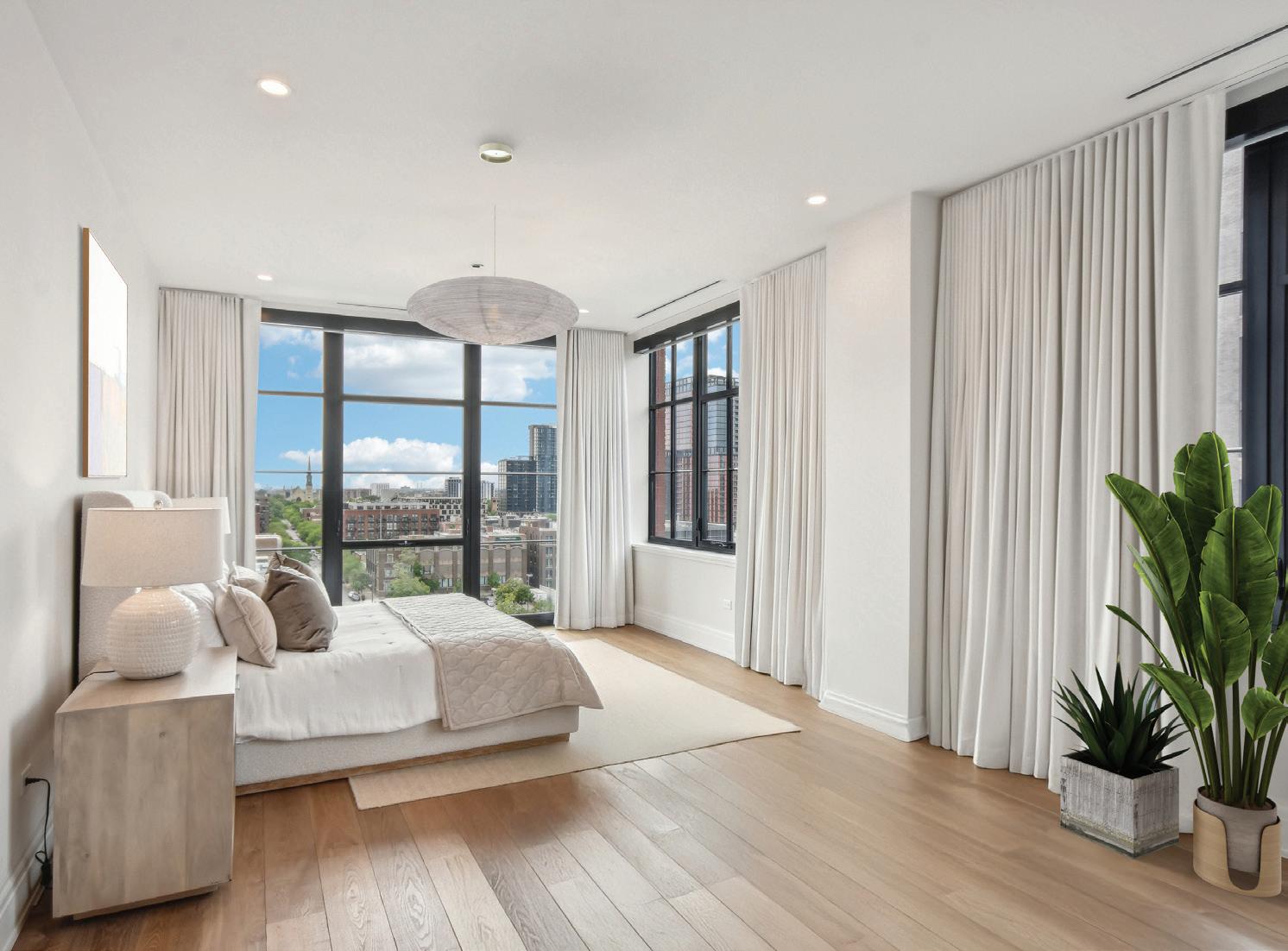
Aging
in place Many homeowners today are hoping to stay longer in their homes.
equity you use should be reinvested to add value to your investment,” Nixon said.
“Most homeowners are sitting on a ton of equity,” Consedine said. “But every move, every renovation, and every refinance should align with their financial goals.”
Multigenerational bookends
Squeezed between steep down payments and high interest rates, a growing number of families are opting to live together. According to the Pew Research Center, multigenerational households have tripled over the recent past, with 18% of American homes having three generations under the same roof, up from around 6% in 1971. “Adult kids who can’t afford to make the leap are staying
with their parents longer, and aging parents who have locked in lower interest rates want the extra help,” Nixon said. “It goes hand in hand, like bookends.”
More than 40% of respondents to a Berkshire Hathaway HomeServices network-wide survey said their clients are talking more about aging in place. Perhaps unsurprisingly then, design features that can accommodate the shifting needs of multiple generations are growing in popularity among buyers increasingly “searching for first-floor dens that can be converted into an extra bedroom or office,” Nixon said. “Finished basements that can be converted into private spaces are also popular for both aging parents and adult children.” According to an October 2025 study by Realtor.com on home prices, homes with a first-floor bedroom are listed at 22.5% higher asking prices than homes without one.
Homeowners are drawing on equity to fund these adaptations. “In the past, homeowners might have sold the house that couldn’t accommodate mom coming
Berkshire Hathaway HomeServices Chicago
to live with them,” Consedine said. “But now they’re using equity to expand the property with an extra wing to bring in family members.” When expansion isn’t possible, parents are often drawing on equity to give children down payments for homes nearby, Consedine added. In Chicago, Nixon is seeing a similar phenomenon. “Probably 75% of my buyers prioritize being closer to their parents or children in their search.”
ADUs are all the rage
Homeowners increasingly want to live in their homes as they age—according to a recent survey by AARP, 75% of adults over the age of 50 said they do—and are prioritizing age-in-place adjustments. Along with first-floor bedrooms, adjacent bathrooms, and one-story living adaptations, multiple-story homes that can accommodate a small elevator command higher premiums.
In areas where property values have risen at an explosive rate, accessory dwelling units are stepping in to fill the inventory gap. About 64% of Berkshire Hathaway HomeServices survey respondents said ADUs are becoming more popular in their area. Brenda Maher, president of Berkshire Hathaway HomeServices New England Properties, has watched property values in her Connecticut, Rhode Island, and Hudson Valley region appreciate by more than 63% since 2020. “Homeowners are drawing on that home equity to renovate for longer-term living, but, because demand is so high, also adding an ADU,” she said. “Parents who have been in their homes for 30 to 40 years and were getting ready to sell, forgo putting their homes on the market and instead have their children move in. The parents stay put, but add an ADU that can better accommodate their age-in-place needs.” ADUs often
accommodate grown children returning home, and the potential rental income they generate can offset the rising costs of at-home care.
Equity as an income engine
Investment properties—often funded by accrued equity from a primary residence—are becoming more popular as income generators, our experts say.
In markets like Las Vegas, which has added an extra million residents since 2020, not building on the equity being accrued is a missed opportunity. “People commonly make two investment mistakes here,” said Troy Reierson, CEO of Berkshire Hathaway HomeServices Nevada Properties. “In our same-day delivery society, people get impatient and sell too early, forgetting that real estate is a 10-year play or more. The second mistake they make is letting their equity sit when they can put it to work buying more real estate.”
Given the city’s high rental demand,
Be informed on the current market conditions, the dynamics that can impact it, and work with a real estate professional that understands them as well.”
STEVE KOLENDA
Berkshire Hathaway HomeServices
Florida Realty
↑18%
According to the Pew Research Center, multigenerational households have tripled over the recent past, with 18% of American homes having three generations under the same roof.

Reierson often advises clients to use their accumulated equity to build their rental portfolio. “That way they’re building wealth by having an asset that’s paid for by somebody else,” he said.
Agents advising for the long term
Deploying equity strategically, understanding when to tap in, for what purpose and how much, as well as understanding the ins and outs of taxes, estate planning, and resale impact, requires financial sophistication. Real estate professionals across the country are responding to these needs by repositioning themselves as long-term wealth advisors. “These days we’re less transactional and more forever agents with financial planning resources,” Consedine said. “We help them understand how the design and financial choices today will impact their home values down the road.”
Overall, the shift to equity as a long-term building block for wealth is becoming a multidecade strategy. “Thinking of a home as a long-term investment allows for the possibility of massive equity growth,” Maher said. “Homeownership is the No. 1 way to build generational wealth and pass it along to children down the road,” she said.
“A home isn’t just where you live,” Consedine explained. “It’s one of your most powerful wealth-building tools.”•
The right home...will remain a good investment for years to come.”
ARMEN SARKISSIAN
Berkshire Hathaway HomeServices California Properties
Mortgage rates: How low do they need to go?
Experts predict what will get the market really moving again

Super-low mortgage rates haunt the U.S. real estate market. The not-so-distant memory of rates around 3% is keeping buyers on the sidelines as they wait for a better borrowing environment, while current homeowners with sub-4% rates are staying in place when they may have otherwise moved on.
Interest rates have been slipping since September 2024, when the U.S. Federal Reserve began to lower them after a brief increase to correct for inflation. But the housing market remains somewhat
sluggish as buyers hold on to hope that mortgage rates may fall further. Those hopes have not yet fully come to fruition.
“There’s a general feeling of stability in rates now, but it’s taken a while for people to get used to a rate environment” around 6%, said Steve Roney Jr., executive vice president, Berkshire Hathaway HomeServices Utah Properties.
The big news at the end of February 2026 was that the 30-year fixed mortgage rate fell to 5.98%, marking the first time in three and half years that it had dropped

below 6%, according to Freddie Mac. At the same time in 2025, the 30-year FRM averaged 6.76%.
Some say the market could open up significantly if rates drop to around 5.5%, but even just below 6% may do the trick. According to Freddie Mac, the lower rate combined with improving availability of homes is meaningful, and will likely encourage potential buyers to enter the market for the spring 2026 homebuying season.
But the drop could be a double-edged
The mortgage rate effect
The vast majority of Berkshire Hathaway HomeServices network members point to higher interest rates limiting the number of deals they're seeing.
Are mortgage rates impeding the market in your area?
5.5%
Experts believe the market may really start to move once interest rates fall under 5.5%, but that number can be a moving target.
What matters more than—or at least as much as—the current rate
Experts say that despite stubborn interest rates, life changes are still pushing people to move.
New job
Financial growth
Marriage
Changing family Retirement
Don ’ t wait for interest rates to fall. You'll lose more in equity than you will gain in reduced payments.”
DAVID STRIBLING II
Berkshire Hathaway HomeServices Northwest Real Estate
sword, according to Justin Messer, CEO, Prosperity Home Mortgage.
“There’s been a lot of banter back and forth about that, but folks tend to lean into 5.5% or less,” he said. “What that does is limit the payment shock.”
That’s especially important for people currently sitting in houses with mortgage rates in the “high-threes or mid-fours,” Messer said. That lower rate—and not-quite-as-high a jump in monthly payments—could coax would-be sellers off the fence and into a new home.
Normalizing market
Mortgage rates don’t exist in a vacuum, Messer notes. When rates go down, prices are likely to go up and housing inventory—already limited—could fall.
“You kind of have a really vicious cycle there on affordability,” Messer explained. A combination of factors is needed to significantly shift the market, he added.
“If you drop rates down 100 basis points—from 6.5% to 5.5% or 6.25% to 5.25% for example—the forecast is that
it would increase purchase mortgage activity between 10% and 15%,” Messer said. “Would it open the floodgates that I think we’re all hoping for? Not quite. You need a combination of things. You need mortgage rates to come down, you need housing prices to not necessarily depreciate, but just not appreciate quickly, and you need some incomes to increase.”
Messer is also keeping an eye on the Trump administration’s plans for housing reform. In his December 2025 address to the country, President Donald Trump indicated there are going to be large reforms to the housing industry in the future. That may translate to changes to zoning or permitting, Messer noted. Trump has also announced plans to ban investors from buying single-family homes to open up inventory for would-be buyers. Whether that will get congressional approval remains to be seen.
DeAnn Golden, president and CEO, Berkshire Hathaway HomeServices Georgia Properties, said lower mortgage
rates could certainly push home prices up, adding that some buyers get caught up in the rate without doing the math, which should consider commuting, school fees, or other lifestyle-related costs. “Did you really equalize it out as monthly or a per diem cost? You have to look at the monthly difference,” she said.
In addition, today’s mortgage rates are closer to rates seen over the last three decades, typically falling within the 5% to 7% range, according to Golden.
“Over the past 30 years, the most typical environment for a 30-year fixed mortgage has not been the ultra-low rate that we saw in these abnormal times, but they're much closer to where we are today.”
Plus, she added, “We’re really in a normalizing market...the insanity of multiple offers with inflated asking prices and no contingencies is for the most part in the rearview mirror.”
In January 2026, the Fed paused its rate-cutting for the first time since July 2025, maintaining the benchmark federal-funds rate in the range of 3.5% to 3.75%. Even if the Fed reinstates federal fund rate cuts during its subsequent meetings in 2026, it won’t necessarily translate to significantly lower long-term mortgage rates. Banks set those mortgage rates, and often factor in potential cuts before the Fed makes any formal announcements.
According to most predictions, mortgage rates will hover around 6% throughout this year.
Still, the memory of low rates lingers, even if returning to rates in the low-threes is unlikely, according to Baylor LancasterSamuel, chief investment officer, Amerant Investments at Amerant Bank.
“Even though we did get some sort of relief, it’s not back to the sort of 3% level that we saw in the pandemic,” she said. “That was recent enough that there’s
still some wistfulness that we would get back to something like that, but it’s very unlikely. That was a very abnormal rate.”
Life happens, regardless of rates
As time passes and life events arise, people are slowly getting used to the new rate environment, said Danny Joyner, president and CEO, Berkshire Hathaway HomeServices C. Dan Joyner REALTORS® in Greenville, South Carolina. “As far as the economy, my opinion is that we will see increased spending from higher income earners and that middle and lower income will be moving for necessity,” he said. Furthermore, when people have a job or life change, they usually need to move in a relatively short timeline, regardless of rates.
“The number of people relocating to our area for job opportunities remains
Mortgage rates, 2020-2025
30-year fixed mortgage rates have grown significantly from very low points over the past few years. Most experts predict a slight drop in 2026.
Source: Freddie Mac data
Understand your fears and pain points, come up with a monthly housing mortgage budget, and figure out which of the 50+ loan products works best for you right now.”
JEFFERY
M. GOODALL JR. Berkshire Hathaway HomeServices California Properties
steady, which continues to provide underlying support for buyer demand,”
Joyner explained. “Pre-inspections and accurate pricing remain critical.”
Joseph Rosen, an Ohio-based senior home lending advisor with Chase, said rates aren’t always a buyer’s biggest worry. “It’s really just about affordability and if they have their ducks in a row to be ready to make that move,” Rosen noted.
For those looking to make a move in the next few years, the first thing to do is to clean up their financial profile, he said, ensuring that “their financial health is in the best position they can get it. If you’re carrying revolving credit card debt, get that stuff paid off. Or if you have a car loan, try to eliminate that payment. Getting those things paid off will make buying a home more affordable,” and allow you to buy the best home you can, he said.
Buyers are “demonstrating increased payment-consciousness and selectivity,” according to Joyner. “Consequently, overpriced properties and those requiring significant updates are experiencing longer market times,” he said. “However, well-priced, move-in-ready homes in desirable locations continue to sell, maintaining a relatively tight inventory compared to historical averages.”
You can oftentimes request seller concessions to help buy down your mortgage rate and get the kinds of repairs people only dreamed about in 2021.”
AMANDA SHAVER
Berkshire Hathaway HomeServices
Colorado Real Estate
How to lower your mortgage rate
People are getting creative when it comes to lowering mortgage payments. Here’s what they are doing.
Consider an ARM
“We’ve certainly seen a hefty increase in adjustable rate mortgages,” said Justin Messer of Prosperity Home Mortgage. That’s especially true for buyers who may not have plans to stay in place for 10 or 20 years. They can make monthly payments more manageable and are also quite safe from a credit standpoint, as people have to qualify for the full rate, not the lower ARM rate.
“They do allow folks to have a little bit more affordable payment,” Messer said. “And, at some point over the next five or seven years, they may have the ability to refinance that into a more favorable fixed rate loan.”
Negotiate with sellers
Some buyers are negotiating with a seller for credit to temporarily buy down their interest rate, Messer explains. The rate may be 2% less the first year and 1% off the following year, sort of a “faux ARM type transaction.” Although the rate will increase eventually, the seller concession allows people a “more affordable entry into this house and they can hope for an opportunity to refinance it into a lower rate longer term.”
Get a buydown in a new development
“Mortgage buydowns have been used historically in the relocation business where an individual moves from one place to another and they need some kind of help,” said Steve Roney Jr. of Berkshire Hathaway HomeServices Utah Properties. Smart developers have adopted the practice, offering lower rates as a concession when buying in their new project.
Consider a longer-term mortgage (if available)
President Trump floated the idea of a 50-year mortgage late last year, and while Roney concedes it’s a “silly solution on one level, it’s sort of equivalent to a buydown.” Buyers could potentially qualify for a more expensive home while paying a lower monthly payment. In addition, they may not have plans to stay for 50 years, so the immediate savings outweighs the added interest they would pay if they had the loan for its full term.•
Trophy property, money maker, or equity builder?
Different places, different purposes
The second-home market has been relatively strong as of late. But buyers’ priorities—especially in more affordable markets—are changing, as some look to second homes as potential income generators and others see them as equity builders.
A recent survey by real estate consulting firm RCLCO found rising demand among buyers for second homes with short-term rental potential across wealth levels. Google Trends data show sustained interest for second homes and investment properties
throughout the past 12 months, too.
“Roughly 42% of qualified respondents in 2025 indicate that generating investment income is a major justification for their purchase, up from 33% when RCLCO last conducted the survey in 2023,” according to the firm’s 2025 Vacation Home Investment Survey.
In addition to an increase in professional rental management services, RCLCO said the rising interest in vacation homes as rental properties represents a generational divide: Younger buyers are more inclined to view
According to a recent survey by real estate consulting firm RCLCO, 42% of interested second-home buyers see generating income as a major driver for buying a home. 42%
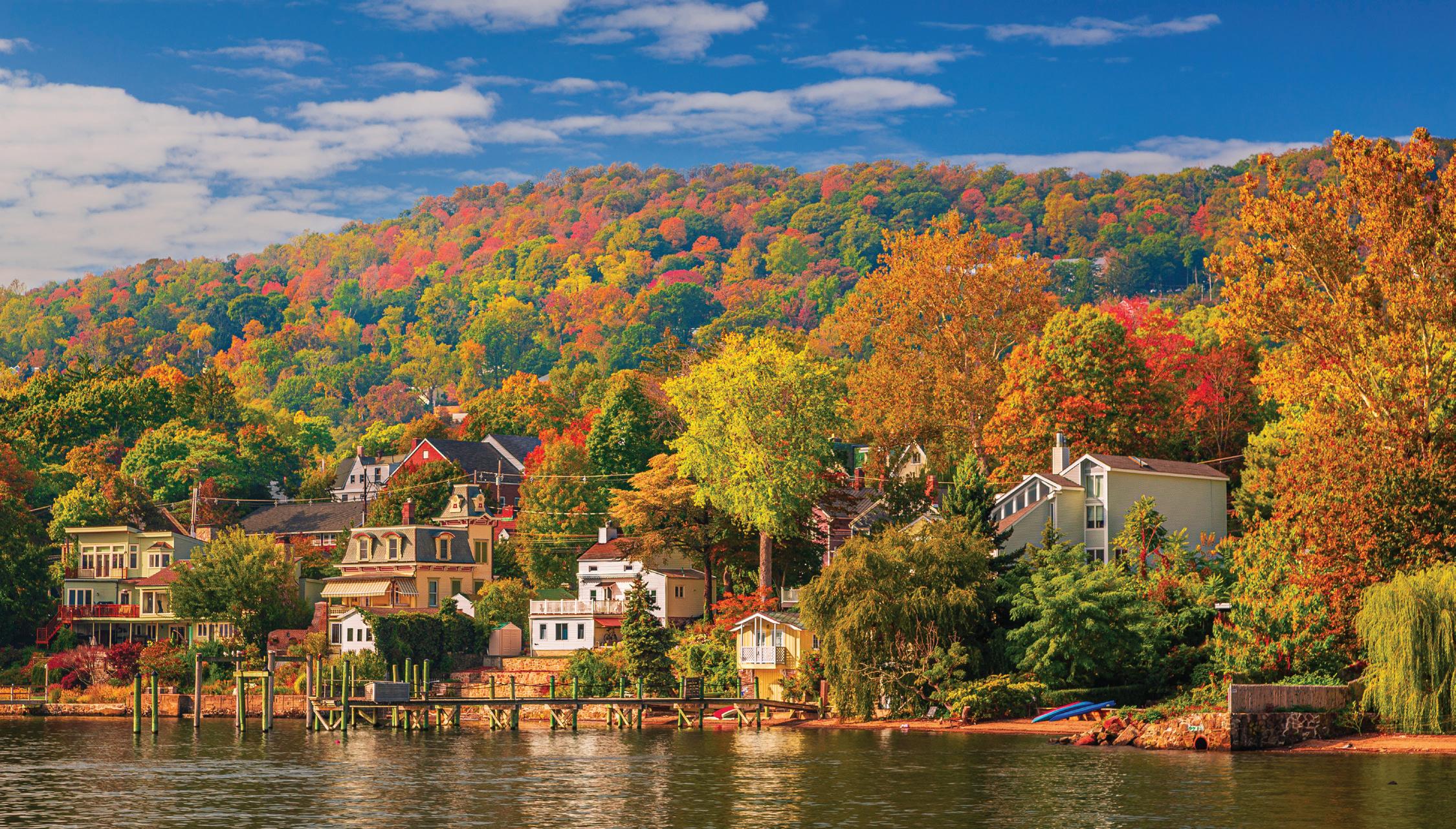
New York's Hudson Valley continues to attract New York City dwellers looking for a second home—and a second income, too, sometimes.
Barriers to entry

Vacation homes like this one, dubbed Sandpiper Estate, which abuts Lake Michigan, are sometimes pure trophy homes. Other times, they can be real investments.
rental participation as essential, while older buyers—who have accrued more wealth—lean toward exclusive use of these vacation properties.
The difference is not only generational, but geographical. Shifting market conditions in specific resort areas have led to changes in buyer priorities. While some markets are experiencing an increase in investment buying, others—particularly those where prices rose dramatically around 2020—have seen investment buyers leave the market, replaced by those purchasing primarily for personal enjoyment.
Price point is a crucial factor in these trends. Roughly 60% of those surveyed by RCLCO said they were searching for properties priced under $1 million. In markets where average sales prices are well above this threshold, investors may struggle to generate sufficient short-
term rental income to cover their costs, particularly if they are relying on a loan to fund their purchases.
Below, a look at where things stand across the U.S.
Rising demand for rental
properties among buyers in the Poconos, the Hudson Valley, and Middle Tennessee
A perennially popular second-home market, the Poconos, an area in Pennsylvania that gets its name from the Pocono Mountains, has seen “steady and sustainable demand” over the course of the past year, said Kimberly Stevens, broker and chief visionary at Berkshire Hathaway HomeServices Pocono Real Estate. The predominant trend among buyers in 2025 was a demand for properties with rent-out potential, she said, citing a pattern that has intensified over the past five years.
The majority of these buyers are “casual landlords” who want to enjoy their vacation home part time and rent it out part time to offset the cost of
Berkshire Hathaway HomeServices Michigan Real Estate
Make sure you are looking at today’s data, not yesterday’s market.”
CHRISTINA GALBREATH-GONZALEZ
Berkshire Hathway
HomeServices
Hilton Head
Bluffton Realty
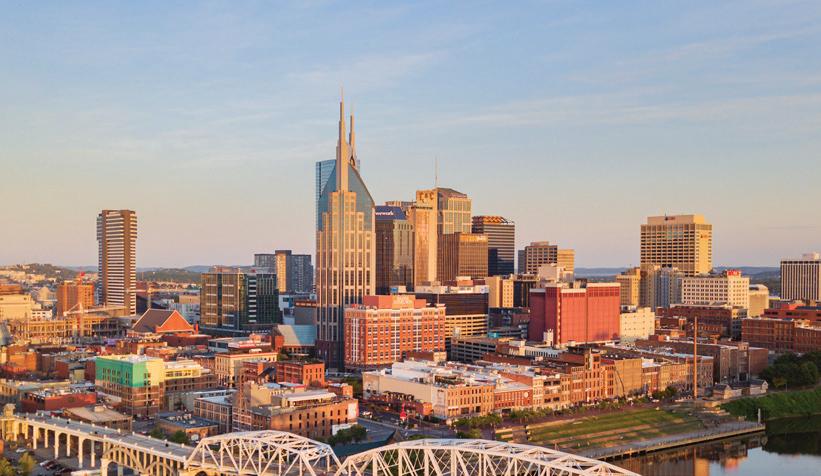
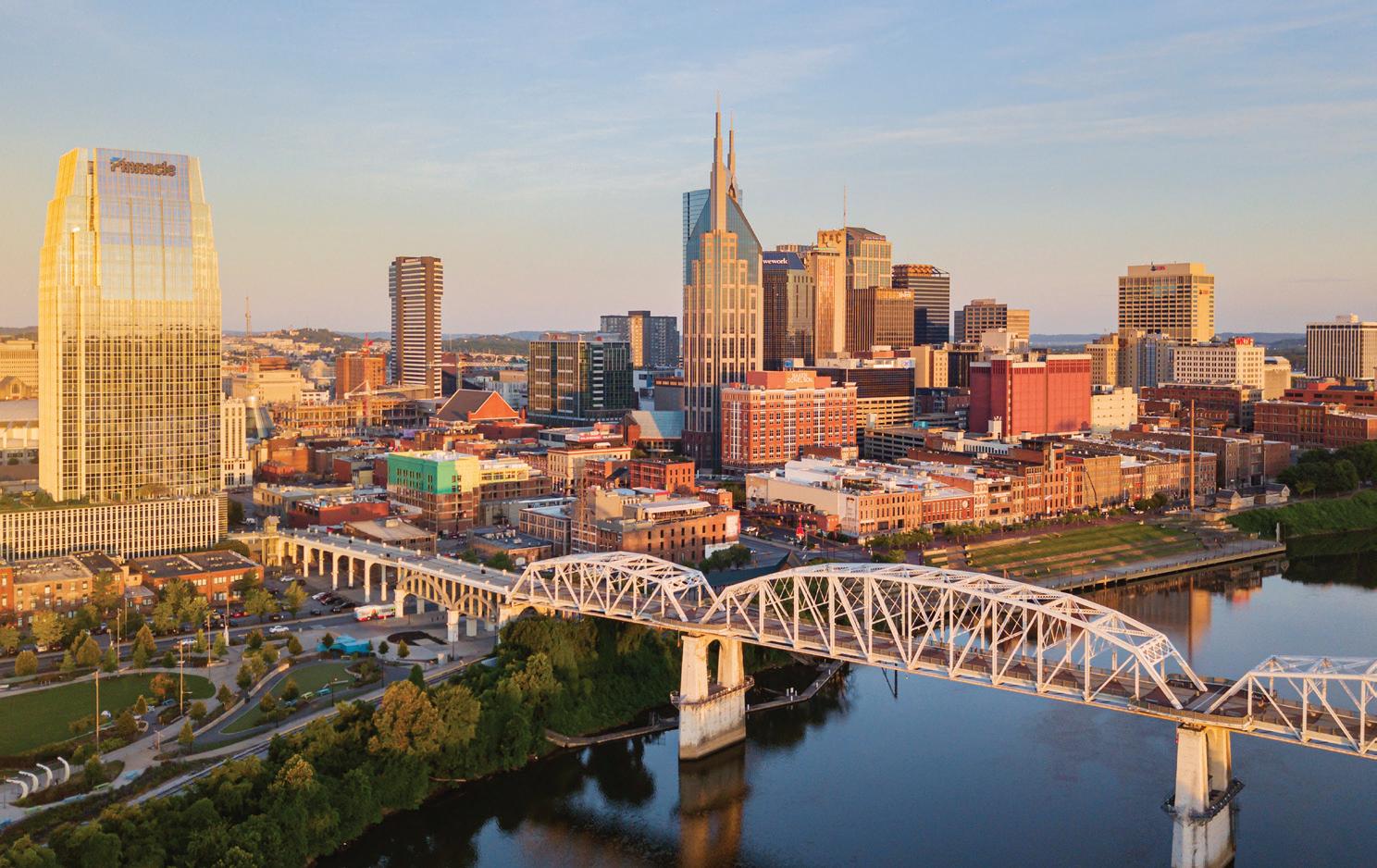
Nashville, Tennessee, is seeing an increase in buyers looking for rental income.
the taxes and the mortgage, she said. “They’re looking to get away, of course, but build wealth, too.” In 2025, homes that were already active short-term rentals or had a license ready for shortterm rent commanded premiums of 10% to 20%, she added.
The relative affordability of homes in the Poconos compared with many other resort markets makes the area particularly attractive to second-home buyers, she said. With an average home price of around $310,000, cash buyers from New Jersey or New York can pull equity from their primary residence to purchase a Poconos property, making it “easy for people to come to this area, to start to build wealth, to buy investment properties.” Tax advantages are another draw, with many buyers purchasing second homes in order to take advantage of 1031 exchange opportunities, which defer capital-gains taxes when exchanging one investment property for another.
New York’s Hudson Valley has also seen an uptick in buyers looking for affordable second homes suited to generating rental income, said Robert
Silverman, regional vice president and leader of the Berkshire Hathaway HomeServices New York Properties office in Rye. “The pattern in 2025 was a broader market of buyers, not only highend buyers, looking for homes under $1 million that can serve as a weekend retreat or a rental,” he said, adding that he’s recently seen “a rising number of purchases where rental projections were explicitly discussed during negotiations.”
In comparison with the pandemic years, when many buyers prioritized long-term relocation and were willing to renovate, “today’s purchasers are looking for immediate utility and income potential,” he added. “This shift explains why properties under $1 million with good amenities are especially popular.”
With stock and bond markets uncertain, a second home with rental potential is an attractive prospect for buyers who want to leverage their equity to accelerate wealth building “as both a yield and a long-term appreciation play, especially in a destination region with steady tourist demand,” he said.
For the year ahead, he expects to see “moderate, sustained demand for second homes, especially pricesensitive and rental-oriented buyers, provided mortgage rates stay on their recent easing path.” But he warns that local regulations on short-term rentals, as well as the speed with which mortgage rates fall “will materially affect investor appetite and volume.”
In Nashville and Middle Tennessee, where property prices shot up during the pandemic and have remained far above pre-2020 levels, buyer priorities have also shifted toward homes with short-term rental potential over the past couple of years, said Ginger Holmes, principal broker and owner of Berkshire Hathaway HomeServices Woodmont Realty. Secondhome buyers across all price points “want

to be able to enjoy it, but they also want to be able to rent it out, whereas previously, in that 2021 to 2022 market, things were so fast paced they were buying second homes with low interest rates just to have one and enjoy it.”
Nashville’s strong short-term rental market means that despite high mortgage rates “they shouldn’t have too much trouble covering their expenses,” she added. Many second-home buyers are purchasing properties using equity pulled from their primary homes with a view to “wealth building as part of the retirement plan.”
A second-home investment slump in Florida and North Carolina
“We are seeing some people purchase second homes, but if we look over the past 10 years, the second-home market is notably down.”
The big corporate investors who purchased large numbers of homes with a view to generating rental income during the pandemic boom have left the market, she said. “In the past 12 months, what we’ve seen is more local or small investor groups that are purchasing second homes,” she said.
The cost of waiting to buy real estate is huge, and in the long run buying a home is one of the best investments you can make.”
RYAN SCHULZ
Berkshire Hathaway
HomeServices
Colorado Real Estate
Once a relatively affordable market, soaring pandemic prices—particularly along the Gulf Coast—have reduced affordability in Central Florida, leading to a reduction in demand for second homes there, said Casey Bryan, president of Berkshire Hathaway HomeServices Florida Properties Group. “Over the past 18 months, we’ve seen prices start to come down, where we’re seeing negative gains on equity,” she said, adding that prices have fallen 5% year over year.
Investment buyers will be keeping a close eye on the market in search of a good deal, she said, adding that while prices are trending down, an uptick of sales will be likely this year. That said, “it will probably be 2027 before we see any type of rebound.”
In North Carolina, second-home buyers have similarly displayed hesitation since the pandemic buying frenzy subsided, said Whitney Leonard, president of Berkshire Hathaway HomeServices Carolina Premier Properties. High average prices for vacation homes located close to the water mean that there aren’t many affordable options for buyers looking for a second home to provide rental income. While general demand for homes
Sunsets over open water and the silhouette of the iconic Seven Mile Bridge create the everyday backdrop at 33 Kyle Way in the Florida Keys.
remains high, with both closed volume and average sales prices up in 2025, demand from second-home buyers seeking an investment property has fallen. “It’s partly because the shortterm rental activity has declined,” she said. “They’re not generating as much on an annual basis as they were in recent years.” Most second-home buyers in 2025 were people who wanted “to use it for their own pleasure and then be able to build equity for the future, whether they keep it for retirement or, if they were to sell it, to be able to have those gains to aid in buying something different,” she said. These buyers might seek to offset some of their expenses with rental income, she added, but it’s not their primary reason for purchasing.
New Jersey’s booming resort markets push short-term investors out
In New Jersey, which has seen a “huge price appreciation” among properties all along the shore, “we had a stronger investment side when the prices were lower,” said Stephen Booth, region president and broker of record at Berkshire Hathaway HomeServices Fox &
Roach, REALTORS® in Ocean City. “As the prices have increased to where they are now…it just doesn’t make financial sense the way it used to.”
Prior to the pandemic, many second-home owners would rent out the property part time over the summer to offset their costs. “Now, what we’ve seen is those buyers diminishing and second-home buyers replacing them where they buy with cash, or with a higher percentage down, and they’re really buying just for the benefit of the use—and obviously the appreciation that goes along with that,” he said.
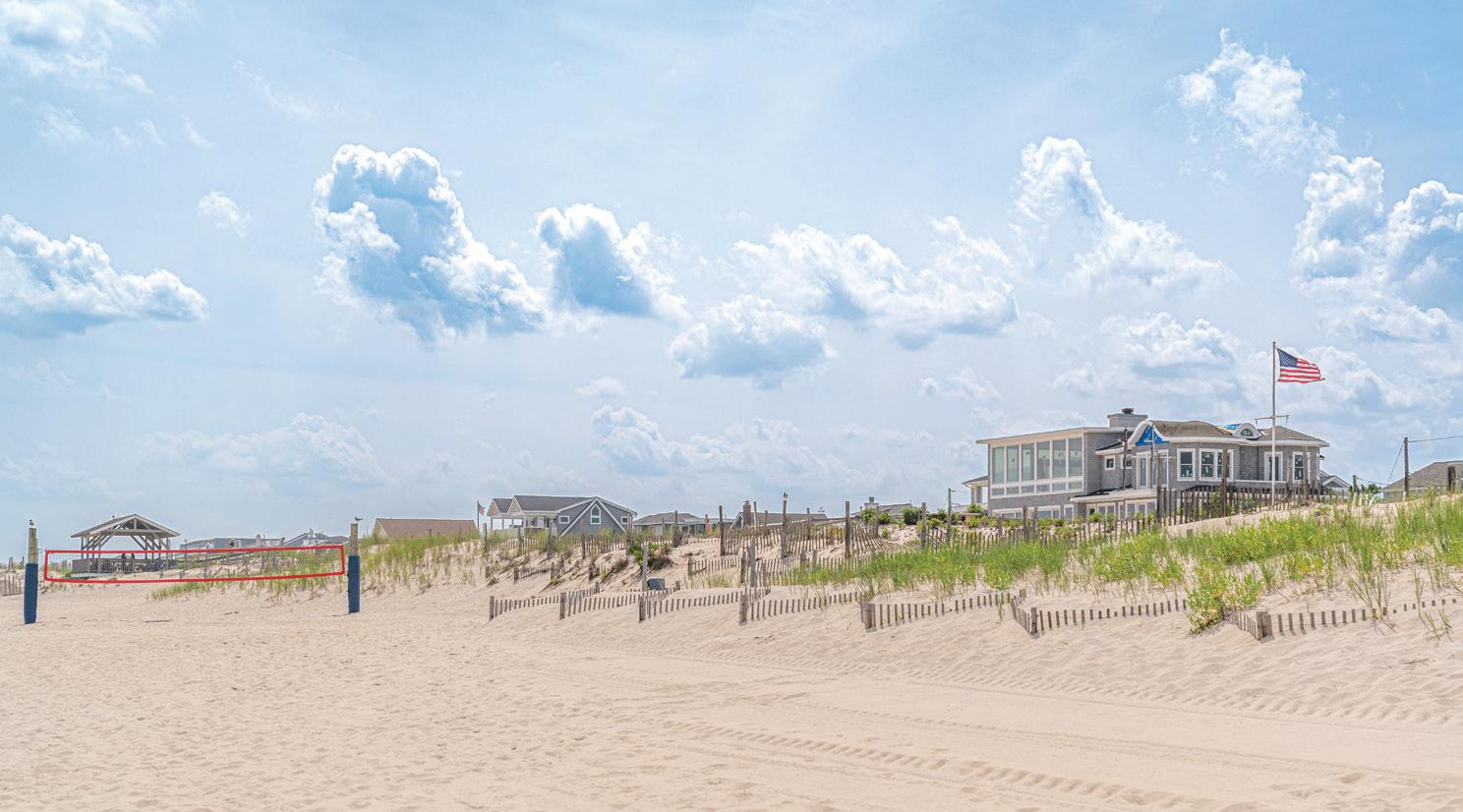
Average sales prices for properties on the Barrier Islands, a chain of islands and peninsulas along the Jersey Shore, rose to over $1 million in 2025, he said, up from $783,000 in 2020. This has driven second-home buyers looking for accessibly priced properties suitable for generating rental income inland. “They used to be mainly primary home areas, but now they’ve become primary and secondary home areas,” Booth said.
The same geographic expansion has happened in central New Jersey, said Ric Martel, region president of Berkshire Hathaway HomeServices Fox & Roach, REALTORS® in Red Bank, as
buyers looking for second homes to rent out have moved into more traditional business markets, such as Monmouth County, where Netflix is slated to open a new production hub in 2027 or 2028, leading to an influx of thousands of construction workers and employees. “There are plenty of houses to invest in central New Jersey. You just have to get yourself a couple of miles inland off the coast,” he said. Rather than generating short-term rental income, “you’re looking for a year-round tenant,” he added. “The outlook is different.”
Back at “the shore,” traditional secondhome markets are fed from New York City or North Jersey, attracting wealthy buyers who are more interested in using their homes than renting them out, Martel said. “That is definitely something that has changed over the past five or six years.”
In the past, “the numbers used to make sense where you could buy the property, use it yourself for a couple of weeks, rent it out for seven or eight weeks, and that just about covered your annual carrying costs, or at least covered all your taxes, a little maintenance, part of your mortgage and interest payments—stuff like that. But now as an investor it’s tough to make the numbers work.”
As short-term investors leave the market, an increasing number of secondhome buyers are focusing on longerterm wealth-building strategies there, he said. Many are purchasing second homes to rent out for a couple of years, even at a loss, with a view to eventually moving in and renting out their primary residences to facilitate a 1031 exchange. Looking ahead, this combination of factors means that “I do see the market continuing to roll along,” he said.•
Long Beach Island is a popular area on the Jersey Shore that appeals to second-home buyers.
©2026 BHH Affiliates, LLC. Real Estate Brokerage Services are offered through the network member franchisees of BHH Affiliates, LLC. Most franchisees are independently owned and operated. Berkshire Hathaway HomeServices and the Berkshire Hathaway HomeServices symbol are registered service marks of Columbia Insurance Company, a Berkshire Hathaway affiliate. Equal Housing Opportunity.