WILDCOAST
COASTAL CONSERVATION
COASTAL ECOSYSTEMS
WILDCOAST
COASTAL CONSERVATION
COASTAL ECOSYSTEMS
COASTAL ECOSYSTEMS
Lorem ipsum dolor sit amet, consectetur adipiscing elit. Vestibulum nec tempor eros.
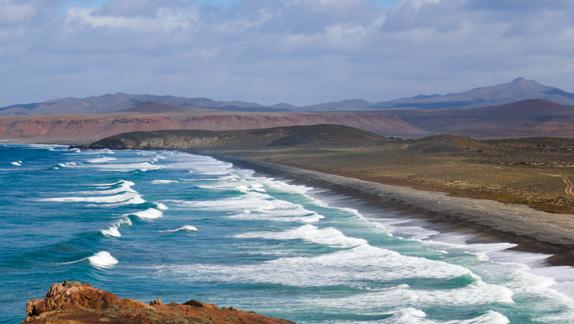
WILDLANDS
3
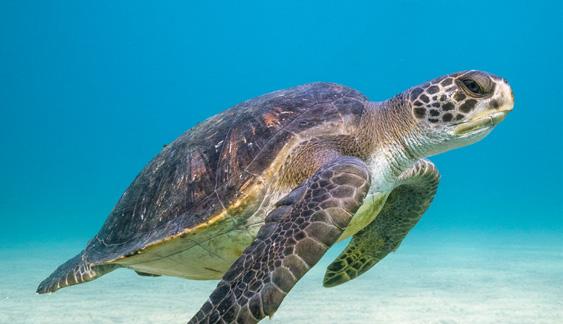
SEA TURTLES
Lorem ipsum dolor sit amet, consectetur adipiscing elit.
Vestibulum nec tempor eros. vestibulum egestas ullamcorper.
4
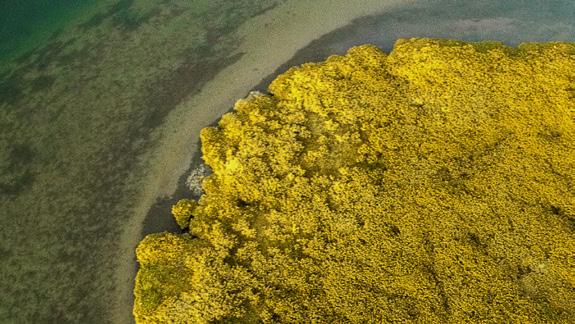
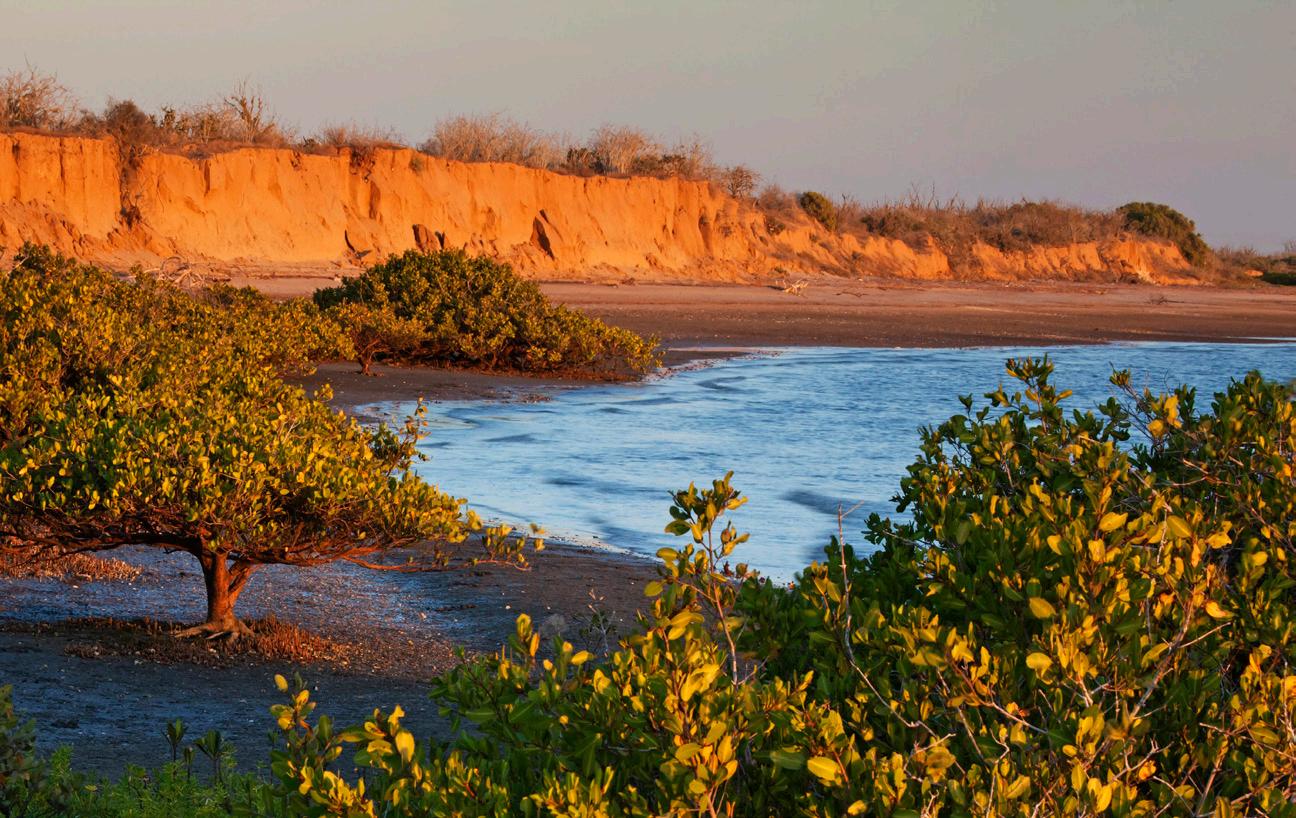
MANGROVES: RAINFORESTS OF THE SEA
Lorem ipsum dolor sit amet, consectetur adipiscing elit.
Vestibulum nec tempor cursus urna.
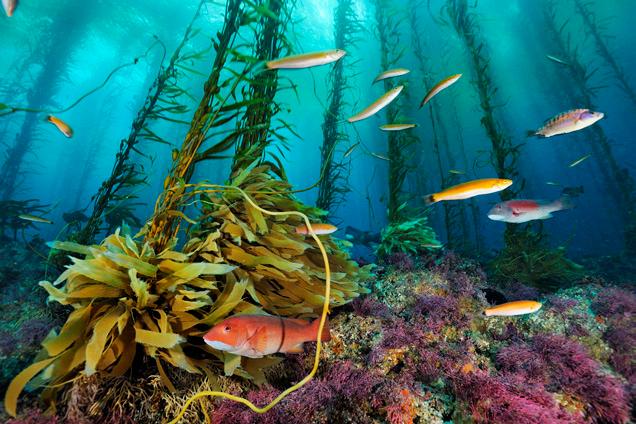
MARINE PROTECTED AREAS (MPAs)
Lorem ipsum dolor sit amet, consectetur adipiscing elit.
Vestibulum nec tempor eros. 2
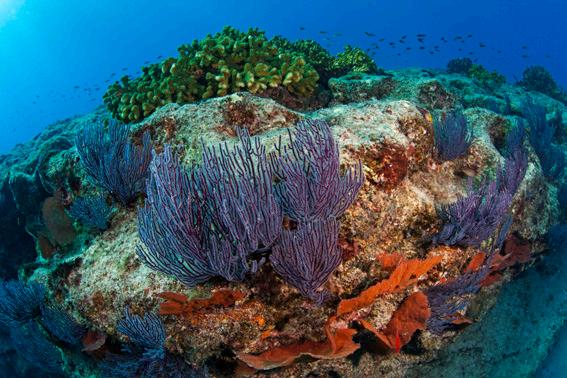
CORALS
Lorem ipsum dolor sit amet, consectetur adipiscing elit. 5
Lorem ipsum dolor sit amet, 6 7
By Serge Dedina, Ph.D.
Co-Founder & Executive Director, WILDCOAST
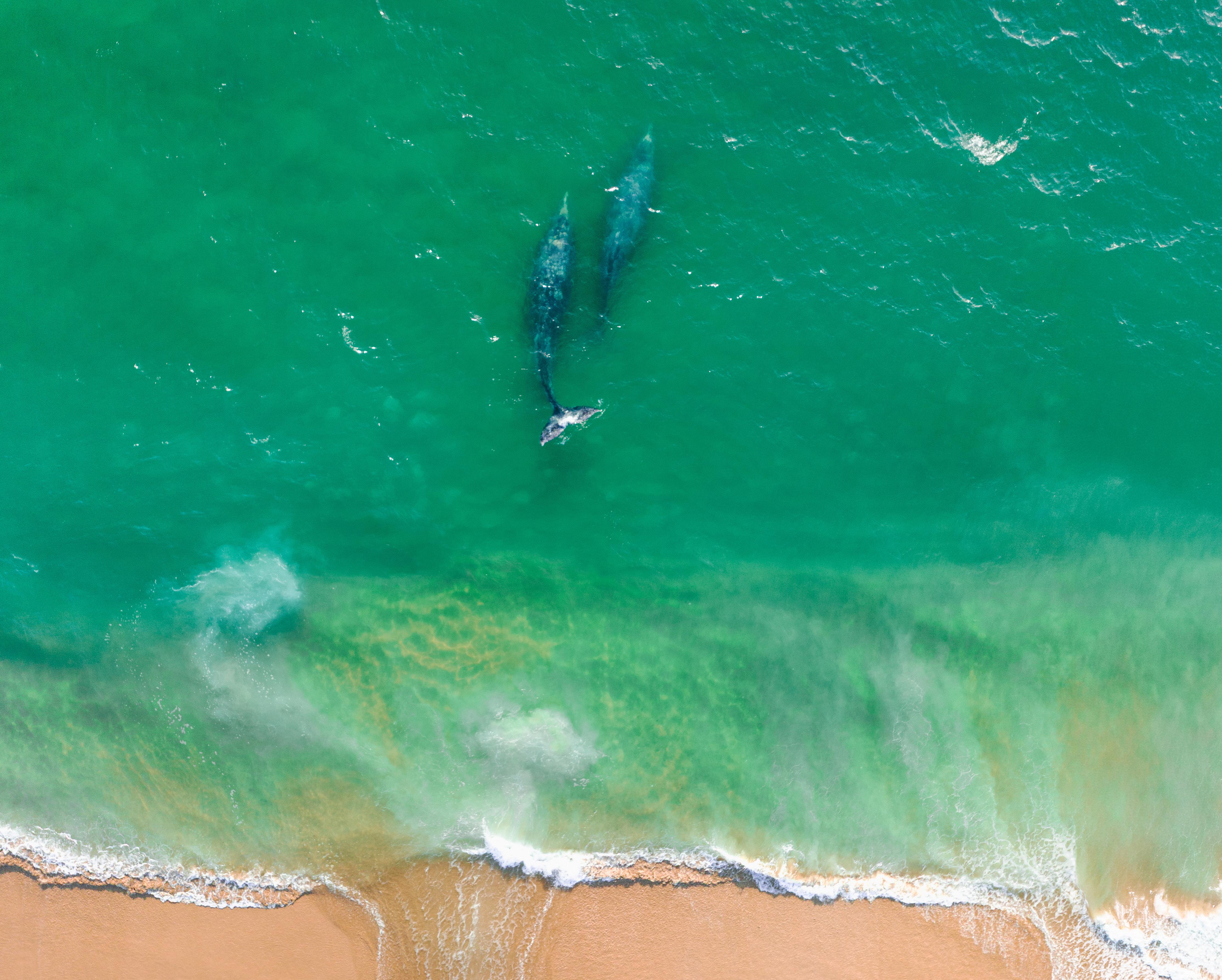
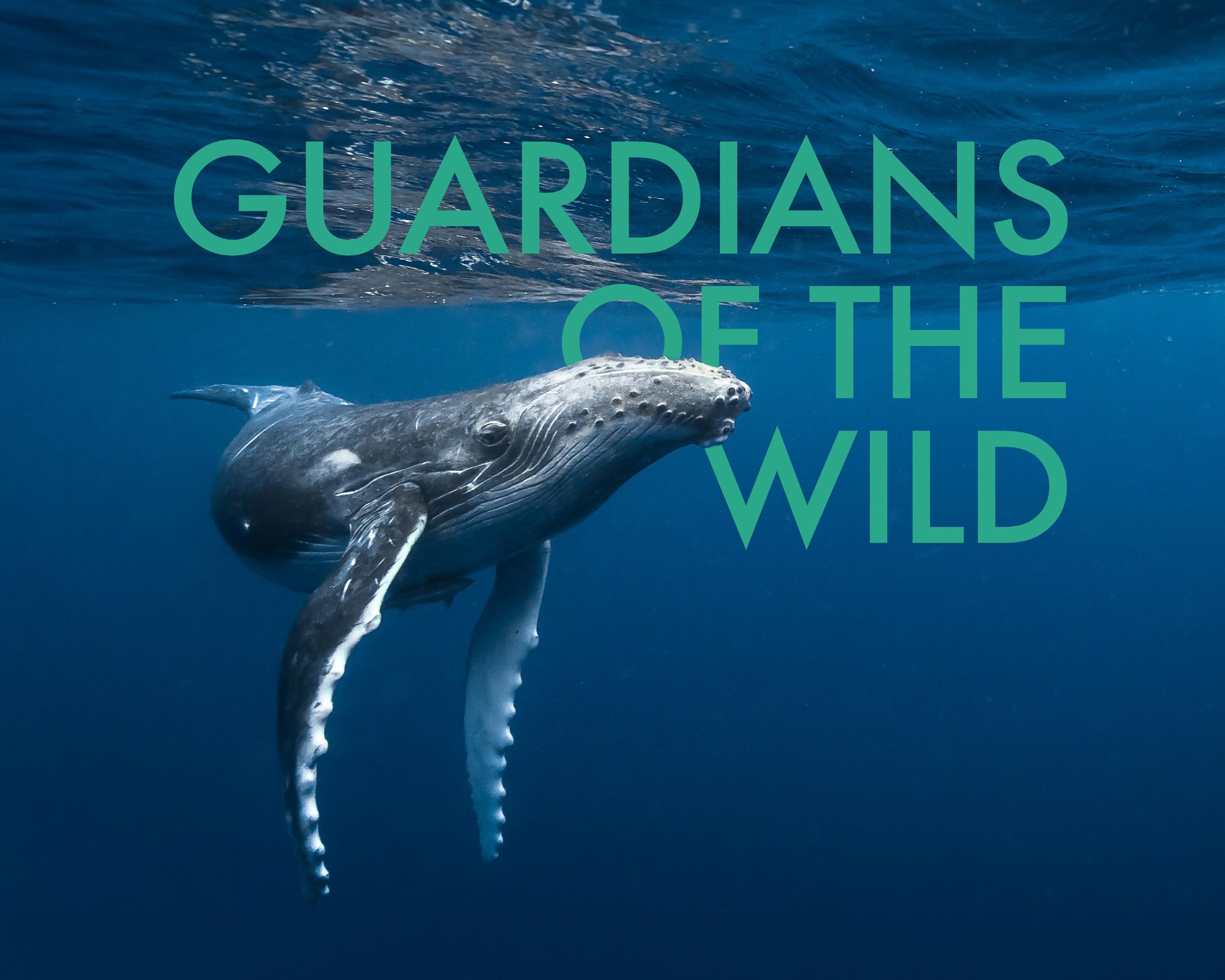
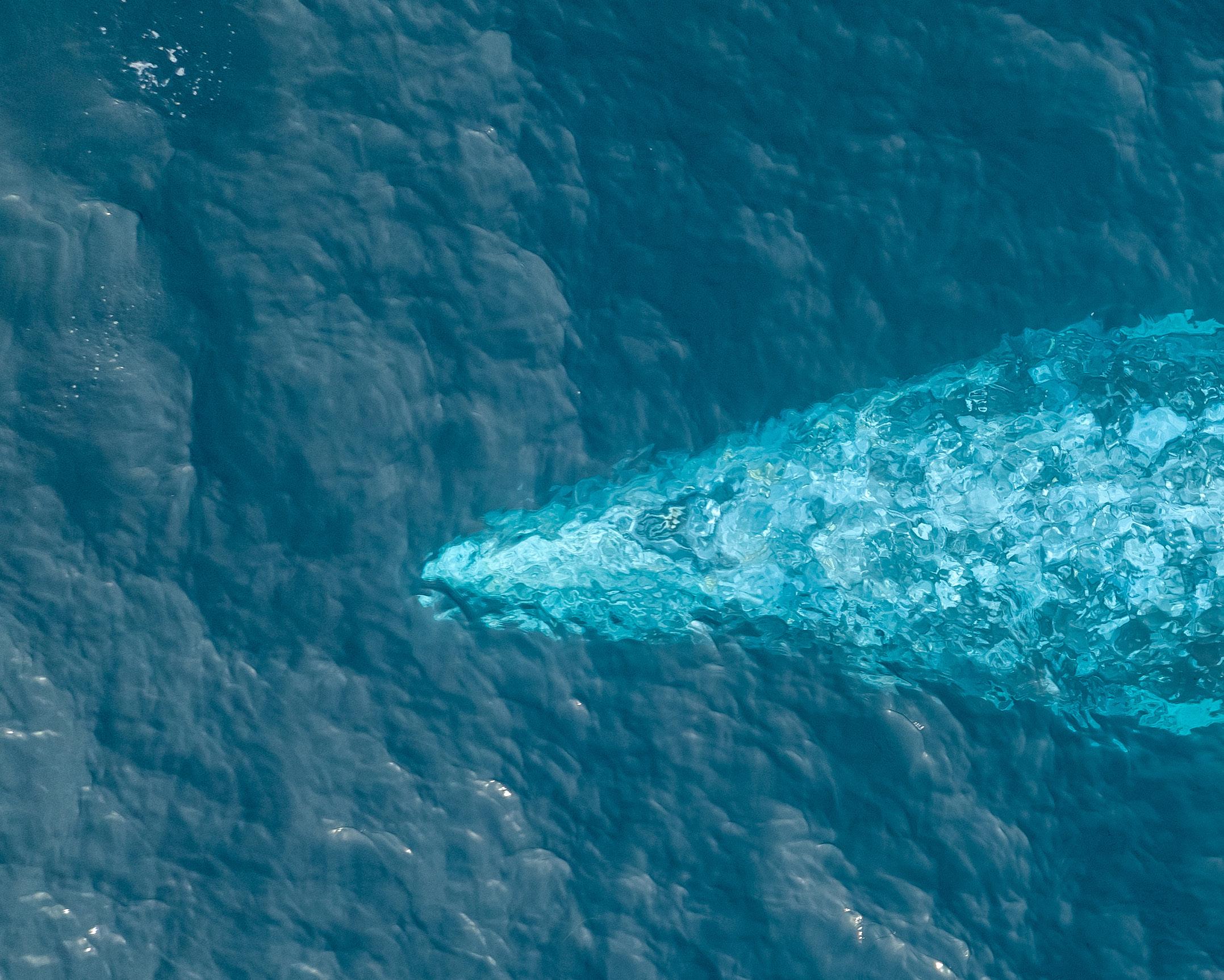
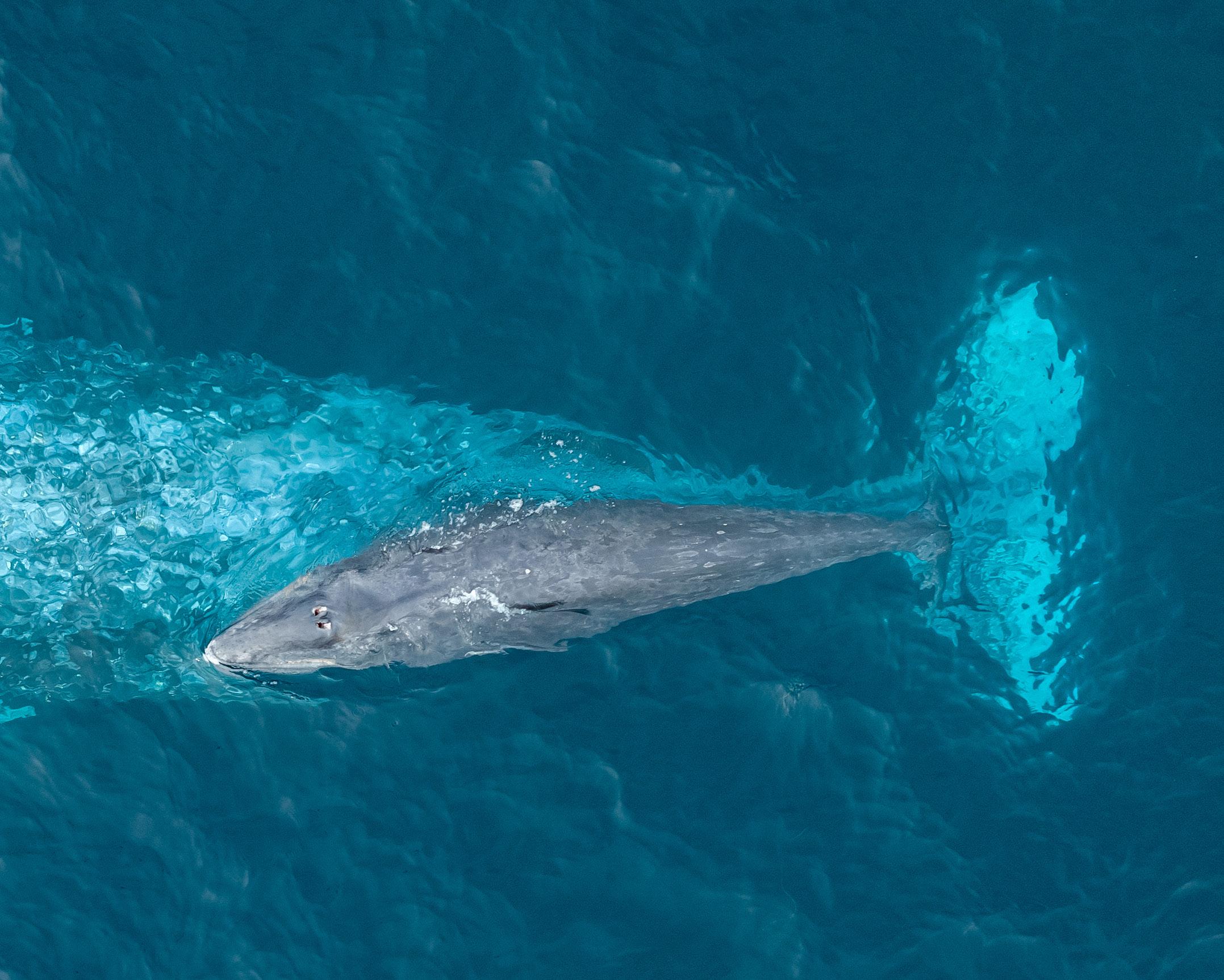
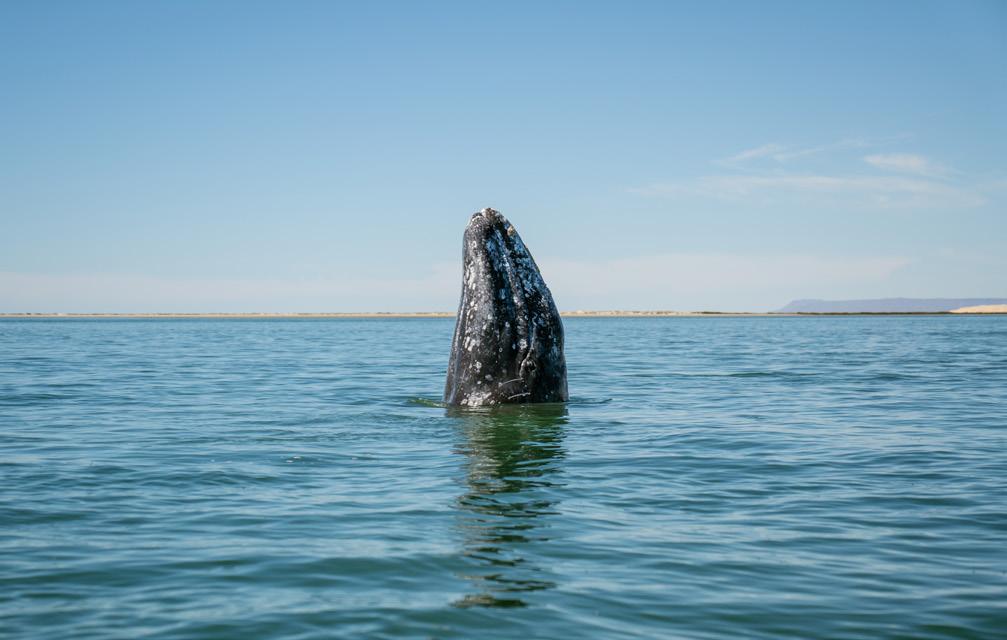
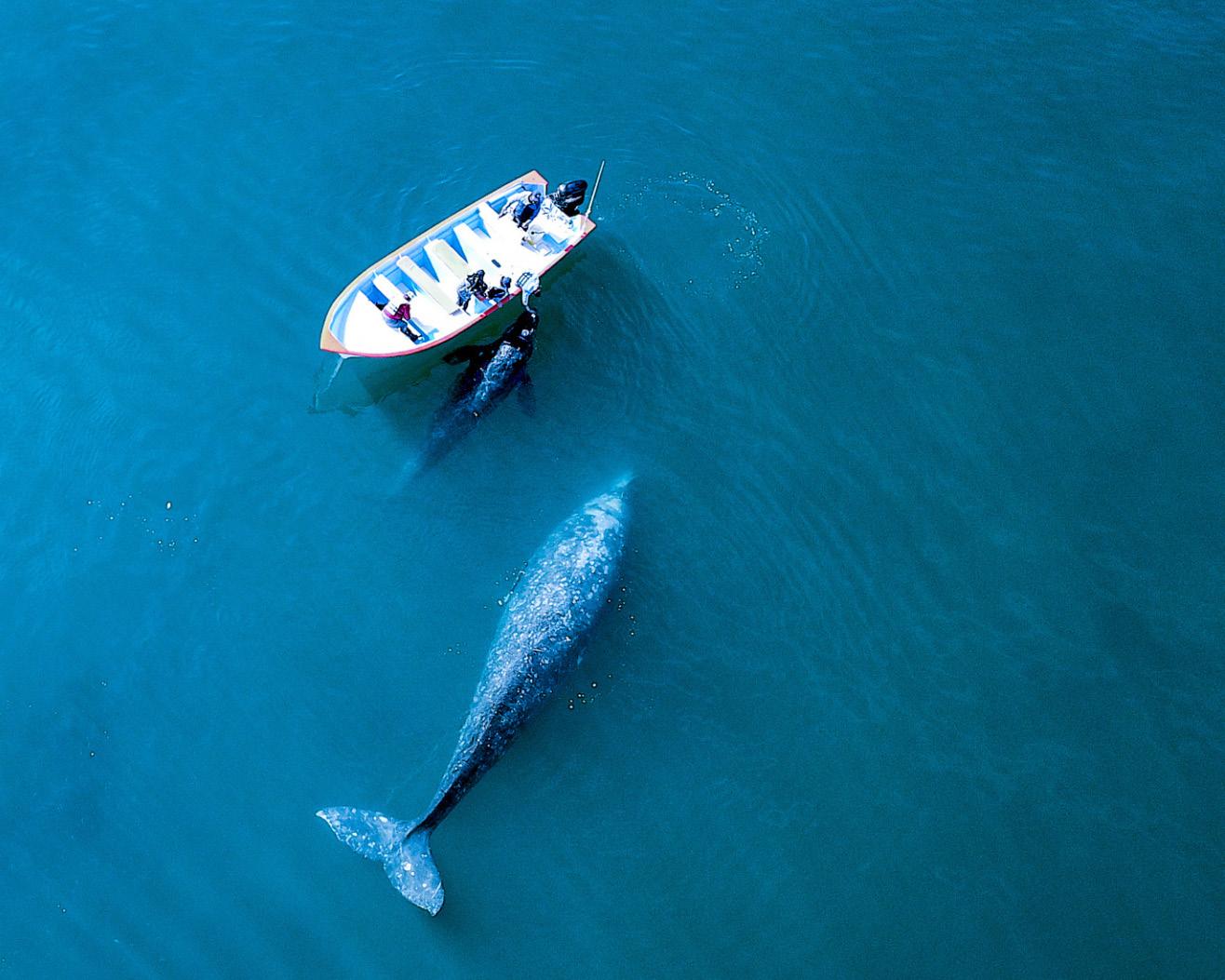
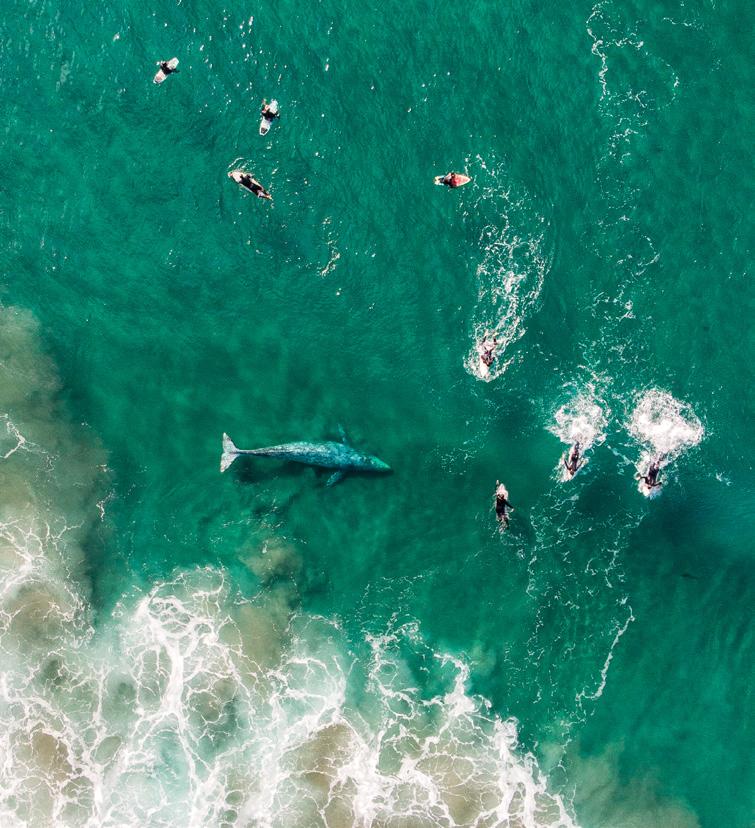
Back in 1996, I connected with Wallace “J.” Nichols, a biologist from the University of Arizona who was studying sea turtles in the Gulf of California for his doctoral research. I was finishing up my Ph.D. on gray whale conservation with my wife, Emily Young. We had just spent two years living around Baja’s gray whale lagoons with salty fishermen and their families who worked in the whale-watching industry and spent the rest of the year harvesting lobster, scallops, Pismo clams, and sharks.
While Emily and I had been impressed by the involvement of fishermen in whale watching, we were shocked by the rampant black market trade in sea turtle meat along the Baja California coast. It seemed like we encountered sea turtle poachers and the remains of slaughtered sea turtles everywhere we went. J. and I teamed up after that to identify what was happening to sea turtles along Baja’s Pacific coast and decided to co-found WILDCOAST together in 1999.
There were other threats as well. One day in 1994, a fisherman and whale watching guide Francisco “Pachico’ Mayoral, the first local guide to have an encounter with a friendly whale, shared the blueprints for a massive industrial-scale salt harvesting plant that was planned for the pristine and protected northern shoreline of Laguna San Ignacio. The project was being fast-tracked by the Mexican federal government and the Mitsubishi Corporation.
Thanks to local guardians of the wild–local whale watching guides, fishing families, scientists, and conservationists– the plans were halted and WILDCOAST was born: not out of ambition, but out of necessity, and from there our enduring truth was set. When something wild and irreplaceable is in danger, we have a responsibility to act.
One of our first campaigns at WILDCOAST, soon after the salt project was cancelled, was to halt the black market trade in endangered sea turtles and
Lorem ipsum dolor sit amet, consectetur adipiscing elit.
Vestibulum nec tempor eros.
vestibulum egestas ullamcorper.
Maecenas blandit risus in nunc porttitor, at feugiat tellus dictum. Donec consequat cursus urna.
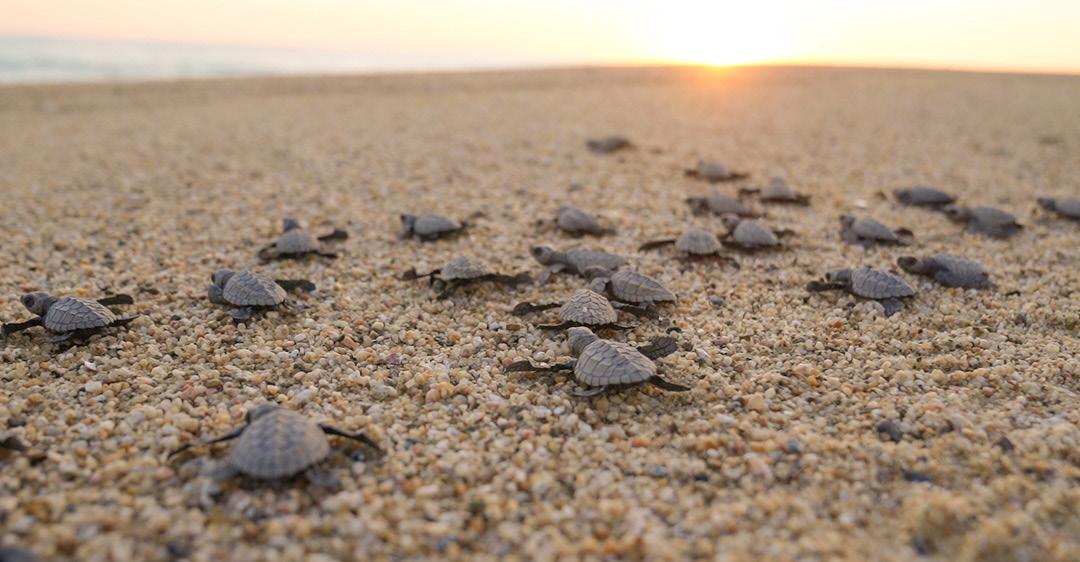
their eggs throughout Mexico. Whether it was the trade in sea turtle meat in northwest Mexico or the slaughter of olive ridley sea turtles in Oaxaca and the massive trade in their eggs, WILDCOAST stepped in, partnered with local guardians or fishing families who supported protecting these fragile marine reptiles, and helped to turn the tide for two species on the brink.
We found that again and again, nature called. And again and again, our team showed up – together. This early work defined us and our ethos, and even today continues to be the thread that binds, links, and intertwines all our projects, wild places, wildlife, and the communities we partner with.
Today, beaches in Oaxaca have seen more than 171 million hatchlings reach the sea over the past decade—living proof that when the guardians of the wild and communities lead, recovery is possible.
That ethos now spans almost three decades of conservation across California and Mexico. From protecting
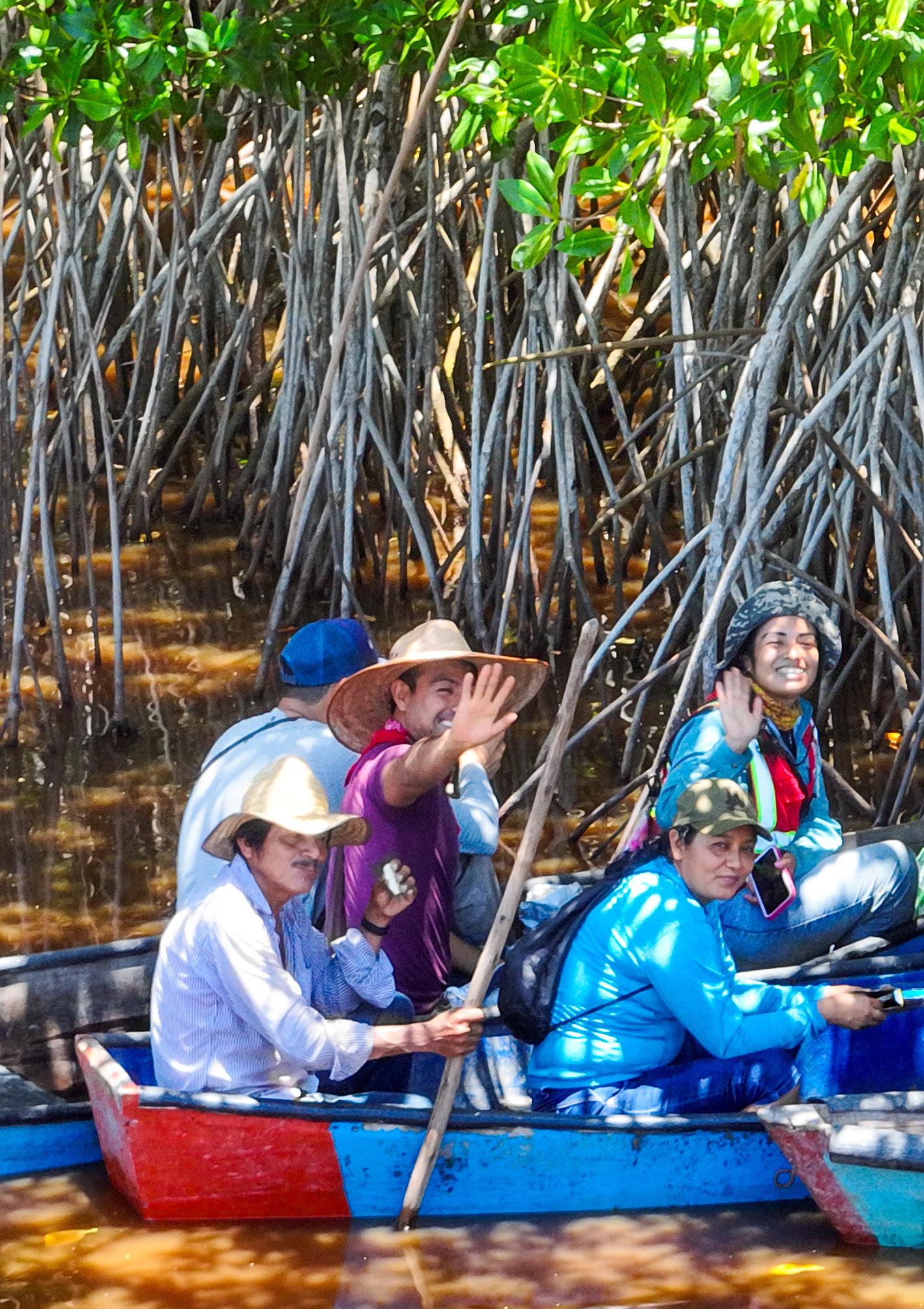
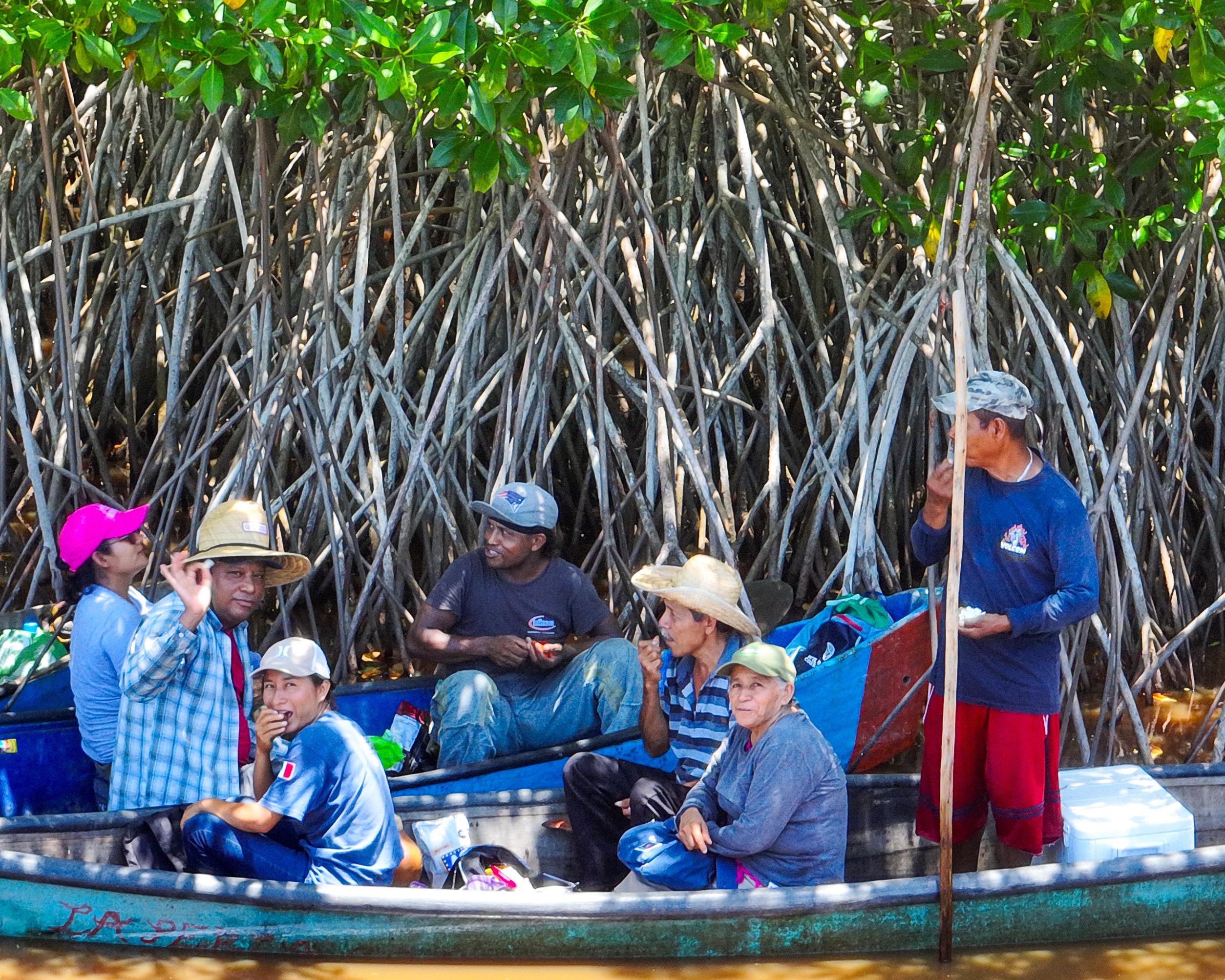
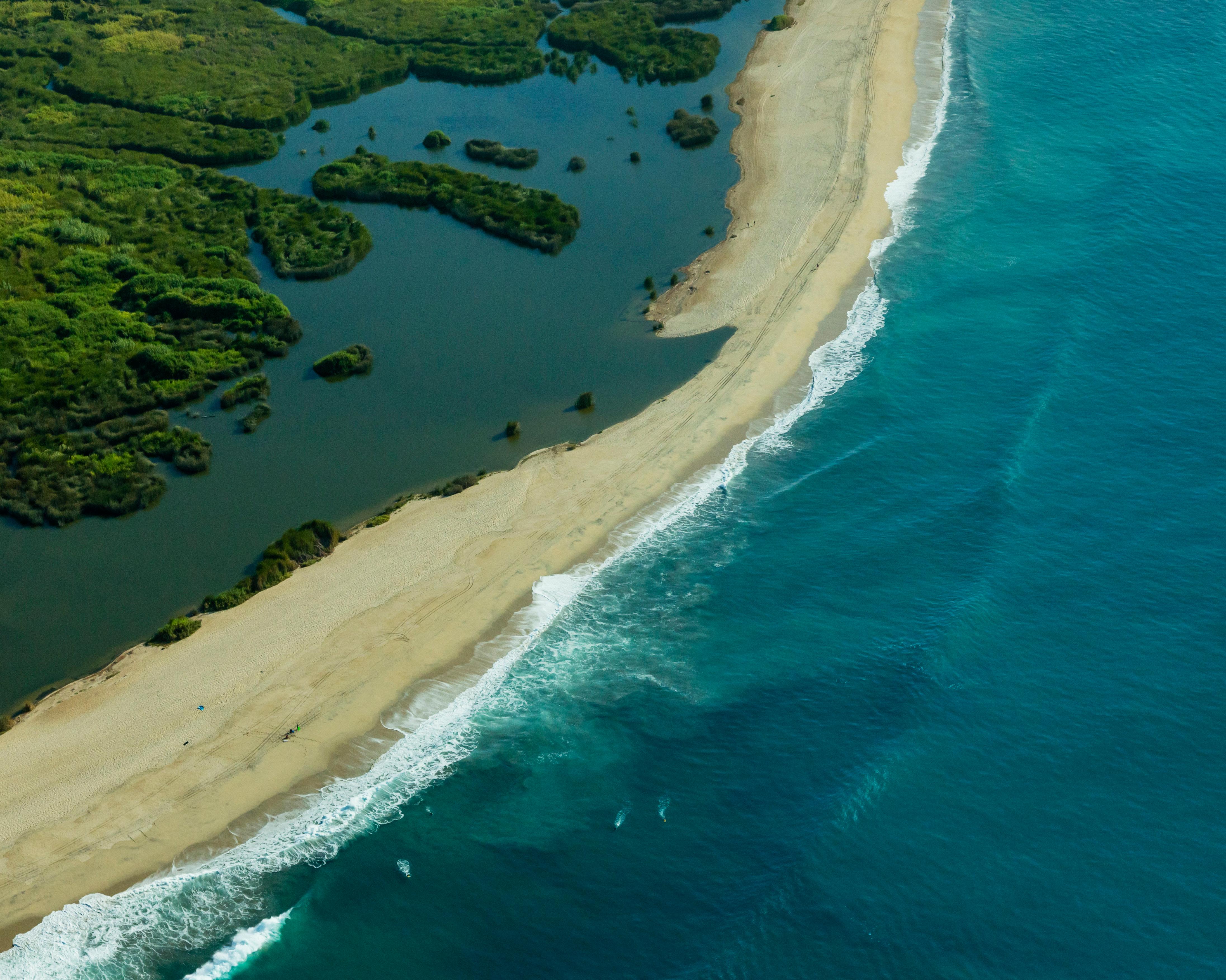
gray whale lagoons and safeguarding coral reefs, to restoring wetlands, mangroves, and coastal forests, WILDCOAST has worked with local guardians and helped conserve more than 38 million acres of coastal, ocean and island ecosystems.
These places are not just landscapes on a map—they are living systems that protect biodiversity and wildlife, sustain communities, and anchor cultures that have stewarded them for generations
In recent years, our work has taken on even greater urgency. On the same Oaxaca coast where olive ridleys have rebounded, we are now confronting one of the ocean’s most critical challenges: the survival of the Eastern Pacific leatherback sea turtle. With fewer than 400 individuals remaining, this ancient species is fighting for its future.
Today, WILDCOAST partners with Mexico’s National Park Service and local communities to safeguard more than 50 miles of nesting coastline, including key beaches where roughly 90 leatherback nests are laid each year, each one
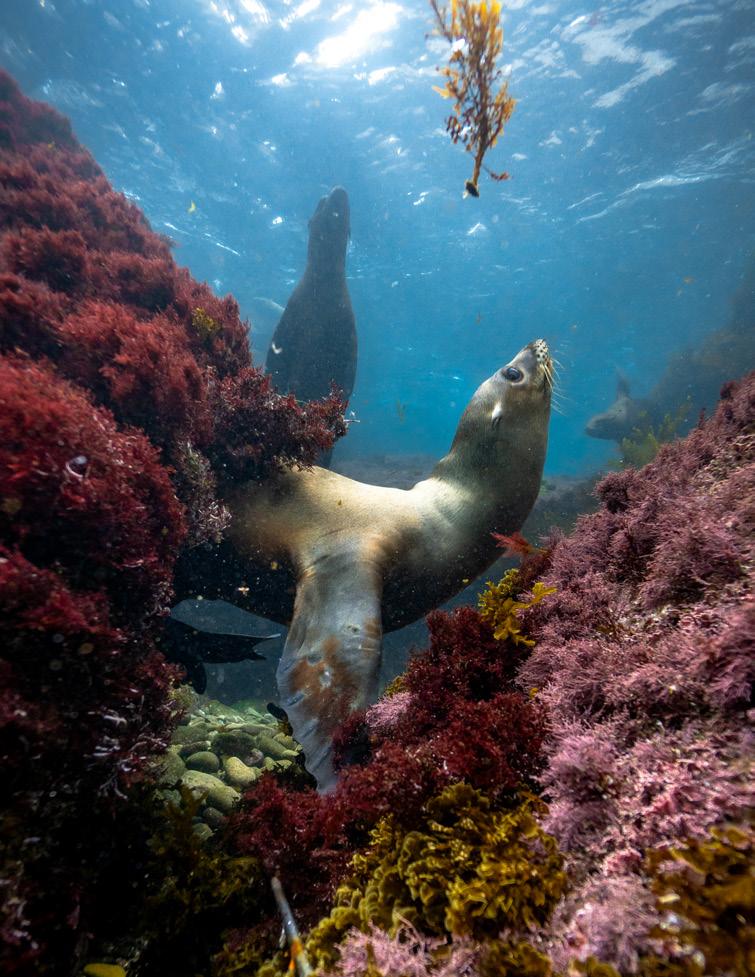
representing hope against overwhelming odds.
North of the border, another crisis unfolds daily. At the U.S.–Mexico boundary, plastic and trash flow relentlessly toward the Pacific. Through innovative trash booms and community recycling centers, we have prevented hundreds of thousands of pounds of debris from entering the ocean—because conservation is not only about protecting what is remote and wild, but also about confronting what is broken, right in front of us.
We are also addressing the climate crisis at its roots. In Mexico, we have conserved tens of thousands of acres of globally
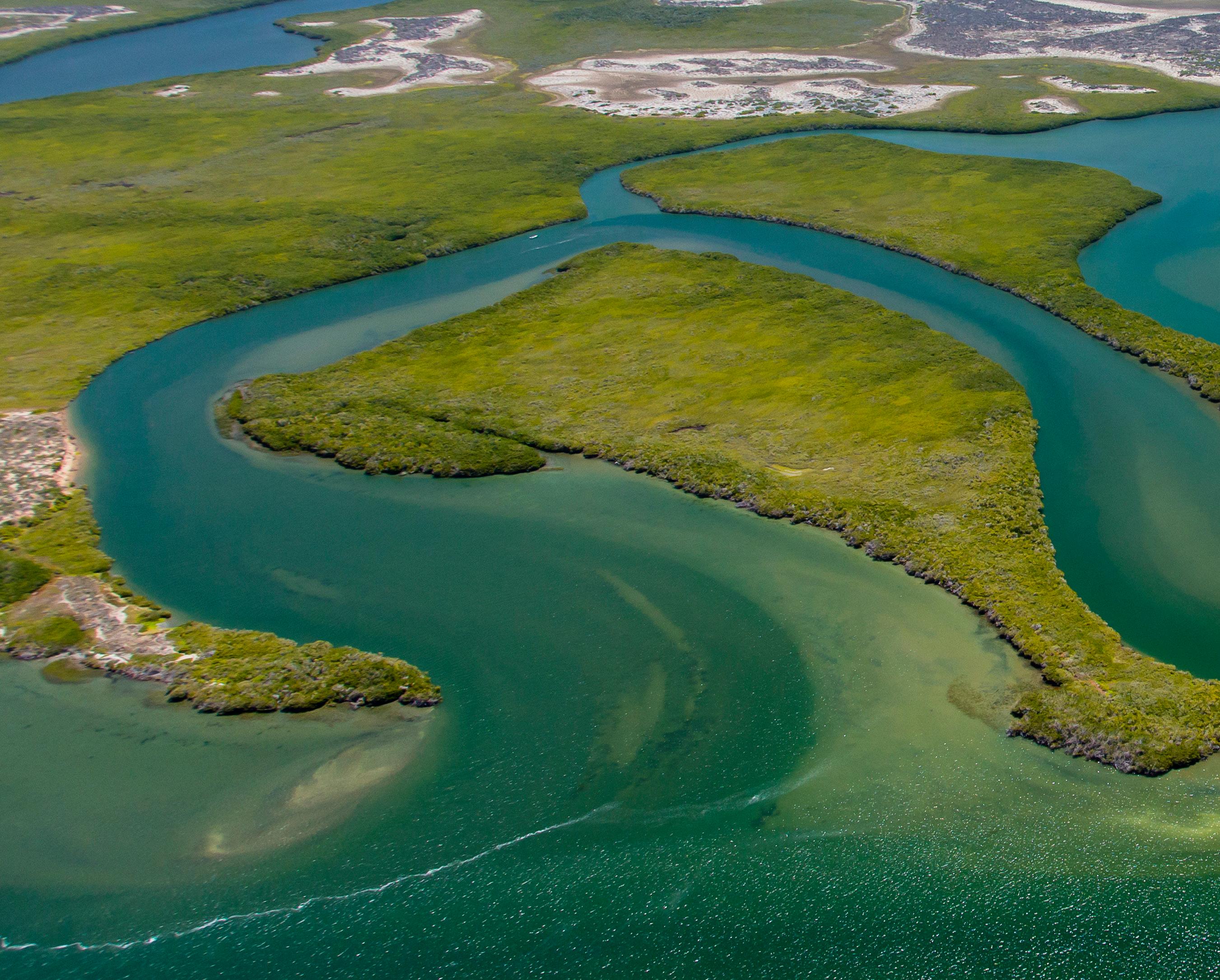
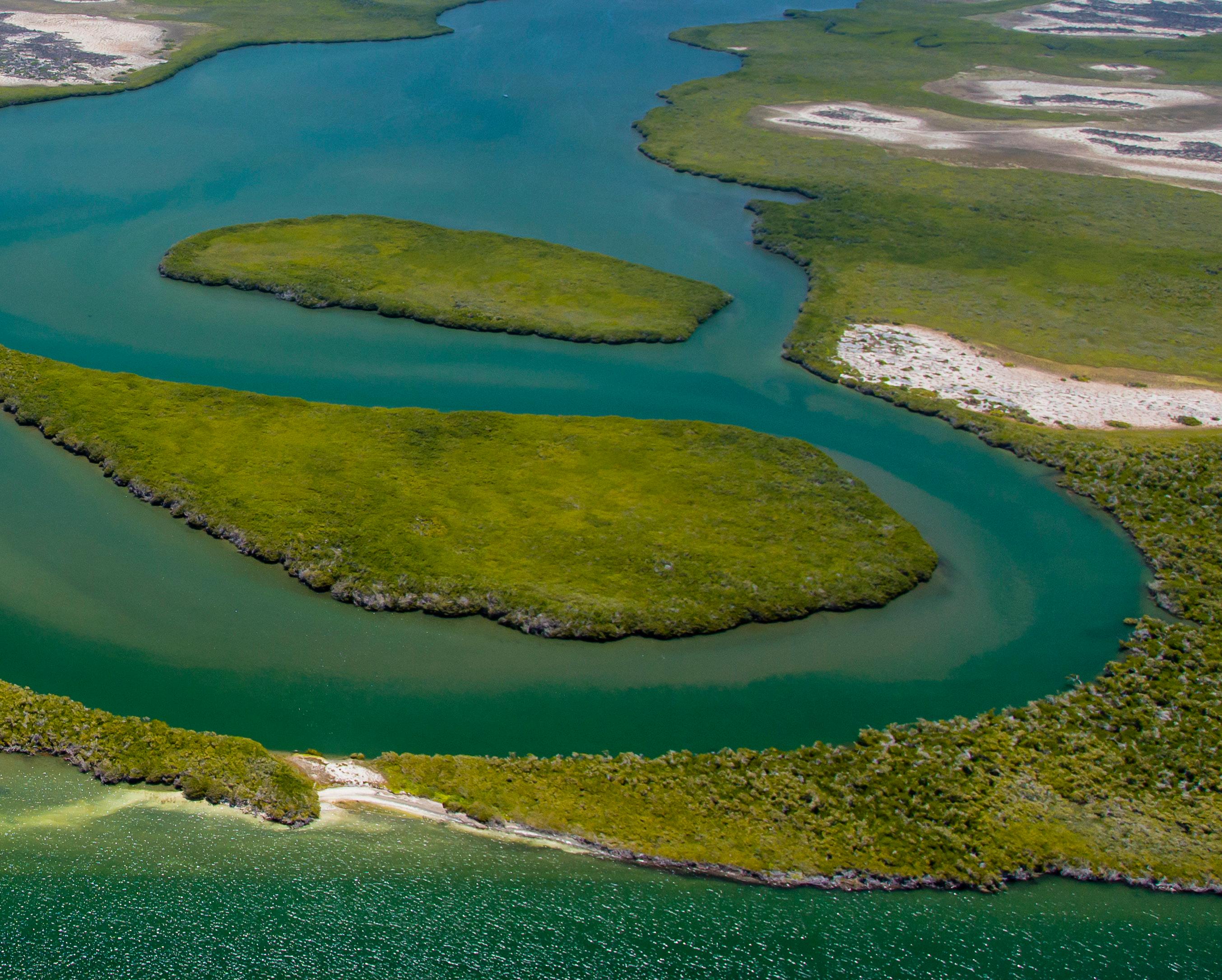
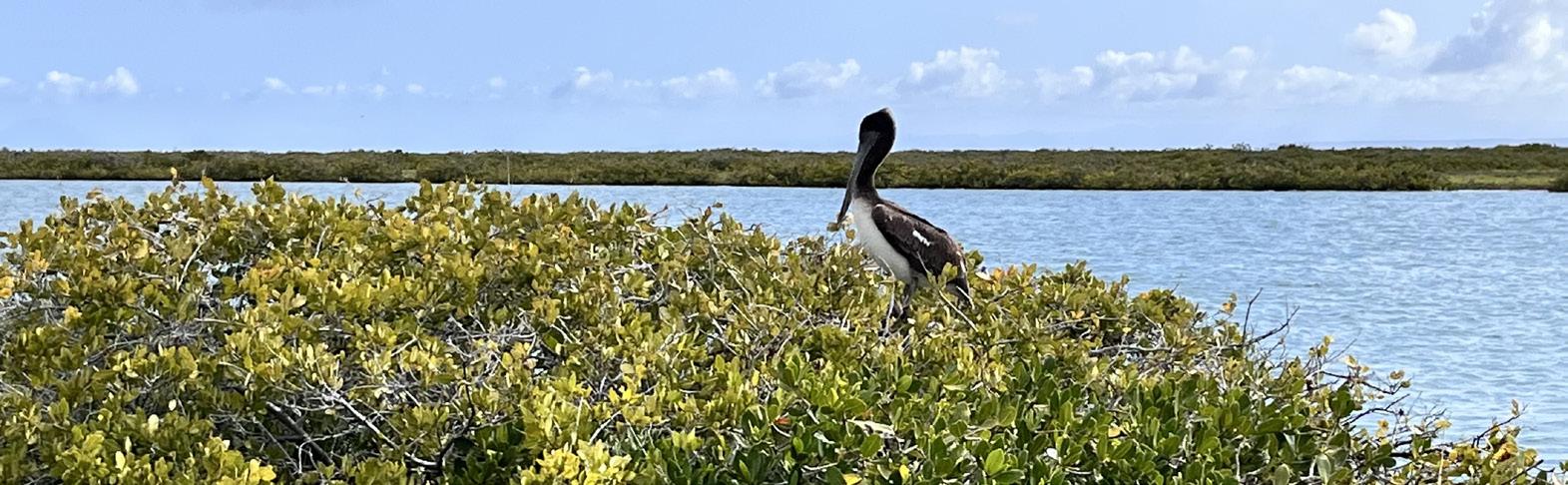
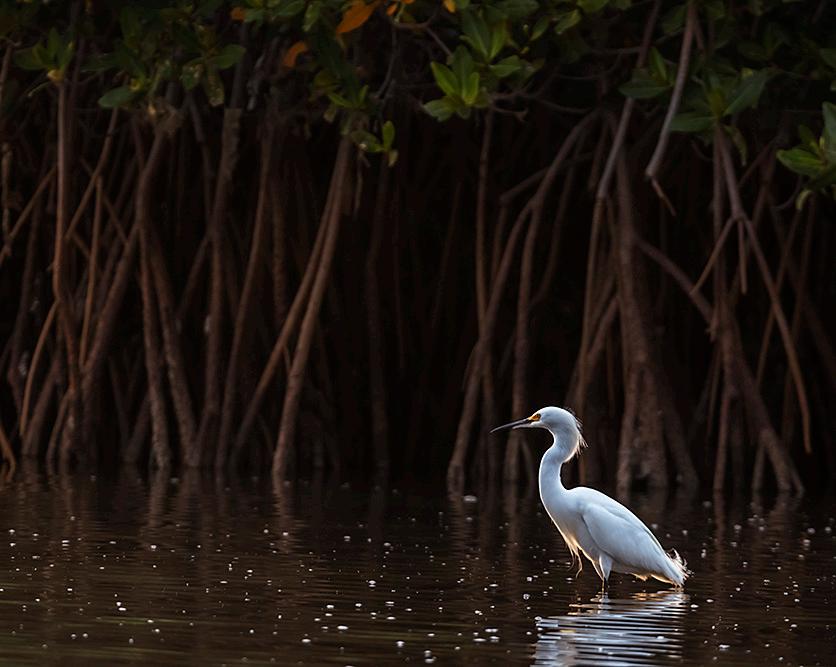
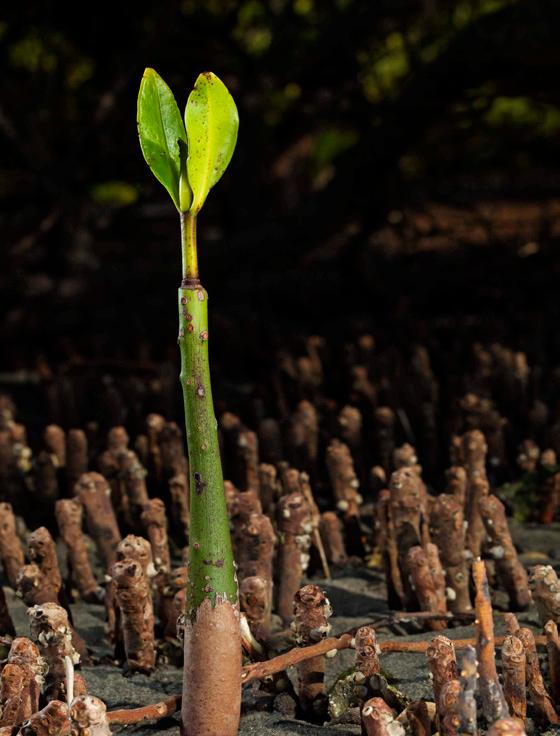
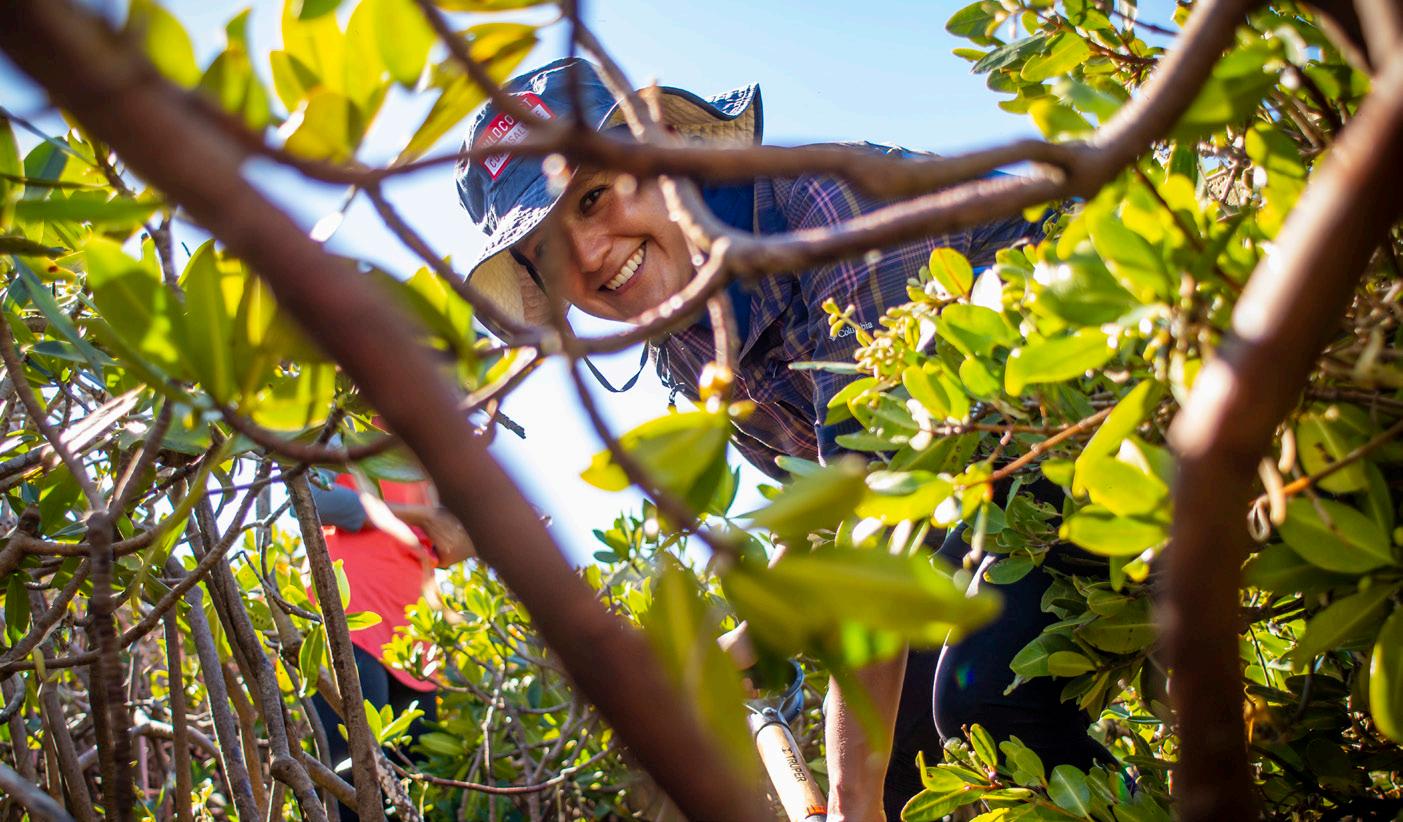
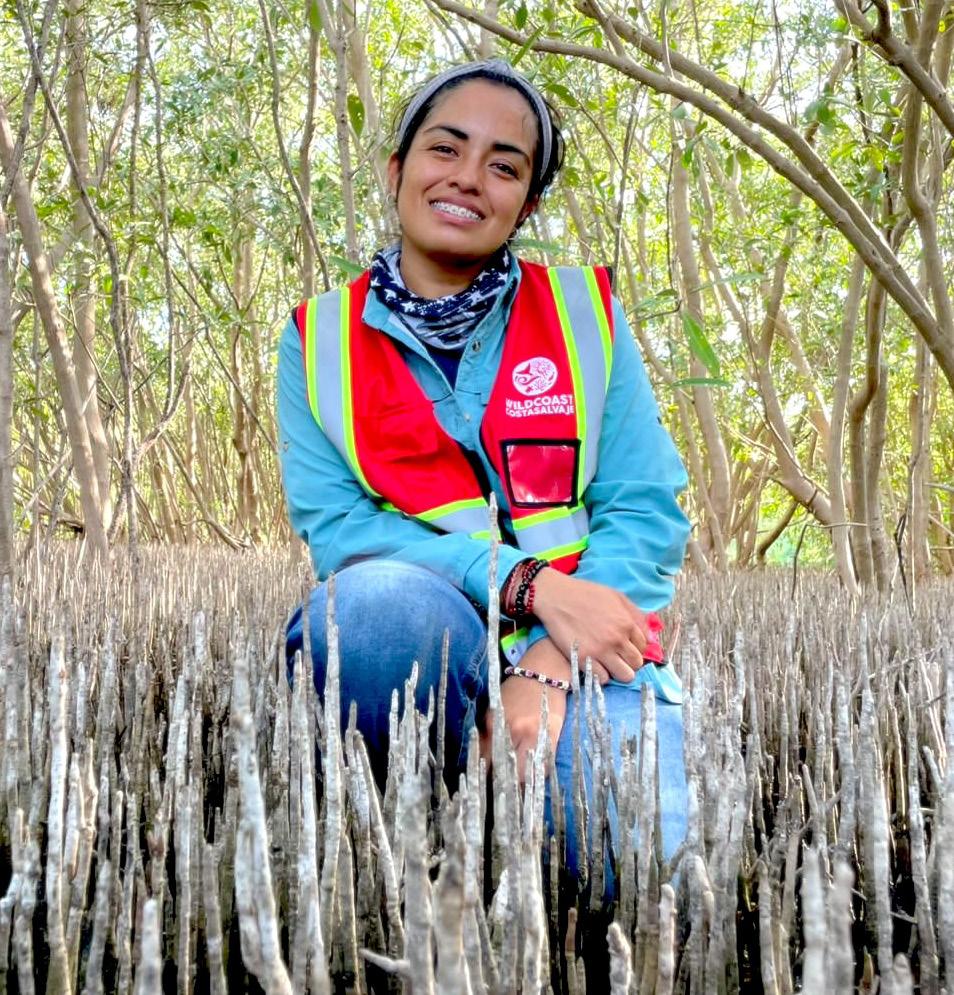
endangered coastal dry tropical forests, keeping more than a million tons of carbon out of the atmosphere. We have planted over hundreds of thousands of mangroves—natural climate defenders that protect coastlines, store carbon, and create livelihoods creating blue jobs for community members in the process. And we have safeguarded hundreds of acres of fragile coral reefs throughout Mexico’s Pacific.
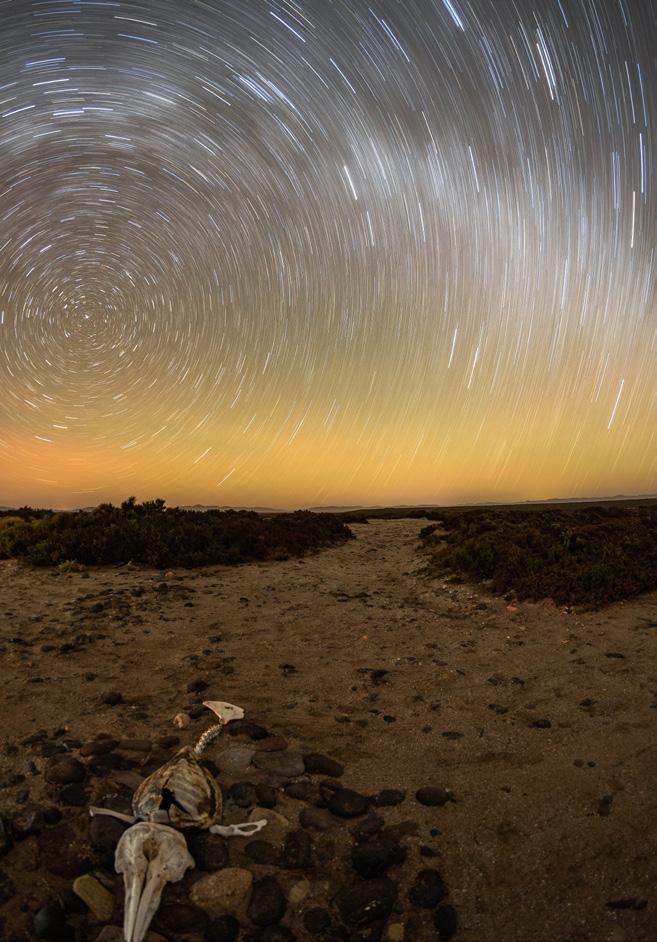
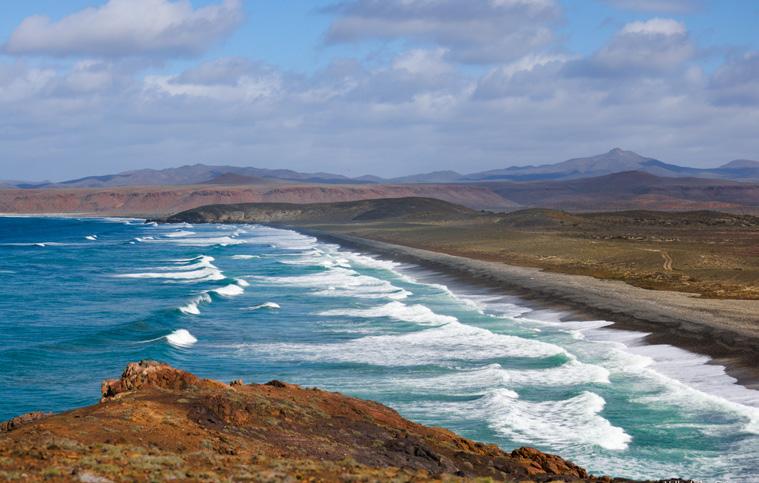
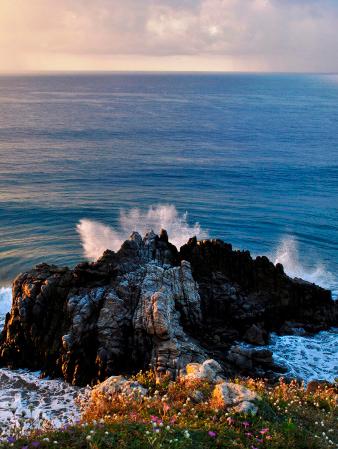
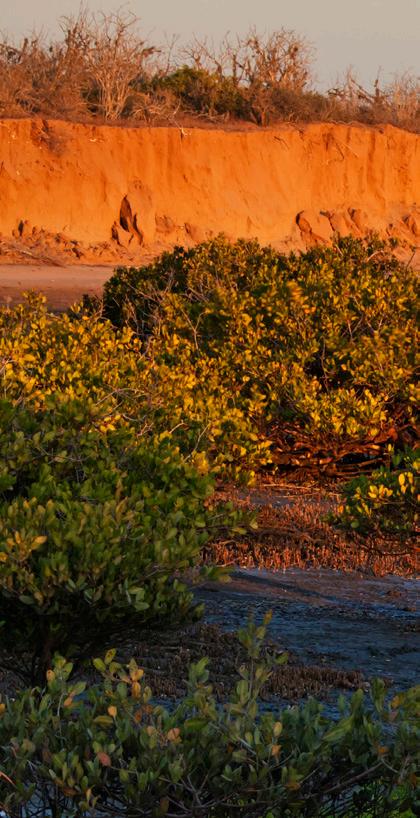
In Baja California, we purchased and protected more than 40 miles and 40,000 acres of globally unique coastal desert ecosystem by establishing the largest coastal private land reserve in North America. Our Valle de los Cirios Coastal Reserve is testament to our steadfast commitment to protecting the wild.
In California, we continue to restore native coastal habitats that strengthen coastal resilience and reconnect people to the landscapes that sustain them.
If the last 25 years have taught us anything, it is this: conservation is not optional. It is essential. The ocean gives
“
Since the beginning of WILDCOAST, it was always about saving wild nature.
endlessly, but it also asks something of us in return.
This book is an invitation to witness what is possible when people choose to show up for the places they love. As we look ahead to the future, one truth remains constant: the coast and ocean will continue to need us. And together, we will continue to answer that call.
For our coast and ocean,
Serge Dedina, Ph.D.
Co-Founder & Executive Director, WILDCOAST
Lorem ipsum dolor sit amet, consectetur adipiscing elit. Vestibulum nec tempor eros. vestibulum egestas ullamcorper. Maecenas blandit risus in nunc porttitor, at feugiat tellus dictum. Donec consequat cursus urna.
The more you get people engaged, and the more people do something positive, people see that and they want to be a part of it. And that’s really the golden key of WILDCOAST. We need to draw a line in the sand and say: we need to conserve and restore every green and blue space on the planet. Period. No negotiation. No compromise. We’re not going back — we’re moving forward. Because nature matters more than anything.
— Serge Dedina
“
The more you get people engaged, and the more people do something positive, people see that and they want to be a part of it. And that’s really the golden key of WILDCOAST. We need to draw a line in the sand and say: we need to conserve and restore every green and blue space on the planet. Period. No negotiation. No compromise. We’re not going back — we’re moving forward. Because nature matters more than anything.
— Serge Dedina