Melanie creagan dreher healthy places healthy people a handbook for culturally competent community n
Melanie Creagan Dreher Healthy Places Healthy People A Handbook for Culturally Competent Community Nursing Practice 1st edition by Melanie Creagan Dreher 1930538170 9781930538177 pdf download
https://ebookball.com/product/melanie-creagan-dreher-healthyplaces-healthy-people-a-handbook-for-culturally-competentcommunity-nursing-practice-1st-edition-by-melanie-creagandreher-1930538170-9781930538177-886/ Explore and download more ebooks or textbooks at ebookball.com
Foundations In Nursing And Health Care Beginning Reflective Practice
Melanie Jasper 1st Edition by Melanie Jasper 0748771174 9780748771172
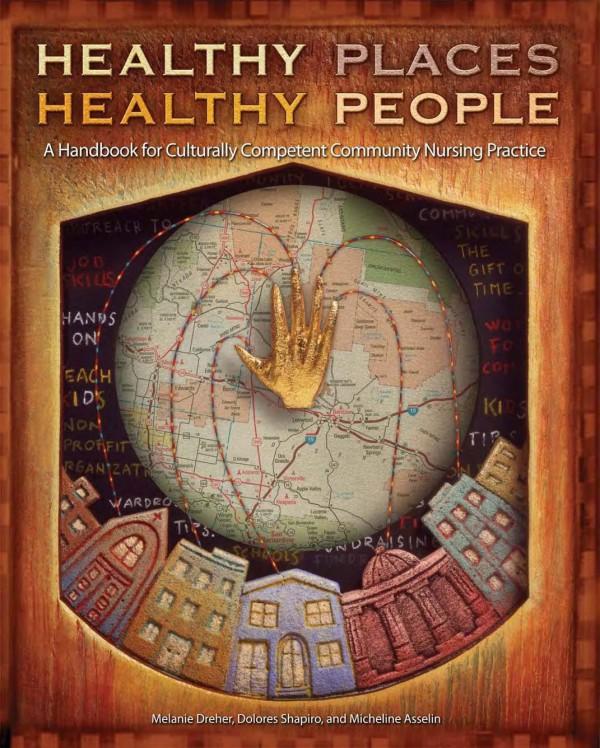
A Handbook for Culturally Competent Community Nursing Practice
Books Published by the Honor Society of Nursing, Sigma Theta
The HeART of Nursing: Expressions of Creative Art in Nursing, Second Edition, Wendler, 2005.
Reflecting on 30 Years of Nursing Leadership, Donley, 2005.
nurseAdvance Collection. (Topic-specific collections of honor society published journal articles.)
Topics offered are: Implementing Evidence-Based Nursing, Women’s Health Nursing, Leadership and Mentoring in Nursing, Pediatric Nursing, Maternal Health Nursing, Gerontological Nursing, Oncology Nursing, Psychiatric-Mental Health Nursing, and Women’s Health Nursing. 2005.
Technological Competency as Caring in Nursing, Locsin, 2005.
Making a Difference: Stories from the Point of Care, Volume II, Hudacek, 2005.
A Daybook for Nurses: Making a Difference Each Day, Hudacek, 2004.
Making a Difference: Stories from the Point of Care, Volume I, Hudacek, 2004.
Pivotal Moments in Nursing: Leaders Who Changed the Path of a Profession, Houser and Player, 2004.
Building and Managing a Career in Nursing: Strategies for Advancing Your Career, Miller, 2003.
Collaboration for the Promotion of Nursing, Briggs, Merk, and Mitchell, 2003.
Ordinary People, Extraordinary Lives: The Stories of Nurses, Smeltzer and Vlasses, 2003.
Stories of Family Caregiving: Reconsideration of Theory, Literature, and Life, Poirier and Ayres, 2002.
As We See Ourselves: Jewish Women in Nursing, Benson, 2001.
Cadet Nurse Stories: The Call for and Response of Women During World War II, Perry and Robinson, 2001.
Creating Responsive Solutions to Healthcare Change, McCullough, 2001.
Nurses’ Moral Practice: Investing and Discounting Self, Kelly, 2000.
Nursing and Philanthropy: An Energizing Metaphor for the 21st Century, McBride, 2000.
Gerontological Nursing Issues for the 21st Century, Gueldner and Poon, 1999.
The Roy Adaptation Model-Based Research: 25 Years of Contributions to Nursing Science, Boston Based Adaptation Research in Nursing Society, 1999.
The Adventurous Years: Leaders in Action 1973-1999, Henderson, 1998.
Immigrant Women and Their Health: An Olive Paper, Ibrahim Meleis, Lipson, Muecke and Smith, 1998.
The Neuman Systems Model and Nursing Education: Teaching Strategies and Outcomes, Lowry, 1998.
The Image Editors: Mind, Spirit, and Voice, Hamilton, 1997.
The Language of Nursing Theory and Metatheory, King and Fawcett, 1997.
Virginia Avenel Henderson: Signature for Nursing, Hermann, 1997.
For more information and to order these books from the Honor Society of Nursing, Sigma Theta Tau International, visit the honor society’s Web site at www.nursingsociety.org/publications. Or go to www. nursingknowledge.org/stti/books, the Web site of Nursing Knowledge International, the honor society’s sales and distribution division, or call 1.888.NKI.4.YOU (U.S. and Canada) or +1.317.634.8171 (Outside U.S. and Canada).
Healthy Places, Healthy People
A Handbook for Culturally Competent Community Nursing Practice
All rights reserved.This book is protected by copyright.No part of it may be reproduced,stored in a retrieval system,or transmitted in any form or by any means—electronic,mechanical,photocopying,recording,or otherwise—without written permission from the publisher.
Sigma Theta Tau International 550 West North Street Indianapolis,IN 46202 USA
Visit our Web site at www.nursingknowledge.org/STTI/books for more information on our books.
ISBN:1-930538-17-0
Library of Congress Cataloging-in-Publication Data
Dreher,Melanie Creagan.
Healthy places,healthy people :a cultural handbook for community nursing practice / Melanie Dreher,Dolores Shapiro,Micheline Asselin. p.; cm.
Includes bibliographical references and index.
ISBN-13:978-1-930538-17-7 (alk.paper)
ISBN-10:1-930538-17-0 (alk.paper)
1.Community health nursing.2.Community health services. [DNLM:1.Community Health Nursing.2.Community Health Services.WY 106 D771h 2005] I.Shapiro, Dolores.II.Asselin,Micheline.III.Sigma Theta Tau International.IV.Title.
RT98.D74 2005
610.73'43--dc22
2005026732
06 07 08 09/ 9 8 7 6 5 4 3 2 1
Dedication
This book is dedicated to my dear friend, Dr. Jagna Wojcicka Sharff, whose life and career were devoted to understanding people in communities and how they live and work and grow and love. Her work as an anthropologist inspired my work as a nurse. Affectionately known as “the people’s Jagna,” she touched the lives of millions and made them better (including mine).
—Melanie Dreher, PhD, RN, FAAN
Acknowledgements
We are deeply indebted to the communities in which we worked and the residents and institutions that opened their doors and hearts to our students. The University of Massachusetts students, themselves, who embraced a new way to nurse and enthusiastically set about creating healthier places for people to have healthier lives, also deserve our gratitude.
The genesis of this book can be traced to our professors: Dr. Conrad Arensberg, whose concepts of community and culture are foundational to our treatise; Dr. Lambros Comitas, whose teachings about the sociocultural complexity of local life framed our interventions; and Dr. Ralph Holloway, whose clarification of current concepts relative to the issue of race is preliminary to our discourse on social justice and health disparities. We are grateful for their wisdom.
There are not sufficient ways to thank Wendy Mains, Maureen Groden, Ken Culp, and Sue Licher for their careful reading and thoughtful comments on the manuscript. And finally, we are very grateful to our families and colleagues, and to each other, for unrelenting patience and support.
Melanie Creagan Dreher,PhD,RN,FAAN
Dolores J.Shapiro,PhD,RN
Micheline Asselin,MPA,MSN,RN,CHPN
About the Authors
Melanie Dreher, PhD, RN, FAAN
Melanie Dreher is currently the John and Helen Kellogg Dean and professor at Rush University College of Nursing. An educator for more than 30 years, Dr. Dreher has championed nursing as the profession with the greatest potential to improve the health and well-being of people in communities. She has taught community assessment, analysis, and intervention at Columbia University, University of Miami, University of Massachusetts, and the University of Iowa. After graduating from Long Island College Hospital, she earned her bachelor’s degree in nursing at Long Island University and her doctorate in anthropology at Columbia University and Teachers’ College. Professor Dreher’s extensive ethnographic research in the Caribbean has focused on communities as powerful determinants of the health and welfare of children and adults. She has represented nursing on hospital boards, citizen boards, and health insurance companies. Her community development work in Jamaica merited a citation from the United States ambassador. She held a visiting professorship at the University of West Indies. Dr. Dreher has published extensively on culture as an organizing concept in nursing education and practice.
Dolores Shapiro, PhD, RN
Dolores Shapiro is a nurse and anthropologist who has taught graduate and undergraduate nursing students at the University of Nevada at Reno, Columbia University, University of Massachusetts at Amherst, and Rutgers University. She received her bachelor of science in nursing from the State University of New York at Plattsburgh, her master’s degree in psychosocial nursing from the University of Washington, and her doctoral degree in cultural anthropology from Columbia University. Pursuing her interest in medical anthropology and the anthropology of religion, she has focused her research on spirit possession, race relations, and drug consumption. Dr. Shapiro has conducted community-based ethnographic research in New York City, Jamaica, and northeastern Brazil. Her practice includes school health, mental health, occupational health, and community program development insuch diverse places as New York, Germany, Hawaii, Oregon, New Mexico, and Massachusetts. She also is a volunteer with the National Nurse Response Team of the Federal Emergency Management Agency. She currently resides and works in New York City.
Micheline Asselin, MPA, MSN, RN, CHPN
Micheline Asselin currently teaches community health nursing at the University of Massachusetts at Amherst to RNs completing their bachelor’s degree. She has worked as a practitioner, teacher, and administrator in community health and hospice nursing for 40 years and now serves in an advisory capacity to several community and public health agencies. Throughout her career, Professor Asselin has mobilized students to become community activists to build the capacity of communities to promote healthy populations. As director of the home care program for the first American hospice, she lobbied effectively for federal reimbursement of hospice care. Professor Asselin is a graduate of the Springfield Hospital School of Nursing. She earned a bachelor’s degree at the University of Massachusetts at Amherst, and a master’s degree in public administration and a master’s in nursing from the University of Hartford in Connecticut.
Part
Part III: Action and Advocacy in Community Health Practice197
References
Chapter
Resource-Based Planning
Population-Based
Introduction
This is a book about community health practice. It is intended to help nursing students use the concept of culture to understand how communities work. In many ways, it is a “how-to” book a practical guide for all nurses learning to care for the health of whole communities. We assert that healthy places (both social and physical) are fundamental to healthy people. The goal of community nursing practice is to build the capacity of communities to protect the health and welfare of its citizens so they can reduce or eliminate their reliance on health (or really illness) care.
The goal of community nursing is to enhance community capacity for assuring a robust physical and social environment that will promote health and prevent illness.
This does not mean we challenge the role of the nurse as a direct care provider either in the home or in other noninstitutional settings. Nor does it mean nursing should abdicate its social responsibility to care for the sick. It does mean, however, that community health nursing is the specialized area of practice entrusted with the health of the entire public—not just those who are sick and not just those who have insurance or can afford to pay. It means the goal of community nursing is to enhance community capacity for assuring a robust physical and social environment that will promote health and prevent illness.
In this book, we argue that community health nursing is defined by orientation rather than by setting. For example, a nurse working in the oncology service of a tertiary care setting who mobilizes health policy for cancer prevention, supports community education for early identification of cancer, establishes self-help programs for cancer survivors, and links the families of cancer patients to community services has a strong community orientation. In contrast, nurses whose practice in a prenatal clinic is limited to assessing and counseling expectant mothers, without any interest in policies regarding ethnic disparities in low birth weight or programs that provide parenting skills, day-care programs, or family planning services are not community health-oriented, even though they work in communitybased settings. In fact, while much is made of hospital versus community, the distinction between them is not a factor that defines community practice. The hospital is simply another community institution (not unlike churches, schools, factories, etc.), and the
patients in them also are community residents. Our goal is to offer a perspective that prepares some students for careers in community health nursing and assists all students to expand the scope of their practices and acquire a more comprehensive understanding of their role in society, wherever they work.
Although nursing takes nourishment from many disciplines, the two that have most informed this text are anthropology and epidemiology. In addition to being nurses, two of the authors of this text are anthropologists, and the third has a degree in healthcare policy. Therefore, it is not surprising that a sociocultural paradigm prevails throughout the text, with emphasis on the collection and application of “local” knowledge, a quest for cultural sensitivity, and a community-oriented practice.
This text places nurses at the center of the health team, solving problems and monitoring, designing, planning, and directing the care of whole populations. It speaks to the responsibility of nurses to shape the future of healthcare. Some may regard this as an idealistic approach to public or community health nursing and argue there are few places in which we practice in the manner recommended here. We regard this as an asset rather than a shortcoming. Educators have an obligation to teach their students not only what is, but also what can and should be. We have a responsibility not only to assist nursing graduates to take positions in the existing healthcare system, but also to have the vision and ability to forge new roles, negotiate more effective healthcare systems, and ultimately to create healthier communities. The fact that there are few places in which true community health nursing is being practiced should not discourage us; it should energize us. The companion covenant, of course, is to provide students with the practical concepts and skills needed to reconstruct healthcare systems and promote global health. Thus, while we are unabashedly idealistic about our goals, we have tried to be painstakingly realistic about our strategies for achieving them. Impractical tactics and failed results only serve to discourage nurses and eventually to make them stop trying.
In this book, we offer students a public-health improvement strategy that can be applied to any community at any time. It is about assessment, analysis, and action to build community capacity. Students will learn how to view and interpret community strength, as well as vulnerability, and to formulate and implement interventions. This culturally grounded community perspective permits nurses to anticipate and plan for a healthy future. It is one large exercise in critical thinking.
Engaging in a practice that has the potential to improve the health of individuals, families, whole communities, and even nations for generations to come is a momentous undertaking. It is certainly as challenging, demanding, and exciting as working in an intensive care unit, an emergency room, or in labor and delivery. We hope this book conveys the personal gratification and fulfillment that can be derived from a career with almost limitless possibilities for fundamental and far-reaching social change.
Melanie Dreher,PhD,RN,FAAN
Dolores Shapiro,PhD,RN
Micheline Asselin,MPA,MSN,RN,CHPN
Features
Objectives
Each chapter starts out with objectives, giving the student and instructor a way to measure progress and to reinforce the critical-thinking skills offered within each chapter.
Assessment
Instrument
The assessment instrument presented in the boxes throughout chapters 3 and 4 is a great resource for the student, instructor, and practitioner.
Chapter-Level Content
Chapter 1—“The Cultural Framework of Community Health”
This chapter frames the concept of community health nursing by providing a solid understanding of culture and an exploration of the scientific foundations of community health nursing.
Chapter 1 Objectives
■ Describe the significance of culture as an organizing concept in community nursing.
■ Compare anthropology and epidemiology with regard to their units of analysis.
■ Specify the advantages of a community approach to nursing practice.
■ Explain the ecological fallacy intrinsic to commonly held notions of cultural competence and how it may actually impede care.
Chapter 2—“The Cultural Foundation of Community Health”
This chapter provides concepts and assumptions that guide and distinguish community health nursing practice. It explores population, community, and health in conceptualterms.
Chapter 2 Objectives
■ Identify the goals and unique features of community health nursing.
■ Explain how health, community, population, and culture work together as guiding concepts in community health nursing.
■ Describe the assumptions on which protecting and maintaining the health of communities are founded.
■ Specify the advantages of a community approach to nursing practice.
■ Depict the value orientation of community health and its relation to nursing practice and education.
■ Trace the emergence of community nursing practice.
Chapter 3—“Community Cultural Assessment”
This chapter provides the student with the knowledge and tools to conduct a community cultural assessment.
Chapter 3 Objectives
■ Identify the sources and methods of data gathering about the cultural capital of a community.
■ Describe the spatial and temporal dimensions of community life that impact on health and health services.
■ Delineate the sociodemographic characteristics of populations that are significant for determining community health status.
■ Identify the major components of social organization that impact on health and healthcare.
■ Applythe methods for analyzing cultural assessment data for formulating a healthy community agenda.
Chapter 4—“Community Health Assessment”
This chapter provides the student with the knowledge and tools to conduct a community health assessment.
Chapter 4 Objectives
■ Identify sources of population health assessment data.
■ Interpret health data using biostatistician and epidemiological measures.
■ Determine the health status of a population.
■ Examine the health of the environment.
■ Identify the cultural capital dedicated to the pursuit of health.
■ Compare the community’s health institutions in terms of primary, secondary, and tertiary prevention.
Chapter 5—“Culture-Based Planning for Community Health”
This chapter describes the basic principles and strategies for using assessment data to identify a health problem and develop a culturally appropriate plan for its solution.
Chapter 5 Objectives
■ Identify the value of health planning.
■ Compare culture-based planning with resource-based and population-based planning.
■ Outline the process of culture-based planning.
■ Distinguish between an activity plan and a strategic plan.
■ Trace historical and current trends in health planning.
Chapter 6—“Community Practice Implementation: Culture-Based Leadership”
This chapter continues with the analysis and utilization of assessment data for the purposes of community-specific action.
Chapter 6 Objectives
■ Distinguish between the conflict and consensus models of public health action.
■ Identify the special challenges of working with the community as client and the skills and theories needed.
■ Describe the process of building a constituency.
■ Describe the process of building a coalition.
■ Distinguish between primary and secondary target groups in mobilizing community action.
■ Prepare an effective public health message.
I PART
COMMUNITY HEALTH PRACTICE: ITS
FEATURES AND FOUNDATIONS
Healthy communities are fundamental to healthy populations and the object of community practice intervention. But when confronted with the magnitude and complexity of the community-client, community health nurses often retreat to the interventions with which they are most familiar—specifically, personal health services. Thus in spite of almost two decades of critique (Butterfield, 1990; Dreher, 1982; Drevdahl, 1995; Kang, 1995), community health nursing continues to locate advocacy at the individual and family level. In their historical reluctance to move beyond personal health services, community health nurses have become “community assessors but personal intervenors, creating a paradox in which improving a community’s health is accomplished through action aimed at individual behaviors rather than at the larger social and political vehicles” (Drevdahl, p. 13).
Flu immunizations, family planning clinics, nutritional counseling, smoking cessation, and prostate cancer screening are important and necessary public health activities. They are not sufficient, however, to build community capacity, i.e., a thriving, productive citizenry, residing in a healthy social and physical environment; nor are they sufficient to meet the two primary goals of Healthy People 2010—to eliminate health disparities and extend the quality and years of healthy life (U.S. Department of Health and Human Services, 2001). To accomplish the broad, far-reaching changes that will build sustainable, healthy places and populations, community advocacy must include large-scale social action (Atwood, Colditz, & Kawachi, 1997; Milio, 1975).
It is usually the case that the thorniest public health problems are those most deeply embedded in the traditions and structures of a community’s culture. The growing epidemic of obese and overweight people, for example, is amazingly resistant to standard interventions. So in spite of public education, recreational facilities, nutritional disclosure on packaged food, and peer-support programs, not to mention any number of diets, behavior modification programs, hypnosis, and surgical interventions, the rate of obesity continues to grow, creating a national public health problem that has effectively reduced the quality and years of healthy life.
For most public health problems, there is no shortage of plans and projects. The debates over fluoridation, speed limits, cigarette advertisements, immunization, family planning, and gun control all demonstrate the significance of culture-bound values in shaping public health policy. The dilemmas encountered in advocating for healthy communities are attributable not to the lack of solutions, but rather to the difficulty in implementing those solutions within a complex community culture. Chapters 1 and 2 will explore and explain the fundamental concepts of culture, community, and population necessary to guide and frame community health practice.
References
Atwood, K., Colditz, G.A., & Kawachi, I. (1997). From public health science to prevention policy. Placing science in its social and political contexts. American Journal of Public Health, 87(10), 1603-1606.
Butterfield, P.G. (1990). Thinking upstream: Nurturing a conceptual understanding of the societal context of health behavior. Advances in Nursing Science, 12(2), 1-8.
Dreher, M. (1982). The conflict of conservatism in public health nursing education. Nursing Outlook, 30(9), 504-509.
Drevdahl, D. (1995). Coming to voice: The power of emancipatory community interventions. Advances in Nursing Science, 18(2), 13-24.
Kang, R. (1995). Building community capacity for health promotion: A challenge for public health nurses. Public Health Nursing, 12(5), 312-318.
Milio, N. (1975). The care of health in communities. New York: Macmillan.
U.S. Department of Health and Human Services. (2001). Healthy people 2010. McLean, VA: InternationalMedical Publishing.
The Cultural Framework of Community Health
Community health nurses promote and protect the health of whole communities. Guided by the premise that a clean, safe, and supportive community will enhance the health of its individual citizens, community nursing is less about personal health services and more about building the community’s capacity for a healthy and sustainable future.
Chapter 1 Objectives
■ Describe the significance of culture as an organizing concept in community nursing.
■ Compare anthropology and epidemiology with regard to their units of analysis.
■ Specify the advantages of a community approach to nursing practice.
■ Explain the ecological fallacy intrinsic to commonly held notions of cultural competence and how it may actually impede care.
Cultures are fluid and constantly changing vis-àvis new environments and inconstant physical, social, economic, and political circumstances. Real cultural competence requires rejecting simplistic views of culture as monolithic and unchanging or that people are “frozen” in cultural traditions, unable to modify their behavior and learn new ways.
Culture is not a new concept in public health. The importance of knowing the community’s culture to determine patterns of illness, health, and use of health services was documented almost 50 years ago in a landmark collection entitled Health, Culture, and Community: Case Studies of Public Reactions to Health Programs (Paul, 1955).
If you wish to help a community improve its health, you must learn to think like the people. … To assume new health habits, it is wise to ascertain the existing habits, how these habits are linked to one another, what functions they perform, and what they mean to those who practice them. (p. 1)
Nor is culture new for public health nurses. In 1954, George Rosen advised:
First and foremost comes a knowledge of the community and its people. This knowledge must be acquired and is just as important for successful public health work as is a knowledge of epidemiology or medicine. … The community health nurse … should be consciously aware of the way of life of the people, their goals in life, the motivations that make them do the things they do, the things in life that mean much or little to them. (p. 15)
Culture may be, in fact, the factor that most distinguishes nursing from medicine and other health professions (Dreher, 1996; Leininger, 1989). For decades, nursing has been defined as the diagnosis and treatment of human responses to health and illness (American Nurses Association, 1980), which obliges nurses to include culture among their guiding concepts. Individuals vary in their responses to disease and also to birth, death, infirmity, developmental transitions, treatment, andhospitalization; much of this variation can be traced to differences in the social and cultural contexts in which people live.
Unlike physicians—for whom a streptococcal infection is treated in the same manner whether the client is in Bangkok or London, or for whom hip replacement surgery is the same procedure in Kenya as in Canada—nurses must anticipate and accommodate the inevitable variation in clients’ responses to an infection or to post-surgical recovery. Nurses understand that manifestations, acknowledgement, and management of even the most physiological responses are firmly embedded in the contexts of home and community, where clients and their families live their daily lives. Nursing is a cultural phenomenon;
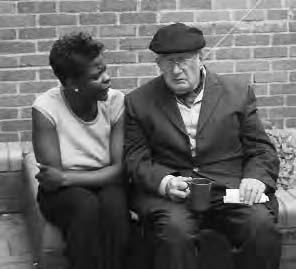
Photo by JohnWisbey. Stashyjon@softhome.net
most expressions of care and comfort are learned responses, derived in cultural context, and are subject to variation across ethnic and national groups.
When caring for individuals and families, nurses must find out more about their clients than just their disease, age, and sex. To be most therapeutic, nurses should know about their clients’ ways of life, values, education, occupation, social status, family responsibilities, and the meanings these clients have given to their illness. Because of their holistic orientation, nurses are likely to have the most complete and in-depth knowledge of clients.
Likewise, with client-communities, community health nurses will want to know something more than the rate of HIV infection, the prevalence of diabetes, or the incidence of low birth-weight babies. They will also want to know about the community’s economy, religious institutions, educational resources, commonly held values, social norms, power structures, justice systems, and the prevailing knowledge and beliefs about health and healthcare. In other words, they must understand the culture of the population to be served. Attention to culture can expose the determinants of health and illness, as well as identify community resources—or the cultural capital—that can be used to build the community’s capacity for public health.
As the United
States
continues to evolve as a multiethnic, culturally diverse society, a standard of cultural competence in all human services is wholesome, desirable, and consistent with principles of social justice.
Cultural Competence in Nursing Practice
In recent years, culturally competent care has emerged as the mantra of contemporary nursing practice (Campinha-Bacote & Munoz, 2001; Fahrenwald, Boysen, Fischer, & Maurer, 2001; Garity, 2000; Holland & Courtney, 1998; Leininger, 1989, 1997). Journals and books abound with formulas and instructions for students, educators, and clinicians on how to “become more culturally sensitive” and “celebrate diversity,” preparing nurses for a practice world in which ethnic and racial diversity is the norm. Acknowledging the dramatic changes in ethnic composition that challenge a healthcare system is long overdue. As the United States continues to evolve as a multiethnic, culturally diverse society, a standard of cultural competence in all human services is wholesome, desirable, and consistent with principles of social justice. On the other hand, cultural competence is not
well understood and is subject to many interpretations. Culturally competent care, as an outcome, is difficult to measure as well as to teach. Moreover, culture has become a term used to describe almost any kind of group beliefs or behavior. Given the complexity of culture and its importance for nursing, it is useful to critically examine the notion of cultural competence and what it means for community nursing.
Until fairly recently, health professionals have tended to identify culture as something that occurs in other societies or in so-called ethnic communities. But all communities, including those of health providers, have a culture. Perhaps even more problematic is the lack of understanding of the distinction between ethnicityas an individual characteristic and culture as a group characteristic. The term culture refers to the learned patterns of behavior and range of beliefs attributed to a specific group that arepassed on through generations. It includes ways of life, norms and values, social institutions, and a shared construction of the physical world. While cultural groups are composed of individuals, most members go through life assuming only some features of their identifiedculture. Some may embrace cultural norms, while others may reject them; still others may apply them situationally. Thus individuals with the same ethnic background may exhibit varying levels of adherence to traditional cultural norms.
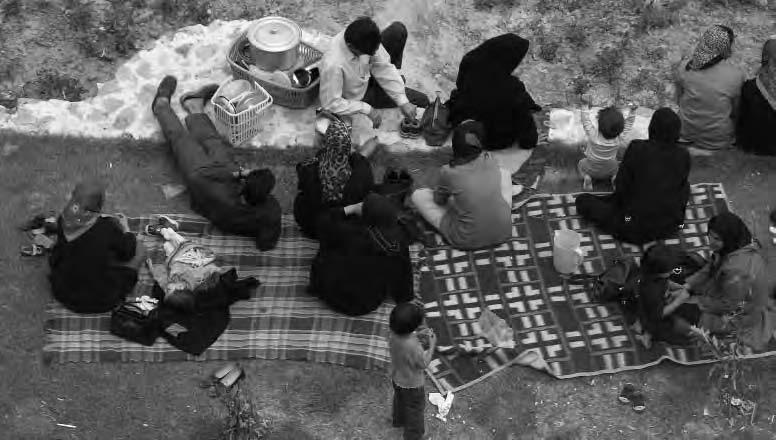
Photo by Mira Pavlakovic, Ozalj, Croatia.
It is generally understood that culture, in its most comprehensive meaning, pertains to groups. The problem is that healthcare typically is dispensed to individuals. When information about groups (cultures) is used to make predictions about individuals (clients), it is termed an ecological fallacy (Bernard, 2002; Dreher & MacNaughton, 2002). Ironically, in an attempt to be culturally sensitive, nurses and physicians often act on information that simply may not apply to specific individuals and could compromise clinical effectiveness. If, for example, the normative definition of female physical beauty in a particular culture is 5 feet tall and 180 pounds, it would be easy to dismiss obesity in women as simply a cultural phenomenon and ignore the possibility of physiological or psychological pathology. While cultural norms regarding desired female body mass may help explain the presence of obesity in a particular group, they cannot be presumed to account for obesity in a particular woman. The nurse still would not really know whether, and to what extent, obesity in a particular woman was attributable to cultural, physiological, or psychological factors, or a combination of all these factors.
In addition to a narrow conception of culture, making assumptions about cultural uniformity often fails to account for the shifting nature of a culture. Although cultures differ in the speed with which change occurs and the degree of internal variation, few could be described as static and/or homogenous. Cultures are fluid and constantly changing vis-à-vis new environments and inconstant physical, social, economic, and political circumstances. Real cultural competence requires rejecting simplistic views of culture as monolithic and unchanging or that people are “frozen” in cultural traditions, unable to modify their behavior and learn new ways.
Ironically, in an attempt to be culturally sensitive, nurses and physicians often act on information that simply may not apply to specific individuals and could compromise clinical effectiveness.
While culture must be used judiciously in clinical practice, it is a potent and farreaching concept in public health, where communities (groups) rather than individuals are the standard unit of intervention (Boyle, Szymanski, & Szymanski, 1992; Fahrenwald et al., 2001; Hagey, 1988; May, Mendelson, & Ferketich, 1995). Continuing with the earlier example, information about the norms and beliefs regarding female beauty is likely to have practical value in designing community-based responses to the high ratesof obesityrelated illness in specific populations. It also would have theoretical value in explaining the cultural determinants of obesity. Cultural knowledge about social rules, norms, and patterns of behavior provides guidance for social marketing and public education programs,
for community-based health promotion initiatives, and for organizing personal health services for specific populations.
For community health nurses, real cultural competence is the extent to which they are effective in building community capacity—for example, assisting communities to identify, enhance, and deploy their cultural capital. Cultural capital is the arsenal of institutions, leaders, customs, knowledge, and values that forms the context for action and can be used to promote healthy, invested communities (Hopkins & Mehanna, 2000). This is not a very complicated concept. If, for example, it was desirable to increase the amount of available blood for use in the event of an emergency, it would not be necessary to go through the telephone book to solicit donors and convince each of them of their civic responsibilities. Rather, onewould mobilize the leadership of local clubs and other voluntary organizations, provide them with the necessary literature and materials, and let those leaders convince their groups to donate blood as a worthy cause. The most successful public health initiatives and examples of real cultural competence are community-based programs that are targeted to specific social groups, engage community leaders, work through local institutions, and use culturally established channels of communication (Tripp-Reimer, 1999; TrippReimer, Choi, Skemp-Kelly, & Enslein, 2001; U.S. Department of Health and Human Services [USDHHS], 2001a).
For community health nurses, real cultural competence is the extent to which they are effective in building community capacity—for example, assisting communities to identify, enhance, and deploy their cultural capital.
Conservatism in Community Nursing
It is not surprising nursing’s interest in culture emerged in the public health arena. Tracing the development of culture as an organizing concept in nursing, Tripp-Reimer and Fox (1990) observed that interest in culture first appeared at the turn of the century among public health nurses who reported differences in life and health patterns between existing communities and immigrant communities. Later, when nursing education was moved from hospitals to universities, an increased exposure to social sciences, such as anthropology, permitted nurses to acquire a broader understanding of the determinants of health and illness.Those determinants include social and economic dislocations that keep some communities on uneven footing, creating inequalities and ethnic disparities in health.
Unfortunately, instead of using cultural knowledge to generate the “culturally transformative” (Tripp-Reimer et al., 2001), far-reaching reform that could ameliorate some of the
major health problems of society, nurses have focused on the prevention of disease almost exclusively through the encouragement of individuals to adopt healthy lifestyle behaviors. Rather than working at the policy level to change the political and economic institutions that permit the conditions of poor public health to exist, community nurses have tended to advocate for individual clients and their families, while neglecting the system-level action needed to promote sustainable and healthy communities. Nurses have helped communities adjust to inadequate housing, unsatisfactory waste disposal, and dangerous traffic patterns but have neglected the system-level action needed to truly improve the health of the public. Even if nurses are committed to addressing health disparities by rendering culturally competent care to individual patients and their families (SmithBattle, Diekemper, & Drake, 1999), their best intentions are no match for the power structure that perpetuates inequalities in health and access.
Chafey (1996) addresses this problem in a critique of “caring” in its application to public health:
Nurses must care about what happens to groups of citizens, as well as particular clients. … Although proponents of “caring” seem to have drawn a distinction between an ethic of justice and an ethic of care, this is bipolar, even antithetical. Building the health of communities requires universal application of the principles of justice. It further requires that nurses care enough about their communities and the individuals in them to do battle in political, social, and economic arenas. (p. 15)
Many argue the political conservatism that has characterized nursing—even community nursing—is attributable to the socialization of nurses into passive roles and their lack of assertiveness. A more probable explanation, however, lies in the nursing profession’s almost exclusive concentration on individuals and families as the unit of nursing care. Typically, nursing education emphasizes nurse-client and nurse-family relationships. Thus, there are many excellent clinicians who are not necessarily well prepared to manage the organization or context of care or to function in the public or political arena. Withthe exception of culture, which often is misapplied to the care of individuals, nursing education generally does not include theories that apply to group- or community-level behavior
Without an arsenal of theories that recognizes whole communities as a fundamental unit of society, nurses are not equipped to take grouplevel action, resulting in a political conservatism that continues to characterize professional nursing.
(Tripp-Reimer, 1999). This is both a cause and a product of the traditional focus on individual care. Even in community nursing, theories grounded in psychology (e.g., anomie, symbolic interaction, cognitive dissonance, and health belief models) continue to dominate nursing education and practice along with the emphasis on personal health services.
Without an arsenal of theories that recognizes whole communities as a fundamental unit of public health, nurses are not equipped to take group-level action, and political conservatism continues to characterize professional nursing. Although formal definitions of community health nursing identify geopolitically based populations as the unit of service, students of community health nursing often never learn how to go beyond assessment to apply that concept in their practice (Butterfield, 1990; Dreher, 1982; Drevdahl, 1995).
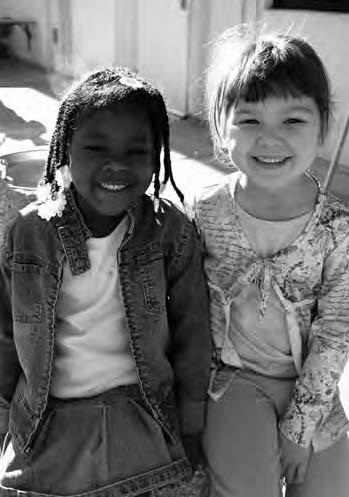
http://www.anissat.com/photos.php.
Photo copyright 2006 Anissa Thompson.
A brilliant and timeless example of what nurses can do when they focus on creating healthy communities and not just on personal health services is presented in 9226 Kercheval Street (Milio, 1970). While working as a young visiting nurse in an innercity community in Detroit, MI, Milio discovered the most effective assistance she could provide to the mothers on public assistance was to help them be independent wage earners. To do this, she partnered with those mothers to establish a cooperative daycare center where they could safely leave their children while they entered the workforce. Fighting many policy and financial battles, Milio helped her clients to initiate a day-care center and run it independently. Most importantly, she engaged citizens in communitylevel action in which they identified and used existing community resources to create a healthier, more wholesome environment for children.
The Scientific Basis of Community Health Nursing
Traditionally, the fundamental science of public health has been epidemiology. Grounded in the notion that the individual is the basic unit of society, epidemiological research identifies variations among populations in the distribution of diseases and health problems to under-
stand the etiology of diseases. The variables that are discovered to be associated with a particular disease are identified as risk factors, which then are used to guide public health intervention. A simple and well-known example is the identification of tobacco smoking as a risk factor for lung cancer. The goal of public health is to reduce the incidence and prevalence of lung cancer by reducing the incidence and prevalence of tobacco smoking. The contributions of epidemiology for improving the health of the public through identification of risk factors and disease prevention are profound and have done more to enhance the health of the public in the last century than all of the efforts of clinical medicine.
With increasing acknowledgement of the influence of culture on health and illness, epidemiological studies have expanded the usual biological risk factors to include social and cultural determinants. In most instances, however, epidemiology has approached the concept of culture as an individual risk factor (ethnicity or national origin)to be correlated in large-scale studies with other risk factors (income, sex, genetic history, education) in the search for the cause of disease. Being African American, for example, is a risk factor for hypertension; being American Indian is a risk factor for diabetes. Such correlations, however, do not distinguish ethnicity, an individual trait or characteristic, from culture, a characteristic of groups that describes community-level patterns of beliefs, behaviors, and institutions. Taken out of context, these correlations do not explain how identified risk factors are articulated in the complex community cultures where people live out their daily lives. What is it, for example, that puts American Indians at greater risk for diabetes or African Americans at greater risk for hypertension? Knowing that tobacco smoking and lung cancer are highly correlated will not be sufficient to reduce the incidence and prevalence of lung cancer and other pulmonary diseases unless we also understand the cultural significance of smoking cigarettes, the number of people who earn a living growing tobacco and producing cigarettes, and the political strength of the tobacco industry.
With the development of medical anthropology as a discipline, there has been a mounting awareness that the relationship between health status and social status cannot be explained solely with reference to genetic variables, lifestyle choices, or differences in access to health services (Corin, 1994; Dressler, 1982, 1985). As the evidence accumulates, we have begun to have a better understanding that health inequalities are rooted in community culture, where the conditions of disparities are most evident. Unlike epidemiological studies, which use the individual, aggregated in populations, as the unit of analysis, medical anthropologists study whole communities as the context for understanding the way in which culture influences health and illness. There is, for example, increasing evidence that the health of individuals is directly linked to the capacity of the community to engage its citizens in a network of social relationships. A well-known study about mortality in
Alameda County, CA (Berkman & Syme, 1979), found the most significant predictor of mortality was how socially connected individuals were, independent of the usual risk factors such as smoking, diet, and exercise.
Similarly, a study of low infant birth weight in six Chicago neighborhoods showed neighborhood characteristics such as housing costs, crowding, community age distributions, and cultural homogeneity were more predictive of inequalities in maternal-infant health than individual risk factors such as race, ethnicity, and socioeconomic status. Surprisingly, neighborhoods with higher-cost housing had a higher rate of low infant birth weight than did neighborhoods with more crowded housing and a higher concentration of young African-American residents (Roberts, 1997). These findings were explained by better social support for pregnant women in the more crowded but culturally homogenous neighborhoods and by the availability of more disposable income (for food and care) in neighborhoods with lower-cost housing.
In anthropology, the unit of analysis is the cultural group—frequently framed as community (Arensberg, 1961). Using ethnographic methods such as participant observation, kinship analysis, institutional analysis, and network analysis, anthropologists set about identifying the constellation of conditions and systems in communities that produce health and
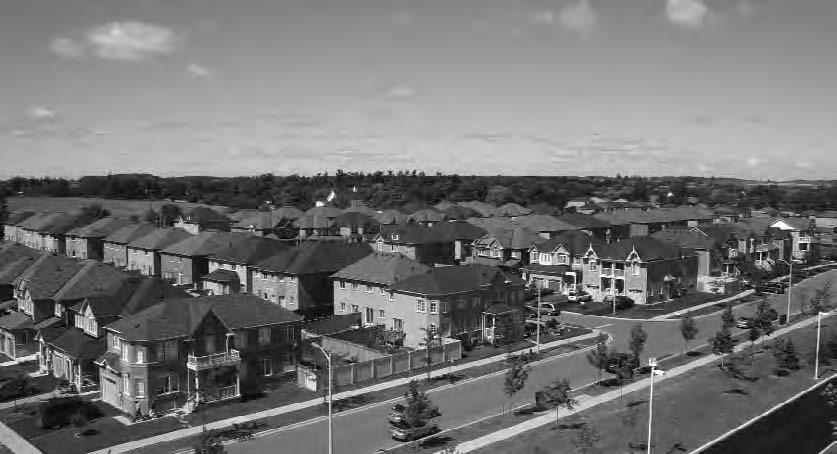
Photo by Aron Kremer. Japan.
illness. Ethnographers approach culture not as an individual risk factor (ethnicity), but as “the matrix of collective influences that shape the lives of groups and individuals” (Corin, 1994, p. 101). Compared with the concrete reality of a population, culture is conceptual and therefore more difficult to study empirically than populations. Usually, culture is approached through in-depth studies in single communities that permit an identification of the linkages among the various aspects of local life that explain patterns of health and illness.
The importance of both populations and communities in providing a comprehensive and informed approach to growing and sustaining healthy communities has necessitated expanding the scientific orientation of public health practice to include anthropology as well as epidemiology. The determinants of health are multiple and complex and are embedded in the cultural context of communities in which individuals and families live. Yet we have relied almost exclusively on an epidemiological orientation in which populations have been used as the basic unit of analysis to identify not only the causes but also the solutions for poor community health (Cwikel, 1994). When ethnographic studies are deployed in conjunction with epidemiological studies, they provide a mutually reinforcing approach to understanding the causes of and solutions for poor health.
In this book, an anthropological approach is employed in which ethnographic methods, using communities as the units of analysis, are complemented by population-based epidemiological studies. Nurses, with their intimate and comprehensive knowledge of community life, are extraordinarily well positioned to be ethnographers—collecting, analyzing, and then acting on data that usually are difficult and expensive for public health officers and social scientists to flush out. Indeed, the description of the role of anthropologists in global health (Helman, 2001)—to ensure the cultural relevance of public health programs; identify community resources; monitor the impact of community interventions; mobilize expertise for health planning and implementation; influence policymakers; advocate for communities at state, national, and international levels; and continuously develop better, more efficient ways to assess communities—also describes the role of community health nurses.
People do not live out their lives in populations. Nor do they live out their lives in cultures. Rather, people live and experience health and illness in communities where circumstances generate conflict, where people do not always follow the rules, and where cultural norms and institutions fluctuate according to the exigencies of daily life.
Summary
Healthy People 2010 is the third in a series of U.S. national agendas for improving the healthof the public. Although it has many objectives related to disease prevention and health promotion, the two primary goals of the program are to increase the quality and years of healthy life and eliminate health disparities. Healthy People 2010 is a nationwide agenda. However, the importance of communities in which the determinants of health and the solutions to health problems are embedded within the cultural context of villages, towns, and neighborhoods is acknowledged within the document. People do not live out their lives in populations. Nor do they live out their lives in cultures. Rather, people live and experience health and illness in communities where circumstances generate conflict, where people do not always follow the rules, and where cultural norms and institutions fluctuate according to the exigencies of daily life. Communities constitute the matrix in which health and illness are produced and expressed, and where effective intervention occurs. It is here that nurses get things done, meet with individuals and groups, and use local institutions and cultural norms to create and accomplish a Healthy People agenda. It is here where nurses identify and deploy the cultural capital required to build community capacity. In the following chapters, it will be made clear that the concept of culture is fundamental to community health. Culture is what turns a population and a place into a community. While culture is not directly observable, it is the conceptual lens through which we come to understand the local community and its impact on health (USDHHS, 2001a, 2001b).
Culture is what turns a population and a place into a community.
References
American Nurses Association. (1980). Nursing: A social policy statement. Kansas City, MO: Author.
Arensberg, C. (1961). The community as object and sample. American Anthropologist, 63, 241-264.
Berkman, L.F., & Syme, L.S. (1979). Social networks, host resistance, and mortality: A nine-year follow-up study of Alameda County residents. American Journal of Epidemiology, 109(2), 186-204.
Bernard, H.R. (2002). Research methods in anthropology: Qualitative and quantitative approaches (3rd ed.). Walnut Creek, CA: Alta Mira Press.
Boyle, J.S., Szymanski, M.T., & Szymanski, M.E. (1992). Improving home health care for the Navajo. Nursing Connections, 5(4), 3-13.
Butterfield, P.G. (1990). Thinking upstream: Nurturing a conceptual understanding of the societal context of health behavior. Advances in Nursing Science, 12(2), 1-8.
Campinha-Bacote, J., & Munoz, C. (2001). A guiding framework for delivering culturally competent services in case management. The Case Manager, 12(2), 48-52.
Chafey, K. (1996). “Caring” is not enough: Ethical paradigms for community-based care. Nursing and Health Care Perspectives on Community, 17(1), 10-15.
Corin, E. (1994). The social and cultural matrix of health and disease. In R.G. Evans, M.L. Barer, & T.R. Marmor (Eds.), Why are some people healthy and others not?: The determinants of health of populations (pp. 93-132). New York: Aldine DeGruyter.
Cwikel, J.G. (1994). After epidemiological research: What next? Community action for health promotion. Public Health Reviews, 22(3-4), 375-394.
Dreher, M. (1982). The conflict of conservatism in public health nursing education. Nursing Outlook, 30(9), 504-509.
Dreher, M. (1996). Nursing: A cultural phenomenon. Reflections on Nursing Leadership, 1(4), 4.
Dreher, M., & MacNaughton, N. (2002). Cultural competence in nursing: Fallacy or foundation? Nursing Outlook, 50(5), 181-186.
Dressler, W.W. (1982). Hypertension and culture change: Acculturation and disease in the West Indies. New York: Redgrave.
Dressler, W.W. (1985). Psychosomatic symptoms, stress, and modernization: A model. Culture, Medicine, and Psychiatry. 9(3), 257-286.
Drevdahl, D. (1995). Coming to voice: The power of emancipatory community interventions. Advances in Nursing Science, 18(2), 13-24.
Fahrenwald, N., Boysen, R., Fischer, C., & Maurer, R. (2001). Developing cultural competence in the baccalaureate nursing student: A population-based project with the Hutterites. Journal of Transcultural Nursing, 12(1), 48-55.
Garity, J. (2000). Cultural competence in patient education. Caring, 19(3), 18-20.
Hagey, R. (1988). Retrospective on the culture concept. Recent Advances in Nursing, 20, 1-10.
Helman, C. (2001). Culture, Health, and Illness. London: Arnold.
Holland, L., & Courtney, R. (1998). Increasing cultural competence with the Latino community. Journal of Community Health Nursing, 15(1), 45-53.
Hopkins, N., & Mehanna, S.R. (2000). Social action against everyday pollution in Egypt. Human Organization, 59(2), 245-254.
Leininger, M. (1989). Leininger’s theory of nursing: Cultural care diversity and universality. Nursing Science Quarterly, 1(4), 152-160.
Leininger, M. (1997). Transcultural nursing research to transform nursing education and practice. Image: Journal of Nursing Scholarship, 29, 341-347.
May, K.M., Mendelson, C., & Ferketich, S. (1995). Community empowerment in rural health care. Public Health Nursing, 12(1), 25-30.
Milio, N. (1970). 9226 Kercheval Street: The storefront that did not burn. Ann Arbor, MI: University of Michigan Press.
Paul, B. (Ed.). (1955). Health, culture, and community: Case studies of public reactions to health programs. New York: Russell Sage Foundation.
Roberts, E. (1997). Neighborhood social environments and the distribution of low birth weight in Chicago. American Journal of Public Health, 87(4), 597-603.
Rosen, G. (1954). The community and the health officer: A working team. American Journal of Public Health, 44(1), 14-17.
SmithBattle, L., Diekemper, M., & Drake, M.A. (1999). Articulating the culture and tradition of community health nursing. Public Health Nursing, 16(3), 215-222.
Tripp-Reimer, T. (1999). Cultural interventions for ethnic groups of color. In A.S. Hinshaw, S. Feetham, & J. Shaver (Eds.), Handbook of clinical nursing research (pp. 107-123). Thousand Oaks, CA: Sage.
Tripp-Reimer, T., Choi, E., Skemp-Kelly, L., & Enslein, J. (2001). Cultural barriers to care: Inverting the problem. Diabetes Spectrum, 14(1), 13-22.
Tripp-Reimer, T., & Fox, S. (1990). Beyond the concept of culture. In J. McCloskey & H. Grace (Eds.), Current Issues in Nursing (pp. 542-547). London: Blackwell Scientific.
U.S. Department of Health and Human Services. (2001a). Cultural competence works. Using cultural competence to improve the quality of health care for diverse populations and add value to managed care arrangements. (Government publications 980372). Merrifield, VA: Author.
U.S. Department of Health and Human Services. (2001b). Healthy people 2010. McLean, VA: International Medical Publishing.
2Chapter
The Cultural Foundation of Community Health
This chapter introduces community nursing practice, exploring its major features and explaining its guiding concepts, values, and orientation. While the notion of having a whole community as a client may be daunting at first, a systematic approach is introduced for assessing communities, determining intervention strategies, and evaluating progress. It will require a different way of thinking and a different set of skills than typically are used in clinical practice.
Chapter 2 Objectives
■ Identify the goals and unique features of community health nursing.
■ Explain how health, community, population, and culture work together as guiding concepts in community health nursing.
■ Describe the assumptions on which protecting and maintaining the health of communities are founded.
■ Specify the advantages of a community approach to nursing practice.
■ Depict the value orientation of community health and its relation to nursing practice and education.
■ Trace the emergence of community nursing practice.
A community is not just the sum of its individual citizens.
What Is Community Health Nursing?
Community health nursing differs from other kinds of practice in two important ways:
1. The unit of practice is the whole community.
2. The objective of practice is the promotion of health.
These two features—communities as clients and the focus on promoting health rather than managing disease—are related in important ways. Caring for the health of the public requires community-level intervention. By identifying a community’s strengths and using those strengths as the starting place for protecting the health of citizens, community nurses have a profound influence on the health of individuals and families who live and work there.
The most essential and comprehensive community health nursing activity is enhancing community capacity (Kang, 1995). Community capacity is the extent to which local residents and institutions are equipped to manage the opportunities and problems the community is likely to confront. It is not unlike promoting the health of individuals and families so they can successfully manage the problems, losses, crises, and opportunities that are bound to occur over a lifetime. While there are many things outside their control, healthy communities can mobilize material and social resources to be ready for favorable and adverse trends and events so as to protect the growth and sustainability of community life. In places where there is an active citizen infrastructure, with a demonstrated capacity for community development and social planning, residents are able to reach a satisfactory resolution of health and social problems on their own (Cwikel, 1994).
What Is a Healthy Community?
The health of a community is not simply the aggregate of the health status of its individual citizens. Rather, it is a physical, economic, and social matrix that has the potential to fulfill the goals of Healthy People 2010 (U.S. Department of Health and Human Services [USDHHS], 2001b).
■ Extend the quality and years of healthy life for its citizens, and
■ Eliminate health disparities.
Community health is less focused on individual health and access to personal health services and more on economic stability, educational opportunity, robust community institutions, citizen participation, and social justice. For example, Hornberger and Cobb (1998) found in their study of a rural Midwestern community that citizens valued the
presence of a hospital and nursing home in their communities not so much because they provided accessible healthcare, but because these agencies provided jobs and economic stability for local residents. Respondents in the study cited kinship and other social relationships as well as community institutions (educational, religious, political) that facilitated a safe, caring environment for all citizens as indicators of a healthy community.
A community’s health is the result of a complex interaction between the population and its environment. Using this ecological perspective, a community health problem reflects not just a problem with residents or a problem with the environment, but rather a problem with the relationship between them. To make it even more complex, human populations and environments change continuously; therefore, constant adaptation and readaptation are required to create and maintain healthy communities. Just as one health problem is resolved, new ones emerge to take its place. Milio (1975) put it succinctly: “Health is not a ‘state’ to be captured and dealt with; nor is it some achievement to be attained with finality. It is rather the response of people to their environment” (p. 3).
While this perspective suggests the quest for health, as an outcome, is futile, Dubos (1965) advised that while health is a goal that is ever changing, it is nonetheless one toward which we must continue to strive through new discoveries and new solutions to health problems.